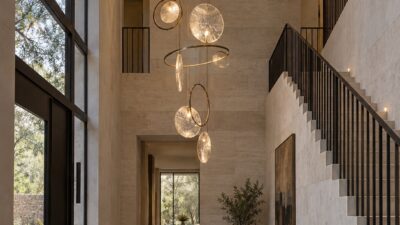
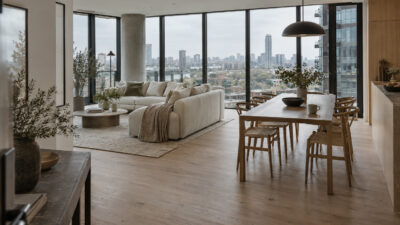
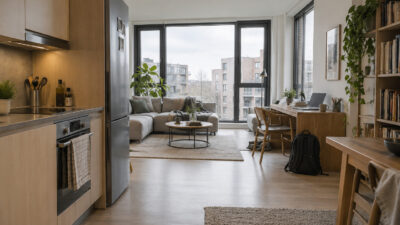
Rental property interior design works best when every visible choice has a job: make the space easier to photograph, easier to maintain, and easier for a buyer or tenant to trust. Instead of spending on decoration first, start with durable flooring, clean paint, layered lighting, practical storage, and staging that makes each room’s purpose obvious.
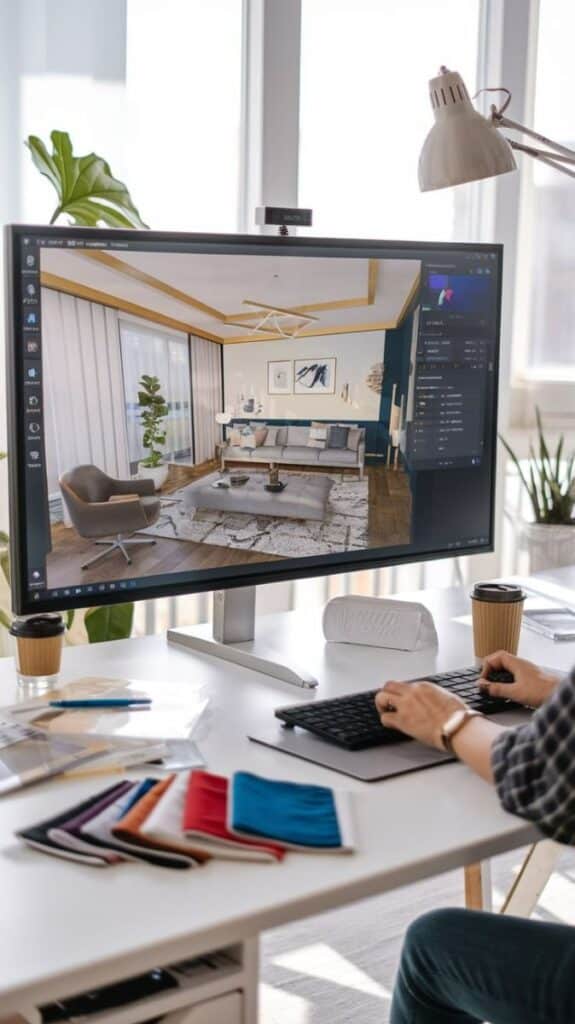
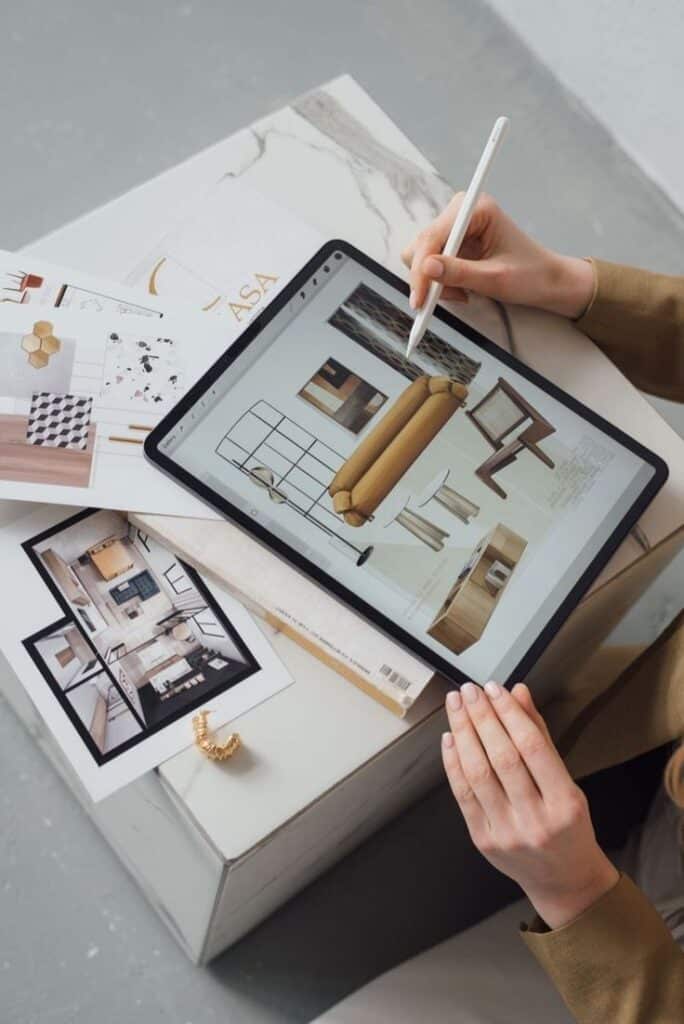
Rental property interior design: what investors should prioritize
Rental property interior design is the practical use of layout, finishes, lighting, furniture, and staging to support rent, resale, or flip value. The goal is not to decorate for one person’s taste. The goal is to remove friction: dark rooms, confusing layouts, tired surfaces, weak listing photos, and details that make a property feel harder to maintain than it really is.
A good investor design plan starts with the exit strategy: long-term rental, short-term rental, resale, or spec build. From there, every finish has to earn its place. I would rather see a tight paint palette, a clean floor transition, and good task lighting than one expensive feature fighting a tired room around it. The best result feels calm and move-in ready, while still leaving room for the next occupant to imagine their own furniture and routine.
How design choices affect property value
Real estate and interior design meet at the viewing. Buyers and tenants are not only checking square footage; they are asking whether the space feels cared for, practical, and easy to live in. That creates an opening for investors who use design decisions deliberately instead of treating them as surface decoration.
A strong room reduces uncertainty. Good light, a clear layout, clean finishes, and calm color choices help a viewer understand the property faster. That does not mean every upgrade is worth doing. It means the design plan should make the property’s value easier to see.
For investors comparing design decisions against acquisition, renovation, and listing costs, PropertyLiftUp is one place to cross-check the real estate side of the budget before committing to finishes.
The interior design investment economics
Many property investors are cautious about large design budgets, and that caution is healthy. Design becomes useful when it is treated as a measured investment: the spend should reduce buyer doubt, improve listing photos, clarify room use, or remove a visible maintenance objection. If the goal is resale value, compare the design budget with practical home value improvements before choosing cosmetic upgrades.
Before assigning money to finishes, check whether the area can support the completed value. This UK property data due diligence guide shows how to compare sold prices, planning, crime trends, and local infrastructure before setting a renovation ceiling.
The trick is knowing where design money actually works. Not every improvement pays back equally. A young renter, a downsizing buyer, and a premium family-home buyer will read the same room differently, so the design brief should begin with the target occupant rather than the investor’s personal taste.
Property investor design ROI checklist
Use the design budget where it can change perception quickly. The National Association of Realtors Profile of Home Staging is a useful reminder that room clarity affects how buyers read a listing, while the NAR Remodeling Impact Report shows why visible interior projects such as flooring can influence perceived value.
| Design move | Why it matters for ROI | Investor rule |
|---|---|---|
| Paint and wall repair | Removes visual friction in photos and viewings. | Use a warm neutral that works with the floor and natural light. |
| Flooring | Signals cleanliness, durability, and maintenance quality. | Repair or refinish before replacing unless the floor is truly beyond saving. |
| Lighting | Makes rooms feel larger, safer, and better maintained. | Layer ambient, task, and accent light; avoid one flat ceiling source. |
| Kitchen and bath details | Buyers inspect these rooms for cost risk. | Upgrade hardware, grout, caulk, taps, mirrors, and lighting before chasing luxury finishes. |
| Staging | Shows scale, circulation, and room purpose. | Stage awkward rooms first; empty rooms often photograph smaller than they are. |
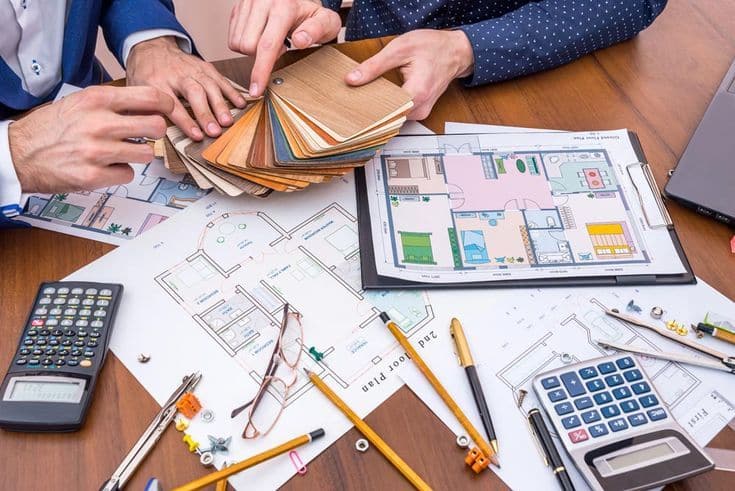
Spec home design planning for broad appeal
Spec homes and investment rentals have the same basic design problem: they need to feel considered without becoming too personal. A custom home can follow one owner’s taste. A rental, flip, or spec build has to photograph well, survive real use, and appeal to a broader slice of the market.
Start by naming the likely occupant. A young renter, a growing family, a downsizing buyer, and a short-term guest will judge the same room differently. That choice affects storage, lighting, floor durability, hardware, window treatments, and how neutral the palette should be.
Spec home construction planning is useful here because it forces the same discipline investors need: broad appeal, reliable materials, and a few memorable details in places that matter. Use accent color in removable pieces, keep permanent finishes calmer, and make sure the layout supports more than one lifestyle.
Lighting deserves special attention in any rental property interior design plan. Natural light helps sell the first impression, but artificial lighting carries the room on cloudy days, winter afternoons, and evening viewings. A mix of ceiling, task, and accent light makes even a simple room feel more intentional.
Primary bedroom design as a selling point
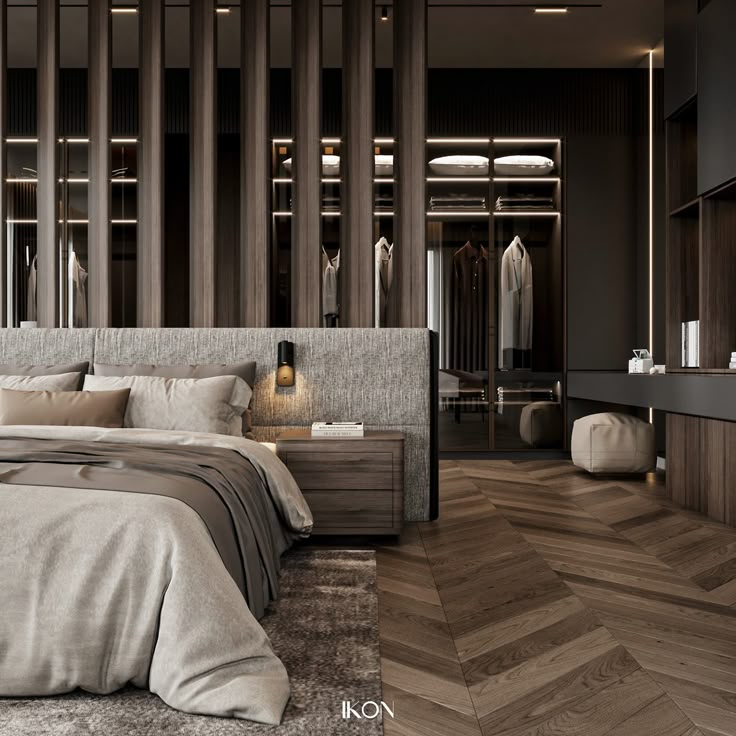
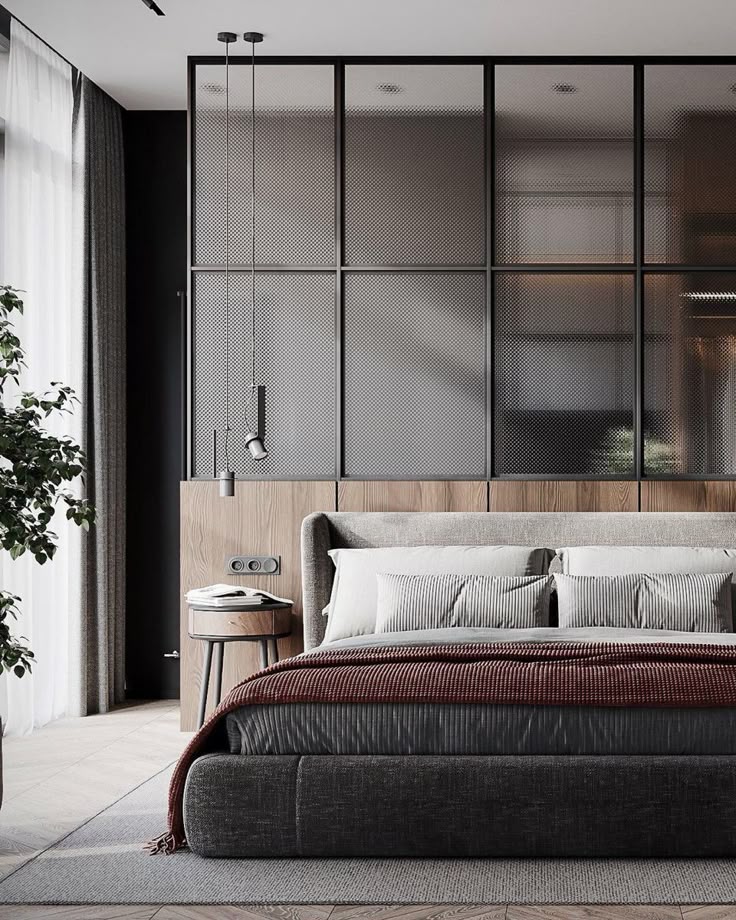
The primary bedroom can influence a viewing more than investors expect. It does not need hotel-level luxury, but it should look quiet, clean, and easy to furnish. A room that feels cramped or visually noisy makes buyers and tenants wonder where their real life will fit.
For rental house interior design, the practical details matter most: enough walking space around the bed, simple bedside lighting, curtains or blinds that control glare, and storage that looks deliberate. If the room has an ensuite or walk-in closet, make that function obvious in the listing photos.
Master bedroom interior design advice often focuses on mood, but investors should translate that mood into simple choices: soft neutral color, warm bulbs, a headboard wall that anchors the bed, and textiles that add comfort without looking too specific.
Texture helps because bedrooms can look flat in photos. Bedding, a simple rug, and well-fitted window treatments add depth without locking the room into one taste. If the property is an apartment or city rental, good apartment window treatments can also solve privacy, light, and noise problems at once.
Storage should never feel like an afterthought. A clean closet system, matching hang rails, and a simple shelf layout tell viewers the property can handle daily life. Even a small closet looks better when it is organized, lit, and not stuffed for the photo shoot.
When hiring a designer protects ROI
DIY design can work when the property is straightforward and the budget is tight. It becomes risky when the layout is awkward, the price band is higher, or several finishes need to work together across open rooms. That is where a designer can save money by preventing expensive second guesses.
Interior design salary and compensation data can help investors understand why professional guidance costs what it does. The better question is not whether a designer is always necessary. It is whether the next design decision could affect rent, resale price, construction waste, or time on market.
A useful designer is not just choosing colors. They are checking scale, circulation, finish transitions, lighting temperature, durability, and whether the room will read clearly in photos. That outside eye is valuable because investors can become attached to choices that do not match the market.

Color psychology for property marketing
Color is one of the cheapest design decisions, but it is also one of the easiest to overdo. In a rental or resale property, color should support light, cleanliness, and room size before it expresses personality.
Neutrals still carry most saleable spaces because they make rooms easier to read. That does not mean cold white everywhere. Warm whites, greige, muted taupe, and soft gray can look calm while still working with timber, tile, carpet, and daylight.
Use stronger color where it can be changed without drama: cushions, art, a small rug, or a staged throw. For permanent surfaces, keep the palette easier to maintain. This is also where professional interior painting can protect the finish quality, especially around repaired walls and high-touch rental areas.
Flooring decisions that affect perceived value
Flooring is one of the first things viewers judge because it signals cleanliness, durability, and maintenance history. There is no universal winner between carpet, hardwood, and luxury vinyl. The right choice depends on tenant type, room use, climate, price band, and how much damage the floor is likely to take.
Hardwood can lift perceived quality, especially in resale properties, but it needs to match the neighborhood and the asking price. Before replacing timber, check whether refinishing or better color matching would solve the problem. This guide to matching hardwood floors with interior style is useful when the floor is staying.
Luxury vinyl plank can be a strong rental choice because it handles traffic, cleaning, and moisture better than many softer finishes. Carpet still has a place in bedrooms when comfort and acoustic softness matter. For a deeper material check, compare LVT flooring choices with the main types of carpet before committing.
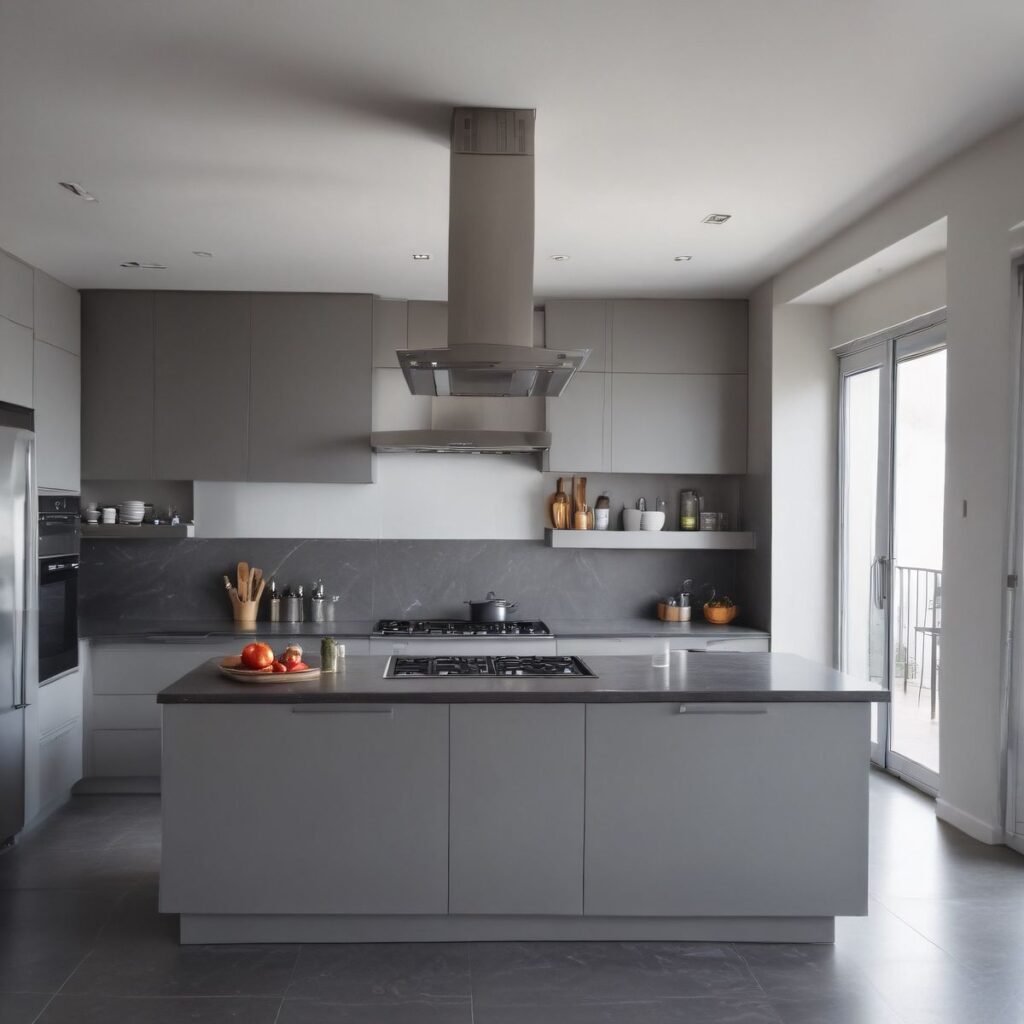
Kitchen and bathroom updates with the clearest ROI
Kitchens and bathrooms carry more weight because viewers read them as cost-risk rooms. If either space looks neglected, buyers start subtracting money in their heads. If they look clean, bright, and easy to use, the rest of the property gets more trust.
In the kitchen, spend first on the details that show in photos and inspections: cabinet fronts, pulls, tapware, clean grout, task lighting, appliances, and enough clear counter space. A premium home may need stone and custom cabinetry, but many rental properties get more value from practical kitchen styling choices that make the room feel current without overbuilding it.
Bathrooms need the same restraint. Replace stained sealant, fix poor lighting, use a clean mirror, and choose fittings that feel solid in the hand. A small bathroom can look much better with good vanity light and a tidy shower screen; the bathroom lighting guide goes deeper on that part.
Lighting upgrades investors often miss
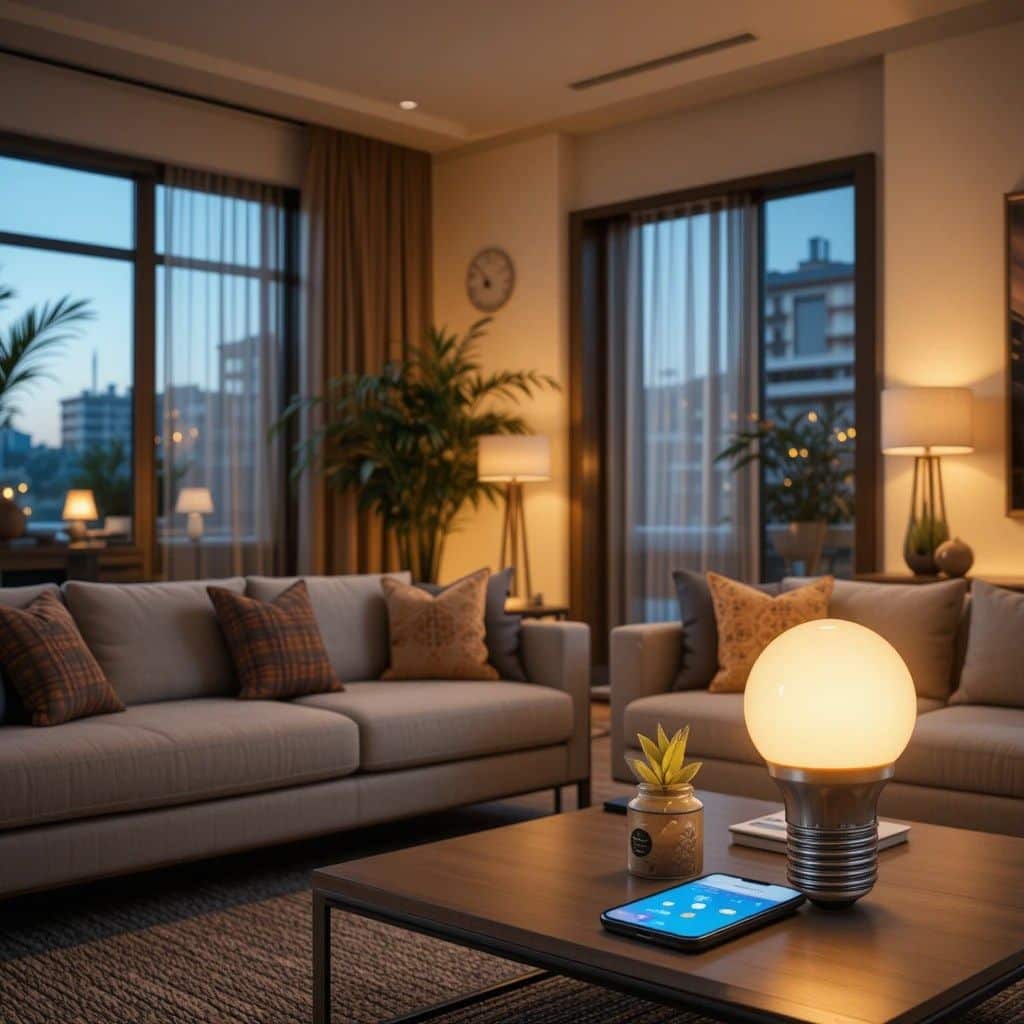
Lighting is one of the highest-impact upgrades investors miss because it feels less glamorous than a new surface. Poor lighting makes clean rooms look dull, while good lighting makes modest finishes feel intentional.
Use natural light first: clean windows, control glare, and avoid heavy treatments that make rooms feel smaller. Where daylight is weak, add warm, practical layers. The same thinking applies to LED lights for room design, but keep the result grown-up rather than novelty-driven.
Layered lighting keeps a property from looking flat in person and in listing photos. Use ambient light for the room, task light where people cook or read, and accent light for shelving, artwork, or texture. In higher-rent properties, small functional details such as dimmers, clean switch plates, and design-aware smart locks can also make the entry and first impression feel more complete.
Staging vs. permanent design
Investors need a clear line between staging and permanent design. Staging creates emotional clarity for photos and viewings. Permanent upgrades stay with the property, so they should be chosen for durability, maintenance, and the price band rather than short-lived style.
The strongest investor properties usually have solid permanent basics and flexible styling on top. Paint, floors, lighting, hardware, and storage should feel stable. Cushions, art, bedding, plants, and small furniture can add warmth without forcing the next tenant or buyer into one taste. For rental-specific choices, this guide to interior design choices that attract tenants is a useful companion.
Staging or permanent upgrades: how investors should decide
| Choose staging when… | Choose permanent upgrades when… |
|---|---|
| The room is empty, oddly shaped, or hard to size in photos. | A fixture, surface, or repair will remain a buyer objection. |
| The property is already structurally sound but lacks warmth. | The finish looks worn, unsafe, outdated, or cheap in person. |
| You need faster listing photography and stronger first impressions. | You need to support a higher rent, resale price, or premium positioning. |
A useful investor test is simple: if the problem disappears when the furniture leaves, stage it. If the problem remains during inspection, upgrade it.
For a wider resale checklist beyond interiors, compare this plan with these home value improvements before deciding which design upgrades deserve budget first.
Frequently asked questions
What is rental property interior design?
Rental property interior design is design work tied to rent, resale, occupancy, or flip strategy. It covers finishes, lighting, layout, furniture, storage, and staging, but the goal is not personal expression. The goal is to make the property easier to understand, easier to maintain, and easier to trust during photos and viewings.
Which rental property interior design upgrades usually support ROI first?
The strongest starting points are clean flooring, fresh paint, layered lighting, kitchen and bathroom details, durable hardware, window treatments, and staging that clarifies room purpose. These choices affect first impressions quickly and usually cost less than major structural changes, which makes them easier to justify before listing.
Is staging worth it for rental or resale properties?
Staging is worth considering when a room feels empty, awkward, dark, or hard to size from photos. For long-term rentals, simple durable furniture and clear room function often matter more than decorative styling. For resale, staging should help buyers picture daily life without hiding defects that will still appear during inspection.
How much should investors spend on interior design before listing?
There is no fixed percentage that works for every property. Start with the exit price, likely buyer or tenant, repair condition, and local competition. Spend first on visible defects, lighting, flooring, paint, and room clarity before adding expensive custom features that may not match the rent or resale ceiling.
Should property investors hire an interior designer?
Hire a designer when the property has layout problems, a premium price point, weak listing photos, or finish decisions that could become expensive mistakes. A smaller consultation can still help investors choose a palette, materials, lighting temperature, and staging priorities before contractors start work.
What interior design mistakes hurt property ROI?
The biggest mistakes are over-personalized finishes, cheap-looking fixtures, poor lighting, inconsistent flooring, rooms with no clear purpose, and upgrades that do not match the neighborhood or price band. Buyers and tenants notice when a property feels patched together instead of planned.
Is rental property interior design different from home staging?
Yes. Home staging is usually temporary and focuses on how the property photographs and feels during viewings. Rental property interior design includes staging, but it also covers permanent choices such as flooring, paint, lighting, hardware, storage, and materials that affect maintenance, rent appeal, and long-term durability.
Conclusion: design as an investment strategy
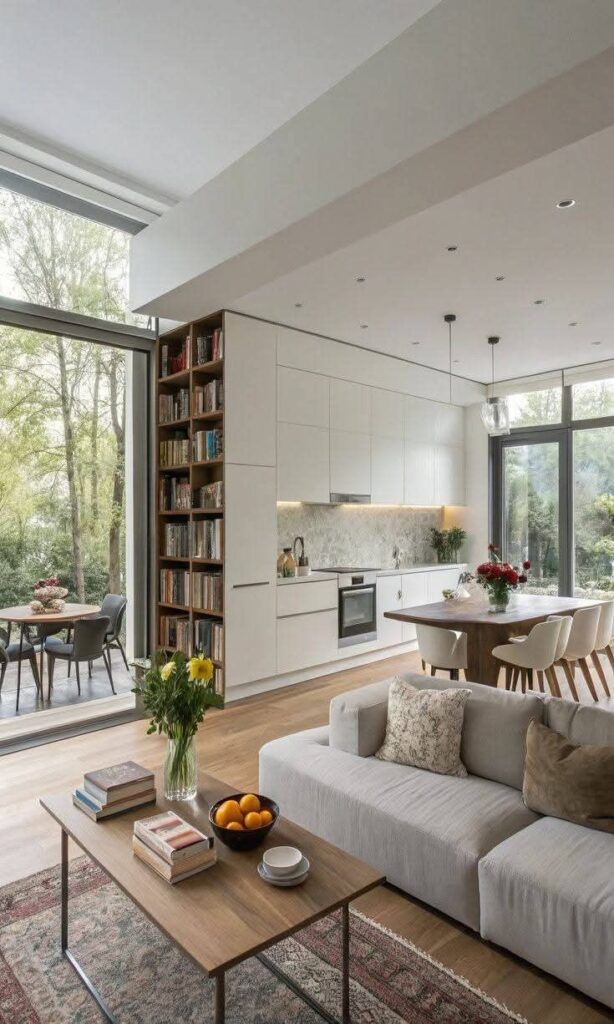
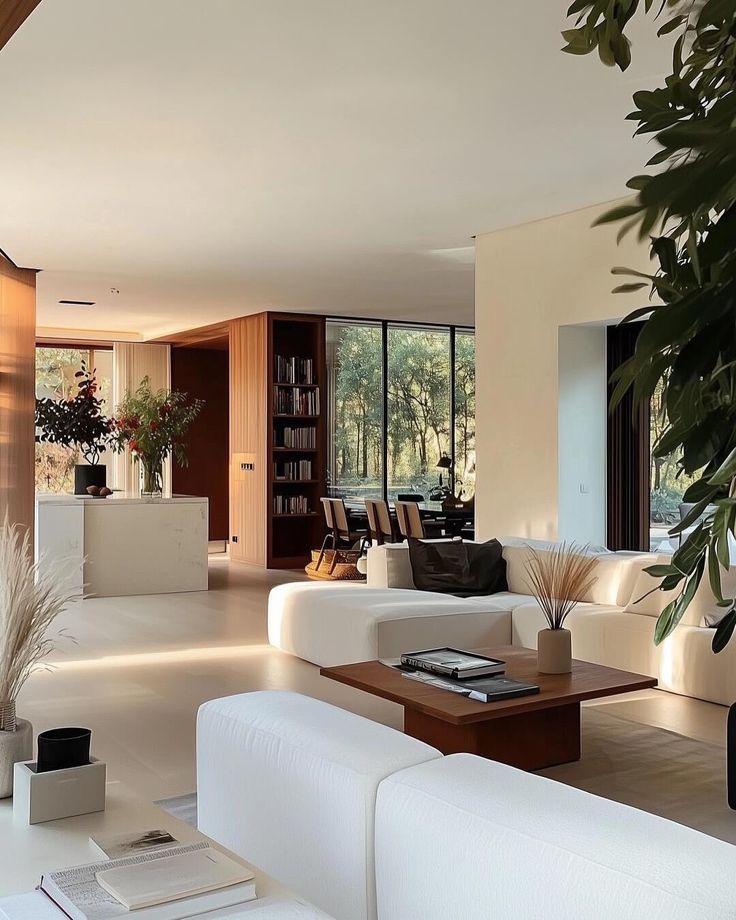
Rental property interior design works best when every visible choice has a job: reduce buyer doubt, make the room easier to photograph, show durability, or support a stronger rent or resale story.
The properties that command stronger attention usually share the same discipline. They are neutral without feeling empty, upgraded without looking overbuilt, and specific enough that buyers or tenants can read the intended lifestyle within a few seconds.
Before spending on decoration, fix the parts that shape trust: light, floors, hardware, paint, room function, and maintenance. Those are the design signals that make styling feel like an investment strategy rather than a cosmetic cover-up.
Final design note: For investors working with period apartments or older houses, original boards can be a quiet value signal. Refinishing the existing floor can sometimes do more for perceived quality than replacing it with a cheaper new surface.
- 14shares
- Facebook0
- Pinterest11
- Twitter3
- Reddit0