Drawing a doll can be simple and fun for anyone, no matter their skill level. It starts with basic shapes like circles and ovals to create the head and body. How to Draw Dolls by breaking down the doll into simple parts and adding details step by step, anyone can create a charming doll drawing.
People often enjoy personalizing their dolls with different hairstyles, clothes, and facial expressions to make each one unique. This makes the drawing process creative and enjoyable. With just a pencil, paper, and a little patience, they can bring their own doll to life on the page.
This guide will show easy steps to help anyone draw a cute doll, whether they are kids or beginners. Each part of the doll will be explained clearly to make the whole process smooth and rewarding.
Gathering Your Drawing Materials
Getting the right tools ready is an important step before starting to draw a doll. Having good paper and pencils will make the drawing process easier and help create clean lines. Adding color later can bring the doll to life and make it unique.
Choosing Paper and Pencils

Picking the right paper matters. A smooth surface, like drawing paper or sketch paper, works best because it allows pencils to glide easily. Heavier paper, like 80-100 lb weight, prevents tearing when erasing or coloring.
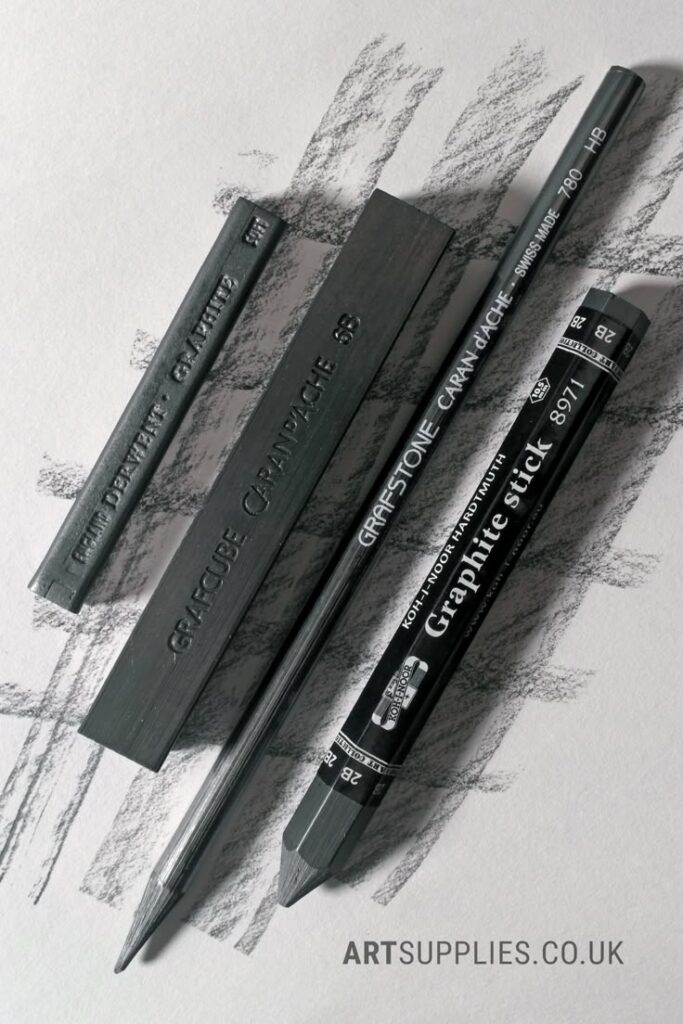
For pencils, a basic set with different lead grades is helpful. Use H or 2H pencils for light outlines. These pencils are hard and create faint lines that can be erased easily. For shading and darker details, softer pencils like 2B or 4B are better because they make rich, dark marks.
An eraser is essential. A soft, kneaded eraser allows gentle corrections without damaging the paper. It can also lift graphite to create highlights.
Optional Coloring Supplies
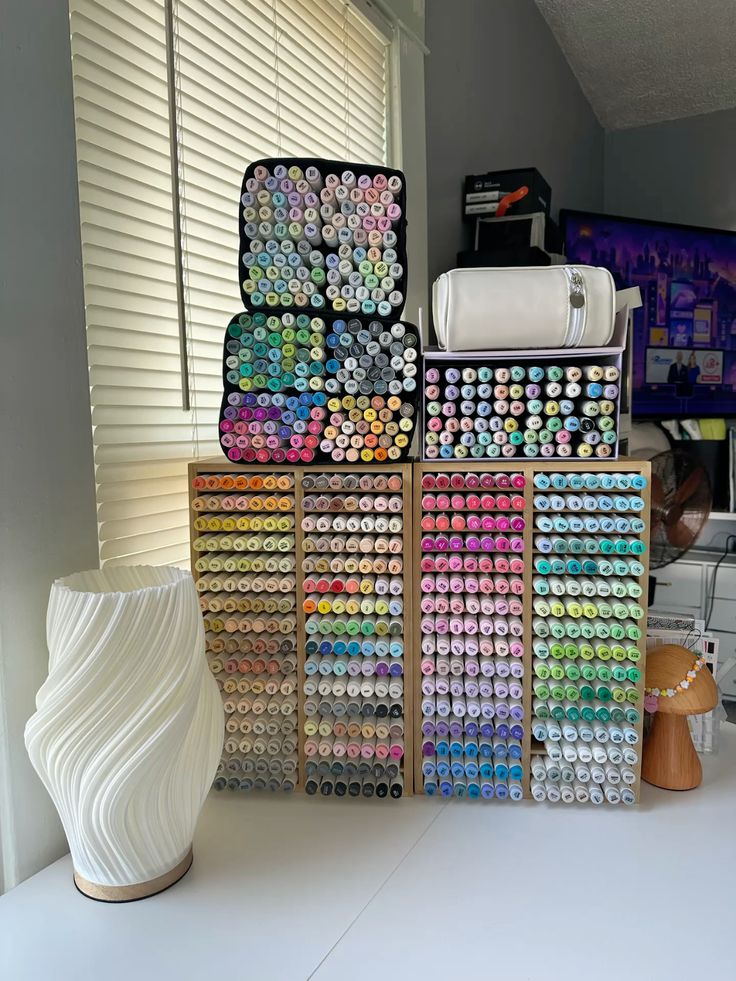
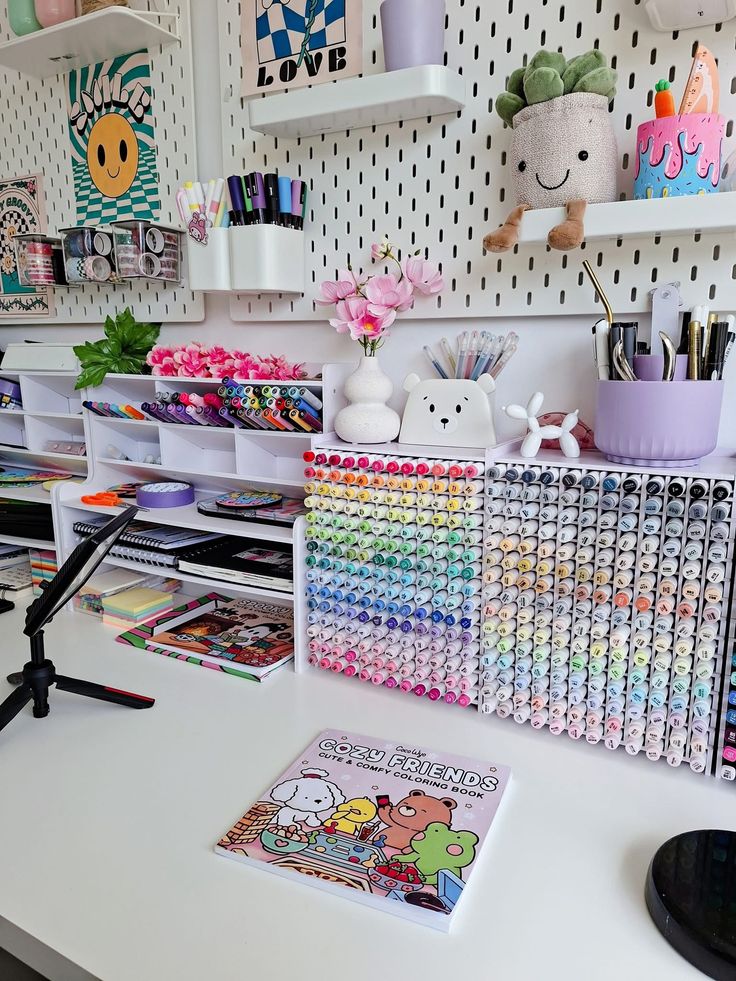
Coloring supplies are not required, but can enhance the drawing. Colored pencils are a popular choice because they are easy to control and blend well. They allow shading with varying pressure, adding depth to the doll.
Markers offer bright, bold colors but can bleed through thin paper. If markers are used, thicker paper or marker paper is better.
Crayons or watercolors can also add soft color effects. Watercolors need heavier paper made for painting, so it’s good to prepare separately for this.
Having a small sharpener nearby keeps colored pencils and regular pencils ready for fine details.
Understanding Doll Proportions
Doll proportions affect how the figure looks and feels. The size relationship between the head and body is key. Different dolls use different ratios to create styles that range from cute to realistic. Paying attention to these details helps make the doll look right for its intended age or design.
Basic Head-to-Body Ratio
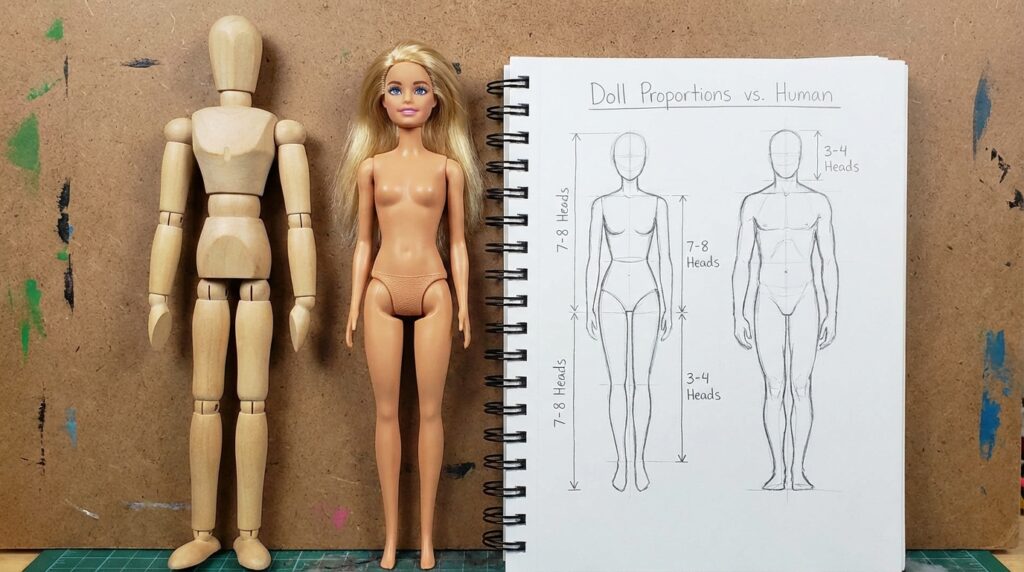
One common way to measure doll proportions is by comparing the head size to the body length. Typically, dolls have a larger head compared to real humans, which gives them a charming, stylized look.
For example, a simple rule is:
- Doll height = 3 to 4 heads tall for baby or child dolls
- Doll height = 6 to 7 heads tall for adolescent or adult dolls
This ratio changes how the doll appears. A larger head gives a youthful or cartoonish feel. Smaller heads create a more mature, realistic look.
Adjusting for Doll Styles
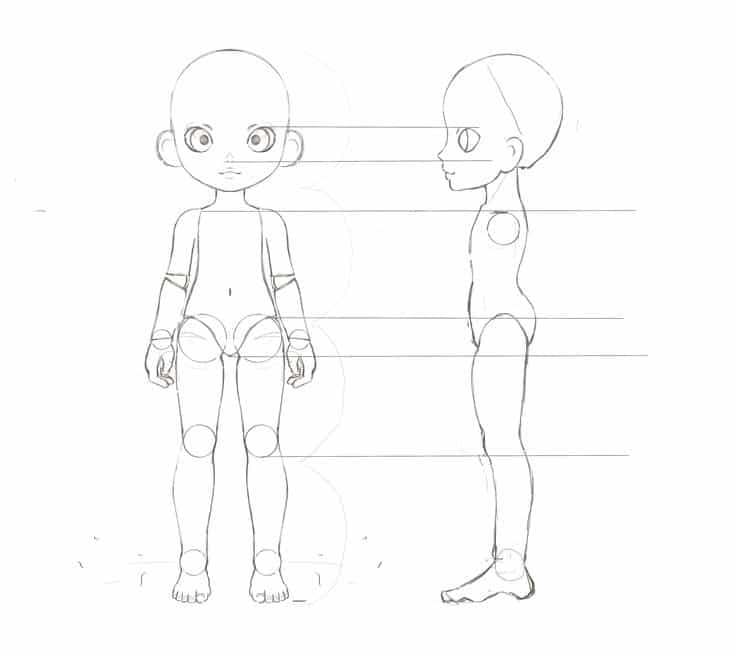
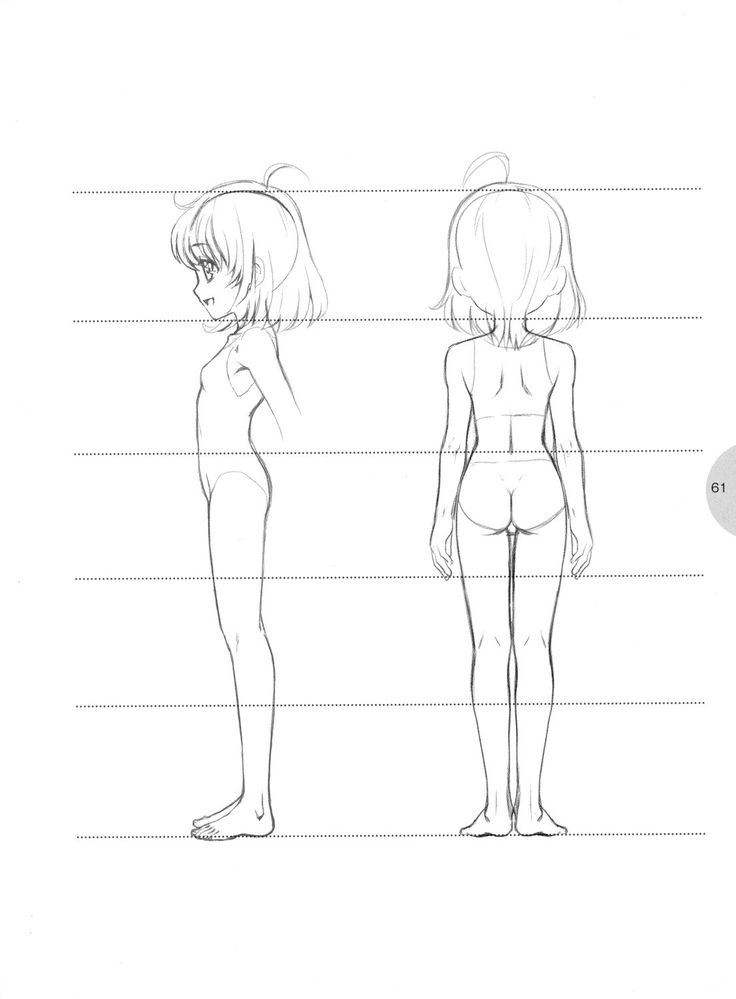
Different styles need tweaks in proportions. Baby dolls often have big heads and short limbs to look chubby and cute. Teen dolls might lean toward more balanced proportions—heads slightly bigger, but limbs longer and slimmer.
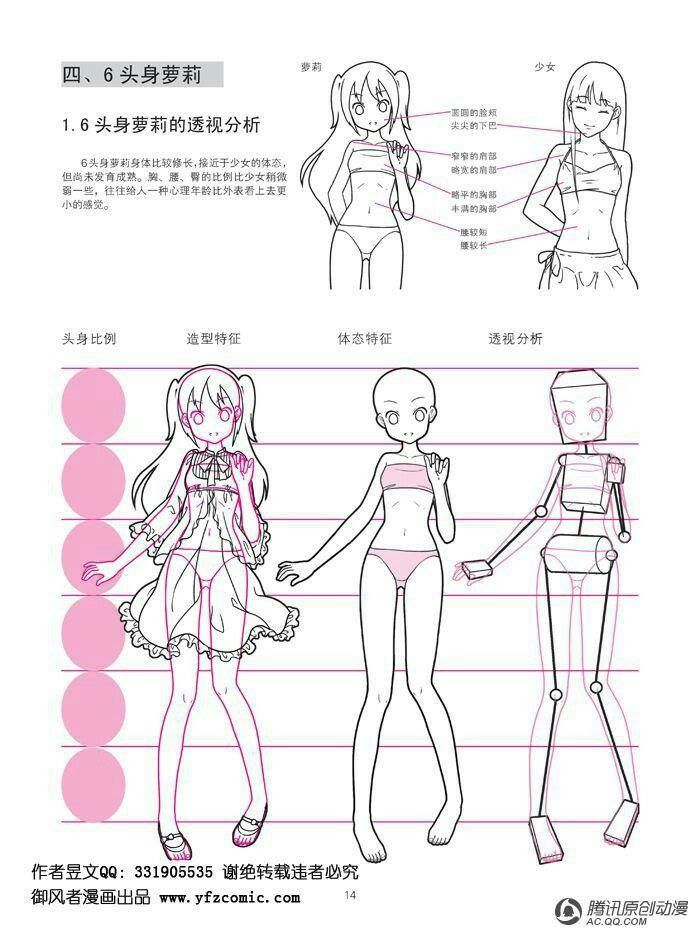
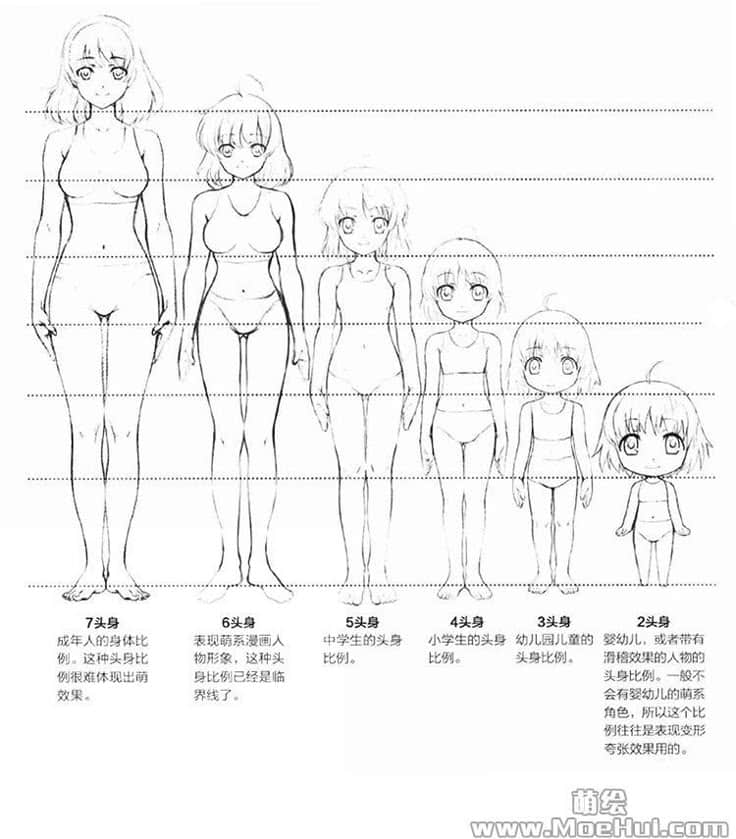
Here’s a quick guide:
- Baby dolls: 3-4 heads tall, round features
- Children’s dolls: 4-5 heads tall, slightly elongated limbs
- Teen/adult dolls: 6-7 heads tall, balanced with more realistic limbs
Changing these ratios can help capture different ages or artistic styles. It’s okay to play with these numbers to suit the doll’s personality or theme.
Sketching the Basic Outline
This part starts with drawing simple shapes to form the doll’s head and body. It focuses on getting the right proportions and smooth curves. Then, it shows how to add light guidelines to mark where the arms and legs will go. This helps keep the doll balanced before adding more details.
Drawing the Head and Body Shape
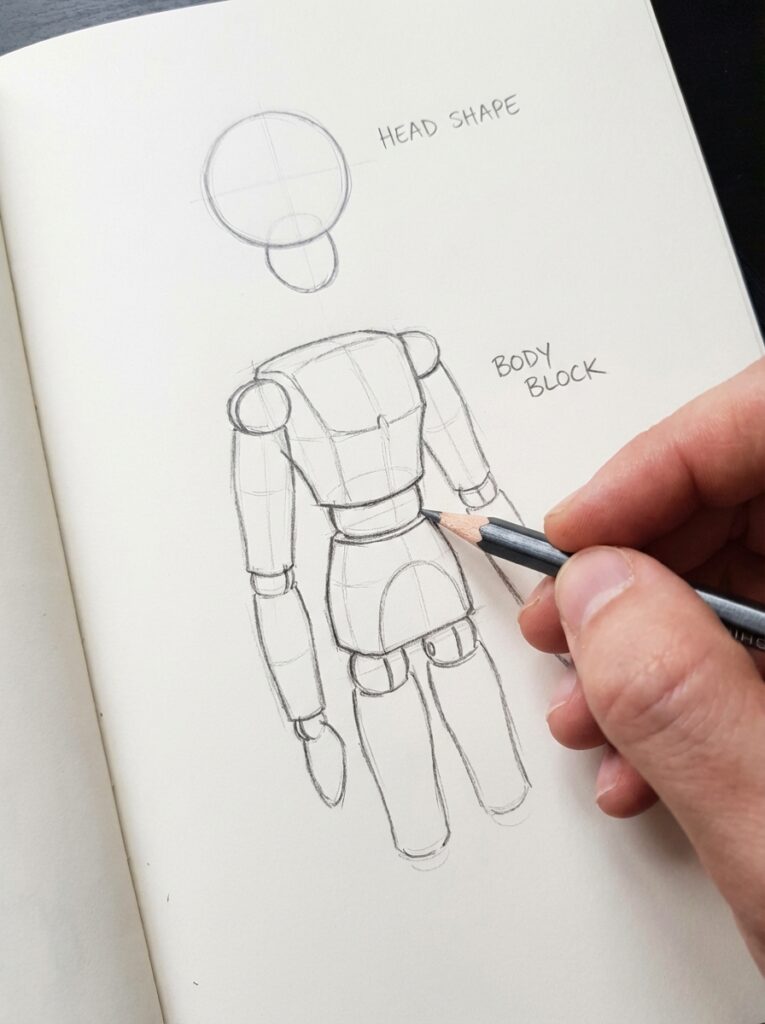
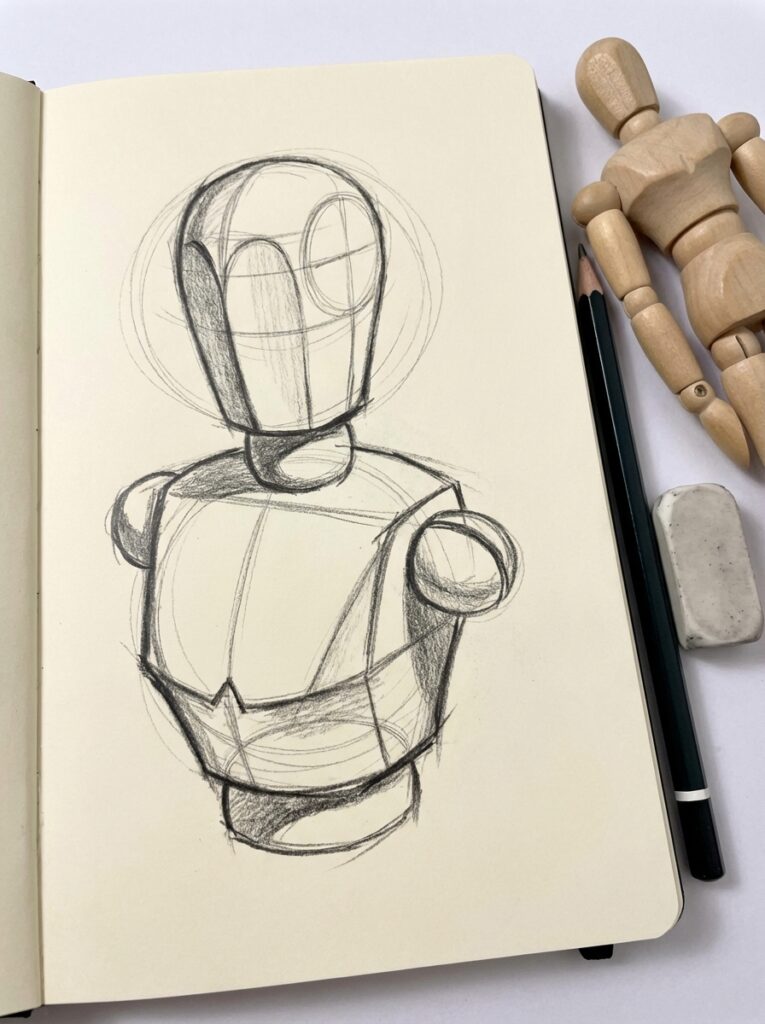
The first step is to draw a large, round shape for the head. It should be the biggest part because dolls often have bigger heads than real people. Inside the head, a curved horizontal line can help place facial features later.
Below the head, draw a smaller, rounded shape for the body. It doesn’t need to be detailed yet—just a simple curve or oval will work. This shape should be thinner and shorter than the head to give the doll a stylized, cute appearance.
Using light pencil strokes helps here, so lines can be erased or changed easily. The body shape should connect smoothly with the head, showing the neck area with a small curve.
Adding Guidelines for Limbs
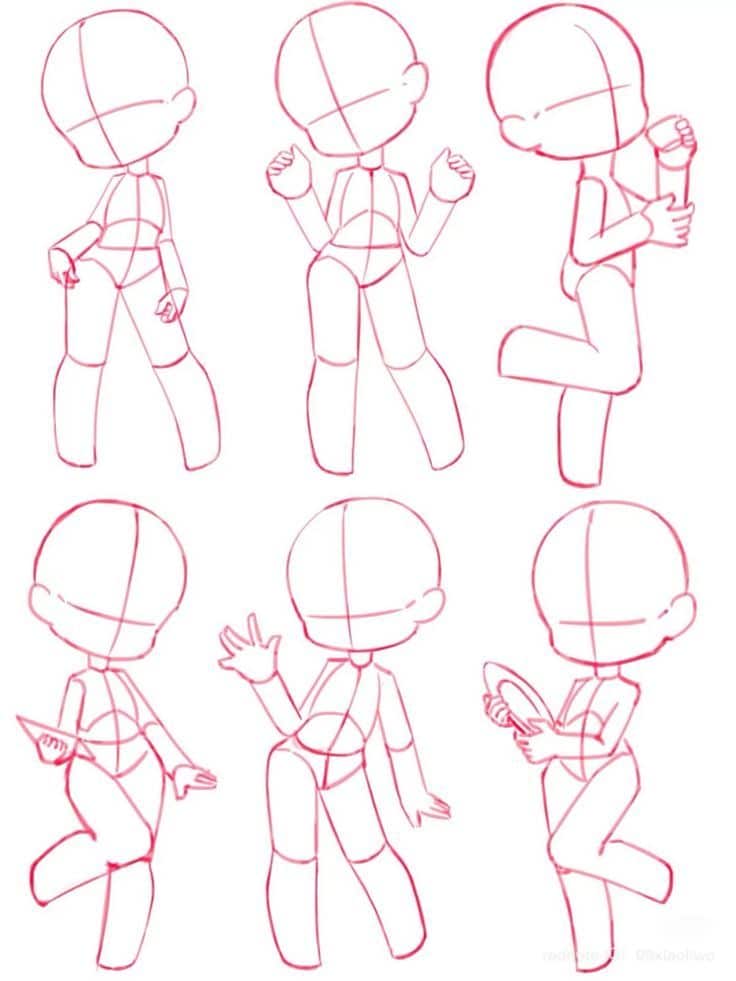
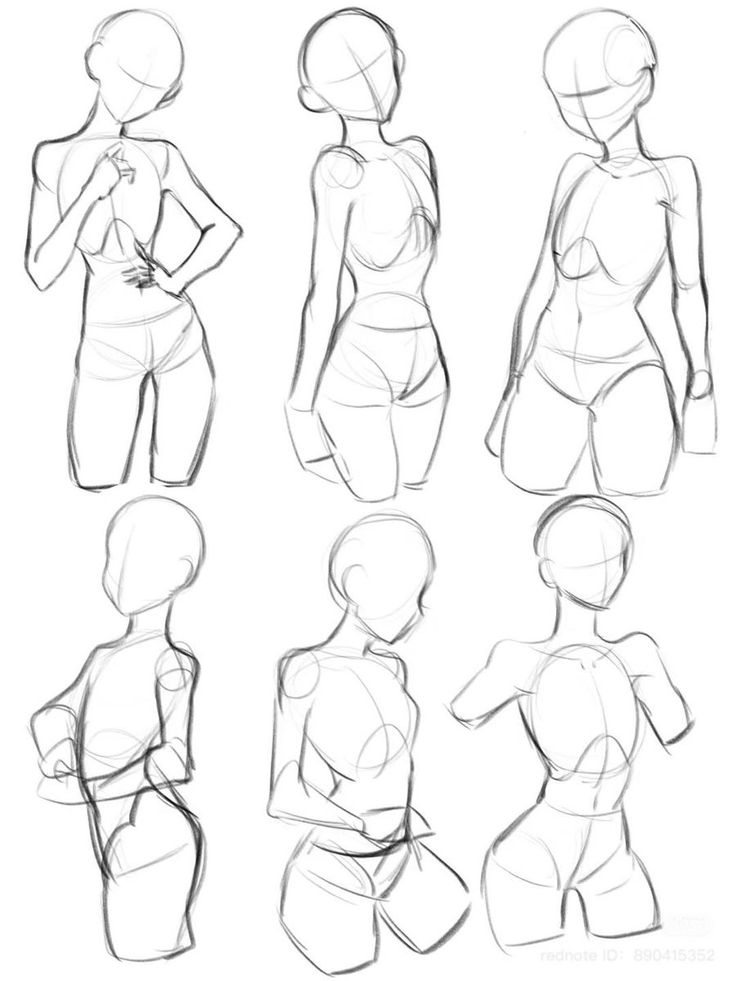
Next, sketch basic lines to show the arms and legs. These lines act like a stick figure beneath the body shape.
Start with straight or slightly curved lines coming out from the body where the shoulders and hips would be. Place small circles or ovals at the joints, like elbows and knees, to guide where the limbs bend.
Limbs for dolls are usually thin and a bit shorter than real arms and legs. Adding these guidelines early helps make the doll’s pose look natural and balanced when more detail is added later.
These simple shapes and lines form a base for the whole drawing, making the next steps easier.
Drawing Facial Features
Drawing facial features requires attention to balance and simplicity. The placement of eyes, eyebrows, nose, and mouth shapes the doll’s expression and personality. Keeping features symmetrical and sized correctly helps create a cute and appealing face.
Placing Eyes and Eyebrows
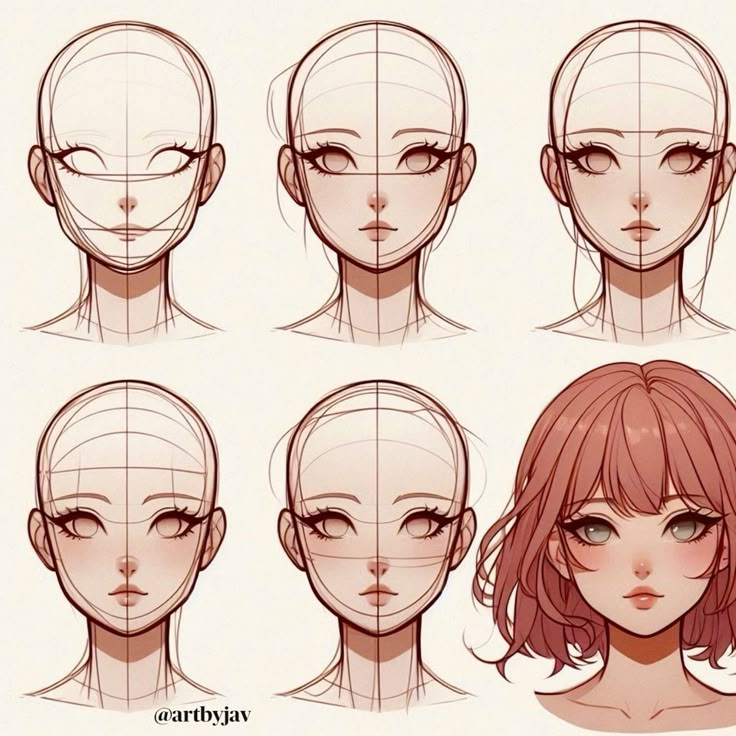
Eyes are the most important part of the doll’s face. They should be large enough to stand out but not cover too much space. Often, eyes are set wide apart, about one eye’s width between them. This spacing gives a gentle, innocent look common in doll faces.
When drawing eyebrows, keep them simple and soft. Light, curved lines work best and should follow the shape of the eyes. Eyebrows should sit just above the eyes, not too thick or dark. This helps keep the expression calm and friendly without looking harsh.
Creating a Nose and Mouth

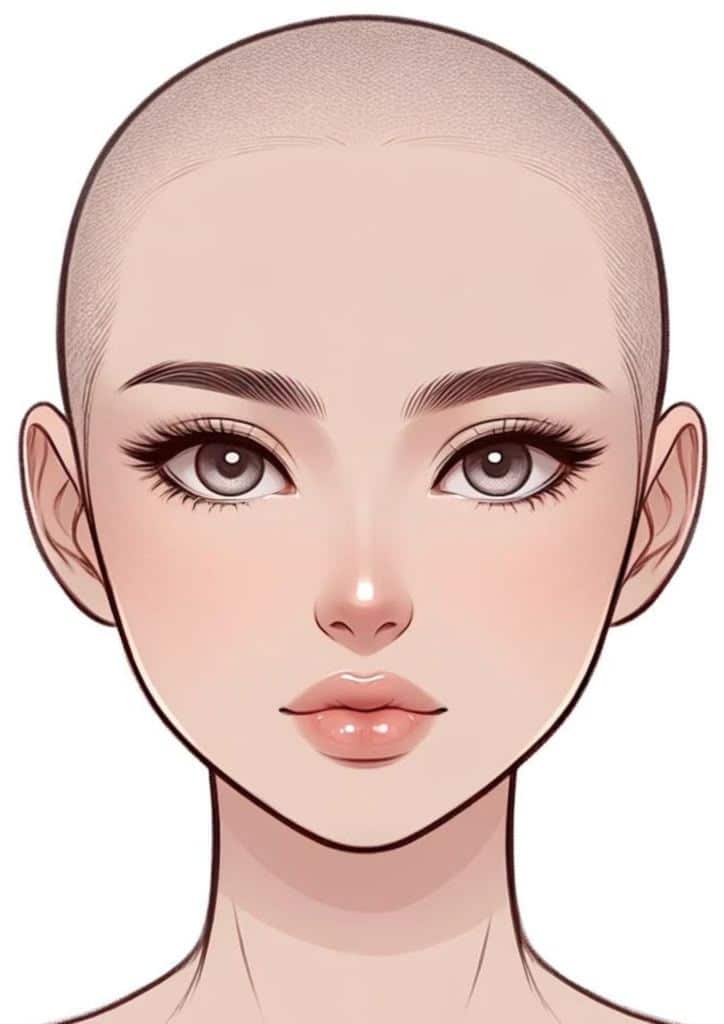
The nose on a doll’s face is usually very simple. A small, subtle shape like a tiny dot, a gentle curve, or a soft “L” shape works well. It should be centered between the eyes and not too detailed. This keeps the face looking smooth and cute.
The mouth should be small and slightly curved. It can be a simple line or a gentle smile. Avoid adding too many details like lips or teeth. A minimalistic approach makes the doll’s expression easy to read and adds to the charm. The area between the nose and mouth should have enough space to keep features well-balanced.
Designing Doll Hair and Clothing
Creating a doll’s hair and clothing adds personality and style. The hair can be simple or detailed, with various shapes and lengths. Outfits should fit the doll’s body and express a theme or mood.
Sketching Different Hairstyles
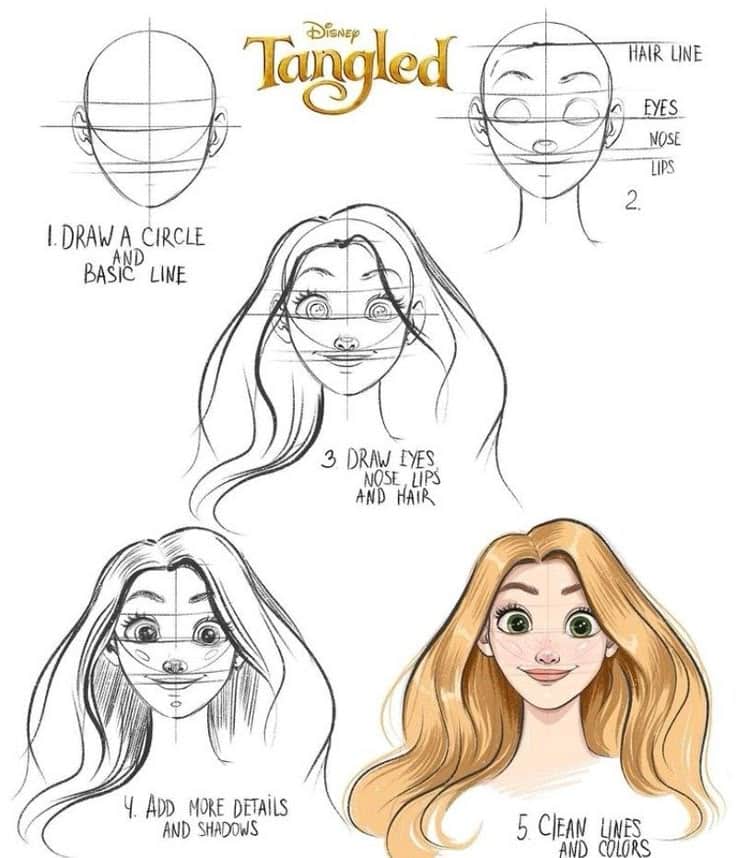

When drawing doll hair, start by choosing the overall shape. It can be long, short, curly, or straight. Sketch a basic outline of the hair around the head, keeping the flow natural.
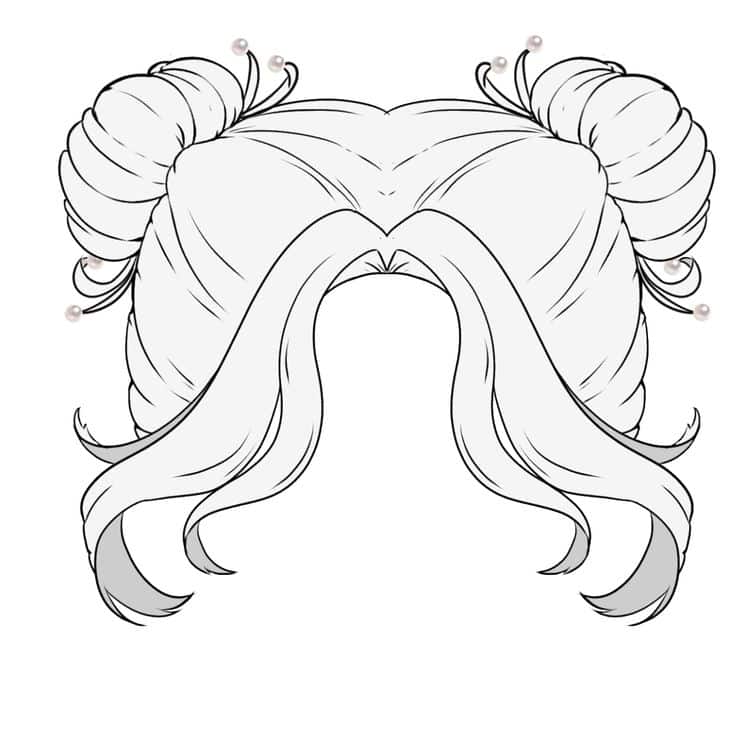
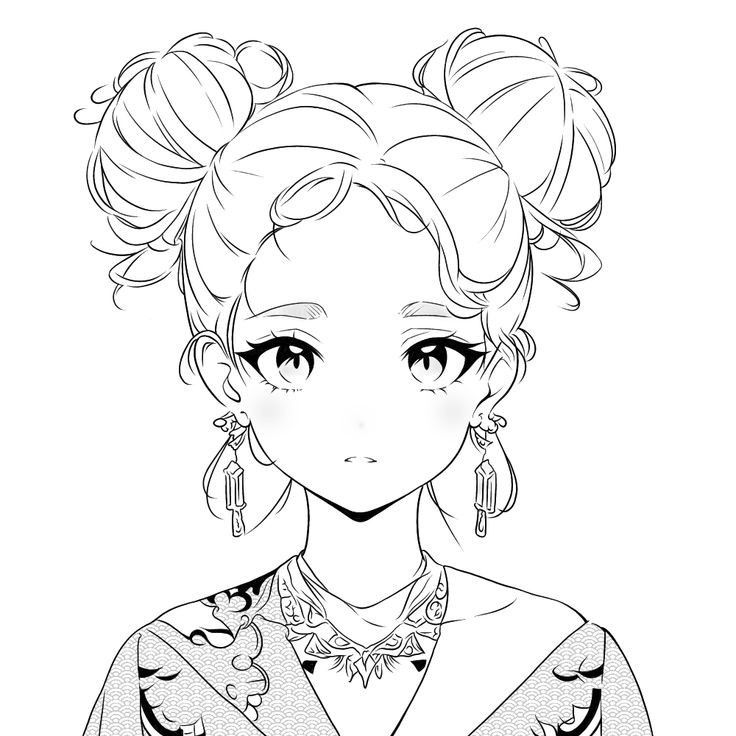
Use curved lines to show direction and texture. Adding bangs, layers, or ponytails gives more character. Avoid drawing every strand; instead, focus on large sections to keep it simple.
Shading can help show volume. Darker areas represent shadows, while lighter spots show highlights. This makes hair look more three-dimensional and realistic. Experiment with different styles to see which fits the doll best.
Adding Outfits and Accessories
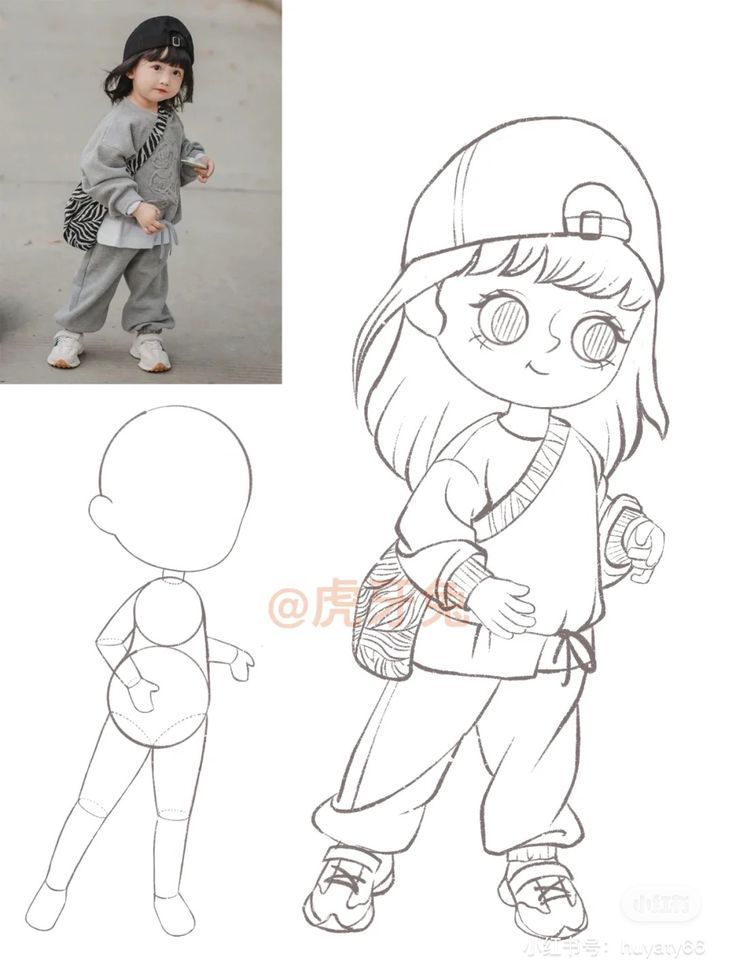
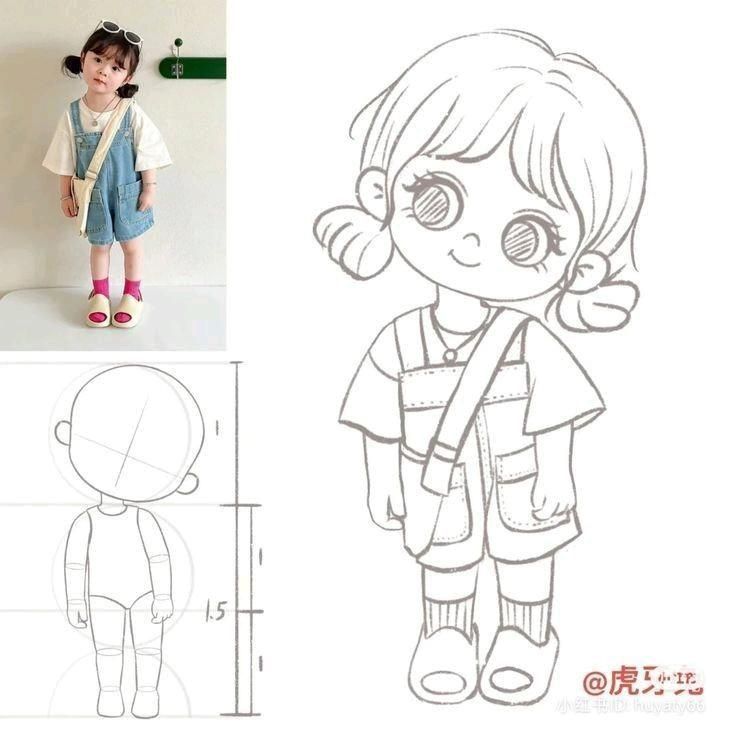
Outfits should match the doll’s body shape, usually smaller and thinner than the head. Start by sketching simple clothing shapes like dresses, pants, or skirts over the doll’s frame.
Add details like collars, buttons, or patterns to make the clothes interesting. Accessories such as hats, scarves, or shoes give the doll more personality. Draw these items so they look natural on the doll and don’t cover important parts like the face.


Using layers helps keep clothing separate from the body sketch. This makes it easy to change or improve the outfit later. The style can be playful, formal, or casual, depending on the doll’s story or purpose.
Refining Line Work and Details
After the basic shapes and outlines are drawn, the next step focuses on making the doll look clean and polished. This means removing unwanted sketch lines and sharpening the main lines. Adding small textures and details at this stage brings the doll to life and gives it a unique character.
Cleaning Up Sketch Lines
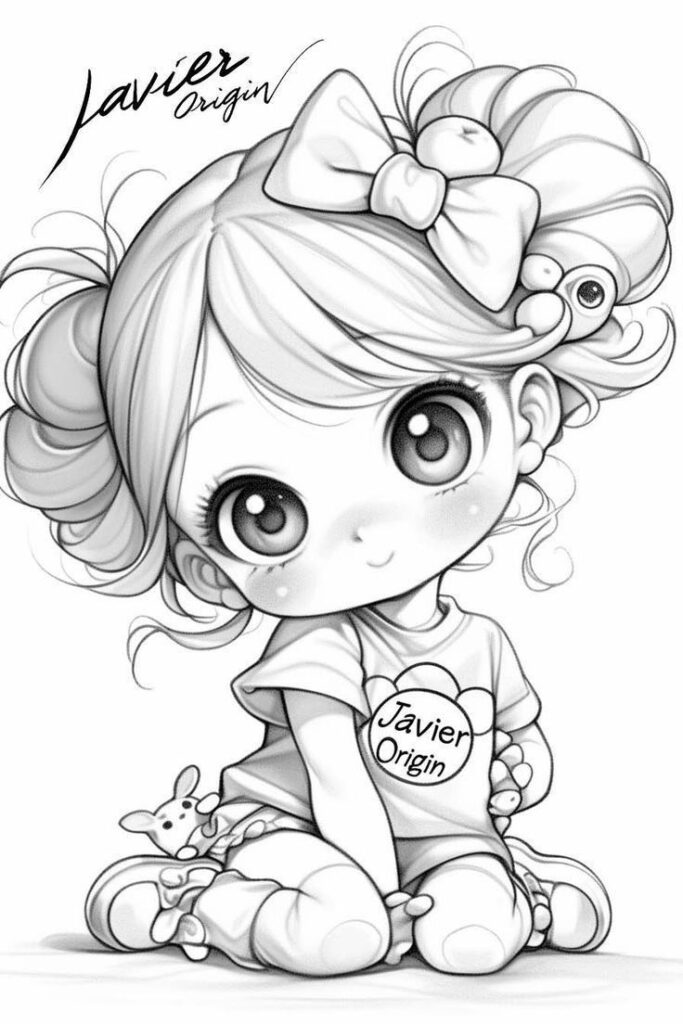
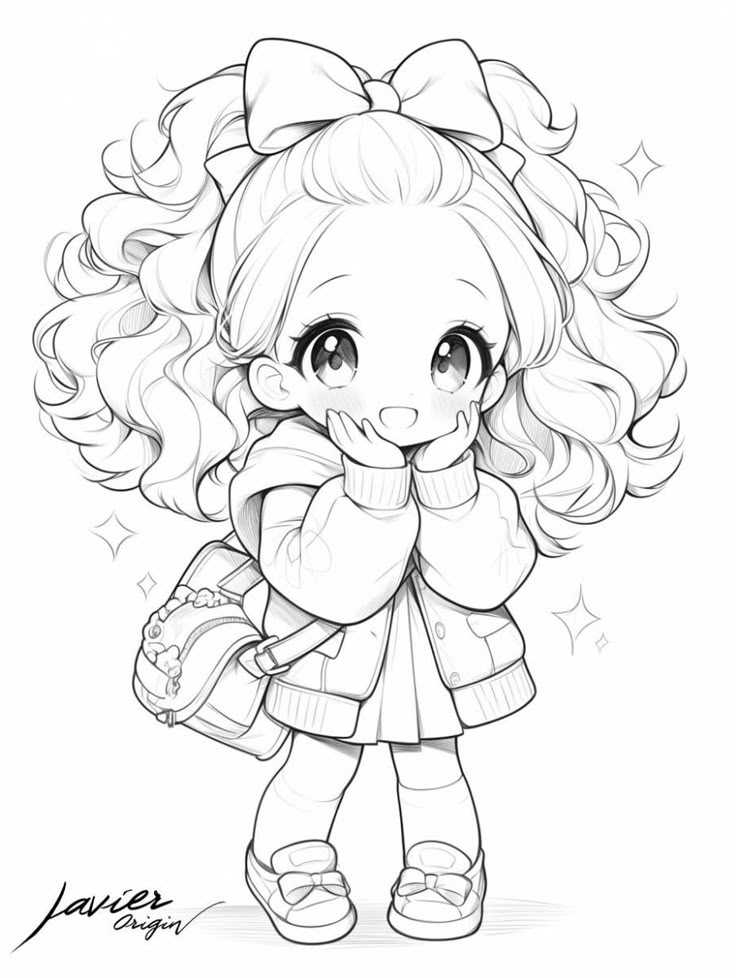
First, the artist should carefully erase extra sketch lines that are no longer needed. These are the rough lines drawn to get the shape right but can make the drawing look messy if left in place. It’s important to keep the main outline clear and smooth to make the drawing easy to see and follow.
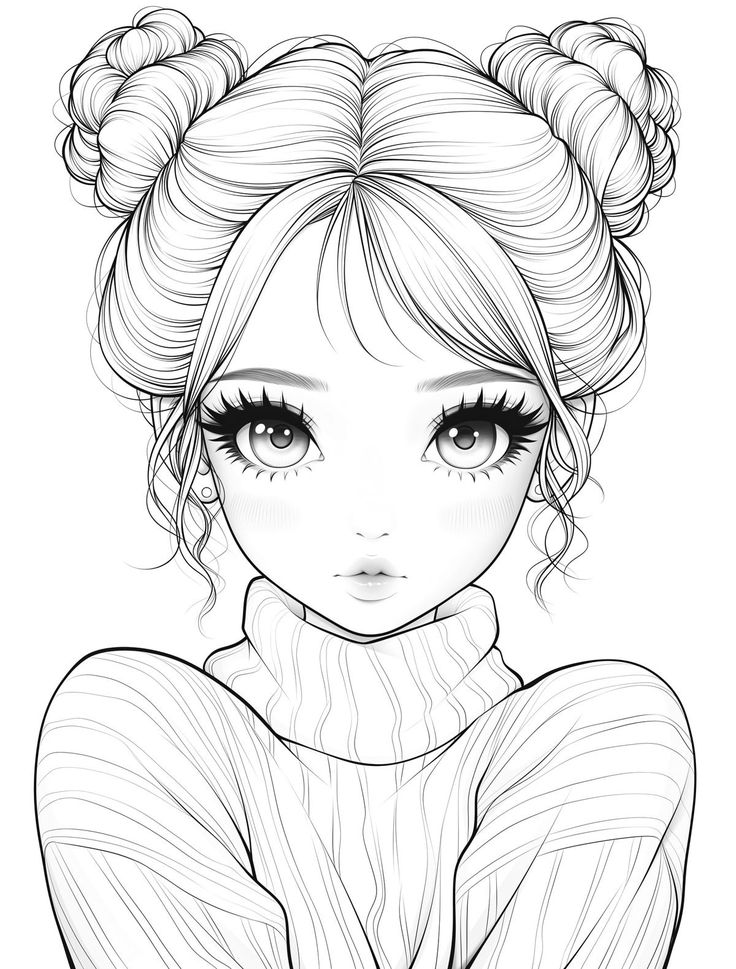
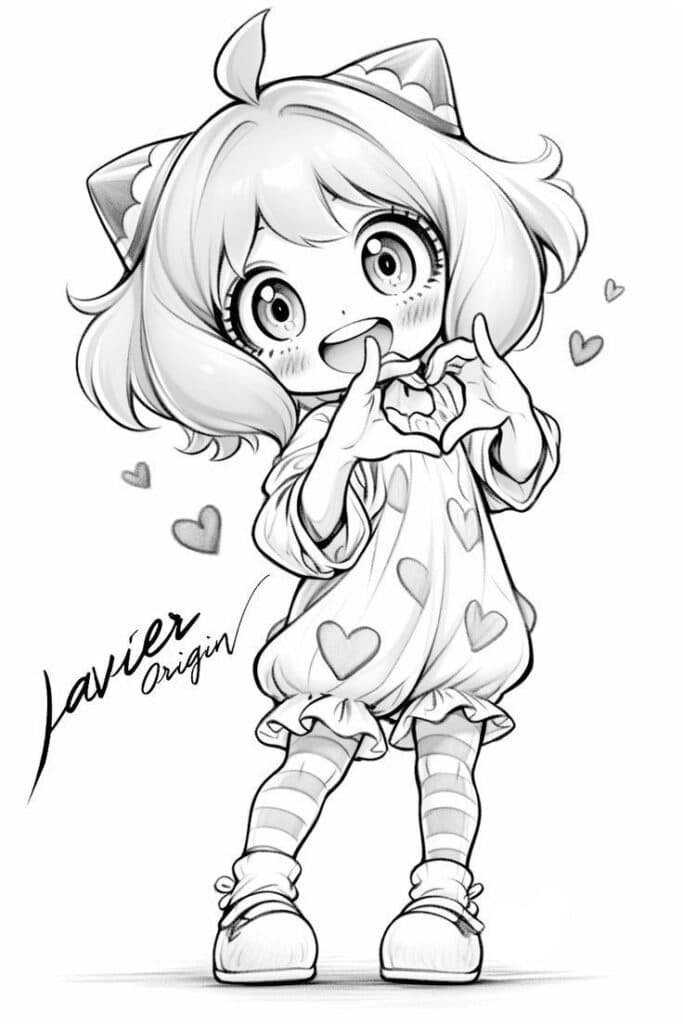
Using a clean eraser and working slowly helps keep the paper from getting damaged. Sometimes, using a fine-tip pen or a darker pencil to trace over the final lines makes the doll stand out more. Only the important lines that define the doll’s shape and features should remain. This makes the drawing neat and ready for any color or shading.
Enhancing Details and Textures
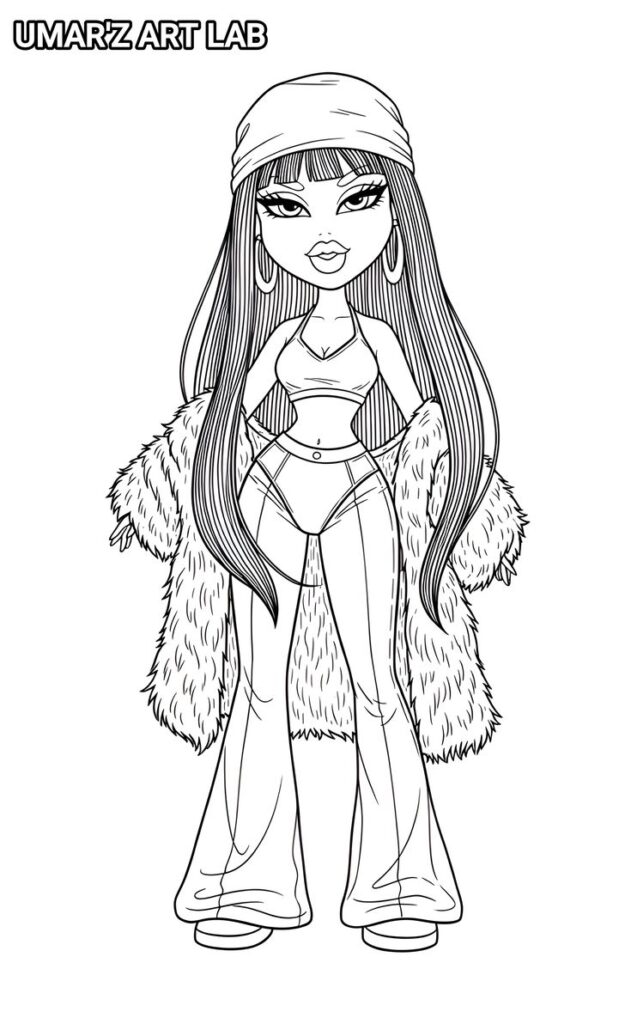
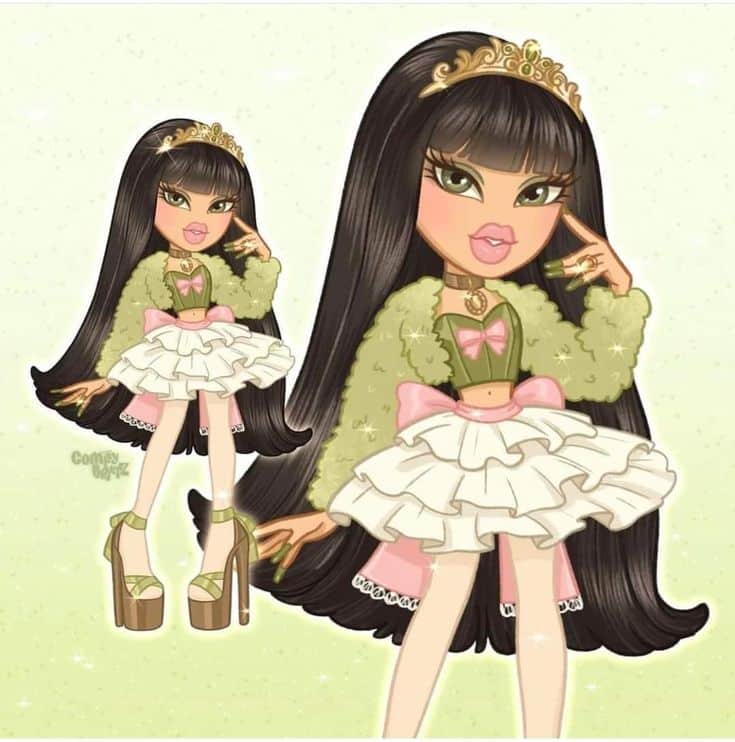
Once the main lines are clean, the artist can add small details like wrinkles in clothes, hair strands, or facial features. These details add personality and depth to the doll. For example, drawing lines on the skirt can show folds or pleats, making the doll’s outfit look more realistic.
Texture can also be created by lightly shading or using small strokes to suggest fabric or hair. Simple shapes like circles for eyes or small lines for eyelashes work well for dolls. Adding these details carefully helps the doll appear more lifelike and interesting without overcrowding the drawing.
Coloring and Shading Your Doll
Adding color and shading brings a doll drawing to life. The choice of colors sets the mood. Shadows and highlights give the drawing depth and make it look more real.
Choosing a Color Palette
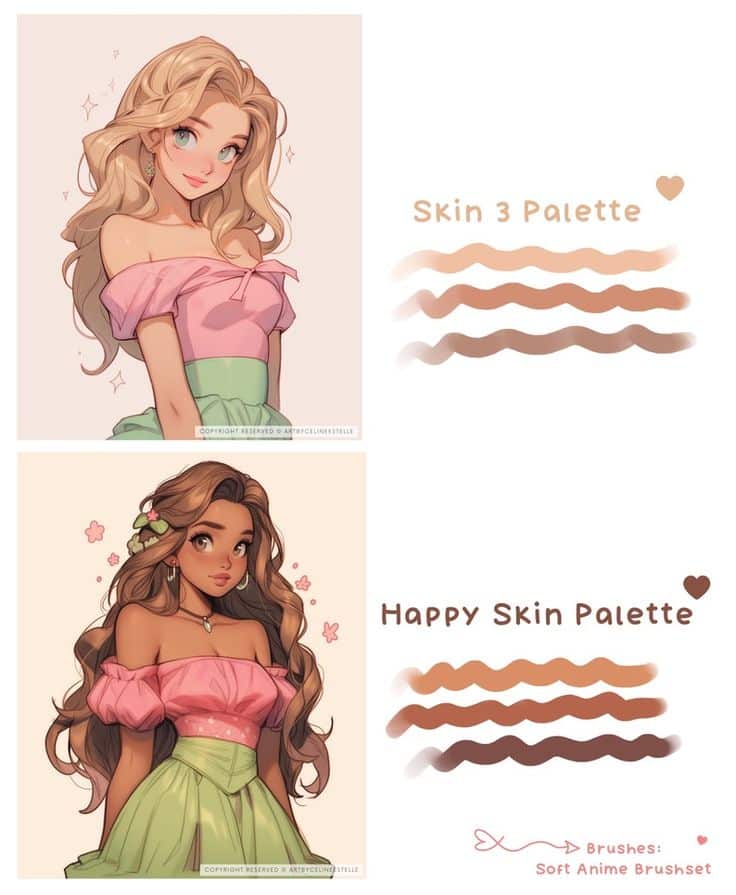
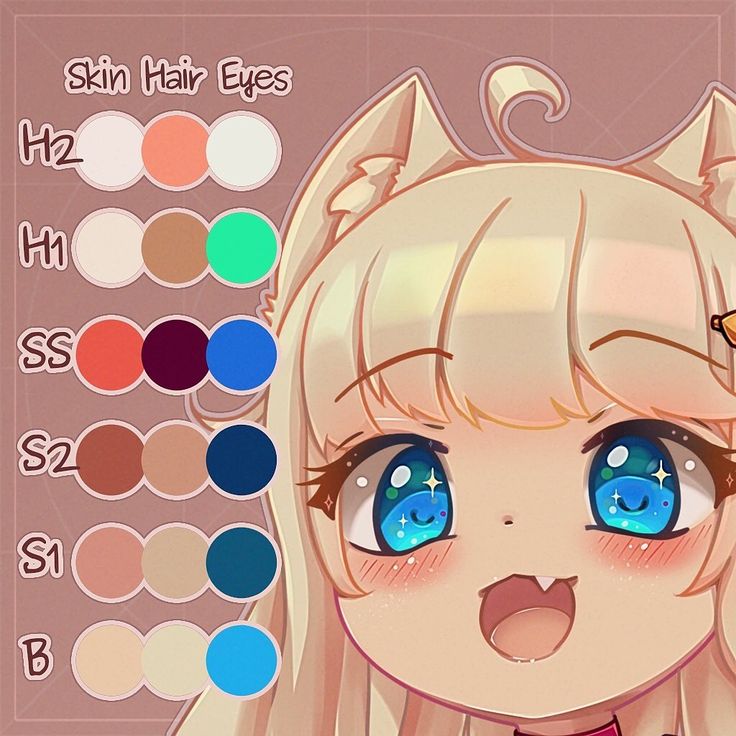
Selecting the right colors starts with thinking about the doll’s personality. Soft pastels like pink, lavender, or peach create a gentle, sweet look. Bright colors can make the doll appear cheerful and lively. For skin tones, light peach or tan shades work well.
It helps to keep the palette simple—usually 3 to 5 colors. This prevents the drawing from looking too busy. She can use colored pencils, markers, or crayons, depending on the desired effect.
Tips for choosing colors:
- Use contrasting colors for details like eyes or clothes to make them stand out.
- Pick colors that work well together. A small test patch can show if they blend nicely.
- Remember to keep hair, skin, and clothes in different color families for balance.
Applying Shadows and Highlights
Shadows and highlights add dimension by showing how light hits the doll. Shadows are usually placed where the light is blocked, like under the chin, below the hairline, or inside the folds of the clothes.
She should use a slightly darker color than the base tone for shadows. Lightly layering the color helps keep the shading smooth.
Highlights show where light reflects most. Common spots include the forehead, nose tip, and parts of the hair. The highlight color is often white or a very light tone of the base color.
Helpful shading steps:
- Start with light shading for shadows.
- Blend the edges softly for a natural look.
- Add small, bright highlights to make the doll’s features pop.
This careful use of color and shading makes the doll look more three-dimensional and charming.
What materials do I need to start drawing a doll?
You should gather good quality paper, various pencils such as H, 2H for outlines, and 2B or 4B for shading, an eraser, and optional coloring supplies like colored pencils, markers, or crayons.
What are the basic steps to sketch the outline of a doll?
Begin by drawing a large circle for the head and a smaller oval for the body, then sketch guidelines for the arms and legs with circles at joints to keep the figure balanced before adding details.
How do I understand the proportions of a doll in my drawing?
Doll proportions are often measured by comparing the head size to the total body height, with typical ratios being 3 to 4 heads tall for baby dolls and 6 to 7 heads tall for adult dolls, adjusting to the style desired.
How should I add facial features to my doll drawing?
Place large, symmetrical eyes wide apart for a gentle expression, keep eyebrows light and curved, and add a small, simple nose and a tiny, curved mouth for a cute, appealing face.
How can I make my doll drawing more lively and detailed?
Refine your lines by erasing unnecessary sketch marks, add textures like hair strands or clothing folds, and use shading to create depth with highlights and shadows that enhance the doll’s personality and realism.
- 1.3Kshares
- Facebook0
- Pinterest1.3K
- Twitter0
- Reddit0