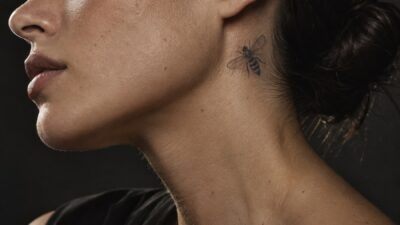
Flower tattoos are one of those categories where the reference photo does about 60% of the work — and also causes most of the problems. A peony that looks incredible on someone’s shoulder might turn into a muddy blob if you scale it down to fit your wrist. A hibiscus that reads bold and graphic in a flash sheet can completely change character in fine line. The flower, the placement, and the style need to be figured out together, not in three separate decisions.
This guide goes through meanings, placement ideas, style options, and aftercare. Bring references to your artist — but make sure those references match the size and placement you actually want, not just the bloom you liked online. Tattoos with one strong focal flower, room around the petals, and a realistic size for the location tend to hold up. The ones that don’t usually tried to do too much.
How to choose a flower tattoo design
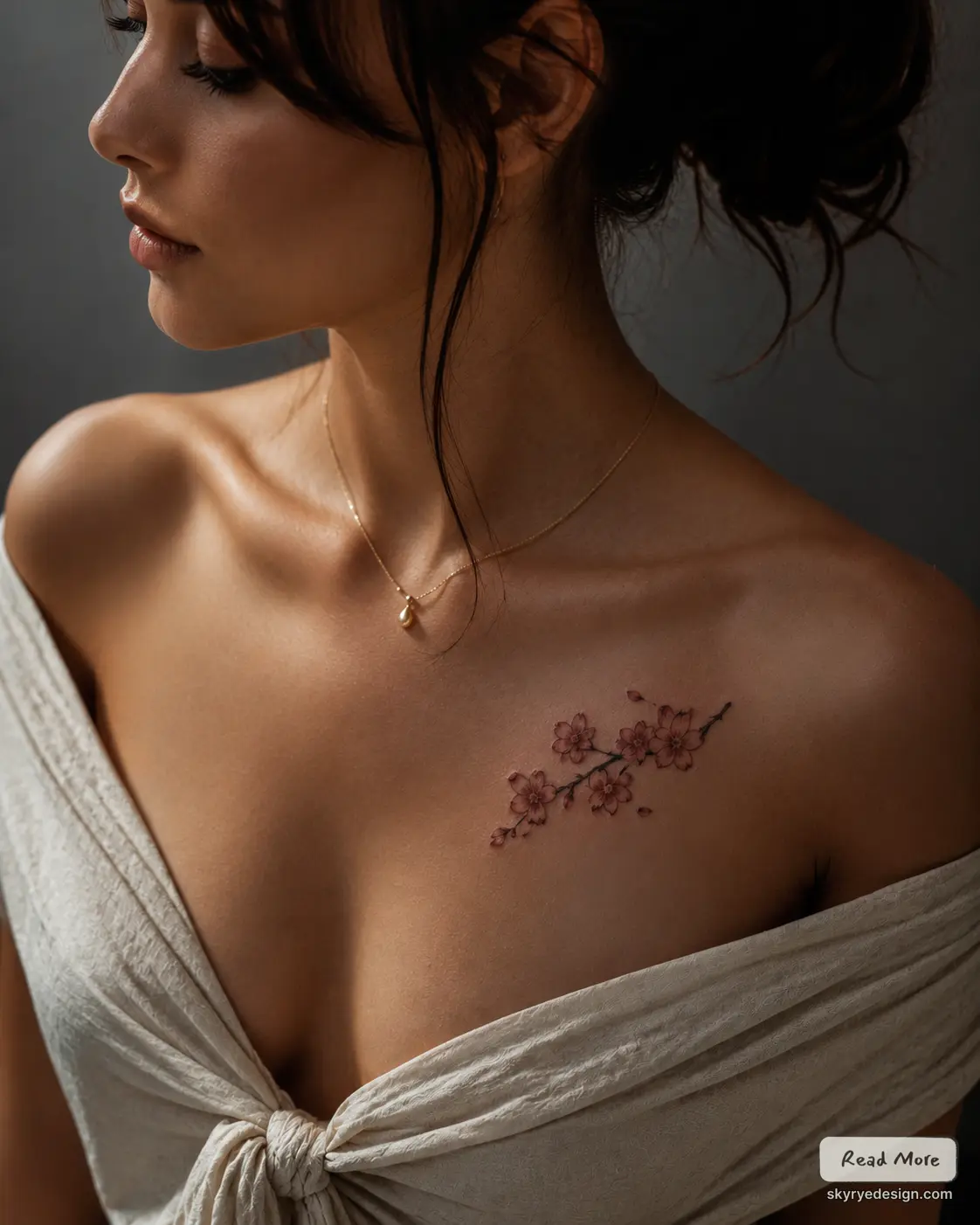
Start with the message, then choose the form. Roses, lilies, lotus flowers, cherry blossoms, peonies, daisies, and wildflowers can all work beautifully, but each one has a different silhouette. If the flower has many tiny petals, give it more room. If the design is small, simplify the bloom so it still reads clearly after healing.
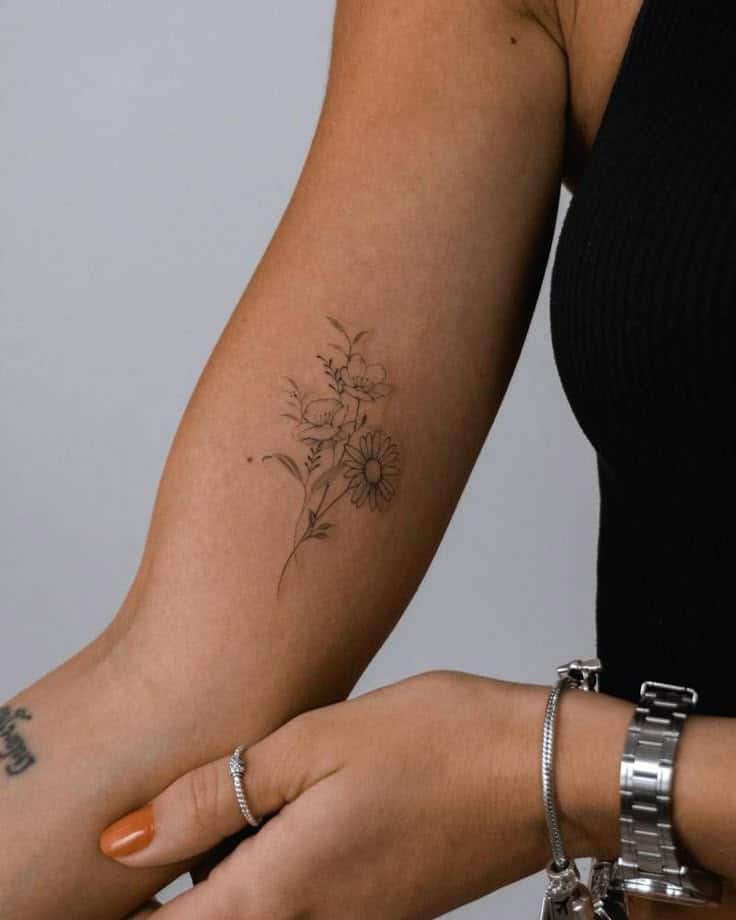
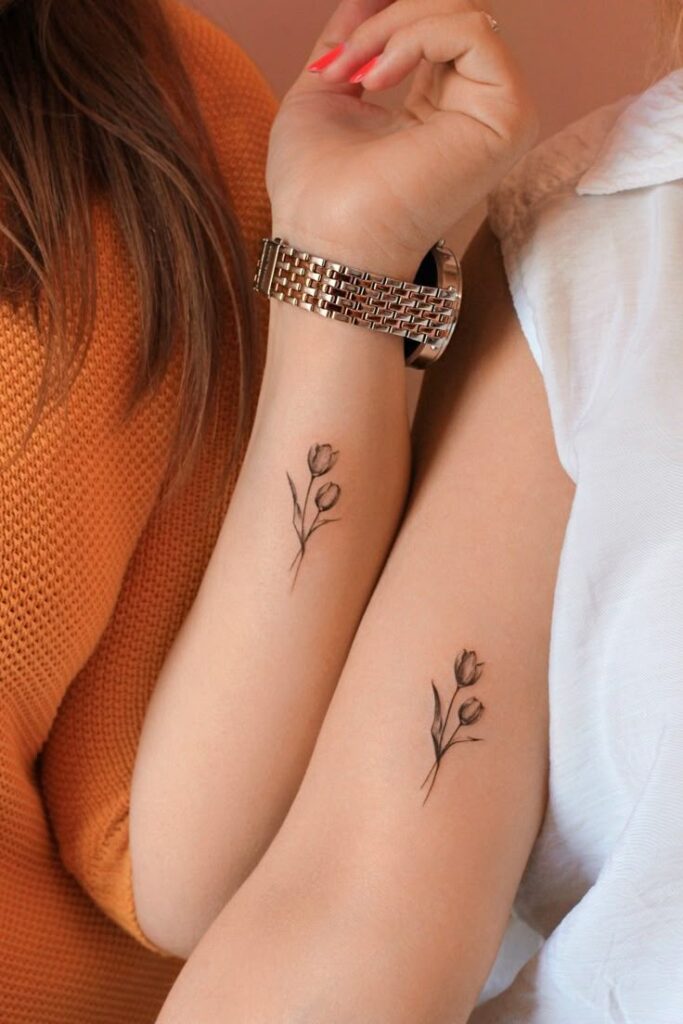
For a first tattoo, I would usually keep the design clean: one flower, one supporting stem or leaf shape, and a placement that does not distort too much when you move. Large floral tattoos can handle shading, color blends, and background leaves; small tattoos need restraint. For older tattoos, larger floral compositions can also become strong cover up tattoo ideas because petals and shadows let the artist hide dark areas intentionally.
| Flower tattoo idea | Best placement | Meaning and design note |
|---|---|---|
| Rose tattoo | Forearm, shoulder, ribs | Love, memory, passion, or resilience. Keep the rose large enough for the petal folds to stay readable. |
| Lotus tattoo | Sternum, spine, upper back, forearm | Growth, calm, and renewal. Symmetrical lotus designs need careful centering on the body. |
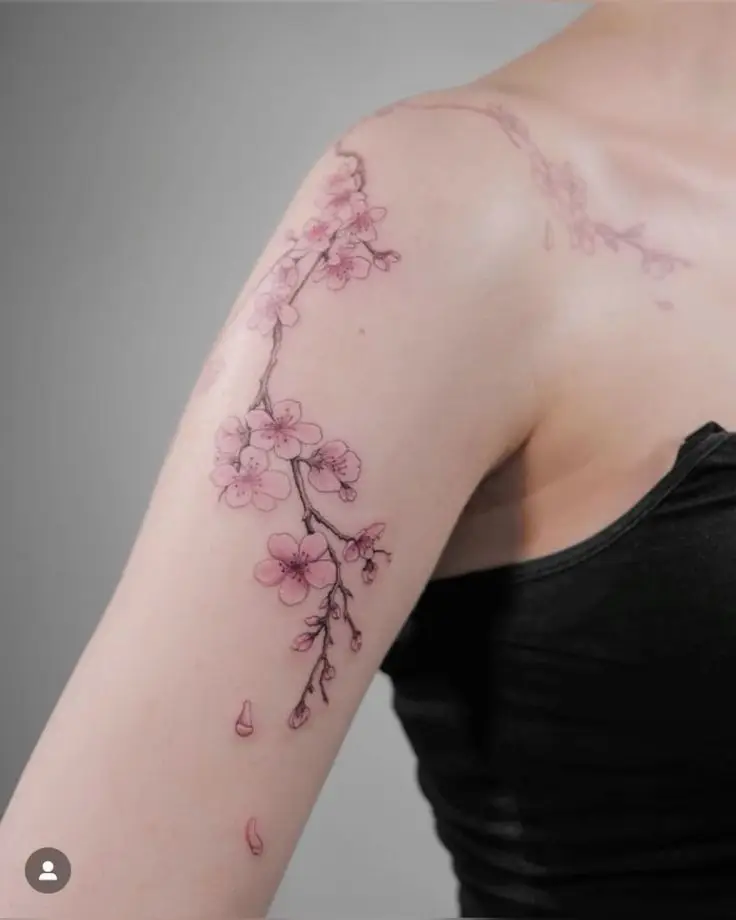
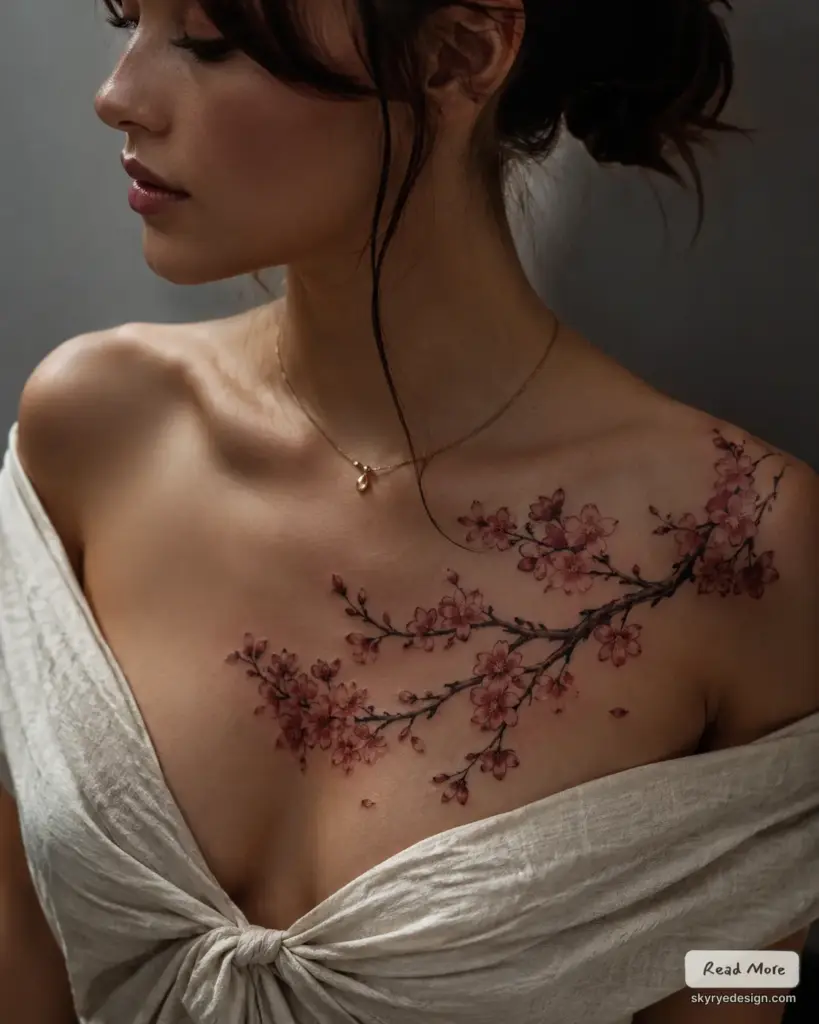
| Cherry blossom tattoo | Collarbone, ankle, upper arm | Fragility, beauty, and change. Works well with soft branches and light pink color. |
| Peony tattoo | Thigh, shoulder cap, upper arm | Prosperity, romance, and drama. Peonies need space because the petals overlap heavily. |
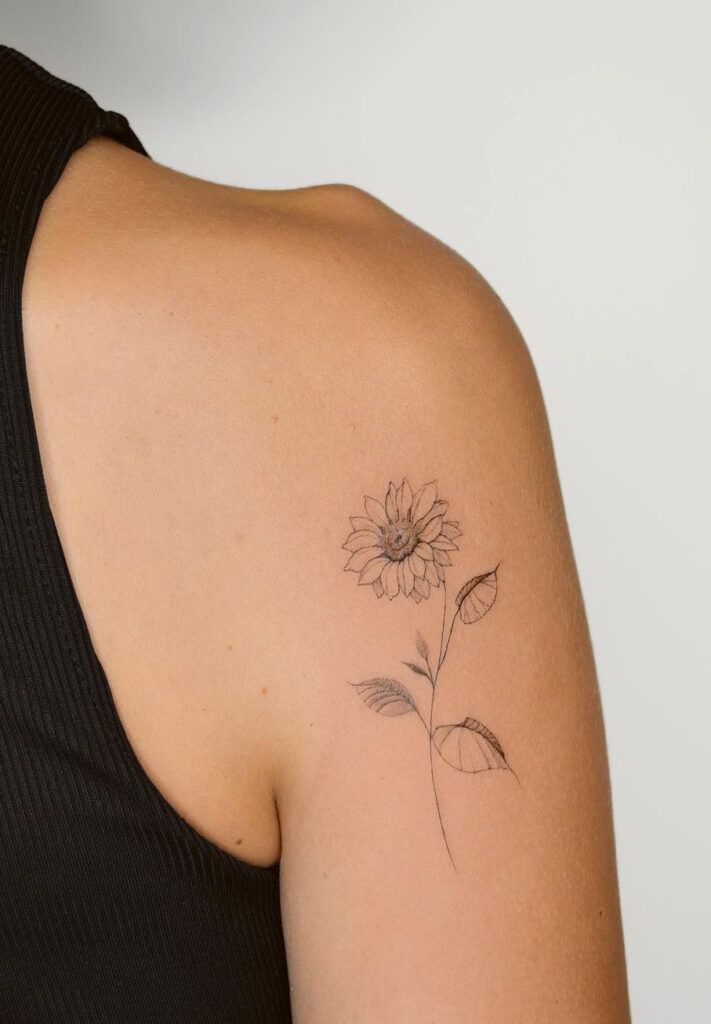
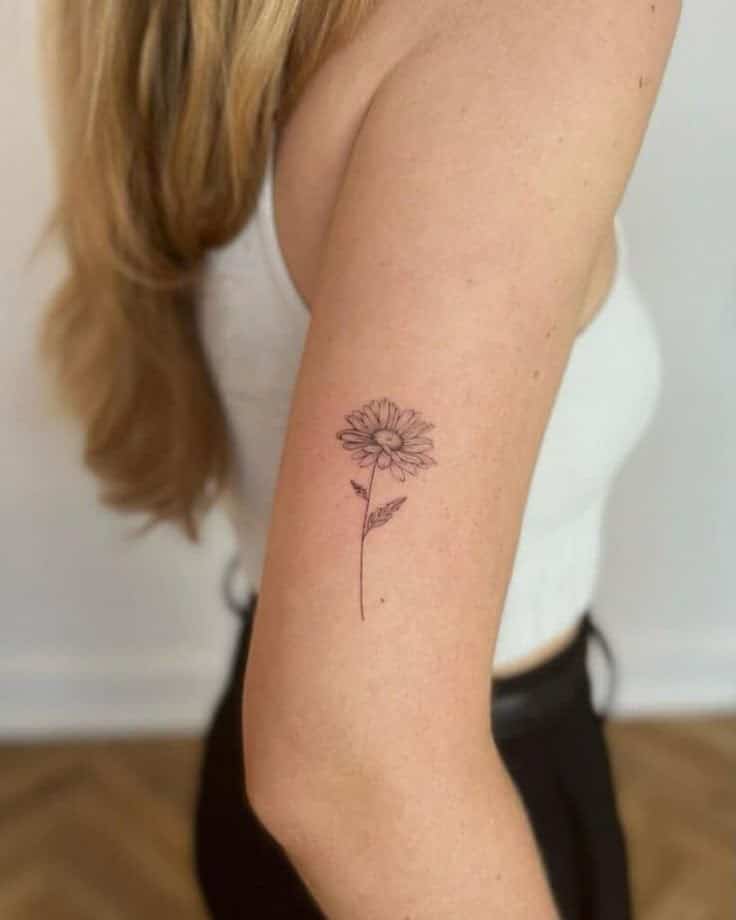
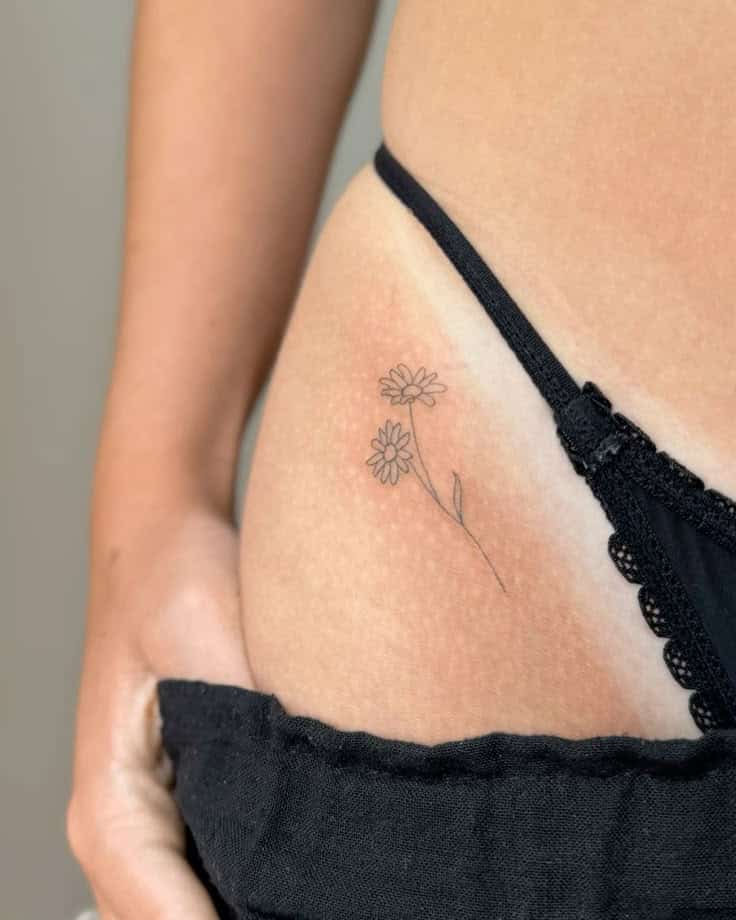
| Daisy or wildflower tattoo | Wrist, ankle, hip, inner arm | Freshness, simplicity, and a lighter mood. Fine-line work suits these best. |
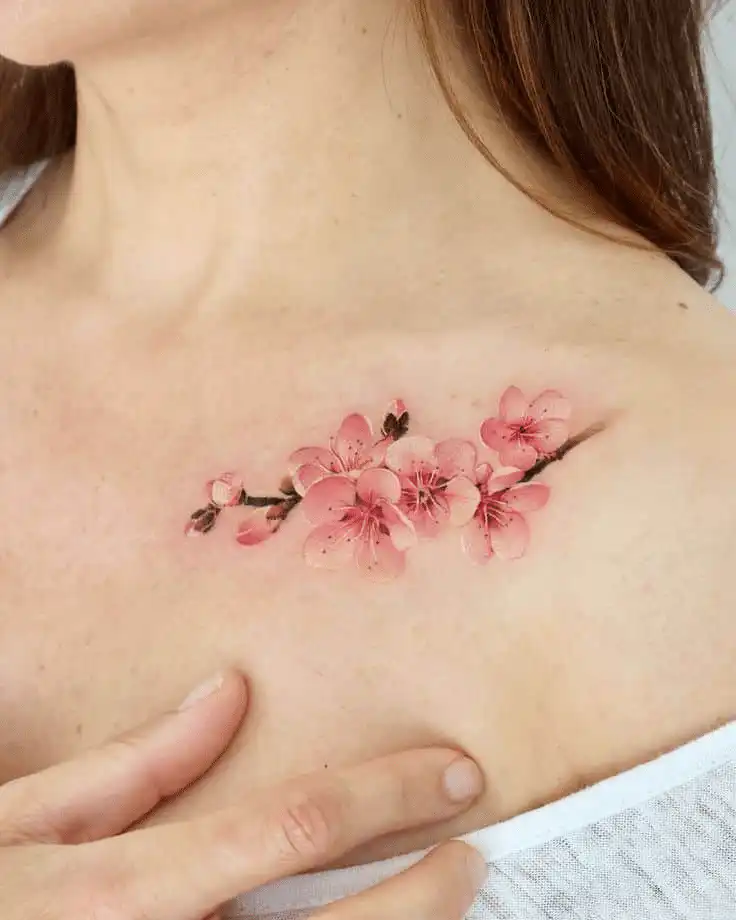
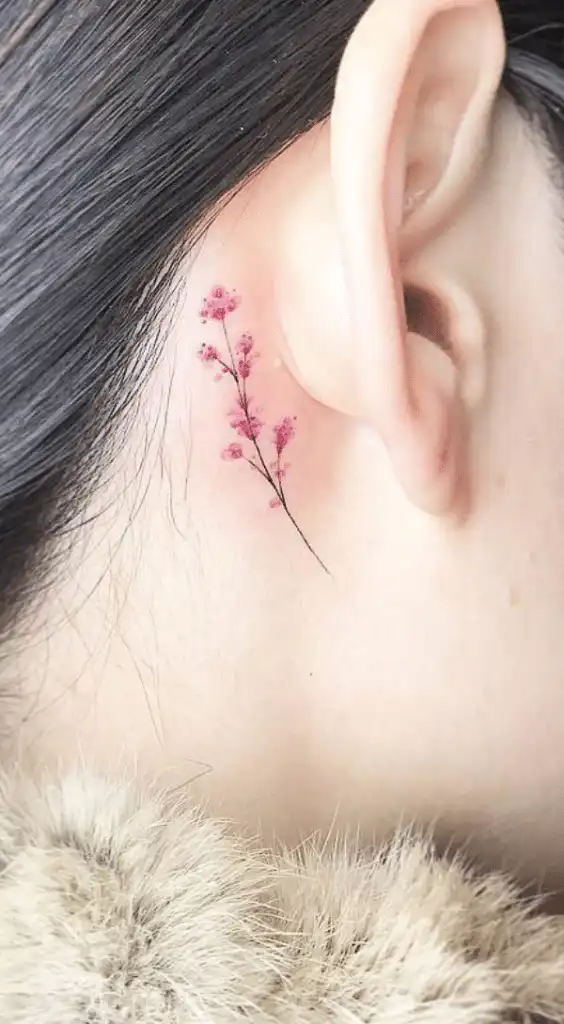
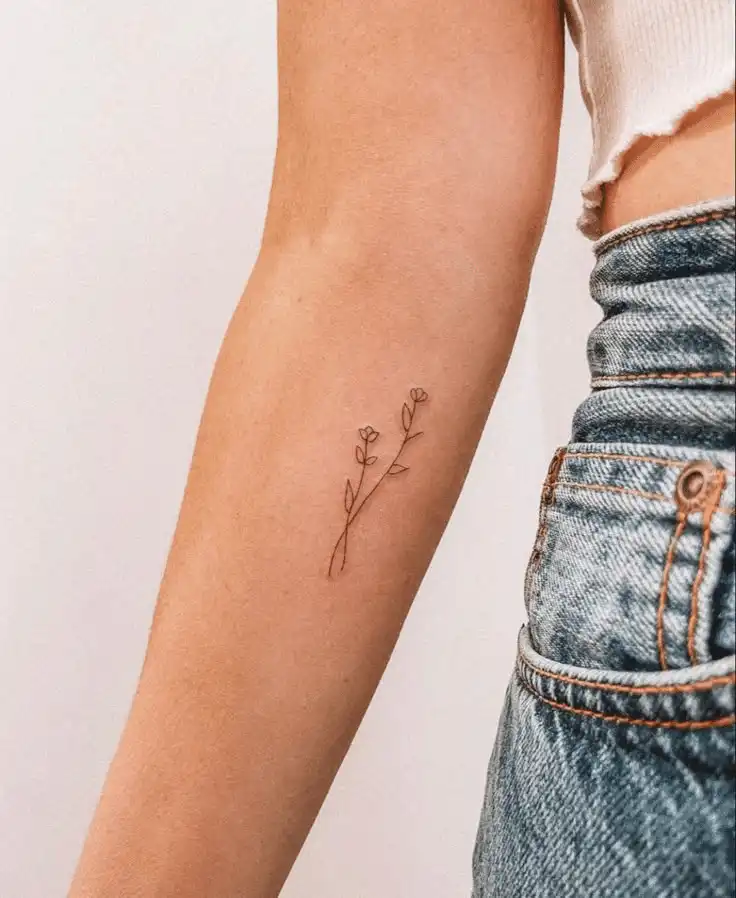
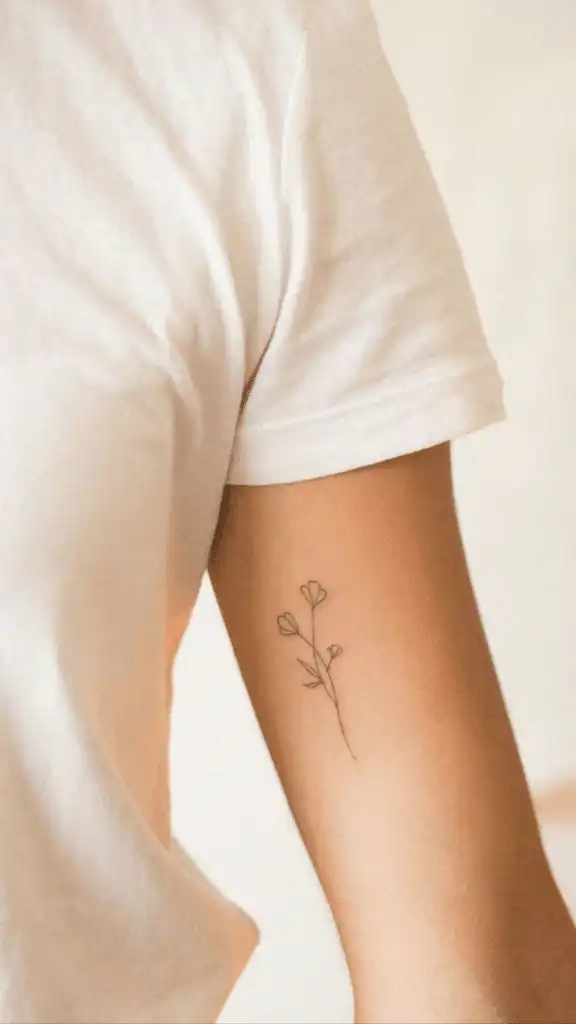
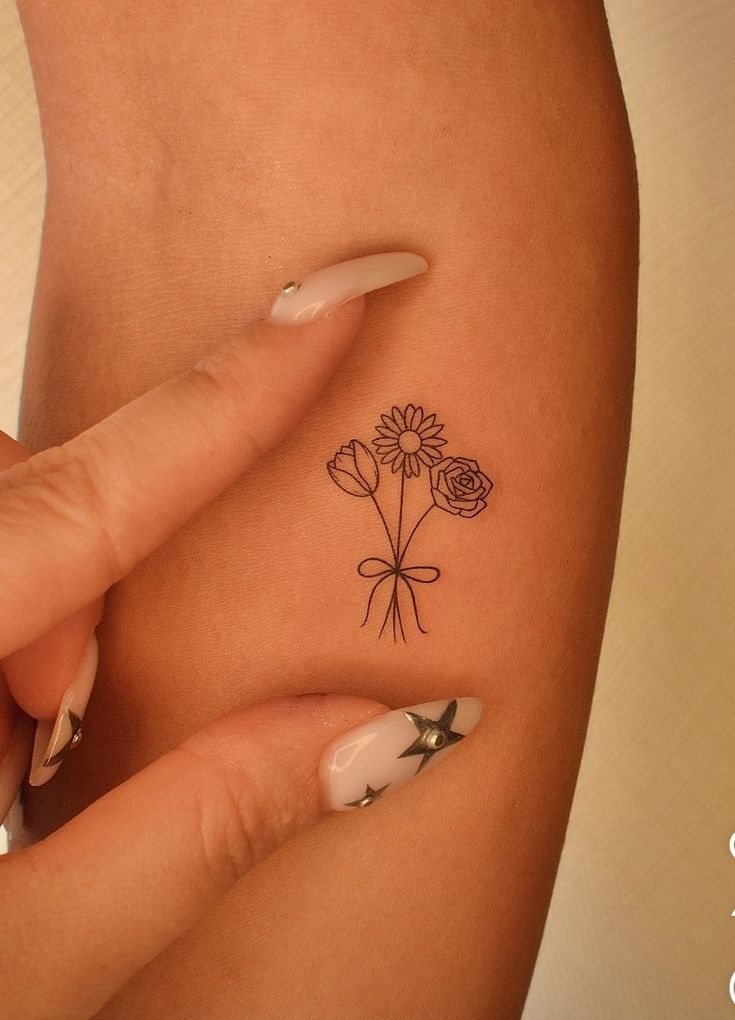
The examples below move from delicate floral tattoos to bolder color pieces, so compare them for scale as much as style. A tiny daisy can look elegant on the wrist, but a detailed peony or bouquet usually needs a shoulder, thigh, back, or forearm placement to avoid muddy lines later.


Key Takeaways
- Pick the flower first for meaning, then adjust the design so the silhouette stays clear on skin.
- Fine-line, watercolor, blackwork, and realistic flower tattoos age differently, so match the style to the size and placement.
- Color-heavy floral tattoos need extra sun care, while tiny detailed petals may need a touch-up sooner than bold botanical shapes.
What flower tattoos mean
A flower tattoo can be decorative, symbolic, or both. The trick is to avoid treating every bloom as a generic “pretty flower.” A rose has a different weight than a daisy, and a lotus placed on the spine feels very different from a tiny wildflower on the ankle.
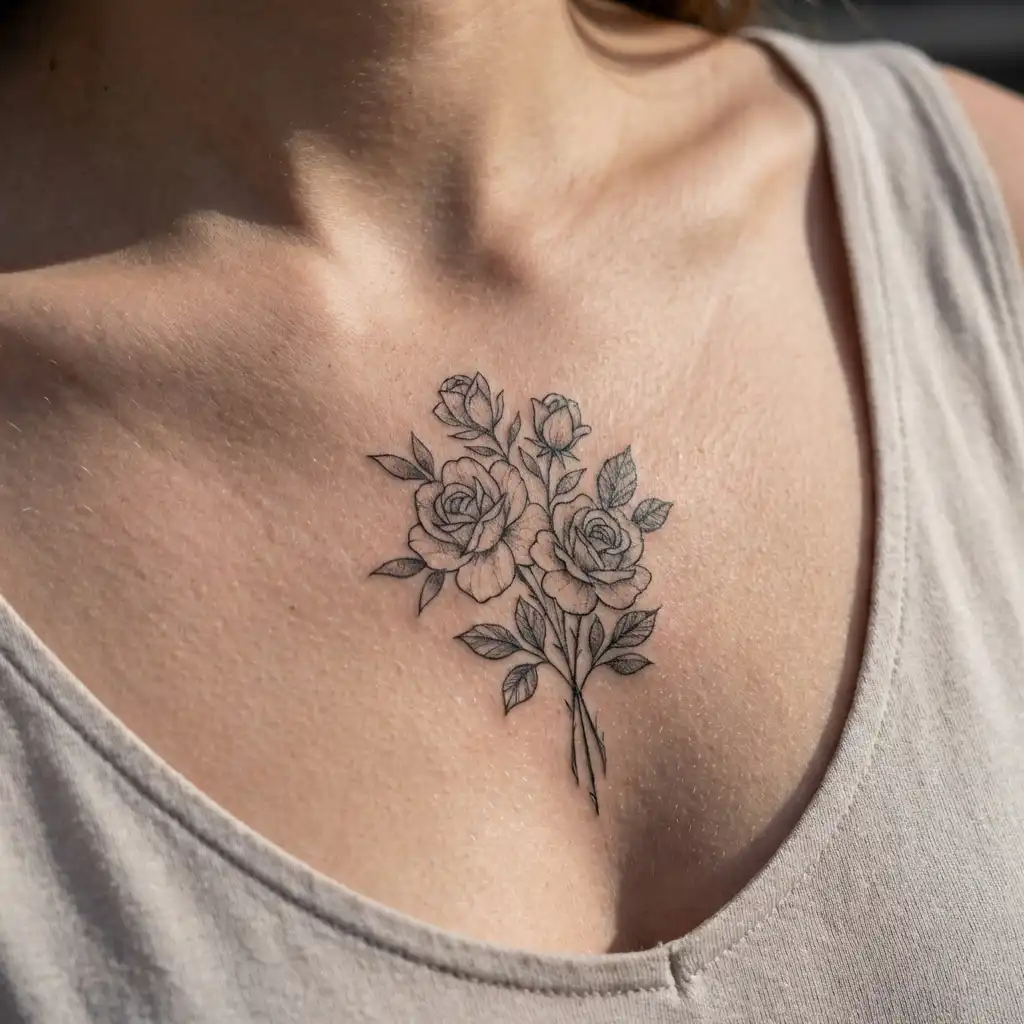
Researching different artists’ portfolios can help you find a tattooist whose style matches your vision, ensuring your flower tattoo is both meaningful and uniquely yours.
For a softer composition, these floral moon tattoo ideas show how crescent shapes work with roses, lotus flowers, and vines.
Read More:
- Tree Tattoo Meaning: Symbolism, Styles & Ideas
- Floral Sleeve Tattoo Ideas: Flowers, Placement and Cost
- Dotwork Tattoo Ideas: Styles, Placement & Care Guide
- Funny Small Tattoos: Cute, Silly Ideas That Age Well
- Sexy Tattoo Ideas: 10 Best Designs & Placements 2026
Flower tattoo meanings by bloom
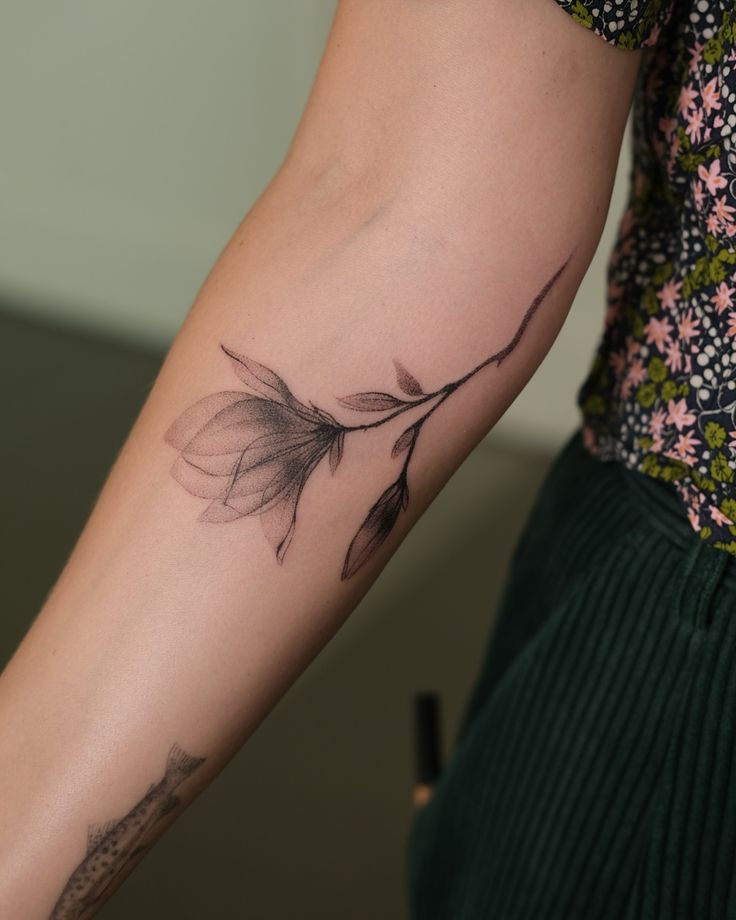
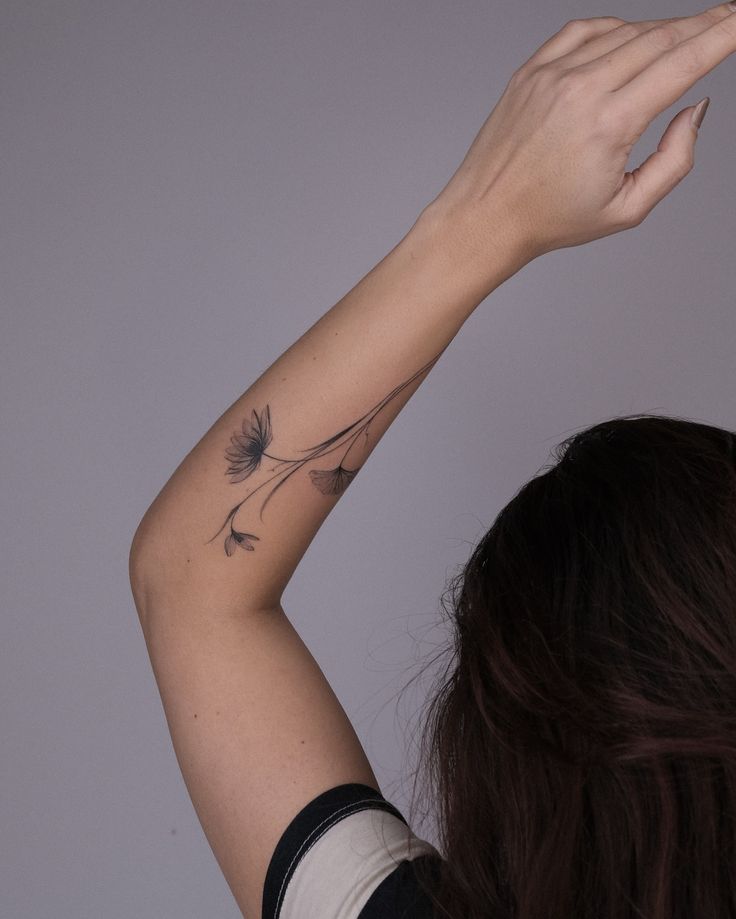
Flowers in tattoo art represent a vast array of emotions and concepts that you might want to express permanently on your skin. Many popular flowers are chosen for their deep meanings and symbolism in tattoo art. Roses often symbolize love and passion, with different rose colors carrying specific meanings: red signifies deep love, white symbolizes purity, yellow represents joy, and black indicates mourning or overcoming difficulties. Lotus flowers represent spiritual awakening, purity, and also symbolize growth and the beauty in transformation, especially in Buddhist culture.
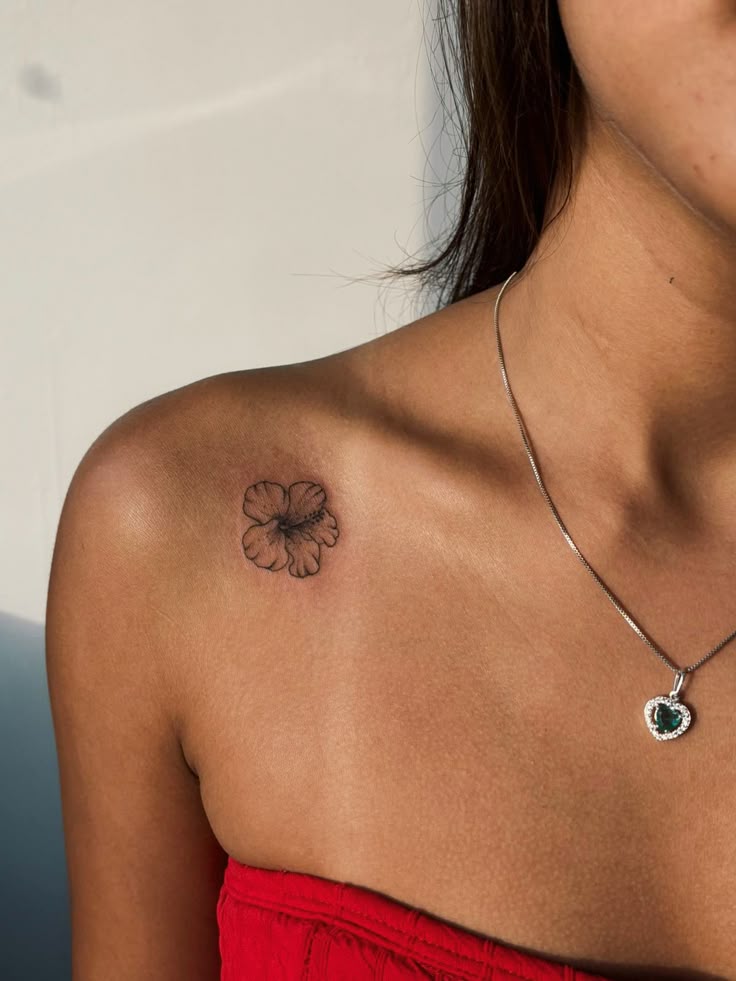
When you choose a specific flower for your tattoo, you’re embracing its unique meaning. Lilies can represent transience and the delicate nature of life, but they are also associated with purity, motherhood, and renewal. Lilies are typically chosen for memorial tattoos, as they are linked to passing and mourning. Sunflowers often embody happiness and prosperity, and they also symbolize adoration, happiness, and loyalty. Hibiscus tattoos represent delicate beauty and femininity, and in Hawaiian culture, the hibiscus signifies hospitality.
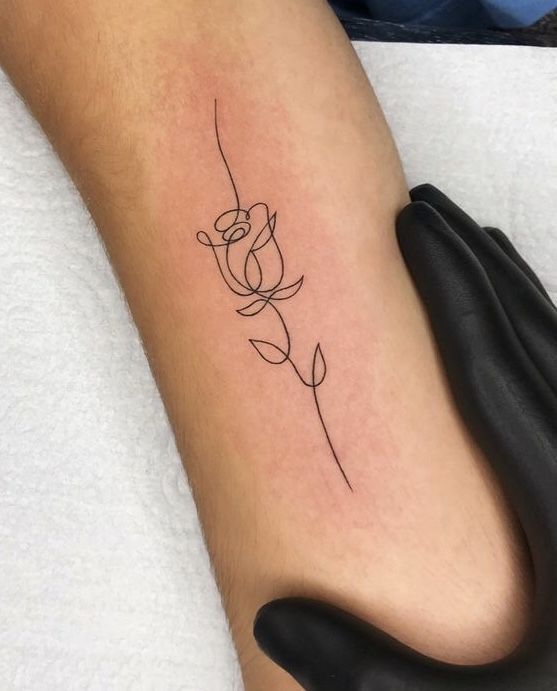
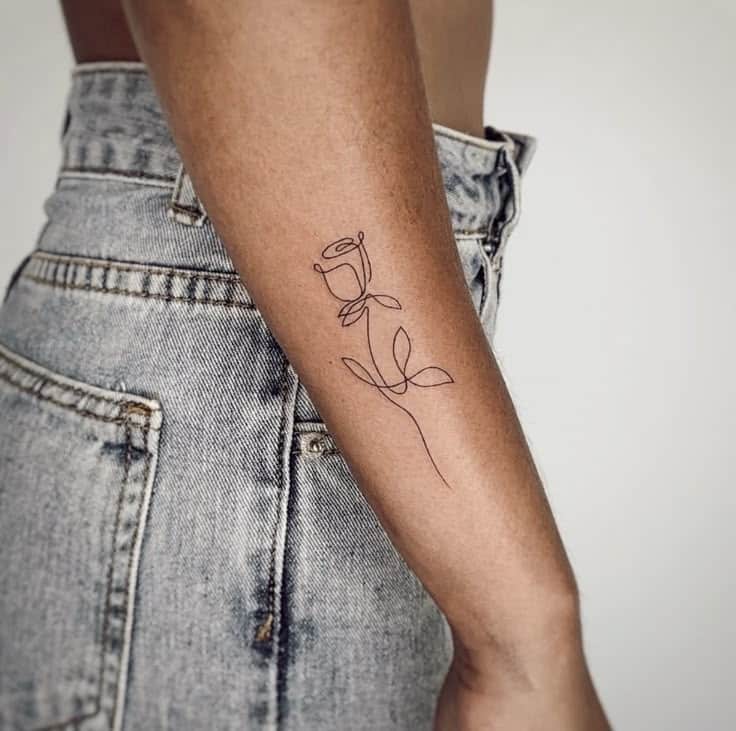
The color of your flower tattoo also adds another layer of significance. Red typically symbolizes deep love and passion, while white often represents purity and innocence.
Many people select flower tattoos to commemorate significant life events or honor loved ones. These permanent botanical illustrations can serve as beautiful reminders of special moments or people in your life.
Cultural flower meanings to check first
Flower symbolism varies dramatically across different cultures, giving you a wide range of meaningful options for your tattoo. In Japanese tradition, cherry blossoms represent the beauty and fragility of life, while in Chinese culture, peonies symbolize wealth and honor.
Celtic traditions feature intricate floral designs that represent connection to nature and spiritual growth. You might find that Mediterranean cultures often use olive branches and laurel wreaths to symbolize peace and victory.
In many Latin American traditions, marigolds hold deep significance related to honoring ancestors. Hawaiian and Polynesian cultures use hibiscus and plumeria in their traditional tattoo art to represent femininity and beauty.
When selecting your flower tattoo, researching its cultural significance can add rich layers of meaning to your design. This personal connection to a broader cultural tradition can make your tattoo even more special and meaningful.


Choosing the right flower tattoo design
Selecting a flower tattoo involves understanding both symbolic meanings and personal connections to create something that truly resonates with you. You can search for inspiration and ideas for floral tattoo designs by exploring different styles, meanings, and artist portfolios online or on social media.
The design you choose will be with you for years to come, so taking time to find the perfect floral representation matters. Looking at different artists’ portfolios can help you decide if their style matches what you envision for your tattoo.
Popular flower tattoo choices and meanings
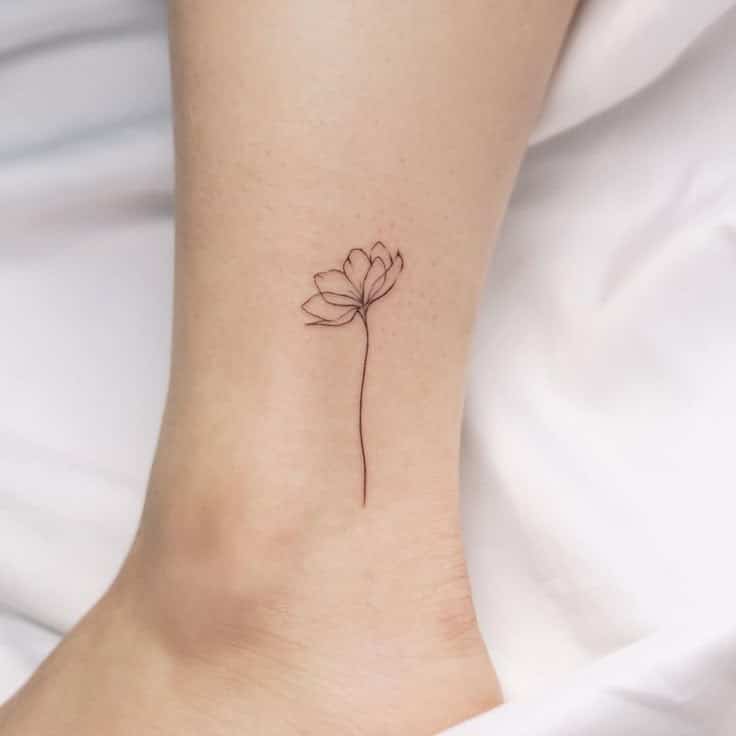
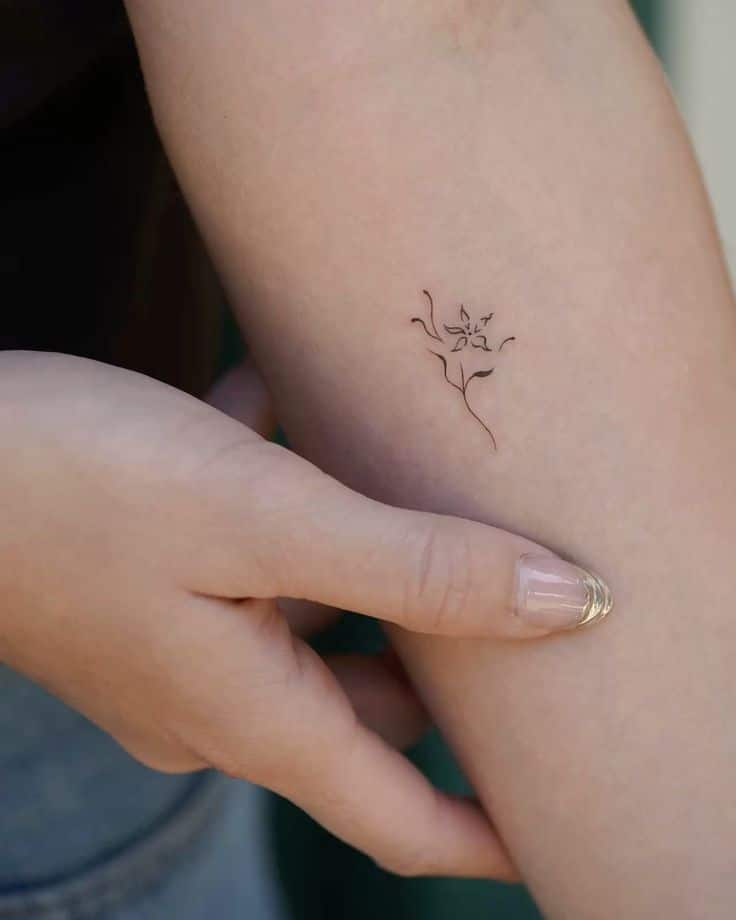
Roses remain a classic choice, and rose tattoos come in a wide variety of styles, color schemes, and creative interpretations, symbolizing love and passion. Many other flowers offer beautiful tattoo options with rich meanings. The lotus represents rebirth and spiritual awakening, making it perfect if you’ve overcome significant challenges in life.
If you like nature symbolism but want something lighter than a full floral piece, meaningful small butterfly tattoos can give you the same transformation theme in a cleaner, smaller shape.
Cherry blossoms symbolize the beauty and fragility of life with their short-lived blooming period. These delicate pink flowers make stunning tattoos that can work beautifully as sleeve elements or small ankle pieces. Poppy tattoos are also popular for their vibrant colors, artistic styles such as watercolor or abstract effects, and cultural significance, often representing remembrance and peace.
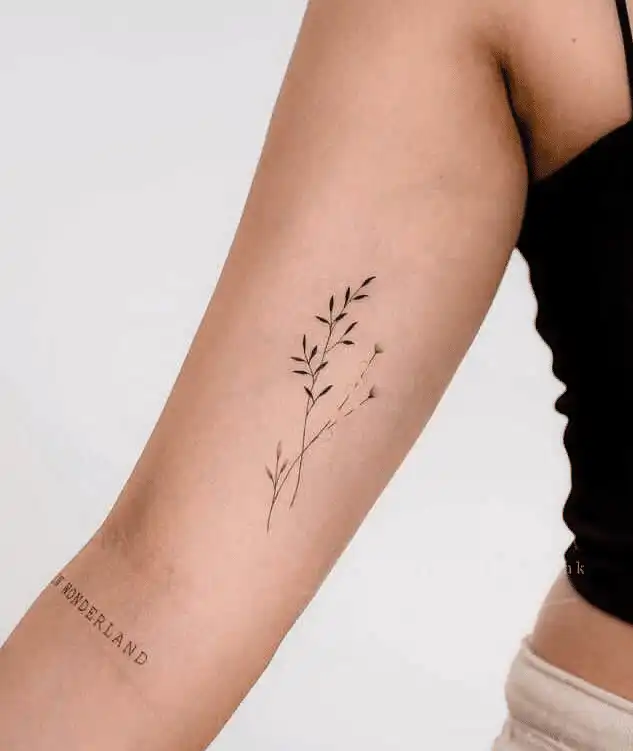
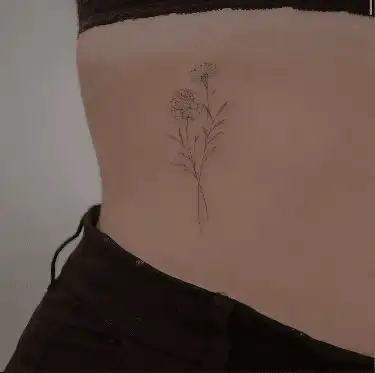
Peonies represent prosperity, good fortune, and honor in many cultures. Their lush, multi-layered petals create visually striking tattoos that look amazing in both color and black-and-white designs. Chrysanthemum tattoos are admired for their intricate petal details, ombré and watercolor color effects, and versatile placements, symbolizing longevity and elegance in tattoo art.
Hibiscus flowers bring a tropical vibe and often symbolize beauty, femininity, and joy. Their distinctive shape makes them instantly recognizable in tattoo form.
Adding personal meaning without clutter
Your flower tattoo becomes more meaningful when it connects to your personal story. Personal experiences can greatly influence the meaning and significance of your flower tattoo, as individual stories and backgrounds often guide the choice of a meaningful design. Consider flowers that grew in your childhood home or ones that remind you of a loved one.
If you want floral symbolism with more motion, phoenix tattoos with flowers can pair petals with wings, fire, or a rising tail. It is a good route when the tattoo needs to feel soft and resilient at the same time without adding too many separate symbols.
Birth month flowers offer a subtle way to honor your birthday or someone special in your life. For example, January’s carnation or September’s aster can be meaningful choices.
Location matters when designing your floral tattoo. Wrist and ankle placements work well for smaller, delicate blooms, while back and thigh areas allow for larger, more detailed floral arrangements. If you are considering roses, lotus, or tiny botanicals near the jaw or nape, this guide to floral neck tattoo ideas is useful before you scale the design down.
Think about how your tattoo might age and evolve with you. Simpler designs tend to age better than extremely detailed ones, as fine lines can blur slightly over time.
Style, color, and placement
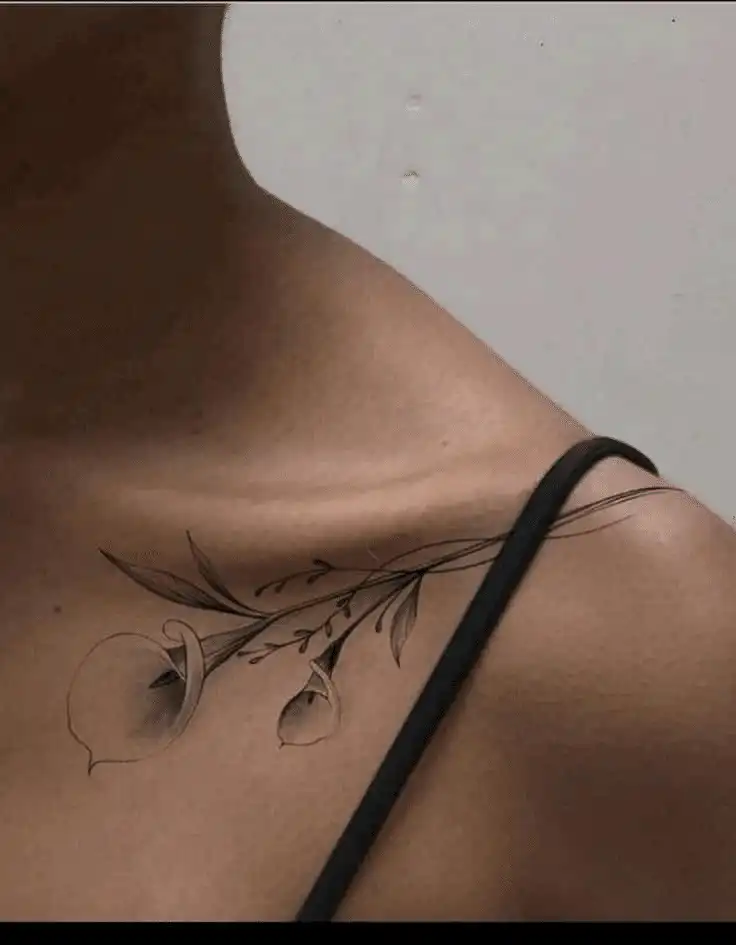
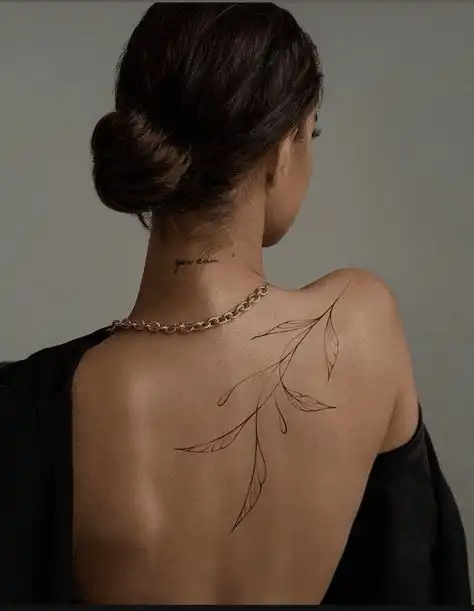
Flower tattoos blend technical skill with personal expression, creating body art that’s both meaningful and visually stunning. Talented artists can transform your vision into a unique floral tattoo, ensuring each piece is personalized and special.
These flower tattoo designs are often drawn with intricate detail, as artists use various techniques to capture the delicate beauty of petals, stems, and leaves on skin.
Color choices for floral tattoo art
Color plays a crucial role in bringing your flower tattoo to life. Vibrant reds in roses can symbolize passion, while soft pinks suggest gentleness and femininity. Many artists recommend considering how colors will age on your skin tone before making final decisions.
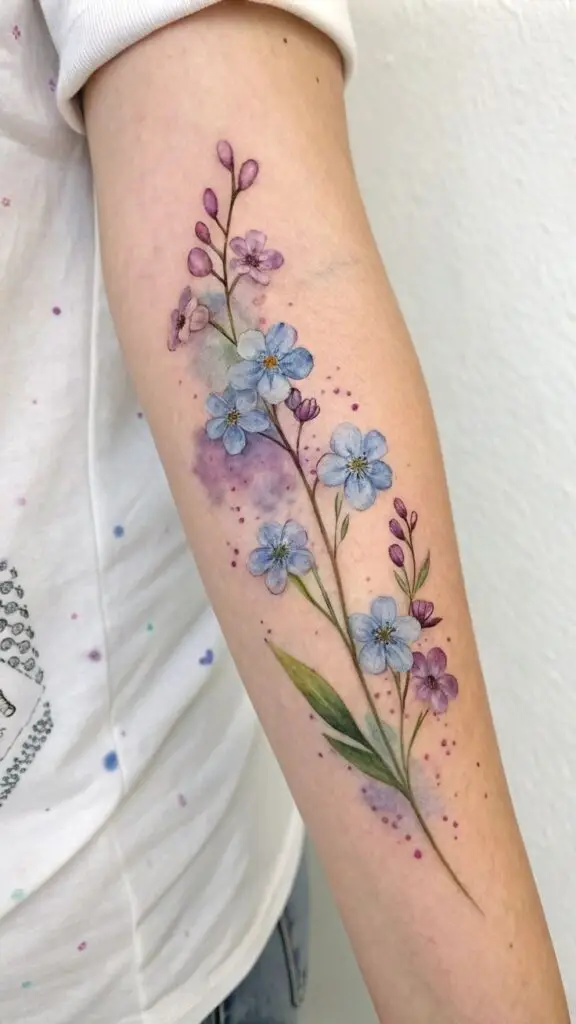
Traditional tattoo styles often use bold outlines with limited color palettes, creating timeless pieces that maintain their beauty for years. Watercolor techniques, on the other hand, create soft, flowing designs that mimic painted florals with delicate color bleeding.
Black and gray work offers elegant simplicity, focusing on shading and detail rather than color. This style highlights the intricate patterns found in flower petals and leaves.
Placement and size considerations
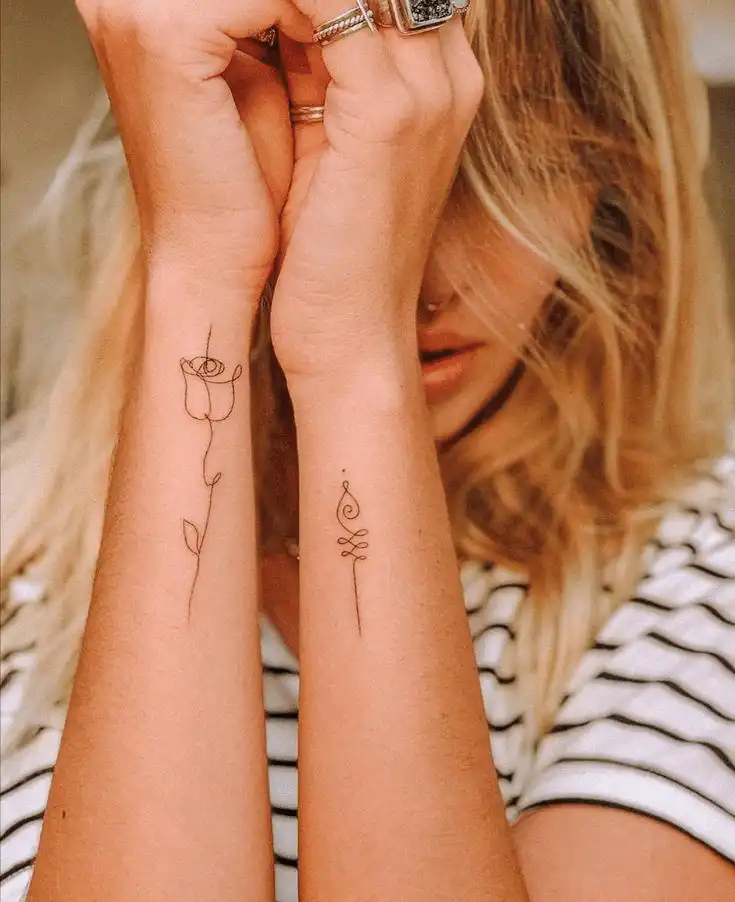
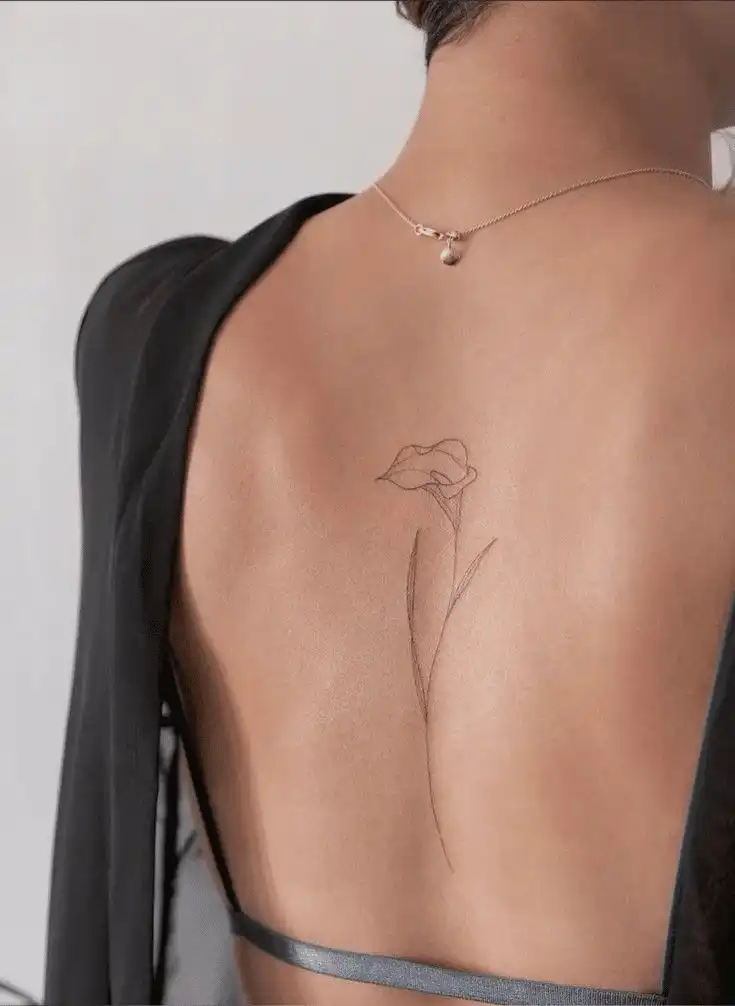
Where you place your flower tattoo significantly impacts its overall aesthetics. Curved areas like shoulders and hips can enhance the natural flow of flower designs, while flat surfaces like the back or forearm allow for more detailed work.
Small, dainty flower tattoos work beautifully on wrists, ankles, and behind ears. These subtle pieces offer elegance without overwhelming your appearance. You might choose a tiny daisy or lotus for these locations.
Larger pieces like sleeve designs or back pieces give artists canvas space to create dramatic floral compositions. These allow for storytelling through multiple flowers, each adding to the tattoo’s meaning and beauty.
Consider how your tattoo will move with your body. Floral designs can accentuate your natural curves and muscle definition when properly placed.


Flower tattoo aftercare
Flower tattoos often rely on thin stems, soft color, and small petal edges, so aftercare affects how crisp the design looks after it heals. Follow your artist’s instructions first, and use dermatologist-backed basics from the American Academy of Dermatology: keep tattooed skin clean, moisturized, and protected from strong sun once healed.
Immediate aftercare
Your tattoo artist will likely cover your fresh flower tattoo with a protective bandage or film. Keep this covering on for the recommended time—usually 2-24 hours depending on the type of dressing used.
Once removed, gently wash the area with mild, fragrance-free soap and lukewarm water. Pat dry with a clean paper towel, never rub. Apply a thin layer of recommended tattoo aftercare ointment or unscented lotion.
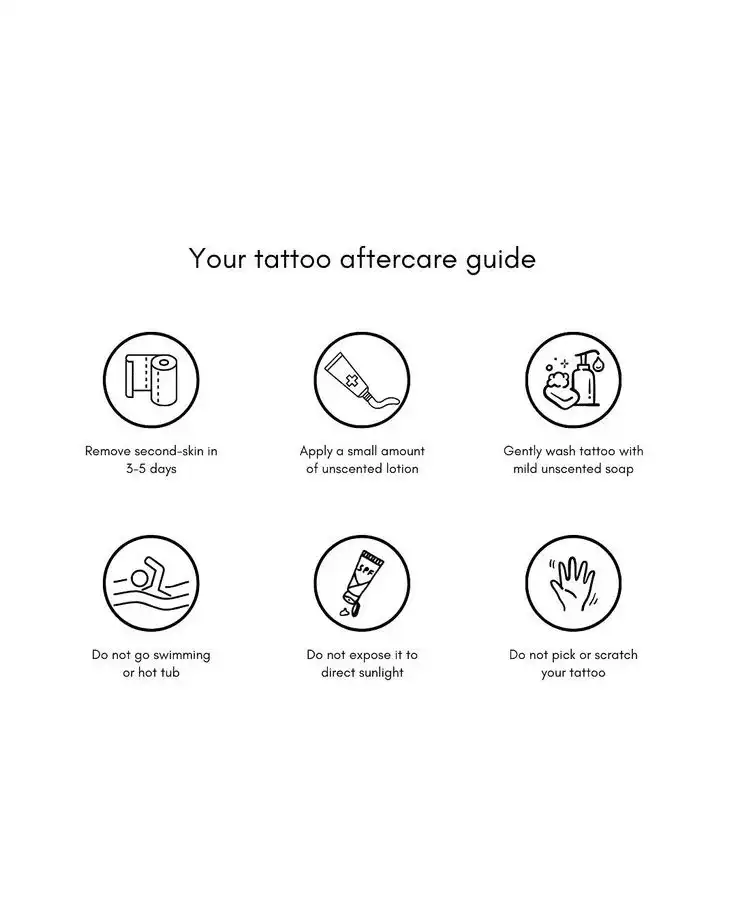
Wash your tattoo 2-3 times daily for the first week, always with clean hands. Avoid soaking in water, including baths, pools, and hot tubs during the healing process.
Expect some itching as your tattoo heals, but resist scratching! This can damage the design and affect color retention. If scabs form, let them fall off naturally.
Long-term maintenance
Sun exposure is especially hard on soft pinks, yellows, and watercolor-style floral tattoos. Once the tattoo is fully healed, use broad-spectrum SPF 30 or higher when it will be exposed, and cover it when you know you will be outside for a long time.
Keep your skin moisturized daily with a quality, fragrance-free lotion. Well-hydrated skin helps your tattoo maintain its crisp lines and vivid colors throughout your life.
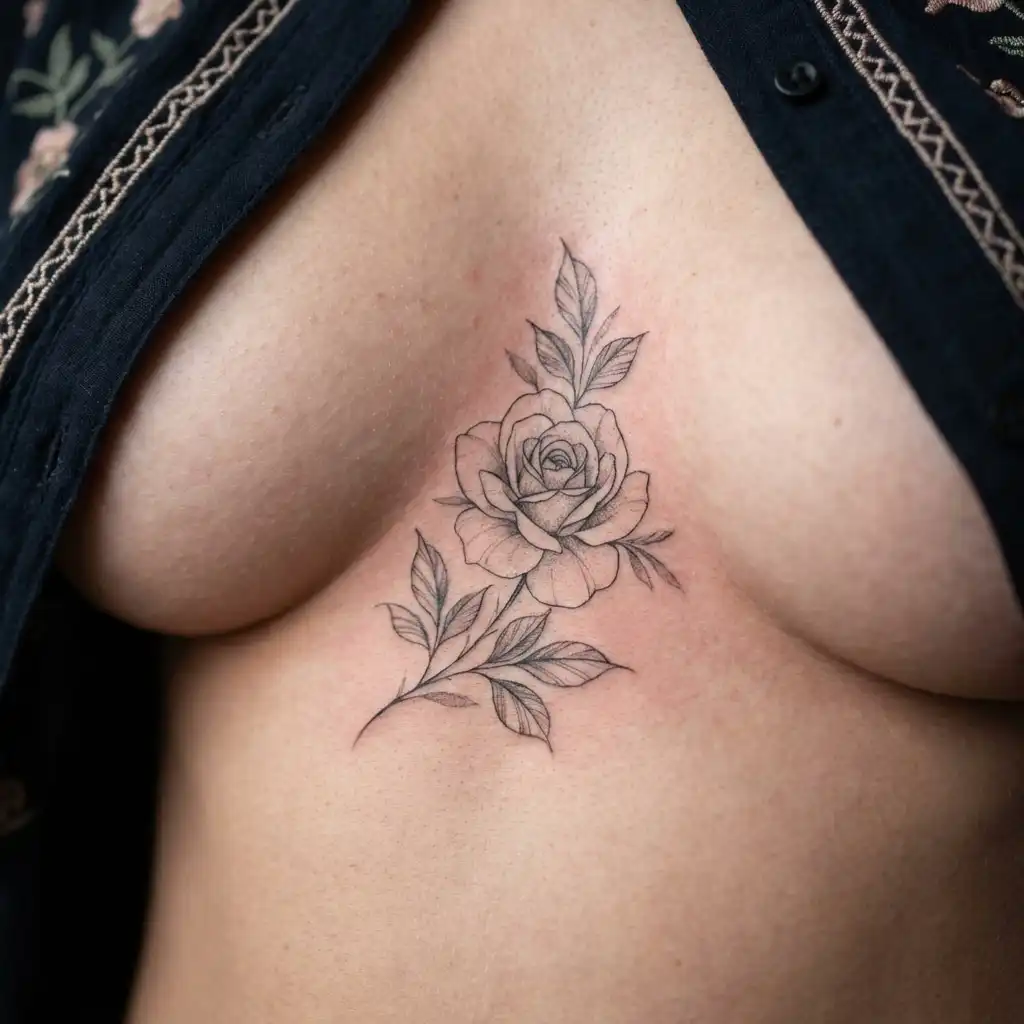
Notice how your tattoo changes with life events and aging. Weight fluctuations, pregnancy, and aging skin can affect your design over time. Some areas, particularly those with frequent movement or sun exposure, might need touch-ups.
Consider scheduling a touch-up appointment if you notice fading or blurring in your flower design. Most artists recommend a touch-up every few years to keep your botanical artwork looking fresh and vibrant.


Personal flower tattoo ideas
Flower tattoos often carry deep personal significance, drawing inspiration from life’s meaningful moments and individual values. They can represent both joyful celebrations and profound personal philosophies.
Tattoos to commemorate special events
Many people choose flower tattoos to mark significant life events. You might select a birth month flower to honor a child’s arrival or commemorate a loved one’s memory with their favorite bloom.
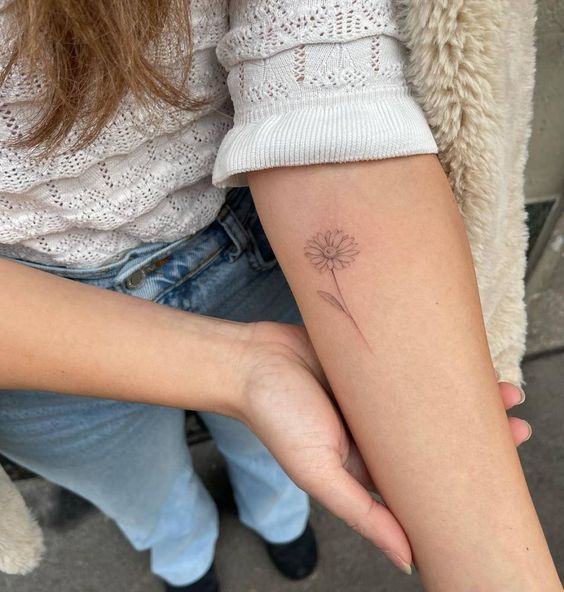
Wedding anniversaries inspire many floral designs, with couples sometimes getting matching tattoos featuring flowers from their ceremony. The plumeria or hibiscus flower might remind you of a transformative trip to Hawaii, forever capturing that special vacation’s essence.
Milestone celebrations often call for symbolic flowers—perhaps a lotus to represent overcoming challenges or a sunflower to mark a period of personal growth. The specific flower you choose can tell your unique story without words.
Forearm placements are particularly popular for these commemorative tattoos, allowing you to glance down and reconnect with these precious memories throughout your day.
Expressions of personal philosophy or identity
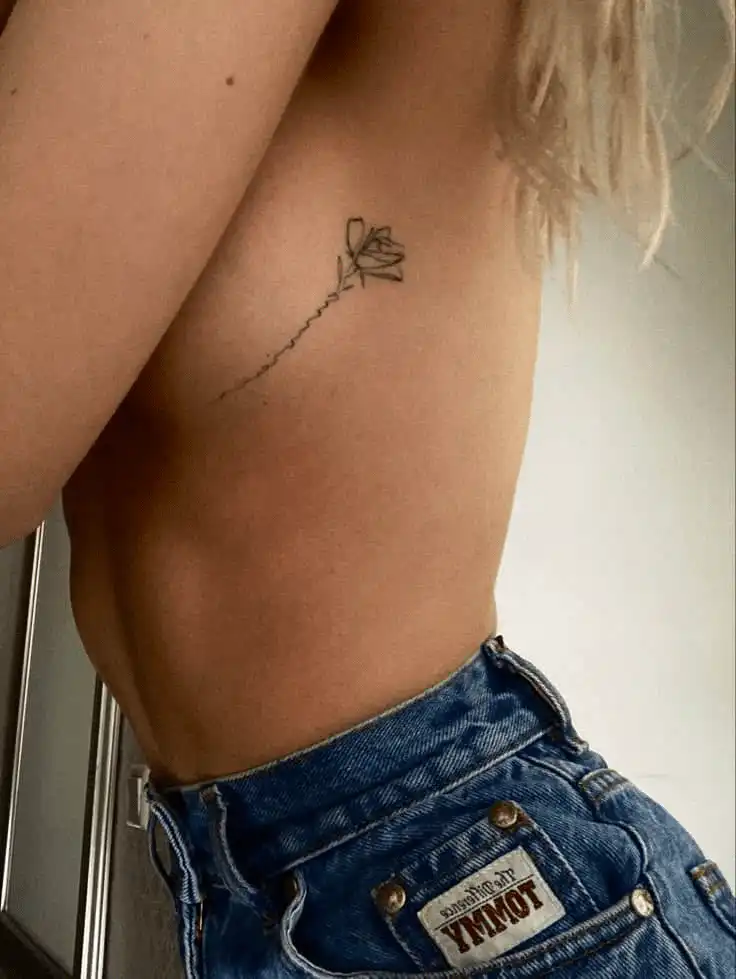
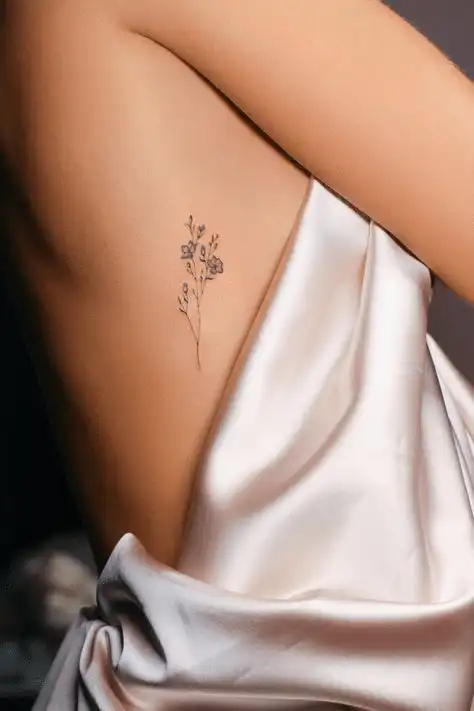
Flower tattoos beautifully communicate your values and identity. A delicate cherry blossom might express your appreciation for life’s fleeting beauty, while a sturdy rose could represent your resilient spirit.
You might choose realistic floral designs that showcase artistic precision and your attention to detail. These intricate tattoos, as highlighted in trending Pinterest collections, often incorporate stunning shading techniques.
Your cultural heritage can inform your choice—perhaps incorporating traditional flowers that connect you to your roots. Many people select flowers with specific symbolic meanings: peonies for prosperity, lilies for rebirth, or daisies for innocence.
Love often inspires flower tattoos, with roses remaining the classic symbol. You might include a special bloom that reminds you of someone who helped shape your identity or represents the love you carry within yourself.
If you want a floral design with a softer Japanese note, compare the cherry blossom tattoo meaning before choosing between roses, lotus flowers, and peonies.
For larger botanical work, this floral sleeve tattoos for women guide shows how flowers, leaves, and background filler can wrap the arm without turning muddy.
FAQ about flower tattoo designs
Q: What is the best flower tattoo design for beginners?
A: A simple rose, daisy, lavender sprig, or small wildflower design is usually the easiest starting point. Choose one clear flower with limited detail, especially for a wrist, ankle, or inner-arm tattoo. Tiny petals, heavy shading, and complex bouquets look beautiful in reference images but can blur if the tattoo is too small.
Q: What do flower tattoos usually mean?
A: Flower tattoos often point to love, growth, memory, beauty, resilience, or a specific life season. Roses are tied to love and strength, lotus flowers to renewal, cherry blossoms to change, and daisies to innocence or simplicity. The meaning also changes with color, placement, and whether the design is realistic, fine-line, blackwork, or watercolor.
Q: Where should I place a flower tattoo?
A: Match the placement to the amount of detail. Small fine-line flowers work well on the wrist, ankle, collarbone, ribs, or inner arm. Larger roses, peonies, lilies, and bouquets usually need the forearm, shoulder, thigh, back, or hip so the petals have room. Avoid squeezing a detailed floral reference into a tiny spot.
Q: Are flower tattoos better in color or black ink?
A: Black ink is usually cleaner, more subtle, and easier to age well in small floral tattoos. Color works best when the design is large enough for soft gradients and petal separation. If you love watercolor or bright botanical tattoos, ask the artist how the colors will heal and whether the placement gets a lot of sun.
Q: How much detail can a small flower tattoo have?
A: Less than most people expect. A small flower tattoo needs a strong outline, a few readable petal shapes, and enough negative space between lines. If the stencil looks crowded before it is tattooed, it may heal as a dark patch. For tiny tattoos, choose daisies, lavender, simple roses, or a single stem instead of a dense bouquet.
Q: How do I make a flower tattoo feel personal?
A: Use one meaningful detail instead of adding everything. You might choose a birth flower, a bloom from a wedding bouquet, a flower connected to a loved one, or a plant from a place that matters to you. Then keep the composition simple so the personal idea still reads as a beautiful tattoo, not a crowded symbol list.
For more starting points, browse the full tattoo ideas hub for placement guides, style references, and related tattoo inspiration.
If you are still comparing flowers with other styles, use this wider guide to broader tattoo ideas for women before you settle on one bloom, placement, or scale.
Flowers are useful sleeve fillers because they bend around awkward gaps; this floral sleeve tattoo planning guide shows how they can support larger arm pieces.
If you want the floral piece to feel quieter, compare it with aesthetic flower tattoo ideas built around fine lines and soft spacing.
If your floral design needs a small personal code, this lucky number tattoo guide can help you add a date or digit without distracting from the bloom.
Connecting multiple flower blossoms with a trailing leaf vine arm tattoo creates a harmonious floral arrangement that wraps beautifully around the forearm.
For delicate stems, tiny blooms, or vine-like placement, save a few flower wrist tattoo ideas as references. The curve of the wrist can make a simple floral design feel more natural than a flat, centered stamp.
While roses and peonies are common, the lotus flower tattoo meaning brings a completely different spiritual depth to your floral ink.
If a single bloom starts feeling too small for the idea, a floral sleeve tattoo can turn several flowers, leaves, and filler details into one arm-length composition.
- 3.0Kshares
- Facebook0
- Pinterest3.0K
- Twitter4
- Reddit0