Character design stopped feeling overwhelming for me the day I started ignoring the full figure and just drew heads. Weird heads. Heads with too-small eyes and too-wide jaws and horns that didn’t make anatomical sense. Something clicked.
The fundamentals — shapes, proportions, style — show up in every tutorial, and they’re right. But the order matters less than people think. I’ve started designs from a random silhouette and worked backward to the character. I’ve also started with a personality and let the shapes follow. Both work.
What I actually use now is a rough list of prompts I keep in the back of my sketchbook. Genre stuff mostly: a knight who looks tired, a creature designed around a circle, something that reads clearly from ten feet away. They’re not creative exercises. They’re just a way to get the pencil moving when I’m staring at a blank page and coming up empty.
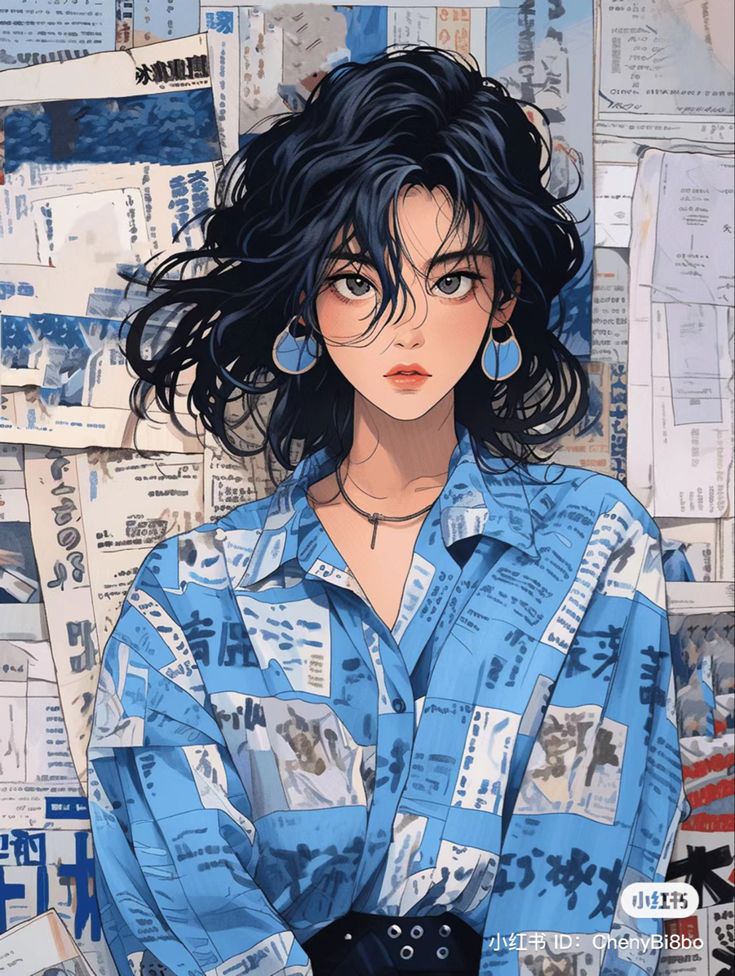
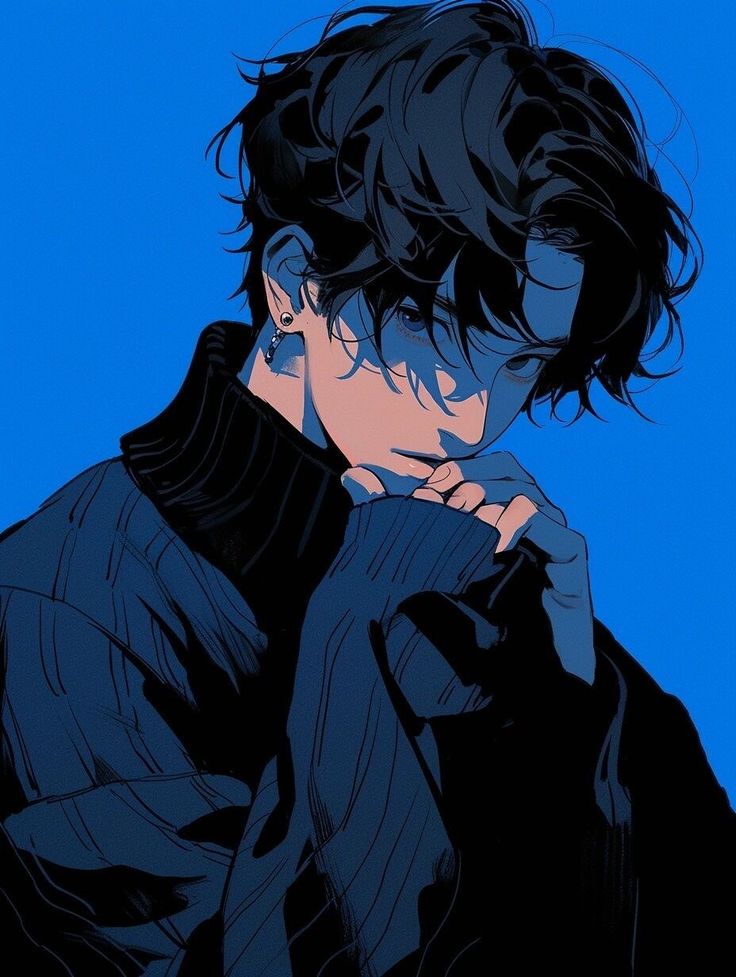
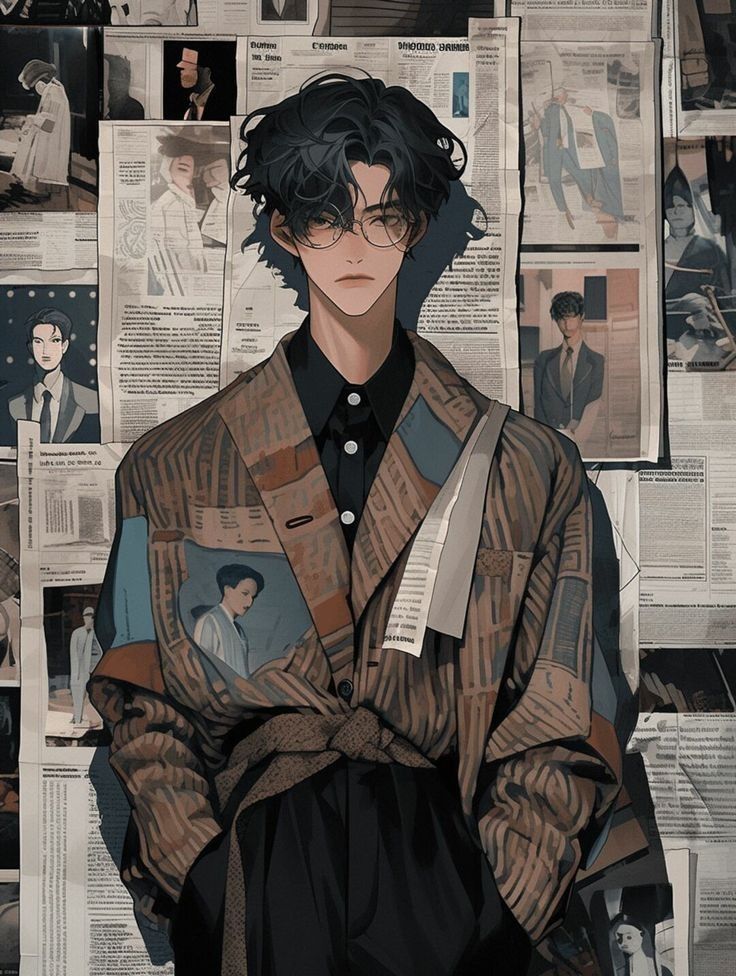
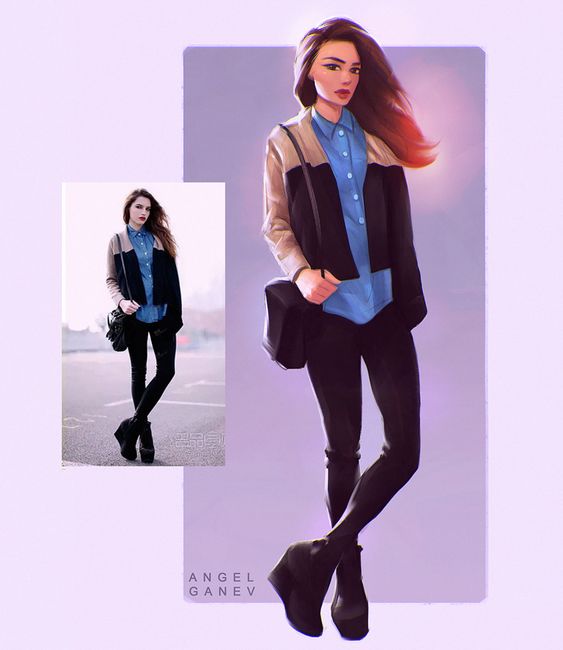
If you are building a heroine, villain, or supporting cast member, keep a separate pass for female character design: silhouette, agency, costume logic, expression range, and the small props that show how she lives.
Fundamentals of Character Design Drawing Ideas
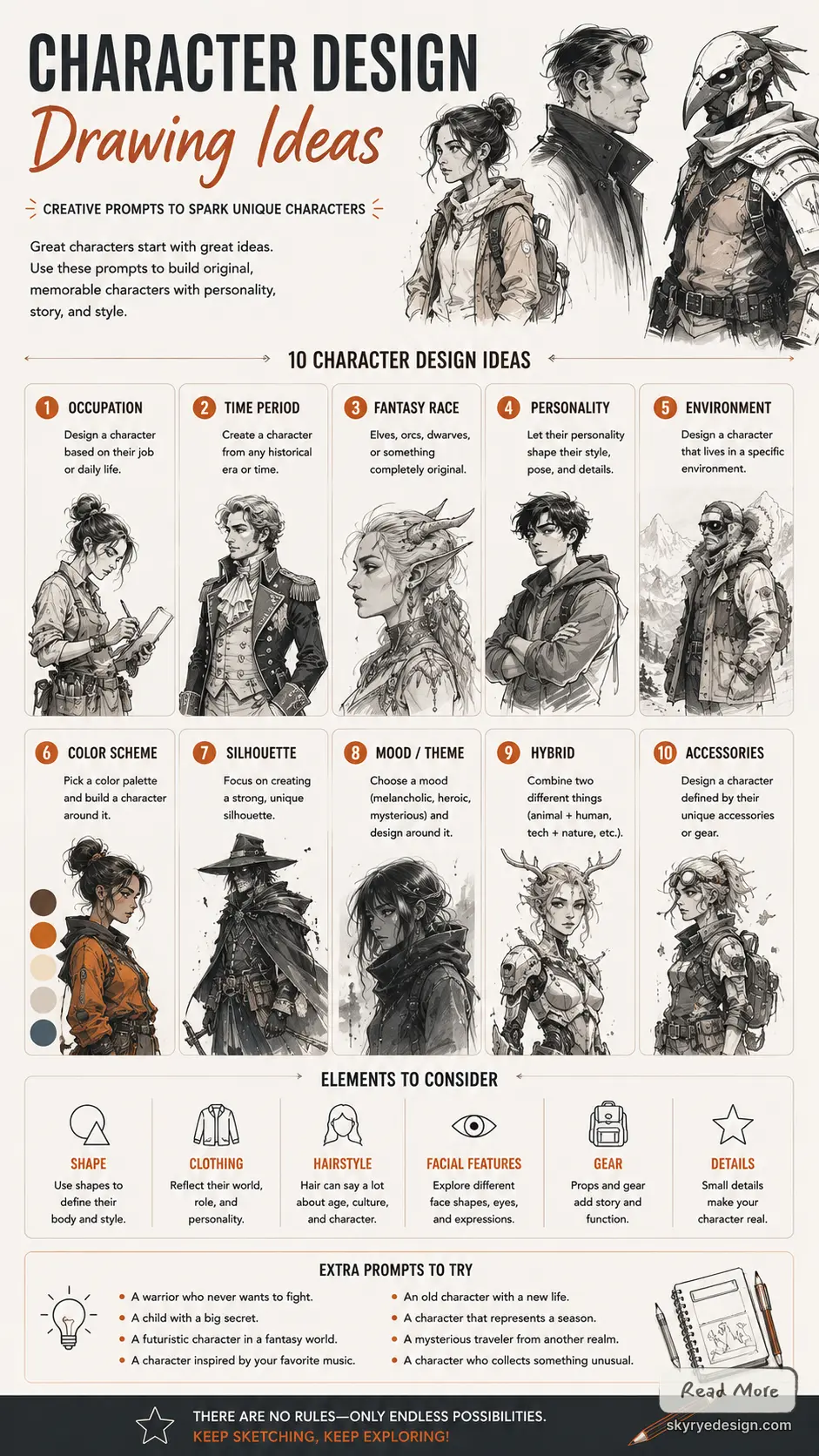
Character design involves both thematic elements and visual components that create a memorable figure. Focusing on the roles characters play and the core design principles will enhance your skills and understanding.
Understanding Character Roles
Every character serves a specific purpose within a story. Identifying their role helps to inform design choices. Characters can be classified as protagonists, antagonists, sidekicks, or mentors, among other roles.
Each role influences traits such as clothing, colors, and expressions. For example, a hero might wear bright colors and strong silhouettes, while a villain could adopt darker tones and sharp angles.
Developing backstories and motivations deepens character design. You should ask questions about their history and goals. This exploration enhances visual representation, making your characters more relatable and authentic.
Design Principles
To create effective character designs, adhere to fundamental design principles. Silhouette is crucial; a strong, recognizable shape helps readers immediately identify the character.
For a related creative prompt, see Drawing Realistic and Magical Dragon Eyes Made Easy.
Color also plays a significant role in conveying personality traits. For instance, warm colors like red and yellow often evoke energy and friendliness, while cool colors like blue and green can suggest calmness or mystery.
Consider proportions and exaggeration for unique features. Experiment with oversized heads or limbs to emphasize qualities, making characters memorable.
Lastly, focus on expression and posture. These elements communicate emotions and attitudes effectively. Crafting dynamic poses and facial expressions will bring your characters to life.
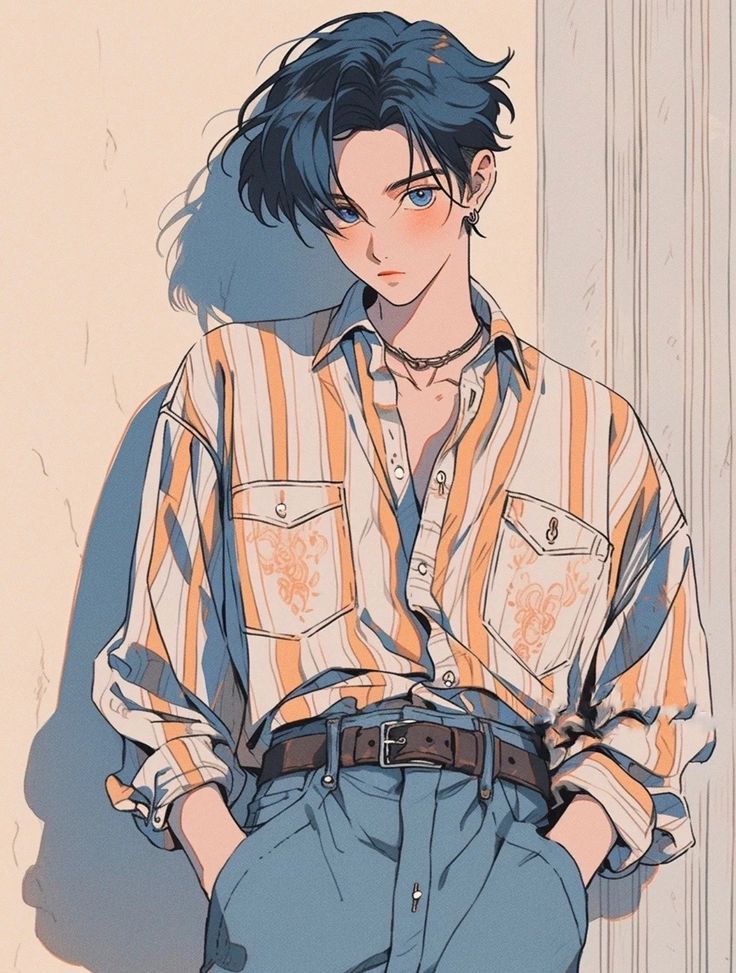
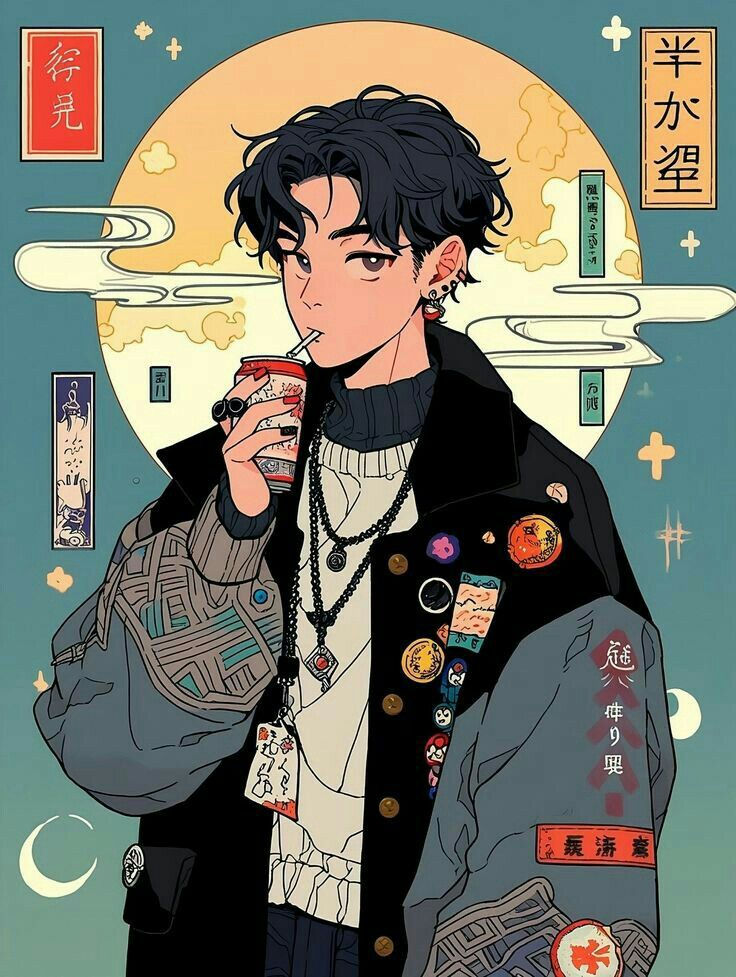
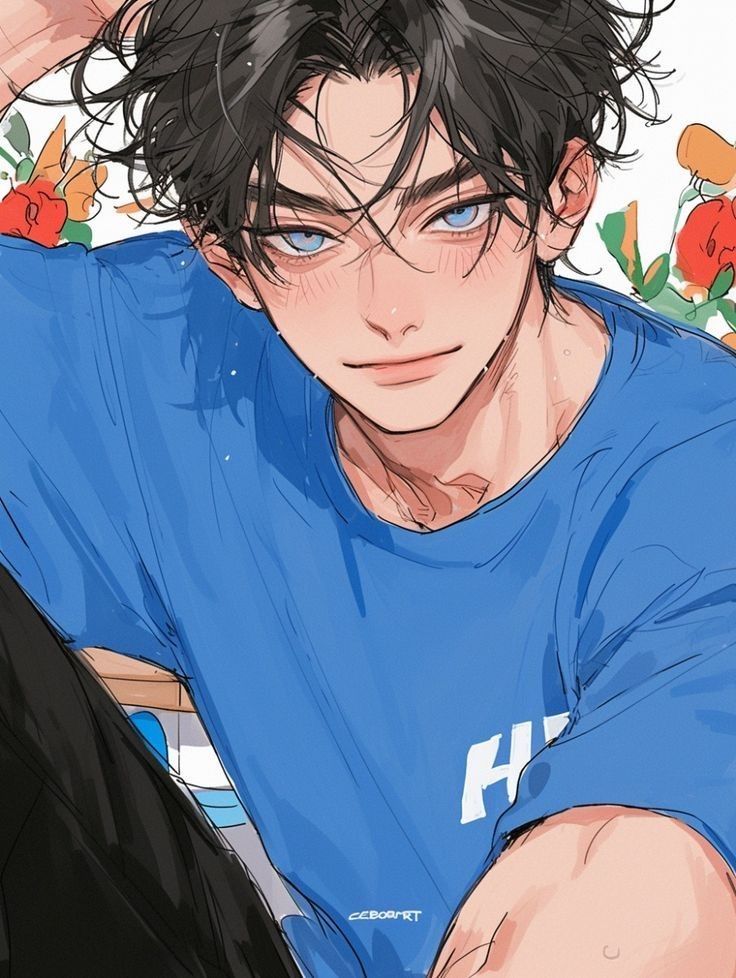
For a practical shape-language study, open the Disney drawings guide and look at how Mickey, Stitch, Simba, and Disney princess designs start from different silhouettes before the face is polished.
Artistic Techniques for Character Creation Ideas
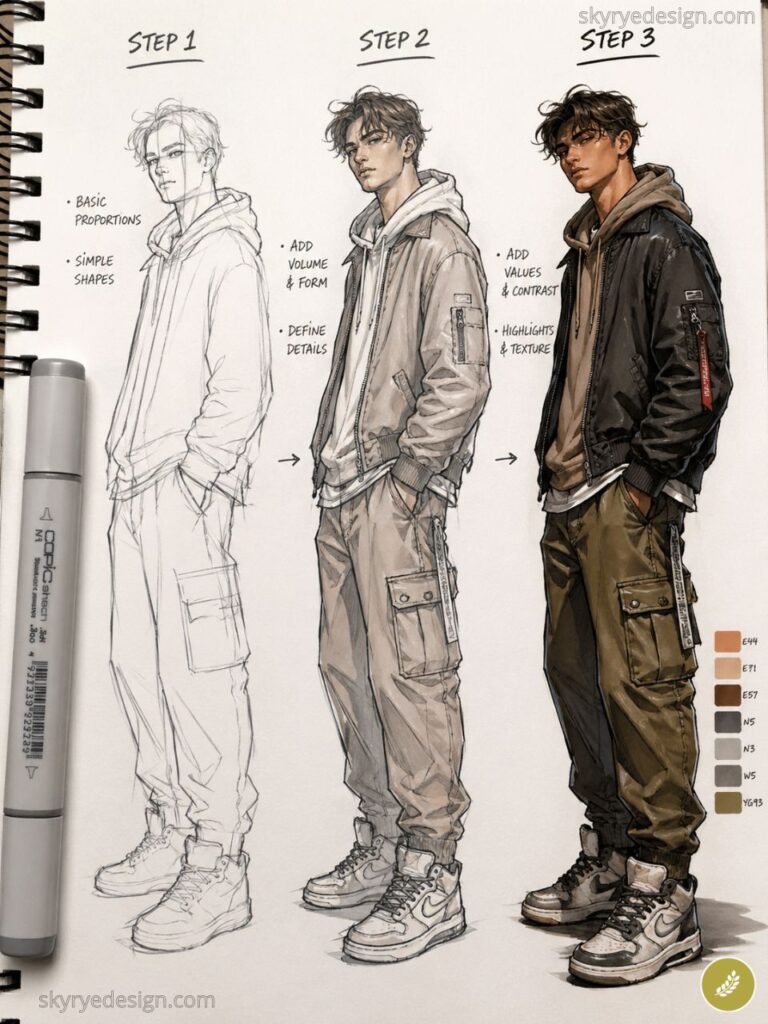
Creating compelling characters requires a solid foundation in various artistic techniques. You will benefit from mastering sketching basics, understanding anatomy and proportion, and honing facial expressions and details. Each of these elements contributes significantly to character design.
Sketching Basics
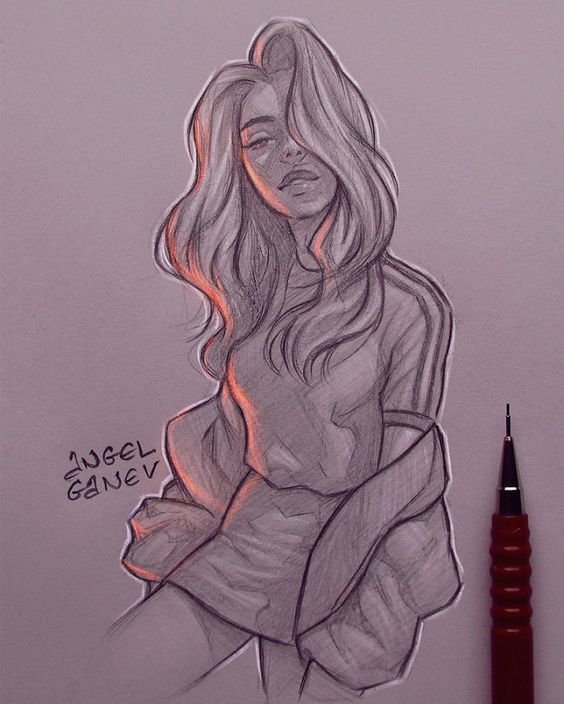
Begin with loose sketches to capture the essence of your character. Use simple shapes—circles, squares, and triangles—to establish the basic form. This technique allows you to focus on proportions without getting bogged down by details.
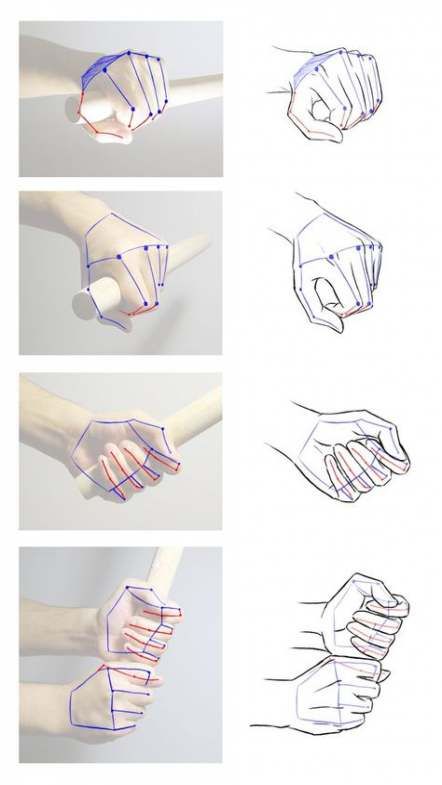
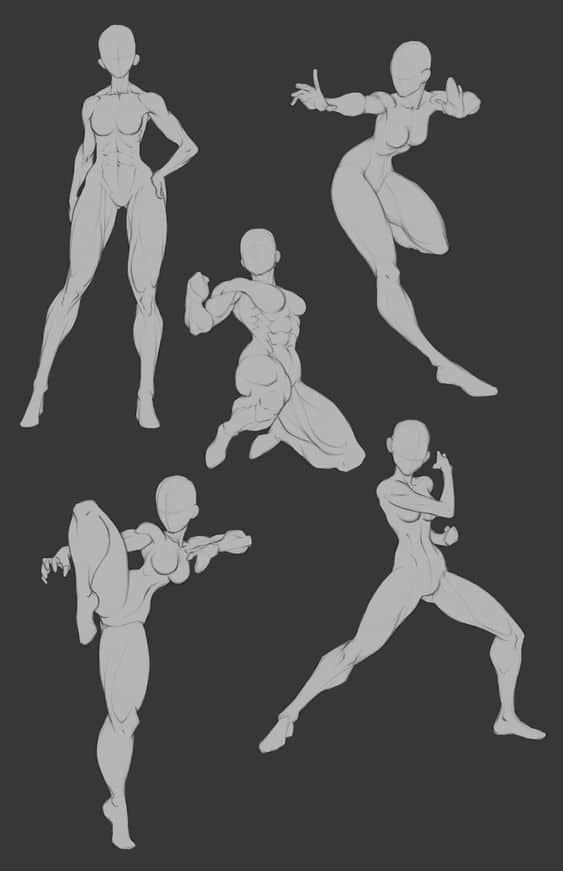
Incorporate guidelines to map out the character’s posture and movement. These lines help maintain balance and dynamism in your designs. Remember to experiment with different poses to find the one that best reflects your character’s personality.
Regularly practice sketching from reference materials or life to develop your skills. This will enhance your understanding of form, line, and space, leading to more dynamic and believable characters.
Anatomy and Proportion
Understanding human anatomy is crucial for realistic character designs. Study the basic skeletal structure and musculature to get a sense of how bodies move and interact. Pay attention to common proportions, such as the head being about one-eighth of the total height.
A strong character idea is easier to develop when the pose is already working, so start from a character body drawing base before refining costume, attitude, or facial details.
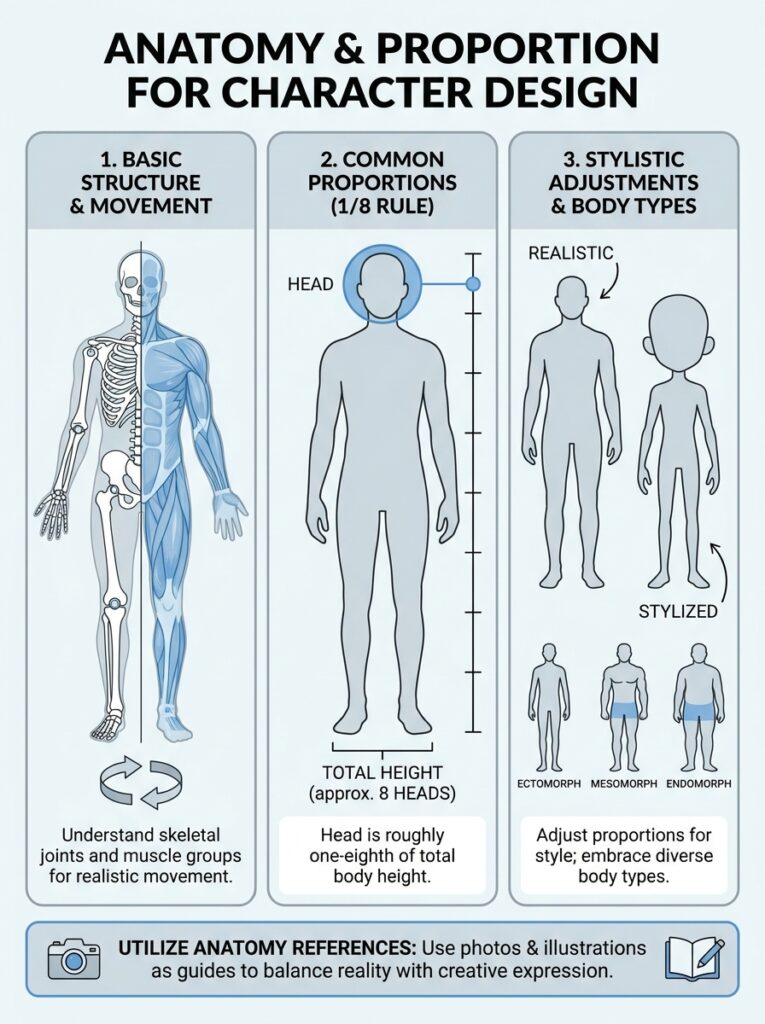
Different styles may adjust these proportions for effect, such as exaggerating features for stylized characters. Familiarize yourself with different body types to provide more diversity in your character design.
Utilize anatomy references, both photographic and illustrative. These resources serve as guides to ensure your characters feel grounded in reality while allowing you to indulge in creative expression.
Facial Expressions and Details
Faces are where I spend the most time. A slight drop in the eyebrows, a tighter mouth — that’s the difference between “curious” and “already knows you’re lying.” Tiny shifts. Huge difference in reading.
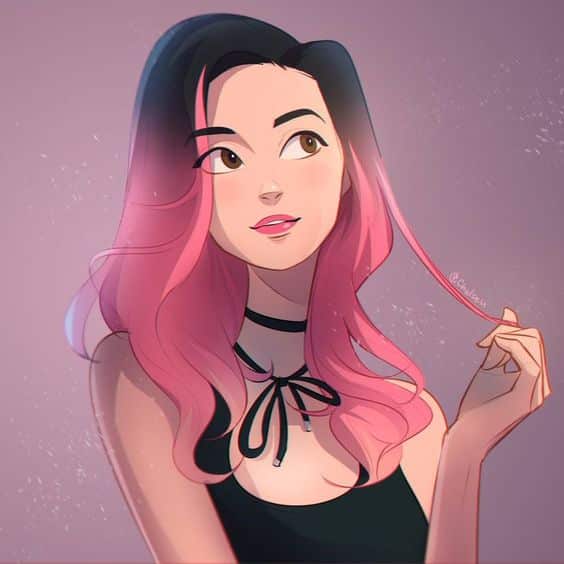
For quick variations before committing to one design, these character girl drawing ideas can help you test different faces, outfits, and poses.
The exercise I always come back to: draw the same face eight times and give each one a different emotion. Not just the obvious ones. Grief is different from disappointment. Surprise can go warm or cold depending on one detail. You learn more from that single page than from most tutorials.
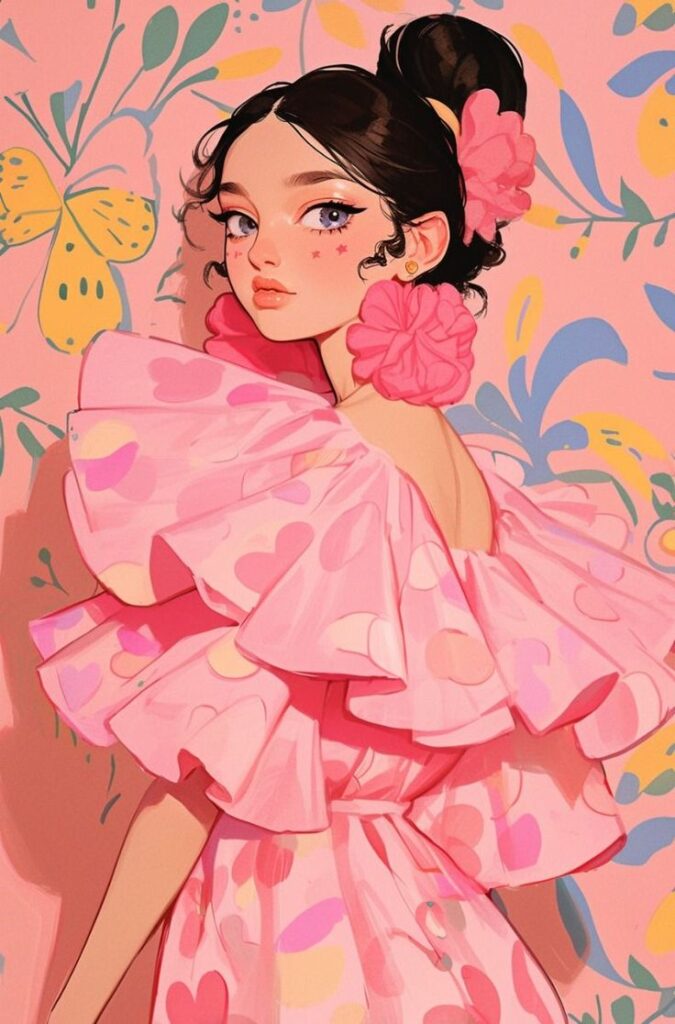
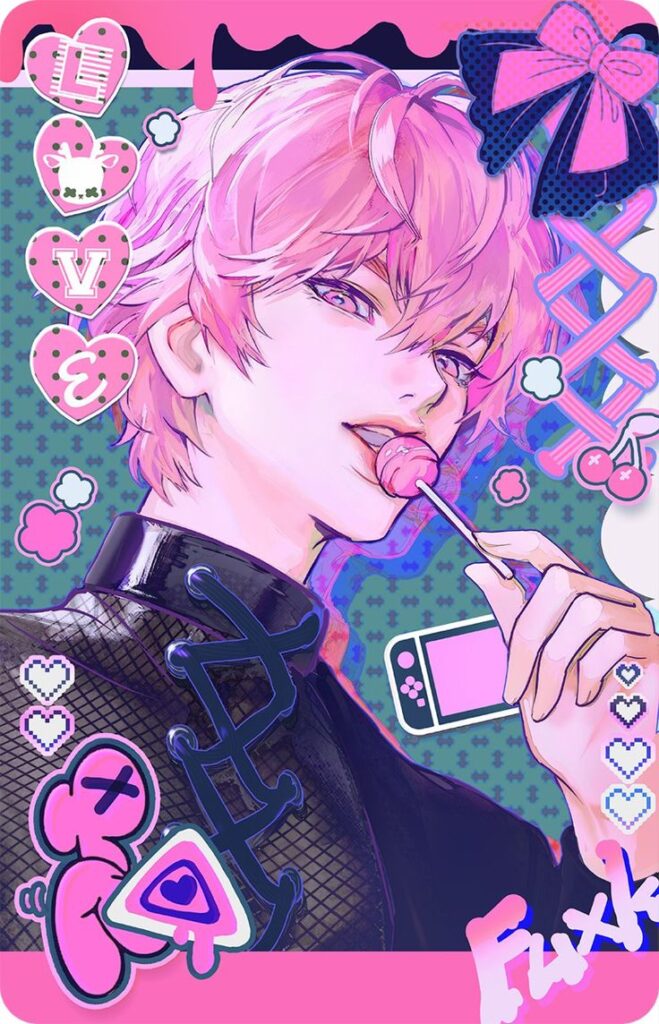
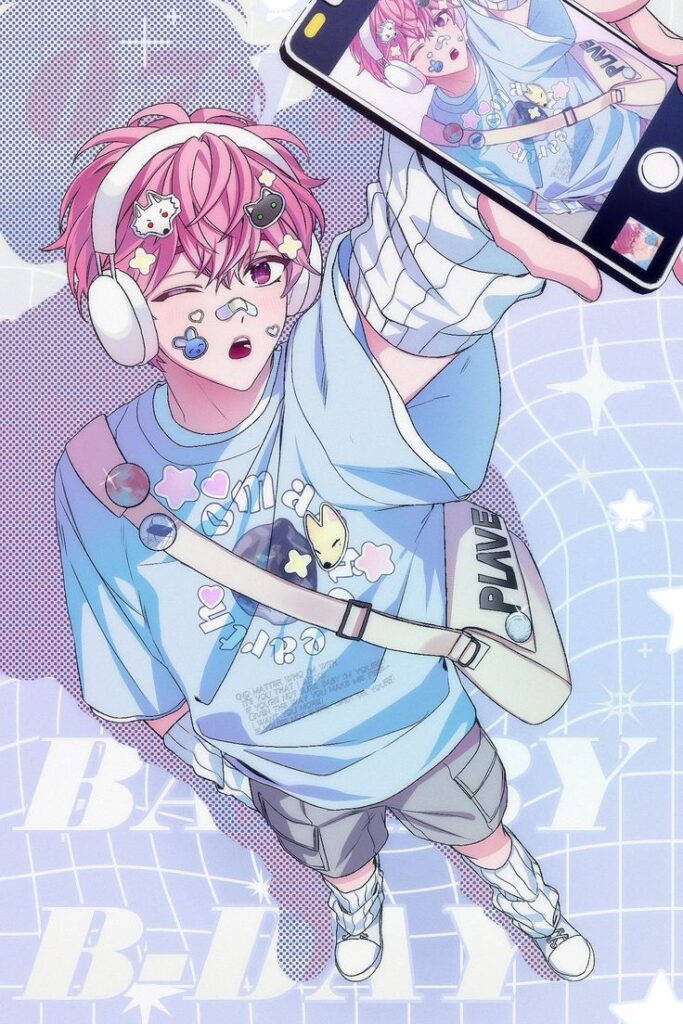
Then the specifics — a scar, freckles, a haircut that’s grown out a little too long. I added a small gap between a character’s front teeth once and suddenly she had a whole personality I hadn’t planned for. That stuff compounds. Skip it and your characters start looking like they all went to the same design school.
Bringing Memorable Character Drawing Ideas to Life
When the personality is clear but the body still feels flat, choose an anime character pose that shows the character’s confidence, hesitation, speed, or mood before polishing the costume.
To create compelling characters, focus on their personality, backstory, color choices, and attire. Each aspect plays a crucial role in how your audience connects with and understands your character.
Personality and Backstory
Your character’s personality shapes their actions and choices. Consider traits like kindness, ambition, or stubbornness. Each trait influences how they interact with others and respond to challenges.
Their backstory provides context. It includes upbringing, significant life events, and relationships. For example, a character who faced adversity may display resilience and determination.
Create a character profile that includes:
- Name
- Age
- Occupation
- Key Life Events
- Motivations
This helps ensure depth and relatability, making your character feel real.
Want to add even more layers to your character? Try exploring personality types with tools like the Enneagram to help define their inner conflicts, strengths, and story arcs.
Color Theory in Character Design
Color isn’t just aesthetic; it conveys emotions and traits. Understand color psychology to enhance your character’s design.
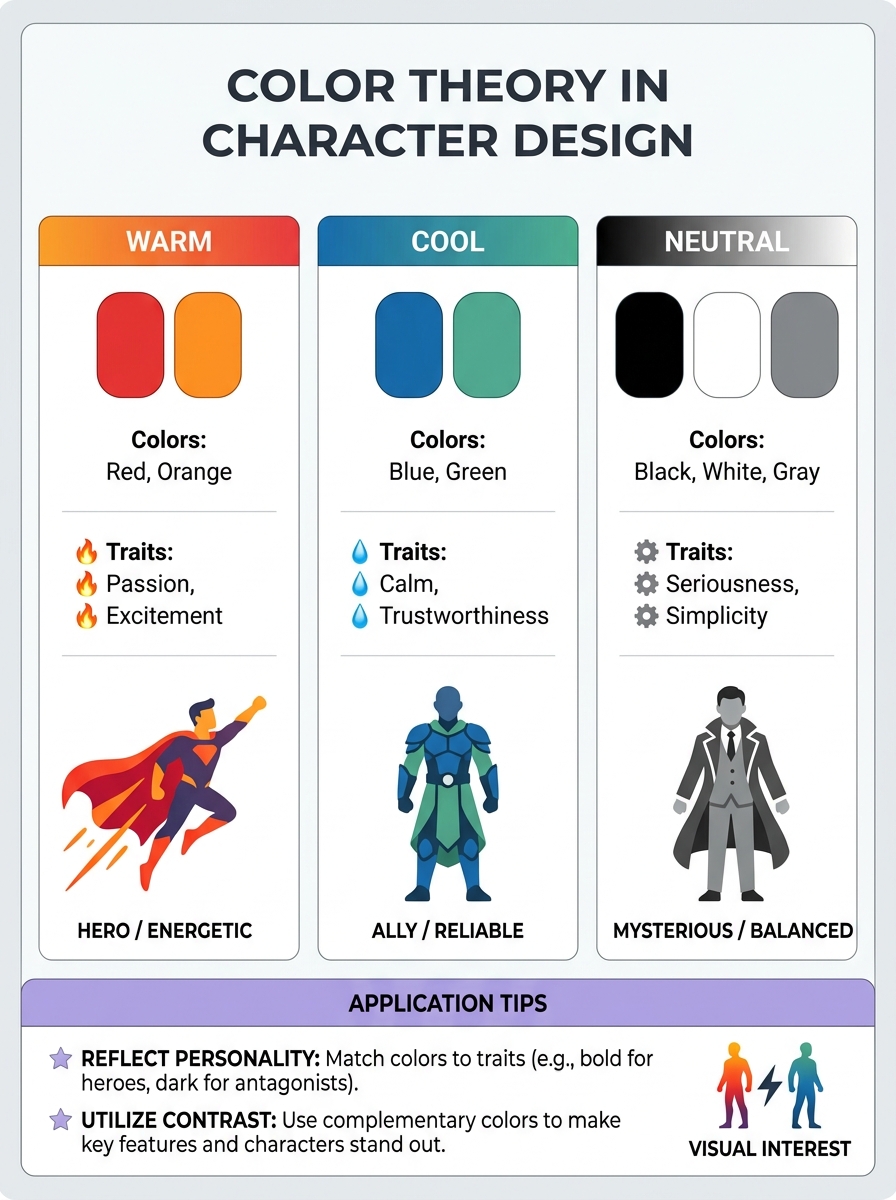
- Warm colors (red, orange): Passion, excitement
- Cool colors (blue, green): Calm, trustworthiness
- Neutral colors (black, white, gray): Seriousness, simplicity
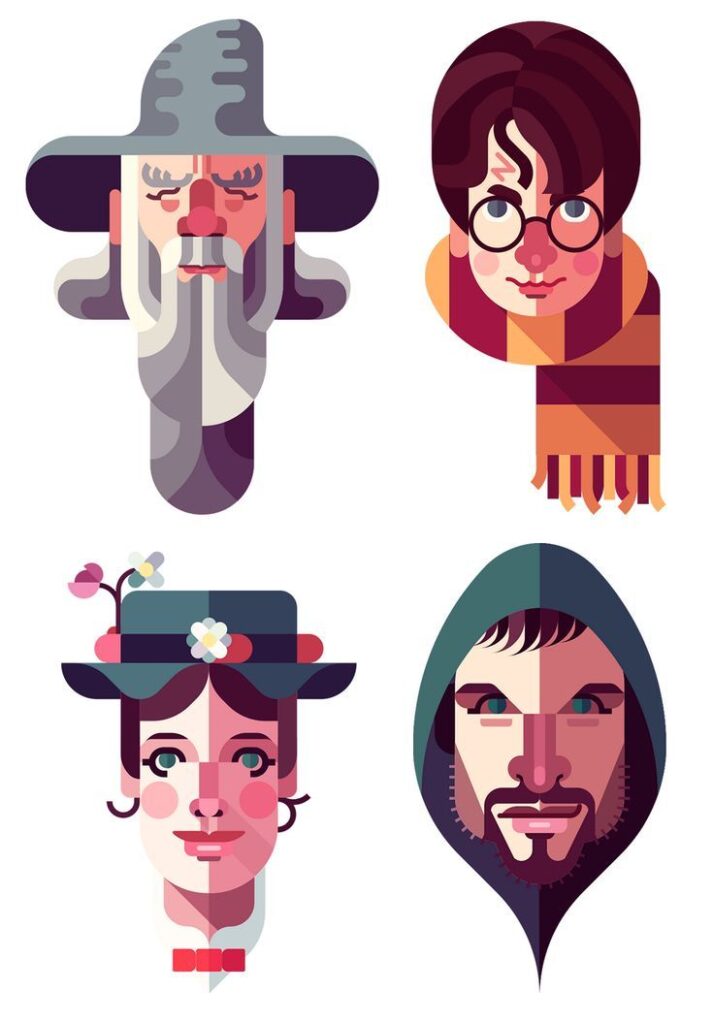
Choose colors that reflect the character’s personality. A hero might wear bright, bold colors, while an antagonist could favor darker shades.
Contrast between character designs also creates visual interest. Utilize complementary colors to make key features stand out and draw attention.
Costume and Accessories
For a wider prompt bank, use these aesthetic anime drawing ideas to test character concepts inside lofi, cyberpunk, fantasy, and emotional scene moods.
Costume and accessories define a character’s identity and reinforce personality traits. Think about clothing styles that align with their background and role.
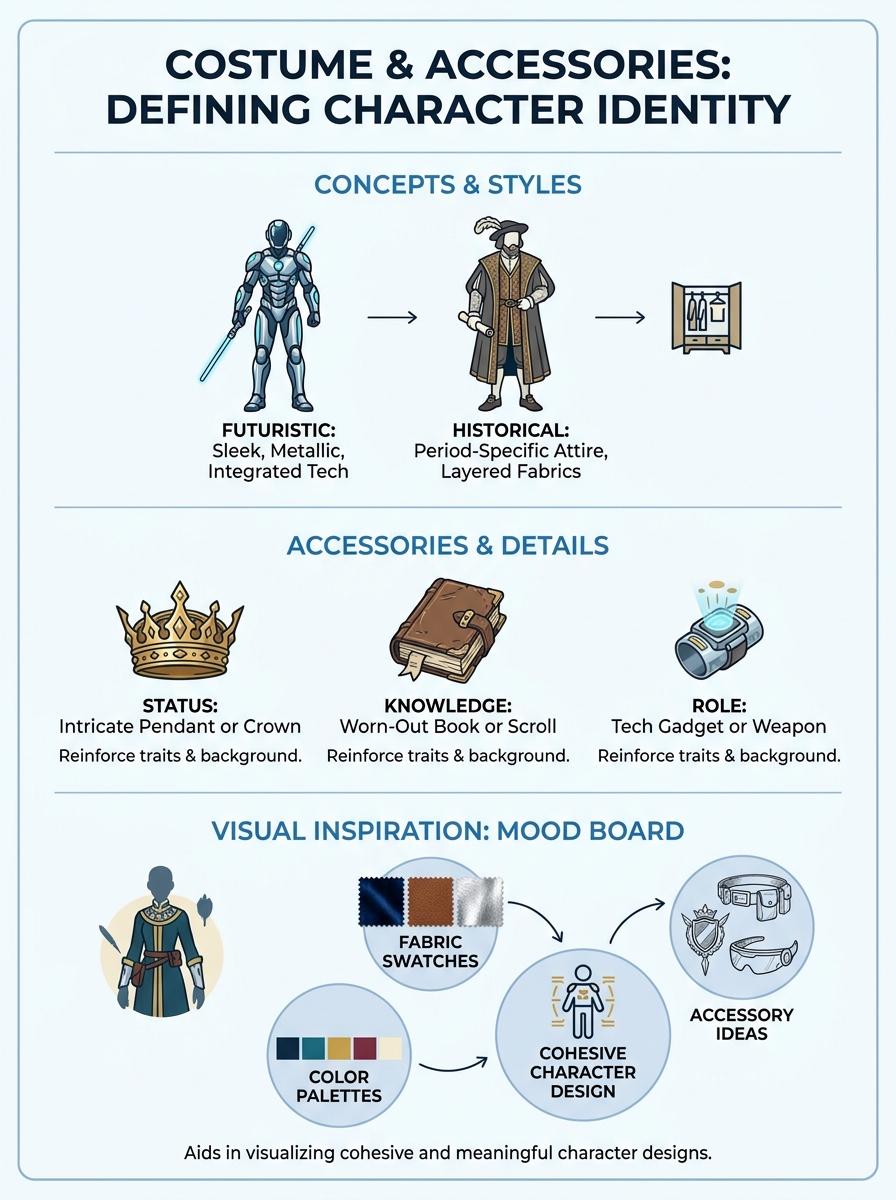
For a futuristic character, incorporate metallic elements and sleek designs. A historical figure may wear period-specific attire.
Accessories provide additional detail. Items like jewelry, weapons, or tech gadgets add layers. A worn-out book might hint at a character’s love for knowledge, while an intricate pendant may signify status.
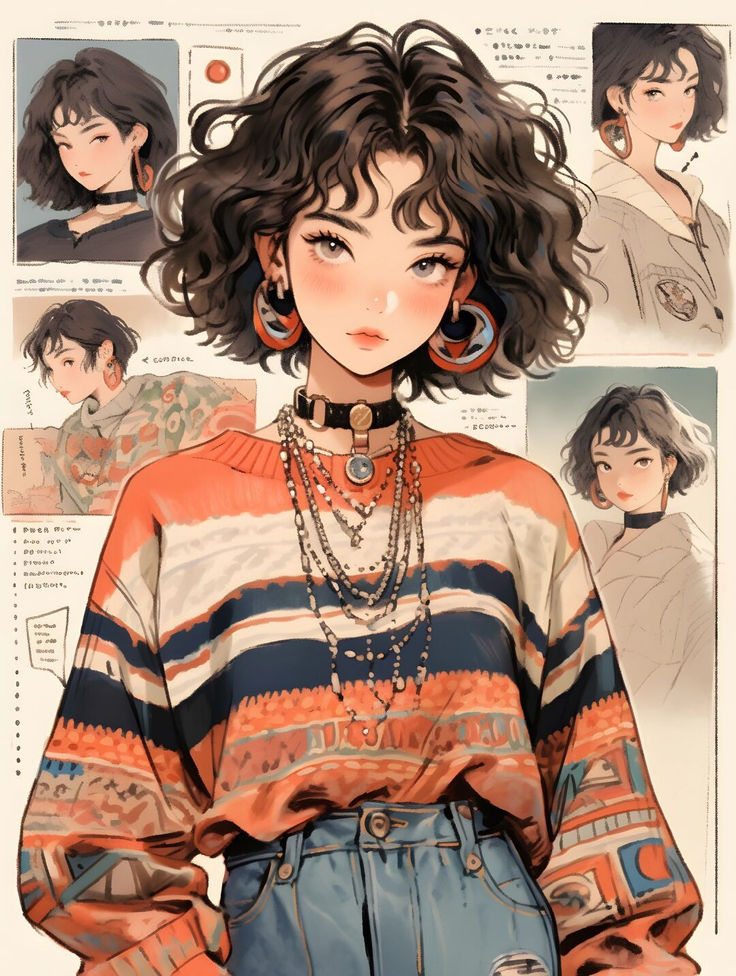
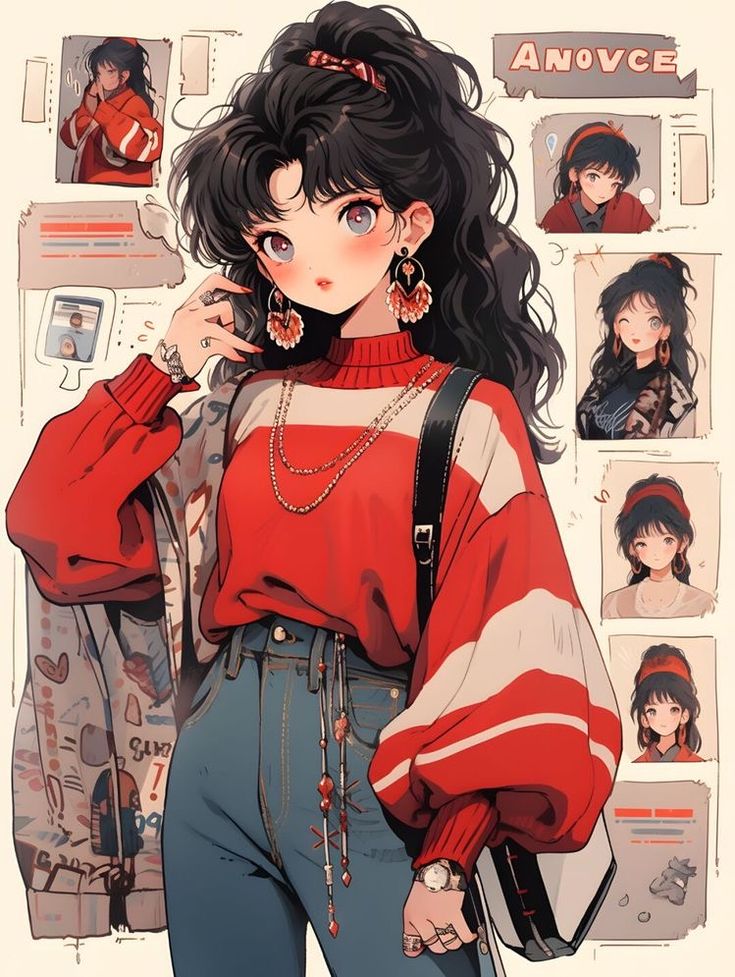
Consider creating a mood board for visual inspiration. Include:
- Fabric swatches
- Color palettes
- Accessory ideas
This aids in visualizing cohesive character designs.
For a related creative prompt, see Hello Kitty Drawings Easy and Fun Ideas for All Ages.
Character Design Ideas Across Genres and Styles
Character design encompasses various genres and styles, each bringing unique elements that influence the visual and emotional impact of characters. Exploring these diverse categories helps in creating compelling and memorable figures.
Fantasy Characters
When designing fantasy characters, focus on imaginative elements. These characters often feature mythical creatures, unique abilities, and extravagant costumes.
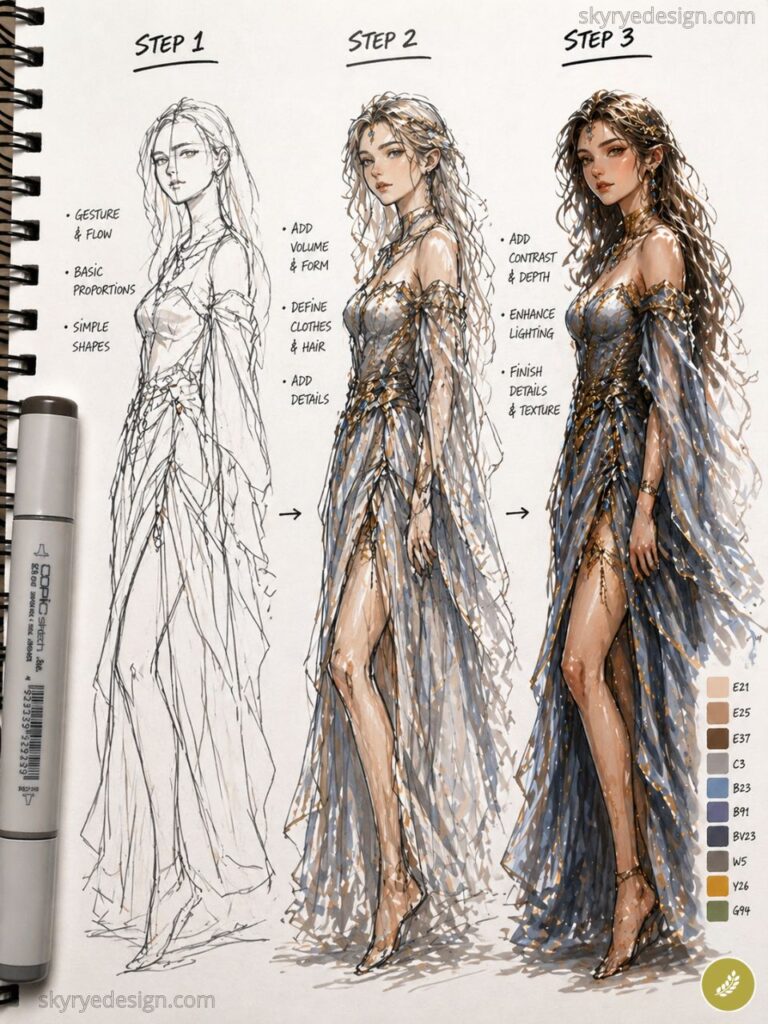
Consider traits like:
- Magical powers: Wielding spells or enchanted items.
- Distinctive races: Elves, dwarves, or dragons, each with their own aesthetics.
- Nature-inspired features: Antlers for forest dwellers or scales for aquatic beings.
Utilizing vibrant colors and fantastical designs can evoke a sense of wonder. Silhouettes should be striking, setting your characters apart in a magical realm.
Sci-Fi and Futuristic Designs
Sci-fi character design leans heavily on technology and innovation. Think about advanced weaponry, striking outfits, and alien species. Elements that enhance the sci-fi theme include:
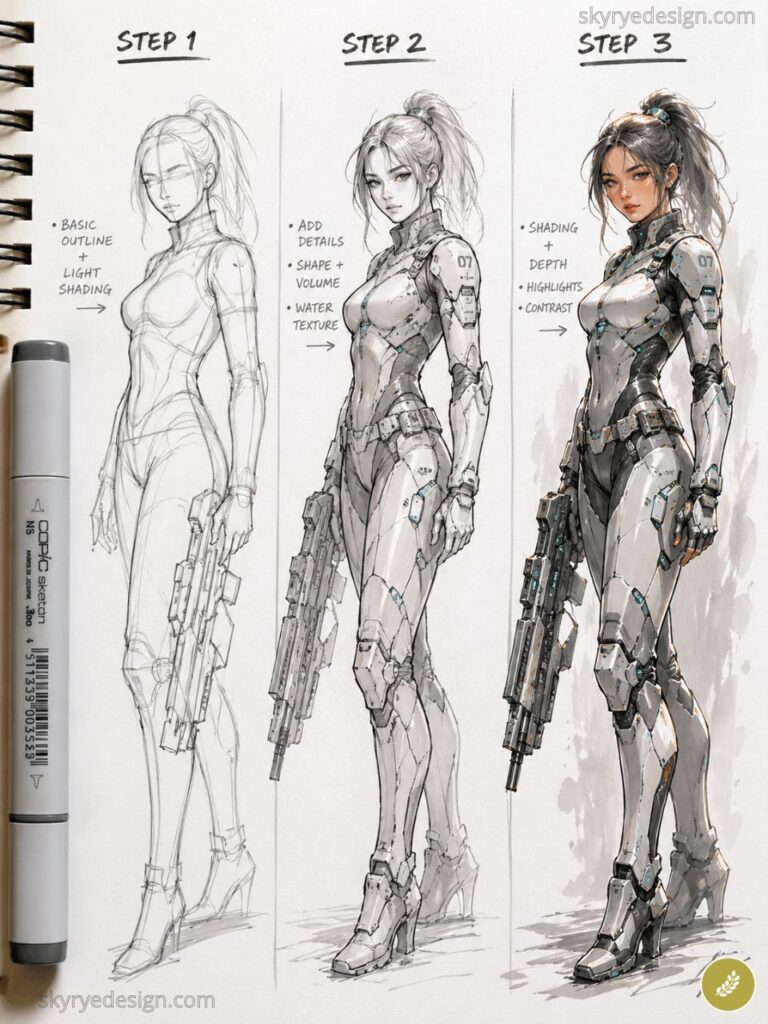
- Futuristic materials: Metallic surfaces, glowing accents, or armor.
- Tech gadgets: Cybernetic limbs or high-tech visors.
- Non-human features: Unique skin tones, modified features, or unusual proportions.
A strong emphasis on form and function in these designs can create a believable futuristic atmosphere. You may want to play with asymmetry and contrasting colors to enhance the visual dynamics.
For more focused practice after this overview, use the cartoons and character design hub for stylized characters, then build poses with OC body base references, test proportions with gacha character base ideas, and study darker shape language through anime villain character design.
Cartoon and Anime Styles
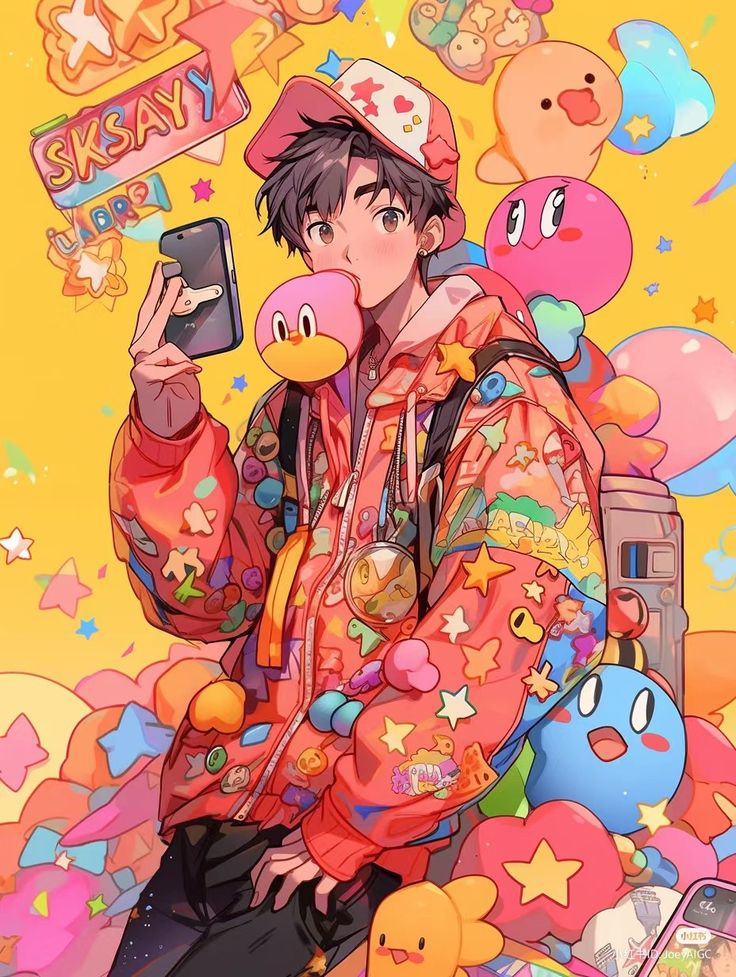
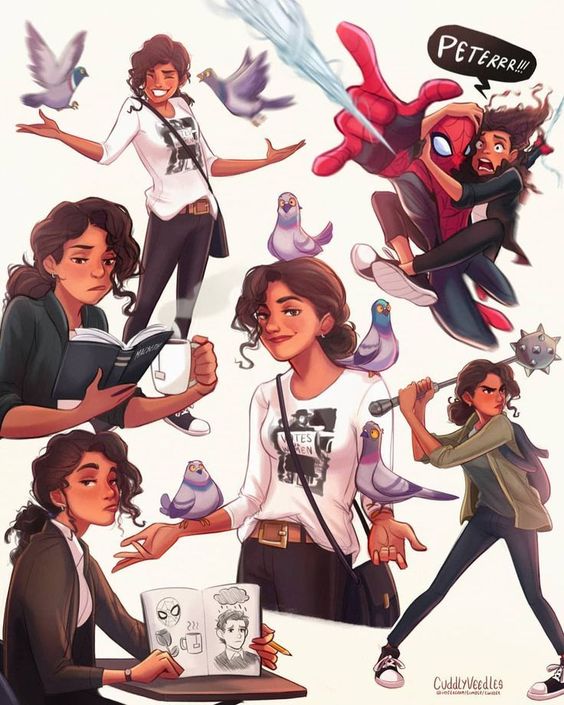
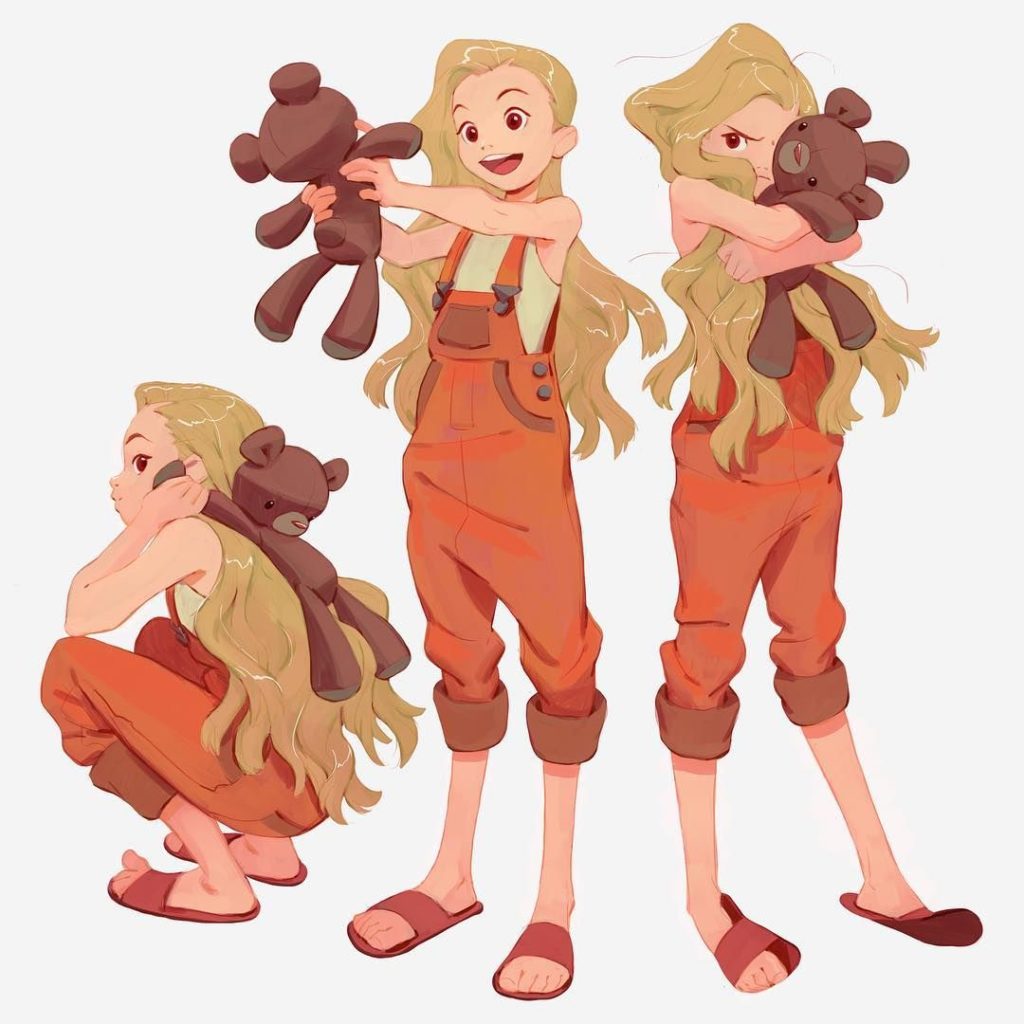
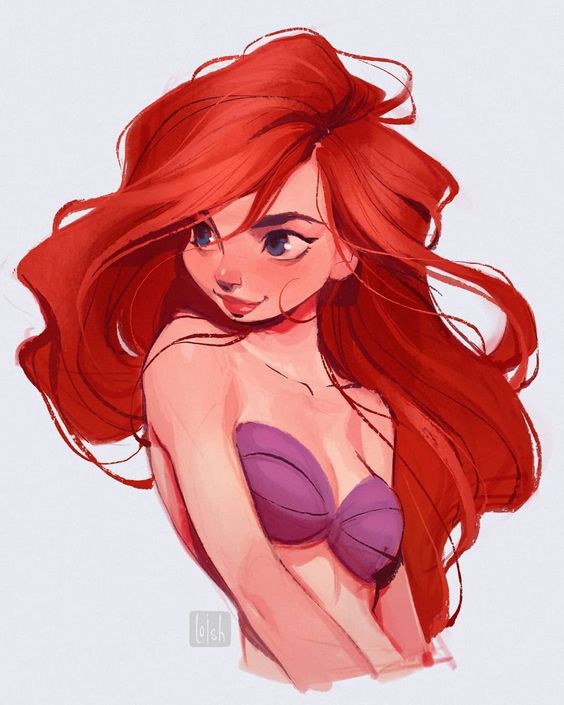
Cartoon and anime designs prioritize expressiveness and exaggeration. Characteristics are often simplified but can communicate strong emotions and personalities. Key aspects include:
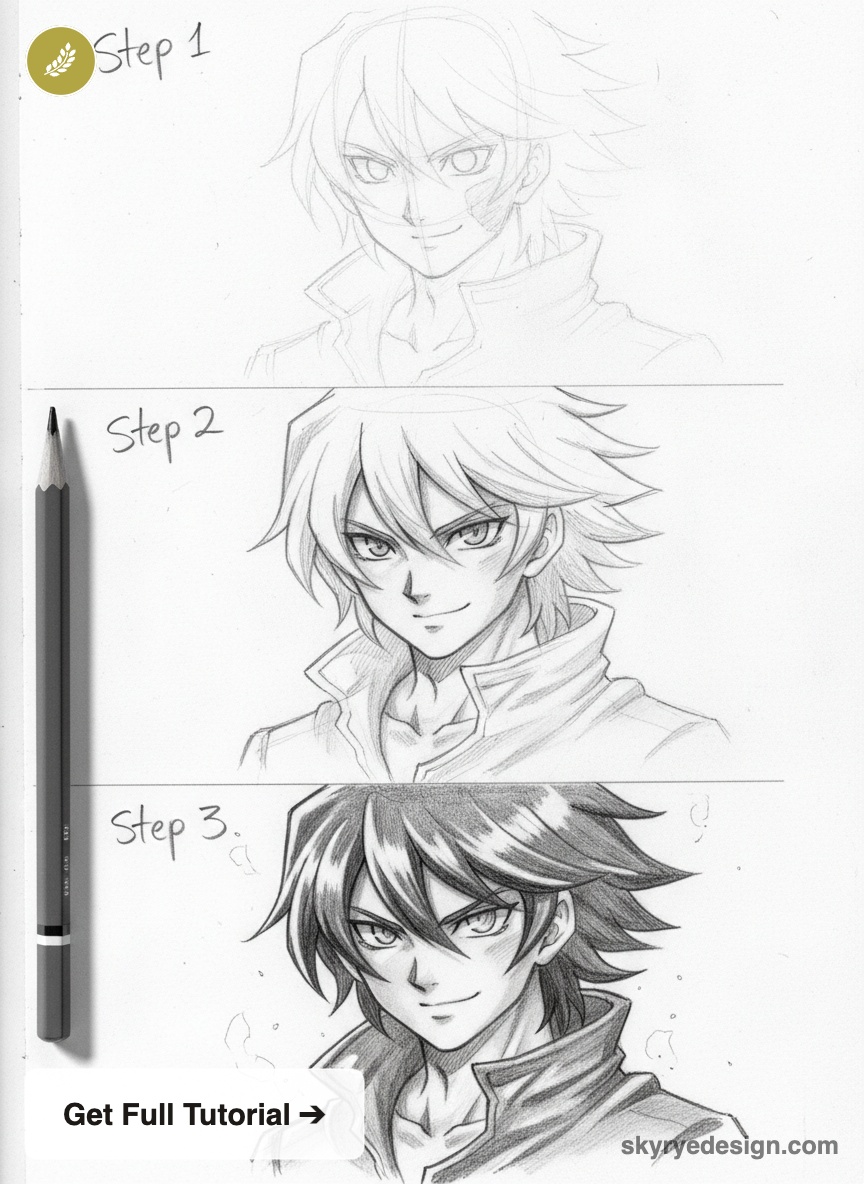
- Exaggerated facial expressions: Large eyes and oversized features to convey emotion.
- Dynamic poses: Capturing characters in action to enhance relatability.
- Bold color palettes: Vibrant colors for immediate visual impact.
These styles often rely on visual cues to express themes, whether humor, adventure, or drama. Balancing simplicity with a distinct visual style can resonate with diverse audiences.
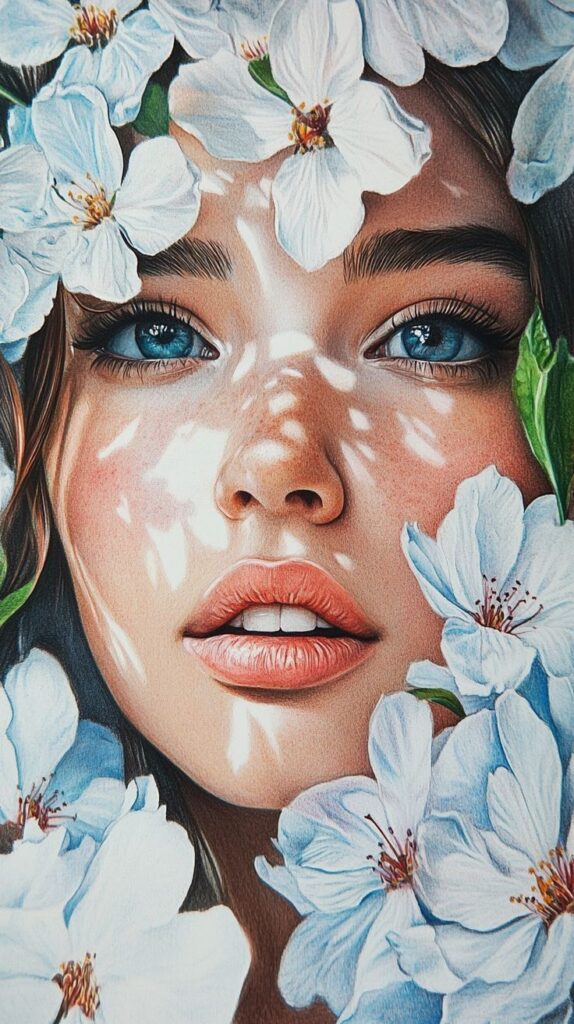
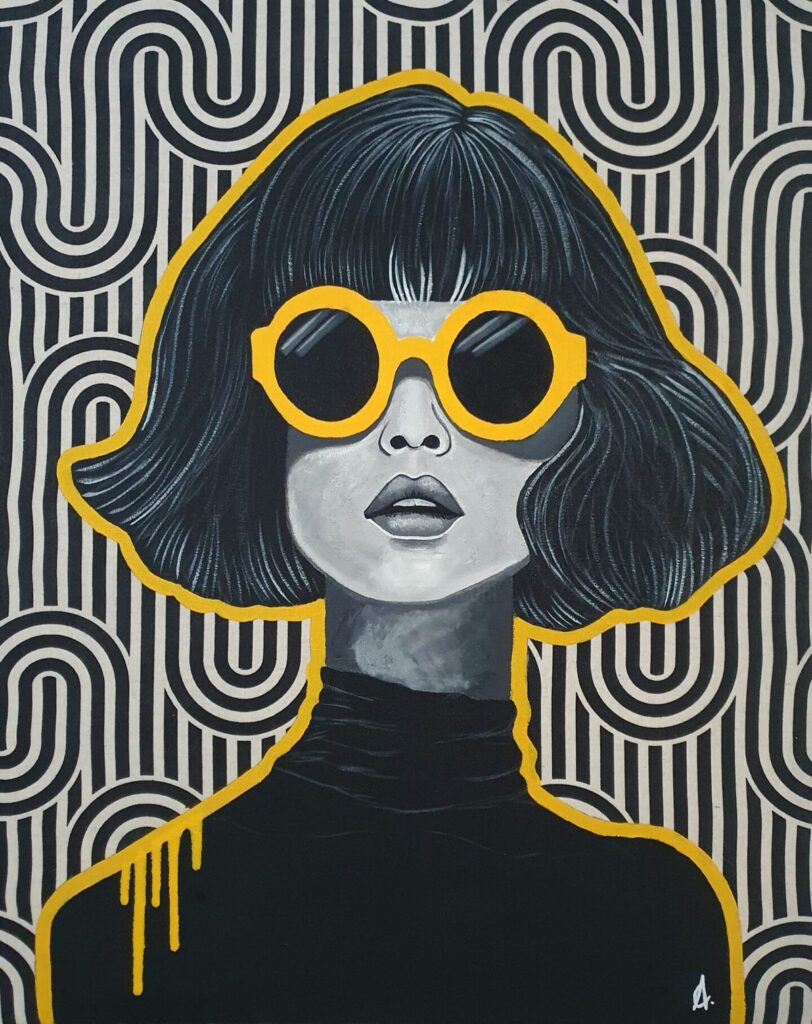
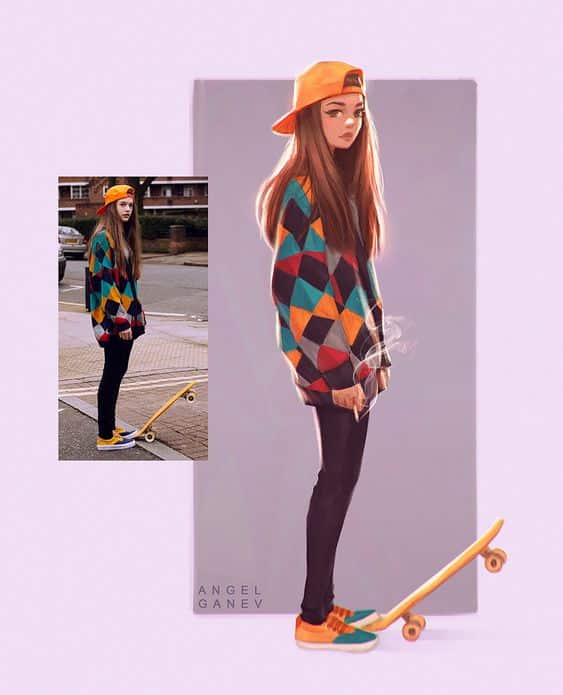
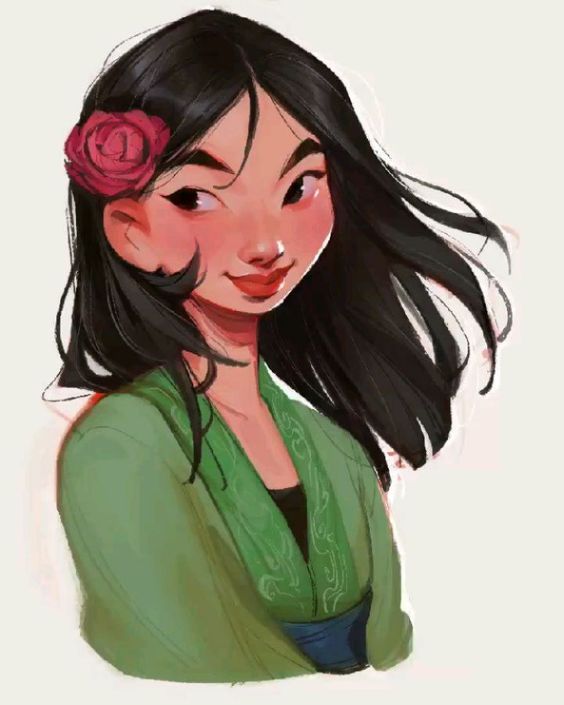
If you want a character exercise with a recognizable silhouette, try learning how to draw Stitch and notice how the big ears, small body, and wide eyes carry the design.
For a more practical sketchbook drill, pair these design prompts with cartoon character drawing ideas so the character ideas turn into readable poses and expressions.
For character design work, the eyes often set the first read; this anime eye sketch guide helps you choose the eye shape, highlight style, and brow angle before rendering.
For original characters, this anime and manga character design choices is useful when you are deciding how much detail belongs in the silhouette, costume, and expression sheet.
Character Design Drawing Ideas FAQ
Q: What is the most important part of character design?
A: The silhouette and overall readability. Even before detailed facial expressions or complex costumes, a strong character must be instantly recognizable by their shape, posture, and outline. Checking your thumbnail sketches as a flat solid color is a great way to verify this.
Q: How do you come up with character design ideas?
A: Start by combining unexpected concepts or opposites (e.g., a high-tech sci-fi astronaut with ancient gothic armor). Developing a brief backstory—where they live, their job, and their primary motivation—will guide their clothing choices, weapons, facial details, and body posture.
Q: Why do my character sketches look stiff?
A: Stiff drawings usually happen when you jump straight to contour lines or make the body perfectly symmetrical. Start with an expressive “line of action” gesture sketch. Keep your initial pencil guides quick and loose, then add asymmetrical elements like a shifted hip, an angled shoulder, or asymmetrical accessories.
Q: How many colors should a character design use?
A: A classic rule is the 60-30-10 color scheme. Use a dominant primary color for 60% of the figure, a secondary color for 30% (usually clothing or skin), and a vibrant accent color for the remaining 10% (such as glowing eyes, glowing magic nodes, or hair clips) to naturally direct the viewer’s focus.
Q: What proportions are best for drawing anime characters?
A: Standard cartoon and anime style figures often use a 6.5 to 7.5 heads tall proportion. For heroic, stylized fantasy or sci-fi characters, you can stretch this to 8 or even 8.5 heads tall to make the limbs look longer, more powerful, and dynamic.
- 708shares
- Facebook0
- Pinterest708
- Twitter0
- Reddit0