Three years after we laid concrete pavers across the back patio, I started noticing it. Not all at once — that’s the thing. First a patch near the pergola post went dull. Then the joints started sprouting weeds. Then one afternoon I looked out the kitchen window and the whole surface just looked… off. Faded and vaguely neglected, even though we’d barely used the space.
The pavers weren’t damaged. They were unsealed. That’s it.
- 1. Why Concrete Pavers Fade (And What You're Actually Fighting)
- 2. Choosing the Right Sealer: What the Labels Don't Tell You
- 3. Step-by-Step: How to Seal Concrete Pavers Yourself
- 4. The Annual Maintenance Routine That Actually Works
- 5. When to Call a Professional Instead
- 6. Frequently Asked Questions
- The Short Version
Most Perth homeowners don’t think about sealing until something already looks wrong. And I get it — concrete pavers are marketed as low-maintenance, which is mostly true. Once sealed. Without that coat, the sun eats the pigment slowly, rainwater works into the pores, and within a few seasons you’ve got a patio that looks like it belongs to a rental property from 2009.
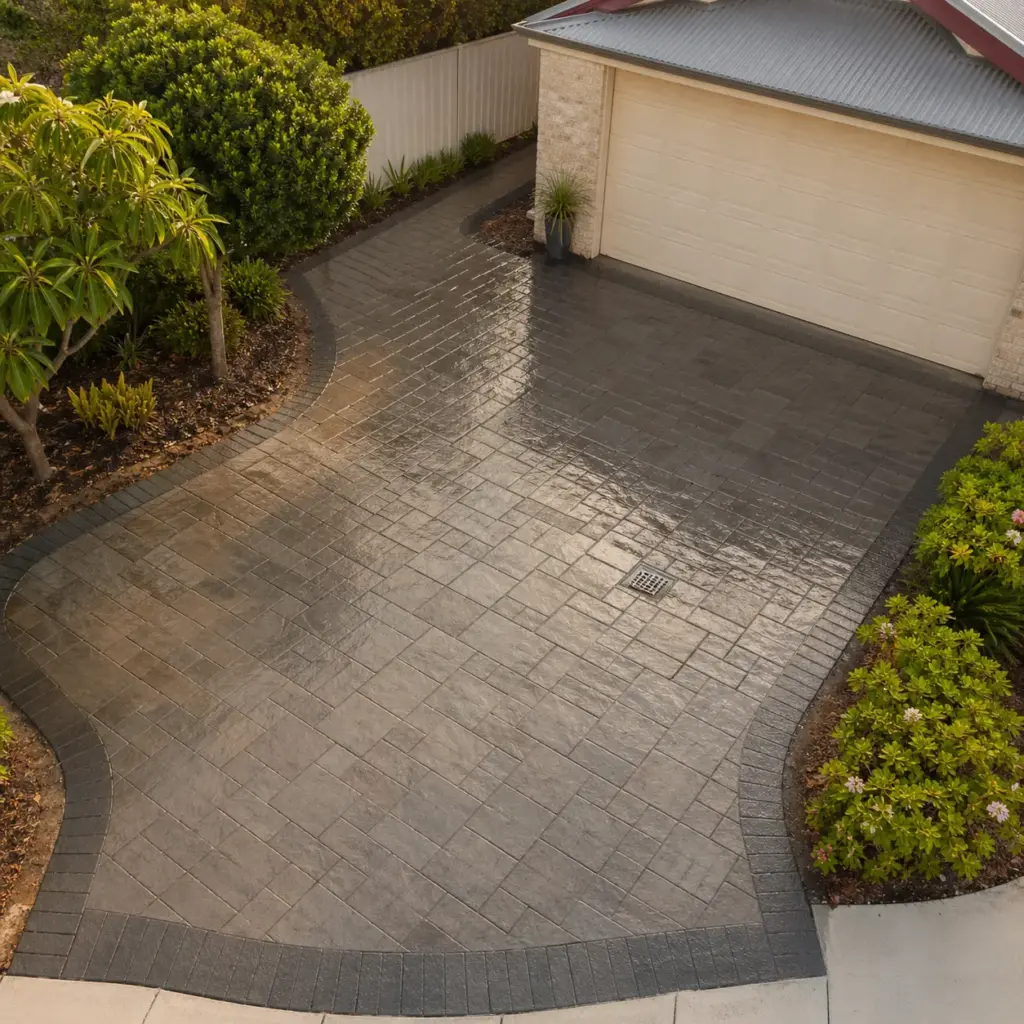
This guide covers the full process: why it happens, how to pick the right sealer for Perth conditions specifically (not all products handle the UV load here), and how to apply it yourself over a weekend. I’ll also cover the annual maintenance routine — about an hour, once a year, no special equipment. And if you’re already looking at a faded mess wondering whether it’s worth salvaging: yes, almost certainly. I’ll get to that too.
1. Why Concrete Pavers Fade (And What You’re Actually Fighting)
Concrete is porous. That’s not a design flaw — it’s just chemistry. Those tiny capillaries running through each paver are brilliant at one thing: absorbing whatever hits the surface. In Perth, that means UV radiation, mineral-heavy water, red dust, and the occasional cooking oil spill from the outdoor kitchen. All of it goes in. None of it comes out easily.
UV Breakdown
The colour in concrete pavers comes from iron oxide pigments mixed into the concrete during manufacturing. UV radiation breaks down these pigments over time, which is why the top surface fades first and fastest. You’ll notice it most on pavers that face north or sit in full sun all day. Shaded pavers on the same driveway can look ten shades darker, which makes the problem obvious once you know what you’re looking at.
Water and Efflorescence
Water penetration does two things. First, it brings soluble salts to the surface as it evaporates — that white powdery residue you sometimes see is called efflorescence, and it’s particularly common on new pavers or after heavy rain. Second, water sitting in the joints softens the jointing sand, which is what gives weeds a foothold. Joint integrity is underrated; once that goes, you’re pulling weeds every fortnight.
What Sealing Actually Does
A quality sealer fills or bridges those pores, creating a barrier between the concrete and everything Perth can throw at it. Penetrating sealers chemically bond with the concrete itself, making the surface hydrophobic without leaving a film. Film-forming sealers sit on top and create a physical shield. Both slow fading significantly — the difference in a sealed versus unsealed paver after five years of Perth sun is genuinely dramatic.
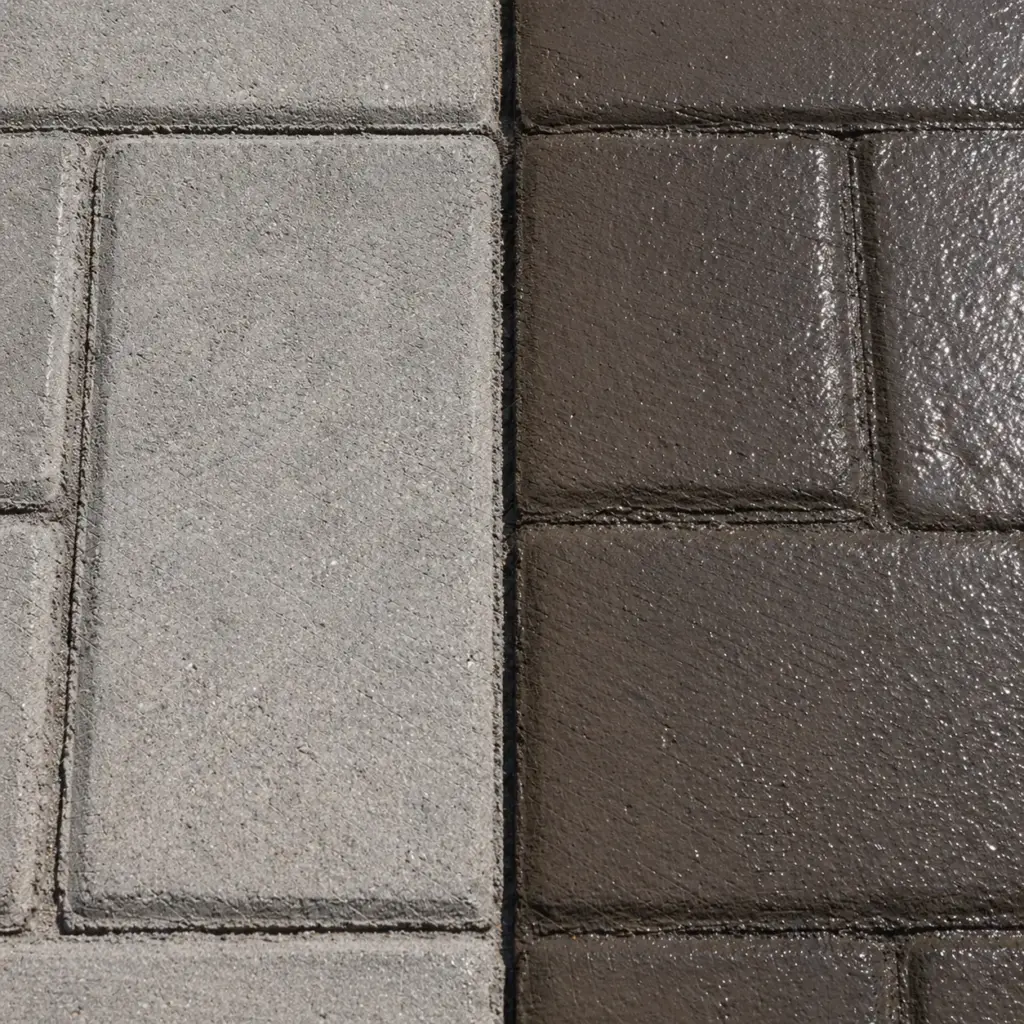
Note: Even premium-grade pavers need sealing. The quality of the concrete mix determines structural durability, not UV or moisture resistance. Sealing is a separate job and your responsibility as the homeowner.
2. Choosing the Right Sealer: What the Labels Don’t Tell You
Walk into any trade store and you’ll find at least eight different sealer options. The marketing language is almost identically useless across all of them. Here’s what actually matters.
Penetrating vs. Film-Forming
Penetrating sealers (also called impregnating sealers) soak into the concrete and chemically react with it. The finish looks natural — usually wet-look or matte — and there’s no surface coating to peel or wear. These are ideal for anything people walk on barefoot: pool surrounds, outdoor entertaining areas, steps. Slip resistance stays intact.
Film-forming sealers create a visible coating on the surface. The wet-look gloss is popular for driveways because it makes colours pop and looks freshly installed for longer. The downside: they can become slippery when wet, and once they start peeling (usually four to six years in), the remediation is messy. You’ll need to strip the old coat before resealing.
Finish Options
- Matte: natural appearance, low sheen, good for rustic or textured pavers
- Satin: subtle enhancement, most popular for patios
- Wet-look gloss: high shine, dramatically enhances colour, best for driveways
- Anti-slip additives: can be mixed into any sealer for high-traffic areas
Budget Reality Check
A quality penetrating sealer for a standard 50m2 patio costs $180 to $280 in materials. Film-forming sealers run slightly cheaper per litre but you typically use more product. Budget another $50 to $80 for cleaning products, a pump sprayer or roller, and tape for edges.
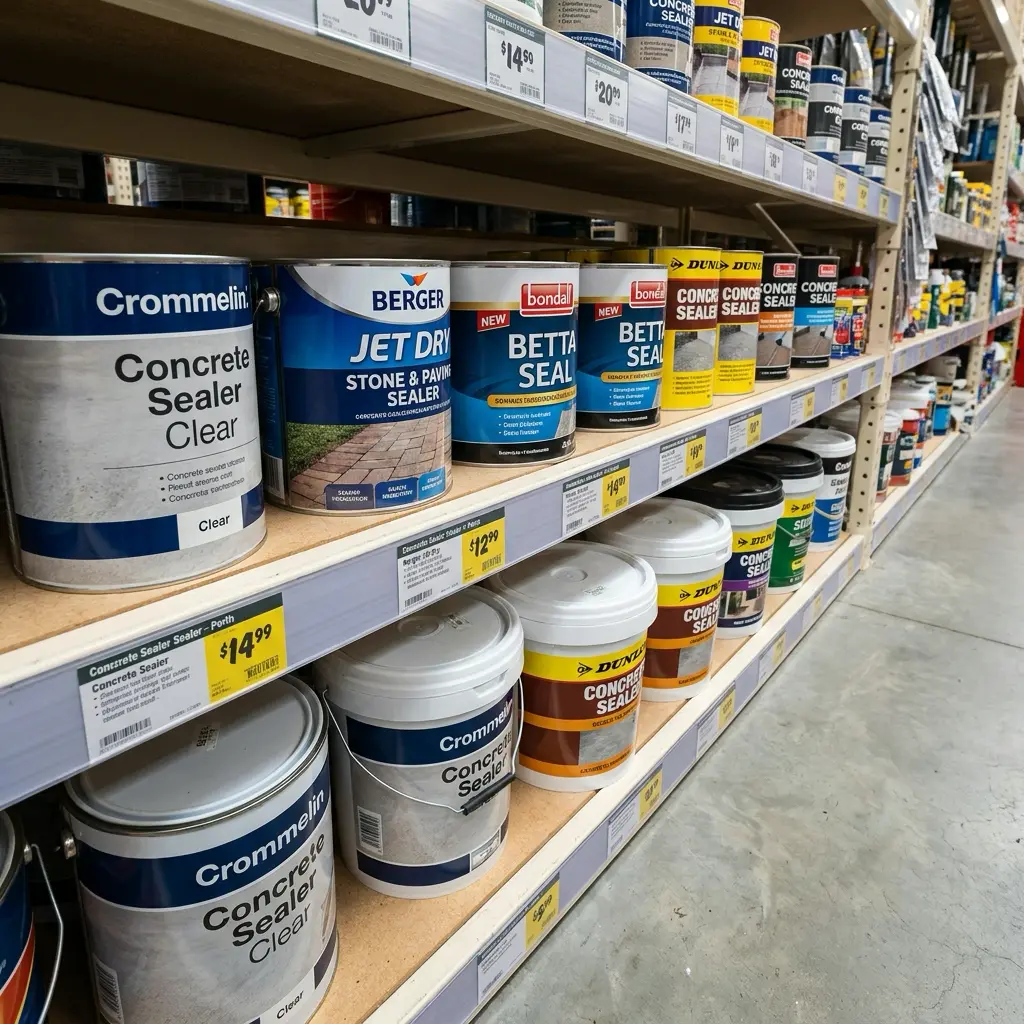
Professional application on a 50m2 area runs $600 to $1,400 depending on the contractor and prep required. The premium is worth considering if your pavers are premium grade — the risk of applying the wrong sealer or applying it incorrectly (blotchy, milky, or peeling within a year) is real with DIY if you skip the prep steps.
Tip: Always do a test patch on an inconspicuous corner before committing to the full job. Let it cure for 24 hours and check the sheen level in both shade and direct sunlight before proceeding.
3. Step-by-Step: How to Seal Concrete Pavers Yourself
Sealing pavers isn’t technically difficult, but it is unforgiving of rushed preparation. Most DIY sealing failures come from applying product to dirty, wet, or inadequately prepped surfaces. Get the prep right and the rest follows easily.
Step 1: Clean the Surface Thoroughly
Start with a pressure washer on low to medium pressure (1,500 to 2,000 PSI). You’re removing surface algae, dirt, and any old sealer residue — not sandblasting the surface. High pressure damages the concrete face and opens pores unevenly, which causes blotchy sealer absorption.
For stubborn stains — oil, rust, or organic growth — use a dedicated paver cleaner before pressure washing. Efflorescence remover works on white mineral deposits; a citrus degreaser handles most oil stains. Don’t skip this step if your pavers are more than two years old.
Step 2: Allow Full Drying Time
This is the step most people get wrong. Forty-eight hours minimum after pressure washing before sealer application. Seventy-two hours is better in cooler weather or if the area doesn’t get much direct sun. Sealer applied over damp concrete traps moisture underneath, turns milky white, and has to be stripped and reapplied. There’s no shortcut here.
Step 3: Apply Sealer in Thin Coats
Use a pump sprayer for penetrating sealers, or a short-nap roller (6mm to 10mm) for film-forming products. Apply thin, even coats rather than flooding the surface. Two thin coats will always outperform one thick one. Let the first coat penetrate fully (usually 20 to 30 minutes) before applying the second.
Work in sections of about 10m2, keeping a wet edge to avoid lap marks. Don’t walk on the sealed surface until it’s fully cured — allow 24 hours for foot traffic and 72 hours before driving on it.
Step 4: Resand the Joints
If you’re resealing older pavers, this is a good time to top up the jointing sand before the final coat. Use polymeric jointing sand, which sets hard when dampened and prevents weed germination. Brush it into the joints, mist with water to activate, and allow to set before applying sealer over the top.
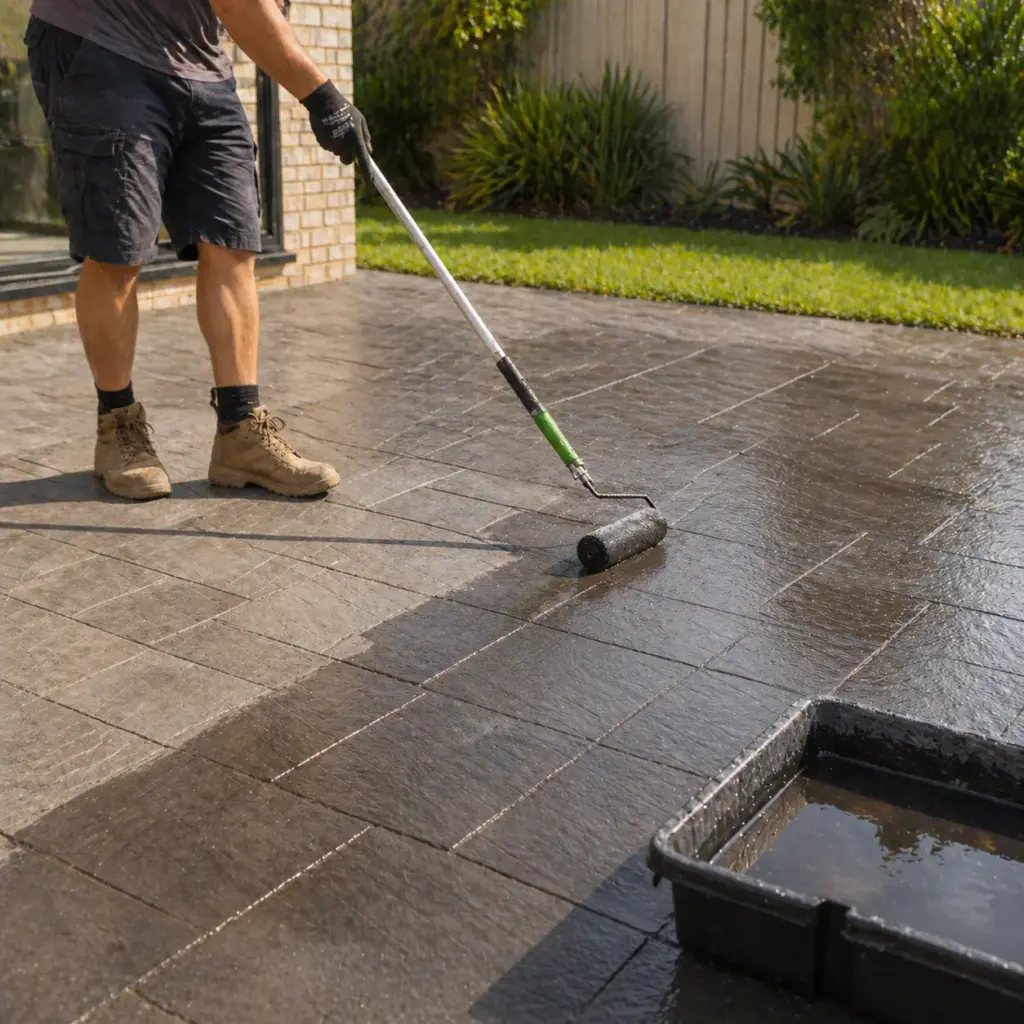
Quick calc: One litre of penetrating sealer covers approximately 4m2 to 6m2 on textured concrete (smooth surfaces cover more). For a 50m2 patio, budget 10 to 12 litres for two coats.
4. The Annual Maintenance Routine That Actually Works
Sealed pavers need maintenance, just a lot less of it. The mistake I see most often is treating sealed pavers the same as unsealed ones — blasting them with a high-pressure hose, using harsh detergents, and ignoring early signs of sealer wear. That routine undoes the sealing work faster than the Perth sun does.
What to Do Each Year
- Wash the surface with a mild pH-neutral detergent and a stiff broom or soft brush
- Rinse on low pressure — avoid the pressure washer on sealed surfaces
- Check joint sand levels and top up any areas where it’s settled or washed away
- Inspect the sealer: look for peeling edges, white cloudiness, or bare patches
- Spot-treat any stains immediately rather than leaving them to set
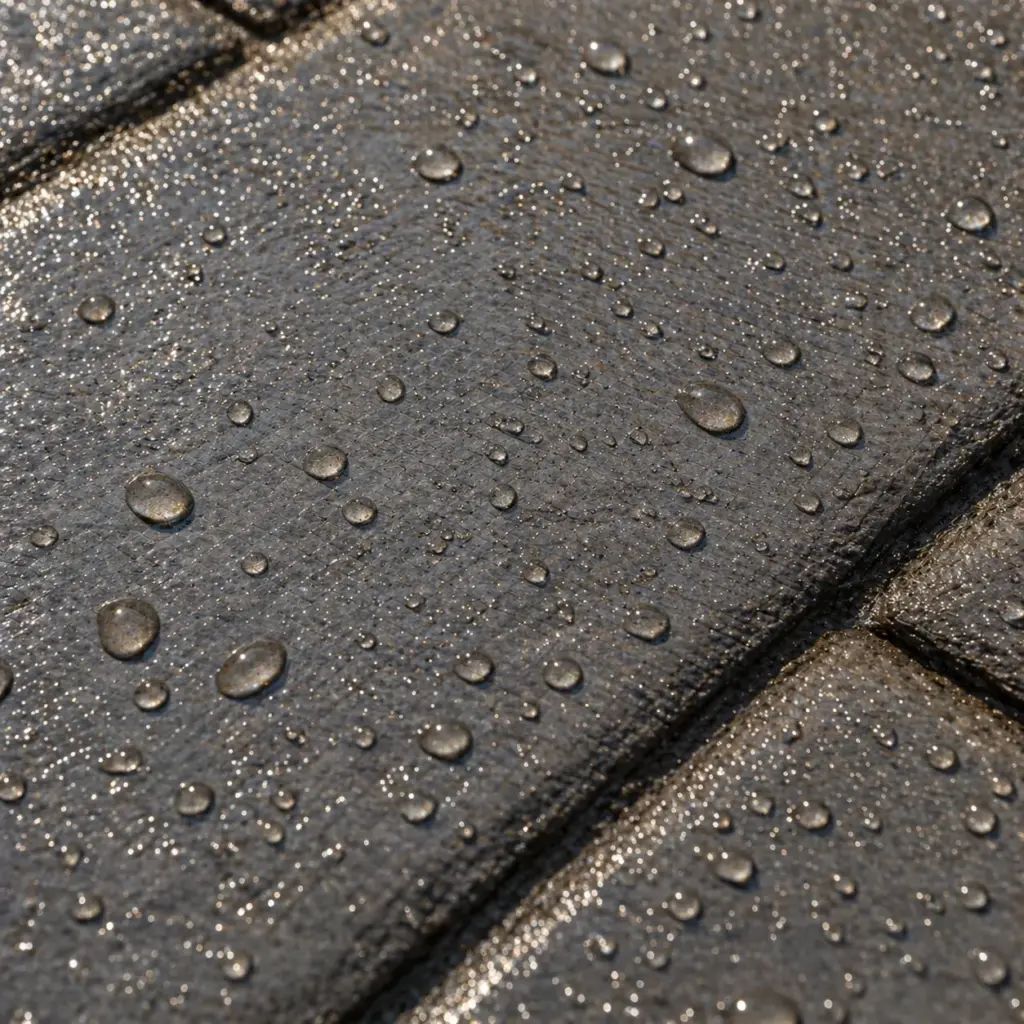
The Water Bead Test
Once a year — or after heavy rain — splash a cup of water on your pavers in several spots. Sealed concrete should bead the water. If it soaks straight in, the sealer has worn through in that area and reapplication is overdue. Penetrating sealers typically last two to three years; film-forming coatings usually need attention every three to five years, though Perth’s UV conditions push that toward the shorter end.
Spill Response
Oil is the main enemy. A barbecue spill left overnight can permanently stain unsealed concrete and work into sealed surfaces over time. Blot it up (don’t wipe — wiping spreads it), apply a citrus-based degreaser, and rinse clean within the hour. Red wine, fertiliser runoff, and pool chemicals need the same immediate response.
Reality check: An hour of maintenance per year is a realistic commitment for a 50m2 sealed paved area. Less than that and you’re hoping for the best. More than that is usually a sign something else is wrong — drainage, tree roots, or the wrong sealer choice.
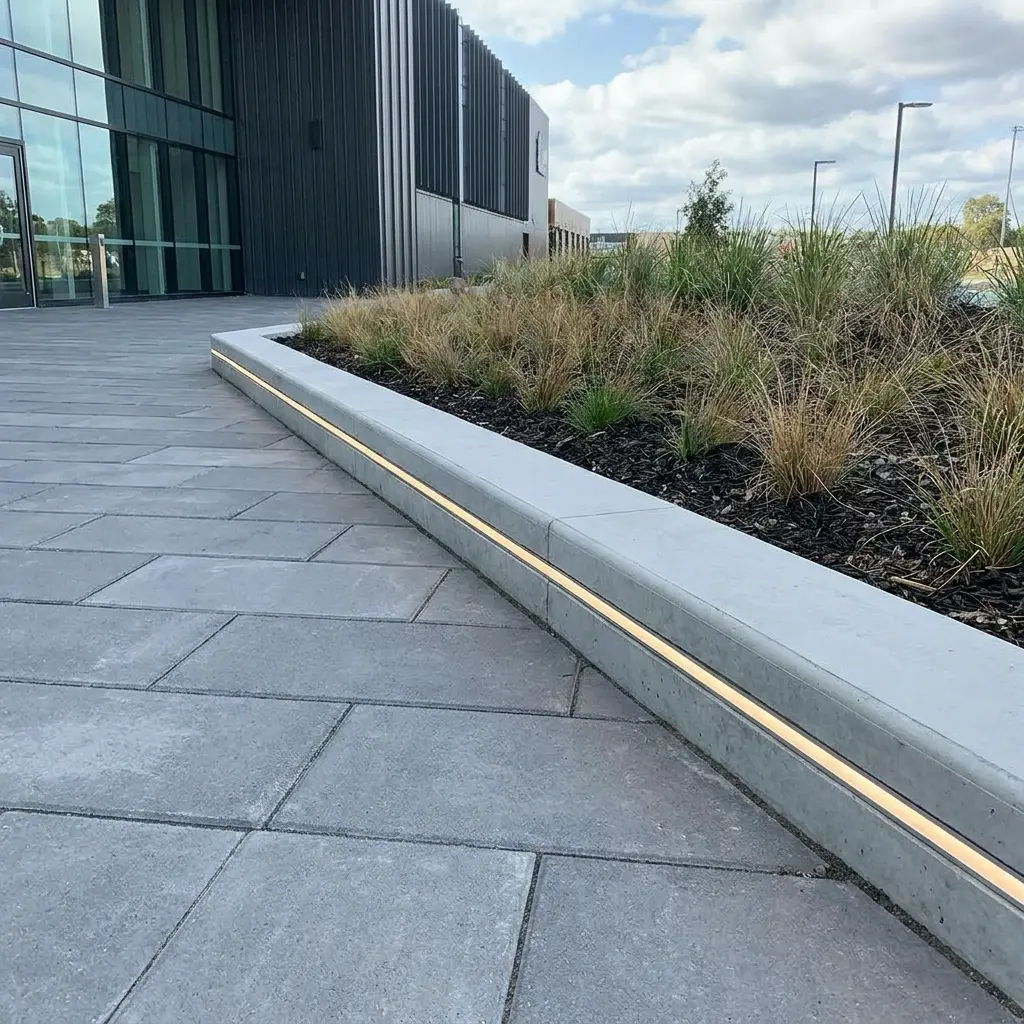
5. When to Call a Professional Instead
DIY sealing makes sense for most standard patio and driveway projects. But there are situations where professional application is genuinely the smarter call, and not just because the job is too big.
Heavy Staining or Neglect
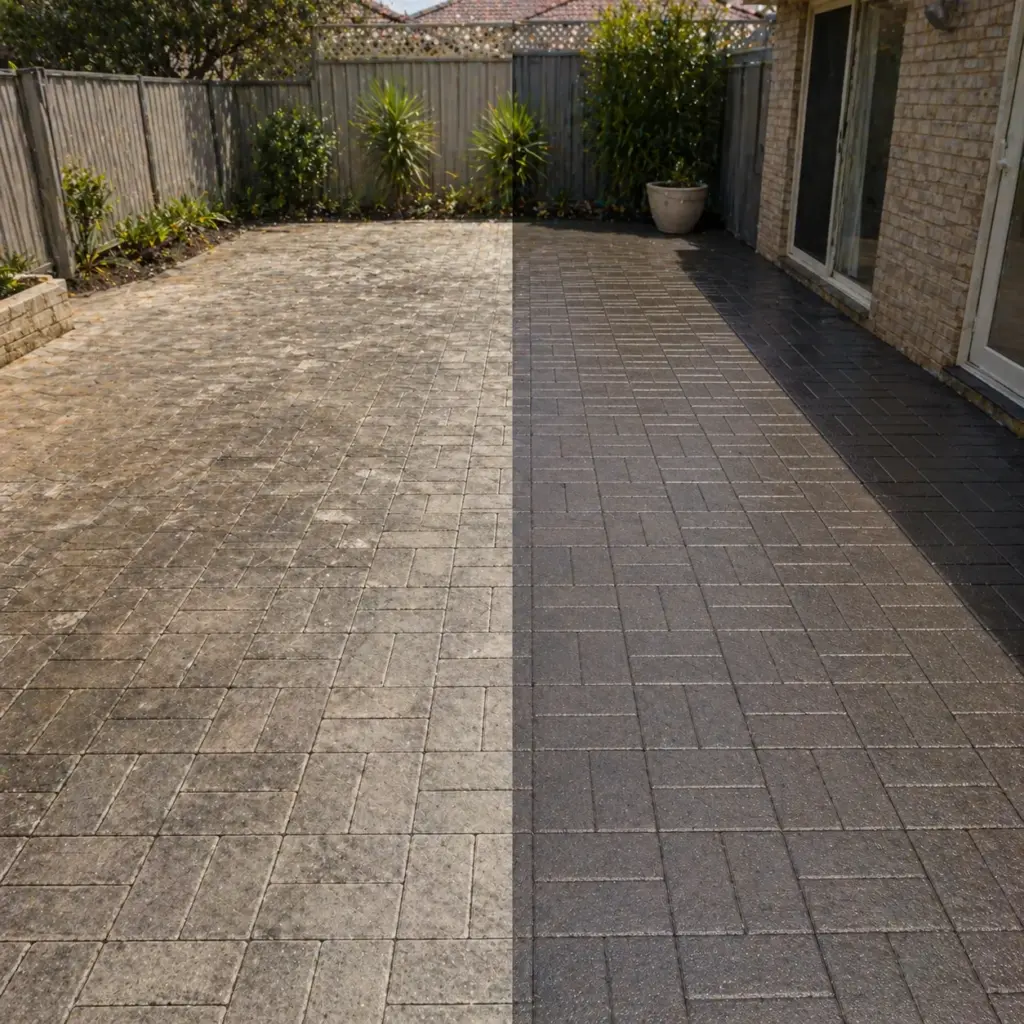
If your pavers have years of embedded staining — oil, rust, biological growth that’s worked into the concrete — surface cleaning isn’t enough. Professional contractors use commercial-grade chemical treatments and specialised pressure washing equipment that can restore pavers most homeowners would write off. Atlas Paving, which installs and restores pavers across Perth, often recommends a professional deep-clean before sealing as the first step in any restoration project. Getting that prep right is what determines whether the sealer lasts three years or eight.
Premium or Textured Products
Exposed aggregate, textured concrete, and specialty-finish pavers have more surface area and more complex pore structures than standard smooth concrete. Film-forming sealers can pool in the aggregate recesses, causing uneven finish and cloudiness. Getting the sealer type and application method right for these products requires experience. If you’ve invested in a premium driveway or outdoor surface, a professional application protects that investment properly.
Large Areas
For driveways and areas over 100m2, the economies shift. A professional crew completes the job in a day with commercial equipment, achieving consistent coverage that’s genuinely difficult to replicate with consumer rollers and sprayers over multiple weekends. They’ll also warranty the work, typically for two to five years, which shifts the risk from you to them.
Ask about warranties: Reputable paving contractors will guarantee sealer performance, not just workmanship. A two-year sealer warranty is standard; anything less isn’t worth paying the premium for.
6. Frequently Asked Questions
How long does concrete paver sealer last in Perth?
In Perth’s climate, penetrating sealers typically last two to three years before the bead test shows wear. Film-forming products last three to five years, though intense UV exposure at the lower end is common. Reapplication is simpler than the initial sealing — clean the surface, let it dry, and apply one coat rather than two.
Can I seal pavers myself or do I need a professional?
Most homeowners can seal standard concrete pavers themselves with reasonable results. The preparation is more important than the application: 48-hour dry time, clean surface, and the right product for your paver type. Errors in prep (moisture, dirt) are the main cause of DIY failures. For premium pavers, large areas, or heavy staining, a professional produces consistently better results.
What happens if I never seal my concrete pavers?
Unsealed concrete pavers will fade noticeably within three to five years in Perth conditions. Colour loss, weed growth in joints, surface staining, and efflorescence (white mineral deposits) are all progressive and accelerating. The pavers won’t structurally fail, but the aesthetic deterioration is significant and increasingly difficult to reverse the longer it’s left.
How much does it cost to seal a paver driveway?
DIY sealing of a standard 60m2 driveway costs approximately $250 to $450 in materials. Professional application of the same area typically runs $900 to $1,800 depending on the contractor, surface prep required, and sealer type. The gap is significant, but so is the quality assurance — particularly for premium surfaces or heavily stained concrete.
Is it possible to reseal pavers over existing sealer?
It depends on the sealer type. Penetrating sealers can usually be reapplied over a worn existing coat after a standard clean. Film-forming sealers are more complex: if the existing coat is peeling or lifting, it must be fully stripped before reapplication. Applying new film-forming sealer over a failing coat seals in the problem and accelerates peeling.
How do I know when my pavers need resealing?
The water bead test is the most reliable indicator. Splash water on the surface: if it beads and runs off, you’re fine. If it soaks in within a few seconds, the sealer is spent in that area. Visually, fading colour, weed regrowth in joints, and surface staining that won’t clean off are all signs that resealing is overdue.
The Short Version
Concrete pavers are a good investment when they’re maintained. Without sealing, Perth’s UV levels and seasonal rain will fade and deteriorate even quality pavers within a few years. With sealing and an annual maintenance check, the same surface can look consistently good for fifteen or twenty years.
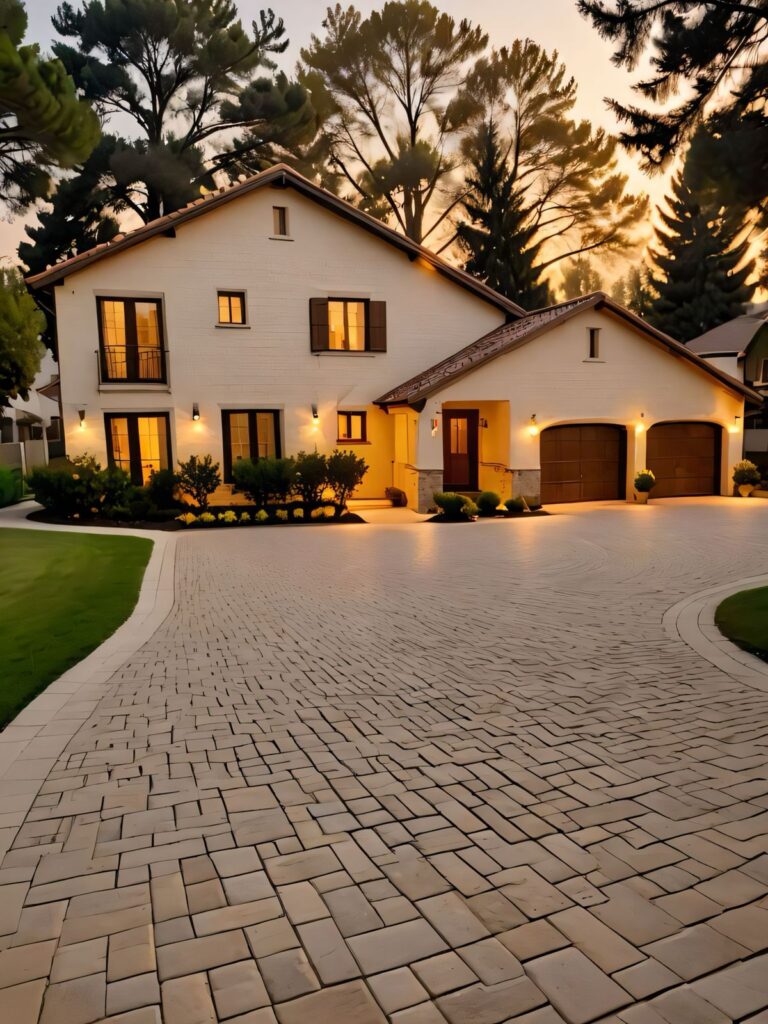
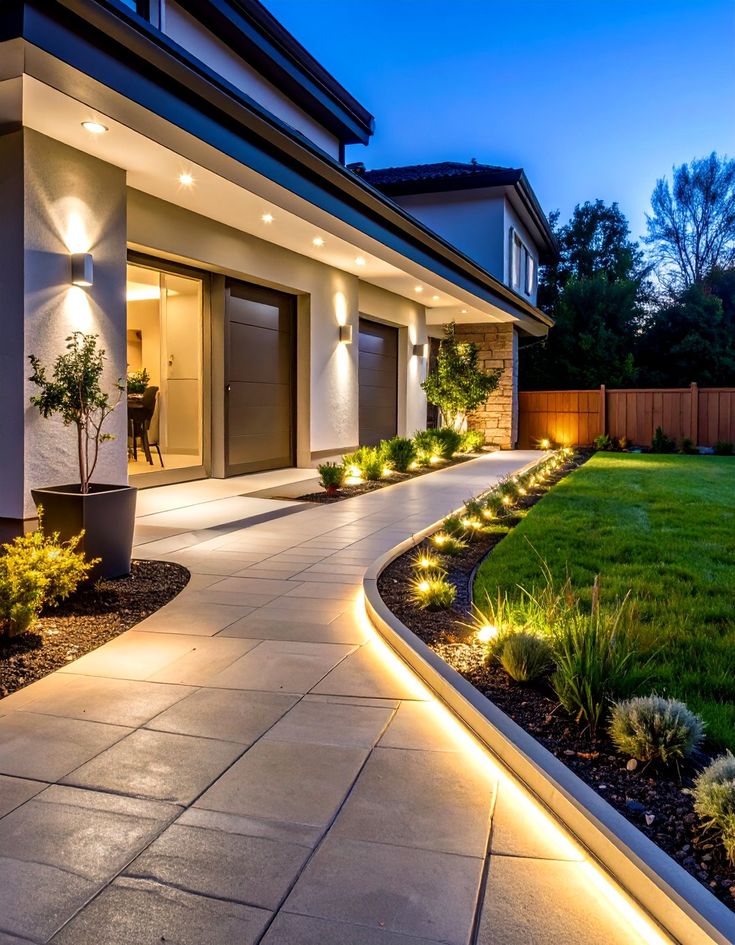
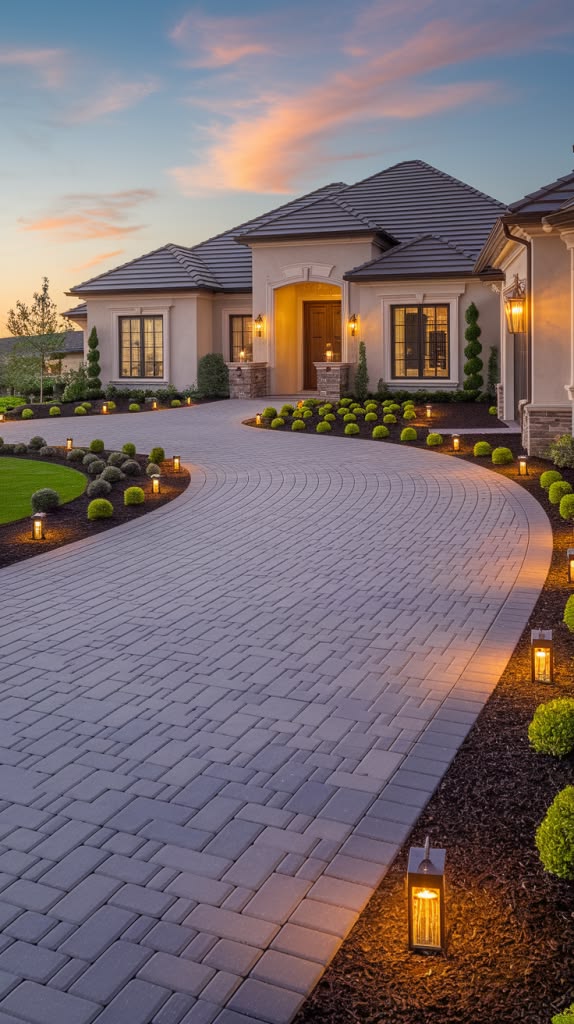
The process isn’t complicated: clean thoroughly, dry completely, apply the right sealer in thin coats. Then check it once a year and reseal when the bead test tells you to. That’s the whole job.
If you’re starting from a badly faded or neglected surface, the restoration process is more involved but still very achievable. A professional clean followed by two coats of penetrating sealer will bring back more colour than you expect.
Either way, the worst thing you can do is nothing. Pavers that could have been restored with a $300 sealing job get replaced at $8,000 to $15,000 because the window for easy restoration closed somewhere around year four or five. Seal them once. Maintain them annually. The maths are simple.
- 26shares
- Facebook0
- Pinterest26
- Twitter0
- Reddit0