The appearance of surfaces has changed in the past few years. Gone are the days of plain gray slabs, as modern options now provide a range of finishes that can truly enhance the visual and tactile appeal of any property. Be it improving a residence’s exterior charm or infusing a sense of sophistication into commercial areas.
On the Gulf Coast, CCIGulfCoast.com has built a 37-year reputation delivering exactly this range of finishes as the region’s only authorized Sundek installer. Picking the ideal concrete finish can bring about a noticeable impact on overall aesthetics and usability.
- How Different Concrete Finishes Enhance Property
- Advantages of Selecting the Correct Finish
- In Summary
- FAQ
- Q: What is a concrete finish?
- Q: How do you choose the right concrete finish?
- Q: Why is exposed aggregate concrete popular?
- Q: What is the best concrete finish for a driveway or patio?
- Q: How much do different concrete finishes cost?
- Q: Does finished concrete need to be sealed?
- Q: What are the most common concrete finishing mistakes?
This piece delves into concrete finishes and their potential to elevate the beauty and practicality of a property.
How Different Concrete Finishes Enhance Property
Smooth Concrete
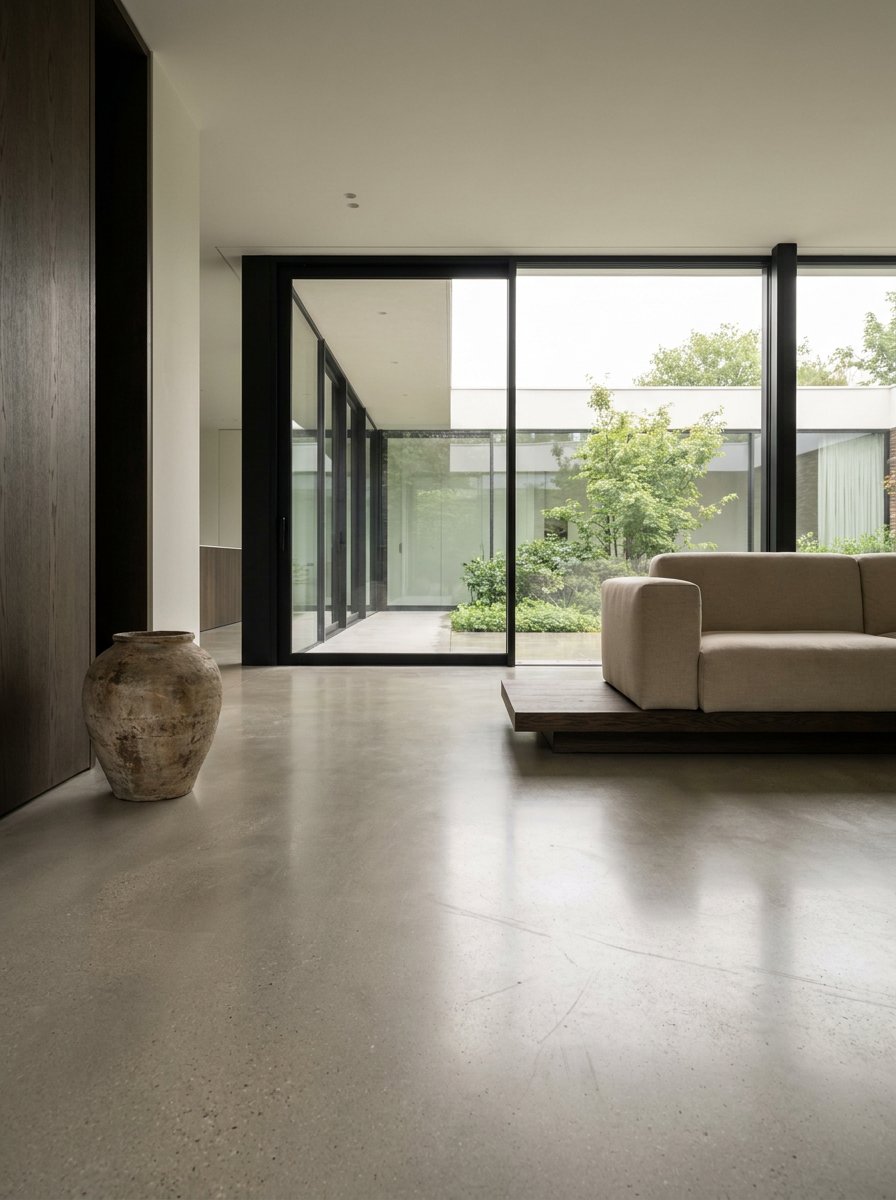
Polished concrete has become incredibly popular because of its contemporary look. This finish is achieved by grinding the surface to a shine that gives off a mirror gleam. Not only does polished concrete have an appearance, but it is also known for its durability and easy upkeep. Perfect for spaces, this finish can help create a bright ambiance by reflecting natural light. Moreover, it is highly resistant to stains and scratches, making it an excellent choice for areas with heavy foot traffic.
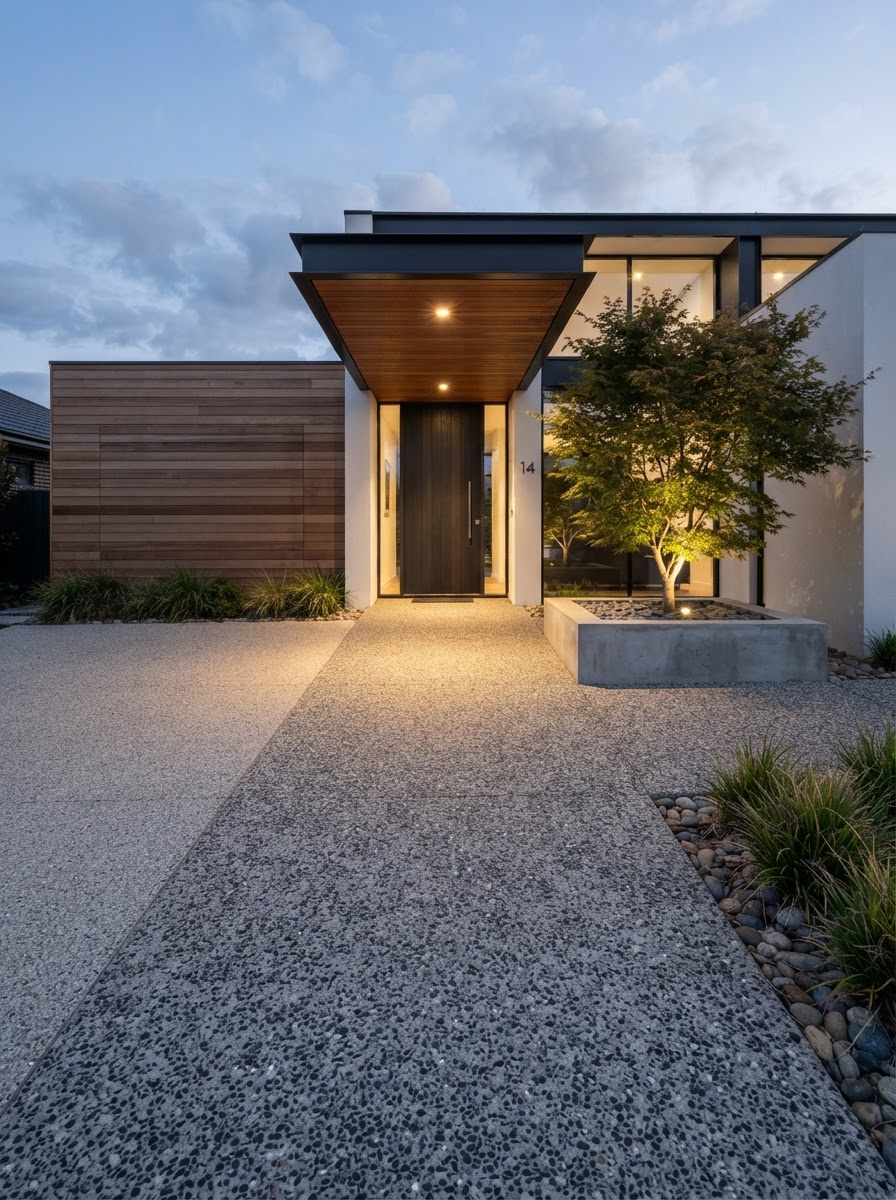
Decorative Concrete with Impressions
Are you looking to replicate the look of pricier materials? Stamped concrete could be a budget option for you! This technique entails pressing patterns into poured concrete to mimic the appearance of stone or wood surfaces. It is a choice for patios and driveways to add some character and depth to your outdoor spaces with a personalized touch! With stamped concrete’s flexibility in design and color options available, you can easily match it with any style you prefer.
Exposed Aggregate
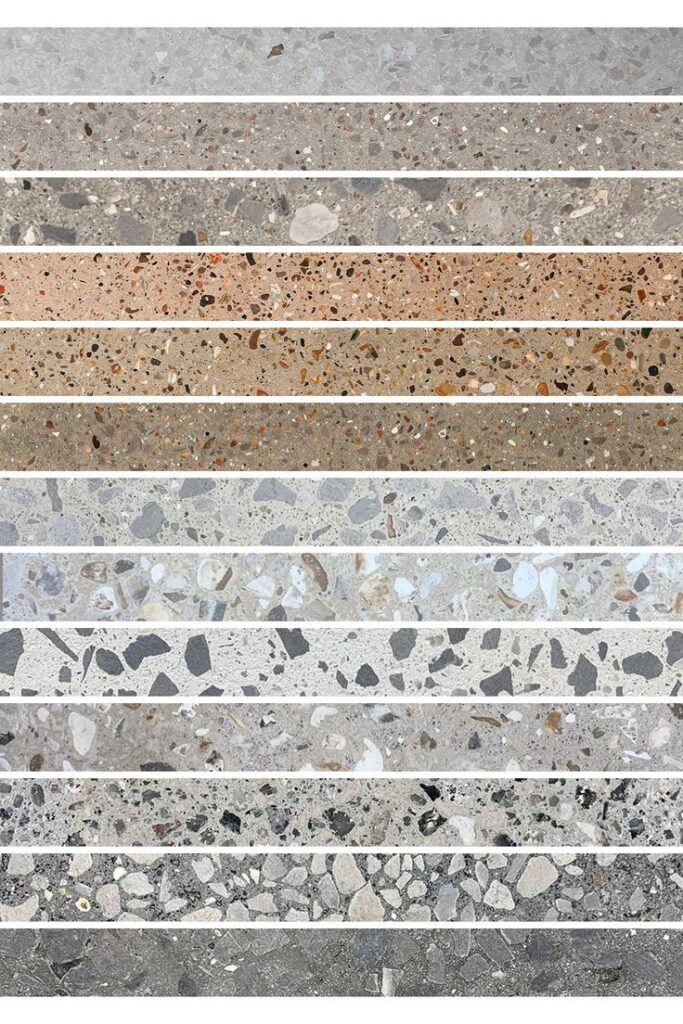
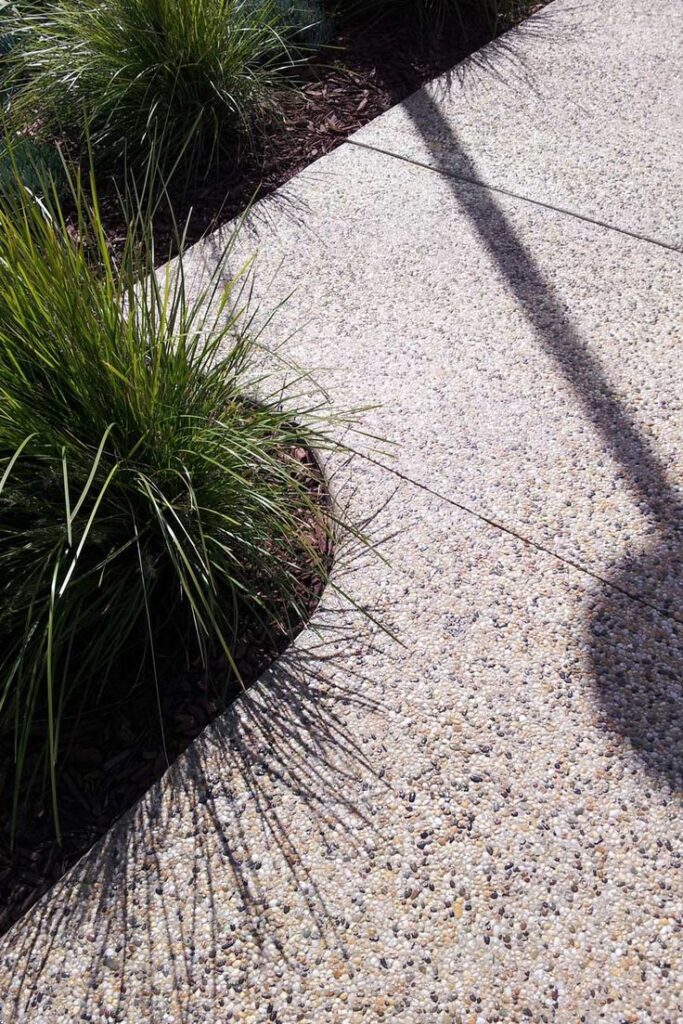
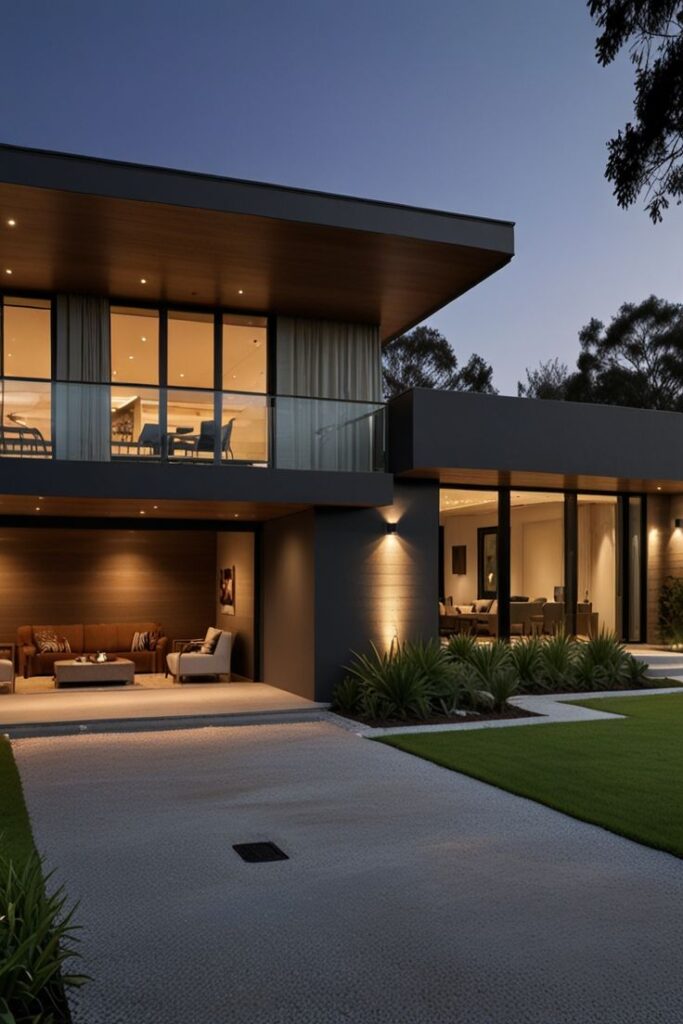
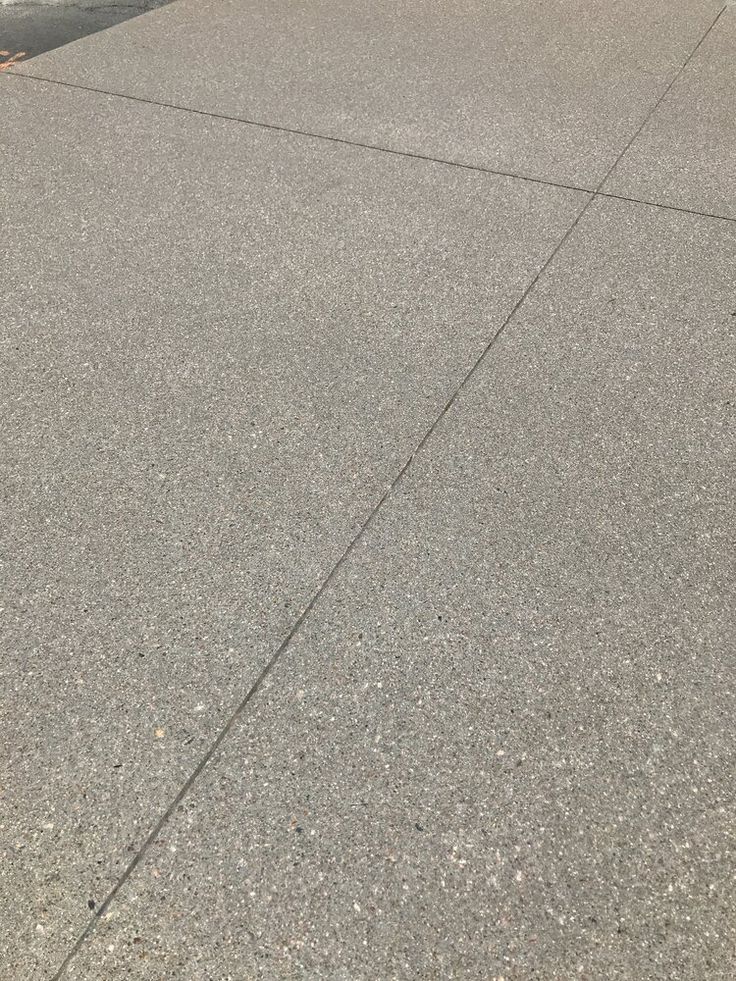
Exposed aggregate finishes showcase the charm of stones integrated into surfaces. Creating a slip-resistant area by unveiling the aggregates beneath the layer of cement has become a favored choice for walkways, driveways, and outdoor spaces owing to its robust aesthetic and longevity. A personalized flair can be achieved by selecting stones in varying colors and sizes to complement design tastes. Furthermore, the low maintenance requirements of exposed aggregate ensure its enduring allure remains unchanged as time goes by.
Textured Concrete
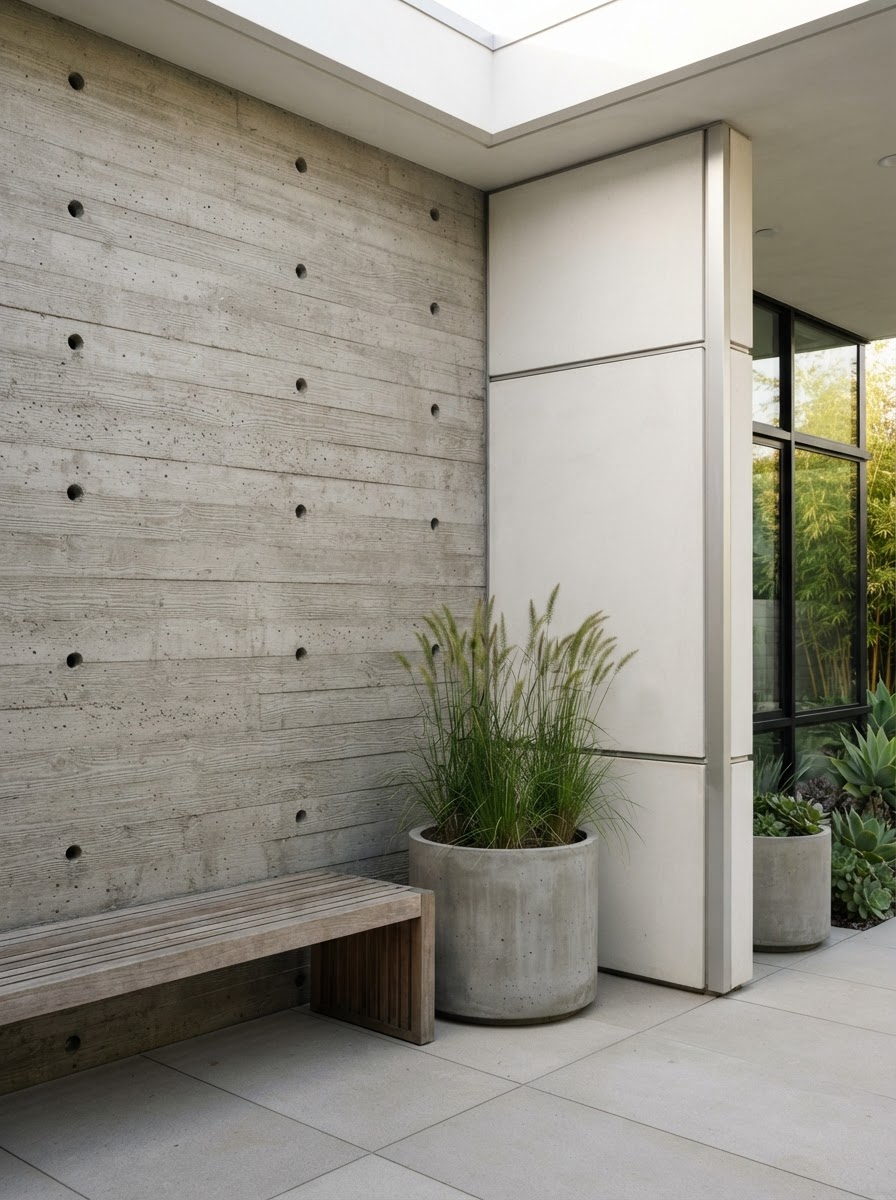
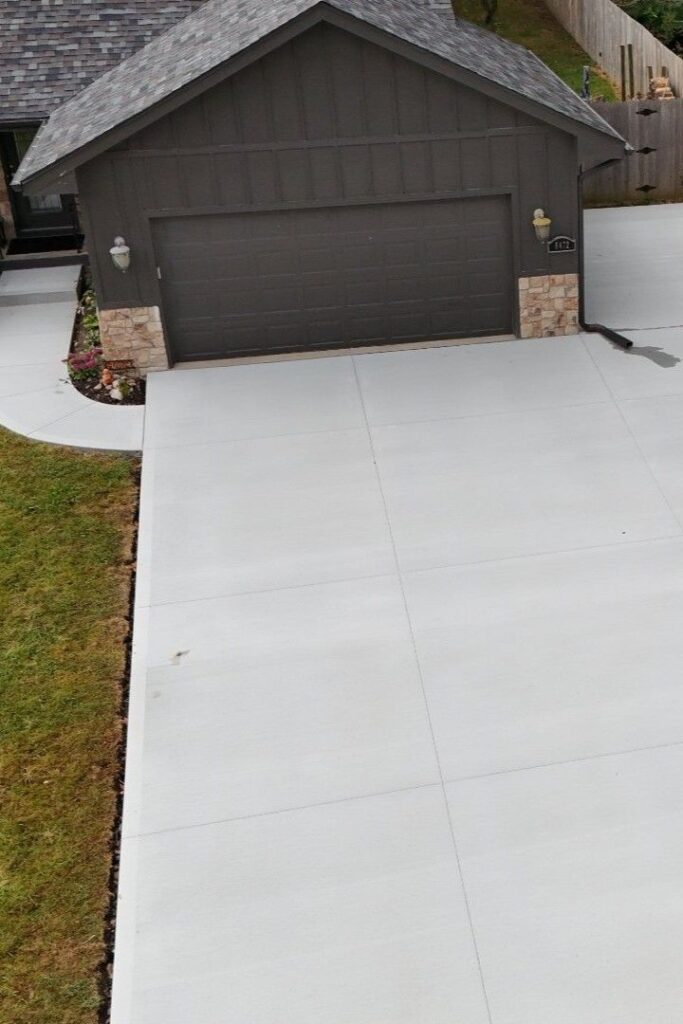
Broom-finished concrete is another term for brushed concrete that offers a texture for a variety of uses. By using a broom to create indentations in the surface before it dries completely, this finish provides grip and is perfect for pathways and stairs. Affordable and easy-to-install brushed concrete is an option for those who prioritize functionality while maintaining a look. Its subtle sophistication allows it to blend effortlessly into both modern settings.
Concrete with Discoloration
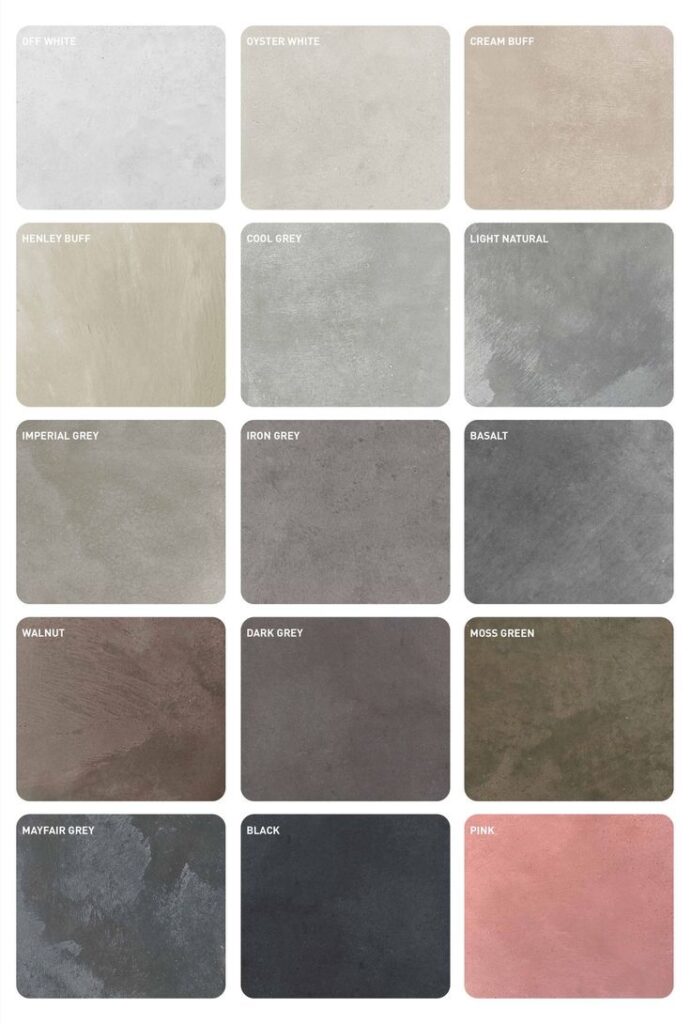
Concrete-stained surfaces add personality and color to areas by using acid- or water-based stains to create shades and designs ranging from natural earth tones to bold colors resembling marble or stone patterns for an elegant touch. Ideal for outdoor applications alike, including floors and walls, as well as patios, the adaptability of stained concrete enables homeowners to personalize their spaces according to their preferences and style vision.
Salt Finish
Structural concrete contractors in Los Angeles use a salt finish that is quite popular for spaces as it adds texture and visual charm to the area. This method involves spreading rock salt on concrete and rinsing it off afterward to create dents on the surface. The outcome is a design that elevates the appeal of pool decks, driveways, and walkways. Salt finishes not only provide traction and durability but also prove to be an option for areas that are regularly exposed to moisture. Furthermore, this finish demands upkeep, maintaining its allure throughout the years.
Advantages of Selecting the Correct Finish
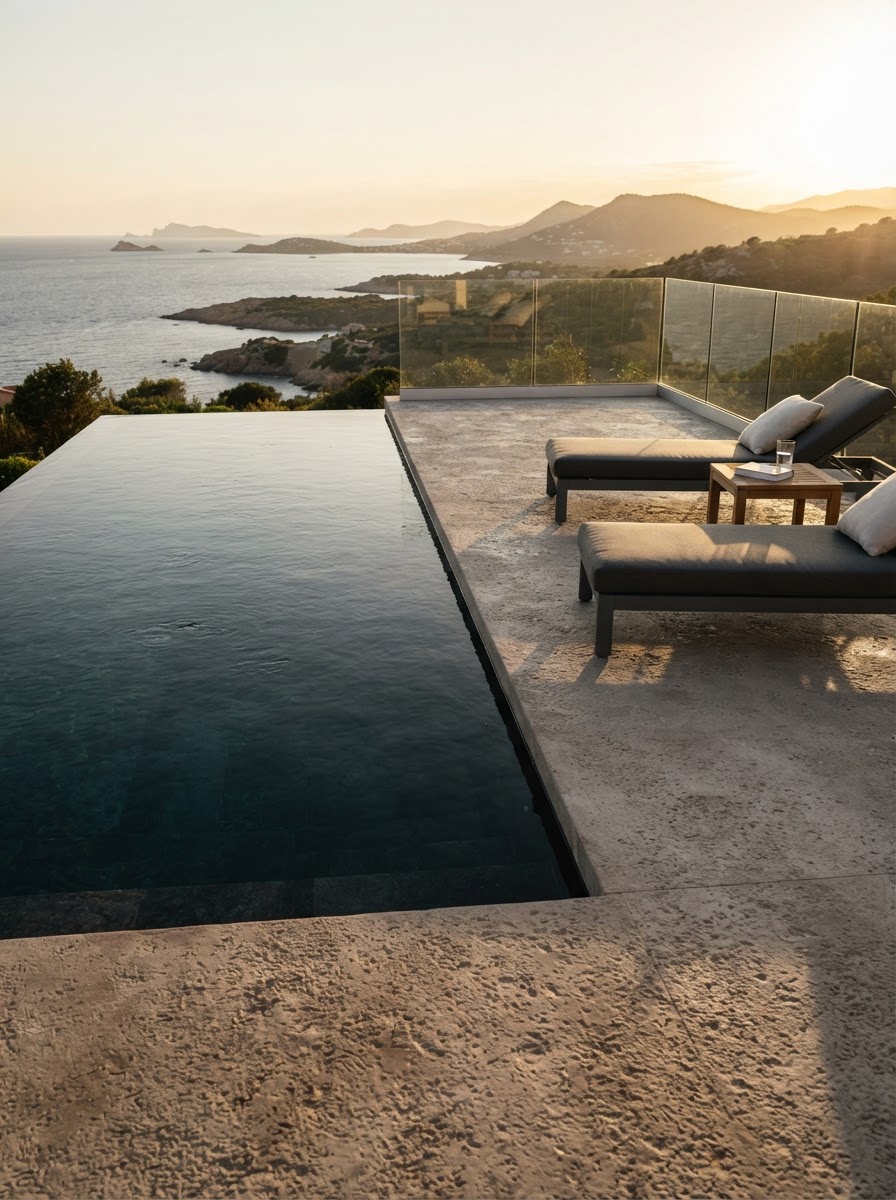
Choosing the type of finish can make a big difference in how a property looks and works overall. A good finish doesn’t just make things look nice—it also has advantages, like making surfaces more durable and easier to clean. When property owners pick the finish option, they can increase their property’s worth, draw in buyers or renters, and create a more enjoyable living space for themselves.
In Summary
Using finishes is a way to upgrade any property in a flexible and budget-friendly manner! Whether you prefer the touch of surfaces or the classic appeal of exposed aggregate.
There’s a finish to suit every preference and need out there! Knowing about the choices at your disposal gives property owners the power to make decisions that match their design aspirations perfectly! With the finish in place, any area can be turned into a stunning and practical space that will endure for years to come!
FAQ
Q: What is a concrete finish?
A: A concrete finish is the final texture, color, or surface treatment applied to concrete after it is poured or after an existing slab has cured. Common options include smooth or polished concrete, stamped patterns, exposed aggregate, broom finishes, stains, and rock-salt textures. The finish affects more than appearance—it can also influence traction, stain resistance, maintenance, light reflection, and how well the surface suits patios, driveways, walkways, interiors, or pool decks.
Q: How do you choose the right concrete finish?
A: Start with how the surface will be used. For wet walkways, steps, or driveways, choose a textured finish such as broomed, exposed aggregate, or rock salt for better grip. Polished concrete works well indoors because it reflects light and is easy to clean. Stamped or stained concrete is better when appearance is the priority. Also consider climate, traffic, maintenance, budget, and whether the surface will regularly encounter water, oil, or de-icing salt.
Q: Why is exposed aggregate concrete popular?
A: Exposed aggregate combines a decorative stone appearance with a naturally textured surface. Contractors remove the thin top layer of cement paste to reveal gravel, pebbles, or decorative stone within the concrete. Homeowners can select different aggregate sizes and colors to complement the property. It is especially popular for driveways, garden paths, patios, and pool areas because it provides traction, handles heavy use, and hides minor dirt or surface wear better than completely smooth concrete.
Q: What is the best concrete finish for a driveway or patio?
A: A broom finish is often the most practical choice for a driveway because it is affordable, durable, and provides reliable traction. Stamped concrete is better when you want the appearance of slate, brick, flagstone, or wood without installing individual pavers. Exposed aggregate offers a good balance of decoration and slip resistance. For patios, stained concrete is another flexible option because one or several colors can be used to imitate stone, tile, or marble.
Q: How much do different concrete finishes cost?
A: Prices vary by location, slab condition, pattern complexity, and preparation work. A basic broom-finished installation may cost roughly $4–$8 per square foot, while stamped concrete commonly ranges from about $9–$22 per square foot. Applying a basic single-color stain to an existing patio can cost around $2–$4 per square foot when only minimal preparation is required. Custom borders, multiple colors, detailed stamps, repairs, and premium sealers will increase the final price.
Q: Does finished concrete need to be sealed?
A: Decorative and exterior concrete usually benefits from sealing because a suitable product can reduce moisture penetration, staining, abrasion, and damage from oils or de-icing chemicals. Sealers are available in matte, satin, and high-gloss versions. Matte finishes preserve a natural stone-like appearance, while glossy products deepen color but may become more slippery when wet. Always follow the product instructions because some sealers can cure fresh concrete, while others should only be applied after the slab has hardened.
Q: What are the most common concrete finishing mistakes?
A: Common mistakes include finishing while bleed water is still visible, adding water to the surface to make troweling easier, overworking the concrete, and choosing a smooth glossy finish for a wet area. Poor timing can weaken the surface or cause scaling and discoloration. Another mistake is ignoring curing: standard concrete continues developing strength for weeks and typically reaches its specified compressive strength at around 28 days. Contractors should also test stains and sealers on a small area before treating the entire slab.
- 3.4Kshares
- Facebook0
- Pinterest3.4K
- Twitter0
- Reddit0