If you want to learn how to draw Stitch, start with a large oval head, a small rounded body, oversized ears, and wide-set eyes. Keep the first sketch light so you can adjust the face before inking. The trick is to build him from simple shapes, then add the grin, claws, belly curve, and blue color in layers.
I usually block cartoon characters by checking the silhouette first. Stitch works best when the ears feel big enough and the body stays squat; if those two proportions are right, the drawing reads as Stitch before the details arrive. This guide walks through supplies, sketching, expression, outline, color, and small finishing details.
If you want the broader system behind that construction, keep the Disney drawings guide open too; it breaks down silhouette, facial guidelines, and appeal across Mickey, Simba, Stitch, and princess characters.
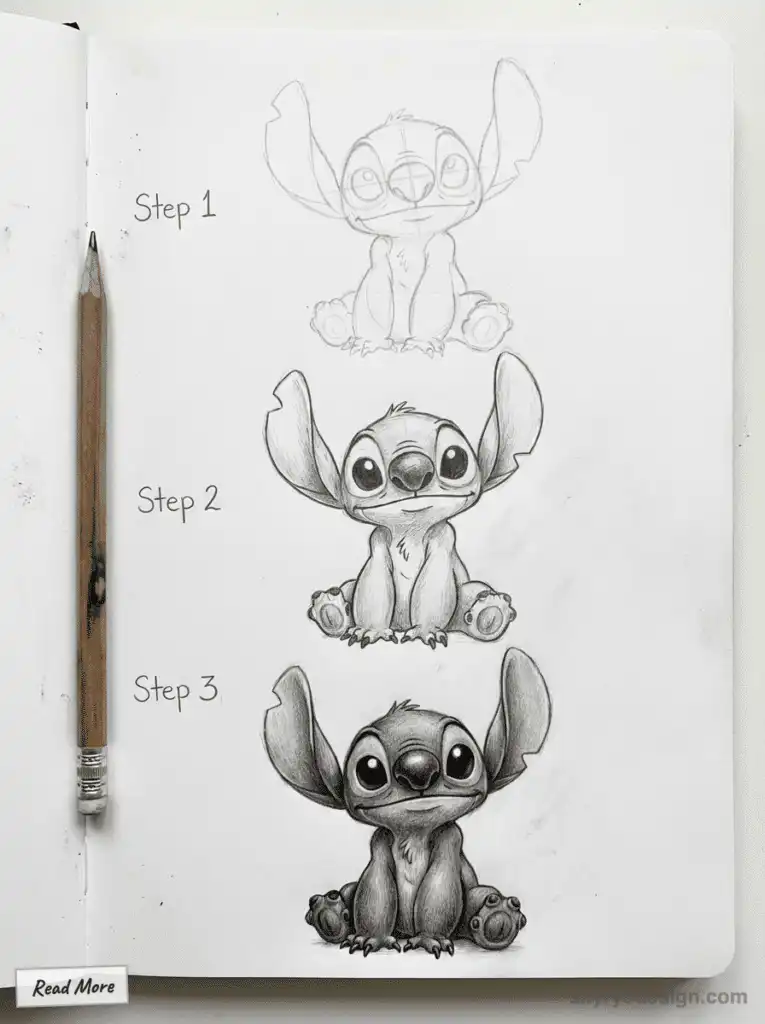
How to draw Stitch step by step
To draw Stitch step by step, sketch a big oval for the head, a smaller rounded body underneath, and two huge ears that stretch out from the sides. Add wide eyes, a small nose, and a grin before you draw the arms, claws, belly shape, and short legs. Once the proportions feel balanced, darken the clean lines, erase the construction marks, and color the body with medium blue, darker blue shadows, and pale pink or cream inside the ears.
| Stitch feature | Simple shape to start with | Drawing tip |
|---|---|---|
| Head | Large oval | Keep it wider than the body so the character stays cute. |
| Ears | Long rounded triangles | Angle them outward before adding the inner ear folds. |
| Eyes | Two wide circles or ovals | Place them far apart and add small highlights at the end. |
| Body | Small squat oval | Use short arms and legs so the head remains the focus. |
| Expression | Curved grin and raised brows | Change the eyebrow angle to make Stitch playful, shy, or mischievous. |
For an official animation reference, Disney’s How to Draw Stitch video is useful for checking the big head-and-ear silhouette. Use it as a reference, then keep your own sketch loose and personal.
Gathering Drawing Supplies
Gathering the right tools makes drawing Stitch easier and more enjoyable. Having good paper, pencils, and coloring items ready helps create a clean, neat picture with clear details.
Selecting the Right Paper


He or she should pick paper that suits the drawing method. Plain white sketch paper is a good choice for pencil drawing. It is smooth and does not cause pencils to smudge easily.
If using markers or watercolors, thicker paper is best. It prevents colors from bleeding through. A sketchpad with at least 70 lb weight is strong enough for most coloring tools.
The size of the paper also matters. Starting with an 8.5 x 11 inch sheet is ideal because it offers enough space to draw but is not too large to handle easily.
Essential Pencils and Erasers


A range of pencils helps make different lines and shades. A simple set with HB, 2B, and 4B pencils covers light sketching to dark shading well.
A good eraser is important for fixing mistakes. A soft white eraser works best because it won’t damage the paper or leave smudges. Kneaded erasers are also helpful for gentle lifting of pencil marks without rubbing hard.
It’s useful to have a sharpener to keep pencil tips fine. Fine tips help with small details on Stitch like his eyes and mouth.
Optional Coloring Tools

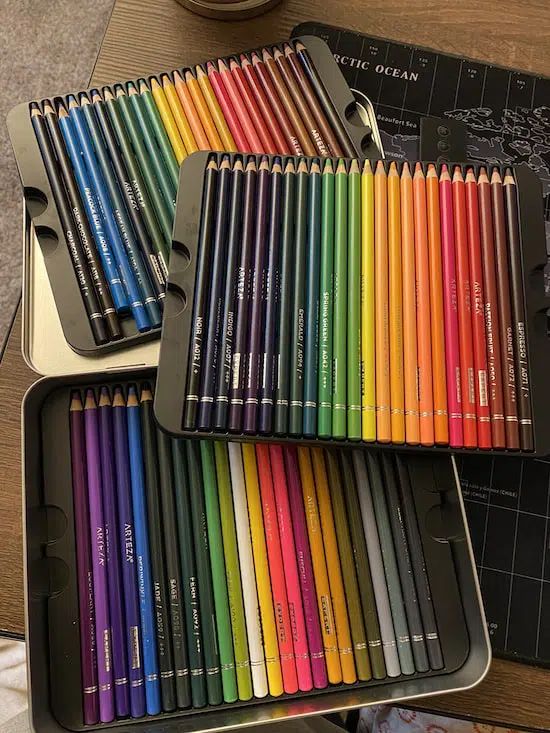
Coloring tools add fun and bring Stitch to life. Colored pencils are easy to control and blend well for smooth shading. They are a good choice for beginners.
Markers provide bright, bold color. They work well but need thicker paper to avoid bleeding. Watercolor paints give a soft, blended look but require more skill to control.
If he or she wants extra texture and effects, adding crayons or pastels can be fun. Using a mix of tools depends on what look they want for their drawing.
Full Stitch drawing tutorial
To draw Stitch well, it’s important to start with simple shapes for his body. Then, focus on his face and expression to catch his playful look. Next, add details like his ears, arms, and body shapes. Finally, clean up the lines and add final touches.
Sketching the Basic Shapes

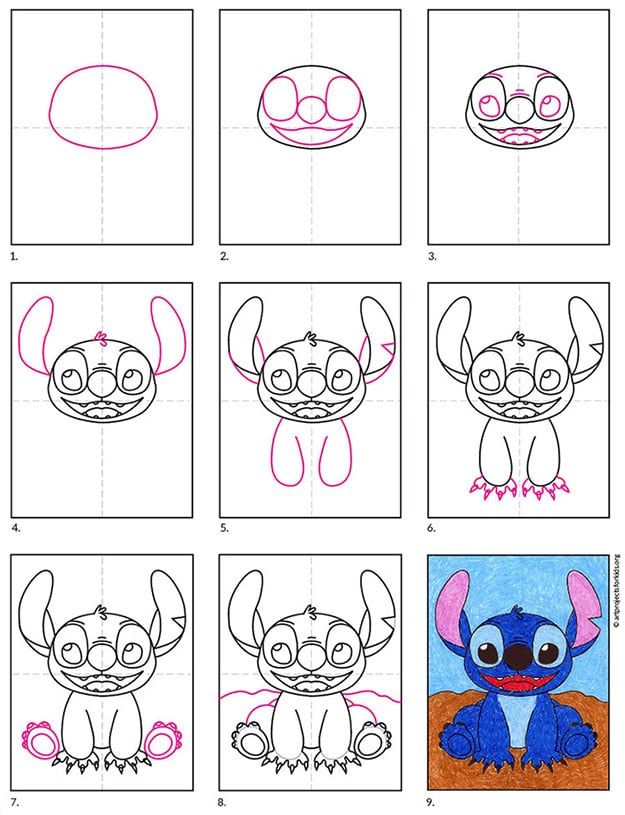
Begin by sketching a large oval for Stitch’s head. Below it, draw a smaller oval tilted slightly for his body. Use light strokes so changes are easy.
Add two small circles for his shoulders and simple lines for his arms and legs. These shapes help place his limbs before details come in.
This step makes sure Stitch’s body looks balanced and his pose feels natural. Keeping the shapes simple at first will save time later.
Drawing Stitch’s Face and Expression


Draw two large round eyes wide apart near the top of the head oval. Inside the eyes, add smaller circles for pupils to give life to his look.
Sketch a small oval nose centered between the eyes but lower on the face. Add a wide grin below the nose, with pointed teeth showing, to capture his mischievous smile.
After practicing Stitch, try a warmer Disney character drawing with Simba, where the eyes, muzzle, and ears carry most of the personality.
Draw eyebrows angled to show a playful or curious expression. Make sure the face looks friendly and lively.
Adding Ears, Arms, and Body Details
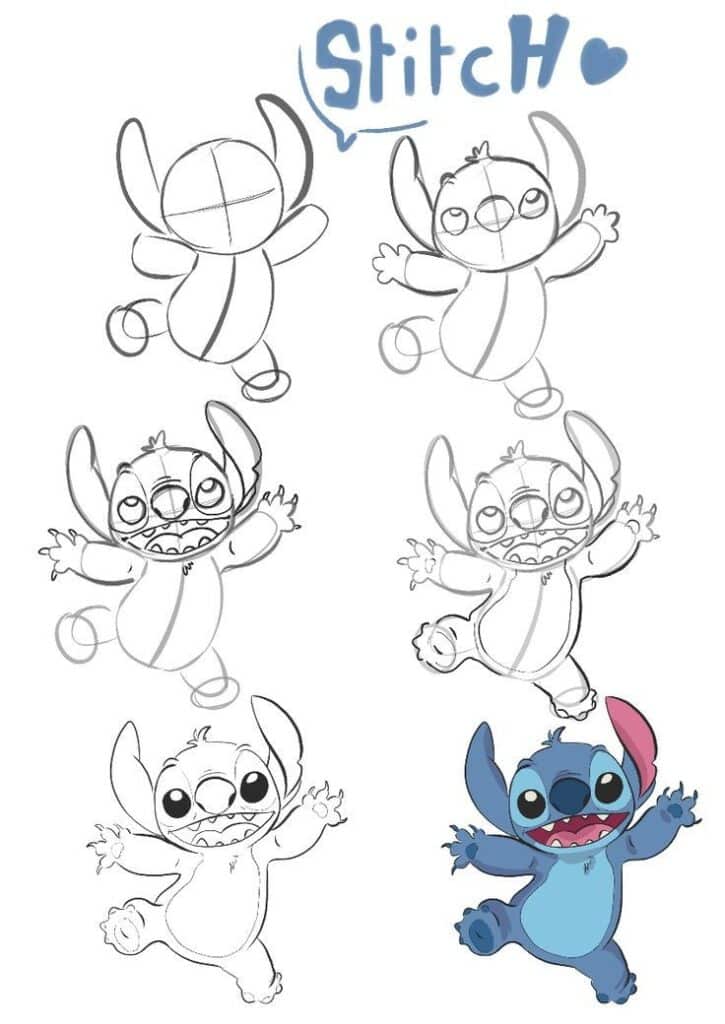

Stitch’s ears are big and rounded with pointed tips. Draw them sticking out from the top sides of the head, slightly bent.
Add his arms using the shoulder circles. Draw three fingers on each hand with claw tips. His legs are short and wide with three toes each.
For the body, add small lines to show fur and a few curves to outline Stitch’s round belly. Keep the shapes soft and rounded.
Outlining and Refining the Sketch
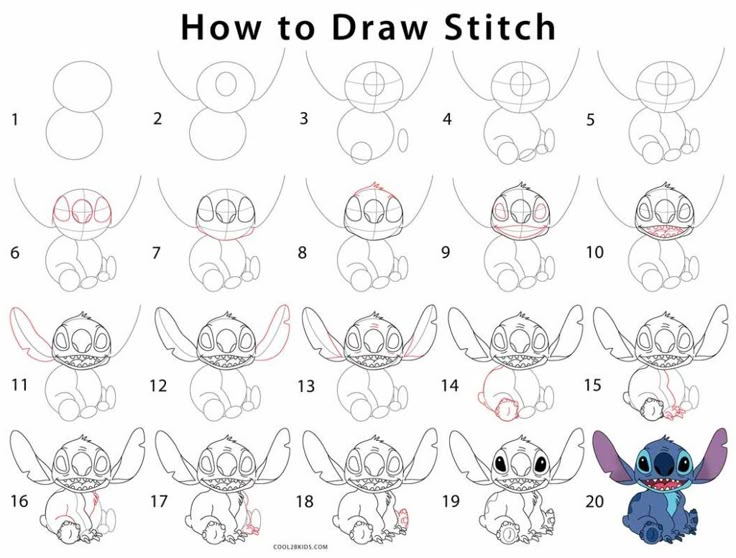
Use a darker pen or pencil to go over the final lines carefully. Erase all the extra basic shapes and sketch marks.
Focus on smooth lines around the eyes, ears, and mouth. Add fine details like small lines on the ears or claws.
This step makes the drawing clear and ready for coloring or shading. It helps make Stitch stand out as a neat and fun character.
Common mistakes when drawing Stitch
The fastest way to lose the Stitch likeness is to make the sketch too tall, too narrow, or too realistic. Before adding color, pause and compare the main proportions. The ears should carry a lot of the personality, and the face should stay soft rather than sharp.
| Mistake | Why it looks off | Quick fix |
|---|---|---|
| Ears are too small | Stitch starts to look like a regular teddy bear. | Extend the ears wider than the head before refining the tips. |
| Body is too long | The cute, squat pose disappears. | Shorten the torso and keep the legs compact. |
| Eyes are too close together | The expression feels tense instead of playful. | Move the eyes outward and leave room for the nose. |
| Dark outlines too early | Mistakes become harder to erase. | Use pale pencil lines until the silhouette works. |
| Flat blue color | The finished drawing can look stiff. | Add darker blue under the chin, ears, arms, and belly curve. |
A Pooh bear drawing is a useful follow-up to Stitch because both characters rely on round construction, readable expression, and a clean silhouette.
Adding Color and Final Touches
After finishing the basic drawing, the next step is to bring Stitch to life with colors and details. This part focuses on picking the right colors, adding shadows for a 3D look, and finishing with highlights to make the drawing pop.
Choosing Colors for Stitch
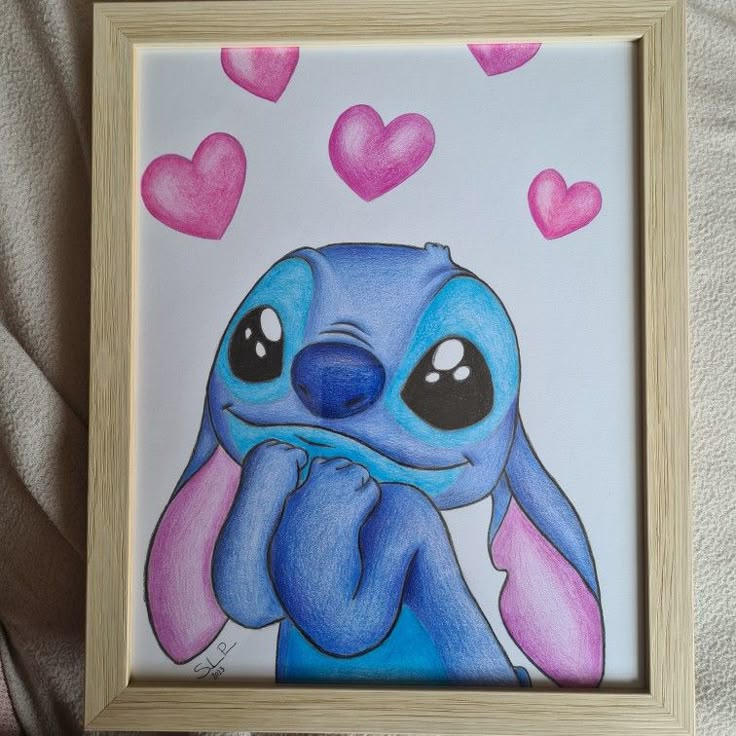

Stitch is mainly blue, but using different shades will make the drawing look more interesting. Start with a medium blue for most of his body. The chest and the inside of his ears should be a light creamy color or pale pink.
Using darker blue for shadows and lighter blue for areas that catch light helps create a more natural look. For the eyes, use black with a small white spot to show shine. The nose is usually dark gray or black.
Suggested colors:
| Part | Color Shade | Notes |
|---|---|---|
| Body | Medium blue | Base color |
| Chest & Ears | Cream or pale pink | Soft contrast |
| Shadows | Dark blue | Adds depth |
| Highlights | Light blue | For raised areas |
| Eyes | Black with white | Adds life |
| Nose | Dark gray or black | Small but important detail |
Shading for Depth and Texture
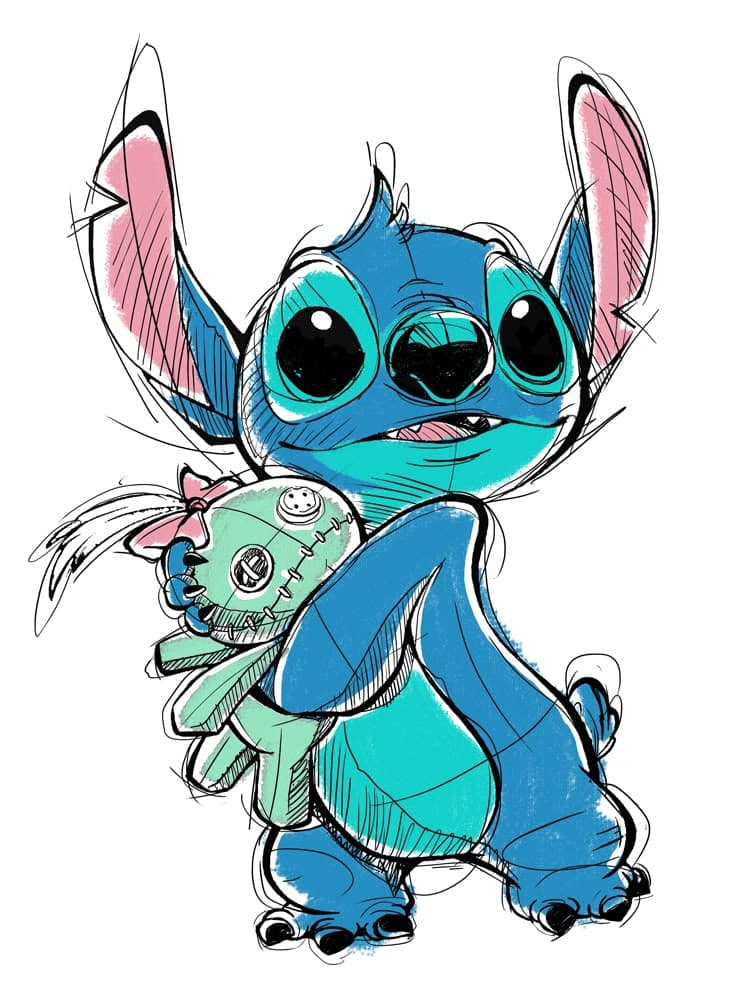
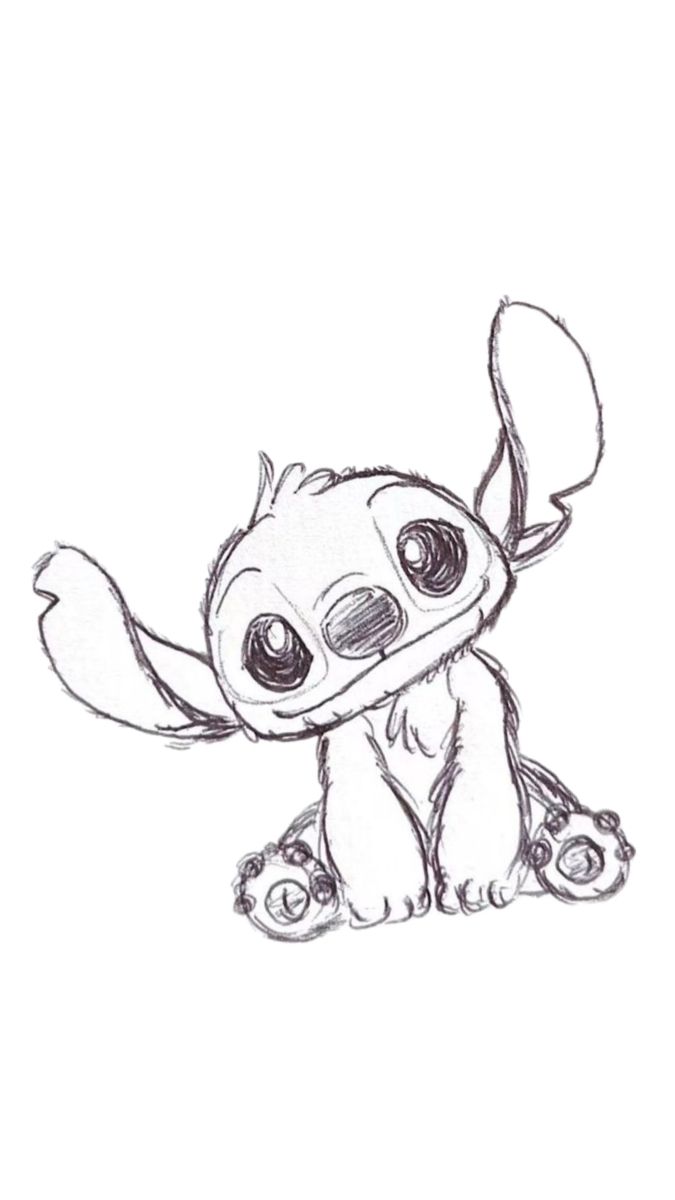
Shading helps make Stitch look three-dimensional. Start by deciding where the light is coming from, usually above. Then, add shadows on the side opposite the light.
Use a soft pencil or light marker to create shadows under the chin, inside the ears, and below the arms. Adding shading around the eyes gives them more depth. Lightly layer darker blue in areas that curve away from the light.
Blending the shading smoothly keeps it looking natural. Avoid harsh lines unless Stitch’s fur is spiky, then small jagged shadows work well.
Highlighting and Finishing Up

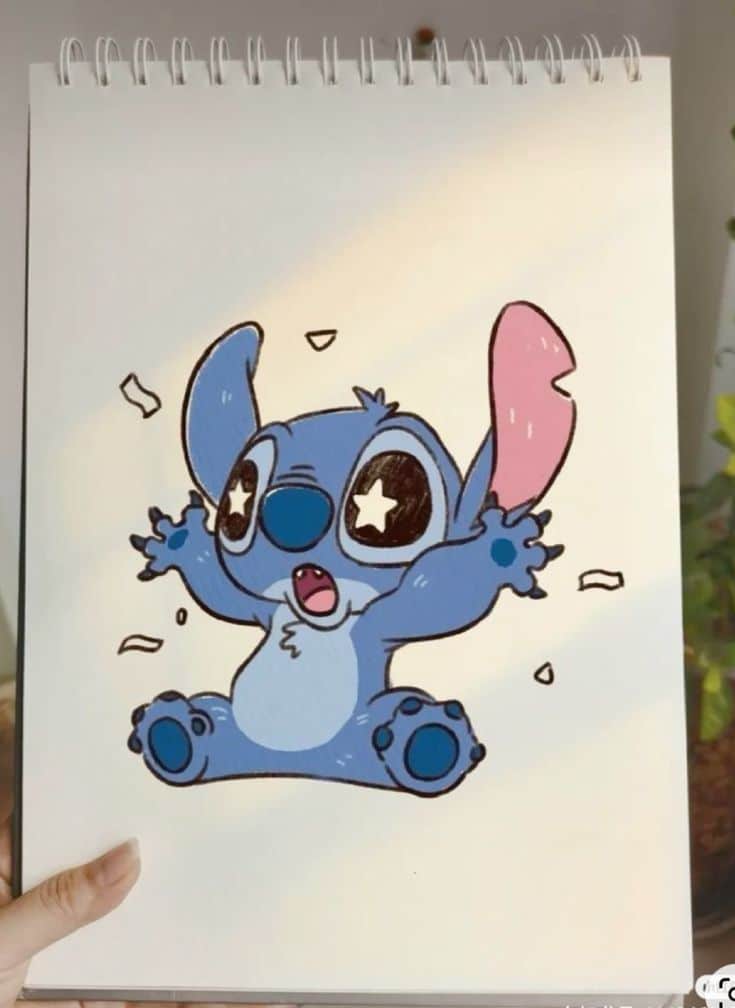
Highlights show where the light hits the most. Use white or a very light blue for tiny strokes on the forehead, nose, tips of the ears, and edges of the arms. These make Stitch look shiny and alive.
Add a small white dot in each eye to mimic a reflection. This simple step brightens the expression.


Finally, clean up any extra lines and sharpen the outlines with a fine pen or darker pencil. This keeps Stitch looking neat and complete.
After Stitch, use these more cartoon characters to draw to practice the same big-eye, clear-silhouette habits with classic characters.
FAQ about drawing Stitch
What is the easiest way to draw Stitch?
The easiest way to draw Stitch is to start with simple construction shapes: a large oval head, a small oval body, two oversized ears, and wide circular eyes. Do not begin with the teeth or claws. Get the silhouette right first, then add the face, arms, belly curve, and color.
How do you draw Stitch’s ears?
Draw Stitch’s ears as long rounded triangles that stretch out from the upper sides of the head. Keep them large and slightly bent, then add a smaller inner shape inside each ear. If the ears look too small, the character loses his recognizable silhouette, so check this before inking.
How do you make a Stitch drawing look cute?
To make Stitch look cute, keep the head bigger than the body, round the corners of the face, and place the eyes wide apart. A small nose, soft grin, and short limbs also help. Avoid sharp angles unless you are drawing a wilder expression, because rounded shapes make him feel softer.
What colors do you need to draw Stitch?
Use medium blue for most of Stitch’s body, darker blue for shadows, and light blue for highlights. The inside of the ears can be pale pink or cream, while the eyes and nose need black or dark gray. A white pencil or gel pen works well for tiny eye highlights.
Can beginners draw Stitch without tracing?
Yes, beginners can draw Stitch without tracing if they build the character in layers. Start with very light pencil shapes and check the head, ears, and body before adding details. Tracing can help you study proportions, but freehand sketching teaches you how the character is actually constructed.
How do you fix a Stitch drawing that looks stiff?
If your Stitch drawing looks stiff, soften the outline and tilt the ears, eyebrows, or head slightly. Add a curved grin, rounded fingers, and shadows that follow the body shape. A little asymmetry often helps cartoon characters feel more alive, as long as the main proportions still read clearly.
- 13.7Kshares
- Facebook0
- Pinterest13.7K
- Twitter0
- Reddit0