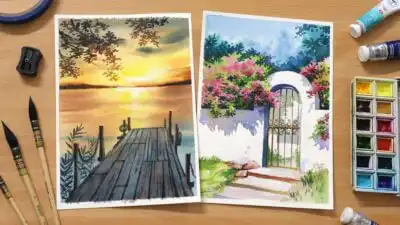
Minimalist watercolor painting lets you create striking art using simple compositions and limited palettes. By focusing on intentional brushstrokes, soft gradients, and clean negative space, you can paint elegant, modern pieces without overcomplicating your workflow.
- What is Minimalist Watercolor Painting?
- Defining Minimalist Watercolor
- Essential Tools and Materials
- Minimalist Watercolor Techniques
- Inspiration and Creative Ideas
- Displaying and Preserving Minimalist Watercolors
- 5 Common Mistakes in Minimalist Watercolor
- Minimalist Watercolor FAQ
- Q: What is a minimalist watercolor painting?
- Q: How do you choose a color palette for minimalist watercolor?
- Q: What is the best paper for minimalist watercolor painting?
- Q: How do you control wet-on-wet spreads in simple designs?
- Q: Do minimalist watercolor paintings fade faster?
- Q: Is minimalist watercolor good for beginners?
This approach allows you to express mood and form with clarity, making every mark count.
What is Minimalist Watercolor Painting?
Minimalist watercolor painting is an art style that prioritizes simplicity, using a restrained color palette, clean compositions, and negative space to convey mood or form. Unlike traditional watercolor painting that relies on complex layers and heavy details, minimalist watercolor focuses on the essential shapes and subtle color transitions. This style allows the natural texture of the paper and the purity of the pigment to stand out, creating clean, calming, and modern visual statements.
By limiting your palette and design elements, you can develop a strong sense of focus and harmony in your paintings. Minimalist watercolor invites experimentation with soft washes and precision, encouraging you to refine your technique while keeping your art visually striking. Whether you’re a beginner or experienced artist, this style offers a straightforward way to create pieces that are both modern and timeless.
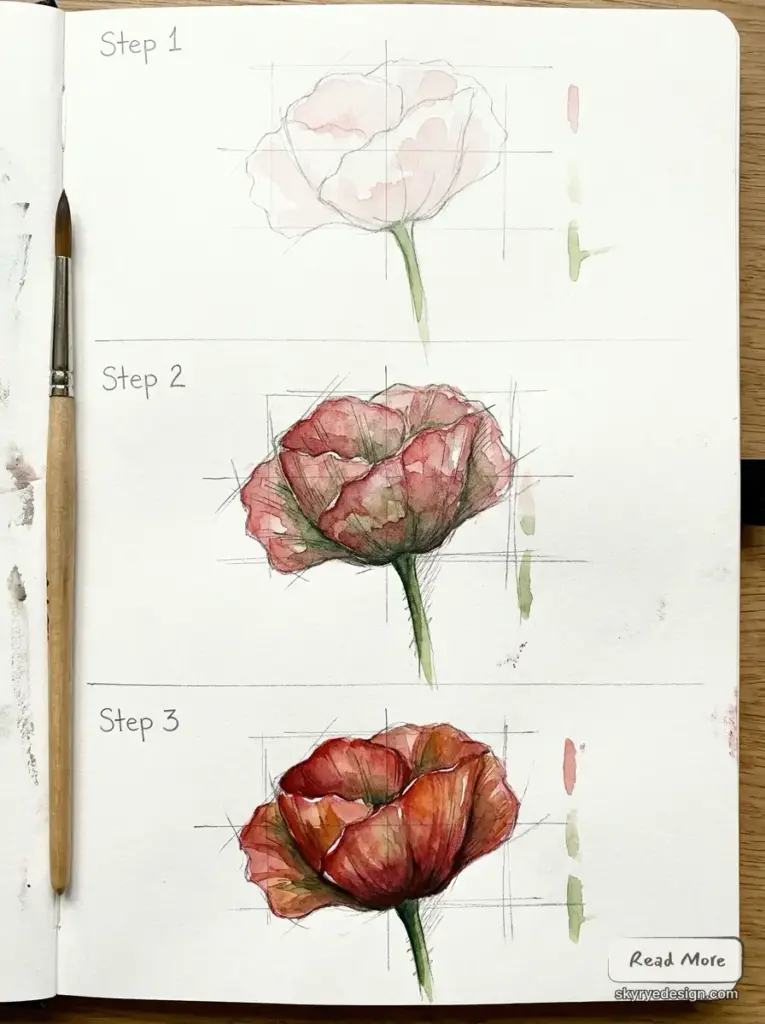
Many artists find minimalist watercolor appealing for its versatility and ease of integration into various décor styles. Creating or collecting minimalist pieces can bring balance and serenity to your space, emphasizing quality over quantity in your creative work.
Key Takeaways
- Minimalist watercolor uses simplicity and controlled color for elegant results.
- Focusing on basic techniques enhances clarity and intentionality in your paintings.
- This style easily complements modern spaces and personal artistic growth.
Defining Minimalist Watercolor
Minimalist watercolor focuses on simplicity, using limited colors and restrained brushwork. It prioritizes clarity and subtlety, often emphasizing mood and atmosphere through sparse details.
Characteristics of Minimalist Watercolor
You will notice minimalist watercolor relies on clean compositions with ample negative space. Soft washes and muted tones are common, creating a delicate, airy feel.
Brushstrokes tend to be deliberate and sparse, sometimes reduced to a single mark or gradient. This restrained approach highlights texture and color gradations rather than complexity.
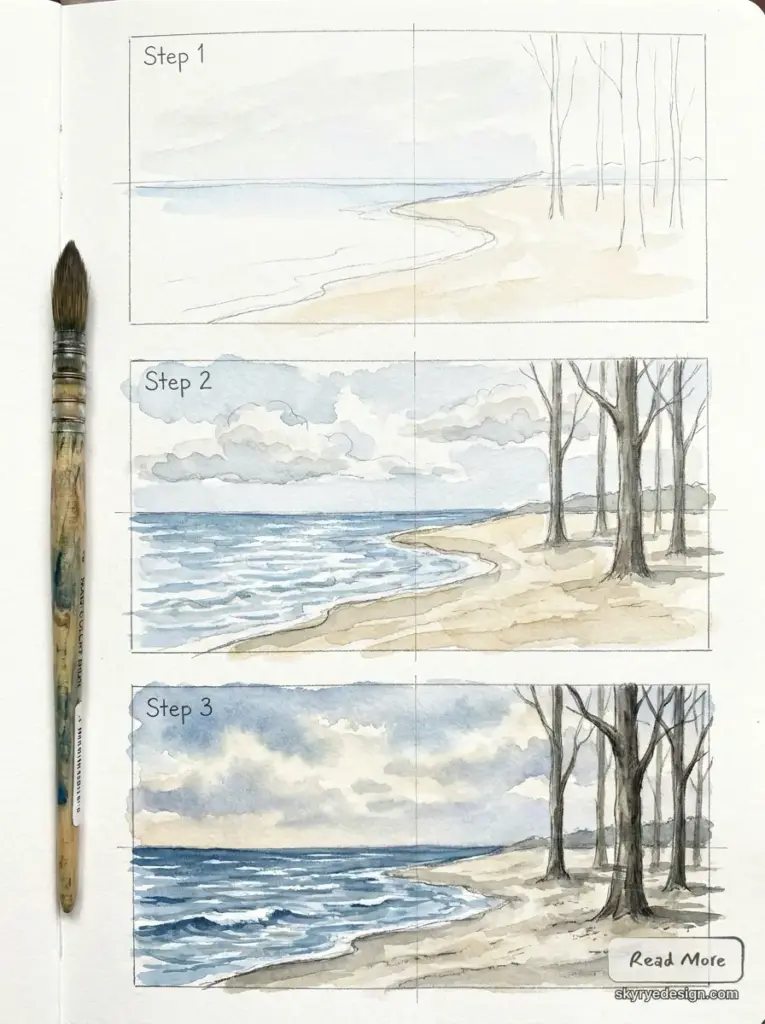
The goal is to evoke emotion or capture essence without elaborate detail. The overall effect is light, tranquil, and balanced, requiring careful control of water, pigment, and paper.
Minimalism Versus Traditional Watercolor
Unlike traditional watercolor, which often features detailed landscapes, floral subjects, or complex layering, minimalist watercolor strips the scene to its essentials.
| Feature | Minimalist Watercolor | Traditional Watercolor |
|---|---|---|
| Color Palette | 1 to 3 curated colors, monochromatic | Wide, complex color wheel spectrum |
| Layering | Single wash or minimal light layering | Multiple layers (glazes) for depth |
| Negative Space | Dominant, defines the composition | Used as a background or filled completely |
| Detailing | Suggestive, sparse brushstrokes | Highly detailed, realistic textures |
| Focus | Simplicity, mood, and essential form | Realism, complex light, and shadow |
Whereas traditional works may emphasize realism and texture, minimalist pieces focus on abstraction or suggestion. You use fewer elements to communicate the same or deeper meaning.
Minimalism encourages restraint in your palette and brushwork, rejecting ornate embellishments. This makes it more conceptual but equally expressive compared to traditional styles.
Popular Subjects in Minimalist Watercolor
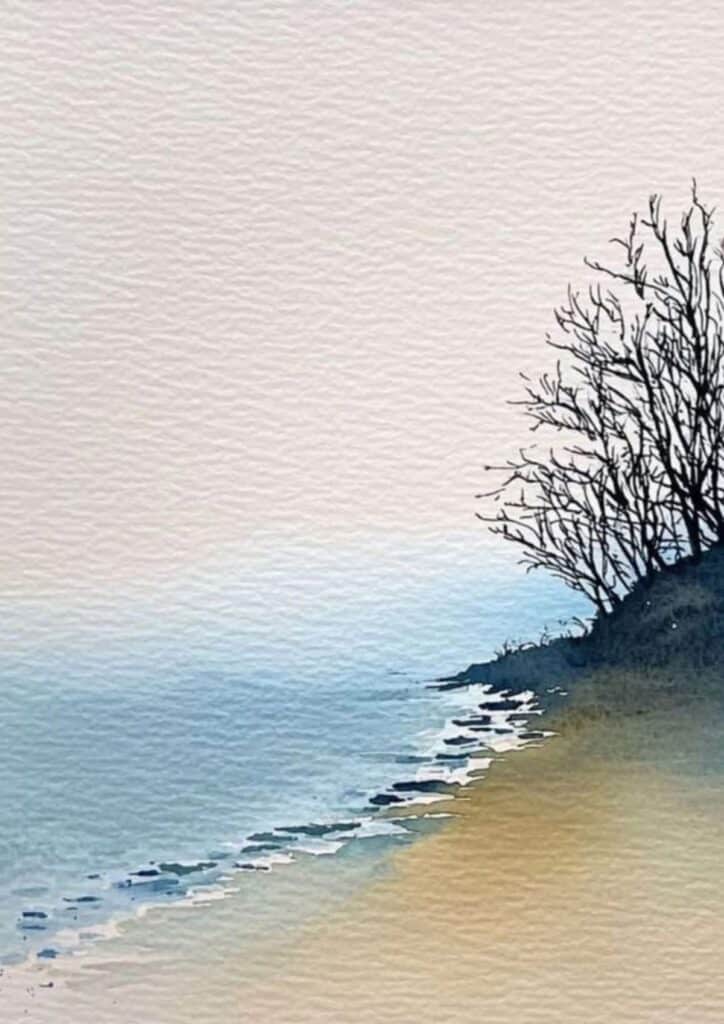
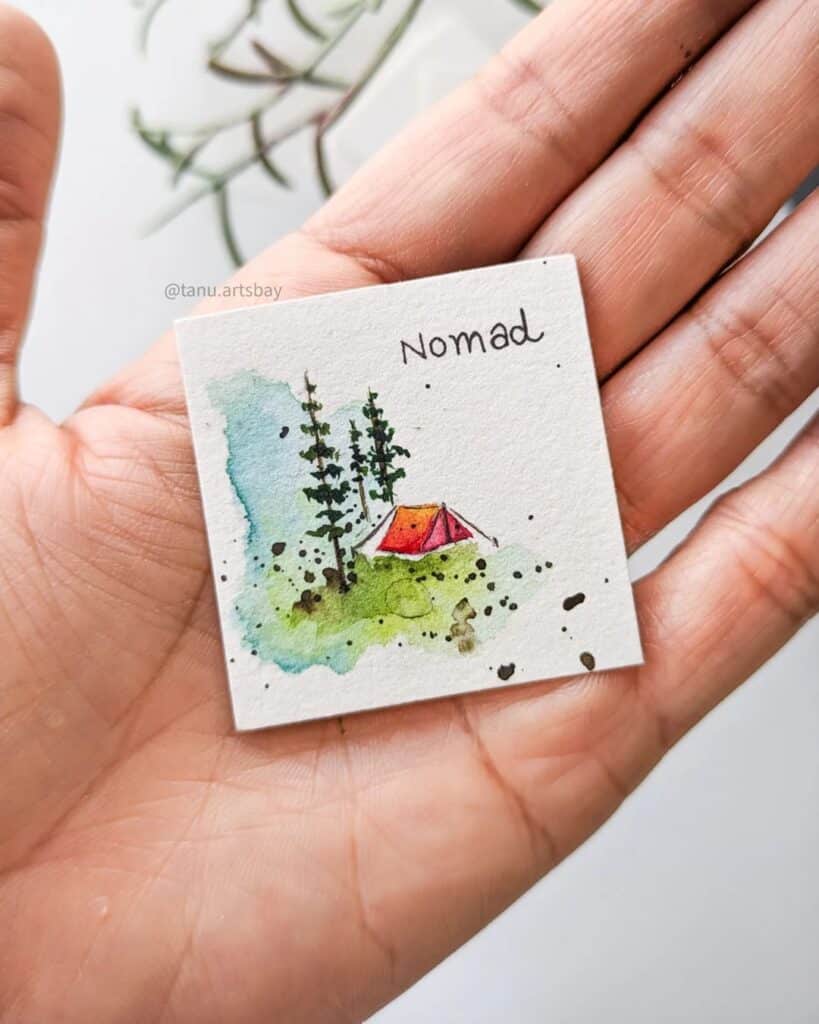
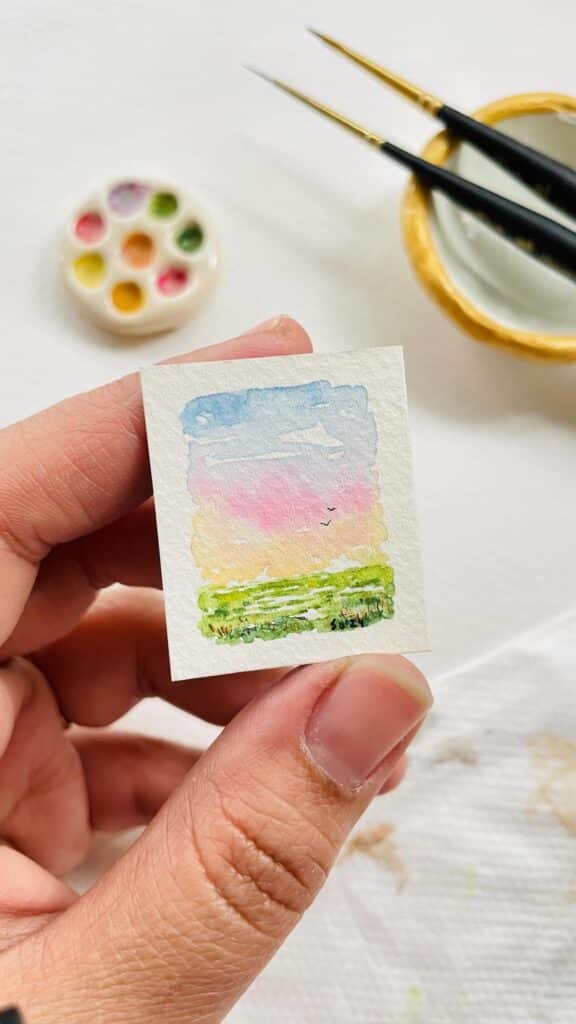
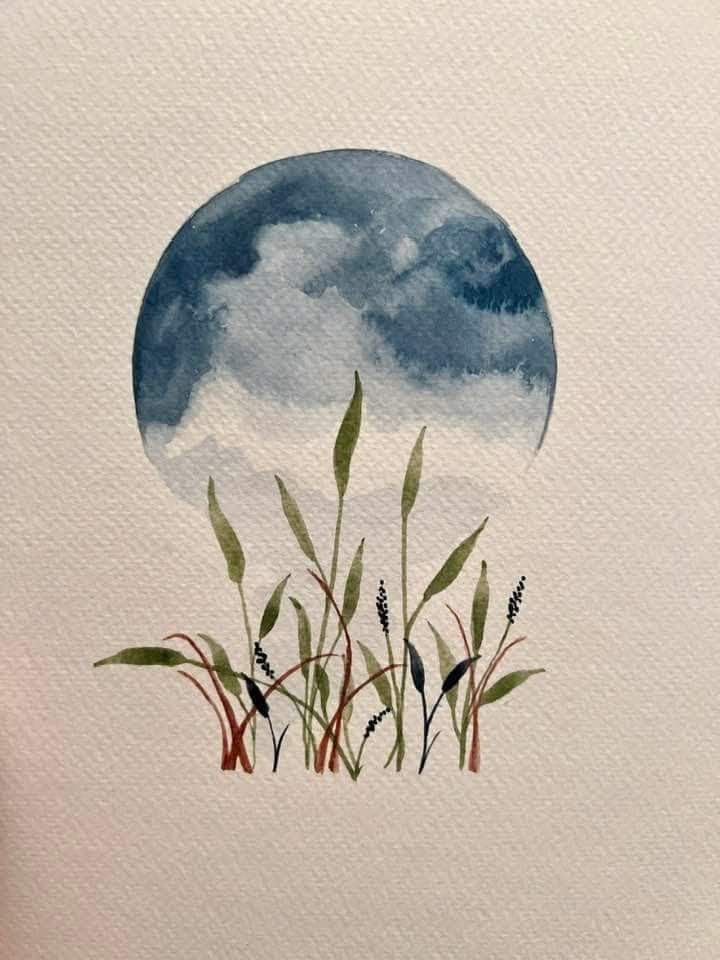
You will commonly see natural themes rendered simply: single leaves, gentle hills, or a calm seascape. Abstract shapes and soft color gradients also appear frequently.
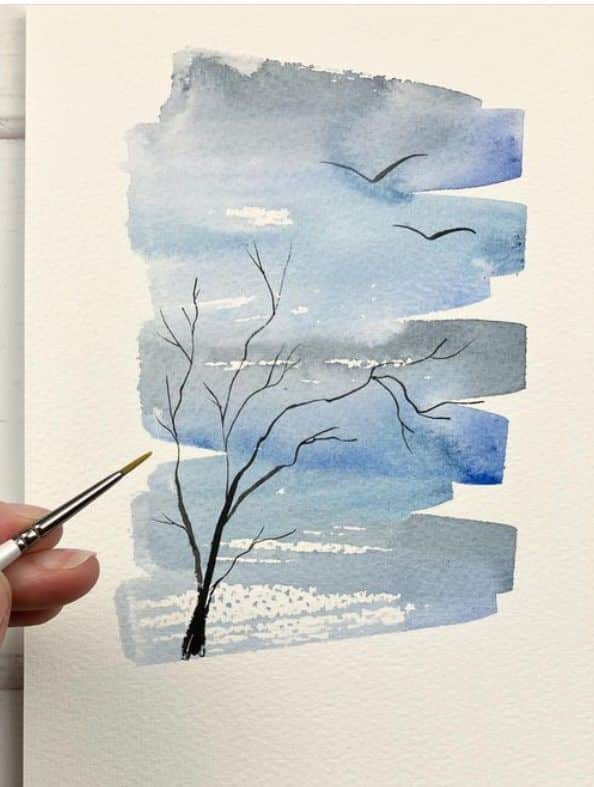
Minimalist landscapes often include just a single horizon line or subtle sky washes, while botanical works focus on isolated stems or petals.
Subjects that lend themselves to economy of form work best. By narrowing your focus to one or two elements, you can explore balance and space effectively.
Essential Tools and Materials
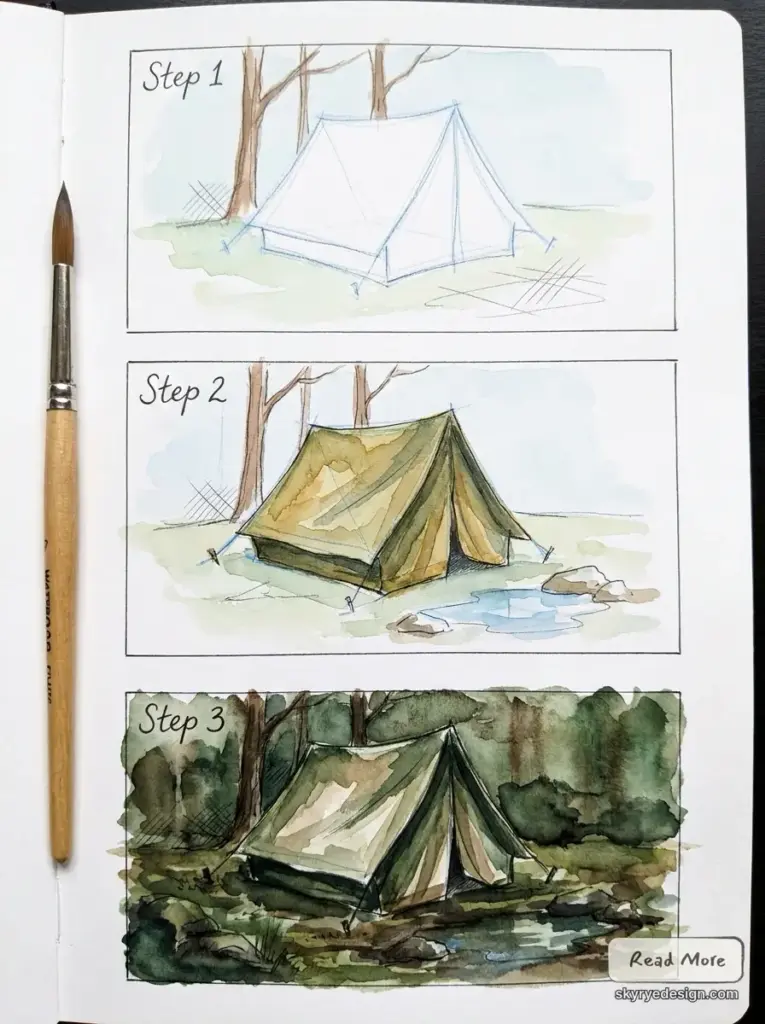
To work with a minimalist watercolor approach, focus on selecting a streamlined set of paints, quality brushes, and the right paper. Each choice should support simplicity while maintaining control and precision in your work.
Choosing a Minimal Watercolor Palette
Your palette should include a limited number of colors, typically between three and six. Choose versatile hues like a warm and cool version of a primary color (red, blue, or yellow) plus a neutral earth tone, such as burnt sienna. This selection lets you mix a wide range of shades without clutter.
Stick to pans or tubes with good pigmentation and lightfastness. Avoid overly bright or synthetic tones to maintain subtlety. Keep your palette small and organized to reinforce minimalism in your workflow.
Recommended Paper and Brushes
Select 100% cotton watercolor paper, ideally 140 lb (300 gsm), for durability and smooth texture. Cold-pressed paper offers a balance of absorbency and surface tooth, supporting controlled paint application and subtle blending.
For brushes, use a few synthetic or natural hair brushes in round shapes sized between 6 and 12. These sizes handle detail and washes efficiently. Avoid large sets; instead, focus on a small selection that offers precision without excess.
Selecting High-Quality Paints
Invest in paints with strong pigmentation and permanence to ensure your work ages well and retains clarity. Artist-grade paints perform better with fewer layers, which aligns with minimalist techniques.
Choose brands known for consistency in pigment quality. Avoid student-grade paints as they tend to be watery and less vibrant. Concentrated, professional-quality pigments allow you to achieve depth with limited colors.
Minimalist Watercolor Techniques
Mastering minimalist watercolor art requires control over transparency, precise color mixing, and purposeful brushwork. Each technique supports simplicity while creating depth and expression with limited elements.
Layering and Transparency
You build depth in minimalist watercolor by applying multiple thin layers of paint. Start with light washes and wait for each layer to dry completely. This allows colors underneath to show through and adds subtle dimension.
Use more water to keep layers translucent rather than opaque. Avoid overworking the paint, which can muddy colors and reduce clarity. Transparent layers help you maintain the minimalist aesthetic by suggesting form without detailed outlines.
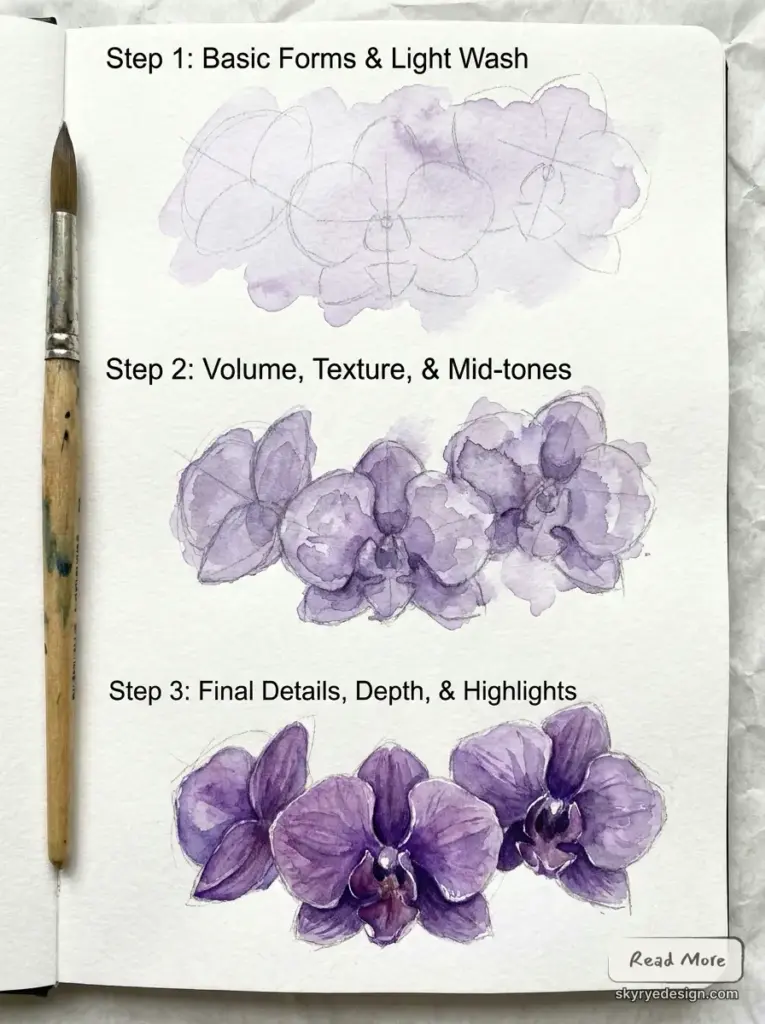
Layering also helps you control contrast. You can darken certain areas while preserving light spaces. This balance is essential for creating delicate, simple compositions with a sense of space.
Color Mixing for Minimal Effects
Focus on mixing a limited color palette to achieve harmony in your work. Use primary colors sparingly and create soft tints by diluting paint with water.
Stick to muted tones or pastels rather than vivid hues to keep the design subtle. Experiment with transparent glazes to overlap colors, producing gentle gradients and interesting blends without heavy texture.
You can prepare color swatches and test them on scrap paper. This approach prevents unexpected results and helps maintain control over the minimalistic style. Avoid over-mixing, which can lead to dull or muddy colors.
Creating Expressive Brushstrokes
Your brushstrokes should be deliberate and well-placed. In minimalist watercolor, each stroke carries meaning. Vary pressure and speed to create lines that convey both form and emotion with few marks.
Use flat or round brushes best suited for broad washes or fine details. Clean edges or soft bleed effects depend on how you load your brush with paint and water.
Practice controlled strokes that capture essence rather than detail. Minimalist brushwork often relies on suggestion, so less is more. Avoid unnecessary layering that can clutter the composition.
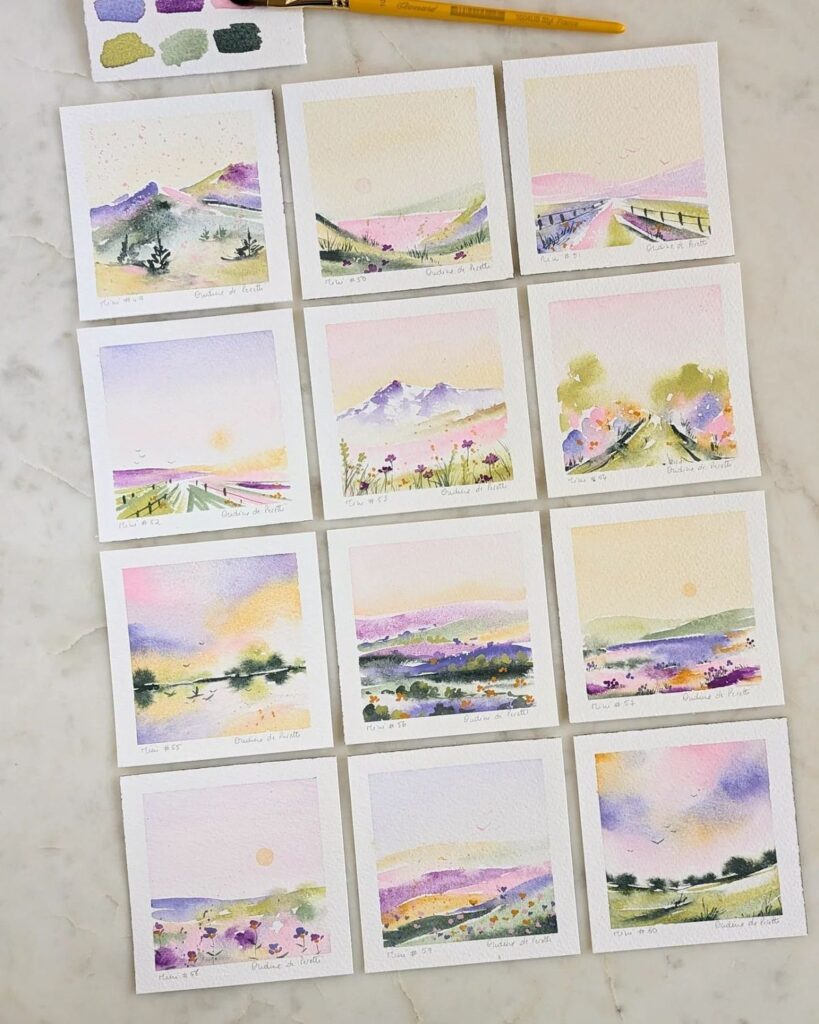
Inspiration and Creative Ideas
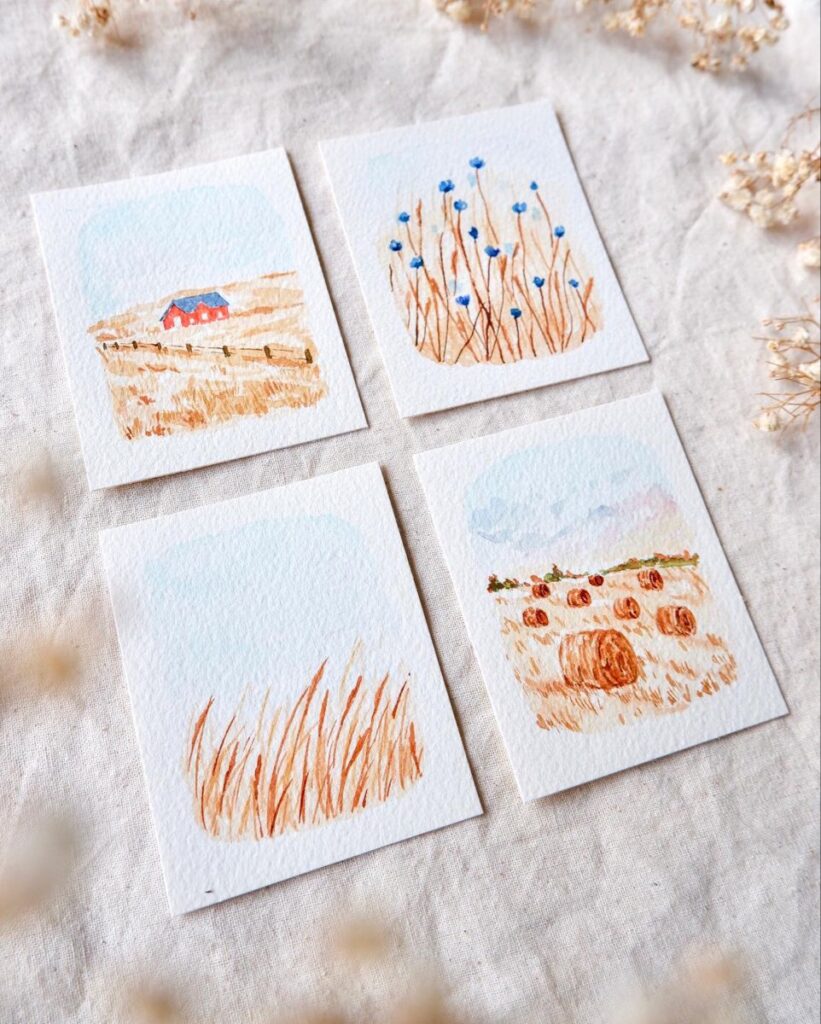
You can create impactful minimalist watercolor paintings by focusing on clear, simple elements. Whether you choose nature-inspired themes, abstract shapes, geometric lines, or a limited color palette, each approach encourages precision and thoughtful composition.
Simple Nature Motifs
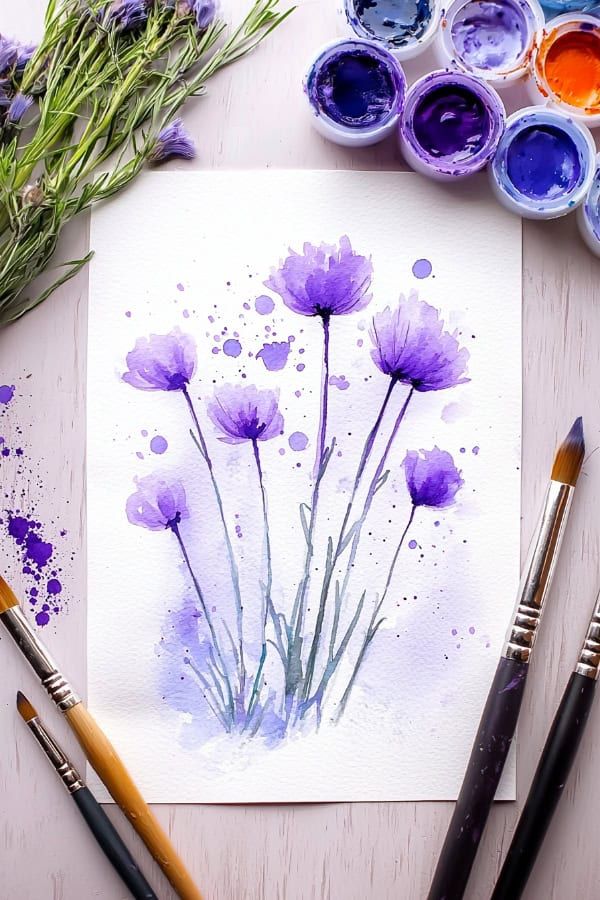
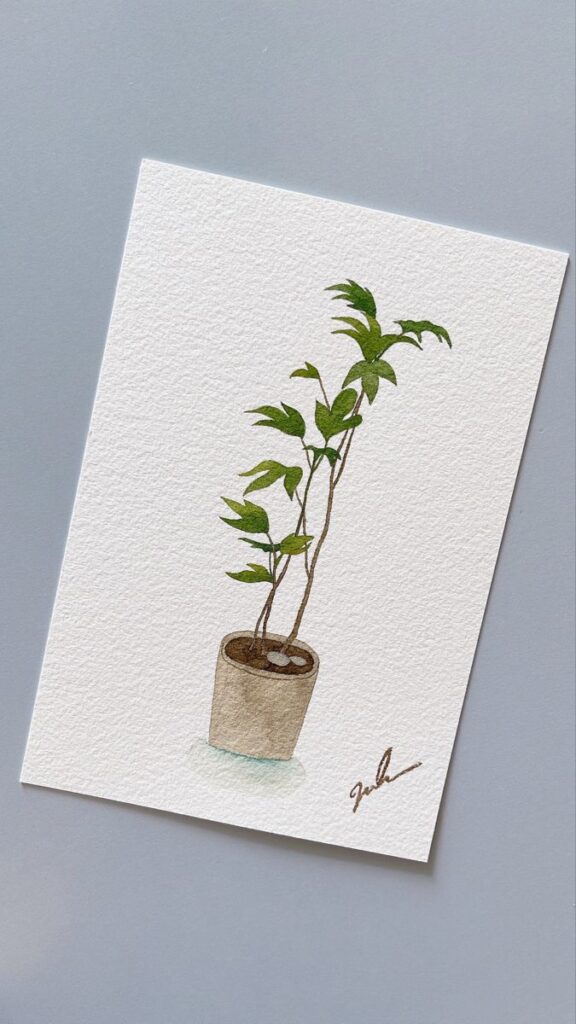
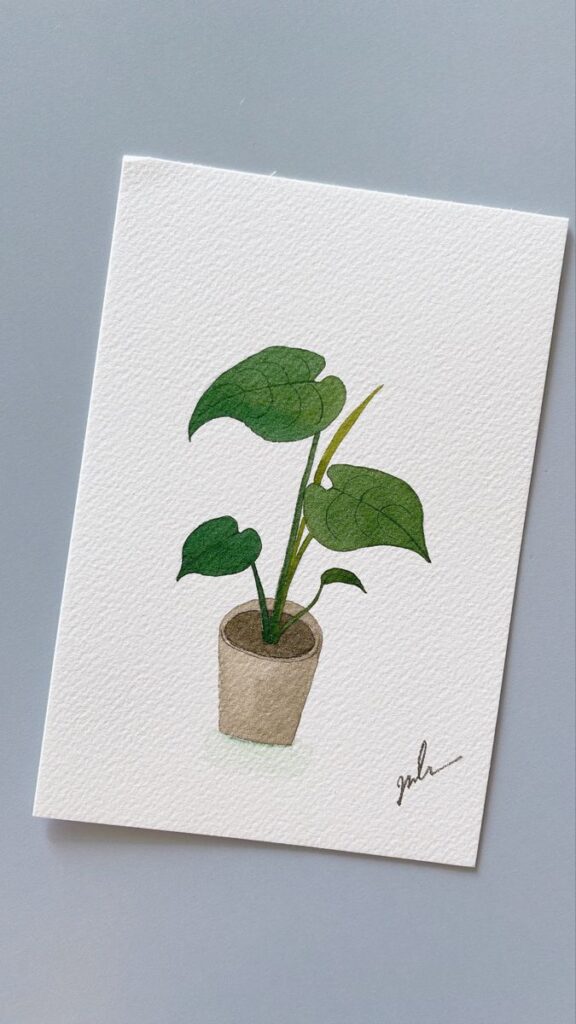
Nature offers a wealth of uncomplicated subjects perfect for minimalist watercolor. Consider painting singular leaves, delicate branches, or single flowers with soft washes and minimal detail. This keeps your focus on shape and color rather than intricate patterns.
Using negative space effectively can emphasize these forms, enhancing the simplicity. Light color gradients and gentle brush strokes help maintain an airy, uncluttered feel. You might also explore natural textures like bark or petals in subtle, abstracted ways.
This style works well if you want your art to convey calmness and clarity through recognizable yet stripped-down imagery.
Abstract Minimalist Designs
Abstract minimalist watercolors rely on pared-down forms and fluid washes that evoke emotion without precise representation. You can experiment with spontaneous brush strokes, color bleeds, and layered transparencies.
Focus on balance and composition rather than detail. Use varying levels of pigment saturation to create depth, keeping the shapes basic—such as blobs, streaks, or soft gradients. Negative space plays a key role here to avoid overwhelming the piece.
Abstract minimalism allows you to explore mood through color and form, making each piece open to interpretation while adhering to simplicity principles.
Geometric and Line-Based Concepts
Incorporating geometry and line work adds structure to minimalist watercolors. You can combine sharp or curved lines with blocks of washed color to create harmony between form and fluidity.
Try using thin black or colored lines overlaid on soft washes as a common technique. Shapes like circles, triangles, or rectangles work well, especially when placed asymmetrically with ample white space around them.
This approach lets you practice precision in a free medium and can produce visually striking, modern compositions that feel both intentional and relaxed.
Monochromatic Compositions
Focusing on a single color or shades of one hue emphasizes tone and texture over complexity. You can explore different values by varying the amount of water in your pigment, creating light to dark transitions.
Monochromatic works highlight subtleties in your brushwork and the translucency of watercolor. By limiting the palette, you invite viewers to appreciate nuance without distraction from multiple colors.
This method is ideal if you want clean, cohesive pieces that showcase your ability to use minimal elements for maximum impact.
Displaying and Preserving Minimalist Watercolors
Your minimalist watercolor deserves careful handling to maintain its subtle tones and clean lines. Using the right framing, protective measures, and display habits will help keep your artwork vibrant and intact over time.
Framing Minimalist Watercolor Art
Choose a simple, neutral-colored frame to complement minimalist watercolor art without overwhelming its delicate features. A frame in white, light wood, or matte black usually works best.
Add a mat that is slightly lighter than the painting to enhance depth and create contrast without distracting from the subtle color palette. Avoid overly ornate or dark mats.
Use archival-quality materials like acid-free mats and backing boards to prevent discoloration. A professional frame that fits the artwork precisely will avoid stress or warping.
Protective Coating and Preservation
Watercolors are fragile and highly sensitive to light, moisture, and dust. Use UV-protective glass or acrylic glazing to shield the painting from harmful rays and reduce fading.
Avoid applying varnishes or sprays directly on watercolors, as these can alter the surface and colors. Instead, rely on proper framing and environmental controls for protection.
Keep your artwork in stable temperature and humidity conditions. Store or display away from direct sunlight, heaters, or humid areas to prevent paper warp and pigment deterioration.
Best Practices for Displaying Artwork
Hang your minimalist watercolor at eye level in a location with indirect natural or soft artificial light for optimal visibility and preservation.
Maintain a dust-free environment. Clean the frame and glass gently with a soft cloth without putting pressure on the painting.
Rotate your artwork periodically if exposed to ambient light over long periods. This practice reduces uneven light exposure and extends the painting’s lifespan.
Minimal watercolor seascapes get stronger when you study seascape artists and notice how much they simplify the horizon, wave edge, and color temperature.
If you want more subject variety, browse these watercolor painting ideas and choose one with a clear silhouette, a limited palette, and enough untouched paper to keep the composition light.
Minimalist Watercolor FAQ
Q: What is a minimalist watercolor painting?
A: A minimalist watercolor painting is an artwork that uses limited color schemes, clean shapes, and ample negative space to create a simple, elegant visual. It emphasizes form and mood over complex detail.
Q: How do you choose a color palette for minimalist watercolor?
A: Select 1 to 3 colors that complement each other well, such as cobalt blue and burnt sienna, or stick to a single pigment for a monochromatic scheme. Focus on pigments with excellent transparency and granulation.
Q: What is the best paper for minimalist watercolor painting?
A: Use high-quality 140lb (300gsm) 100% cotton cold-press or rough paper. Since minimalist designs feature large areas of unpainted paper, the premium texture of cotton enhances the final presentation.
Q: How do you control wet-on-wet spreads in simple designs?
A: Control water levels by keeping your brush damp rather than soaking wet, and use paper towels to lift excess pools. Practice on scrap paper to learn how fast your specific brand of paper dries.
Q: Do minimalist watercolor paintings fade faster?
A: They do not fade faster if you use artist-grade, lightfast pigments and acid-free cotton paper. Always protect the artwork under UV-filtering glass and display it away from direct sunlight.
Q: Is minimalist watercolor good for beginners?
A: Yes, it is excellent for beginners because it reduces the complexity of color mixing and detailing, allowing you to focus on fundamental skills like brush control, water management, and composition.
- 305shares
- Facebook0
- Pinterest302
- Twitter3
- Reddit0