Most “easy coloring pages” round-ups just mean cute. Cute isn’t the same thing as easy. A page can feature the simplest possible subject, a single flower, say, and still be hard to color well if the outline is thin, the shapes overlap in confusing ways, or there’s no clear boundary telling a kid’s hand where to stop.
I spent years in academic drawing training learning to read line weight before I ever touched color: which lines carry the most visual information, where negative space needs to stay open, how a shape reads as “closed” versus “ambiguous.” That same logic decides whether a coloring page actually works for a five-year-old with a fat crayon or just looks simple in a thumbnail.
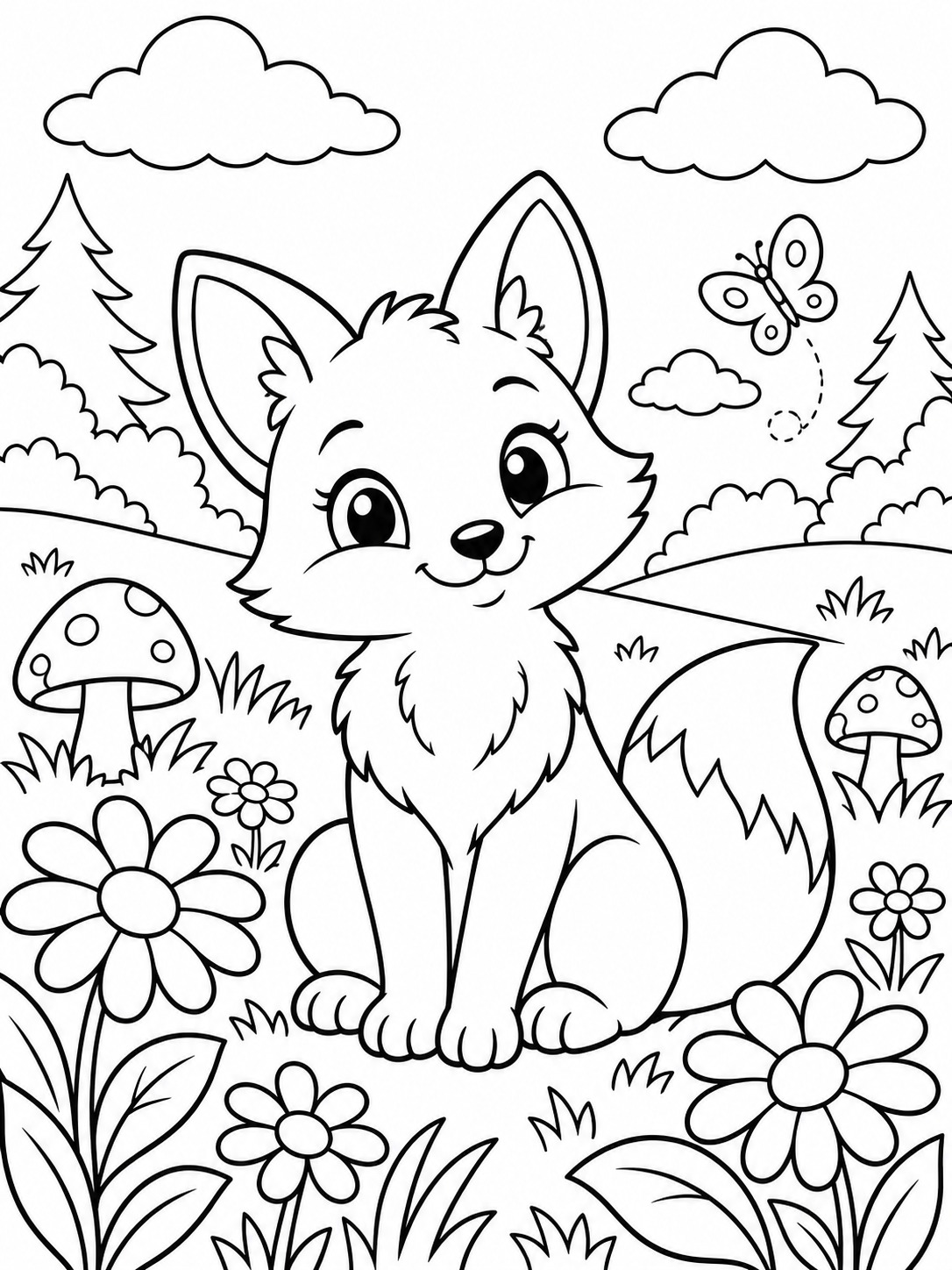
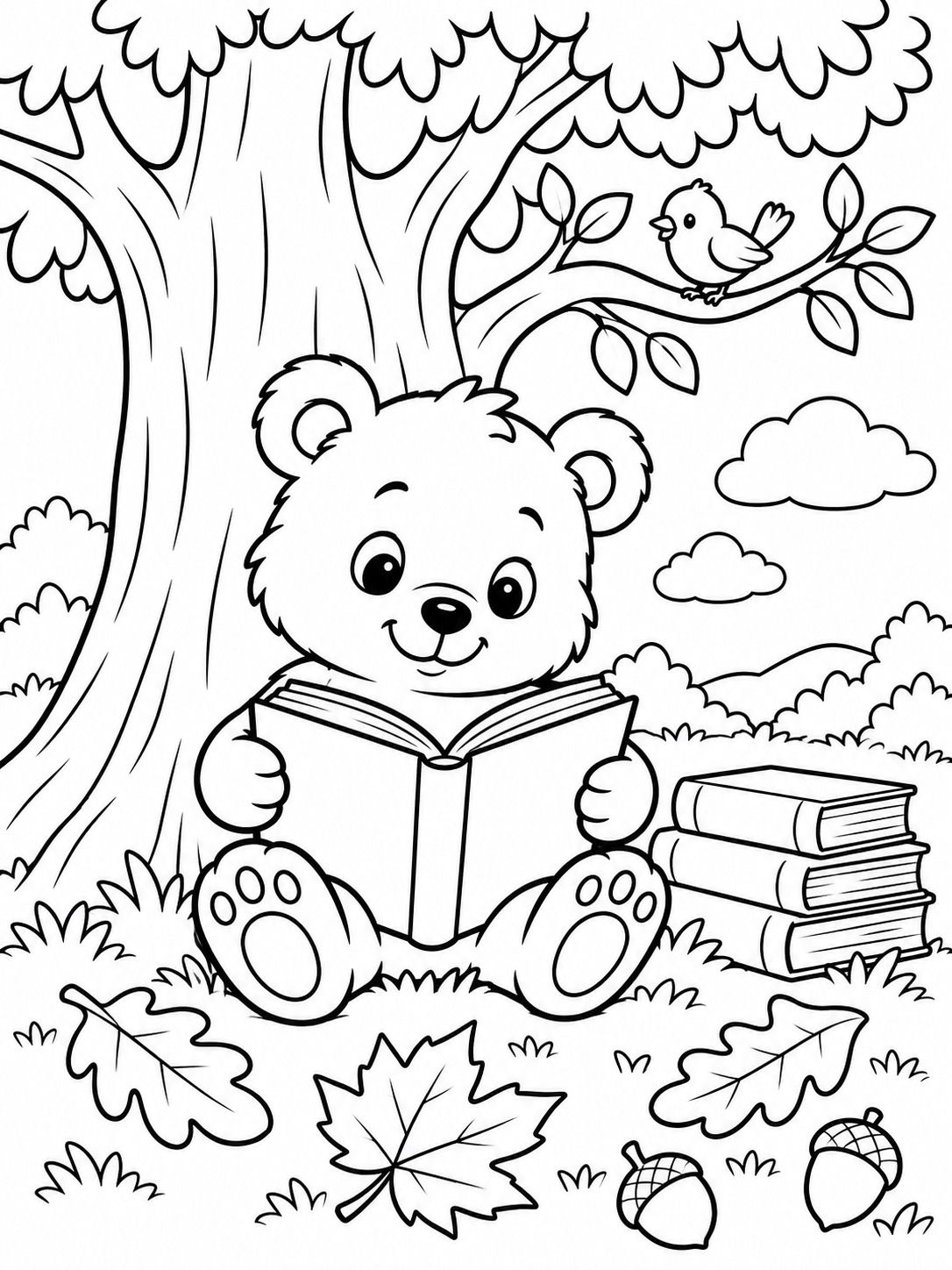
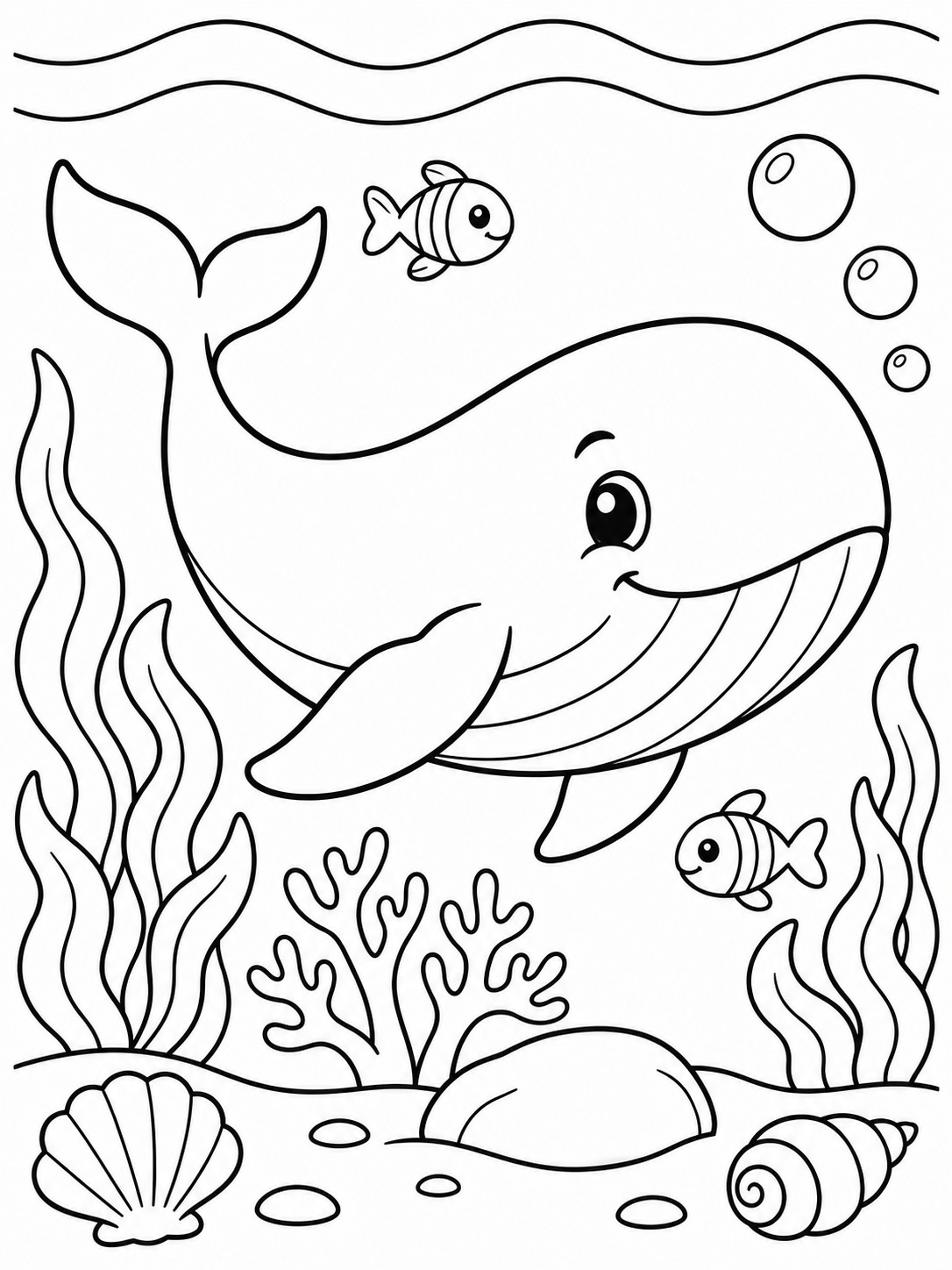
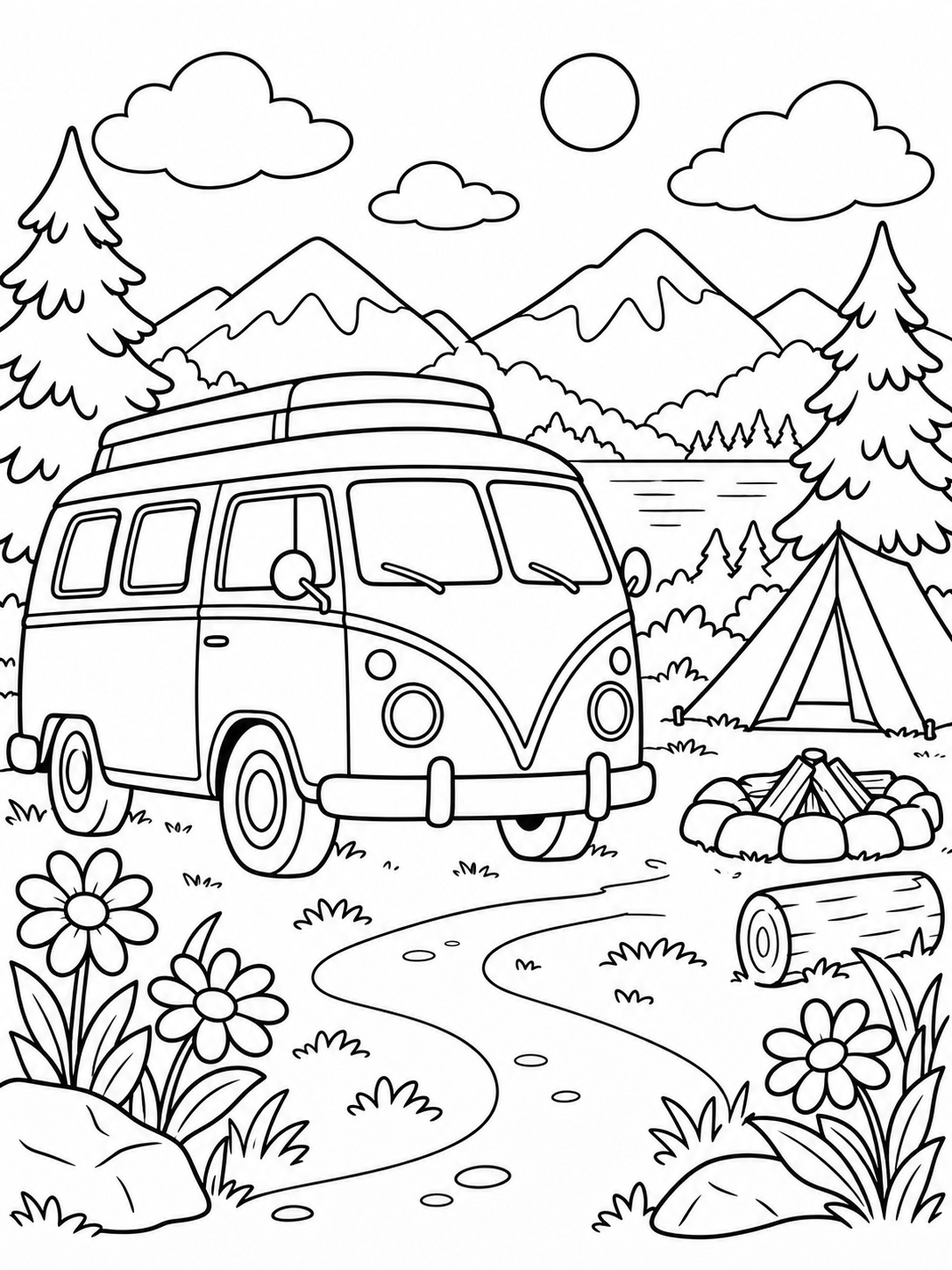
Four new easy coloring pages with detailed backgrounds
- What actually makes a coloring page "easy"
- 40+ easy coloring page ideas by theme
- Animals
- 1. A friendly cat sitting upright, tail curled around its paws
- 2. A floppy-eared puppy with a simple round body
- 3. A smiling elephant with big, rounded ears
- 4. An owl perched on a branch, wings folded
- 5. A rabbit holding a carrot with both paws
- 6. A ladybug resting on a single leaf
- 7. A goldfish inside a round bowl
- 8. A turtle with a bold, patterned shell
- Nature and plants
- Vehicles
- Food and treats
- Fantasy and fun characters
- Patterns and easy mandalas
- Holidays and seasons
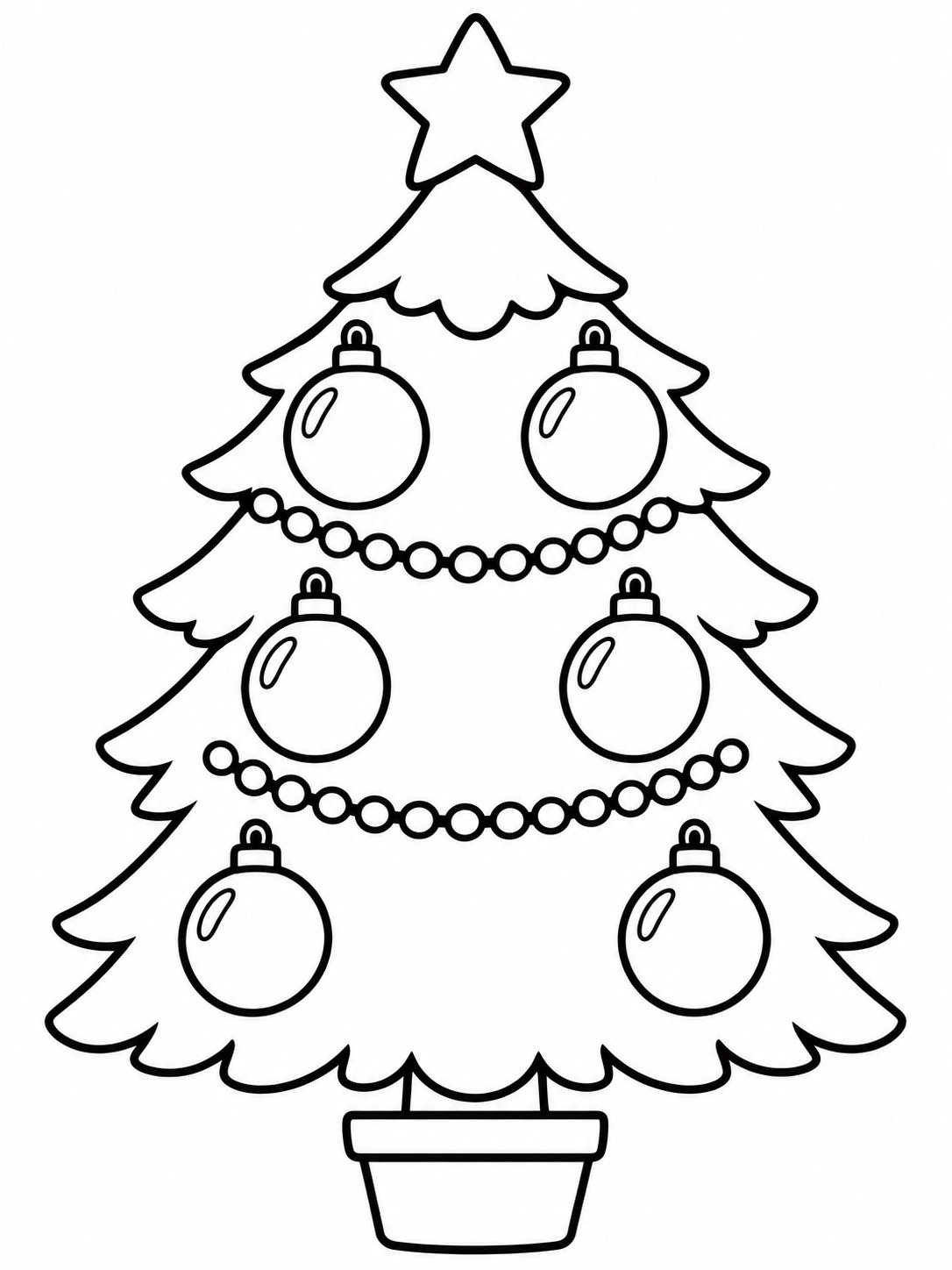
- 35. A Christmas tree decorated with a few large ornaments
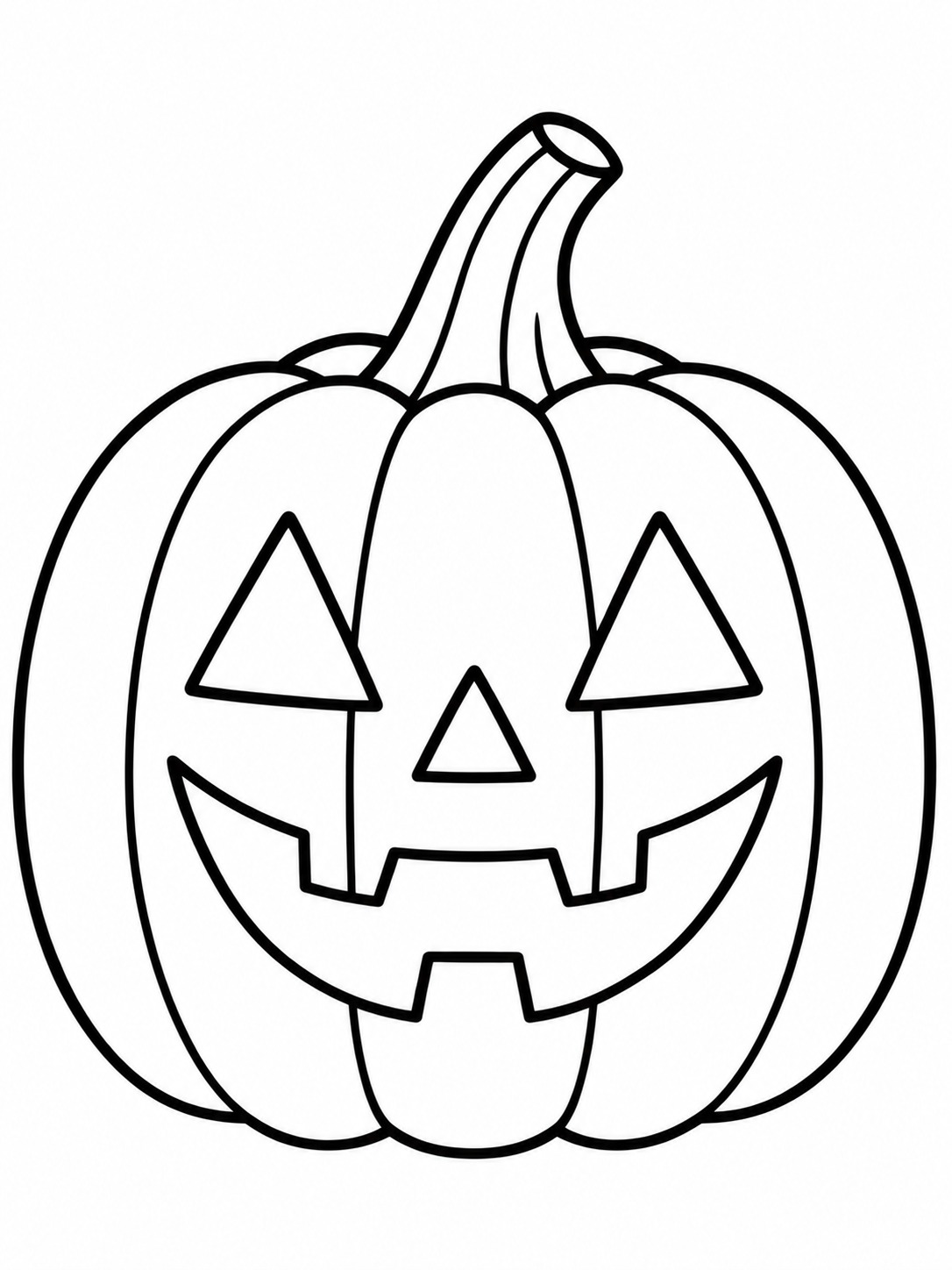
- 36. A jack-o'-lantern pumpkin with a simple carved face
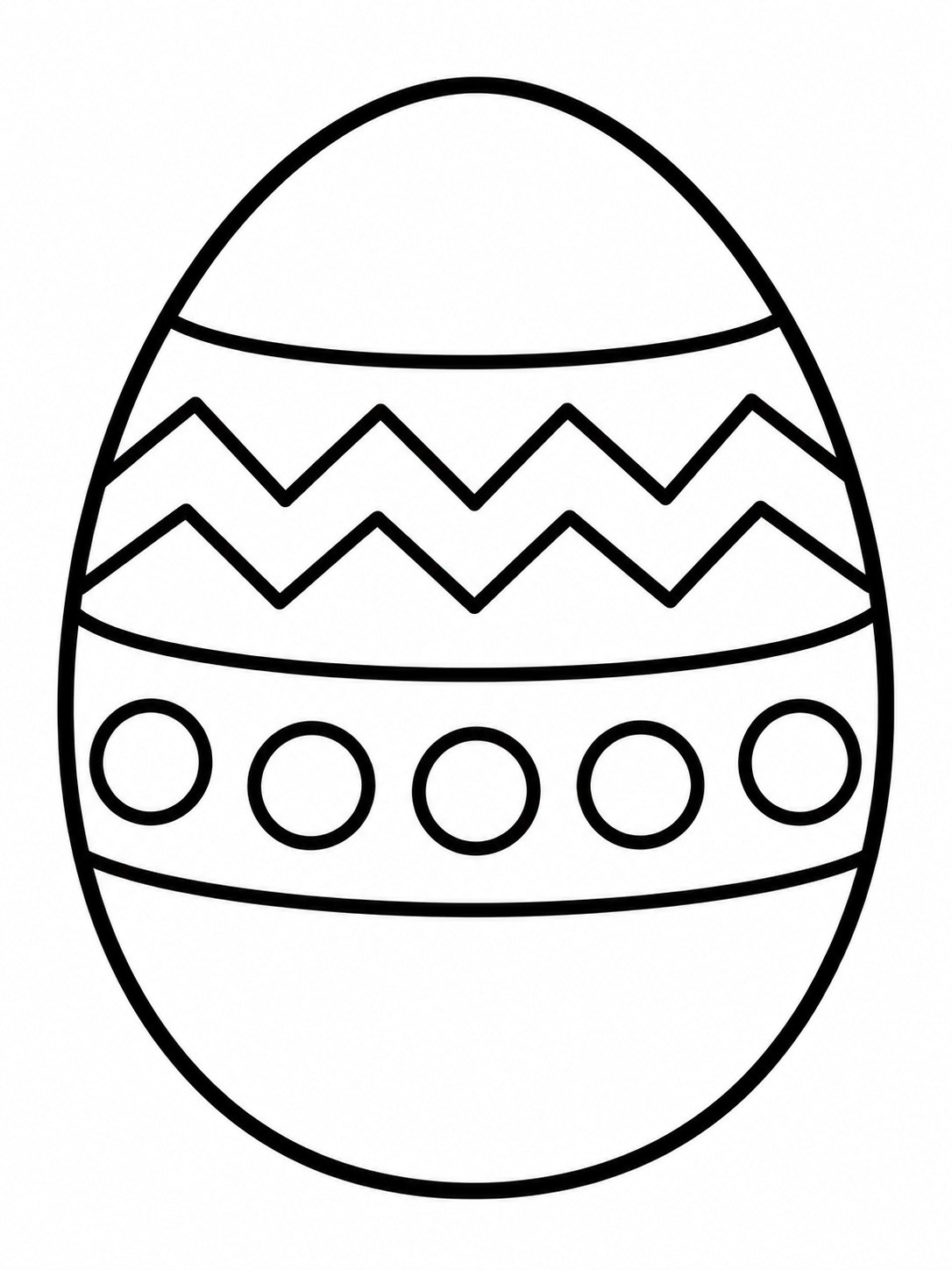
- 37. An Easter egg with one or two bold pattern bands
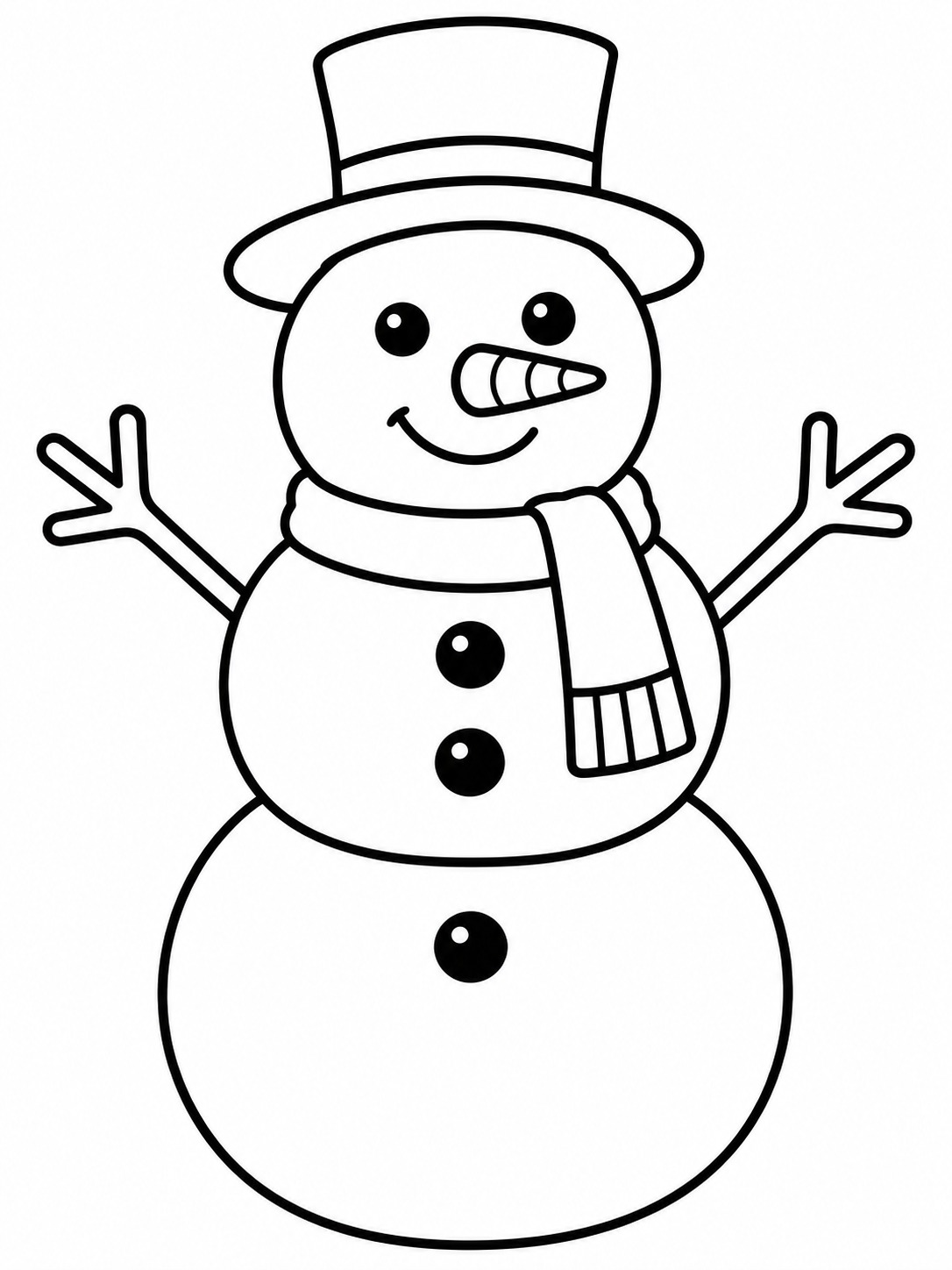
- 38. A simple round snowman with three stacked sections
- 39. A large heart for Valentine's Day, plain or lightly patterned
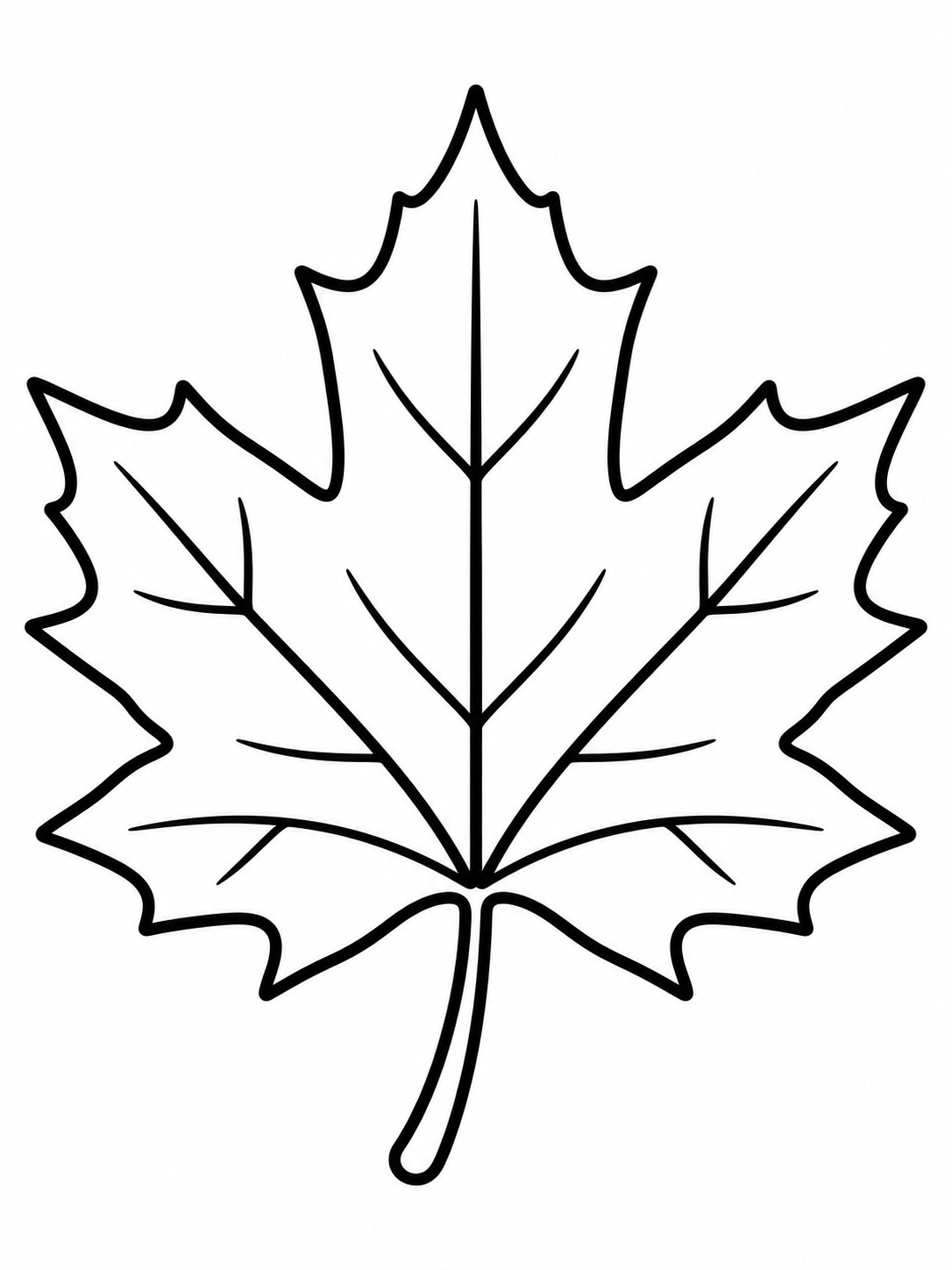
- 40. A single autumn leaf with clear vein lines
- Turning any picture into an easy coloring page
- How to pick the right coloring page for different ages
- Tips for printing and coloring these pages well
- FAQ
- What makes a coloring page easy versus hard?
- What age are easy coloring pages best for?
- Are mandalas actually easy to color?
- Should I use crayons, markers, or colored pencils for easy coloring pages?
- Why do some "simple" coloring pages still feel hard to finish?
- Can I make an easy coloring page out of a photo myself?
- How many coloring pages does a young child actually need at once?
- Final thoughts
Below are 40-plus coloring page ideas organized by theme, but first, a short explanation of what separates a genuinely easy page from one that only looks easy. Skip to the list if you just want ideas. Read the first section if you’re planning to design or choose pages yourself.
This distinction matters more than it sounds like it should, especially if you’re a parent, teacher, or caregiver picking pages for a group. A page chosen purely on “does this look simple” can leave a five-year-old frustrated within two minutes, not because the child lacks skill, but because the page itself was never actually built to be easy in the first place. Understanding the underlying structure means you can evaluate any coloring page, from any source, in about five seconds, instead of finding out the hard way once crayons are already out.
What actually makes a coloring page “easy”
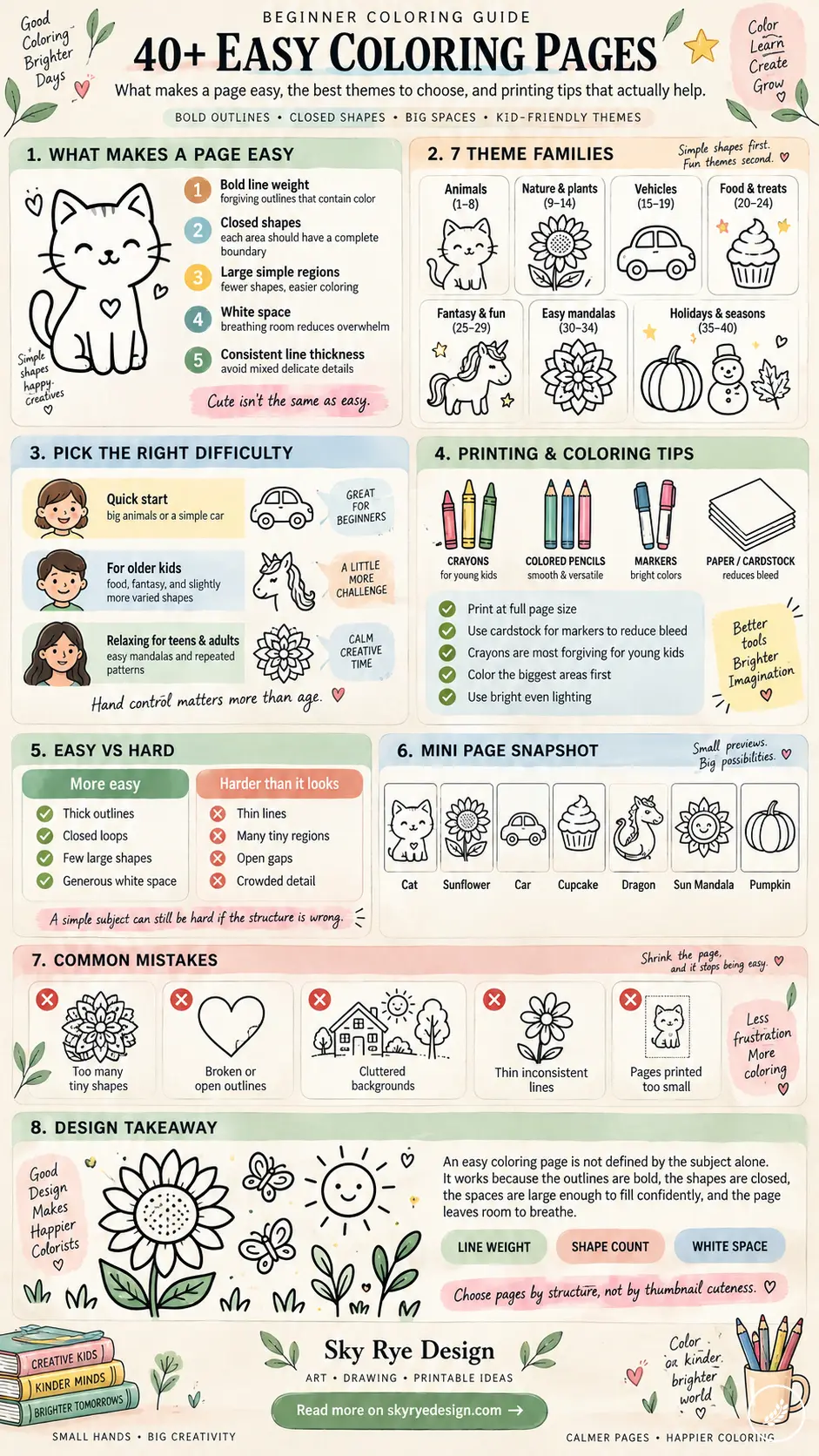
Four things determine whether a coloring page is genuinely easy to color, and none of them are about how cute or simple the subject looks in a thumbnail.
Line weight comes first. A bold, consistent outline, thick enough to contain a crayon stroke that wanders slightly outside a careful line, gives a young colorer forgiveness. Thin, wavering lines do the opposite: they make every small mistake visible and turn coloring into a precision exercise instead of a relaxing one.
Closed shapes matter just as much. Every region meant to hold one color needs a complete, unbroken boundary. A leaf that trails off into an open line rather than connecting back to the stem forces a choice: stop coloring at an arbitrary point, or spill color past where the shape was supposed to end. Good easy-page design closes every loop deliberately.
Shape count and size work together. A page with twelve small, similarly sized regions asks for more precision than one with four large ones, even if the overall subject matter is the same complexity. This is why a “simple” mandala with forty tiny petals is actually a hard page, while a bold sun with eight thick rays is genuinely easy, despite looking more basic.
Negative space needs room to breathe. Easy pages leave generous white space between elements rather than packing details edge to edge. That breathing room does two things: it keeps the page from feeling overwhelming before a single crayon touches it, and it hides small coloring mistakes because there’s nothing competing right next to them for visual attention.
I’d add a fifth, smaller factor worth watching for: consistent line thickness across the whole page, not just within one shape. A page that uses a bold outline for the main subject but switches to thin, delicate lines for background details creates an awkward mismatch, both visually and in terms of coloring difficulty. The background ends up harder to color than the subject it’s supposed to support, which undermines the whole point of choosing an “easy” page to begin with.
Keep those principles in mind as you go through the list below, whether you’re picking pages for a classroom, a toddler’s rainy afternoon, or your own stress-relief coloring time.
40+ easy coloring page ideas by theme
Animals
Animal subjects are the most requested coloring page theme for a reason: they’re recognizable at a glance and forgiving of imperfect anatomy, since nobody expects a coloring-page cat to look like a photograph.
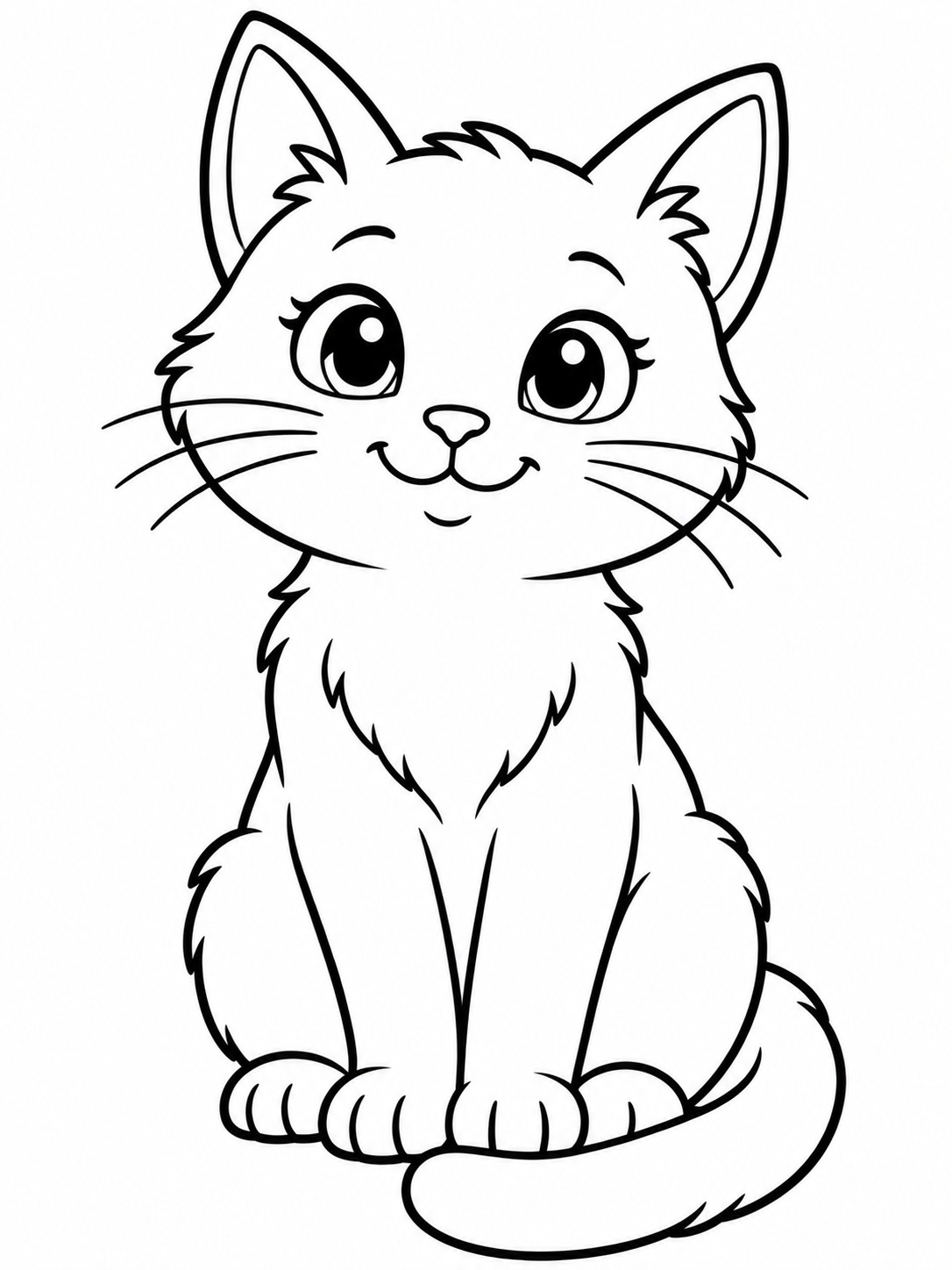
1. A friendly cat sitting upright, tail curled around its paws
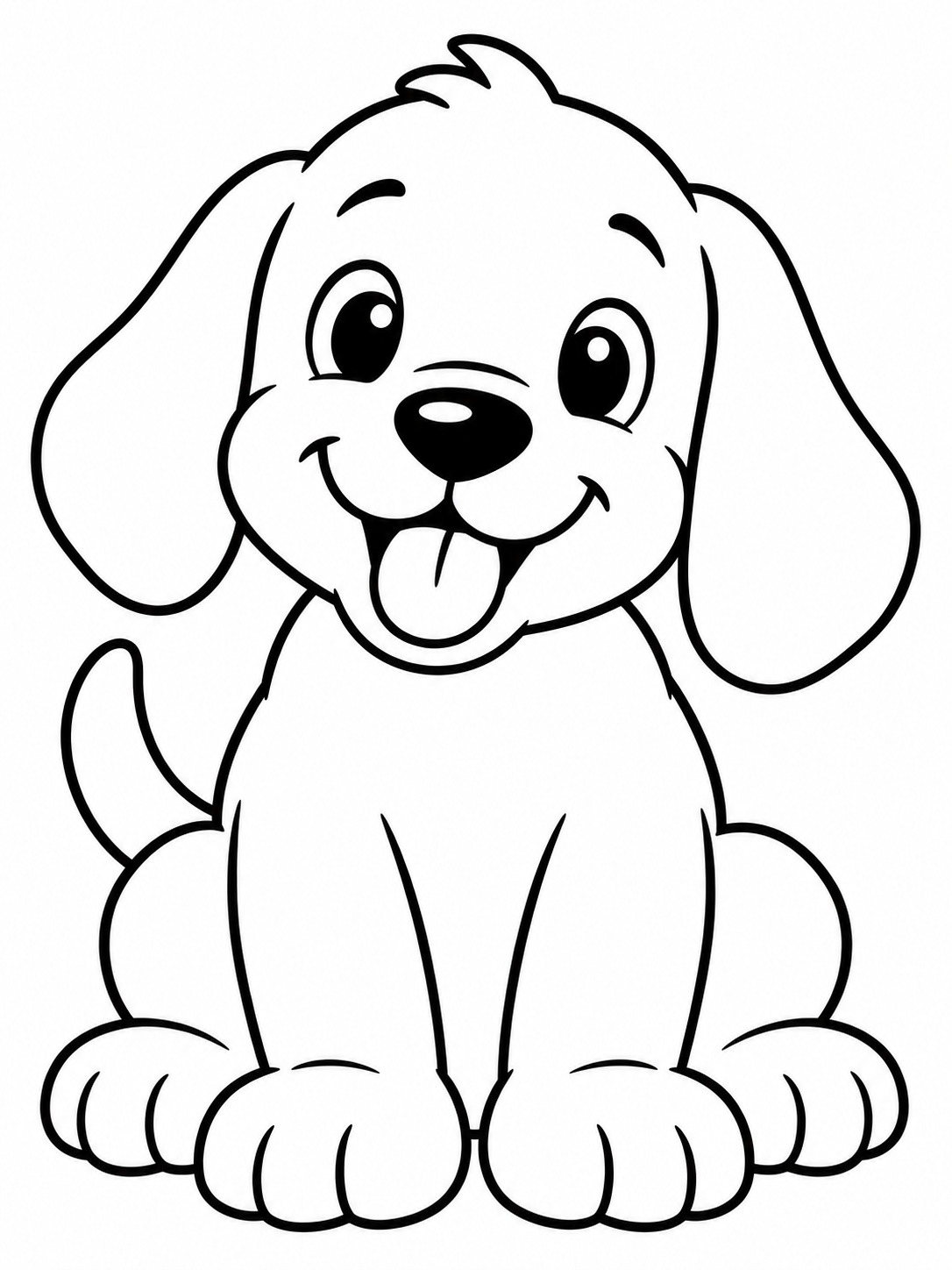
2. A floppy-eared puppy with a simple round body
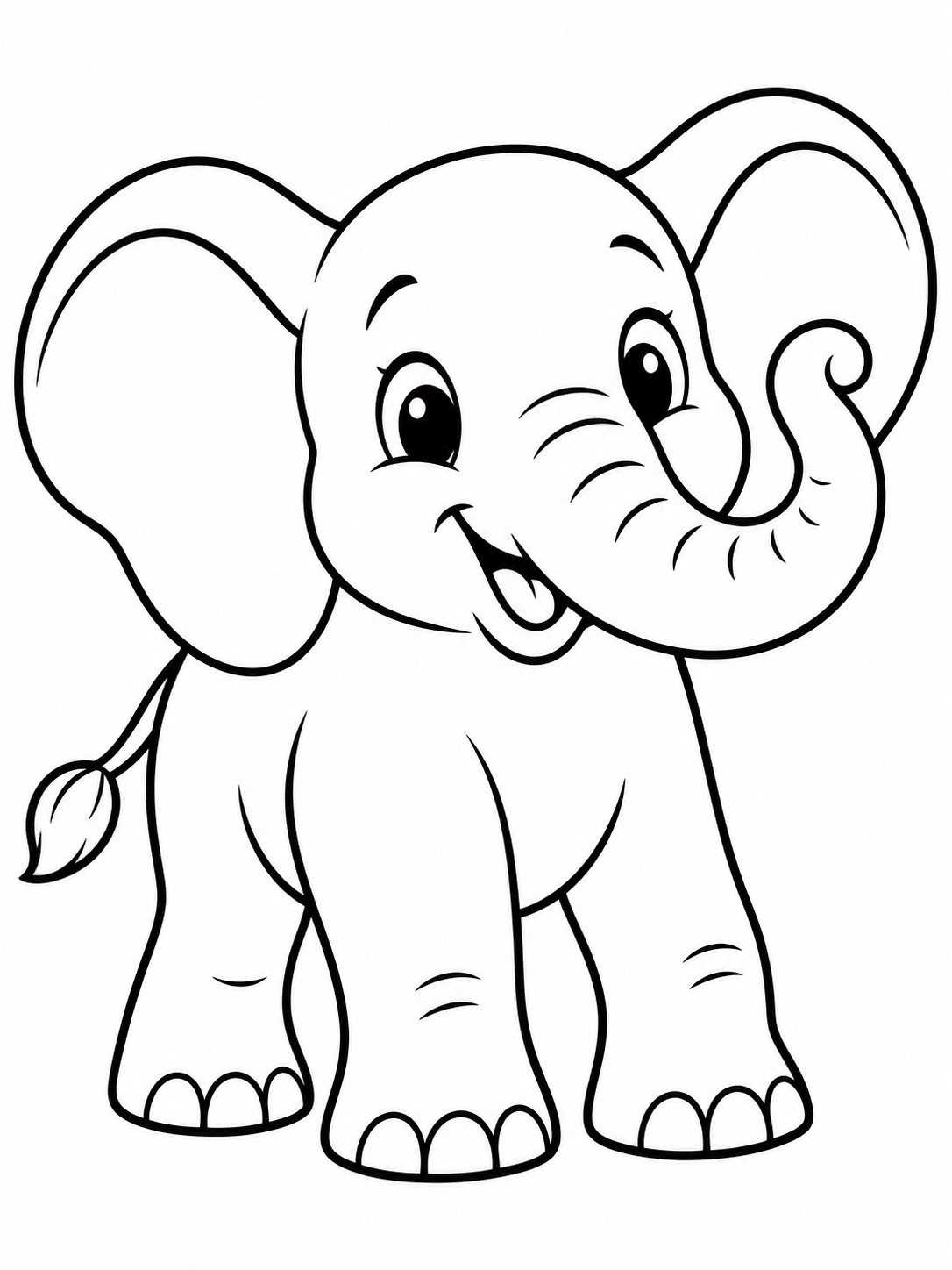
3. A smiling elephant with big, rounded ears
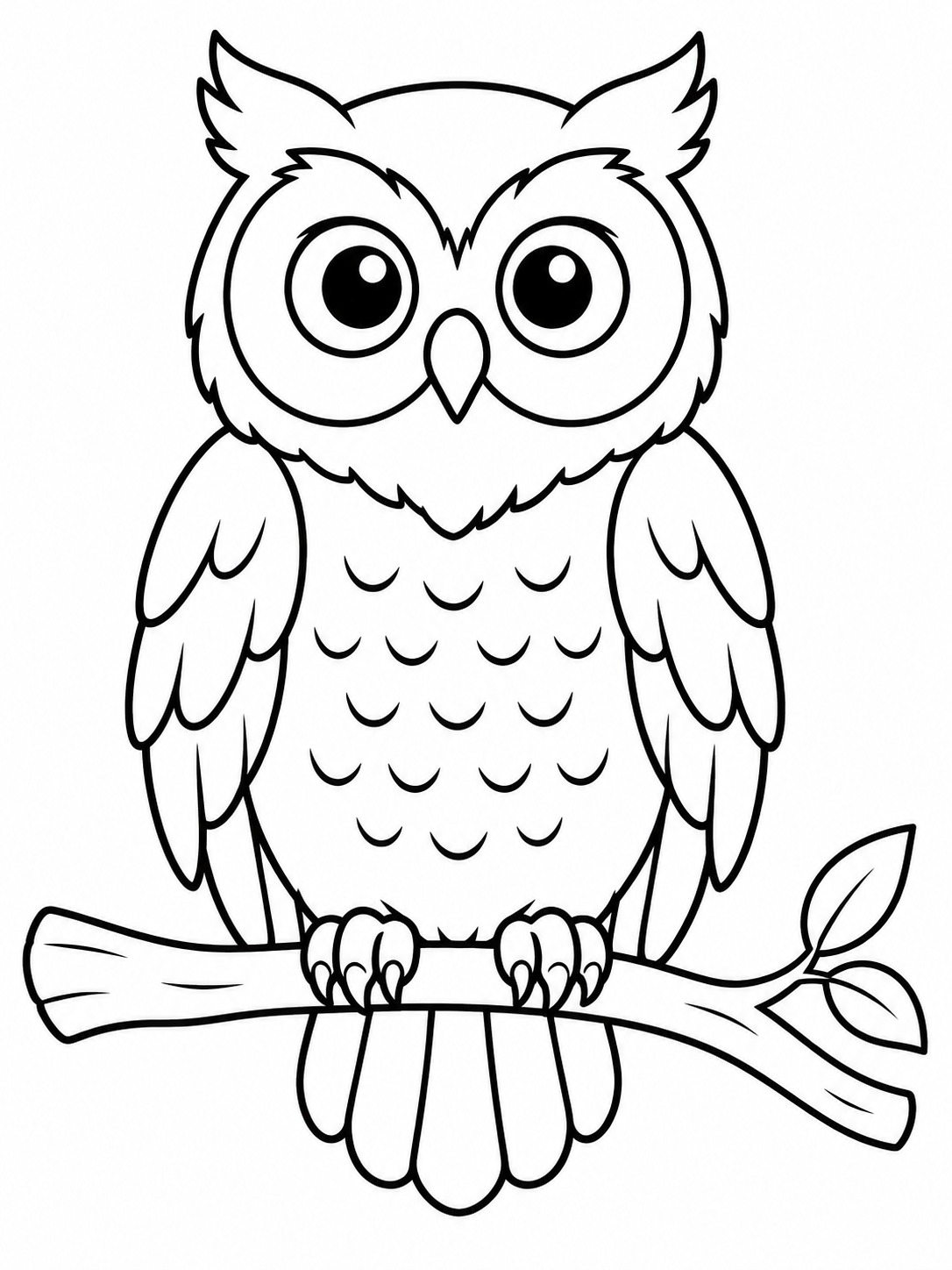
4. An owl perched on a branch, wings folded
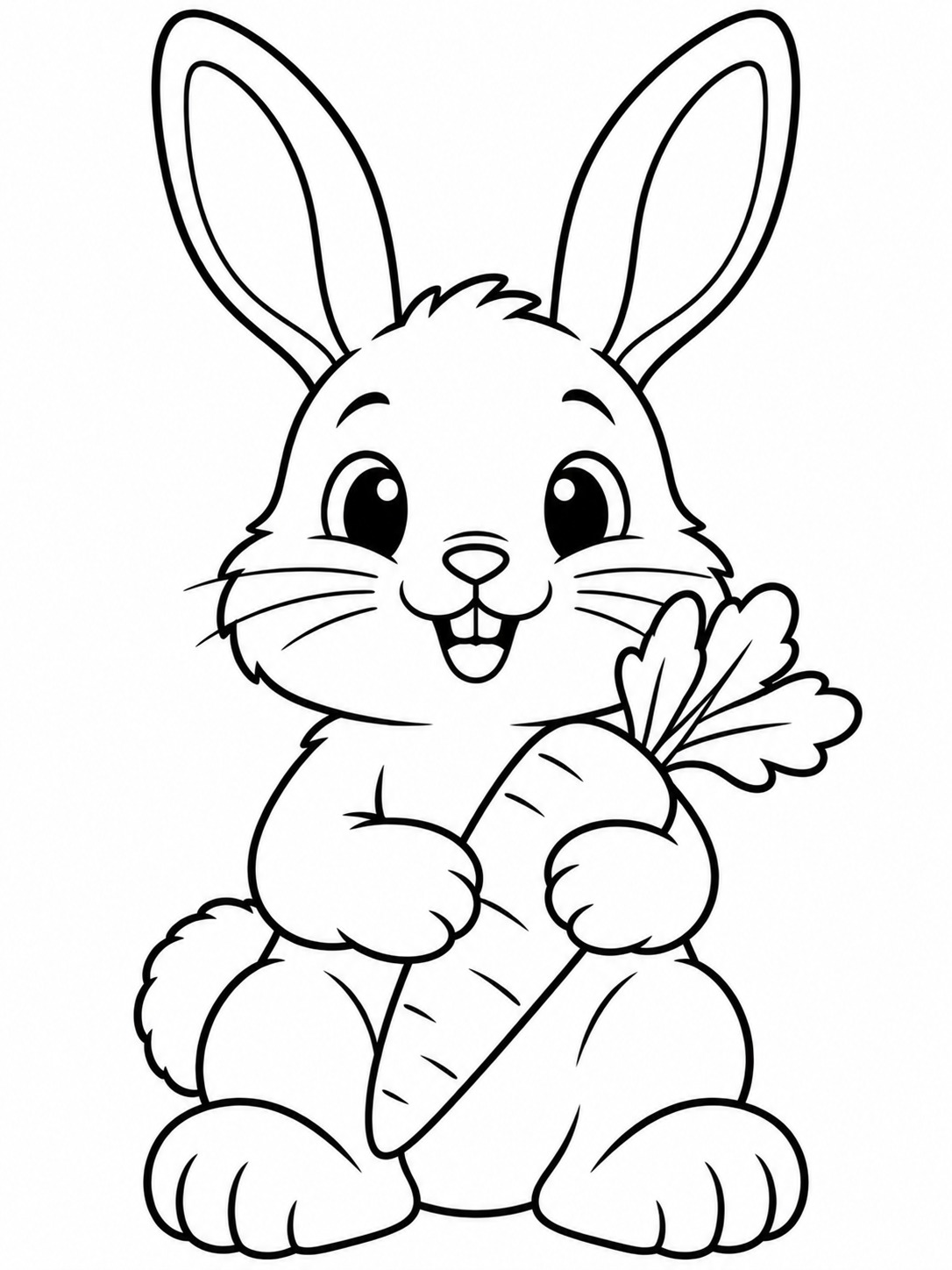
5. A rabbit holding a carrot with both paws
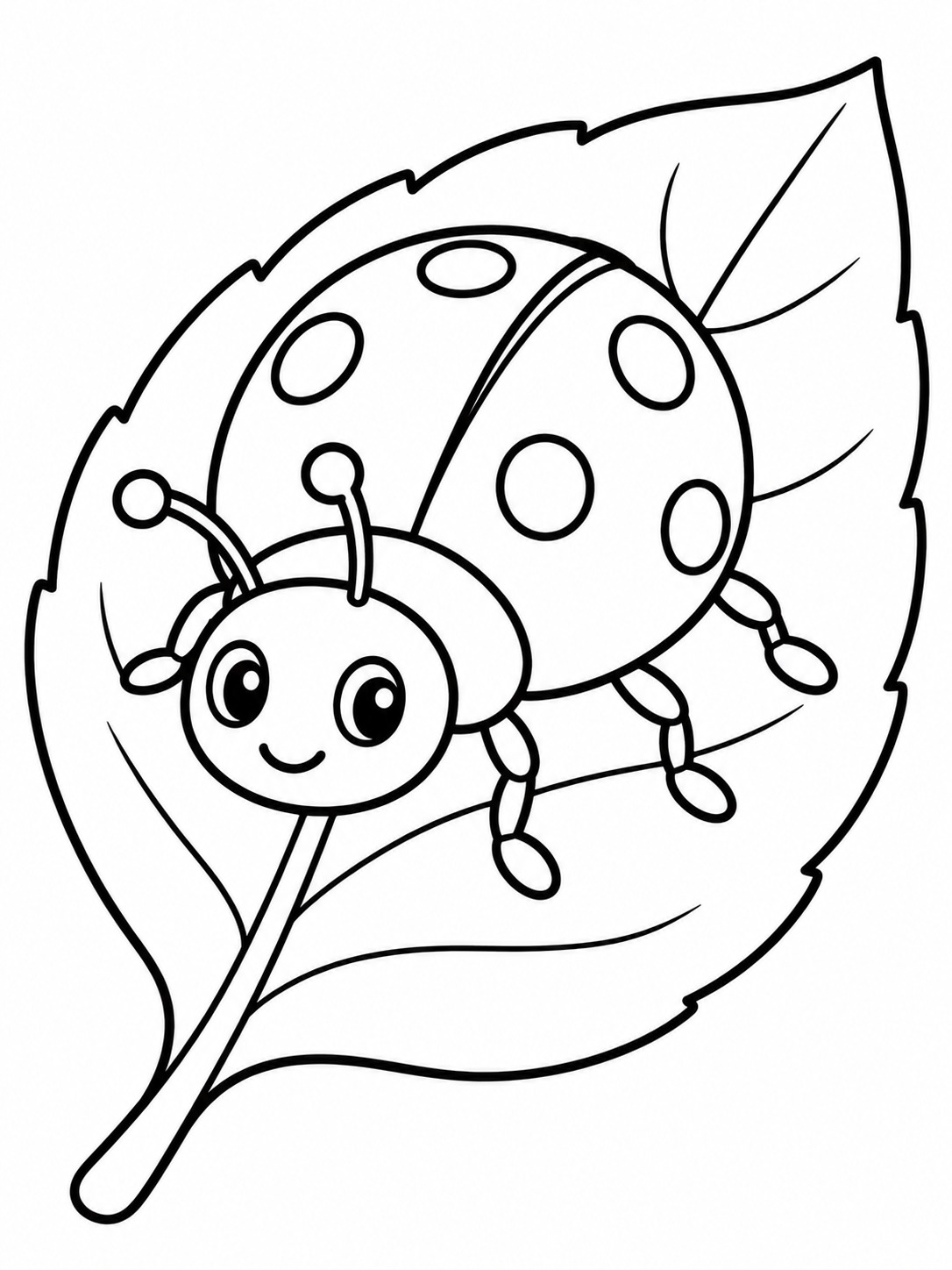
6. A ladybug resting on a single leaf
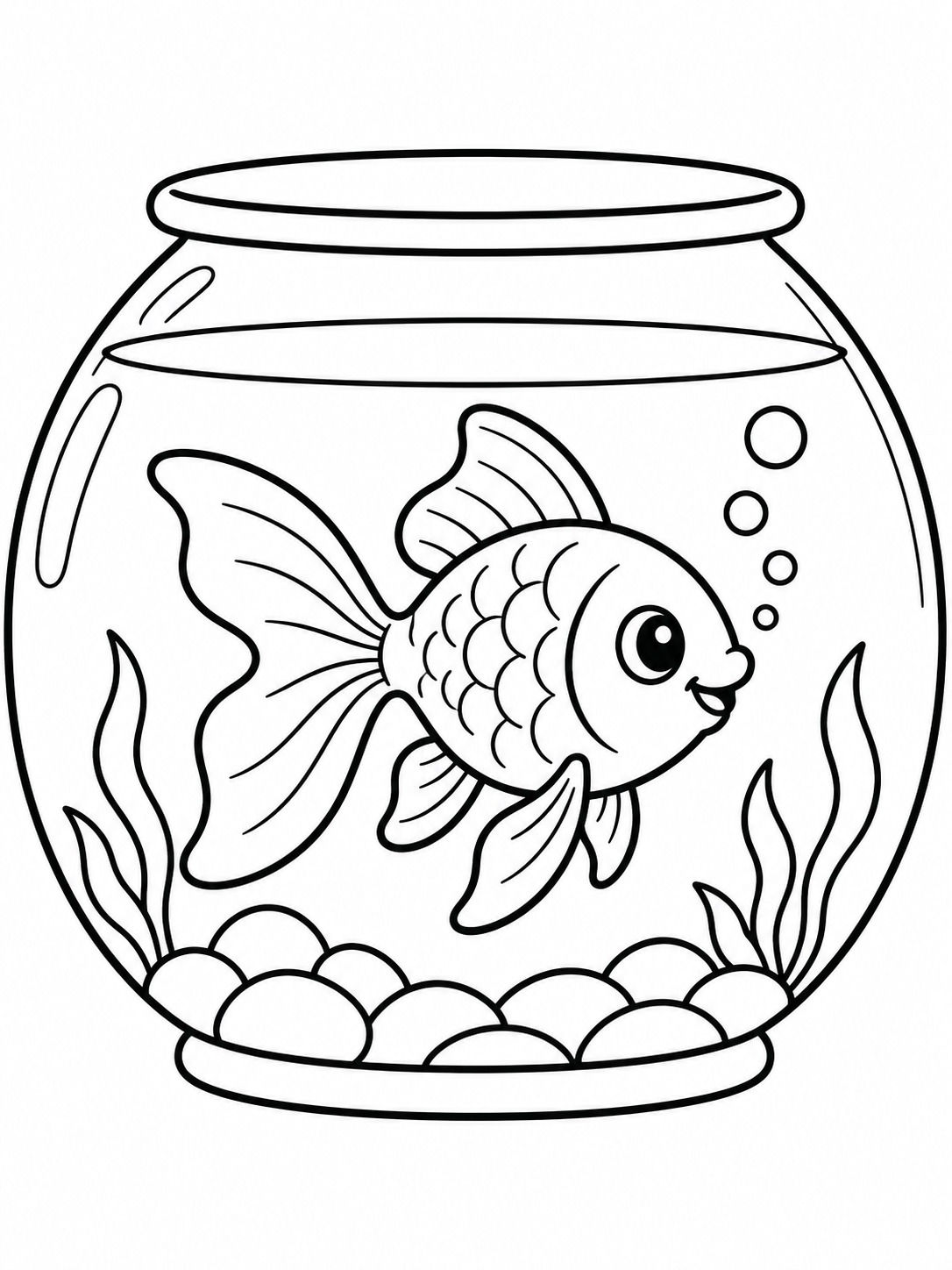
7. A goldfish inside a round bowl
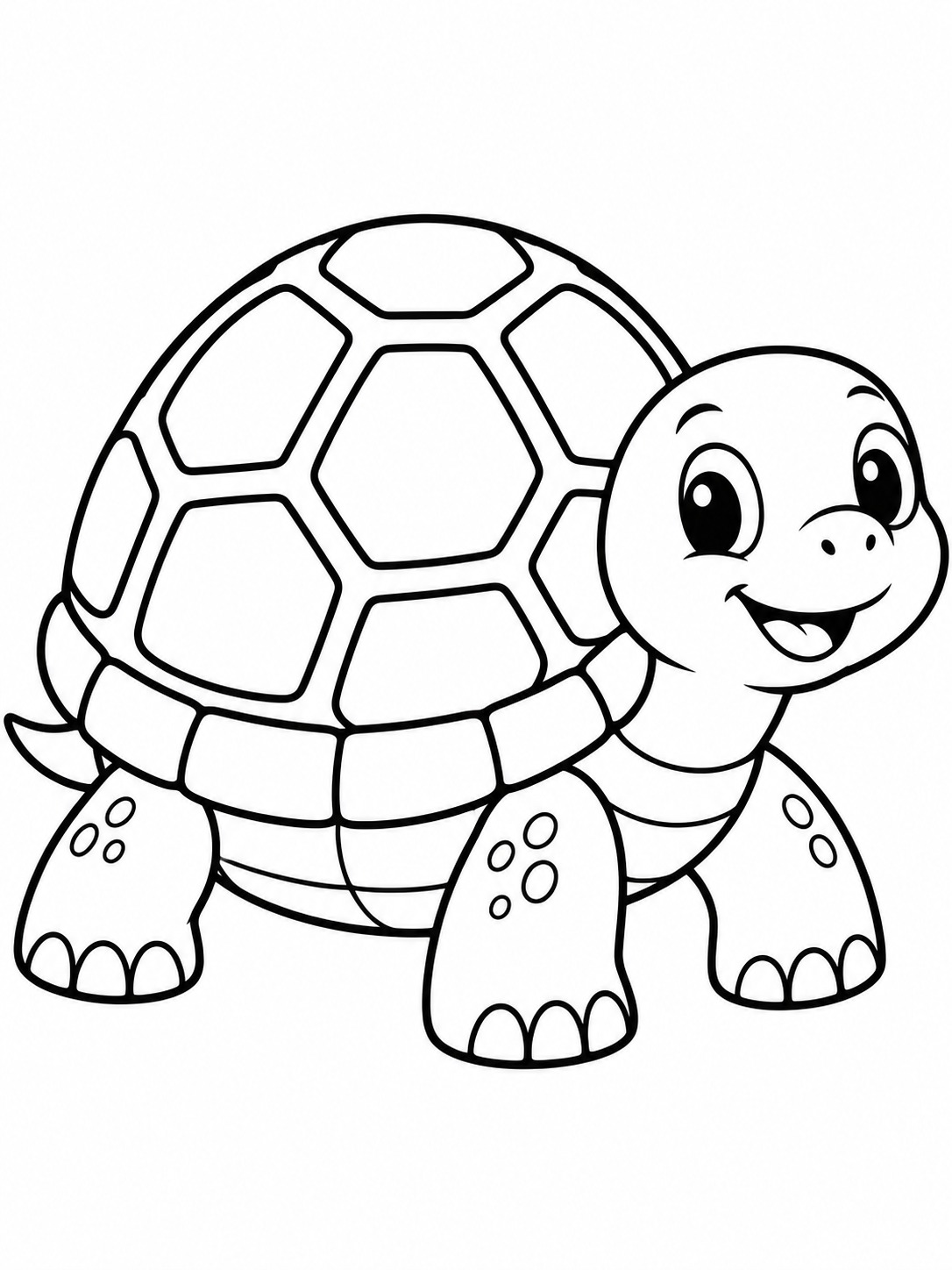
8. A turtle with a bold, patterned shell
Nature and plants
Plant subjects work well for easy pages because most flowers and trees are naturally made of large, simple shapes: petals, a stem, a canopy. A sunflower’s structure is already close to an easy page’s ideal even before anyone simplifies it further, which is part of why plant-themed pages consistently rank among the most forgiving subjects for beginners of any age.
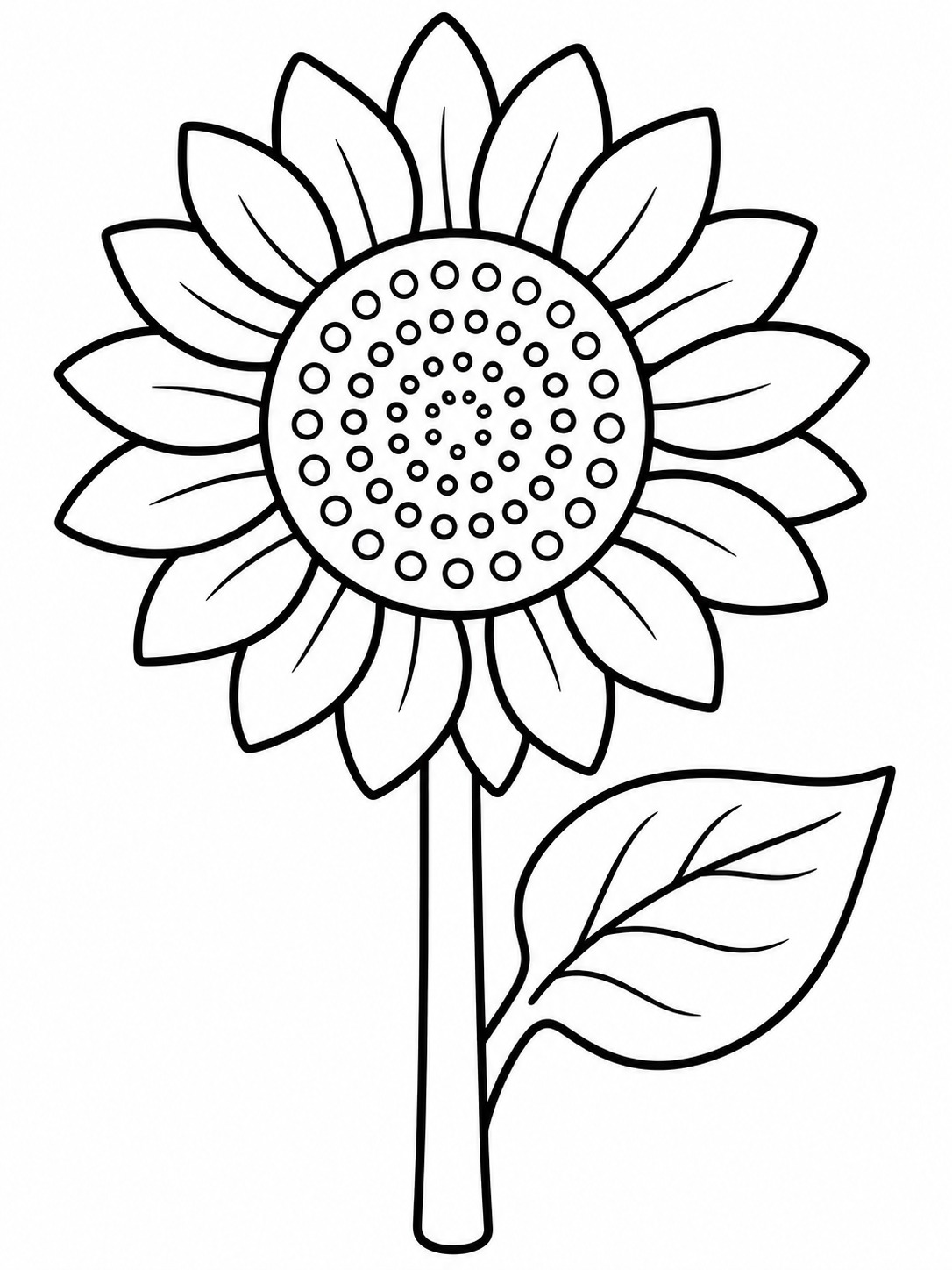
9. A sunflower in full bloom with a thick stem
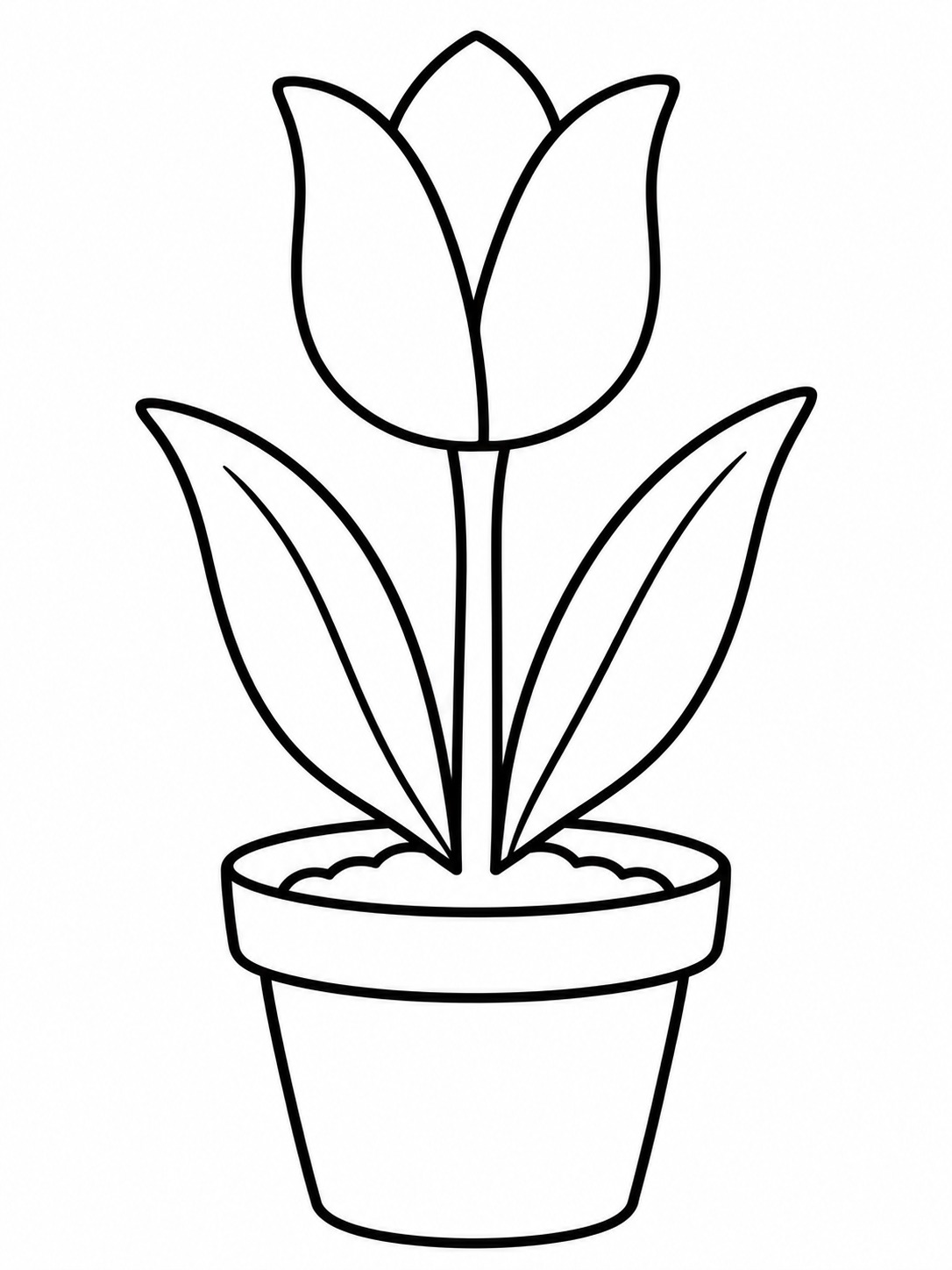
10. A tulip growing in a simple round pot
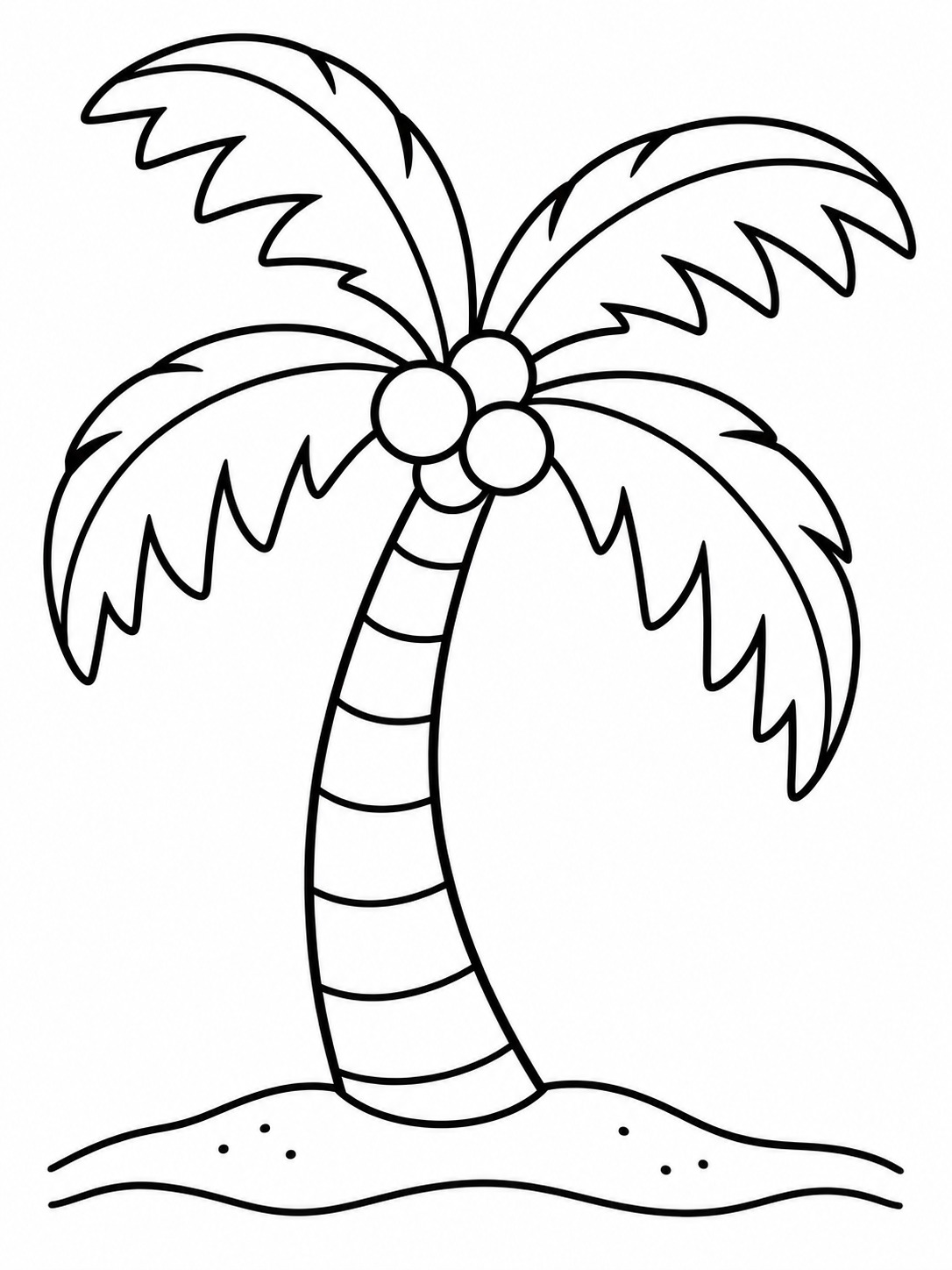
11. A palm tree on a beach with three or four large fronds
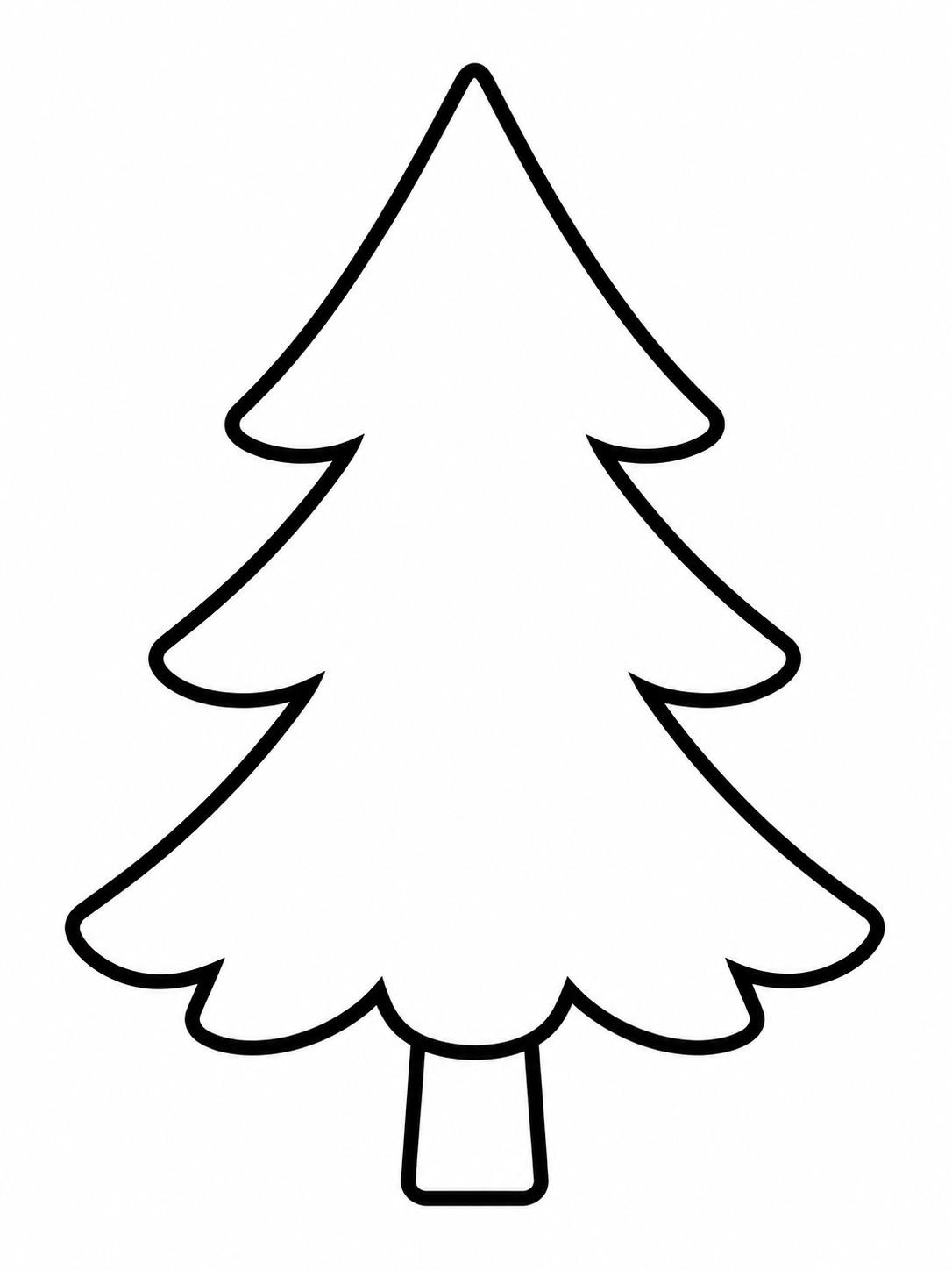
12. A basic pine tree, triangular and bold
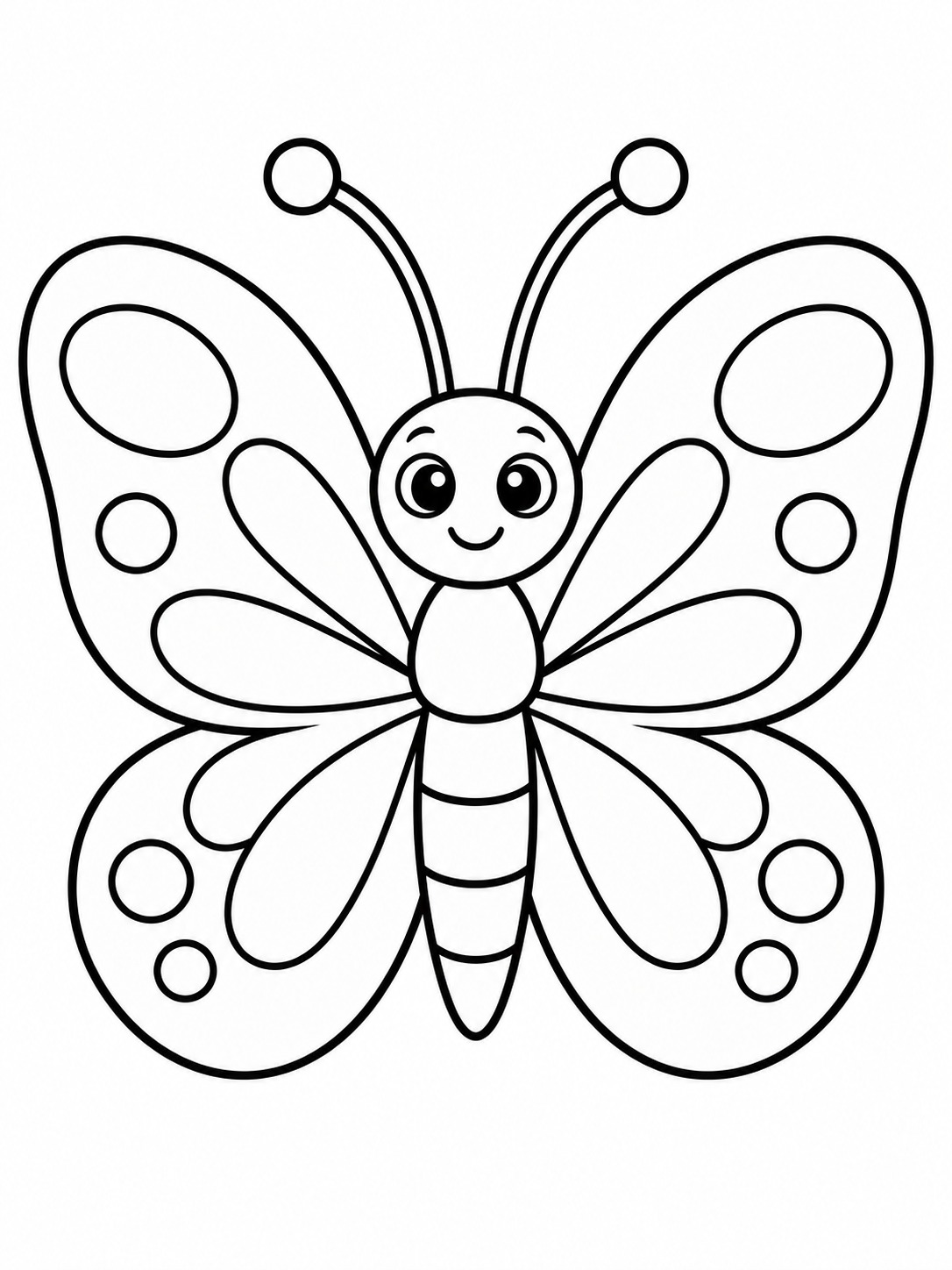
13. A butterfly with large, rounded wings
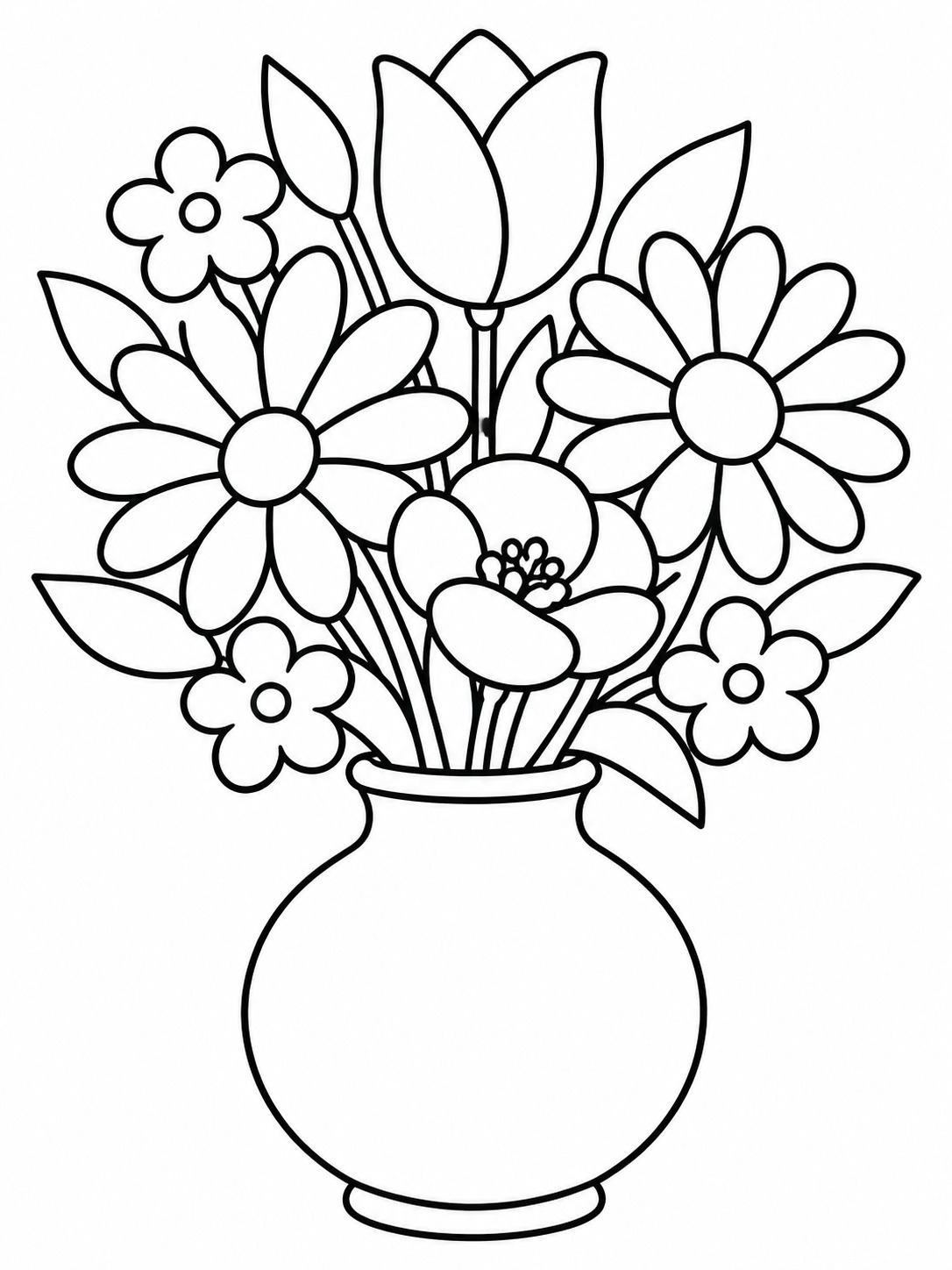
14. A single flower bouquet gathered in a vase
Vehicles
Vehicles read as complex subjects in general illustration, but simplified down to their basic silhouette, they make excellent easy pages, especially for kids drawn to cars, trucks, and anything that moves. The trick with vehicles specifically is resisting the urge to add mechanical detail, wheel spokes, grille lines, window frames, since those are exactly the small, thin-lined elements that quietly turn an easy vehicle page into a fiddly one.
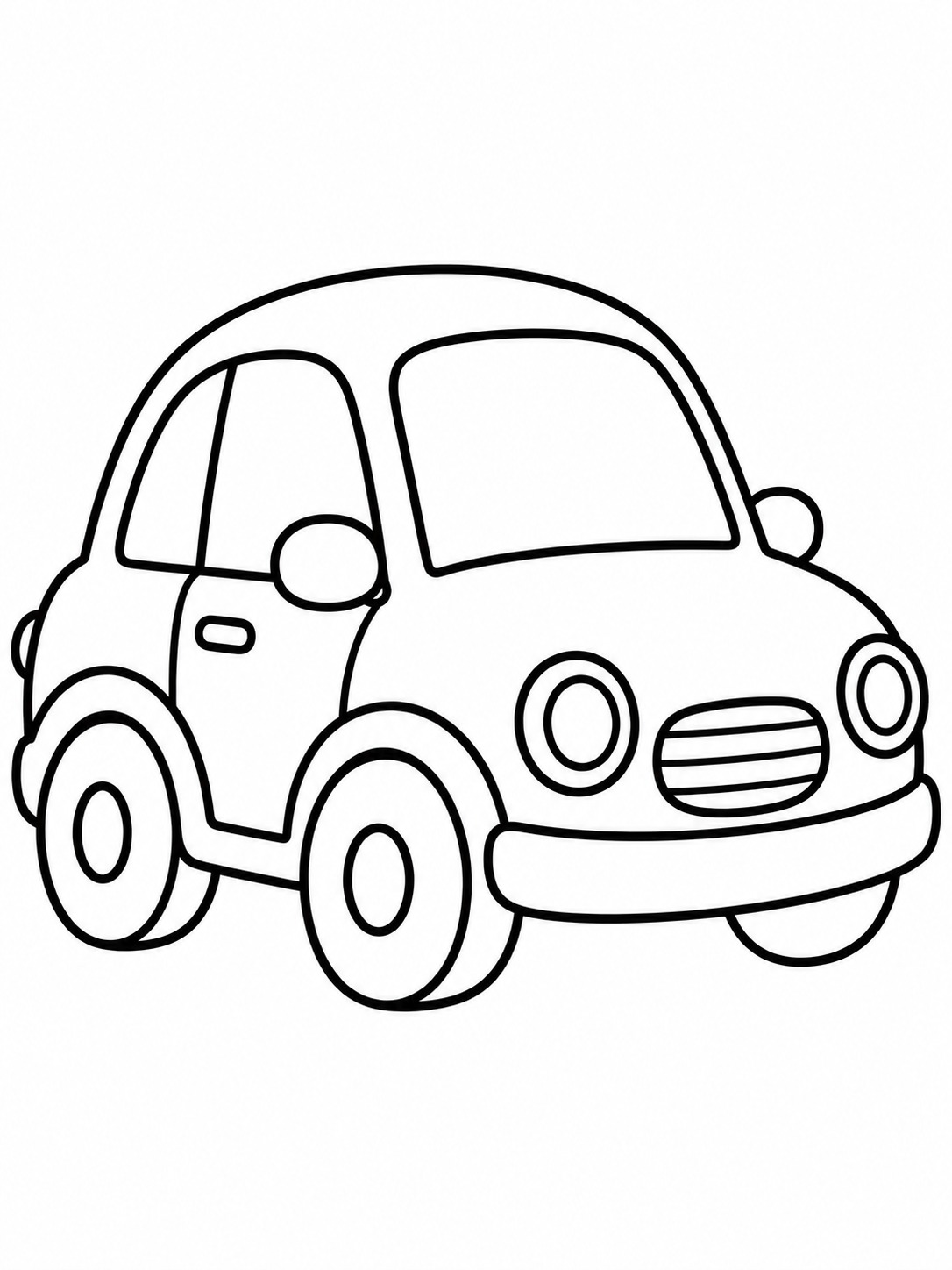
15. A small rounded car, cartoon-proportioned
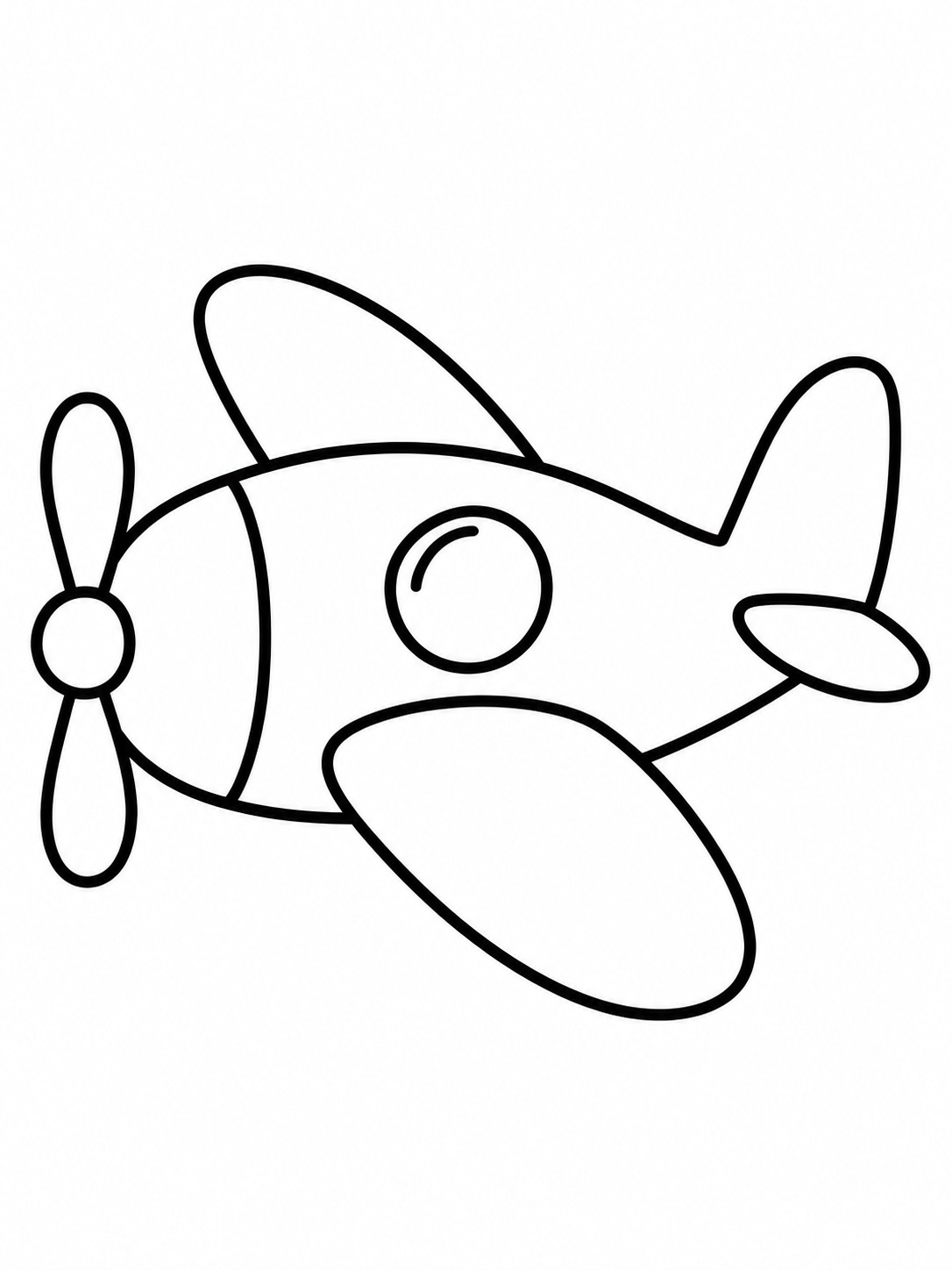
16. A cartoon airplane with wide, simple wings
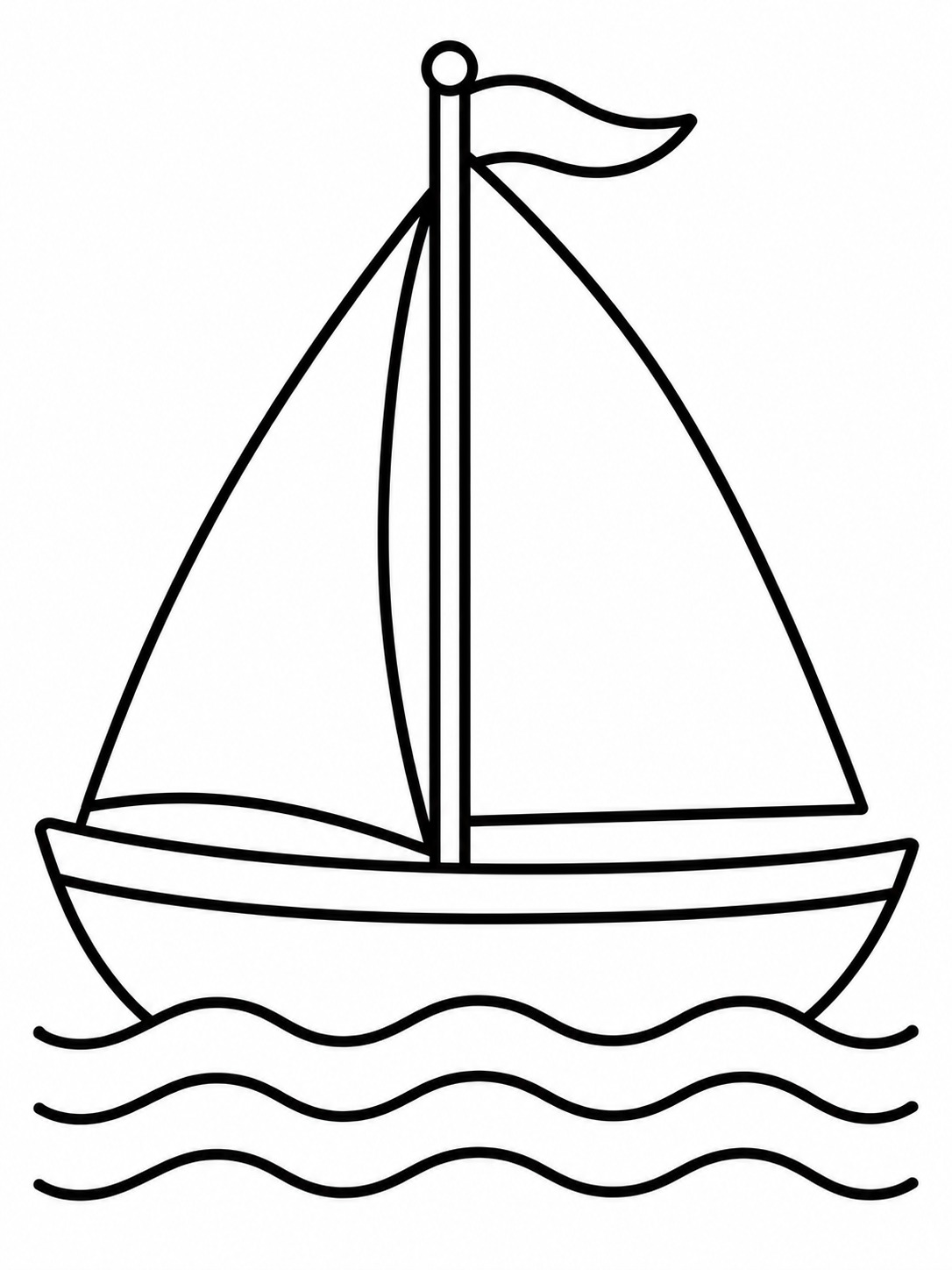
17. A sailboat gliding over a few wave lines
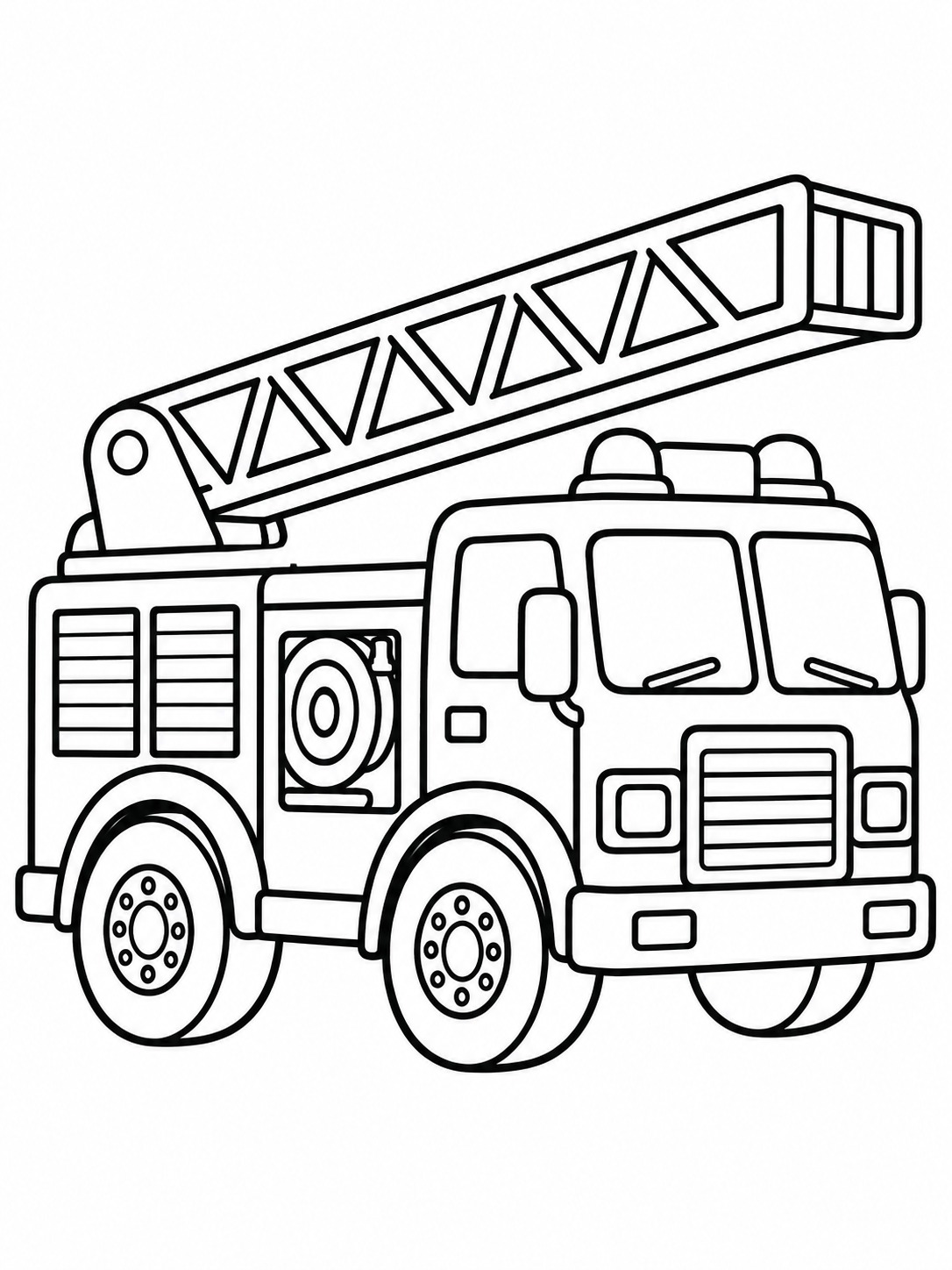
18. A fire truck with one large ladder shape
19. A hot air balloon with a basket and a few thick stripe divisions

Food and treats
Food subjects give kids an easy way to experiment with color choices that don’t have to match reality, since nobody expects an ice cream cone to be colored “correctly.”
200 Bold & Easy Coloring Pages
Get 200 bold, simple and relaxing printable coloring pages for adults and kids — featuring animals, nature, food, fantasy, patterns and seasonal designs.
That freedom from realism is part of what makes food such a reliable easy-page category: a purple banana is just as valid a coloring choice as a yellow one, which takes the pressure off getting it “right.”
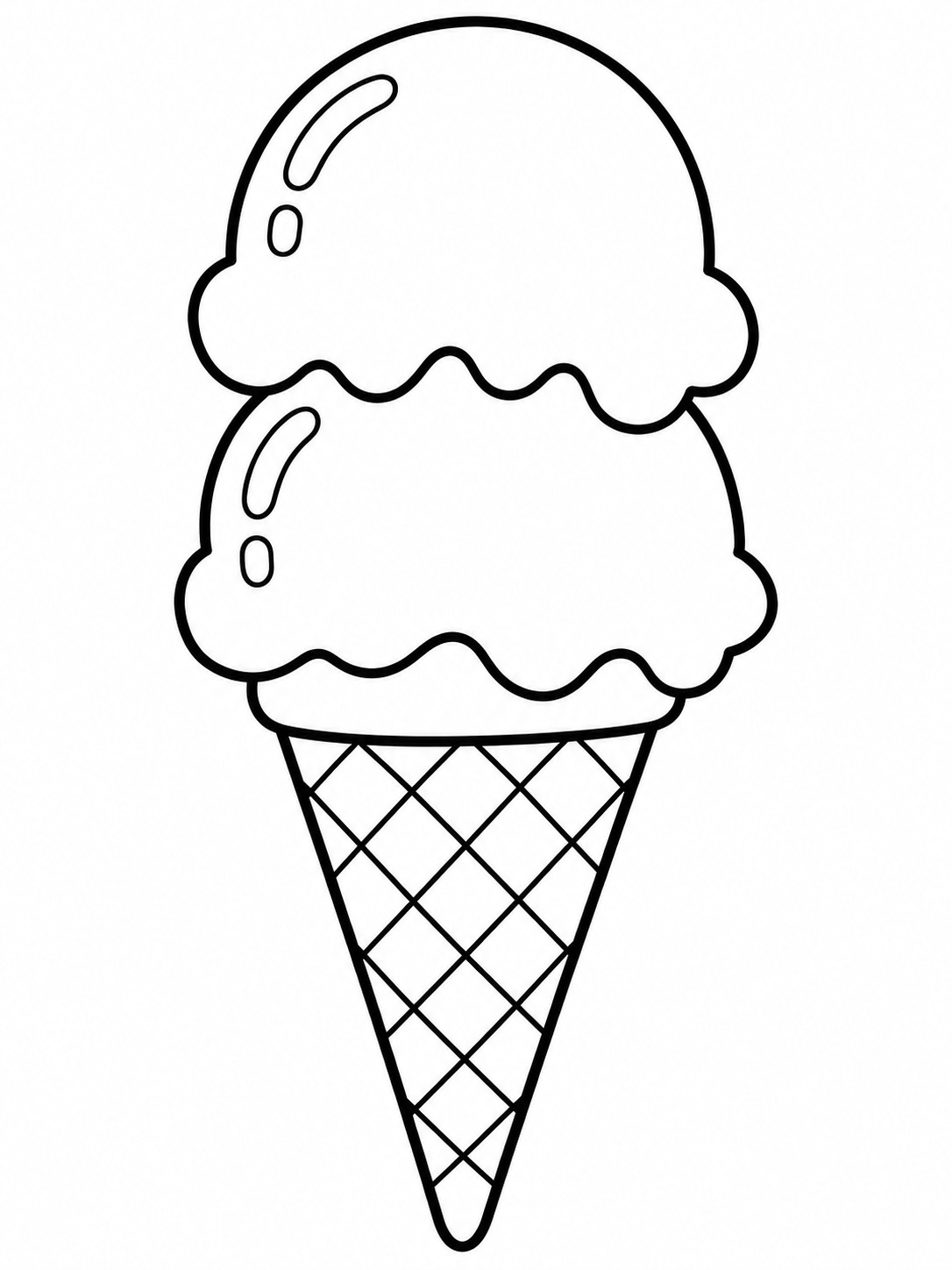
20. An ice cream cone with two scoops
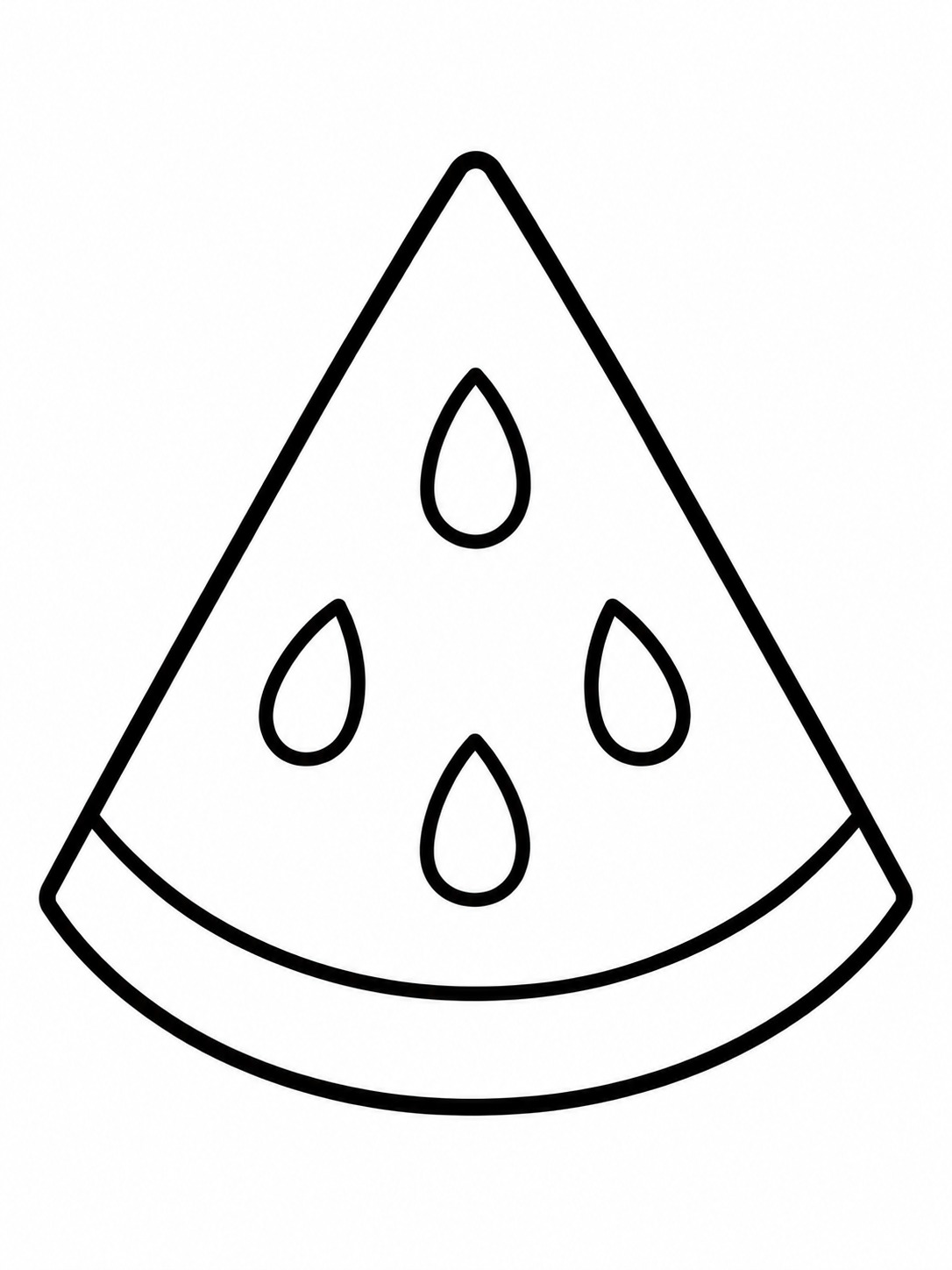
21. A slice of watermelon with a few large seeds
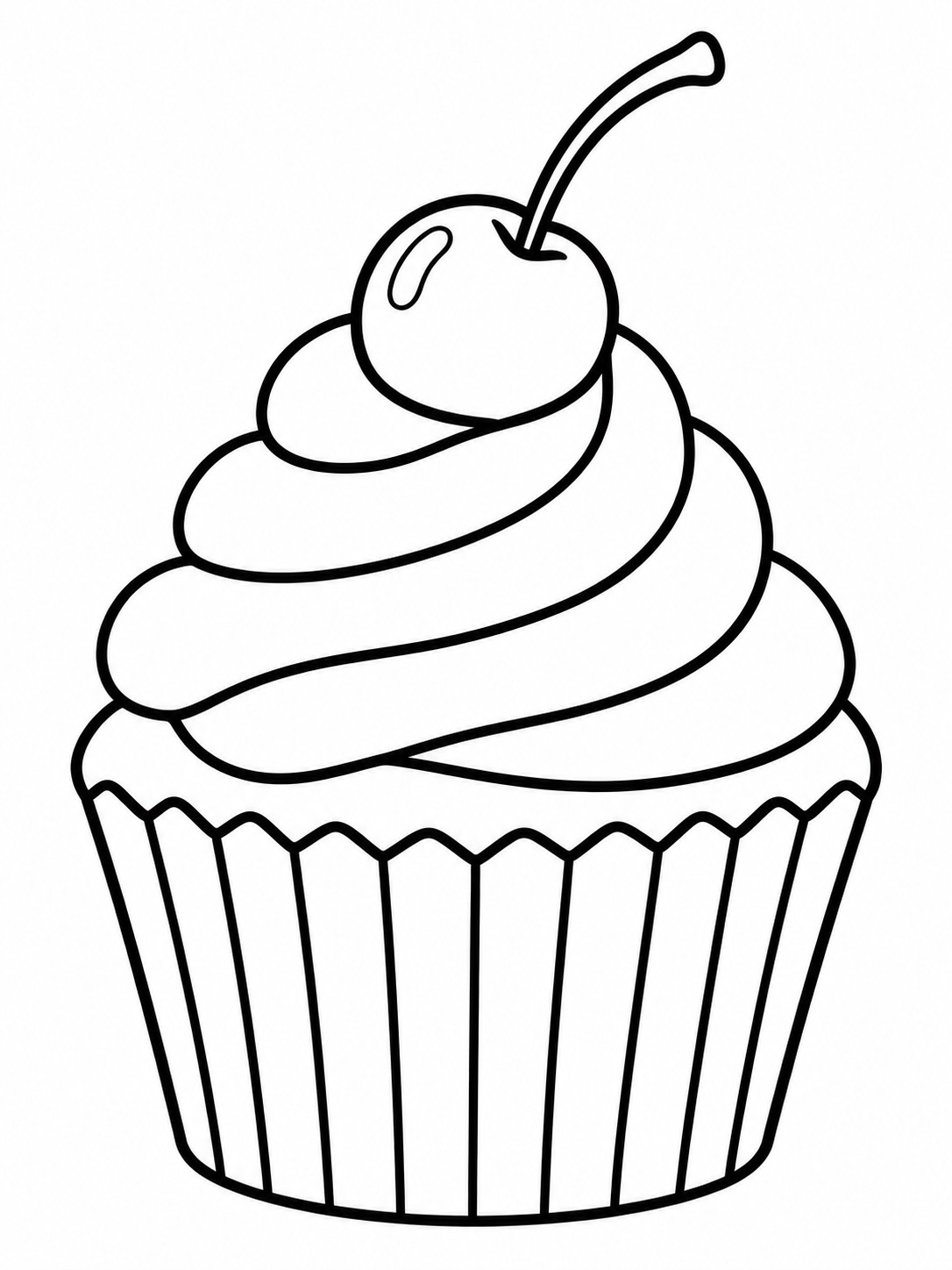
22. A cupcake topped with a single cherry
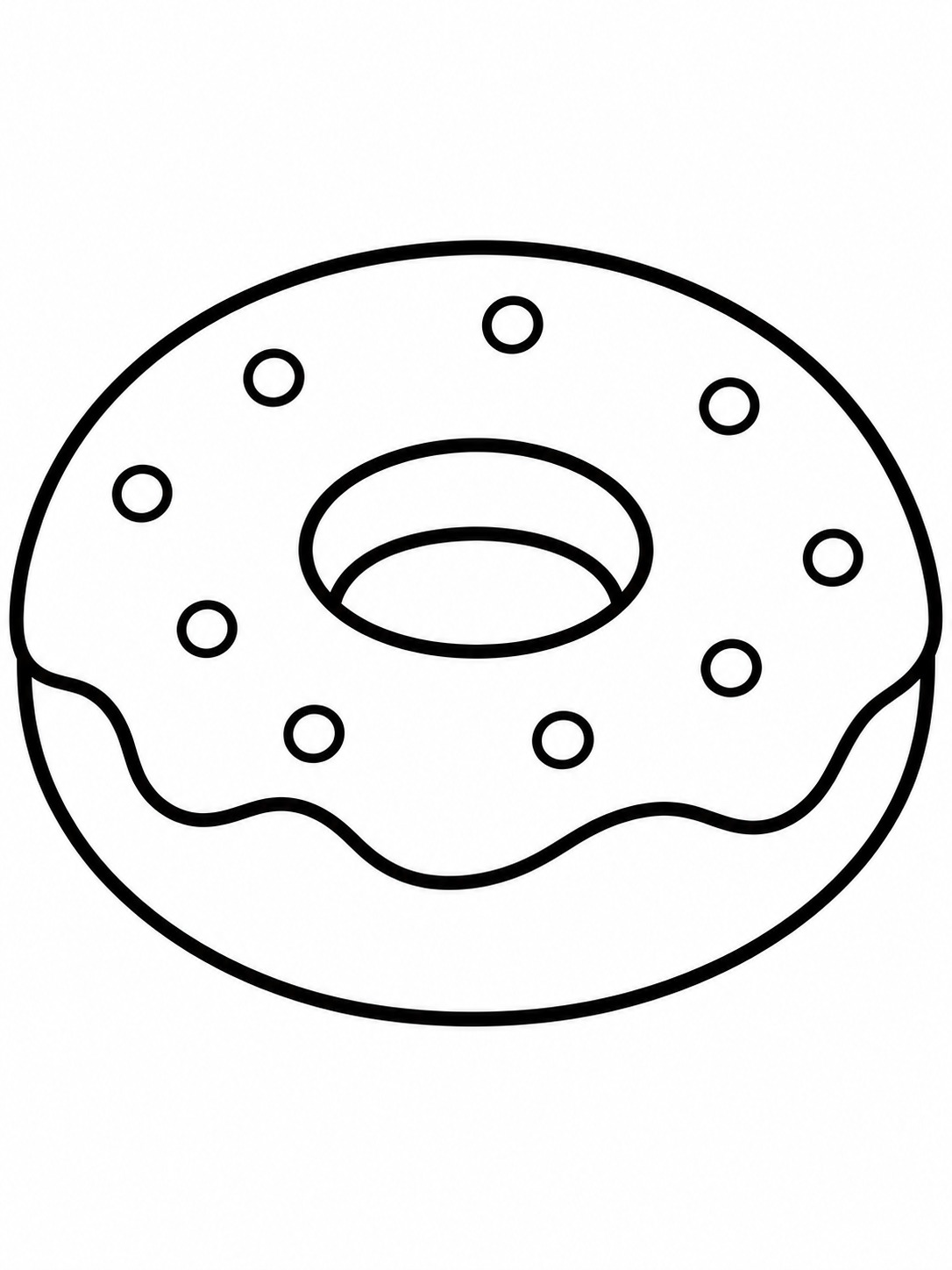
23. A donut with simple sprinkle marks
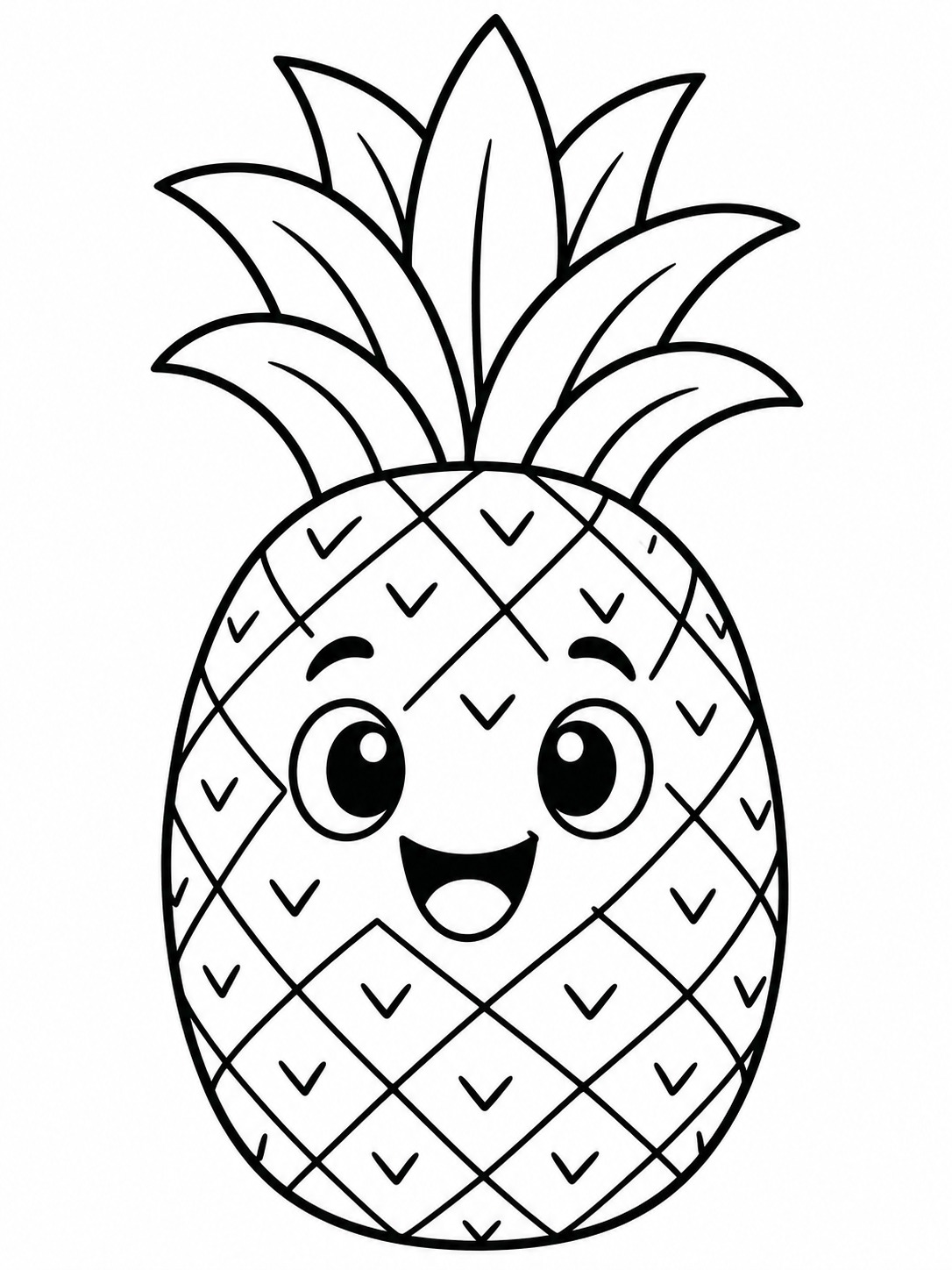
24. A smiling pineapple with a bold crown
Fantasy and fun characters
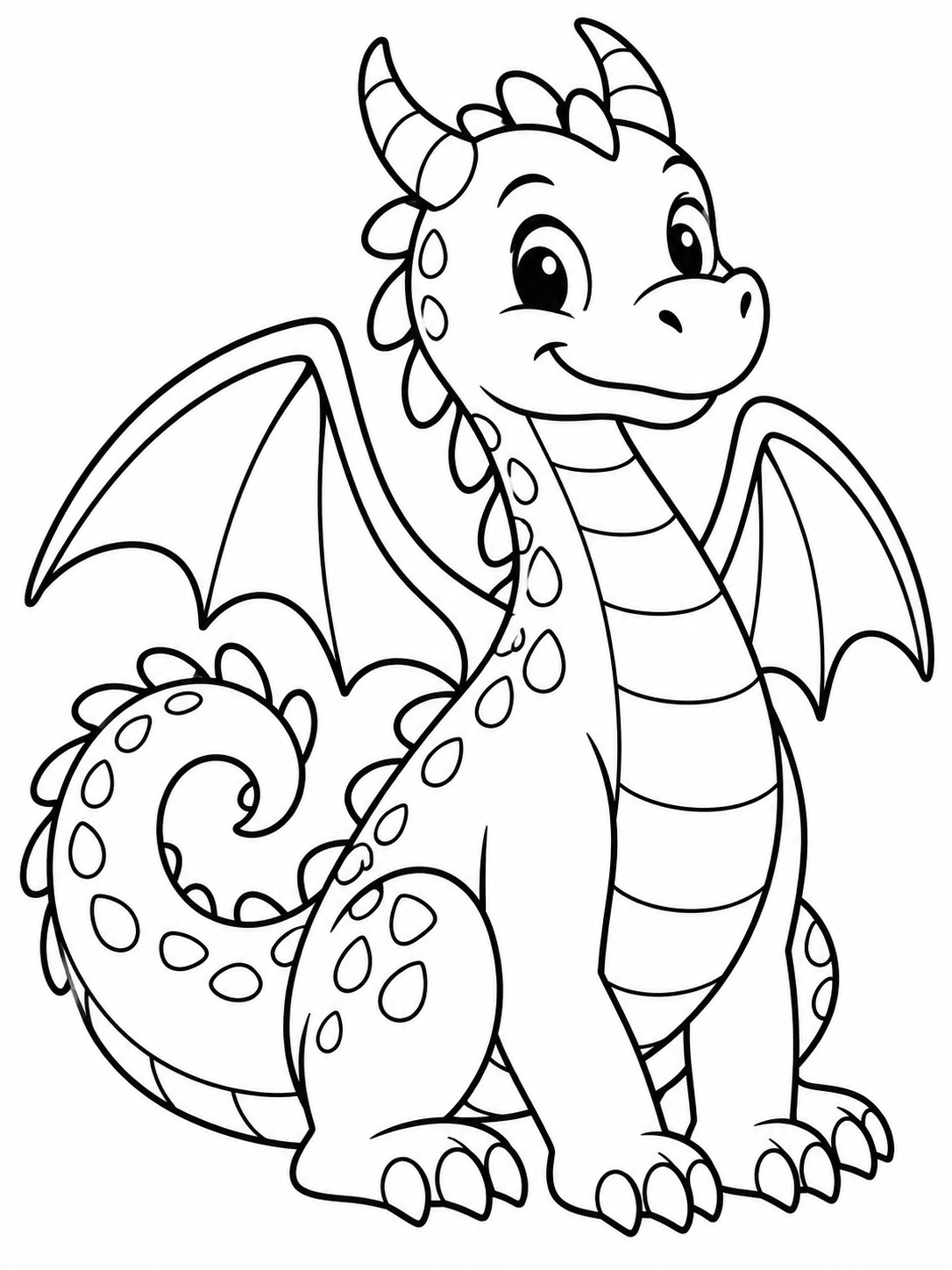
Fantasy subjects are where a lot of “easy” coloring pages quietly become hard, since dragons and robots invite extra detail: scales, gears, extra limbs, decorative accessories. Keep the shapes rounded and the accessories minimal to stay in easy territory; a dragon with three or four large scale groupings colors far more easily than one where every individual scale gets its own outline.
25. A friendly dragon with rounded scales and a curled tail
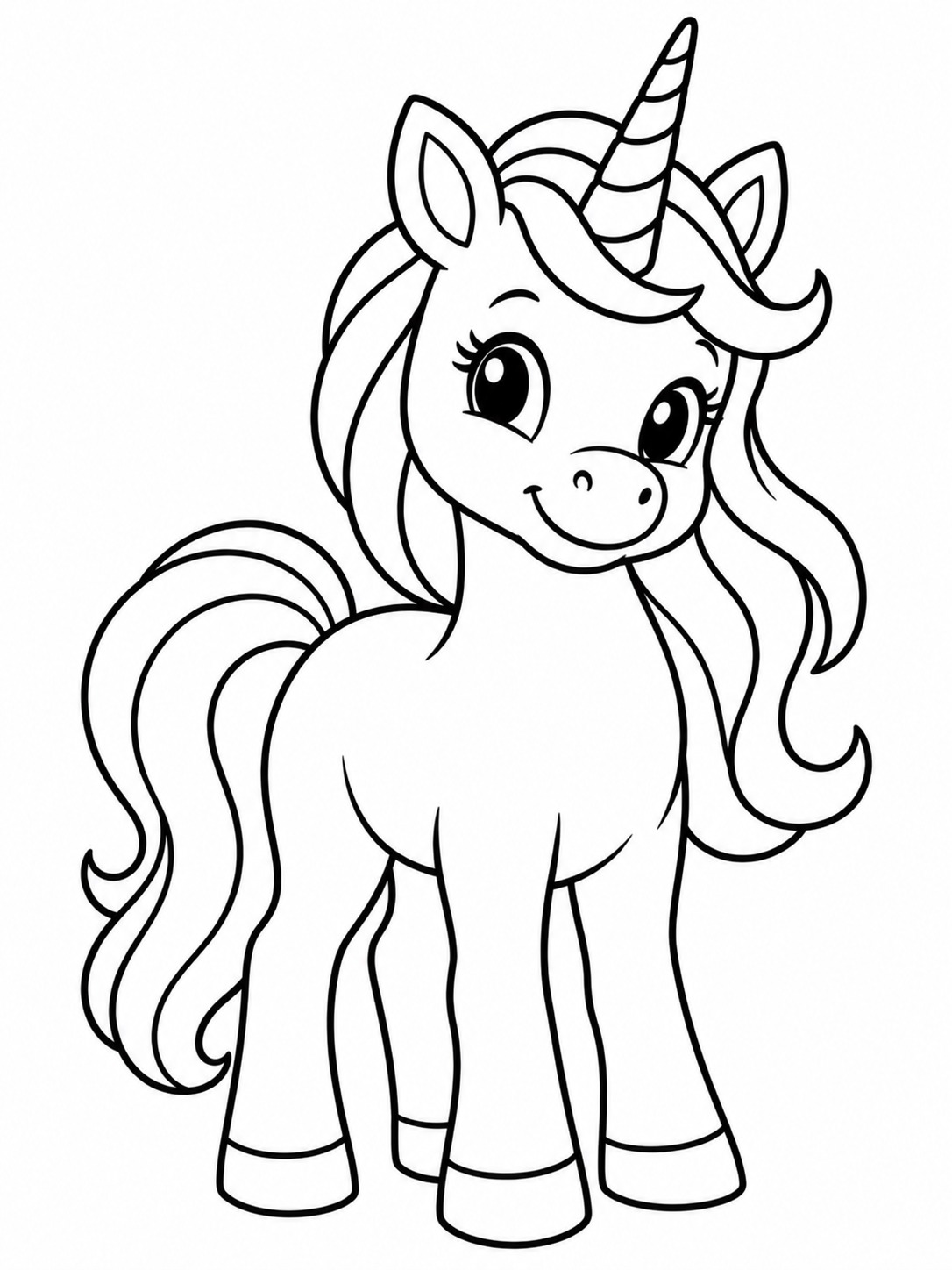
26. A smiling unicorn with a simple mane
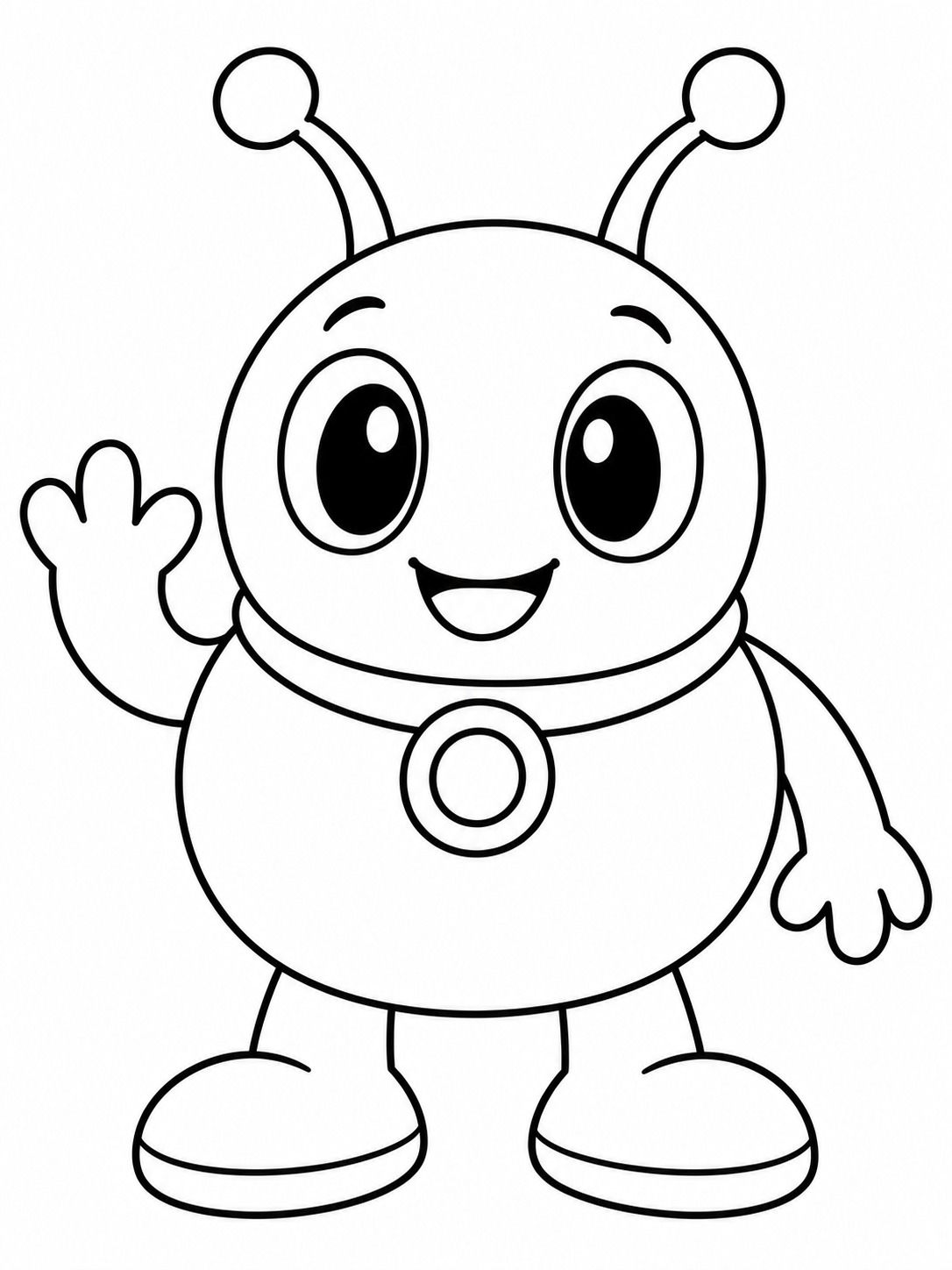
27. A cute robot built from basic rectangles and circles

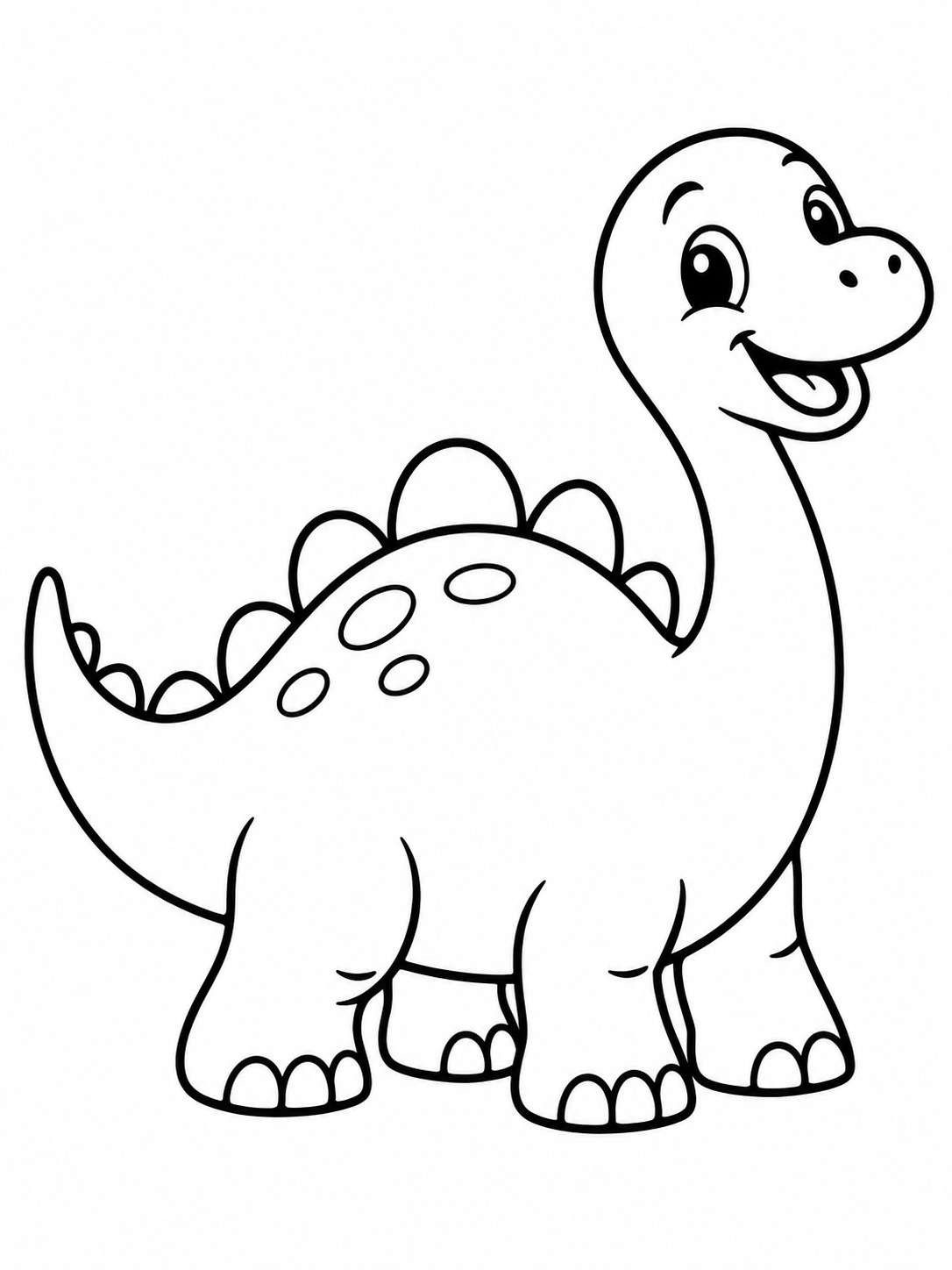
28. A happy dinosaur with a rounded back and short legs
29. A round-bodied alien with big simple eyes
If dragons and fantasy creatures are a recurring favorite in your house, I go into more character variety, still built on the same simple-shape logic, in unicorn drawing ideas and dinosaur drawing ideas.
Patterns and easy mandalas
Mandalas have a reputation for being intricate, but an easy mandala just means fewer, larger repeated shapes rather than dozens of tiny ones. These make a good bridge between picture-based coloring and more abstract, meditative coloring for older kids and adults. The repetition itself is part of the appeal: once someone understands the pattern’s logic, coloring each subsequent repeated shape gets faster and more automatic, which is exactly the calming, low-decision experience a lot of adult colorers are actually looking for.
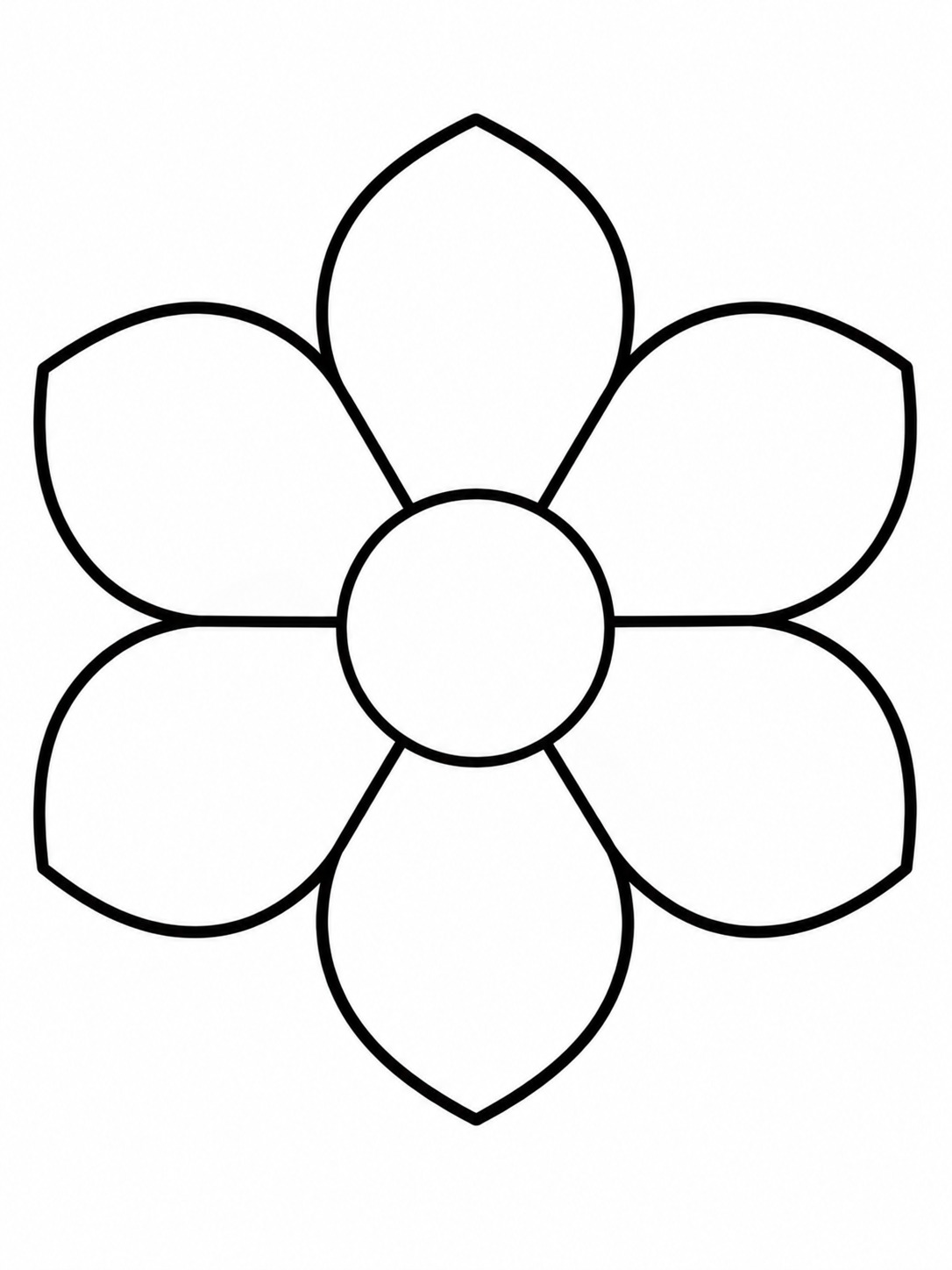
30. A simple flower-petal mandala with six large petals
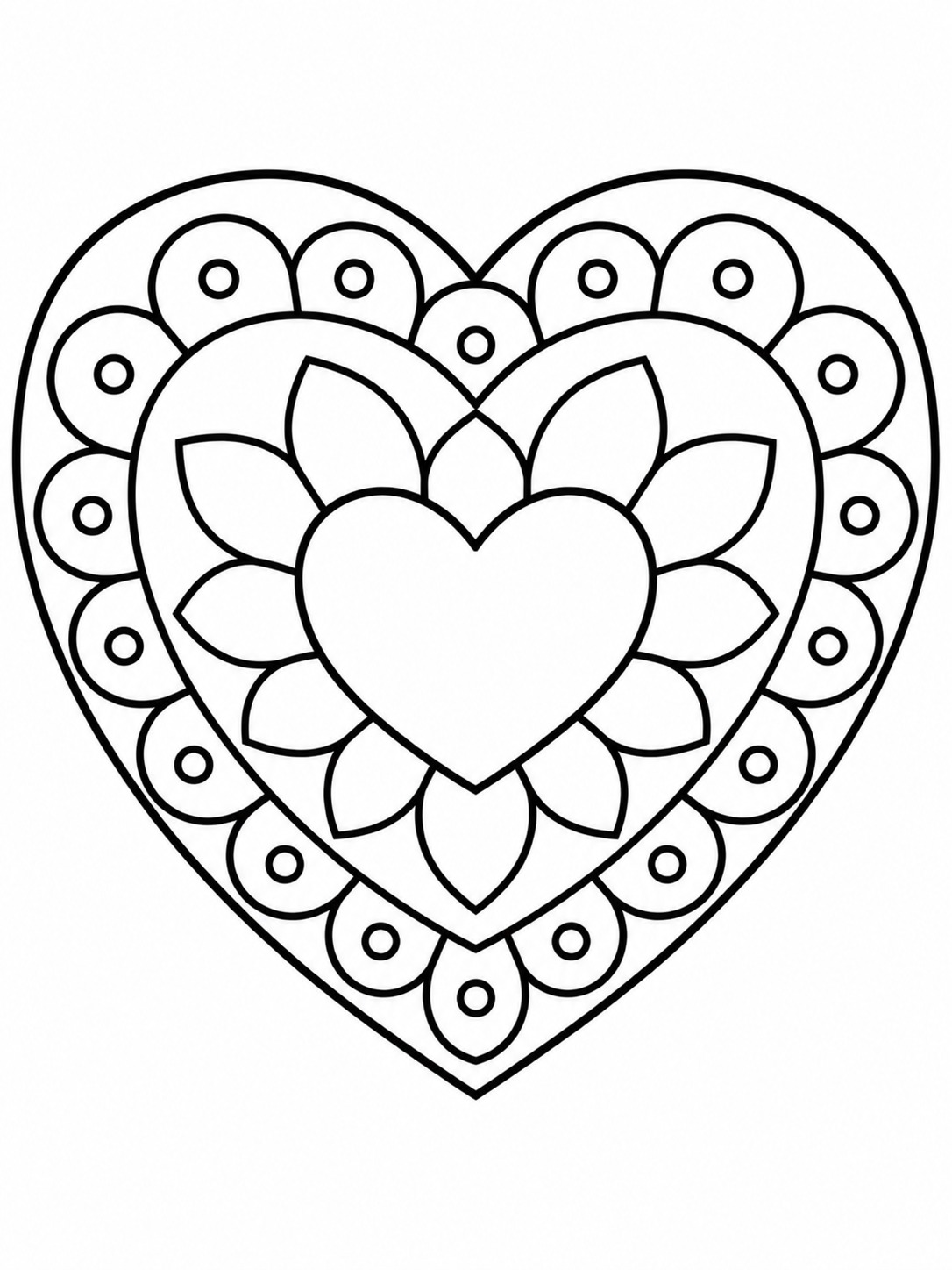
31. An easy heart-shaped mandala with a few nested layers
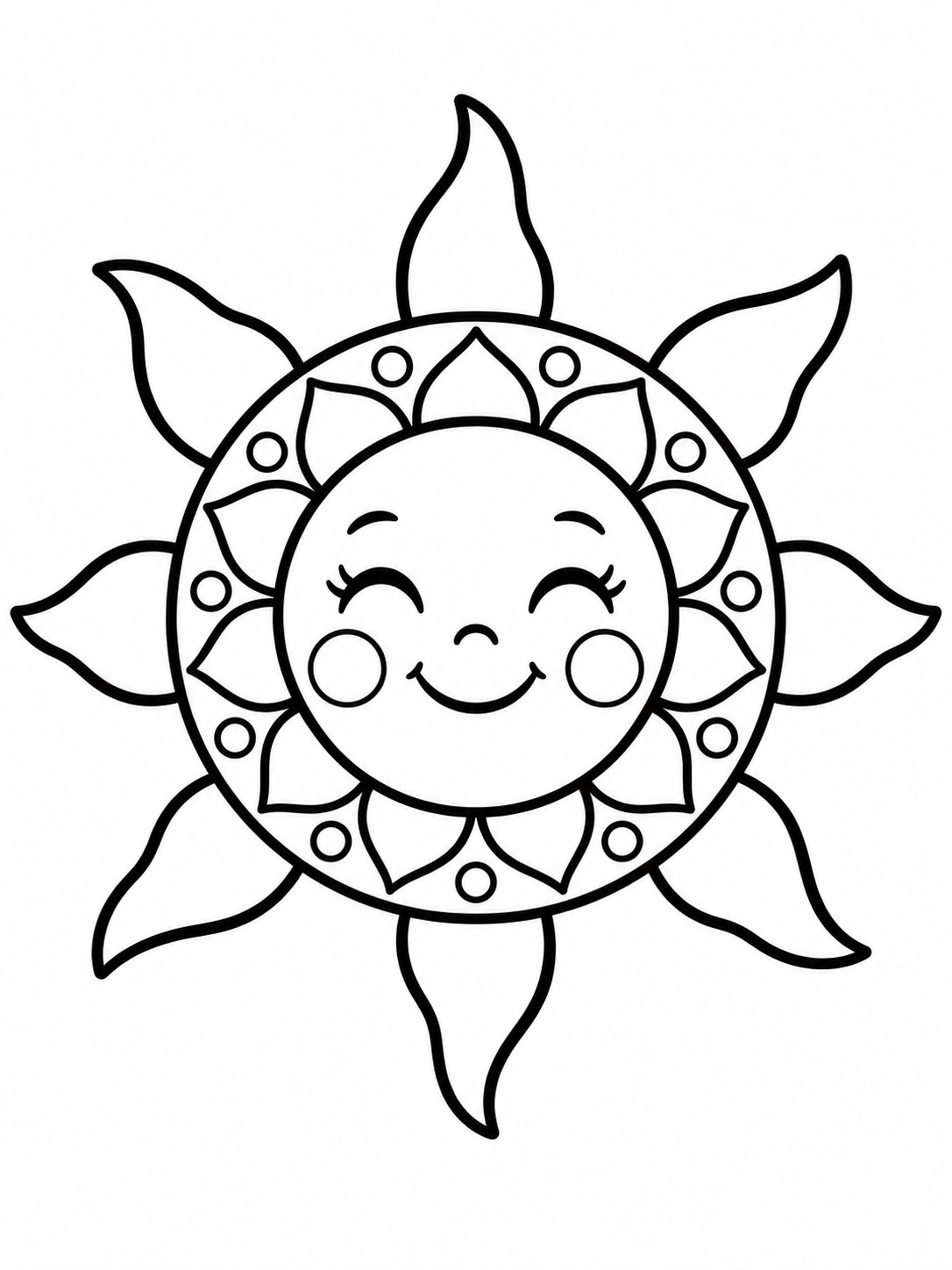
32. A round sun mandala with eight thick rays
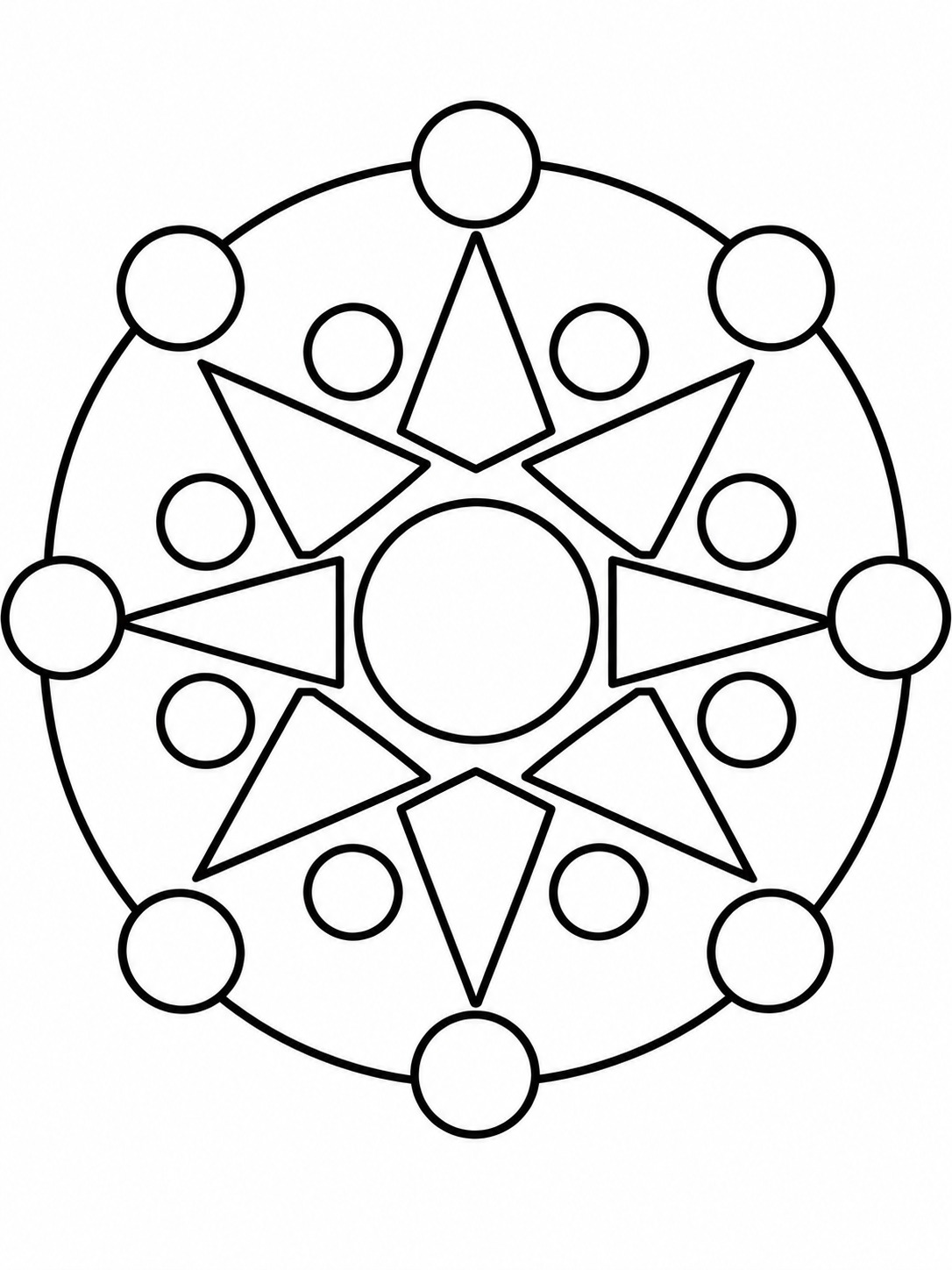
33. A basic geometric mandala built from large triangles and circles
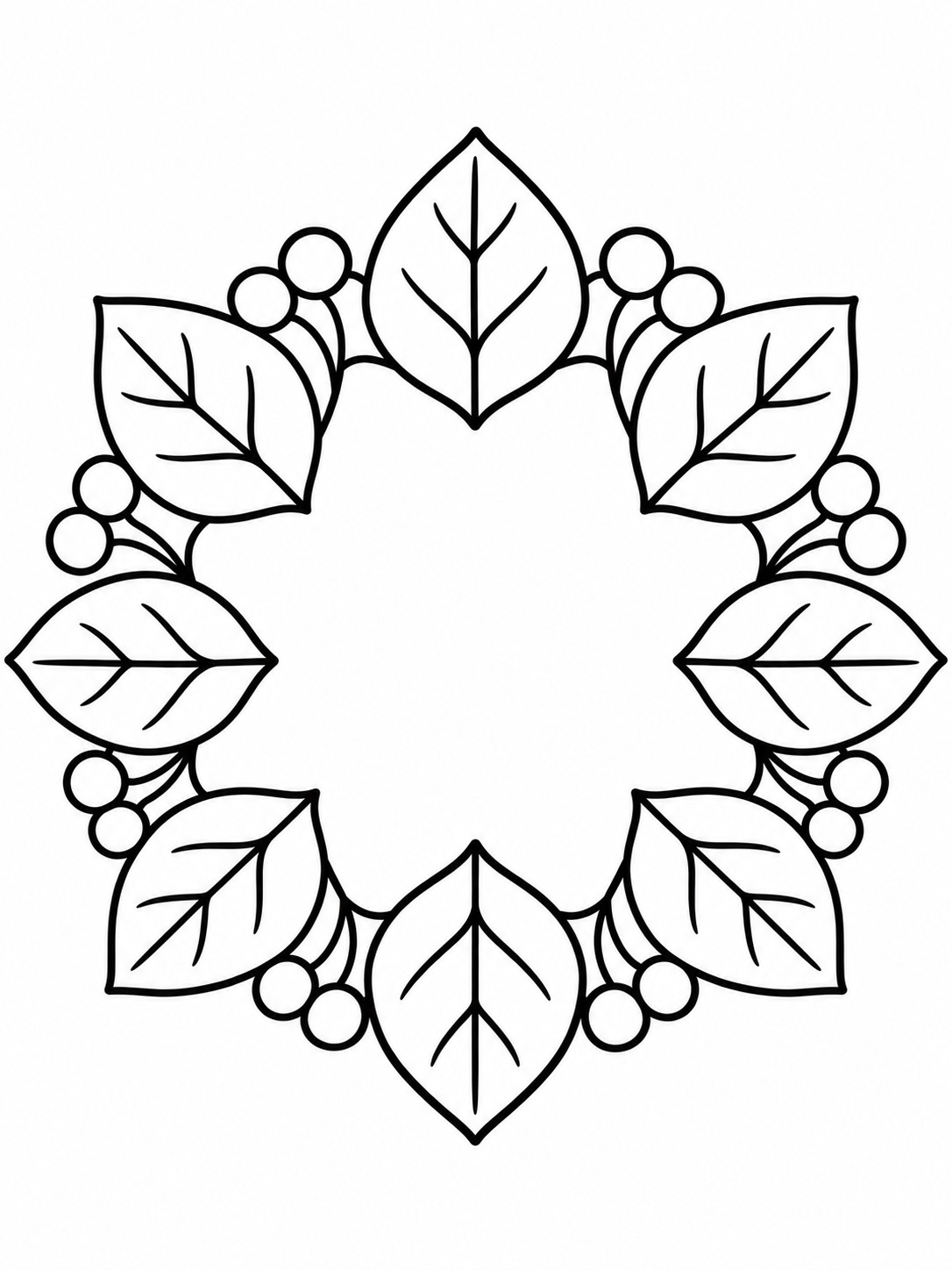
34. A simple round wreath mandala with evenly spaced leaves
Holidays and seasons
Seasonal pages are useful because they give a natural reason to introduce new coloring pages throughout the year without needing a special occasion beyond the calendar. They also tend to hold up well as easy pages by default, since most seasonal icons, a snowman, a pumpkin, a heart, are already built from a small number of large, familiar shapes before anyone even simplifies them further.
35. A Christmas tree decorated with a few large ornaments
36. A jack-o’-lantern pumpkin with a simple carved face
37. An Easter egg with one or two bold pattern bands
38. A simple round snowman with three stacked sections
39. A large heart for Valentine’s Day, plain or lightly patterned

40. A single autumn leaf with clear vein lines
Turning any picture into an easy coloring page
Sometimes the subject a kid actually wants, their own pet, a favorite stuffed animal, a character from a book that isn’t on any coloring-page site, isn’t available premade. Turning a reference photo or drawing into a genuinely easy coloring page just means applying the same four principles in reverse.
Start by identifying the two or three largest, most recognizable shapes in the subject and commit to those as the main outline, ignoring smaller details entirely on the first pass. A dog’s body, head, and ears are the main shapes; individual strands of fur are not something an easy page needs to represent at all. Simplify anything with an irregular or broken edge into a smooth, continuous line, since a wavy, realistic fur edge is exactly the kind of detail that turns an easy page into a hard one.
Close every shape deliberately before calling the sketch finished. It’s tempting to leave a line trailing off where a real photo shows the edge fading into shadow, but a coloring page has no shadow to rely on, only lines, so every boundary needs an actual endpoint that connects back to something.
Finally, resist the urge to add a few extra details “to make it more interesting” once the main shape is done. Interest, in an easy coloring page, comes from the coloring itself, the choices a kid makes about which color goes where, not from extra lines added to the outline. A simplified custom drawing that follows these steps will usually outperform a more polished but overly detailed printable, precisely because it respects the same structural rules covered above.
Design tip: Judge any coloring page by line weight, shape count, and white space, not by how cute or simple the subject looks in a thumbnail.
How to pick the right coloring page for different ages
Age isn’t really the variable that matters here; hand control is, and it varies enough between kids of the same age that theme selection should follow ability, not just a birthday.
For toddlers and very young children still developing fine motor control, favor pages from the animals and vehicles sections with the fewest total shapes, the goldfish in a bowl or the simple car, rather than anything with more than three or four distinct regions. Big, bold, forgiving shapes matter far more than an interesting subject at this stage.
For a larger child-focused set, browse our coloring pages for kids collection, which adds more themes while keeping the shapes broad and readable.
For elementary-age kids with more coloring experience, the fantasy characters and food subjects offer a bit more shape variety without crossing into genuinely intricate territory, as long as you’re choosing versions with rounded, minimal detail rather than heavily accessorized ones.
For teens and adults looking for a relaxing, low-pressure activity, the easy mandalas and pattern pages hit a sweet spot: repetitive enough to be meditative, but without the hundred-tiny-region density that turns a mandala into a multi-hour project. If genuine adult-level detail and shading interest you beyond these easy pages, that’s a different skill set worth exploring separately, but it’s not what this list is built for.
A useful quick test for any age group: hand the page over and watch the first thirty seconds. A child who immediately starts coloring confidently in a large region has a page matched to their ability. A child who hesitates, traces the outline with a finger first, or asks “where do I start” is often looking at a page with too many small regions or too much visual noise for their current skill level, regardless of what the packaging or website labeled it as.
Tips for printing and coloring these pages well
A well-designed easy page can still color poorly if it’s printed wrong. Print at full page size rather than shrinking multiple pages onto one sheet; shrinking a page reduces every region’s size and quietly turns an easy page into a harder one.
Use plain white or lightly textured cardstock rather than thin printer paper if you’re using markers, since thin paper lets marker ink bleed through and ghost onto whatever’s underneath. Crayons and colored pencils are far more forgiving of standard paper.
Encourage coloring the largest regions first and saving small detail areas, like a pupil or a button, for last. This order matters more than people expect: filling large areas first gives a sense of progress early, which keeps younger colorers engaged through the page instead of losing interest halfway.
Lighting matters more than most people think too, especially for anyone coloring for an extended stretch. Natural daylight or a full, even overhead light source makes it easier to see faint outline breaks before they become a coloring mistake, while dim or heavily angled lighting can hide exactly the kind of small gap that leads to color spilling past a boundary. This matters even more for adults working on the easy mandala pages for longer, calmer sessions, since eye strain builds up faster under poor lighting than the coloring itself ever does.
200 Bold & Easy Coloring Pages
Get 200 bold, simple and relaxing printable coloring pages for adults and kids — featuring animals, nature, food, fantasy, patterns and seasonal designs.
FAQ
What makes a coloring page easy versus hard?
Four things: bold, thick outlines that forgive imprecise coloring, closed shapes with no open gaps, a manageable number of large regions rather than many small ones, and generous white space between elements. Subject matter matters far less than these structural choices.
What age are easy coloring pages best for?
They work well from toddlers through adults, but the specific pages should shift with hand control rather than age alone. Very young children do best with the fewest, largest shapes; older kids and adults can handle a bit more shape variety without needing full detail or shading work.
Are mandalas actually easy to color?
Only the simplified versions. A mandala with six large petals and one repeating pattern is genuinely easy; the same mandala style built from forty tiny repeated shapes is a much harder, more time-consuming page despite looking similar at a glance.
Should I use crayons, markers, or colored pencils for easy coloring pages?
Crayons are the most forgiving for young kids since they don’t bleed through paper and are easy to control. Colored pencils work well for slightly older kids who want more shading control. Markers give the boldest color but need thicker paper to avoid bleed-through.
Why do some “simple” coloring pages still feel hard to finish?
Usually because the page has more small regions than it appears to at first glance, or the outlines are too thin to contain color confidently. A page can look simple in a thumbnail and still be structurally demanding once you’re actually filling it in.
Can I make an easy coloring page out of a photo myself?
Yes. Identify the two or three largest recognizable shapes in the photo, simplify any irregular edges into smooth continuous lines, and close every shape completely before adding any extra detail. Skipping small details like fur texture or fine shadow lines is what keeps a hand-drawn version genuinely easy rather than accidentally complex.
How many coloring pages does a young child actually need at once?
Far fewer than most collections offer. Three to five well-matched easy pages, rotated over a few sessions, usually hold a young child’s interest better than a stack of twenty, since novelty matters less than a good fit between the page’s difficulty and the child’s current hand control.
Final thoughts
An easy coloring page isn’t defined by its subject. A dragon can be easier to color than a single flower if the dragon’s built from a few bold, rounded shapes and the flower’s rendered with a dozen thin, delicate petal outlines. Judge any page by its line weight, shape count, and white space before you judge it by what it’s a picture of.
Use the four principles from the start of this piece to sort through any coloring page collection, not just the forty-plus ideas listed here, and you’ll get a much better hit rate for what actually works for the person picking up the crayon.
That evaluation skill outlasts any single list of ideas, including this one. Themes go in and out of fashion, and a favorite character today might be forgotten in six months, but line weight, closed shapes, shape count, and white space stay useful criteria for as long as anyone in the house is still reaching for crayons. For more drawing and creative inspiration built on these same simple-shape fundamentals, digital art ideas is worth a look.
- 1.3Kshares
- Facebook0
- Pinterest1.3K
- Twitter0
- Reddit0