A roof is the part of a building’s envelope that gets read least often and does the most work. In my design practice, I think about a roof the same way I’d think about any other surface that has to perform two jobs at once — hold a clean line and actually keep weather out — and a roof that’s failing at the second job almost always shows it in the first, well before a leak ever reaches your ceiling.
- Why Roof Condition Is Part of Exterior Design, Not Just Maintenance
- The First Visual Signs You Need a New Roof
- Which Signs Are Cosmetic, and Which Suggest System Failure?
- Interior Clues That the Roof Is Affecting the Home
- Age, Material, and Climate: When the Timeline Starts to Matter
- Storm Damage That Changes the Replacement Conversation
- Roof Repair vs. Replacement From a Design Perspective
- What to Document Before Calling a Roofing Professional
- If You're Planning an Exterior Renovation, Evaluate the Roof First
- Final Thoughts
- Frequently Asked Questions
The shadow lines go uneven. The material starts aging unevenly across the plane. The whole facade starts reading as tired, even if nothing inside the house has changed yet.
This isn’t a repair checklist. It’s a way of reading your roof as part of the building’s overall design system — the visual signs, the interior clues, and the questions worth asking before you plan any exterior work around it.
Why Roof Condition Is Part of Exterior Design, Not Just Maintenance
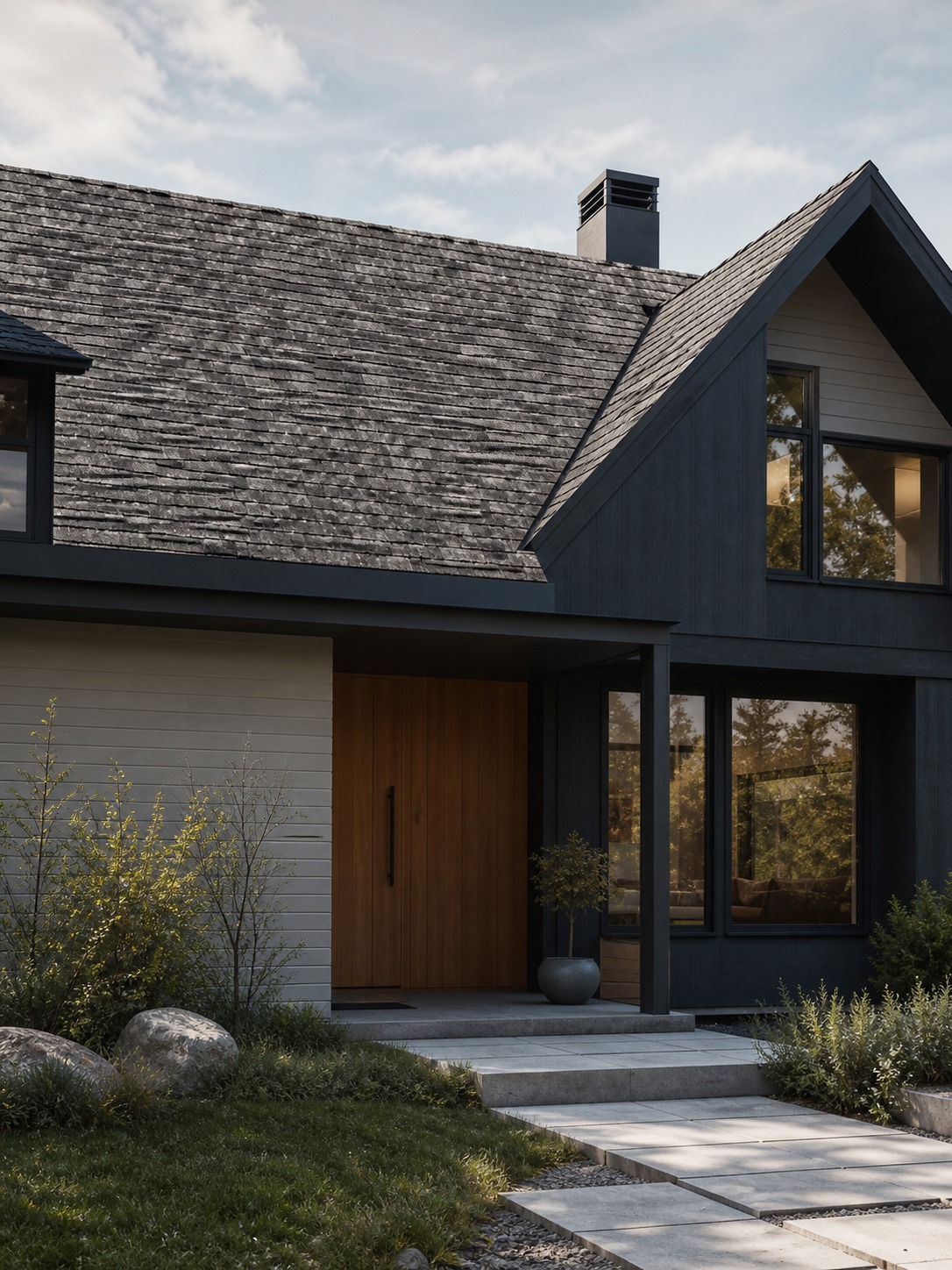
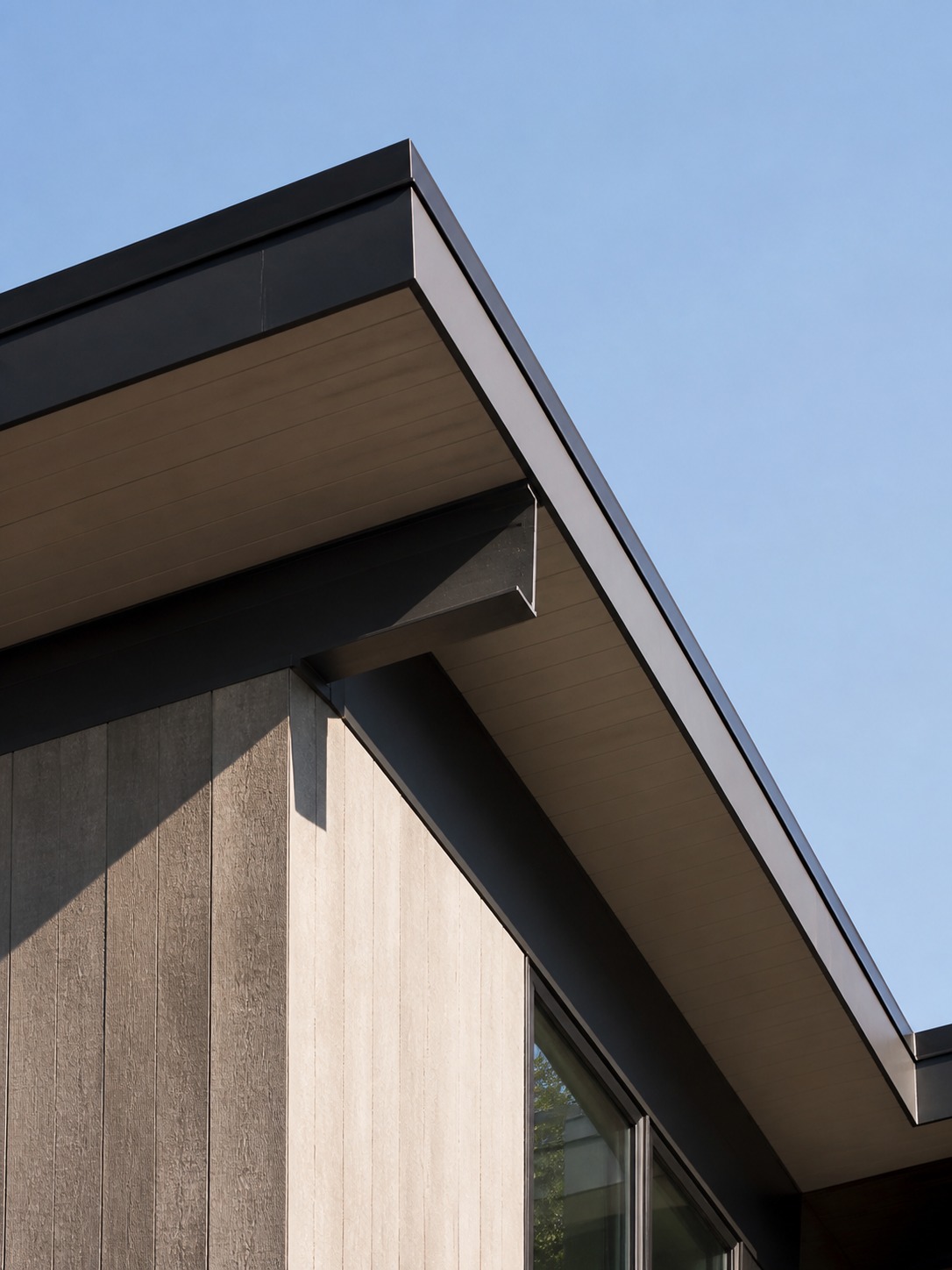
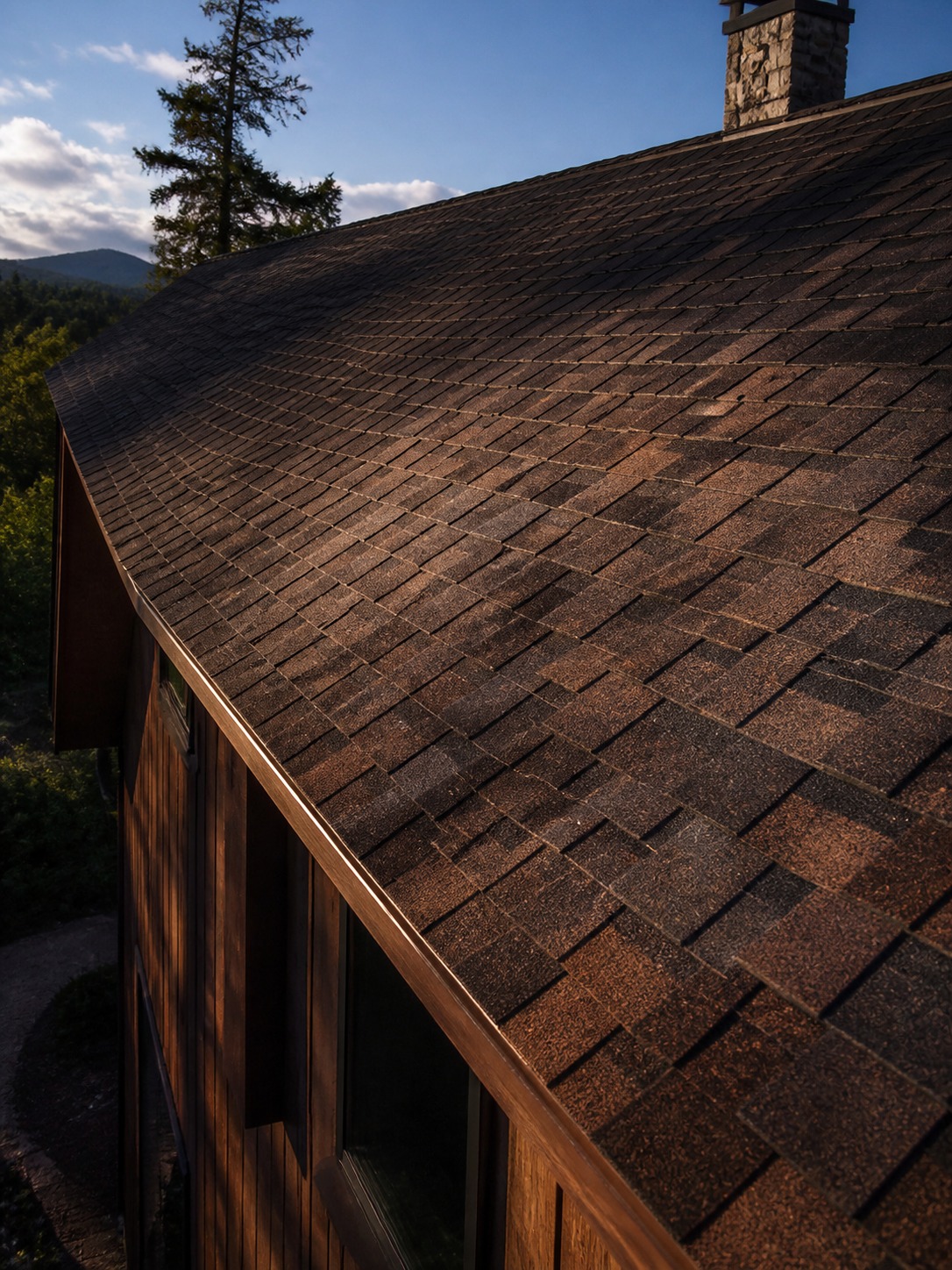
A roof does more design work than most homeowners give it credit for. It sets the building’s primary silhouette, establishes the dominant shadow lines across the facade, and — as a material surface — ages visibly in a way that either supports or undercuts everything else about the exterior’s appearance. A roof in good condition reads as quiet, doing its job without drawing attention to itself. A roof in decline pulls focus in exactly the wrong way: uneven color, curling edges, a visibly tired material plane sitting above an otherwise well-maintained house.
This is also where water control and design genuinely overlap. The roof’s job is directing water away from the structure entirely — down the slope, into the gutters, off the site — and every visual sign of failure is really a sign that this water-control system is starting to break down somewhere. I go into the fuller technical picture of what that failure actually looks like structurally in my architectural envelope guide, which is worth reading alongside this piece if you’re past the visual-assessment stage and into deciding on a full specification.
The First Visual Signs You Need a New Roof
Most roof problems announce themselves visually long before they become structural, which is exactly why a periodic walk-around is worth doing even when nothing seems obviously wrong.
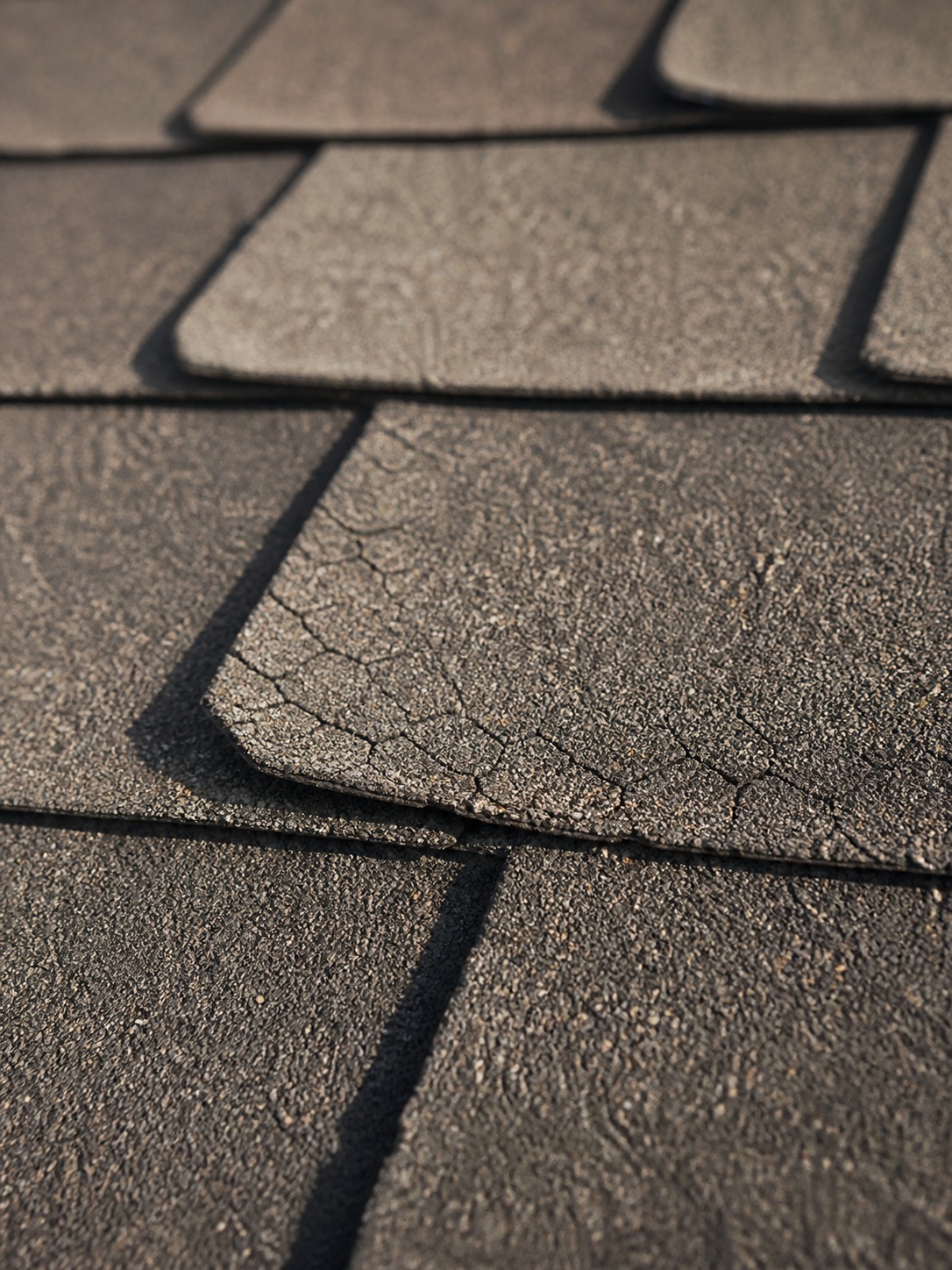
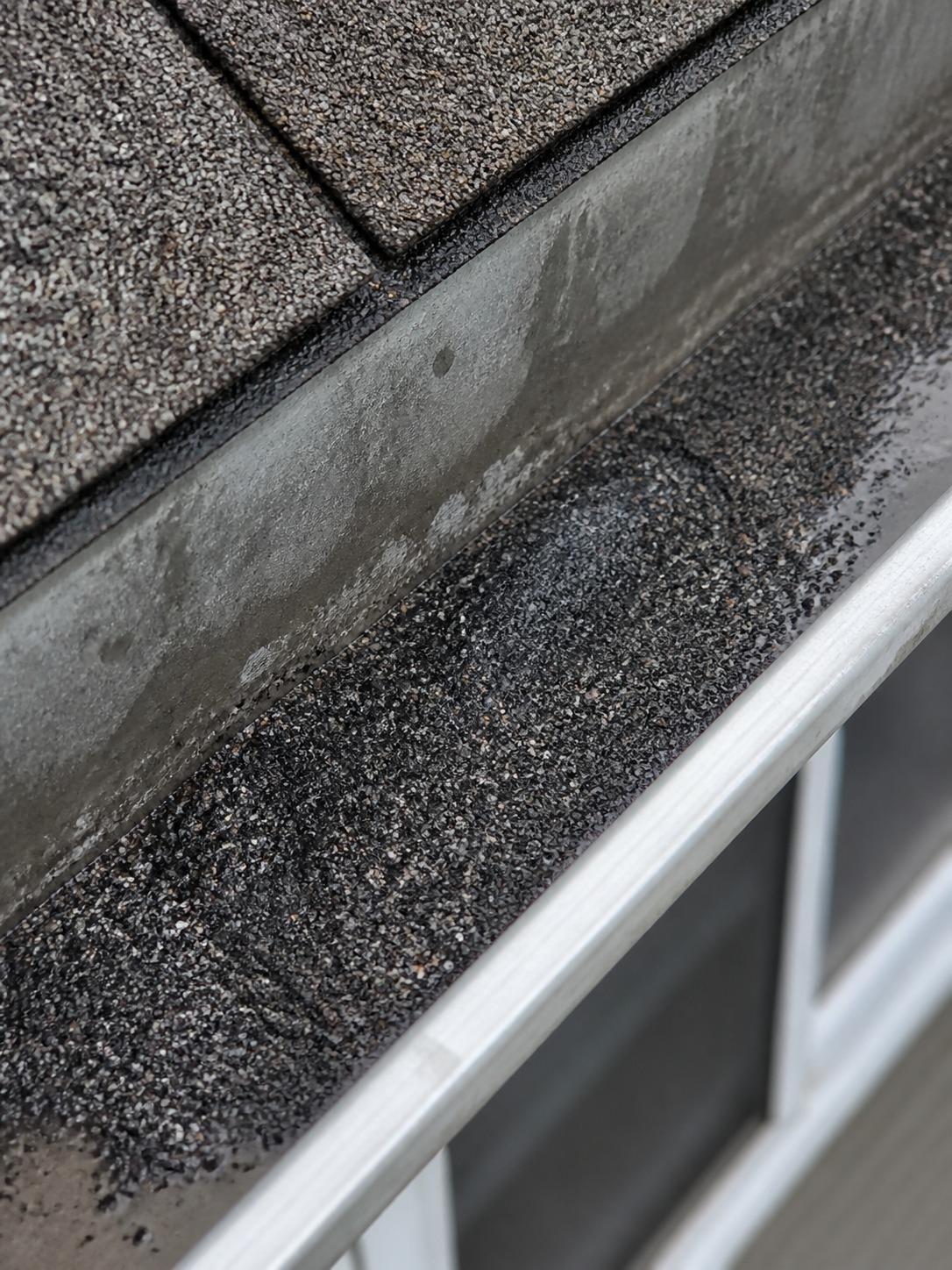
Curled, cracked, or patchy shingles are the most direct sign — a shingle that’s lost its flat plane has also lost most of its ability to shed water correctly, regardless of how intact it looks from the ground. Granules collecting in the gutters, resembling coarse black sand, indicate the shingle’s protective surface layer is wearing away, which accelerates every other aging process underneath it.
Uneven coloring across the roof plane, sagging lines where there should be a clean edge, or shingles visibly lifted after a windy day are all signs that the material’s structural integrity, not just its surface, is starting to fail.
Which Signs Are Cosmetic, and Which Suggest System Failure?
Not every visual sign carries the same weight, and it’s worth learning to tell the difference before assuming the worst. A few isolated curled shingles on an otherwise sound roof, especially one still well within its expected lifespan, is often a localized, repairable issue.
Widespread granule loss across the entire roof plane, sagging that appears in more than one area, or curling that’s spreading rather than isolated all point toward a system-level problem rather than a spot repair. For a fuller breakdown of exactly what gets checked during a professional walkthrough, I’ve covered the full inspection process separately in my roof inspection guide.
Interior Clues That the Roof Is Affecting the Home
Some of the clearest signs of roof trouble show up inside the house well before anything is visibly wrong on the exterior.
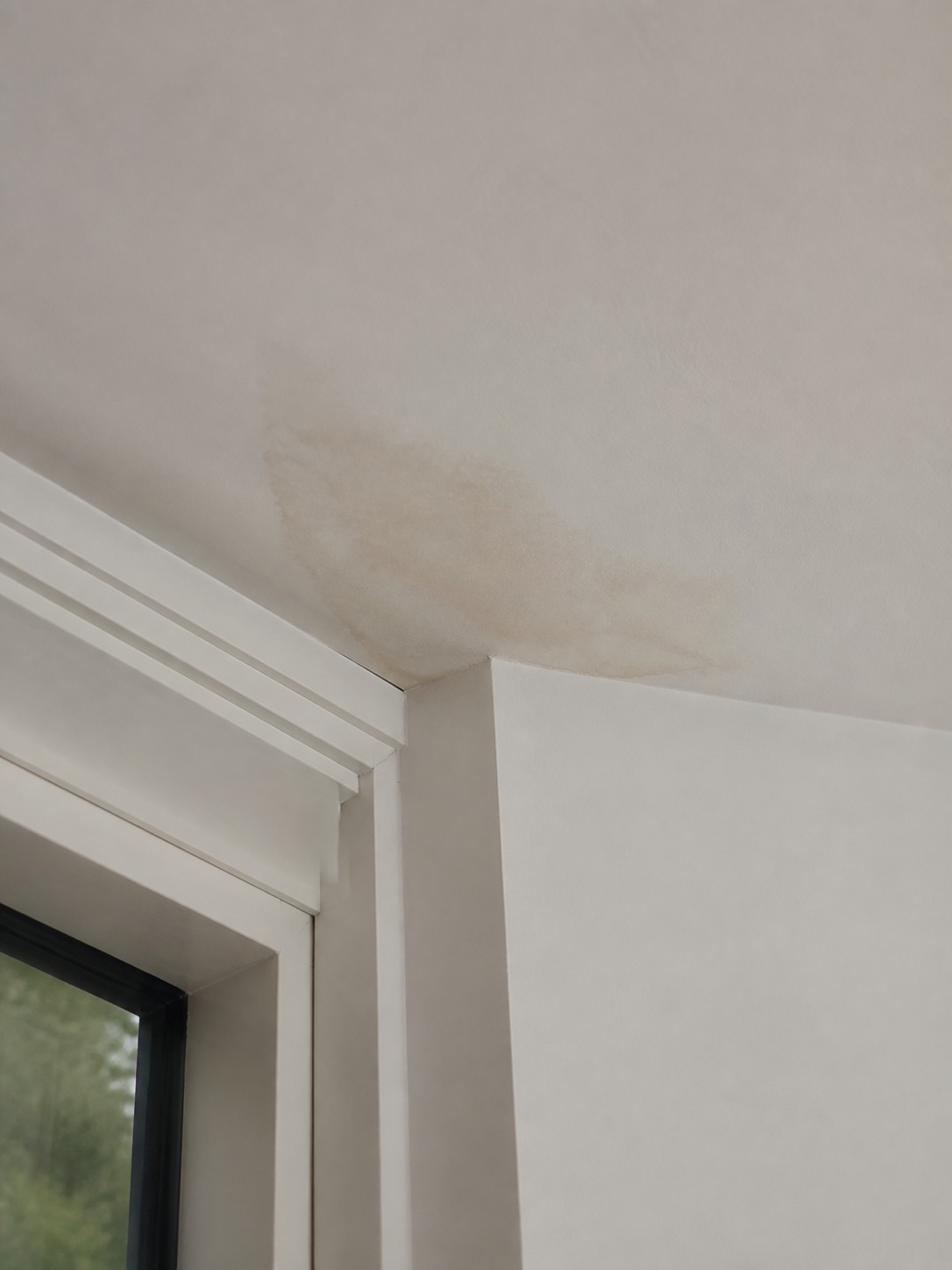
Ceiling stains, bubbling drywall, or peeling paint near the roofline are usually the first interior signals, and they’re worth taking seriously even when they seem minor — water travels along framing before it shows up as a visible stain, so what you see indoors doesn’t always sit directly beneath the actual entry point on the roof.
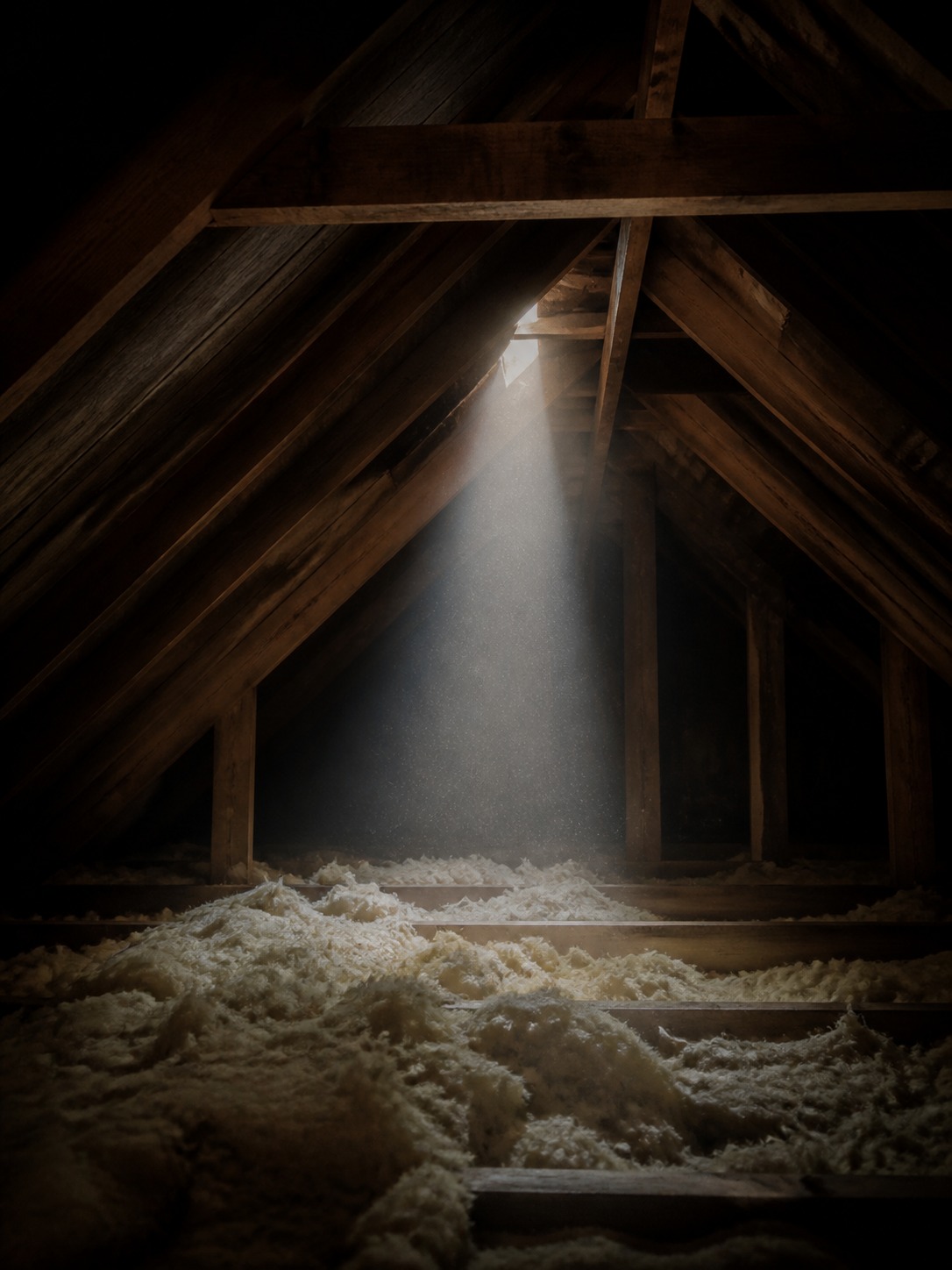
In the attic specifically, damp insulation, a persistent musty smell, or small beams of daylight visible through the roof boards all indicate the same underlying issue: the envelope has a gap somewhere, and water — or at minimum moist air — is finding its way through it.
These interior clues connect directly to comfort and energy performance, not just structural concern. A compromised roof plane affects insulation performance and ventilation, which shows up as a house that’s genuinely harder to heat or cool evenly, even in rooms nowhere near the visible damage. If flashing failure is part of what’s driving this — often the actual entry point rather than the shingles themselves — I break down flashing-specific diagnosis and protection in my roof protection checklist.
Age, Material, and Climate: When the Timeline Starts to Matter
Roof age alone doesn’t tell the whole story, but it shapes how seriously to take every other sign on this list. Asphalt shingle roofs typically last somewhere in the 20-to-30-year range, though that range shifts considerably based on the specific product, the quality of the original installation, and the local climate the roof has actually weathered.
Sun exposure, rainfall, snow load, freeze-thaw cycling, wind, and humidity all wear roofing material down at different rates depending on where the house sits, which is why two roofs of the same age in different climates can be in genuinely different condition.
As a roof ages, the material becomes more brittle — shingles crack rather than flex under stress, sealants lose their effectiveness, and flashing around chimneys and vents gradually loosens from repeated thermal movement. The real signal worth tracking isn’t age by itself. It’s age combined with the visual and interior symptoms already covered — a roof at year 22 showing multiple warning signs deserves a very different response than the same-age roof showing none.
Storm Damage That Changes the Replacement Conversation
Weather events compress a roof’s aging timeline fast, and the resulting damage isn’t always visible from the ground.
Wind can lift shingles just enough to break their seal without fully detaching them, which creates a hidden vulnerability that looks fine until the next storm exploits it further. Hail bruises shingles and knocks off granules without necessarily leaving obvious damage visible from the sidewalk. Heavy, sustained rain finds and exploits small existing weak points, turning a minor issue into a slow, ongoing leak.
Ice dams are their own specific problem in cold climates — heat escaping through the roof melts snow, which then refreezes at the colder eaves, and that trapped ice forces water backward under shingles where it was never meant to go.
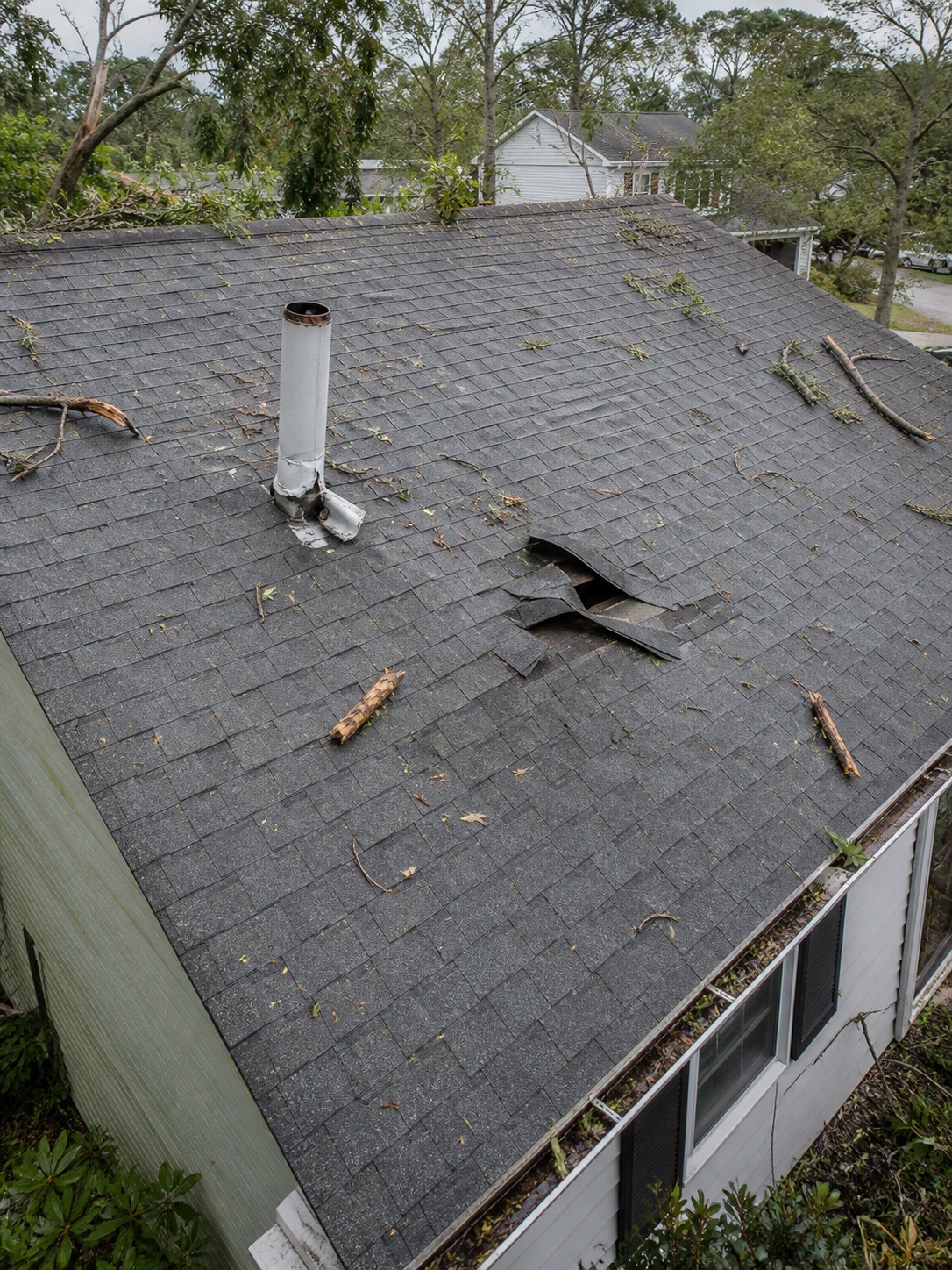
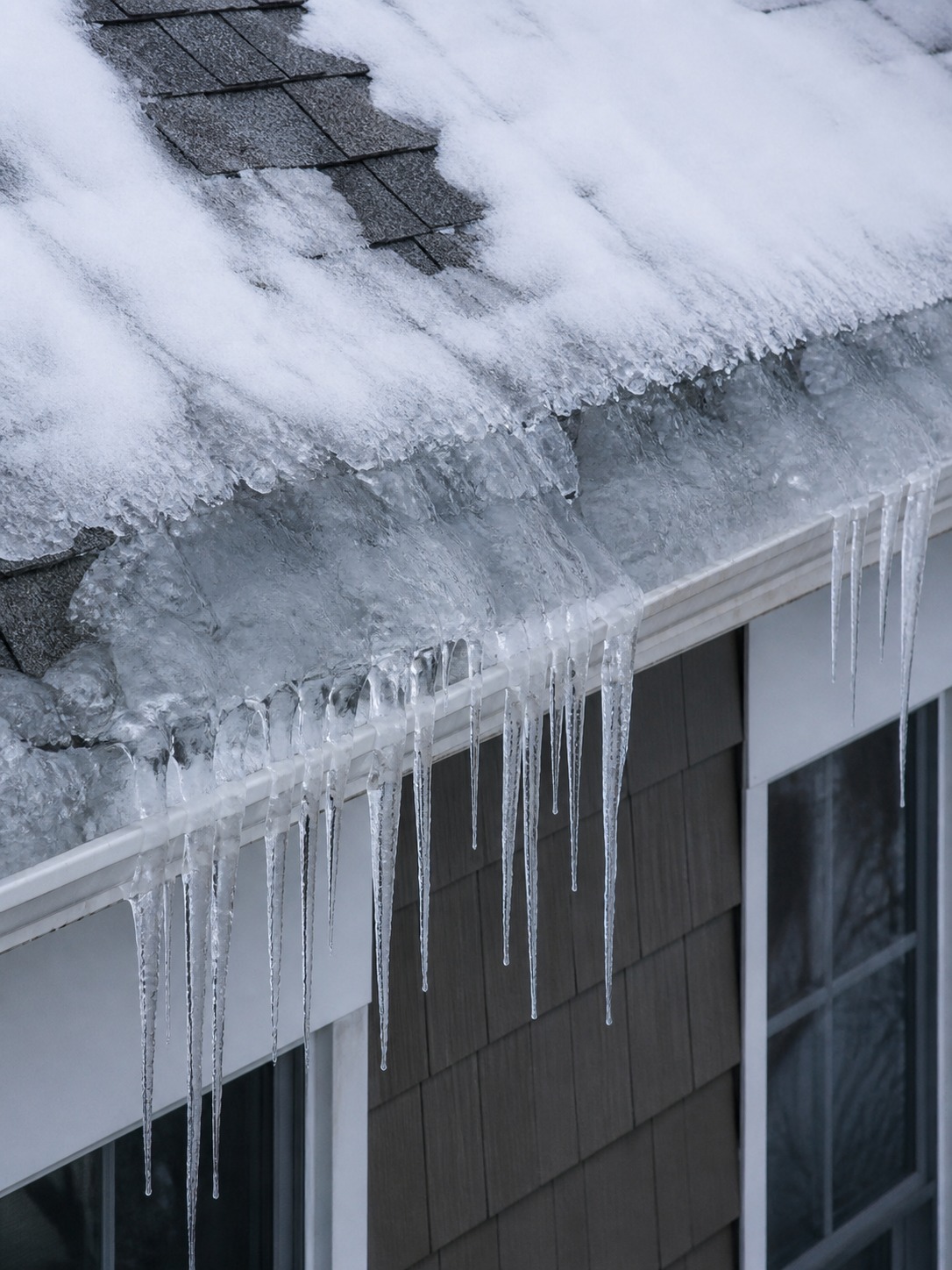
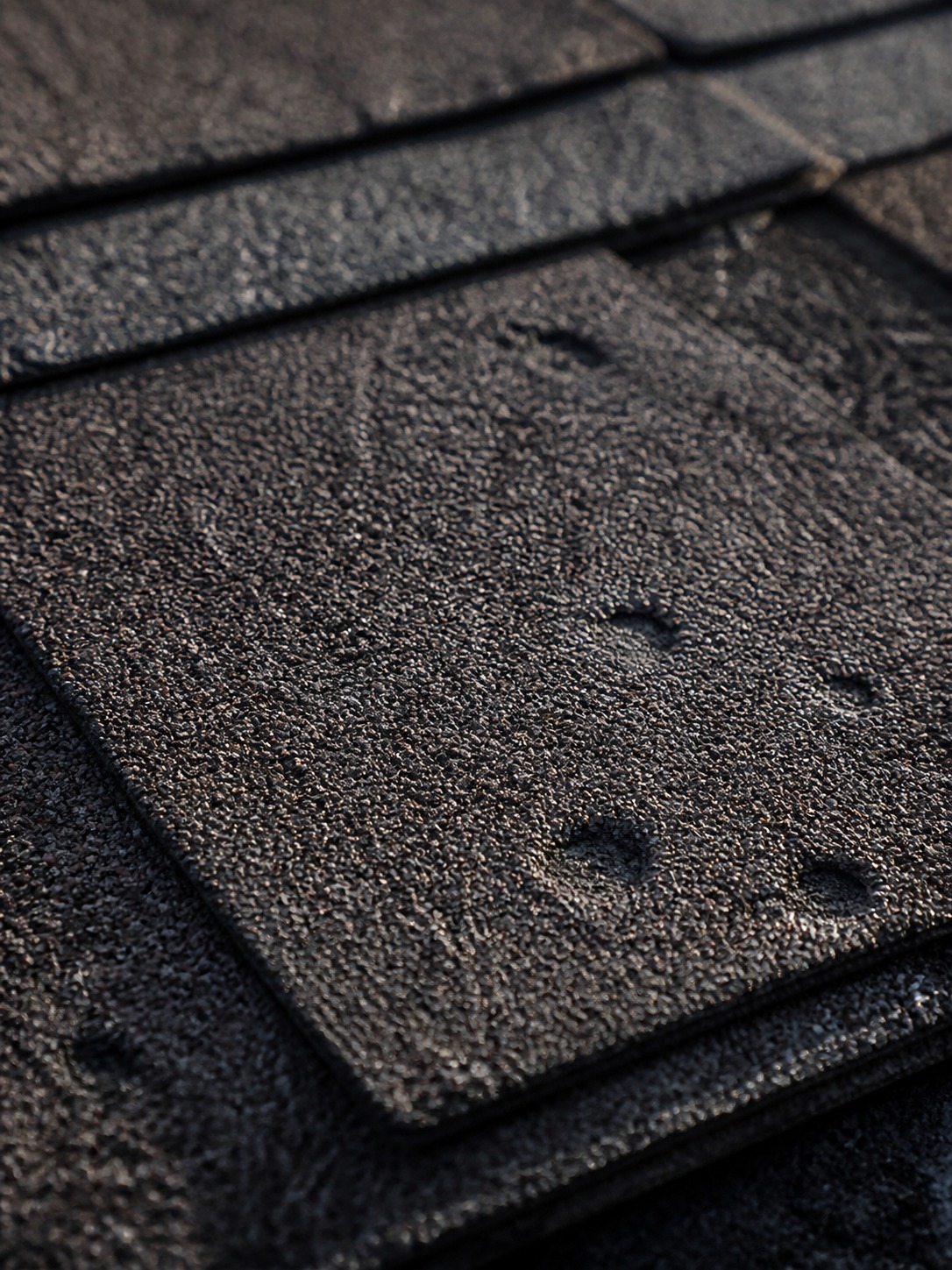
After any major weather event, a simple visual walk-around is worth doing specifically for sagging spots, bent flashing, and debris impact, along with a check of the yard for any shingle pieces that didn’t stay put. I’ve covered the specific post-storm assessment process in more detail in my storm damage guide, which pairs well with this piece for anyone assessing damage right after a specific event rather than doing a general seasonal check.
Roof Repair vs. Replacement From a Design Perspective
The decision between repair and replacement comes down to pattern rather than any single sign in isolation. Damage isolated to one small area on an otherwise sound, reasonably young roof is usually a legitimate repair candidate — there’s no design or structural reason to replace a whole system because of one localized issue. Recurring leaks, failure showing up in multiple zones of the roof, visible widespread aging, or ventilation and flashing problems that keep resurfacing after repairs all point toward the replacement conversation instead.
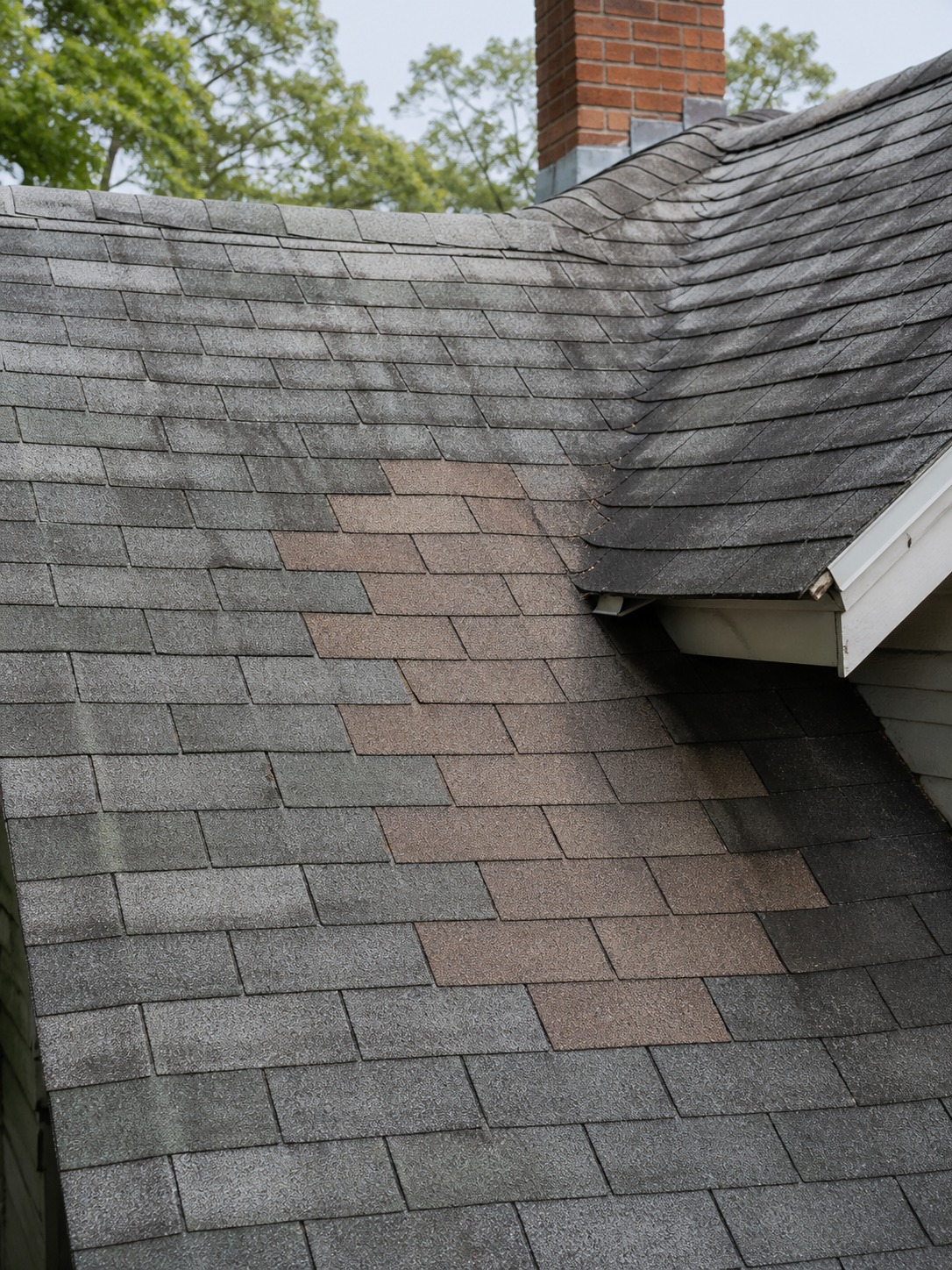
There’s a real hidden cost to repeated patching that’s worth naming directly: mismatched materials from different repair rounds, an increasingly uneven roof plane as patches accumulate, and moisture problems that keep recurring because the underlying cause was never actually addressed, just temporarily masked. From a pure design standpoint, an aging, visibly patched roof also drags down curb appeal in a way that’s hard to fully offset with any other exterior improvement — the roof occupies too much visual real estate on the facade for the rest of the house to compensate. When the pattern points clearly toward replacement, getting a proper roof replacement estimate early — rather than after another season of patch repairs — usually turns out to be the more design-sound and more cost-effective decision in the long run.

What to Document Before Calling a Roofing Professional
Walking into that first conversation with a roofing professional prepared makes the whole assessment process faster and considerably more useful. Photograph every visible sign — stains, missing or curled shingles, sagging areas, attic moisture — and note when each one first appeared, especially in relation to specific storms rather than just “sometime this year.”
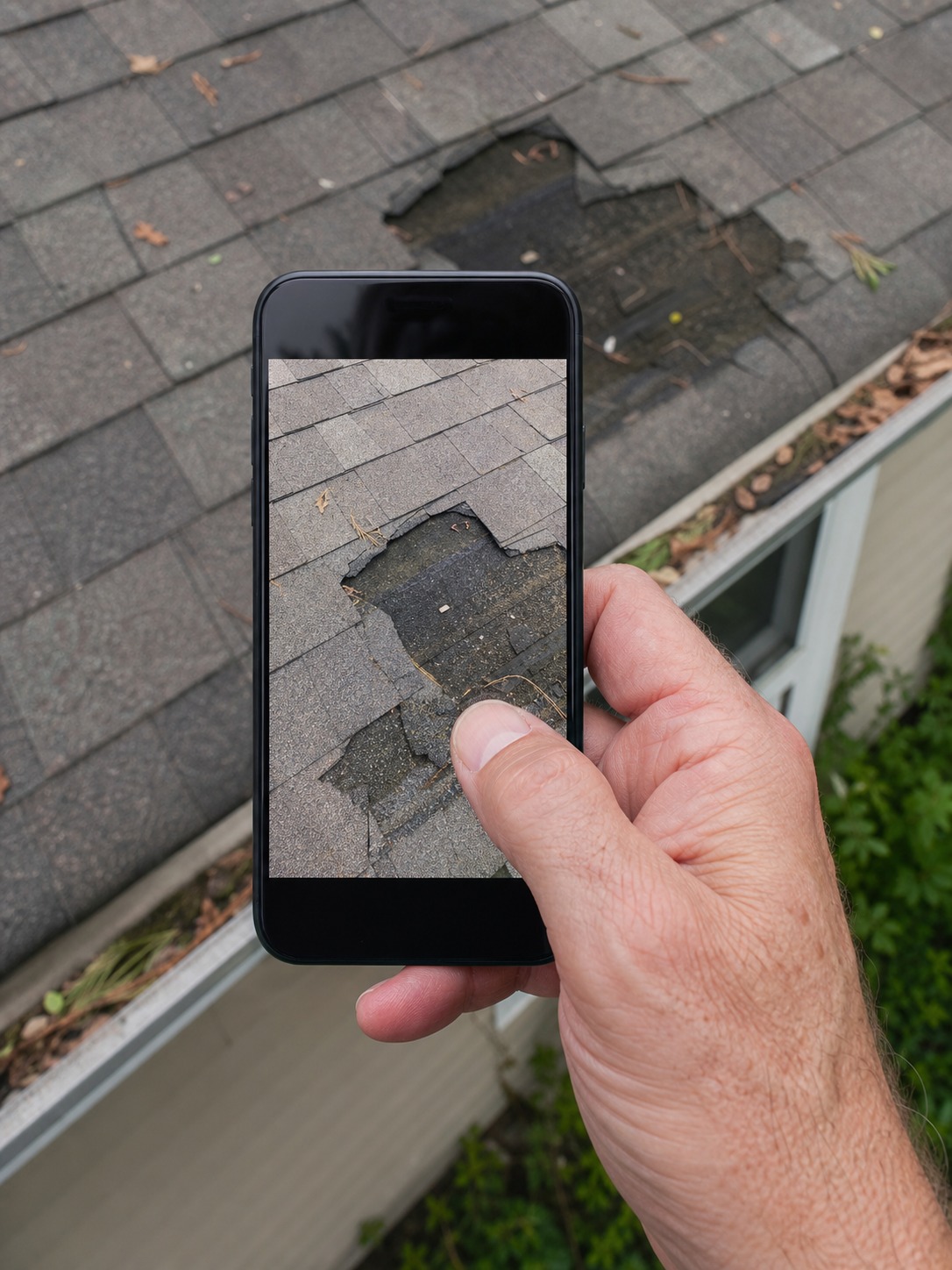
A short, direct set of questions gets you further than trying to sound like a contractor yourself: How much of the roof is actually affected? Is the underlying cause age, storm damage, or a poorly executed past repair? Would a targeted repair genuinely buy meaningful time, or is the same problem likely to resurface next season regardless? If replacement does end up being the direction, it’s also worth planning the timeline itself thoughtfully rather than reactively — I go into that specific planning process, including how to sequence the project with minimal disruption, in my roof refresh planning guide, and once a decision is made, what the actual installation process involves is covered in my roof replacement process guide.
If You’re Planning an Exterior Renovation, Evaluate the Roof First
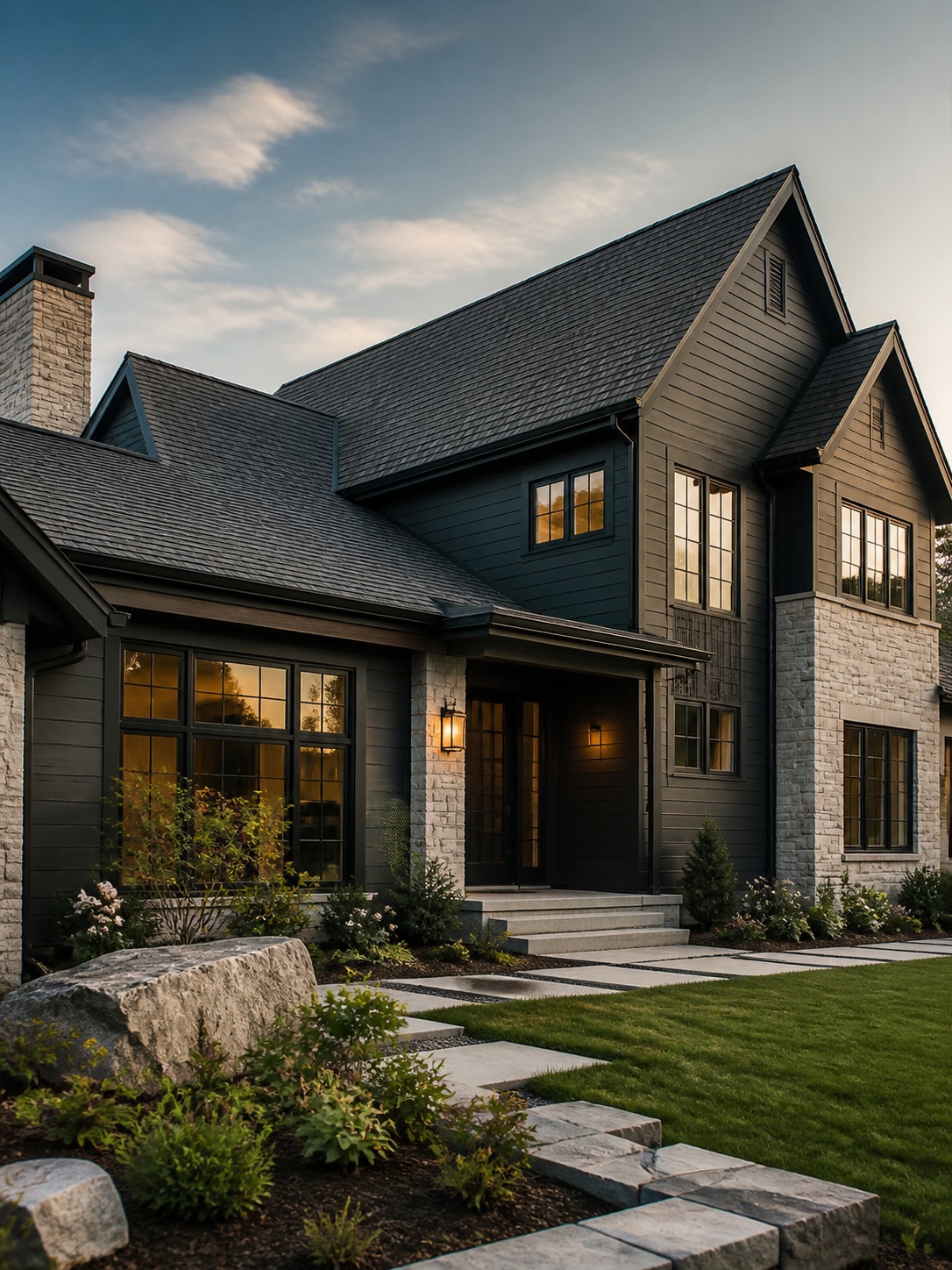
Roof material and color anchor the rest of the facade’s palette more than any other single exterior decision — siding color, gutter finish, and trim all read relative to whatever’s happening at the roofline, whether that relationship was planned deliberately or not. Committing to new siding, fresh exterior paint, or updated trim before understanding the roof’s actual remaining lifespan risks a mismatch down the line, both aesthetically and financially, if the roof needs replacing again shortly after the rest of the exterior is finished.
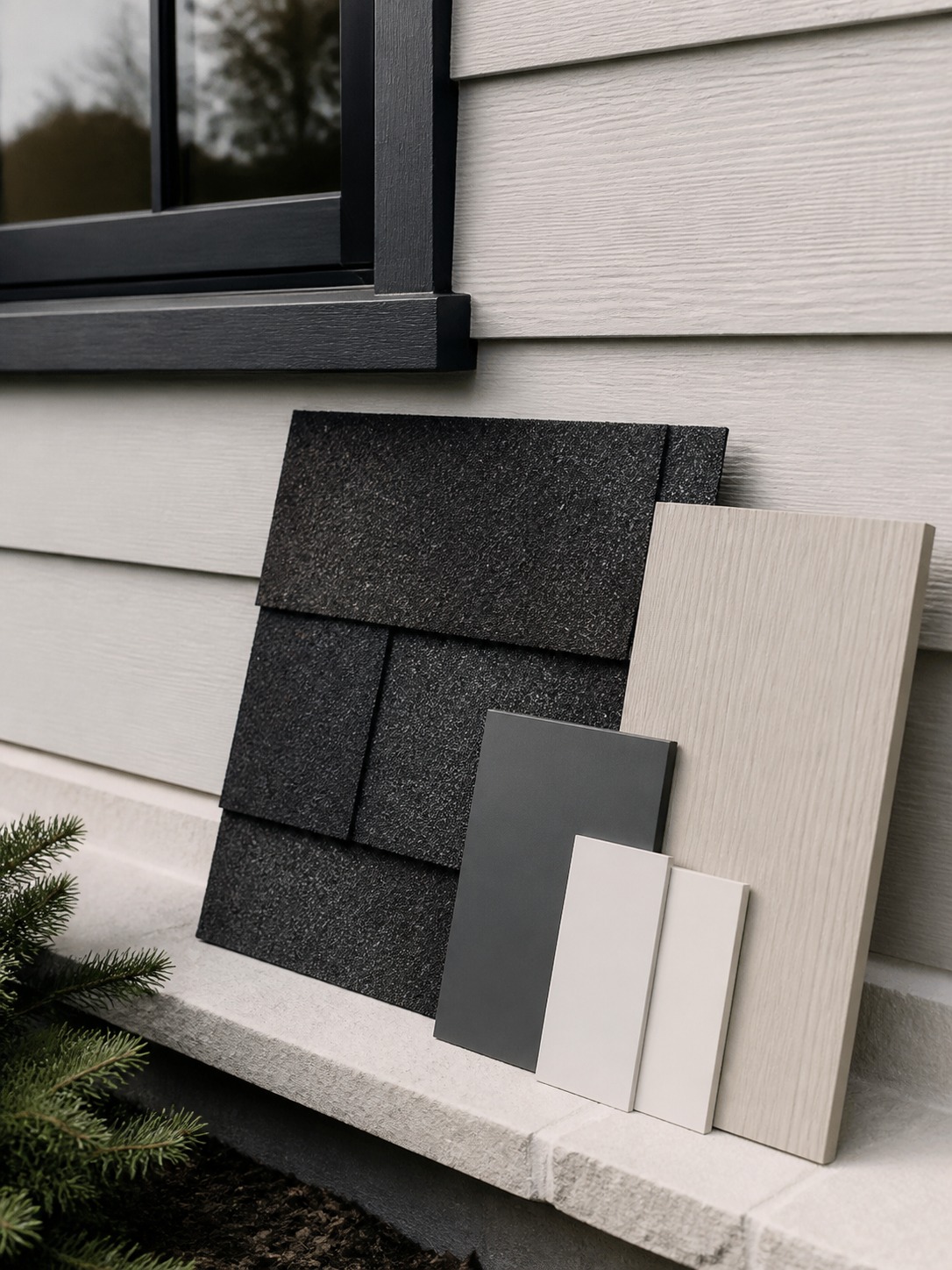
Evaluate the roof first, and let its material and color inform the rest of the exterior renovation plan rather than treating it as a separate, later decision. This sequencing also protects the smaller architectural details that tie a facade together — trim profiles, gap treatment, drainage paths — which I cover more broadly in my exterior details guide. A roof and a facade planned together, in the correct order, consistently reads as more considered than the same two elements addressed independently.
Final Thoughts
A roof rarely fails all at once. It shows you a pattern first — a few curled shingles, a stain that wasn’t there last season, granules collecting where they shouldn’t be — and reading that pattern early is what turns a roof decision into a planned design choice rather than an emergency response to a ceiling leak. Walk the exterior, check the attic, and take the timeline seriously alongside the symptoms. The roof sets the tone for everything else on the facade below it.

Frequently Asked Questions
What are the most common signs you need a new roof?
Curled, cracked, or missing shingles, granules collecting in the gutters, uneven coloring or sagging lines across the roof plane, and interior signs like ceiling stains or musty attic smells are the most common indicators. Any of these alone might be minor, but several appearing together usually signals a broader issue worth a professional assessment.
How do I know if my roof needs repair or replacement?
Isolated damage on an otherwise sound, relatively young roof is typically a repair candidate. Recurring leaks, failure across multiple areas of the roof, widespread visible aging, or flashing and ventilation problems that keep resurfacing after repairs all point toward replacement being the more practical long-term decision.
Is roof age enough reason to replace it?
Age alone isn’t a definitive reason, but it should shape how seriously you take other symptoms. A roof well within its expected lifespan showing no other signs can often be left alone, while an older roof — even one that looks reasonable from the ground — deserves closer attention to brittleness, sealant condition, and flashing integrity.
What do shingle granules in the gutter mean?
Granules are the protective surface layer on asphalt shingles, and finding them collecting in the gutters means that layer is wearing away. This accelerates UV and weather damage to the shingle underneath, and a noticeable, ongoing accumulation is generally a sign the roof is entering a more advanced stage of aging.
Should I replace the roof before updating siding or exterior paint?
Generally, yes. Roof material and color anchor the rest of the facade’s palette, and committing to new siding or paint before understanding the roof’s remaining lifespan risks a mismatch and added cost if the roof needs replacing again soon after. Evaluating the roof first lets it inform the rest of the exterior renovation plan.
- 31shares
- Facebook0
- Pinterest31
- Twitter0
- Reddit0