
A roof is more than just a covering over a home. It’s a protective barrier that stands between a family and the elements.
A roof quietly puts up with more abuse than most parts of a house. Wind tries to lift shingles. Rain finds weak spots. Summer heat bakes everything for weeks, then winter swings in and contracts the same materials overnight. Ignore small issues long enough and they stop being small.
Most expensive roof repairs start with something boring: a lifted shingle after a storm, flashing pulling away near a vent, gutters overflowing because leaves piled up for months. Easy to ignore. Not so cheap once water gets inside.
That is why having a simple roof protection checklist helps. This guide walks through the stuff that actually matters — choosing the right shingles for your weather, checking flashing in the spots people forget, keeping drainage clear, and catching problems before they turn into a contractor emergency. Small checks now save a lot of money later.
The Foundation of Roof Protection: Material Choices
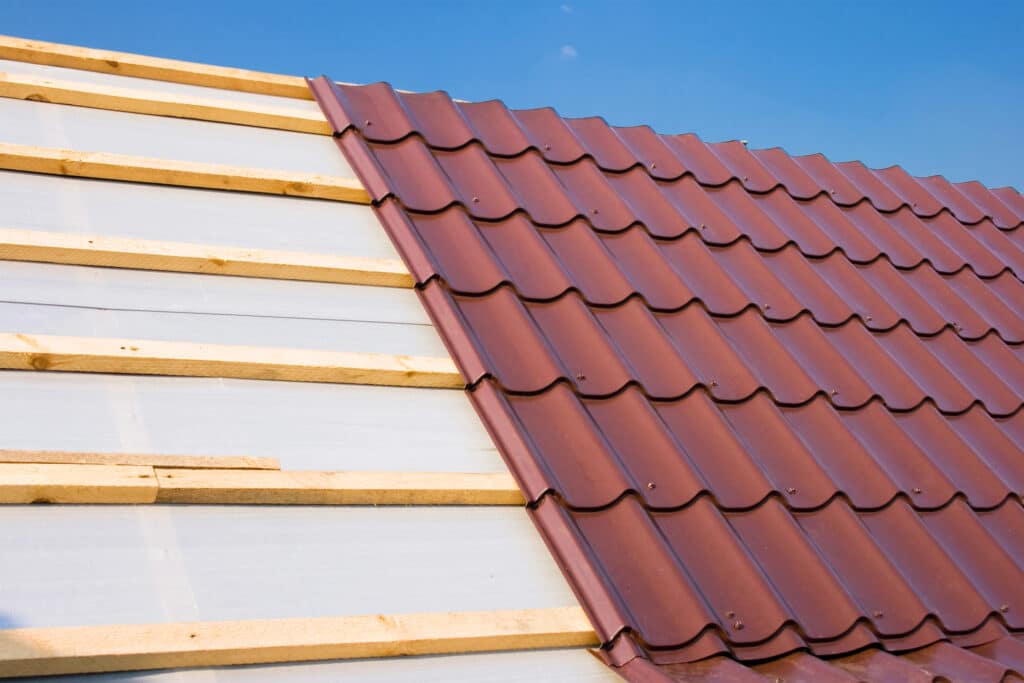
Asphalt, Metal, or Tile?
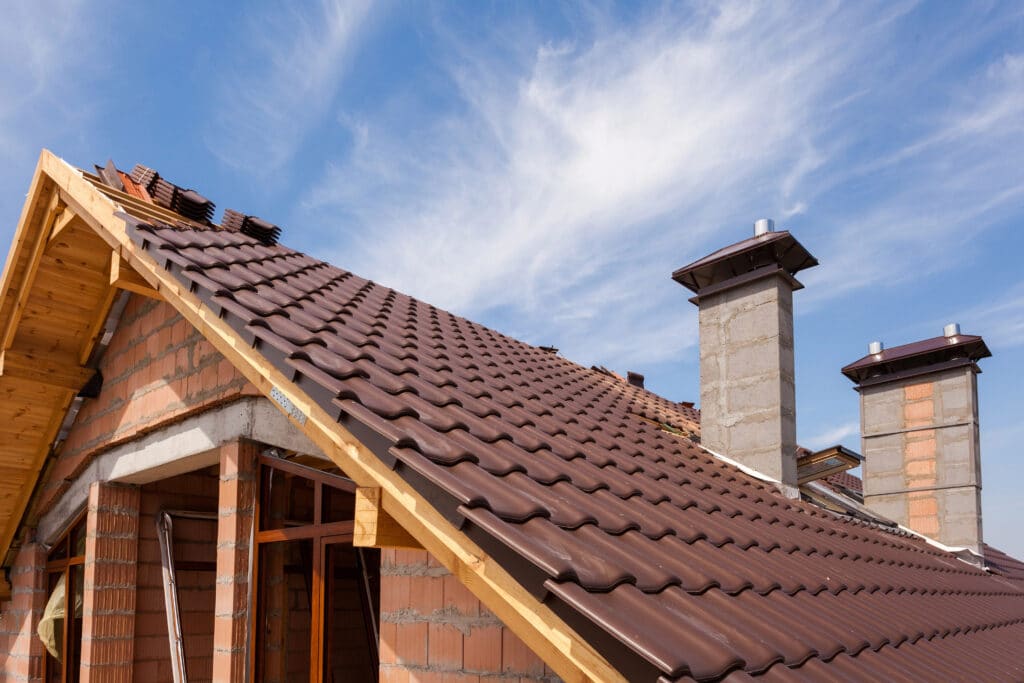
The type of roofing material sets the tone for performance. Asphalt shingles remain the most common, offering affordability and flexibility. Metal roofs, while more expensive upfront, bring decades of longevity and energy efficiency. Tile, whether clay or concrete, adds distinctive character and resistance to harsh weather.
Each option comes with strengths and maintenance requirements. The key is choosing a material that aligns with the local climate, budget, and home style.
The Importance of Underlayment
Beneath the visible shingles sits an unsung hero: underlayment. This protective layer shields the roof deck from moisture, especially in heavy storms. Felt, synthetic, or rubberized asphalt are common options. Skipping or cutting corners on underlayment can compromise the entire system.
Maintenance and Regular Inspections
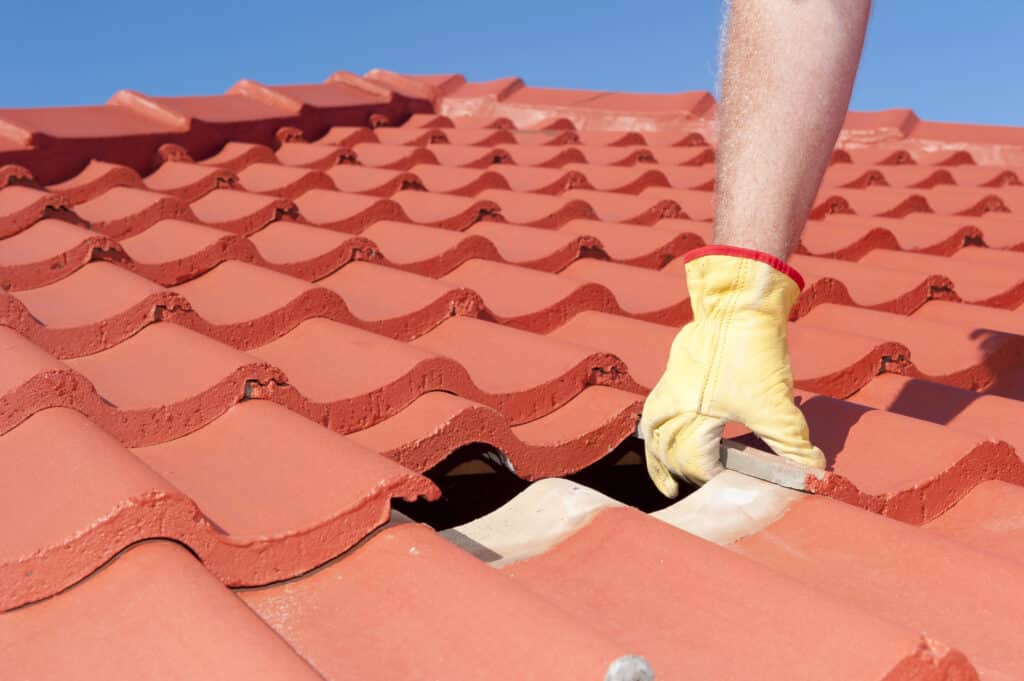
Routine Checks
A roof doesn’t last decades without oversight. Seasonal inspections after heavy storms help spot early warning signs: missing shingles, rusted flashing, or sagging areas. Catching these issues early prevents small problems from becoming major repairs.
Professional Guidance
Homeowners can spot obvious issues, but professionals bring expertise. A licensed residential roofing contractor in Stuart, Fl can identify hidden vulnerabilities and provide recommendations specific to regional weather conditions. This partnership between homeowner and professional builds stronger protection over time.
Structural Soundness Before Surface Beauty
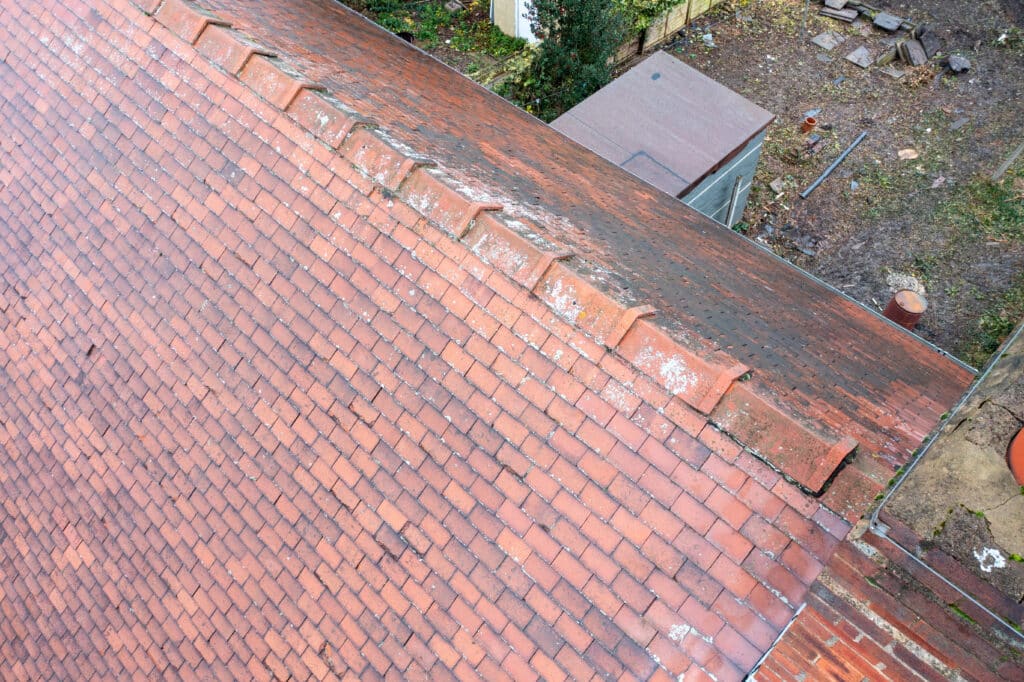
Inspecting the Deck
A roof deck must be solid before shingles or tiles can perform effectively. Warping, rotting, or gaps in the wood weaken the entire structure. A strong deck ensures materials fasten securely and stay in place during extreme weather.
Attic Ventilation
Most people never think about roof ventilation because you cannot actually see it doing anything. But a poorly ventilated attic has a way of showing up later — curling shingles, trapped humidity, even that musty smell nobody wants drifting through the house.
Heat is one problem. In summer, attics can get brutally hot, and all that trapped heat puts extra stress on roofing materials. Moisture is the other. Warm, damp air with nowhere to go can lead to mold, wood rot, or insulation that stops doing its job properly.
The fix is not complicated, at least in theory. Fresh air needs a way in, and hot, humid air needs a way out. That is where balanced intake and exhaust vents matter. When airflow works the way it should, the roof stays healthier and usually lasts a lot longer.
The Details That Guard Against Leaks
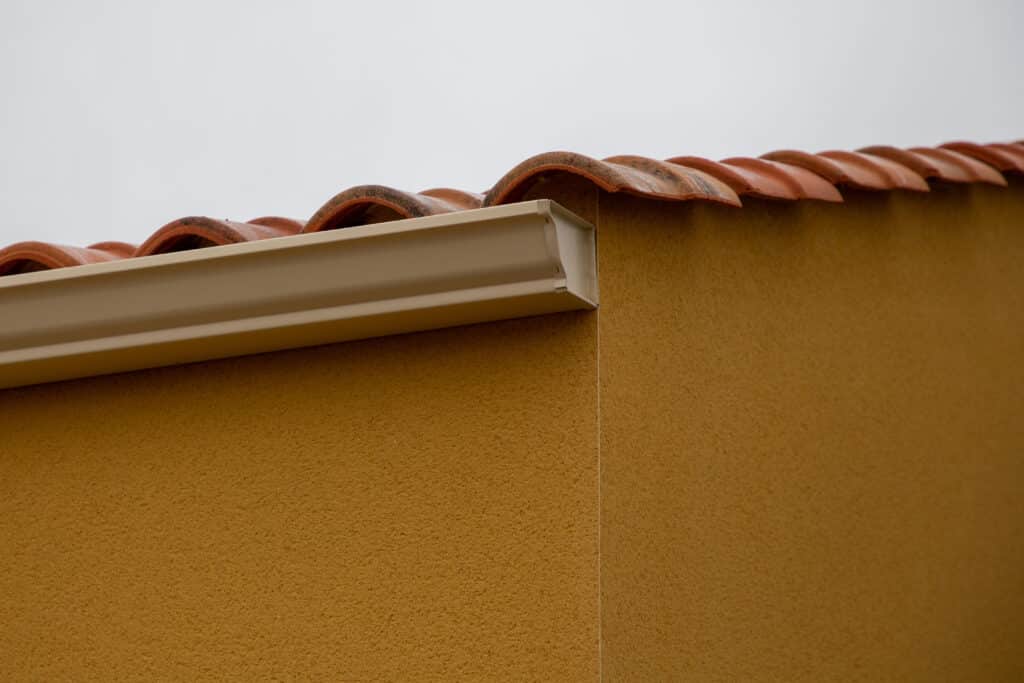
Flashing at Vulnerable Points
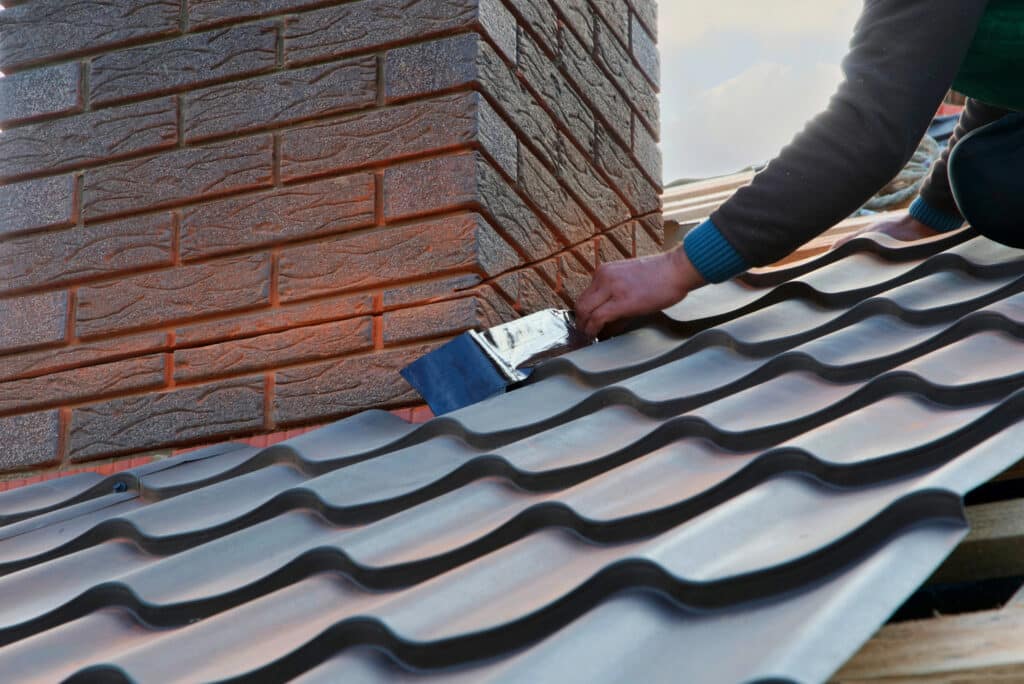
No roof is immune to weak spots. Chimneys, skylights, valleys, and vents all demand special attention. Flashing, usually made of aluminum or galvanized steel, directs water away from these areas. Even the best shingles can’t stop leaks if flashing is poorly installed or deteriorates with age.
Drip Edge Installation
A drip edge might seem like a small addition, but it is critical. This metal strip along the eaves and rakes prevents water from seeping beneath shingles. It also guides runoff into gutters, reducing the risk of rot at the roof’s edge.
Shingle Installation Done Right
Precision and Placement
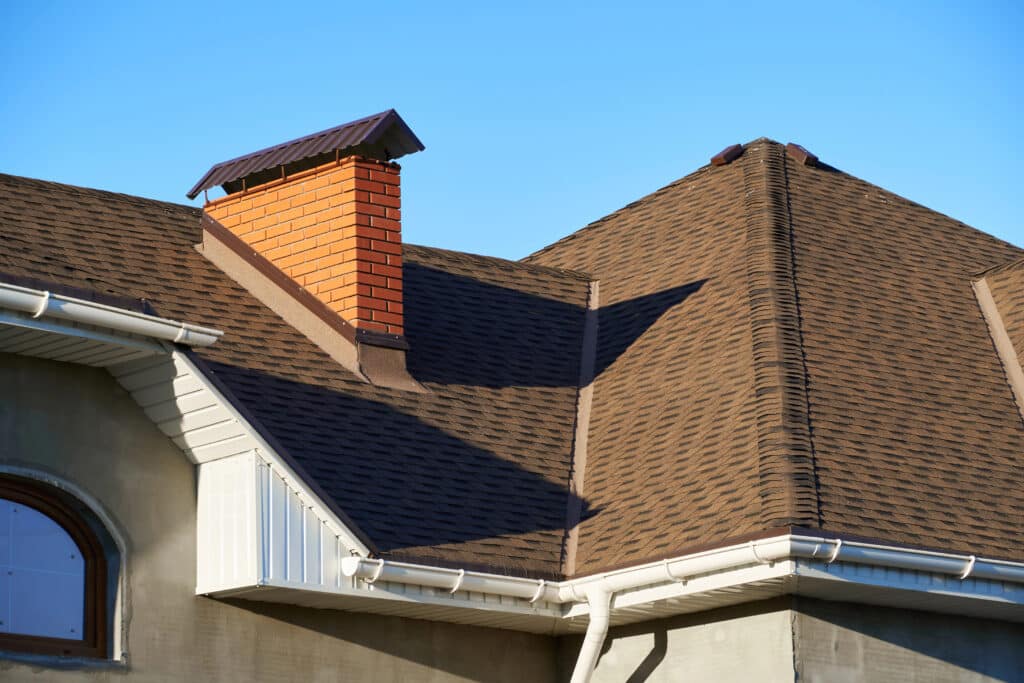
The placement of shingles matters as much as their quality. Each row must overlap correctly, fasteners must be driven in at the right depth, and patterns must align. Misaligned shingles or exposed nails create openings for water. Professional installation ensures consistency that do-it-yourself approaches often miss.
Sealing and Adhesion
Modern shingles often come with adhesive strips that activate under heat. This feature helps prevent wind uplift. Ensuring proper sealing is part of the installation checklist. If skipped, even minor storms can loosen shingles.
Gutters, Downspouts, and Water Flow
Why Drainage Matters
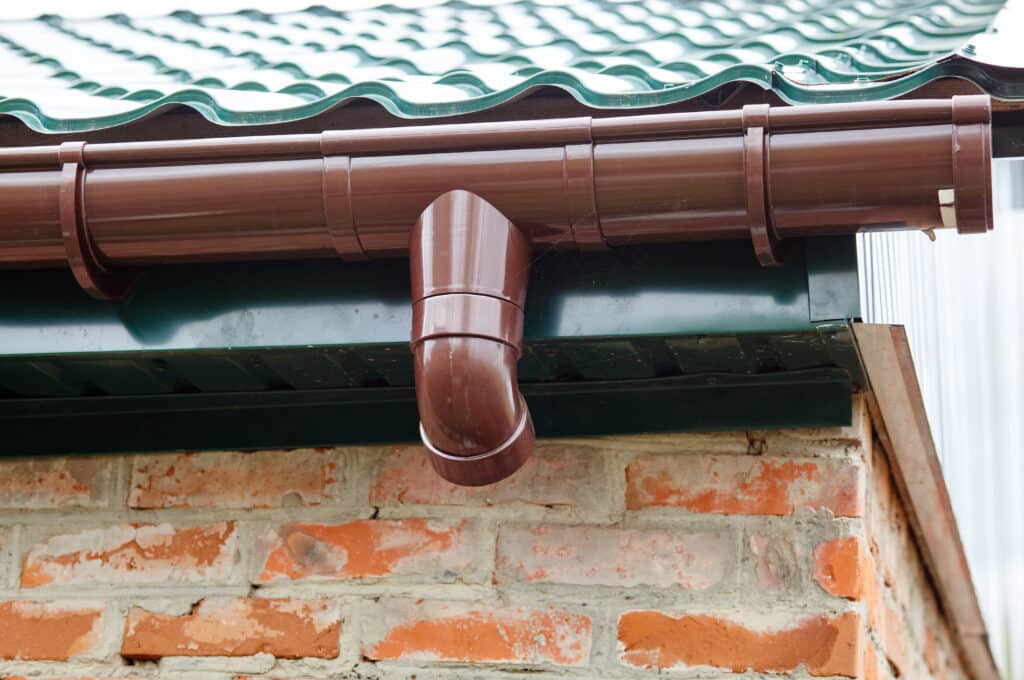
Water that lingers on a roof shortens its lifespan. Gutters and downspouts provide a clear exit path for rain, keeping surfaces dry. If clogged, they can back up and force water beneath shingles or into the fascia.
Regular Cleaning
Twigs, leaves, and dirt easily pile up in gutters. Seasonal cleaning is essential to keep water flowing. Adding gutter guards reduces maintenance and extends system performance.
Preparing for Extreme Weather
Storm-Ready Features
In areas prone to hurricanes, heavy snow, or strong winds, additional reinforcement makes sense. Hurricane straps, impact-resistant shingles, or ice shields can reduce risks significantly.
Emergency Planning
Even the best-maintained roofs can suffer unexpected damage. Having an emergency tarp, knowing a trusted contractor’s contact, and reviewing insurance coverage are smart precautionary measures.
Long-Term Investment in Roof Health
Energy Efficiency Benefits
A well-protected roof does more than keep water out. It also influences energy bills. Reflective shingles, radiant barriers, and proper insulation reduce heat transfer, making homes more comfortable and efficient.
Resale Value and Peace of Mind
A secure roof adds value to a property. Potential buyers view a new or well-maintained roof as a major advantage. Even without plans to sell, the peace of mind that comes from knowing the home is shielded is invaluable.
Conclusion
It is easy to think roof protection starts and ends with shingles. That is usually what people notice first. But a roof works more like a system where every piece depends on the next. Underlayment helps block moisture if water sneaks past the surface. Flashing covers the weak spots around chimneys and vents. Gutters keep water moving instead of pooling near the house. Ventilation handles the heat and moisture that build up where nobody looks.
And most roofing problems do not arrive all at once. A small gap around flashing here. Overflowing gutters there. Maybe a section of shingles loosens after a windy season and nobody notices for months. One small issue turns into another.
That is why a checklist actually helps. Not because roofing suddenly becomes simple, but because homeowners know what to pay attention to and when something feels off. A little maintenance at the right time usually beats a major repair bill later.
Really, taking care of the roof means taking care of the whole house. Keep an eye on the basics, deal with problems while they are still small, and the roof has a much better chance of lasting the way it was supposed to.
- 12shares
- Facebook0
- Pinterest9
- Twitter3
- Reddit0