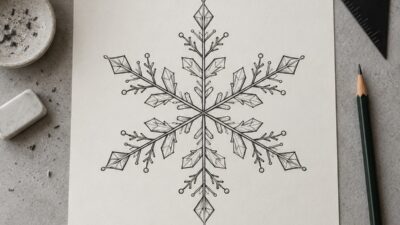
I keep a small folder of coloring pages on hand for when nieces and nephews visit, and after years of trial and error I’ve noticed something most coloring roundups skip entirely: the theme matters less than the line weight and the size of the color zones. A toddler handed a detailed jungle scene gives up in under a minute. The same kid handed a simple lion with thick outlines and big open areas will color for twenty minutes straight.
That distinction is the difference between a coloring page that gets used once and thrown away, and one that becomes a kid’s favorite activity for an entire rainy afternoon.
- 1. Animals (10 ideas)
- 2. Vehicles and transportation (10 ideas)
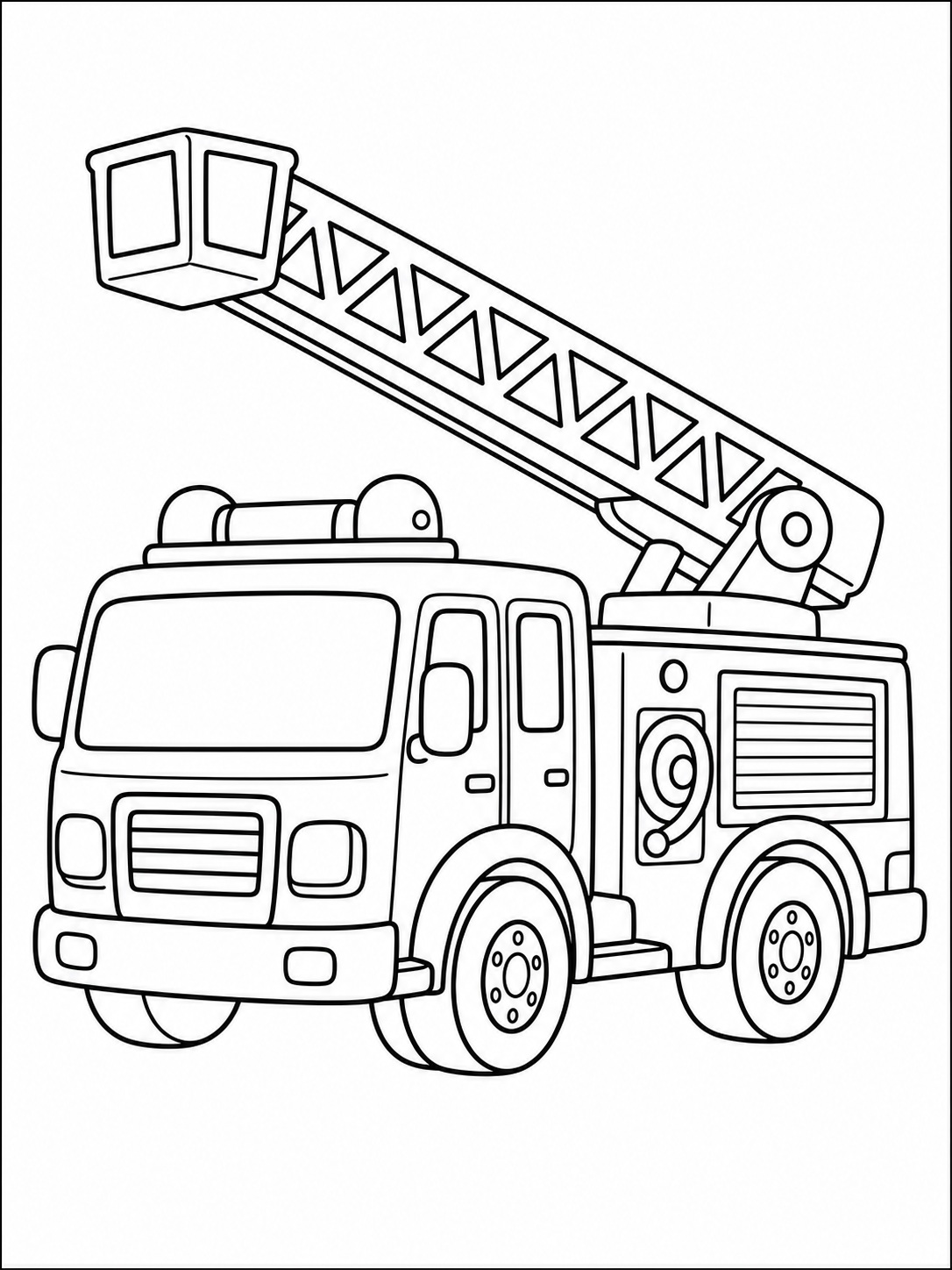
- A fire truck with a ladder extended
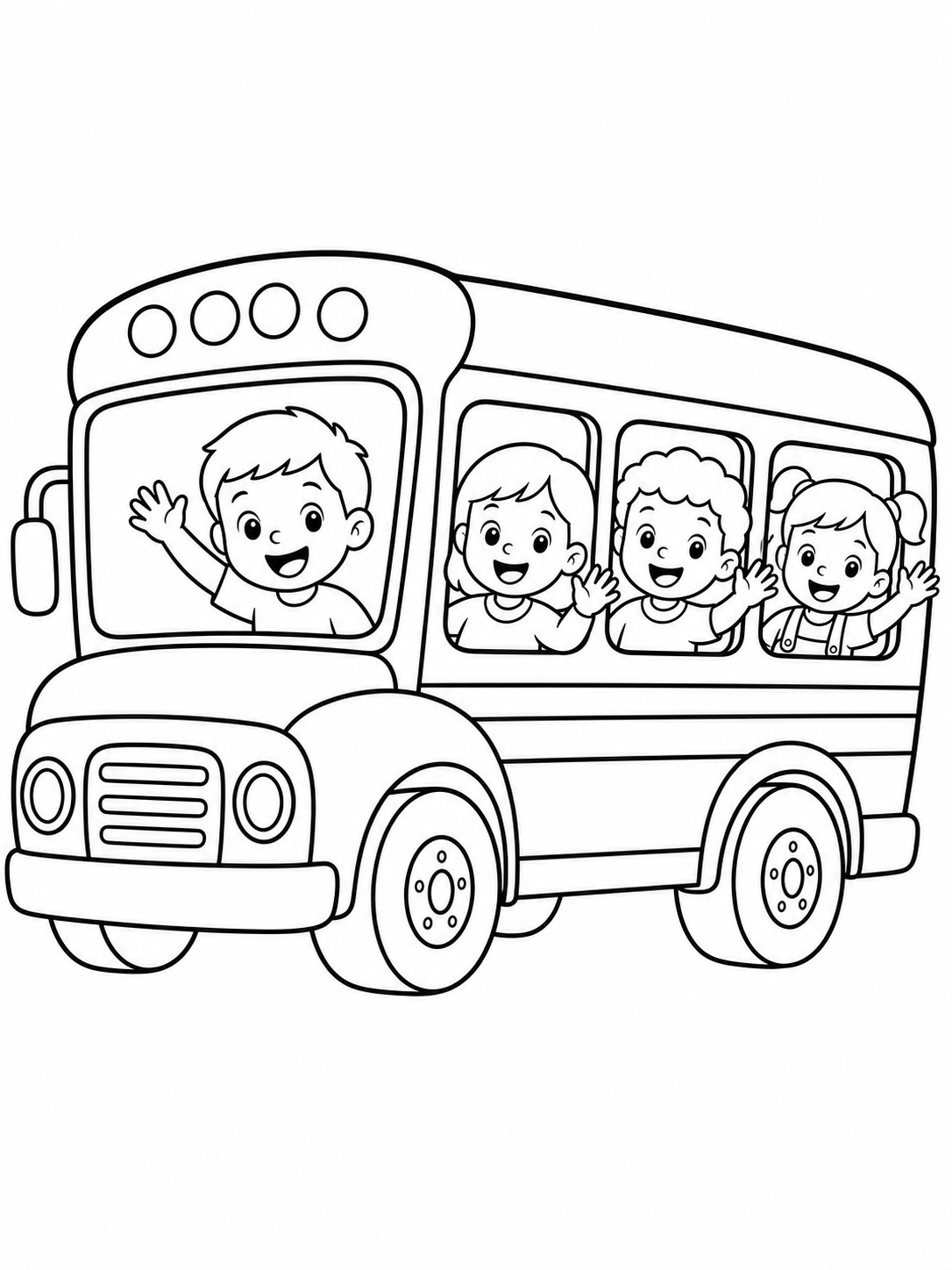
- A school bus with kids waving from windows
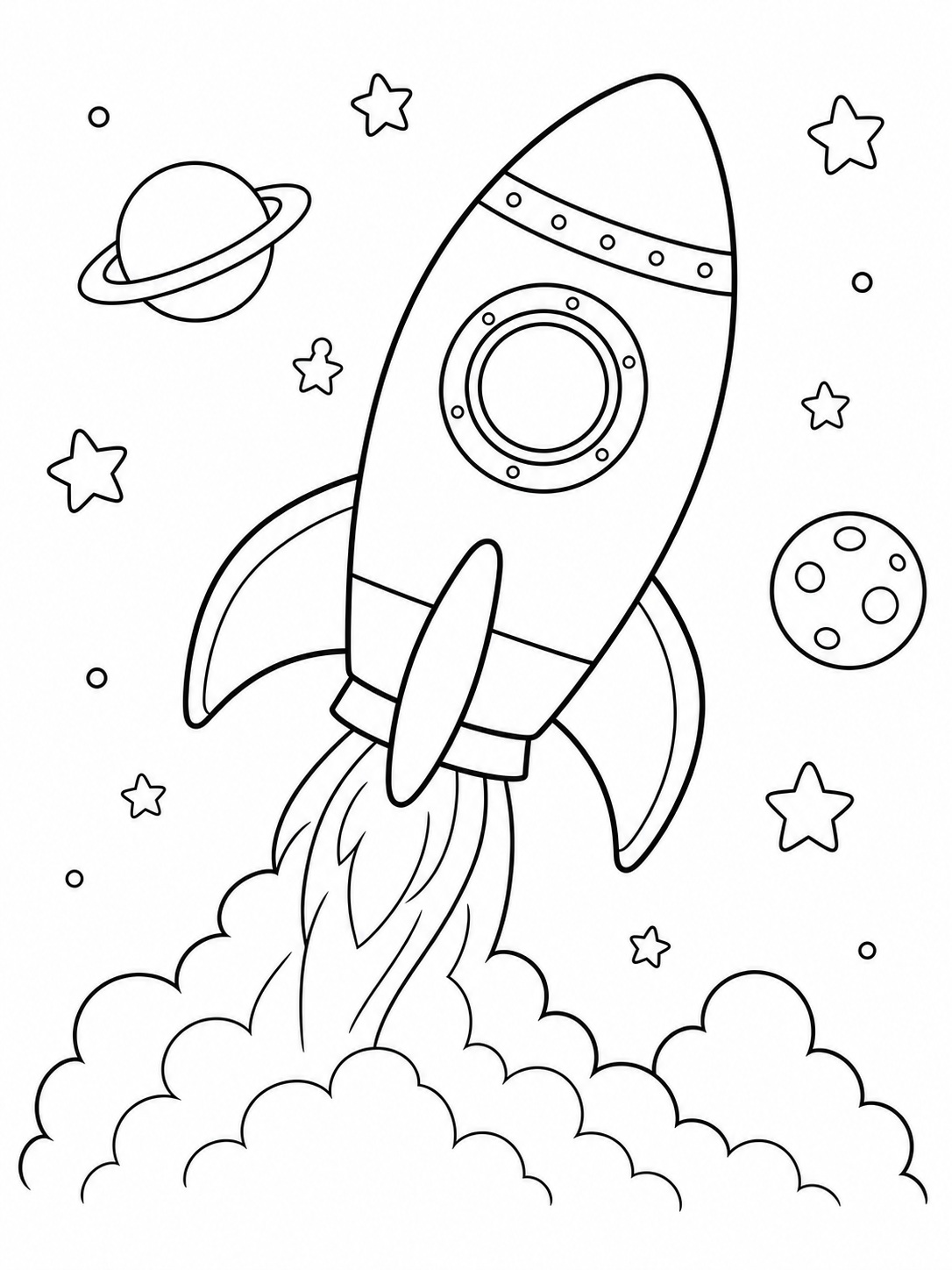
- A rocket ship blasting off
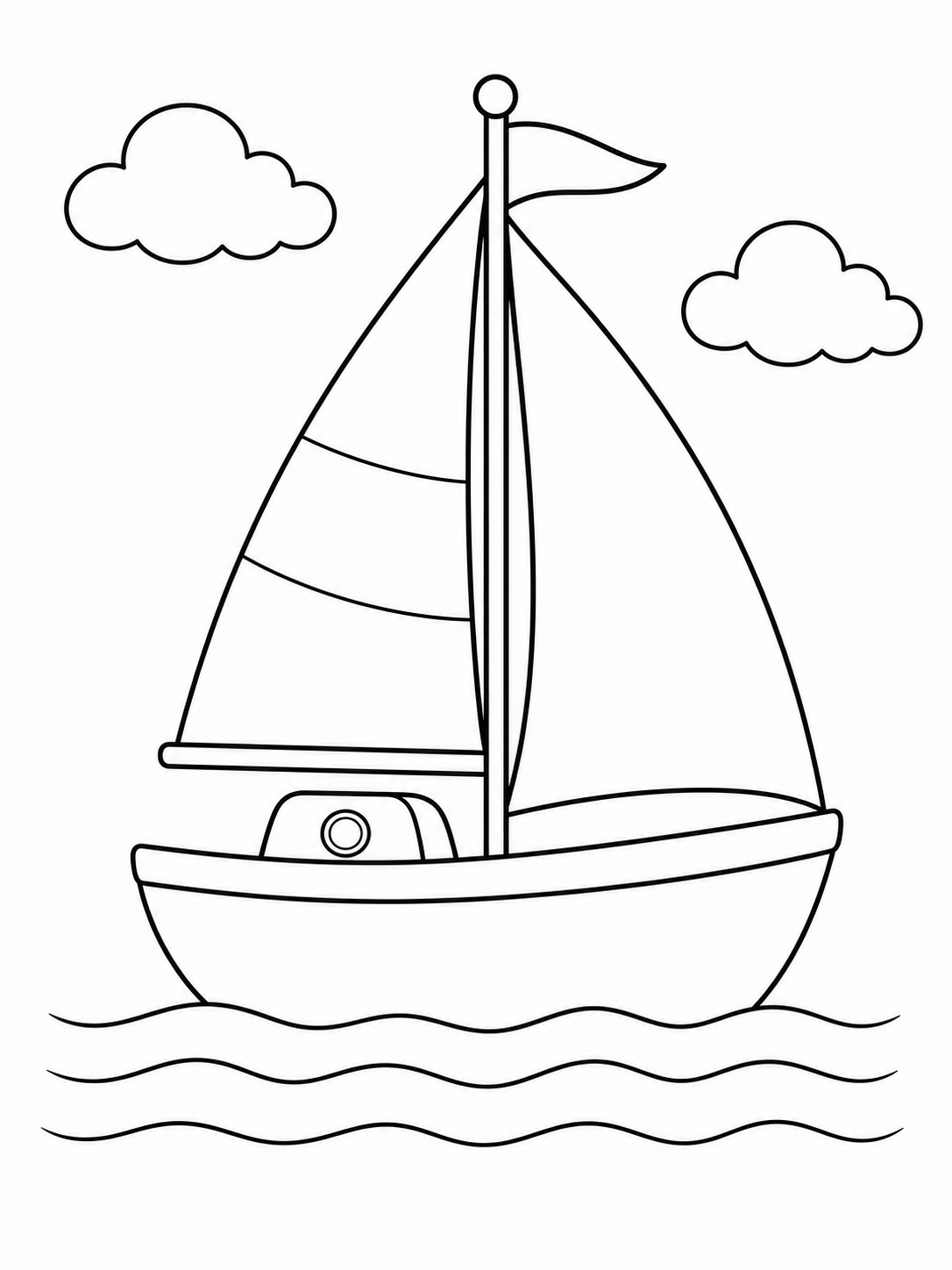
- A sailboat on calm water
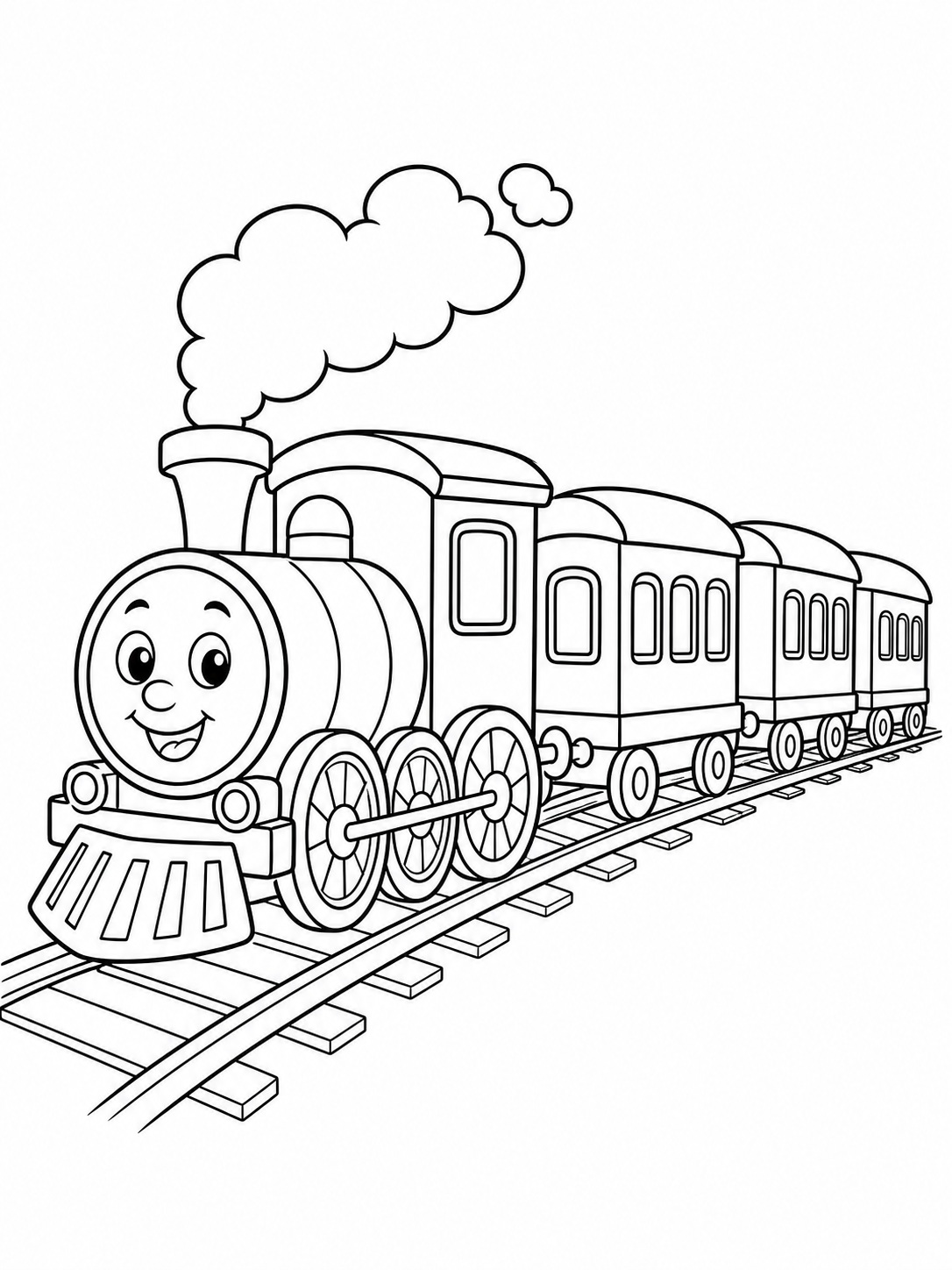
- A train with several connected cars
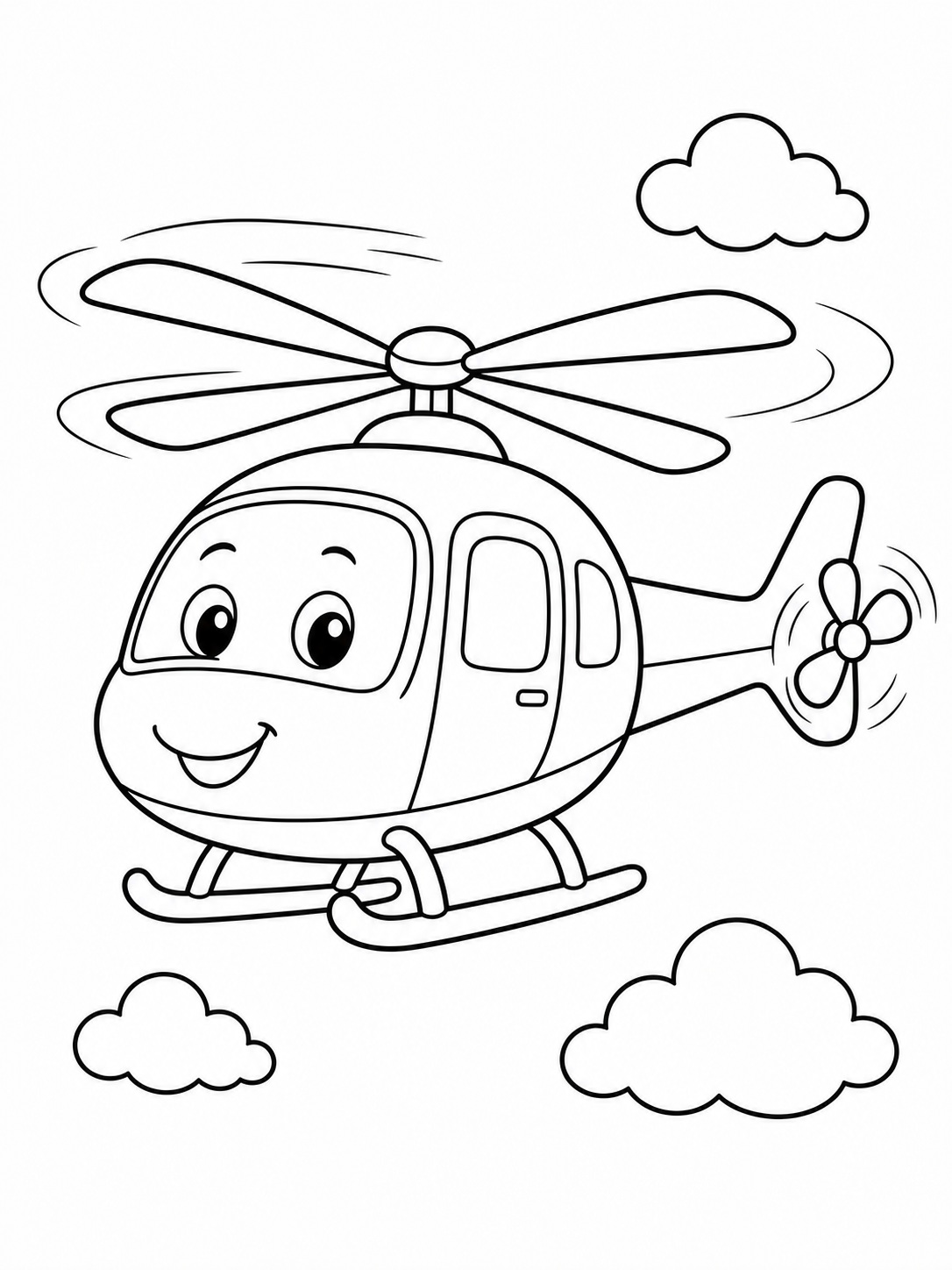
- A helicopter with spinning blades
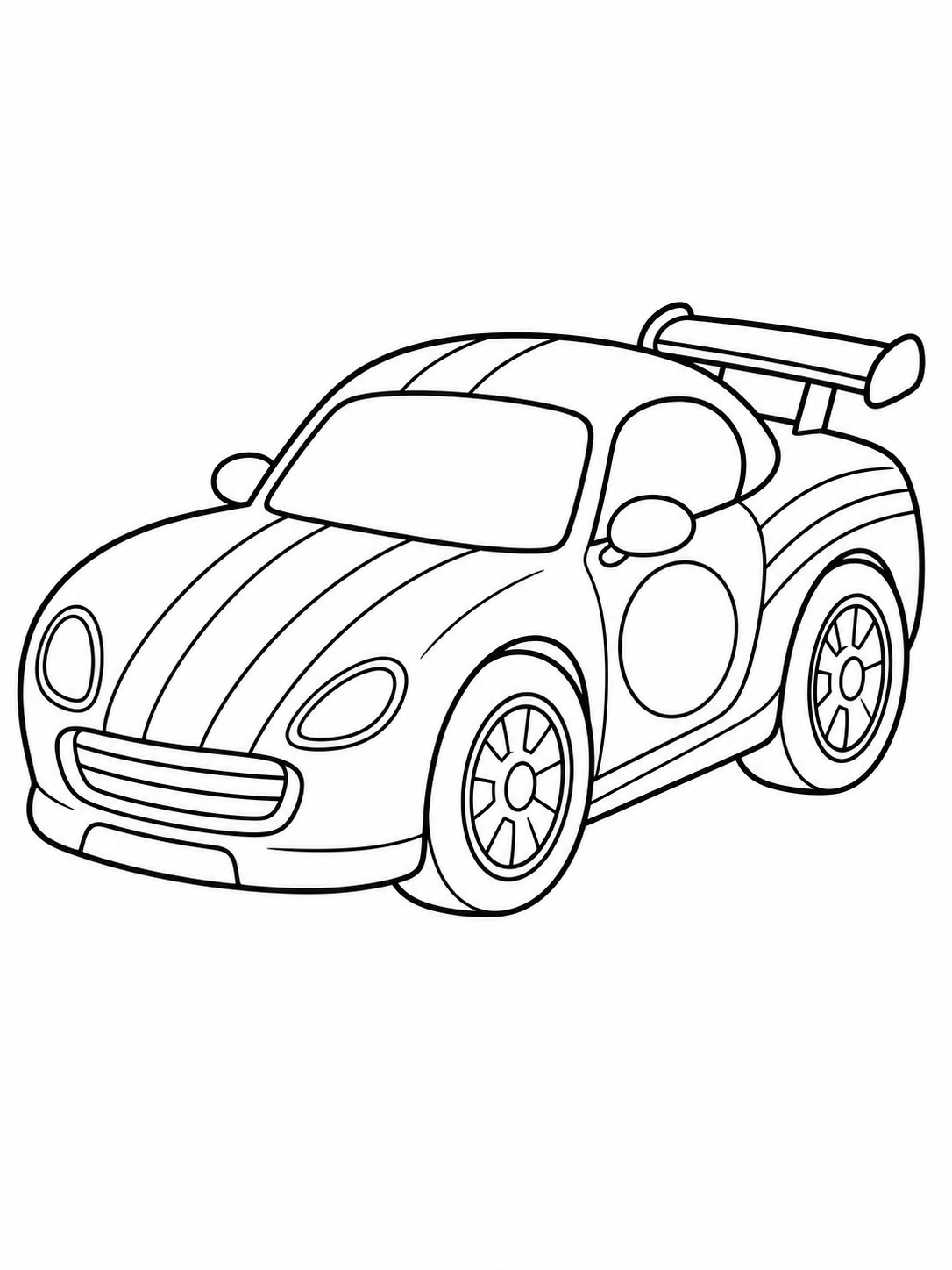
- A race car with bold racing stripes
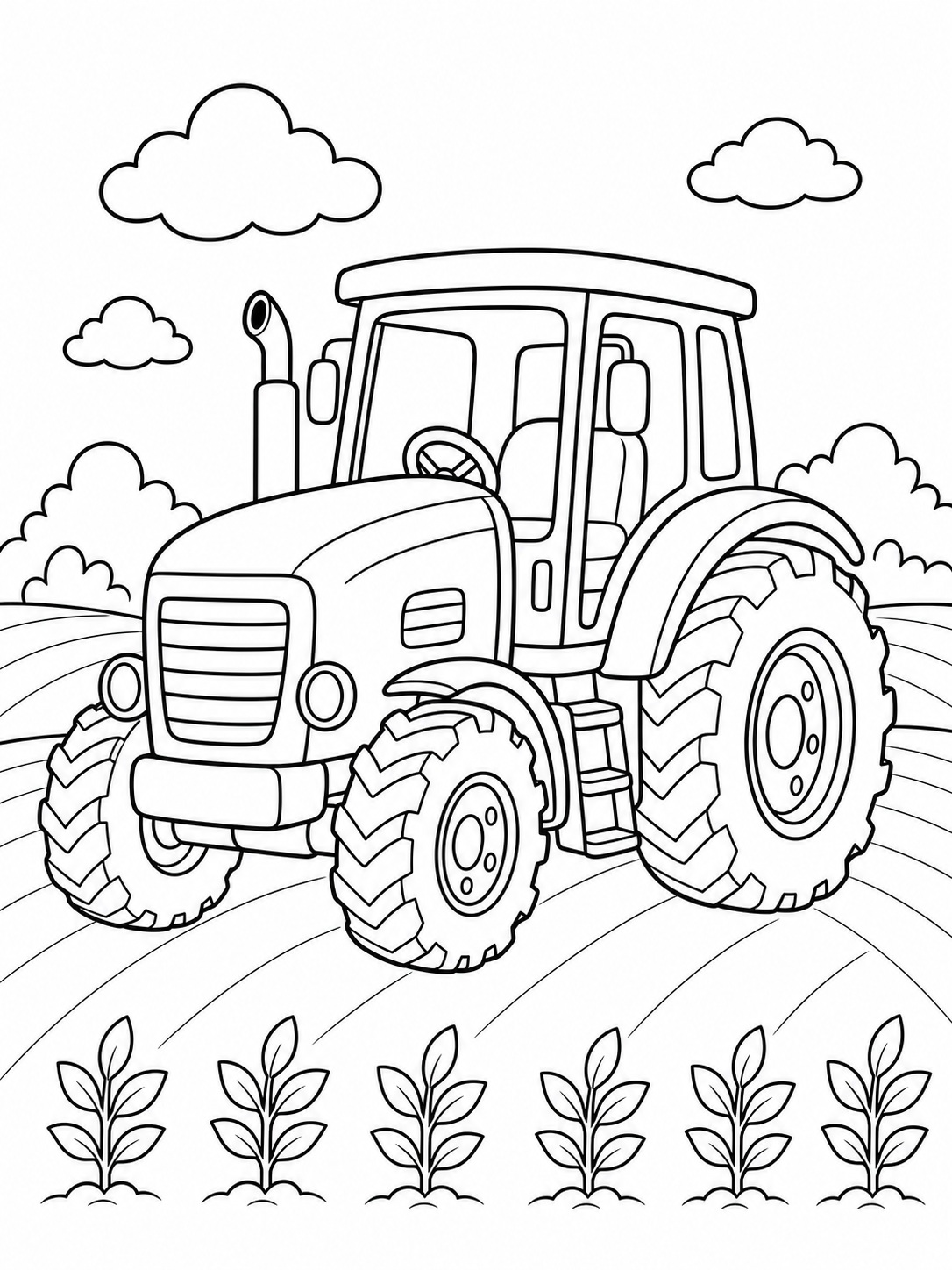
- A tractor in a farm field
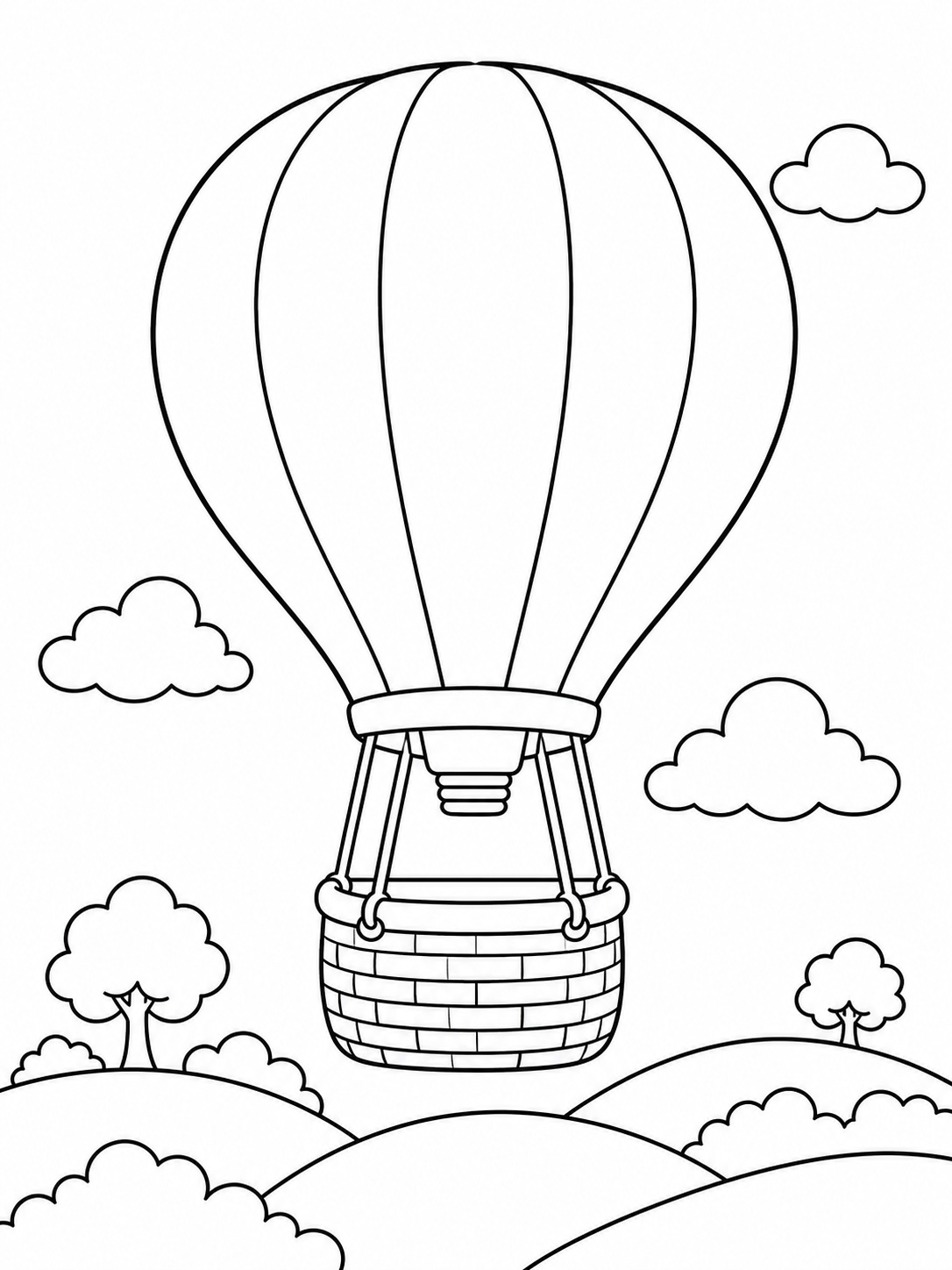
- A hot air balloon floating over hills
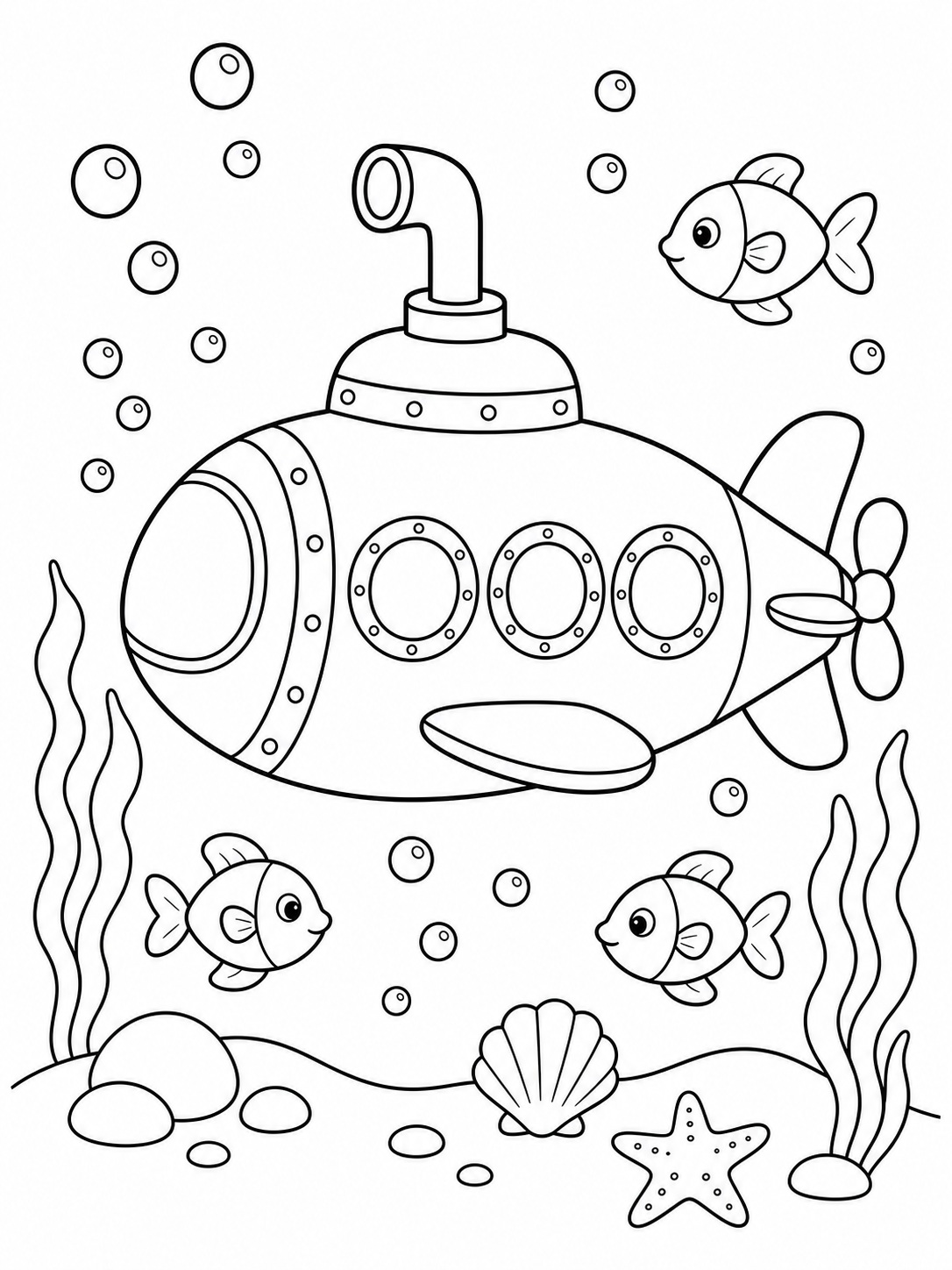
- A submarine underwater with bubbles
- 3. Nature and outdoor scenes (10 ideas)
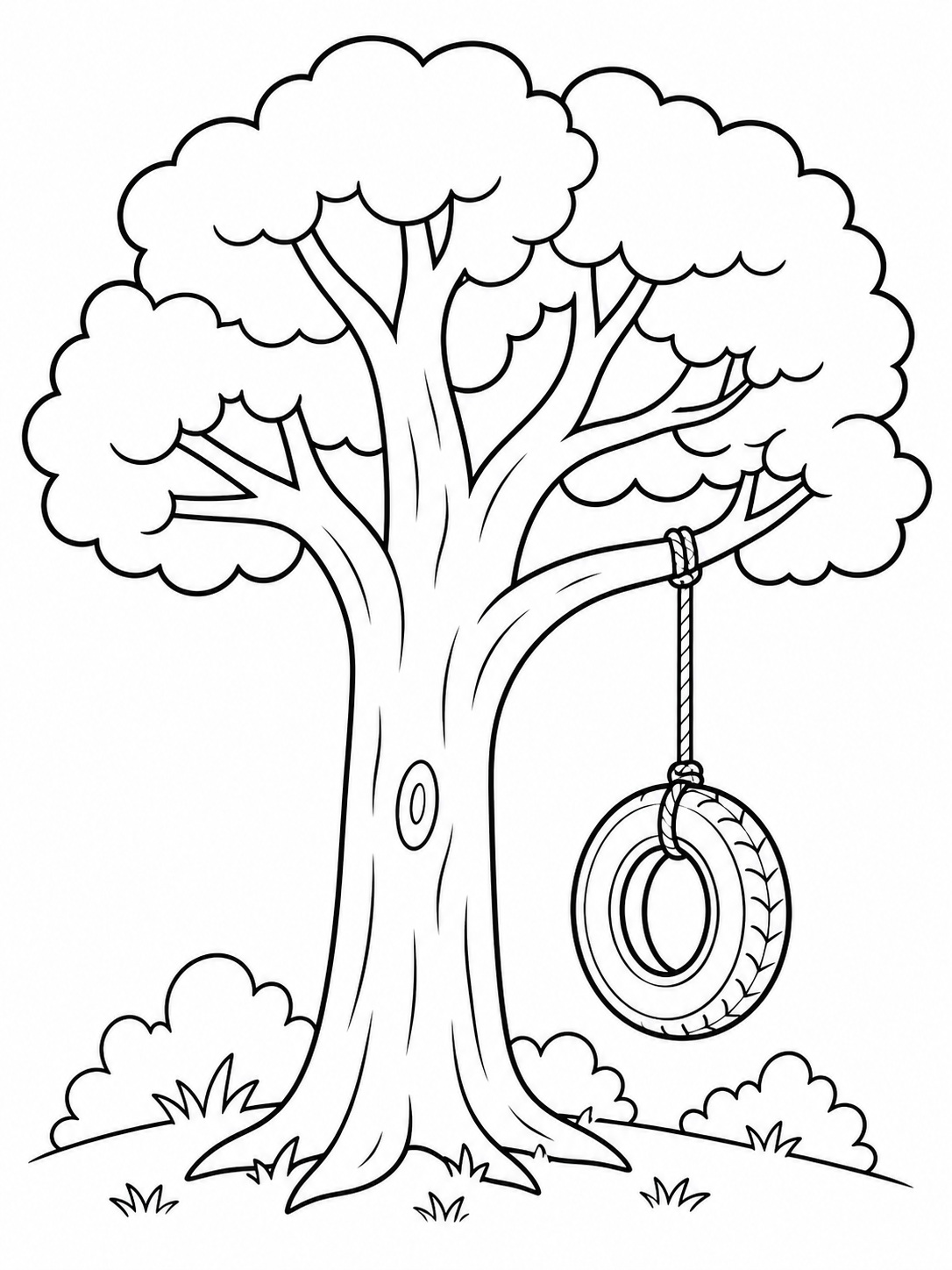
- A tall tree with a tire swing
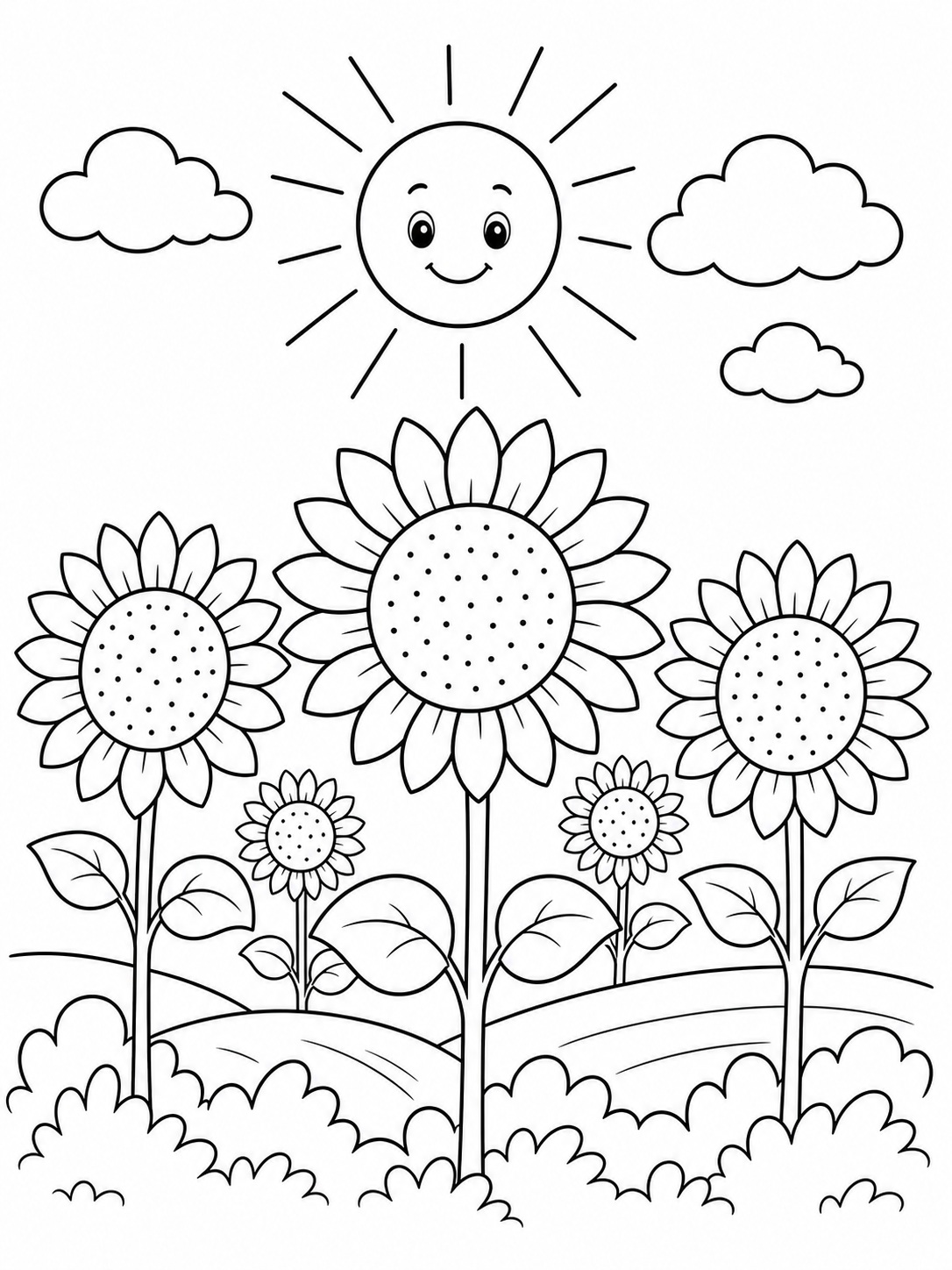
- A sunflower field under a bright sun
- A rainbow over rolling hills
- A mountain scene with a winding path
- A beach with a sandcastle and shells
- A garden with rows of vegetables
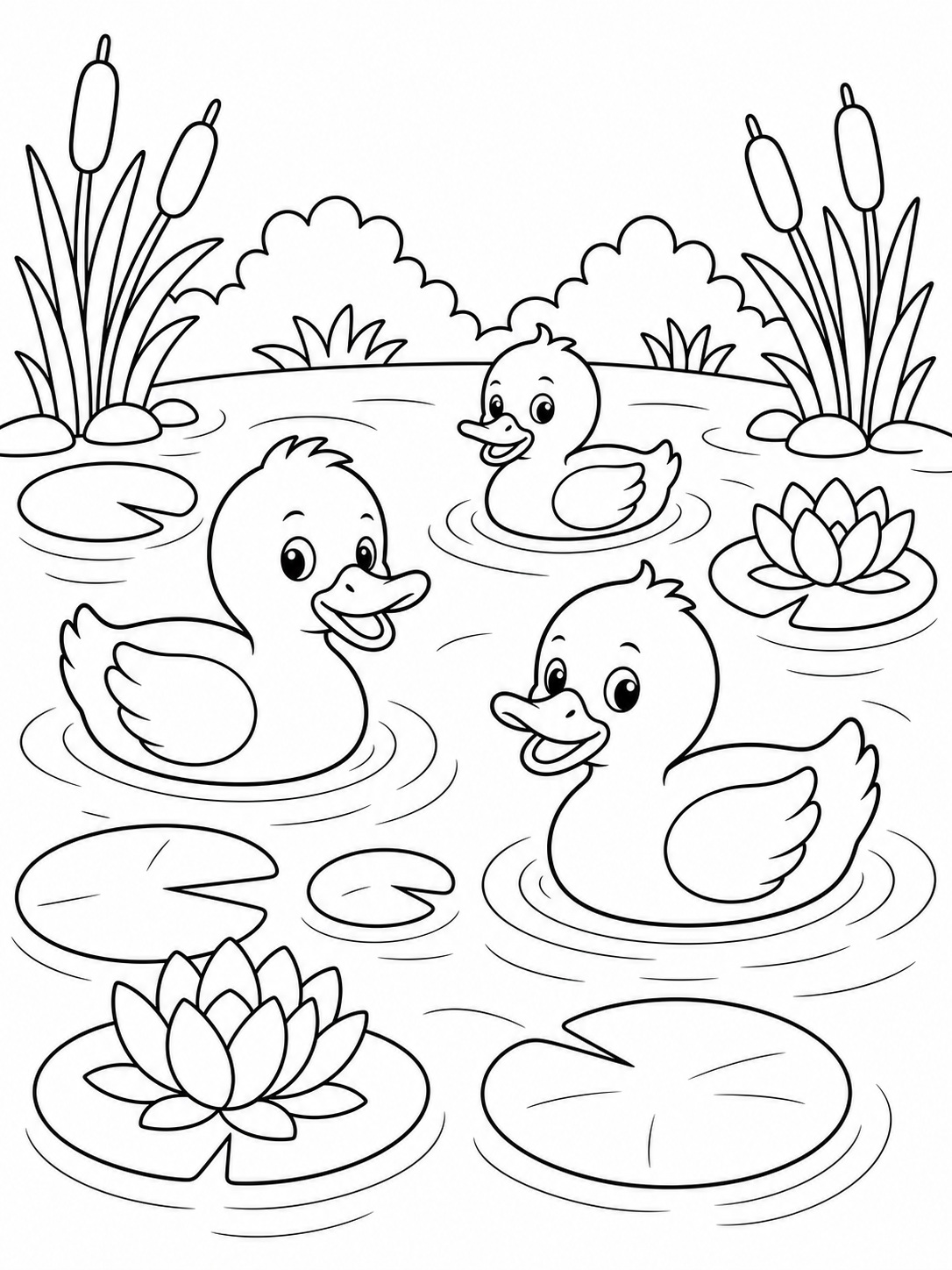
- A pond with ducks and lily pads
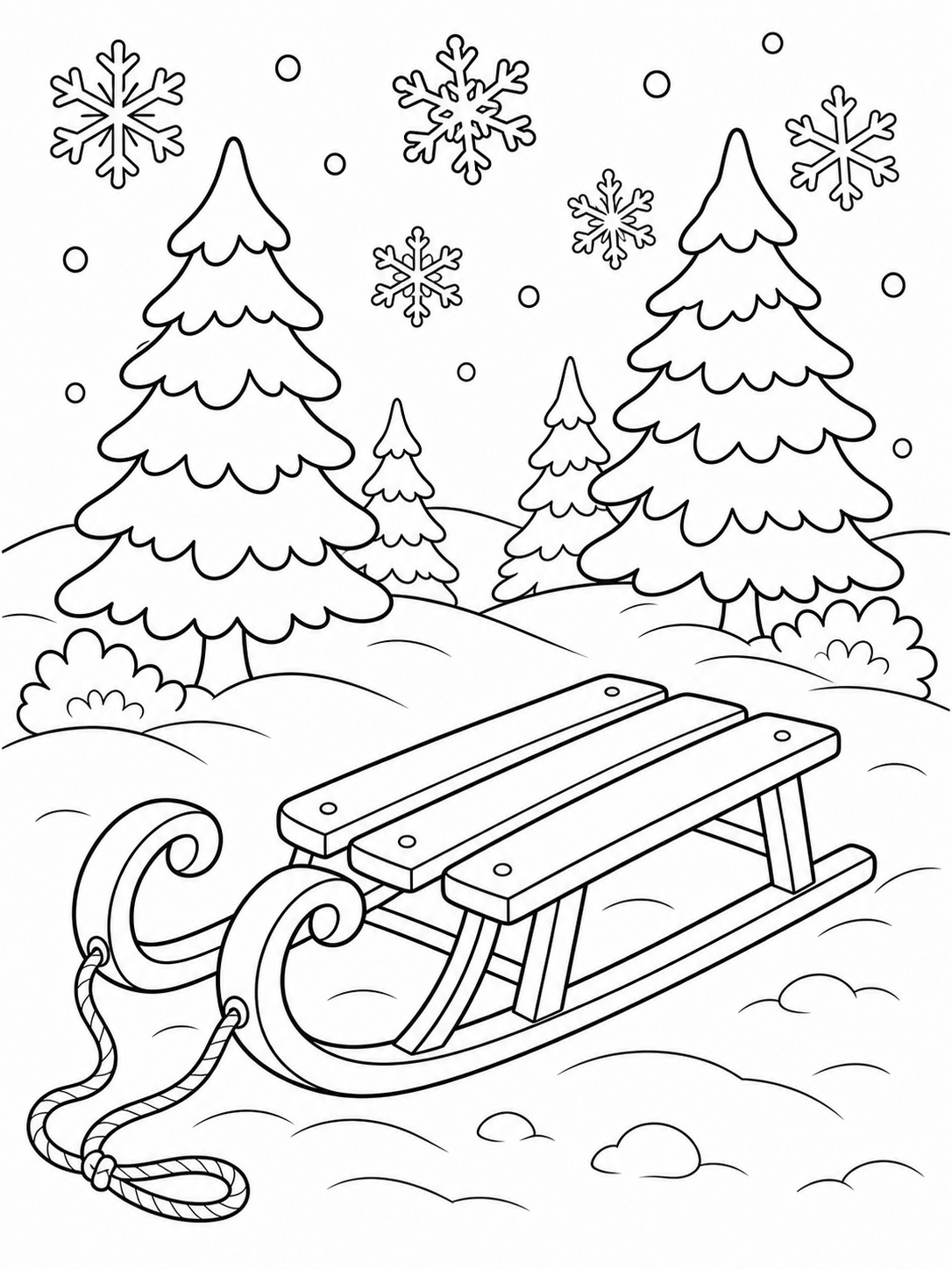
- A snowy scene with a sled and pine trees
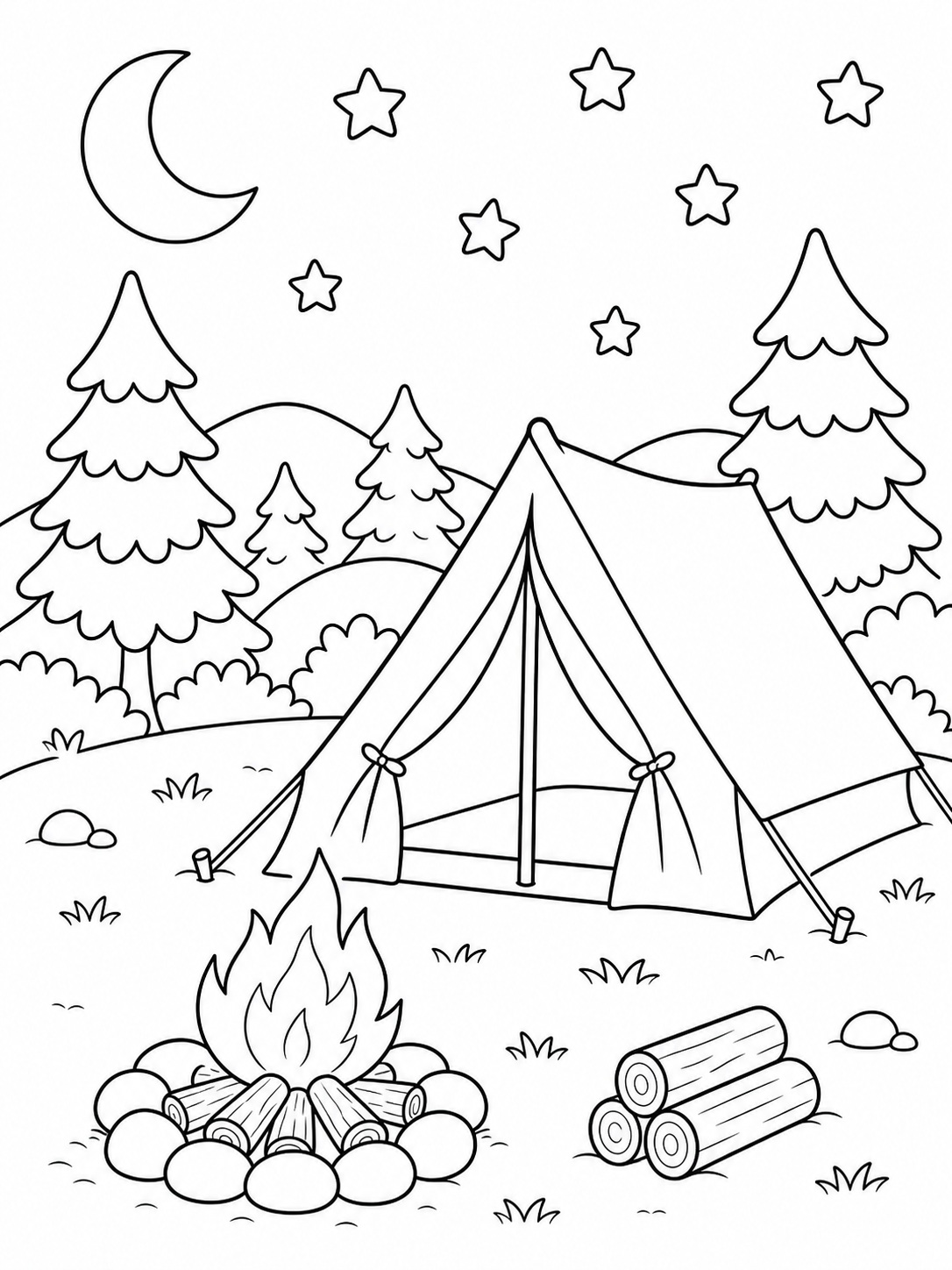
- A campsite with a tent and campfire
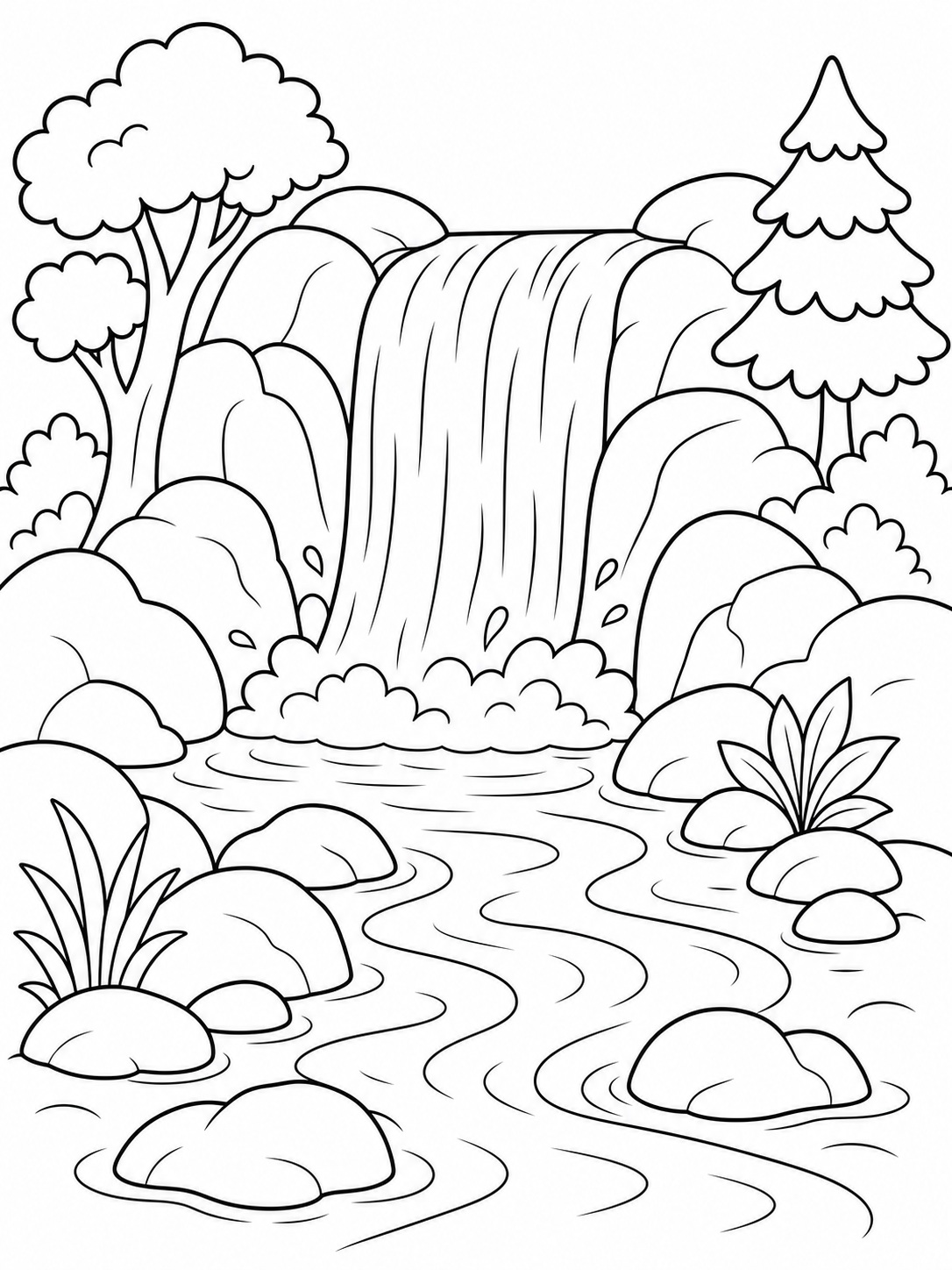
- A waterfall flowing into a river
- 4. Fantasy and imagination (10 ideas)
- A friendly dragon breathing small flames
- A castle with tall towers and flags
- A unicorn with a flowing mane
- A wizard casting a spell with a wand
- A mermaid sitting on a rock by the sea
- A treasure chest overflowing with gems
- A fairy with delicate wings in a flower garden
- A knight in armor holding a shield
- A magic carpet flying over a desert
- A friendly monster with polka dots
- 5. Everyday life and family scenes (10 ideas)
- A family having breakfast at the table
- A child brushing their teeth in the bathroom
- A classroom with a chalkboard and desks
- A child reading a book in a cozy chair
- A birthday party with balloons and presents
- A child planting flowers in the garden
- A grandparent telling a story to a child
- A child riding a bicycle with a helmet
- A family camping trip with a tent
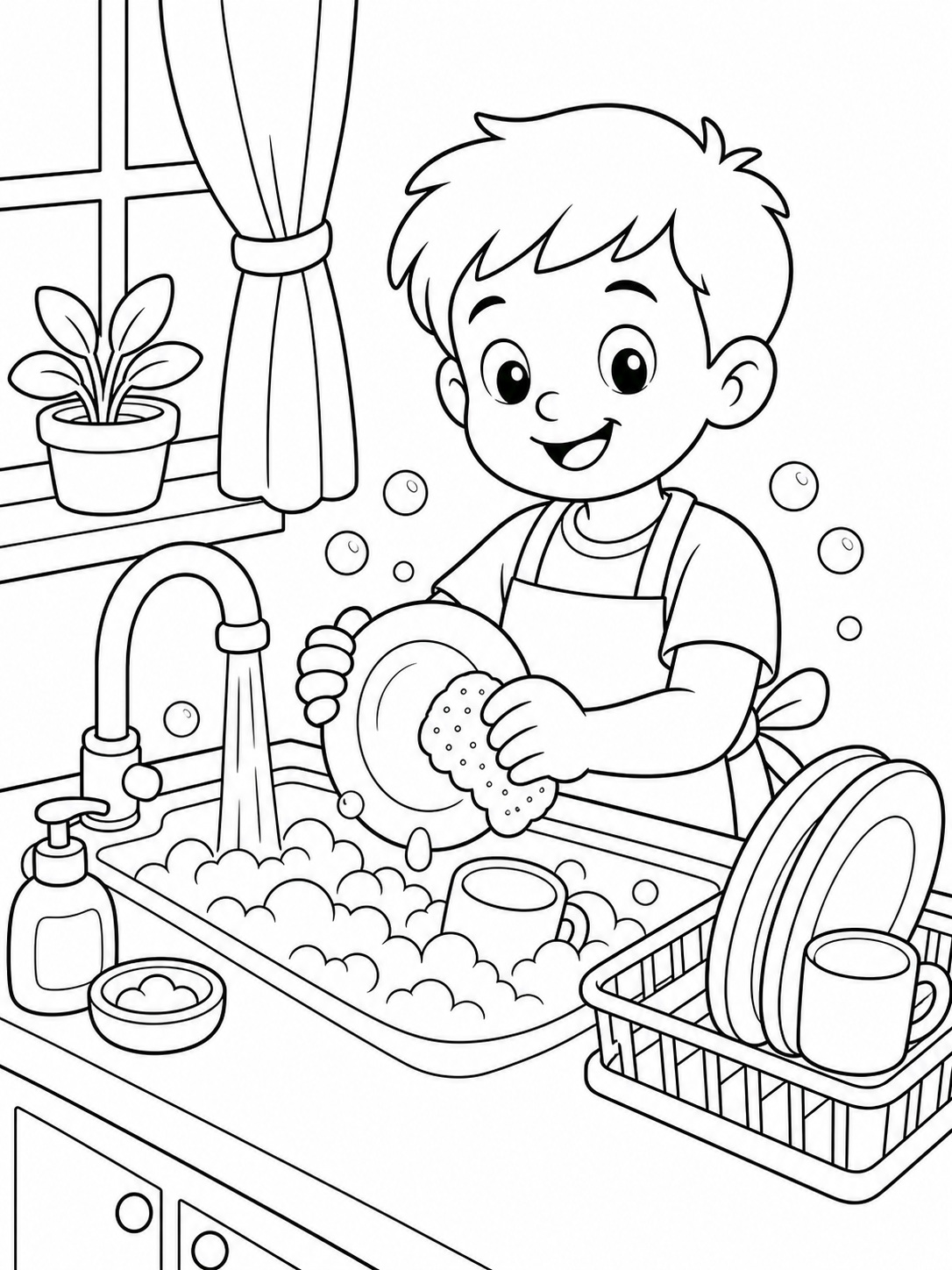
- A child helping wash dishes in the kitchen
- 6. Shapes, letters, and numbers (10 ideas)
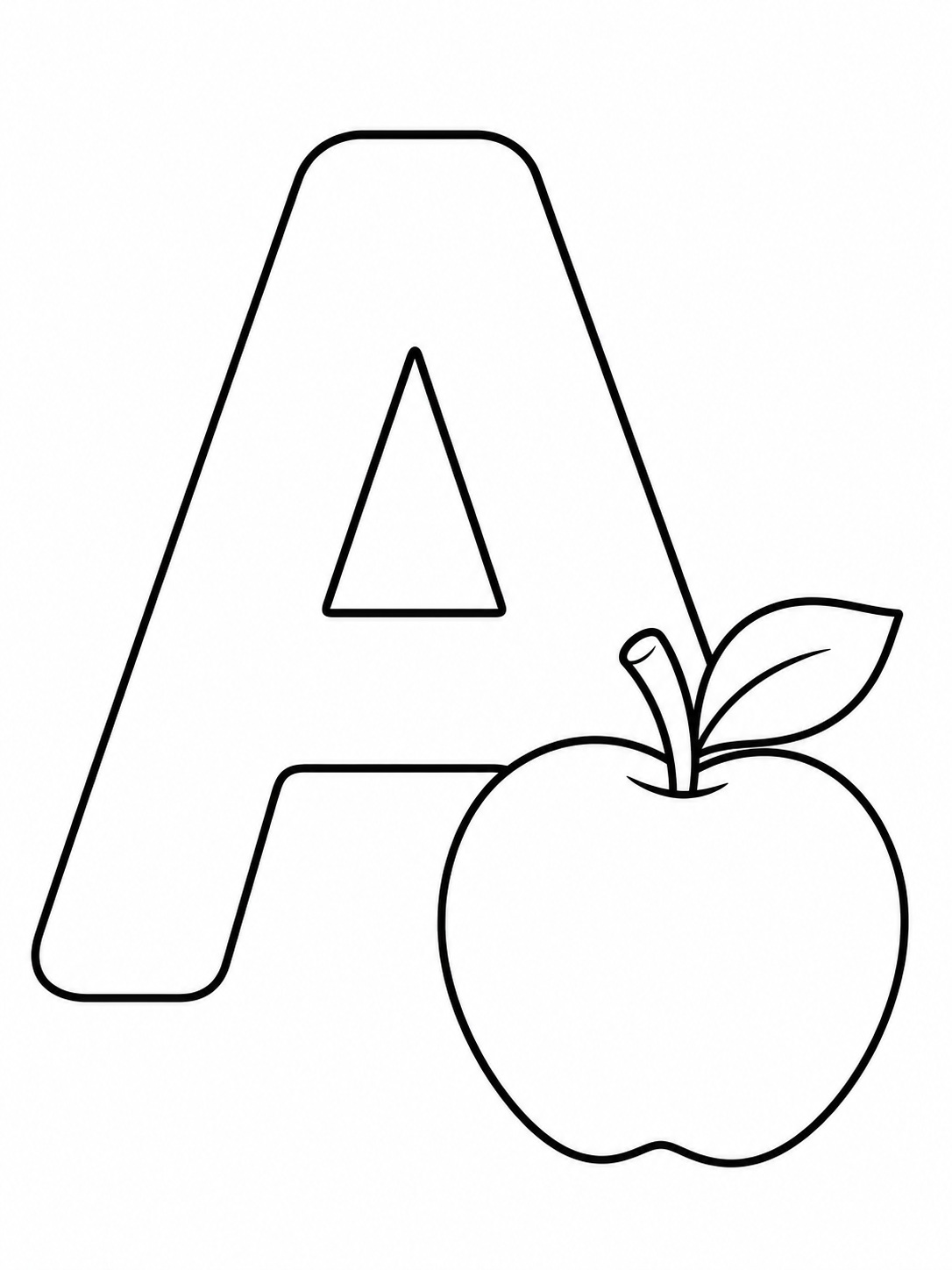
- The letter A with an apple illustration
- The number 5 with five simple stars
- A large circle shape with a smiling face
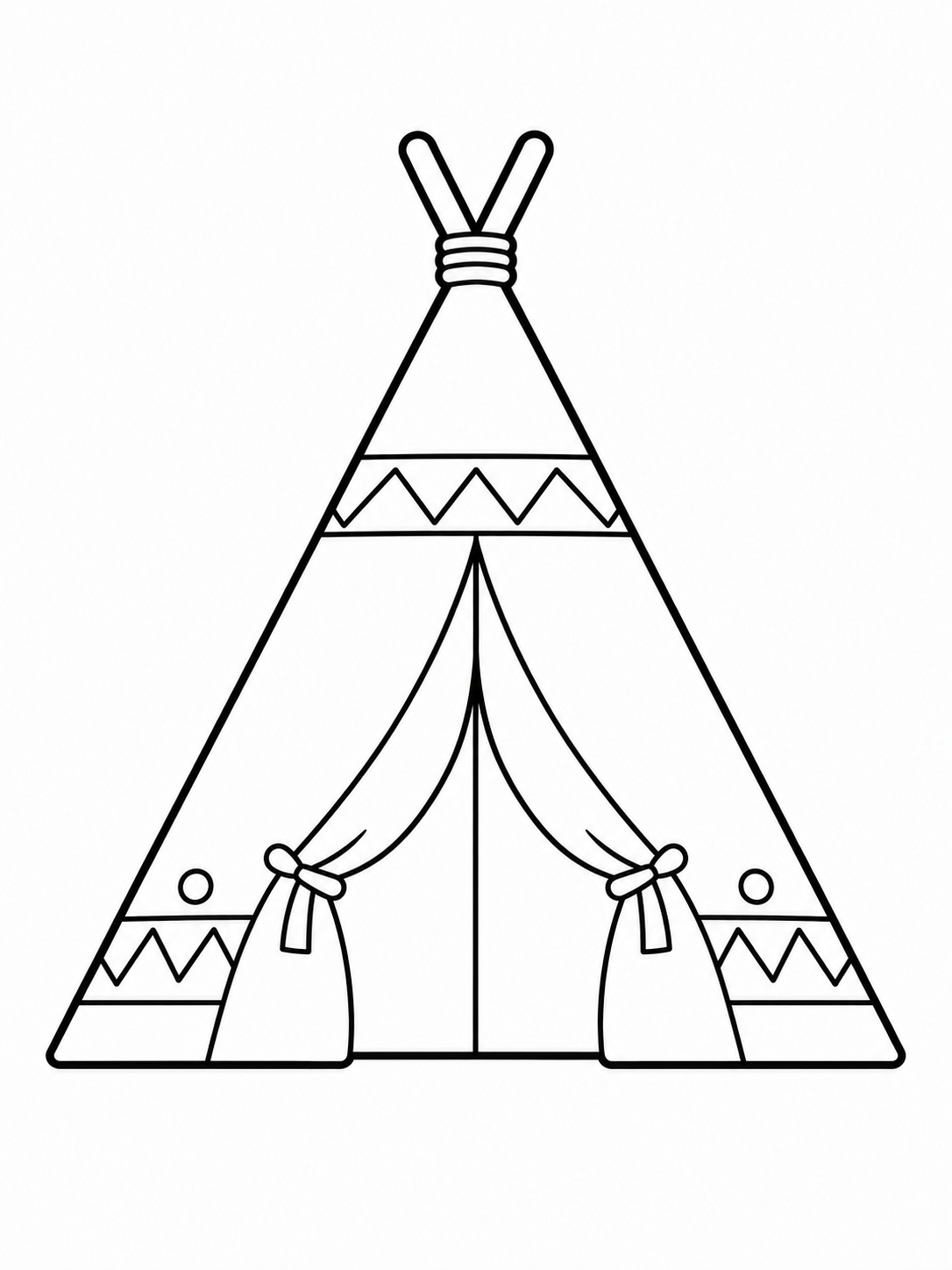
- A triangle shape decorated like a tent
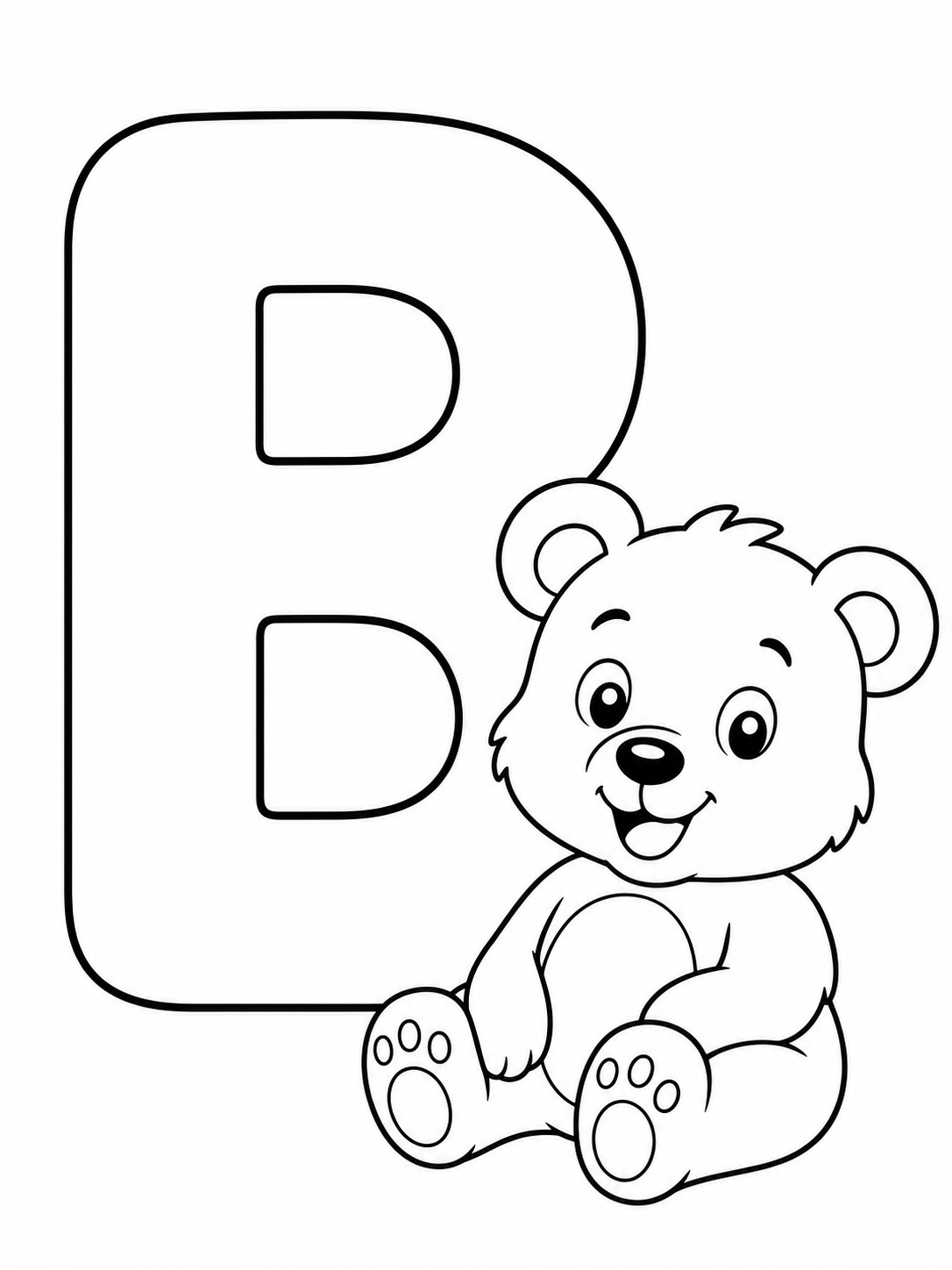
- The letter B with a bear illustration
- The number 3 with three balloons
- A square shape decorated like a present box
- The letter C with a cat illustration
- A star shape with a simple smiling face
- The number 7 with seven simple flowers
- 7. Holidays and seasons (10 ideas)
- A snowman wearing a scarf and hat
- A jack-o-lantern with a friendly carved face
- A basket of Easter eggs in the grass
- A turkey with colorful tail feathers
- A Christmas tree decorated with ornaments
- A heart wreath for Valentine's Day
- A beach scene for summer vacation
- Falling autumn leaves with a small squirrel
- Fireworks bursting over a night sky
- A garden full of spring tulips
- Matching design complexity to the age coloring it
- Printing and coloring tips worth knowing
- Frequently asked questions
- Building a set that actually gets used
This list covers 70 coloring page ideas for kids across seven themes: animals, vehicles, nature, fantasy, everyday life, shapes and letters, and holidays. Each idea includes a finished printable-style coloring page, so you can scan the full set quickly and choose the designs that fit your child, class, or activity table.
Quick tip before you start: Print one design at full size before committing to a batch of 70. Outlines that look bold on a screen sometimes print thinner than expected, and a four-year-old needs a clearly visible line to follow with a crayon.
1. Animals (10 ideas)
Animals are the most requested coloring page theme for kids of any age, and for good reason: the shapes are familiar, the variety is endless, and almost every kid has a favorite animal they’ll color more carefully than anything else.
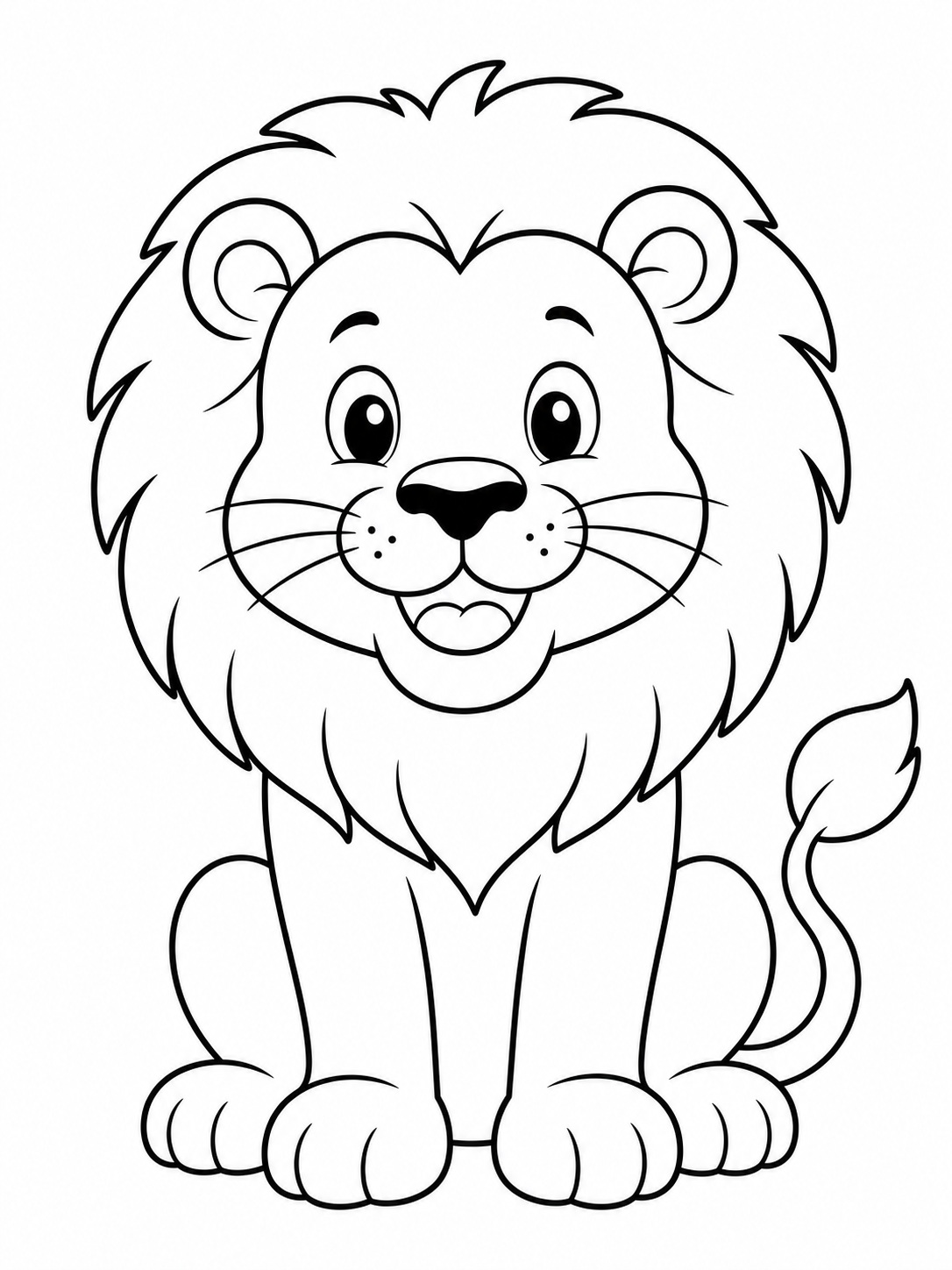
A friendly lion with a big mane
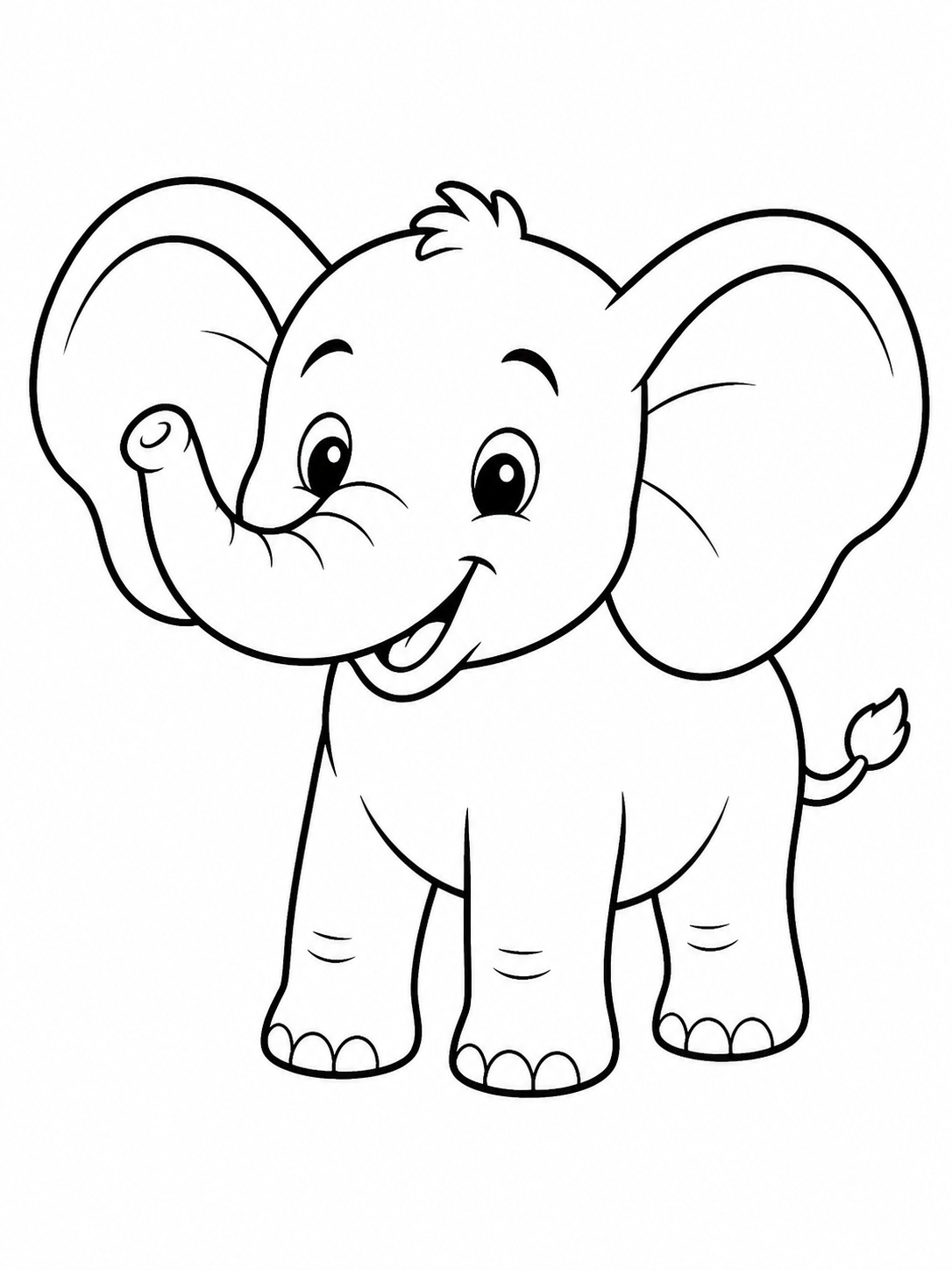
A smiling elephant with large ears
A cat sitting and licking its paw
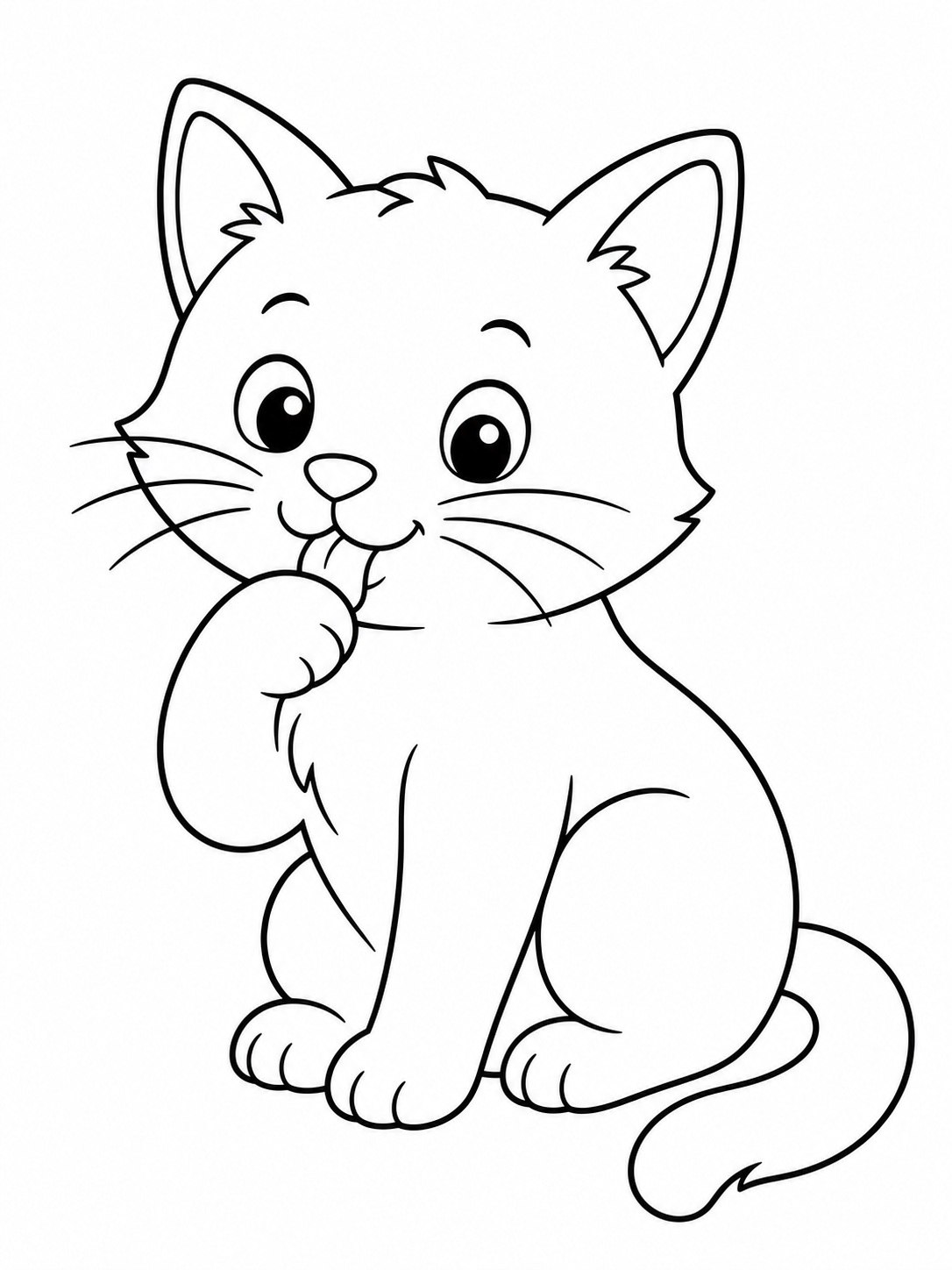
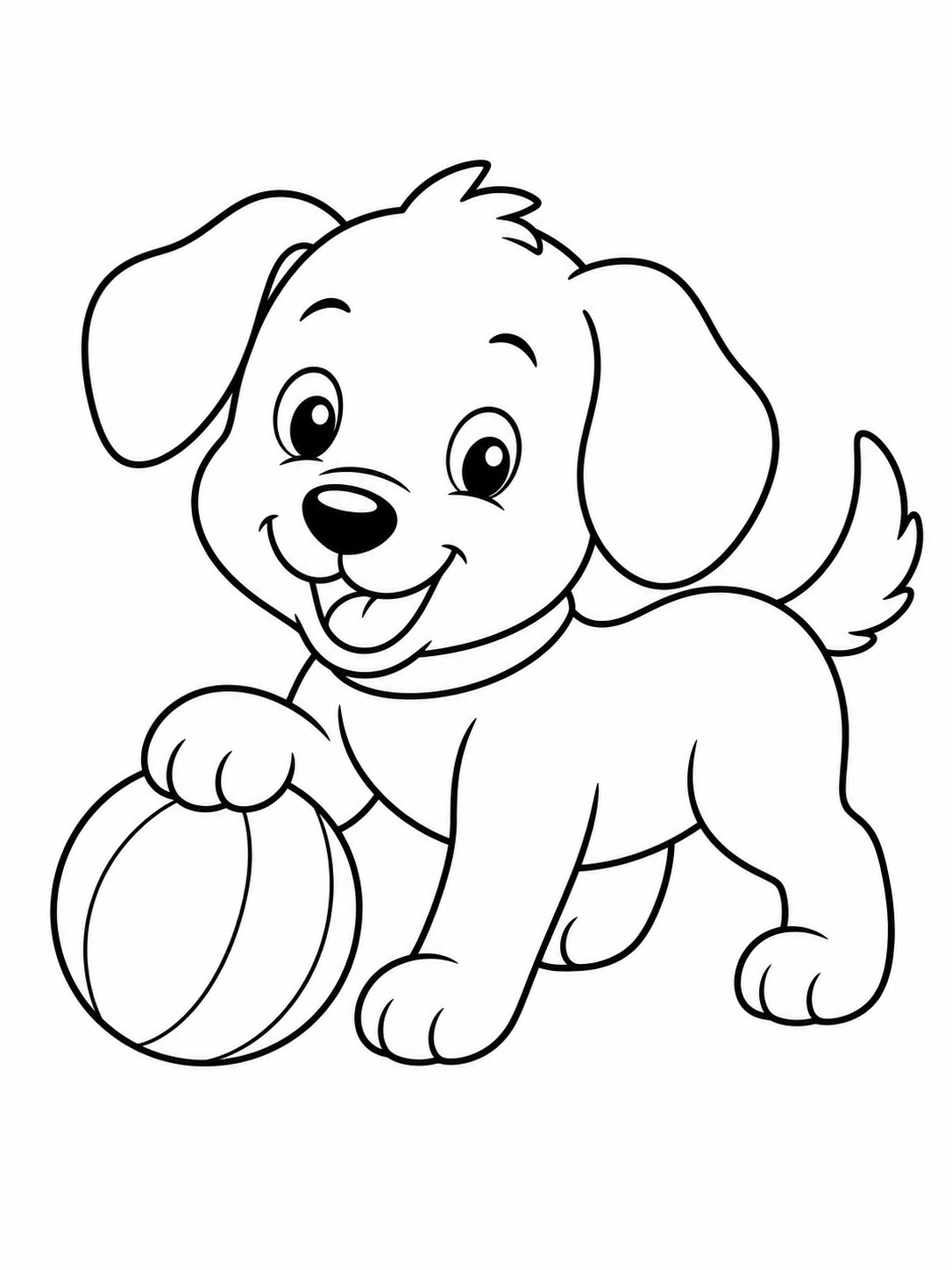
A puppy playing with a ball
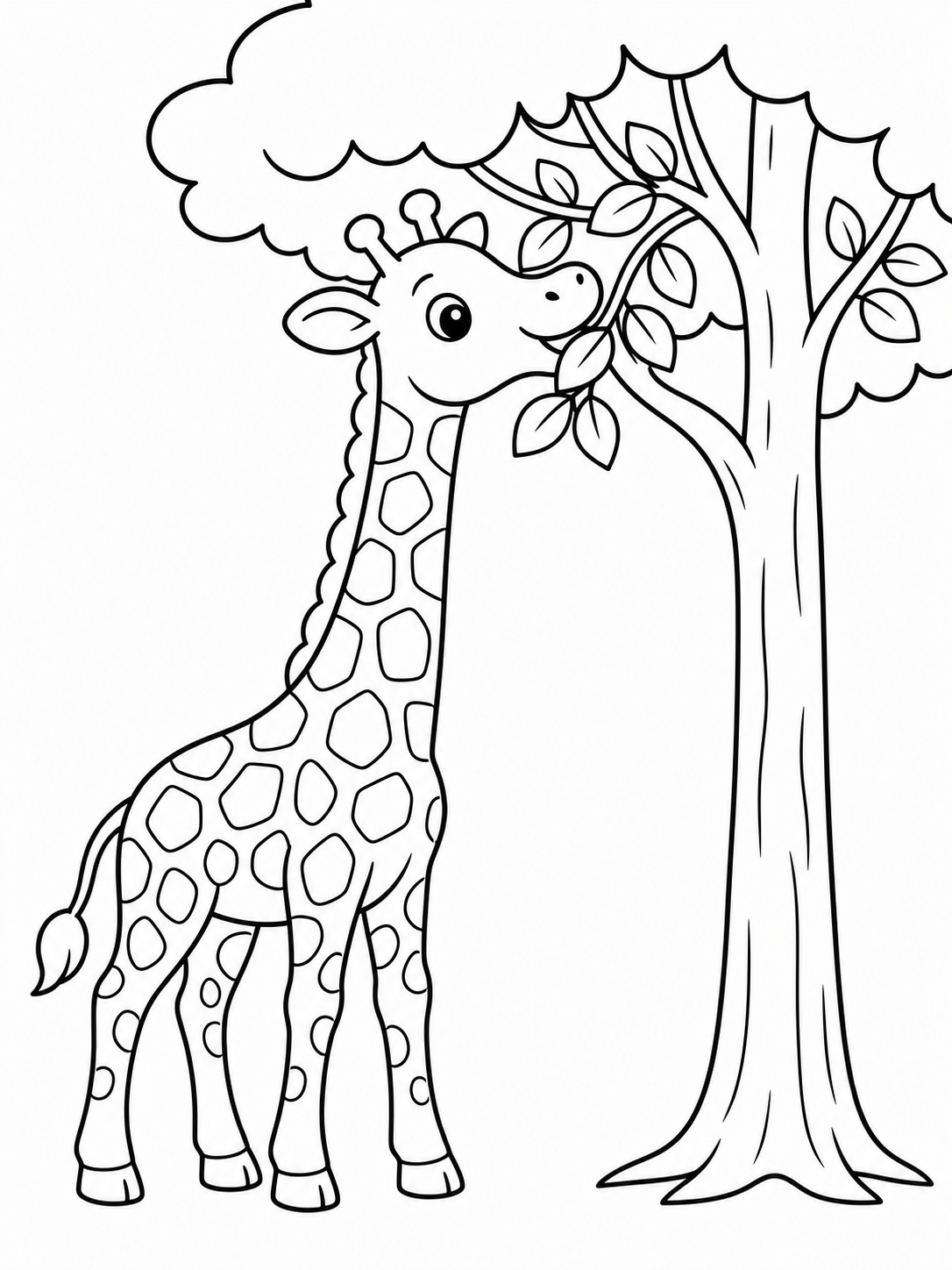
A giraffe reaching for leaves
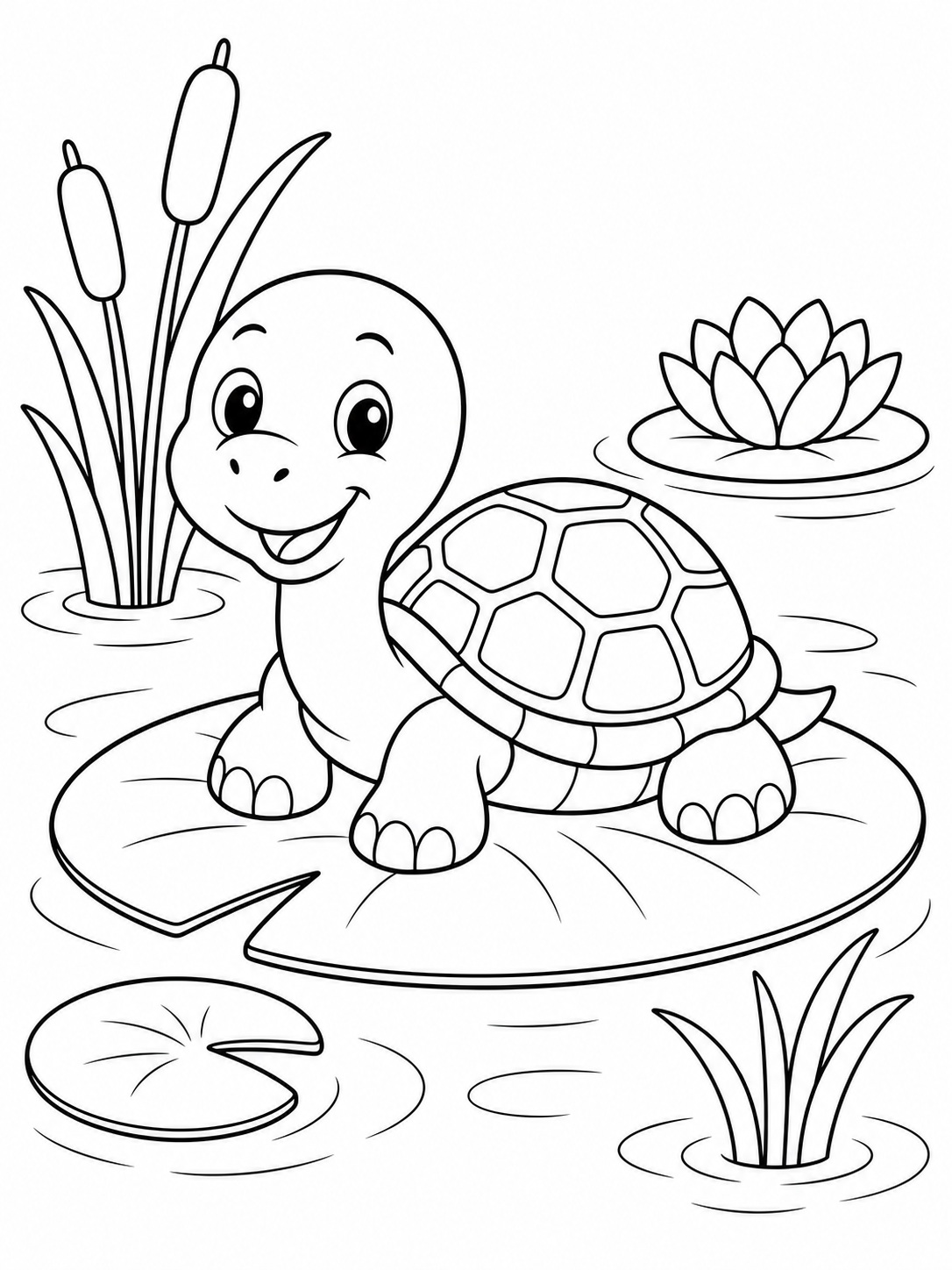
A turtle on a lily pad
A panda eating bamboo
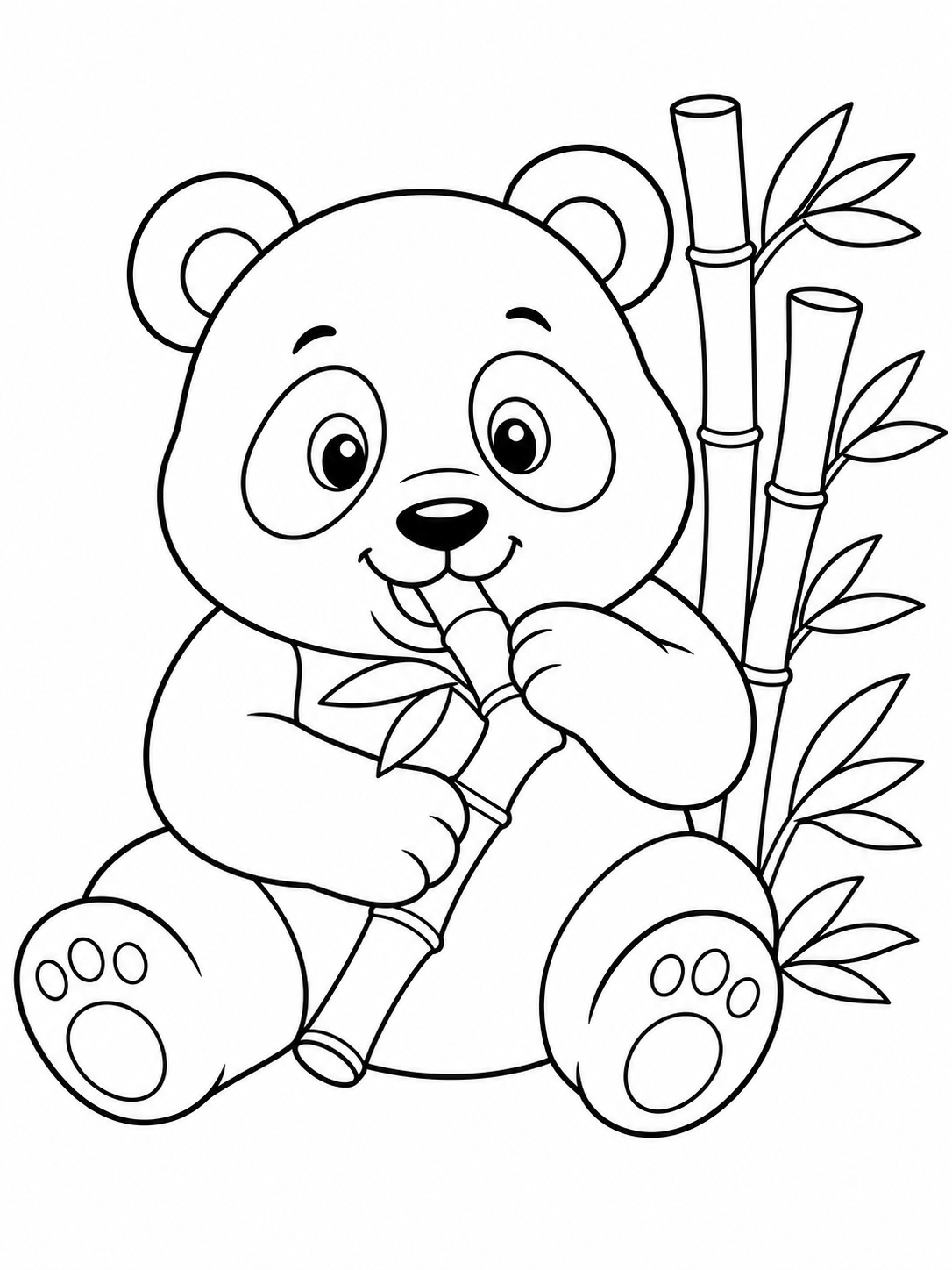
An owl perched on a branch
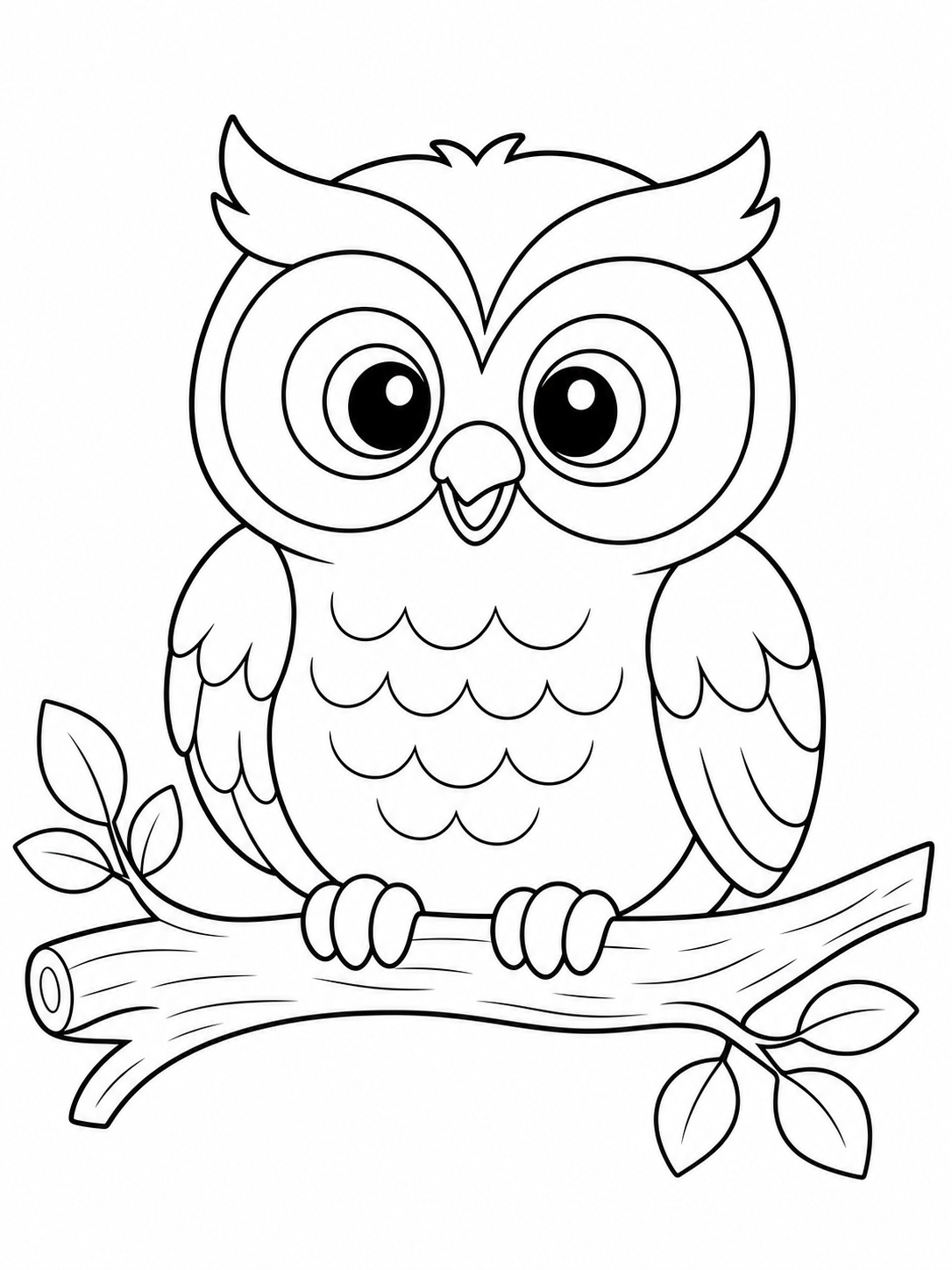
A dolphin jumping over waves
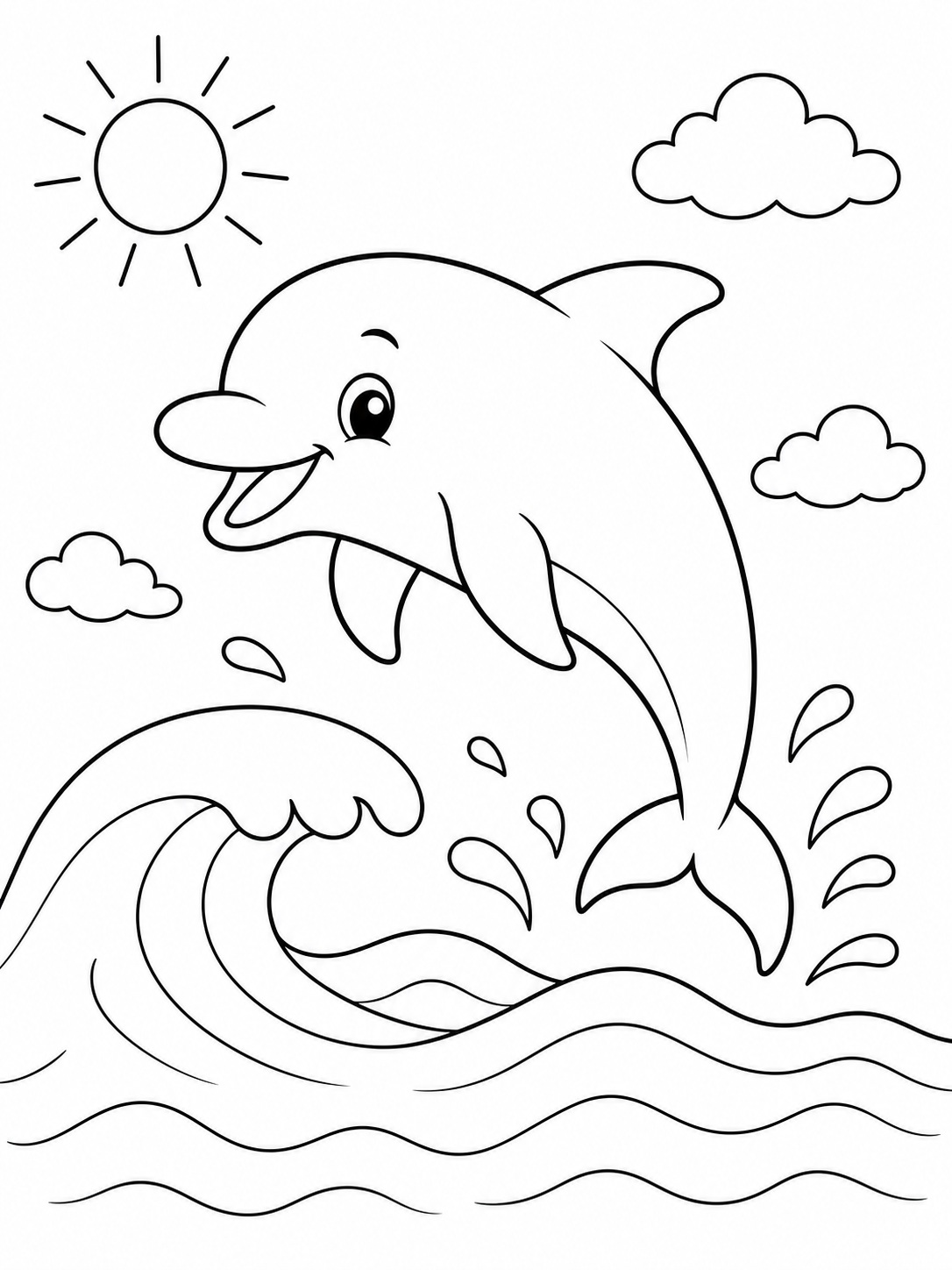
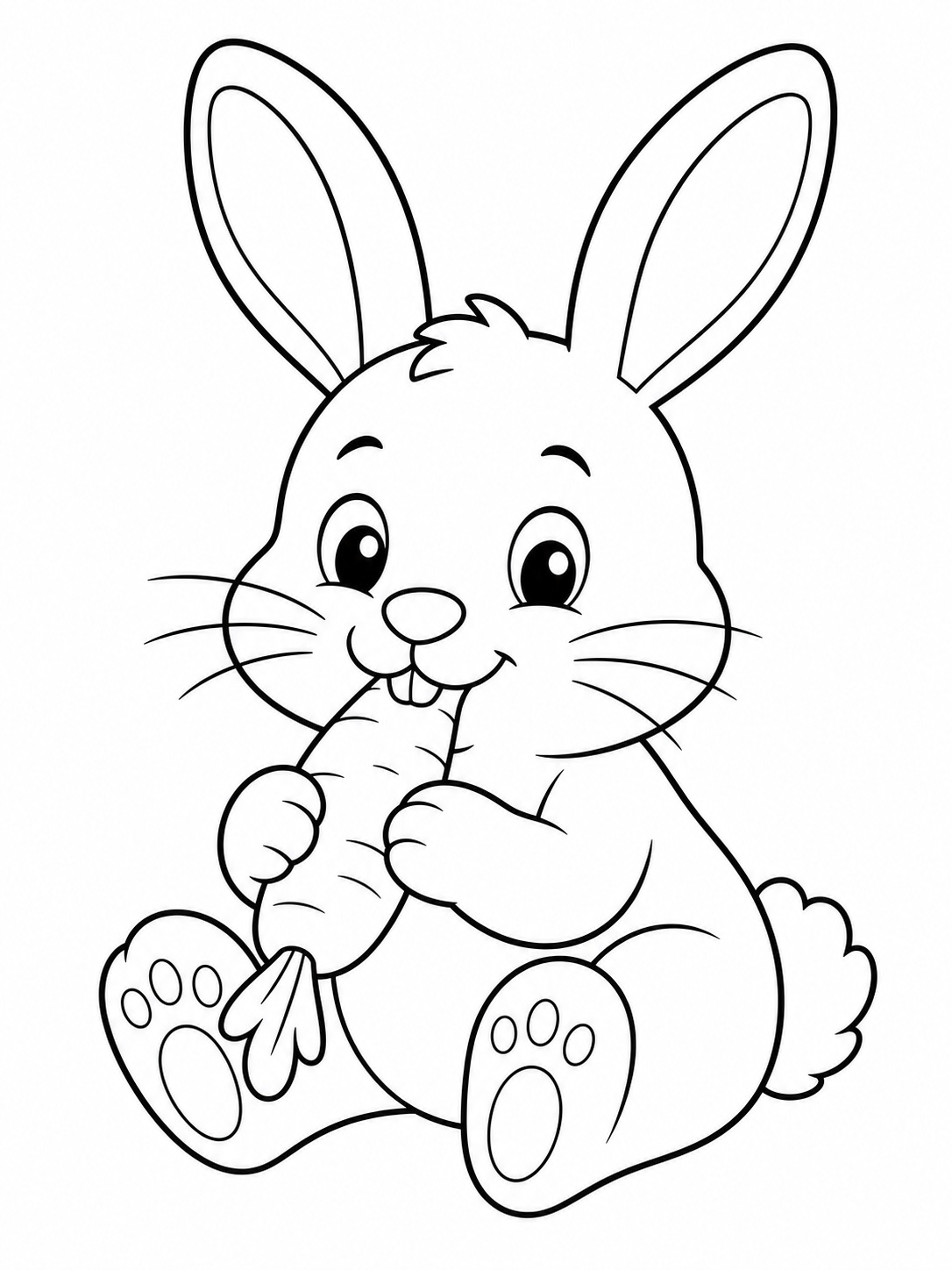
A rabbit nibbling a carrot
2. Vehicles and transportation (10 ideas)
Vehicle pages are a reliable favorite, especially for kids who aren’t drawn to animals or characters. The strong geometric shapes also make these some of the easier designs for younger colorists to stay inside.
A fire truck with a ladder extended
A school bus with kids waving from windows
A rocket ship blasting off
A sailboat on calm water
A train with several connected cars
A helicopter with spinning blades
A race car with bold racing stripes
A tractor in a farm field
A hot air balloon floating over hills
A submarine underwater with bubbles
3. Nature and outdoor scenes (10 ideas)
Nature-themed pages give kids practice with organic shapes and larger background compositions. They also pair well with seasonal units in classroom settings.
If you are putting together a stack for older kids or teens, add a few baddie coloring pages too; the fashion poses and bold accessories feel more grown-up than simple animal outlines.
A tall tree with a tire swing
A sunflower field under a bright sun
A rainbow over rolling hills
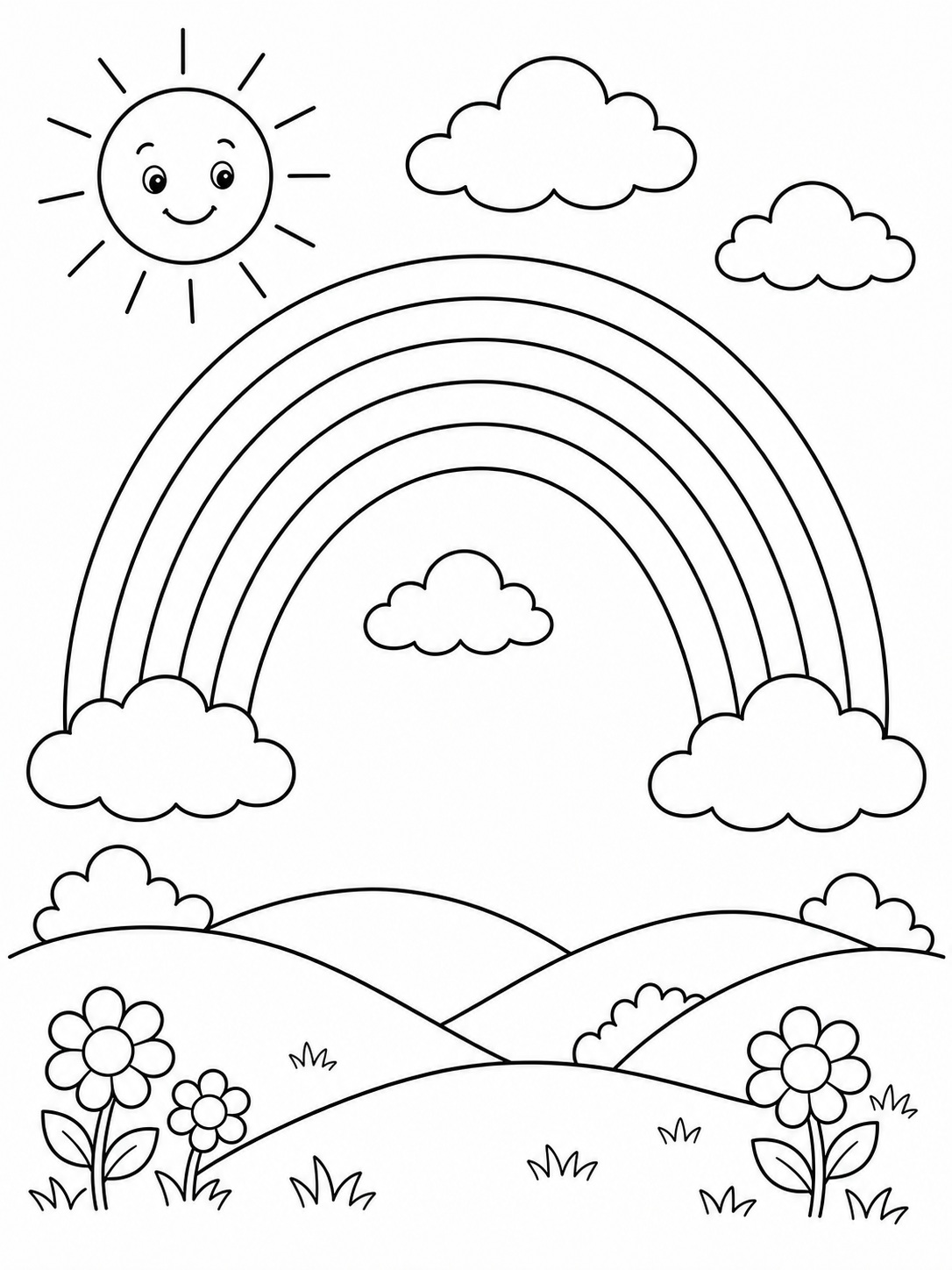
A mountain scene with a winding path
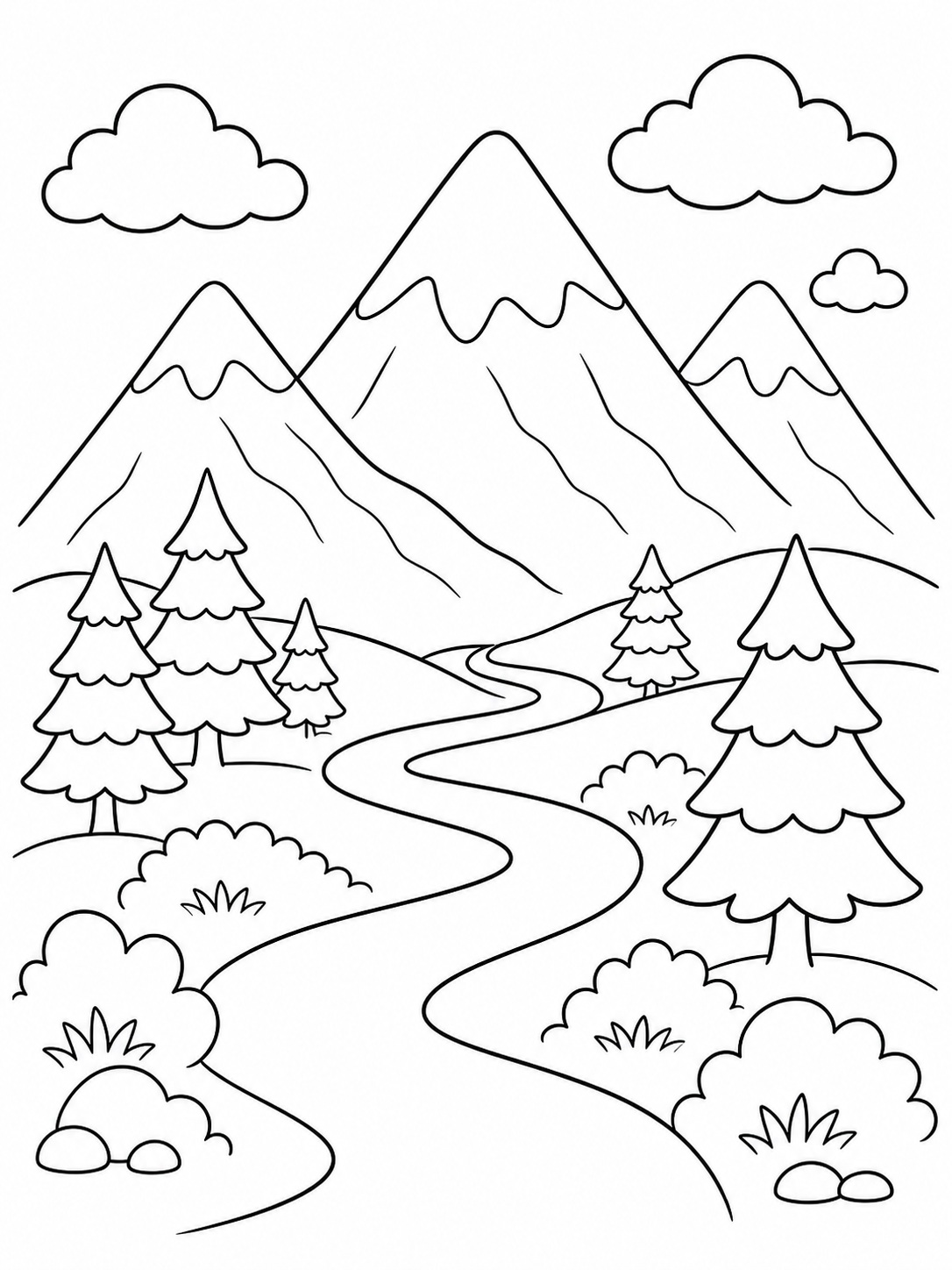
A beach with a sandcastle and shells
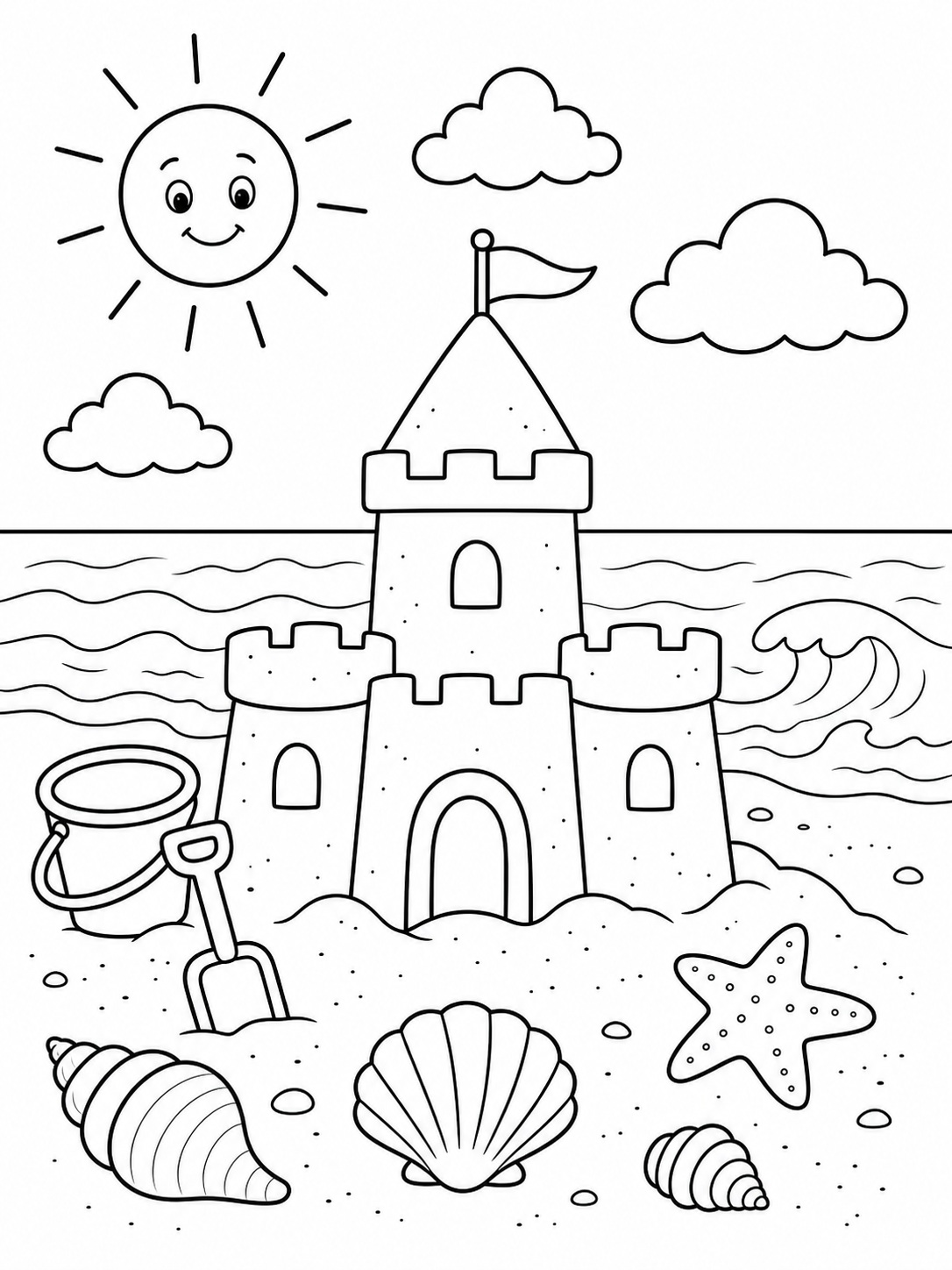
A garden with rows of vegetables
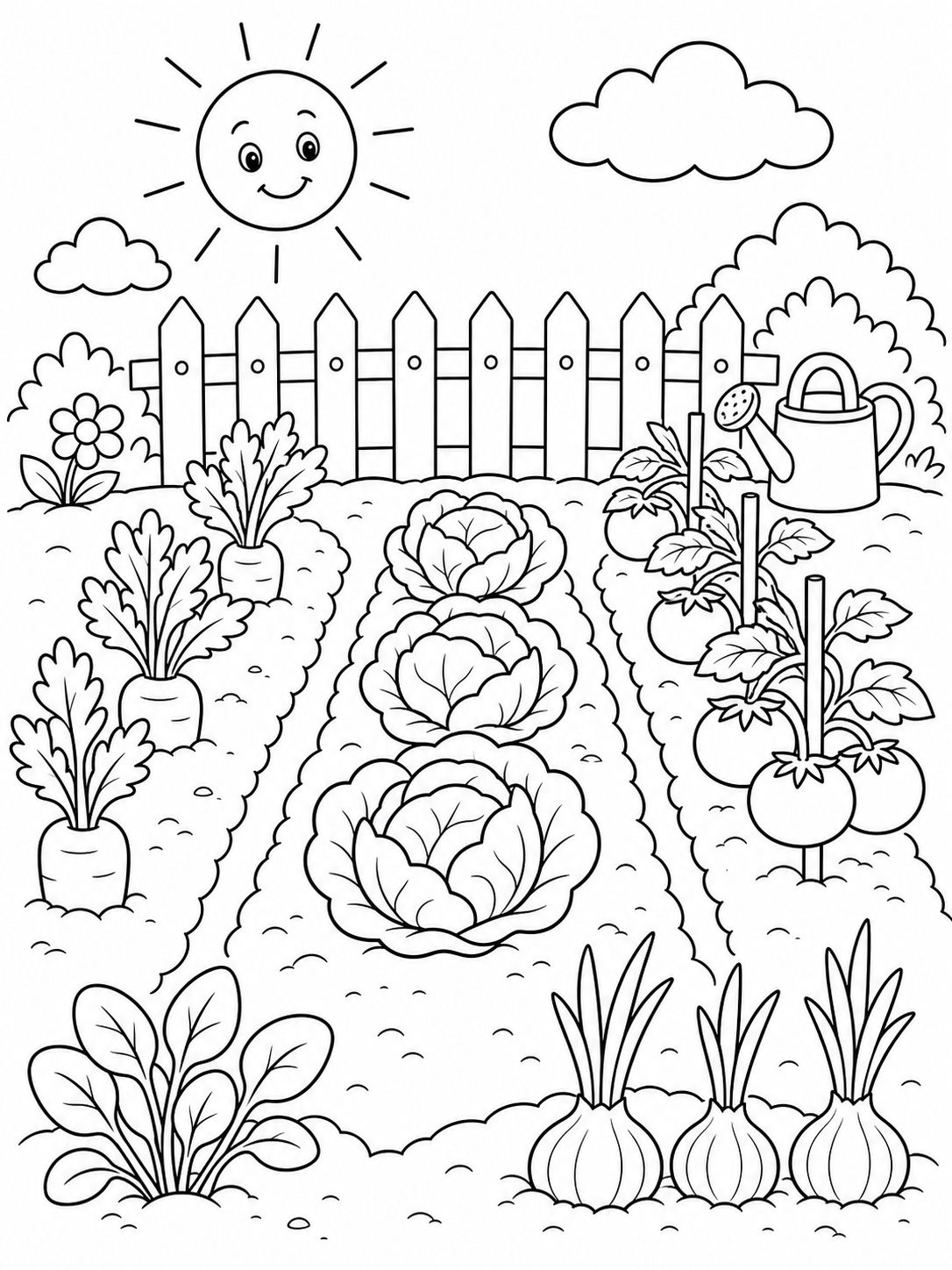
A pond with ducks and lily pads
A snowy scene with a sled and pine trees
A campsite with a tent and campfire
A waterfall flowing into a river
4. Fantasy and imagination (10 ideas)
Fantasy designs give kids who love dragons, castles, and magic something more involved to work with, and they tend to hold attention longer than realistic scenes for imaginative kids.
A friendly dragon breathing small flames
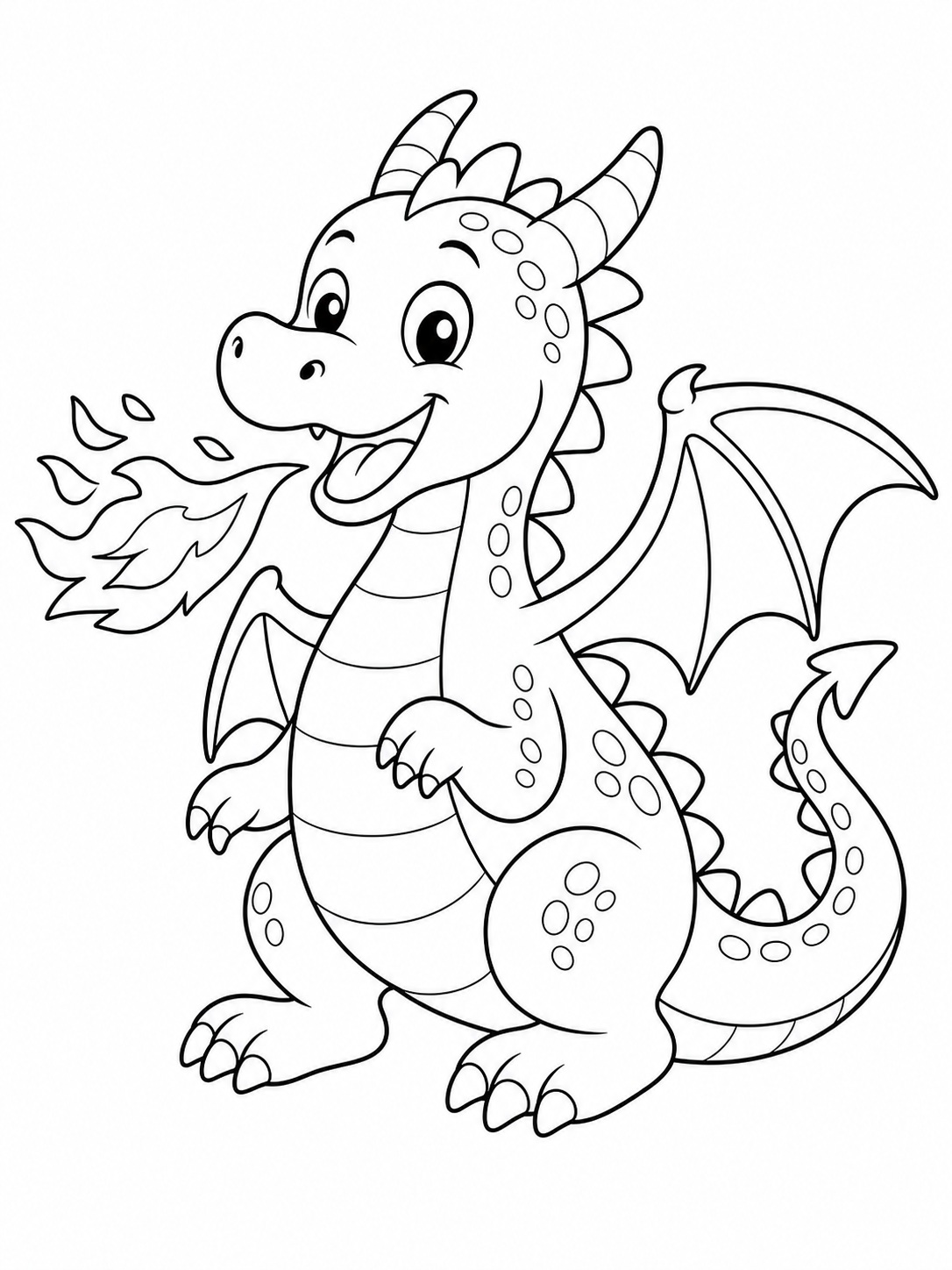
A castle with tall towers and flags
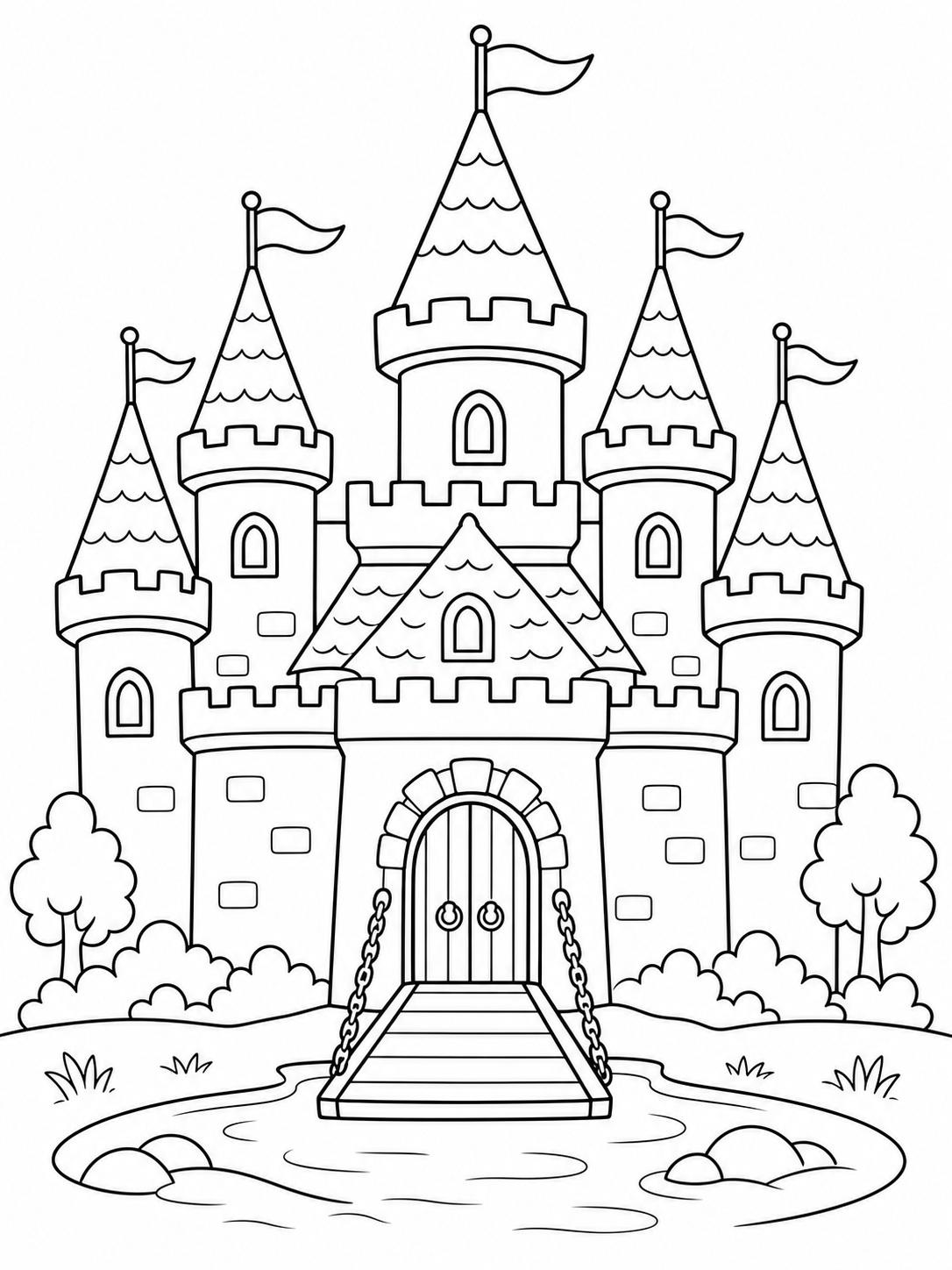
A unicorn with a flowing mane
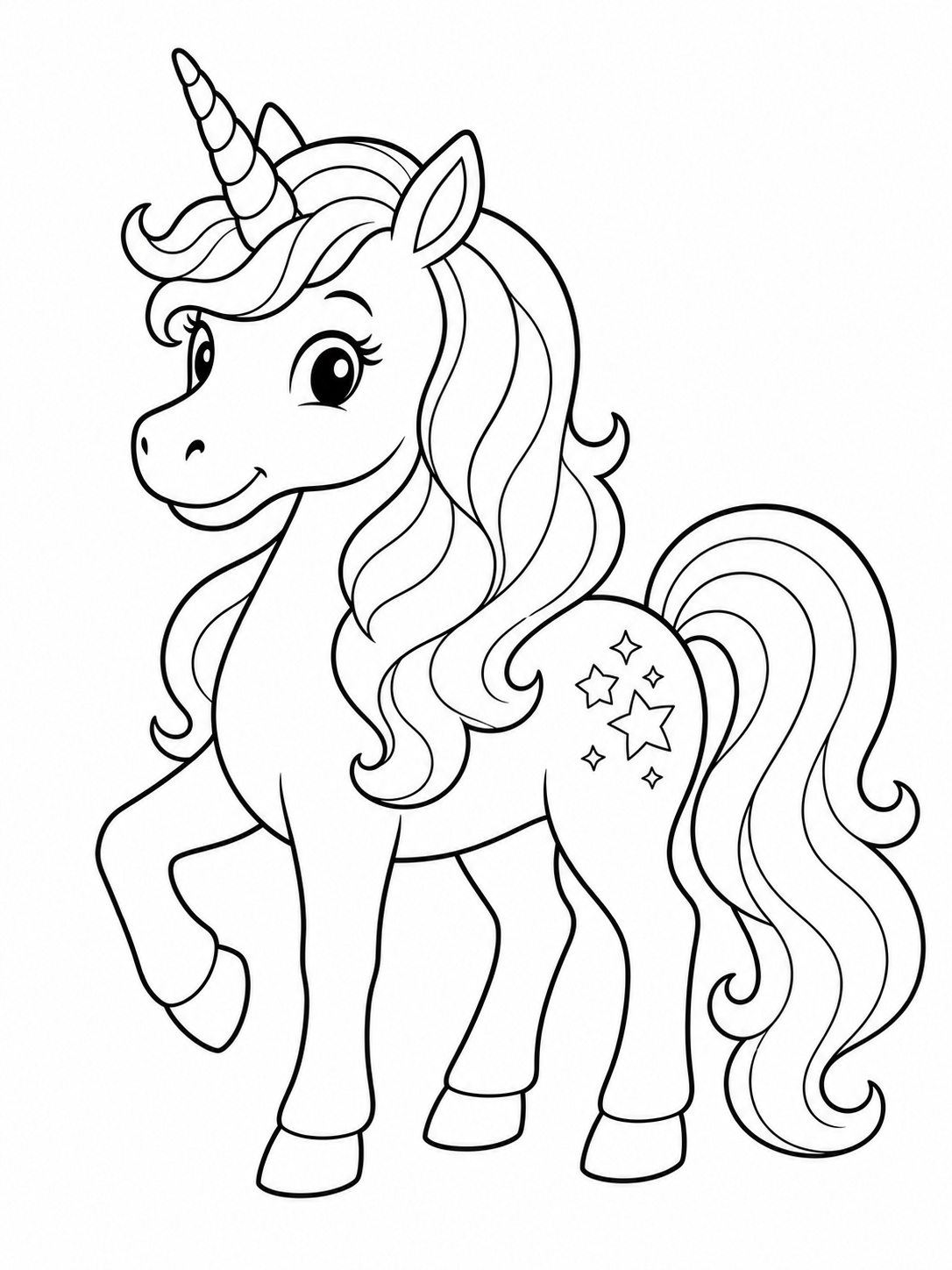
A wizard casting a spell with a wand
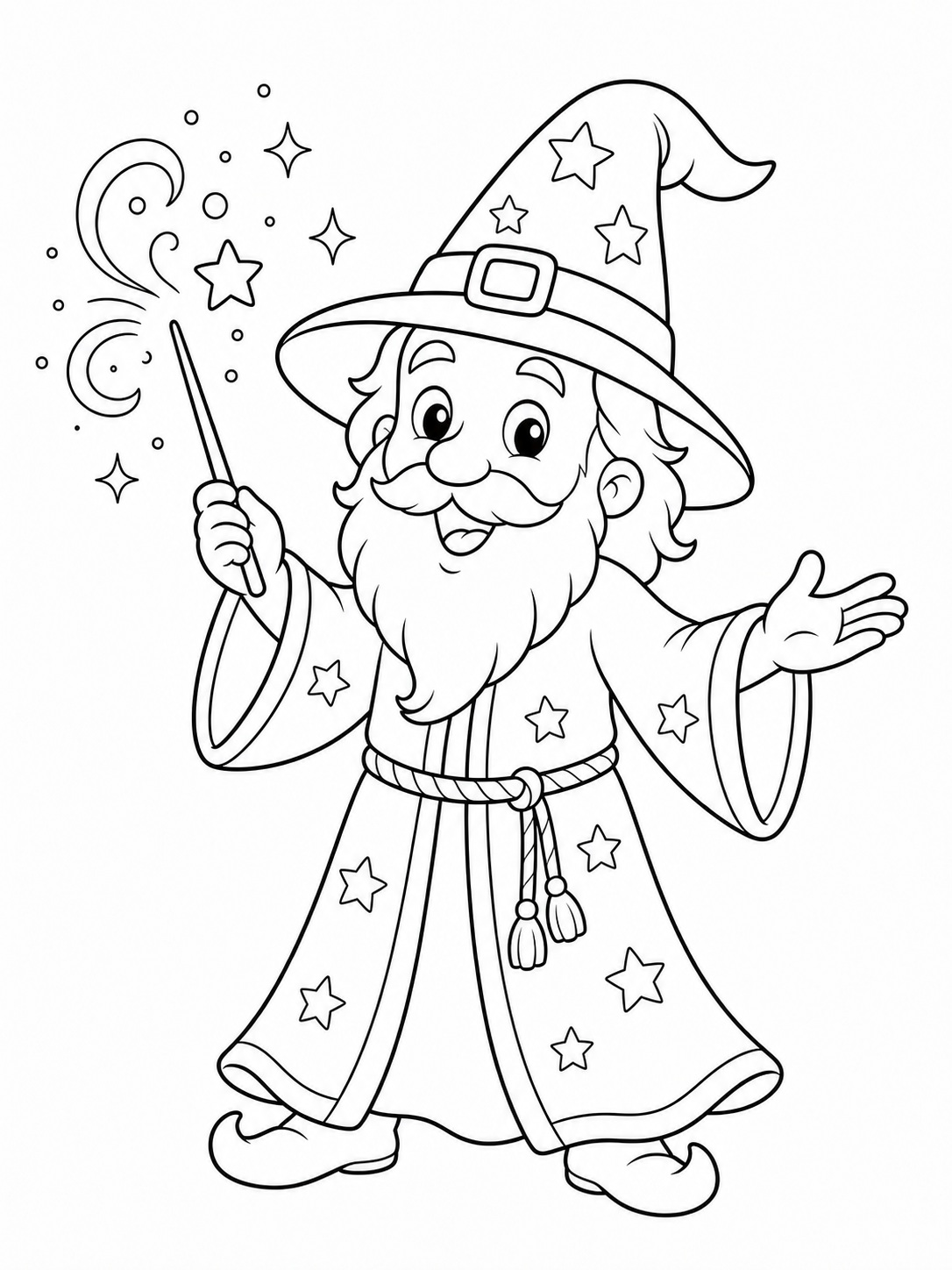
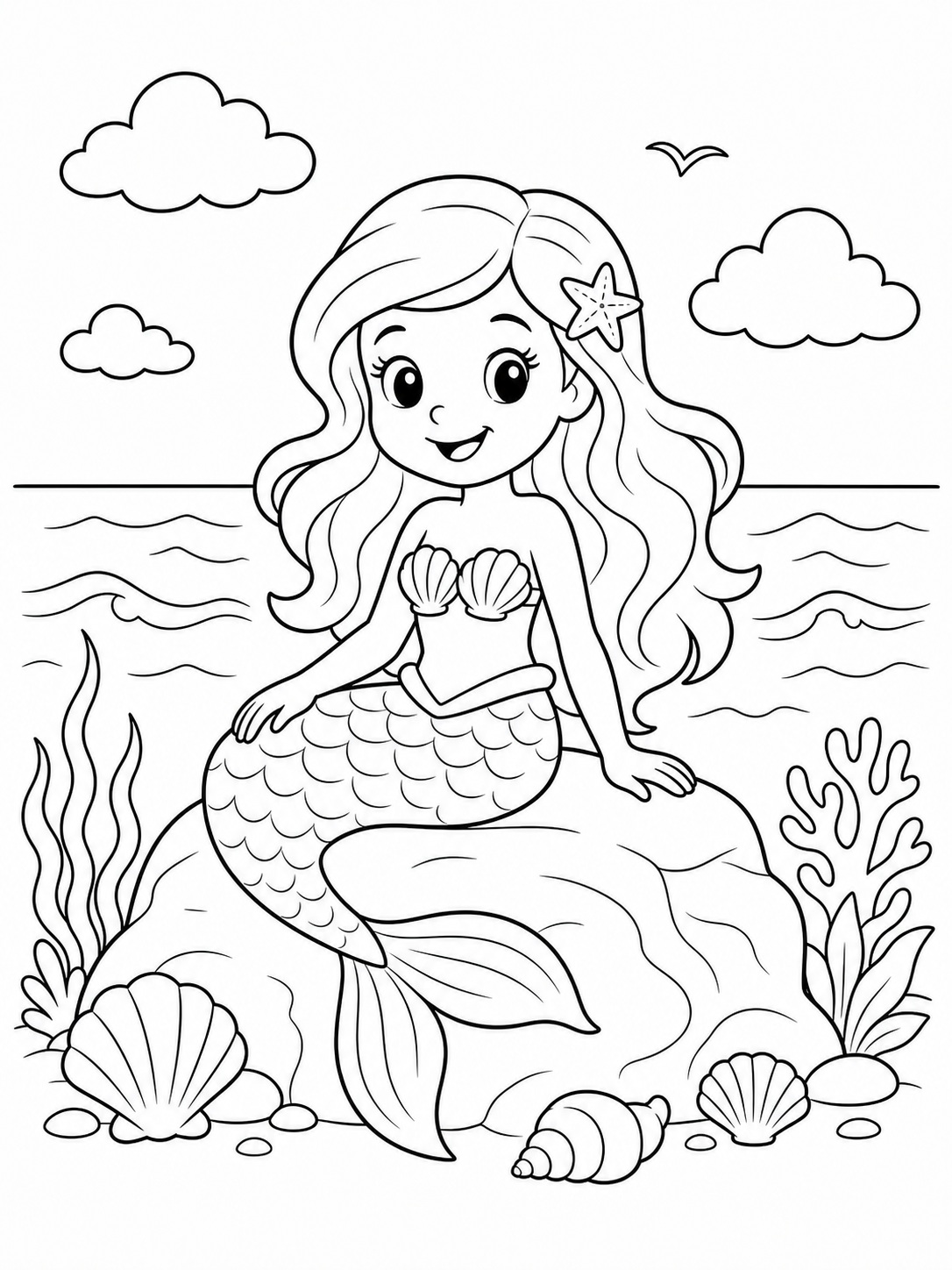
A mermaid sitting on a rock by the sea
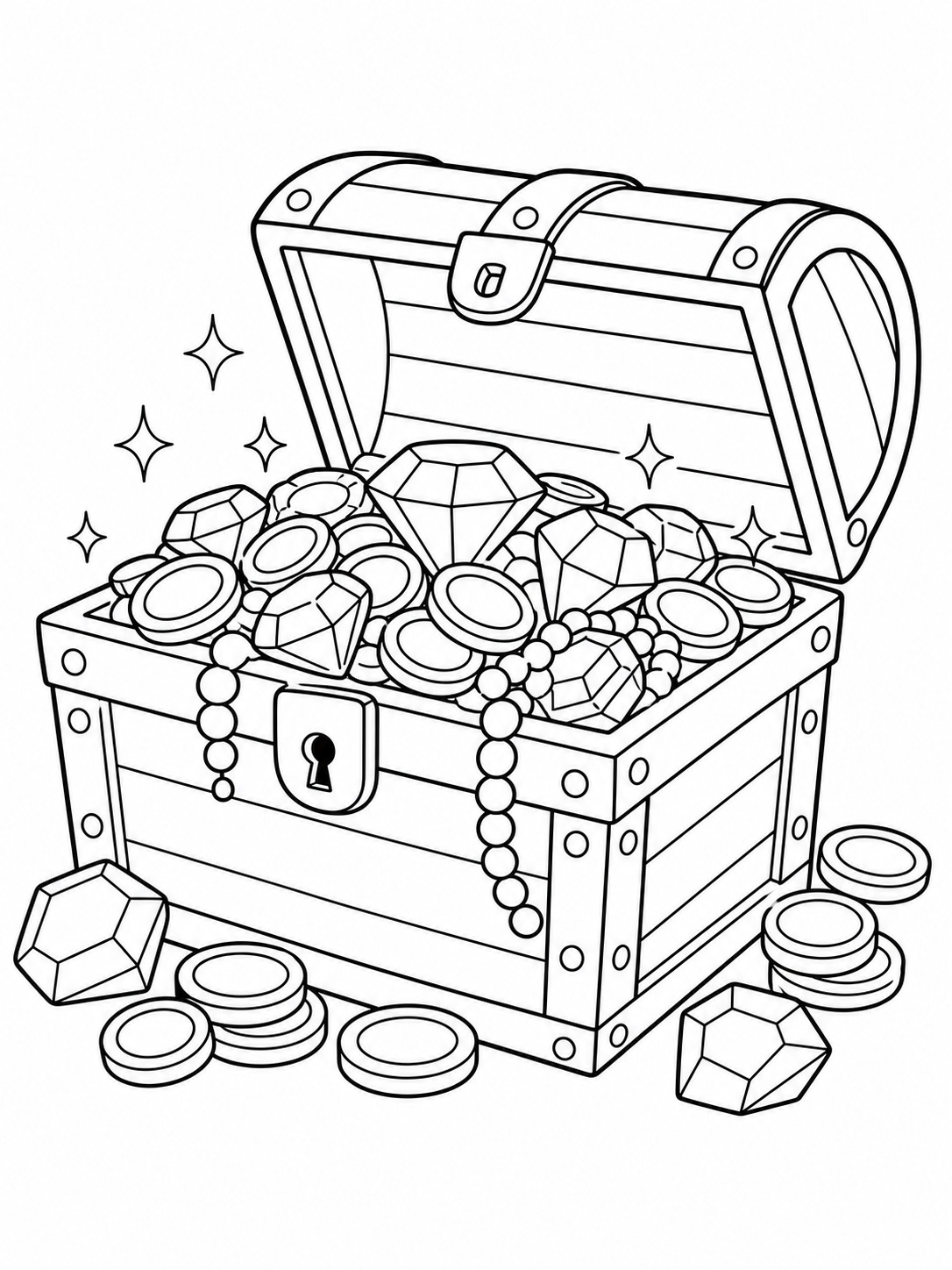
A treasure chest overflowing with gems
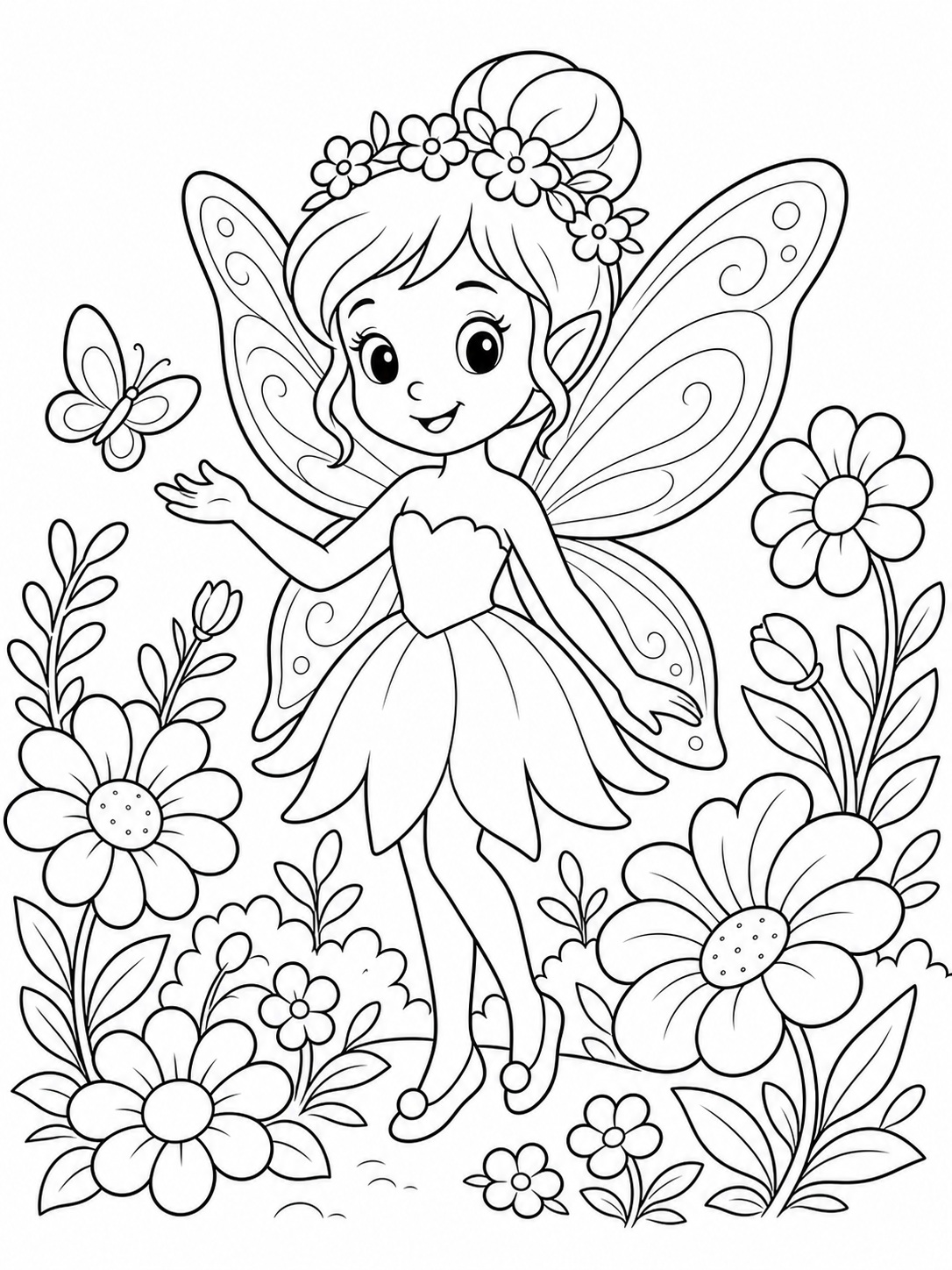
A fairy with delicate wings in a flower garden
200 Bold & Easy Coloring Pages
Get 200 bold, simple and relaxing printable coloring pages for adults and kids — featuring animals, nature, food, fantasy, patterns and seasonal designs.
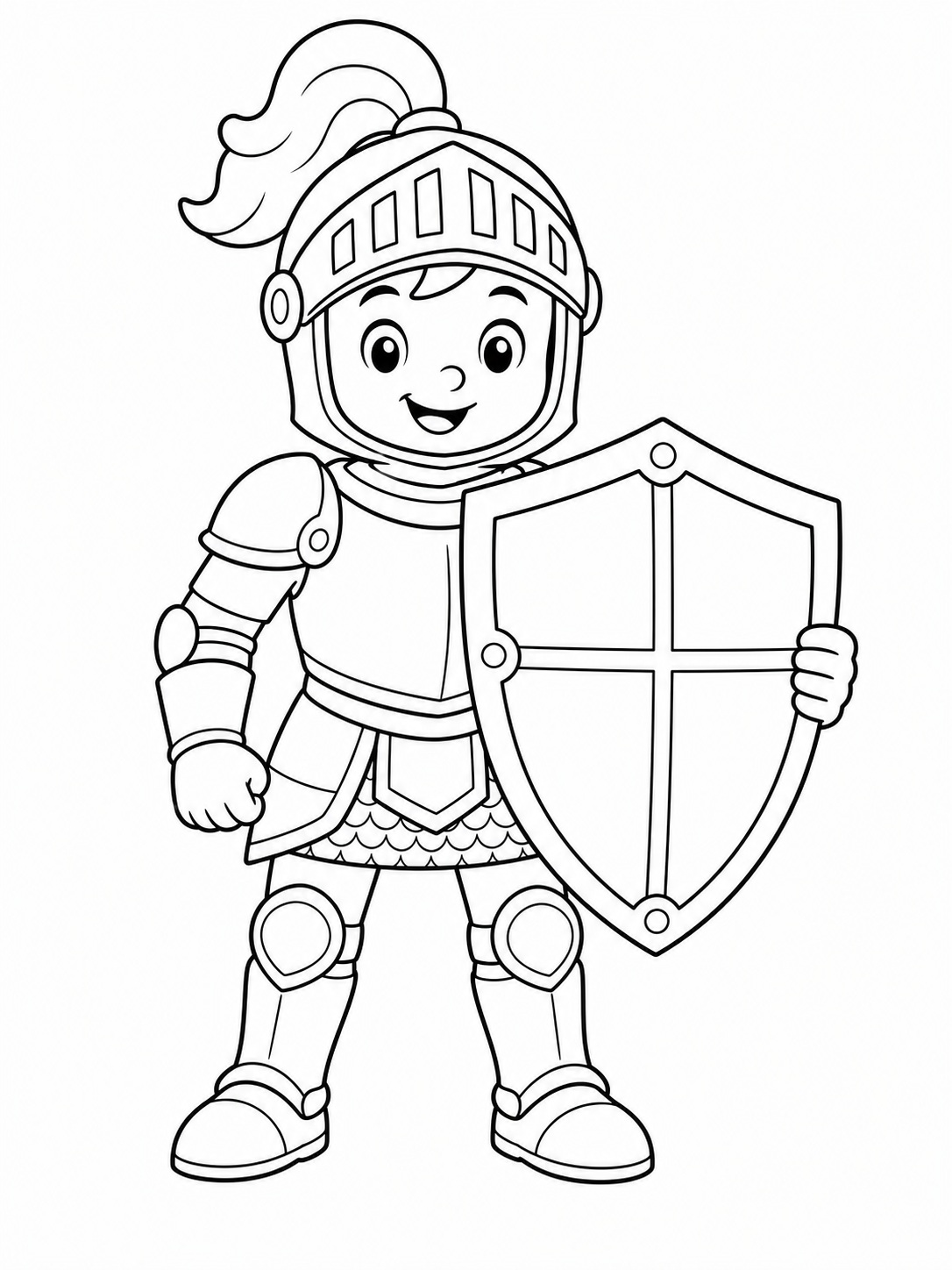
A knight in armor holding a shield
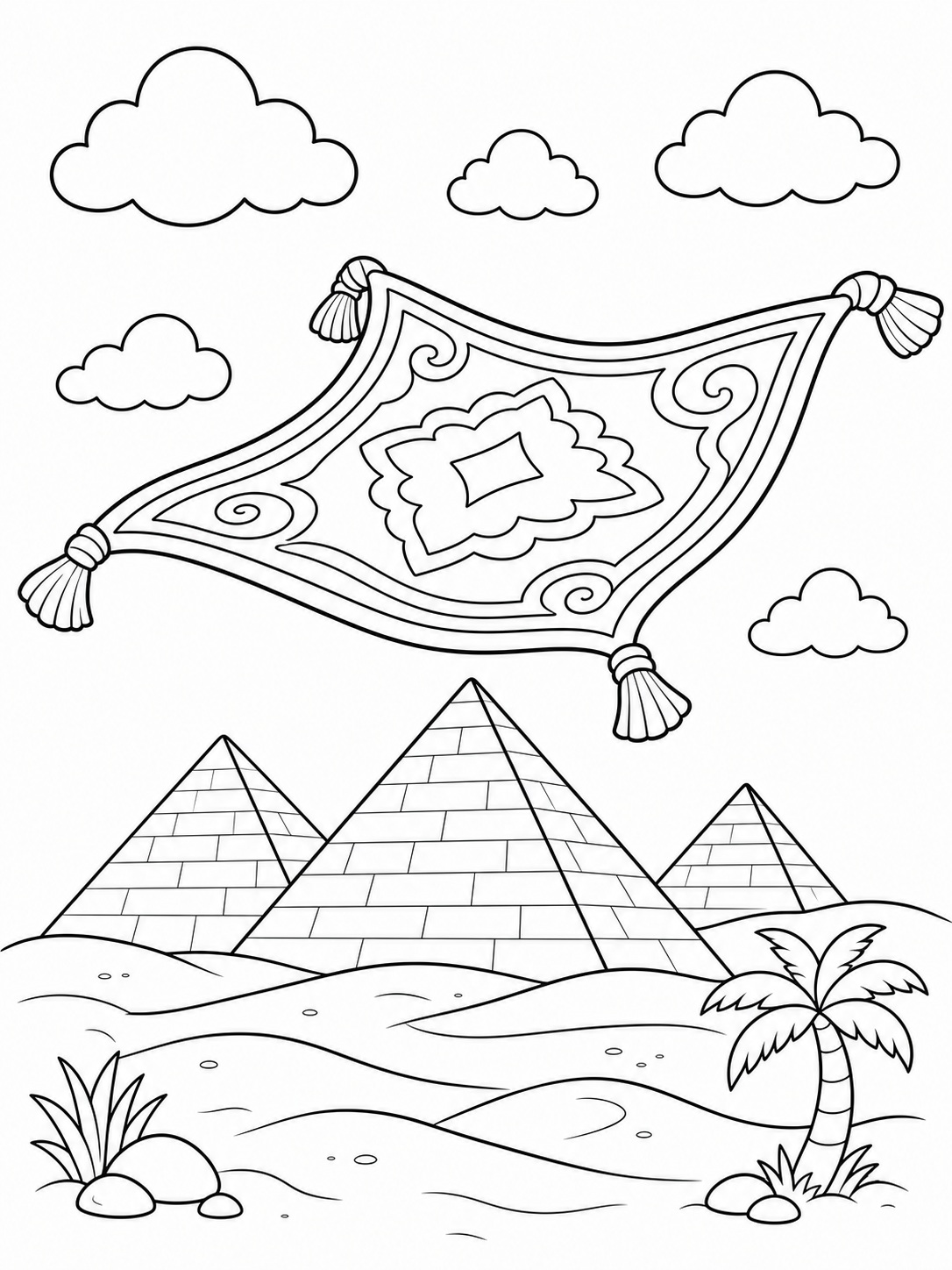
A magic carpet flying over a desert
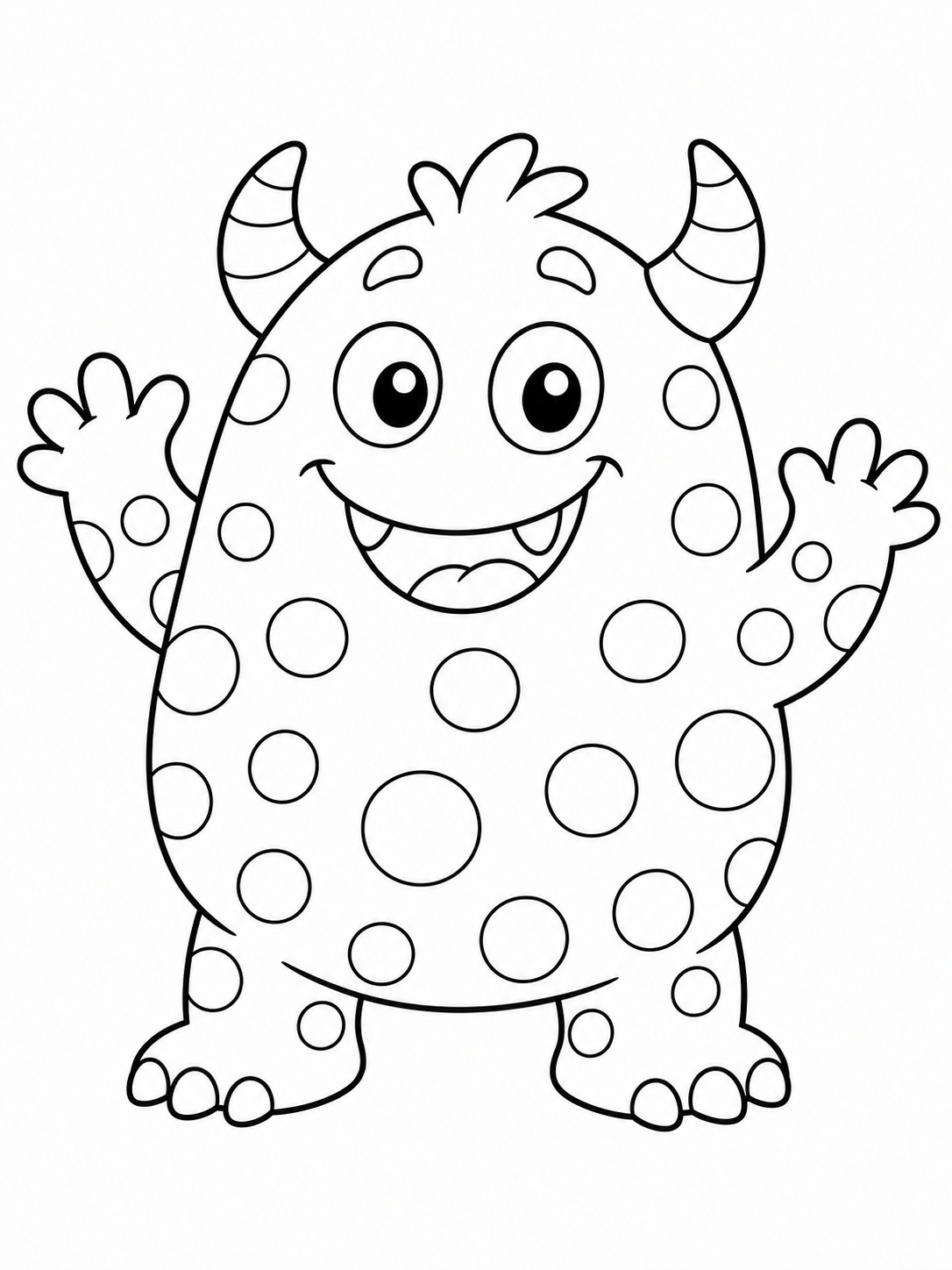
A friendly monster with polka dots
5. Everyday life and family scenes (10 ideas)
Relatable, everyday scenes help younger kids connect coloring to their own routines. These also work well for back-to-school and family activity printables.
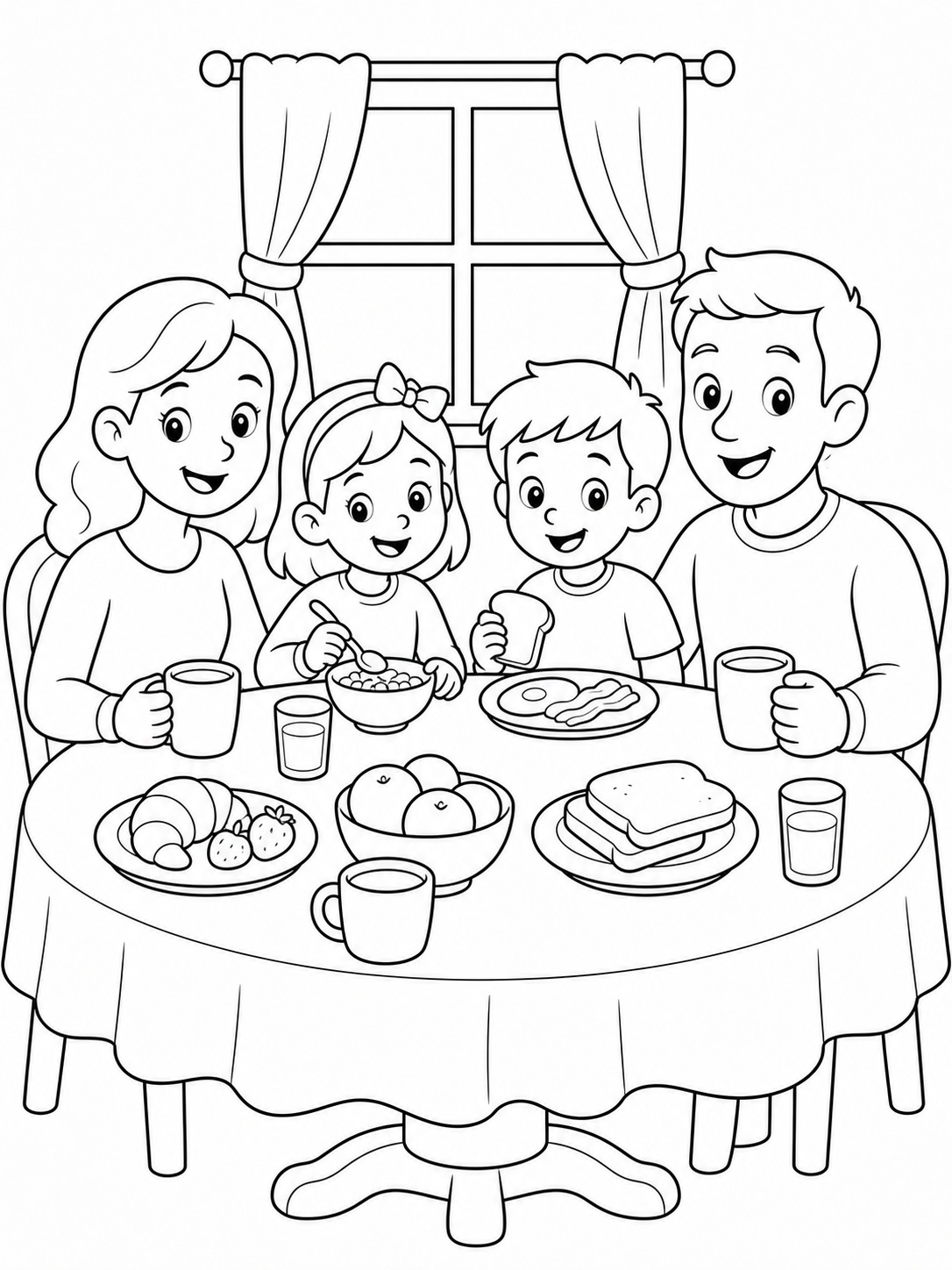
A family having breakfast at the table
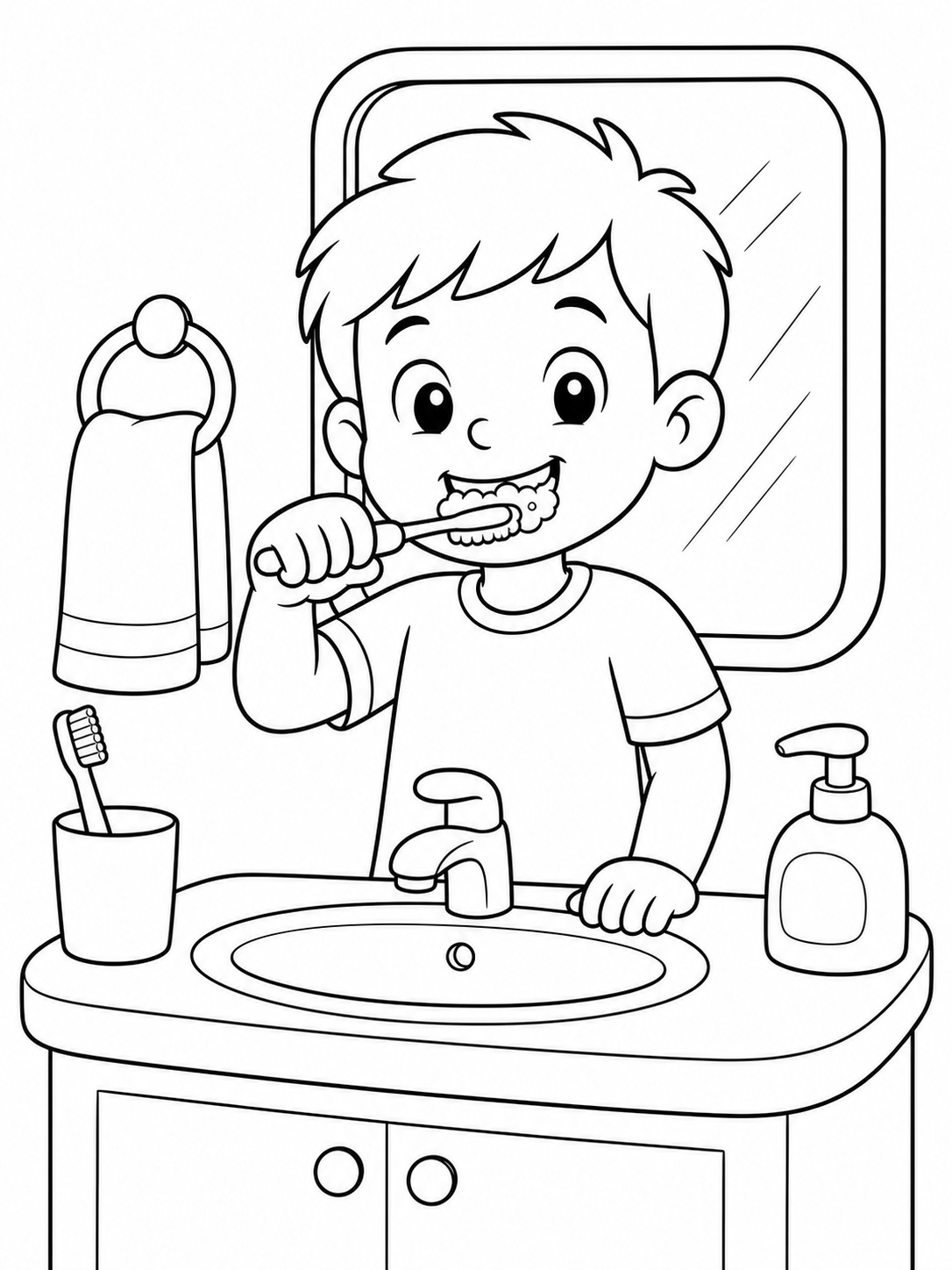
A child brushing their teeth in the bathroom
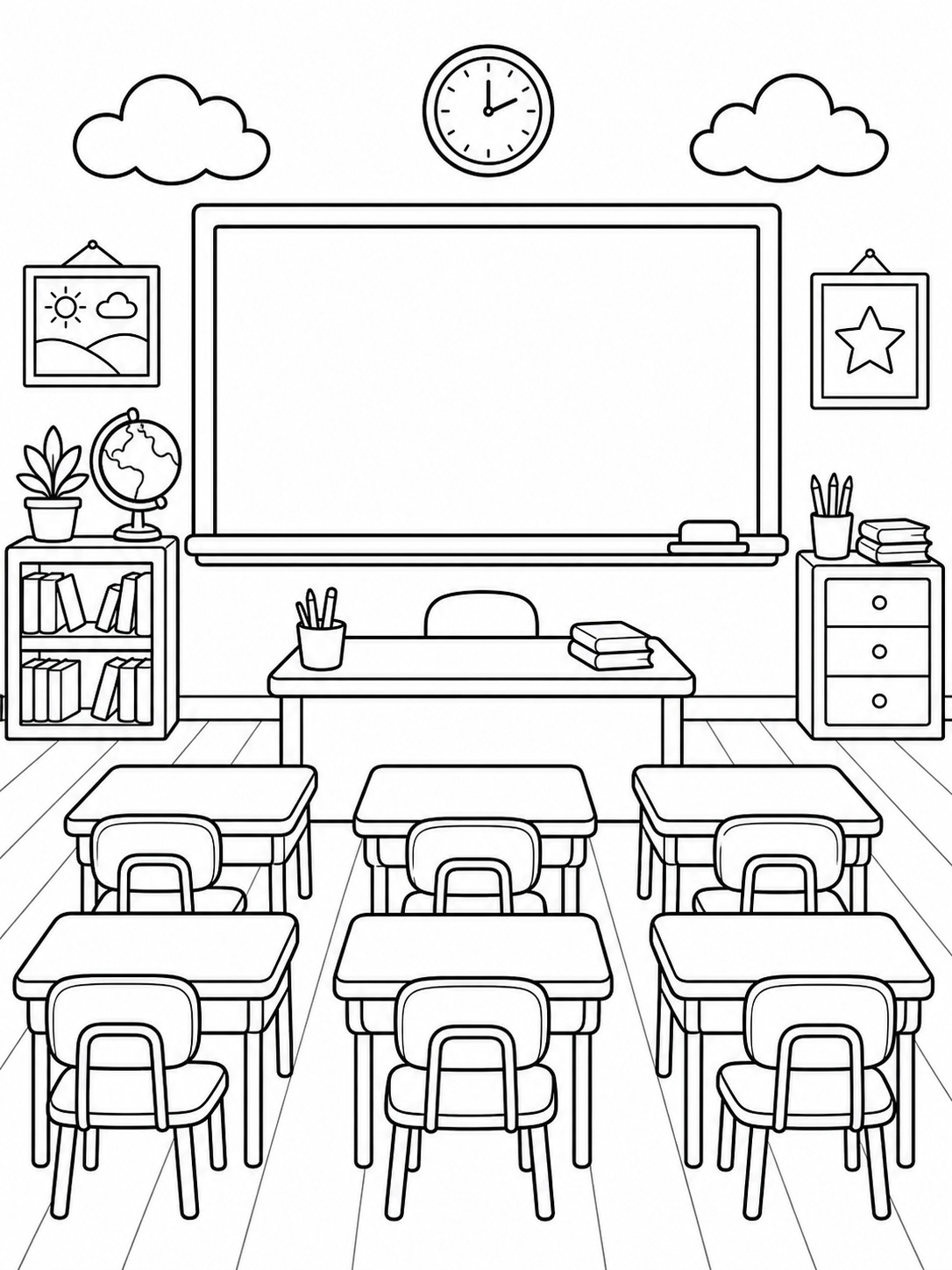
A classroom with a chalkboard and desks
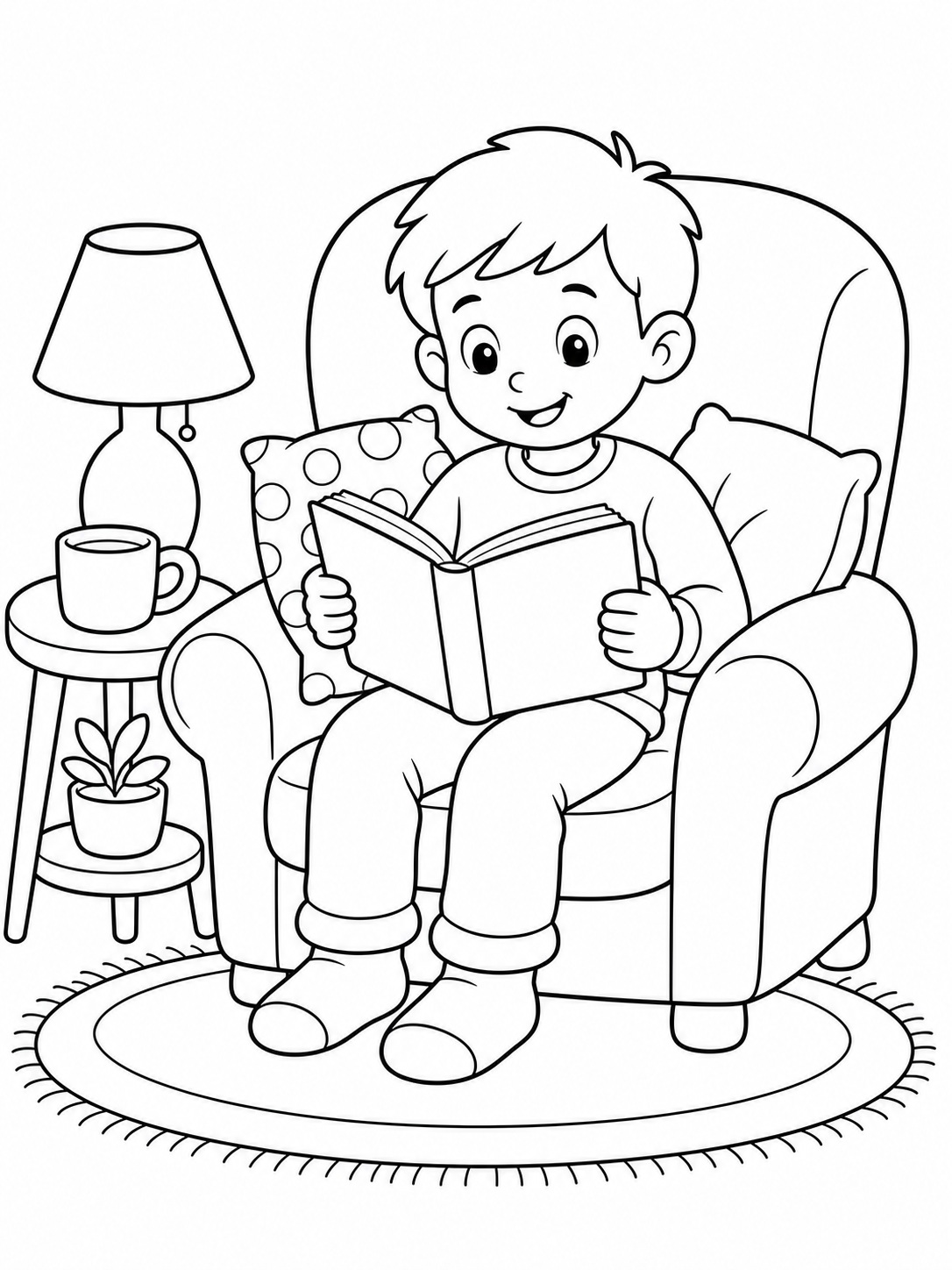
A child reading a book in a cozy chair
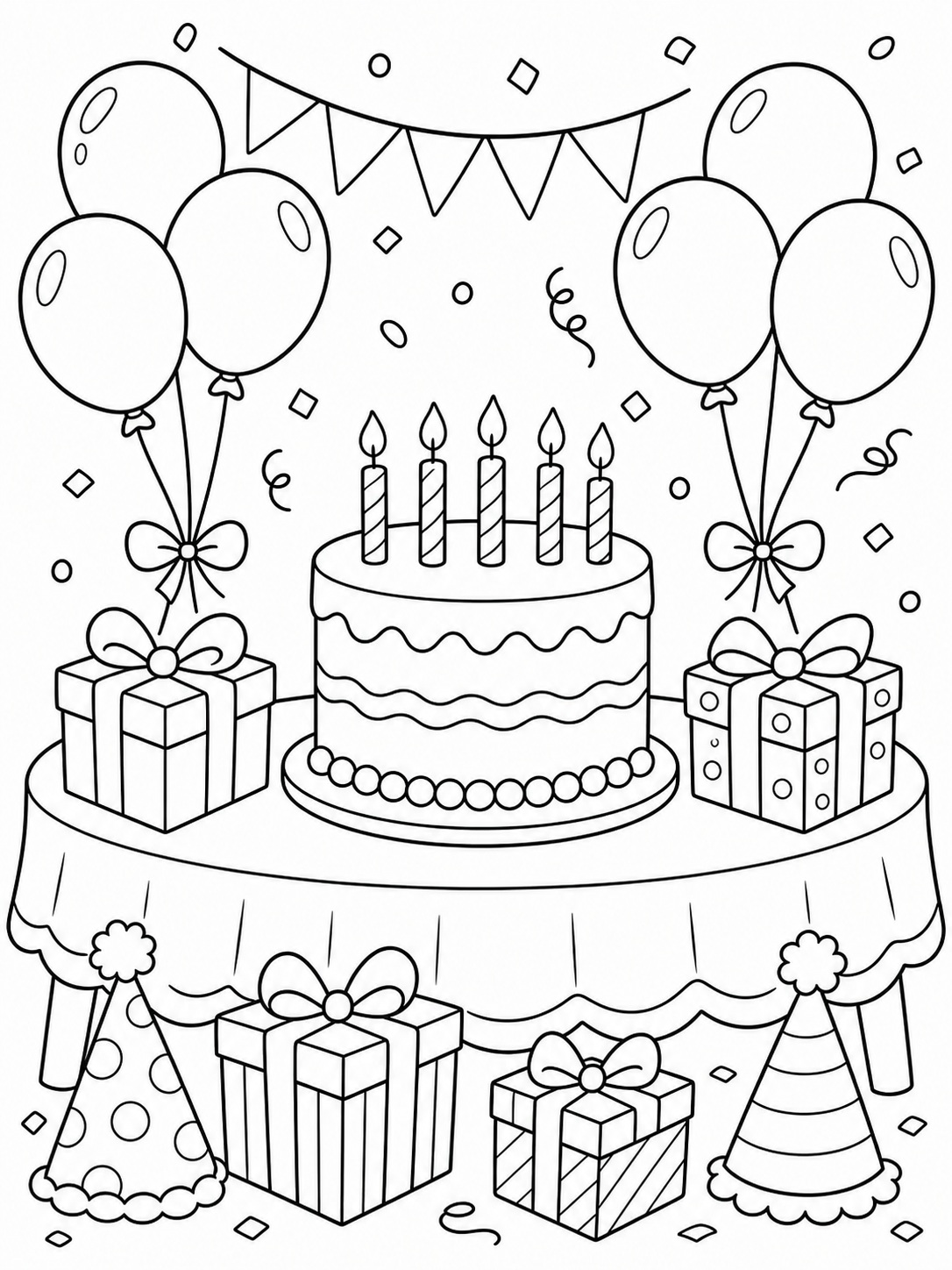
A birthday party with balloons and presents
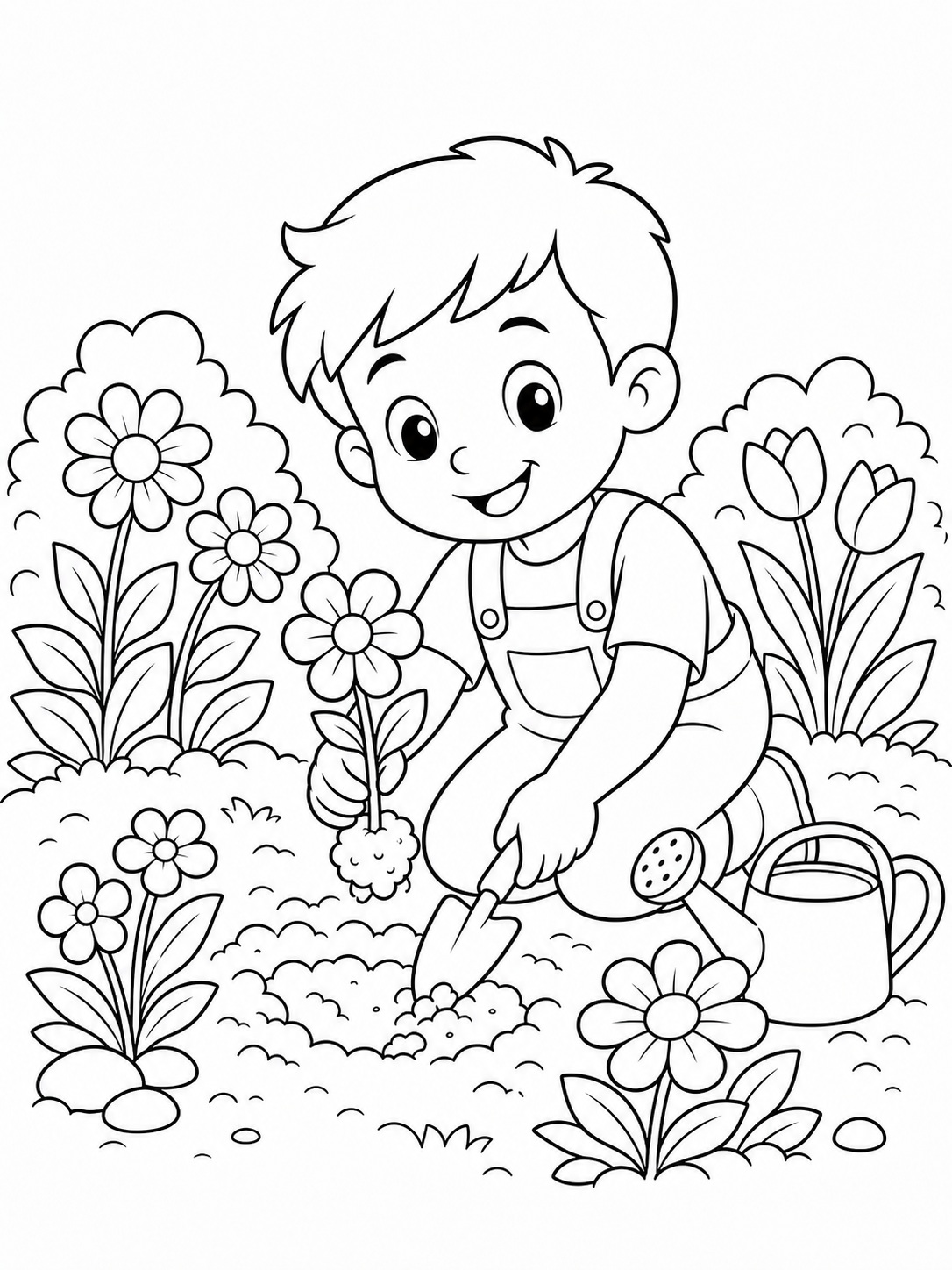
A child planting flowers in the garden
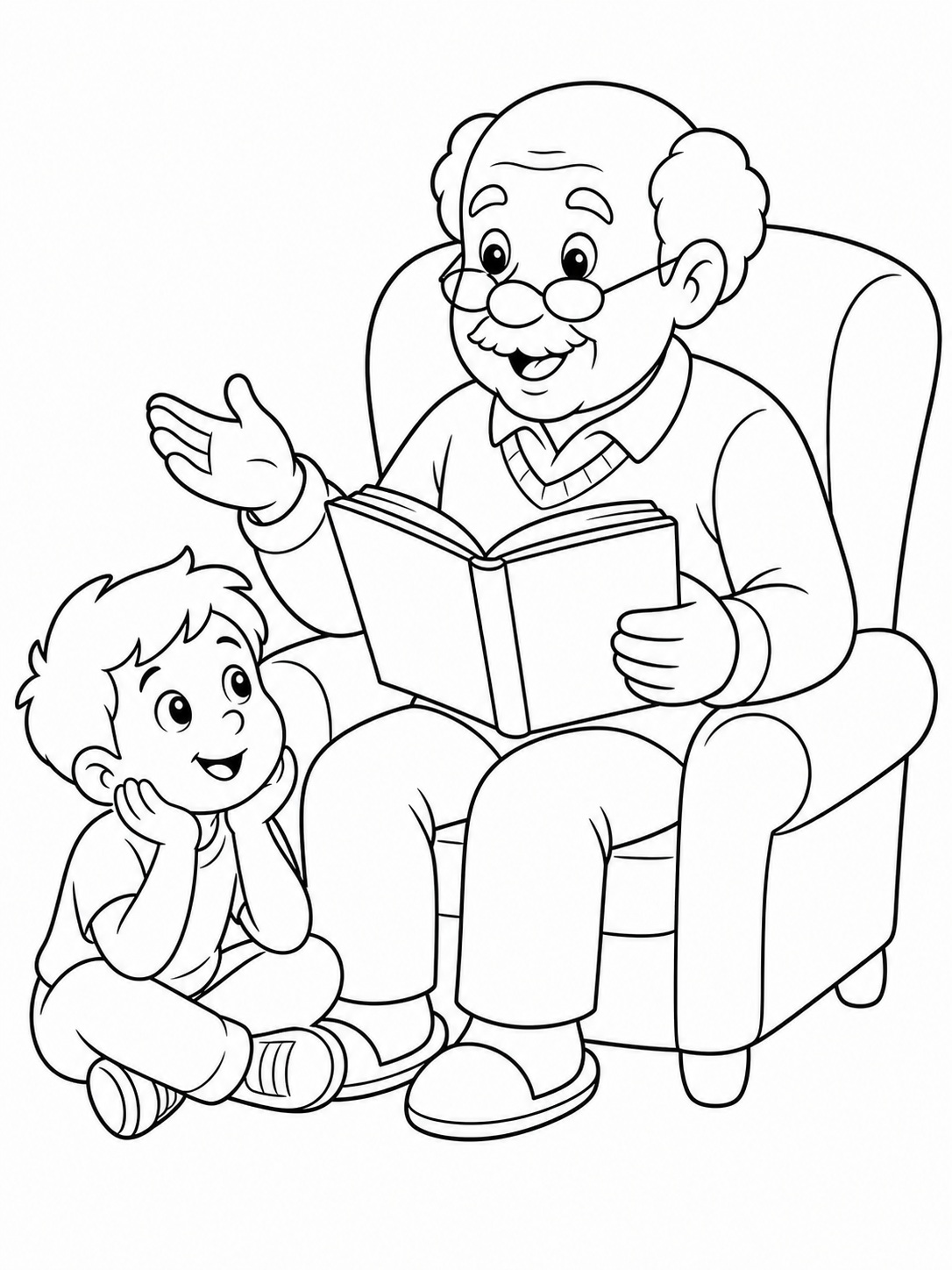
A grandparent telling a story to a child
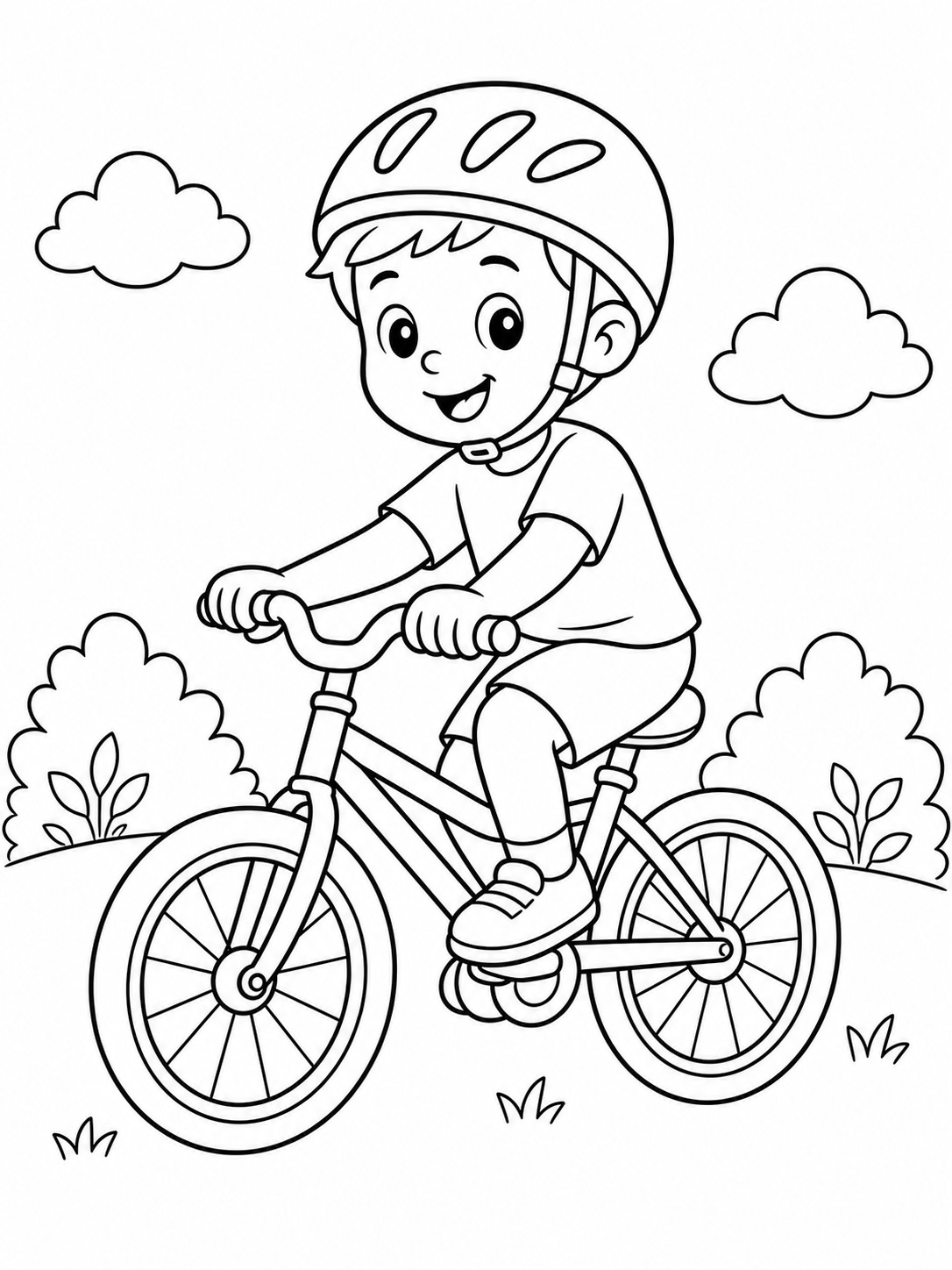
A child riding a bicycle with a helmet
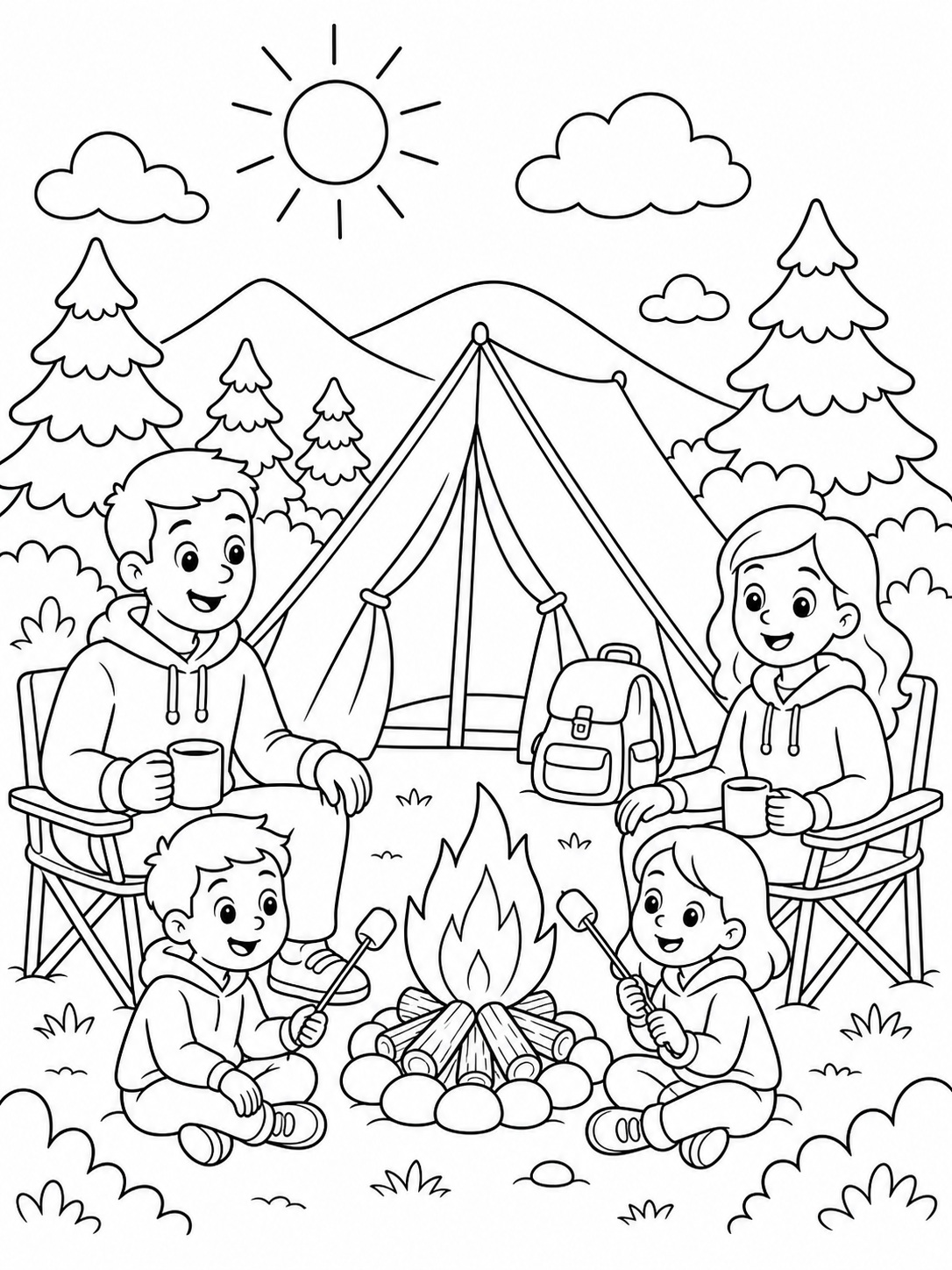
A family camping trip with a tent
A child helping wash dishes in the kitchen
6. Shapes, letters, and numbers (10 ideas)
Educational designs combine coloring with early academic skills, which makes them popular with parents and teachers looking for activities that do double duty.
The letter A with an apple illustration
The number 5 with five simple stars

A large circle shape with a smiling face

A triangle shape decorated like a tent
The letter B with a bear illustration
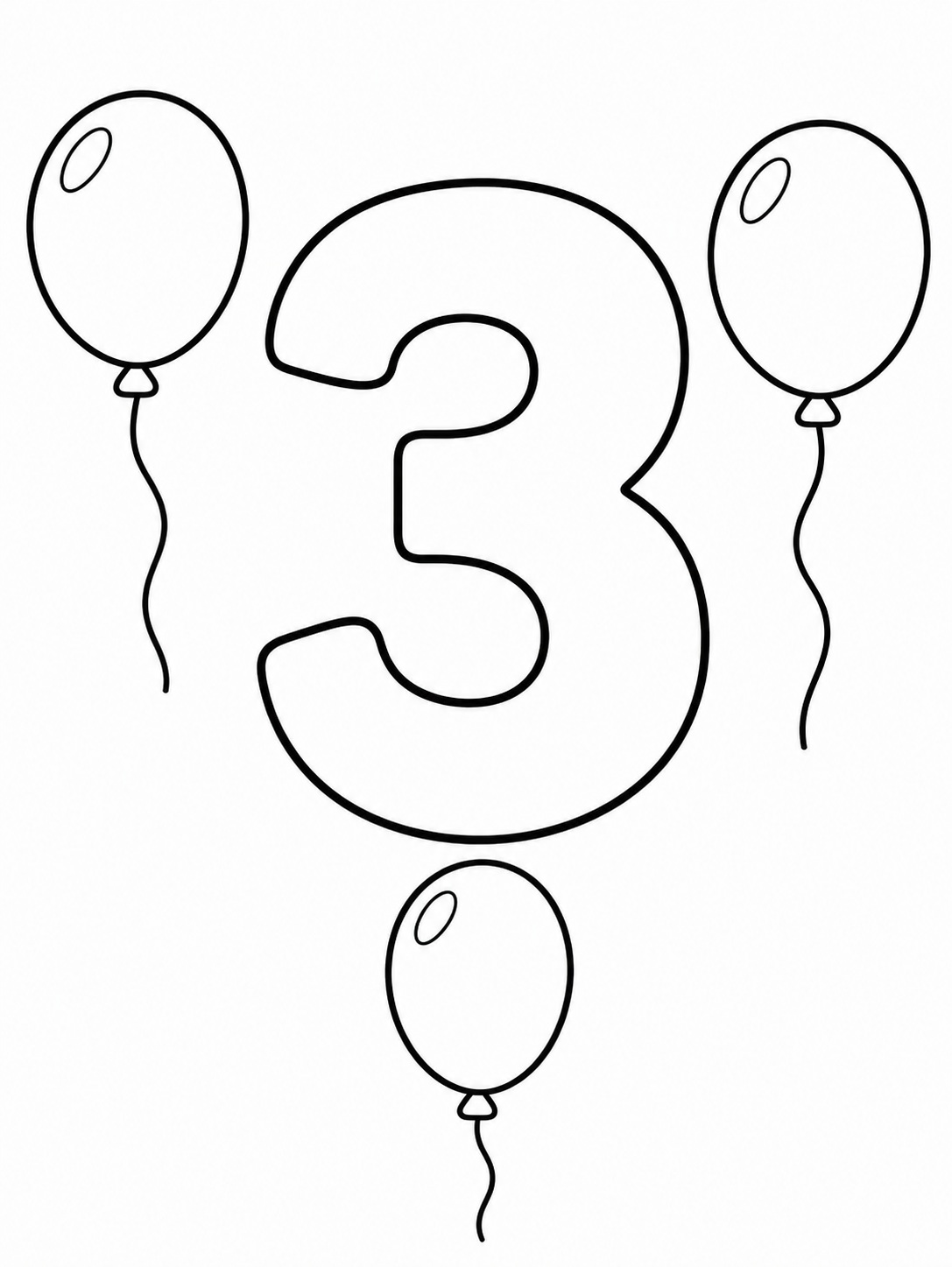
The number 3 with three balloons
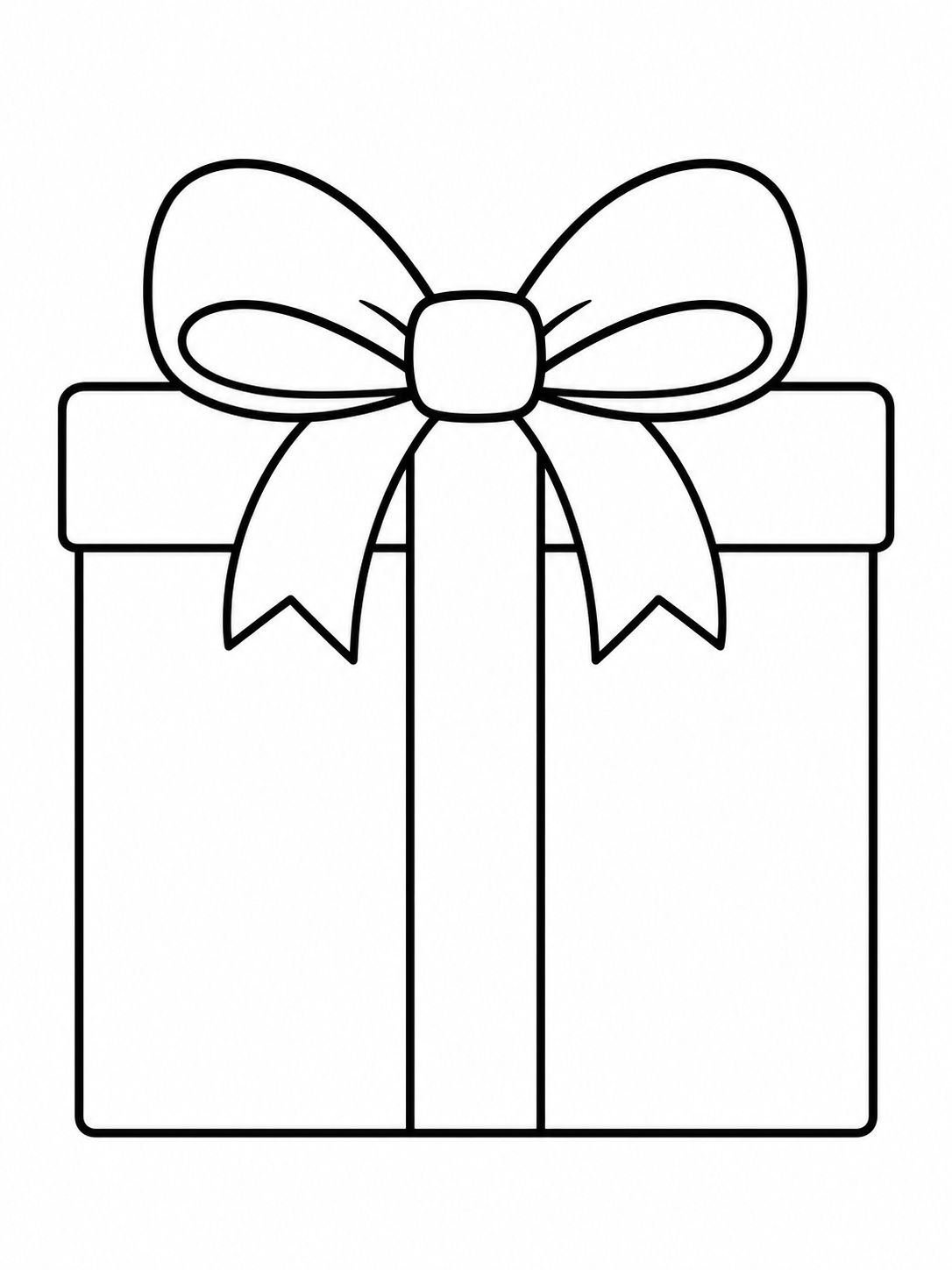
A square shape decorated like a present box
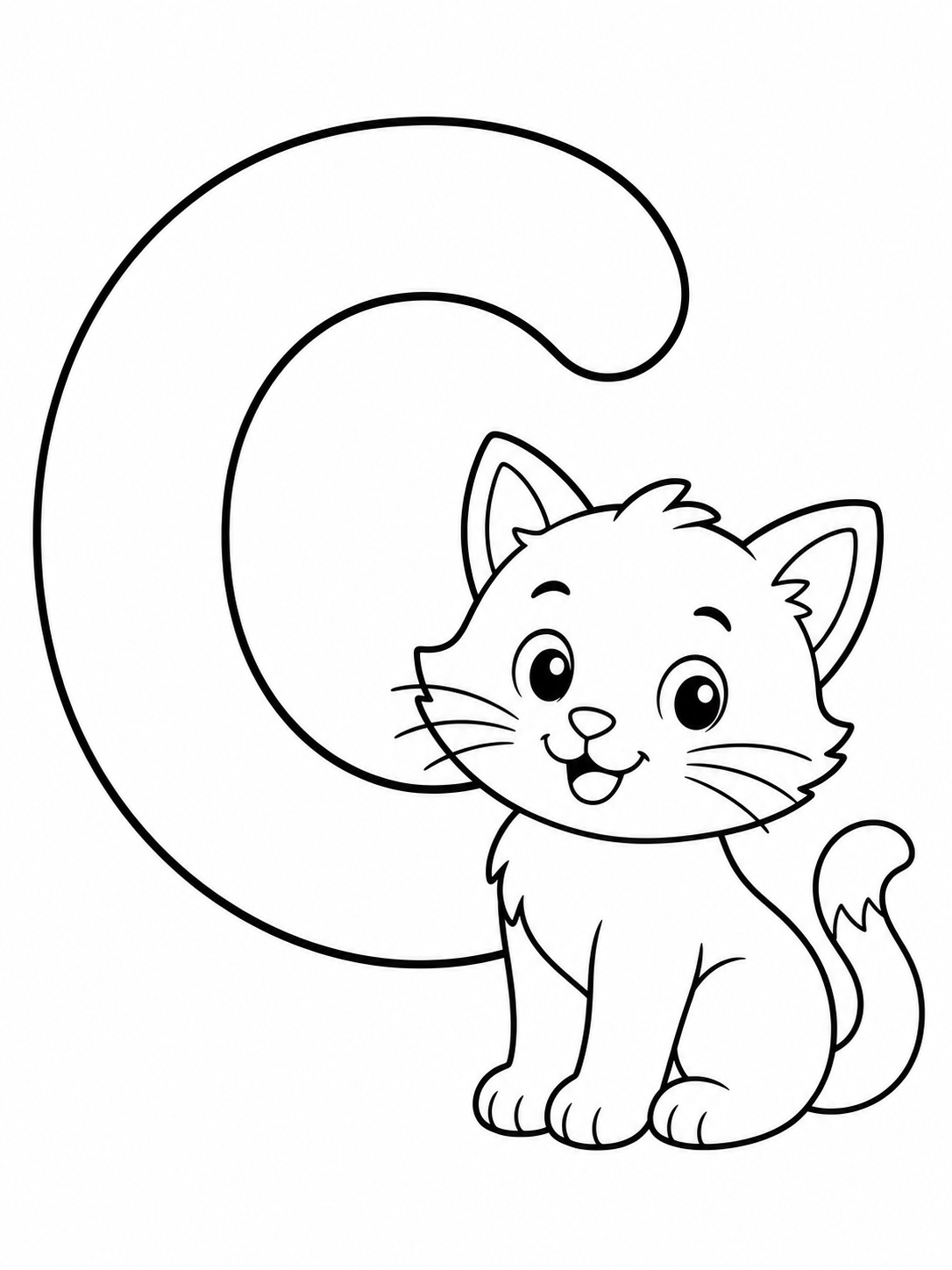
The letter C with a cat illustration
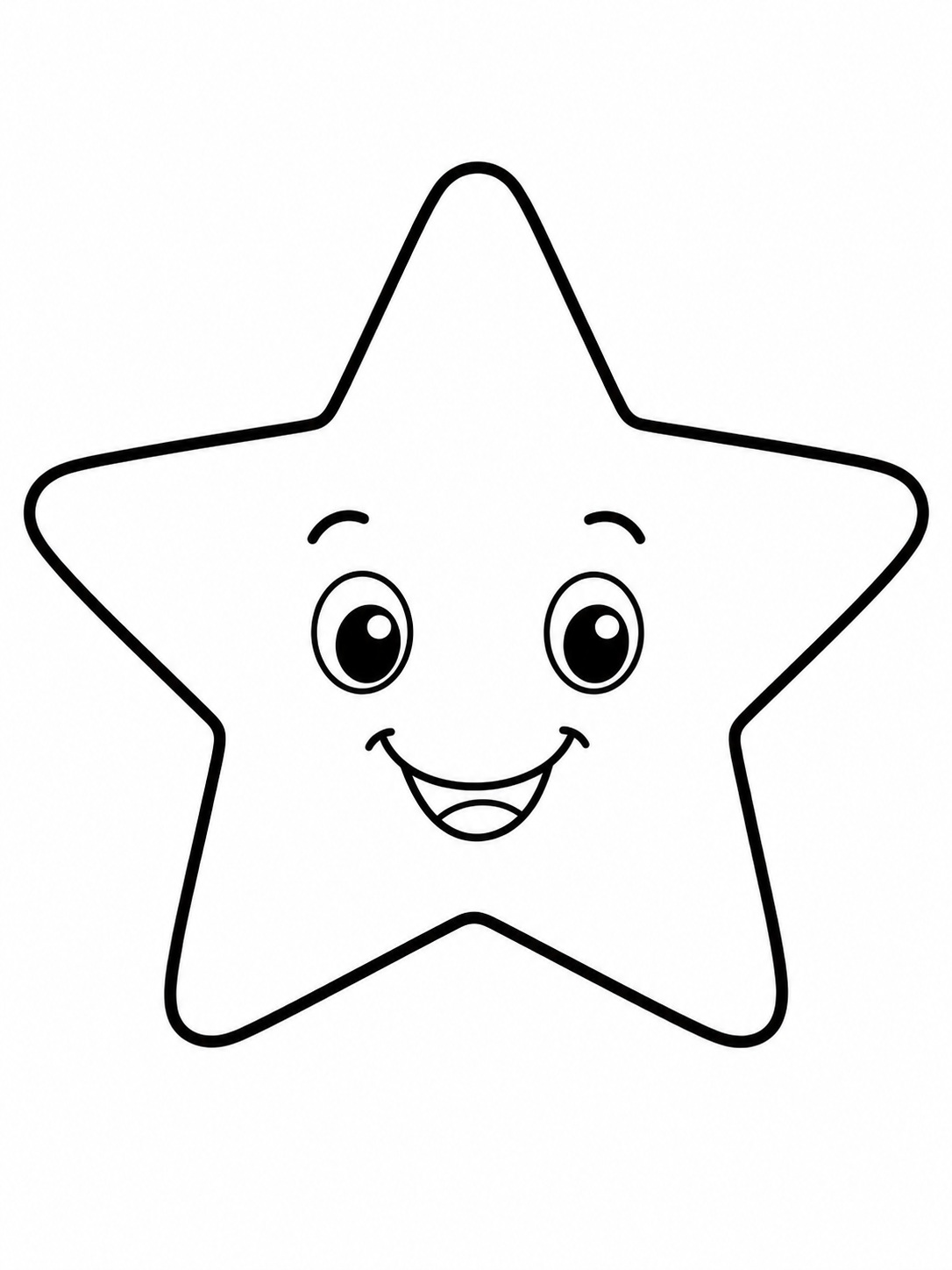
A star shape with a simple smiling face
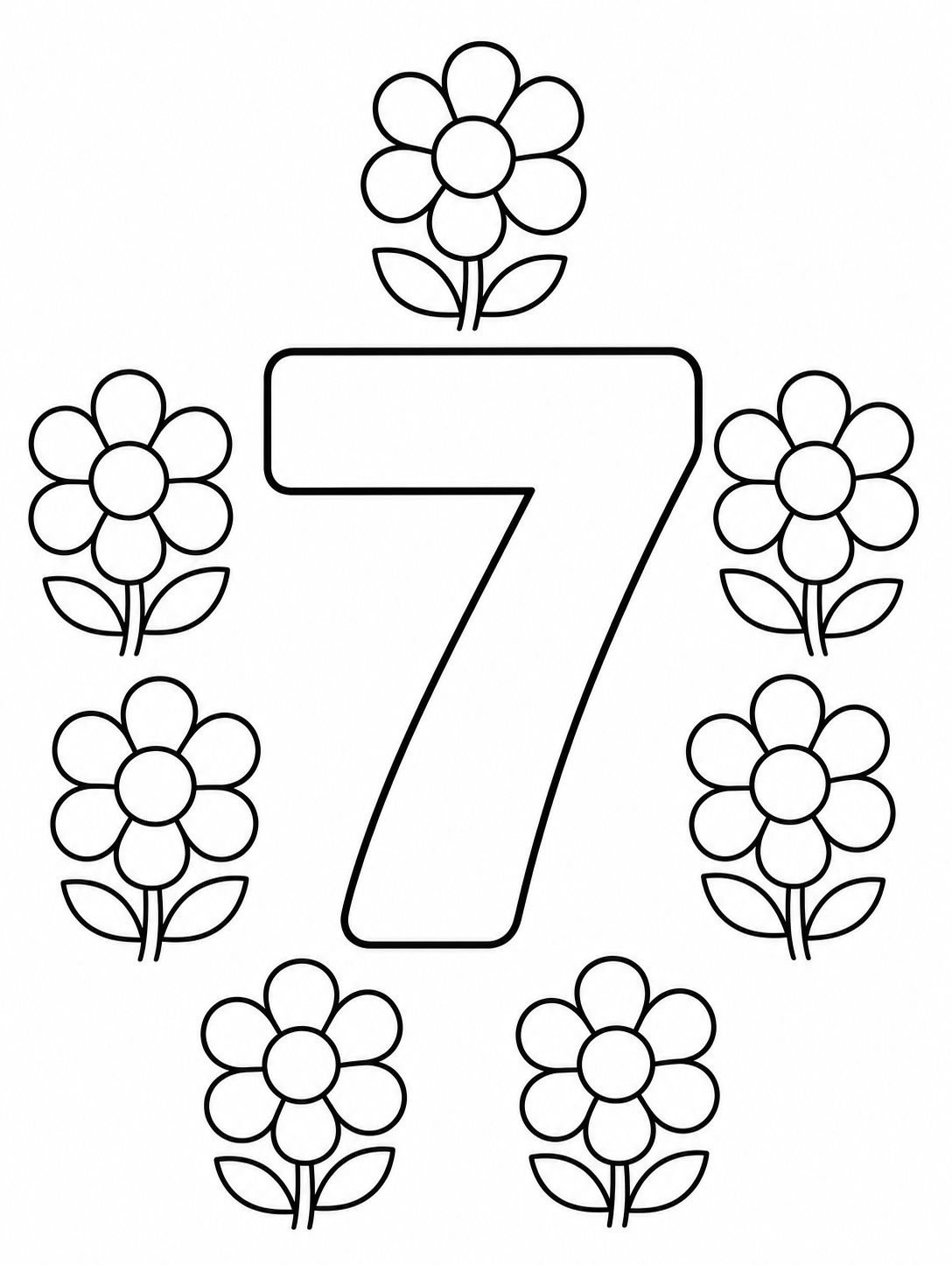
The number 7 with seven simple flowers
7. Holidays and seasons (10 ideas)
Seasonal designs keep a coloring collection useful all year, and they give parents and teachers a built-in reason to print something new every month or two.
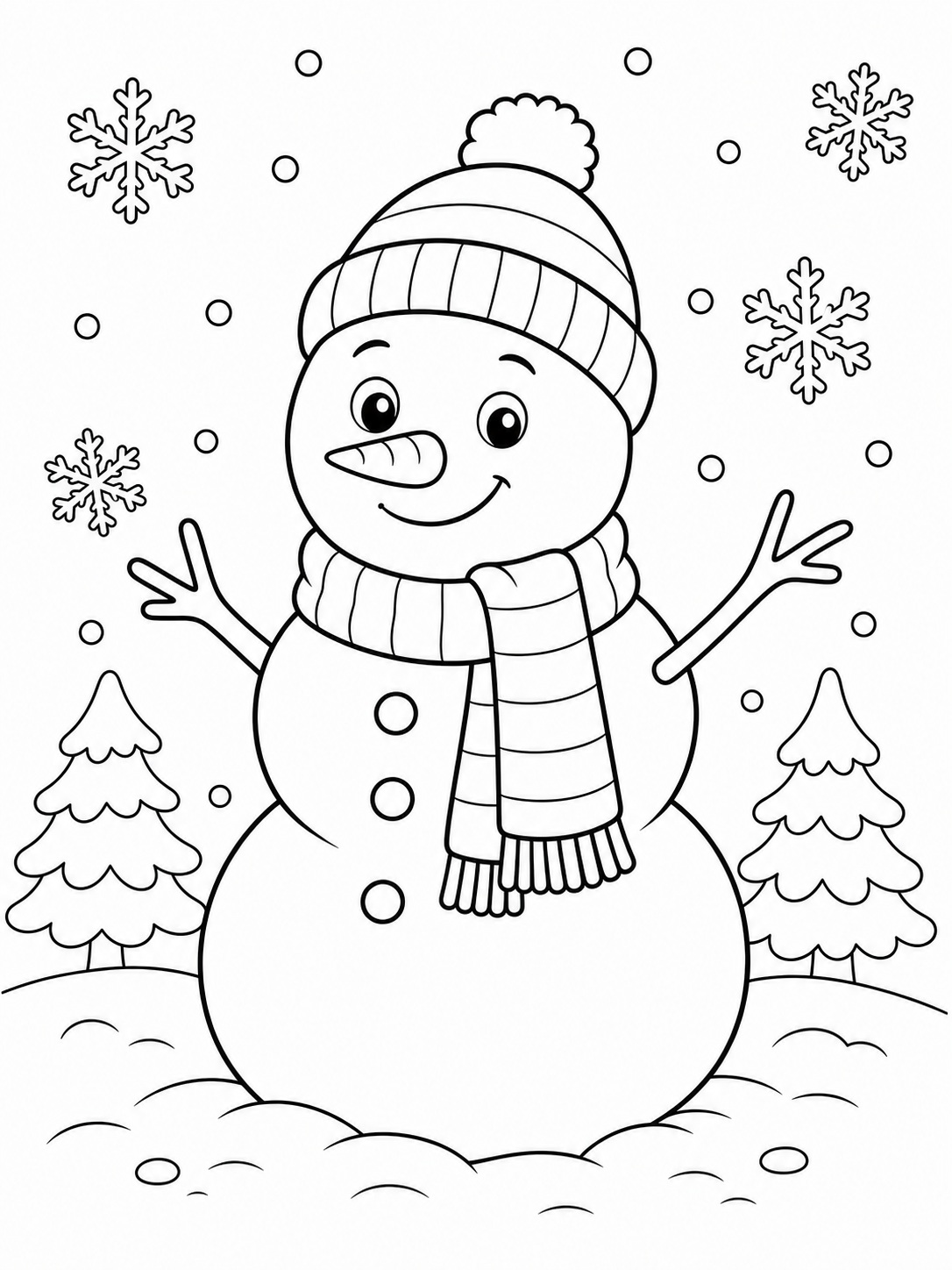
A snowman wearing a scarf and hat
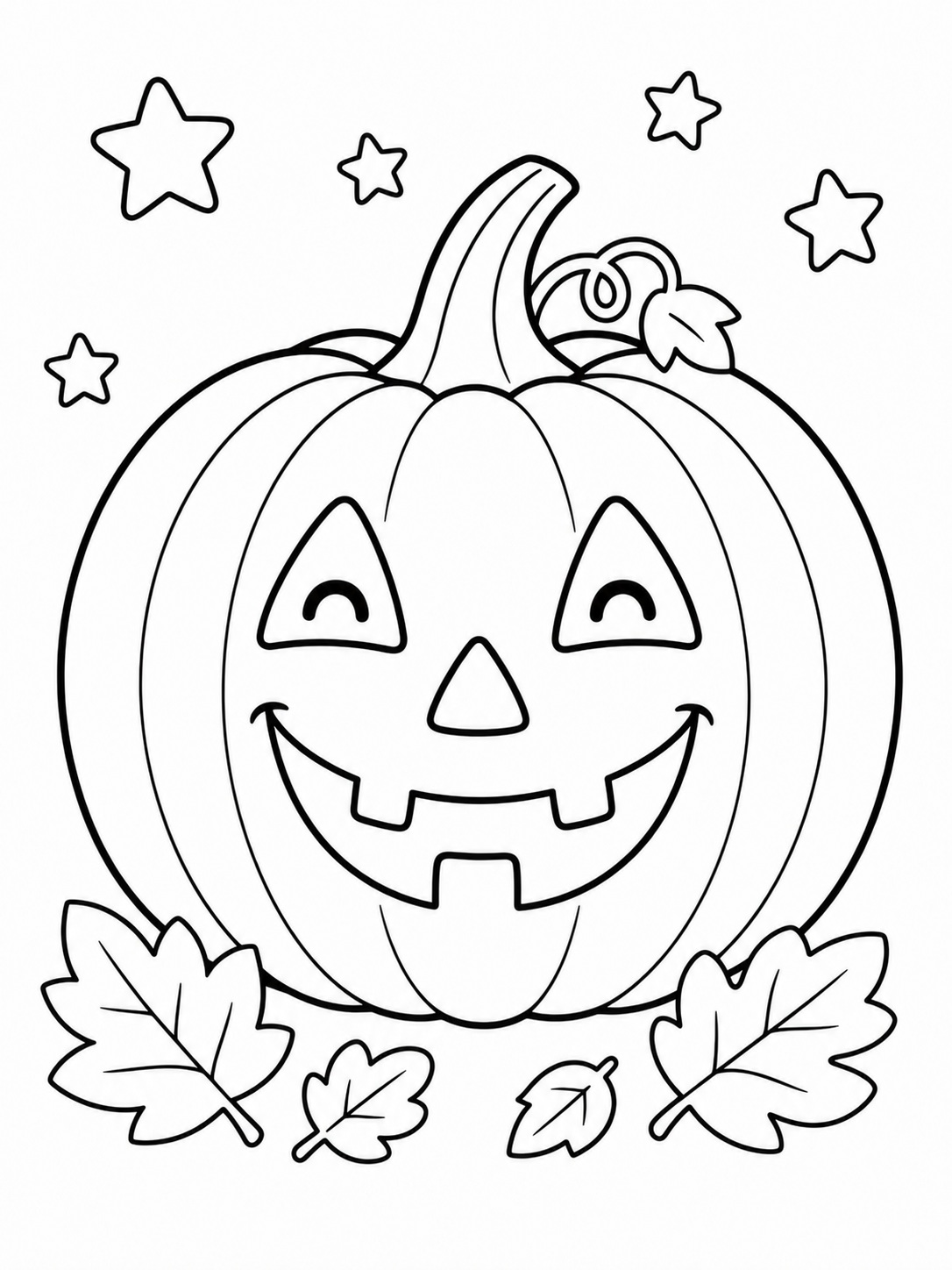
A jack-o-lantern with a friendly carved face
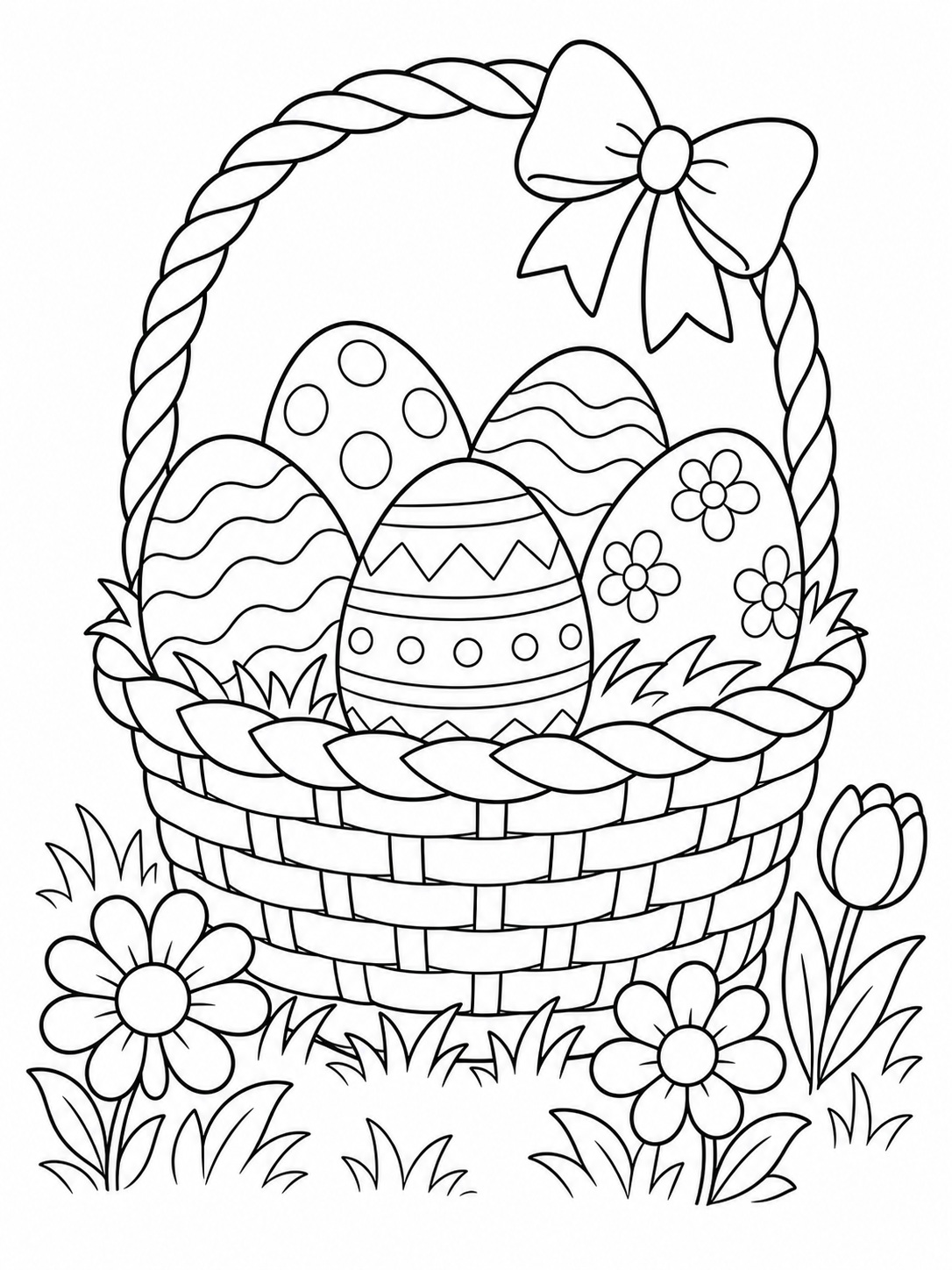
A basket of Easter eggs in the grass
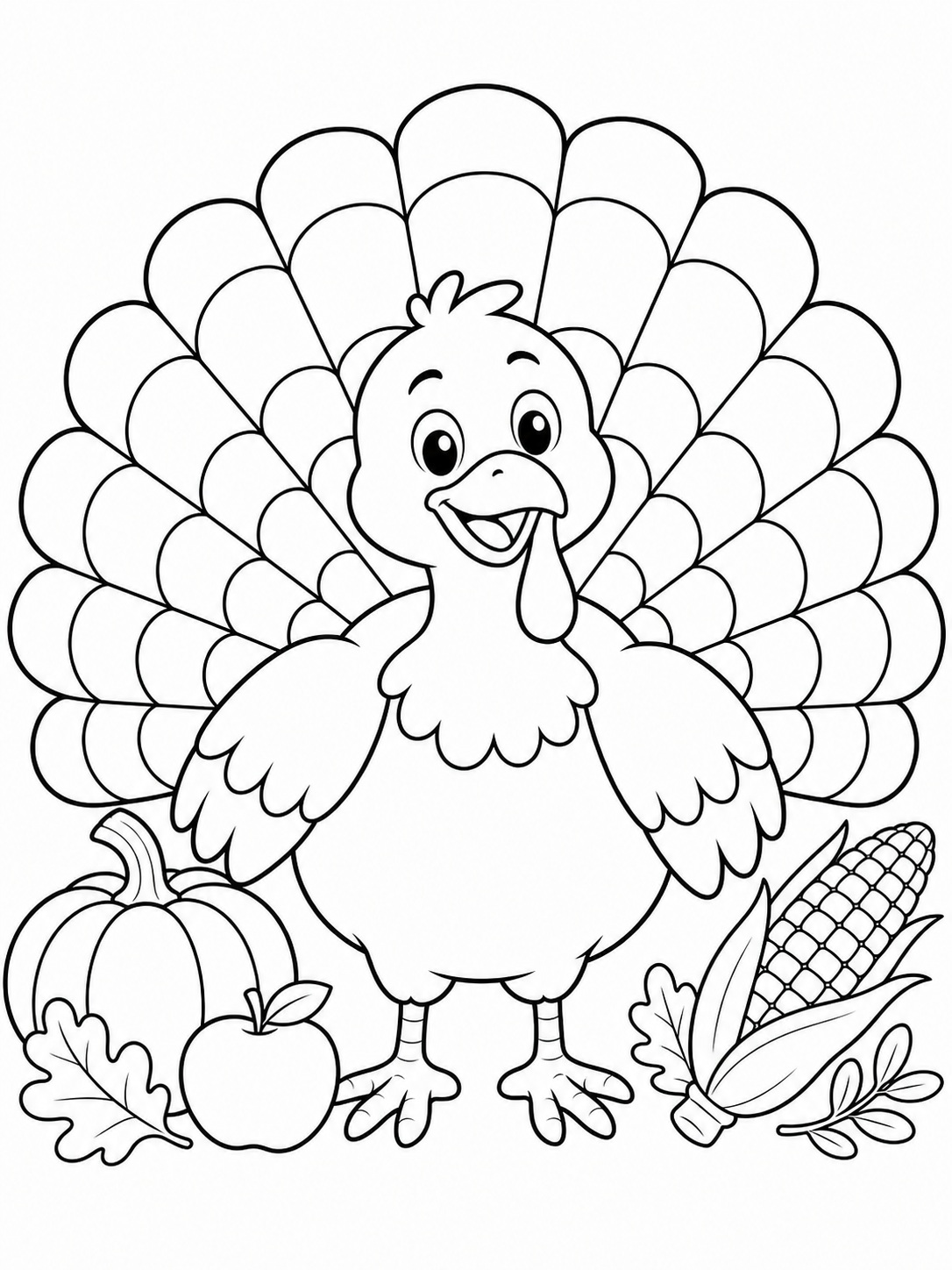
A turkey with colorful tail feathers
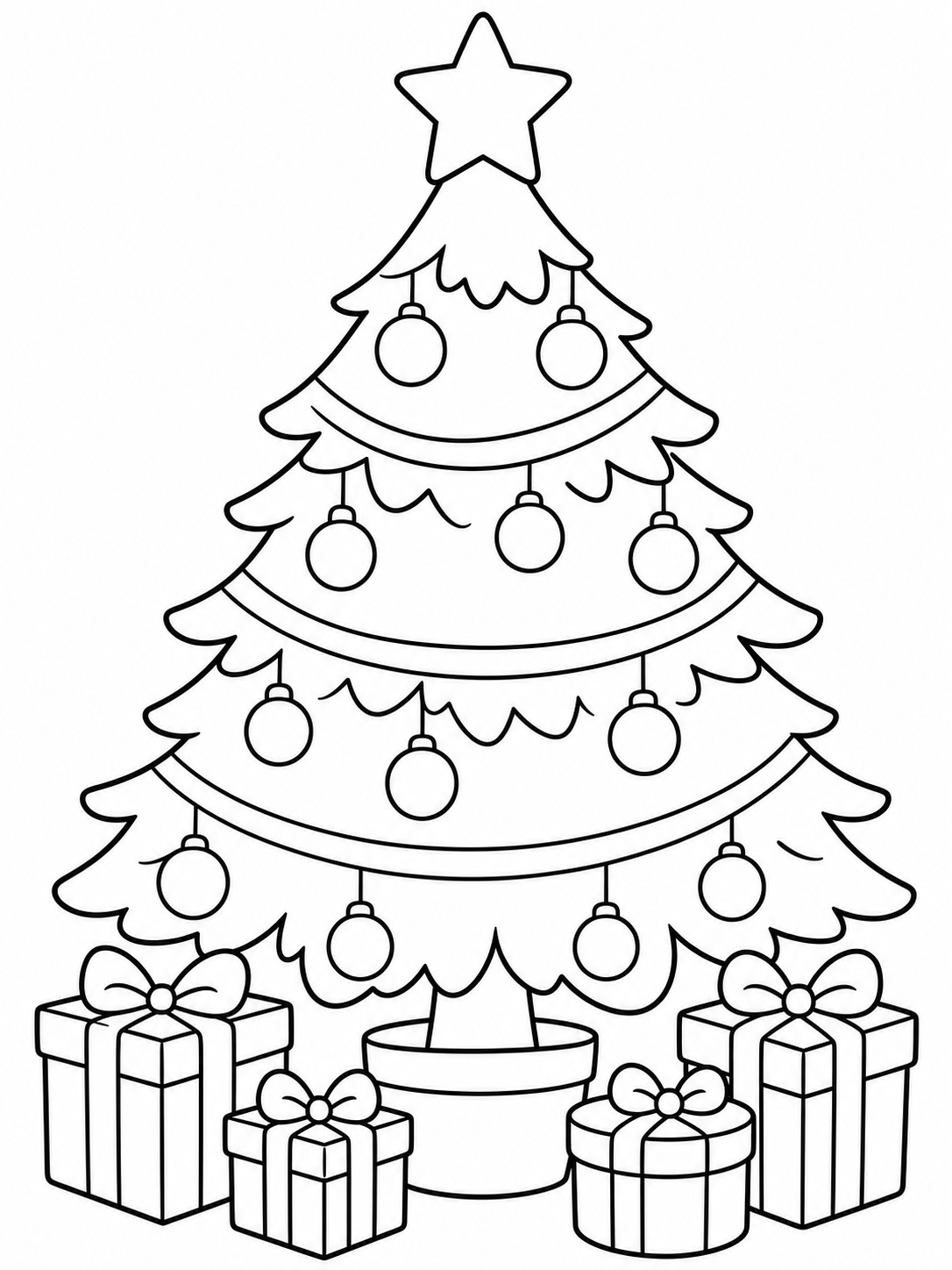
A Christmas tree decorated with ornaments
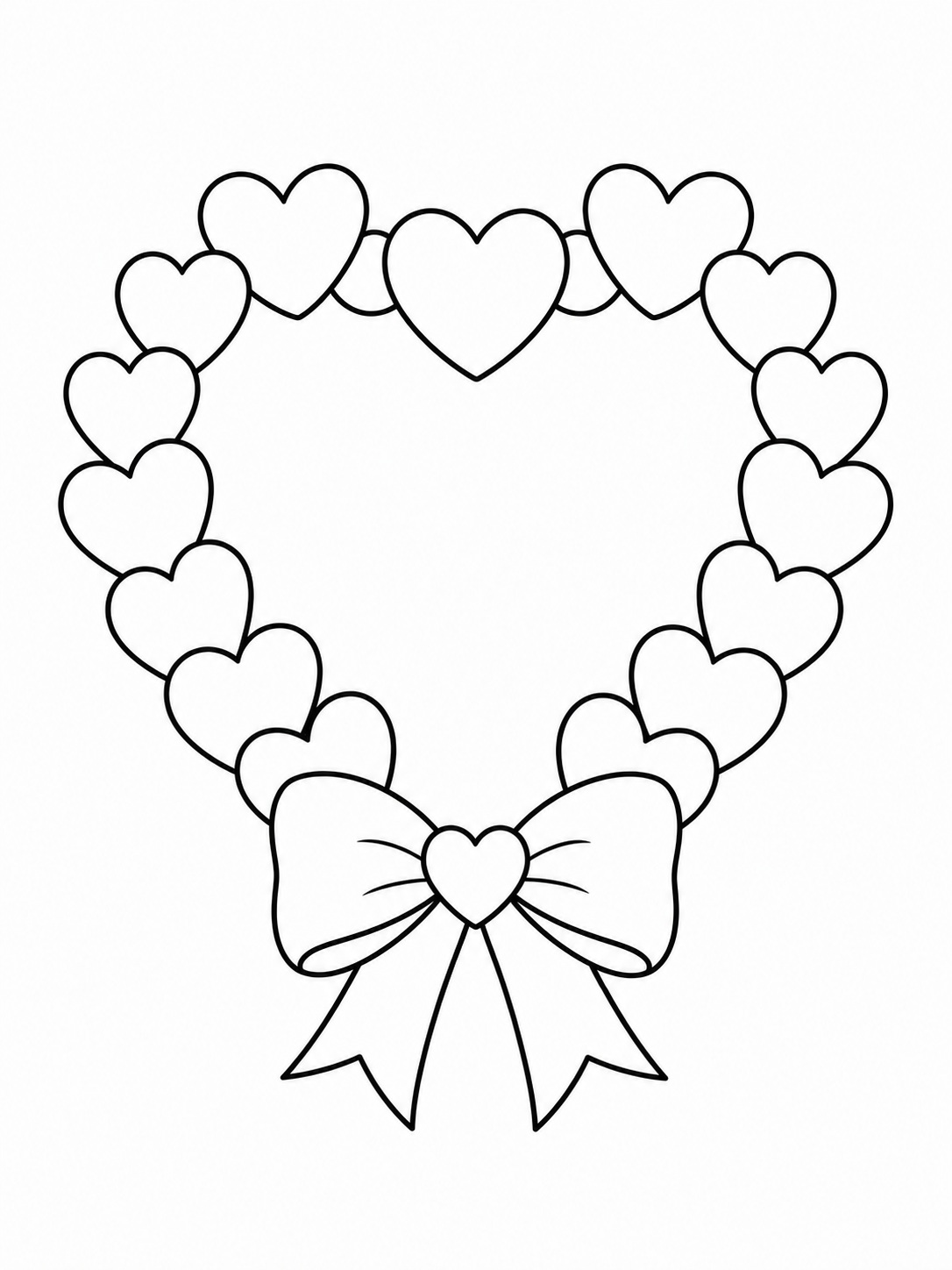
A heart wreath for Valentine’s Day
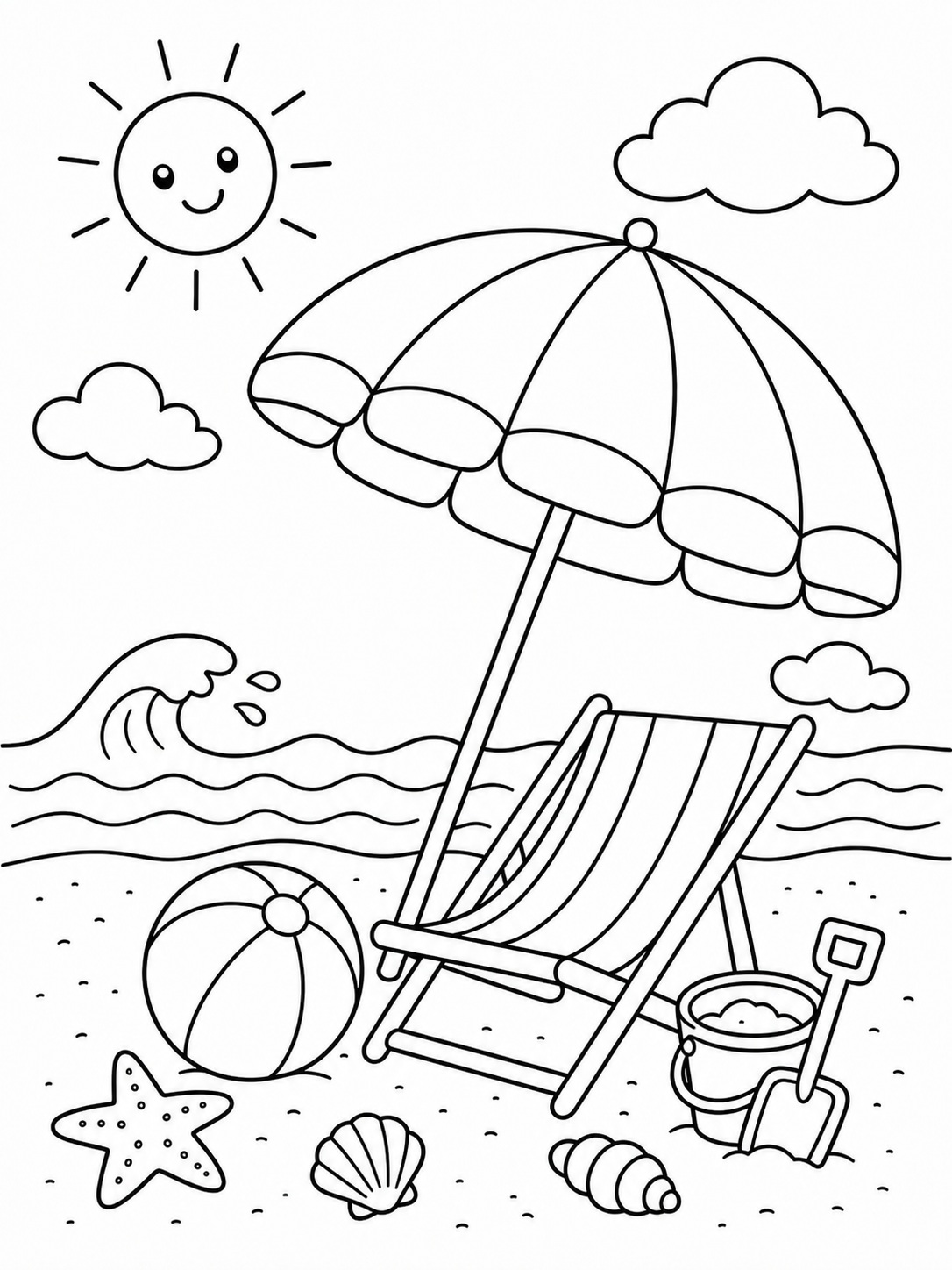
A beach scene for summer vacation
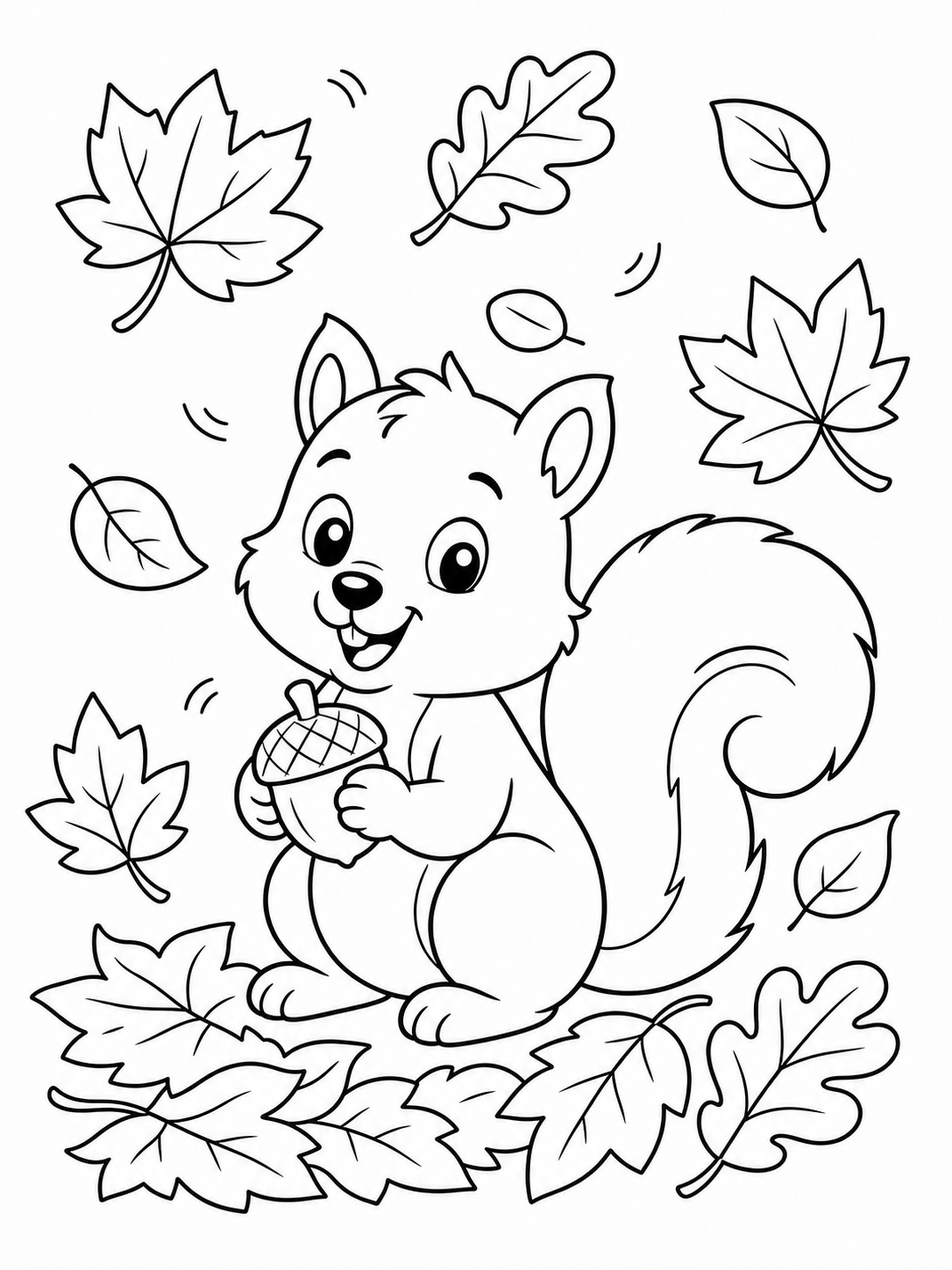
Falling autumn leaves with a small squirrel
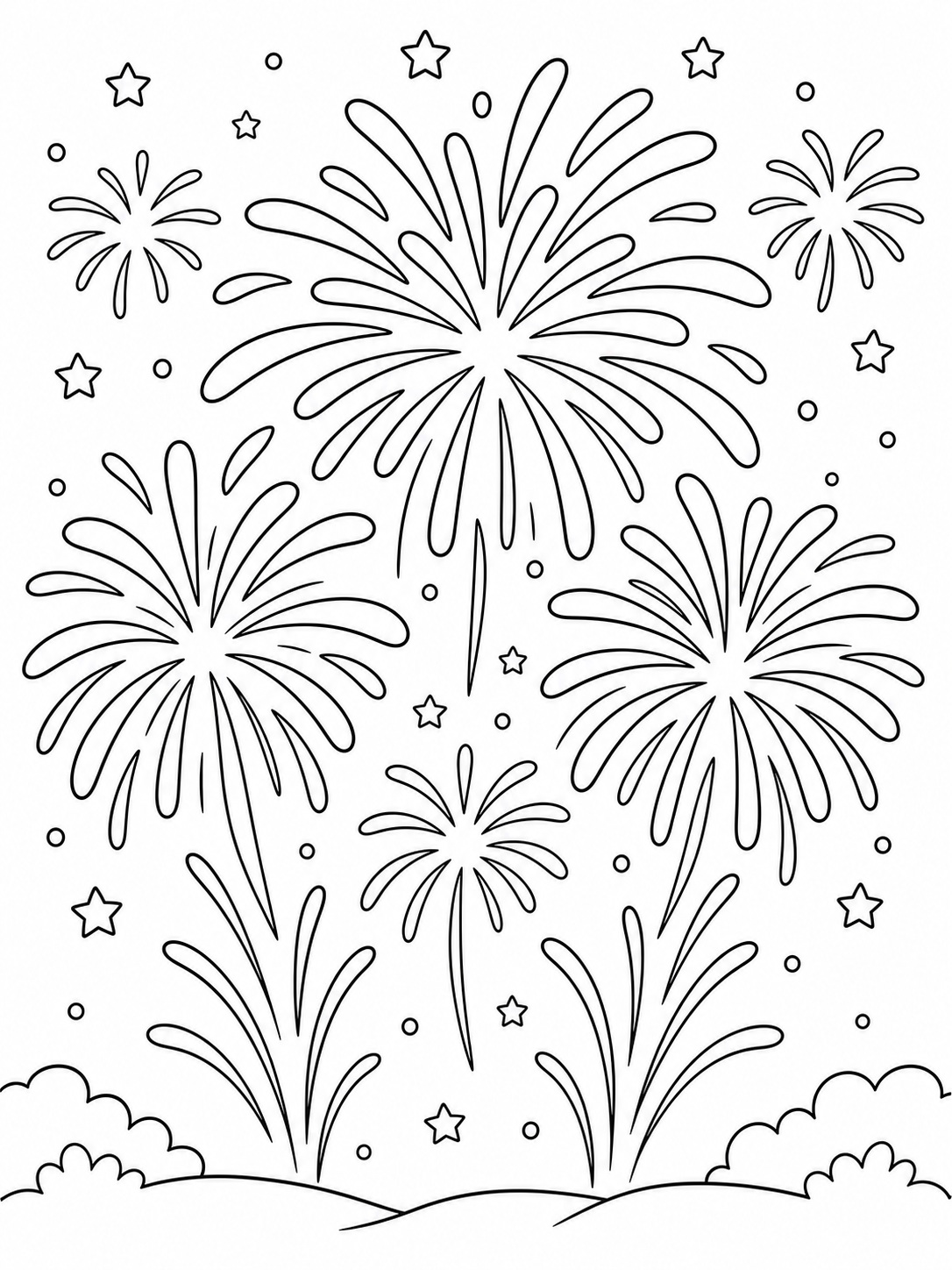
Fireworks bursting over a night sky
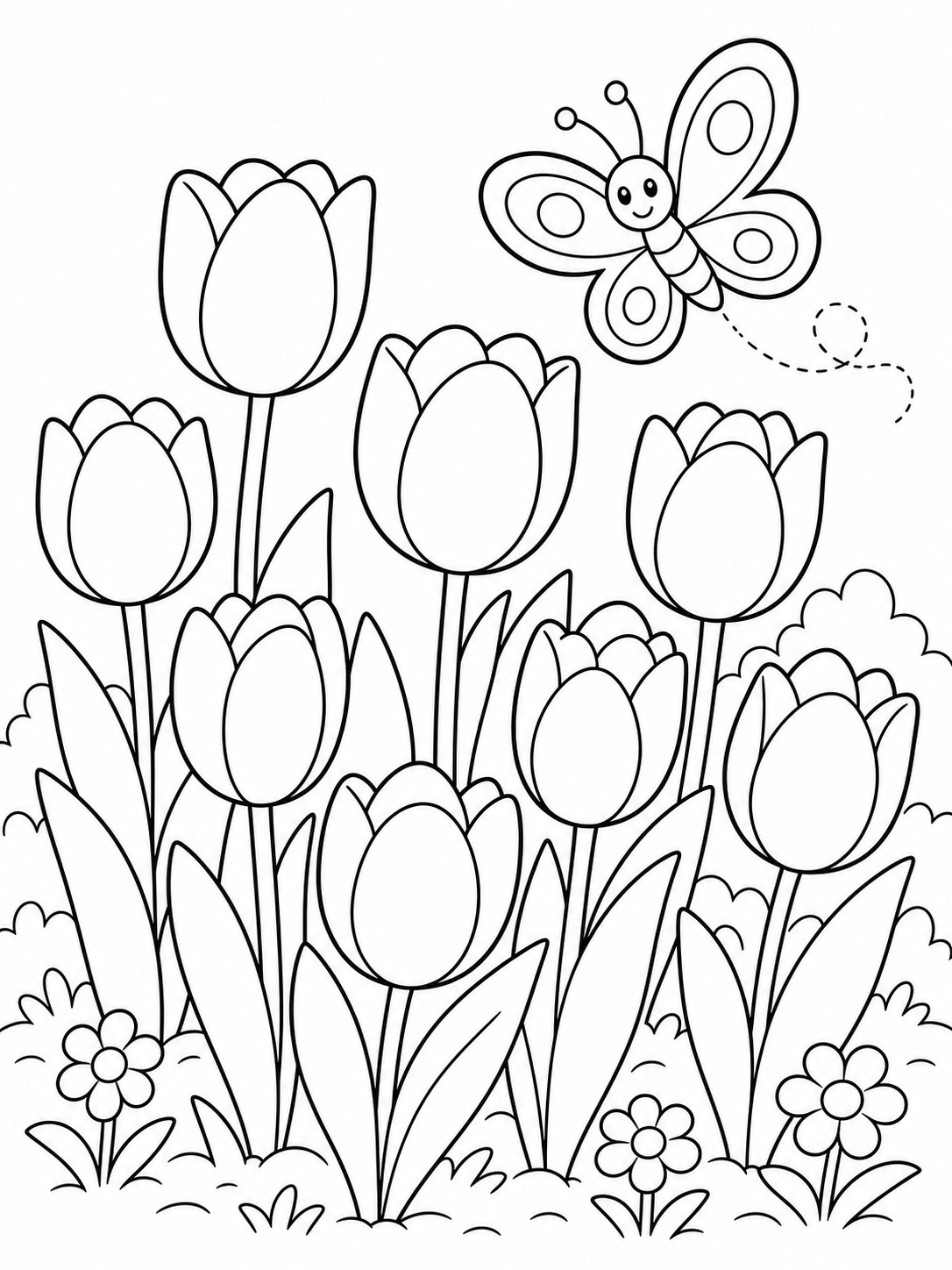
A garden full of spring tulips
Matching design complexity to the age coloring it
The theme a kid likes matters less than whether the design fits their current hand control and attention span. A five-year-old who loves dinosaurs will still get frustrated with a detailed dinosaur scene that has fifteen small background elements. Complexity has to scale with the colorist, not just the subject.
Toddlers and preschoolers (ages 2 to 4)
Single subjects with thick outlines and minimal background work best. A simple animal, a basic vehicle, or one large shape is enough. There should be no fine detail requiring careful hand control, since fine motor skills are still developing at this age.
Early elementary (ages 5 to 7)
This is where most of the nature scenes, fantasy designs, and educational letter and number pages perform best. There’s enough content to hold attention for ten to fifteen minutes, with color zones small enough to feel like a real accomplishment but not so small that they cause frustration.
Upper elementary and tweens (ages 8 and up)
Detailed everyday scenes, multi-element fantasy compositions, and designs with smaller decorative details suit older kids who want a longer, more involved project. These designs reward patience and let kids experiment with shading and color blending.
Printing and coloring tips worth knowing
A few practical choices determine whether a coloring page holds up through a full session or falls apart halfway through.
Paper choice
Standard 20lb copy paper works fine for crayons and colored pencils. It will not hold up to markers without bleeding through to whatever’s underneath. For marker work, use at least 24lb paper, or slide a few sheets of scrap paper underneath before starting.
Line weight and test prints
If you’re printing a full set, check the outline thickness before committing to the whole batch. A line that looks bold on a monitor sometimes prints fainter than expected. One test page at full size catches this before you’ve printed seventy of them.
Matching tools to age
Chunky triangular crayons are the easiest grip for toddlers and preschoolers. Washable markers work well for slightly older kids who want bolder color but still need some forgiveness for shaky lines. Colored pencils suit elementary-age kids with steadier hand control who want more detail in smaller areas.
In the vehicles section, a helicopter drawing tutorial is a good next step when a child is ready to move from simple coloring-page shapes into a guided sketch.
If a child is ready to move from coloring to sketching, these dinosaur drawing ideas for kids keep the shapes simple while still feeling imaginative.
Frequently asked questions
What coloring pages are best for toddlers?
Toddlers (ages 2 to 4) do best with simple shapes, large color zones, and thick outlines. Single animals, basic vehicles, and simple fruit shapes work well because there’s no fine detail requiring careful hand control. Avoid designs with small enclosed areas or thin lines, since detailed pages lead to frustration rather than enjoyment at this age.
How many coloring pages should I print at once?
Print 5 to 10 pages at a time rather than the full set. Kids rarely finish more than a few pages in one sitting, and smaller batches let you mix complexity levels and themes based on mood and attention span that day. Keep the rest saved digitally so you can print more whenever needed without duplicating effort.
What paper works best for kids coloring pages?
Standard 20lb copy paper works fine for crayons and colored pencils but bleeds through with markers. For marker-based coloring, use at least 24lb paper or dedicated coloring book stock rated 32lb or higher. For any watercolor experimentation, look for paper rated at least 90gsm, or place a blank sheet underneath to protect the table.
Are coloring pages actually good for child development?
Yes. Coloring builds fine motor control, hand-eye coordination, and focus. Staying within lines uses the same small-muscle coordination kids later need for handwriting. Color selection also introduces basic decision-making and creative expression in a low-pressure format. Occupational therapists frequently use coloring activities as part of fine motor skill development programs.
What coloring tools work best for young kids?
Chunky triangular crayons are easiest for toddlers and preschoolers to grip. Washable markers work well for slightly older kids who want bolder color but still need forgiveness for shaky lines. Colored pencils suit elementary-age kids who have better hand control and want more detail in smaller areas.
Can coloring pages be used for learning, not just entertainment?
Yes. Alphabet letter pages, number pages, and shape-based designs combine coloring with early academic skills. Many parents and teachers use themed coloring pages (seasons, animals, community helpers) to reinforce vocabulary and concepts being taught elsewhere. The activity holds attention longer than a flashcard while still reinforcing the same content.
Building a set that actually gets used
The seventy ideas above are organized so you can pull exactly what fits: simple animal and vehicle pages for a toddler’s first coloring session, educational letter and number pages for a homeschool unit, holiday designs for a seasonal printout, or detailed fantasy and everyday scenes for an older kid who wants a longer project.
Start with a handful from the animal or vehicle categories if you’re building a collection for the first time. Add the other themes as the season, the classroom unit, or the kid’s current interest gives you a reason to. A set built this way grows naturally instead of becoming seventy pages that mostly sit unused in a drawer.
200 Bold & Easy Coloring Pages
Get 200 bold, simple and relaxing printable coloring pages for adults and kids — featuring animals, nature, food, fantasy, patterns and seasonal designs.
- 3.4Kshares
- Facebook0
- Pinterest3.4K
- Twitter0
- Reddit0