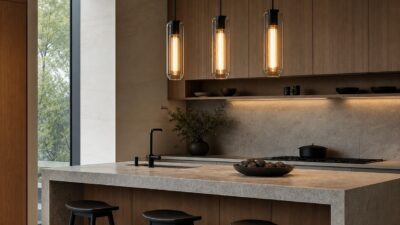
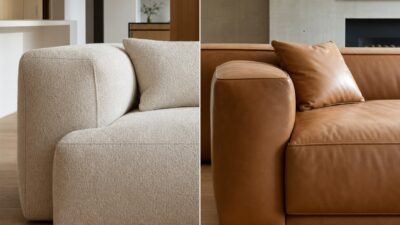
Whether you’re someone who wants to make changes to the home or you’re looking for inspiration on future home decor and interior updates, it’s worth checking in to see what’s popular amongst the professional designers.
Sometimes, the seemingly smaller details are often the ones that can help transform a room that feels a little more generic into a functional space.
Such details can work together in order to create harmony, as well as influence the mood and overall well-being of the occupants, too. With that being said, here are some interior detail designers often obsess over and why they matter.
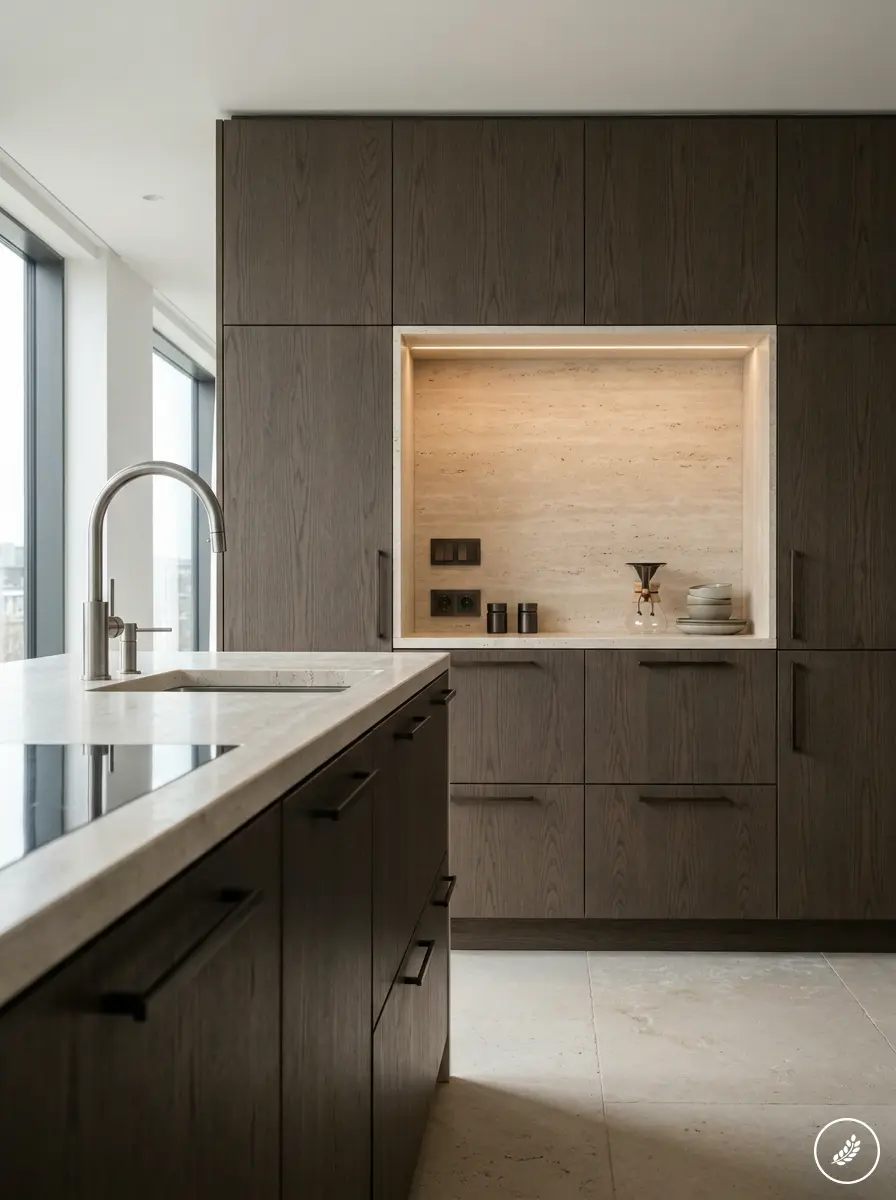
Hardware
Often referred to as the jewelry of the home, hardware is an important feature and one that has a significant impact on the space’s aesthetic and the quality that’s perceived throughout the home.
A lot of designers often opt for carefully selected finishes and shapes that align with the overall style, as well as enhancing the user’s tactical experience in general.
Lighting
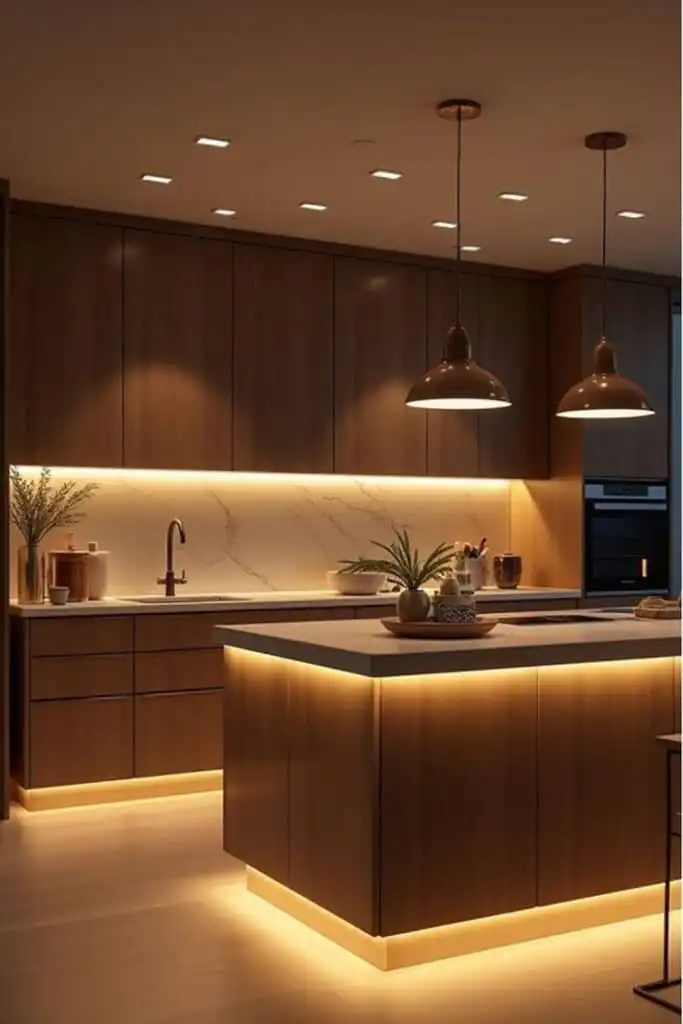
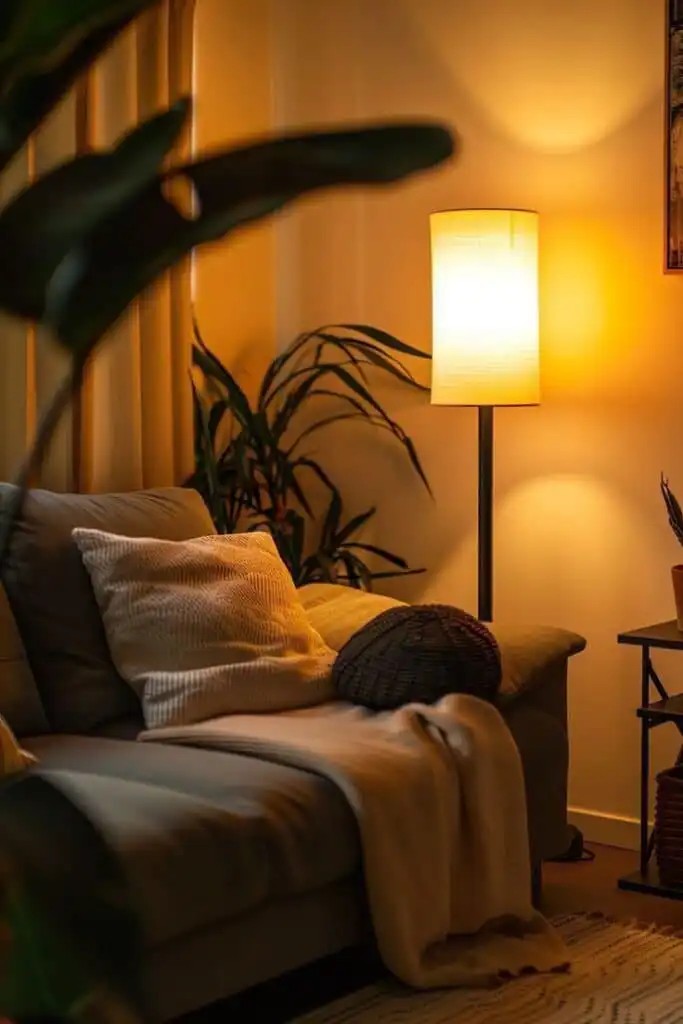
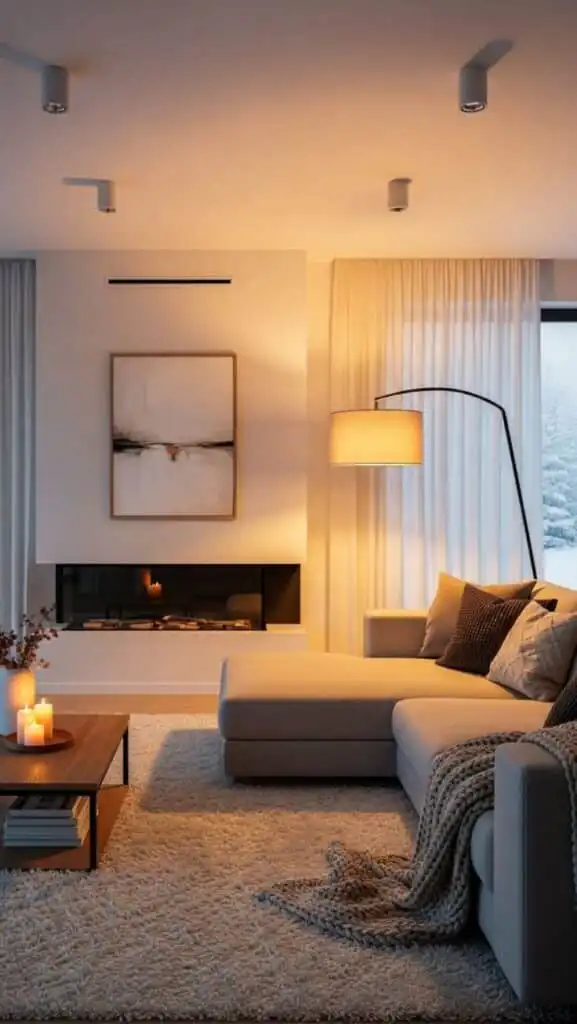
The lighting you add to your spaces is arguably one of the most transformative changes you can make to your home. It not only impacts your mood but color perception and, in general, the functionality of the space.
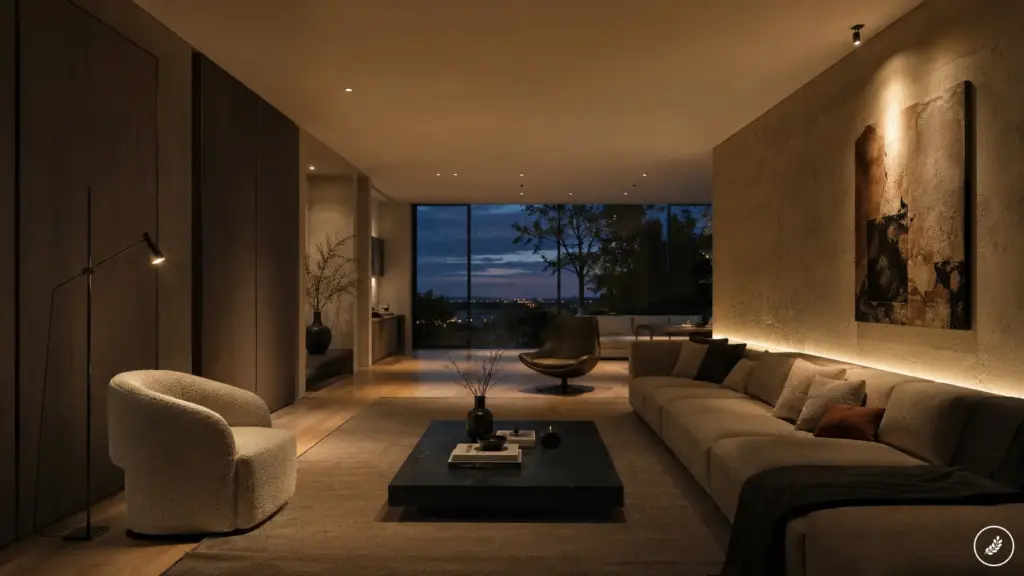
Many designers will use a combination of lighting from ambient, task, and accent to help create depth within the space. It’s also helpful for highlighting architectural features or art, too. The luxury interior details – Corston uses are worth exploring for your next light purchases.
Materiality and finishes
The choice of materiality and finishes is influential to the space. Beyond the colors you choose, texture and finishes to the surface are also important as they add depth and character to the space, too.
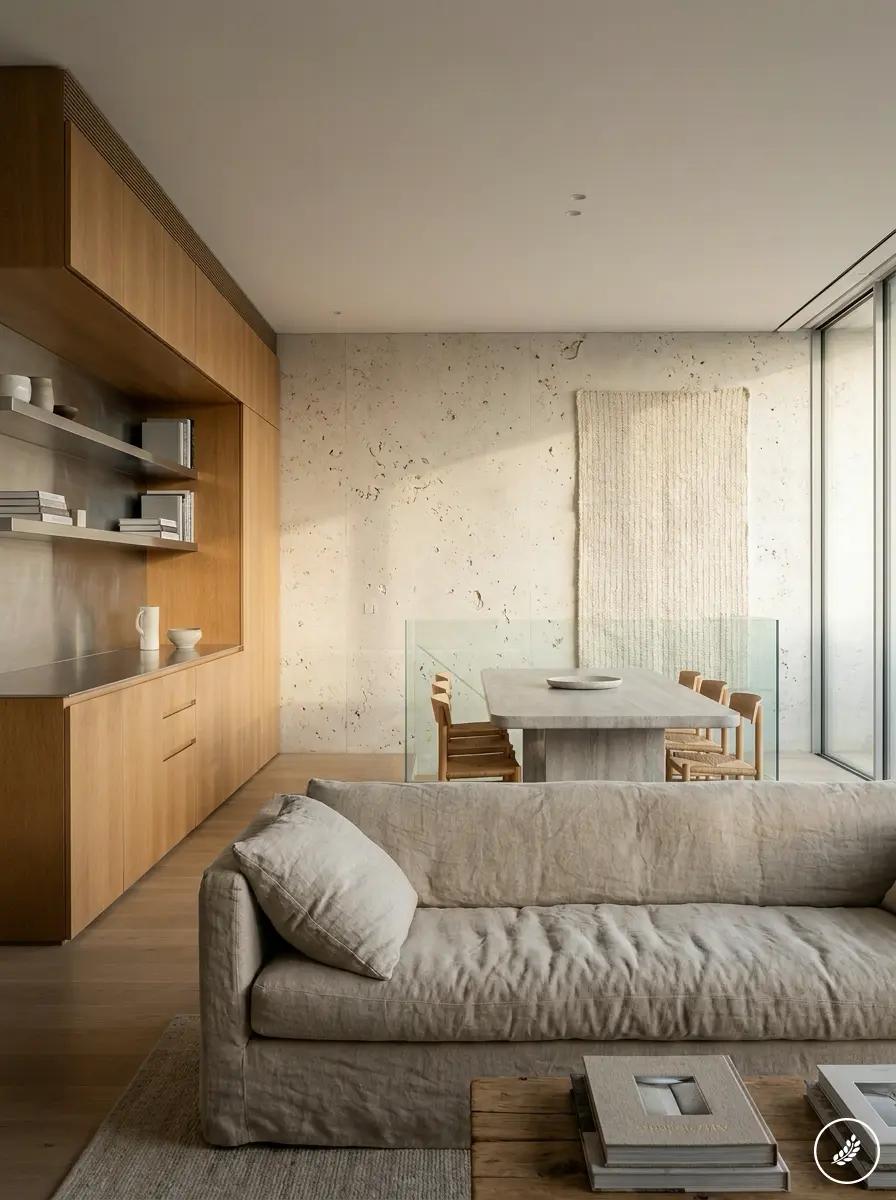
Designers will meticulously choose their materials for aesthetic appeal, how they interact with the light specifically, and how durable they are. They’ll also layer textures like wood, glass, metal, and soft textiles in order to create a rich and inviting feel to the environment or room in question.
Scale and proportion
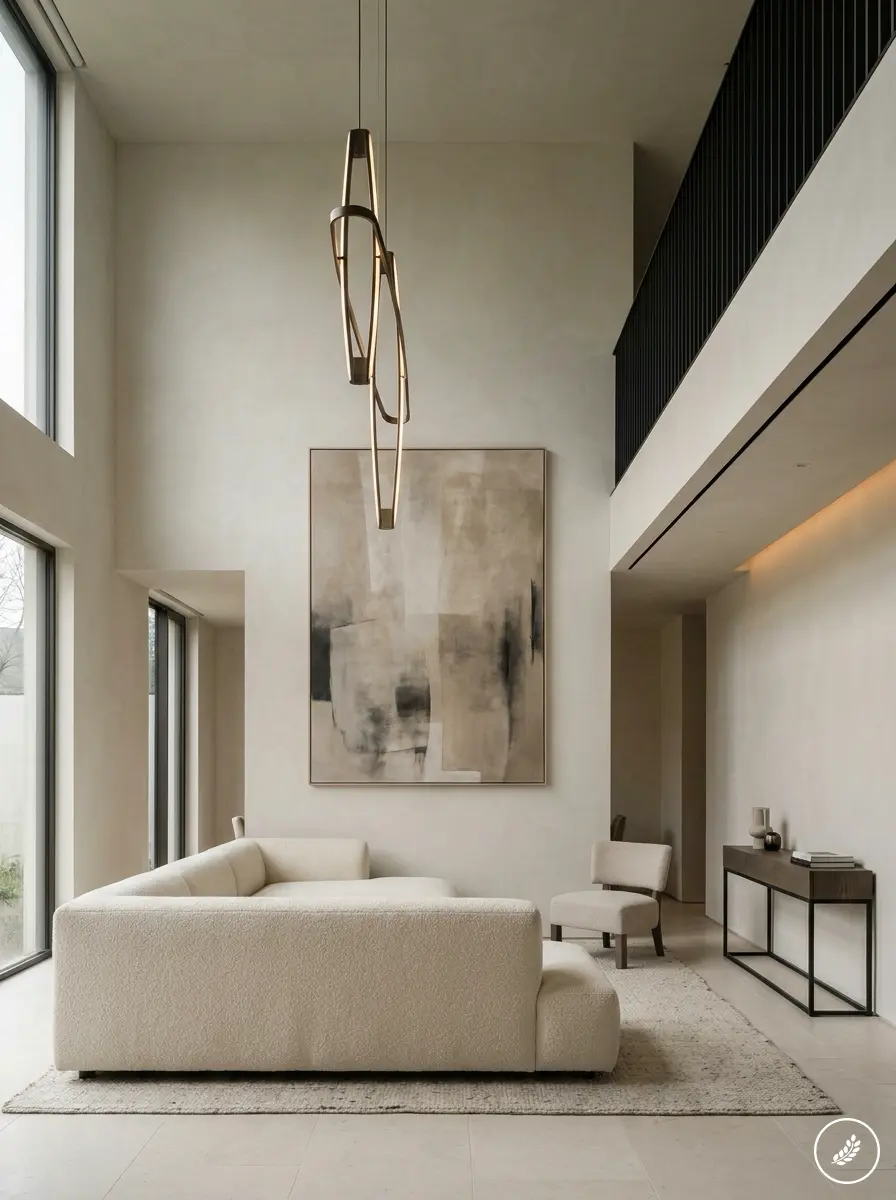
It’s important that you’re accurate when it comes to correct scale and proportion to ensure visual balance, whilst also preventing a room from feeling cramped or sparse in any way. Designers can often focus on the size relationship between furniture, as well as the artwork used, and the room’s dimensions in general.
In order to create a harmonious layout and an effective traffic flow in the space, consider these details that designers use in scale and proportion.
Architectural details
Choosing the right skirting board types can also transform the overall look of a room, whether you’re aiming for a sleek contemporary finish or a more traditional style with added architectural character.
Elements like crown molding and baseboards, as well as ceiling designs, all do well in adding character and a finished appearance that’s very luxurious and high-end.
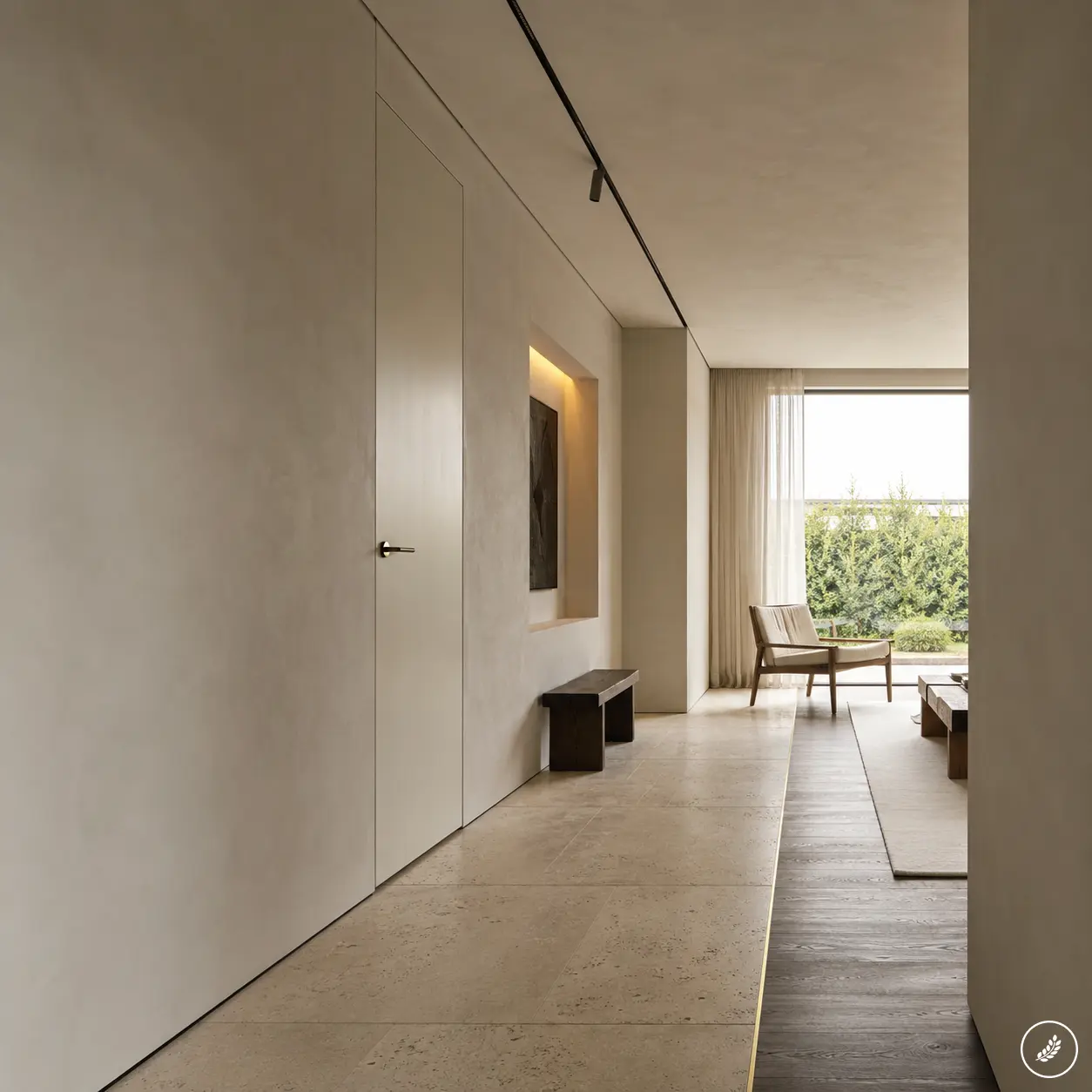
As a designer, it’s useful to consider how walls and floors, as well as ceilings, meet in order to ensure a seamless transition is created to integrate structural elements in a thoughtful manner.
Window treatments
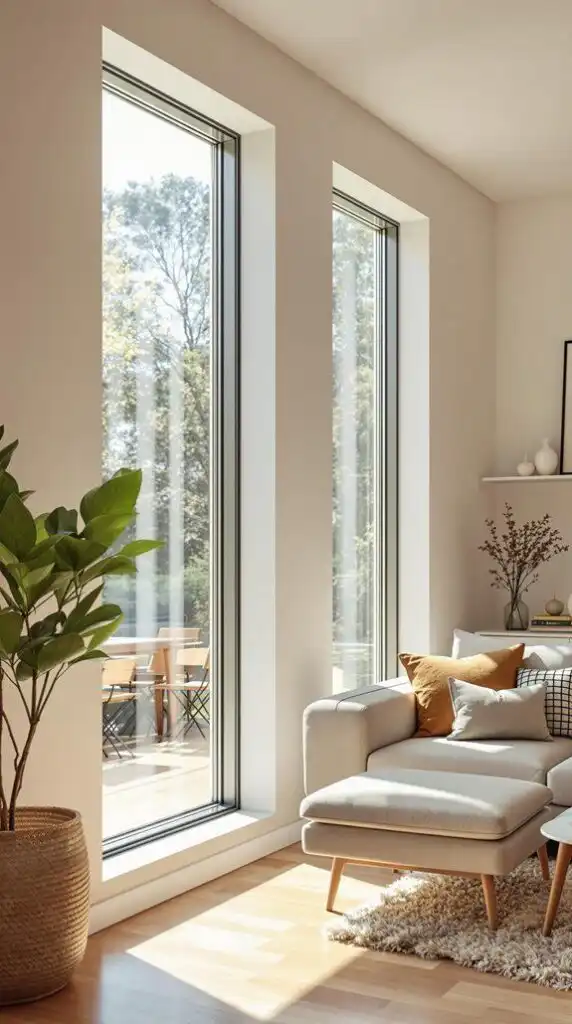
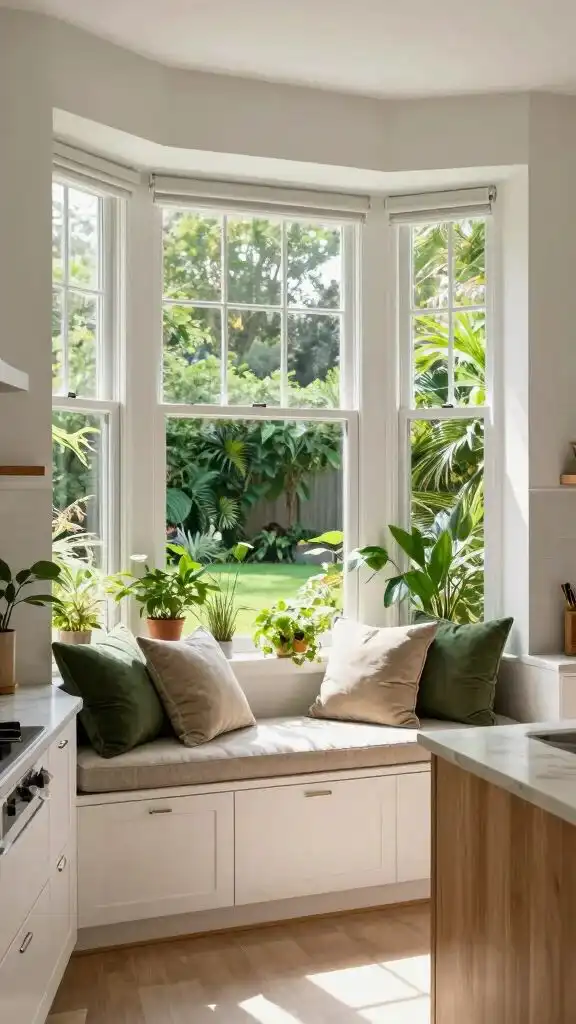
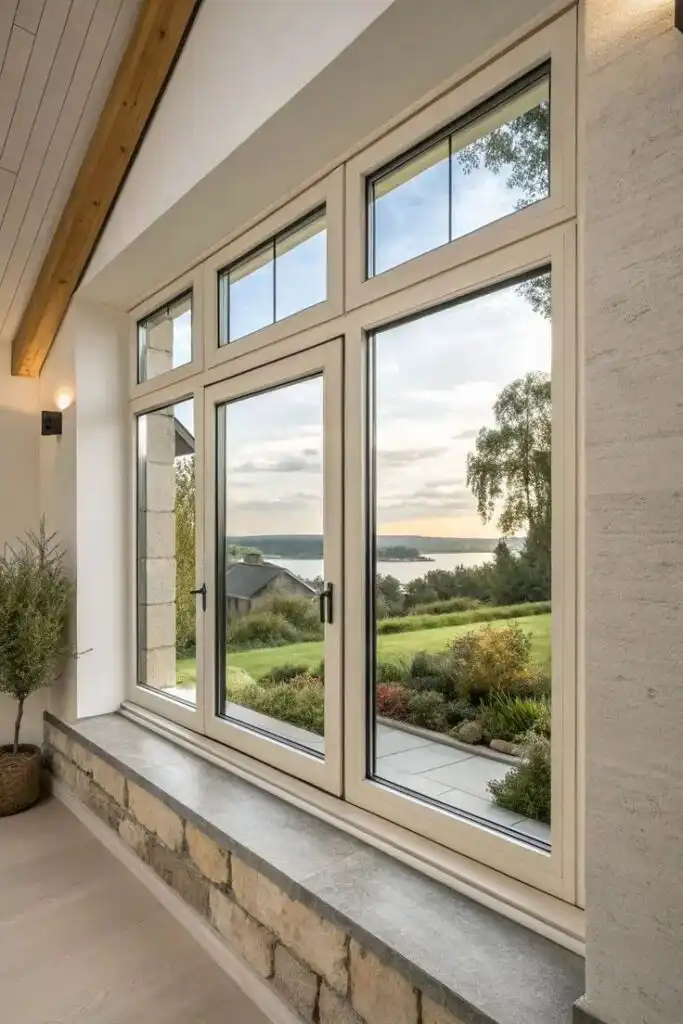
Lastly, window treatments in the form of blinds and curtains can be useful. The length, type of window treatment, and materials used can change the balance and perception of a room.
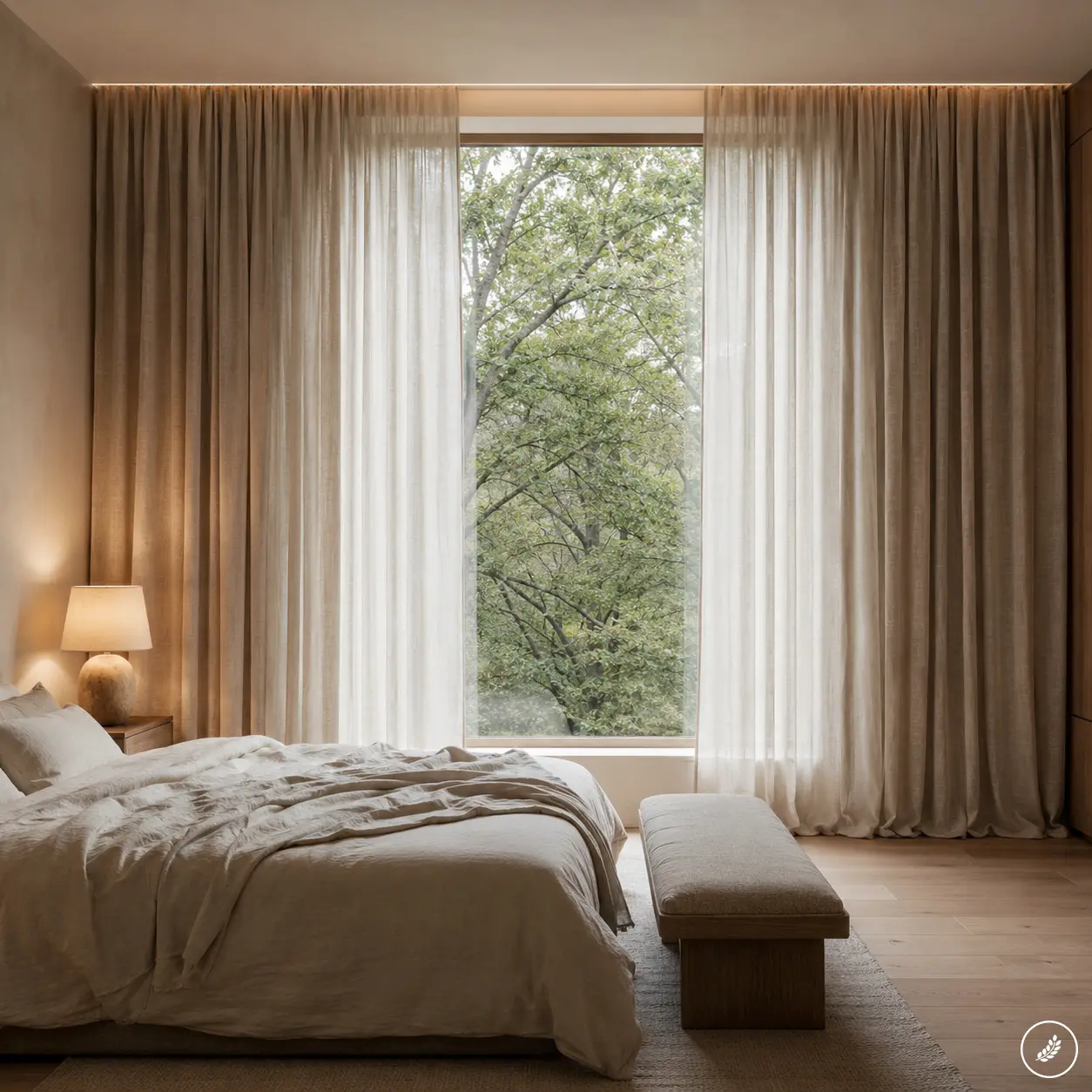
The use of floor-length curtains, it can add grandeur to the space and create seamless lines. Choosing the right materials can also help to control the light coming in and add soft textures to the space, too.
Interior design details are something to obsess over, too, so consider what updates you can make to your space this year.
- 41shares
- Facebook0
- Pinterest41
- Twitter0
- Reddit0