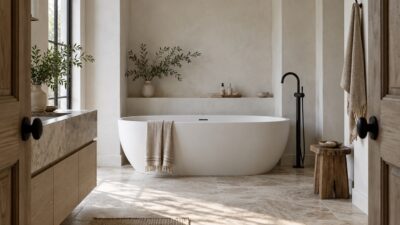
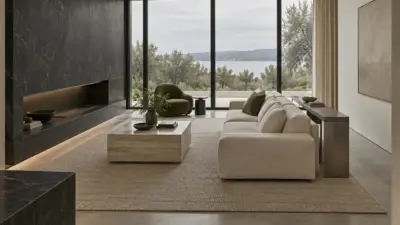
Nature-inspired wall decor works best when the motif fits the room instead of floating on the wall as a separate theme. Start with scale, material, and light. A metal butterfly sculpture can add movement above a console, while a quiet botanical print may be the better choice beside a patterned sofa. The subject matters, but the silhouette and placement usually decide whether the result feels considered.
This guide focuses on wall decor rather than whole-room biophilic design. You will learn how to choose botanical and insect motifs, mix metal with wood and textiles, place artwork by room, and use lighting without making every surface compete for attention.
Nature-inspired wall decor at a glance
| Decision | What to check | Useful test |
|---|---|---|
| Motif | Leaves, flowers, insects, branches, landscapes | Does the outline still read from the doorway? |
| Scale | Wall width, furniture below, viewing distance | Tape the full outline before ordering |
| Material | Metal, wood, paper, textile, ceramic | Repeat one finish already in the room |
| Light | Glare, cast shadow, daylight changes | View it morning and evening |
| Placement | Focal wall, furniture alignment, negative space | Judge it from the main seat and entrance |
Start with the wall, not the motif
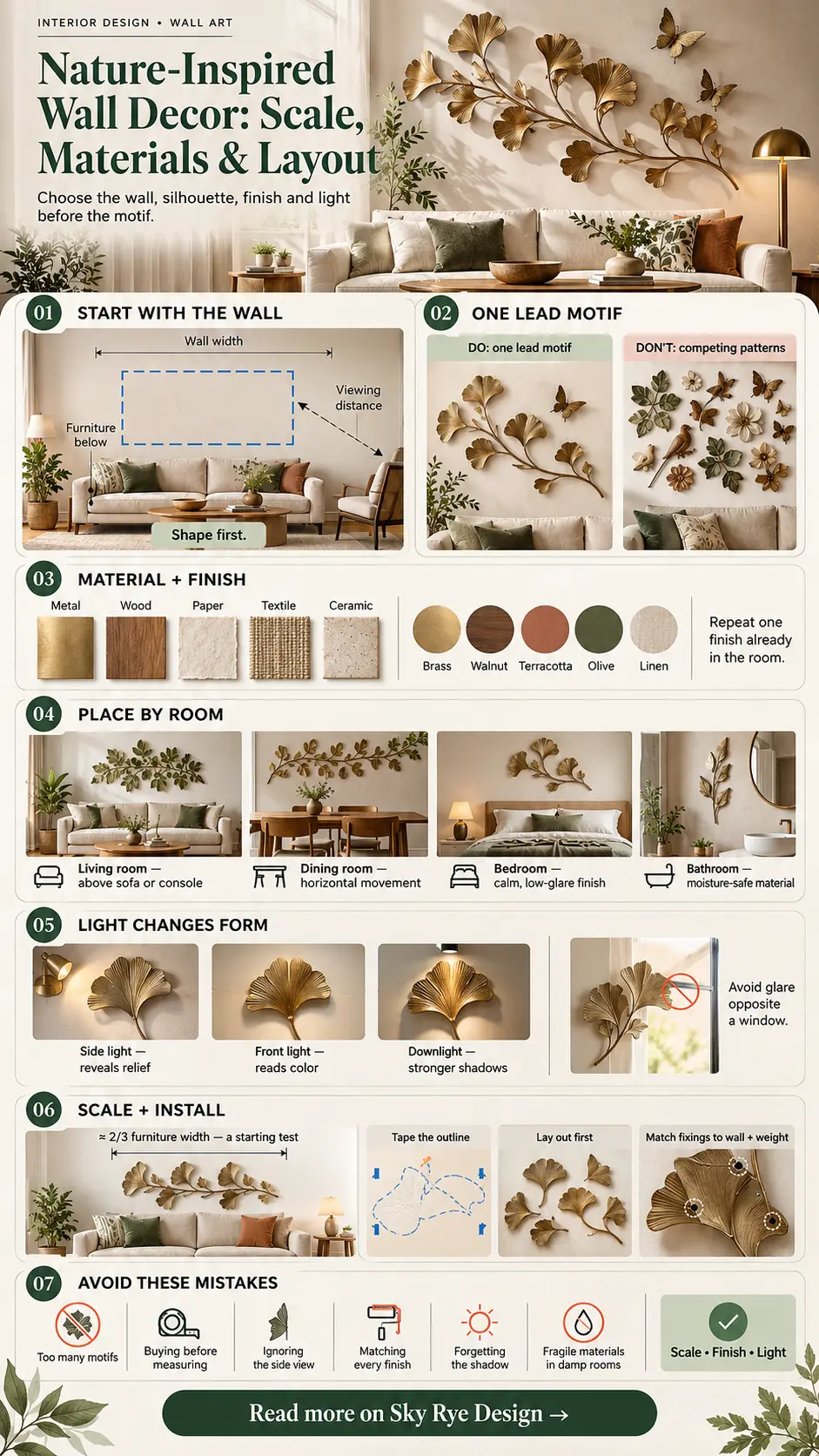
Photograph the empty wall straight on and include the sofa, bed, sideboard, or bathtub below it. The wall does not need to be filled. It needs one clear relationship. A wide piece can connect to a long console, while a narrow vertical arrangement can give an entry wall more height.
When I sketch a wall elevation, I block the artwork as one simple dark shape before drawing any leaves or wings. If that shape feels too small, too high, or off-center, detail will not rescue it. Painter’s tape gives you the same test at full scale. Mark the outer boundary, live with it for a day, and view it from the doorway as well as the main seat.


Use sculptural art to create movement and shadow
Three-dimensional wall art changes as you move through the room. Thin metal leaves, butterflies, and branches cast small shadows that make a plain wall feel layered without adding another color. This works particularly well in a restrained room where the artwork has enough empty space around it.
Study the silhouette before the finish. A scattered flight of butterflies reads as directional and light; a dense circular composition feels more like a medallion. The guide to artwork at home explains how focal points, visual weight, and personal meaning affect a room beyond the frame.
A product such as this butterfly wall sculpture is a useful reference for studying spacing and repeated forms. Treat it as a composition example, then check the actual dimensions, wall fixing requirements, finish, and return policy before buying.


Build the palette from materials already in the room
Nature-inspired decor does not require a green wall. Start with the largest fixed surfaces, then repeat one or two colors from the floor, upholstery, timber, or stone. Warm brass and aged bronze sit comfortably with walnut and terracotta. Cooler pewter or blackened metal can work beside pale oak, gray stone, and linen.
The safest palette is usually a quiet base plus one deliberate accent. The earthy-tone interior guide shows how clay, olive, sand, timber, and warm neutrals can connect mixed materials without making the room look matched as a set.
Texture matters as much as color. A smooth metallic sculpture catches highlights; unfinished timber absorbs them; woven fiber softens a hard wall; handmade ceramic introduces small irregularities. Repeat a finish once elsewhere, perhaps in a lamp, bowl, handle, or picture frame, so the art belongs to the room.
Choose a motif without turning the room into a theme
Botanical and insect motifs are easy to overuse because they appear on art, cushions, wallpaper, ceramics, and curtains. Pick one lead motif and let the other layers stay quieter. If the wall has butterflies, use plain cushions or a loose floral arrangement rather than adding butterflies to every accessory.
Scale also changes the mood. A close-up leaf or oversized ginkgo form feels graphic and contemporary. Fine botanical studies feel calmer and more traditional. Abstract branch lines can bridge both directions. The goal is not to copy nature literally, but to borrow a rhythm, outline, or material that suits the architecture.
Use negative space as part of the composition
Organic shapes need breathing room because their edges carry more information than a simple rectangle. Leave visible wall around a butterfly flight, branching sculpture, or group of leaves so the outline does not merge with a curtain, tall plant, or cabinet. This is especially important when the artwork has open spaces within it. Those gaps are part of the pattern, not empty areas waiting to be filled.
Check visual weight rather than counting objects. One dark metal branch may balance a broad pale sofa better than three small framed prints. If one side of the room already has a tall bookcase or a large window, the wall art may need to sit closer to the center of the furniture below it. The room-audit method in the interior design details guide helps test scale, alignment, lighting, and negative space together.


Place nature-inspired wall decor by room
| Room | Good location | Useful direction |
|---|---|---|
| Living room | Above a sofa, console, or quiet side wall | Use one broad composition or a connected group |
| Dining room | Above a sideboard or on the longest visible wall | Horizontal movement suits a long table |
| Bedroom | Centered on the bed or opposite the main view | Choose a calm outline and low-glare finish |
| Bathroom | Outside direct splash and heavy steam | Confirm the material tolerates moisture |
| Entry | On a narrow wall beside a console | A compact vertical piece keeps circulation clear |
Do not center artwork on the wall by default. Center it on the furniture or activity it belongs to. A piece above a bed should relate to the bed; art beside a reading chair can form a smaller composition with the chair and lamp. For drilling heights, frame hardware, and heavy pieces, use the practical wall art hanging guide.
Bathrooms need extra judgment. Paper, untreated wood, and some adhesives can react badly to condensation. Metal may need a suitable finish, and valuable work should stay away from direct spray. A nature motif can suit the room, but the material still has to survive it.


Let light change the artwork through the day
Sculptural wall decor is partly a lighting decision. Side light reveals relief and throws a longer shadow. Front light flattens texture but makes color easier to read. Strong downlights can create dramatic scallops and double shadows, which may be useful in a dining room but distracting above a bed.
Test the wall with the lamps you actually use. Hold a sample, cardboard silhouette, or even a sheet of crumpled paper against the wall and watch how the shadow changes. Avoid placing reflective metal directly opposite an uncovered window if glare will hide the form from the main seat. The same principle applies to a print behind glass.
Choose materials and finishes that can age well
Metal sculpture is slim and expressive, but check the edge finish, fixing points, and whether the coating suits a humid room. Timber frames and carved panels add warmth, though the source, joinery, and surface finish matter more than the word natural. The Forest Stewardship Council label guide explains what its wood-product labels are intended to verify.
Paper and textile pieces are lighter and easier to rotate, but sunlight, dust, and humidity affect them. Ceramic and stone accents can be durable yet heavy. Before choosing, ask how the piece is cleaned, whether its finish can be touched up, and whether the wall hardware remains accessible. The buying framework in the eco-friendly home decor guide is useful when material claims sound broader than the evidence.


Plan scale, spacing, and installation before buying
For art above furniture, tape an outline that is clearly narrower than the sofa, bed, or console below it. Roughly two-thirds of the furniture width is a useful first test, not a fixed rule. Then adjust for the actual silhouette. A scattered metal composition may need more width than a solid framed print because the empty spaces are part of the design.
Keep grouped pieces close enough to read as one composition. Uneven spacing is more obvious with repeated leaves or butterflies because the eye immediately notices broken rhythm. Lay the full arrangement on the floor first, photograph it, then transfer reference points to paper or low-tack tape.
Match the fixings to the wall construction and the full weight of the piece. Follow the manufacturer’s load rating, use every fixing point provided, and stop if an anchor spins or the wall surface crumbles. Large glass, ceramic, stone, or valuable work is a sensible job for an experienced installer.
Common nature-inspired wall decor mistakes
- Using too many motifs: leaves, birds, flowers, insects, and landscape prints all compete when none is allowed to lead.
- Buying before measuring: a beautiful sculpture can look like a small badge on a wide wall.
- Ignoring the side view: deep pieces may project awkwardly into a narrow hall or reveal unfinished brackets.
- Matching every finish: repeating one metal is helpful; making every object identical removes depth.
- Forgetting the shadow: relief art may cast a second composition after dark.
- Using fragile materials in damp rooms: the subject can suit a bathroom while the construction does not.
A practical shopping checklist
- Photograph and measure the wall, furniture below it, and normal viewing distance.
- Tape the full outer boundary and check it from the doorway and main seat.
- Choose one lead motif and remove competing patterns from nearby accessories.
- Confirm the material, finish, depth, weight, fixing points, and cleaning method.
- Check the wall type and include suitable hardware in the budget.
- View the planned location in daylight and with evening lamps switched on.
- Keep packaging and instructions until the piece has been installed and inspected.
Continue the room plan
Use the broader nature-inspired interior decor guide when you need to plan plants, airflow, flooring, textiles, and furniture as a complete room. For more wall-specific examples, browse the wall art design ideas collection or the interior design archive.
The final test is simple: remove the motif from the description and judge the composition. Does the scale suit the furniture? Does the finish repeat somewhere useful? Does the light reveal the shape without glare? If those answers are yes, the wall decor will feel integrated even before anyone notices that it was inspired by nature.
- 15shares
- Facebook0
- Pinterest12
- Twitter3
- Reddit0