You can draw Cinderella —even if you’ve never sketched a princess before. This article gives simple steps, clear tips, and easy materials so you can draw Cinderella’s face, gown, and iconic glass slipper with confidence.
Follow short, friendly lessons that walk you through basic shapes and dress details. You’ll also find printable practice pages, coloring ideas, and different styles to keep your drawing fun and fresh.
Essential Materials for Drawing Cinderella
You’ll need just a few well-chosen supplies for a solid Cinderella drawing. Focus on pencils for linework and shading, paper that holds erasing and blending, and coloring tools that match the soft, luminous look of her dress.
Choosing the Right Pencils and Papers
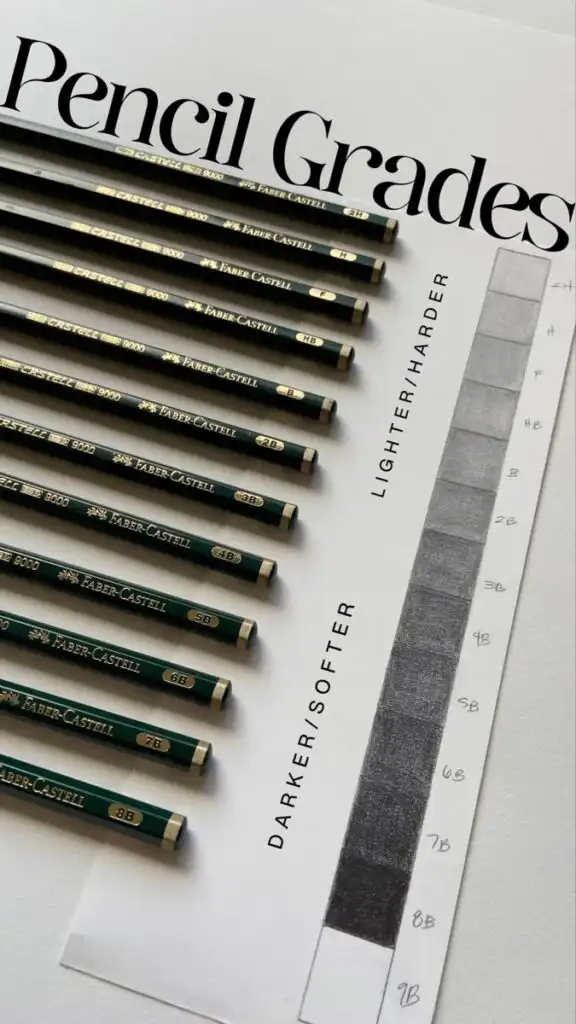
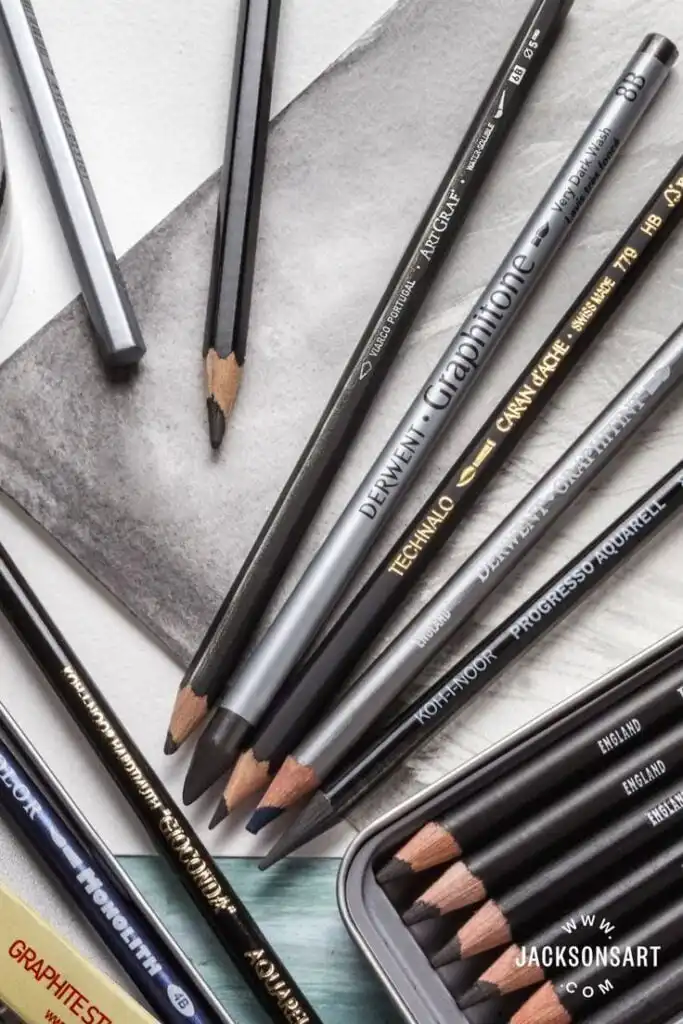
Pick a range of graphite pencils: HB for construction lines, 2B–4B for darker outlines, and 6B for deep shadows. Use a mechanical 0.5 mm for fine details like eyelashes and jewelry.
Keep a soft, kneaded eraser for lifting highlights and a white vinyl eraser for cleaner corrections. Choose smooth, heavyweight paper (150–200 gsm) for pencil work and blends.
For detailed portraits or printable Cinderella coloring pages, use smooth Bristol or 180–200 gsm drawing paper so ink and pencil won’t bleed. If you plan light watercolor washes, go for mixed-media paper around 200 gsm.
Store pencils capped or in a roll to keep points sharp. Tape reference images and any Cinderella coloring page beside your work to help with proportions.
Recommended Coloring Supplies
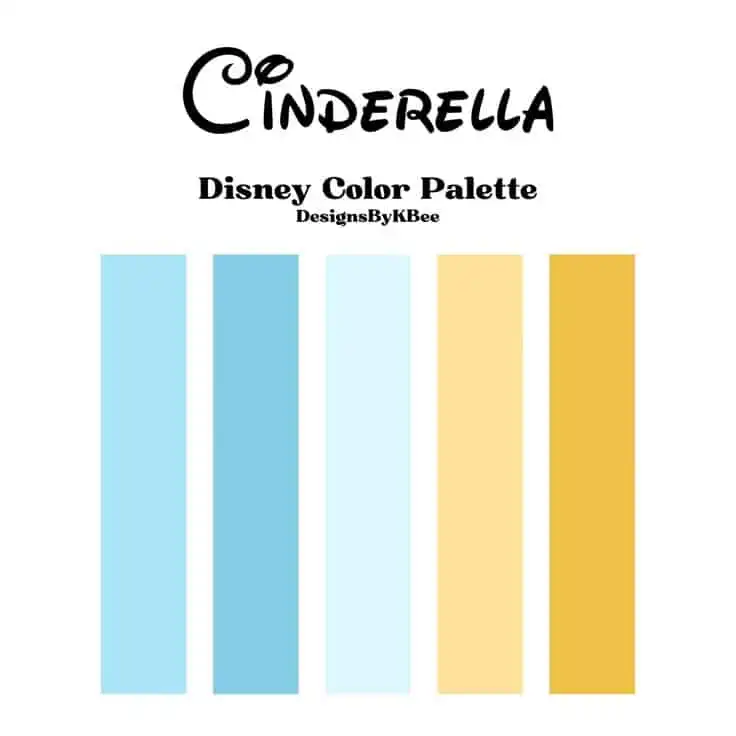
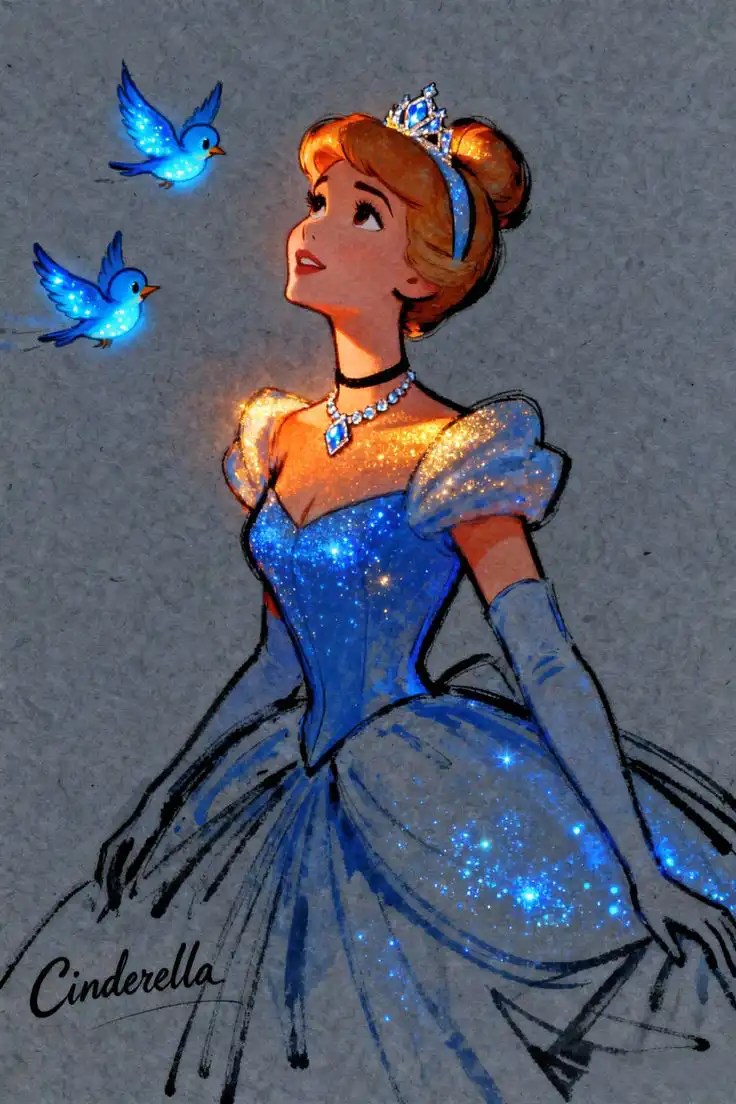
For classic Cinderella colors, pick colored pencils that layer well, like Prismacolor or Faber-Castell Polychromos. Start with light blues and pale grays for the dress, soft peach for skin, and warm browns for hair shadows.
Use a white gel pen for highlights on the glass slippers and jewelry. If you prefer markers, try alcohol-based ones (Copic or similar) for smooth blends.
Add a light gray marker for shadows without muddying blues. Keep a blender marker or colorless blender handy to smooth transitions.
For a mixed look, lay down marker base colors, then add pencil texture and details. Always test colors on a scrap Cinderella coloring page or paper swatch before committing to your final drawing.
Digital vs. Traditional Tools
If you work digitally, use a tablet with pressure sensitivity (like an iPad with Apple Pencil, or Wacom). Set brushes to mimic pencils and soft blending for fabric and skin.
Work in layers: sketch, clean line, base color, shading, and highlights. Save an editable Cinderella coloring page layer so you can export printable versions.
Traditional tools give tactile control and texture. You control pressure, smudging, and erasing directly.
If you switch between both, scan pencil sketches at 300 dpi to continue digitally. Use a lightbox or tracing paper to transfer a good pencil sketch onto clean paper or a printable Cinderella coloring page for neat final lines.
Step-by-Step Guide to Drawing Cinderella
Start by blocking in the head, face, hairline, and main shapes of the dress. Add hair detail, the headband, and the gown’s silhouette before drawing smaller accessories like gloves and a choker.
Sketching Cinderella’s Head and Face
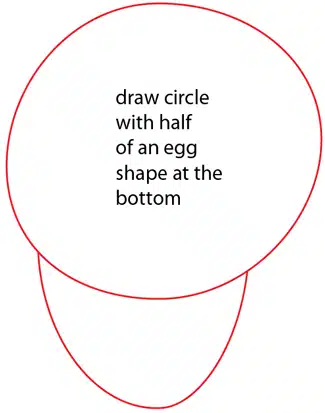
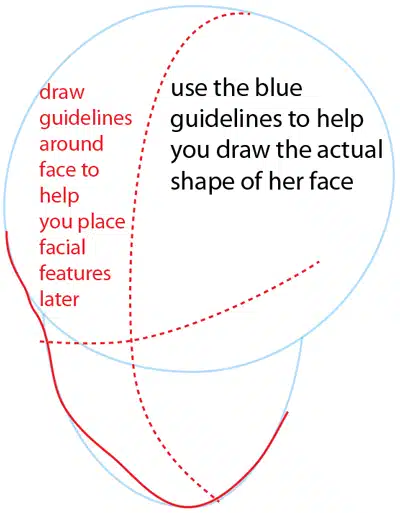
Begin with a light circle for the skull and a vertical center line to keep the face even. Add a horizontal eye line about halfway down the circle and a smaller line for the nose midway between the eye line and the chin.
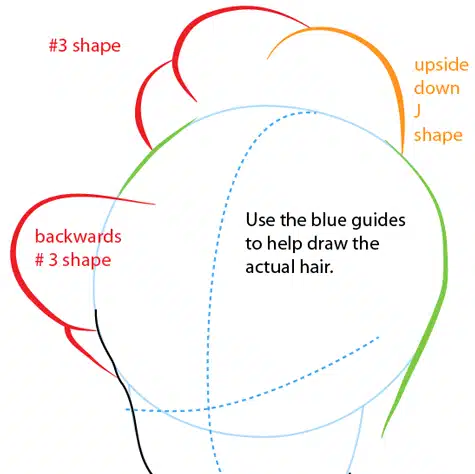
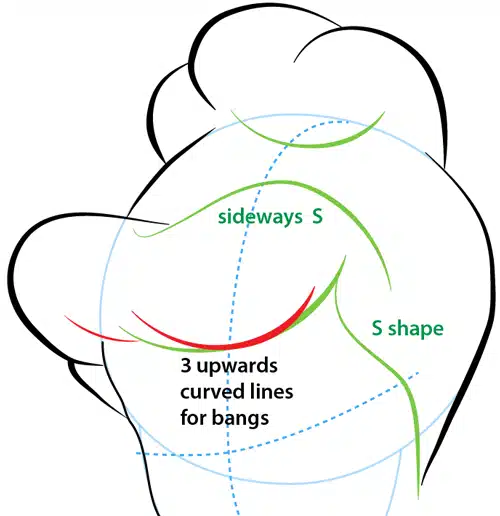
Draw the jaw and chin with soft curves to give a gentle, rounded look. Keep your lines light so you can erase construction marks later.
Place the eyes on the eye line, spacing one eye-width between them. Make the eyes slightly almond-shaped and add a small iris and a highlight to bring them to life.
Sketch a small, simple nose and a gentle smile. Add the neck using two slightly curved lines and show the shoulders with soft slopes.
Lightly mark the ear positions between the eye and nose lines if the hair will reveal them.
Drawing the Hair and Headband
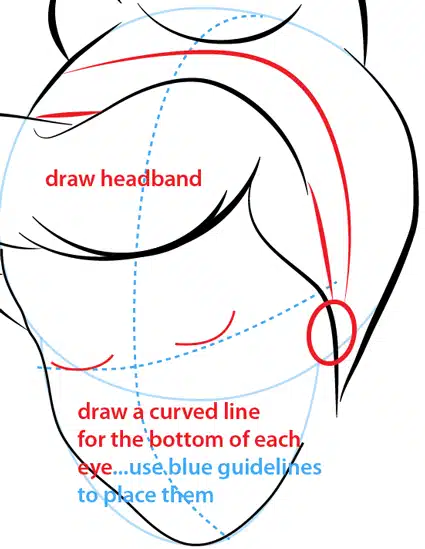
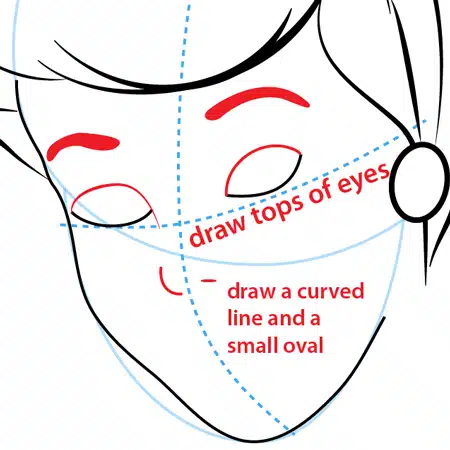
Start the hairstyle by drawing the hairline above the forehead, then sketch the upswept bun shape at the crown. Use flowing curved lines to show volume and keep the bun slightly oversized to match the classic look.
Add the headband as a simple band that sits at the hairline and wraps around to the bun. Make it slightly narrower at the temples and wider at the center for a natural fit.
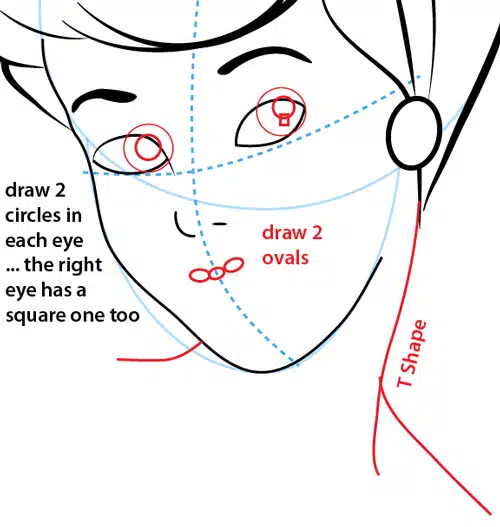
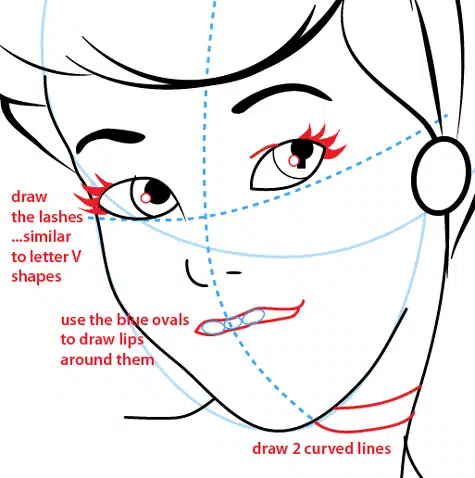
Add hair strands around the face to soften the look. Draw a few loose tendrils near the jaw and temples.
Use light strokes to suggest texture without detailing every strand. Define the bun with a few curved lines to show folds and direction.
Erase unnecessary construction lines so the hair looks clean and smooth.
Creating the Ball Gown and Accessories
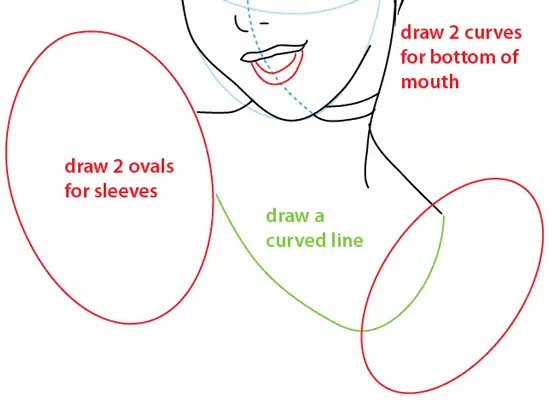
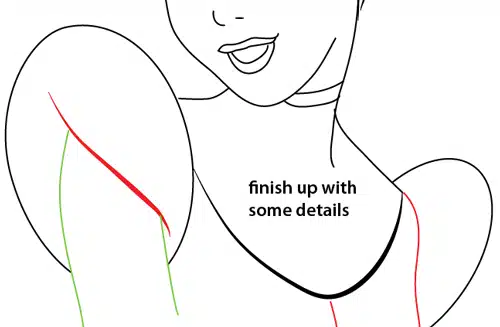
Block the gown’s basic shape with a wide bell skirt that starts at the waist and flares outward. Draw a fitted bodice with a slight sweetheart neckline and add a choker line at the base of the neck.
Sketch long gloves that reach just past the elbow. Keep the arm lines smooth and natural, showing a slight bend at the elbow for a relaxed pose.
Add dress details like a waist seam, small puffed sleeves, and simple dress panels or creases on the skirt. Use light shading to suggest folds and volume on the fabric.
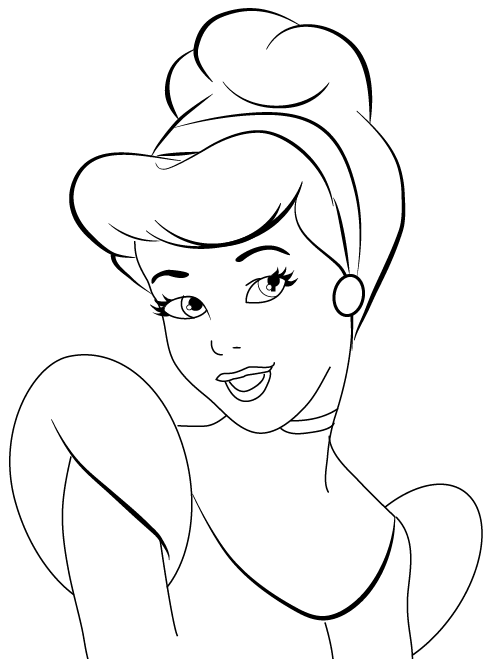
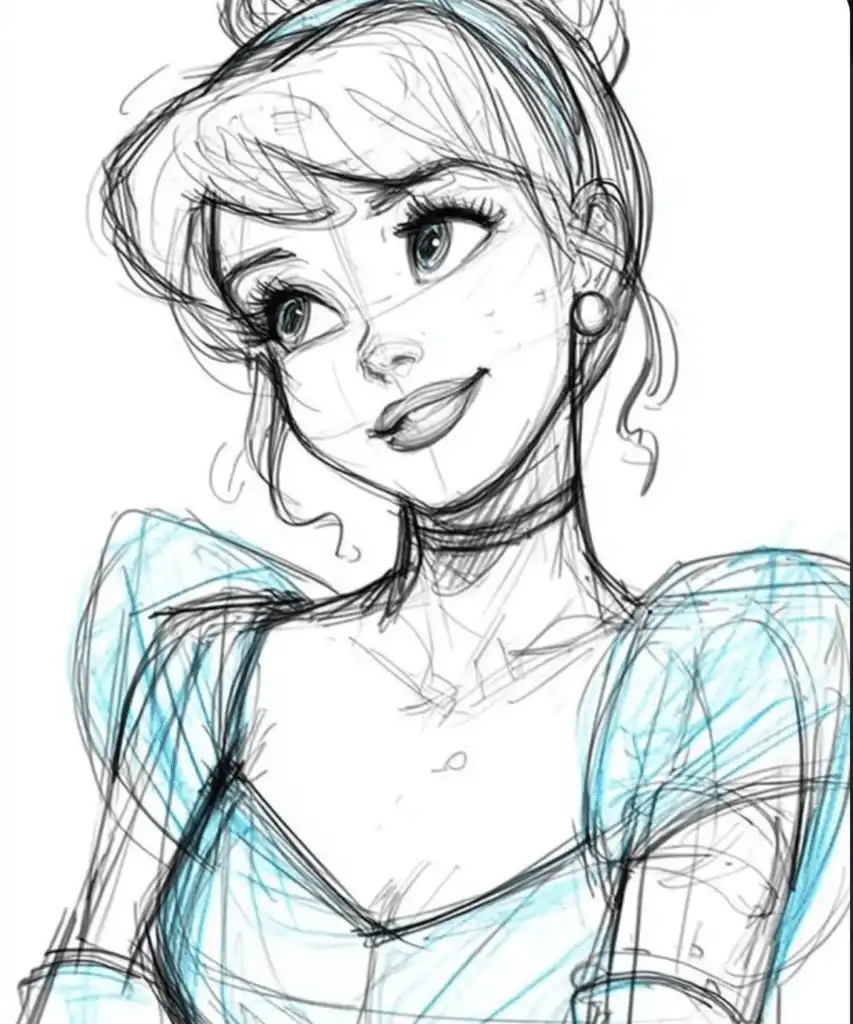
Trace final lines with a darker pencil or marker, then erase construction marks. Add color if you like: light blue for the gown, pale skin tones, and gold or white for accessories to match the classic Cinderella look.
Tips for an Easy Cinderella Drawing
Focus on clear shapes, light pencil lines, and simple shading to keep the drawing clean and easy to change. Pay attention to face proportions, the gown’s skirt shape, and the placement of key details like the tiara and gloves.
Simple Techniques for Beginners
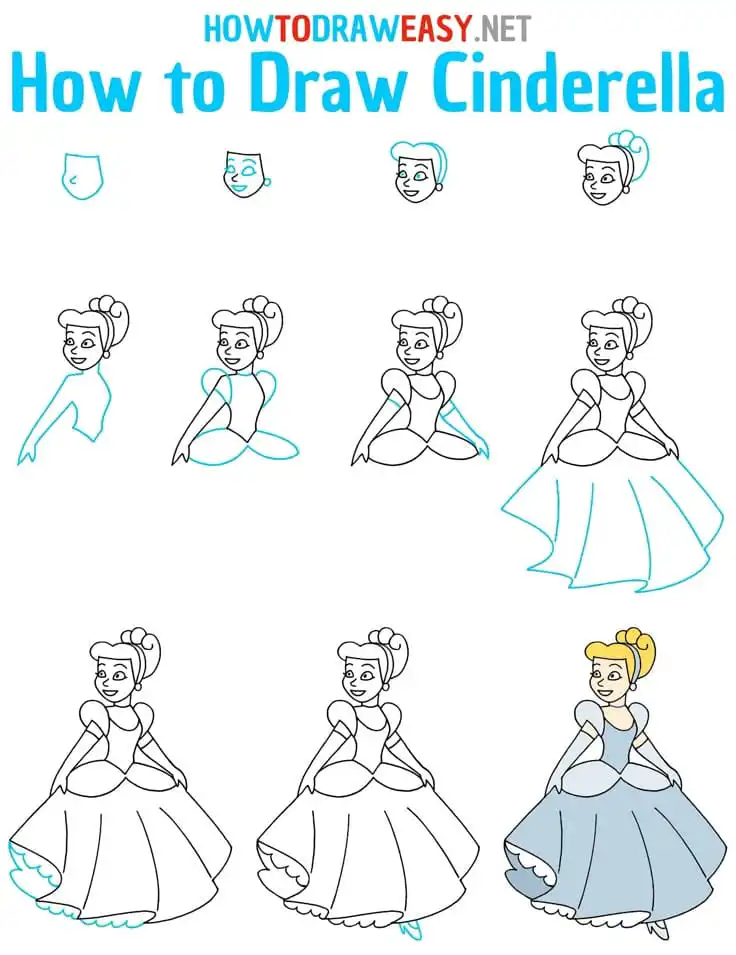
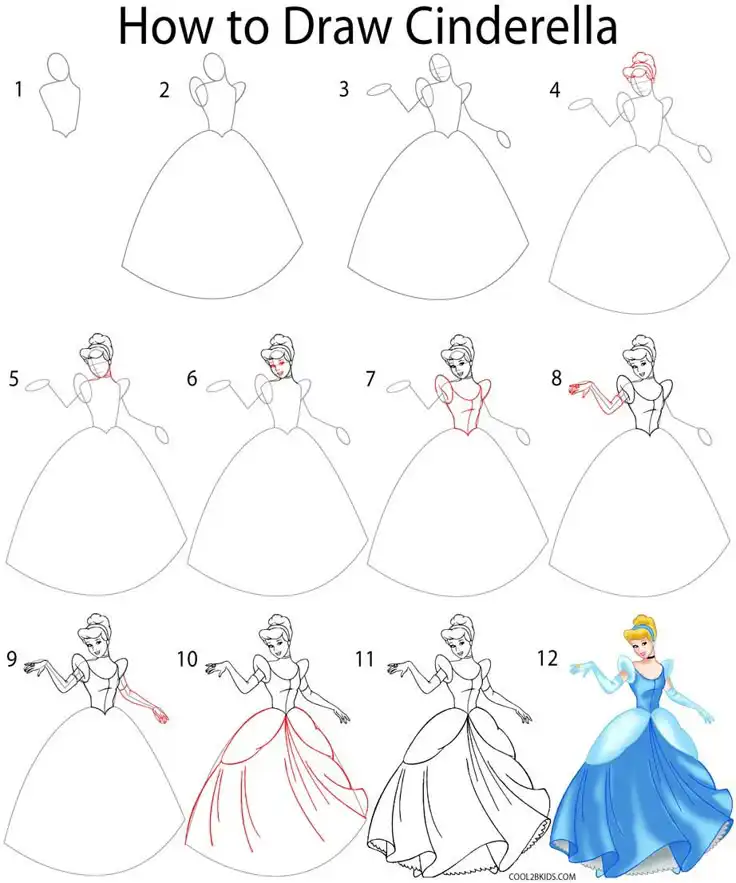
Start with basic shapes: draw an oval for the head, a soft triangle for the torso, and a wide bell shape for the skirt. Use very light pencil strokes so you can erase and adjust lines without smudging.
Work in steps. Block in the major shapes first, then add smaller parts like the neck, shoulders, and sleeve cuffs.
Draw the face using two horizontal guide lines: one for the eyes and one for the nose and mouth placement. Keep clothing simple—suggest folds with short curved lines instead of lots of tiny wrinkles.
For the tiara and necklace, sketch small, simple shapes—circles and curves—and refine them last. Tools tip: Use an HB pencil for sketching and a darker 2B pencil for final lines.
A kneaded eraser cleans light sketch marks best.
Common Mistakes and How to Avoid Them
Avoid drawing the head too large for the body. Check proportions often by measuring the head against the torso; the torso should be about 1 to 1.5 head-heights for a stylized Cinderella.
Don’t over-detail the skirt early. Too many lines make the shape look busy and can ruin the clean bell silhouette.
Keep the skirt’s outline smooth, then add 2–4 fold lines to suggest volume. Watch hand and glove placement too—arms drawn too short or bent at odd angles look stiff.
Lightly map arm length from shoulder to wrist before adding gloves. If a glove looks odd, erase and adjust the wrist area by a small amount.
Avoid heavy pressure on the pencil until you’re happy with the sketch. Heavy lines make corrections harder and can show through if you ink later.
Adding Expressive Details
Use small, deliberate choices to add charm. Change the eyebrow angle slightly to give Cinderella a gentle, surprised, or kind look.
Small eye highlights (two tiny white spaces) make the eyes appear lively. Add personality with the tiara and necklace—a simple three-curve tiara or a single pendant necklace reads clearly at small sizes.
Place highlights on the gems with a tiny white spot or leave a small area unshaded. For shading, use gentle strokes along the skirt’s inner curves and under the arms to show depth.
Smudge lightly with a finger or blending stump for soft shadows. Keep skin tones light and use slightly darker shading under the chin and around the hairline.
Clean stray marks and strengthen the final outlines. If you like, trace the final lines with a fine-tip pen and erase pencil guides for a crisp, printable line art page.
Adding the Iconic Glass Slipper
Focus on the slipper’s shape, the heel, and where you place highlights to make it look glassy and delicate. Use simple curves for the footbed and a clean, narrow heel, then add small bright spots and soft blue or gold tones for sparkle.
Drawing the Perfect Glass Slipper
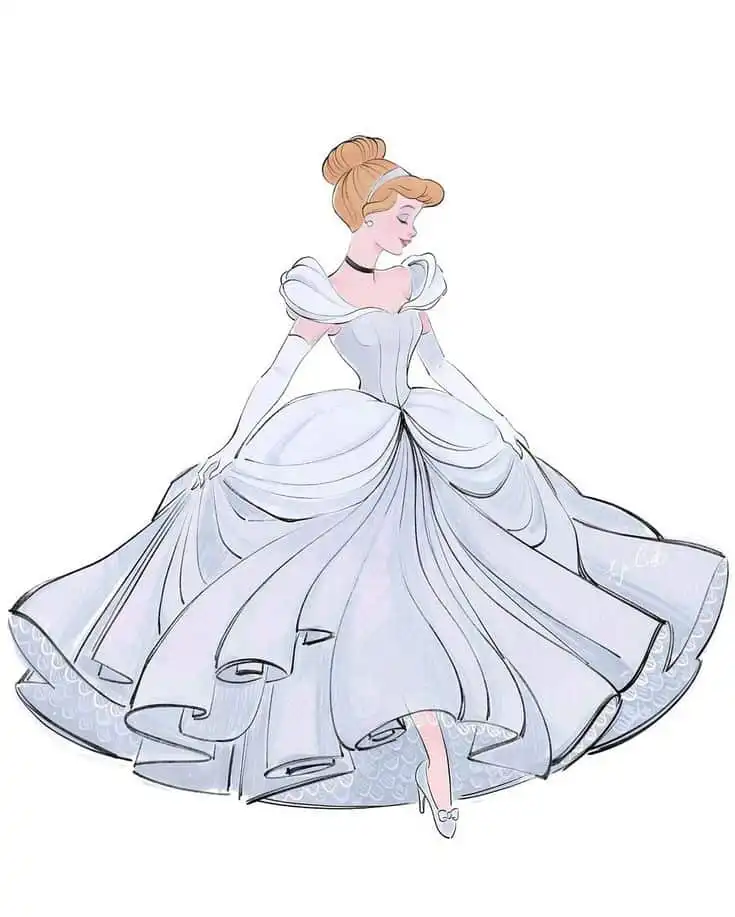
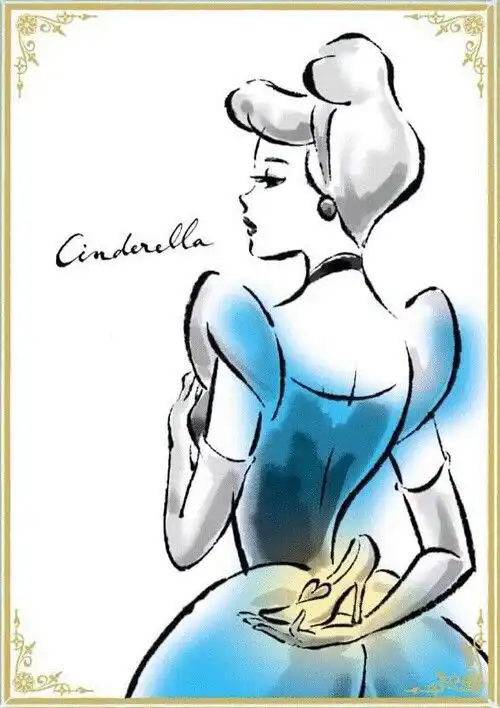
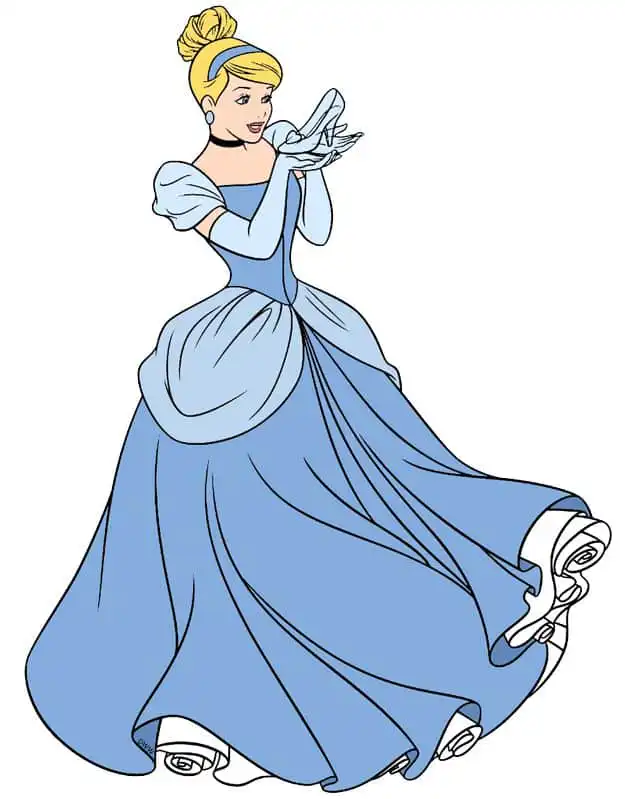
Start with a light guideline for the foot’s curve. Draw an elongated teardrop for the shoe’s body, with the point at the toe and the rounded back at the heel.
Keep lines smooth—glass looks clean and simple. Add the heel as a thin, slightly curved column.
Make it narrower where it meets the shoe and wider at the base for balance. Check proportions: the heel height should match the foot length so the shoe looks wearable.
Draw the sole with a subtle curve under the teardrop. Add a small arch line inside to suggest depth.
Use a fine line for decorative details only—too many marks ruin the glass look.
Highlighting Cinderella’s Shoe Moment
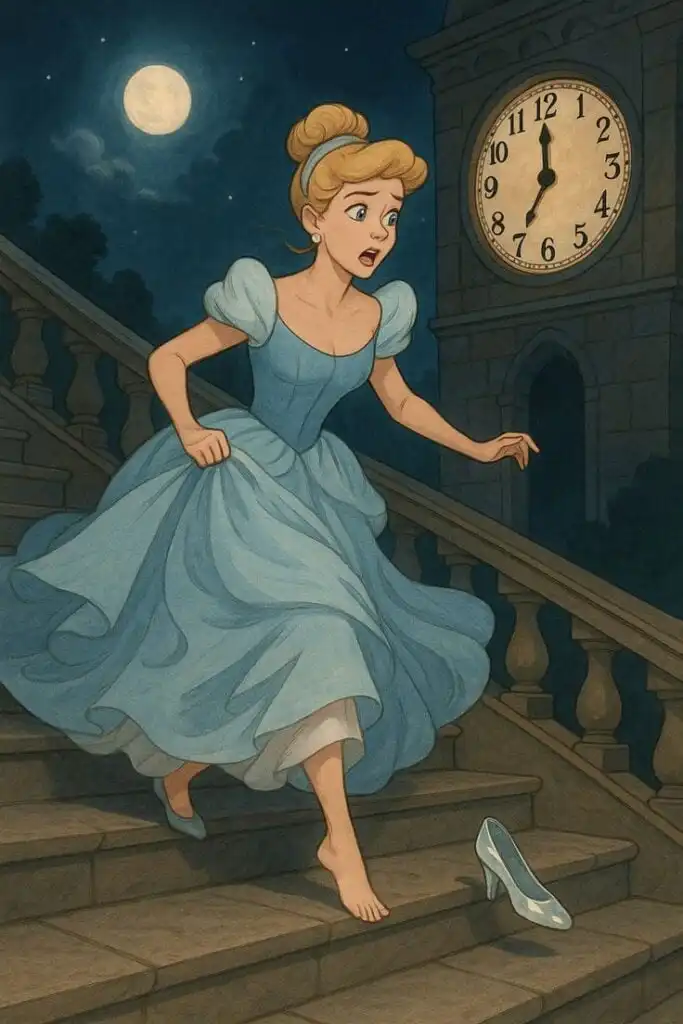
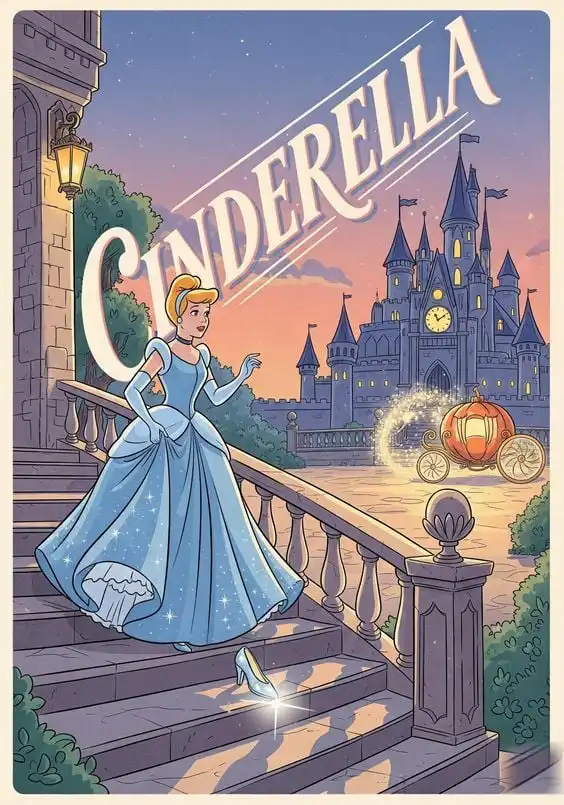
Choose two or three spots for bright highlights where light would hit: the toe, the upper curve, and the heel edge. Use pure white or leave small paper gaps for those highlights.
Keep them small and crisp. Add soft color for reflection: pale blue or very light gold works well.
Use light washes or soft pencils and blend gently so the color feels like a reflection, not paint. Avoid heavy shading.
Finish with tiny sparkles around the shoe to show magic. Place them sparingly and vary their size.
This keeps the slipper elegant and draws the eye to the moment it matters.
Printable Cinderella Drawing Lessons
Find printable lessons that break the drawing into clear, repeatable steps. You’ll get ready-to-print pages for practice, tracing, and coloring.
These printables usually include a step-by-step guide, a full-line art coloring page, and a simple activity or extension exercise.
How to Use Step-by-Step Printables
Print the lesson on regular paper or light cardstock so lines don’t bleed when you color. Start with the first step and work through each numbered stage.
Pause after each step to compare your drawing with the printed example. Use a pencil for initial lines and a soft eraser to remove construction marks.
After you finish the line work, go over key lines with a fine black marker if you want crisper outlines. Try the printable more than once: the first time, follow the steps exactly, then change proportions or details on a second try to make the character your own.
If you teach a child, sit beside them and model one or two steps. Mark which steps were hardest on the printable, so you can practice them again.
Fun Tracing and Coloring Activities
Use the line-art page for tracing practice. Tape the printable to a window, then place a blank sheet over it for a simple lightbox effect.
Tracing helps you learn proportions without drawing every guideline. Turn tracing into a game: maybe trace only the hair or just the dress, then color that part.
Offer a limited palette—three blues and one skin tone. That way, kids learn about shading and color choices without feeling overwhelmed.
Older kids can use tracing to create new poses. Trace the skirt, then redraw the arms or head in a different position.
Try little challenges like “draw a tiara with three gems.” It keeps things playful and builds skill at the same time.
Creative Cinderella Coloring Page Ideas
Pick colors that match the mood you want. Add simple background details to make the scene feel alive.
Use small highlights and textures on the gown, carriage, or room. That gives everything a richer look without making the page feel crowded.
Choosing Colors for Cinderella’s Gown
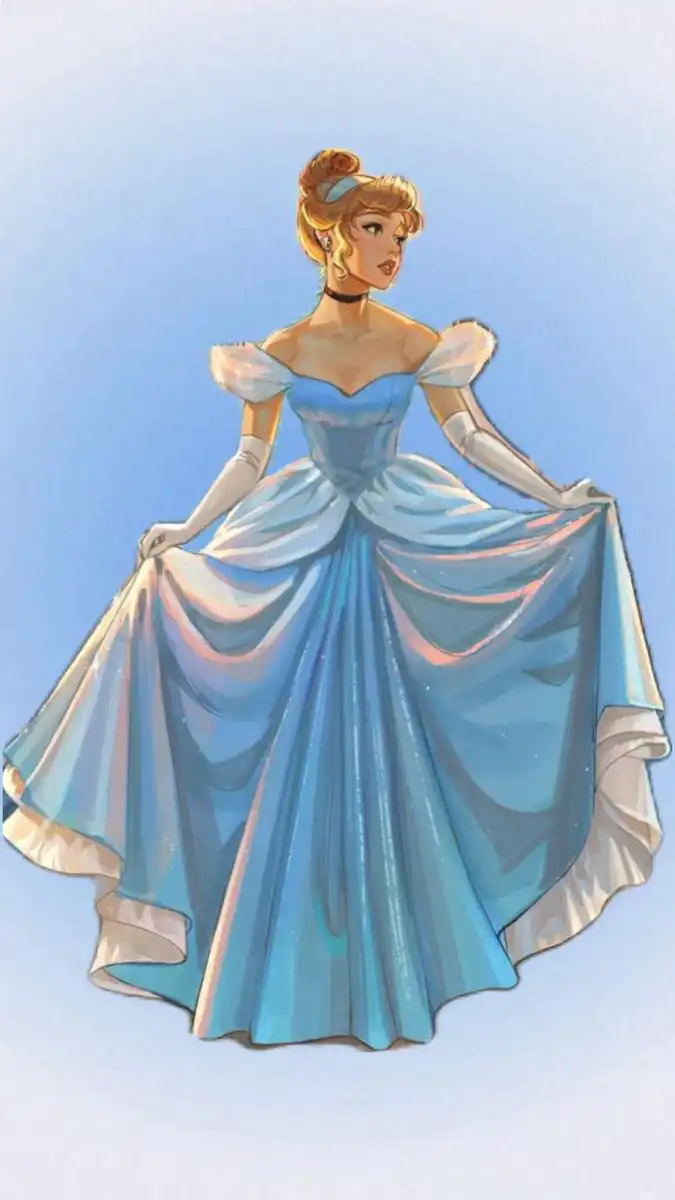
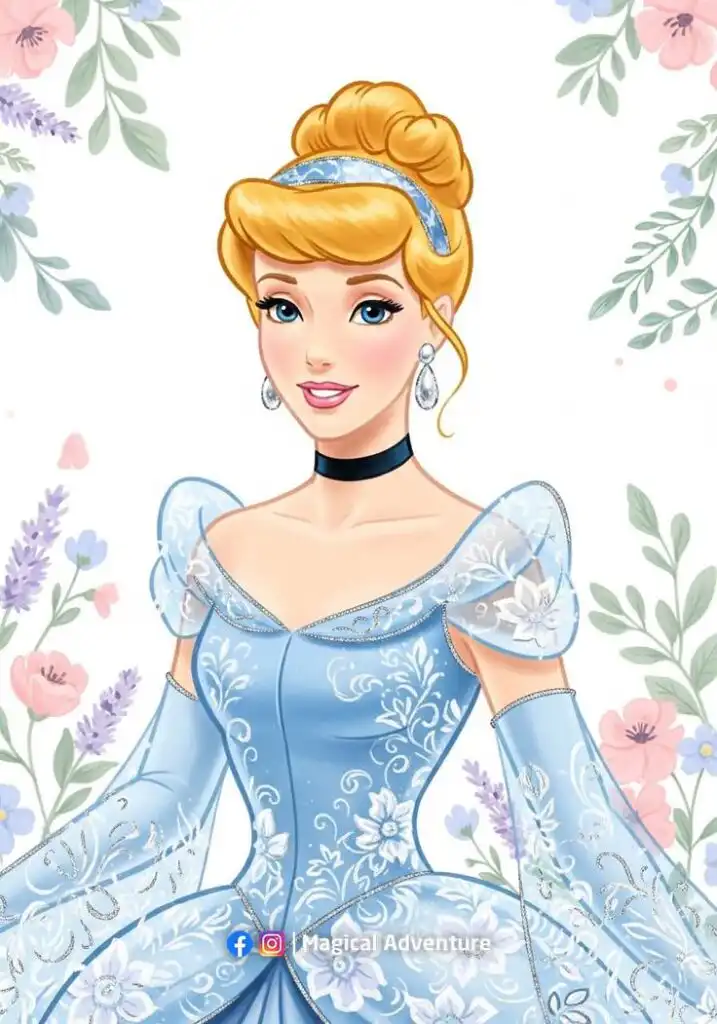
Decide if you want a classic or modern look. For classic, go with soft blues, pale silvers, and white highlights.
If you’re after something modern, try lilac, mint, or bold teal with metallic silver accents. Think about light and shadow, too.
Pick a base color, then add one darker shade for shadows and a lighter one for highlights. A white gel pen or light pencil stroke on folds or the slipper can show reflected light nicely.
Try color combos that pop against the background. If your background is warm (like gold or peach), make the gown cool—blue or green works.
If the background is cool, use warm gown tones like rose or gold. Test your colors on a scrap before you color the final Cinderella page.
Backgrounds and Decorative Elements
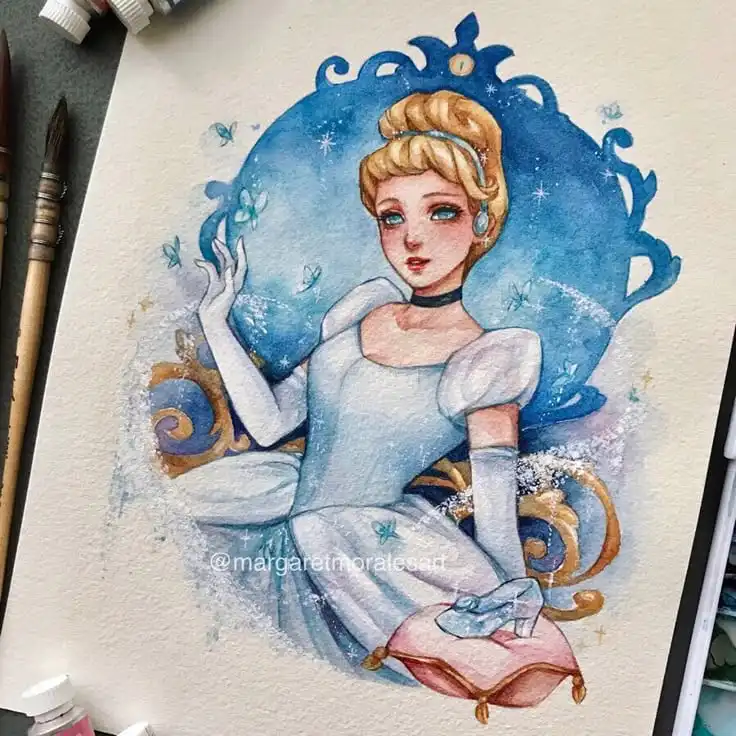
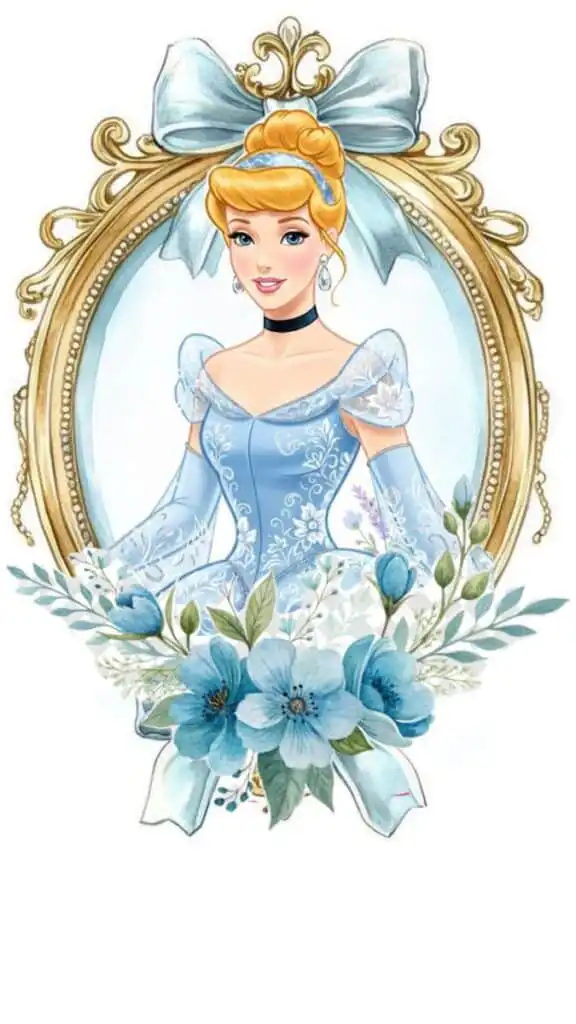
Choose a setting that fits the moment: ballroom, garden, or pumpkin carriage. For a ballroom, add chandeliers or patterned floor tiles.
Soft golden light works well. For a garden, include simple flower clusters, vines, and maybe a moonlit sky.
Fill empty space with small repeating shapes—stars, tiny hearts, or little floral motifs. Add texture with short pencil strokes for stone, stippling for gravel, or crosshatch for wood.
Keep the focus on Cinderella. Use contrast: darker or muted tones for the background, and brighter, cleaner colors for her gown and slippers.
Add a small detail—maybe sparkle dots near the wand or a light halo around the glass slipper. It’ll draw the eye right where you want it.
Exploring Cinderella Drawing Styles
Different lines, face shapes, and costume details can totally change Cinderella’s look. Pay attention to hair, gown silhouette, and facial features to match the style you’re after.
Classic vs. Modern Cinderella Looks
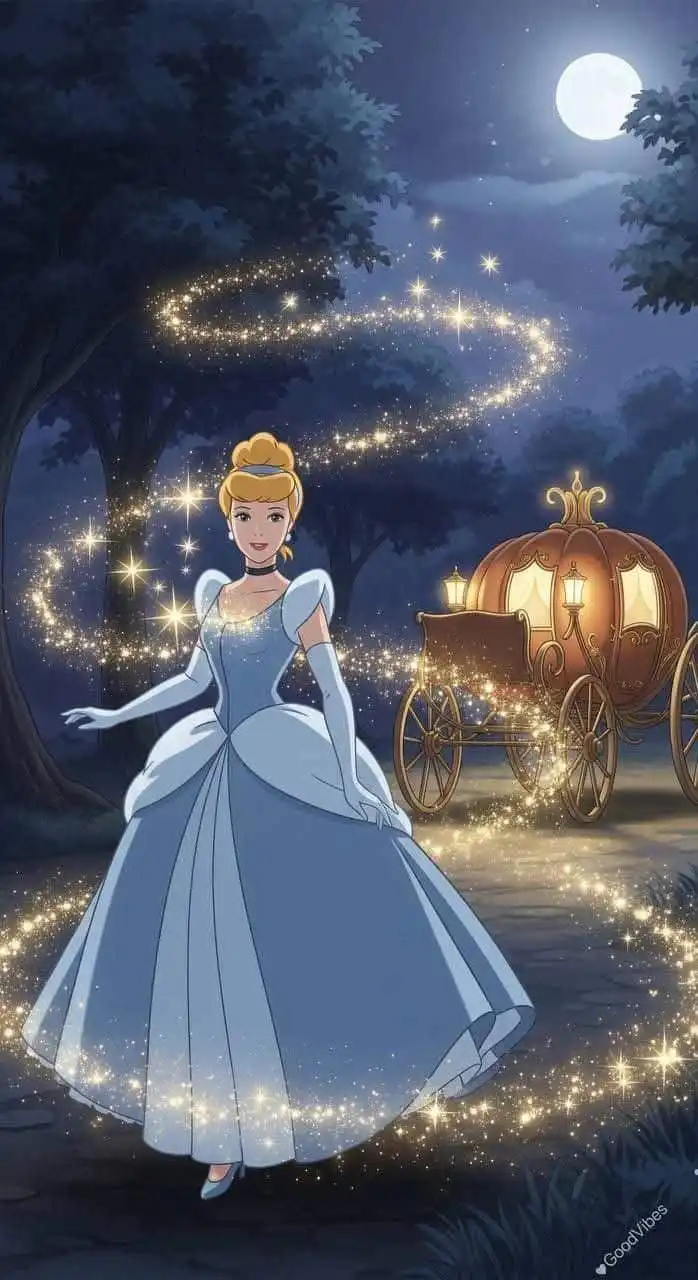
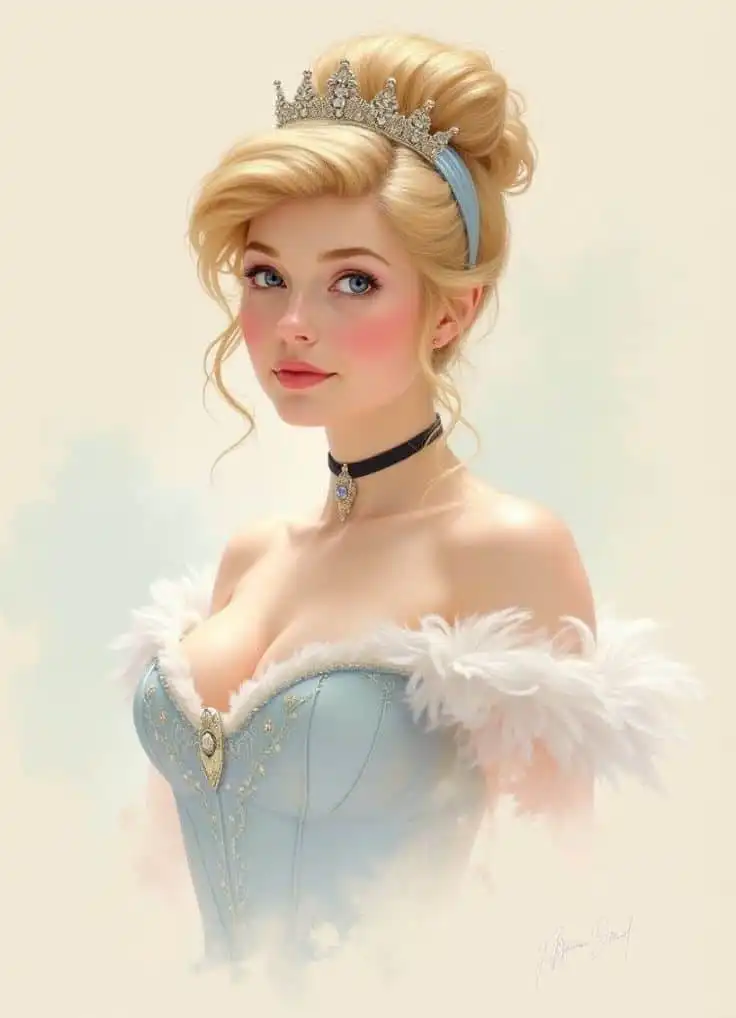
Classic Cinderella uses smooth, clean lines with soft shapes. Draw a rounded face, gentle jawline, and wide eyes with simple lashes.
Use a high-neck or off-shoulder ball gown with a full skirt and clear waistline. Add a simple bun, a headband, and small pearl or ribbon details.
Keep shading light and textures minimal. Modern Cinderella, on the other hand, favors sharper angles and more fashion-forward clothing.
Try a slimmer face, defined cheekbones, and more detailed eyes and eyebrows. Update the gown with layered fabrics, a fitted bodice, or visible seams and folds.
Add textured hair—maybe loose strands or a messy bun—to make the design feel current. Use stronger contrast in shading to show fabric weight and depth.
Drawing Cinderella in Different Scenes
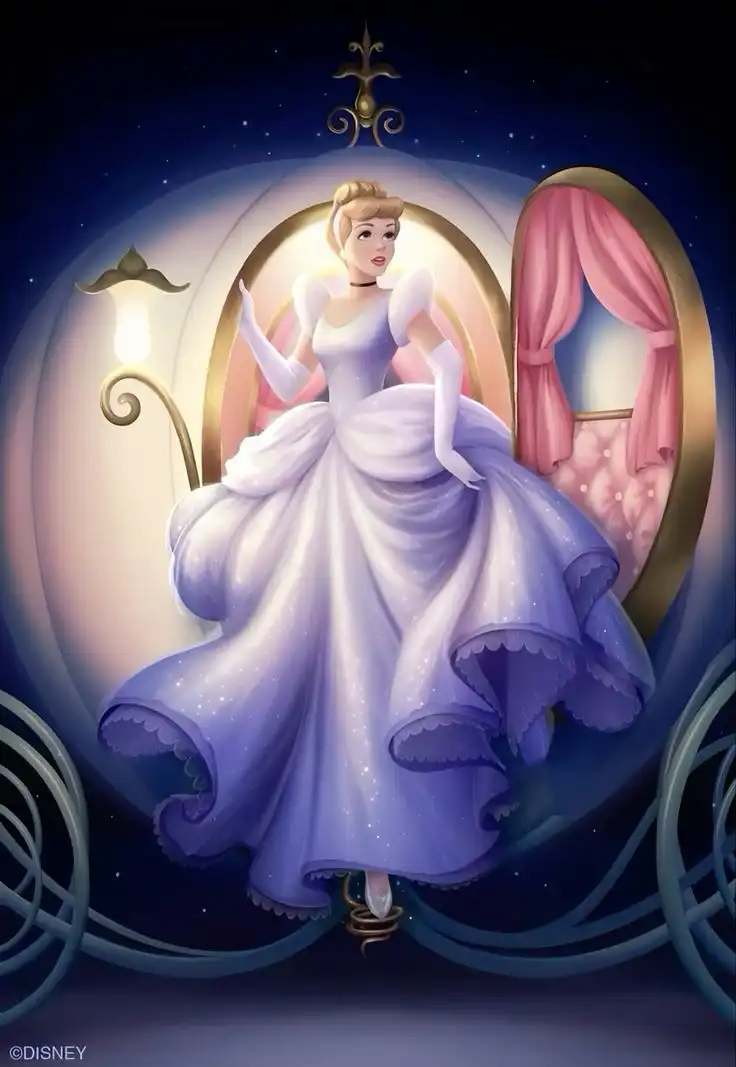
Pick poses that really fit the moment you want to capture. For a ball scene, try an elegant stance—maybe one arm reaches out, her skirt spreading with movement.
Add gentle motion lines, and don’t forget to play up the flowing fabric or the way her glass slippers catch the light. Soft highlights on her dress and a few delicate sparkles can make the whole thing feel a bit magical.
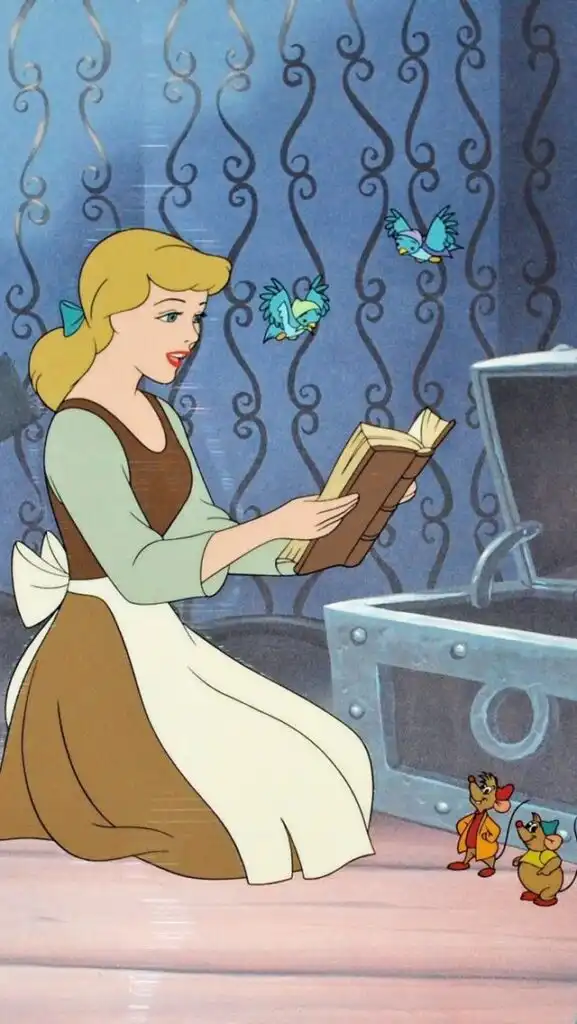
For a household or chores scene, swap in simpler clothes and a more relaxed, maybe even slouchy, posture. Let her hair look practical and just a little messy.
Try rougher shading, and slip in details like apron creases, scuffed shoes, or even a dust smudge. It’s those little touches that really tell her story.
When you want a magical moment, work in dynamic light sources and let floating particles swirl around, especially near the fairy godmother’s wand.
Shift the lighting and play with line weight to match the mood. Sometimes, the right glow or curve can say more than a hundred words.
FAQ
What are the essential materials needed for drawing Cinderella?
You will need pencils of various grades for linework and shading, smooth heavyweight paper for durability and blending, colored pencils or markers for coloring, a white gel pen for highlights, and basic tools like erasers and tape to reference your work.
How do I start sketching Cinderella’s face and head?
Begin with a light circle and draw a vertical center line to keep the face even. Add horizontal lines for the eyes and nose, sketch soft jaw curves for a gentle look, and position the eyes, nose, and mouth according to proportions, keeping lines light for easy adjustments.
What tips can help me draw Cinderella’s gown easily?
Focus on capturing clear shapes like a wide bell skirt and fitted bodice with a sweetheart neckline. Use light shading to suggest fabric folds and volume, and keep the outline smooth and simple before adding details.
How can I improve my Cinderella drawing with expressive details?
Adjust small features like eyebrows for different expressions, add tiny highlights in the eyes, include accessories like the tiara and necklace, and use subtle shading to add depth and personality to the character.
What techniques help make the glass slipper look delicate and realistic?
Draw smooth, clean curves for the slipper, add bright highlights to mimic the glass’s reflective quality, and use soft color washes or gentle pencil shading to suggest transparency and sparkle, emphasizing the slipper’s elegance.
- 227shares
- Facebook0
- Pinterest227
- Twitter0
- Reddit0