Learning dress drawing is one of those things that shifts everything pretty quickly. At first it’s just rough ideas — a neckline here, a skirt shape there. But once you understand the basics, you can actually put the whole outfit down on paper and see if it works.
You don’t need to be advanced. Honestly, most of it comes from repetition. I used to draw dresses that looked like cardboard — no weight, no flow. Then I started watching how real fabric behaves. How it pulls at the waist, how it hangs from the shoulders. That changed everything more than any “rule.”
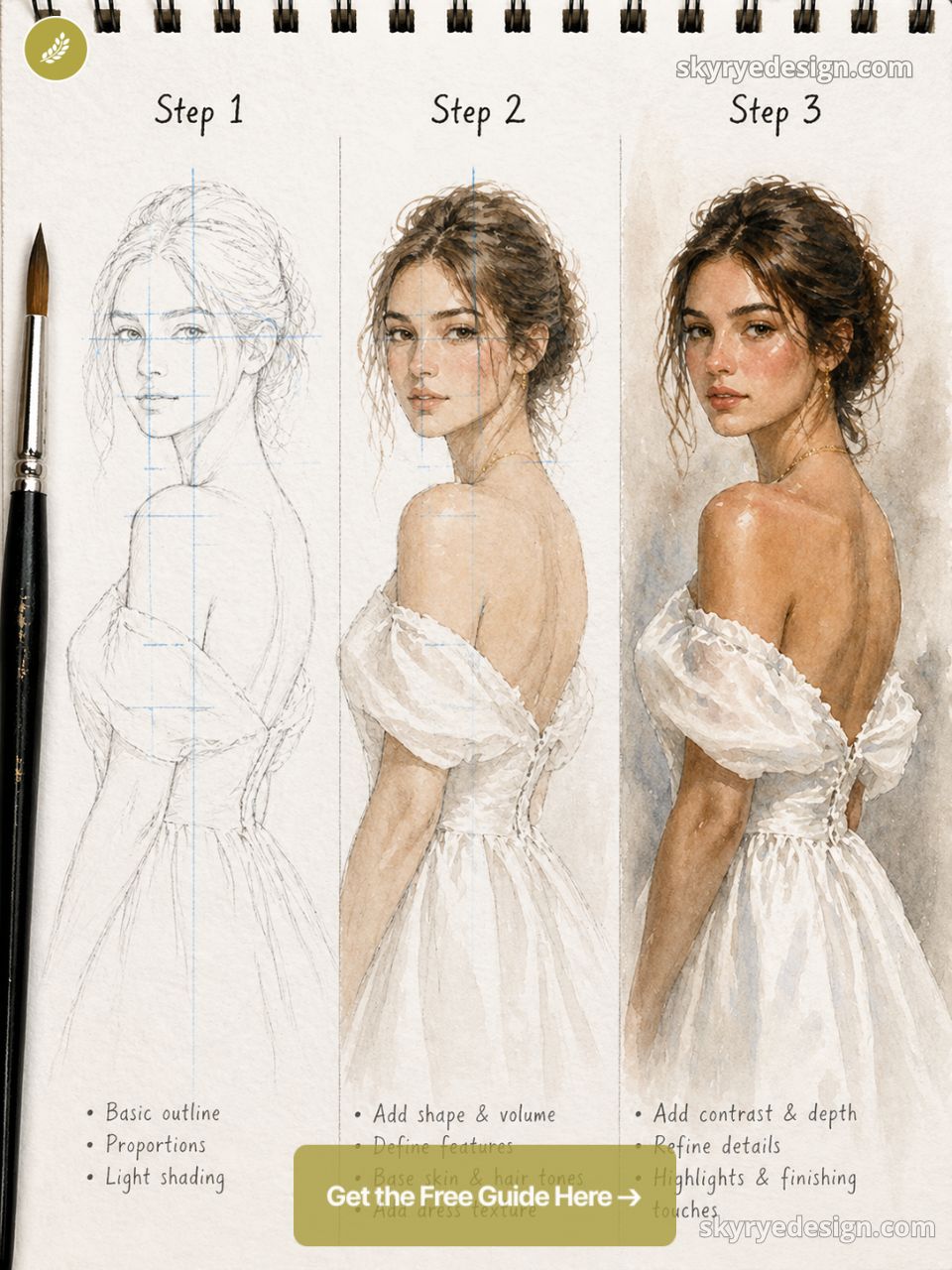
There’s a ton of material out there. Tutorials, runway photos, endless Pinterest boards. Some of it helps, some of it just adds noise. I usually grab a reference, sketch it once, then redraw it from memory — that’s where you actually learn something.
And style? That builds on its own. You try a sharp silhouette one day, something loose and layered the next. Some sketches feel right, others don’t. That’s normal. If anything, the bad ones teach you faster.

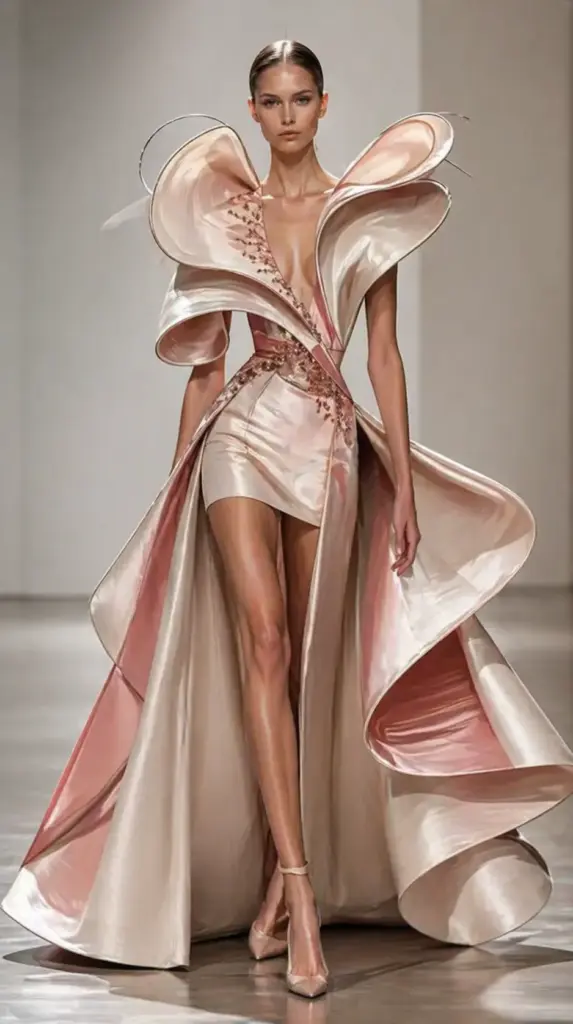
Keeping an eye on trends helps too — not to follow them blindly, but to stay aware. Then you can decide what to keep, what to ignore, and what to twist into something that actually feels like your own work.
Fundamentals of Dress Drawing
Mastering dress drawing involves understanding sketching techniques, using accurate dress forms, and recognizing the differences between sketches and illustrations. These aspects help you create balanced and realistic clothing visuals.
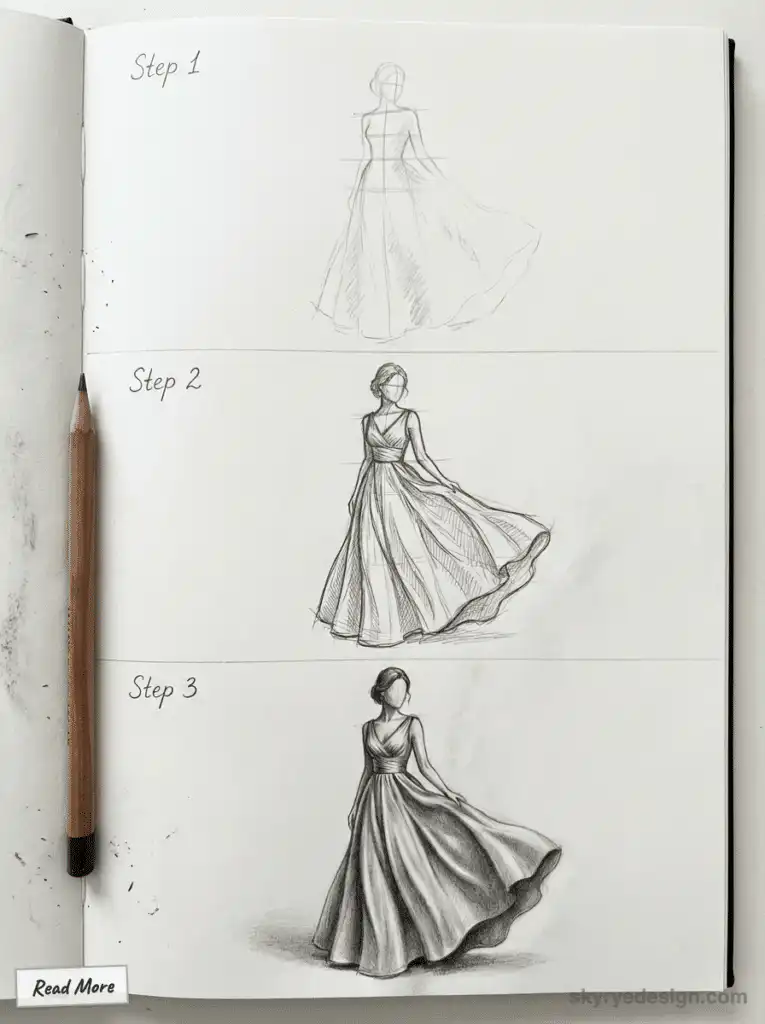
Dress sketches sit better when the pose underneath is solved first. Build a light body base drawing for the shoulders, rib cage, waist, hips, and knees before deciding how the fabric hangs or stretches.
Essential Drawing Techniques
When you’re learning to draw dresses, start with the body, not the dress.
I usually sketch the pose first with plain shapes: a loose spine line, shoulders, hips, and a few simple forms for the arms and legs. It looks rough at this stage, and that’s fine. The point is to give the fabric something believable to sit on.
After that, draw the dress shape over the figure. Long, clean strokes work well for silk, satin, or any fabric that hangs smoothly. If the dress has pleats, frills, lace, or gathered fabric, don’t make every line perfect. Break the edge a little. Add small curves. Let it feel slightly uneven.
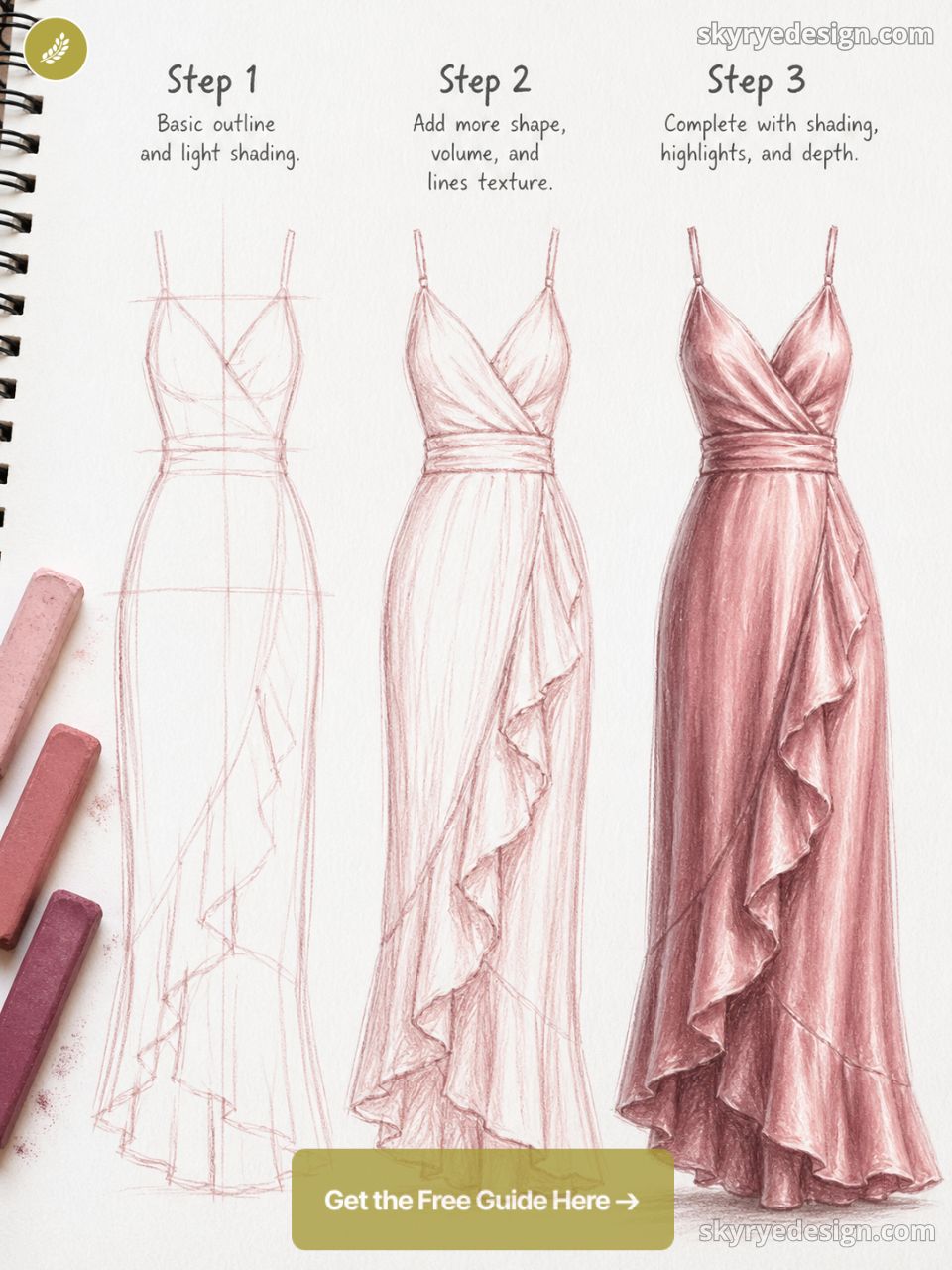
The folds are where the drawing starts to look real. Fabric drops from the shoulders, pulls at the waist, bunches near bends, and overlaps where the body turns. I’d shade those spots first: under folds, inside pleats, and anywhere the fabric tucks behind itself. Hatching works well for light shadows. Cross-hatching gives you deeper value when the fold is stronger.
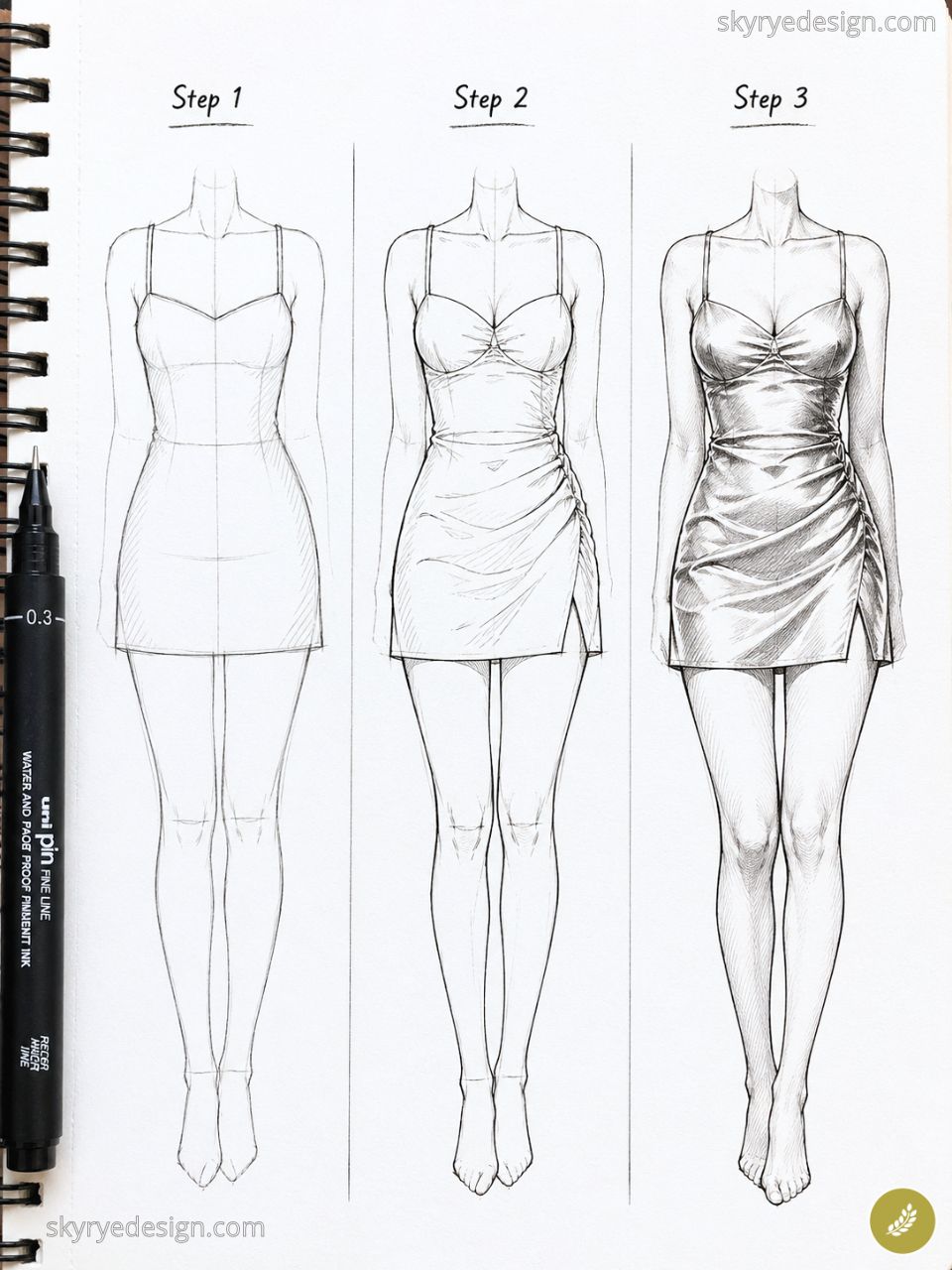
Use references, too. Not as something to copy line for line, but to check how the fabric actually behaves. A photo will show you the weight and shadow. A fashion sketch will show you how much you can simplify. Put those together, and drawing dresses gets much easier.
Understanding Dress Forms
Dress forms, also called croquis, act as templates that guide garment proportions and fit. You start with a croquis—a lightly sketched body outline—to help ensure the dress follows the body’s structure accurately.
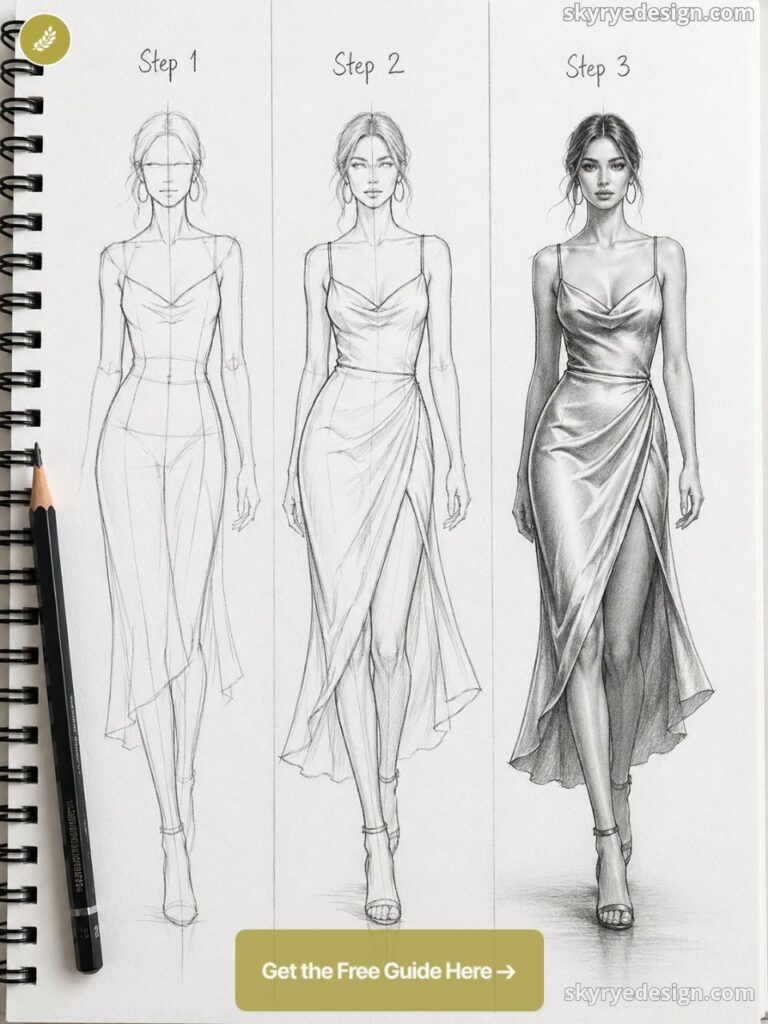
Working with standard proportions makes your sketches more readable. Most croquis emphasize elongated figures, often eight to nine heads tall, to match fashion illustration norms.
A well-proportioned dress form prevents awkward garment shapes. Use the croquis to experiment with different styles and adjust garment placements, like waistlines, necklines, and sleeves.
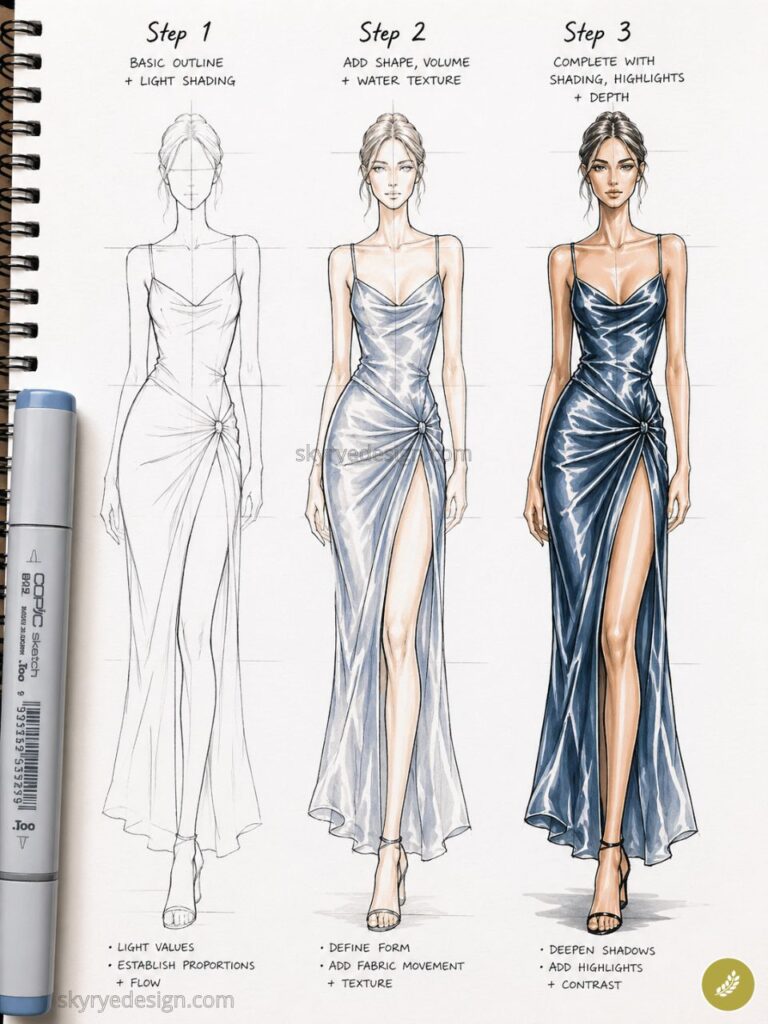
Having access to reusable templates or digital tools can speed up the sketching process. This helps in maintaining consistency across your portfolio or design work.


Dress Sketch Vs. Illustration
A dress sketch is usually quick, focusing on capturing the basic silhouette, style lines, and structure. You use light, minimal lines and simplify details to communicate the core idea efficiently.
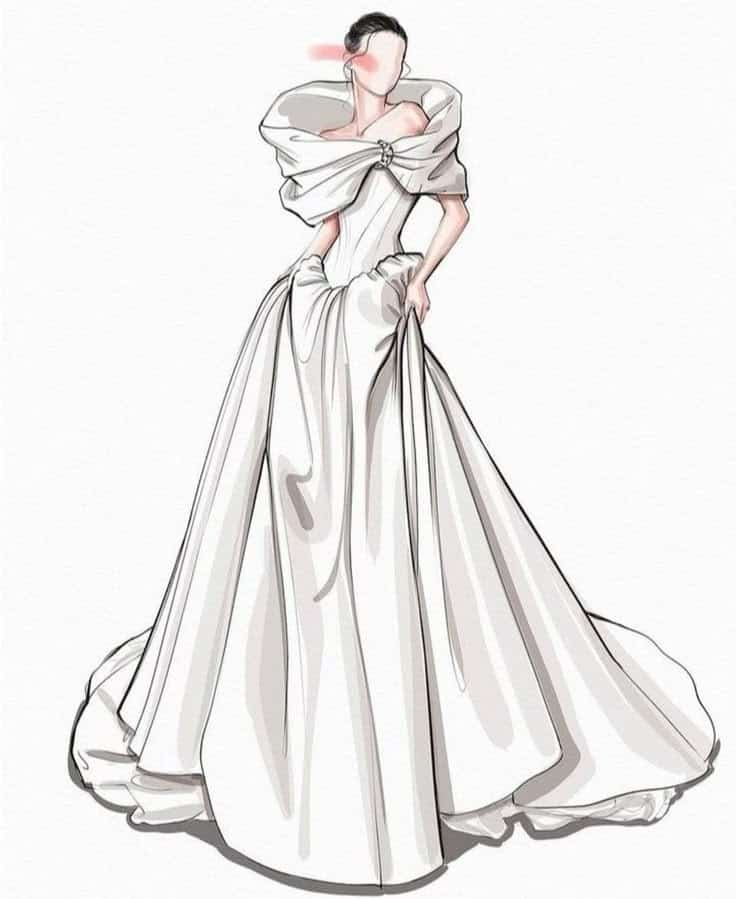
In contrast, a dress illustration is more detailed and refined. You add texture, color, shadows, and highlights to bring the design to life and show how the fabric might look and feel.
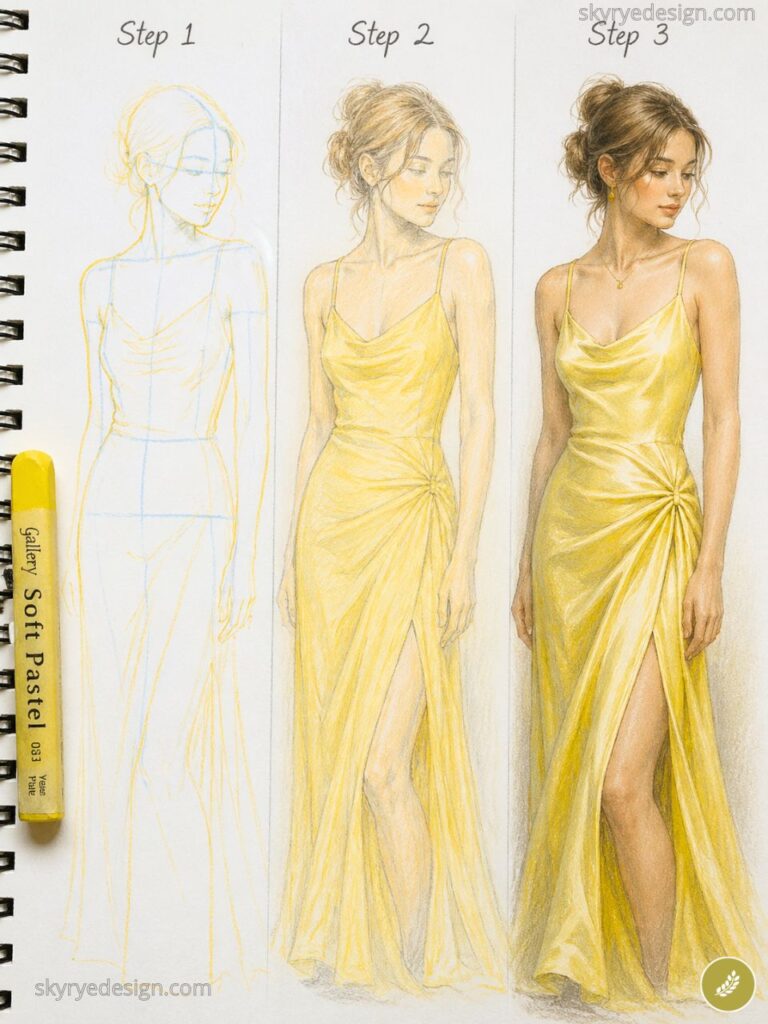
Dress sketches are helpful in the initial design phase. Illustrations, with their polished finish, are often used for presentations, portfolios, or client communications.
| Comparison | Sketch | Illustration |
|---|---|---|
| Detail Level | Basic, minimal details | Refined, includes textures |
| Purpose | Explore concepts quickly | Present final ideas |
| Time Required | Short | Longer, more in-depth |
Using both approaches gives you flexibility to communicate your ideas at any stage of the fashion design process.
Tools and Resources for Dress Drawing
Dress drawing can be enhanced by selecting the right tools and leveraging digital resources. Careful tool choice supports both the creative process and the quality of your final illustrations.
Traditional and Digital Tools
When sketching dresses, pencils are a primary tool. Artists often choose woodless graphite pencils, mechanical pencils, or Ebony pencils for varied line quality. For color, markers (such as Copic or Prismacolor), colored pencils, and watercolors add depth and texture to dress sketches.
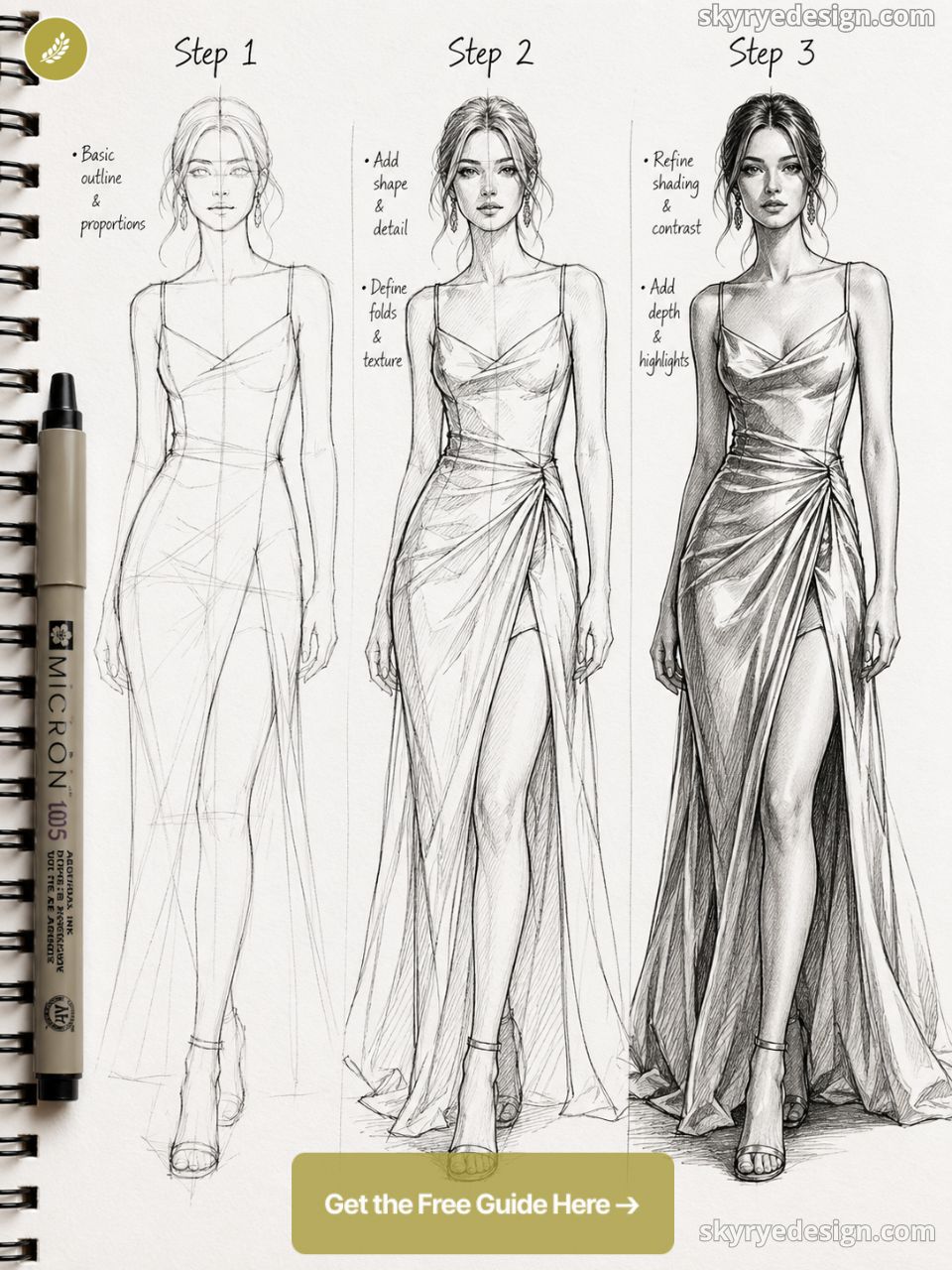
Inking pens help with clean outlines and details. White gel pens enable highlighting. For paper, smooth marker pads or heavyweight sketchbooks prevent bleed-through and allow for layering.
Digital artists frequently use drawing tablets paired with software like Adobe Photoshop or Procreate. These tools give access to layers, undo functions, digital brushes, and color palettes. A tablet with a pressure-sensitive stylus, such as a Wacom or iPad with Apple Pencil, mimics traditional drawing techniques while offering flexibility and efficiency during revisions.
Utilizing Vectors and Stock Photos
I didn’t really appreciate vector graphics until I had to redo the same dress three times. That’s when Adobe Illustrator started to make sense. Once your lines are clean, you can resize, tweak, and reuse them without everything falling apart. For flats and technical sketches, it just saves time. A lot of it.
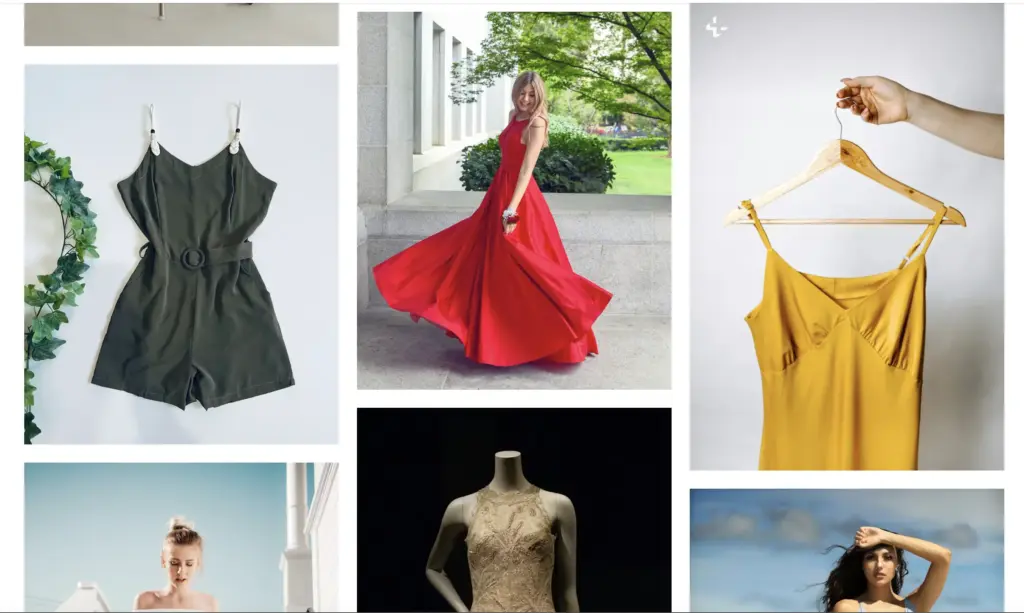
Stock photos are another thing I used to avoid. Felt like cheating. It’s not. They’re useful when you’re stuck on posture or trying to figure out how fabric actually folds instead of how you think it folds. I’ll sometimes trace a pose quickly just to understand it, then redraw it properly. I Draw Fashion is handy when I don’t feel like building a figure from zero for the hundredth time.
Mixing both approaches just speeds everything up. You sketch faster, fix mistakes faster, and your work stays consistent across different designs. And if you’re putting together a portfolio or working with clients, that consistency matters way more than people think.

Inspiration and Fashion Design
In dress drawing, creative vision is shaped by diverse sources, thoughtful design principles, and a strong sense of color. Paying attention to these elements can elevate your illustrations and align them with professional standards in fashion.
Finding Creative Inspiration
Creative inspiration may come from current fashion trends, historic garments, or cultural attire. You can browse platforms like Pinterest for thousands of fashion sketches and illustrations, giving you direct access to the work of various designers and illustrators.
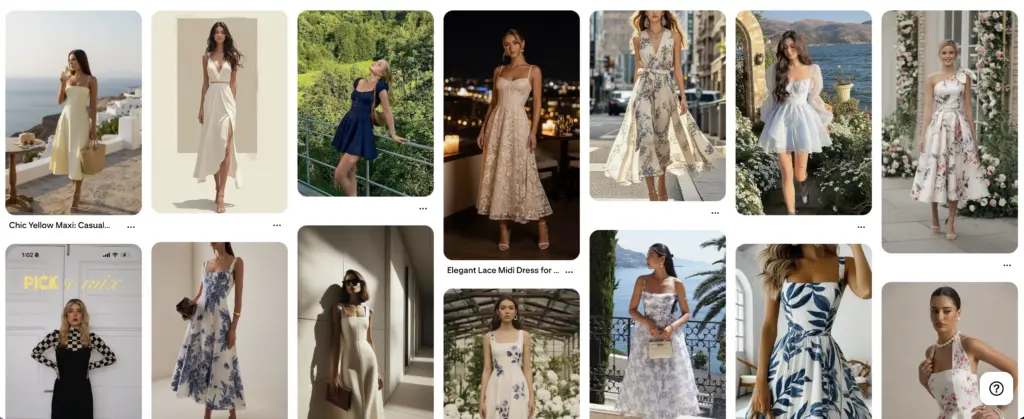
Analyzing runway collections, visiting museums, or observing street style can also expand your reference pool. It helps to keep a sketchbook, collecting ideas and quickly noting down silhouettes, fabric textures, and unique garment details.
Look for inspiration in art, architecture, or nature by focusing on shapes, movement, and patterns. These observations can spark innovative dress ideas that go beyond typical designs.
Fashion Design Principles
A dress sketch falls apart fast if the shape feels weird or the fabric looks glued on. I’ve done that more times than I’d like to admit.
First thing I check is balance. If it’s symmetrical, both sides need to talk to each other — sleeves, neckline, the way the skirt spreads. Not perfectly identical, just… connected. If I’m going asymmetrical, I don’t play it safe. One shoulder missing, a hard diagonal, something that clearly says “this was intentional.” Anything in-between just reads like a drawing error.
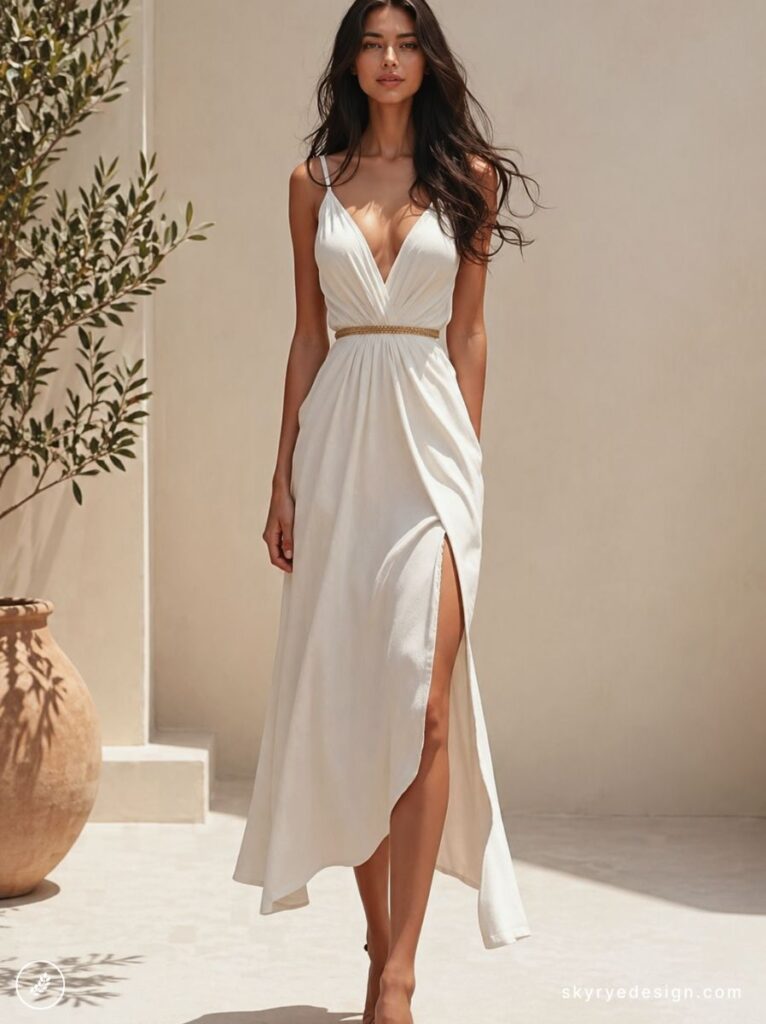
Proportion is where the mood really shifts. Tiny bodice, oversized skirt — that’s drama, almost runway-level. Pull the waist down, slim the skirt, and it turns into something you could actually wear to dinner. Same with sleeves. Same with necklines. I’ve nudged a hem up by a centimeter and suddenly the whole sketch felt right. It’s annoying how sensitive that is.
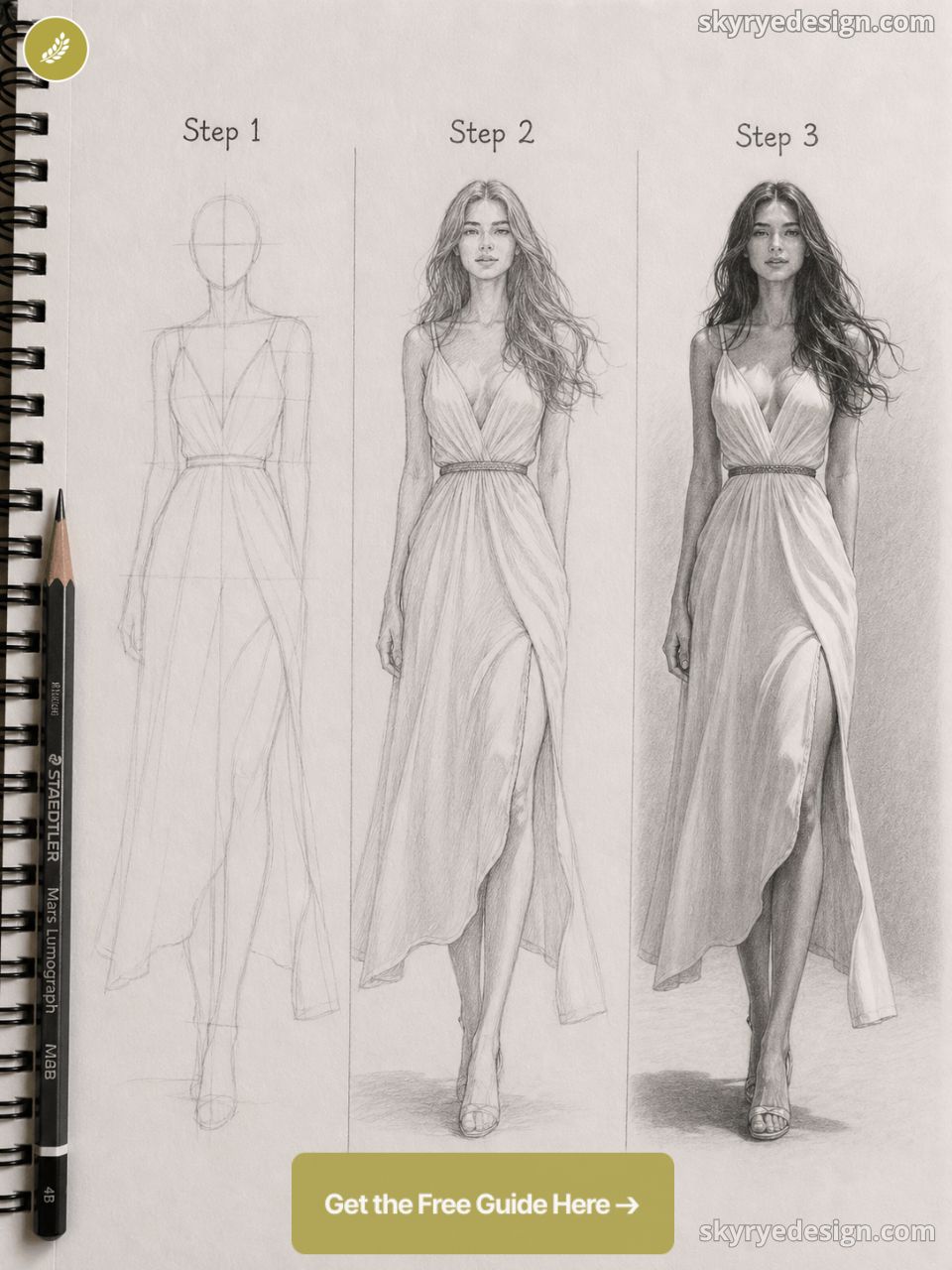
Movement is the tricky part. Early on, I used to draw dresses like cutouts. Flat, stiff. Didn’t work. Now I think about where the fabric is pulled and where it relaxes. It drops from the shoulders, tightens around the waist, bunches a bit near seams. You don’t need many folds — just the right ones.
And yeah, I keep coming back to the same question every time: would this actually hang like this? If the answer’s no, I stop. Fix the structure first. Details can wait.
| Principle | Description |
|---|---|
| Balance | Visual harmony or controlled asymmetry |
| Proportion | Relationship of sizes and shapes |
| Movement | Suggests fabric flow and body posture |
Color Composition in Dress Illustrations
Color is usually where a dress sketch either comes alive or just… sits there. I’ve had drawings with great proportions that still looked dead because the palette wasn’t doing anything.
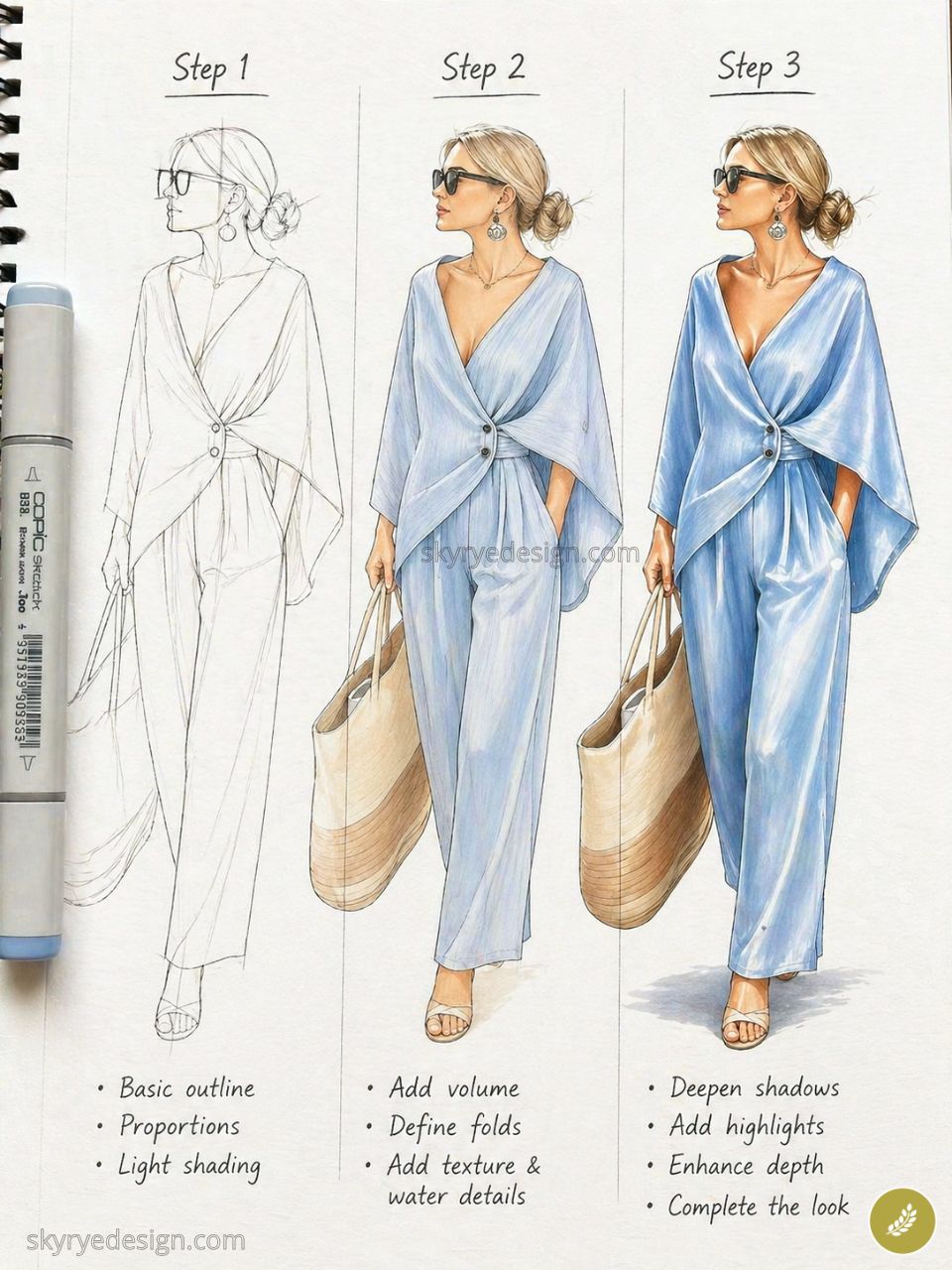
First thing I decide is the mood. Not in a fancy “concept board” way — just gut feeling. Is this supposed to feel sharp and minimal? Then I stay in neutrals. If it’s something bold, I’ll push contrast harder than feels safe at first. Pastels are tricky — they look great, but only if the values are clear. Otherwise everything turns into one soft blur.
I almost always scribble a few color swatches in the margin before I start filling the dress. Quick, messy blocks. Sometimes I think a combination will work, and then on paper it just clashes. Better to catch that early than halfway through with markers bleeding into each other.
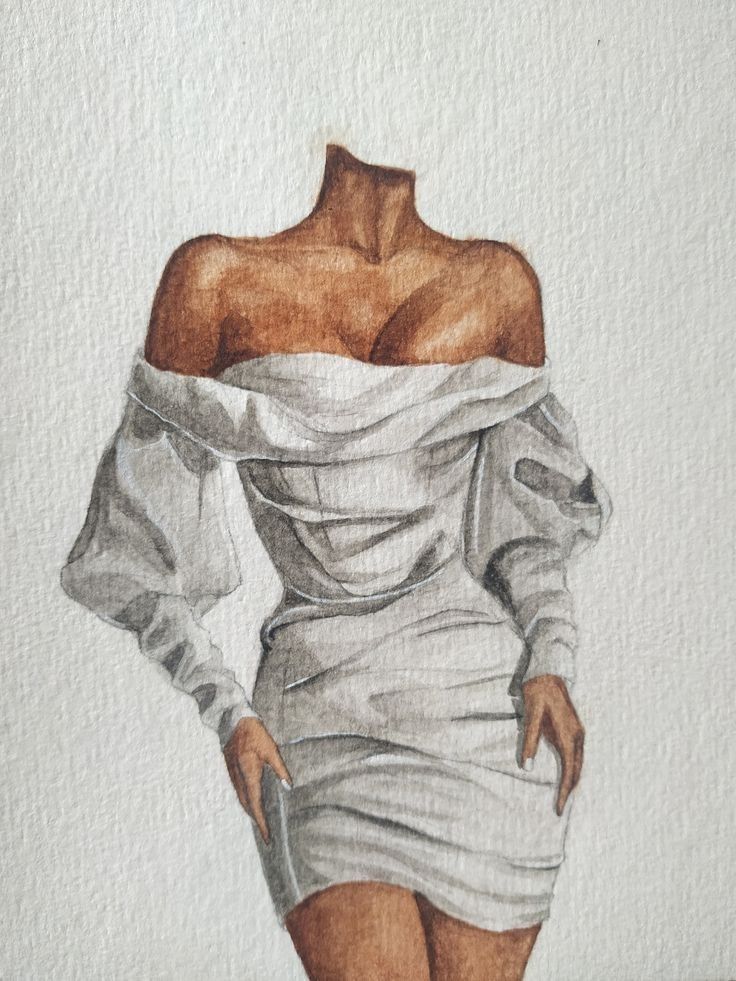

One thing that took me a while to get right is balance. If you drop one super bright color in the middle, that’s all anyone will see. So I either repeat it somewhere else or tone it down. Same with dark areas — they need a bit of support, not just one heavy spot.
And honestly, shadows do most of the work. You can use pretty basic colors, but if the values shift properly, the fabric starts to feel real. A few darker folds near the waist, a highlight along the curve — suddenly it looks like it could move.
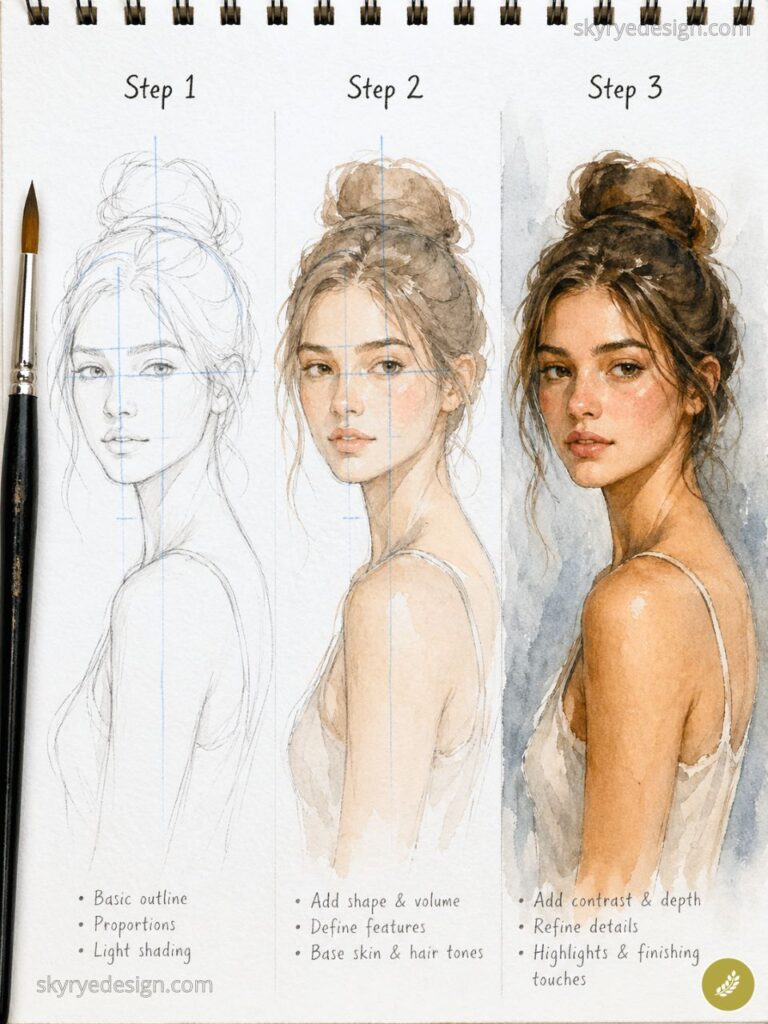
I don’t overthink palettes anymore. Two or three main colors, then just push light and shadow. That’s usually enough.
Specialized Dress Drawing Styles
Dress drawing involves creative approaches that allow you to capture different textures and perspectives. Attention to detail in floral patterns and panoramic angles can set your sketches apart.
Rendering Floral Patterns
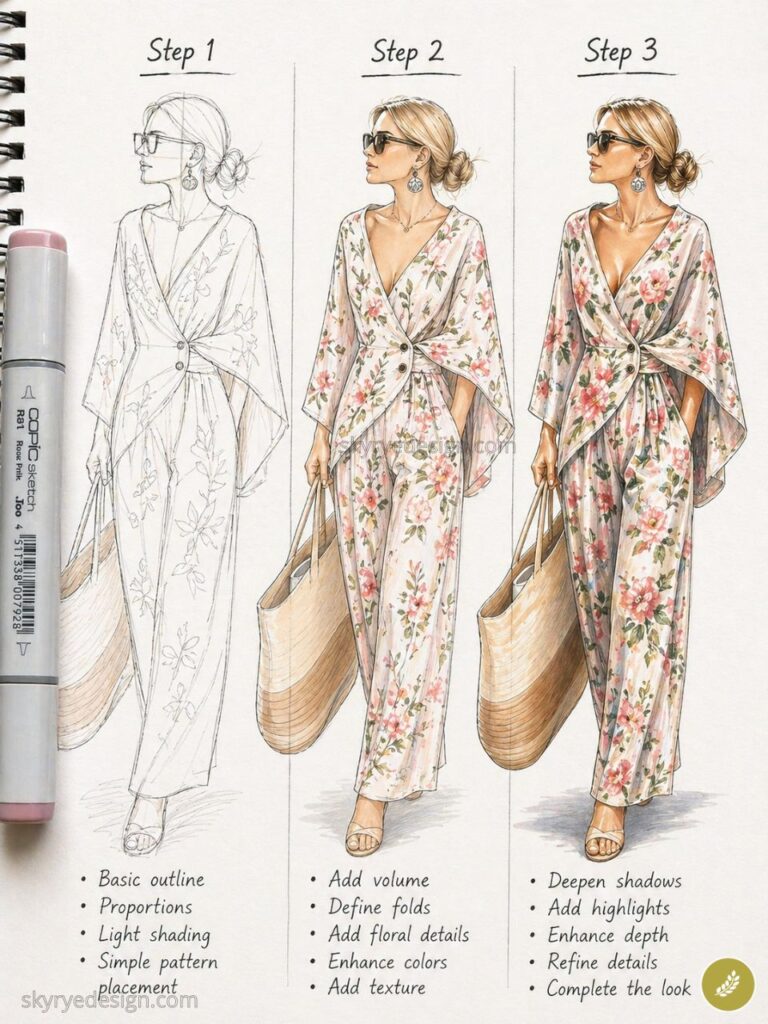
When drawing floral patterns, focus on the rhythms and repetitions found in nature. Start by lightly sketching the dress outline in pencil. Then, lay out your floral motifs, considering their scale in relation to the fabric’s draping and movement.
To achieve depth, use varying line weights and shading techniques. Layer petals and overlap leaves, using cross-hatching or stippling to indicate shadows. Accents with colored pencils or watercolors can bring realism and vibrancy to your floral designs.
Floral patterns are often placed strategically—for example, emphasizing bodice or hem areas. Use reference images for botanical accuracy, paying attention to flower types and leaf arrangements. Detailing even small flowers or vines can give your sketch a polished, finished appearance.
Panoramic Images and Unique Perspectives
Panoramic dress sketches are one of those things that look complicated, but на деле всё довольно просто. You’re just showing the same dress from a few angles in one frame.
I usually line up front, side, and back views in a row. Nothing fancy. Sometimes I stretch it into a wraparound layout if I want it to feel more like a fashion presentation than a technical drawing.
The tricky part is consistency. If the waist drops in the front view, it has to drop in the side and back too. Same with seams, hem length, proportions. I lightly block in guidelines first — just enough to keep everything from drifting.
Angles help, but they’re easy to overdo. A slight top-down view can make the silhouette feel more dynamic. Same with a low angle. But push it too far and the dress starts to look warped instead of designed.
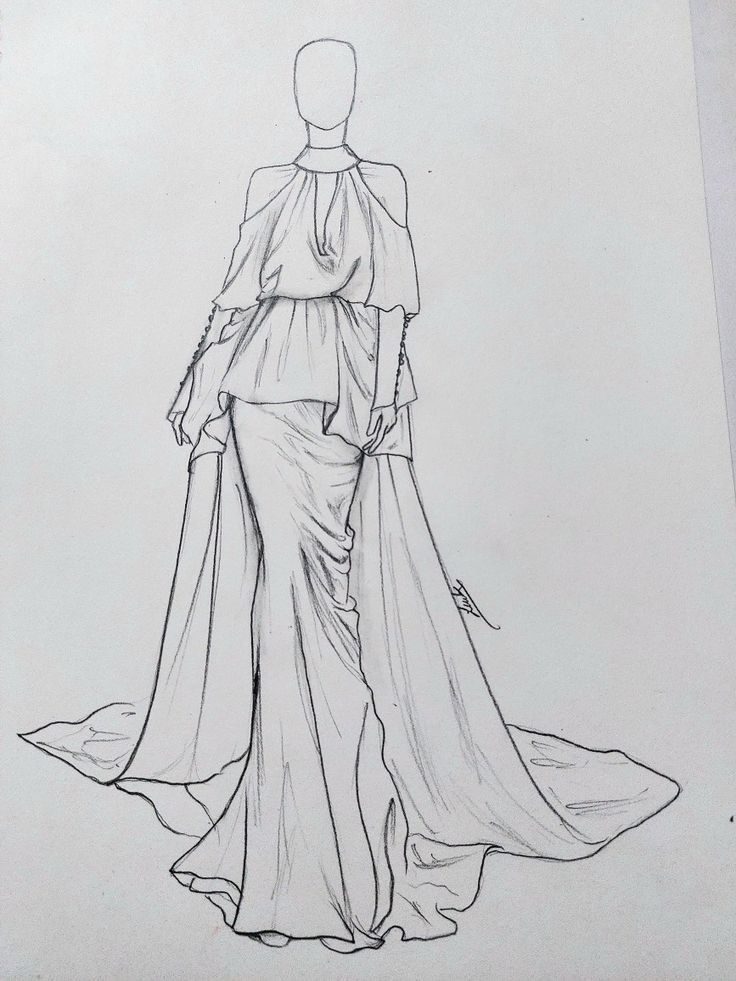

And context matters more than people think. Even a simple runway line or a hint of background gives the sketch a setting. It stops being just a flat drawing and starts feeling like part of a scene.
Modern Trends and Practical Considerations
Digital tools are reshaping how you approach dress drawing. Current practices include AI-assisted design, trend tracking, licensing models, and careful guidance on pricing and usage of digital assets.
AI Generated Content in Dress Drawing
AI has become a practical tool for streamlining dress drawing tasks. You can use AI to convert hand-drawn sketches into detailed digital images, accelerating the design process and broadening creative options.
Image-generation platforms can provide quick concept visualizations, fabric pattern variations, and help prototype multiple dress silhouettes. This technology often integrates with traditional drawing software, allowing you to edit AI-generated sketches to match your specific vision.
However, relying solely on AI may reduce originality, so balancing automation with human creativity is essential. Knowing how to guide and refine AI outputs ensures higher-quality, professional dress illustrations.
Dress Design Trends
Dress trends always move, but 2026 isn’t subtle about it. You open a few runway photos and it’s the same idea over and over: cleaner shapes, fewer gimmicks, better fabrics.
I’ve been sketching a lot of dresses lately, and the first thing I noticed is how stripped-back everything feels. No heavy layering, no overdesigned details. Just a solid silhouette. If the shape works, the dress works. Simple as that.
Materials are getting more attention too. Not in a “green marketing” way — you can actually see it in the fabric choices. More natural textures, less plastic shine.
Color palettes are quieter. Soft greys, washed-out pinks, dusty blues. Nothing screaming for attention. Honestly, it makes designing easier. You don’t fight the color — you focus on the form.
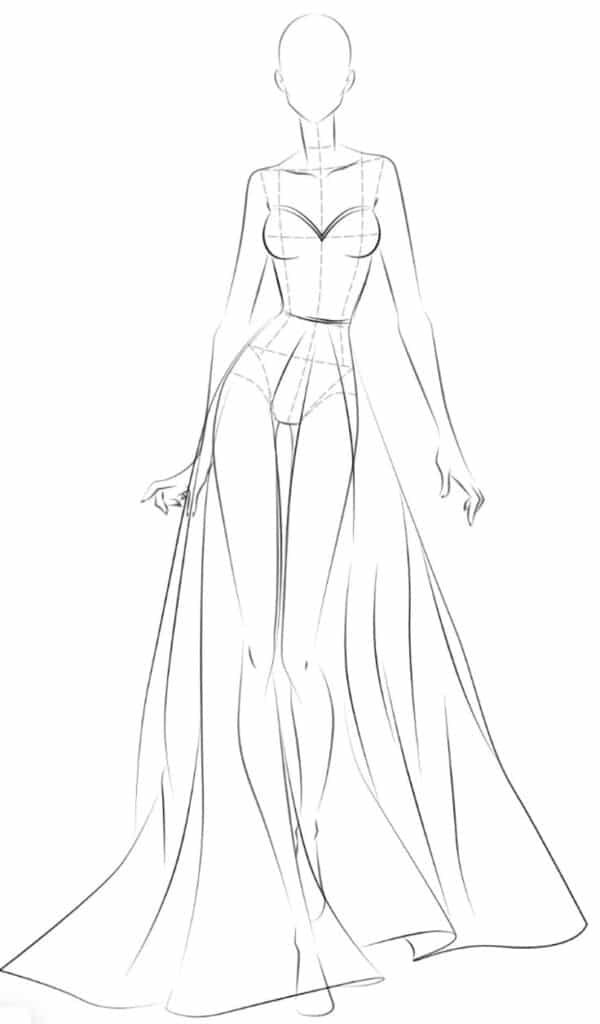

Patterns haven’t disappeared, but they’ve changed. Florals look less decorative and more structured. Geometric stuff feels sharper. And every now and then you see something that clearly came from digital art — almost glitchy, but controlled.
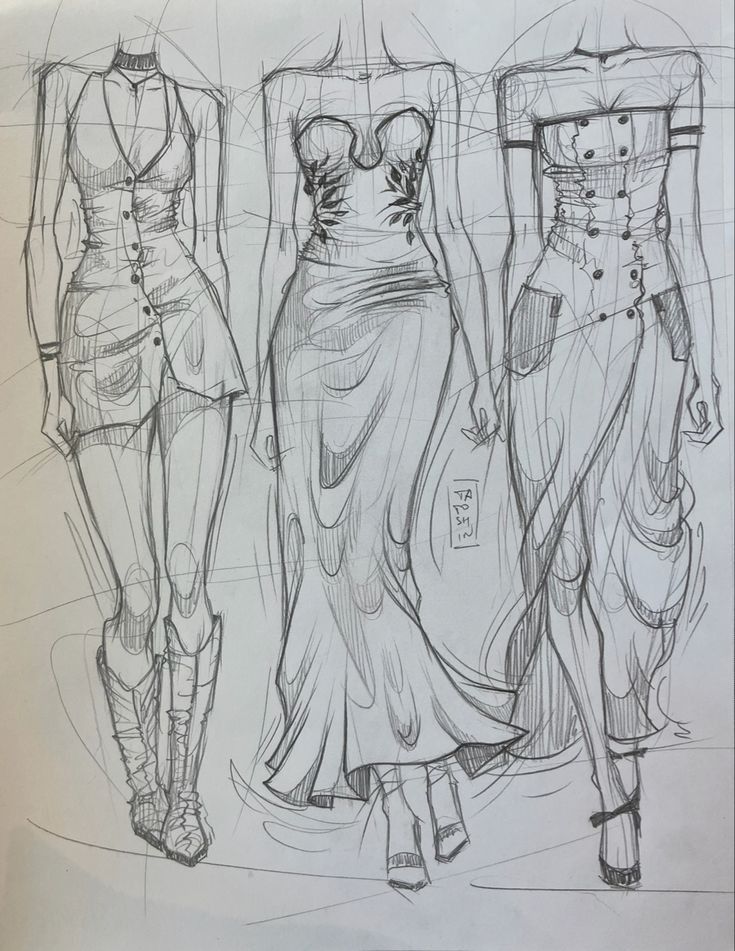

When I’m drawing, I don’t try to chase trends directly. I just keep them in the background. Maybe I simplify a silhouette more than I normally would. Maybe I tone down the colors. That’s usually enough to make a sketch feel current instead of stuck in 2018.
Safe Search Filters and Extended Licenses
When sourcing digital assets or references for dress drawing, using safe search filters protects you from inappropriate or irrelevant content. These filters curate search results, helping you quickly find high-quality, usable resources.
Extended licenses are critical if you plan to share, sell, or publish your artwork commercially. Standard licenses allow for limited use, while extended ones permit broader distribution, merchandising, or unlimited digital reproduction.
Always check the licensing terms tied to images, templates, and design elements before integrating them into your dress drawings. Proper licensing avoids legal issues and ensures ethical use of all reference material.
Understanding Price Levels for Digital Assets
Digital assets for dress drawing, such as brushes, templates, and reference images, come at varying price levels. These range from free resources—great for experimentation—to premium assets with advanced features or exclusive designs.
Below is an overview table:
| Price Level | Typical Features |
|---|---|
| Free | Basic quality, limited options, non-exclusive |
| Mid-range | Better detail, varied formats, some exclusivity |
| Premium/High | High-res, unique, extended license, support |
Choosing the right asset depends on your project needs and budget. Investing in premium assets may be worthwhile for professional results or commercial projects, while free or mid-range options suit personal practice or early concept work.
- 2.0Kshares
- Facebook0
- Pinterest2.0K
- Twitter4
- Reddit0