
The first time I drew a tiger from memory it looked like an angry labrador with face paint. That’s not an exaggeration — wrong head size, flat stripes that looked spray-painted on, fur that was just random scribbles. Every beginner hits the same four walls.
- 1. Tiger Anatomy 101: Know What You’re Drawing
- 2. Materials You Need
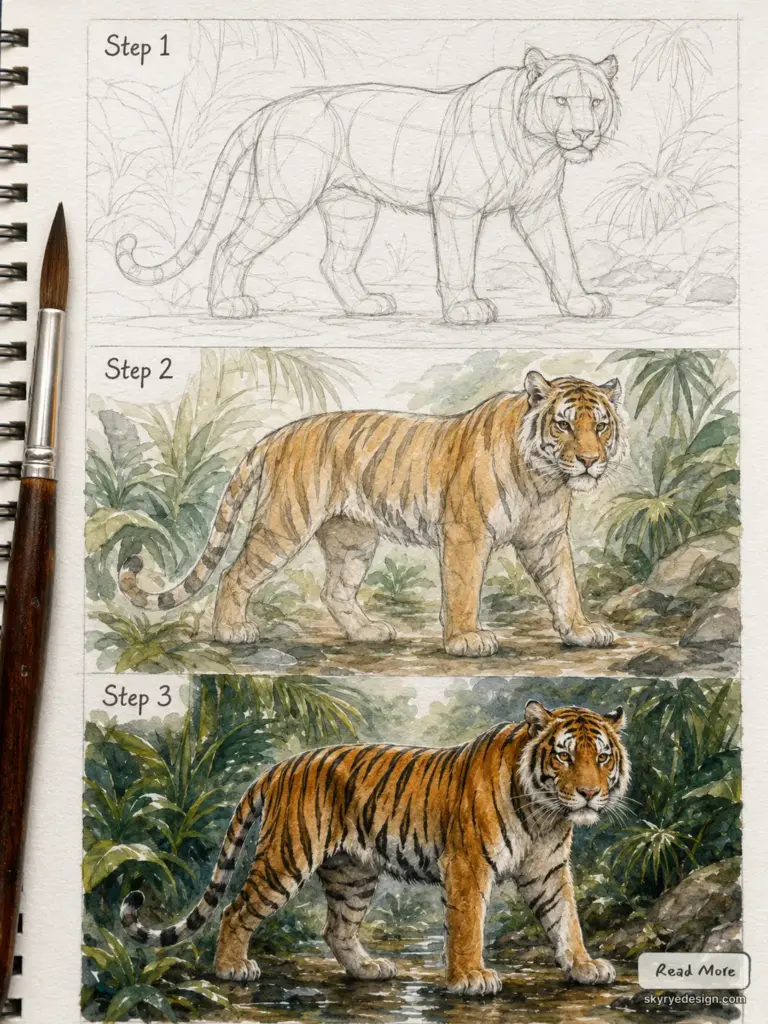
- 3. Step-by-Step Tiger Drawing
- 4. Common Mistakes (and How to Fix Them)
- 5. Digital Tiger Drawing: Procreate and Clip Studio
- Conclusion
- FAQ: Tiger Drawing
- How do I start drawing a tiger for beginners?
- What pencils do I need for tiger drawing?
- How do you draw realistic tiger stripes?
- How do you draw realistic tiger fur?
- What are the most common mistakes in tiger drawing?
- How long does drawing a realistic tiger take?
- Should I use reference photos when drawing a tiger?
This guide is built around a real sequence: anatomy first so you understand what you’re drawing, then materials, then seven numbered steps that take you from blank paper to a finished realistic tiger. After that, a dedicated section on the most common mistakes — not generic advice but specific fixes for specific problems. Digital drawing is covered at the end.
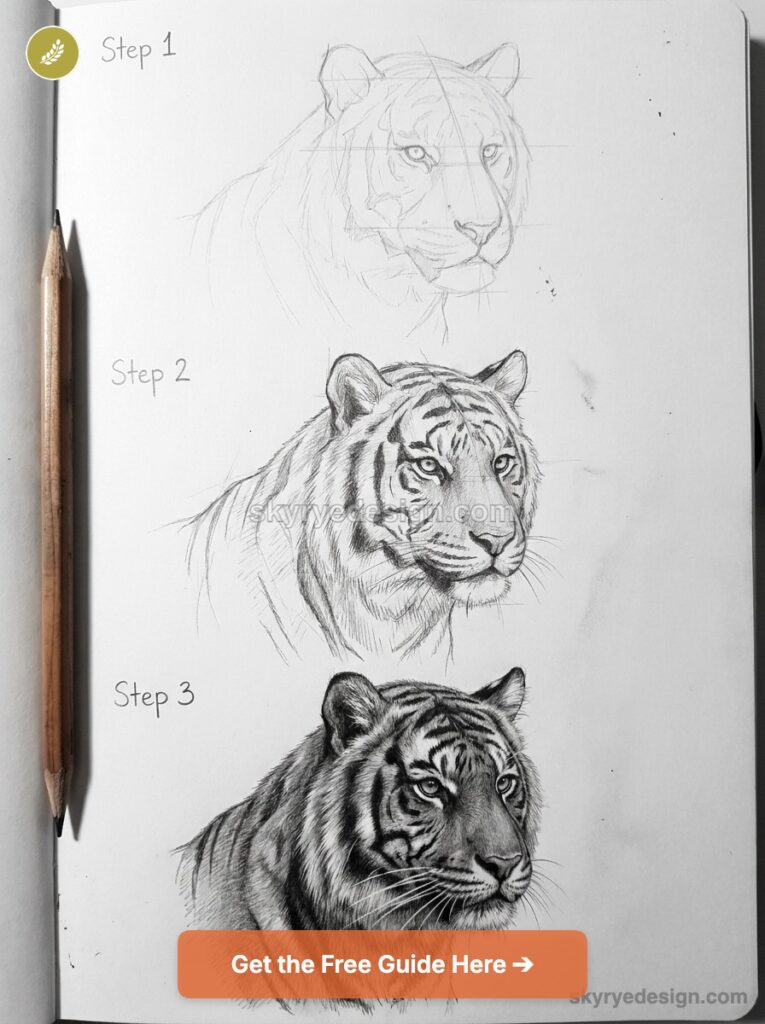
Grab a sketchbook, an HB pencil, and a reference photo. BBC Wildlife has free high-resolution tiger shots. Let’s go.
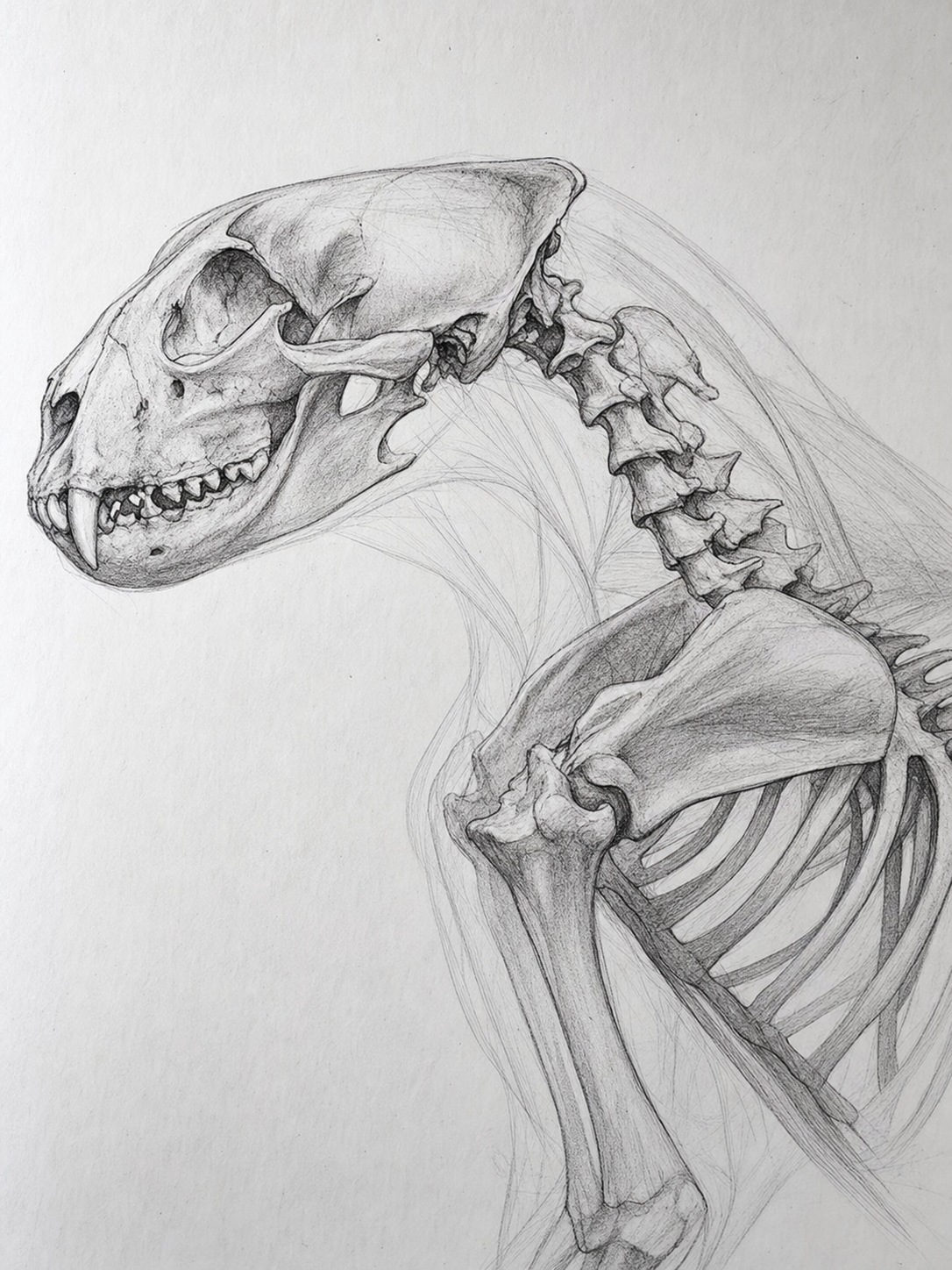
1. Tiger Anatomy 101: Know What You’re Drawing
Most people skip anatomy and go straight to drawing. That’s why most tiger drawings feel off in ways the artist can’t quite name. Spend ten minutes here and every step that follows gets easier.
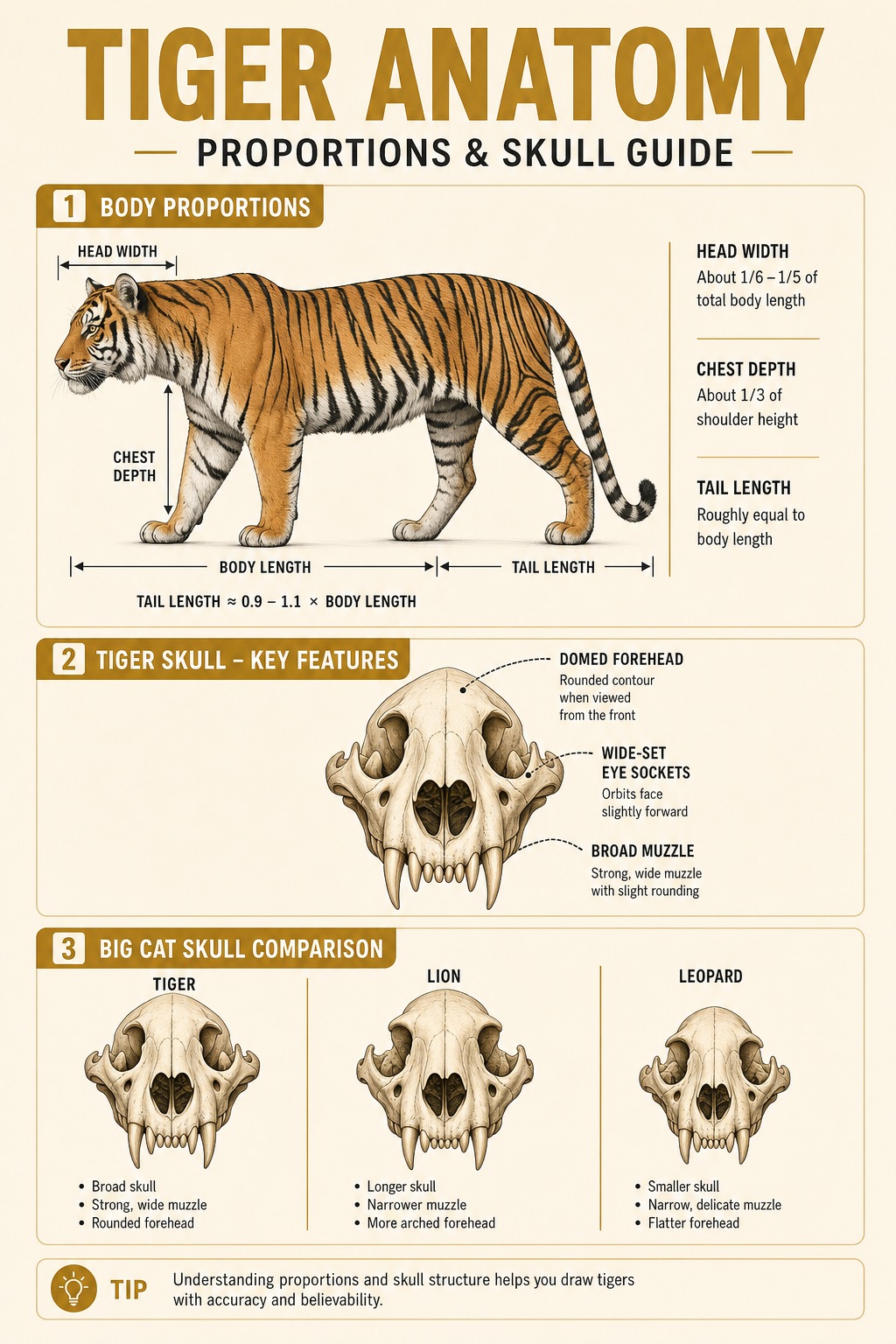
Proportions: The Numbers That Matter
A tiger’s head is roughly one-quarter of total body length. The chest is deep and wide — much deeper than a lion’s. The neck is thick, almost comically so on Siberian tigers. The tail runs about half the body length.
The single most useful proportion check: the head width should fit approximately twice across the widest point of the chest. If your chest is too narrow, the tiger looks emaciated. If the head is too small, the whole drawing reads as a different animal.
Key Differences from Other Big Cats
Lions have a broader, flatter skull and a visible mane. Leopards are much smaller with a longer, more flexible body and smaller head. Jaguars are stockier with a rounder skull and shorter tail. Tigers have the most pronounced shoulder blades — they ride up visibly when the cat walks, creating that distinctive rolling movement.
If you’re working from a photo and it doesn’t look quite right, check whether you’ve accidentally drawn a generic big cat rather than specifically a tiger. The proportions above are your diagnostic.
Reference Photos: Where to Find the Best
For a different predator structure, compare those reference habits with a bird of prey drawing guide where the head, chest, and folded wings do most of the work.
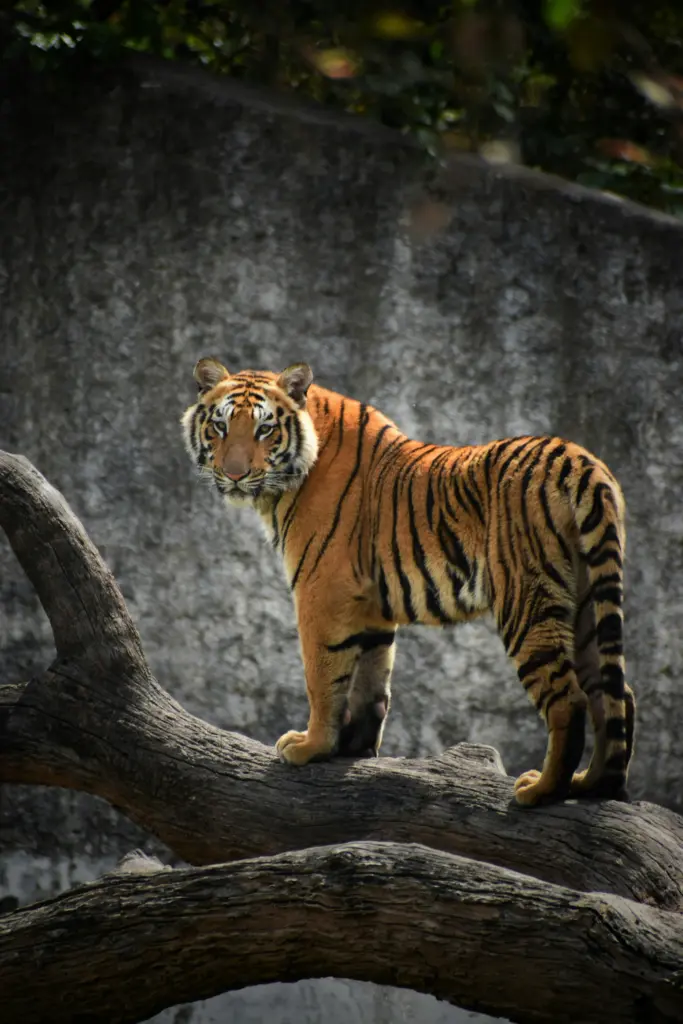
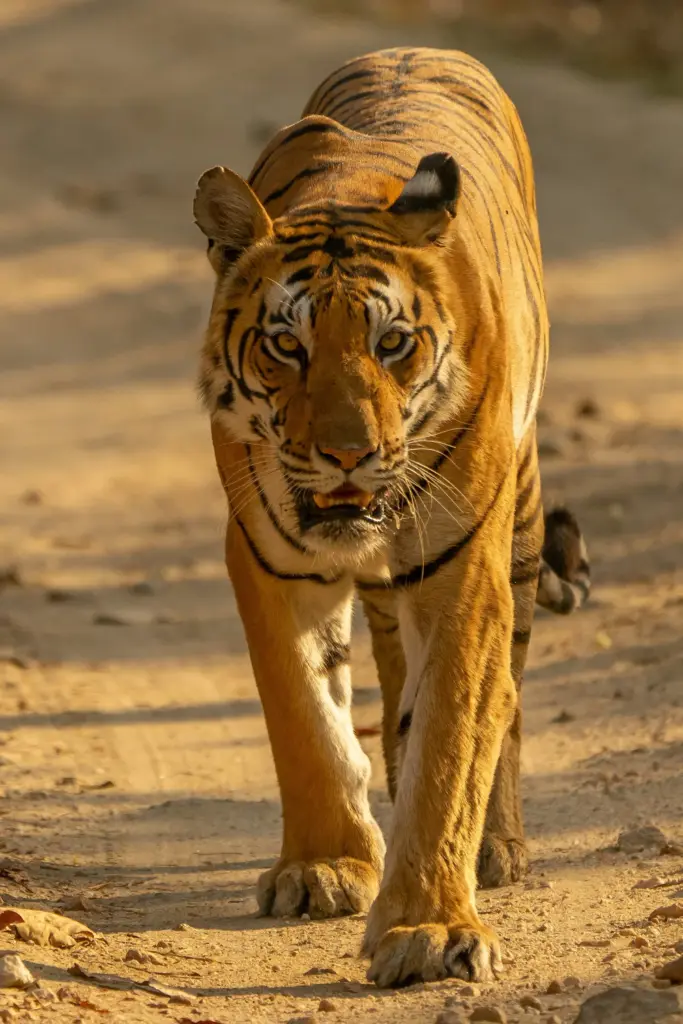
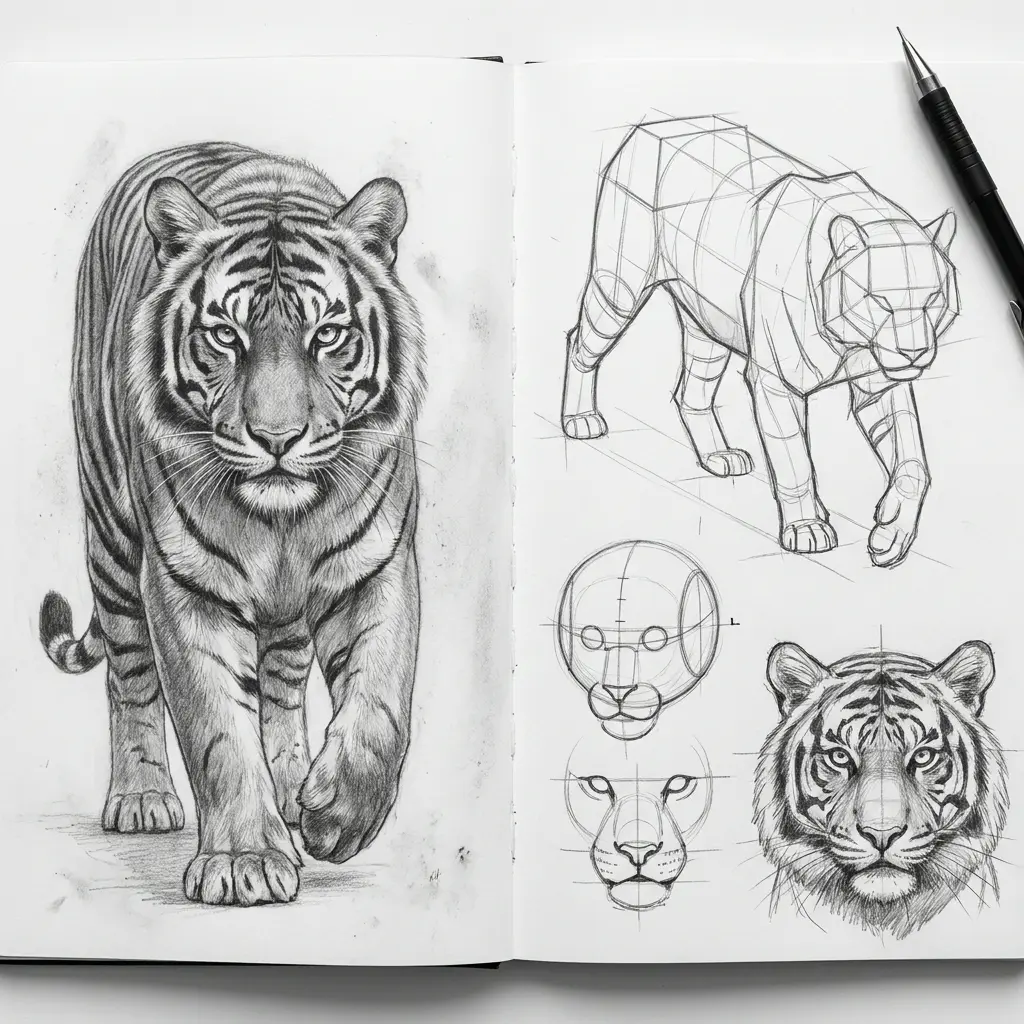
BBC Wildlife archive and National Geographic photo library are both free and high-resolution. Filter for side-profile and three-quarter shots — these let you read the form without foreshortening complicating things. Avoid zoo enclosure shots with glass — the flattened lighting kills the depth cues you need for shading reference.
If the tiger still feels flat, pause on the stripes and work through this pencil shading guide first; the value structure matters more than extra fur marks.
I keep a folder of about 20 tiger reference shots organized by pose: standing, walking, face-on, three-quarter. Having multiple references for the same pose lets you cross-check proportions when one photo is ambiguous.
2. Materials You Need
You don’t need a lot. What you need is the right subset — the wrong pencil for the wrong stage kills the drawing faster than lack of skill.
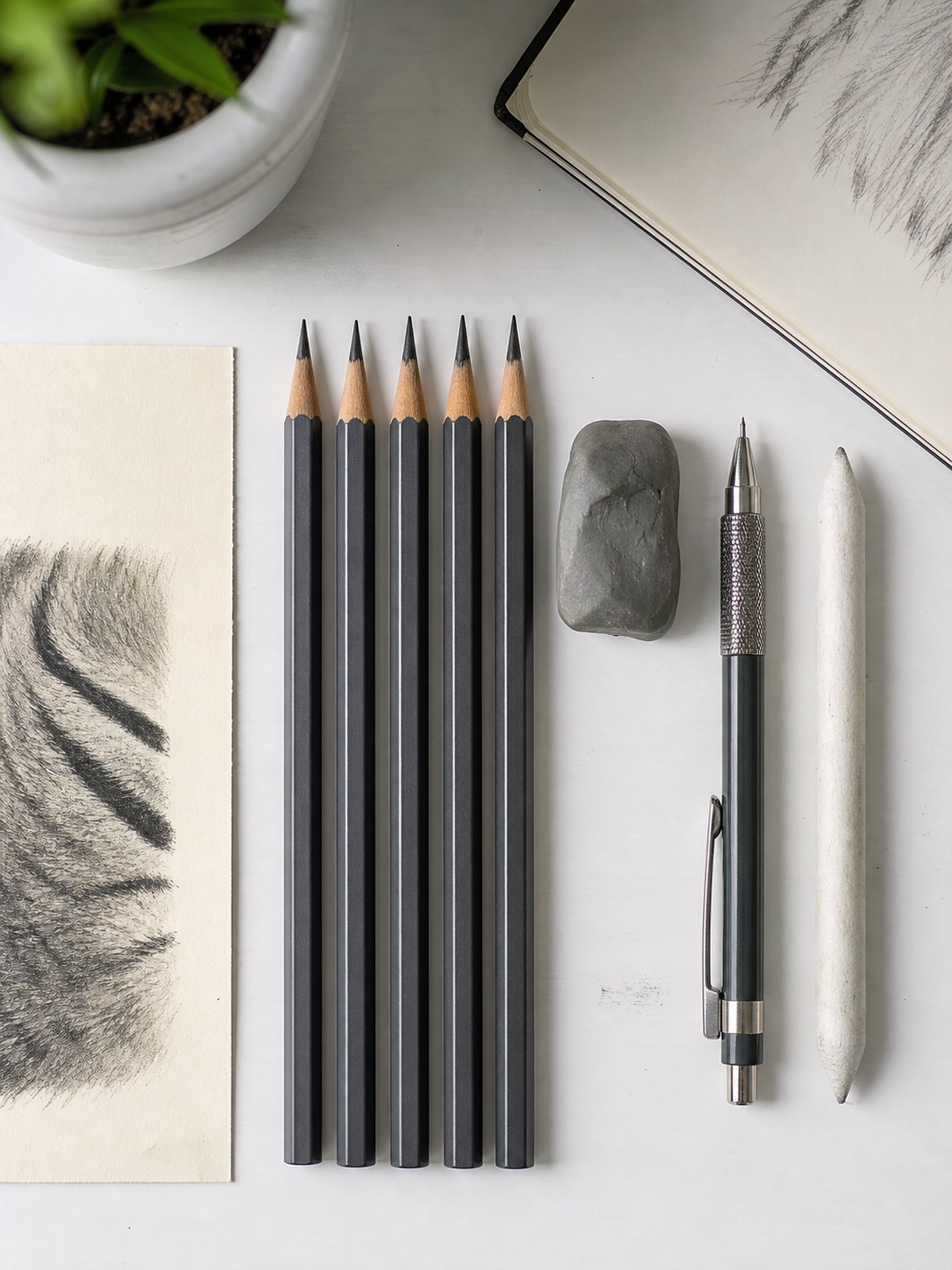
Pencils: Build a Five-Grade Set
The minimum set for a realistic tiger: 2H (construction lines, light structure), HB (refined outline), 2B (mid-tones, stripe blocking), 4B (fur shadows, dark stripes), 6B (deepest darks — pupils, ear interiors, core shadows). A 0.3mm mechanical pencil loaded with HB lead is the secret weapon for fine fur strands on the top layer.
If you’re buying for the first time: Staedtler Mars Lumograph and Faber-Castell 9000 are both reliable across all grades. Avoid supermarket pencils — the graphite core is often off-center and the grades aren’t consistent.
Paper: Three Options That Work
Smooth bristol board (Strathmore 400 series) gives crisp, fine fur lines but only holds 3–4 graphite layers before it glazes. Cold-press watercolor paper (140lb) holds more layers and creates natural micro-texture in fur, but fine lines lose their edge. Hot-press watercolor paper is the middle ground — smooth enough for detail, receptive enough for heavy buildup.
For a first tiger drawing, Strathmore 400 bristol is the easiest to control. For a finished portfolio piece, hot-press watercolor paper rewards the extra effort.
Erasers and Other Tools
Kneaded eraser for lifting highlights without abrading the paper surface — press and lift, never rub. Vinyl eraser for clean corrections in the construction phase. A tortillon or paper stump for blending larger tonal areas without streaking. A ruler or divider for proportion checks during the construction stage.
Pro Tip: Test Your Paper First
Before starting the full drawing, do a small fur test in a corner of the paper. Apply three layers of strokes with 2B, 4B, and 6B in sequence, then try lifting with the kneaded eraser. You’ll know immediately whether the paper suits your technique.
If the tiger feels too complex on the first pass, warm up with an easy dog drawing first. It trains the same head-body proportion check without stripes, heavy fur texture, or big-cat anatomy getting in the way.
3. Step-by-Step Tiger Drawing
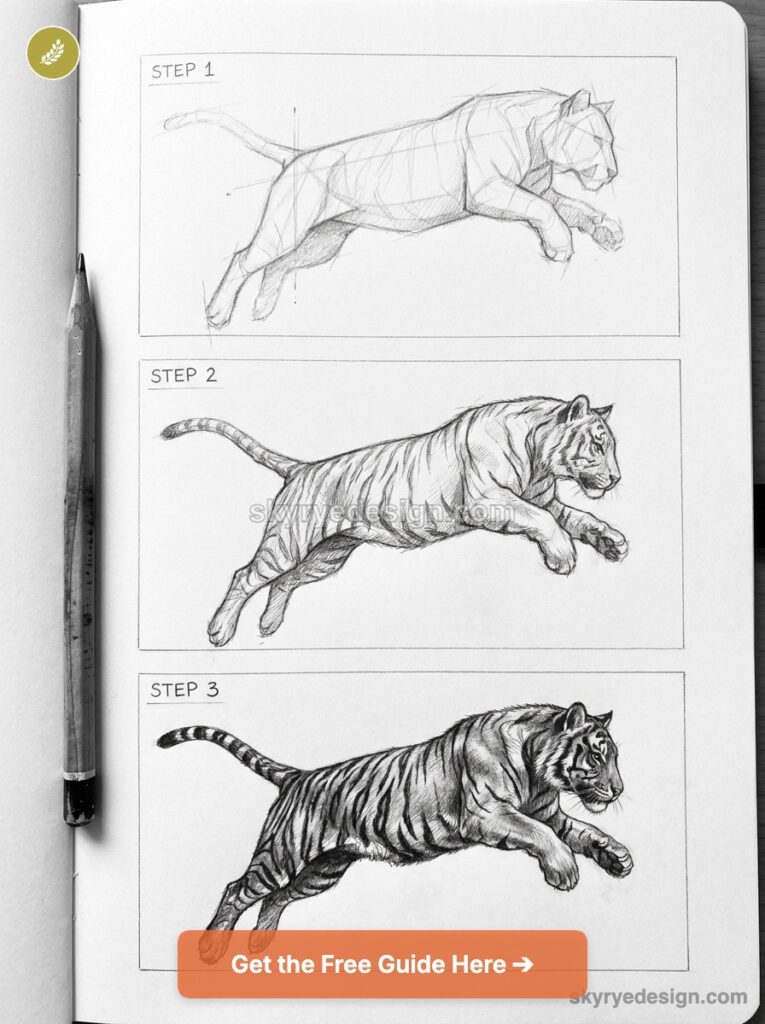
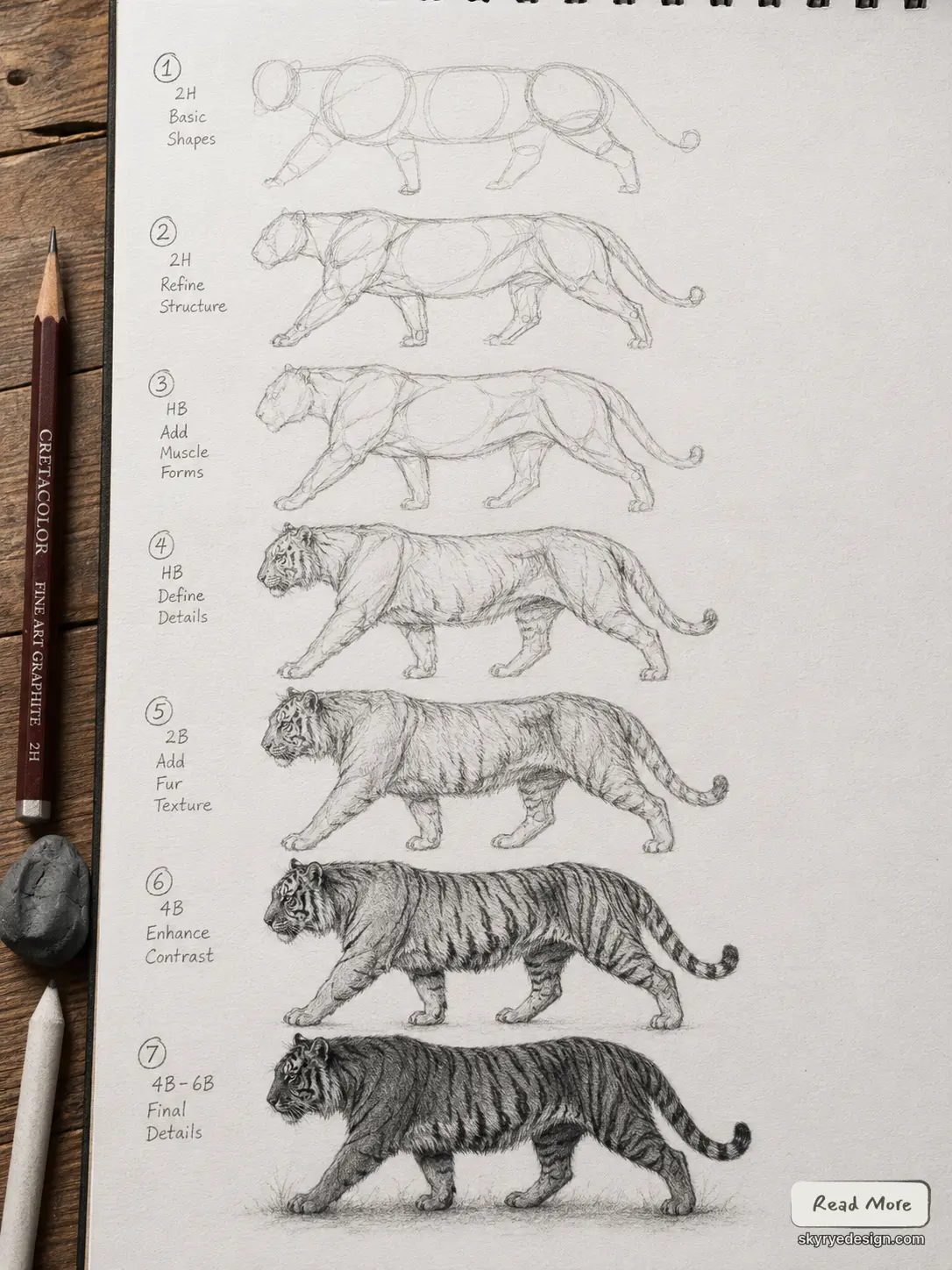
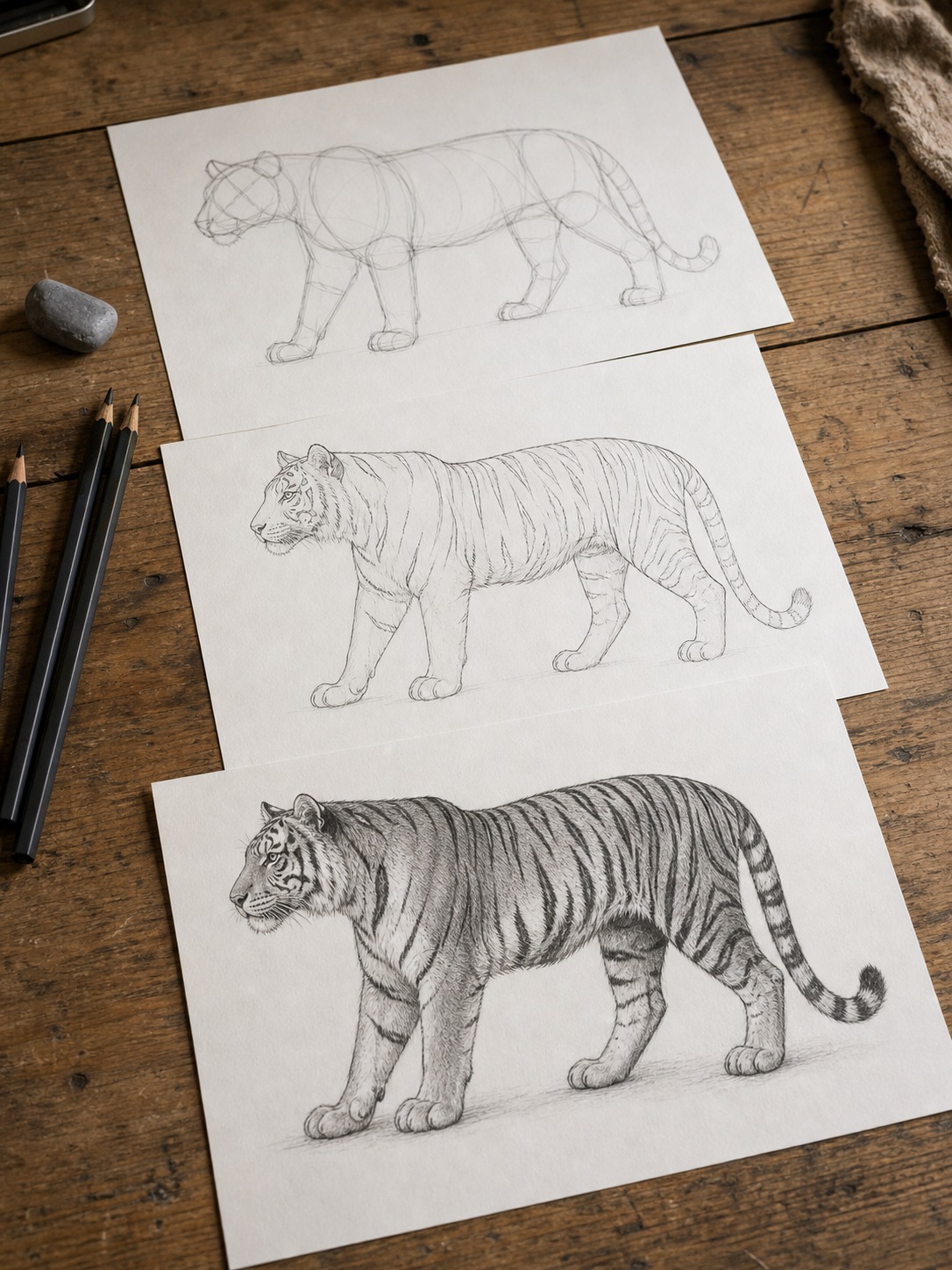
Seven steps from blank paper to finished drawing. Each step builds directly on the previous one. Don’t jump ahead.
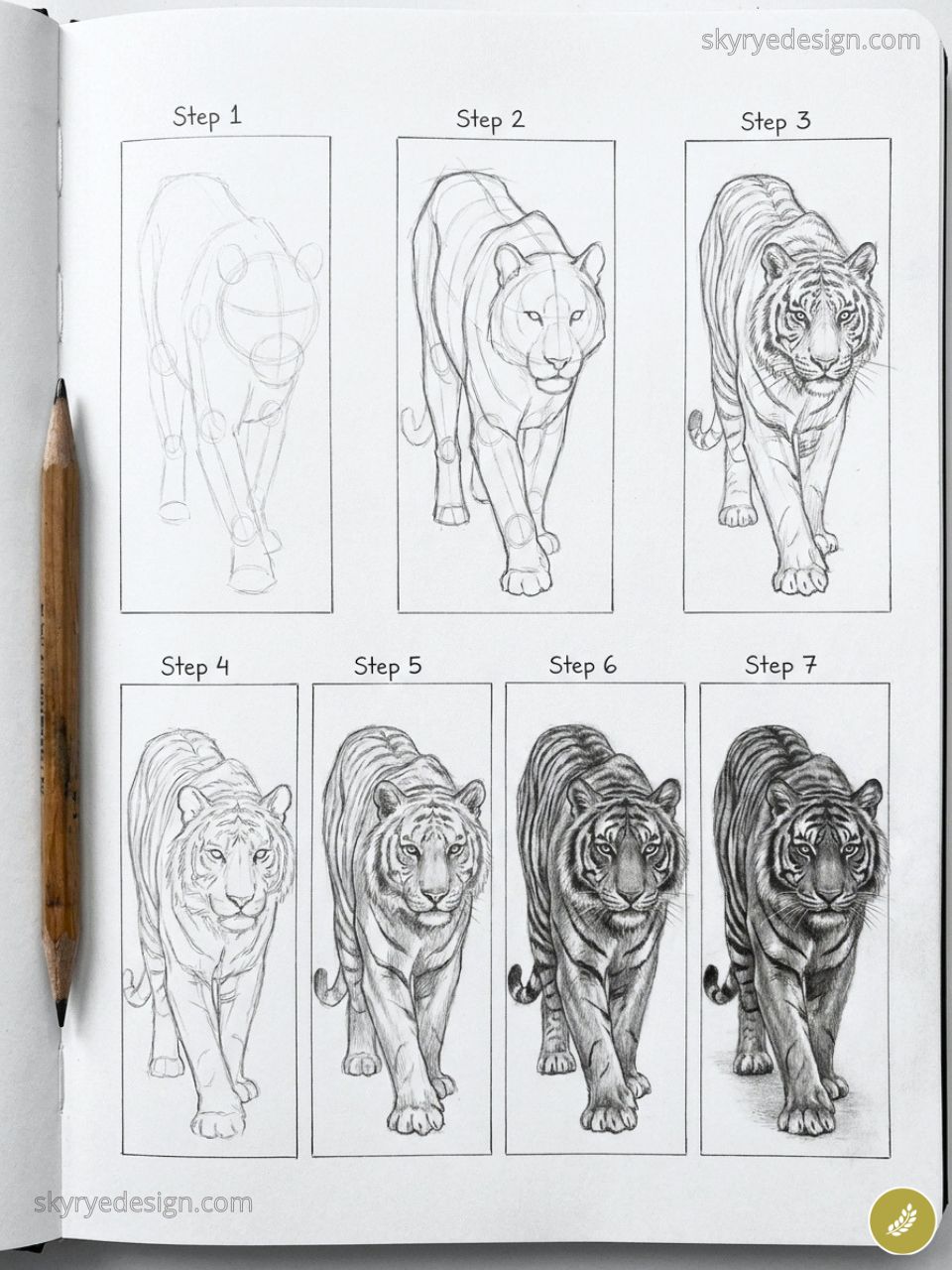
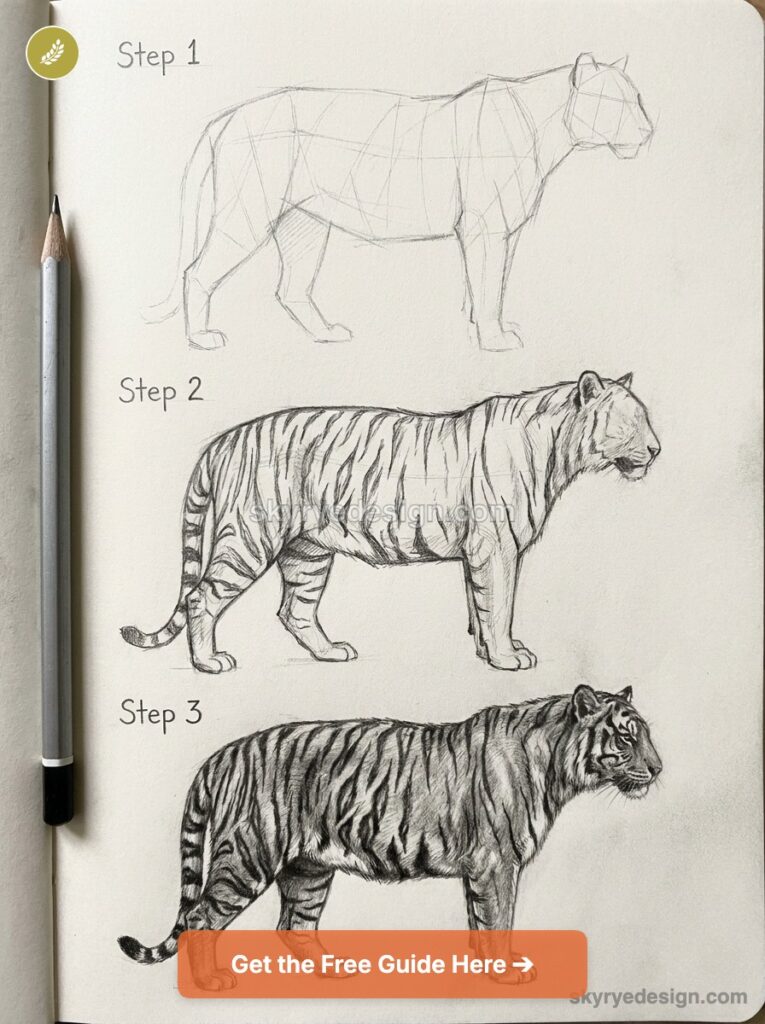
Step 1: Block In the Body
Draw two ovals: a large one for the chest and ribcage, a smaller one for the skull. The chest oval should be roughly twice the height of the skull oval. Connect them with two curved lines for the neck — the front of the neck is almost vertical, the back has a pronounced arch.
Add a straight spine line extending from the back of the chest oval to roughly one head-length behind it — that’s where the hindquarters sit. Rough in four cylinders for the legs. These don’t need to be detailed: just establish angle and length. The front legs are vertical; the back legs have a pronounced knee-backward bend.
Do this in 2H pencil, lightly. You’re building a framework, not the drawing.
Step 2: Refine the Silhouette
With the construction in place, draw the actual outer contour of the tiger over the top. Follow the ovals but override them where the real anatomy differs — the shoulder blades ride up above the spine line, the belly has a slight upward tuck, the jaw is broader than the skull oval at the cheeks.
Keep this line confident and continuous. Don’t sketch with multiple tentative strokes — one clean line per edge. If you need to, draw it lightly, check, then go over it with a firmer stroke once you’re happy. Use an HB for this stage.
Step 3: Draw the Face and Eyes
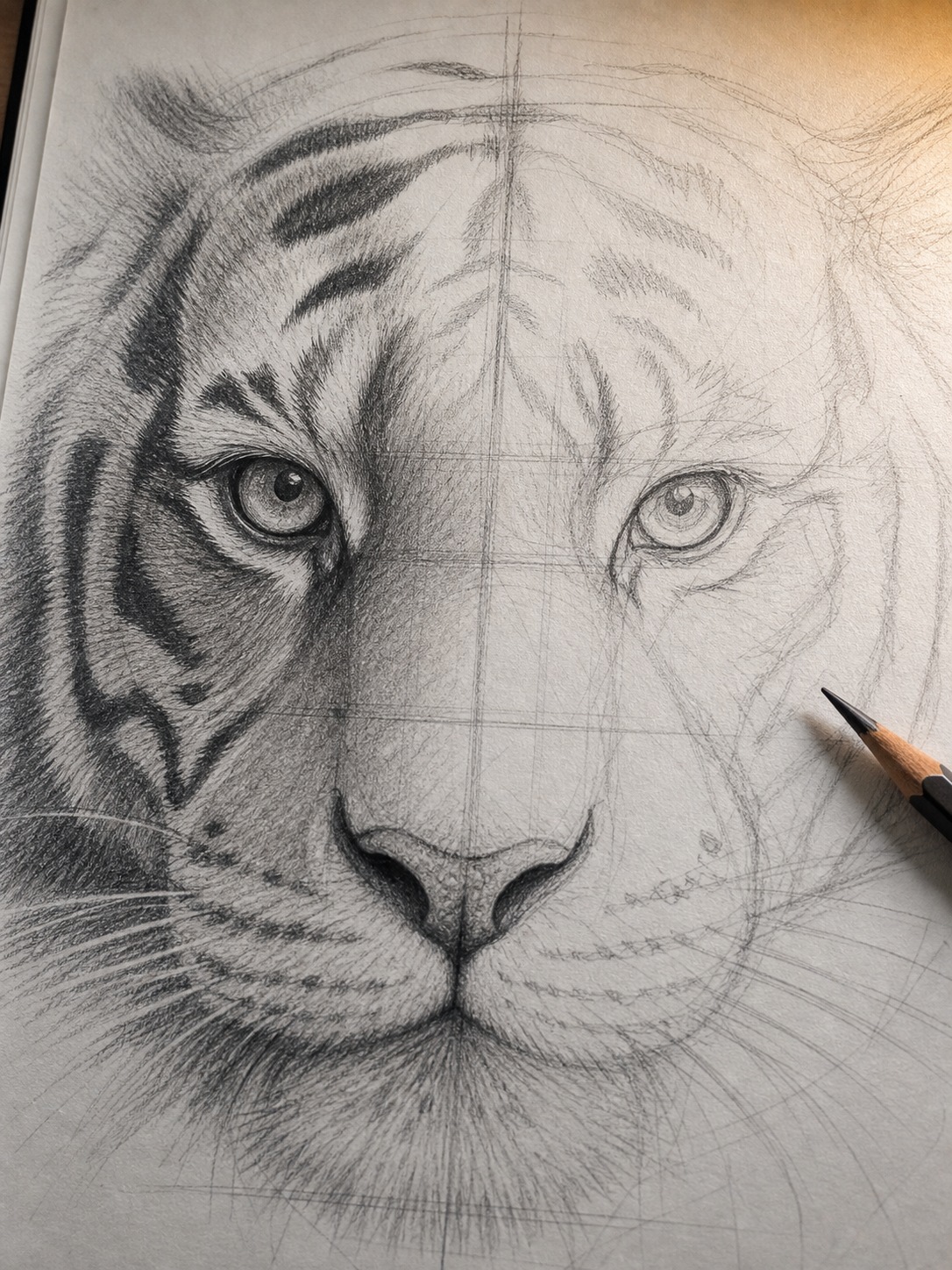
Place a vertical center line and a horizontal halfway line on the skull oval — this is your face grid. Eyes sit on the horizontal line, set wide toward the outside of the skull. The nose lands about two-thirds of the way down from the horizontal line to the chin. The muzzle is broad and prominent.
For the eyes: almond shape, tilted slightly upward at the outside corner. The iris is gold-amber with a round pupil. Block in the pupil first, then the iris, then the dark ring around the iris edge. Leave an unshaded specular highlight in the upper-left area of the eye.
The white fur patches around the eyes, cheeks, and muzzle are negative space — sketch them as shapes first. The M-shape stripe converges toward the nose on the forehead. Study your reference and you’ll see it immediately.
Want to master the facial details? The face requires its own level of precision. If you’re struggling with the exact shading of the muzzle or getting that glass-like reflection in the pupils, I’ve broken this specific process down completely. Check out my deep-dive tutorial on How to Draw a Realistic Tiger Face.
Step 4: Add Stripe Pattern
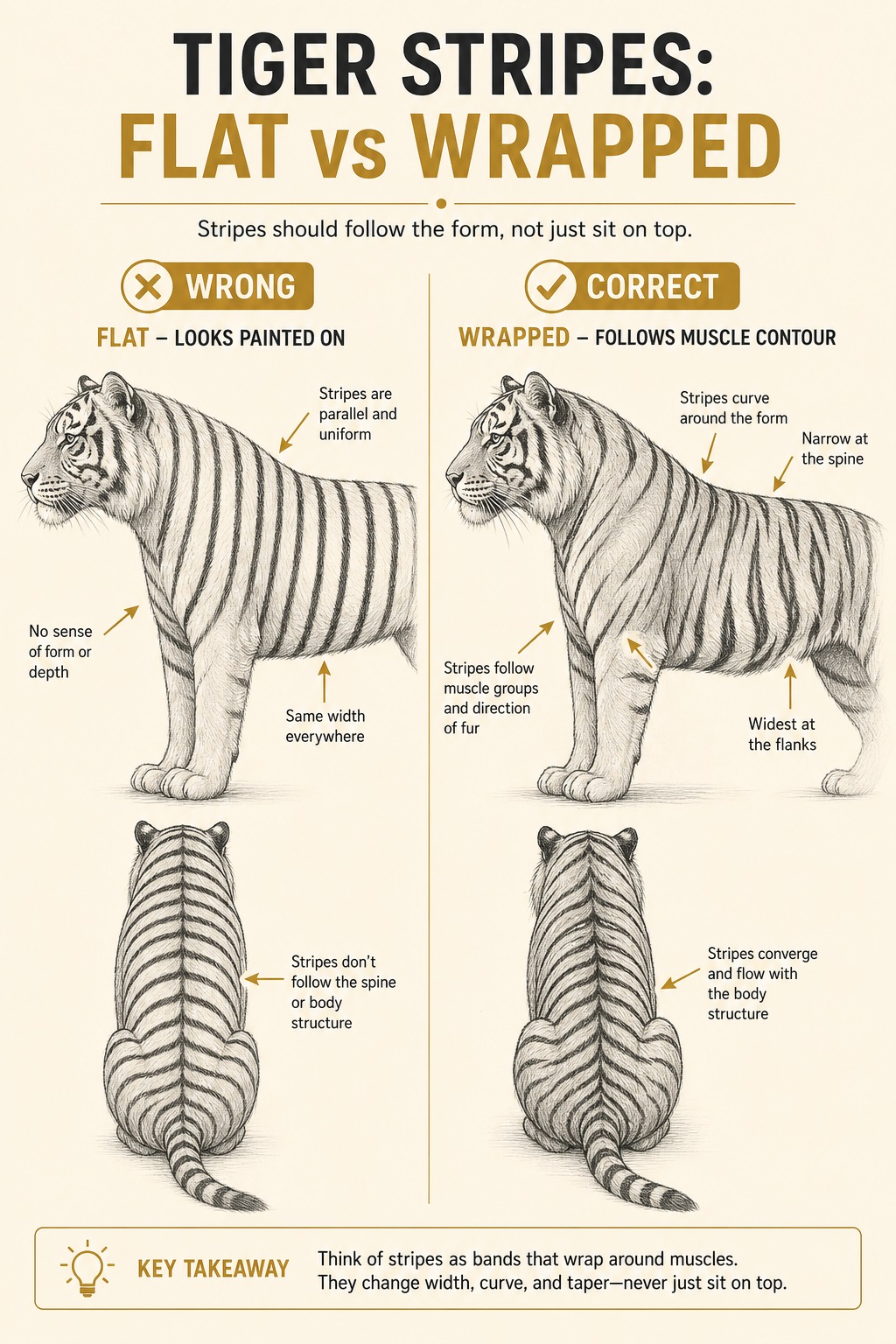
Before drawing a single stripe: re-examine your body construction. Stripes follow the 3D form of the muscle underneath — they wrap around the body, narrow at the top, widest at the sides, curving downward around the belly. Draw them as ribbons that bend with the surface, not as flat marks.
Start with the largest, most prominent stripes on the shoulder and flank. These set the rhythm. Then add the secondary stripes between them — thinner, sometimes forking or forming closed oval shapes. Vary width and spacing deliberately. On the legs, stripes band horizontally. On the face, the cheek stripes radiate outward from the eye.
Use a 2B pencil for the main stripe blocking. Don’t fill them in solid yet — leave the interior slightly lighter, with the darkest value at the stripe edges. You’ll reinforce them in the fur pass.
Step 5: Render Fur Texture
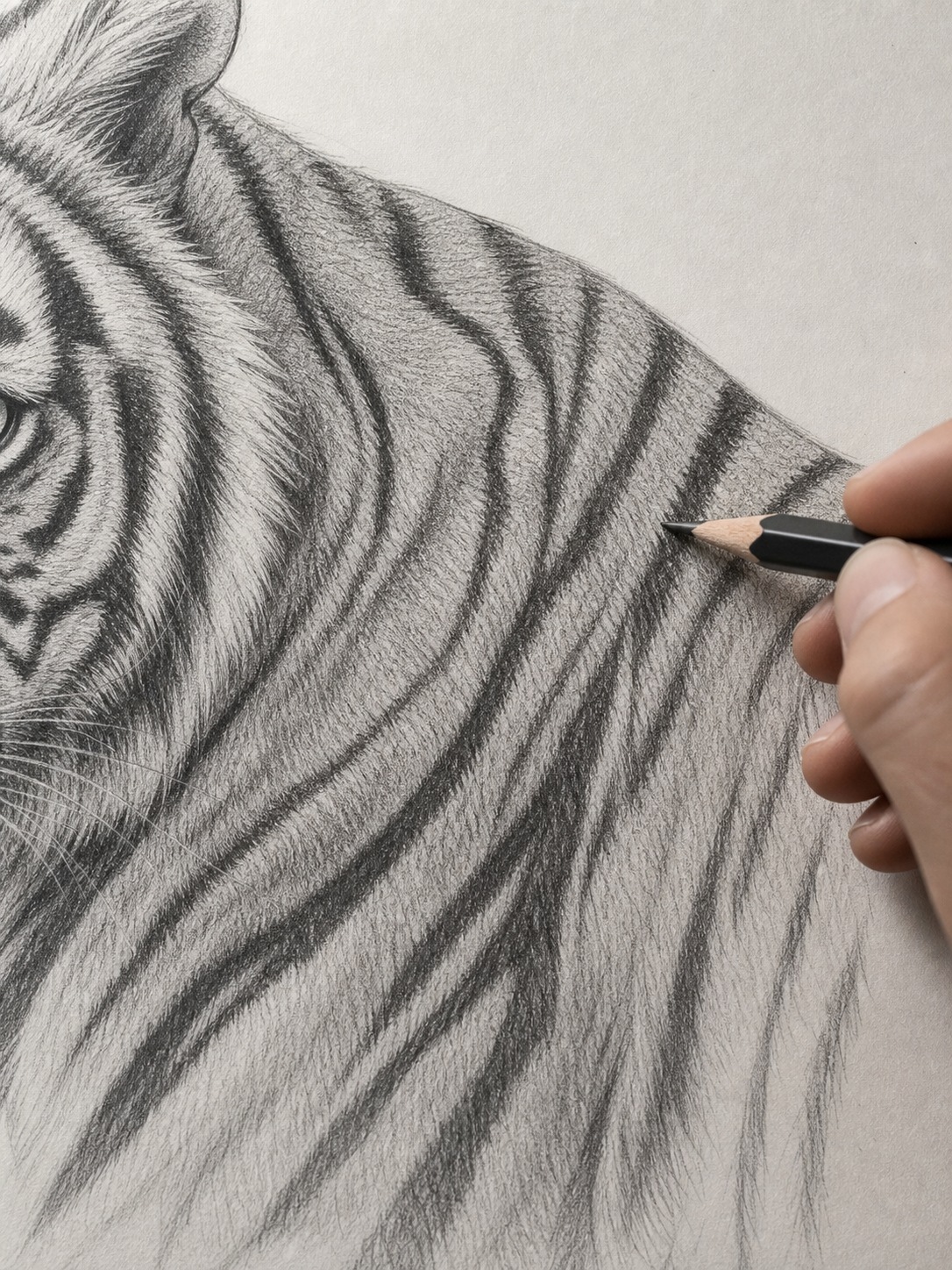
Fur is built in three passes and it’s where the drawing starts to feel real. Don’t rush this.
Pass 1 — dark value foundation: 4B pencil, broad directional strokes following body contour. Short on the face, longer on the chest and flanks. You’re not drawing individual hairs yet — just establishing the value map and general flow direction.
Pass 2 — mid-tone fur strokes: 2B pencil, more deliberate directional marks. These should follow the underlying anatomy — the fur flows over the muscles, not randomly. The strokes on the jaw go downward and outward. The strokes on the forehead radiate from between the eyes.
Pass 3 — fine surface detail: sharp HB or 0.3mm mechanical pencil. Individual fur strands, the fine hair on ear edges, the whisker area texture. This layer goes on top of everything. Then lift highlights with a kneaded eraser — press and lift on the chin, cheeks, chest, and above the eyes to create the warm glow in the orange fur.
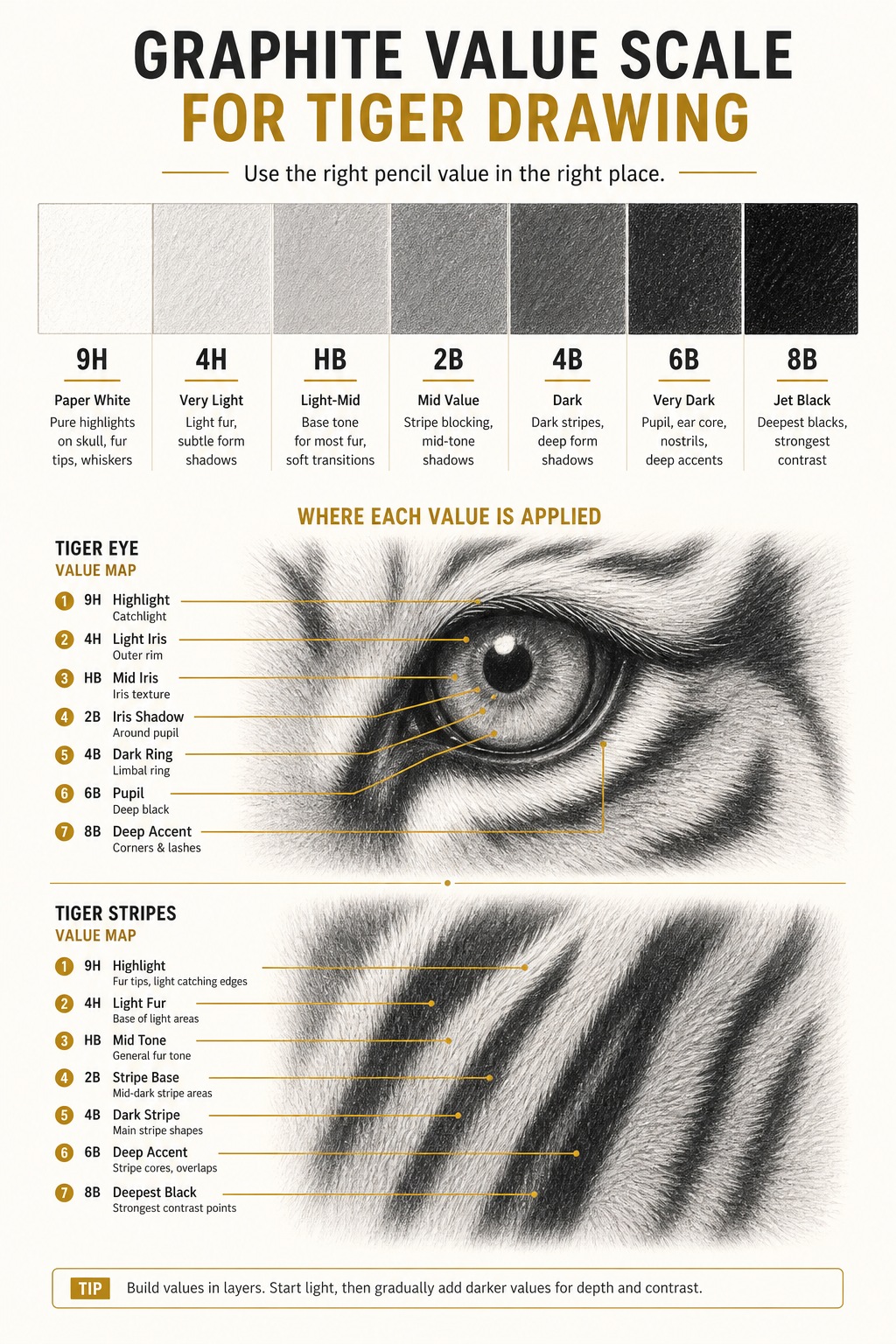
Step 6: Shading and Values
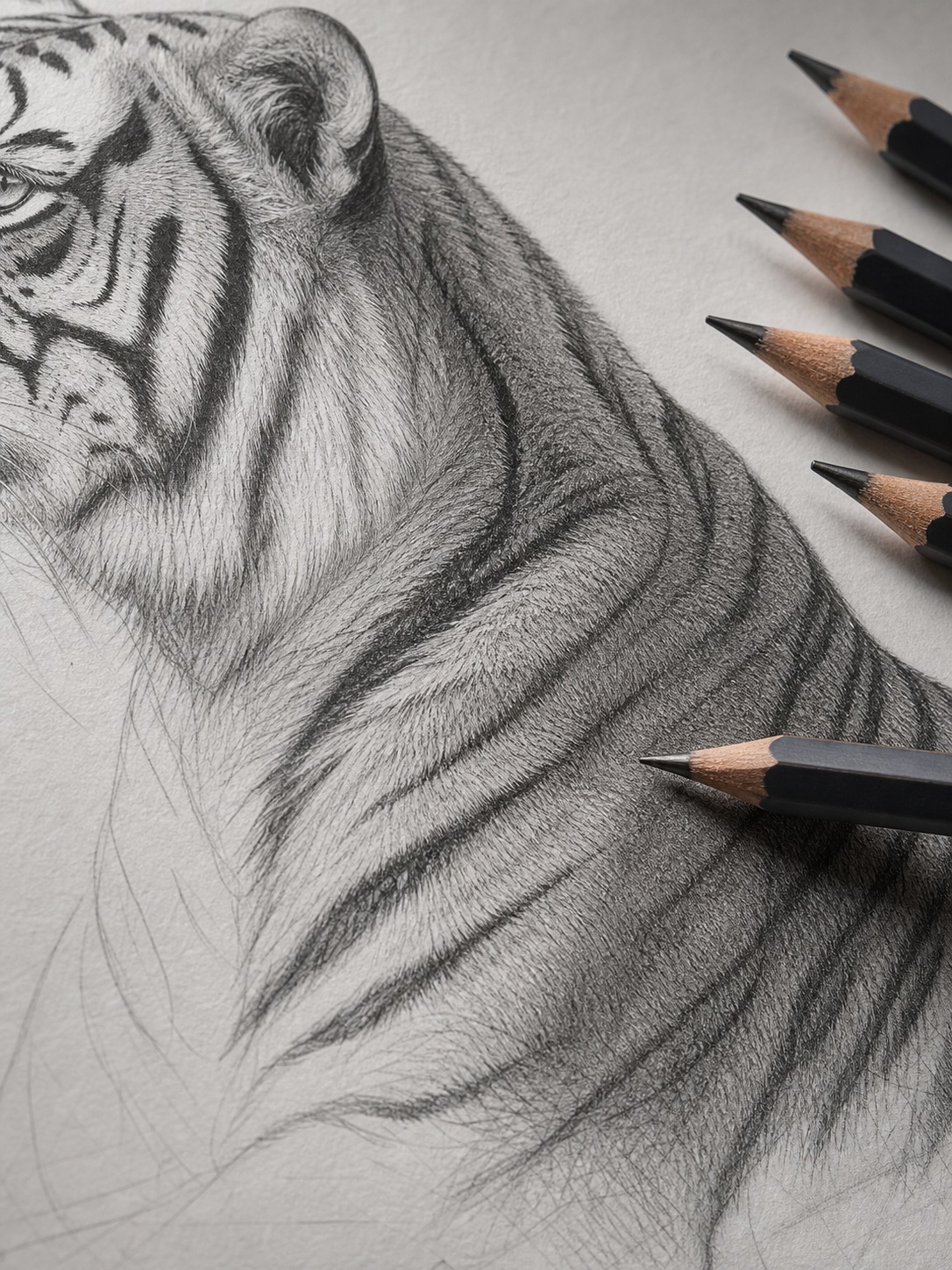
A drawing without a clear value structure reads flat regardless of fur detail. Before finalizing anything, confirm your light source and check the value map.
For a tiger portrait, 45 degrees from the upper left is the most readable setup. This creates shadow under the jaw, on the far side of the nose, inside the ears, under the belly, and on the far leg. The highlight path runs over the skull and down the shoulder toward the viewer.
Compress your value range deliberately. Don’t use the full paper-white to jet-black range everywhere. Your darkest darks (6B) live only in the pupils, deep ear interiors, and core stripe shadows. Your lightest lights are paper left untouched on the skull highlight and chin. Everything else is middle-grey. This compression is what makes the drawing feel unified rather than scattered.
Quick test: photograph the drawing and convert to greyscale. If it looks flat, you need darker darks or lighter lights. If it looks muddy, your mid-tones are too similar.
Step 7: Final Details and Finishing
The last pass is where drawings improve or get overworked. The rule: stop before you think you’re done.
Step back and view the drawing from 1.5 meters. Does the silhouette read immediately as a tiger? Do the eyes have depth? Is there a clear light path across the skull? If all three are yes, the drawing is probably finished. If not, fix only the specific thing that’s failing.
Whiskers: fast tapering stroke from thick base to nothing, over the fur not under it. Practice on scrap paper first. A bad whisker line is very visible and hard to fix. Use a sharp 2H on a clean edge.
Signature: small, lower-right corner, pencil. To photograph the finished drawing: place a sheet of grey card on either side to diffuse light and kill paper shine. Snapseed’s selective tool handles the final midtone lift for digital presentation.
4. Common Mistakes (and How to Fix Them)
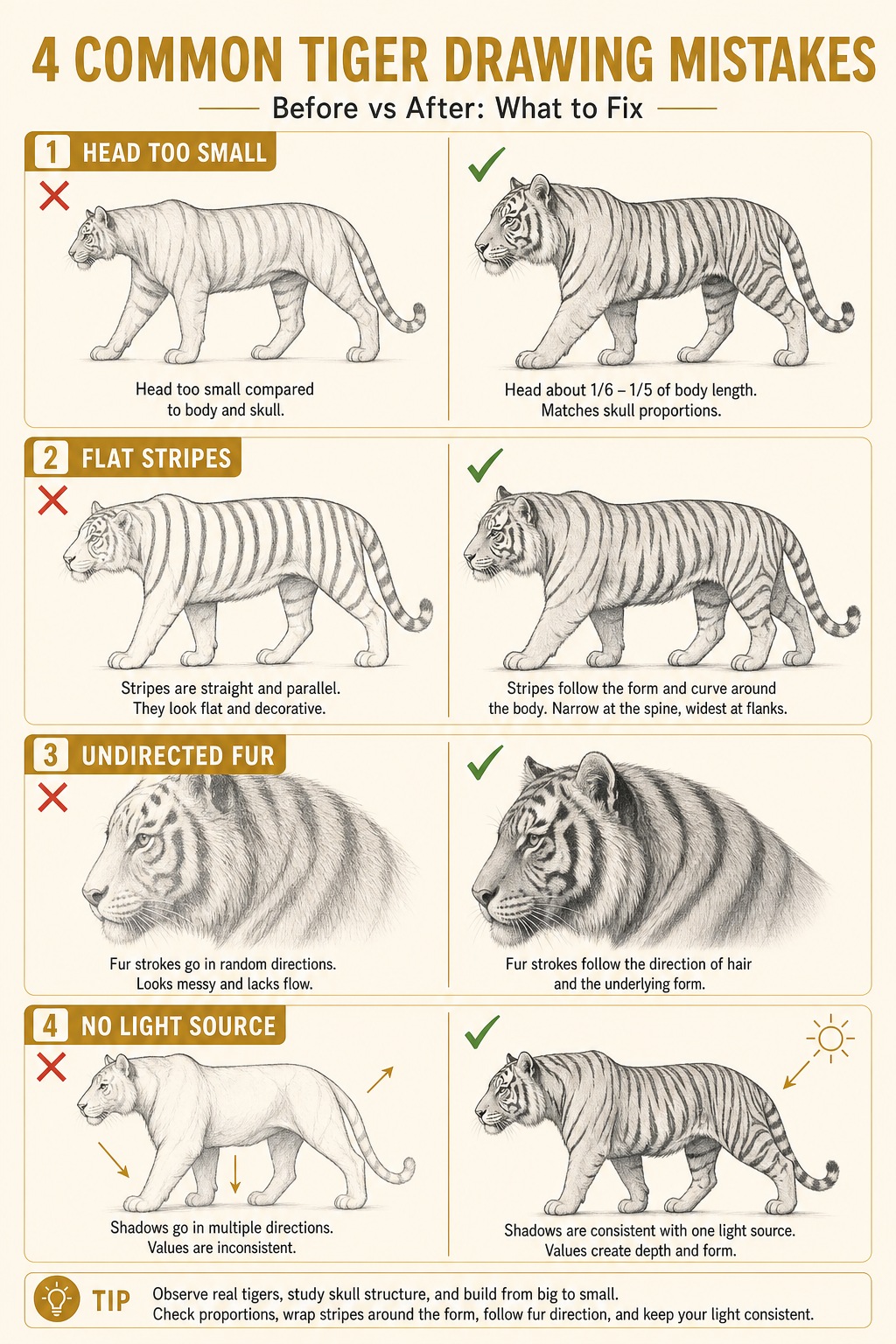
These four problems appear in almost every tiger drawing I’ve seen from people learning the subject. Each one has a specific fix, not a generic ‘practice more’ answer.
Mistake 1: Head Too Small
This is the most common single error. The tiger’s skull is massive — dramatically larger relative to body size than most people expect. The fix: before drawing the skull oval, measure the chest oval width. The skull should be roughly half that width. If you’ve already drawn the body and the head looks small, it almost certainly is. Redraw the head larger rather than shrinking the body.
Mistake 2: Stripes Look Painted On
Flat stripes that don’t follow the body’s curvature are the second most common problem. The fix is in Step 4: before placing any stripe, ask which direction a rubber band would go if wrapped around that muscle group. Stripes narrow as they approach the spine, widen on the flanks, and curve downward around the belly. If your stripes look like they were applied with a stamp, they’re flat. Redraw them with visible curvature.
Mistake 3: Fur Looks Like Scribbles
Random, undirected pencil marks look nothing like fur. Real fur has direction — it follows the underlying anatomy like water flowing over a surface. The fix: before adding any fur strokes, trace the major muscle groups with a light finger or stylus. Then draw fur strokes that follow those curves. The jaw fur goes downward and outward. The forehead fur radiates from the center. The chest fur flows downward. Direction is everything.
Mistake 4: No Clear Light Source
Shading from multiple inconsistent directions simultaneously makes a drawing look muddy and confused. This happens when you’re switching between reference photos mid-drawing. The fix: decide your light source in a small diagram before shading — a circle with an arrow is enough. Then check every shadow placement against it. If a shadow doesn’t match the established light direction, remove it.
5. Digital Tiger Drawing: Procreate and Clip Studio
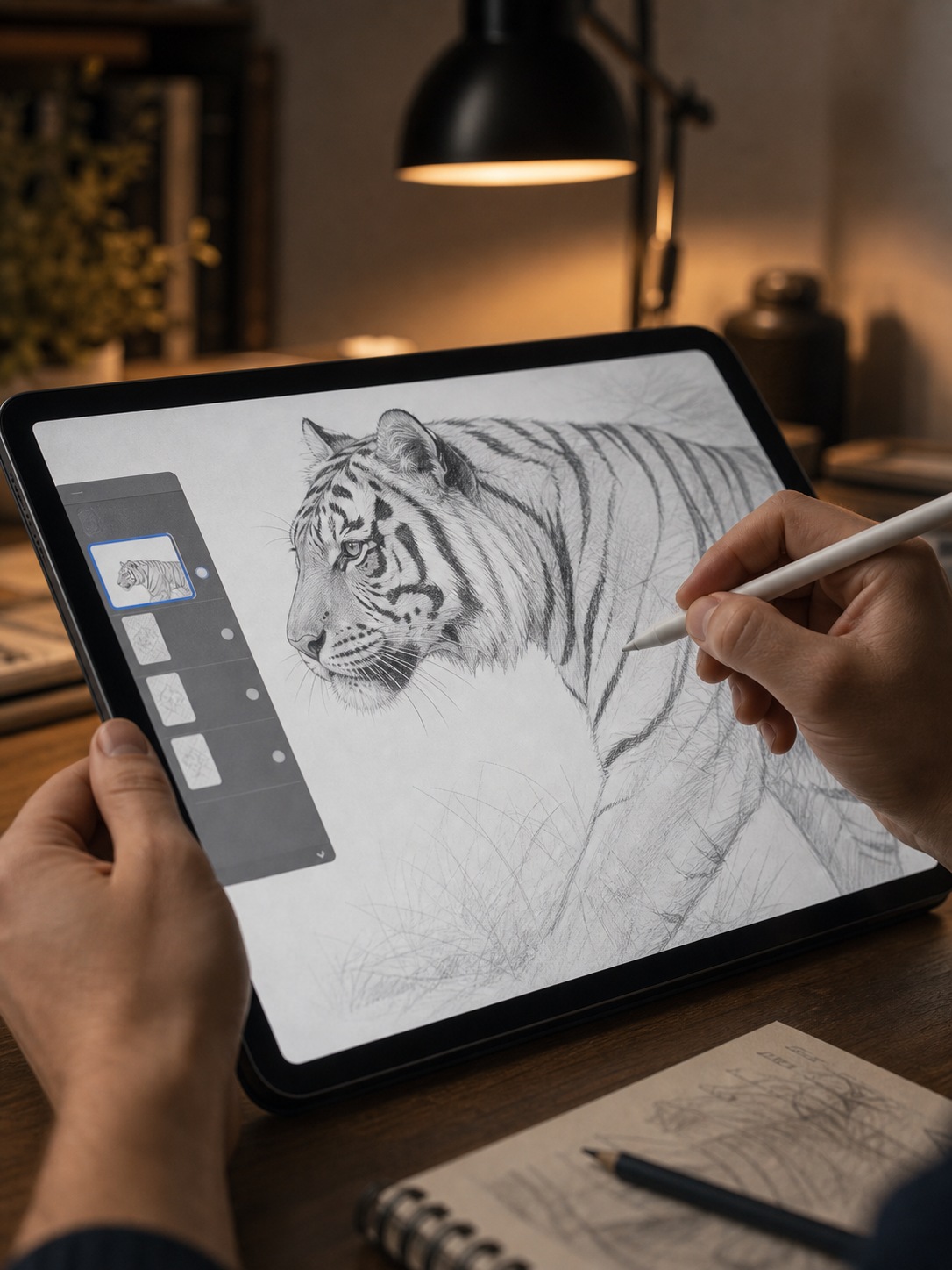
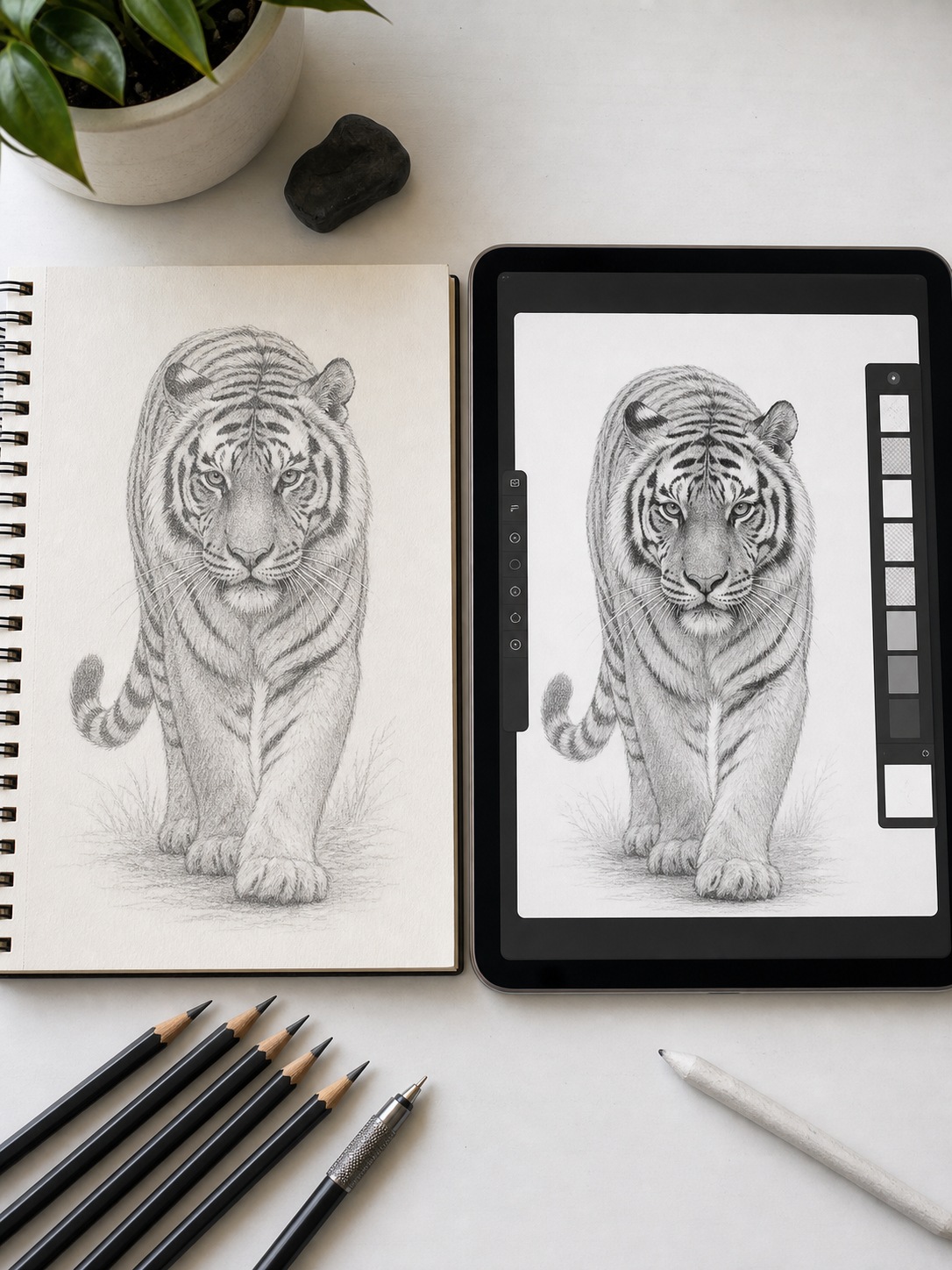
Everything in the seven steps above applies to digital too — same anatomy, same stripe logic, same value compression. What changes is tool handling and layer strategy.
Brush Recommendations
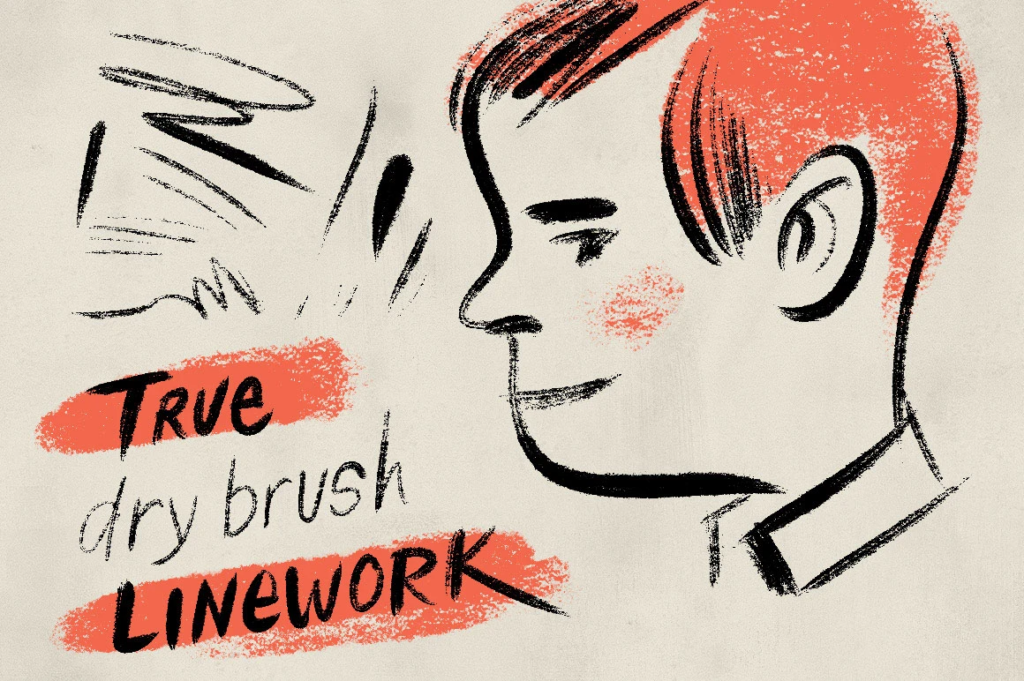
In Procreate: ‘Technical Pencil’ for construction (closest to HB feel), ‘Narinder Pencil’ for the mid-tone fur pass. Kyle T. Webster’s ‘Dry Brush’ variants (free with any Adobe subscription) are the gold standard for coarse fur texture in Photoshop and Fresco.
In Clip Studio Paint: the ‘Real Pencil’ tool under the Pencil category is underrated for animal drawing. It responds to stylus tilt if your hardware supports it, which is genuinely useful for varying fur stroke weight naturally.
Layer Strategy
Construction layer at 30% opacity, locked beneath everything. Separate layers for: outer silhouette, stripe blocking (Multiply blend mode over an orange base), fur pass 1 (broad darks), fur pass 2 (directional), fur pass 3 (fine detail). Keeping stripes and fur on separate layers lets you adjust stripe opacity independently without redrawing the fur.
The Multiply blending mode for stripe layers over an orange base layer is the closest digital equivalent to how graphite pigment physically darkens the orange color underneath. Set stripe layer to Multiply at 80–90% opacity and the transition reads naturally.
Digital Advantage: Flip Canvas
Flip the canvas horizontally every 15 minutes (Canvas → Flip Horizontal in Procreate). Your eye adapts to what it’s seeing and stops catching proportion errors. A flipped view exposes them immediately. Traditional artists use a mirror for the same effect.
For a taller animal study with very different proportions, try this animal proportion practice; it is especially useful for practicing long necks, small heads, and coat patterns that need to follow the body form.
Conclusion
Tiger drawing comes down to three things done in the right order: understand the anatomy before picking up a pencil, follow the numbered steps without skipping ahead, and check your work against the four common mistakes before calling it done.
The construction phase feels slow. It’s not — it’s where every good tiger drawing is won or lost. The fur and detail passes are satisfying precisely because the structure underneath is solid.
Save your first attempt. In three months the gap between it and your current work will be the most honest progress indicator you have.
FAQ: Tiger Drawing
How do I start drawing a tiger for beginners?
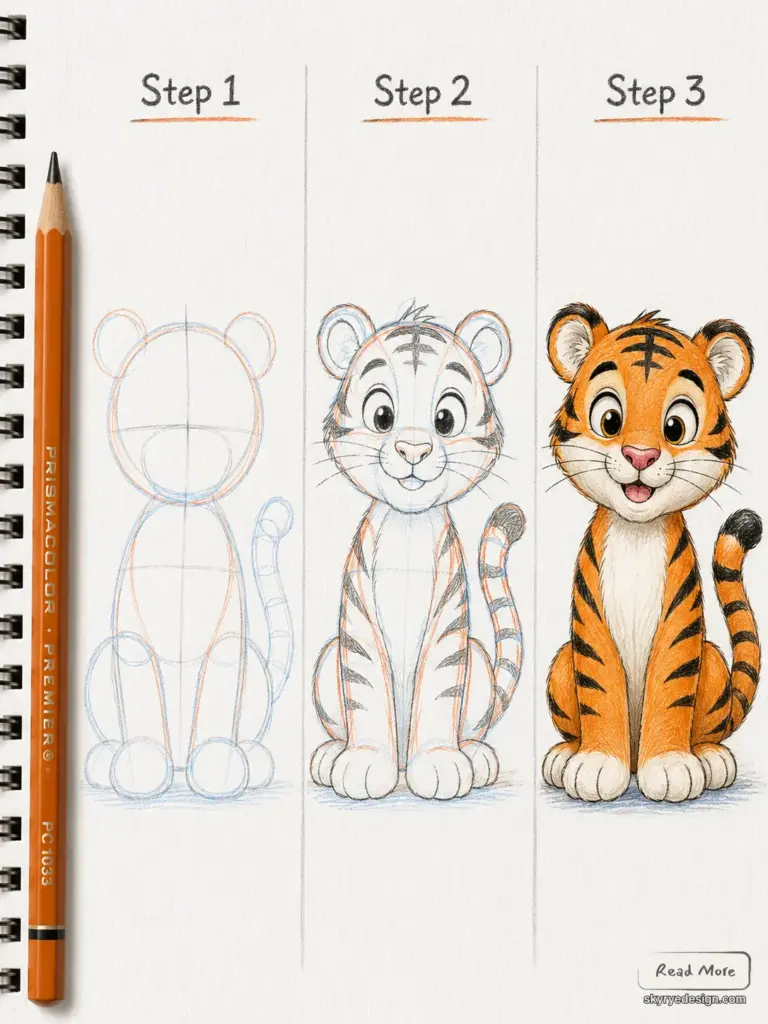
Start with two overlapping ovals — large for the chest, smaller for the skull. Connect them with a curved neck. Rough in four cylinder legs. Proportion check before any detail: the head width fits roughly twice across the widest chest point.
What pencils do I need for tiger drawing?
HB or 2H for construction, 2B for mid-tones and stripe blocking, 4B–6B for deep fur shadows. A 0.3mm mechanical pencil for fine fur strands. Kneaded eraser for lifting highlights without damaging paper.
How do you draw realistic tiger stripes?
Stripes wrap around the 3D body — never flat. Sketch the body volume first. Then ask: if a rubber band wrapped around this muscle, which way would it go? Vary width and spacing — no two stripes are identical.
How do you draw realistic tiger fur?
Build in three passes. Pass 1: broad 4B strokes block in dark values. Pass 2: directional 2B fur strokes follow body contour. Pass 3: sharp HB adds fine surface strands. Lift highlights with a kneaded eraser on the chin, chest, and cheeks.
What are the most common mistakes in tiger drawing?
Head too small, stripes drawn flat rather than wrapping the form, fur rendered as random scribbles instead of directional strokes, and no consistent light source — shading from multiple directions at once.
How long does drawing a realistic tiger take?
A clean sketch with basic shading: 1–2 hours. A fully rendered graphite portrait: 8–20+ hours. Fur texture alone absorbs 4–6 hours on a large piece. Digital in Procreate runs roughly half the time.
Should I use reference photos when drawing a tiger?
Yes, every time. BBC Wildlife and National Geographic photo archives are the best free sources. Use side-profile and three-quarter shots to study form without foreshortening confusion.
- 2.6Kshares
- Facebook0
- Pinterest2.6K
- Twitter0
- Reddit0