Every summer I tell myself I’ll fill an entire sketchbook. By August, I’ve done maybe six pages—three of which are abandoned after the first few lines.
Want one of these sketches to become a full character concept? Turn the pose, outfit, mood, and props into a quick female character design study instead of stopping at a pretty summer drawing.
For a summer sketchbook page with more patience built in, try this how to draw a peony guide. It turns one flower into a full study of construction, petal overlap, shading, and color.
The problem isn’t motivation. It’s staring at a blank page with no idea what to draw. “Summer stuff” is too vague. Your brain needs something specific: a subject, an angle, a challenge.
I’ve been collecting summer sketch ideas for years because honestly, blank pages are the worst. Sometimes you want to draw, but your brain just stalls out completely after the first line.
The prompts that actually work are usually simple. Interesting enough to hold your attention for an hour, not so complicated that you abandon the sketch halfway through because the perspective got out of control.
And no, these aren’t those ultra-polished Pinterest drawings where every lemon slice somehow looks cinematic. Most are quick sketches. Loose pages. Stuff you’d draw sitting outside with a coffee while the paper curls a little in the heat.
Here are 30 summer sketch ideas grouped by theme, plus a few angles and approaches that make them more fun to draw instead of feeling like homework.
Beach & Water Scenes
1) Beachside Composition
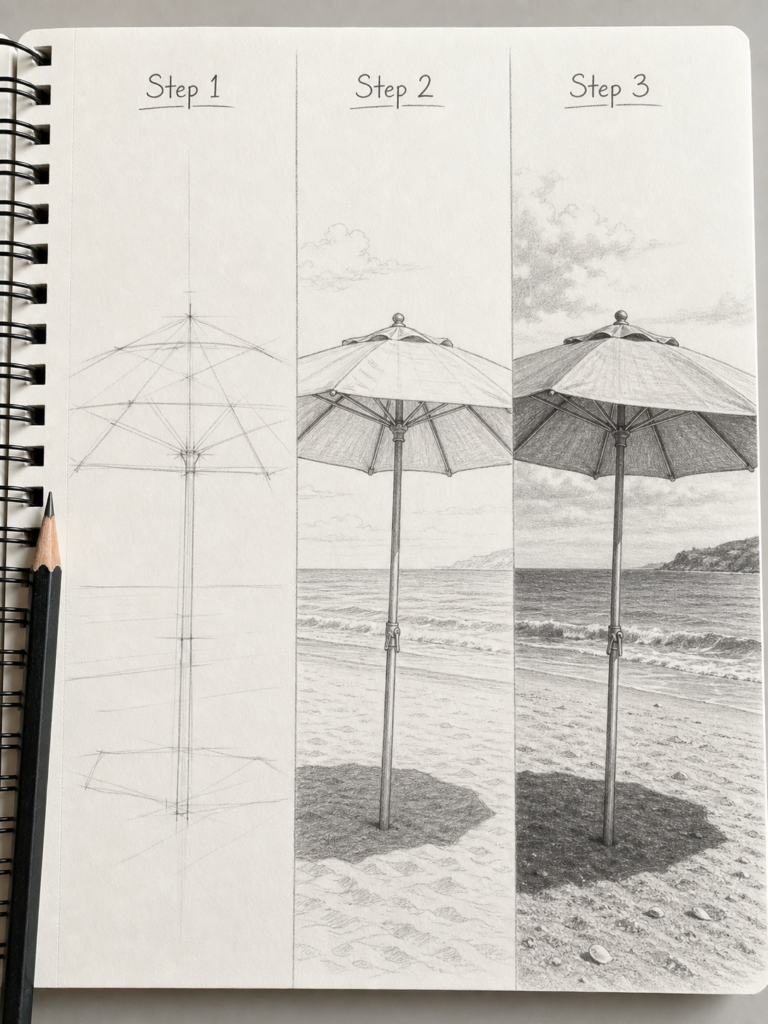
Skip the obvious wide beach panorama. Instead, frame a tight composition: two beach chairs from behind, facing the water. Or a single umbrella casting a long shadow across sand. The constraint forces interesting choices.
A long beach shadow is a good place for creative shading drawing practice, especially if you test hatching, blending, and scumbling on the same sketch.
Try this angle: Draw from ground level, looking up at an umbrella or lifeguard tower. The low perspective makes ordinary objects dramatic.
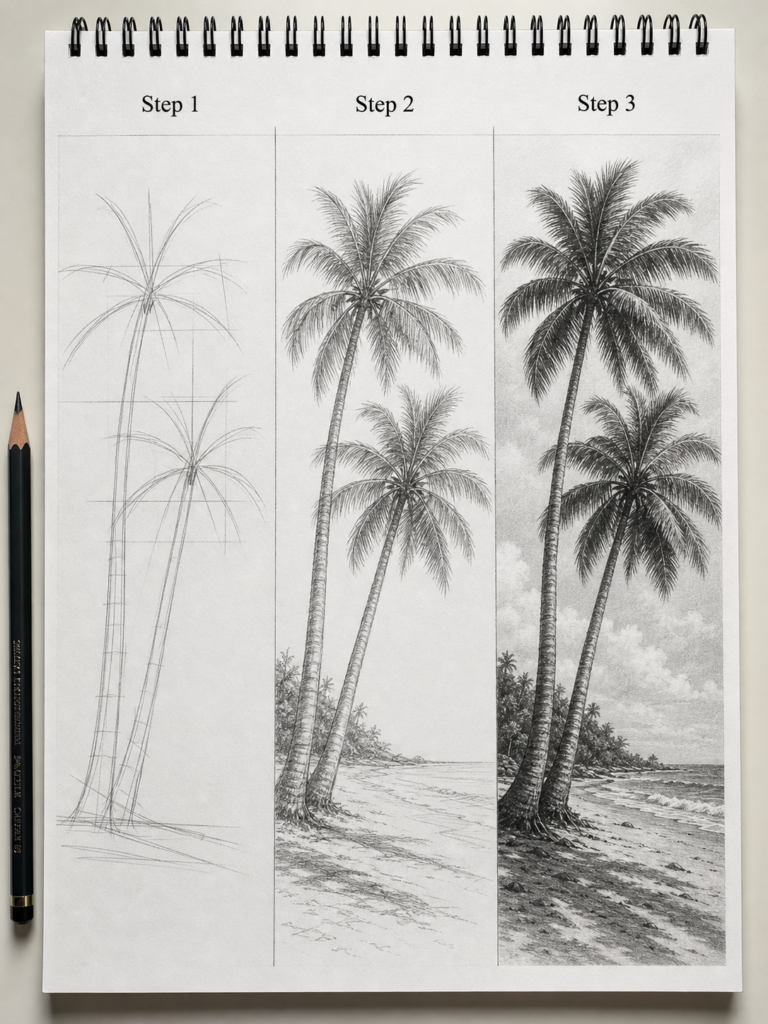
Challenge: Capture the texture difference between dry sand (lighter, granular) and wet sand near the water (darker, smooth, reflective).
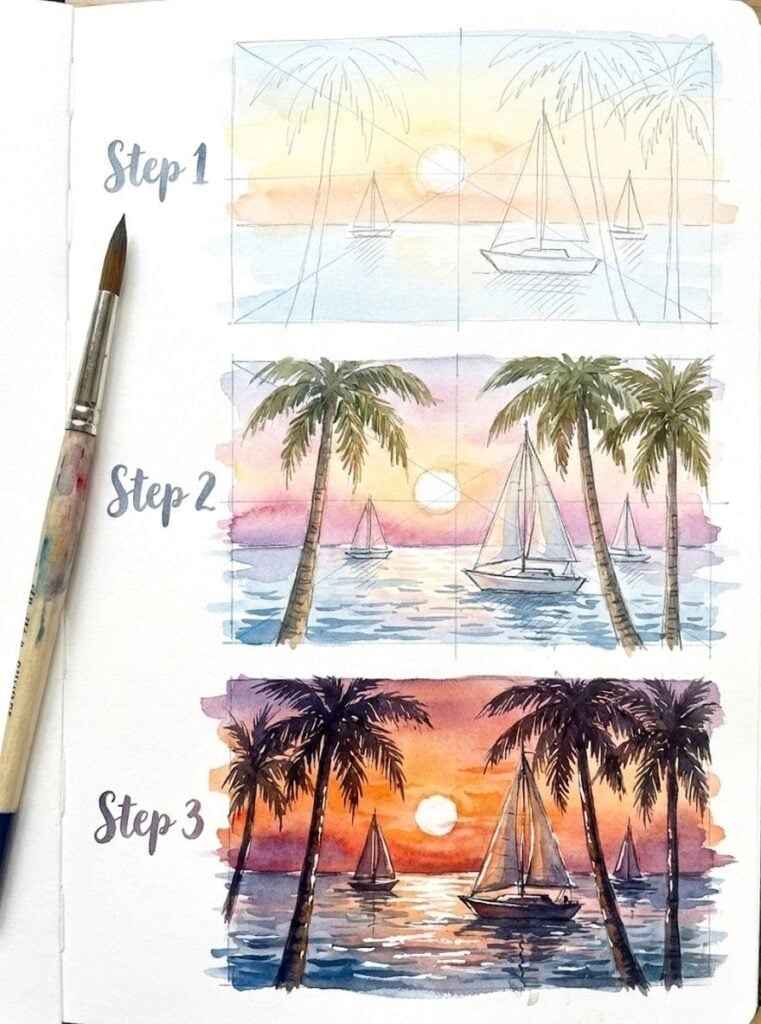
2) Sunset Silhouettes
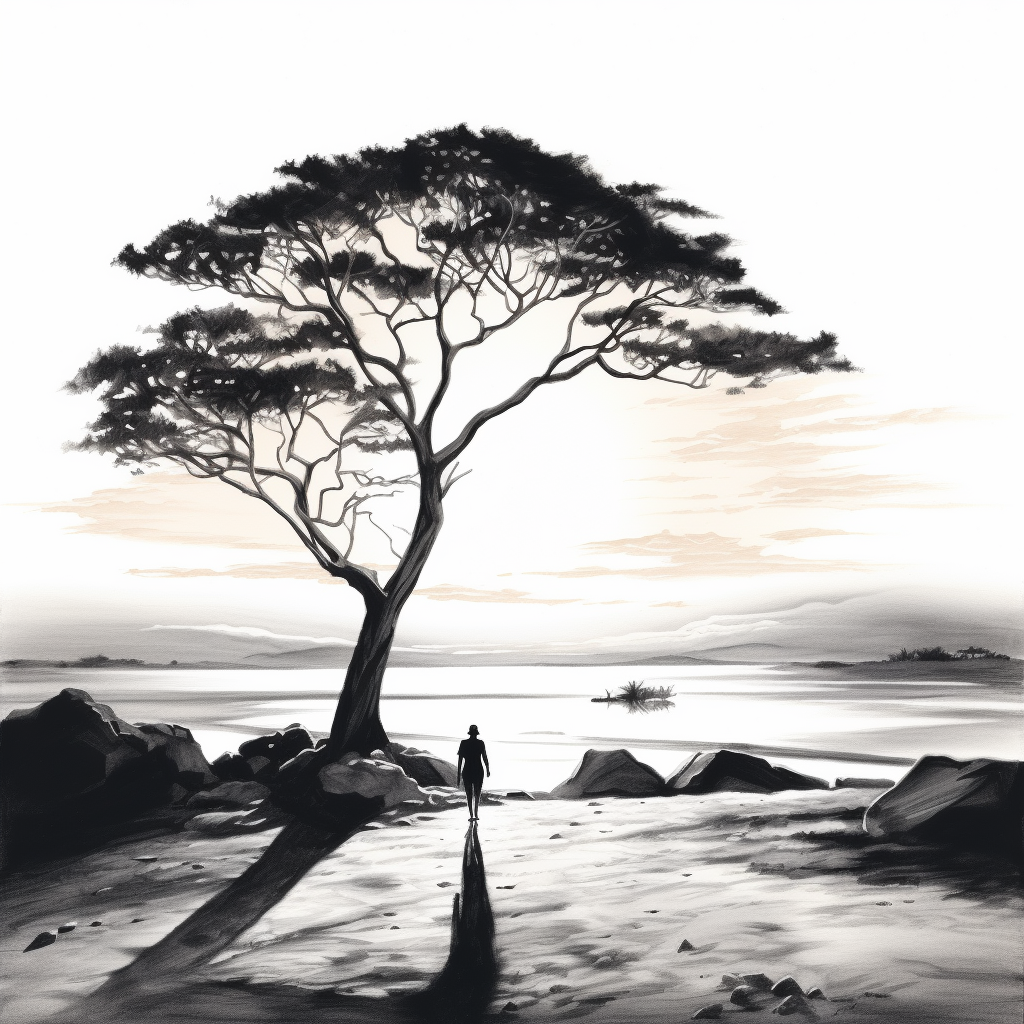
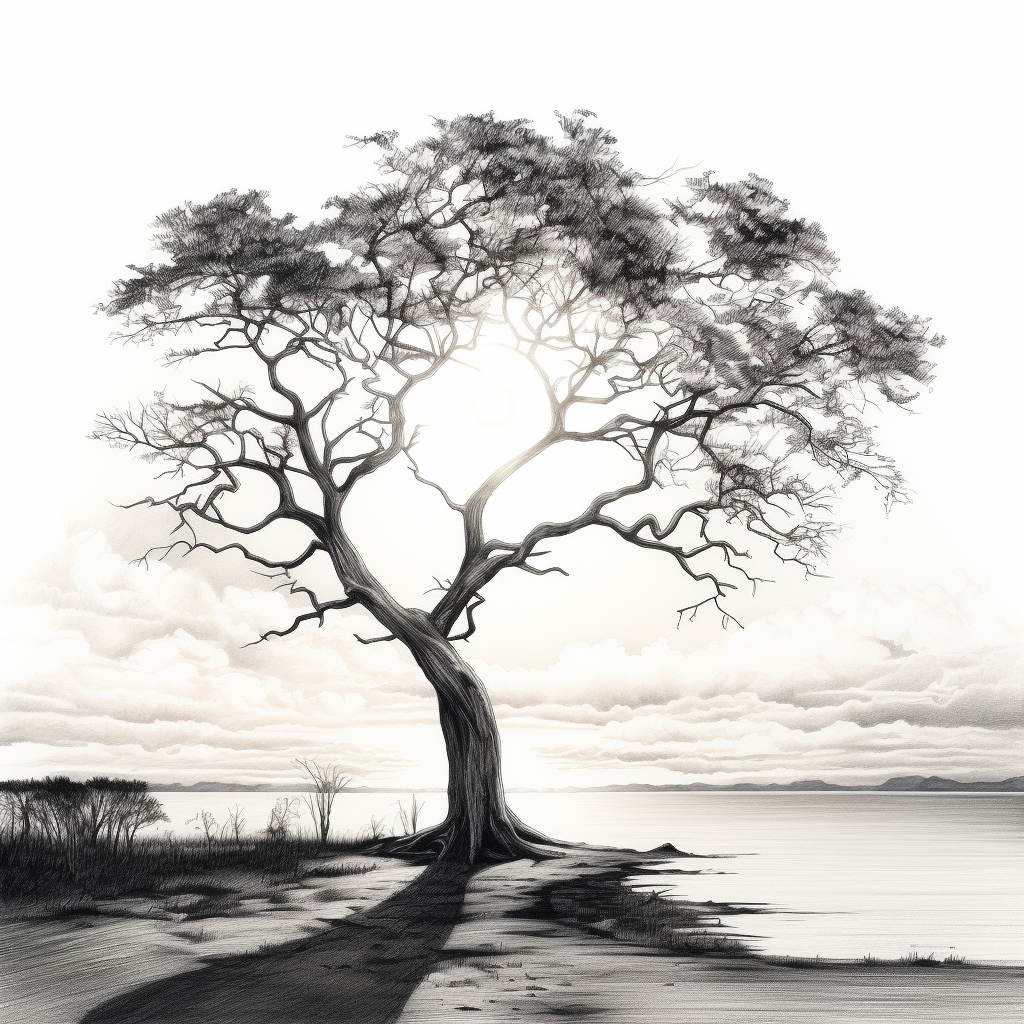
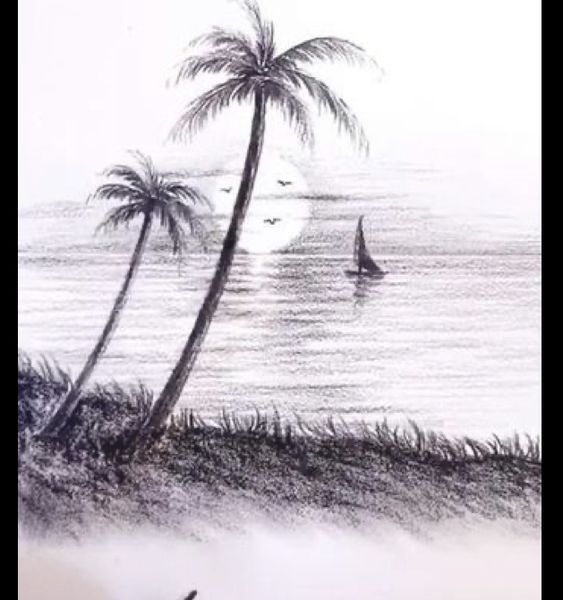
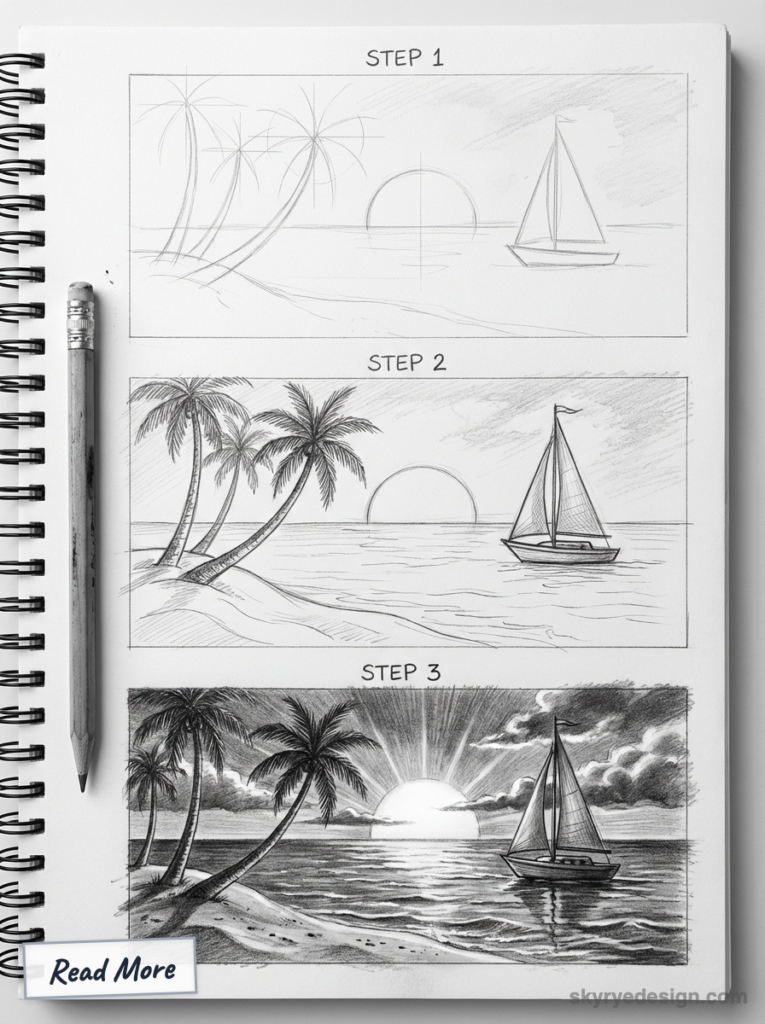
Sunsets are overdone—until you focus on silhouettes. The trick is what you put in front of that orange sky: palm trees, pier pilings, a person fishing, boats at anchor.
For a softer summer sky, use this cloud drawing tutorial before adding the silhouettes. It helps you keep clouds light, broken, and atmospheric so the dark foreground shapes stay readable.
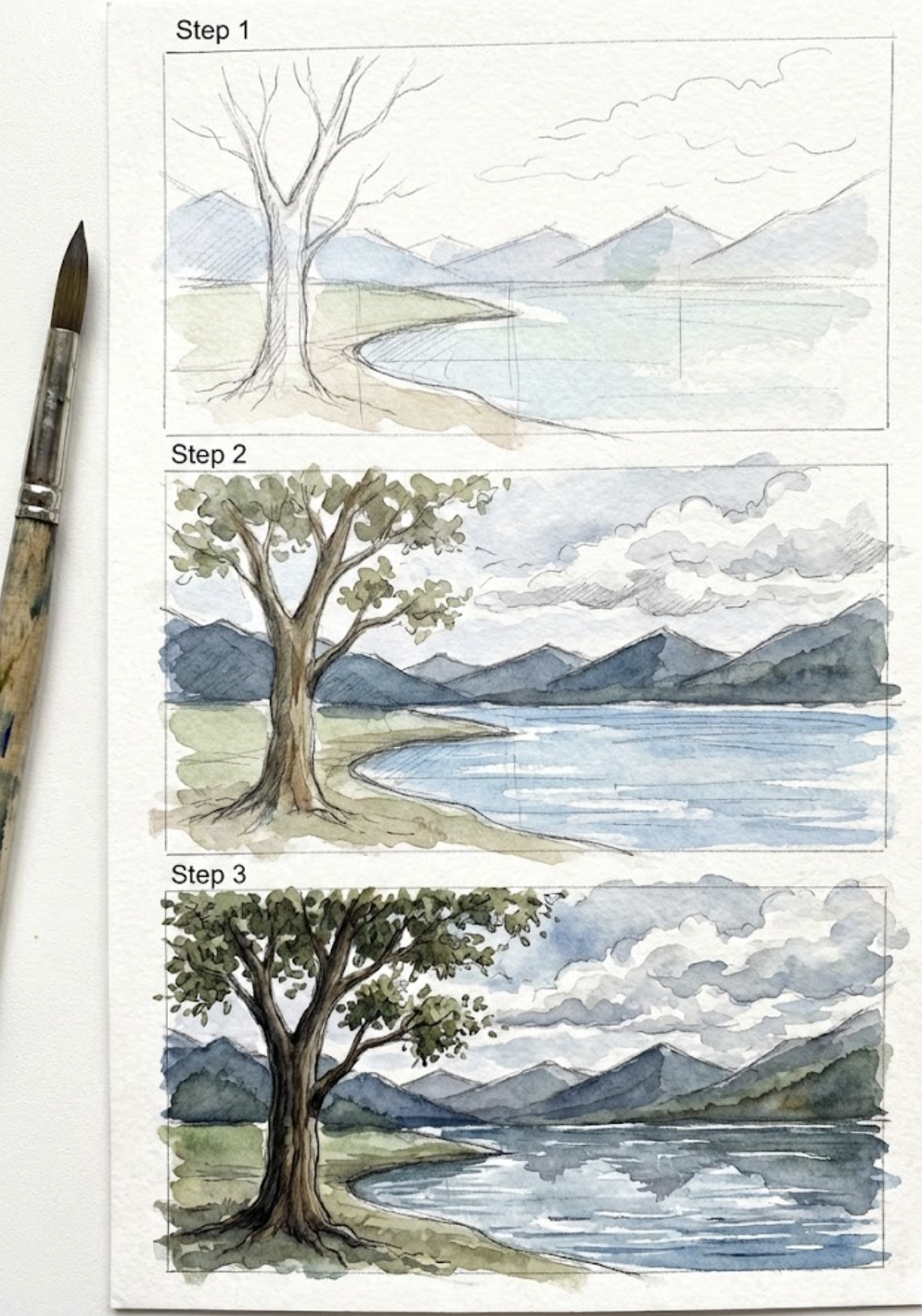
Try this angle: Place your subject off-center. A single palm tree at the left third of the frame, with the sun setting behind it, creates more tension than a centered composition.
Challenge: Work fast. Real sunsets change in minutes. Set a 15-minute limit and don’t look up from the page.
3) Poolside Details
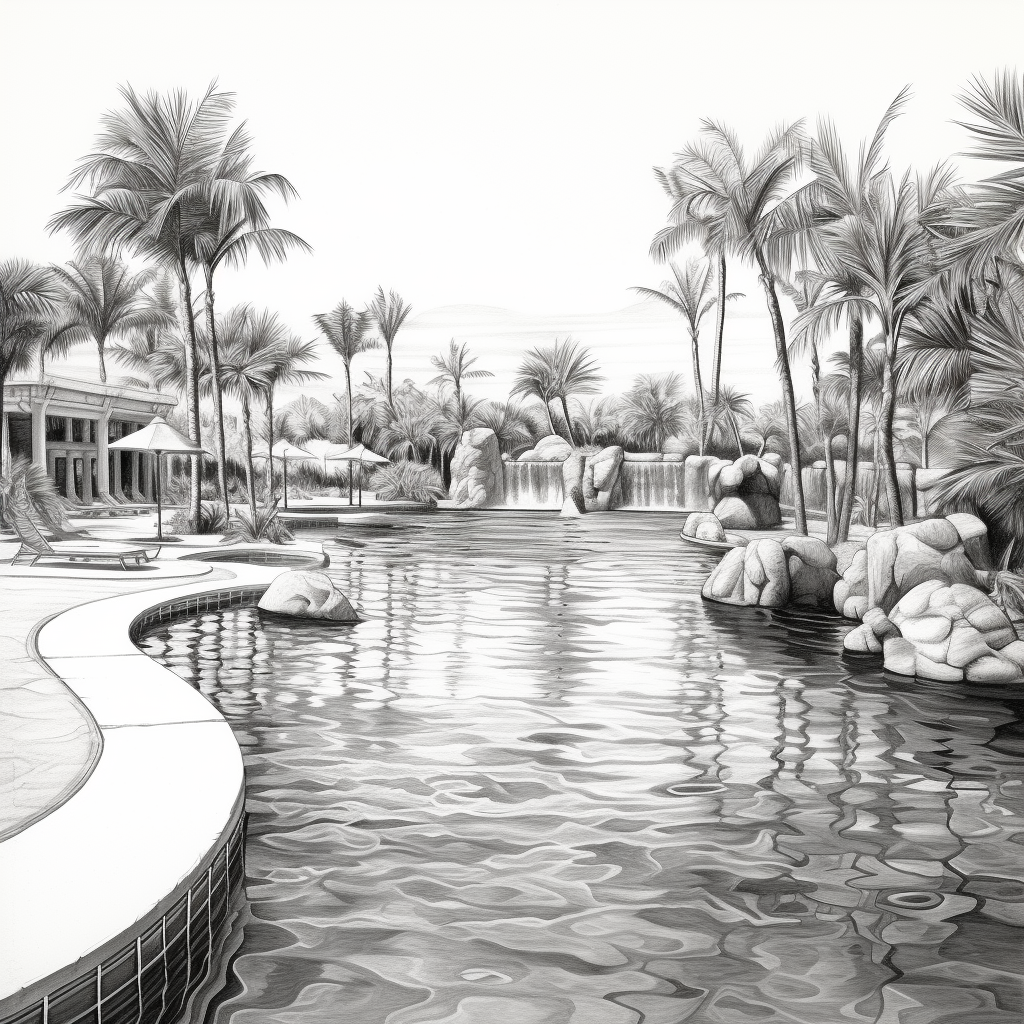

Forget the whole pool. Zoom in on details: wet footprints on hot concrete, a diving board’s textured surface, the refraction pattern of light on pool bottom, abandoned pool floats.
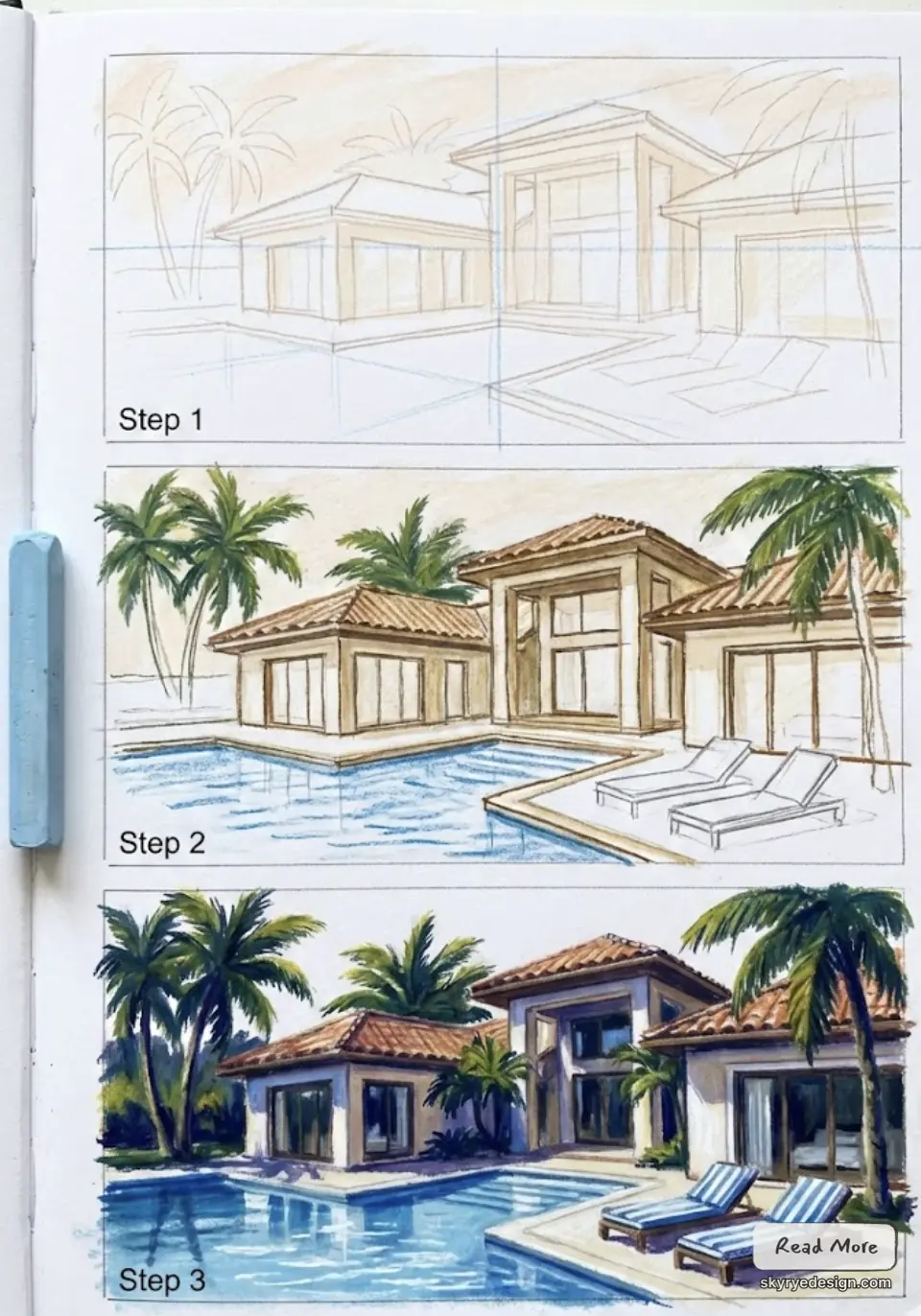
Try this angle: Draw the pool edge from water level—half above, half below the surface. It’s a perspective most people never notice.
Challenge: Capture the way chlorine water distorts shapes underneath the surface.
4) Surf Action
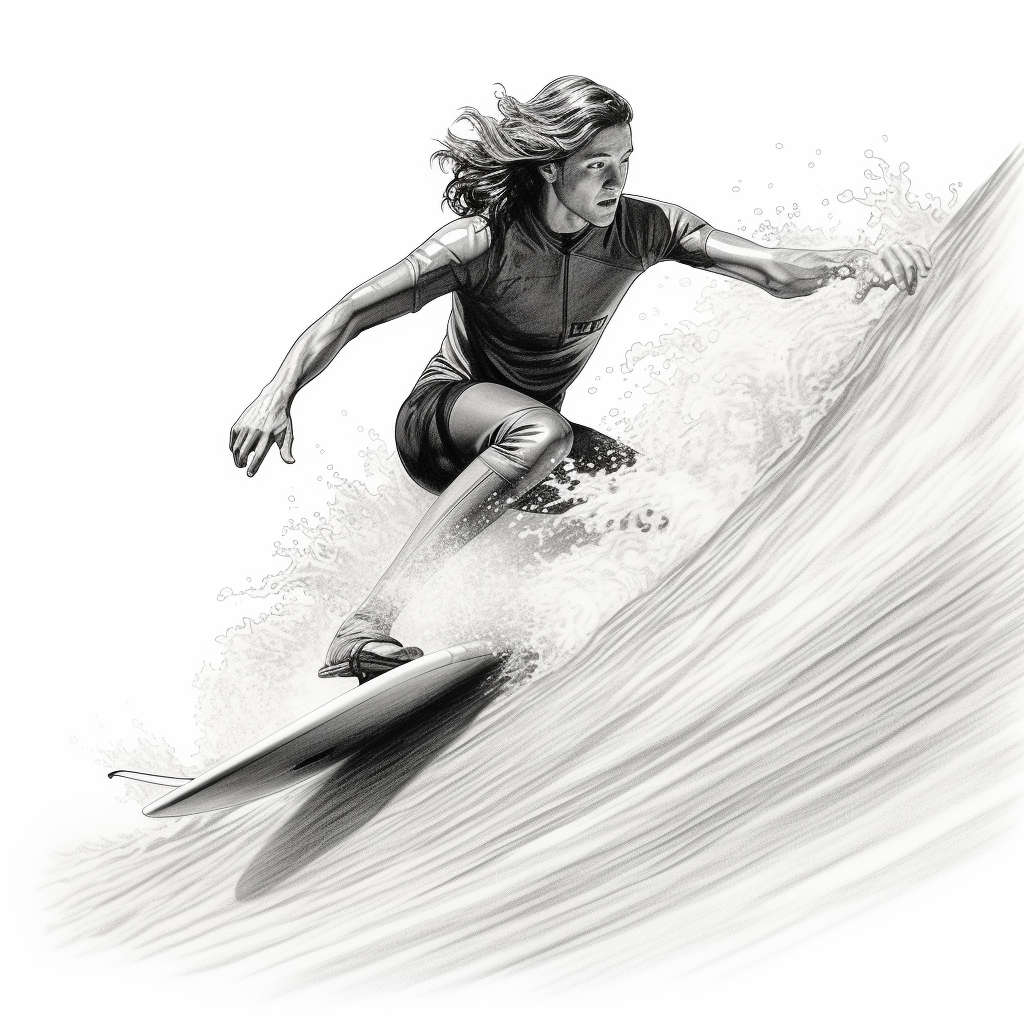
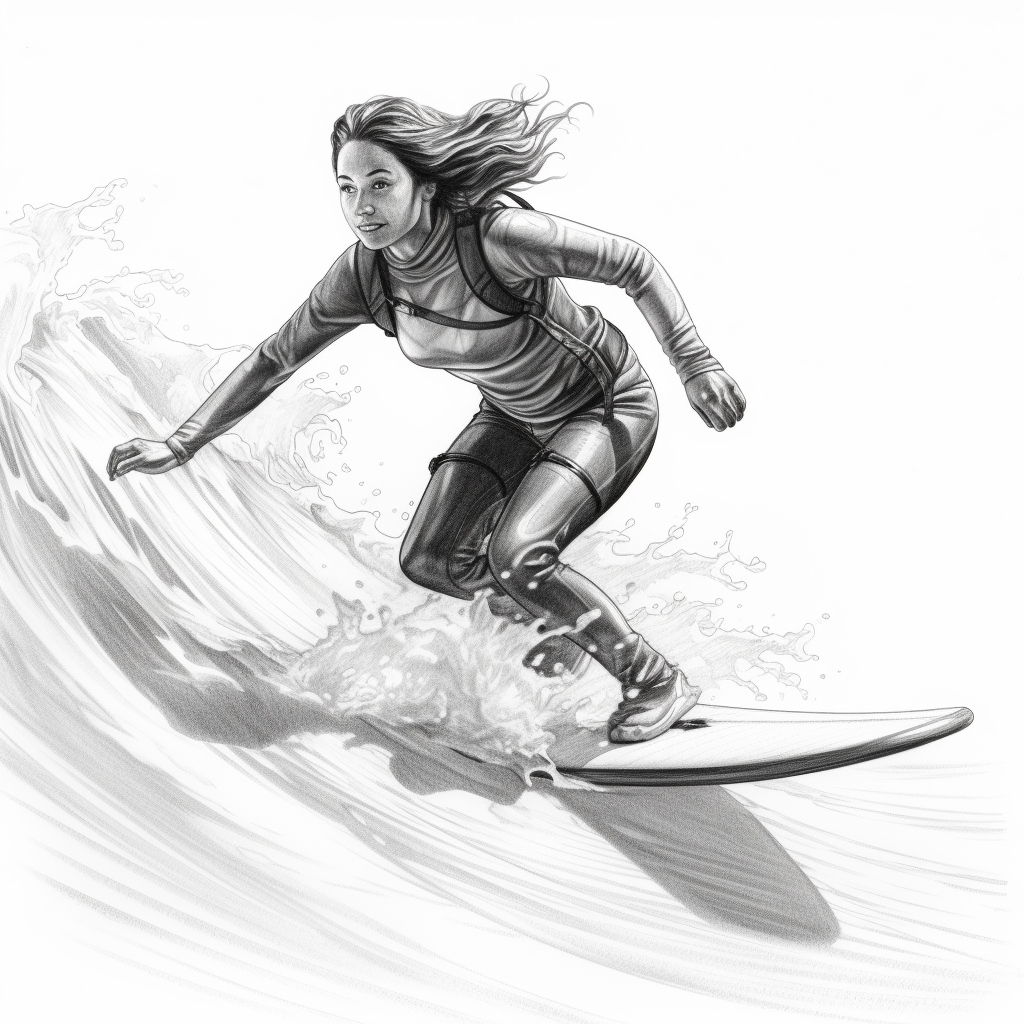
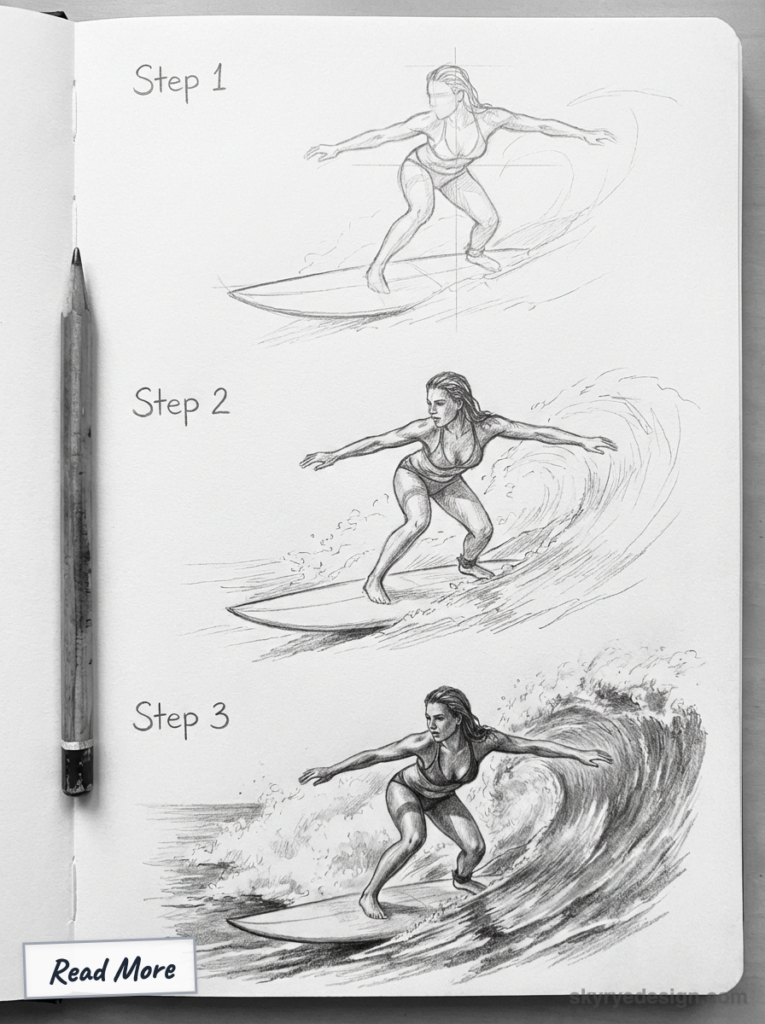
Drawing surfers teaches you to capture motion. Don’t try for photorealism—focus on the gesture: the crouch, the arm positions, the spray of water.
Try this angle: Draw from the beach looking out. The surfer becomes a small figure against a massive wave, which is actually easier than trying to capture every detail.
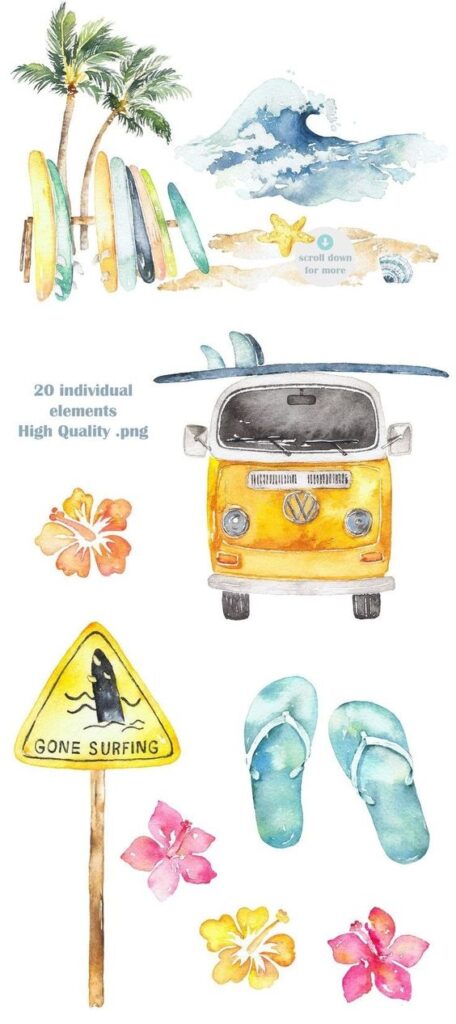
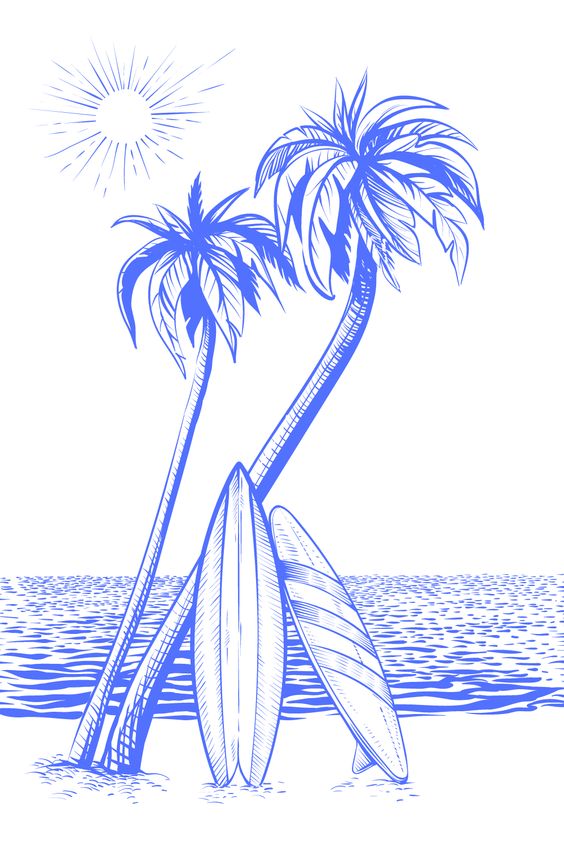
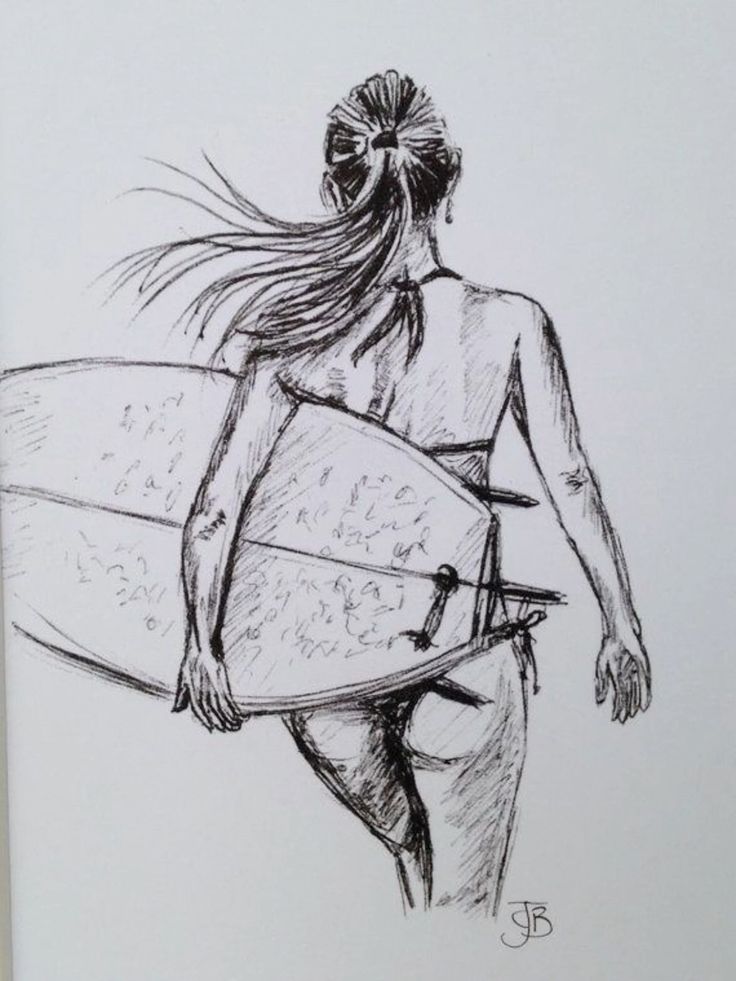
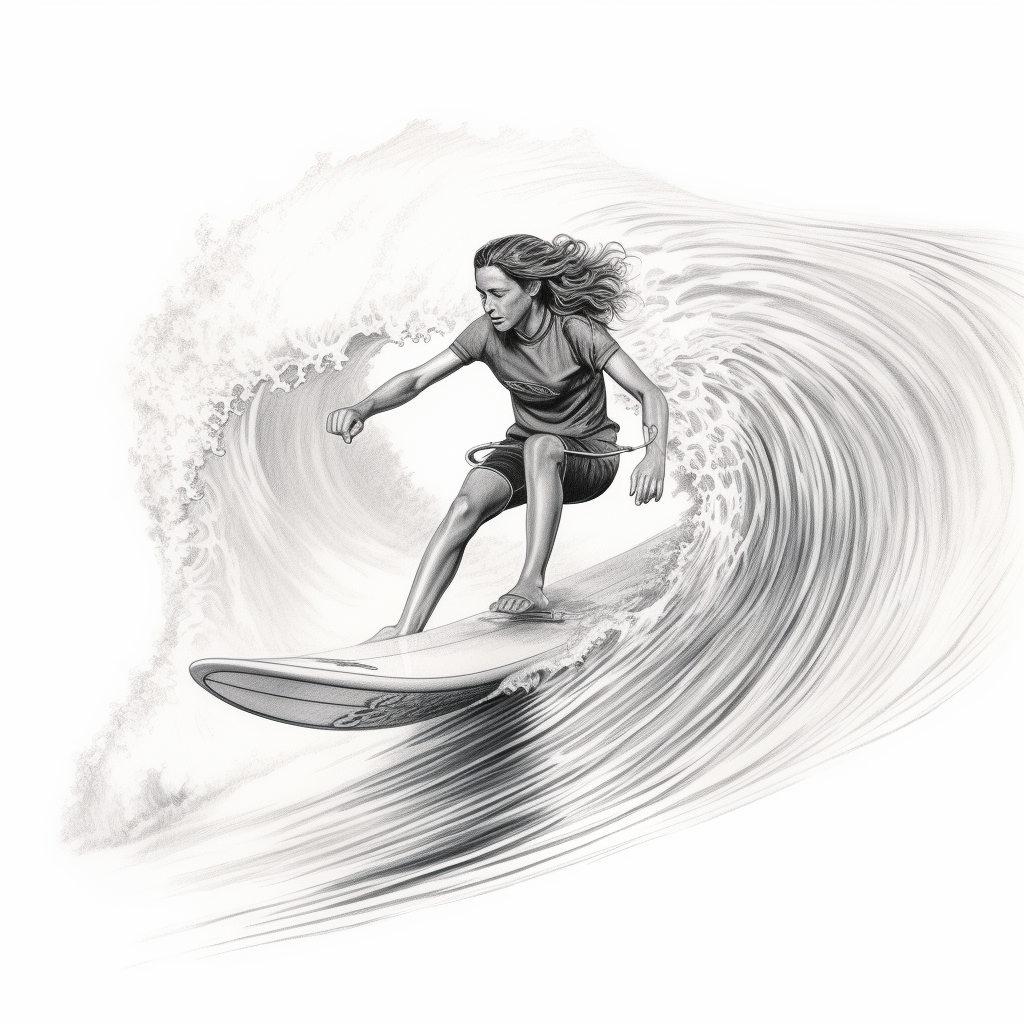
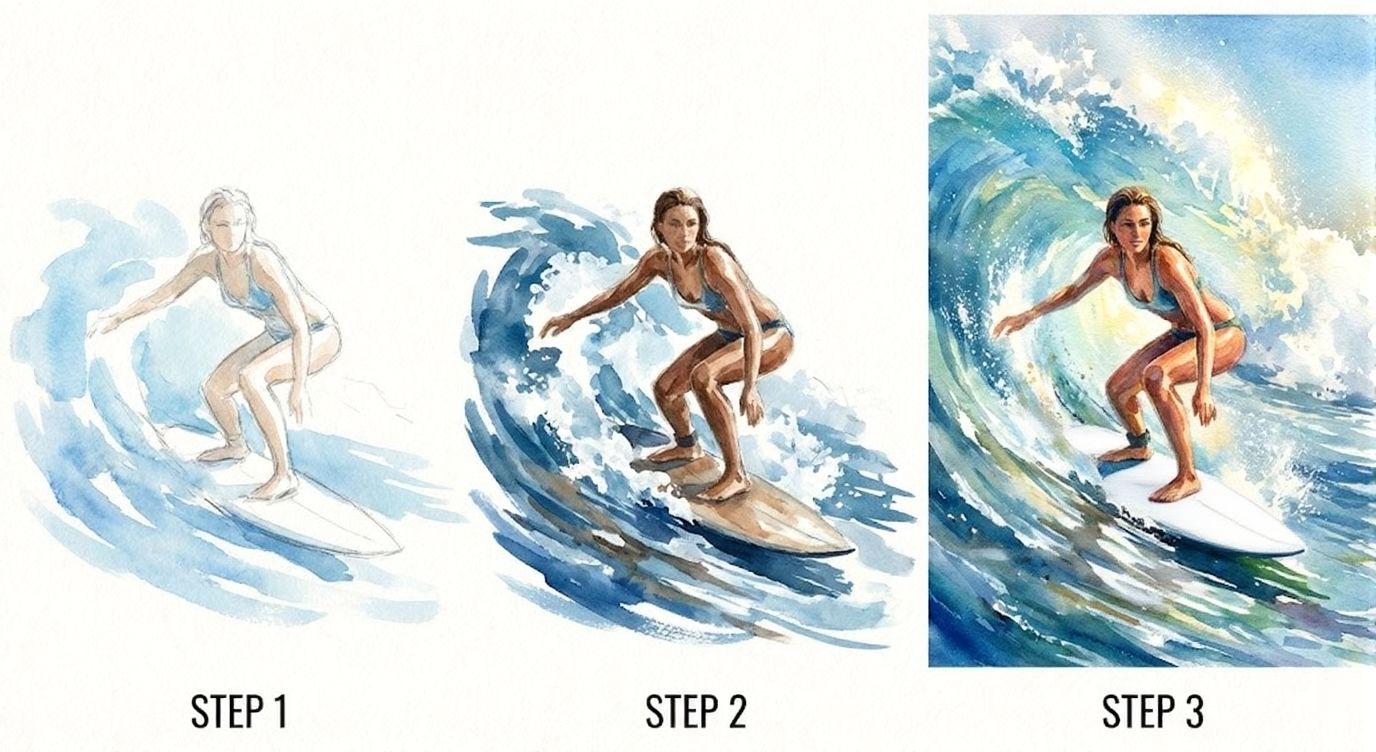
Challenge: Use only 5-10 lines to capture a surfer’s pose. Less is more with action sketches.
Food & Drinks
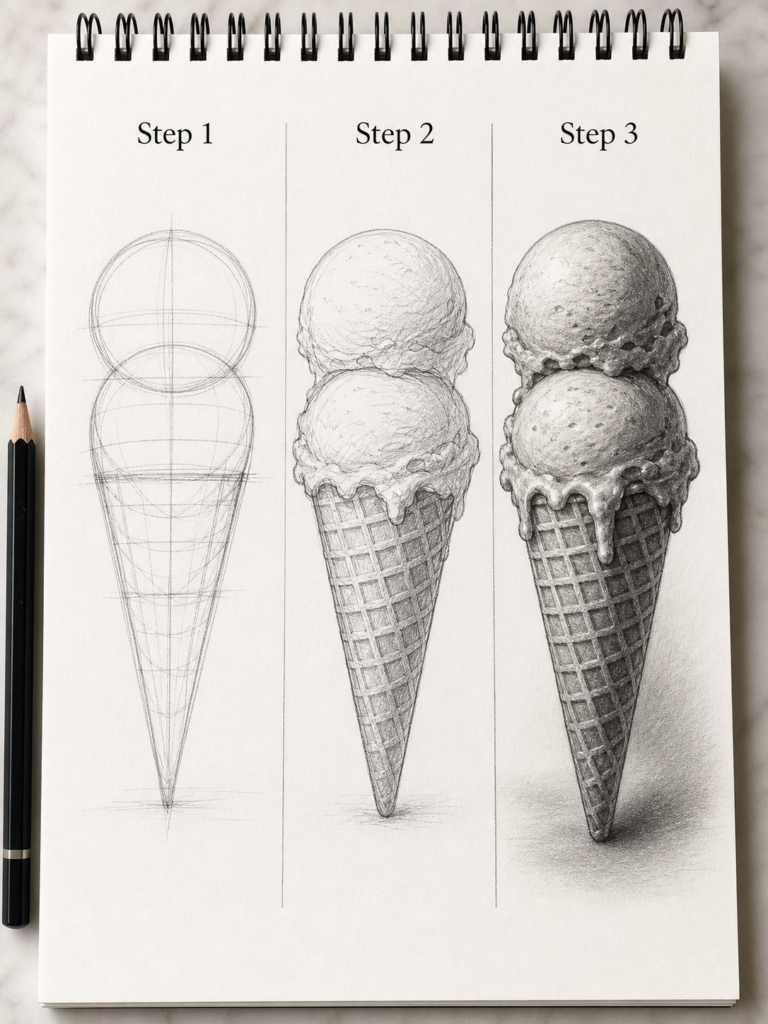
5) Ice Cream Studies
Ice cream melts. That’s what makes it interesting to draw. The drip down the cone, the soft-serve curl collapsing slightly, the bitten edge revealing texture.
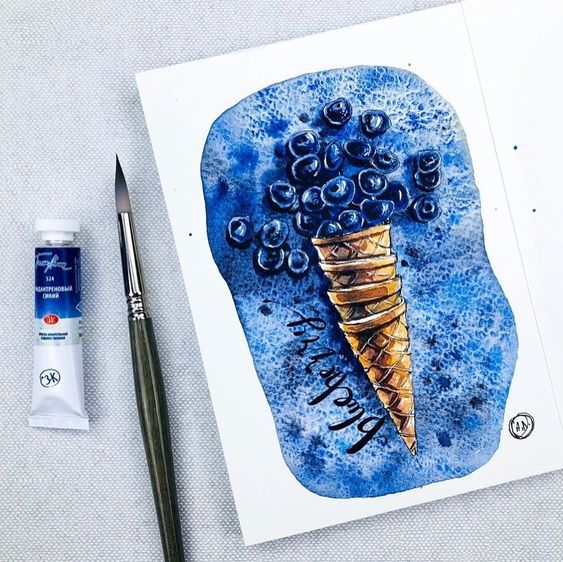
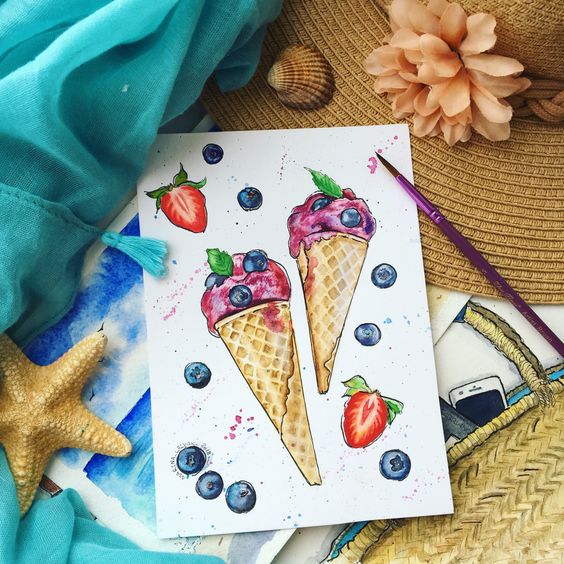
Try this angle: Draw your own hand holding the cone. It’s a built-in composition and forces you to practice hands.
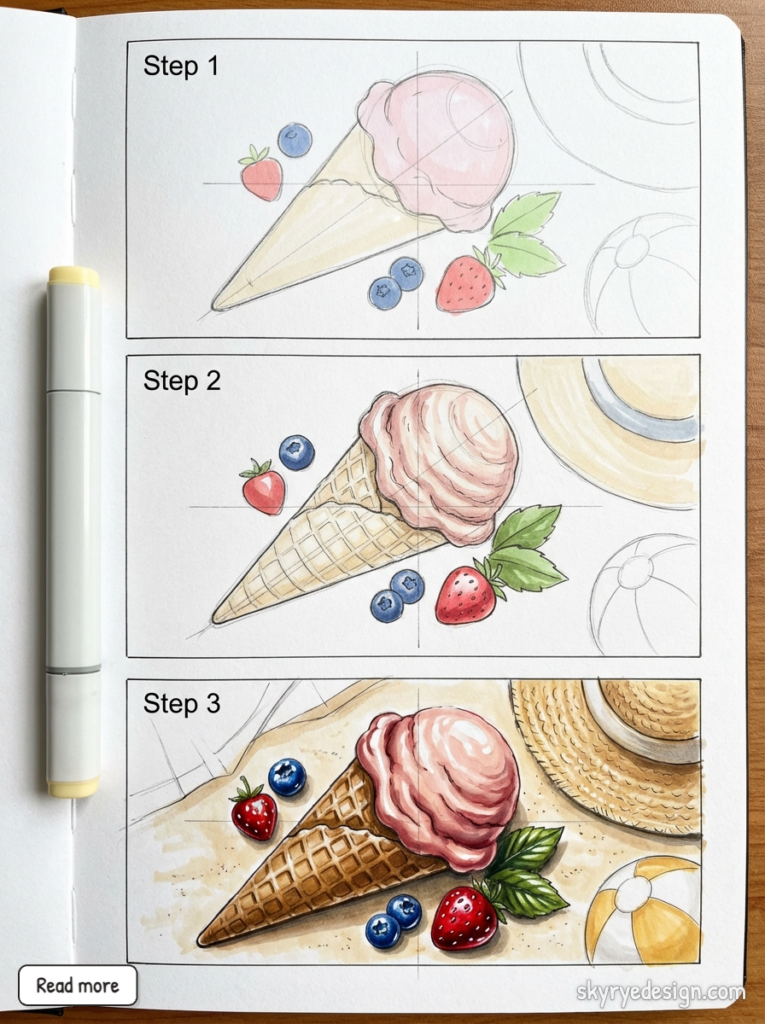
Challenge: Work against the clock. Real ice cream gives you maybe 10 minutes before it’s a puddle.
6) Watermelon Slices
The watermelon slice is a study in value contrast: deep red flesh, pale rind, dark seeds, bright green skin. It’s basically a color theory exercise disguised as fruit.
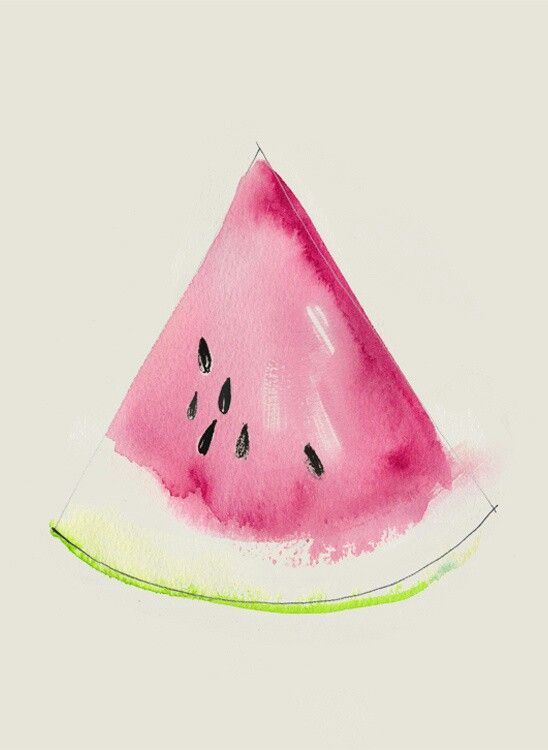
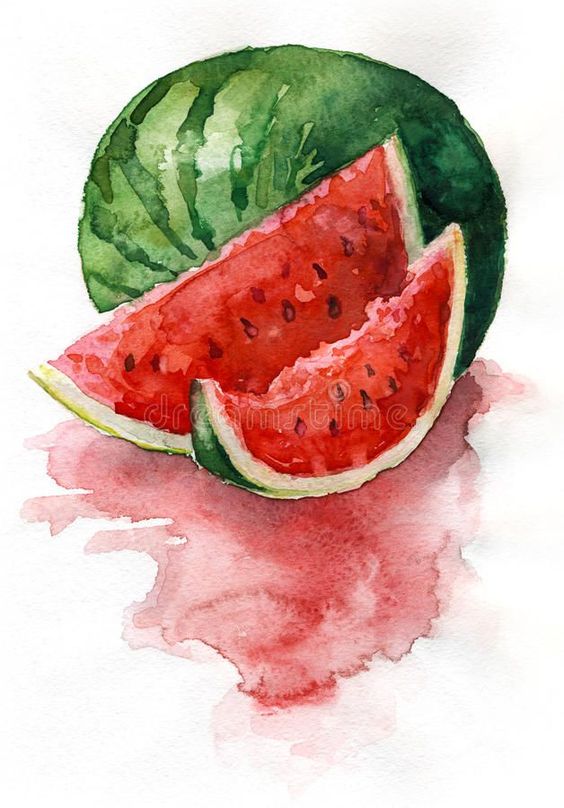
Try this angle: Draw a half-eaten slice. The bite marks add character and break up the geometric perfection.
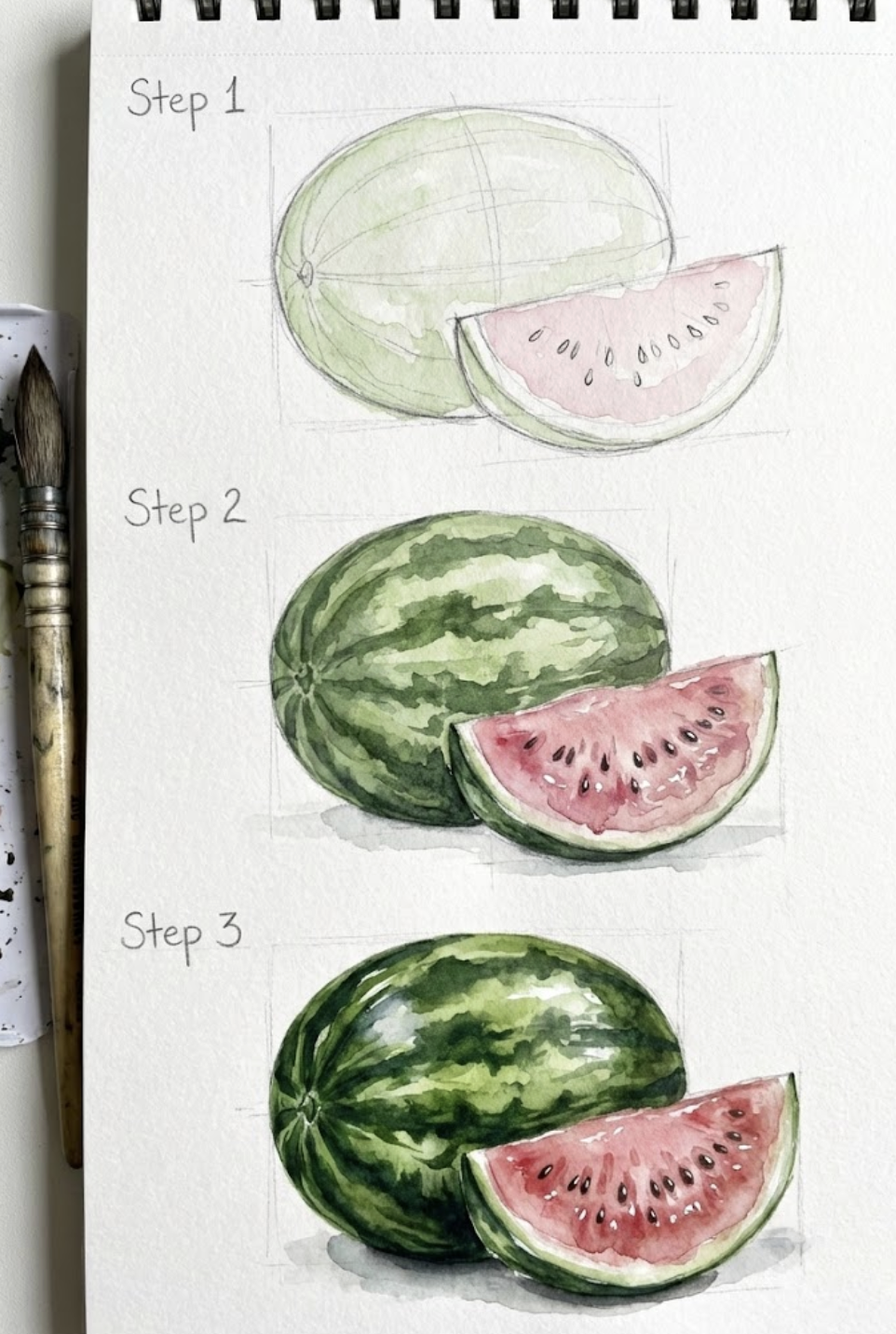
Challenge: In a monochrome sketch, differentiate the flesh, rind, and skin using only value—no color.
7) Lemonade Setup
A glass of lemonade is an exercise in drawing transparency and reflection. The ice cubes, the lemon slice, the condensation on the glass—each element has its own challenge.
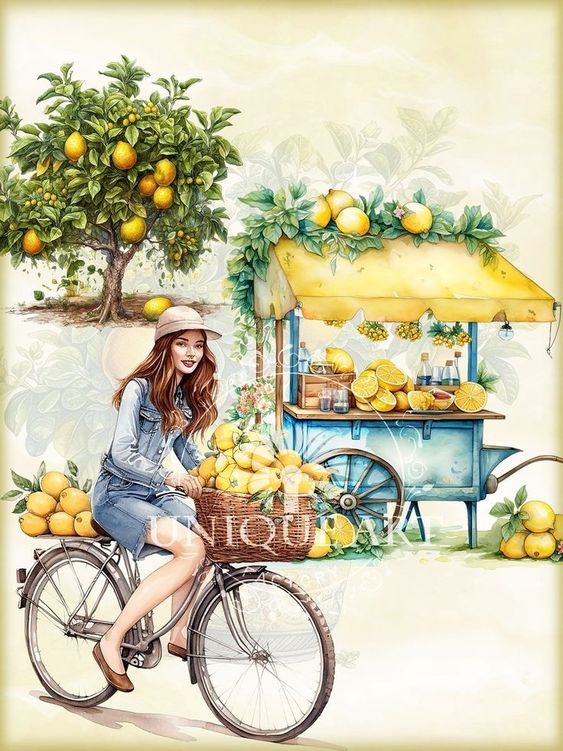
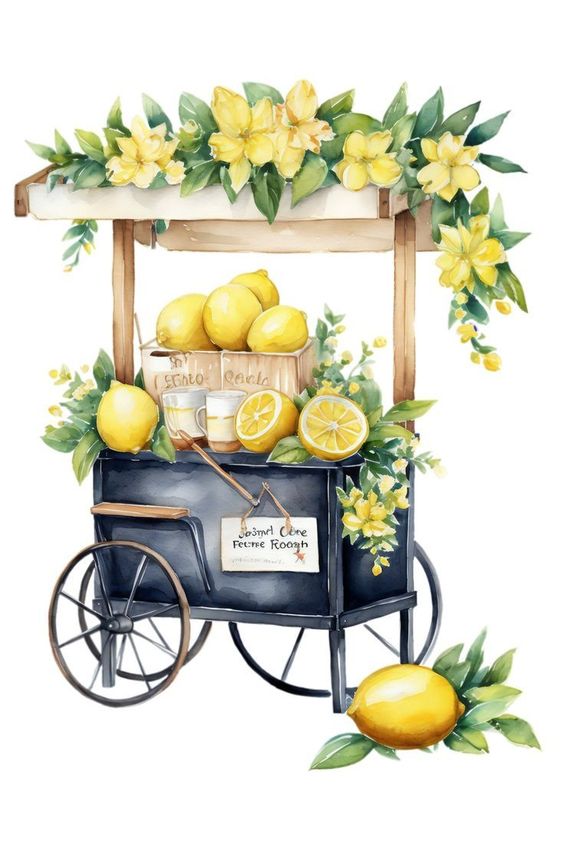
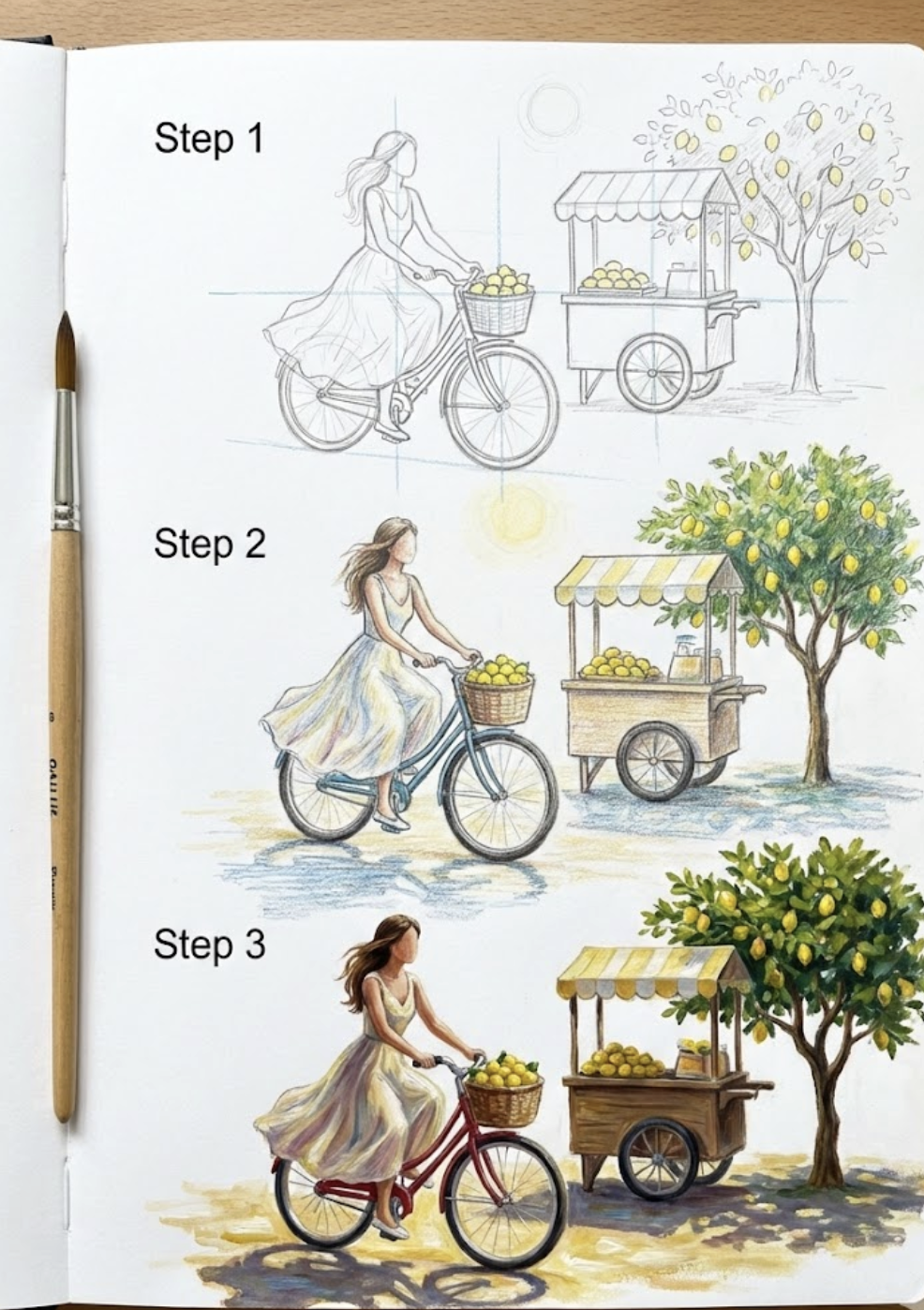
Try this angle: Include the pitcher and glass together. The repetition of shapes at different scales creates visual rhythm.
Challenge: Capture the condensation droplets on the outside of a cold glass. They’re not random—they follow gravity.
8) Popsicle Collection
Different popsicle shapes and colors make natural still life arrangements. The wooden stick, the melting drips, the wrapper peeled halfway—lots of texture variety.
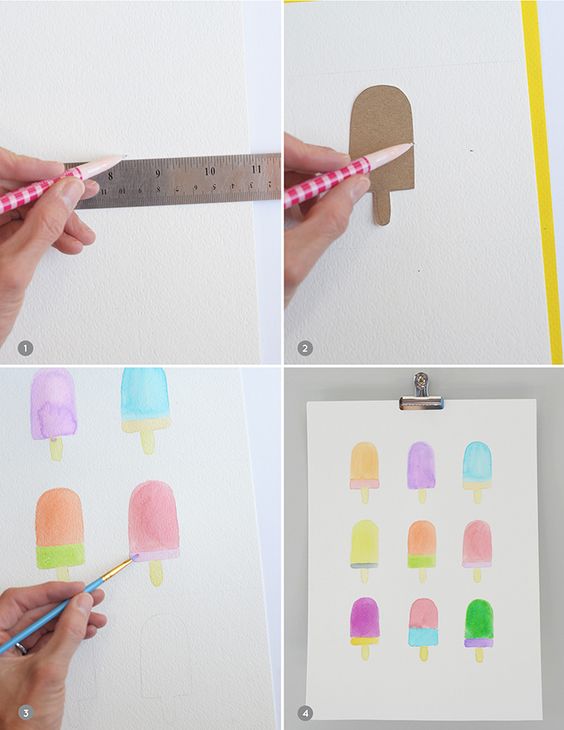
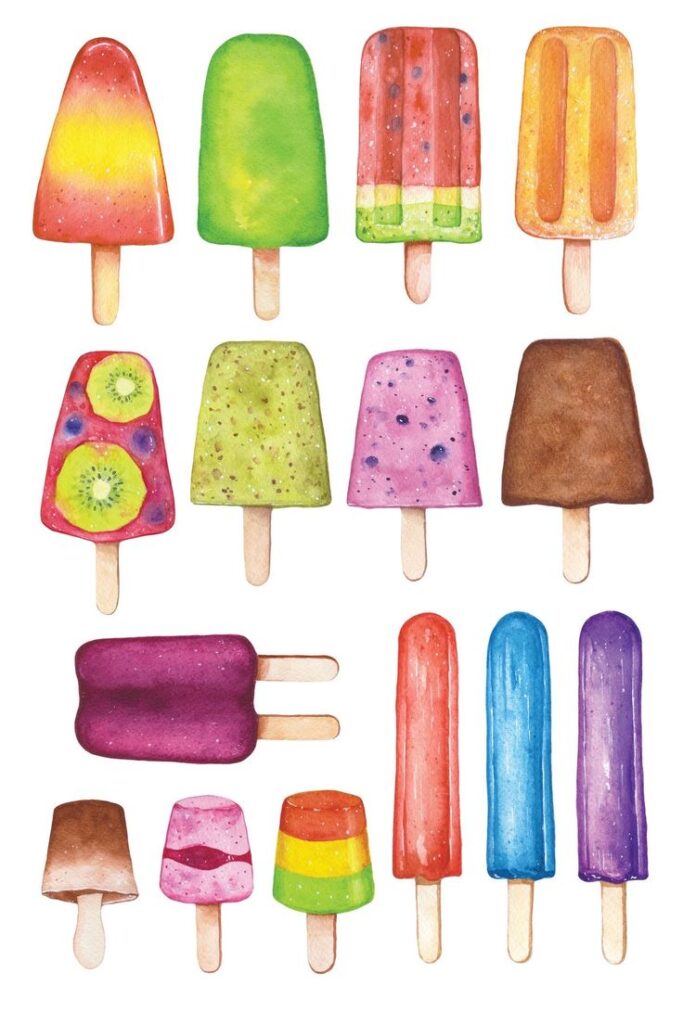
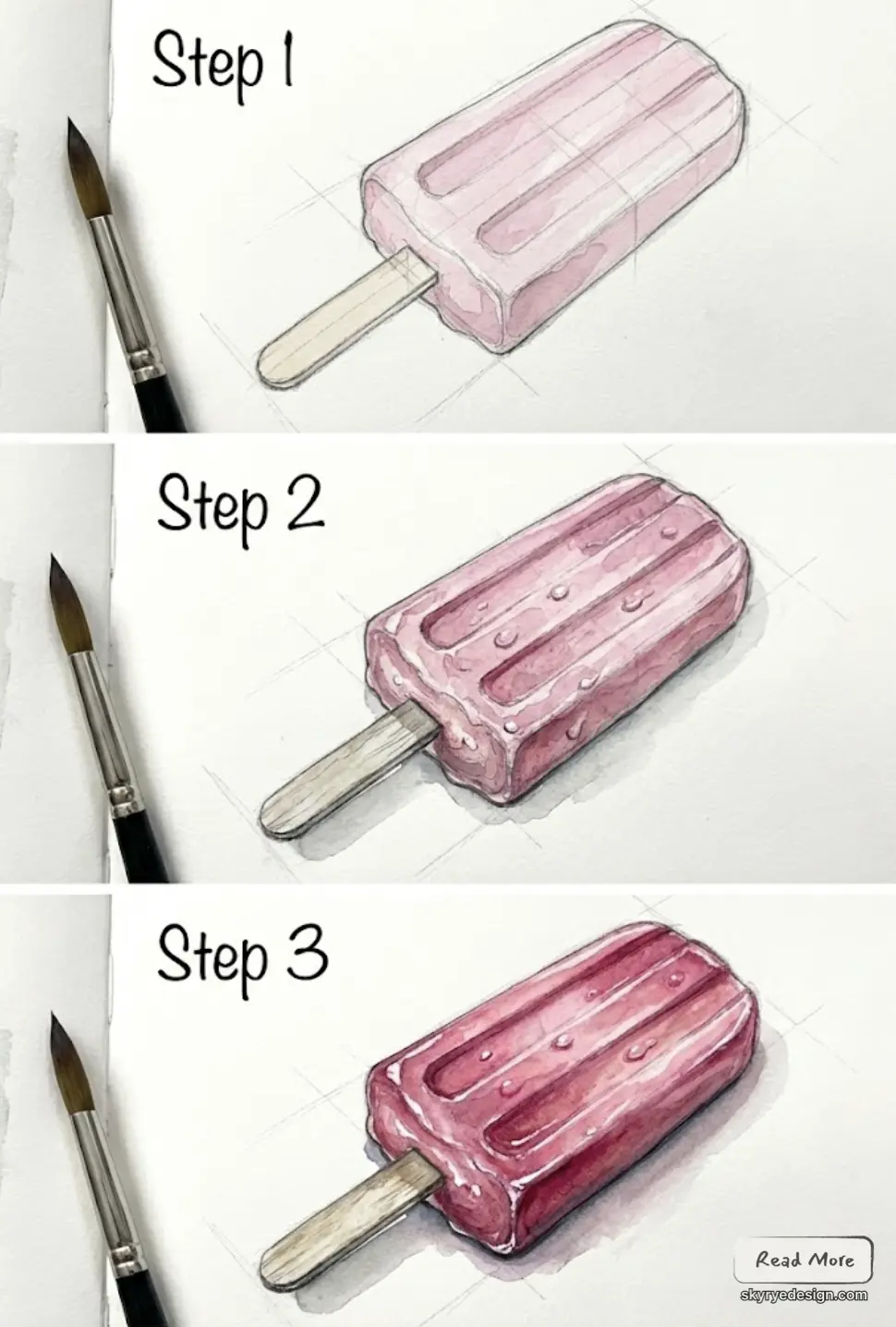
Try this angle: Draw popsicles at different stages of consumption: untouched, half-eaten, just the stick remaining.
Challenge: Capture the translucency of fruit-based popsicles versus the opacity of cream-based ones.
9) Picnic Spread
A picnic blanket is a contained still life with built-in variety: food, drinks, plates, napkins, maybe a book or hat. The blanket pattern adds another layer.
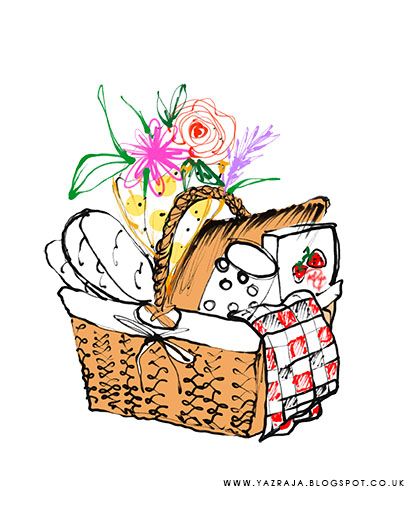
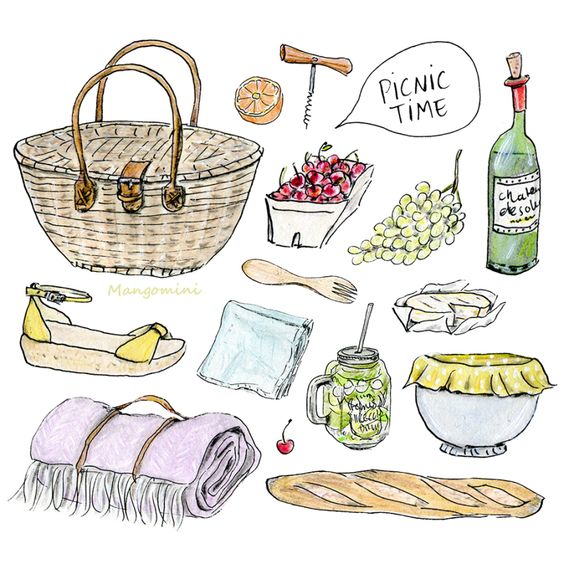
Try this angle: Bird’s eye view, looking straight down at the blanket. It flattens the composition into an interesting pattern.
Challenge: Include at least three different textures: woven blanket, smooth fruit, crinkled napkin.
10) BBQ Scene
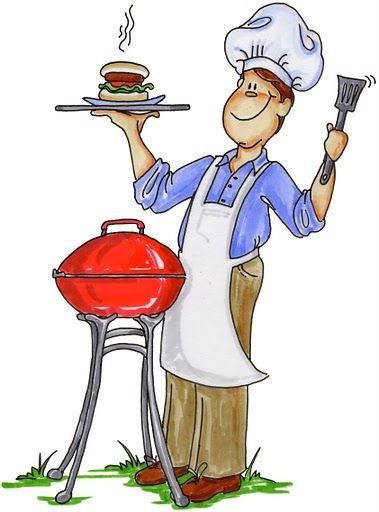
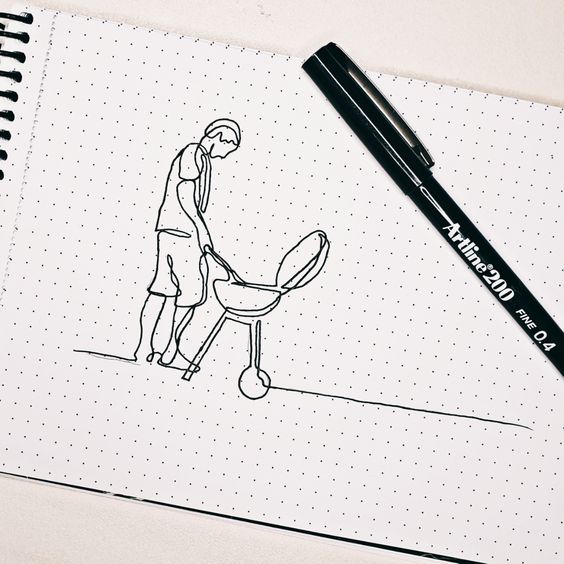
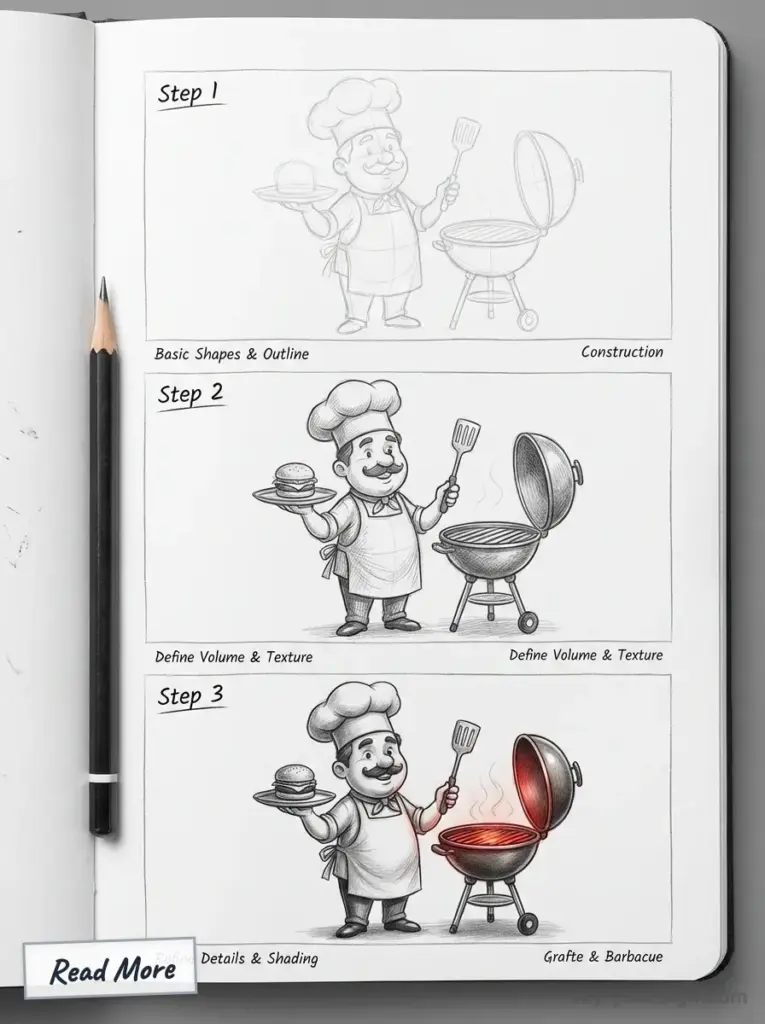
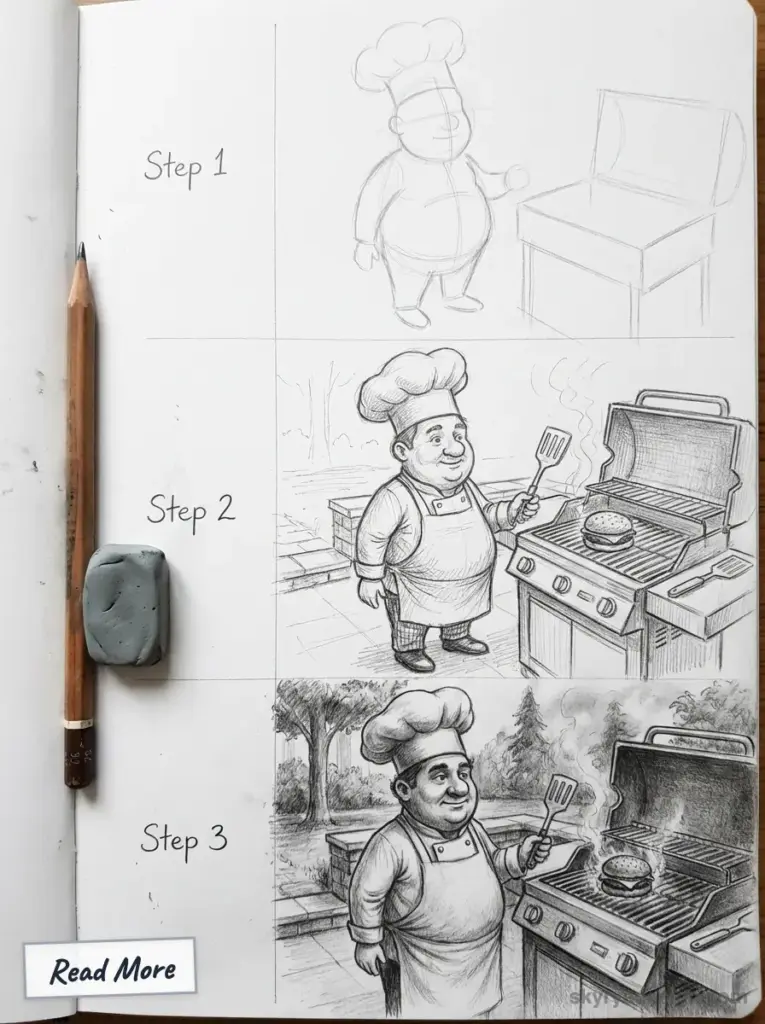
Grills have interesting geometry—the round kettle, the rectangular gas grill, the smoke rising. Add tongs, spatula, and food and you have a complete summer scene.
Try this angle: Focus on the grill grate with food on it, seen from above. The parallel lines create natural structure.
Challenge: Suggest smoke without overworking it. A few loose lines rising upward work better than detailed rendering.
Nature & Plants
11) Sunflower Studies
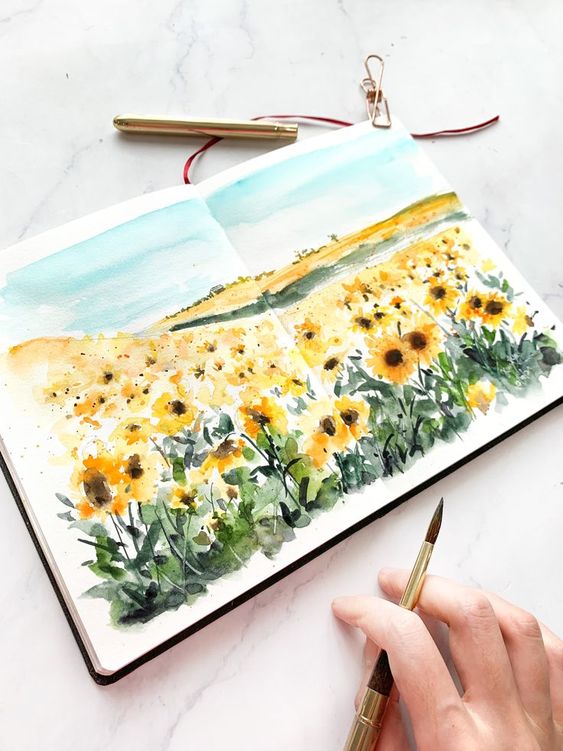
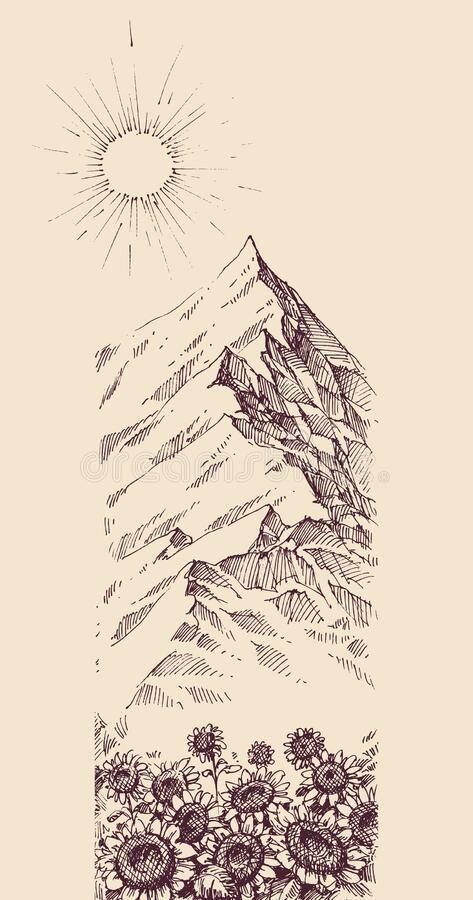
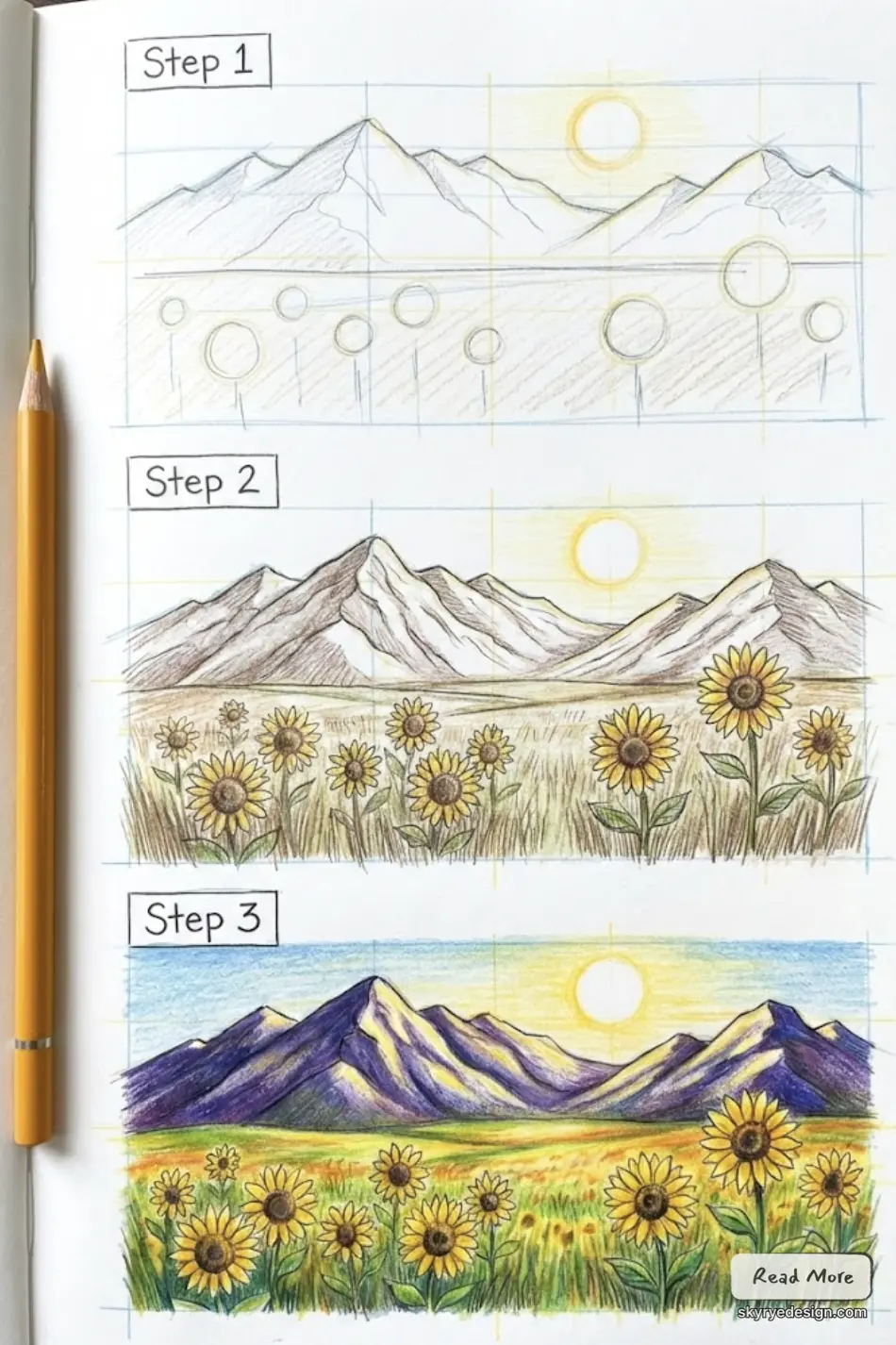
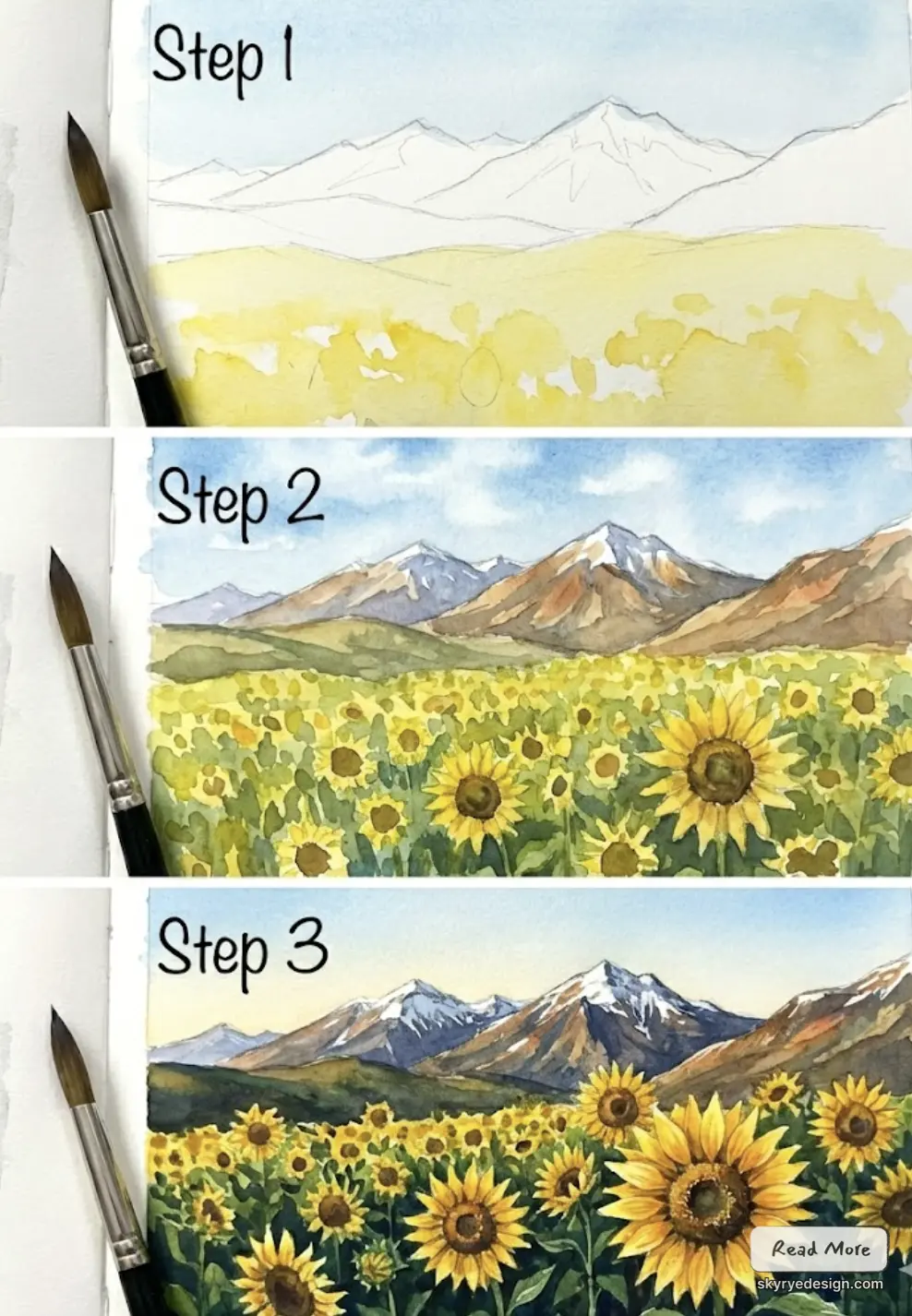
Sunflowers have that spiral seed pattern (Fibonacci sequence, if you want to get technical). The challenge is capturing the dimensional quality of the center disk.
Try this angle: Draw a sunflower from the side or back. The stem attachment and the curve of the head are more interesting than another front view.
Challenge: Draw an entire sunflower field using atmospheric perspective—detailed flowers in front, simplified shapes in back.
12) Palm Tree Variations
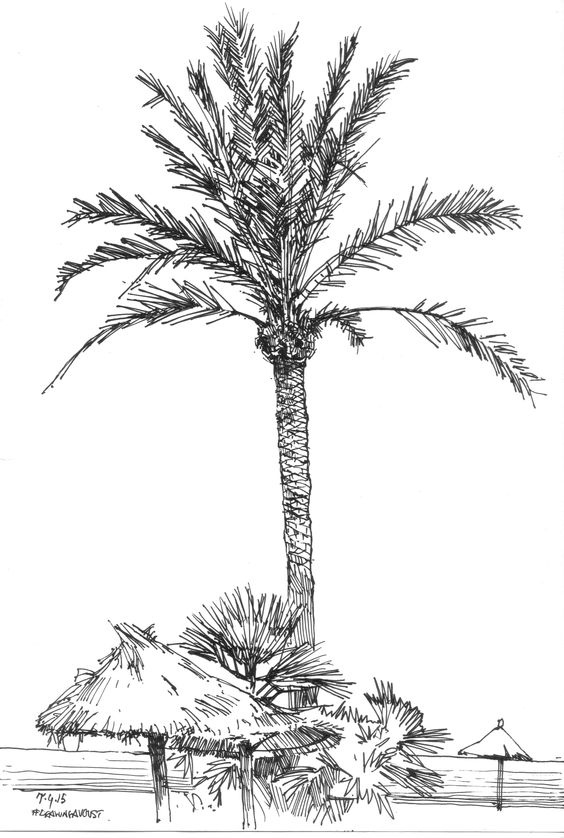
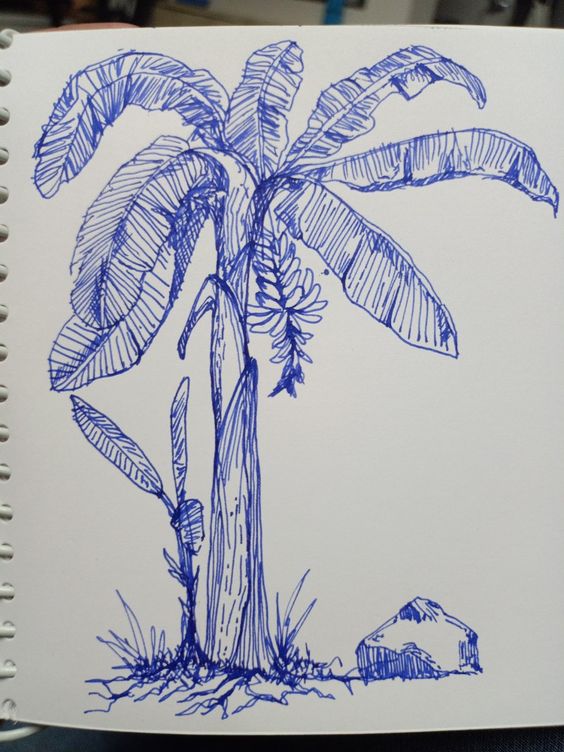
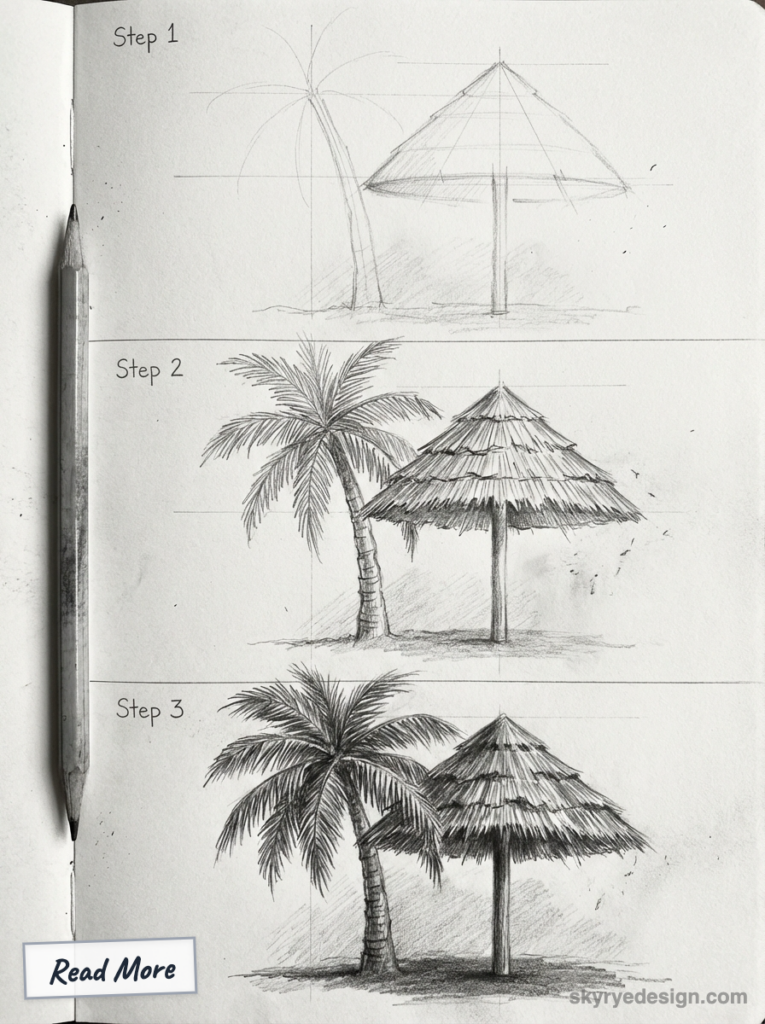
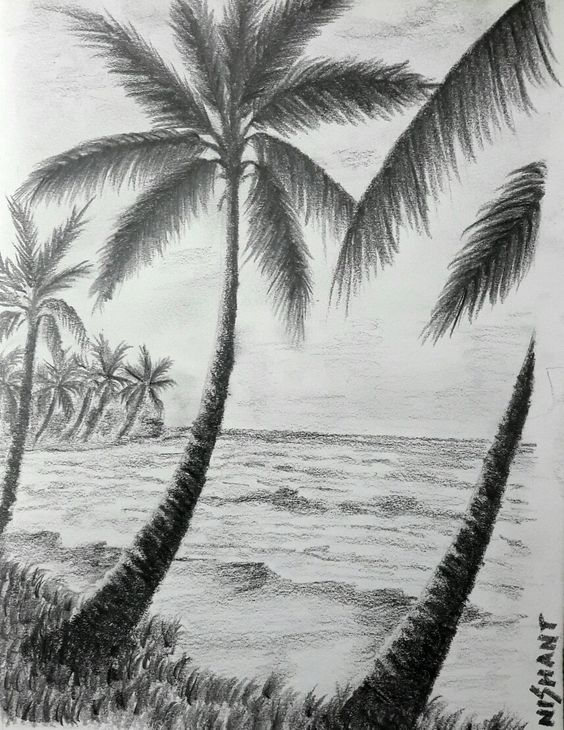
Palm trees look simple until you try to draw one. The frond structure, the trunk texture, the way they curve—each element has specific rules.
Try this angle: Draw a palm from directly below, looking up through the fronds at the sky. It’s disorienting and interesting.
Turn these ideas into real sketchbook practice
Challenge: Capture the difference between a healthy palm (full, green fronds) and a struggling one (brown tips, sparse leaves).
13) Cactus Character
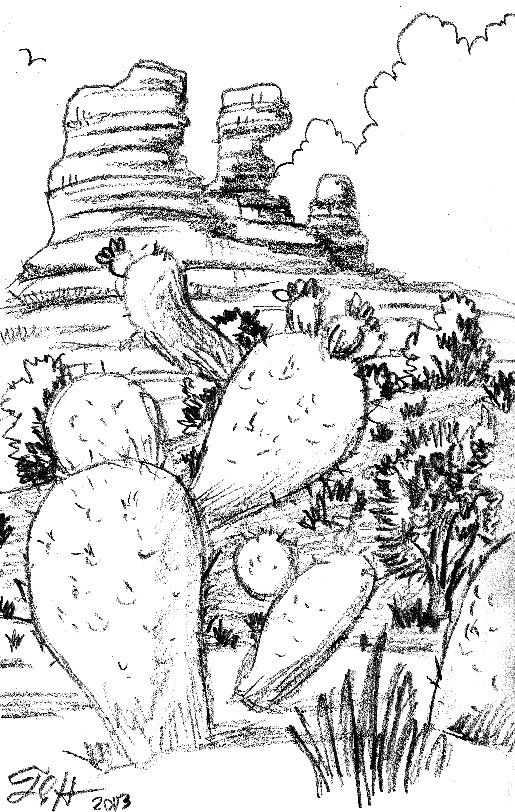
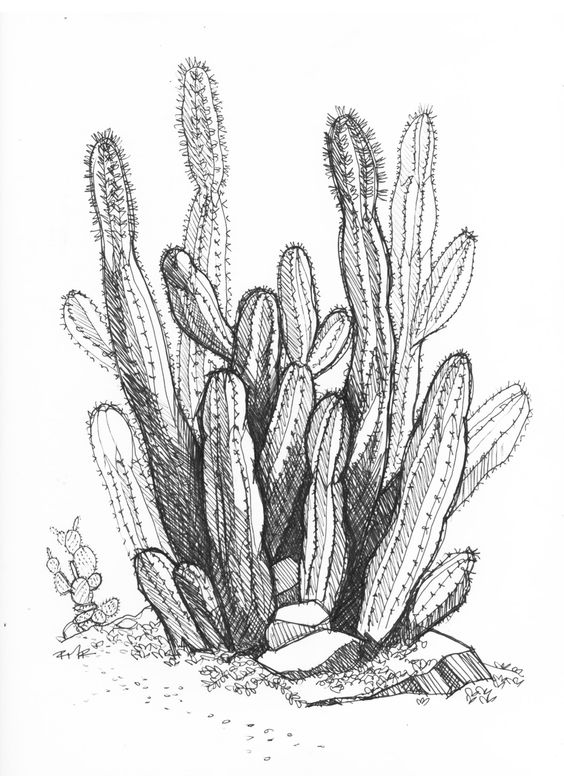
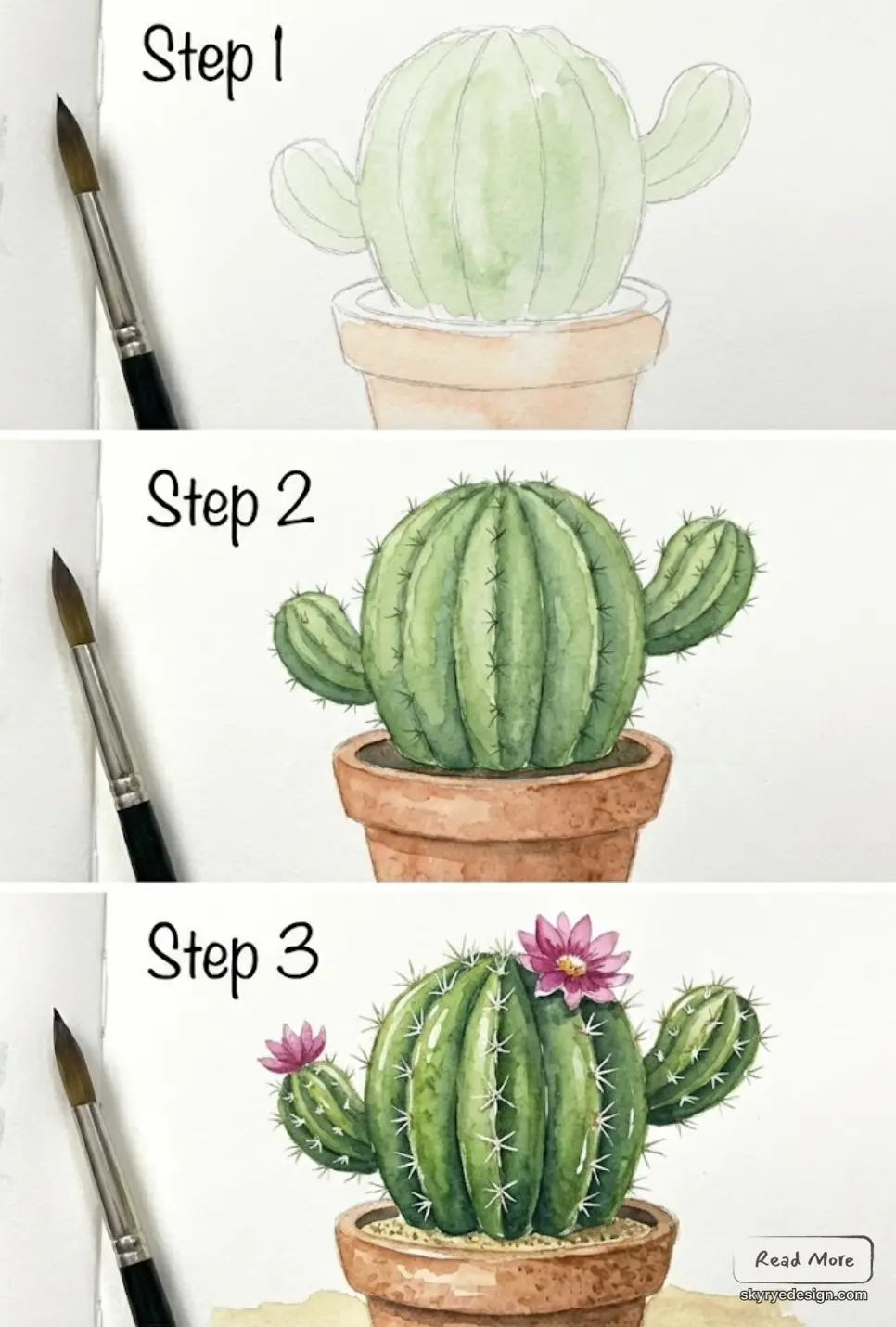
Cacti have personality. The arms of a saguaro, the pads of a prickly pear, the barrel shape of a golden barrel—each variety offers different drawing challenges.
Try this angle: Put a cactus in an unexpected container: a coffee mug, a boot, a fancy pot. The contrast adds interest.
Challenge: Draw the spines correctly. They radiate from specific points called areoles, not randomly.
14) Butterfly Garden
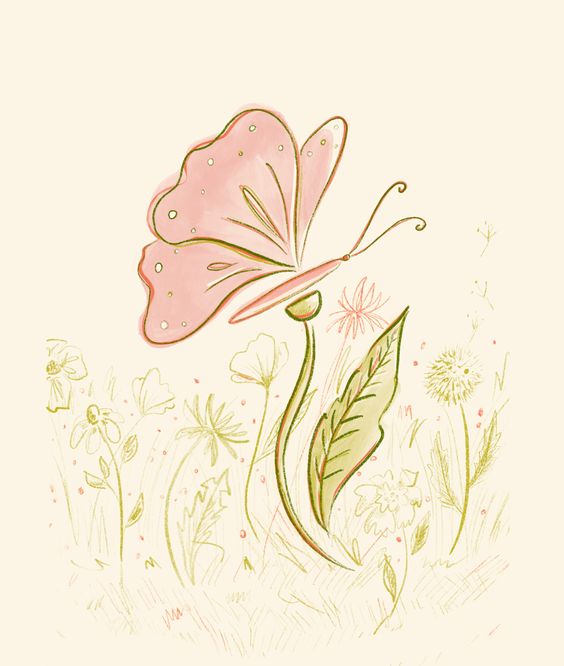
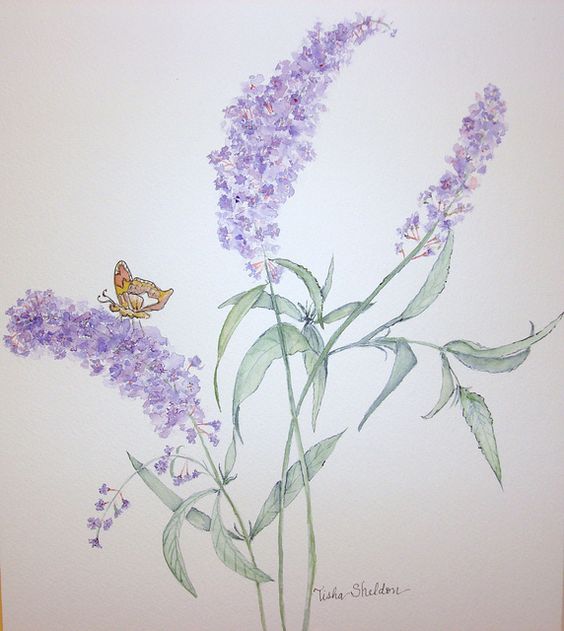
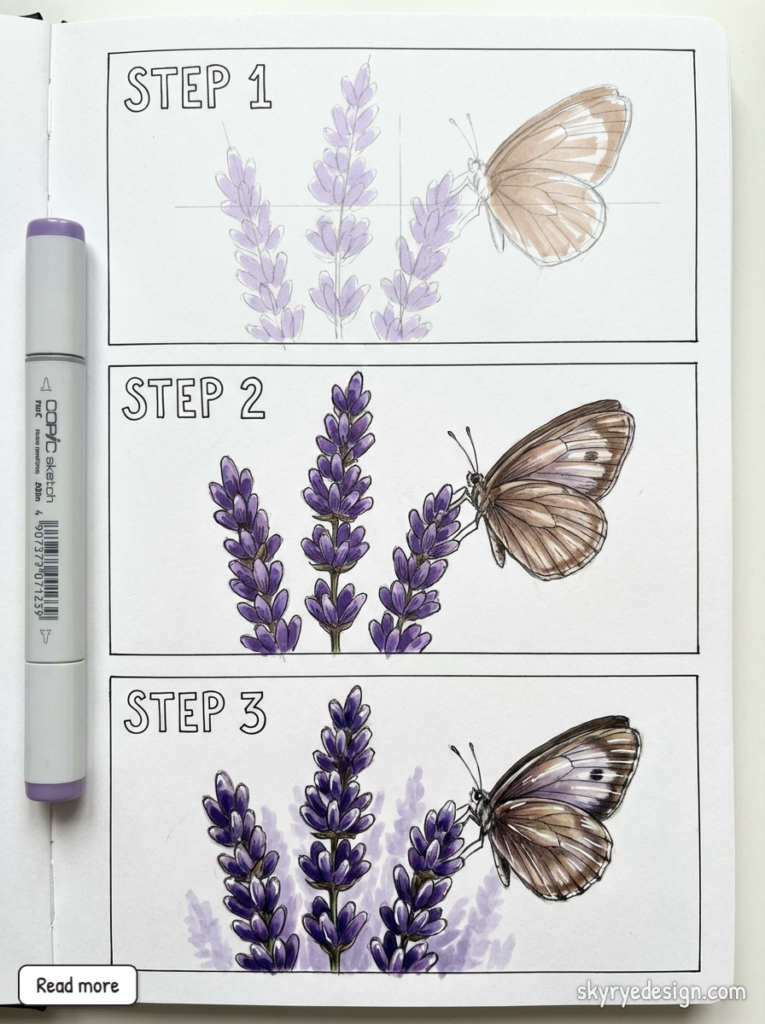
Butterflies are harder than they look because of symmetry. But a garden scene lets you cheat—show butterflies at angles where perfect symmetry isn’t required.
Try this angle: Focus on one butterfly landing on a flower, wings folded up. The profile view is easier and often more elegant.
Challenge: Capture butterflies in different positions: flying, landing, feeding, resting.
15) Flower Crown
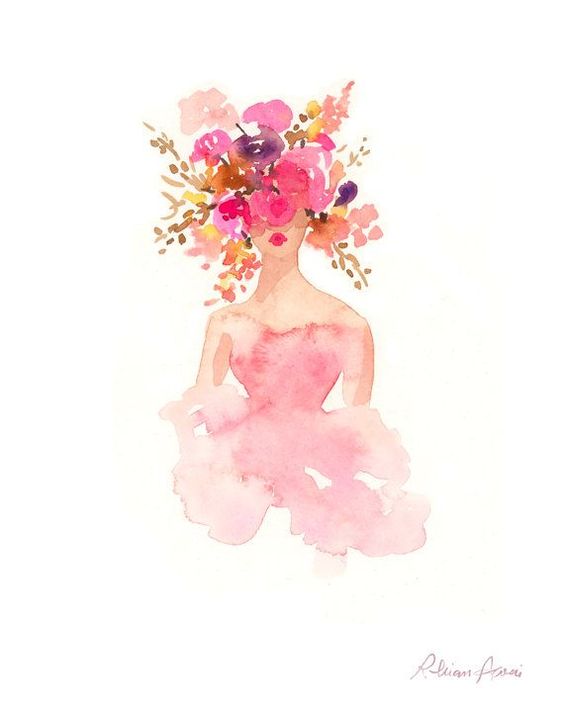
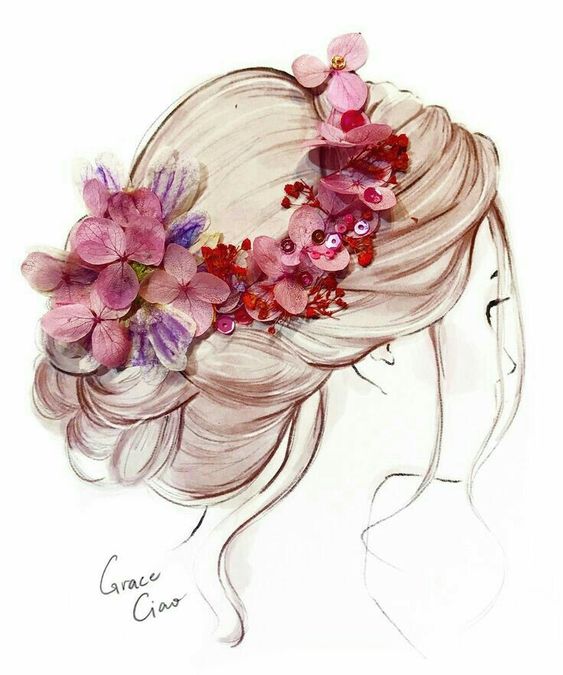
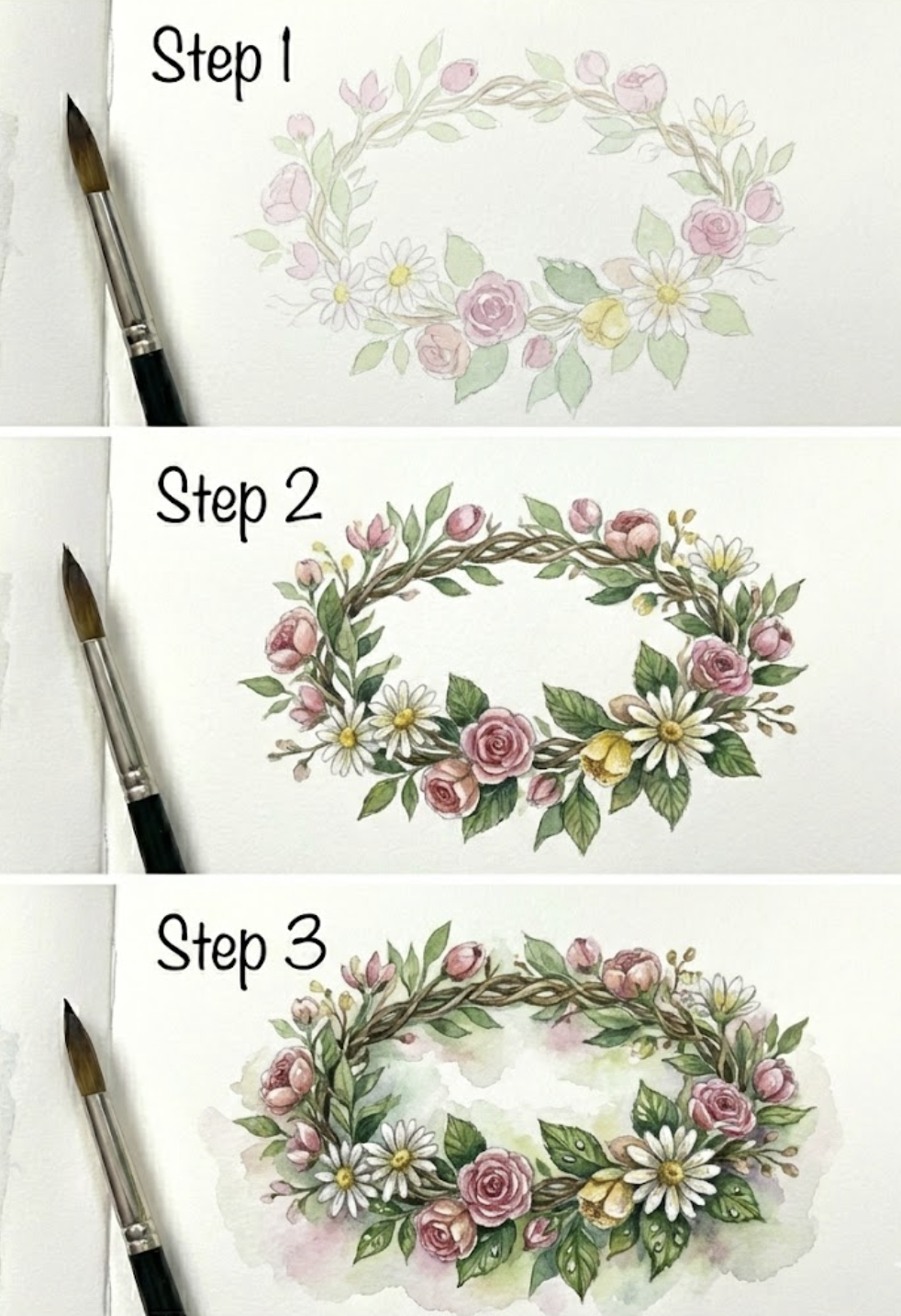
Flower crowns combine organic shapes (flowers, leaves) with a circular structure. It’s a good exercise in arranging natural elements into a design.
Try this angle: Draw the flower crown on a head, showing how it sits and interacts with hair.
Challenge: Design a crown using only one type of flower, focusing on arrangement and density variation.
Activities & Scenes
16) Kite Flying
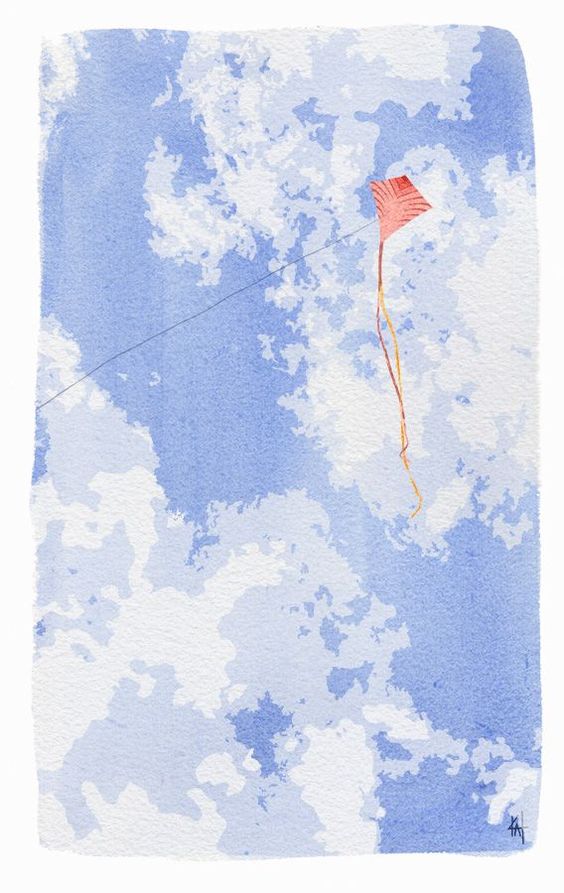
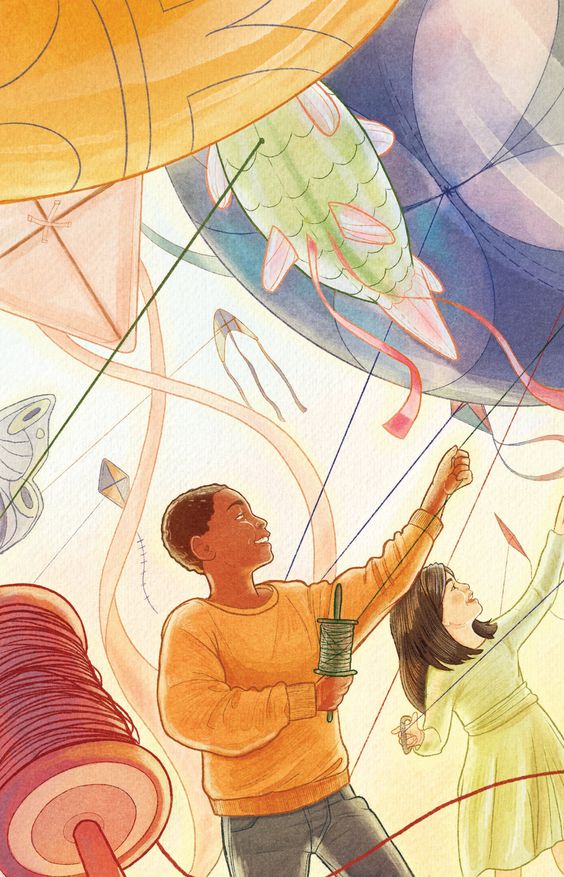
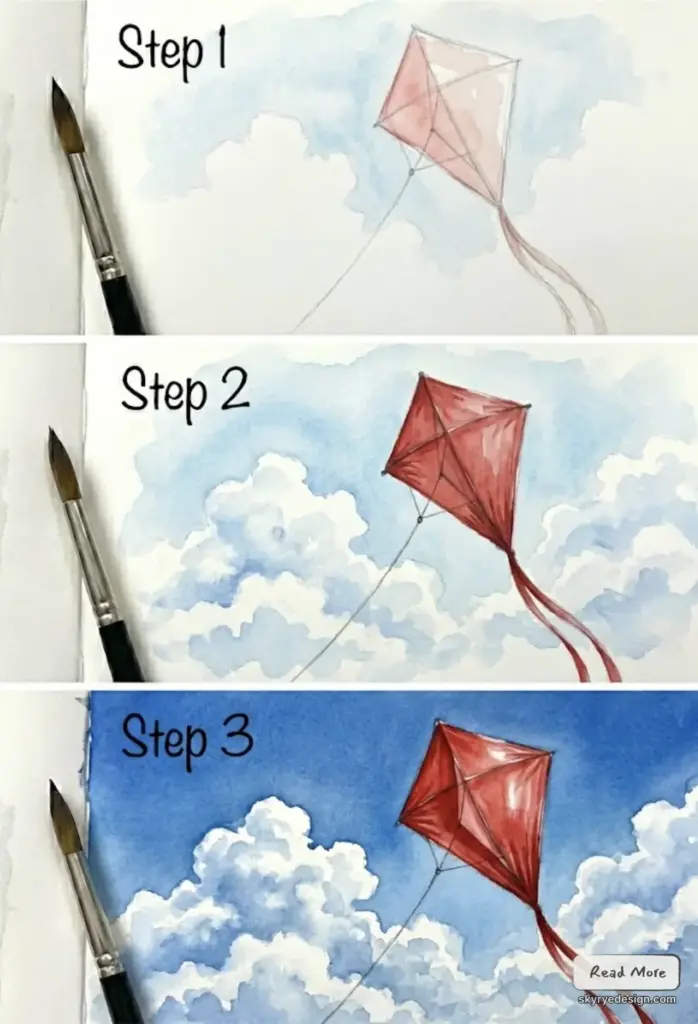
Kites in the sky offer lessons in perspective (the kite gets smaller with distance) and implied motion (the tail streaming, the string tension).
Try this angle: Draw from the kite’s perspective looking down at the person holding the string. Unusual viewpoints make ordinary subjects interesting.
Challenge: Show the wind’s effect on everything: the kite, the person’s hair, nearby flags or trees.
17) Campfire Night
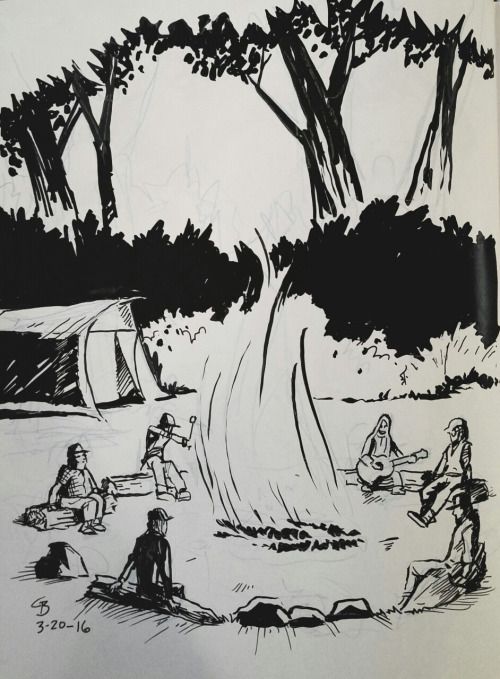
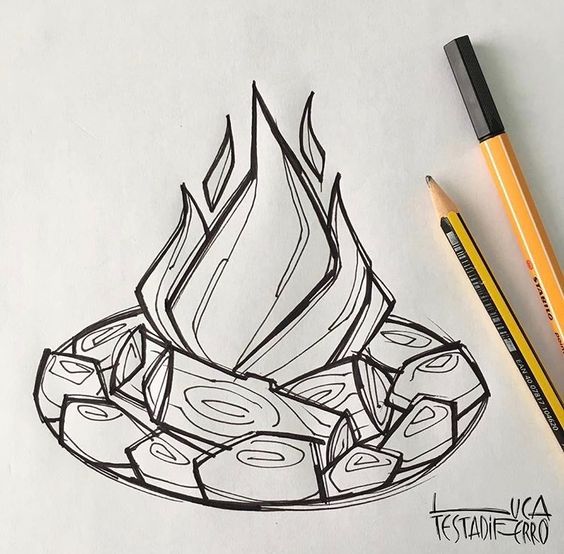
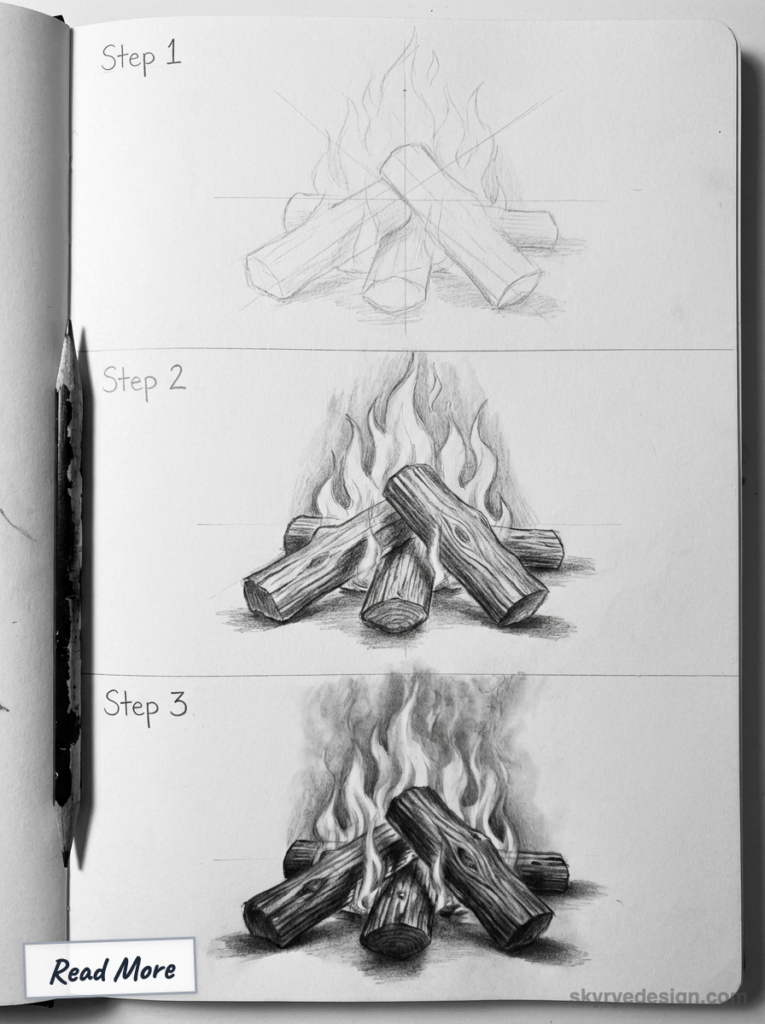
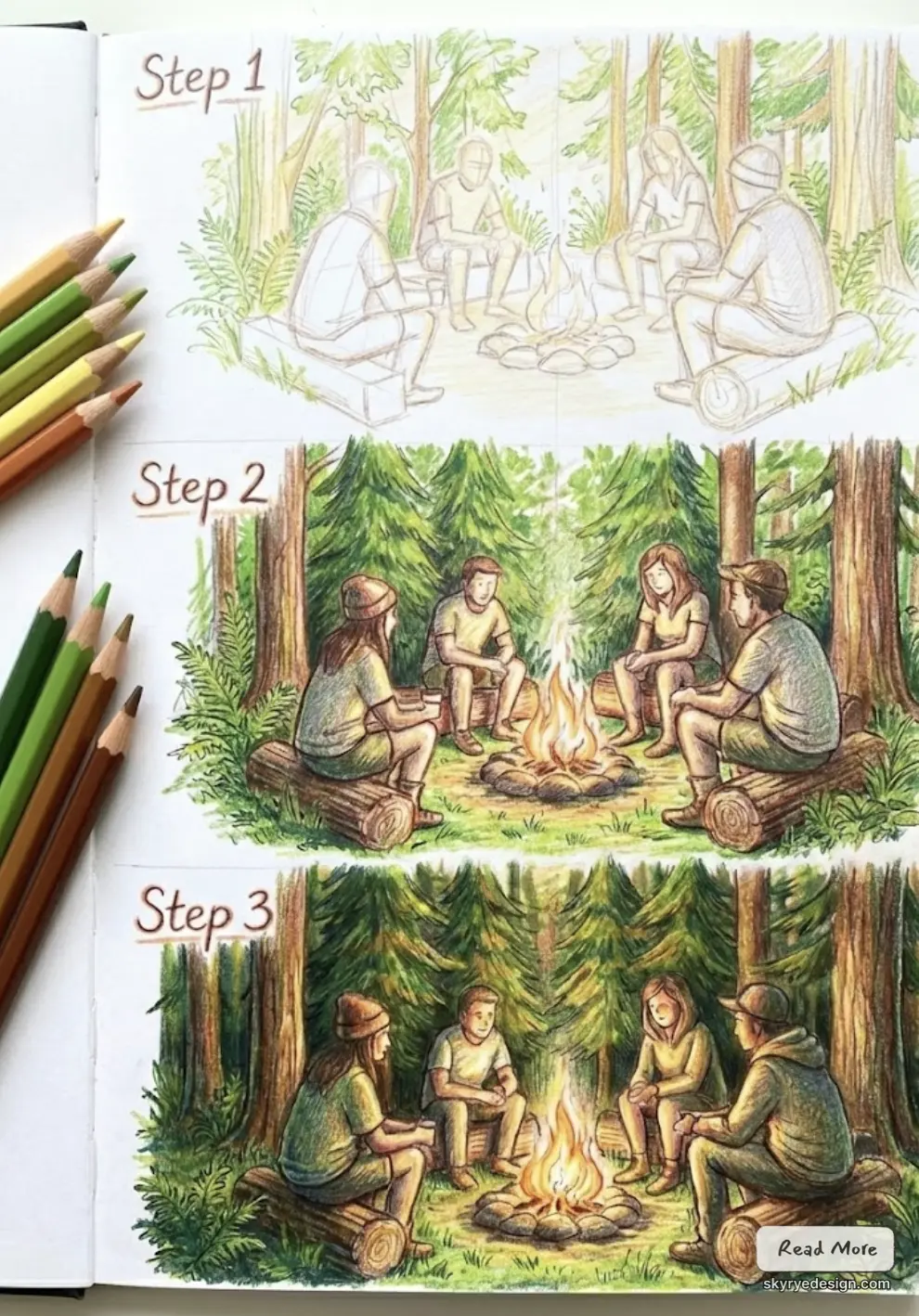
Campfires are studies in light and shadow. The warm glow illuminates faces and nearby objects while everything else falls into darkness.
Try this angle: Draw from across the fire, so flames partially obscure the people on the other side.
Challenge: Use only warm colors (or warm values in grayscale) for lit areas, cool tones for shadows.
18) Beach Volleyball

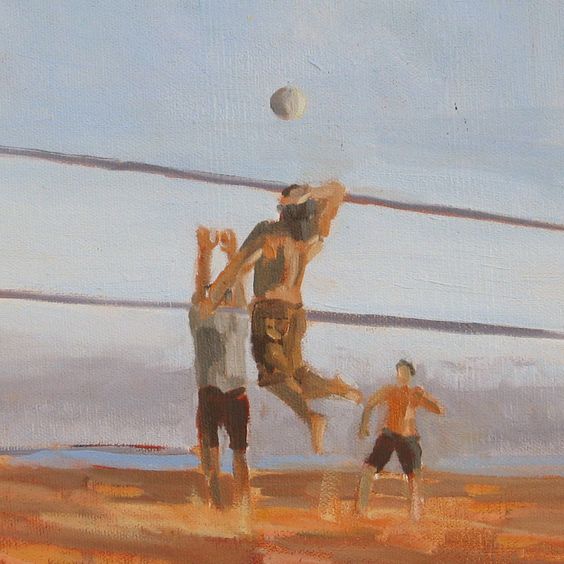
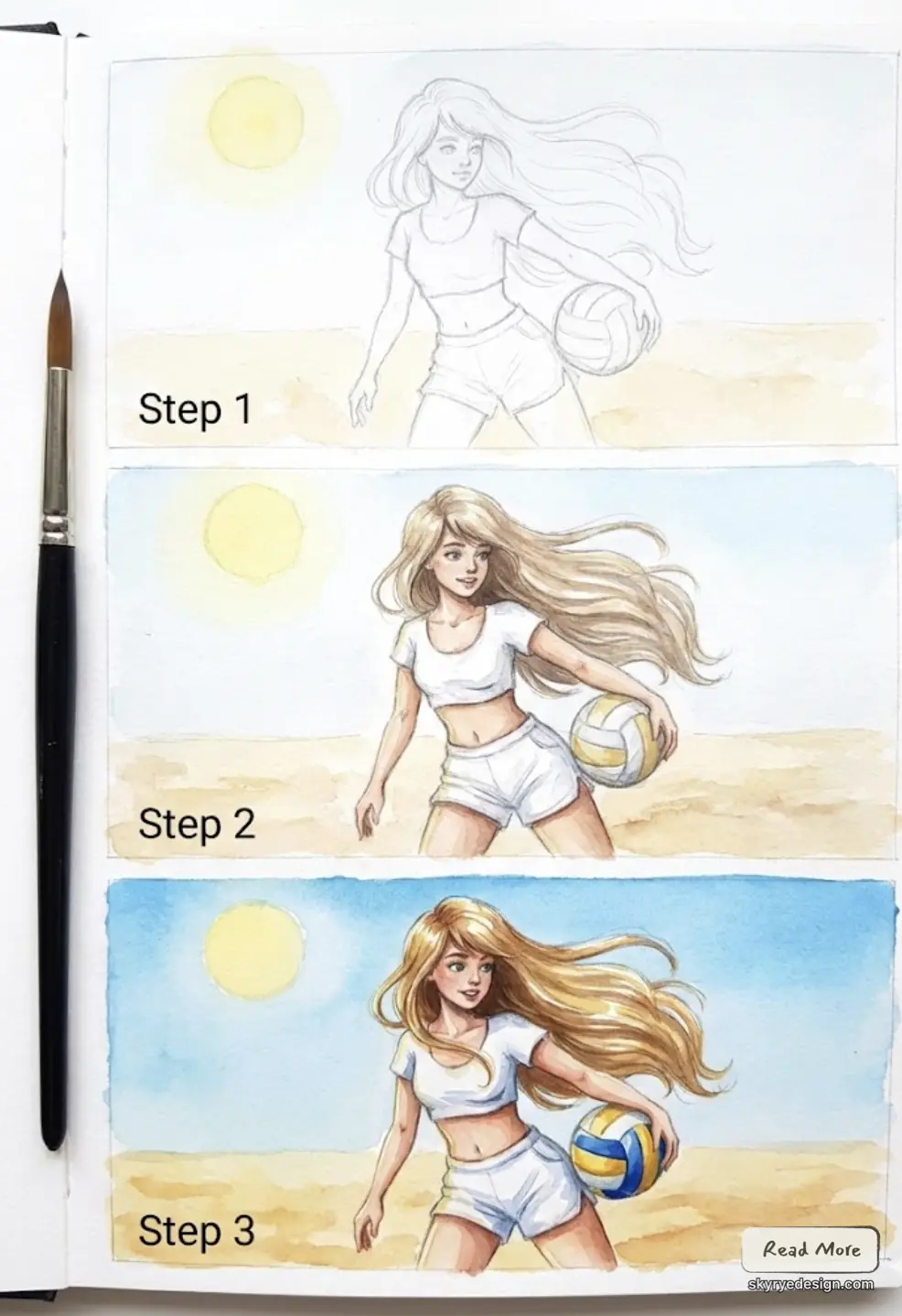
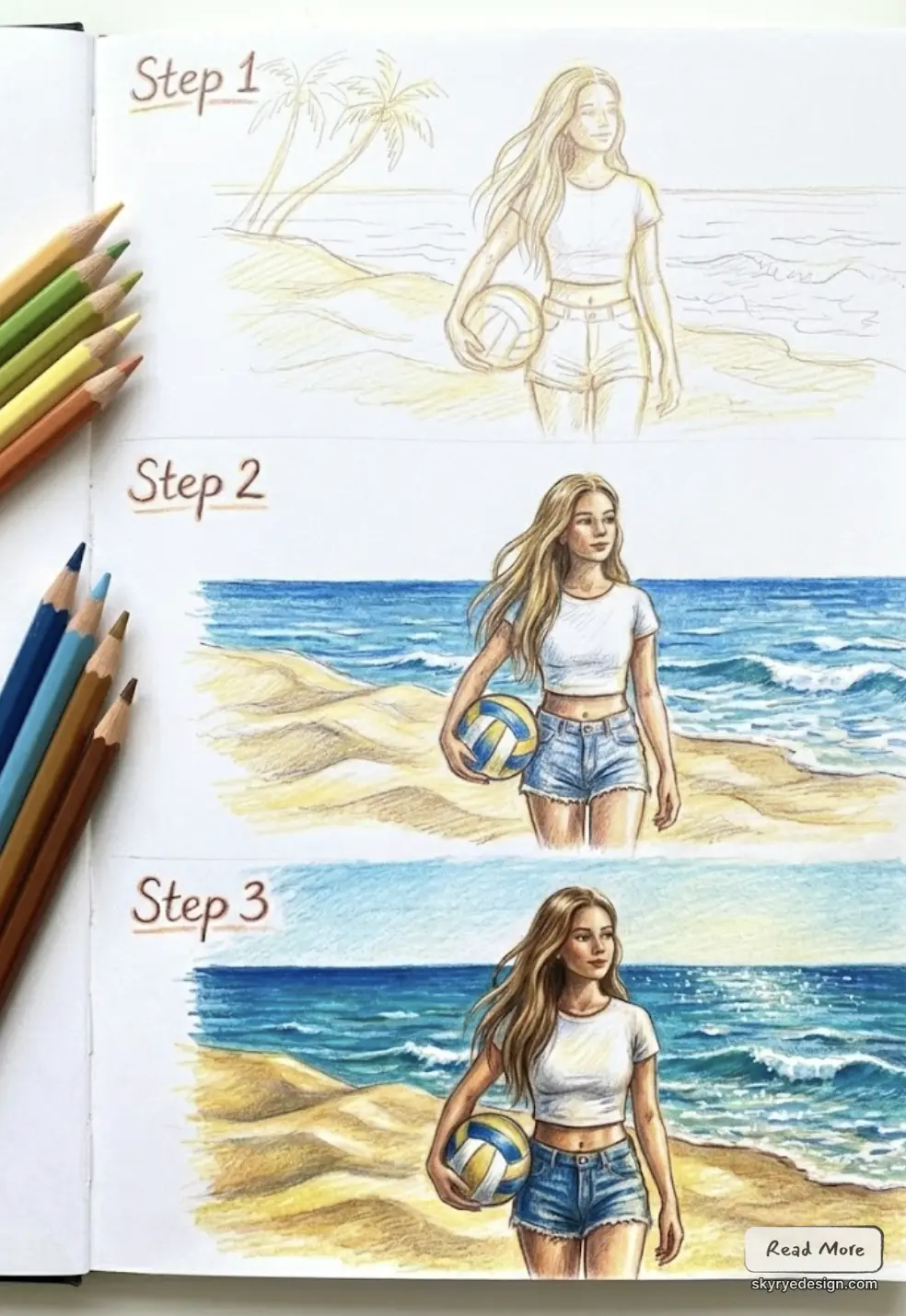
Sports scenes capture gesture and movement. Focus on the peak moment: the serve, the spike, the dive.
Try this angle: Draw from behind one player, showing their back and the net and opponents in front.
Challenge: Freeze the ball mid-air. Its position tells the whole story of the play.
19) Canoe Adventure
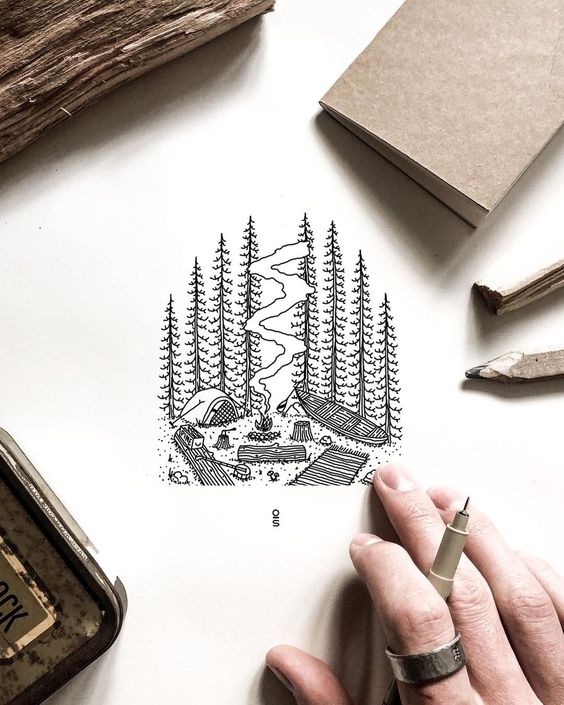
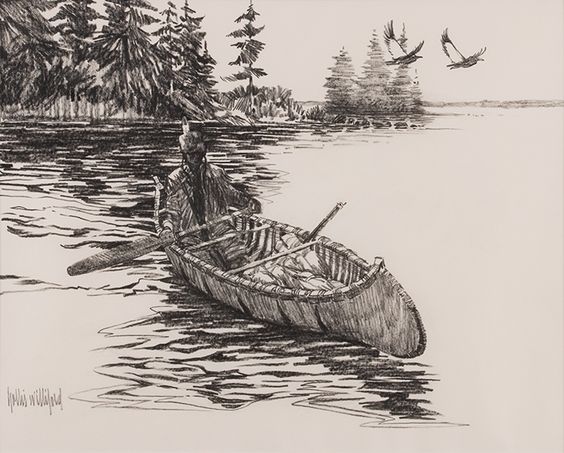
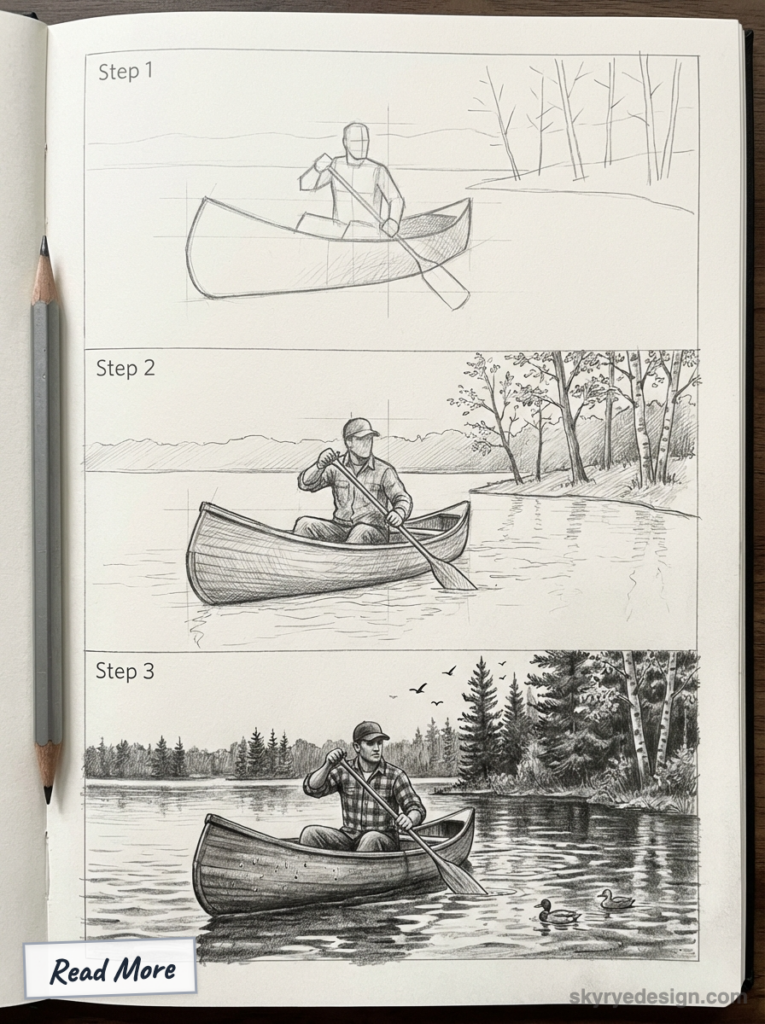
Canoes and kayaks offer reflections on water, the gesture of paddling, and landscape backgrounds. It’s a complete composition in one subject.
Try this angle: Draw from inside the canoe, showing the bow, paddle, and water from the paddler’s perspective.
Challenge: Capture the canoe’s reflection in still water—it’s not a perfect mirror; it’s slightly distorted.
20) Hammock Scene
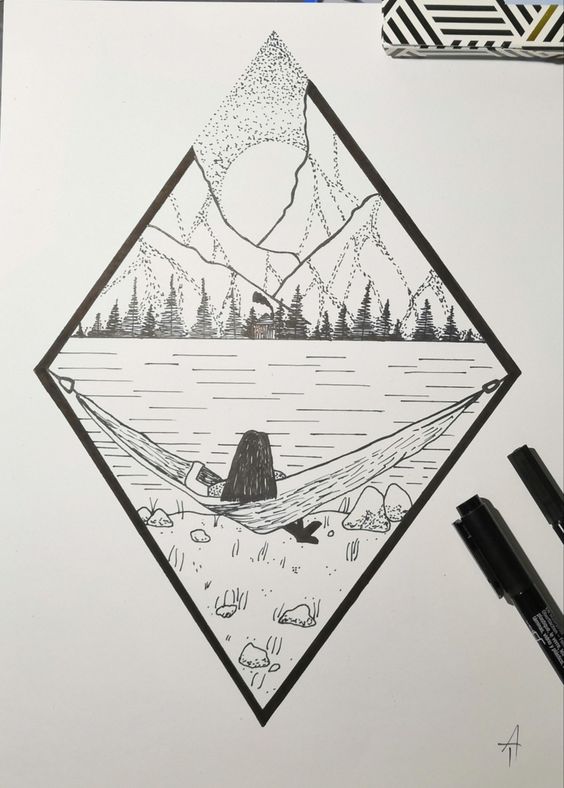
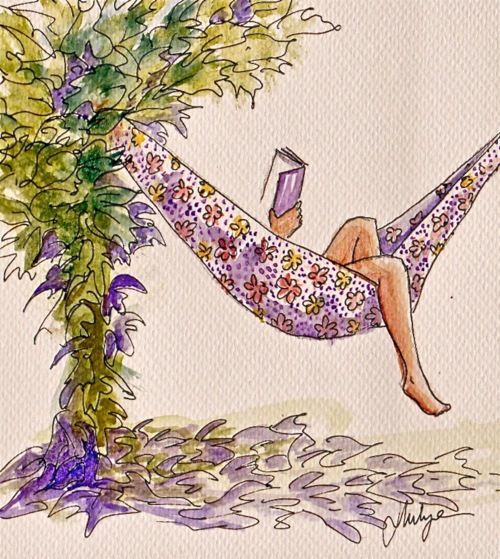
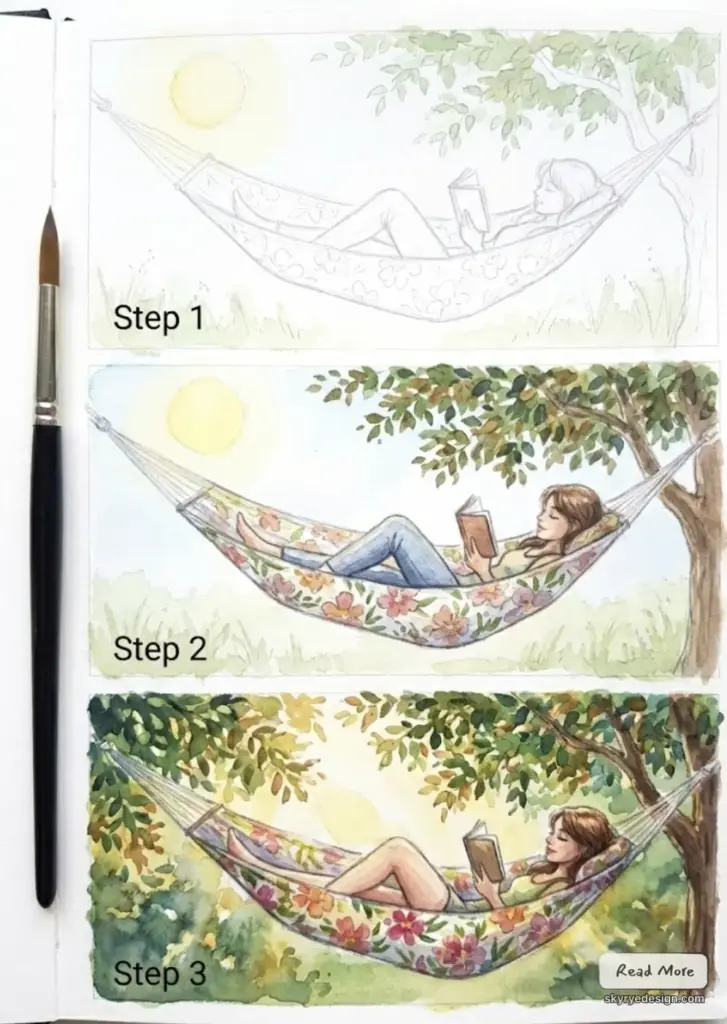
Hammocks are about relaxation, but they’re technically interesting: the fabric tension, the rope patterns, the curve of a body.
Try this angle: Draw a hammock between two trees with a person reading, seen from the side.
Challenge: Get the fabric folds right. A loaded hammock stretches and drapes differently than an empty one.
21) Road Trip Moments
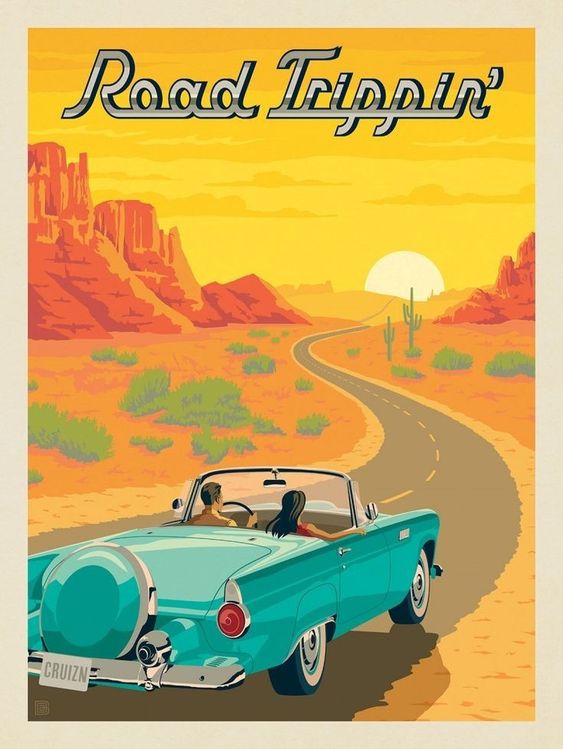
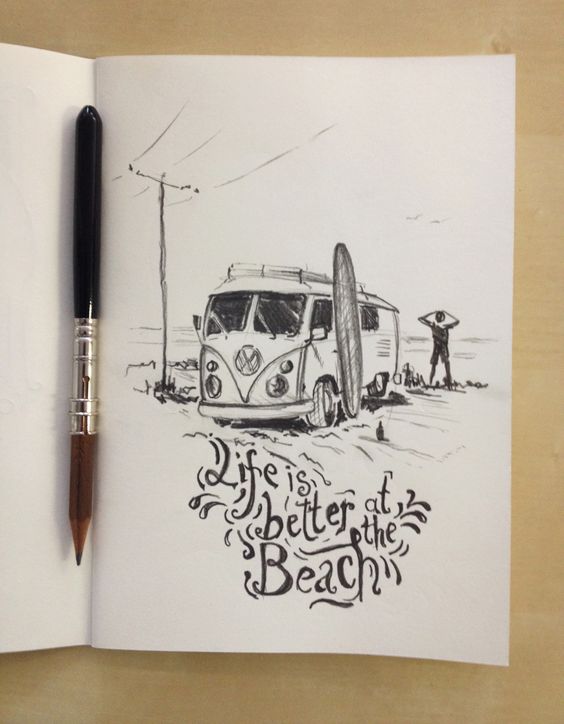
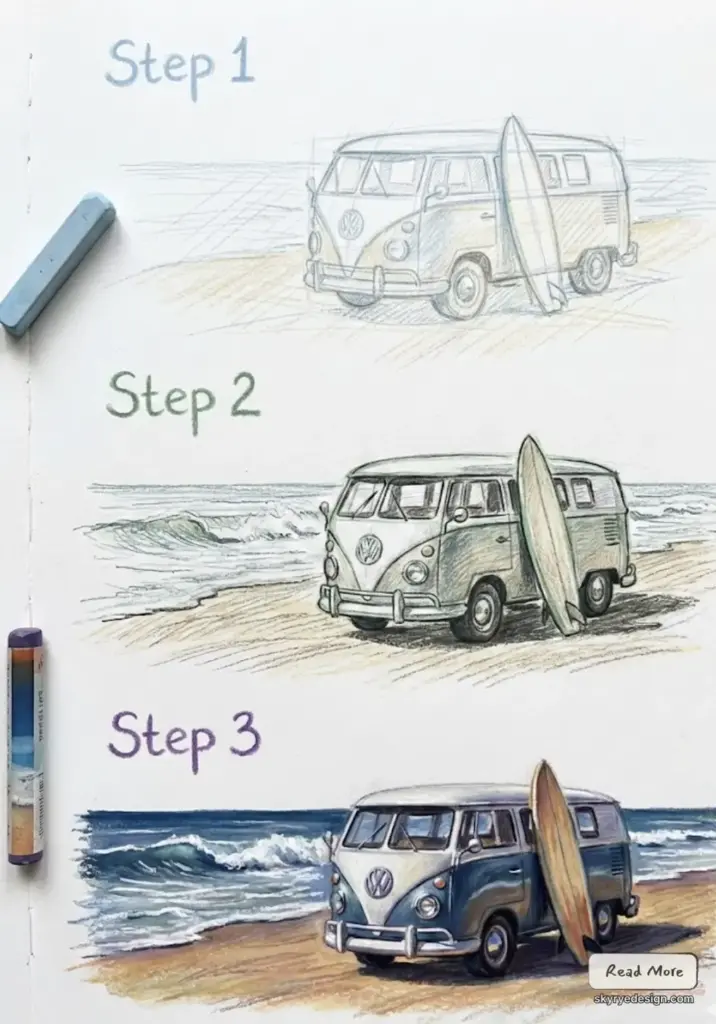
Road trips offer sequential subjects: the dashboard view, the rearview mirror, rest stops, roadside diners, weird local attractions.
Try this angle: Draw through the windshield—the framing creates an automatic composition.
Challenge: Capture motion blur on the passing landscape while keeping the car interior sharp.
Fashion & Accessories
22) Flip Flop Studies
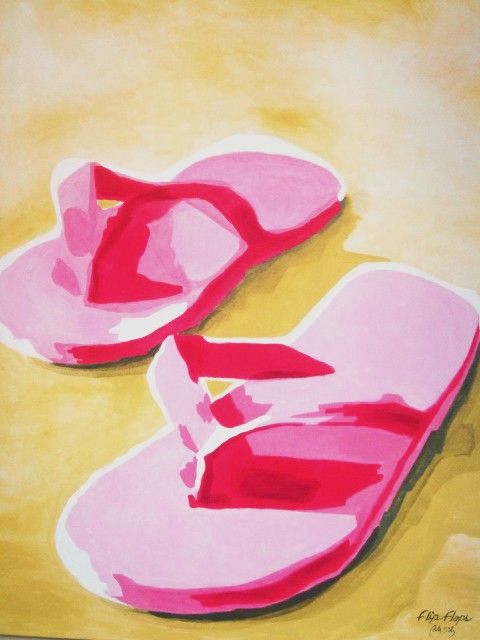
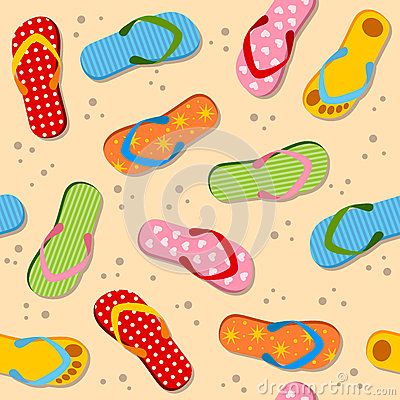
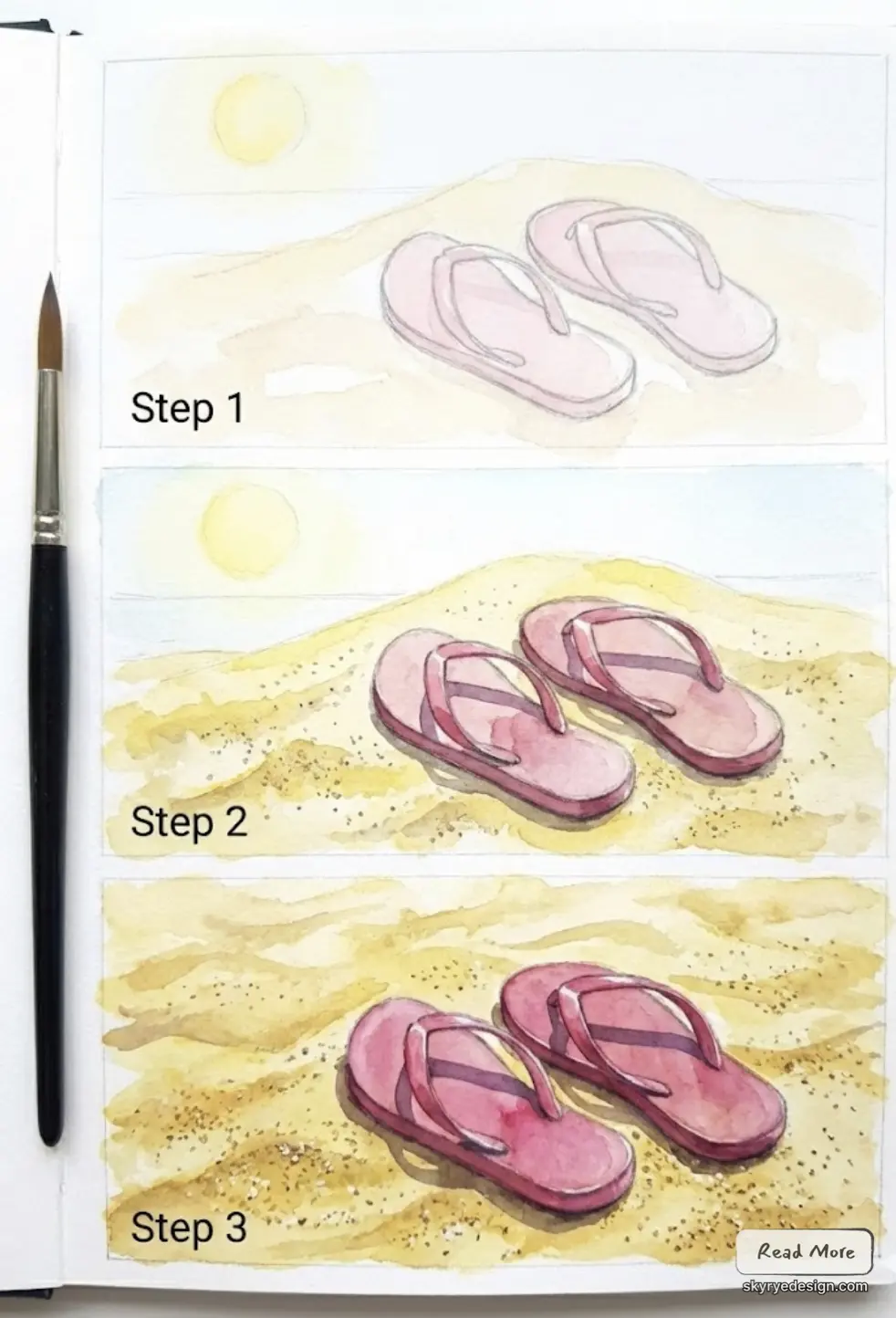
Flip flops have simple shapes but interesting material challenges: rubber texture, fabric straps, worn soles showing use.
Try this angle: Draw flip flops abandoned on sand with footprints leading to the water.
Challenge: Show wear patterns—where the heel has compressed, where the strap has stretched.
23) Sunglasses Collection
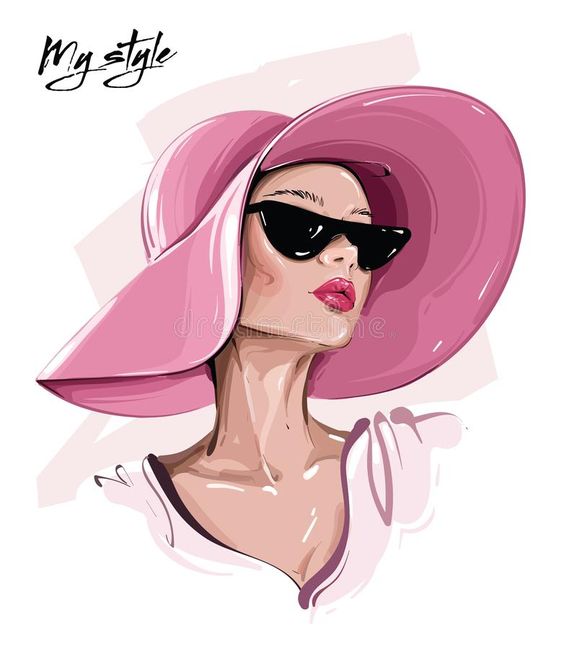
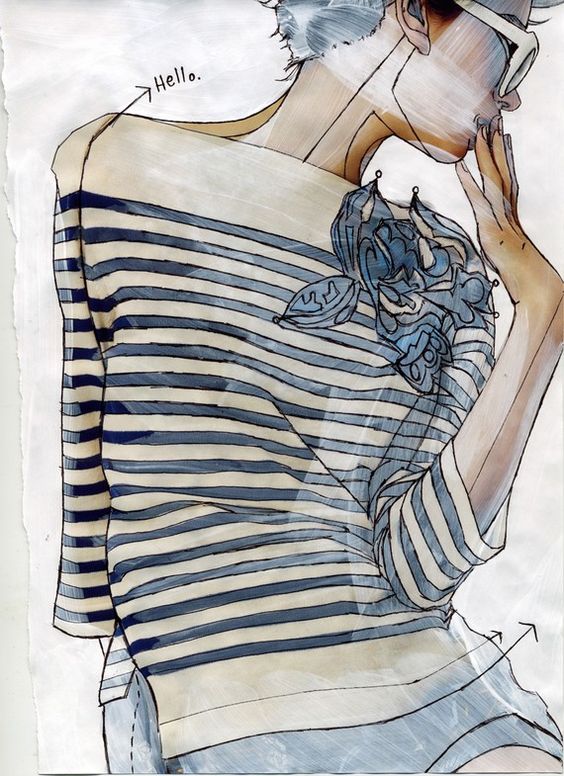
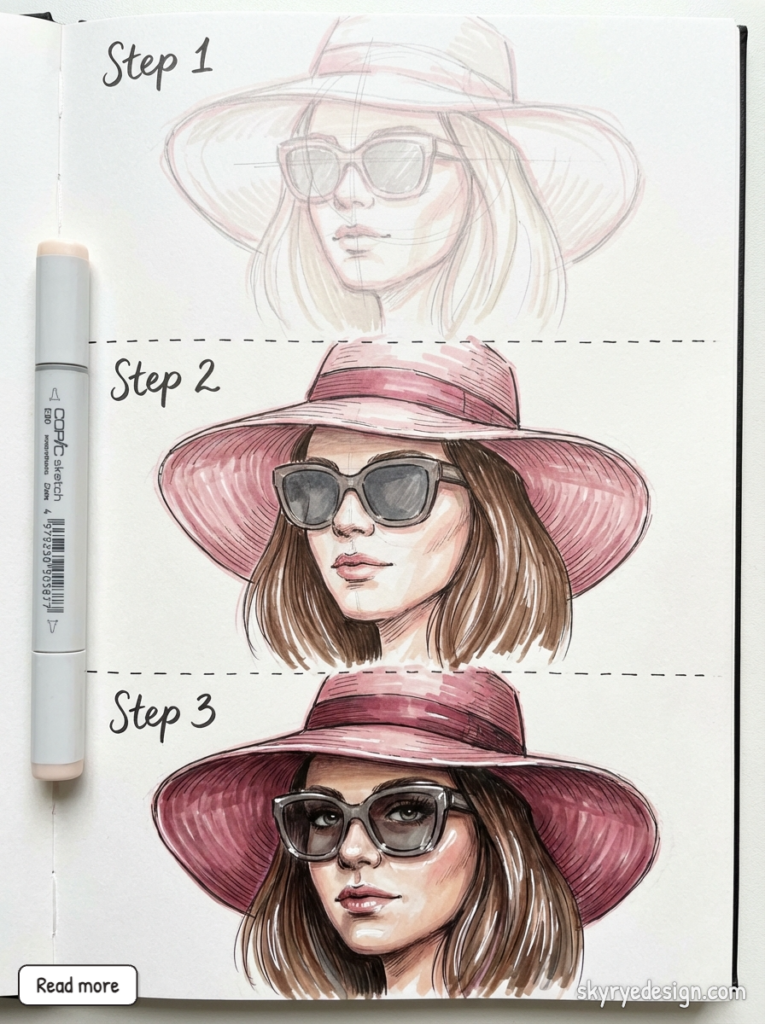
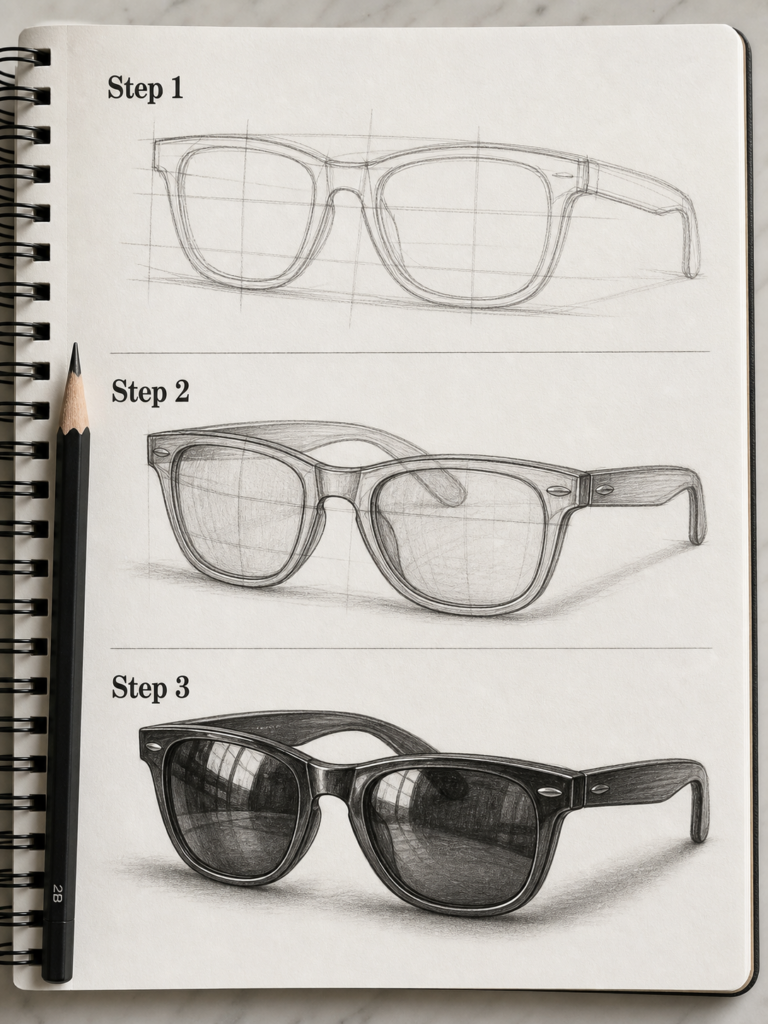
Sunglasses are exercises in drawing reflections and transparency. What’s reflected in the lenses? What’s visible through them?
Try this angle: Draw sunglasses on a face, showing both the reflection in the lenses and the eyes dimly visible behind.
Challenge: Different lens colors (amber, green, blue) change what’s visible through them. Show this.
24) Sun Hat Styles
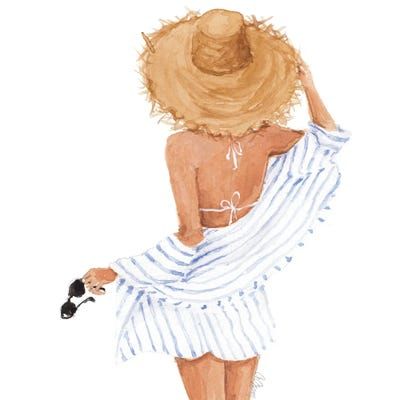
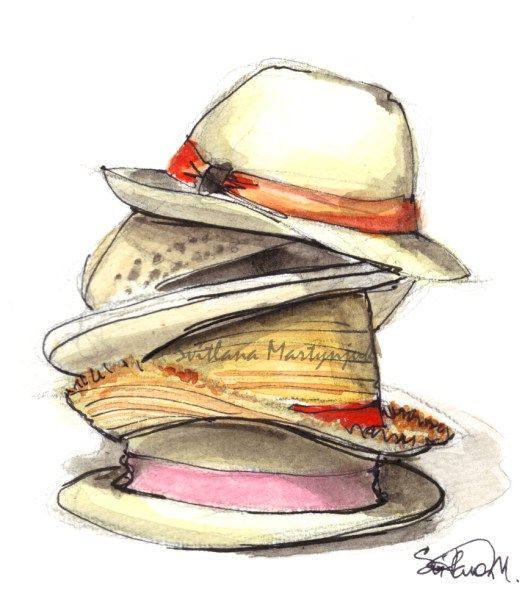
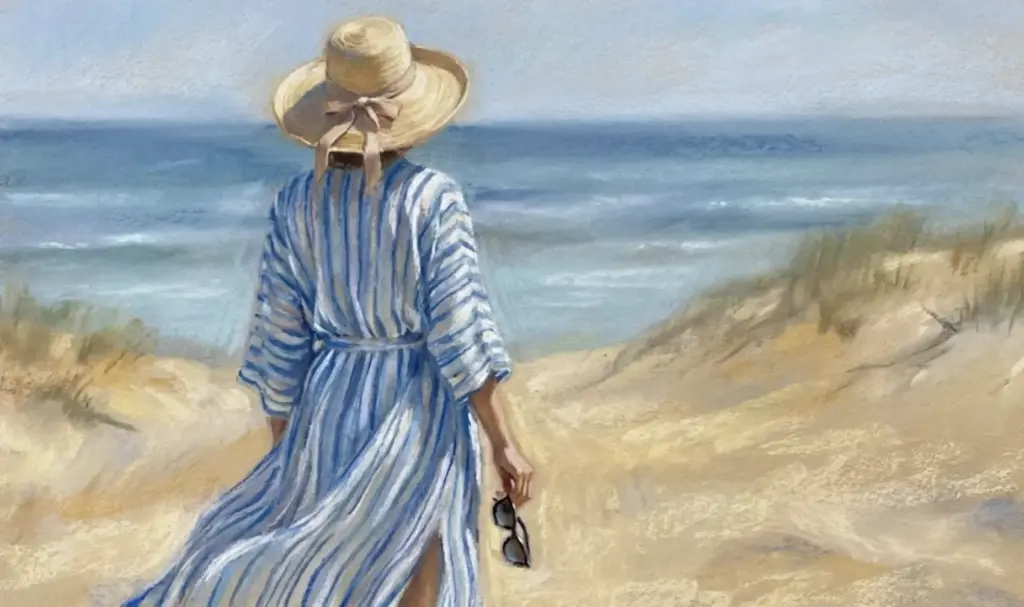
Hats create interesting shadow patterns on faces and shoulders. The hat’s shape—floppy, structured, straw, fabric—each has different characteristics.
Try this angle: Draw from behind, showing the back of the hat and the shadow it casts.
Challenge: Capture straw texture without drawing every strand. Suggest it with pattern and value.
25) Sandy Toes
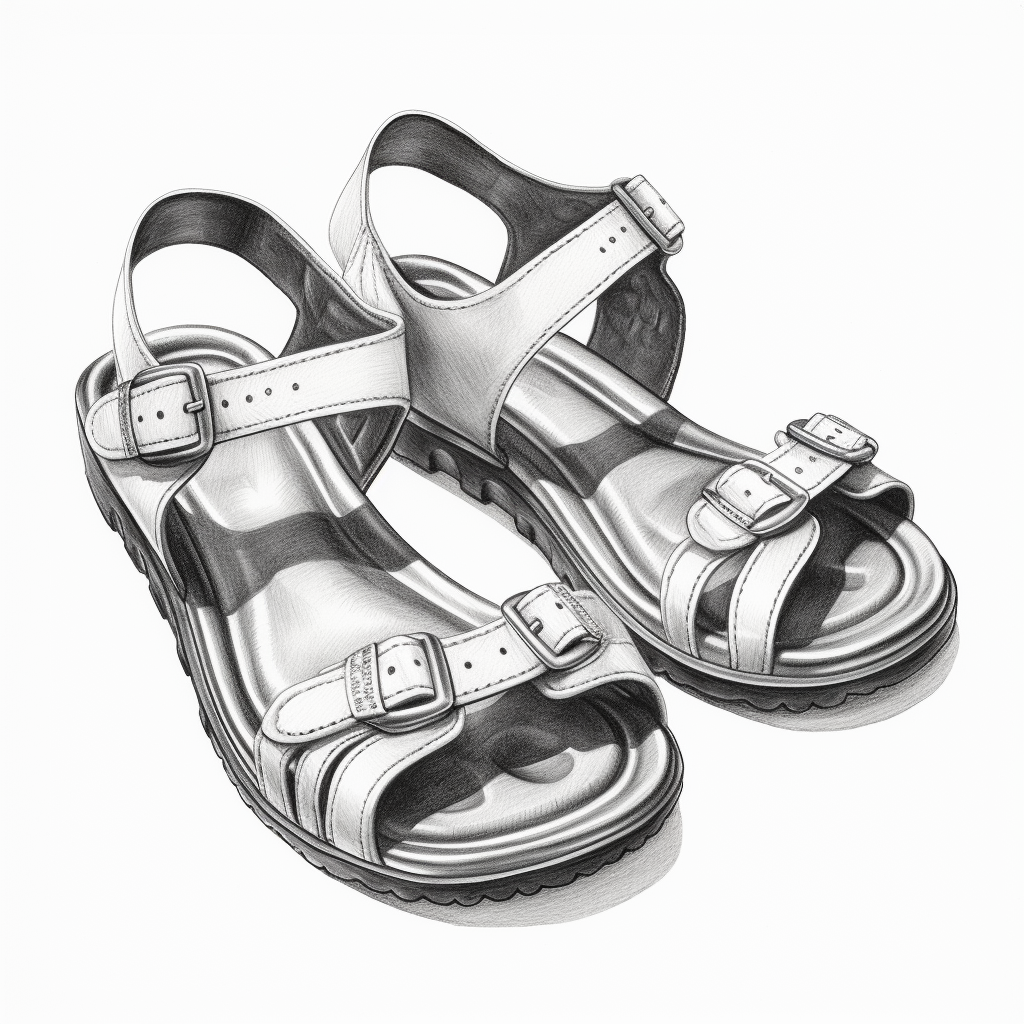
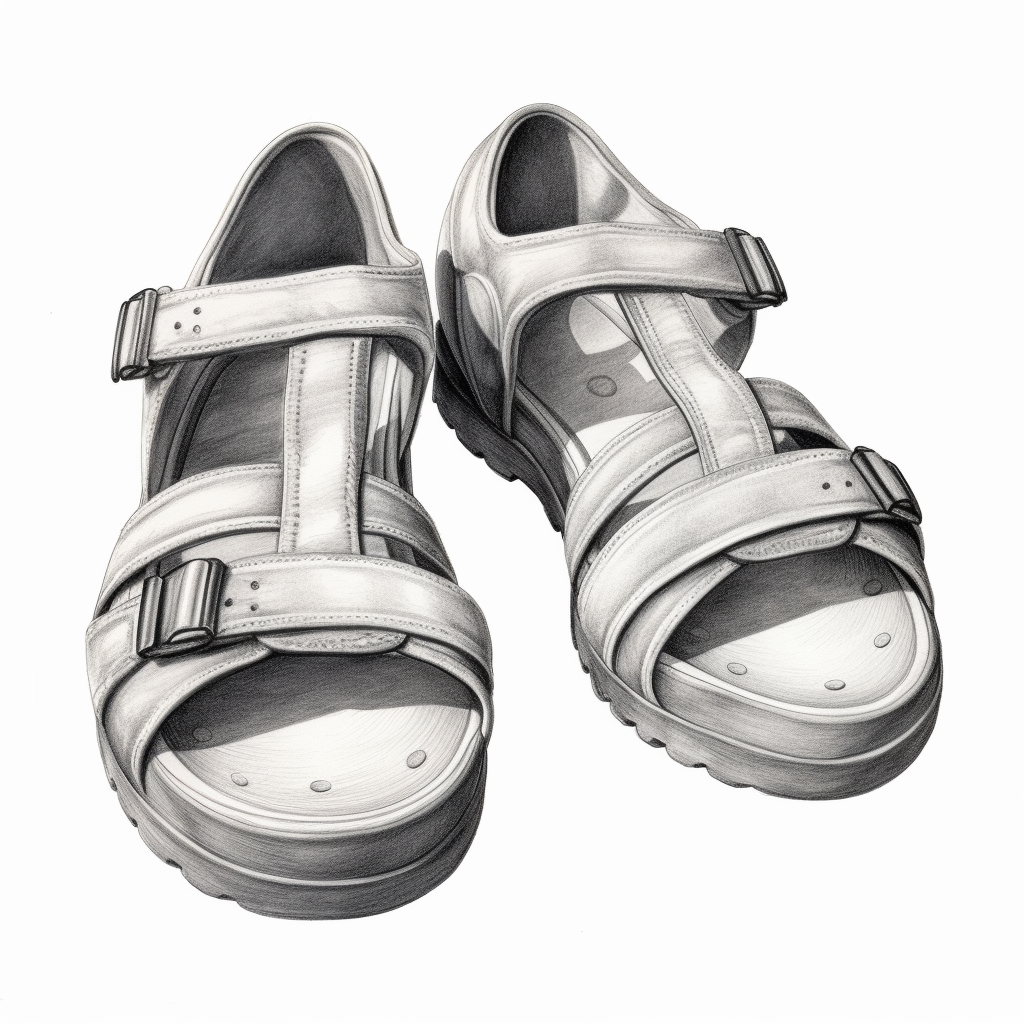
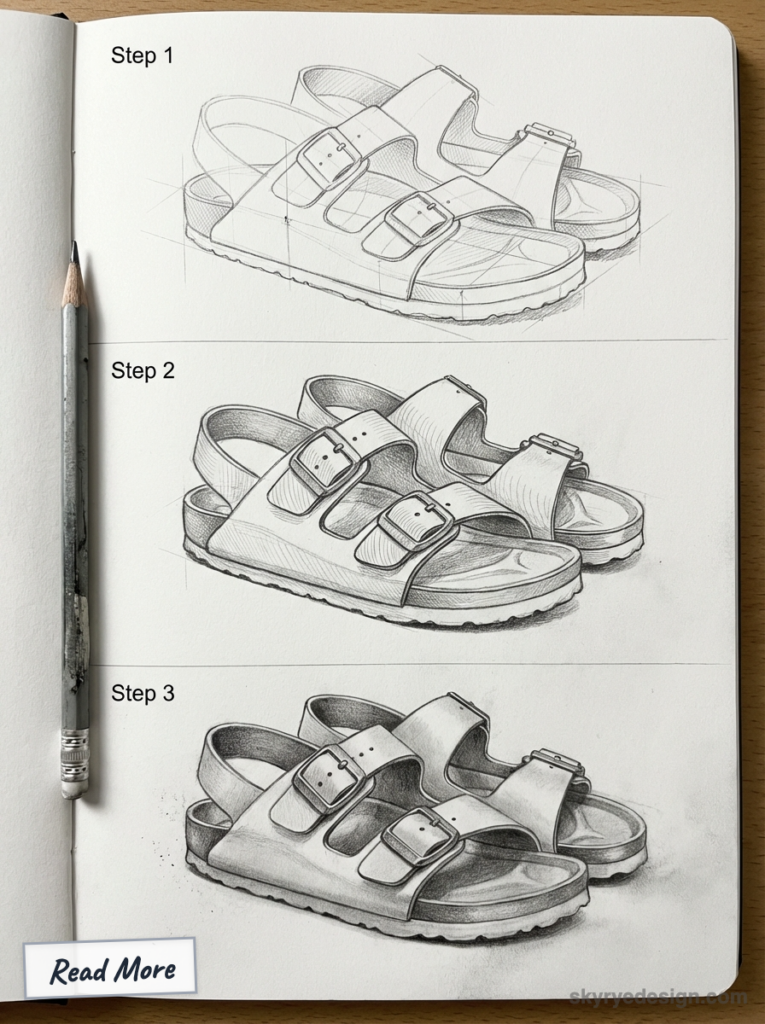
Feet covered in sand are texture studies: the granular sand, the skin underneath, the contrast between clean and sandy areas.
Try this angle: Draw your own feet. The foreshortening when looking down at them is challenging and useful to practice.
Challenge: Show wet sand versus dry sand clinging to skin differently.
Classic Summer Objects
26) Seashell Collection
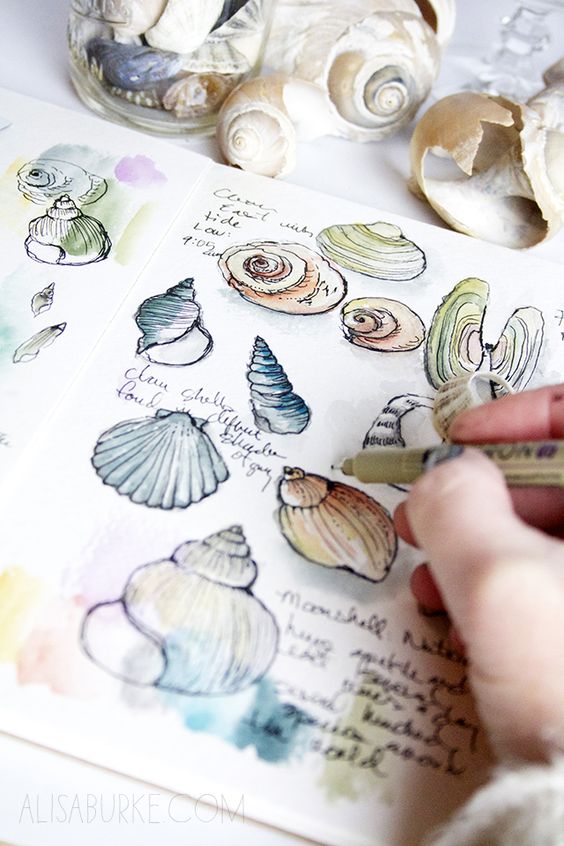
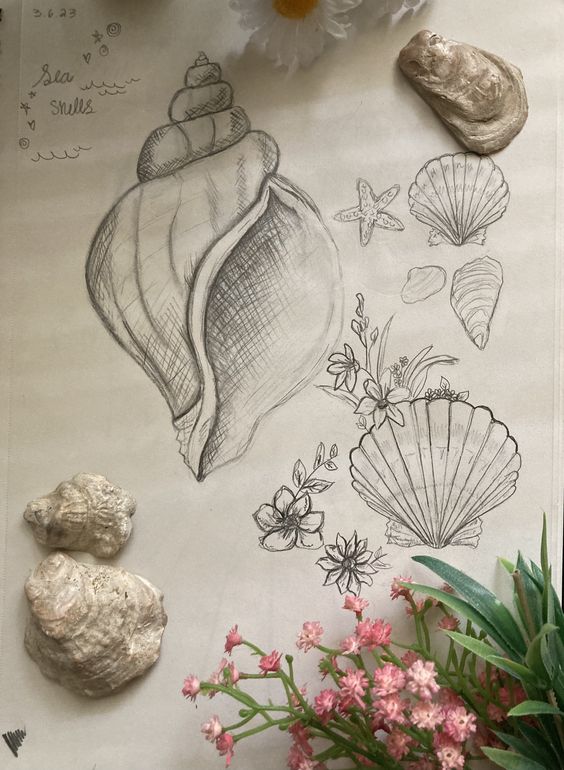
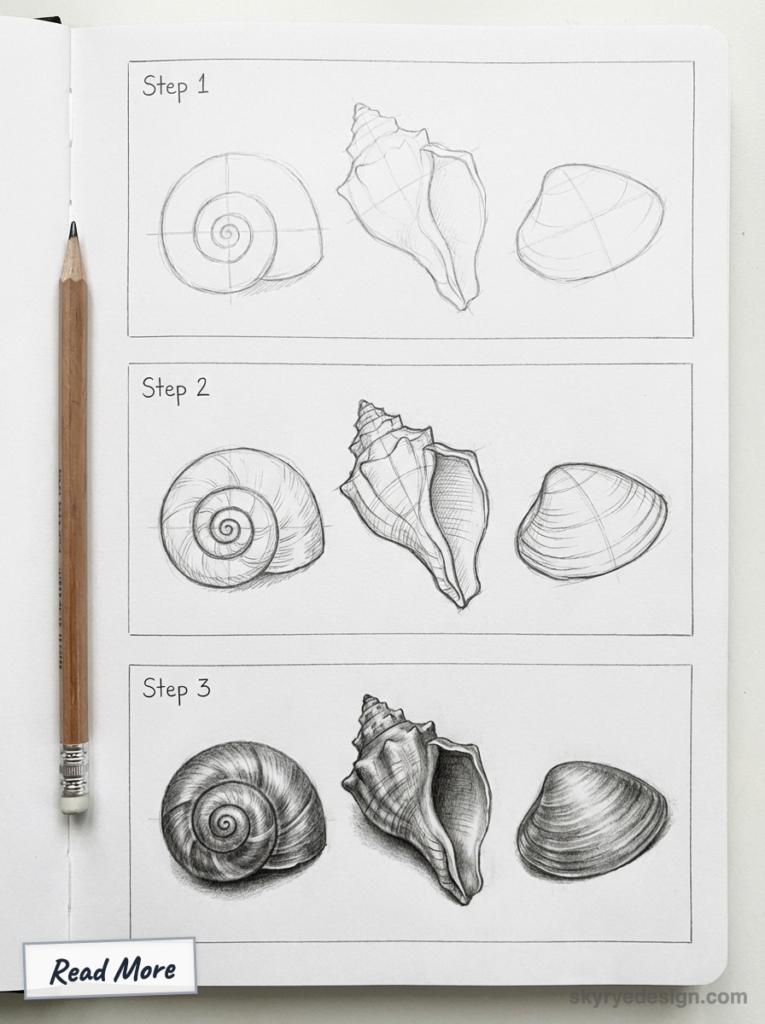
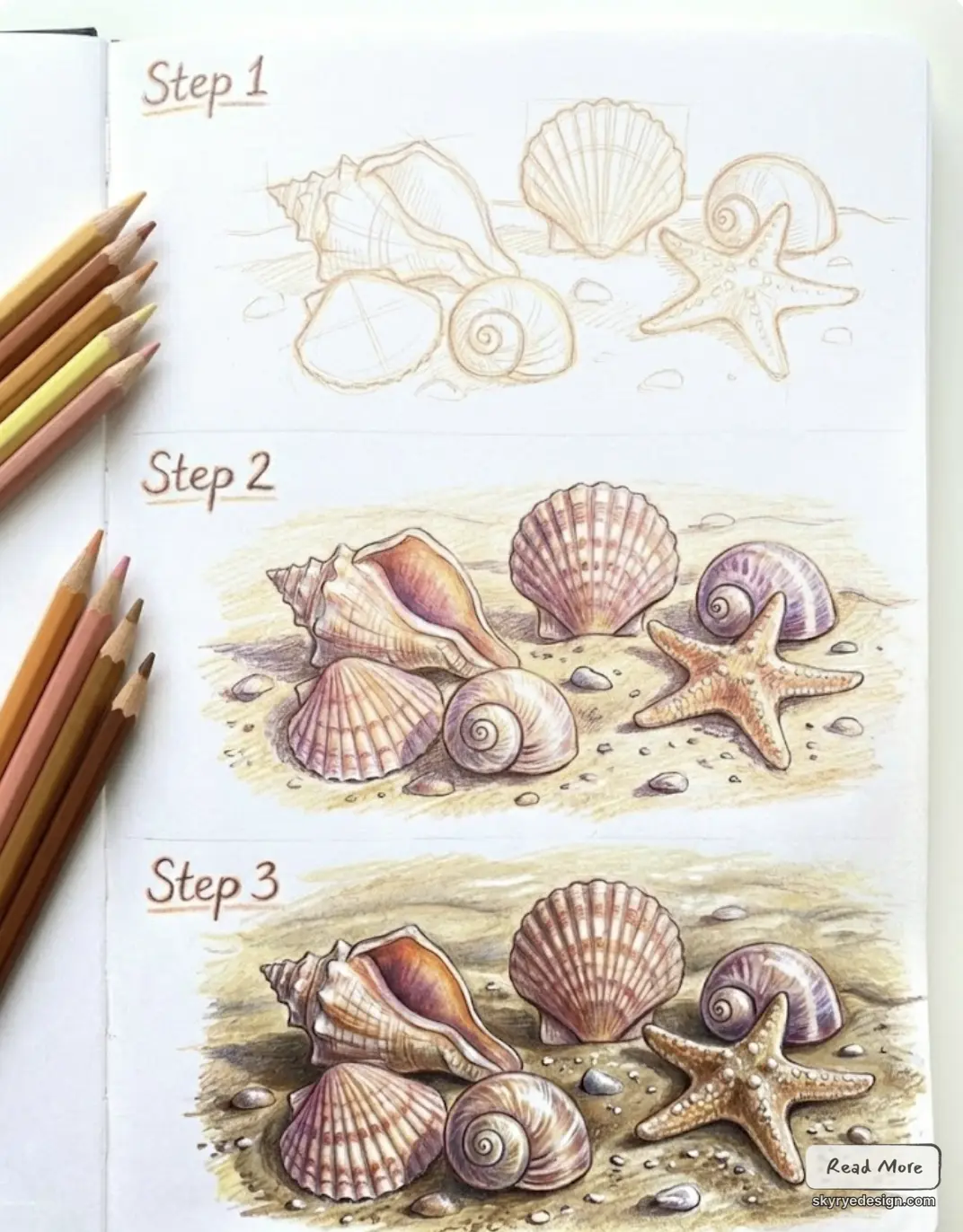
Shells have incredible variety: spirals, fans, cones, bivalves. Each type has different structure and surface patterns.
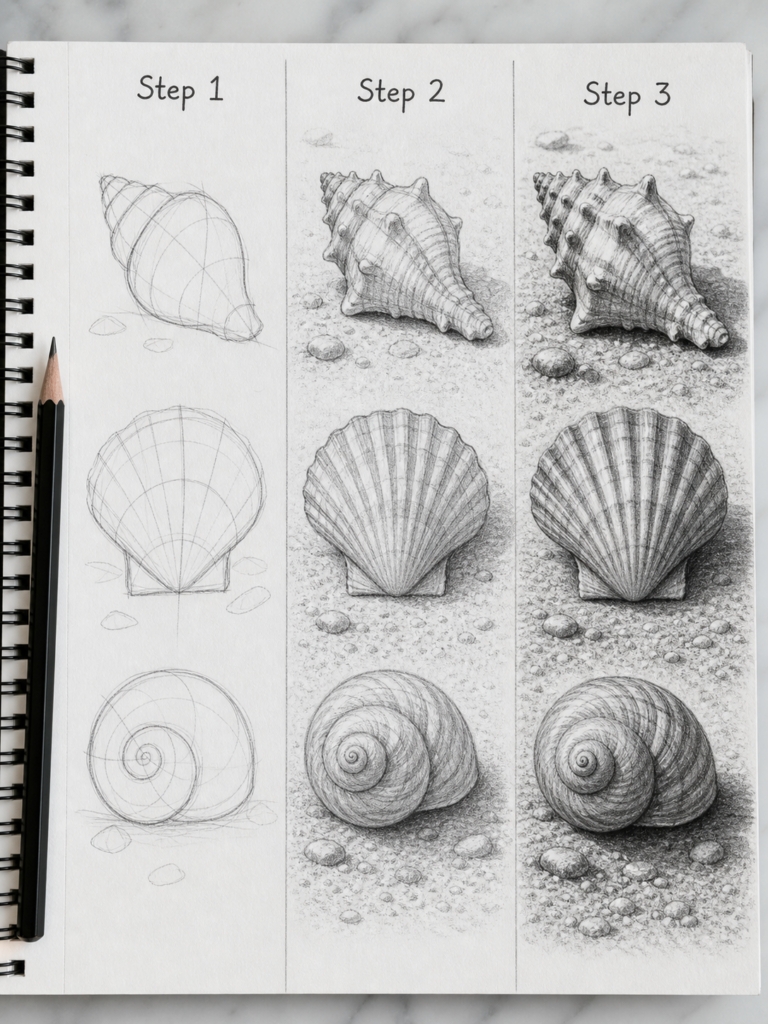
Try this angle: Arrange shells in a jar or bowl. The glass adds another layer of reflection and distortion.
Challenge: Draw shells at different scales in one composition—tiny shells and large shells together.
27) Garden Gnome Character
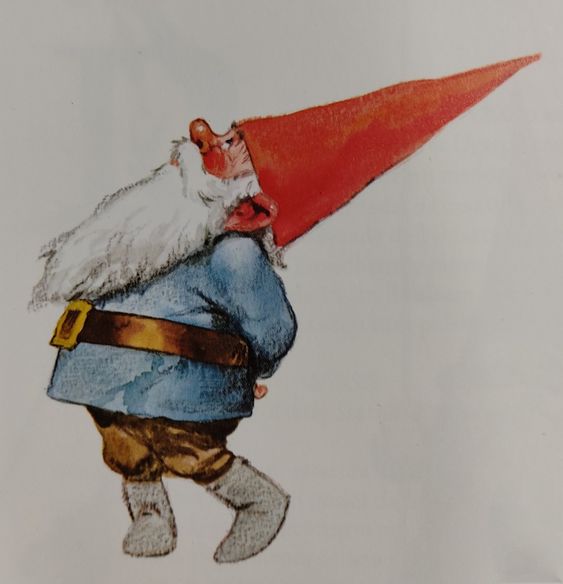
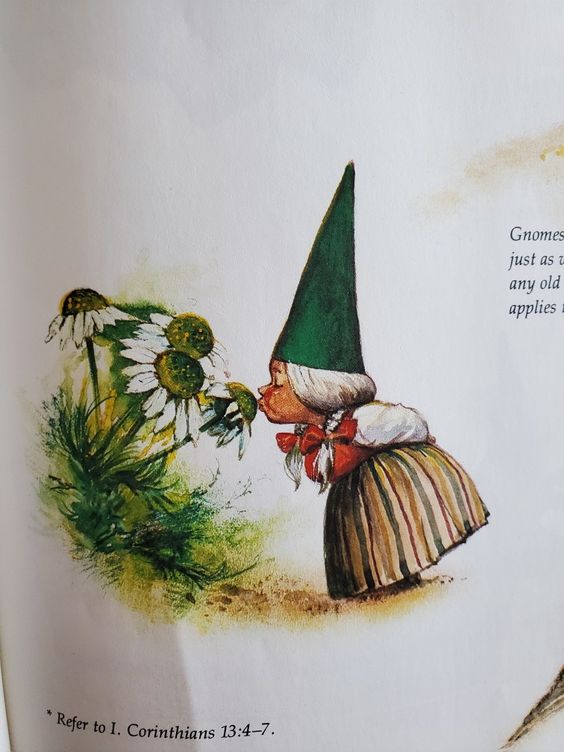
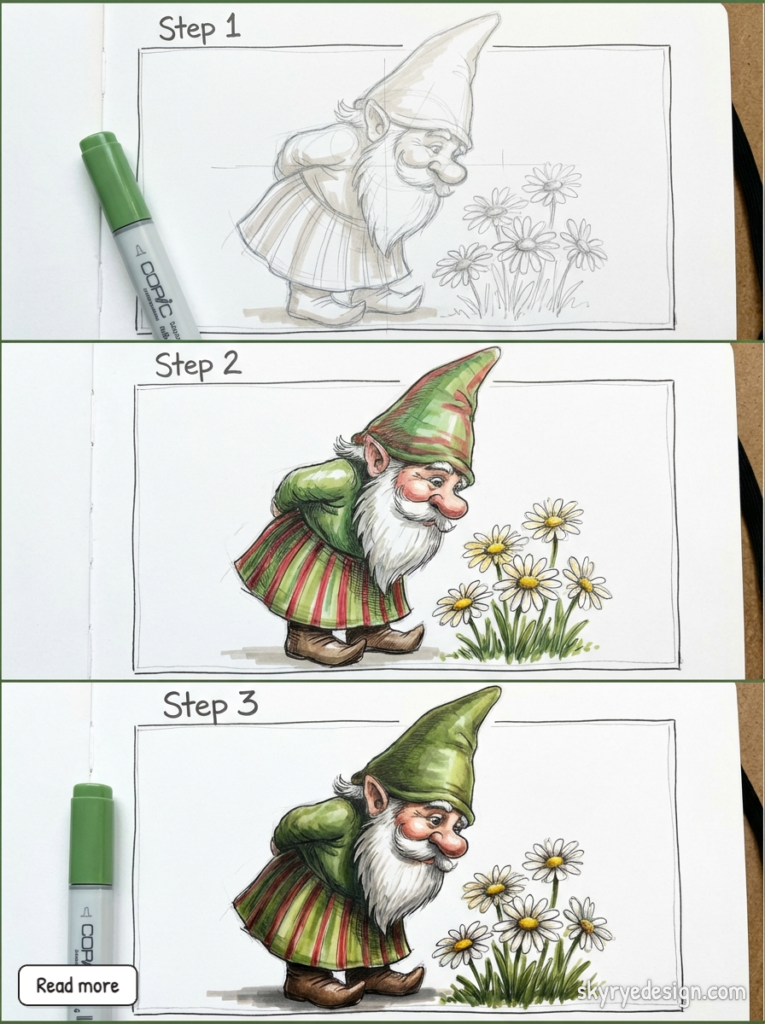
Garden gnomes are character studies with exaggerated features: big noses, round bellies, pointy hats. Good practice for stylization.
Try this angle: Give your gnome personality through pose: fishing, sleeping, hiding, waving.
Challenge: Design your own gnome character. What’s their personality? What are they doing?
28) Starry Night Sky
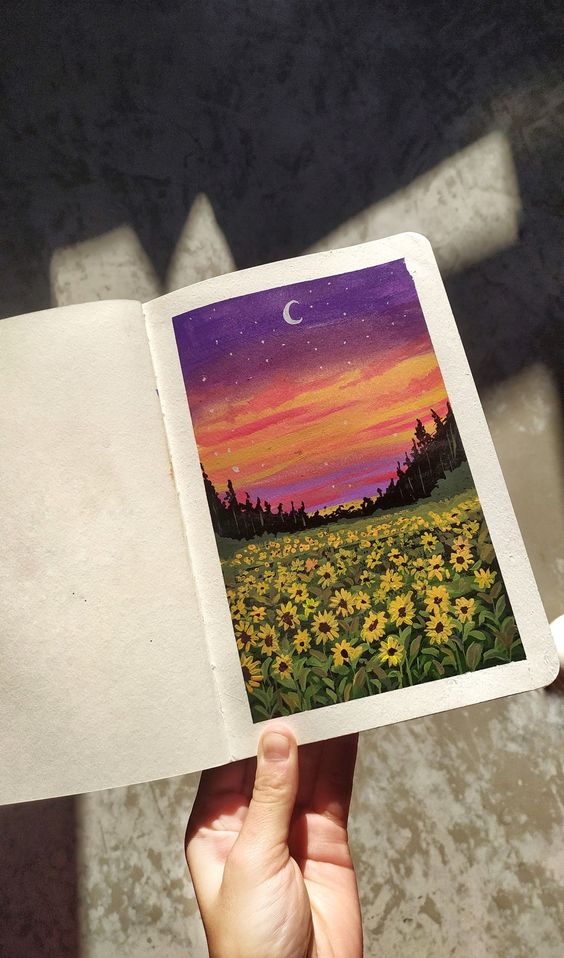
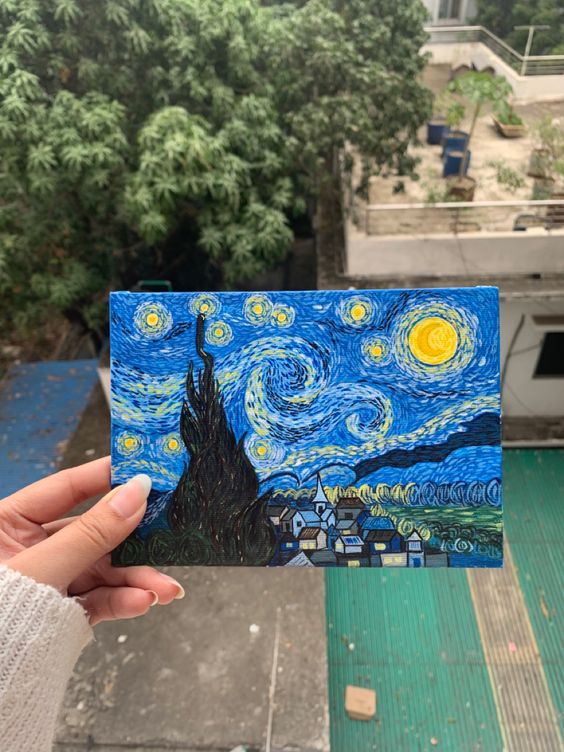
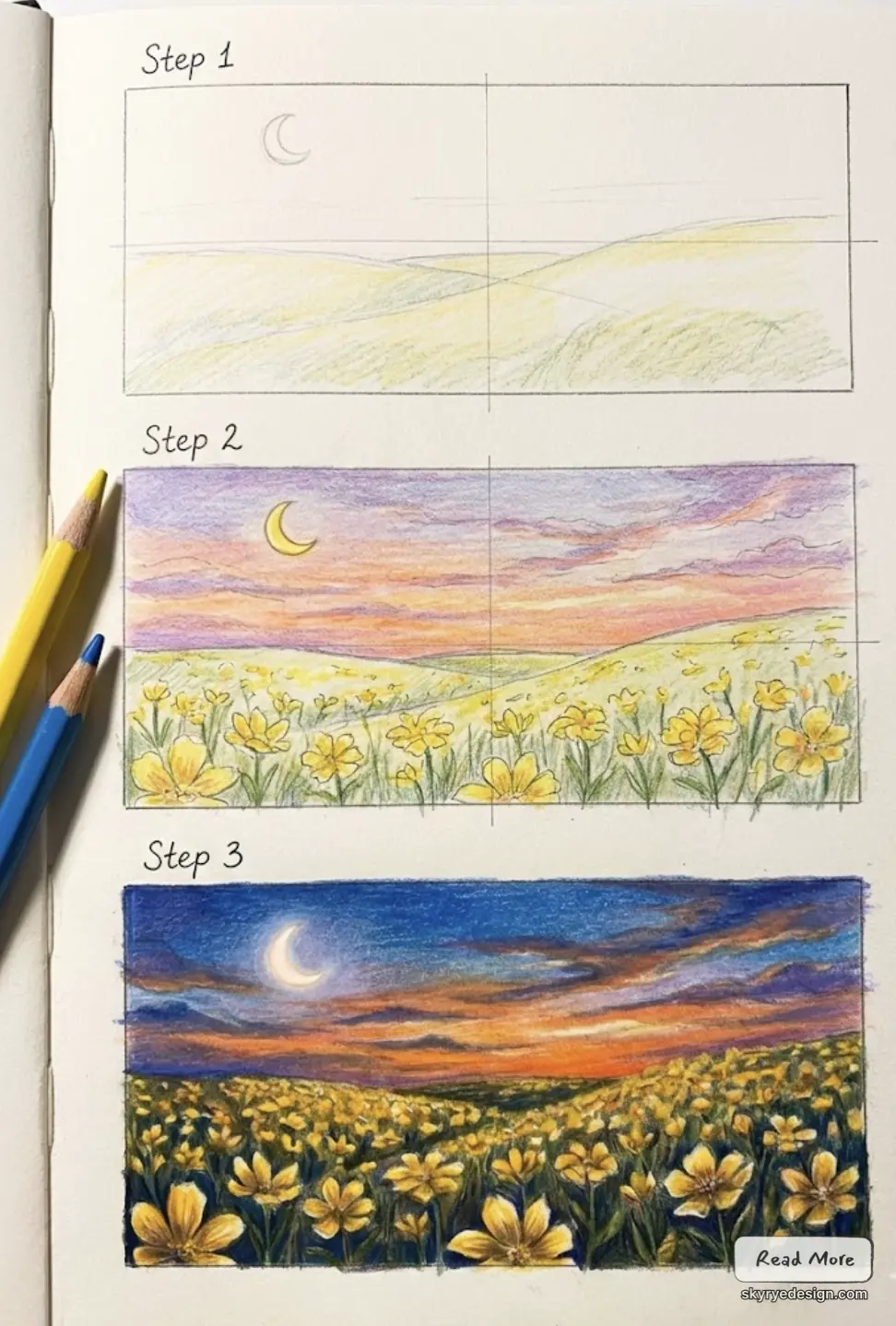
Night skies require working with dark values. Stars aren’t just white dots—they have varying brightness and sometimes color.
Try this angle: Include a foreground element (tent, tree, person looking up) to give scale to the sky.
Challenge: Draw the Milky Way as a subtle value shift across the sky, not just scattered stars.
29) Sunset Stroll Scene
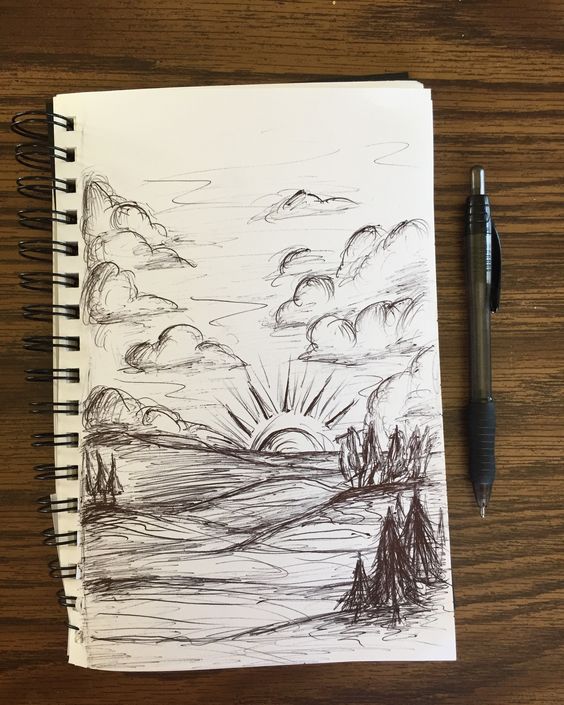
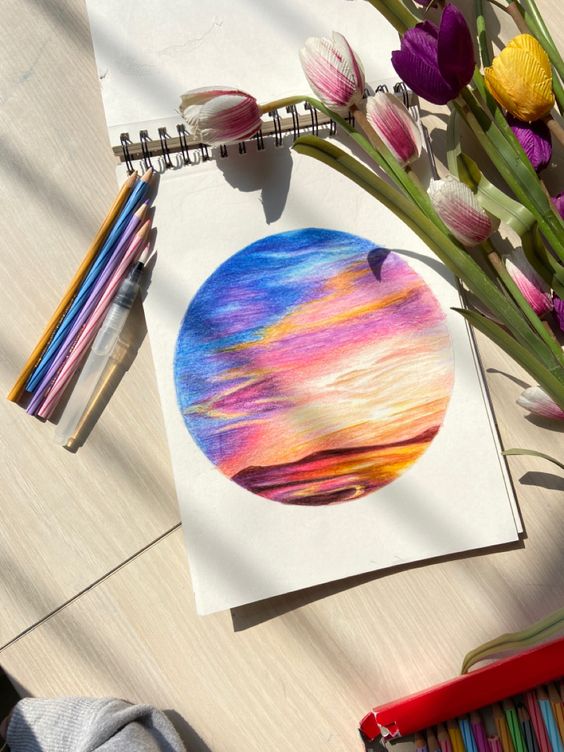
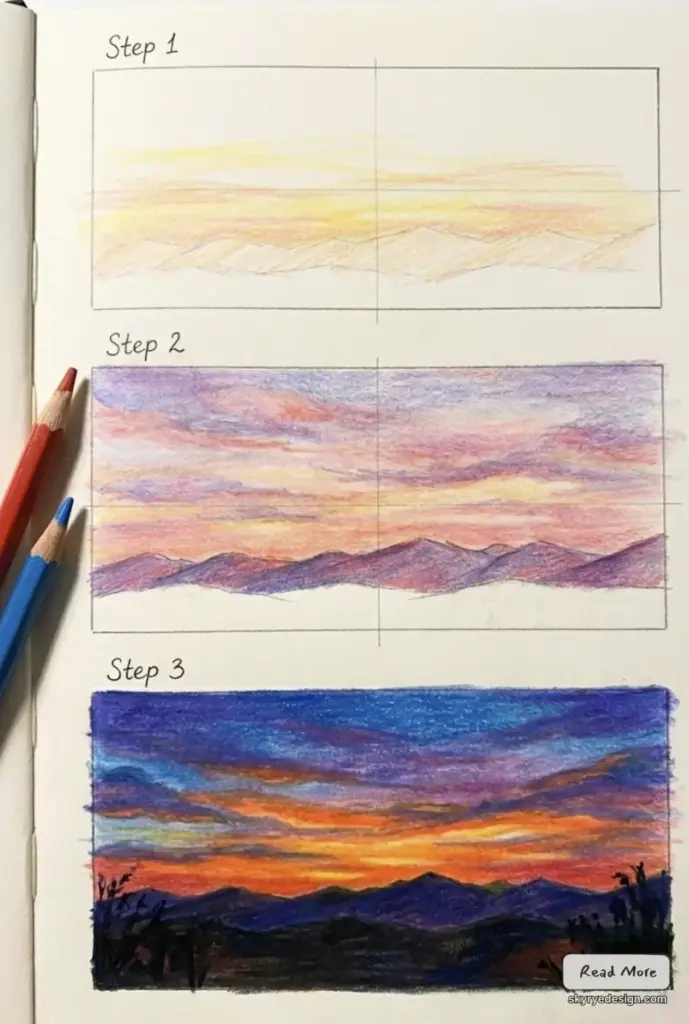
People walking at sunset are silhouettes. Focus on their shapes and gestures rather than details.
Try this angle: Long shadows stretching toward the viewer add drama to a simple walking scene.
Challenge: Group of people walking—vary their heights, postures, and spacing for natural feel.
30) Summer Window View
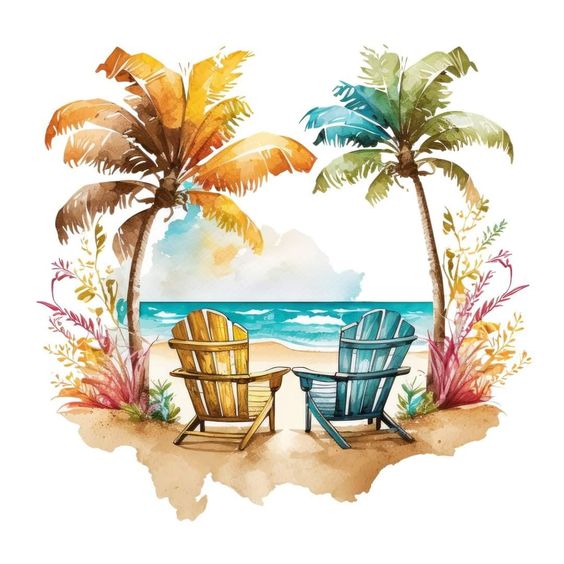
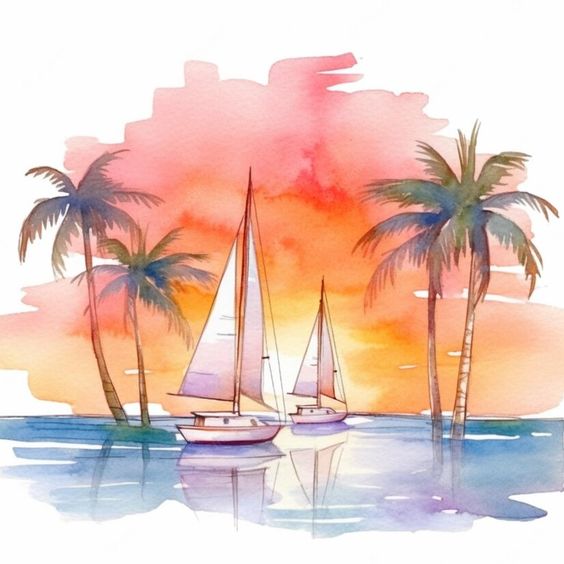
Draw your view out a window. The frame creates automatic composition; the glass can show reflections of interior mixed with exterior view.
Try this angle: Include the windowsill with objects on it: plant, book, coffee cup. Interior and exterior together.
Challenge: Capture the window screen’s subtle pattern without it dominating the drawing.
Tips for Better Summer Sketches
Choosing Your Tools for Outdoor Sketching
Your studio setup won’t work outside. Sun glare, wind, sand, sweat—outdoor sketching requires adaptation.
What actually works outdoors:
- Small sketchbook (9×12 max, 6×8 is better)
- Mechanical pencil (no sharpening needed)
- Waterbrush with water already inside
- Limited palette (3-4 colors maximum)
- Binder clip to hold pages against wind
What doesn’t work:
- Large sketchbooks that catch wind
- Loose supplies that blow away
- Materials that melt (soft pastels, certain markers)
- Anything that requires a flat, stable surface
Working With Summer Light
Summer sun creates harsh shadows that change fast. You have two choices: work quick or simplify.
Quick approach: Set a timer. Fifteen minutes for composition, fifteen for value, fifteen for details. When time’s up, you’re done whether it feels finished or not.
Simplified approach: Reduce to three values: light (direct sun), middle (ambient shadow), dark (cast shadow). Don’t chase every subtle gradation.
Best times to sketch: First hour after sunrise, last two hours before sunset. Midday sun is harsh and flat—save it for indoor work.
Using Light and Shadows Effectively
Summer light is characterized by high contrast and warm color temperature. Use this instead of fighting it.
Shadow observations:
- Cast shadows have hard edges in direct sun
- Shadows are shorter at midday, longer at golden hour
- Shadows are cooler (bluer) than you think
- Reflected light bounces into shadows from nearby surfaces
Common mistakes:
- Making shadows too light (they’re darker than they appear)
- Same shadow color everywhere (shadows vary based on what’s nearby)
- Ignoring the shadow as a design element (shadows create shapes too)
Finding Inspiration for Summer Sketches
Nature and Landscape Observation
The best summer sketches come from noticing things most people walk past. Train yourself to see like an artist.
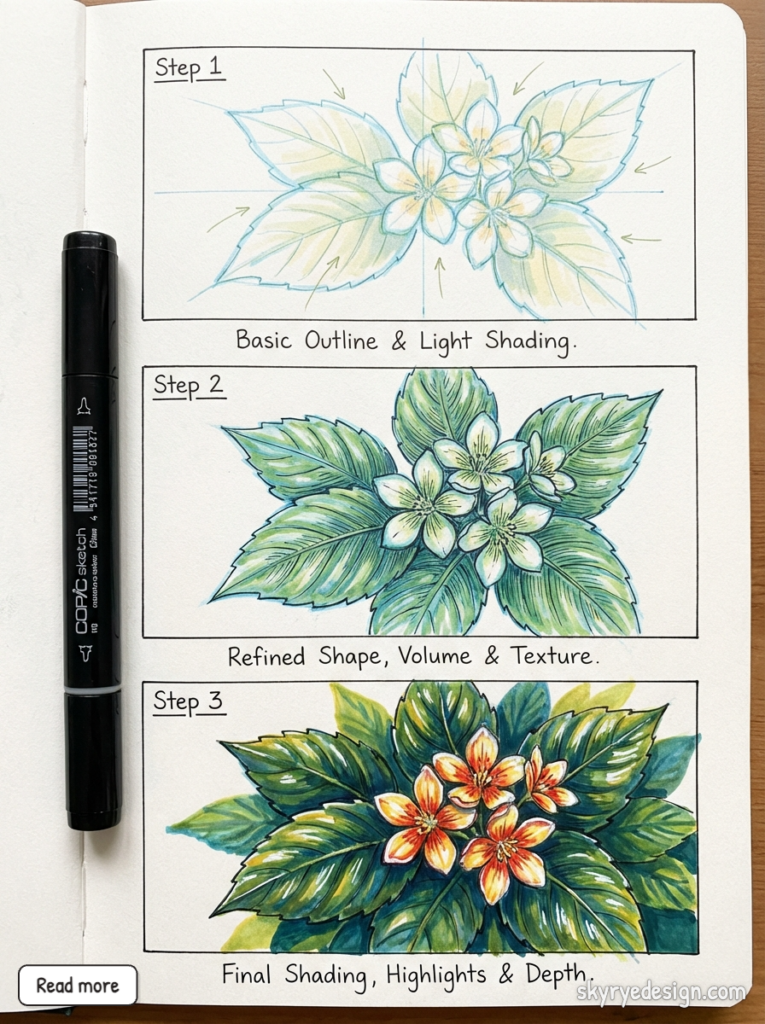
Observation exercises:
- Pick one object and find five different angles to draw it from
- Look for geometric shapes in organic subjects
- Notice where light hits first and where shadow pools
- Find the most interesting detail and make it the focus
Quick study method: When you spot something interesting but don’t have time to draw it fully, do a 2-minute study: rough shapes, main values, one or two notes about color or texture. These quick captures are often more energetic than labored drawings.
Urban Summer Scenes
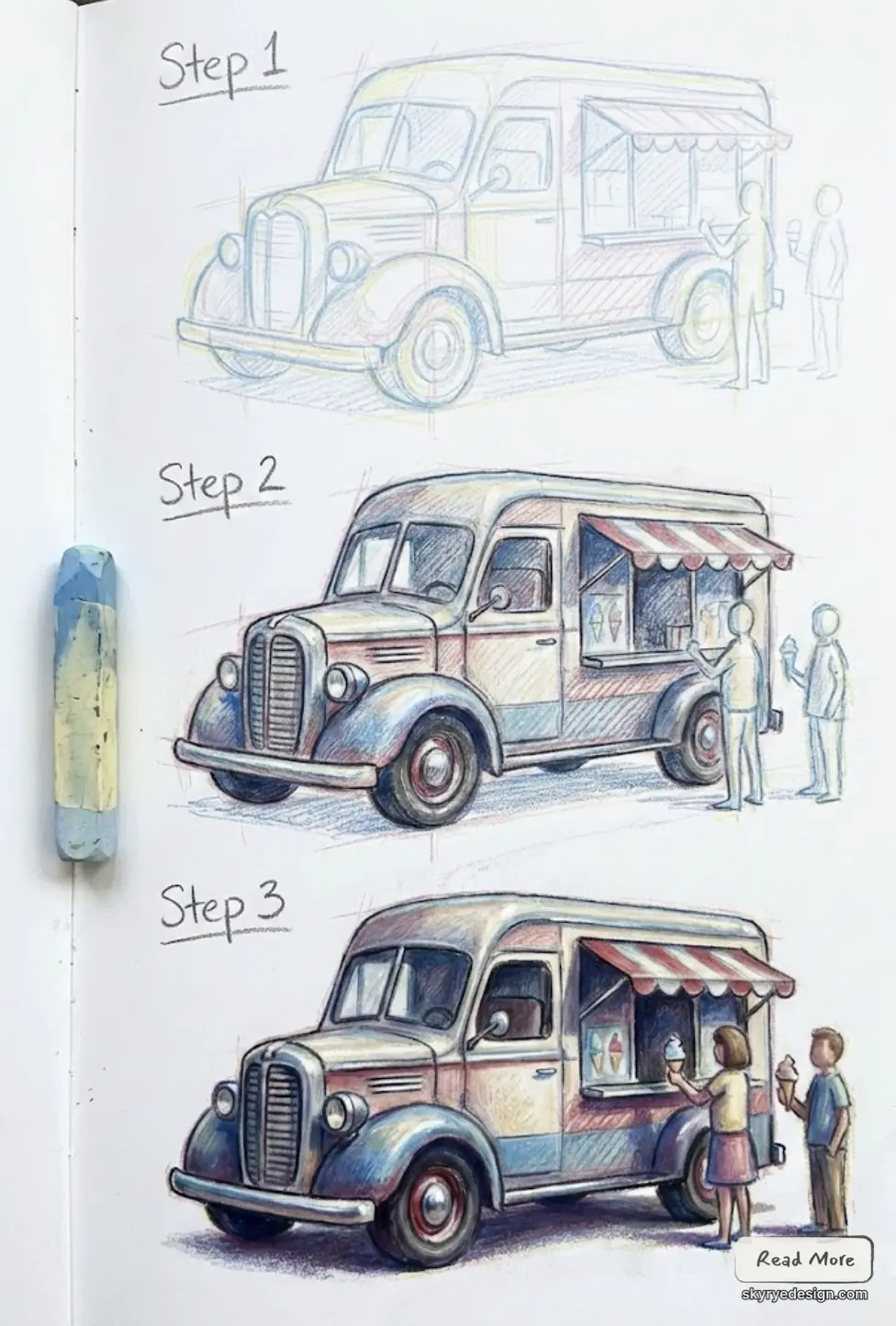
Cities in summer have their own character: fire hydrants spraying water, people in outdoor cafes, produce stands, street vendors, kids on bikes.
Urban subject ideas:
- Ice cream truck with customers
- Outdoor restaurant patio
- Farmers market stalls
- Street musician in shade
- Bus stop bench with waiting passengers
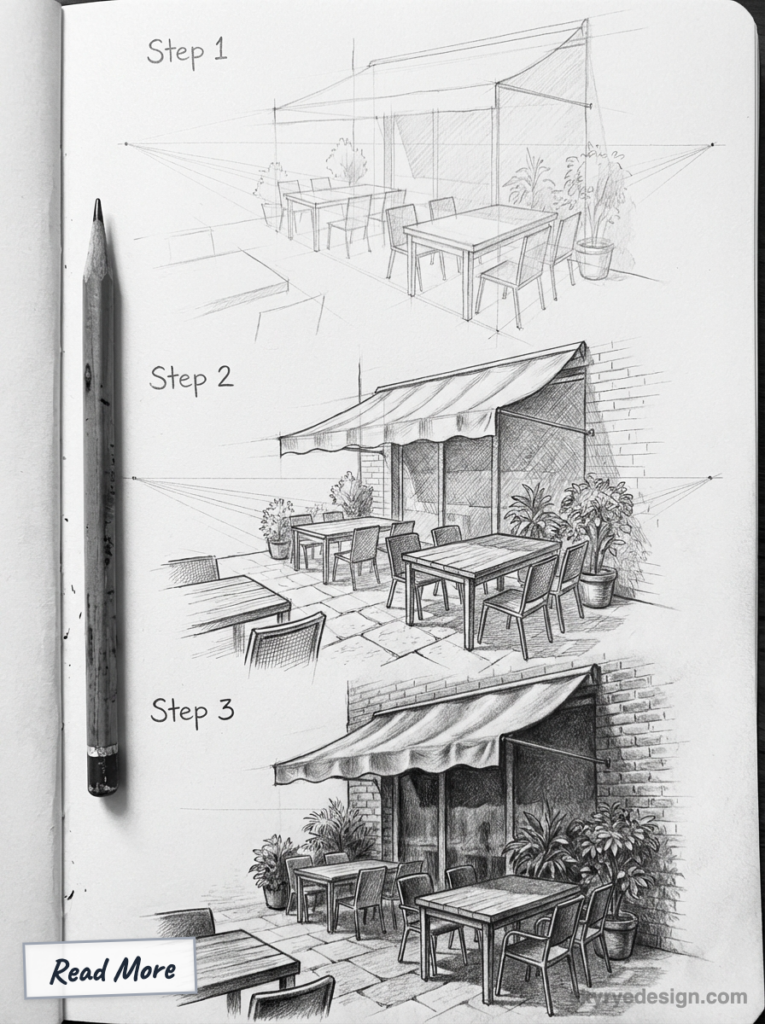
The advantage of urban scenes: People expect artists in tourist areas. You can sketch openly without drawing attention (ironically). Blend in with the street performers and photographers.
Sharing Your Summer Sketches
Social Media That Actually Works
Most sketchbook posts disappear into algorithmic void. Here’s what gets engagement:
What works:
- Process videos (even simple timelapses shot on phone)
- Before/after or progression shots
- Honest captions about challenges and failures
- Specific technique explanations
- Location tags for recognizable places
What doesn’t work:
- Just posting finished work with no context
- Hashtag spam
- Posting only perfect pieces (people relate to struggles)
- Irregular posting then disappearing for months
Best platforms for sketchers:
- Instagram for polished work and process reels
- TikTok for quick technique videos
- Pinterest for driving traffic to longer tutorials
- Local Facebook groups for connecting with nearby artists
Building a Portfolio from Summer Sketches
Your summer sketches can become portfolio pieces with curation.
Selection criteria:
- Does it show a skill you want to be hired for?
- Is the subject matter relevant to your target work?
- Does it demonstrate problem-solving or interesting approaches?
- Would you want to draw more like this?
Presentation tips:
- Group similar subjects together (your “beach series” or “food studies”)
- Include quick sketches alongside finished work to show range
- Write brief notes about what you learned or tried
- Date your work—it shows growth over time
For a summer-specific prompt list, these summer beach drawing ideas cover umbrellas, surfboards, shells, sunsets, and shoreline scenes that fit warm-weather sketchbooks.
Frequently Asked Questions
What’s the easiest summer subject to sketch?
Single objects with clear shapes: a flip flop, an ice cream cone, a seashell. They’re contained, recognizable, and don’t require complex composition decisions. Start there, then gradually add context and complexity.
How do I sketch outdoors when it’s so hot?
Find shade. I’m not being glib—direct sun makes you sweat, the paper glares, and you’ll quit in 20 minutes. Work under trees, umbrellas, or awnings. If you must work in sun, wear a hat with a brim that shades your sketchbook, and work fast.
My outdoor sketches look worse than my indoor work. Why?
Different conditions require different expectations. Outdoor sketches are about capturing moments, not perfection. The instability, time pressure, and changing light produce a different kind of work—often more energetic and immediate, even if less polished. Embrace it instead of fighting it.
How long should a summer sketch take?
Whatever time you have. A 2-minute gesture sketch of someone at the beach is valuable. A 2-hour detailed study of a tide pool is valuable. The question isn’t how long it should take, but what you’re trying to capture in the time available.
What if I’m embarrassed to sketch in public?
Everyone feels this at first. Two things help: First, most people don’t notice or care—they’re busy with their own activities. Second, start somewhere comfortable: a table at an outdoor cafe, a bench in a park, your own backyard. Build confidence before sketching crowded beaches.
Should I use photos or sketch from life?
Both, but differently. Life sketching trains observation and quick decision-making. Photos let you work longer and capture moments you couldn’t draw fast enough. The best practice combines both: sketch from life when possible, use photos as reference when necessary, but never trace or copy mechanically.
Conclusion
Thirty ideas is plenty. Honestly, you probably only need one.
Most people don’t quit drawing because they ran out of inspiration. The sketchbook just stays closed on the desk for another day. Then another.
Pick one idea. Draw it today.
Bad perspective? Fine. Crooked lines? Also fine. Half my old summer sketchbooks are filled with unfinished drawings and weird experiments that looked terrible at the time. Doesn’t matter. They exist. That’s the important part.
The second sketch comes easier. By the tenth, you stop overthinking every line.
And summer disappears fast. One minute you’ve got open windows, late sunlight hitting the page, enough free time to sit outside and sketch for an hour. Then suddenly it’s cold again and the sketchbook hasn’t moved in weeks.
So pick one. Start there.
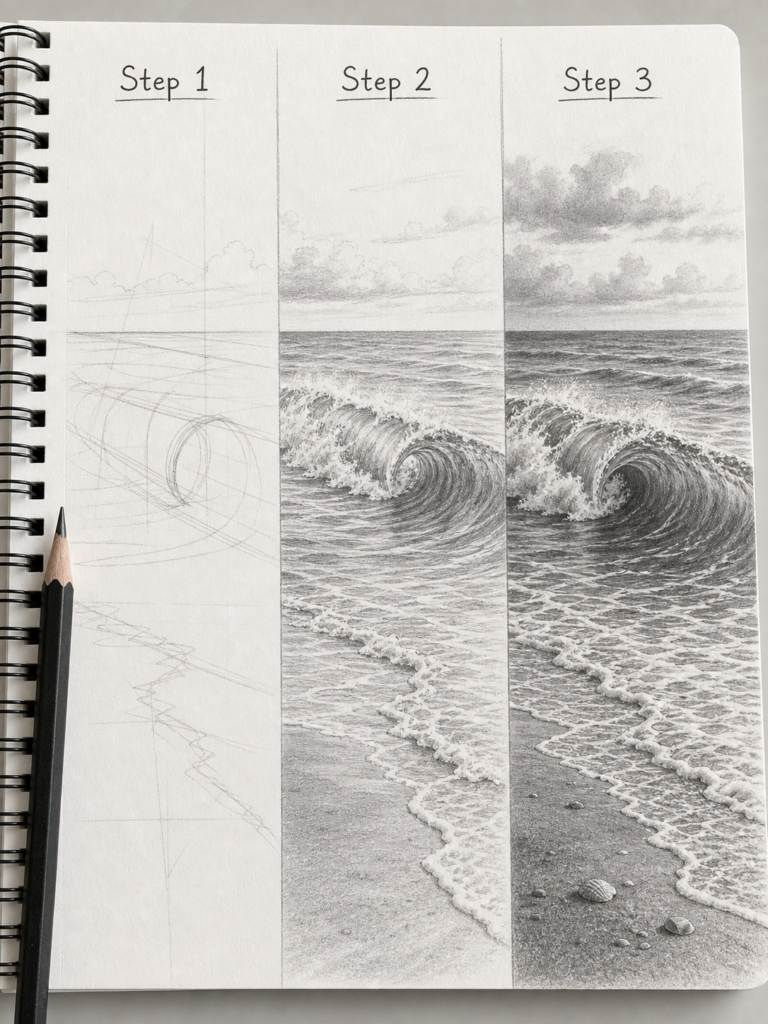
A simple ocean drawing idea works well for a summer sketchbook page: one horizon, one main wave, reserved white foam, and darker foreground water.
- 9.2Kshares
- Facebook0
- Pinterest9.2K
- Twitter0
- Reddit0