Watercolor tattoo ideas work best when the design uses soft color washes, clear focal points, and enough structure to age well on skin. This style can look loose and painterly, but the strongest pieces still have smart placement, readable shapes, and a plan for how the color will heal over time.
For lighter ink with less color saturation, compare these watercolor ideas with soft delicate tattoo ideas focused on fine lines and gentle placement.
Before choosing a design, think about what should stay crisp and what can stay soft. A flower, butterfly, bird, wave, or abstract color splash can all work beautifully, but the artist needs to understand watercolor blending, skin tone, and long-term fading.
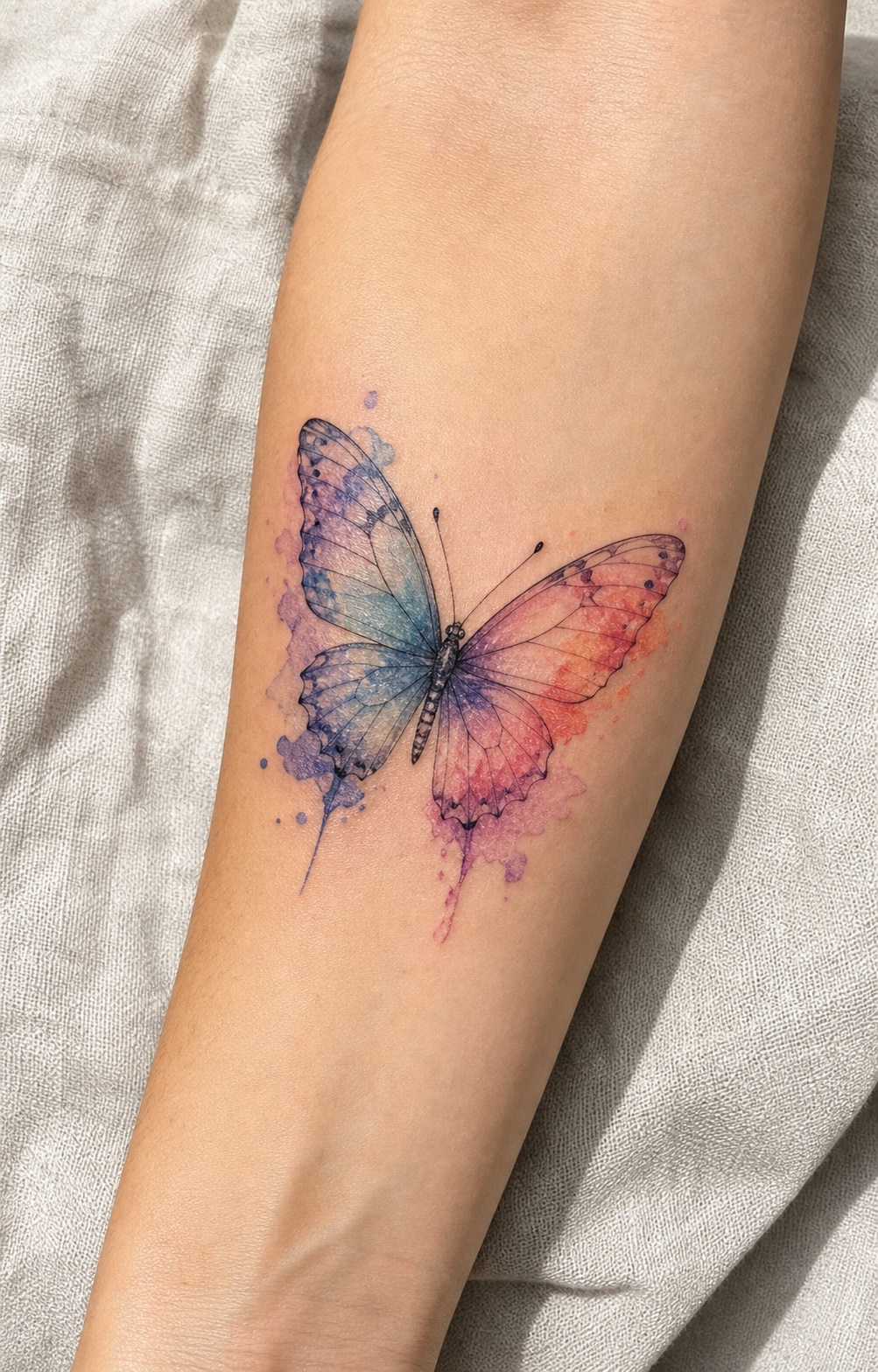
If you keep saving butterfly references, start with small butterfly tattoos with meaning before adding watercolor color washes, so the symbol still reads clearly after the color softens.
Watercolor can soften a heart tattoo beautifully, but the shape still needs to read clearly; compare color-heavy ideas with these heart tattoo designs before you commit to the final reference.
Below are practical watercolor tattoo ideas, style notes, placement tips, and care advice to help you choose a design that looks delicate without disappearing too quickly.
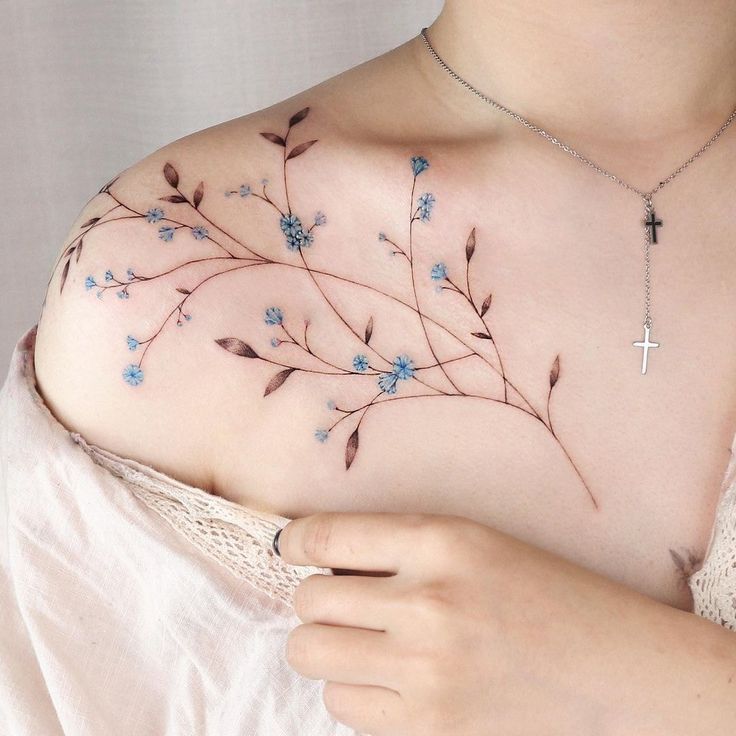
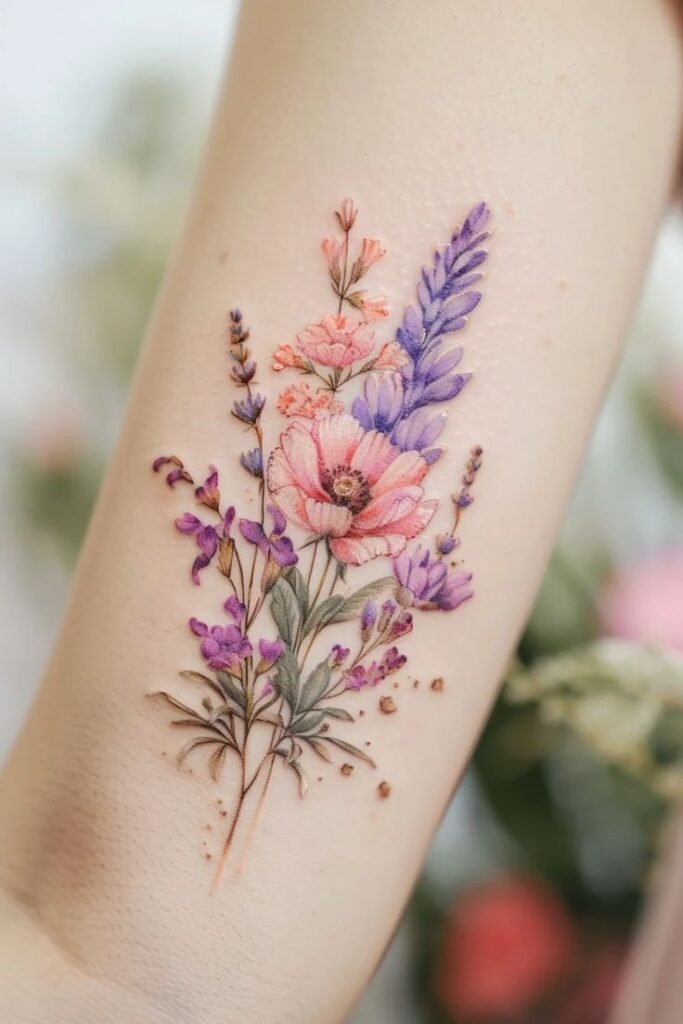
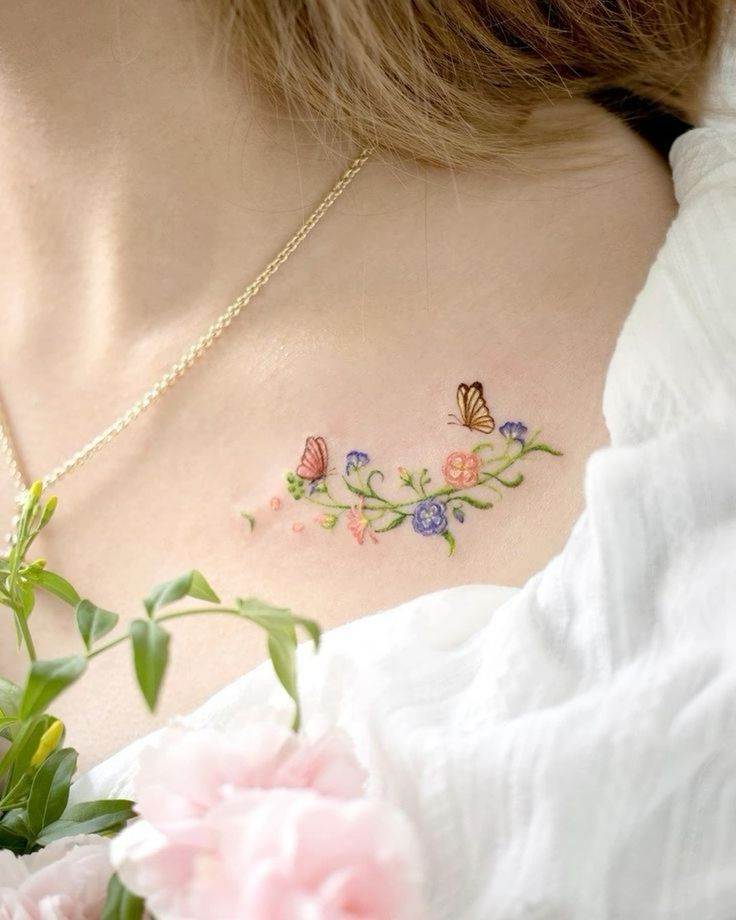
Watercolor ink can look soft and expressive, but it still needs a clear subject and sensible placement. For a broader comparison, use these female tattoo ideas to test whether color, fine line, florals, symbols, or script fit the look better.
Key takeaways
- Watercolor tattoos feature vibrant colors and fluid designs that mimic painting.
- Design and symbolism are essential to creating a meaningful tattoo.
- Selecting the right artist ensures quality execution of your chosen design.
Understanding watercolor tattoo ideas
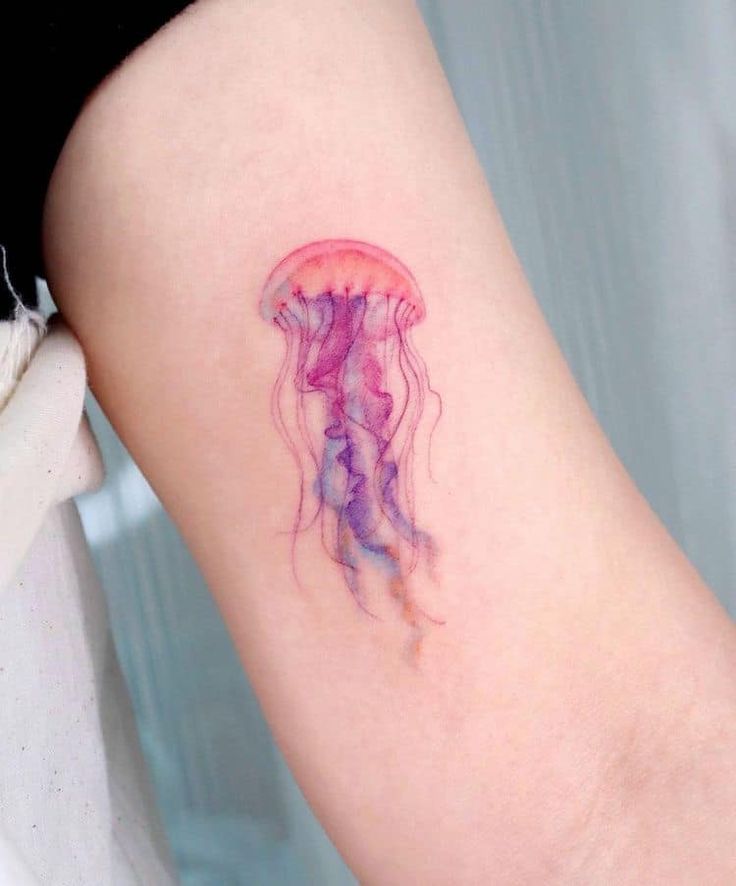
Watercolor tattoos are known for their vibrant and fluid appearance. This style uses a unique technique that distinguishes it from traditional tattooing methods, emphasizing bright colors and the absence of black outlines.
History and evolution of watercolor tattoo style
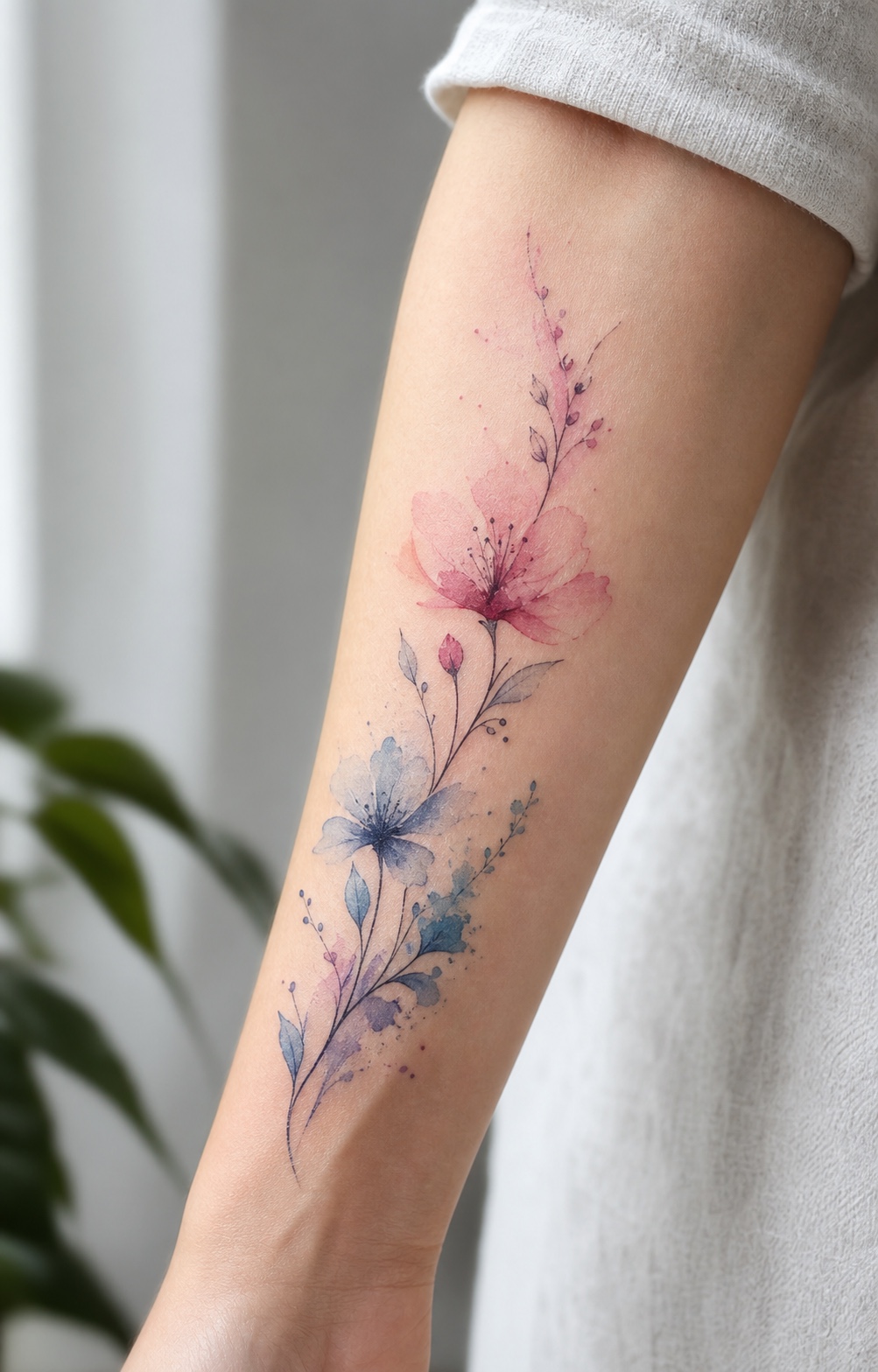
Watercolor tattoos first gained popularity in the early 2000s. Artists sought to break from conventional tattoo design, experimenting with painting techniques to evoke a more artistic flair on skin. This innovation drew inspiration from the watercolor painting technique, characterized by the blending of colors and fluid brush strokes.
Initially, artists struggled to adapt this style to the permanence of tattoos. As tattoo technology improved, so did the ability to render these vibrant colors effectively. Today, watercolor tattoos continue to evolve with new techniques, allowing for greater creativity and individual expression.
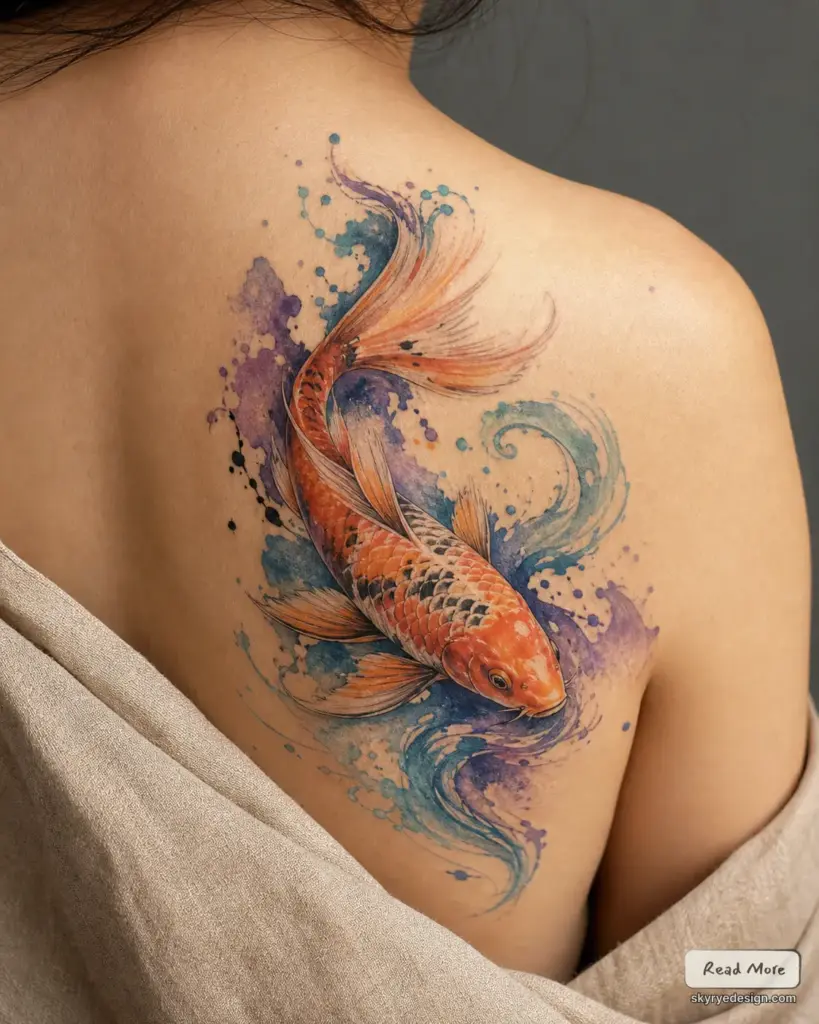
Defining characteristics of watercolor tattoos
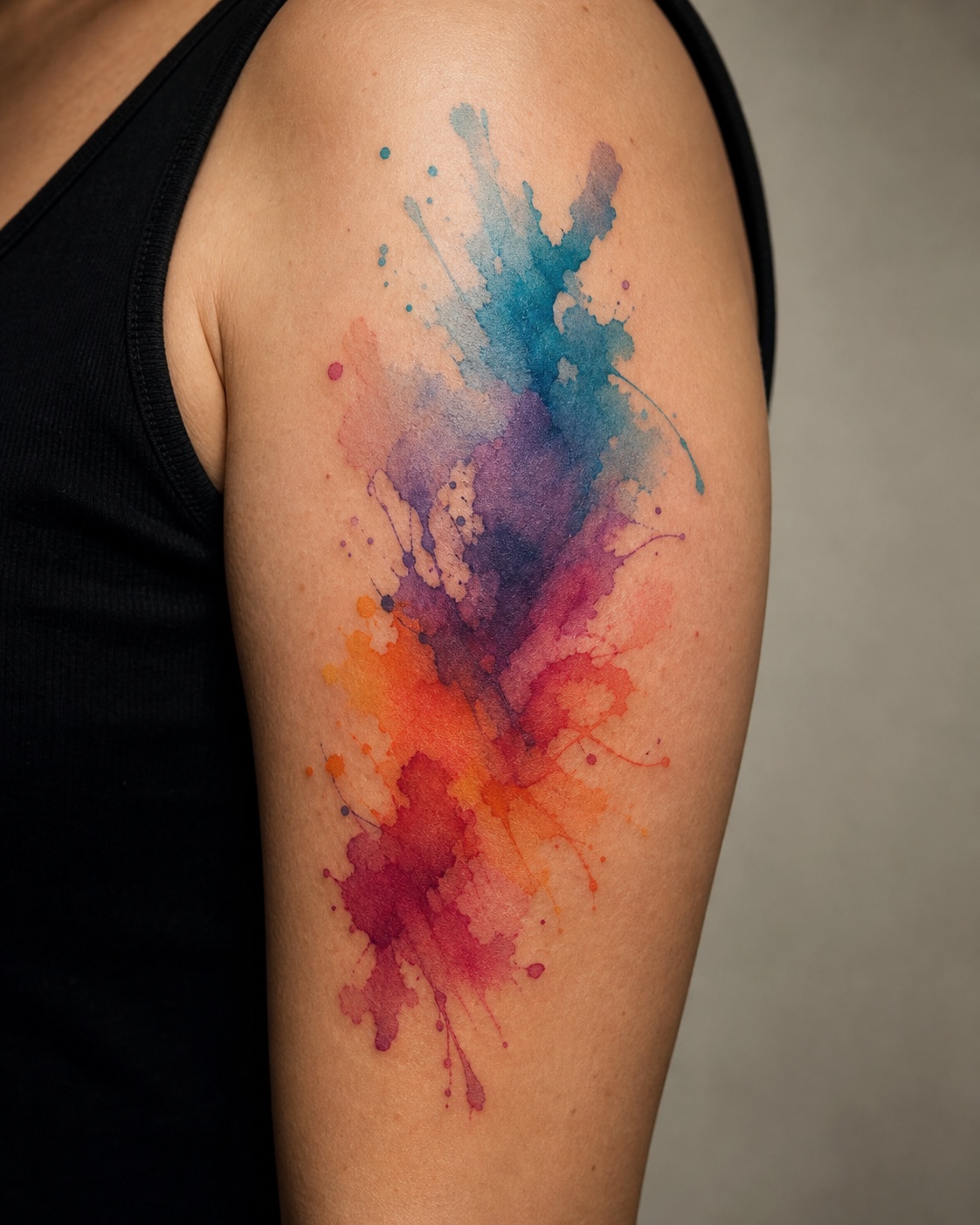
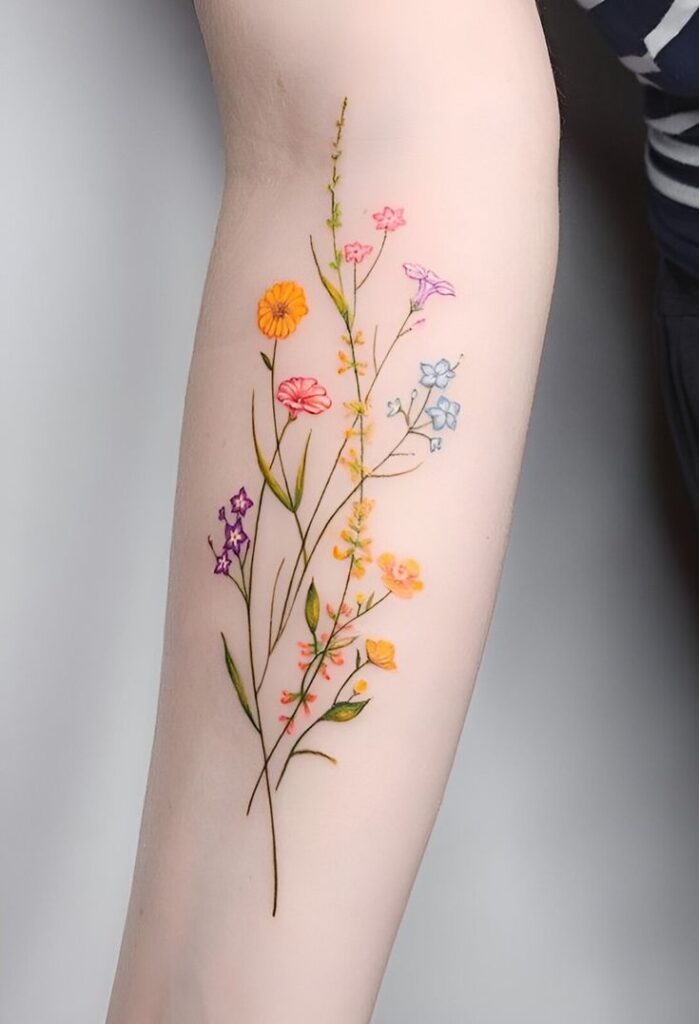
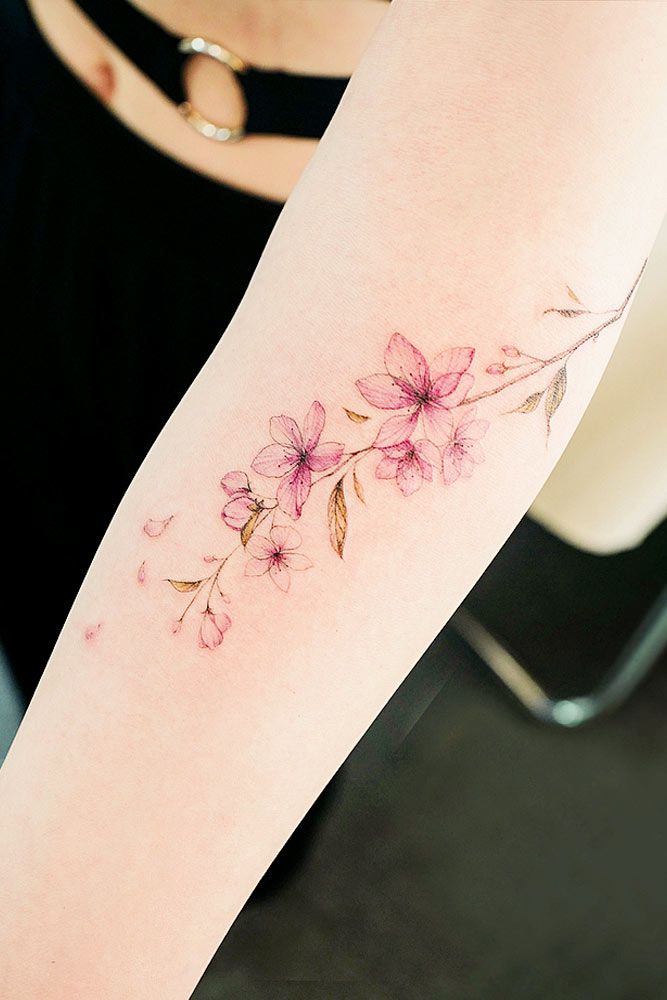
Watercolor tattoos stand out due to their vibrant colors and lack of a traditional black outline. Instead of a defined structure, the colors blend naturally, resembling a painting.
Key features include:
- Brush Stroke Effect: The tattoos mimic the appearance of brush strokes, enhancing the artistic quality.
- Layering of Colors: Different hues are layered to create depth and dimension.
- Fluid Designs: Designs often incorporate splashes and gradients, contributing to a freeform look.
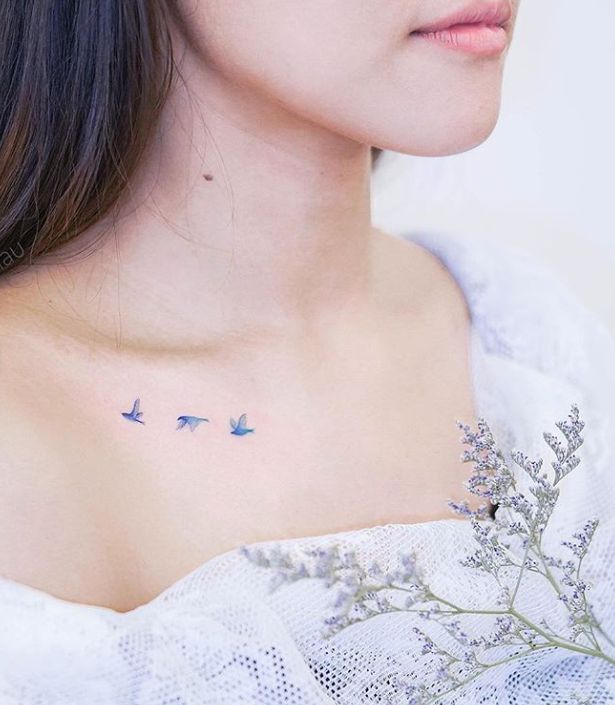
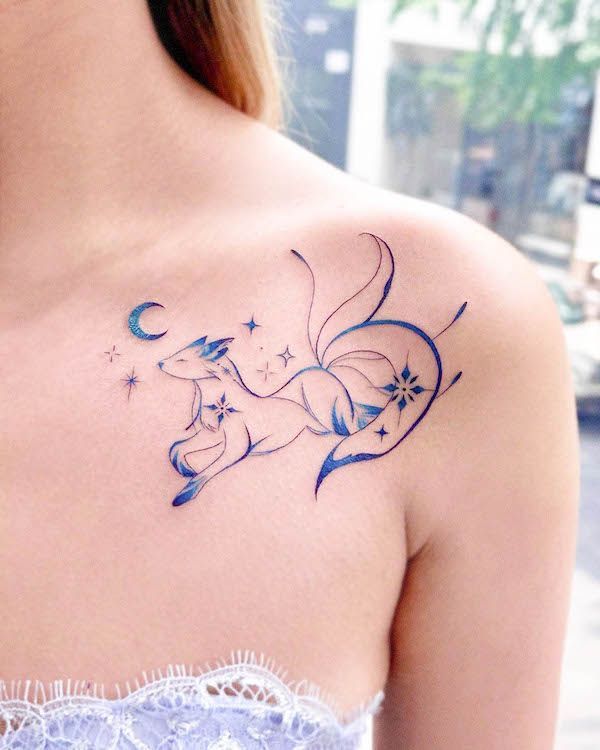
This style can be used for a range of subjects, from abstract designs to nature-inspired themes. The results are visually stunning and often evoke an emotion or theme, enhancing the personal significance of the tattoo.
Watercolor tattoo designs and symbolism
Watercolor tattoos blend artistry with personal meaning, making them a popular choice for many. This style incorporates vibrant colors and fluid designs, often inspired by various motifs and abstract concepts. Understanding these elements can enhance your appreciation of this tattoo form.
For a color-heavy idea with a clearer rebirth story, a watercolor phoenix tattoo is one of the stronger motifs to compare. Ask the artist where they would keep a darker line or value anchor so the wings do not fade into a soft color cloud over time.
Popular watercolor tattoo motifs and meanings
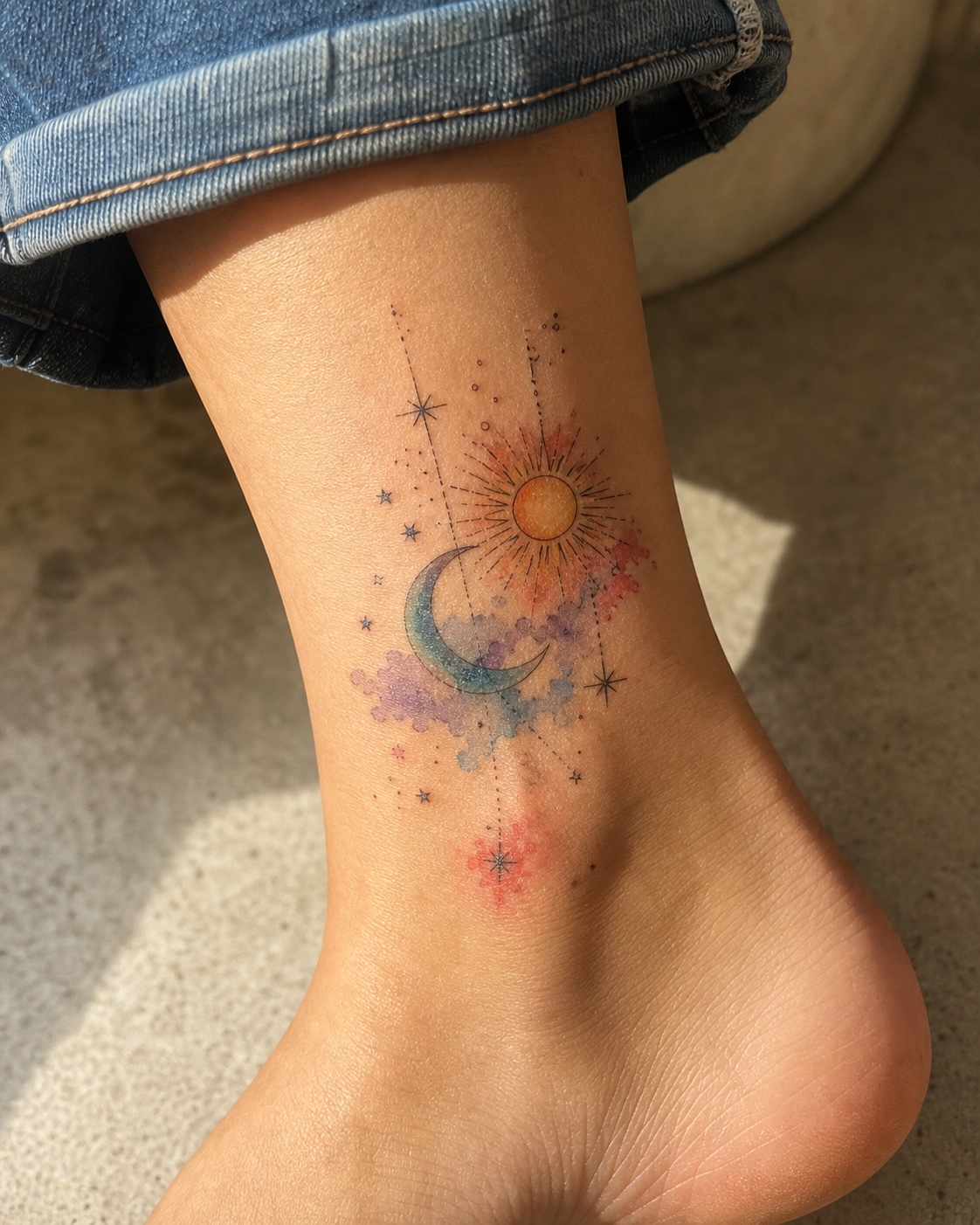
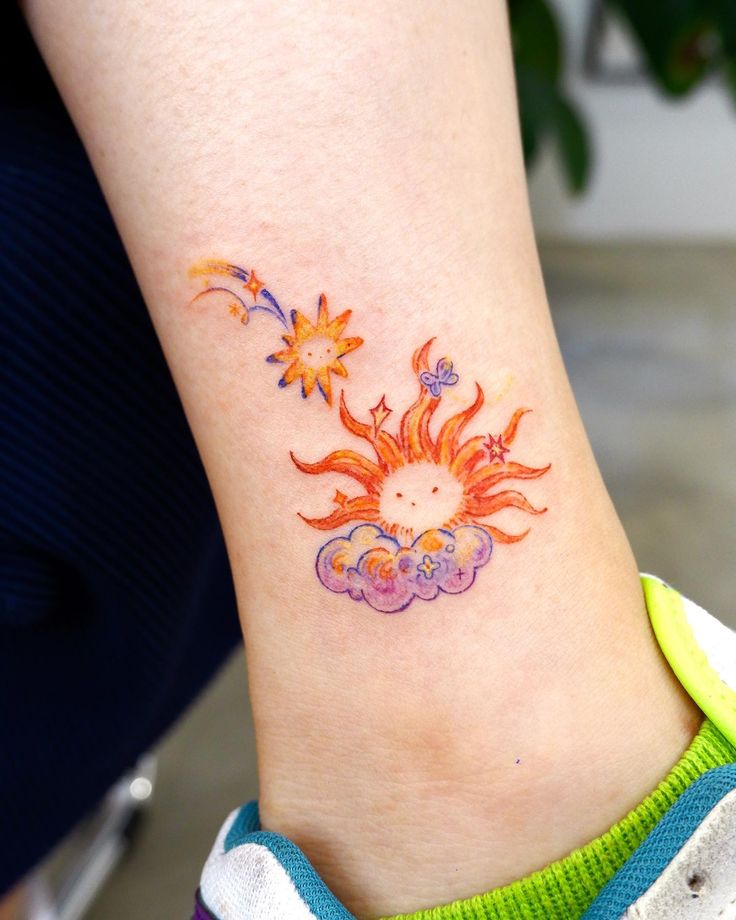
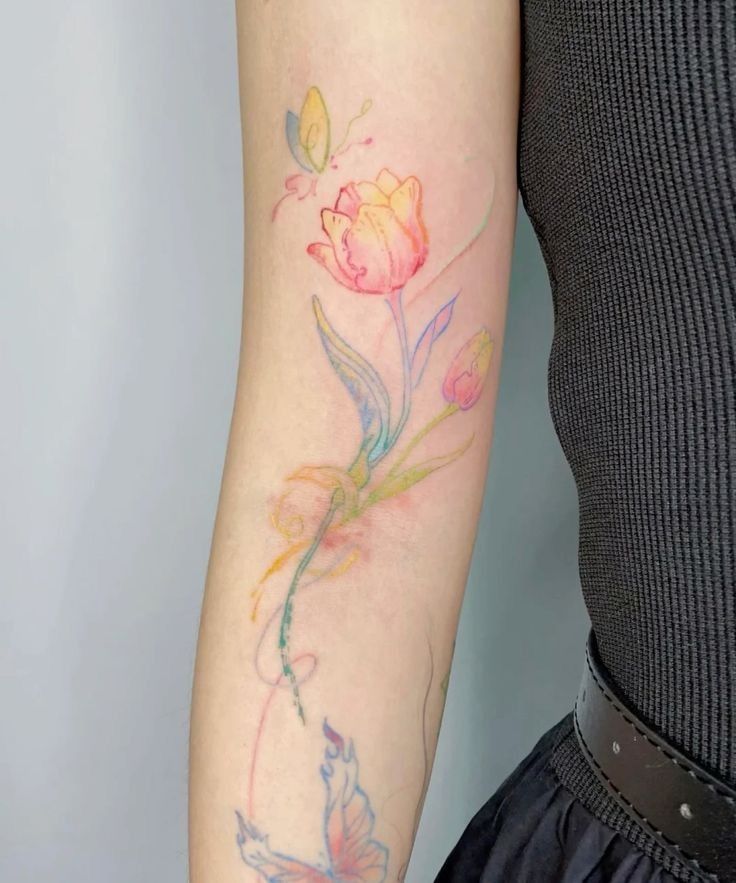
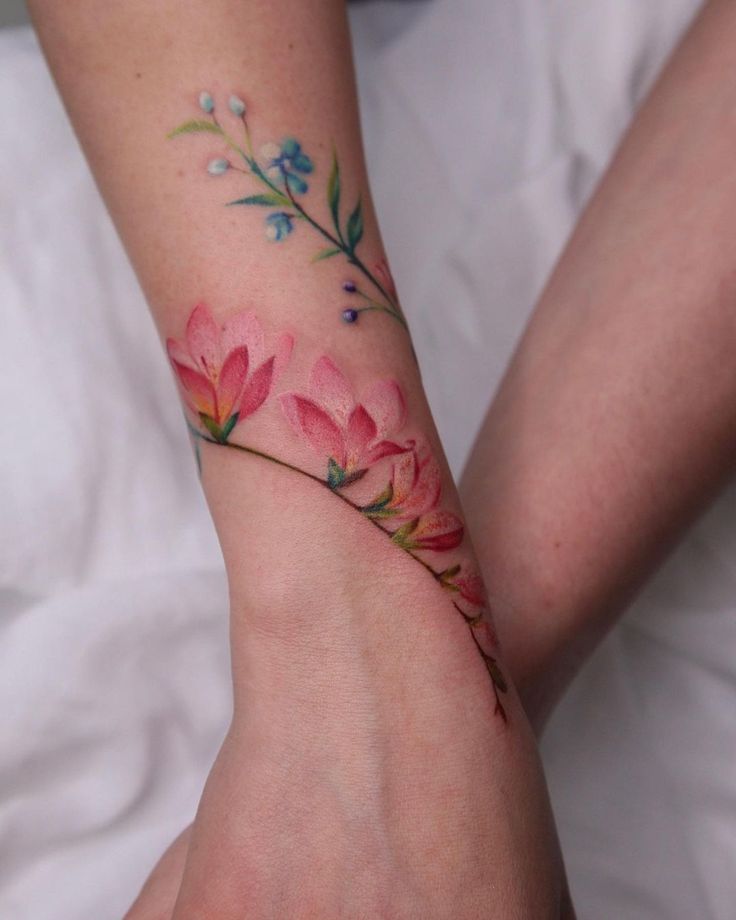
Watercolor tattoos often feature motifs like flowers, animals, and celestial bodies. Each design carries its own symbolism. For instance, flower tattoos represent beauty and growth, while a watercolor butterfly tattoo symbolizes transformation and freedom.
- Lotus: Represents purity and enlightenment.
- Feather: Associated with freedom and spirituality.
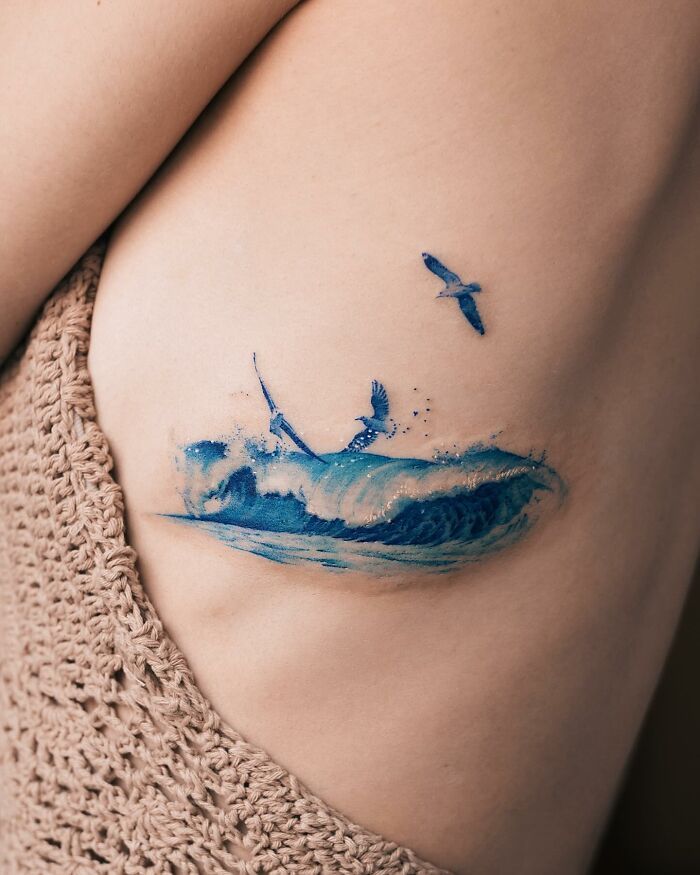
- Waves: Symbolic of change and stability.
These motifs allow for personal expression, connecting you to the aspects of life that resonate deeply. Each choice contributes to a tattoo’s narrative, making it unique to you.
Abstract designs and fine art inspiration
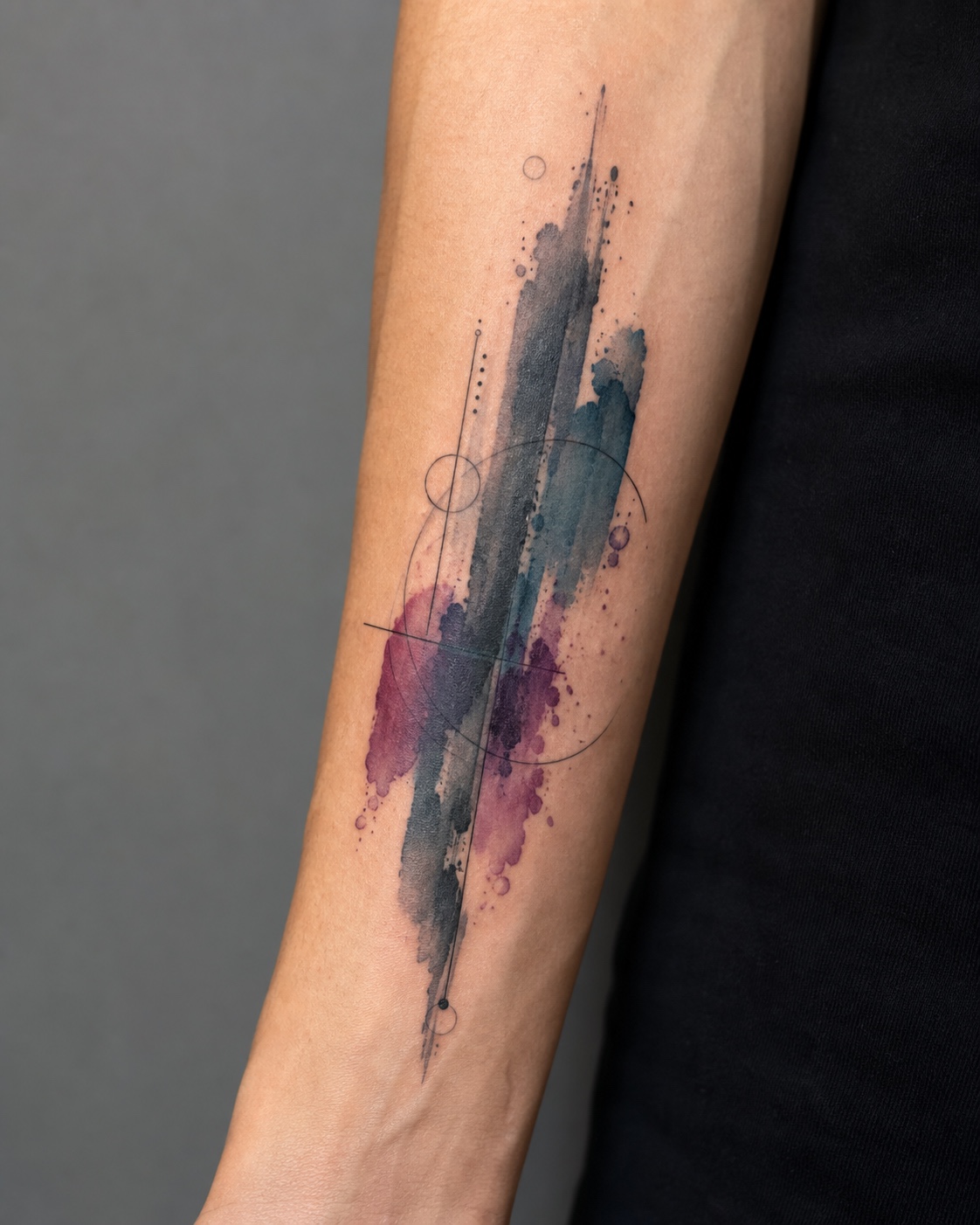
The abstract nature of watercolor tattoos draws inspiration from fine art techniques. Artists use brush-like strokes and color blending that mimic paintings, creating a fluid, dynamic effect on the skin. This style emphasizes freedom and movement, allowing for an expressive canvas.
- Color splashes: Often symbolize spontaneity and creativity.
- Geometric shapes: Bring structure, suggesting balance amidst chaos.
This artistic approach enables you to wear a piece of art with deep meaning. Abstract designs in watercolor can evoke emotions, making them a compelling choice for many.
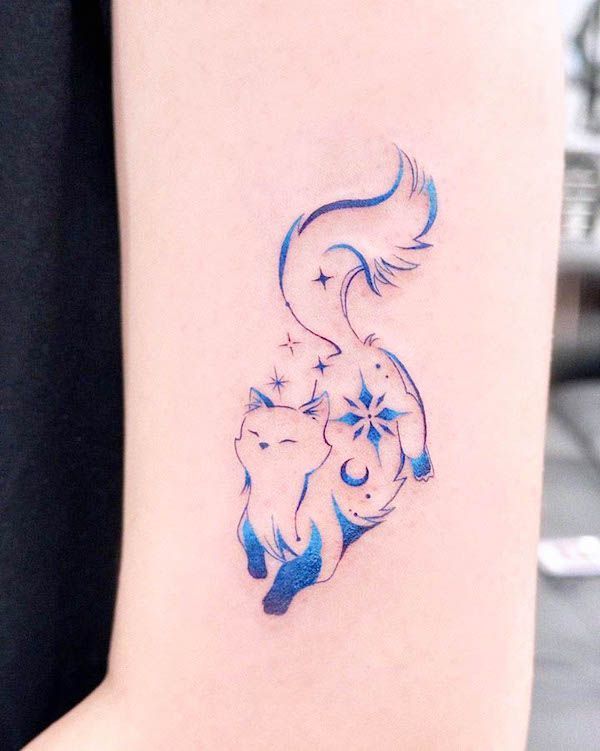
Watercolor tattoo techniques and execution
The creation of watercolor tattoos involves a unique blend of techniques and styles that set them apart from traditional tattoos. Understanding these methods will provide insight into how artists achieve vibrant and flowing designs on the skin.
The artistic technique behind watercolor tattoos
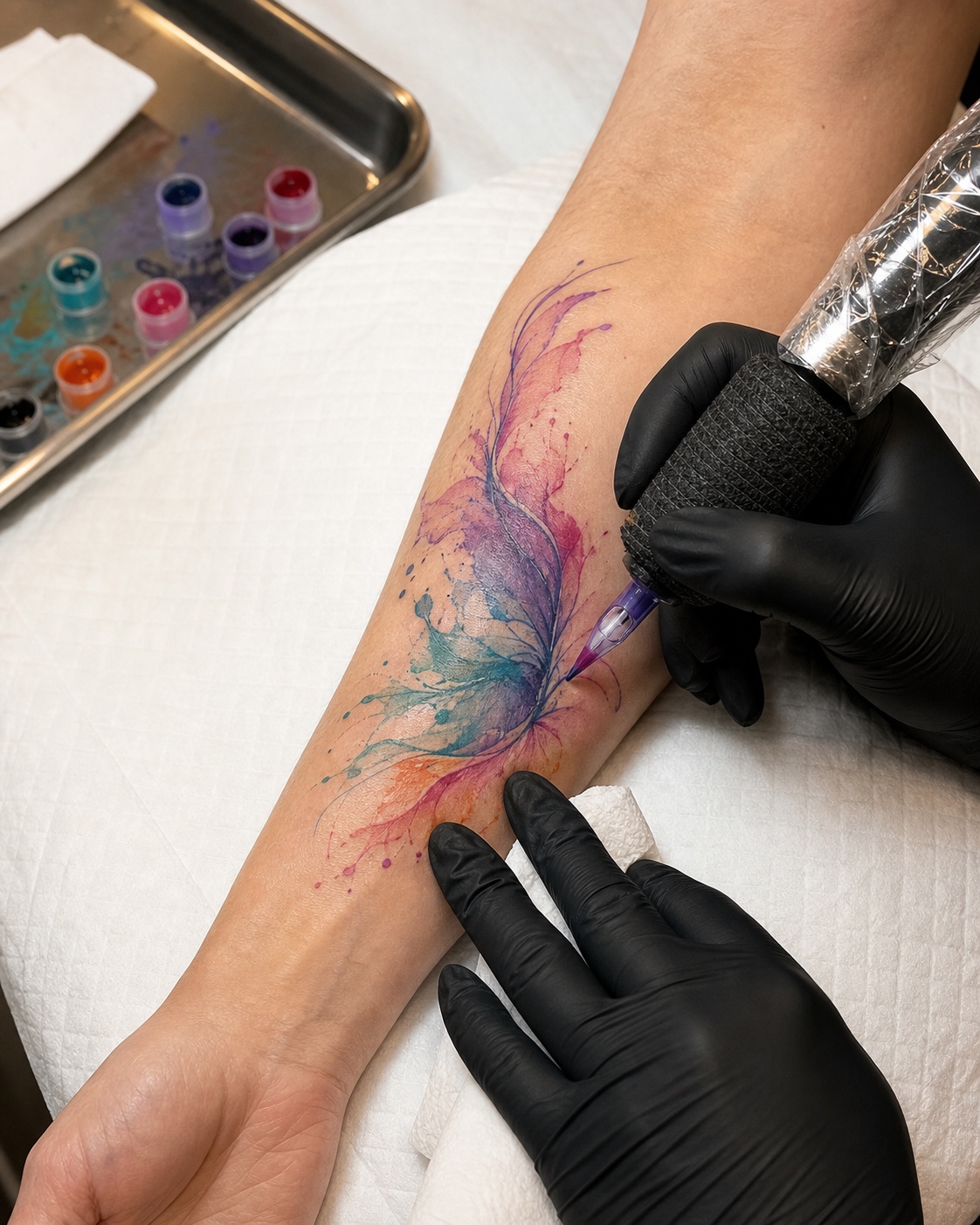
Watercolor tattoos draw inspiration from the fluidity of watercolor painting. Artists use specific tattoo techniques to simulate the brush strokes and soft color transitions found in traditional artwork.
In this process, pigments are layered to create depth and luminosity. Rather than the crisp lines typical of conventional tattoos, these designs often feature softer edges. Techniques like “blending” and “splashing” help to mimic the spontaneity of paint on canvas.
Prominent watercolor tattoo artists, such as Amanda Wachob, employ various needle configurations to achieve this effect. They focus on developing a color palette that blends seamlessly, using lighter shades to build a layered aesthetic that adds to the overall impact.
Role of black outlines in watercolor tattoos
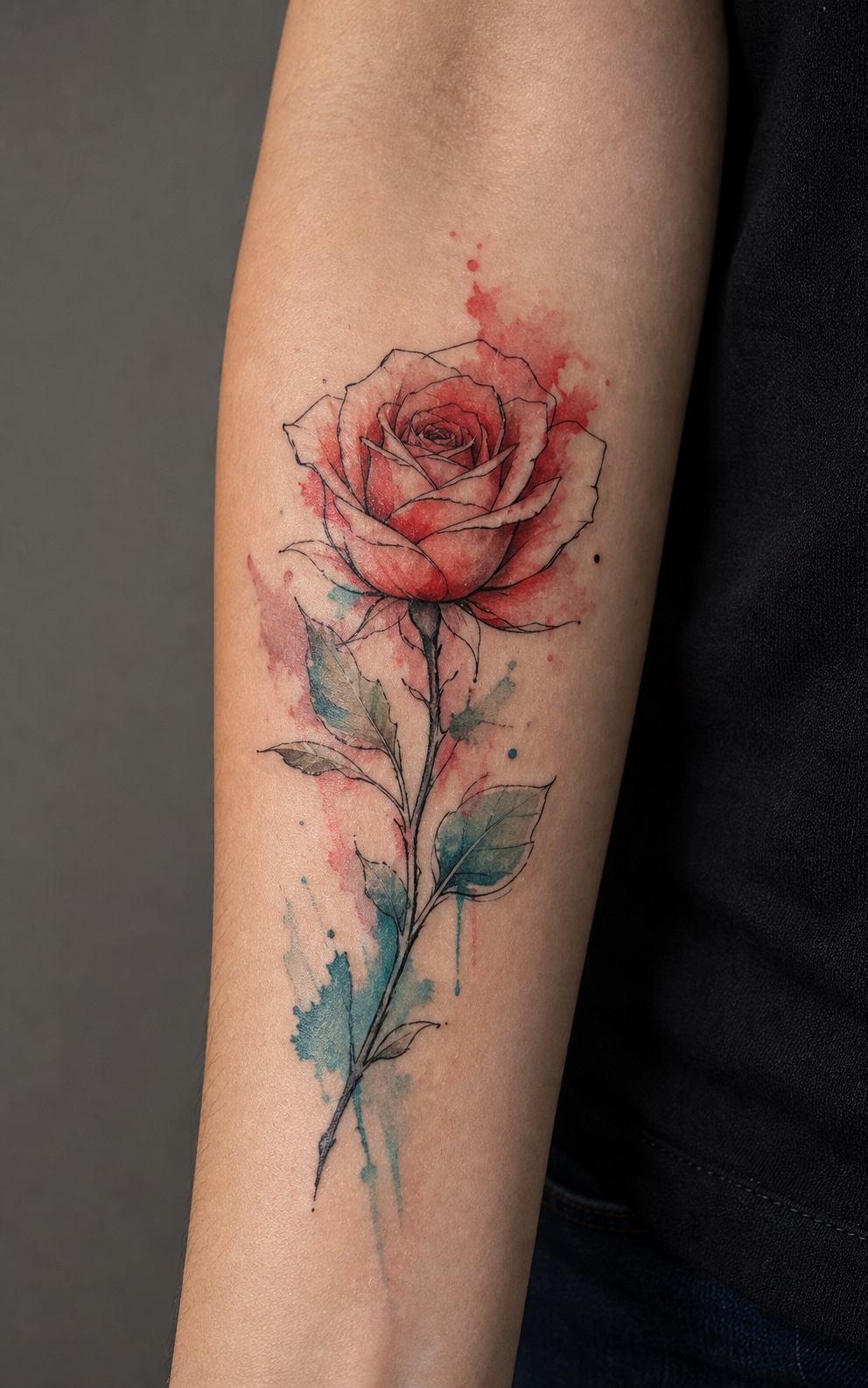
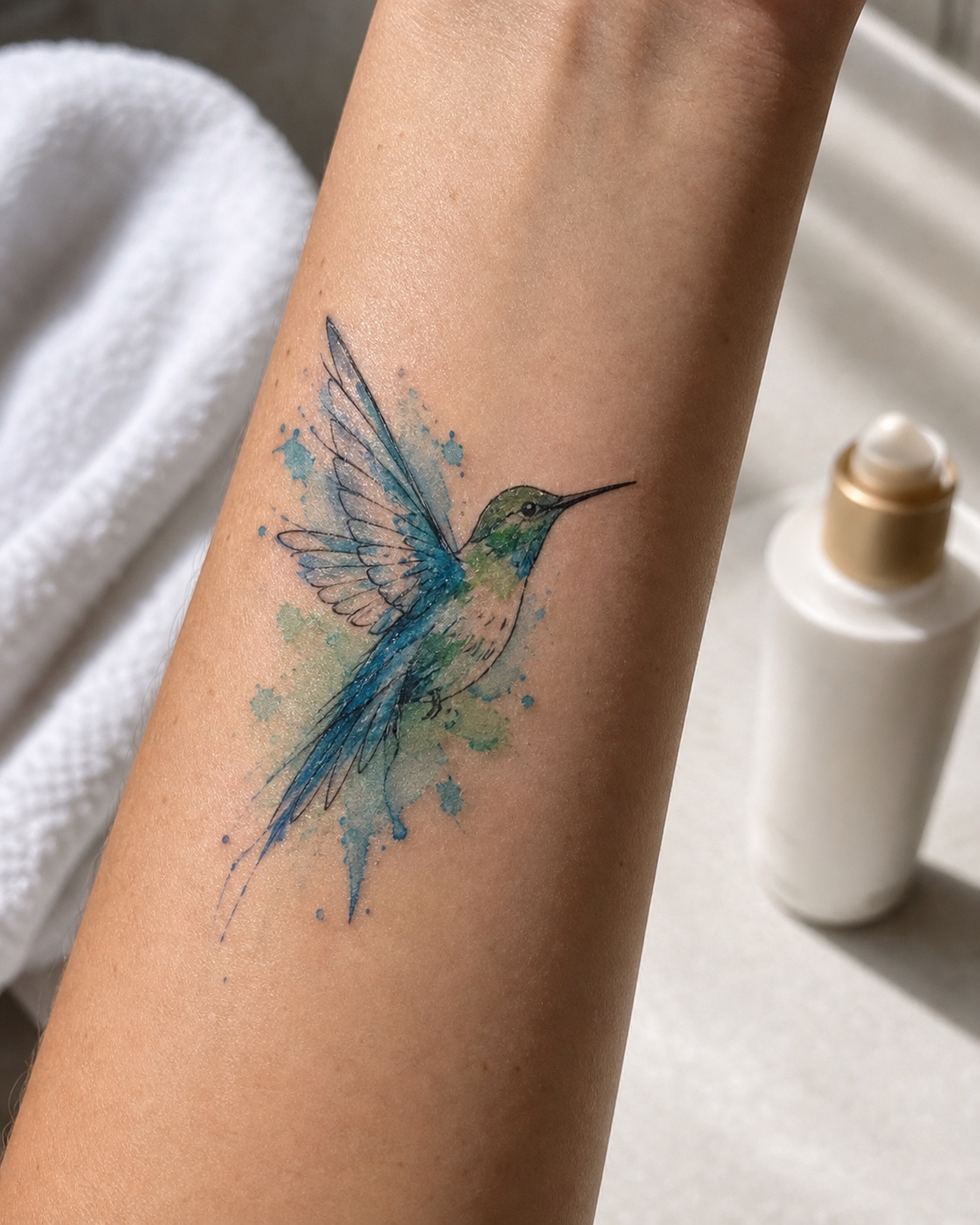
Black outlines have a nuanced role in watercolor tattoos. While many watercolor designs aim for a softer, ethereal look, careful use of black outlines can provide essential structure.
These outlines help define specific elements within the tattoo, offering contrast to the vibrant colors. This technique enhances visibility and makes complex designs more legible.
Some artists choose to incorporate minimal outlines, while others may use more pronounced lines for emphasis. Balancing these elements is crucial for achieving the desired effect. You may notice that the use of black varies widely among artists, highlighting their unique styles and visions for their work.
Choosing your watercolor tattoo
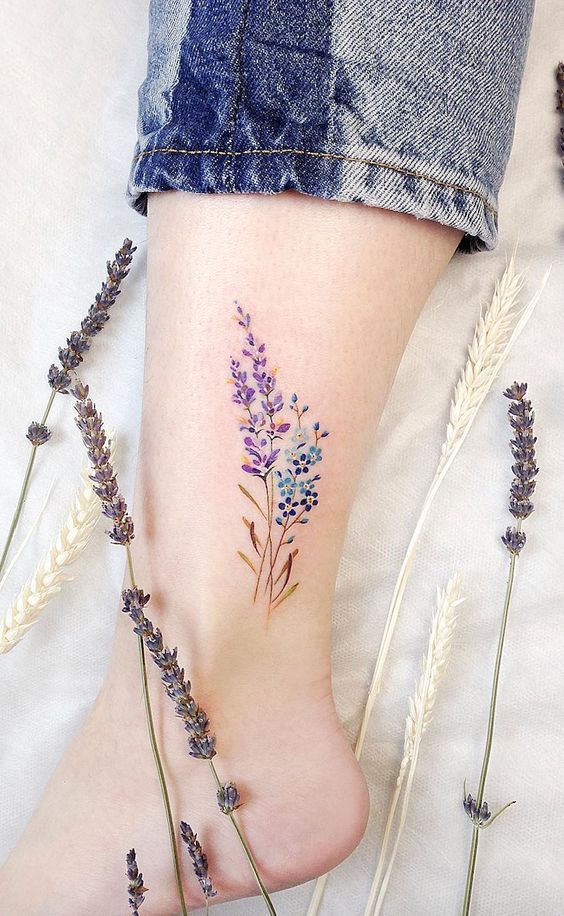
Selecting a watercolor tattoo involves careful consideration of both the artist and long-term care. Understanding the unique aspects of this style will help you make informed choices.
Selecting the right tattoo artist
Finding an experienced tattoo artist is crucial for achieving a successful watercolor design. Look for artists who specialize in this style, as watercolor tattoos require a different technique compared to traditional tattoos. Review their portfolio to assess their previous work, checking for vibrant colors, blending techniques, and overall design quality.
Don’t hesitate to ask questions about their approach to watercolor tattoos. Discuss specific ideas, such as butterfly tattoos or abstract designs, and gauge their enthusiasm and understanding. Word-of-mouth recommendations can also guide you to skilled artists. Remember to prioritize your comfort, so visit the studio to ensure a clean and professional environment.
Caring for a watercolor tattoo over time
Proper aftercare is essential for preserving the beauty of your watercolor tattoo. Immediately after getting the tattoo, follow the artist’s aftercare instructions closely. Typically, this includes keeping the area clean and moisturized while avoiding direct sunlight.
Use a gentle, fragrance-free soap for the first few weeks. Apply a thin layer of an unscented lotion to maintain moisture. Avoid soaking the tattoo in water, such as in baths or pools, for at least two weeks.
As time passes, touch up faded areas if necessary. UV protection is particularly important for watercolor tattoos, as colors can fade quicker than traditional tattoos. Consider using sunscreen when exposed to sunlight to help retain vibrancy.
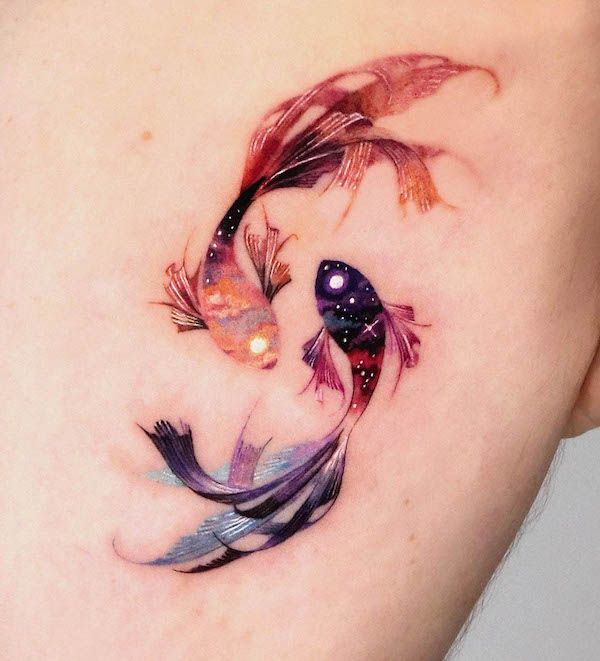
If you like soft washes and bright gradients, a color koi fish tattoo is one of the safer watercolor subjects because the fish silhouette stays readable even when the edges loosen.
FAQ: watercolor tattoo ideas
Do watercolor tattoos fade faster than regular tattoos?
Watercolor tattoos can fade faster when they rely only on very pale color and have no structure. A skilled artist can improve longevity with stronger contrast, smart color layering, and selective black or darker anchor lines. Sun protection matters a lot after healing.
What watercolor tattoo ideas age best?
Designs with a clear shape usually age best: flowers, butterflies, birds, waves, koi fish, moons, and abstract pieces with a defined focal point. Very tiny pastel-only designs can look beautiful at first, but they may soften quickly if there is not enough contrast.
Do watercolor tattoos need black outlines?
Not always. Some watercolor tattoos are intentionally soft and outline-free. Still, a little black linework or darker shading can help the design stay readable as it heals and ages, especially for flowers, animals, and small placements.
Where should I place a watercolor tattoo?
Forearms, upper arms, shoulders, thighs, ribs, ankles, and shoulder blades all work. Choose a placement with enough flat space for color transitions. Areas that rub constantly or get heavy sun exposure may need more touch-ups.
How do I choose a watercolor tattoo artist?
Look for healed examples, not just fresh photos. The portfolio should show smooth color blends, controlled edges, and designs that still look readable after healing. Ask how the artist handles fading, outlines, and touch-ups before booking.
How do you care for a watercolor tattoo?
Follow your artist’s aftercare exactly, keep the tattoo clean, avoid soaking it while it heals, and protect it from sun. Once healed, daily sunscreen helps preserve the color, especially on exposed areas like forearms, ankles, and shoulders.
Watercolor and fine line work both need careful aftercare; this fine line tattoo aging guide explains how placement and sun exposure affect delicate ink.
A watercolor sea turtle tattoo works well when the turtle silhouette stays clear and the blue or green wash supports the ocean mood.
- 667shares
- Facebook0
- Pinterest667
- Twitter0
- Reddit0