Graphic design magazines are still useful because they slow design down. Instead of scrolling past another polished case study, you get edited projects, art direction, interviews, typography experiments, and layouts that show how designers think on the page. The best magazine for you depends on what you want to study: branding, visual culture, editorial design, illustration, type, advertising, or independent publishing.
Use this guide as a reading map for graphic design magazines, not a frozen ranking. Before subscribing, check each publication’s current issue, archive, shipping options, and digital access. Some titles are strongest as print objects; others are better as daily online reading.
Best graphic design magazines at a glance
The best graphic design magazines to start with are Eye for critical visual culture, Creative Review for commercial creativity, Communication Arts for competitions and polished portfolios, Slanted for typography, PRINT for design history and commentary, and Idea for international graphic design. Add niche titles like 3×3, Varoom, and Juxtapoz if you want illustration, independent art, or alternative visual culture.
| Magazine | Best for | Why read it |
|---|---|---|
| Eye | Visual culture and criticism | Strong essays, typography, editorial design, and historical context |
| Creative Review | Branding and commercial creativity | Useful for campaigns, agencies, advertising, and creative industry analysis |
| Communication Arts | Portfolio-quality work | Annuals, competitions, photography, illustration, and polished case studies |
| Slanted | Typography and international design | Great for type, editorial experiments, and city or country-focused issues |
| Design history and commentary | Helpful for context, criticism, and long-running design conversation | |
| 3×3 / Varoom | Illustration | Good for visual storytelling, editorial illustration, and artist interviews |
| Juxtapoz | Art and alternative culture | Useful when your design practice overlaps with murals, street art, and pop culture |
| Idea / Wallpaper* | Global design perspective | Good for seeing design through Japanese, European, architecture, and lifestyle lenses |



Key Takeaways
- Graphic design magazines are best used as curated references, not just trend feeds.
- Choose titles by purpose: critique, typography, branding, illustration, advertising, or visual culture.
- Before subscribing, check current issues, archives, shipping, and digital access.
What Are Graphic Design Magazines?
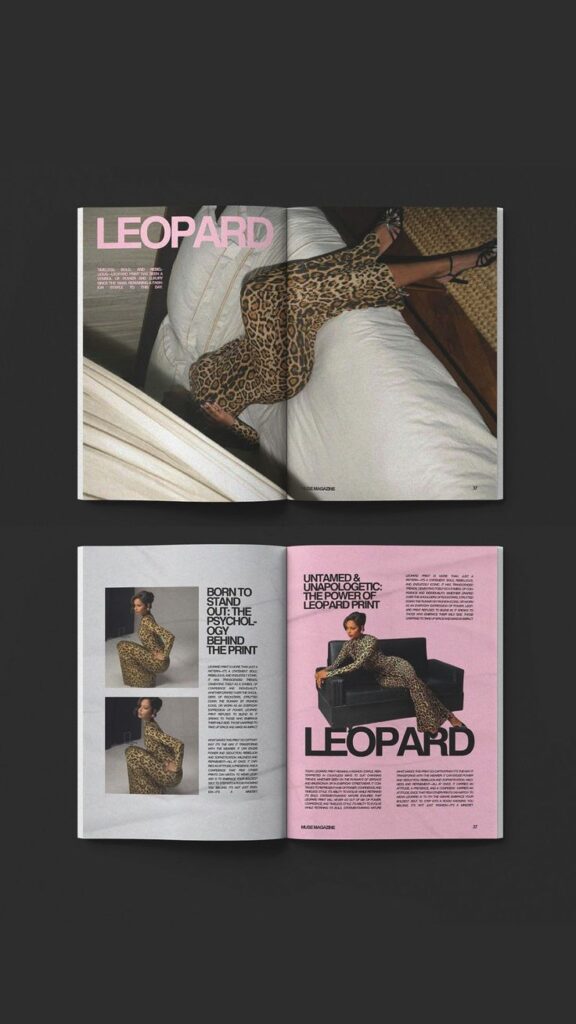
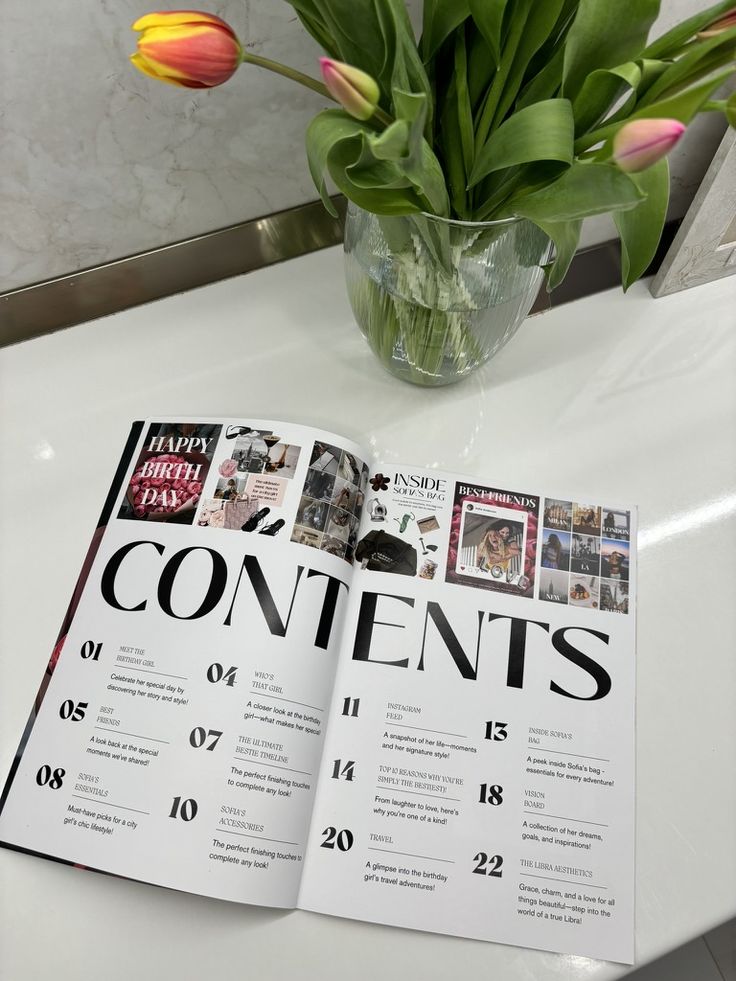
Graphic design magazines are edited collections of visual communication: posters, type systems, editorial layouts, campaigns, interviews, criticism, and studio work. A good issue gives you more than pretty pages. It shows why a layout works, how a designer thinks, and what visual choices are shaping the field.
History and Evolution
Graphic design magazines first appeared in the early 20th century, emerging as niche publications within the broader print industry. Titles like PRINT (founded in 1940) became influential in documenting the evolution of design, spotlighting movements such as modernism and the digital revolution.
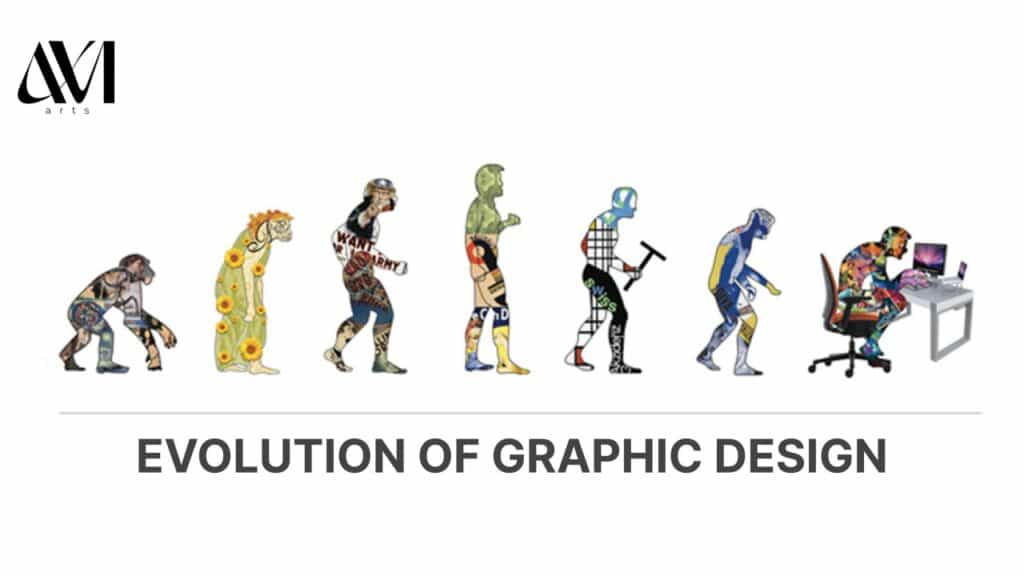
As techniques and technology evolved, these magazines adapted. Early issues focused primarily on print methods and typography, while later editions explored digital media, branding, and user experience. The shift from print to digital also brought interactive content, making design magazines more accessible and visually engaging online.
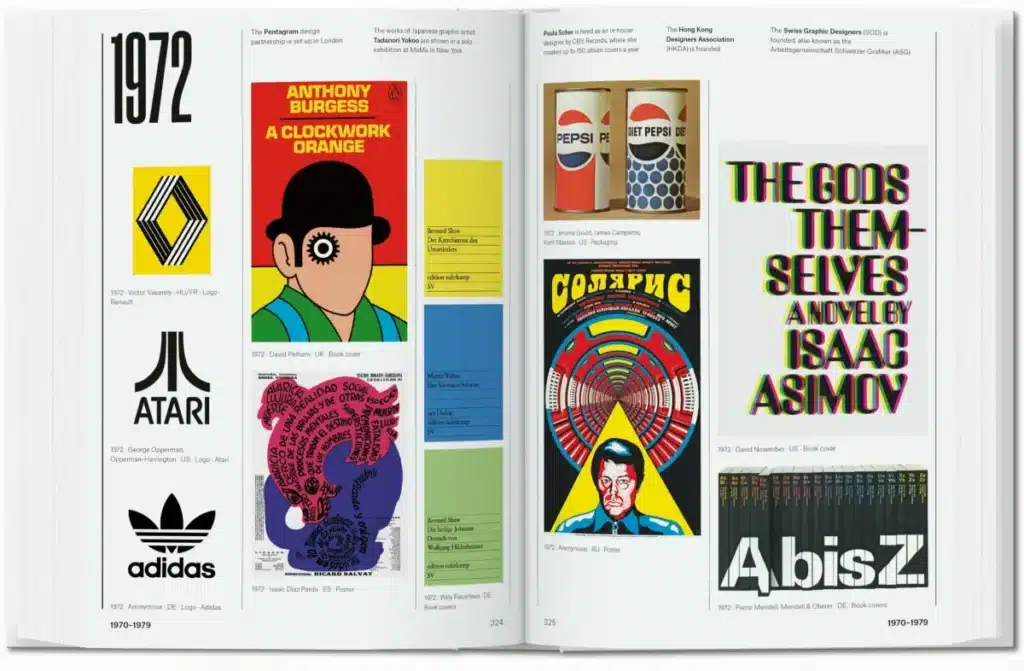
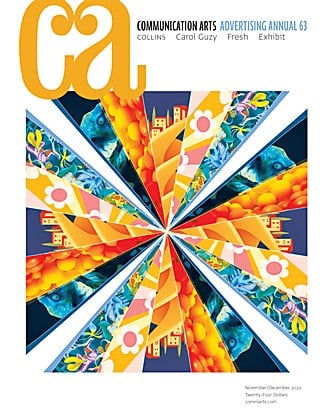
You’ll now find both long-standing print editions and web-based platforms. Some, like Eye Magazine and Communication Arts, remain respected sources for comprehensive critiques and portfolio features.
Key Features
Most design magazines mix visual examples with editorial judgment. Look for interviews, agency profiles, portfolio features, process notes, typography coverage, book reviews, competitions, and essays that connect design decisions to culture or business.
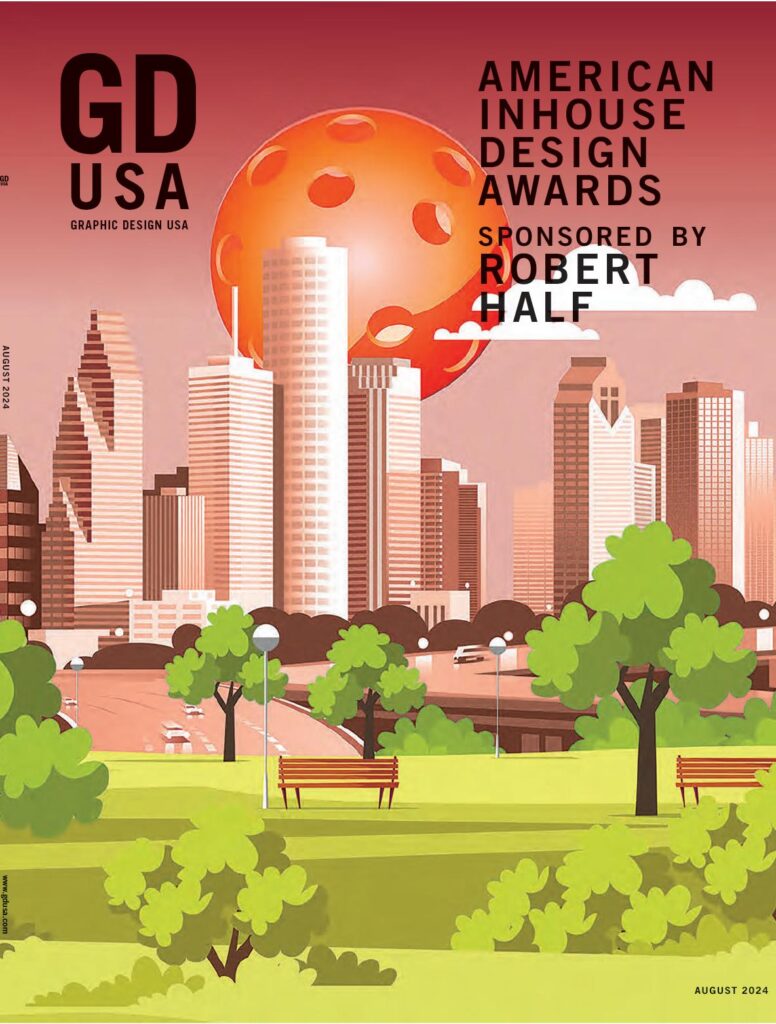
Common features include:
- High-quality images and layouts
- Case studies and project walkthroughs
- Tutorials and expert tips
- Industry news and design reviews
These magazines often use striking graphics and well-designed typography, acting as both reference and inspiration. Some publications provide practical advice for building your portfolio, finding clients, or mastering new software.
Subscriptions may include print copies, digital access, or both, giving you flexibility in how you engage with content.
Impact on the Design Industry
Design magazines have helped shape professional standards and creative practices across the art and design world. By featuring innovative projects and influential designers, they set benchmarks for creativity and technical skill.
Profiles of agencies, freelancers, and emerging talent can also point you toward events, competitions, submissions, and job leads. That is useful when you are building a portfolio and trying to understand where your work might fit professionally.
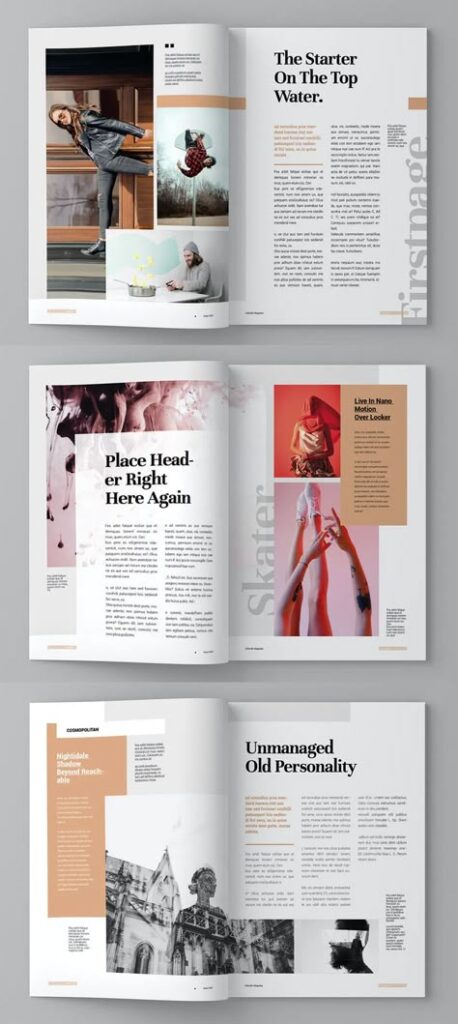
Design educators often use magazine spreads as teaching material because they show real briefs, real constraints, and real visual systems. A strong article can become a classroom reference for hierarchy, type choice, image direction, or portfolio presentation.

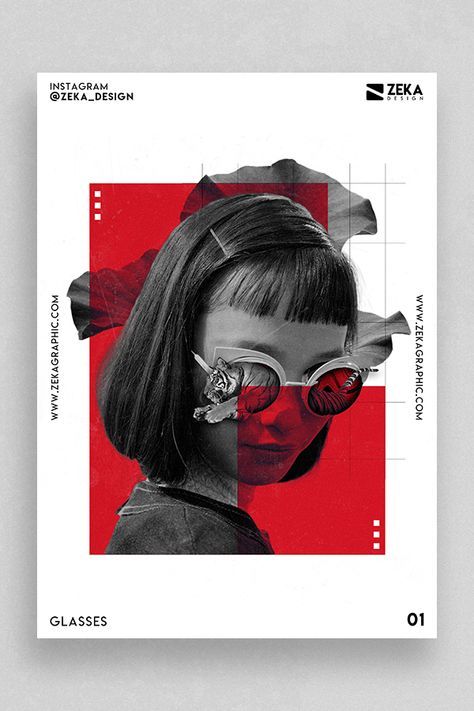
Top graphic design magazines to read in 2026
Finding the right graphic design magazine is less about picking the most famous title and more about matching the magazine to your work. A brand designer needs different reading than an illustrator, type designer, art director, or student building a portfolio.
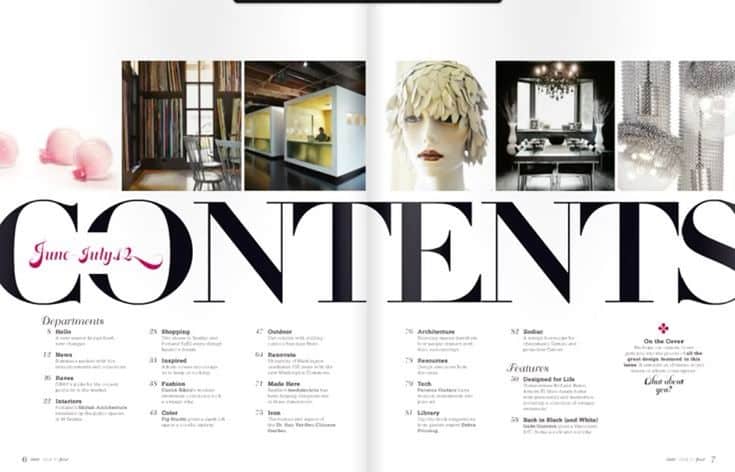
Best-known graphic design magazines
The most widely recognized names in graphic design magazines are valued for their consistent coverage of design, illustration, and photography. Communication Arts is a staple in the community, known for its comprehensive features, annual competitions, and clear visual showcases. If you want inspiration and practical advice from experienced professionals, this magazine provides detailed project breakdowns and in-depth interviews.
Creative Review and Eye Magazine both stand out for creative culture, brand case studies, typography, and emerging designers. Read them when you want more than a gallery: the writing helps explain the brief, the audience, and the visual decisions behind the work.
For lists and trends, The Drum and Adweek feature branding and advertising content that is especially useful if you’re interested in the crossover between design and marketing. Both are good choices if you want to keep a pulse on industry news and big creative campaigns.
Independent and niche design magazines
If your style leans indie, several independent magazines focus on narrower themes and less predictable visual voices. Slanted is especially useful for experimental typography, contemporary editorial design, and international type culture.
3×3 Magazine focuses on illustration and visual storytelling, making it a favorite among illustrators and designers looking for creative push. Juxtapoz offers a look into the underground art scene, shining a light on graphic artists, muralists, and photographers from diverse backgrounds.
Other magazines like Varoom explore visual communication for editorial, children’s books, comics, and illustration-led design. These niche publications are worth reading when mainstream design coverage starts feeling too polished or predictable.
International graphic design magazines
You can expand your design horizons by exploring international design magazines. Idea (Japan) provides deep analysis of Asian graphic design and innovative typography, offering rare insights not easily found in Western publications.
Wallpaper* is an art and design magazine published in multiple languages and covers graphic design, interior design, and architecture. It’s known for its stylish covers, creative photography, and curated feature stories from around the world.
European magazines like Slanted (Germany) and others such as eVolo Magazine (focused on architecture and design) deliver global trends, design critiques, and interviews with international designers. These editions are especially useful if you’re seeking inspiration beyond your local design scene, or on the lookout for diverse visual styles.



What graphic design magazines usually cover
Graphic design magazines usually combine inspiration with practical editorial judgment. You will find interviews, trend analysis, typography features, studio profiles, project breakdowns, reviews, and visual essays that help you see how designers make choices.
Interviews with Artists and Designers
Many graphic design magazines feature candid interviews with established and emerging artists. These interviews provide insights into creative processes, personal journeys, and the challenges designers face. You can expect honest commentary about finding inspiration, approaching new projects, and balancing artistic vision with client needs.

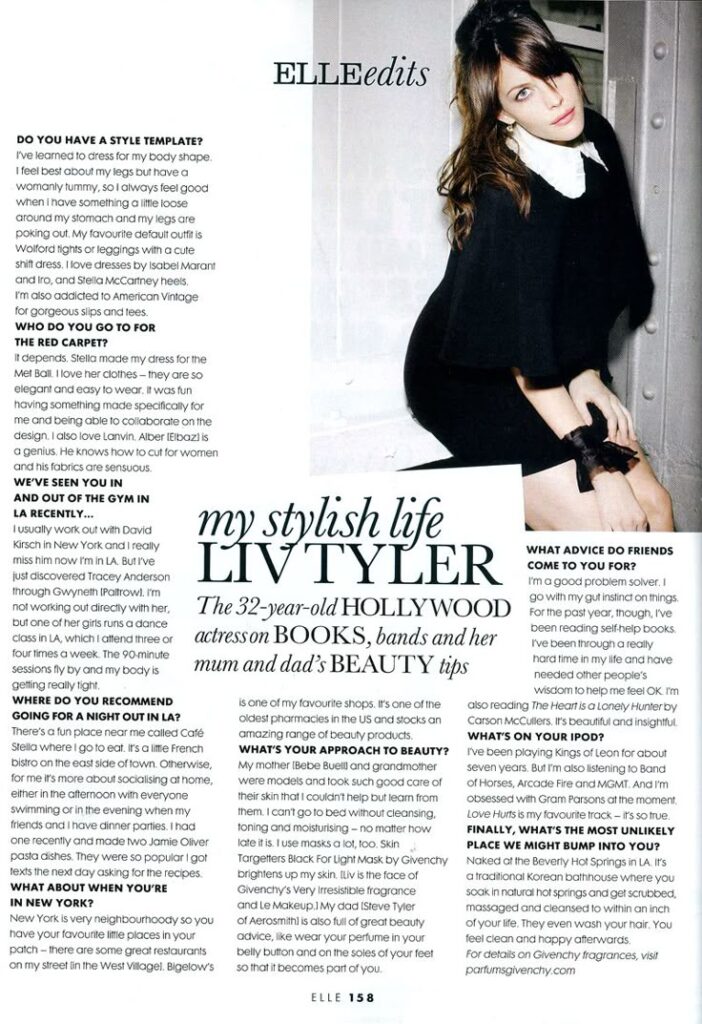
Interviews may include portfolio spotlights, Q&A formats, or long-form stories that go behind the scenes of a creative’s work. Some magazines highlight international voices to broaden your perspective. These sections often include images of featured work, allowing you to see the artist’s style and methods up close.
By reading these interviews, you gain practical tips directly from professionals and discover new approaches to common design problems. This editorial content is a reliable source for learning about industry trends and networking opportunities.
Trends and Visual Arts Coverage
Staying up to date with current trends is a key benefit of reading graphic design magazines. These publications analyze design movements, color palettes, and shifts in visual arts that may influence your own creative output. You’ll often find features on poster design, branding, editorial layouts, and even experimental projects.
Magazines cover both local and global trends, offering comparisons and case studies from different regions. Visual spreads and curated galleries are typical, giving you inspiration through curated examples and commentary. You might see emerging styles highlighted alongside classic influences, offering ideas that are both fresh and grounded.
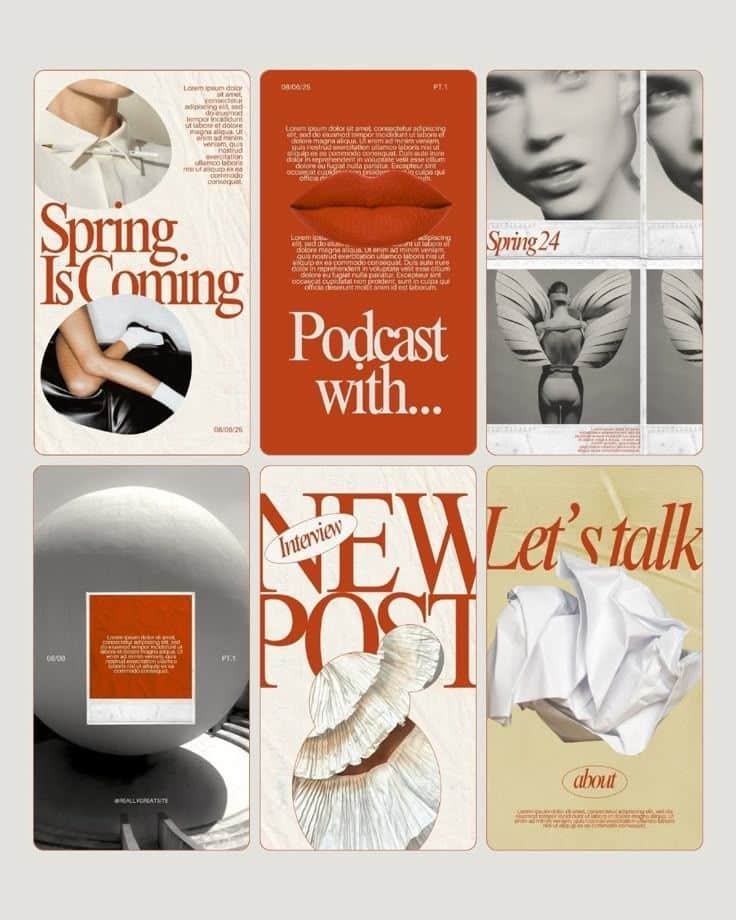
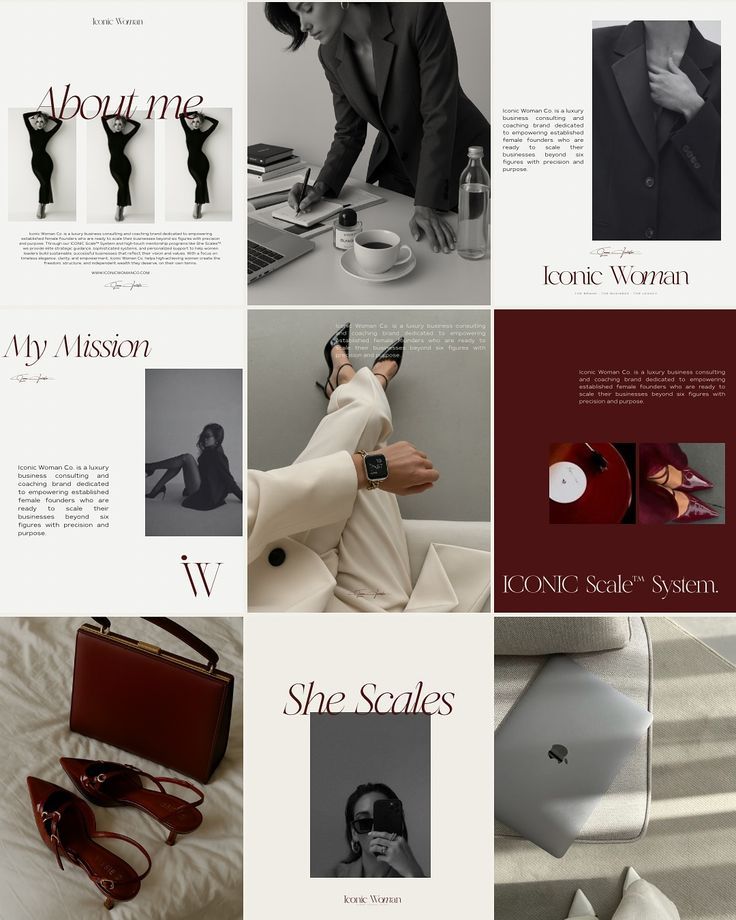
Editorial teams sometimes invite guest curators or trend forecasters to provide unique perspectives. This focus gives you actionable insights and helps you identify which styles and techniques are gaining influence in the design world.
Typography magazines and type coverage
Typography is a major topic in most graphic design magazines, with detailed coverage of both current typeface releases and historical classics. Articles may compare font families, explain best practices for legibility, or highlight unique uses of custom letterforms in projects.
You can find analyses of iconic typefaces as well as interviews with type designers. Some magazines include tips for pairing fonts, using variable fonts, and navigating licensing. Lists and tables are often used to showcase new releases and recommended pairings:
| Typeface | Designer | Year Released | Notable Use |
|---|---|---|---|
| Helvetica Neue | Max Miedinger | 1983 | Corporate Branding |
| GT America | Noël Leu | 2016 | Digital Publications |
By staying informed about typography through these articles, you can refine your typographic skills and make confident choices in your own design work.


How graphic design magazines inspire better work
Graphic design magazines offer you a direct look into emerging trends, practical advice, and the creative journeys of industry leaders. These resources help keep your visual ideas fresh, informed, and adaptable for various mediums like advertising and posters.
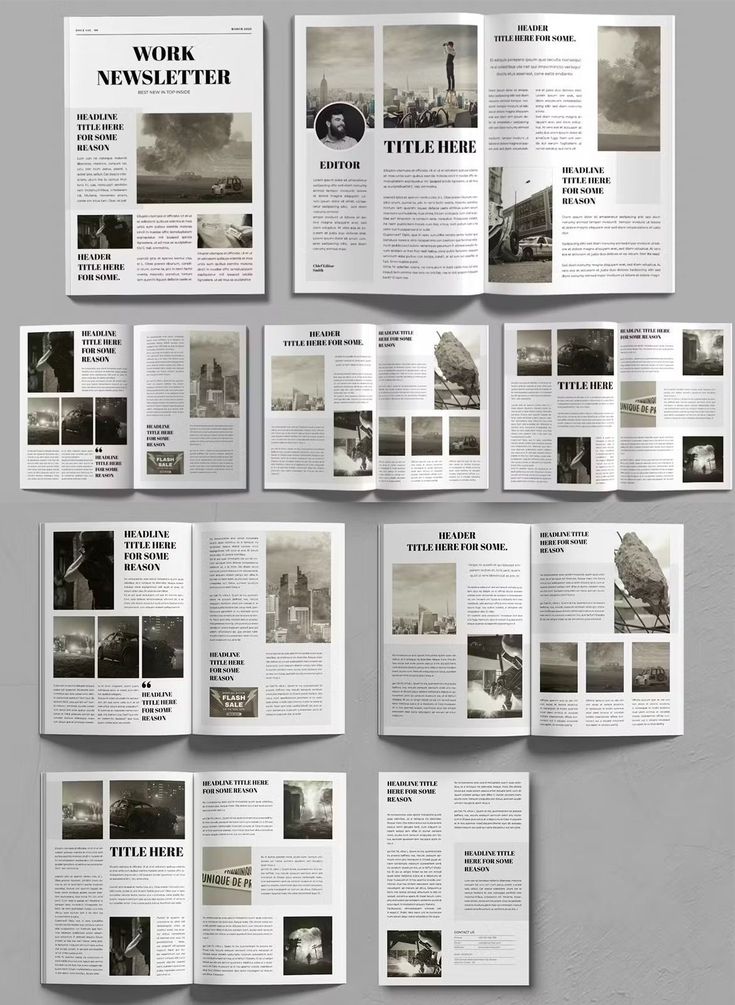

Showcasing Innovative Designs
Magazines dedicated to graphic design regularly feature standout work from agencies, freelancers, and students. They provide:
- Eye-catching layouts
- Smart use of typography
- Color palettes that set trends
You’ll see poster designs, branding projects, or advertisements that push boundaries and rethink how visuals communicate. By highlighting these pieces, magazines offer real-world examples that can prompt new ideas for your own projects.
Often, articles dive into the story behind each design, revealing what inspired choices in composition and technique. Exposure to this variety helps you develop your own style and challenges conventional thinking.
Guides, Tips, and Tutorials
Many graphic design magazines include step-by-step guides, tips from professionals, and in-depth tutorials. These sections focus on subjects like:
- Poster layout tricks
- Effective advertising concepts
- Methods for using color and type
Guides show you how to apply theory in practical scenarios, whether designing a book cover or creating marketing materials. You can learn new digital techniques or rediscover analog processes that have influenced generations of designers.
Tip boxes, checklists, and annotated visuals make complex topics approachable, so you can experiment confidently. Tutorials often bridge the gap between reading and doing, sparking confidence and creativity in your work.
Influence on Other Creative Fields
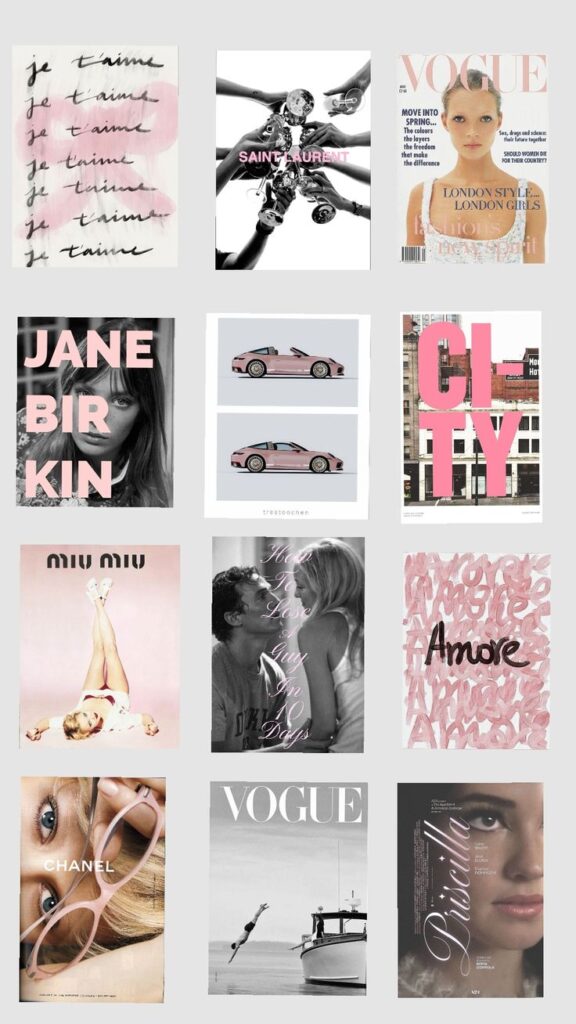
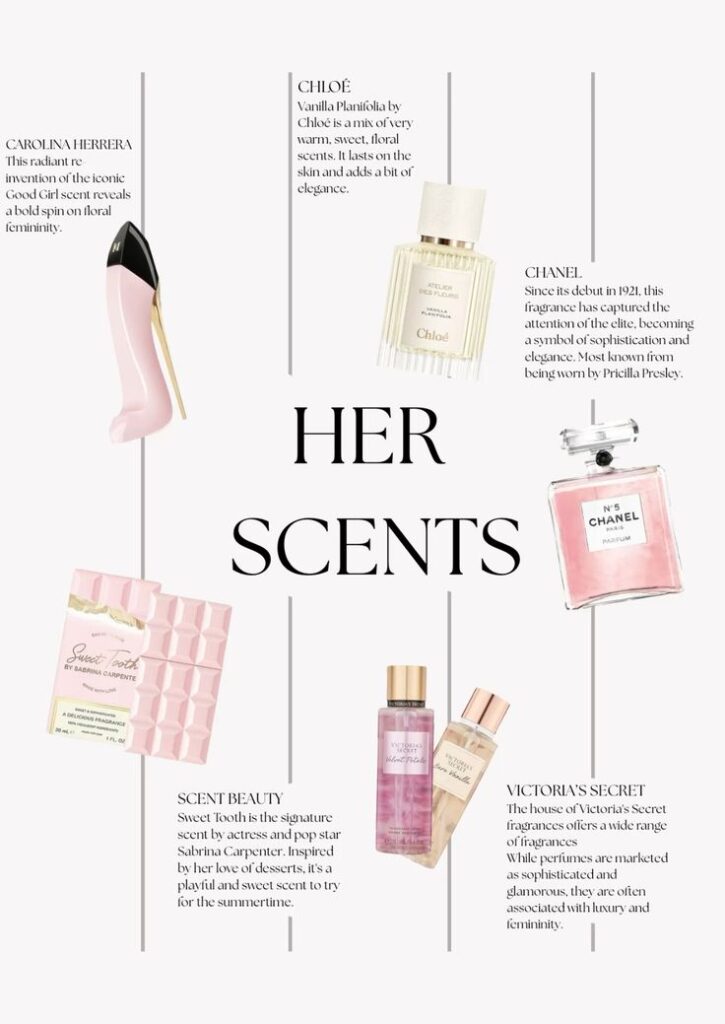
Graphic design magazines frequently explore the intersection of design with fields like illustration, fashion, and publishing. You’ll notice how design principles in magazines inform trends in advertising, books, and even technology.
Spotlights on cross-disciplinary collaborations show how ideas migrate from a poster concept to a book cover or an ad campaign. Interviews with creative professionals from different backgrounds highlight ways graphic design influences, and is influenced by, other creative industries.
This broad perspective encourages you to look beyond graphic design alone, drawing inspiration from multiple sources and making your portfolio more versatile. A magazine’s curated selection can connect you to communities and movements shaping the future of visual culture.


Print vs digital graphic design magazines
Technology shapes how you access, interact with, and contribute to graphic design magazines. Computers, the internet, and digital tools have enabled new formats, broader engagement, and richer content than ever before.
Digital issues and online access
Digital publishing lets you read graphic design magazines on computers, tablets, and phones. Most magazines now offer digital issues alongside or instead of print, removing distribution barriers and letting you access content instantly wherever you are. Search features, zoom functions, and hyperlink navigation enhance your reading experience.
You no longer have to wait for print deliveries or visit stores to find new issues; they’re often available the moment they’re published. Back issues and archives are accessible online, so you can revisit older articles easily. Digital editions may also feature adaptive layouts, making reading comfortable across different devices.
Subscriptions have become flexible, with options for monthly, yearly, or even single-issue purchases. Direct downloads, browser-based viewing, and dedicated magazine apps give you multiple access points according to your preferences.
Multimedia Integration
Contemporary graphic design magazines use technology to integrate multimedia elements that you simply don’t get with print. You’ll find embedded videos, slideshows, interactive graphics, audio commentary, and clickable prototypes in most leading digital magazines.
This integration gives you deeper insight into design processes and techniques. For example, an article about typeface design might include a video interview with the designer or an interactive slider showing how a logo evolved. These features keep you engaged and give richer educational value, especially for visual learners.
You can experience design in motion and interact with content, not just look at static images. Real-time demonstrations and before-and-after comparisons make complex design concepts far easier to grasp.
Networking and Community Building
Technology has made graphic design magazines into interactive communities rather than just publications. You can now join forums, attend webinars, and submit your work directly through magazine websites. Social media integration allows you to follow artists, start conversations, and participate in reader polls or challenges.
Networking features such as comment sections, chat rooms, and collaborative projects mean you can connect with designers around the world. Many magazines host online events and Q&A sessions, letting you interact directly with featured creators or editors.
This connectivity can help you find calls for submissions, portfolio inspiration, interviews, events, and practical references. Still, the strongest habit is simple: read slowly, clip what works, and write down why a layout, cover, or type system caught your eye.
How design magazines influence other creative fields
Graphic design magazines impact more than just graphic arts—they influence connected fields in tangible ways. Their content inspires creative choices in areas like architecture, industrial products, fashion, and even everyday merchandise.
Impact on Adjacent Arts and Industries
When you read a graphic design magazine, you’re not only seeing the work of graphic artists. You’re also discovering trends and principles that shape photography, branding, advertising, and digital products.
Design magazines often spotlight the fusion of art and commerce, showing how graphic layouts become branding templates and advertising campaigns. These pages reveal color palettes and layouts that inspire interior stylists and digital creators.
For example:
- Branding concepts move from magazine features to product packaging.
- Typography choices find their way into digital interfaces and signage.
You can see how ideas from these magazines spread to creative studios and agencies across industries.
Graphic Arts in Architecture and Industrial Design
Architects and industrial designers often look to graphic design magazines for fresh perspectives. The visual solutions showcased in these magazines can influence building facades, spatial layouts, and even furniture prototypes.
You’ll notice that graphic motifs sometimes cross into architectural surfaces. This might include large-scale murals, etched glass, or custom wall graphics featured in office lobbies and public buildings.
Key connections include:
| Graphic Arts Element | Influence on Architecture/Industrial |
|---|---|
| Color blocking | Façade treatments, interior themes |
| Visual hierarchy | Wayfinding systems, user flow |
| Iconography | Signage, product interface labeling |
You benefit as these fields borrow from each other, leading to more cohesive environments and innovative product designs.
Fashion, Posters, and Merchandise
Graphic design magazines are also a reference point for clothing designers and merchandisers. The graphics you see on T-shirts, tote bags, and limited-edition posters often trace back to trends first shown in print magazines.
Illustrators and garment makers draw inspiration from magazine spreads, experimenting with layout, typography, and visual icons. The result is clothing and merchandise that feel current but are grounded in solid design principles.
You’ll find that posters for concerts, special events, and exhibitions frequently echo layouts, color schemes, and themes explored in these publications. Merchandise, from mugs to tech accessories, borrows the same language, bringing graphic arts closer to your daily life.
Graphic design magazines FAQ
Q: What are the best graphic design magazines to read?
A: Start with Eye, Creative Review, Communication Arts, Slanted, PRINT, and Idea. Eye is strong for criticism and visual culture, Creative Review for commercial creativity, Communication Arts for annuals and portfolio-quality work, Slanted for typography, PRINT for design commentary, and Idea for international graphic design.
Q: Are print graphic design magazines still worth it?
A: Yes, especially if you study layout, paper, pacing, covers, and editorial systems. A printed issue lets you see scale, rhythm, margins, binding, and image sequencing in a way that a social feed rarely does. Digital access is better for speed, search, and archives.
Q: Which graphic design magazine is best for typography?
A: Slanted is one of the strongest starting points for typography, type culture, and international editorial design. Eye also covers type history and criticism well, while Communication Arts and Creative Review often show typography through branding, campaigns, and portfolio work.
Q: Which magazines are best for design students?
A: Students usually benefit from a mix: Communication Arts for polished professional examples, Creative Review for industry context, Eye for criticism, and Slanted for typography. Keep a swipe file of layouts, covers, grids, type pairings, and project notes instead of only saving pretty images.
Q: How do I choose a graphic design magazine?
A: Choose by what you want to improve. For branding, read Creative Review and Communication Arts. For type, read Slanted and Eye. For illustration, look at 3×3 or Varoom. For broader visual culture, try PRINT, Juxtapoz, Wallpaper*, or Idea.
Q: Are online design magazines enough?
A: Online design magazines are enough for news, quick references, and trend scanning. Print is better when you want to study pacing, page sequence, material feel, cover hierarchy, and long-form editorial design. The best setup is usually a digital reading habit plus a few printed issues you study slowly.
Q: How often should designers read design magazines?
A: A practical rhythm is one deep reading session per week and a quick scan whenever you need references. Read with a notebook or swipe file open. Capture the grid, color logic, typography, image treatment, and reason the design works instead of only saving the final image.
Q: Do graphic design magazines help with portfolio ideas?
A: Yes, but use them carefully. Do not copy a spread directly. Study how the magazine frames a project, writes captions, sequences images, and explains decisions. Then apply that structure to your own portfolio case studies, thumbnails, mockups, and project descriptions.
- 3.2Kshares
- Facebook0
- Pinterest3.2K
- Twitter0
- Reddit0