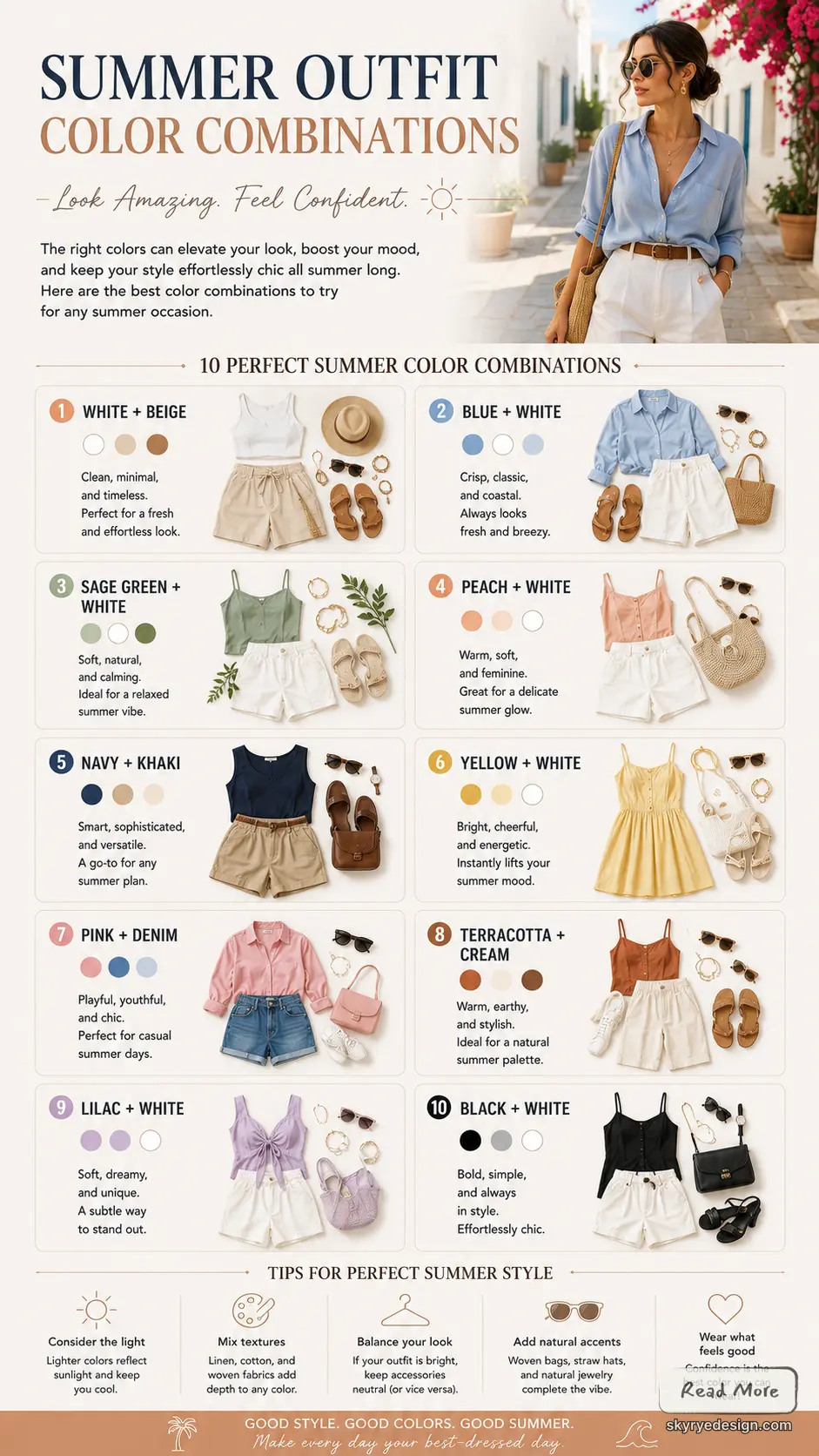
Summer outfit color combinations are easier when you treat the look like a small palette: one base color, one soft supporting color, and one accent. For hot weather, the safest formulas are white with beige, pastel blue with pink, yellow with cream, coral with denim, and blue with orange.
If the outfit feels too loud, lower the contrast with white, tan, linen, or light denim. If it feels flat, add one warm accent near the face, shoes, or bag. That simple color check usually fixes a summer look faster than adding more pieces.
Use the combinations below as starting points, then adjust the shade for your undertone, the occasion, and the amount of sun or color you want in the outfit.
Best summer outfit color combinations
The best summer outfit color combinations use light base colors with one clear accent. White, cream, beige, pale blue, and light denim keep the outfit breathable and easy to repeat. Coral, butter yellow, orange, cobalt, red, or soft pink add the seasonal lift. I usually check the outfit from a distance: if the light color holds the shape and the accent has one obvious job, the palette is working.
| Base color | Pair it with | Accent | Best for |
|---|---|---|---|
| White | Beige or tan | Gold or brown | Clean everyday summer outfits |
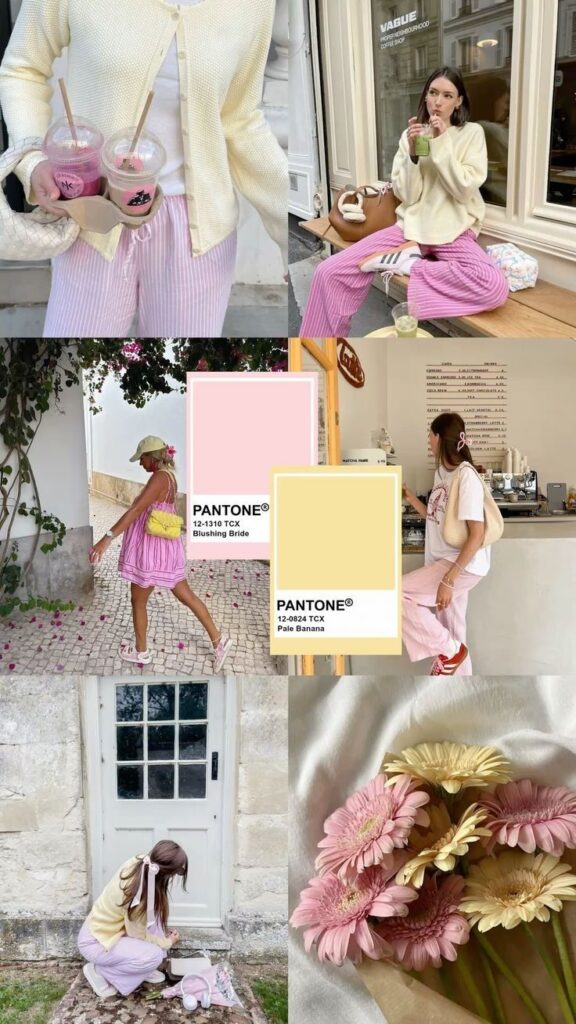
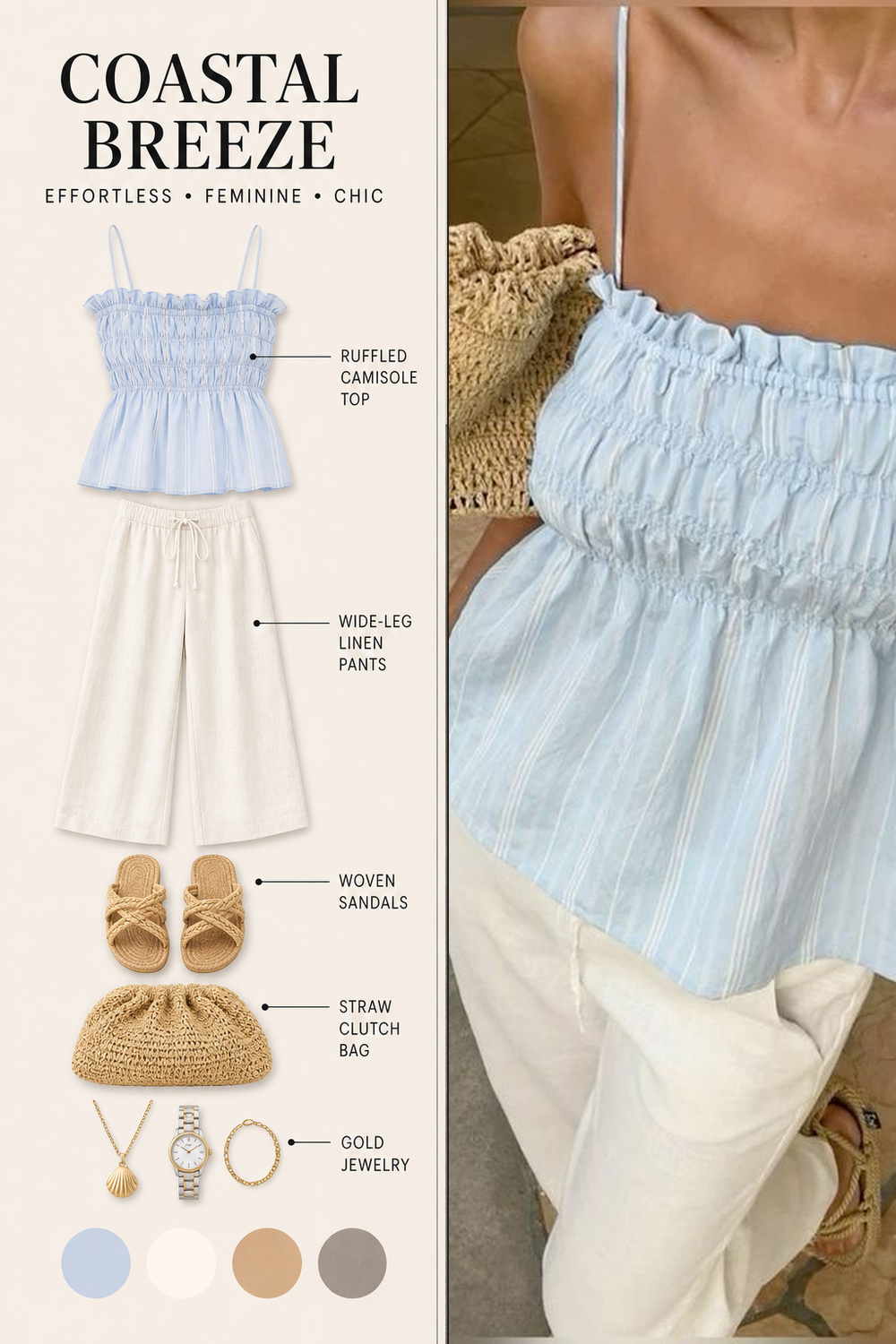
| Pastel blue | Soft pink | White | Fresh daytime looks |
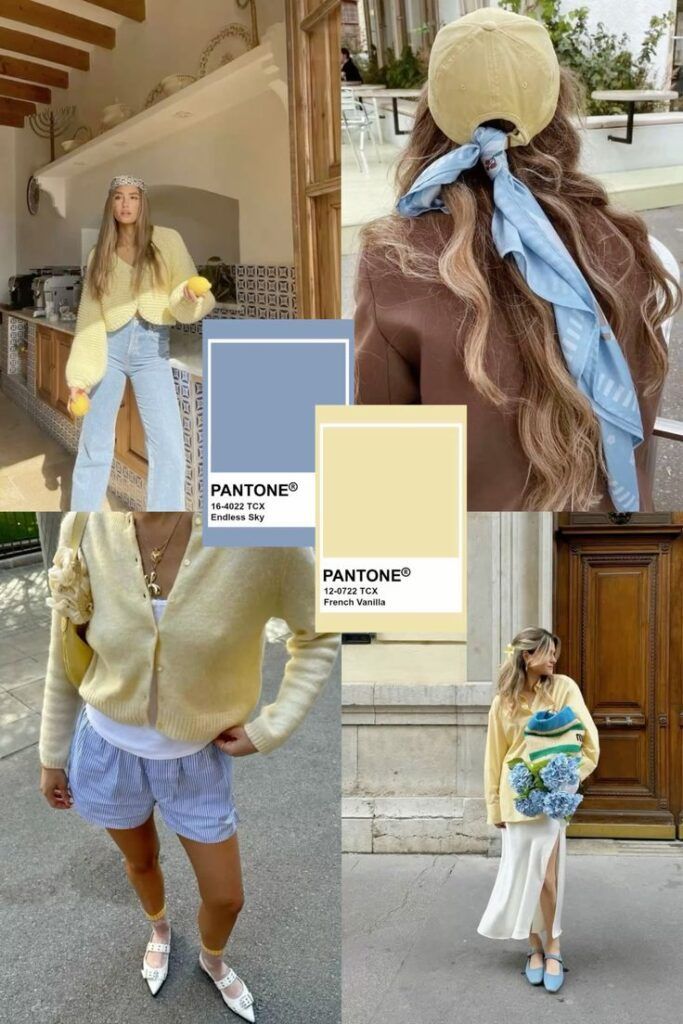
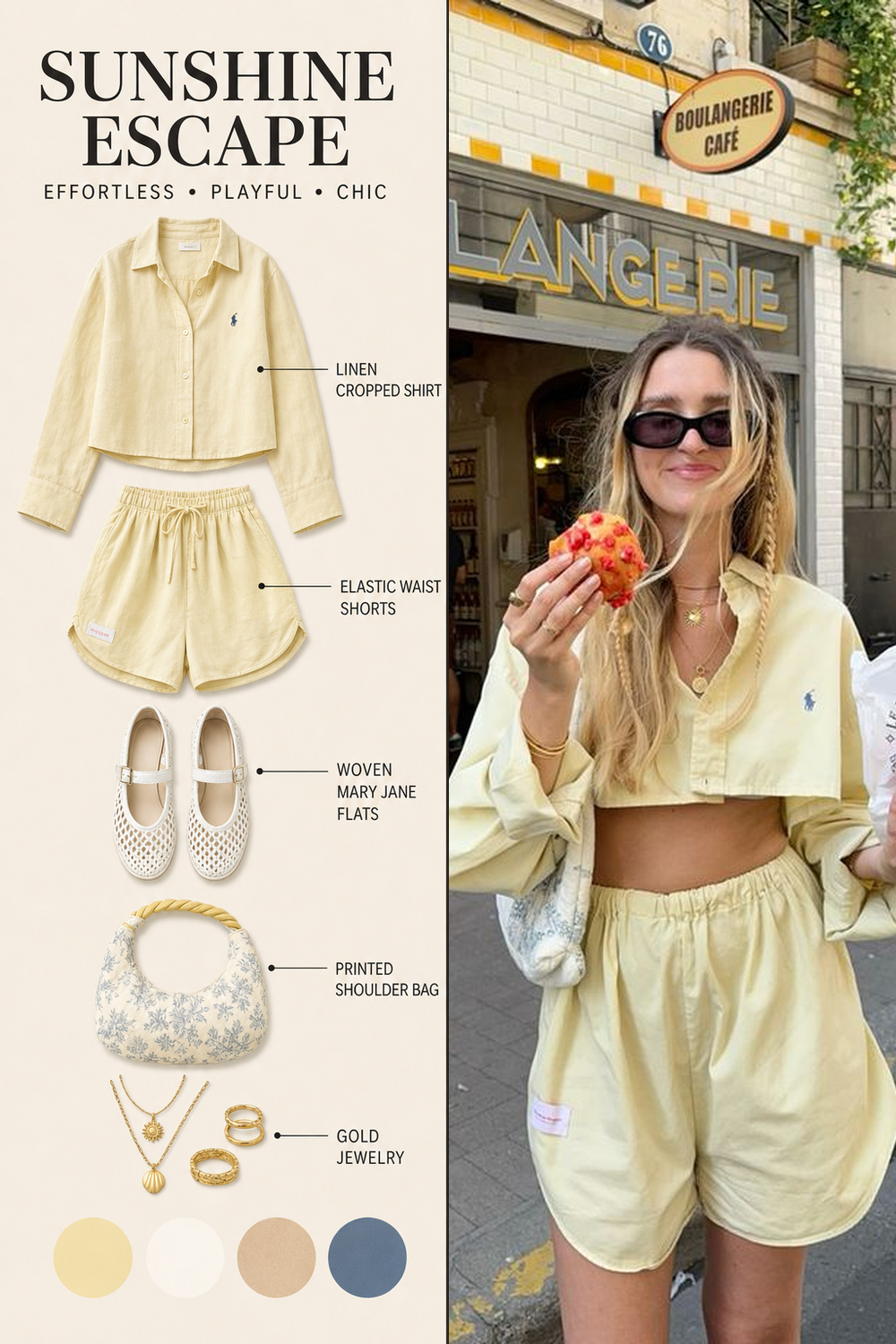
| Cream | Butter yellow | Straw or tan accessories | Soft warm-weather outfits |
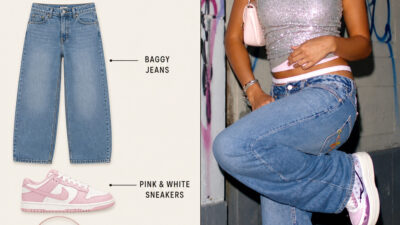
| Denim blue | Coral | Neutral sandals | Casual color without fuss |
| Mint | Lavender | White sneakers | Pastel summer outfits |
| Sky blue | Orange | White or beige | Bold, sunny contrast |
Popular Summer Outfit Color Combinations
Summer outfits often rely on colors that keep looks fresh and comfortable. Choosing the right combination can help balance brightness, simplicity, and style without feeling overwhelming.
Classic Neutrals and Whites
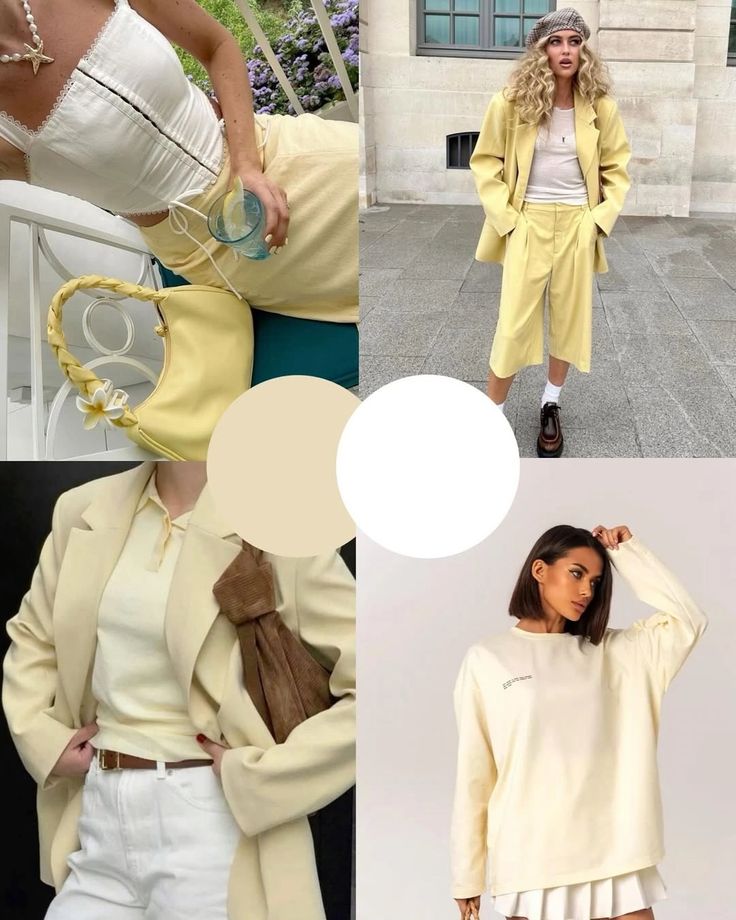
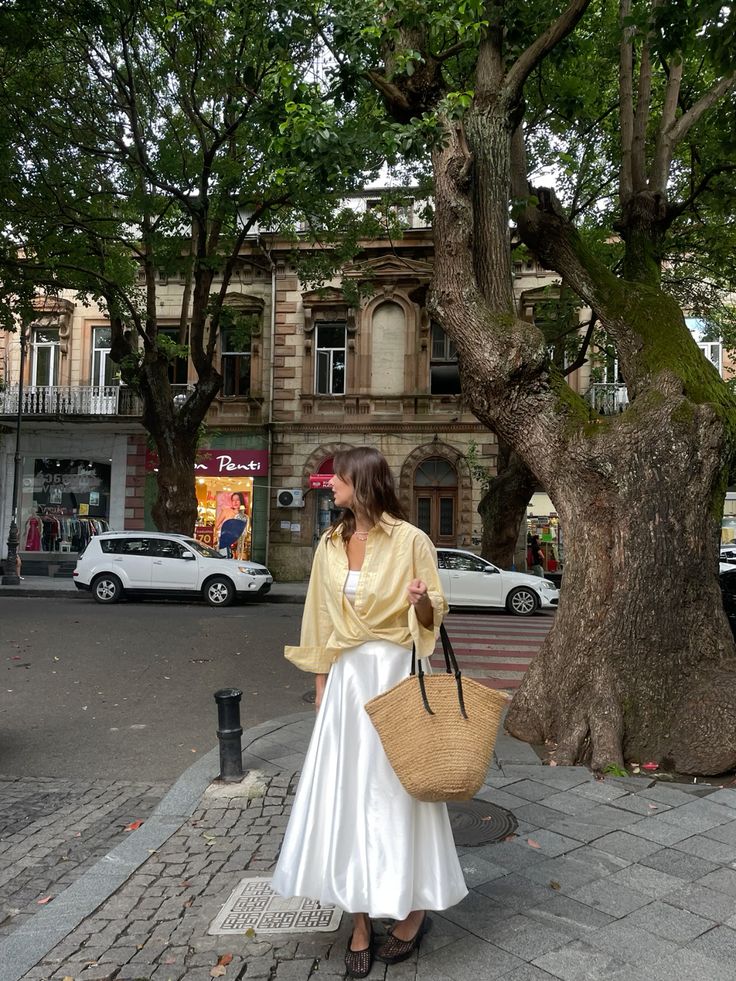
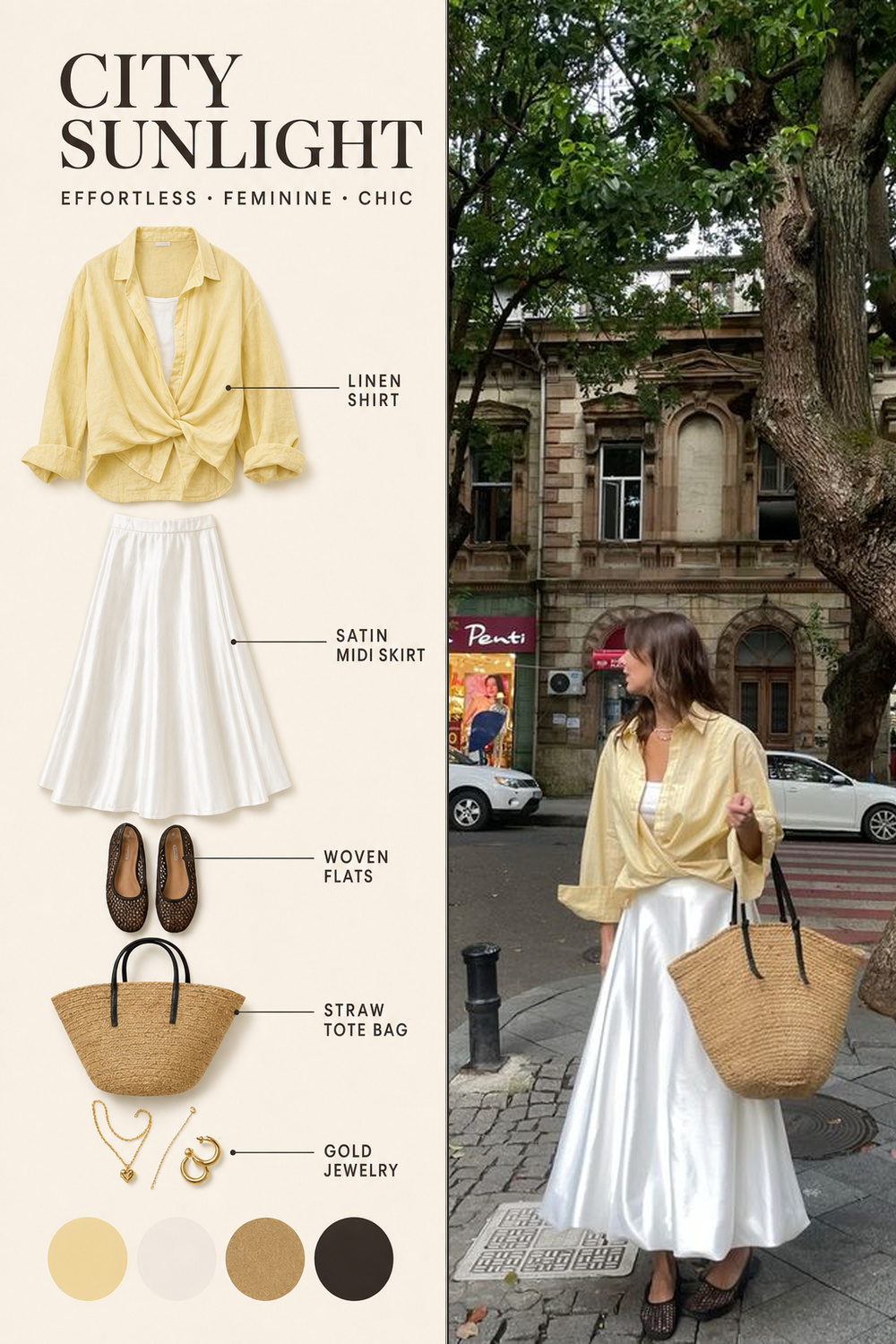
Neutrals like beige, tan, and soft gray pair well with crisp white to create a timeless summer look. This mix works for both casual and dressy occasions because it feels light and not overly busy.
White tops with khaki shorts or beige linen pants are popular choices. Adding simple accessories in gold or brown enhances the warmth without clashing. This combination is practical for hot weather since lighter colors reflect sunlight and keep the wearer cool.
Pastel Pairings
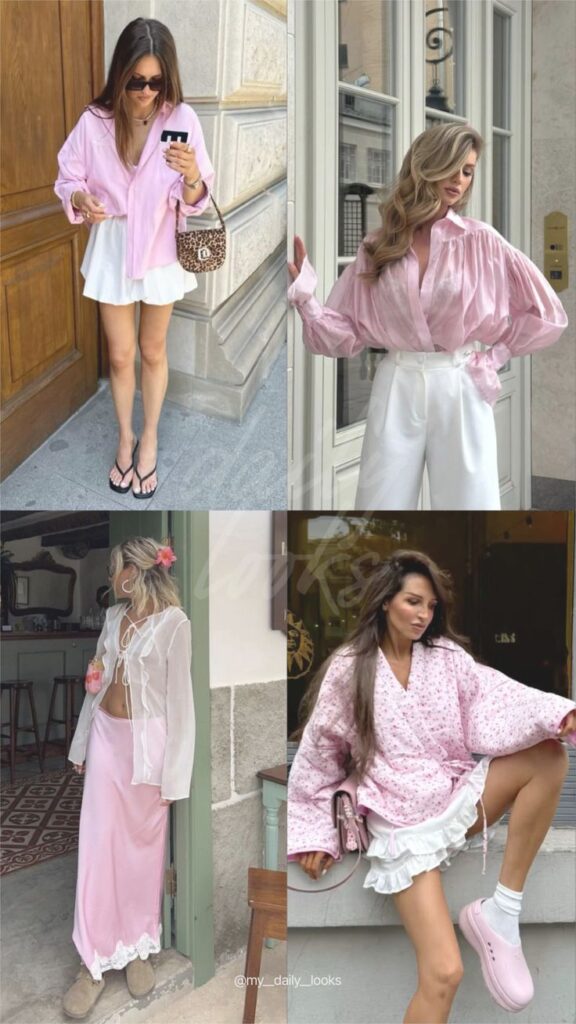
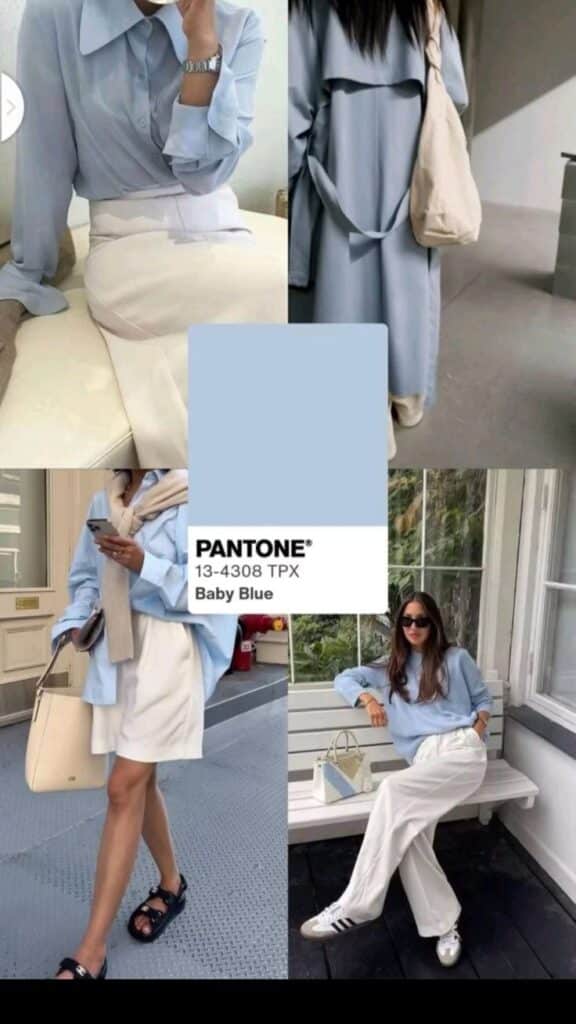
Pastel colors such as light pink, mint green, baby blue, and lavender provide a soft, fresh feel in summer outfits. These shades mix well with each other for a delicate and appealing look that suits daytime activities.
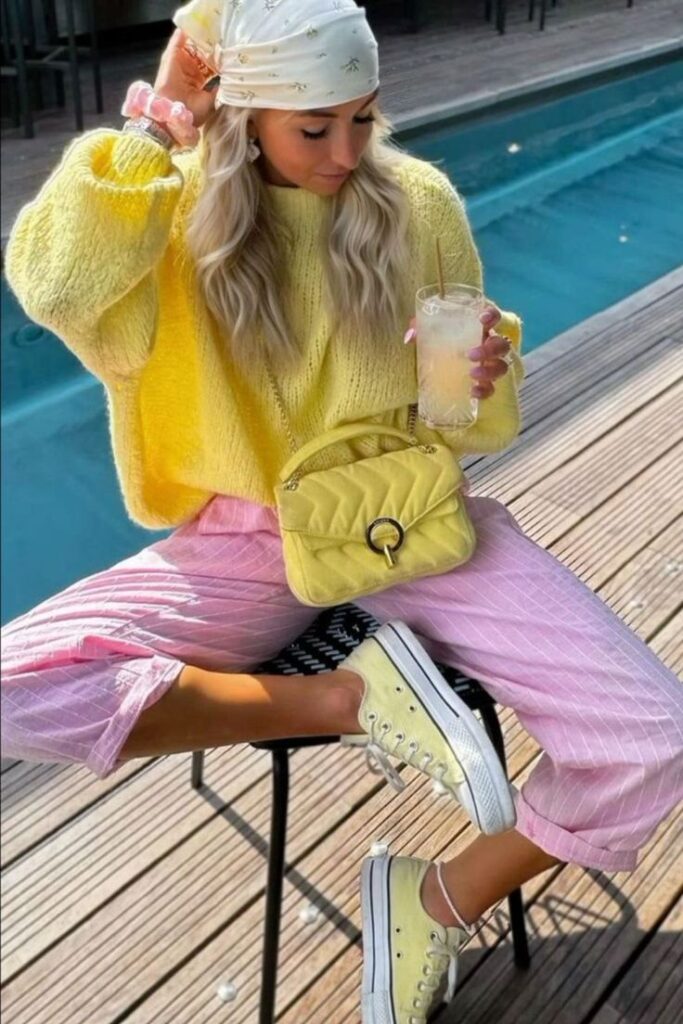
A pastel blue shirt with light pink shorts or a lavender dress with mint accessories gives off a gentle, sweet vibe. Pastels are a good option for those who want color without too much intensity, keeping the outfit subtle but stylish.
Bold and Bright Contrasts
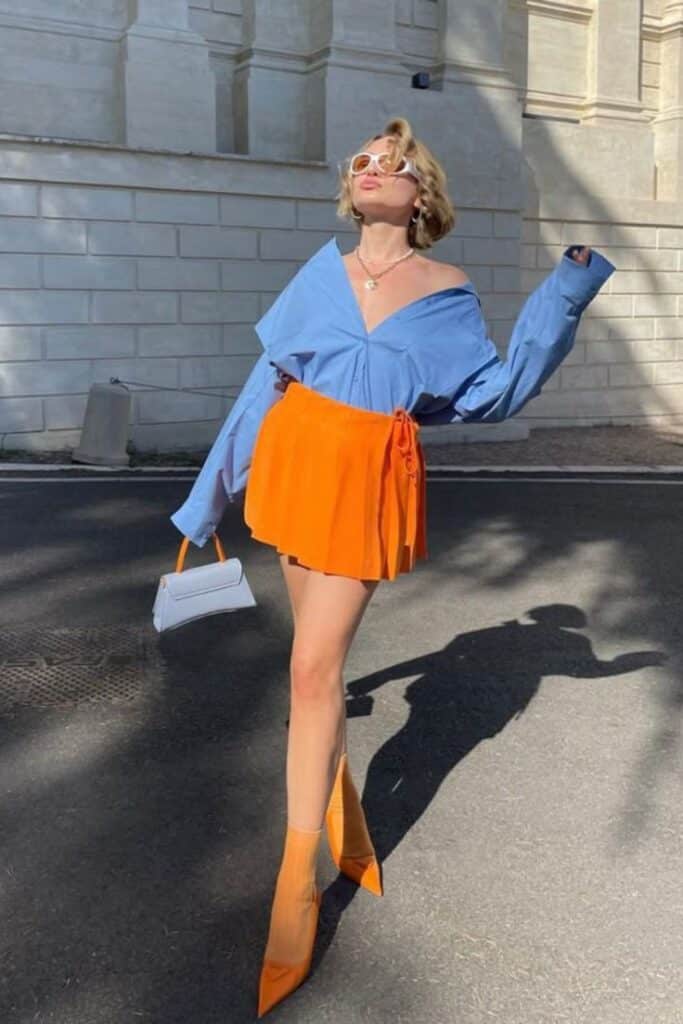
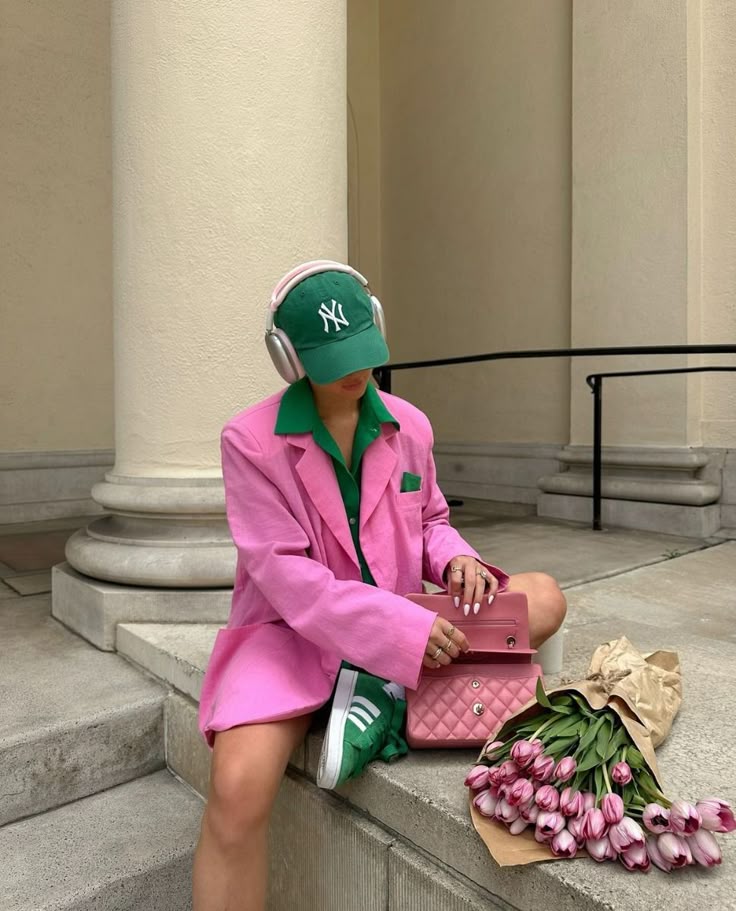
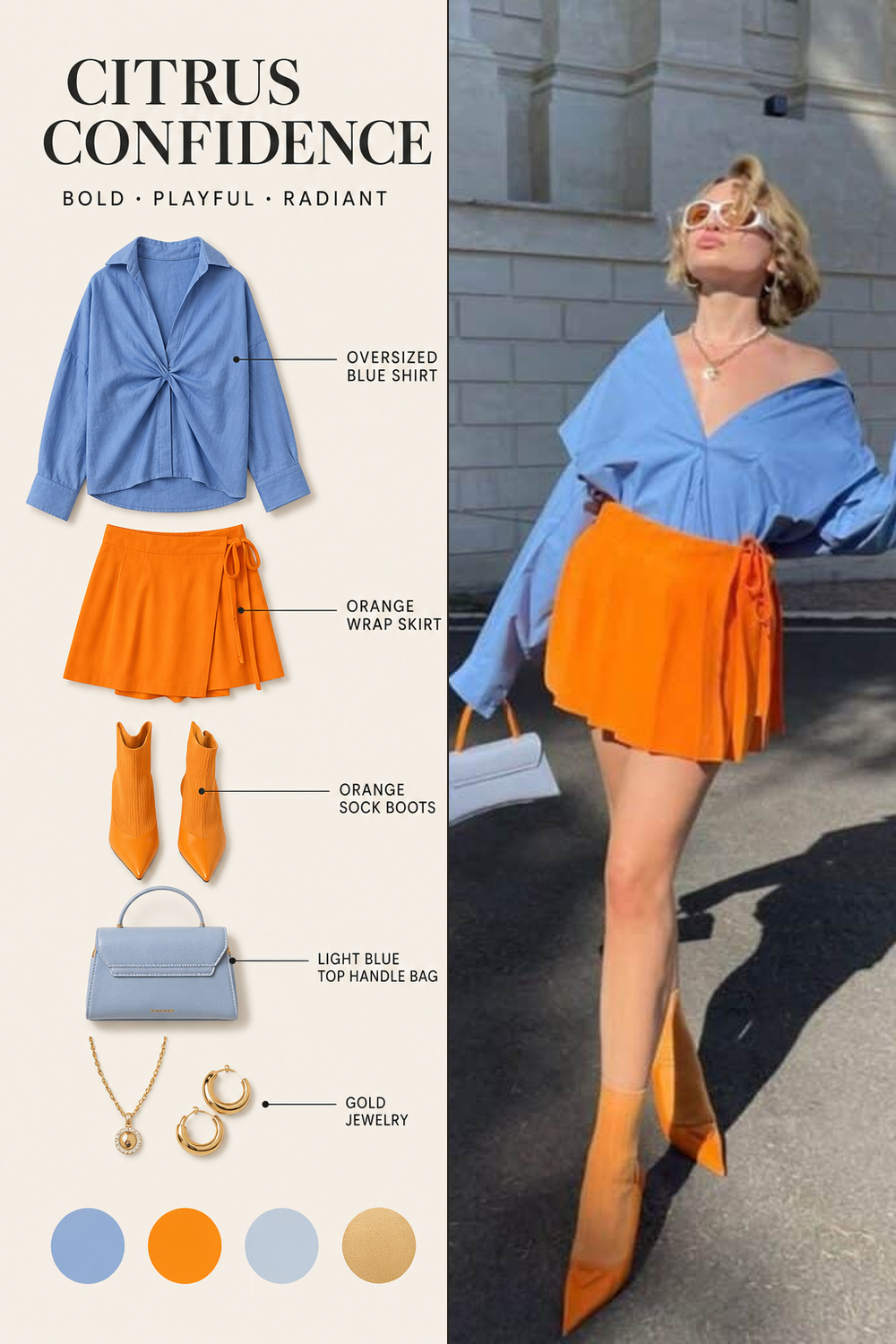
Bright colors like red, cobalt blue, and sunny yellow are perfect for those who want to stand out in summer. Pairing two strong colors can create energy and make the outfit visually striking.
For example, a red top with cobalt shorts or a yellow dress with blue sandals offers a lively contrast. It is important to balance these hues carefully to avoid clashing, so using one bold color with a slightly softer shade often works best.
Monochromatic Schemes
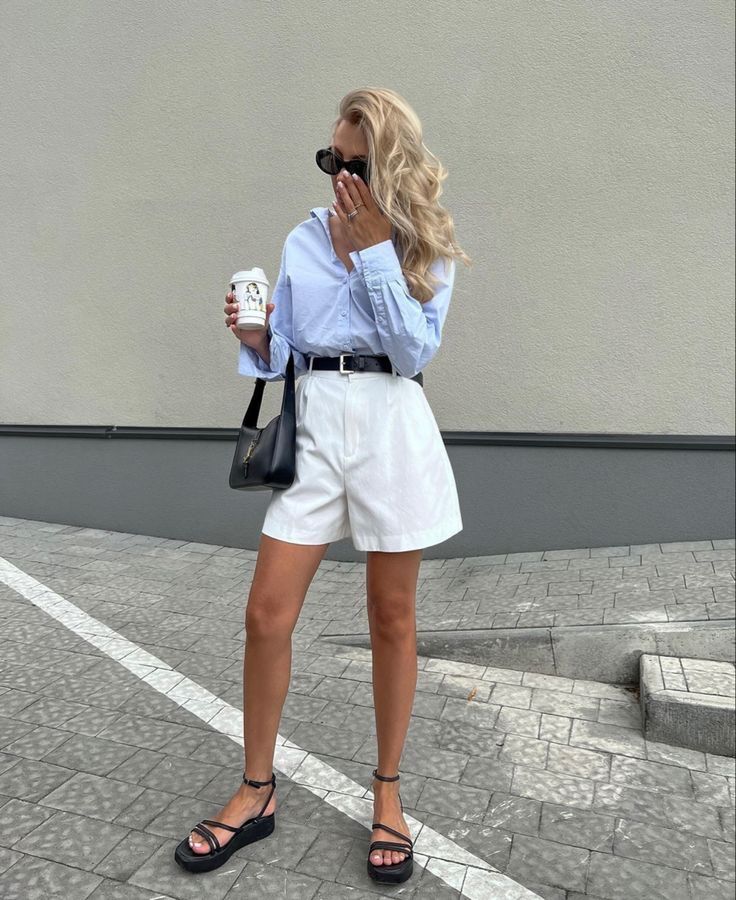
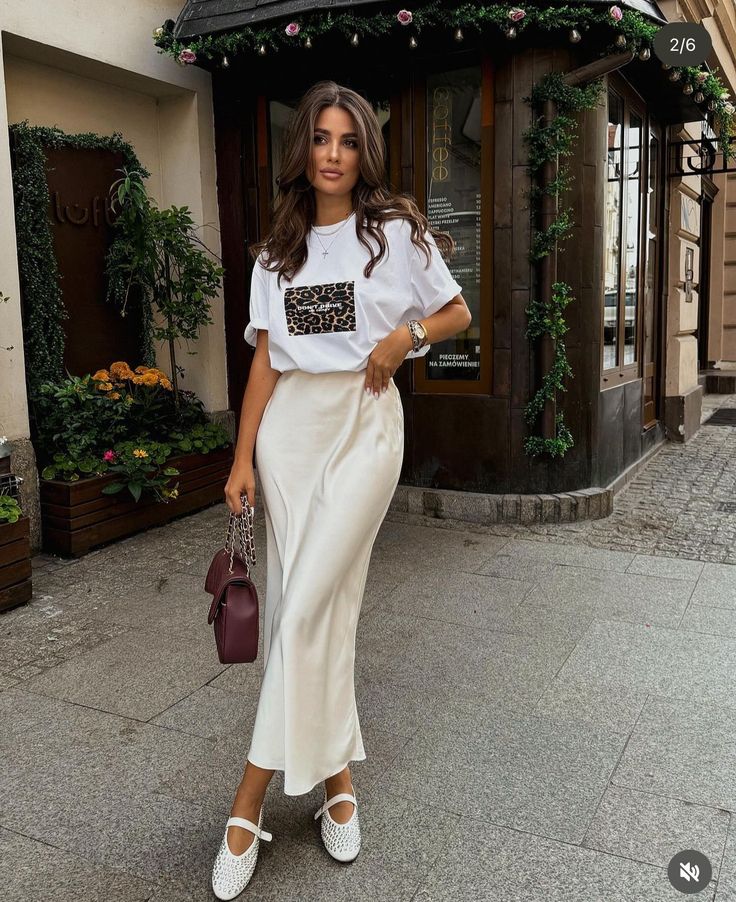
Monochromatic outfits focus on different shades of a single color. This creates a cohesive and modern look without the need for multiple tones.
For summer, light blue jeans with a navy shirt or soft beige pants with a tan top are common ideas. This approach is simple but effective, as varying textures and fabrics add depth even when the color stays consistent.
How to Choose Colors for Summer Outfits
Choosing colors starts with knowing how they interact with skin and lighting. Some shades bring out warmth or coolness, and others match better with casual or formal times of day.
Understanding Undertones
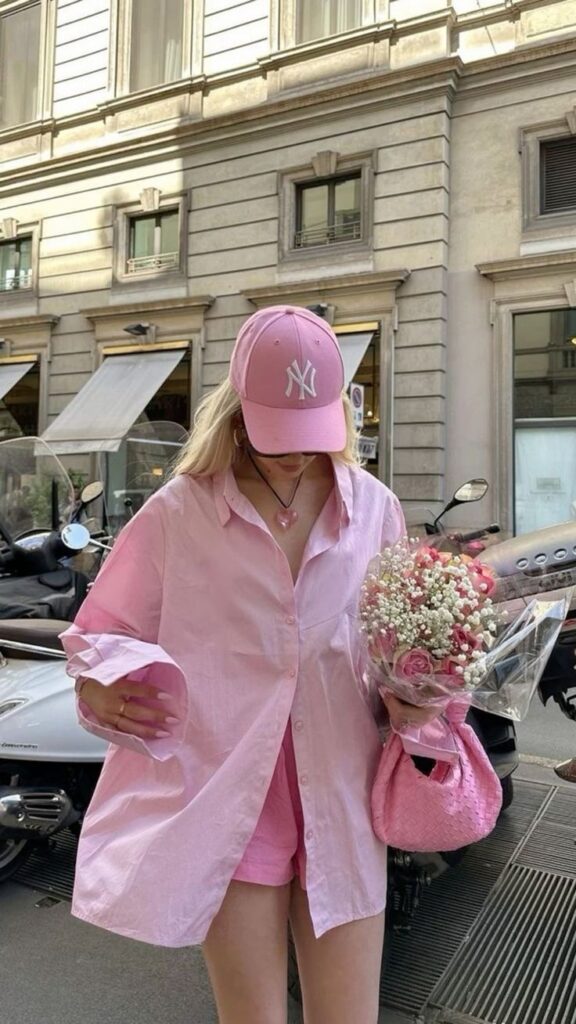
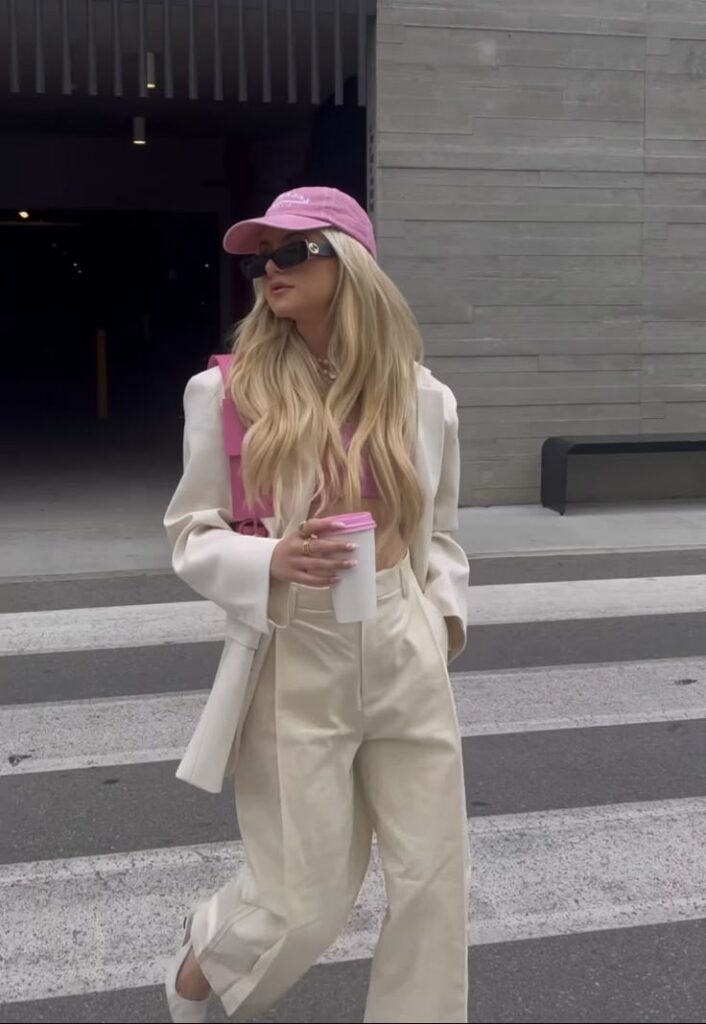
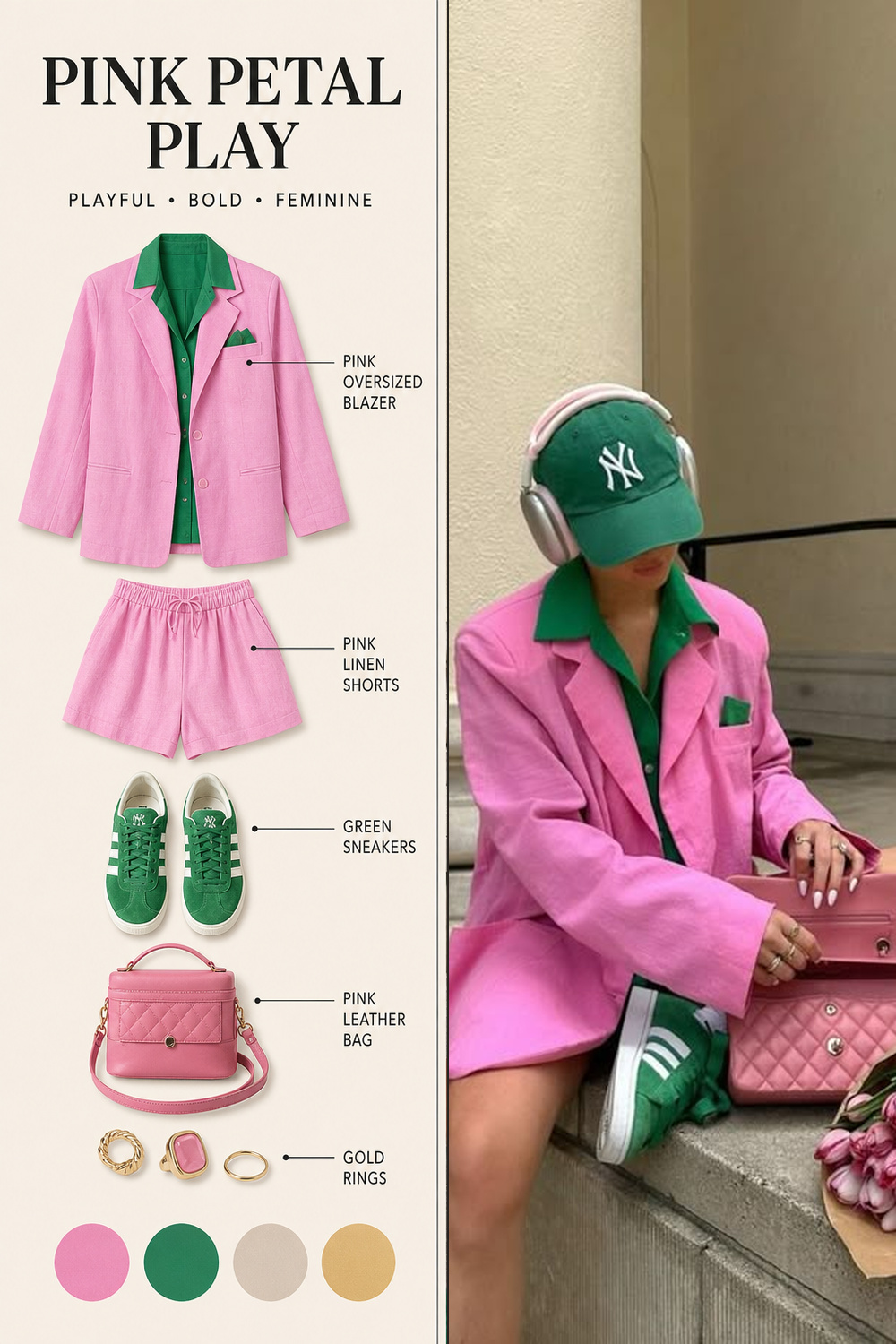
Undertones are the subtle colors beneath the skin’s surface. They can be warm, cool, or neutral. People with warm undertones look best in colors like orange, yellow, and warm reds. Those with cool undertones match colors such as blue, green, and purple.
Knowing undertones helps avoid colors that wash out the face. For example, if the skin has a pinkish hue, cool colors like lavender or teal can look good. If the skin has a golden or peachy tone, warm colors like coral or mustard work better.
Skin Tone Compatibility
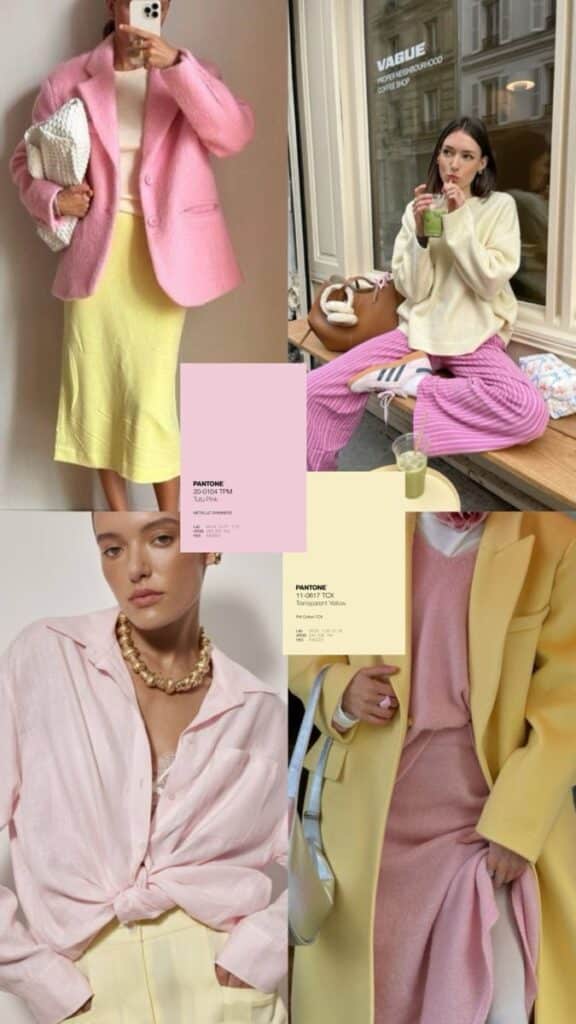
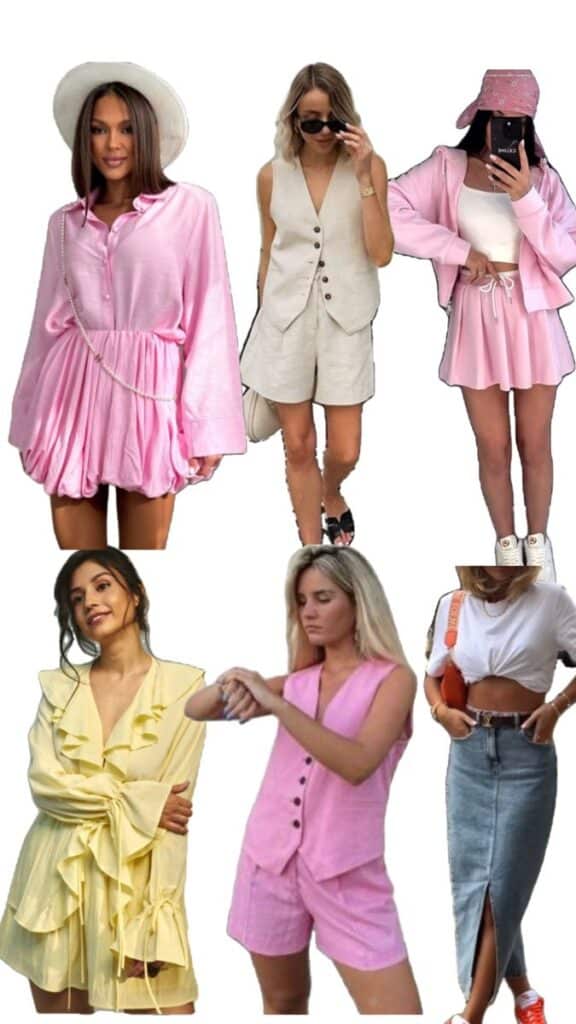
Matching colors with skin tones makes summer outfits look natural and fresh. Light skin tones pair well with soft pastels, beige, and light blues, avoiding colors that are too dark or harsh. Medium skin tones suit brighter colors like turquoise, tomato red, and olive green.
Darker skin tones can wear vibrant and deep colors like royal blue, fuchsia, and gold. They should avoid overly pale shades that can fade against their skin. Selecting clothing based on this creates harmony in a look.
Daytime vs Evening Choices
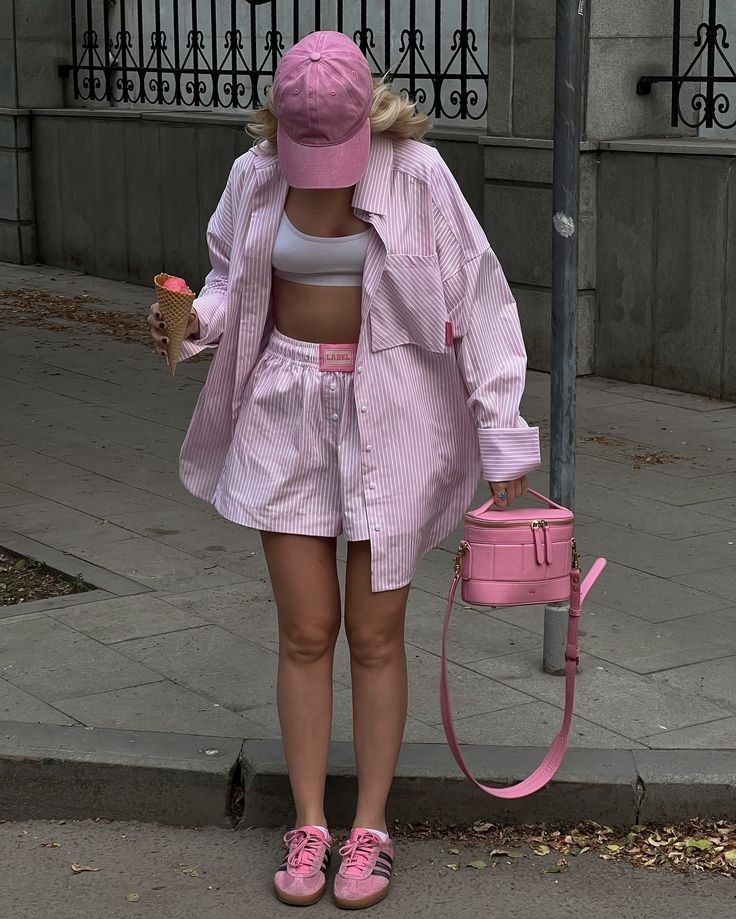
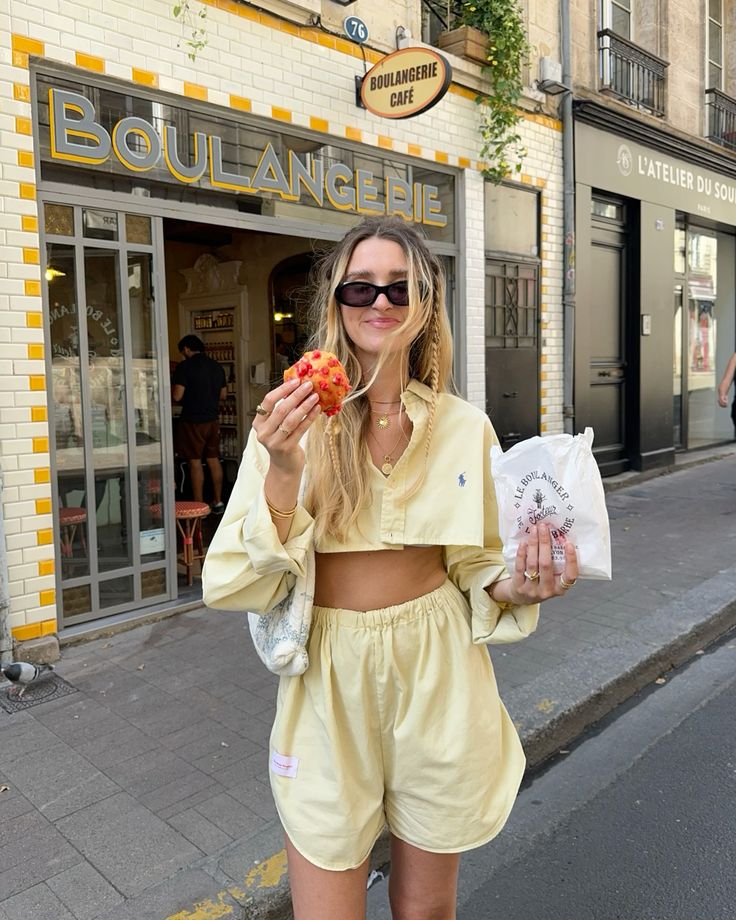
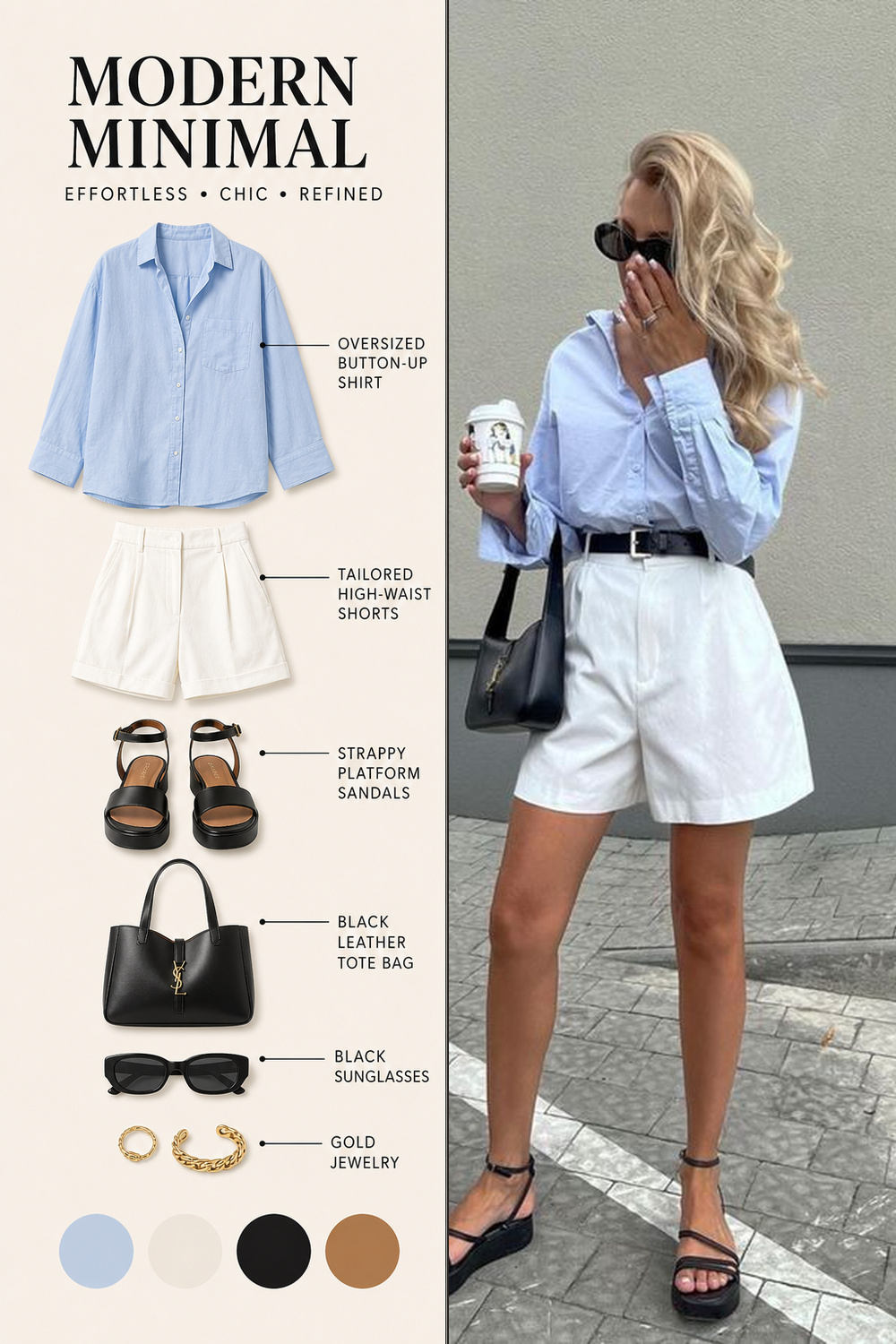
Daytime summer outfits often feature light, airy colors. Whites, light pinks, and soft yellows reflect sunlight and keep the look casual. These shades help with heat, making outfits feel cooler.
Evening colors tend to be richer or darker. Navy, emerald green, and deep plum offer a polished appearance under artificial light. For night events, these colors create contrast and sophistication without feeling heavy.
Seasonal Palette Inspirations
Summer colors often draw from nature, water, and city life. These palettes bring freshness and style, helping create outfits that fit different moods and places. Color choices can range from cool blues to bright oranges, matching the vibe of each setting.
Mediterranean-Inspired Colors
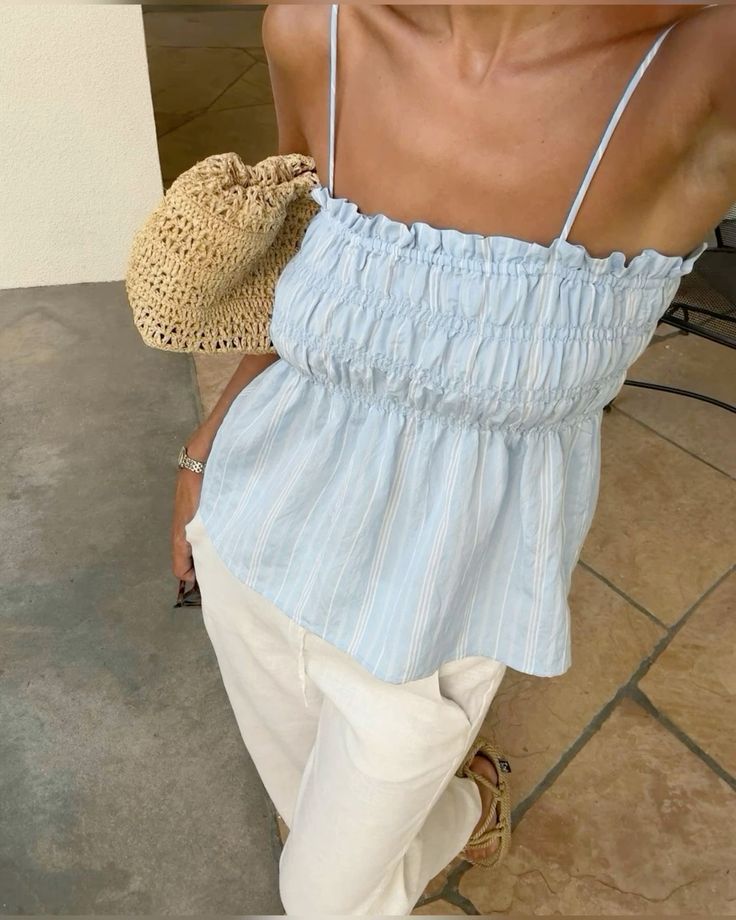
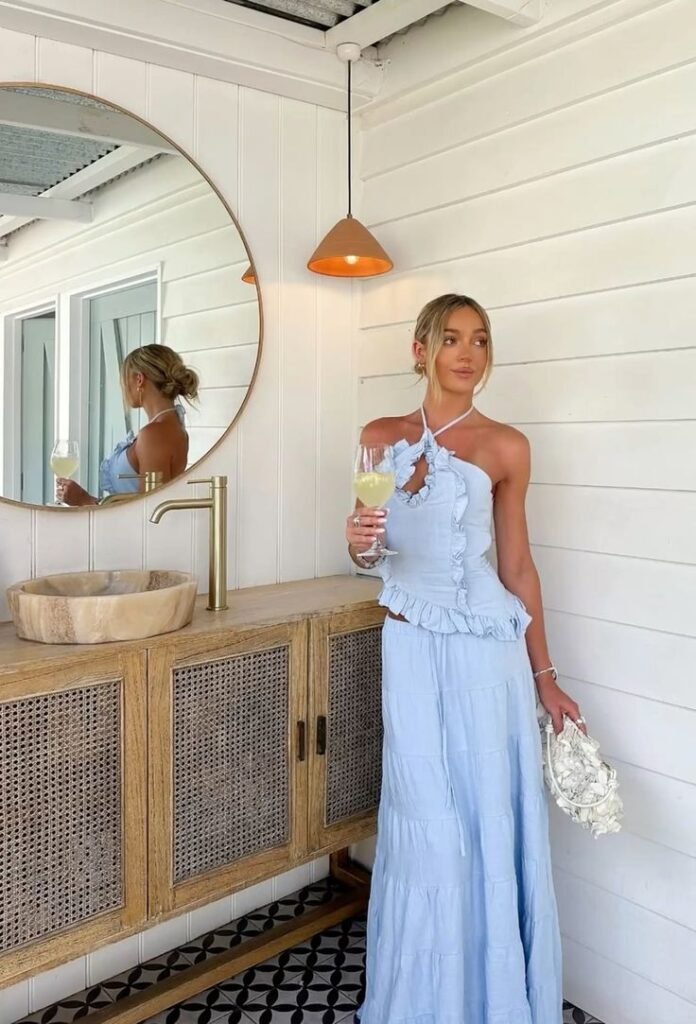
This palette focuses on soft blues, whites, and sandy tans. These shades mirror the clear sky, calm sea, and sunlit beaches. It works well with lightweight fabrics like linen and cotton for a relaxed look.
Key combinations include:
- Sky blue and white: crisp and cool
- Terracotta and cream: warm and earthy
- Olive green and beige: subtle and natural
Accessories like straw hats and brown leather sandals fit these colors nicely. This palette suits casual outings or coastal vacations.
Tropical and Beachy Vibes
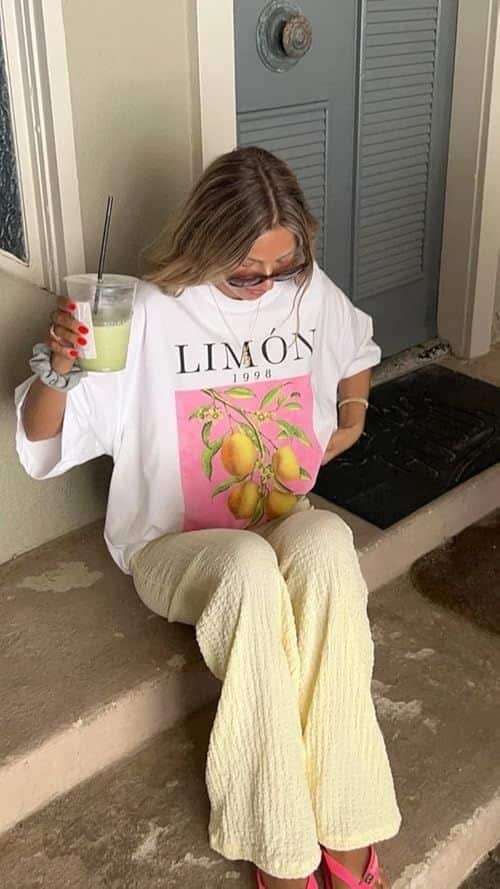
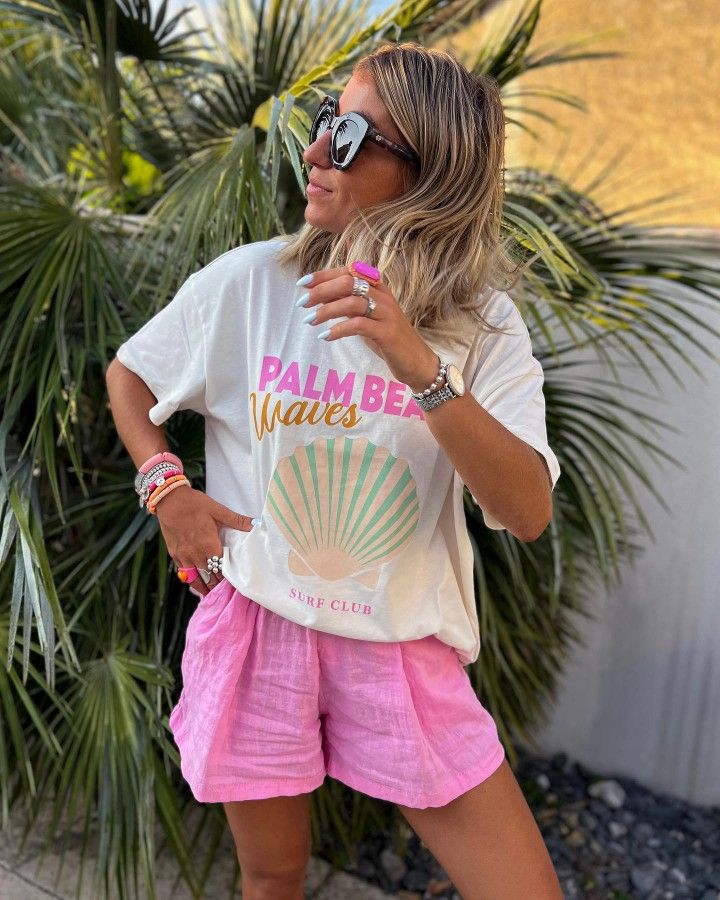
Bright, lively colors define this style. Think of coral pink, turquoise, sunny yellow, and lush green. These colors mimic tropical flowers, ocean waves, and palm trees.
Combining these colors can create vibrant, eye-catching outfits:
- Coral with turquoise for a bold contrast
- Yellow paired with green for a fresh look
- Bright blue with white for balance
Lightweight, breathable fabrics help keep comfort in hot weather. Accessories like shell jewelry and woven bags add to the tropical feel.
Urban Summer Looks
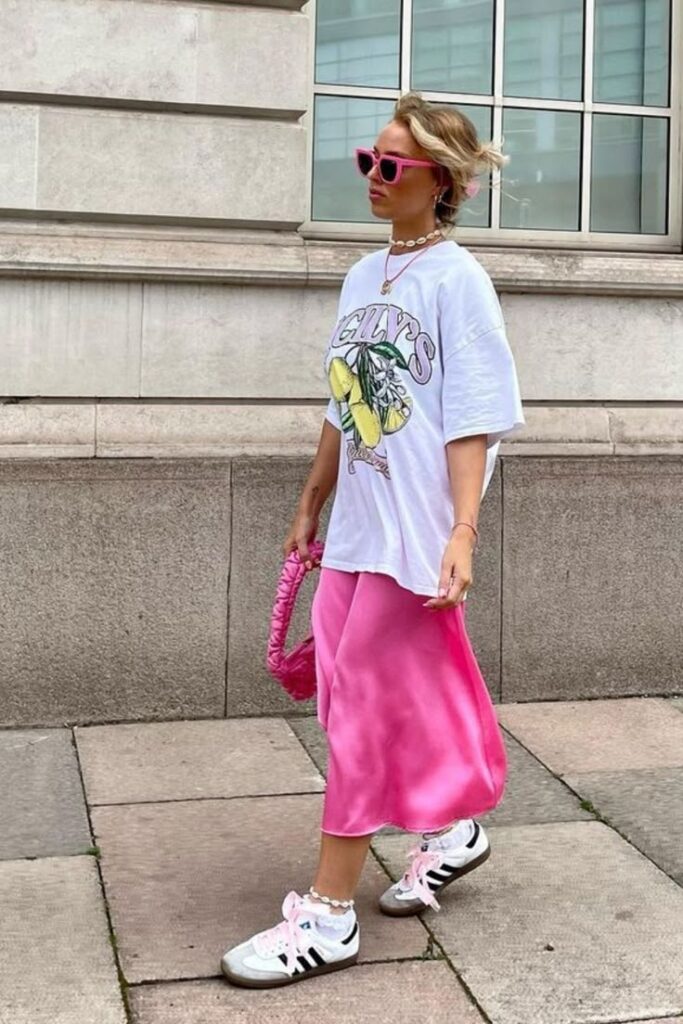
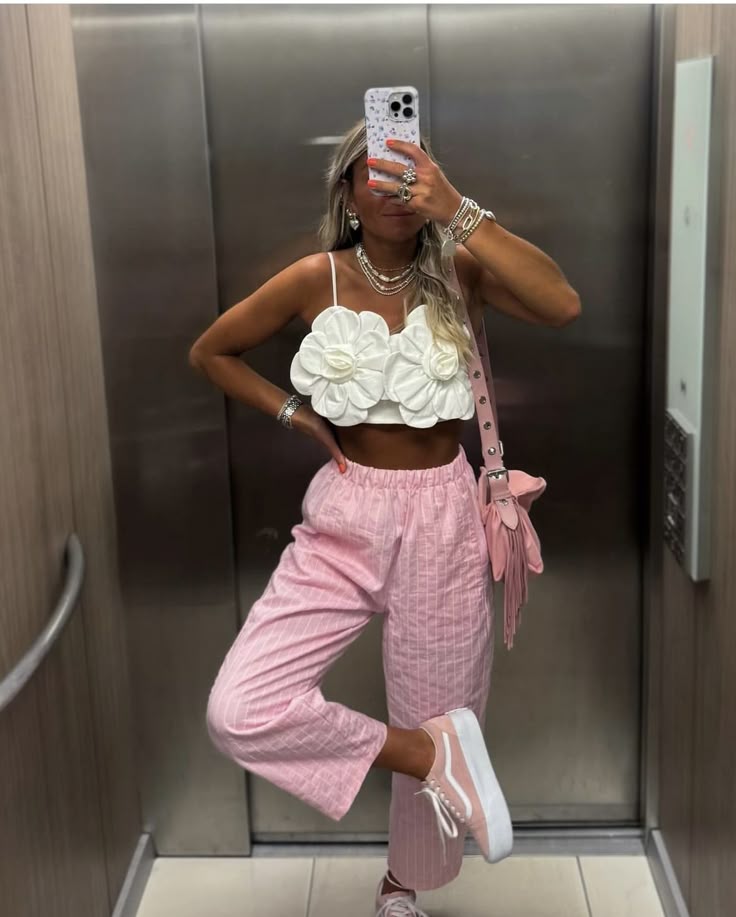
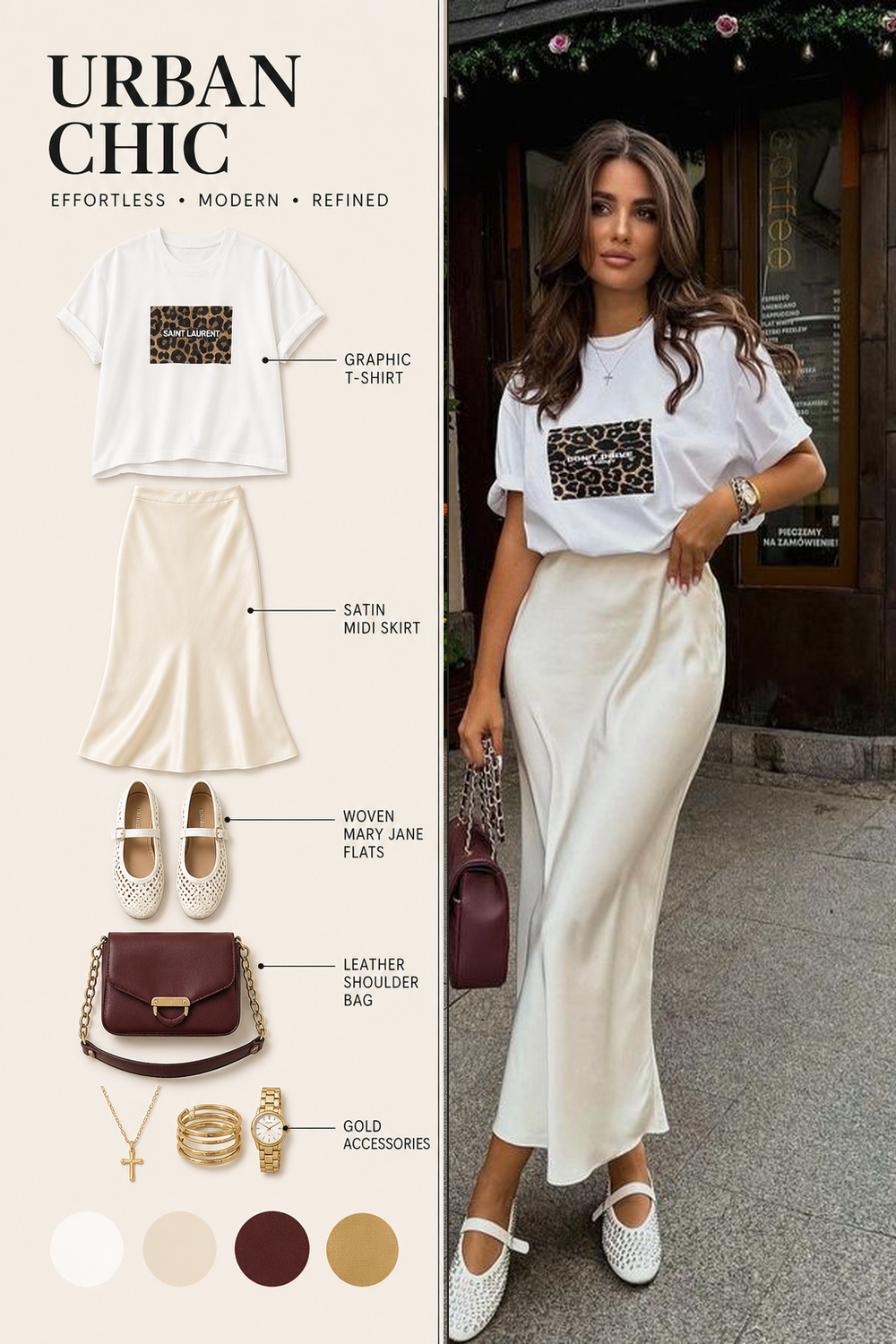
City summer fashion often mixes neutral tones with sharp pops of color. Grays, blacks, and whites form the base, while colors like electric blue, red, or neon green add energy.
Common pairings include:
- Black and electric blue for a modern edge
- White and neon green for a high-contrast effect
- Gray with red accents for subtle boldness
Urban styles use structured fabrics and clean cuts. Sneakers, sunglasses, and minimal jewelry complete the look.
Mixing Patterns and Colors Effectively
Mixing patterns with colors can create eye-catching outfits when done right. Using solid colors helps balance busy prints, while bold patterns need careful pairing to avoid clashes. Accessories can add layers without overwhelming the look.
Pairing Prints with Solids
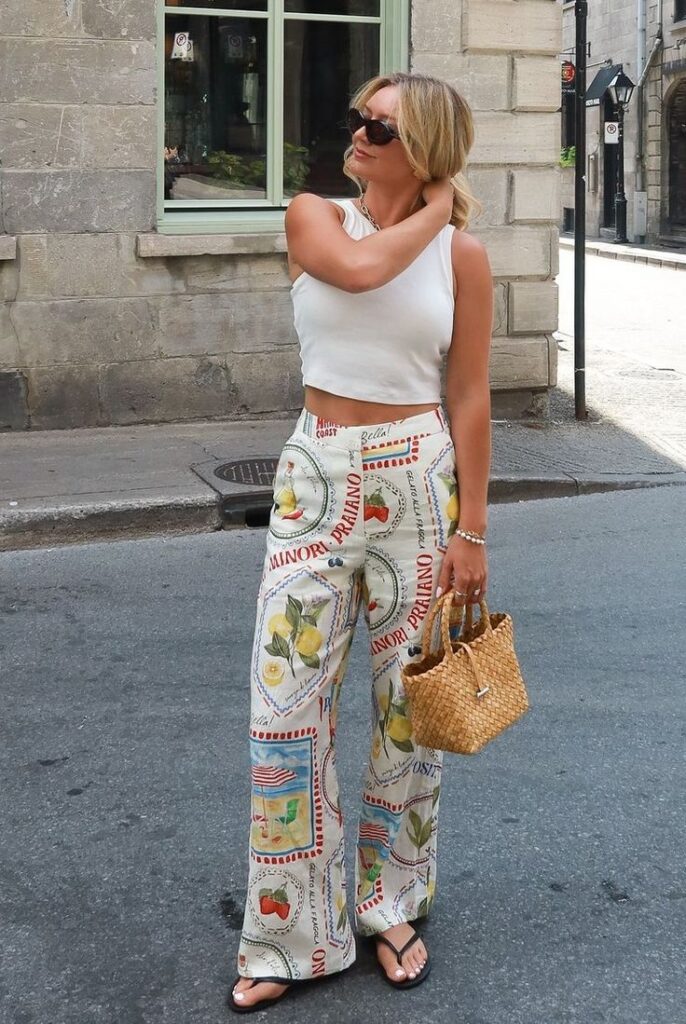
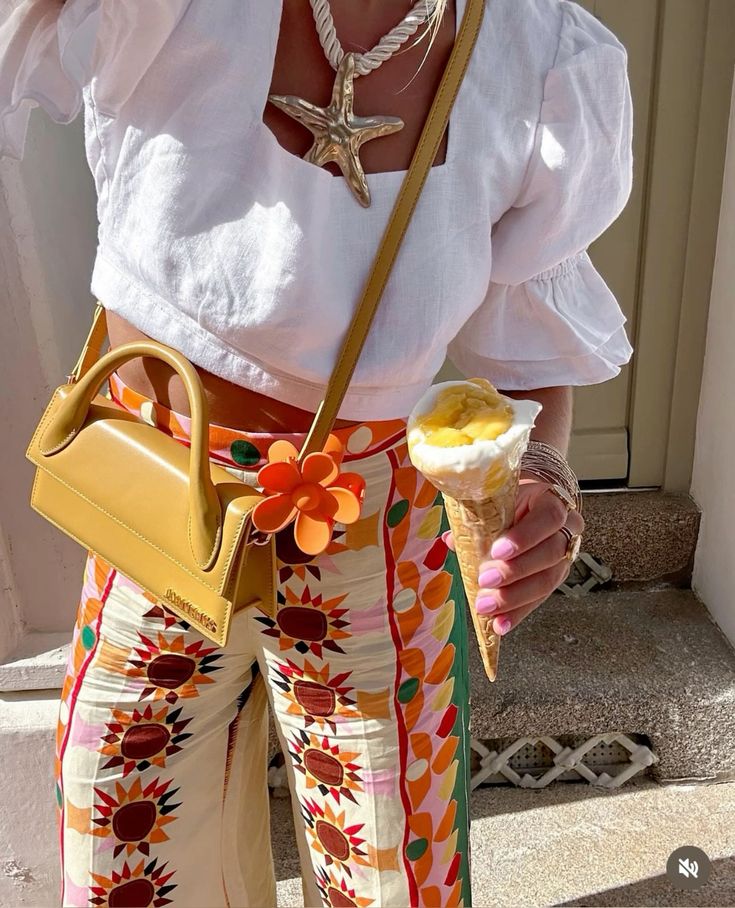
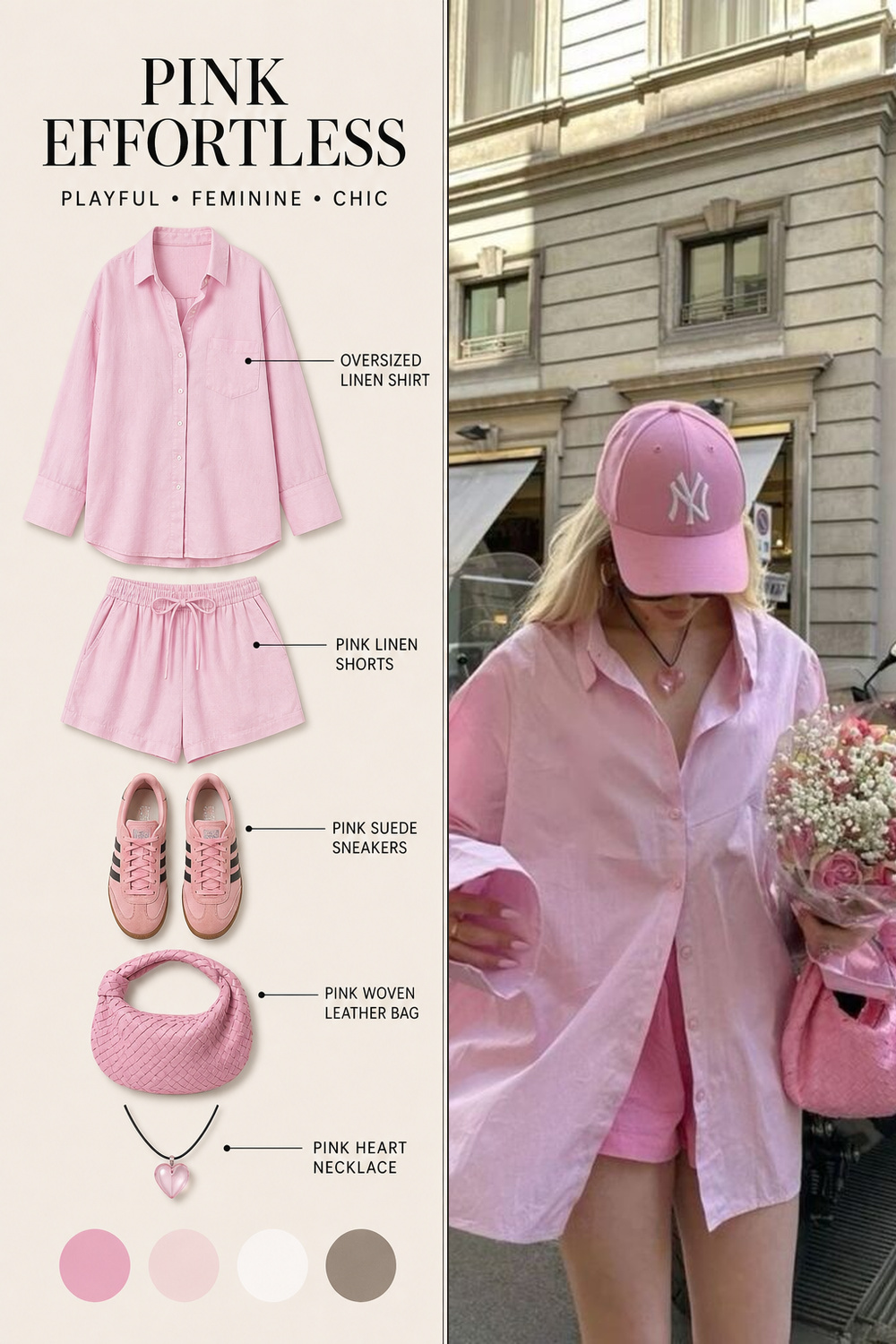
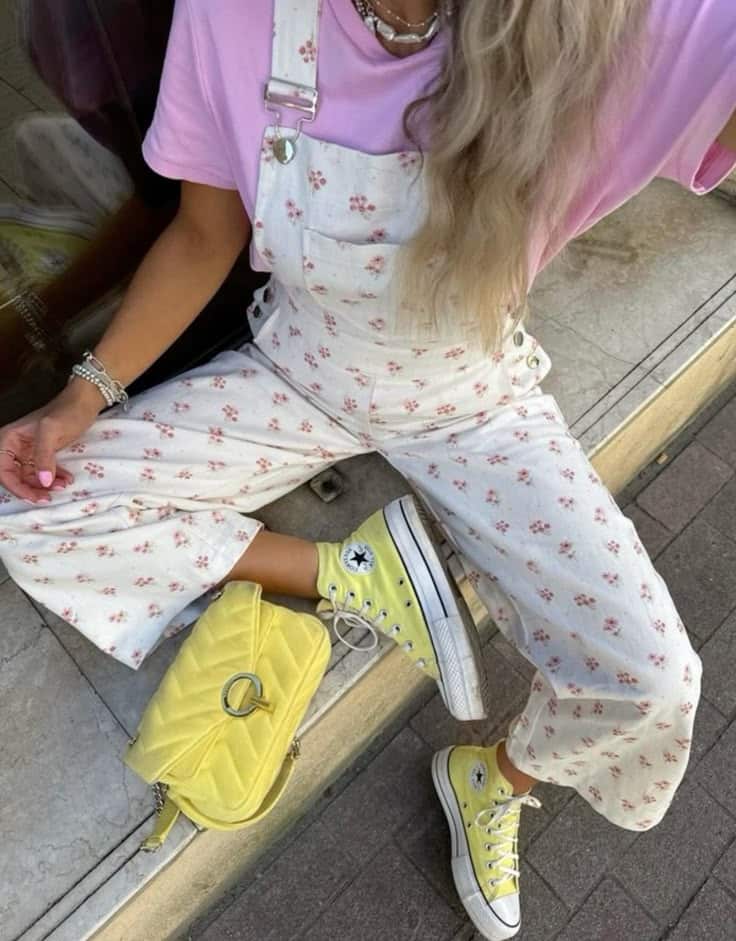
Pairing prints with solid colors is a simple way to avoid overwhelming the outfit. For example, a floral top looks good with plain shorts or pants in one of the colors from the print. This creates a cohesive look without making the outfit too busy.
When choosing solids, stick to neutral tones like white, beige, or black if the print is bright. For softer prints, matching one of the lighter shades in the pattern helps keep the outfit smooth. This method works well in summer to keep the look fresh and balanced.
Balancing Bold Patterns

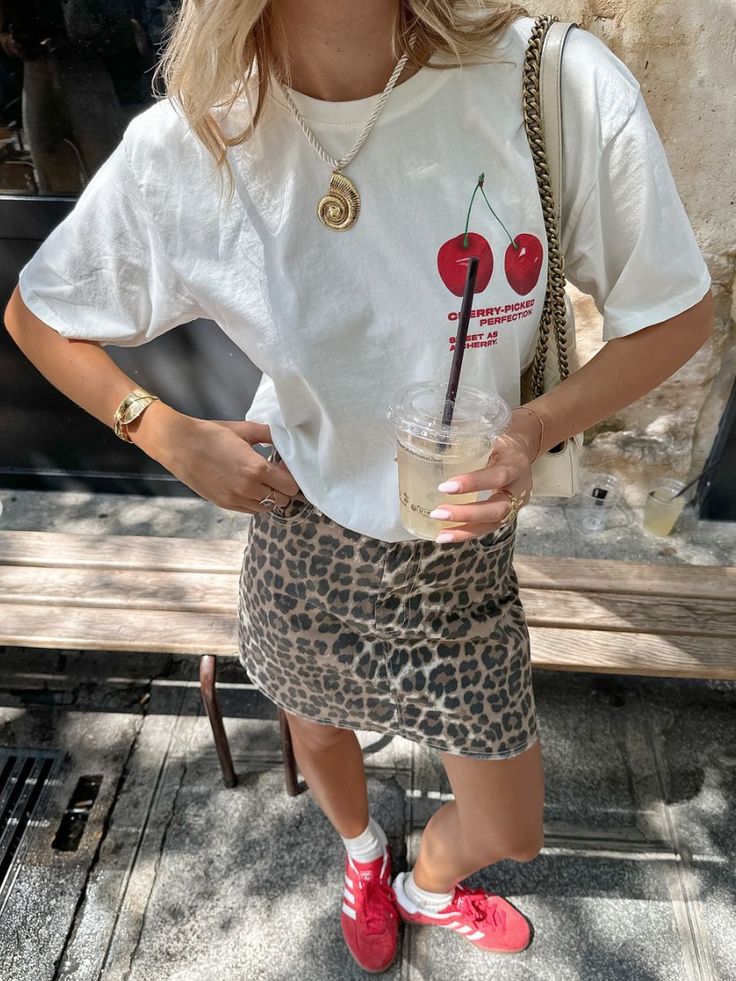
Bold patterns like stripes, polka dots, or animal prints need careful balancing. Avoid wearing two bold patterns at once unless one is very subtle or much smaller in scale. For example, pairing a large striped shirt with small polka dot shorts can work if colors match well.
Using one bold pattern and mixing it with neutral solids reduces visual conflict. If both pattern and color are strong, the look might feel too loud. Starting with one bold piece and building the outfit around it is a safer approach.
Layering with Accessories

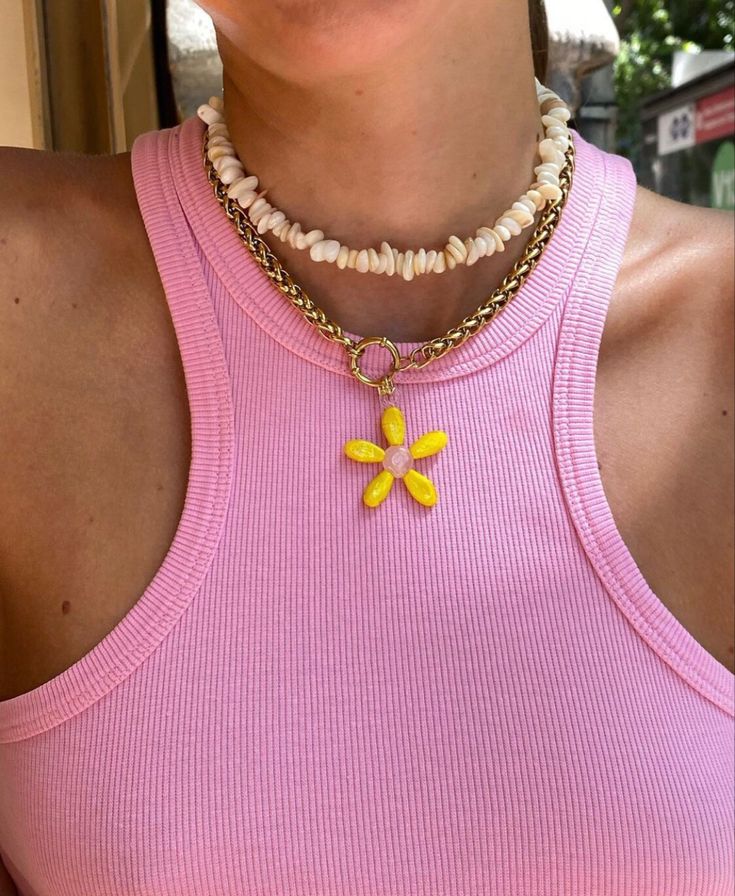
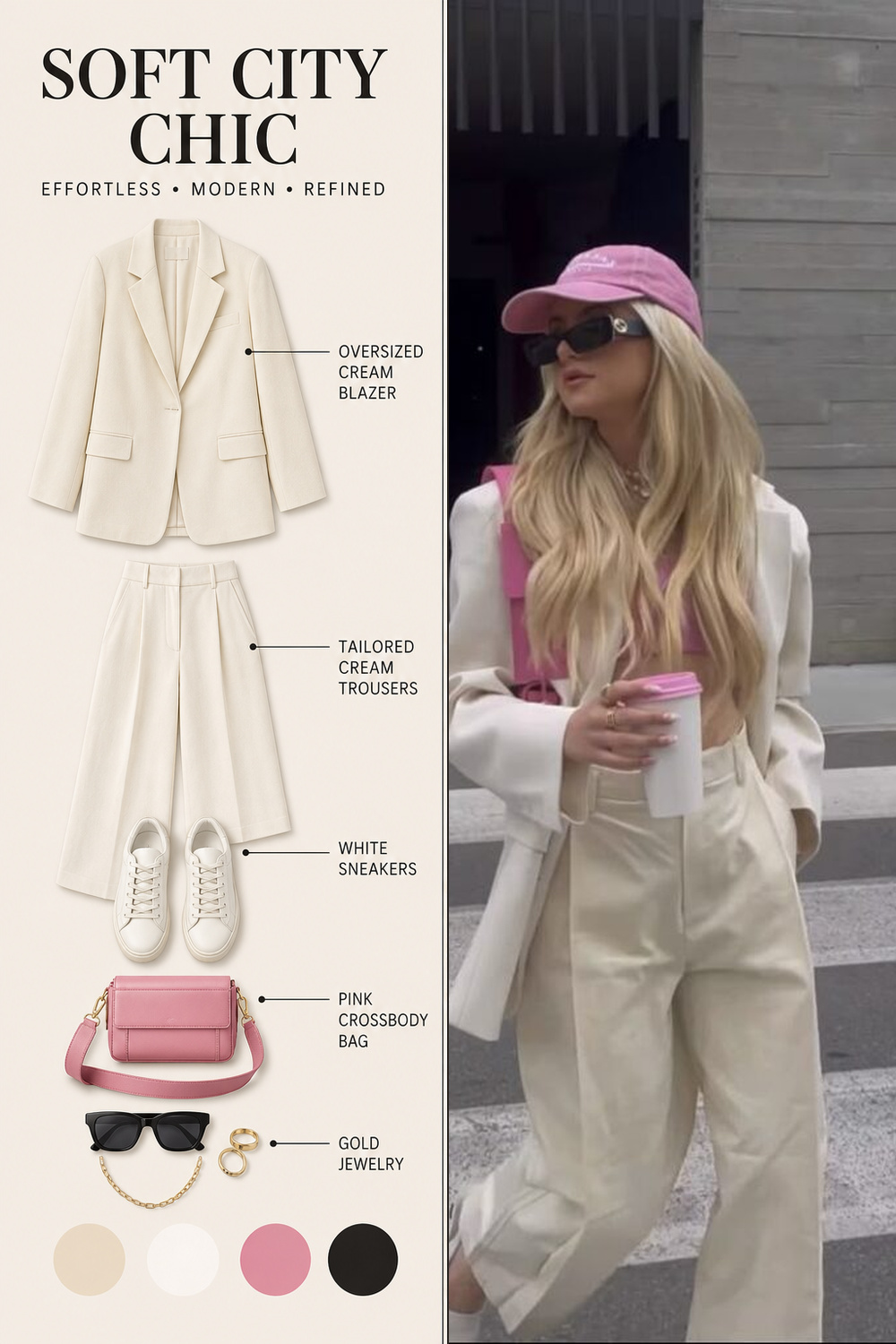
Accessories are great for mixing colors and patterns without risk. Solid-colored bags, hats, or shoes can tone down a bright outfit. Choosing accessories in colors that appear in the clothing’s print ties the outfit together.
Layering lightweight scarves or jewelry with simple designs helps add detail without distraction. Accessories should complement, not compete, with the main clothing pieces to maintain balance in summer outfits.
Color Combinations for Different Occasions
Different occasions call for specific color choices to match the setting and mood. Knowing which colors work best for casual, work, or evening wear helps create a polished look.
Casual Daywear

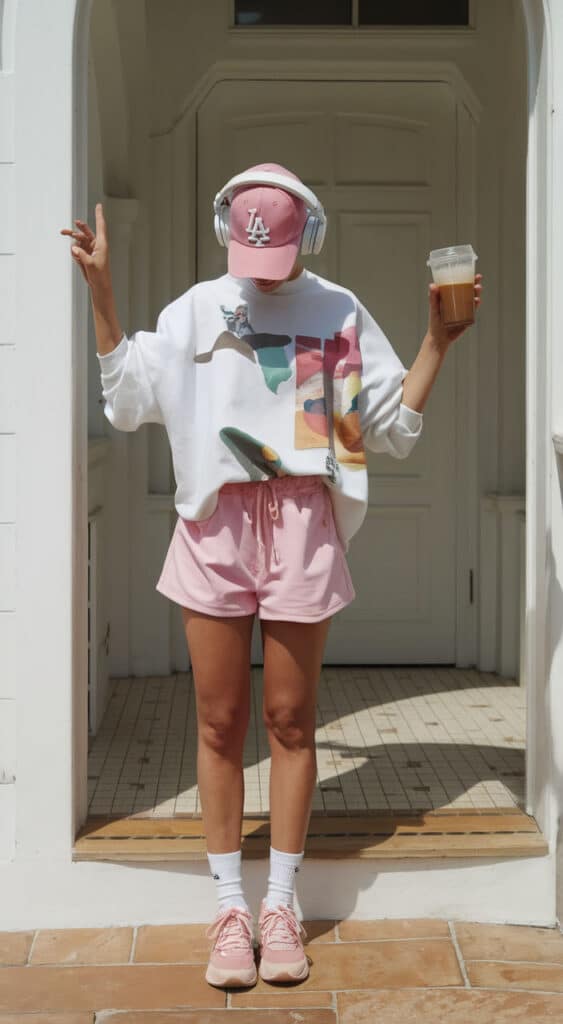
Casual outfits often allow more freedom with color. Light, fresh colors like white, pastel blue, or soft pink work well on warm days. Earthy tones such as tan, olive, and light brown also fit casual settings.
Pairing a pale yellow t-shirt with denim shorts creates an easy, bright look. Adding accessories in complementary colors, like a navy cap or white sneakers, can balance the outfit.
Bright colors like coral or turquoise add energy but should be paired with neutral bottoms to avoid clashing.
Work-Appropriate Outfits
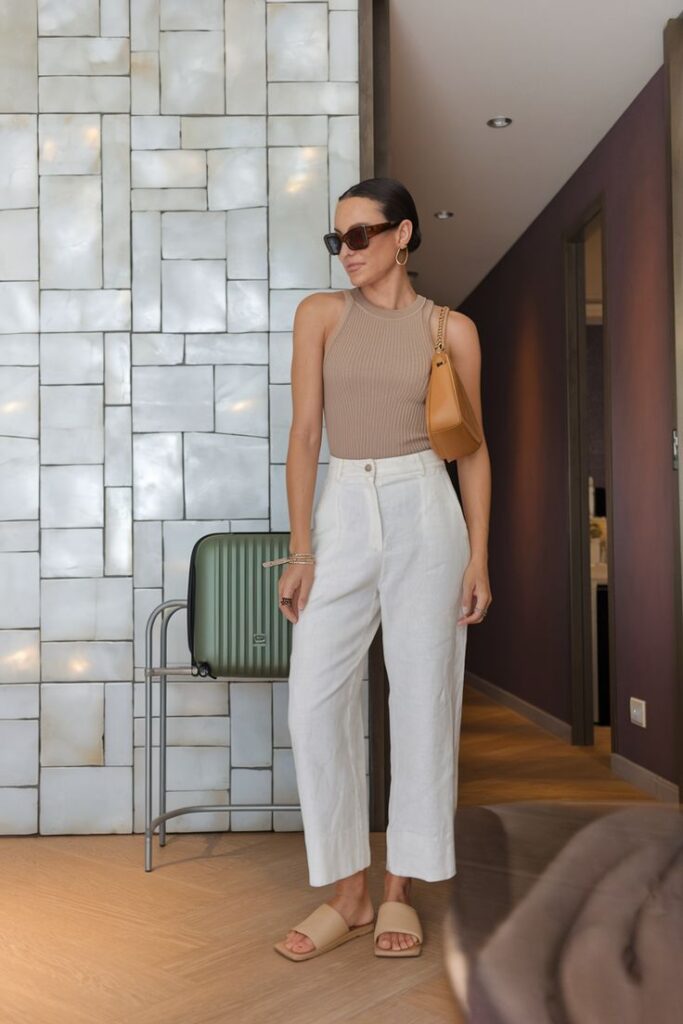
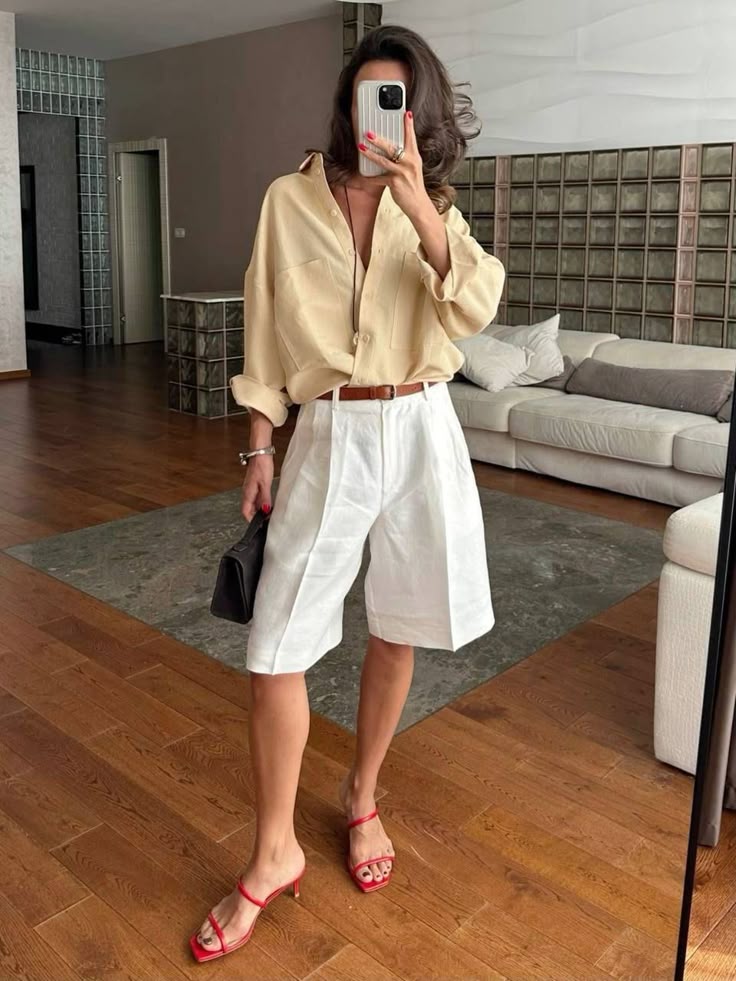
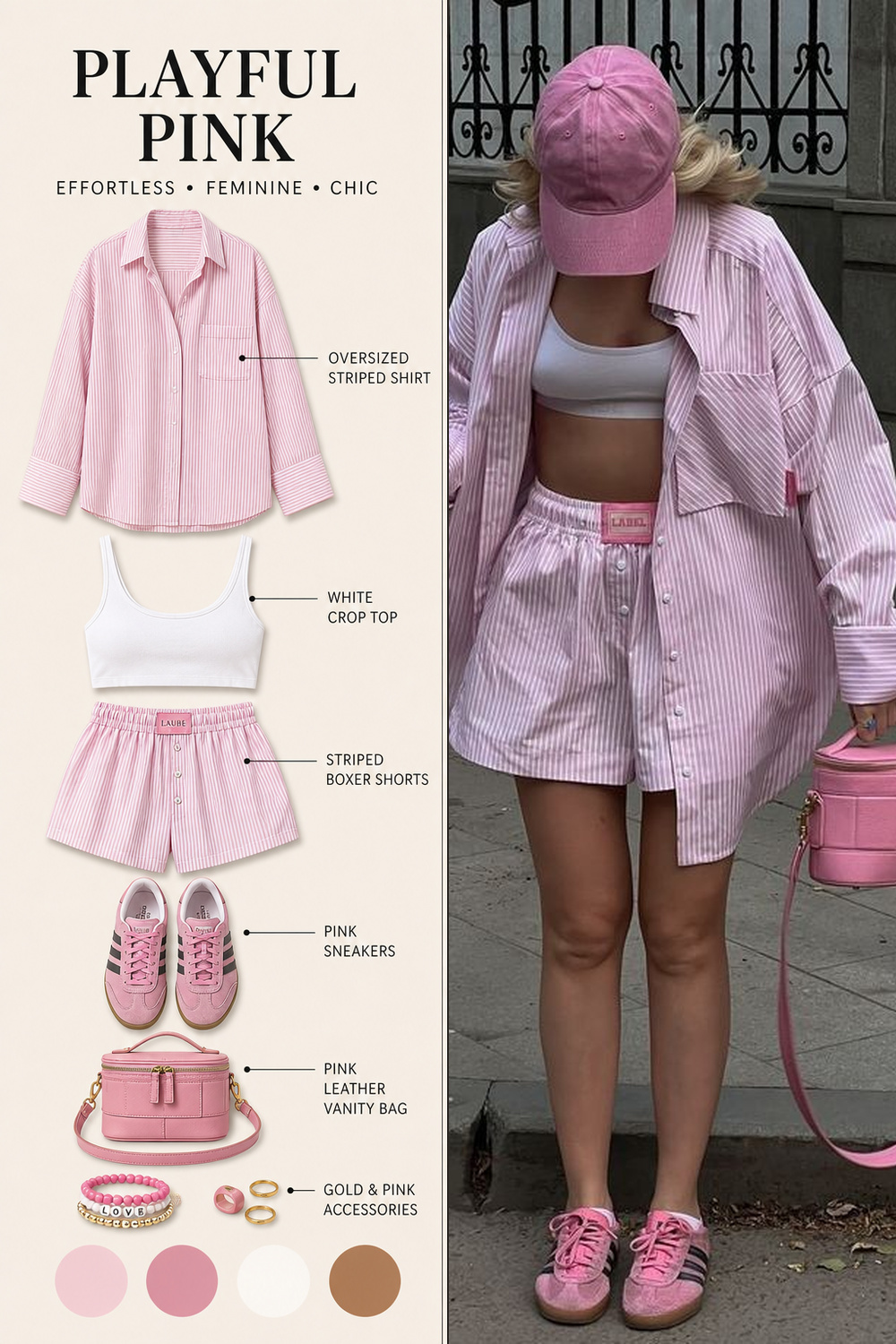
Workwear colors tend to be more muted and professional. Navy, gray, beige, and white are safe choices. These colors convey seriousness and are easy to mix.
A navy blazer with a light gray shirt is a classic combination. Soft blue shirts with dark pants also look clean without being too bold.
For a splash of color, muted jewel tones like deep green or burgundy can work but should be used sparingly. For a deeper wine-red palette, this burgundy outfit color guide shows which neutrals, metallics, and accent shades keep the look polished.
Evening and Party Looks
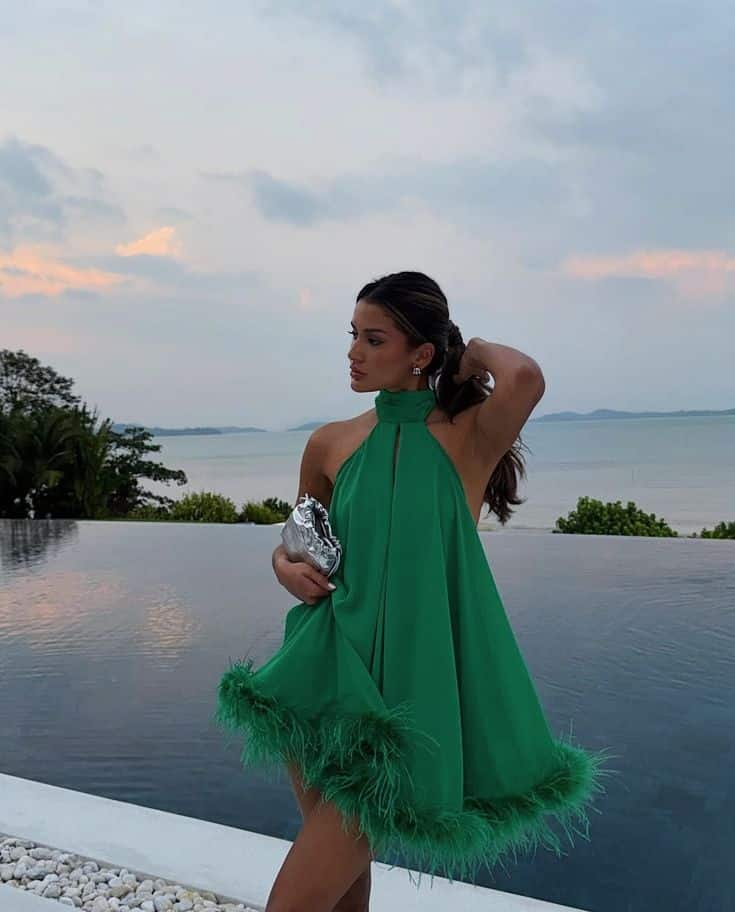
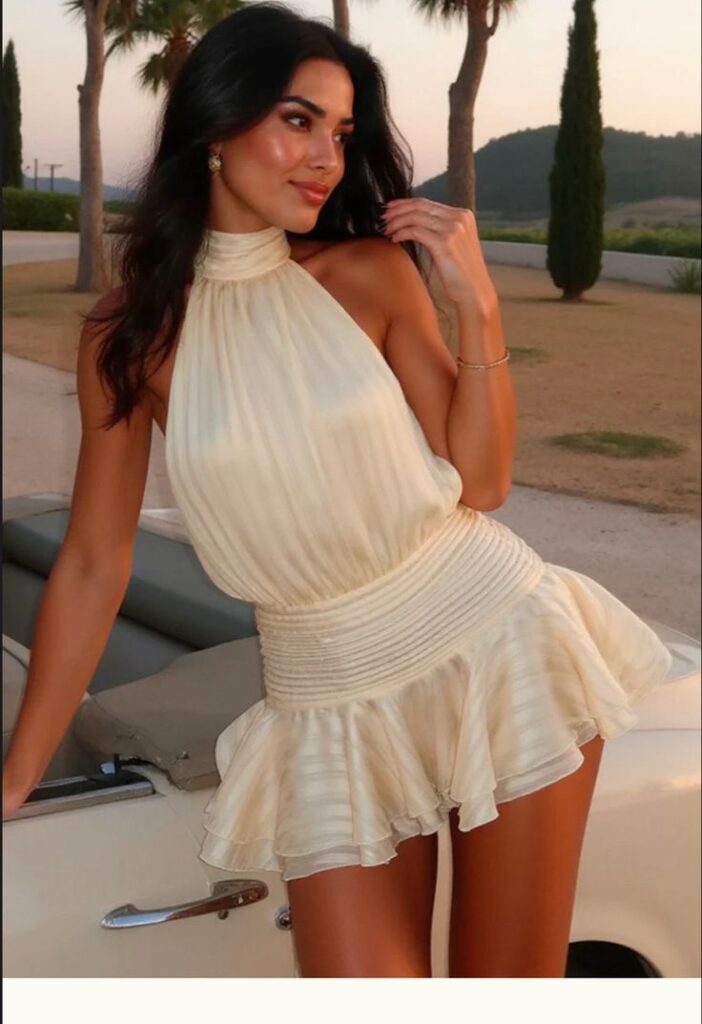
Evening outfits allow for richer, darker colors and bold contrasts. Black is a common base, paired with metallics like gold or silver for a sharp appearance.
Deep reds, purples, and emerald greens are classic choices for more formal parties. Pairing a dark dress with a bright clutch or shoes creates visual interest.
Combining textures, such as matte fabrics with shiny accessories, adds depth to color choices in this setting.
Sustainable and Eco-Friendly Color Choices
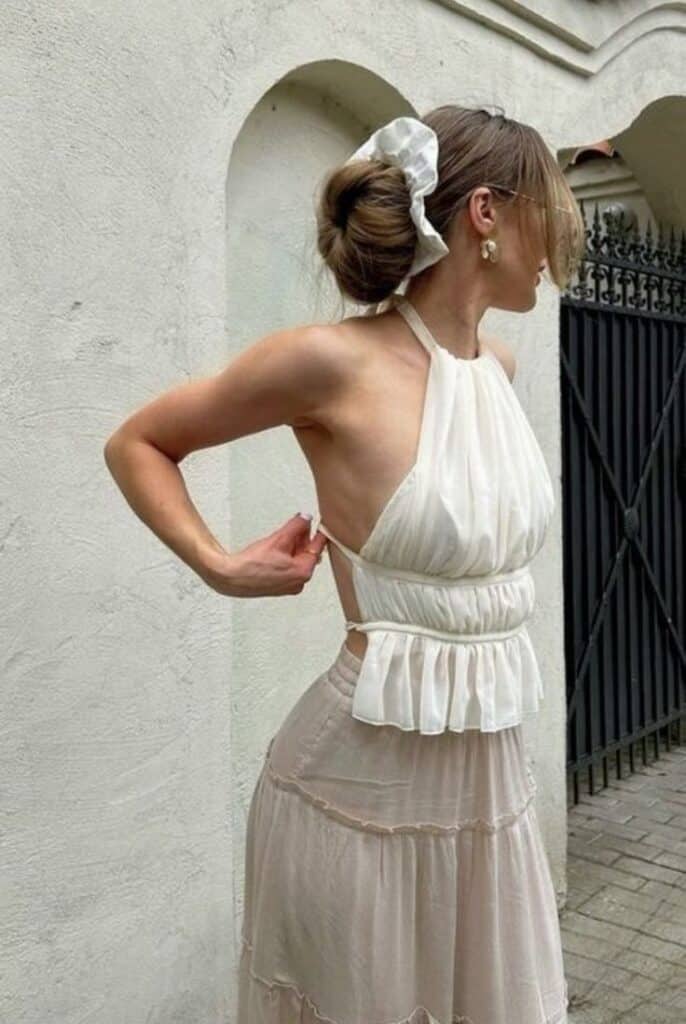
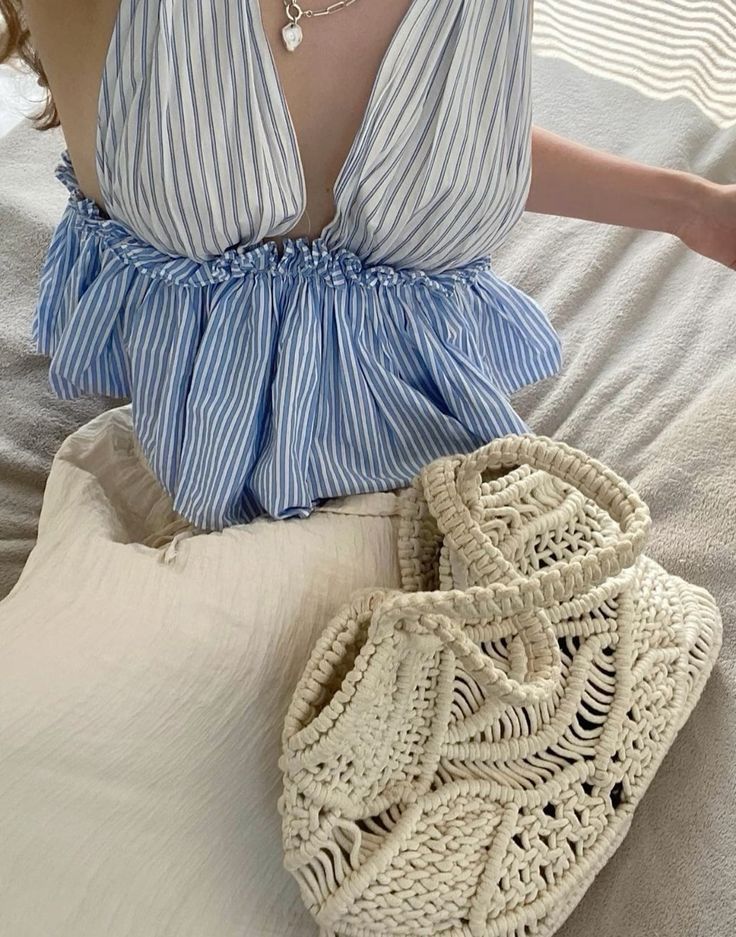
Choosing colors for summer outfits can also mean thinking about the planet. Sustainable fashion often uses natural dyes that come from plants, fruits, and minerals. These dyes are less harmful to the environment than chemical options.
Some popular eco-friendly colors include earth tones like olive green, mustard yellow, and rust orange. These colors come from easily renewable resources and require less water in production.
Natural white and beige shades are also common in sustainable fashion. They use fewer chemicals since fabric can be left undyed or minimally treated.
Here are some examples of eco-friendly color choices:
| Color | Source | Benefits |
|---|---|---|
| Olive Green | Plants (e.g., spinach, algae) | Renewable, low water use |
| Mustard Yellow | Turmeric, marigold flowers | Biodegradable, natural |
| Rust Orange | Iron oxide minerals | Long-lasting, non-toxic |
| Natural White | Undyed cotton or linen | Reduces chemical dyeing |
Sustainable brands often focus on colors that reflect nature. These tones fit well with classic summer styles and are less likely to go out of fashion.
By choosing these colors, people can support clothing that is both stylish and better for the environment. This helps reduce pollution and saves resources during the clothing-making process.
Tips for Maintaining Vibrant Colors in Summer Clothing
They should wash bright clothes in cold water to keep colors from fading. Hot water can make colors run and look dull faster.
Using a gentle detergent helps protect the fabric’s color. Strong detergents may wear down the dye and cause dullness.
It is best to turn clothes inside out before washing. This reduces friction on the outside, which keeps colors looking fresh.
Drying clothes away from direct sunlight prevents fading. The sun’s rays can break down color molecules and make clothes look older.
Avoid using bleach or harsh stain removers on colored clothing. These chemicals can strip colors and weaken fabric fibers.
They can store summer clothes in a cool, dark place. Avoid damp areas to prevent mold and color damage.
Using a color-safe fabric softener can help maintain color. It also makes fabric feel soft and fresh.
Here is a quick care checklist:
| Action | Effect |
|---|---|
| Wash in cold water | Prevents fading |
| Use gentle detergent | Protects dye |
| Turn inside out | Reduces wear on colors |
| Dry in shade | Slows sun fading |
| Avoid bleach | Preserves color and fabric |
| Store in cool, dry place | Keeps fabric and color safe |
| Use color-safe softener | Helps with color retention |
Summer outfit color combinations FAQ
What are the best summer outfit color combinations?
A: The easiest summer outfit color combinations are white with beige, pastel blue with soft pink, yellow with cream, coral with denim, mint with lavender, and orange with blue. Start with one calm base color, then add either a pastel or a bright accent. This keeps the outfit seasonal without making every piece compete for attention.
How do you choose summer outfit colors for your skin tone?
A: Use undertone as a starting point, then adjust with contrast. Warm undertones usually look good with cream, coral, peach, olive, and golden yellow. Cool undertones often suit white, blue, lavender, mint, and soft pink. If a color feels too strong near your face, move it to shoes, a bag, or a skirt instead.
What colors make a summer outfit look polished?
A: White, cream, beige, pale blue, soft gray, and tan usually make a summer outfit look polished because they leave room for texture and shape. Add one accent, such as coral, red, butter yellow, or cobalt blue. The outfit feels more intentional when the accent appears once or twice instead of everywhere.
Can you wear dark colors in summer outfits?
A: Yes, but use dark colors with lighter fabric and enough contrast. Black linen shorts, a navy tank, or a chocolate brown bag can work in summer if the rest of the outfit has white, cream, denim, or a bright accent. Heavy dark layers can feel too wintery, so keep the silhouette open and breathable.
Which summer outfit colors work best for beach looks?
A: Beach outfits usually work best in white, sand, sky blue, aqua, coral, lemon yellow, and soft green. These colors echo water, sun, and natural textures, so they feel relaxed without much styling. For a simple formula, pair a white or beige base with one ocean color and one warm accent.
How do you mix prints with summer colors?
A: Let the print choose the palette. Pick one color from the print and repeat it in a solid piece, then keep the other item neutral. A floral skirt with a white tank, a striped shirt with denim shorts, or printed pants with a cream top will look cleaner than mixing several bright pieces at once.
Are pastel colors good for summer outfits?
For hot weather, summer skirt outfits work best with breathable fabric, simple tops, sandals, and one color accent that does not fight the hemline.
A: Pastel colors are excellent for summer outfits because they look light in strong sun and mix easily with white, denim, beige, and each other. Pastel blue, mint, lavender, pale yellow, and soft pink are especially useful. If the outfit feels too sweet, add a sharper accessory like tan leather, black sunglasses, or clean white sneakers.
For a softer version of these palettes, use this pastel outfit ideas guide to pair powder blue, blush, mint, lavender, and butter yellow with wearable neutrals.
For a bolder night-out version of these palettes, use the what to wear to a rave guide to test neon accents, black bases, metallic texture, and practical dance-floor layers.
Outfit planning becomes easier when you test color combinations like a tiny design system: one base, one soft support color, and one accent that carries the mood.
- 300shares
- Facebook0
- Pinterest300
- Twitter0
- Reddit0