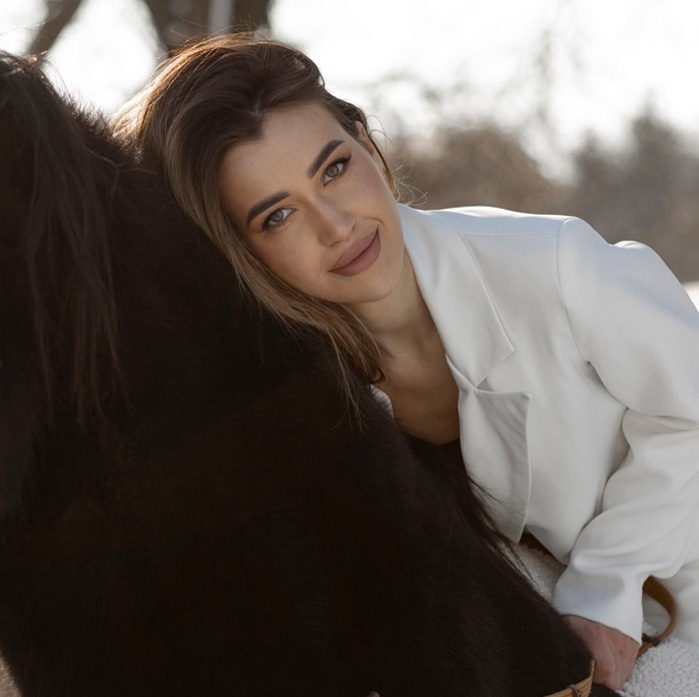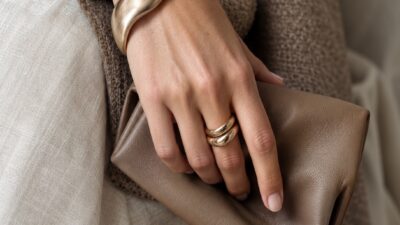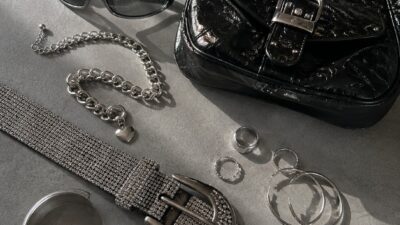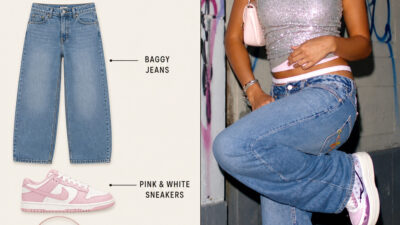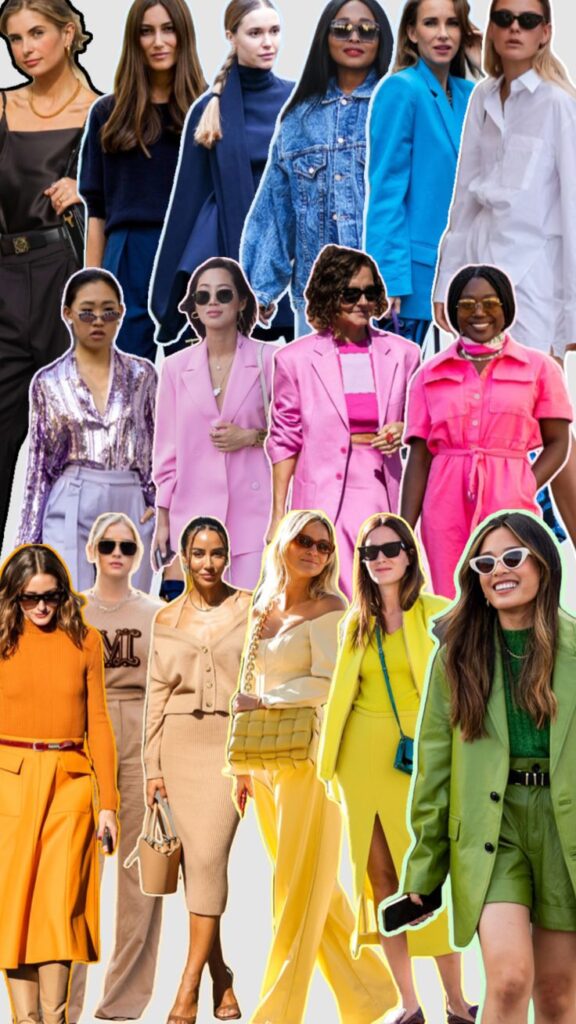
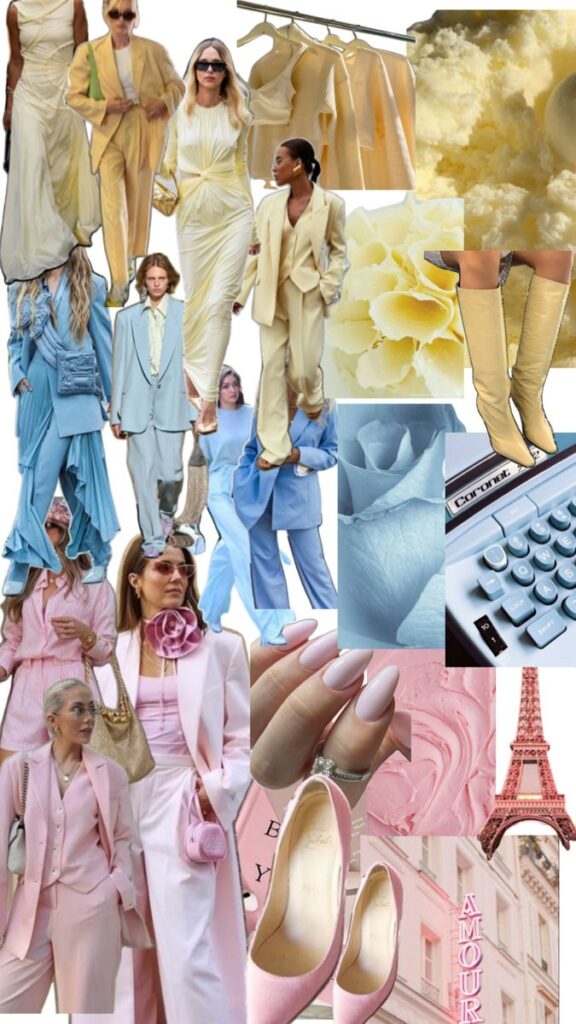
Monochromatic outfit ideas work best when one color is treated like a full palette, not a uniform. Start with a base shade, add lighter and darker pieces from the same color family, then use texture, fit, and accessories to keep the look intentional.
The easiest formula is simple: choose one color, vary the value, and change the surface. A cream knit with ivory trousers feels softer than flat white on white; navy denim with a lighter blue shirt reads casual but still monochrome. That small shift is what makes a one-color outfit look styled instead of accidental.
Monochromatic outfit ideas quick styling formula
To style a monochromatic outfit, build around one dominant color and use three kinds of contrast: shade, texture, and proportion. Keep the color family consistent, but avoid matching every piece perfectly. The look usually feels stronger when one item is deeper, one is lighter, and one adds a different material such as denim, wool, satin, leather, or ribbed knit.
| Styling move | Why it works | Easy example |
|---|---|---|
| Use three values | Stops the outfit from looking flat | Cream sweater, beige trousers, camel coat |
| Mix textures | Adds depth without adding another color | Silk blouse with wool pants |
| Vary proportions | Makes one-color dressing feel designed | Fitted top with wide-leg trousers |
| Repeat the color in accessories | Keeps shoes and bags from feeling random | Chocolate bag with brown boots |
Key Takeaways
- Wearing one color with different shades creates an easy, stylish look.
- Mixing textures helps add depth to a single-color outfit.
- Accessories are key to finishing a polished monochromatic style.
What is a monochromatic outfit?
A monochromatic outfit uses different shades, tints, and tones of one color. It focuses on mixing pieces of clothing that fit within the same color family. This approach keeps the look simple but allows for variation through lightness or darkness of the color.
Definition and core principles
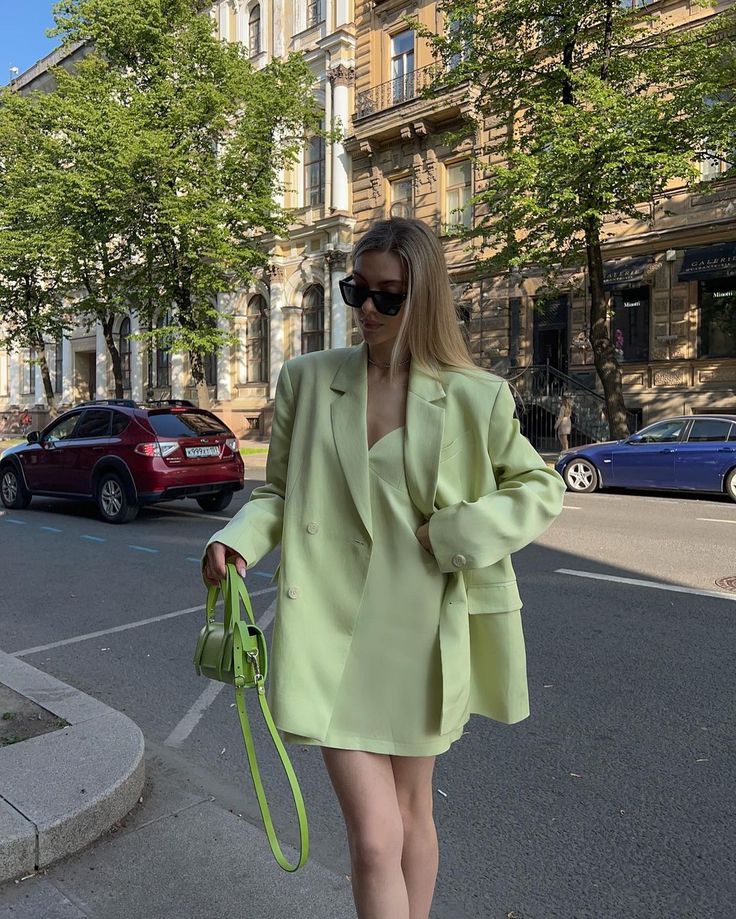
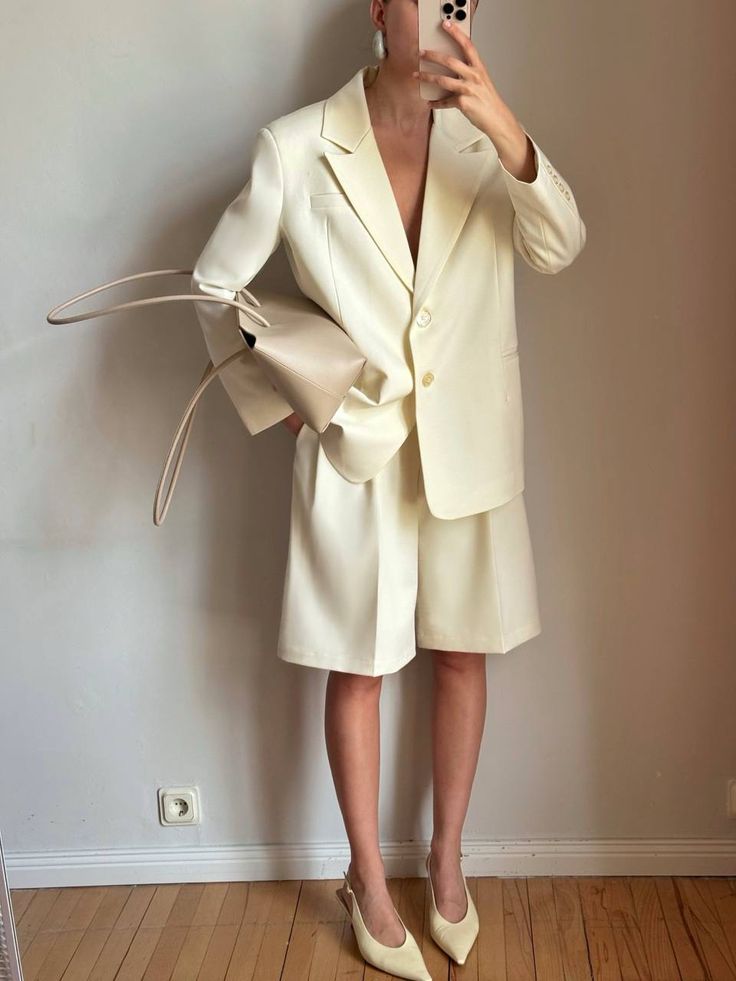
A monochromatic outfit means wearing clothes all in one color or close variations of that color. This includes lighter or darker versions, made by adding white, black, or gray to the base hue. The idea is to create a harmonious look without clashing colors.
The core principles include balance and contrast within the chosen color. Texture and fabric changes play a big role too. For example, combining a silk blouse with wool pants adds interest even if both pieces are the same color. Accessories should also match or complement the base color.
History and Evolution
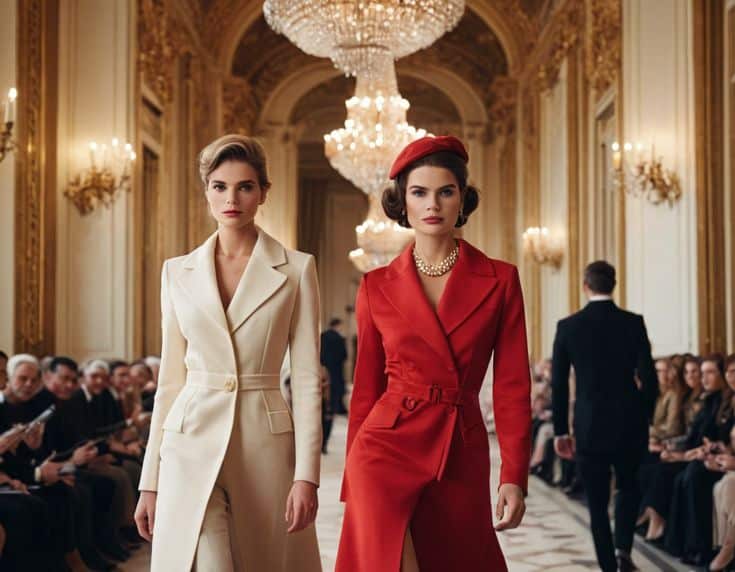
Monochromatic dressing dates back to early fashion but became notable in the 20th century. It was popularized by modernist artists and designers who favored simplicity and clean lines. In the 1960s, minimalist trends brought it into mainstream fashion.
Over time, monochromatic dressing evolved with new fabrics and color choices. It is now seen as a smart style choice worldwide. Both casual and formal looks use monochromatic colors to appear sleek and coordinated.
Benefits of wearing monochromatic looks
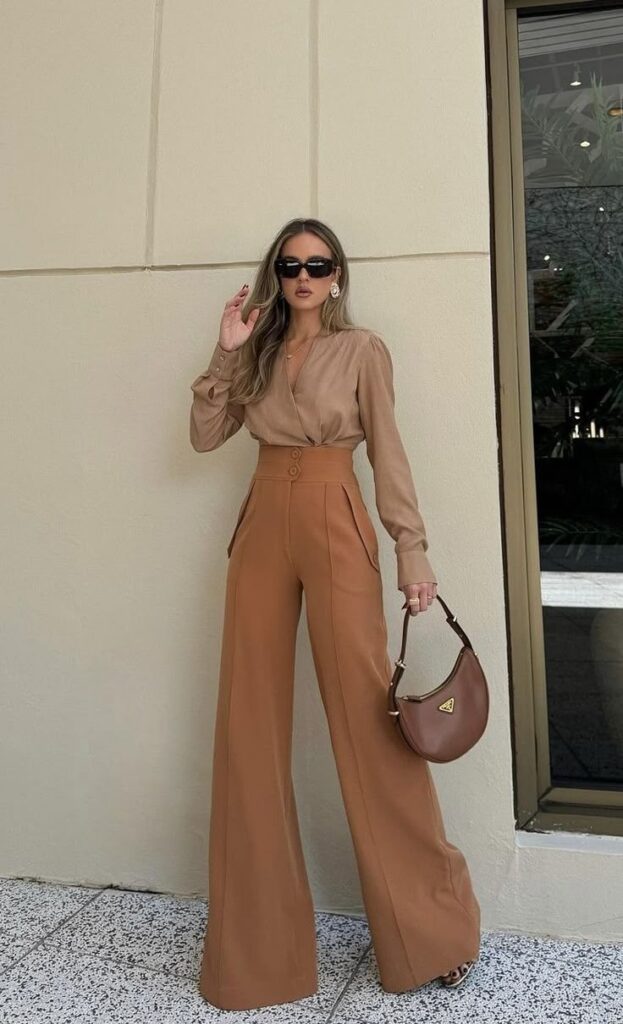
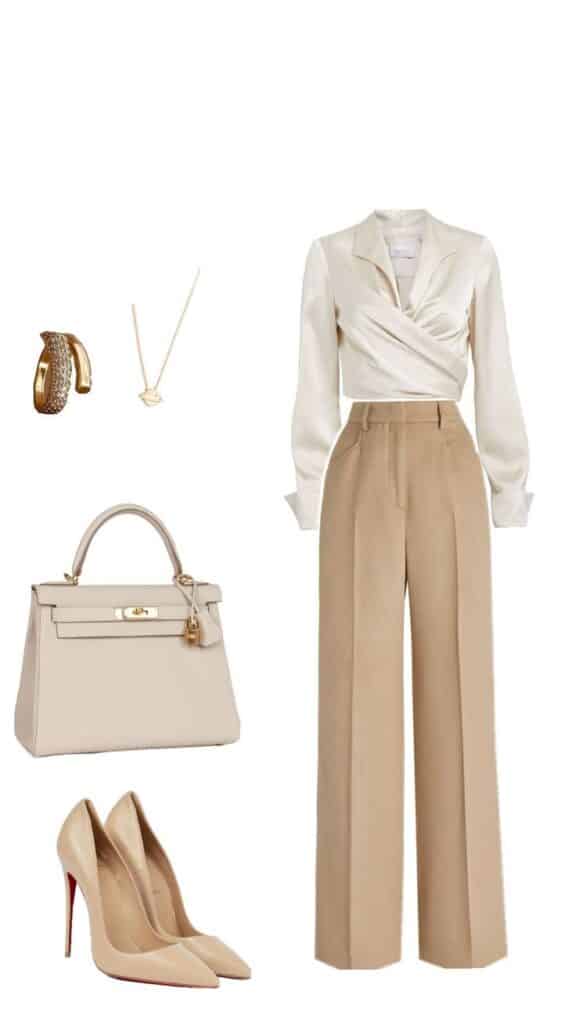
Monochromatic outfits make dressing easier by reducing color matching problems. They create a polished and put-together appearance without much effort. This style also elongates the body visually, helping people look taller.
Another benefit is versatility. Wearing one color lets a person adjust the outfit with accessories easily. It works well for many occasions, from professional settings to casual outings. Finally, monochromatic dressing can highlight textures, patterns, or shapes more clearly because the eye isn’t distracted by many colors.
| Benefit | Explanation |
|---|---|
| Easy to style | No color clashes, simple to mix and match |
| Visually elongates | Creates a taller, leaner look |
| Versatile | Suitable for formal and casual occasions |
| Highlights details | Shows fabric texture and clothing shape |
How to build a monochromatic outfit
A strong monochromatic outfit depends on careful color choice, mixing shades, and smart layering. These steps help create a look that feels balanced and interesting without adding other colors.
Choosing the Right Base Color
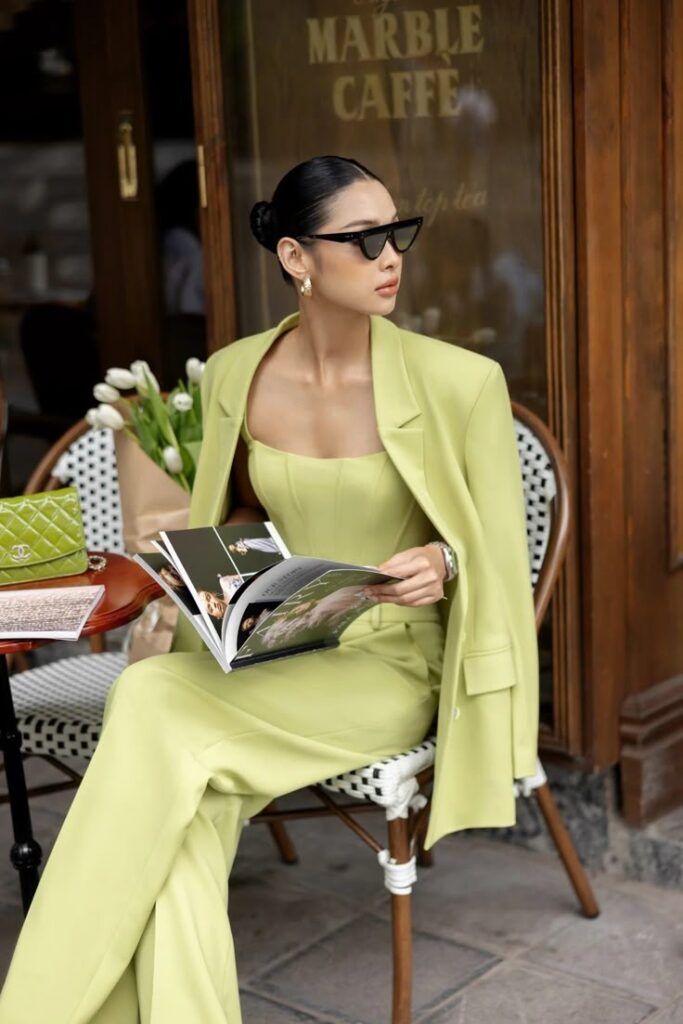
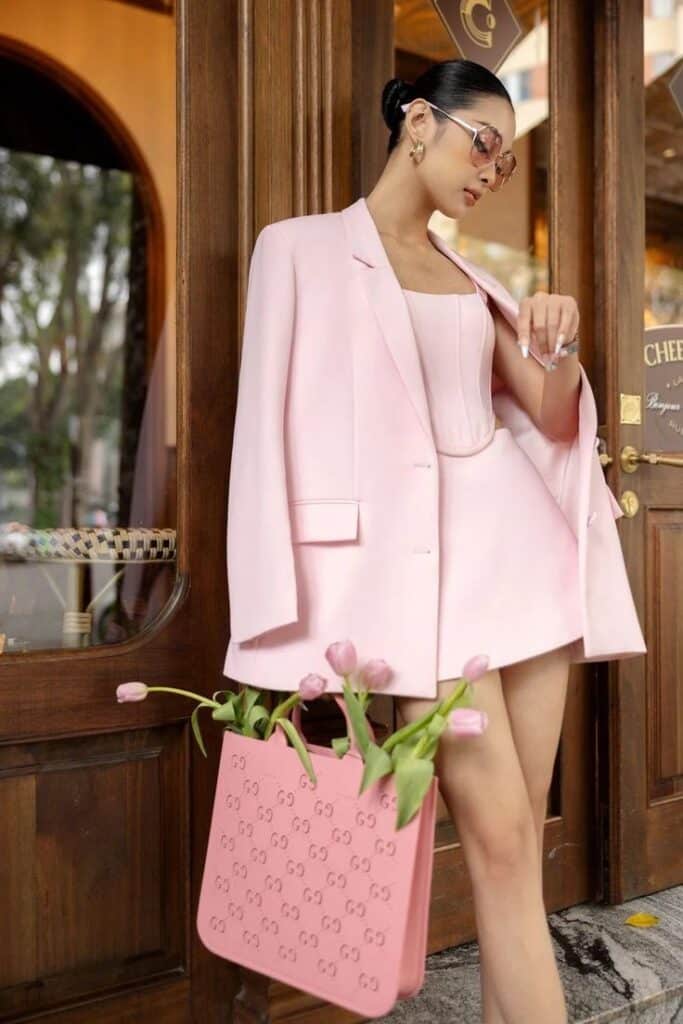
The base color sets the tone for the entire outfit. It should suit the wearer’s skin tone and personal style.
Neutral tones like black, gray, and beige are safe. They work for most occasions and are easy to mix. Bright or bold colors like red or blue make a stronger statement but need confidence to pull off.
Start with one main piece, such as pants or a shirt. This simplifies building the look around that color. If unsure, pick a color the wearer feels comfortable wearing for long periods.
Incorporating Different Shades and Tones
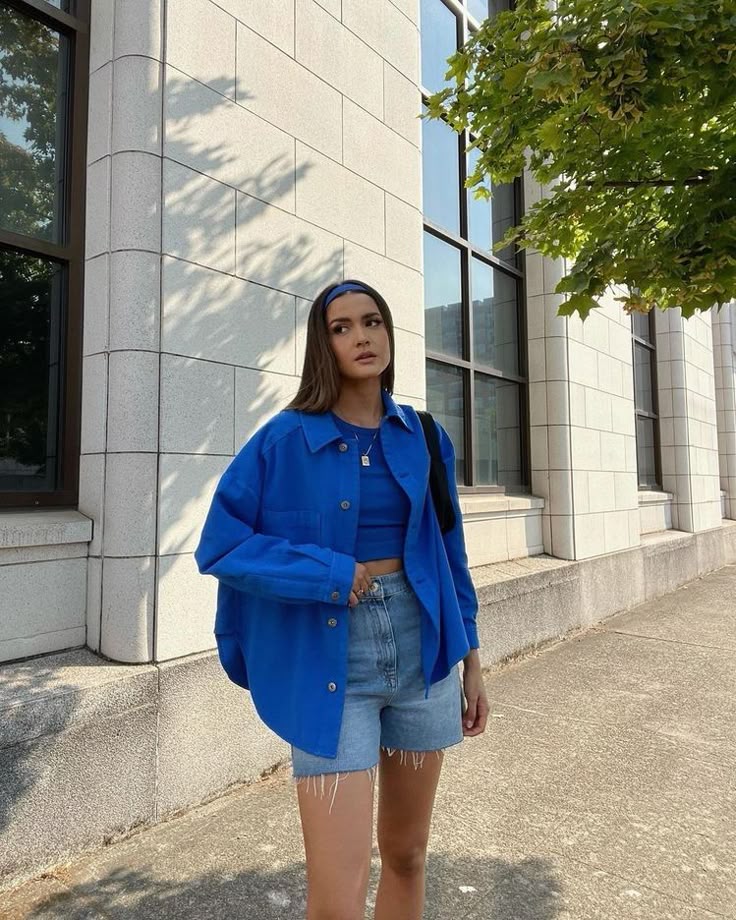
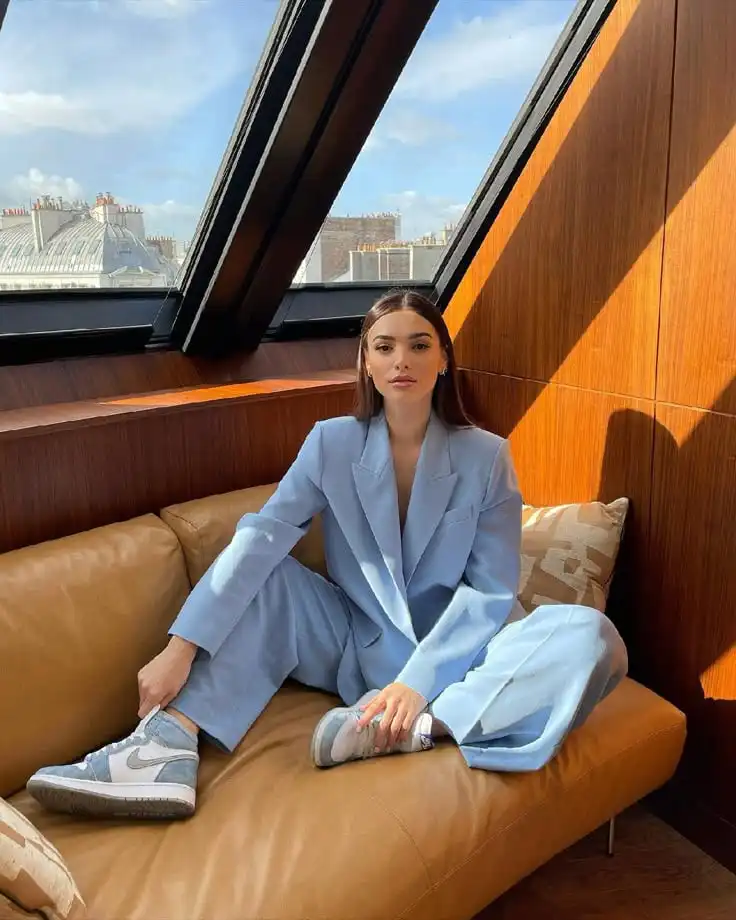
Using different shades of the base color adds depth. Light, medium, and dark tones stop the outfit from looking flat.
For example, if the base is blue, he can wear navy pants, a sky-blue shirt, and a denim jacket. Contrast between shades makes the outfit more dynamic.
Matte and shiny fabric finishes also create variation. She can use this to highlight parts of the outfit without breaking the color scheme.
Layering Techniques
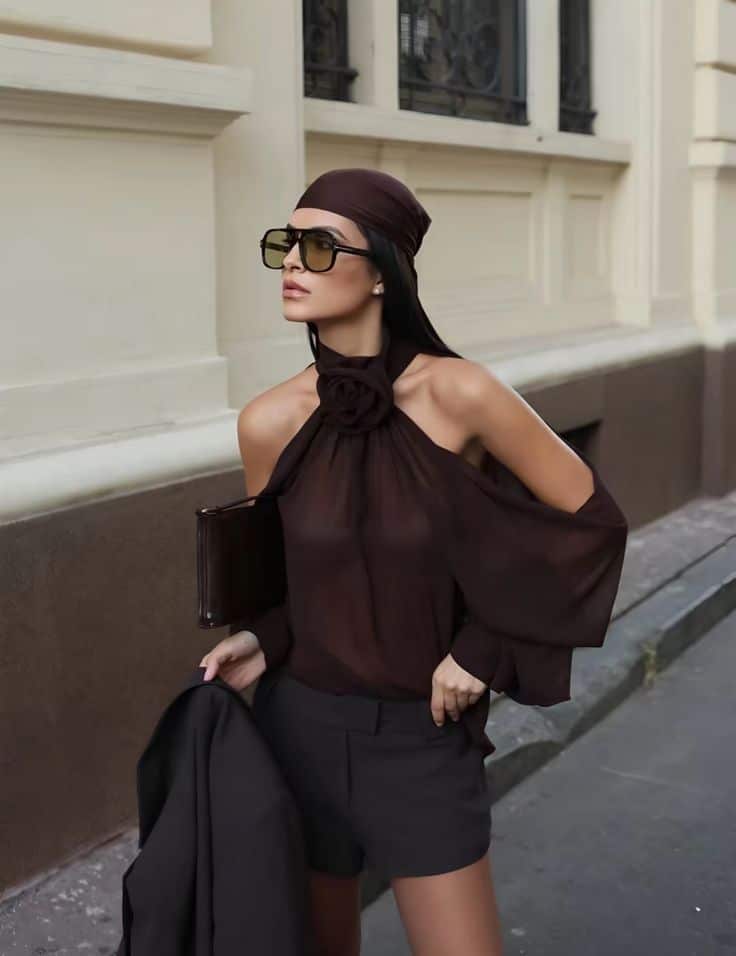
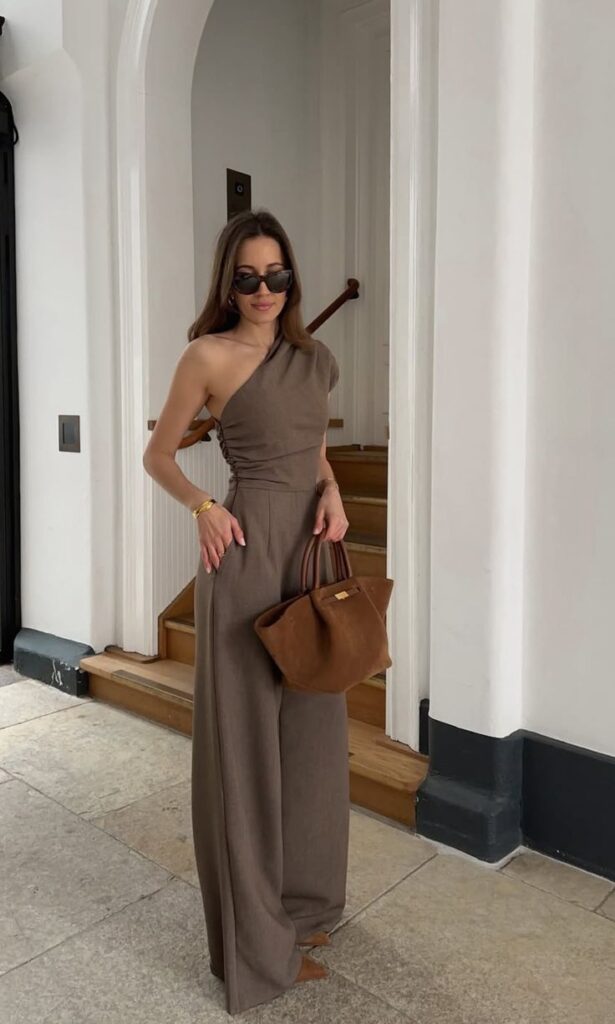
Layering helps break up the color while keeping the outfit unified.
Start with a simple base like a t-shirt or blouse. Add pieces of different lengths or textures, like a cardigan or scarf, in the same color family.
Keep accessories minimal but consistent. For example, shoes and bags in the same color or a close shade.
This creates interest and dimension while keeping the monochrome look clean.
Fabric and texture ideas for monochrome outfits
Choosing the right fabrics and textures can make a monochromatic outfit more interesting. Using different materials and balancing their feels adds depth and keeps the look from being flat or dull.
Mixing Materials for Depth
Combining various fabrics in the same color helps create layers without changing the color scheme. For example, pairing a soft cotton shirt with a sleek leather jacket adds contrast through material rather than color.
Lightweight fabrics like silk or chiffon work well with heavier fabrics like wool or denim to create a balanced look. This mix catches the eye and adds dimension. Avoid using fabrics that look too similar, such as two types of cotton, because the outfit can appear plain.
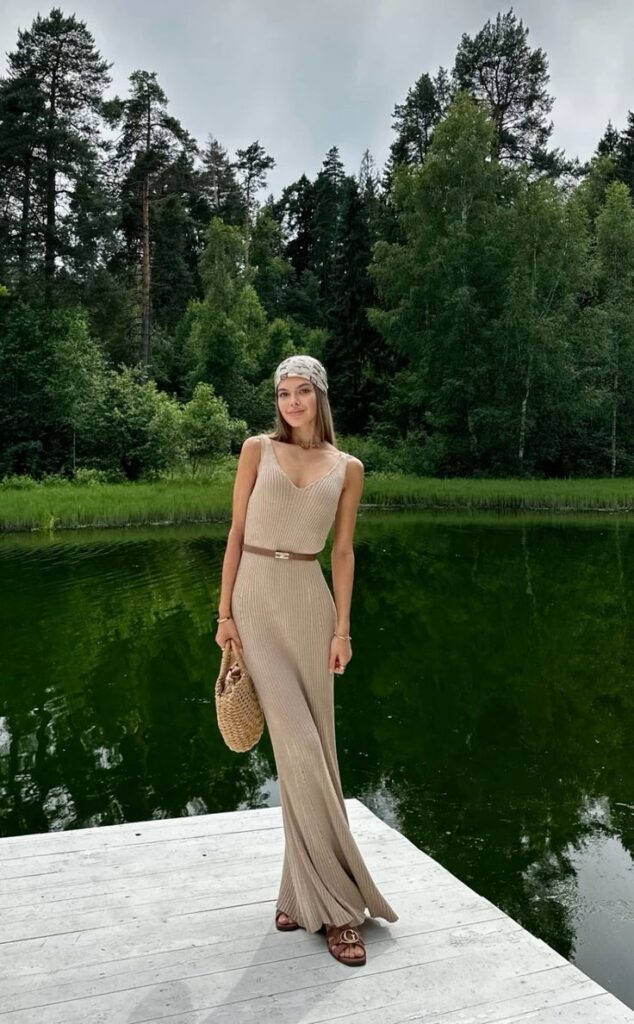
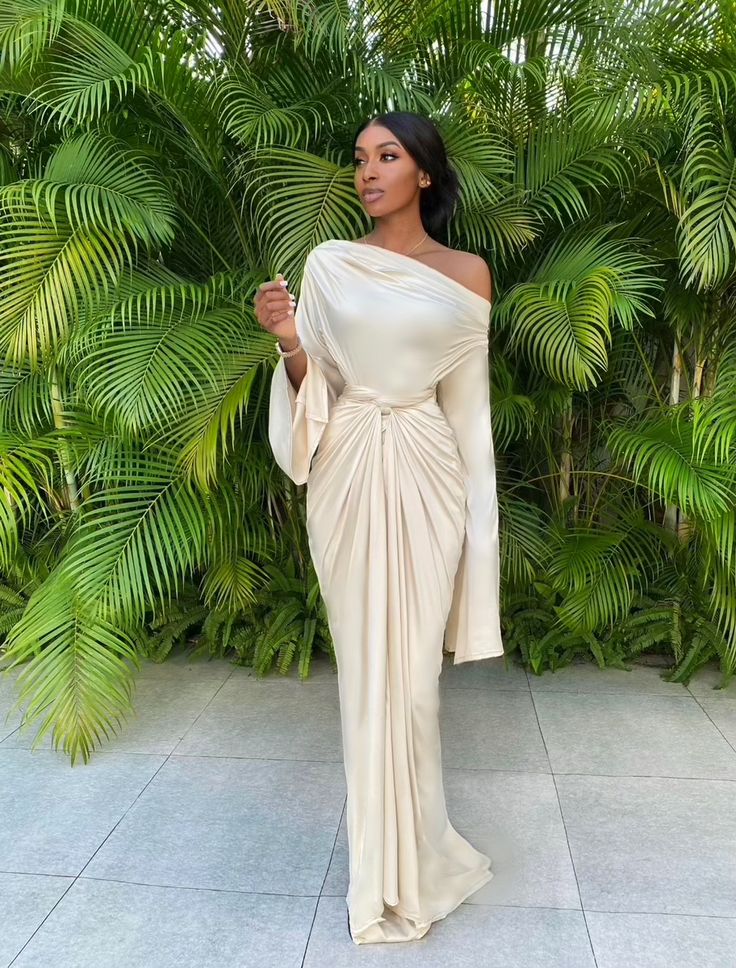
Balancing Textures
Textures should complement each other to avoid clashing. Pairing rough textures like corduroy with smooth textures like satin softens both materials and makes the outfit feel balanced.
Consider how the fabric moves too. Stiff materials like canvas can give structure, while flowy fabrics like jersey add softness. Using a balance of rough and smooth, heavy and light fabrics, keeps a monochromatic outfit dynamic and visually appealing.
Popular monochromatic outfit ideas by color
Many monochromatic outfits use different textures and shades within one color to add interest. Accessories and layering play a key role in making these looks stand out without clashing.
Black Monochrome Ensembles
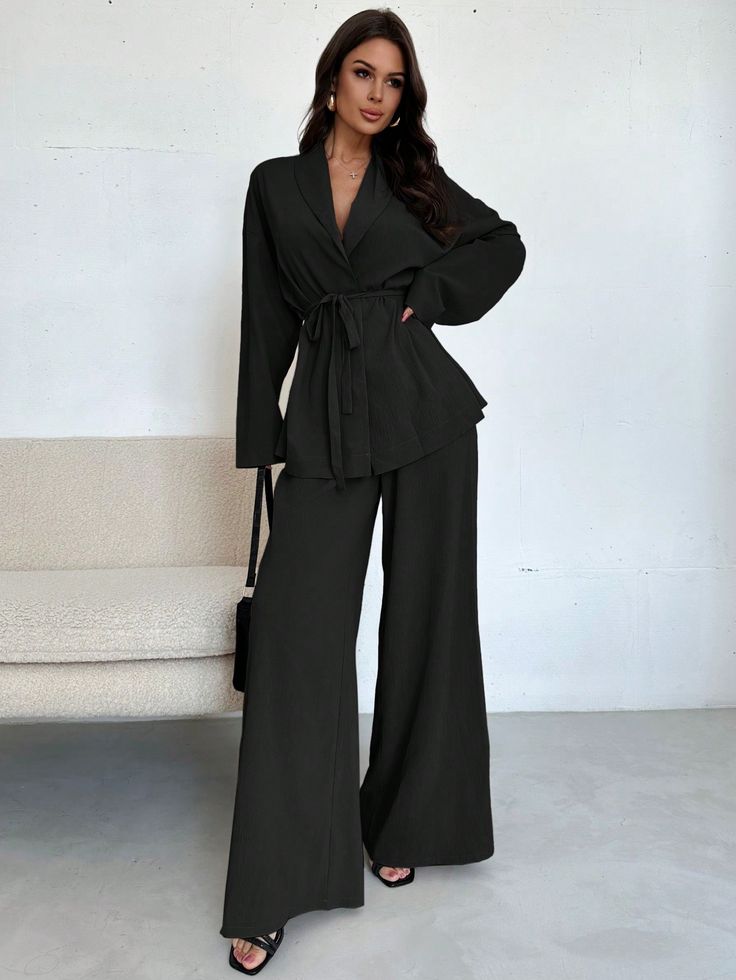
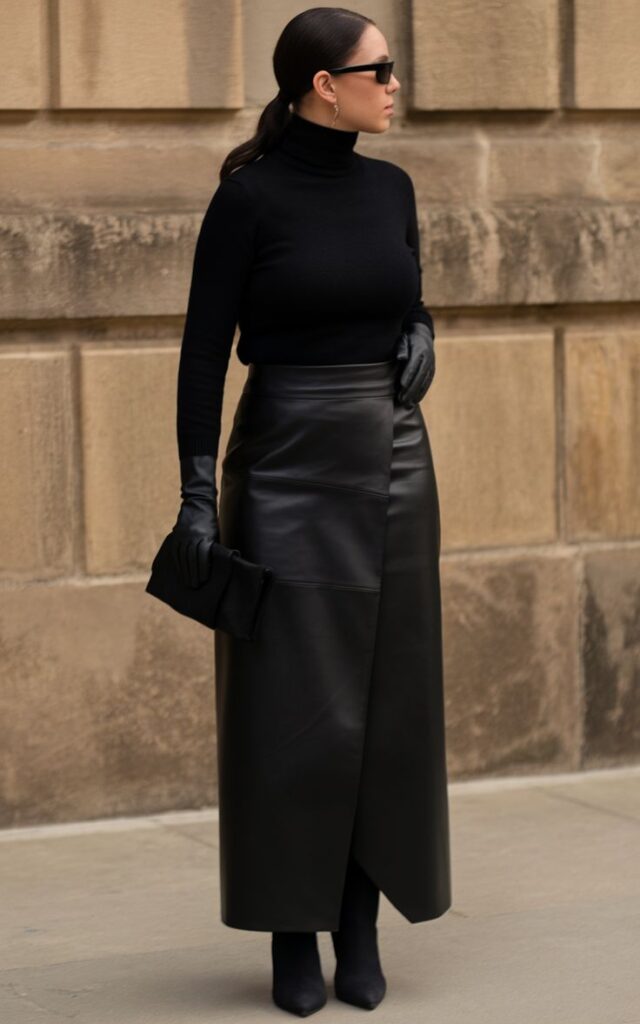
Black outfits can be sleek and bold. Using different materials, like leather jackets with cotton tees or wool trousers, enhances depth. Adding silver or gold accessories breaks the darkness without ruining the look.
Pairs well with black boots or sneakers. For a casual style, black jeans with a knit sweater work. For formal settings, a black blazer with tailored pants is effective. Wearing all black also creates a slimming, sharp effect.
White and Cream Outfits
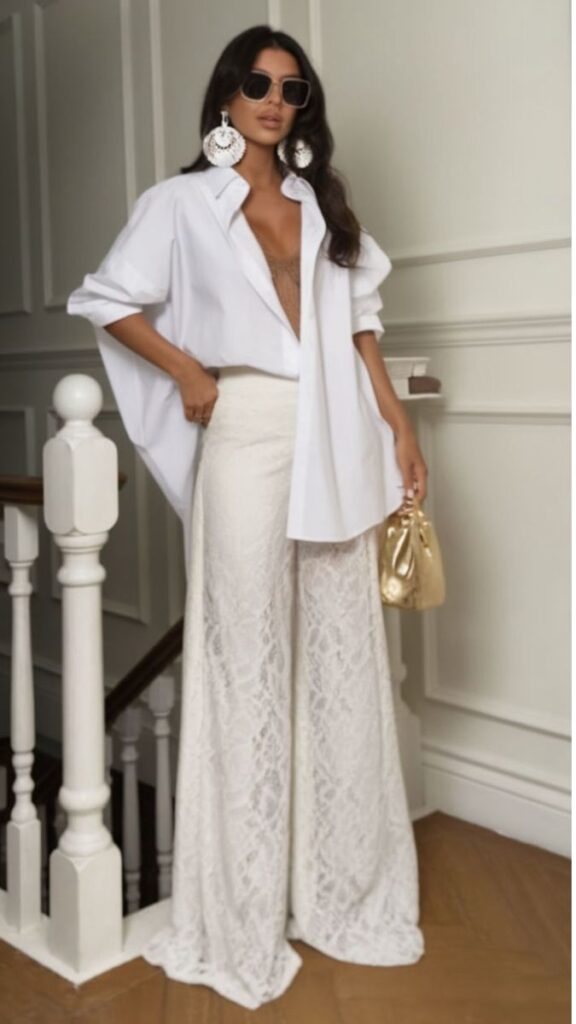
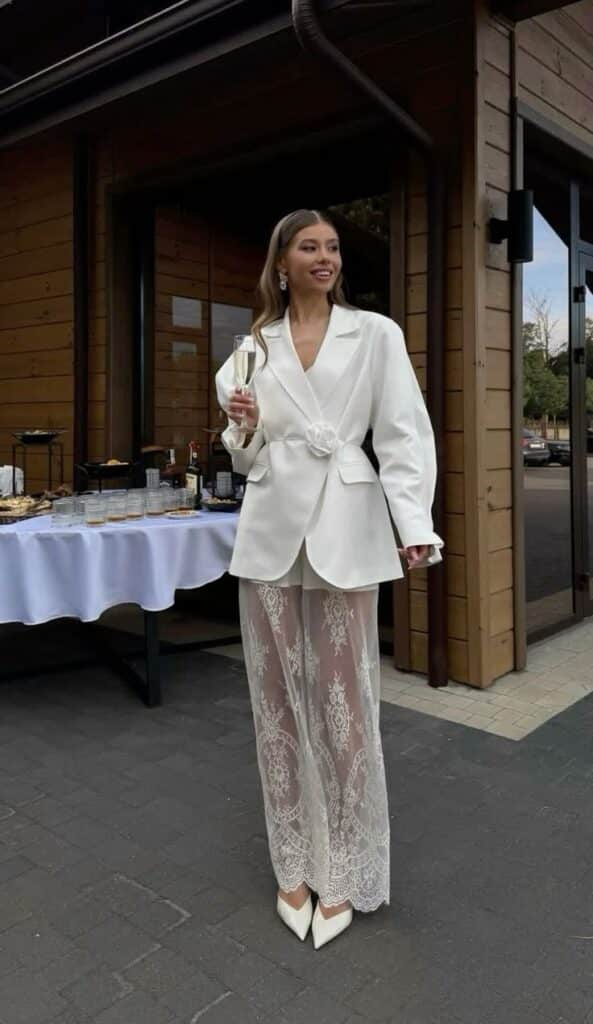
White and cream tones feel fresh and light. Combining crisp white shirts with off-white pants or skirts gives balance. Mixing soft fabrics like linen with silk or cotton adds texture.
Light shoes, like beige loafers or white sneakers, complete this look. It suits warm weather and clean indoor settings. Cream-colored accessories, such as belts or bags, keep the outfit connected without being too bright.
All-Gray Styles
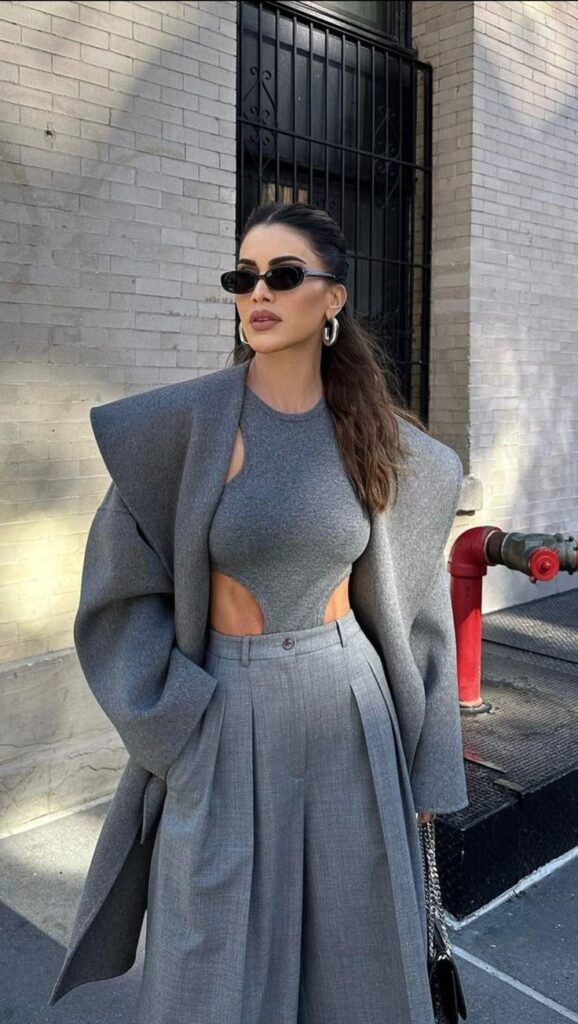
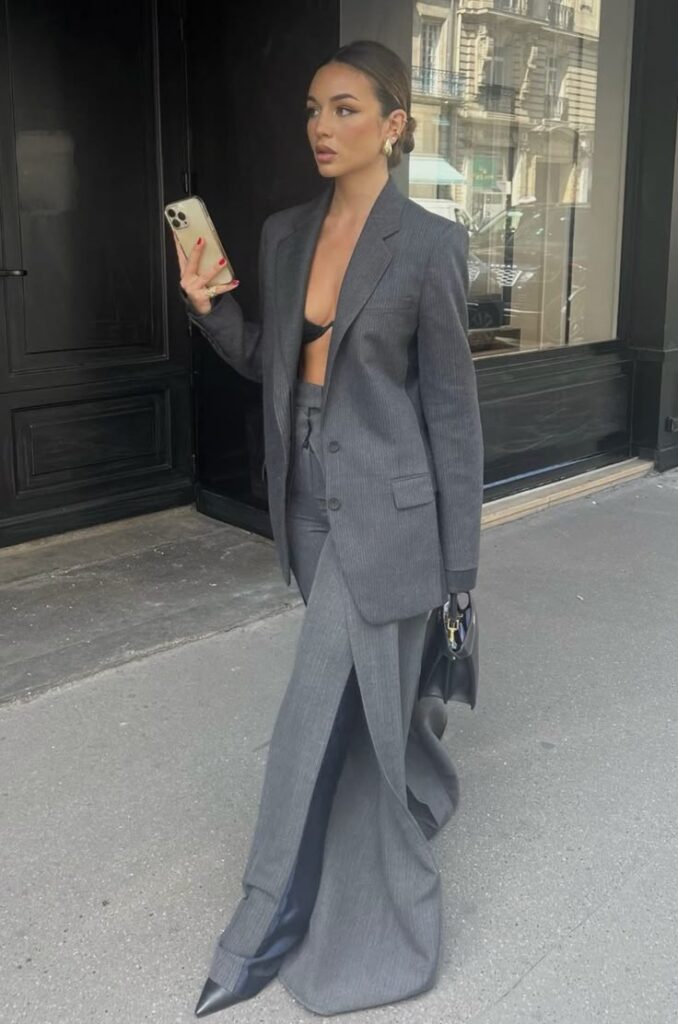
Gray outfits offer a middle ground between light and dark. Different shades like charcoal, dove, and silver create a layered effect. Using wool, jersey, or denim in gray keeps it casual but polished.
Gray is flexible for business or casual looks. A gray suit can be softened with a lighter gray shirt underneath. Sneakers or dress shoes in matching gray tones maintain a neat appearance.
Beige and Earth Tones
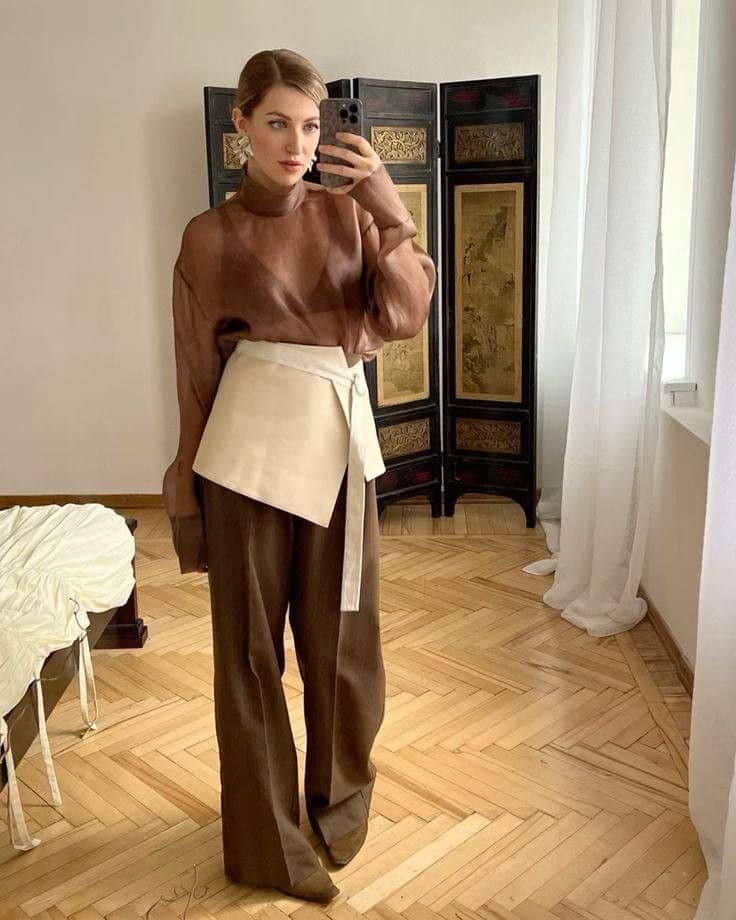
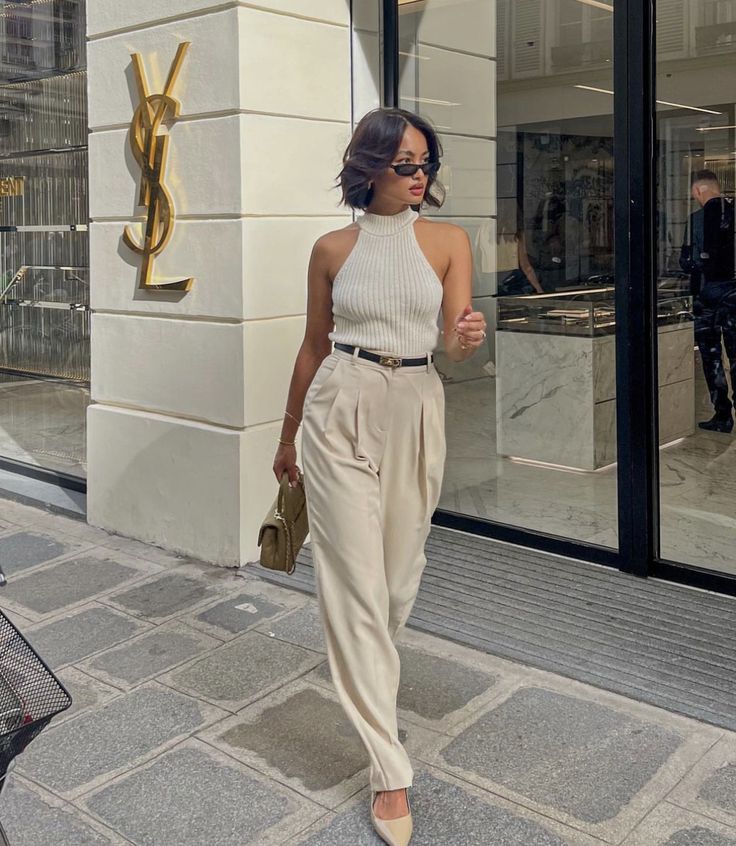
Beige and earth tones bring warmth and subtle color variation. Choices like tan, camel, and mocha layered together feel natural and grounded. Combining knits with suede or cotton adds variety.
Brown boots or beige sandals support the look well. This palette suits autumn and outdoor activities. Earthy accessories like leather belts or wooden jewelry enhance the natural feel.
Bold and Vibrant Monochromatic Palettes
Bright and strong colors can make a powerful statement in fashion. Different shades of one color can create depth and interest without clashing. Each color brings its own mood and style when worn head to toe.
Red Monochrome Looks
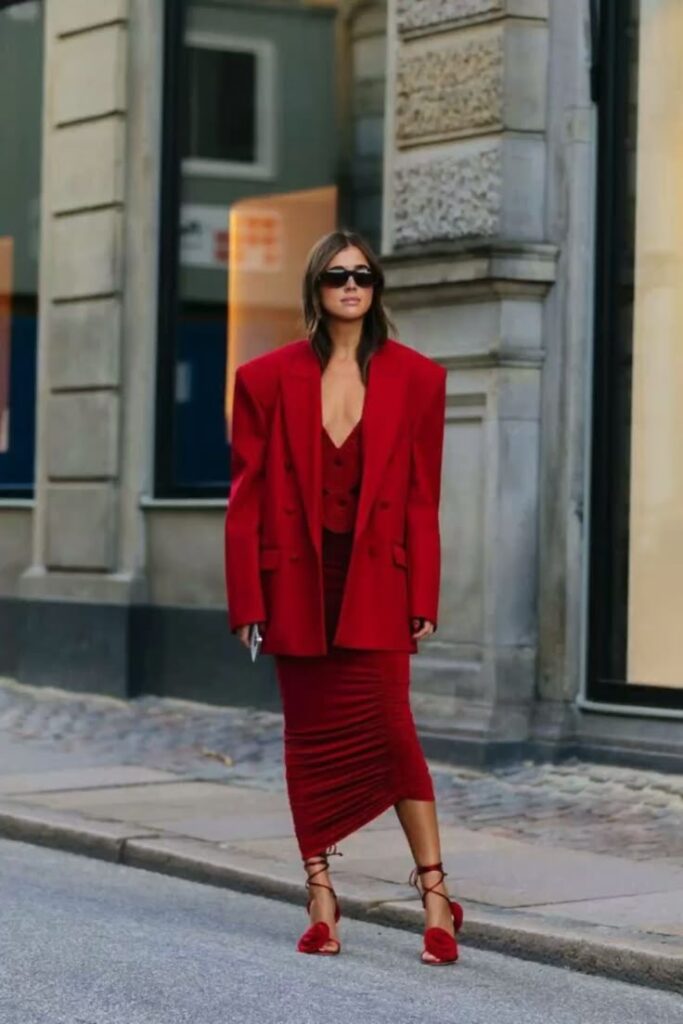
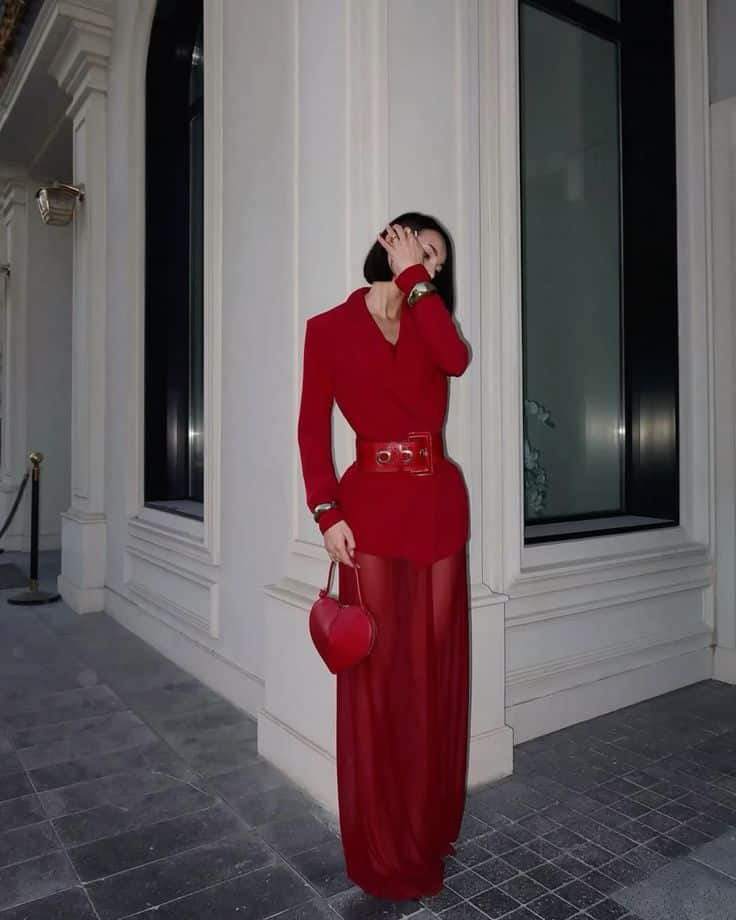
Red is a color that shows confidence and energy. Wearing different tones of red, such as cherry, scarlet, and burgundy, adds dimension to the outfit. Combining materials like silk, leather, and cotton in these shades can keep it from looking flat.
Red outfits often suit evening events or moments when someone wants to stand out. Accessories like red shoes and bags keep the focus on the color theme. Lighter reds can feel playful, while darker reds bring a richer, more serious tone.
Blue Toned Outfits
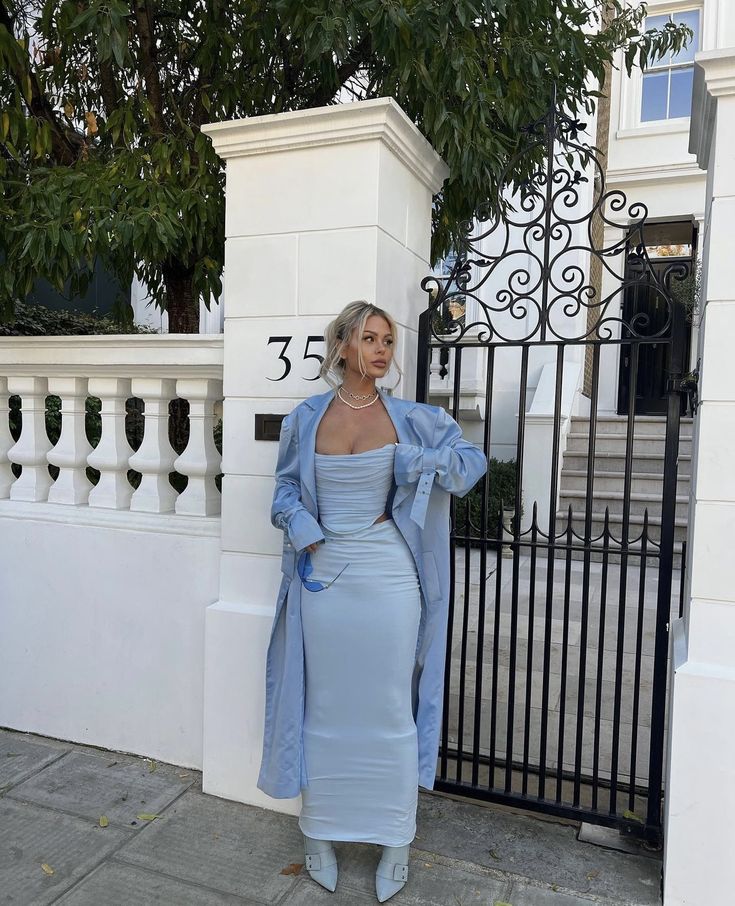
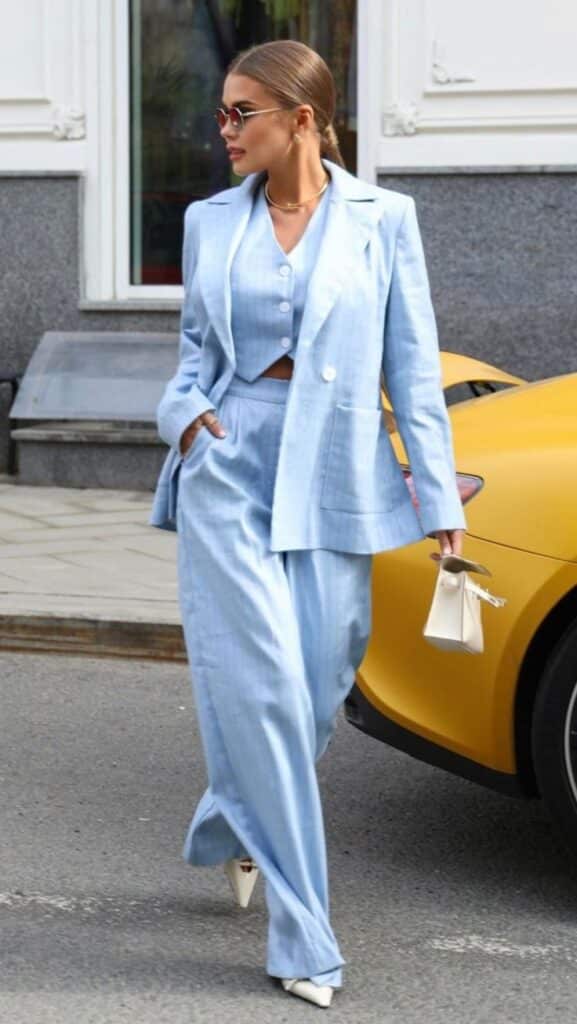
Blue offers a calmer but still vibrant option. Shades from sky blue to navy can fit many occasions. Mixing bright blues with denim or softer blues with smooth fabrics creates an appealing contrast.
Blue is versatile. It works well for casual days or formal settings. Layering blues, such as a cobalt jacket over a pale blue shirt, adds texture. Blue also pairs well with silver accessories to keep the look fresh without breaking the color flow.
Green and Olive Styles
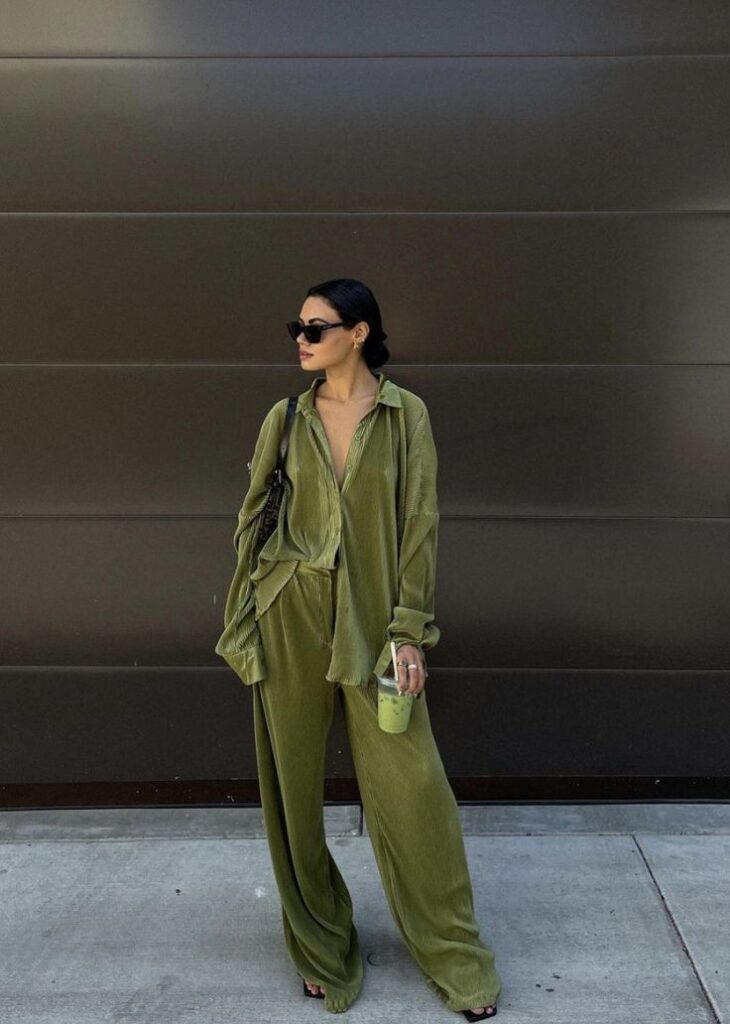
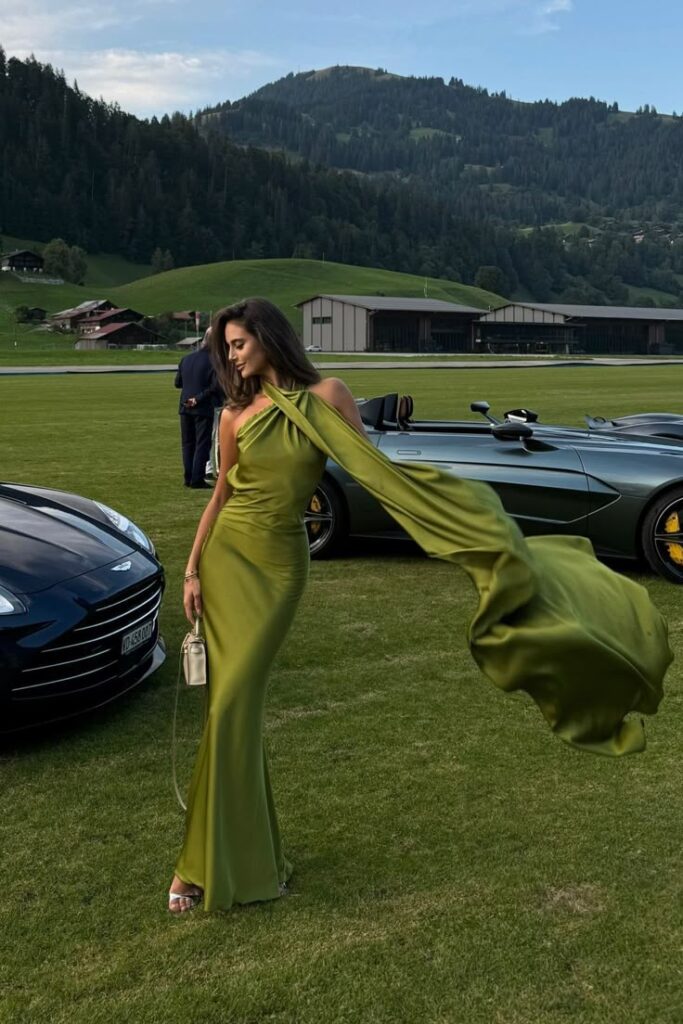
Green showcases nature’s balance and strength. Bright greens like lime or emerald provide energy, while olive and moss shades offer a muted, earthy feel.
Green outfits suit people who want bold color but less brightness than red or blue. Using many greens in one outfit, like an olive coat with mint pants, can feel modern and stylish. Brown or gold accents work well with these hues to enhance the green without overwhelming it.
Monochromatic outfit ideas for different occasions
Monochromatic outfits can be styled in many ways depending on where a person is going. Choosing the right colors, textures, and accessories helps make the look fit for different events. This section breaks down ideas for work, casual outings, and formal events.
Work and Professional Settings
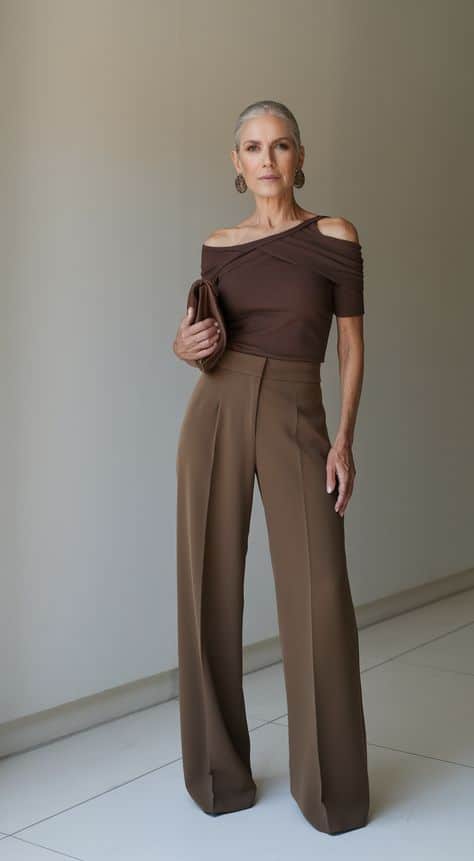
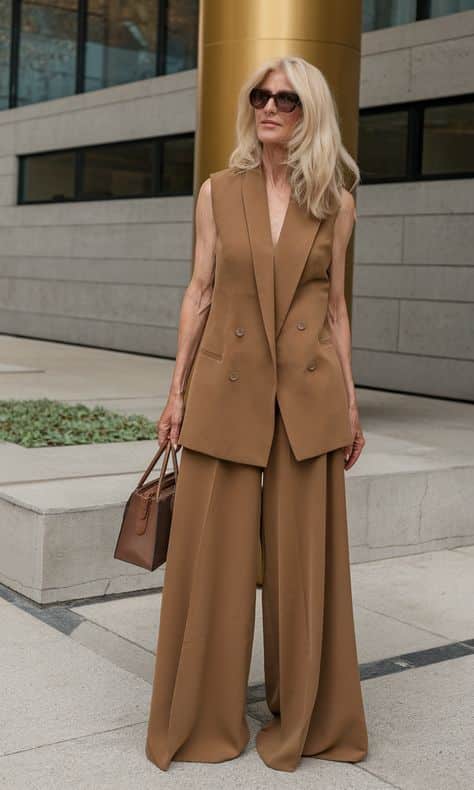
For work, a monochromatic outfit should look polished and neat. Choosing neutral or classic colors like navy, gray, black, or beige is best. A tailored blazer paired with matching trousers or a skirt works well.
She can add interest by mixing different textures, such as a silk blouse with wool pants. Shoes should be simple and professional, such as leather loafers or low pumps. Minimal jewelry keeps the look clean.
Avoid overly bright colors or flashy patterns in professional settings. The goal is to look put-together but not distracting.
Casual Daywear
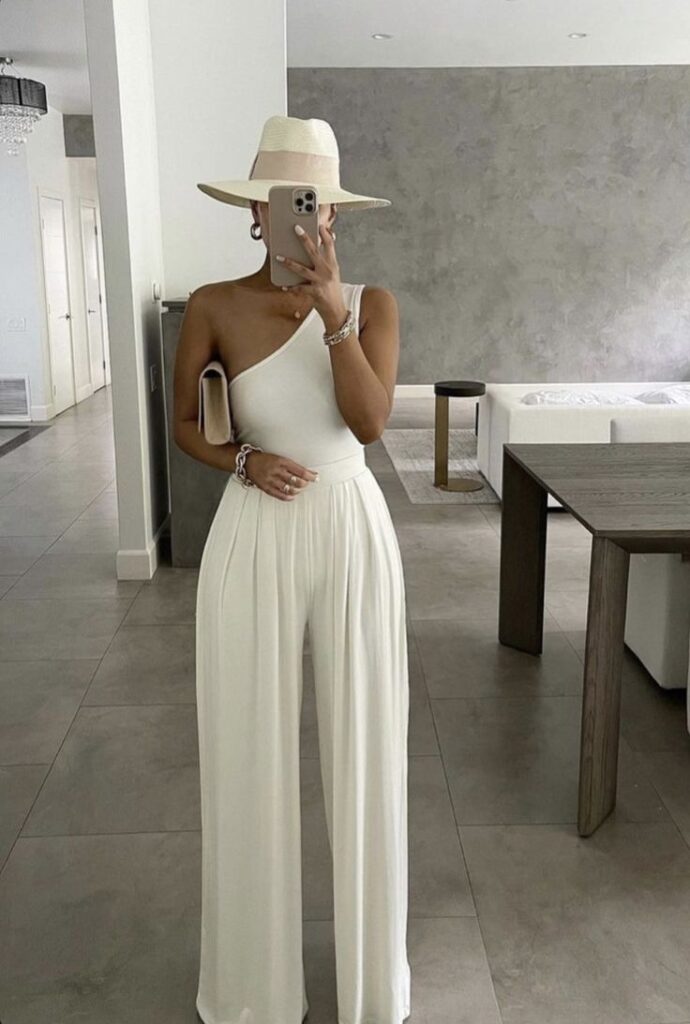
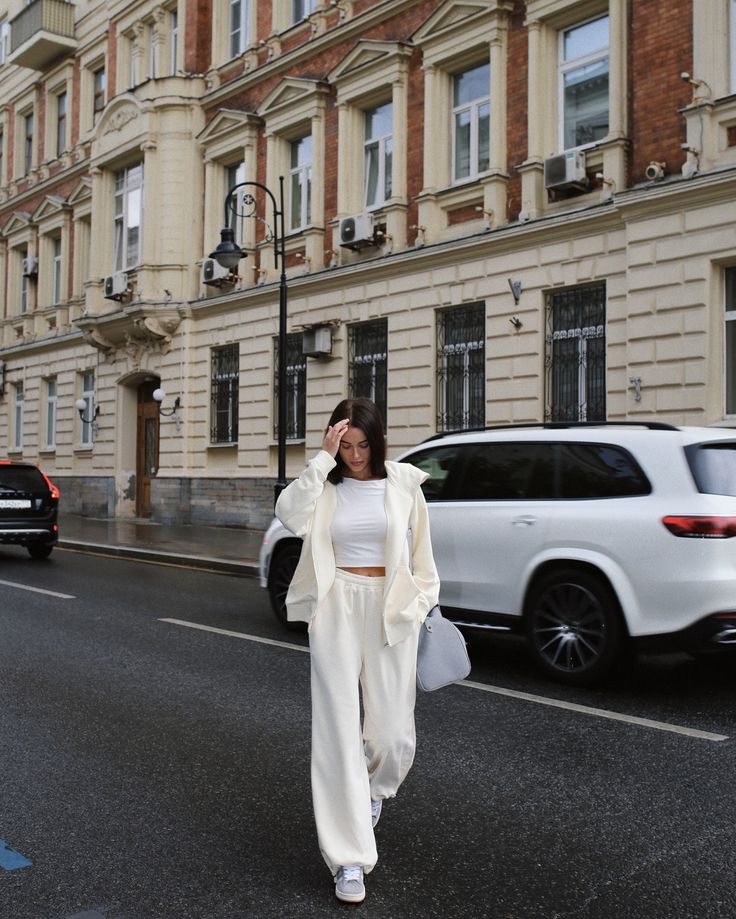
Casual monochromatic outfits allow more freedom with colors and fabrics. Soft tones like pastels or earth colors are common choices. A cotton t-shirt matched with jeans or relaxed pants creates comfort.
Layering can add depth—for example, a knit sweater over a shirt in the same shade. Sneakers, sandals, or boots in the matching color keep the outfit cohesive but relaxed.
Accessories like hats or simple bags in the same hue work well. Casual clothing made of comfortable fabrics like cotton or linen suits the day-to-day vibe.
Formal and Evening Events
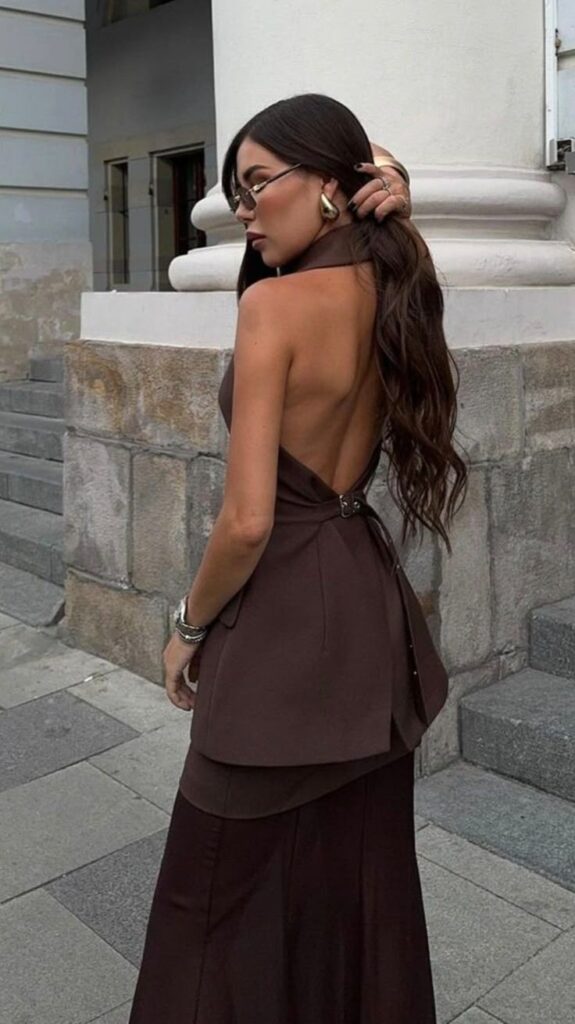
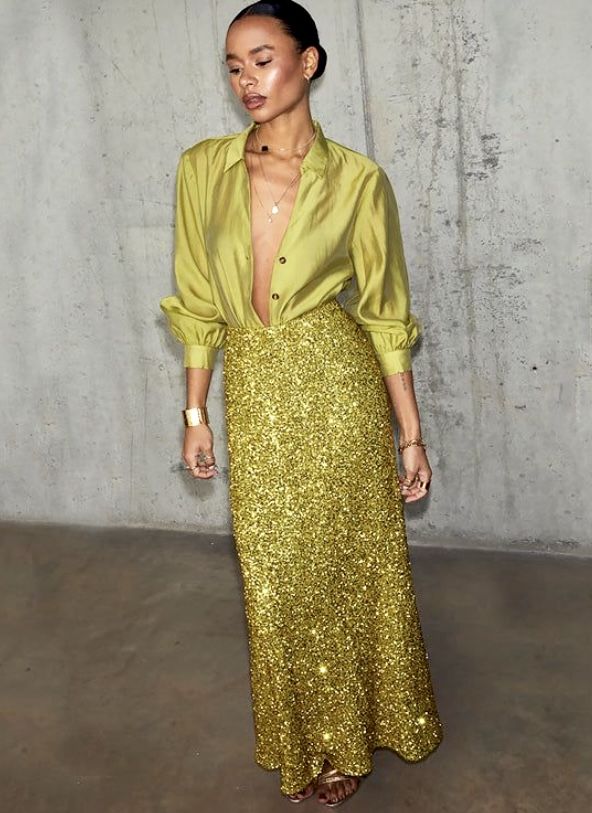
For formal events, monochromatic outfits often use richer fabrics like velvet or satin. Dark colors such as deep reds, blues, and blacks are popular. A well-fitted dress or suit in one shade creates an elegant silhouette.
She can add shine with metallic accessories in gold, silver, or matching tones. Statement jewelry or a clutch in the same hue enhances the look without breaking the monochrome theme.
Shoes should be polished and coordinated with the outfit color. Keeping all elements in the same color family gives a sophisticated and intentional appearance.
Monochromatic outfit ideas for different seasons
Different seasons call for different fabrics, colors, and layering techniques when dressing in one color tone. Choosing the right shades and materials can keep a monochromatic outfit suitable and stylish all year round.
Spring Inspirations
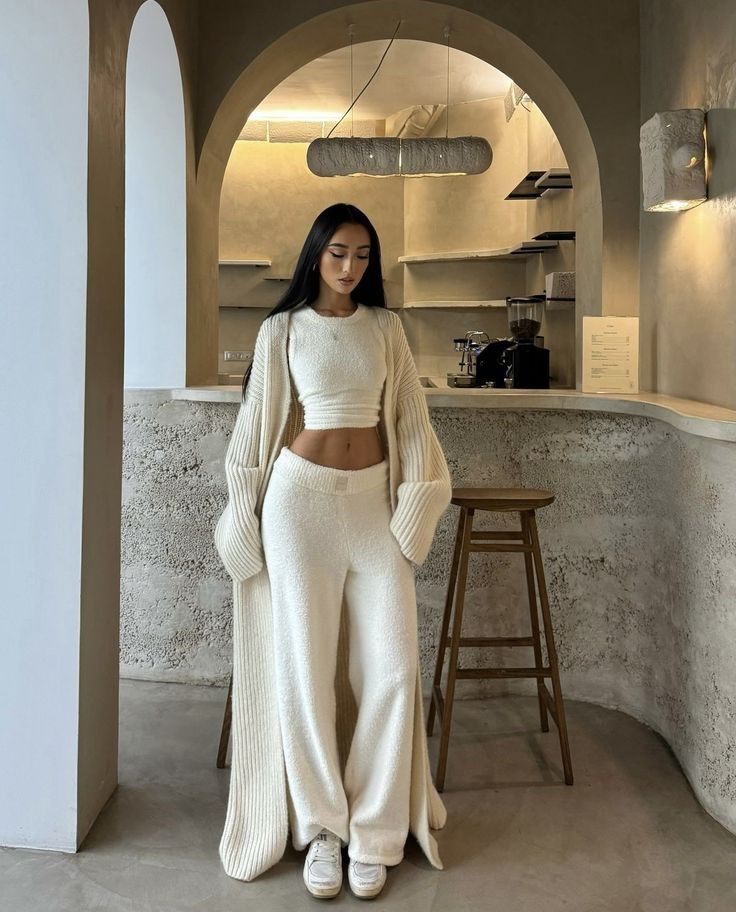
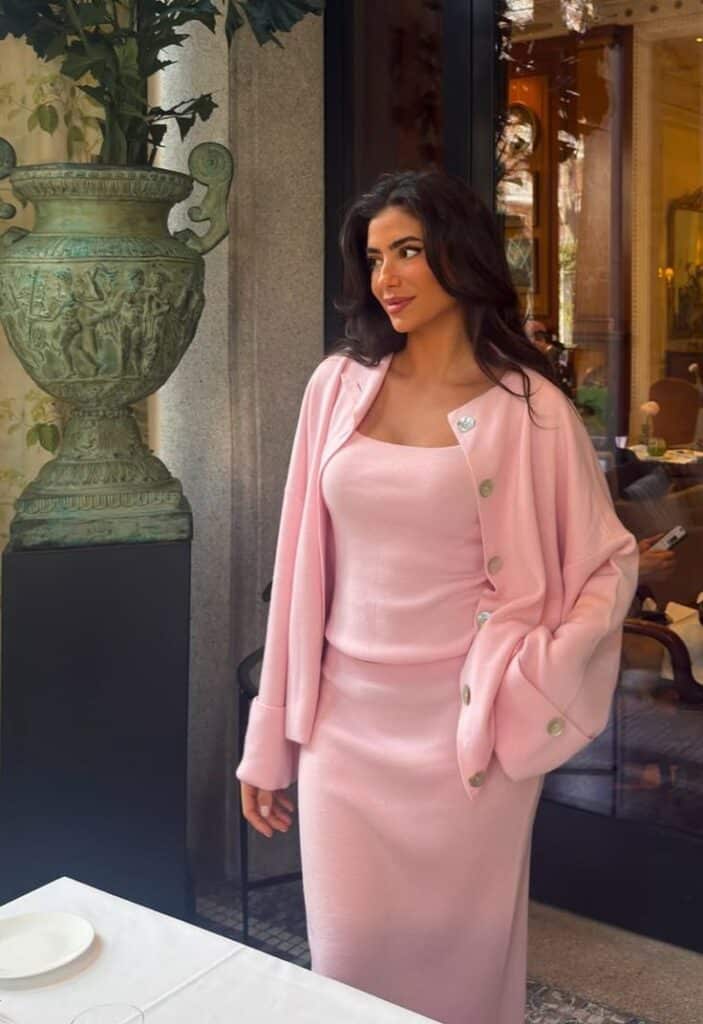
For spring, light and fresh colors work best in a monochromatic outfit. Soft pastels like blush pink, mint green, or baby blue reflect the season’s mild warmth.
Linen or cotton pieces are ideal because they breathe well. A pastel blouse paired with similarly shaded fitted pants or a skirt creates a seamless look. Adding white or nude minimal shoes keeps the outfit balanced.
Accessories should remain simple. Delicate gold or silver jewelry enhances the softness. A lightweight scarf matching the outfit’s tone can add texture without adding heat.
Summer Styling Tips
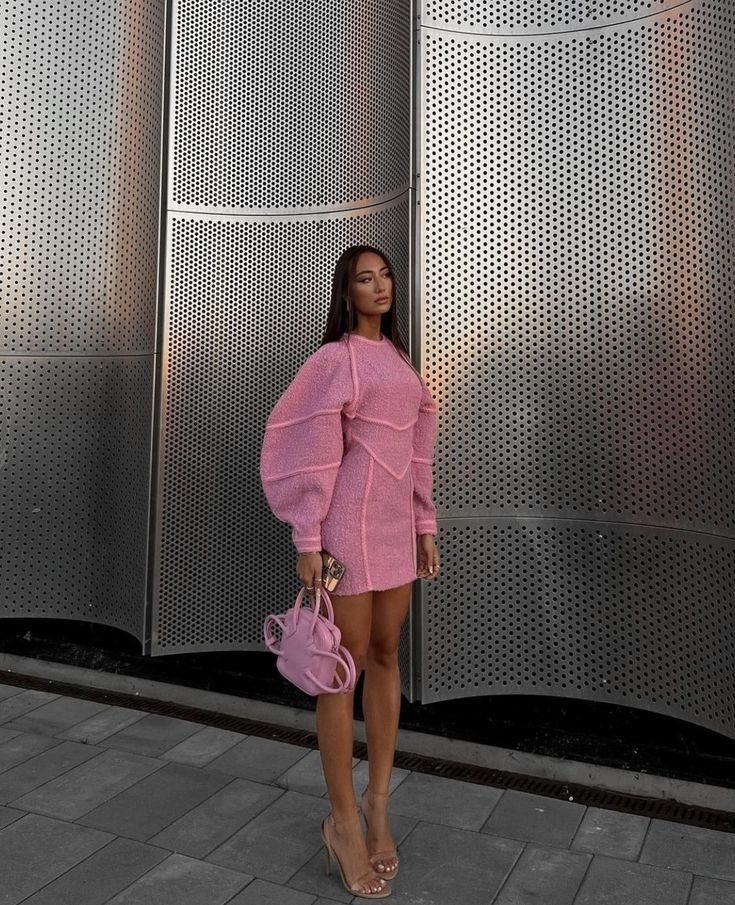
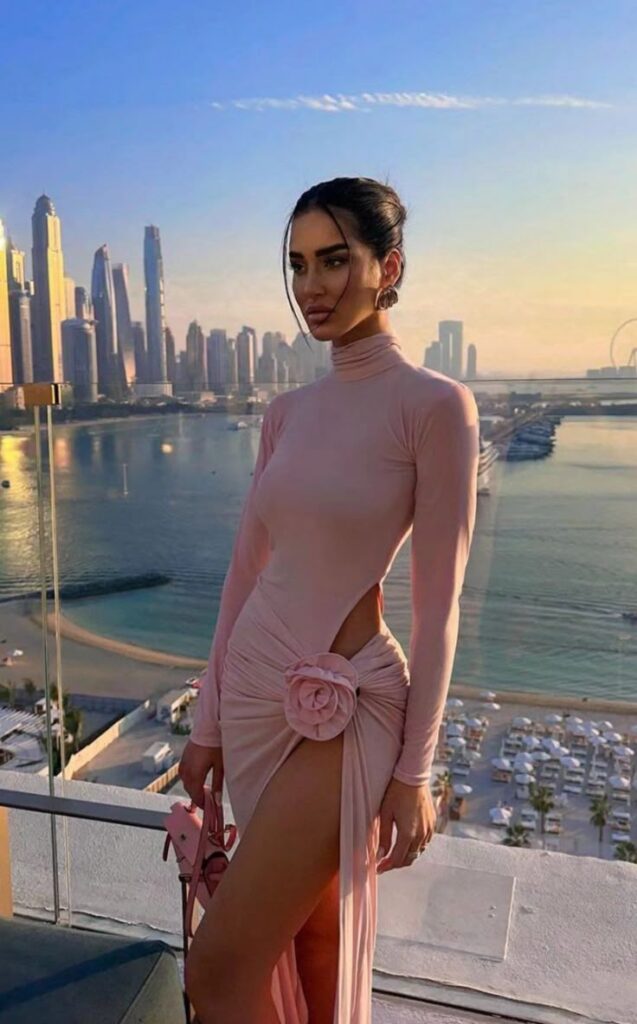
Bright and bold colors shine in summer monochromatic outfits. Think reds, blues, or yellows that stand out under the sun.
Lightweight fabrics like chambray, cotton, or chambray blends help maintain comfort while keeping the same color throughout. A sundress with sandals or a tank top and matching shorts set works well.
Sun hats and sunglasses in the same color family tie the outfit together. Avoid heavy layers; instead, use small pops of shade variation in shoes or bags for interest.
Fall Wardrobe Ideas
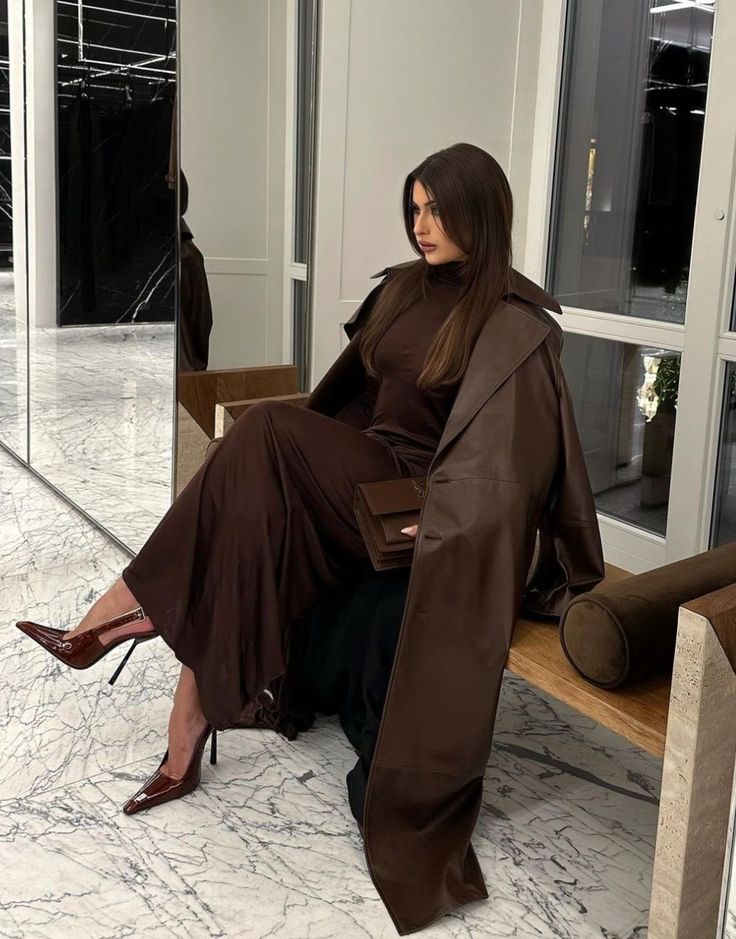
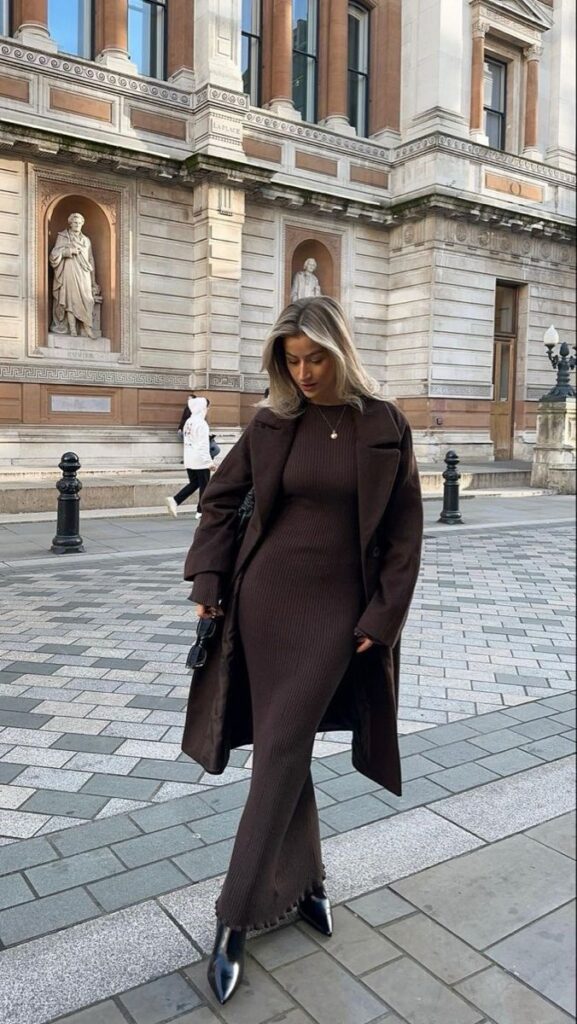
Fall brings deeper and richer monochromatic colors such as burgundy, burnt orange, mustard yellow, or olive green.
Heavier fabrics like wool, corduroy, and suede are perfect for cooler days. Layer a turtleneck with a matching blazer and tailored pants for a polished look. Boots in the same shade complete the outfit.
Playing with textures is key. Mix smooth and rough materials like wool sweaters with suede shoes or leather belts to add depth without breaking the monochrome.
Winter Layering
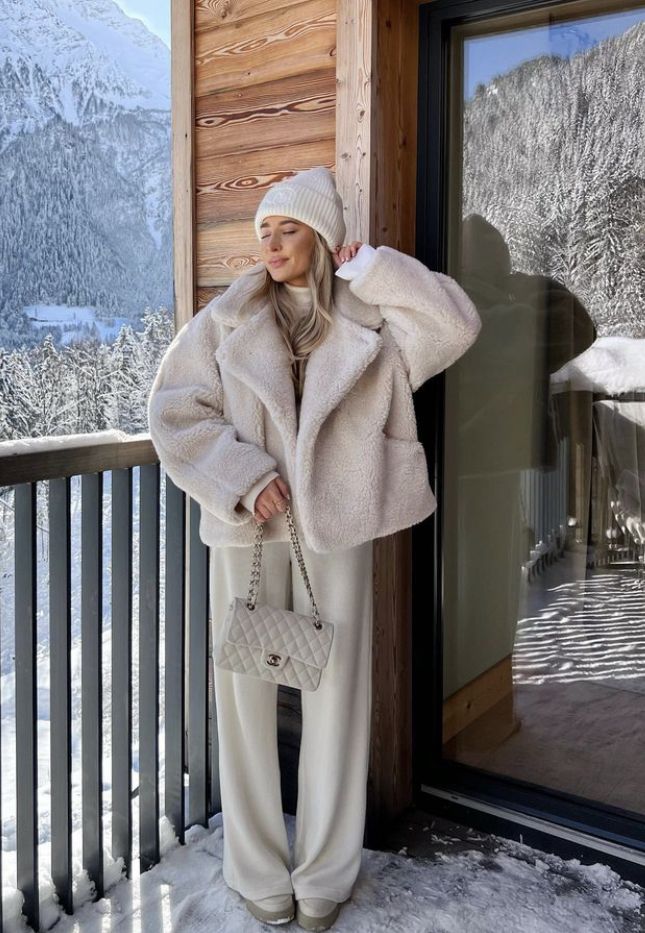
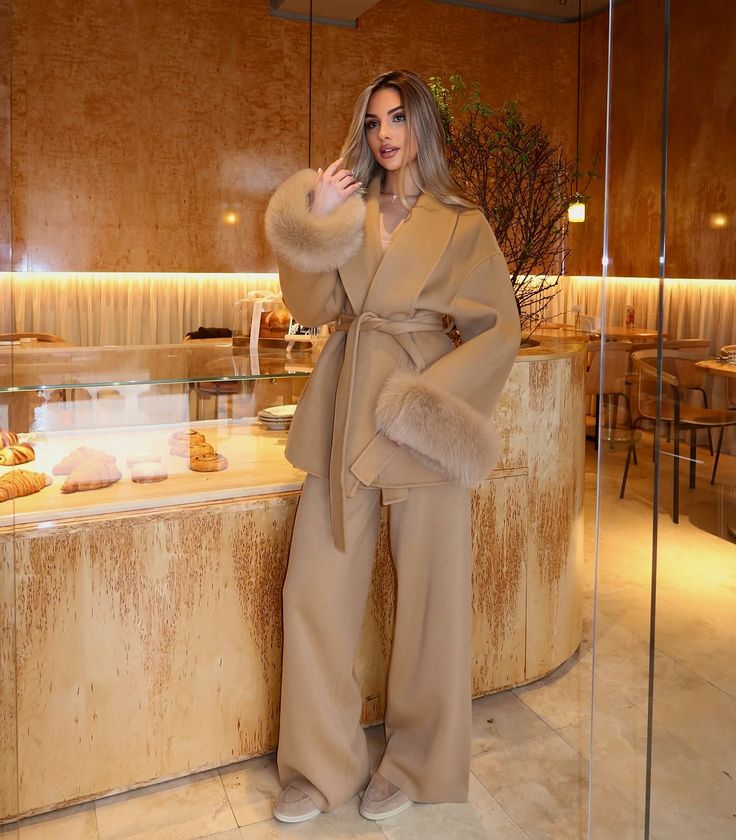
Winter requires thicker layers and darker colors to stay warm and stylish. Navy, charcoal gray, black, or deep plum are common choices.
Sweaters, coats, and scarves should be different textures but in one color to create contrast. For example, a knit sweater with a wool coat in matching navy.
Thermal leggings or trousers under skirts keep warmth without ruining the aesthetic. Boots and gloves in the same color add a practical, polished finish to the outfit.
Accessories and footwear for monochromatic looks
Accessories and shoes play a key role in finishing a monochromatic outfit. Picking items that either match or gently contrast can enhance the overall style without breaking the color flow.
Choosing Coordinated Accessories
When choosing accessories, sticking to the same color family is essential. For example, if the outfit is navy, selecting a belt, bag, or jewelry in a slightly different shade of blue keeps the look unified but adds interest.
Materials also matter. Mixing textures like leather, metal, or fabric in the same color creates depth. A matte leather bag paired with shiny metal earrings in the same hue works well.
Avoid accessories that are too bright or outside the chosen palette. This can distract from the sleekness of a monochromatic style.
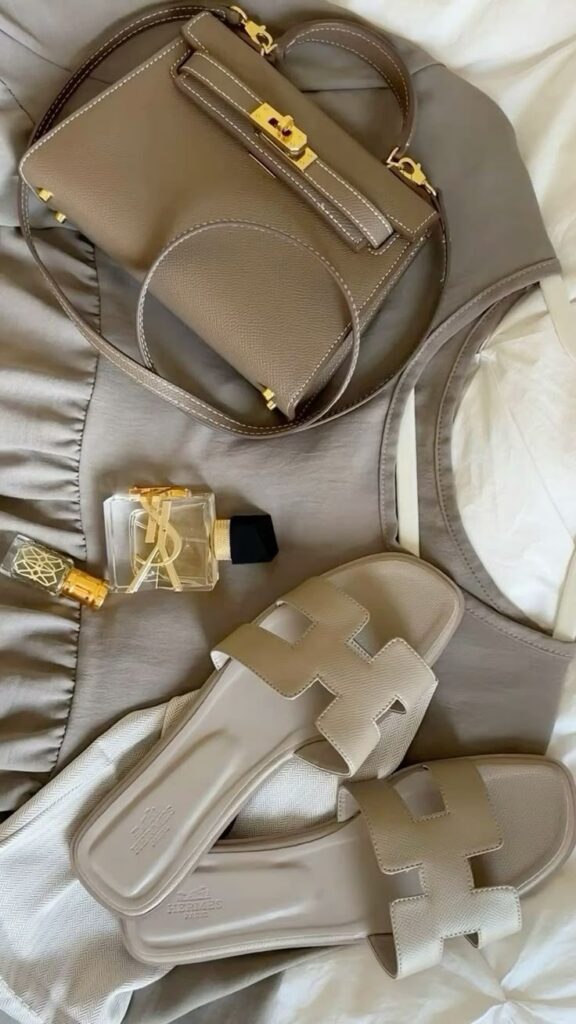
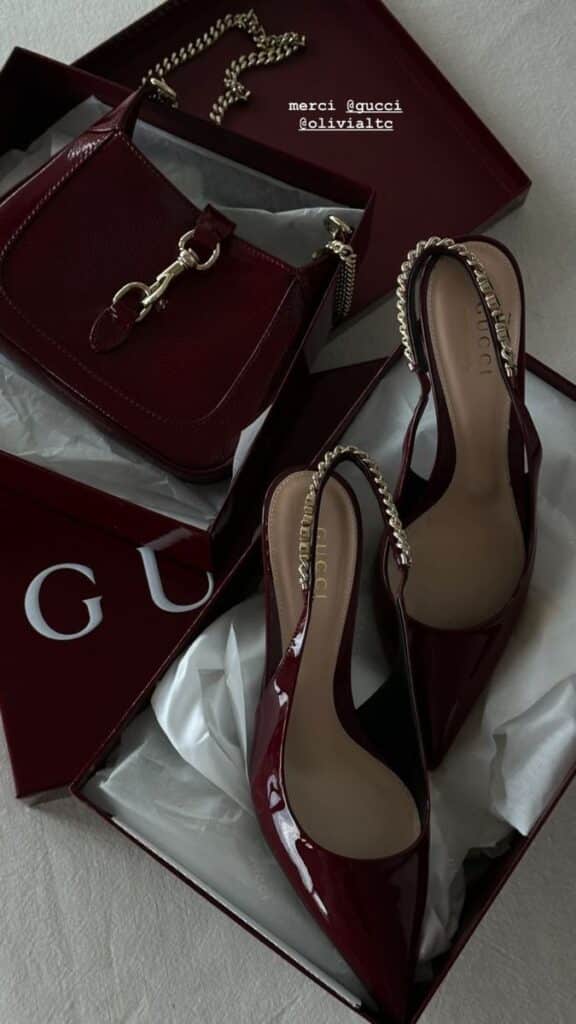
Footwear That Complements
Footwear should align closely with the outfit’s color tone. If the ensemble is light gray, shoes in pale gray or white are good options.
Different shoe styles can set the tone. Sneakers can make the look casual, while loafers or heels increase formality. Keeping the shoe color consistent with the outfit helps maintain a seamless appearance.
For added detail, subtle patterns or textures in the same color are acceptable, such as suede or perforated leather. This adds interest without breaking the color scheme.
Monochromatic Outfits for Men
Men can use different fabrics and cuts to keep a monochromatic look interesting. Playing with layers and textures adds depth without breaking the color scheme. Choosing the right shade and accessories makes the outfit stand out.
Modern Approaches
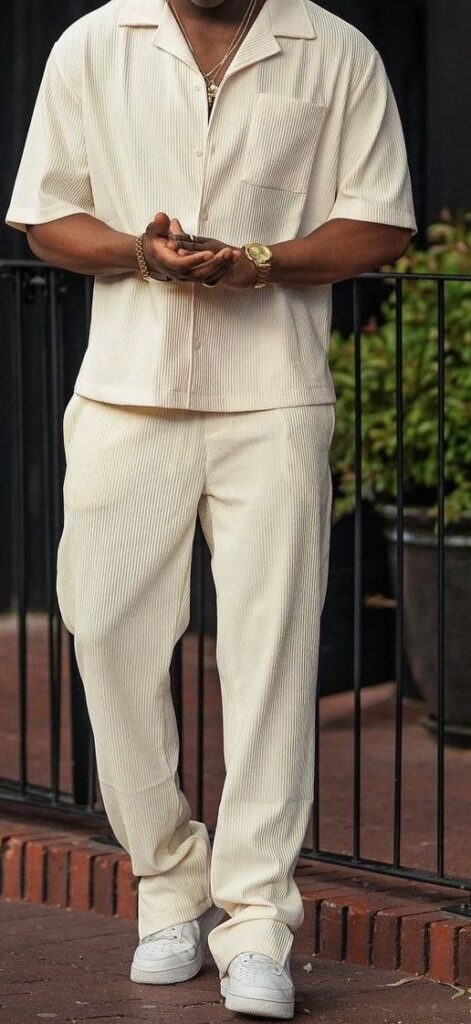
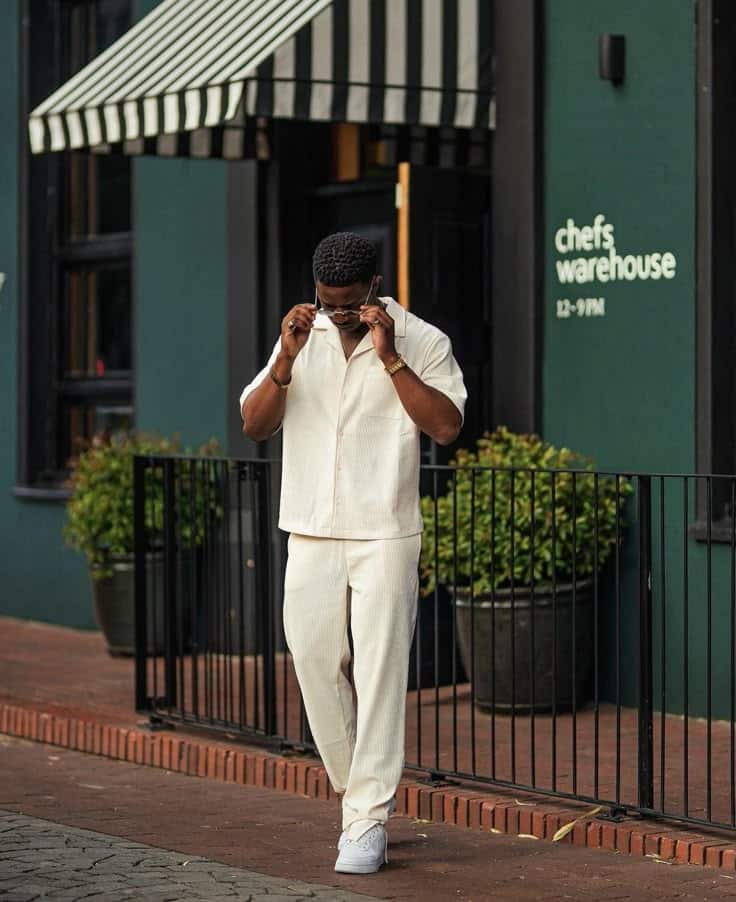
A modern monochromatic outfit often mixes casual and tailored pieces. For example, a slim-fit navy bomber jacket with a navy t-shirt and jeans keeps the look sleek but relaxed. Using different materials like denim, cotton, and knitwear in the same color adds variety.
Accessories like navy sneakers or patterned socks can finish the outfit. Men should consider varying the shade from dark to light within the same color to avoid looking flat. This approach works well for everyday wear or informal office settings.
Classic Styles
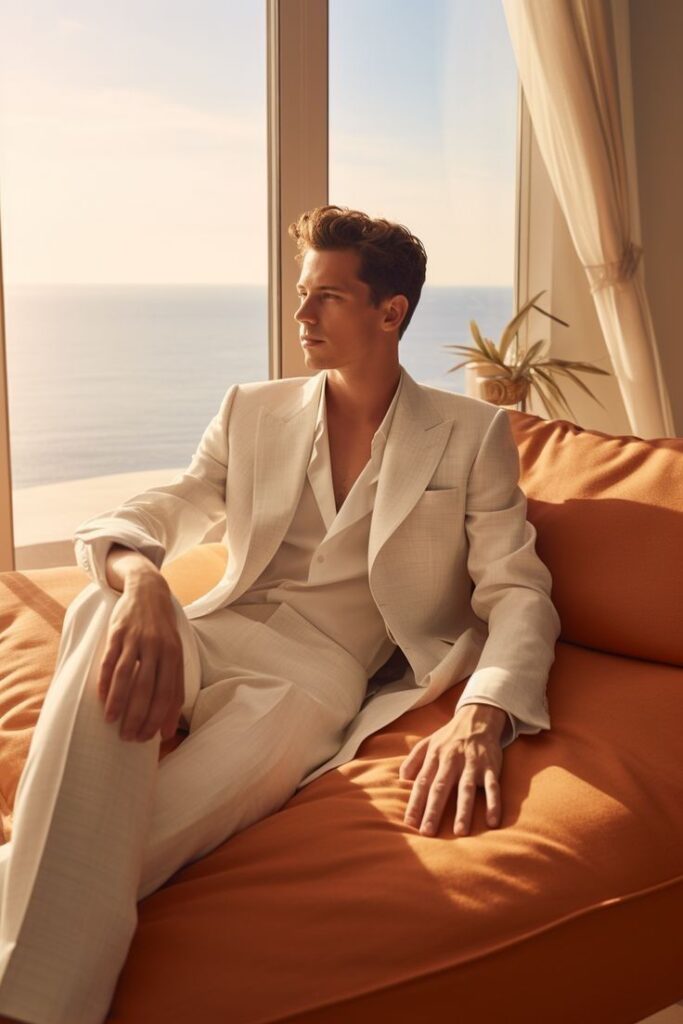
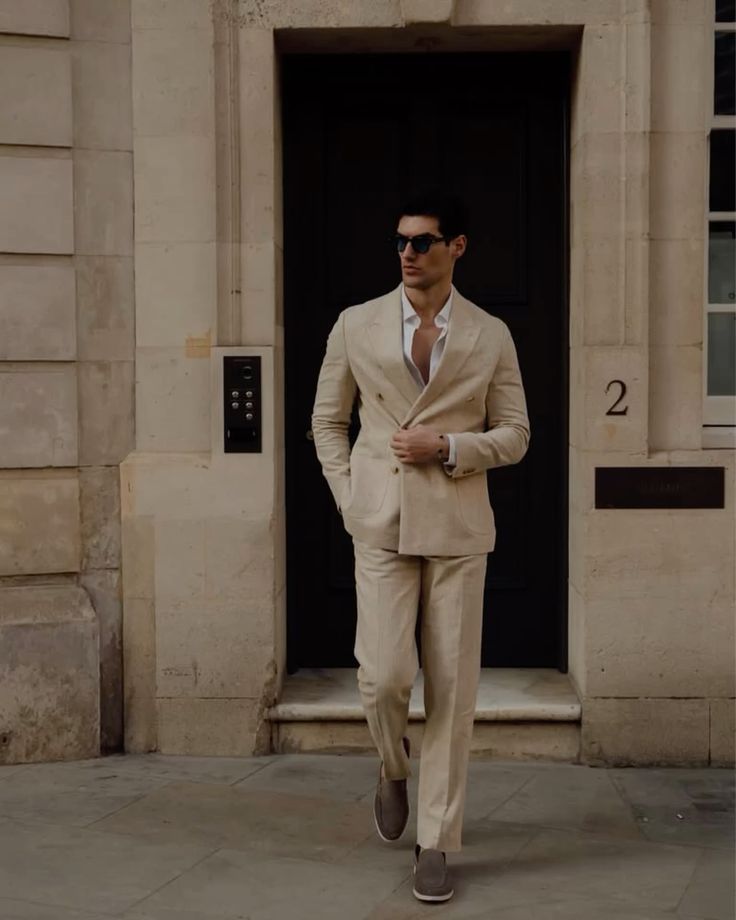
Classic monochromatic looks usually involve a single color in formal or business wear. A grey suit paired with a light grey shirt and dark grey shoes is a common example. It creates a polished and balanced appearance.
Textured fabrics like wool or cashmere add richness without adding other colors. Adding a tie, pocket square, or watch that matches the color tone keeps the outfit coherent. This simple style is easy to replicate and fits many occasions.
Monochromatic Outfits for Women
A well-chosen color can define a look from day to night. Using different shades and textures of the same color adds depth without complicating the outfit.
Chic and Minimalist Outfits
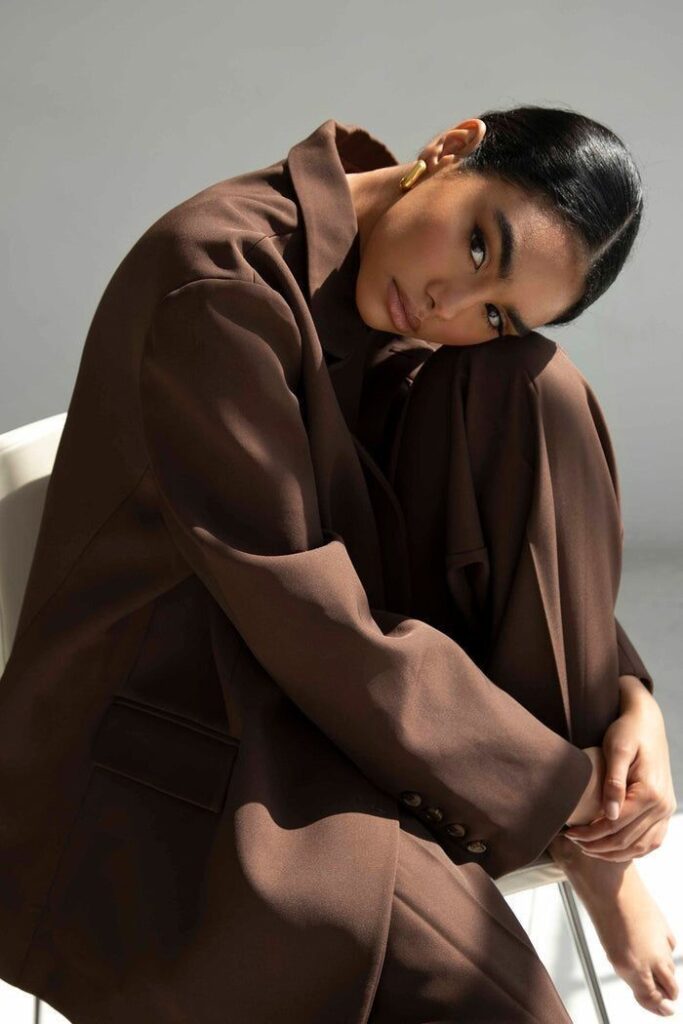
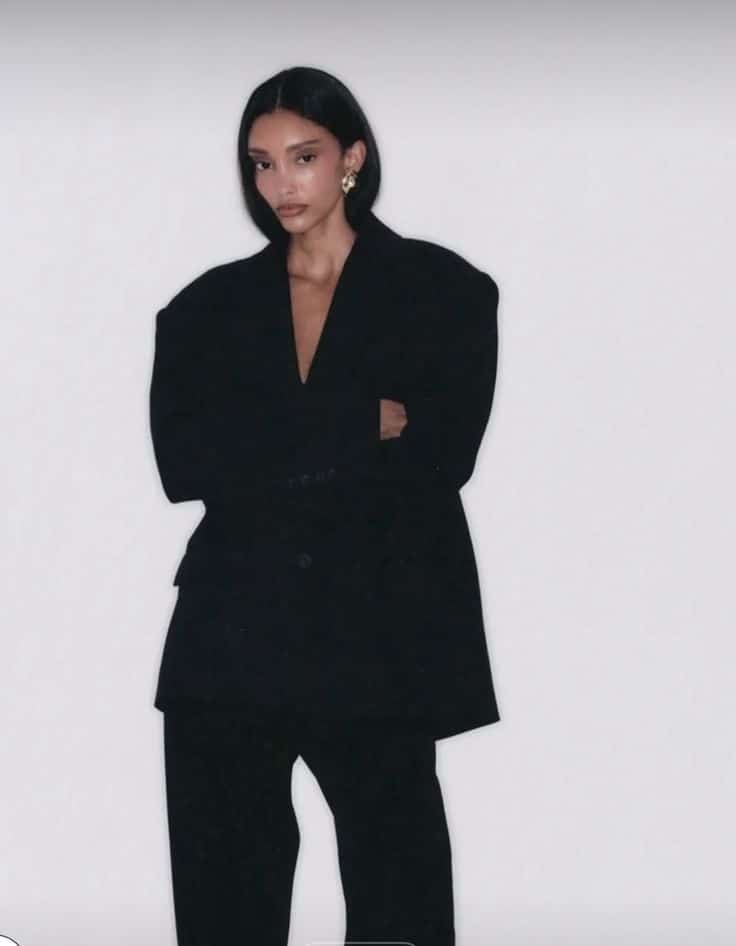
For a simple yet stylish look, women can pair a solid-colored blouse with matching trousers or a skirt. Using muted tones like beige, gray, or pastel blue creates a calm, polished vibe.
Accessories should match the color scheme but remain subtle. For example, nude shoes and a small handbag in the same hue keep attention on the outfit’s clean lines.
Textures like silk, cotton, or knitwear add variety without using other colors. Mixing these will keep the look from feeling flat while staying minimal.
Elegant Evening Looks
Darker shades such as navy, burgundy, or emerald green work well for evening outfits. A fitted dress in one of these colors can look elegant and refined.
Adding shimmer or matte finishes helps create visual interest. For example, a velvet dress with satin heels and a leather clutch in matching tones looks both rich and unified.
Jewelry or makeup can either blend with the color or offer a small contrast. Gold jewelry often pairs well with deep colors in a monochromatic outfit for a touch of sophistication.
Tips for elevating your monochromatic style
To make a monochromatic outfit stand out, focus on details that add layers and texture. Avoid mistakes that can make the look appear flat or boring by choosing the right shades and accessories.
Adding Visual Interest
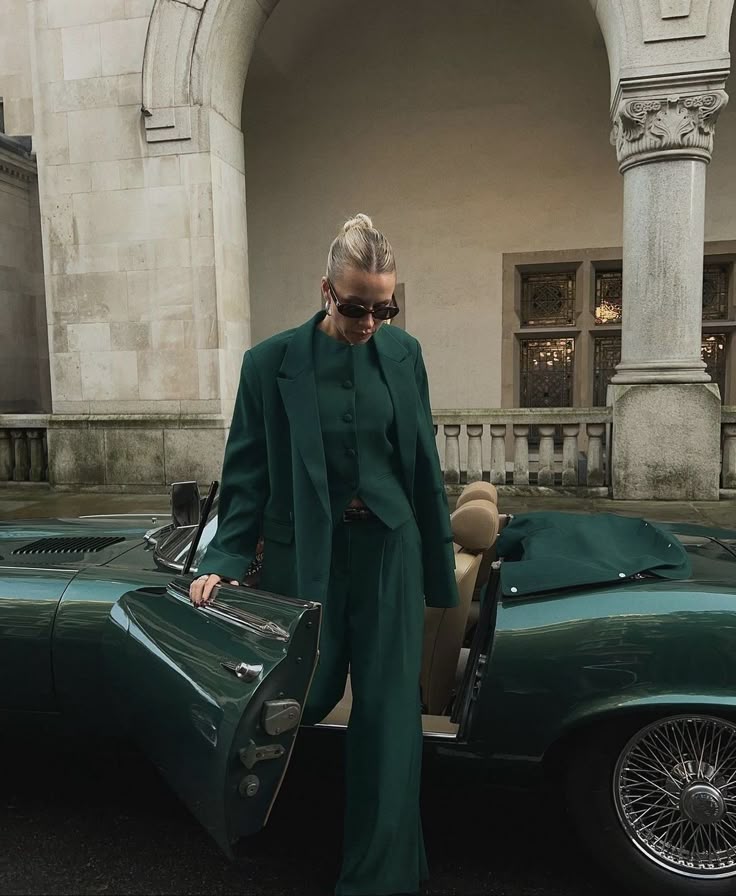
Using different textures is a simple way to add depth. For example, pairing a wool sweater with silk pants creates a noticeable contrast. Accessories like belts, scarves, or hats in the same color family but different fabric can also add dimension.
Mixing shades within one color helps too. Wearing light blue jeans with a navy shirt still counts as monochromatic but is less plain. Jewelry or shoes with subtle patterns can enhance the outfit without breaking the color rule.
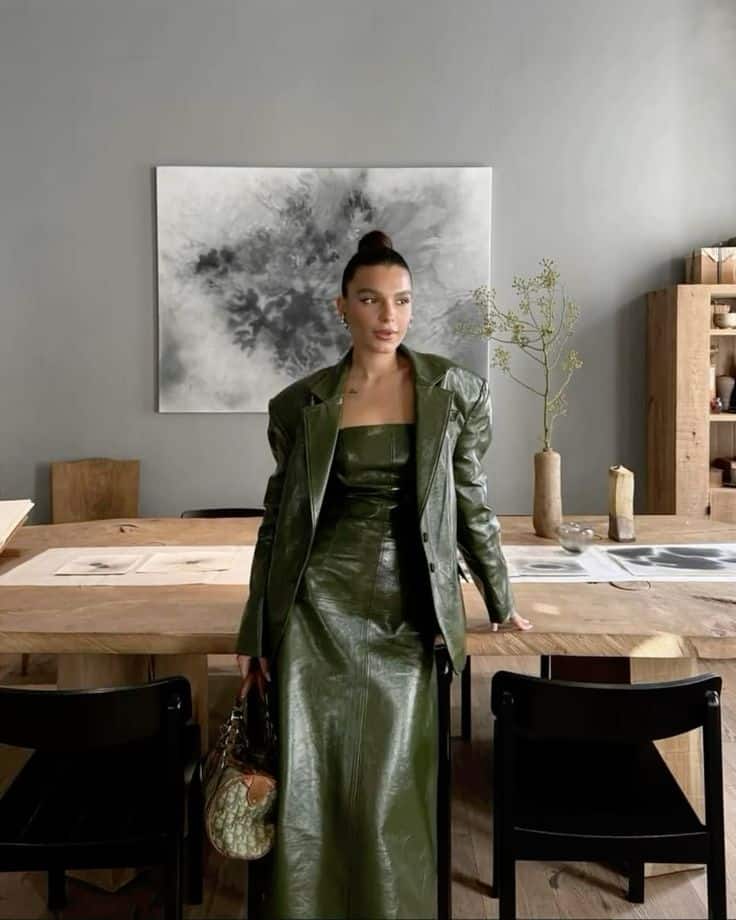
Avoiding Common Mistakes
One mistake is wearing one flat color from head to toe without variation. This can make the outfit look dull or sloppy. Instead, mix darker and lighter tones to avoid looking washed out.
Another error is ignoring fit and proportion. Even if the outfit matches perfectly in color, loose or ill-fitting clothes hurt the overall look. Shoes and bags that clash or add unrelated colors break the monochromatic effect, so it is best to keep them in the same color range.
Monochromatic Outfit Inspirations from Celebrities
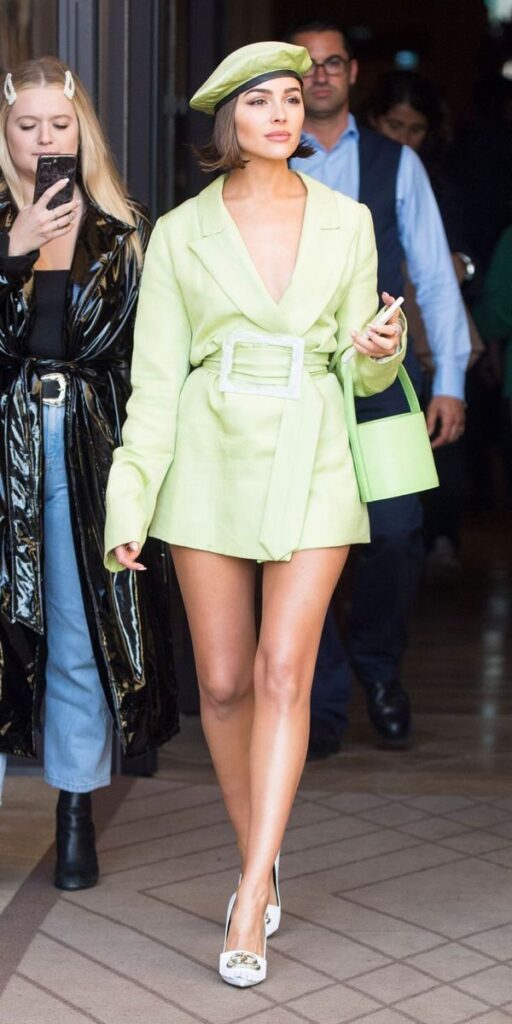
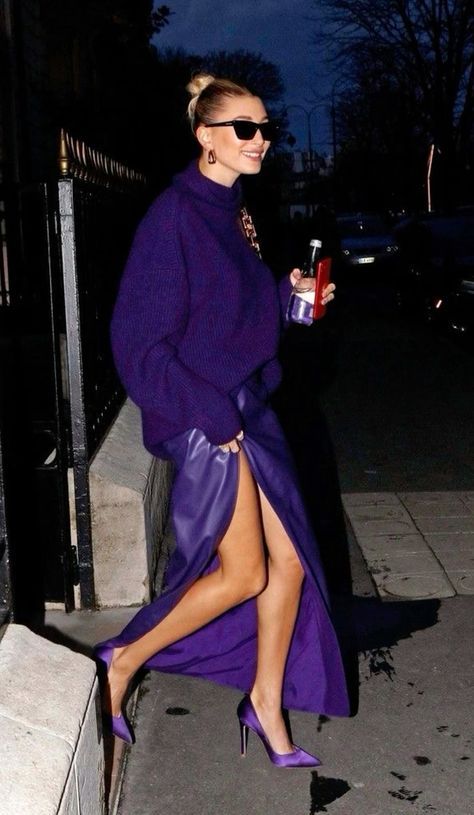
Many celebrities use monochromatic looks to create simple yet stylish outfits. For example, Rihanna often wears all-black ensembles, mixing different textures like leather and cotton to keep her outfit interesting.
Another example is Harry Styles. He chooses pastel shades like soft pink or light blue and combines matching pants and shirts for a clean, polished look. The colors are gentle but stand out because they are head-to-toe matching.
Zendaya is known for bold, monochromatic outfits in bright colors like red or yellow. She pairs matching dresses and accessories to make a strong style statement. She often uses different fabric finishes like silk and velvet.
Some celebrities also use layers in their monochromatic looks. Timothée Chalamet, for example, wears layers in one color to add depth without breaking the color scheme. This technique keeps the outfit cohesive but dynamic.
Here is a quick list of celebrity styles to watch:
- Rihanna: All-black, mixed textures
- Harry Styles: Pastel shades, matching pants and shirts
- Zendaya: Bright colors, matching dresses and accessories
- Timothée Chalamet: Layered, same-color outfits
These examples show how monochromatic outfits can be simple but powerful when styled well.
Monochromatic outfit FAQ
Q: What is a monochromatic outfit?
A: A monochromatic outfit is a look built from one color family. It can use different shades, tints, and tones of that color, so the pieces do not need to match perfectly. A navy shirt, light blue jeans, and a denim jacket can still count as monochromatic because the outfit stays inside the blue family.
Q: How do you make a monochromatic outfit look less plain?
A: Use contrast that is not based on color. Mix matte and shiny fabrics, light and dark shades, soft and structured pieces, or slim and oversized shapes. A beige outfit looks more polished when it combines knit, cotton, leather, and a slightly deeper camel accessory.
Q: What colors are easiest for monochromatic outfit ideas?
A: Black, gray, beige, white, navy, denim blue, brown, and cream are the easiest starting colors because most wardrobes already have several pieces in those families. Bright red, green, yellow, or purple can work too, but they usually need more careful shade matching.
Q: Can shoes be a different color in a monochromatic look?
A: Yes, but the outfit will feel cleaner if the shoes stay close to the main color family. Nude, black, white, tan, metallic, or clear shoes can act as quiet neutrals. If the shoe color is very different, repeat it once in a bag, belt, or jewelry so it looks intentional.
Q: Are monochrome outfits flattering?
A: They can be very flattering because one color line can make the body look longer and less visually broken up. Fit still matters more than color, though. If every piece is loose or every piece is tight, the outfit may feel heavy. Balance one relaxed item with one cleaner shape.
Q: What is the difference between monochrome and monochromatic style?
A: In fashion, people often use both terms for one-color dressing. Monochrome can also mean black-and-white in photography or design, while monochromatic usually means one color family with its lighter and darker variations. For outfits, the practical rule is the same: keep the palette focused.
Q: How many shades should a monochromatic outfit use?
A: Two or three shades are usually enough. One shade can look too flat, while too many versions of the same color can start to look messy. A simple light, medium, and dark range gives the outfit depth without making it hard to style.
Color and fashion references
For broader color context, the Pantone Color of the Year archive is useful for tracking shade names and mood shifts, while the Vogue fashion section and InStyle fashion guides are good references for seeing how one-color looks are styled in current outfits.
More outfit color guides
If you want to build the idea into a full wardrobe, these nearby guides help with color, occasion, and silhouette choices without leaving the fashion cluster.
- neutral monochromatic outfit ideas
- minimalist fashion lookbook
- bold color outfit combinations
- business casual combinations
- office outfit ideas that are not boring
- chic evening outfit ideas
- seasonal outfit inspiration
- statement coat styling
- women’s outfit color trends
- upcoming fashion trends
If color matching is the hard part, try these monochrome skirt outfits and let shape, fabric, and accessories do more of the work.
- 8.0Kshares
- Facebook0
- Pinterest8.0K
- Twitter0
- Reddit0