
Looking for useful 3D printer projects? Start with a cable clip, phone stand, drawer organizer, or plant marker. This collection covers 30+ 3D printing ideas, from simple household prints to decorative pieces and more demanding prototypes.
Use the project table to choose a starting point, then browse the examples and model links below. Before downloading a file, check its dimensions, support requirements, and recommended material.
- Best 3D printing ideas to try first
- Getting Started with 3D Printing
- 3D Printing Projects for Beginners
- Functional 3D Prints
- Creative and Artistic 3D Prints
- Advanced 3D Printing Ideas
- 3D Printing for Business and Advertising
- Eco-Friendly 3D Printing
- 3D Printing Communities and Resources
- How to choose the right 3D printing idea
- Frequently Asked Questions
- What are some simple 3D printing projects for beginners?
- Which 3D printed items are popular for students to create?
- How can one find 3D printing designs that are free to use?
- What are creative 3D printing ideas suitable for children?
- What types of 3D printed products can potentially be profitable to sell?
- What are the most practical applications of 3D printing technology?
Best 3D printing ideas to try first
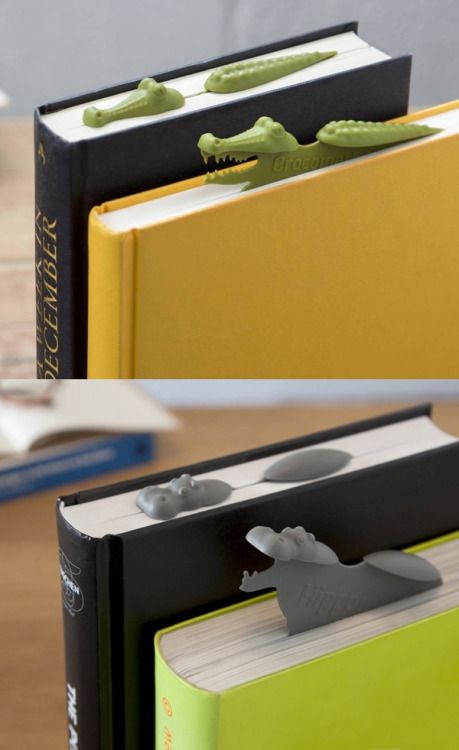
For a first project, choose a small model with a flat base and few overhangs. Cable clips, bookmarks, keychains, and simple stands let you practise first-layer setup and check the fit before committing to a larger print.
| Project type | Best for | Material note |
|---|---|---|
| Phone stand or cable clip | First useful print | PLA is usually enough |
| Drawer or desk organizer | Home and office storage | PETG helps if the part flexes |
| Mini toy or puzzle | Testing tolerances | Use simple supports or print-in-place files |
| Jewelry, decor, or sculpture | Creative detail | Resin gives cleaner small features |
| Prototype bracket or spare part | Functional design practice | Check heat, load, and layer direction first |
Getting Started with 3D Printing
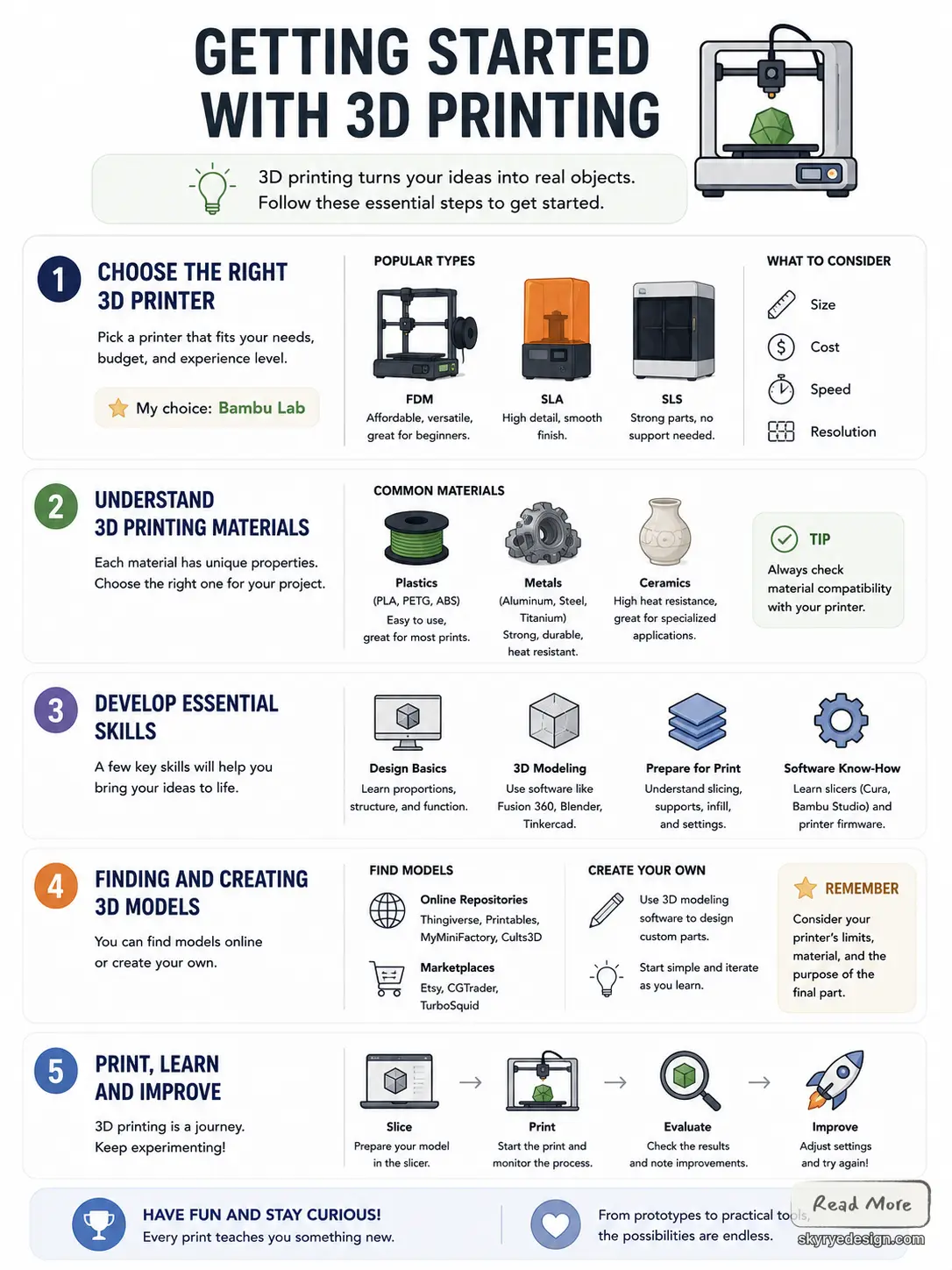
Check three things before starting: the model fits your printer, the material suits its use, and the slicer preview looks right.
Choosing the Right 3D Printer
Compare a printer’s build volume, supported materials, and running costs against the projects you want to make. Use the model creator’s printing notes to check whether a design suits your machine.
My choice for a fast beginner workflow is a Bambu Lab machine, but any well-tuned FDM printer can handle most of the ideas in this guide.
Understanding 3D Printing Materials
Another important consideration in 3D printing is the material used to create the object. Common materials include plastics, metals, and ceramics. Each material has its own unique properties and benefits. It’s important to understand the properties of each material before selecting one for your project.
Essential Skills for 3D Printing
Start by learning how to orient a model, set its scale, and inspect the sliced layers. Designing your own parts can come later; you can practise the printing workflow with an existing model.
Finding and Creating 3D Models
Follow the model links in this guide or browse a model library. Check dimensions, assembly notes, and photos of completed prints. If you design a part yourself, test its critical dimensions before printing the full version.
Once the printer is calibrated, pick projects that teach one skill at a time: a flat keychain for first-layer control, a box for tolerances, a phone stand for strength, and a decorative piece for surface finish.
If you want a narrower path, start with easy 3D prints, compare more polished cool objects to 3D print, or jump to useful 3D printed items when you want projects that solve everyday problems.
3D Printing Projects for Beginners
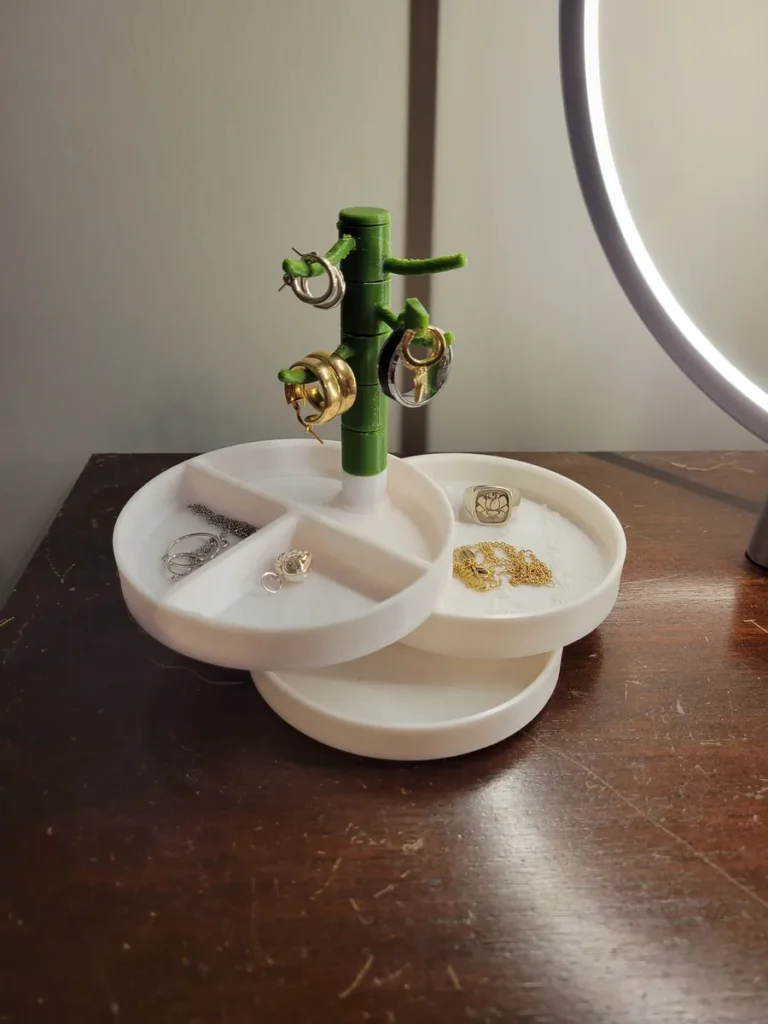
Begin with a small project that has clear instructions. The examples below cover toys, storage, and accessories, with links to several of the pictured models.
Simple Toys and Games
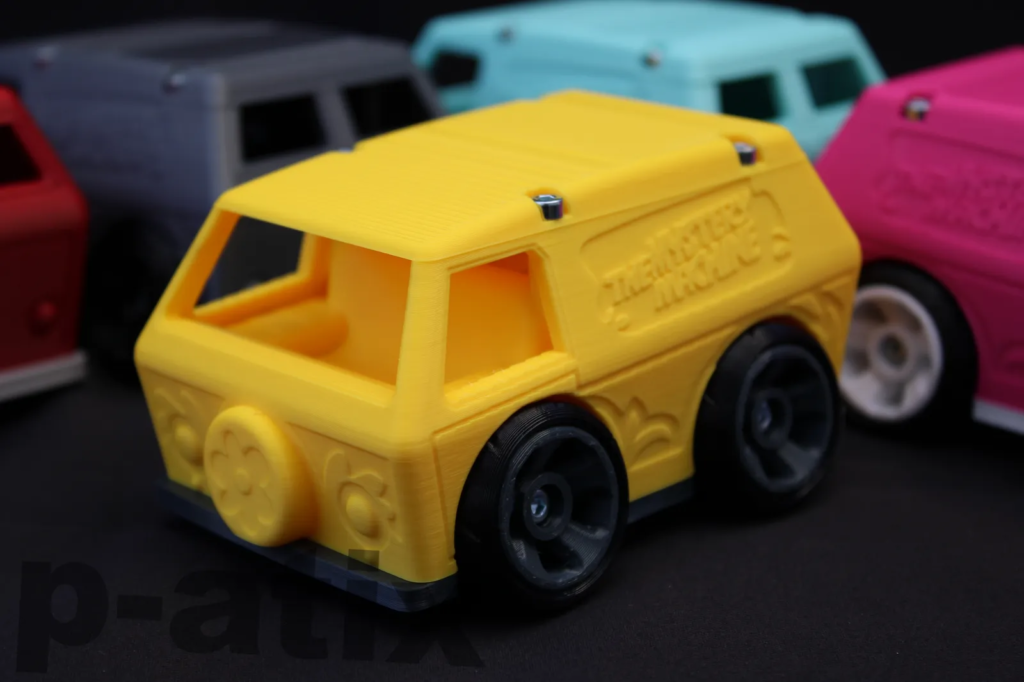
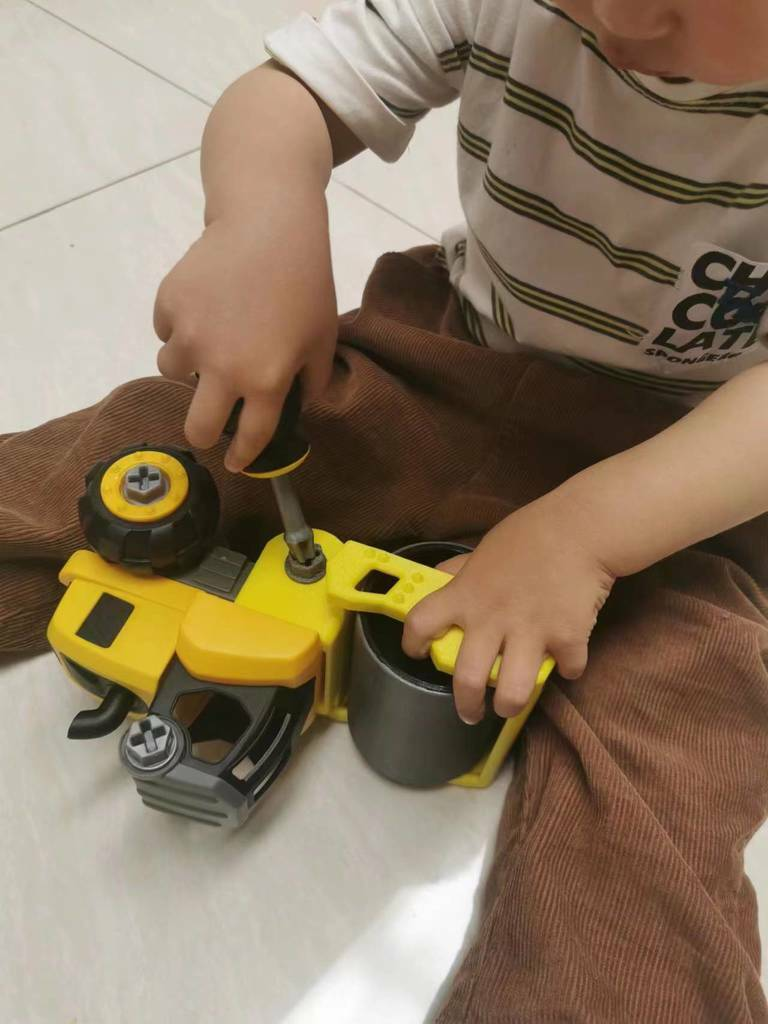
Try a simple puzzle, building block, or figurine. Check whether the model prints in one piece or needs assembly, and read the creator’s notes before choosing supports.
Home Organizers
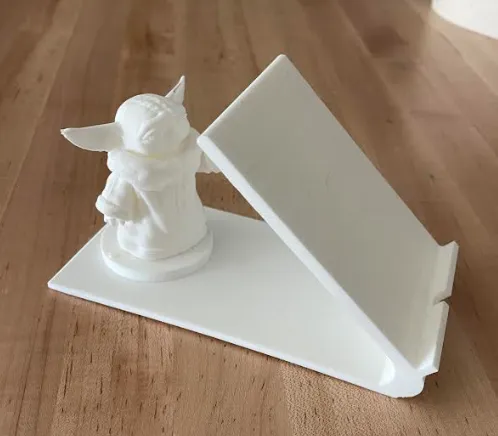
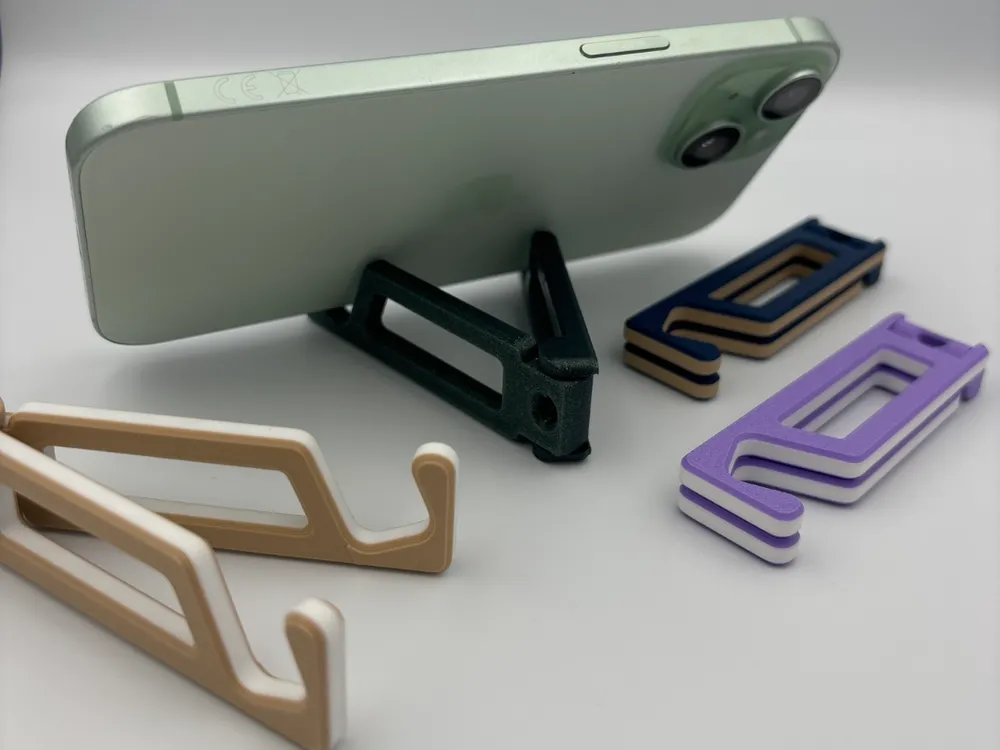
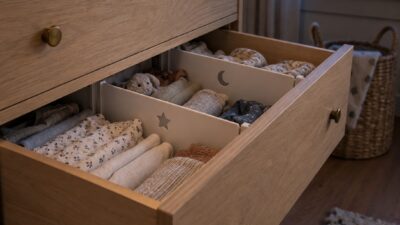
Measure the space you want to organize first. A phone stand needs room for the case and charging cable; a drawer insert needs enough clearance to lift out.
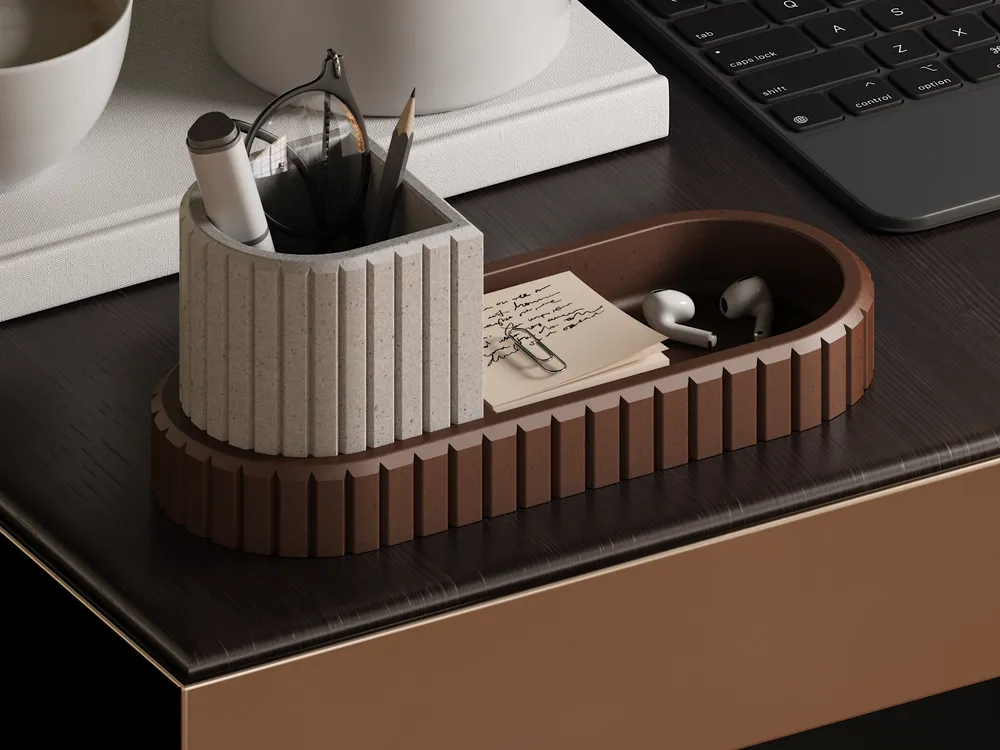
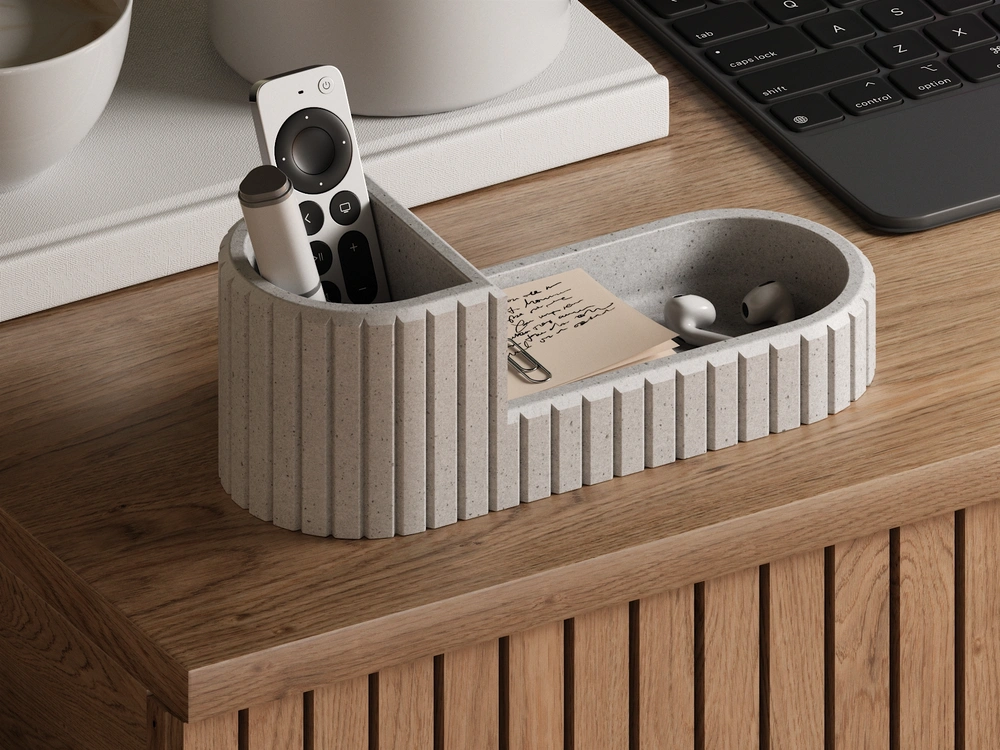
Choose a single holder to test the fit before printing a matching set.
Custom Jewelry and Accessories
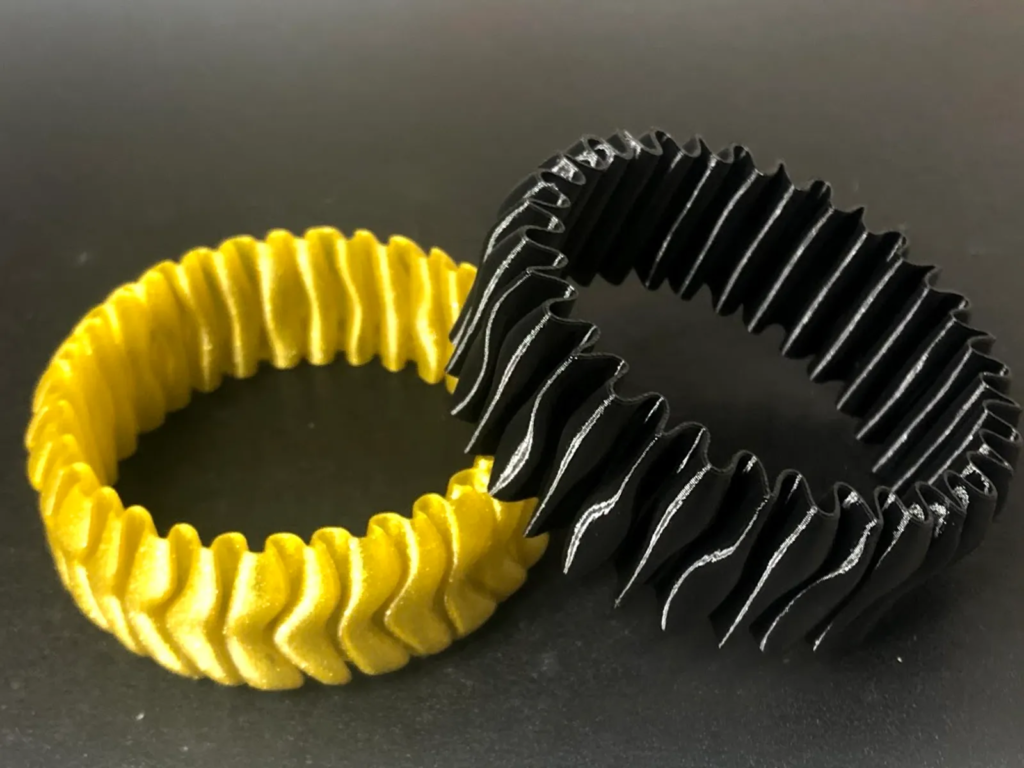
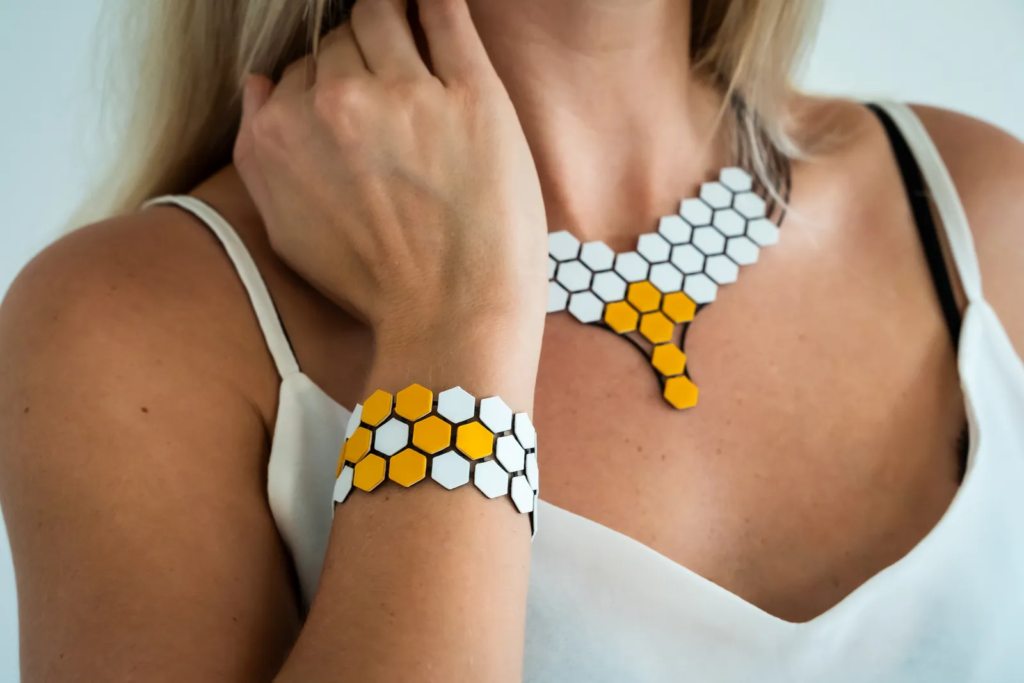
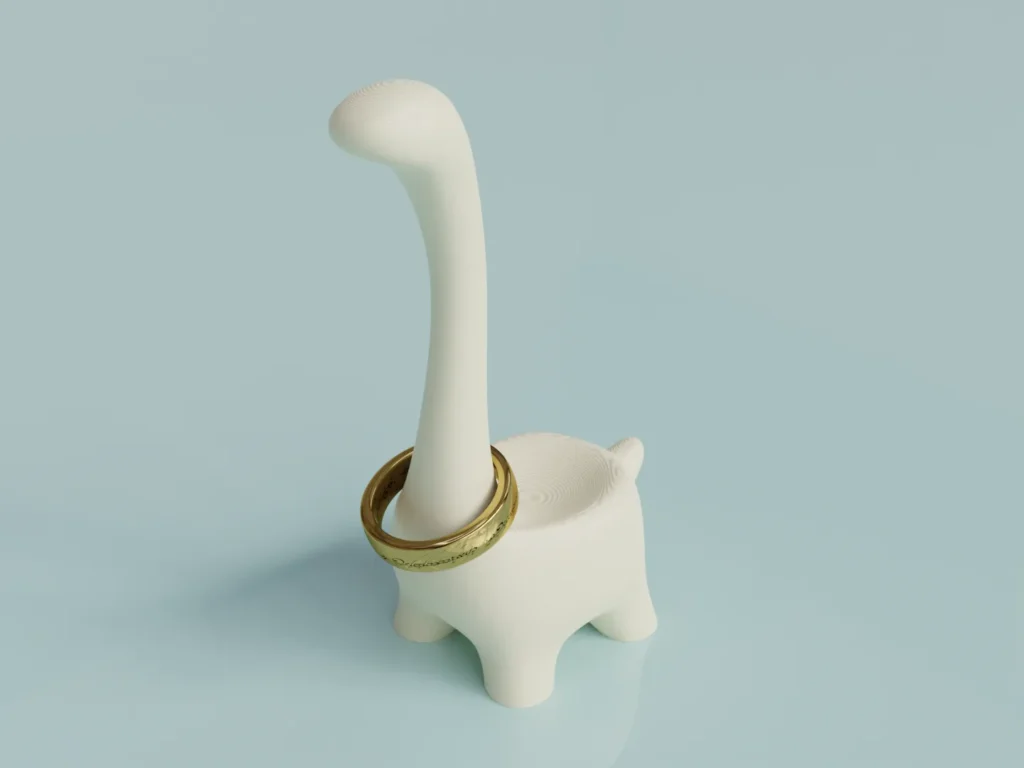
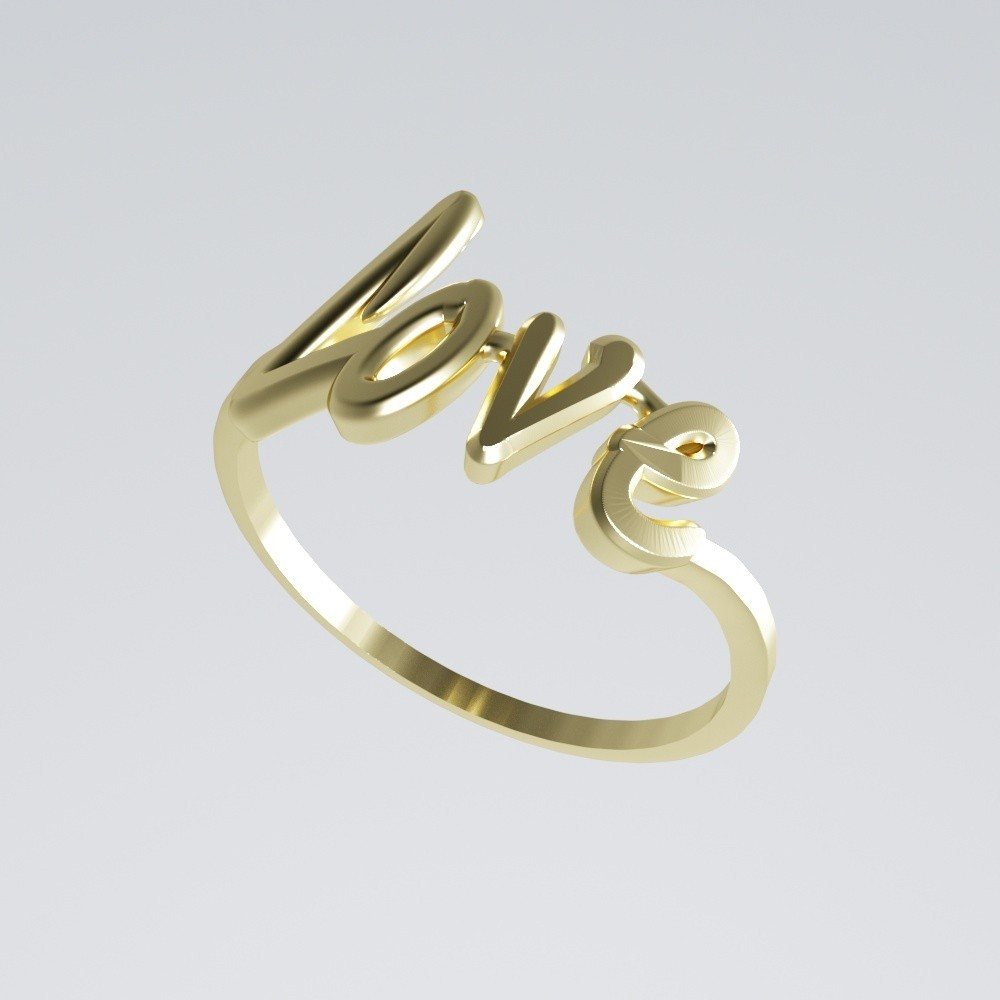
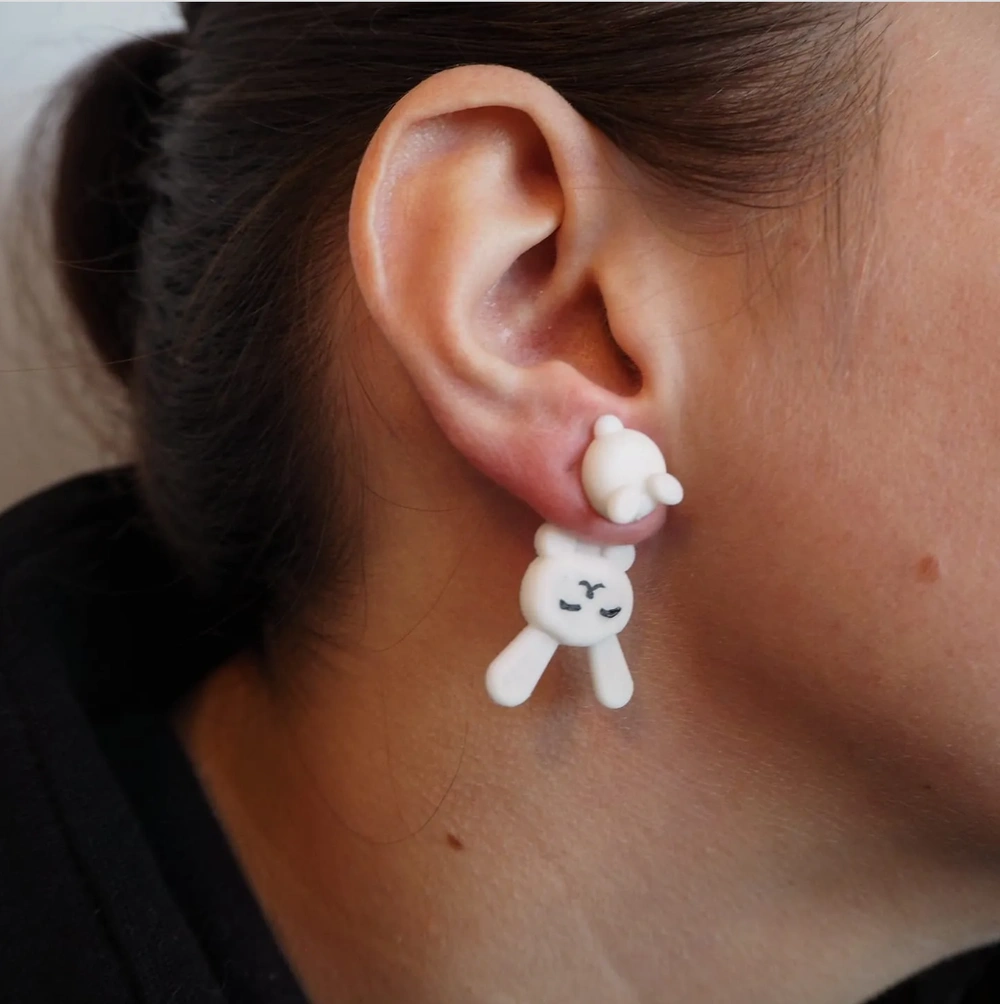
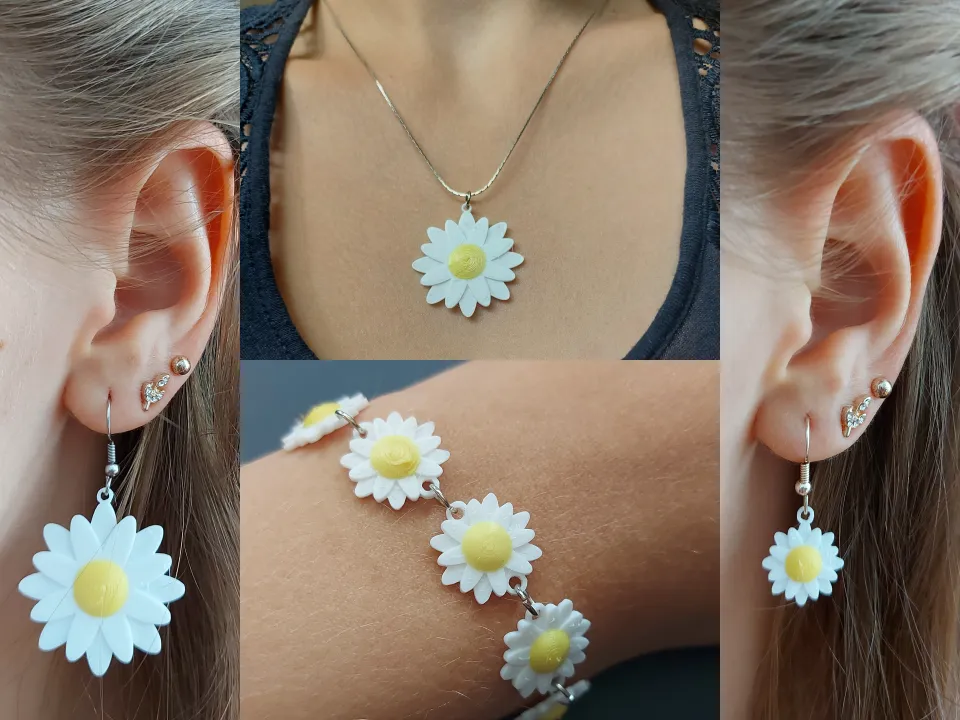
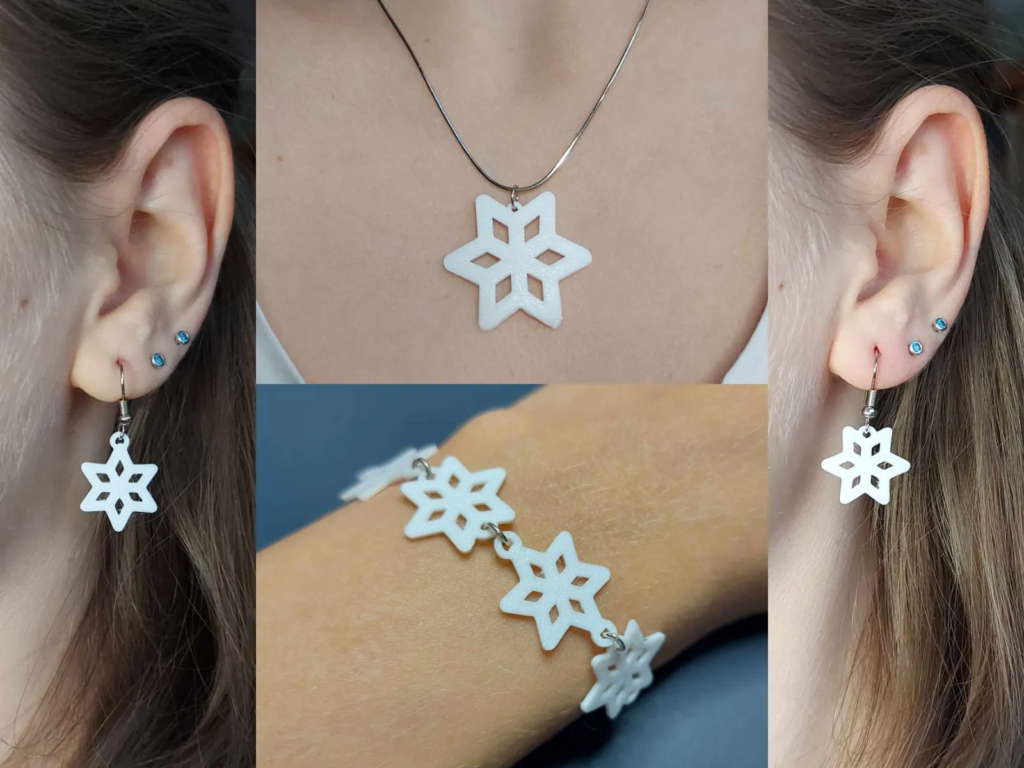
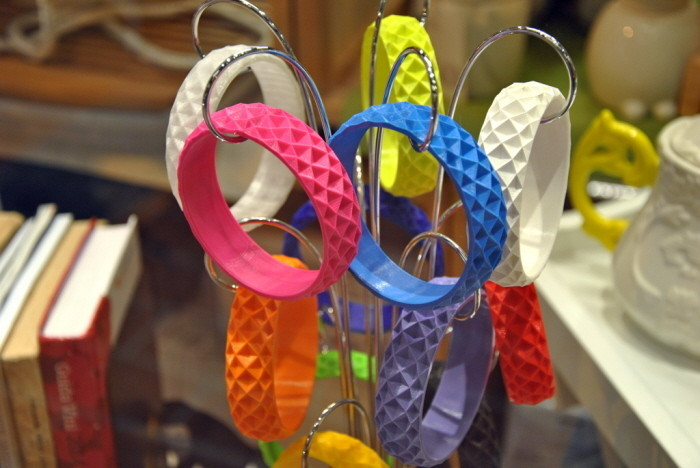
Start with a pendant, keychain, or simple geometric bracelet. Check the finished size and any fastening points before printing.
Functional 3D Prints
Useful prints solve a specific problem: keeping a charger in place, separating drawer contents, or holding a device at a better angle. Measure the object and its surroundings before choosing a model.
Tools and Gadgets
Small holders, guides, and organizers are practical workshop projects. Choose one that matches the tools you already use.
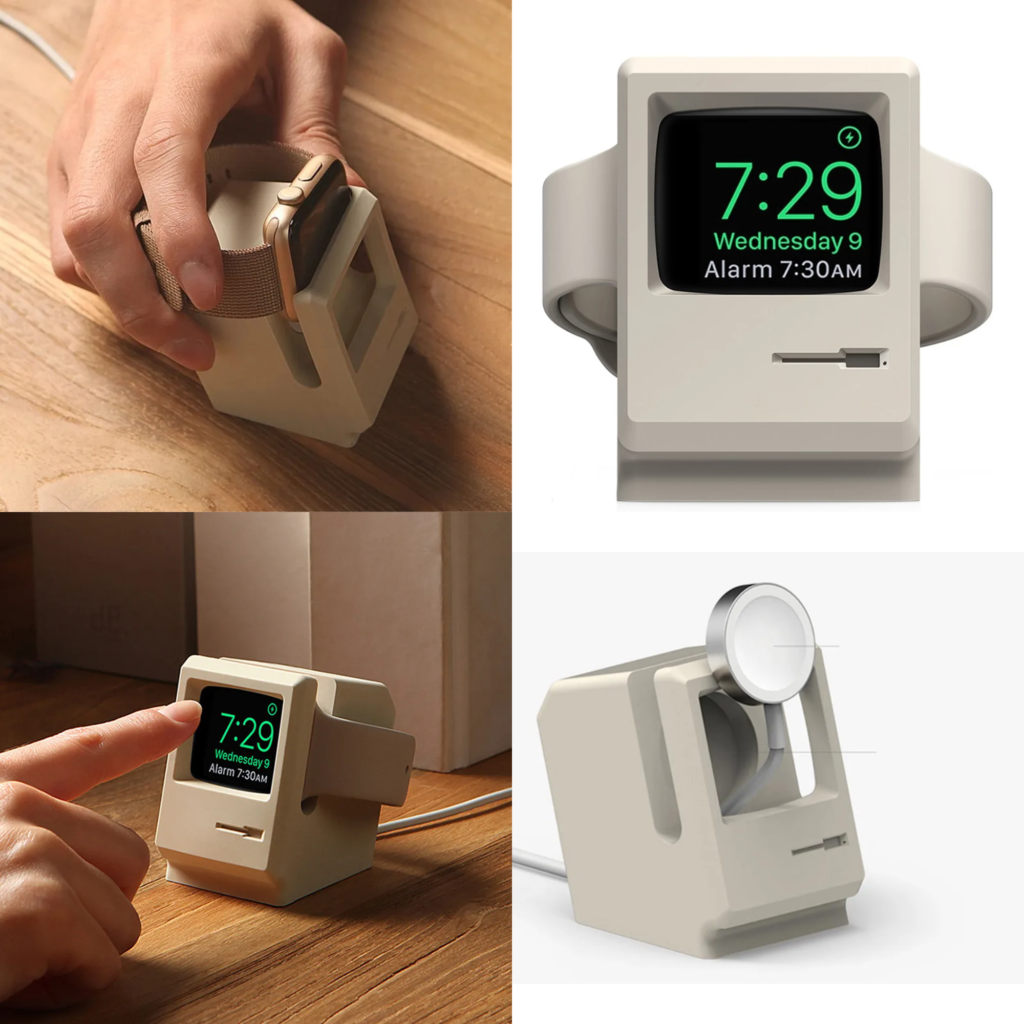
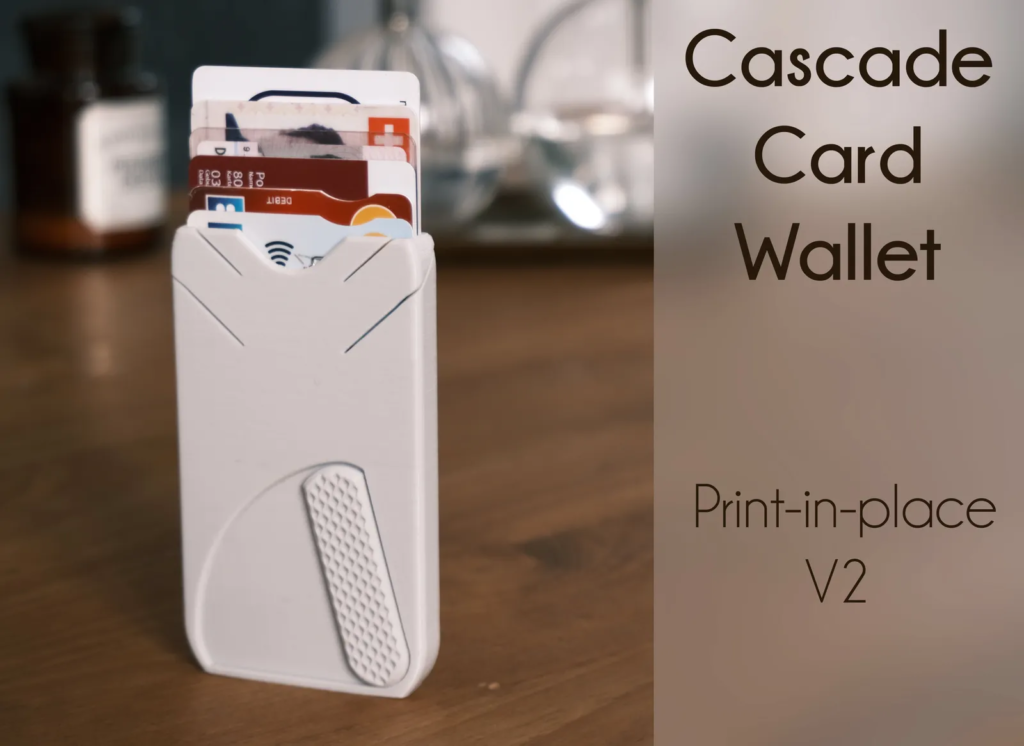
For a custom part, print a small fit test first. Check screw spacing, openings, and moving clearances before committing to the full model.
Household Items
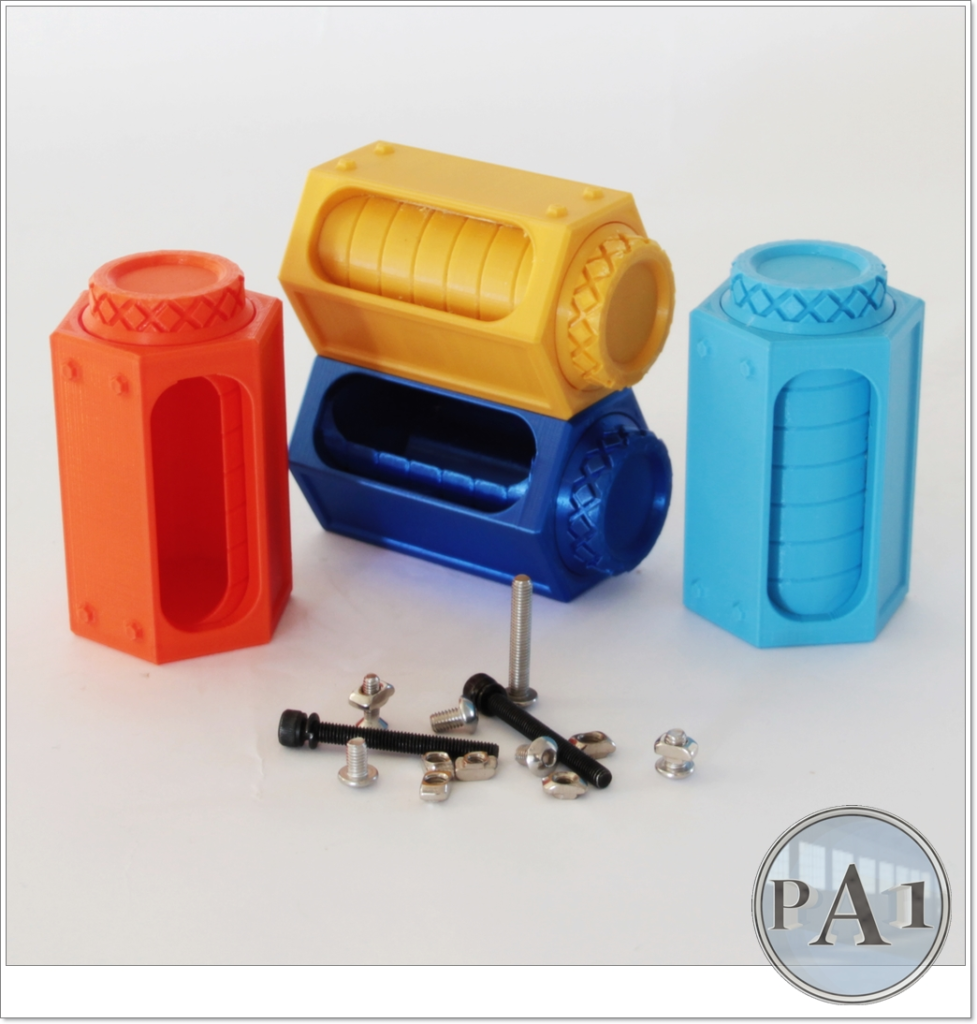

Start with storage boxes, cable holders, or drawer dividers. These projects are easy to size for a particular shelf or desk, and you can test one compartment before printing a larger organizer.
Tech Accessories
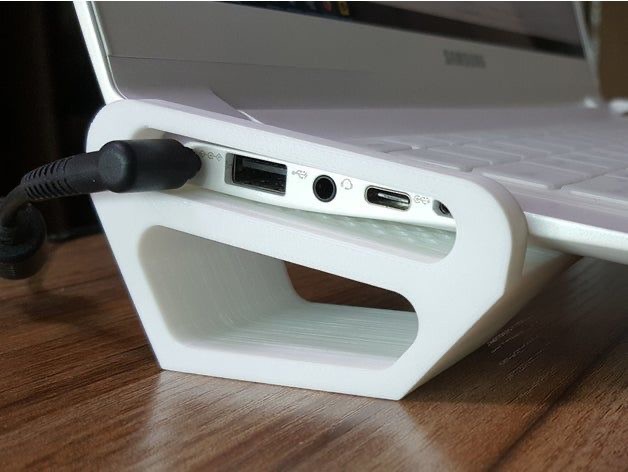
Check your device’s exact model and case dimensions before printing a fitted accessory.
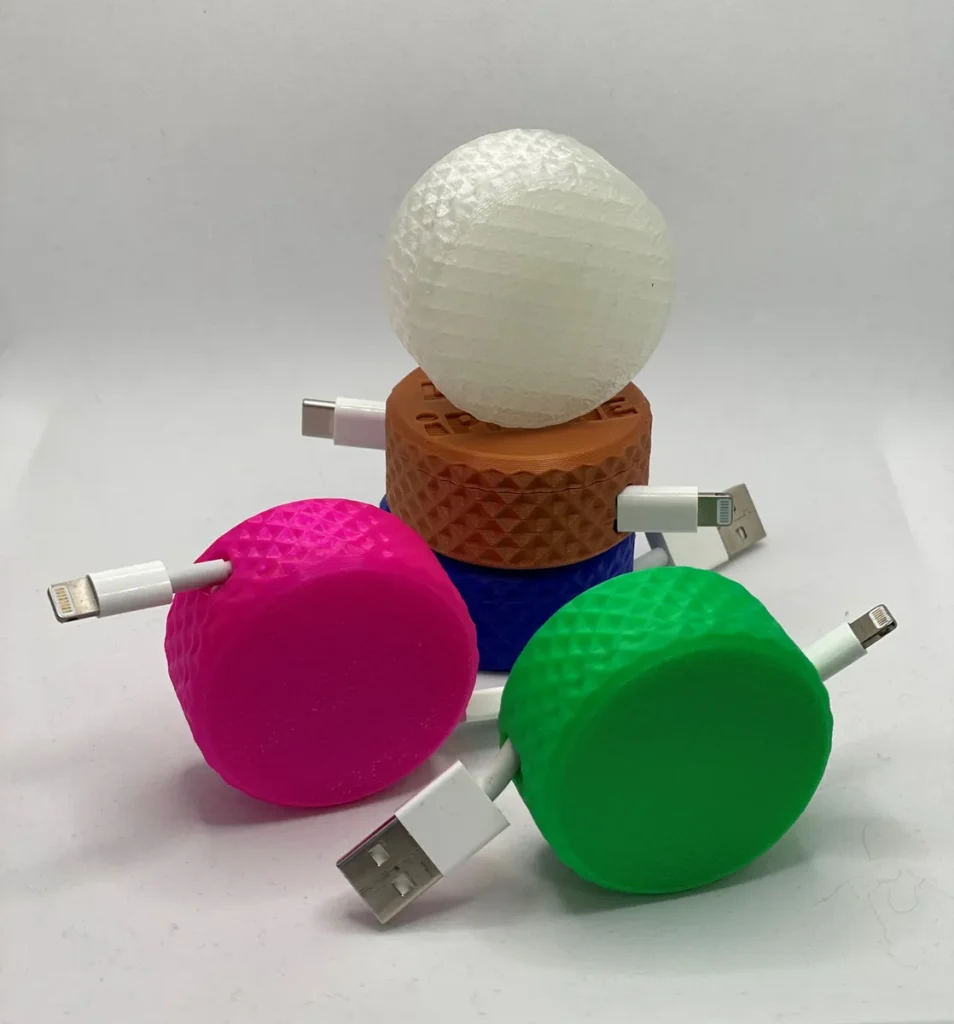
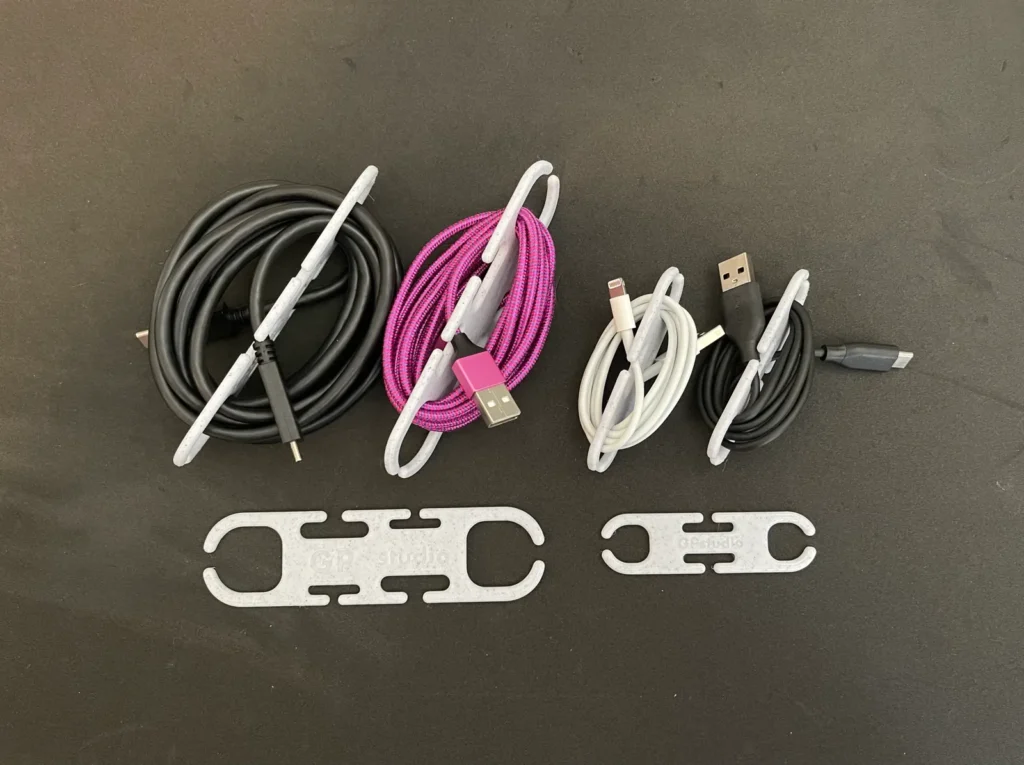
For a stand, check the viewing angle, base width, and access to the charging port.
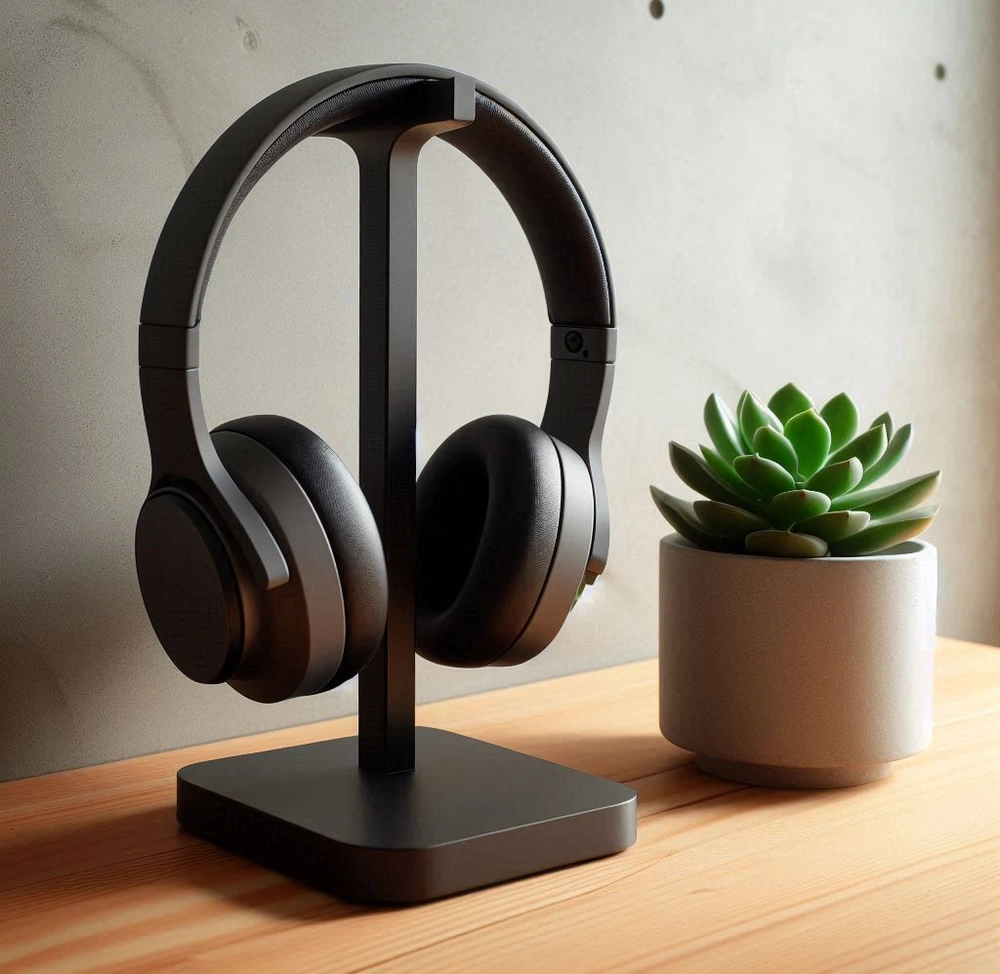
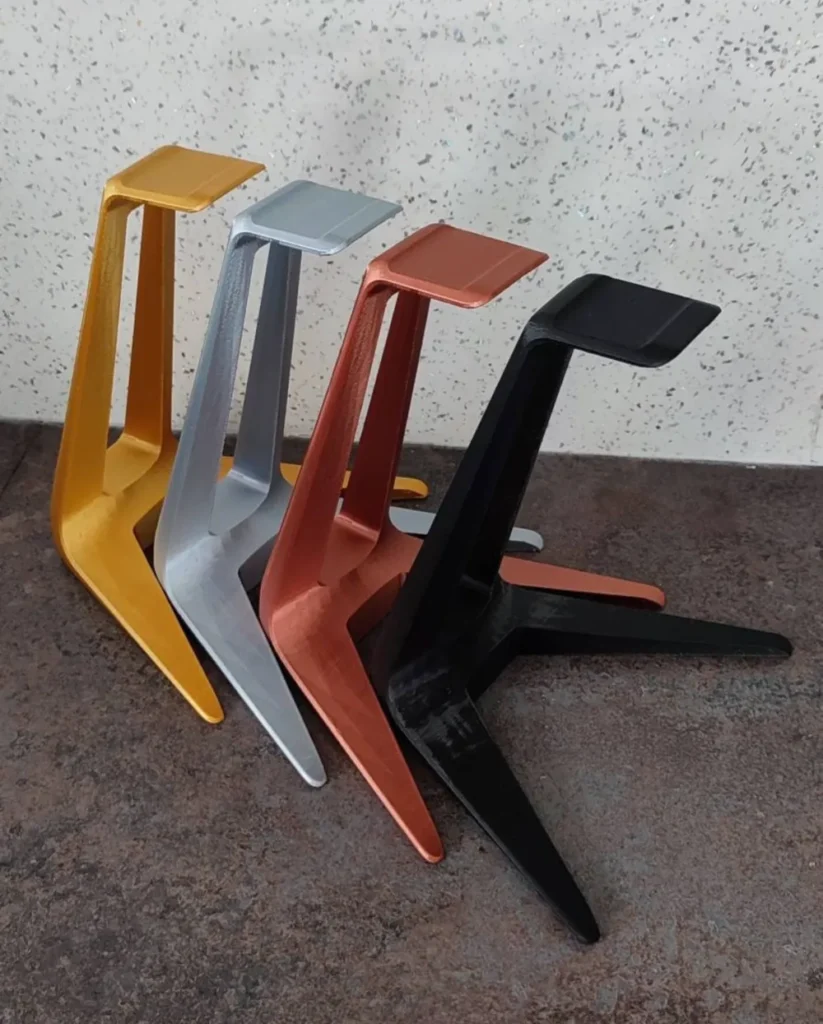
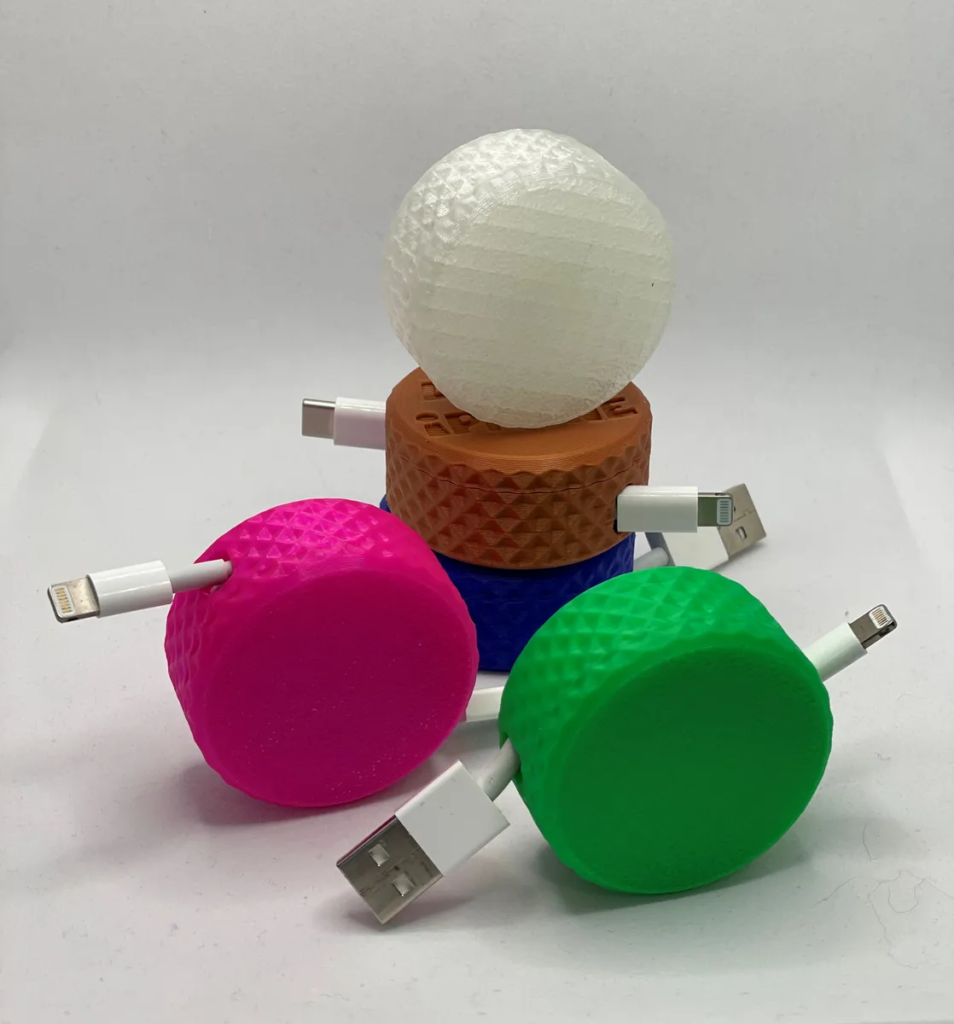
For a cable organizer, measure the cable thickness and connector width so the finished print is usable.
Creative and Artistic 3D Prints
Decorative projects give you room to experiment with shape, texture, and colour.
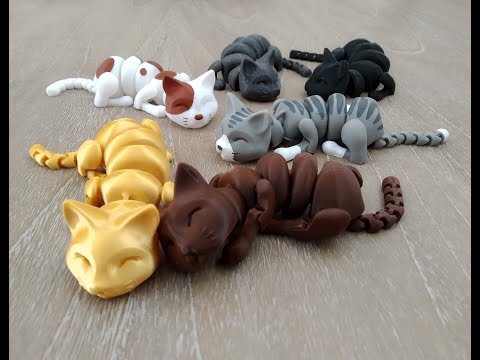
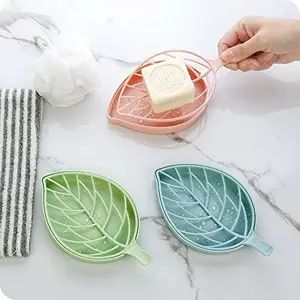
Choose a small display piece first, then use what you learn about surface finish on a larger prop or sculpture.
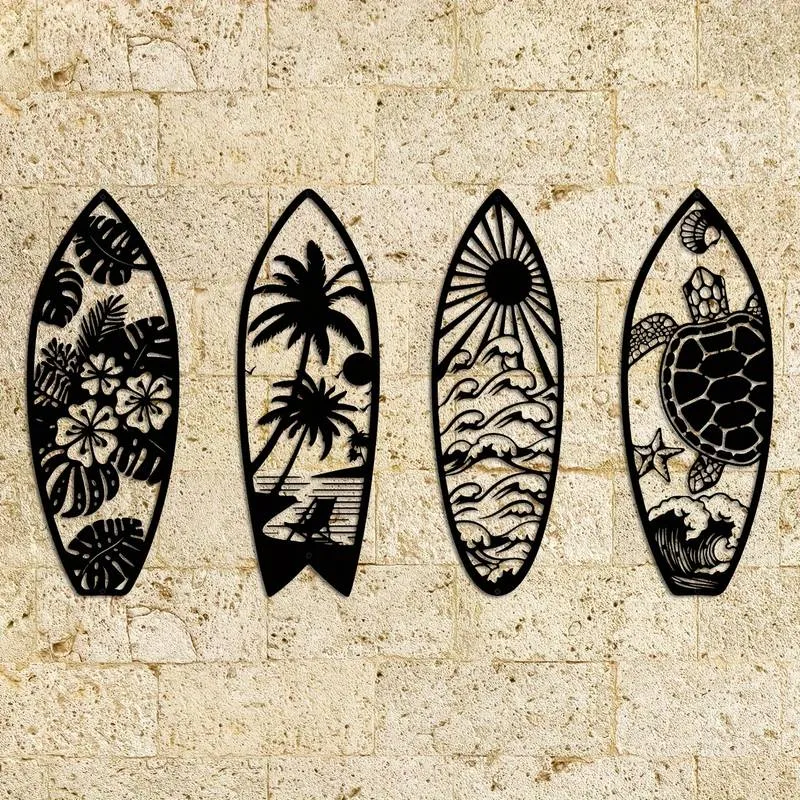

Cosplay and Costumes
Cosplay projects include costume details, display props, and accessories. Check scale against the wearer, identify assembly joints, and allow time for sanding and painting.
Musical Instruments
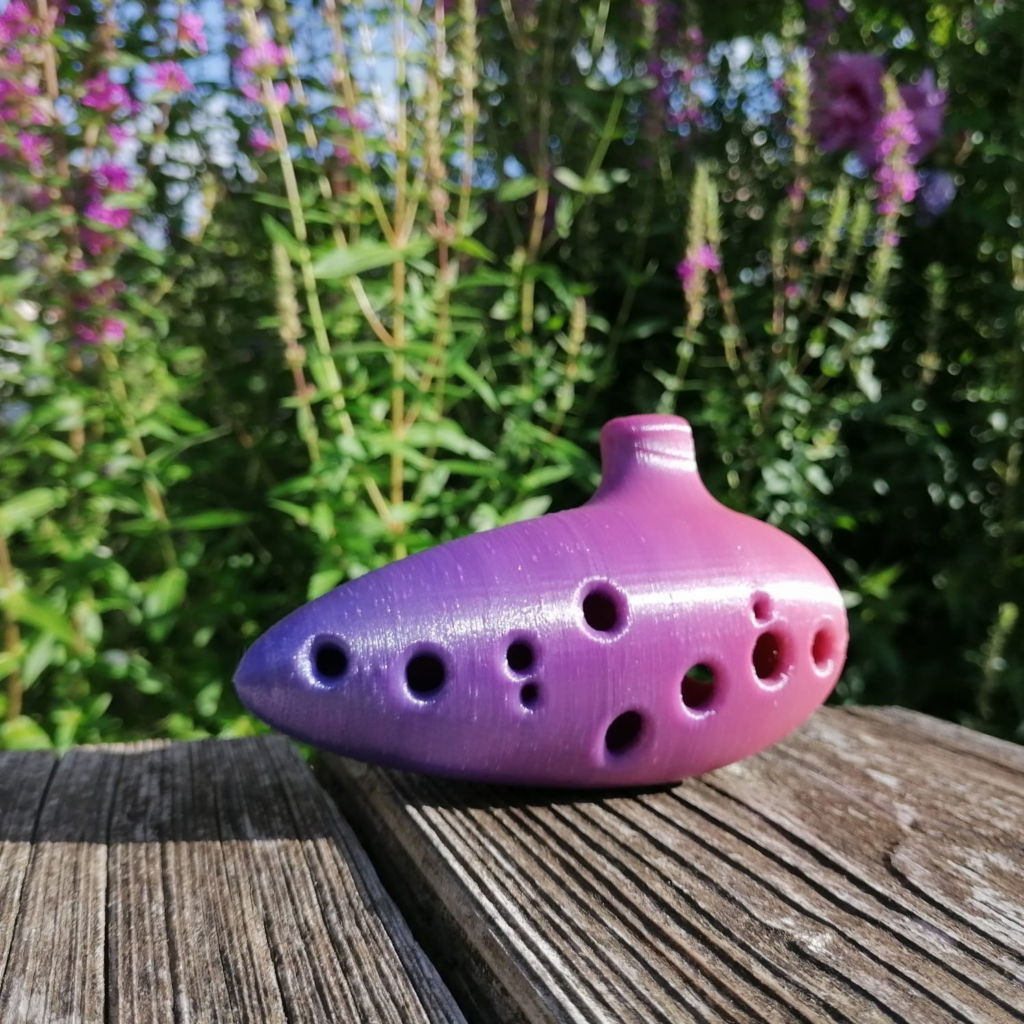
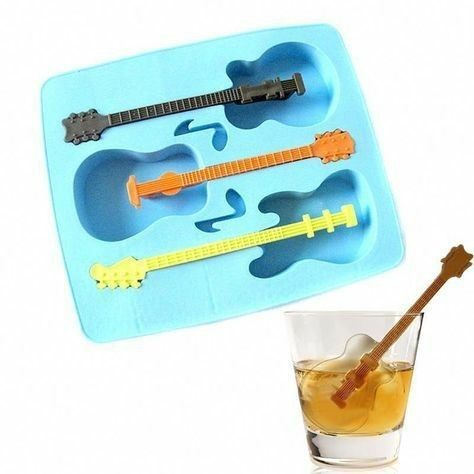
Musical projects range from display models to instrument components. Read the model description carefully: a decorative guitar-shaped object is a different project from a playable instrument.
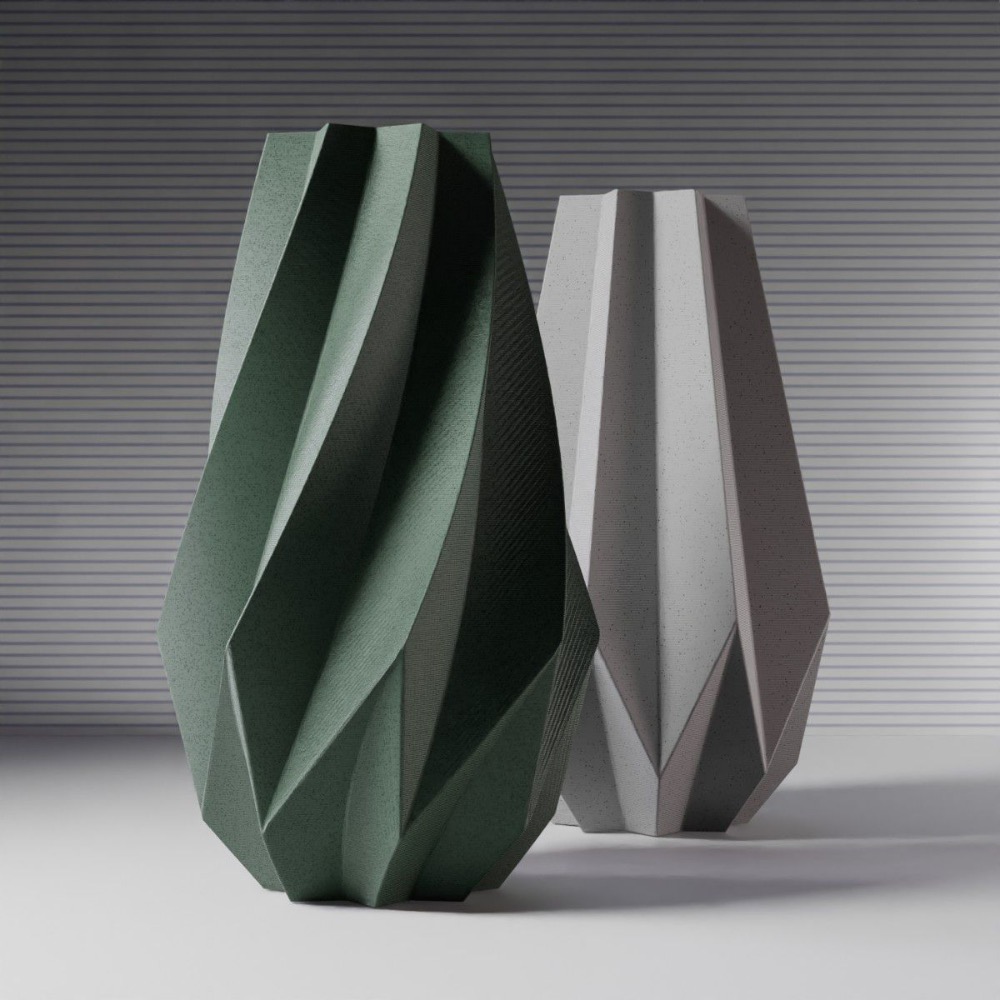
Decorative Items
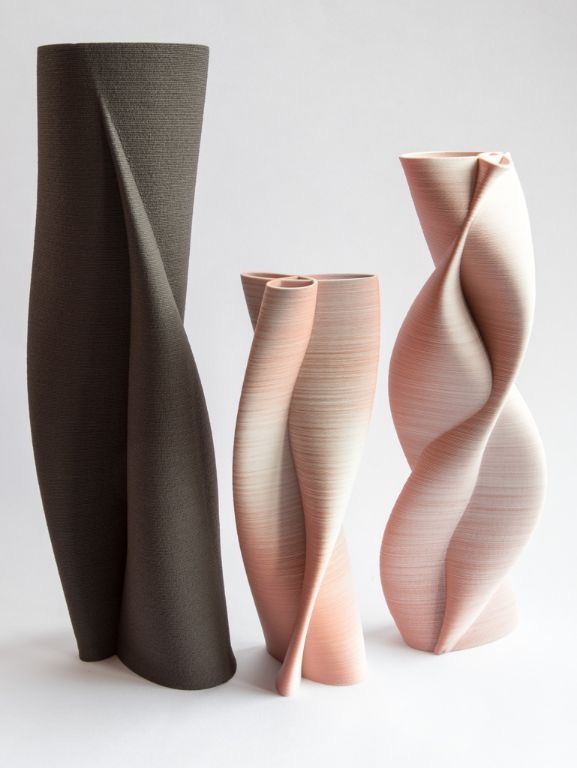
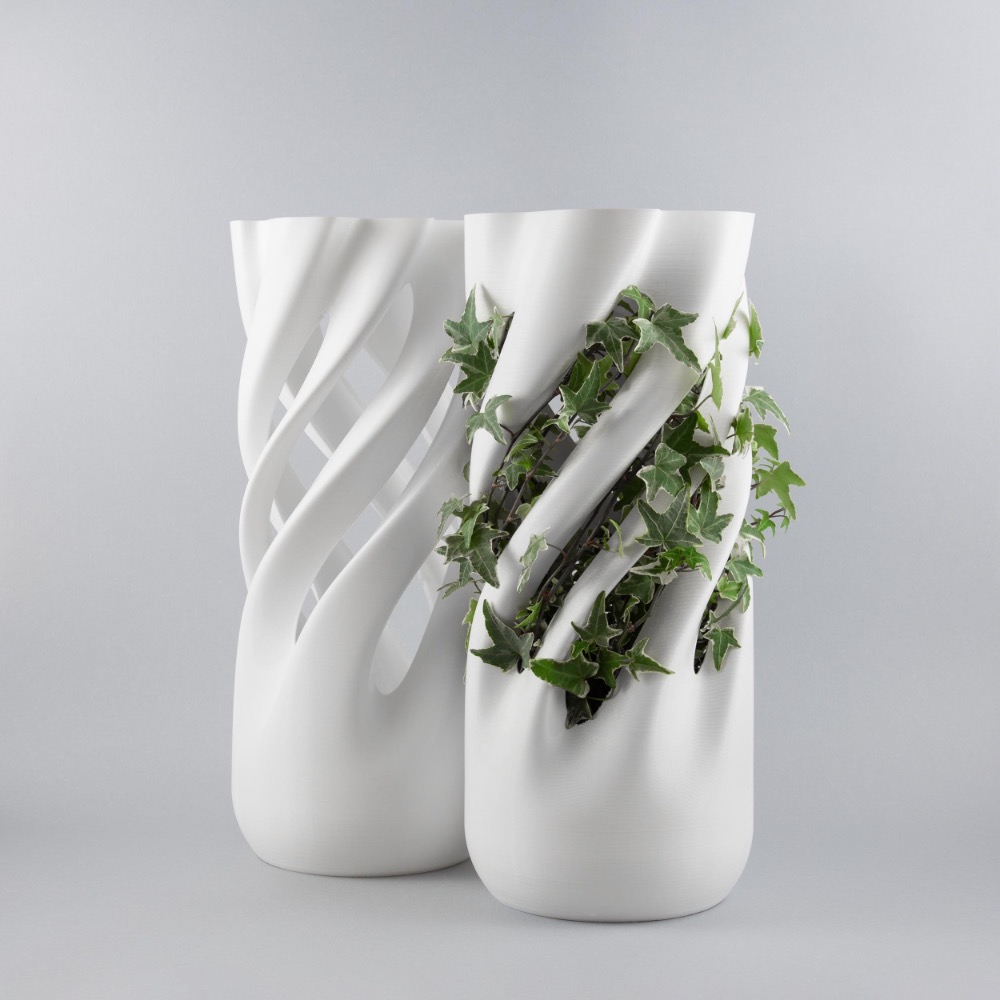
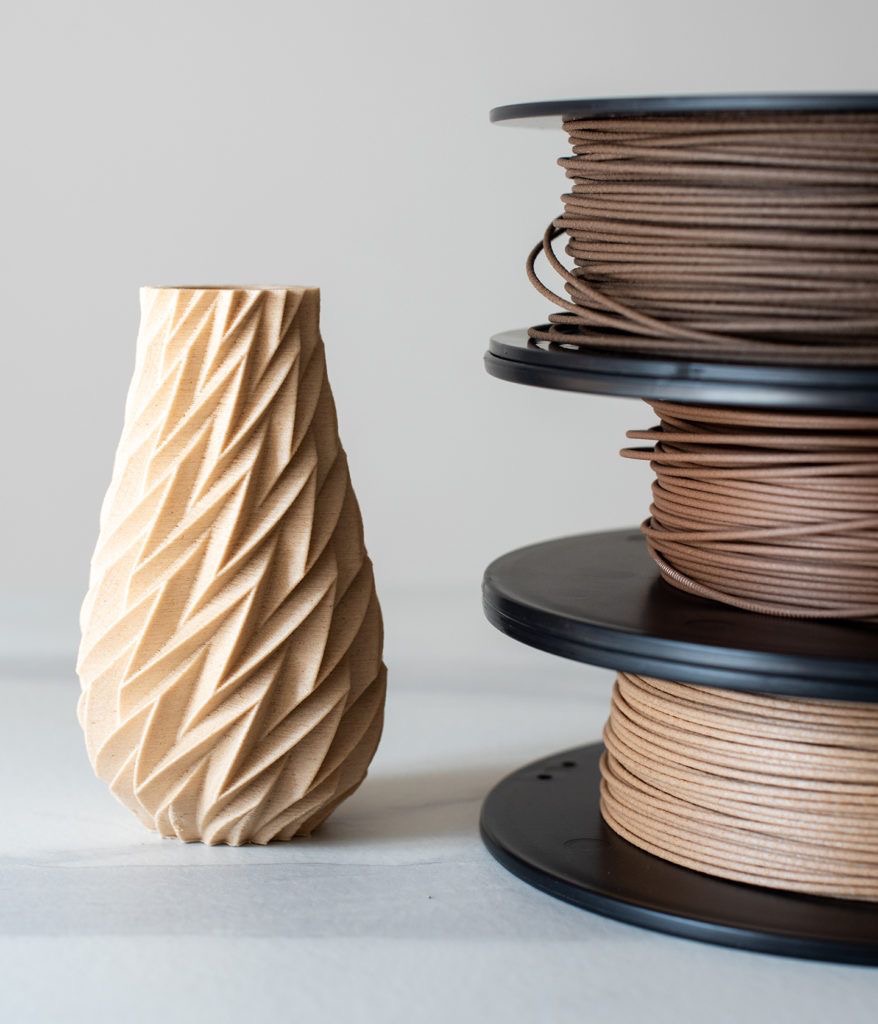
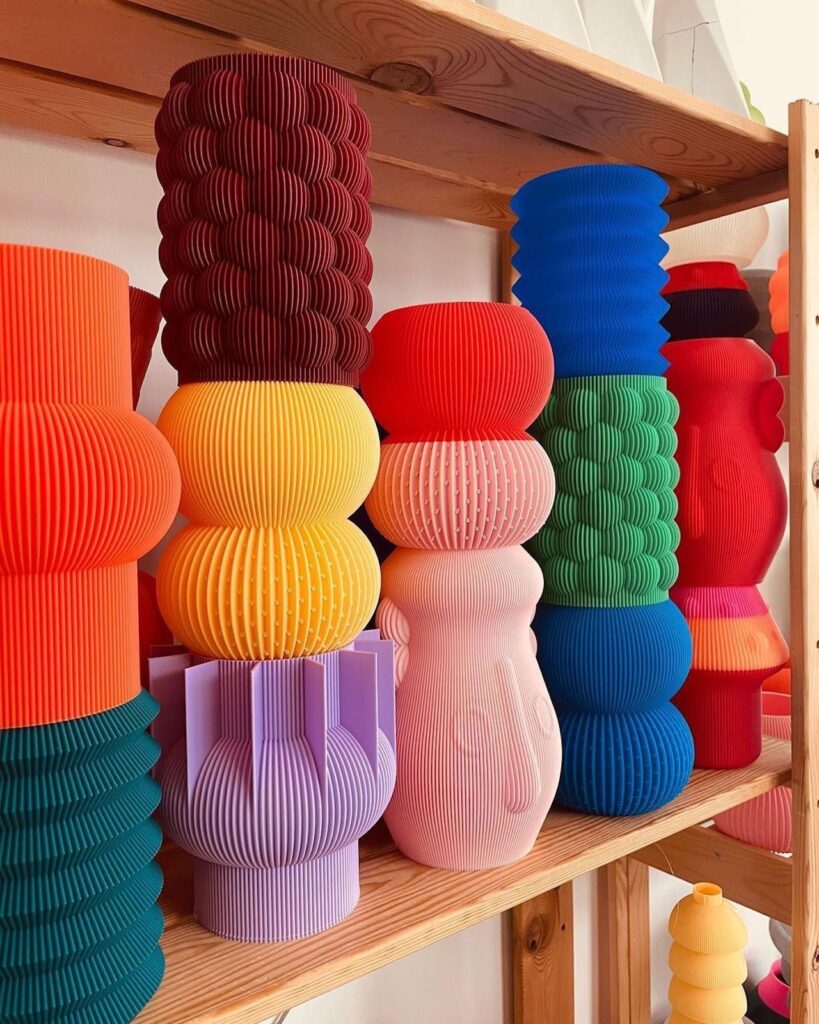
Try a geometric sculpture, wall ornament, or decorative vessel. Choose dimensions that suit the intended shelf or room, and inspect visible surfaces in the slicer preview.
Advanced 3D Printing Ideas
Move to multi-part projects once you are comfortable checking dimensions and adjusting settings. Plan the assembly before printing every component.
Engineering and Robotics Projects
Engineers and robotics enthusiasts can use 3D printing technology to create complex and intricate designs. One particularly beneficial application is the development of hot runner systems for injection molding. These systems, which maintain the molten plastic at a uniform temperature throughout the molding process, can be optimized through precision 3D-printed parts. This allows for more consistent quality in the final product and more efficient production processes. Using 3D modeling software, engineers can create precise designs for these hot runner systems and print them out as functional prototypes to test and refine.
Robot housings and mechanical demonstration models are useful design exercises. Start with one joint or enclosure section, check its fit, then print the remaining parts.
Custom Clothing and Fashion
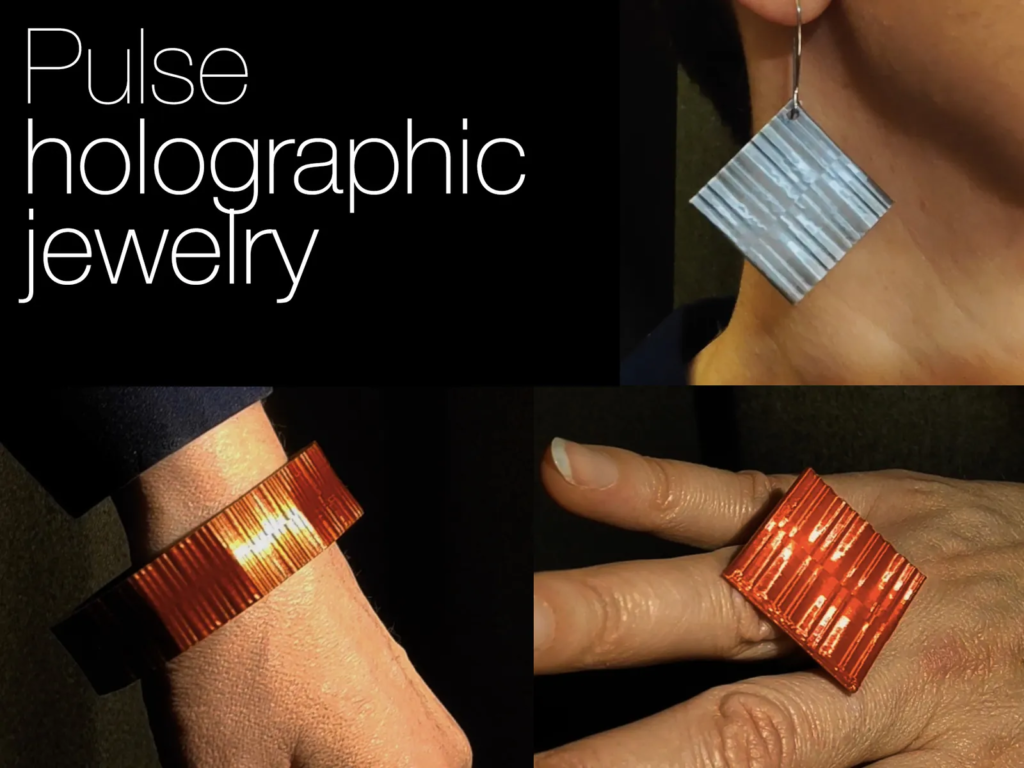
Fashion projects include geometric jewellery, decorative panels, and costume accessories. Test a small section to see how its size and movement work with the rest of the design.
Innovative Designs and Prototypes
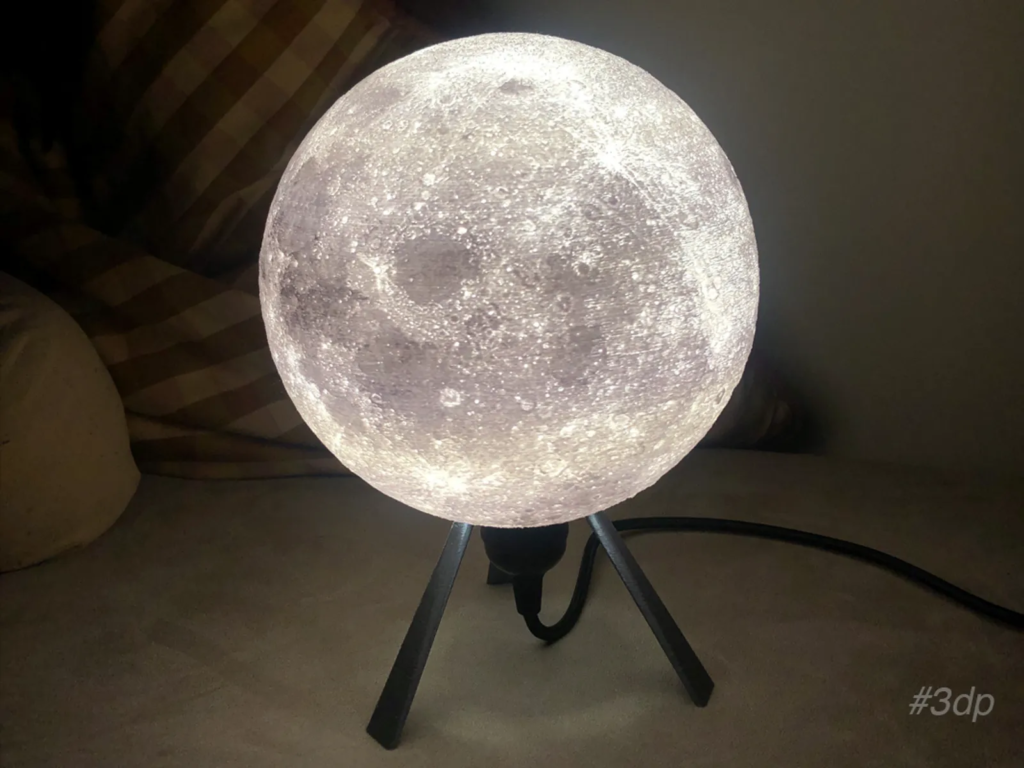
Architectural models and product mockups let you test a shape before building the final object. Print a simplified version first, then refine the proportions and connections.
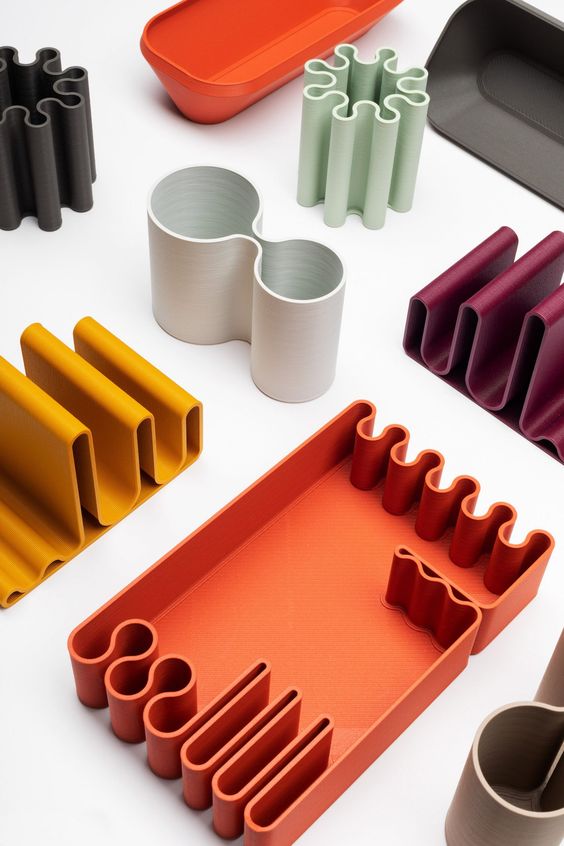
3D Printing for Business and Advertising
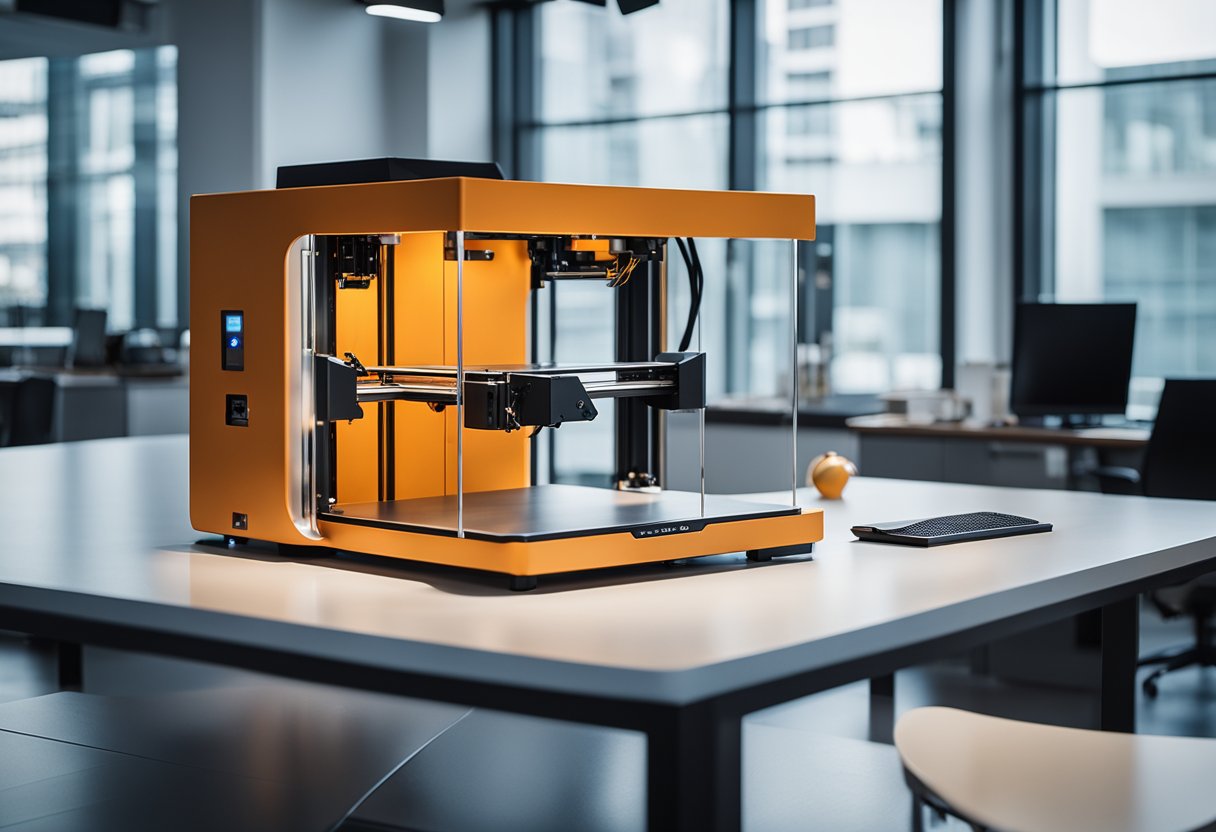
Promotional Items
Small branded objects work best when they have a clear use. Keep lettering readable at the finished size and test one sample before making a batch.
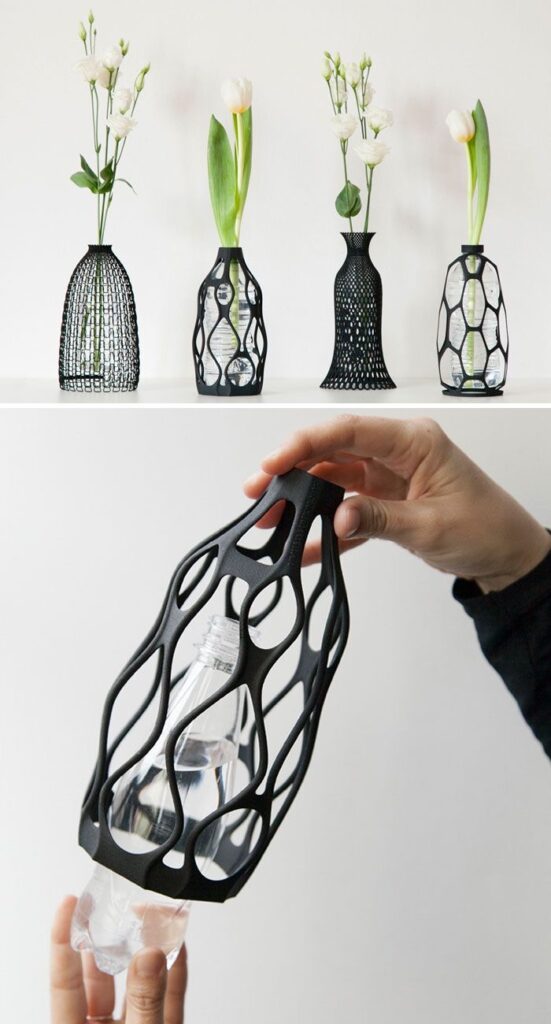
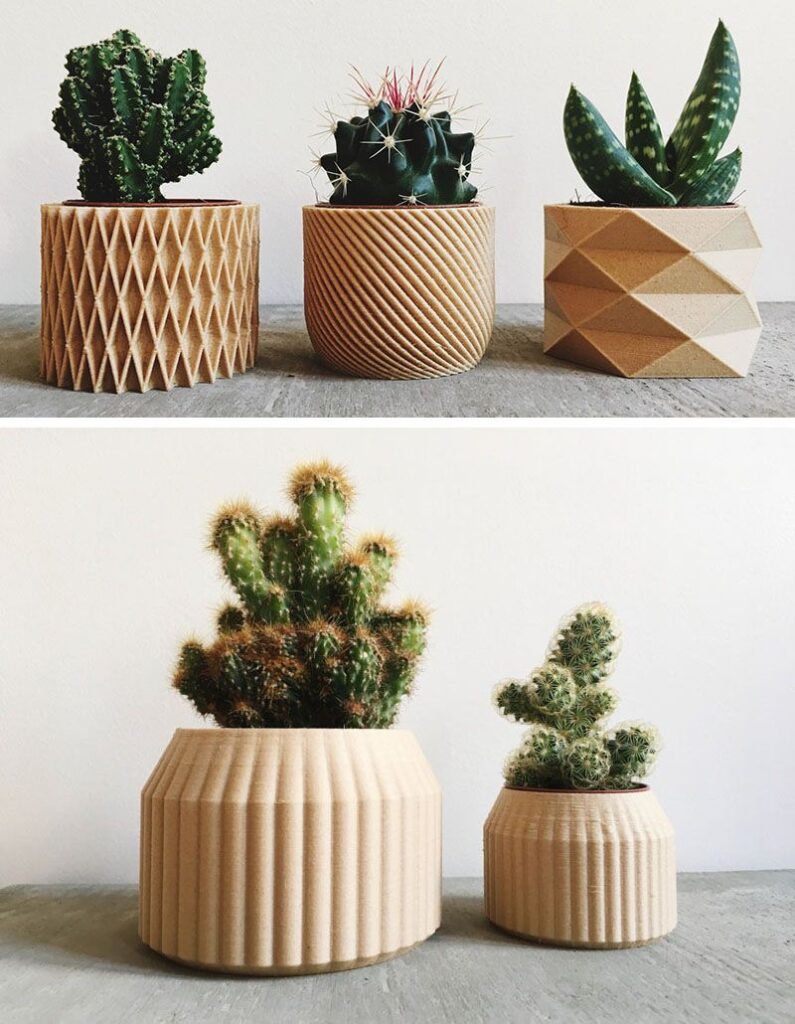
Business card holders, keychains, and desk accessories are possible starting points. Check the dimensions of the cards or devices they need to hold.
Commissioned Work
For commissioned work, agree on dimensions, colour, finish, and assembly before printing. A small sample can help confirm the expected result.
Display models can help explain a product at a trade show or in an office. Plan how the model will stand, travel, and be assembled.
Eco-Friendly 3D Printing
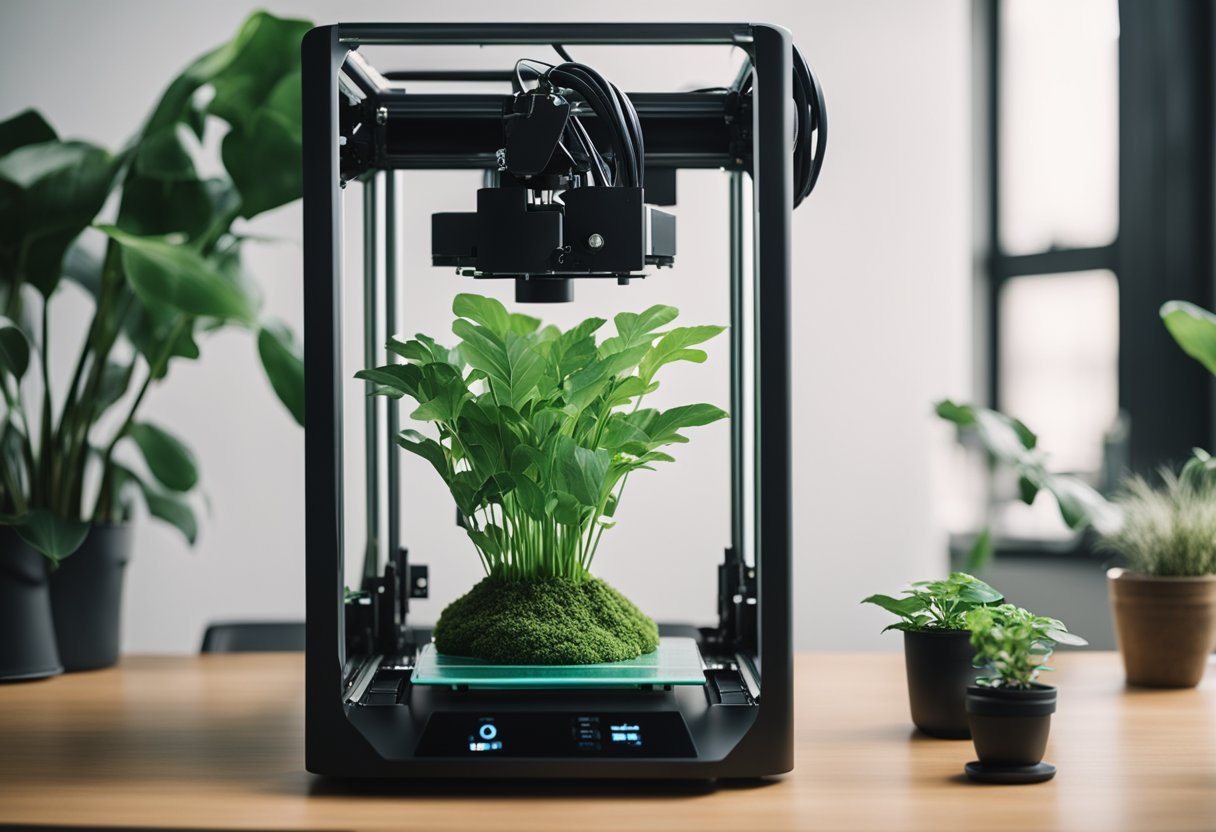
3D printing has revolutionized the manufacturing industry, and it has opened up new possibilities for eco-friendly production. With 3D printing, sustainable materials can be used to create products that have a lower environmental impact. Here are some eco-friendly 3D printing ideas that are both practical and sustainable.
Sustainable Materials
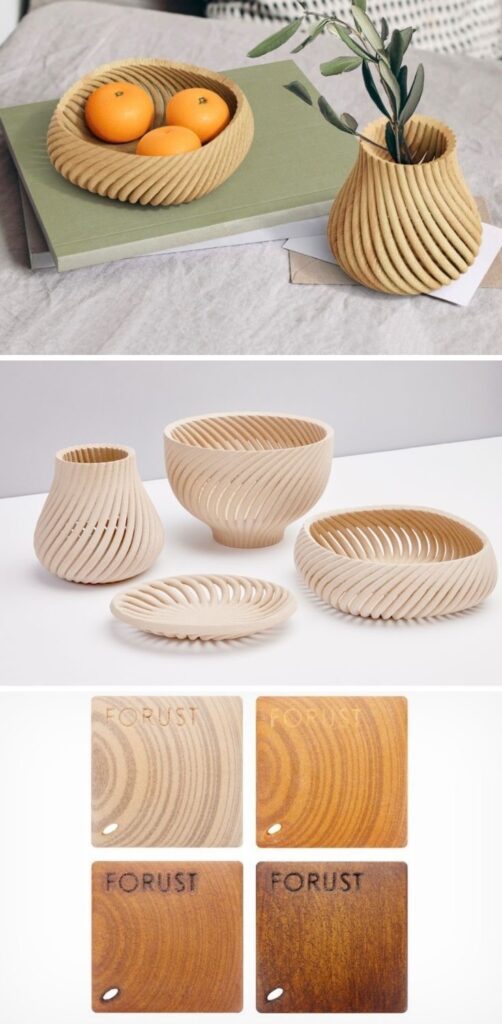
One of the biggest advantages of 3D printing is the ability to use sustainable materials. PLA (Polylactic Acid) is a biodegradable and compostable material made from renewable resources such as cornstarch and sugarcane. It is an excellent alternative to traditional plastics that are derived from fossil fuels. Other sustainable materials that can be used for 3D printing include wood-based filaments, recycled PET (Polyethylene Terephthalate), and biodegradable thermoplastics.
Planters and Garden Tools
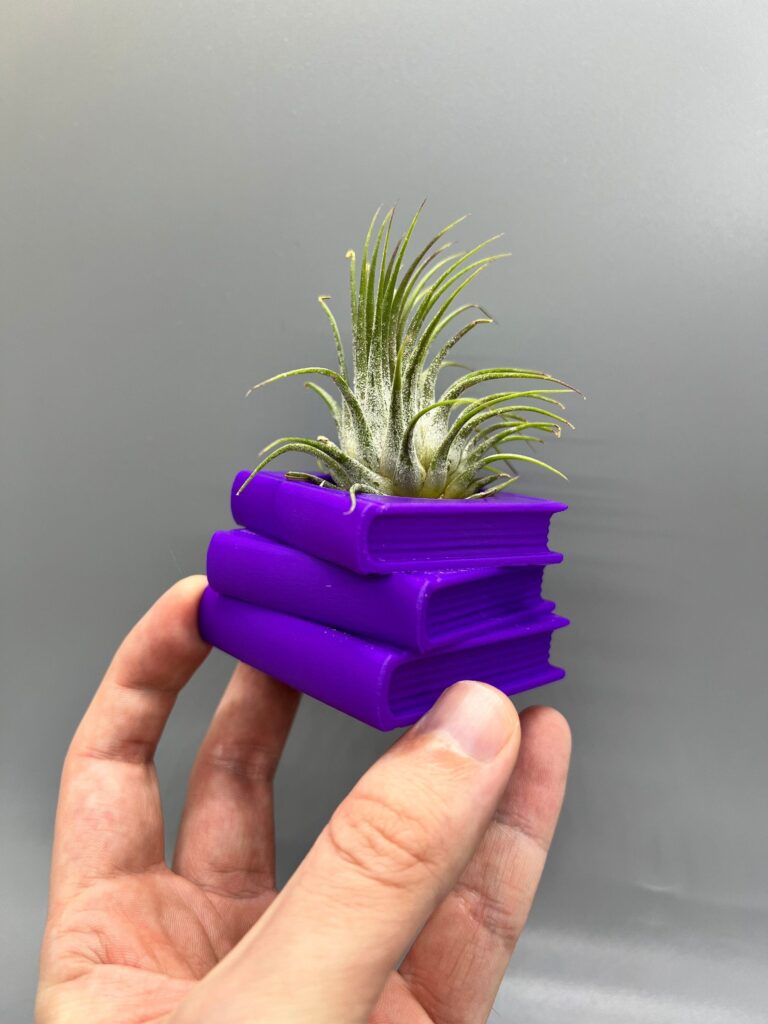
3D printing can also be used to create eco-friendly planters and garden tools. Self-watering planters, for example, can be designed and printed with built-in reservoirs that reduce water waste and promote healthy plant growth. Garden tools such as shovels and hoes can be printed using sustainable materials, reducing the need for resource-intensive manufacturing processes.
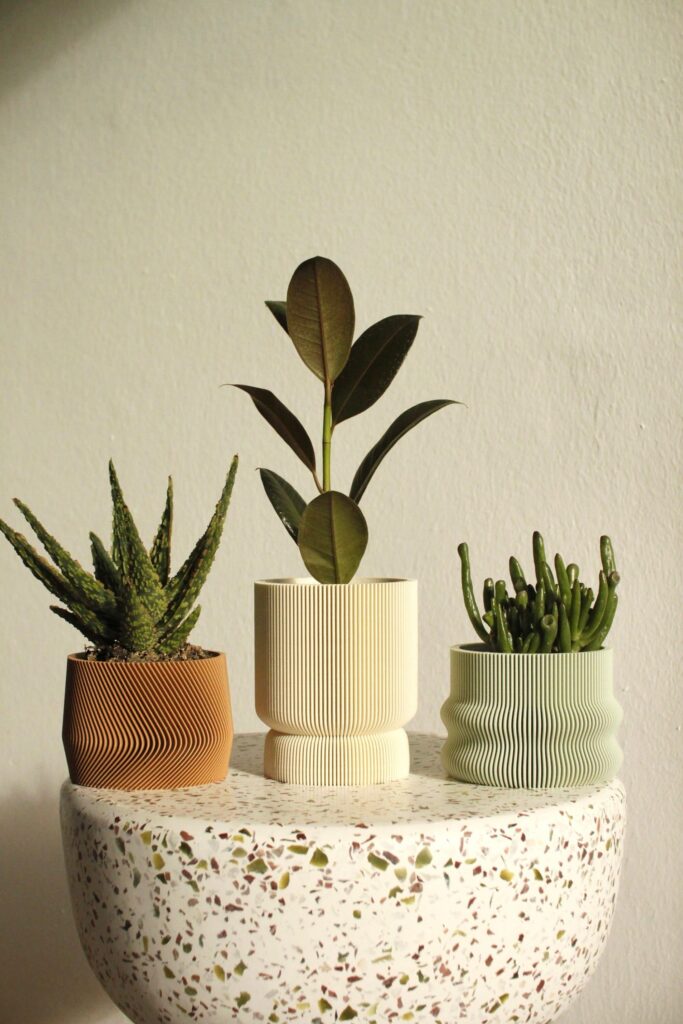

In conclusion, 3D printing offers a sustainable alternative to traditional manufacturing methods. By using sustainable materials and designing eco-friendly products, 3D printing can help reduce waste and promote a more sustainable future.
3D Printing Communities and Resources
Online Platforms and Marketplaces
Model libraries let you compare designs and see how other people have printed them. Look for clear instructions, photos of completed prints, and useful feedback.
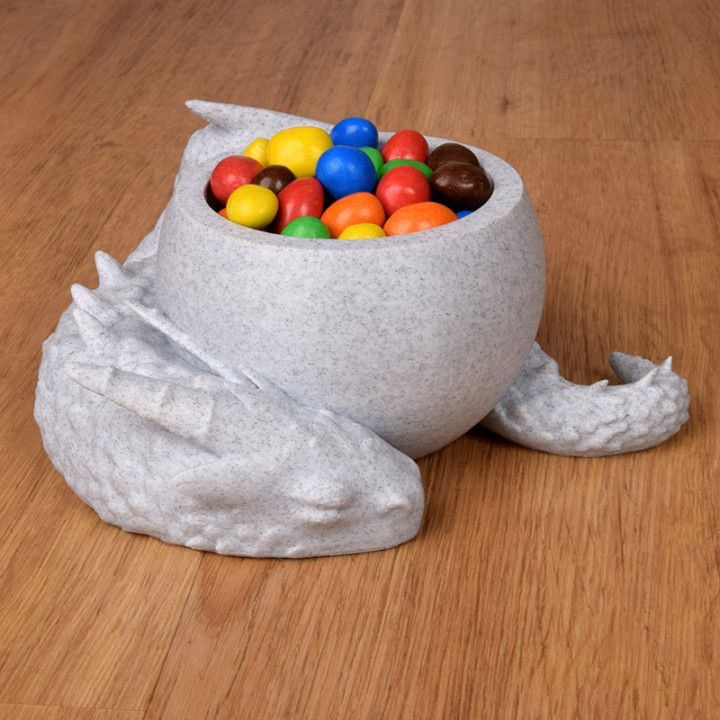
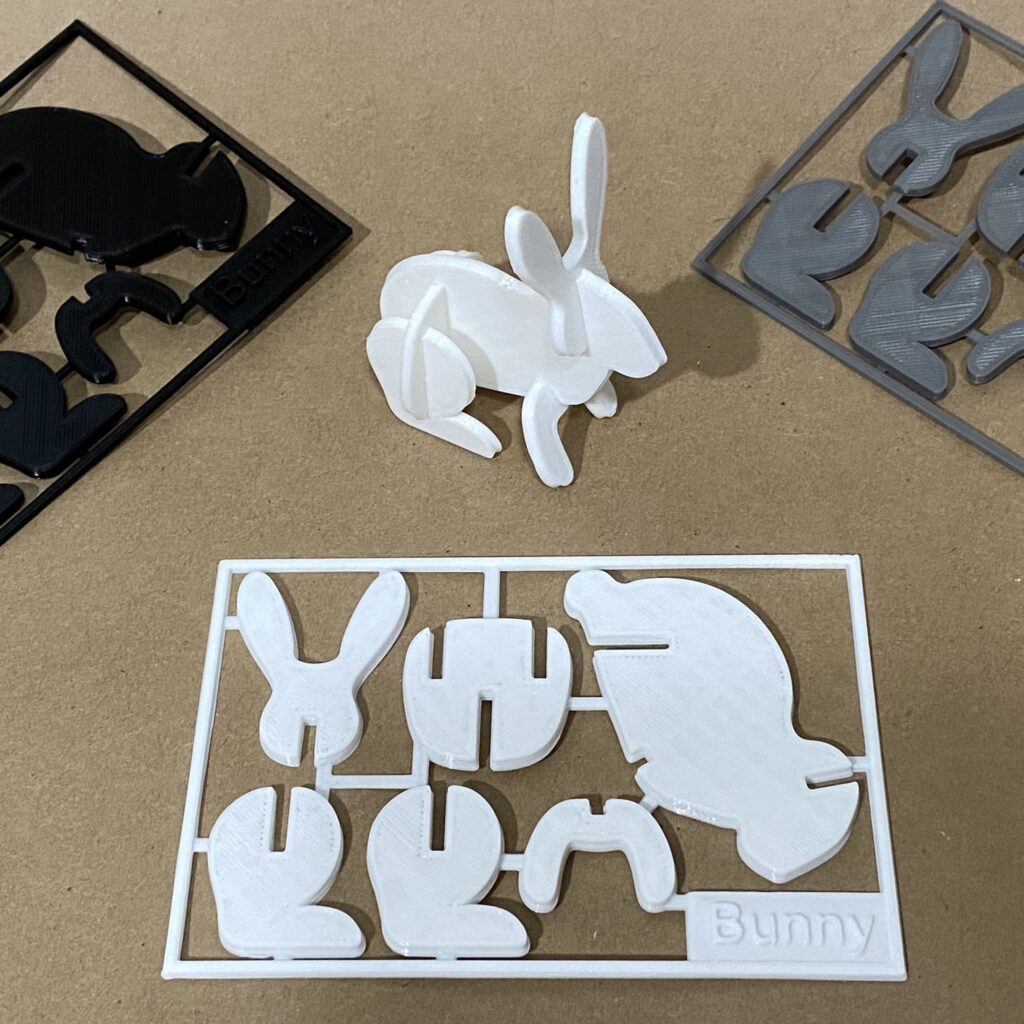
The examples in this guide link to Printables, MakerWorld, and Cults3D. Check each model’s download terms and printing instructions.
Sharing and Selling Designs
When sharing a design, include its dimensions, intended use, and assembly notes. Photos of the finished object help others judge the result.
STL is a model file format, not a community. When downloading or sharing files, keep the designer’s name and licence information with the project.
How to choose the right 3D printing idea
Choose a project around one goal: a useful object, a decorative piece, or a skill you want to practise. Use these criteria to narrow the list.
- For speed: pick small prints with flat bases and little support.
- For usefulness: choose organizers, hooks, brackets, clips, and replacement parts.
- For creativity: try jewelry, sculpture, wall art, cosplay details, or custom decor.
- For design practice: model the part yourself and test one measurement before printing the final version.
For more focused next steps, compare small fast 3D prints, browse 3D prints to sell, or use the organizer guide if your goal is a tidier desk, drawer, or workshop.
For a more collectible project, try learning how to 3D print anime figures with clean STL files, resin detail, and a slower painting workflow.
Frequently Asked Questions
What are some simple 3D printing projects for beginners?
Good beginner 3D printing projects include cable clips, phone stands, keychains, bookmarks, plant labels, and simple desk organizers. Choose models with a flat base, few overhangs, and little or no support. These prints are small enough to finish quickly, so you can test bed adhesion, wall thickness, and basic slicer settings without wasting a lot of filament.
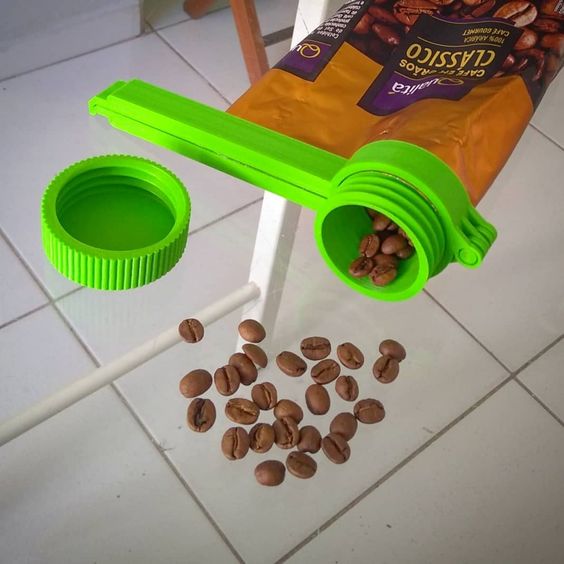
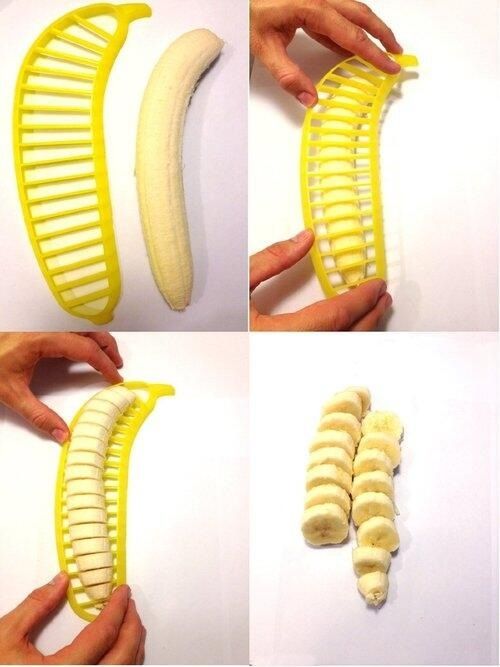
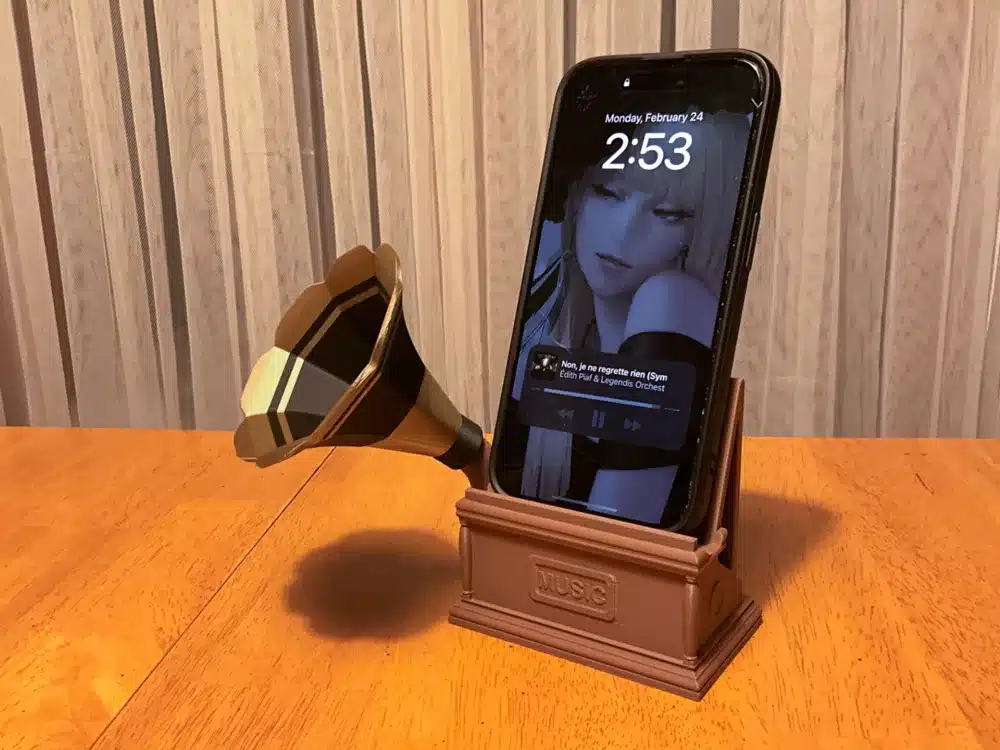
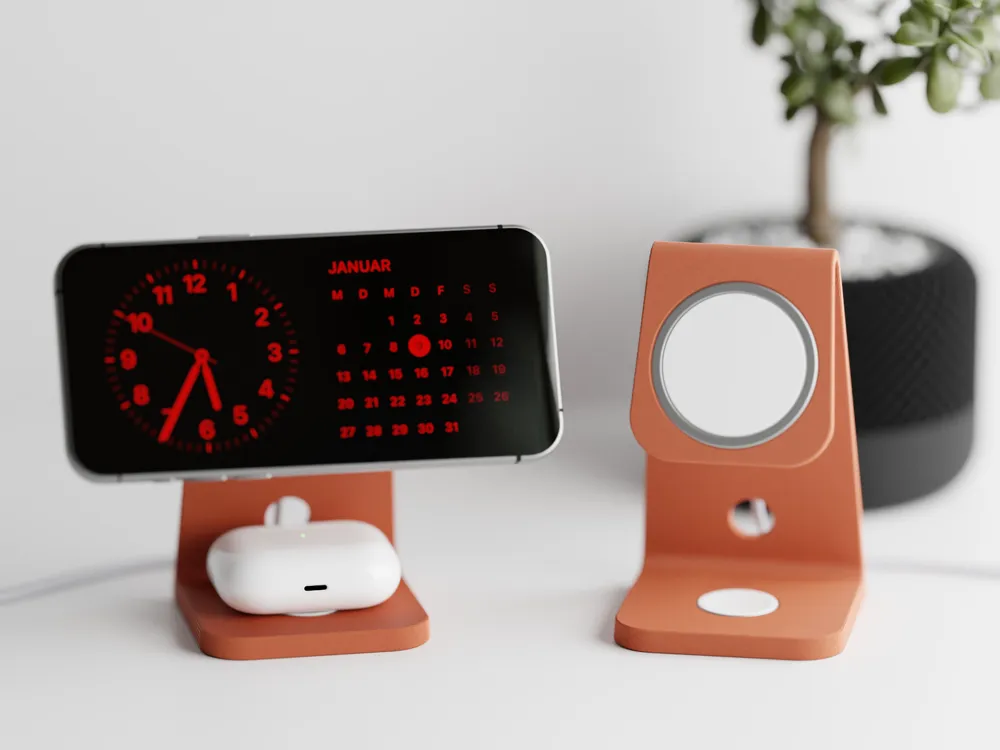
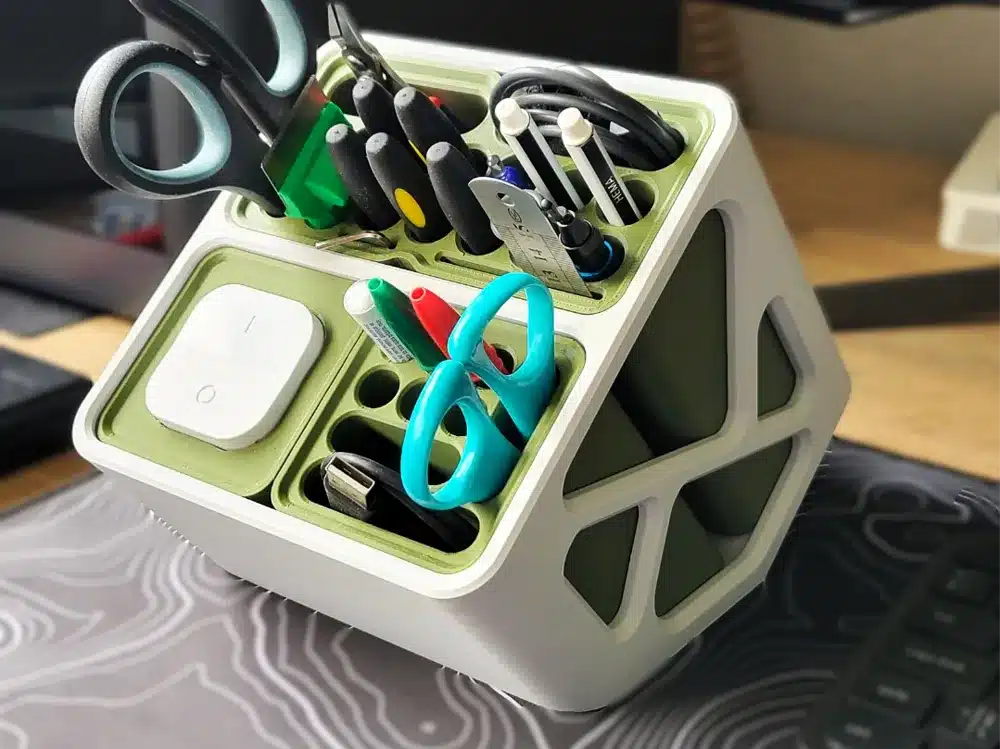
Modular desk organizer on MakerWorld
Which 3D printed items are popular for students to create?
Students usually do well with pencil holders, bookmarks, name tags, geometry models, simple robotics parts, and small classroom organizers. The best school projects connect the print to a lesson: measurement, product design, engineering tolerances, or problem solving. Avoid very long prints for a first class project because failed supports can eat up the whole session.
How can one find 3D printing designs that are free to use?
You can find free 3D printing designs on repositories such as Printables, Thingiverse, MakerWorld, and MyMiniFactory. Before downloading, check the license, comments, print photos, and required supports. A model with real user makes is usually safer than a beautiful render with no print evidence.
What are creative 3D printing ideas suitable for children?
Kid-friendly 3D printing ideas include toy cars, simple animals, name tags, cookie cutters, fidget toys, pencil toppers, and chunky jewelry. Keep the shapes large, avoid sharp points, and use PLA for most beginner projects. Tinkercad is a good design tool because children can build models from simple blocks instead of learning complex CAD first.
What types of 3D printed products can potentially be profitable to sell?
Potentially sellable 3D printed products include personalized keychains, desk organizers, cosplay accessories, planters, replacement knobs, tabletop gaming pieces, and niche tool holders. Profit depends less on the print itself and more on a clear use case, clean finishing, reliable sizing, and whether the license allows commercial use.
What are the most practical applications of 3D printing technology?
The most practical uses of 3D printing are prototypes, jigs, fixtures, replacement parts, architectural models, educational models, custom organizers, prosthetic concepts, and product mockups. For home users, the strongest everyday applications are small repairs, better storage, and custom parts that would be awkward or expensive to buy off the shelf.
If you are comparing future-facing design ideas, this guide to 3D printed furniture explains where additive manufacturing is already useful for chairs, tables, home accessories, and custom interiors.
Before choosing a project, it helps to understand the digital build stage. This 3D modeling workflow explains how clean form, topology, materials, and export decisions affect the final object.
- 18.7Kshares
- Facebook0
- Pinterest18.7K
- Twitter0
- Reddit0