A cellular shade can make a large window feel calm and precise. Its repeated folds create a clean rhythm; the fabric softens daylight without adding the bulk of drapery. Dust, stains, or a crushed pleat interrupt that rhythm fast.
If you’re wondering how to clean cellular shades, start with the least forceful method: identify the fabric, remove loose dust, and treat a mark only when the maker’s care guide permits it. The goal is a cleaner shade that still hangs and filters light as intended.

Why shade care is a design decision
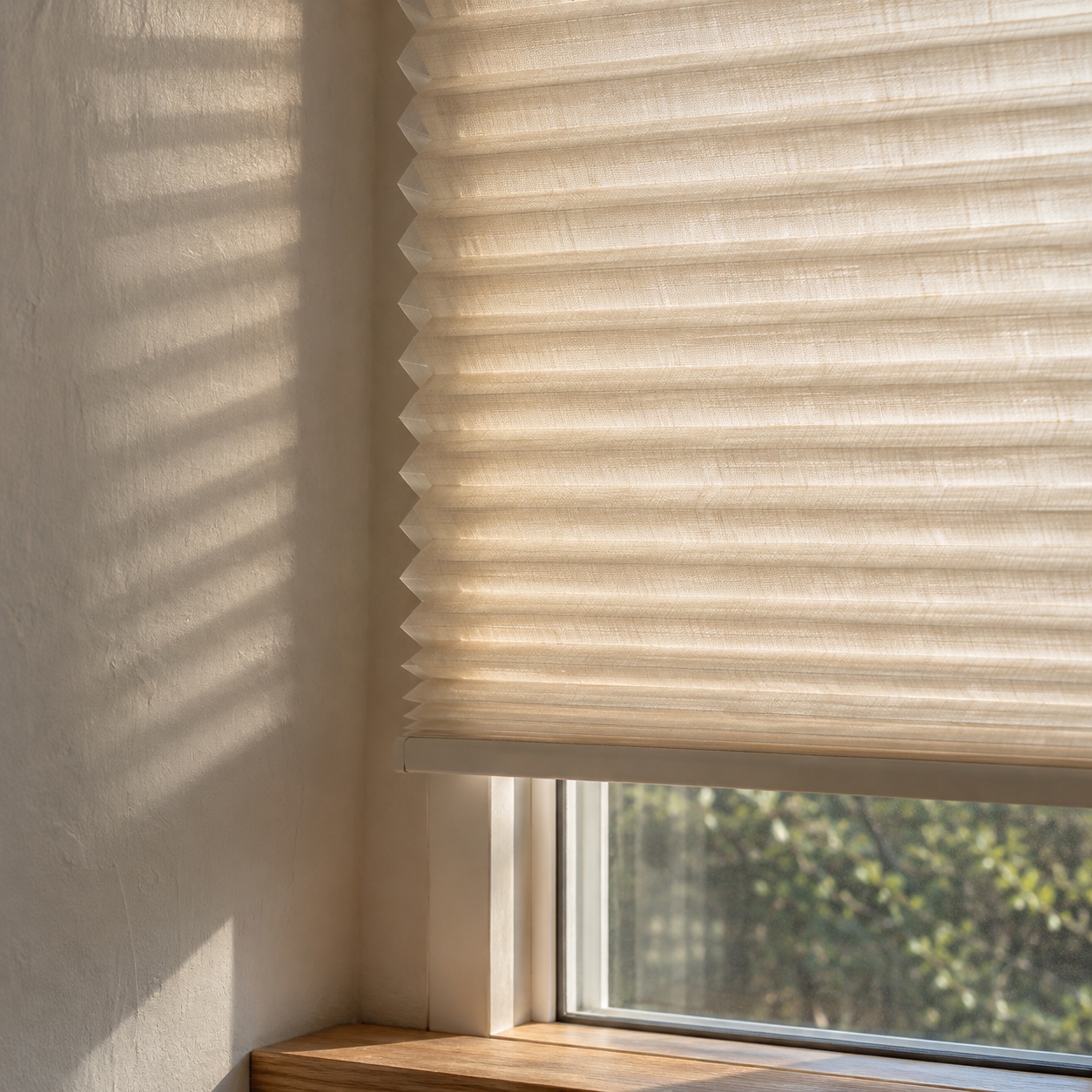
In a spare room, the window treatment occupies a surprisingly large part of the view. A straight bottom rail and evenly spaced pleats reinforce the horizontal lines of a sill, sofa, or low cabinet. A shade that bows or gathers unevenly draws attention even when the rest of the room is tidy.
Light matters as much as line. Cellular fabric turns direct sun into a softer field of light, while the shade’s openness and position determine how much view and glare remain. Keeping the surface free of visible dust helps it look consistent, especially on pale fabrics near a sunny window.
The cells also trap air, which is why the U.S. Department of Energy describes cellular shades as an insulating window attachment. That benefit comes from the shade’s construction and fit. There is no good reason to claim that a light layer of dust cancels it, or that cleaning will restore a measurable amount of energy performance.
Check the shade before you clean it
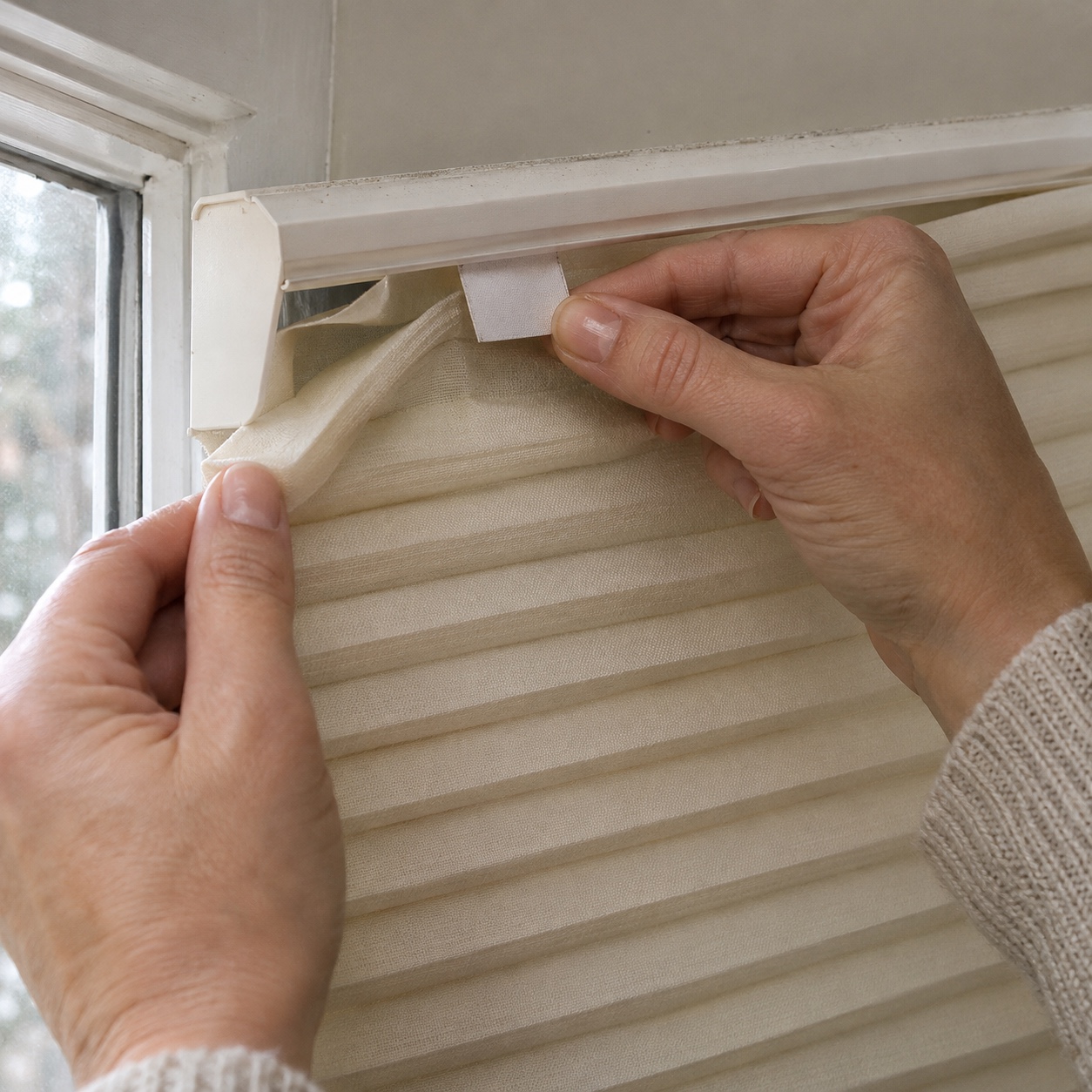
Look for the maker’s label, order details, or product care page. Two shades that look alike may have different coatings, liners, or adhesives. Some fabrics tolerate a damp blot; others should never be spot-cleaned. Manufacturer instructions take priority over a general article.
Before touching the fabric, lower the shade fully and inspect it in daylight. Note existing water marks, frayed edges, loose seams, a tilted bottom rail, and any cells that no longer open evenly. If the shade is motorized, follow the product’s instructions before working near the headrail. This quick check separates dirt you can remove from damage that cleaning will not fix.
Start with a dry method on a small, less visible area. If the material sheds fibers, changes sheen, or collapses under very light contact, stop and ask the manufacturer or a qualified cleaner. Do not move on to water to “see if it helps.”
How to remove dust without flattening pleats
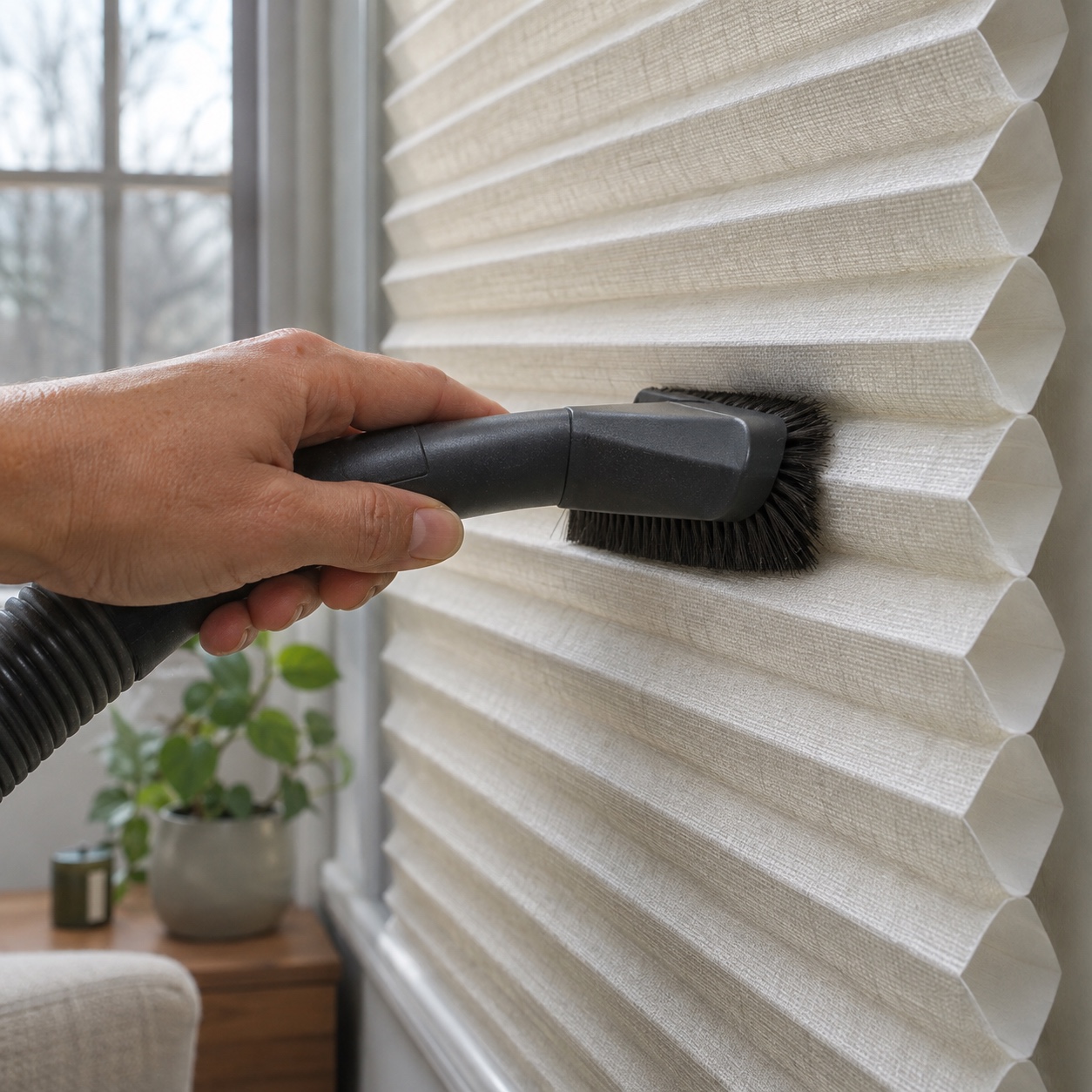
The first step in cleaning cellular shades is to use a soft duster or a vacuum brush attachment. Support the fabric lightly with your free hand if it moves, use the lowest practical suction, and guide the brush along the pleat lines. Keep the nozzle moving. A bare hose opening can pull a cell out of shape.
Work from the top toward the bottom so loosened dust does not settle over an area you have already cleaned. Check the window-facing side, too; it can collect marks you miss from inside the room. Light, regular care is easier on the material than waiting until buildup demands pressure.
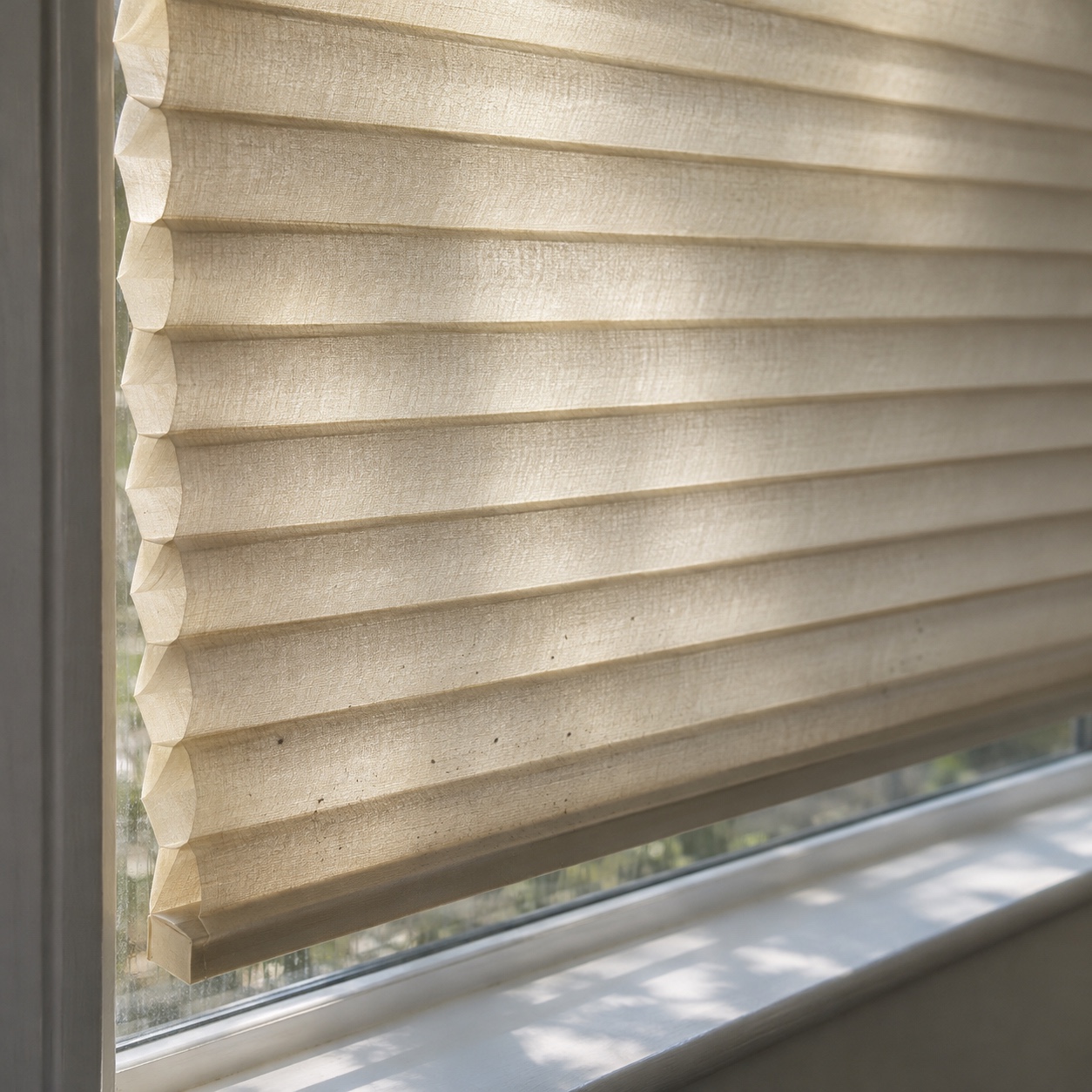
Compressed air or a hair dryer on a cool setting can move dry debris from a hard-to-reach fold. Use short, gentle bursts and keep the can upright. Do not press a nozzle or a tool into the fabric. Hunter Douglas recommends gentle dusting, brush vacuuming, and cool forced air for suitable cellular shades; its product-specific care guidance still governs the fabric in your home.
Clear debris from the honeycomb cells
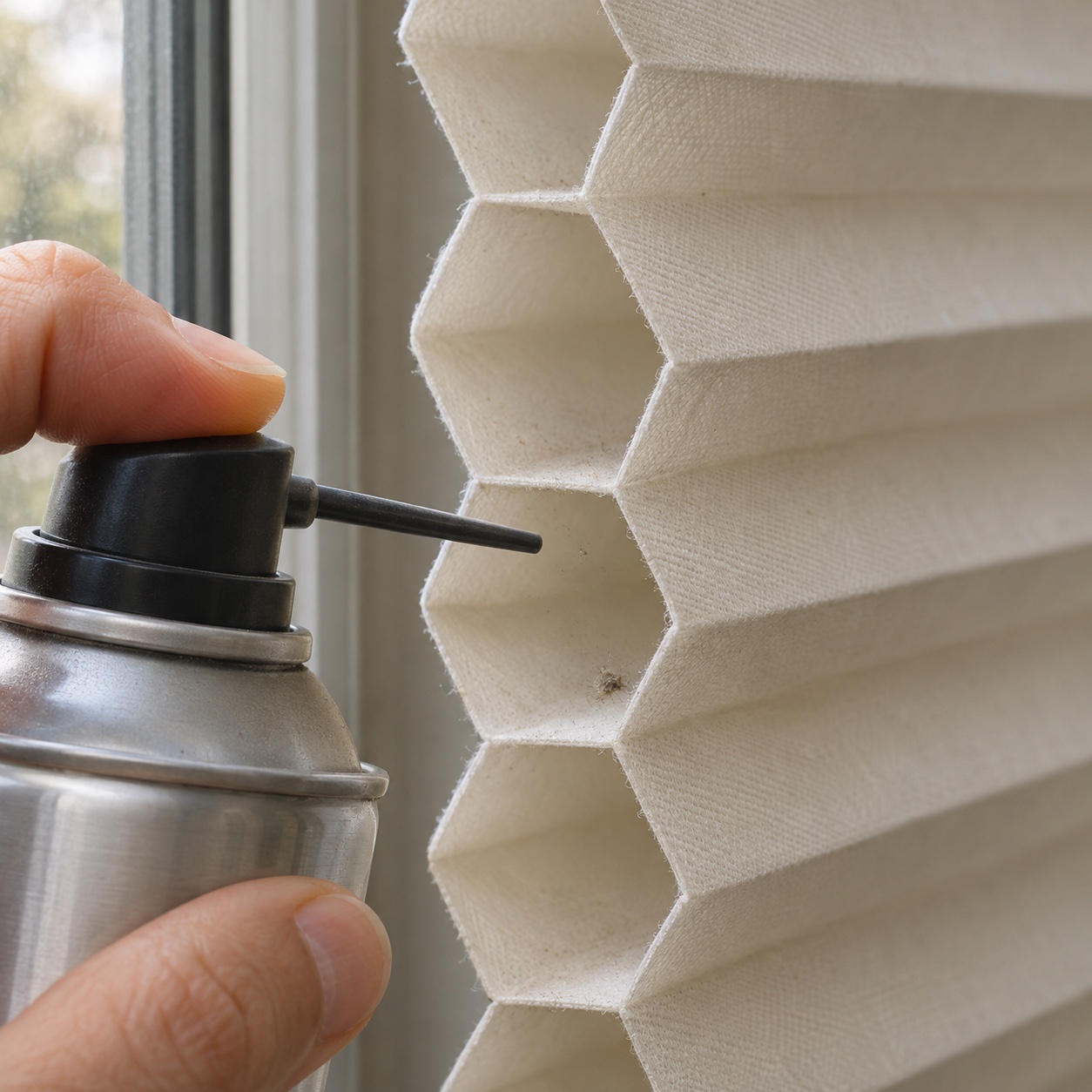
An insect or a small clump of dust can sit inside an open cell. Resist the temptation to push it through with a pencil, skewer, or vacuum tip. That can crease the inner wall or break a seam. Aim a short burst of cool air into the open end and let the debris exit the other side.
If it stays put, stop before increasing pressure. Blinds.com also recommends compressed air for debris inside cellular shades, but a stubborn blockage may need a cleaner familiar with the specific product. A slightly dusty inner cell is less distracting than a permanently bent pleat across a prominent window.
Spot-clean only when the fabric allows it
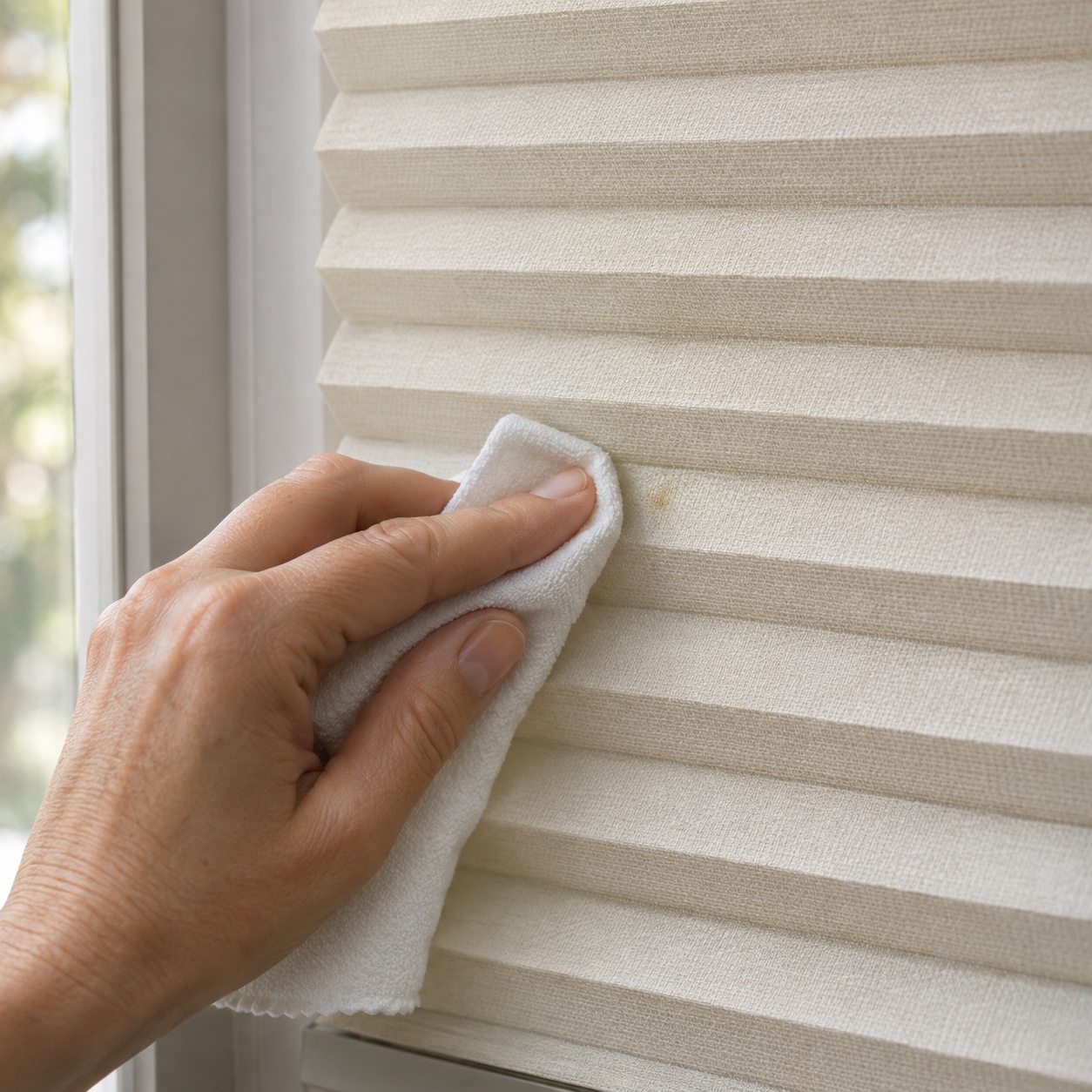
A fresh mark is easier to address, but speed should not override the care label. If spot-cleaning is approved, first lift loose material with a dry, lint-free cloth. Then use a barely damp white cloth and, only if permitted, a small amount of mild detergent. Blot from the edge toward the center. Do not scrub across the fold, soak the cell, or leave the shade bunched while it dries.
Harsh spot-cleaners are an avoidable risk with delicate textiles. The linked conservation discussion offers broader context about caring for fabric, but it does not replace instructions for your shade’s exact construction. Test a permitted method in an inconspicuous place, and stop if color transfers or a water ring appears.
If the maker excludes spot-cleaning, leave the stain alone and ask about professional options. Even a mild method that works on one model can leave a permanent mark on another. Blinds.com specifically warns against submerging cellular shades because excess water may affect the folds.
A simple visual maintenance check

Stand where you usually see the window: the doorway, sofa, or desk. Lower the shade to the same position on each window and look for three things:
- Pleat rhythm: Do the folds read as even horizontal lines, or does one area sag?
- Light consistency: Does a stain or dust patch show up as a darker shape when the fabric is backlit?
- Edge alignment: Is the bottom rail level, and do the sides stay clear of the reveal?
This is a design check, not a demand for perfection. A tiny mark visible only at close range may be safer to leave than to chase with water and pressure. If the whole room needs attention, the site’s guide to broader living-room maintenance puts textile care in context with furniture and surfaces. For more on daylight and heat, compare these summer light-control choices.
When cleaning is no longer the right fix
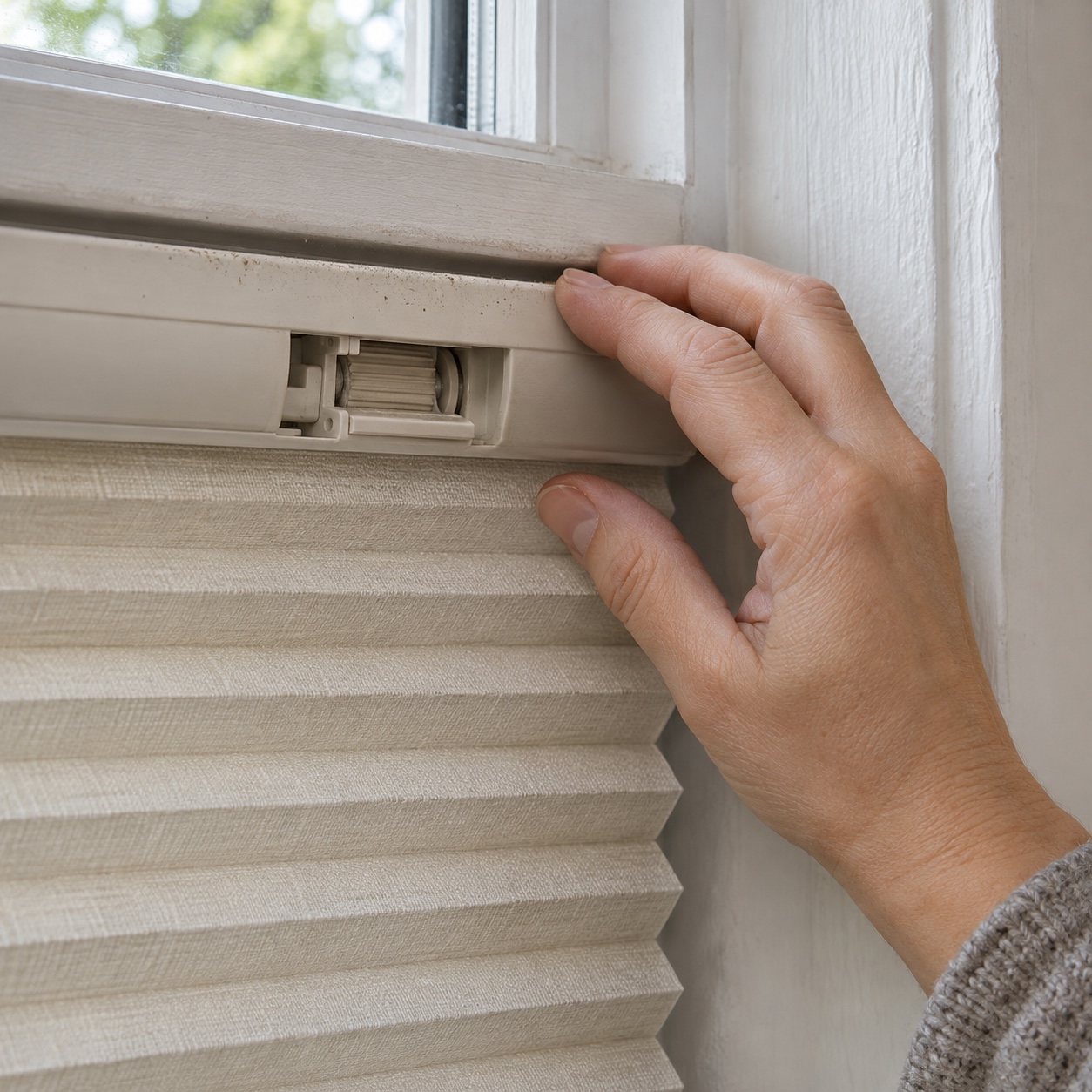
Call the manufacturer or a window-treatment professional if the fabric has a large set-in stain, detached cell, broken lift mechanism, or persistent tilt. Ask which cleaning methods the warranty allows and whether a fabric panel or component can be repaired. Professional methods such as ultrasonic cleaning may be possible for some products, but should never be assumed safe for every fabric.
If replacement is the sensible choice, compare the shade’s light control, privacy, insulation, and visual weight before ordering. The site’s guide to blind types helps with the broad choice; its article on window treatments for apartments addresses tighter spaces and installation limits. Maintenance evaluations published by Bob Vila may help you assess a retailer, though that review is not evidence for a cleaning technique.
Quick answers
Can you wash cellular shades in a bathtub?
Usually, no. Immersion can deform folds or affect adhesives. Check the product care guide; if deeper cleaning is allowed, ask the maker which professional method it approves.
How often should you dust them?
Use the room as your guide. A light pass when you notice dust is better than aggressive cleaning after heavy buildup. Kitchens, open windows, and busy streets may call for more frequent attention.
Can you use a hair dryer to clear a cell?
Some manufacturers permit cool air. Never use heat, and avoid forcing a tool into the cell. Check the specific care instructions first.
Does cleaning improve insulation?
The cellular structure and installation provide the insulating effect. Cleaning protects appearance and helps keep the shade usable, but a measurable energy gain from removing ordinary dust has not been established.
The safest routine is simple: inspect, dust gently, and treat a stain only when your product’s care guide allows it. Then step back and look at the whole window. If the folds and bottom rail still read cleanly against the room, the shade is doing its design job.
- 1share
- Facebook0
- Pinterest1
- Twitter0
- Reddit0