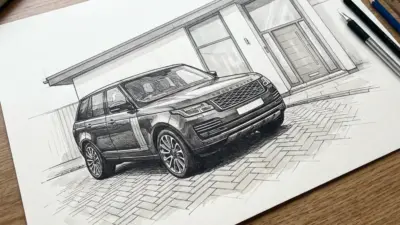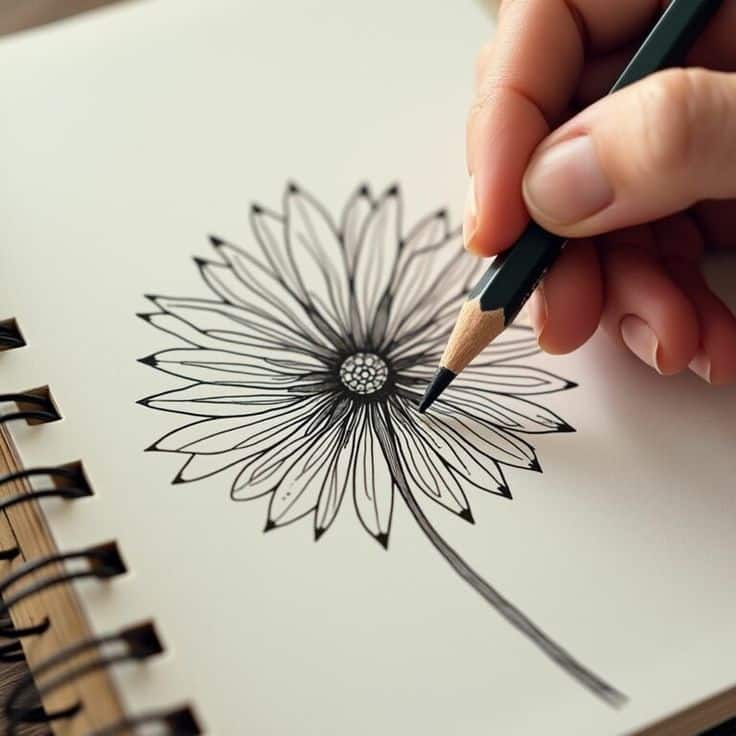
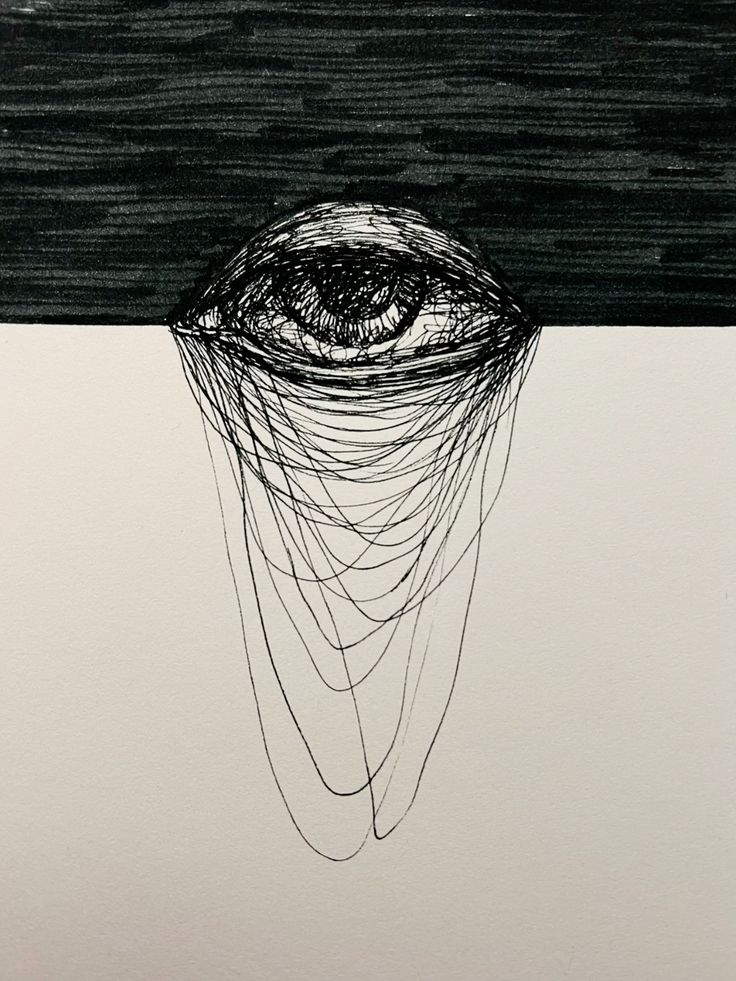
Many people look for simple ways to reduce stress in their daily lives. Drawing can be an effective way to calm the mind and focus on the present moment. It helps lower stress by encouraging relaxation and creativity without the need for special skills.
Drawing allows people to express their feelings visually, which can make stressful thoughts easier to manage. This activity engages the brain in a way that shifts attention from worries to something peaceful and constructive.
With just a few basic tools and a bit of time, anyone can start using drawing as a stress relief method. It does not require perfection, only the willingness to try and enjoy the process.
Key Takeaways
- Drawing helps calm the mind and reduce stress quickly.
- Expressing emotions visually can make stress easier to handle.
- Anyone can start drawing for stress relief with simple supplies.
The Science Behind Drawing for Stress Relief
Drawing affects the brain and body in ways that can reduce stress. It helps calm the mind, lowers stress hormones, and improves mood. Scientific studies show drawing can change brain activity linked to relaxation and focus.
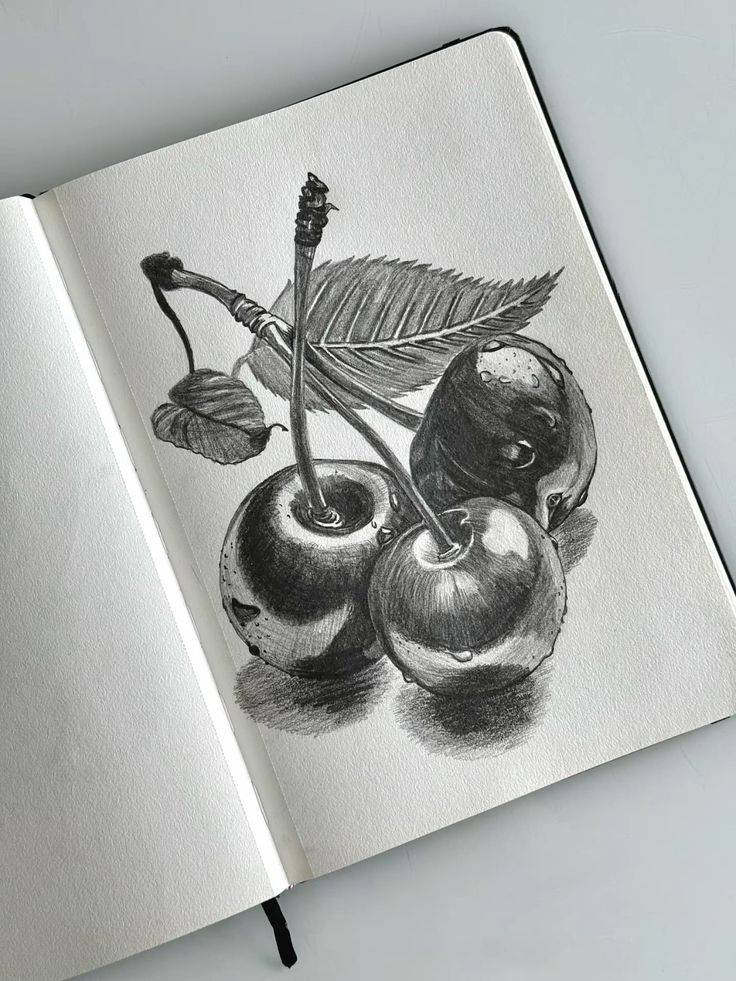
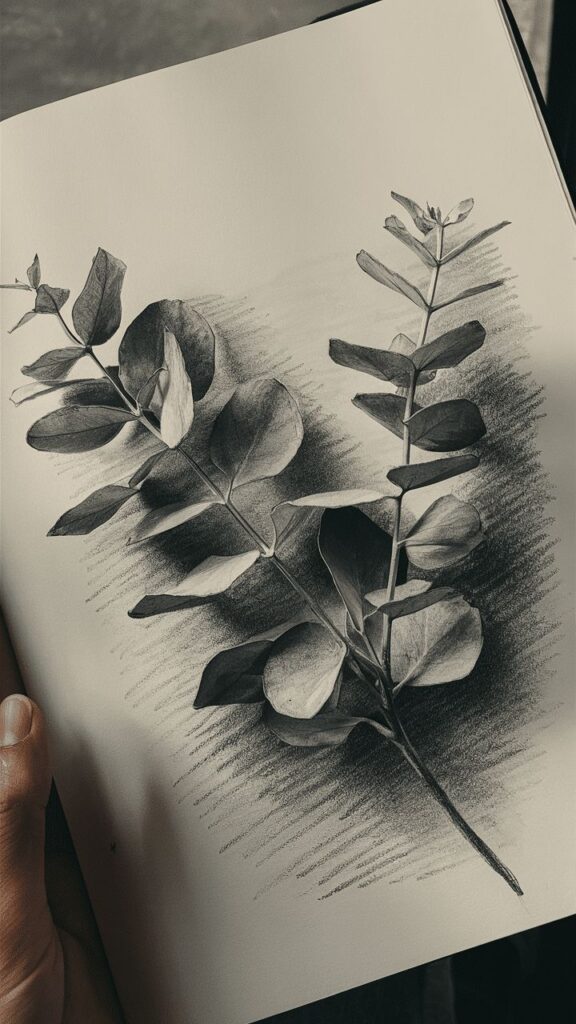
How Creative Activities Impact Stress
Creative tasks like drawing give people a break from stress. When drawing, the mind focuses on shapes, colors, and lines instead of worries. This shifts attention away from stressors and helps lower cortisol, the hormone tied to stress.
Drawing also encourages mindfulness. It requires presence and attention to detail, which can reduce feelings of anxiety. Regular creative activities connect with positive emotions, increasing feelings of control and well-being.
Neuroscience of Drawing and Mental Health
Drawing activates the brain’s reward system. Producing art releases dopamine, improving mood. The process uses fine motor skills and visual areas, creating a state of flow, where a person feels fully engaged and calm.
Brain scans show that drawing can reduce activity in the amygdala. This part controls fear and anxiety. When less active, people tend to feel calmer. Drawing also boosts communication between brain regions responsible for emotion and decision-making.

Research Studies on Art and Stress Reduction
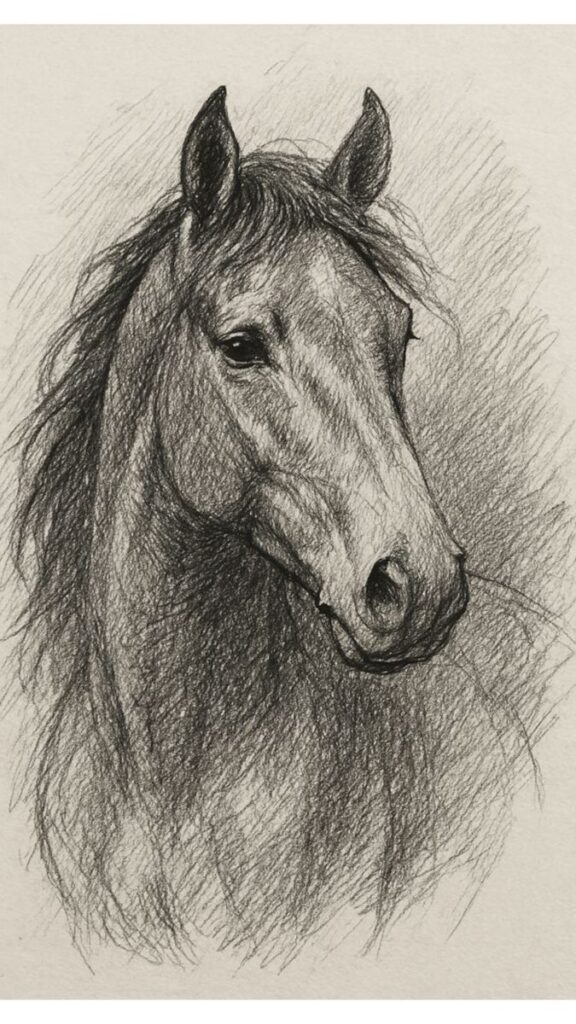
Studies confirm art reduces stress. One study found that 45 minutes of creative activity lowers cortisol levels. Another showed that drawing improved emotional regulation in people with anxiety.
Therapists use art therapy to help patients manage stress and trauma. Drawing provides a nonverbal way to express feelings, which can be hard to say aloud. Scientific evidence supports the idea that art helps both the mind and body cope with stress.
Benefits of Drawing for Stress Relief
Drawing can help manage emotions, improve focus, and build confidence. It offers simple ways to feel calmer and more in control during stressful times. Using drawing regularly can make these effects stronger and more reliable.
Emotional Regulation Through Art
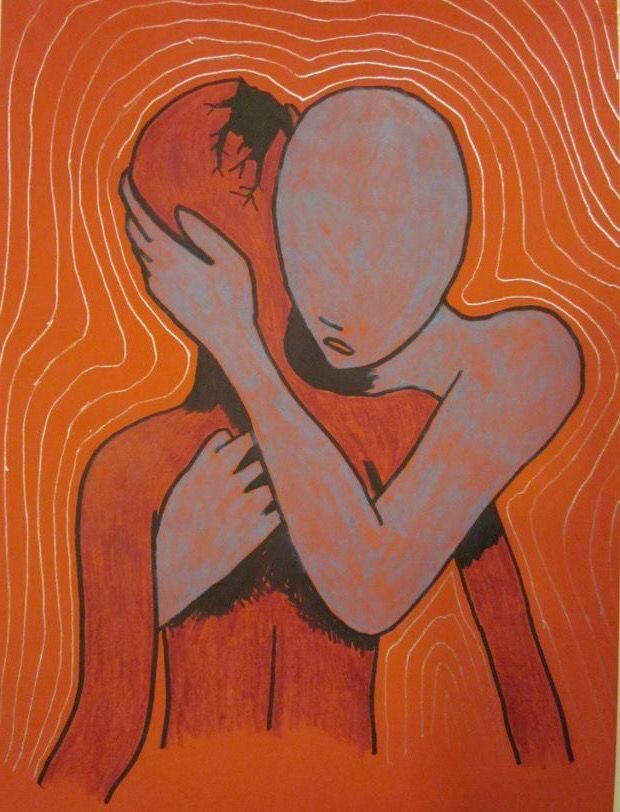
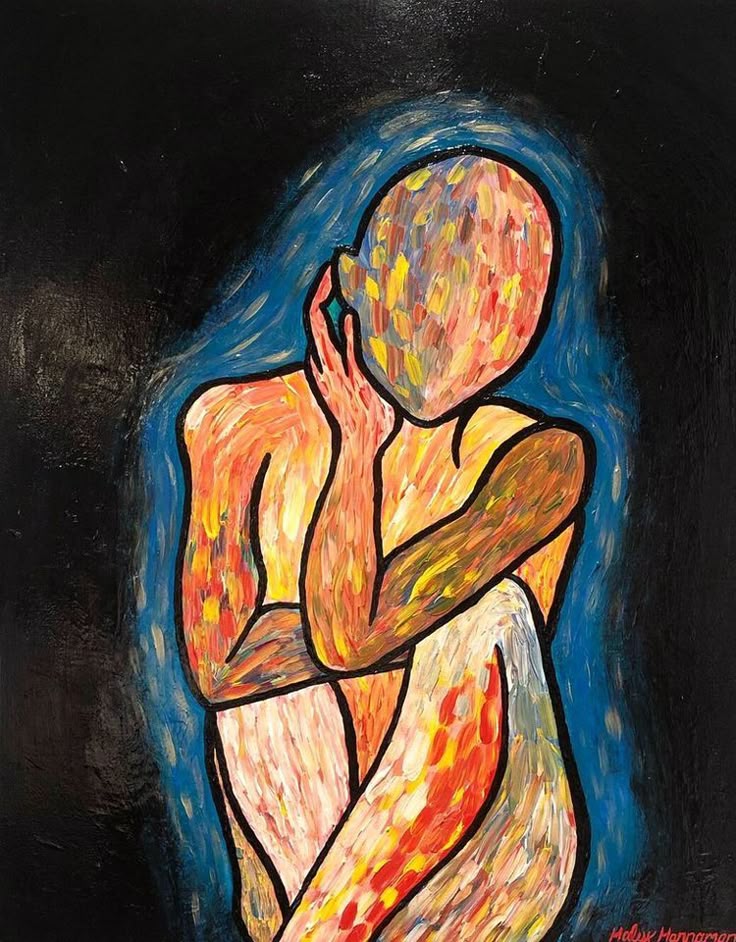
Drawing gives people a way to express feelings they might not find easy to say out loud. When someone draws, they can channel anger, sadness, or anxiety into images instead of letting those feelings build up inside. This process helps calm their mind.
Creating art also encourages people to slow down. Focusing on shapes, lines, and colors lets them pause from worry. This can break a cycle of stress by redirecting attention from problems to something creative. Over time, drawing helps individuals better understand what they are feeling and manage those emotions in healthier ways.
Enhancing Mindfulness and Focus
Drawing requires attention to small details, which can make someone more mindful. This means being fully present in the moment. Concentrating on a drawing task keeps the mind from wandering to stressful thoughts.
This focus improves mental clarity. People find it easier to stay calm and avoid overwhelm when they give full attention to their artwork. The repetitive actions of sketching or shading also produce a soothing routine that helps reduce mental clutter.
Regular drawing practice trains the brain to concentrate better and stay grounded, skills that help through daily stresses. It works like a natural reset button for the mind.
Boosting Self-Esteem via Artistic Expression
Completing a drawing can build a sense of achievement. Even simple art projects give people something tangible to show for their effort, which boosts confidence. This feeling of success helps reduce negative self-talk common during stress.
Art allows for personal expression without judgment. When people share what they create, they may feel supported and valued. Drawing can reveal hidden talents and bring joy, which encourages continued practice.
Through drawing, individuals often gain a stronger belief in their abilities, helping them face challenges with more resilience and a positive outlook.
Simple Drawing Techniques for Beginners
Drawing can be an easy way to reduce stress. Using simple methods helps people focus, relax, and enjoy the process without feeling pressure to create perfect art. These techniques involve basic motions and colors that anyone can try.
Doodling for Relaxation
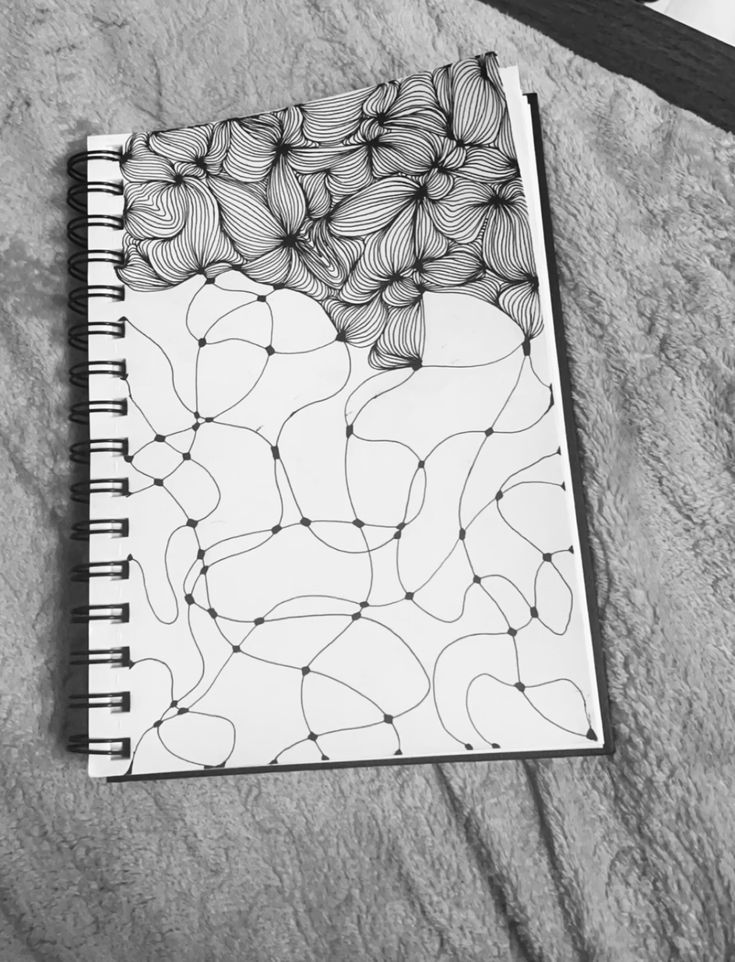

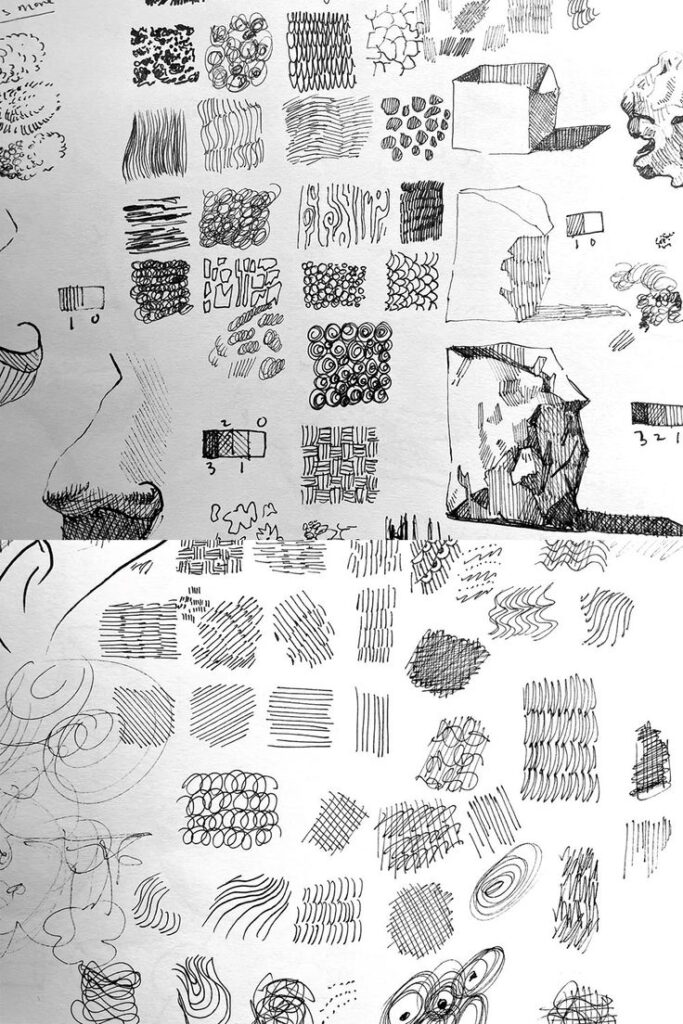
Doodling is a free-form way to draw without rules. It allows the mind to wander while the hand moves automatically. This helps reduce tension and quiet busy thoughts.
A person can start with basic shapes like circles, squares, and lines. Repeating these shapes creates a calming rhythm. No need to worry about what the doodles look like. The goal is to keep the hand moving and focus on the patterns.
Using a pen or pencil on plain paper is enough. Doodling can be done anywhere, like during a break or while listening to music. It helps take the mind off stress by gently engaging it in a simple, creative task.
Guided Drawing Exercises
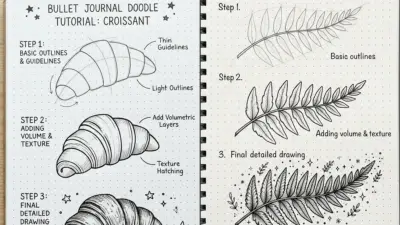
Guided drawing involves following specific steps to create an image. This method provides structure that can help beginners by giving clear directions. It removes guesswork and helps focus attention.
Instructions might include drawing basic shapes first, then adding details slowly. The focus is on the process, not the final product. This approach reduces anxiety since the steps are easy to follow and build confidence.
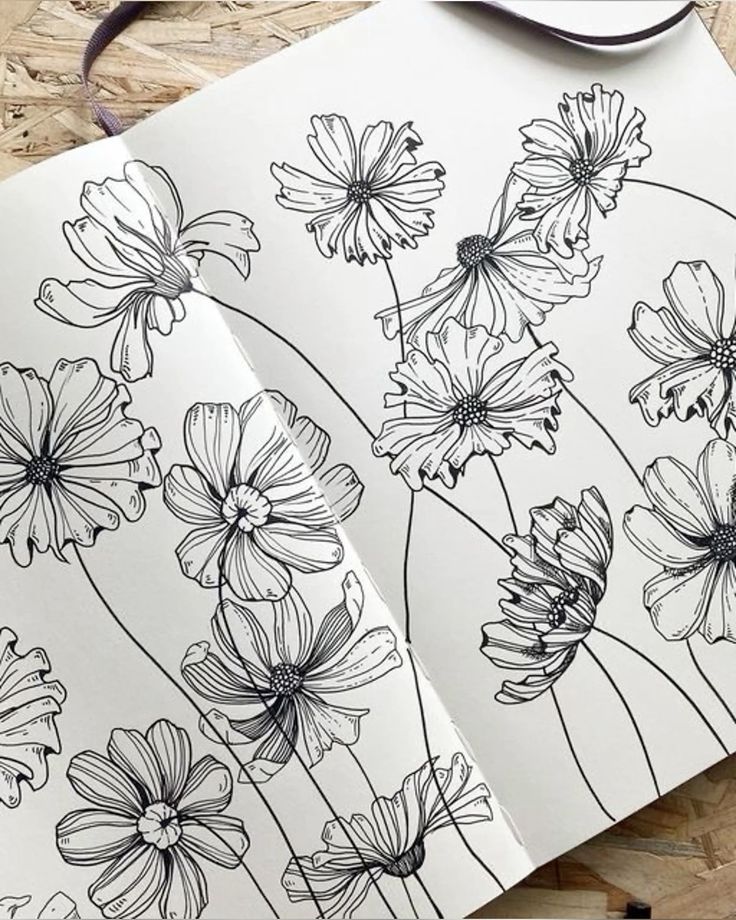
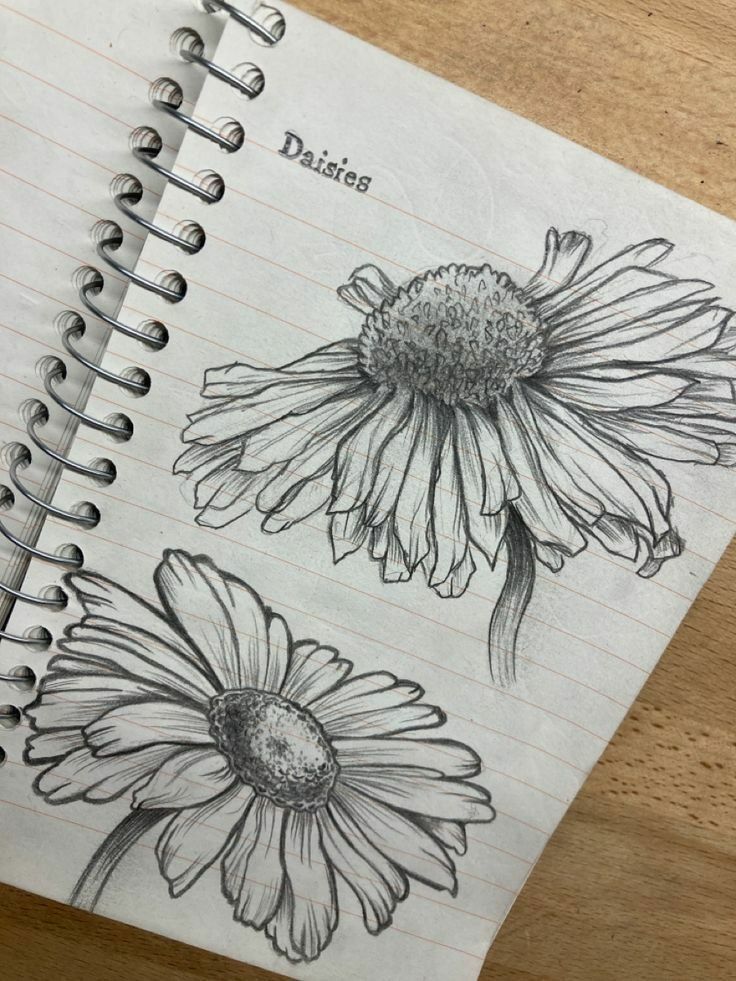
Guided exercises often use familiar objects like flowers or simple animals. The person can use a drawing workbook, tutorial, or app. These tools keep the practice organized and encourage regular drawing for stress relief.
Coloring as a Calming Practice
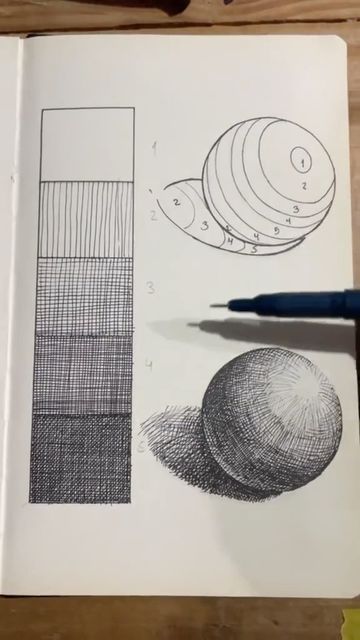
Coloring involves filling in shapes with colors. It engages the mind differently than drawing lines. Choosing colors and staying within lines require focus, which can help calm racing thoughts.
People can use coloring books or print pages with simple patterns like mandalas or geometric shapes. Using colored pencils, markers, or crayons offers a tactile experience that feels soothing.
Coloring is effective because it slows down breathing and heart rate. Repeating color choices or blending shades can increase relaxation. This technique suits all ages and skill levels, making it an accessible stress-relief tool.
Developing a Drawing Routine for Stress Management
A focused drawing routine helps turn art into a reliable way to reduce stress. It involves arranging the right space, choosing specific times, and practicing regularly. Each step plays a key role in building a habit that supports mental calmness.

Creating a Comfortable Drawing Space
A quiet, organized area helps drawing feel relaxing. It should have enough light and be free from distractions like loud noise or clutter.
Materials should be easy to reach. Pens, pencils, paper, or tablets need to be handy to avoid breaking concentration.
Comfort is important. A good chair and table at the right height prevent physical tension that can distract from stress relief.
Personal touches like plants or calming colors can make the space more inviting and encourage regular use.
Setting Aside Time for Art
Scheduling time for drawing turns it into a stress management tool rather than a hobby done only when convenient.
Even 10 to 20 minutes daily can be effective. Short bursts help maintain focus without feeling like a burden.
Choosing a consistent time, like mornings or before bed, makes drawing part of a routine. Setting reminders can also help.
Avoid multitasking. During drawing time, ignoring phones or other tasks improves relaxation and focus.
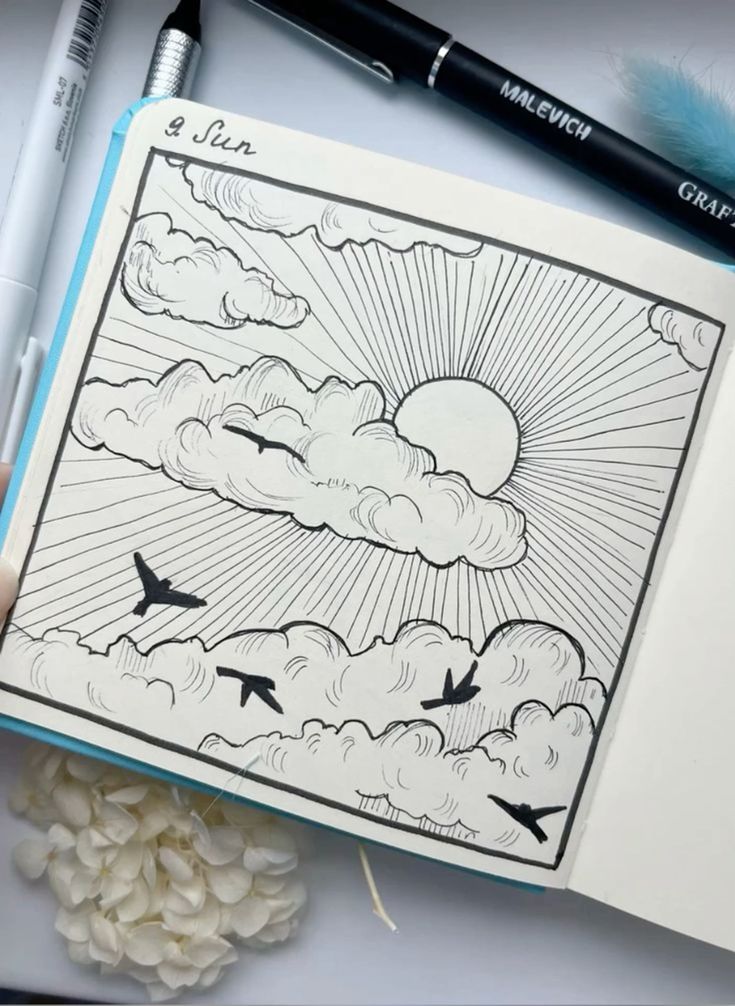
Consistency in Practice
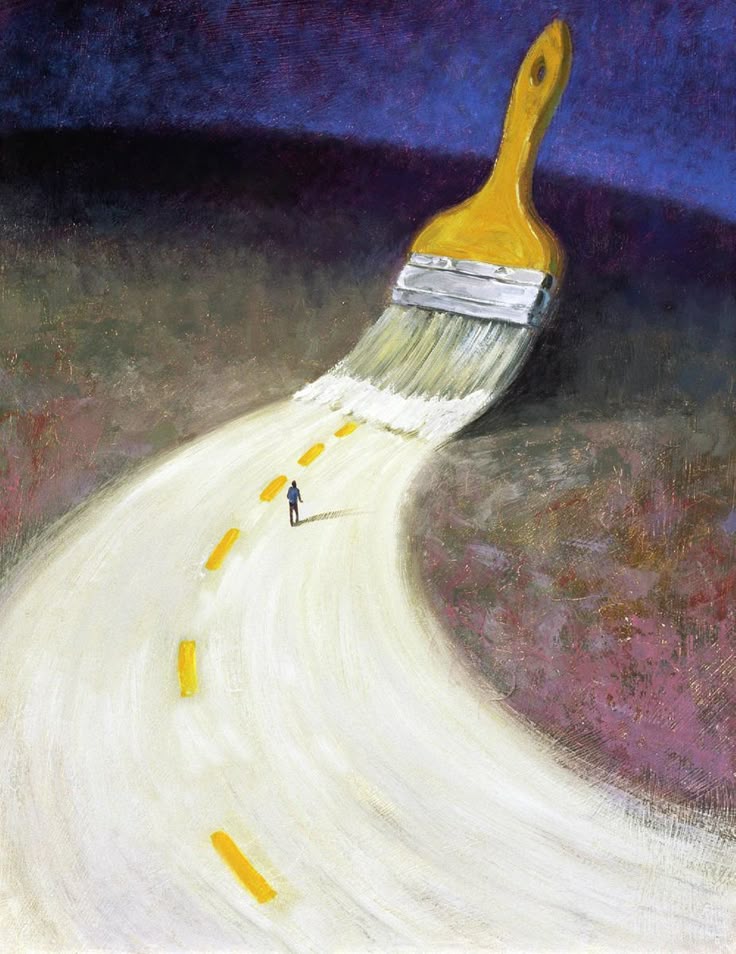
Regular practice builds skill and mental habits that aid stress relief. Without it, benefits might not be as substantial.
Starting small and gradually increasing the time helps maintain interest. For example, begin with three days a week and add sessions as it feels natural.
Tracking progress with a simple journal or checklist motivates continued effort. Seeing improvements encourages stick-to-itiveness.
Even on busy days, a quick sketch or doodle keeps the routine alive and supports ongoing stress relief.
Choosing Materials for Stress-Free Drawing
Choosing materials can make drawing more relaxing and enjoyable. Simple tools that feel good to use help keep the focus on the process, not the outcome. Cost and ease of use also matter for reducing stress.
Selecting the Right Tools

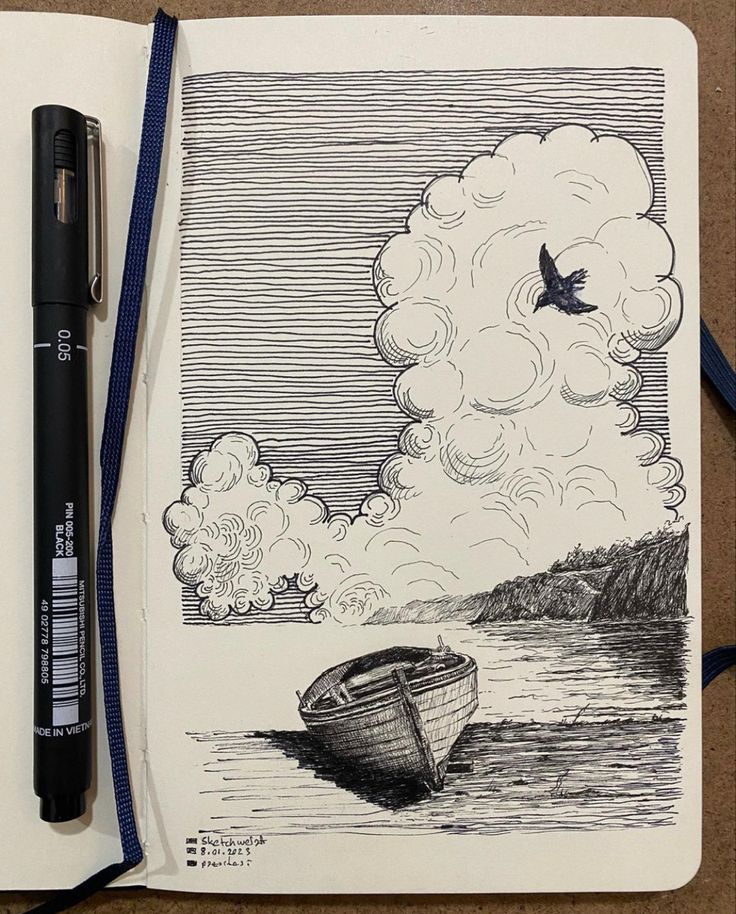
The best tools are ones that feel comfortable in the hand and are easy to control. Pencils with soft leads, like a 2B or 4B, allow smooth shading without much pressure. Mechanical pencils have a fine point, making them good for detailed work without sharpening.
The paper should not be too rough or too smooth. A sketchbook with medium-weight, textured paper works well. It catches the pencil marks without being hard to erase. Erasers with a soft texture help clean lines without tearing the paper.
Colored pencils or markers add variety, but choose non-toxic, washable types to avoid hassle. The goal is comfort and ease to encourage flow, not perfection.
Low-Cost Options for Beginners
Beginners should focus on affordable but decent-quality materials to avoid frustration. A basic set of graphite pencils, a sketchbook, and an eraser costs under $15 at most stores. This low investment still offers enough variety to experiment.
Crayons or inexpensive colored pencils work fine for adding color, especially for those who don’t want to spend much. Using cheaper paper, such as printer or recycled paper, is okay for practice and does not waste costly materials.
A simple pencil sharpener, a ruler, and a paper-blending stump can improve technique without much cost. These simple tools keep the drawing process easy and stress-free.
Exploring Different Styles and Mediums
Trying different drawing styles and tools can help people find what feels most calming. Some styles focus on patterns and order, while others encourage free movement. Using digital tools adds another way to relax and explore creativity.
Line Art and Zentangle
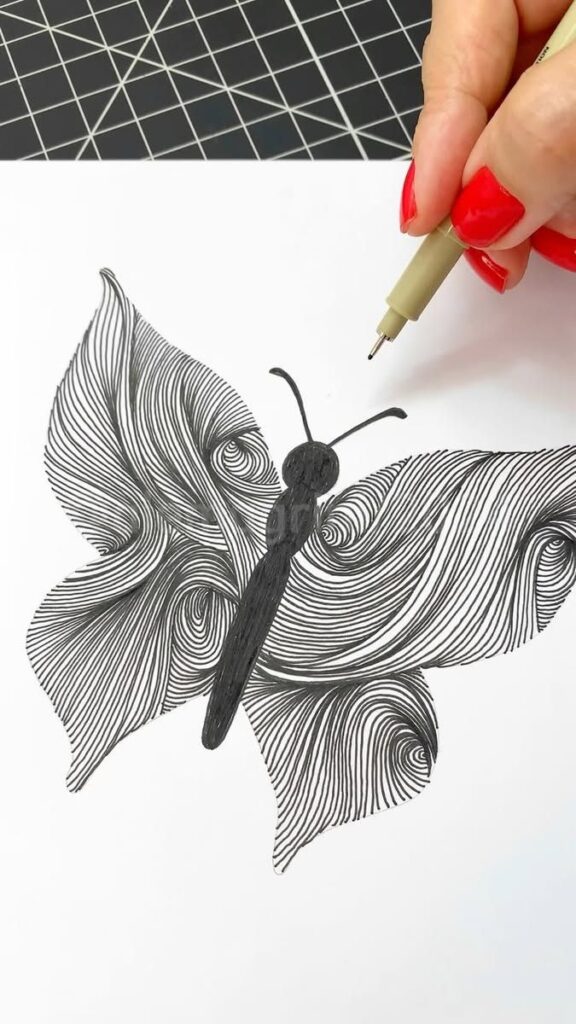
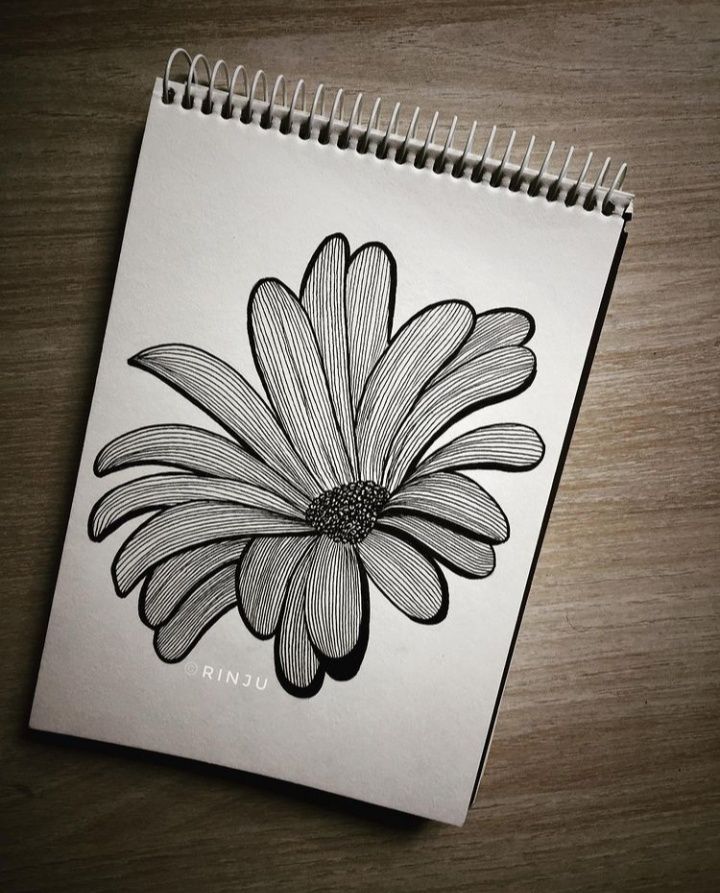
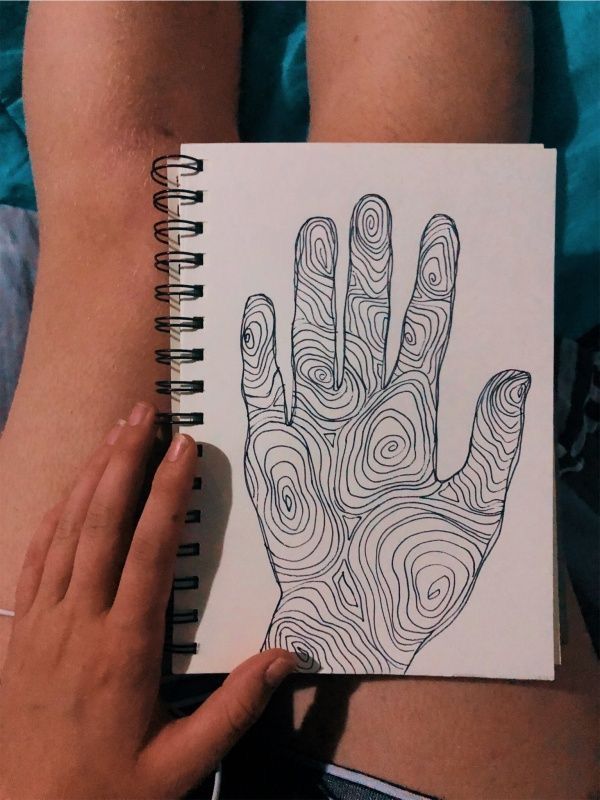
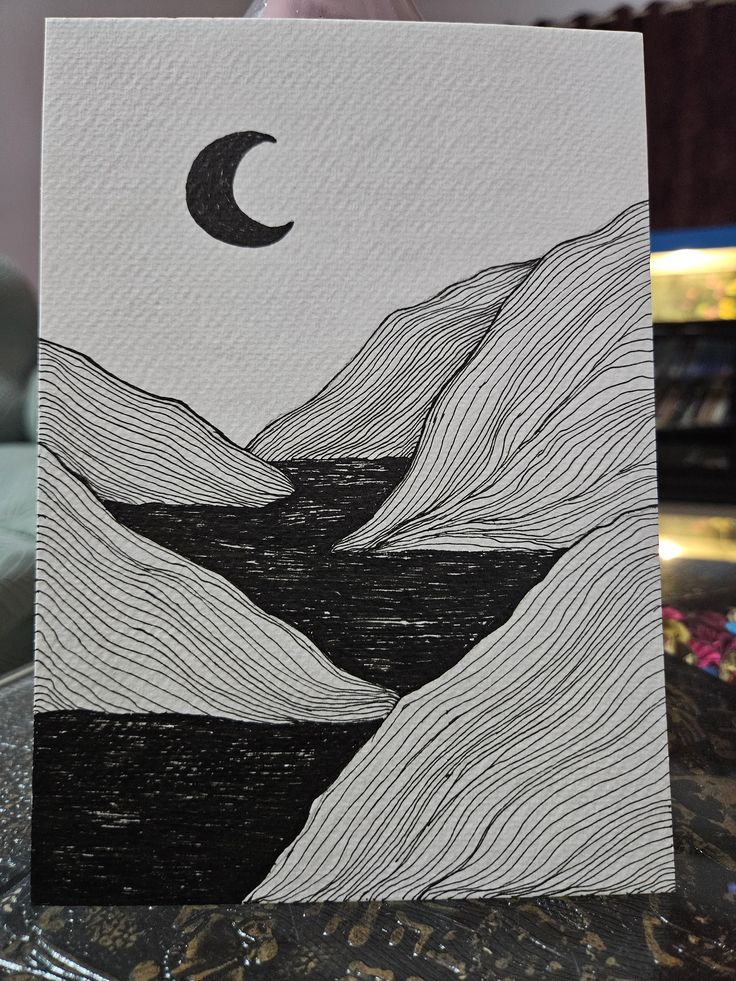
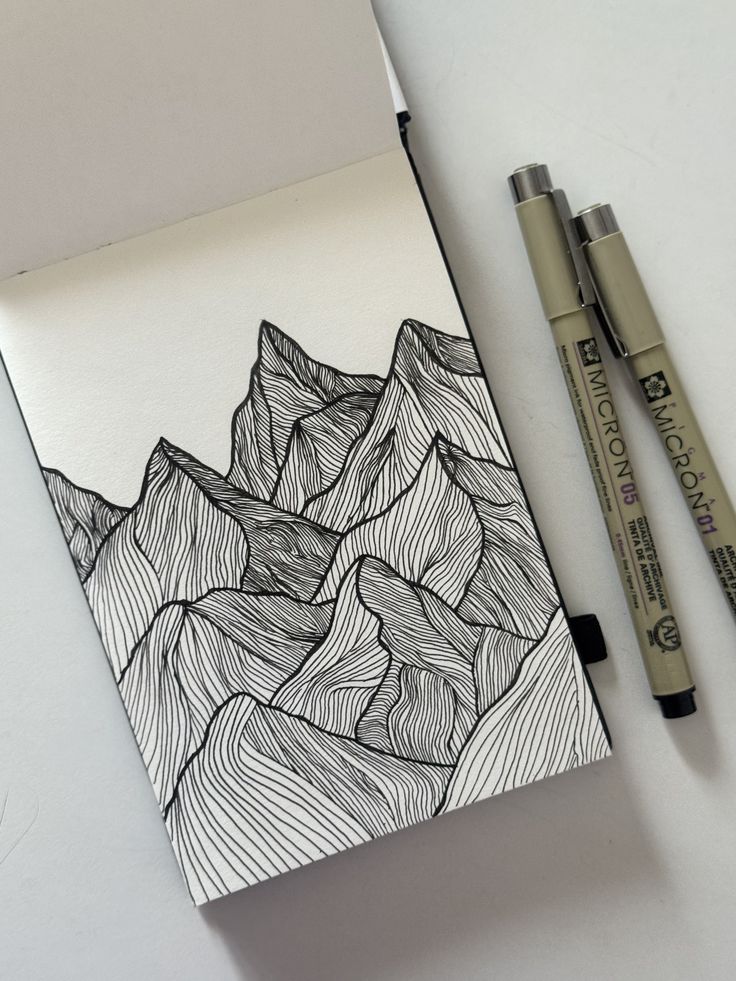
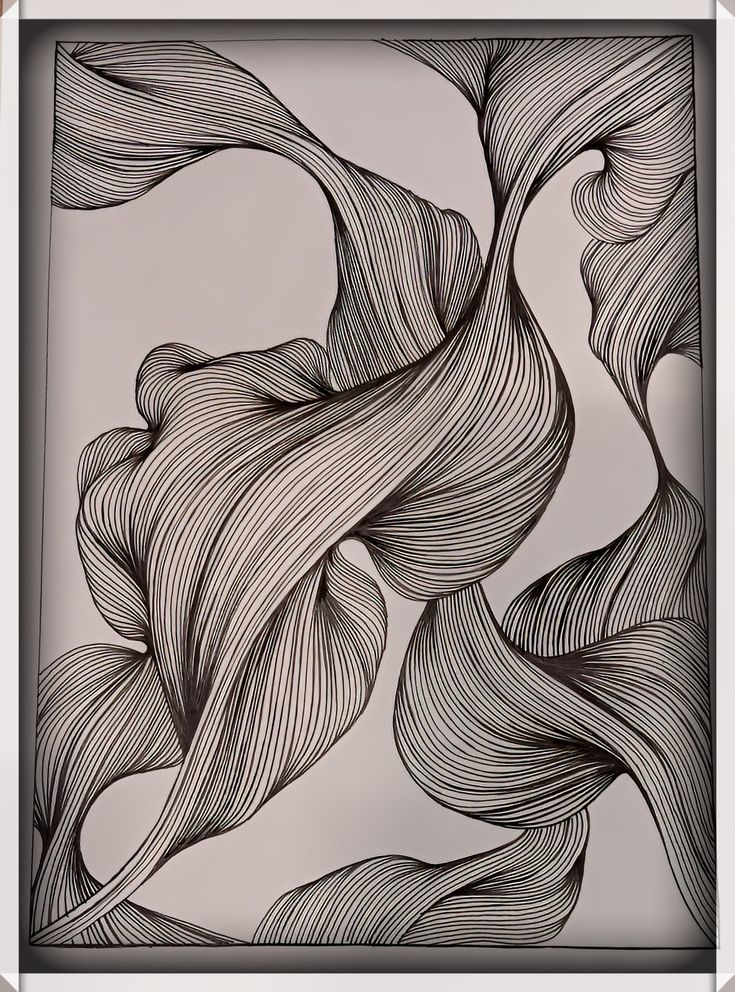
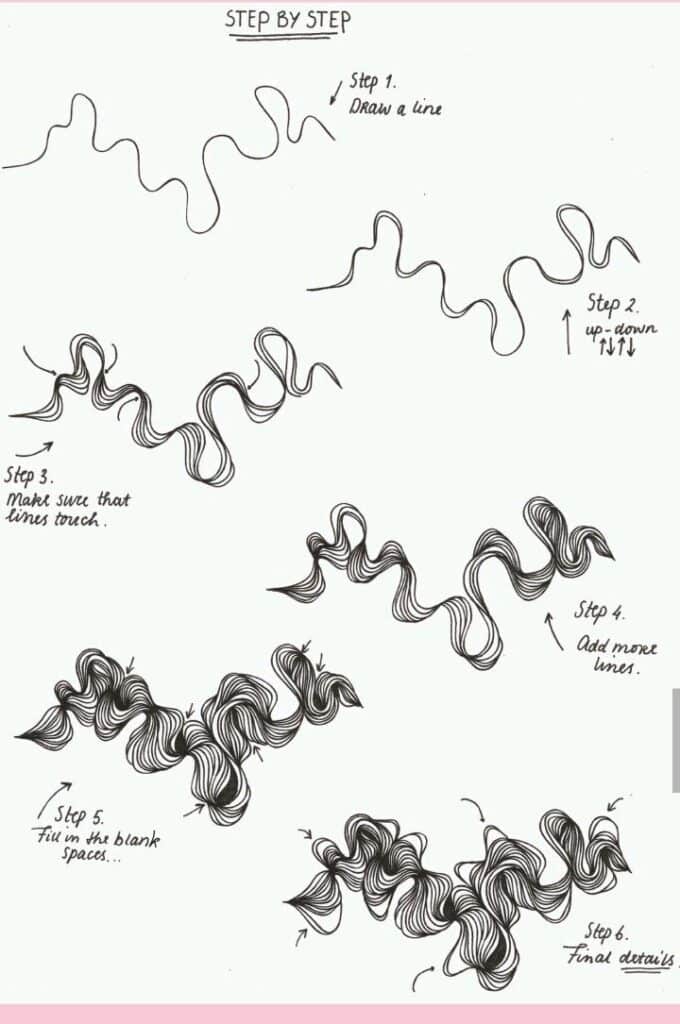
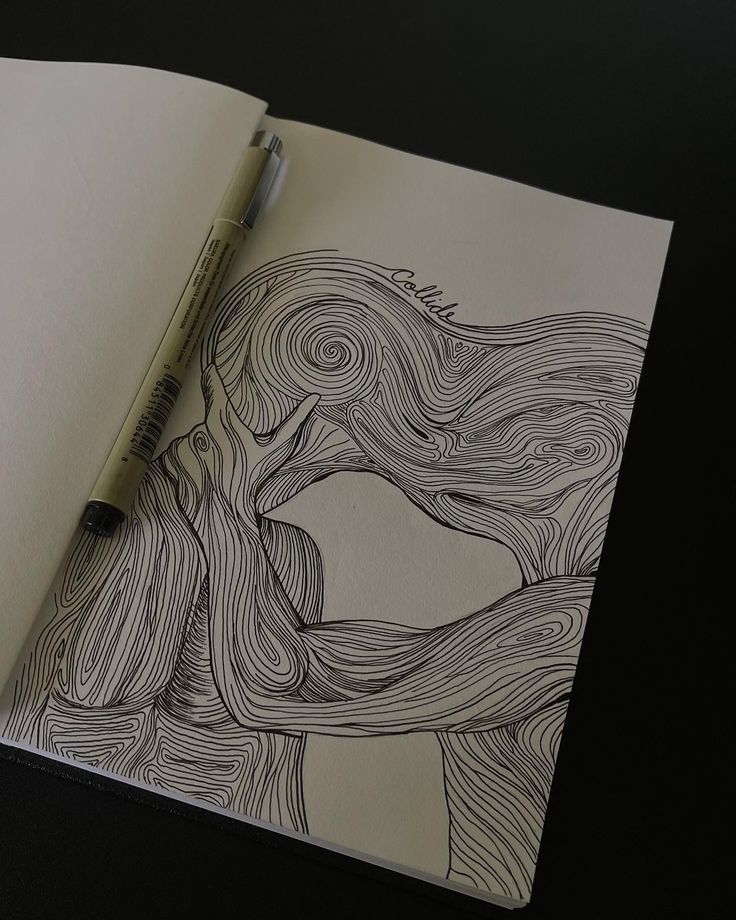
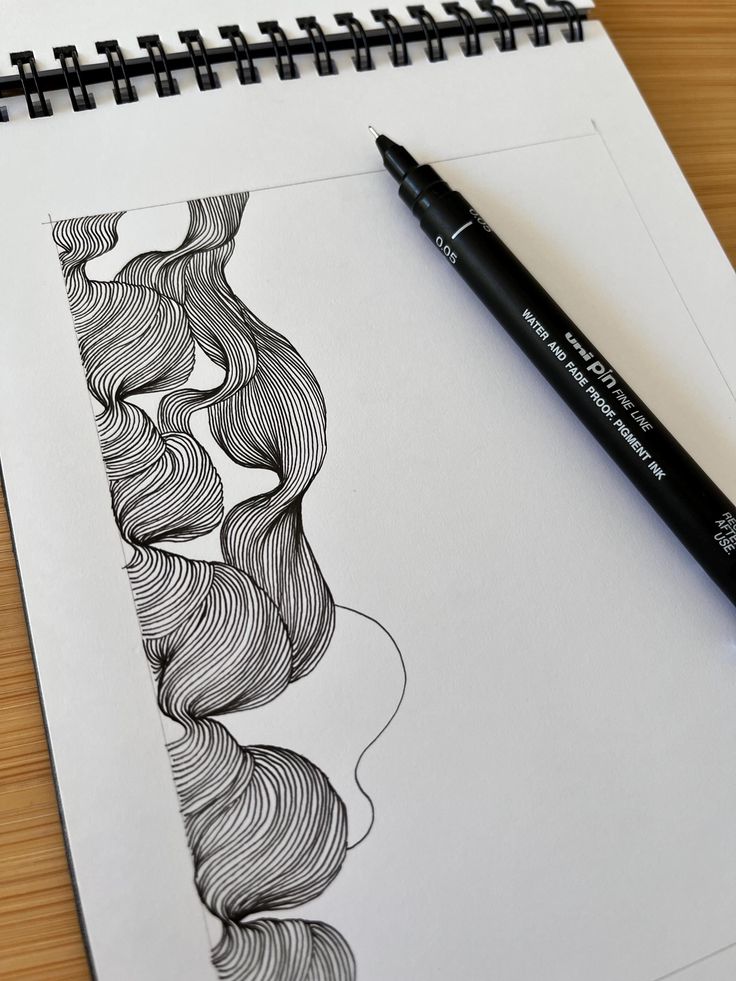
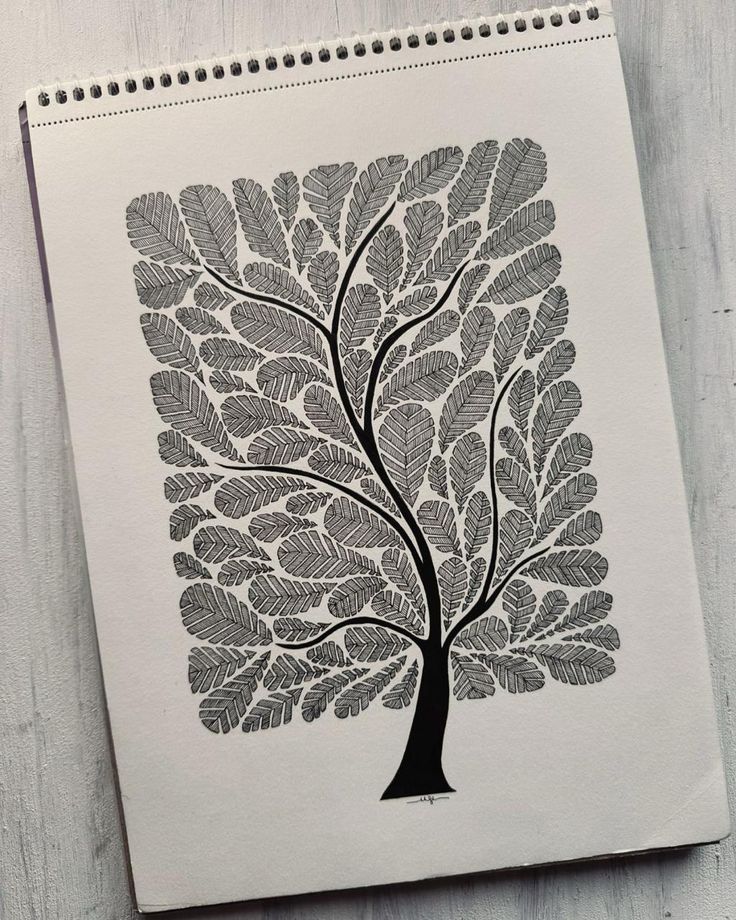
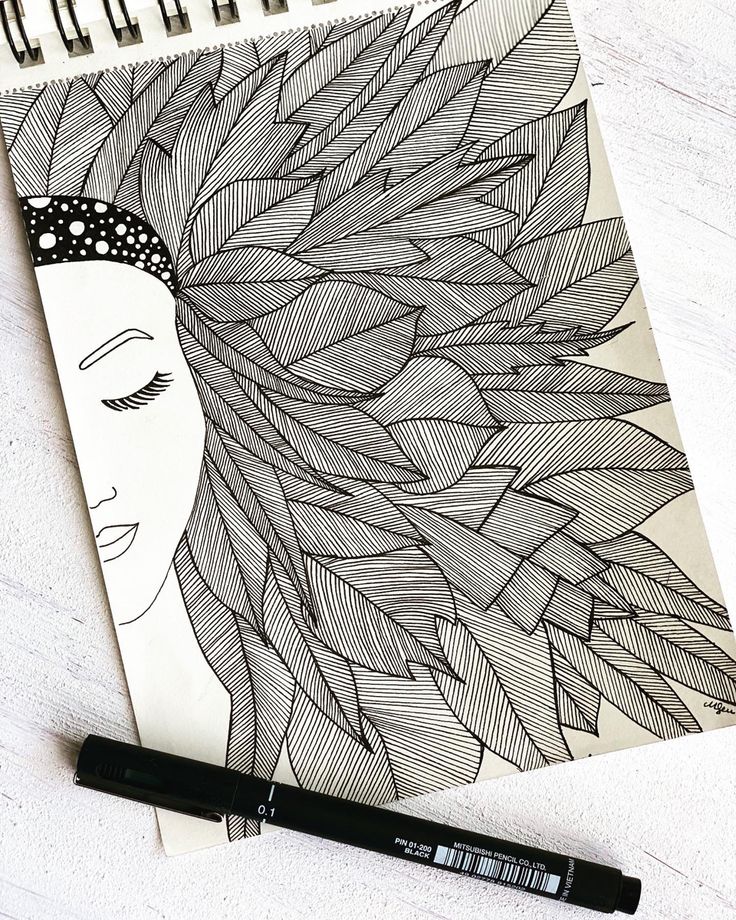
Line art uses simple lines to create images or patterns. It often involves repeating shapes or designs. People find it calming because it focuses the mind on small, steady movements.
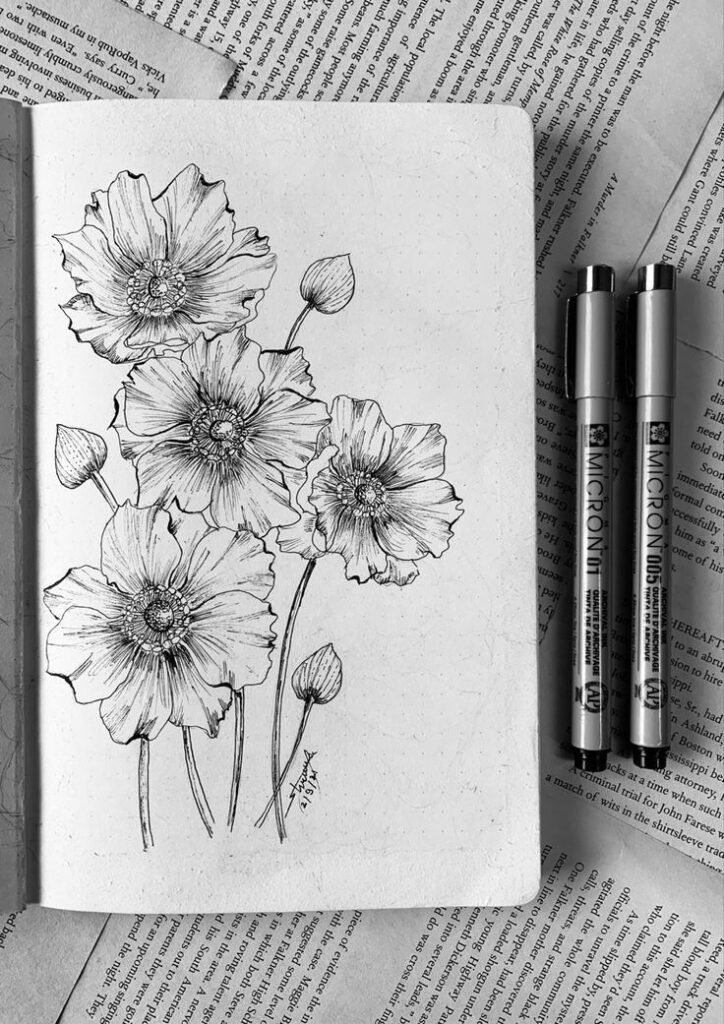
Zentangle is a popular form of line art. It combines structured patterns in divided sections, making it easy to start and follow. It does not require drawing skills, which helps reduce stress by focusing on the act of creating instead of the final result. Using pencils or fine-tip pens on plain paper works best.
This style helps with mindfulness. It encourages slowing down and paying attention to each stroke, which can lower anxiety levels. It’s also portable, so anyone can draw it wherever they feel stressed.
Abstract Sketching
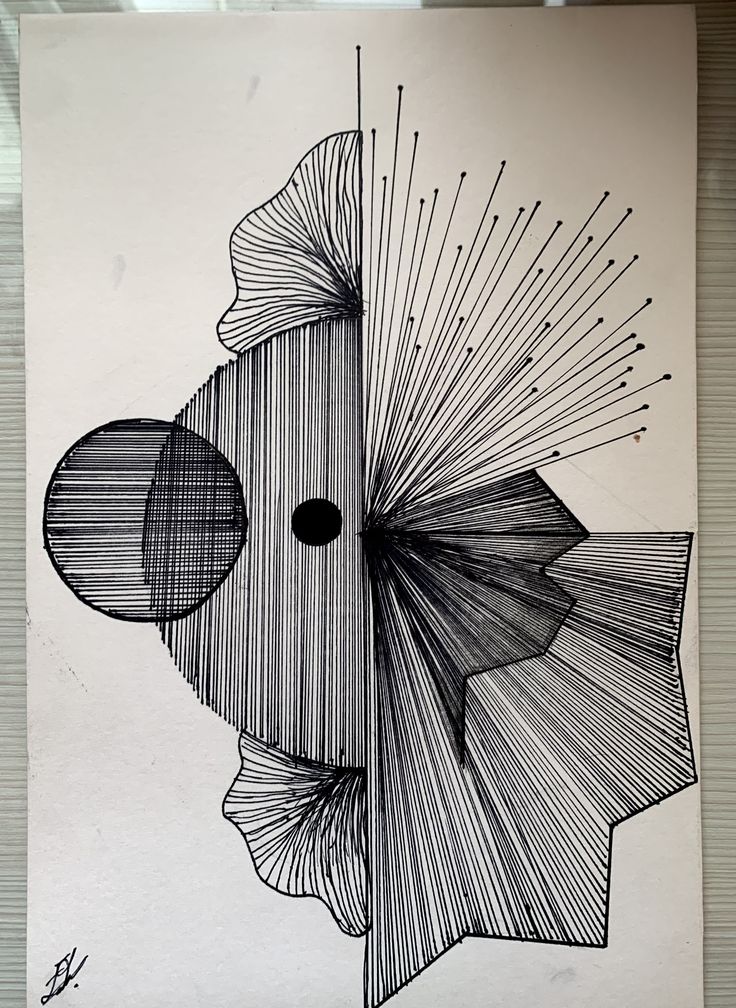
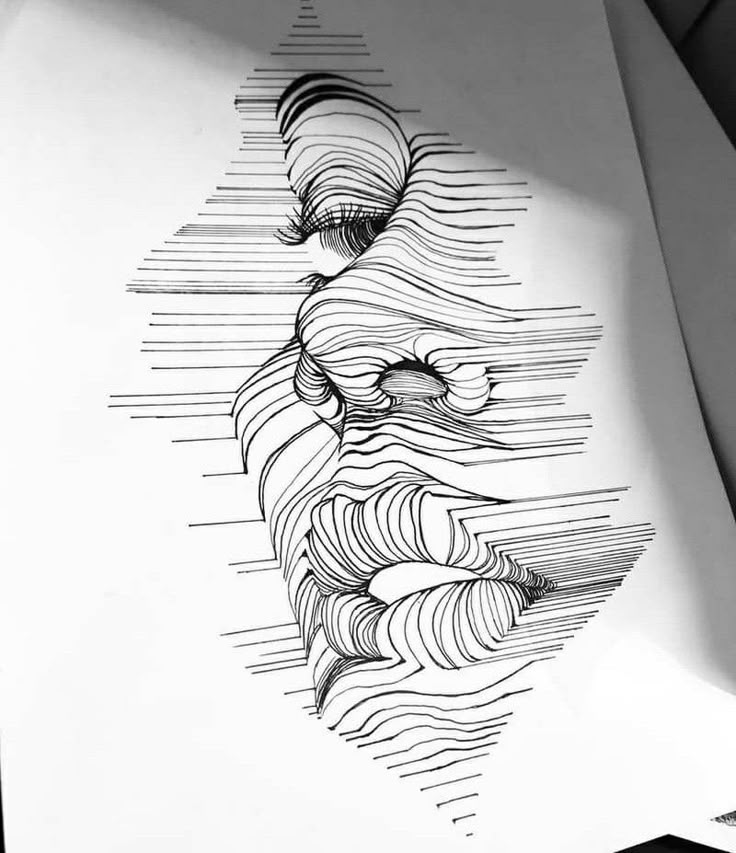
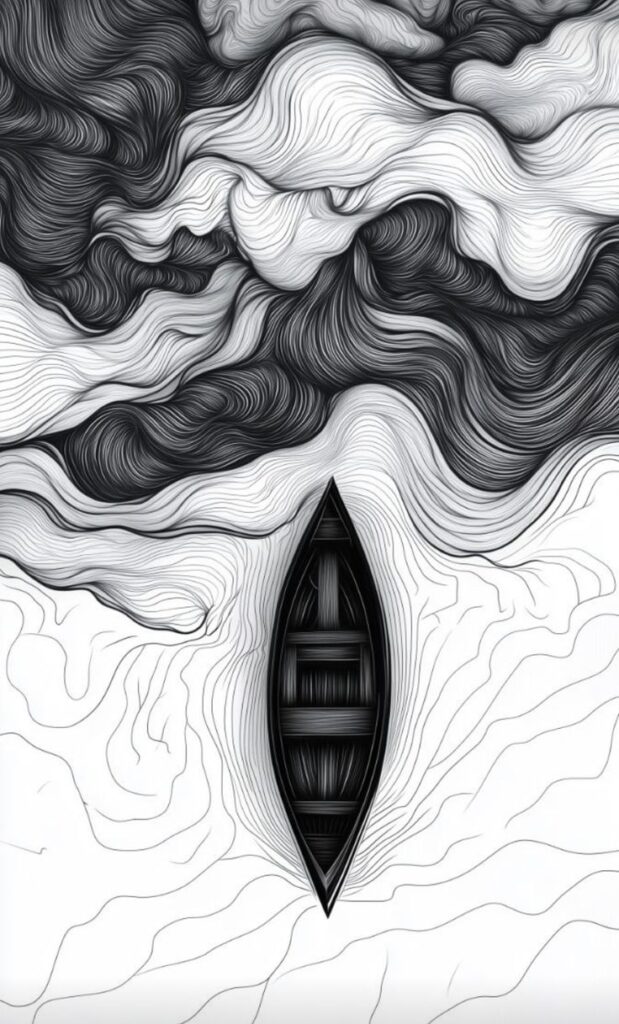
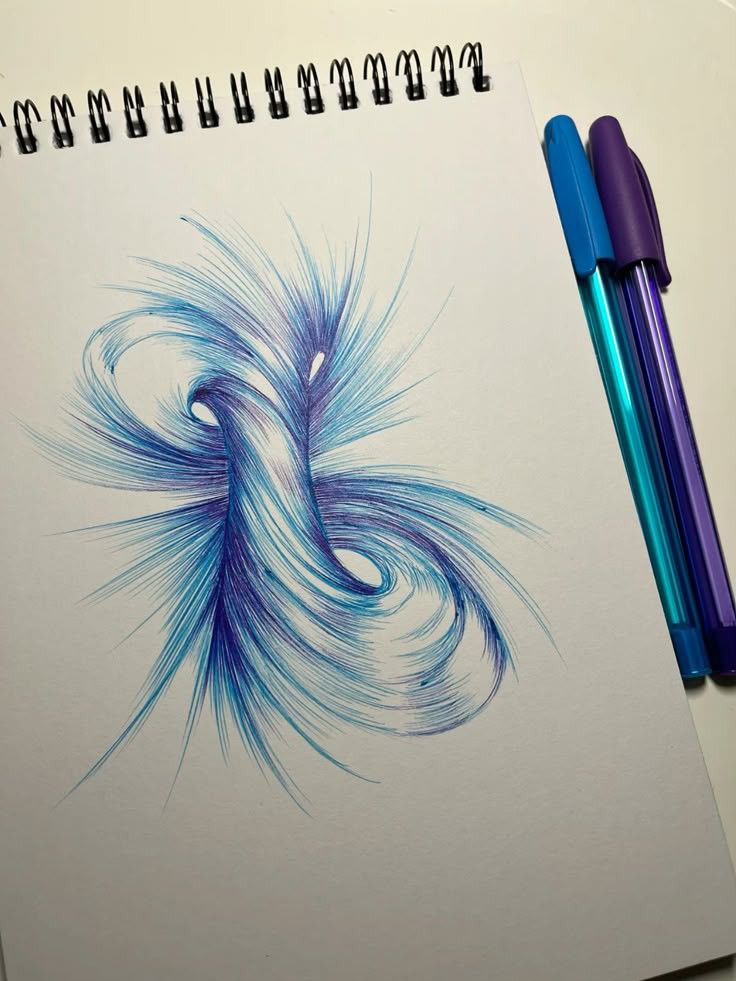
Abstract sketching is less structured and allows for free expression. It involves drawing shapes, lines, and colors without a clear image or plan. This freedom helps release emotions and reduce tension.
People can use pencils, charcoal, or colored pencils for this. The goal is not to create perfect art but to enjoy the movement and flow of drawing. It’s common to use quick, loose strokes or let the hand move without control.
This style encourages creativity by letting the artist focus on feelings. It helps break mental blocks and is useful when a person feels stuck or overwhelmed. It requires little preparation and often leads to surprising, unique results.

Digital Drawing for Relaxation
Digital drawing uses tablets, computers, and specialized software to create art. It often comes with tools like undo buttons and layers, which reduce stress about mistakes. This makes it easier to experiment without pressure.
Digital art apps offer brushes that mimic the feel of pencils, pens, or paint. This variety lets people try many techniques without having to buy supplies. It also allows saving or sharing work instantly.
Using digital drawing for stress relief suits those who enjoy technology. It can combine drawing with music or other relaxing elements on the device. This style suits people who like interactive or flexible creative outlets.

Drawing for Specific Stressors
Drawing can help reduce stress by focusing the mind on specific problems. Different stressors may require unique drawing approaches to be most effective. Using targeted art techniques can make stress relief more transparent and more practical for each situation.
Managing Work-Related Stress
Work stress often comes from tight deadlines, long hours, or conflicts with coworkers. Drawing can help a person express feelings they might struggle to say out loud. Sketching scenes related to work, like an office setting or a stressful meeting, can help identify exactly what causes tension.
Focusing on repetitive patterns or simple shapes can calm a racing mind after a busy day. Using soothing colors, such as blues and greens, can lower anxiety. They might also try drawing solutions to problems, like organizing tasks visually, to feel more in control at work.
Drawing for Academic Pressure
Academic pressure includes worries about grades, exams, and future plans. Students can benefit from drawing as a way to organize thoughts and reduce panic. Creating mind maps or visual notes can help break down tough subjects and make learning less stressful.
Drawing characters or scenes that represent the pressure can give a safe outlet for frustration. It also allows students to step back and see their problems from a different angle. Bright colors and free-form doodles can boost mood when worry feels overwhelming.
Coping with Personal Challenges Through Art
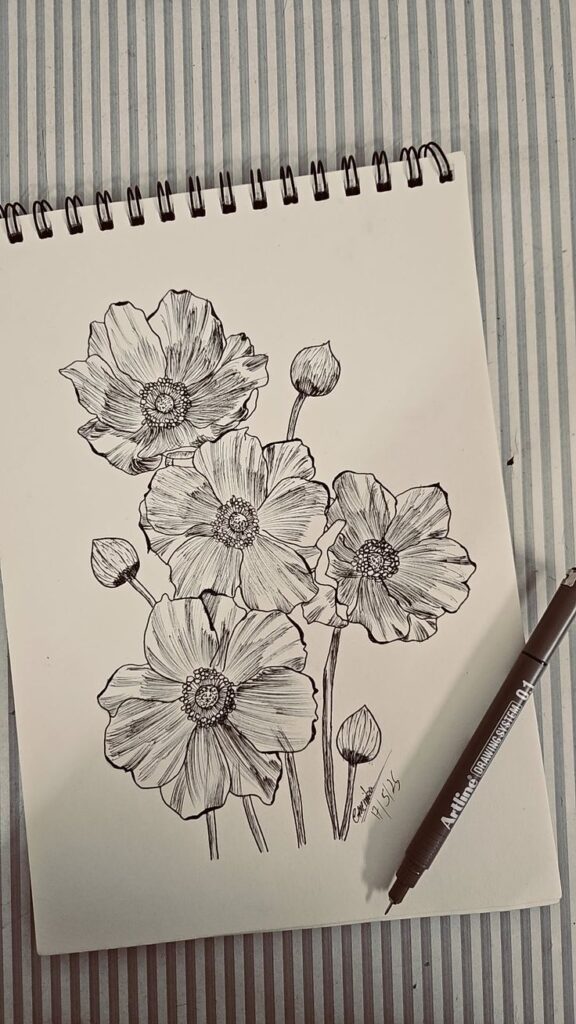
Personal challenges like family issues or health problems cause deep emotional strain. Drawing gives a private space to explore these feelings without judgment. People might draw symbols or abstract shapes to represent their emotions when words are hard to find.
Art can also show progress and change by comparing drawings over time. This helps recognize personal growth and build hope. Using mixed media or textured materials can engage the senses and deepen the relaxing effect of drawing.
Combining Drawing with Other Stress Relief Methods
Drawing can be more effective when combined with other stress-reduction strategies. Using simple techniques alongside drawing helps deepen relaxation and focus. These combinations create stronger and longer-lasting stress relief.
Drawing and Meditation
Meditation and drawing both help calm the mind. When combined, they can improve focus and reduce anxiety faster. For example, a person might start with five minutes of deep breathing or guided meditation. This prepares the mind to be more open and relaxed.
After meditation, they can draw freely, expressing feelings or images from their calm state. This practice helps keep the mind from wandering and pins down peaceful thoughts.
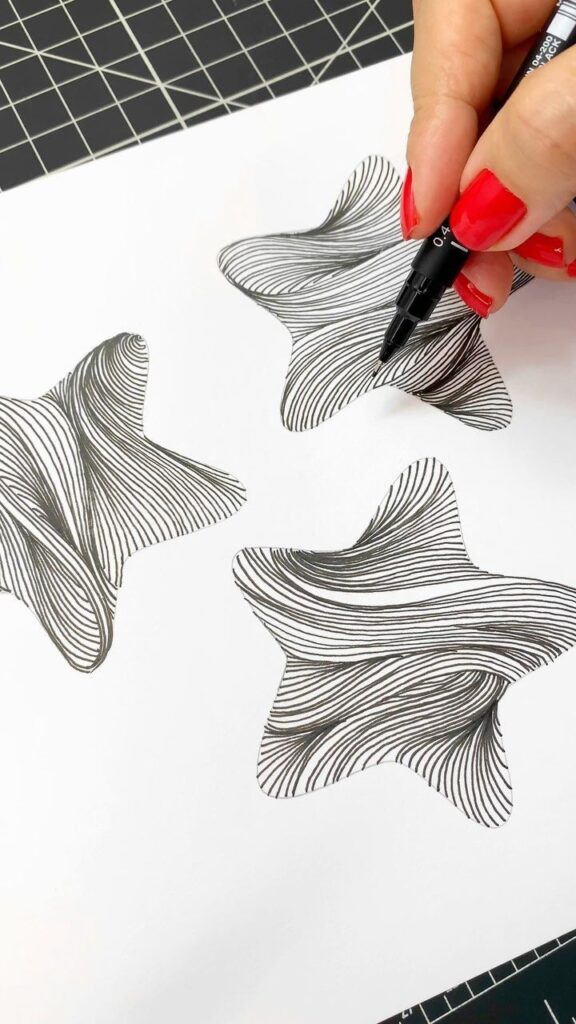
Meditative drawing often involves repetitive or simple shapes, such as circles or lines. These allow the brain to stay focused without pressure or judgment. It encourages a slow pace, which lowers heart rate and reduces stress hormone levels. Many find this combined method boosts overall mental clarity.
Incorporating Music While Drawing
Listening to music during drawing can improve mood and creativity. The right music sets a positive atmosphere, reducing tension and making the experience more enjoyable. Soft instrumental tracks or nature sounds work best because they minimize distraction.
Music with a steady rhythm helps keep a steady drawing pace. This steady beat can calm racing thoughts and increase concentration. Some people choose slow music for deep relaxation, while others prefer upbeat tunes to feel energized.
It is helpful to choose music that matches the desired emotional state. For example, calming music helps unwind, while lively music can lift spirits. Adjusting the volume so the music does not overpower the drawing process is essential for maintaining focus.
Tracking Progress and Personal Growth
Keeping track of changes and feelings can help deepen the benefits of drawing for stress relief. Noting details about the creative process and emotional shifts offers clear insights into personal growth.
Journaling Your Artistic Journey
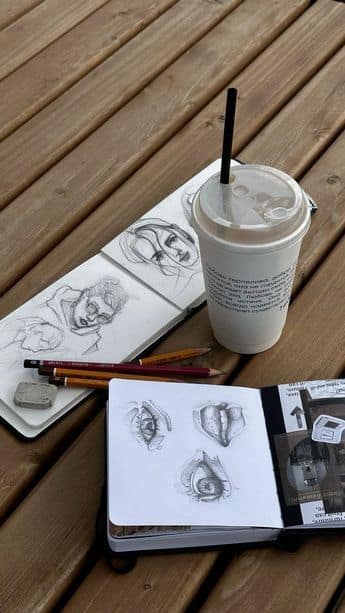

Writing regularly about drawing experiences helps identify patterns in stress levels and artistic themes. It is useful to record the date, subject matter, and mood before and after drawing sessions. This creates a timeline showing progress and challenges.
A simple journal can include:
- What was drawn
- Why was it chosen
- Feelings during and after drawing
Over time, this record shows improvements in skills and reveals what types of drawings bring the most comfort. Journaling also encourages consistency, making it easier to build drawing into a daily routine.
Reflecting on Emotional Changes
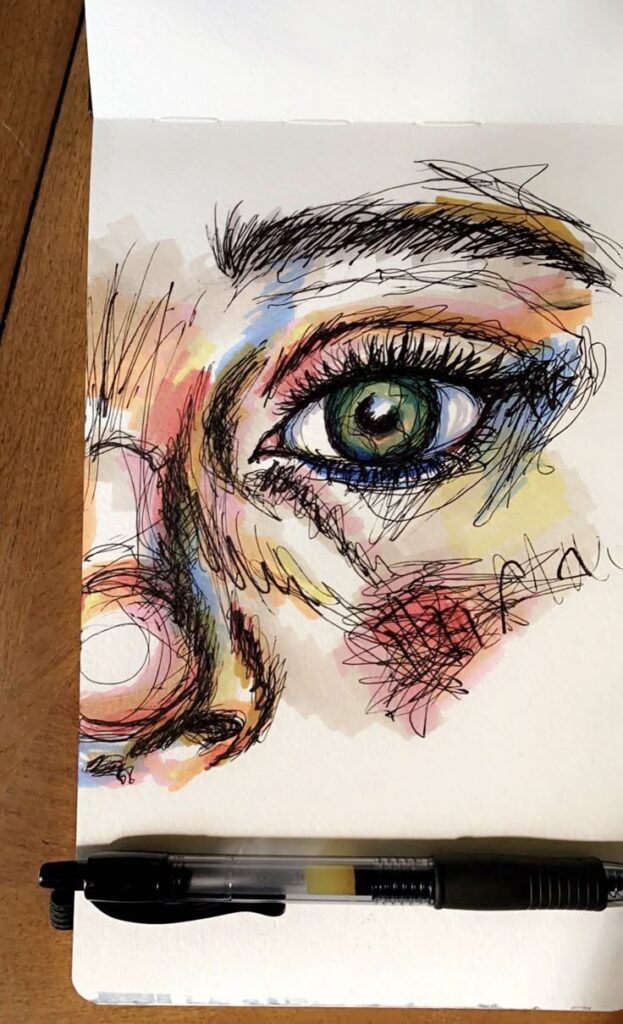
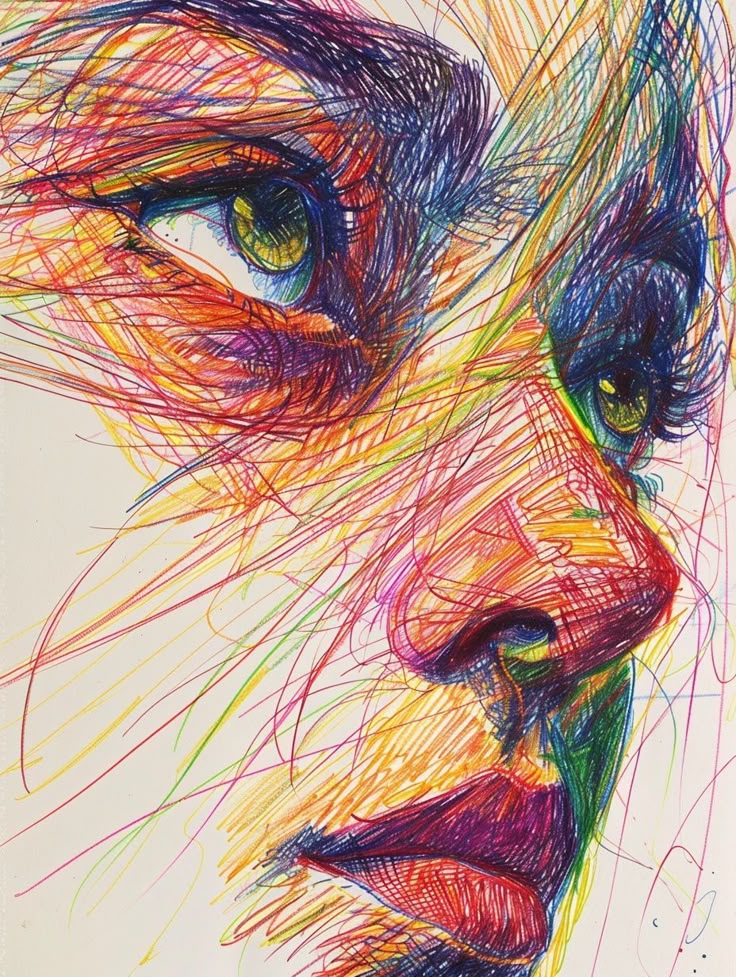
Drawing can affect emotions in subtle ways that might go unnoticed without reflection. Taking time to think about how drawing affects mood helps identify specific stress relief benefits.
A person might notice:
- Reduced anxiety after sketching
- Increased calmness during coloring
- Changes in focus or creativity
Recording these observations supports better understanding of what techniques work best. Reflection may lead to setting personal goals, like spending more time on particular styles or subjects to enhance emotional well-being.
When to Seek Professional Support
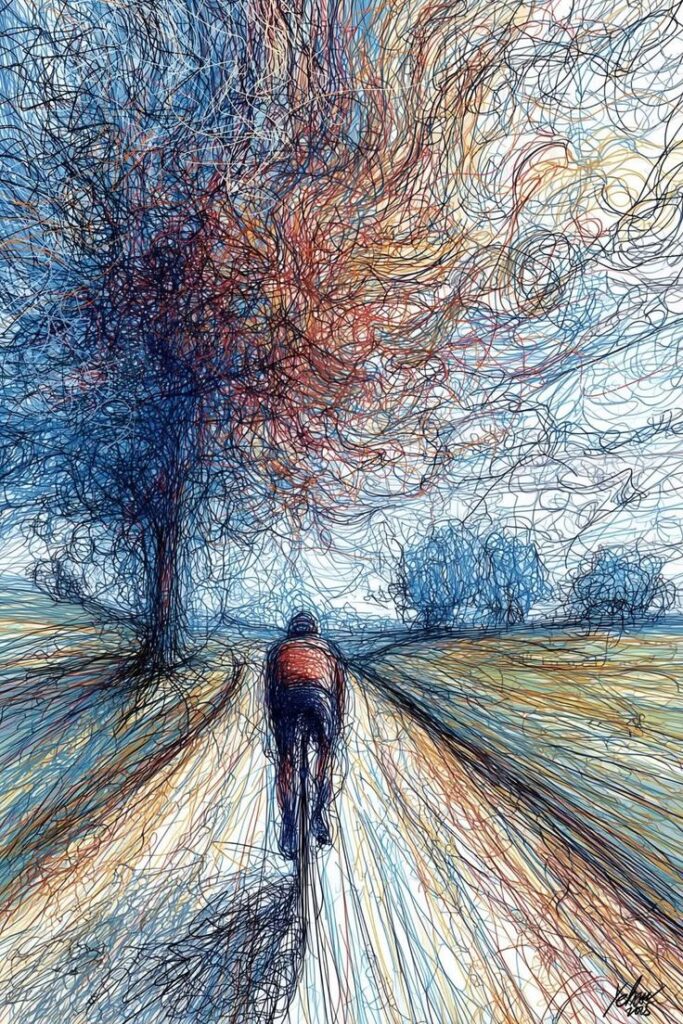
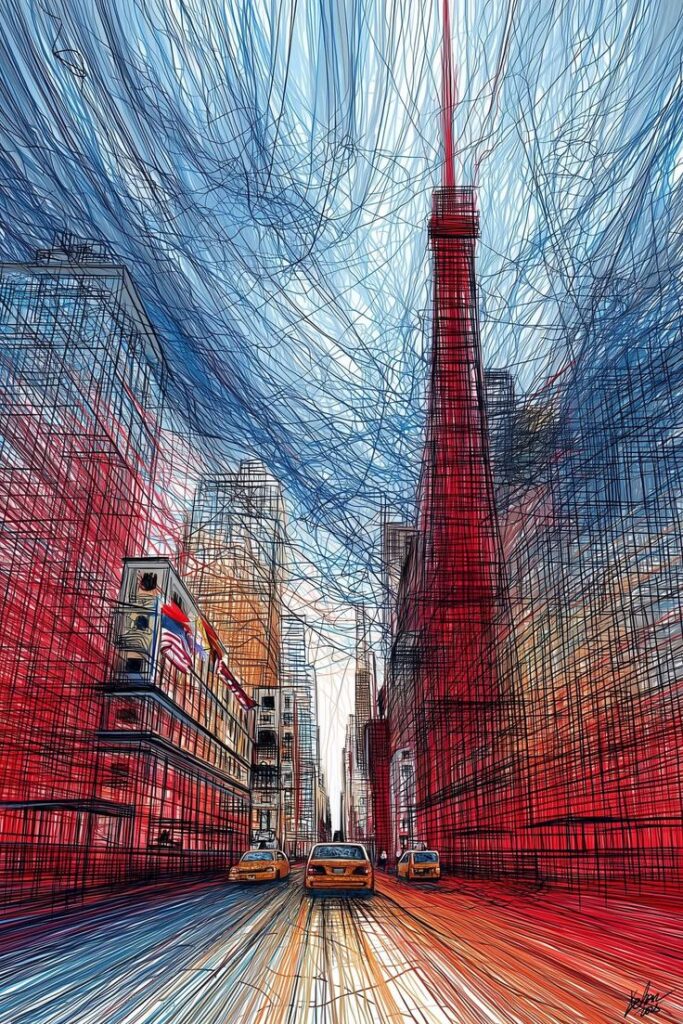
Drawing can help reduce stress, but it is not a replacement for professional care. If stress becomes overwhelming or lasts a long time, a person should consider seeking help from a mental health professional.
Signs that show someone needs professional support include:
- Difficulty sleeping or eating
- Constant feelings of sadness or anger
- Trouble managing daily tasks
- Thoughts of self-harm or suicide
When these signs appear, it is essential not to ignore them. A therapist or counselor can provide guidance, coping skills, and treatment options that drawing alone cannot offer.
Professional support can also help if drawing feels frustrating or increases stress instead of reducing it. Sometimes, underlying mental health issues require more attention.
It is okay to ask for help even if the problem does not seem very big. Early support can prevent issues from getting worse. People can speak confidentially with a doctor, therapist, or counselor.
Overall, combining drawing with professional support creates a stronger plan for managing stress. Knowing when to seek help is a key part of taking care of mental health.
Additional Resources for Drawing and Stress Relief
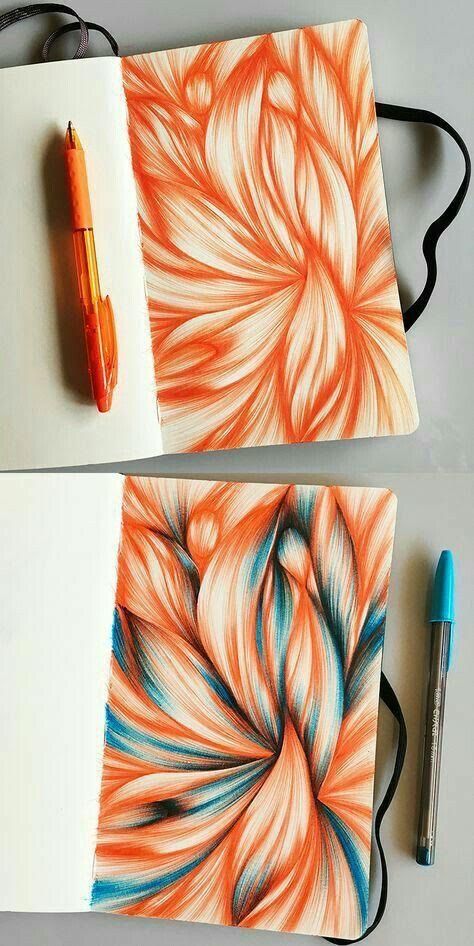
Many books offer practical tips on using drawing to reduce stress. Some popular titles include The Art of Mindfulness and Drawing for Relaxation. These books guide readers through simple exercises to help calm the mind.
Online courses can also help beginners and experienced artists alike. Websites like Skillshare and Udemy have classes focused on creative expression and stress relief through drawing. These courses often provide step-by-step instructions and community support.
Apps can be helpful in daily drawing practice. Apps like Procreate, Sketchbook, and Calm help users create digital art while also promoting mindfulness. They offer easy-to-use tools that include calming prompts.
Local art clubs or therapy groups may provide additional support. Many communities offer drawing workshops designed to reduce anxiety. These groups can provide a social setting and professional guidance.
Here is a quick list of resources:
| Resource Type | Examples | Benefits |
|---|---|---|
| Books | The Art of Mindfulness, Drawing for Relaxation | Easy to follow, offline use |
| Online Courses | Skillshare, Udemy | Structured learning, flexible |
| Apps | Procreate, Calm | Portable, interactive |
| Local Groups | Community art clubs, therapy groups | Social support, guided help |
What are some simple drawing techniques suitable for beginners seeking stress relief?
Beginners can practice doodling, guided exercises, coloring, abstract sketching, and line art such as Zentangle, which focus on repetitive patterns, shapes, and free expression, making the process calming and accessible.
How can incorporating drawing into daily routines help manage stress?
Establishing a regular drawing routine by setting aside specific times and creating a comfortable space helps turn art into a reliable tool for mental calmness, allowing consistent practice to enhance its stress-relieving benefits.
What materials are recommended for stress-free drawing?
Comfortable tools such as soft lead pencils, medium-weight textured paper, non-toxic colored pencils, and erasers that are easy to control are ideal. Affordable options like basic graphite pencils, a sketchbook, and simple erasers are suitable for beginners.
- 3.0Kshares
- Facebook0
- Pinterest3.0K
- Twitter0
- Reddit0