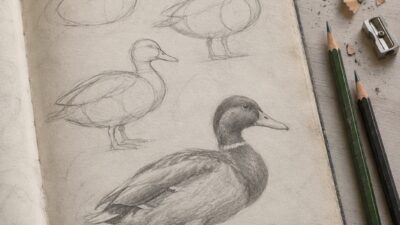

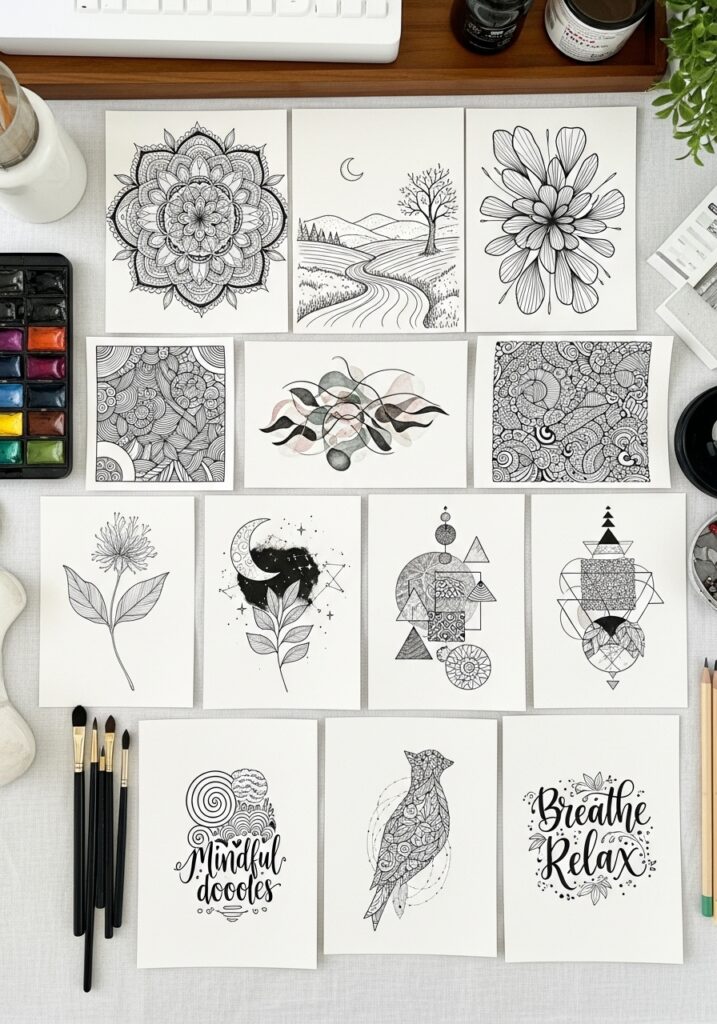
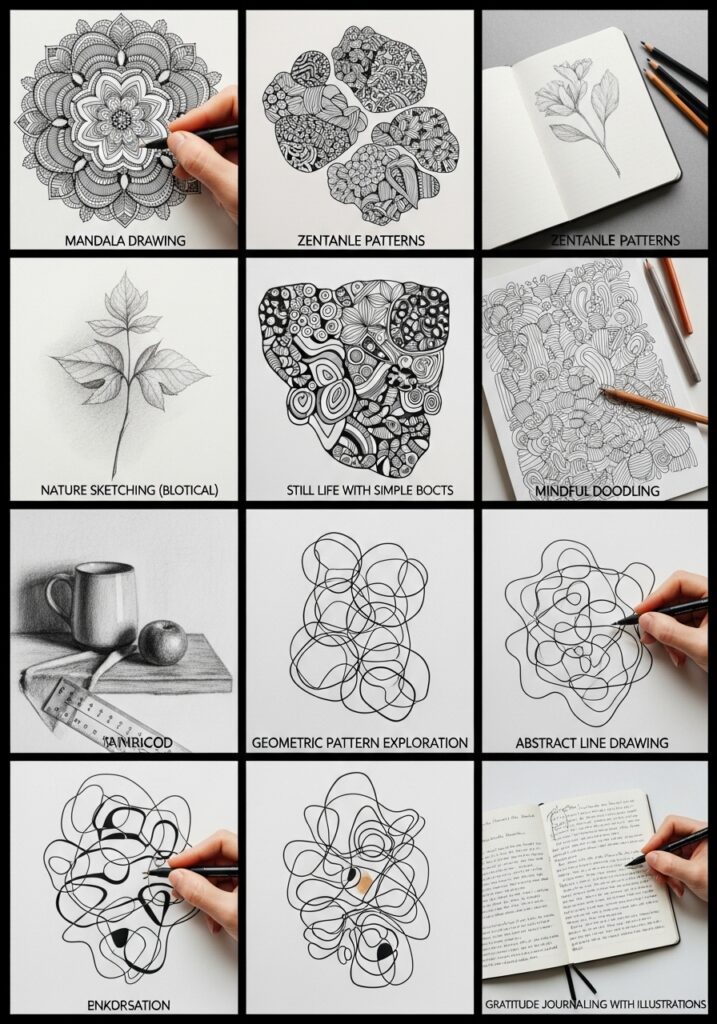
Meditation and exercise are familiar ways to unwind, but drawing can also be a calming, absorbing activity. It suits people who want a quiet break that also builds creative skill. Drawing with intention, even as a serious hobbyist, combines focused attention, close looking and personal expression. That mix can help you set aside daily pressure for a while and return with a clearer head.
Drawing asks you to slow down and look carefully at what is in front of you. Your attention shifts from outside pressures to the marks building up on the page. Many people find this absorbing and finish a session with a sense of accomplishment. Drawing is a relaxing activity, not a medical treatment, so ongoing stress or anxiety may also call for professional support.
The ten exercises below range from structured, repetitive work to loose, intuitive mark-making. A useful rule: choose a structured exercise when your mind feels scattered, and a free one when you feel boxed in.
1. Mandala and Zentangle artistry
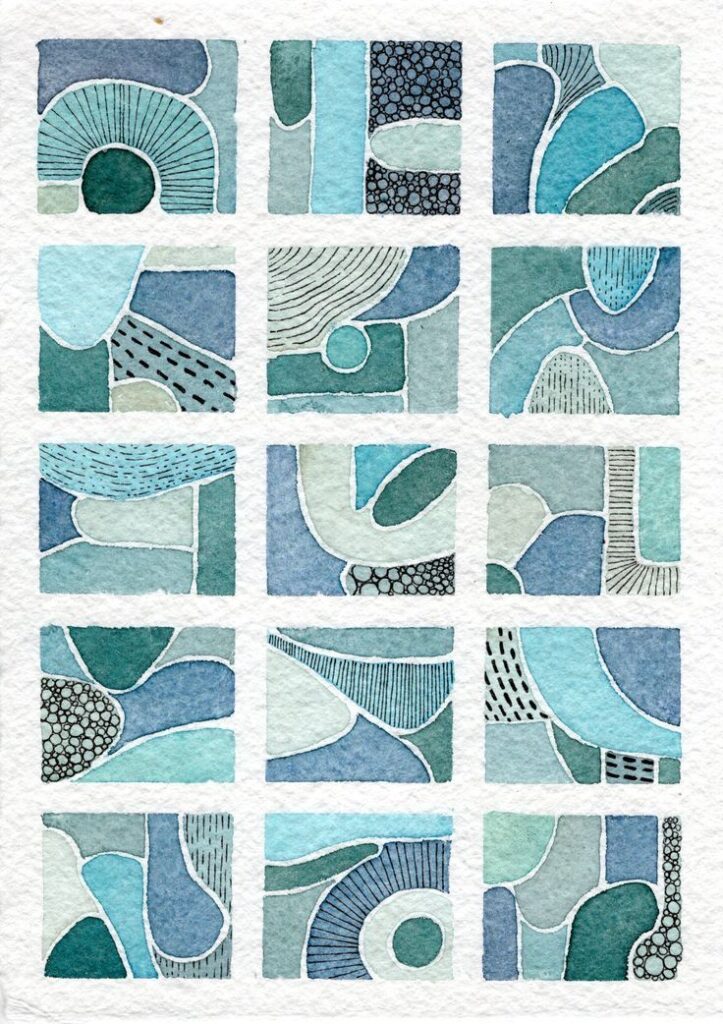
Mandala and Zentangle drawing work well for unwinding because they are structured and repetitive. A mandala, from the Sanskrit word for “circle,” is a geometric arrangement of symbols used in several spiritual traditions, often to represent the cosmos or deities. Zentangles are small abstract drawings built from structured patterns called “tangles.” Both put the process ahead of the finished piece, which takes pressure off the result.
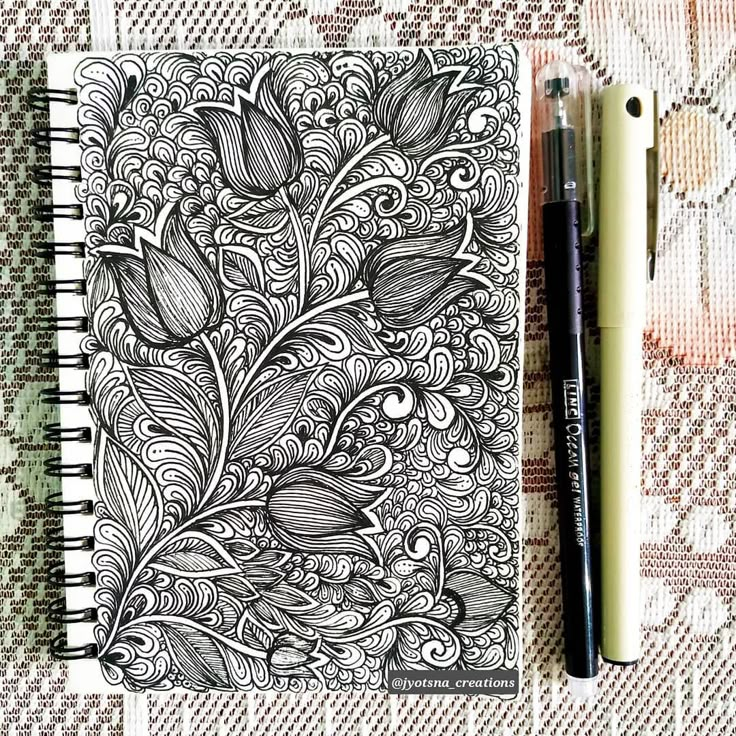
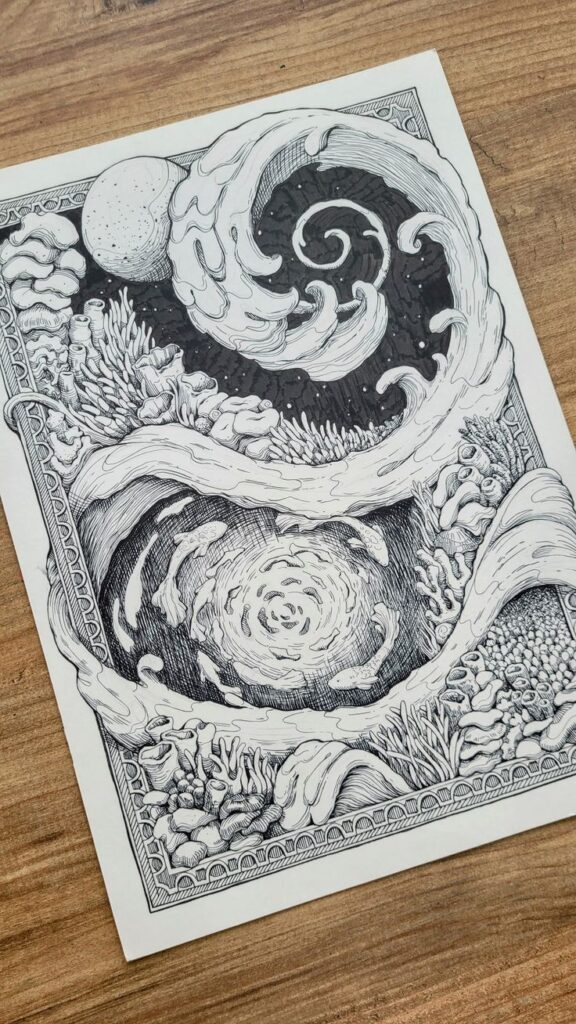
What makes them relaxing and mindful?
Repeating strokes and patterns can lead to a flow state, where you become fully absorbed in an activity and lose track of time. That kind of focus can give your mind a break from worry and overthinking. Because there is no single correct way to build a pattern, there is little pressure to perform. Each line becomes a small act of attention that keeps you in the moment.
Professional approach
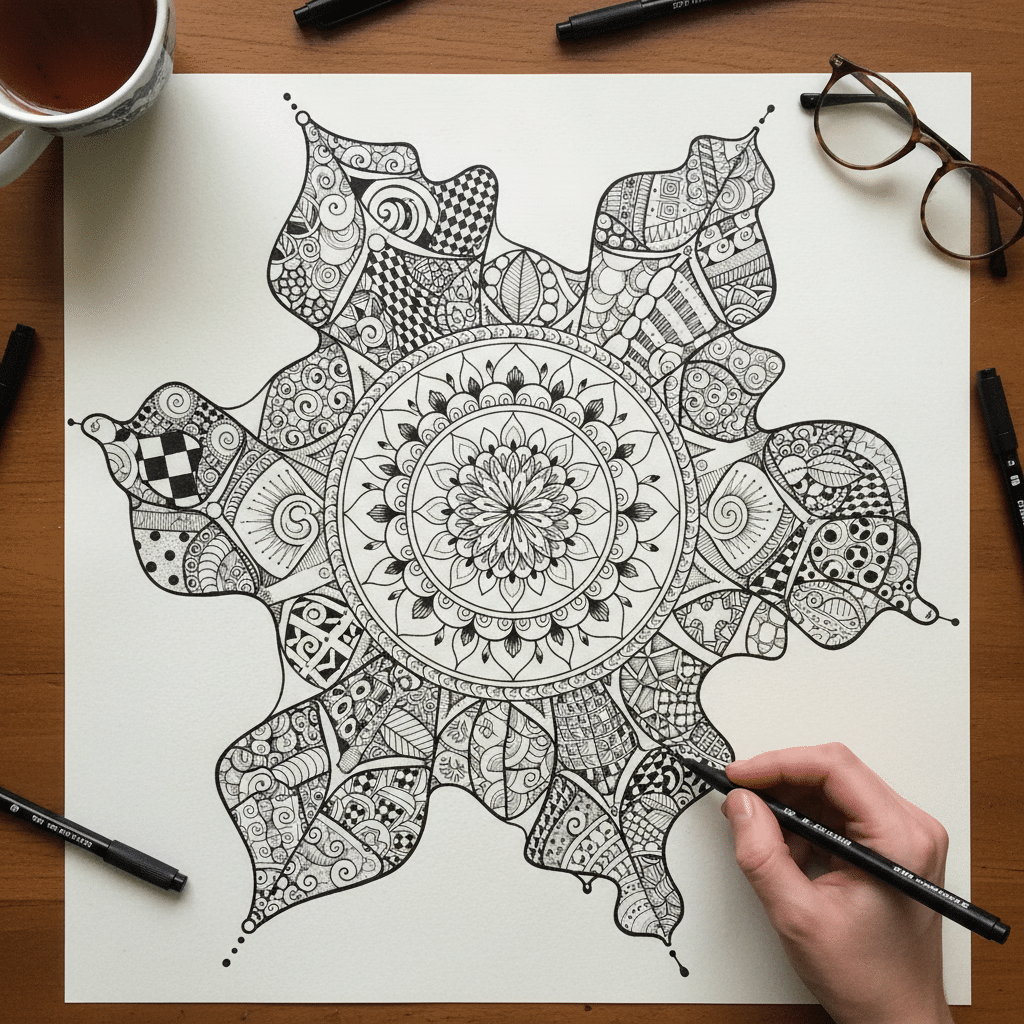
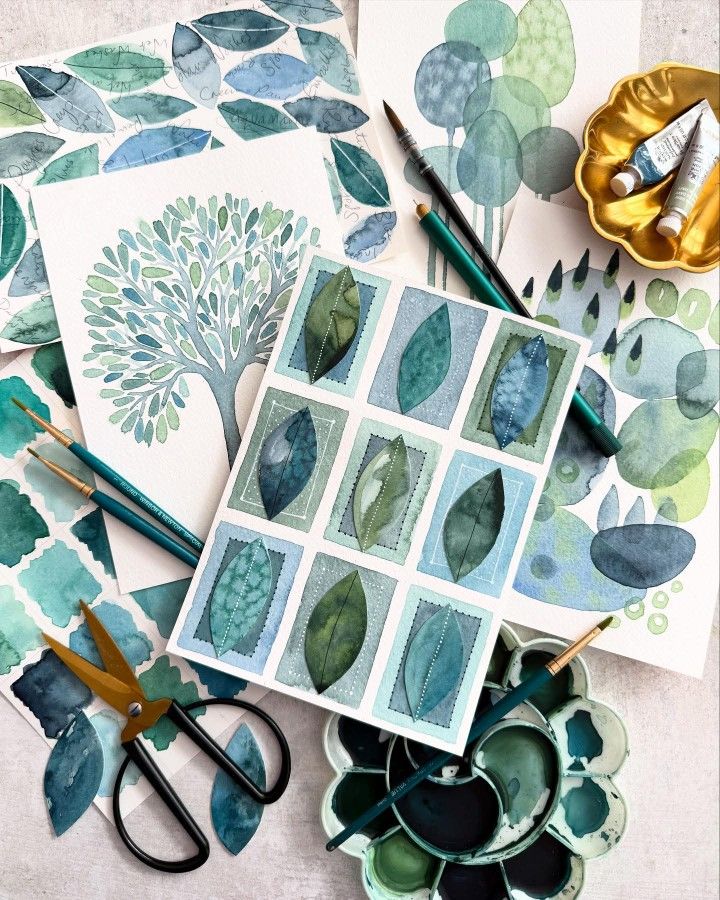
For a more professional approach, experiment with your tools. Fine-point pens from 0.05mm to 0.8mm give precision, while charcoal pencils produce softer, more organic effects on larger mandalas. Choose good-quality paper that can handle several layers of ink. Advanced tessellations, symmetry and careful shading will push the work further.
Instead of copying designs, break existing patterns down to see how they are built, then invent your own tangles or mandala segments. Start from a central point or a simple square grid and build outward methodically. Keep line weight and spacing consistent so each new section fits the whole.
Examples and variations
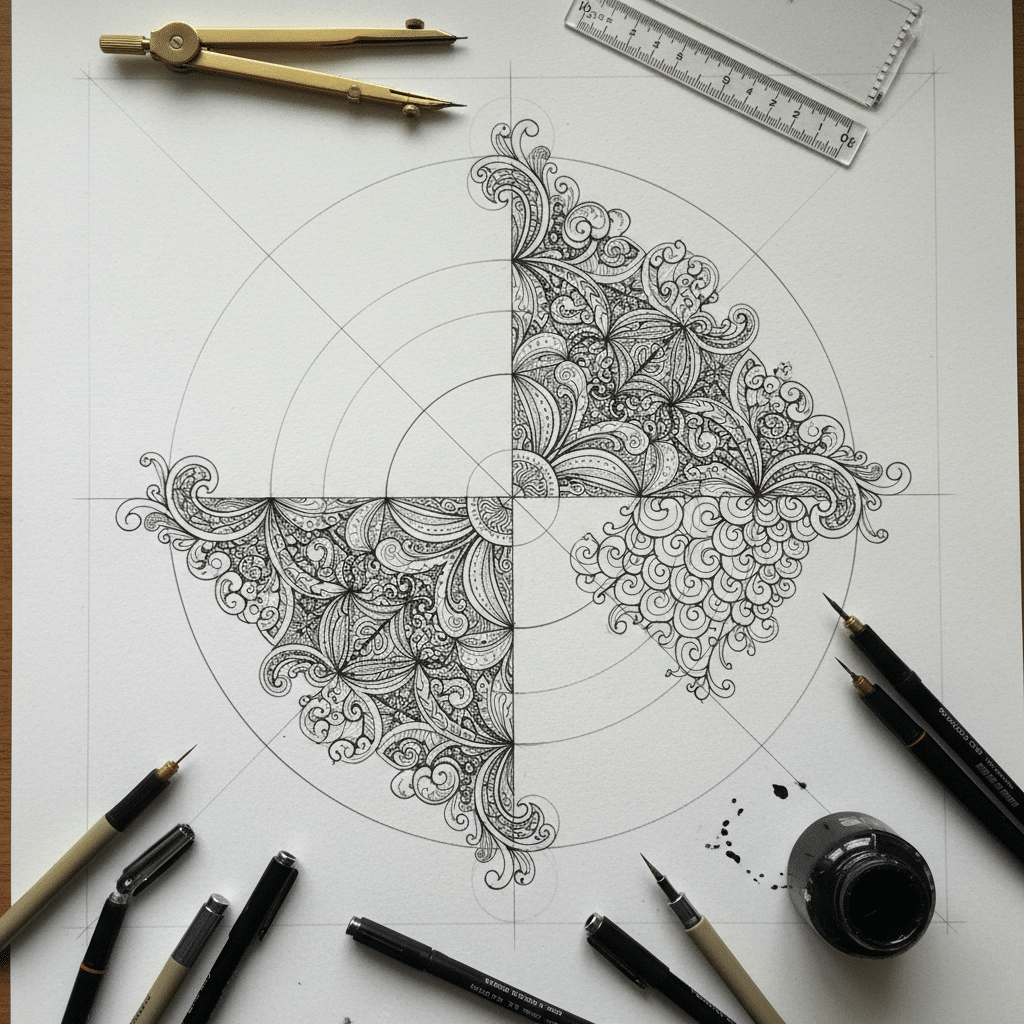
- Geometric precision: Use a ruler and compass to set up strict symmetry, then fill the structure with freehand patterns.
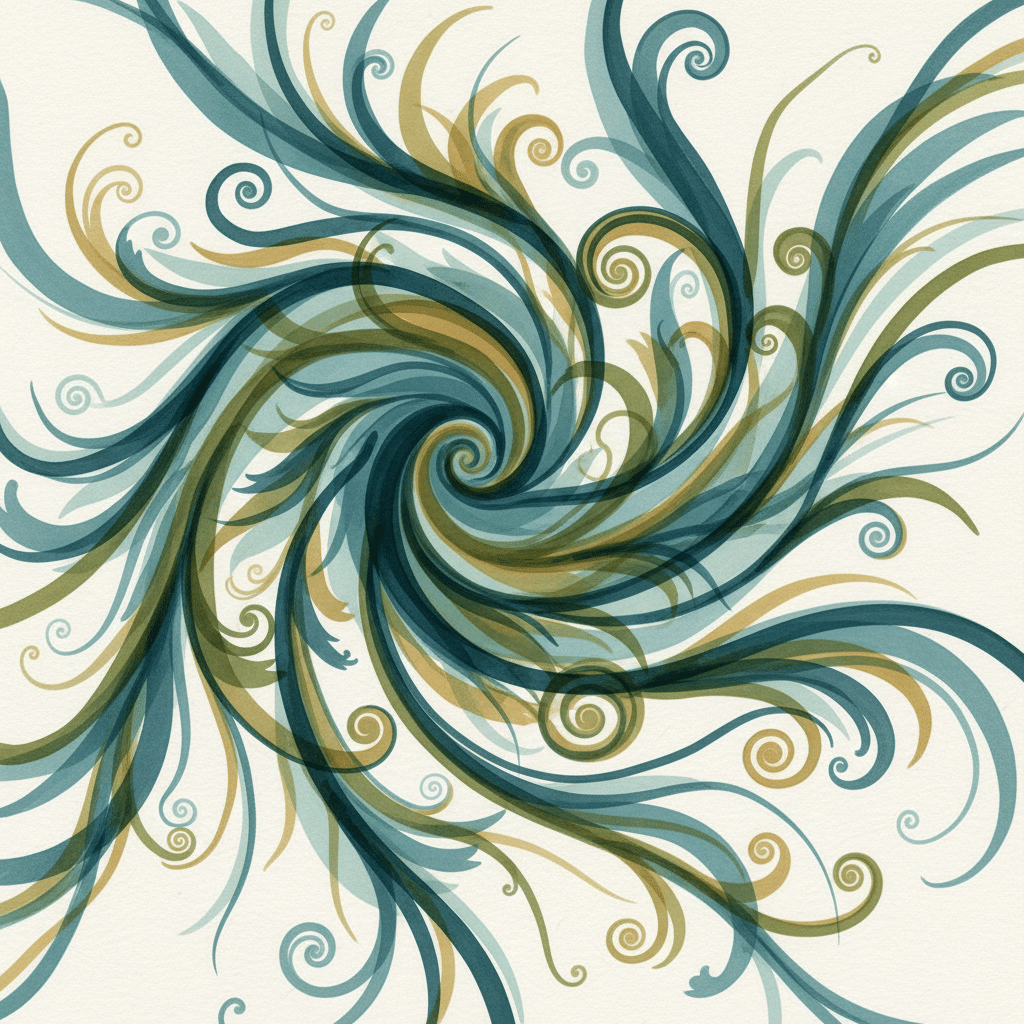
- Organic flow: Let patterns grow more freely with curves and loose lines, perhaps based on leaves or waves.
- Color gradations: Add subtle color shifts with colored pencils or gel pens to give the patterns more depth.
- Mixed media: Pair ink with light watercolor washes or pastel accents to add depth and texture.
2. Botanical illustration for tranquil observation
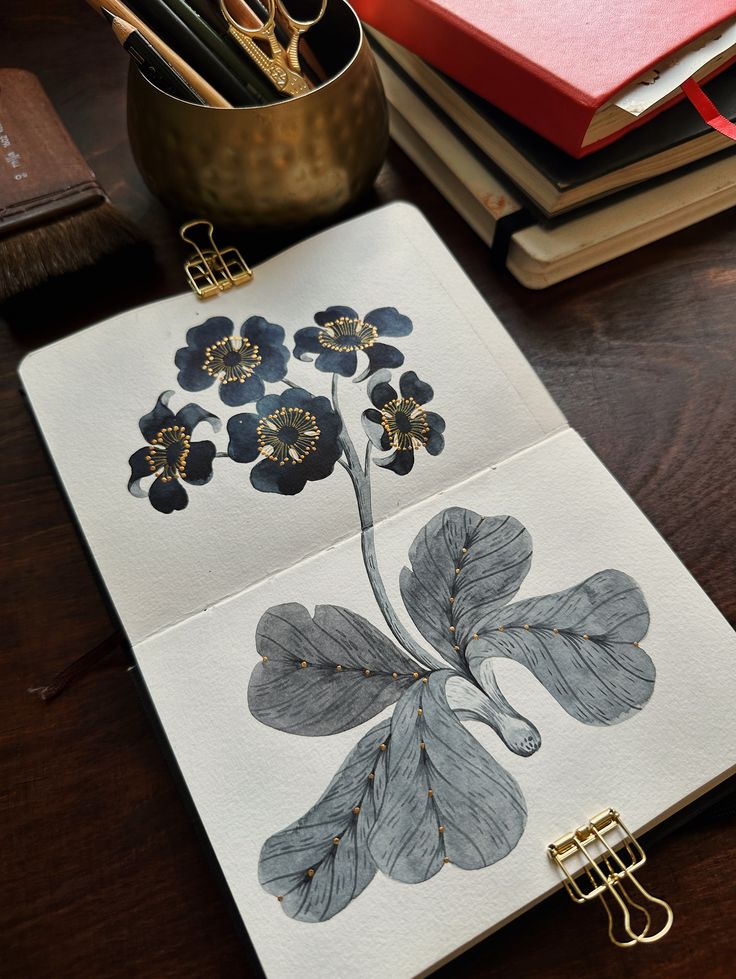
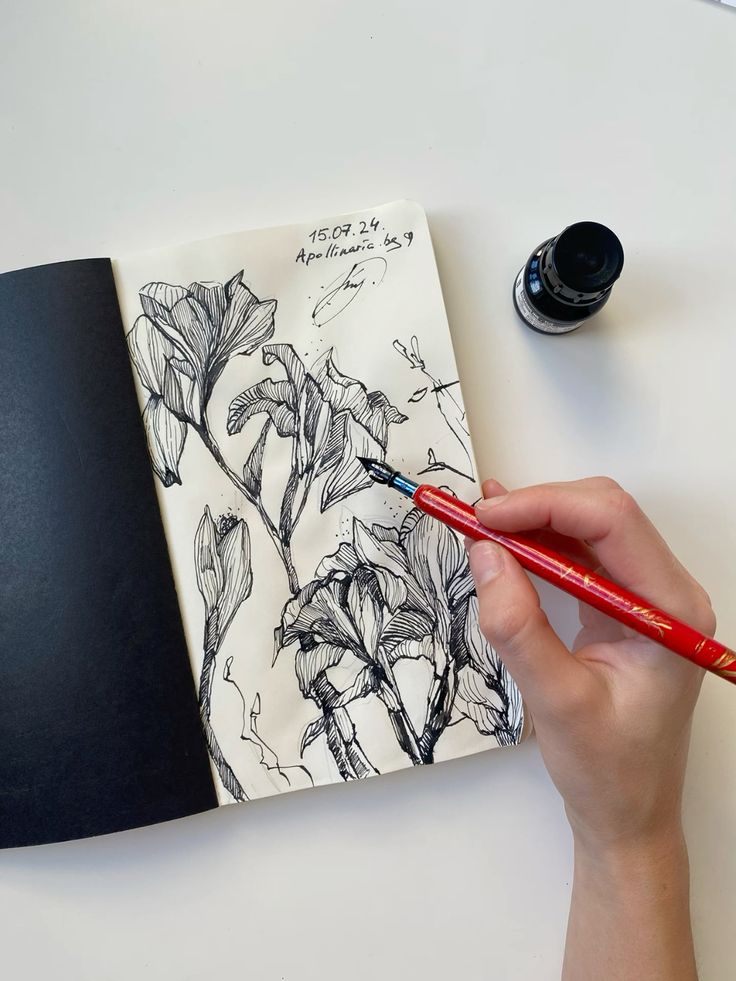
Botanical illustration is a calming practice built on close observation of plants. It aims to depict them with scientific accuracy and artistic care, often down to the small details that make each species distinct. The work takes patience and precision, along with attention to form, texture and light.
Why it helps you unwind and stay present
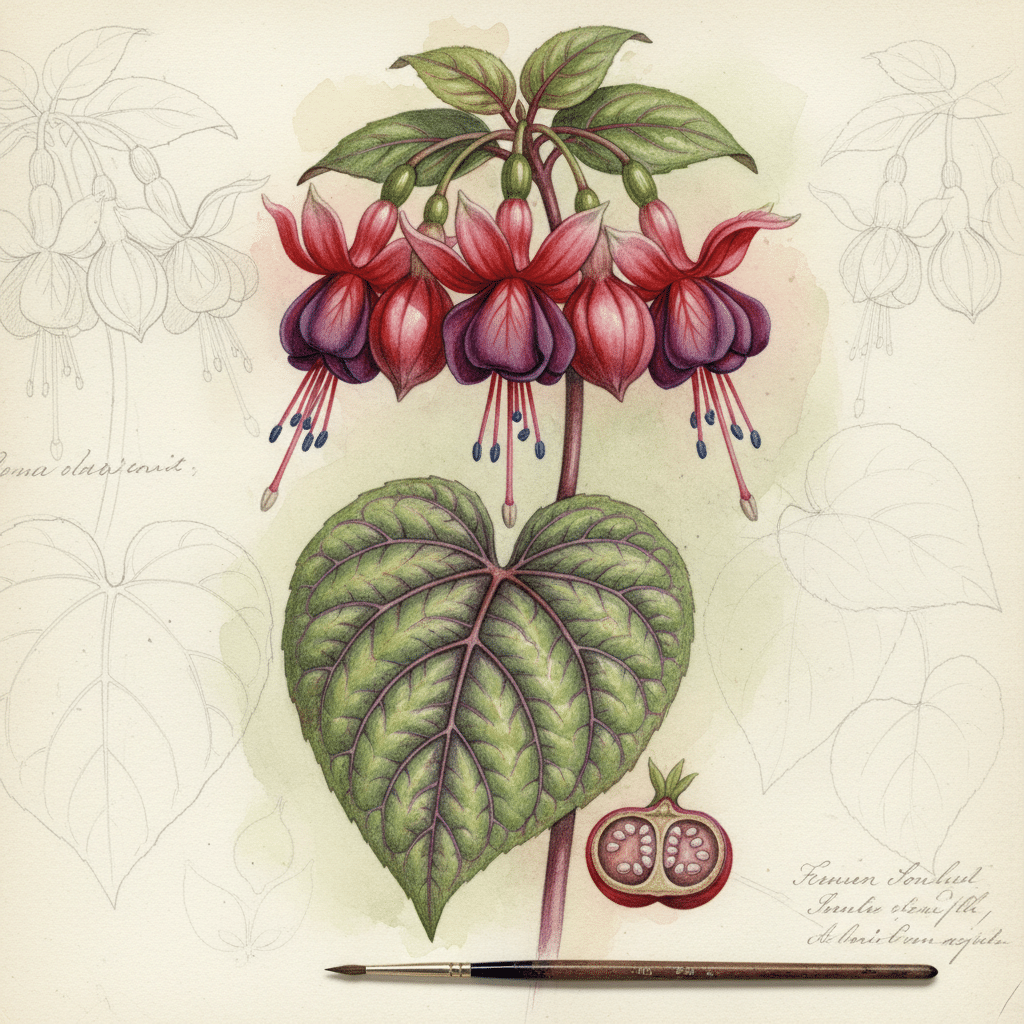
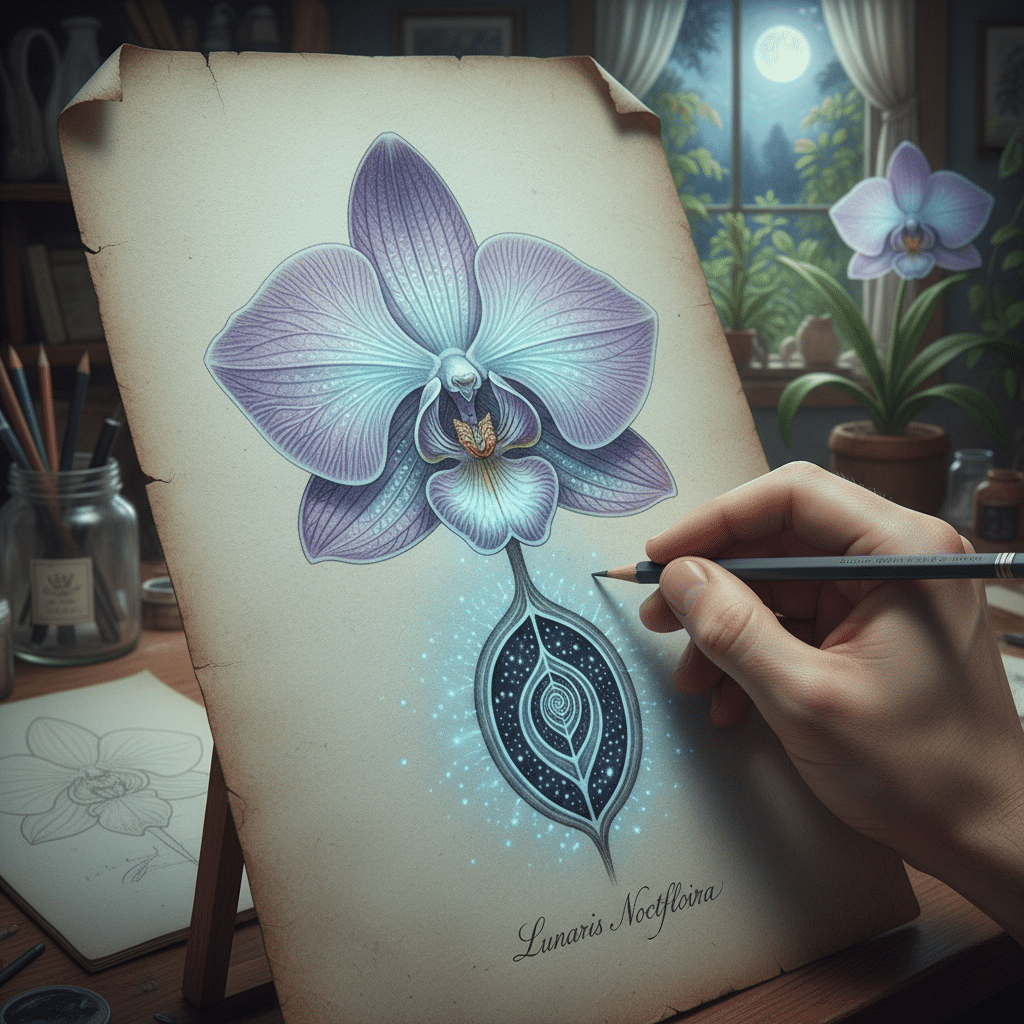
Botanical drawing makes you slow down and really look. You notice the curve of a petal, the veins of a leaf or the structure of a seed pod. Focusing on these details can draw your attention away from worries and distractions.
Building up graphite or color stroke by stroke also sets a steady rhythm. Over time, the habit can deepen your appreciation of how plants are built.
Professional approach
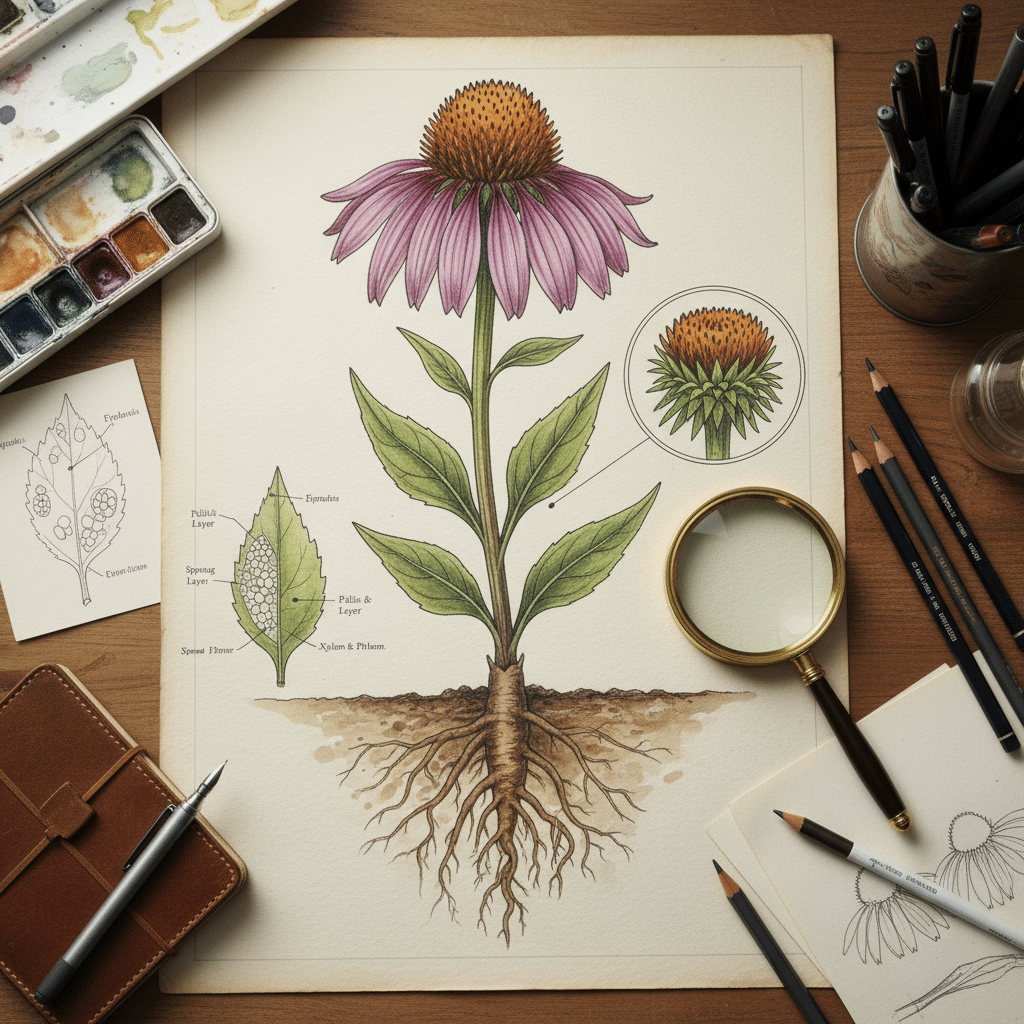
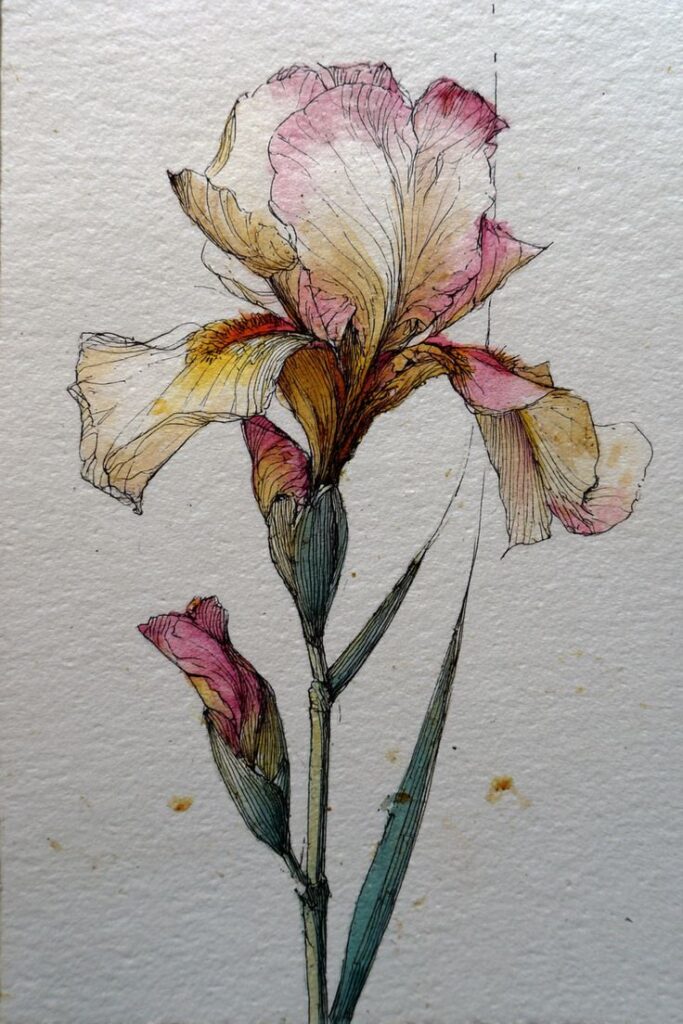
For a professional approach, work from good reference material, ideally live specimens. Fine graphite pencils from 2H to 6B, watercolor pencils or artist-grade colored pencils all suit the work. Pay close attention to proportion, perspective, and light and shadow. Learning some plant anatomy will help you draw each part accurately.
A magnifying glass helps with very small details, and steady shading practice builds convincing form and texture. For a more demanding variation, try pen and ink botanical drawing techniques. They call for exceptional precision and patience, which adds to the meditative quality.
Examples and variations
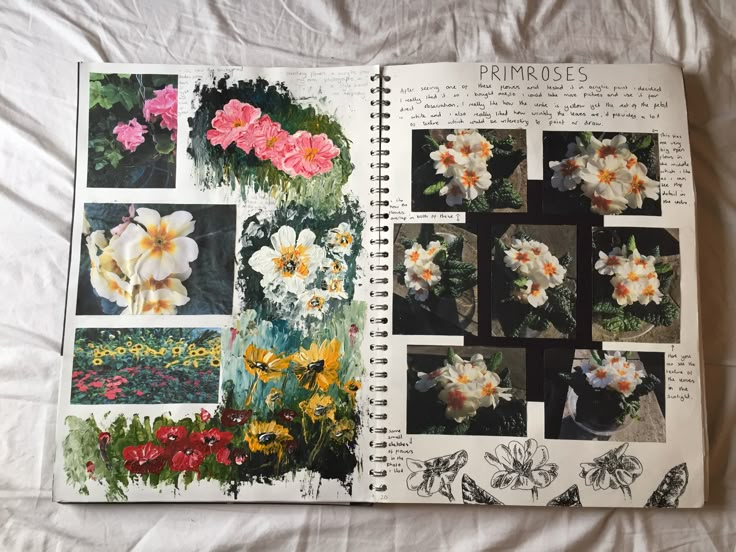
- Detailed studies: Choose a single flower or leaf and draw it in close detail, including every vein, pore and imperfection.
- Compositional arrangements: Arrange a small bouquet or cluster of plants and observe how light falls across each element.
- Monochromatic focus: Work only in graphite or sepia, using shading and line to describe form and texture.
- Illustrative storytelling: Add small insects or dewdrops to hint at the plant’s wider ecosystem.
3. Landscape and nature sketching
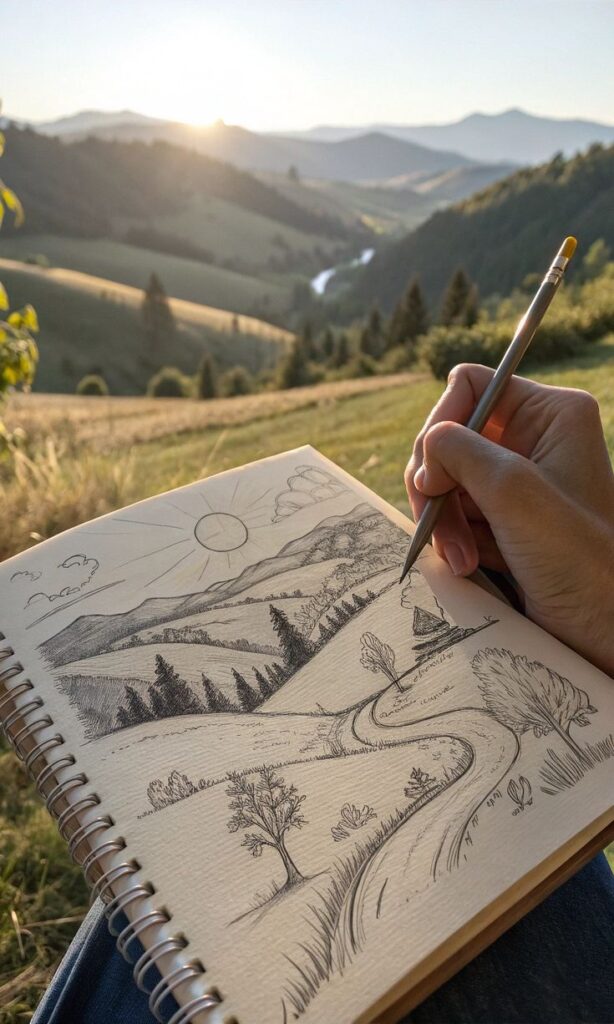
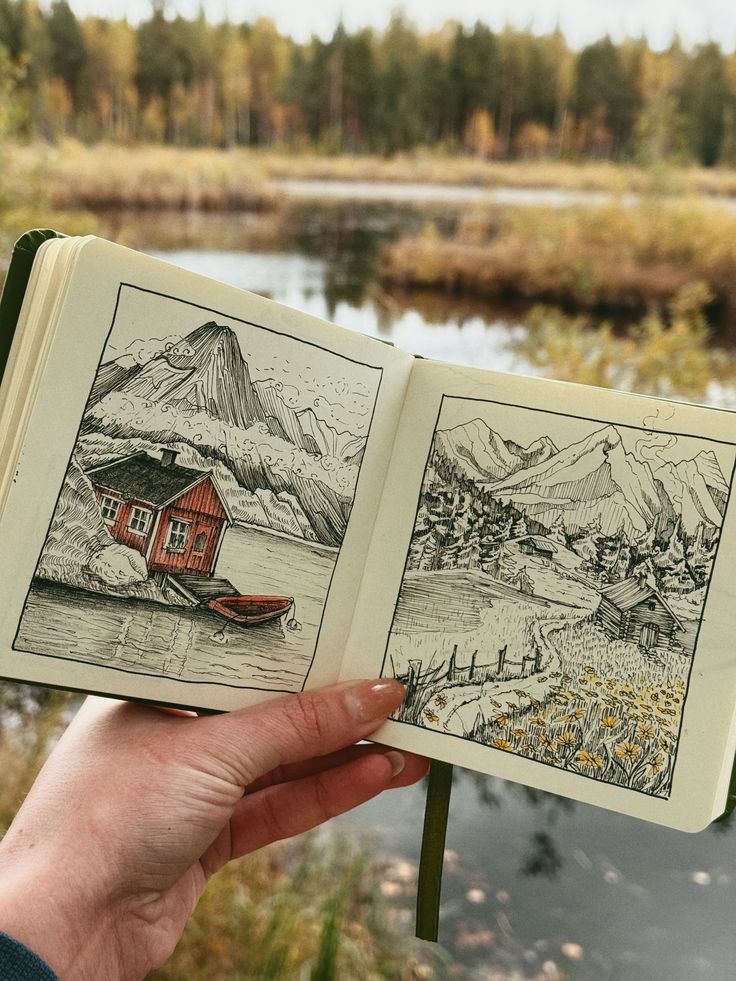
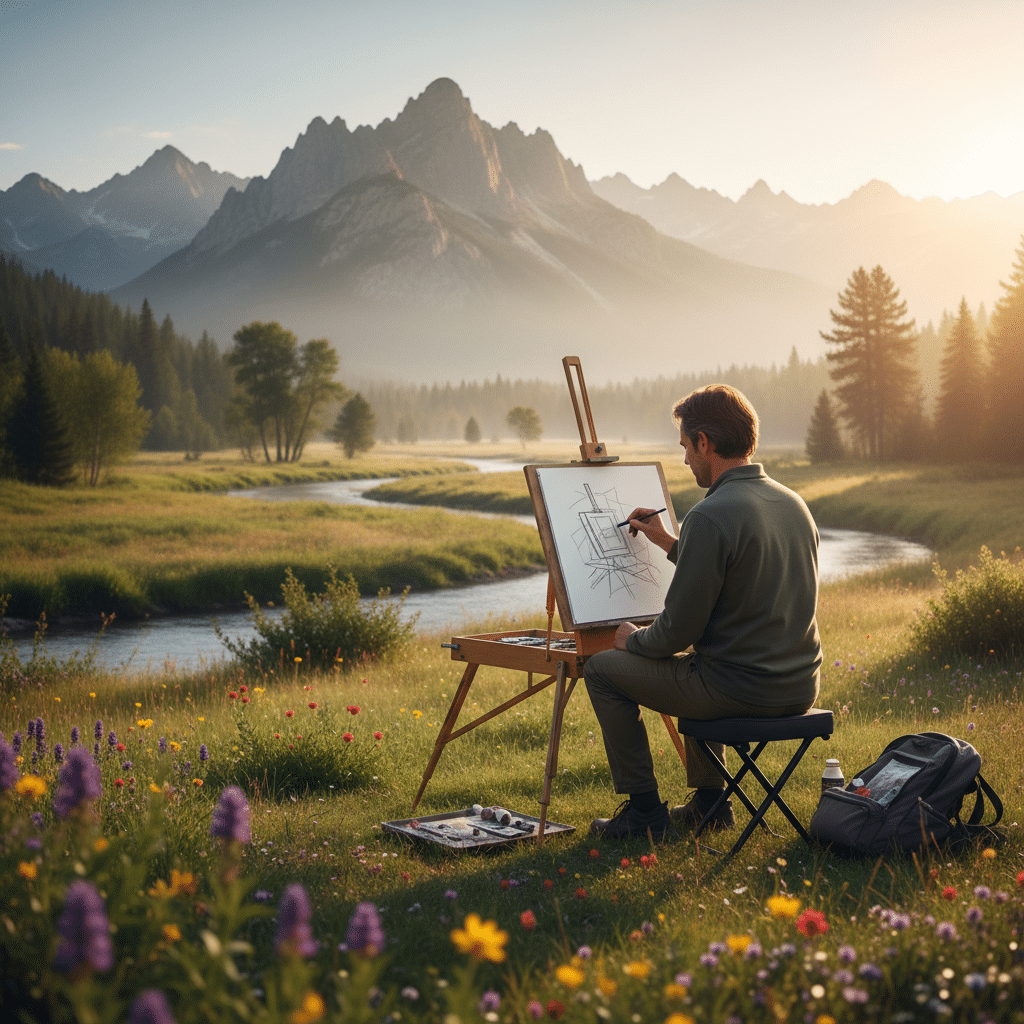
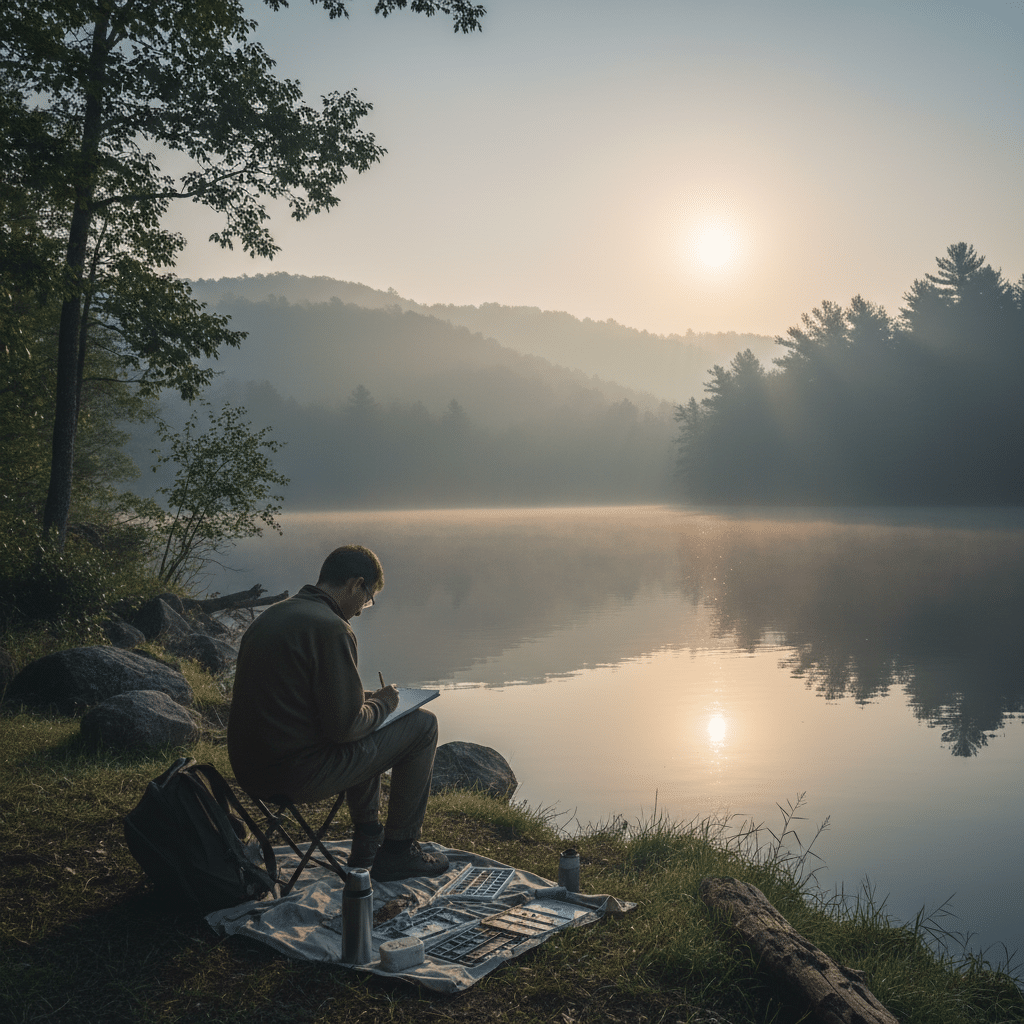
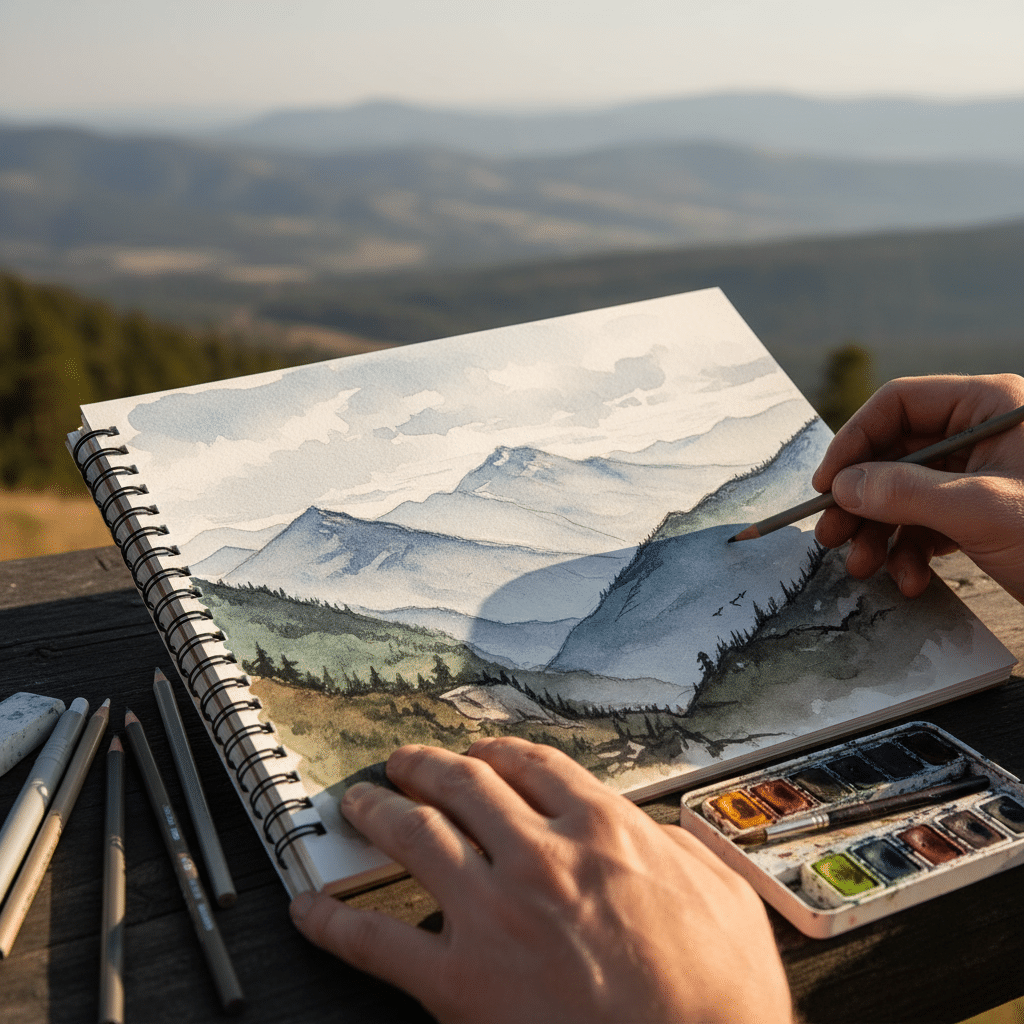
Taking a sketchbook outdoors is a long-standing habit among artists. Landscape and nature sketching captures outdoor scenes, from mountain ranges to forest paths and riverbanks. It gets you outside and puts your attention on the scene around you, which many people find relaxing.
How it fosters relaxation and mindfulness
Drawing a landscape means watching how light, atmosphere and form interact in a changing setting. Choosing a scene, composing it and translating it into lines and tones keeps you engaged with your surroundings. You may wait for better light or study how a tree or rock is put together.
Working outdoors also breaks up indoor routines and engages your senses. Light and weather keep shifting, so you learn to adapt rather than chase a perfect view. That acceptance of change sits close to the core of mindfulness.
Professional approach
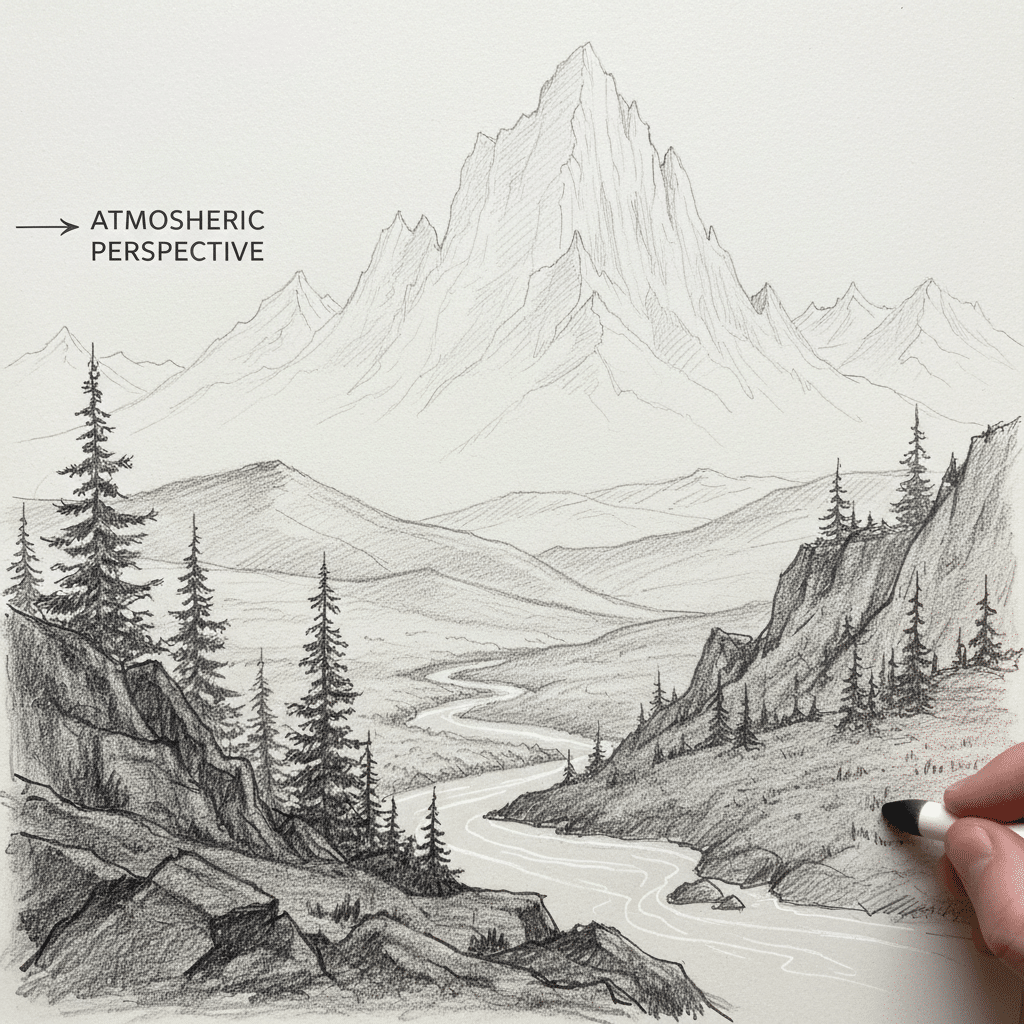
For a professional approach, learn atmospheric perspective: distant objects appear lighter and less distinct. Simplify complex scenes into basic shapes and values before adding detail. Try charcoal, pastels or quick watercolor sketches alongside graphite to capture different moods and textures.
Speed sketching helps you record fleeting moments and changing light. Studying master landscape artists shows how they handle composition, depth and emotion. Keep a portable kit ready with several pencils, a sketchbook with good paper and, if you like, a small travel watercolor set.
Examples and variations
- Architectural integration: Sketch natural scenes that include old barns, bridges or lighthouses, blending built and natural elements.
- Seasonal studies: Draw the same landscape across several seasons and note changes in color, light and foliage.
- Sky and cloud focus: Give a whole sketch to the sky, using soft blending and expressive lines to show movement.
- Reflective surfaces: Practice drawing water, paying close attention to how reflections distort and shimmer.
4. Abstract expressionism and intuitive doodling
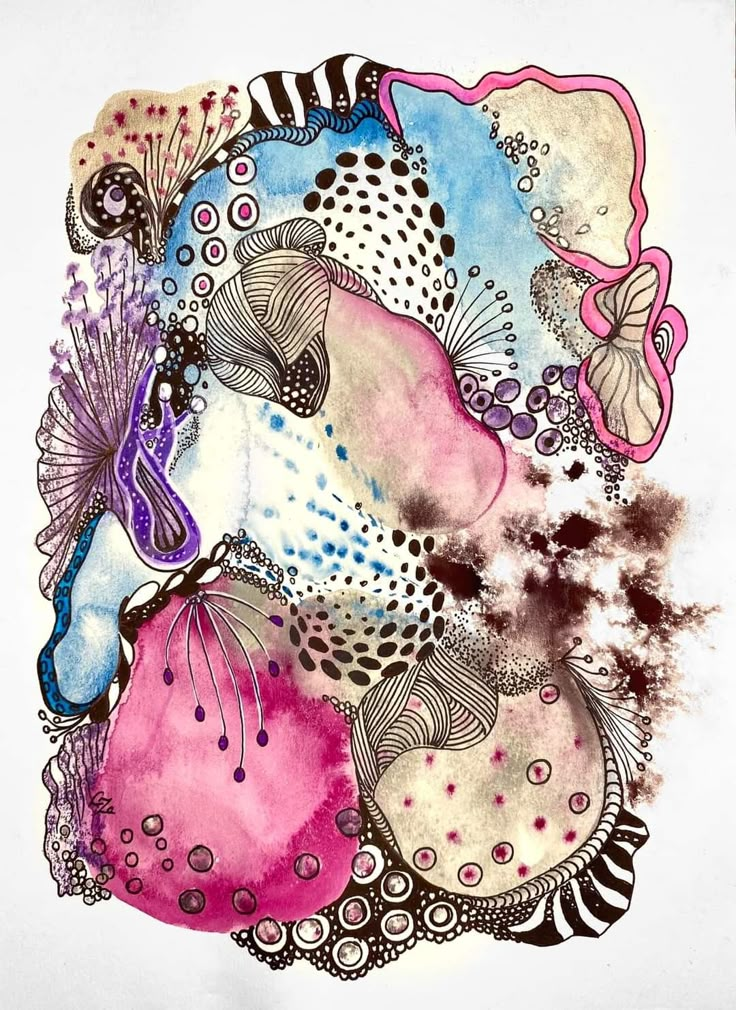
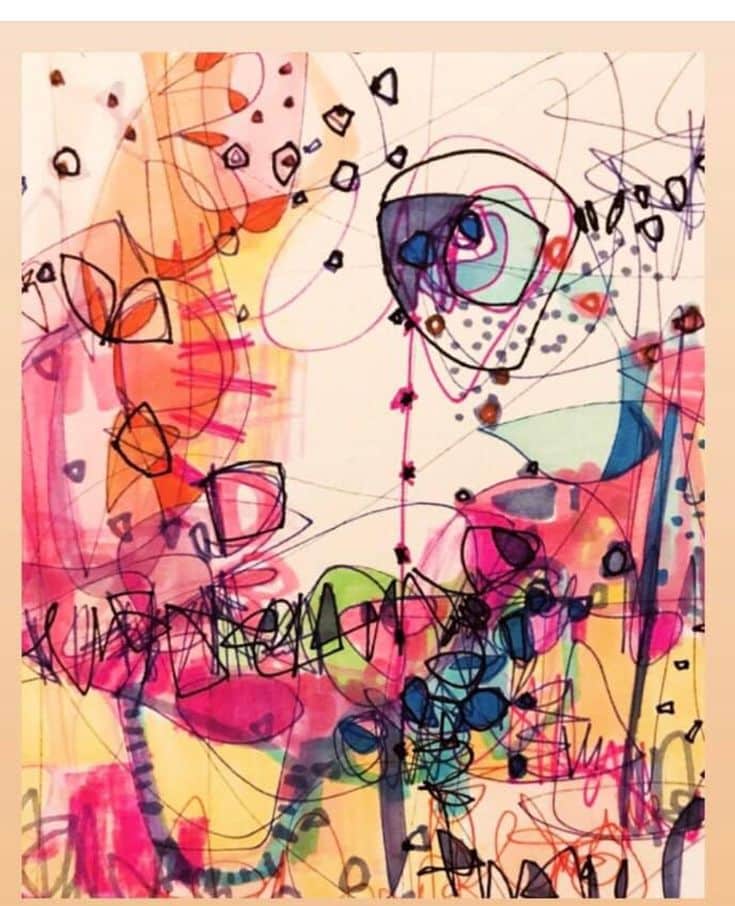
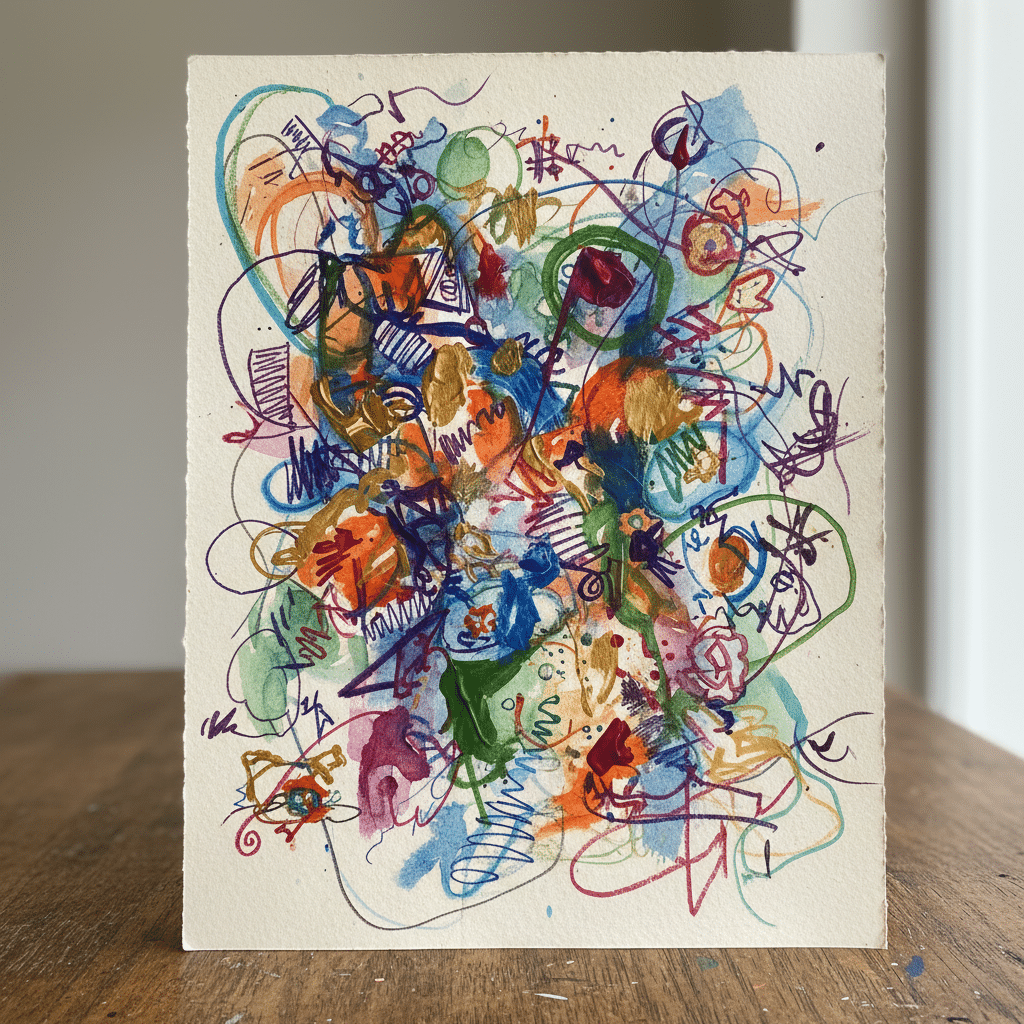
Mandalas rely on structure and botanicals on precise observation, but abstract drawing and intuitive doodling leave you free to follow your instincts. You can put emotions, thoughts and sensations on paper without trying to make anything look real. The act of making marks matters more than the finished drawing.
Why it can be calming and mindful
Abstract drawing removes the pressure to get things right. There are no reference photos and no likeness to match, so you can explore line, shape, color and texture freely. Many people use it as a way to release emotion.
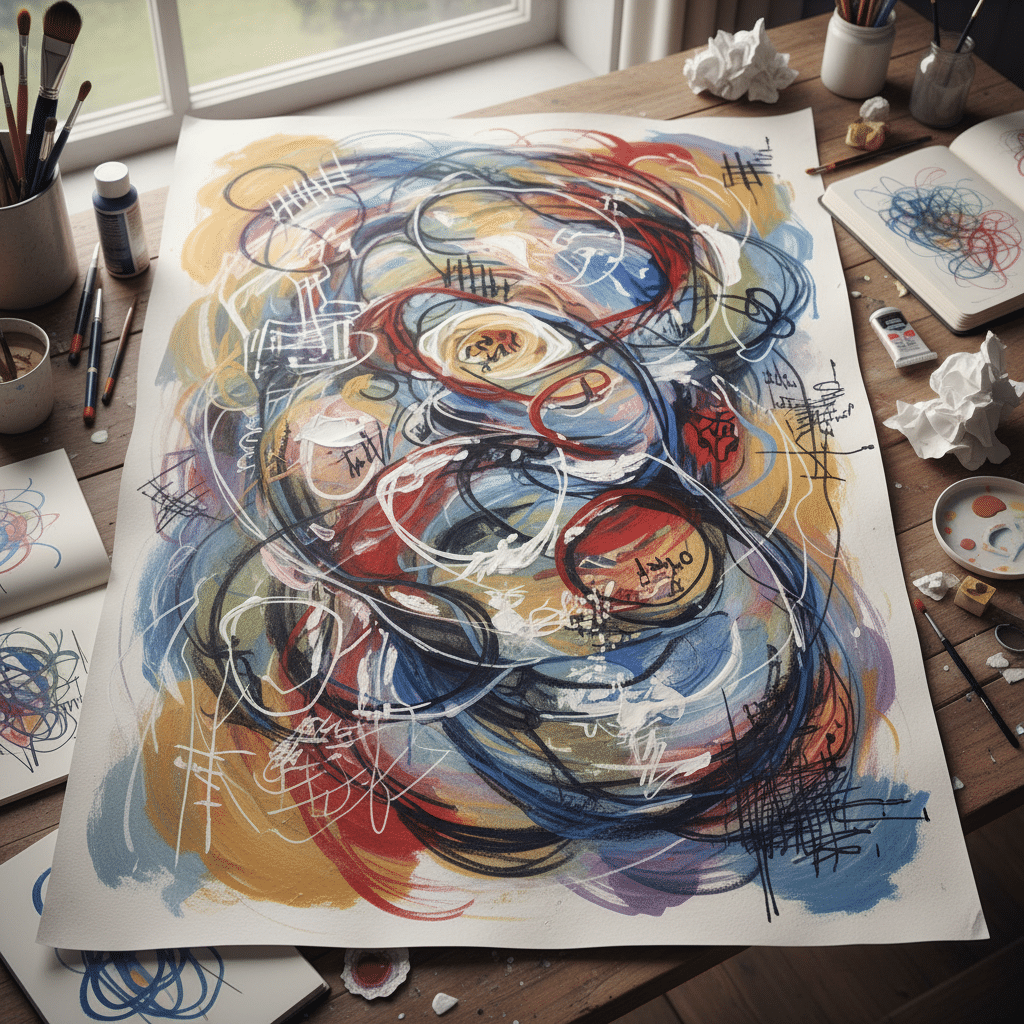
Scribbling, blending and layering marks can become a hands-on form of meditation. Over time, the pages work like a visual diary of how you felt while drawing.
Professional approach
A professional approach to abstract work still involves deliberate experiments with materials and technique. Try acrylic inks, pastels, soft graphite or mixed media to see what each produces. A working knowledge of color theory helps you choose hues that support the mood you want. Composition matters too, even when nothing in the drawing is recognizable.
Practice a range of marks, from bold and sweeping to delicate and fragmented, to build an expressive vocabulary. Larger paper lets you draw from the whole arm rather than the wrist, which encourages looser movement. Aim, over time, for a personal set of forms and textures that feel like your own.
Examples and variations
- Emotional mapping: Pick an emotion, such as joy, anxiety or peace, and represent it with color, line and shape.
- Music-inspired art: Play an instrumental piece and let its rhythm, tempo and mood guide your hand.
- Texture exploration: Build a drawing entirely from textures, such as cross-hatching, stippling, scumbling and layering, with no recognizable object.
- Color field studies: Use large blocks of color and few lines to explore how hues interact and what mood they create.
5. Still life with everyday objects
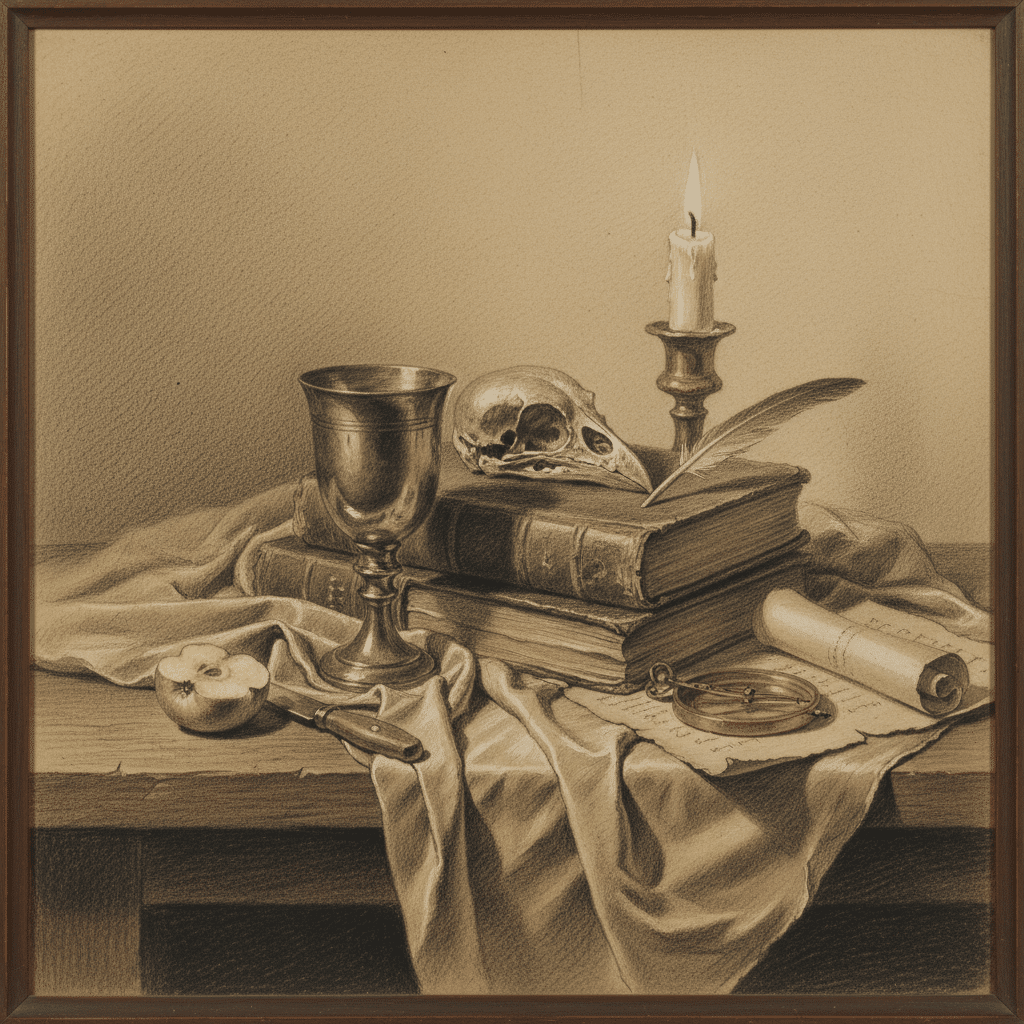
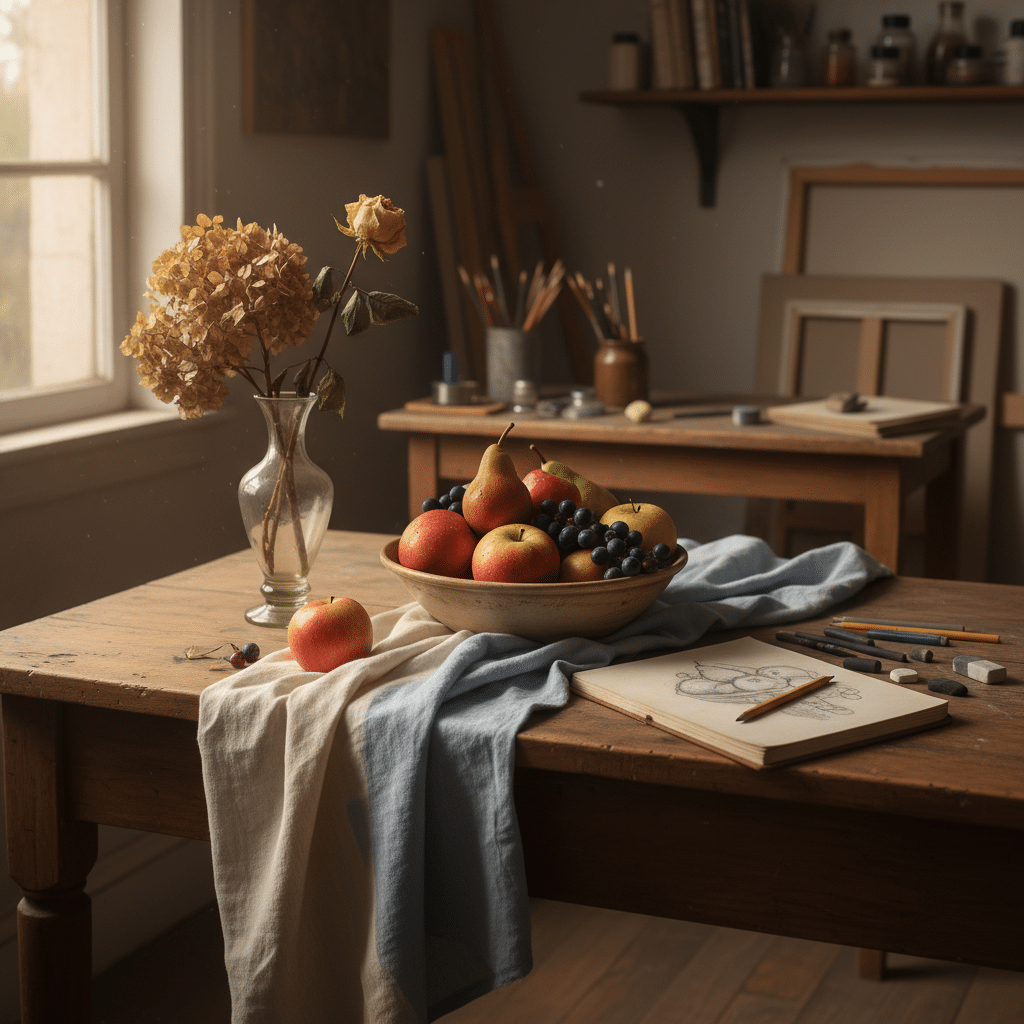
Still life drawing is a classical practice: you arrange inanimate objects and draw them from observation. It depends on careful looking and steady rendering, which gives it a structured, absorbing pace. Ordinary objects often become more interesting once you study how light and shadow shape them.
How it promotes relaxation and mindfulness
Setting up a still life and then studying it closely keeps your attention in the present. You start to notice shapes, volumes, textures and the way light defines each one. Looking outward like this can quiet your inner critic. Translating a three-dimensional arrangement onto a flat surface takes patience, and the slow pace is calming in itself.
Professional approach
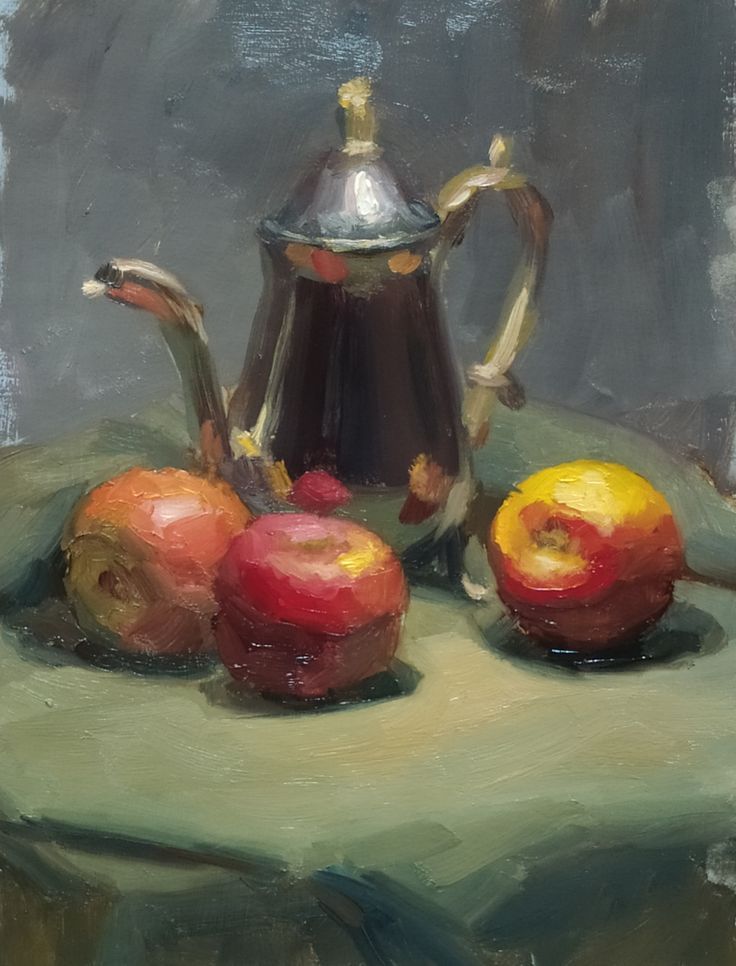
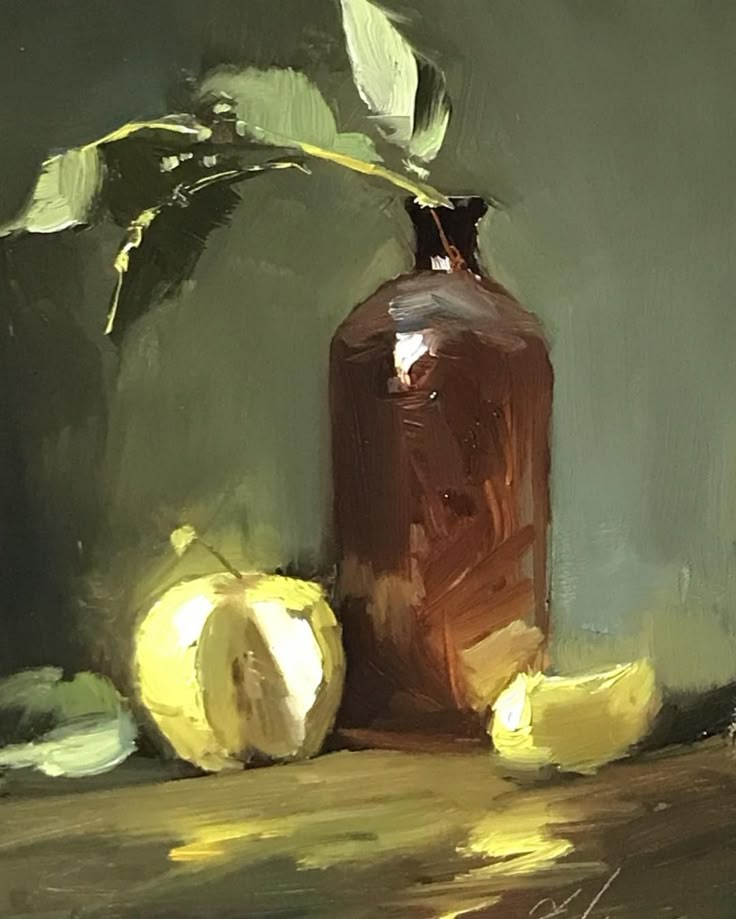
For a professional approach, do more than copy what you see. Arrange objects with composition in mind, aiming for visual interest, balance and perhaps a hint of narrative. Test different lighting: a single strong source creates dramatic shadows, while diffused light gives softer transitions.
Practice rendering contrasting textures, from smooth glass to coarse woven fabric. Build skills in realistic drawing, including perspective, value studies and chiaroscuro. Charcoal gives rich values, conté crayon adds warm earth tones and ink washes create atmosphere. A dedicated, well-lit workspace makes long sessions more comfortable.
Examples and variations
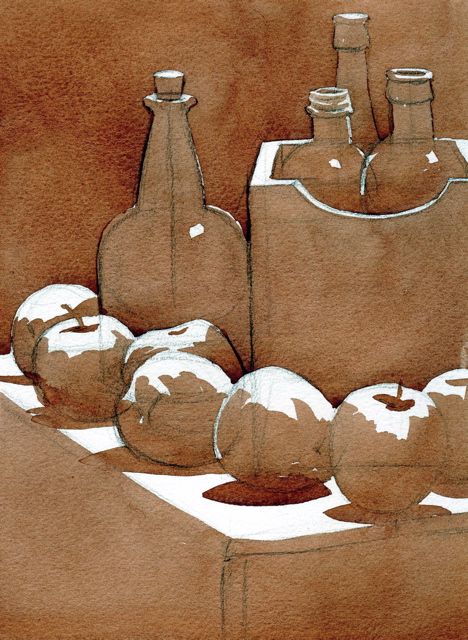
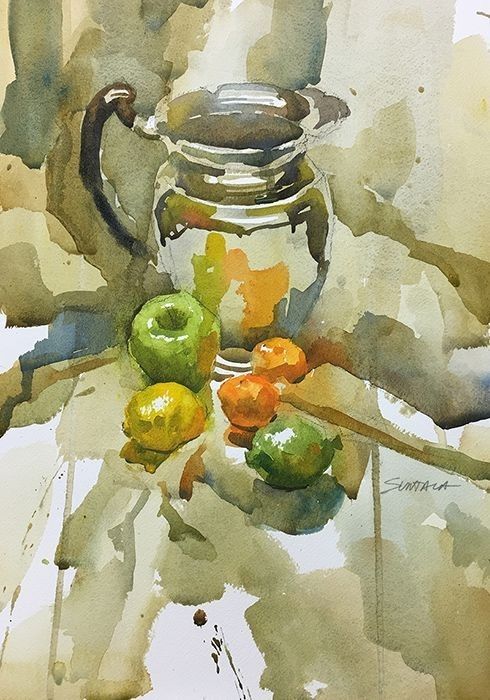
- Monochromatic study: Limit yourself to one color family, such as grays or browns, to focus on form and value.
- Textural focus: Combine objects with contrasting textures, such as a wooden bowl, a silk scarf and a metal spoon.
- Themed still life: Build an arrangement around a theme, such as a breakfast table or an artist’s tools.
- Reflective surfaces: Include silver teapots or glass bottles to practice drawing distorted reflections and highlights.
6. Figurative sketching and expressive anatomy
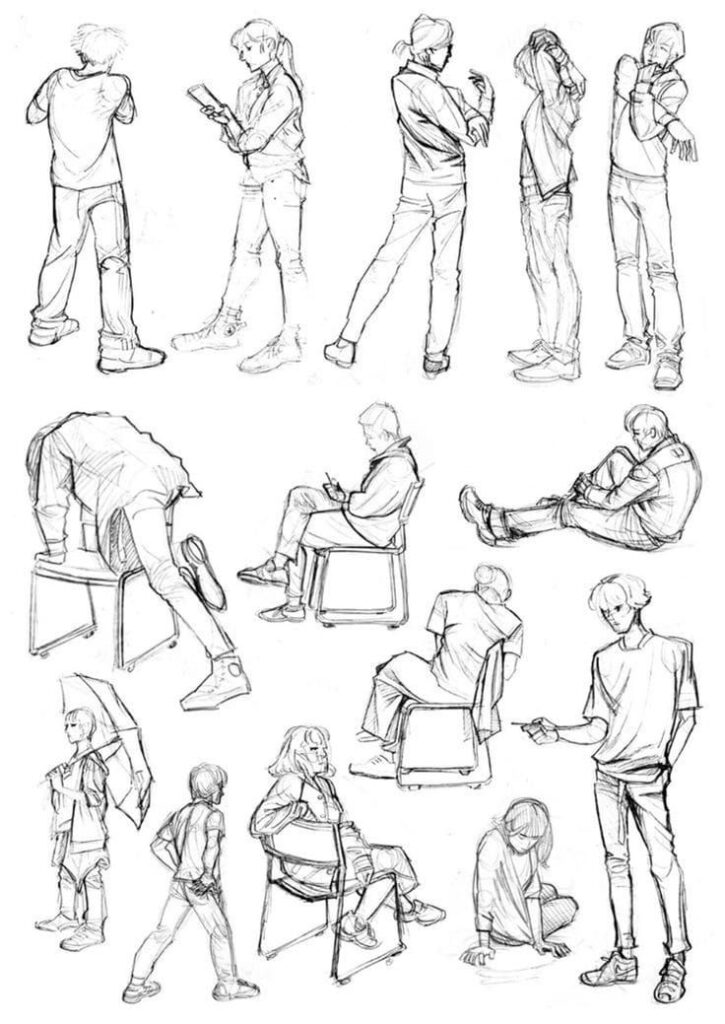
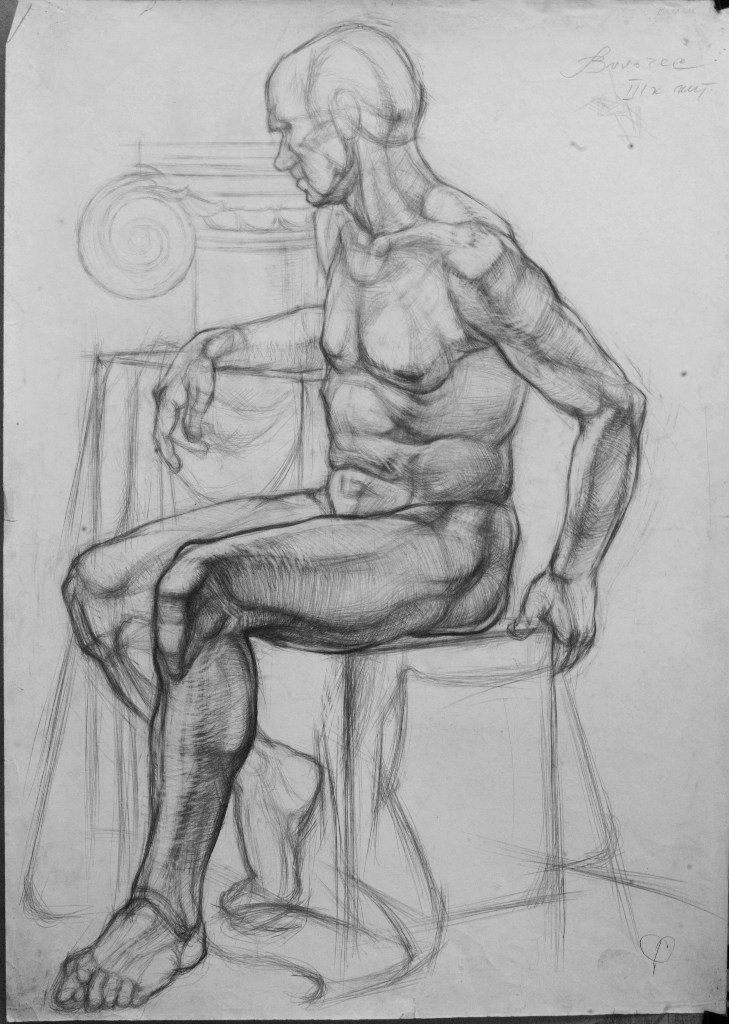
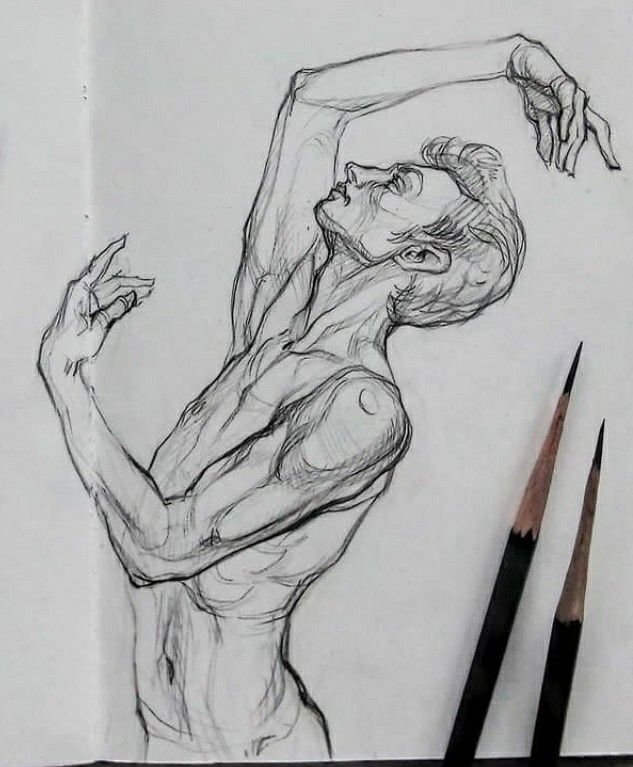
Figurative sketching captures the human body’s poses, gestures and underlying anatomy, working from life or from photo references. It asks you to study how the body is built and how it moves or rests. Perfect anatomical accuracy is not the goal every time. The aim is to catch the character and energy of the pose.
Why it can be relaxing and mindful
Whether you make quick gesture studies or longer anatomical drawings, figure work needs close observation and fast responses. You have to stay with the contours, rhythms and weight of the body in front of you, which leaves little room for self-consciousness. Turning a three-dimensional form into a flat drawing also exercises problem-solving and intuition.
Studying people this closely can build appreciation for how varied bodies are. If you prefer a simpler, more abstract route, minimalist figure drawing ideas offer a similarly focused and expressive practice.
Professional approach
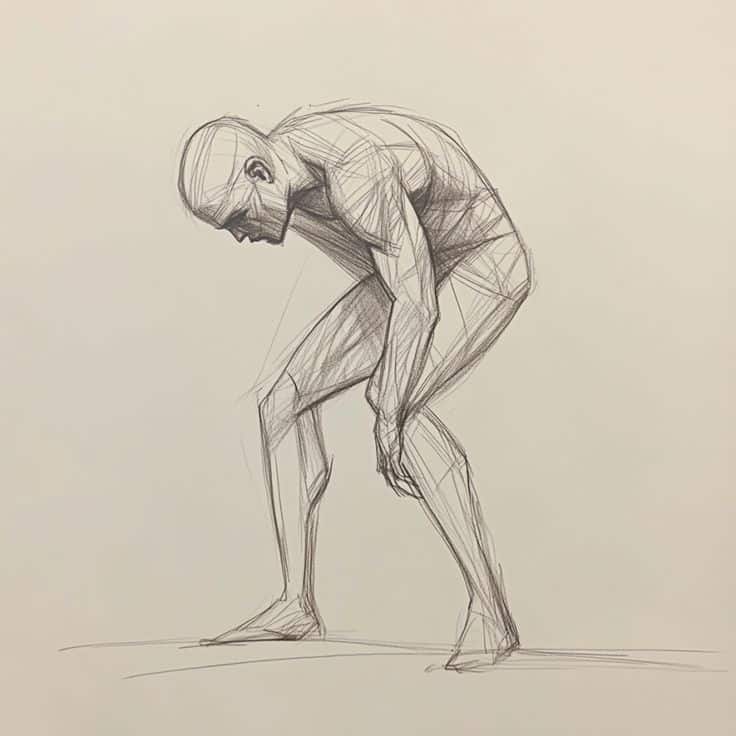
For a professional approach, attend life drawing sessions when you can, or work from good reference photos. Begin with gesture drawings of 30 seconds to 2 minutes, capturing only the movement and energy of each pose. Then move to longer poses that focus on proportion, anatomy and rendering.
Anatomical charts help you understand the bones and muscles beneath the surface. Charcoal, conté or large graphite sticks encourage bold, expressive lines. Treat mistakes as part of the practice, since regular repetition builds fluid, confident line work.
Examples and variations
- Gestural series: Make a run of very quick sketches of different poses, focusing only on movement and flow.
- Anatomical focus: Pick one body part, such as a hand, foot or face, and study its structure and musculature in detail.
- Light and shadow play: Study how light defines the planes of the body, using strong chiaroscuro.
- Dynamic poses: Take on complex, active poses that emphasize balance and implied motion.
7. Urban sketching and architectural details
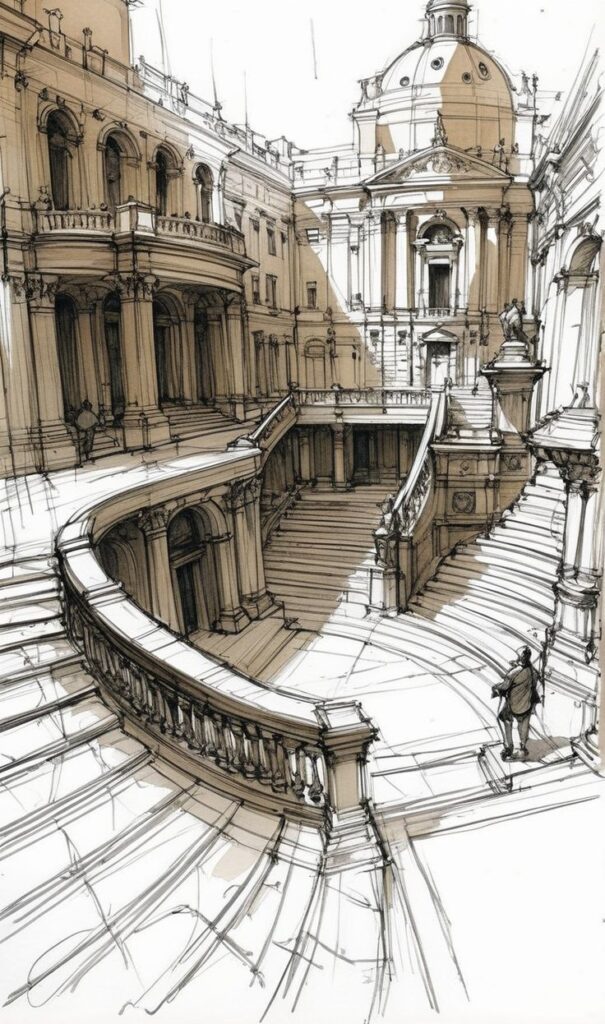
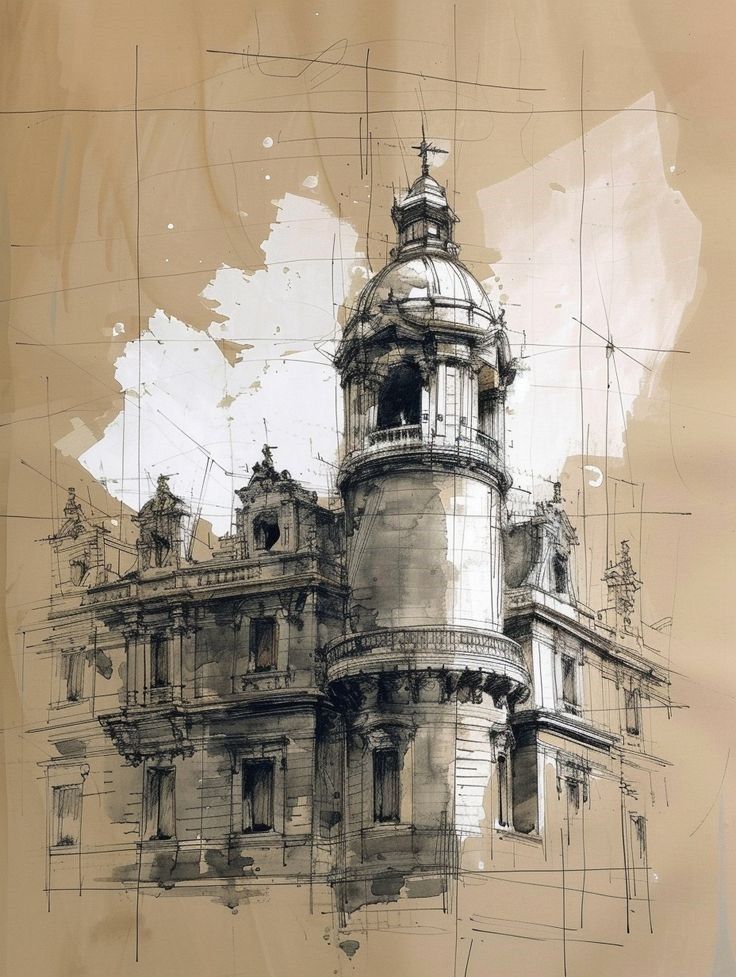
Urban sketching means drawing on location in cities, towns and villages, recording everyday scenes and buildings. It encourages you to look at familiar places with fresh eyes and interpret them in your own way. The practice combines observation, spontaneity and an interest in local history.
How it promotes relaxation and mindfulness
Drawing in a busy setting keeps you actively engaged with what is around you. You tune in to building details, street geometry and the activity of people passing through. Focusing this closely on the outside world can quiet internal chatter for a while.
Quickly capturing passing cars, pedestrians and moving shadows sharpens your observation and teaches you to filter distractions. The result can be a relaxed kind of concentration. Urban sketching also gives you a reason to explore new places and look again at familiar ones.
Professional approach
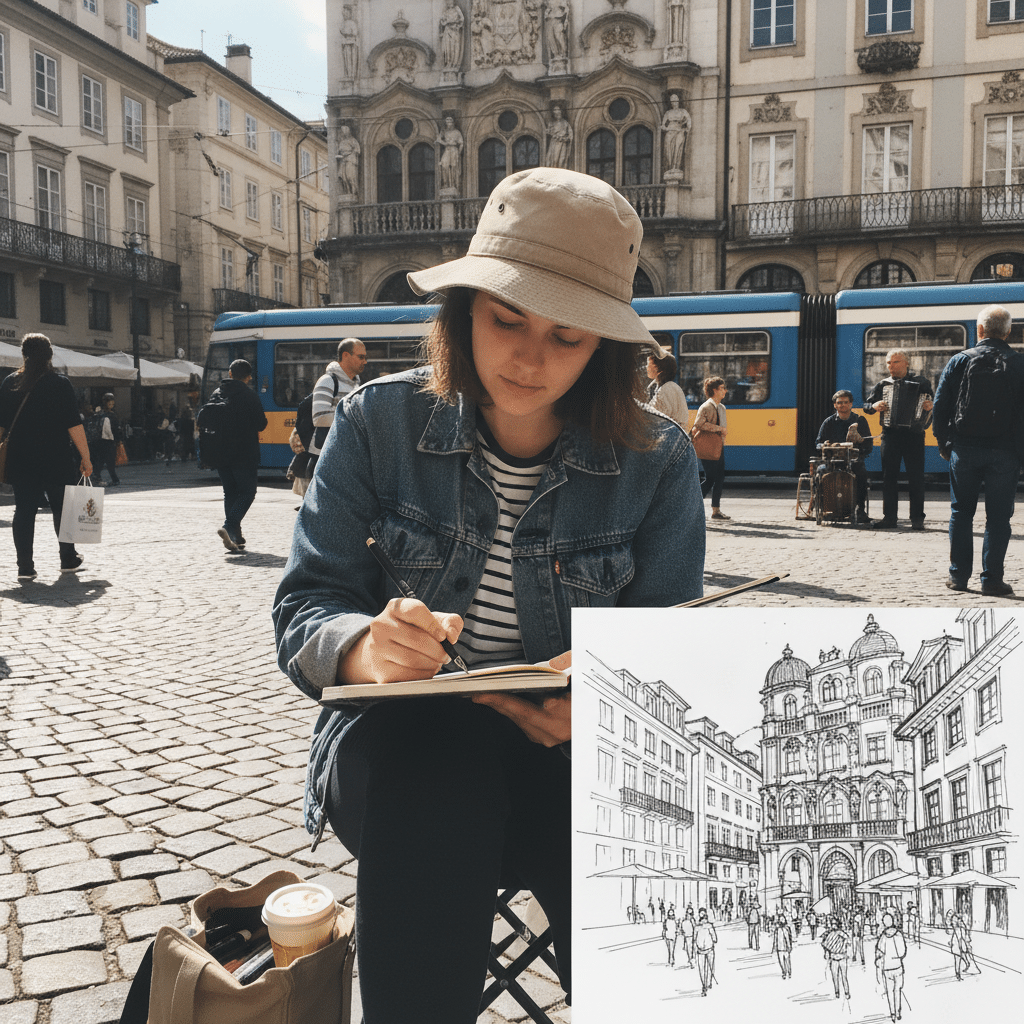
For a professional approach, build a portable kit with waterproof pens for ink and wash, a small watercolor set and a sturdy sketchbook. Learn basic perspective so buildings and spatial depth read correctly. Practice windows, doors, cornices and rooflines until you have a library of forms to draw from.
Speed sketching helps you catch the main character of a scene before it changes. Watch how light and shadow shape buildings and set the mood. Adding people brings life and narrative to a scene. Accept imperfect lines, because spontaneity is part of drawing on location.
Examples and variations
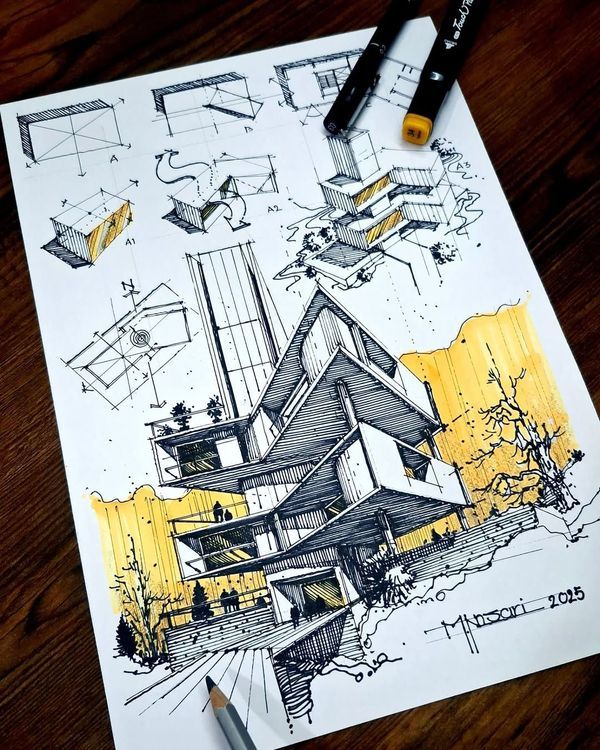
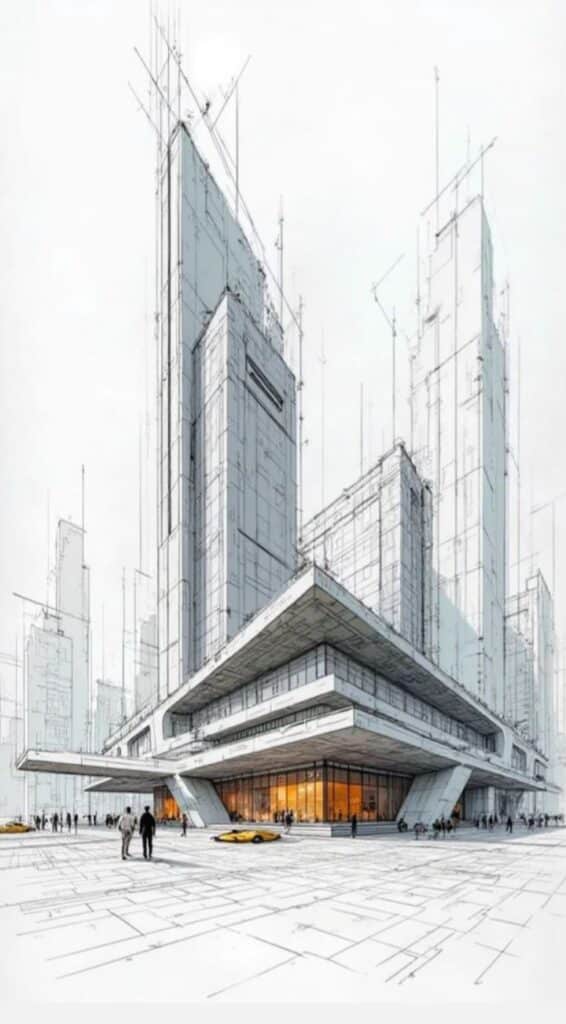
- Facade study: Choose one building front and render its details, textures, and light and shadow.
- Street scene: Draw a busy street corner, stressing linear perspective and the movement of people and vehicles.
- Interior spaces: Sketch a cafe, library or market interior, capturing its atmosphere and defining details.
- Nighttime cityscape: Draw a city scene at night, focusing on artificial light, reflections and strong contrasts.
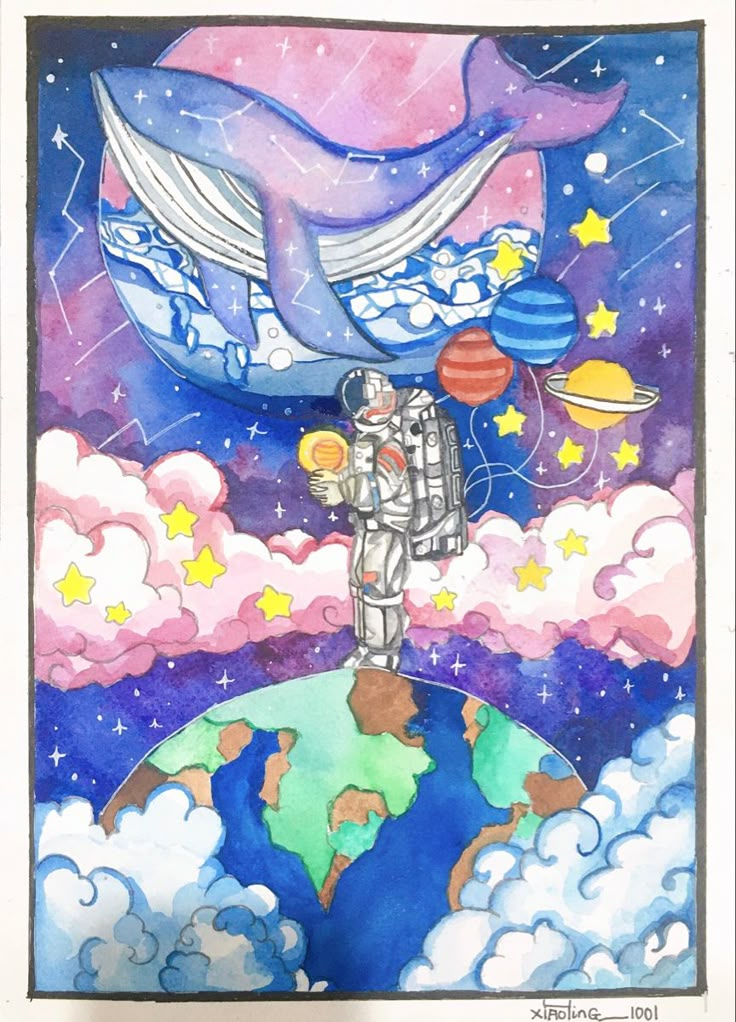
8. Character design and imaginative creatures
Character design and imaginary creatures move away from direct observation and into invention. You build characters, and sometimes whole worlds, from your imagination. Many people find this an absorbing escape and a welcome mental break from everyday concerns.

Why it fosters relaxation and mindfulness
Creating characters lets you step into a world of your own making for a while. Sketching, refining and developing a character’s look, personality and backstory gives your creative energy a focused but playful outlet. Along the way, you can explore themes, emotions and stories visually.
Because these drawings are yours alone, there is less worry about outside critique. That makes character design a low-pressure space for creative play, much like tattoo drawing, where personal expression is the priority.
Professional approach

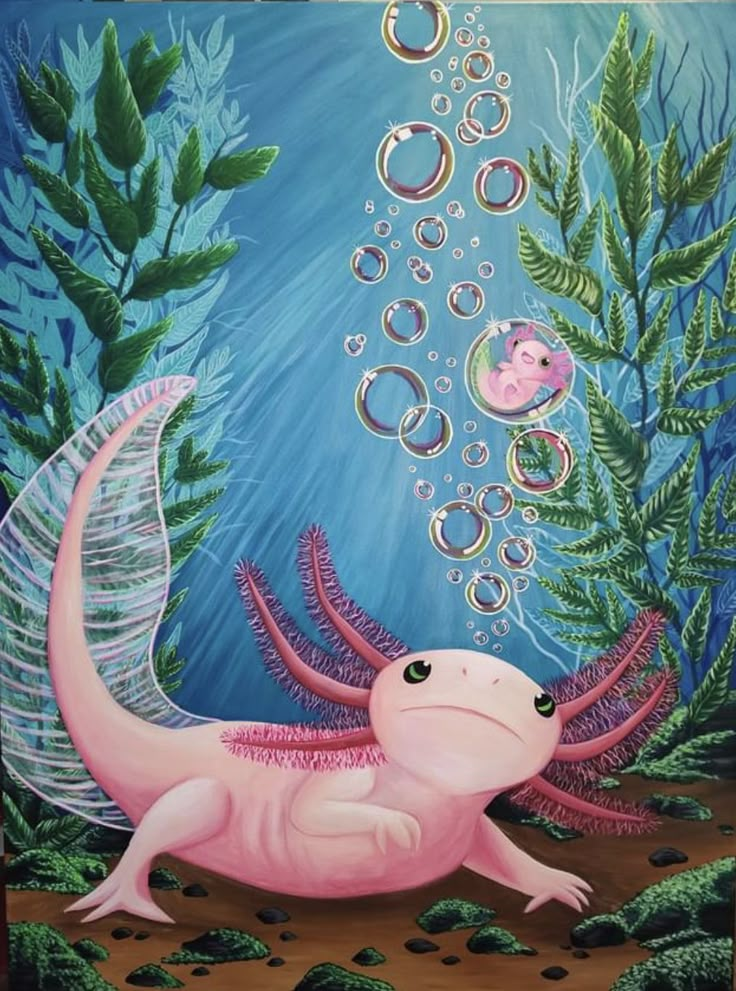
Character design takes more than drawing appealing creatures. It draws on basic anatomy, even for fantastical beings, along with storytelling and visual communication. Start with a short brief covering the character’s personality, environment and purpose. Then block in simple shapes and silhouettes to set proportion and posture.
Produce several versions that test different features, costumes and expressions. Learn common visual tropes so you can subvert them and make designs feel distinct. Try styles from cartoony to realistic to see what suits your idea. Digital tools work well, but quick paper sketches are often faster for early iterations. A simple style guide keeps a character consistent across drawings.
Examples and variations

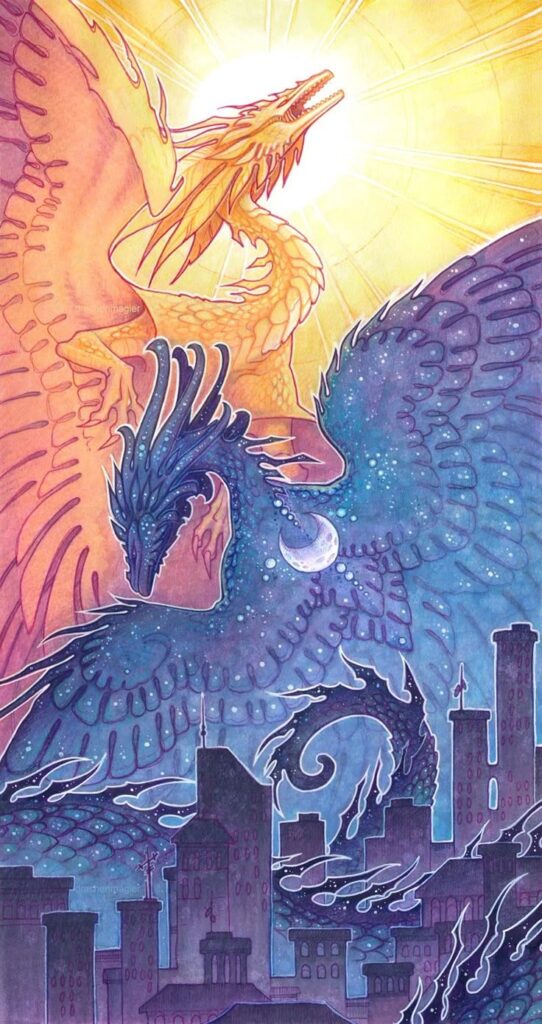
- Mythological reinterpretation: Pick a mythical creature, such as a dragon, griffin or fairy, and redesign it with a modern or personal twist.
- Sci-fi alien: Design an alien species whose appearance reflects its biology, culture and technology.
- Fantasy character: Create a character for a fantasy story, focusing on armor, weapons and magical traits.
- Mascot design: Develop a mascot for an imaginary brand or event that clearly conveys traits like friendliness, strength or playfulness.
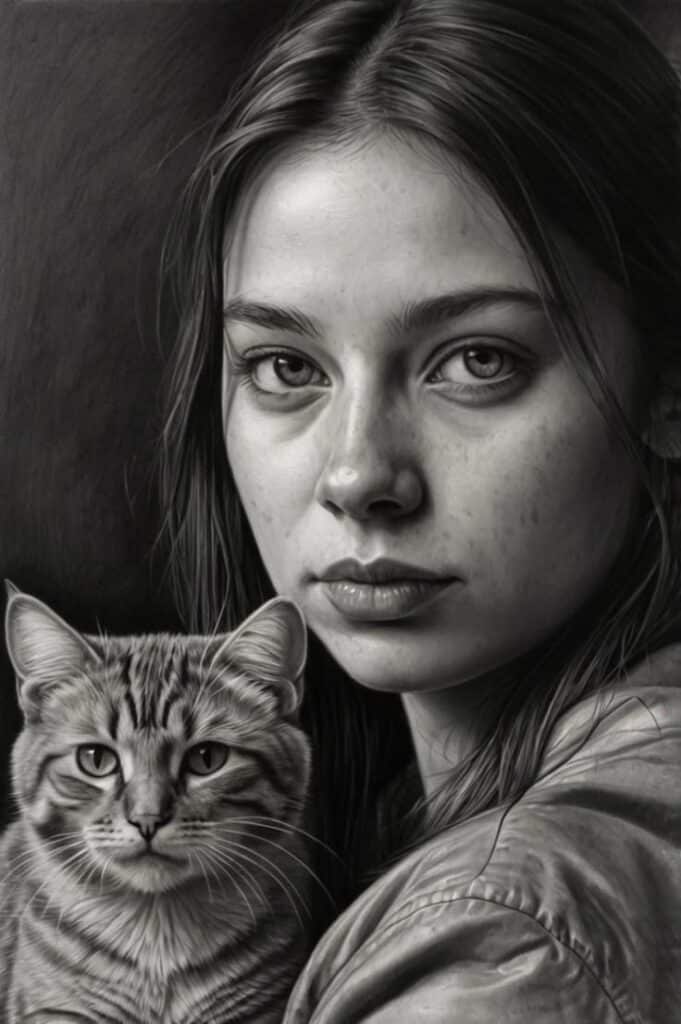
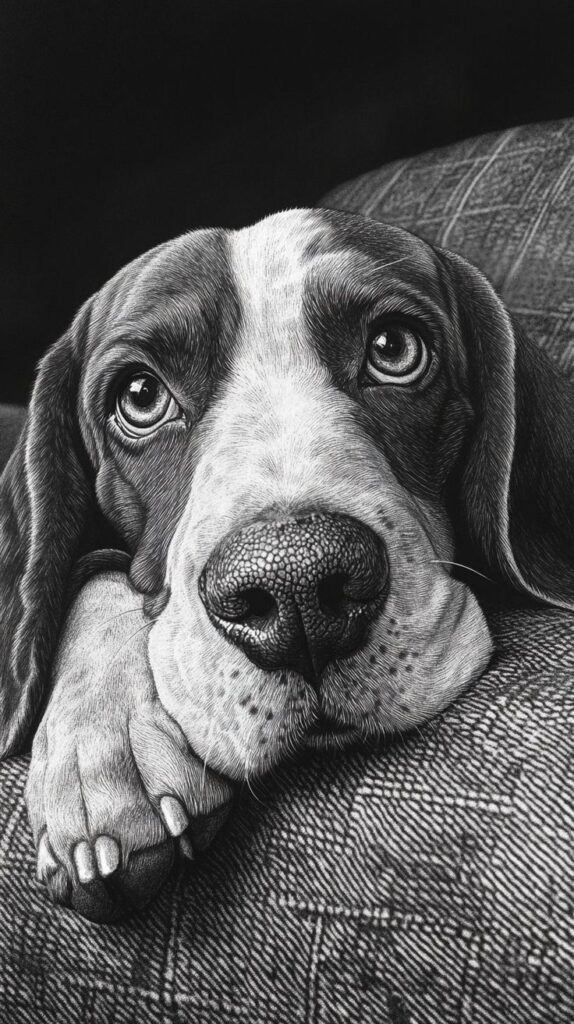
9. Realistic portraiture or animal studies
Capturing a likeness, whether a human face or an animal, demands close focus and sensitivity. Realistic portraits and animal studies rely on reading expression, personality and distinctive features as well as rendering them. That level of attention can be very absorbing, which is why many people find it relaxing.
How it cultivates relaxation and mindfulness
Realistic portraits and animal studies require sustained concentration. Every curve, shadow and glint in an eye needs careful attention, which leaves little room for distractions. Likeness builds slowly through careful strokes and repeated checking, so the practice teaches patience.
Watching a personality emerge on the page is rewarding and reinforces a sense of accomplishment. Spending this long with a subject can also make you more attentive to the person or animal you are drawing.
Professional approach
For a professional approach, build the foundations first: proportion, anatomy, perspective and value. Study facial planes and muscles for human subjects, and skeletal and muscular systems for animals. Work from life when possible, or from good-quality reference photos.
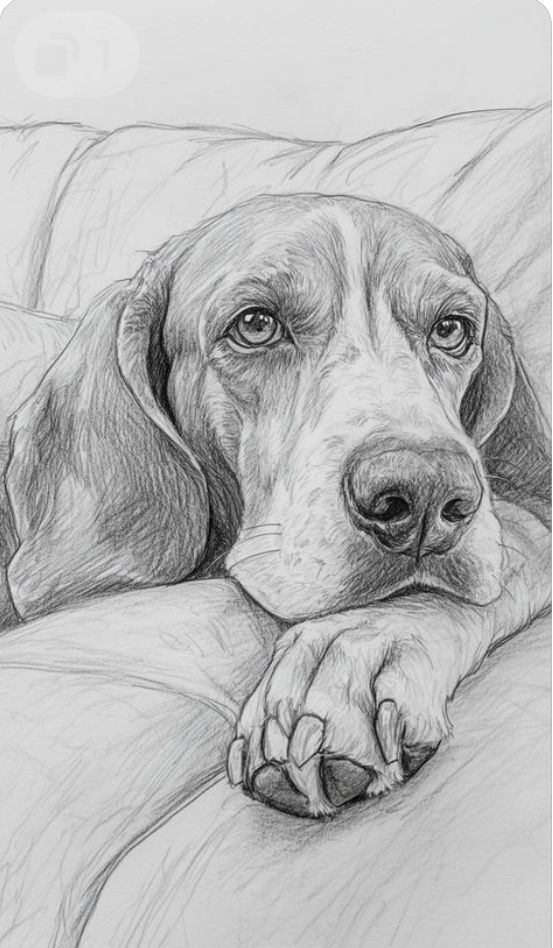
Practice rendering skin, fur, feathers and hair, and watch how light turns flat shapes into form. Soft graphite suits subtle transitions, charcoal suits strong contrast and conté crayon adds warmth. Identify the features that make a subject recognizable and give them extra care. For more advanced methods, realistic drawing guides cover depth and lifelike detail.
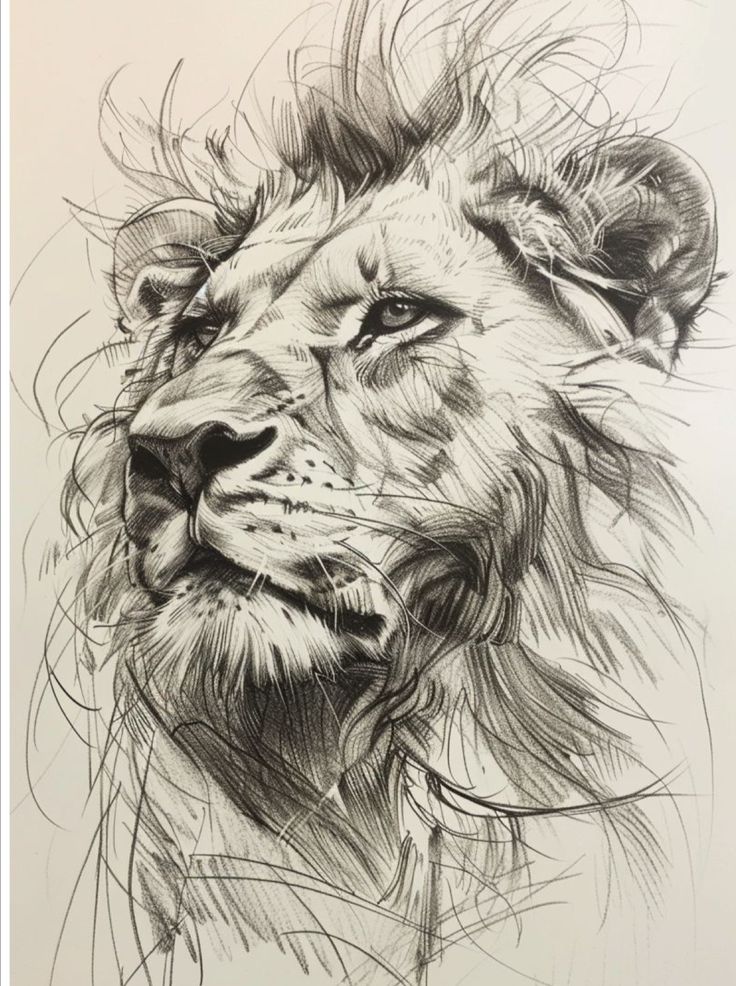
Examples and variations
- Expressive portraits: Focus on a subject’s emotion or personality, even if that means slightly exaggerating some features.
- Animal in motion: Draw an animal in a dynamic pose, emphasizing musculature and implied movement.
- Elderly subject: Draw an older face, giving careful attention to its wrinkles and lines.
- Pet portrait: Draw a pet you know well, focusing on its distinctive features and familiar expressions.
10. Calligraphy and hand lettering
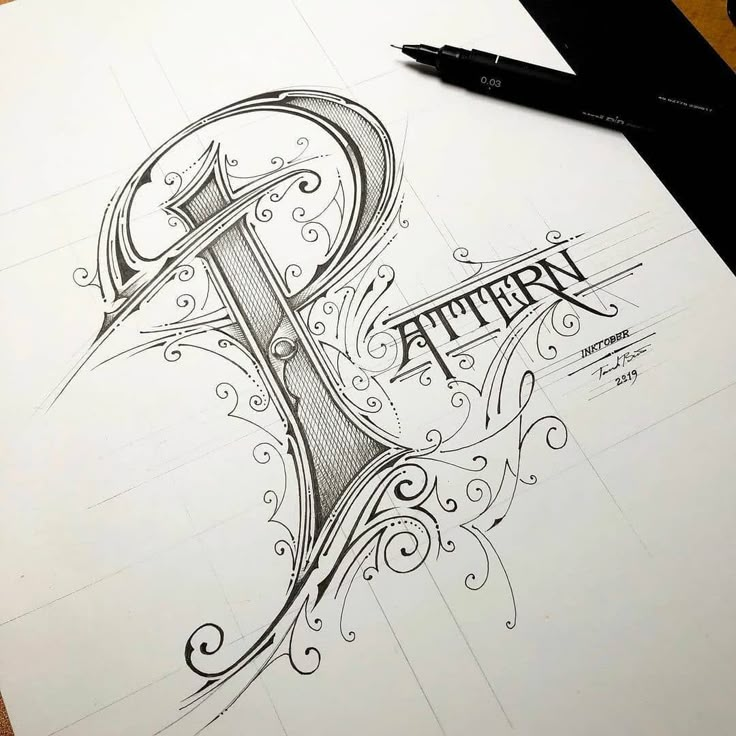
Calligraphy is the art of beautiful writing, and hand lettering is the art of drawing letters. Both are disciplined practices that reward patience. They depend on close attention to form, spacing and flow, turning text into a visual composition.
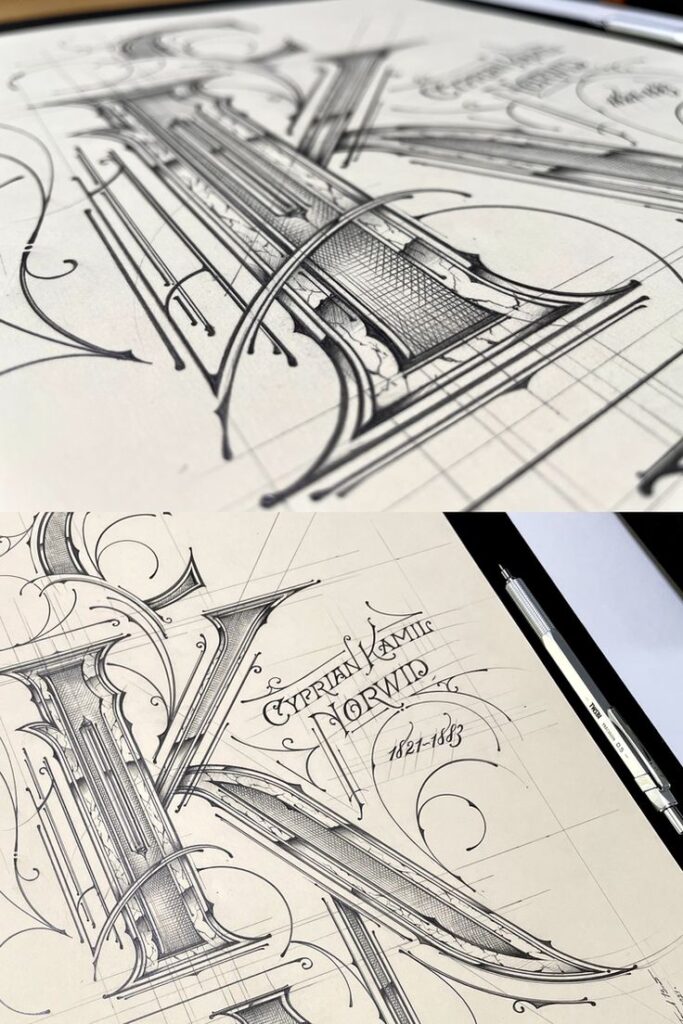
How it fosters relaxation and mindfulness
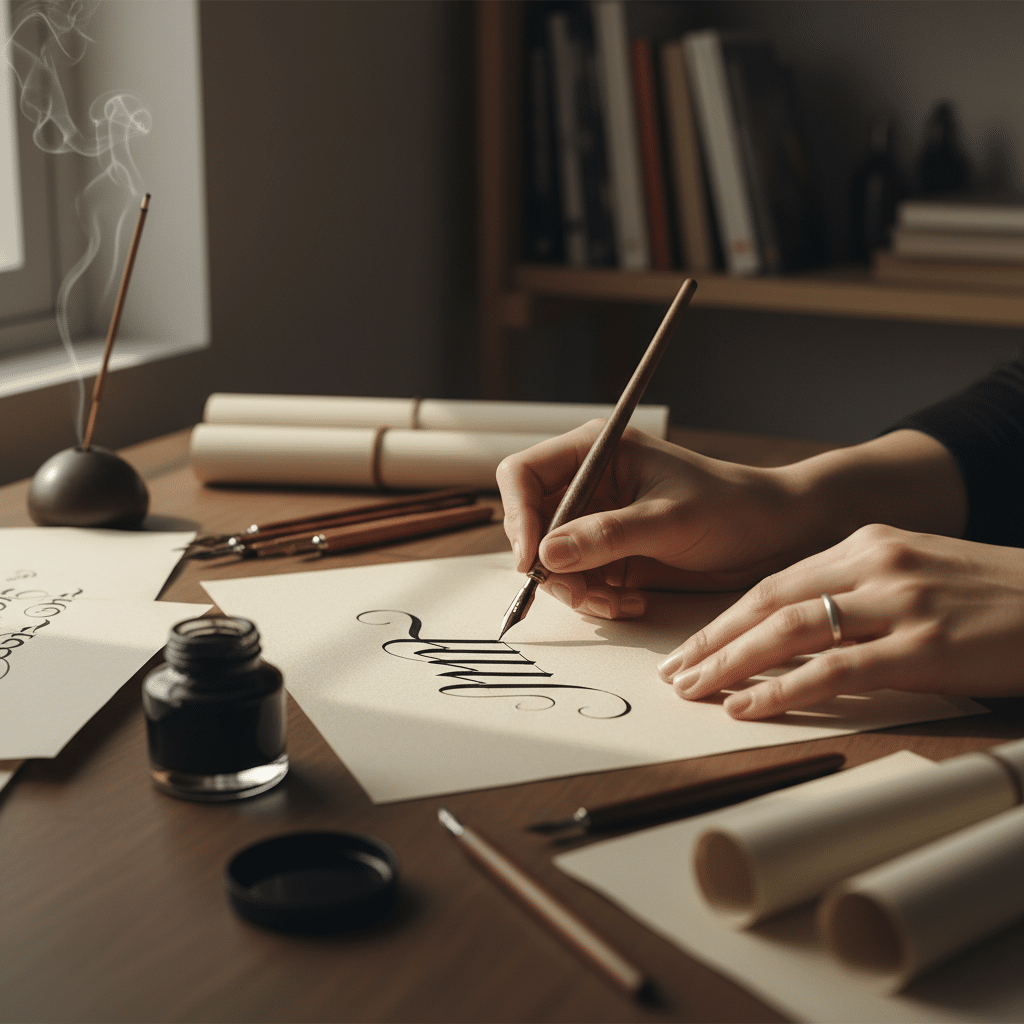
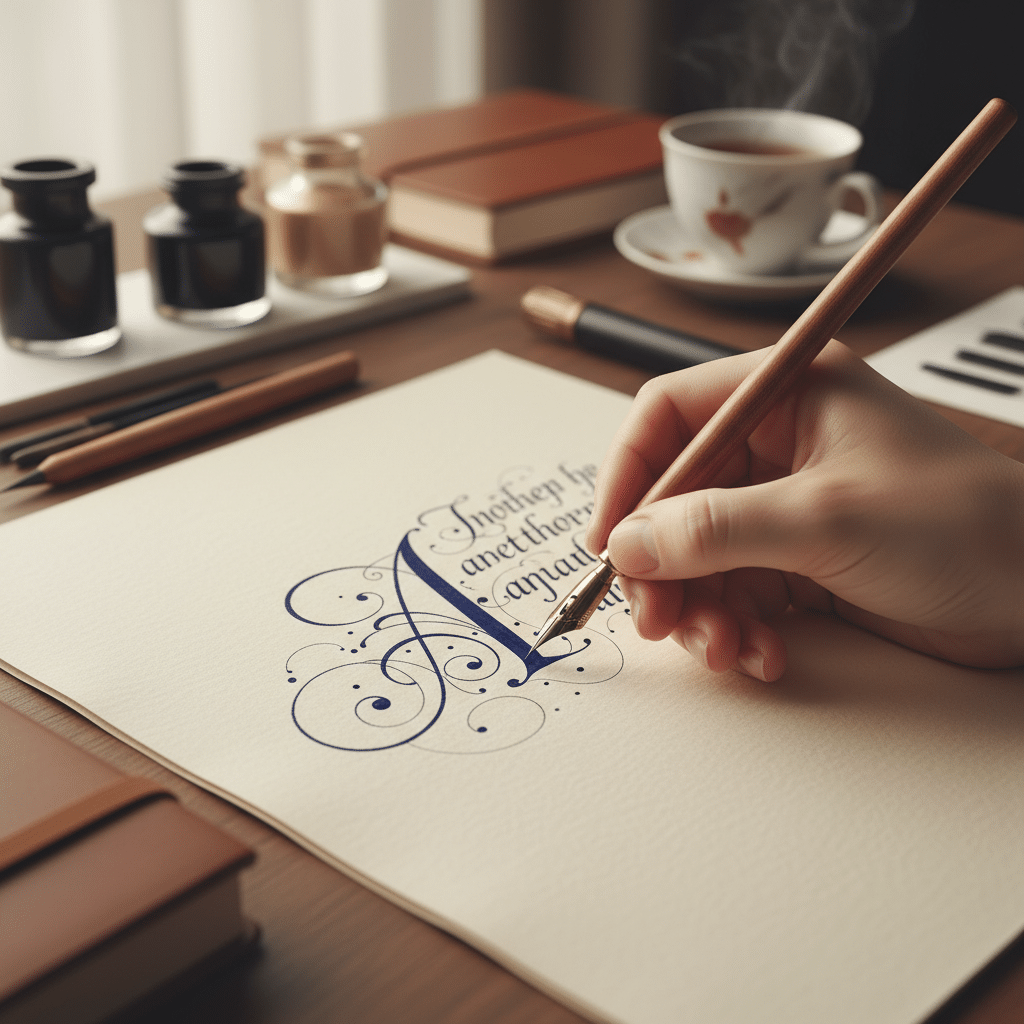
Forming letters and strokes again and again creates a steady rhythm that many people find meditative. Each stroke takes deliberate control, so your hand and eye have to work together. Concentrating on small details of letterforms helps crowd out other thoughts.
The work also builds patience, consistency and an eye for detail. Its slow pace offers a contrast to a rushed day, and finishing a well-made piece by hand is satisfying.
Professional approach
For a professional approach to calligraphy, study classical letterforms and the principles behind them, such as Roman capitals, Copperplate and Spencerian. Use suitable tools: broad-edge or pointed pens, a range of inks and smooth, bleed-resistant paper. Drill the basic strokes before moving to full letters and words. Learn how negative space affects the overall composition.
For hand lettering, explore serif, sans-serif, script and decorative styles, and practice consistent spacing and kerning. Embellishments, flourishes and ligatures can add character once the basics are steady. In both disciplines, aim for consistent pressure, angle and rhythm, since that consistency is what makes letterforms look polished.
Examples and variations
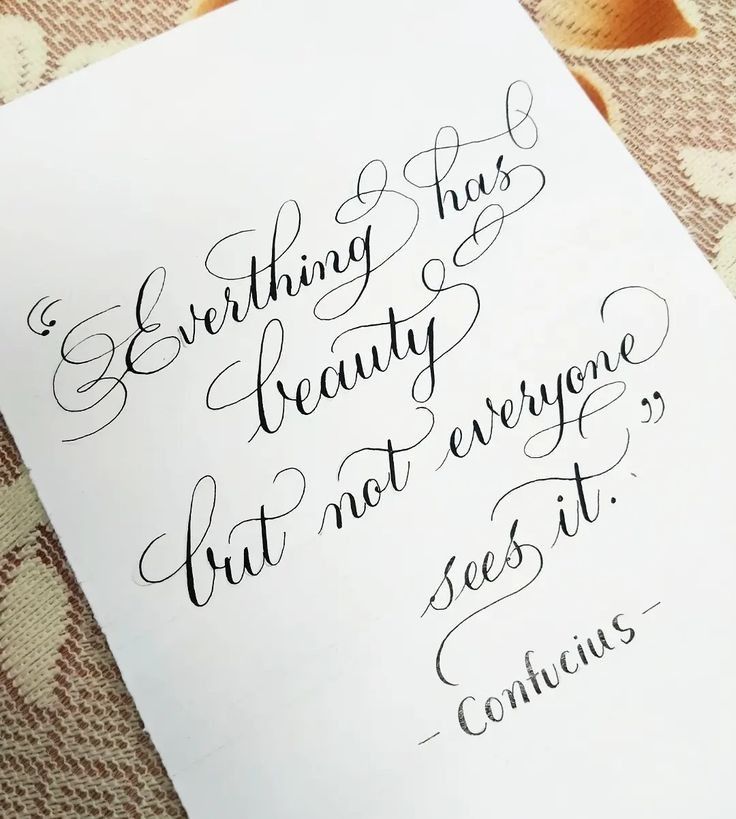
- Inspirational quotes: Choose a short, meaningful quote and render it in one calligraphy or lettering style.
- Personalized stationery: Design monograms, names or addresses for cards, invitations or envelopes.
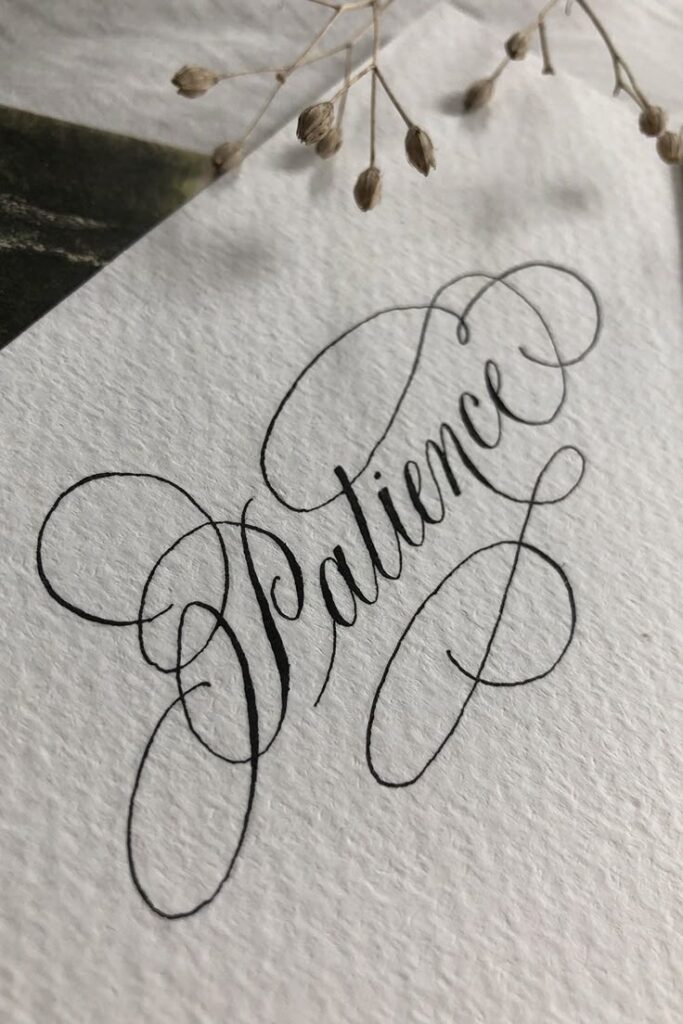
- Word art: Turn a single word into an artwork, using letter style, texture and decoration to express its meaning.
- Illuminated initials: Draw an elaborate capital letter in the manner of medieval manuscripts, combining lettering with decorative drawing.
Conclusion
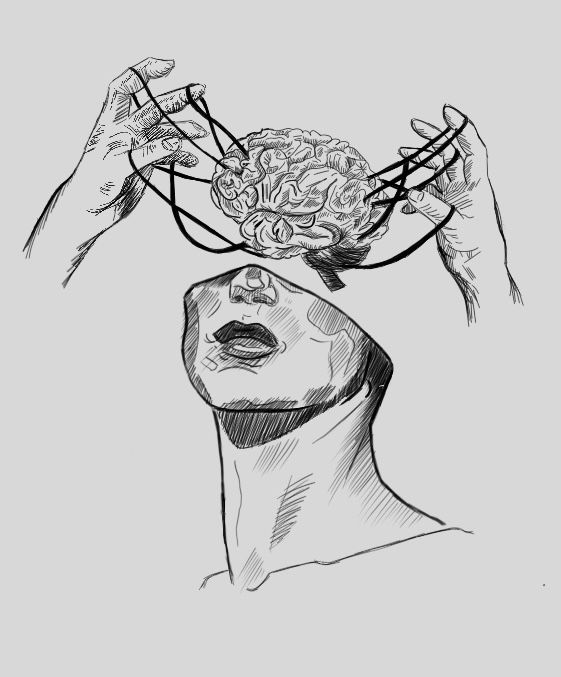
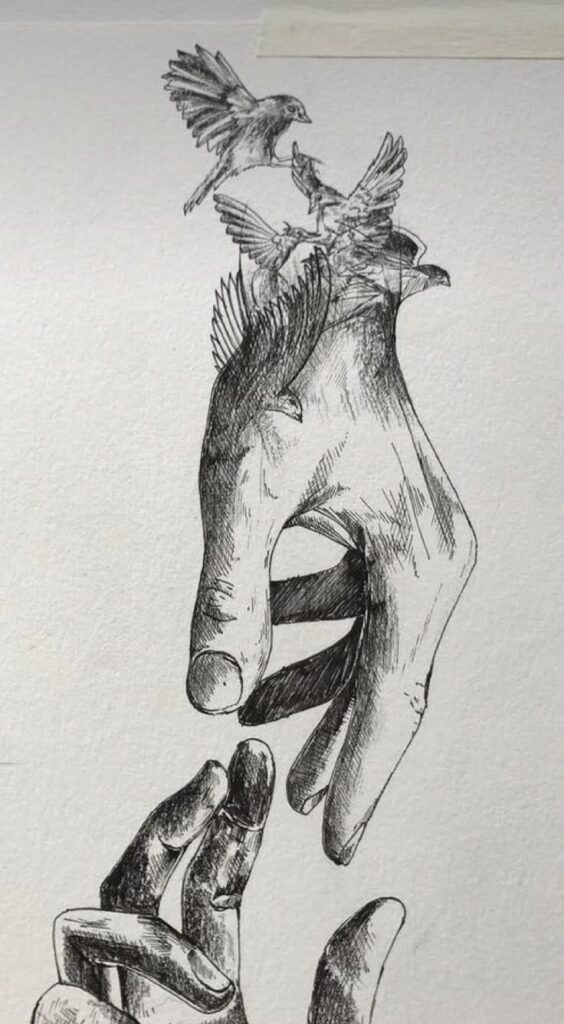
Each of these drawing ideas offers a different way to slow down and focus. Mandalas give structure, botanical illustration rewards close observation and abstract work offers freedom. Choose the one that fits how you feel on a given day, and switch when it stops feeling restful.
Regular drawing time can give you quiet, focused breaks while your skills improve. Treat it as a relaxing habit rather than a cure for stress. Pick one exercise, set aside a short session and pay attention to the process more than the result.
- 1.2Kshares
- Facebook0
- Pinterest1.2K
- Twitter0
- Reddit0