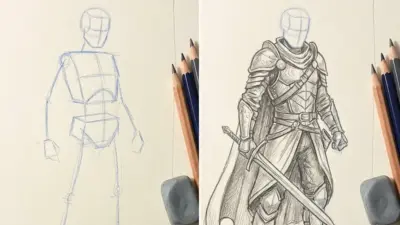
Colored Pencils Drawing offers a world of creative possibilities for artists of all skill levels. Whether someone enjoys bold, bright colors or soft, subtle shades, colored pencils make it easy to bring ideas to life with layering, blending, and shading techniques. The best way to find inspiration is to explore different themes like nature, animals, still life, or fantasy, adjusting colors and styles to fit what excites them the most.
Many artists find joy in experimenting with unique effects, such as drawing on colored or dark paper to make colors pop, or mixing neon shades for a vibrant look. The gentle control colored pencils provide lets them create detailed portraits, lively landscapes, or simple sketches with a rich range of tones. By focusing on ideas that interest them, anyone can start improving their skills and enjoy the process of making art.
This post shares a variety of fresh colored pencil drawing ideas to spark creativity and help artists try new things. From easy exercises to more detailed projects, the ideas encourage them to play with color, texture, and form in fun and rewarding ways.
Beginner Colored Pencils Drawing Ideas
Starting with colored pencils can be simple and fun by focusing on easy subjects. Using basic shapes, everyday objects, and elements from nature helps build skills like shading, blending, and controlling pressure. These ideas provide clear steps to practice drawing and coloring techniques.
Simple Shapes and Patterns
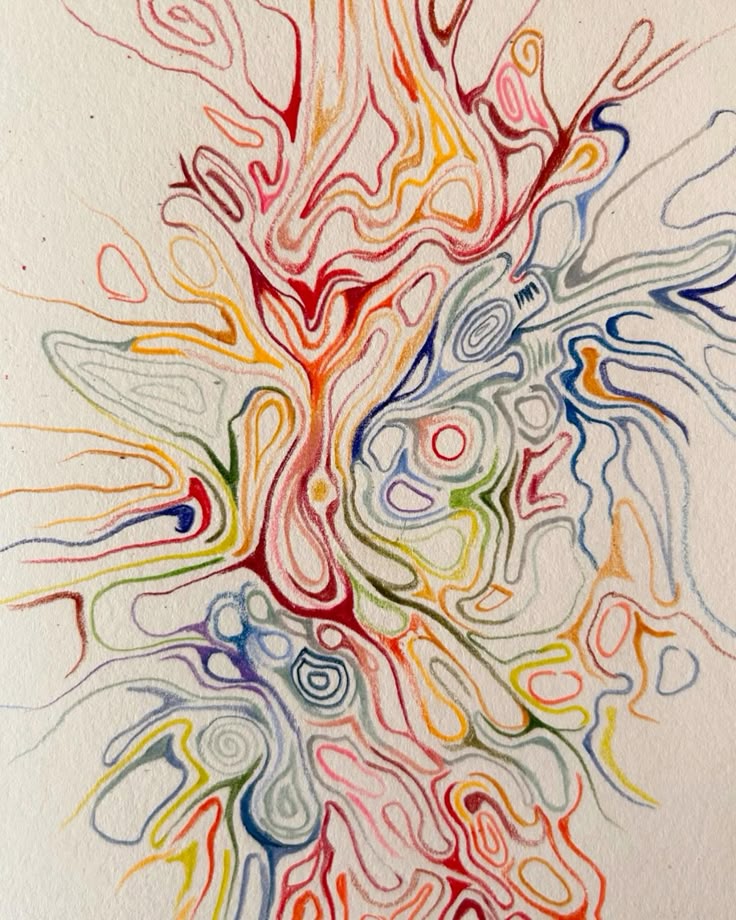
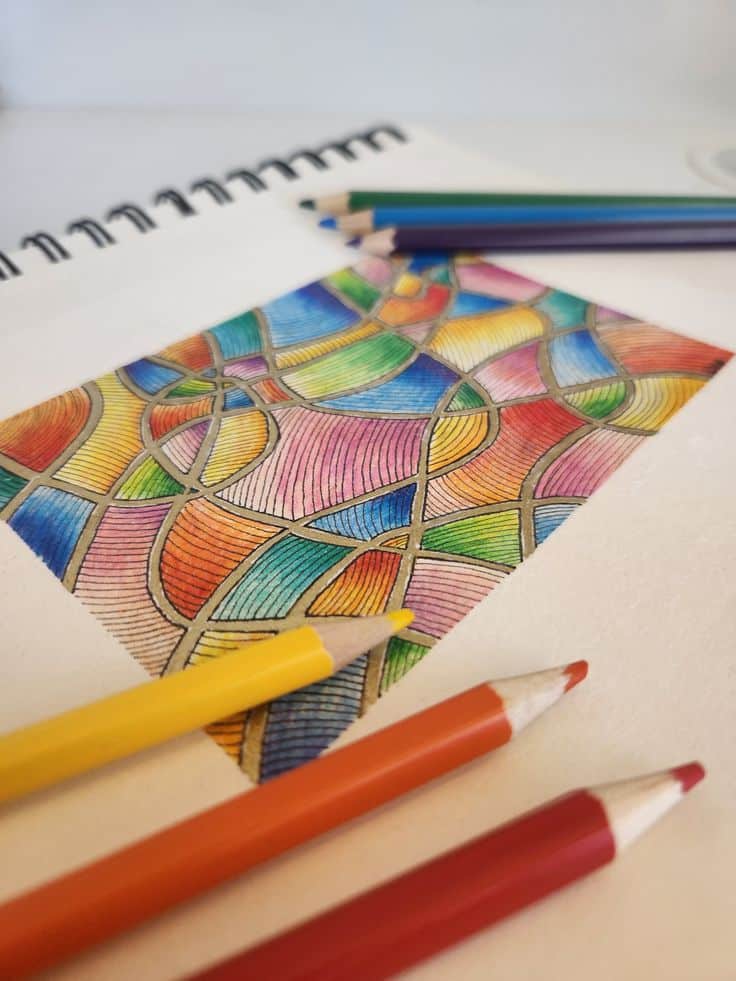
Drawing simple shapes like circles, squares, and triangles is a great place to begin. They allow beginners to practice controlling the pencil’s pressure to create light and dark areas. Repeating patterns, such as stripes, dots, or checkerboards, help develop a steady hand and consistency.
To make it more interesting, beginners can experiment with layering colors on these shapes. For example, shading a circle with two colors to create a gradient helps learn smooth blending. Using different pencils with varied softness can also change how colors appear on paper.
Fruit and Food Sketches
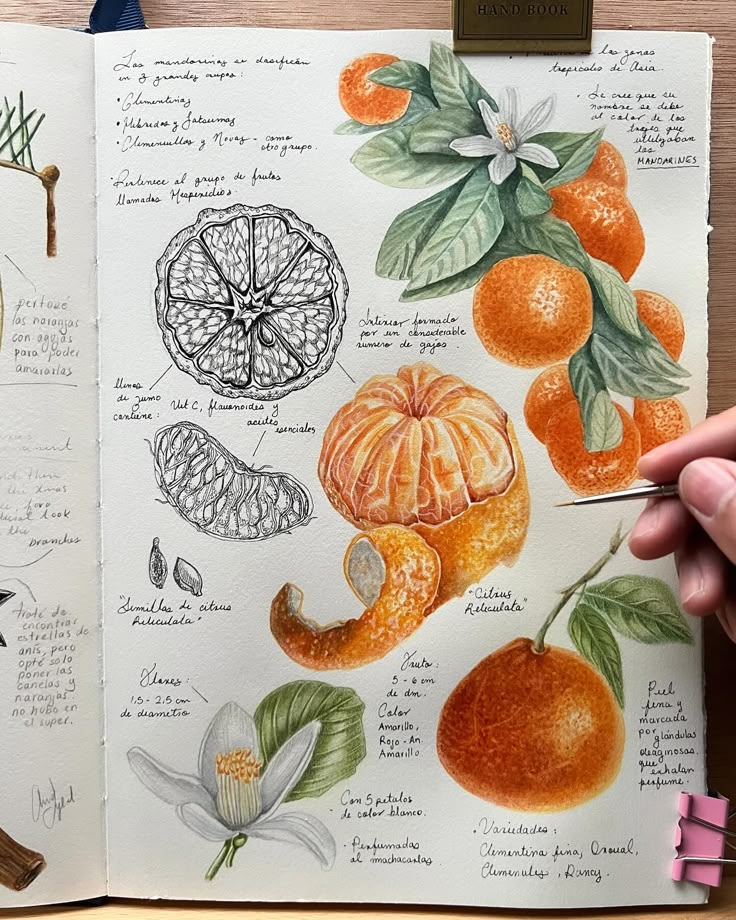
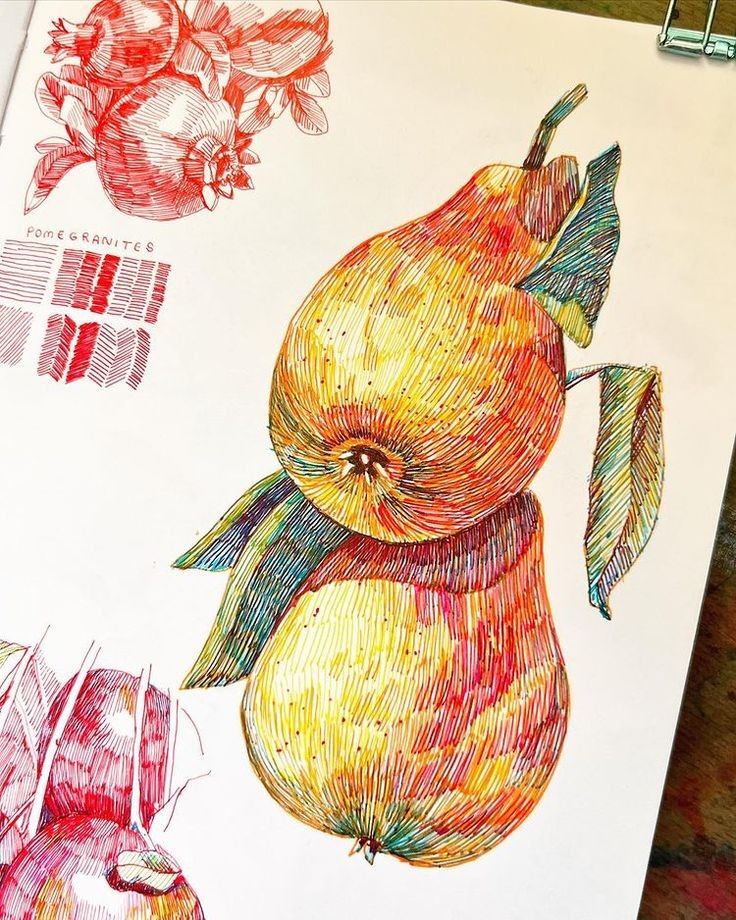
Fruit and food items are familiar and easy to draw objects. Drawing an apple, a banana, or a slice of bread focuses on simple shapes combined with texture. Colored pencils work well to show highlights and shadows on these objects, which makes them look more real.
Begin by sketching the basic shape lightly, then add color using short strokes. Adding layering with red, yellow, and green for an apple or soft browns and yellows for bread teaches how to build depth. Food themes are fun and encourage experimenting with color mixing and blending.
Nature Elements
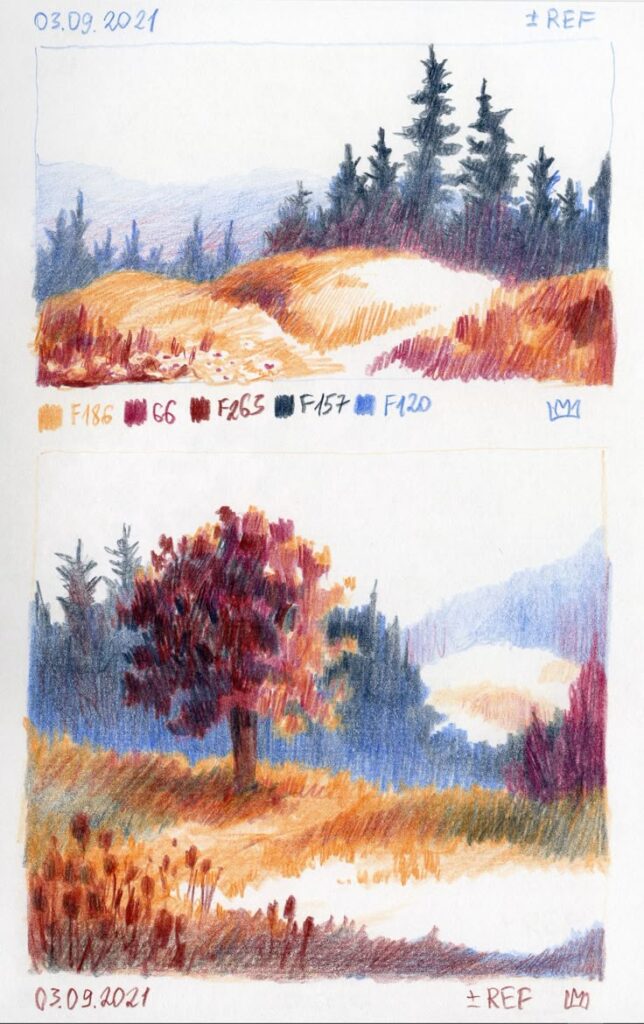
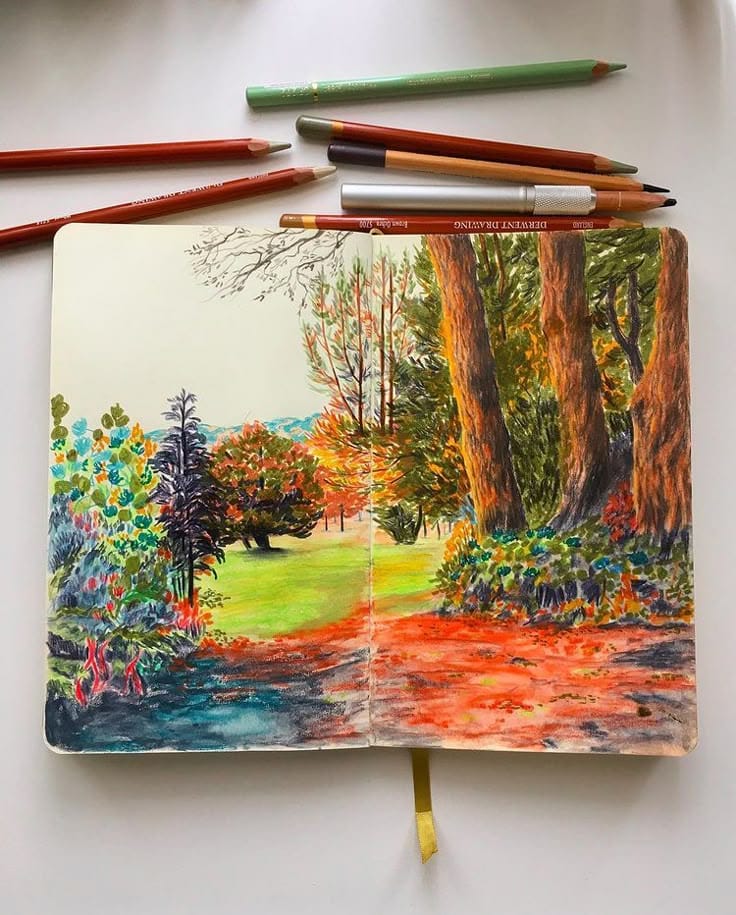
Leaves, flowers, and clouds are excellent nature elements for beginners. They offer a variety of shapes and textures to practice. Leaves can help learners understand vein structures and shading, while flowers teach layering petals and blending colors.
Clouds are great for practicing soft, gradual shading with pencils. Starting with light gray and adding more layers builds form and depth. Drawing nature elements encourages observation, helping artists capture real-life details with colored pencils.
Nature and Landscape Inspirations
Drawing with colored pencils can bring nature’s beauty to life through detailed textures, vibrant colors, and careful shading. Focus on the natural elements like trees, skies, and water, each offering unique challenges and rewards. Capturing these scenes will help improve skill with color blending, depth, and light effects.
Realistic Trees and Forests
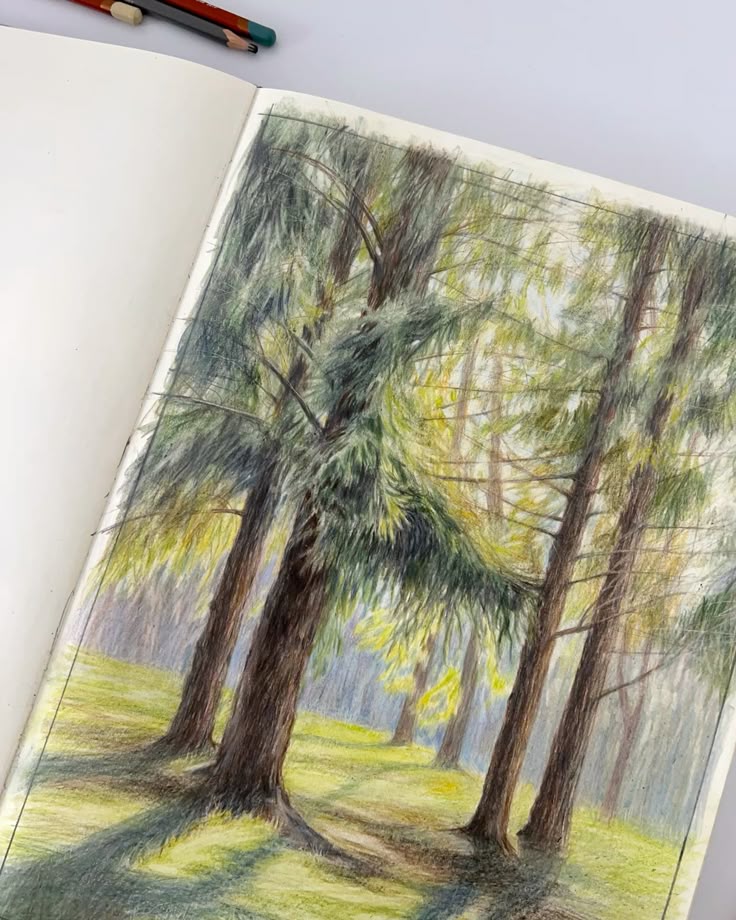
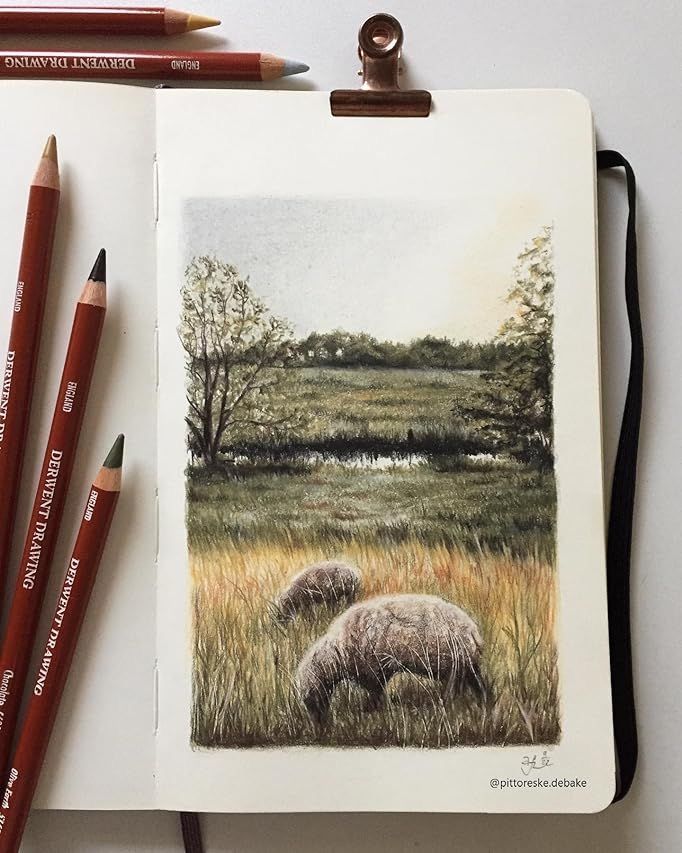
To draw trees realistically, artists should observe the shapes of leaves, branches, and bark texture closely. Using various green shades and layering helps create depth. Adding brown, yellow, or red tones will show how light hits the leaves or indicate seasonal changes.
For bark texture, short, rough pencil strokes mimic its roughness. Shadows under branches and leaves give a three-dimensional effect.
Mixing light and dark colors carefully allows the tree to look natural, avoiding flatness. Including small details such as fallen leaves or forest floor plants enhances realism.
Sunsets and Skies
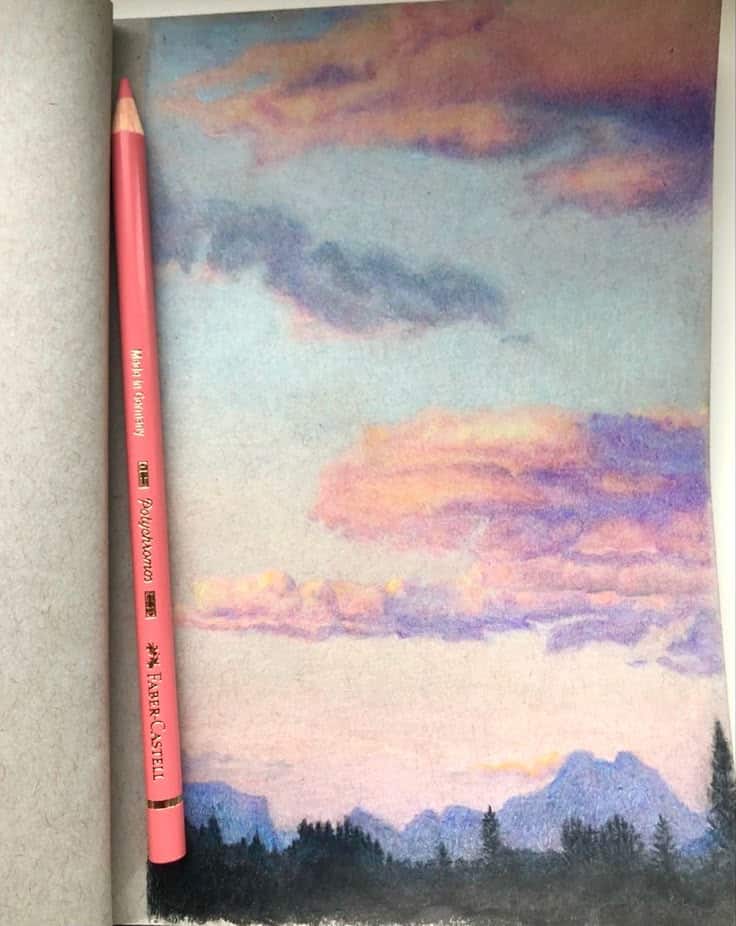
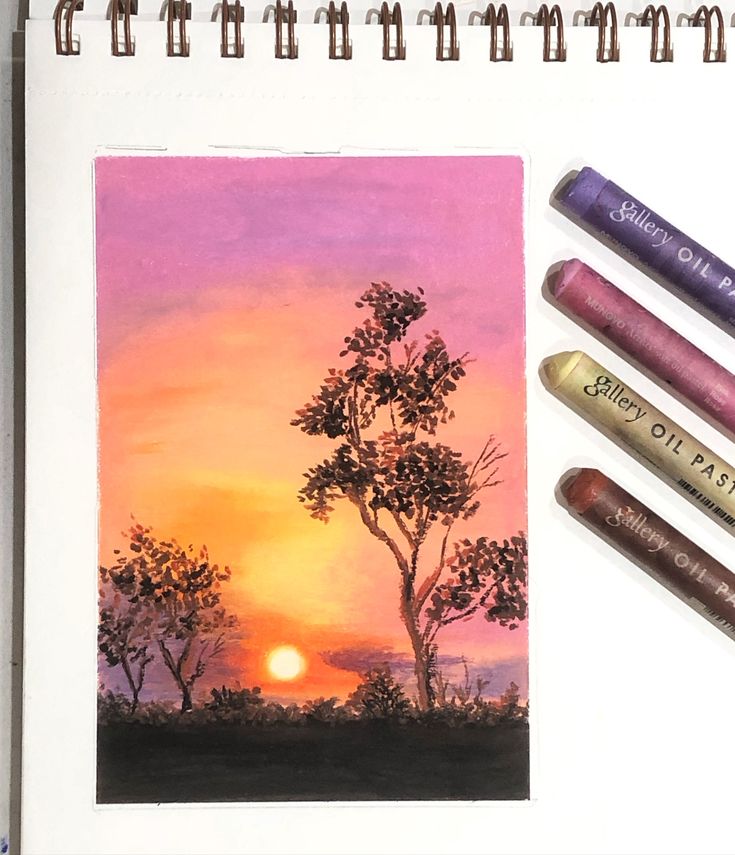
Sunsets offer bright colors like oranges, pinks, and purples, which can be achieved by blending colored pencils smoothly. Start with lighter shades and layer darker tones to add richness and depth.
Clouds need soft pencil strokes to show their fluffiness and subtle shadow areas. The horizon line is key for perspective, so blending colors from bright near the sun to cooler farther away adds realism.
Paying attention to how the sky changes color gradually helps make a striking sunset scene. Adding reflections of sunset colors on water or land adds balance and interest.
Mountains and Lakes
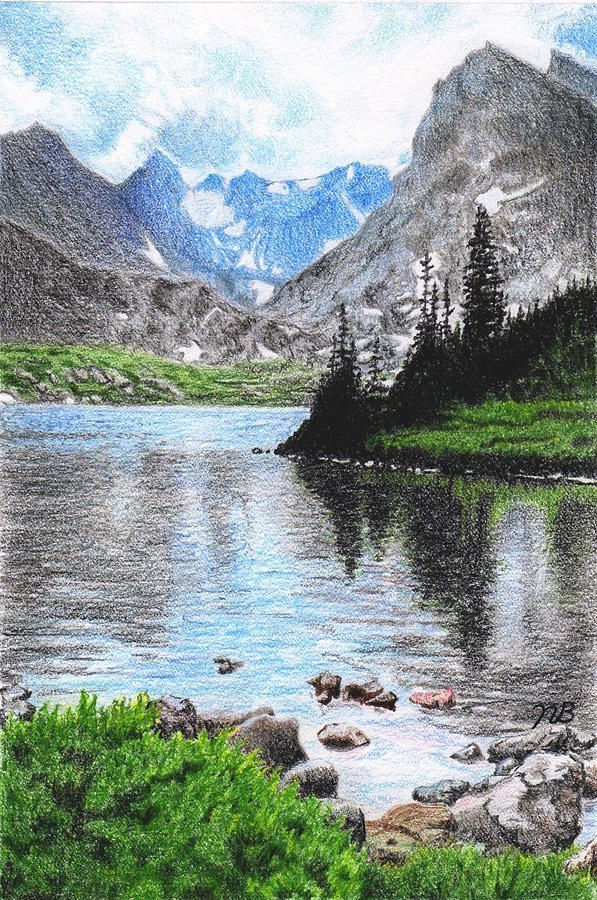
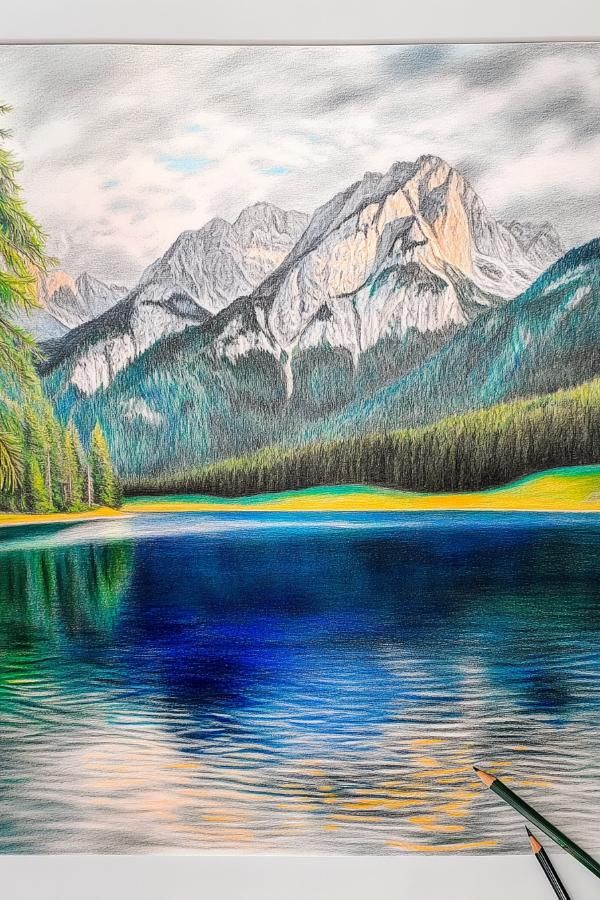
Mountains are best drawn using different grays, blues, and browns to capture rocky surfaces and shadows. Using sharp pencils helps outline jagged peaks, while soft shading creates smooth slopes or snow patches.
Lakes reflect their surroundings, so mirroring the colors of the mountains and sky on the water surface is important. Gentle horizontal strokes and blending make water look smooth.
Detail like ripples on the water or trees near the lake shore adds life to the scene. Using contrast between light and shadow defines the shape of both mountains and lakes clearly.
Animals and Wildlife Creations
Drawing animals with colored pencils allows for a rich mix of textures and vibrant colors. Artists can explore fur, feathers, and skin details in ways that bring their subjects to life. Whether focusing on close-up details or full-body portraits, capturing personality and natural features is key.
Pet Portraits
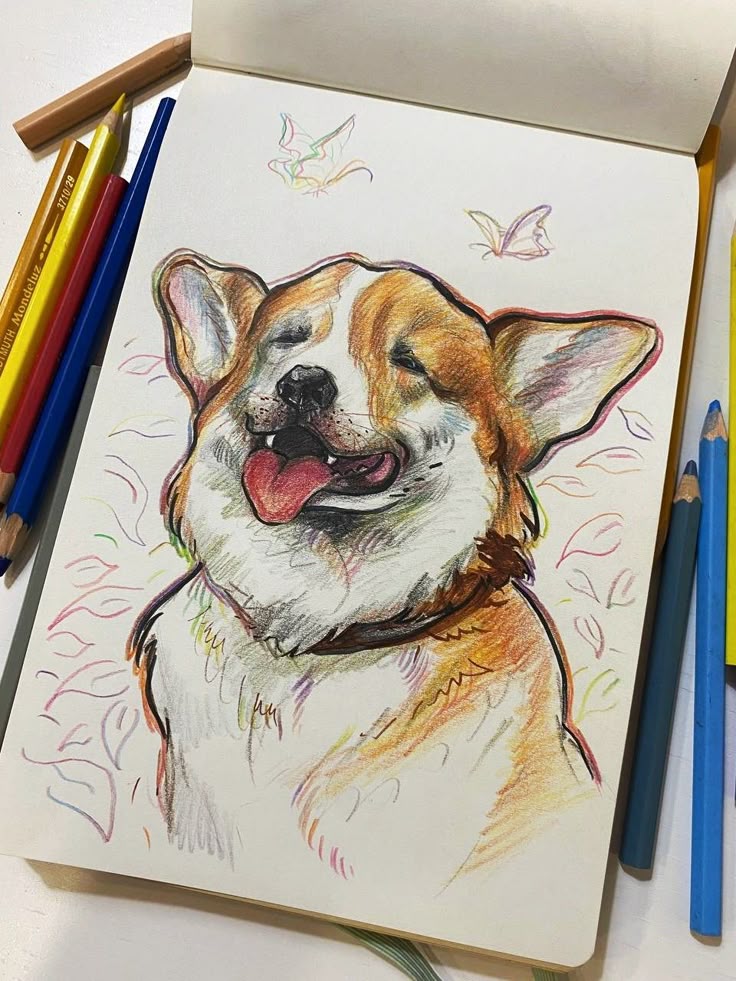
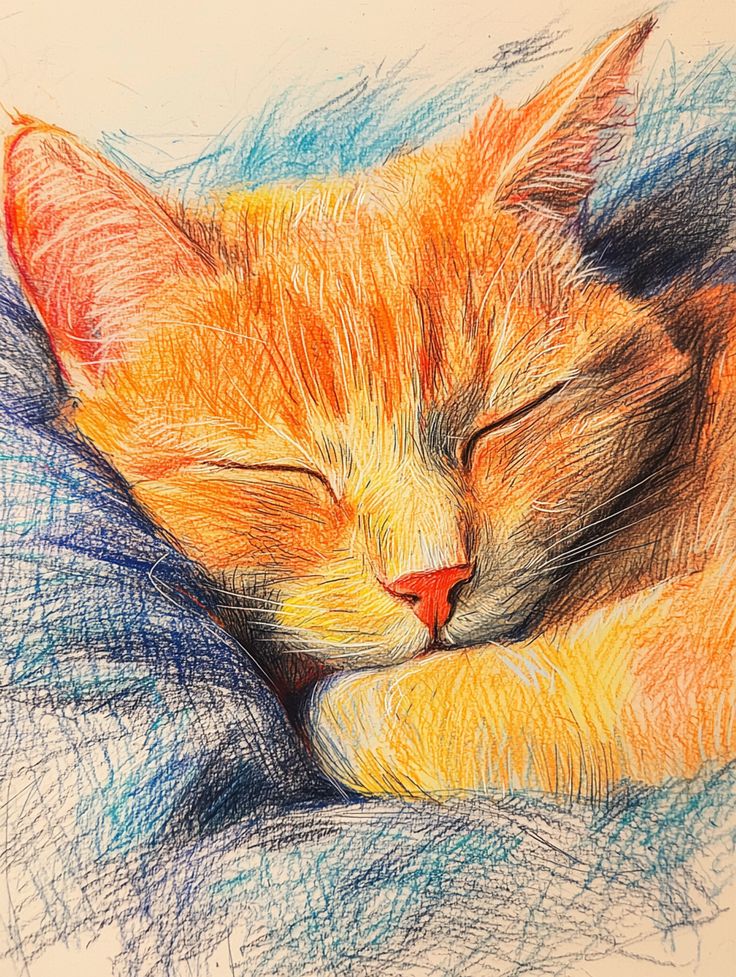
Colored pencils are perfect for creating detailed pet portraits. Artists can highlight the softness of fur and the shine in eyes using layering techniques. Building color slowly helps create depth and realism.
Focusing on the pet’s expression adds personality that connects the viewer. Showing subtle color shifts in fur or feathers makes the portrait more lifelike. A clean background or simple setting helps keep attention on the pet.
Using a mix of hard and soft pencil strokes can mimic different fur textures, from sleek coats to fluffy tails. Artists often start with light outlines before adding darker strokes to build contrast.
Wild Animals
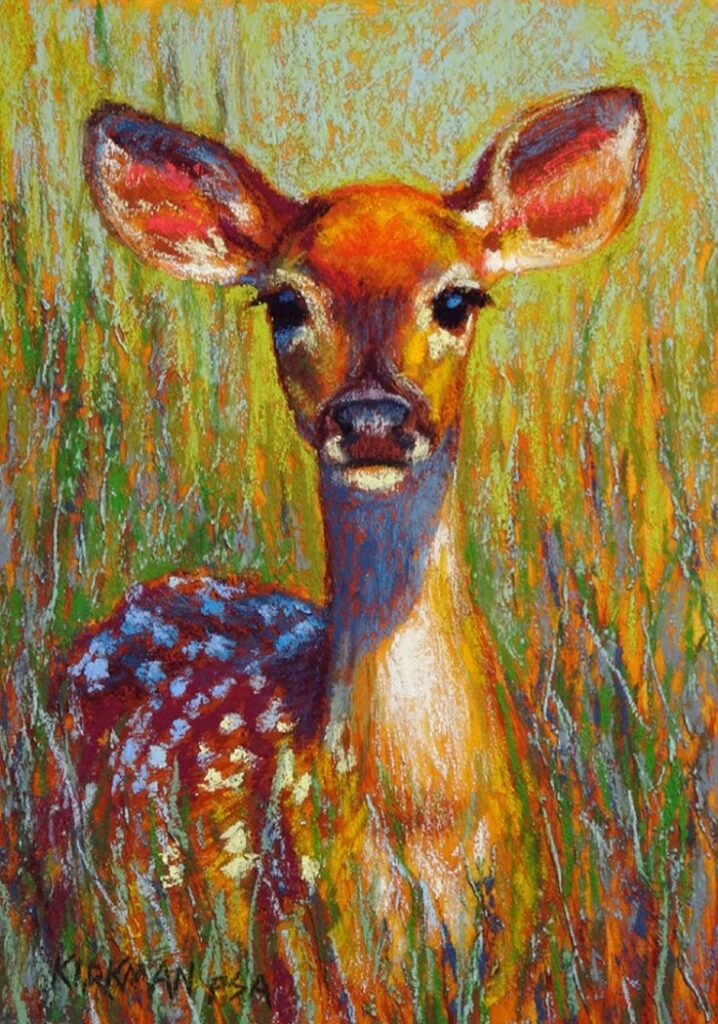
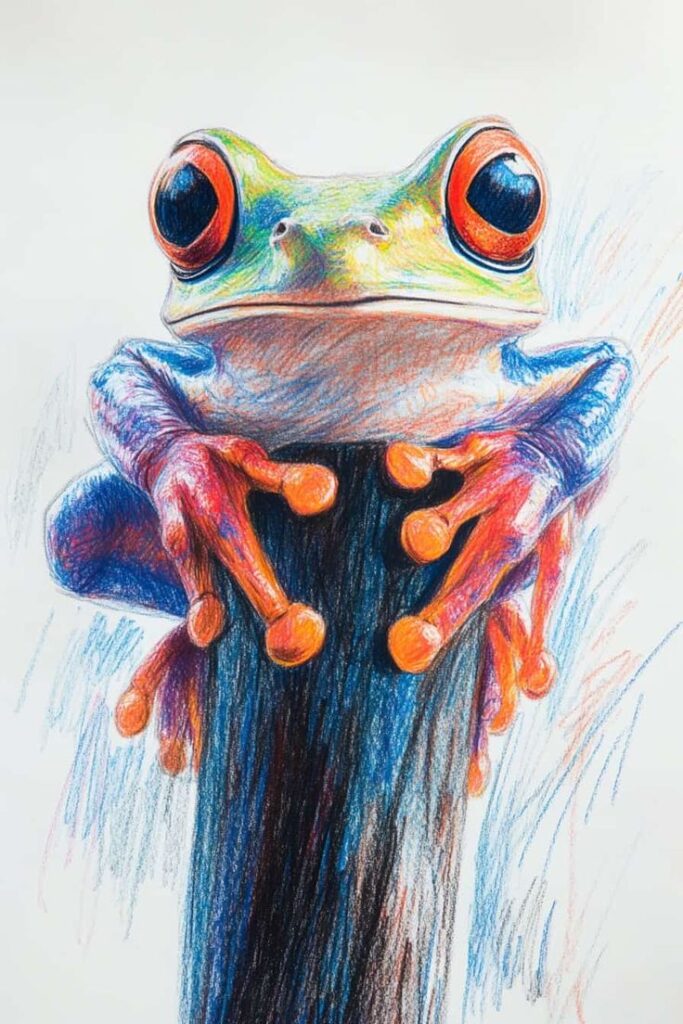
Wild animals offer a chance to explore bold colors and natural patterns. Drawing a tiger’s stripes or the vivid hues of a deer’s coat requires patience and attention to detail.
Artists should study each animal’s distinctive markings. For example, capturing the blend of colors in a fox’s fur or the rough texture of elephant skin involves layering multiple pencil shades carefully.
Balancing realistic colors with artistic interpretation allows the wild animal to feel both true to life and expressive. A mix of short, sharp lines and smooth shading helps create texture and body shape.
Bird Illustrations
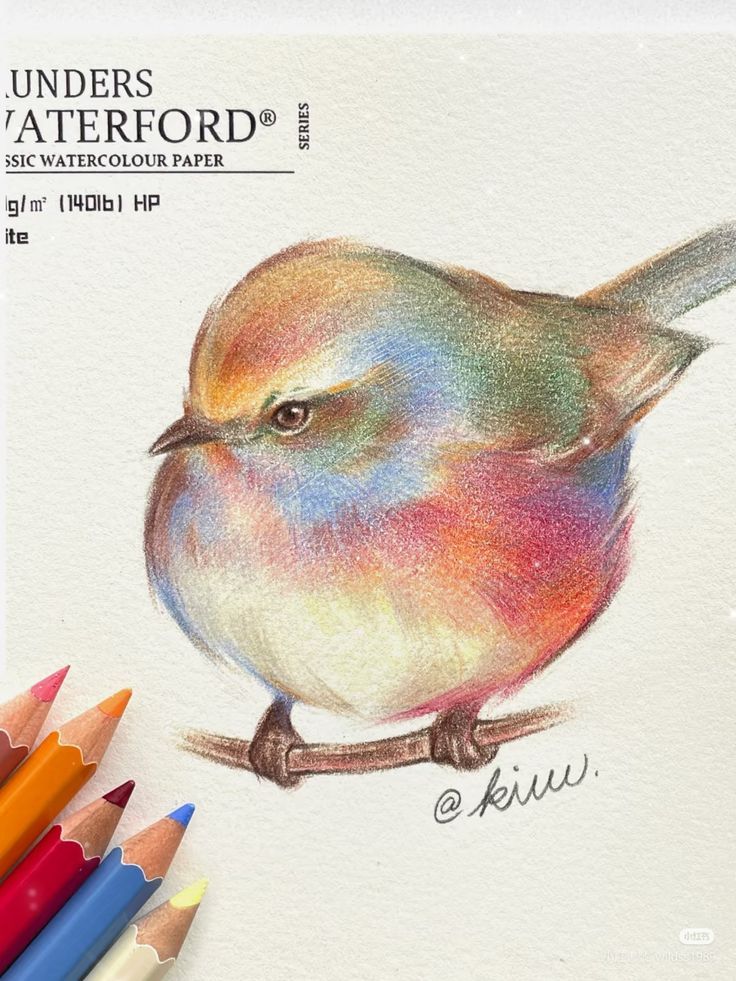
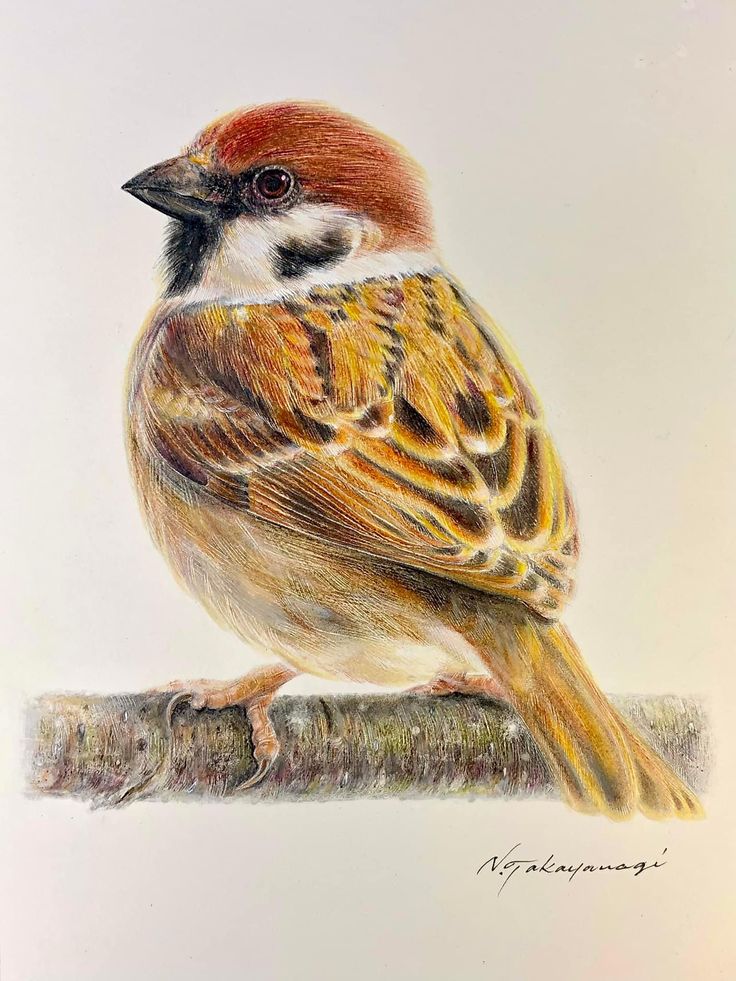
Birds offer a wide color range and intricate feather patterns to explore with colored pencils. Eyewitnessing the vibrant mix of reds, blues, and yellows in feathers can be very satisfying to replicate.
The key is to focus on feather layers and how light plays on them. Short, fine strokes work well for delicate feathers, while soft shading can capture round body shapes.
Highlighting the bird’s eyes and beak adds life to the drawing. Using a white pencil or erasers to lift color can show reflections and feather highlights effectively.
Portrait and Figure Drawing Ideas
Drawing portraits and figures with colored pencils requires attention to detail, expression, and anatomy. Artists should focus on capturing emotions, subtle movements, and age differences to make their work feel alive and genuine.
Expressive Faces
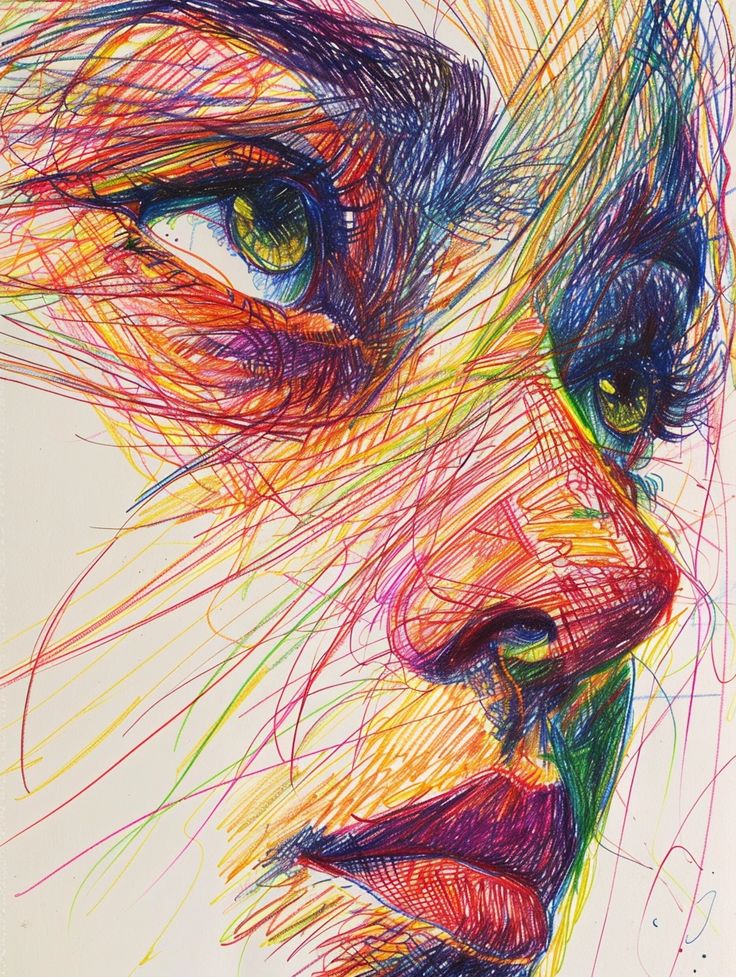
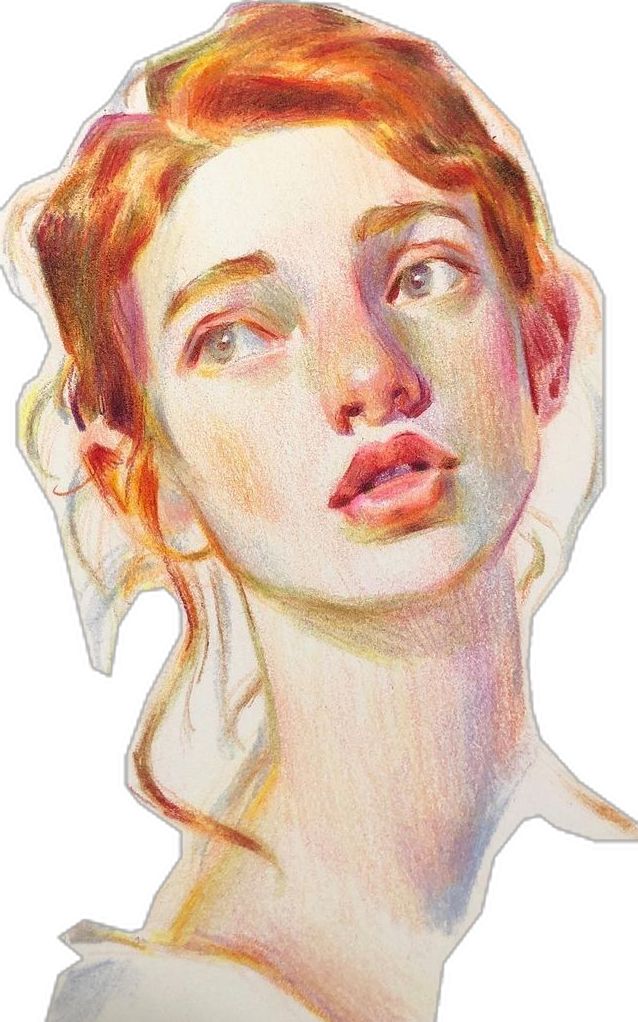
Drawing expressive faces means showing clear emotions through eyes, eyebrows, and mouth shapes. Artists can use layering with colored pencils to create soft skin tones and shadows that add depth. Paying close attention to light and shadow helps show the facial structure more realistically.
Small details like wrinkles, freckles, or blush can bring a face to life. Blending colors smoothly without overworking the paper helps keep the skin looking natural. Using reference photos or observing real faces also guides artists in capturing genuine expressions.
Hands and Gestures
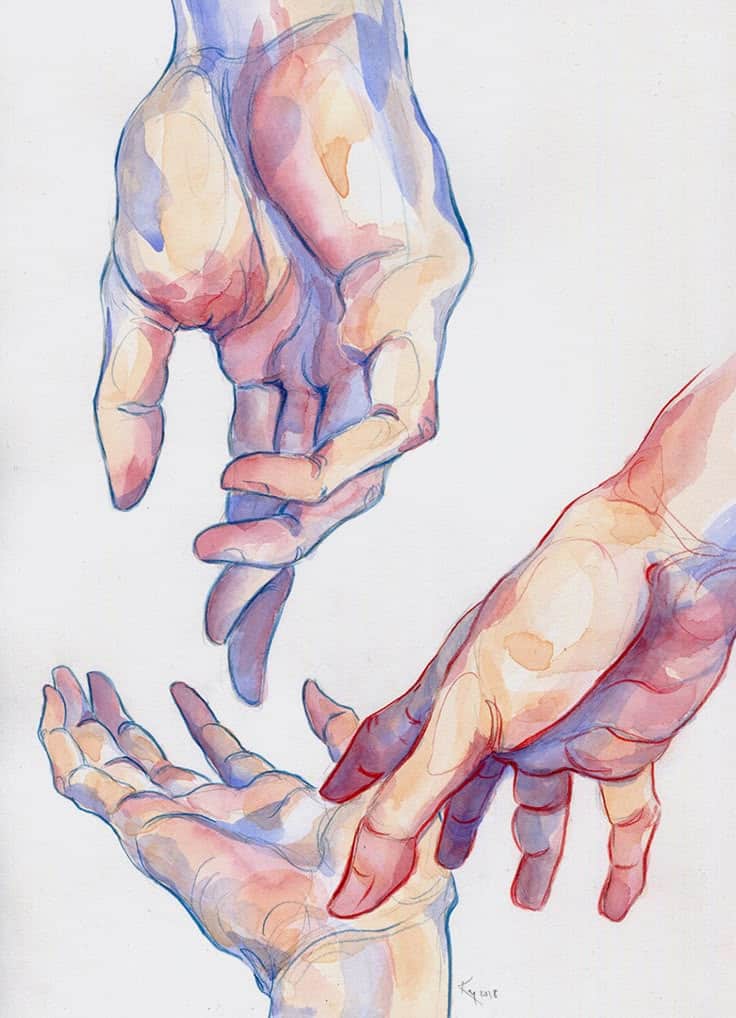
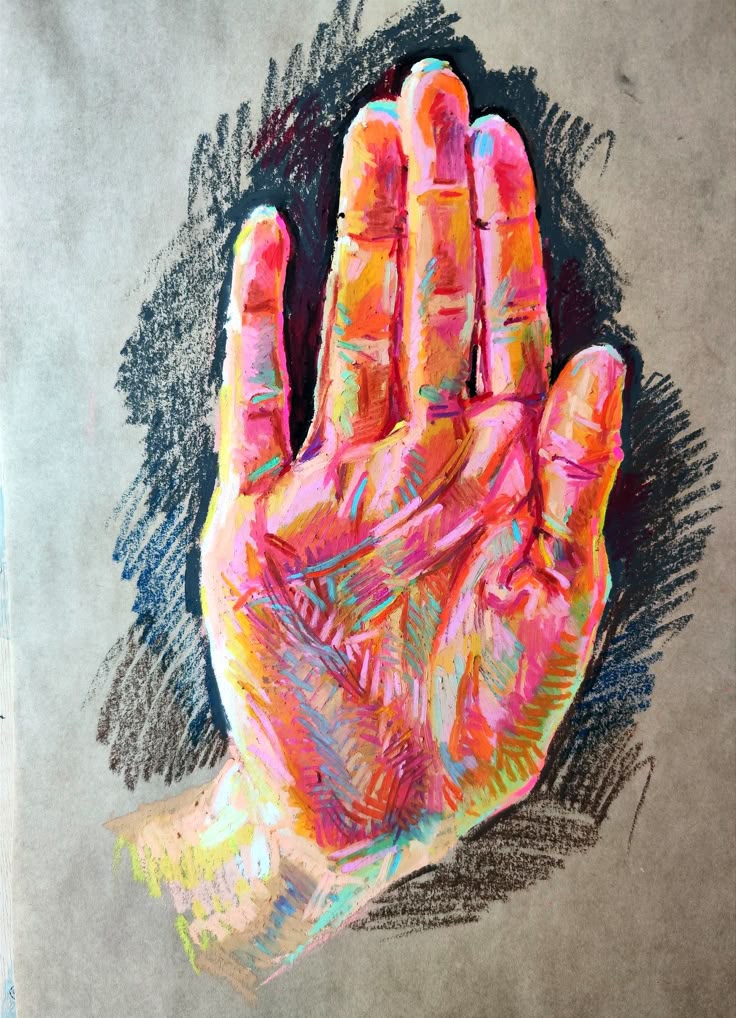
Hands are challenging but important in figure drawing because they show emotion and action. Artists should practice drawing different hand positions, like open palms, clenched fists, or fingers pointing, to capture a range of gestures.
Colored pencils allow layering for skin tone variations and shadows around knuckles and joints. Observing how light falls on fingers helps create a 3D effect. Simplifying complex hands into basic shapes first can make the process easier.
Children’s Portraits
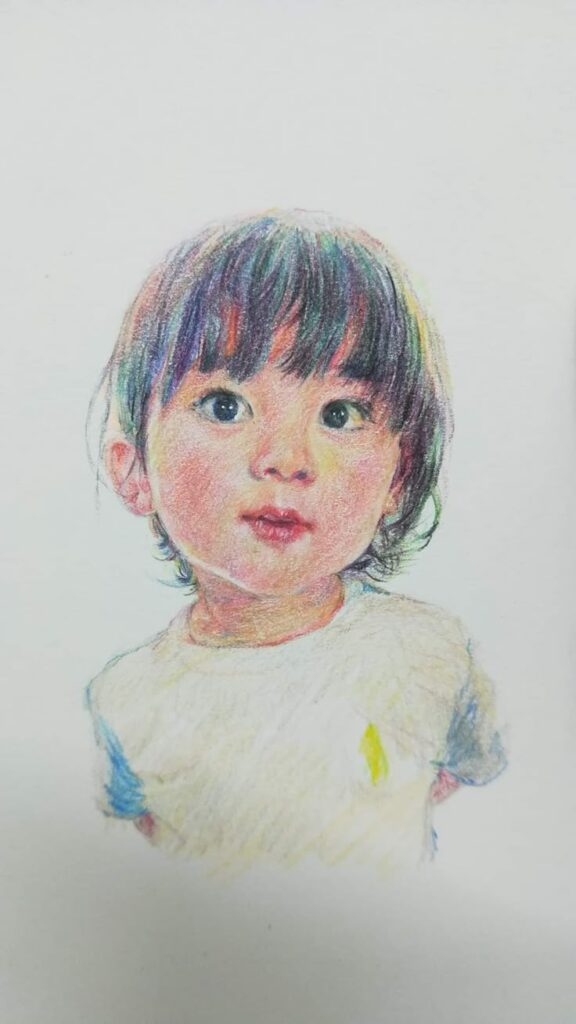
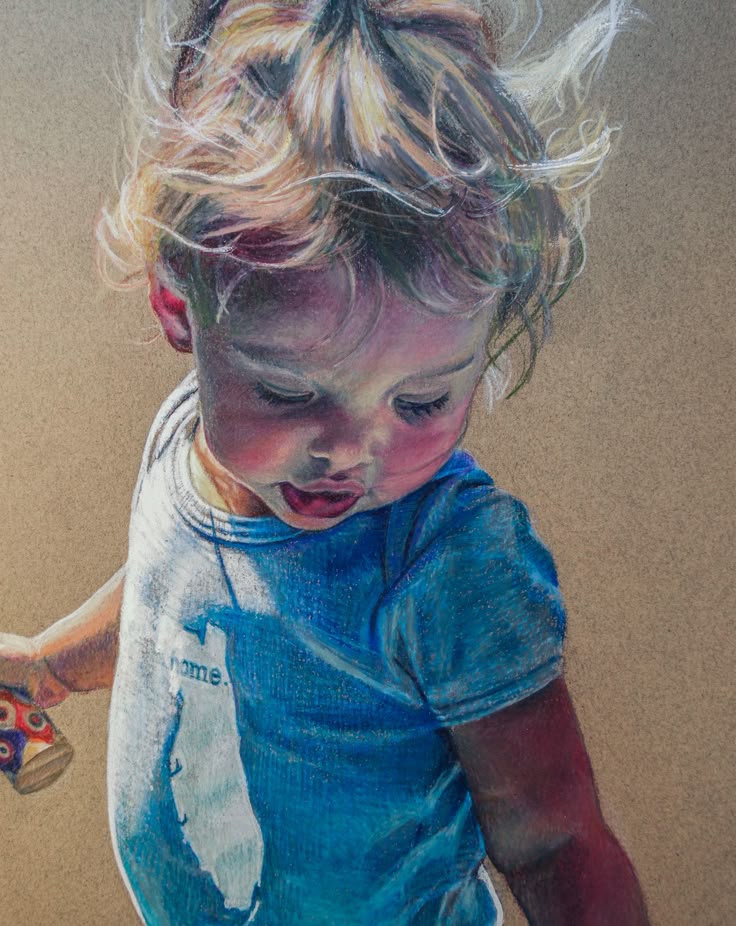
Children’s faces have softer features and rounder shapes than adults’. Artists using colored pencils need to focus on smooth, gentle shading to capture youthful skin. Blending pastel colors like pinks and light browns can highlight their softness.
The eyes often express innocence, so drawing bright, clear eyes with light reflections is key. Less emphasis on wrinkles or sharp shadows makes children’s portraits feel more delicate. Using light and subtle details keeps the portrait fresh and believable.
Fantasy and Imaginative Concepts
Colored pencils are perfect for bringing fantasy and imagination to life. Artists can create vivid scenes filled with magic, unusual creatures, and enchanted objects. These ideas help develop skills like blending, layering, and using bold or unexpected colors.
Mythical Creatures
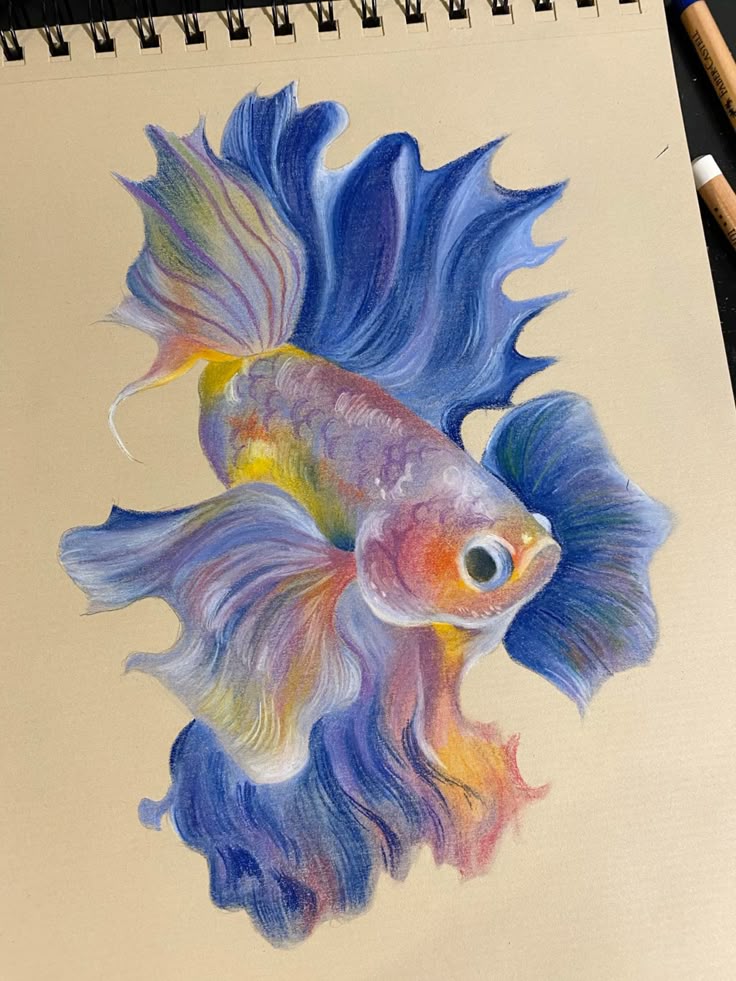
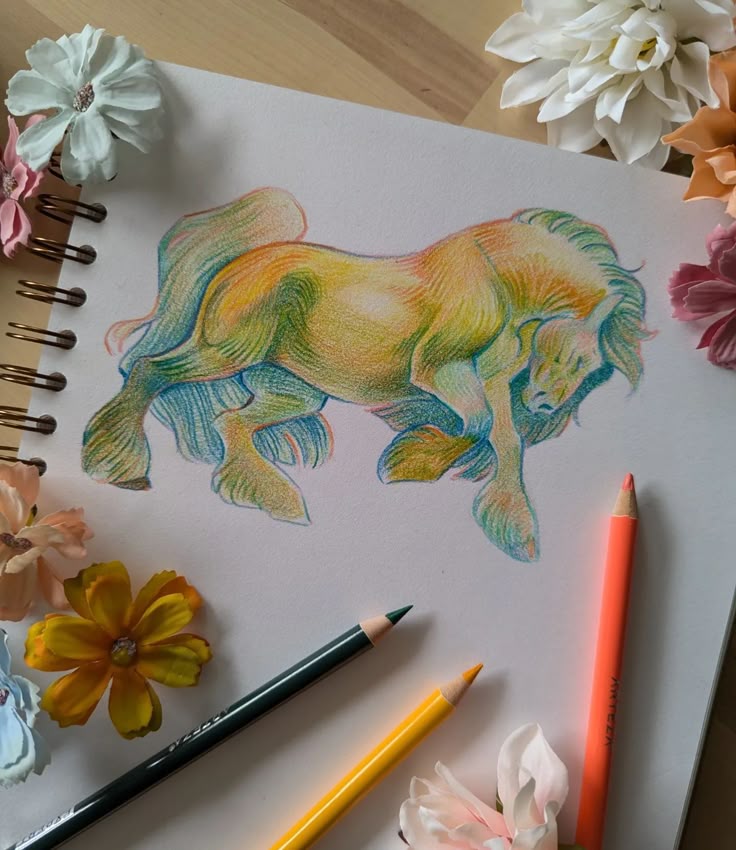
Drawing mythical creatures allows artists to explore fantasy worlds. Dragons, unicorns, and phoenixes are popular subjects with rich textures like scales or feathers. Using colored pencils, artists can blend colors smoothly to show light reflecting off shiny scales or create soft gradients on wings.
Experimenting with wild color choices, such as bright blues or fiery reds, adds drama. Artists can also mix blending techniques like cross-hatching for scales or stippling for fur to build depth. These details make mythical creatures look alive and dynamic on paper.
Fairy Tale Scenes
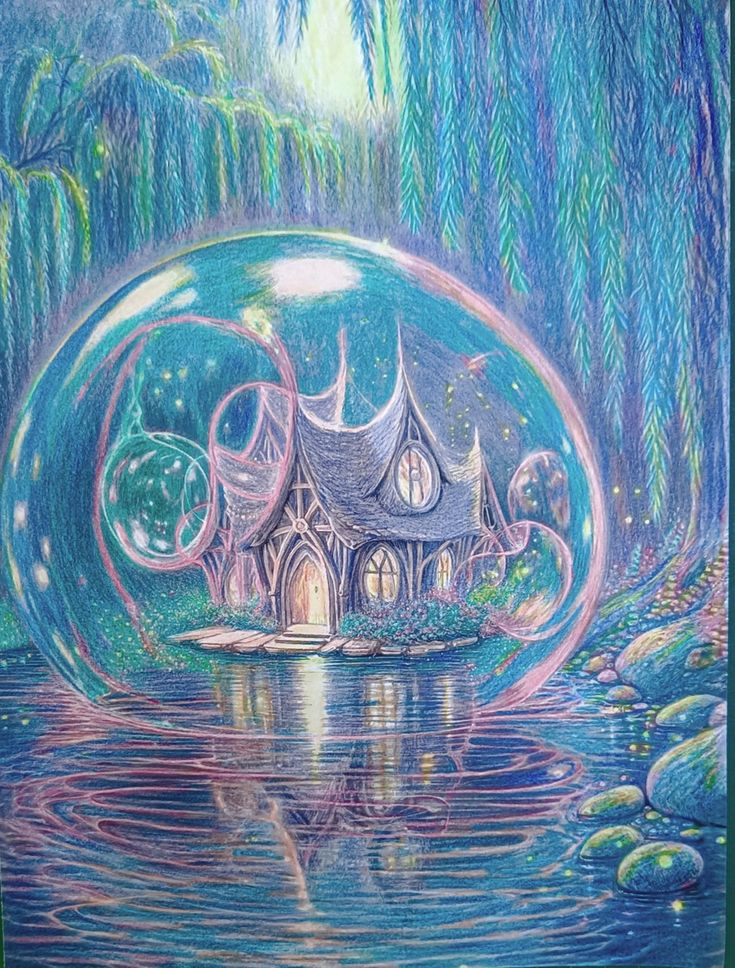
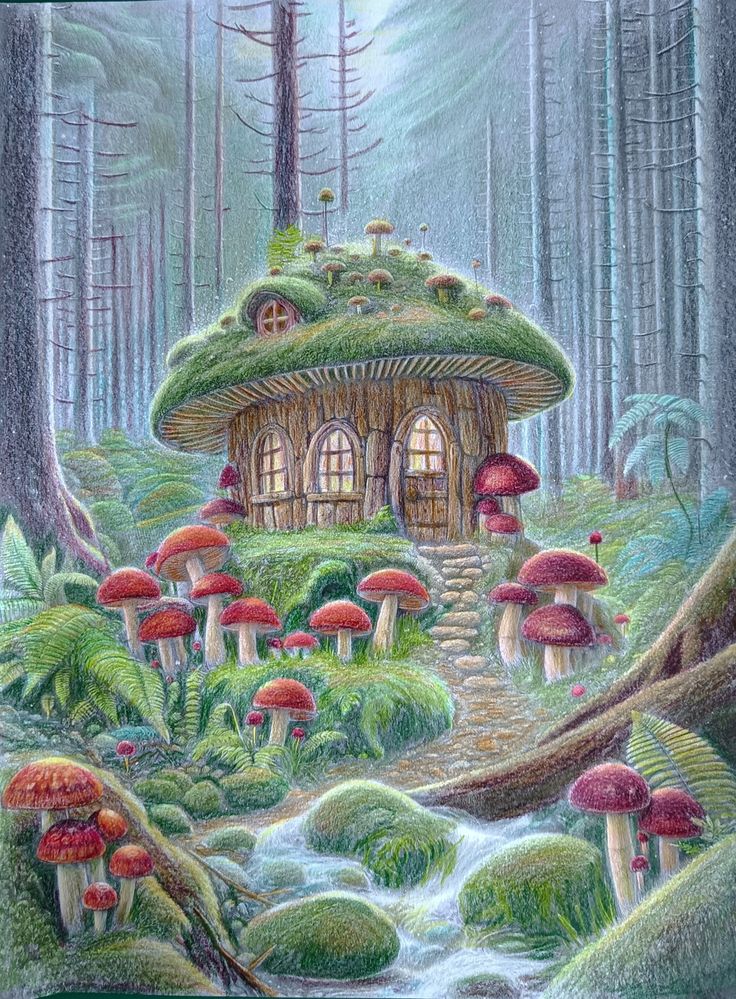
Fairy tale scenes often include mysterious forests, castles, and magical characters. Colored pencils can bring these settings to life with lush greens for trees and soft pastels for clouds or mist. Layering colors helps create a glowing effect in enchanted places like fairy groves or secret gardens.
This theme encourages artists to think about atmosphere and light, such as dappled sunlight or moonlight filtering through trees. Using toned paper can make colors pop and add mood right away. Mixing bright and muted tones helps balance fantasy with realism in the scene.
Magical Objects
Magical objects like wands, enchanted books, or glowing crystals give artists a chance to focus on texture and detail. Using sharp colored pencil tips, they can add fine lines to show wood grain, runes, or intricate patterns on objects.
Layering translucent colors works well to make crystals or light effects look luminous. Artists can play with color contrasts—bright glows against dark backgrounds—to highlight the object’s power or mystery. These drawings often use precise color control to suggest magic without overcrowding the image.
Seasonal and Holiday Themes
Colored pencil drawings can bring out the rich colors and moods of different seasons and holidays. Using seasonal themes helps create artwork full of detail and atmosphere. Each time of year offers unique shapes, textures, and colors perfect for practice or showing off creativity.
Autumn Leaves
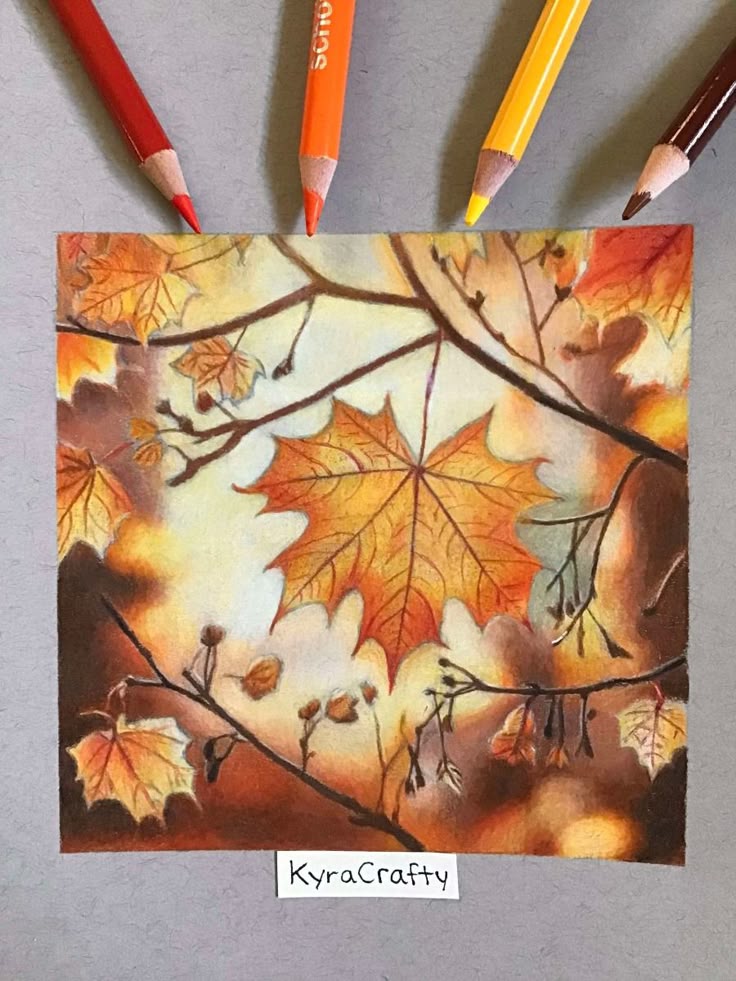
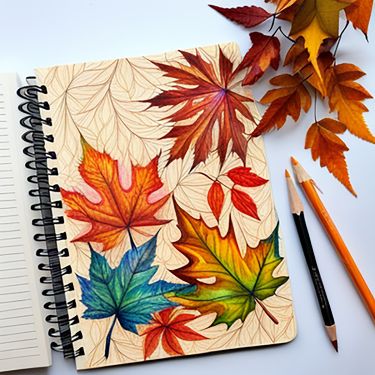
Autumn leaves are a classic subject for colored pencil artists. Their warm colors—reds, oranges, yellows, and browns—blend well and allow for smooth shading. Artists can capture the texture of dry, curled edges and the veins on leaves to add realism.
Working with layers is important here. Starting with a light base color, artists gradually add darker tones to show depth and shadow. Different leaf shapes, like maple or oak, offer variety in form and structure.
Including other autumn elements, such as acorns or tree branches, can help complete a scene. Using colored pencils also lets artists explore subtle color changes as leaves transition from green to bright fall hues.
Winter Scenes
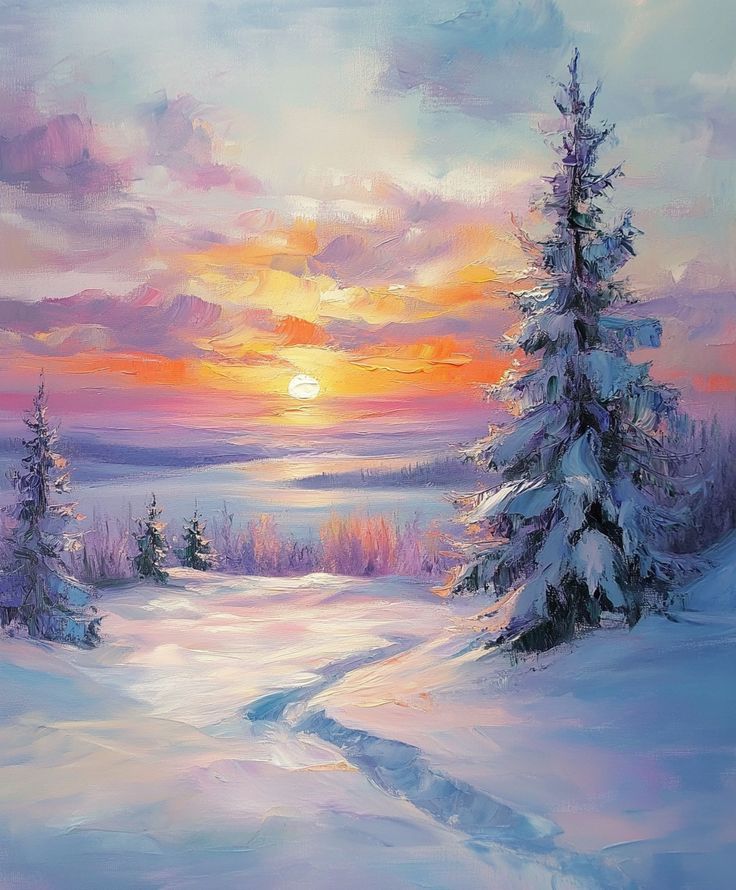
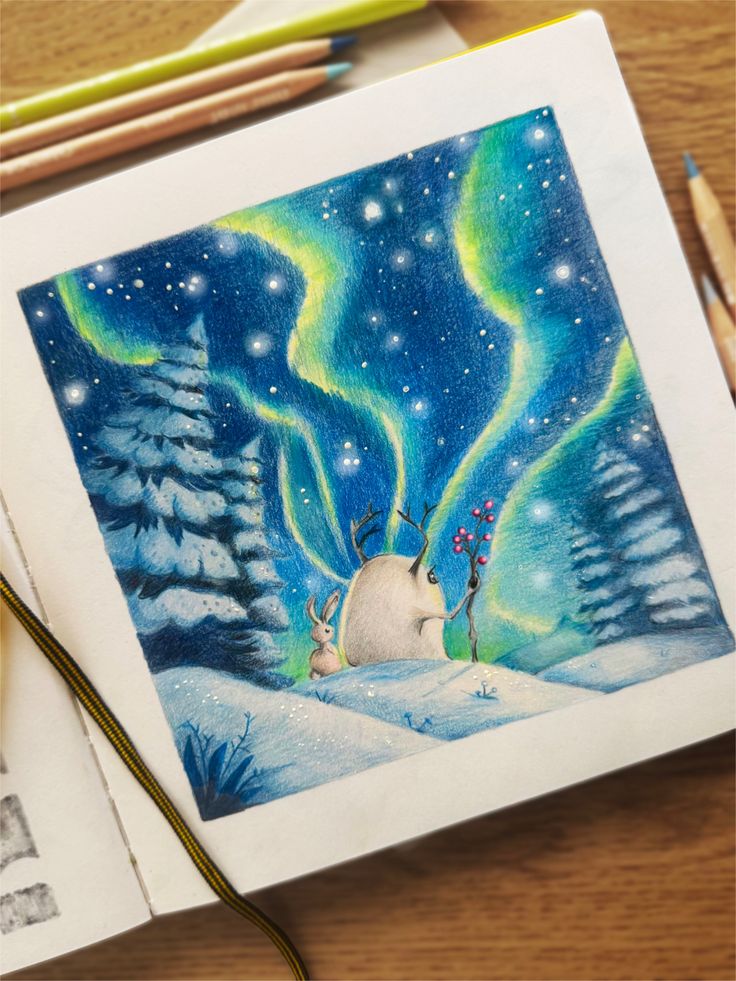
Winter drawings with colored pencils often focus on soft, cool colors like whites, blues, and grays. Scenes of snow-covered landscapes or frosted trees create a quiet and calm feeling. Artists can use blending tools to soften edges and suggest snow’s fluffiness.
Capturing light is key in winter scenes. Highlights on ice or snow can be shown by leaving some areas of paper blank or using a white pencil to add shine. Shadows in snow usually have hints of blue or purple, giving depth without harsh contrasts.
Adding winter animals like deer or birds introduces life to the piece. Using colored pencils to show texture, from smooth ice to rough bark, makes winter drawings more engaging.
Festive Celebrations
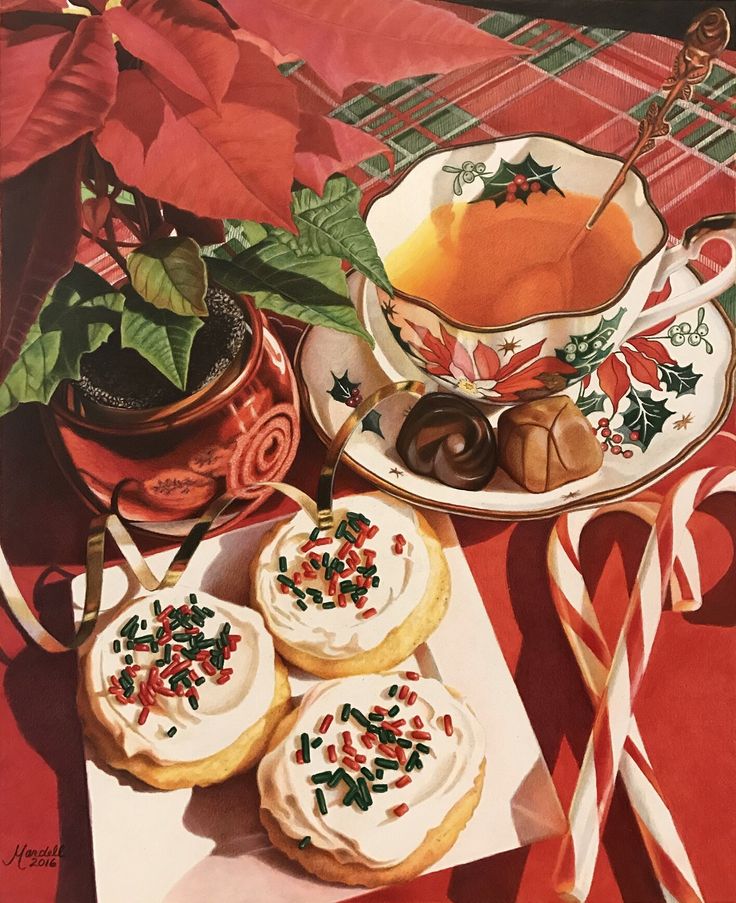
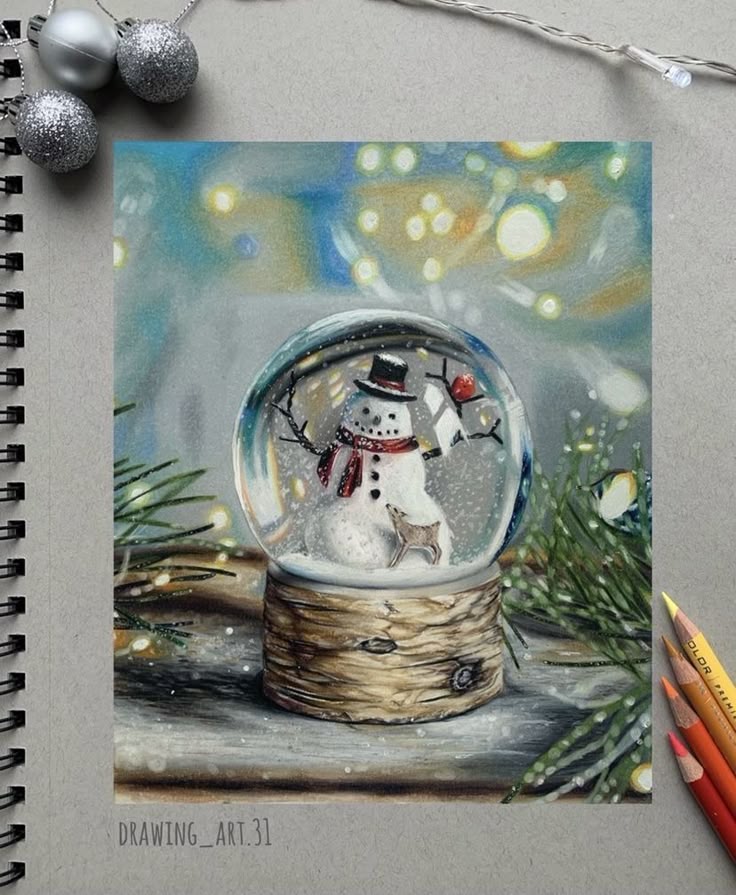
Festive celebrations offer lively subjects full of color and movement. Drawing Christmas trees, ornaments, or holiday lights with colored pencils allows an artist to play with bright reds, greens, golds, and silvers. Shiny decorations challenge an artist to show reflections and sparkling effects.
Characters like snowmen, reindeer, or Santa Claus provide fun and recognizable shapes. Artists can experiment with layering colors to create a cozy, warm feeling against a cold background.
Holiday scenes often blend indoor decorations with snowy outdoor settings, giving a chance to practice different textures such as glowing candlelight, soft fabric, or icy windows. These drawings bring cheerful energy and invite creativity with pattern and color.
Still Life and Everyday Object Drawings
Using colored pencils to draw common objects helps artists practice layers, shading, and color blending. It also offers chances to capture texture, light, and shape in simple items that tell stories or hold memories.
Art Supplies
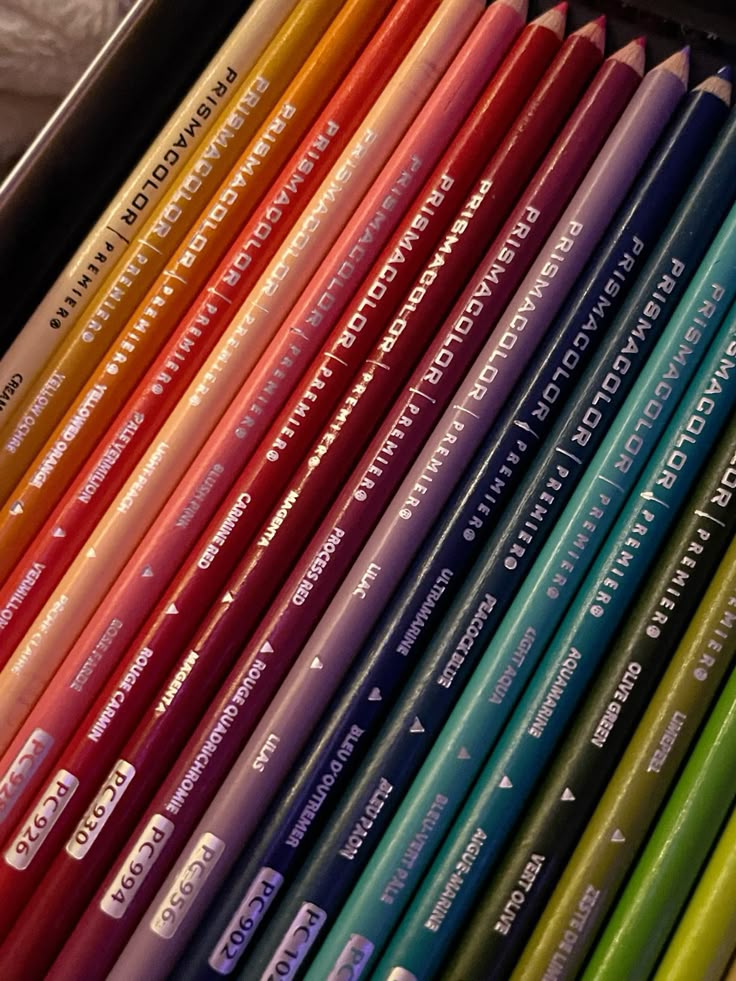
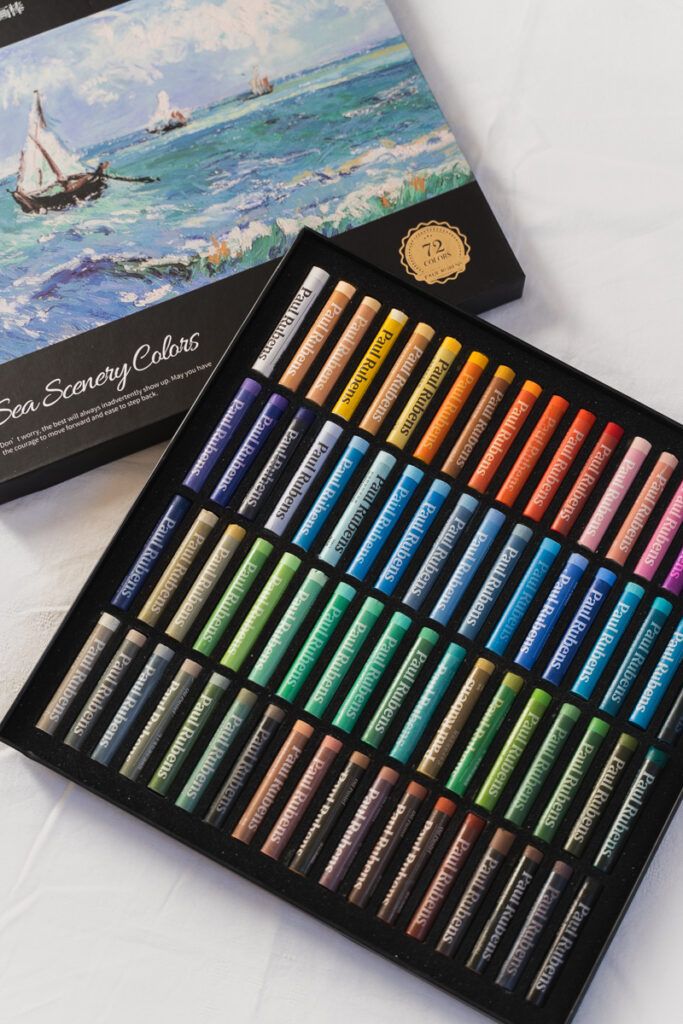
Colored pencils themselves can become interesting drawing subjects. Items like sharpeners, erasers, pencil cases, and paintbrushes have unique shapes and textures that invite detailed work. Artists can practice showing smooth plastic, rough wooden handles, or shiny metal parts by varying pencil pressure and layering colors.
When drawing these tools, it helps to focus on light reflections and shadows to make objects appear three-dimensional. Including small scratches or marks adds realism. These drawings build skills in precision and observation while using familiar items from an artist’s daily routine.
Vintage Items
Old objects like pocket watches, cameras, or worn books make great subjects for colored pencil art. They often have unique details like aged metal, faded leather, or delicate engravings. Artists can explore texture contrasts—smooth glass next to rough, cracked wood or rusted metal.
Focusing on these antique items encourages careful study of colors that aren’t bright but have subtle tones. Layering soft browns, grays, and muted blues can show age without losing vibrancy. This approach helps artists tell a story through the objects’ wear and history.
Home Decor
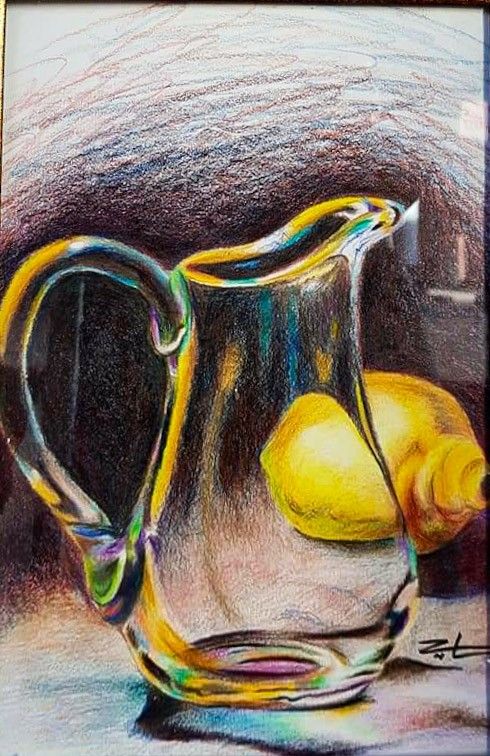
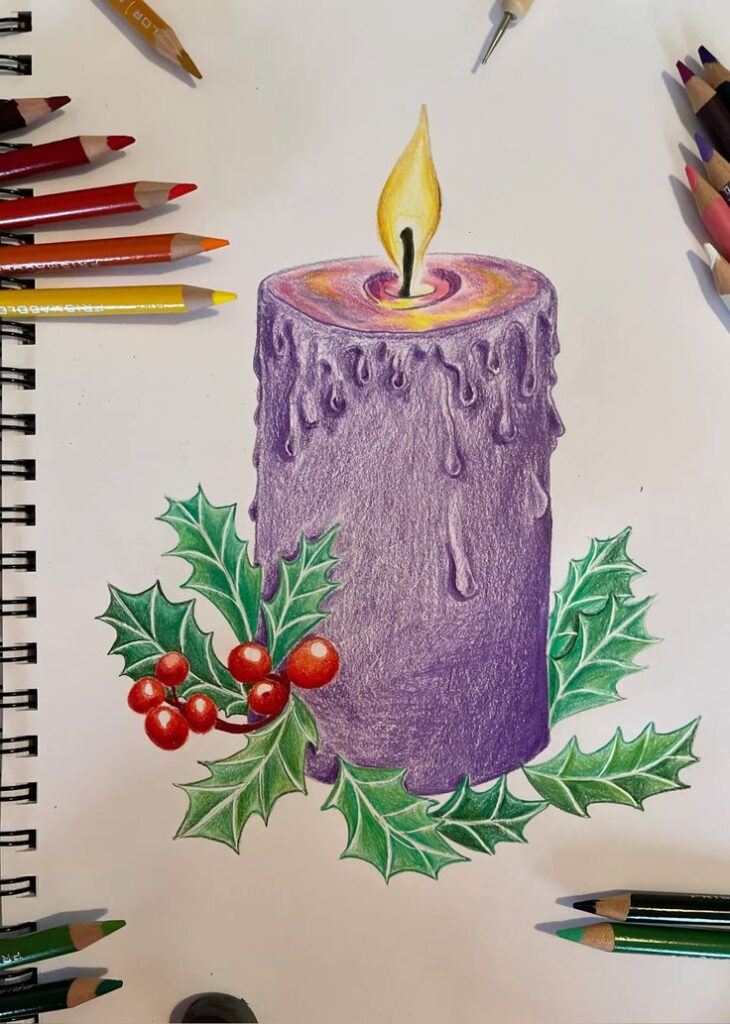
Every day, home decor, such as vases, clocks, and lamps, provides varied shapes and materials to draw. Artists can practice showing smooth ceramics, reflective glass, or brushed metals. Small details like floral patterns on a vase or fabric texture on a lampshade improve observational skills.
Lighting plays a big role here. Drawing the way light hits objects creates depth and adds realism. This subject matter is perfect for experimenting with shadows and color value changes using colored pencils. It also makes the artwork relatable and inviting by capturing things people see every day.
Abstract and Creative Techniques
This part explores ways to make colored pencil art more dynamic and original. It explains how shapes, color mixing, and layering patterns can add depth and interest to any drawing.
Geometric Designs
Geometric designs use shapes like triangles, circles, and squares to form a clear, structured image. Artists often start by sketching simple shapes with a light pencil. Then, they fill these shapes with color in different tones or shades.
These designs can be repeated or layered to create a complex look. Using a ruler helps keep lines clean and precise. This technique is good for artists who want neat, bold artwork with clear forms.
Experimenting with the size and placement of shapes can change the mood. Tight patterns feel busy and energetic, while spaced shapes create a calm, open feel.
Colorful Blends
Color blending helps create smooth transitions between colors. Artists achieve this by layering light colors first, then adding darker shades slowly.
Using different pressure levels on the pencil produces gradients. Soft pressure builds subtle color shifts, while harder strokes make bright, strong hues.
Blending tools like a blending stump or tissue can smooth out harsh lines. Choosing colors next to each other on the color wheel, like blues and greens, makes blending easier.
This technique brings paintings to life with a flowing, natural feel, perfect for skies, water, or soft backgrounds.
Patterned Backgrounds
Patterned backgrounds add texture and detail behind the main subject. Artists might use dots, lines, or swirls repeated over the space.
This method creates visual interest without distracting from the central image. Patterns can be bold with strong colors or soft with light tones to keep focus balanced.
Playing with pattern size matters too. Small patterns give a delicate feel; larger patterns are more dramatic.
Artists often combine different patterns in a background for a layered effect. This technique works well to give drawings a unique style and depth.
What are some easy colored pencil drawing ideas for beginners?
Beginners can start with simple subjects like basic shapes, fruit, food items, and nature elements such as leaves, flowers, and clouds to build their skills in shading, blending, and controlling pencil pressure.
How can I enhance my landscapes with colored pencils?
To improve landscapes, focus on capturing textures and colors of natural elements like trees, water, and sky by practicing color blending, layering, and shading to create depth and realism in scenes like forests, lakes, and mountains.
What techniques are useful for drawing realistic animals with colored pencils?
Lessons in layering different shades, observing animal patterns, and using a variety of strokes for fur, feathers, or skin help create realistic animal drawings. Paying attention to detail and texture is key to capturing personality.
How do I create vibrant fantasy creatures with colored pencils?
Use bold and unexpected color choices, blend colors smoothly on scales or wings, and incorporate detailed textures like scales and feathers with layering and cross-hatching to make mythical creatures lively and dynamic.
What are some tips for drawing seasonal themes like autumn or winter scenes?
Capture the mood and textures specific to each season by blending warm colors for autumn leaves and cool colors for winter scenes, adding details like veins on leaves or snow highlights, and layering to show depth and light.
- 2.6Kshares
- Facebook0
- Pinterest2.6K
- Twitter0
- Reddit0