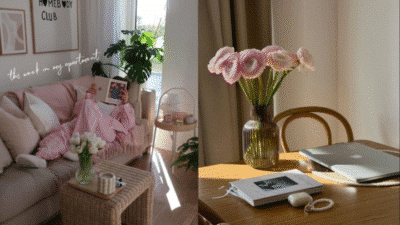

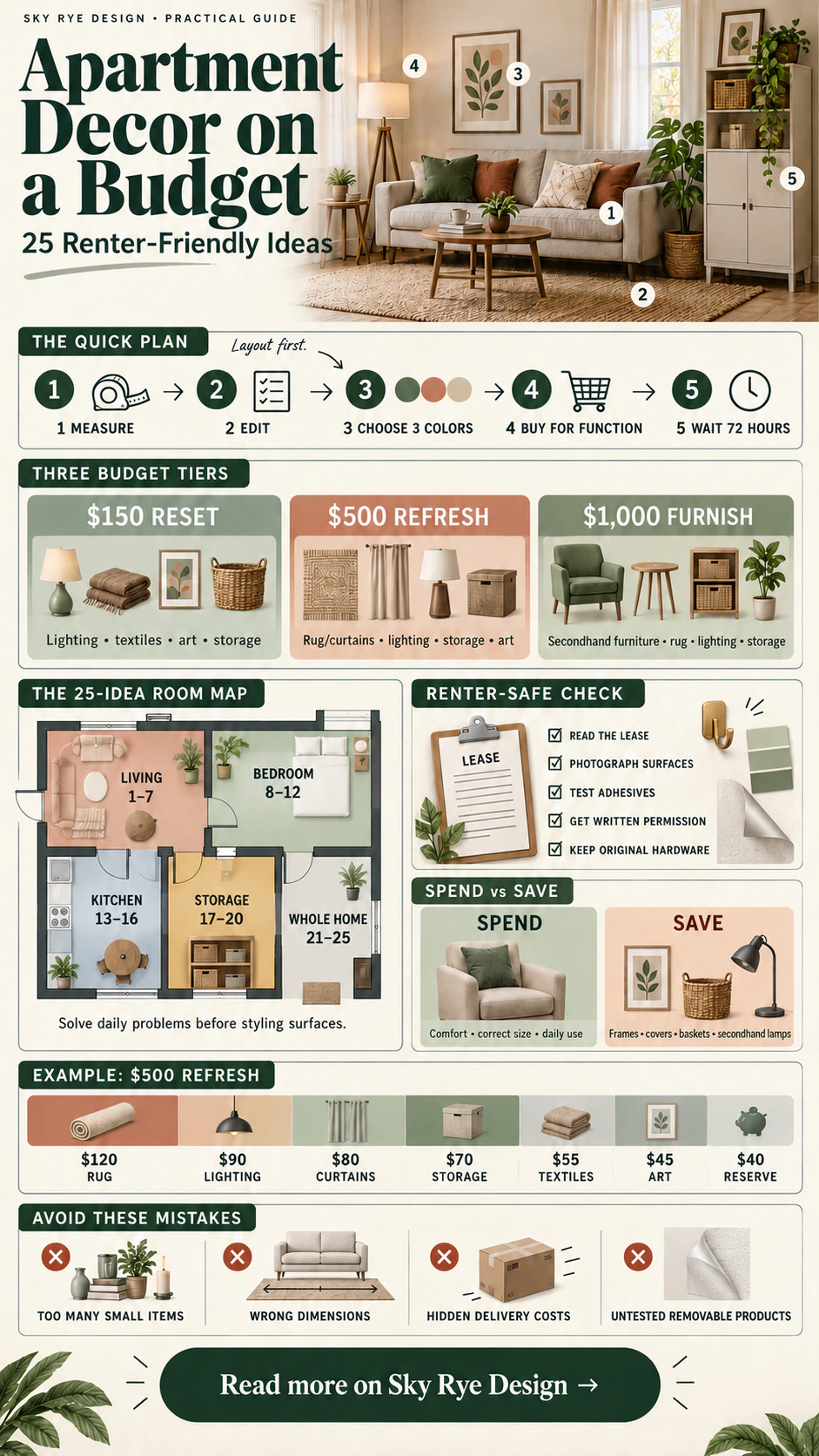
Apartment decor on a budget works best when you spend in a fixed order: improve the layout first, then lighting, textiles, storage, and finally small decorative pieces. Set one total, keep 10% unspent for surprises, and avoid buying a matching room in a single trip. The 25 ideas below are designed for renters and first apartments, with realistic price tiers and no-damage options.
- Apartment decor on a budget: the quick plan
- Choose one of three realistic spending tiers
- Before buying anything: check the apartment
- Living room ideas 1-7: spend where the eye lands
- Bedroom ideas 8-12: improve comfort before styling
- Kitchen and dining ideas 13-16: edit the surfaces
- Storage ideas 17-20: hide categories, not random objects
- Whole-apartment ideas 21-25: make inexpensive pieces feel connected
- Paint and peel-and-stick: renter-safe does not mean risk-free
- Spend versus save: a practical decision table
- Example: how a $500 apartment refresh could work
- Common budget decorating mistakes
- Budget apartment shopping checklist
- Apartment decor on a budget FAQ
- Related apartment and home styling guides
Start with the room you use most. Measure it, photograph what you already own, and choose three repeating colors before shopping. A lamp in the right corner, curtains hung at the correct height, or one properly sized rug usually changes a room more than a basket of inexpensive accessories.
Apartment decor on a budget: the quick plan
| Step | What to do | Why it saves money |
|---|---|---|
| 1. Measure | Record wall widths, door swings, window positions, and the largest furniture dimensions. | Prevents purchases that block circulation or do not fit. |
| 2. Edit | Remove, sell, or relocate items that do not support the room. | Creates space before you pay for storage. |
| 3. Choose a palette | Use one main neutral, one supporting color, and one accent. | Makes secondhand pieces look intentional together. |
| 4. Set priorities | Buy for comfort and function before styling shelves. | Directs money to the pieces used every day. |
| 5. Wait | Keep a list and pause 72 hours before nonessential purchases. | Reduces duplicate and impulse purchases. |
Choose one of three realistic spending tiers
These are planning examples rather than fixed market prices. Secondhand availability, room size, and local costs will change the numbers, but each tier shows a useful order of work.
| Total | Best use | Suggested split |
|---|---|---|
| $150 reset | A mostly furnished room that feels unfinished. | $35 lighting, $45 textiles, $30 wall art, $25 storage, $15 reserve. |
| $500 refresh | A first apartment with basic furniture but little cohesion. | $120 rug or curtains, $100 lighting, $100 storage, $80 art, $70 surface update, $30 reserve. |
| $1,000 furnish | A room that still needs one or two anchor pieces. | $350 secondhand furniture, $200 rug and curtains, $150 storage, $125 lighting, $100 art and decor, $75 reserve. |
Track purchases by category instead of relying on memory. The Consumer Financial Protection Bureau spending tools offer a simple model: record each expense, total the category, and compare it with the amount you planned.
Before buying anything: check the apartment
- Read the lease. Look for rules about paint, holes, adhesive products, flooring, and fixture changes.
- Photograph every surface. Record existing marks before adding furniture or removable products.
- Mark circulation. Keep the path from the entrance to the kitchen, bathroom, and windows clear.
- Measure twice. Check elevators, stairs, doors, and tight corners as well as the final room.
- Make a keep list. Build the palette around useful pieces you already own.
If you are still choosing a unit, review the layout before buying or renting. Window placement, outlet locations, and awkward corners affect the decorating budget more than a trendy finish.
Living room ideas 1-7: spend where the eye lands
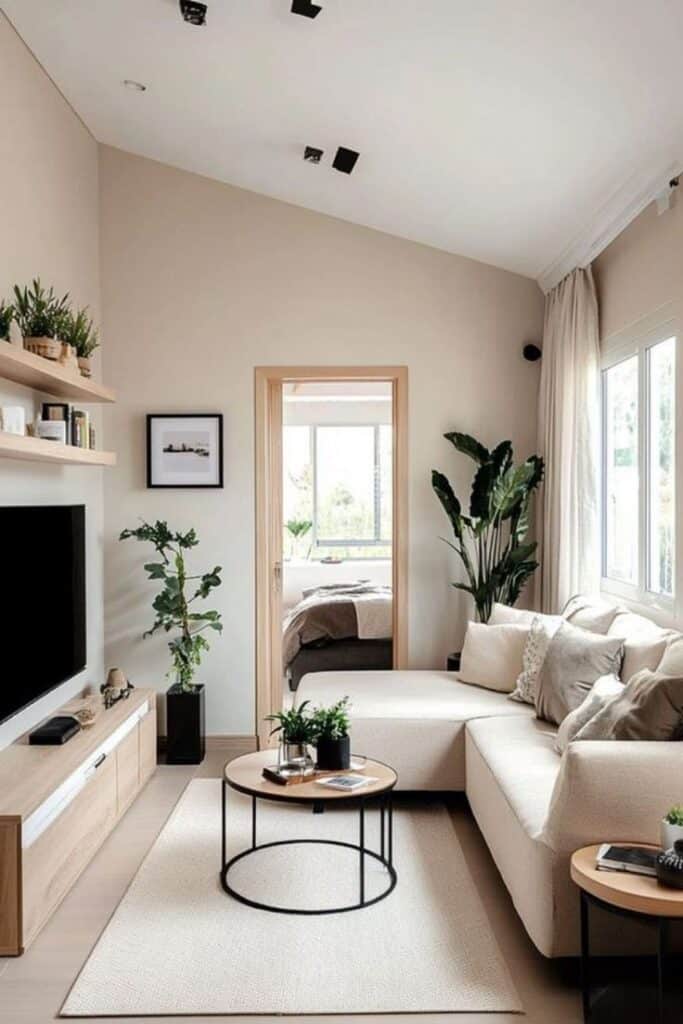
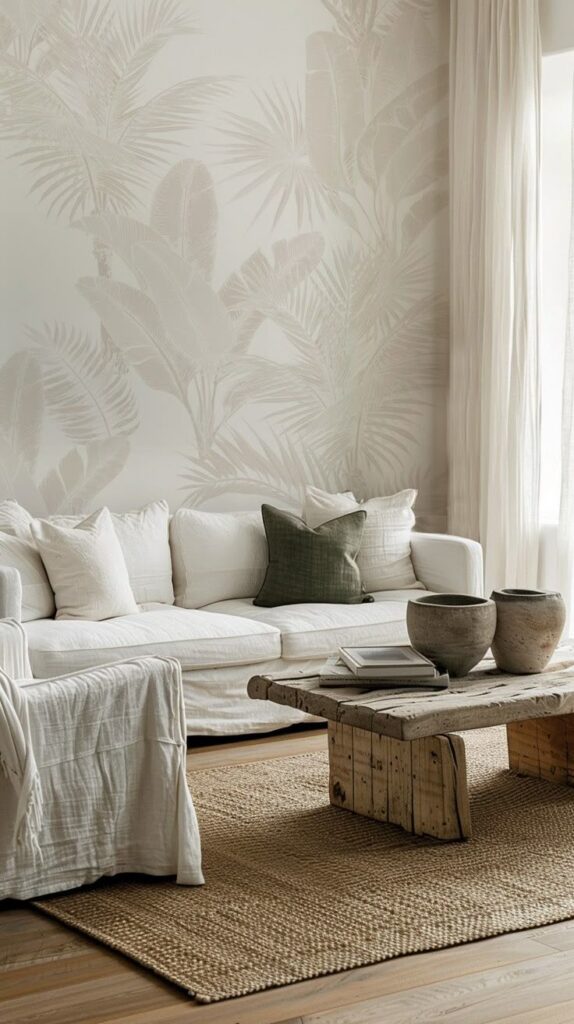
- Move the furniture first. Pull the sofa away from a corner, face seats toward one focal point, and keep a clear route through the room. A better layout costs nothing.
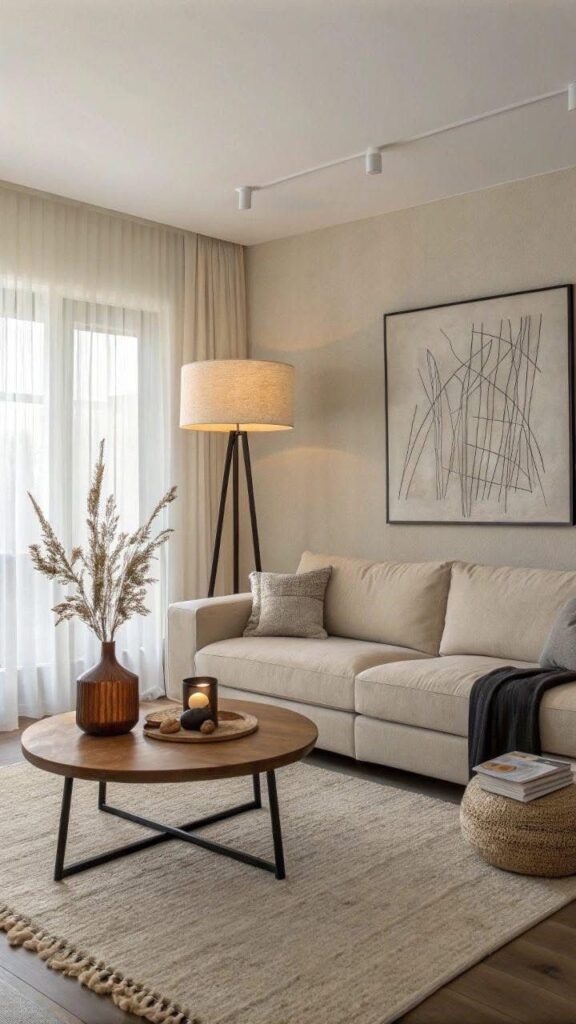
- Use one large rug instead of several small ones. The front legs of the sofa and chairs should touch it so the seating reads as one group.
- Replace pillow covers, not inserts. Standard-size covers are cheaper to store and switch than complete cushions.
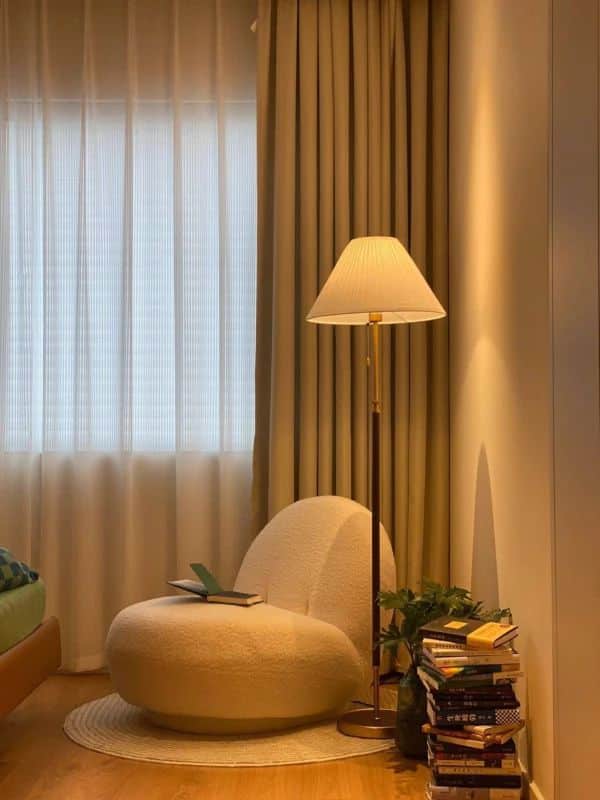
- Add a second light source. A thrifted floor lamp or plug-in table lamp softens harsh overhead lighting and makes existing colors look better.
- Hang curtains higher and wider. Extend the rod beyond the window so open curtains do not cover the glass. Use the mounting method permitted by the lease.
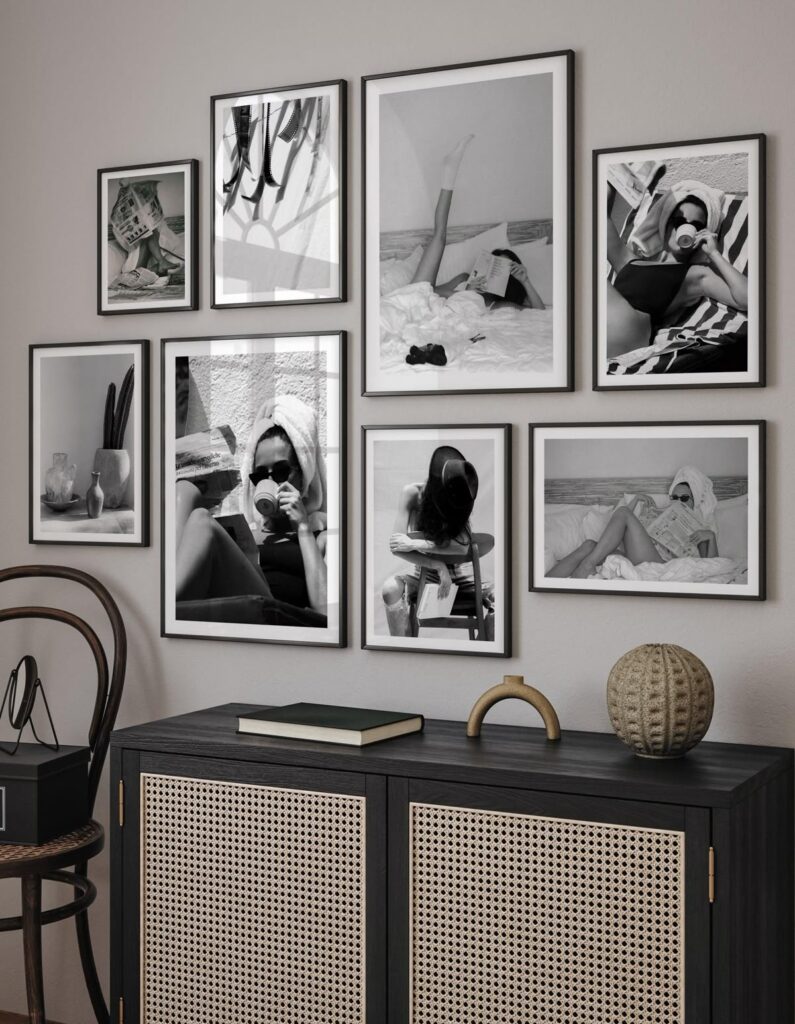
- Unify thrifted frames. Paint mismatched frames one color, then keep the spacing between them consistent.
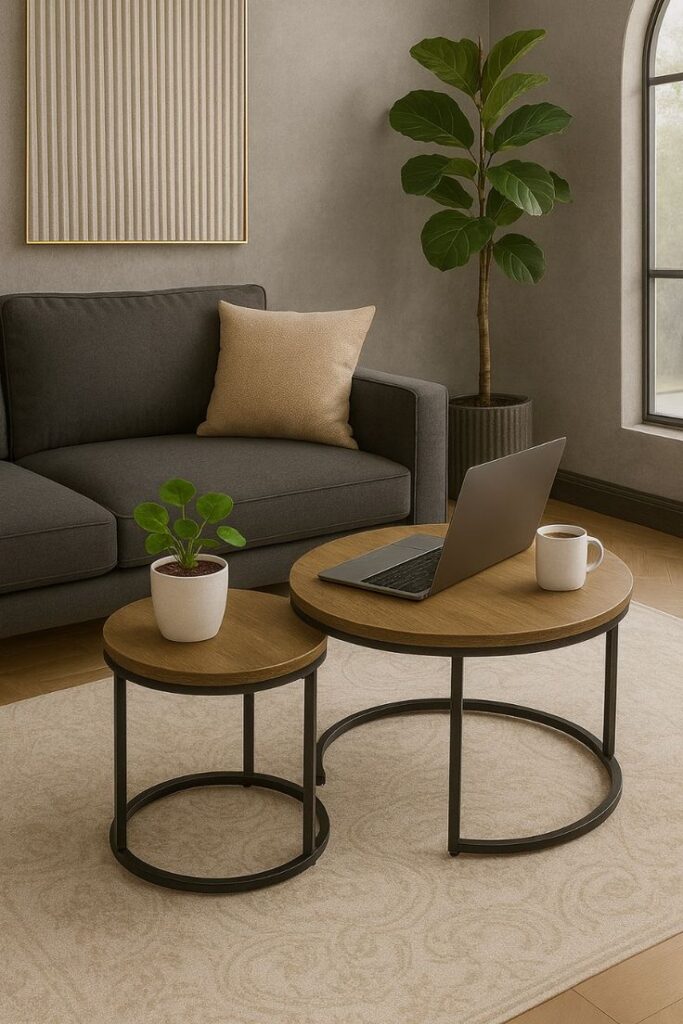
- Choose one useful anchor. A sturdy coffee table, storage ottoman, or secondhand sideboard should solve a daily problem as well as look good.
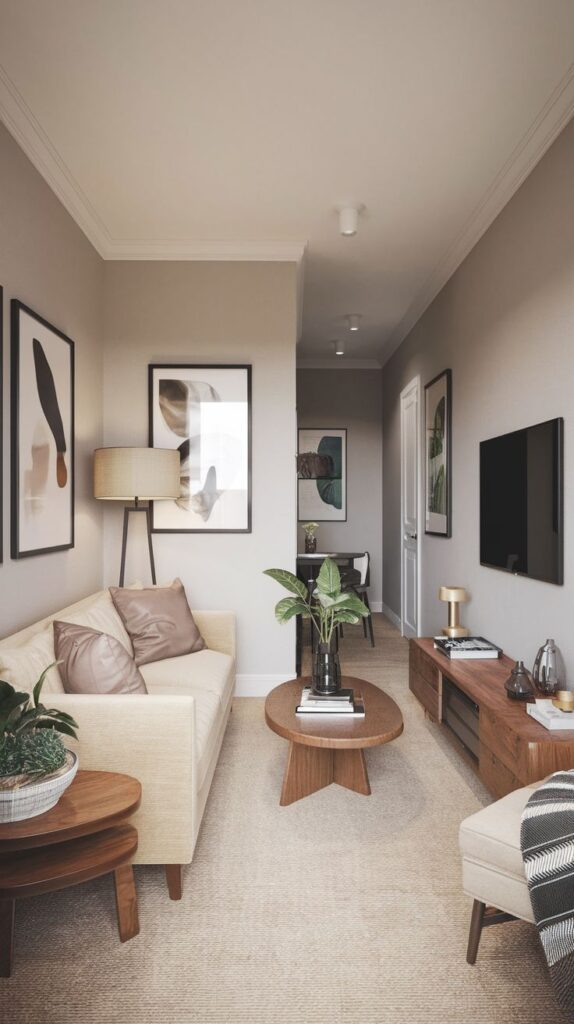
For tighter rooms, use the circulation and scale rules in these small-space decorating tips and the broader guide to making small homes and apartments work harder.
Bedroom ideas 8-12: improve comfort before styling
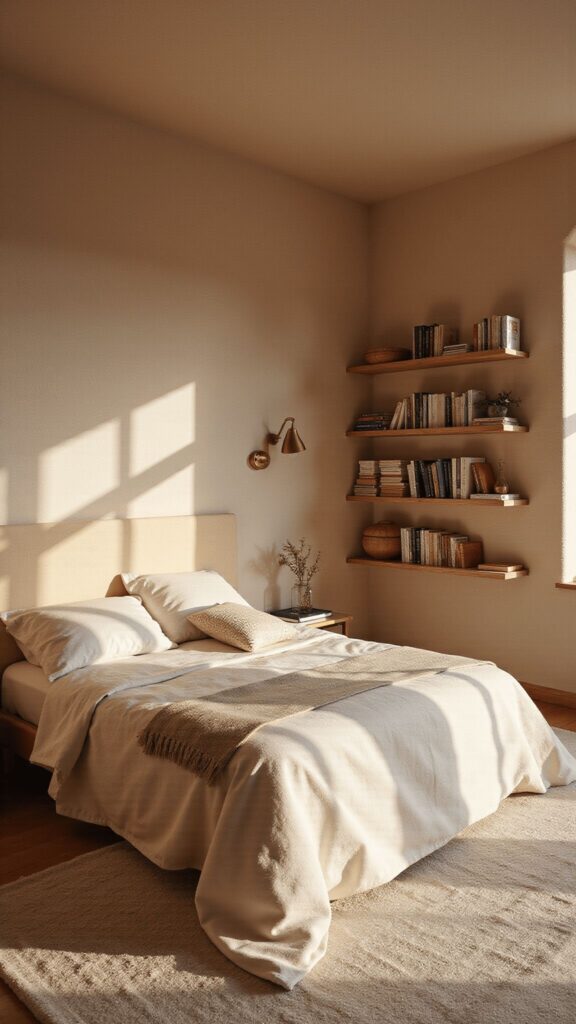
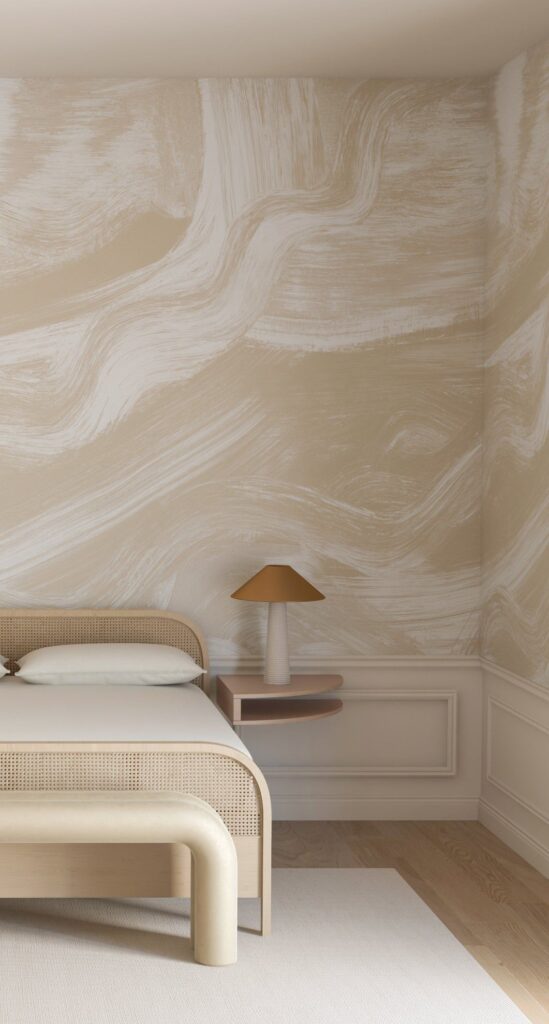
- Center the bed on the best wall. If space allows, leave access on both sides before adding nightstands.
- Use matching lamps instead of matching furniture. Repeated light sources create symmetry even when the tables are different.
- Upgrade the visible textile layer. Keep existing sheets and add one washable coverlet or throw in the room palette.
- Use under-bed storage deliberately. Measure the clearance and buy containers that can be removed without moving the bed.
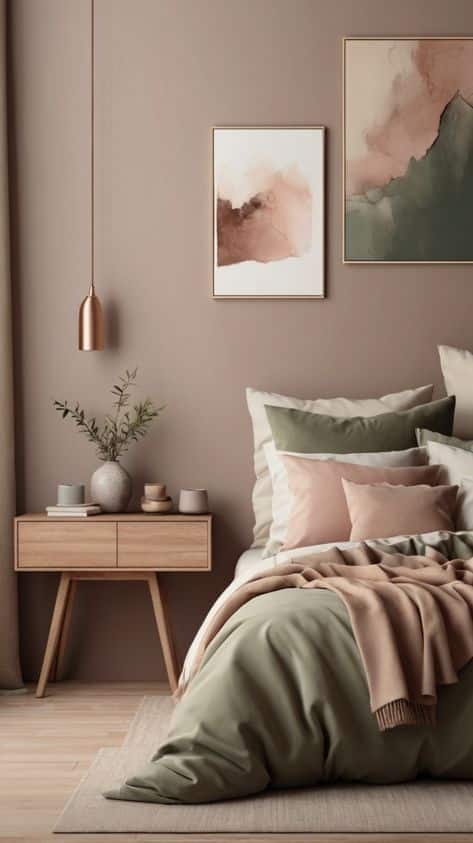
- Create one quiet wall. A single large artwork or a balanced pair usually looks calmer than many small pieces around the bed.
Kitchen and dining ideas 13-16: edit the surfaces
- Clear most of the counter. Group daily items on one tray and move occasional appliances into cabinets.
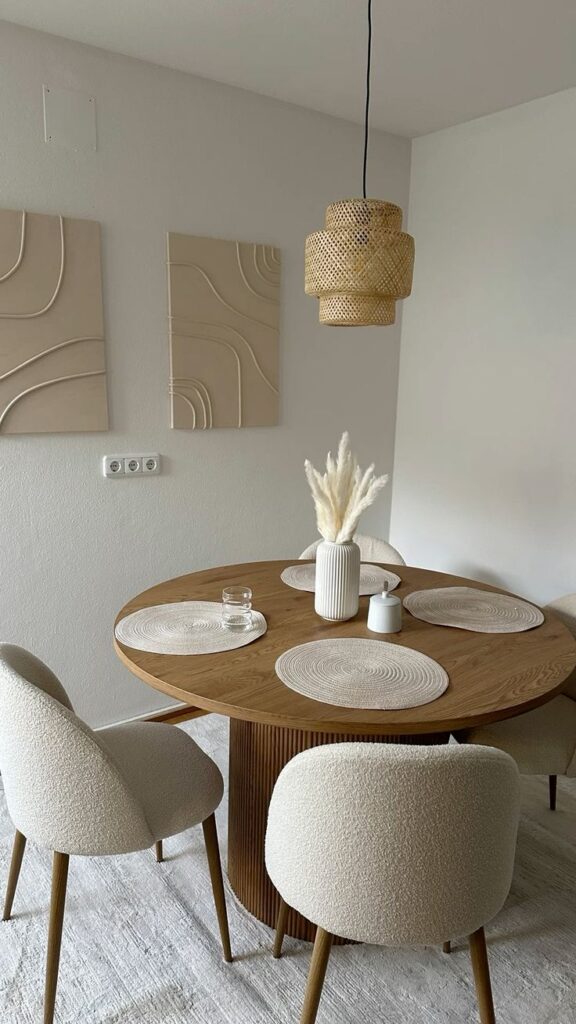
- Repeat one material. A wood board, woven placemat, and warm-toned frame can connect an ordinary kitchen without replacing finishes.
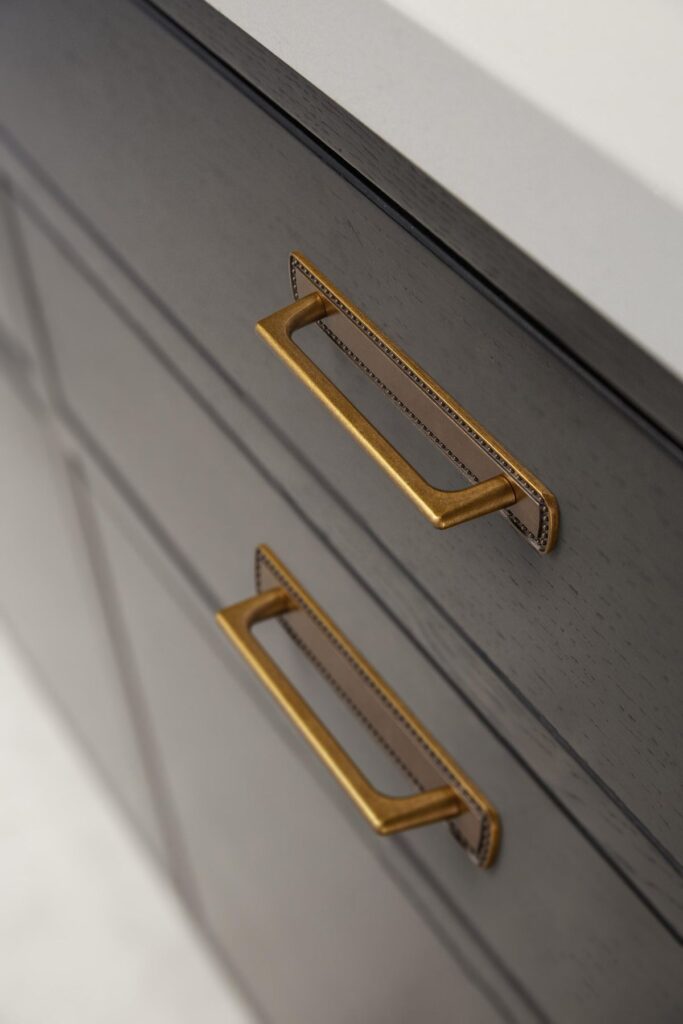
- Change only removable hardware. Label and store the original knobs, then reinstall them before moving out.
- Make the table the focal point. Use one pendant or table lamp, a washable runner, and one low centerpiece rather than several tiny decorations.
Storage ideas 17-20: hide categories, not random objects
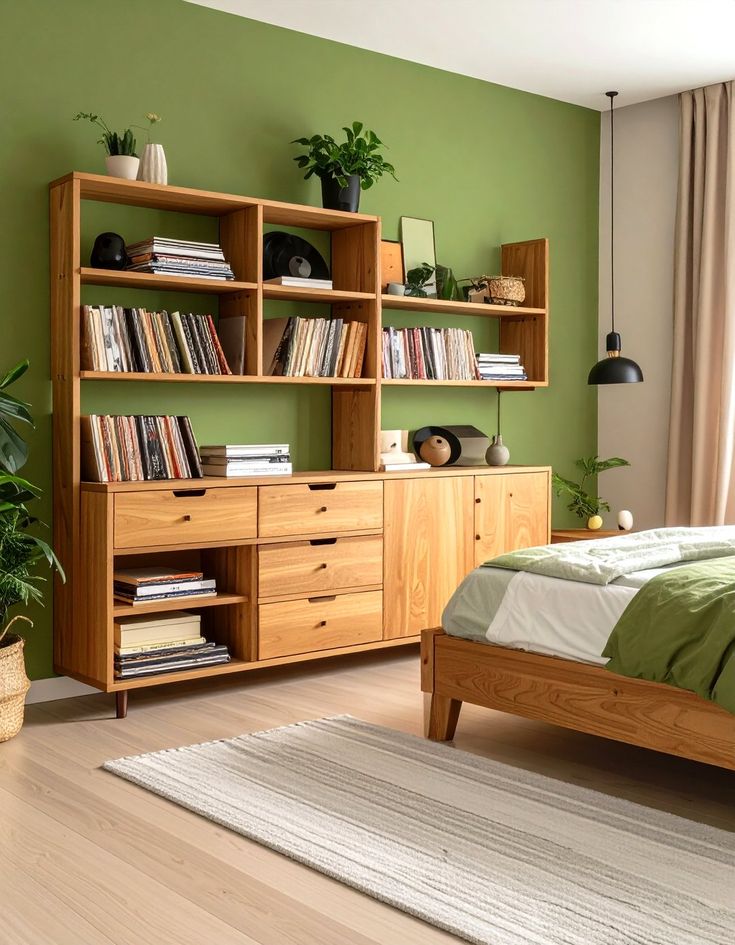
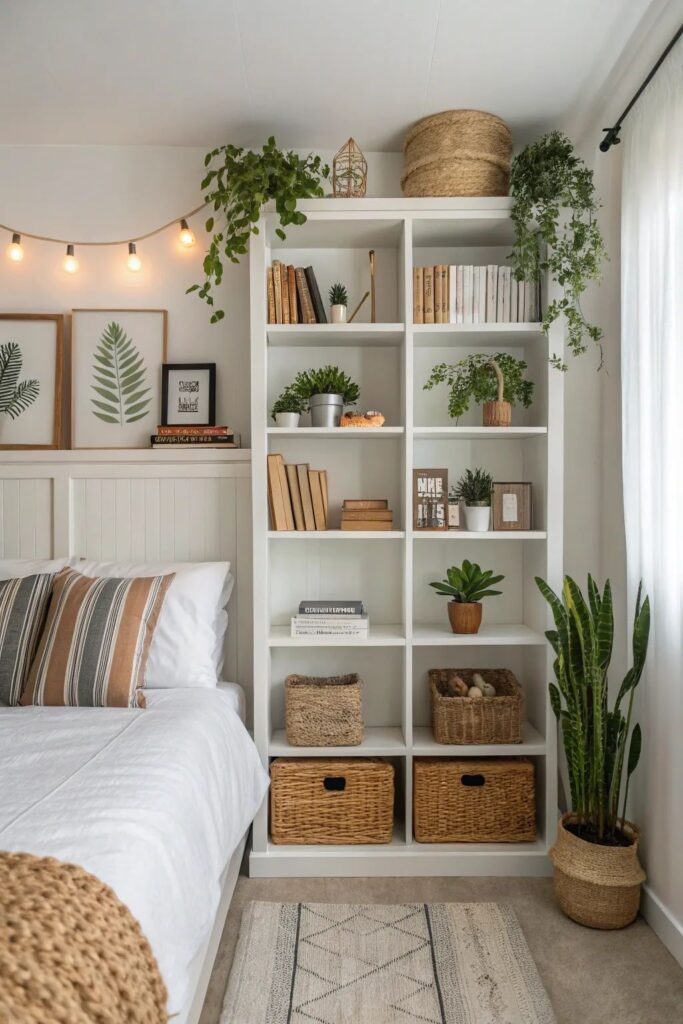
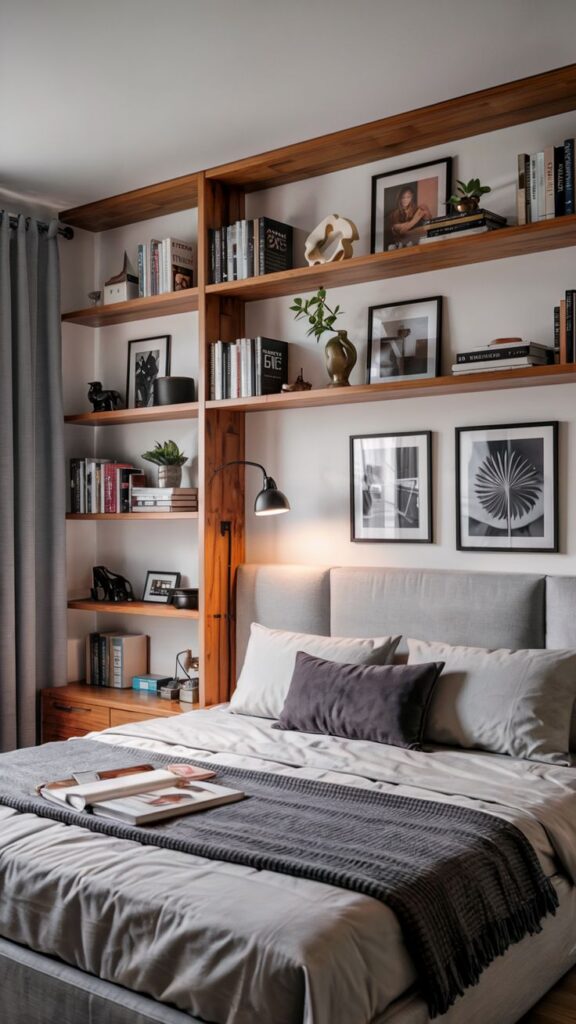
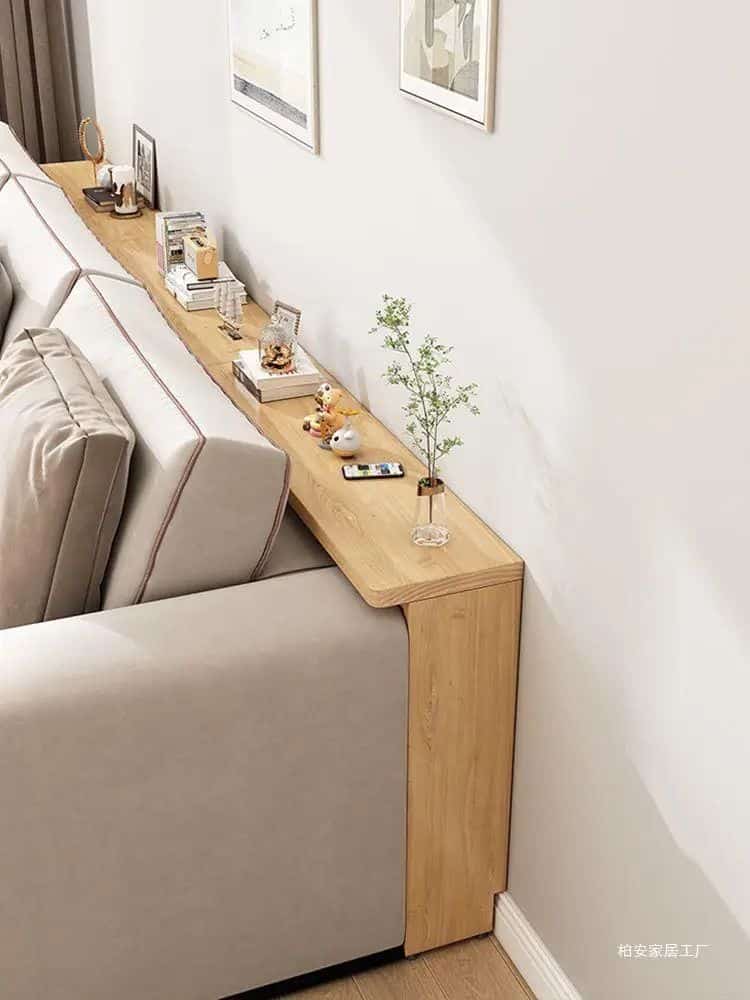
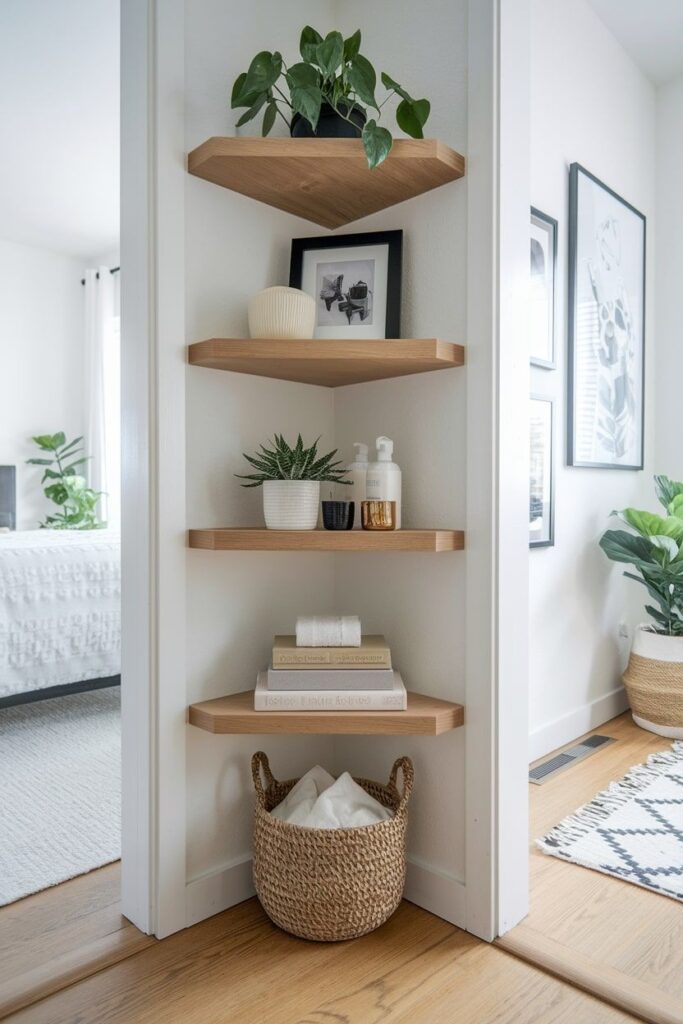
- Go vertical. Use a tall freestanding shelf where drilling is not allowed and keep heavier objects near the bottom.
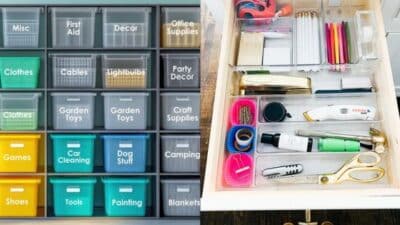
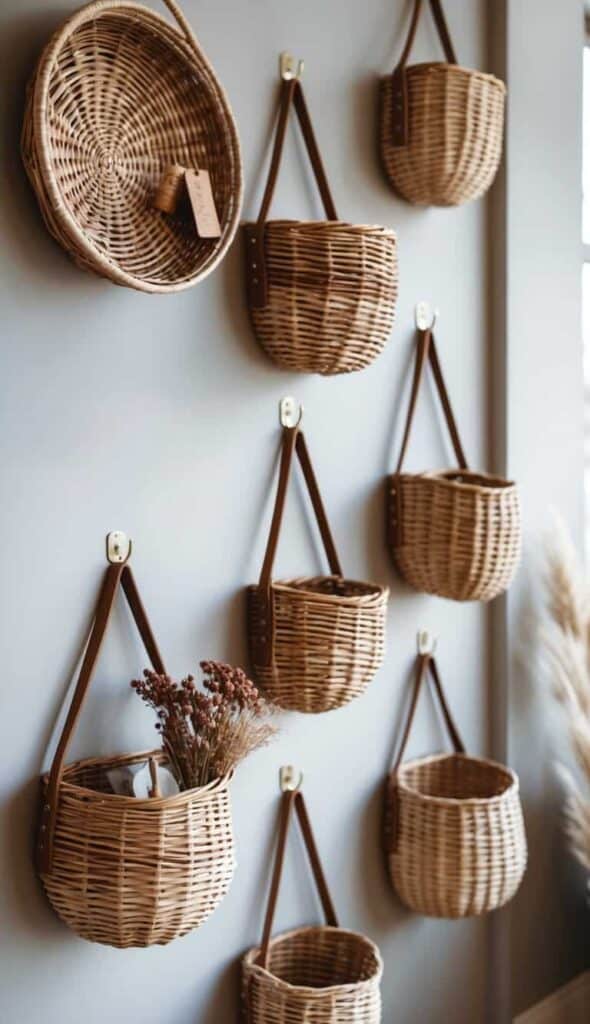
- Give every basket a category. One basket for cables and chargers is useful; a row of mystery baskets creates more searching.
- Use the back of doors carefully. Over-door organizers add storage without changing walls, but confirm door and hinge clearance.
- Choose closed storage for visual noise. Open shelves suit books and a few objects; paperwork, tools, and supplies usually look better behind a door.
Whole-apartment ideas 21-25: make inexpensive pieces feel connected
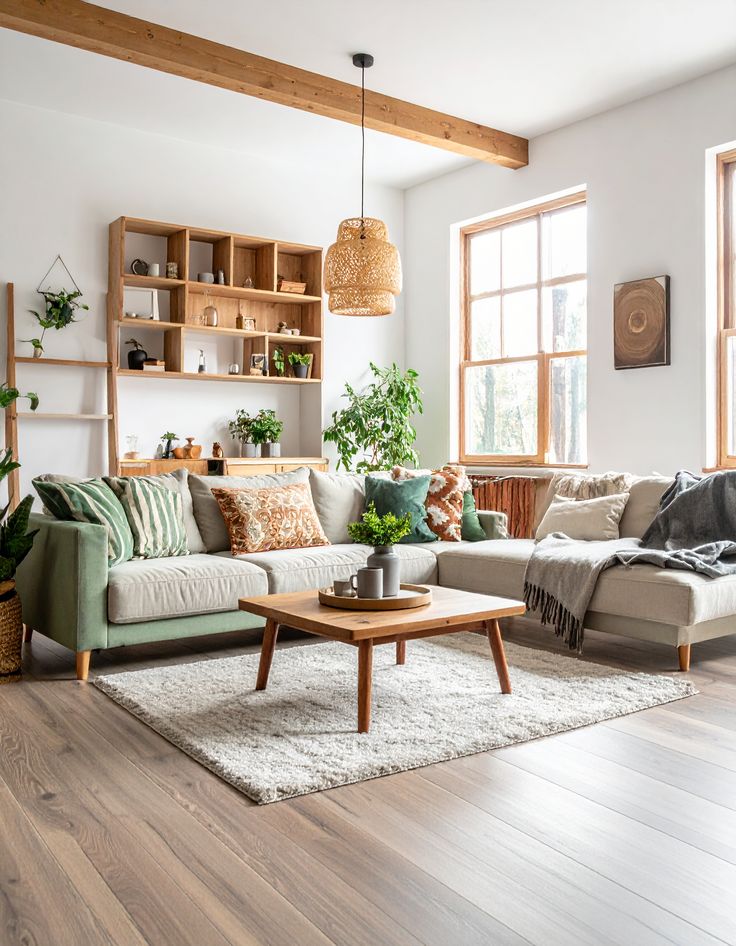
- Repeat three colors. Carry the same neutral, supporting color, and accent into each room in different proportions.
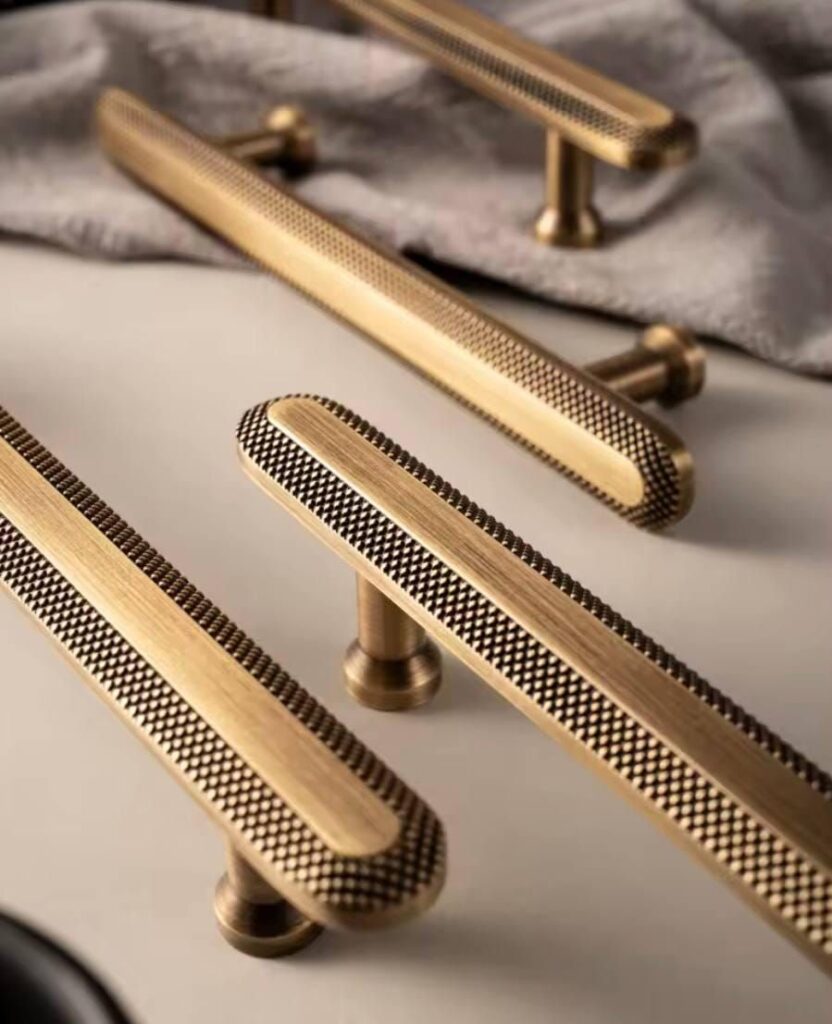
- Repeat one finish. Black metal, pale oak, or brushed brass can connect unrelated secondhand pieces.
- Shop off-season. Buy general textures, lamps, and neutral accessories at clearance prices rather than collecting themed decor.
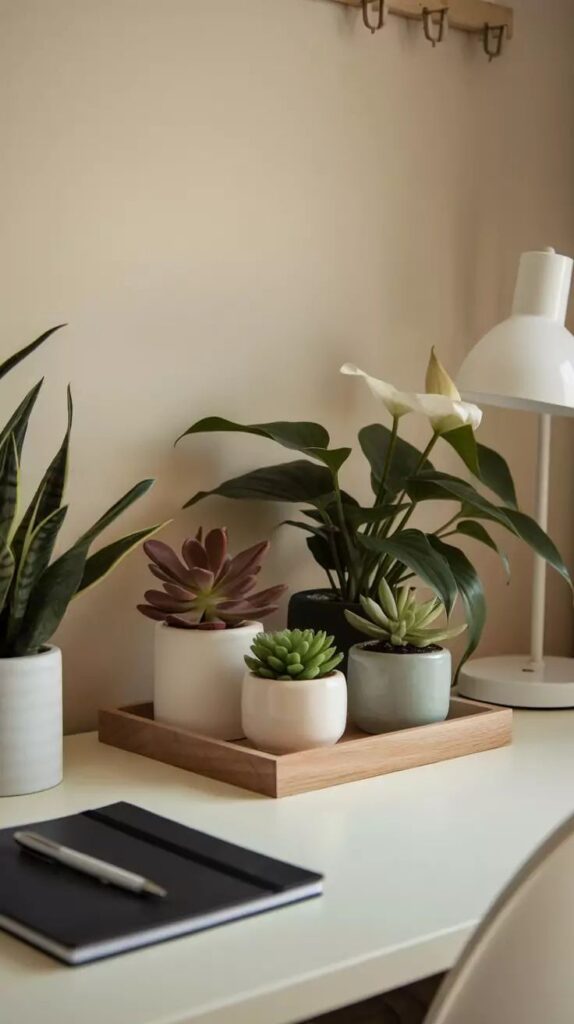
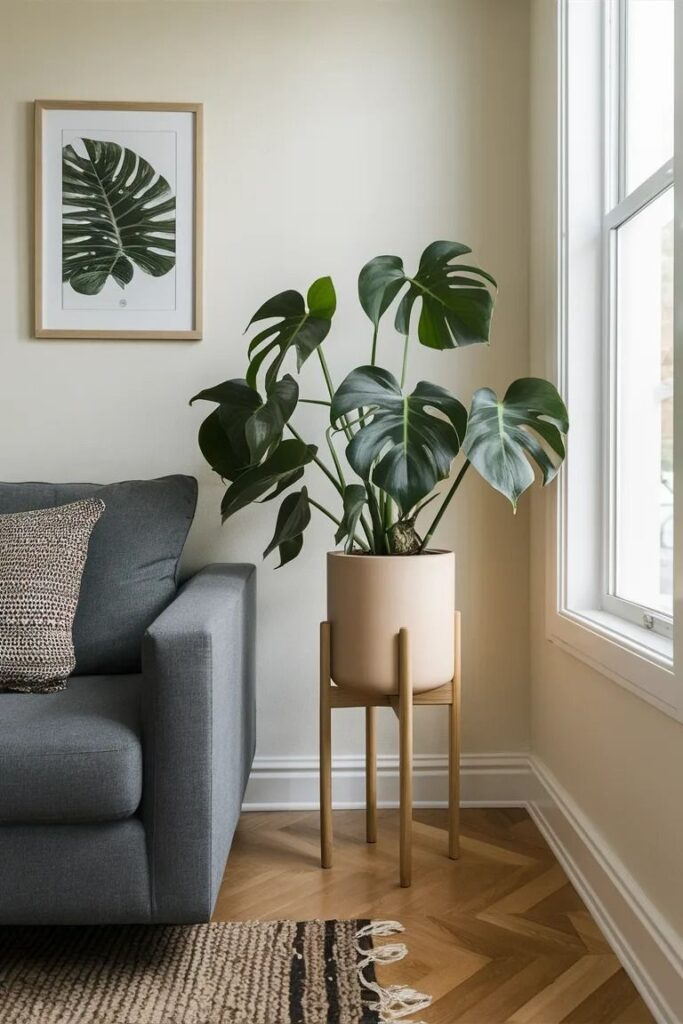
- Use plants where they can live. Match the plant to the available light; do not use greenery to fill every empty corner.
- Stop before the room is full. Leave open wall and floor space. The pause makes the useful pieces look more deliberate.
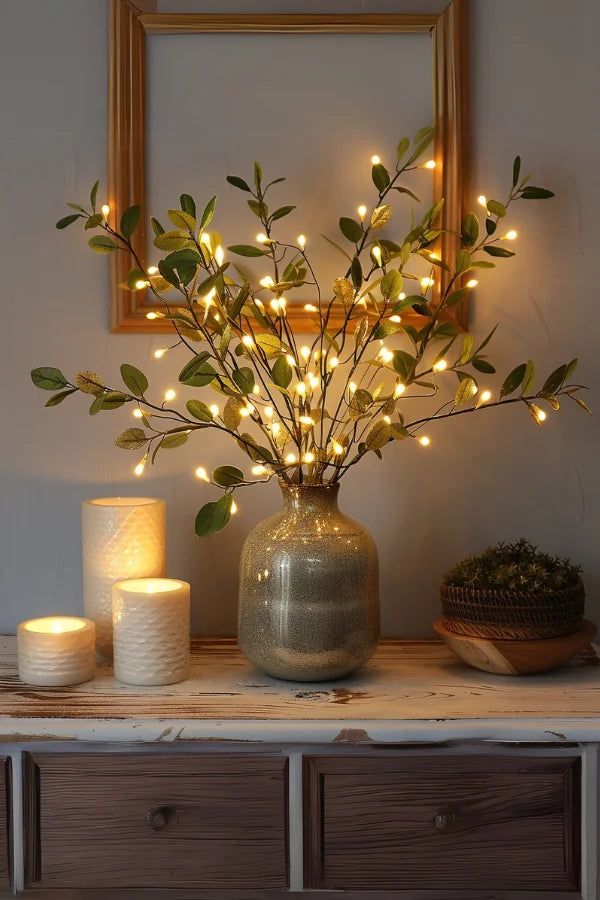
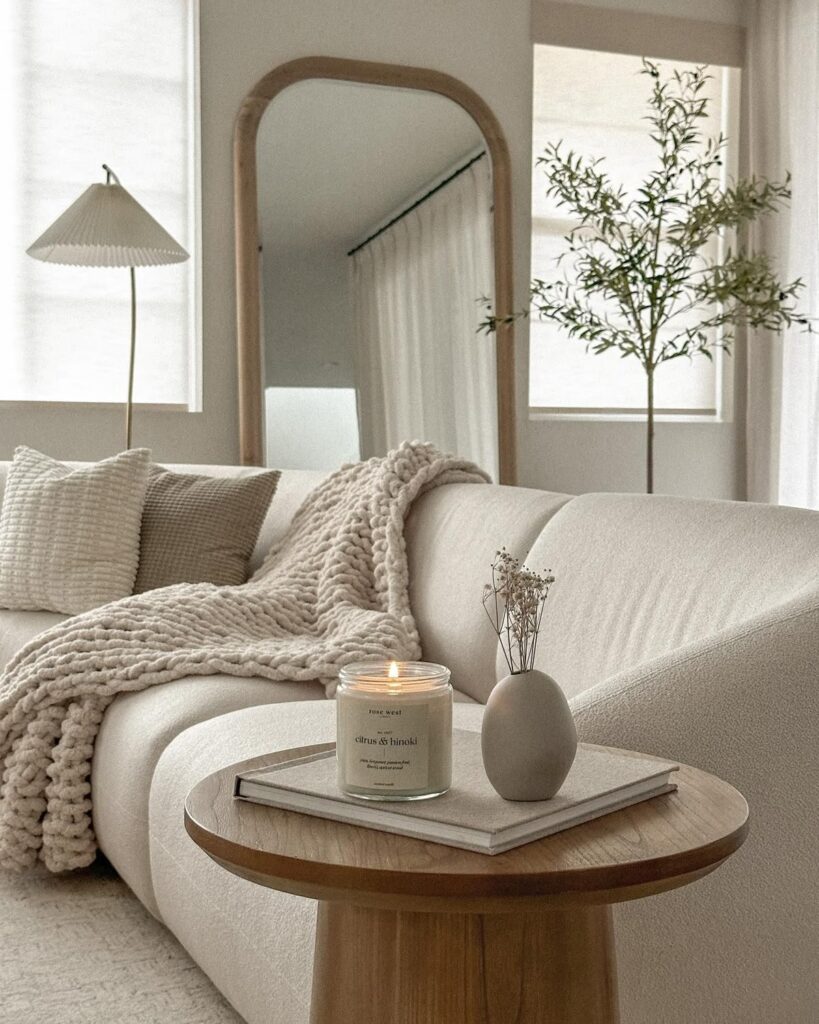
Small details work best when the palette and layout are already settled. This guide to candles, textiles, and color shows how to layer finishing touches without turning every surface into a display.
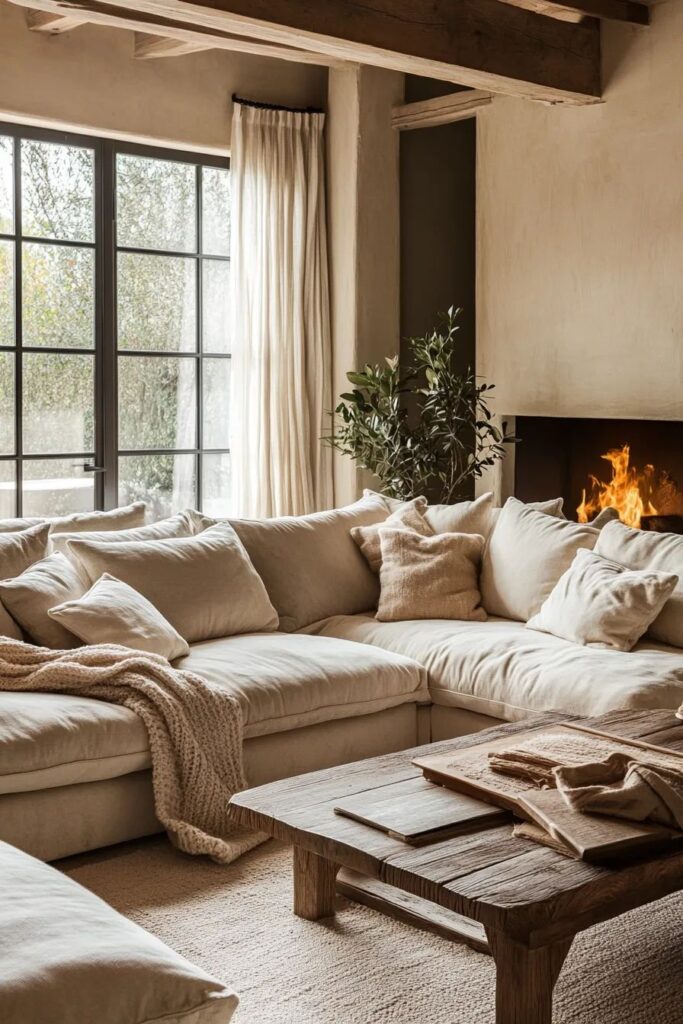
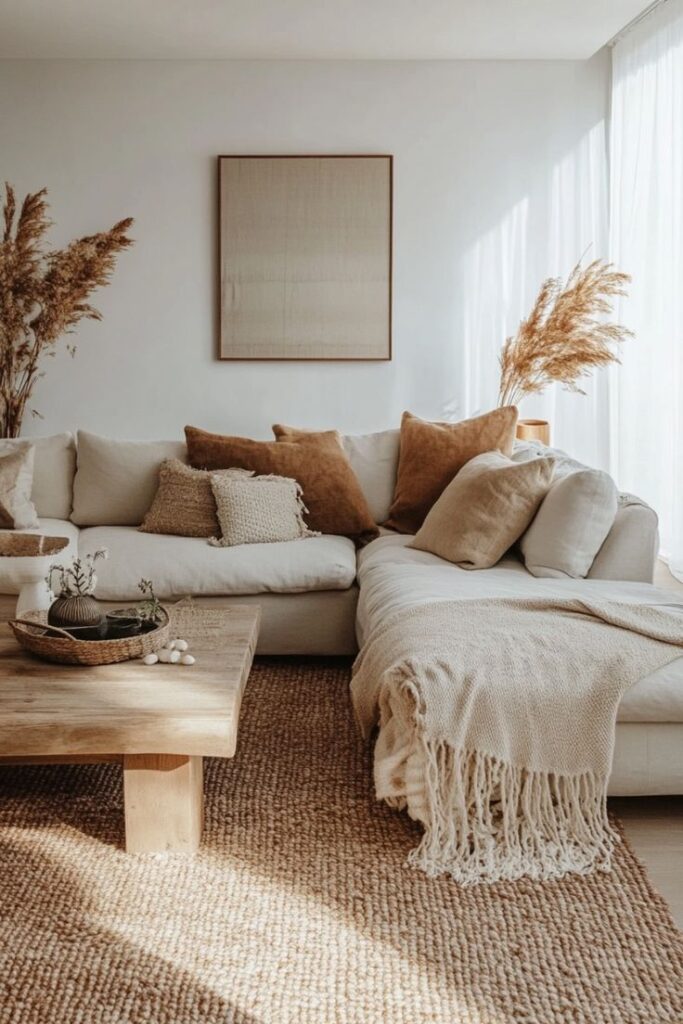
Paint and peel-and-stick: renter-safe does not mean risk-free
Get written permission before painting, changing hardware, or covering large surfaces. Test removable wallpaper, hooks, film, and floor tiles in a hidden area first. Adhesive performance changes with paint age, humidity, heat, and surface preparation, so a product labeled removable can still lift paint or leave residue.
When paint is allowed, buy only what the measured surface needs and keep the product label for future touch-ups. Ventilate the room, follow the manufacturer’s precautions, and keep wet paint away from fabrics and pets. The EPA guidance on volatile organic compounds specifically recommends increased ventilation when using products that emit VOCs.
Spend versus save: a practical decision table
| Item | Spend when | Save when |
|---|---|---|
| Sofa or mattress | Comfort, support, frame condition, and dimensions are right for long-term use. | A clean secondhand frame can be inspected and the upholstery is replaceable or washable. |
| Rug | The correct size anchors the room and the material suits pets, traffic, and cleaning. | A flatweave or washable option meets the same functional need. |
| Lighting | The fixture is used daily and gives the room the missing layer of light. | A secondhand lamp has safe wiring and accepts a common bulb. |
| Storage | The unit fits a measured niche and solves a specific recurring problem. | Baskets, boxes, or an existing cabinet can organize the same category. |
| Art and accessories | The piece is personal and you expect to keep it through future moves. | Prints, DIY wall art, books, and found objects already support the palette. |
Example: how a $500 apartment refresh could work
Assume the apartment already has a sofa, bed, dining table, and basic window coverings. A balanced $500 refresh might use $120 for a properly sized living-room rug, $90 for two lamps and bulbs, $80 for curtain panels, $70 for closed storage, $55 for pillow covers and a throw, $45 for frames or printed art, and $40 kept in reserve. The reserve matters: it covers delivery, hardware, cleaning supplies, or a missing measurement.
The order is more important than the exact split. Layout and light come first because they affect every item already in the room. Textiles follow because they set the palette. Art and decorative objects come last, after you can see which walls and surfaces are genuinely empty.
Common budget decorating mistakes
- Buying many small items before one functional piece. Ten accessories cannot fix a room that lacks useful lighting or storage.
- Choosing the lowest price without checking dimensions. A cheap rug or shelf is expensive if it makes the room harder to use.
- Ignoring delivery and repair costs. Add transport, cleaning, hardware, paint, and replacement parts to secondhand prices.
- Using too many unrelated finishes. Repeat one metal and one wood tone so mixed-source furniture looks collected rather than accidental.
- Assuming every removable product is lease-safe. Test first and keep written permission for larger changes.
- Copying a photo instead of solving the room. Start with circulation, storage, and light; borrow the color idea, not every object.
Budget apartment shopping checklist
- Room measurements, doorway widths, and one phone photo of each wall.
- A three-color palette and one repeated finish.
- A ranked list: must solve, useful upgrade, decorative extra.
- The maximum price for each category, including delivery or repair.
- Lease restrictions and written permission for permanent changes.
- A 72-hour waiting rule for nonessential purchases.
- A plan for the old item before buying its replacement.
If decorating is part of a move, separate essential setup costs from optional styling. The guide to setting aside money for a move can help keep those two budgets from competing.
Apartment decor on a budget FAQ
What is the cheapest way to make an apartment look better?
Rearrange the furniture, remove visual clutter, and improve the lighting before buying decor. Then repeat three colors across the room and move existing art to the correct height. These changes cost little or nothing and reveal whether you actually need a rug, lamp, storage piece, or curtains.
How can I decorate a rental without damaging it?
Use freestanding storage, tension rods where suitable, plug-in lighting, washable textiles, and furniture-based room dividers. Test any adhesive product in a hidden place and follow its weight and surface limits. For paint, hardware, flooring, or wall-mounted fixtures, check the lease and get permission in writing.
What should I buy first with a $200 decor budget?
Buy the item that fixes the room’s biggest daily problem. A useful split is roughly $60 for lighting, $60 for one textile upgrade, $40 for storage, $20 for wall art, and $20 in reserve. Change the split if you already own a good lamp, rug, or storage piece.
How much should I spend on apartment decor?
There is no universal amount. Choose a total that does not compete with rent, utilities, moving costs, or savings, then divide it by room and category. Keep about 10% unassigned. Furnish slowly enough to learn how the apartment works before buying large or highly specific pieces.
Is peel-and-stick decor always renter-friendly?
No. Adhesive products can react differently to old paint, recently painted walls, moisture, heat, and textured surfaces. Test a small hidden section for the full recommended time, remove it according to the instructions, and ask the landlord before covering a large wall, floor, cabinet, or backsplash.
How do I make cheap decor look coordinated?
Limit the palette and repeat shapes or finishes. For example, combine warm white, olive, and rust with black frames throughout the apartment. Keep similar frame gaps, use the same bulb temperature, and group small objects on trays. Consistency matters more than whether every piece came from the same store.
Related apartment and home styling guides
- Plan the first few purchases with this first apartment decorating guide.
- Use these new-apartment furniture arrangement tips to improve circulation.
- Refine the finished rooms with home styling tips for beginners.
- Keep the overall scheme practical with these simple functional home design ideas.
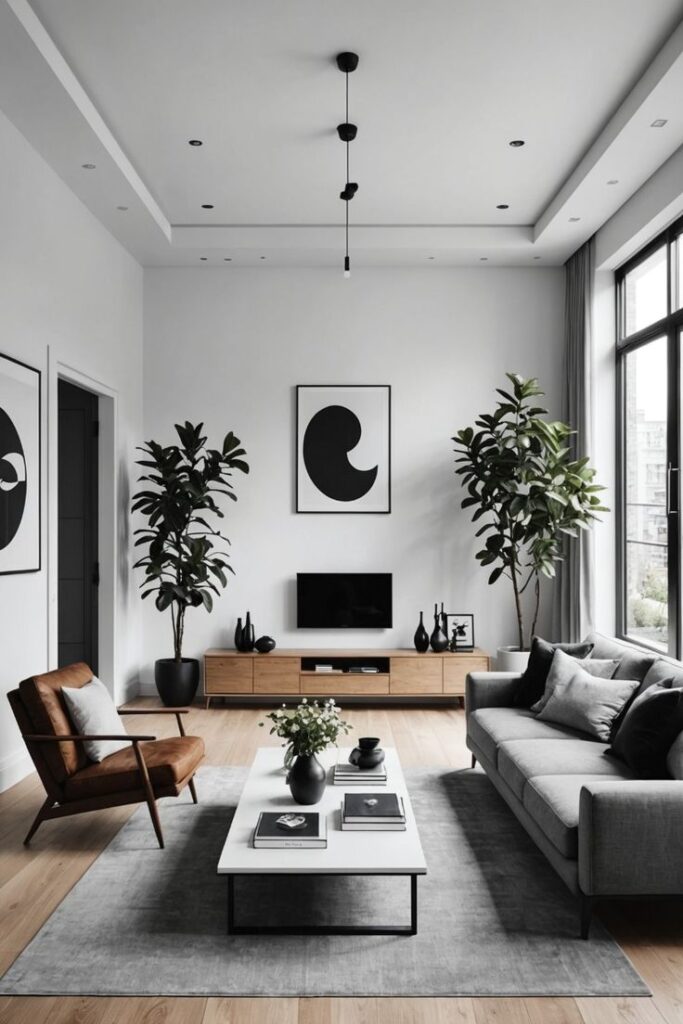
- For a calmer visual baseline, review minimalist design principles.
A budget room looks convincing when every purchase has a job. Fix the layout, light, and storage first. Then add textiles and art in a controlled palette, stopping before every surface is full.
- 114shares
- Facebook0
- Pinterest114
- Twitter0
- Reddit0