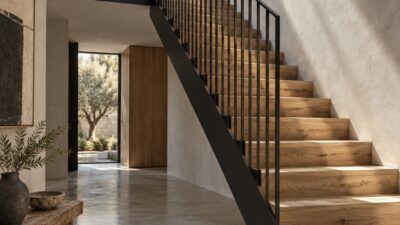

A morning ritual corner is a small, dedicated place for one repeatable activity: journaling, reading, coffee, skincare, or a few minutes of stretching. It does not need its own room. Choose the ritual first, then add only the seat, surface, light, and storage that make that activity easy to begin and easy to reset.
The best version fits your actual morning rather than an idealized routine. A sunny chair may suit a weekend journal, while a tray beside the kettle is more practical on workdays. Use the three layouts below as starting points, measure your space, and edit the setup until every object earns its place.
- Morning ritual corner ideas at a glance
- Choose the right location before the furniture
- Three practical morning ritual corner layouts
- Build the corner in five useful layers
- Match the setup to your actual ritual
- Morning corner budget options
- Common mistakes to avoid
- Make the morning corner easy to maintain
- Morning ritual corner FAQ
- Start with one seven-day test
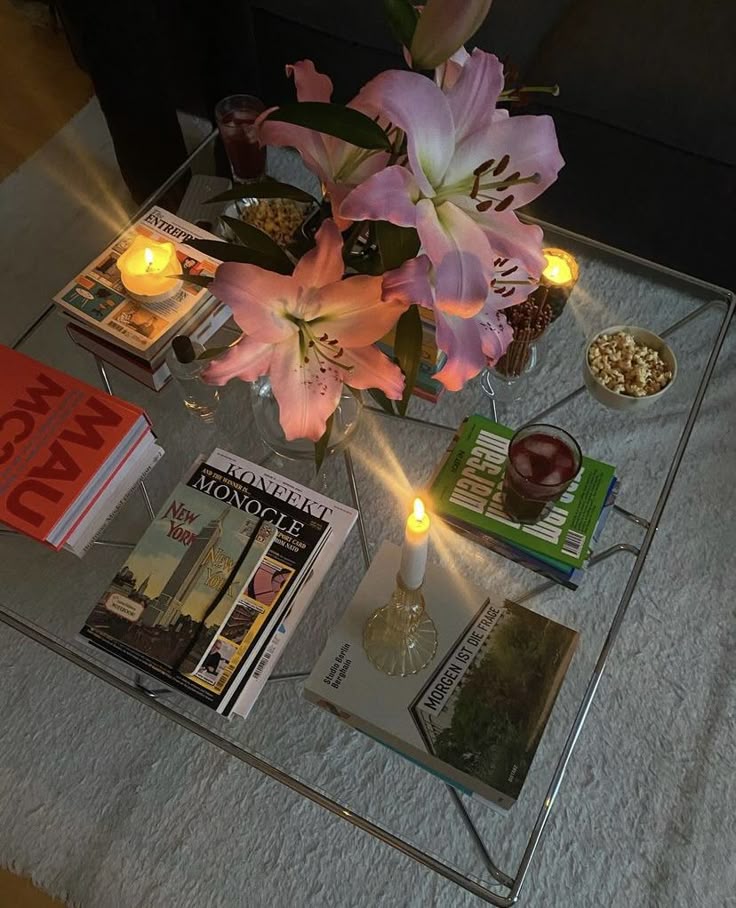
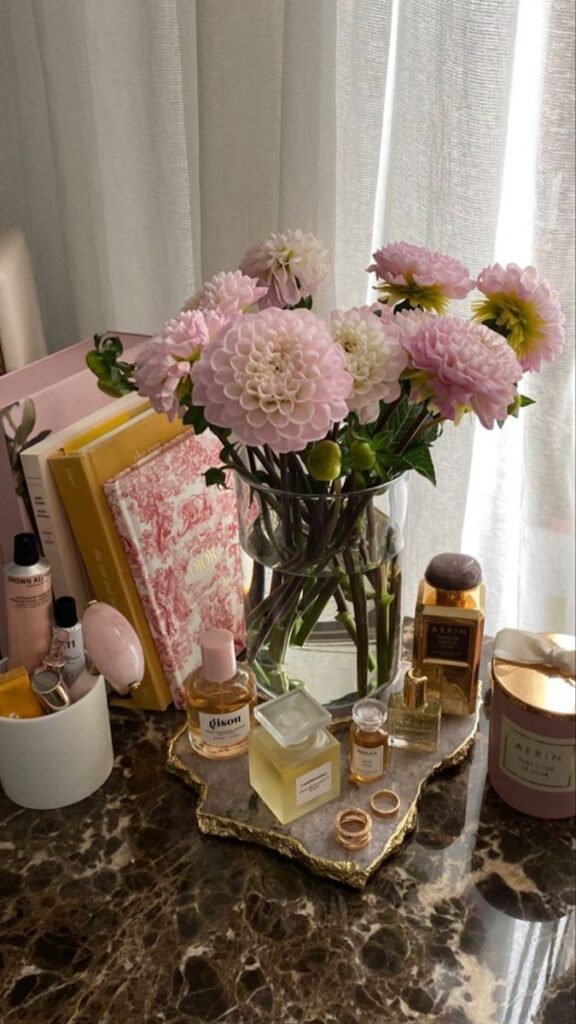
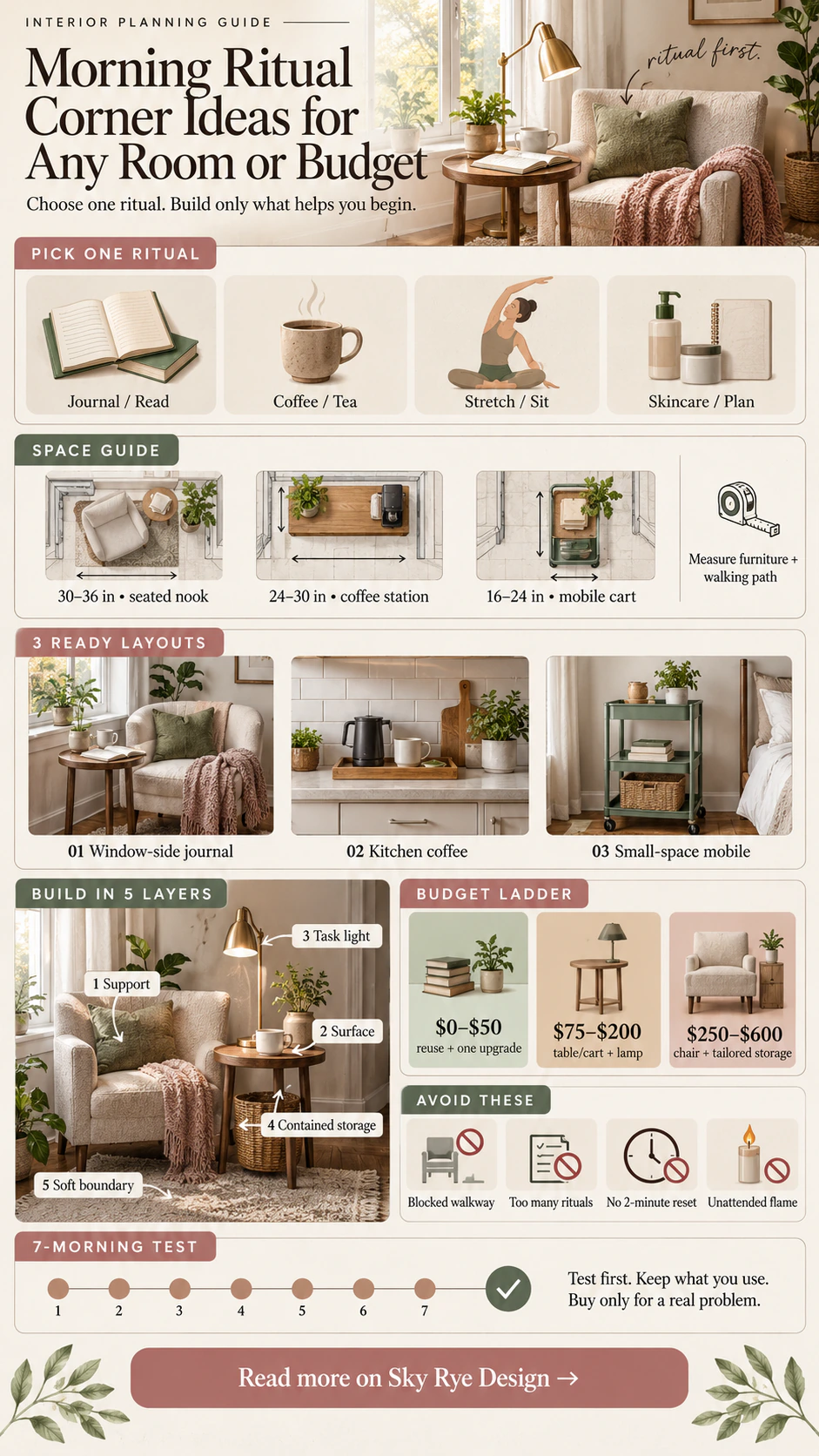
Morning ritual corner ideas at a glance
| Ritual | Useful footprint | Core pieces | Best location |
|---|---|---|---|
| Journaling or reading | About 30–36 inches wide | Supportive chair, small table, task light | Bedroom or living-room window |
| Coffee or tea | About 24–30 inches of counter or cart | Tray, mugs, ingredients, easy-clean surface | Kitchen or dining area |
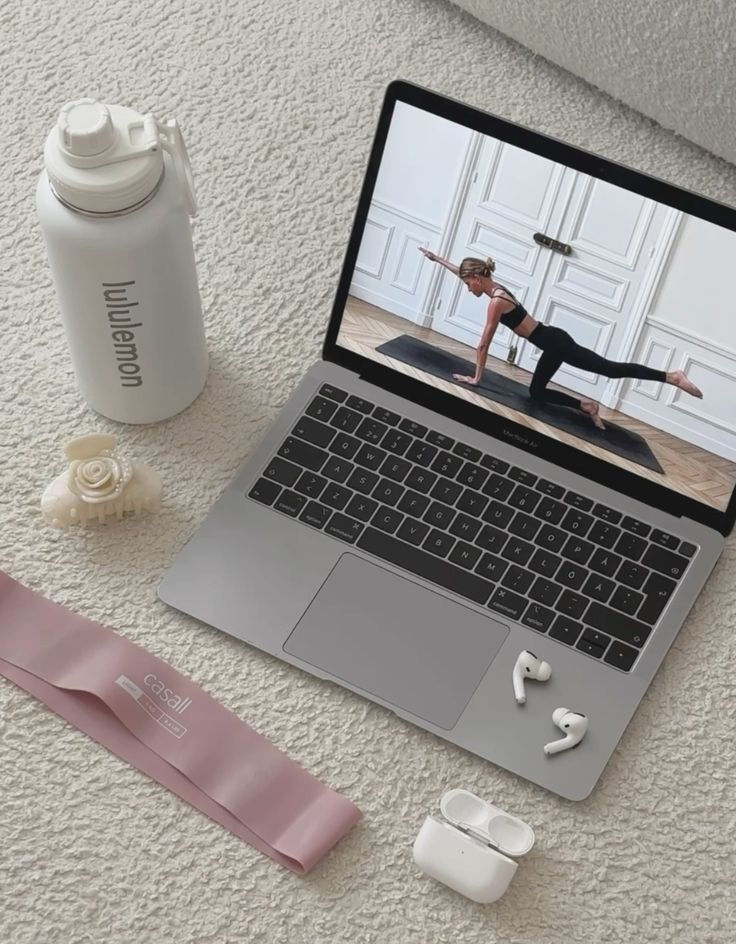
| Stretching or quiet sitting | Space for a mat or cushion | Mat, basket, soft light, clear floor | Bedroom, office, or balcony door |
| Skincare or planning | About 20–30 inches of surface | Mirror or notebook, organizer, focused light | Vanity, dresser, or compact desk |
These dimensions are planning ranges, not building rules. Measure the chair, cart, and walking path before buying anything. If the corner blocks a door, heater, drawer, or normal route through the room, it will feel inconvenient no matter how attractive it looks.
Choose the right location before the furniture
Watch the room for two or three mornings. Note where daylight arrives, where another person needs to pass, and which surfaces already collect your journal, mug, or phone. A corner near the existing action usually works better than a decorative setup across the house. Our guide to curtains that preserve natural light can help if a heavy window treatment makes the spot feel dim.
- Check the light: make sure you can read or write without glare. Add a task lamp for dark mornings.
- Protect circulation: leave the normal route to the door, closet, and bed clear.
- Listen to the space: move away from a noisy appliance or shared work zone if quiet matters to the ritual.
- Check power and heat: avoid trailing cords and keep textiles away from radiators or vents.
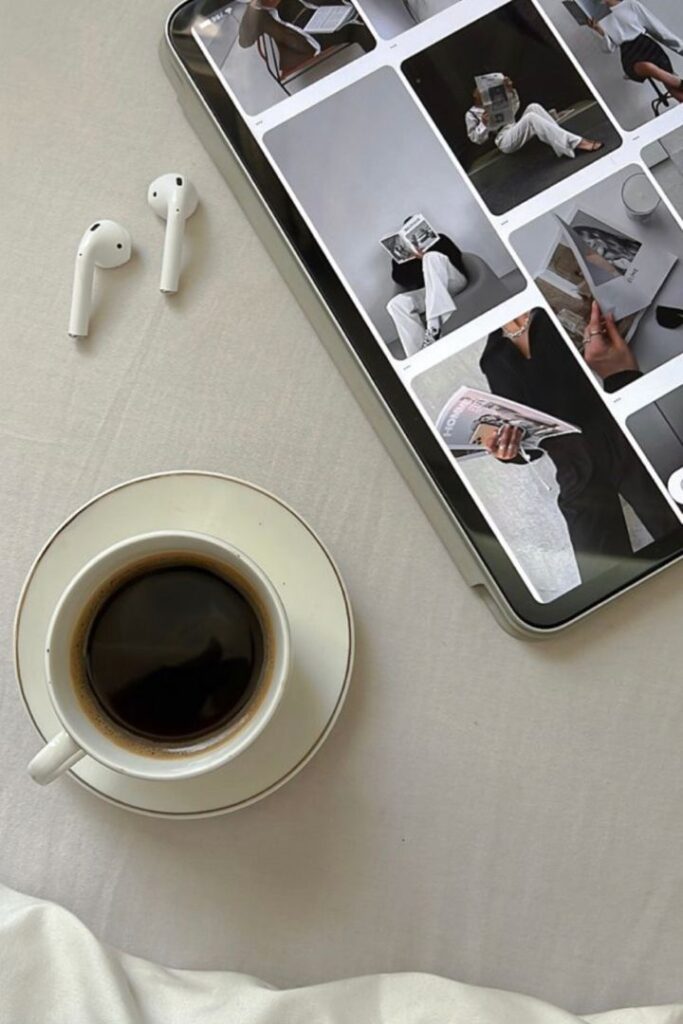
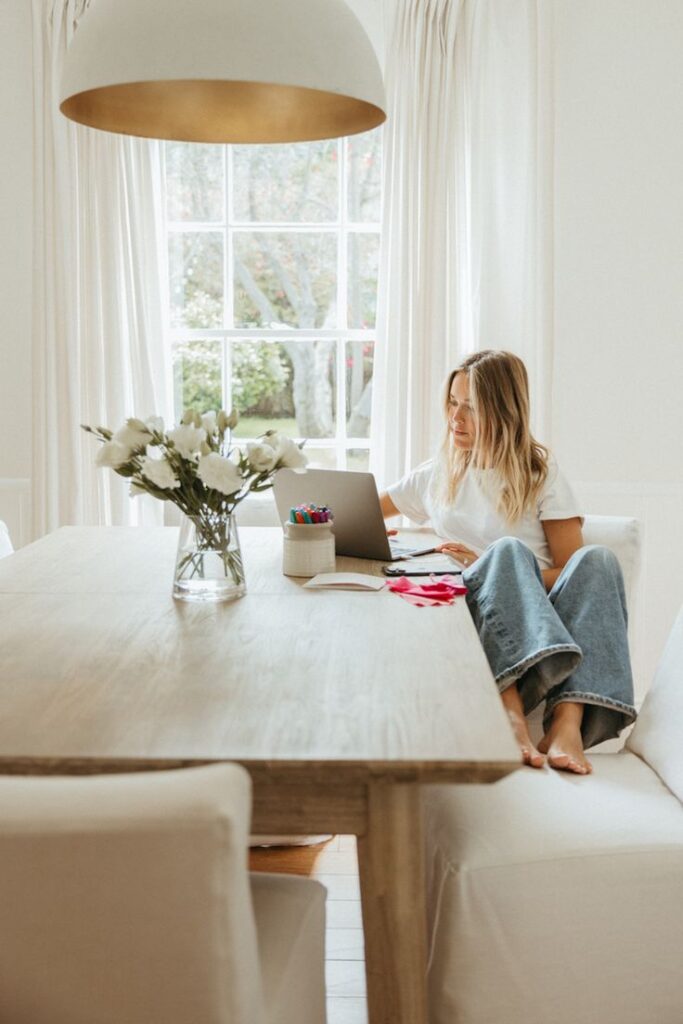
Three practical morning ritual corner layouts
1. Window-side journaling nook
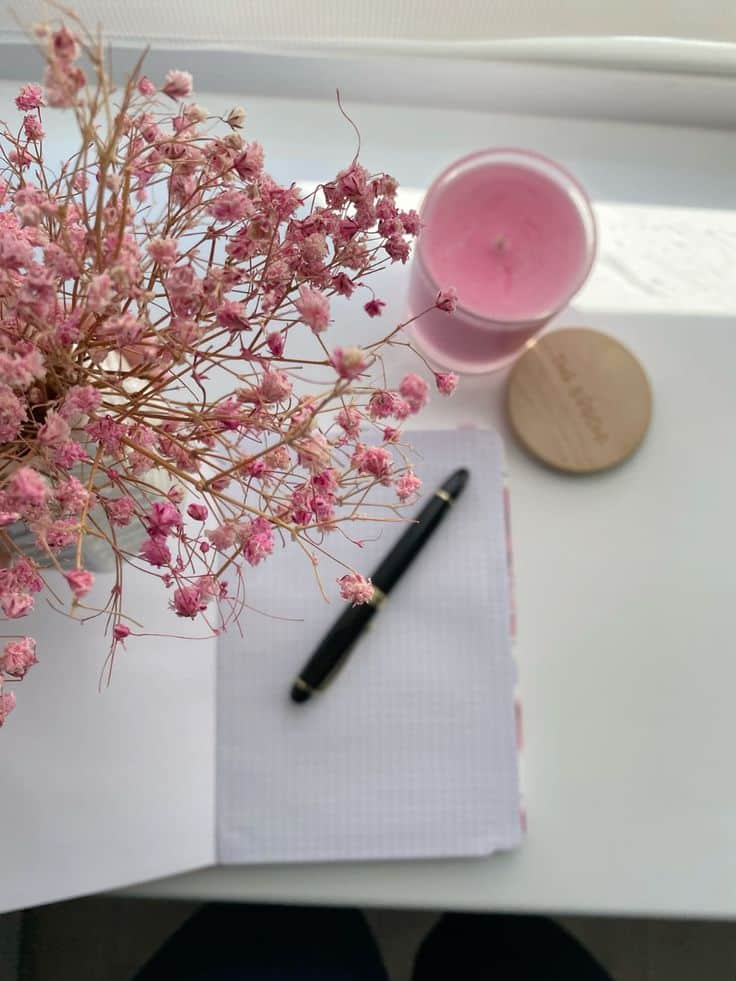
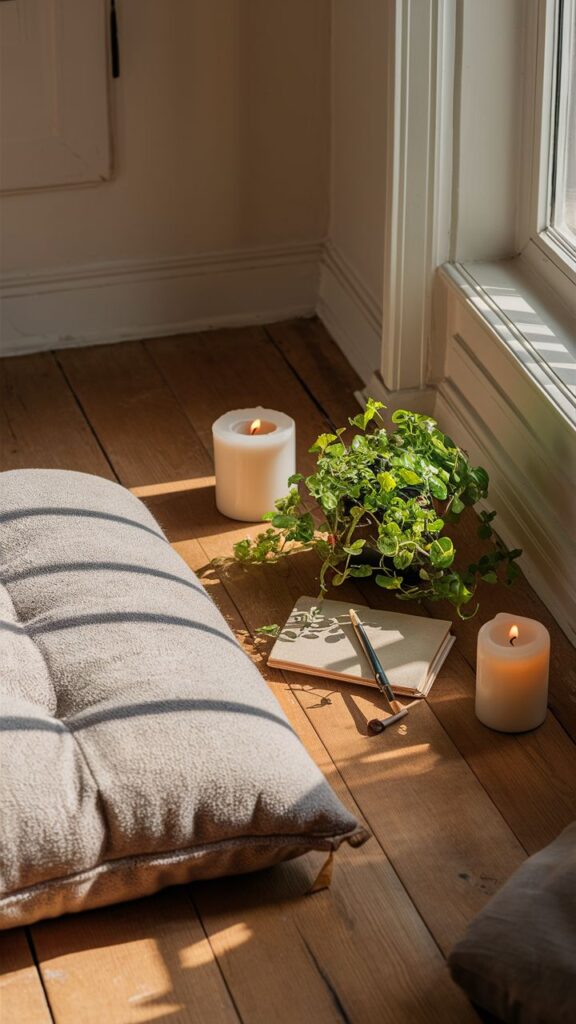
Place a compact chair at a slight angle to the window so the light reaches the page without shining directly into your eyes. Add a side table large enough for a notebook and drink, plus a lamp with a switch you can reach while seated. A lidded basket can hold pens, a throw, and current reading. For a more private version, adapt the zoning ideas in our home meditation space guide.
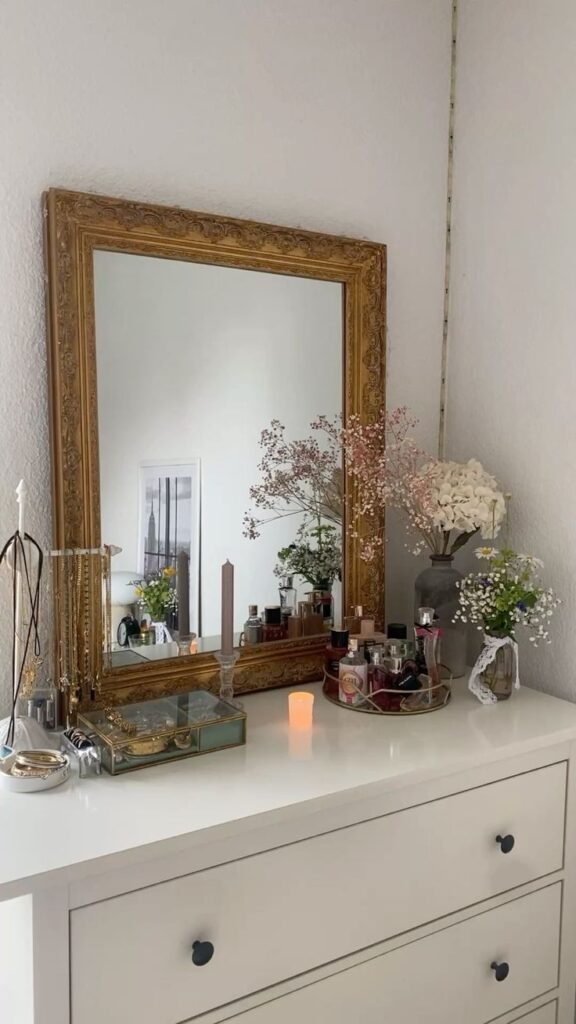
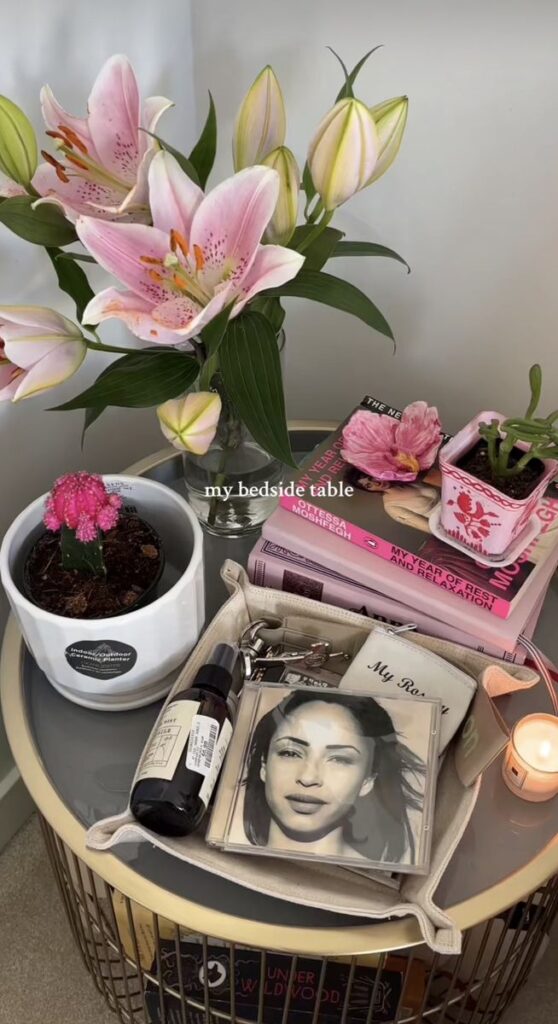
2. Kitchen coffee or tea corner
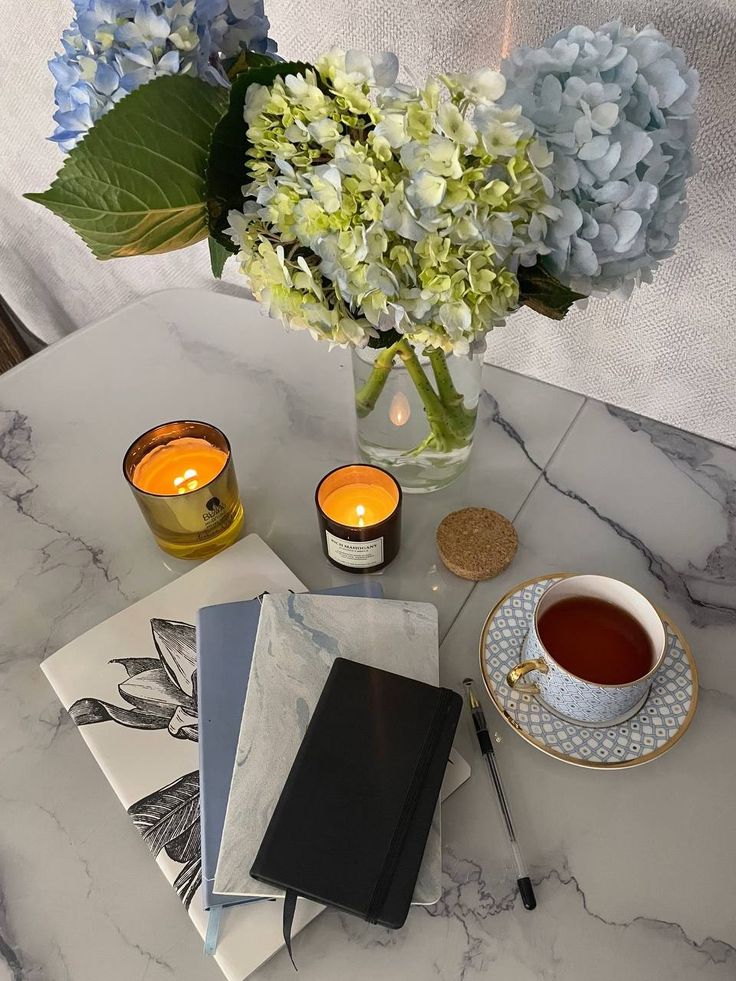
Group the items you use every morning on one washable tray: brewer or kettle, daily mugs, tea or coffee, and a spoon. Keep rarely used equipment elsewhere so the counter remains functional. Position the station near water and power, but not where a hot appliance or open cabinet interrupts the main kitchen route. A separate home coffee corner can provide more ideas for shelves and compact counters.
3. Small-apartment mobile setup
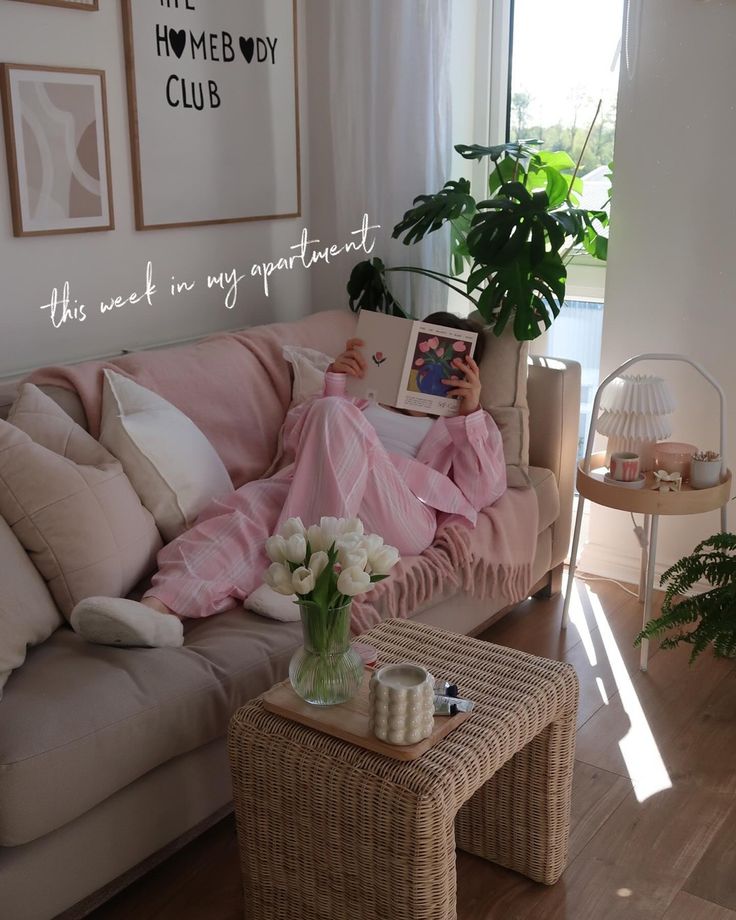
Use a narrow cart, handled basket, or lidded box when one room performs several jobs. Store the ritual kit vertically and move it beside the sofa, bed, or balcony door when needed. A 16–24-inch-wide cart can be enough for a journal, lamp, headphones, and tea supplies, but check the actual product dimensions. If floor space is tight, borrow ideas from these small-home space-saving strategies.
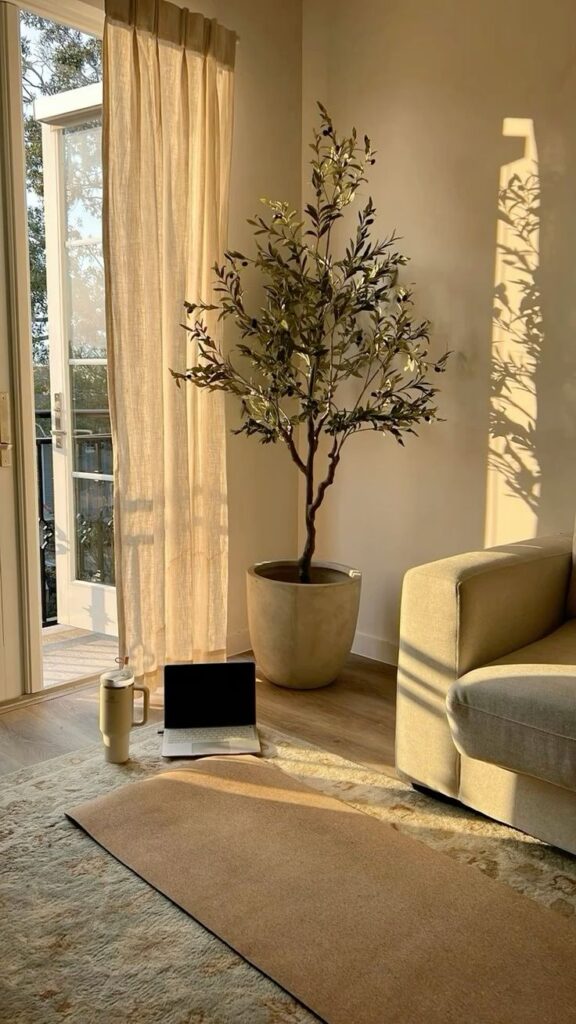

Build the corner in five useful layers
1. Support for the activity
Choose a chair for reading, a cushion for quiet sitting, a mat for movement, or a standing-height counter for coffee. Comfort is specific to the activity. A deep lounge chair may be pleasant for reading but awkward for writing; a floor cushion may look serene but go unused if getting up is uncomfortable.
2. A surface within easy reach
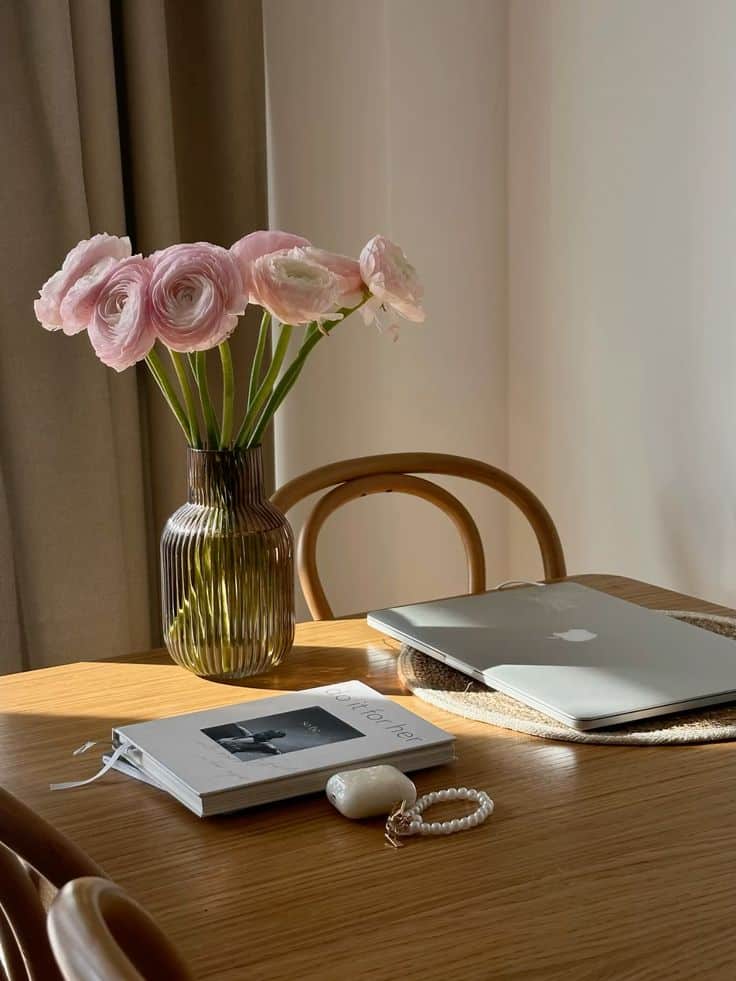
Use the smallest stable surface that holds the essentials without crowding. A side table, wall shelf, tray, or top drawer may be enough. Round tables soften a tight passage, while a wall-mounted shelf keeps the floor open. Repeat a nearby wood tone or metal finish so the new piece belongs in the room.
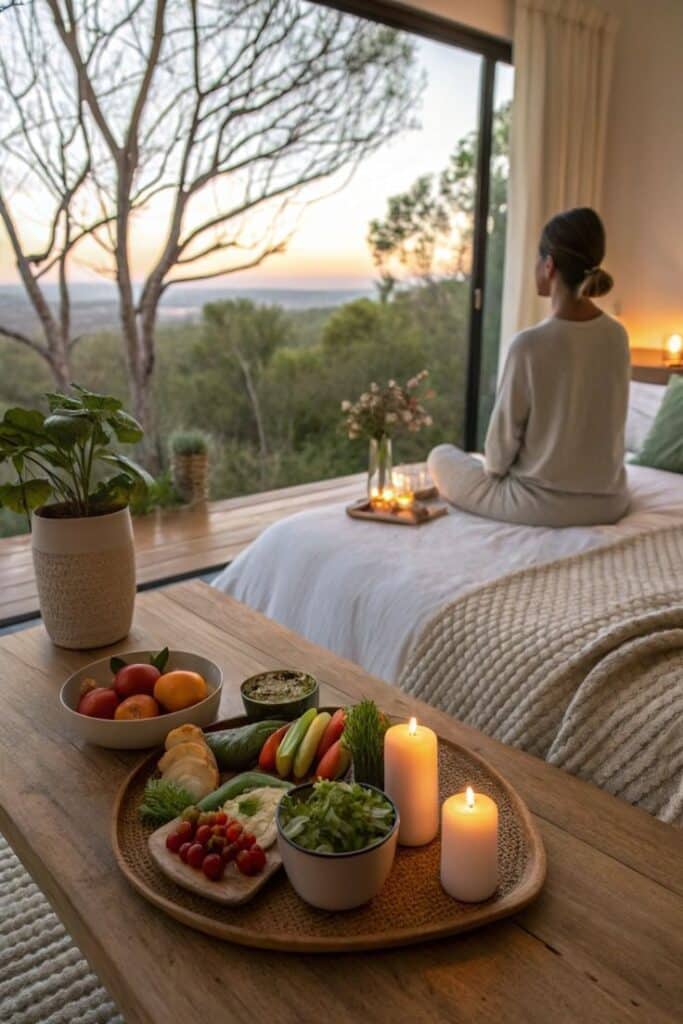
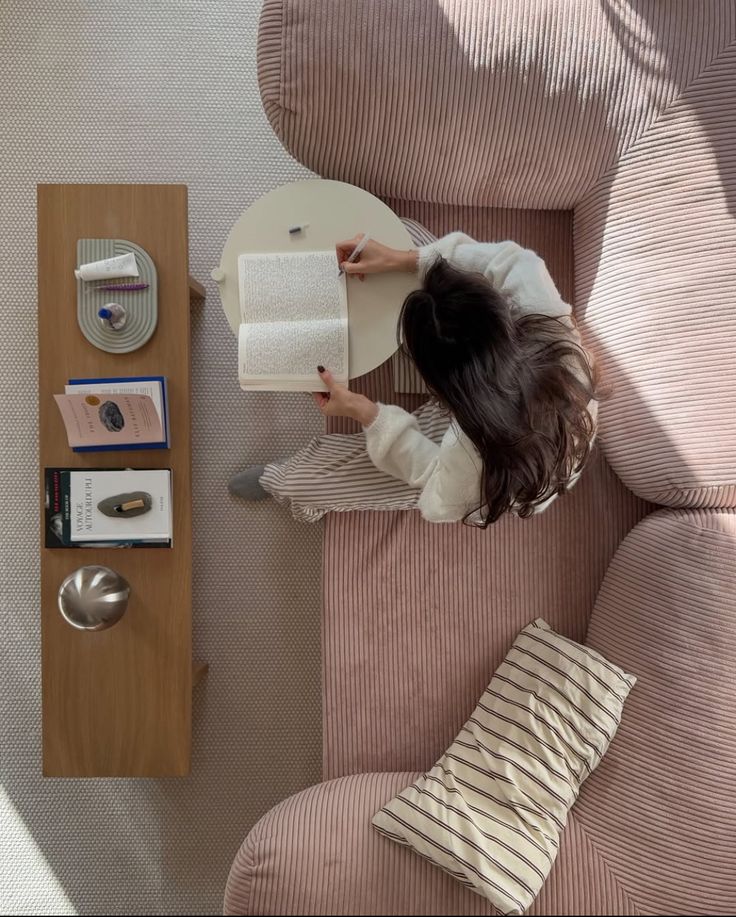
3. Layered light
Daylight provides atmosphere, but it changes with season and weather. Add a shaded task lamp for reading or a dimmable light for a softer start. Place the lamp to the opposite side of your writing hand to reduce shadows. The relationship between the fixture, seat, and surface matters more than the number of lamps; see our guide to pairing lighting and furniture in a cozy corner.
4. Closed or contained storage
Keep the daily items visible and contain the rest. A shallow tray controls small objects; a drawer or basket hides refills and cables. Give every item a return point that takes only a few seconds to use. If the setup expands across nearby surfaces, reduce the kit rather than adding another organizer.
5. A visual or acoustic boundary
A rug, wall color, curtain edge, plant, or change in lighting can define the corner without building a partition. In a shared room, headphones or a soft furnishing can make the area feel less exposed. Keep the boundary subtle so the nook remains connected to the rest of the interior.
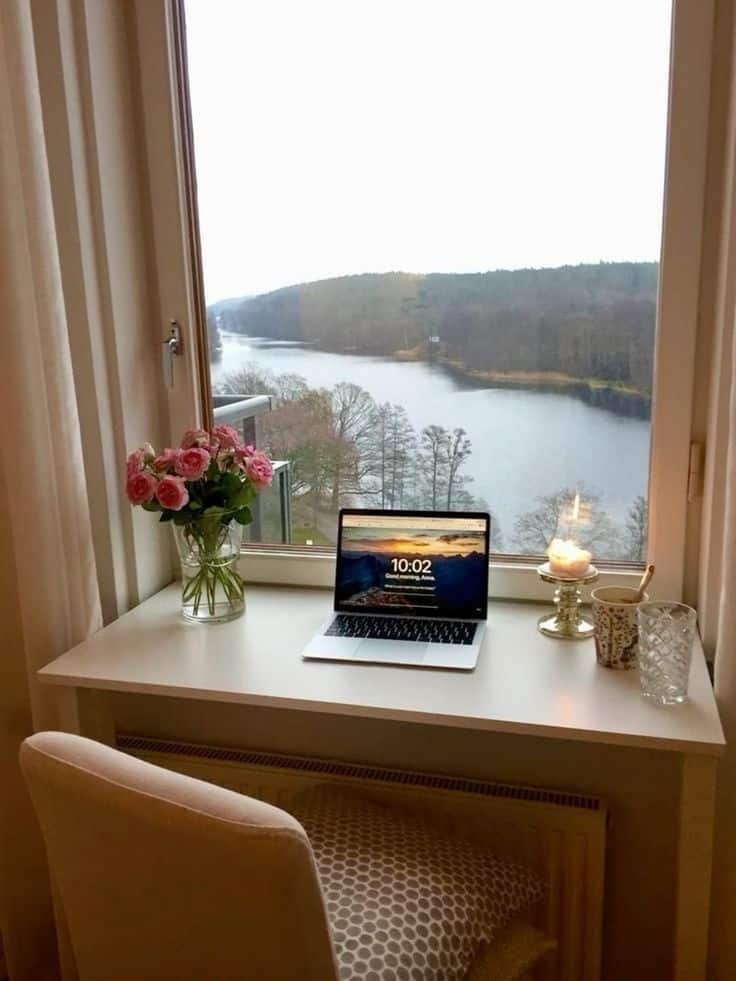

Match the setup to your actual ritual
For journaling, prioritize a firm writing surface and pen storage. For reading, support your back and direct light onto the page. For stretching, remove low furniture and keep the floor clear. A quiet sitting practice may need only a cushion and a timer; our broader guide to creating a calmer home environment offers additional ways to reduce visual distraction.
A morning corner can support a routine, but it is not a treatment or a guarantee of better focus or mood. If the goal is a steadier wake-up pattern, the CDC’s general sleep guidance includes keeping regular sleep and wake times among its practical habits. Treat the corner as a convenient cue, not a substitute for appropriate health advice.


Morning corner budget options
| Planning range | Where to spend | What to reuse |
|---|---|---|
| $0–$50 | One good bulb, tray, or cushion cover | Existing chair, mug, basket, books |
| $75–$200 | Compact table or cart plus task lamp | Existing seating and artwork |
| $250–$600 | Supportive chair, quality lamp, tailored storage | Textiles and accessories already in the room |
These are illustrative planning ranges, not live price quotes. Start by relocating furniture for a one-week test. Spend first on the item that affects use—usually the seat, work surface, or light—then add decoration only after the routine works. Simple decorating ideas in our guide to a cozy and stylish home can help the finished corner blend with the room.
Common mistakes to avoid
- Styling before testing: use the corner for a week before buying accessories.
- Trying to support every ritual: one clear purpose is easier to maintain than coffee, yoga, work, and skincare in one tiny zone.
- Ignoring the evening reset: leave a tray, basket, or drawer ready for the final two-minute cleanup.
- Adding an open flame for atmosphere: a rechargeable lamp or flameless candle is safer and easier to leave unattended.
- Using a beautiful but uncomfortable chair: test seat height, back support, and reach before committing.
If you use a real candle, follow the U.S. Fire Administration’s candle safety advice: place it in a stable holder, keep it at least 12 inches from anything that can burn, and extinguish it whenever you leave the room. Do not make an open flame part of an unattended routine.
Make the morning corner easy to maintain
Prepare only what helps tomorrow: return the notebook, refill the water carafe or tea tin, fold the throw, and charge the lamp or headphones. Keep this reset under two minutes. If it regularly takes longer, the corner holds too much. For a work-and-planning version, use the same principle as an organized learning workspace: frequently used tools stay close, while supplies and backups stay contained.
Seasonal changes are useful checkpoints. Move the seat if low winter sun creates glare, add a washable mat during wet weather, and remove objects that have become purely decorative clutter. The goal is not a permanent display; it is a small part of the home that continues to serve the same simple action.
Morning ritual corner FAQ
What is a morning ritual corner?
It is a dedicated area that keeps the objects for one morning activity together. It may be a chair and side table for journaling, a tray for coffee, a mat for stretching, or a small vanity setup. Its purpose is practical: reduce setup time and give the activity a consistent home.
How much space do you need for a morning corner?
A compact setup may need only 16–24 inches of shelf or cart width. A seated nook often needs about 30–36 inches plus a clear approach. These are approximate planning ranges; measure the furniture and walking path in your room before deciding.
Where should a morning ritual corner go?
Place it near the activity it supports and outside the main traffic route. A reading chair may work near a window, a coffee station belongs near kitchen utilities, and a mobile basket can move beside the sofa. Check daylight, glare, noise, outlets, and door clearance at the time you will use it.
What should you put in a morning ritual corner?
Keep only the pieces needed for the chosen ritual: appropriate support, a stable surface, usable light, and one container for supplies. Add one personal object or plant if it does not crowd the work area. Store refills and rarely used items elsewhere.
How much does a morning ritual corner cost?
It can cost nothing if you reposition furniture and reuse a tray or basket. A new lamp and small table may fit a $75–$200 planning range, while a supportive chair and tailored storage can cost more. Test the arrangement before buying so money goes toward function instead of decoration.
How do you make one in a small apartment?
Use a narrow rolling cart, a handled basket, a wall shelf, or one drawer to contain the ritual. Bring it beside existing seating when needed, then put it away after the reset. A small rug or focused lamp can define the temporary zone without consuming permanent floor space.
Start with one seven-day test
Choose one ritual, borrow furniture from the room, and use the corner for seven mornings. Notice what you reach for, what stays untouched, and whether the location interrupts anyone else. Then keep the useful pieces, remove the rest, and invest only where the test exposed a real problem. For further routine ideas, explore five morning routines that support creativity and our collection of morning routine articles.
- 302shares
- Facebook0
- Pinterest302
- Twitter0
- Reddit0