The first surface I ever cut on a full-size clay model, in an automotive design studio in Germany, was a rear quarter panel, and it took most of a day to get one continuous highlight to read cleanly under the studio lights. That’s not a story about how cars used to be designed. Clay modeling is still standard practice in most major studios today, sitting right alongside the CAD software that gets all the credit. The evolution of car design isn’t a straight line from hand tools to computers. It’s closer to two disciplines, sculpture and simulation, that gradually learned to talk to each other.
Most articles on this topic walk through decades, tailfins in the 50s, wedge shapes in the 70s, and stop there, as if car design were purely a costume that changed every ten years. That misses the actual story. What really evolved is the process itself, how a surface gets from an idea to a body panel, and that process is the thing that explains why cars look the way they do today, far better than any decade-by-decade style list.
- Why the usual decade-by-decade story misses the point
- From carriage-builders to industrial stylists
- The clay modeling era: sculpting surfaces by hand
- Class-A surfacing and the digital surfacing revolution
- Aerodynamics as the new stylistic language
- Minimalism, retro-futurism, and the tension shaping 2026 design
- What decades of surfacing work actually teaches you
- Where this leaves the next decade of car design
- FAQ
This is a practitioner’s version of that story: the shift from carriage-builders to industrial stylists, the clay-modeling era that still shapes every production car, the arrival of Class-A digital surfacing, and the aerodynamic logic that’s now rewriting car silhouettes for the EV era.
None of these shifts happened because designers suddenly had better taste. Each one happened because a new tool or a new constraint changed what was actually possible to build, at a price a manufacturer could afford, at a volume that made commercial sense. Styling is downstream of process far more often than most car-design writing admits.
Why the usual decade-by-decade story misses the point
Search this topic and you’ll get the same structure repeated with different photos: 1900s carriages, 1930s Art Deco, 1950s fins, 1970s wedges, today’s EVs. It’s not wrong, exactly. It’s just describing the output, the styling, without ever explaining the process that produced it. Nobody asks why tailfins were even possible to build in the 1950s but not the 1920s, or why a modern EV’s smooth, grille-less face is a direct consequence of how its surfaces get engineered, not just a passing aesthetic choice.
Car design evolved because the tools designers use to shape and validate a surface evolved. Clay, then digital surfacing, then simulation-driven aerodynamics, each shift didn’t just add a new tool alongside the old one, it changed what shapes were physically and economically possible to put into production. Understanding that chain explains far more about why a 2026 EV looks the way it does than any list of stylistic trends.
This distinction matters practically, not just academically. A designer who understands why a shape became possible can anticipate what the next constraint shift will make possible. A designer who only memorized what tailfins looked like in 1959 is stuck describing history rather than reading the direction it’s actually moving.
From carriage-builders to industrial stylists
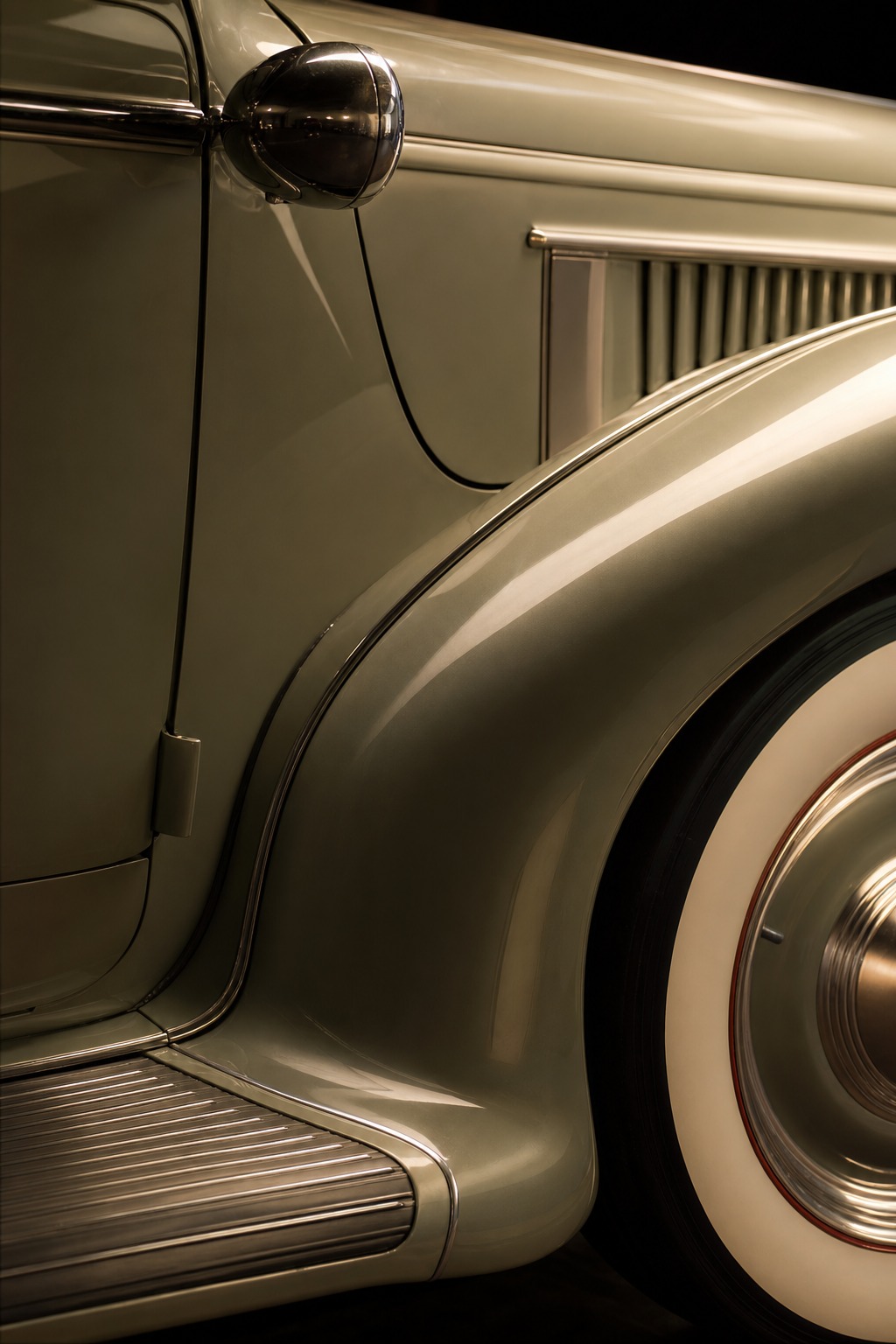
Early automobiles were built the way carriages were built, because that’s who was building them. Coachbuilders bolted an engine to a chassis and wrapped it in whatever body style their workshop already knew how to make. Design, in the modern sense of a dedicated discipline shaping a vehicle’s form, didn’t really exist yet. Function and mechanical constraint decided almost everything.
That changed in the 1920s and 30s, largely through Harley Earl’s work establishing General Motors’ Art and Colour Section, the first dedicated in-house styling department at a major automaker. For the first time, a car’s exterior was being deliberately composed rather than assembled from whatever the chassis allowed. This is the point where car design becomes a discipline with its own specialists, rather than an afterthought handled by the same people building the mechanical structure underneath.
The Art Deco influence that followed wasn’t decorative flourish for its own sake. Integrating headlights, fenders, and running boards into a single continuous body was a genuine engineering and manufacturing achievement, made possible by advances in stamped steel body construction. The look followed from what had just become physically buildable, the same relationship that keeps repeating throughout this whole history.
It’s worth noting how quickly this new discipline professionalized once it existed. Within a couple of decades, independent design houses in Italy, Pininfarina and Bertone among them, had built reputations specifically on styling expertise, contracted out to manufacturers who didn’t have their own in-house capability. That’s a genuinely new kind of business, styling sold as a service separate from manufacturing, and it wouldn’t have made sense before design existed as its own recognized skill.
The clay modeling era: sculpting surfaces by hand
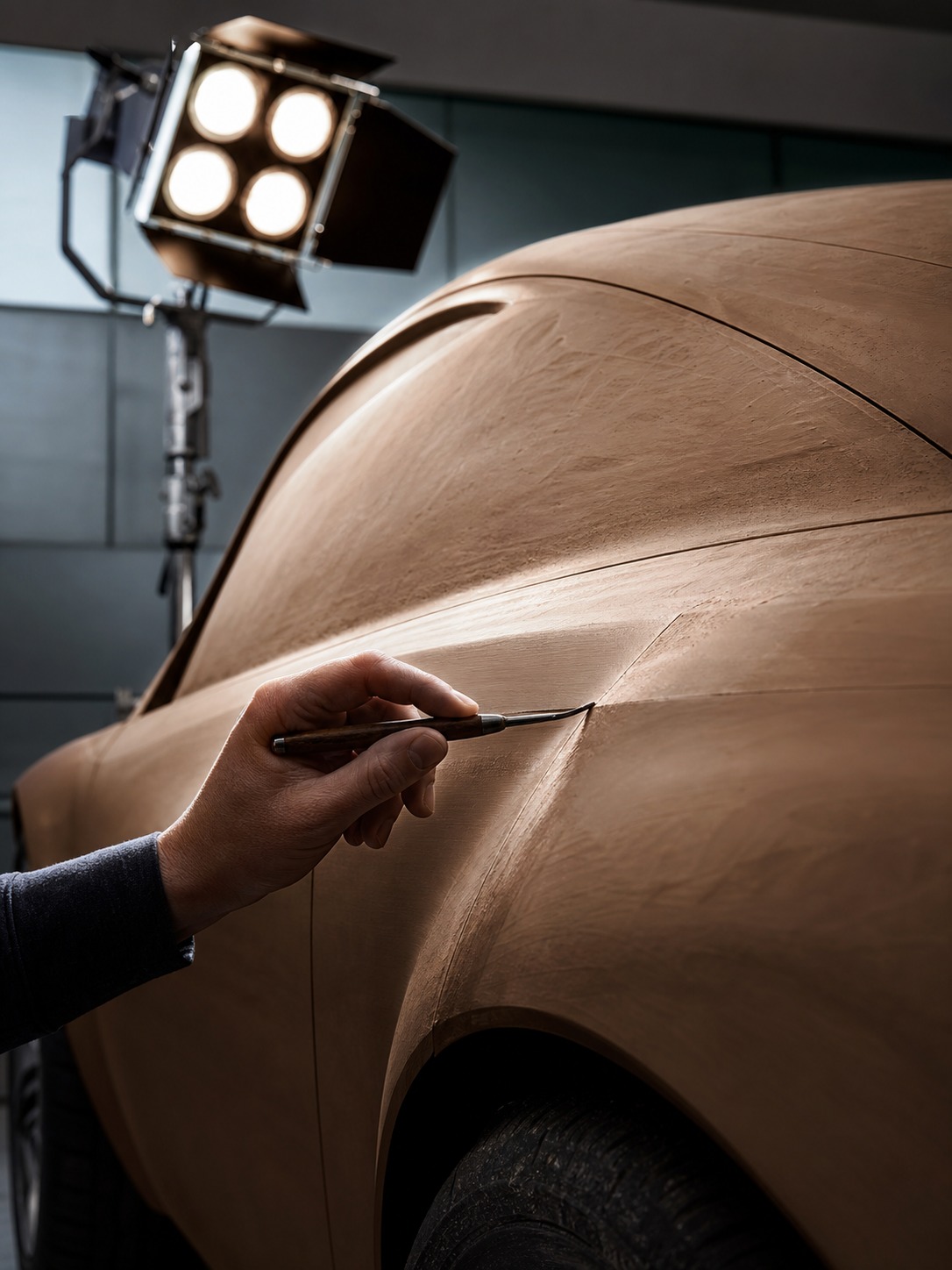
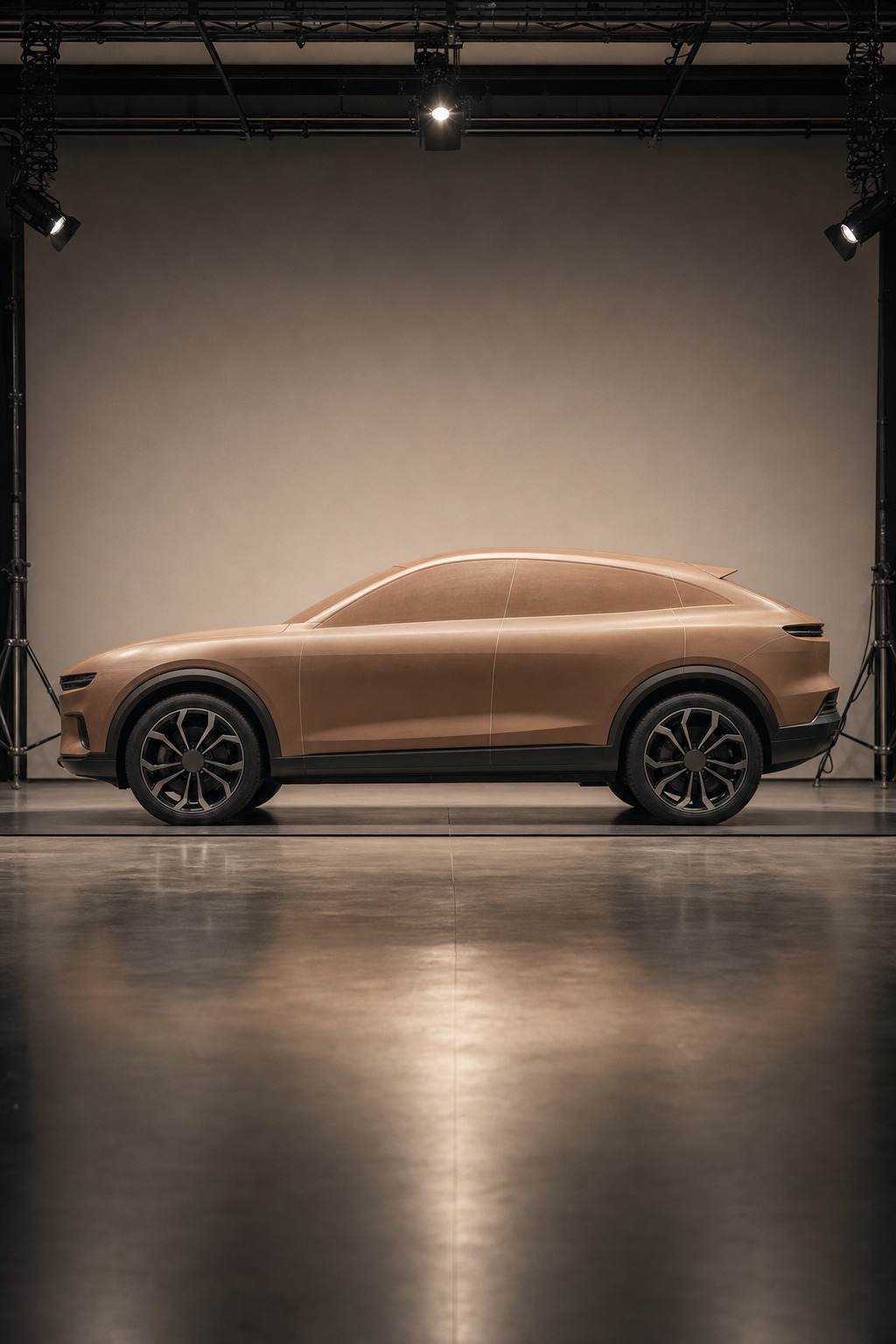
By the mid-20th century, full-size clay modeling had become the industry standard, and it still is. A rough foam or wood buck gets built to the vehicle’s basic proportions, then covered in an industrial modeling clay that stays workable under studio heat lamps. Designers and modelers sculpt the actual body surfaces directly onto this buck, checking highlights under raking light to judge how a surface will actually catch and reflect light once it’s painted steel or aluminum.
This is a genuinely different skill from sketching. A rendering can fake a highlight with a marker stroke. A clay surface has to physically hold that highlight under real light from every angle a person will actually view the car from, which is why studios still build full-size clay models even now, decades into the CAD era. Software can simulate a lot, but nothing replaces walking around a full-size model and watching how a line actually behaves as you move past it.
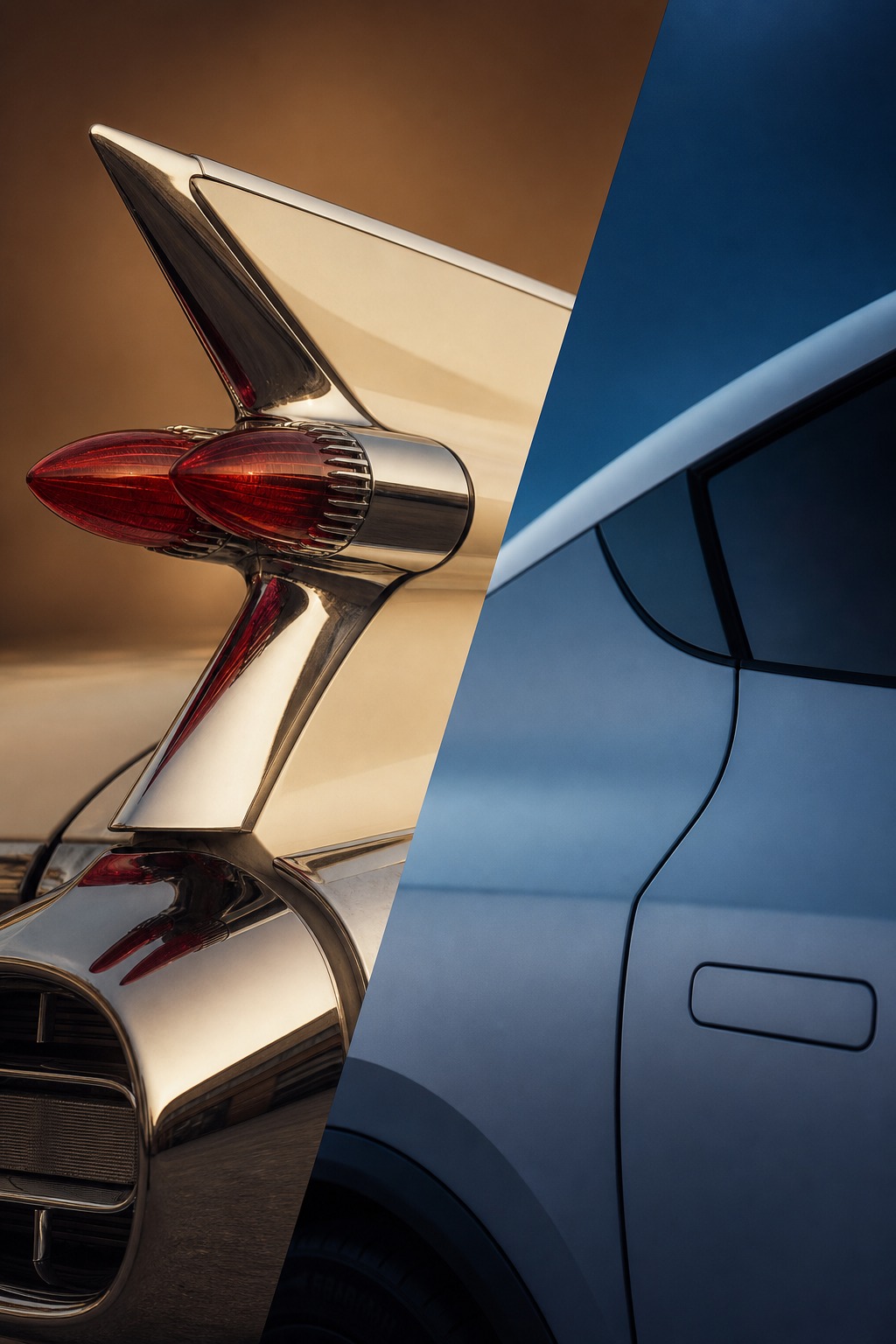
The 1950s and 60s tailfin era, and the chrome-heavy American cars that followed, were only possible because clay modeling let designers push complex, compound-curved surfaces that would have been nearly impossible to draft accurately by hand on a drawing board. Stamped steel technology could produce these shapes; clay modeling was how designers figured out exactly what shape to stamp.
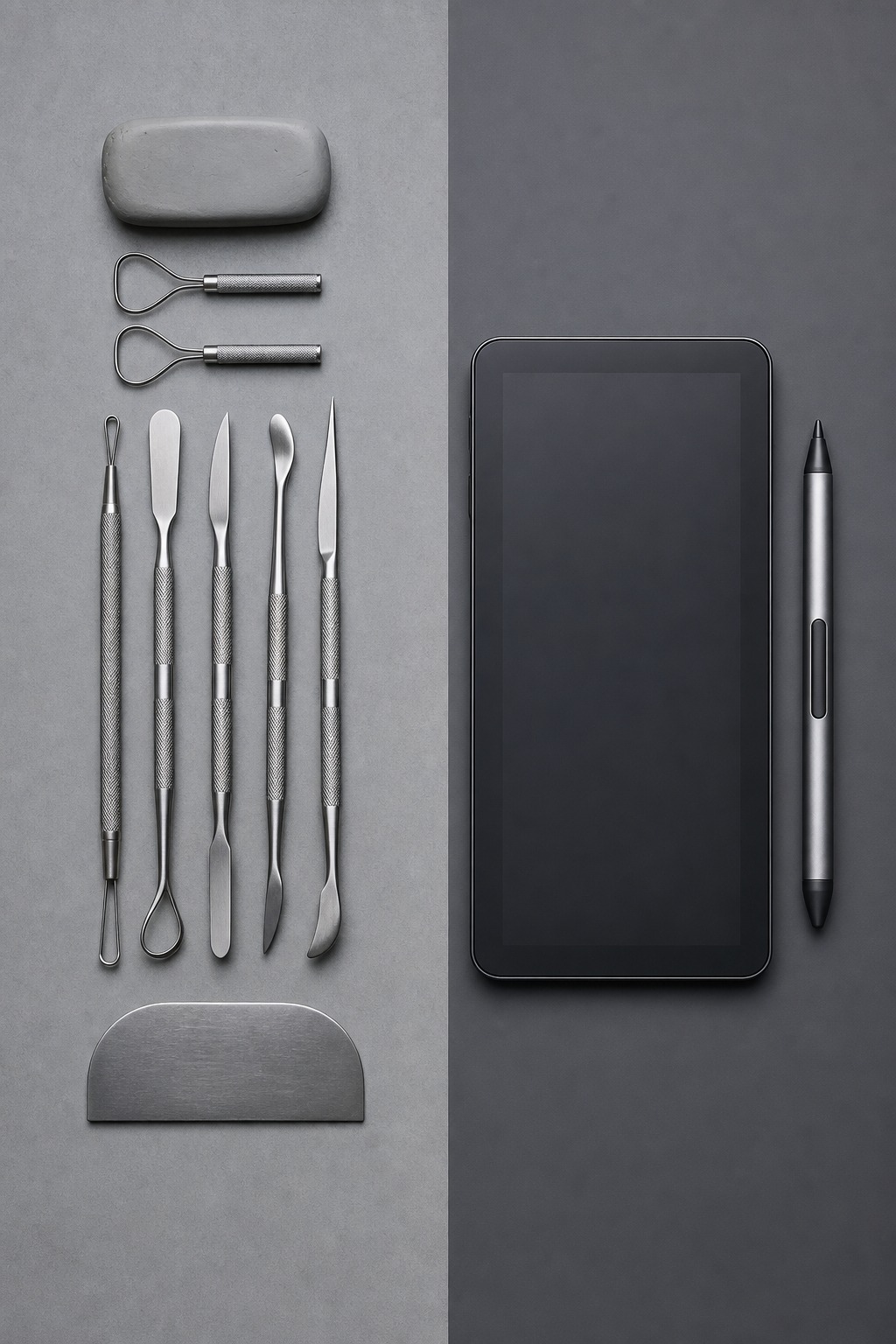
There’s a physical discipline to clay work that’s easy to underestimate until you’ve done it. You’re not carving toward a predetermined shape the way you might sculpt a figure, you’re constantly comparing the surface against reflected light, section drawings, and the surfaces around it, adjusting a few tenths of a millimetre at a time across a panel that might be a metre and a half long. A modeler with a good eye can feel a flat spot with a straightedge before it’s visible to the naked eye, and that tactile sensitivity is still something no software fully replicates.
Design note
If you want to understand why a surface reads as “confident” or “nervous,” study it under a single raking light source, the way a clay modeler does. A highlight that runs in one continuous, unbroken line across a panel reads as controlled. A highlight that breaks or wobbles reads as uncertain, even if the underlying shape looks fine from a straight-on photo.
Class-A surfacing and the digital surfacing revolution
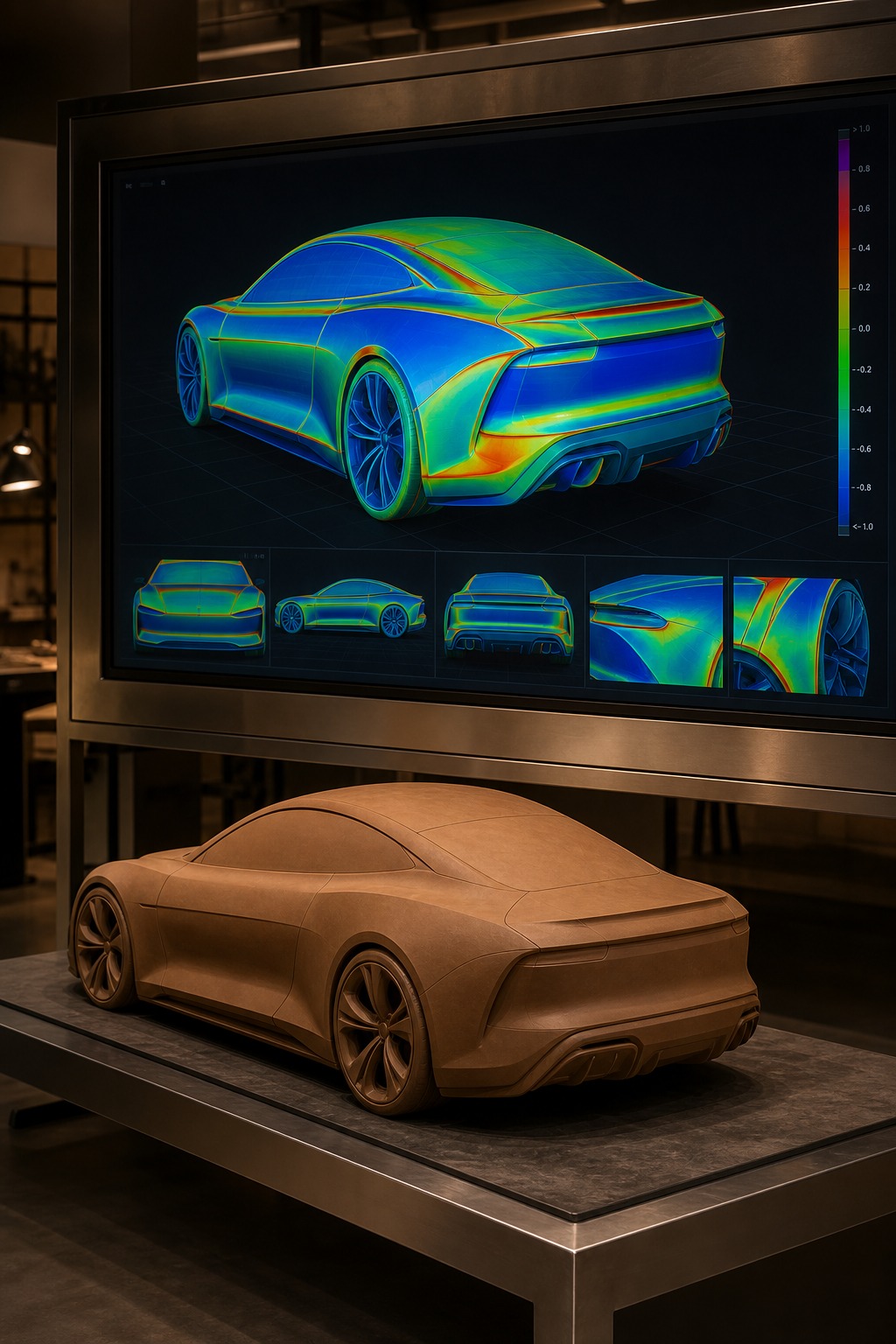
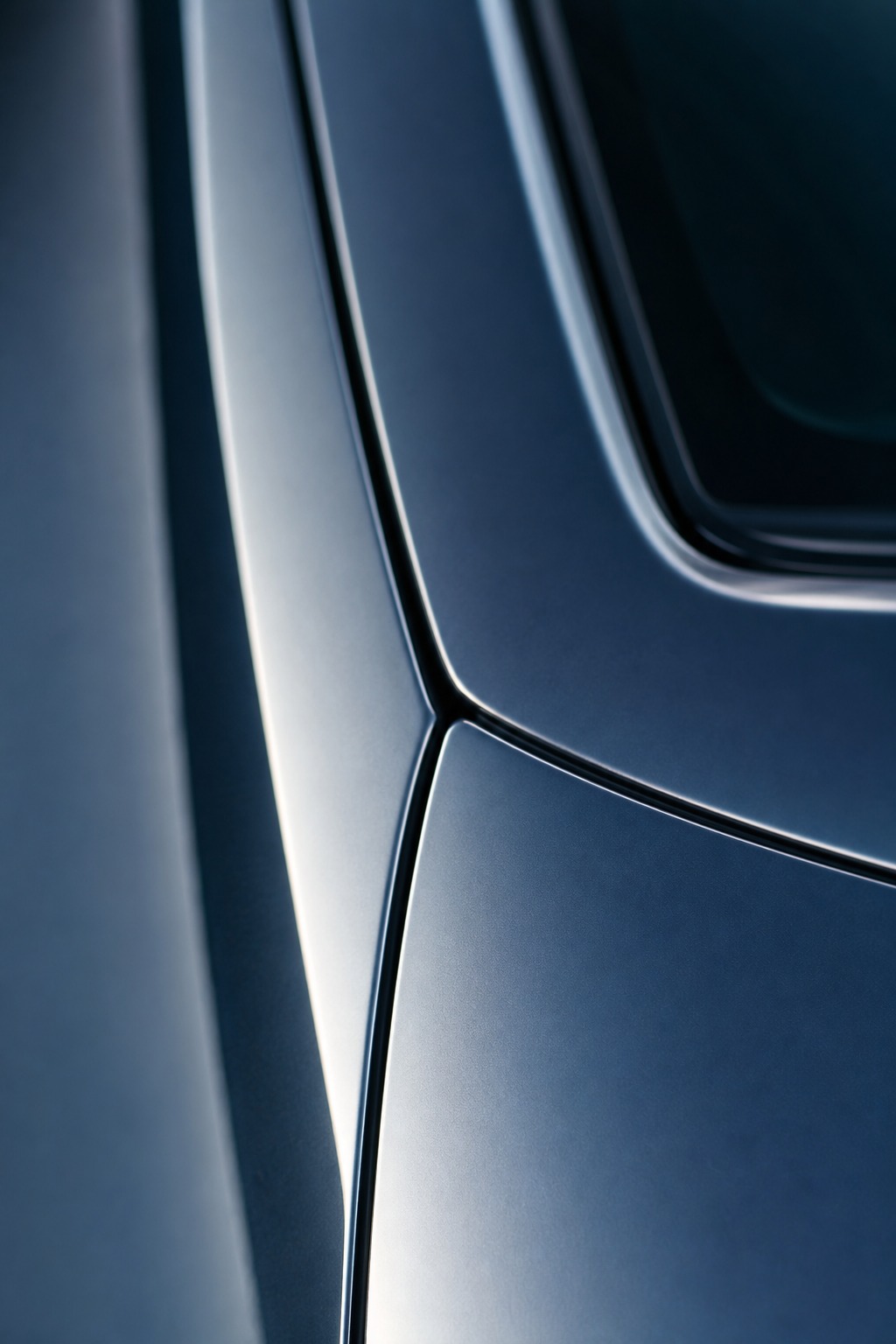

Computer-aided design entered automotive studios starting in the 1980s and 90s, but it didn’t replace clay modeling, it changed what happened before and after it. Designers began building surfaces digitally using NURBS, mathematically defined curved surfaces, before or alongside the physical clay model, and the two processes now run in a loop: digital surface informs the clay model, the clay model gets scanned back into digital data, and the two converge on a final surface.
Class-A surfacing is the specific discipline of building these digital surfaces to the standard required for an exterior body panel, continuous curvature, no unwanted ripples or flat spots, surfaces that will actually stamp correctly in steel or aluminum and reflect light cleanly under every lighting condition a customer will see the car in. I’ve spent time on this exact discipline working on production surfacing for vehicles like the Jaguar F-Pace and Mazda CX-5, and the standard is genuinely unforgiving. A surface can look correct on screen and still fail a curvature analysis the moment you check its reflection lines under simulated studio lighting.
What Class-A surfacing actually delivered wasn’t just precision, it was iteration speed. A digital surface can be evaluated, adjusted, and re-evaluated in hours instead of the days a clay revision takes. That speed is a large part of why concept-to-production timelines have compressed so dramatically since the 1990s, and why today’s design teams can explore far more surface variations before committing to a final shape.
The evaluation tools that came with digital surfacing are worth understanding on their own. Curvature analysis renders a surface in false color or zebra-striped bands that make even tiny inconsistencies visible immediately, the kind of flaw that might take a trained eye several minutes to spot under raking light on a physical model. That doesn’t make the human judgment obsolete, it just moves it earlier in the process, deciding what the curvature map should look like in the first place is still very much a design decision, not something the software chooses for you.
Aerodynamics as the new stylistic language
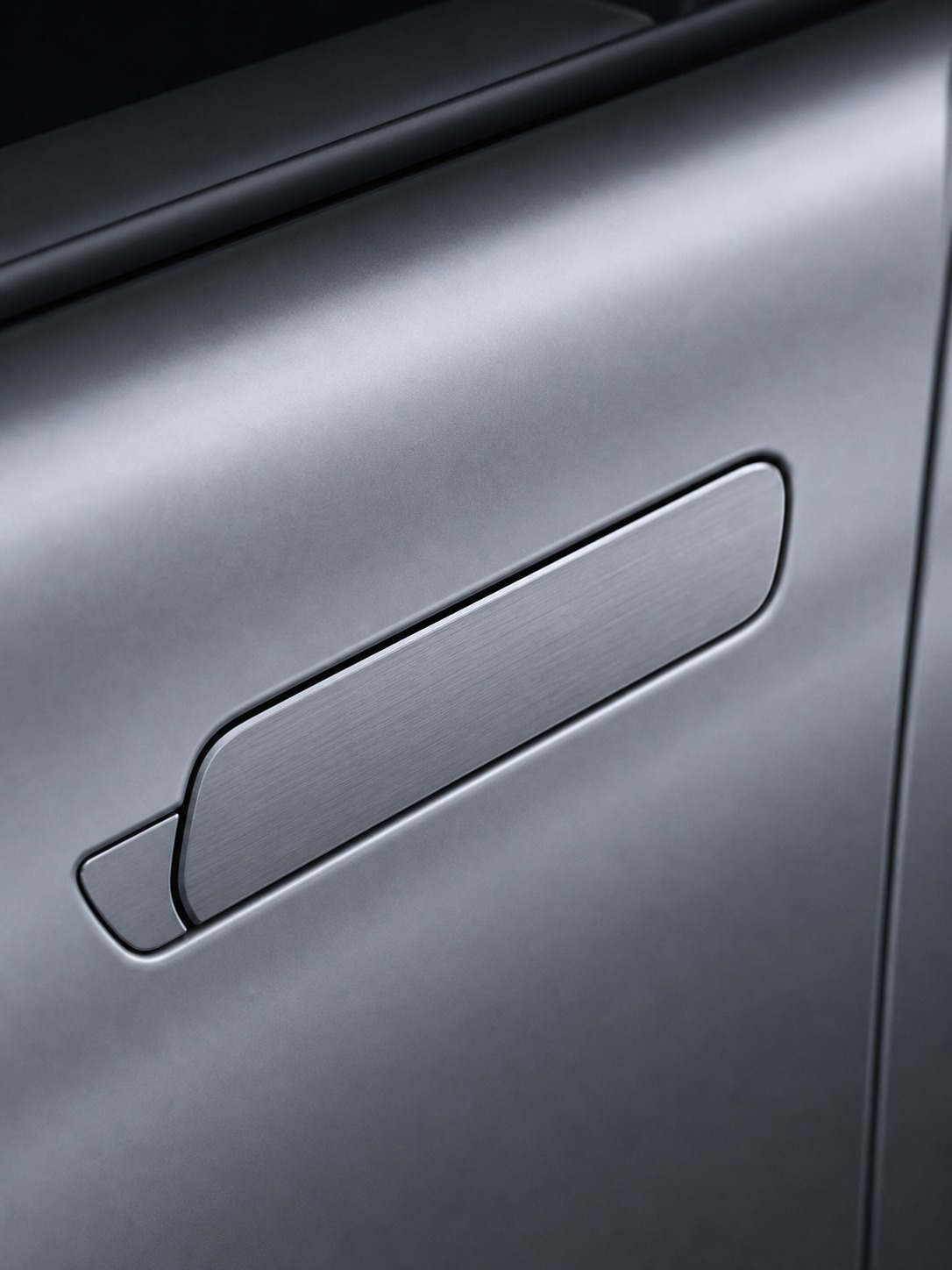
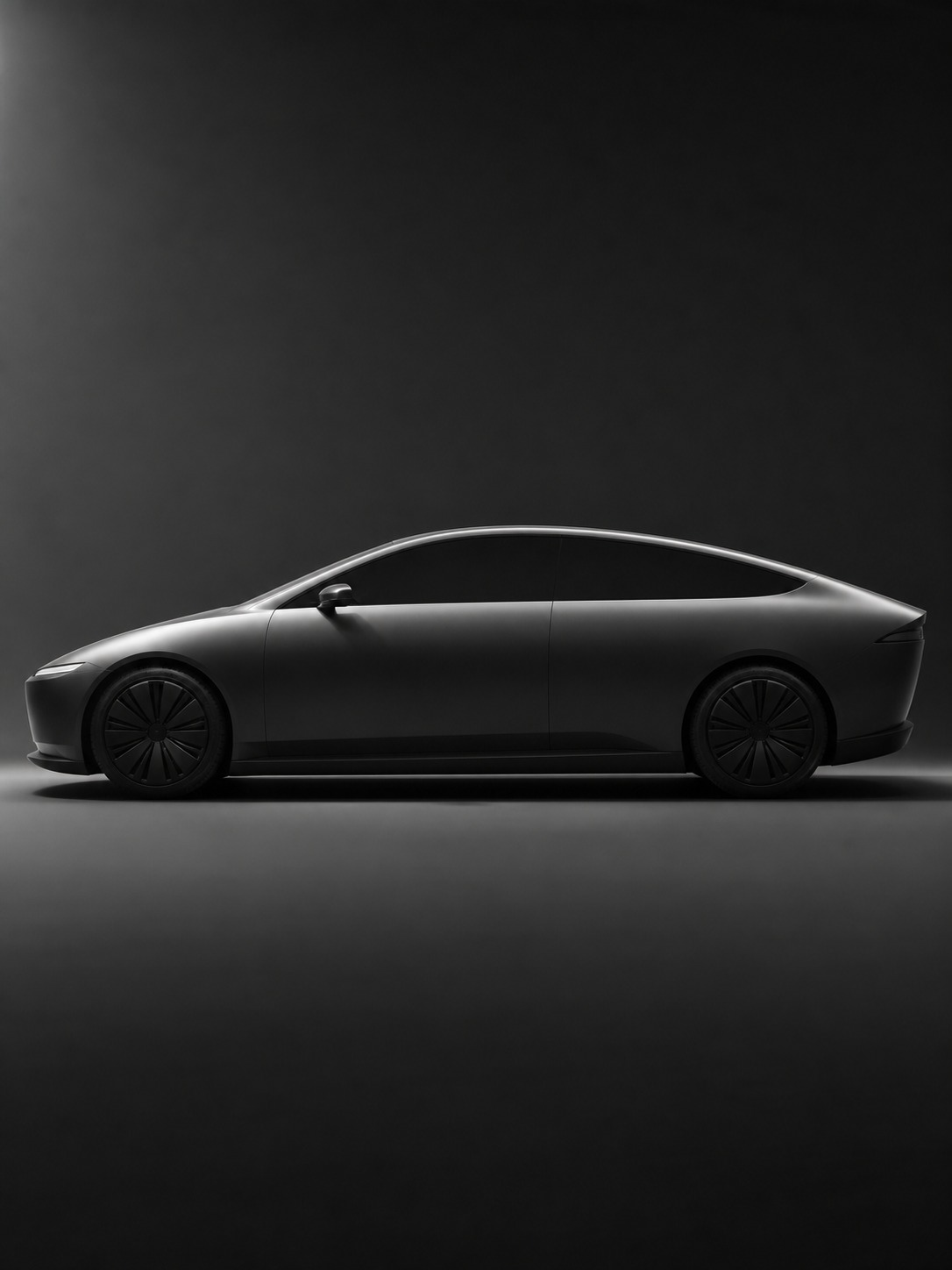

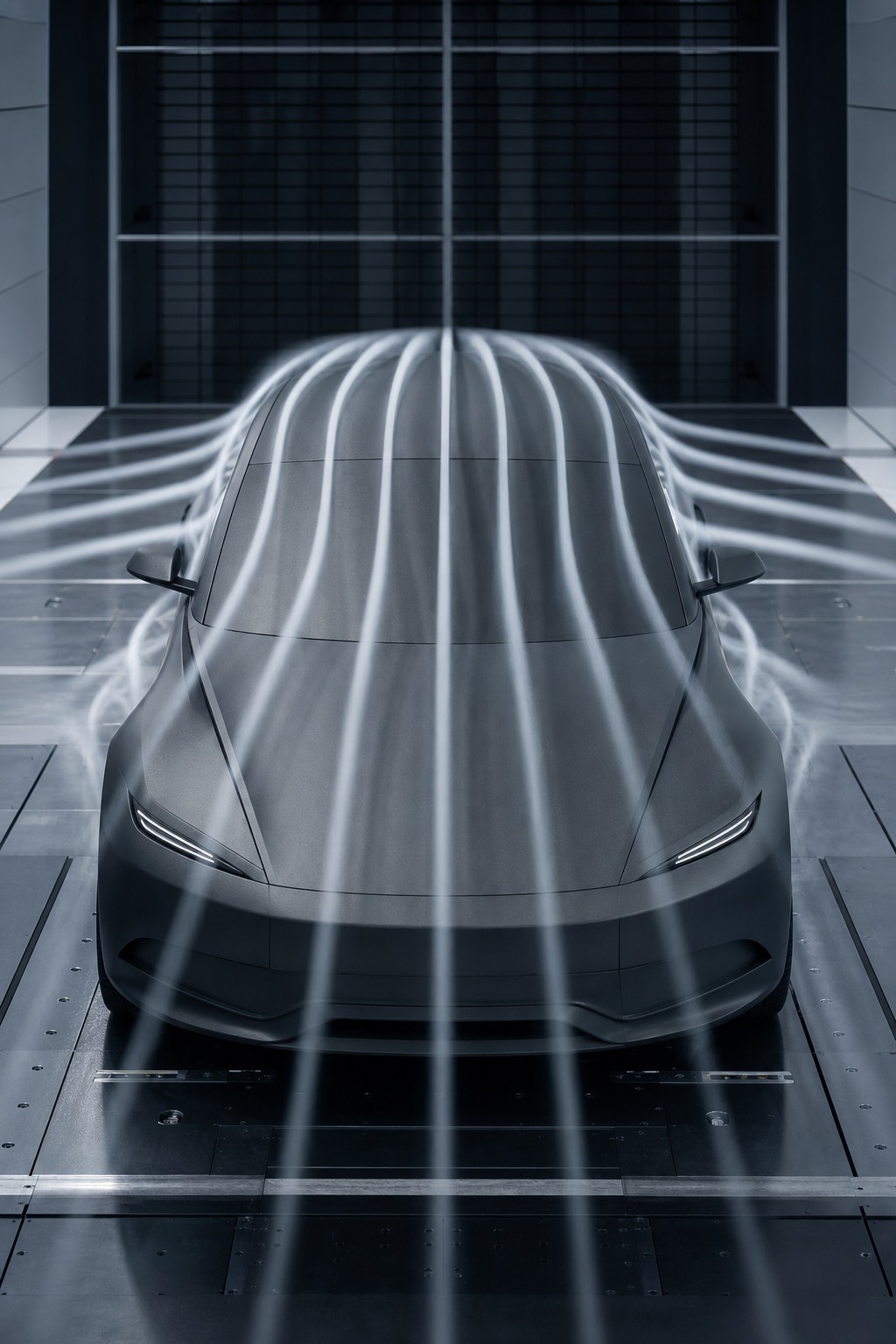
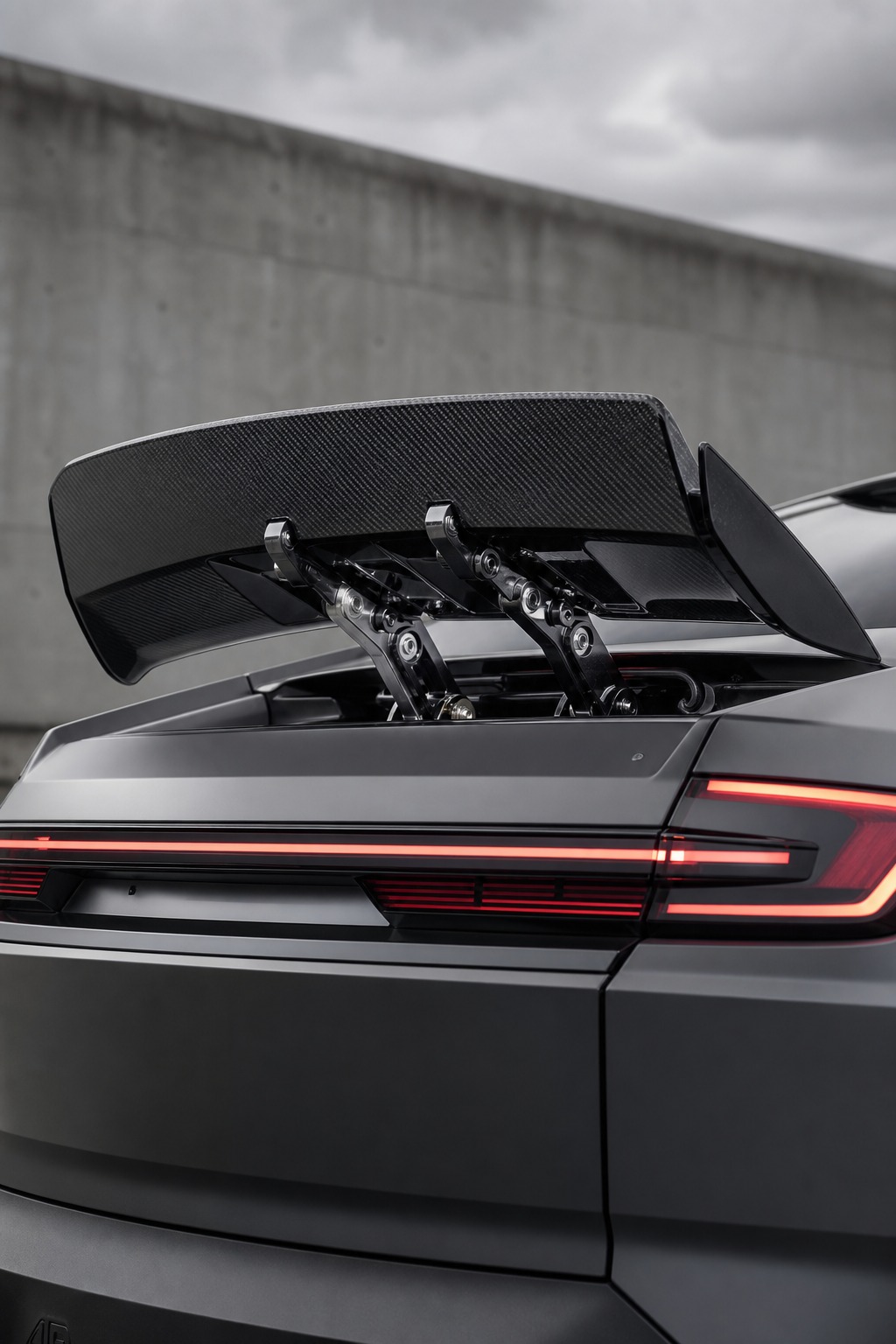
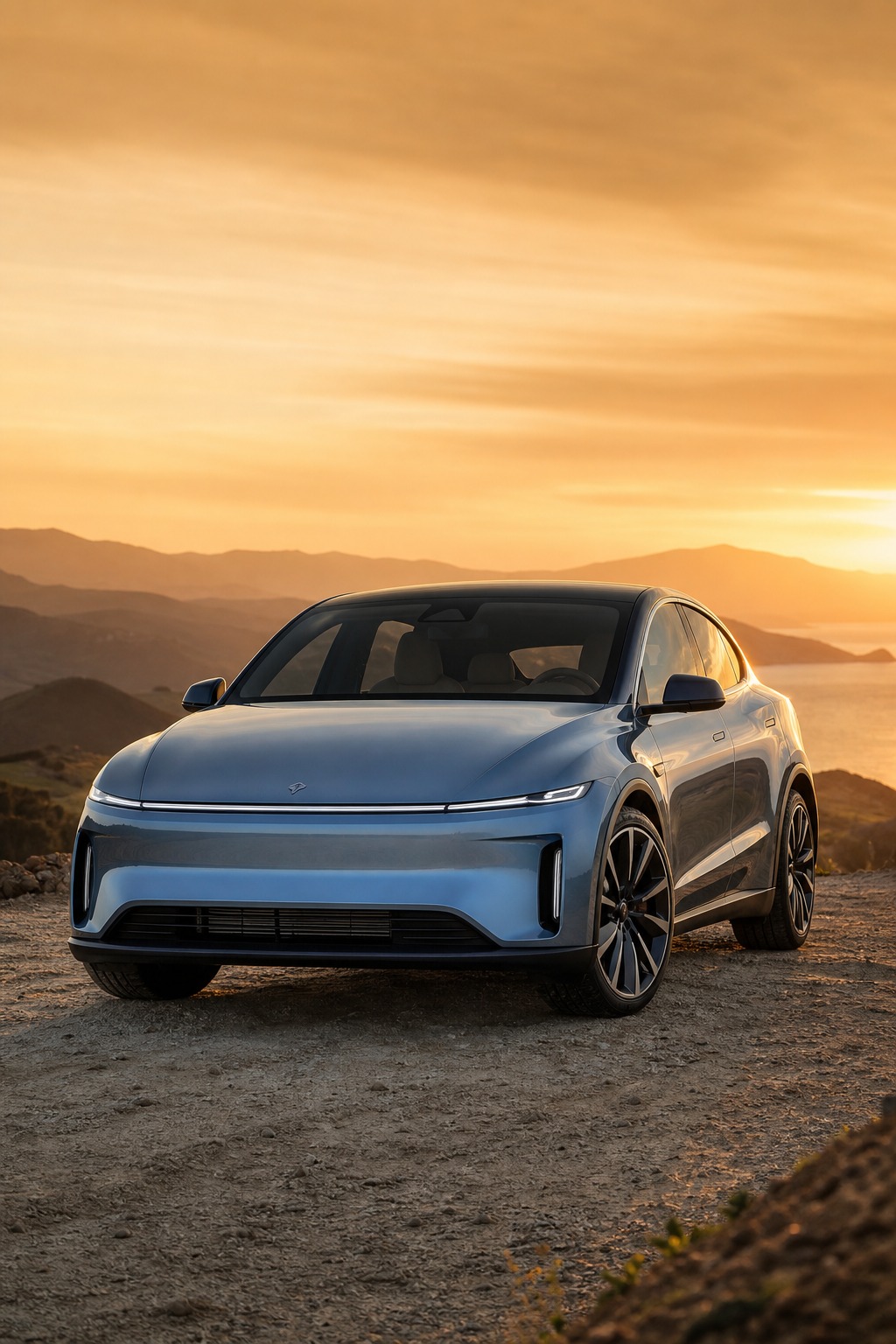
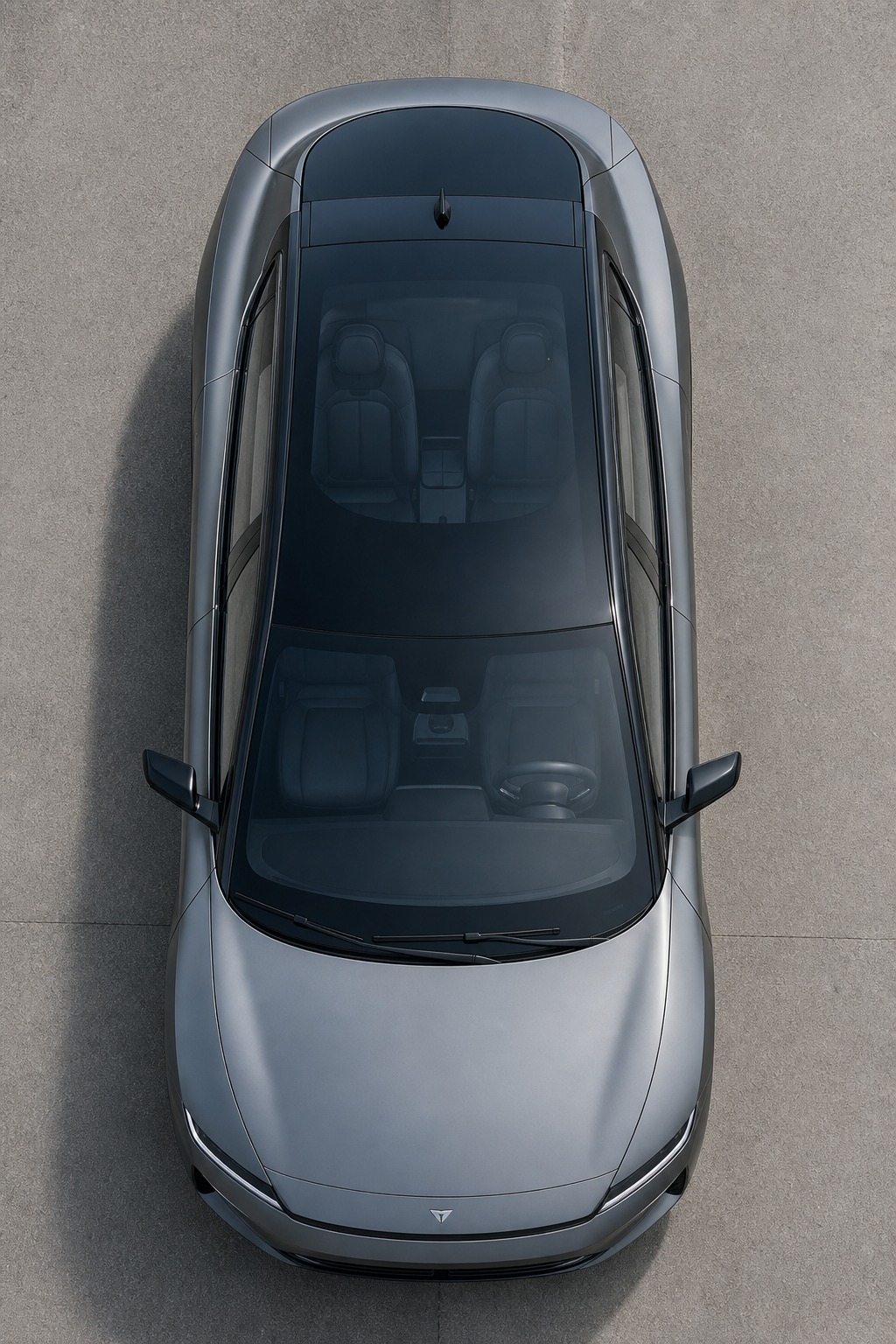
For most of automotive history, aerodynamics was a secondary consideration, relevant mainly to sports cars and land-speed record attempts. The EV era changed that completely, because aerodynamic drag has a direct, measurable relationship to battery range in a way it never quite did to fuel economy in the combustion era. A lower drag coefficient translates almost linearly into more range from the same battery pack, which means aerodynamics has moved from an engineering afterthought to one of the primary drivers of exterior form.
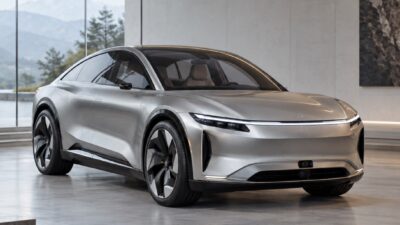
This is why so many current EVs share a visual language that has nothing to do with brand identity and everything to do with airflow: smooth, mostly grille-less front fascias (EVs need far less cooling airflow than combustion engines), flush door handles that retract to eliminate drag-inducing protrusions, camera-based side mirrors replacing traditional wing mirrors, and teardrop-influenced silhouettes that taper toward the rear. Several current production models are achieving drag coefficients below 0.25, figures that would have been reserved for dedicated aerodynamic research vehicles a generation ago.
Active aerodynamics extends this further, adjustable rear spoilers, underbody panels, and even shape-shifting body elements that reconfigure based on speed and driving conditions. What used to be a fixed styling decision is becoming a dynamic system, which is a genuinely new category of design problem, not just a new shape to draw.
This shift has a real consequence for brand identity that’s worth naming directly. When drag coefficient becomes a hard performance target, the range of front-fascia shapes that satisfy it shrinks considerably, which is a large part of why so many EVs from different manufacturers can look surprisingly similar from a distance. The design challenge has moved from “what shape should the front of this car be” to “how do we make our version of the aerodynamically necessary shape unmistakably ours,” which is a harder and more interesting problem than pure styling freedom ever was.
Minimalism, retro-futurism, and the tension shaping 2026 design
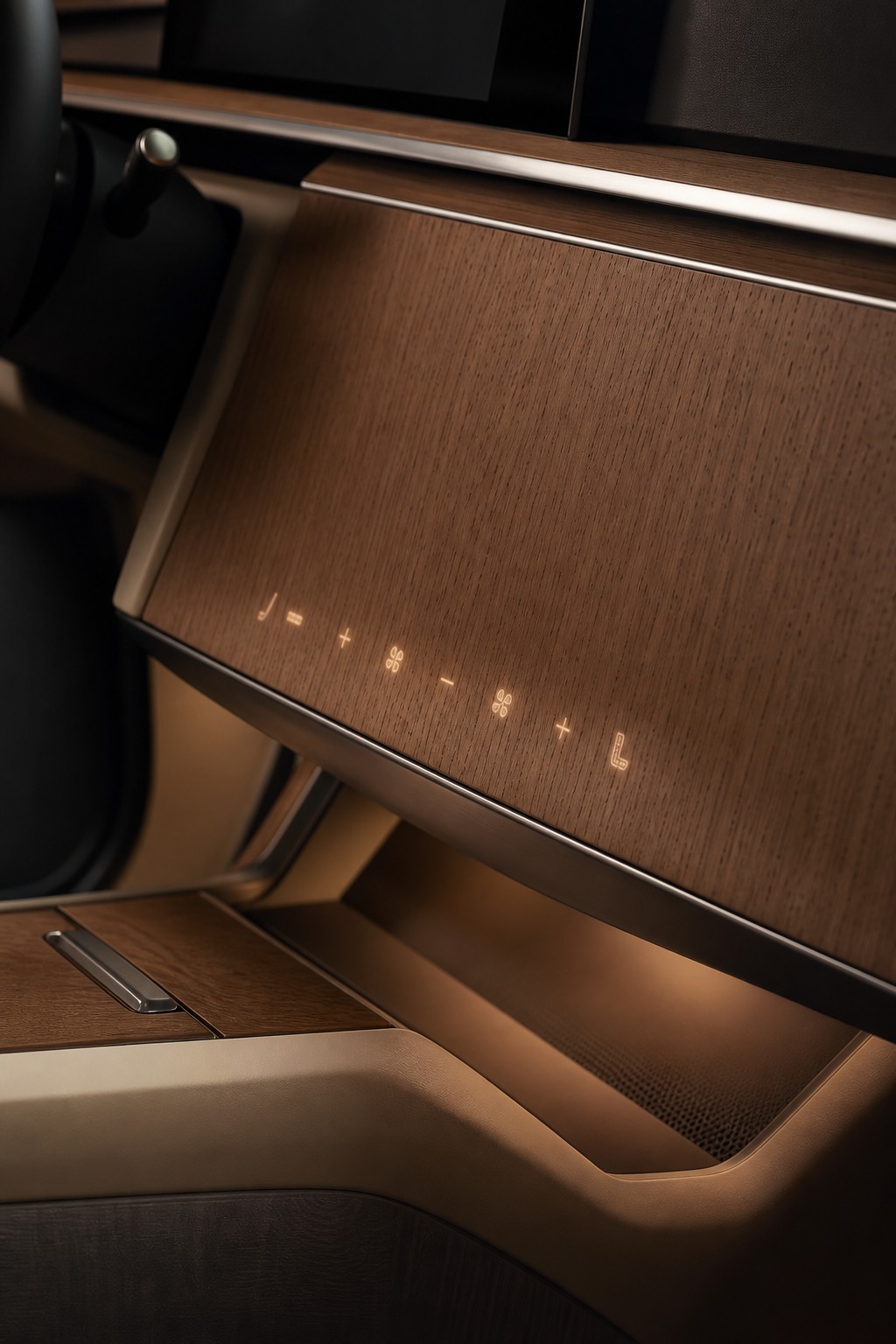
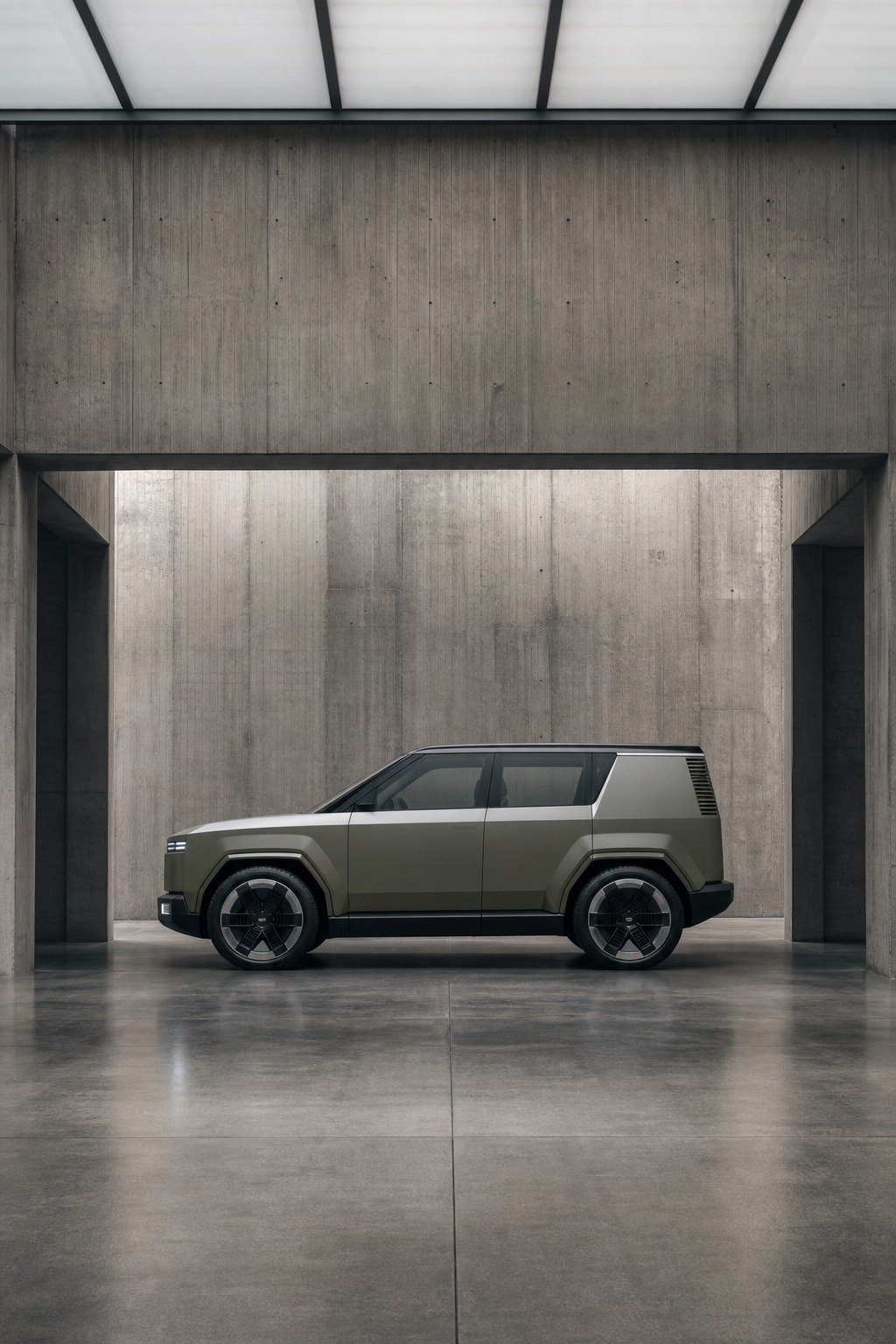

Current automotive design is being pulled in two directions at once, and both are visible on production floors right now. One direction is aggressive minimalism: uncluttered cabins, physical buttons replaced by materials that reveal LED controls only when a hand approaches, exterior surfaces reduced to the smoothest possible form aerodynamics will allow. The other is a deliberate return to boxier, more geometric silhouettes borrowed from the 1970s, 80s, and 90s, a reaction against every EV risking the same rounded, teardrop-influenced silhouette.
Both directions are responses to the same underlying pressure: once aerodynamics and battery packaging dictate so much of an EV’s basic proportions, brand differentiation has to come from somewhere else. Retro-influenced boxiness is one answer, borrowing a recognizable silhouette that reads as intentional rather than as another aerodynamically optimized teardrop. Interior minimalism is the other, since exterior differentiation is genuinely harder to achieve than it used to be.
There’s also a quieter correction happening inside the minimalism trend itself. The move to enormous touchscreen interiors over the past decade is now partially reversing, with physical controls returning for climate, volume, and other functions drivers need to operate without looking. That’s a usability and safety correction more than a stylistic one, but it’s shaping interior design decisions across the industry heading into 2026 regardless of which camp an exterior belongs to.
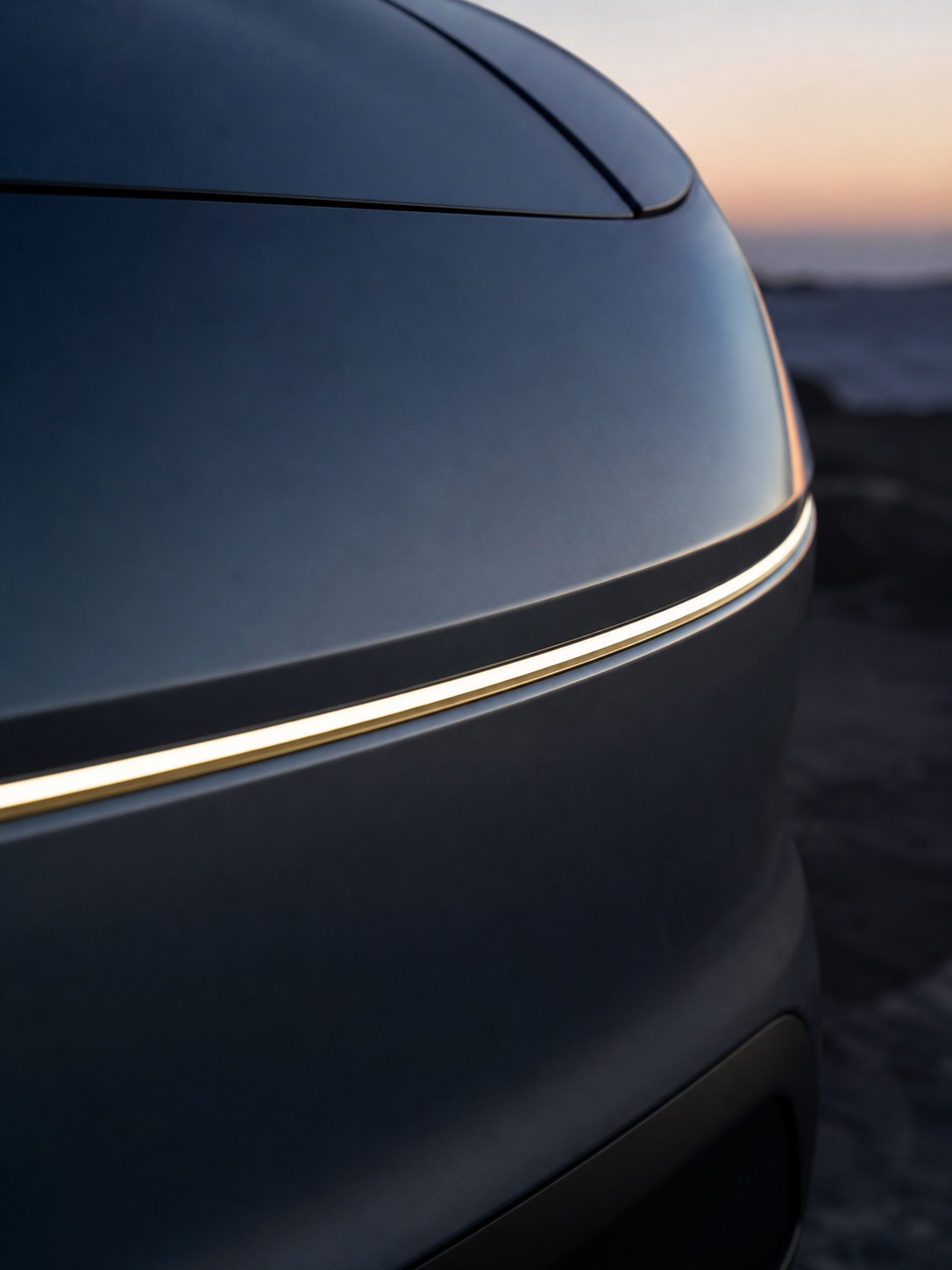
Lighting has quietly become one of the strongest identity tools in this environment, and it’s worth calling out specifically. A slim LED signature is far cheaper to differentiate between brands and models than an entire body surface is, and it’s visible day and night in a way surfacing alone isn’t. Ambient interior lighting has followed the same logic, shifting from purely decorative accent strips to functional color cues that communicate drive mode or a safety alert, which is a genuinely new design job that didn’t exist a decade ago.
What decades of surfacing work actually teaches you
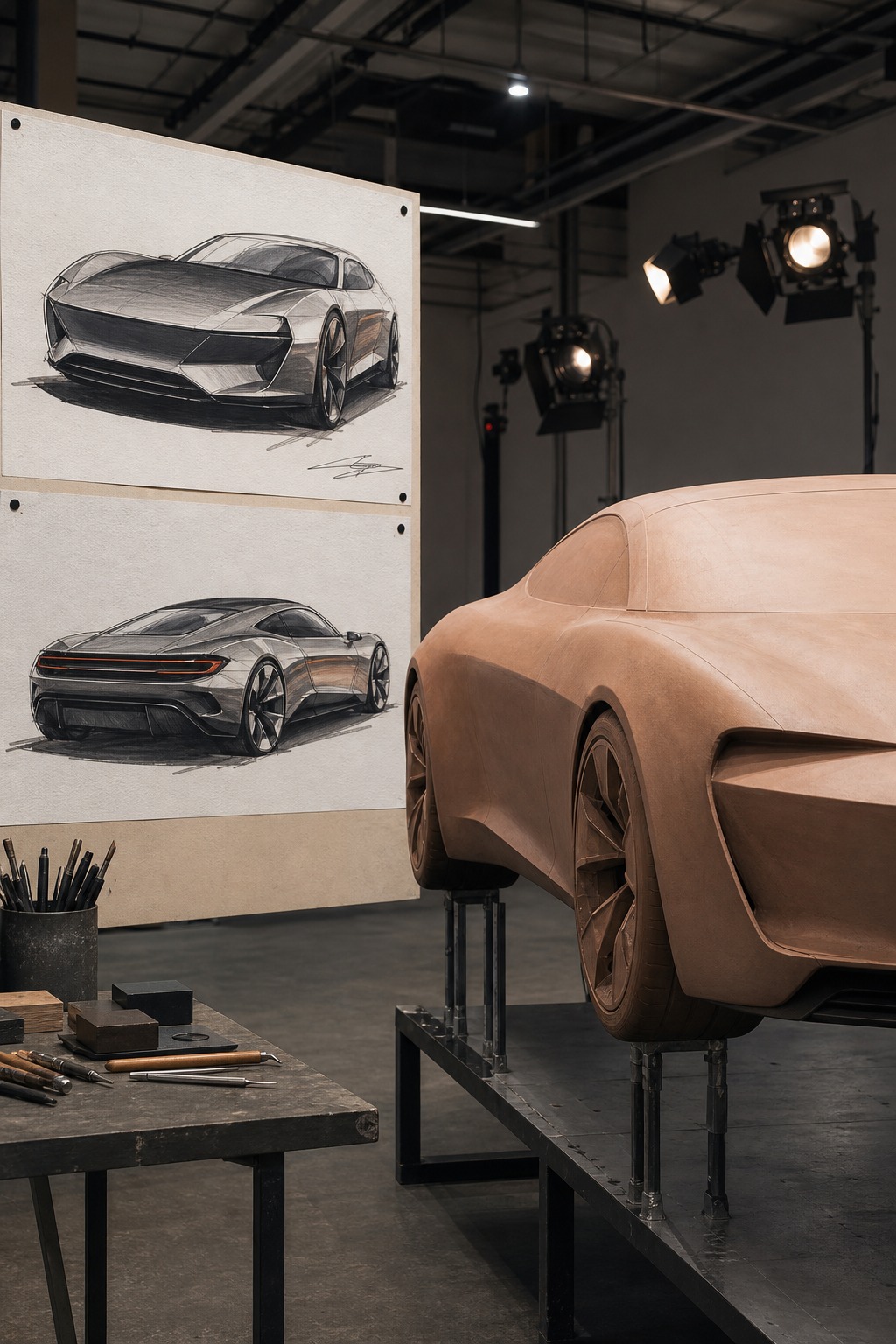
The lesson that transfers best from automotive surfacing to almost any other design discipline is proportion discipline under real constraint. A car’s surfaces have to satisfy structural engineering, manufacturing tolerances, pedestrian safety regulations, and aerodynamic targets simultaneously, and somehow still read as a single, confident gesture when you look at the car from across a parking lot. That’s a genuinely different skill from designing something with no hard physical constraints at all.
I bring that same discipline into architecture and product work now, checking whether a form still reads as intentional once every real-world constraint has been applied to it, not just whether it looks good in an unconstrained sketch. A drawing that only works before the constraints show up isn’t a finished design, it’s a starting point. The best automotive surfaces, and the best designs in any discipline, are the ones that get more confident, not less, once every constraint has been resolved against them.
This is also why sketching still matters in a CAD-and-simulation-driven process. A quick gesture drawing, helped by a solid perspective drawing guide, forces you to decide what a surface is actually doing, where its weight sits, how its highlight will run, before you commit hours to modeling it digitally or in clay. The tools around that first sketch have changed enormously over the last century. The judgment the sketch is testing hasn’t changed nearly as much.
The same academic drawing training that shapes how I approach a life-drawing session, understanding how light actually behaves across a form rather than guessing at it, is the same underlying skill a clay modeler is using when they check a highlight under raking light, and the same skill a Class-A surfacer is using when they read a curvature map. Different tools, same eye. That continuity is the part of this history that rarely makes it into a styling timeline, and it’s the part most worth understanding if you’re trying to get better at shaping anything, not just cars.
Where this leaves the next decade of car design
The evolution of car design was never really about tailfins giving way to wedges giving way to teardrops. It’s the story of clay, digital surfacing, and simulation gradually converging into a single iterative loop, and aerodynamics moving from a niche concern to one of the primary forces shaping exterior form. Each shift changed what was physically and economically possible to build, and the styling followed.
What comes next will follow the same pattern. Whatever tool or constraint reshapes the design process next, better simulation, new manufacturing methods, tighter aerodynamic or safety targets, will end up mattering more to how cars actually look than any single stylistic trend anyone predicts today. If you want to understand where car design is headed, watch what’s changing in the studio process, not just what’s changing on the show floor.
Generative design tools are the most likely next disruption to this loop, letting an engineer specify structural and aerodynamic constraints and having software propose surface geometry that satisfies them directly, rather than a designer sculpting a surface and then testing it against those same constraints afterward. Whether that ends up replacing the sketch-to-clay-to-digital pipeline or simply becomes another input into it is genuinely an open question, and it’s the one I’d watch most closely over the next few years if you want to understand where this whole discipline is headed next.
FAQ
How has car design evolved over time?
Car design evolved less through changing tastes and more through changing tools and constraints. Coachbuilding gave way to dedicated styling departments in the 1920s and 30s, full-size clay modeling became standard by mid-century, digital Class-A surfacing arrived from the 1980s onward, and aerodynamics has become a primary design driver in the EV era because drag directly affects battery range. Each shift changed what shapes were physically and economically possible to produce, and styling followed.
Do car designers still use clay models?
Yes, extensively. Full-size clay modeling remains standard practice in most major automotive studios, working alongside digital CAD and Class-A surfacing rather than being replaced by it. Clay lets designers evaluate how a surface actually catches and reflects light in the real world, something even advanced rendering software still doesn’t fully replicate for final sign-off decisions.
What is Class-A surfacing in car design?
Class-A surfacing is the discipline of building digital exterior body surfaces to the standard required for production, continuous curvature, no unwanted ripples, and geometry that will stamp correctly in metal while reflecting light cleanly under real lighting conditions. It’s the digital counterpart to the surface quality a skilled clay modeler achieves by hand, evaluated through curvature analysis and reflection-line studies rather than raking studio light.
Why do EVs look so different from combustion cars?
Largely because of aerodynamics and packaging. EVs don’t need large front grilles for engine cooling, which frees up the front fascia for smoother, lower-drag surfacing. Aerodynamic drag also has a direct, near-linear relationship to battery range, so designers now treat drag coefficient as a primary target rather than a secondary consideration, which is why flush door handles, camera mirrors, and teardrop-influenced silhouettes have become common across the EV market.
What car design trends are shaping 2026?
Two trends are pulling in different directions at once: aggressive minimalism, with cleaner exteriors, hidden controls, and restrained detailing, and a retro-futurist return to boxier, more geometric silhouettes borrowed from the 1970s through 90s. Both are responses to the same pressure, once aerodynamics and battery packaging dictate so much of an EV’s basic shape, brands need other ways to differentiate their vehicles visually.
For more practice around vehicle proportion and styling, keep the SUV car sketch guide and the sports cars to sketch reference list nearby.
- 44shares
- Facebook0
- Pinterest44
- Twitter0
- Reddit0