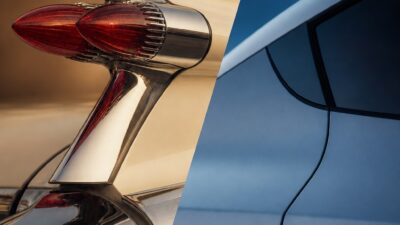
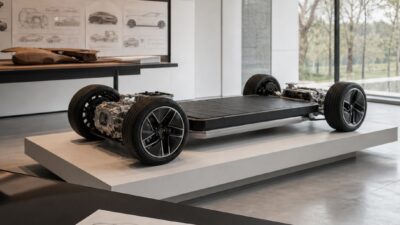
Every safety system in a modern car started as a design decision, not a marketing bullet point. When I worked on Class-A surfacing for the Jaguar F-Pace and Mazda CX-5, sensor placement wasn’t an afterthought bolted on after the shape was locked; it was a constraint the whole exterior had to work around, right alongside the badge and the grille.
That same design discipline carried into the first Ukrainian EV concept I contributed to, where a camera or radar unit sits changes both how a car looks and how an insurer eventually prices it.
That connection between design and dollars gets lost in most safety writing. Broader road-safety context still matters: national traffic fatalities were estimated at 36,640 in 2025, a real drop from the year before, and driving-record basics like avoiding a DUI, which alone can carry a license suspension ranging from six months to three years, or shopping around for bundled coverage (insurers saw a 12% expansion in combined home-and-auto offerings recently) still affect what you pay.
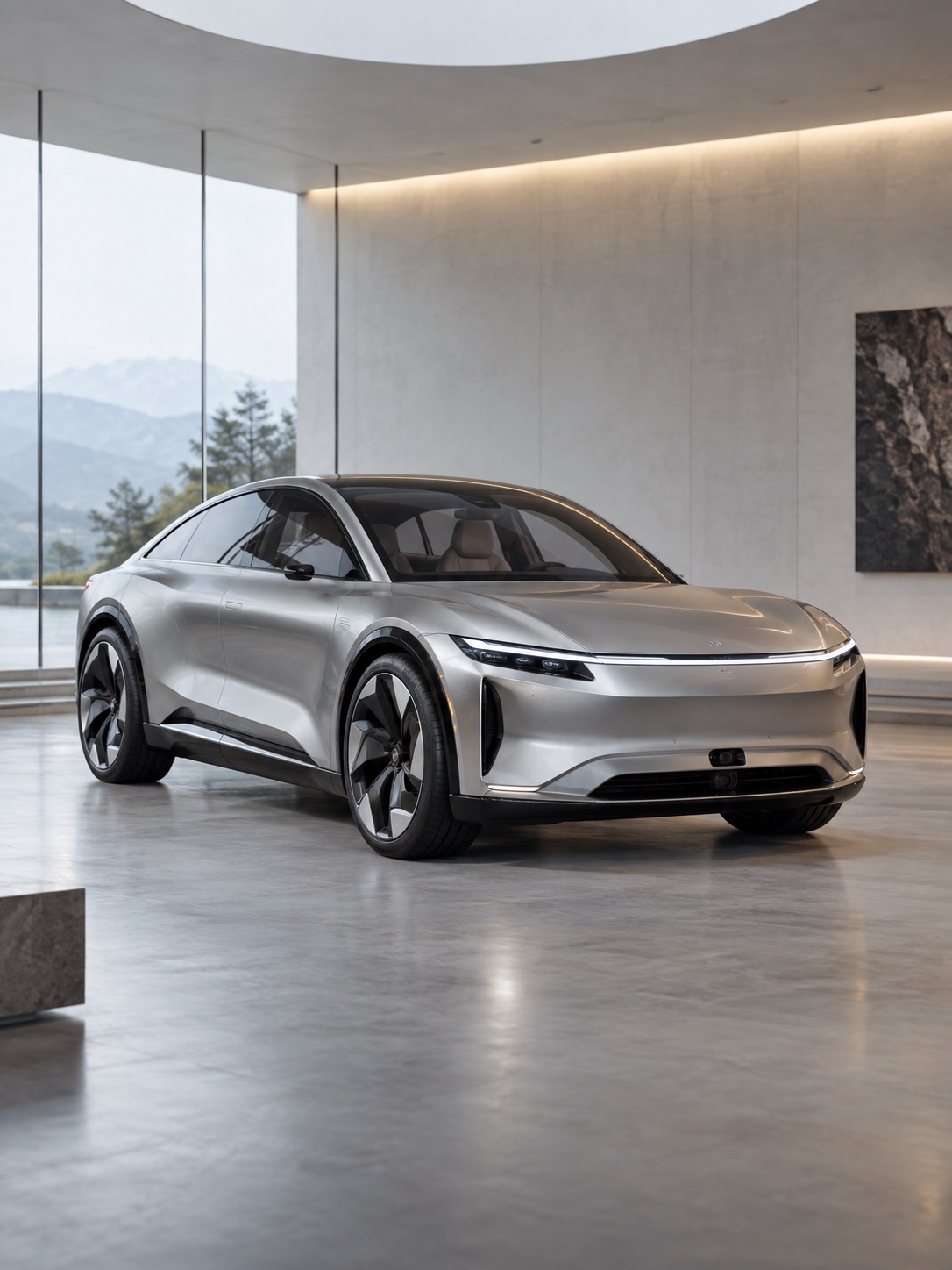
But none of that explains why two cars with nearly identical safety ratings can carry very different premiums. That gap comes down to design: how the safety system is built, where its sensors live, and what it costs to fix after a fender-bender. This guide covers that side of the equation, building on the broader look at Vehicle Safety Features as Automotive Design with a sharper focus on what actually moves your insurance bill.
How Safety Design Changes the True Cost of Owning a Car
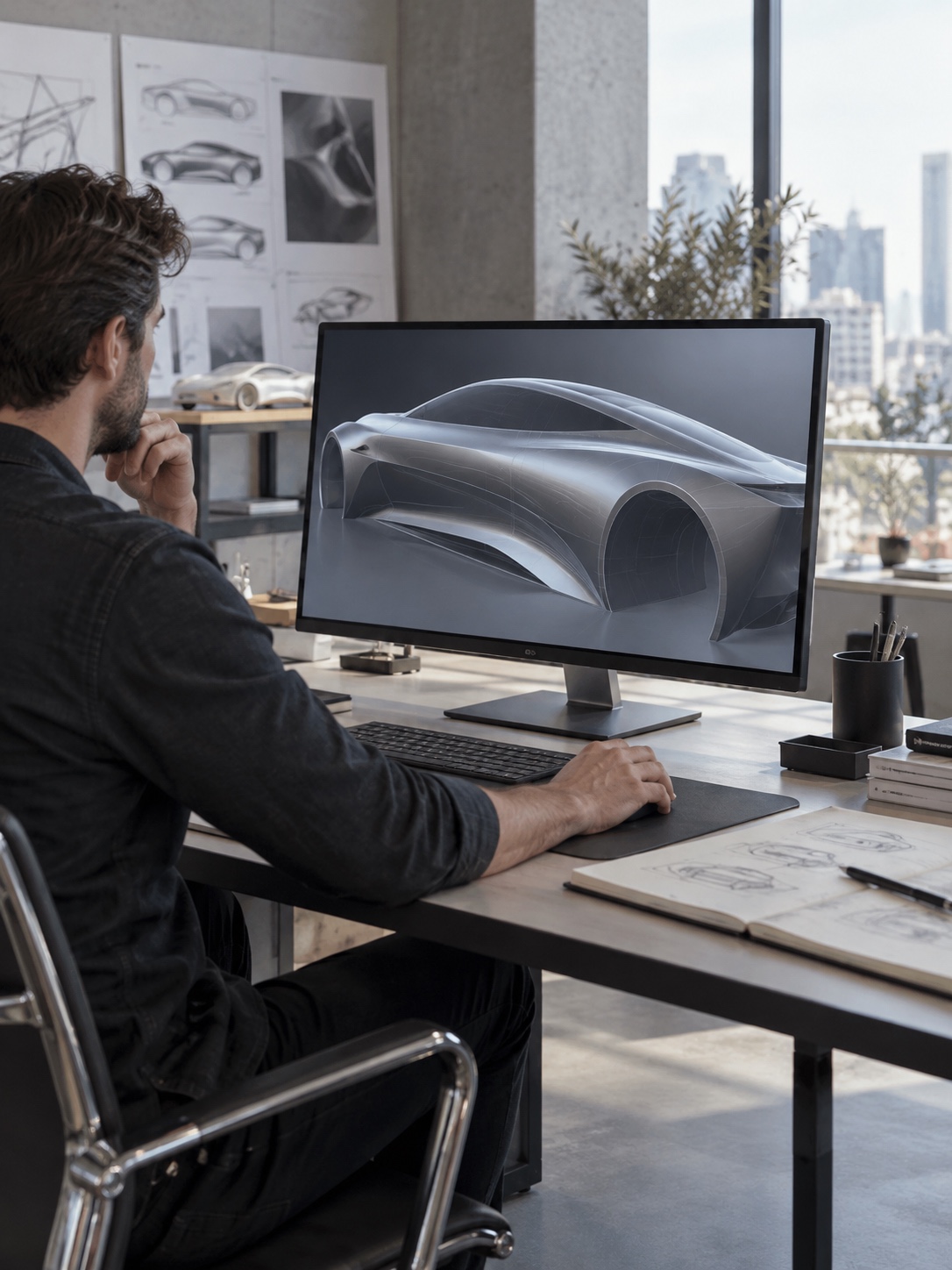
Fewer Collisions Versus Higher Sensor and Calibration Costs
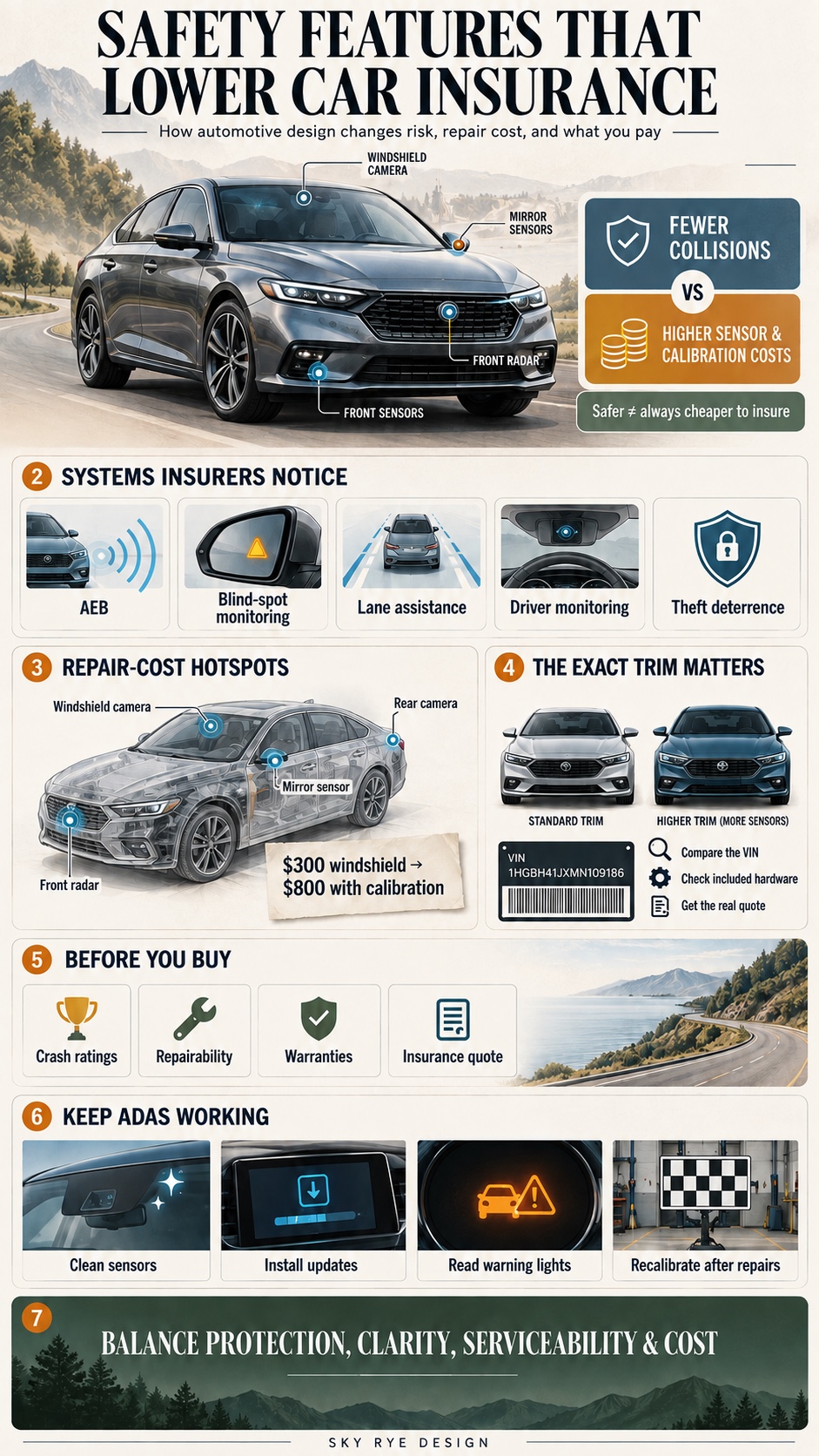
A car packed with collision-avoidance sensors is statistically less likely to be in an accident, which insurers reward. But every one of those sensors is a part that costs money to replace and calibrate after even a minor repair. The net effect on your premium depends on which side of that trade-off wins for your specific trim, not the model name on the badge.
Why Visual Clarity, Ergonomics, and Response Time Still Matter Financially
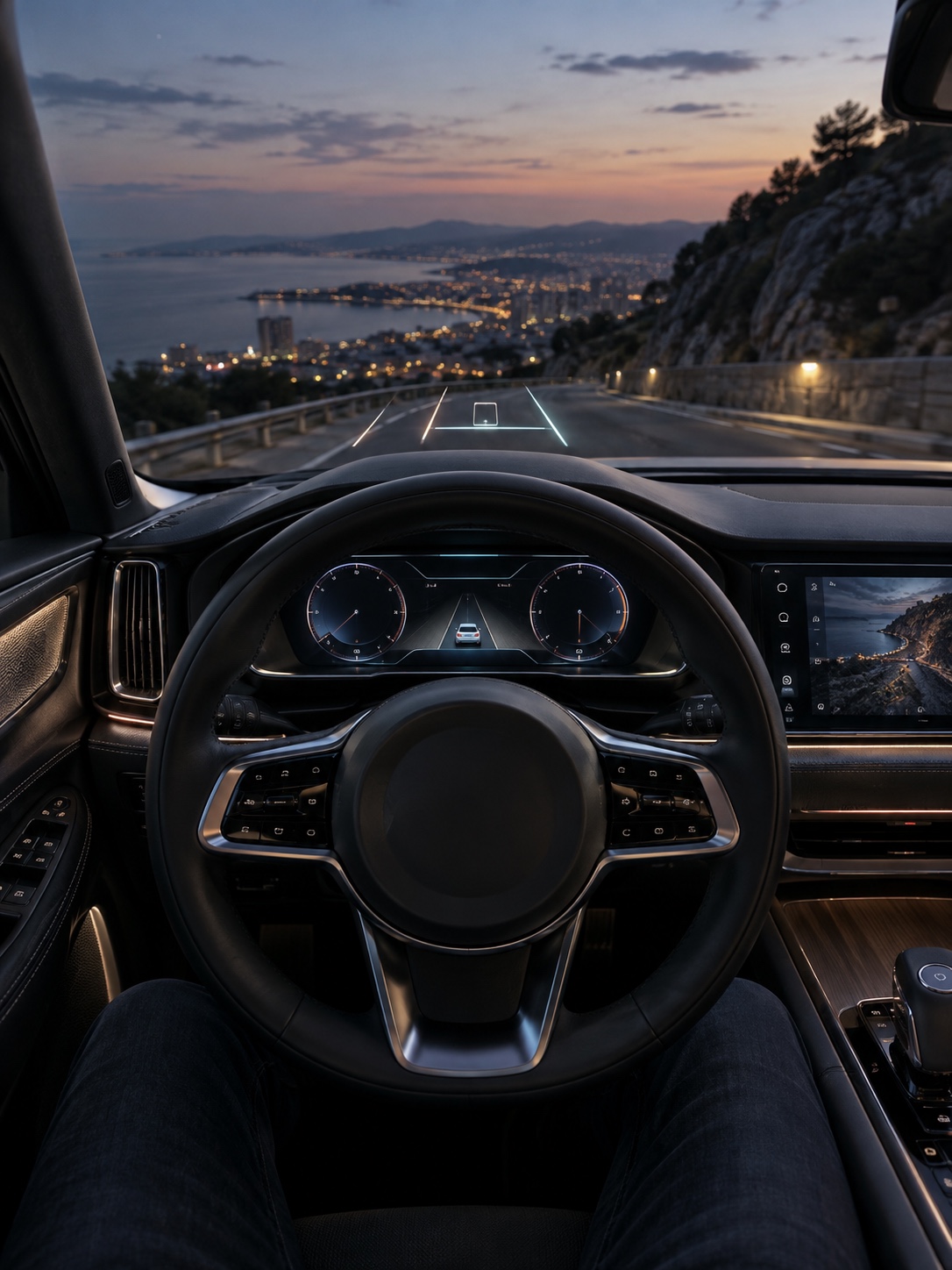
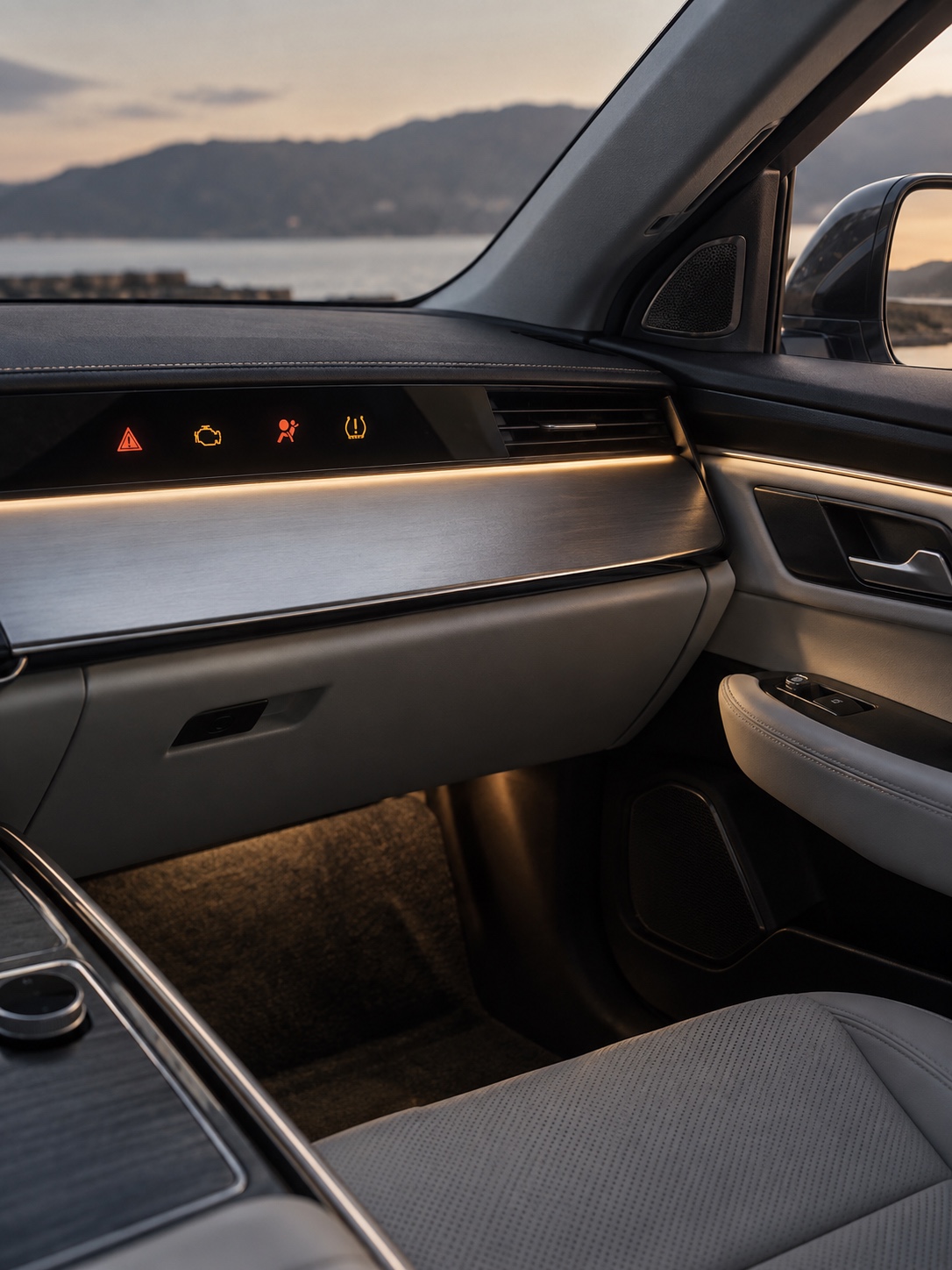
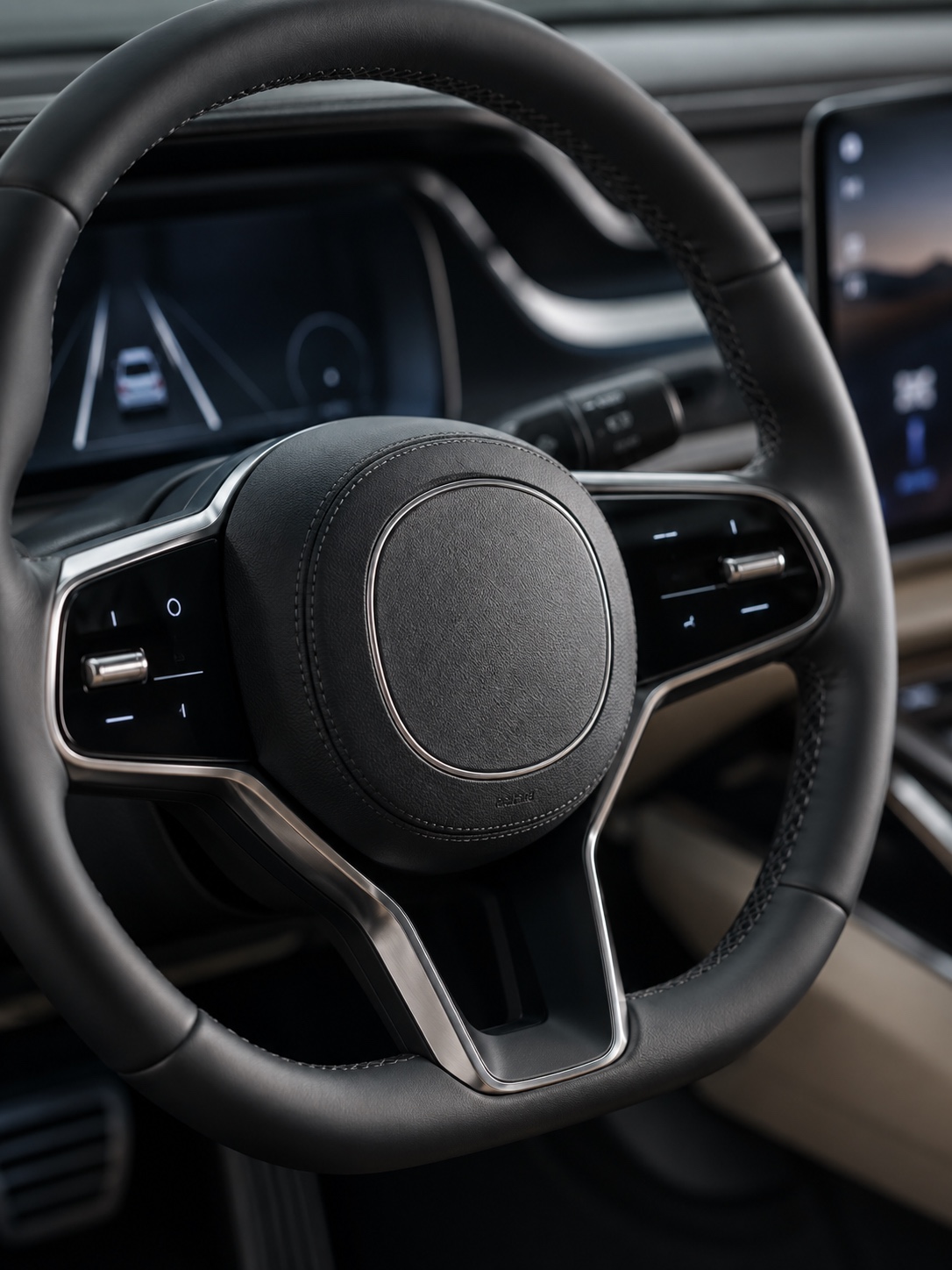
I’ve noticed that the systems insurers care about most, automatic emergency braking, lane keeping, aren’t just about the sensor hardware. They depend on how fast a driver can process what the car is telling them, which is a visual design problem as much as an engineering one. A cluttered dashboard or a poorly placed warning light adds real seconds to reaction time, and those seconds show up eventually in claims data.
Safety Features That May Lower Car Insurance Risk
Automatic Emergency Braking and Collision-Avoidance Systems
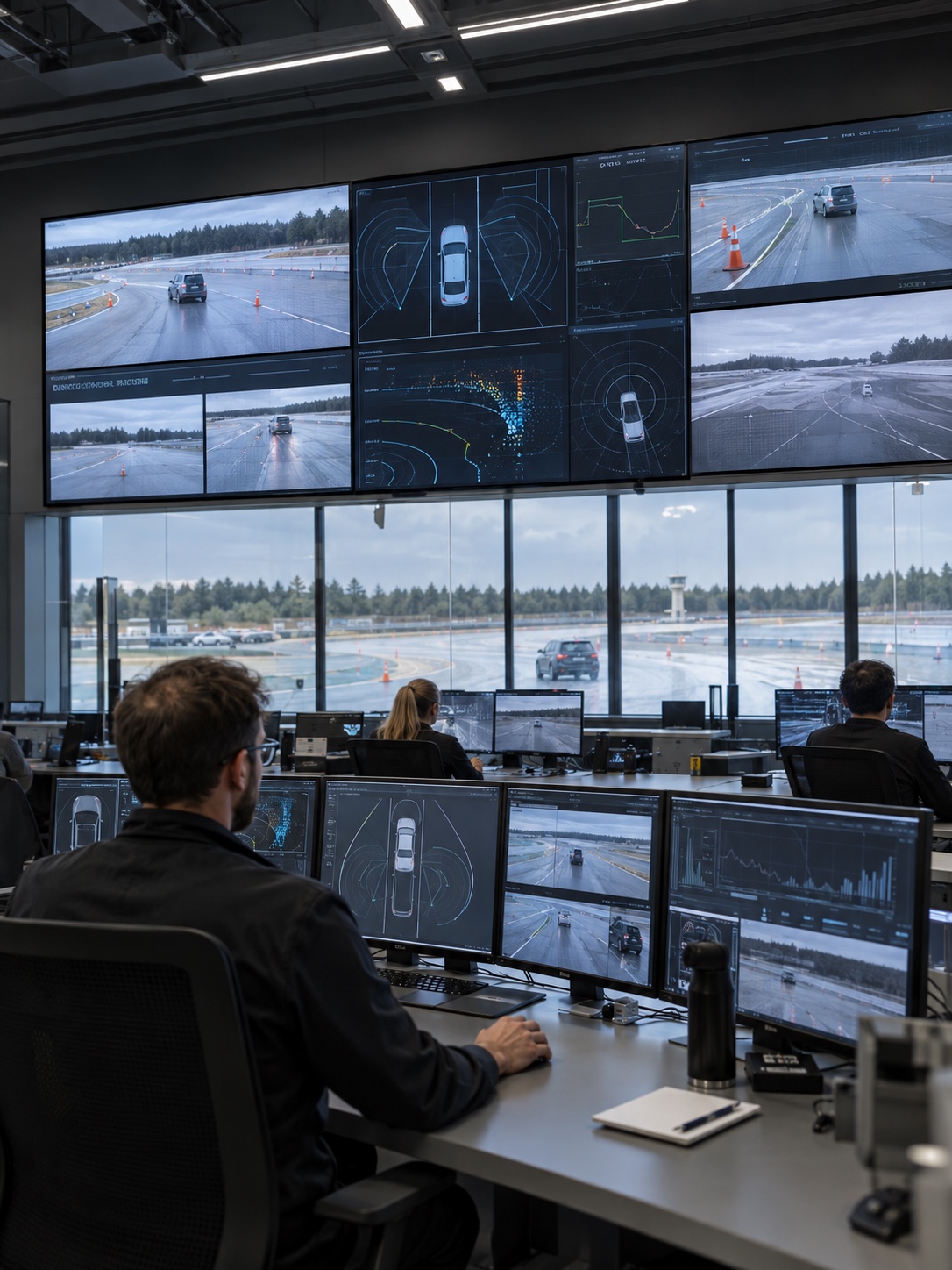
Automatic emergency braking (AEB) is consistently one of the features insurers weight most heavily, since it directly reduces the frequency and severity of rear-end collisions, the most common claim type. Systems that combine radar and camera data tend to perform more reliably in varied lighting than camera-only setups, which matters for how consistently the discount actually applies.
Lane Assistance, Blind-Spot Monitoring, and Driver Monitoring Systems
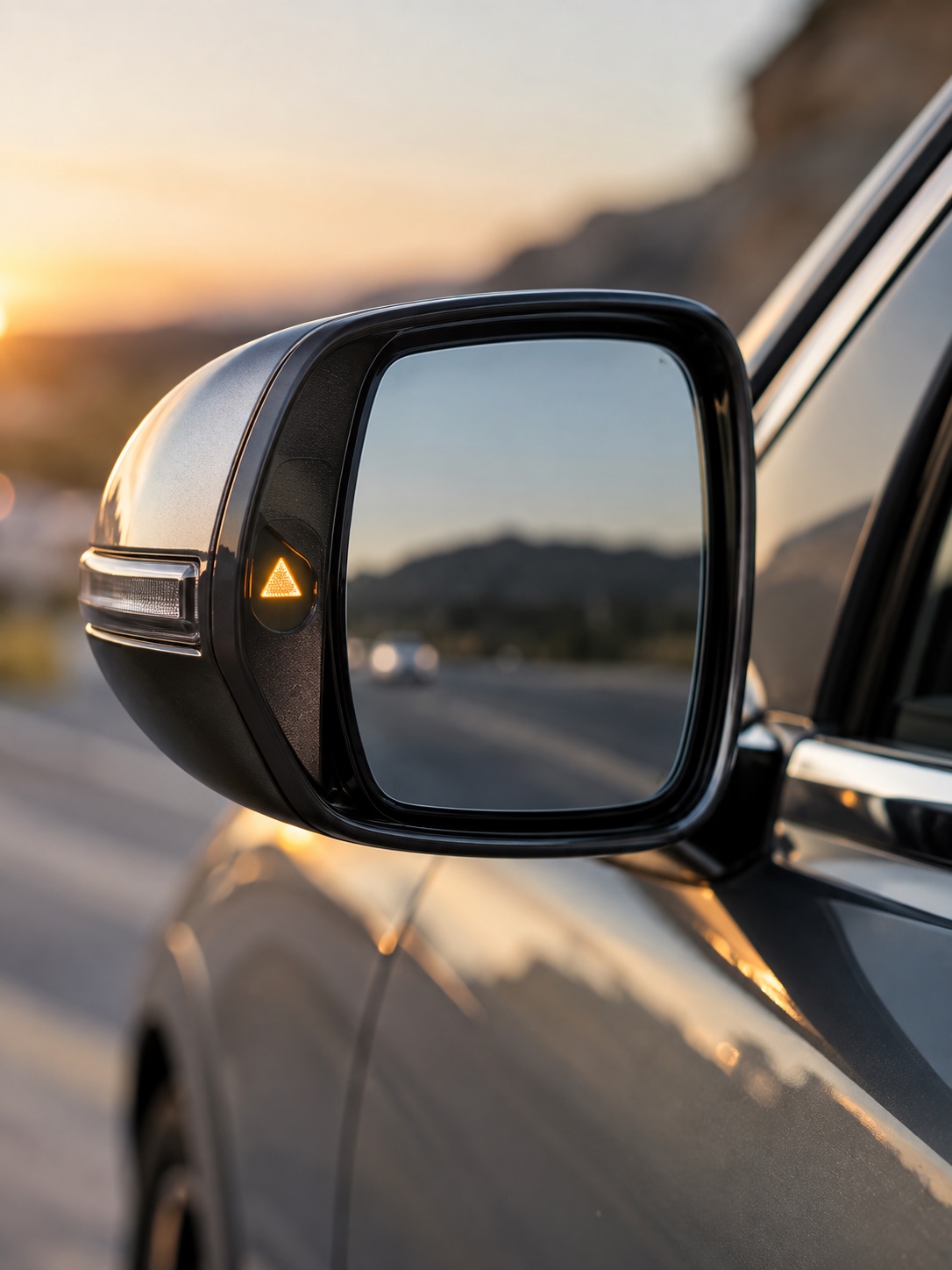
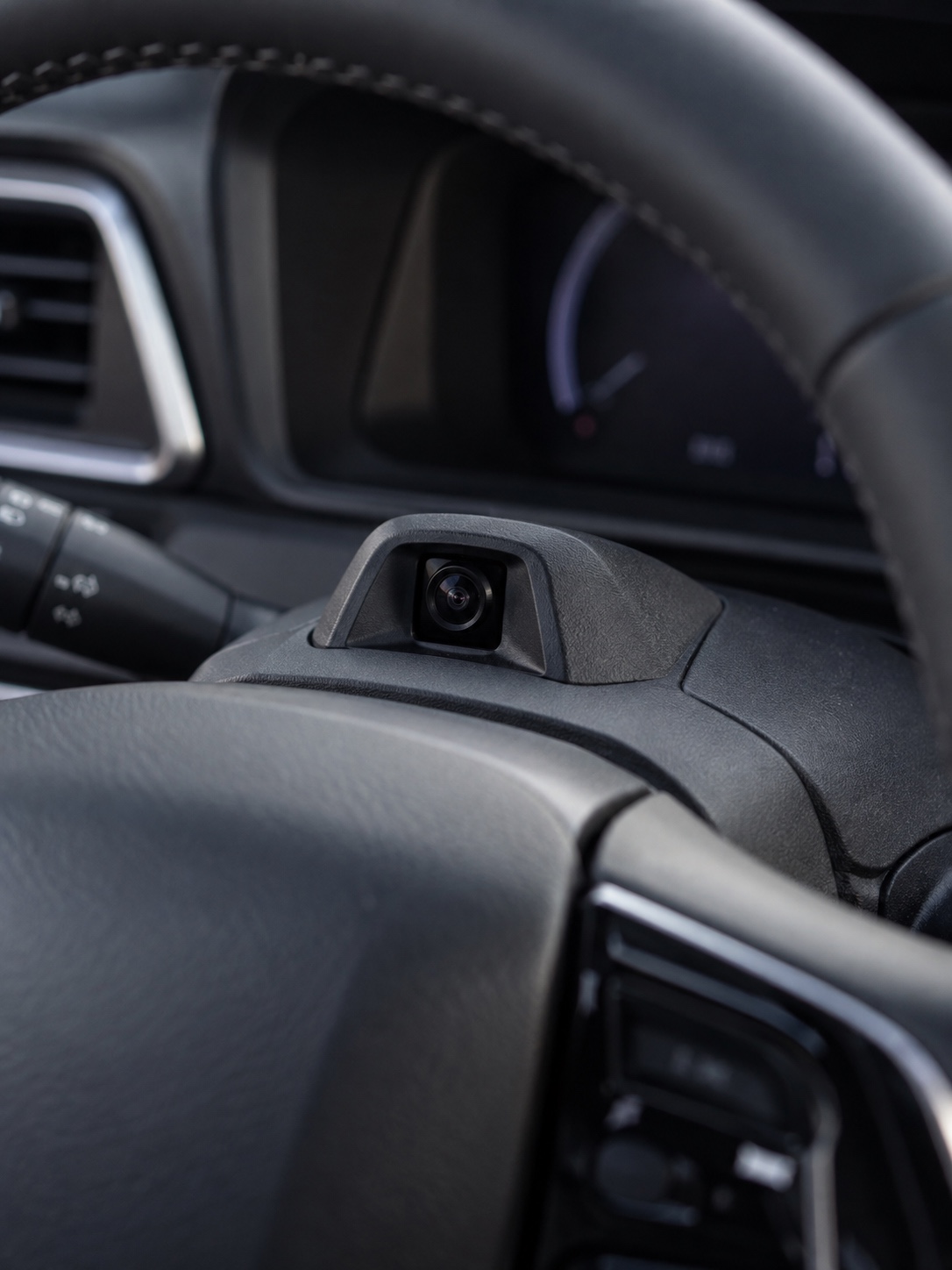
Lane-keeping assist and blind-spot monitoring address two of the most common causes of sideswipe and merge collisions. Driver monitoring systems, cameras that track eye movement and head position, are newer to mainstream insurance pricing models but are increasingly factored in, since drowsy and distracted driving remain major claim drivers.
Passive Protection and Theft-Deterrent Design
Airbag placement, crumple zone geometry, and theft-deterrent features like immobilizers and tracking systems all factor into comprehensive and collision rates separately from the active-safety conversation. A car that’s harder to steal is cheaper to insure regardless of how advanced its driver-assistance suite is.
Why a Safer Car Is Not Always Cheaper to Insure
Vehicle Value, Parts Prices, Embedded Sensors, and Repair Complexity
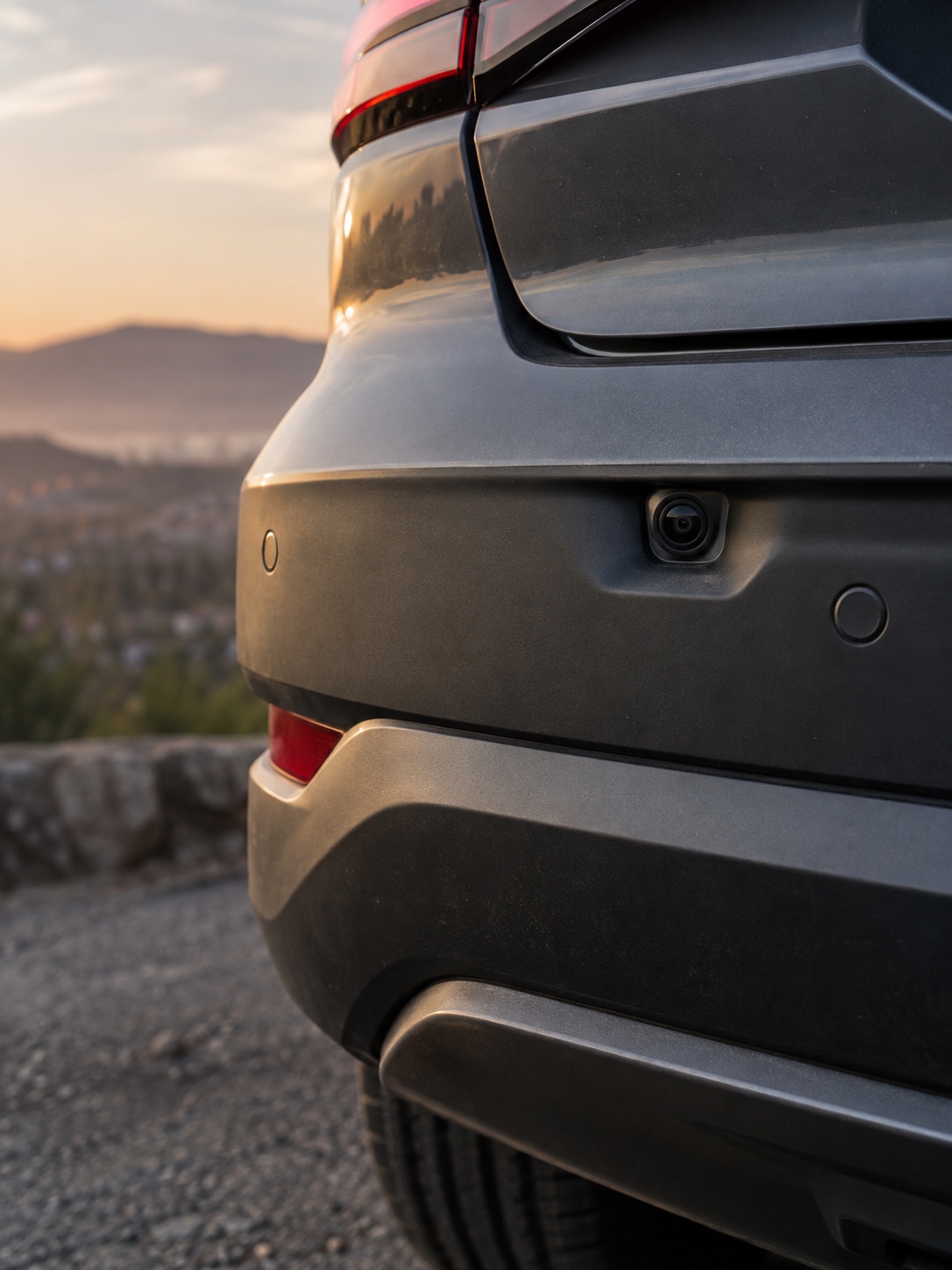
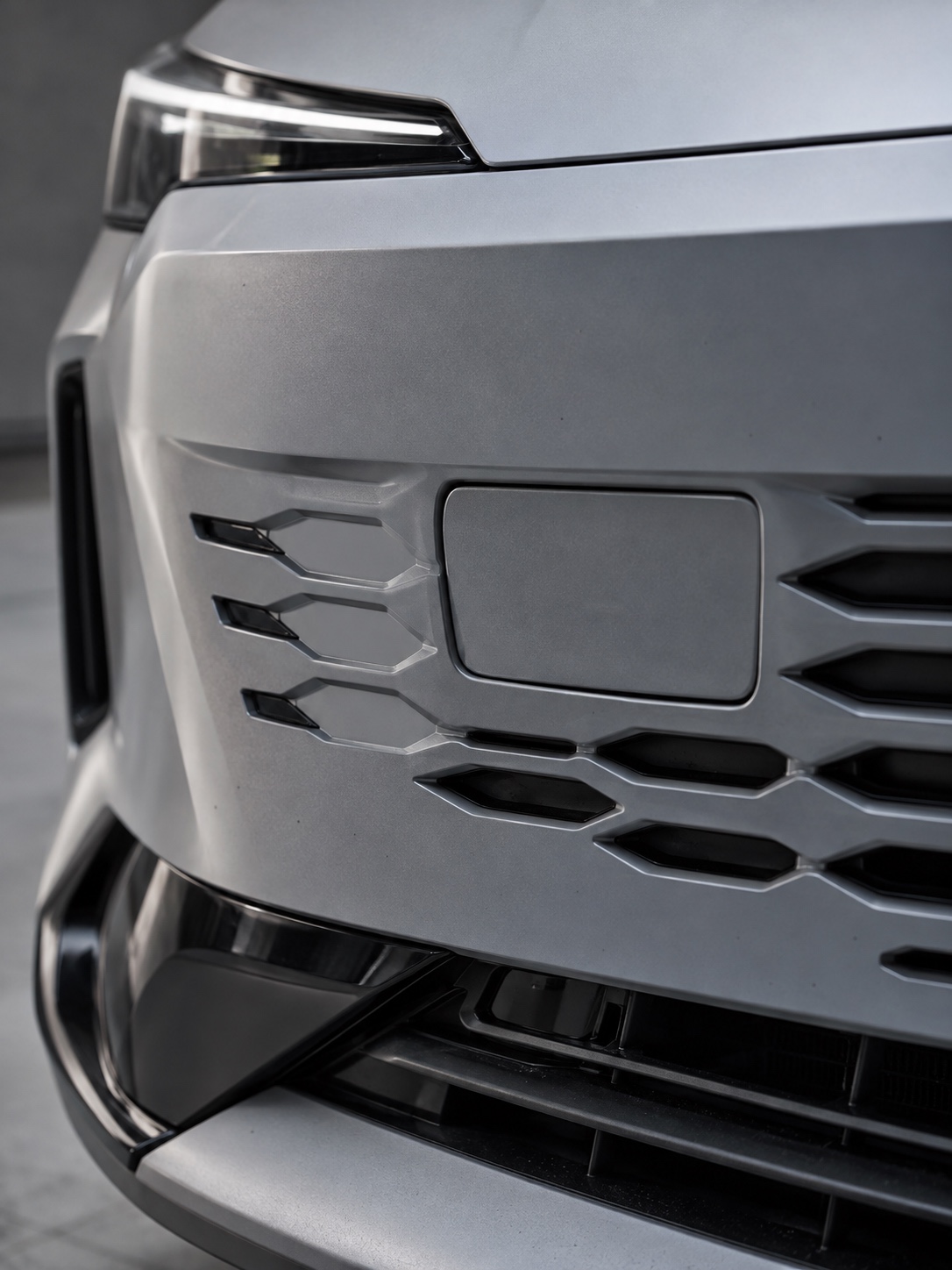
This is the part that surprises most buyers. A car with a five-star safety rating and a full ADAS suite can still carry a higher premium than a simpler model, because every camera, radar unit, and ultrasonic sensor embedded in the bumper and windshield raises the cost of even a minor repair. Insurers price for the claim cost, not just the claim frequency.
The Hidden Cost of Windshield, Bumper, Camera, and Radar Calibration
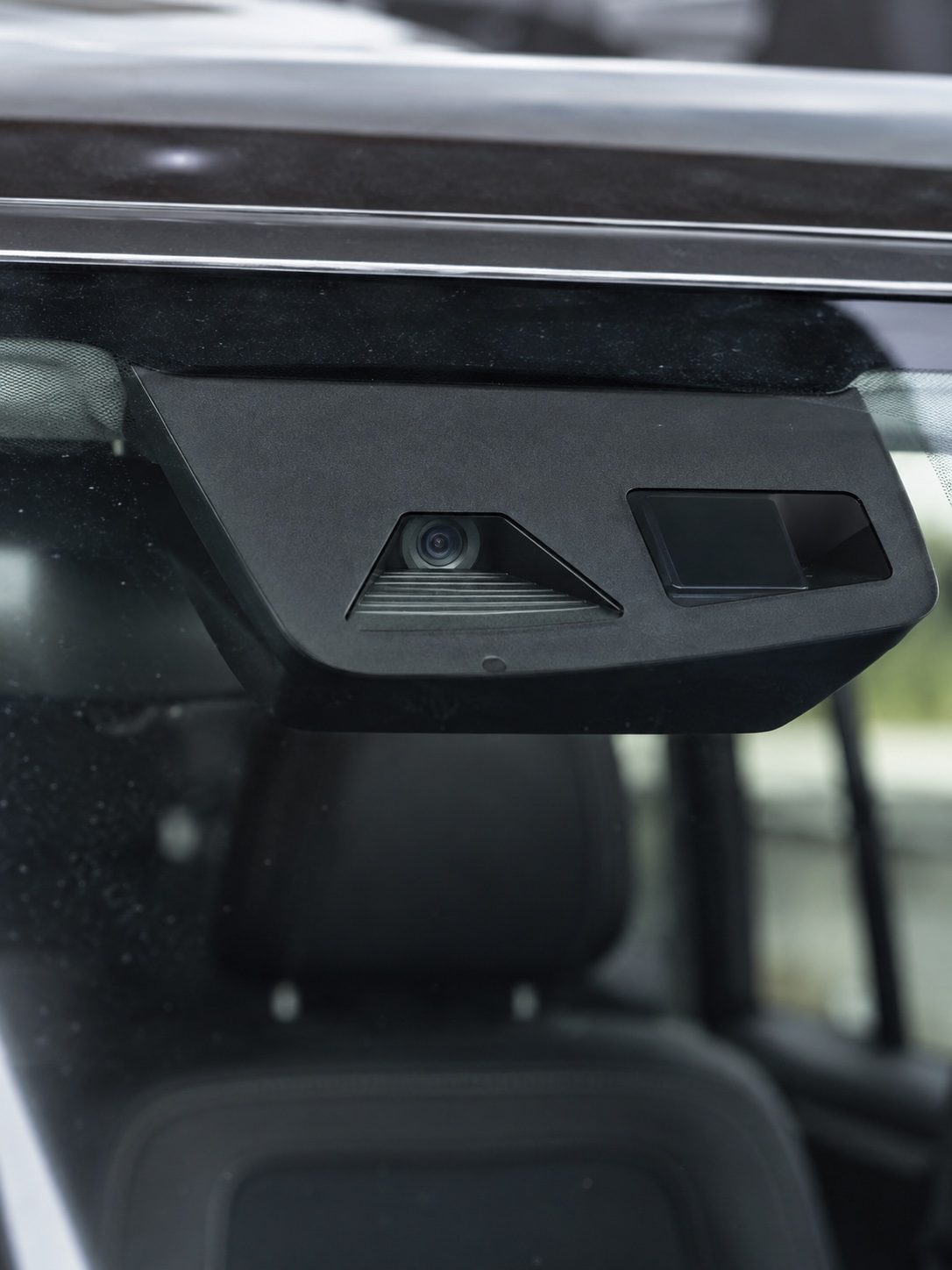
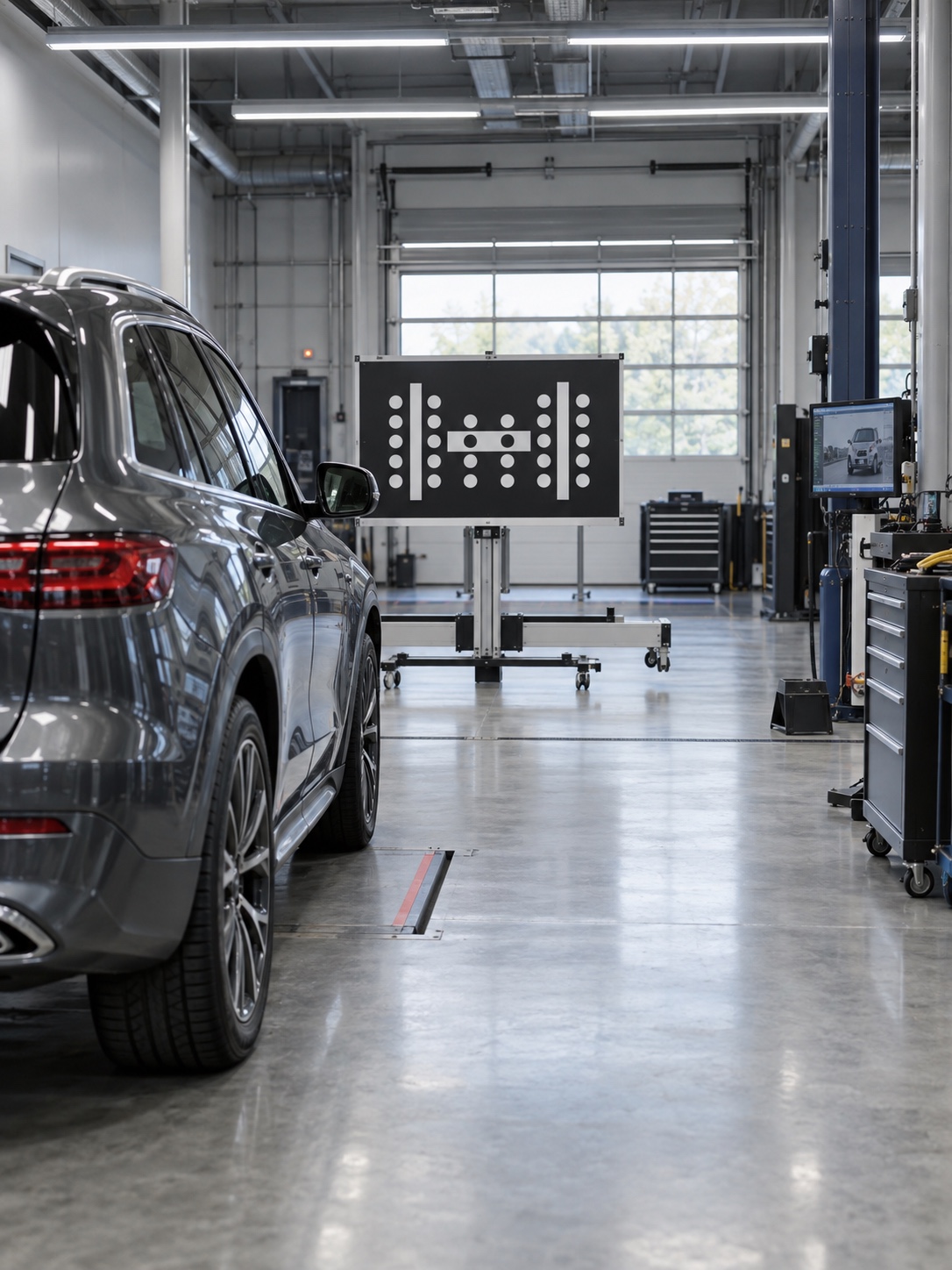
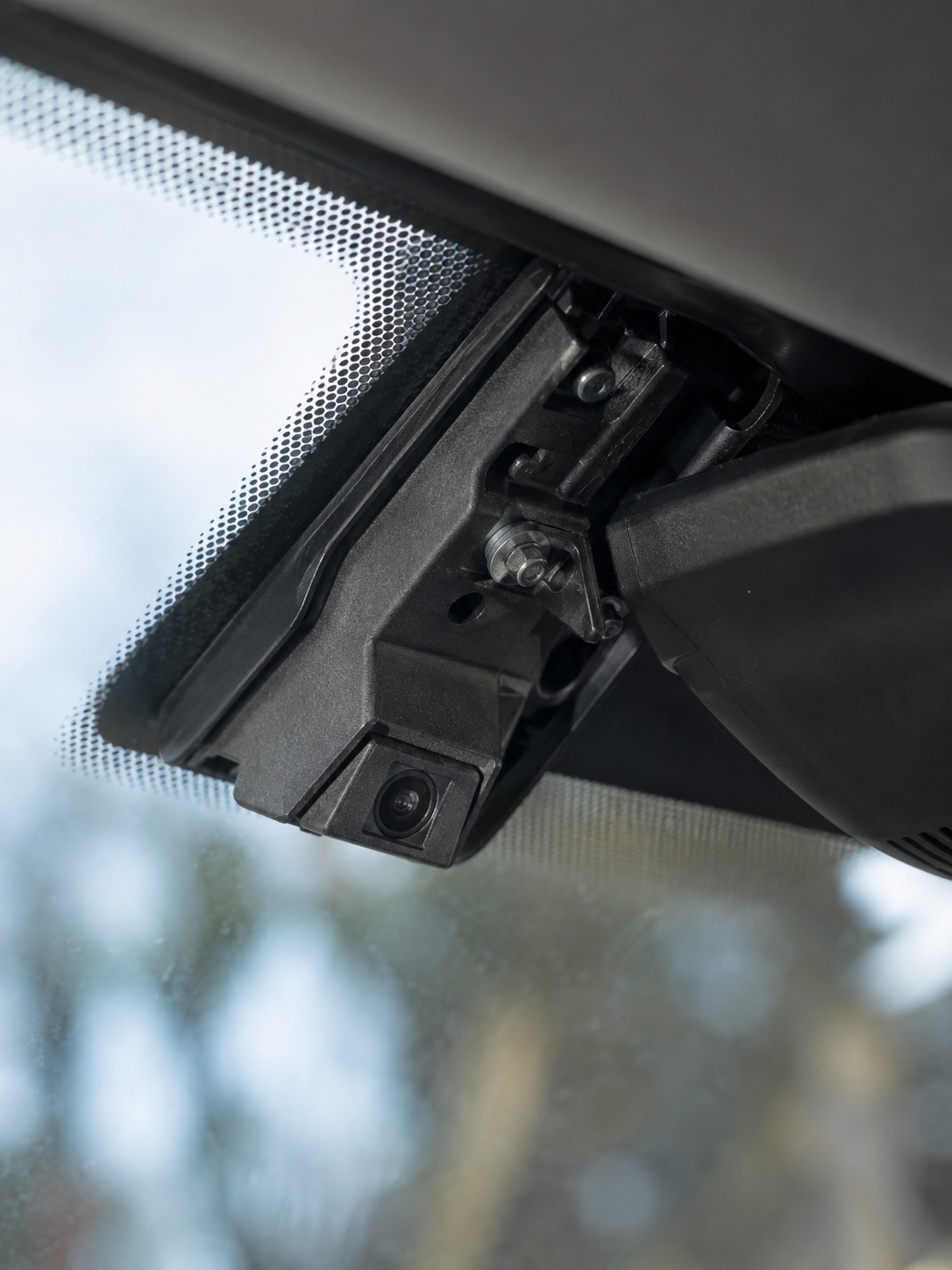
A cracked windshield used to be a same-day fix. On a car with a forward-facing camera mounted behind the glass, that same crack now requires the windshield replacement plus a full camera recalibration, sometimes at a dealership, sometimes requiring specialized equipment most independent shops don’t carry. I’ve seen this catch owners off guard more than any other line item: a $300 windshield job turning into an $800 repair once calibration is added.

How to Compare Automotive Safety Design Before Buying
Check the Exact Trim, Not Only the Model Name
Safety packages vary enormously by trim level, and insurance quotes are calculated against the specific VIN, not the model name on the window sticker. Two buyers of the “same car” can end up with meaningfully different premiums because one trim includes a driver monitoring camera and the other doesn’t.
Compare Crash Ratings, Repairability, Warranties, and Insurance Quotes
Crash ratings tell you about occupant protection. They tell you nothing about repair cost. Before committing to a trim, it’s worth checking IIHS repairability ratings alongside the safety score, and getting an actual insurance quote on the exact configuration rather than assuming the base safety rating sets the price.
Separate Useful Assistance From Distracting Feature Overload
Not every added system helps. I’ve test-driven cars where the lane-keeping alert was so aggressive it became a distraction in its own right, competing with mirror checks and instrument scans it was supposed to support. If you can’t tell what a warning light means at a glance, that’s a design failure, and it’s the same failure that shows up later as a slower reaction time in a claims report.
Maintaining ADAS and Safety Systems Without Creating Avoidable Costs
Warning Lights, Software Updates, Clean Sensors, and Post-Repair Calibration
A dirty or obstructed camera or radar sensor can disable ADAS features entirely without an obvious warning, so something as simple as a bug-splattered windshield sensor housing or a snow-covered front grille can quietly turn off automatic braking. Keeping software updated and sensors clean isn’t just a maintenance nicety; it’s what keeps the systems insurers priced you for actually functioning. Related to the visual-clarity point earlier, the way a car surfaces these warnings matters: interfaces covered in more depth in Automotive UI Design and the display approach detailed in HUD Display Technology both directly affect how quickly a driver notices and responds to a system fault before it becomes a claim.
Frequently Asked Questions
Do Car Safety Features Lower Insurance Premiums?
Many do, particularly automatic emergency braking, which most major insurers factor into pricing models due to its measurable effect on collision frequency. The discount size varies by insurer and isn’t guaranteed for every feature, so it’s worth confirming with a specific carrier rather than assuming.
Which Automotive Safety Systems Matter Most to Insurers?
Automatic emergency braking and forward-collision warning tend to carry the most consistent pricing weight, since they directly reduce the most common and costly claim type: rear-end collisions. Blind-spot monitoring and lane-keeping assist follow closely behind.
Can ADAS Make Collision Repairs More Expensive?
Yes. Cameras and radar units embedded in bumpers and windshields require recalibration after even minor repairs like a windshield replacement or bumper repaint, which adds cost and time compared to a car without those sensors.
Does a Driver Monitoring System Reduce Insurance Costs?
It can, though the pricing models for driver monitoring specifically are less standardized across insurers than for AEB. Some carriers offer telematics-based discounts that overlap with driver monitoring data, which is worth asking about directly.
Should I Get an Insurance Quote Before Choosing a Safety Package?
Yes, on the exact trim and VIN you’re considering. Safety ratings and marketing descriptions won’t tell you the real repair-cost impact of a given sensor suite; an actual quote will.
- 0shares
- Facebook0
- Pinterest0
- Twitter0
- Reddit0