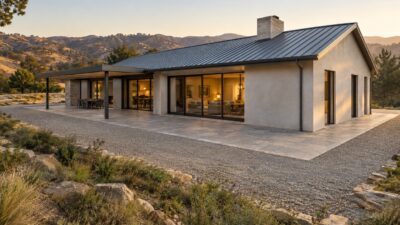
I’ve renovated spaces in two countries and looked at dozens of residential projects through a designer’s eye, and one pattern shows up consistently: the choices that look impressive on day one are often the ones that demand the most attention by year five. White grout in a busy kitchen. Bare timber cladding in a wet climate. A formal lawn on a corner lot. Each one is defensible aesthetically and quietly expensive in time.
Low-maintenance home improvements aren’t about cutting corners. They’re about choosing materials and systems that do their job without constant intervention. A fibre cement facade repainted every twenty years is not worse than a timber one repainted every five. It’s better, because the money and time saved between those painting cycles can go anywhere else.
- What makes a home improvement genuinely low-maintenance
- Exterior materials that need less repainting and repair
- Flooring that handles daily wear
- Low-maintenance landscaping choices
- Windows, doors, and sealants that reduce drafts and upkeep
- Bathroom and kitchen finishes that clean easily
- Smart leak detectors, thermostats, and simple monitoring tools
- What not to choose if you dislike maintenance
- Frequently Asked Questions
- What are the most low-maintenance home improvements?
- What home improvements reduce ongoing costs the most?
- What exterior cladding requires the least maintenance?
- What is the lowest-maintenance kitchen worktop?
- Does native plant landscaping really reduce maintenance?
- Are smart home monitoring devices worth it for maintenance reduction?
- What flooring is easiest to maintain?
The eight categories below cover every major system in a home where material and product choices have a real effect on how much time and money you spend maintaining them. Each section gives you the practical options, the numbers where they exist, and the common mistakes worth avoiding.
What makes a home improvement genuinely low-maintenance
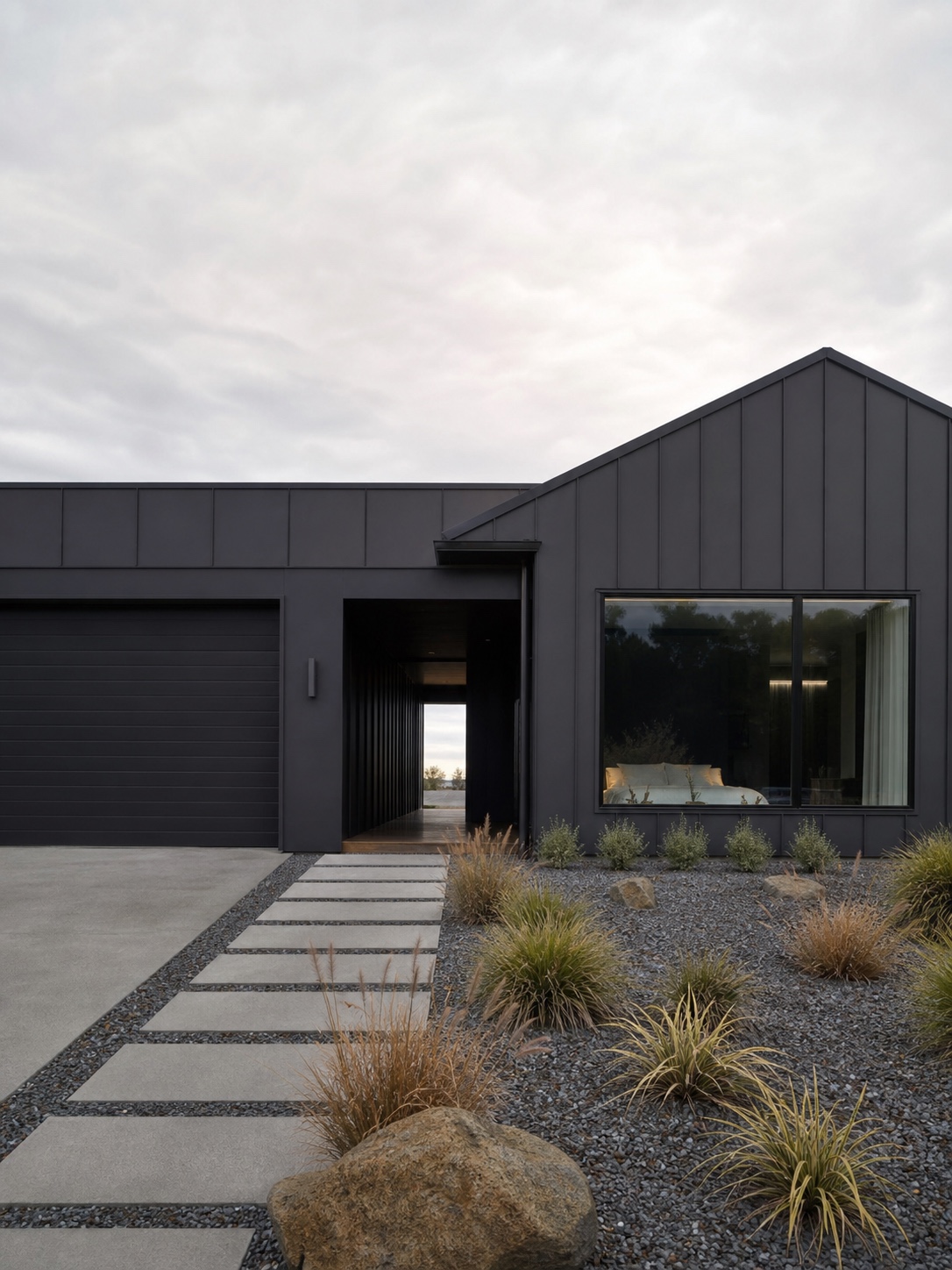
The phrase gets misused. It often means ‘easier to install’ or ‘looks clean in photos,’ neither of which tells you anything about what the next ten years look like. A genuinely low-maintenance upgrade has one or more of these properties: it requires less frequent intervention than what it replaces; it fails gracefully rather than catastrophically when it does need attention; and the materials age in a way that reads as patina rather than neglect.
The practical test is this: list every maintenance task the improvement will require over a twenty-year period, estimate the time and cost, and compare that total to the alternative. Luxury vinyl plank flooring might cost more per square meter than laminate, but it will never need replacing from water damage, never need waxing, and never need the edges resealed. Laminate does all three. Over twenty years, the vinyl plank is cheaper in time and money despite the higher upfront cost.
The upfront cost vs lifetime cost calculation
Most homeowners make improvement decisions based on installation cost and appearance. Both matter, but neither captures the full value of a durable upgrade. The correct calculation includes materials, installation, maintenance frequency and cost, and eventual replacement cost. Dividing total lifetime cost by years of expected service gives a per-year figure that makes the comparison honest.
Fibre cement cladding at $18 per square meter with a 25-year repainting cycle costs significantly less per year than standard timber at $10 per square meter with a 7-year cycle, once you price in two additional repaints. Porcelain tile flooring at $45 per square meter that never needs refinishing costs less over thirty years than hardwood at $30 that needs sanding and recoating twice.
Exterior materials that need less repainting and repair
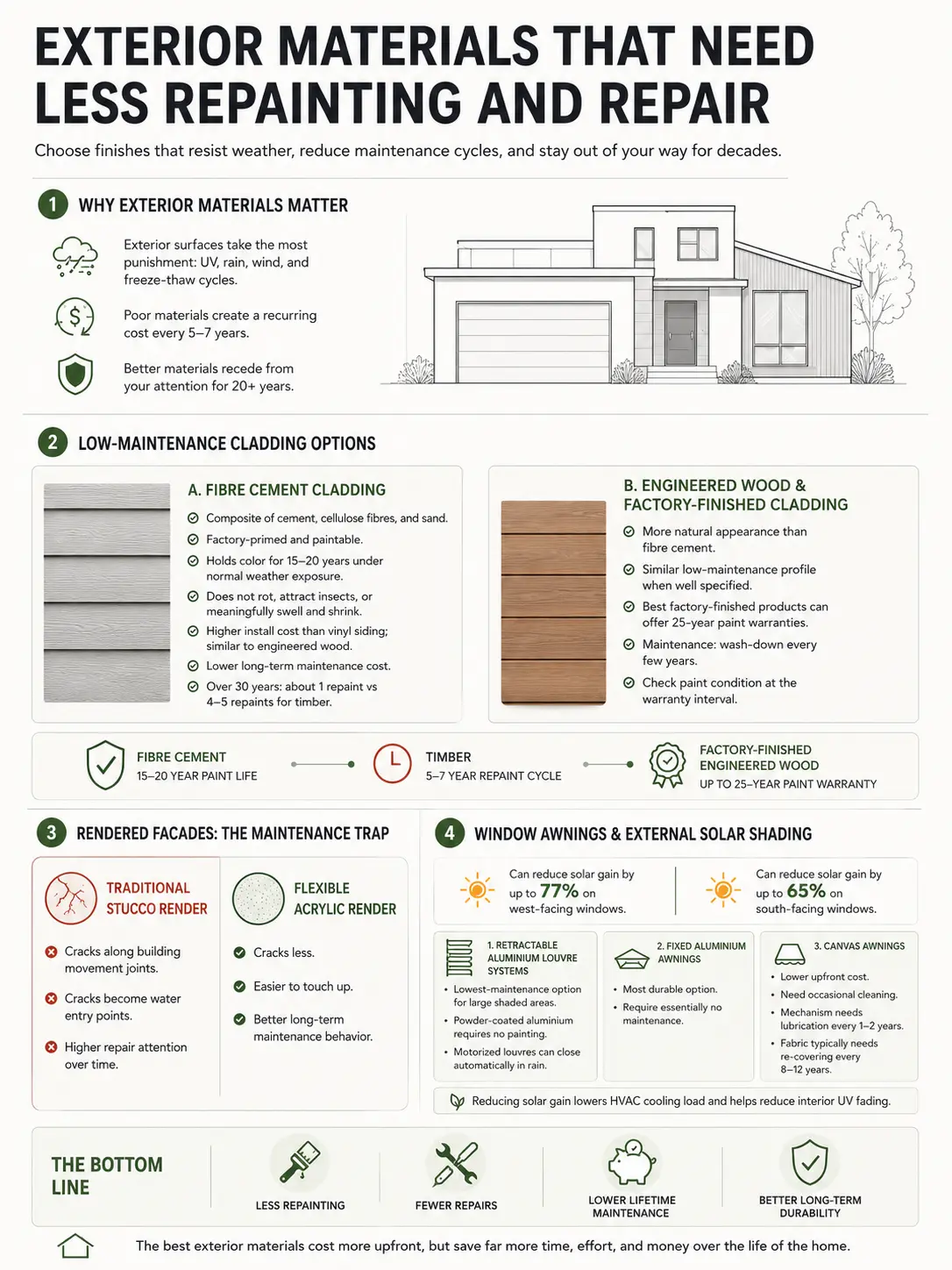
The exterior of a house takes the most environmental punishment: UV, rain, wind, freeze-thaw cycles. The material choices made here compound in either direction over decades.
A poor exterior material creates a recurring cost every five to seven years. A good one recedes from your attention for twenty or more.
Fibre cement cladding
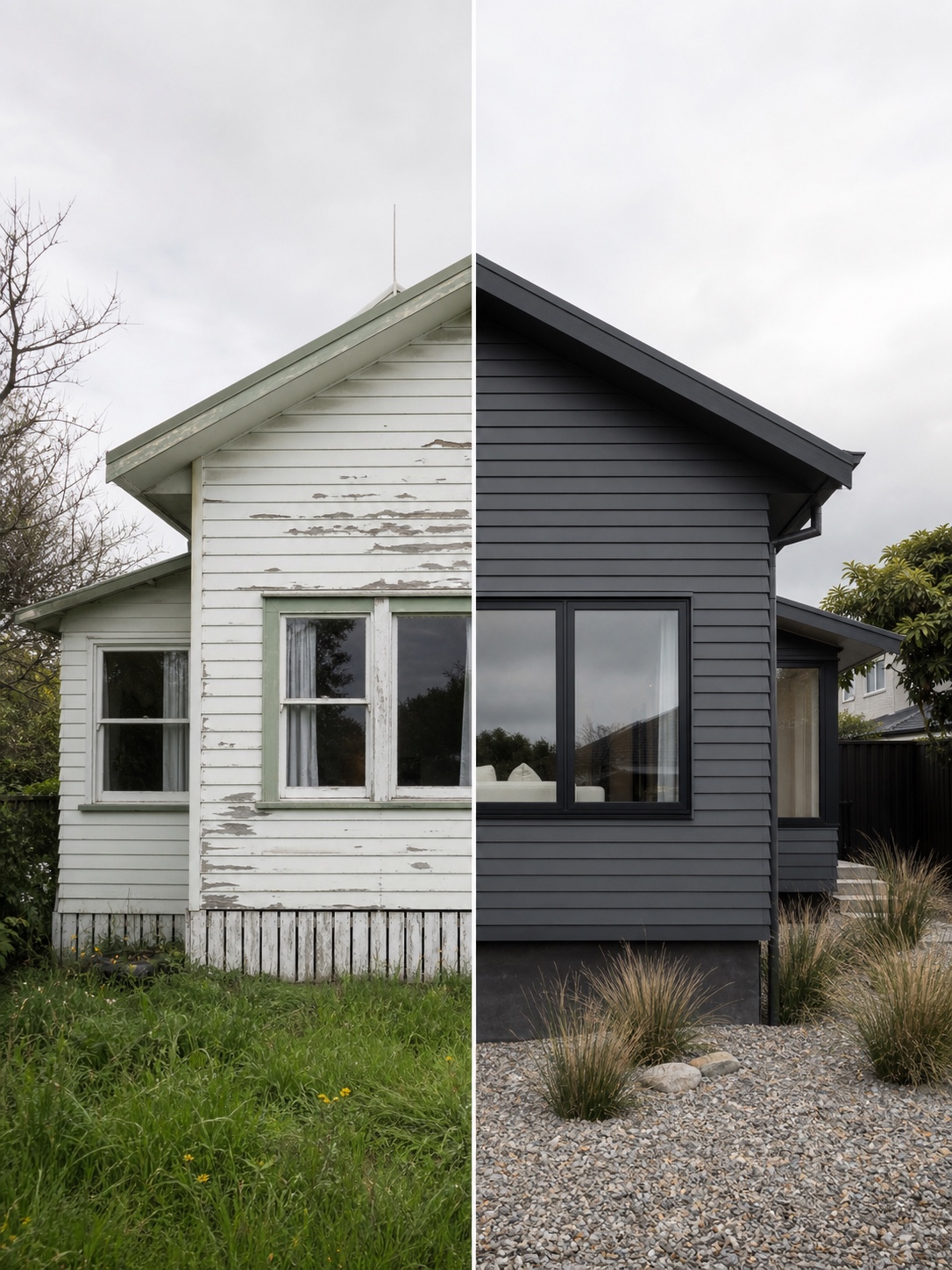
Fibre cement (James Hardie is the dominant brand in North America; Cedral and other European equivalents exist) is a composite of cement, cellulose fibres, and sand that is factory-primed and can be painted on site. Once painted, the surface holds color for fifteen to twenty years under normal weather exposure, compared to five to seven years for bare timber. It does not rot, it does not attract insects, and it does not swell or shrink meaningfully with humidity changes.
The installation cost is higher than vinyl siding and comparable to engineered wood. The long-term maintenance cost is lower than both. One repainting over a thirty-year period versus four or five for timber. In a wet or high-UV climate, that difference in repaint frequency is the most significant time investment a homeowner makes on exterior maintenance.
Engineered wood and factory-finished cladding
Engineered wood products (Accoya, thermally modified wood, and composite wood-fibre boards) offer a more natural appearance than fibre cement with similar maintenance profiles. The best factory-finished products come with 25-year paint warranties. Maintenance consists of a wash-down every few years and a paint check at the warranty interval.
For rendered (stucco) facades, the maintenance trap is cracking. Traditional stucco render cracks along the building movement joints as the structure settles, and each crack is a water entry point. Flexible acrylic render systems crack less and are easier to touch-up when they do. If you’re re-rendering, the specification of the render system matters as much as the color.
Window awnings and external solar shading
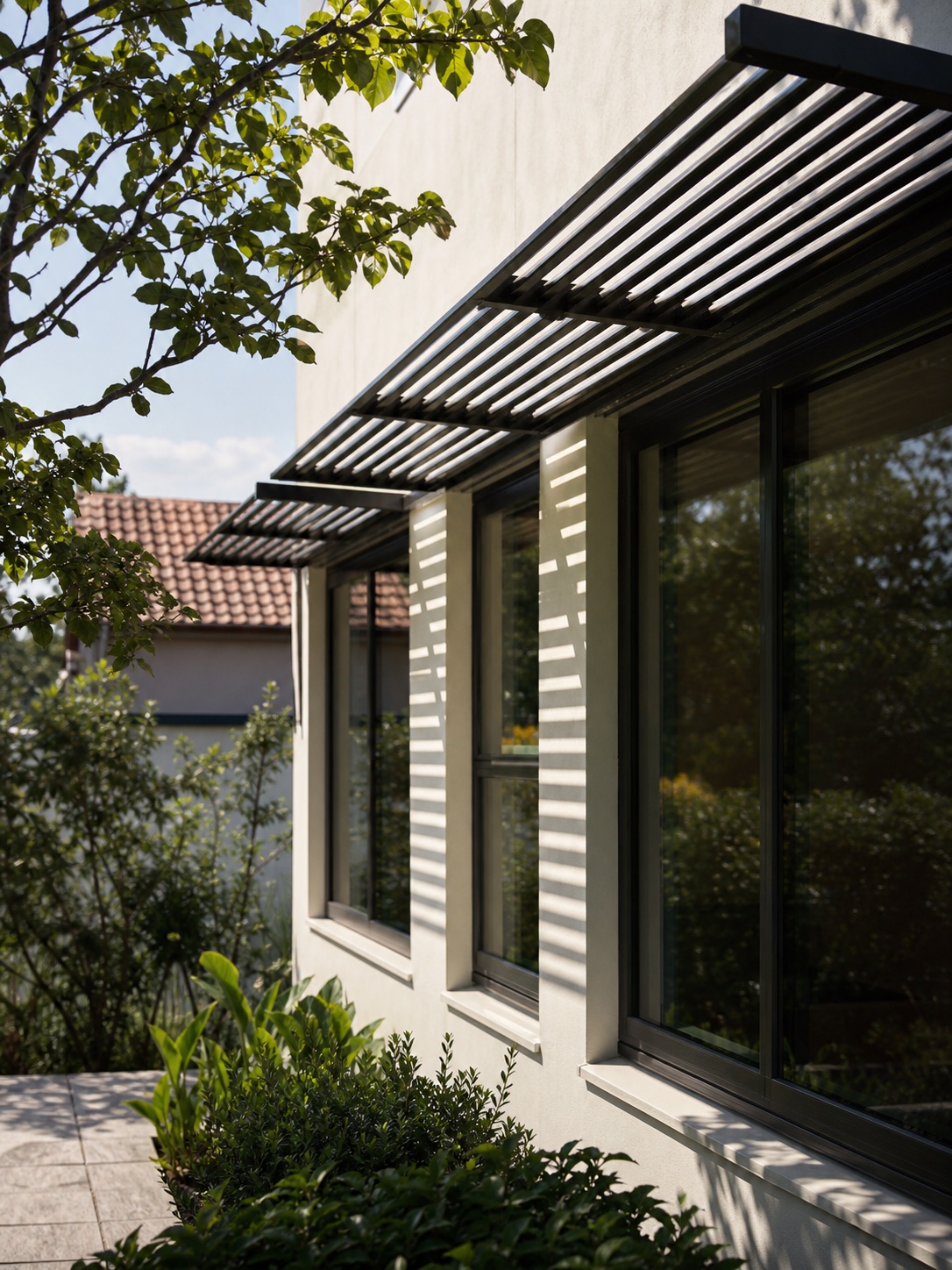
Fixed or retractable window awnings reduce solar gain through glass by up to 77% on west-facing windows and up to 65% on south-facing ones. This matters for maintenance not because awnings are maintenance-free themselves (fabric awnings need occasional cleaning and the mechanism needs lubrication every year or two), but because reducing solar gain lowers the cooling load on an HVAC system, extending its service life, and reduces UV-related fading of interior flooring and furniture.
Retractable aluminium louvre systems (Vergola, Equinox) are the lowest-maintenance option for shading large areas: powder-coated aluminium requires no painting, and motorized louvres can be set to close automatically in rain. Fixed aluminium awnings are the most durable of all and require essentially no maintenance. Canvas awnings have a lower upfront cost but need UV-resistant fabric re-covering every eight to twelve years.
Exterior paint tip: the single most effective step to extend repaint intervals is proper surface preparation. A paint job on clean, dry, primed surfaces can last twice as long as one applied over contaminated or damp substrate. If you’re repainting timber or fibre cement, budget equal time for prep as for painting. The product quality matters less than the surface quality it’s applied to.
Flooring that handles daily wear
Flooring is one of the highest-traffic surfaces in any home and one of the most consequential material choices for ongoing maintenance.
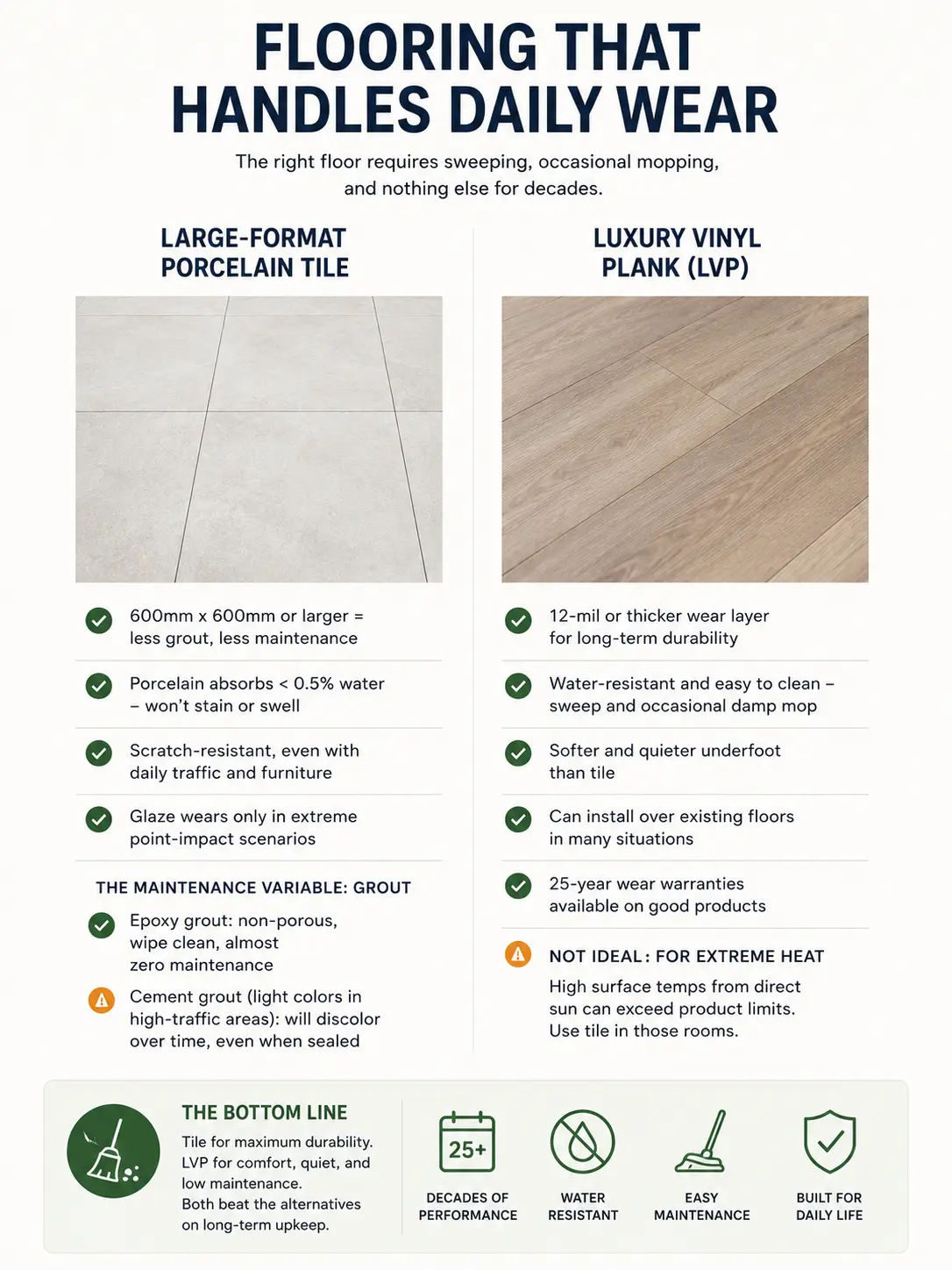
The wrong floor requires waxing, refinishing, resealing, careful cleaning products, or periodic replacement of sections that wear faster than others. The right floor requires sweeping, occasional mopping, and nothing else for decades.
Large-format porcelain tile
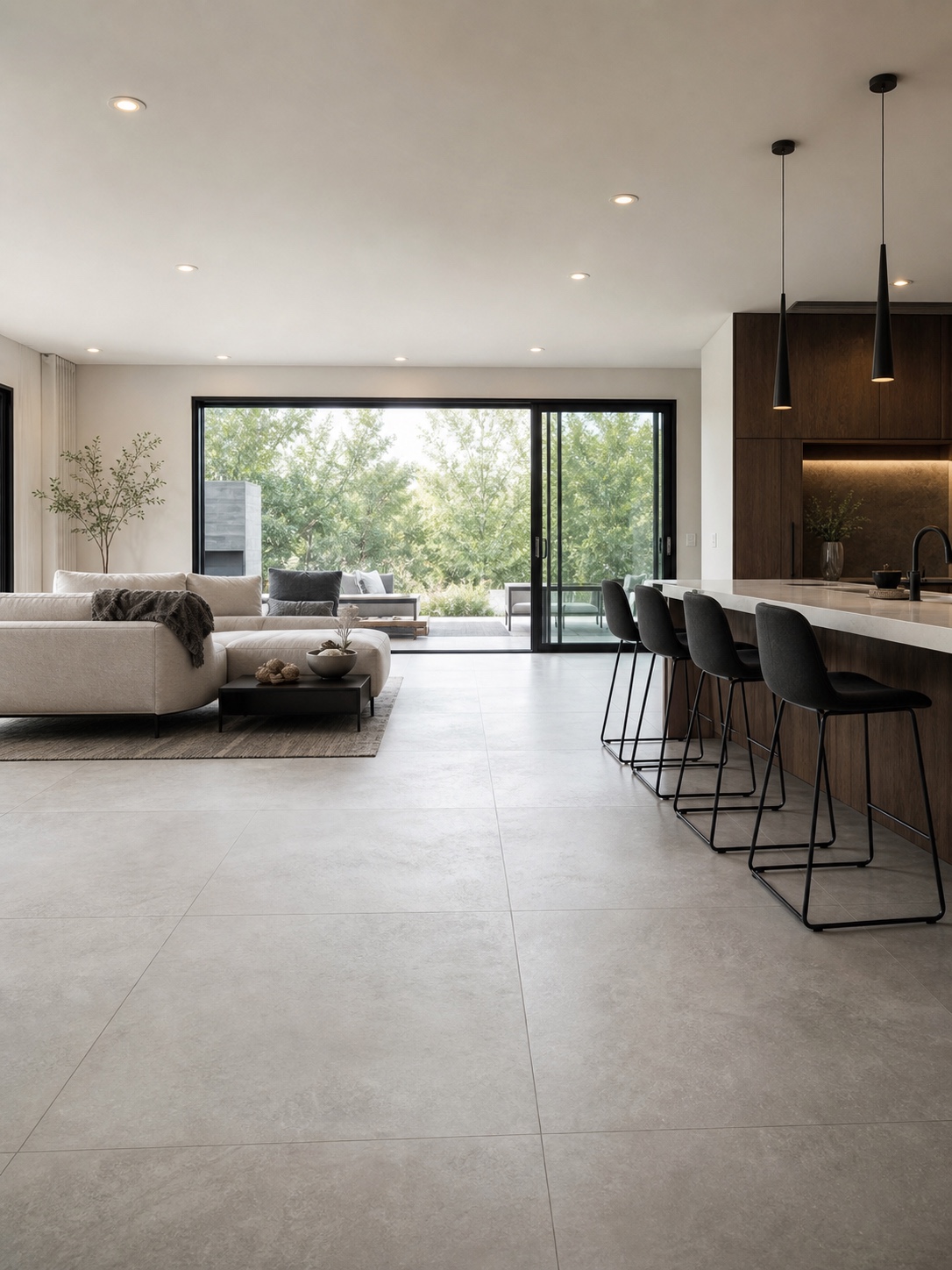
Porcelain tile at 600mm x 600mm or larger has two maintenance advantages over smaller formats: less grout and a harder, denser surface. Porcelain absorbs essentially zero water (less than 0.5%), does not stain without penetrating into the material, and cannot be scratched by normal foot traffic or furniture dragging. The glaze, if any, wears off only in sustained point-impact scenarios that would damage any floor.
The grout is the maintenance variable. Epoxy grout is non-porous and requires almost no maintenance beyond wiping. Standard cement-based grout in light colors in high-traffic areas will discolor over years regardless of sealing. If large-format tile is not practical (radiant heat, uneven substrate, budget), specify the largest tile format you can afford and use a mid-tone grout color that hides gradual soiling.
Luxury vinyl plank
Luxury vinyl plank (LVP) with a 12-mil or thicker wear layer is water-resistant, comfortable underfoot, quieter than hard tile, and requires no maintenance beyond sweeping and occasional damp mopping. It can be installed over existing floors without leveling in many situations, which reduces installation cost. Good products carry 25-year wear warranties under normal residential use.
LVP does not respond well to very high temperatures, so it is not ideal for rooms with large south-facing windows and no shading, where floor surface temperatures can exceed the product’s rated maximum. In those rooms, tile is the better choice. For bathrooms, kitchens, hallways, and living rooms, LVP outperforms laminate on water resistance and outperforms hardwood on maintenance requirements by a wide margin.
Low-maintenance landscaping choices
A standard front or back lawn is the single most time-consuming ongoing maintenance task for most homeowners. Mowing, fertilizing, aerating, reseeding patches, watering in dry periods. By conservative estimates, a 100-square-meter lawn requires eight to twelve hours of maintenance per year, not counting the equipment cost and replacement.
Extending these upgrades beyond simple yard care can help you establish a highly cohesive, stress-free daily routine. Combining durable surfaces with smart indoor upgrades makes a house much easier to manage. Read our complete checklist for creating a peaceful home to streamline both your indoor spaces and your outdoor layout.
Gravel, decomposed granite, and hard surfaces
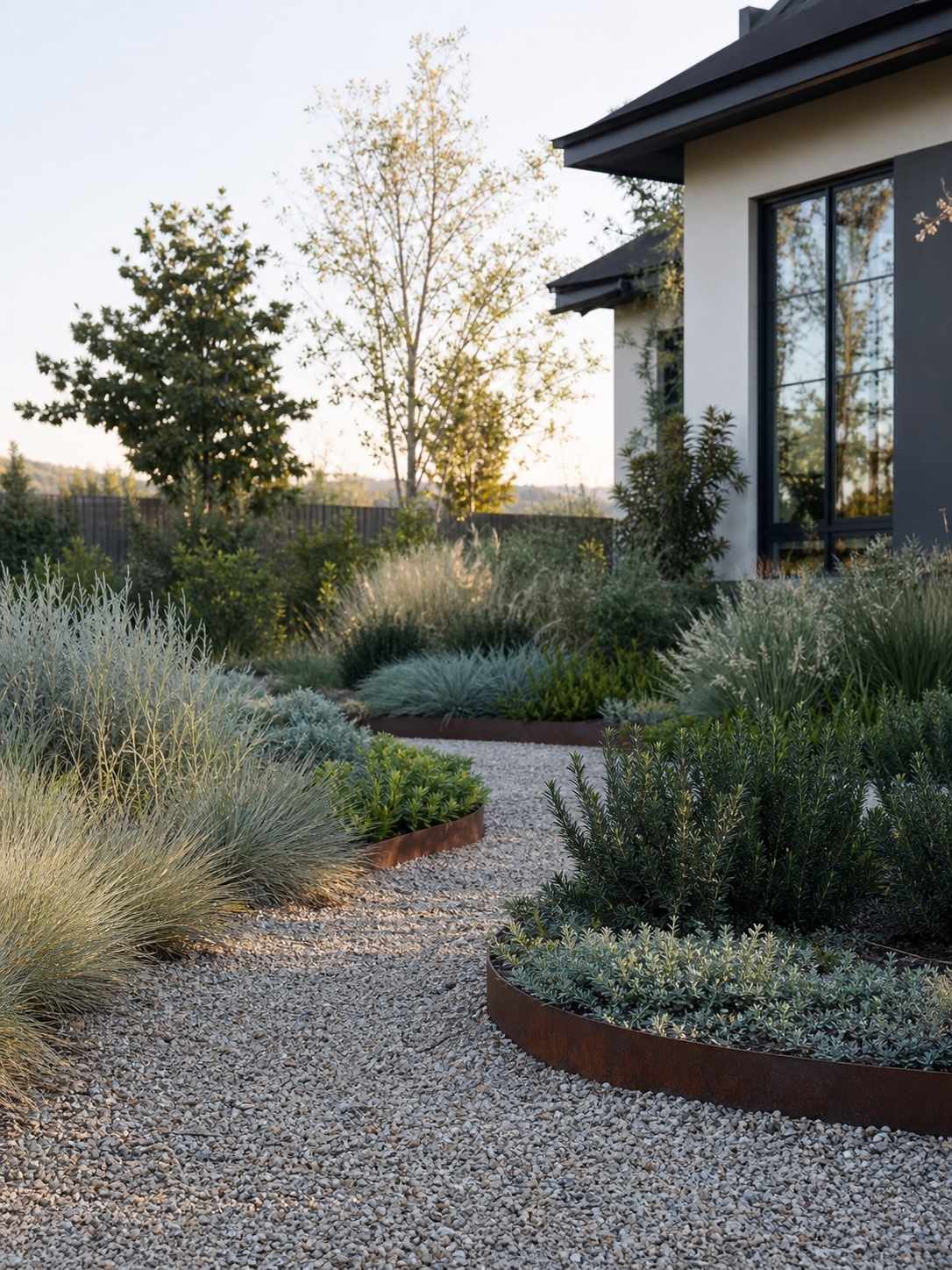
Gravel or decomposed granite replacing lawn in low-use areas eliminates mowing entirely and requires only occasional raking and top-up to replace displaced material. In front gardens, a gravel field with structured planting reads as intentional rather than low-effort if the plant selection is considered. The key is edge definition: clean metal or concrete edging between the gravel and any planted areas prevents the gradual invasion of weeds from the bed into the gravel.
Weed membrane under gravel reduces weed suppression significantly for the first three to five years. After that, wind-blown soil collects above the membrane and weeds root into that surface layer rather than the ground. The most effective long-term approach for weed control in gravel is deep gravel (80mm minimum) without membrane, plus occasional spot treatment with a selective herbicide or careful hand-weeding before weeds establish deep roots.
Native and climate-adapted plants
Strategic planting of trees, shrubs, and groundcover can increase property value by up to 14%, and when those plants are selected for the local climate, they also reduce maintenance to near zero after the establishment period. Native plants evolved for your region’s rainfall, soil, and temperature range. Once established (typically one to two growing seasons), they do not need irrigation, fertilizing, or pest treatment.
The practical selection process: identify your USDA hardiness zone or equivalent local classification, research native species appropriate for that zone and your soil type, and choose a mix of groundcover (which suppresses weeds), structural shrubs (which give year-round form), and one or two specimen plants. The investment in research pays off for decades of low-input maintenance.
Windows, doors, and sealants that reduce drafts and upkeep
Windows and external doors are the primary thermal weak points in most homes built before 2000, and they are also significant maintenance items when the frames are timber. Replacing them in a single project is expensive. Replacing them gradually, starting with the worst performers (single-glazed, north or west-facing, large area), is a more manageable approach that still delivers meaningful improvements.
uPVC and aluminium-clad frames
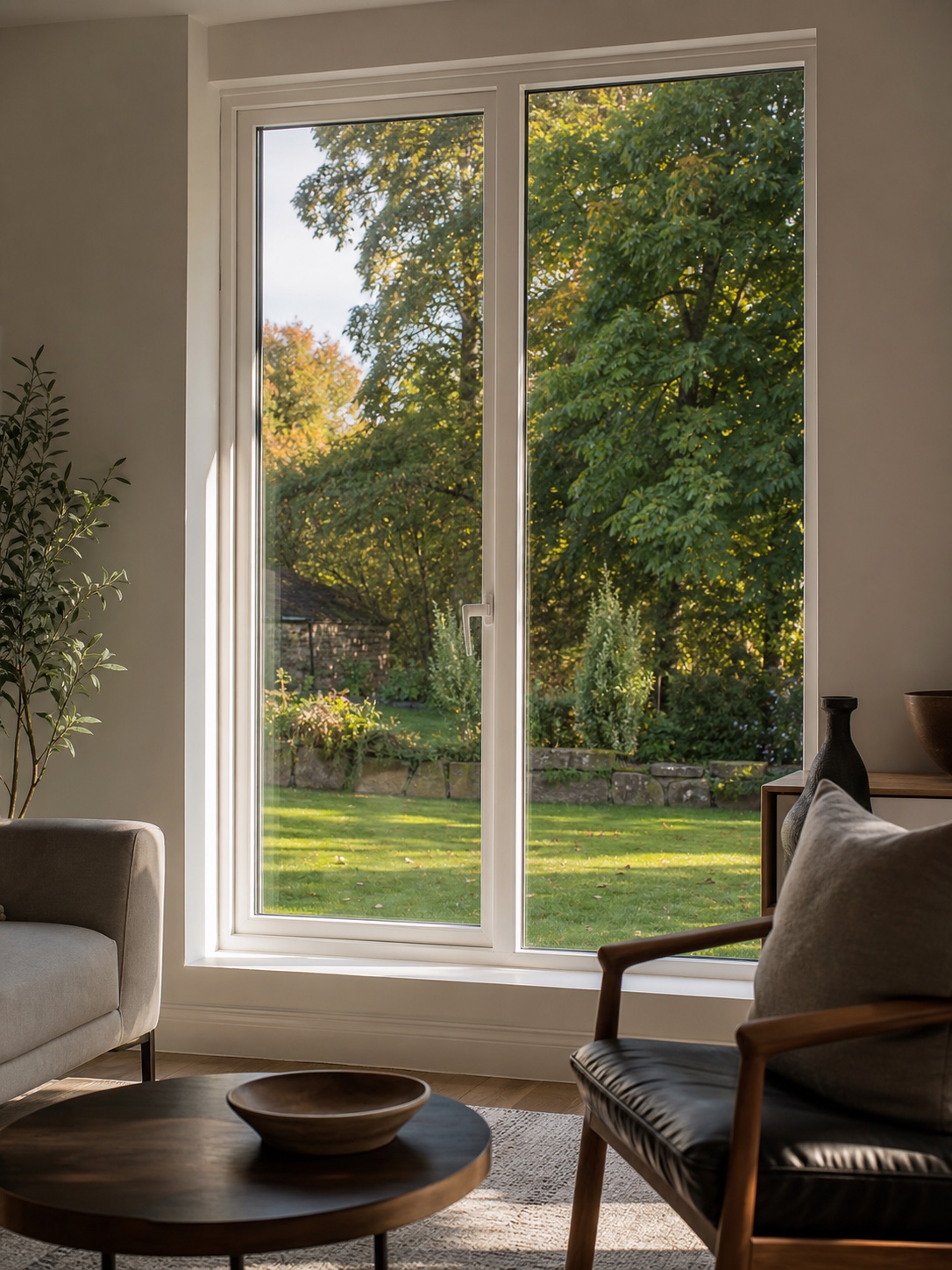
uPVC window frames do not need painting, do not rot or swell, and require only occasional cleaning of the frame and lubrication of the opening mechanisms. Aluminium-clad timber frames offer the appearance of timber inside and the weather performance and low maintenance of aluminium on the exterior. Both are significantly better maintenance propositions than painted timber frames, which need repainting every five to seven years and resealing at the glass-to-frame junction whenever the sealant fails.
Double-glazed units in uPVC or aluminium frames also reduce condensation on the glass surface, which eliminates the mold growth along the window sill that is a persistent maintenance task in single-glazed homes with poor ventilation. The reduction in condensation is a secondary benefit that has a real effect on cleaning time and on the lifespan of the surrounding wall plaster and paint.
Door and window sealants
The foam backer rod and silicone sealant at the junction between a window frame and the surrounding masonry or cladding is a 10 to 15-year maintenance item in most climates. When it fails, water tracks behind the frame and into the wall cavity. Replacing it before it fails, rather than after, costs $30 of materials and an afternoon. Replacing it after it has allowed water ingress can cost $3,000 or more in remediation.
High-grade silicone sealants (Dow Corning 795, Sika 291i) hold their flexibility and adhesion significantly longer than standard builder’s caulk. The cost difference is minor. Specifying the better product on any sealant line that is difficult to reach (above ground floor, behind planting) pays for itself easily in extended service life.
Bathroom and kitchen finishes that clean easily
Bathrooms and kitchens accumulate the most cleaning-related maintenance of any room in the house, and the surface choices made in those rooms determine how much of that maintenance is quick and easy versus slow and frustrating. The key variables are porosity, joint frequency, and surface texture.
Large-format tiles and minimal grout in wet rooms
A bathroom tiled in 100mm x 100mm mosaics has an enormous grout network that collects soap scum, mold, and hard water deposits. A bathroom tiled in 600mm x 1200mm large-format rectified tiles has almost none. The cleaning time difference per week is significant and it compounds over years. If the mosaic tile look is important for design reasons, restrict it to a single feature zone (a niche or a band) and use large-format tile for the main field.
For shower floor tiles specifically, the surface texture is the maintenance variable. Heavily textured anti-slip tiles grip dirt and soap residue in their surface profile. Smooth or lightly textured tiles with adequate fall to the drain are easier to clean and can still be made non-slip with an anti-slip treatment applied once every year or two.
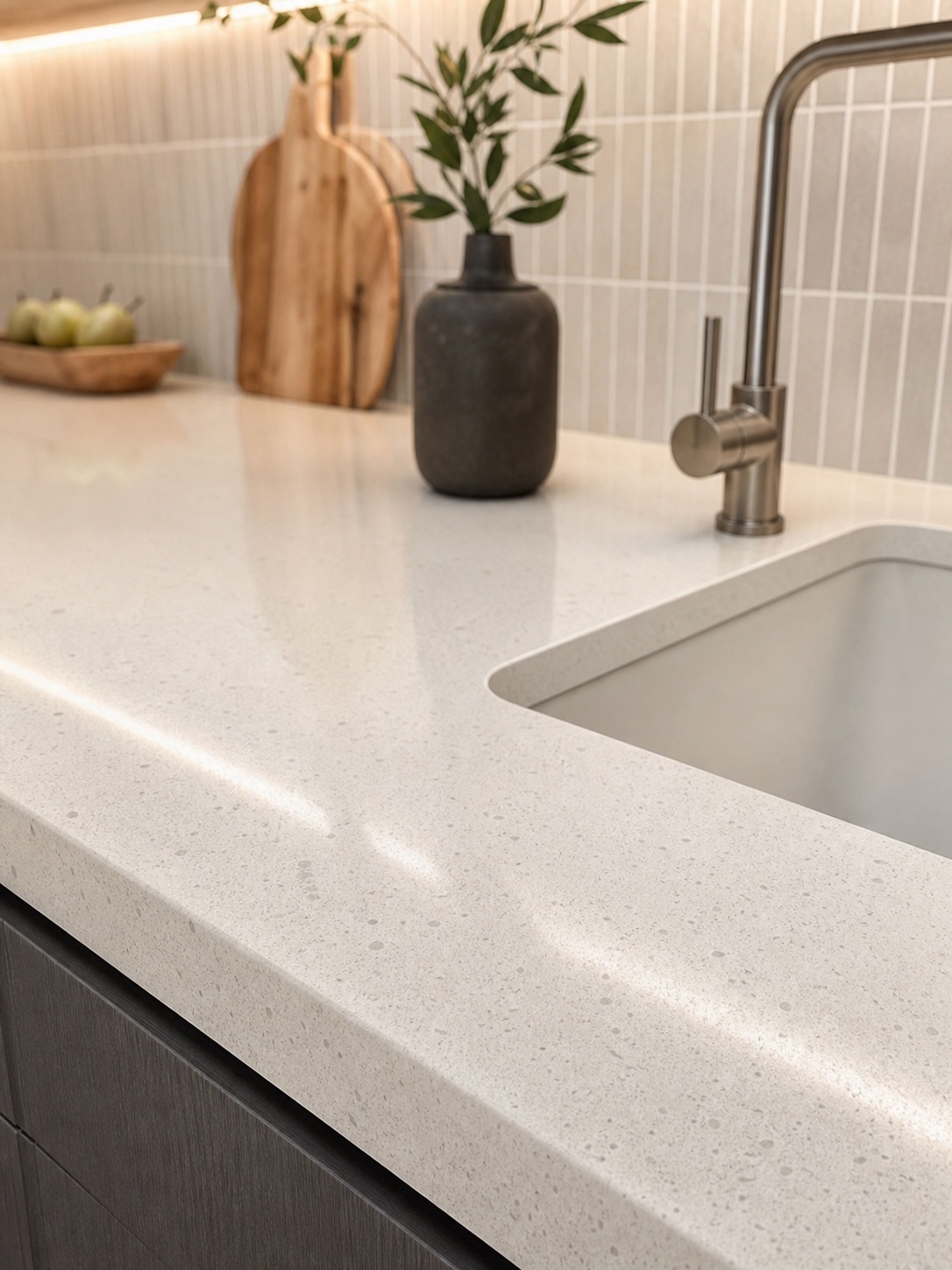
Quartz and porcelain slab worktops
Quartz composite worktops are non-porous, require no sealing, and resist most kitchen chemicals. They wipe clean with a damp cloth. Porcelain slab worktops are more heat-resistant than quartz and equally non-porous. Both are significantly easier to maintain than marble (which requires annual sealing, stains from acidic liquids, and etches from contact with lemon juice or vinegar) or butcher block (which requires oiling every two to three months and shows knife marks that require periodic sanding).
The visual difference between a quartz worktop and a marble one is real and a legitimate design consideration. But if the choice is made with full understanding of the maintenance difference, it’s an informed one. The issue is that many homeowners choose marble based on appearance without factoring in that every acidic spill leaves a permanent etch mark on an unsealed surface, and that sealing has to be reapplied annually.
Smart leak detectors, thermostats, and simple monitoring tools
Monitoring tools occupy a specific niche in home maintenance reduction: they don’t eliminate the need for repair, but they catch problems at the stage where repair is still cheap. A slow drip behind a vanity cabinet that runs for three months before discovery can cause $2,000 to $8,000 in remediation. Caught in the first week by a moisture sensor, it’s a $40 washer replacement.
Leak detectors
Water leak detectors are small sensors that sit on the floor at likely leak points (under sinks, behind washing machine connections, at the base of the water heater, near the dishwasher) and alert via an app or an audible alarm when they detect moisture. Quality options from brands including Govee, Moen Flo, and Aqara cost $15 to $50 each. Whole-home systems with automatic shutoff valves (Moen Flo, Phyn Plus) run $250 to $500 for the controller plus installation.
Placement matters: the sensor should sit directly on the floor in the lowest point of the risk zone, not on a shelf or elevated position. Under-sink sensors should be at the back of the cabinet where drips from a supply connection would track. The most common failure mode is sensor placement that misses the actual leak path.
Smart thermostats and HVAC monitoring
An HVAC system more than ten years old typically runs at significantly reduced efficiency compared to modern equipment. Replacing it is the highest-impact single investment for reducing both ongoing energy costs and maintenance calls. A modern high-efficiency system (SEER 16 or above for air conditioning, 95%+ AFUE for gas heating) uses 20 to 30% less energy than equipment from the early 2010s.
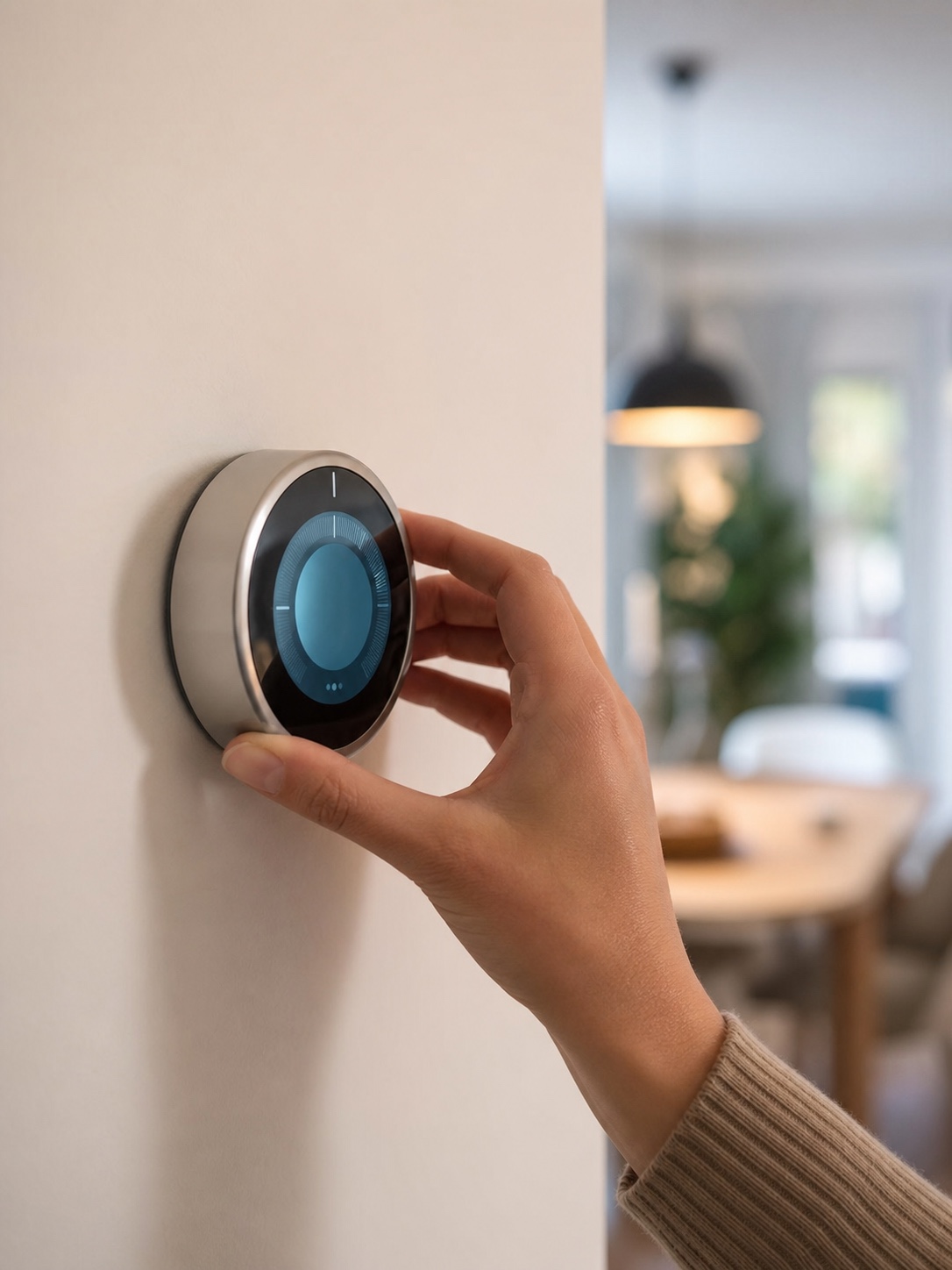
A smart thermostat extends HVAC system life by preventing the system from running more than necessary. Models including the Ecobee SmartThermostat and Nest Learning Thermostat learn usage patterns, adjust setpoints based on occupancy, and provide runtime data that lets you track whether the system is working harder than expected, which is often the first sign that a filter needs changing or a component is losing efficiency.
Filter replacement is the most consistently neglected HVAC maintenance task and the one with the highest cost-to-benefit ratio. A blocked filter increases system runtime, reduces efficiency, and puts mechanical stress on the blower motor. Setting a recurring calendar reminder for filter checks every 60 to 90 days costs nothing and extends the service life of the system meaningfully.
What not to choose if you dislike maintenance
The most useful thing a guide like this can do, alongside recommending good choices, is name the common ones that create ongoing work without most homeowners realizing it at the point of purchase. The table below summarizes the pattern.
| Category | Low-Maintenance Choice | High-Maintenance Trap |
|---|---|---|
| Exterior cladding | Fibre cement, engineered wood | Bare timber, stucco render |
| Flooring | Porcelain tile, LVP | Hardwood, unsealed concrete |
| Landscaping | Gravel, native plants, groundcover | Formal lawn, annual beds |
| Windows | uPVC or aluminium-clad, double-glazed | Single-pane timber sash |
| Bathroom surfaces | Large-format tiles, quartz | Grout-heavy mosaics, marble |
| Kitchen worktop | Quartz, porcelain slab | Marble, butcher block |
| Roof | Metal standing seam, concrete tile | Cedar shake, flat felt |
| Gutters | Seamless aluminium with leaf guard | Sectional gutters, no guard |
Copper and raw steel details
Copper accents age to patina and then to green oxide, which some people want and some don’t. If you don’t want the patina, you need to wax or lacquer the copper surface regularly to prevent oxidation, which is a time-consuming and recurring task. Raw steel details develop rust within months in any humid climate unless treated with a penetrating oil or clear sealant on a regular schedule.
Powder-coated steel or stainless steel provide a comparable visual character with dramatically lower maintenance. The tradeoff is that powder coating can chip and the exposed metal beneath will rust, so any chips need spot treatment promptly. Stainless steel needs occasional passivation (a diluted acid wash) to prevent surface rust in salty air environments.
Natural stone in high-traffic areas
Limestone, travertine, and marble are all calcium carbonate-based stones that are vulnerable to acid etching. Any acidic contact, fruit juice, wine, vinegar, cleaning products, leaves a permanent dull mark that cannot be polished out without professional honing. These stones also require sealing every six to twelve months to prevent staining from absorbed liquids.
Granite and quartzite are harder and less reactive, but they still require sealing and are not maintenance-free. For kitchen floors or outdoor terraces where acid contact is likely, porcelain tile with a stone-look print is a genuinely equivalent aesthetic choice with none of the chemical vulnerability.
Single-pane glazing in any form
Single-pane glass, regardless of frame material, produces condensation on its interior surface in any room where people breathe, cook, or shower. That condensation runs down to the window sill, collects, and creates a persistent mold zone that needs cleaning every few weeks. The only permanent fix is replacing the glass with double-glazing or adding secondary glazing panels to the interior.
The most reliable test for any material or product before specifying it: ask the supplier for the maintenance schedule. Not the marketing description, the actual maintenance schedule. How often does it need cleaning, resealing, repainting, or replacing? What cleaning products are and are not safe on it? What voids the warranty? A product with a two-page maintenance schedule is not low-maintenance regardless of what it says on the product sheet.
Frequently Asked Questions
What are the most low-maintenance home improvements?
The highest-impact low-maintenance upgrades are fibre cement or engineered wood exterior cladding (no painting for 15 to 25 years), porcelain tile or luxury vinyl plank flooring (no refinishing, no waxing), uPVC or aluminium-clad double-glazed windows (no painting, good thermal performance), and smart leak detectors. Replacing a high-maintenance lawn with gravel paths, groundcover, and native plants also removes the most time-consuming weekly outdoor task for most homeowners.
What home improvements reduce ongoing costs the most?
Replacing an HVAC system older than ten years, adding window awnings or external solar shading, and upgrading to double or triple glazing reduce energy costs most consistently. HVAC replacement typically cuts heating and cooling consumption by 20 to 30 percent. Window awnings on west-facing windows can reduce solar gain by up to 77 percent. Both improvements pay back their cost within five to ten years depending on the climate.
What exterior cladding requires the least maintenance?
Fibre cement (James Hardie) requires repainting roughly every 15 to 20 years compared to every 5 to 7 years for bare timber. Engineered wood cladding has a similar cycle. Brick and stone require almost no maintenance beyond occasional repointing. Metal cladding (powder-coated aluminium) is effectively maintenance-free for the first 20 to 30 years.
What is the lowest-maintenance kitchen worktop?
Quartz composite (engineered stone) is the most practical choice for most kitchens: non-porous, heat-resistant, scratch-resistant, and requires no sealing. Porcelain slab worktops are equally low-maintenance and more heat-resistant than quartz. Both need only wiping with a damp cloth. Marble, by contrast, stains easily from acidic liquids, requires annual sealing, and etches from contact with citrus or vinegar.
Does native plant landscaping really reduce maintenance?
Yes. Once established (usually after one to two growing seasons), native plants need no irrigation, no fertilizing, and minimal pruning. A mixed native planting bed covering the same area as a lawn requires roughly 80 percent less time per year to maintain. The initial planting requires researching species suited to your specific region and soil type, but after establishment, the weekly time savings are genuine and lasting.
Are smart home monitoring devices worth it for maintenance reduction?
Leak detectors and smart thermostats offer genuine maintenance value. A water leak detector that catches a slow drip early prevents a repair that could otherwise cost $500 to $5,000 depending on how much damage occurs before discovery. Smart thermostats extend HVAC system lifespan by preventing unnecessary runtime. Both are inexpensive relative to what they prevent.
What flooring is easiest to maintain?
Large-format porcelain tiles (600mm x 600mm or larger) are the easiest to maintain because the reduced grout line area means less scrubbing and fewer stain traps. Luxury vinyl plank (LVP) is the most practical alternative for areas where hard tile is uncomfortable: water-resistant, scratch-resistant, and requires only sweeping and occasional damp mopping. Avoid small mosaic tile in high-traffic areas: the grout-to-tile surface ratio creates a cleaning burden that compounds over years.
Incorporate ease-of-cleaning designs early. Browse our top budget bathroom remodel ideas to make your home low-maintenance.
By selecting smart storage and durable textures, you learn how to make a home cozy without adding hours of cleaning to your routine.
Classic brickwork requires periodic care. See how modern techniques help preserve the facade of older Victorian buildings London properties.
Related design note: One low-maintenance upgrade I would not overlook is wood floor sanding for homes with solid boards. A good sanding and modern matte finish can reset a room for years without adding another surface to maintain.
Focusing on durable fixtures and custom decluttering systems simplifies your chores. Explore our practical tips on small bathroom organization to save daily routine time.
A low-maintenance exterior starts with surfaces that shed water properly. Before resurfacing or replacing the drive, use this asphalt driveway cost guide to compare base prep, drainage, and sealcoating options.
- 661shares
- Facebook0
- Pinterest661
- Twitter0
- Reddit0