Drawing curly male hair can seem tricky at first because of the many loops and shapes involved. The key to capturing curly hair is to focus on the overall shape and flow rather than every tiny curl. This helps keep the drawing natural and lively.
Artists often start by sketching the outline of the hair, showing its volume and how it frames the face. Soft, rounded lines work best since curly hair doesn’t have sharp edges. With practice, adding texture and depth becomes easier, making the curls look real without needing to draw each one perfectly.
Materials Needed for Drawing Curly Male Hair
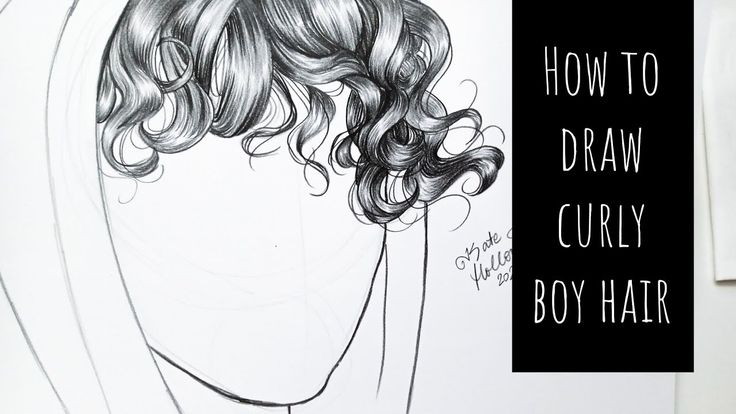
To draw curly male hair well, having the right tools makes a big difference. The quality and type of pencils, paper, erasers, and blending tools all contribute to creating the texture and depth necessary for curls. Using the correct materials also makes the drawing process smoother and more enjoyable.
Choosing the Right Pencils
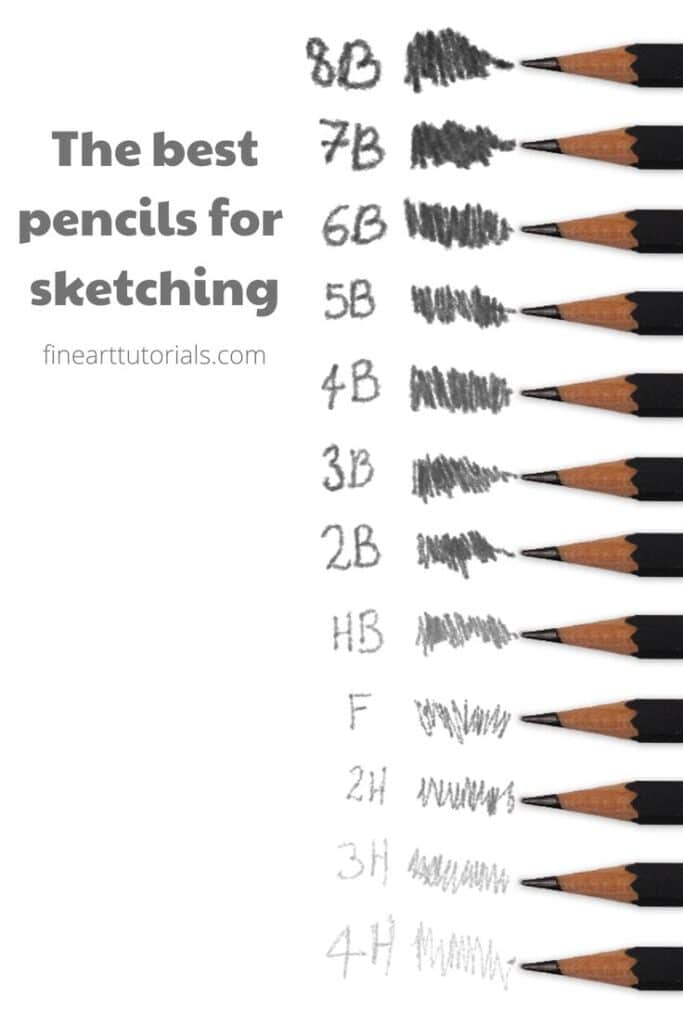
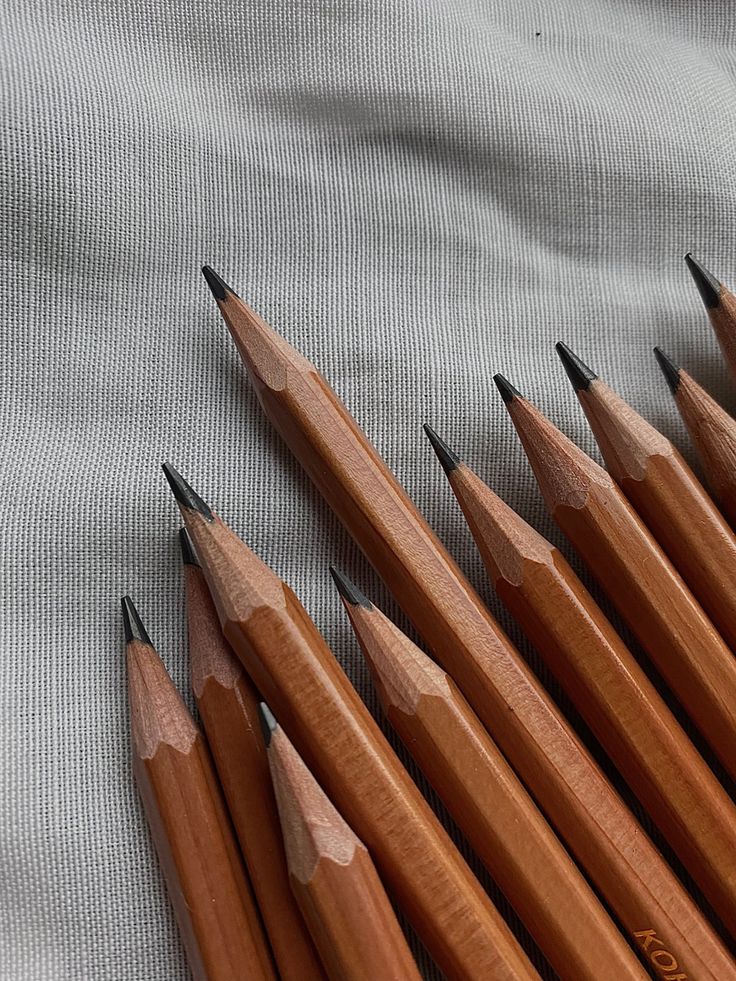
For curly hair, artists usually choose pencils with a range of hardness. A hard pencil (H, 2H) is ideal for light sketching and creating fine lines, such as the outline of the head and hair shape. Softer pencils such as B, 2B, or 4B help add darker shades and texture to the curls.
Using a softer pencil lets the artist build shadow and volume gradually. It also works well for drawing the small, wavy lines that define curls. A set with pencils ranging from hard to soft is ideal because it covers all the shading needs in a layered drawing.
Recommended Paper Types
The best paper has a bit of texture, known as tooth, to catch the pencil marks well. Medium-weight drawing paper or sketch paper with a slight roughness works fine. It helps with shading and holding the detailed strokes of curly hair.
Smooth paper can make hair look flat because it’s harder to add depth. Heavyweight paper (around 80-100 lb / 120-150 gsm) prevents tearing when erasing or blending. If the artist plans to color the hair later, thicker paper designed for colored pencils or markers is better.
Essential Erasers and Blending Tools
A good eraser is a must-have to clean up stray lines or lighten areas of hair for highlights. Kneaded erasers are a favorite because they can be shaped into points for detail work and don’t damage paper easily.
Blending tools like tortillons or blending stumps help smooth pencil strokes in shaded areas. They create softness in curls and add a natural look to the hair’s volume. Sometimes, simply using a clean finger works, but tools give more control.
Together, these tools let artists add layers, erase mistakes, and blend tones, which are key to drawing realistic curly male hair.
Understanding Curly Hair Structure
Drawing curly male hair well means knowing how curls form and behave. It also helps to see how different hair textures look and how light affects the curls’ shape and depth. This knowledge guides artists in making their drawings look more natural and lively.
Curl Patterns and Types
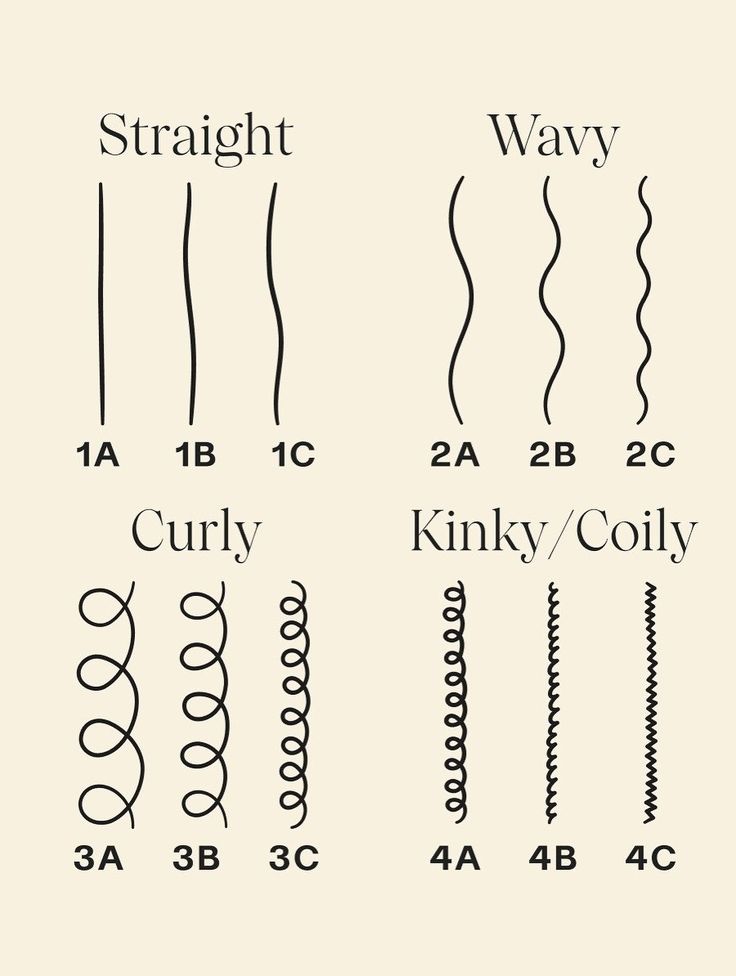
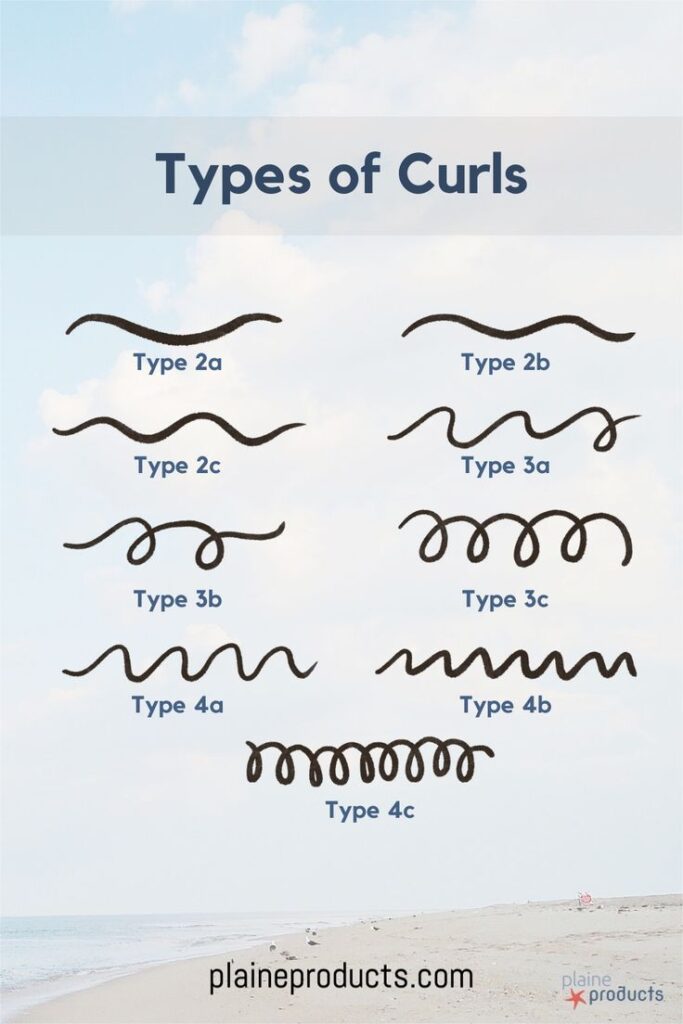
Curly hair comes in many shapes and sizes. Artists often use a system that ranges from loose waves to tight coils. These are usually marked as types 2A to 4C.
- Type 2A-2C: Loose waves with gentle bends.
- Type 3A-3C: Defined, springy curls that vary in size.
- Type 4A-4C: Very tight coils or zigzag patterns.
Each curl pattern has a unique flow and direction. Understanding this helps artists draw curls that look real instead of just scribbles. Curls form clusters or spirals that often overlap and twist. Capturing this natural grouping adds depth.
Common Male Hair Textures
Male curly hair varies in thickness and density. Some men have fine, soft curls, while others have thick, coarse strands. These differences affect the curl’s bounce and volume.
Fine curls may lay closer to the head and seem lighter, while coarser hair tends to look fuller and rougher. Knowing this helps when shading or adding highlights, making curls appear three-dimensional. Artists should also notice the way curls cluster more tightly in some spots and loosen in others, creating natural variation.
How Light Interacts with Curls
Light plays a key role in showing the shape of curly hair. Curled strands have curves that catch light differently than straight hair.
Highlights often appear on the outer edges of curls where the hair bends outward. Shadows fall inside the curl loops or under overlapping sections. This mix of light and shadow gives curls texture and volume.
Soft light creates gentle transitions, while harsh light sharpens the contrast. An artist can use this to show different times of day or mood in the drawing. Paying attention to light direction helps curls feel alive and not flat.
Sketching the Basic Head Shape
Before adding curly hair, it’s important to create a good head shape that fits the face. This includes getting the right proportions and placing the hairline correctly. These steps help the curls look natural and balanced.
Proportions for Male Faces
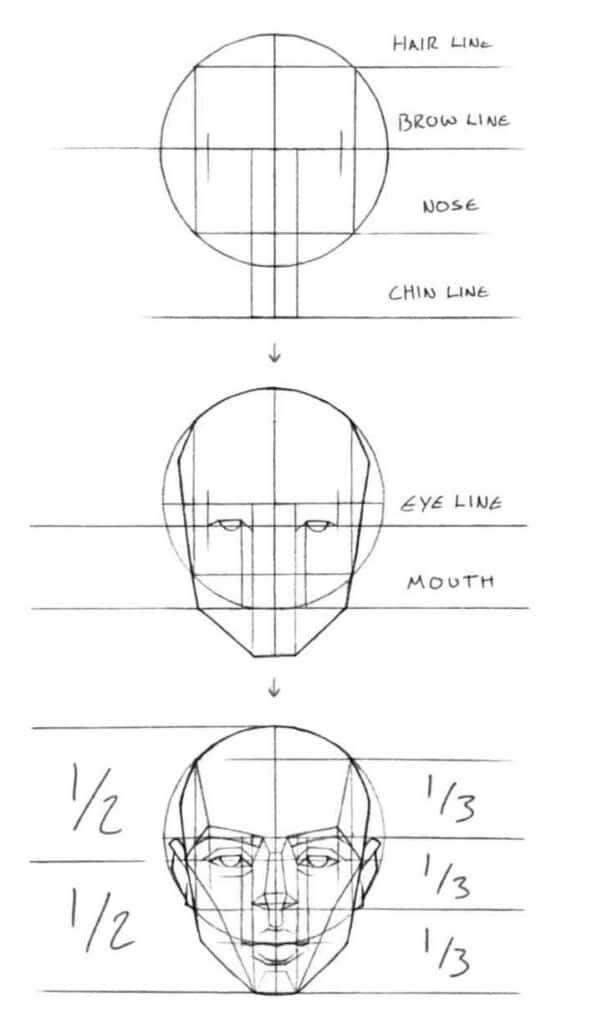
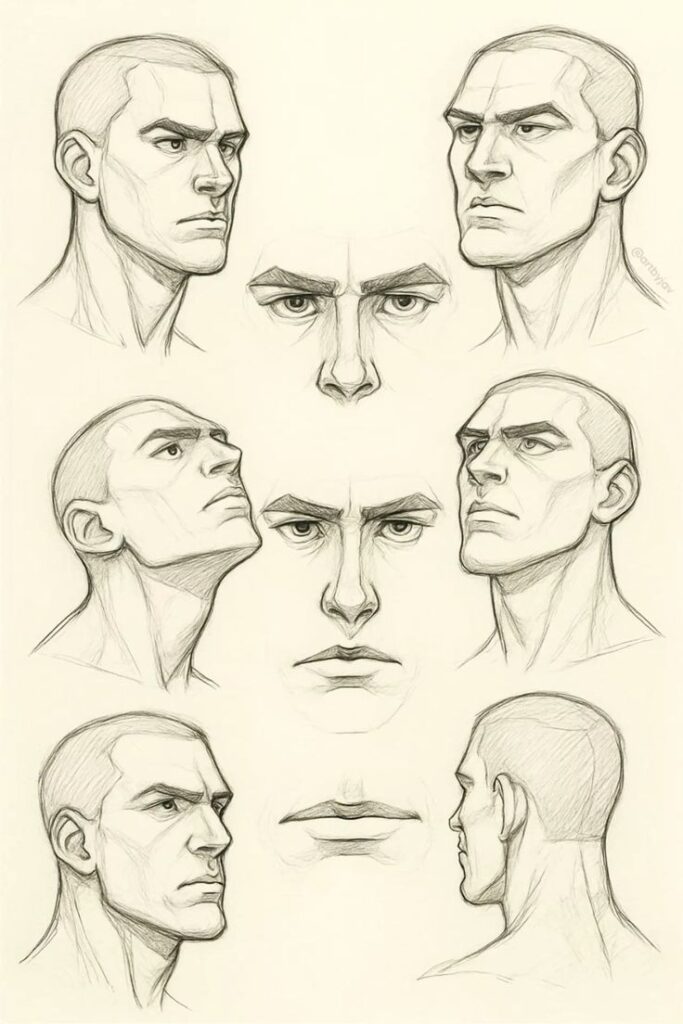
Start with an oval shape for the head. It should be a bit narrower at the chin to look realistic. The head’s length is usually about 1.5 times its width.
Draw a vertical line down the center. This keeps the face symmetrical. Then add horizontal guidelines: one for the eyes halfway down the oval, one for the bottom of the nose, and one for the mouth just below that.
Keep the lines light. This makes it easier to adjust later. The jawline tends to be more square on males, so add slight angles near the bottom of the oval.
Mapping the Hairline
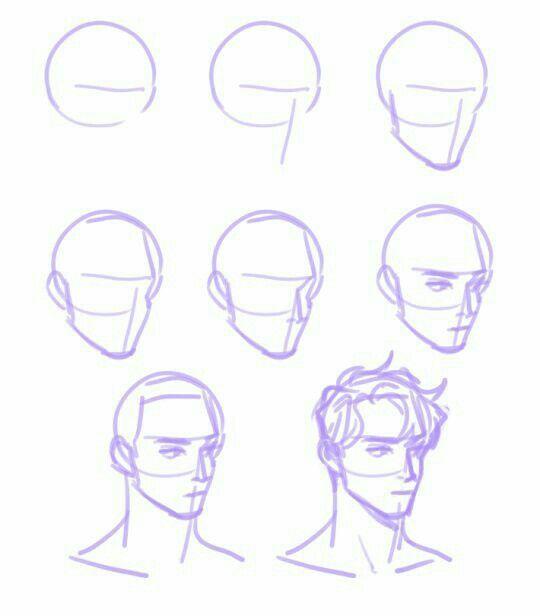
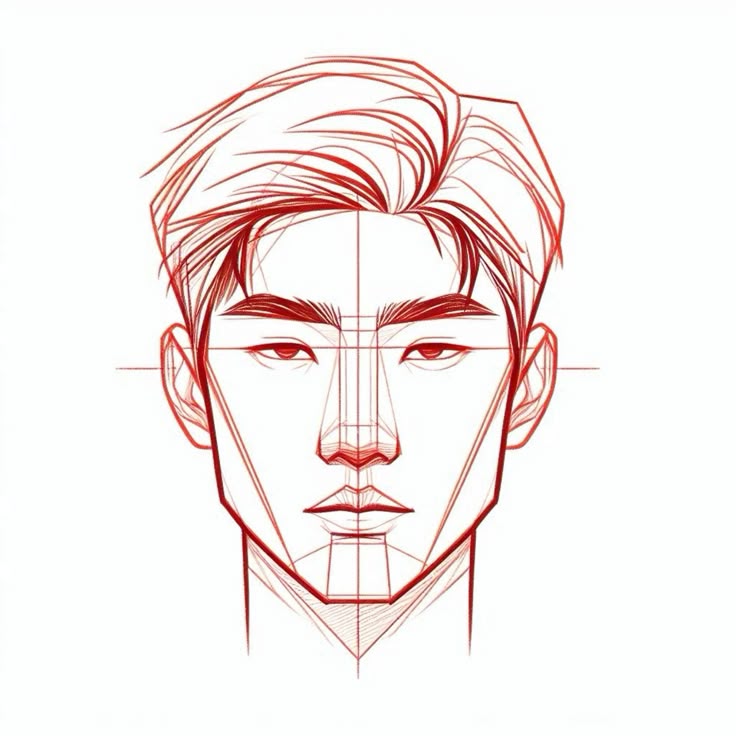
Next, mark the hairline using short, curved lines along the forehead’s top. The hairline usually follows the skull’s natural curve and frames the face softly.
Think about where the curls will grow out. Use quick pencil strokes to sketch the general shape and flow of the hair. This makes drawing the curls easier later.
The hairline should not be a straight line. It has small waves and dips to show the natural hair growth direction. This gives the hair a more real look before adding details.
Blocking in the Curly Hair Outline
This part focuses on creating the basic shape and structure of the curly hair. It covers how to shape the hair, show its volume, and separate it into parts to make the drawing clearer and more realistic.
Defining the Overall Shape

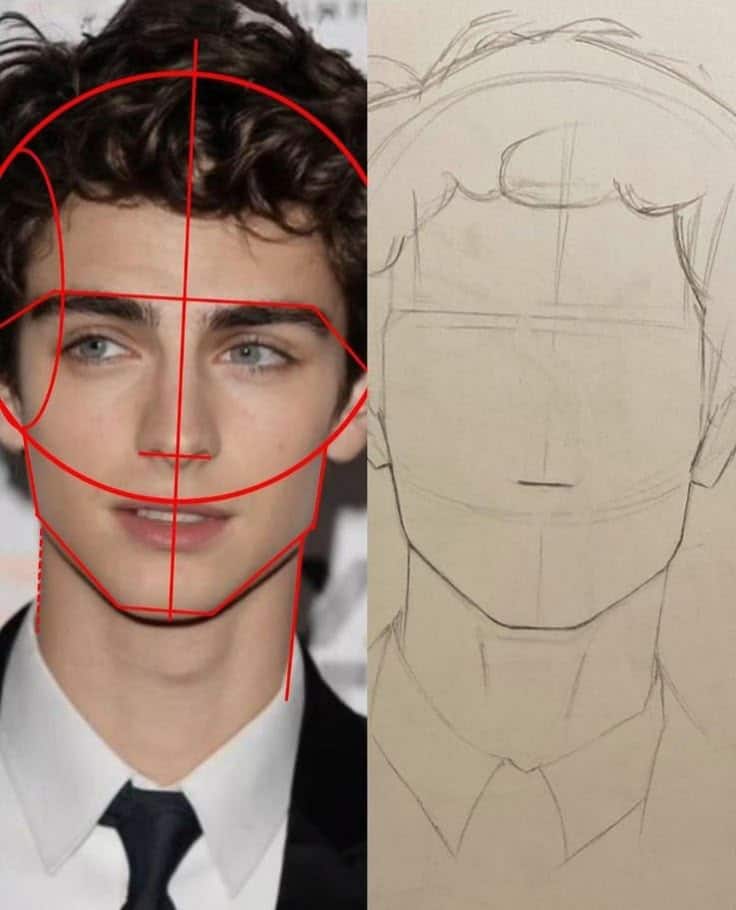
First, the artist draws a rough outline of the hair’s shape. This outline doesn’t need to show every curl but should capture the general size and form of the hair. Using a curved, bumpy line helps hint at the natural wave and curls of the hair.
The shape usually follows the head’s contour but can extend out to show volume. Light, loose lines are best here because they are easier to adjust. This step helps the artist avoid making the hair look flat or too stiff.
Establishing Volume and Flow
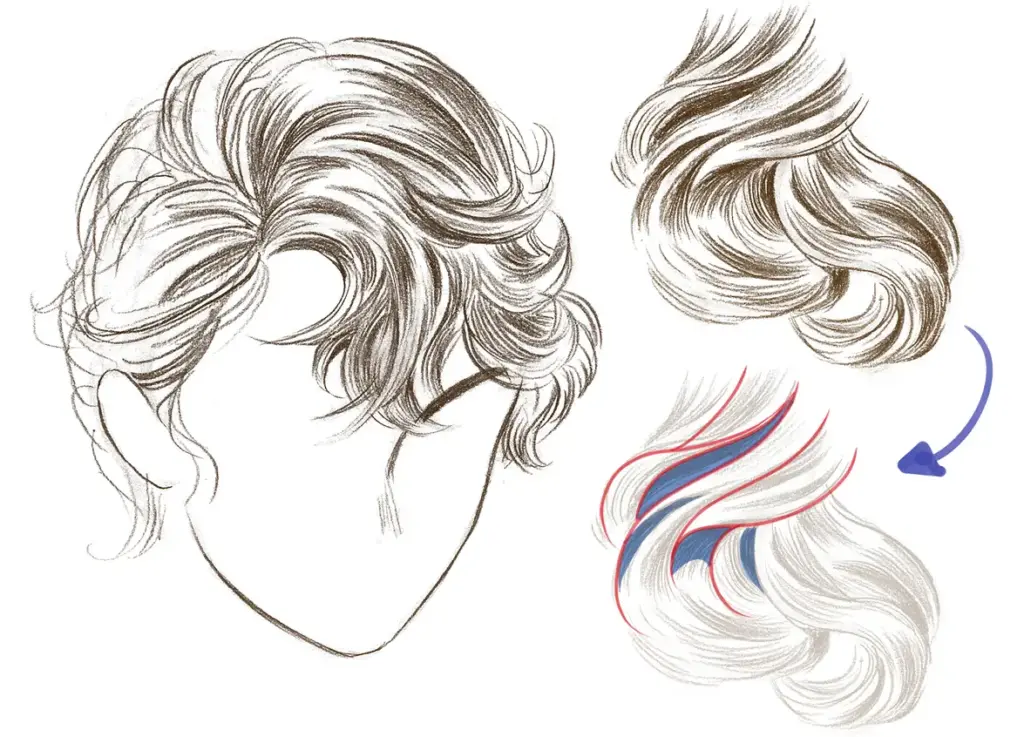
Next, the artist focuses on the hair’s volume and how it moves. Curly hair isn’t flat; it has depth and bounces away from the scalp. The artist should sketch larger, curved shapes that suggest clusters of curls rising and falling.
Flow is important to make the hair look natural. The curls should appear connected and follow a pattern that moves from the hairline outward. Using wavy, spiraled lines in different directions creates this sense of motion and life.
Outlining Sections and Layers
Finally, the artist breaks the hair into sections and layers to add detail and clarity. Hair often falls in clumps or chunks rather than as separate strands. Drawing these sections separately helps show the hair’s texture.
Each section can be outlined using curved lines that bend and twist. These lines highlight how curls overlap and stack, giving the hair a full shape. Defining layers also helps when adding shading later, as it shows which parts of the hair catch light or shadow.
Drawing Realistic Curly Strands
Drawing realistic curly hair means capturing the natural flow and texture of curls. It involves using the right shapes and lines to show how the hair moves while adding depth to make the curls look three-dimensional. Avoiding common mistakes helps keep the drawing clean and believable.
Creating Natural Curl Patterns
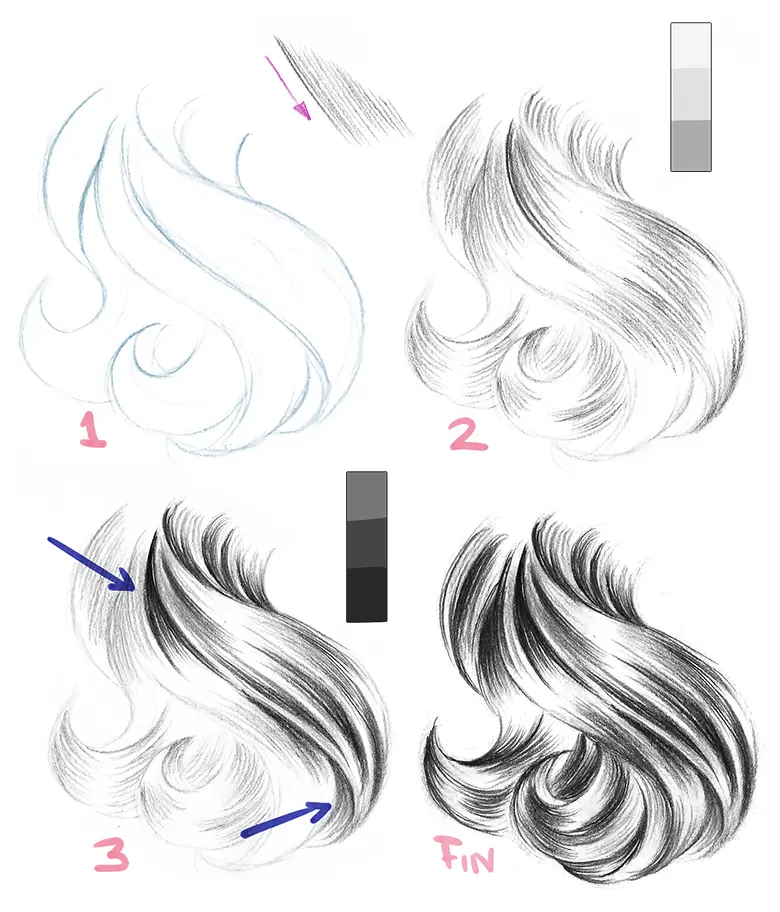
To create natural curl patterns, start by thinking of curls as grouped ribbons or loops rather than separate strands. Sketch large, wavy sections that follow the direction of hair growth. Each curl should have its own shape, but they should connect smoothly.
Vary the size and shape of these curls. Some can be tighter spirals, while others are looser waves. This makes the hair look organic and less stiff. Avoid drawing curls that look exactly the same. Each curl should have a subtle difference to keep the style rich and lively.
Adding Depth With Line Variation

Using different line thicknesses adds depth to the drawing. Thicker, darker lines can show shadowed areas or parts where curls overlap. Thinner, lighter lines work well for highlights or finer hairs that catch more light.
Varying line direction also helps create texture. Avoid drawing all lines straight or parallel. Instead, follow the natural curve of the curls with smooth, flowing strokes. This gives the hair volume and makes the curls pop.
Avoiding Common Mistakes
One common mistake is drawing curly hair as just a series of loops or spirals without considering structure. This can make hair look flat or cartoonish. Instead, think of curls as groups of strands that form sections.
Another mistake is over-detailing every strand. Too many lines can make the hair look messy. Focus on drawing large curls first, then add smaller details to suggest texture.
Also, avoid making curls uniform and repetitive. This reduces the natural look. Instead, mix bigger, smaller, tight, and loose curls to add variety and flow.
Shading and Detailing Techniques
Shading curly male hair takes a balance of light and dark areas to show the natural bounce and depth curls have. Adding fine details helps make each curl look lively and different from the rest. It is important to think about where the light hits and how the hair volume can change shadows.
Building Highlights and Shadows

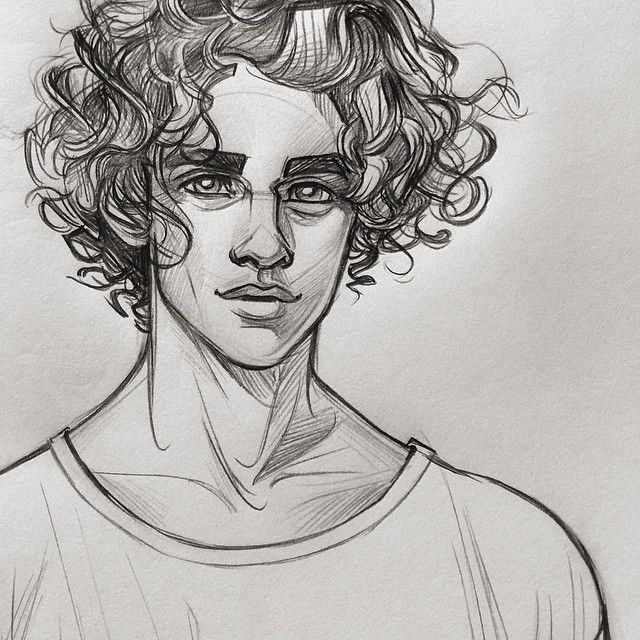
Start by identifying the light source in the drawing. Highlights appear where the light directly hits the curls. These spots usually look smooth and shiny. Shadows develop in the areas between curls or where hair overlaps, showing depth.
Use soft pencils or light pressure to create gentle shadows. Darker pencils or more layers can deepen these shaded areas. Varying the pressure adds dimension. Avoid flat shading; instead, think about the round shape of individual curls and how each one casts a shadow on itself or others.
Blending for Texture
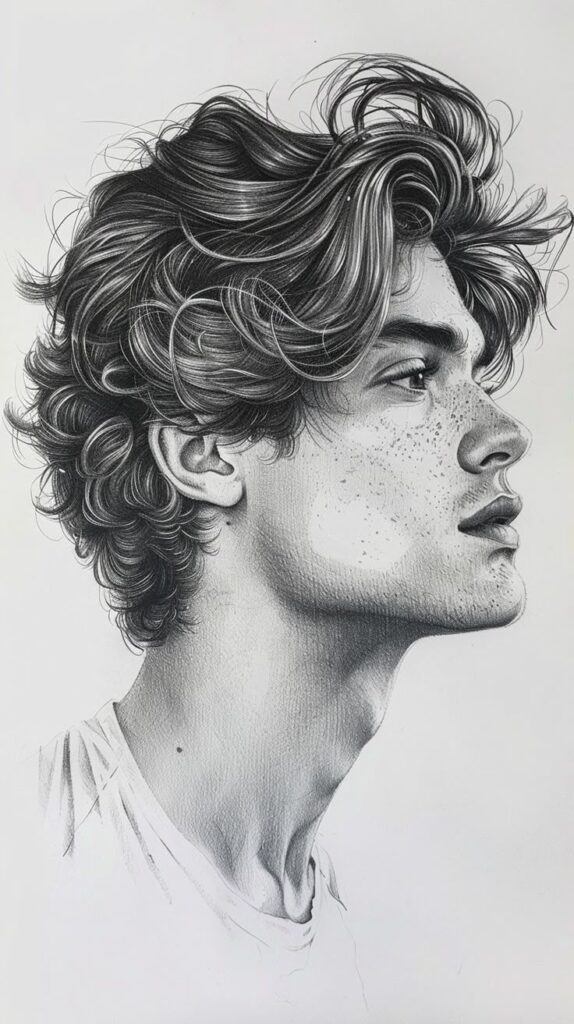
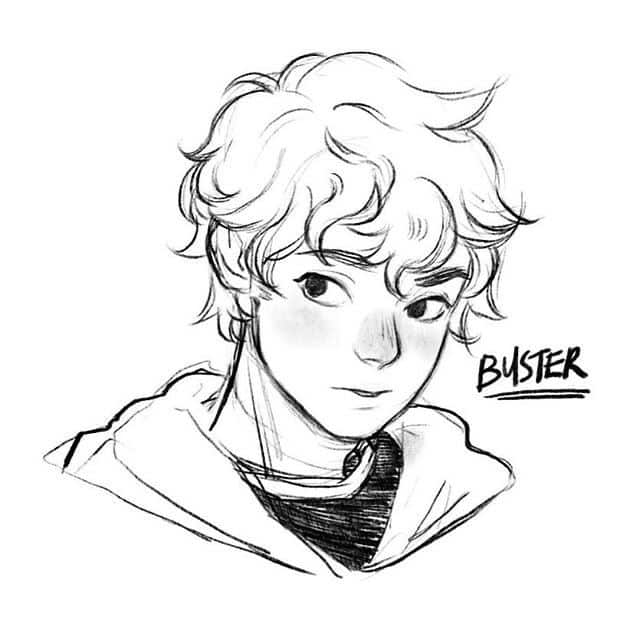
Blending helps the hair look soft and natural, not rough or harsh. Use tools like blending stumps, tissue paper, or your fingers lightly to smooth pencil marks but keep some curl lines visible.
Work in small sections to preserve hair shape. Start blending from dark to light areas carefully so the curls keep a sense of volume. Avoid over-blending, which can flatten the texture and remove the hair’s natural movement.
Capturing Shine in Curly Hair
Shiny spots give hair life and realism. Leave tiny white or lighter areas inside or on top of curls where the light reflects most. Use an eraser to gently lift graphite for subtle shine effects after shading.
Shine follows the curl’s curve, so place highlights along these shapes, not randomly. This helps show the hair’s springy and smooth quality. Adding small bright points also shows wetness or oil that naturally appears on curly hair.
Styling and Personalizing Curly Male Hair
Curly male hair can be styled in many ways by changing its length, shape, and the small details added around it. These choices help make each drawing unique and give personality to the character. It’s important to think about how curls change with different cuts and accessories.
Drawing Different Hair Lengths
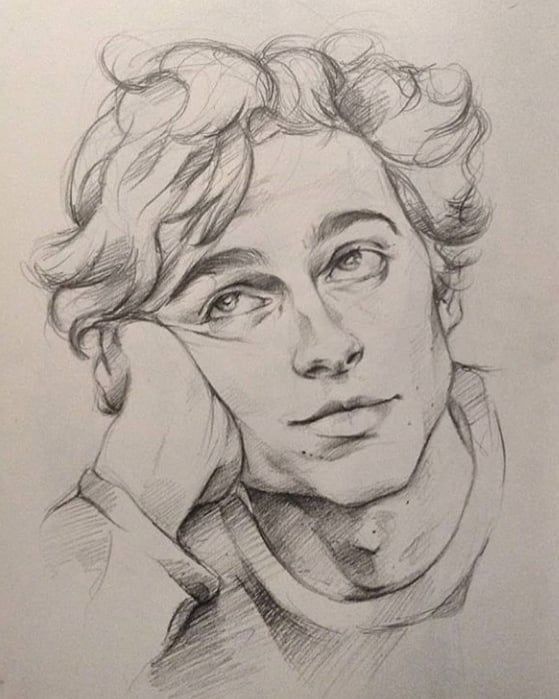
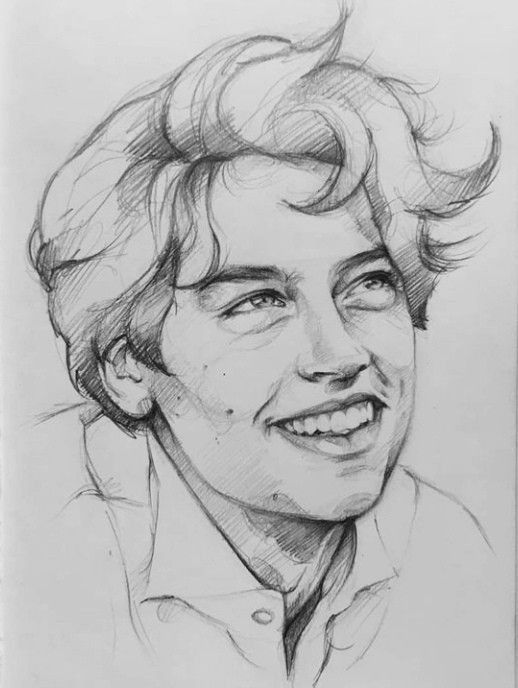
Short curly hair tends to show curls tightly packed near the scalp. To draw this, focus on small S-shaped or spiral curls close together. Keep the lines short and layered to show thickness.
For medium length, curls get looser and more visible. Use longer, more flowing curves or zigzag patterns to show how curls fall naturally.
Long curly hair has bigger loops and waves. Draw large spiral twists and overlapping strands to create volume. Avoid straight lines; curls should look springy and lively. Adjust spacing between curls to avoid a flat look.
Representing Popular Hairstyles

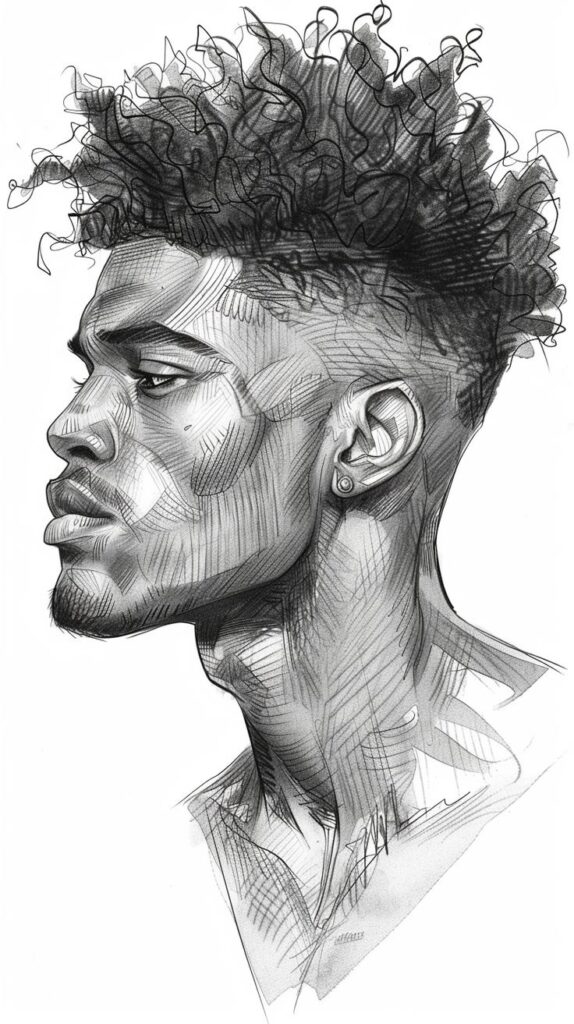
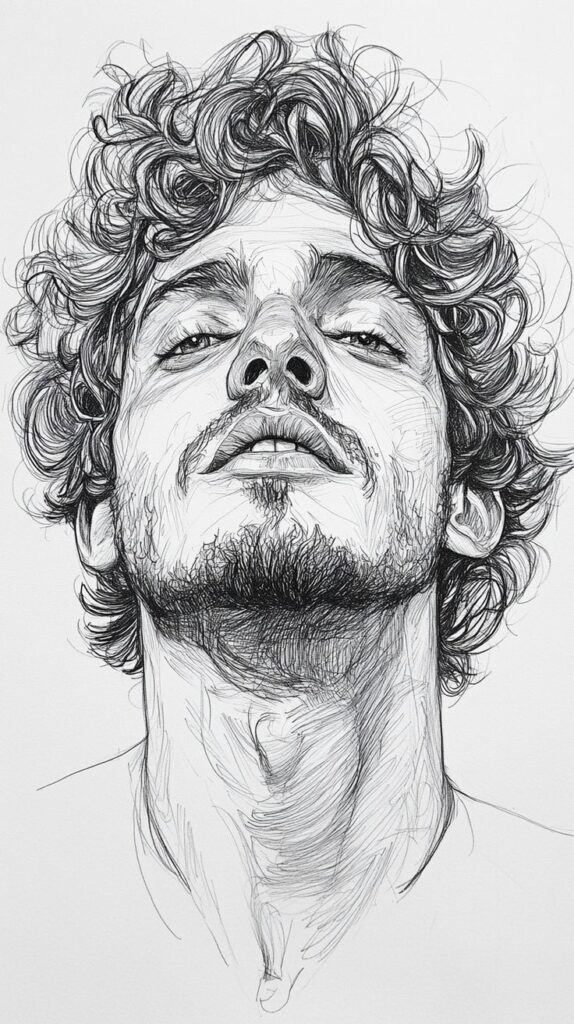
Popular curly hairstyles include fades, undercuts, and afro styles.
- A fade has very short curls near the sides that gradually get longer on top.
- An undercut shows distinct separation between short sides and longer curly hair on the crown.
- The afro style shows curls forming a rounded, thick shape around the head.
To show these, use sharp contrasts in curl size and space. For fades, use shading to blend from short to longer. For afros, emphasize roundness with soft, loose curls.
Adding Accessories and Details
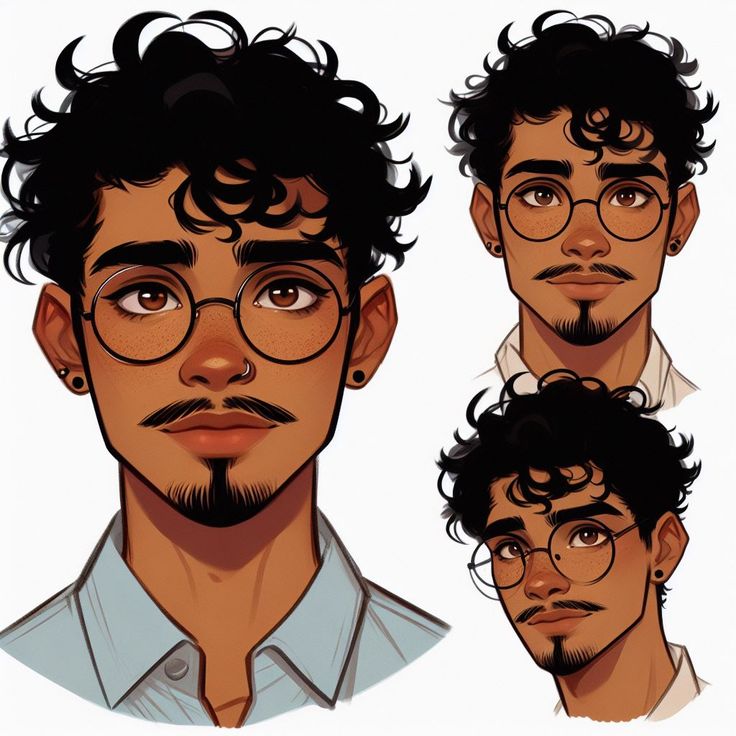
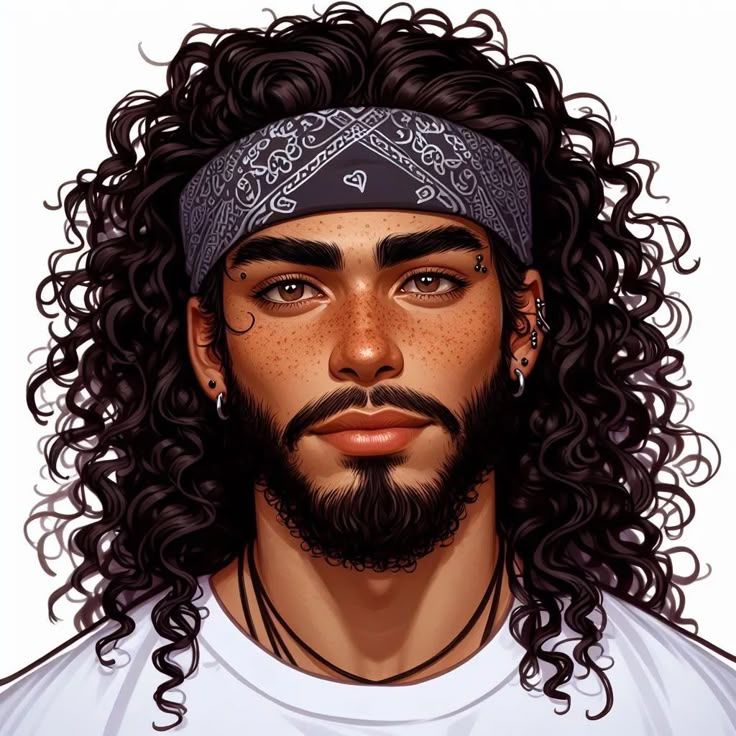
Adding small accessories can give life to the hair drawing. Headbands, hats, or clips can change the look.
- Headbands push curls back and smooth hair near the forehead.
- Hats may flatten curls on top but leave some poking out.
- Hair clips help hold curls in certain spots.
Details like stray curls, shine spots, or shadow under the hair add realism. Use light strokes for stray curls around the edges. Small highlights or darker shadows between curls create depth. These little touches make the hair feel more natural and styled.
Final Touches and Review
After finishing the main curls, it is important to review the drawing carefully. He should check the overall shape and flow of the hair first. Hair should look natural and not too stiff or perfect.
Next, he can add small details for volume and texture. Using a softer pencil or lighter strokes helps create shadows between curls. This gives the hair more depth. He can also erase tiny areas to show highlights where light hits the hair.
Here are some helpful tips to keep in mind during the final steps:
- Look for any areas where curls overlap and add shading accordingly.
- Avoid drawing each curl the same size or shape to keep it realistic.
- Check the edges of the hair to avoid harsh lines unless that’s the style.
- Use light and dark contrasts to create movement within the hair.
Finally, stepping back and viewing the drawing from a distance can help spot uneven areas. Adjusting contrast or adding small curls can balance the picture.
By taking these small but important steps, the curly hair will look more lifelike and complete. This makes the whole drawing feel more polished without overworking the details.
What is the best way to start drawing curly male hair?
Begin by sketching the outline of the hair with soft, rounded lines to capture its volume and shape, focusing on the overall flow rather than every detail of each curl.
How do I choose the right materials for drawing curly hair?
Use pencils with varying hardness from hard (H, 2H) for outlines to soft (B, 2B, 4B) for shading, select medium-weight textured paper for better grip of pencil marks, and include erasers and blending tools like tortillons or blending stumps to help achieve realistic textures.
What are some tips for creating natural curl patterns?
Sketch large, wavy shapes that follow the natural direction of hair growth, vary the size and tightness of curls, and group them into clusters to make the curls look organic and lively.
How does light affect the appearance of curly hair in drawings?
Highlights usually appear on outward-curving parts of the curls where light hits directly, while shadows form inside the loops and overlapping sections, giving the hair depth and a three-dimensional look.
What final steps should I take to make my curly hair drawing look realistic?
Review the overall shape and flow, add small details for texture and volume, use light and dark contrasts to show depth, erase tiny areas for highlights, and step back to check for balance and naturalness.
- 5.1Kshares
- Facebook0
- Pinterest5.1K
- Twitter0
- Reddit0