A self-storage unit is worth considering when your home, studio, office, or move has more belongings than usable space. The right unit gives you breathing room without forcing you to sell furniture, stack boxes in living areas, or rush decisions during a renovation or relocation.
The key is not simply finding the cheapest empty room. You need a unit that fits your items, protects them from weather and theft, stays easy to access, and has rental terms you can leave without drama. Start with what you are storing, how often you need to visit, and how long the items will stay there.

When a self-storage unit actually makes sense
Self-storage works best as a practical buffer. It is useful when you need temporary space, not when you are trying to avoid making any decisions about clutter. If the unit becomes a paid attic for things you never use, the monthly cost can quietly turn into a bad deal.
Good reasons to rent one include moving between homes, downsizing, remodeling, storing seasonal gear, holding business inventory, keeping tools out of a living area, or protecting furniture while you stage a house for sale. It can also help during a slower decluttering process, especially when you need to clear rooms before sorting everything properly.
For mental breathing room, decluttering research and advice often points to the same basic truth: visible clutter adds friction to daily life. A unit can help if you use it with a plan, a clear label system, and a review date instead of treating it as a place where decisions disappear. This overview of decluttering and mental space is a useful starting point if you are clearing a home under stress.
How to choose a self-storage unit step by step
Choosing a self-storage unit comes down to five checks: size, location, access, security, and conditions inside the unit. I would make those decisions in that order, because size and access affect your monthly cost immediately, while security and climate control affect whether your belongings come back in the same condition.
1. Make a real inventory before choosing a size
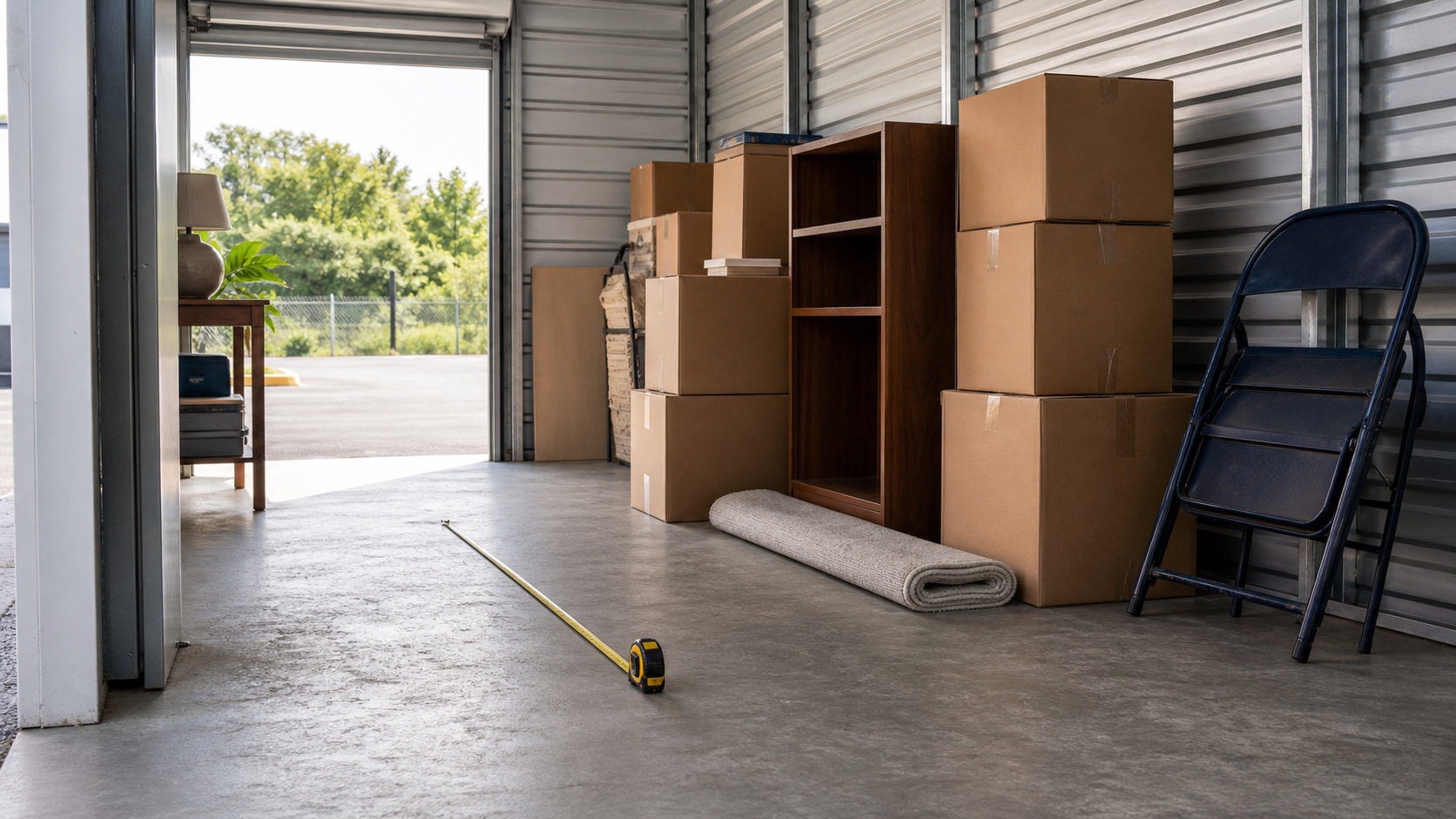
Do not guess from memory. Write down the large items first: sofas, mattresses, bookcases, appliances, bikes, tool chests, filing cabinets, or boxed product stock. Then estimate how many medium boxes you will need. If you are storing furniture, measure the longest pieces and note anything that cannot be stacked safely.
A slightly larger unit can be cheaper than renting a second unit later, but too much unused floor space is wasted money. The goal is a unit with a narrow aisle, stable stacks, and enough room to reach the things you may need again.
| Unit size | Often works for | Watch out for |
|---|---|---|
| 5 x 5 | Boxes, small decor, documents, seasonal items | Too small for most furniture |
| 5 x 10 | Studio apartment overflow, a mattress set, chairs, boxes | Needs careful stacking |
| 10 x 10 | One-bedroom apartment, larger furniture, business supplies | Can fill quickly with bulky sofas |
| 10 x 15 | Two-bedroom home contents or renovation storage | Costs more, so keep a review date |
| 10 x 20 | Vehicle storage, large household moves, big inventory loads | Check drive-up access and insurance terms |
2. Choose the location based on visit frequency
If you will visit every week, choose a facility close to home, work, or your route through town. Saving a few dollars on rent may not matter if every pickup costs time, fuel, and annoyance. For items you will not touch for months, a slightly farther facility can make sense if it is cleaner, safer, or cheaper.
Business owners should be especially practical here. If you store packaging, samples, event displays, or tools, the best facility is the one your workflow will actually tolerate. If you need a local example of how providers present unit options, compare facility pages such as StoreLocal with nearby alternatives and look for clear size guides, access details, and security information.
3. Check access hours before you sign
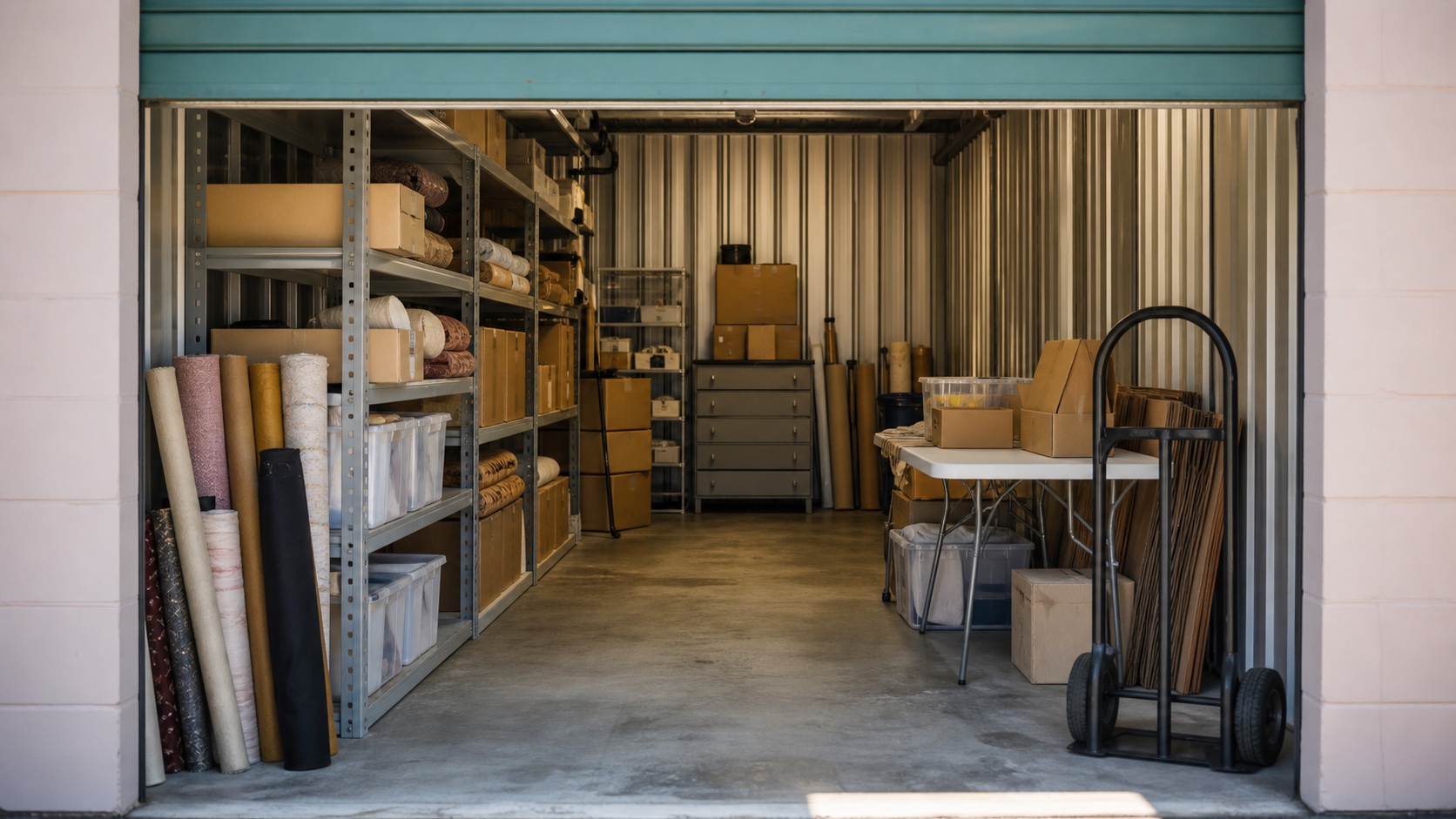
Some storage facilities offer 24-hour access, while others limit visits to office hours or gated access windows. This matters more than people expect. If you are storing work equipment, trade show materials, or a spare mattress for guests, late access can be useful. If you are storing long-term household overflow, standard access hours may be enough.
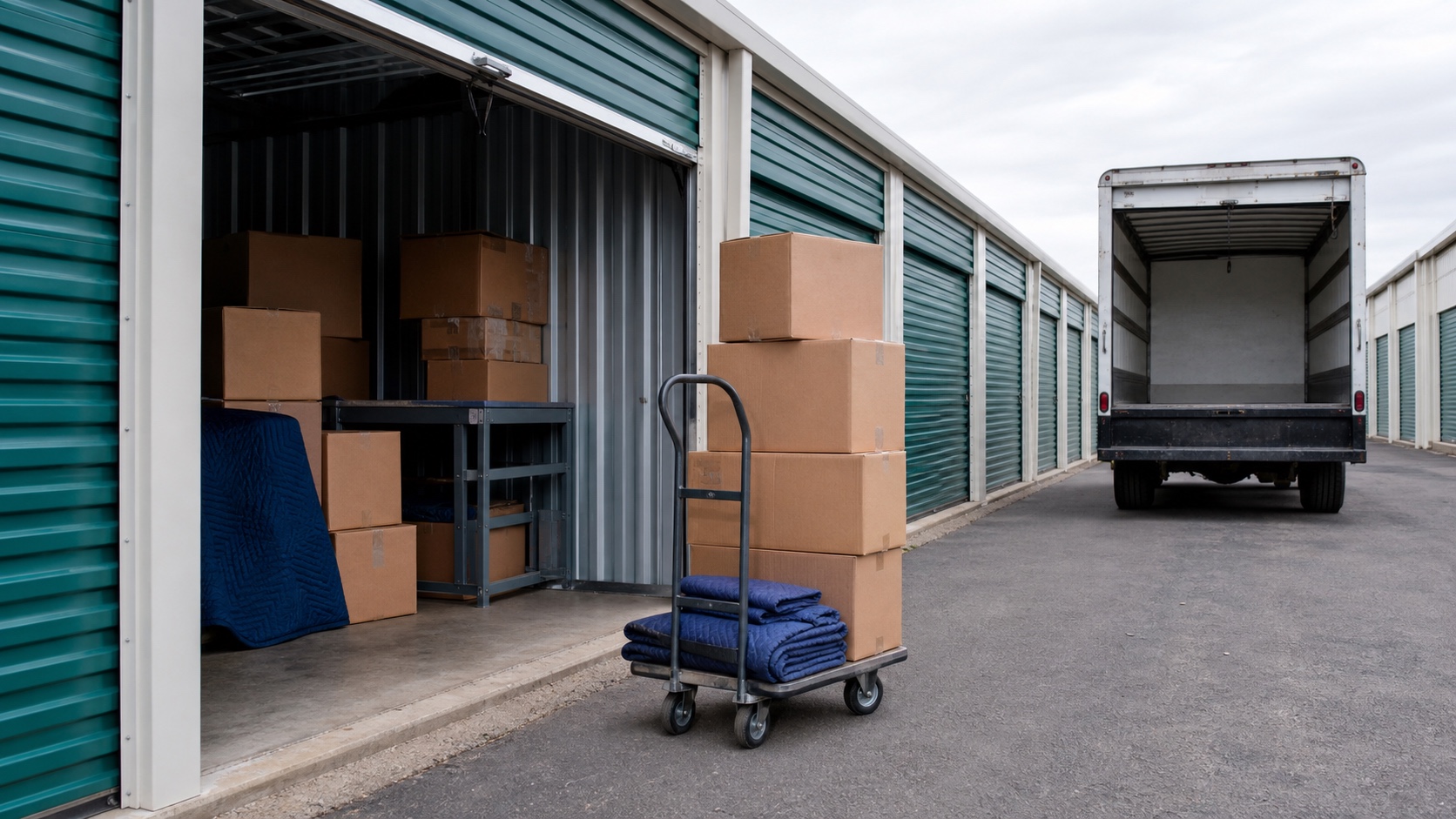
Also check how easy it is to move items in and out. Look for loading bays, carts, elevators, wide hallways, drive-up units, and enough room for a moving truck. A clean unit with awkward access can still become a frustrating choice.
4. Look at security like a renter, not like a brochure reader
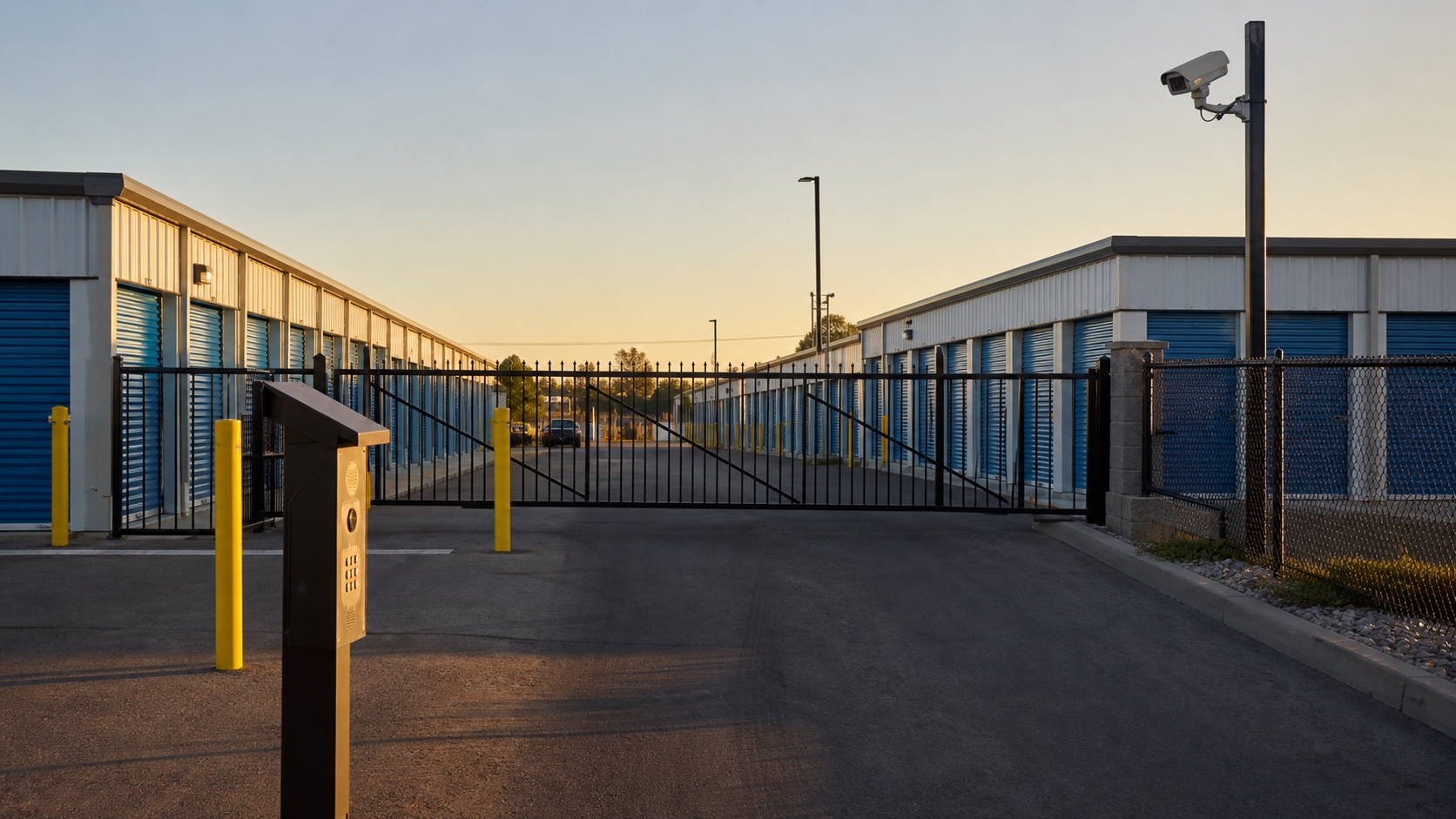
Security claims sound similar on most storage websites, so check the details. A good facility usually has gated entry, cameras, lighting, individual locks, clear office presence, and a property that feels maintained. Ask whether cameras record continuously, whether each renter has a unique gate code, and what happens after a break-in or water leak.
Bring your own strong lock if the facility allows it. Disc locks are harder to cut than basic padlocks, and they sit close to the door latch. If you are storing valuable equipment, photograph the items and keep serial numbers somewhere outside the unit.
5. Decide whether climate control is worth it
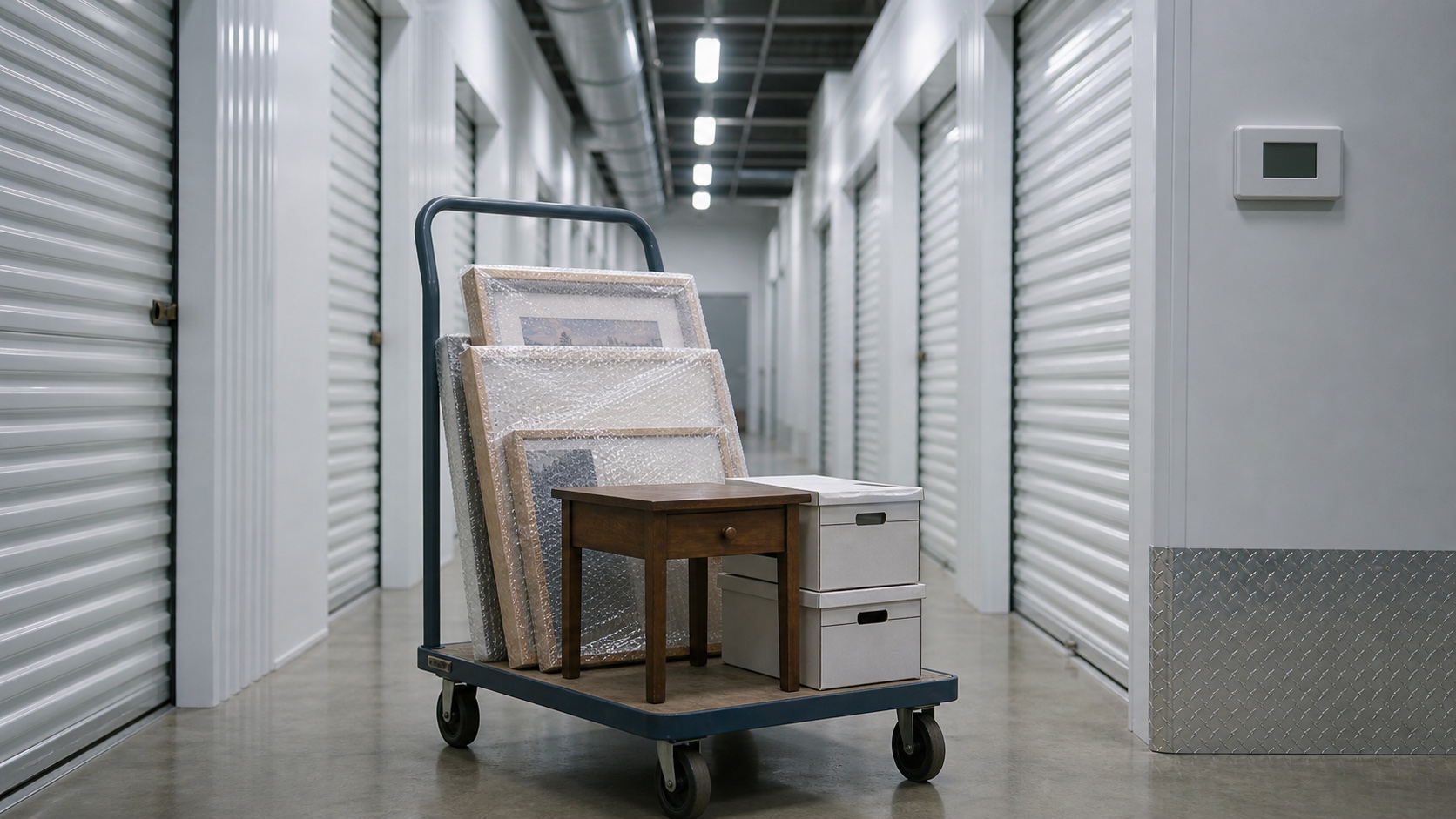
Climate-controlled storage is usually worth considering for wood furniture, artwork, paper records, electronics, musical instruments, leather, delicate textiles, and anything that could warp, mildew, crack, or corrode. It does not make every unit perfect, but it reduces the stress caused by heat, cold, and humidity swings.
If you are only storing plastic bins of holiday decor for a short period, a standard unit may be fine. If you are storing a walnut table, design samples, framed prints, or old family documents, I would be much pickier. Materials tell you what kind of space they need.

What self-storage costs can include
The advertised monthly rent is only part of the cost. Before you sign, ask about admin fees, required insurance, lock purchases, late fees, rate increases, minimum rental periods, notice periods, and whether a promotion changes after the first month.
Month-to-month rental terms are useful if you are moving or renovating, because timelines change. Long-term discounts can help if you know the storage period will be stable, but avoid locking yourself into a unit that is larger or farther away than you really need.
How to prepare your items for storage
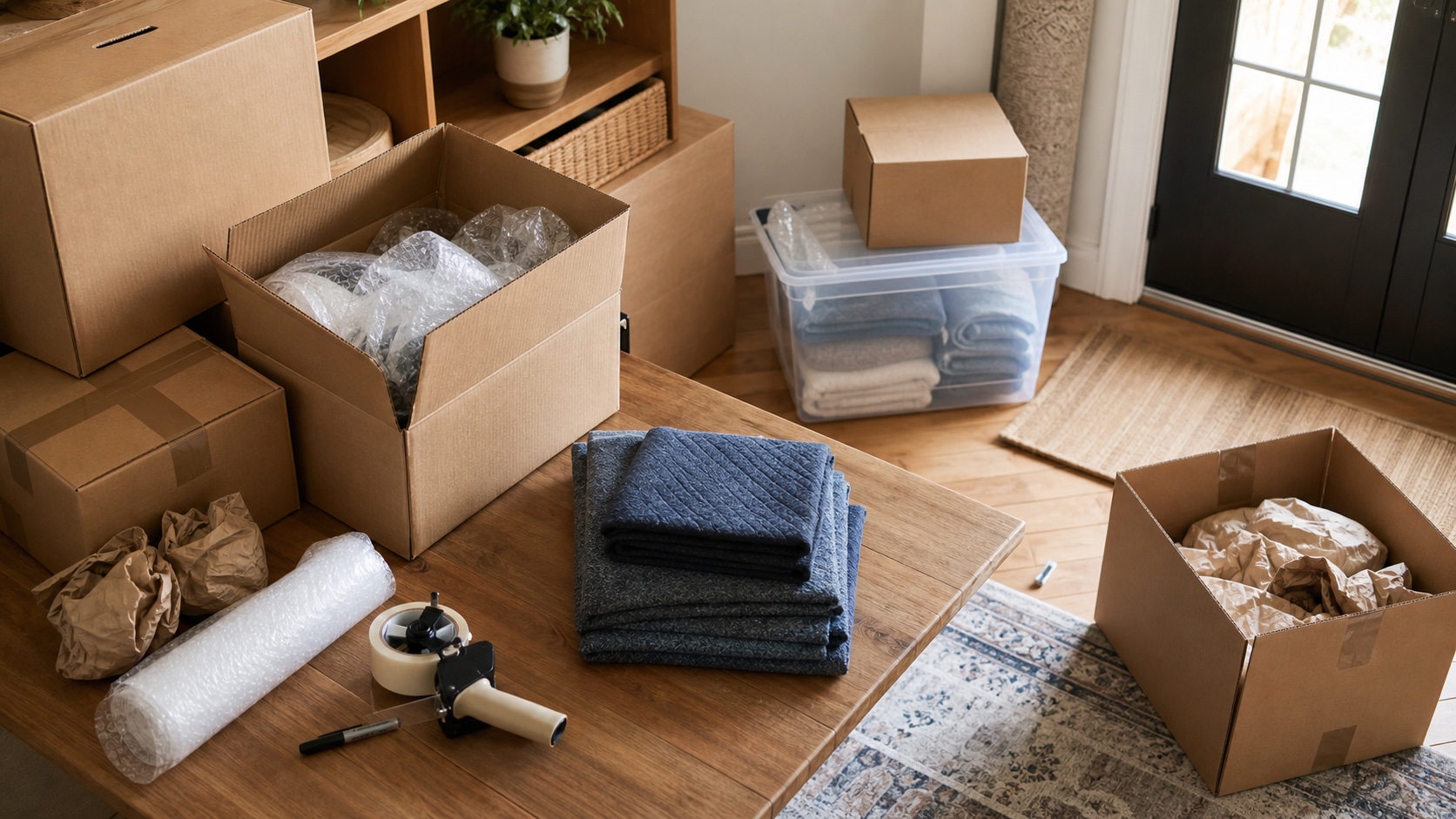
Storage preparation is where many people accidentally create damage. Clean and dry items before packing them. Do not wrap wood furniture tightly in plastic for long periods, because trapped moisture can cause problems. Use breathable covers for furniture, sturdy boxes for heavy items, and clear labels on at least two sides of each box.
- Put heavy boxes on the bottom and lighter boxes above them.
- Leave a small aisle so you can reach items at the back.
- Keep frequently used items near the door.
- Use shelving if the unit will hold boxes for more than a few months.
- Take photos of valuable items and keep receipts or serial numbers elsewhere.
- Make a simple inventory in a notes app or spreadsheet before you close the door.
Do not store food, fuel, paint, fireworks, propane tanks, plants, animals, damp textiles, or anything illegal. Most facilities ban hazardous and perishable items, and the lease should spell that out clearly.
Quick checklist before renting a unit
- Does the unit size match your inventory, not just a rough guess?
- Can you access the facility at the times you actually need?
- Are the doors, floors, lighting, and hallways clean and maintained?
- Are security cameras, gate codes, and locks explained clearly?
- Do your belongings need climate control?
- What fees are added beyond monthly rent?
- What insurance is required, and what is excluded?
- How much notice do you need to move out?
Final advice
The best self-storage unit is the smallest secure unit that fits your belongings comfortably and stays convenient enough to use. Choose it like a working space, not like a dumping ground. Measure first, compare the real terms, visit the facility if you can, and pack the unit so future you can find things without pulling half the room apart.
FAQ
What is a self-storage unit?
A self-storage unit is a rented space inside a storage facility where you can keep household items, furniture, business supplies, seasonal gear, or other belongings. Most units are rented month to month, and you usually access them with your own lock, gate code, or facility account.
Is a self-storage unit worth it?
A self-storage unit is worth it when it solves a temporary space problem or protects items you still need. It is less useful if it becomes long-term paid clutter. Set a review date before renting so you can decide what to keep, sell, donate, or bring back home.
What size self-storage unit do I need?
Start with an inventory. A 5 x 5 unit often fits boxes and small items, a 5 x 10 can handle studio overflow, and a 10 x 10 often works for a one-bedroom apartment. Large furniture, appliances, or business inventory may need a 10 x 15 or larger unit.
Do I need climate-controlled storage?
Climate control is smart for wood furniture, electronics, artwork, documents, leather, delicate fabric, musical instruments, and anything sensitive to heat or moisture. For short-term storage of durable plastic bins or outdoor gear, a standard unit may be enough.
How do I choose a secure storage facility?
Look for gated access, good lighting, cameras, clean hallways, clear staff presence, and strong lock options. Ask whether gate codes are unique, whether cameras record continuously, and what the facility does if there is theft, water damage, or a maintenance issue.
What should I not put in a storage unit?
Do not store food, fuel, paint, propane, fireworks, plants, animals, damp fabrics, or anything illegal. Most leases also restrict hazardous, flammable, and perishable items. If an item can leak, rot, attract pests, or create fumes, keep it out of storage.
Related reading
If you are using storage to make a home or workspace easier to live with, these guides may help next: storage and organization hacks for small spaces, cozy minimalism ideas, home office setup ideas, compact urban home design ideas, and clean art studio habits.
- 17shares
- Facebook0
- Pinterest17
- Twitter0
- Reddit0