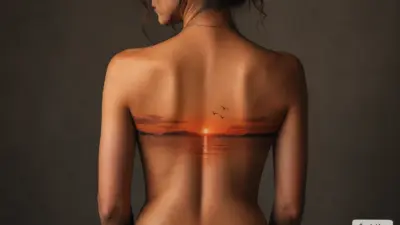
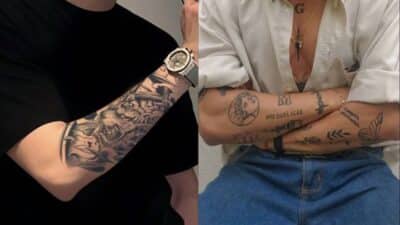
Getting a first tattoo feels exciting right up until the appointment is actually on the calendar. Then the questions start. Did I pick the right design? Is this spot going to hurt? What if I suddenly hate it?
Most people think getting tattooed is basically: choose something cool, show up, sit still. Done. Not really.
- What No One Tells You About Getting Your First Tattoo
- Preparing for a Positive First Tattoo Experience
- Frequently Asked Questions
- Q: What should I know before getting my first tattoo?
- Q: How painful is a first tattoo?
- Q: How do I choose the right tattoo artist for my first tattoo?
- Q: What’s the best placement for a first tattoo?
- Q: How much does a first tattoo usually cost?
- Q: What are the biggest mistakes people make with their first tattoo?
- Q: How long does a first tattoo take to heal?
- Q: Can I work out or shower after getting my first tattoo?
There are a bunch of things nobody mentions beforehand. Like how different a design can look once it’s actually on skin. Or how you’ll probably overthink the placement for the tenth time while the stencil is being adjusted. I’ve seen people spend weeks choosing artwork, then freeze over an inch of placement difference.
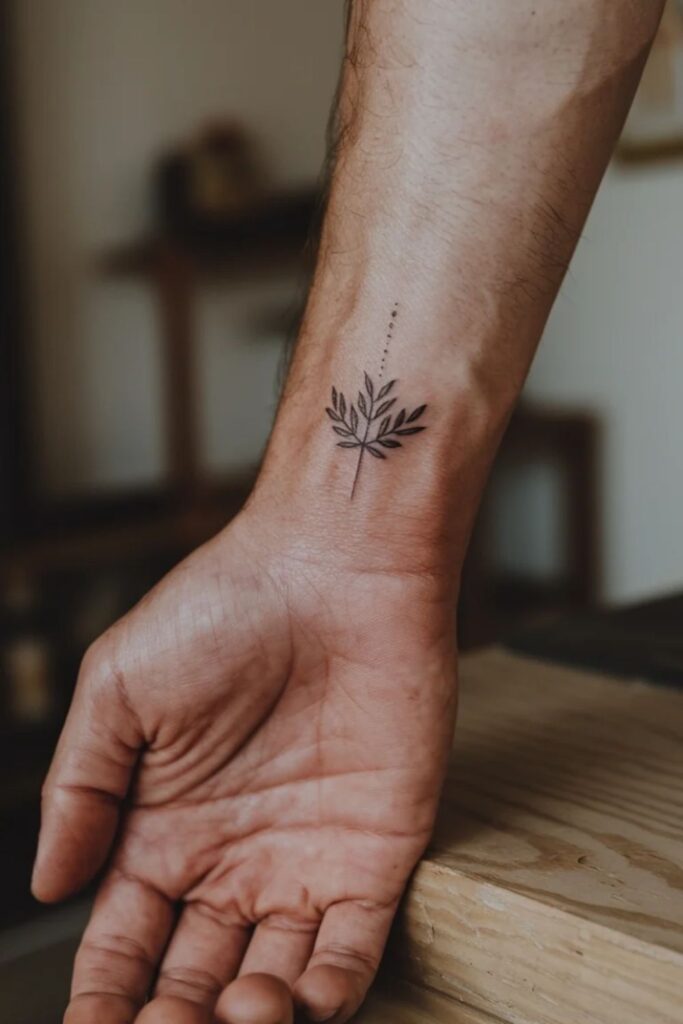
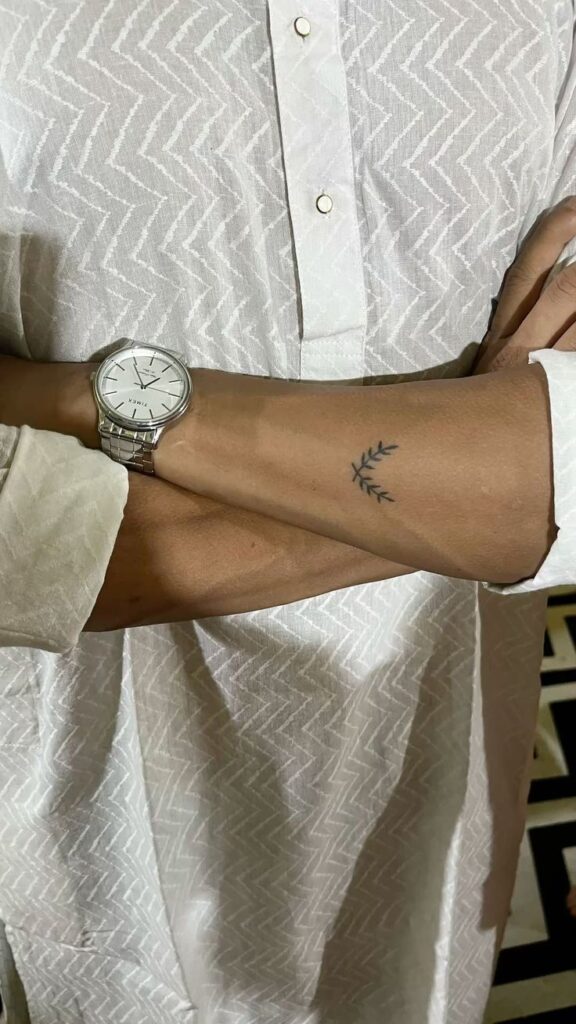
And the pain thing? It’s weirdly unpredictable. One person says the forearm felt easy. Another swears it was awful. Ribs, collarbone, feet — those usually earn their reputation for a reason.
Then comes healing, which catches a lot of first-timers off guard. Your tattoo flakes. It can look dull for a bit. Sometimes people convince themselves they ruined it because the ink suddenly looks patchy. Usually, it’s just healing doing what healing does.
From choosing the right artist to understanding how to care for the skin afterward, these tips can save trouble and regret.
This guide shares what most people don’t say out loud but really should. It helps anyone feel ready and confident to get a tattoo without surprises.
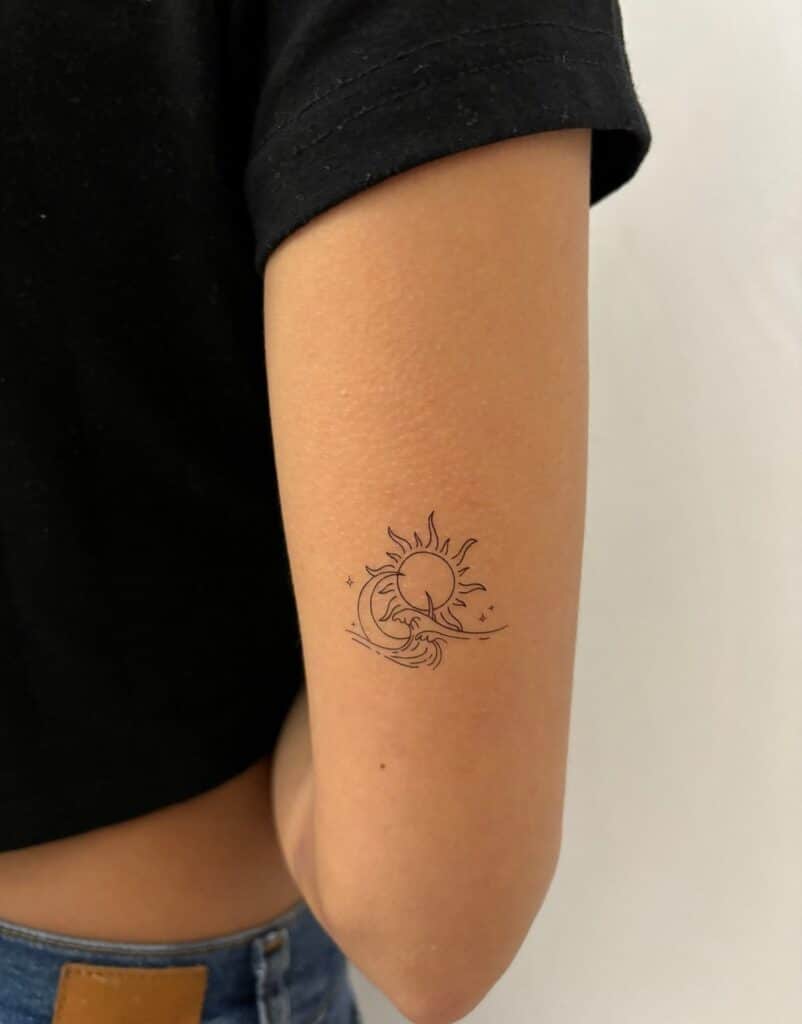
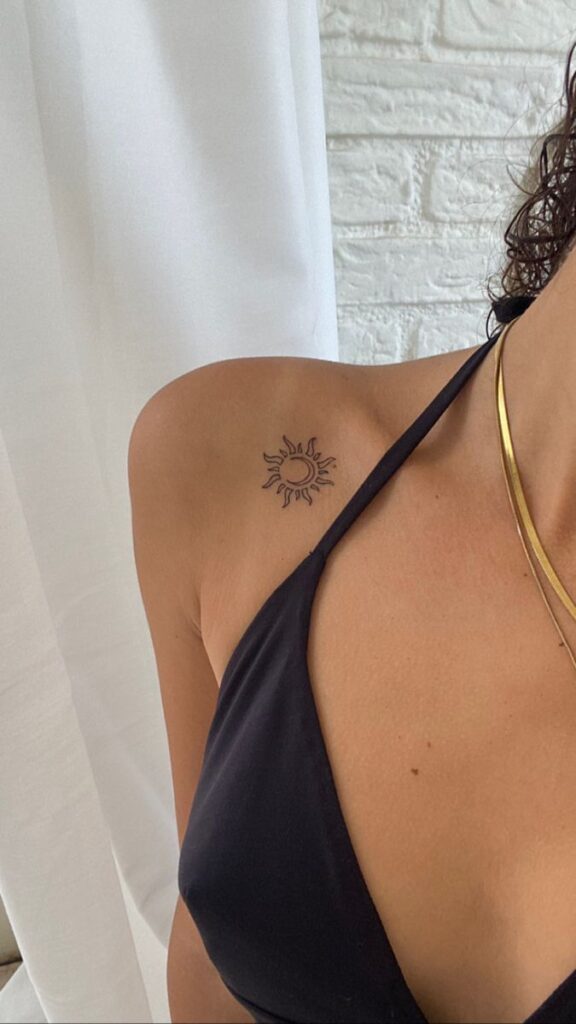
What No One Tells You About Getting Your First Tattoo
Getting a first tattoo involves more than just picking a design. There are important details about pain, artist choice, and money that many people don’t mention but should know. These details can make a big difference in the experience.
The True Pain Factor
Pain varies by person and where they get tattooed. Spots over bones or thin skin, like ribs or ankles, usually hurt more. Areas with more muscle or fat, like the thigh, tend to hurt less. The pain feels different to everyone; some describe it as a sharp sting, others as a constant scratching.
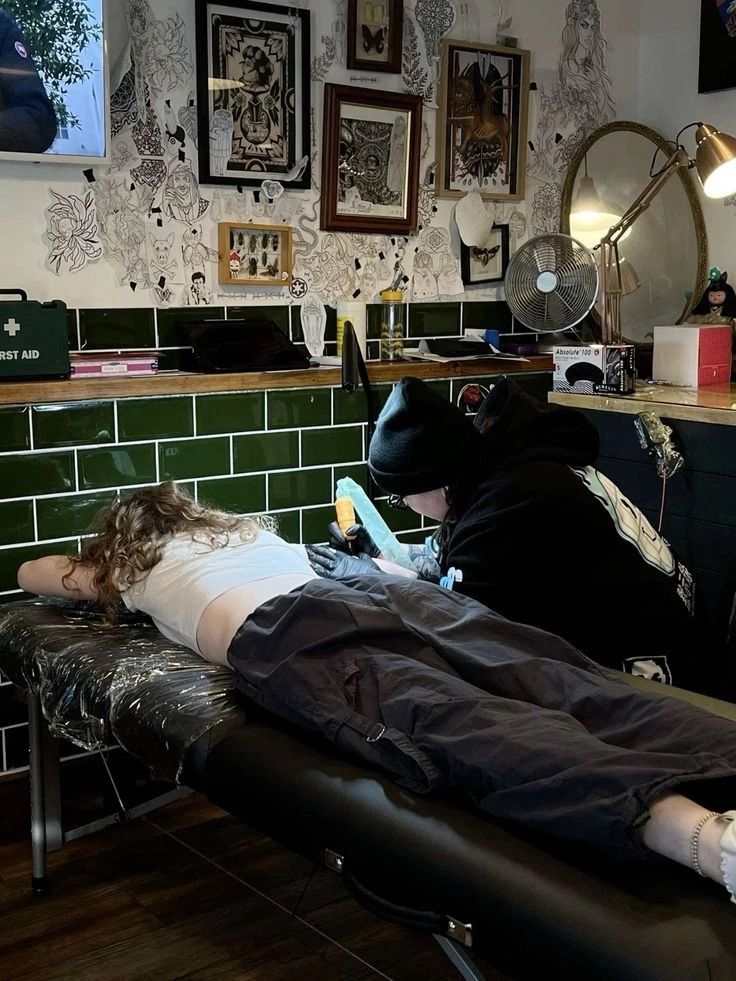
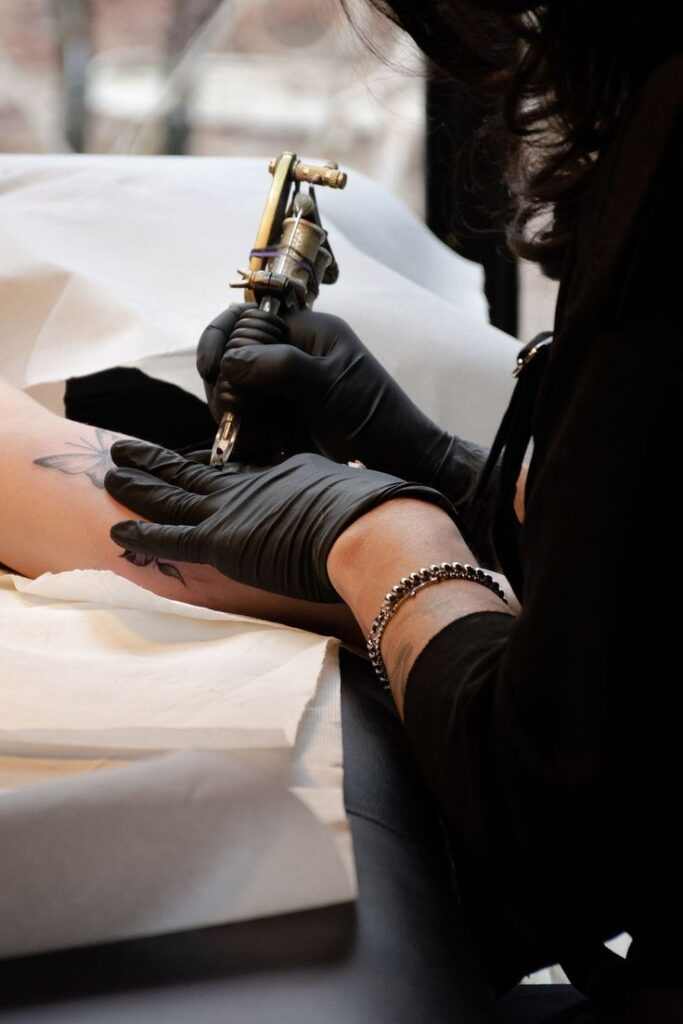
The length of the session also matters. Longer tattoos mean longer pain. Taking breaks or bringing something to distract yourself can help. It’s normal to feel sore and tender for a few days after, so planning rest time is smart.
Choosing the Right Artist
Choosing the right tattoo artist is probably the most important part of getting a tattoo, especially if it’s your first one. People spend weeks choosing a design and then rush the artist decision, which honestly feels backwards.
Start with the portfolio. Not just the three perfect Instagram photos either. Scroll. Look for consistency. Clean lines. Healed tattoos if they post them. And make sure the artist actually works in the style you want. Fine line, blackwork, realism, traditional — being good at one doesn’t automatically mean they’re good at all of them.
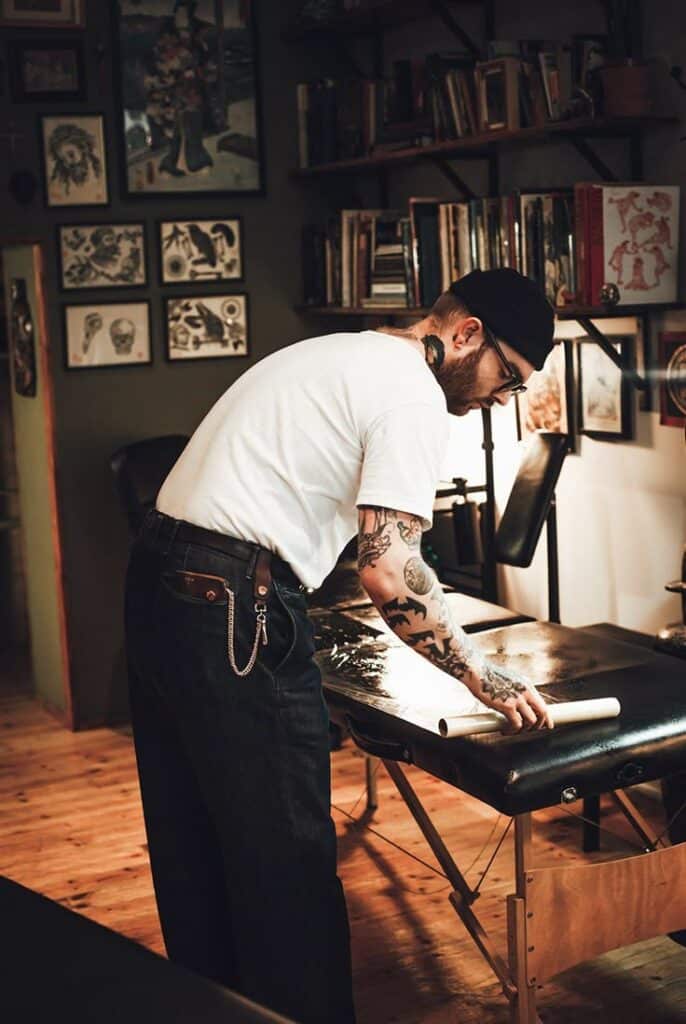
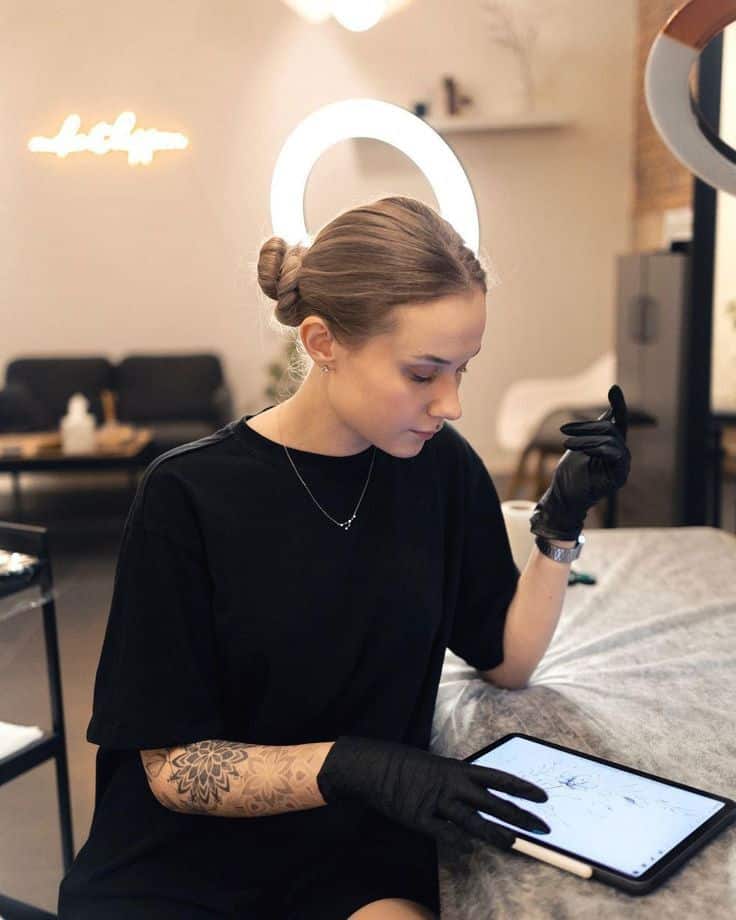
If you can, stop by the studio first. You notice things in person that photos never show. Is it clean? Do people seem professional? Does the place feel organized or chaotic?
The best tattoo artists will push back sometimes. That sounds harsh, but it’s usually a good sign. If your idea is too detailed for a tiny wrist tattoo or likely to blur over time, a solid artist tells you. They’d rather adjust the design than have you come back disappointed a year later.
And one thing people rarely mention: you should feel comfortable around them. You’re trusting this person to permanently mark your skin while you sit there trying not to move. If they listen, explain aftercare properly, and don’t make you feel rushed, the appointment usually goes a whole lot smoother.
Understanding Tattoo Costs and Value
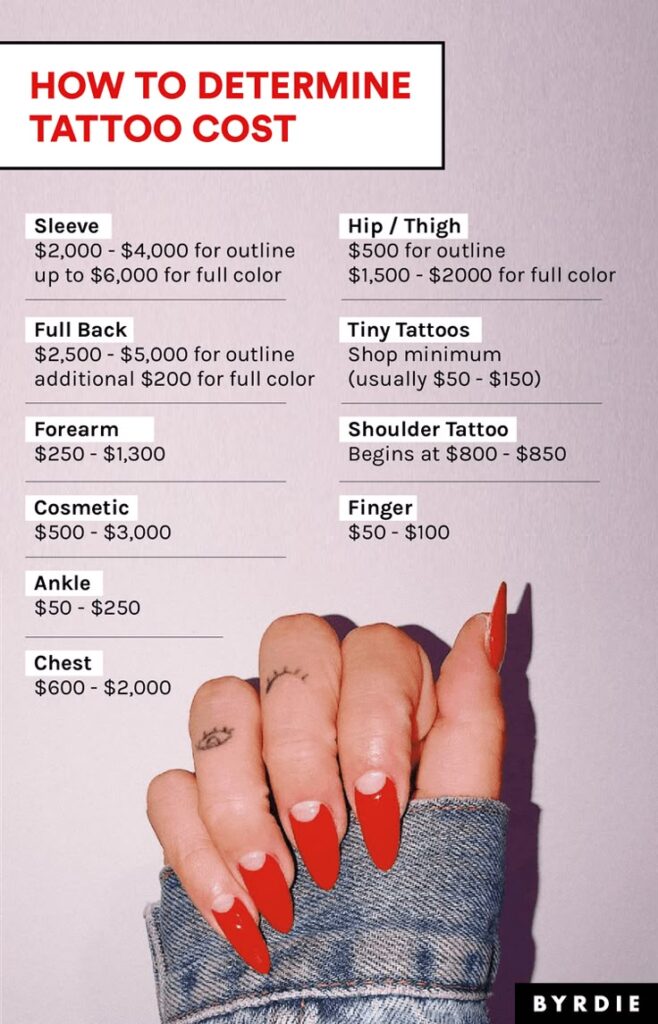
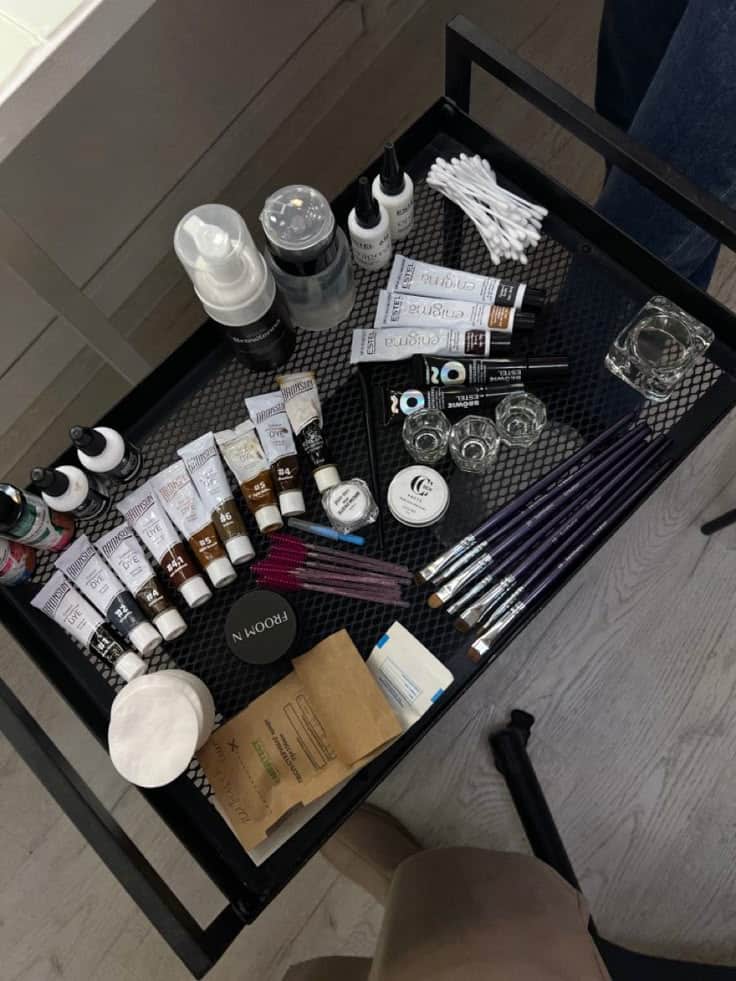
Tattoo prices surprise most people the first time around. Even a small tattoo can cost more than expected, especially if the artist is experienced.
Price usually depends on size, detail, placement, and the artist’s reputation. Some shops charge by the hour, others by the piece, so ask upfront to avoid surprises.
Cheap tattoos are tempting, but this is one place where cutting corners can go wrong. A good tattoo lasts. A bad one usually costs more to fix later.
Also, remember the extra costs — aftercare products, tips, or touch-ups can add up. If it’s staying on your skin for years, it’s worth paying for quality.
Preparing for a Positive First Tattoo Experience
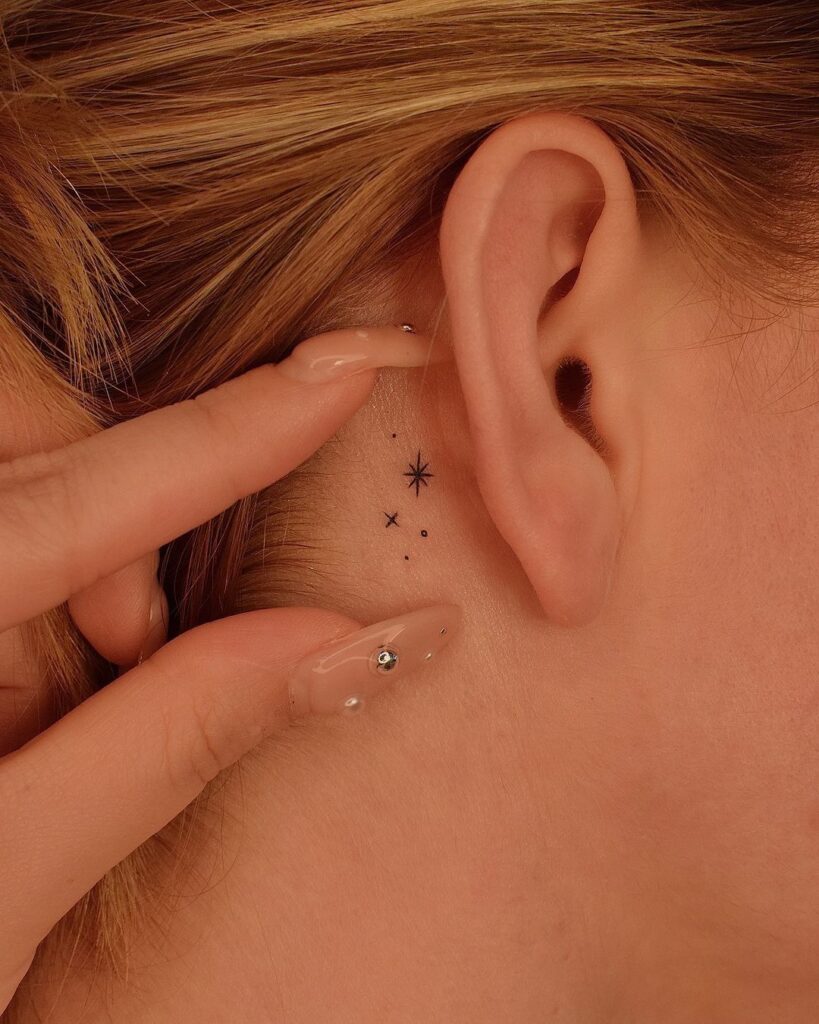
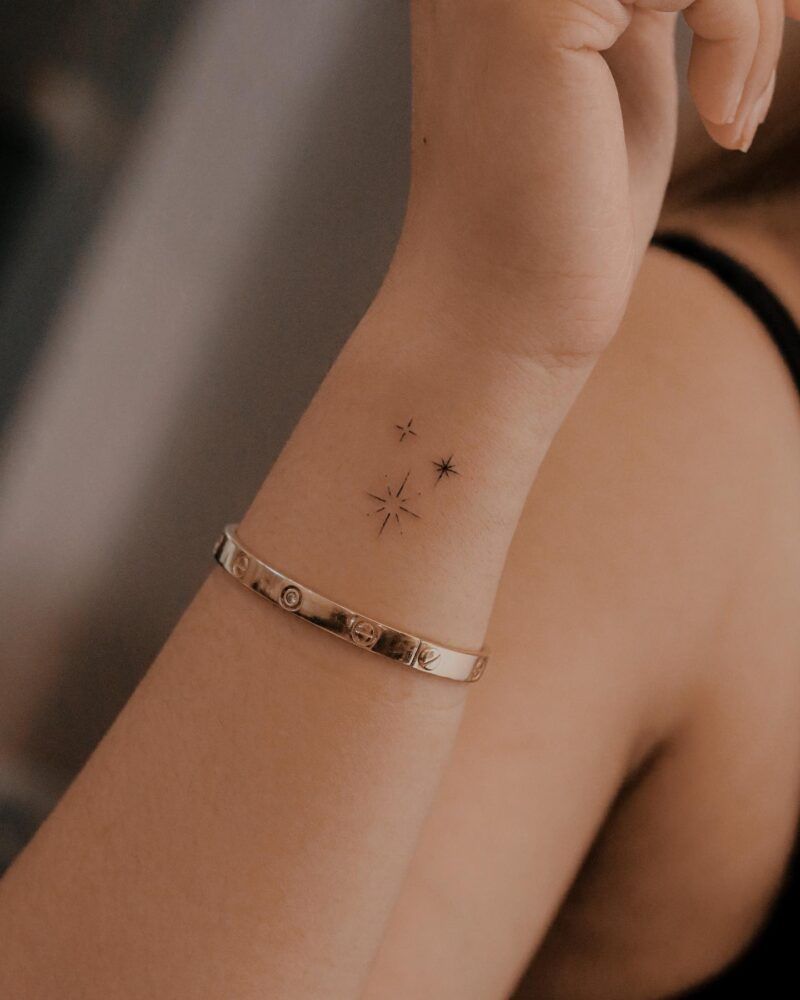
Getting a first tattoo can be exciting but also a bit nerve-wracking. Knowing how to choose a design, what happens during the session, and the right way to care for it afterward helps make the experience smoother.
How to Pick a Design That Lasts
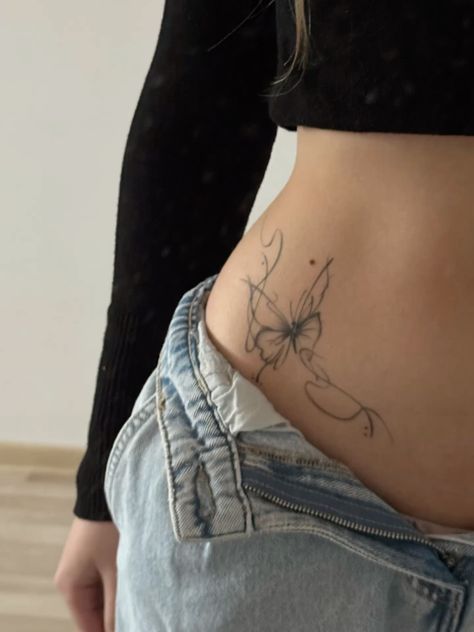
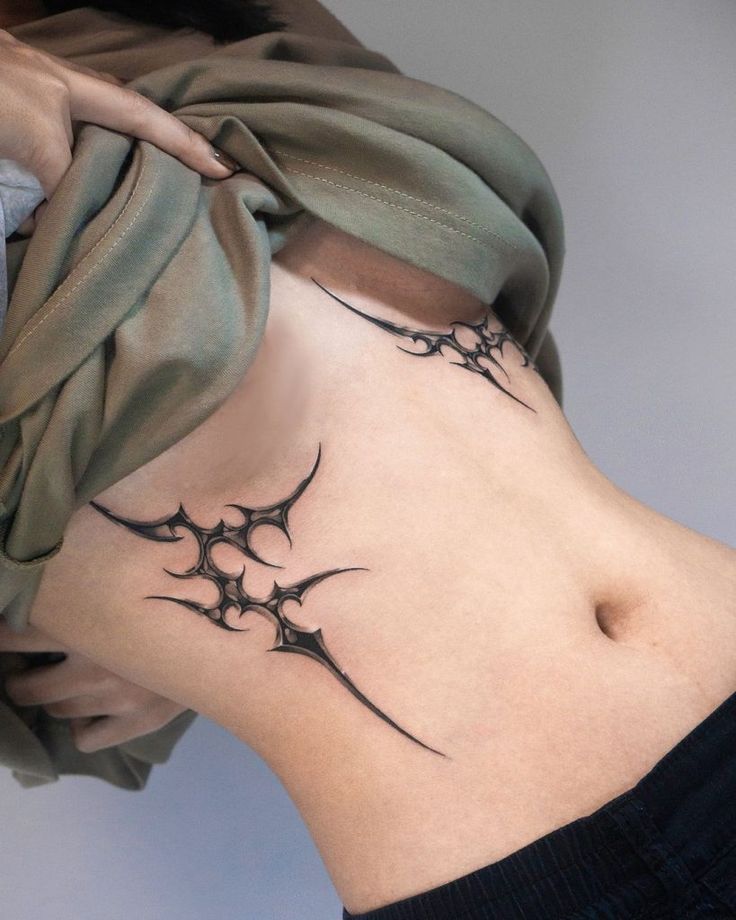
Choosing a tattoo that feels meaningful over time is important. People should think about symbols, words, or images that reflect their values, interests, or life moments. It’s smart to avoid trends that might seem less special in a few years.
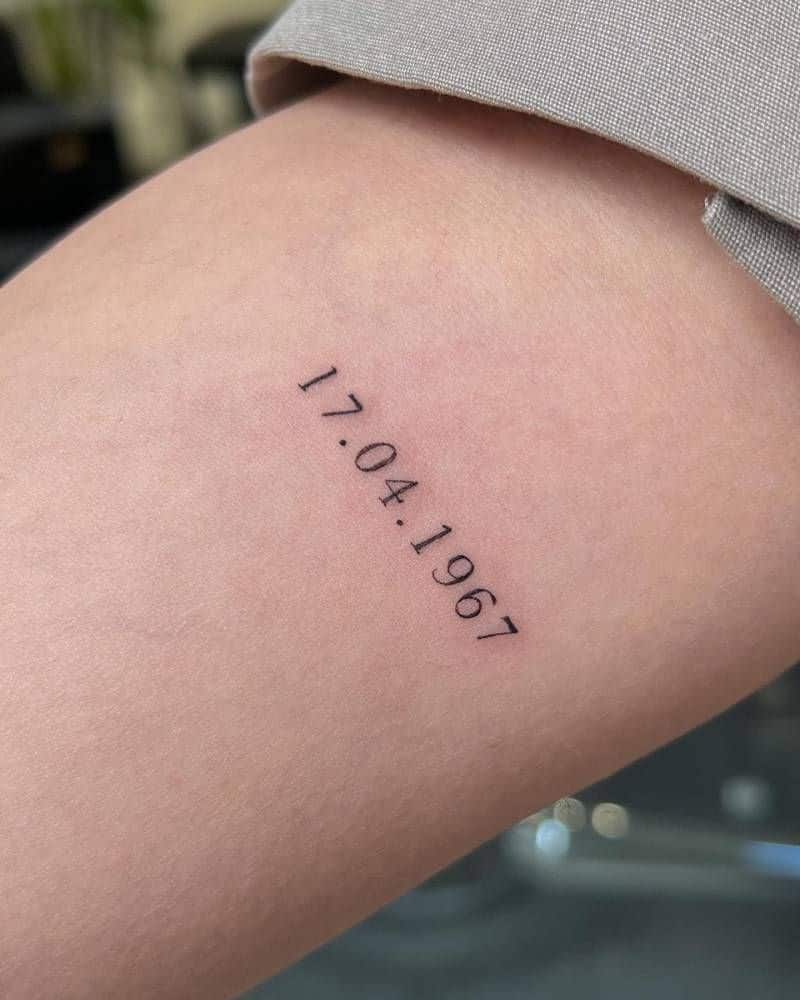
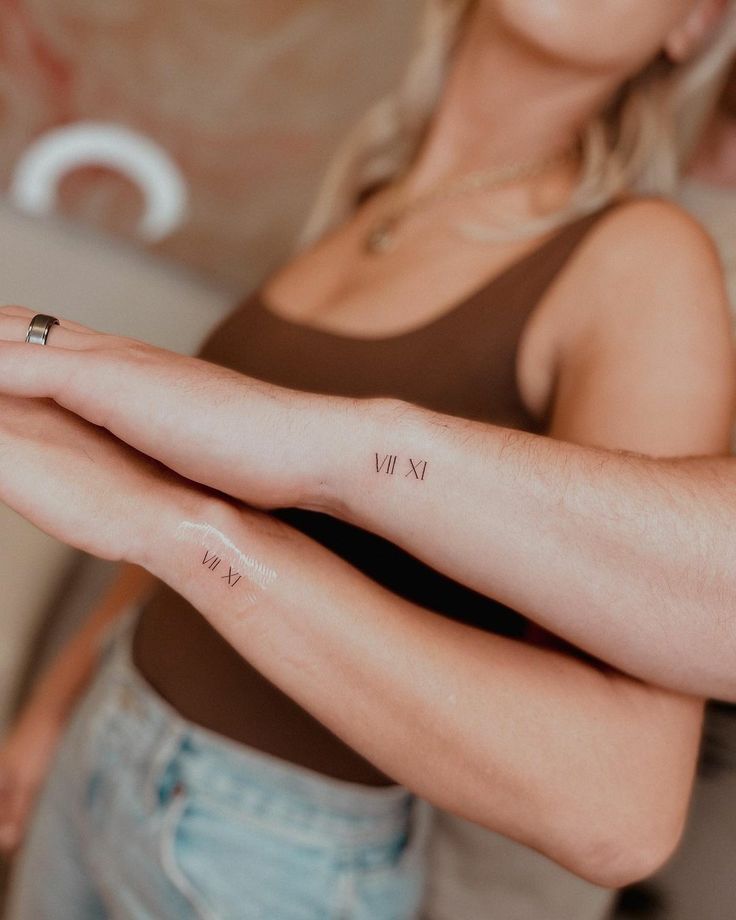
A first tattoo does not have to be tiny, but it does need a readable shape. A small minimalist phoenix tattoo can work for a first piece if the artist simplifies the feathers, tail, and flame detail enough for the size you want.
If you are tempted by visible hand tattoo ideas, be extra patient with the decision. Hands fade faster, attract more attention, and are harder to hide than most beginner placements. For the same reason, neck tattoo ideas deserve extra patience: the placement sits beside your face, is hard to hide, and needs to feel livable on an ordinary day, not just in a saved reference photo.
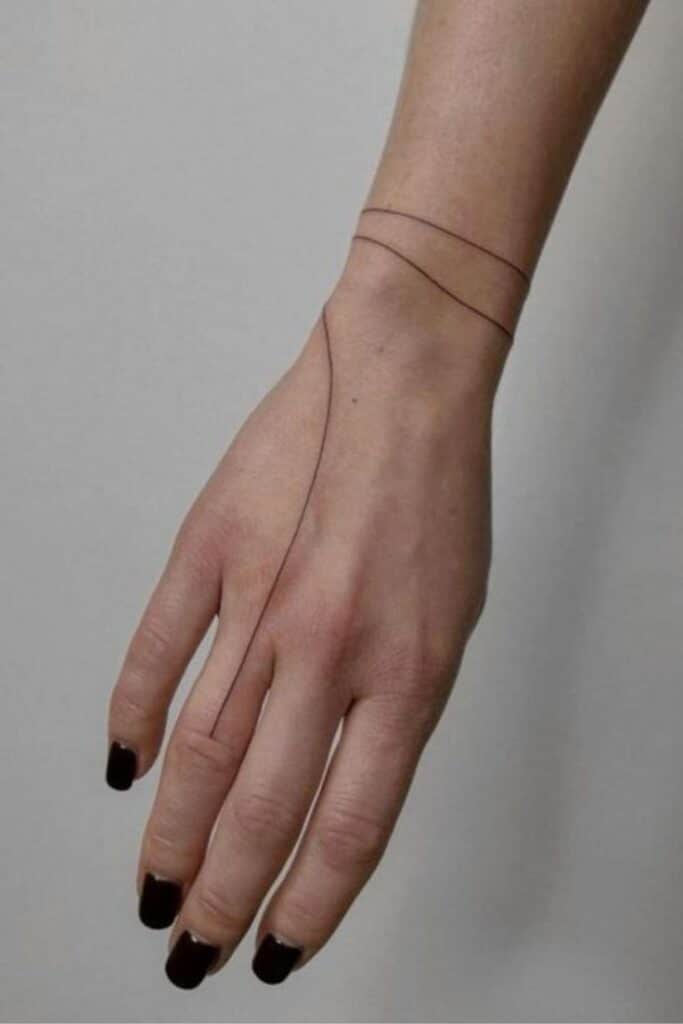
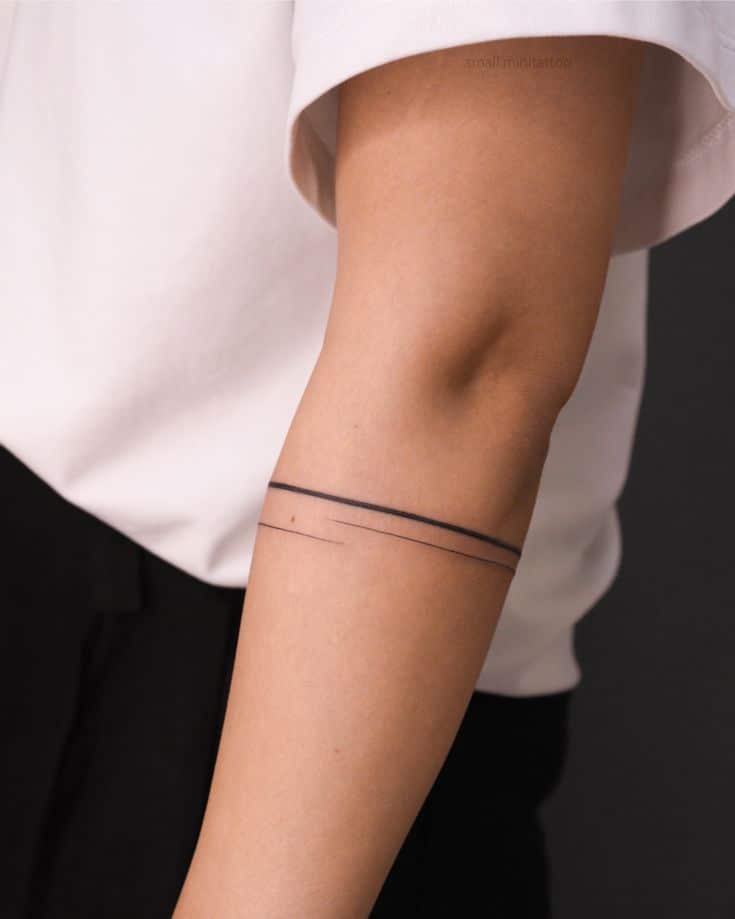
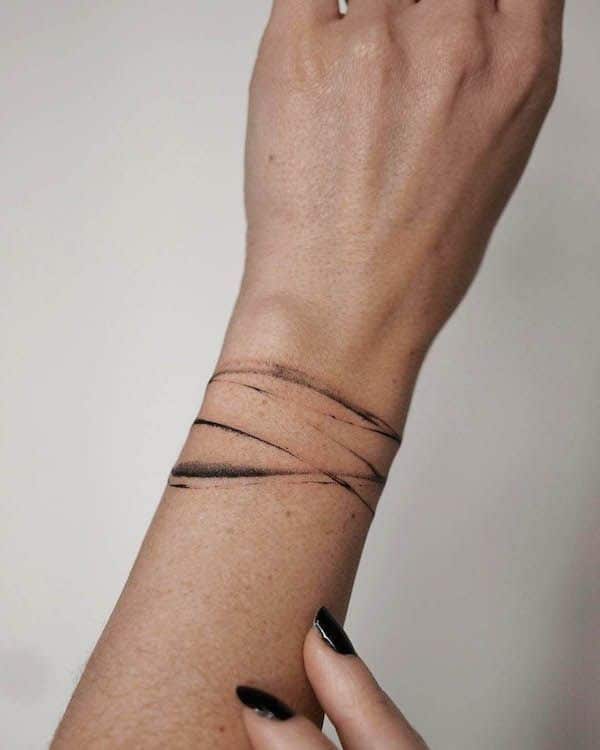
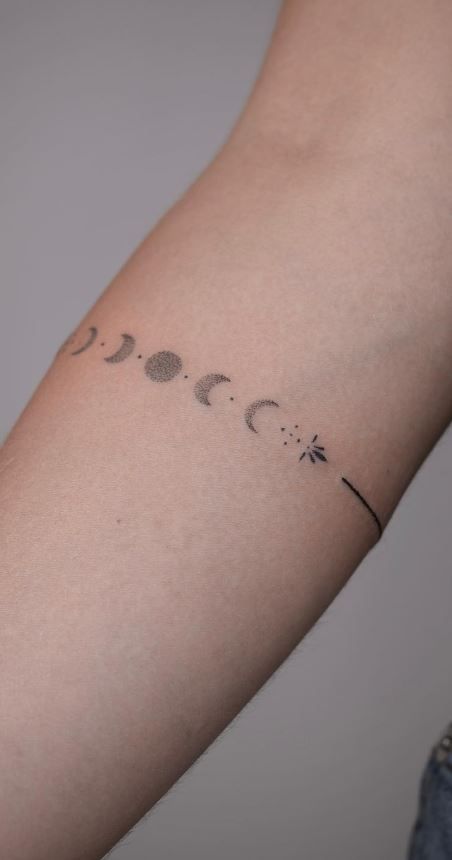
Size and placement matter too. A small tattoo on an easily hidden spot can be better for work or social settings. It’s a good idea to look at a tattoo artist’s previous work to make sure their style matches what they want.
What to Expect During Your Appointment
Your first tattoo appointment feels a lot less nerve-racking if you know what’s coming. Wear something comfortable, sleep properly, and eat before you go. Seriously — tattoos and low blood sugar are not a fun mix.
When you get there, the artist cleans the skin and might shave the area first. Then comes the stencil. You’ll check the placement, probably stare at it in the mirror for longer than expected, maybe ask to move it half an inch, then finally say yes.
The buzzing sound of the machine throws some people off at first, but you get used to it fast. The pain? Depends where you’re getting tattooed. A forearm feels very different from ribs or collarbone.
Some tattoos take 15 minutes. Others turn into a couple of hours in the chair. Best thing you can do is stay still, breathe, and trust the artist. Clean lines are easier when you’re not tensing up the whole time.
Aftercare Tips Most Beginners Miss
Aftercare is the part people underestimate. Getting the tattoo is the exciting bit. Healing it properly? That’s what keeps it looking good.
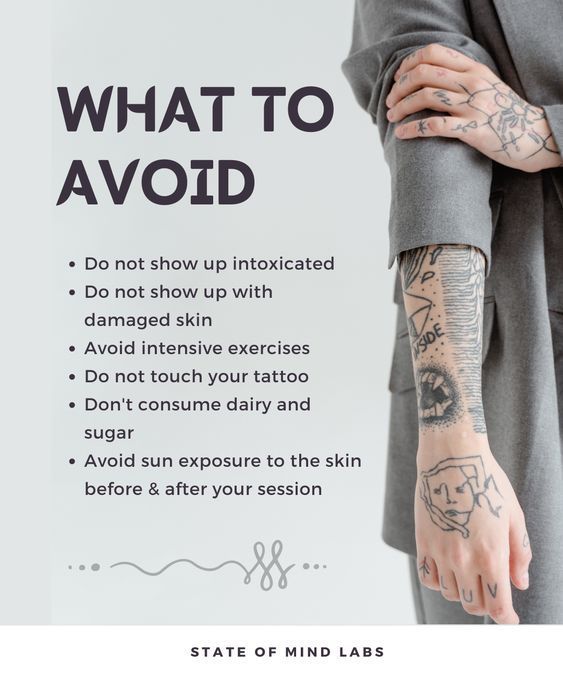
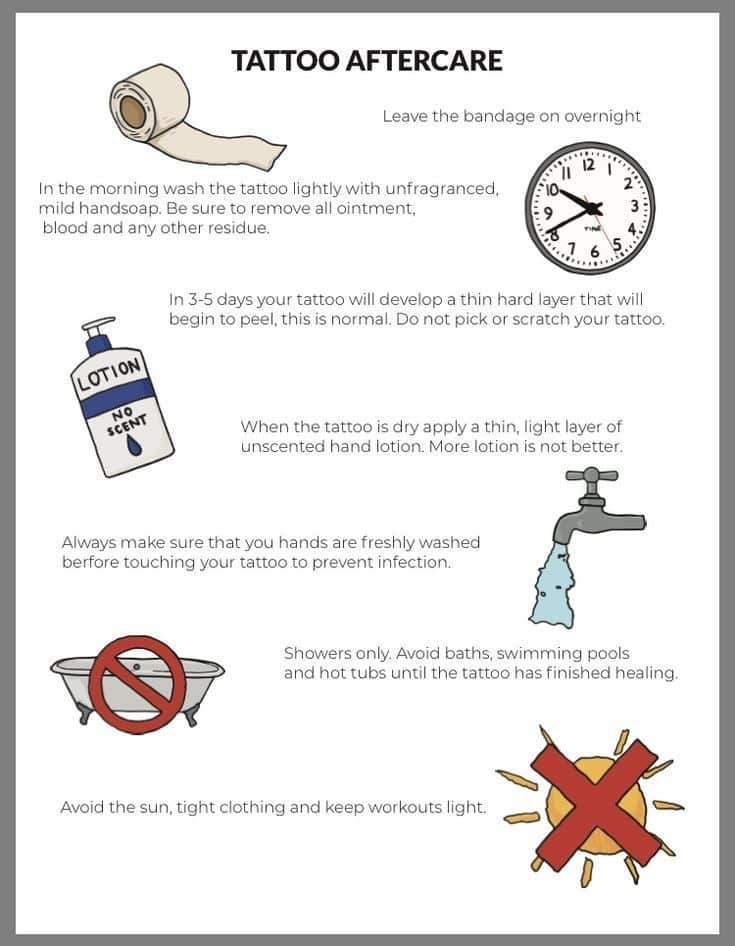
Most artists will tell you to gently wash the tattoo with mild soap and lukewarm water a few hours after the session. Keep it clean, but don’t scrub it like you’re trying to remove the ink.
At some point, it’ll probably itch. Maybe a lot. Don’t scratch it. Don’t pick the flakes either, even when it’s tempting. That’s how people end up pulling color out before the skin has finished healing.
For a couple of weeks, avoid pools, hot tubs, and soaking it in water. A small amount of tattoo ointment or fragrance-free lotion usually helps keep the skin from drying out too much. Loose clothes help too, especially if the tattoo rubs against fabric.
A little redness at first is normal. If swelling sticks around, gets worse, or starts looking off after a few days, call a doctor just to be safe.
If you want a first tattoo that is easy to hide but still has room for detail, compare outer-thigh and upper-thigh placement in our thigh tattoos for women guide before you choose a smaller spot.
Frequently Asked Questions
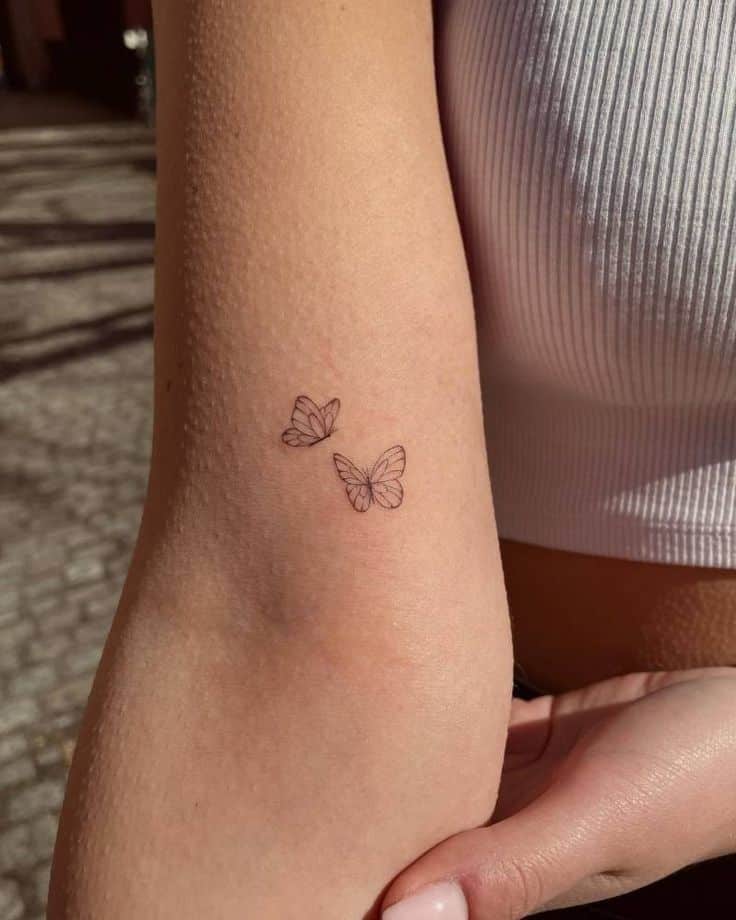
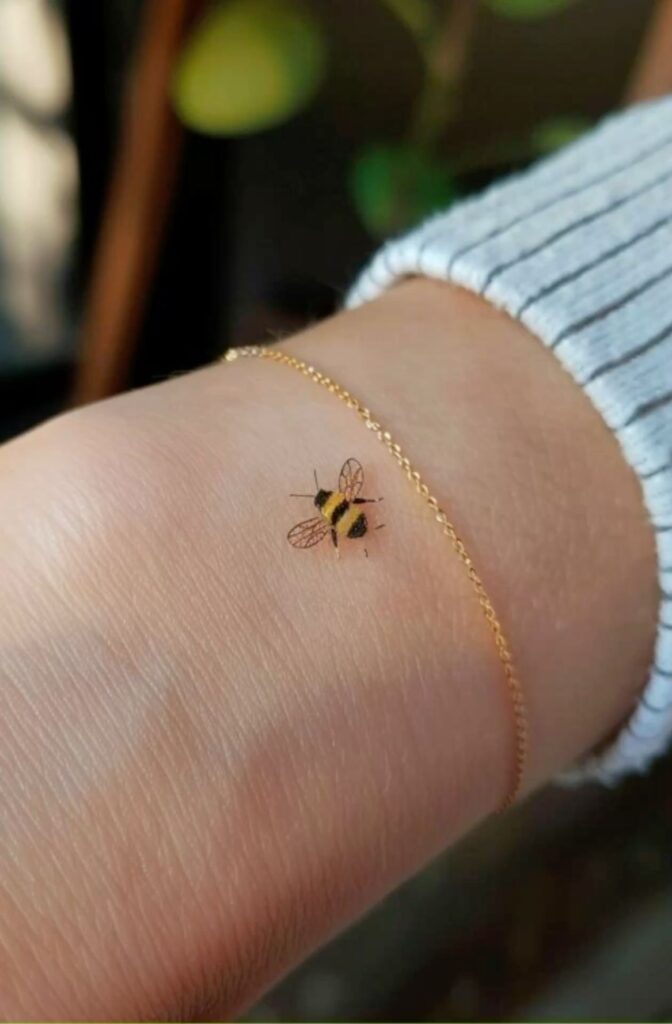
Q: What should I know before getting my first tattoo?
A: Your first tattoo will hurt less than you think—but planning matters more than pain tolerance. Research artists for at least 2–3 weeks, check healed tattoo photos (not just fresh Instagram shots), and avoid booking purely based on price. Placement, skin type, and lifestyle all affect how a tattoo ages. Start with a smaller design (3–5 inches) before committing to a full sleeve or chest piece.
Q: How painful is a first tattoo?
A: Pain depends heavily on placement. Forearms, outer shoulders, and calves are usually beginner-friendly, rating around 3–5/10 for most people. Ribcage, sternum, hands, and feet are much more intense—often 7–9/10 because there’s less fat and more nerve endings. Most first sessions lasting 1–2 hours are manageable without numbing cream.
Q: How do I choose the right tattoo artist for my first tattoo?
A: Match the artist to the style you want. Fine line, realism, traditional, blackwork, and micro tattoos all require different skills. Look for healed results posted 6–12 months later, not just fresh tattoos under studio lighting. Read reviews, ask about hygiene standards, and avoid anyone offering suspiciously cheap pricing—good work usually starts around $100–$200 minimum in many studios.
Q: What’s the best placement for a first tattoo?
A: The safest first-tattoo placements are the forearm, upper arm, shoulder blade, outer thigh, or calf. These areas heal well, hurt less, and are easy to cover for work if needed. Avoid hands, fingers, neck, ribs, or face for your first piece—those areas fade faster, hurt more, and often require touch-ups.
Q: How much does a first tattoo usually cost?
A: Most first tattoos cost between $80 and $300 for small to medium pieces, depending on artist experience, city, and detail level. A tiny fine-line tattoo may cost around $100, while custom designs or color work can go $300+. Remember: touch-ups, tips, and aftercare products like fragrance-free lotion add to the budget.
Q: What are the biggest mistakes people make with their first tattoo?
A: The biggest mistake is rushing the decision. People often pick trendy designs they regret later or choose placement based only on aesthetics. Another common problem is going too small—tiny details blur over time. Ignoring aftercare, swimming too soon, or exposing a fresh tattoo to sun are also fast ways to ruin healing.
Q: How long does a first tattoo take to heal?
A: Surface healing usually takes 2–4 weeks, but full skin healing can take 6–8 weeks. During healing, expect light peeling, itching, and slight flaking—similar to a mild sunburn. Avoid pools, saunas, and direct sunlight during this period. Fragrance-free products like Aquaphor or unscented lotion are commonly recommended by artists.
Q: Can I work out or shower after getting my first tattoo?
A: Showering is fine after a few hours, but avoid soaking the tattoo in baths, hot tubs, or pools for at least 2 weeks. Light workouts are usually okay after 24–48 hours, but avoid heavy sweating or friction on the tattooed area for several days. A fresh tattoo is essentially an open wound, so hygiene matters.
If your first tattoo might be a hidden blacklight design, read the first UV tattoo safety notes before deciding on ink, placement, and artist.
- 7.8Kshares
- Facebook0
- Pinterest7.8K
- Twitter3
- Reddit0