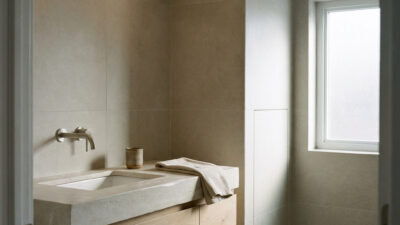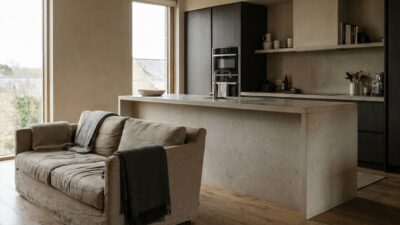

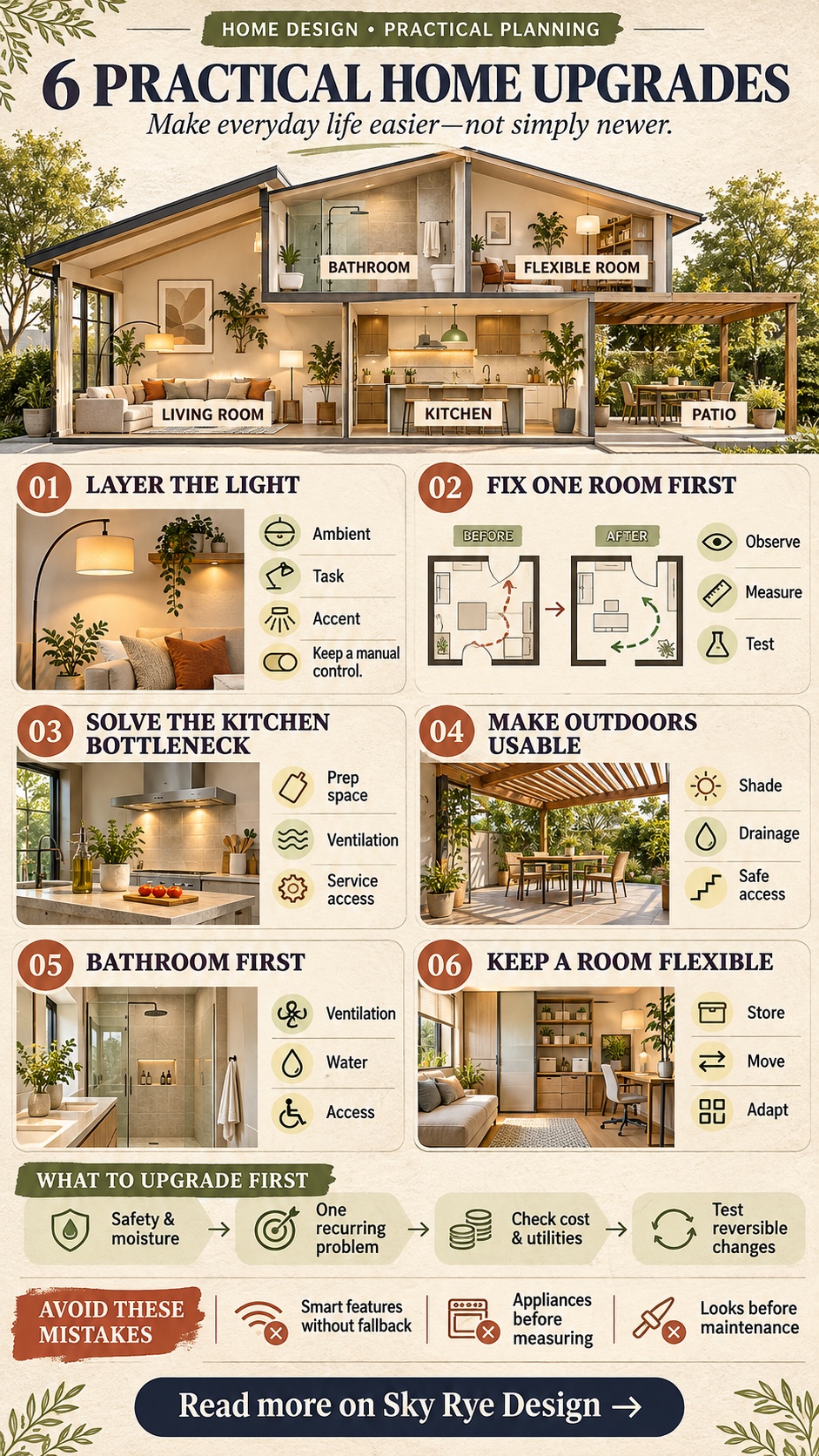
Useful home upgrades should make an ordinary Tuesday easier—not simply make a room look newer. The six ideas below focus on lighting, layout, kitchen workflow, outdoor comfort, bathrooms, and flexible rooms, with practical checks before you spend.

Which home upgrades improve daily life most?
The best home upgrades remove a repeated source of friction rather than adding a feature you will rarely use. Start by tracking the moments that waste time or cause discomfort for one week: dark work surfaces, crowded routes, hard-to-reach storage, slow hot water, poor ventilation, or an outdoor area that is unusable in sun or rain. Then score each idea for daily use, cost, disruption, maintenance, and reversibility. Lighting controls, better storage, water-saving fixtures, and a more flexible room layout can often deliver noticeable benefits without a full remodel. Kitchen appliances, electrical work, plumbing, decks, windows, and insulation need a larger budget and professional checks. Measure first, confirm power and plumbing requirements, read appliance instructions, and check permits before ordering. Finally, define one result you can test—less time searching for supplies, steadier room temperature, lower water use, or a safer route through the home—so the upgrade can be judged on function, not novelty.
| Upgrade | Best when | Check before buying |
|---|---|---|
| Layered lighting and controls | Tasks are dim or switches are inconvenient | Fixture load, bulb compatibility, neutral wire, manual override |
| Room-by-room layout and storage | Clutter or circulation causes daily friction | Clearances, door swings, wall structure, what must stay |
| Kitchen workflow or appliance | One repeated cooking task wastes time | Dimensions, ventilation, circuit, plumbing, service access |
| Patio, deck, or outdoor room | The area lacks shade, drainage, or a clear purpose | Structure, permits, weather, fire separation, maintenance |
| Bathroom comfort and efficiency | Water use, condensation, or access is a problem | Ventilation, waterproofing, pressure, electrical zones |
| Flexible multipurpose room | A room sits idle or serves competing needs | Storage, acoustics, task light, reversible furniture |
1. Build a layered lighting plan
Begin with the work people actually do. Ambient light helps with orientation, task light belongs at counters, desks, mirrors, and reading chairs, and accent light can add depth after those needs are met. A smart bulb is not a lighting plan. It is useful only when the switch remains intuitive, scenes are simple, and everyone can operate the room without an app.
- Map dark work surfaces and glare before choosing fixtures.
- Use dimmers and warm-to-neutral color temperatures deliberately rather than mixing random bulbs.
- Confirm that dimmers, drivers, bulbs, and smart controls are compatible.
- Keep a physical control and label unfamiliar scenes for guests or family members.
- Have electrical changes completed and checked by a qualified professional.
The kitchen lighting layout guide shows how task and ambient light can be coordinated around counters and circulation. If temperature control is also part of the project, the ENERGY STAR smart thermostat guidance is a better starting point than a product’s marketing claims.


2. Improve one room before remodelling the whole house
A room-by-room approach keeps decisions specific. Photograph the space during a normal week, note where bags, chargers, laundry, toys, and paperwork accumulate, then fix the route and storage nearest that activity. Sometimes the useful upgrade is a deeper drawer, a bench by the door, a clear path around the bed, or a washable finish—not a full decorative reset.
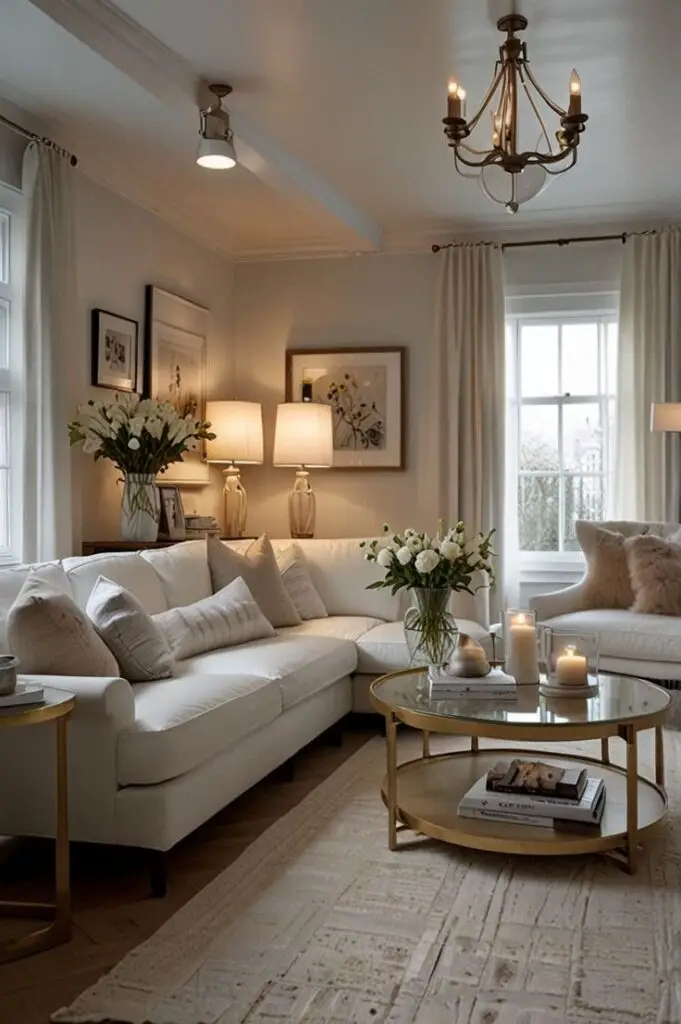
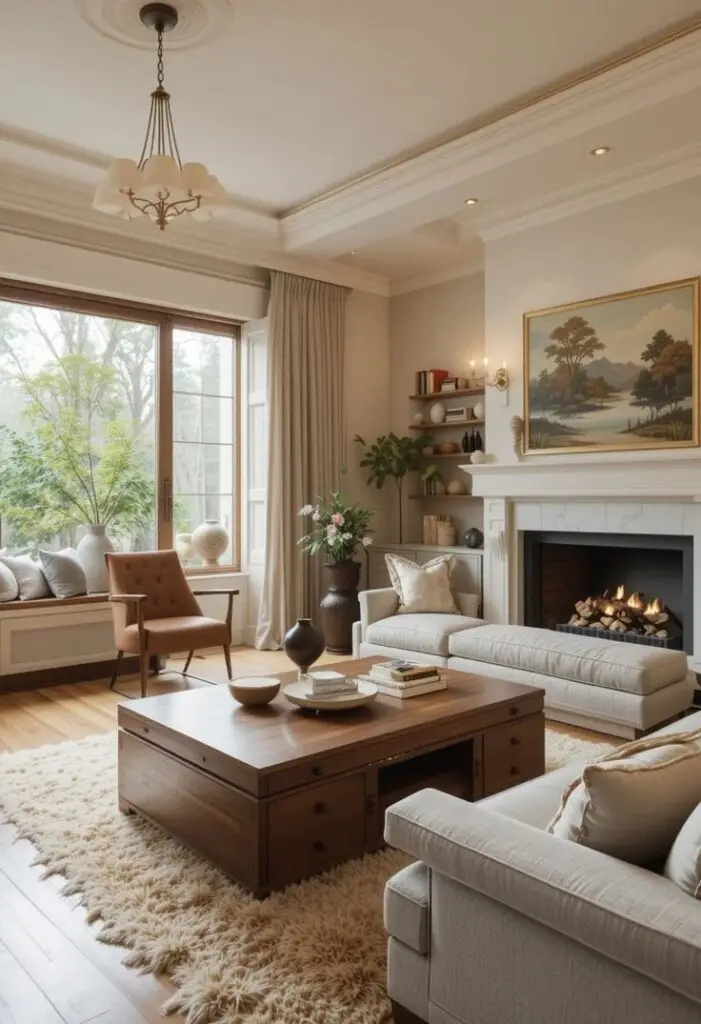
Measure furniture and walking clearances on a simple plan. Test a new layout with painter’s tape or cardboard before ordering built-ins. The space-maximizing remodel guide offers more ideas for awkward areas, while the cozy home guide helps refine comfort after circulation and storage work.
3. Upgrade the kitchen around a real bottleneck
Do not replace a working appliance just because a connected version exists. Identify the bottleneck first: insufficient preparation space, a poor landing zone, an oven that no longer holds temperature, difficult cabinet access, or a faucet that makes cleanup awkward. A wall-oven and microwave combination can consolidate appliances, but cabinet dimensions, ventilation, electrical supply, door swing, controls, and service access must all work for the household.
| Kitchen problem | Possible response | Proof it helped |
|---|---|---|
| Items disappear in deep cabinets | Pull-out trays or full-extension drawers | Frequently used items are visible in one movement |
| Counters stay crowded | Create appliance parking and a clear preparation zone | One uninterrupted work surface remains available |
| Cooking creates heat or odors | Review ventilation before buying a stronger appliance | Capture improves without excessive noise |
| Cleanup wastes water | Repair leaks and consider a suitable efficient faucet | No dripping and easier rinsing at normal pressure |
For water-related choices, look for independently labelled products and realistic performance data. The US EPA’s WaterSense program explains its efficiency labels. The original article also referenced a wall-oven and microwave overview; use it as a product category reference, then follow the selected manufacturer’s installation manual.


4. Make an outdoor space usable, not merely photogenic
A deck or patio earns its keep when it has a purpose, comfortable access, weather protection, and a maintenance plan. Start with drainage, safe steps, guardrails, shade, and the route from kitchen to seating. Only then add a grill, outdoor kitchen, lighting, or decorative planting. Materials that look effortless online may need regular sealing, winter storage, or specialist cleaning in your climate.
Use the outdoor living room ideas to compare zones and furniture placement. The source article’s outdoor upgrade reference is useful for inspiration, but structure, utilities, setbacks, fire rules, and permits need local confirmation.

5. Prioritize bathroom ventilation, water, and access
A warmer towel or touch-free fixture can be pleasant, but condensation, leaks, slippery routes, and poor access deserve attention first. Confirm that the exhaust fan is correctly sized and vented outdoors, repair failed sealant or waterproofing, and choose fixtures that can be cleaned and serviced. A high-efficiency toilet or faucet should still perform well at the home’s actual pressure and plumbing conditions.
- Improve task lighting at the mirror without producing glare.
- Choose controls that are easy to reach with wet hands and at night.
- Keep shut-off valves and service panels accessible.
- Check electrical-zone, grounding, and product requirements before adding heated accessories.
- Use non-slip surfaces and preserve a clear route rather than filling the room with features.
6. Turn an underused room into a flexible space
A spare room can work harder without becoming a permanent gym, office, or playroom. Use closed storage for one activity, open shelves for daily tools, a fold-down or mobile work surface, and lighting that can shift between focused and relaxed use. Curtains, rugs, bookcases, and acoustic panels can soften sound, while a clear floor area keeps the room adaptable.
The hobby room design guide covers task zones and material storage. For technology and maintenance decisions that will still make sense later, use the future-ready home checklist.


How to decide what to upgrade first
- Fix active safety, moisture, heating, cooling, electrical, and structural issues before cosmetic work.
- Write down one recurring problem and the result you want to measure.
- Check whether rearranging, repairing, or adding storage solves it before replacing a system.
- Price the whole project: design, delivery, labor, permits, disposal, making good, and contingency.
- Confirm dimensions, utilities, service access, warranty conditions, and local approvals.
- Test reversible changes before committing to built-ins or major demolition.
For projects that touch several rooms, the home remodel planning guide explains sequencing and utility checks. If resale is part of the brief, compare the ideas in easy upgrades that may support home value with recent local evidence rather than treating national averages as a promise.
Mistakes that make upgrades less useful
- Buying a smart feature without a manual fallback or a clear daily use.
- Ordering appliances before checking openings, power, ventilation, and door swings.
- Adding storage without removing items or deciding what belongs near each activity.
- Treating a decorative surface as a fix for moisture, ventilation, or structural movement.
- Designing only for photographs while ignoring cleaning, service, and replacement access.
- Starting several rooms at once and living with unfinished work everywhere.
- Assuming an expensive upgrade will return its full cost at resale.
Two older resources are retained for continuity: a local water-heater service page and a smart water management commentary. They are supplementary references, not substitutes for product documentation, licensed advice, or local requirements.
Home upgrades: common questions
Which home upgrades should I do first?
Start with safety, active leaks, moisture, ventilation, heating or cooling failures, and electrical problems. After those are resolved, choose the inconvenience you experience most often. A modest lighting, storage, or layout change used every day can be more valuable than an expensive feature used occasionally. Compare cost, disruption, maintenance, and reversibility before deciding.
What are the easiest home upgrades for daily convenience?
Layered lighting, dimmers, pull-out storage, better entry organization, leak-detecting sensors, efficient faucets, and movable furniture are relatively contained projects in many homes. Easy does not mean risk-free: electrical, plumbing, wall anchoring, and smart-lock work still need suitable products and competent installation.
Which home upgrades add value as well as comfort?
Condition, location, workmanship, and buyer expectations matter more than a universal list. Repairs, efficient systems, a functional kitchen or bathroom, useful storage, and well-maintained outdoor space can support both everyday use and resale appeal. Avoid assuming that project cost will be recovered in full, and compare local sales evidence before a resale-led renovation.
Are smart-home upgrades worth it?
They can be when automation solves a clear routine, works during an internet outage where necessary, and can be controlled by every household member. Check privacy settings, update support, interoperability, manual overrides, and replacement cost. A reliable switch or thermostat is usually a better investment than a complicated system nobody understands.
How do I plan a home upgrade budget?
Separate the visible product price from design, delivery, demolition, disposal, permits, labor, electrical or plumbing changes, making good, and contingency. Get itemized quotes for larger work and do not spend the contingency on optional finishes. Keep a record of model numbers, warranties, care instructions, and concealed services.
Do I need permits for these home improvements?
Permit rules vary by location and scope. Structural changes, new openings, decks, major electrical work, plumbing alterations, gas work, and changes to egress often need review. Contact the local authority and relevant licensed trade before work begins; a product being sold for home use does not prove that a proposed installation is permitted.
Continue planning your home
Browse the home design archive for related guides to layouts, lighting, materials, kitchens, bathrooms, outdoor rooms, and renovation planning.
- 9shares
- Facebook0
- Pinterest6
- Twitter3
- Reddit0