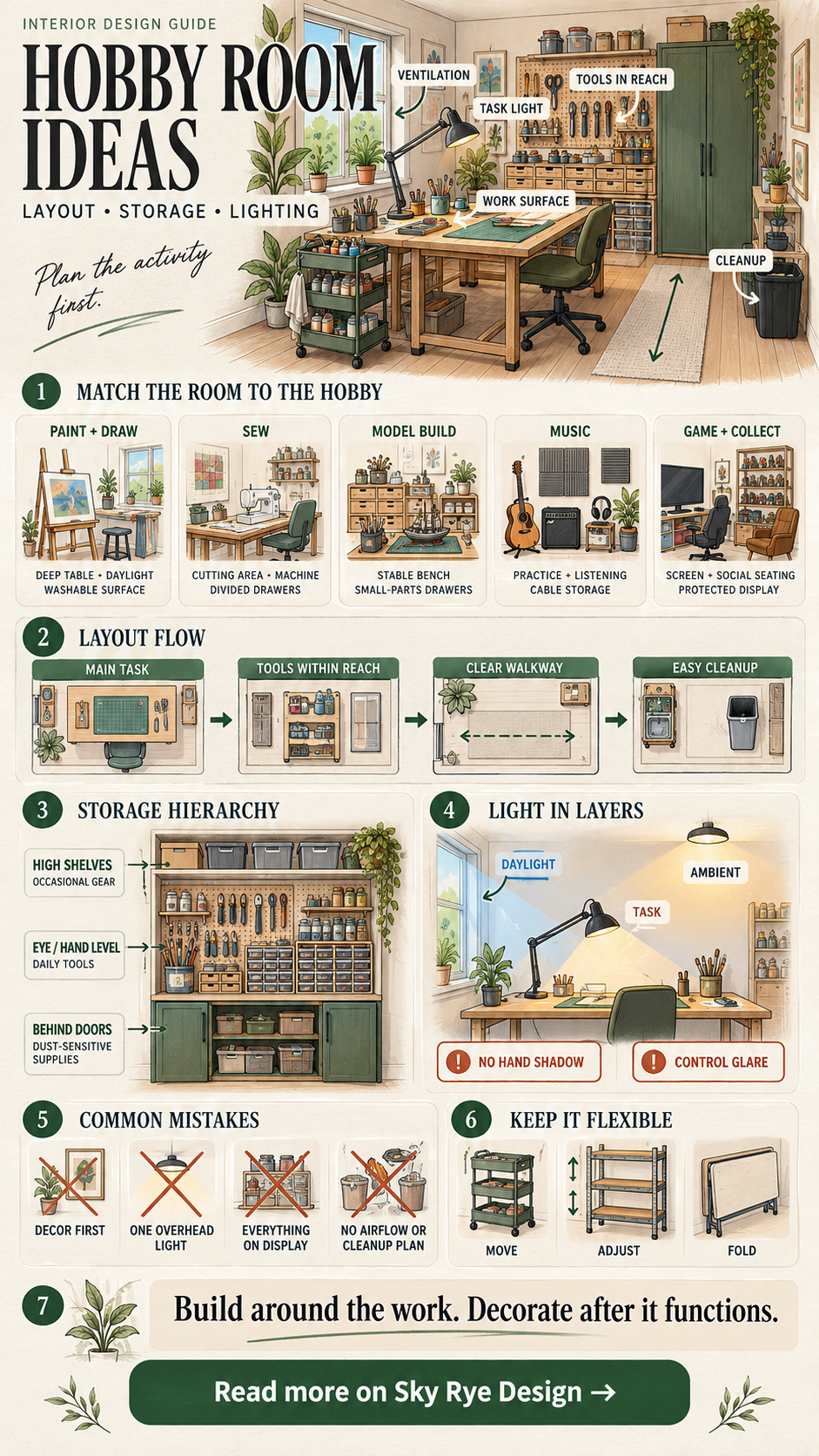
The best hobby room ideas begin with the activity, not the decor. Give the main task a clear work surface, keep the tools used most within reach, and match the lighting, ventilation, flooring, and storage to the mess the hobby creates. Painting and model making need washable surfaces and good airflow; sewing needs a wide cutting area; music needs acoustic control; gaming needs glare-free light and tidy cable routes. Plan those working conditions first, then choose colors, displays, and comfortable seating.
A spare bedroom, basement corner, attic, or part of a home office can all work. In a small hobby room, use the walls for shallow shelves or pegboards and choose a table that folds, rolls, or serves more than one purpose. Leave room to clean up, move a chair, and open every drawer before fixing the layout.
Hobby room ideas at a glance
| Hobby | Work zone | Storage | Lighting or room need |
|---|---|---|---|
| Painting and drawing | Deep table or easel with elbow room | Vertical paper storage, jars, and shallow drawers | Side daylight, a high-CRI task lamp, and washable surfaces |
| Sewing and textiles | Separate cutting and machine surfaces where space allows | Open fabric shelves and divided drawers for notions | Even task light that does not cast a hand shadow |
| Model building | Stable seated bench with space for close work | Labeled small-parts drawers | Adjustable bright light and ventilation for paints or adhesives |
| Music | Instrument, practice, and listening zones | Wall stands, closed cable storage, and sheet-music shelves | Acoustic treatment and adjustable ambient light |
| Gaming and collecting | Screen zone plus comfortable social seating | Closed storage for cables and gear; protected display cases | Indirect, glare-controlled light and enough outlets |
Key takeaways
- Plan the work surface, light, airflow, and cleanup around the hobby before choosing decor.
- Store frequently used tools at the point of use; move occasional supplies higher or behind doors.
- Movable furniture and adjustable storage make the room easier to adapt later.
Planning Your Hobby Room
Creating a hobby room starts with clear choices about space, needs, and money. Each step shapes how well the room works for its intended purpose and how comfortable it will be to use.
Assessing Your Space

The first step is measuring the room’s size and noting any windows, doors, and outlets. This helps decide where to place tables, shelves, or storage.
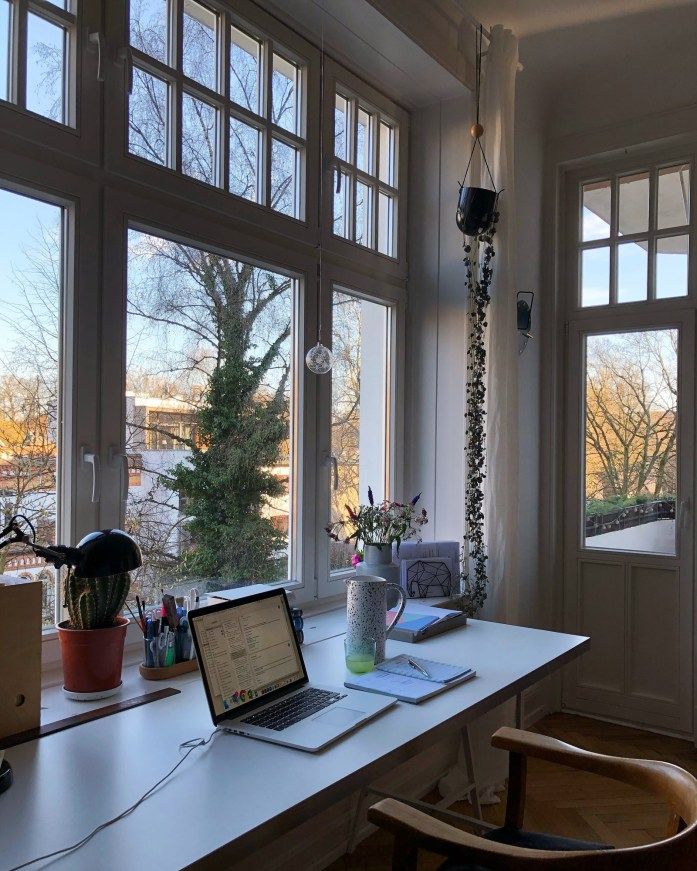
Look for natural light sources, as good lighting is key for most hobbies. Think about ventilation if crafts involve fumes or dust.
Check the floor type. Hardwood or tile is easy to clean, while carpet may trap dirt and dust. Also, consider if soundproofing matters for loud hobbies.
Defining Your Needs

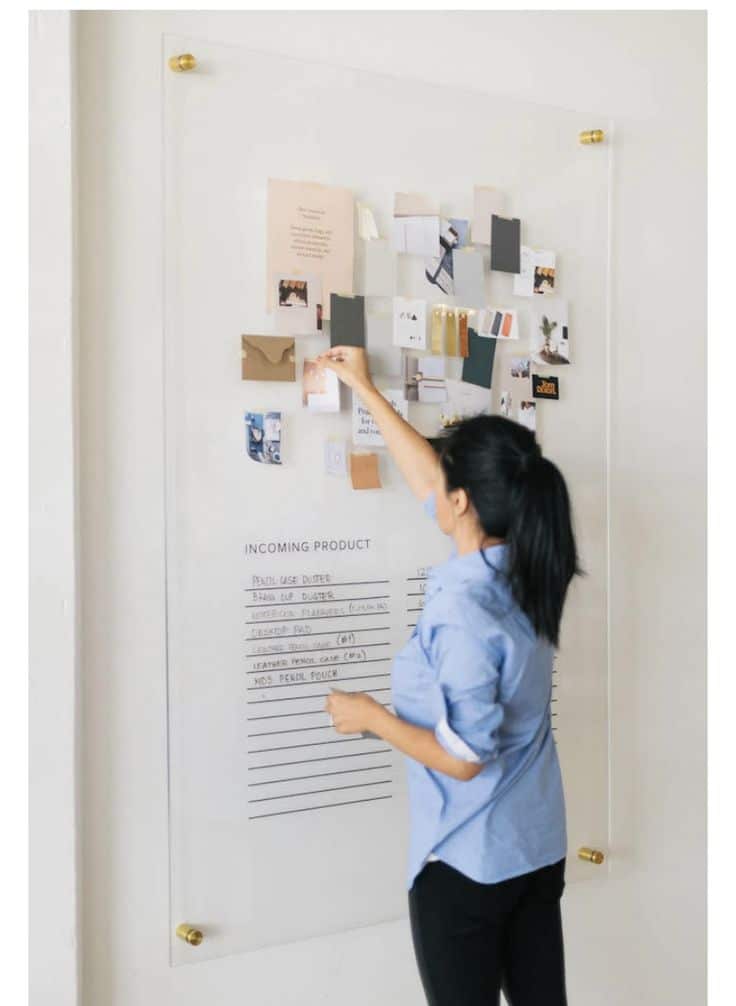
Next, list all activities planned for the room. Is it for painting, sewing, model-building, or something else? Each hobby needs different tools and space.
Determine what kind of furniture is needed: workbenches, desks, or storage units. The list should include supplies, equipment size, and how often they’ll be used.
Think about comfort items like seating and extra space for supplies. Planning for future hobby growth helps avoid redesign later.
Budgeting for a hobby room remodel


Set a clear budget before buying materials or furniture. Include costs for lighting, storage, and any special equipment.
Factor in potential ongoing expenses such as replacement tools or supplies. Prioritize spending on items that make the room functional.
Look for affordable options like secondhand furniture or DIY storage. Keep track of all costs to stay within budget and avoid overspending.
Hobby room planning checklist
- Measure the room, doors, windows, radiators, and outlet positions.
- List the largest tool or project surface and plan around it first.
- Separate clean work from paint, dust, glue, fabric scraps, or other messy tasks.
- Check that drawers, cabinet doors, and chairs can move without blocking the walkway.
- Place everyday tools within reach and reserve high shelves for occasional supplies.
- Test the task light from the position where the work will happen.
- Plan a bin, tray, or sink route for cleanup before the first project starts.
Choosing a Design Theme
A hobby room’s design should reflect the user’s activities and personal taste. It should offer comfort, functionality, and inspiration. Different themes arrange space, color, and decor to match these needs.
Modern Minimalist Styles
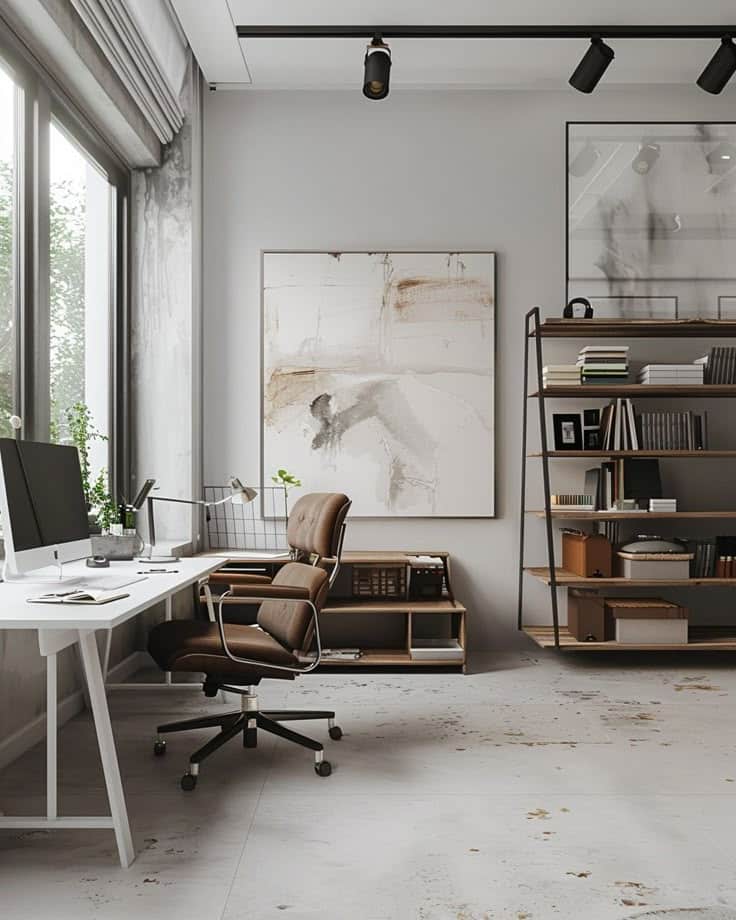
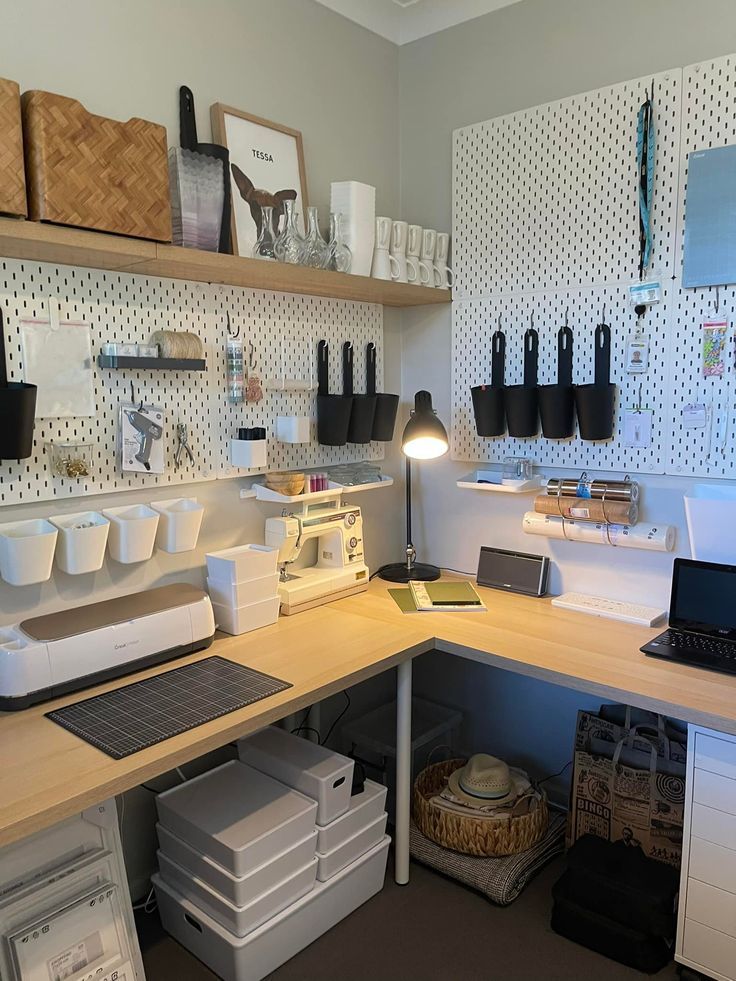
Modern minimalist design uses clean lines and simple shapes. It avoids clutter and keeps only necessary items visible. Neutral colors like white, gray, and black create a calm environment that helps focus on the hobby.
Storage is key in this style. Closed cabinets and hidden compartments keep tools and supplies out of sight. Furniture is often multi-functional, such as a desk with built-in drawers or a foldable table.
Lighting is bright but not harsh. Natural light or adjustable LEDs help reduce eye strain. This style suits those who want a neat, efficient space without distractions.
Vintage and Retro Inspirations
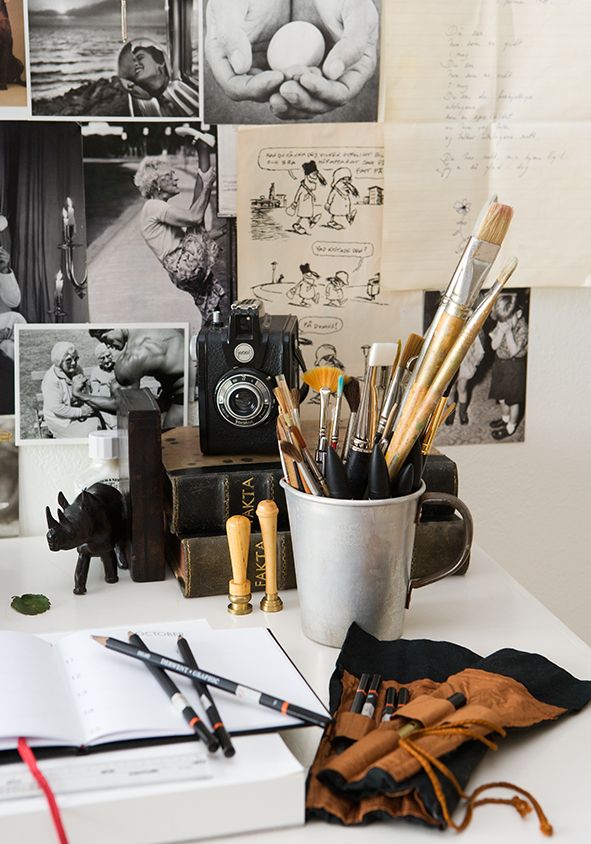
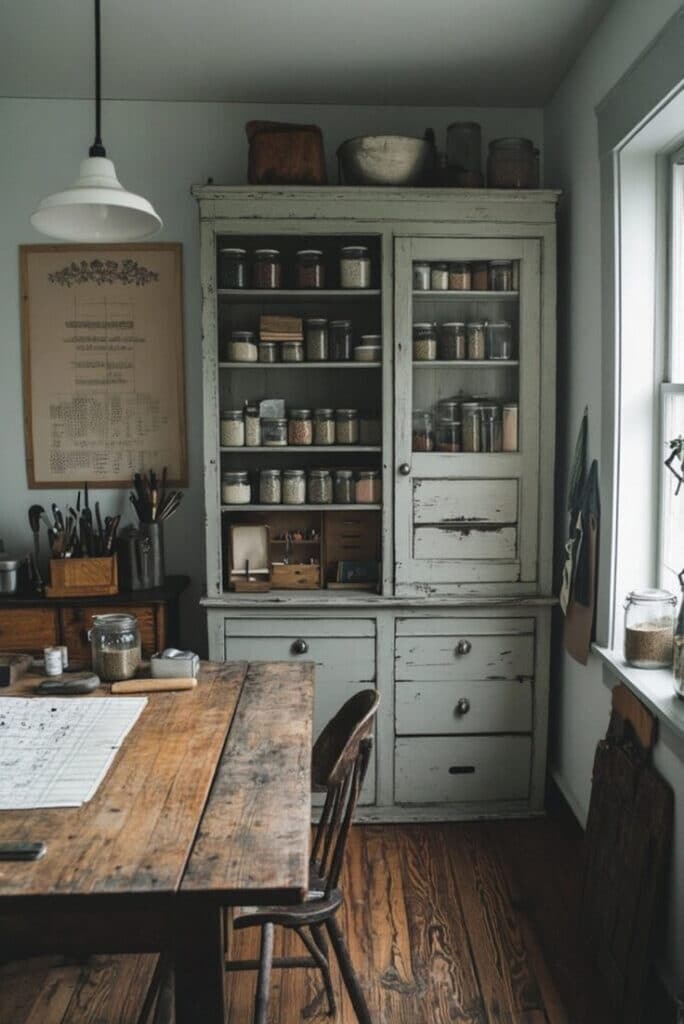
Vintage and retro themes add charm using older styles and antiques. Wood furniture with a worn finish or metal fixtures with character create a nostalgic atmosphere. Colors often include warm browns, deep reds, and mustard yellows.
Decor includes classic posters, old tools, and collectibles related to the hobby. Open shelving showcases prized items, making the room feel lived-in and personal.
Lighting uses softer hues with lampshades or Edison bulbs to enhance the vintage feel. This theme fits those who appreciate history and want a cozy, inviting space to enjoy their hobbies.
Eclectic and Personalized Approaches
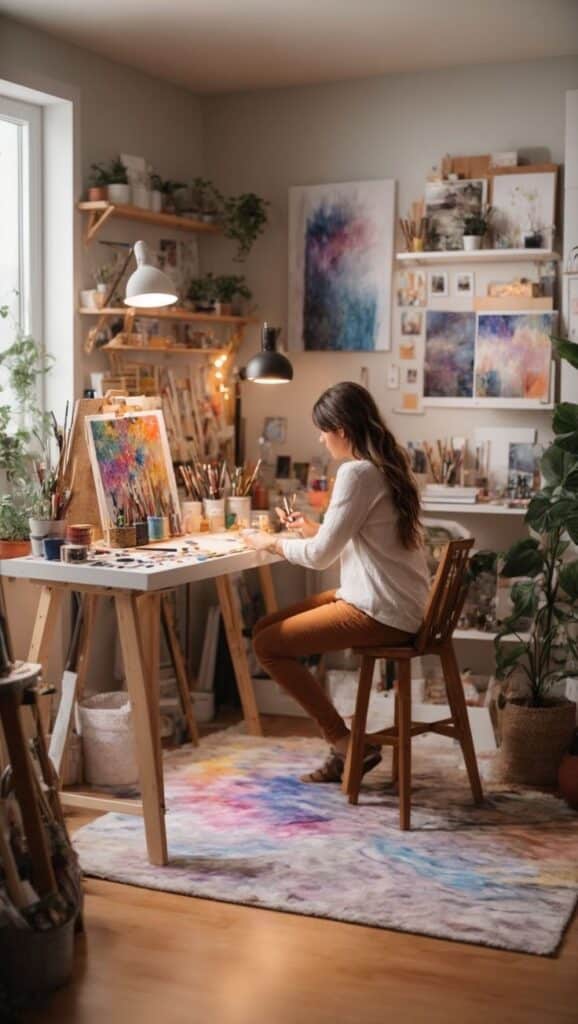
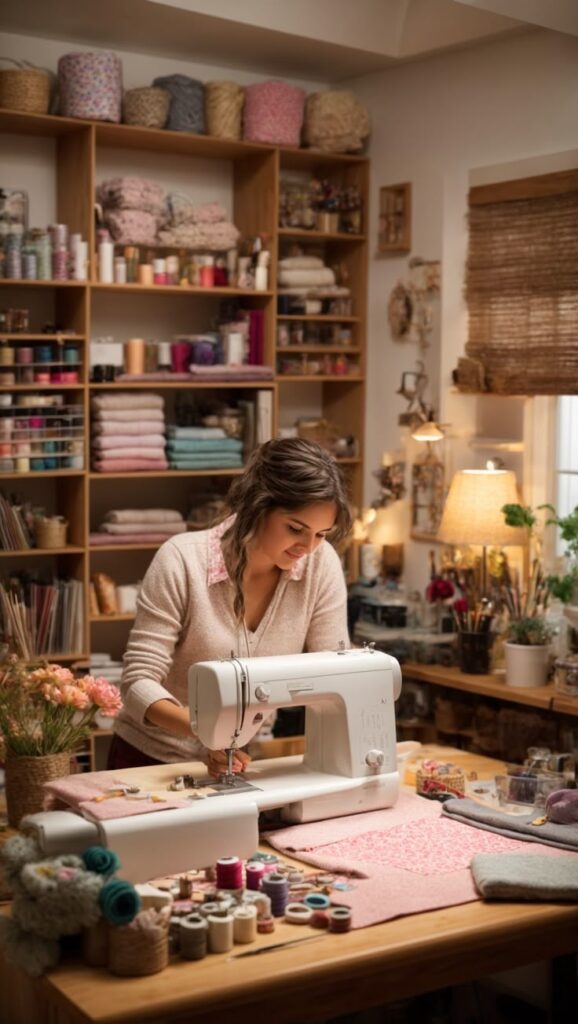
Eclectic hobby rooms mix various styles and colors freely. They combine bold patterns, bright colors, and diverse furniture pieces to create a unique space. Personal items like art or souvenirs often take center stage.
This approach allows complete freedom in choosing decor and layout. It encourages creativity and individuality, making the space motivating and fun.
Organization can be flexible, using open racks, baskets, and wall hooks to keep tools accessible. Lighting varies but often includes task lights focused on specific hobby stations. This style suits people who want their room to reflect their personality fully.
Planning the hobby room layout
Good hobby room design makes the best use of every inch. It focuses on creating clear activity zones, adding smart storage, and choosing furniture that adapts to different needs.
Zoning for Multiple Hobbies
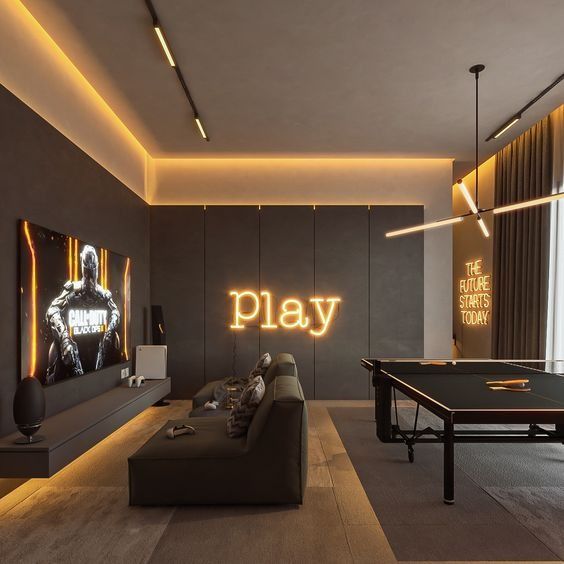
Dividing the room into specific zones helps keep hobbies organized and limits mess. Each zone should match the size and needs of the hobby.
For example, a painting area needs good lighting and flat surfaces, while a model-building zone may require small parts storage. Use rugs or furniture placement to mark separate zones without walls.
Clear labeling or color-coding can also help find supplies quickly. This reduces clutter and lets users switch hobbies without much cleanup.
Hobby room storage ideas
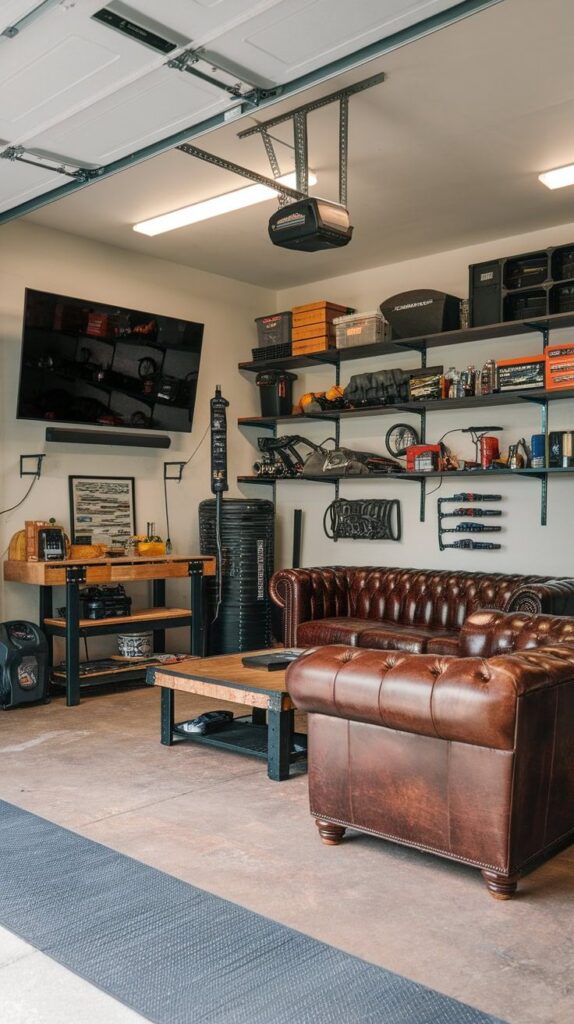
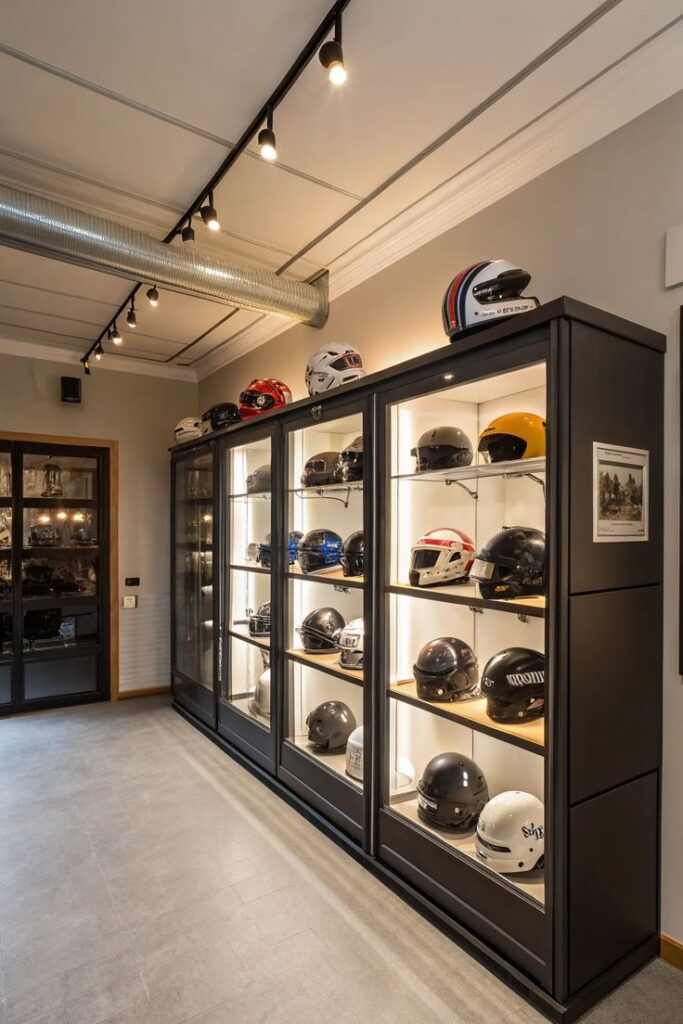
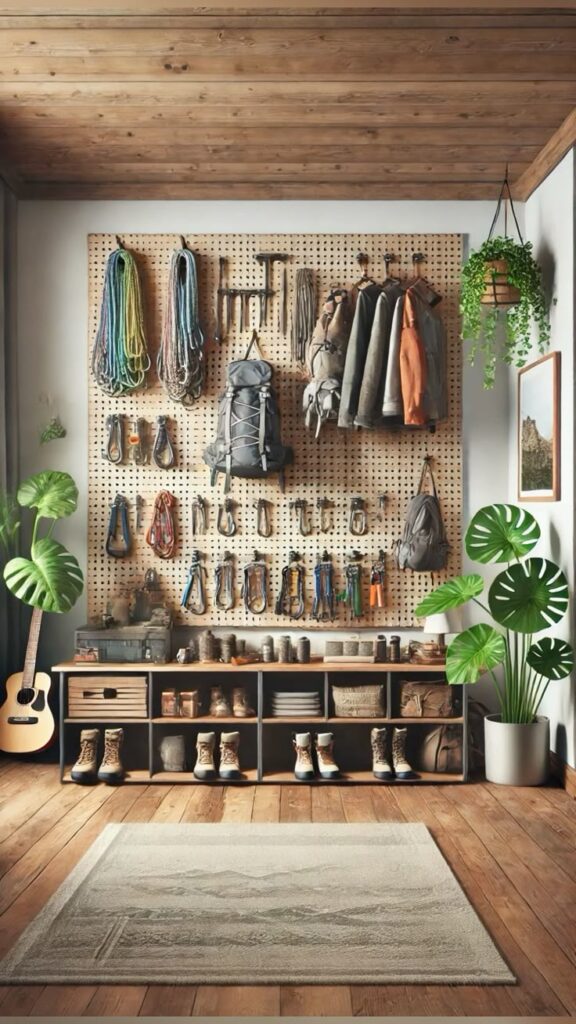
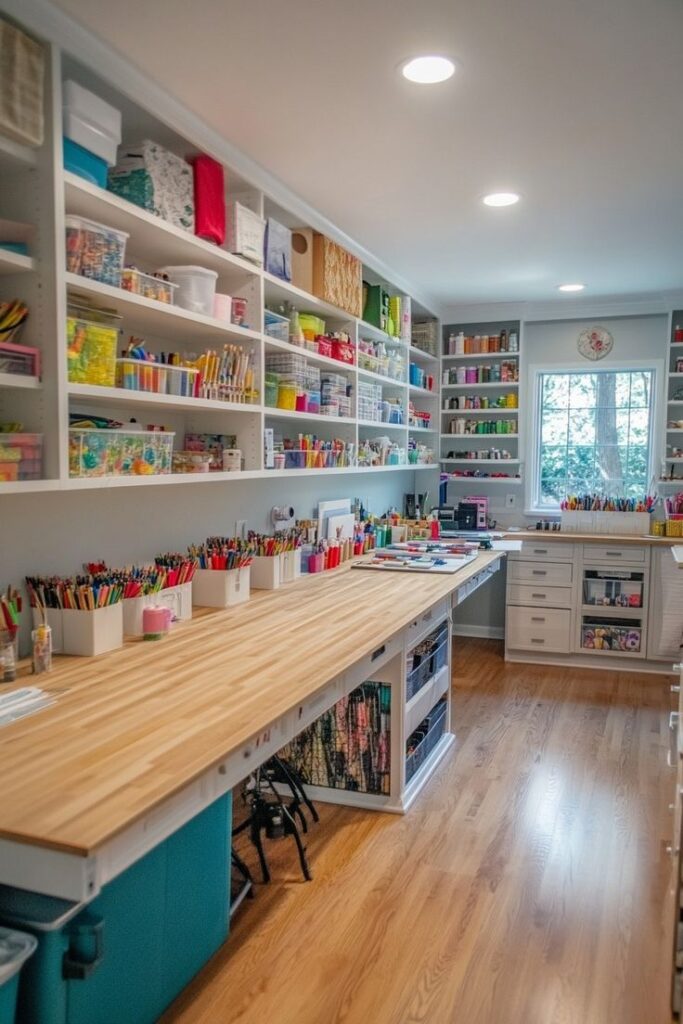
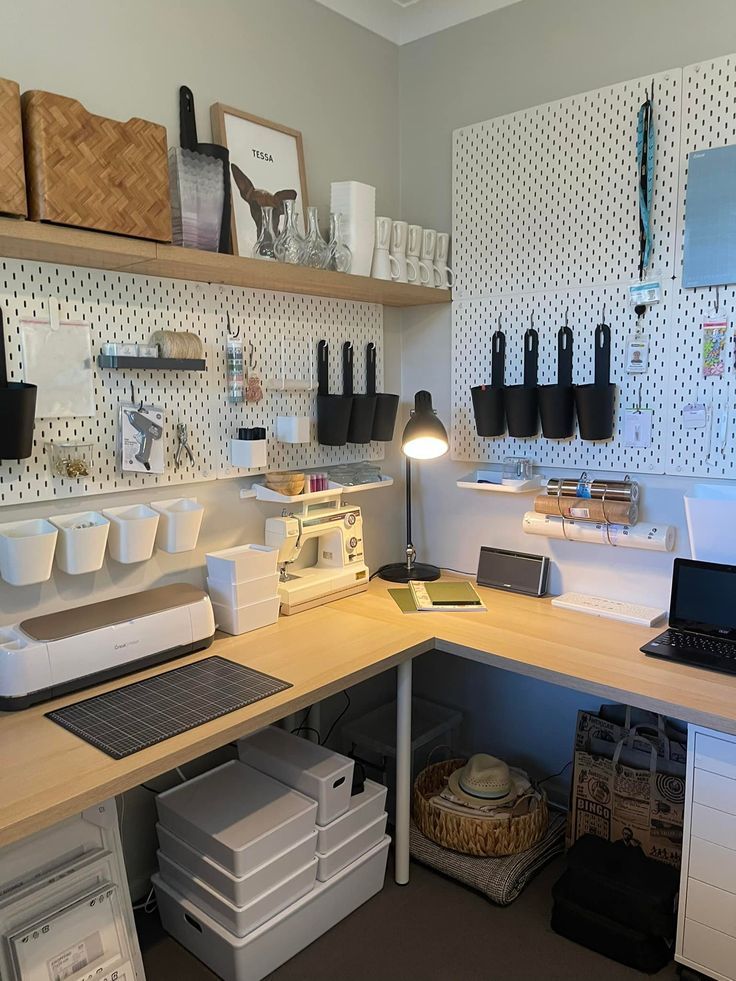
Efficient storage keeps tools and materials tidy and easy to reach. Vertical storage uses wall space with shelves or pegboards, freeing floor space.
Containers, bins, and drawer dividers help separate small items. Clear bins show contents at a glance. If the room shares another use, borrow small-space storage ideas such as wall-mounted organizers and furniture that folds away.
Storage should fit the hobby’s gear. For example, tall shelves for fabric bolts or shallow drawers for art supplies. Labels improve organization and speed up clean-up time.
Flexible Furniture Arrangements
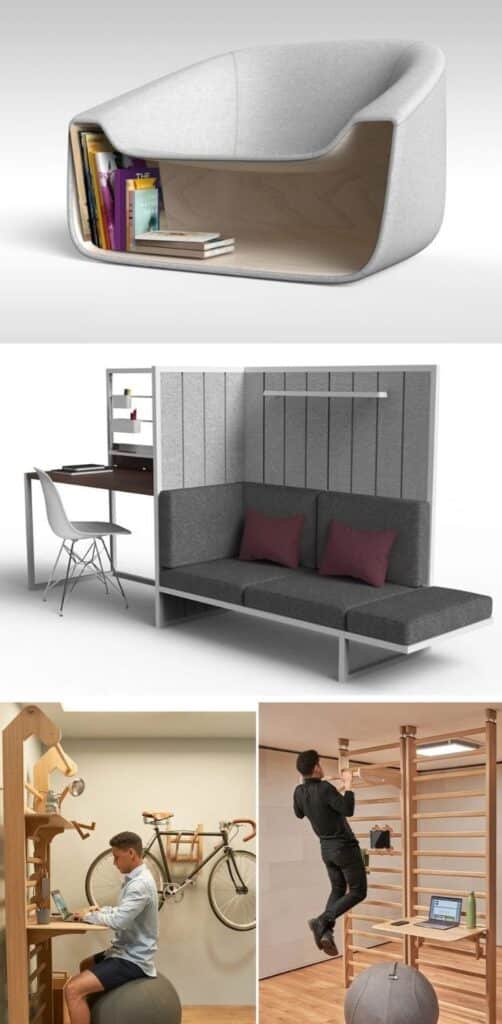
Furniture that can change purpose adds value. Foldable tables, rolling carts, or stackable chairs make it easy to adjust space.
Modular furniture lets users create different setups, like a workbench one day and a crafting station the next.
Movable furniture also helps when more space is needed for large projects. Neutral colors and simple styles blend with multiple zones and reduce visual clutter.
Lighting and Ambiance
A useful hobby room needs more than one ceiling fixture. Combine general illumination with a movable task lamp, then add softer mood lights only where they will not change how colors look. Use natural light when it is available, and follow a layered task-lighting plan to control shadows and glare.
Task Lighting Selection
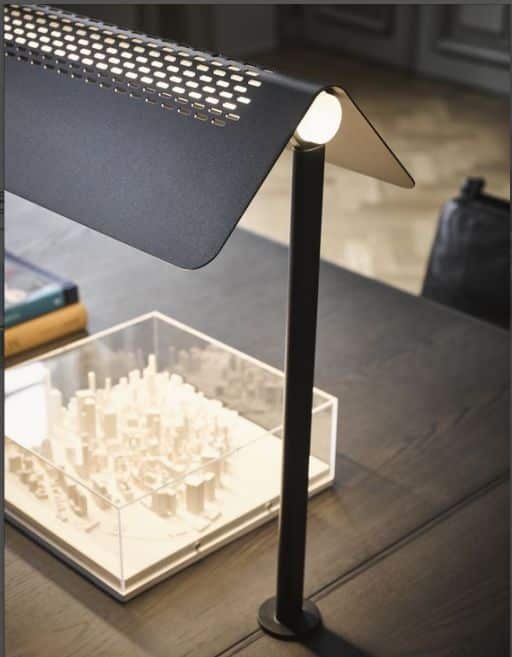
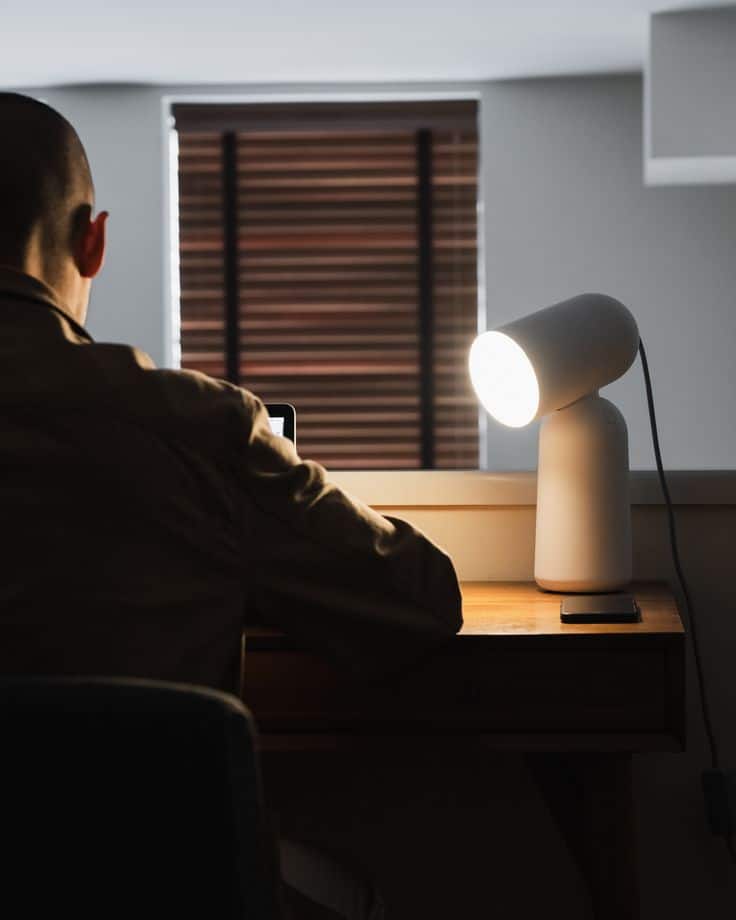
Task lighting focuses on illuminating specific areas where detailed work happens. Adjustable LED desk lamps are popular because they provide bright, clear light without heating the space.
The color temperature for task lighting should be around 4000K to 5000K, which mimics daylight and helps reduce eye strain during close work.
Position lights to avoid shadows or glare on the workspace. Multiple light sources can help cover different angles for better visibility.
Natural Light Integration
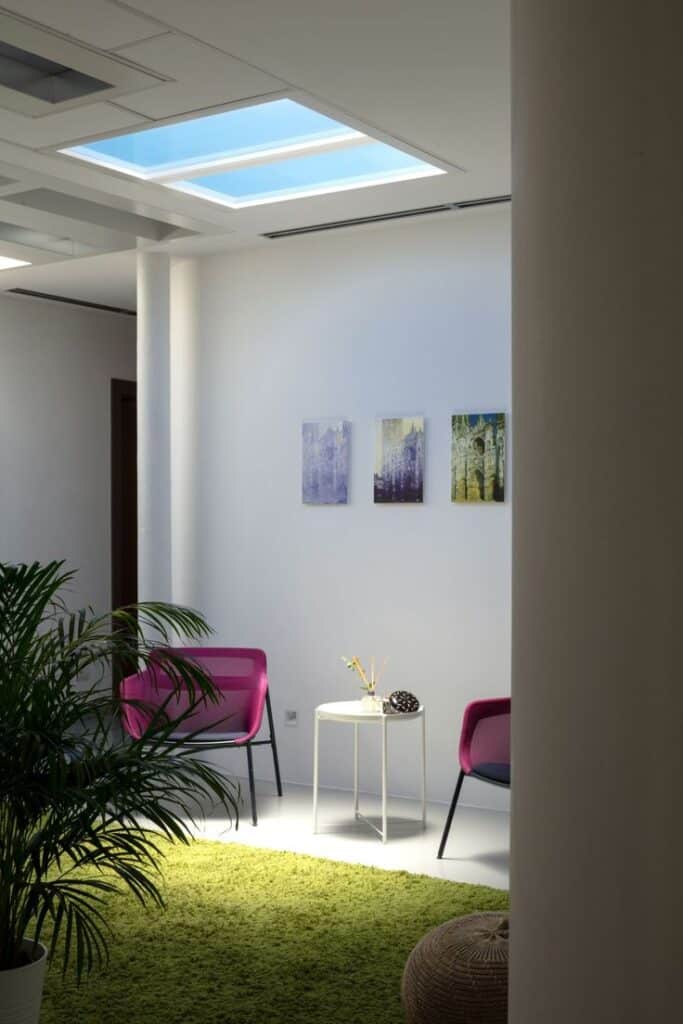
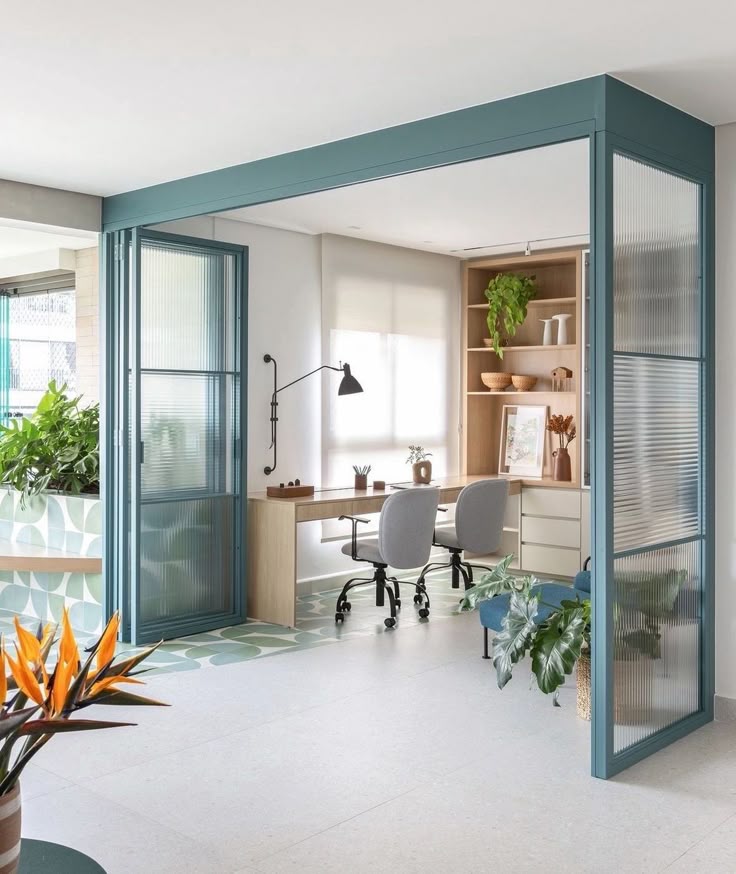
Natural light improves mood and visibility without extra energy use. Position hobby furniture near windows to maximize sunlight during the day.
Use translucent curtains or blinds to soften harsh sunlight and avoid glare. This helps protect delicate materials from sun damage too.
If windows are limited, mirrors can reflect natural light to brighten the room. Plants near windows also benefit from the light and add fresh air.
Accent and Decorative Lighting

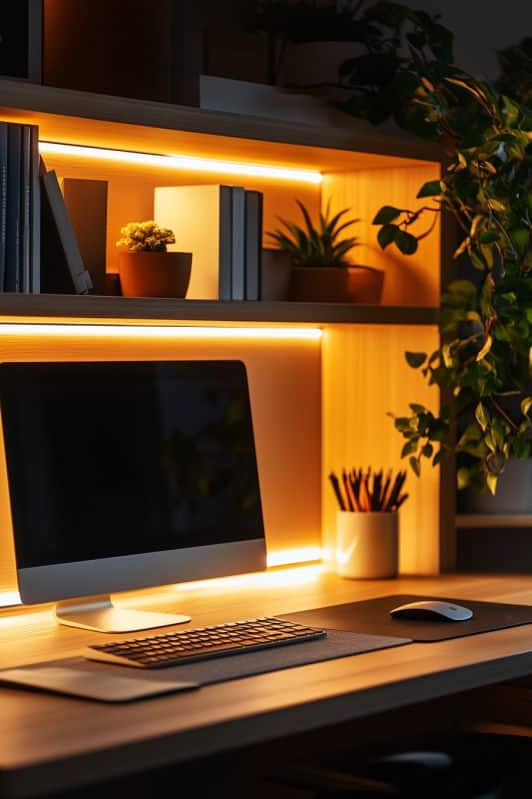
Accent lighting adds style and atmosphere to a hobby room. Strip LED lights under shelves or around cabinets highlight tools and collections clearly.
Warm white bulbs (2700K to 3000K) create a cozy feel that contrasts with cooler task lights. Colored LED options can add personality to the space.
Decorative fixtures such as vintage lamps or pendant lights enhance the room’s look while providing supplementary light. Using dimmers offers control over the light level to match the mood.
Essential Furniture Choices
Choosing the right furniture helps create a functional and comfortable hobby room. The focus should be on pieces that offer space to work, store items efficiently, and provide comfortable seating.
Workstations and Tables
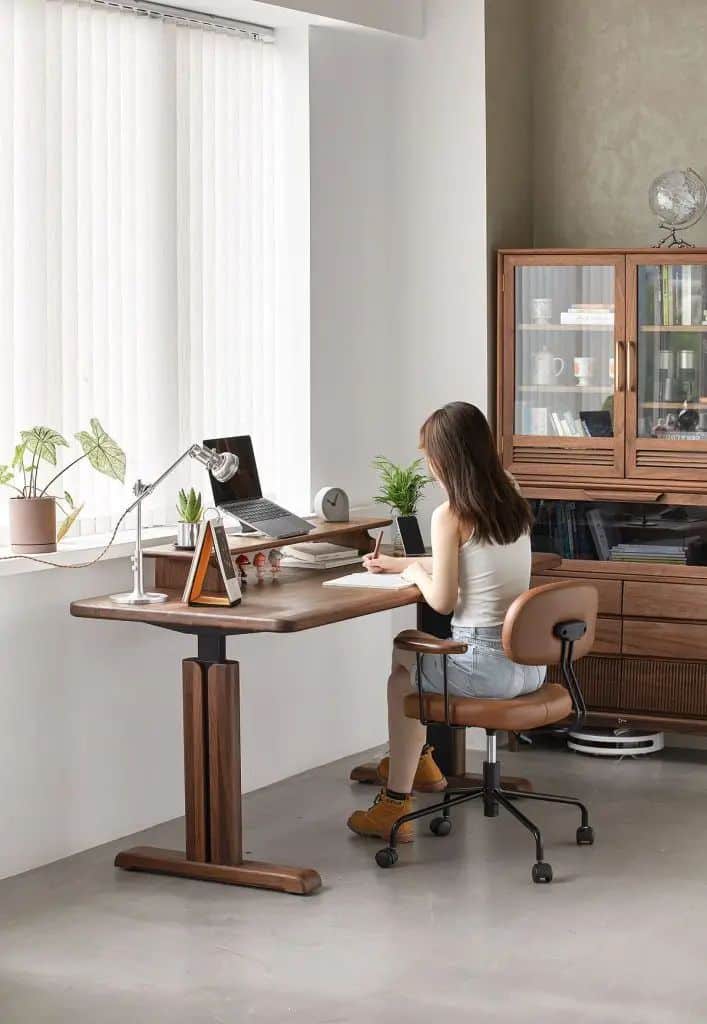
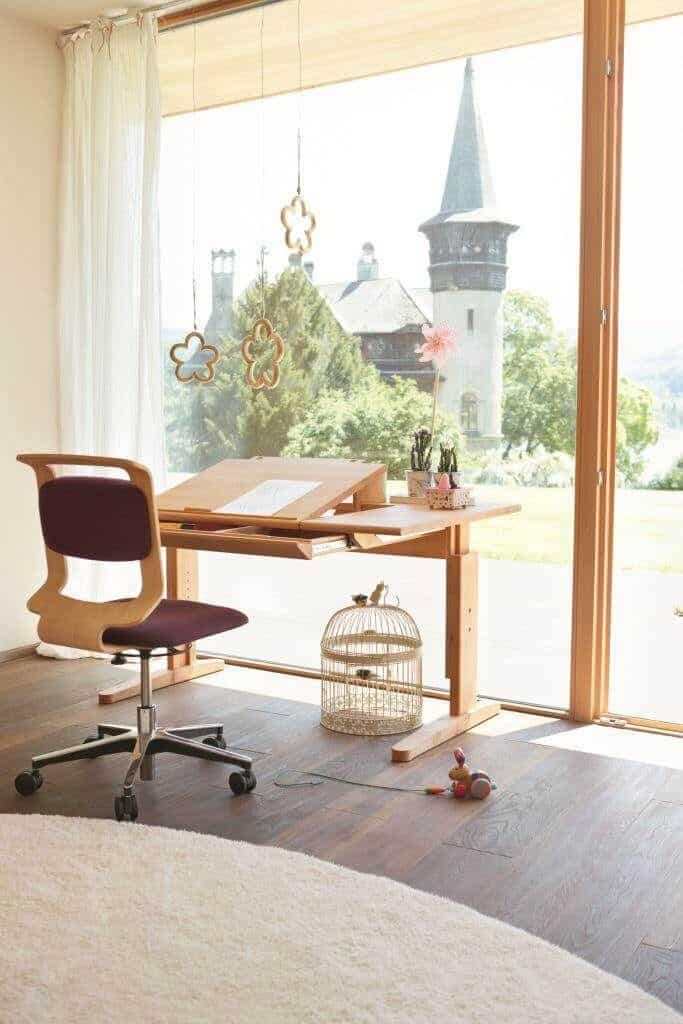
Workstations are the foundation of any hobby room. A sturdy table with enough surface area to spread out materials is crucial. Adjustable-height tables suit different projects and help maintain good posture.
Surface material matters. Smooth surfaces like laminate or wood work well for painting, crafting, or assembling. Tables with built-in drawers or compartments add convenience by keeping tools close.
For smaller spaces, foldable or wall-mounted tables save room when not in use. Ensure proper lighting above the workstation to reduce eye strain during detailed tasks.
Storage Cabinets and Shelving
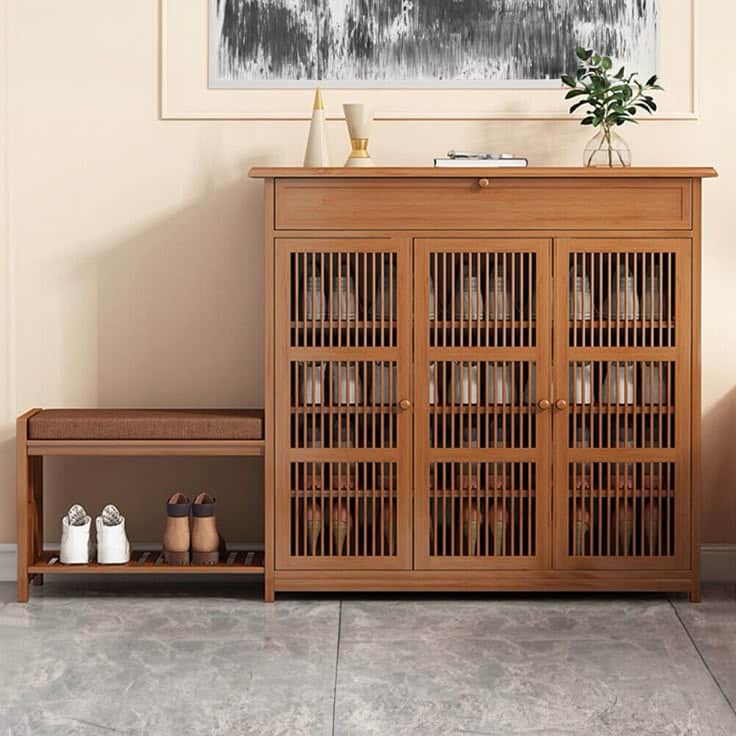
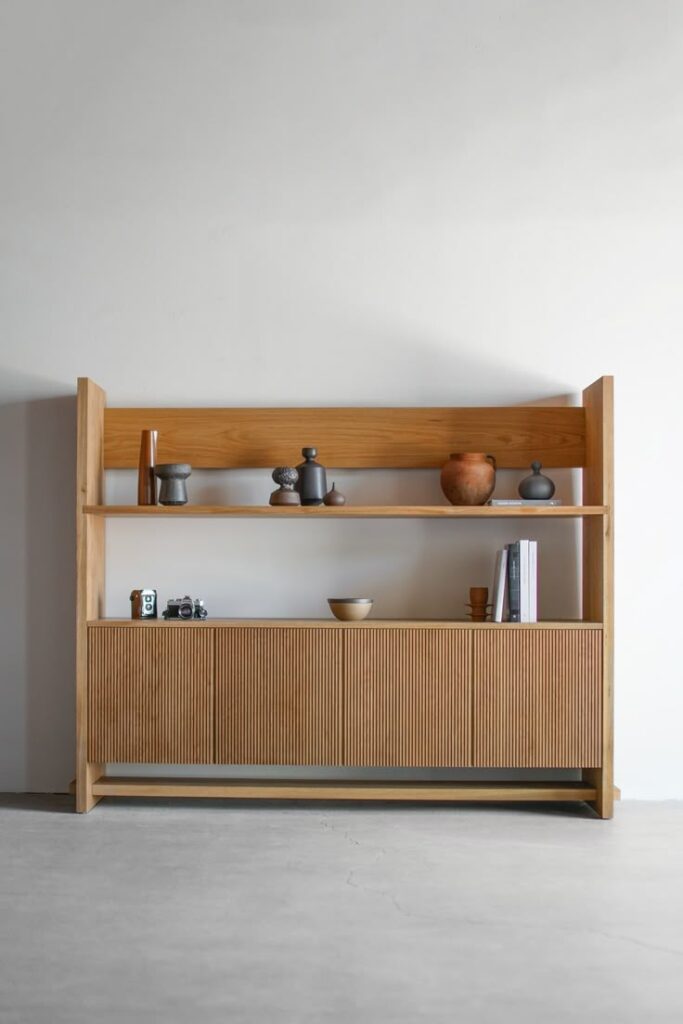
Storage is key to keeping the hobby room organized and clutter-free. Cabinets with doors protect supplies from dust, while open shelves make frequently used items easy to reach.
Adjustable shelves offer flexibility for different-sized containers and tools. Clear plastic bins or labeled boxes inside the cabinets help quickly find supplies.
Wall-mounted shelving maximizes floor space. It keeps materials visible but off the work surface. Lockable cabinets provide extra security for valuable or dangerous items.
Seating Options
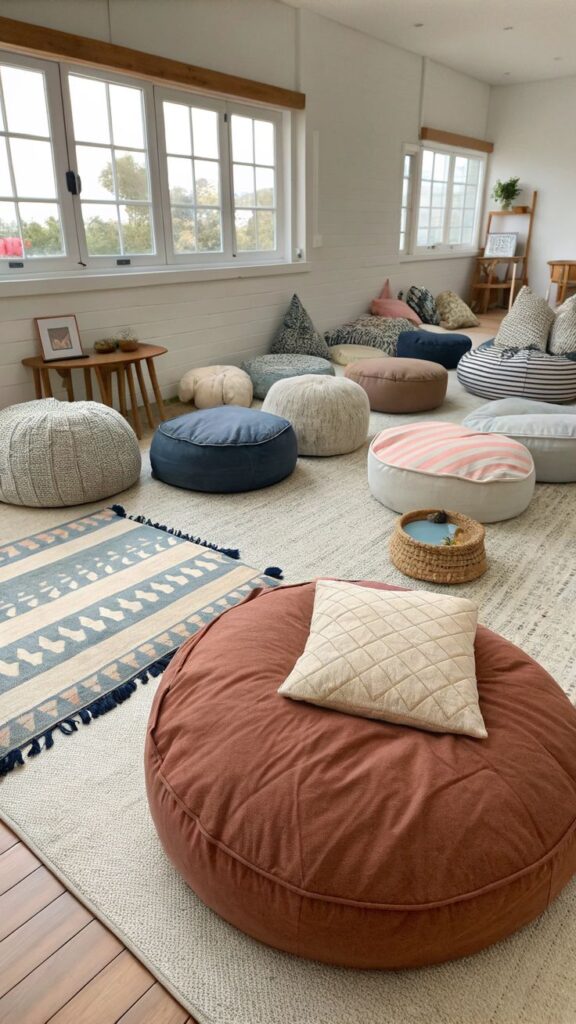
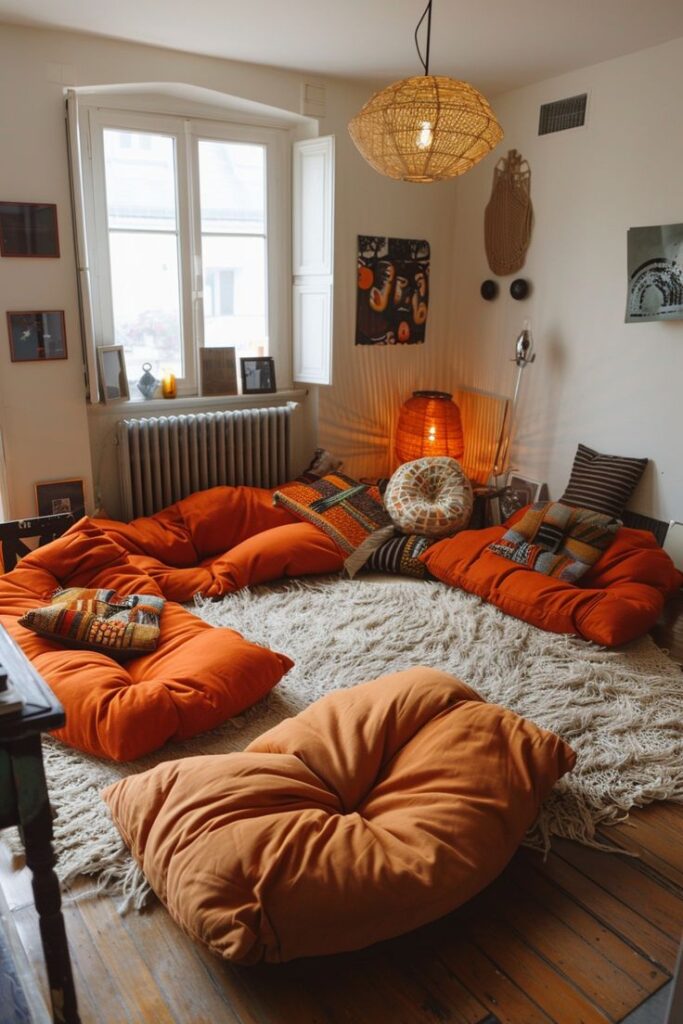
Comfortable seating supports longer hobby sessions. An ergonomic chair with adjustable height and back support helps avoid strain.
For hobbies that need frequent standing, a high stool with a footrest offers a good alternative. Cushions or padded seats add comfort for hard chairs.
Consider chairs on wheels for easy movement between workstations. Durable, easy-to-clean materials work best since hobbies can get messy.
Personalization and Decor
A hobby room should reflect the interests and tastes of the person using it. Thoughtful choices in decoration and display make the space inviting and motivating. Practical displays, meaningful art, and natural elements all add to a room’s character.
Displaying Collections
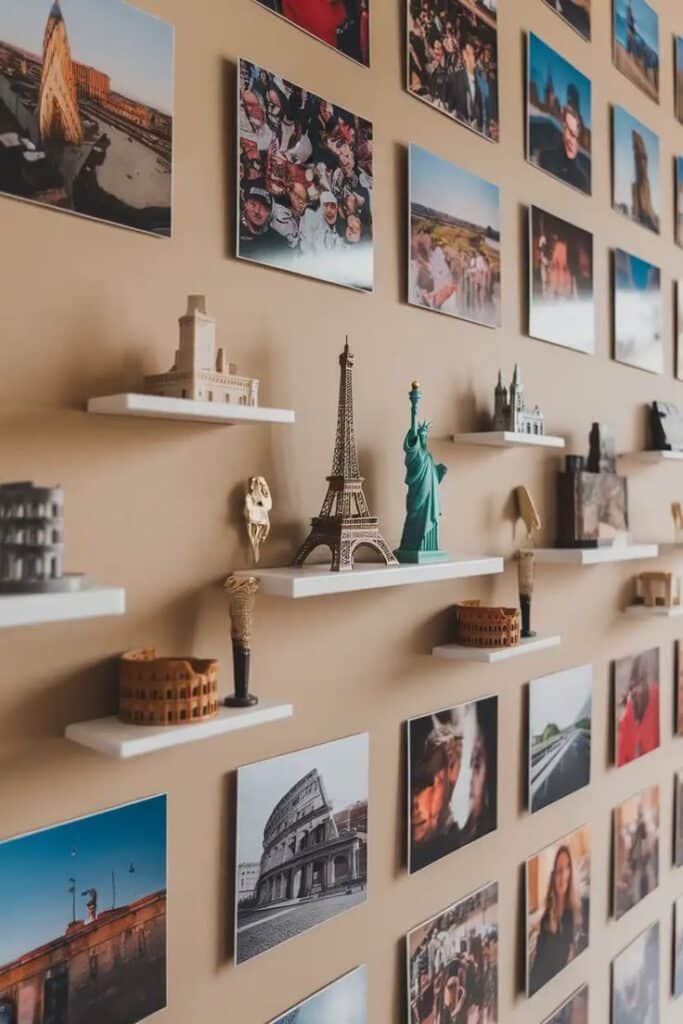
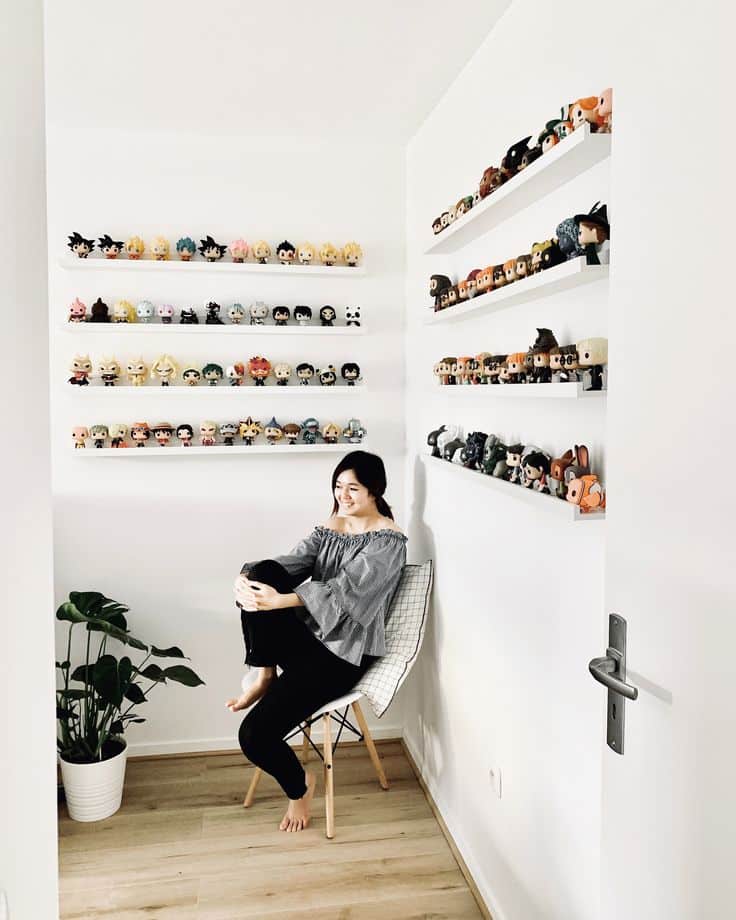
Collections are a great way to personalize a hobby room. Using shelves or wall-mounted cases keeps items visible but organized. Grouping similar objects together — like model cars or stamps — helps create a neat, intentional look.
Glass-front cabinets protect delicate items from dust while allowing them to be admired. Floating shelves can maximize wall space without cluttering the floor. Labeling collections adds clarity, helping to quickly find specific pieces.
Inspirational Wall Art
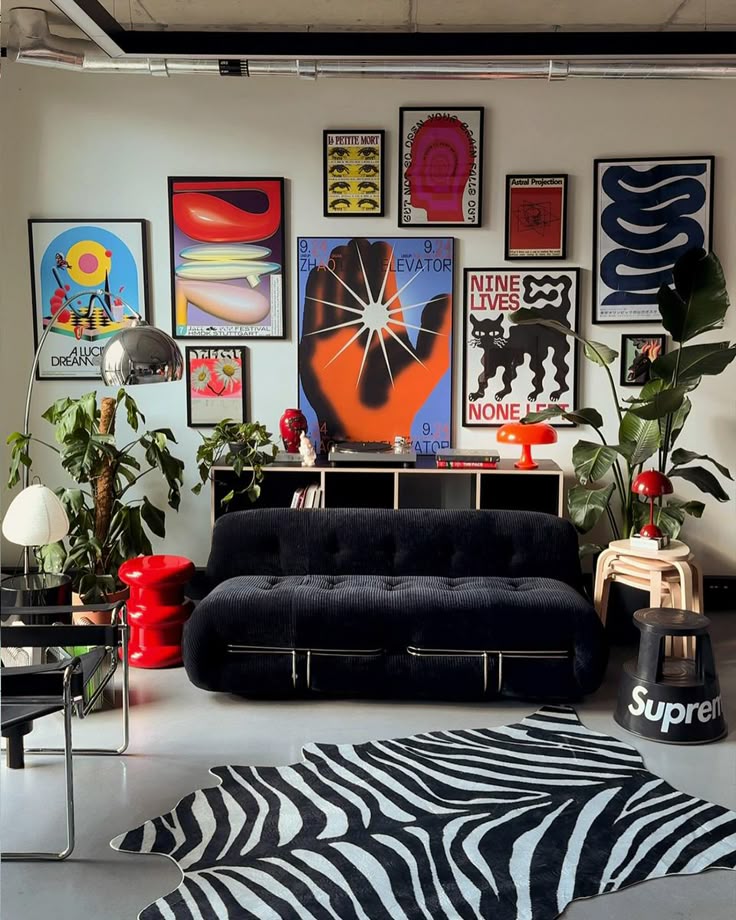
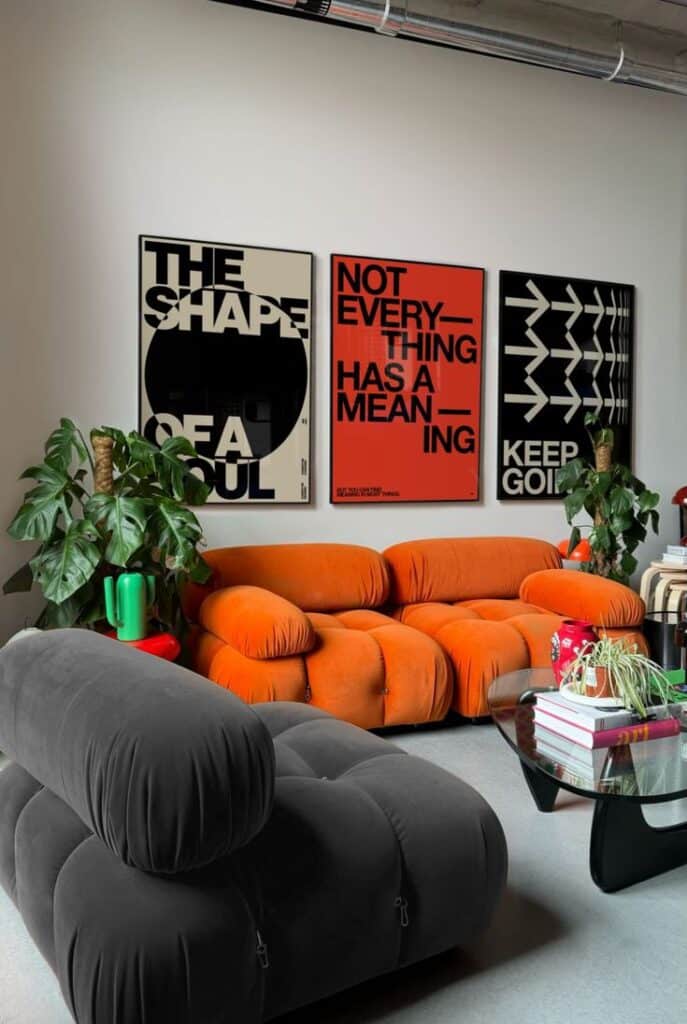
Decorative art that reflects the hobby can inspire and energize the user. Posters, prints, or framed photos related to the activity keep motivation high. Choosing pieces with personal meaning makes the space feel unique.
Framing tools, quotes, or vintage advertisements can add a creative touch. Art displayed at eye level ensures it catches attention. A mix of large and small pieces prevents the walls from feeling empty or overcrowded.
Incorporating Plants and Greenery
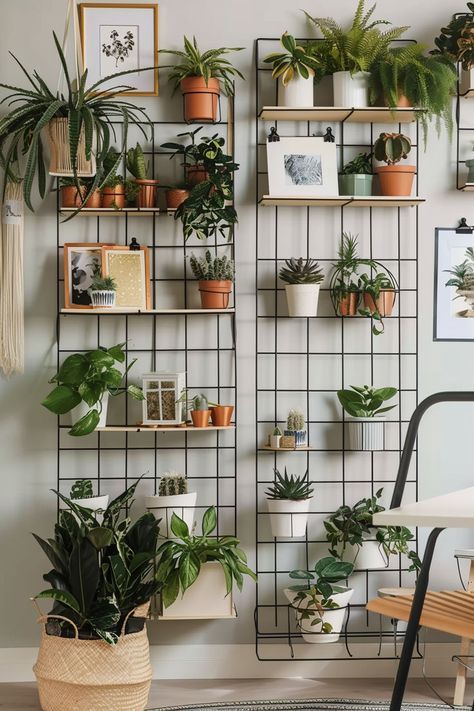
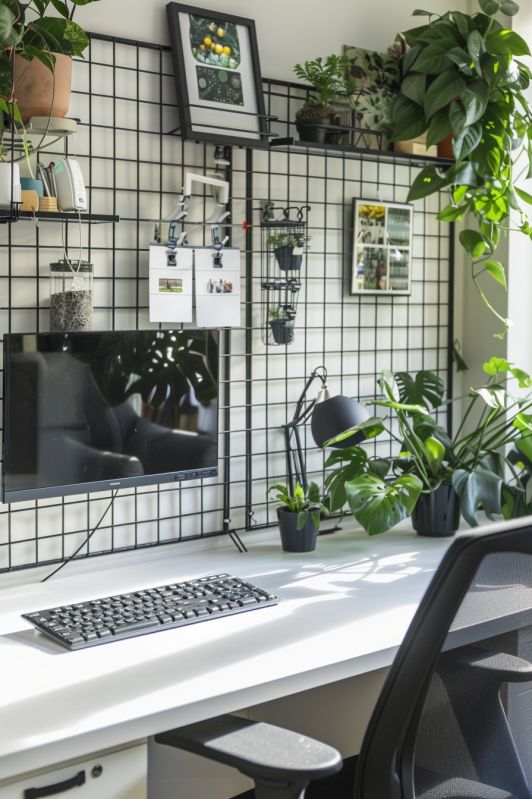
Adding plants brings life and a natural vibe to a hobby room. Small potted plants on desks or shelves add color and freshness without requiring much space. Low-maintenance plants, like succulents or snake plants, suit busy schedules.
Plants improve air quality and create a calm atmosphere, which may help focus during hobbies. Hanging plants or wall-mounted planters save surface space and add visual interest. Regular watering and proper lighting keep plants healthy in any room.
Technology Integration
Technology can improve the function and comfort of a hobby room. If gaming is the main activity, plan the screen distance, cable route, ventilation, and seating together; this gaming room guide covers the wider setup.
Audio and Visual Equipment
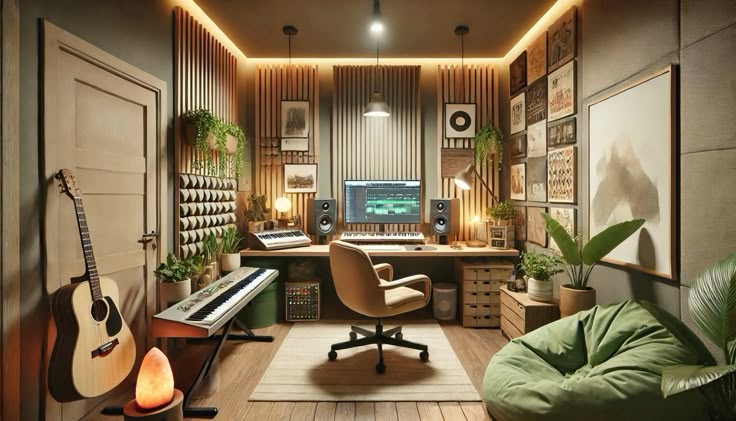
Good audio and visual gear helps create an immersive environment. Speakers, headphones, and sound systems should match the hobby’s needs. For music or audio work, high-quality speakers and noise-canceling headphones are important to hear details clearly.
Video enthusiasts benefit from screens with accurate colors and sharp resolution. Adjustable lighting reduces glare and eye strain. Mounting options, like wall brackets for screens or ceiling mounts for speakers, save space and improve placement.
Cable management keeps wires tidy and prevents accidents. Using wireless devices can reduce clutter. Choosing equipment with easy controls ensures quick adjustments during activities.
Connectivity and Smart Devices
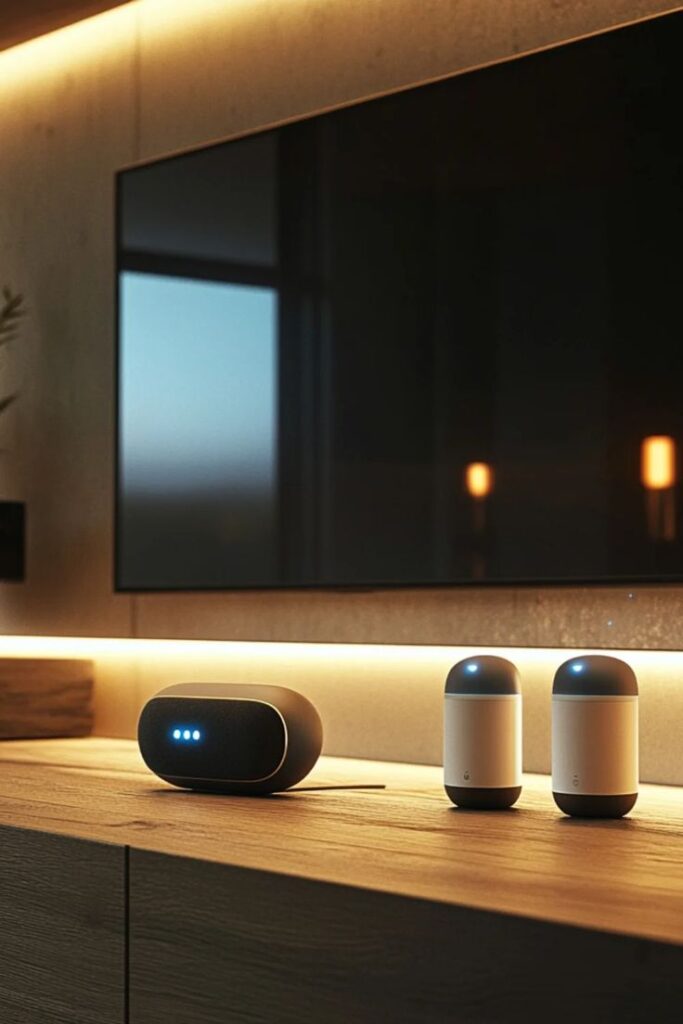
Strong Wi-Fi is essential for streaming tutorials, music, or videos. A reliable connection supports online collaboration or content sharing. Ethernet connections offer stable internet but may require careful cable routing.
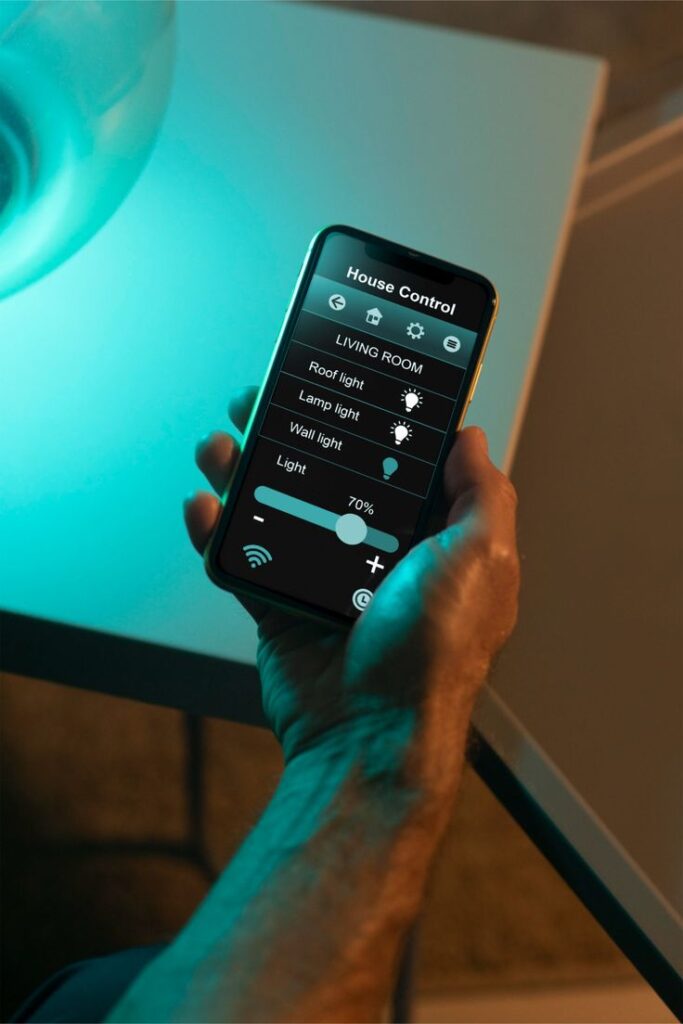
Smart devices like voice assistants or smart plugs help control lighting, temperature, or music hands-free. These systems often integrate with phone apps for remote access.
Charging stations for mobile devices keep the room organized. Using smart power strips prevents overloads and saves energy by turning off devices automatically.
Soundproofing and Privacy
Effective sound control and privacy are key to a productive hobby room. Using the right materials and creating a designated quiet space helps reduce noise that could disturb others or distract the user.
Acoustic Treatments
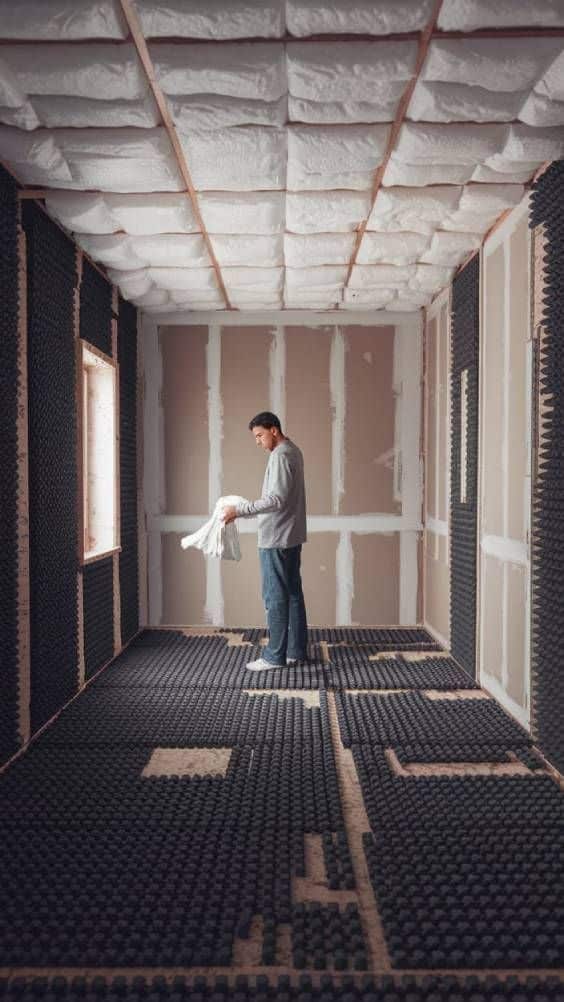
Acoustic panels are one of the best ways to absorb sound in a hobby room. These panels, usually made of foam or fabric, reduce echo and limit noise from escaping. Installing them on walls and ceilings near work areas improves sound quality inside the room.
Adding thick rugs and heavy curtains also helps block sound. Sealing gaps around doors and windows prevents noise from leaking. Using weather stripping or door sweeps can make a noticeable difference.

Creating a Quiet Zone
A quiet zone minimizes interruptions and external noise. Placing the hobby room away from busy parts of the house, such as near bedrooms or common areas, helps.
Inside the room, arranging furniture to create barriers can block sound. For example, bookshelves filled with items act as sound buffers. Noise machines or white noise apps can cover distractions when absolute silence is not possible.
Maintenance and Organization
Keeping a hobby room tidy and well-maintained helps save time and keeps the space inviting. Choosing the right materials and habits makes cleaning easier and prevents clutter from building up.
Easy-to-Clean Surfaces
Surfaces that clean easily reduce effort and keep the room looking fresh. Materials like laminate, sealed wood, and metal are good choices. They resist stains and dust better than fabric or unsealed wood.
Using mats or trays under projects helps protect tables from paint, glue, or dirt. Smooth surfaces wipe clean with a damp cloth, avoiding buildup of sticky residues.
Shelves and storage bins with smooth finishes are easier to dust regularly. Avoid materials that absorb spills or require special cleaners, which can slow down maintenance.
Regular Decluttering Strategies
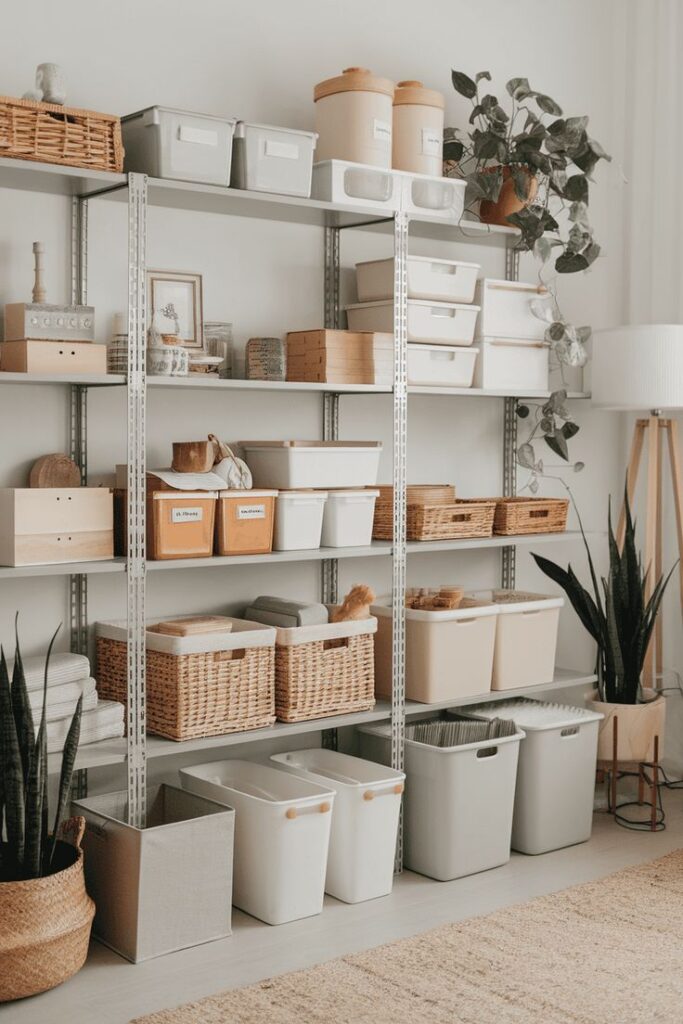
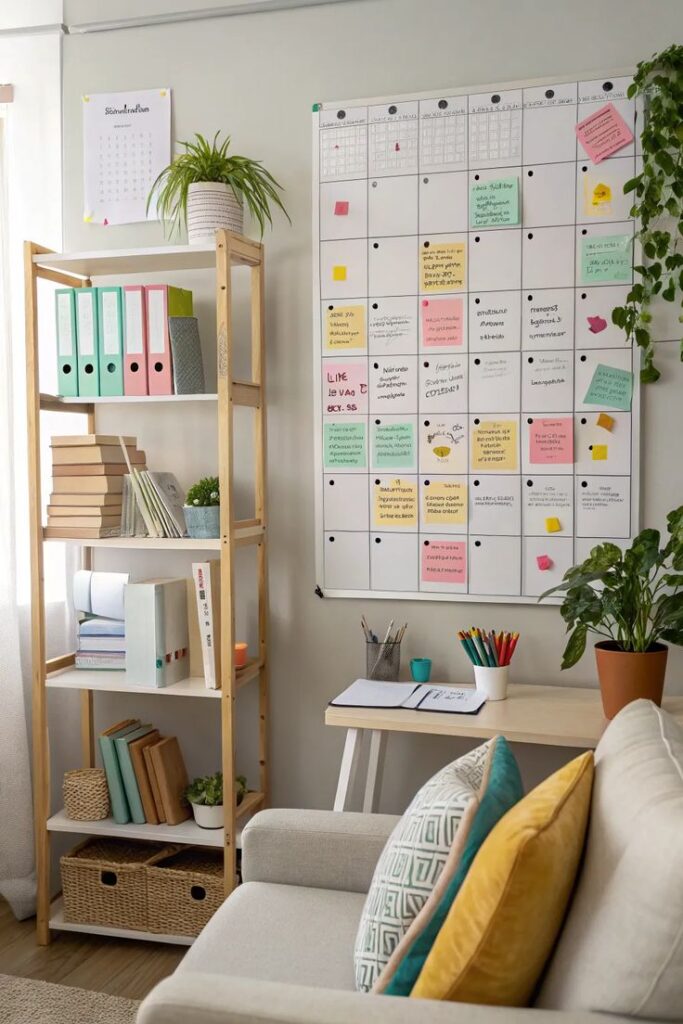
Decluttering stops mess from piling up. Set a weekly routine to sort through supplies and throw away broken or unused items. This keeps space open and materials easy to find.
Use clear bins or labeled containers to organize tools by type or project. Grouping items prevents mix-ups and spreads out clutter.
A small, portable trash bin in the room encourages tossing scraps immediately. This keeps floors and work areas cleaner between deep cleans.
Common hobby room design mistakes
- Decorating before testing the work zone. Tape out the table and storage footprint first, then sit or stand where the hobby happens. A polished room still fails if the chair blocks a cabinet or the work surface is too shallow.
- Relying on one overhead light. Your head and hands can cast shadows over detailed work. Add a movable task lamp and place it opposite the hand you use most.
- Leaving every supply on display. Open storage is useful for daily tools, but closed cabinets keep dust off fabric, paper, electronics, and collections.
- Ignoring cleanup and ventilation. Paint, adhesives, sawdust, and fabric fibers need different surfaces and airflow. Plan a safe cleanup route before buying furniture.
- Fixing the layout too early. Start with movable carts, adjustable shelves, or a folding table if the hobby or equipment is likely to change.
Adapting for Future Needs
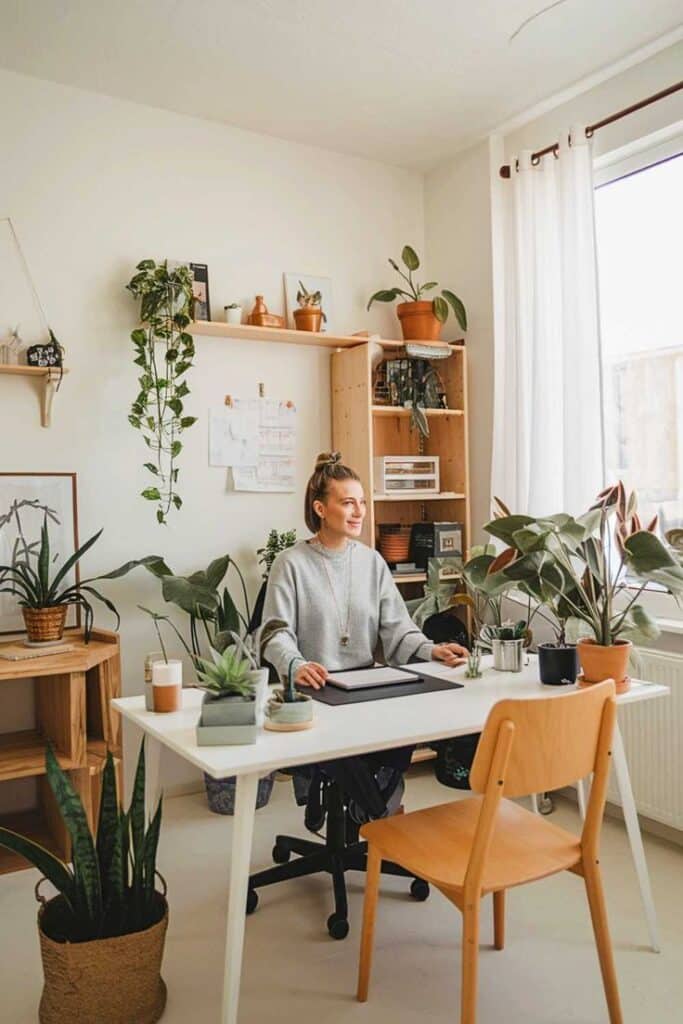
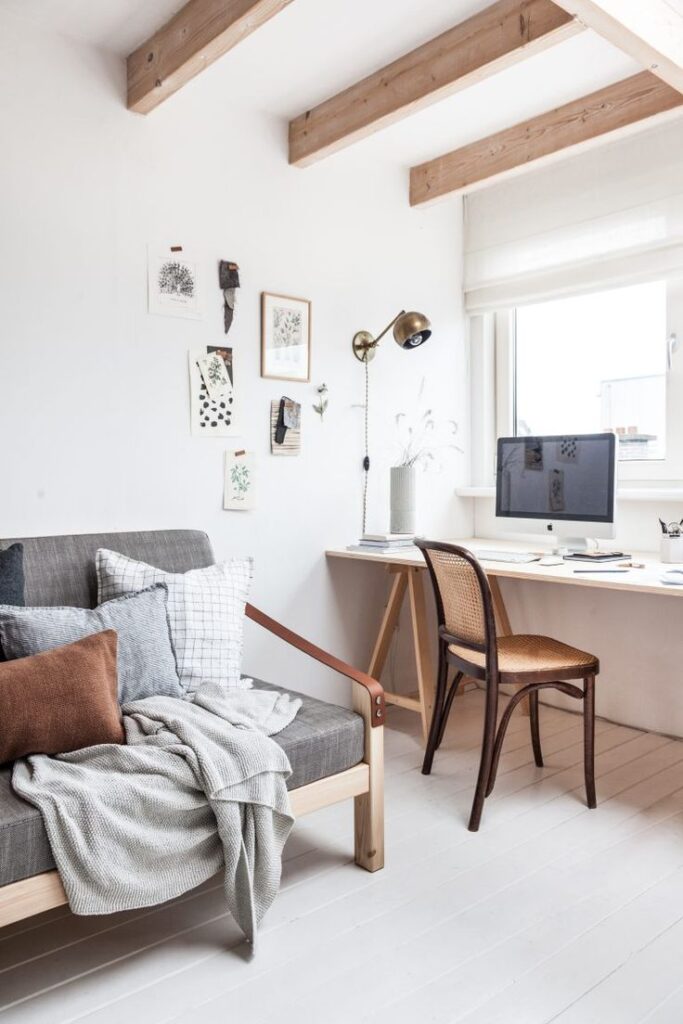
A hobby room should be flexible to grow with changing interests. People often switch hobbies or add new activities over time. Designing a space that can easily adjust helps avoid costly changes later.
Using modular furniture is one simple way to stay adaptable. Shelves, tables, and storage units that can be moved or reconfigured save space and effort. This lets the room serve different purposes as needed.
Planning for extra electrical outlets is also important. New tools or gadgets may require power access in various parts of the room. Having multiple outlets helps avoid hazardous extensions or clutter.
Another key aspect is storage. It’s best to use containers or shelves that fit different types of supplies. Clear bins or stackable boxes keep items organized and easy to find. Labeling them can speed up transitions between hobbies.
Here is a list of easy changes to keep in mind:
- Paint walls in neutral colors
- Install adjustable lighting
- Use movable work surfaces
- Incorporate foldable or collapsible furniture
By thinking ahead, the hobby room can remain useful and welcoming for years. Flexibility in the layout and equipment makes adapting smoother. This approach supports new skills without needing a whole new space.
- 7.0Kshares
- Facebook0
- Pinterest7.0K
- Twitter0
- Reddit0