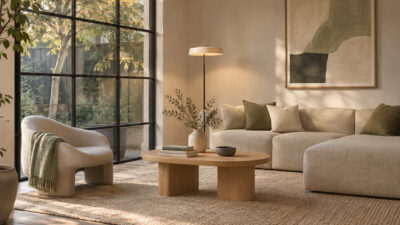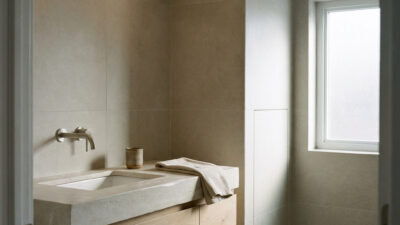

The most useful cozy minimalist bedroom ideas start with function: a clear route around the bed, one surface for nightly essentials, concealed storage for everything else, and lighting you can soften after dark. Keep the palette restrained, but not flat.
Warm white, oatmeal, mushroom, pale oak and muted green create a calm base, while linen, wool, timber and a textured rug prevent the room from feeling clinical. Choose the bed first, then add only the furniture the room can support without narrowing walkways. A nightstand should be reachable from the mattress; a dresser or wardrobe should open fully; curtains should control glare and privacy.
Layer ambient, bedside and task lighting instead of relying on one bright ceiling fixture. Finish with one or two meaningful pieces of art and a plant if the light suits it. Minimalism works when the room is easy to use, easy to reset and genuinely comfortable—not when it simply looks empty.
How do you plan a cozy minimalist bedroom?
| Decision | Simple starting point | Check before buying |
|---|---|---|
| Palette | One warm light base, one mid-tone, one dark accent | Compare samples beside the floor and bedding in morning and evening light |
| Bed | The largest size that still leaves usable routes | Keep doors, drawers and wardrobe access clear |
| Lighting | Ambient light plus two bedside sources | Use warm, dimmable light where practical |
| Storage | Closed storage near the point of use | Make daily items easy to return with one hand |
| Textiles | Breathable bedding, one throw and a correctly sized rug | Vary texture instead of adding many colors |
Start with the plan, not a shopping list. Measure the wall behind the bed, the open door swings, wardrobe depth and the narrowest walking route. Then photograph the room from the doorway. The photograph makes visual imbalance easier to spot and helps you decide whether the room needs another object or simply a clearer surface.
What makes a minimalist bedroom work?
A minimalist bedroom works when every visible item supports sleep, dressing or a deliberate visual choice. The aim is not deprivation. It is a room with a clear job, predictable storage and enough open space to move without weaving around furniture.
Minimalism is not an empty room
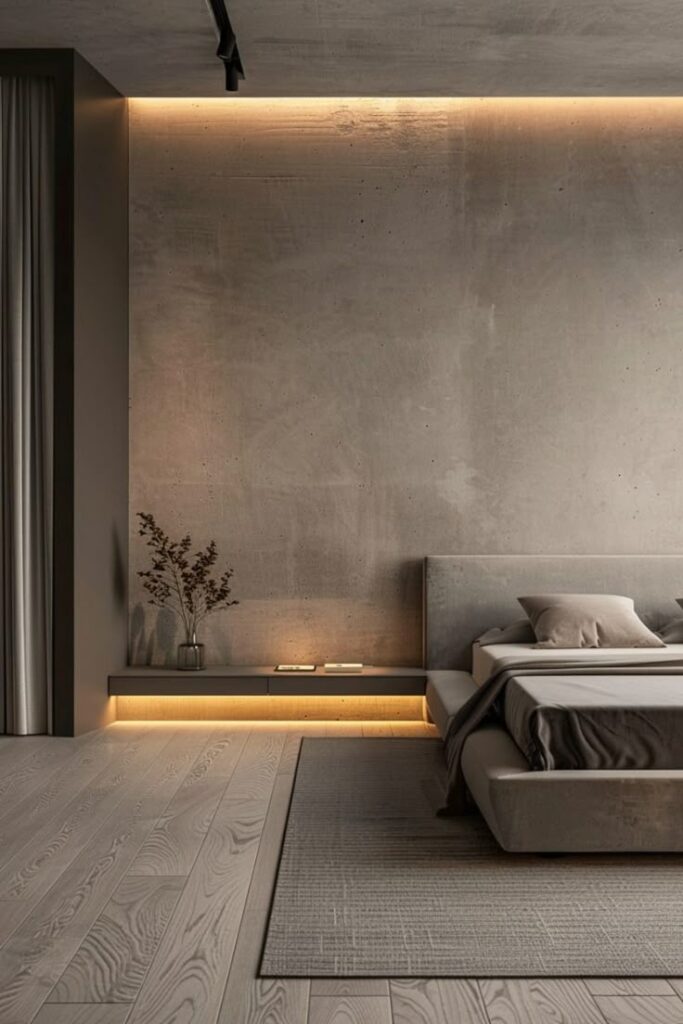
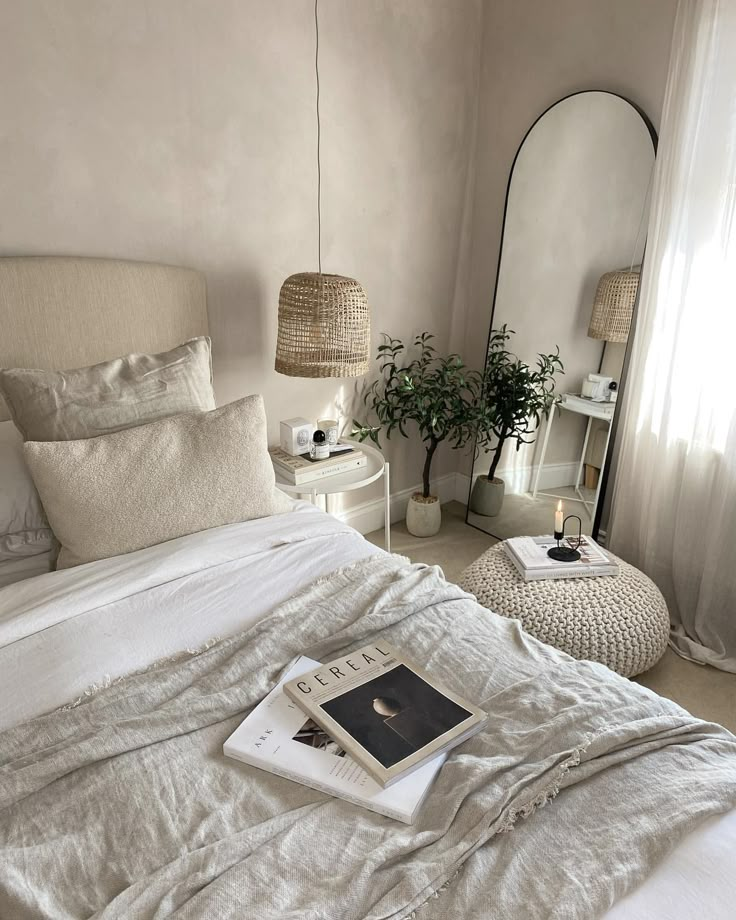
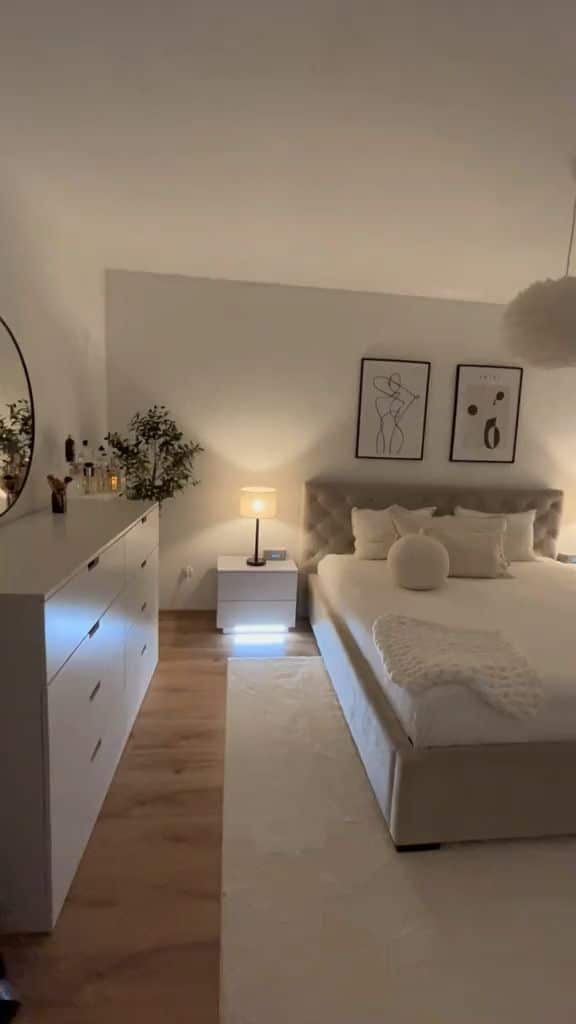
The core of minimalism isn’t deprivation; it’s liberation. In a bedroom context, this means liberating yourself from unnecessary items that create visual noise and mental distraction. Imagine walking into a space where every item serves a purpose or brings you genuine joy. This isn’t about emptying your room until it echoes; it’s about thoughtful curation.
Think about it: a pile of clothes on “the chair,” a cluttered nightstand, too many decorative objects fighting for attention – these things subtly communicate chaos to your brain. This can make it harder to relax, fall asleep, and even wake up feeling refreshed. By removing these distractions, you create a sense of order and peace. This intentional approach fosters mental clarity, reduces decision fatigue (no more staring at a closet full of clothes you never wear!), and ultimately, contributes to better sleep and a more serene start to your day. It’s about creating a space where your mind can finally quiet down.
Comfort comes from fewer, better choices
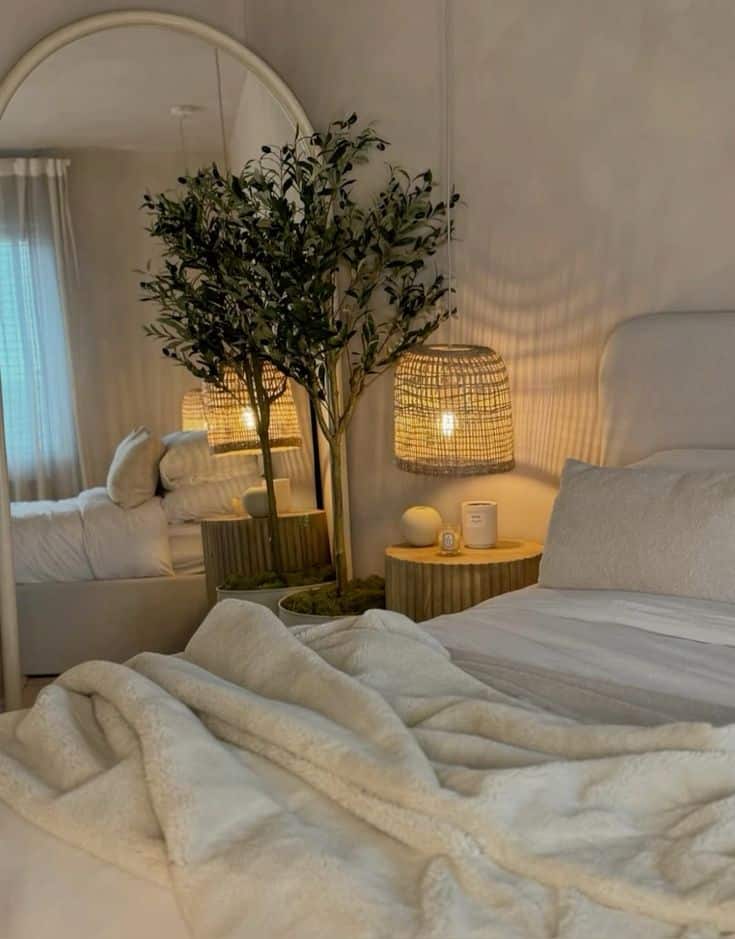
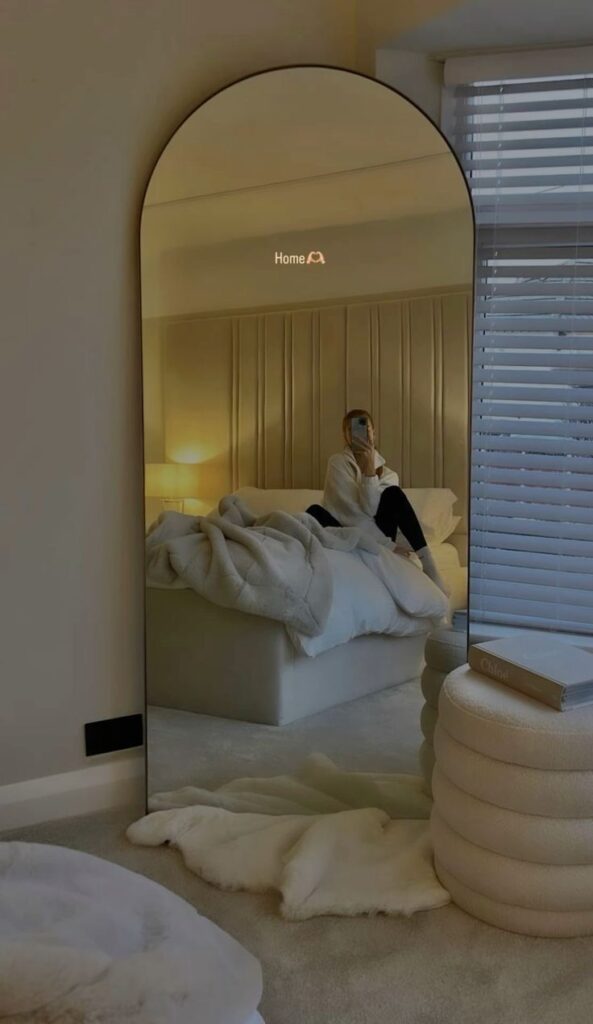
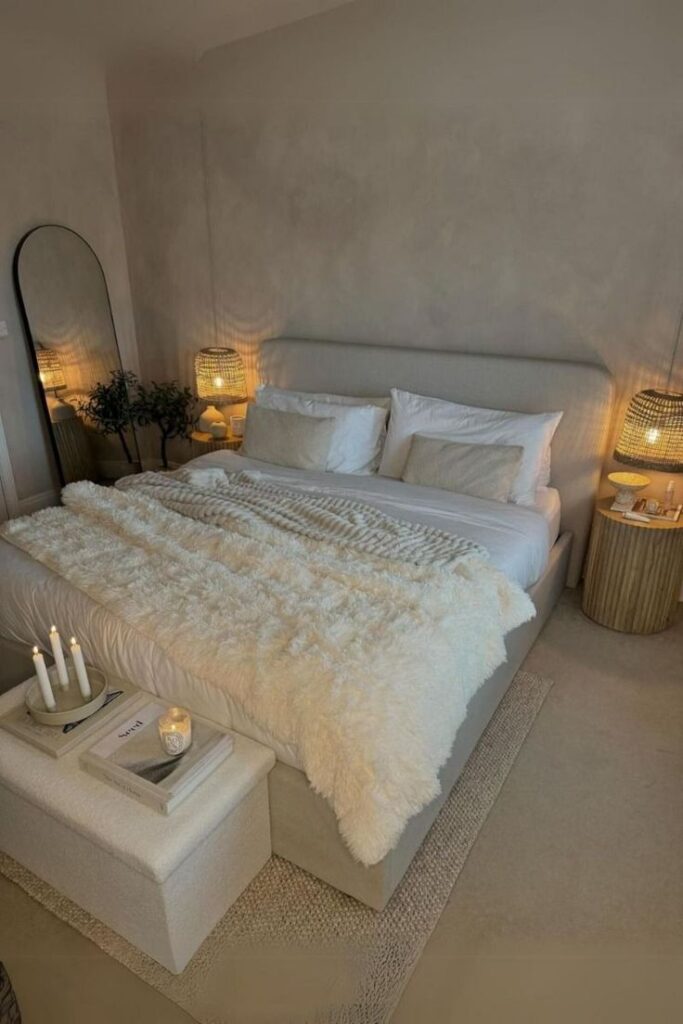
Here’s where we bust the biggest myth: minimalist doesn’t mean uncomfortable. In fact, a minimalist bedroom done right is often more comfortable than a cluttered one. How? Because when you have fewer items, you can invest in higher quality pieces that truly enhance your comfort. Instead of five flimsy blankets, you have one or two incredibly soft, luxurious ones. Instead of a bedside table overflowing with junk, you have a beautiful, uncluttered surface with just a soothing lamp and perhaps a good book.
The comfort factor in a minimalist bedroom comes from focusing on essentials that provide genuine value and sensory pleasure. It’s about creating a harmonious environment where soft textures, gentle lighting, and ample open space invite relaxation. It allows you to truly appreciate the items you do keep, knowing they’ve earned their place. It’s quality over quantity, always.
How do you choose a calm bedroom palette?
Color should connect the largest surfaces: walls, floor, bed and curtains. Begin with their undertones, then add one supporting color. This produces a more coherent result than choosing a fashionable paint color in isolation.
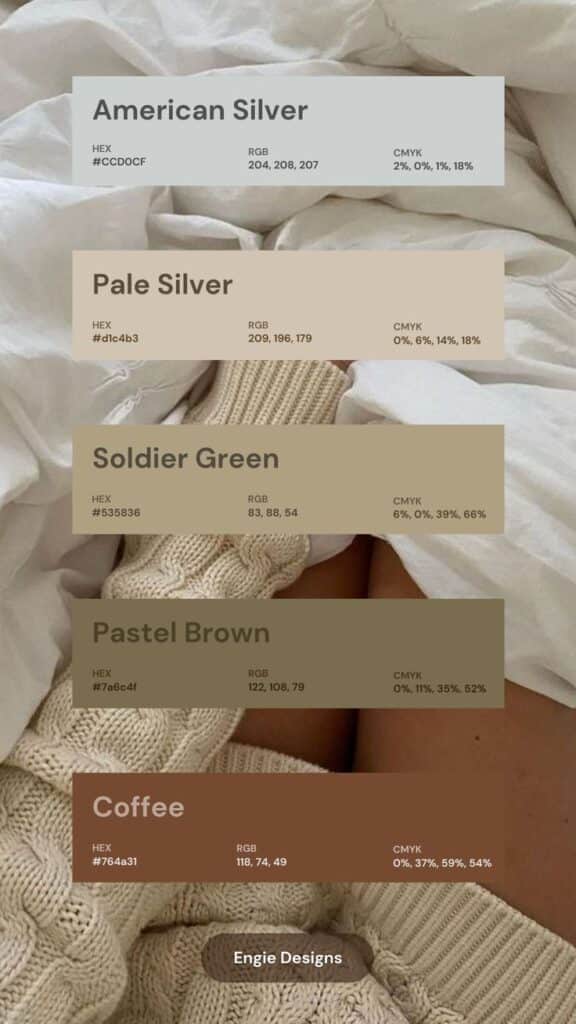
Five cozy minimalist bedroom color palettes
Use these five room-based palettes as a starting point for walls, textiles, timber and accents. Each HEX value was sampled from a visible surface in the illustrated interior, so the color story stays connected to an actual room rather than an isolated trend swatch.
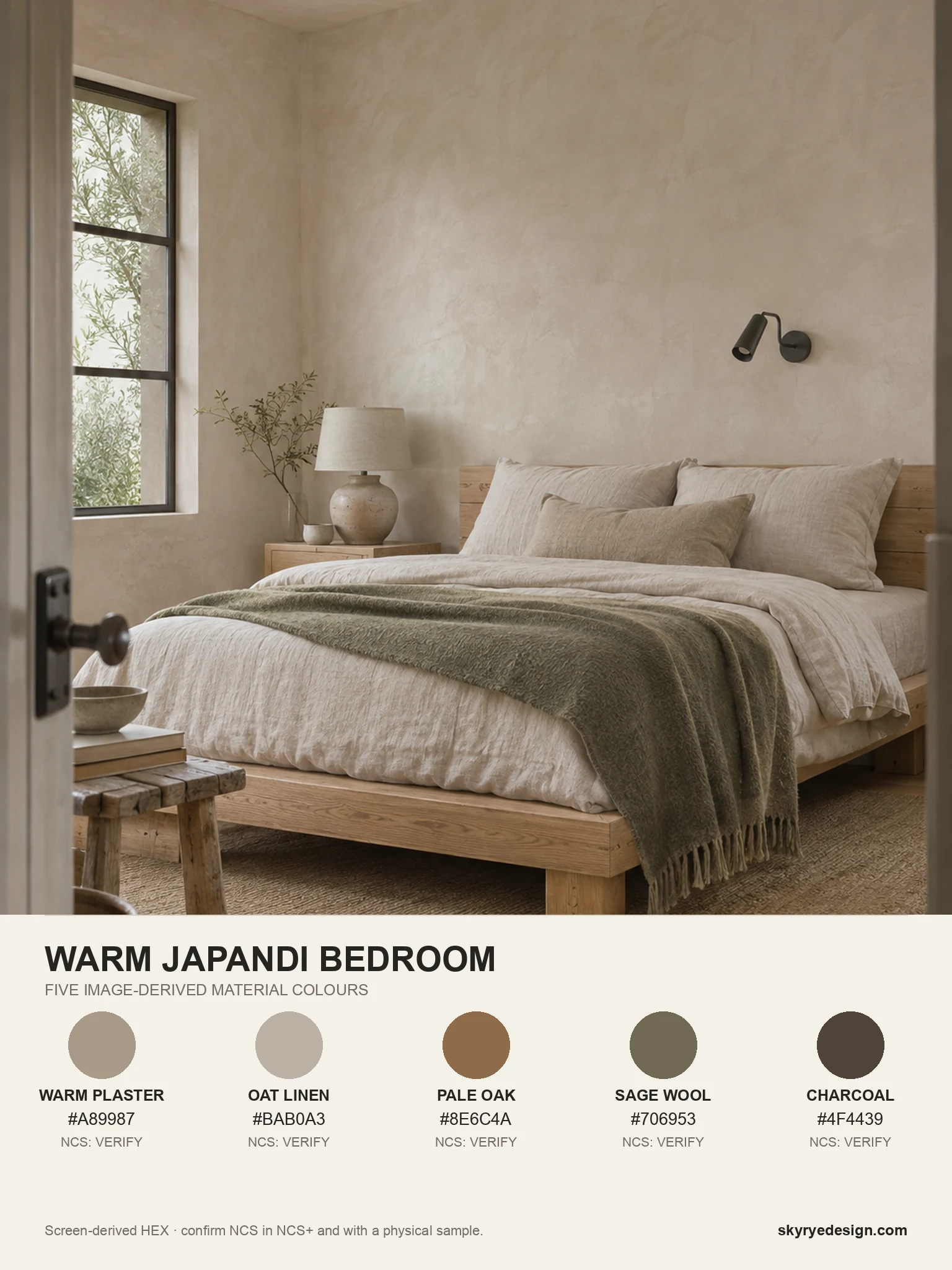
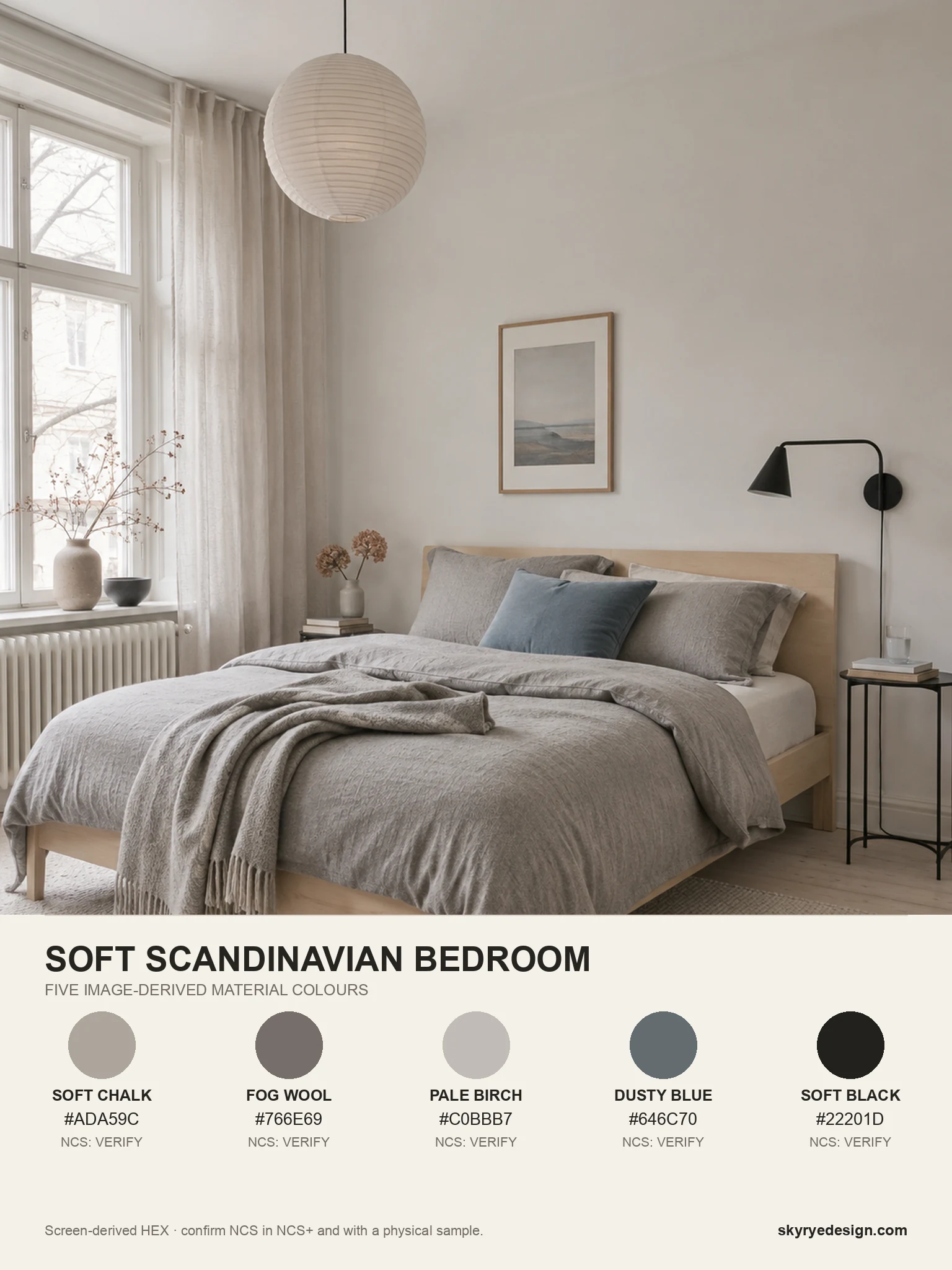
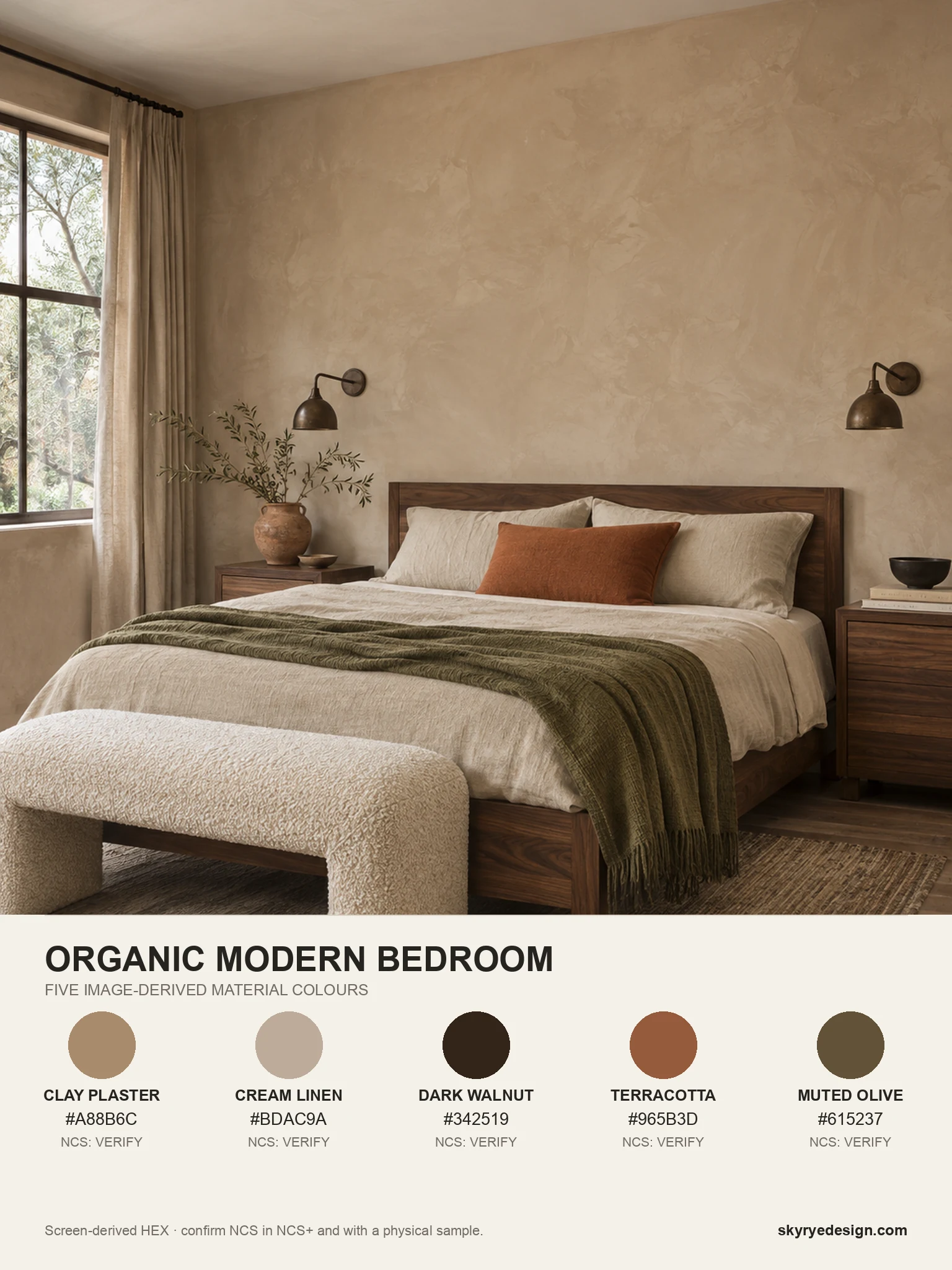
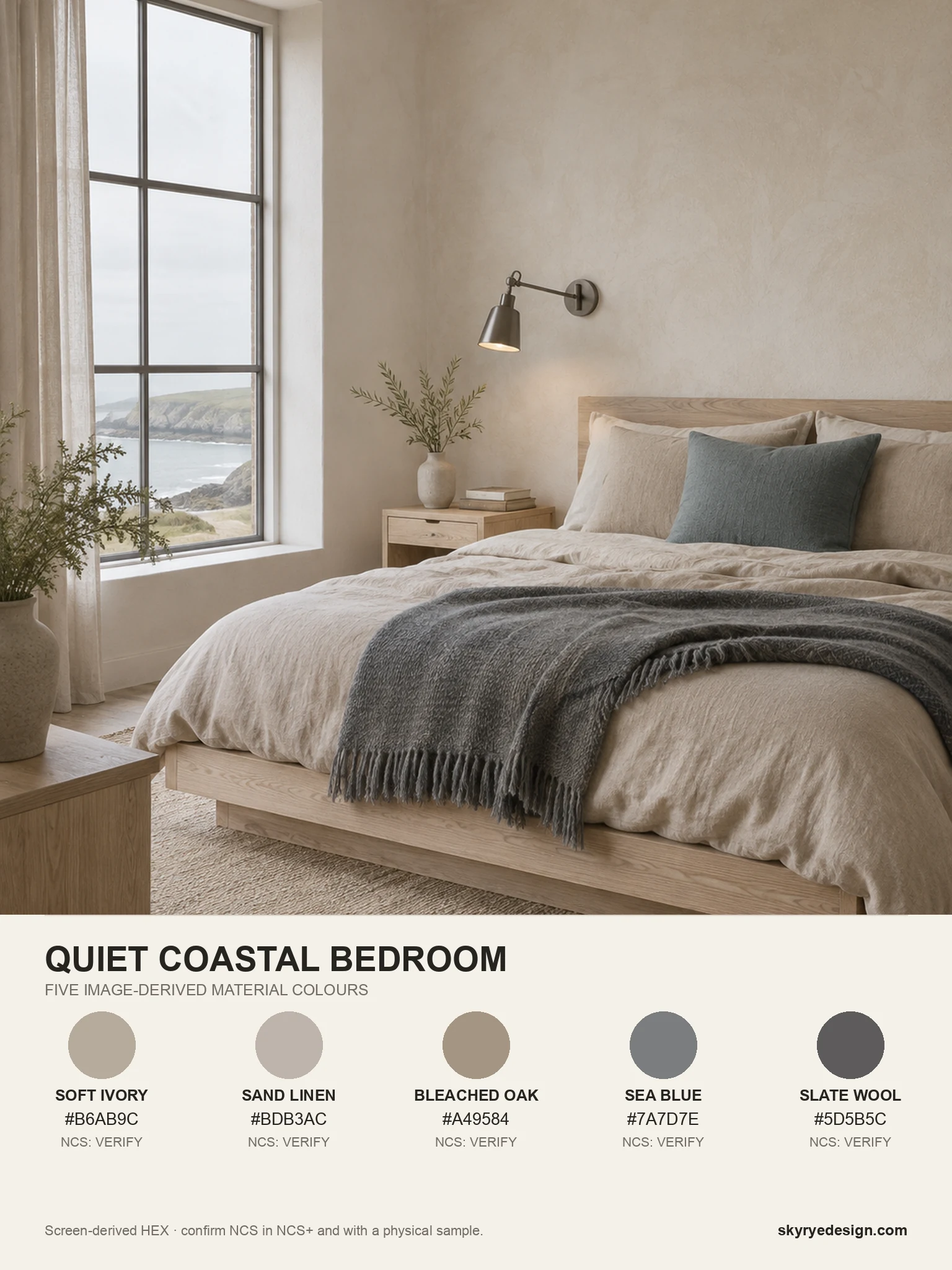
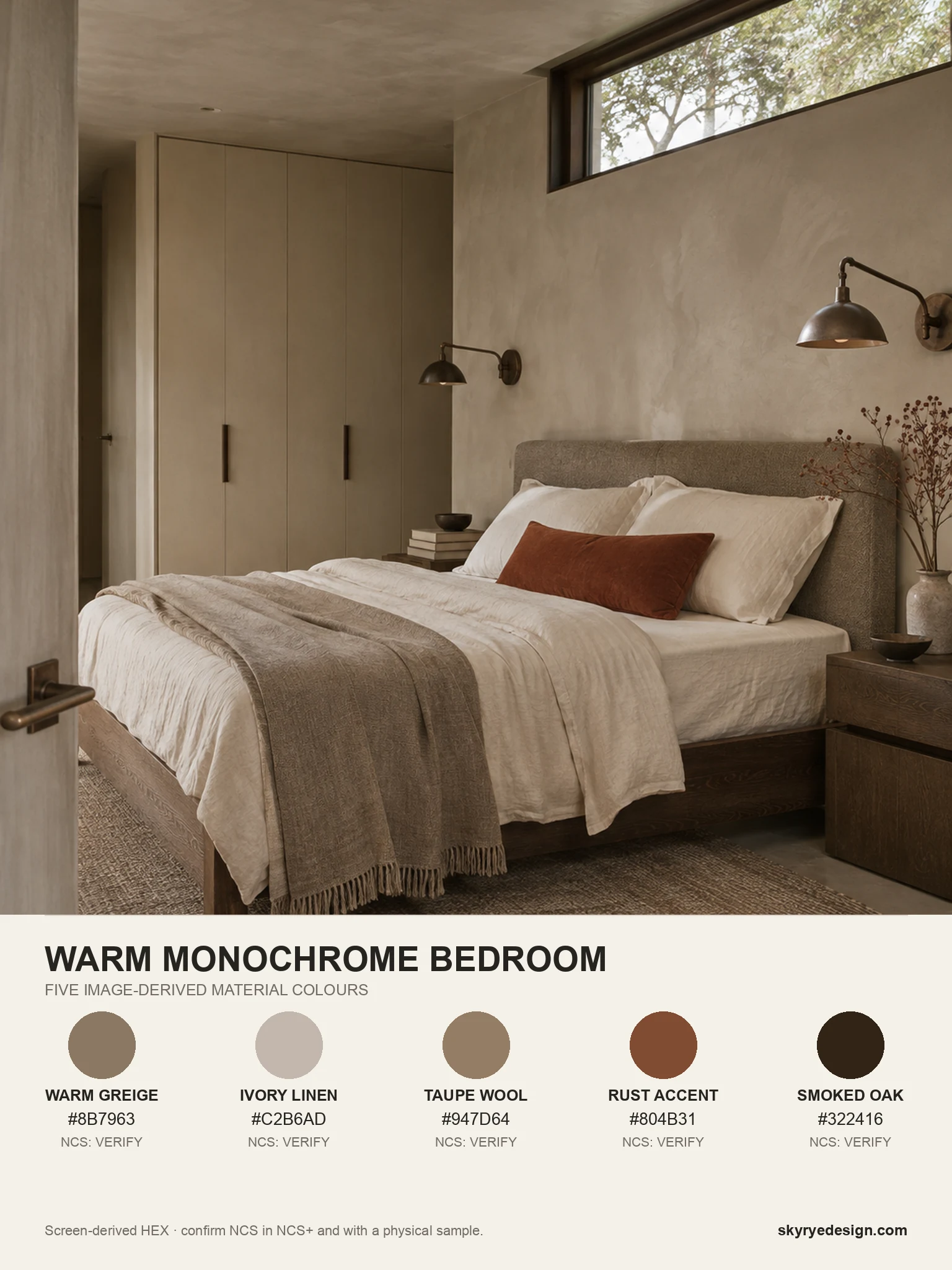
Screen-derived HEX values. NCS conversion requires verification in NCS+ and with a physical NCS sample before specifying paint or materials.
Build the palette around warm neutrals
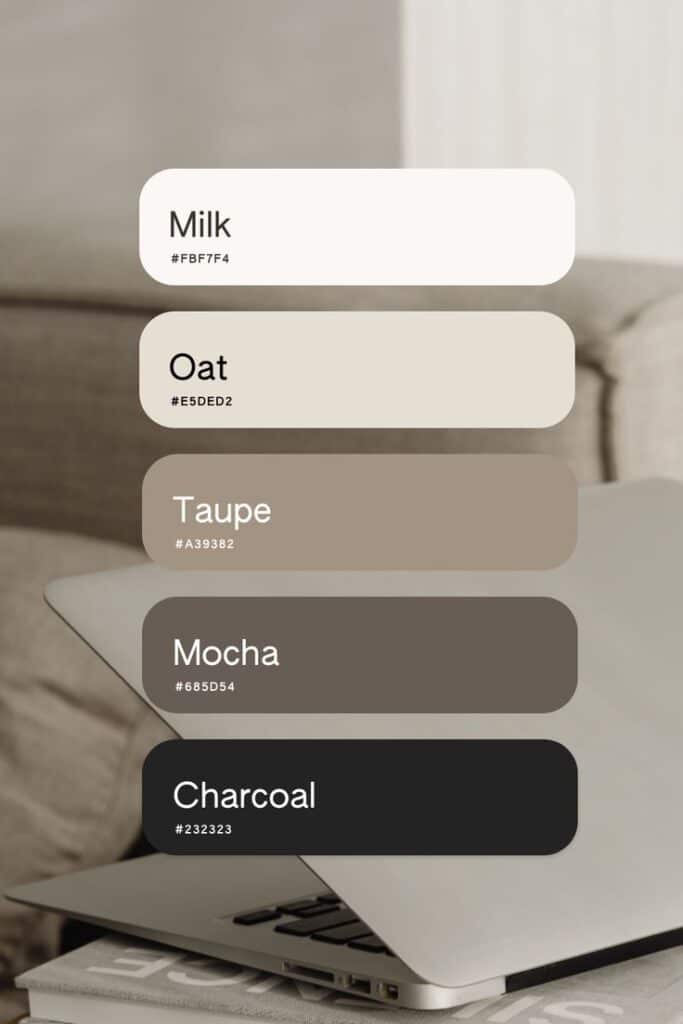
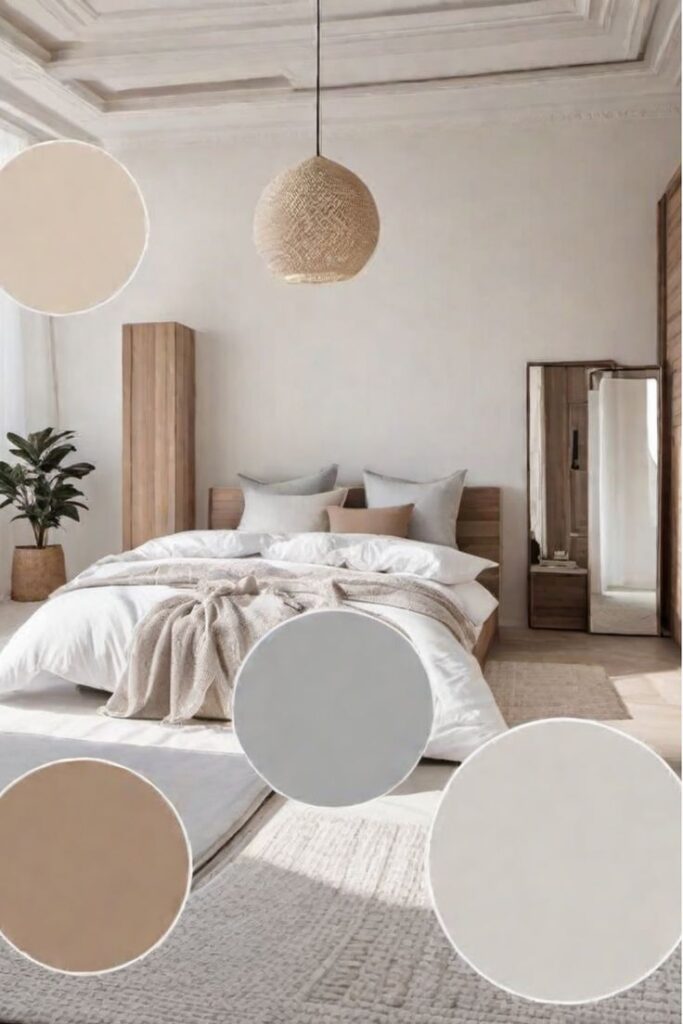

When in doubt, go neutral. Whites, creams, soft grays, muted beiges, and gentle off-whites form the perfect foundation for a serene minimalist bedroom. Why?
- They reflect light: Making your room feel larger, brighter, and more open.
- They are timeless: You won’t quickly tire of a neutral palette.
- They create a blank canvas: Allowing other elements like textures and subtle accents to shine without competing.
- They promote calm: These colors are inherently soothing and don’t overstimulate the brain, which is exactly what you want in a sleep space.
Soft blue and muted green can work as accents, but test them beside the actual floor and bedding before painting. The bedroom color scheme guide shows how to build a coordinated palette and translate reference colors into real room materials.
Add warmth through material and texture
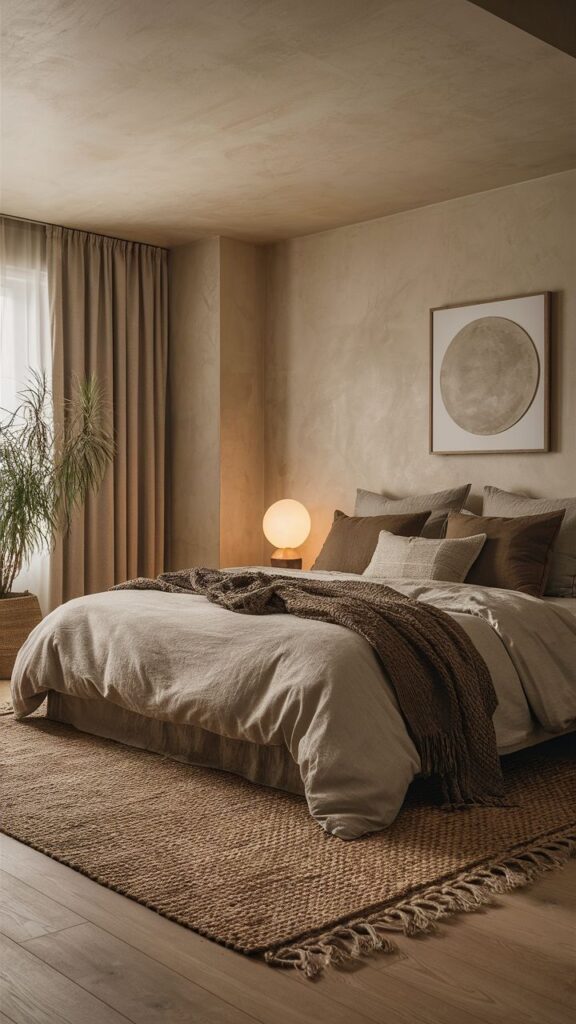
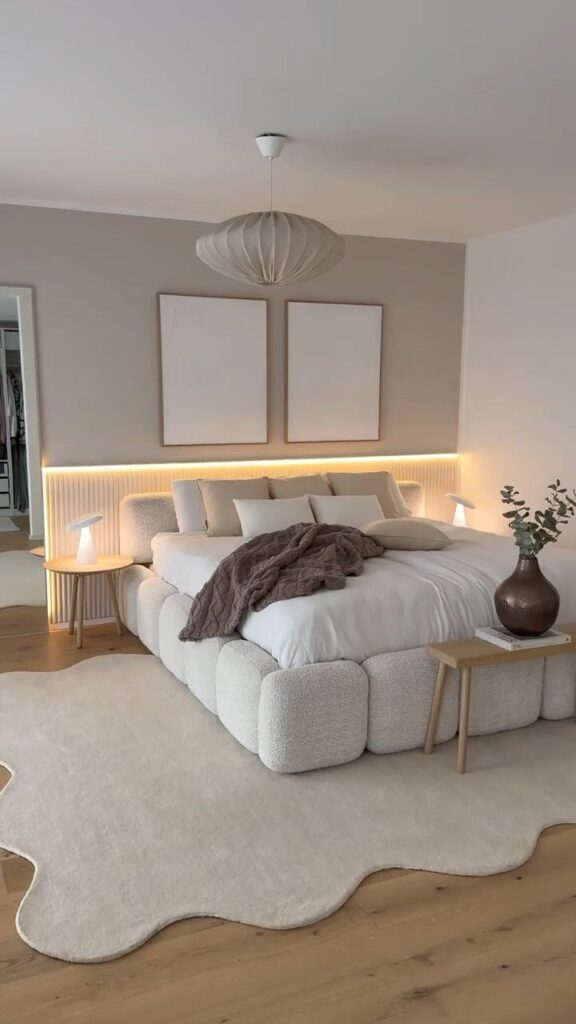
A neutral base doesn’t mean boring. You can inject warmth and personality through subtle pops of color and natural elements.
- Natural wood: A light-toned wooden nightstand, a wicker basket, or a simple wooden frame adds organic warmth.
- Soft throws and pillows: A chunky knit blanket in a warm beige or a couple of throw pillows in a muted earthy tone can add depth without overpowering the space.
- Greenery: A single potted plant (like a snake plant or a peace lily) brings life and a touch of natural color.
- Minimalist art: One carefully chosen piece of art with a muted color scheme can tie the room together.
The key is restraint. You’re aiming for cohesion and tranquility, not a riot of competing hues.
Which bedroom furniture is actually necessary?
In a minimalist bedroom, every piece of furniture earns its spot. This means selecting items that are functional, beautifully designed, and built to last.
Start with the bed, nightstand and clothing storage
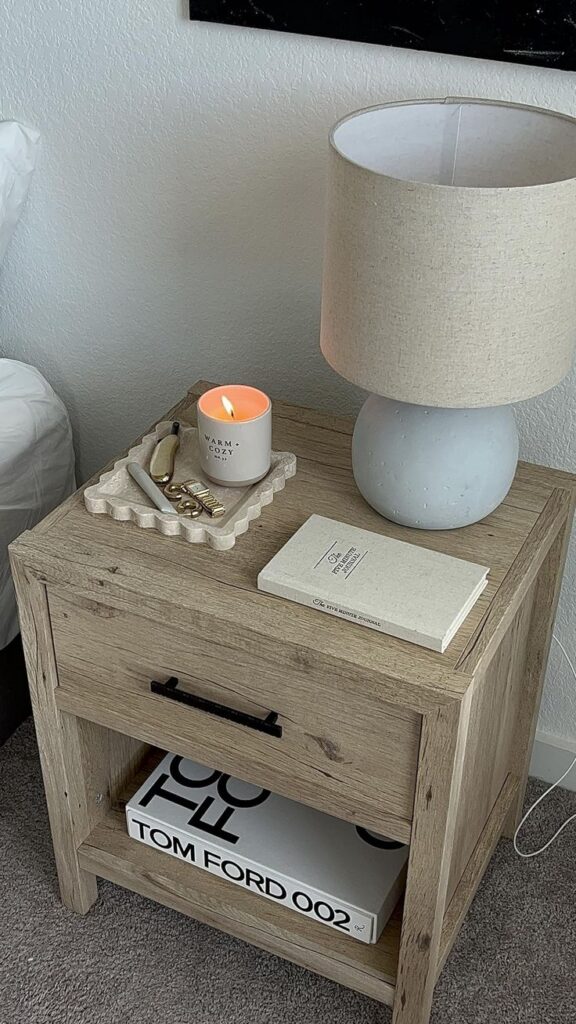
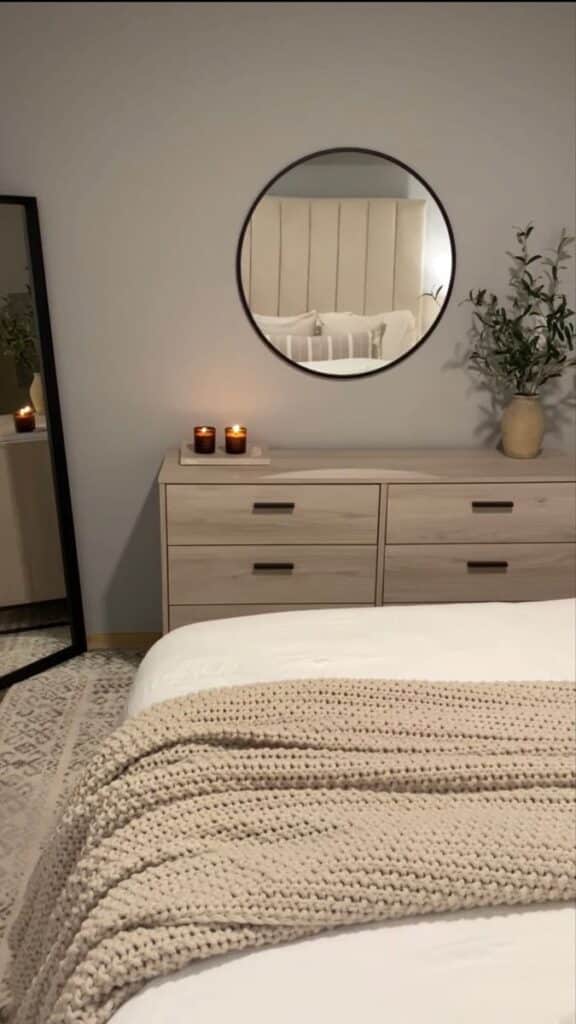
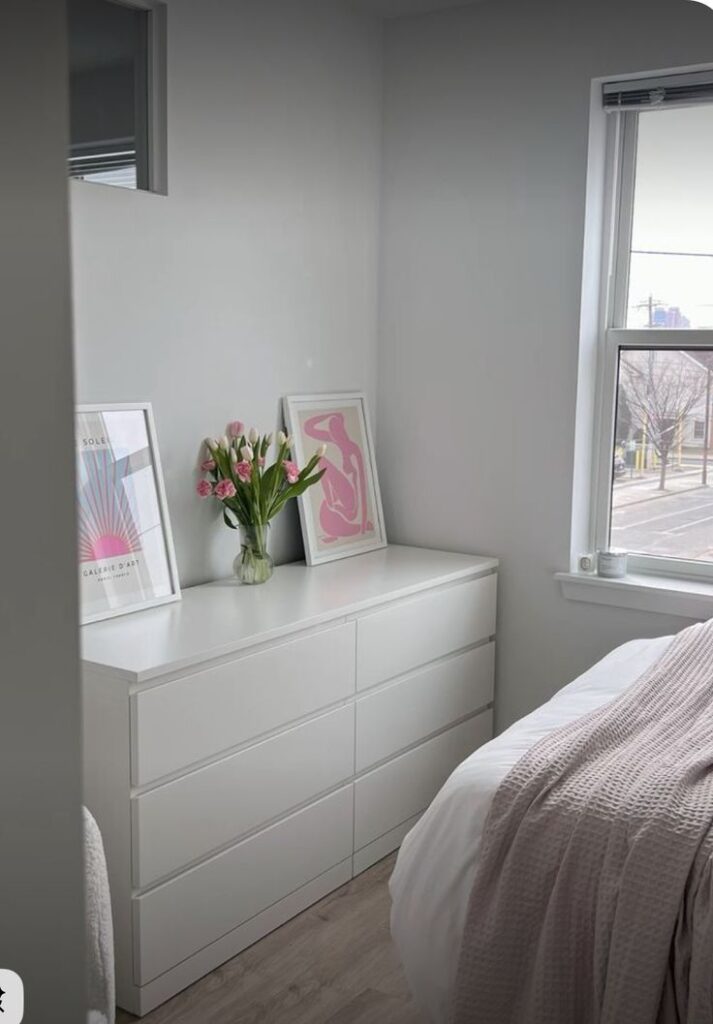
Focus on the absolute necessities:
- The Bed: This is the undisputed centerpiece. Invest in a comfortable mattress and a bed frame with clean lines. A platform bed often works well in minimalist spaces as it can eliminate the need for a bulky box spring and sometimes offers integrated storage.
- Nightstands: One or two simple nightstands. Choose ones with a single drawer or an open shelf for discreet storage of essentials (like a book, hand cream, or charging phone). Avoid overly ornate or large nightstands that eat up space.
- Dresser/Wardrobe: If you need a dresser, select one with a streamlined design and ample internal storage. If you have a built-in closet, optimize its organization to keep clothes out of sight.
Remember, the goal is to create a sense of spaciousness. Don’t let your furniture overwhelm the room.
Protect clear walkways before adding furniture
Resist the urge to fill every corner. An armchair you never sit in, a large chest you rarely open, or a bookshelf overflowing with unread books – these are all candidates for removal. Each item of furniture should serve a clear, practical purpose.
Check the route from the door to the bed and from the bed to the wardrobe. You should be able to open drawers and doors without stepping sideways or moving another piece. The measurements in our bedroom ergonomics guide are a useful final check. If a chair or chest narrows the route and is rarely used, remove it before buying a smaller decorative object to distract from the problem.
How do you add softness without clutter?
This is where your comfy minimalist bedroom truly comes alive. Minimalism doesn’t mean sacrificing warmth; it means choosing high-quality textiles and layering them thoughtfully to create an inviting atmosphere.
Layer bedding with restraint
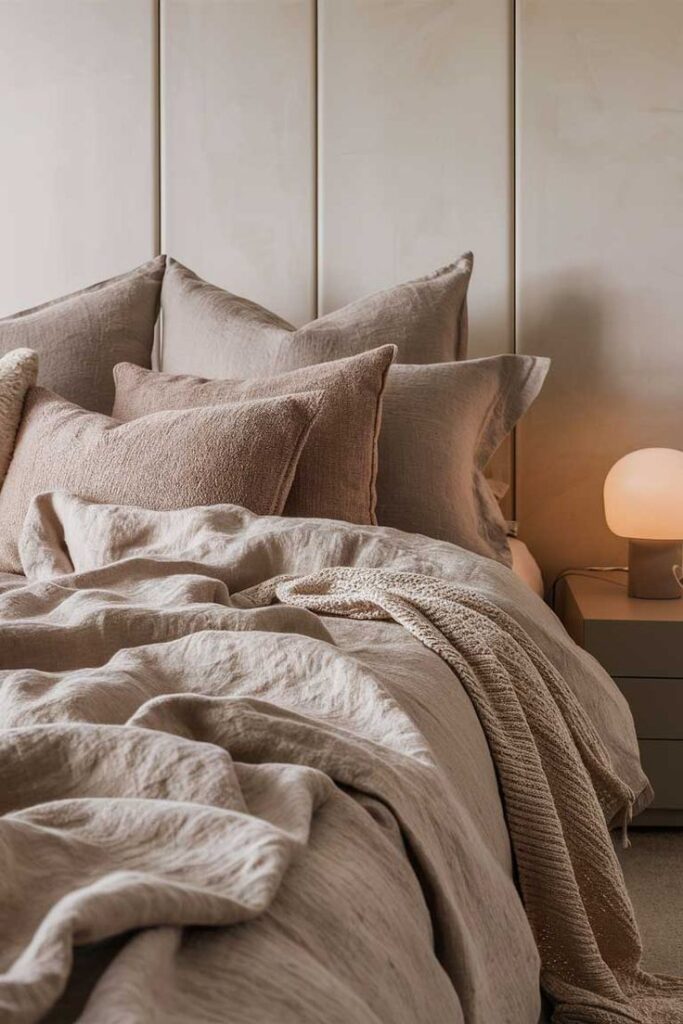
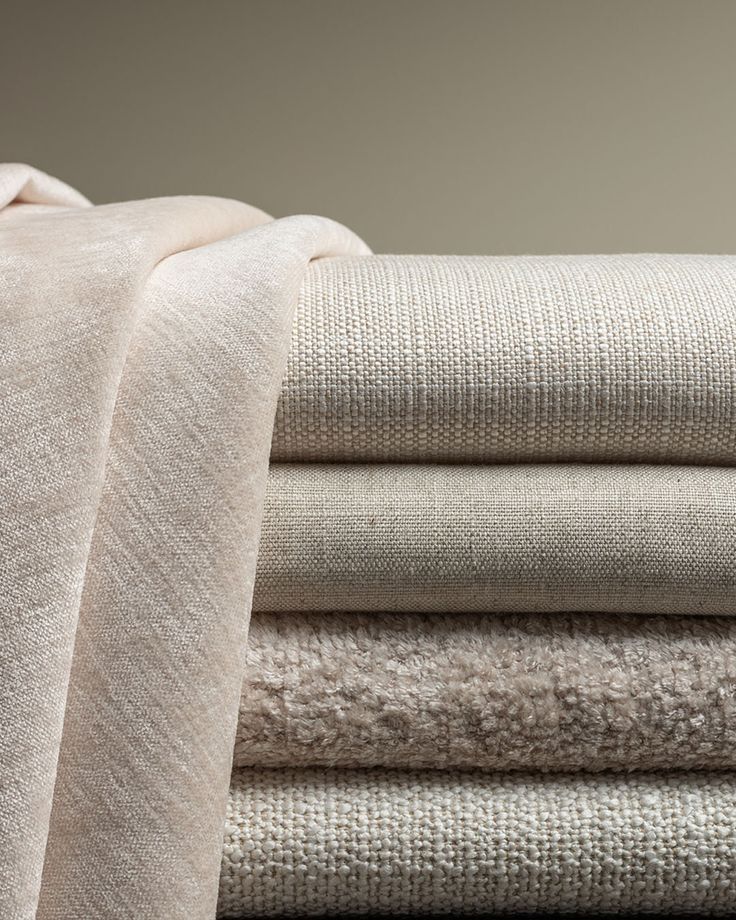
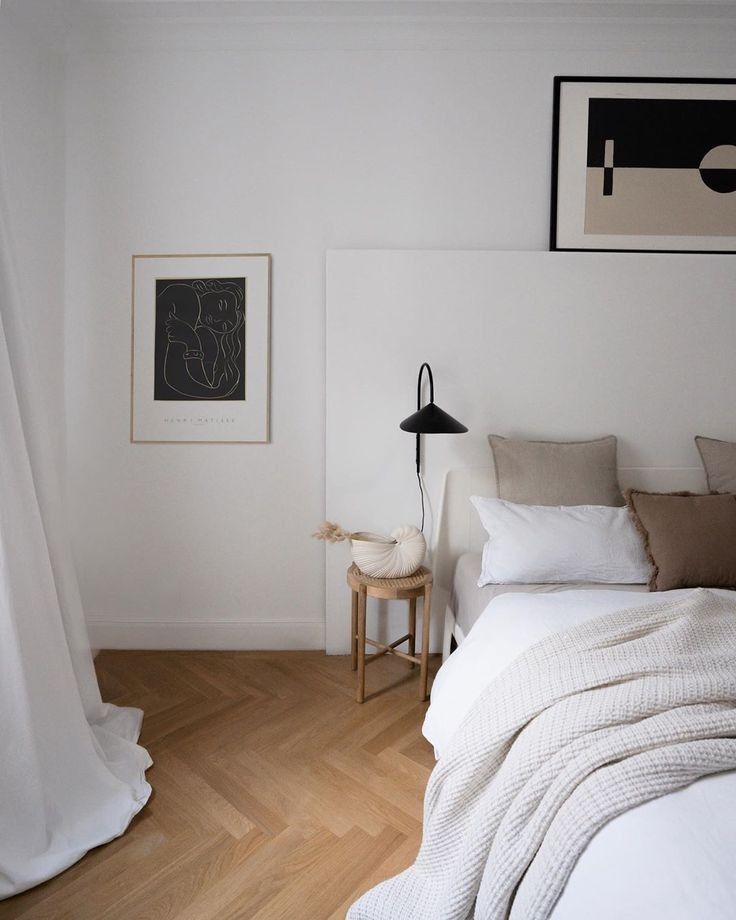
Your bed is the star of the show, so make it irresistibly comfortable.
- High-Quality Sheets: Invest in soft, breathable sheets made from natural fibers like cotton, linen, or bamboo. White or neutral-colored sheets are classic minimalist choices that feel crisp and clean.
- Comforting Duvet/Comforter: Choose a duvet or comforter that’s soft, fluffy, and provides the right level of warmth for your climate. A simple, solid-colored duvet cover maintains the minimalist aesthetic.
- Throw Blankets: Add a luxurious touch with one or two carefully selected throw blankets. Think chunky knits, faux fur, or a soft wool throw draped casually over the foot of the bed or an accent chair (if you have one). Mixing textures adds depth and visual interest without adding clutter.
- Pillows: Beyond your sleeping pillows, one or two decorative pillows can add a touch of softness and style. Again, opt for natural fabrics and neutral or subtly textured designs.
Choose textiles in person when possible. Linen, cotton, wool and woven blends reflect light differently, even when their labels name the same beige. If the room is compact, the small bedroom makeover guide shows where textiles add comfort without taking useful floor area.
Use rugs and curtains to control sound and light
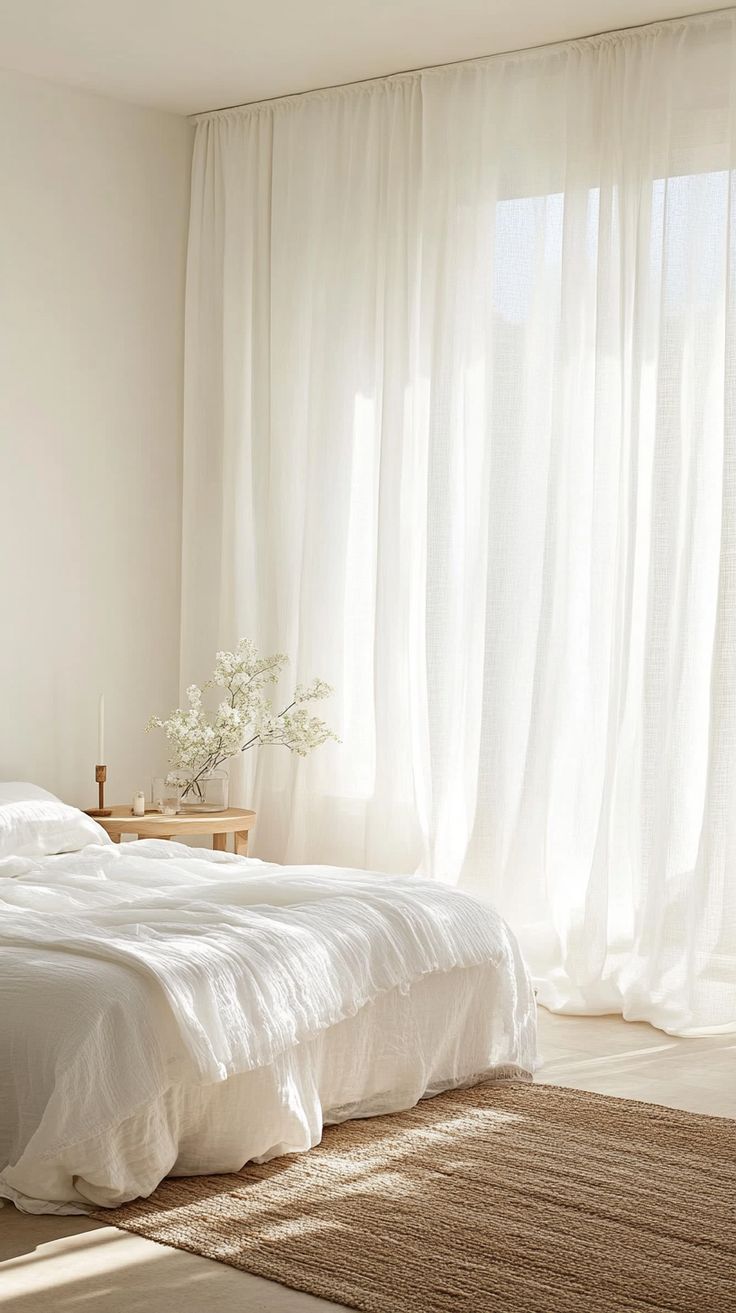
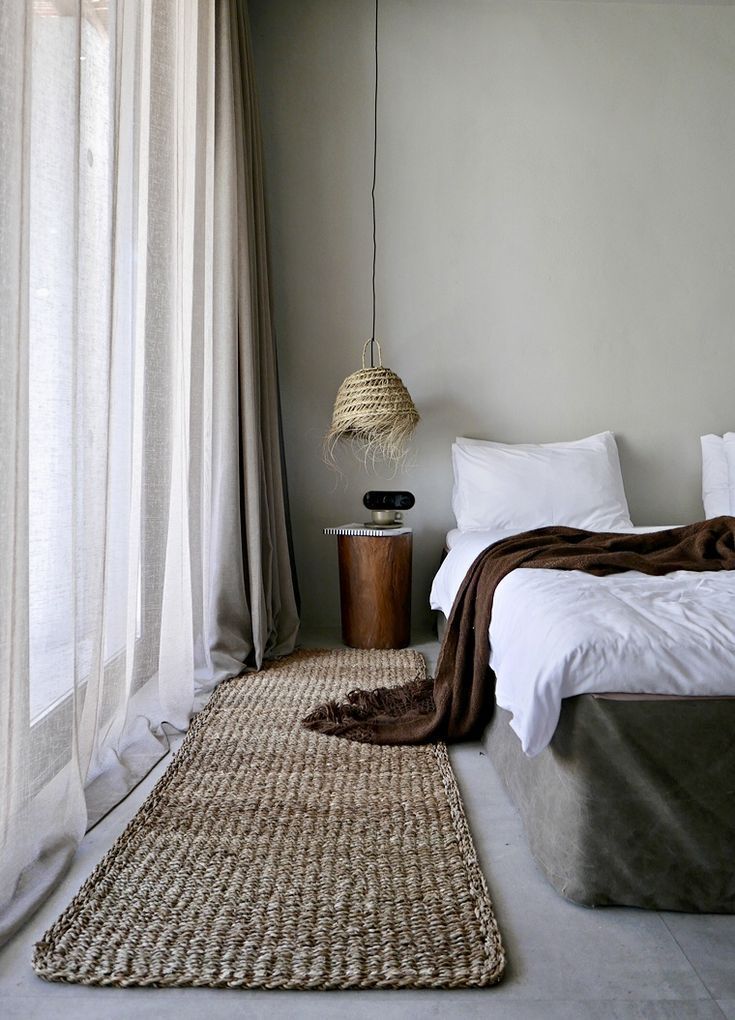
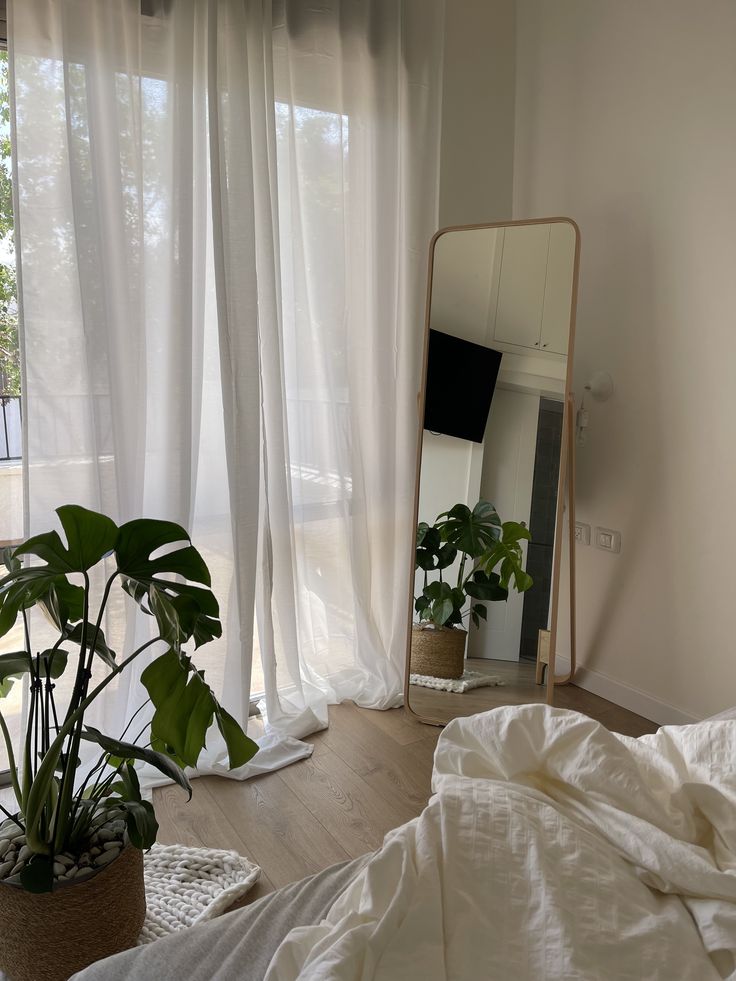
These elements add softness, absorb sound, and define your sleeping zone.
- Area Rug: A soft area rug underfoot adds warmth and grounds the bed. Choose a neutral color or a subtle geometric pattern. It should be large enough to extend beyond the sides of your bed to create a cozy island effect.
- Curtains: Opt for simple, light-filtering curtains in a neutral fabric (like linen or cotton). If you need total darkness for sleep, consider blackout curtains or blinds that can be pulled back completely during the day to maximize natural light. The key is to keep window treatments unfussy and functional.
What lighting works in a minimalist bedroom?
Lighting is a powerful tool for creating atmosphere. In a minimalist bedroom, you want lighting that is soft, warm, and layered, moving away from harsh overhead fixtures.
Use daylight without sacrificing privacy
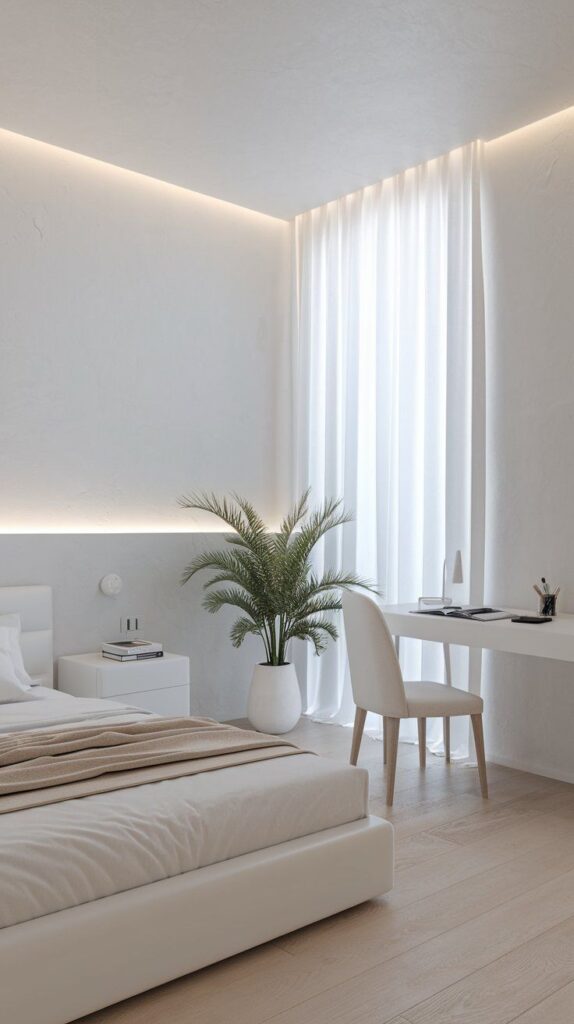
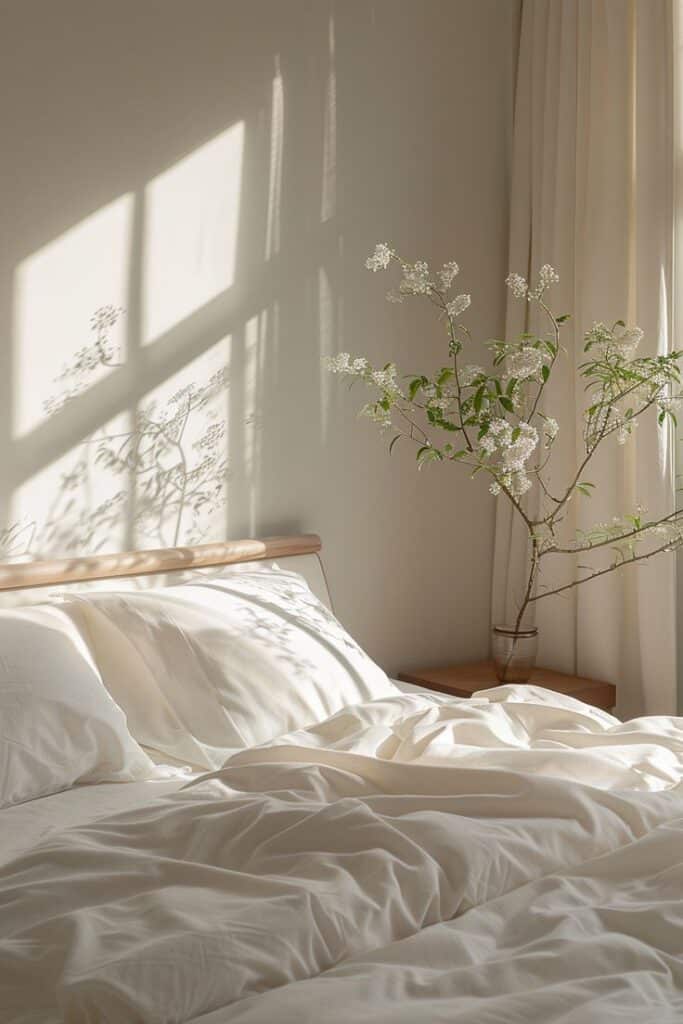
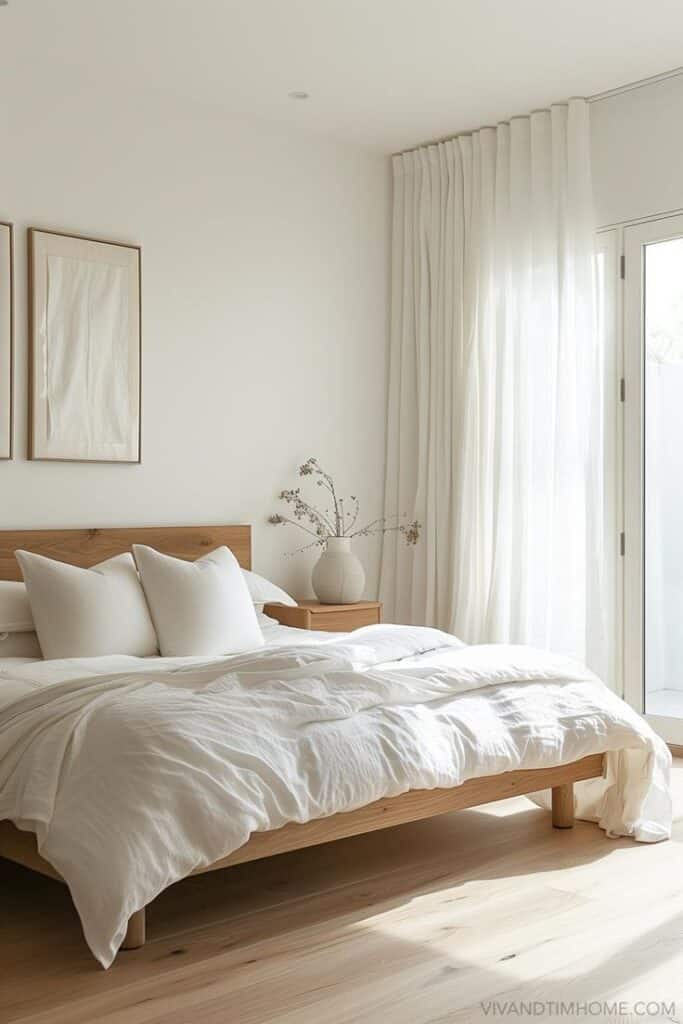
Embrace the sun! Natural light makes any space feel more open, airy, and inviting.
- Unobstructed Windows: Keep your windows as clear as possible. If privacy isn’t an issue, consider going without curtains or opting for very sheer ones during the day.
- Clean Windows: Regularly clean your windows to ensure maximum light penetration.
Layer warm light for evening use
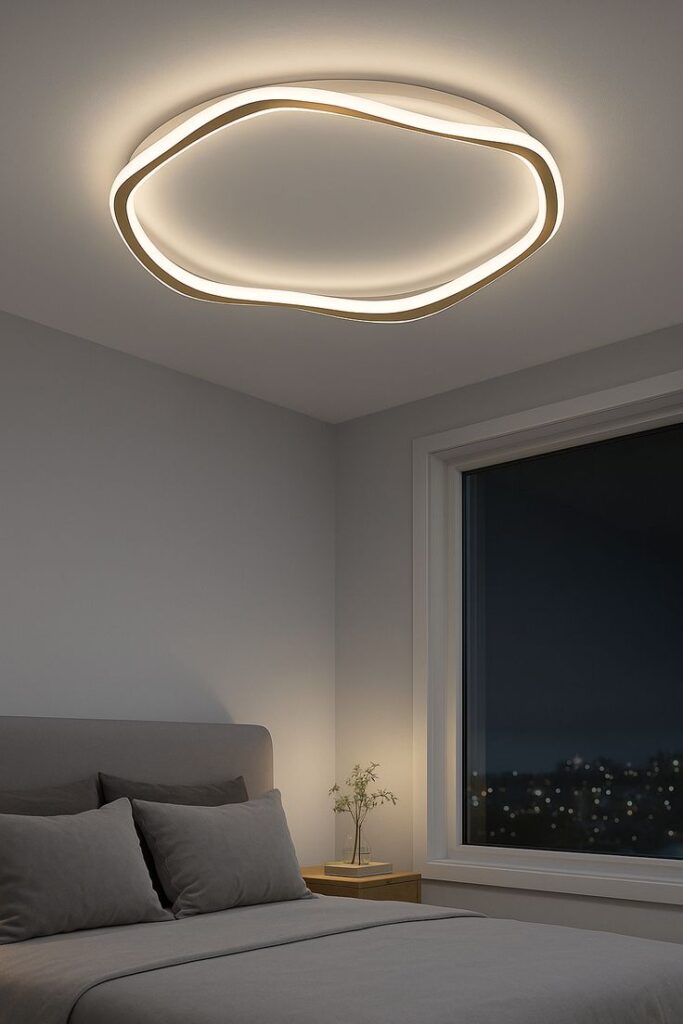
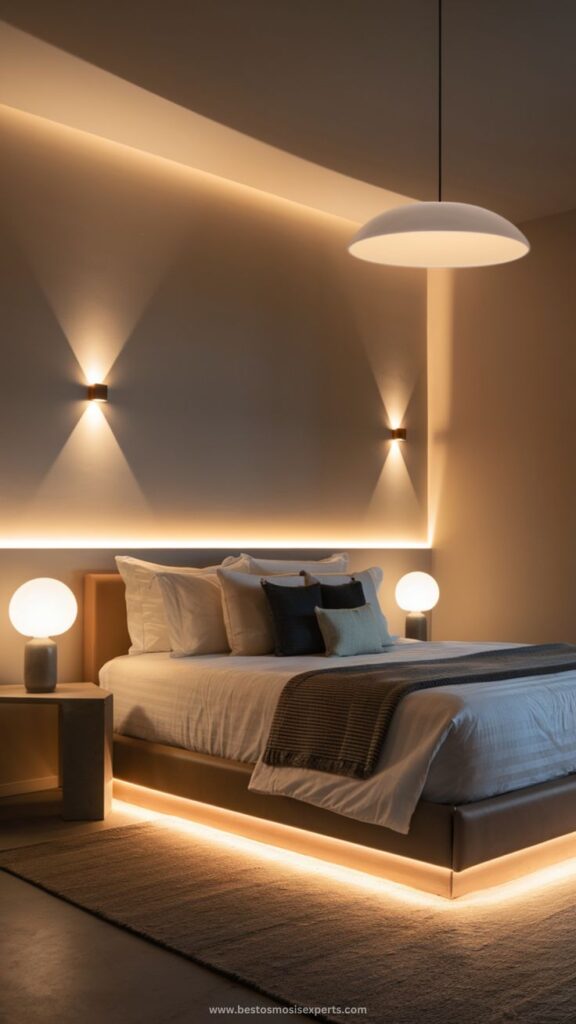
After sunset, use the lowest comfortable light for the task rather than lighting the entire room at one level. NHLBI sleep guidance recommends keeping the bedroom quiet, cool and dark, while CDC/NIOSH guidance also recommends controlling light and reserving the sleep area for rest. The cozy home lighting guide explains how to combine ambient, bedside and task sources.
- Warm LED Bulbs: Swap out cool-toned bulbs for warm white LEDs. They create a softer, more inviting glow that’s conducive to relaxation.
- Dimmers: Install dimmers on your overhead lights (if you have them) and lamps. This allows you to adjust the brightness to suit your mood, whether you’re reading or winding down for sleep.
- Bedside Lamps: Essential for reading and setting a cozy mood. Choose simple, elegant lamps with soft light.
- Accent Lighting: A small floor lamp in a corner or a subtle wall sconce can add another layer of light, creating depth and warmth without being overly bright. Avoid a single, harsh overhead light as your primary source of illumination.
How much decor does the room need?
This is where the “comfy” part of minimalist truly shines. It’s about selecting a few meaningful items that add beauty and personality without overwhelming the space.
Choose art and greenery with purpose
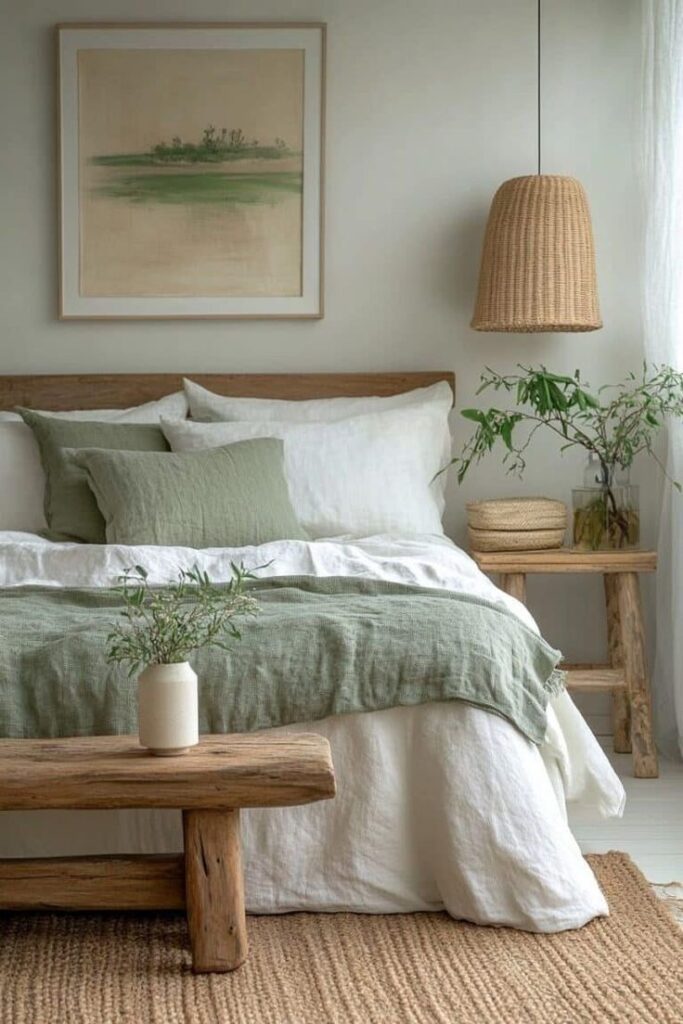
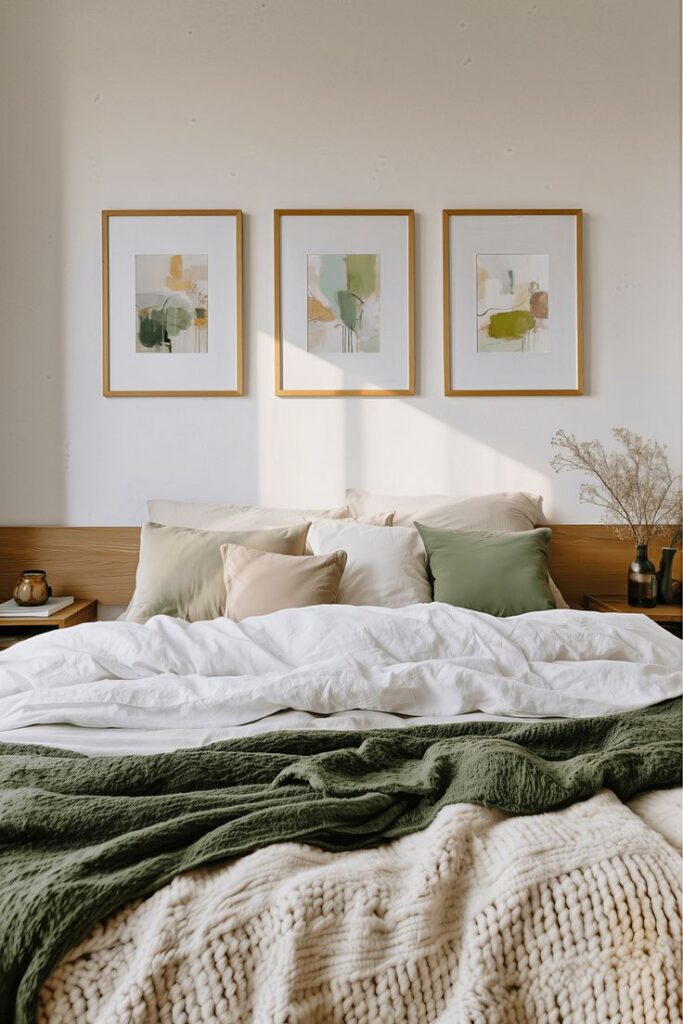
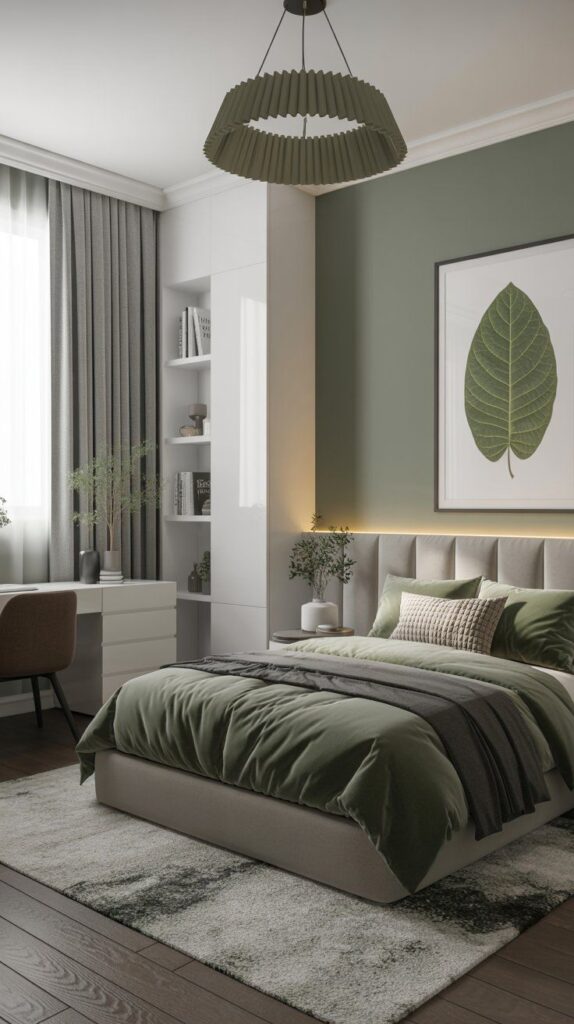
- Meaningful art: Choose one or two pieces with a clear relationship to the bed width or dresser below. If the room needs a brighter focal point, review the placement rules in the minimalist neon-sign guide before adding another light source.
- Plants: A couple of low-maintenance indoor plants can bring life, color, and improved air quality to your bedroom. Peace lilies, snake plants, or ZZ plants are great choices for beginners. Place them in simple, neutral-colored pots.
Control scent and sound carefully
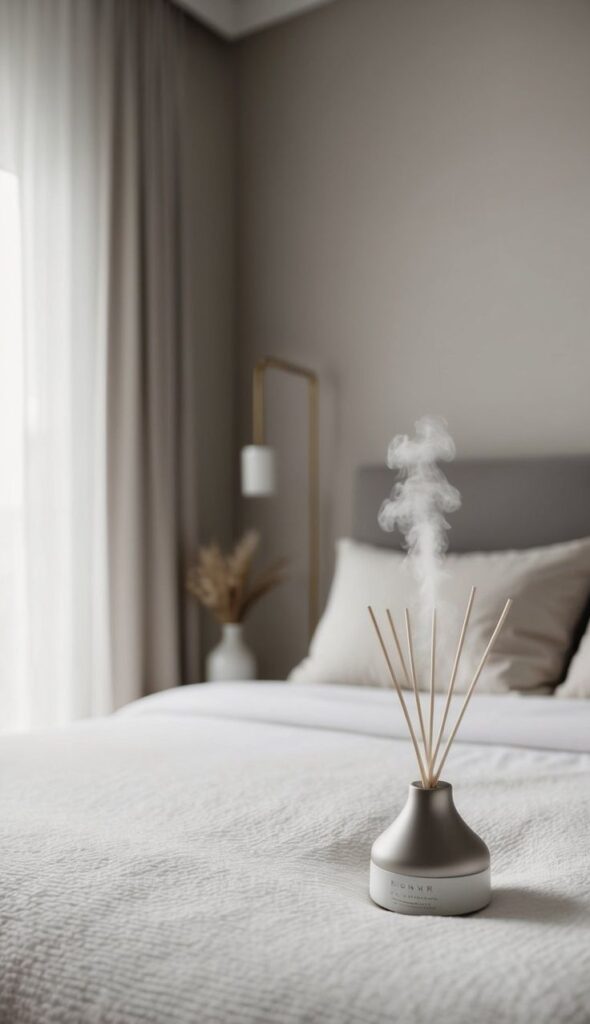

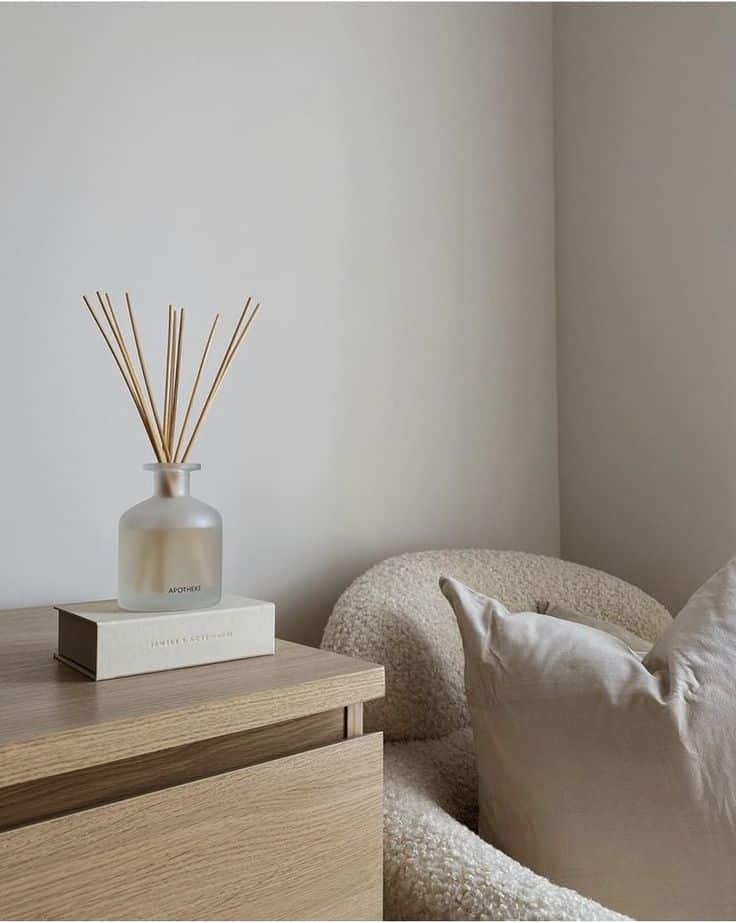
Don’t forget the non-visual elements that contribute to a serene environment.
- Soothing Scents: A diffuser with essential oils (lavender, chamomile, sandalwood), a high-quality scented candle (choose natural waxes and subtle scents), or even a small sachet of dried herbs can create a calming olfactory experience.
- Gentle Sounds: If you struggle with outside noise, a minimalist sound machine with white noise, nature sounds, or soft instrumental music can help you relax and fall asleep.
Make closed storage easy to use
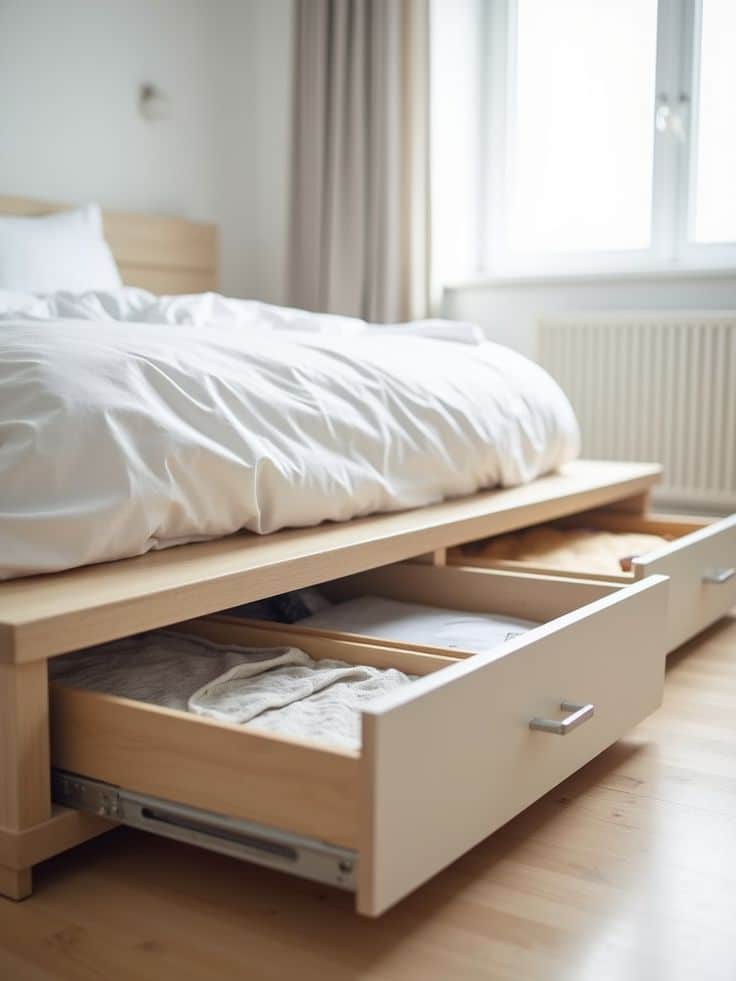
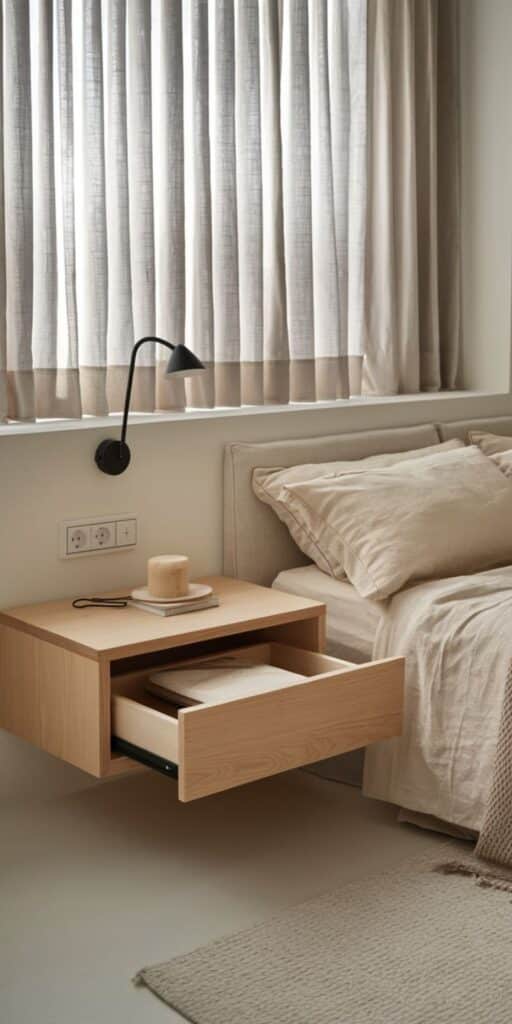

Closed storage works only when it is convenient. Keep daily clothing at standing height, occasional items higher, and seasonal textiles under the bed or in labelled boxes. A mirrored wardrobe can reduce the need for a separate floor mirror, but check reflections and door clearance from the bed before ordering.
- Baskets and Bins: Stylish woven baskets or fabric bins can hide away blankets, books, or charging cables, keeping surfaces clear.
- Storage Ottomans/Benches: These double as seating and offer discreet storage for extra linens or off-season items.
- Under-Bed Storage: Utilize under-bed drawers or low, rolling containers to store items you don’t need daily, freeing up closet and dresser space.
The goal is to have every item in its place, out of sight, and out of mind, allowing your bedroom to truly breathe.
How do you keep the room uncluttered?
Creating a comfy minimalist bedroom isn’t a one-time project; it’s an ongoing practice. To maintain that serene atmosphere, consistent upkeep is essential.
Use a five-minute daily reset

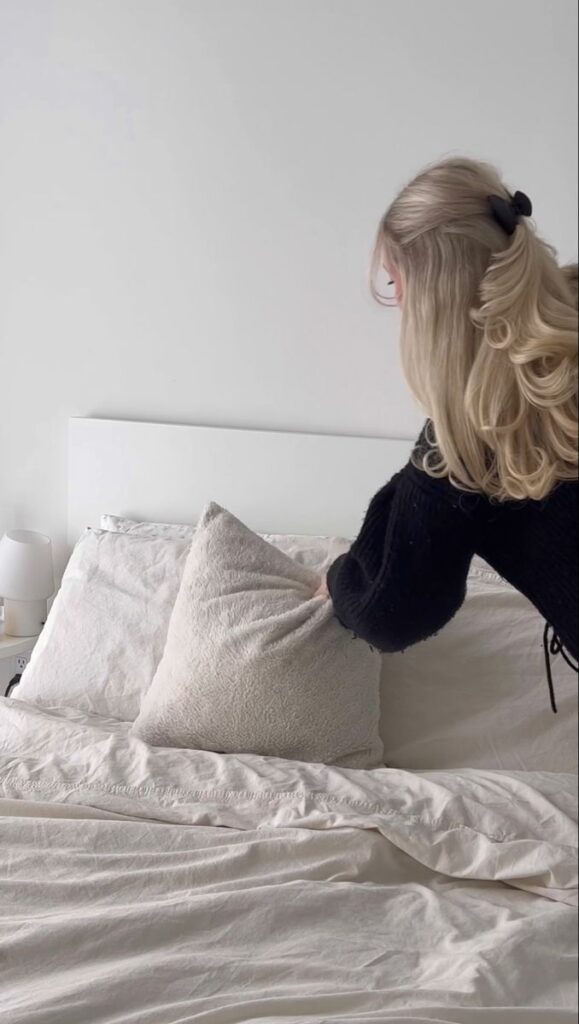
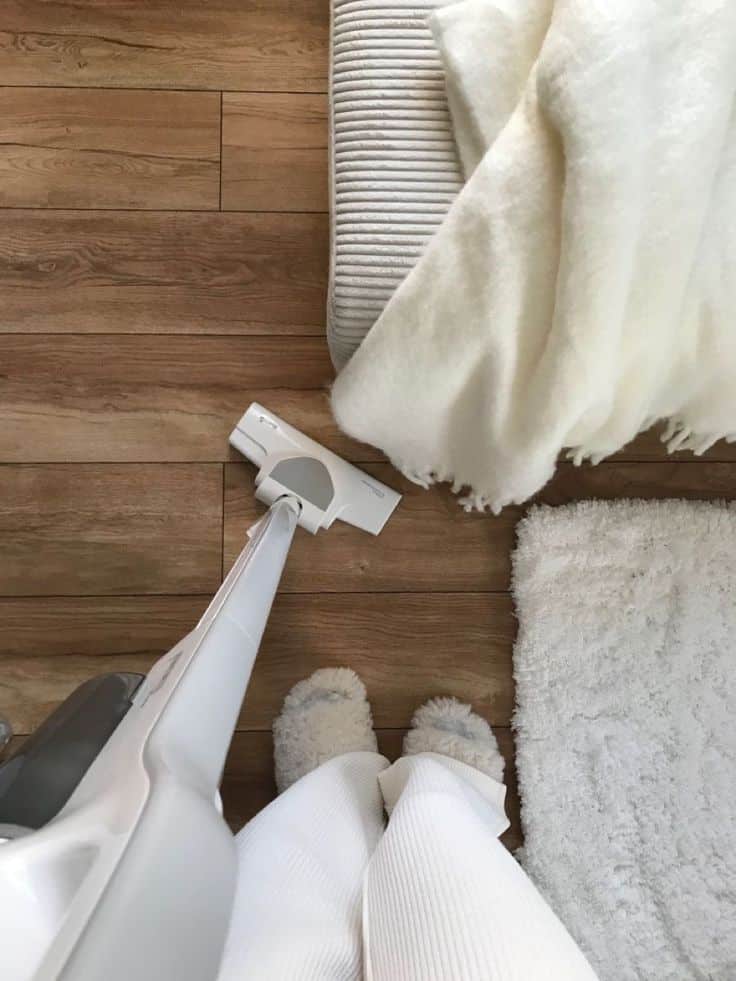
This simple habit can prevent clutter from accumulating and keep your bedroom feeling fresh.
- Make Your Bed: This instantly transforms the look of your room from disheveled to orderly. It’s a small victory that sets a positive tone.
- Put Things Away: Take a few minutes to put any stray items back in their designated spots. Clothes go into the hamper or hung up, books back on the nightstand, glasses returned to the kitchen.
- Wipe Surfaces: A quick wipe down of your nightstand and dresser keeps dust at bay and surfaces sparkling.
These small actions keep the design readable and make the next reset quicker. If sleep quality is the main goal, compare the room with the practical checklist in our relaxing bedroom guide.
Review storage once each season
Life happens, and sometimes new things creep in. Schedule periodic “check-ins” – perhaps once a month or seasonally – to reassess your bedroom items.
- Revisit Your Wardrobe: Are there clothes you haven’t worn in the last season? Can they be donated?
- Review Decor: Does every decorative item still bring you joy? Are there any new items that have found their way into the room that can be rehomed?
- Tackle Drawers and Shelves: These are common spots for clutter to hide. A quick purge can work wonders.
Think of it like a gentle reset button. A comprehensive clean that goes beyond the daily tidy can truly refresh your space, just like following a spring cleaning checklist for a fresher, healthier home can revitalize your entire living area. These regular purges ensure your bedroom remains a true sanctuary, not just a temporary clean spot.
A practical minimalist bedroom checklist
Before calling the room finished, stand at the doorway and check the five decisions that matter most. The plan should remain useful even when the bed is unmade and the curtains are closed.
- There is a clear route to the bed, wardrobe and window.
- Every daily item has a storage place within easy reach.
- The palette includes light, mid-tone and dark values rather than one flat beige.
- Daylight, privacy and blackout needs are all covered by the window treatment.
- Evening light can be dimmed or switched off without crossing a dark room.
For a stricter visual approach, compare the room with these minimalist bedroom designs. If you want more softness, a simple minimalist canopy bed can add vertical structure without another floor-standing cabinet.
Frequently asked questions
What should a minimalist bedroom include?
Start with a comfortable bed, one reachable surface for nightly essentials, suitable window coverings, layered lighting and enough closed storage to keep daily clutter out of sight. Add only furniture that leaves clear walkways and opens without colliding with the bed. One or two pieces of art and a useful textile layer are usually enough to give the room character.
How do you make a minimalist bedroom feel cozy?
Use texture rather than extra objects. Layer breathable bedding, a wool or woven throw, a rug that extends beyond the bed and curtains with a soft drape. Warm wood, off-white walls and low evening light make the room feel settled. Keep the palette narrow, but vary matte, woven and natural finishes so the design does not feel flat or clinical.
What colors work best in a minimalist bedroom?
Warm white, oatmeal, mushroom, pale taupe, muted green and soft blue are flexible starting points. Choose one light base, one mid-tone and a small darker accent, then test them beside the floor, bedding and window light. The exact undertone matters more than the color name: a cool grey can look harsh beside warm timber, while a warmer neutral usually connects the materials.
How much furniture should a minimalist bedroom have?
There is no fixed number. The room needs a bed, practical bedside access, clothing storage and lighting; everything else should solve a real problem. Check that wardrobe doors and drawers open fully and that you can walk around the bed without turning sideways. If an armchair, bench or second dresser narrows the route but is rarely used, the room will work better without it.
How do you hide clutter in a minimalist bedroom?
Give frequent items a closed home close to where they are used. A nightstand drawer can hold chargers and hand cream; a lidded basket can hold spare blankets; under-bed drawers can take seasonal clothing. Avoid deep containers that mix unrelated items. Small, labelled zones are easier to reset than one large box, and clear surfaces stay clear when storage is convenient.
Can a small bedroom use minimalist design?
Yes. A small bedroom benefits from fewer furniture footprints, clear floor edges and storage that uses height. Choose a bed with proportionate bedside surfaces, wall-mounted lights where wiring allows and curtains that stack clear of the glass. Do not force symmetry if it blocks a door or walkway. A practical asymmetrical plan can feel calmer than a matching set squeezed into the room.
More interior design guides
Browse the interior design library for more room planning, color and furniture guides.
- 5.3Kshares
- Facebook0
- Pinterest5.3K
- Twitter0
- Reddit0