By Cara Siera
The “starving artist” is one of those indelible archetypes. It’s not just the romantic idea that good art is born from pain and suffering. Many creatives do indeed find it difficult to market their work or find their place in an industry where their skills can blossom.
But today, many creatives are challenging the myth of the starving artist and thriving both artistically and financially.
It’s important to understand how your artistic strengths translate into real-world careers. Tools like ResumeCoach’ skills generator can help you uncover transferable skills for your resume—skills like precision, visual storytelling, or client communication. Below, we’ll talk about some practical career paths that combine artistic skill with artistically derived, in-demand, transferable strengths.
Art Curator or Museum Professional
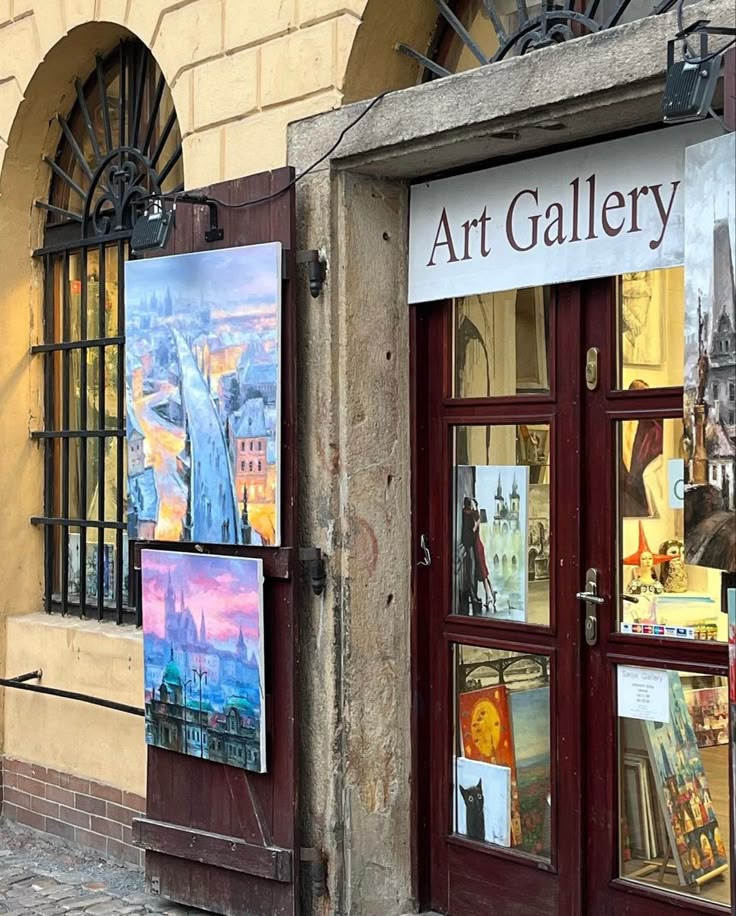
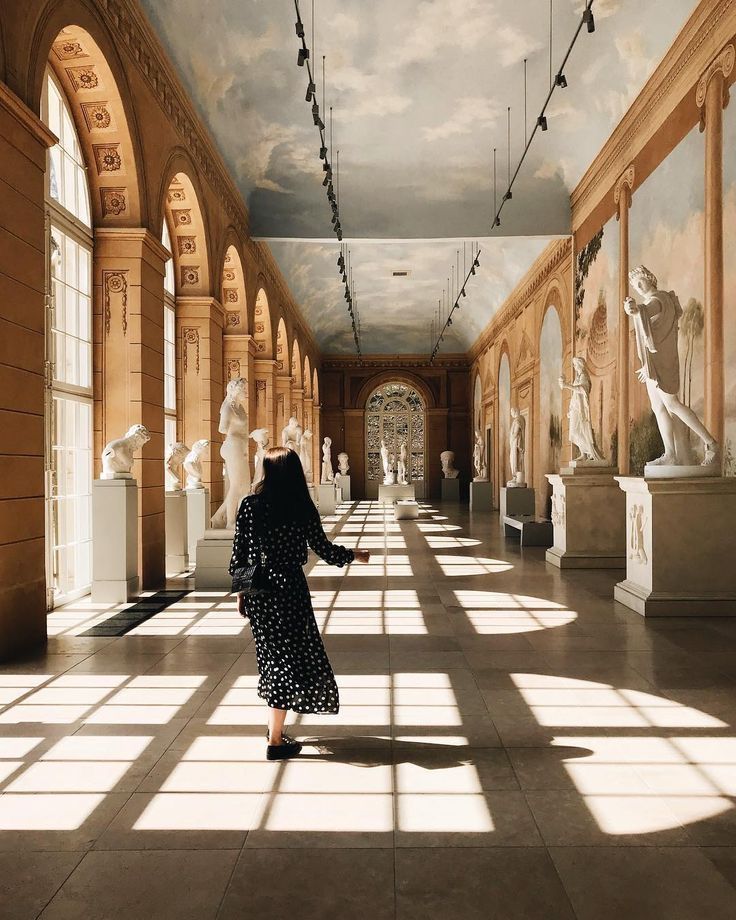
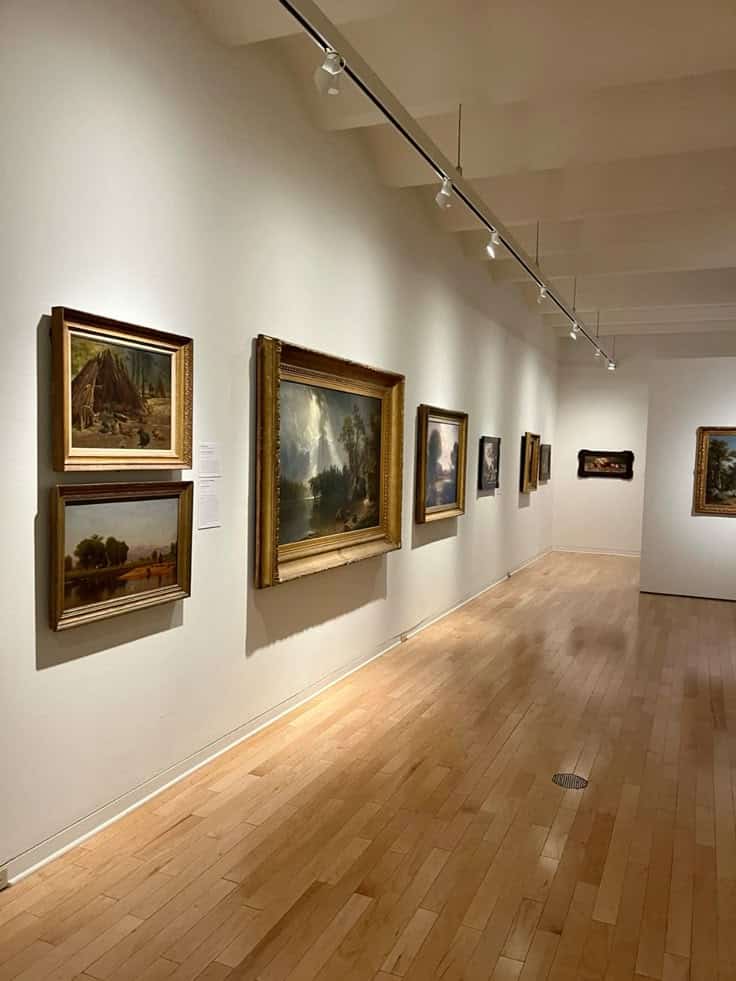
Not all art careers involve making art. Your hands-on knowledge, coupled with a grasp of art history, could inform your work in creating exhibitions and educating the public.
Art restorers and conservators are also on many museum staffs. They are tasked with cleaning, repairing, and preserving historical pieces. They need to understand the materials used to originally make the work, even on a chemical level. They also need patience and steady hands.
Many museum curators hold a master’s degree in art history or museum studies. Conservators typically study fine art, art history, or chemistry before obtaining a master’s degree in art conservation, historic preservation, or museum studies.
Related to these roles is that of art appraiser. Art appraisers often verify the authenticity of historic paintings or sculptures and help buyers or auction houses determine value.
Graphic Designer
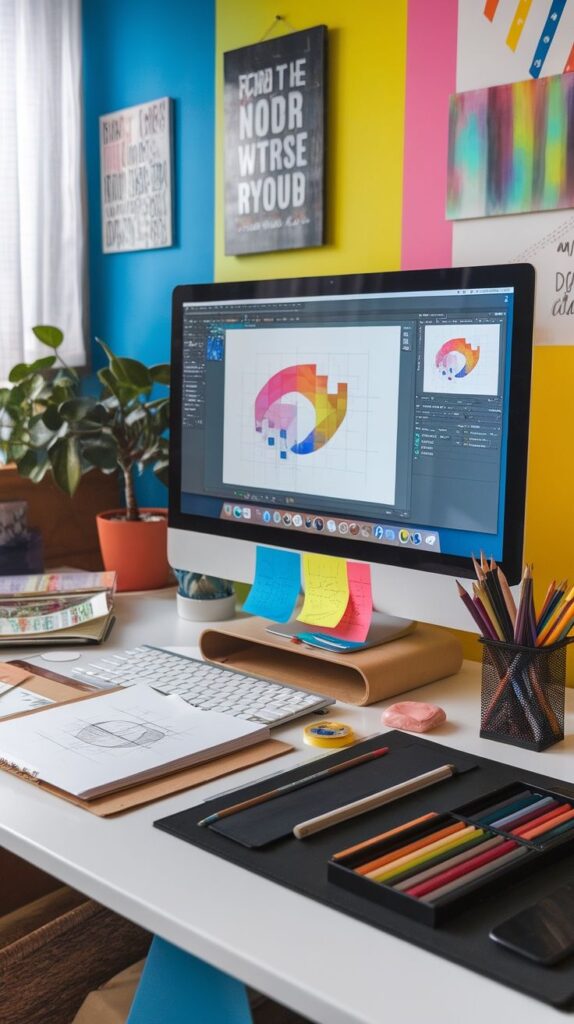
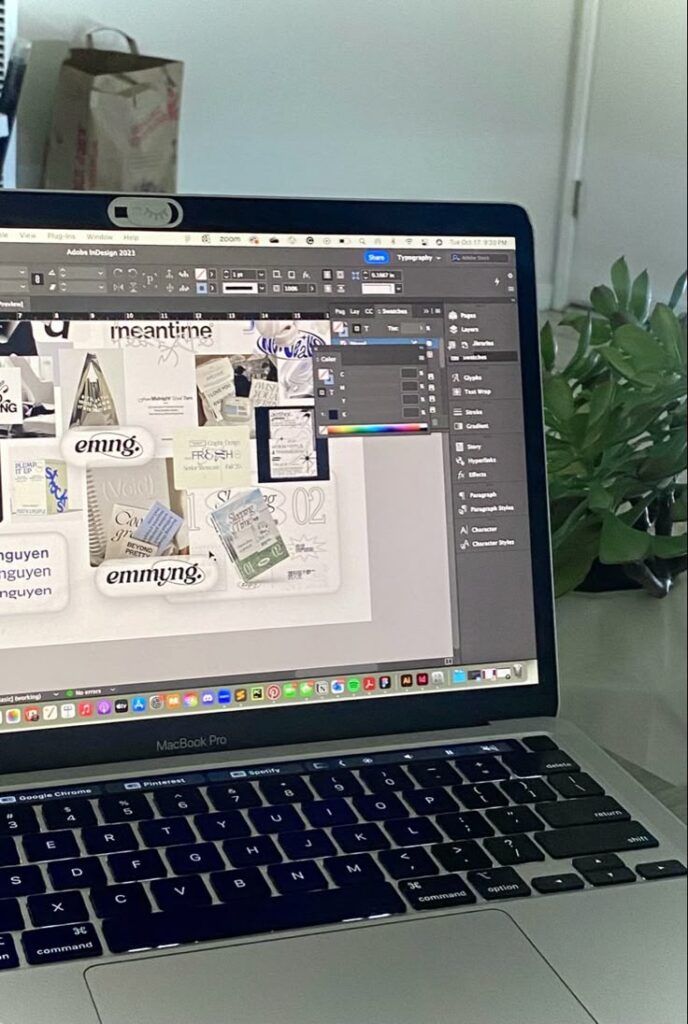
Graphic design may be the most in-demand art form of the modern era. Companies large and small require visual assets for branding, marketing, packaging, and more. Some hire freelance graphic designers, while others work in-house. There are also graphic design firms that sell their services business to business.
If that career plan points toward Europe, our guide to staying in the Czech Republic as an artist or architect covers the visa-purpose side of building a creative practice abroad.
Flexibility is one of the greatest assets of this career path. Often, all you’ll need is a computer, an internet connection, and specialized software, making remote work an appealing possibility. For that, you’ll need plenty of organizational skills and self-discipline.
Graphic design is also flexible in its education requirements. Some companies may want to see a bachelor’s degree in graphic design or visual communication, but many professionals are self-taught in “new collar” style.
Some graphic design roles can even encompass more traditional art forms. For example, you might illustrate a book or article by creating a mixed-media artwork, photographing it, and incorporating it into a digital design.


Tattoo Artist
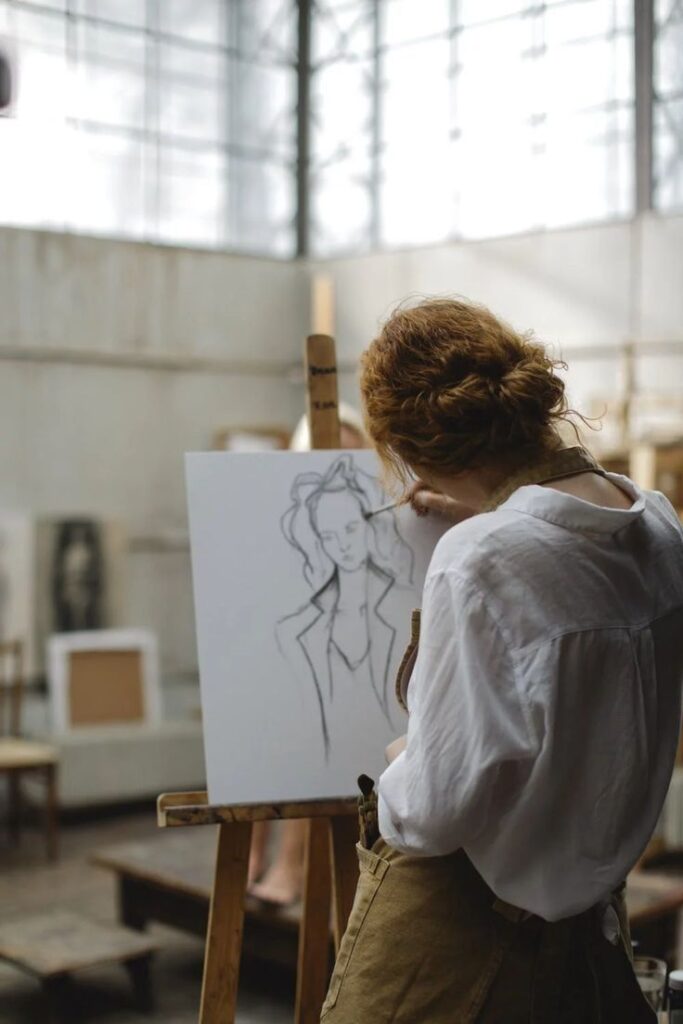
Tattoo artists often draw on—no pun intended—a background in sketching, line art, and other fine arts to design and execute clients’ requests. In addition to drawing skills, linework precision, and a steady hand, tattoo artists need good client communication skills and a working knowledge of sanitation and safety procedures. No formal degree is required, but many artists apprentice for one to three years.
Architecture and Design
You can bring your artistic nature to big spaces through interior, exterior, or architectural design. For each role, communication, project management, rendering, CAD, and GIS software skills are a must. Bachelor’s or master’s degrees and licenses may also be required.
Some aspects may require additional skills. For example, landscape designers or architects hired for sustainable architecture and green infrastructure may need specialized knowledge of environmental factors, ecology, and horticulture.
Machine Learning Researcher with a Creative AI Focus
Artificial intelligence (AI) and the art world have sometimes been at odds, but the development of algorithms that allow machines to create music or generate art has opened up worlds of possibility.
Machine learning (ML) researchers and engineers require an understanding of deep learning models, mathematical modeling, signal processing, and data curation for model training. Typically, this role will require a master’s degree or a PhD in machine learning, computer science, or a related field.
Art Entrepreneur
Nobody really tells you this part, but if you want to make money from art, you usually end up becoming a small business owner too.
Making the work is one skill. Selling it is a different one entirely.
You’ll probably need to learn the basics of platforms like Etsy or Zazzle, figure out pricing (harder than it sounds), and get comfortable putting your work online. Social media helps, even if most artists have a love-hate relationship with it. A good piece sitting unseen in your camera roll doesn’t sell itself.
But online isn’t the only option.
In tourist-heavy places, local art can do surprisingly well when it actually feels tied to the place. Think small paintings of recognizable spots, handmade jewelry with local materials or symbols, stuff visitors can throw in a suitcase and still feel good about buying later.
Some artists go the experience route instead. Quick caricatures at markets. Fast portrait sketches on busy streets. People pay for the drawing, sure, but also for the memory of having it done.
For most artists, selling work starts as a side thing before it becomes a full income — if it ever does. And that’s fine. Plenty of successful artists built it slowly rather than trying to force it into a full-time job overnight.
Key Takeaways
Above, we’ve discussed several current, accessible art careers. But really, we’ve only scratched the surface. There are so many other roles—storyboard artists or art therapists, for example—that can tap into your art skills or benefit from your creativity, technical know-how, and attention to detail.
Frequently Asked Questions
Q: Can you really make a living from art?
A: Yes, but usually not from one income stream alone. Many artists combine freelance work, commissions, print sales, teaching, licensing, Etsy shops, or social media income. A freelance illustrator might earn $30–$100+ per hour, while selling digital products like Procreate brushes or printables can create passive income. The key is treating art like both a craft and a business.
Q: How do I turn my passion for art into a profitable career?
A: Start by identifying what type of art people actually pay for. Popular paths include freelance illustration, tattoo design, graphic design, commissions, mural painting, licensing artwork, and selling prints. Build a portfolio on platforms like Behance, Instagram, or ArtStation, then begin with small paid projects. Even earning your first $50–$100 helps prove demand.
Q: What are the best careers for artists?
A: Some of the highest-demand art careers include graphic designer, illustrator, tattoo artist, animator, concept artist, UX/UI designer, art teacher, and muralist. Digital art-related jobs often pay more due to demand. For example, freelance graphic designers may charge $300–$1,500 per project, while experienced tattoo artists can earn significantly more through repeat clients.
Q: How much money can an artist realistically make?
A: Income varies widely depending on niche, skill level, and business strategy. Beginner freelance artists may earn a few hundred dollars monthly, while established artists can make $50,000–$100,000+ annually through multiple income sources. Selling originals alone is difficult for most people—successful artists often combine commissions, prints, licensing, sponsorships, or online classes.
Q: What are the biggest mistakes artists make when trying to earn money?
A: One common mistake is waiting to feel “good enough” before selling work. Another is relying on only one platform or income stream. Many artists also underprice their work or ignore marketing completely. A better approach is to build an audience gradually, improve skills consistently, and test multiple ways to monetize your art.
Q: Do I need art school to become a professional artist?
A: No. Art school can help with networking and structured learning, but many successful artists are self-taught. Platforms like YouTube, Skillshare, Domestika, and Proko offer affordable training. Employers and clients usually care more about your portfolio than a degree. Strong work and consistency often matter more than formal education.
Q: What’s the best platform to sell artwork online?
A: It depends on your style and goals. Etsy works well for prints and handmade art, Society6 and Redbubble are popular for print-on-demand products, while Instagram and TikTok help attract commission clients. If you want full control, building your own website with Shopify or WordPress gives you ownership over pricing and customer relationships.
Q: How long does it take to become successful as an artist?
A: For most people, it takes years—not months. Many artists start seeing steady income after 1–3 years of consistent work and audience building. Success usually comes from improving skills, posting regularly, networking, and experimenting with different revenue streams rather than relying on talent alone. Small wins compound over time.
- 12shares
- Facebook0
- Pinterest12
- Twitter0
- Reddit0