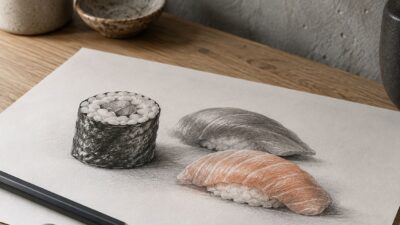
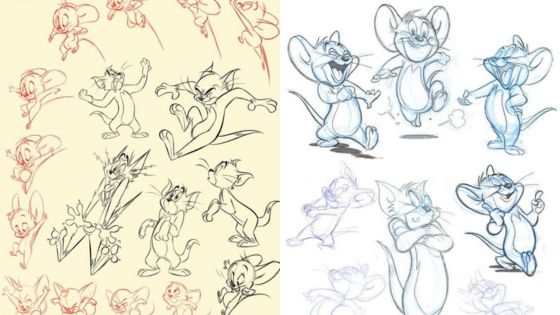
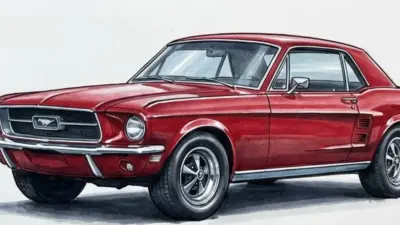
Ink drawing techniques change the mood of a sketch faster than almost any other choice. A fine contour line can feel quiet and precise; dense cross-hatching can make the same subject feel heavy, dramatic, or architectural. This guide breaks down 12 pen and ink styles, so you can choose a mark-making approach that fits the subject instead of reaching for the same outline every time.
Start with one small study, keep the materials simple, and judge the result by three things: line weight, value, and the white space you leave untouched. That is enough to turn a basic pen sketch into a deliberate ink illustration.
12 ink drawing techniques and styles to try
The most useful ink drawing styles are not separate rules; they are tools for controlling edge, tone, and texture. Use contour for structure, hatching for form, stippling for a granular surface, and wash for broad shadow. Try these 12 approaches as short studies before combining them in one piece.
- Contour line: describe the outer edge with a clean, economical line.
- Blind contour: look at the subject more than the page to train observation.
- Hatching: parallel lines build a light-to-dark value range.
- Cross-hatching: layered angled lines create deeper shadow and texture.
- Stippling: dots give you slow, controlled tonal transitions.
- Scribble shading: loose looping marks make lively, rough texture.
- Dry-brush ink: a nearly dry brush leaves broken, expressive marks.
- Ink wash: diluted ink blocks in broad shadow and atmosphere.
- Brush-pen drawing: pressure creates fast thick-to-thin line variation.
- Line and wash: pair a crisp pen structure with a restrained wash.
- Negative-space drawing: draw the surrounding darks to reveal a light subject.
- Bold graphic ink: simplify the image into decisive black shapes and white space.
Key takeaways
- Ink drawing offers various techniques and styles for all skill levels.
- Experimenting with different ink styles fosters creativity and inspiration.
- The medium can be used on various surfaces, broadening artistic possibilities.
The Essentials of Ink Drawing
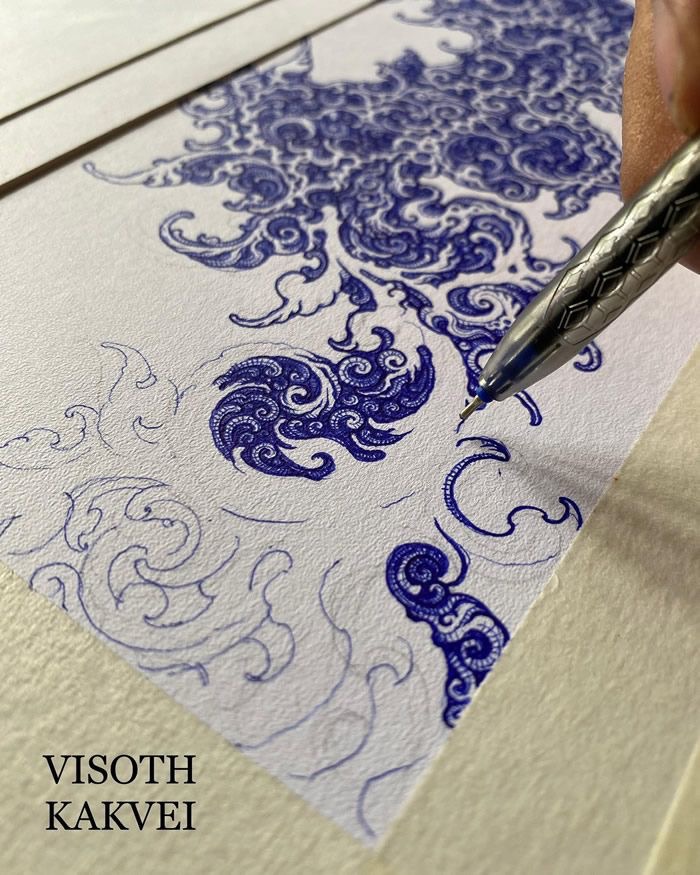
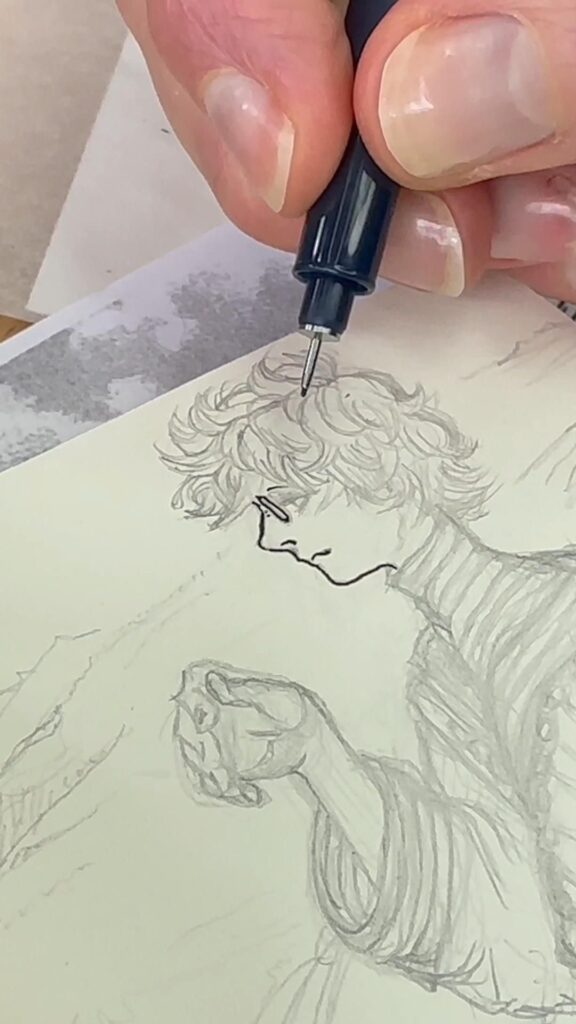
Ink drawing requires specific tools and a good understanding of the medium. Knowing what materials to choose will enhance the drawing experience and improve the final outcome.
Understanding the Medium
Ink is a versatile medium that offers various textures and effects. It can be used for detailed line drawings or bold strokes.
Different types of ink are available, such as permanent, waterproof, and drawing ink. Each type serves a specific purpose. Permanent ink is great for lasting results, while waterproof options help prevent smudging when mixing with water.
The choice of paper also matters. Smooth paper like Bristol board is preferred for clean lines, while textured paper creates interesting effects. Understanding these properties helps artists make informed choices for their projects.
Choosing Your Materials
Knowing what materials to choose will enhance the drawing experience and improve the final outcome. If you’re intrigued by this art, you might also be interested in the works of artists like Alphonso Dunn or Angela Raker.
Selecting the right tools enhances the ink drawing experience. Ink pens and brushes are common choices. Pens come in various styles, including fine liners and nib pens, offering different line widths.
When choosing paper, artists often prefer Bristol board or any smooth paper for precise work. A ruler can help create straight lines, while erasers are handy for mistakes.
Consider the ink nibs for versatility. Different nib sizes produce various line qualities. Adding markers can also help with shading and contrast. Understanding these materials can lead to more impressive ink drawings.
Fundamentals of Ink Techniques
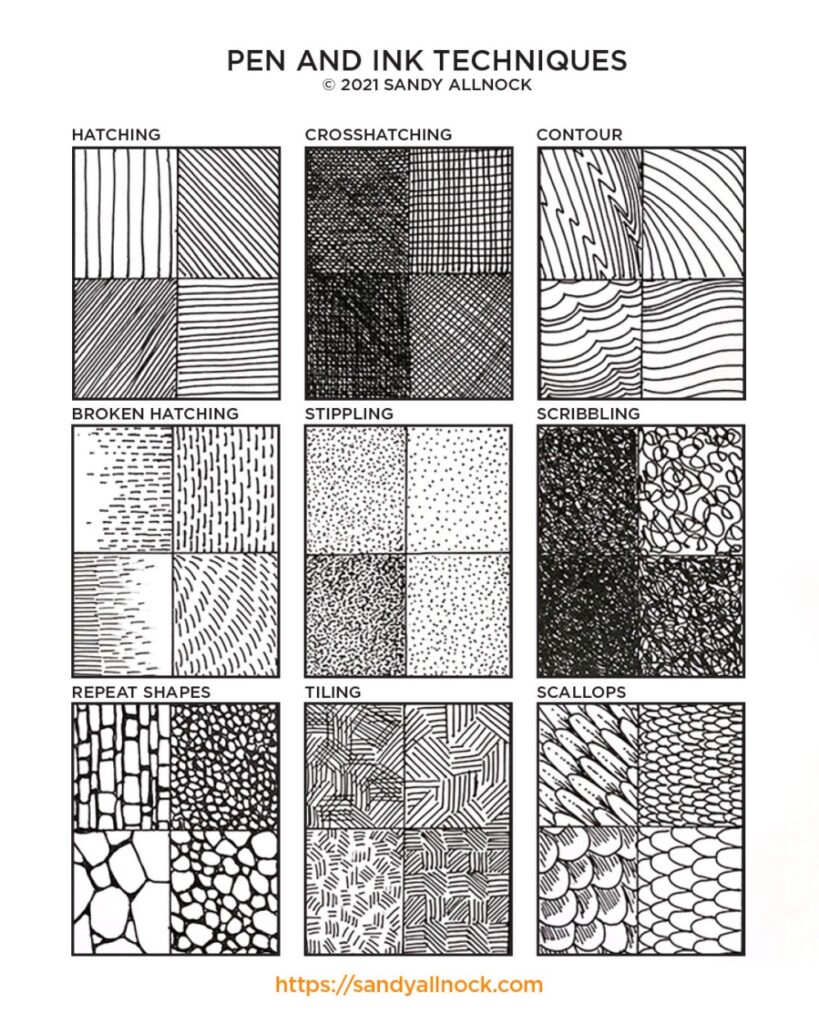
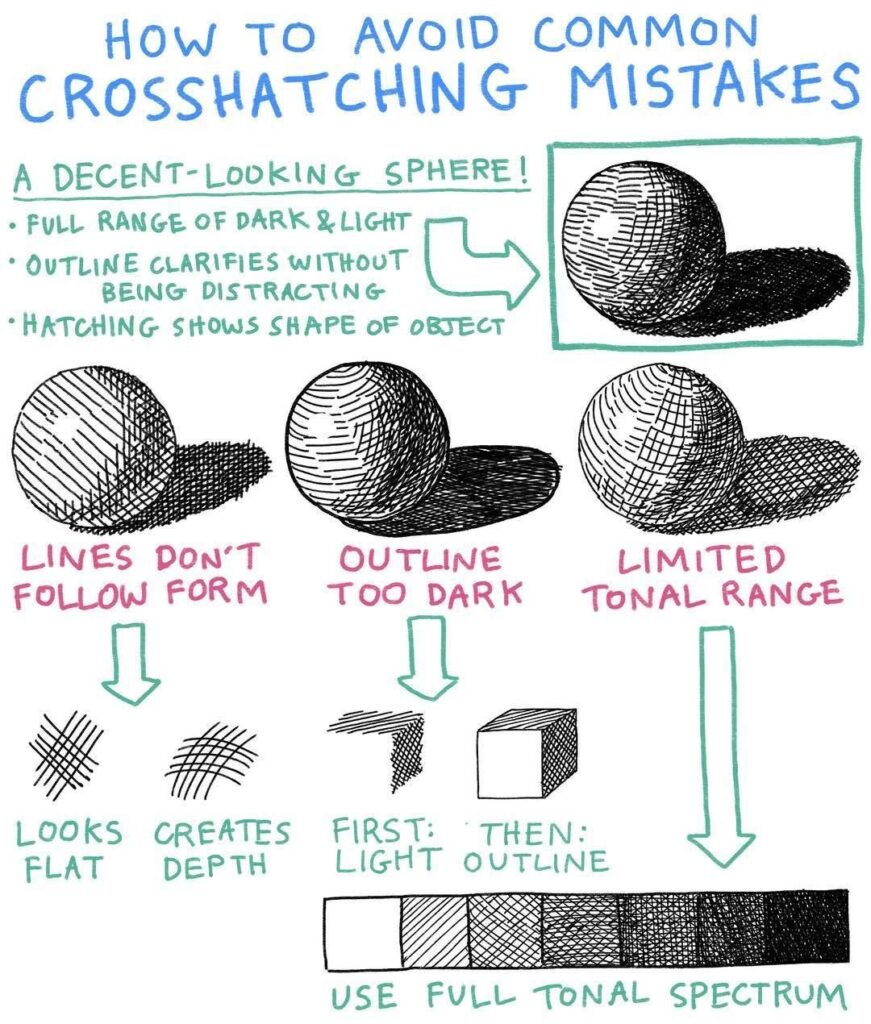
Ink drawing involves various techniques that shape the artist’s style. Mastering these techniques can enhance the quality and expression of artwork. Here are some core methods to explore.
Mastering Strokes and Lines
Understanding basic strokes is essential in ink drawing. Artists use different types of strokes to create texture and movement. Types of strokes include:
- Straight lines: Used for outlines and structure.
- Curved lines: Add softness and flow to the drawing.
- Dotted lines: Create a lighter touch.
Practicing these strokes helps an artist get familiar with their tools, whether it’s a dip pen, brush pen, or fine liner. Controlling pressure allows different widths, which adds depth. Experimenting with speed also affects line quality, making it important to work at a comfortable pace.
The Art of Hatching and Cross-Hatching
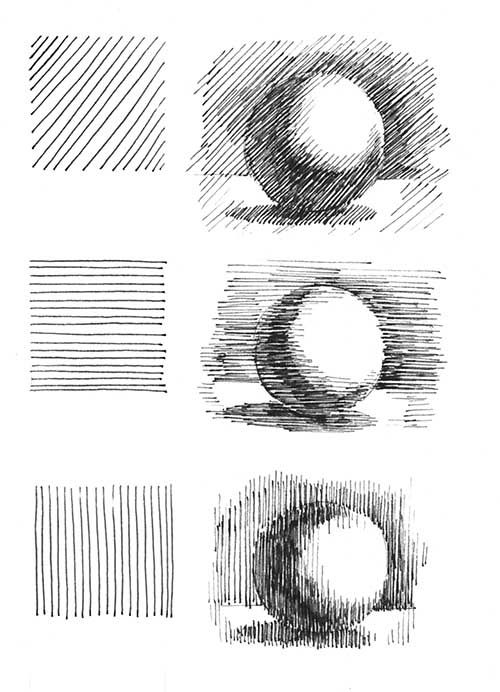
Hatching is a technique where closely spaced parallel lines create shading. This method uses the direction and density of lines to achieve different effects. Cross-hatching takes it further by layering lines in different directions.
To practice, start with simple shapes like squares or circles. Fill them in with hatching, then add cross-hatching. Vary the spacing and angle to see how it changes the shading. Benefits of these techniques include:
- Depth: Adds dimension to flat surfaces.
- Texture: Creates the illusion of different materials.
Hatching and cross-hatching can be combined with stippling, which involves dotting ink for shading. These methods give artists more tools to express light and shadow effectively.
Exploring Ink Wash Techniques
Ink wash provides a different approach to ink drawing. This technique uses diluted ink to create gradients and soft washes of color. It’s effective for backgrounds or to add depth to a piece.
To begin, the artist can prepare different concentrations of ink. A brush is the best tool for applying washes. Practice controlling the amount of water used, as it affects how light or dark the wash will be. Techniques can include:
- Wet-on-wet: Applying wet ink on a wet surface for smooth blends.
- Dry brushing: Using a dry brush to create texture and fine details on a dry surface.
Combining wash techniques with other methods like hatching can create more dynamic drawings. Each artist can find unique ways to blend these techniques into their style.
Compositional Elements in Ink Drawing
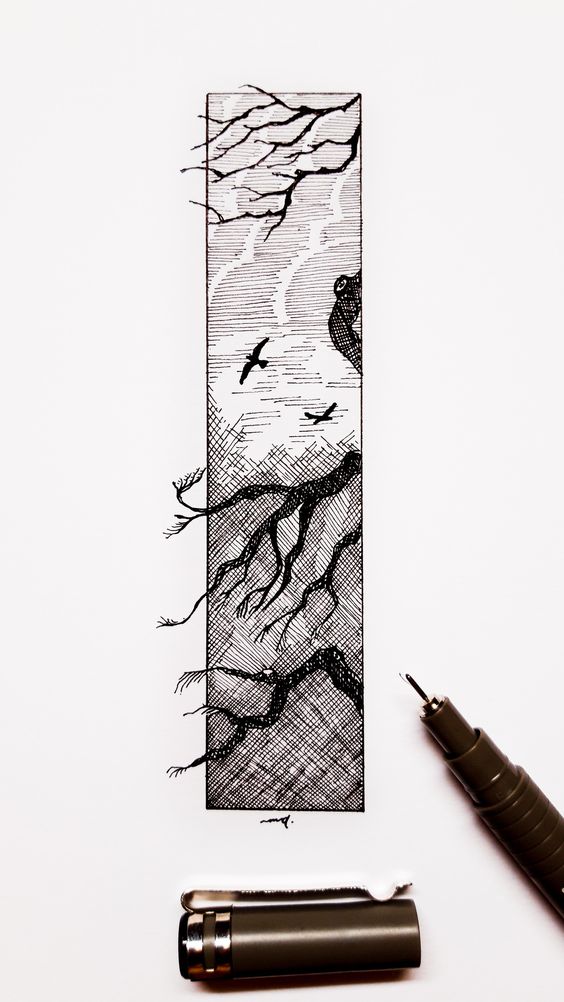
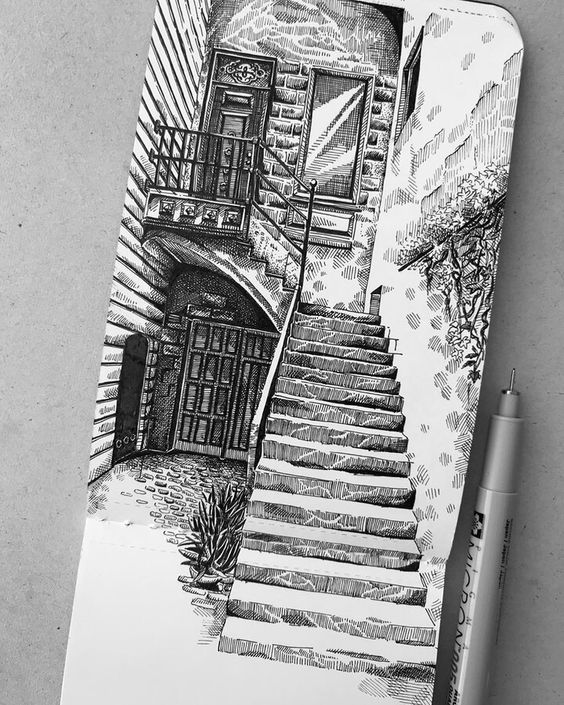
Ink drawing relies heavily on compositional elements that help create a pleasing image. Important aspects include balance, proportion, light and shadow, and the use of textures and details. Focusing on these elements helps the artist guide the viewer’s eye and create a strong impact.
Creating Balance and Proportion
Balance is key in ink drawing. It refers to how visual weight is distributed in the artwork. Artists can achieve balance through symmetry or asymmetry.
- Symmetrical Balance: This occurs when elements are evenly arranged around a central point.
- Asymmetrical Balance: This uses different elements that still create a sense of stability.
Proportion helps maintain the relationship between different parts of the drawing. For example, making sure objects are sized correctly relative to one another keeps the viewer engaged. It can also guide the focus toward key areas, boosting the overall effectiveness of the drawing.
The Role of Light and Shadow
Light and shadow add depth and dimension to ink drawings. They help create a three-dimensional effect that draws the eye in.
- Light Source: Identifying a light source is essential for realistic shading.
- Shadows: Applying shadows in the right areas enhances contrast and highlights shapes.
Shading techniques, like hatching and cross-hatching, help to soften edges and provide depth. Using a range of values from light to dark makes the drawing more dynamic and interesting. This variation keeps the viewer’s attention.
Incorporating Texture and Detail
Textures can add richness to an ink drawing. Varied line work creates different textures, from smooth surfaces to rough, textured areas.
- Line Quality: Thin lines can suggest delicacy, while thick lines convey strength.
- Detail: Incorporating intricate details contributes to the overall impact of the piece.
Using textures can guide the viewer’s focus. Attention to detail can elevate the artwork and provide a sense of realism. Mixing textures also creates visual interest, enhancing the narrative within the drawing.
Developing Drawing Skills
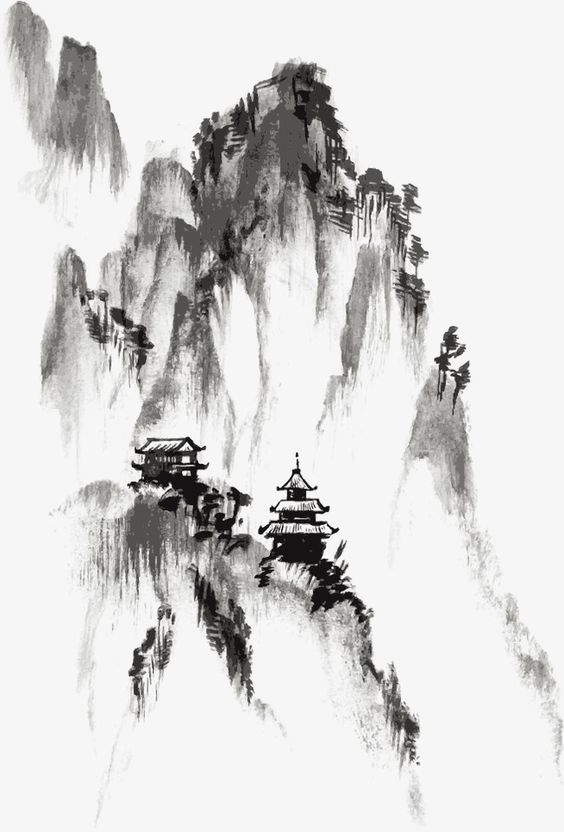
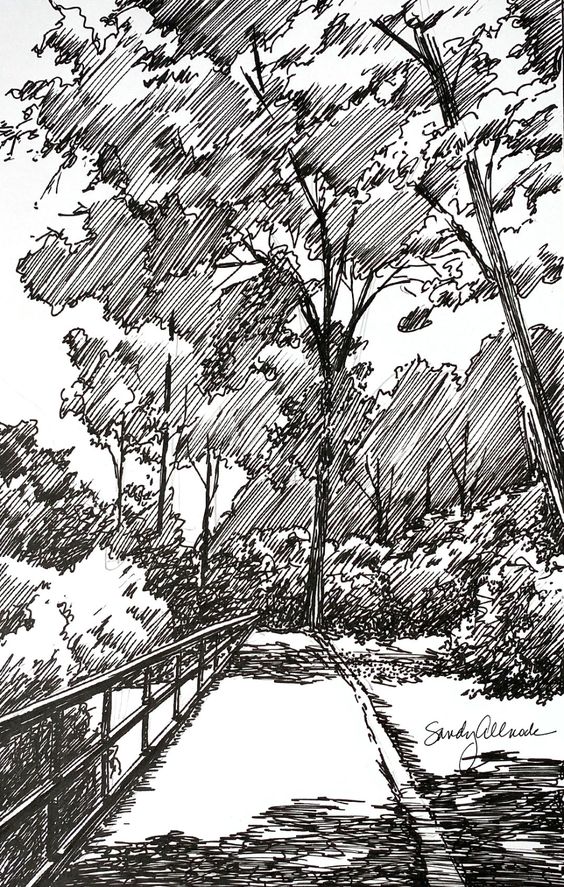
Improving drawing skills takes time and dedication. Focusing on specific techniques and nurturing a personal style are key steps in this journey.
Practice Techniques for Improvement
Regular practice is essential for developing drawing skills. Start by setting aside time each day to sketch. This can be a simple exercise, like drawing everyday objects or practicing different shapes.
Here are some effective techniques:
Gesture Drawing: This is quick sketching that captures the movement of the subject. Limit each drawing to a few minutes to focus on form and flow.
Study from Life: A figure or landscape can inspire creativity. Drawing from real life sharpens observation skills and helps with proportions.
Use References: Art books and online tutorials provide examples. Analyzing different styles can help refine techniques and spark imagination.
Building Your Unique Style
Developing a unique style is a rewarding aspect of drawing. Encouraging personal expression will make art more fulfilling. Experiment with various pen and ink techniques to find what resonates.
Tips for building a unique style include:
Mix Techniques: Combining line work, shading, and patterns can create interesting effects. Don’t be afraid to try out new tools and materials.
Create a Series: Focusing on a specific theme can help in finding a style. This gives a chance to develop a consistent voice in the works.
Reflect on Work: Taking time to review past drawings allows for growth. Understanding what worked or didn’t can guide future exploration.
With practice and exploration, anyone can develop their skills and find a unique artistic vision.
Ink Drawing in Practice
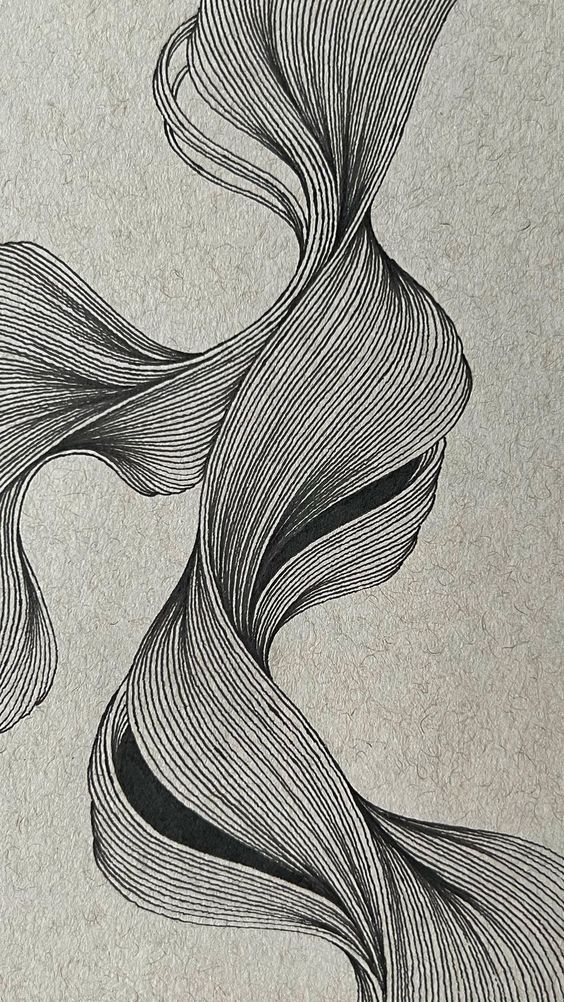
Ink drawing is a fun and creative process. Artists often start with sketchbooks to explore different ideas. This practice helps improve their skills and find inspiration for their final pieces.
Sketchbook Explorations
Sketchbooks are the playground for artists. They allow free expression without the pressure of perfection. Many beginners find that doodling or doing quick sketches helps build confidence.
Tips for using a sketchbook:
- Draw daily: Even quick sketches enhance skills over time.
- Experiment: Try different styles, subjects, and techniques.
- Make mistakes: Mistakes are learning opportunities that lead to growth.
Artists often find inspiration from their surroundings or other artwork. Sketching from life, such as landscapes or people, boosts observation skills. It helps develop a unique style and personal voice.
From Concept to Final Piece
Turning a concept into a finished drawing involves careful planning and execution. Artists might start with rough sketches that outline their ideas. They can refine these sketches to capture the right details and emotions.
Steps to create a final piece:
- Choose a theme: Decide what message or feeling to convey.
- Refine sketches: Focus on composition and detail.
- Select materials: Different pens and papers can change the final look.
Concentration plays a key role in this stage. Artists must pay attention to both small details and big ideas. With practice, they learn how to balance creativity and technique. This process transforms initial ideas into stunning ink drawings.
Ink Drawing Beyond Paper
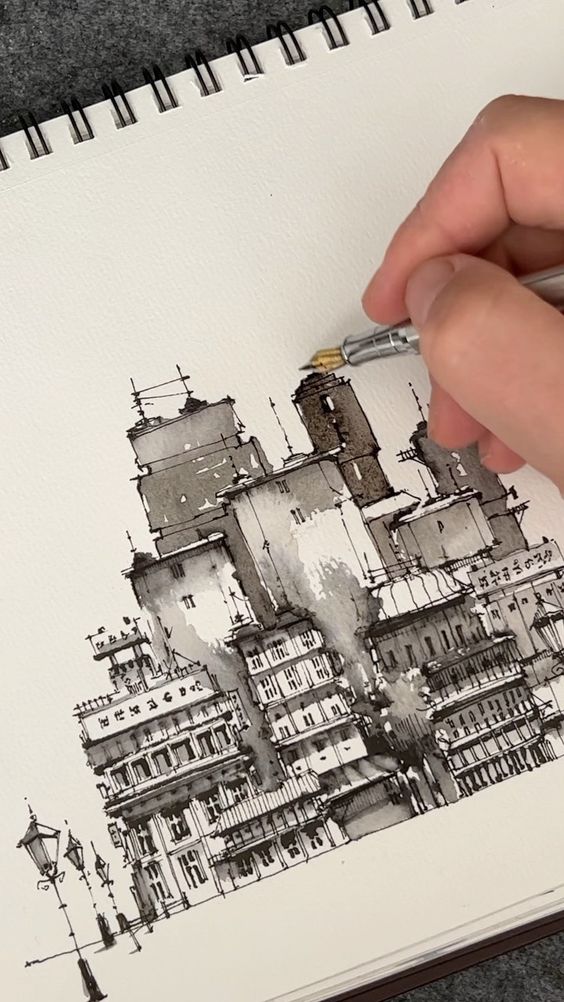
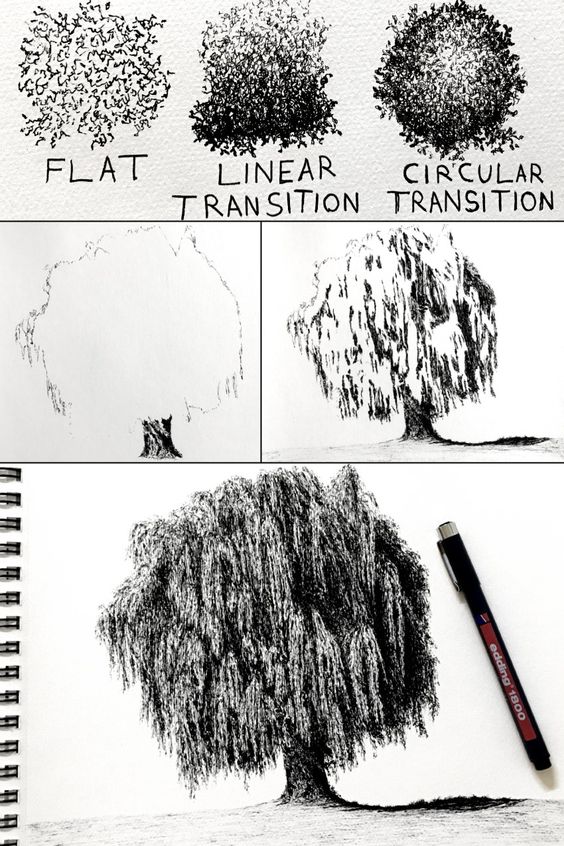
Ink drawing is not limited to traditional paper surfaces. Artists are using various materials and digital platforms to express their creativity. Exploring these options expands their versatility and potential for unique art.
Ink Drawing on Alternative Surfaces
Artists can create stunning ink drawings on many surfaces, like wood, canvas, and fabric. Each surface brings a new texture and feel. For example, drawing on wood gives a rustic charm that can enhance the artwork’s appeal.
Canvas offers a smooth finish, perfect for adding watercolor for a mixed-media effect. This combination can attract viewers with its richness and depth.
Fabric also serves as a creative canvas. Artists can design unique clothing pieces or accessories with their ink drawings. The flexible nature of fabric allows for creativity that paper cannot provide.
Ink Drawing and Digital Media
Digital platforms have changed how artists create ink drawings. Software like Adobe Illustrator and Procreate allows for endless possibilities. They can refine lines and add color with ease.
Using a tablet, artists can draw anywhere, making it convenient and freeing. This portability encourages spontaneous creativity, helping to avoid creative blocks.
Art created digitally can be shared instantly online. Artists can reach a wider audience and receive feedback right away. The combination of traditional techniques with modern tools enhances the artists’ style and approach.
The World of Ink Drawing: Applications and Styles
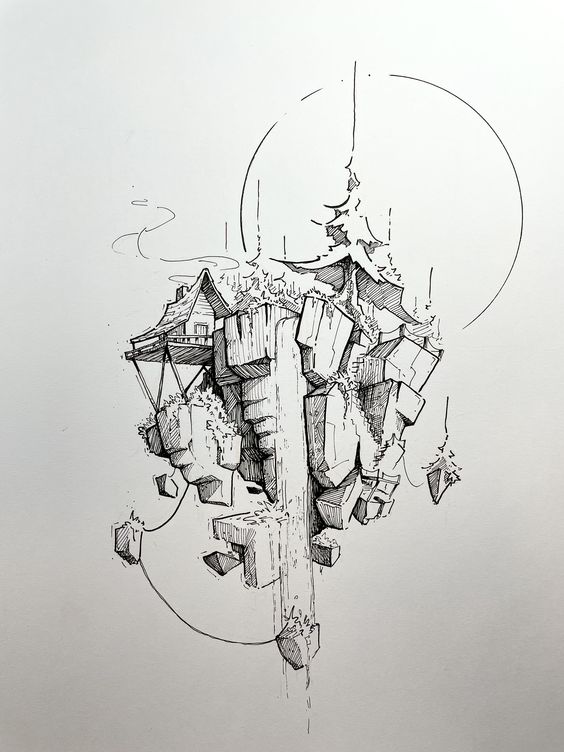
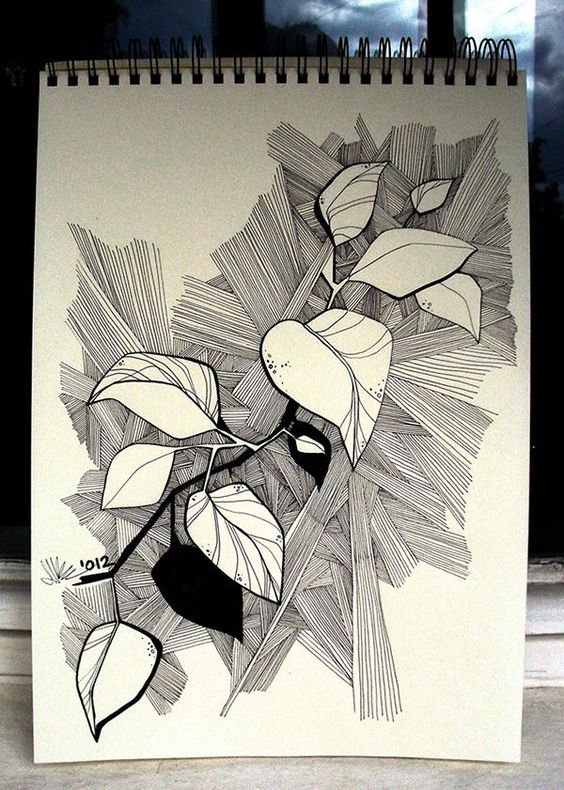
Ink drawing is a versatile art form that finds its place in various fields. From contemporary art to commercial advertising, the styles used in ink drawing can inspire and influence many areas like tattooing and pop culture.
Ink Drawing in Contemporary Art
In contemporary art, ink drawing stands out for its bold lines and expressive style. Artists often use techniques like crosshatching to create depth and texture. The medium allows for quick sketches and detailed works, making it popular among art sketchers.
Ink drawings can also incorporate watercolors, adding vibrancy to the artwork. Many artists explore different themes through ink, showcasing everything from abstract designs to realistic portraits. The flexibility and immediacy of ink allow for rapid creativity that resonates well with today’s audiences.
Commercial Uses for Ink Drawing
Ink drawing plays a significant role in commercial art. It is commonly used in advertisements to catch attention with striking visuals. Many brands incorporate bold ink graphics in their campaigns to create memorable images.
In the realm of editorial content, ink drawings are prevalent in cartoons, comics, and illustrations. These drawings inform and entertain, often simplifying complex ideas through humor and visual storytelling. Artists utilize perspective techniques to make objects pop in their designs, enhancing viewer engagement.
Ink Drawing in Pop Culture
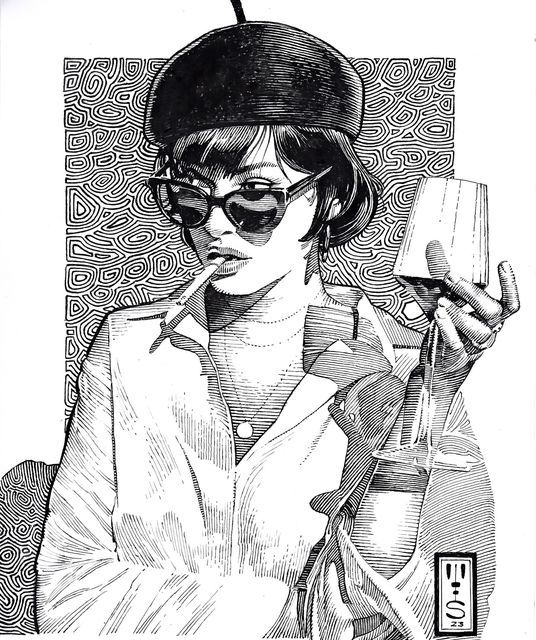
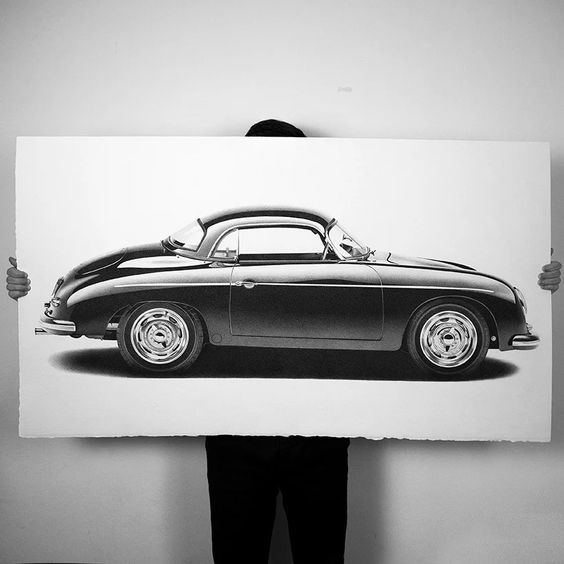
Ink drawing has a notable presence in pop culture, particularly in comics and graphic novels. Artists like Hergé or Charles Schulz have defined styles that fans recognize instantly. Many of these drawings feature clear lines and playful characters, inviting readers into vibrant worlds.
Tattooing also relies heavily on ink drawing styles. Tattoo artists use bold lines and intricate designs to create lasting art on skin. Here, the art becomes personal and significant, representing stories and emotions for individuals. Ink drawing remains a powerful tool in creative expression across various mediums.
Ink drawing FAQ
What are the basic ink drawing techniques?
Start with contour lines, hatching, cross-hatching, stippling, and simple ink washes. They teach the essentials: line control, value, texture, and where to leave the paper white. Practice one technique on a small object before combining several in a finished drawing.
Which ink drawing style is best for beginners?
Contour drawing and light hatching are the easiest places to start. Use one fineliner, choose a simple subject, and work from large shapes to smaller details. They are forgiving techniques because a confident line often looks better than a corrected, fuzzy outline.
What is the difference between hatching and cross-hatching?
Hatching uses parallel lines to create value. Cross-hatching adds another layer of lines at a different angle, producing darker tone and more texture. Keep the first layer consistent and let the second layer follow the form rather than making a flat grid.
Do I need waterproof ink for ink wash?
Use waterproof ink if you want a clean pen drawing to stay sharp under a water wash. Water-soluble ink is useful when you want the line itself to soften and move. Test the pen and paper together on a scrap before you start the final piece.
Can I combine pen drawing and ink wash?
Yes. A pen-and-wash drawing usually begins with a light line drawing, followed by diluted ink to establish the largest shadows. Let each wash dry before adding another so the paper does not pill and the values remain clear.
How do I develop my own ink drawing style?
Repeat the same small subject with different tools and limits: one pen, three values, or ten minutes. Save the studies side by side. The choices you keep making about line weight, texture, and empty space will reveal a style more honestly than copying a look wholesale.
Keep practicing your ink work
Ink gets easier when you give each study one job. Use these guides to build the supporting skills around the technique you want to try next.
- core drawing techniques for a broader mark-making foundation
- simple drawing ideas when you need a subject for a quick study
- drawing ideas and tips for sketchbook prompts
- practical drawing tips for cleaner control
- marker drawing doodles to compare line tools
- beginner drawing tips for a focused practice routine
- figure sketching practice for gesture and proportion
- expressive face drawing for line-led portraits
- digital art sketching if you want to translate ink decisions to a screen
- 4.8Kshares
- Facebook0
- Pinterest4.8K
- Twitter0
- Reddit0