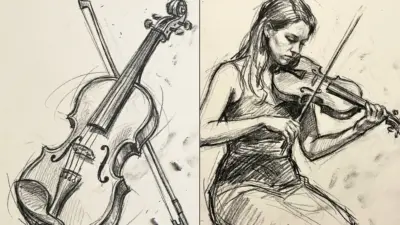
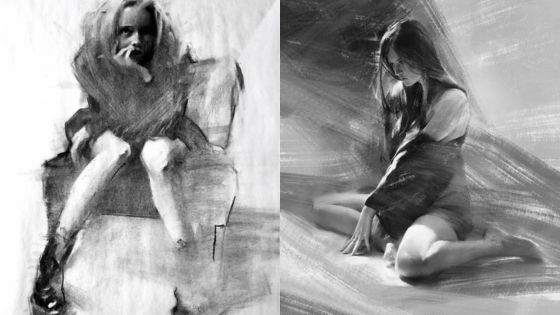
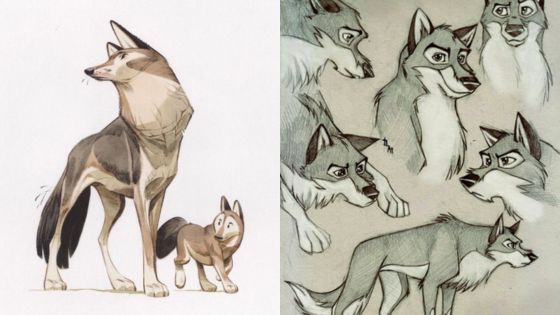
Drawing Activities for Seniors is a simple and enjoyable hobby that many seniors find rewarding. It offers a way to express creativity, relax, and even improve mental sharpness. Drawing helps seniors stay mentally active and provides a peaceful way to enjoy their free time.
Besides being a calming activity, drawing can also encourage social connections when done in groups. Seniors can join classes or clubs where they share ideas and inspire each other. This hobby fits well with different skill levels, so anyone can start without feeling pressured.
Whether a person wants to sketch simple shapes or create detailed pictures, drawing provides a meaningful and flexible way to stay engaged. It can brighten a day and bring a sense of accomplishment, making it a great choice for seniors looking for a new pastime.
Benefits of Drawing for Seniors
Drawing offers many positive effects for seniors, improving their mind, body, and social life. It can help keep their memory sharp, enhance hand movements, and create chances to connect with others. These benefits work together to support a healthier and more enjoyable lifestyle.
Mental Wellness Advantages
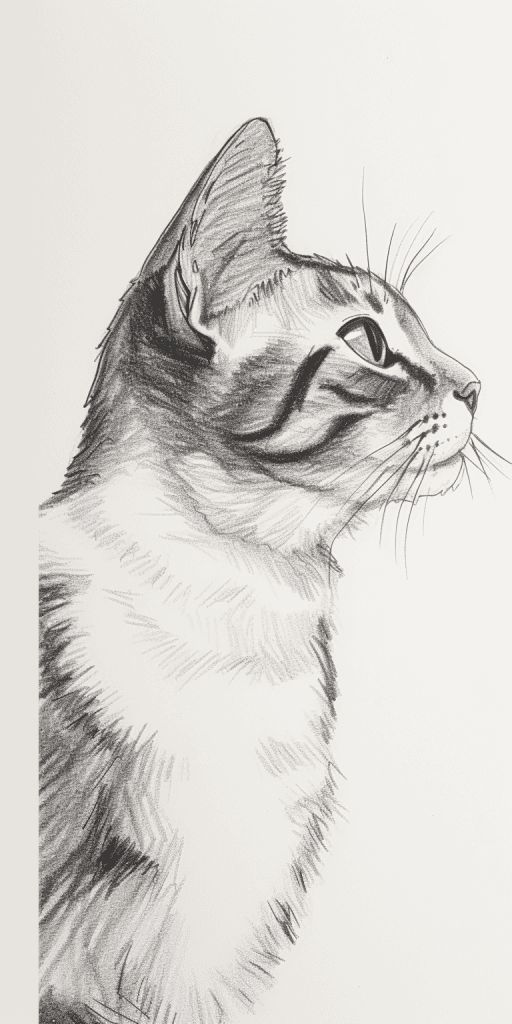
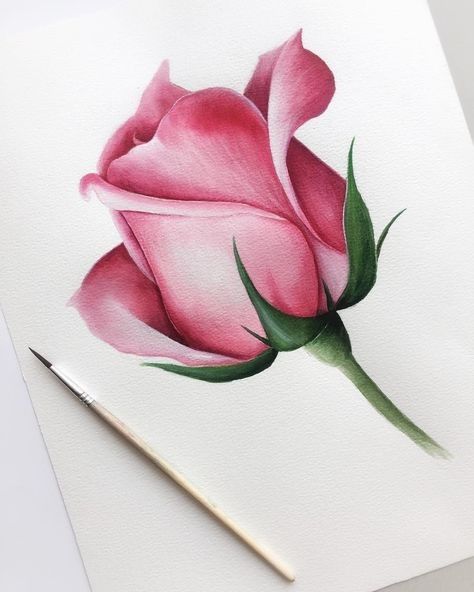
Drawing helps seniors maintain mental sharpness by encouraging focus and creativity. This activity can reduce the risk of memory problems, like dementia, by engaging the brain in new ways. As they create, seniors also express feelings that might be hard to say with words, which supports emotional health.
The process of drawing can lower stress and boost mood, making it easier for seniors to feel calm and happy. Trying new techniques or styles also builds confidence and a sense of achievement. These mental benefits make drawing more than just a quiet pastime; it becomes a way to stay mentally active and emotionally balanced.
Physical Coordination Improvement
Drawing requires small, precise hand movements that help improve fine motor skills. This is useful for seniors who may face challenges like arthritis or tremors. Practicing drawing regularly keeps hand muscles active and supports better control.
Coordination between eyes and hands gets stronger as seniors follow lines and shapes. These improvements carry over into daily tasks, such as writing or buttoning clothes. Drawing can even help maintain dexterity, making daily life easier and more comfortable for seniors who stay engaged with this hobby.
Promotion of Social Connections
Drawing can bring seniors together in group settings like classes or art clubs. Sharing creative work and ideas builds friendships and a sense of community. These social interactions help reduce feelings of loneliness and isolation.
Talking about artwork encourages communication and connection with others. Group drawing activities also motivate seniors to stay involved and try new things. Social life boosts emotional health, making drawing a valuable tool for seniors to stay connected and supported.
Getting Started with Drawing Hobbies
Starting to draw means picking the right materials, setting up a cozy spot, and choosing projects that feel just right. When these things are in place, drawing becomes more enjoyable and less frustrating.
Choosing the Right Drawing Tools
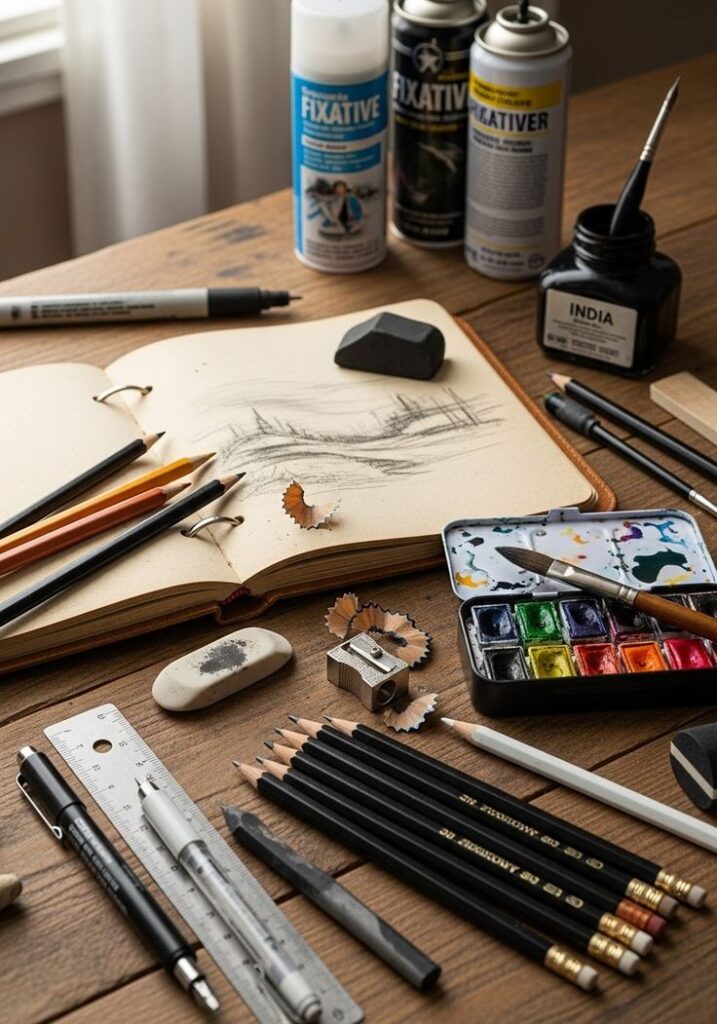
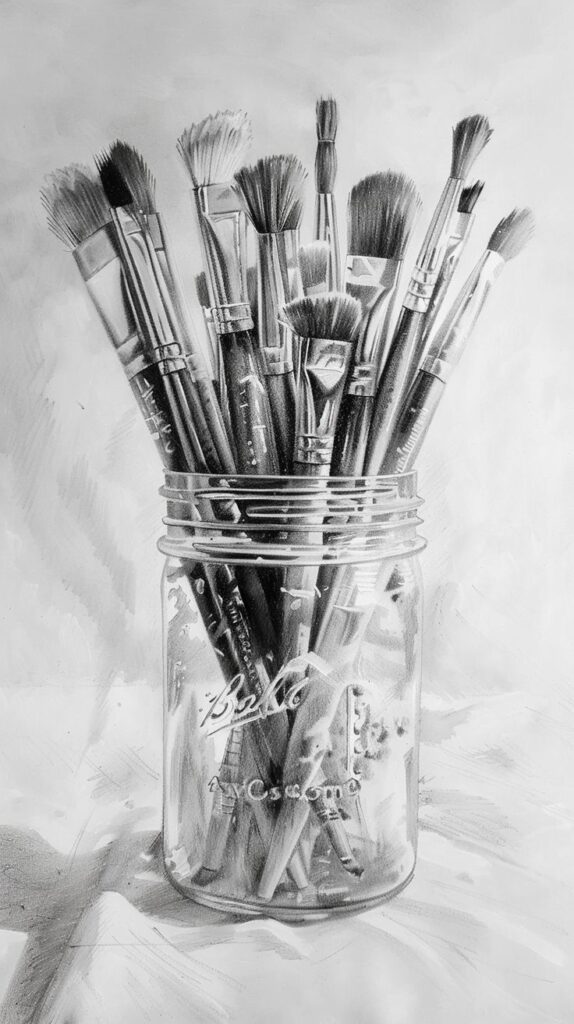
The choice of drawing tools is key to comfort and ease. Seniors should begin with basic supplies like pencils, erasers, and paper. Graphite pencils in different hardness grades (HB, 2B, 4B) offer variety in shading. Soft pencils like 4B are good for bold lines, while harder ones help with fine details.
Using a good-quality sketchbook with smooth, thick pages helps prevent tearing. Colored pencils or charcoal sticks can add fun once confidence grows. Avoid complicated tools at first. Simple and familiar supplies keep drawing relaxed and stress-free.
Setting Up a Comfortable Workspace
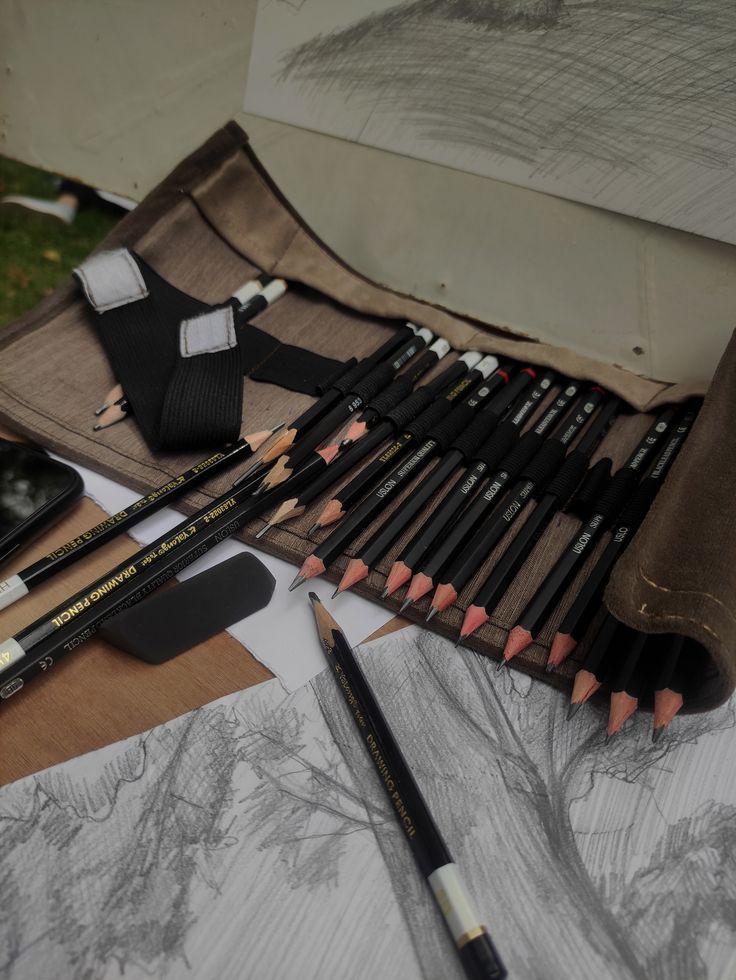
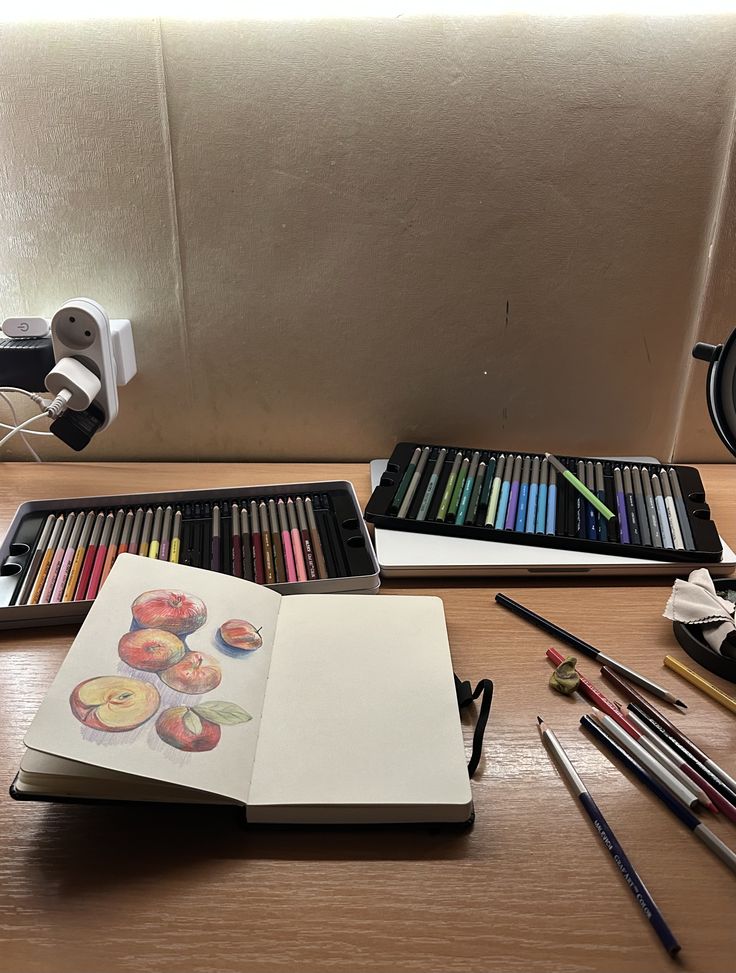
A well-lit, quiet place helps make drawing a daily habit. Natural light is best, but a bright desk lamp works too. The workspace should have a sturdy table at a comfortable height. Sitting in a chair with good back support reduces strain during longer sessions.
Organizing supplies within easy reach saves time and keeps the area tidy. A small container for pencils and erasers helps avoid clutter. The space should be calming and free of distractions so focus stays on the drawing.
Selecting Easy First Projects

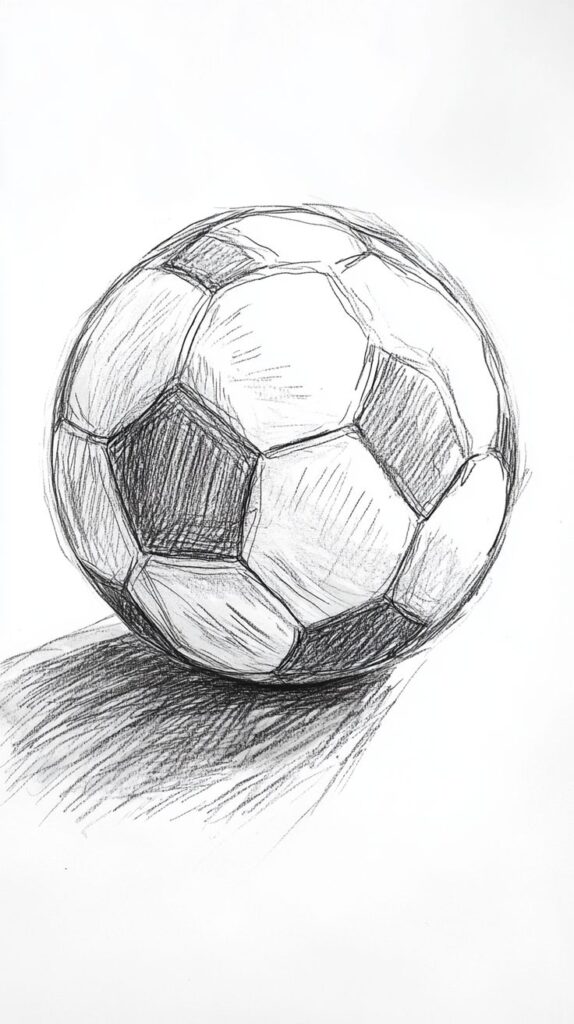
Starting with simple projects builds skills and confidence. Basic shapes like circles, squares, or simple objects like fruits or cups are great first drawings. These exercises help practice lines and shading without feeling overwhelming.
Step-by-step tutorials or drawing from photos can offer guidance. Setting small goals—like completing a sketch in 15 minutes—keeps the process fun. As skills improve, seniors can move on to more detailed subjects like flowers or animals.
Popular Drawing Techniques for Older Adults
Drawing offers many ways to explore creativity, and learning a few techniques can make the experience more enjoyable. From creating simple outlines to adding depth and color, these skills help seniors express themselves clearly and confidently.
Sketching Basics
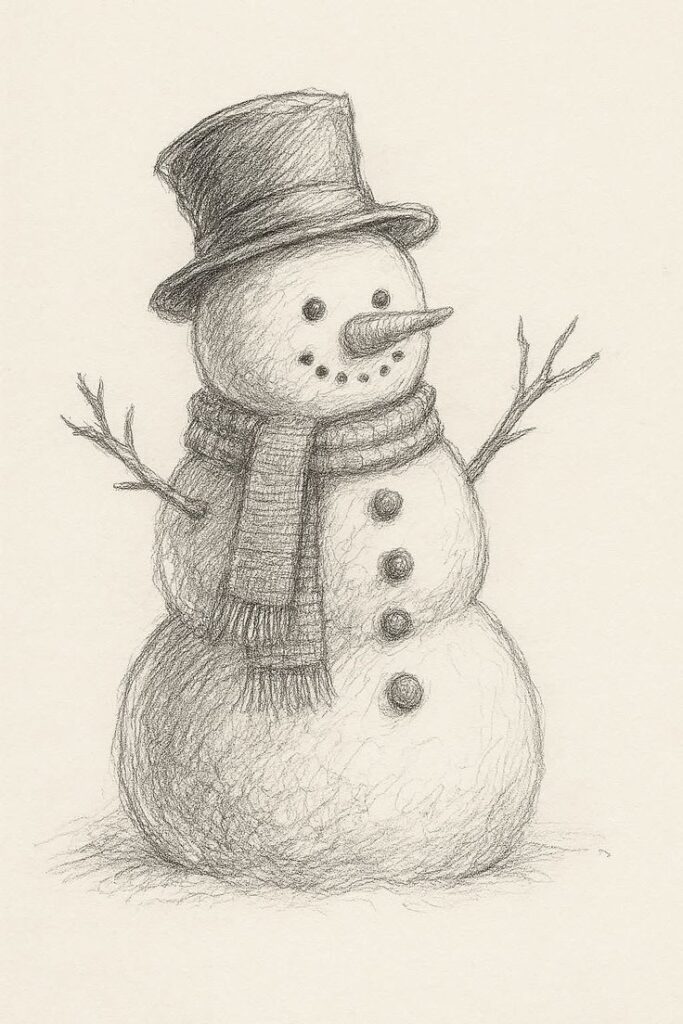
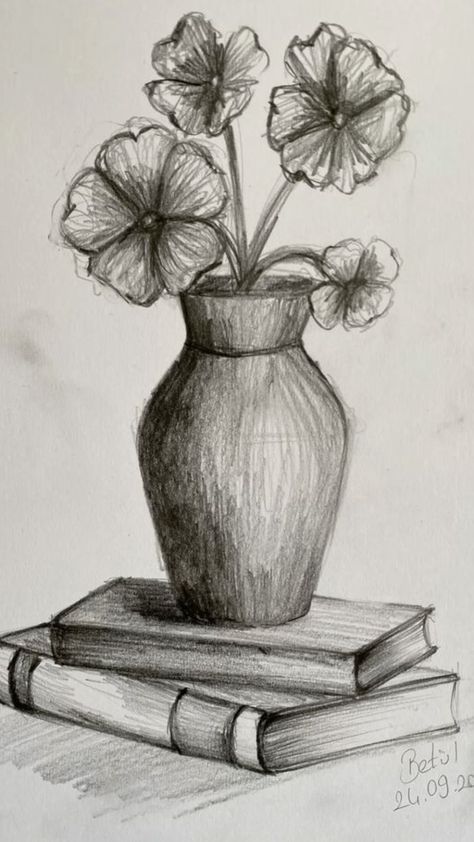

Sketching is the foundation of drawing. It starts with using light, loose lines to outline shapes and forms. Seniors can focus on simple objects like fruits, flowers, or household items. This practice builds hand-eye coordination and helps them observe details closely.
Using a soft pencil, such as a 2B, makes sketching easier because it produces smooth, dark lines without pressing hard. Light erasing allows for corrections. Beginners need to work slowly and keep strokes gentle. This reduces hand strain and keeps the drawing flexible.
Sketching helps seniors relax by focusing on the present moment. It also encourages patience as they refine shapes gradually. Practicing short sketches daily can improve confidence and control over time.
Shading and Blending Methods
Shading adds depth and volume to drawings, making them appear more lifelike. Seniors can start with basic techniques like hatching (parallel lines) and cross-hatching (overlapping lines) to create shadows and texture.
Blending is another useful method. Using a blending stump, finger, or tissue can smooth pencil marks, producing soft gradients. This technique works well for shaded areas such as curved surfaces or shadows under objects.
Varying pressure on the pencil changes the darkness of lines and shades. Lighter pressure creates soft tones; firmer pressure produces darker areas. Seniors should remember to gradually build layers of shade rather than pressing hard at once.
Practicing shading and blending can improve fine motor skills and visual perception. It also adds a new dimension to simple sketches, making drawings more engaging and realistic.
Using Colored Pencils
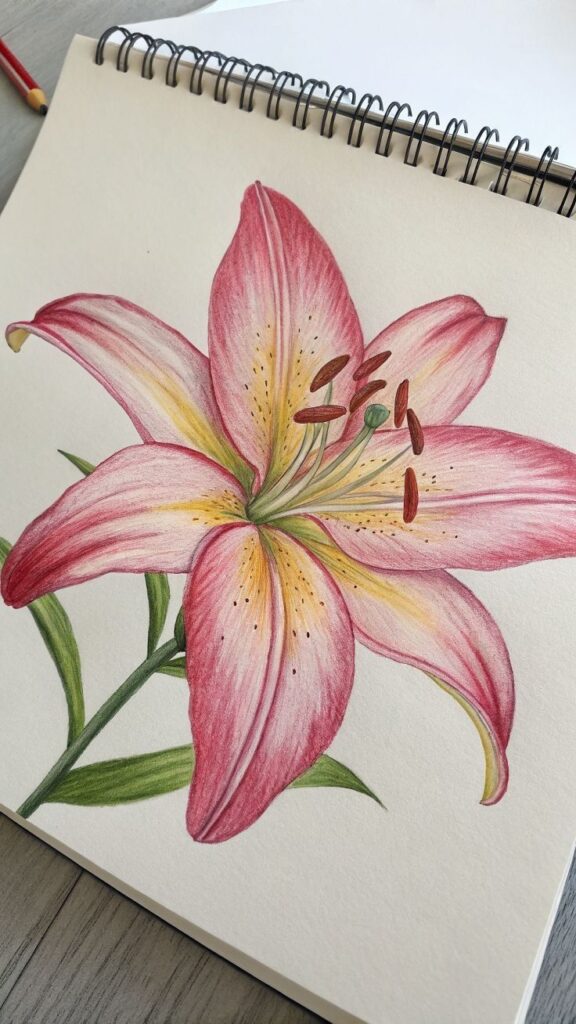
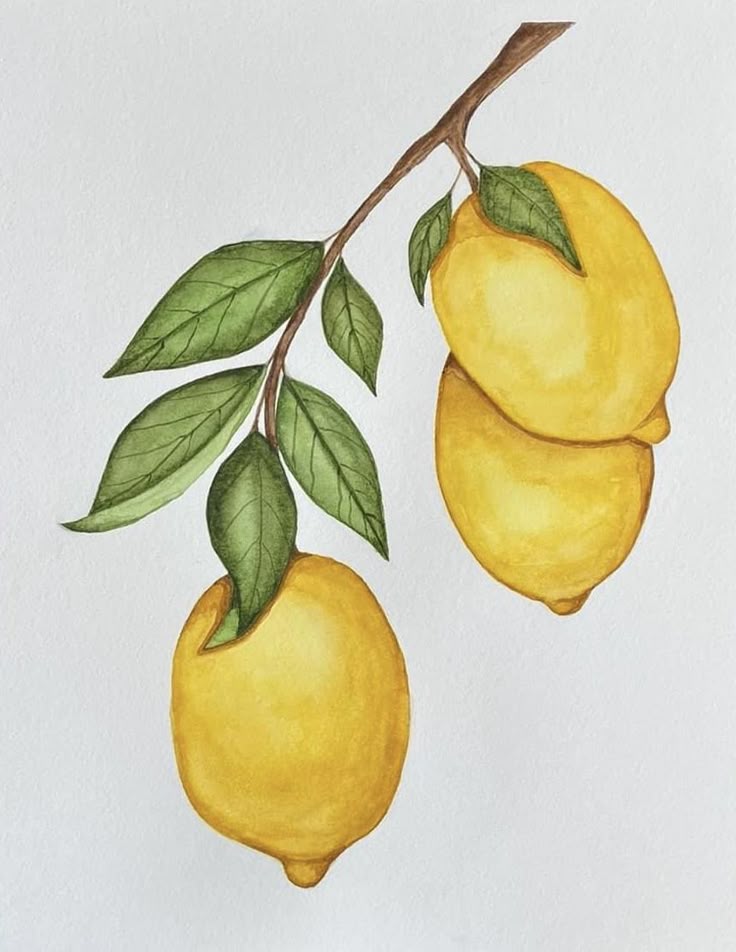
Colored pencils bring vibrancy and variety to drawing. They are easy to handle, allowing seniors to explore color mixing and layering without mess.
Starting with a light hand helps apply color gently. Overlapping transparent layers build new hues and allow blending directly on paper. Seniors can experiment with basic color combinations, such as mixing blue and yellow to make green.
Colored pencils can also achieve different effects through pressure changes. Light strokes create soft, delicate colors; pressing harder produces bold, intense shades. Using a colorless blender pencil smooths and blends colors further.
This medium encourages creativity and fine motor control. It also offers a soothing way to add personality to drawings, making the activity both relaxing and rewarding.
Accessible Drawing Styles for Seniors
Seniors can enjoy drawing by choosing styles that suit their physical abilities and interests. Simple tools and gentle techniques help keep drawing fun and manageable. These approaches focus on ease, creativity, and adaptability.
Line Art Exploration


Line art is ideal for seniors because it uses simple, clear lines without complicated shading. It requires only paper and a pencil or pen, making it low-cost and easy to set up.
Line art can include sketching basic shapes, doodling, or creating repetitive patterns. These activities help improve hand control and focus. Seniors with limited hand strength can use thicker pens or pencils with larger grips to ease drawing.
The style encourages free expression and doesn’t demand perfection. Seniors can experiment with different line thicknesses and styles, like bold outlines or gentle curves, to create visually pleasing drawings that boost confidence.
Watercolor Pencils
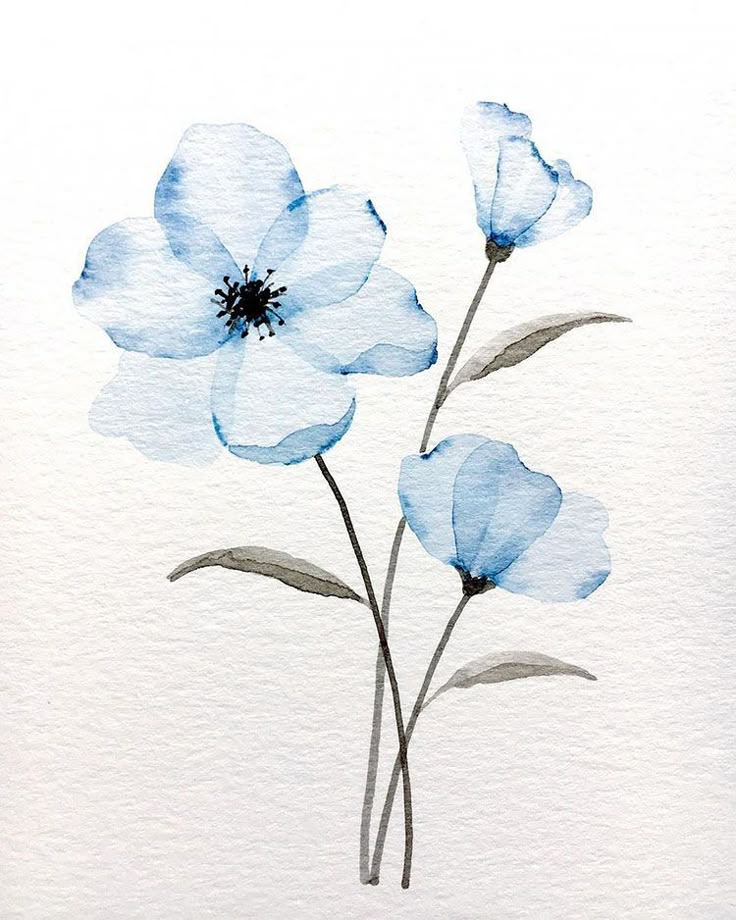
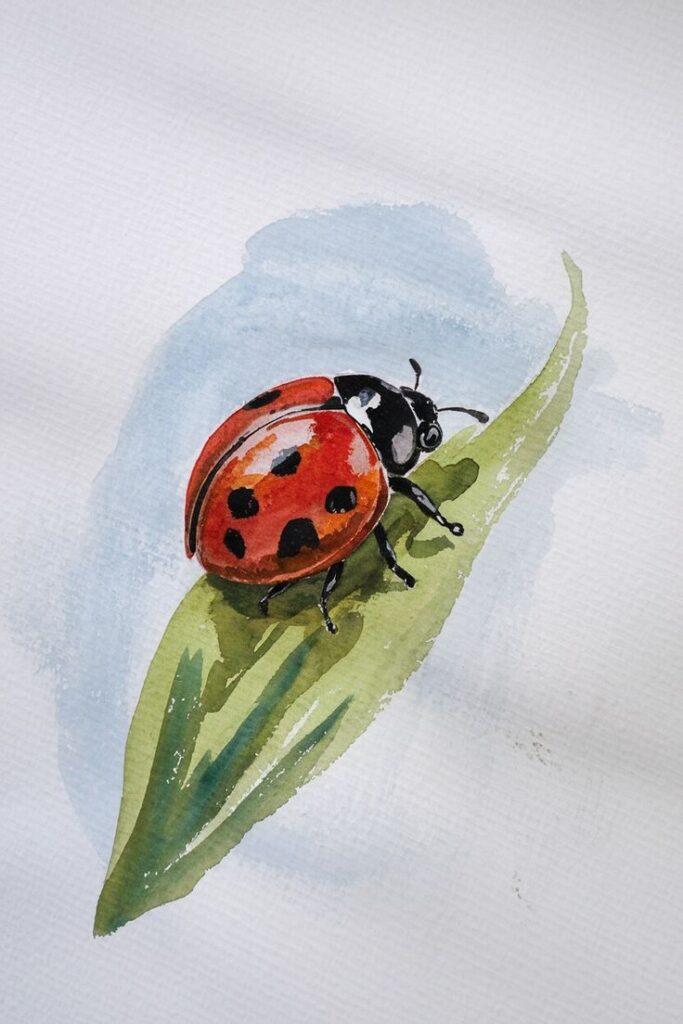
Watercolor pencils simply combine drawing and painting. Seniors can draw outlines or shapes with the pencils, then add water with a brush to blend colors softly. This method is less messy than traditional watercolors but offers beautiful, gentle results.
Watercolor pencils are lightweight and easy to hold. Seniors with arthritis or weak grip can find versions with ergonomic designs. These pencils allow for corrections, as they can be reworked with more water or layering.
This style encourages creativity without needing advanced skills. It also promotes fine motor skills and hand-eye coordination. Using watercolor pencils can brighten any drawing with smooth color blending in a controlled way.
Nature Illustration
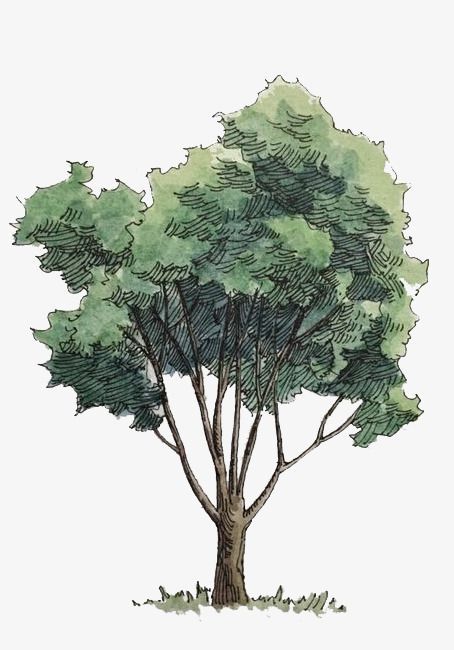
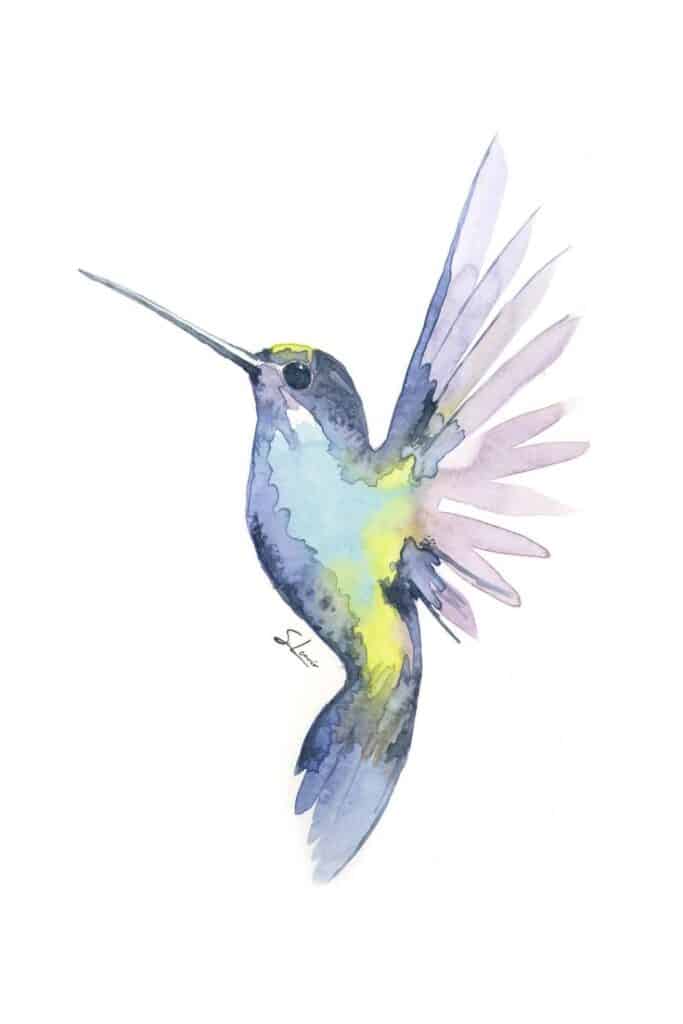
Drawing plants, flowers, and animals brings seniors closer to the outdoors, even if they can’t go outside often. Nature illustration uses simple shapes and repetitive patterns, which are easy to practice and relaxing.
This style often focuses on outlines and textures, which helps seniors build observation skills. They can use colored pencils, markers, or pens with adaptive grips to make the process comfortable.
Nature illustration offers a meaningful connection to the environment and can inspire feelings of calm. It also allows plenty of room for creativity, such as stylizing leaves or adding soft color washes, making it a soothing hobby suitable for all skill levels.
Joining Drawing Groups and Classes
Seniors can find many ways to enjoy drawing with others, both in person and online. These options offer chances to learn new skills, share ideas, and make friends. The settings vary from local community centers to virtual spaces, plus special events.
Senior Community Center Programs
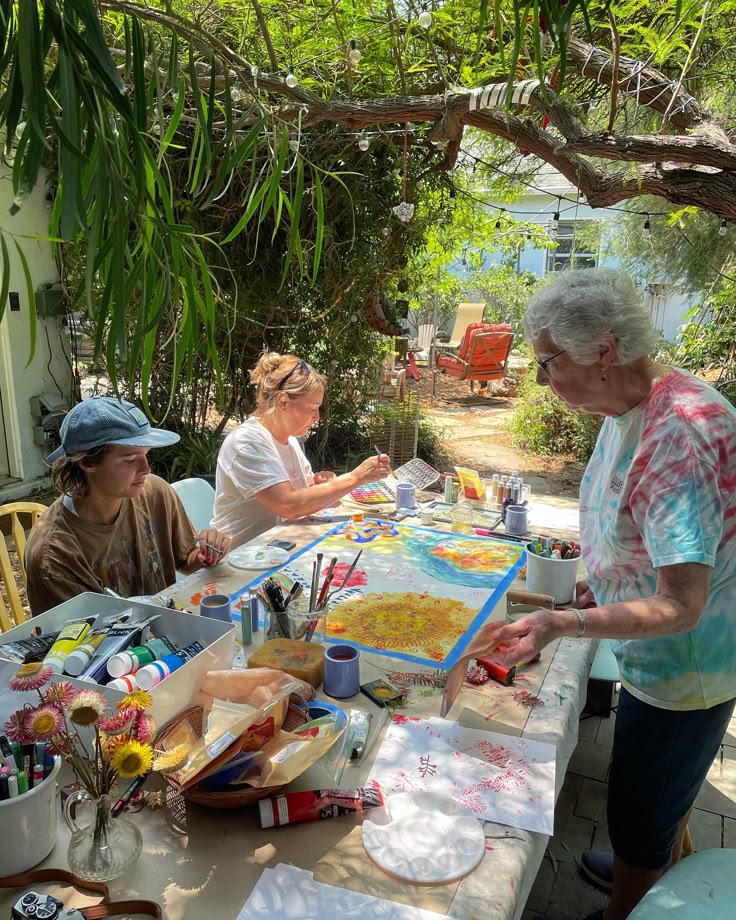
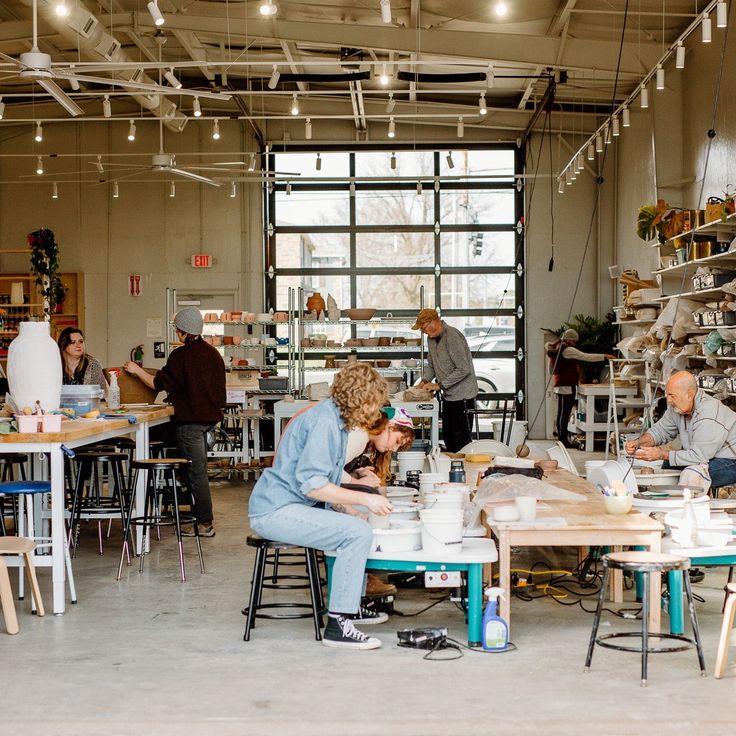
Many community centers offer art classes designed just for seniors. These classes usually focus on basic drawing techniques and use materials that are easy to handle.
They often meet weekly and provide a relaxed environment where seniors feel comfortable trying new things. Instructors guide participants step-by-step, helping them build confidence in their skills.
These programs also focus on socializing. Participants can connect with others who share their interest in drawing, creating friendships that extend beyond the classroom.
Online Art Communities
Online groups give seniors a flexible way to join drawing classes from home. These communities often host live video sessions or share tutorials that members can watch anytime.
People can post their artwork and get feedback, which helps improve their skills. The online format also lets them connect with artists from different places.
Some platforms offer forums or chat rooms where members trade tips, share supplies, or invite each other to virtual meetups. This keeps seniors engaged and inspired, even if they can’t join a class in person.
Workshops and Local Events
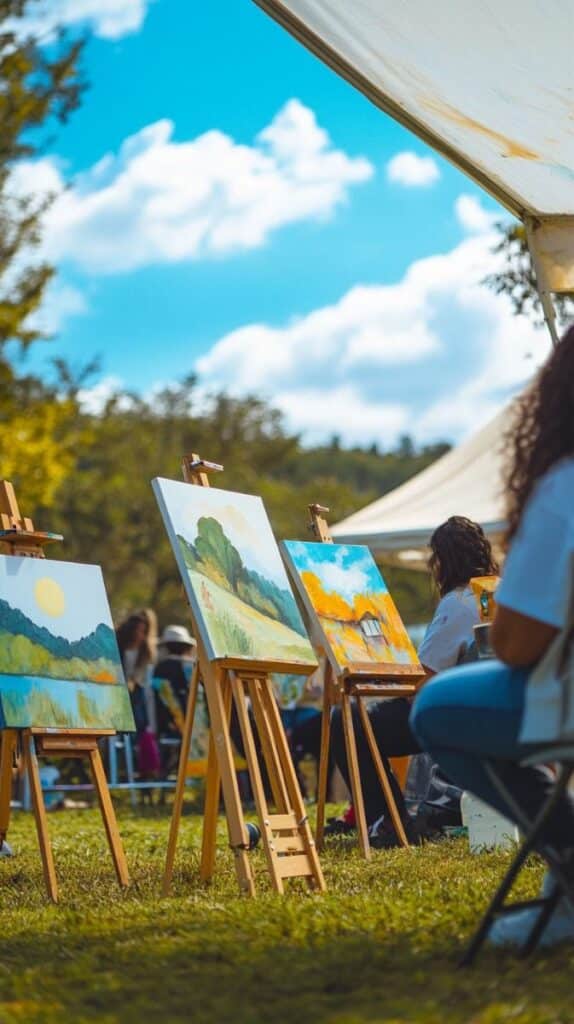
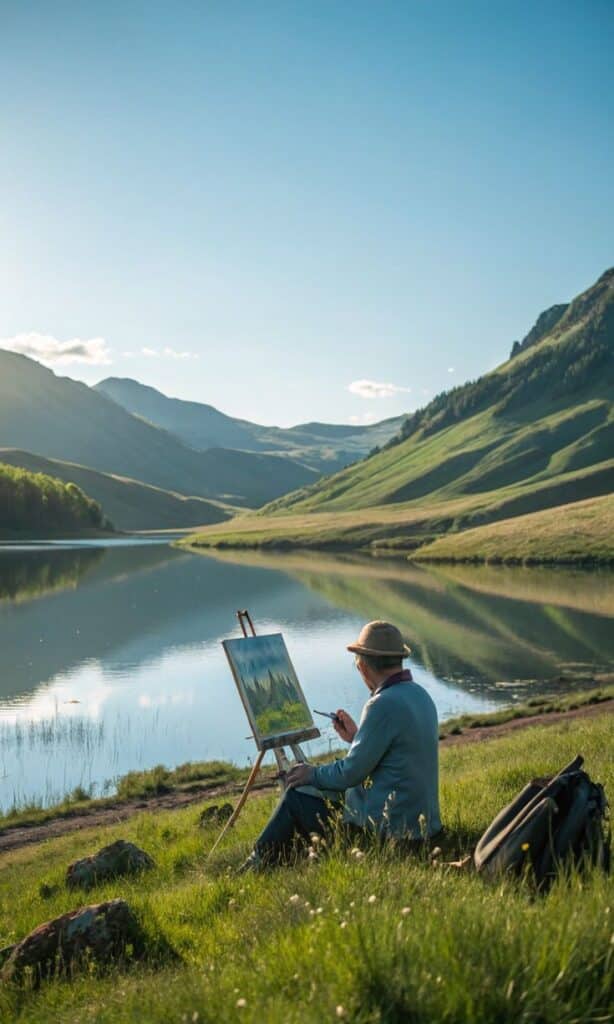
Local workshops or art fairs provide short, focused opportunities to explore drawing. These events might last a few hours or a weekend and often focus on specific styles or techniques.
Workshops are great for seniors who want to dive into a new project or try something different. They usually include hands-on instruction and sometimes supply kits.
Community events often highlight seniors’ art, allowing them to showcase their work. This encourages pride in their progress and motivates them to keep practicing.
Maintaining Motivation and Tracking Progress
Staying motivated and noticing progress are key to keeping the drawing hobby enjoyable and rewarding. Simple tools and clear goals can help seniors feel proud of what they create and encourage them to keep practicing regularly.
Keeping a Sketchbook
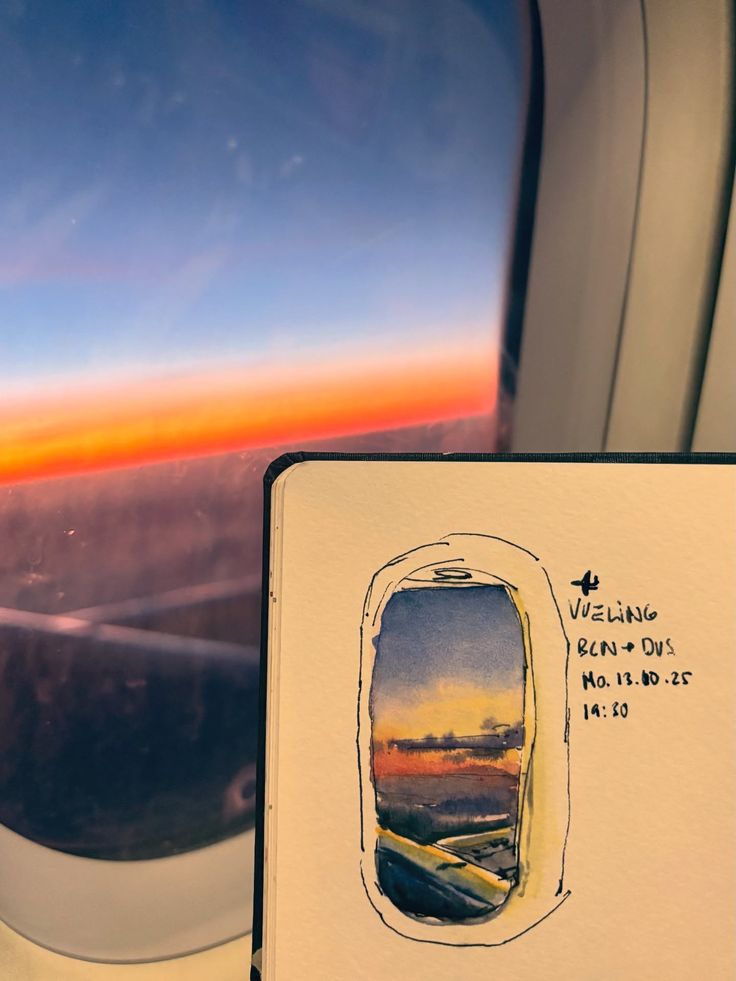
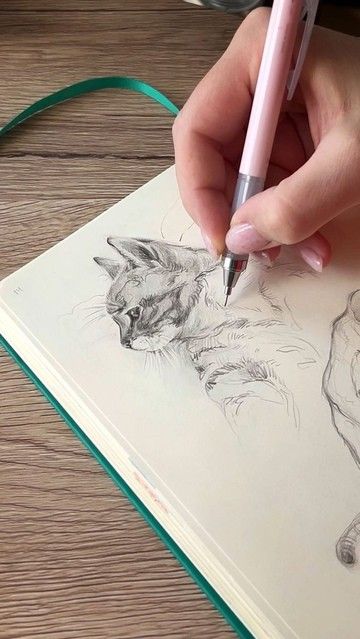
A sketchbook is an easy way for seniors to track their drawing journey. They can use it to try new ideas, practice skills, and keep all their work in one place. This makes it easier to see how much they’ve improved over time.
Using a sketchbook also provides a quiet moment to relax and focus. Seniors can add notes about what they learned or what they want to try next. Over weeks and months, the sketchbook becomes a visual diary of their progress and creativity.
Setting Realistic Goals
Setting small, clear goals helps seniors stay motivated without feeling overwhelmed. For example, they might aim to draw a simple flower or practice shading for 10 minutes each day. These goals are easy to meet and build confidence.
Breaking larger goals into smaller steps makes practice more manageable. After reaching one goal, they can celebrate success before moving on. This steady progress keeps drawing fun and helps maintain a sense of achievement.
Showcasing and Sharing Artwork
Displaying finished drawings and sharing them with others can boost confidence and create opportunities for connection. It helps seniors celebrate their creativity and invites feedback, which encourages growth and enjoyment in their hobby.
Creating a Personal Gallery
Seniors can set up a personal gallery at home or in a community space. This might include framed drawings on walls or placing artwork on shelves and tables. Using simple labels with titles and dates adds a professional touch.
Digital galleries are another option. Taking photos of drawings and creating an online album allows sharing with friends and family easily. This method also preserves artwork without worry about damage.
A personal gallery offers a private space to revisit and reflect on progress. It helps organize artwork and motivates seniors to keep drawing regularly.
Participating in Art Exhibitions
Joining local art shows or senior community exhibitions is a great way to share drawings with a wider audience. Many communities hold events specifically for older adults.
In exhibitions, seniors can meet other artists, exchange ideas, and receive valuable feedback. It’s also a chance to show off hard work and feel proud.
To prepare, seniors should select their best pieces and consider simple framing or mounting for a polished look. They may need help from caregivers or volunteers to register and transport their artwork.
Participation fosters social interaction and can inspire new creative projects. It makes art a shared experience rather than a lone activity.
How can drawing support mental wellness in seniors?
Drawing fosters focus and creativity, reduces stress, boosts mood, and helps express feelings, all of which support mental wellness and emotional balance.
What are the main benefits of drawing for seniors?
Drawing helps seniors stay mentally active, improves hand coordination, enhances emotional health, and encourages social connections, contributing to a healthier and more enjoyable lifestyle.
What are some easy drawing techniques suitable for seniors?
Beginners can start with sketching basic shapes, practicing shading and blending, using colored pencils, and exploring line art techniques, focusing on simple projects that build confidence.
How do I choose the right drawing tools for seniors?
Start with basic supplies like pencils, erasers, and paper; use graphite pencils for shading; opt for smooth, thick paper; and consider ergonomic tools like colored pencils or charcoal sticks to make drawing more comfortable.
What are good ways for seniors to stay motivated and track their progress?
Keeping a sketchbook to record work, setting small achievable goals, and displaying artwork in personal galleries or sharing through exhibitions can help maintain motivation and document progress.
- 13.0Kshares
- Facebook0
- Pinterest13.0K
- Twitter0
- Reddit0