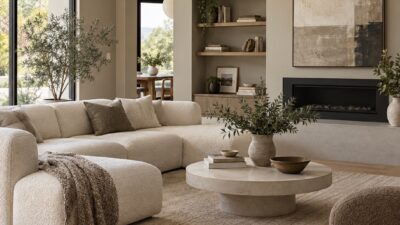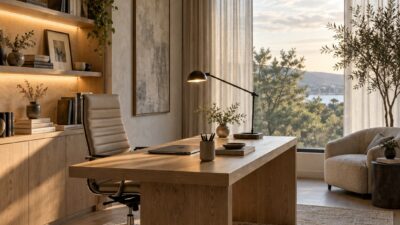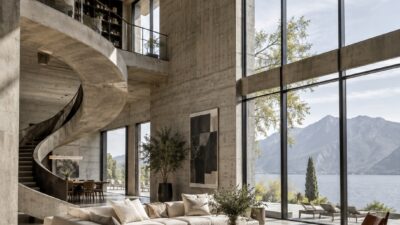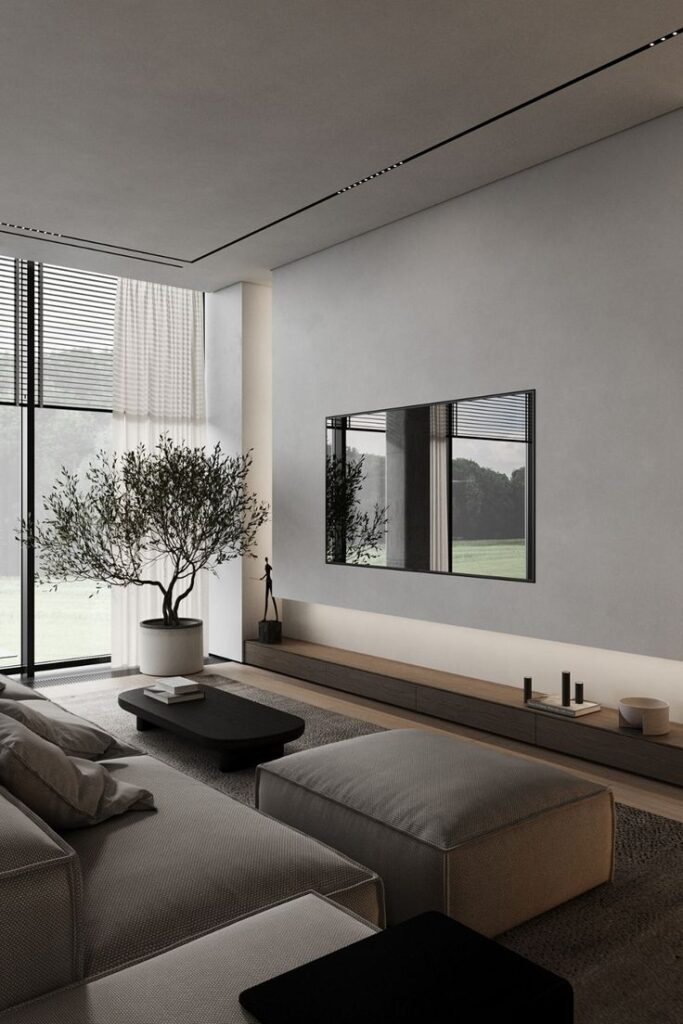
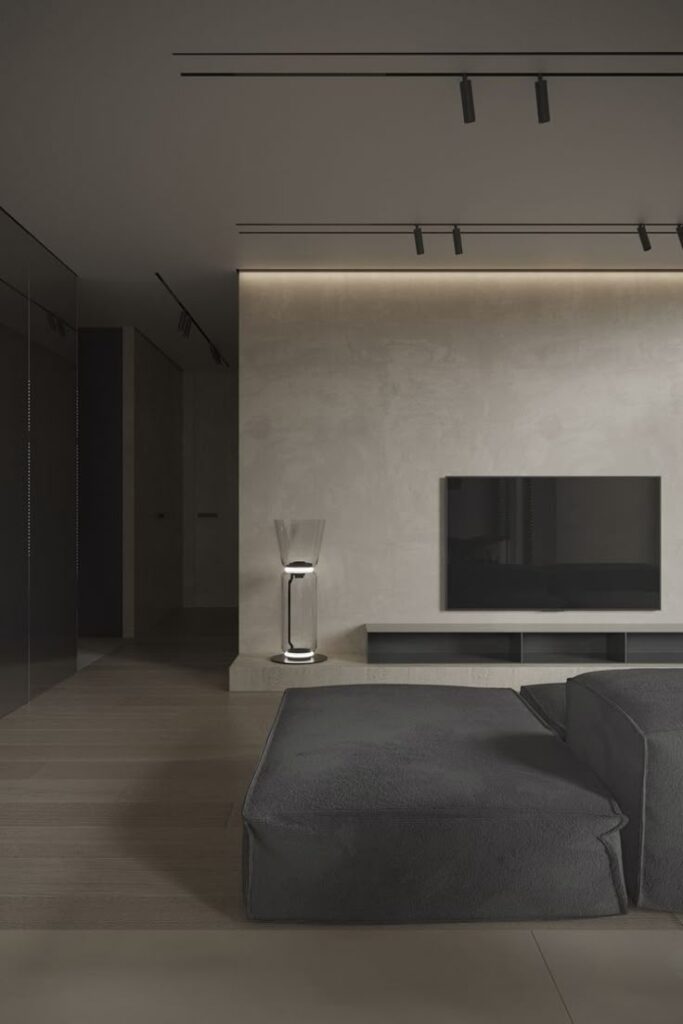
Interior design shapes how people experience and use their spaces every day. It goes beyond choosing pretty colors and furniture by creating functional and comfortable environments. Good interior design balances style, practicality, and the needs of those living or working in the space.
Each space has unique demands, so understanding how to plan layouts, pick colors, and mix materials matters a lot. Design also adapts to changing trends and the growing focus on eco-friendly choices. This makes interior design a constantly evolving field that blends creativity with smart decision-making.
Key Takeaways
- Interior design improves both comfort and usability of spaces.
- Thoughtful planning and color use are essential for effective design.
- Modern design includes sustainable and adaptable solutions.
Fundamentals of Interior Design
Interior design involves organizing space, colors, and furnishings to create environments that are functional and attractive. It relies on specific rules, key visual components, and the expertise of trained professionals.
Principles of Interior Design
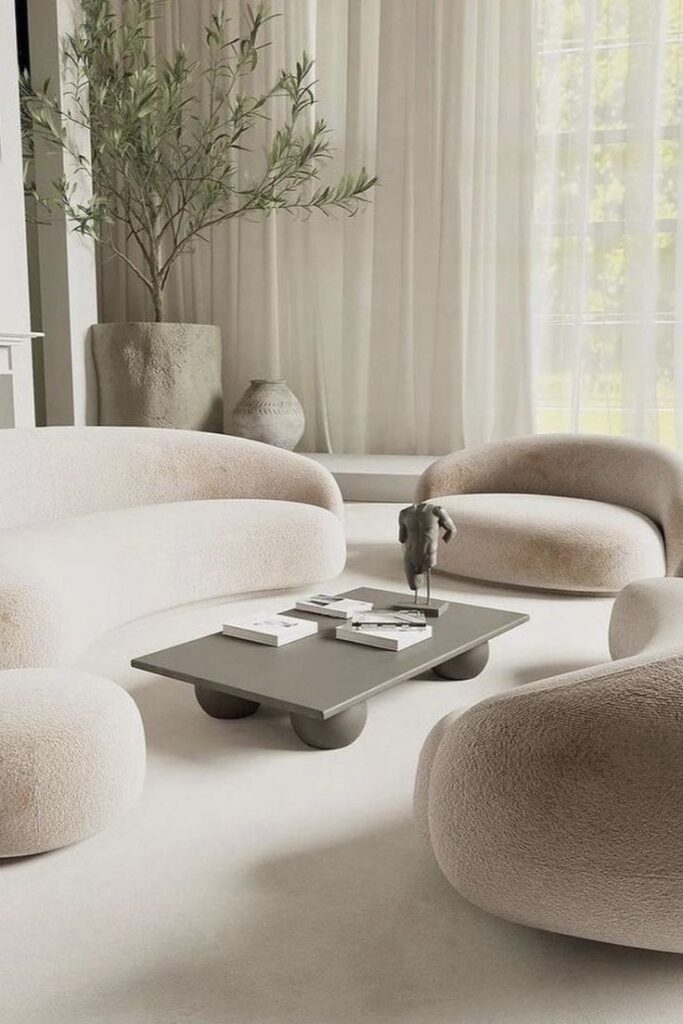
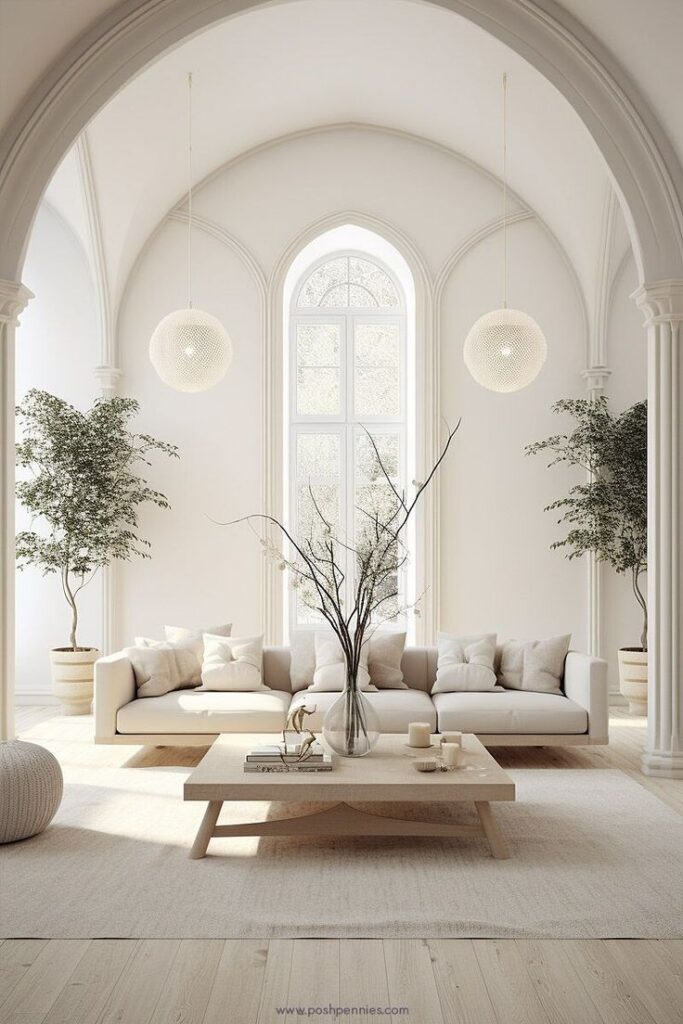
The main principles include balance, contrast, rhythm, scale, and harmony. Balance ensures no one part of a room feels heavier or crowded. It can be symmetrical, asymmetrical, or radial. Contrast uses opposing colors or shapes to create interest.
Rhythm guides the eye through the space using patterns or repetition. Scale and proportion make sure furniture and objects fit well together and suit the room size. Harmony ties all elements so the room feels unified and comfortable.
Elements of Interior Design
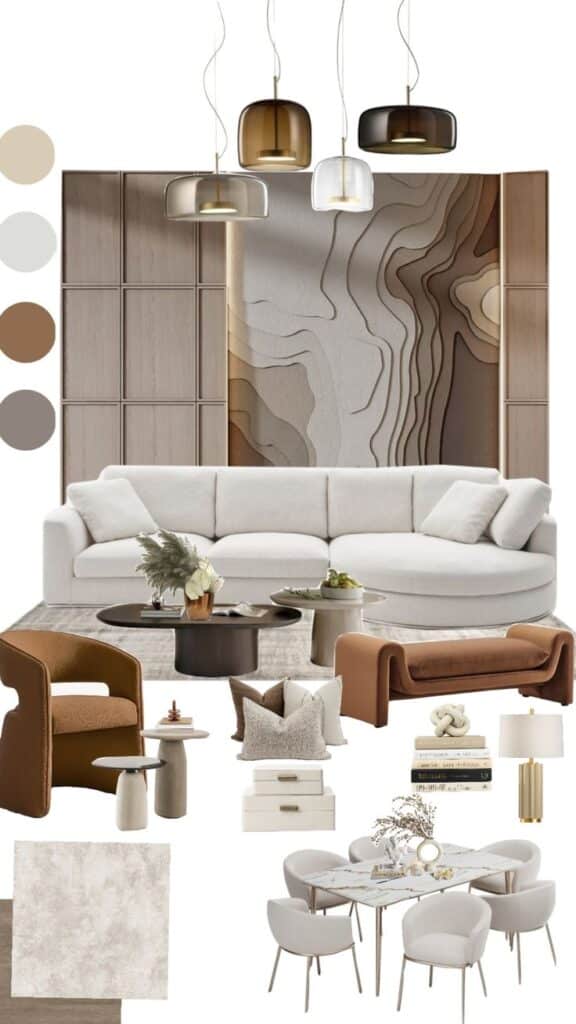
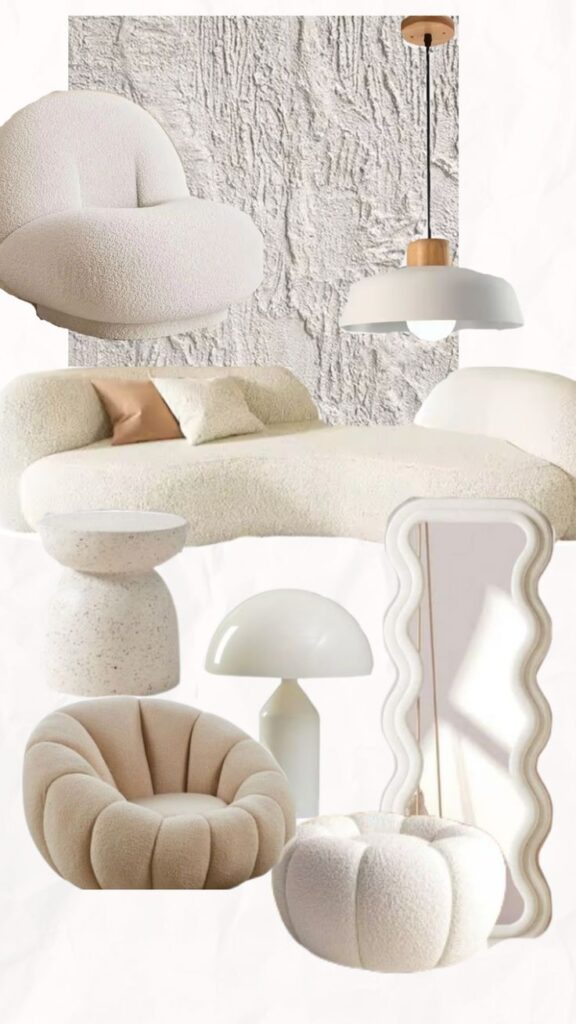
The elements are line, shape, color, texture, space, and light. Lines create form and structure, like straight lines for order or curves for softness. Shapes can be geometric or organic and influence the room’s mood.
Color sets tone and mood; cool colors calm, while warm colors energize. Texture adds depth, like smooth surfaces or rough fabrics. Space involves the arrangement and flow between objects. Light enhances all other elements and changes how the room feels.
Roles and Responsibilities of Interior Designers

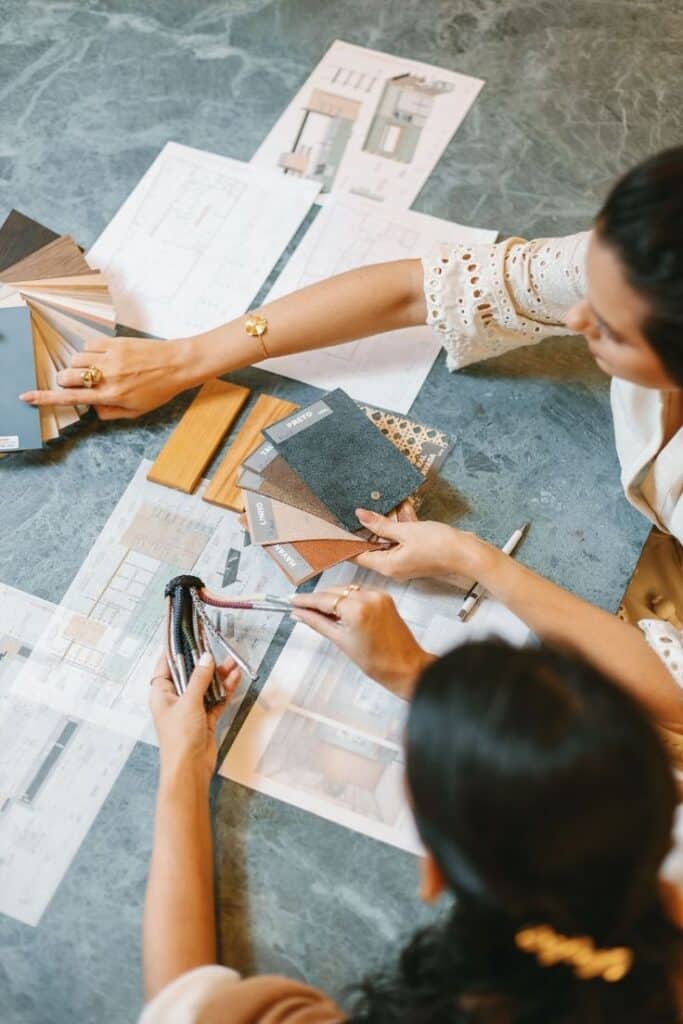
Interior designers plan and improve interior spaces based on client needs and building codes. They select colors, materials, furniture, and lighting. Designers create drawings and 3D models to show how the finished space will look.
They also coordinate with contractors and suppliers. Budget management and scheduling are part of their work. Designers must balance aesthetics with functionality to meet practical needs like safety and comfort.
Design Styles and Concepts
Different design styles use specific shapes, colors, and materials. These choices affect how a space feels and works. Each style has key features that guide decoration and furniture choices.
Modern Interior Design
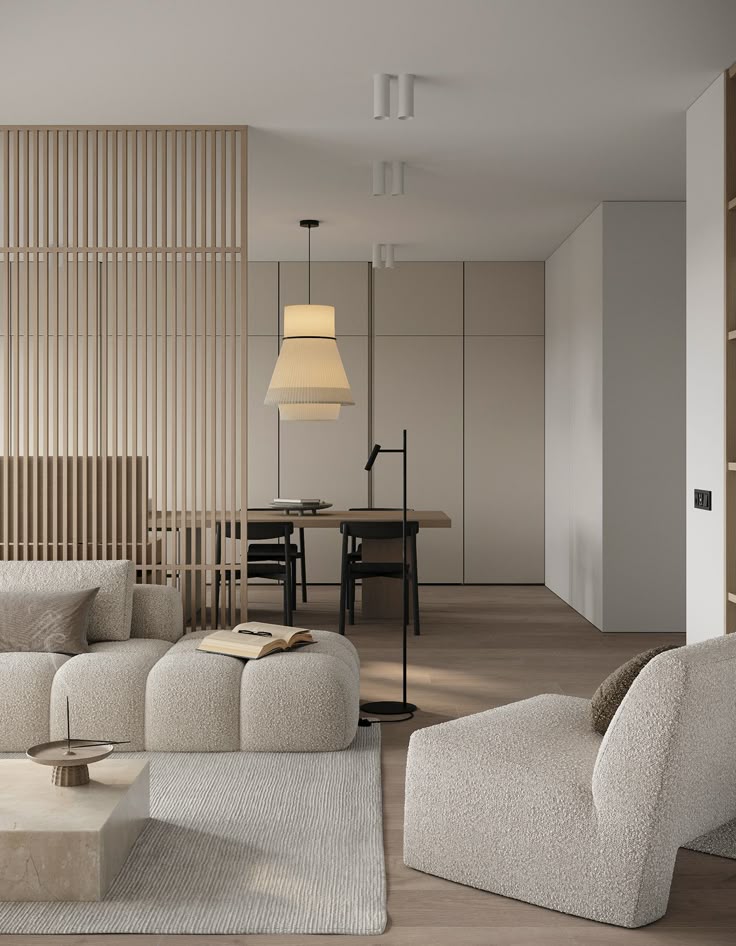
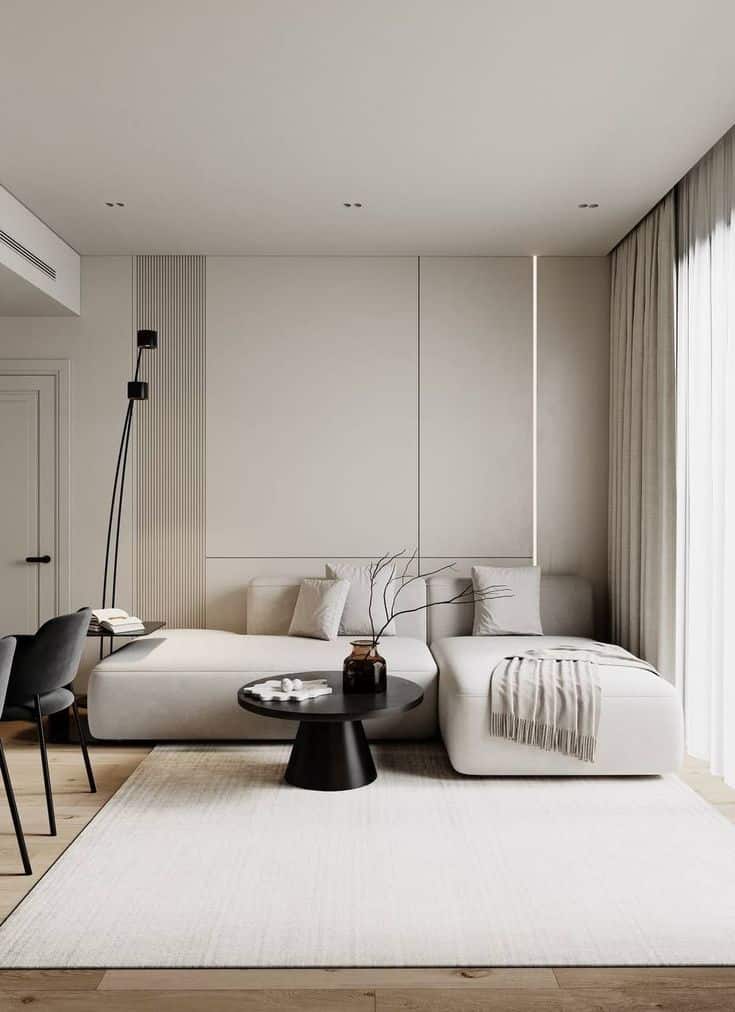
Modern design focuses on clean lines and simple forms. It uses materials like steel, glass, and wood with smooth finishes. Neutral colors dominate, often with bold accents.
Furniture in modern spaces is functional and uncluttered. It usually has low profiles and easy-to-recognize shapes. Lighting is often recessed or track lighting to keep the ceiling clear.
This style aims to create open, airy rooms. It avoids excess decorations and favors open floor plans. Practicality and simplicity drive the design decisions.
Traditional Design Concepts
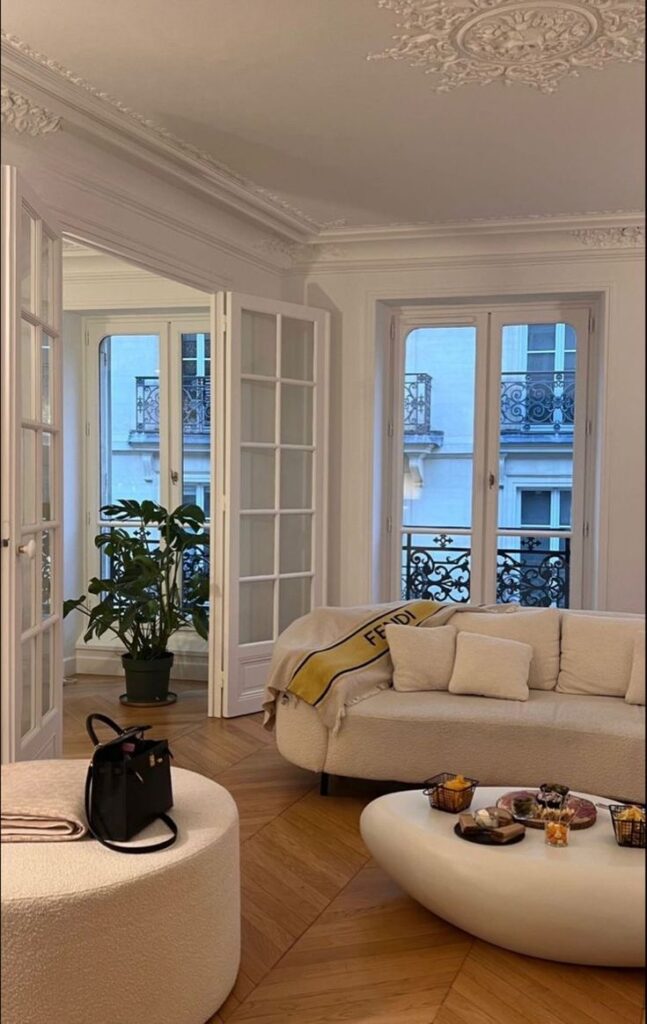
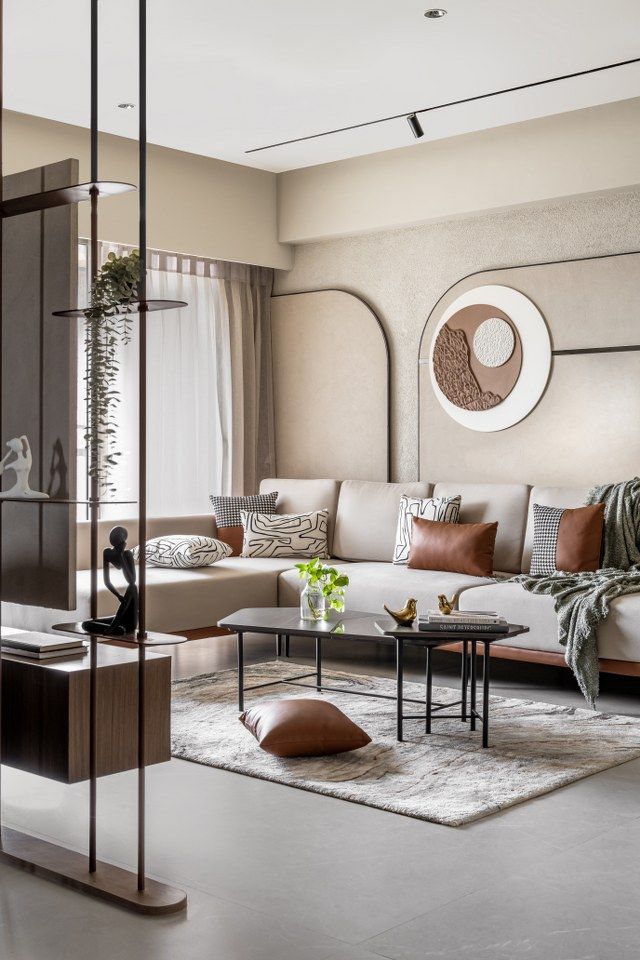
Traditional design draws from classic European styles. It features rich colors, detailed moldings, and furniture with curved lines. Wood is a common material, often dark-stained or carved.
Patterns like florals, damasks, and stripes appear in upholstery and drapes. The style uses accessories like chandeliers, ornate mirrors, and rugs with intricate designs.
Rooms tend to feel warm, cozy, and formal. Furniture often has a balanced layout, aiming for symmetry and harmony in every space.
Contemporary Aesthetics
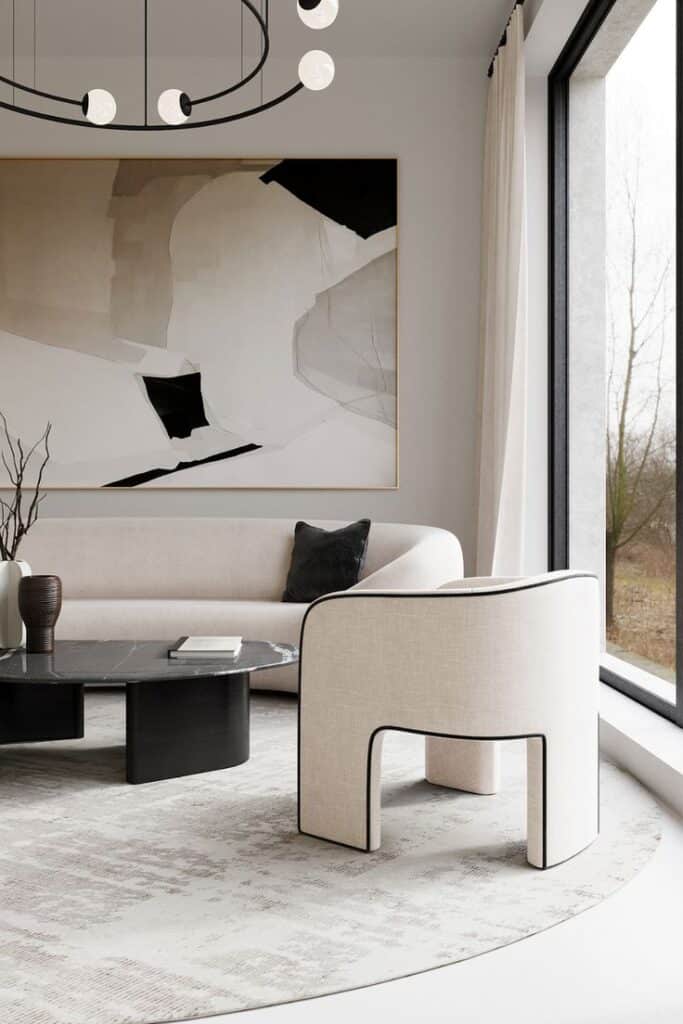
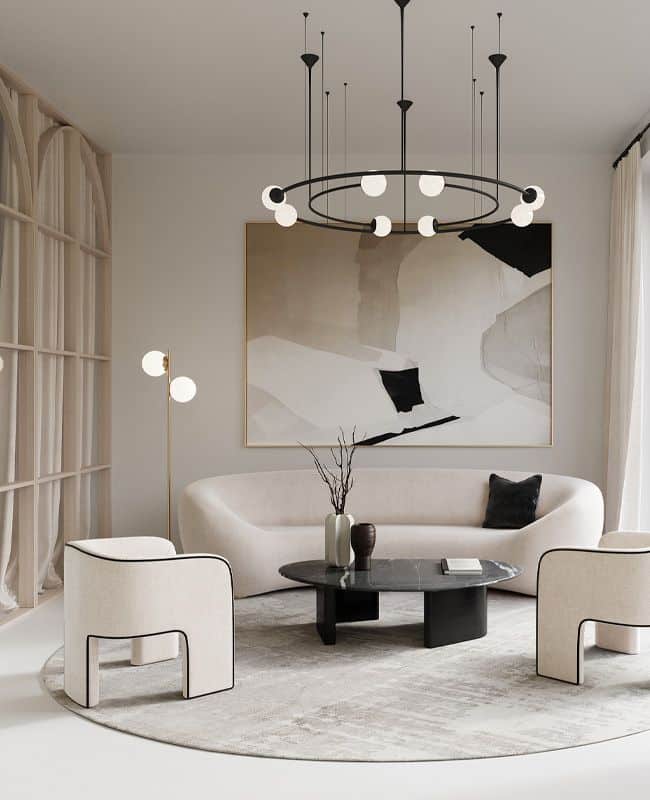
Contemporary design is always evolving and often overlaps with modern design. It embraces bold colors and mixed materials like metal, glass, and concrete.
Furniture is sleek but can include softer edges and more curves than modern style. It often focuses on comfort and flexibility, using modular pieces that can be rearranged.
Spaces blend form and function, with open areas and natural light. Artwork and statement pieces are important, adding personality without overload.
Minimalist Approach
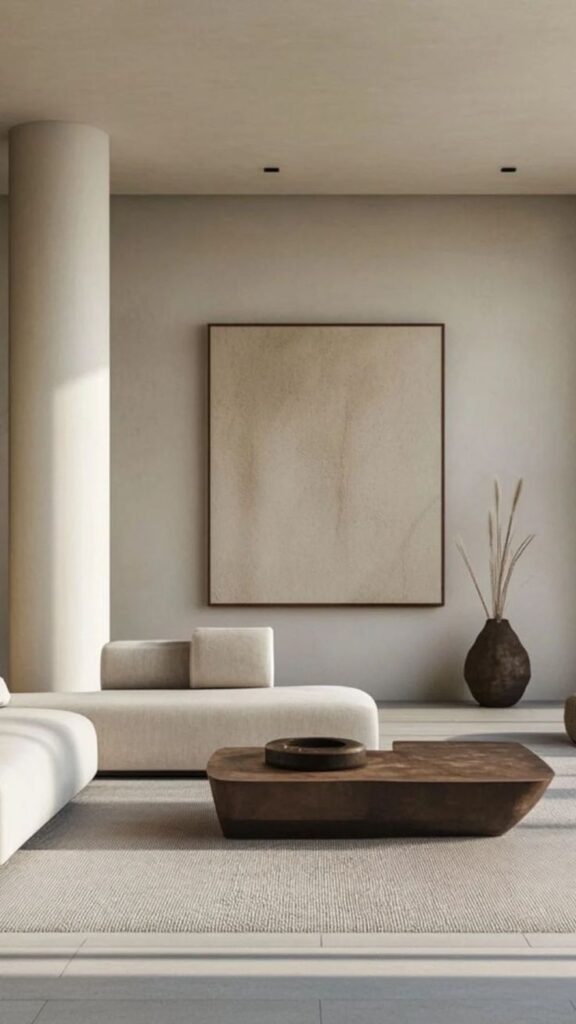
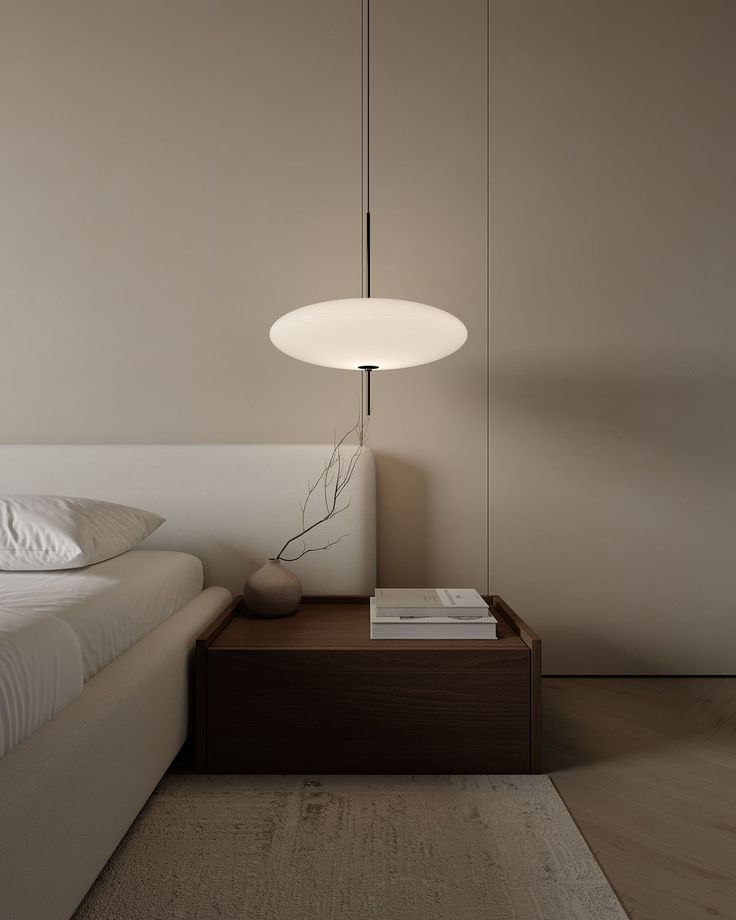
Minimalism strips design to its bare essentials. It uses very few colors, mostly white, black, and gray. Furniture is simple and functional, with no unnecessary parts.
Surfaces are clear of clutter to keep spaces calm and orderly. Storage is hidden to maintain clean lines. This style uses the least amount of decoration possible.
Light and space are key. Rooms often feature large windows and plain walls. Focus stays on the room’s shape and materials without distractions.
Space Planning and Layout
Space planning and layout focus on how furniture and elements are arranged to meet the room’s needs. It balances comfort, function, and ease of movement. The design aims to make the best use of available space without crowding or wasting room.
Room Functionality
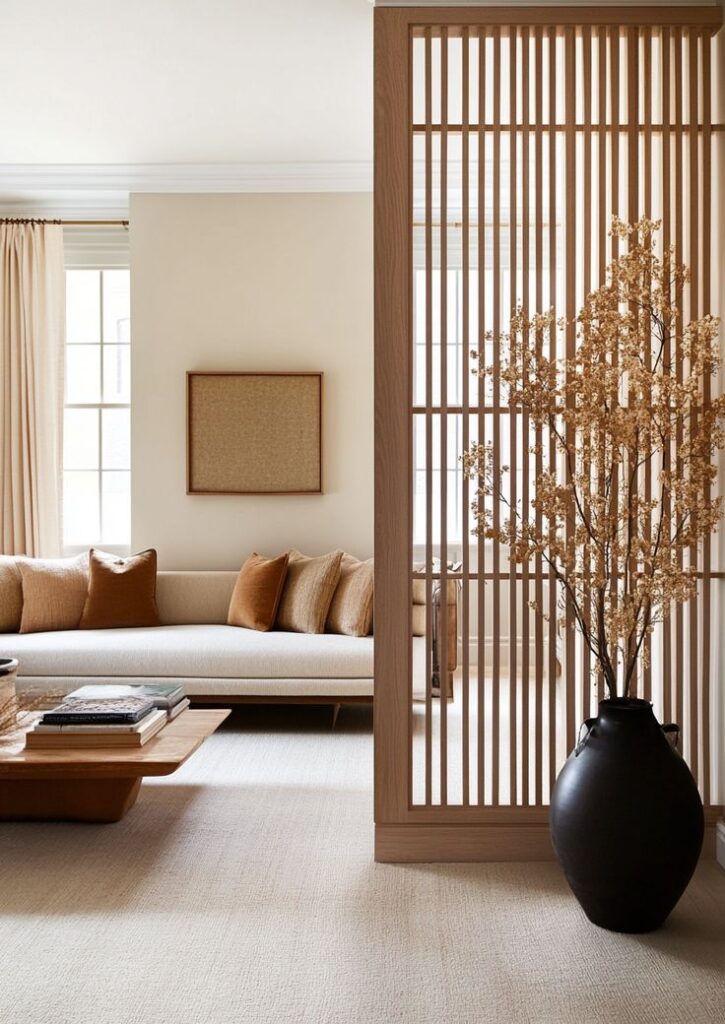
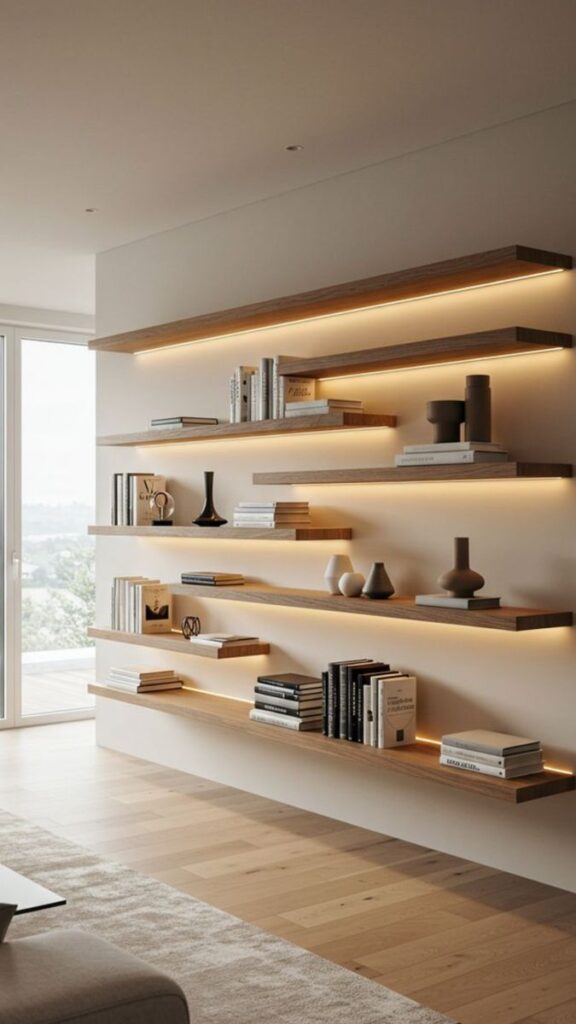
Room functionality is about choosing the right furniture and design based on what the room is used for. A living room might need comfortable seating arranged for conversation or TV viewing. A home office requires a desk, storage, and good lighting for productivity.
Each room should support its main activity without distractions. For example, in a bedroom, the bed’s placement should allow easy access while keeping the space restful. Functionality also means considering storage, outlets, and lighting to fit daily routines.
Flow and Circulation
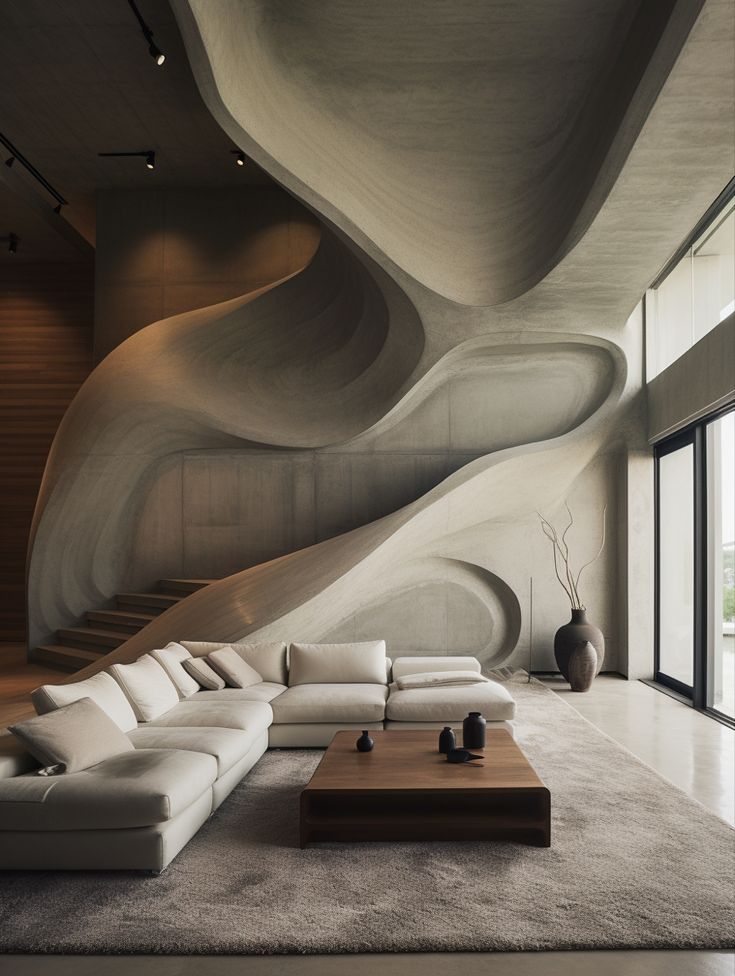
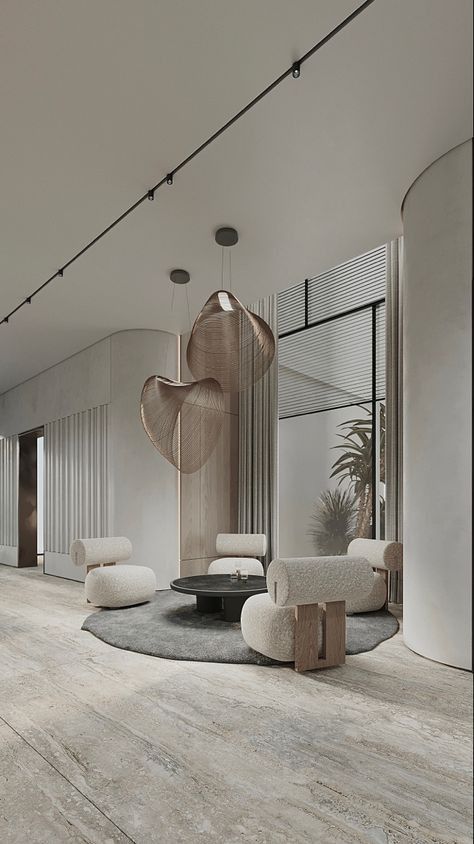
Flow and circulation refer to how people move through the space. Good flow means clear paths without obstacles. It avoids cramped areas and ensures easy movement between furniture.
Circulation paths should be wide enough to comfortably walk through, typically at least 24-36 inches. Designers often use furniture arrangement and rugs to guide these paths. Proper flow keeps the room safe and pleasant to use.
Zoning Spaces
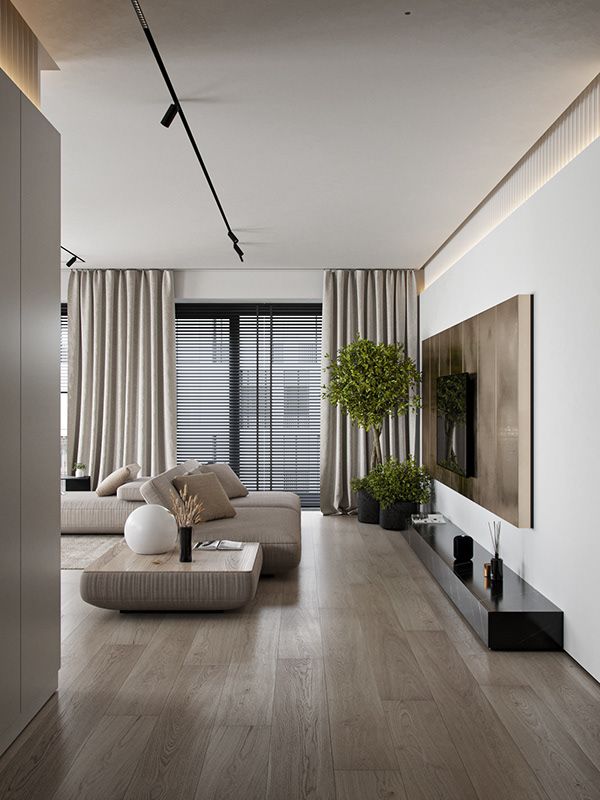
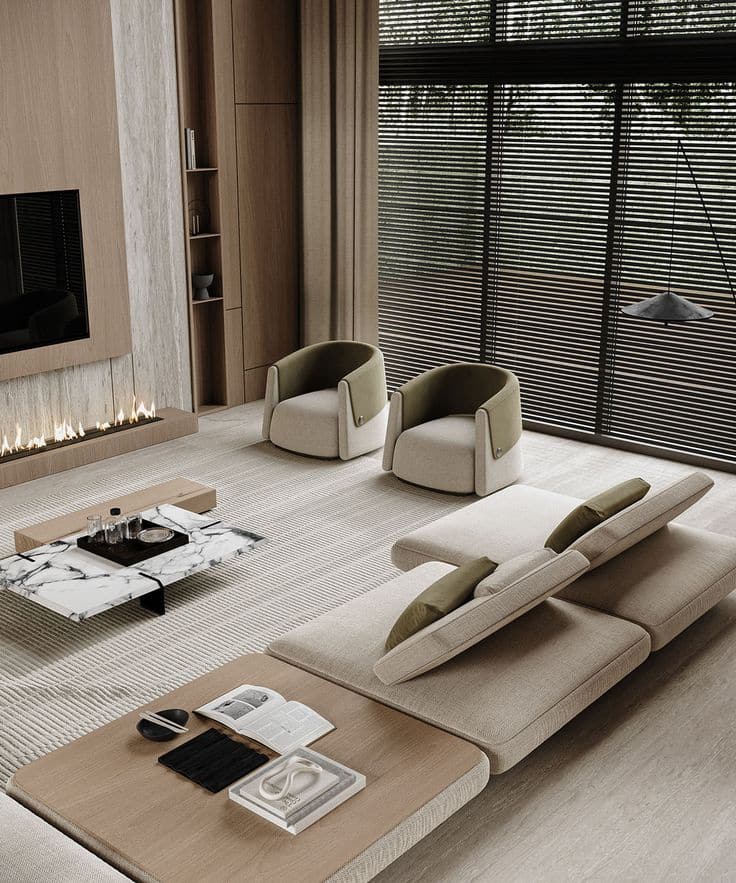
Zoning creates distinct areas within a room, especially in open-plan layouts. It divides space by function without walls. For example, a living area and dining area are often separated by furniture placement or rugs.
Zoning helps organize a space and makes large rooms feel more manageable. It can be done using furniture arrangement, lighting, color changes, or different floor textures. Clear zones prevent clutter and improve the room’s usefulness.
Color Theory and Application
Color choices affect mood, space perception, and style in any room. Understanding how to pick palettes, use color psychology, and add accent colors can make designs more effective.
Choosing Color Palettes
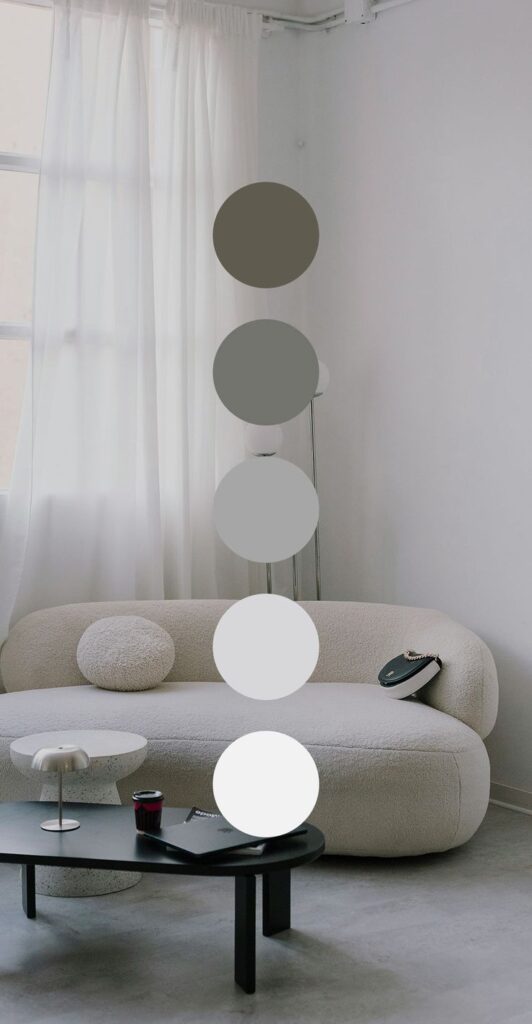
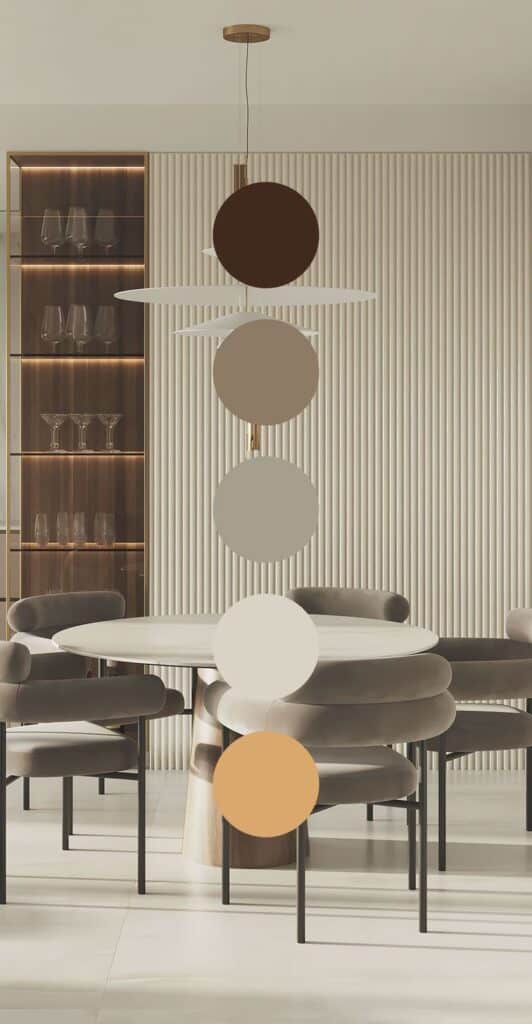
Color palettes are groups of colors that work well together. Designers often use three main types of palettes:
- Monochromatic: One color in different shades.
- Analogous: Colors next to each other on the color wheel.
- Complementary: Colors opposite each other on the wheel.
A good palette balances warm and cool tones. For example, a room with soft blues and grays feels calm, while reds and oranges create energy.
It is important to consider lighting. Natural light changes how colors look during the day.
Psychology of Color
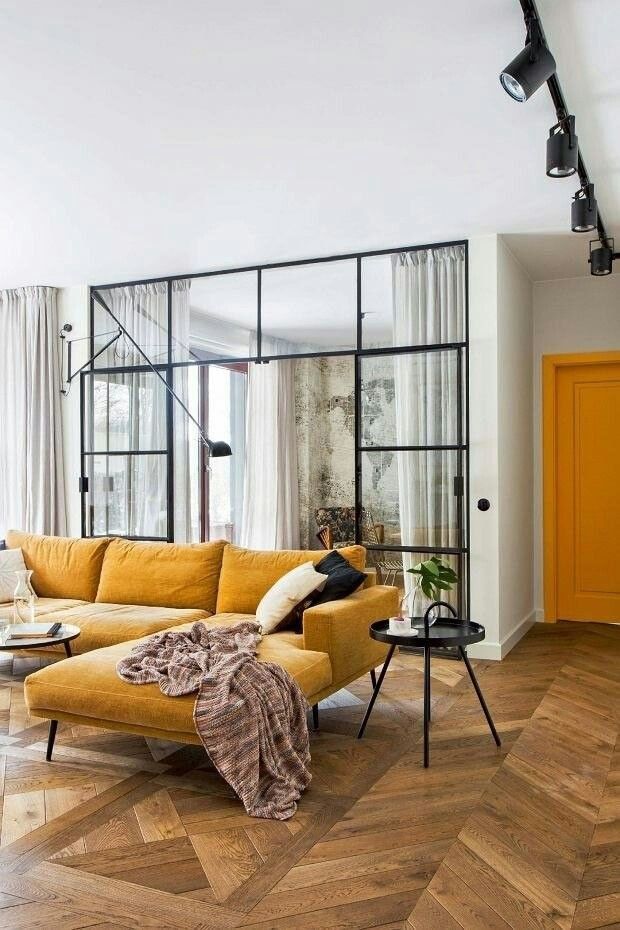
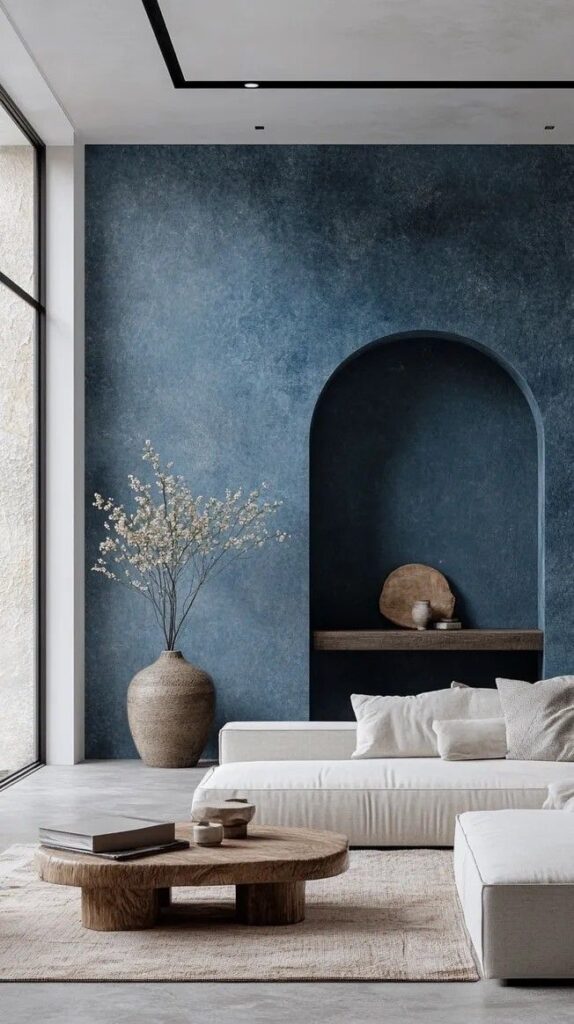
Colors impact how people feel and behave. For instance, blue often creates a sense of calm and trust, making it popular for bedrooms and offices.
Red can increase energy and appetite, which is why it’s common in dining rooms. Green connects to nature and promotes relaxation. Yellow can boost happiness but should be used sparingly to avoid overstimulation.
Knowing these effects helps designers pick colors that fit the purpose of a space.
Accent Colors
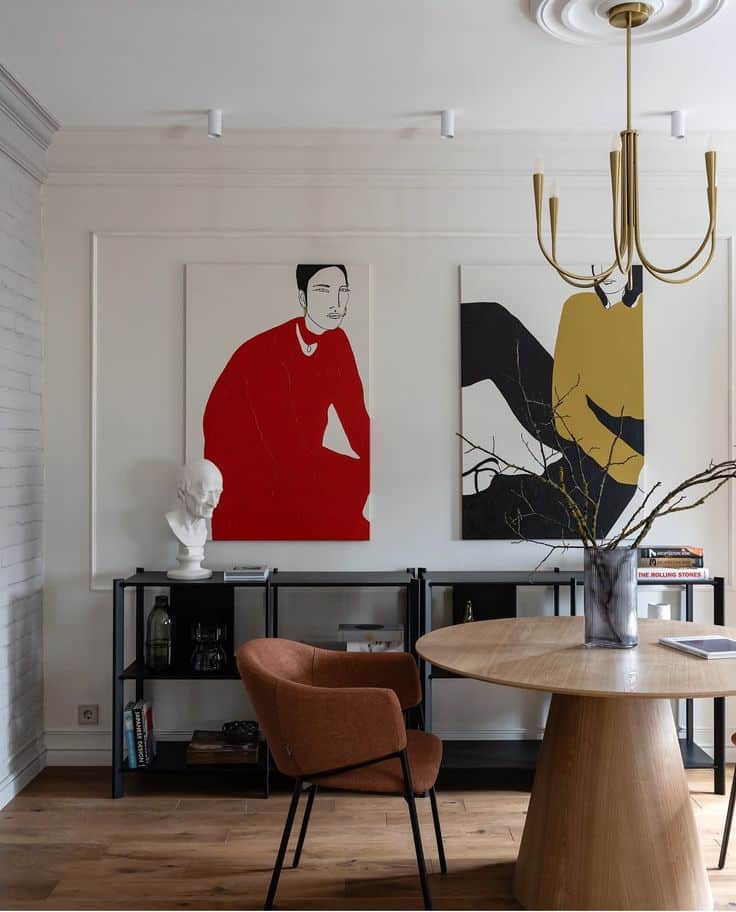
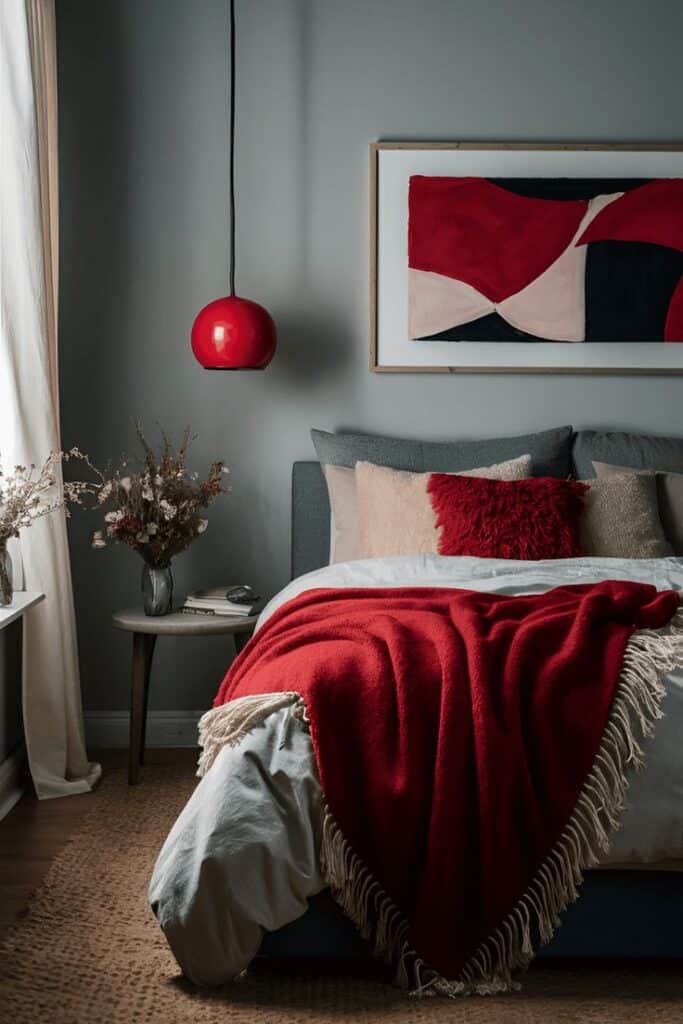
Accent colors are bold or bright shades used to add interest and contrast. They can highlight furniture, walls, or decor items.
Common accent choices include bright red cushions in a neutral living room or a deep green vase in a light kitchen.
Accent colors break monotony and draw attention to details. They should complement, not clash, with the main color palette, often following the complementary color rule. Too many accents can confuse the eye, so restraint is key.
Lighting in Interior Design
Lighting affects how spaces look and feel. It shapes mood, highlights features, and impacts functionality. Different light types, sources, and placements work together to create balanced and practical rooms.
Types of Lighting
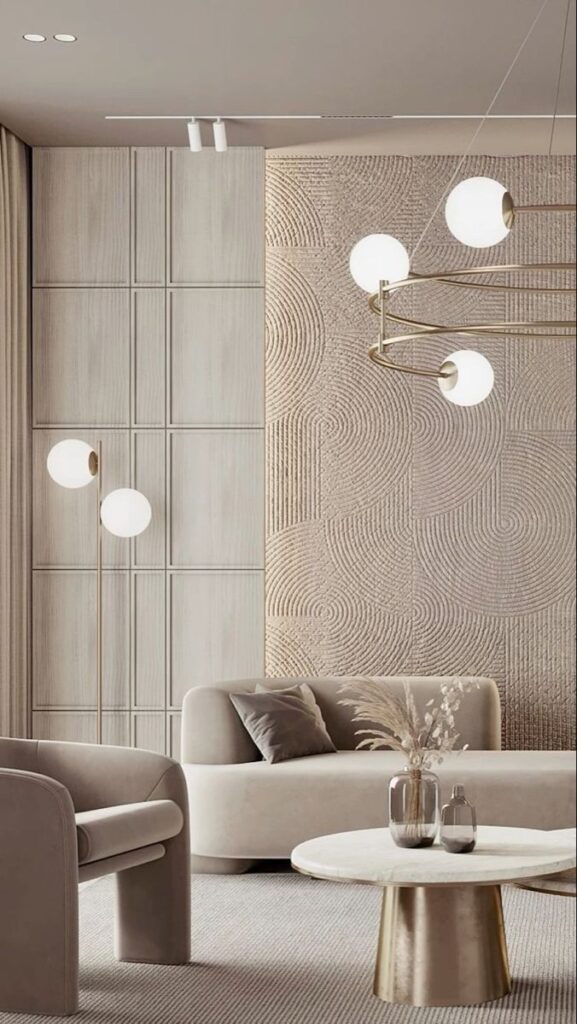
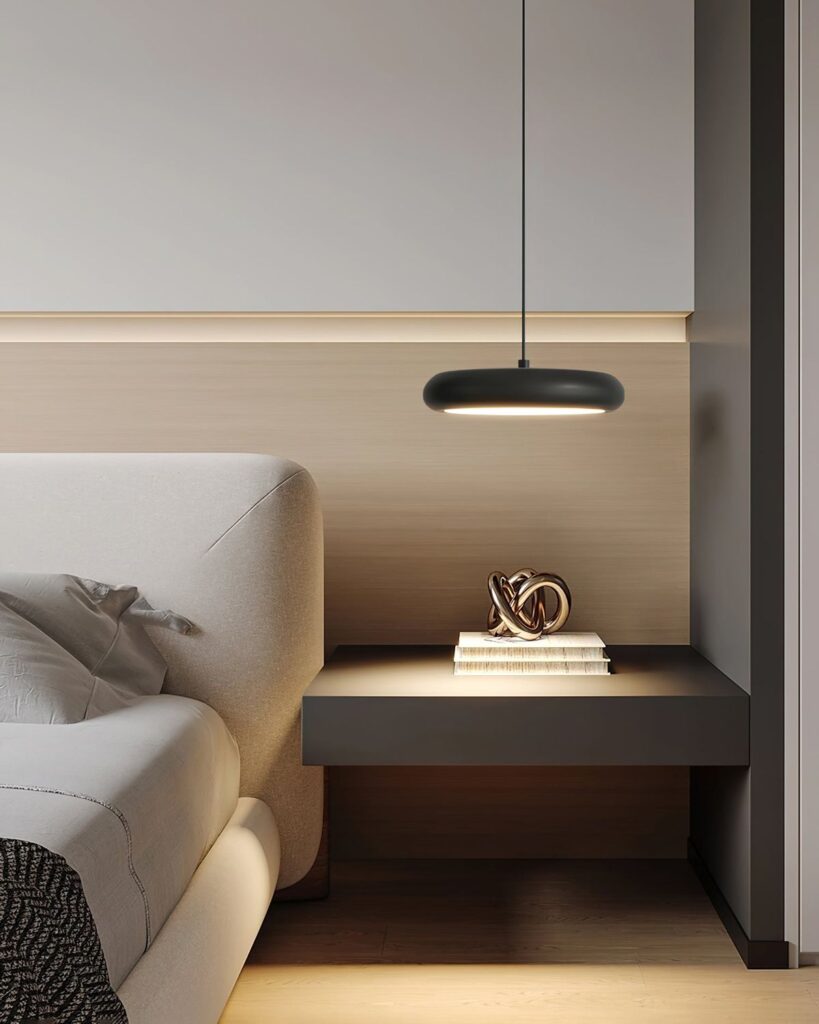
There are three main types of lighting: ambient, task, and accent.
- Ambient lighting provides overall light for a room. Examples include ceiling lights and wall-mounted fixtures.
- Task lighting focuses on specific activities like reading or cooking. Desk lamps and under-cabinet lights are common examples.
- Accent lighting highlights special features such as artwork or architectural details. Spotlights and track lights are often used for this purpose.
Using these types together offers a layered effect, improving visibility and enhancing the room’s design.
Natural vs. Artificial Lighting
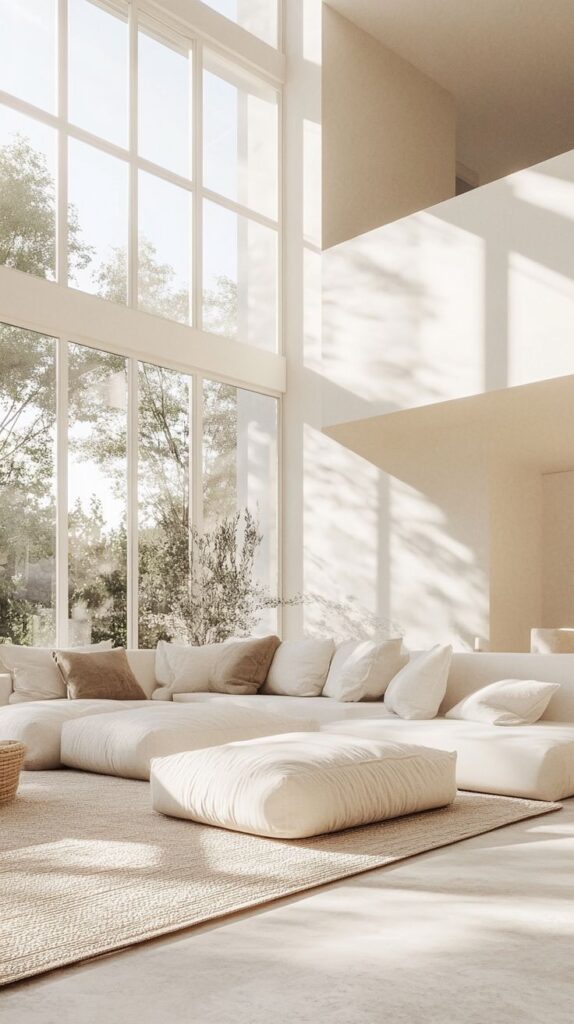
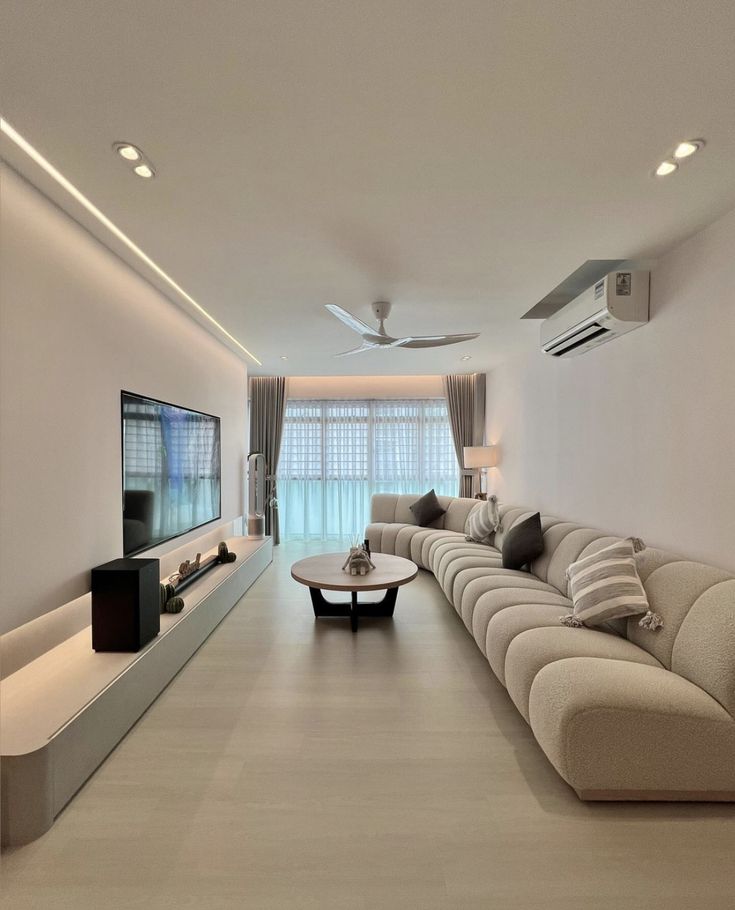
Natural lighting comes from the sun. It changes throughout the day and helps make spaces feel open and fresh.
Artificial lighting includes bulbs and fixtures that work when sunlight isn’t enough or available. LED, fluorescent, and incandescent bulbs provide artificial light in different colors and brightness levels.
Natural light is better for energy saving and mood, but it requires controlling with curtains or blinds to avoid glare. Artificial light offers more control over color and intensity, making it essential for nighttime or windowless spaces.
Lighting Placement Strategies
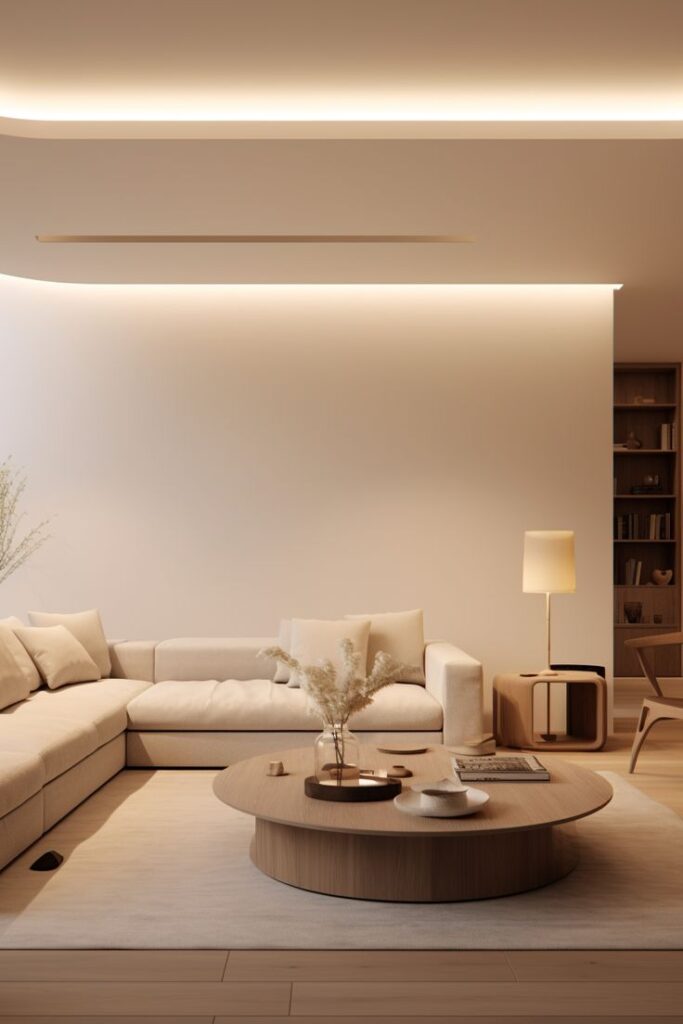
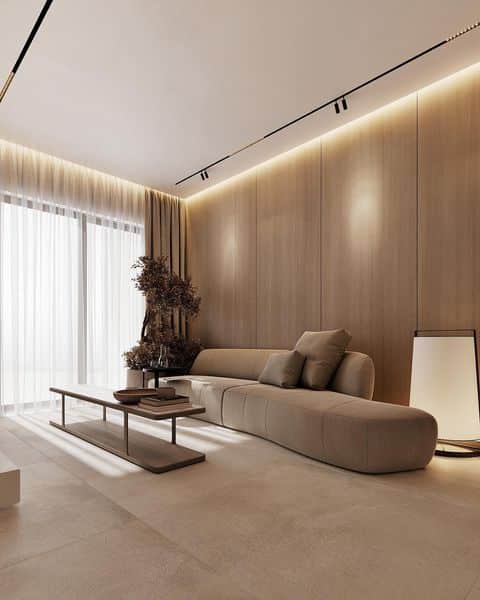
Proper placement of lights improves function and style.
- Ambient lights should be placed centrally for even illumination.
- Task lighting needs to be near work areas, like counters or desks, to reduce eye strain.
- Accent lights are best placed to create shadows and highlight textures or objects.
Height and angle matter. For example, pendant lights should hang around 30-36 inches above a table. Multiple light sources can balance shadows and brightness for better comfort.
Furniture Selection and Arrangement
Choosing the right furniture and placing it correctly shapes how a room looks and functions. Key points include where to find quality pieces, how to arrange them for flow and comfort, and when to consider custom designs for unique needs.
Sourcing Furniture
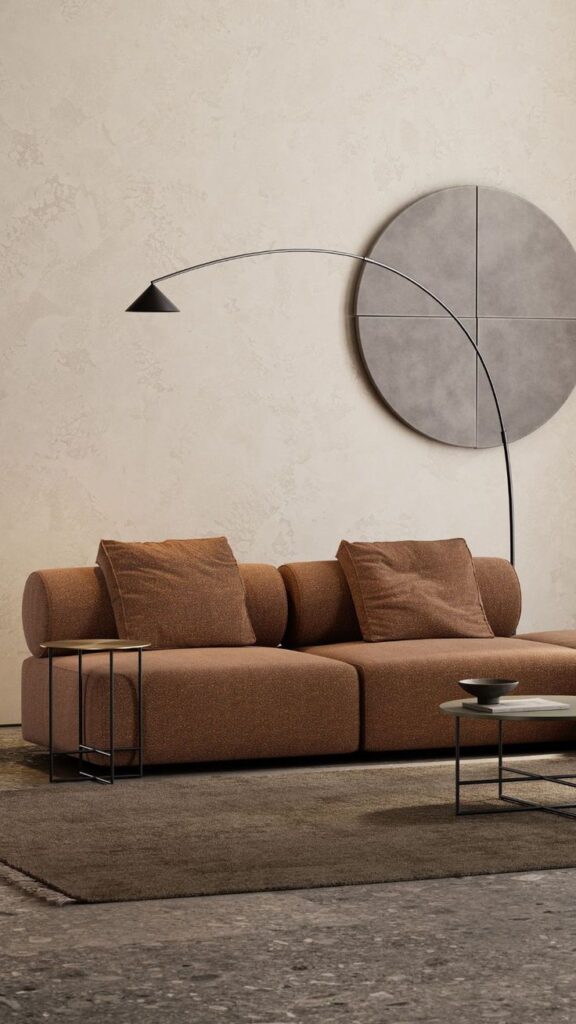
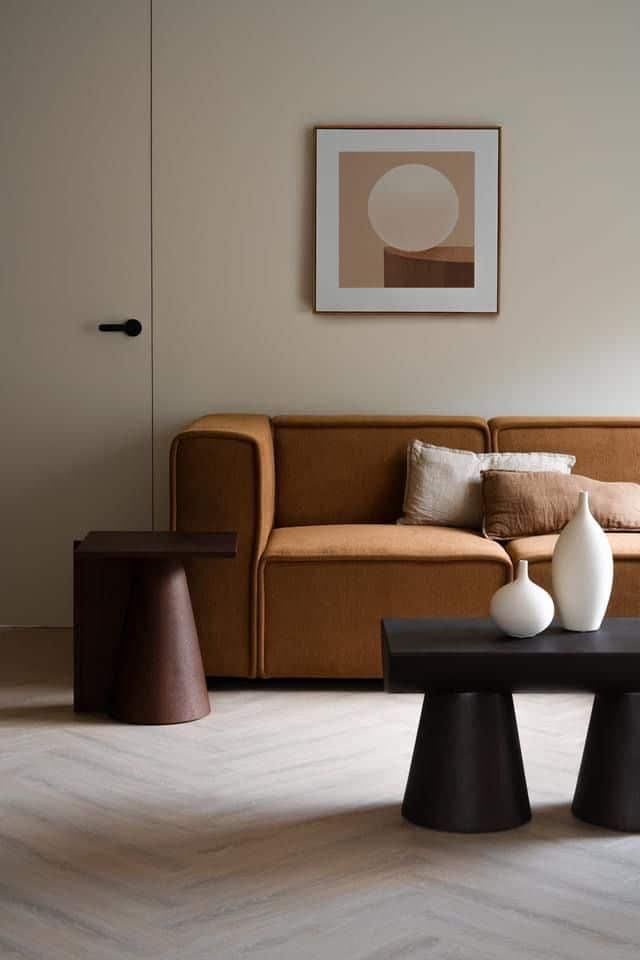
Selecting good furniture starts with knowing what fits the space and style. Quality materials like solid wood or metal last longer, while fabrics should be durable and easy to clean. Shopping options include local stores, online retailers, and secondhand shops.
He or she should measure the room before buying to ensure pieces don’t crowd the space. Looking for multifunctional furniture, such as storage ottomans or foldable tables, can save space. Price and warranty also matter, so comparing several options helps find the best value.
Arrangement Techniques
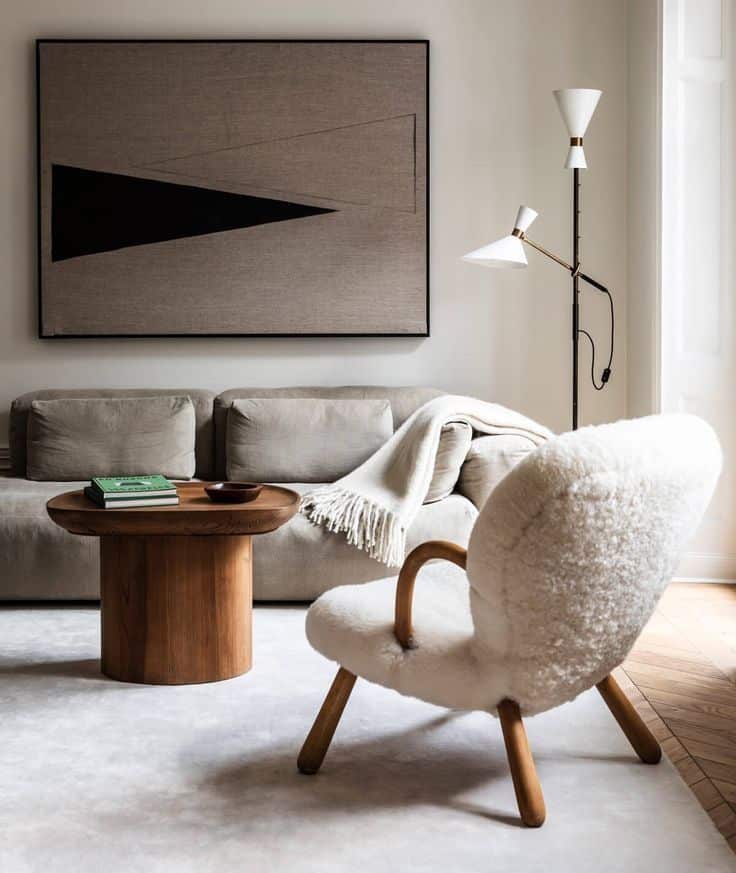
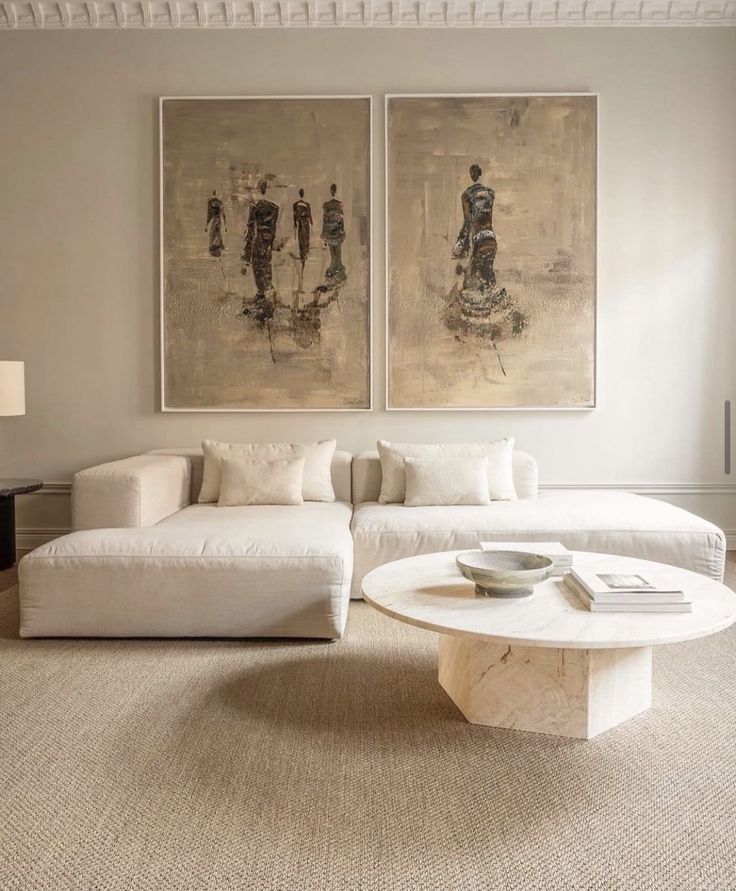
Furniture arrangement affects comfort and how people move in a room. Grouping seating around a central point, like a coffee table or fireplace, encourages conversation. It’s important to leave clear walking paths, usually about 2-3 feet wide.
Using rugs can define separate areas in open rooms. Smaller pieces should be placed near the walls to open the center. Symmetry creates balance but mixing styles and sizes can add interest. Lighting and sightlines must also be considered to enhance usability.
Custom and Built-In Solutions
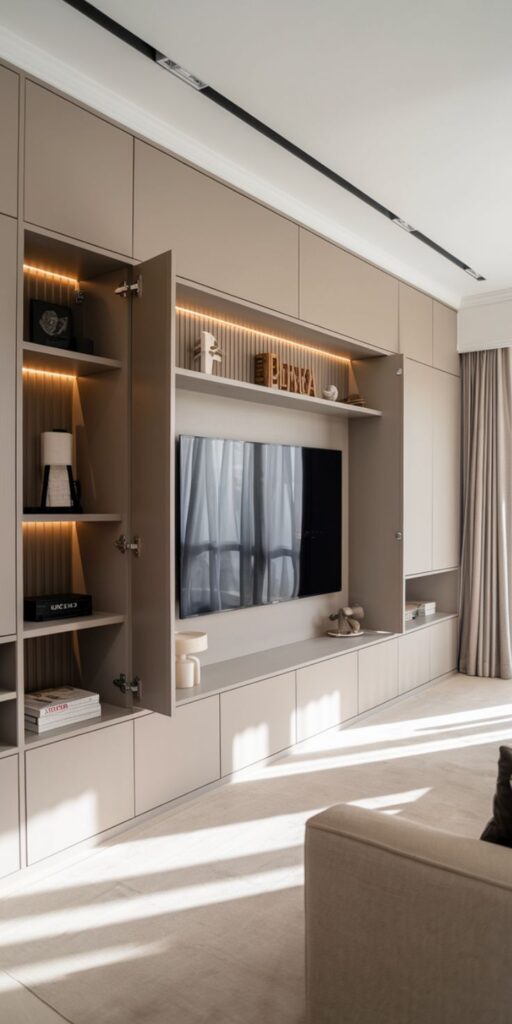
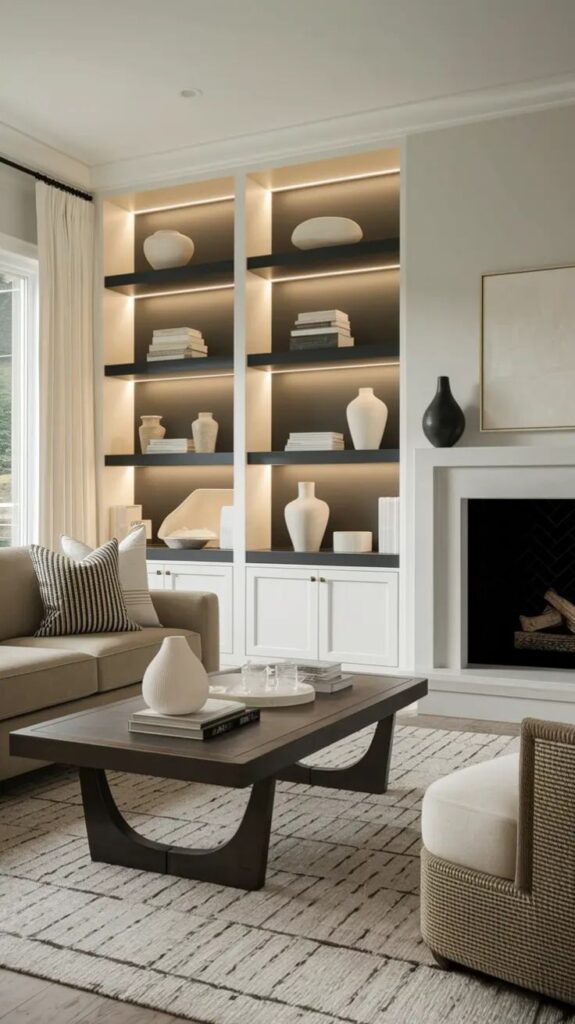
Custom furniture fits exact room dimensions and specific needs. Built-in shelves or seating maximize small or awkward spaces while adding storage. These solutions often cost more but improve functionality and style.
Custom pieces allow unique designs, such as hidden compartments or matching existing decor perfectly. They suit those with specific demands that off-the-shelf items can’t meet. Choosing a reliable craftsman or company ensures the work matches quality and deadlines.
Materials and Textures
Choosing the right materials and textures can shape the entire look and feel of a space. These elements affect the room’s style, comfort, and durability, so it’s important to pick them carefully.
Surface Finishes
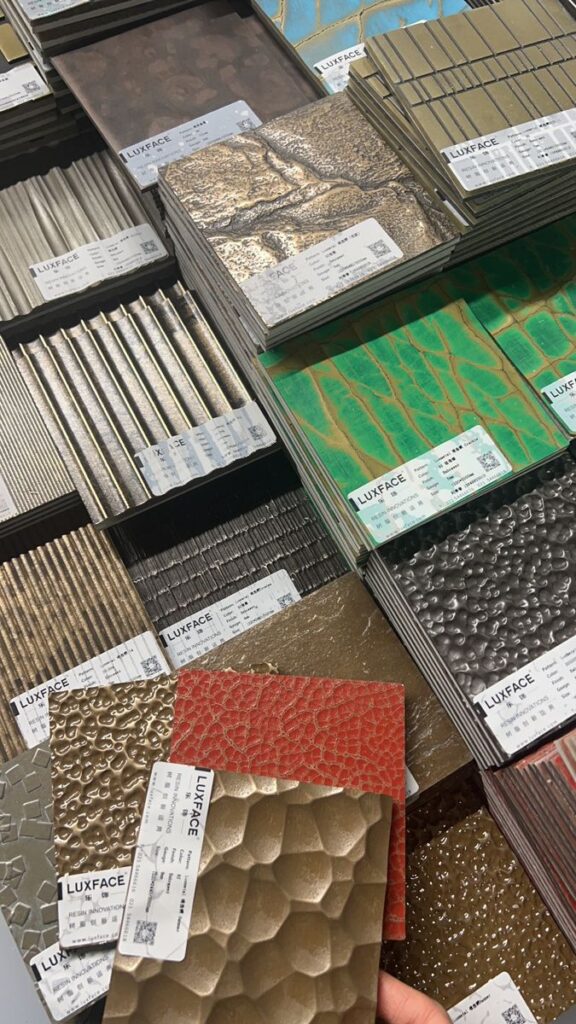
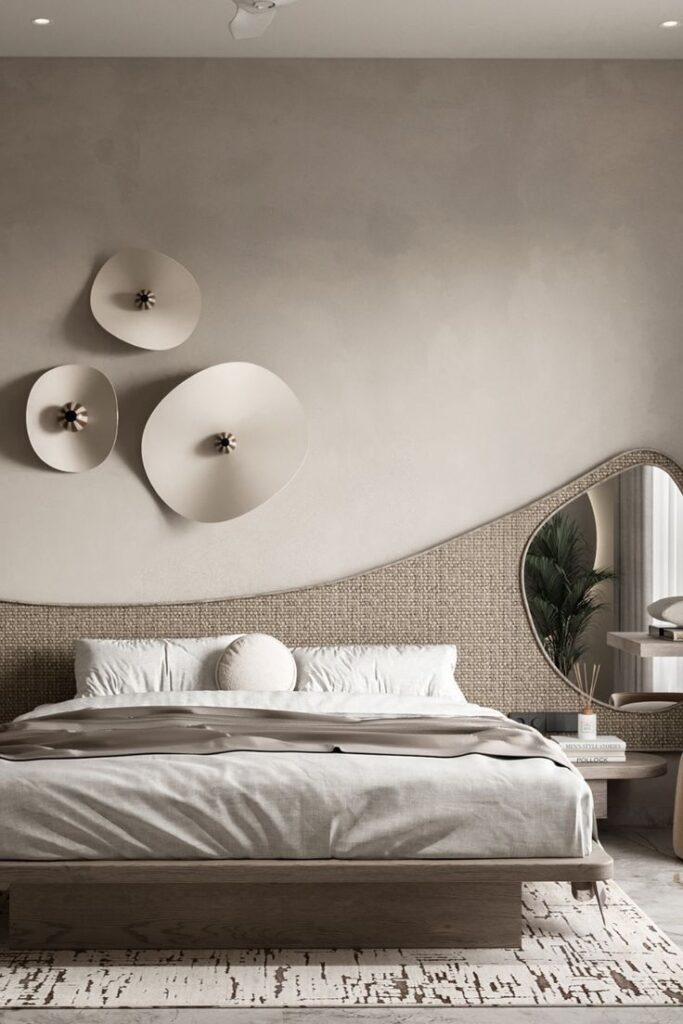
Surface finishes influence both the appearance and function of a room. Common finishes include matte, glossy, satin, and textured surfaces. Matte finishes reduce glare and are good for hiding imperfections. Glossy finishes reflect more light, making spaces appear brighter but can show fingerprints and scratches more easily.
Wood surfaces can be sealed with varnish or oil to protect from wear while showing natural grain. Stone finishes like polished marble offer elegance but require more care. Painted walls allow many options from flat to eggshell textures, giving a smooth or slightly rough feel.
Textile Choices
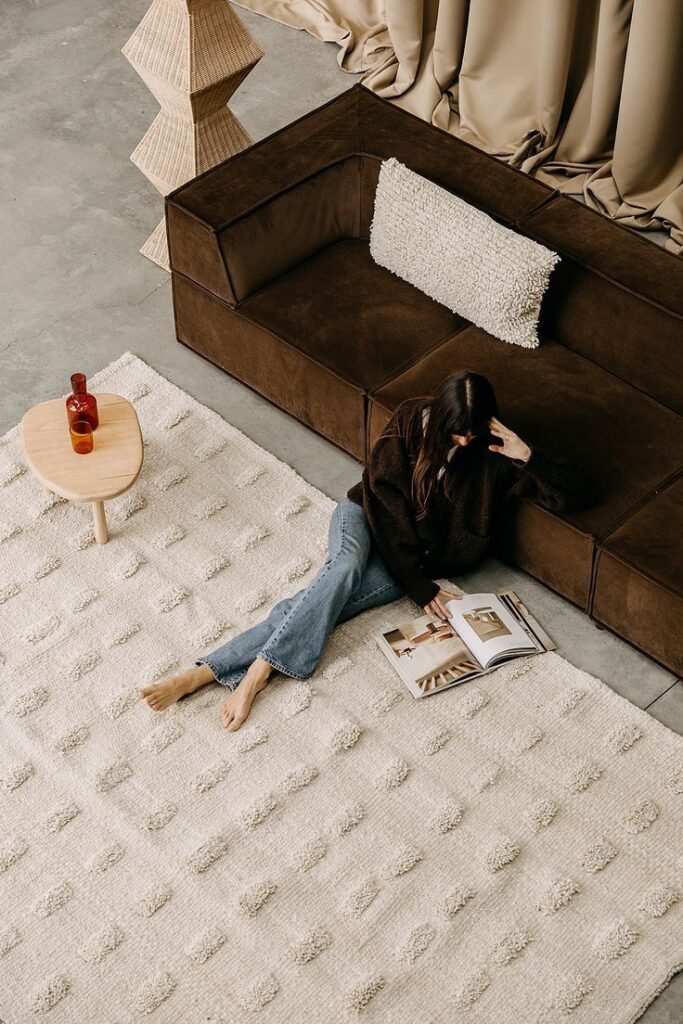
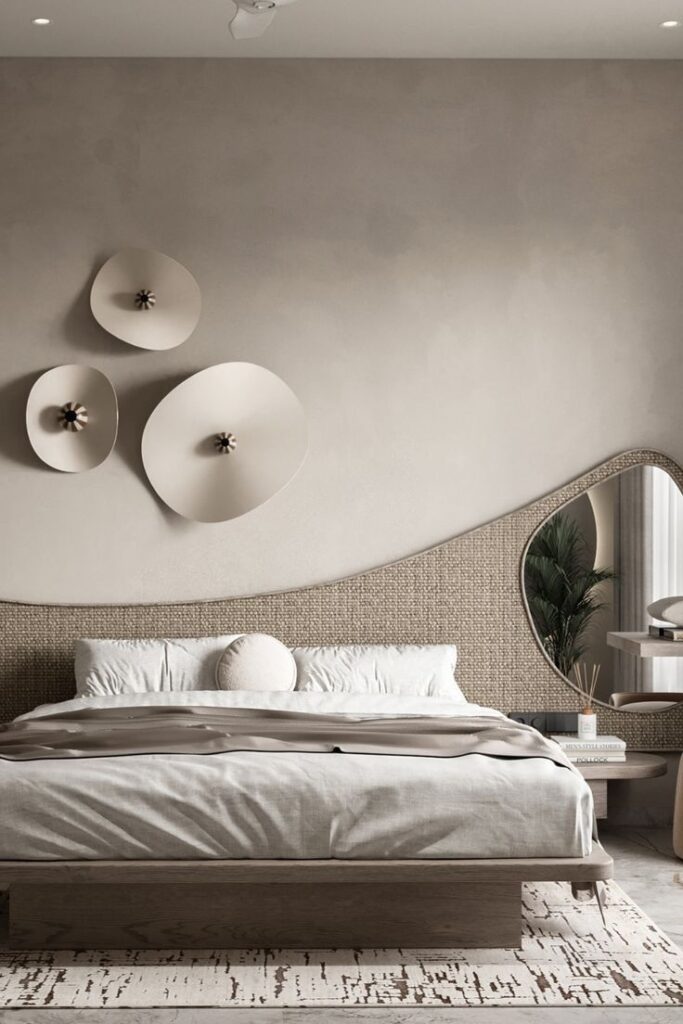
Textiles add warmth and comfort through fabrics such as cotton, wool, linen, and synthetic fibers. Cotton is soft and breathable, ideal for casual spaces. Wool is durable and insulating, suited for colder areas. Linen feels fresh and light but wrinkles easily.
Synthetic fabrics like polyester are affordable and resistant to stains, useful for high-traffic spaces. Choosing the right weave and weight affects both the look and how it handles wear. For example, velvet adds luxury and softness but needs more cleaning.
Key fabric types and uses:
| Fabric | Characteristics | Best for |
|---|---|---|
| Cotton | Soft, breathable | Everyday furniture |
| Wool | Warm, durable | Rugs, throws |
| Linen | Lightweight, crisp | Curtains, cushions |
| Polyester | Stain-resistant | Upholstery, kids’ rooms |
Sustainable Materials
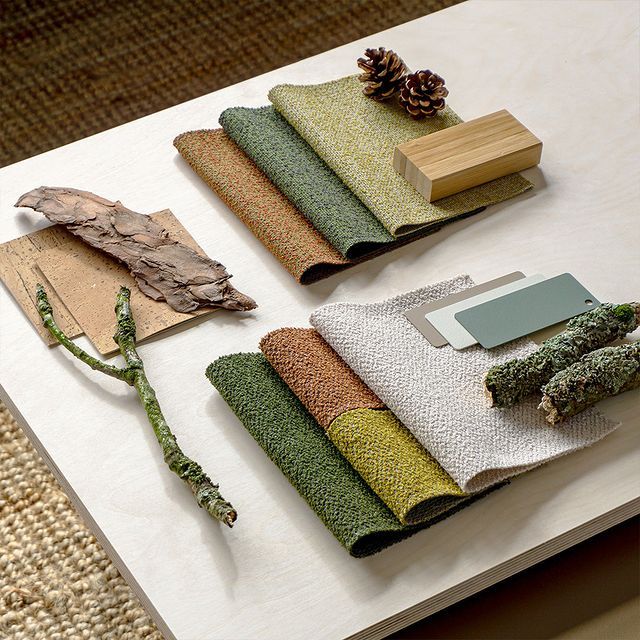
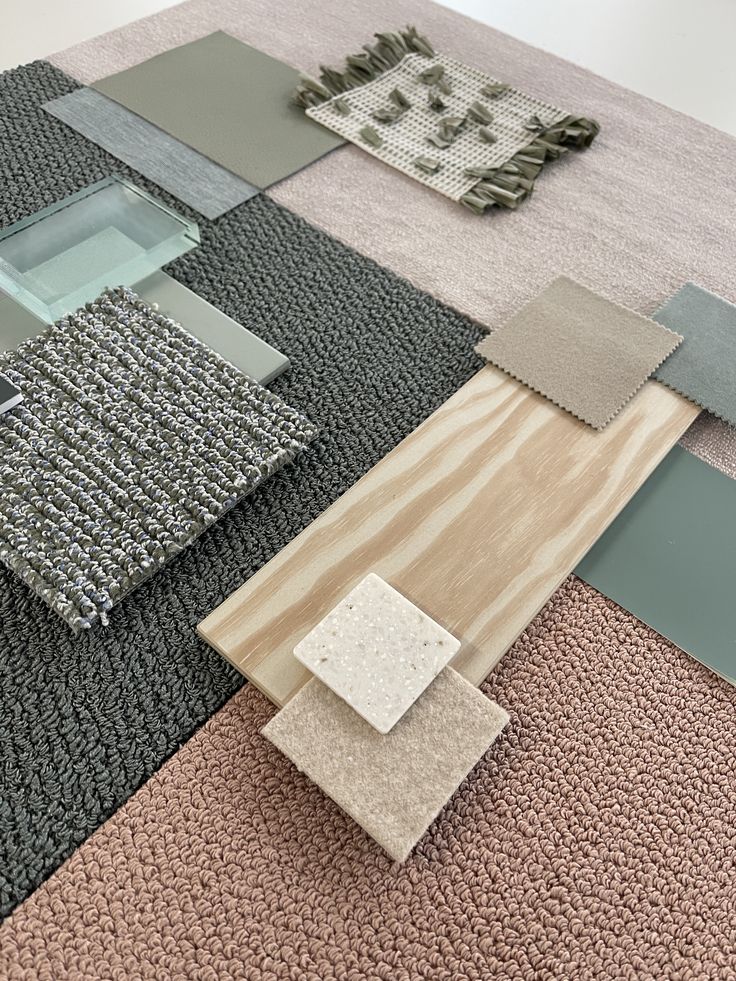
Sustainable materials reduce environmental impact and often last longer. Bamboo is a fast-growing wood alternative, strong and lightweight. Cork comes from tree bark and provides natural insulation and soundproofing.
Recycled materials like glass or metal cut energy use and waste. Natural fibers such as jute and hemp grow without pesticides and biodegrade easily. Using these materials may cost more upfront but saves resources and often improves indoor air quality.
Decorative Elements and Accessories
Decorative elements shape the personality of a room. They add style, color, and texture. Accessories play a big role in making a space feel complete and inviting.
Artwork and Wall Decor
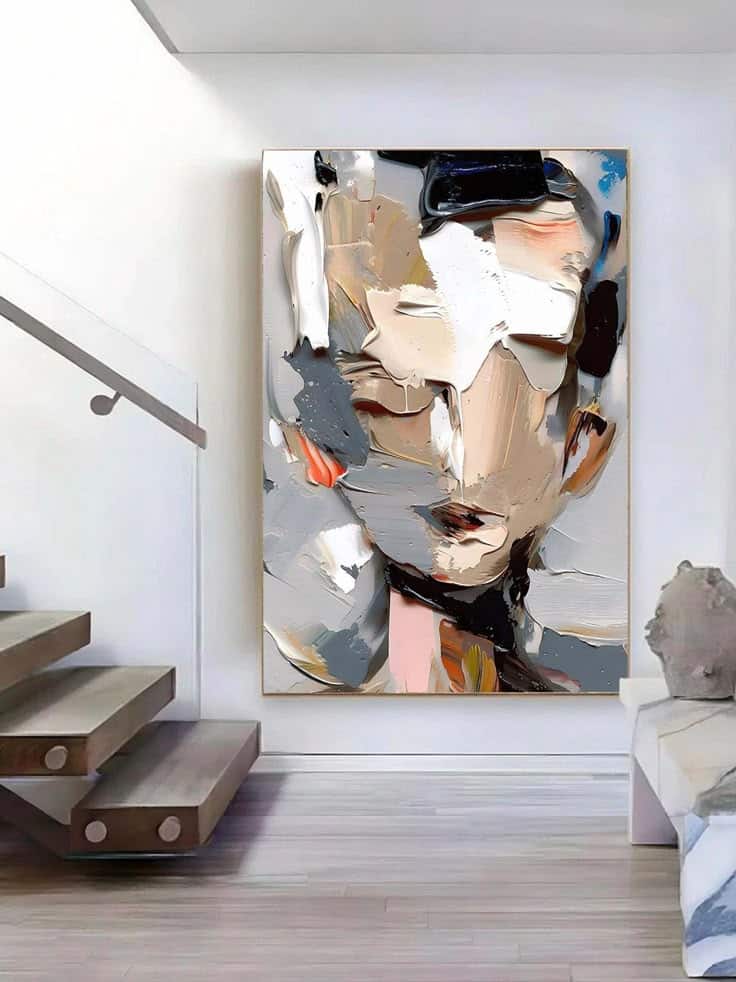
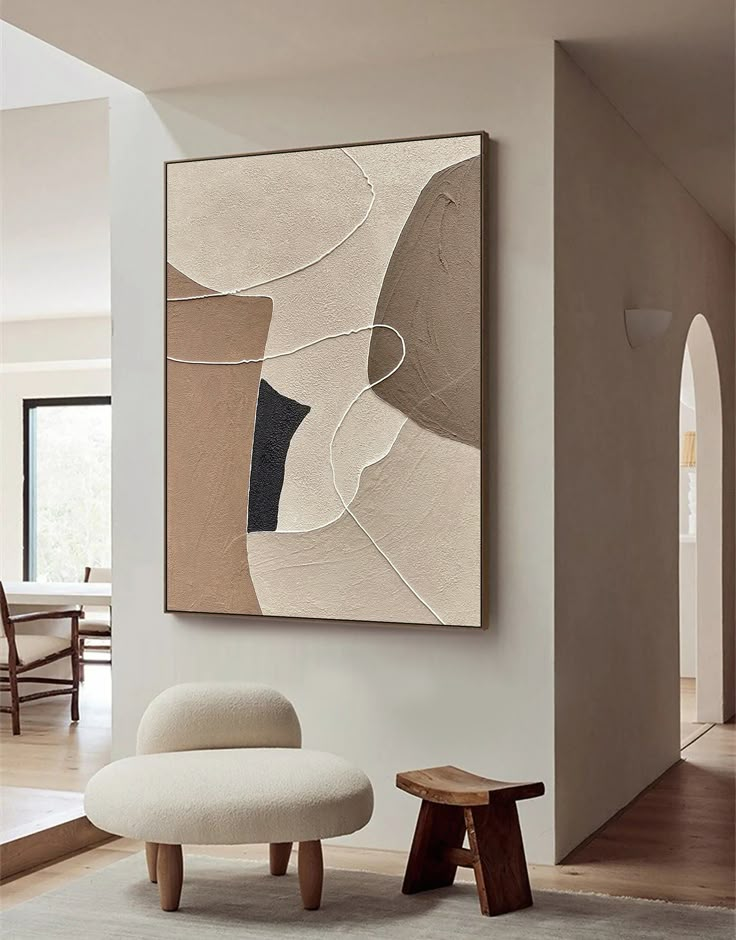
Artwork sets the mood in a room. Paintings, prints, or photographs add color and interest to plain walls. Choosing art that matches the room’s theme or color scheme helps create harmony.
Wall decor is not limited to framed pieces. Mirrors can make a space look bigger by reflecting light. Shelves with small decorations add depth without crowding the room.
Placement matters. Hanging artwork at eye level is key for balance. Grouping small pieces into a gallery wall can make a strong visual statement.
Rugs and Carpets
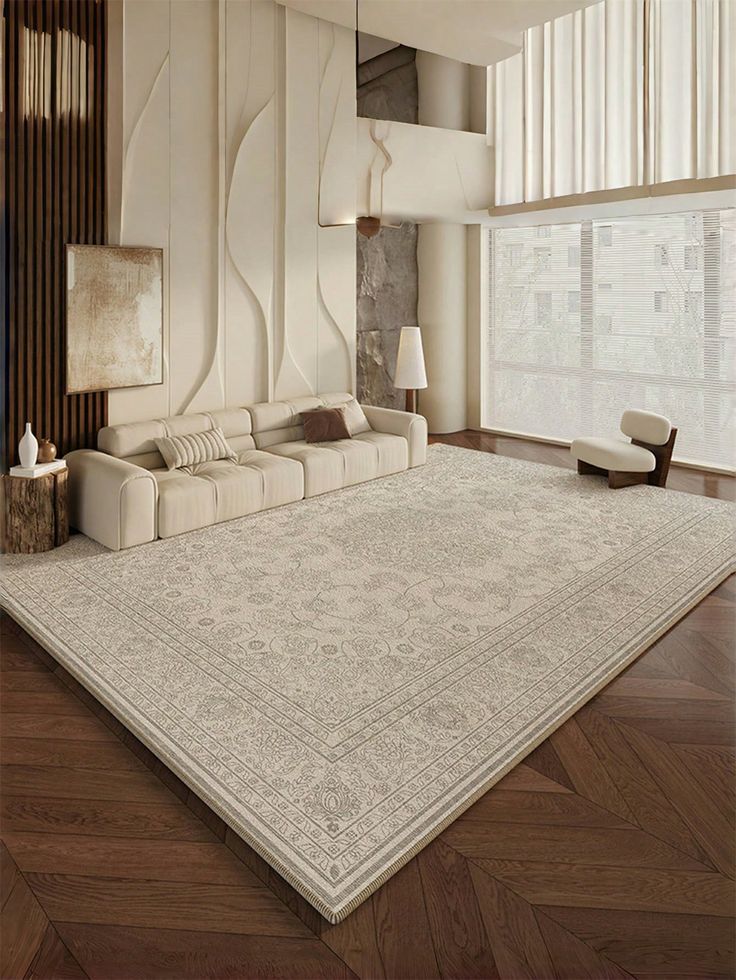
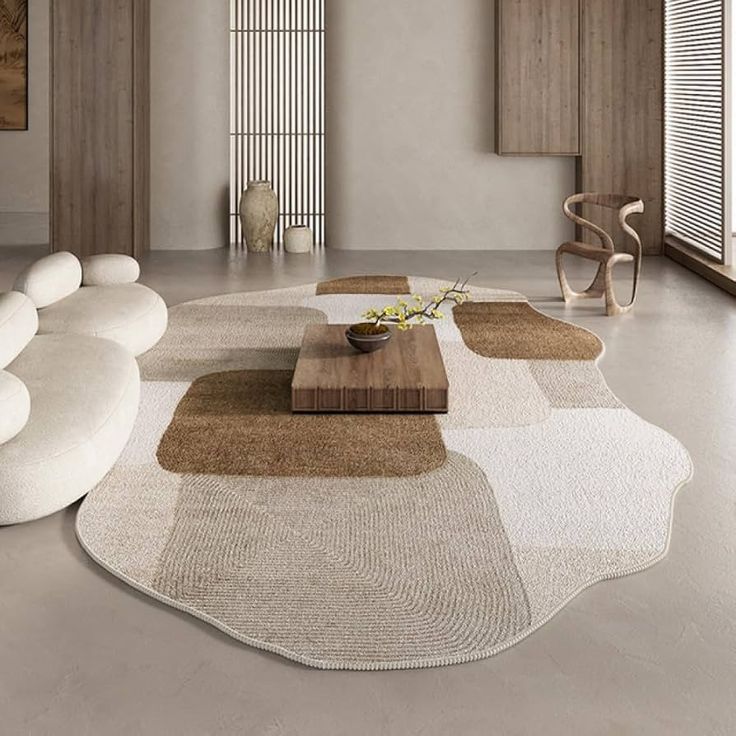
Rugs define areas within larger spaces. They bring warmth and comfort to hard floors. Choosing the right size is important; a rug too small can feel out of place.
Patterns or colors in rugs can highlight or contrast with other items in the room. Materials like wool are durable, while cotton rugs are easy to clean.
Layering rugs creates texture and adds dimension. Padding beneath rugs prevents slipping and adds softness to walking.
Plants and Greenery
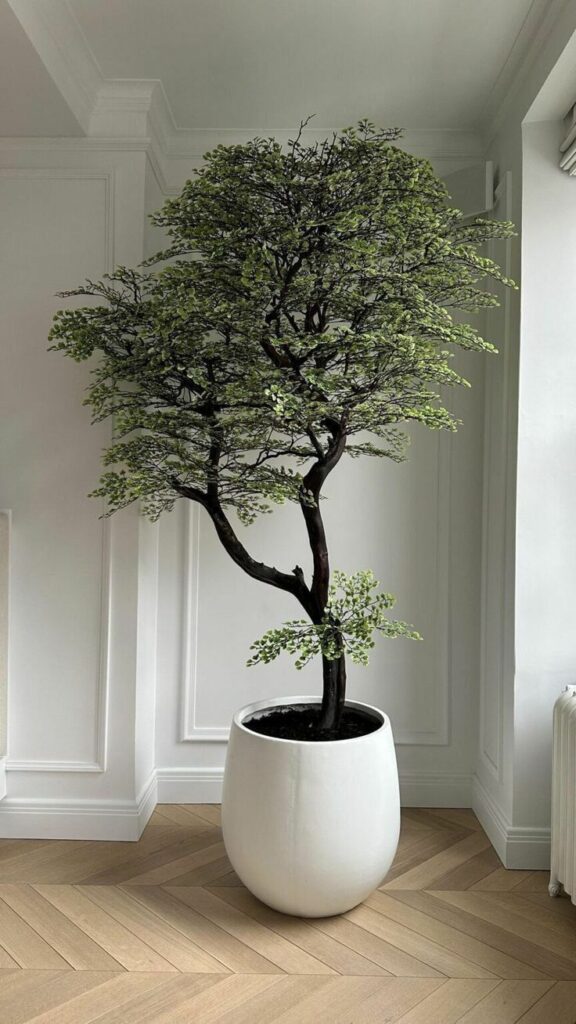
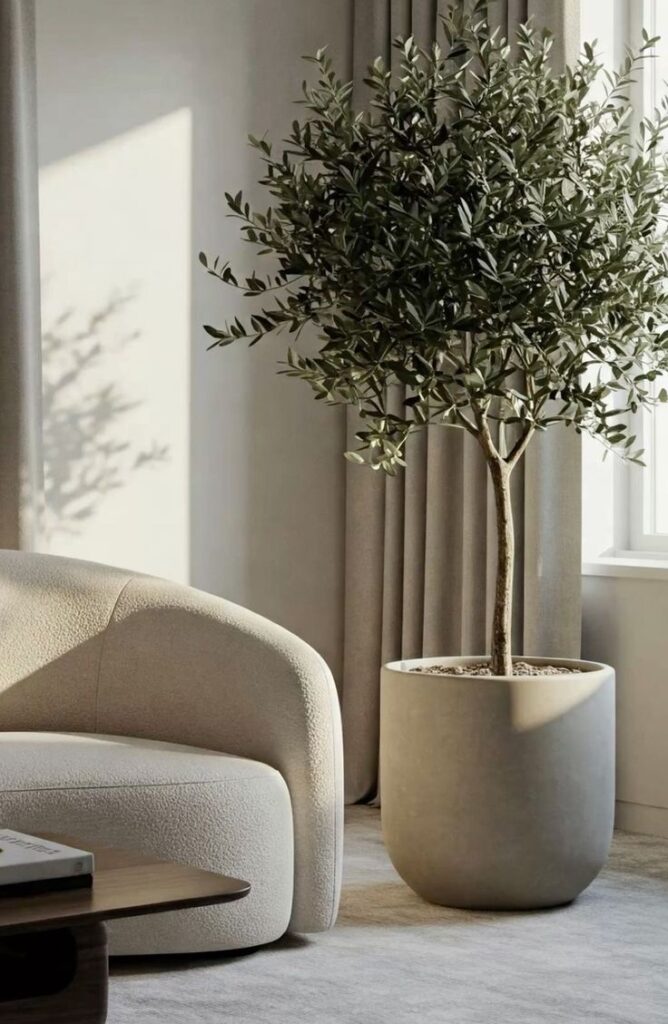
Plants bring nature indoors and improve air quality. They add life and freshness to any room. Choosing the right plants depends on light and care needs.
Large plants can fill empty corners, while small pots work well on shelves or tables. Succulents require little water and are good for beginners.
Regular maintenance keeps plants healthy. Using decorative pots can enhance the overall look. Greenery pairs well with many interior styles, from modern to rustic.
Technology Integration
Technology improves how people live inside their homes. It offers convenience, energy savings, and better control over the environment.
Smart Home Features
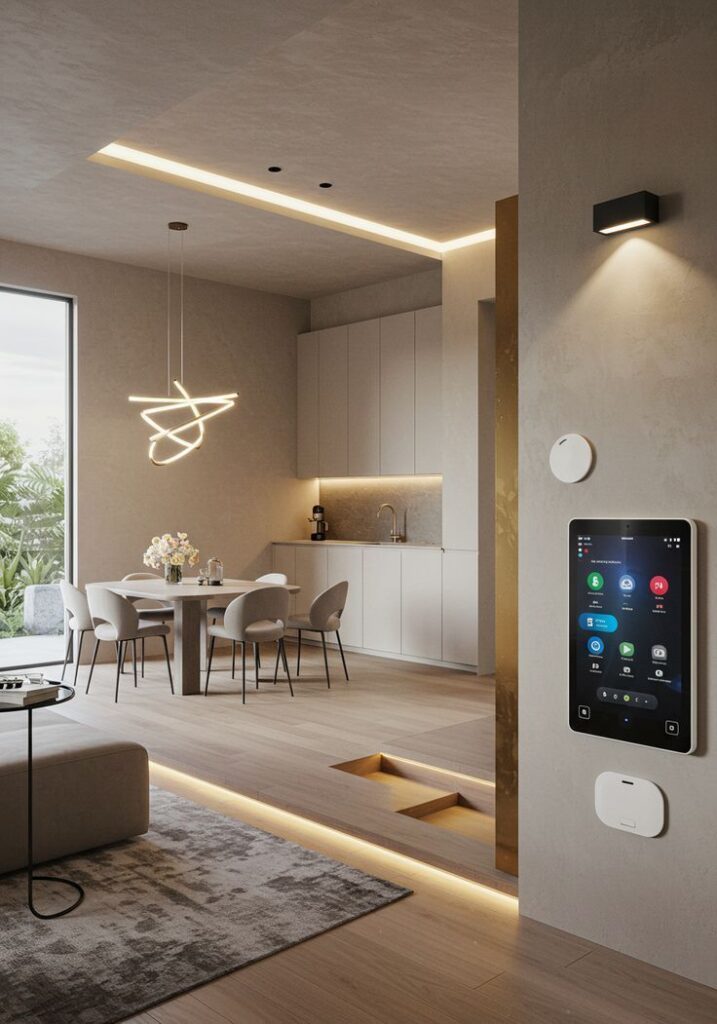
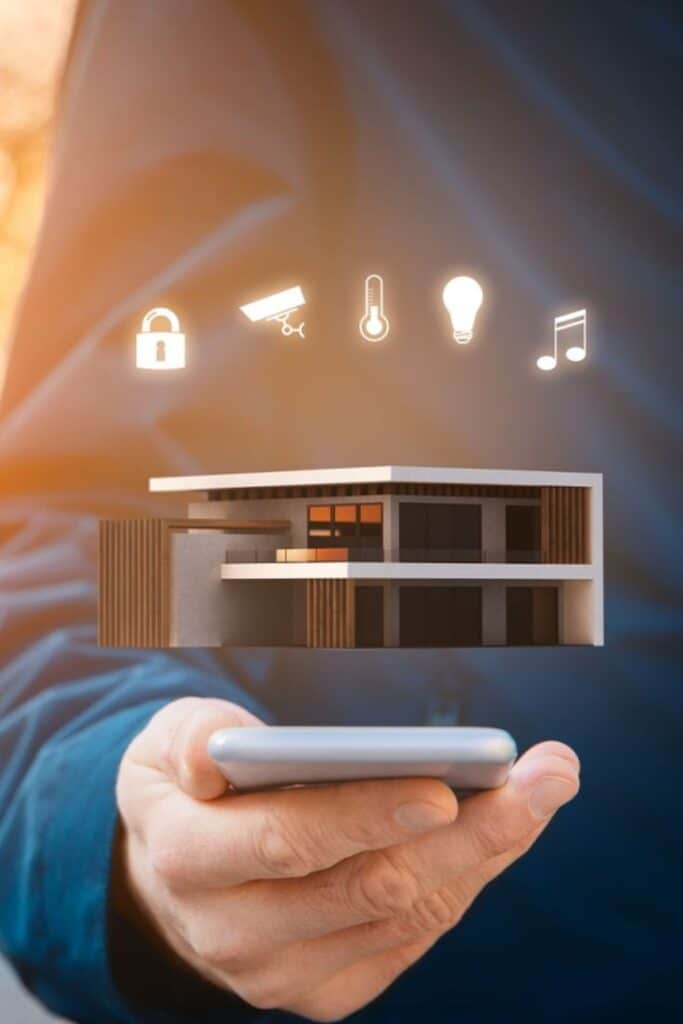
Smart home devices connect to a home’s Wi-Fi to allow remote control via phones or voice assistants. Popular options include smart thermostats, security cameras, and door locks. These tools help save energy by adjusting heating or cooling when no one is home.
Voice assistants like Alexa or Google Assistant let users control lights, music, or appliances hands-free. Smart plugs and sensors can automate routines, such as turning off lights when rooms are empty.
Security improves with alerts sent directly to phones about unusual activity. Smart features add both comfort and safety to daily life.
Lighting Automation
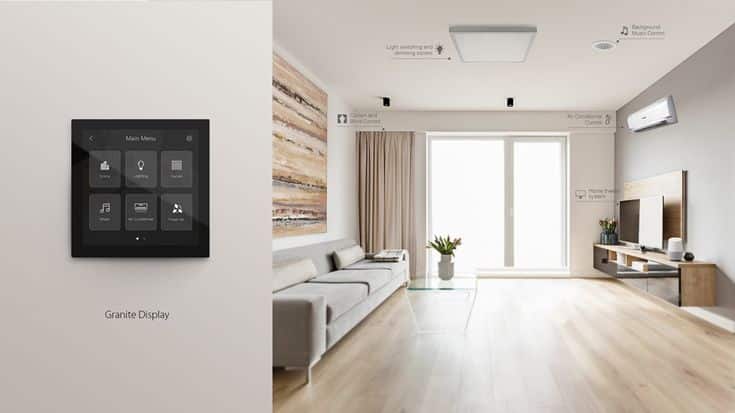
Lighting automation controls lights based on time, presence, or natural light levels. Motion sensors can turn lights on automatically when someone enters a room and off after they leave. This not only saves electricity but adds ease.
Smart bulbs allow color and brightness changes through apps or voice commands. For example, users can dim lights for watching movies or select warm tones for relaxation.
Timers can schedule lighting to mimic occupancy when people are away, which enhances home security. Lighting automation helps create the right mood and reduces wasted power.
Interior Design for Different Spaces
Interior design must balance function and style based on the space. Each environment has unique needs like comfort, usability, and appearance. The right choices help people use the space well and feel good in it.
Residential Interiors
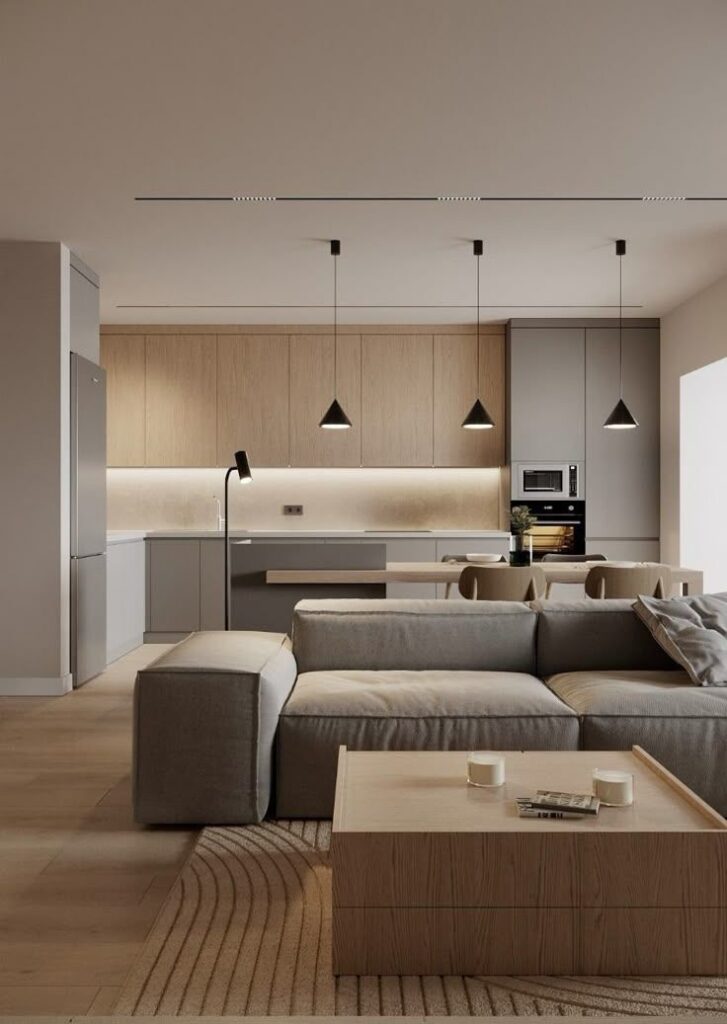
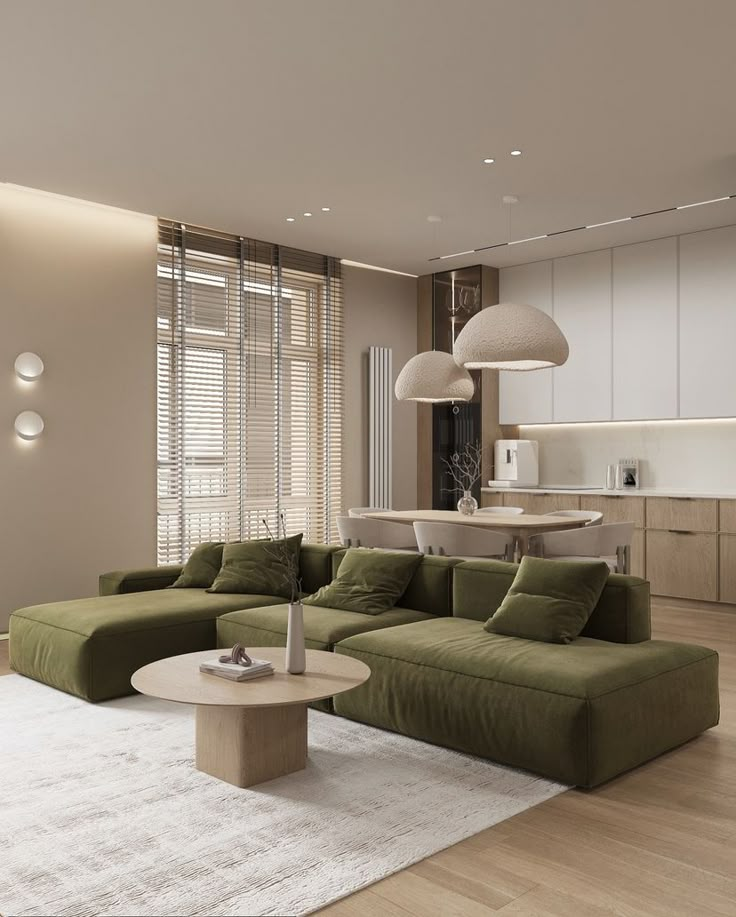
Residential interiors focus on comfort, practical layouts, and personal style. Designers consider how many people live there and their daily habits. Lighting, furniture size, and storage solutions are key to creating a cozy, organized home.
Colors and textures often reflect the owner’s personality. Soft fabrics and warm tones create a calm atmosphere, while bright colors add energy. Kitchen and bathroom designs prioritize efficiency with easy-to-clean surfaces and smart storage.
Flexibility is important. Spaces like living rooms often need to serve multiple purposes such as relaxing, working, and entertaining guests.
Commercial Environments
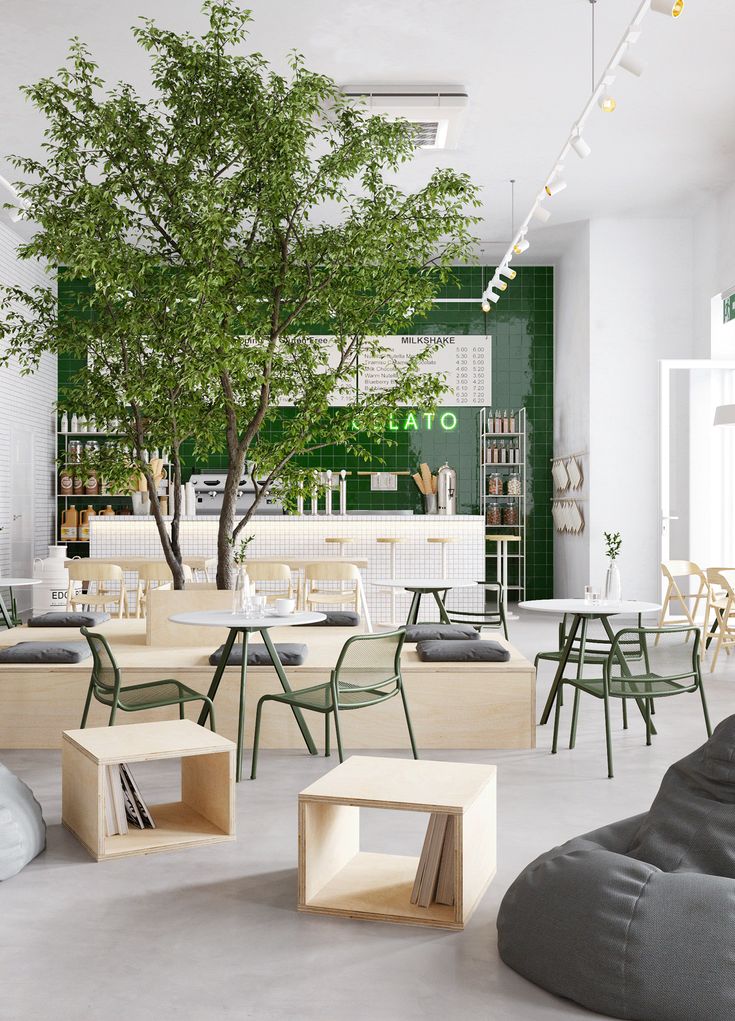
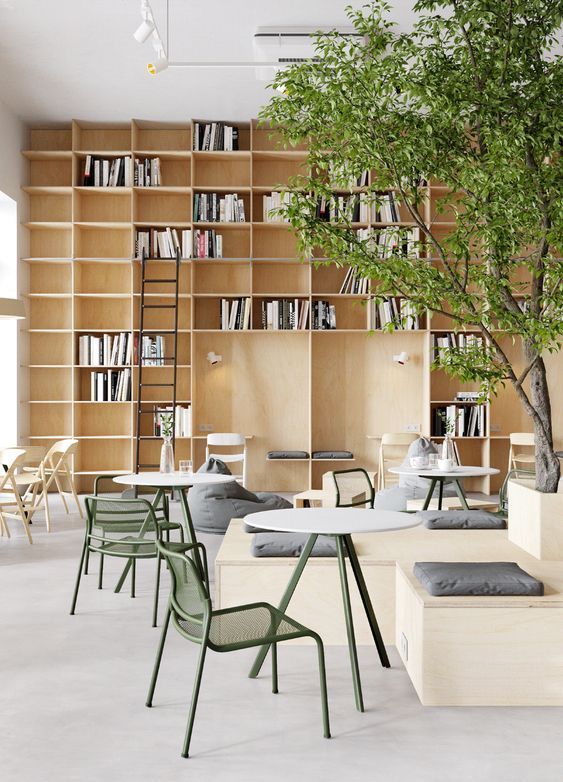
In commercial spaces, functionality and brand identity guide design choices. Offices, stores, and healthcare facilities require layouts that support workflow and safety rules. Good lighting and seating improve comfort and productivity.
Designers use materials that withstand heavy use and look professional. Clear signage and easy navigation help visitors and staff move efficiently. Open layouts create collaboration but also require quiet zones for focus.
Colors and decor align with the company’s image. For example, banks may use neutral tones for trust, while tech startups favor bright colors for creativity.
Hospitality Settings
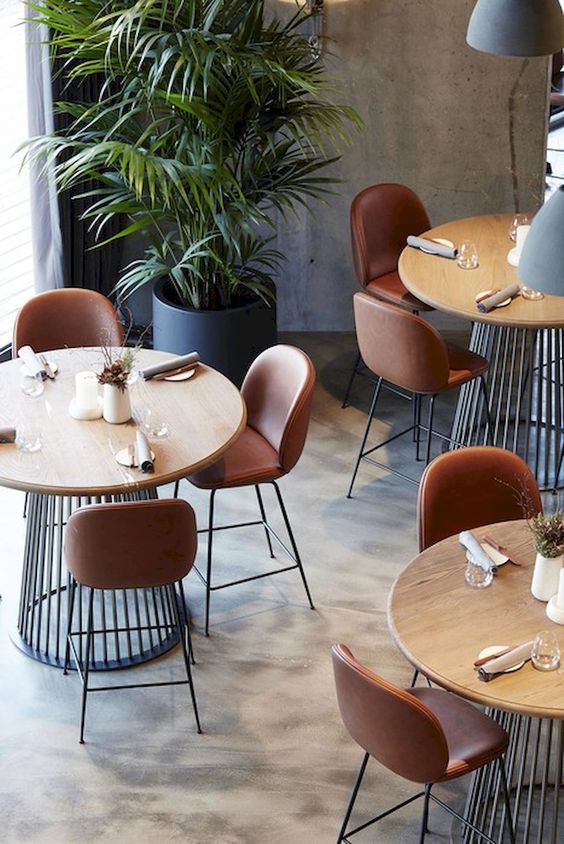
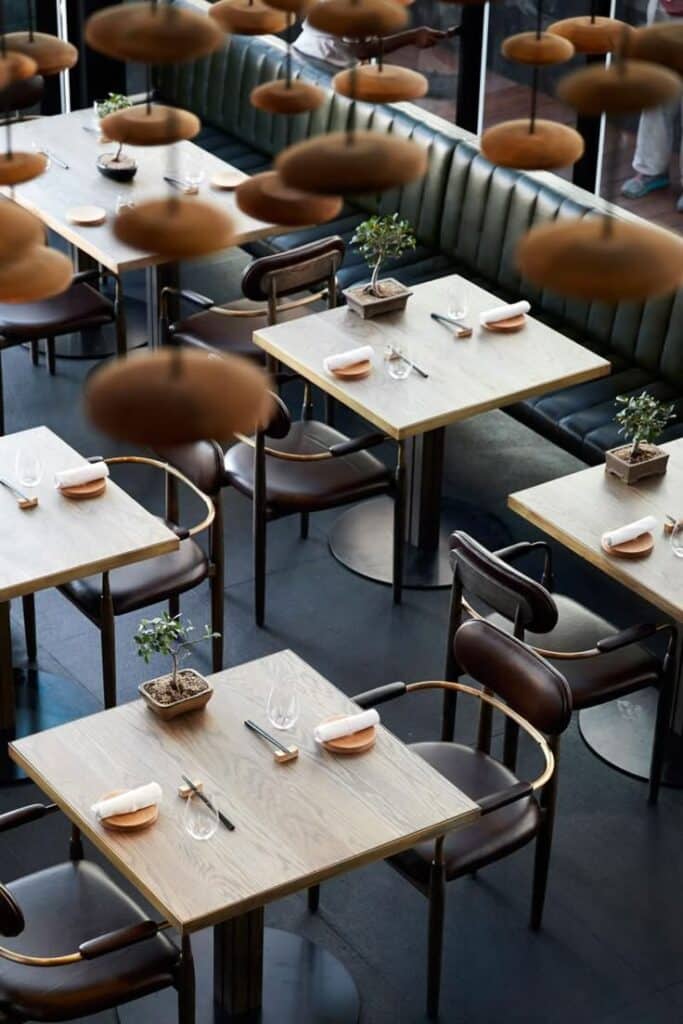
Hospitality settings like hotels and restaurants aim for a welcoming, memorable experience. Designers focus on comfort, durability, and a style that matches the brand’s theme or location.
Furniture must be both attractive and tough enough to handle high traffic. Lighting creates mood—soft, warm lights in dining areas, brighter in lobbies.
Layouts balance privacy and socializing. Rooms and seating areas are arranged to make guests feel relaxed but also safe.
Materials are chosen for easy cleaning and maintenance, ensuring spaces stay fresh and inviting over time.
Sustainable and Eco-Friendly Design
Sustainable design choices help reduce waste, save energy, and protect natural resources. Using smart materials and technologies can make interior spaces healthier and more efficient.
Energy-Efficient Solutions
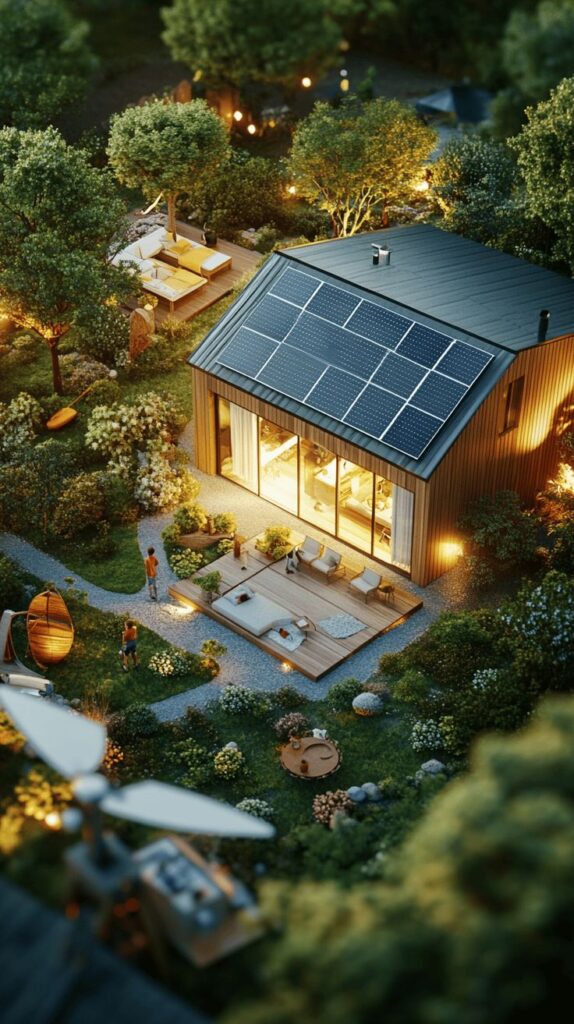
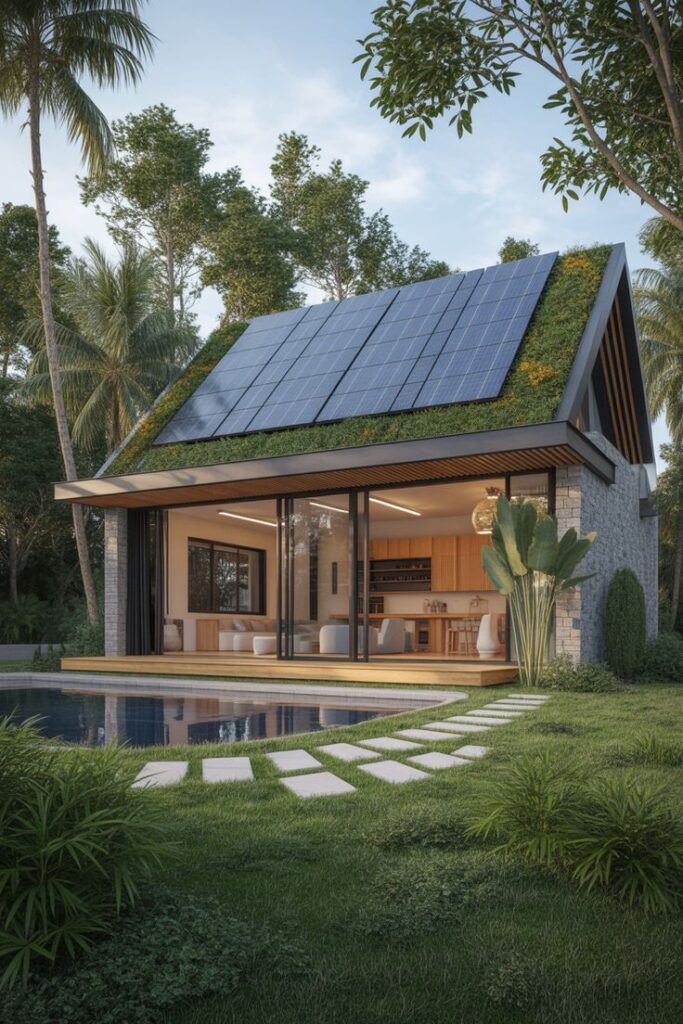
Energy-efficient design focuses on lowering power use without sacrificing comfort. It includes installing LED lighting, which uses less electricity and lasts longer than traditional bulbs.
Heating and cooling systems can use energy-saving technology, like programmable thermostats and high-efficiency HVAC units. These help maintain a stable indoor temperature while cutting energy costs.
Windows and insulation play a big role too. Double-glazed windows reduce heat loss, and proper insulation keeps rooms warm in winter and cool in summer. This lowers the need for constant heating or air conditioning.
Recycled Materials
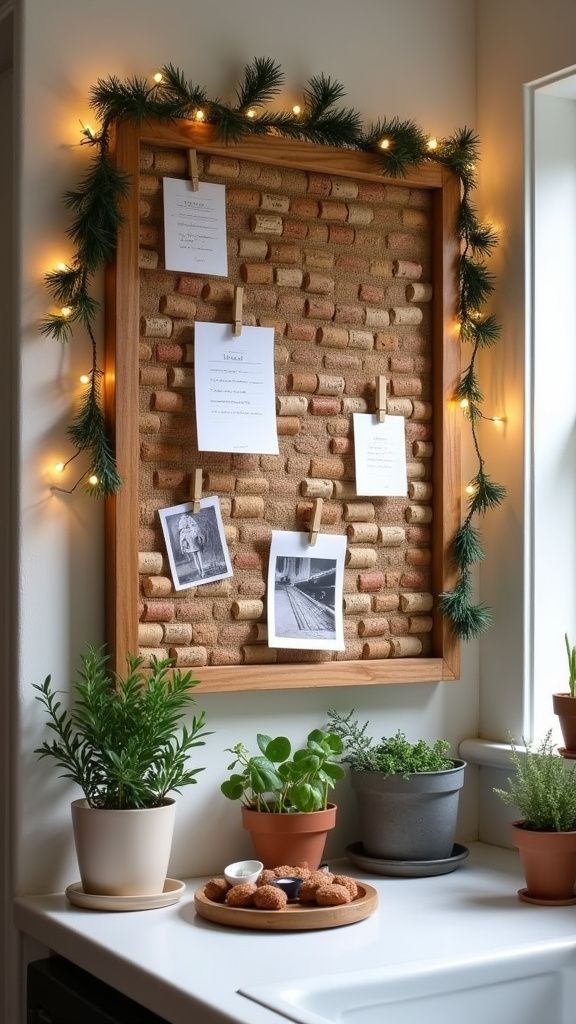
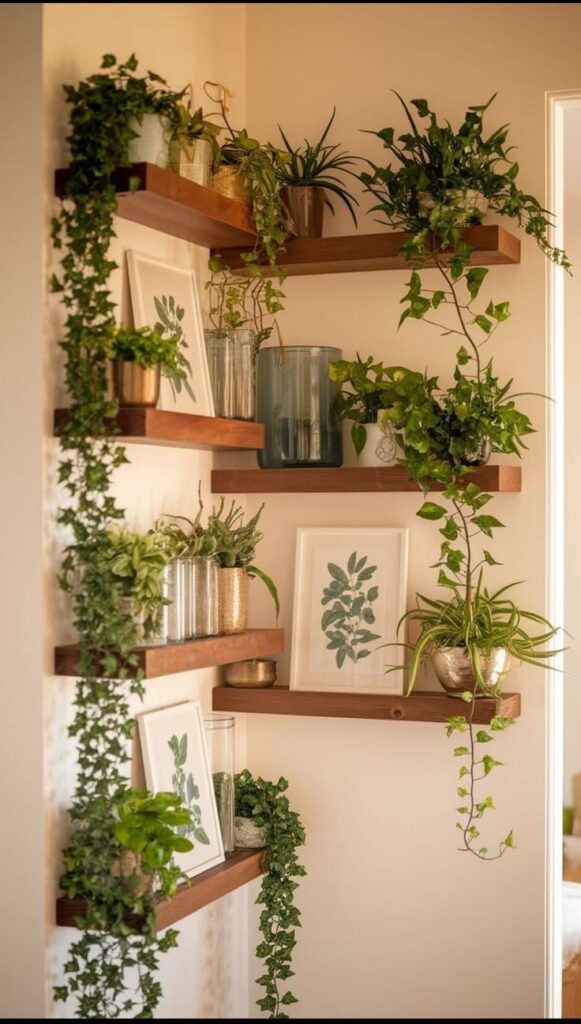
Recycled materials reduce the need for new raw resources and help cut down landfill waste. Common recycled options include reclaimed wood, recycled glass tiles, and recycled metal fixtures.
Using reclaimed wood can add character and uniqueness to a space. It also reduces the impact on forests.
Recycled glass tiles are durable and available in many colors and shapes. They are good for kitchens and bathrooms because they resist water and stains.
Metal fixtures made from recycled metal are strong and maintain a modern look. These materials often come from industrial waste or old products.
Environmental Certifications

Environmental certifications help verify that materials and products meet eco-friendly standards. Some well-known certifications include LEED, GREENGUARD, and FSC.
| Certification | Focus Area | Benefits |
|---|---|---|
| LEED | Building sustainability | Promotes energy savings and healthy air quality |
| GREENGUARD | Low chemical emissions | Ensures indoor products have low VOCs (volatile organic compounds) |
| FSC | Forest product sourcing | Protects forests and encourages responsible harvesting |
Choosing certified products gives confidence that a space will be environmentally responsible and safe for occupants.
Trends and Innovations in Interior Design
Interior design is changing with new styles, key figures, and ideas shaping what homes and workplaces look like. These changes help create spaces that are more functional, sustainable, and personalized.
Emerging Design Trends
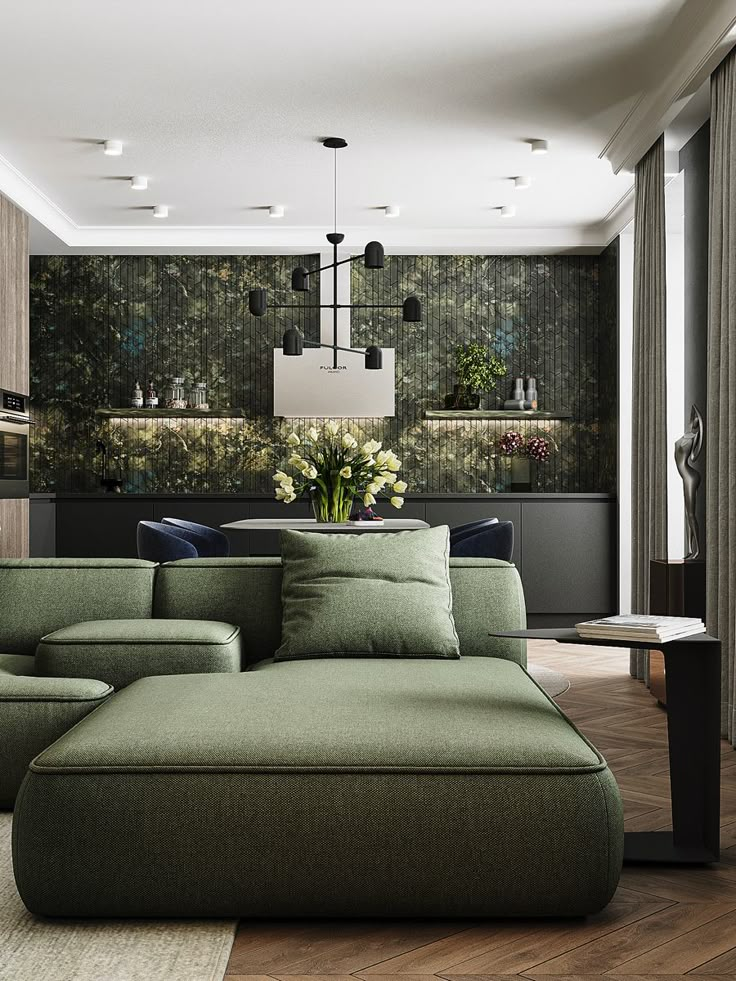
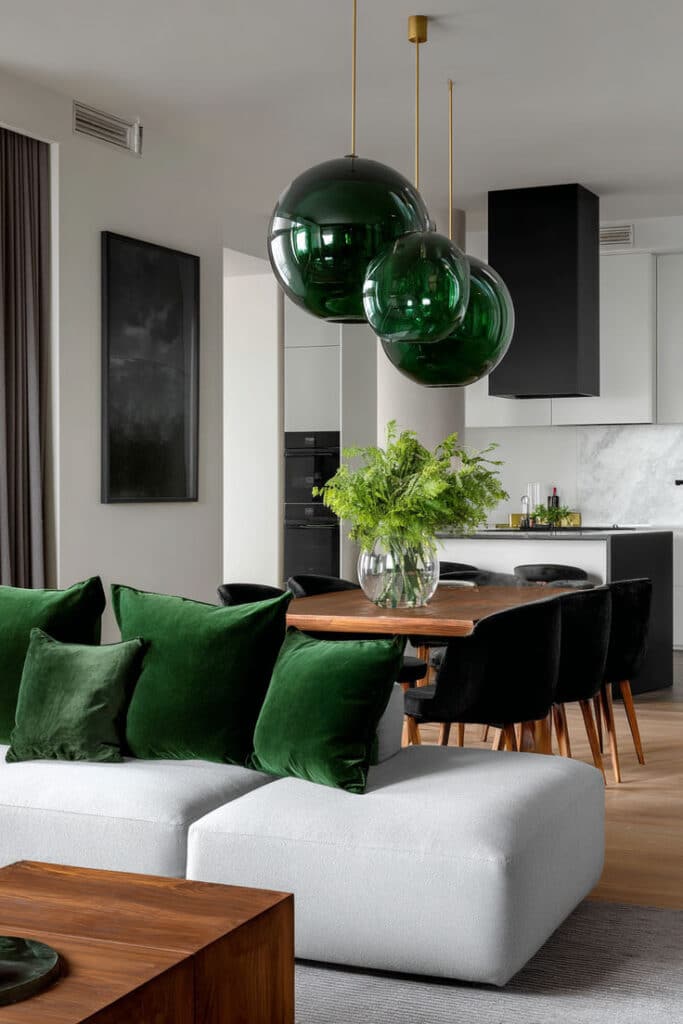
Modern design favors natural materials like wood and stone mixed with metal accents. Neutral colors such as beige, gray, and white dominate, with occasional bold colors for contrast.
Multifunctional furniture is popular. Items that serve more than one purpose save space and add convenience. Smart home technology is also common, making rooms more efficient with features like automated lighting and climate control.
Sustainability is a major focus. Designers use eco-friendly materials and energy-efficient products to reduce the environmental impact of interiors.
Influential Designers
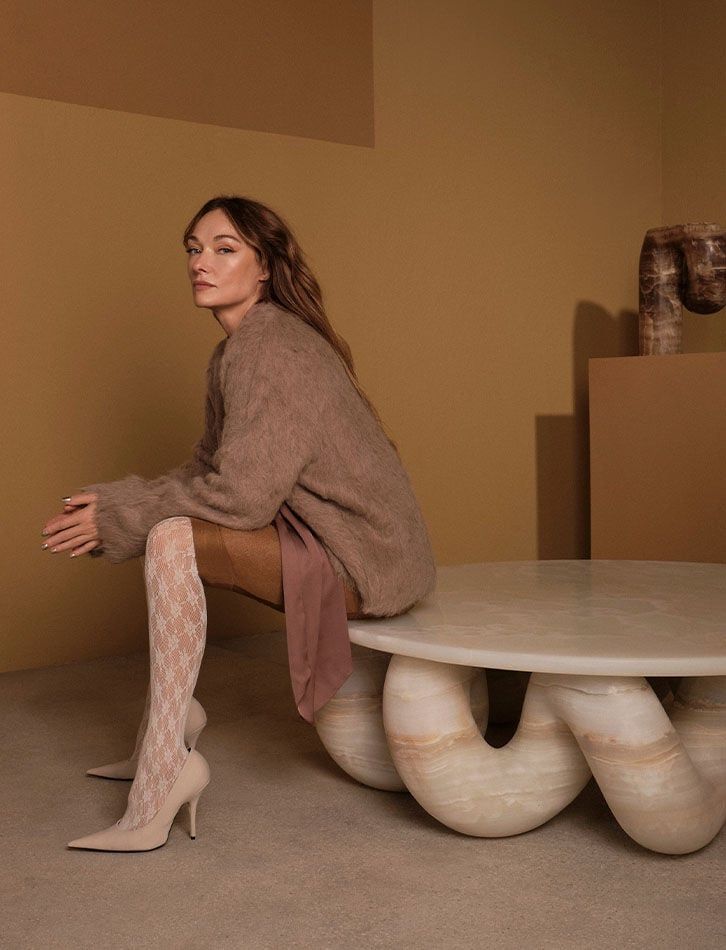
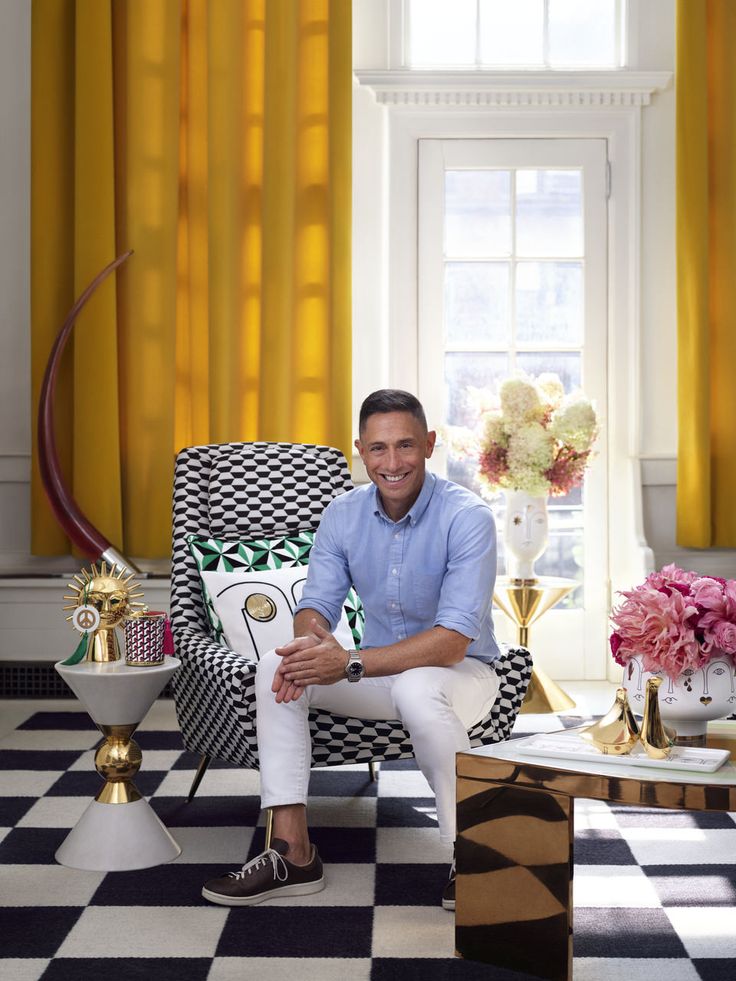
Designers like Kelly Wearstler, Jonathan Adler, and Ilse Crawford lead the industry today. Wearstler’s work blends luxury with bold patterns and textures.
Adler is known for creating joyful and colorful spaces that feel cozy. Crawford emphasizes human-centered design, focusing on comfort and connection to nature.
These professionals set standards and influence the direction of interior style worldwide through their projects and public profiles.
Future Directions
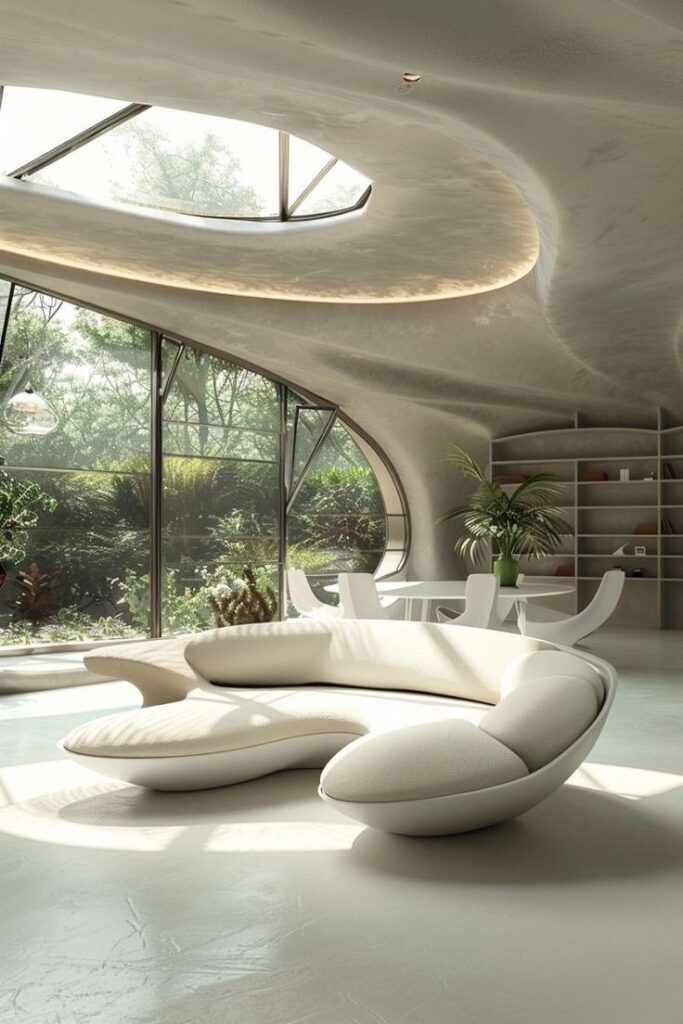
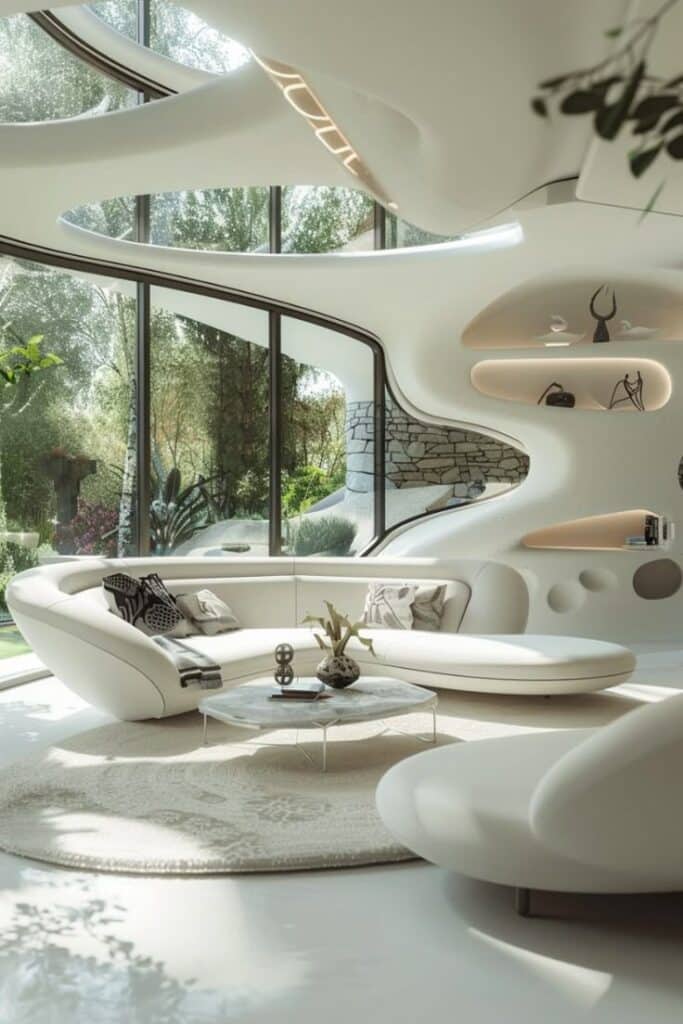
The future points toward blending technology and nature. Biophilic design—integrating plants, light, and natural elements indoors—is expected to grow.
Virtual reality will help clients visualize spaces before building or redecorating. Customization will increase, using data to fit designs to individual habits and preferences.
Materials will continue evolving, including recycled and smart materials that adjust to temperature or lighting levels automatically.
Professional Development in Interior Design
Developing a career in interior design requires a clear mix of education, membership in professional groups, and exploring various job paths. Each step builds skills and opens new opportunities within the field.
Education and Training
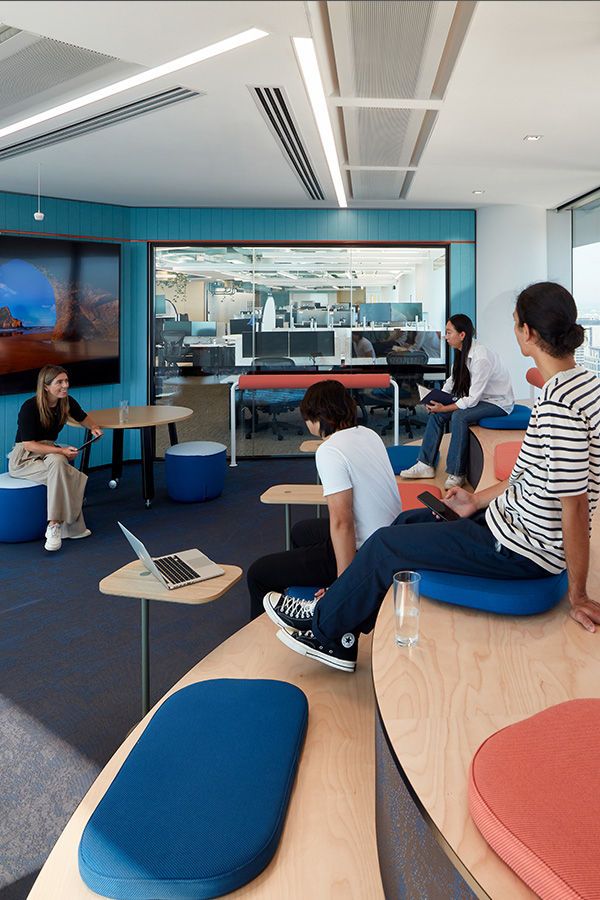
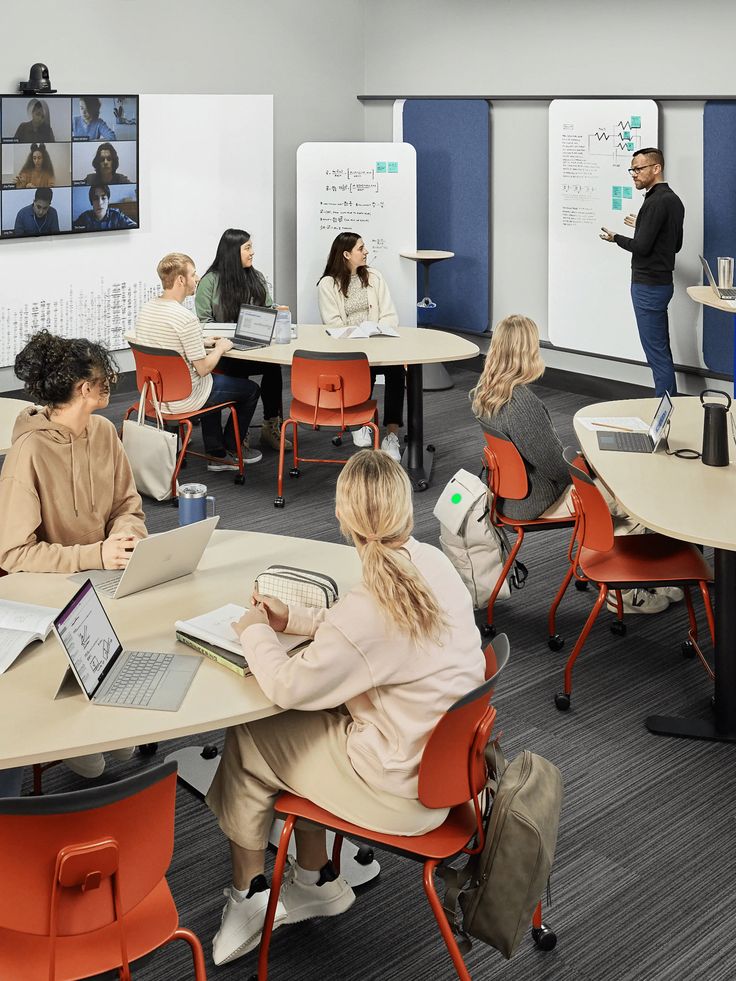
Most interior designers start with a bachelor’s degree in interior design or a related field. This education covers drawing, computer-aided design (CAD), color theory, and space planning. Some also study architecture or fine arts to strengthen their creative skills.
After formal education, many designers seek internships to gain hands-on experience. Licensing or certification is required by some states, often involving passing the National Council for Interior Design Qualification (NCIDQ) exam. Continuing education is important to stay updated on design trends and building codes.
Industry Organizations
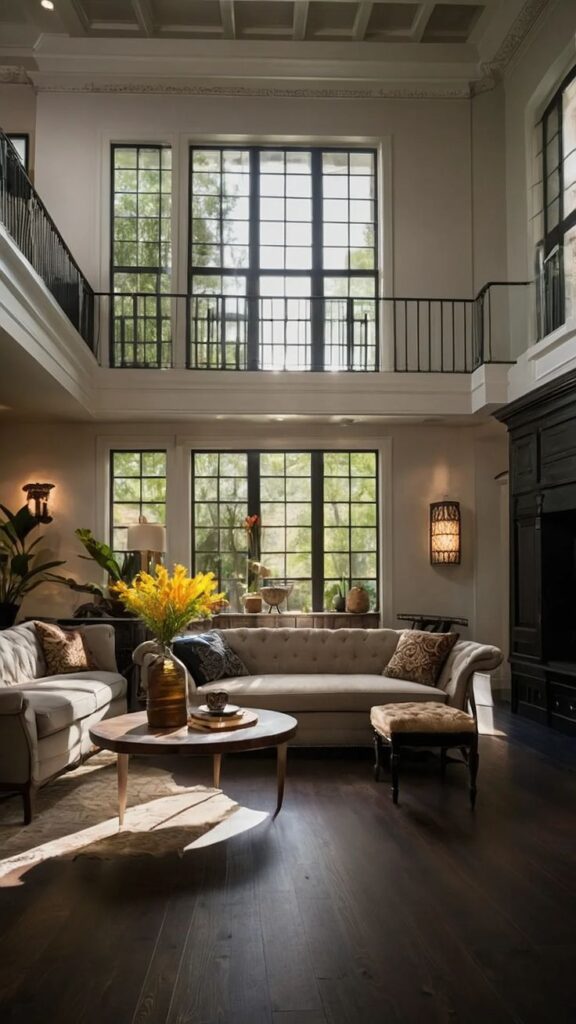
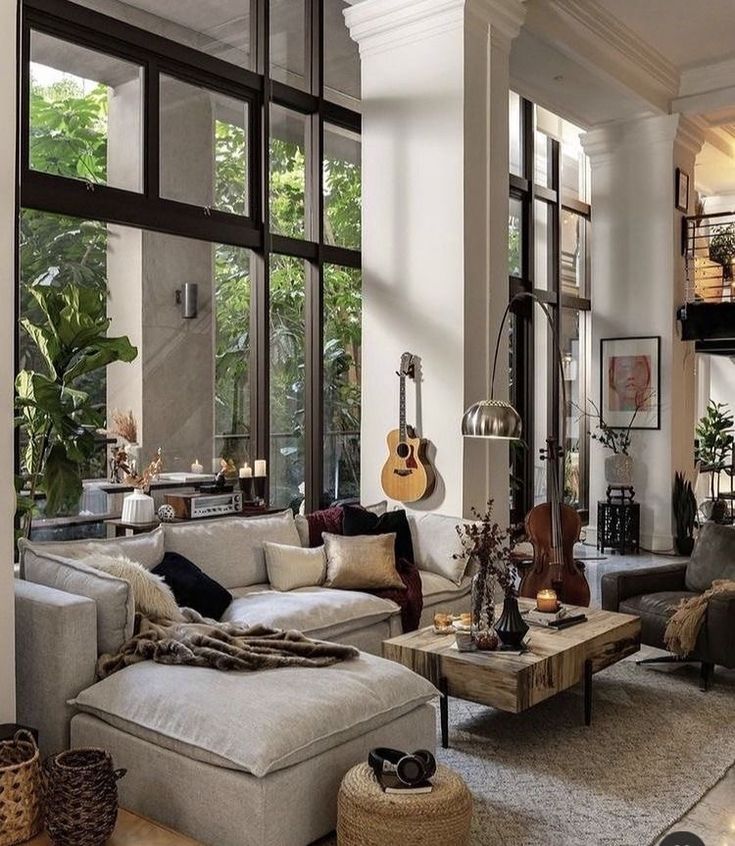
Joining industry organizations helps interior designers network and stay informed. Groups like the American Society of Interior Designers (ASID) and the International Interior Design Association (IIDA) offer resources such as workshops and conferences.
These organizations provide access to job boards, professional standards, and credentialing programs. Membership signals professionalism and commitment, which can increase credibility with clients and employers.
Career Paths
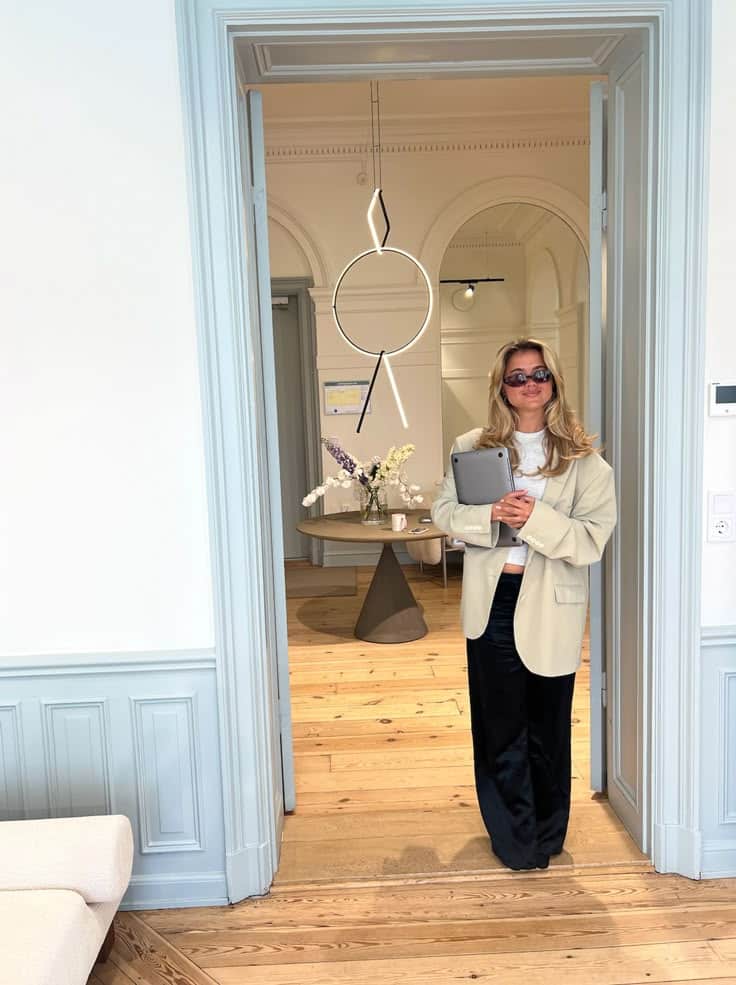
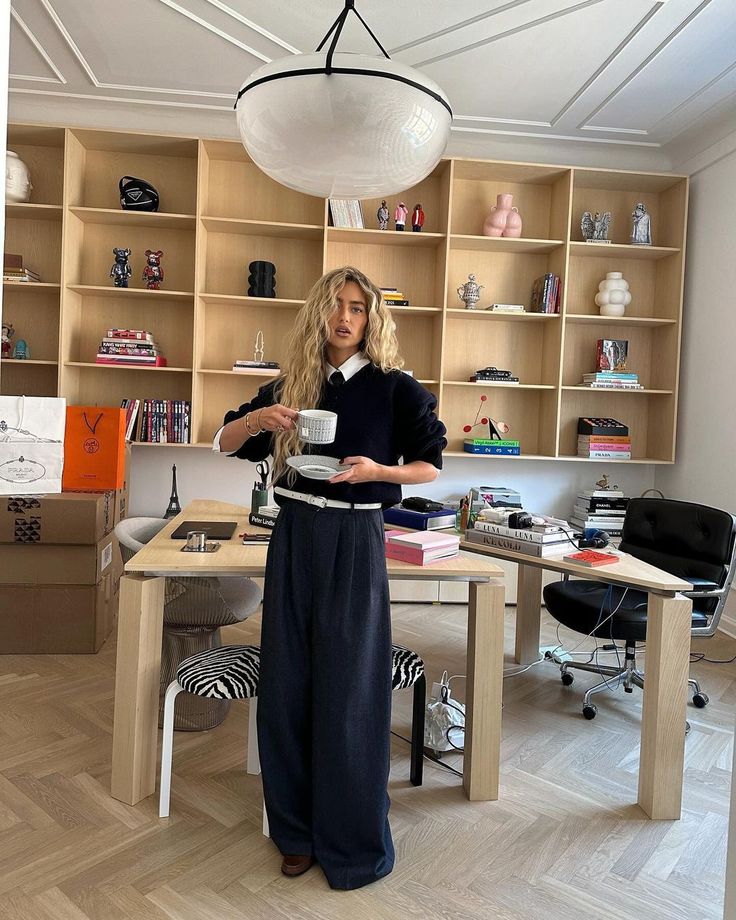
Interior design offers multiple career paths, such as residential, commercial, or industrial design. Some specialize in lighting, furniture design, or sustainable design. Others work as consultants, project managers, or educators.
If you want a commercial example of those principles in action, the salon layout design guide shows how flow, task lighting, materials, and brand cues shape a working service space.
Freelance work is also common, allowing designers to work on various projects. Advancement often means managing teams, running a design firm, or becoming a design director. The field rewards creativity combined with technical skills and business knowledge.
- 80shares
- Facebook0
- Pinterest77
- Twitter3
- Reddit0