
The best DIY home decor ideas improve one visible part of a room without turning it into a renovation. Start with a blank wall, a tired piece of furniture, flat lighting, or cluttered storage. Use materials you can measure, test, and change later: paint, removable wallpaper, fabric, thrifted frames, jars, baskets, and simple shelves. Keep the palette to two or three colors and repeat one finish elsewhere so the result looks connected.
Choose a project you can finish before starting the next. Photograph the room, measure the available space, and test paint or adhesive on a hidden area. The sections below cover wall decor, furniture, lighting, storage, textiles, plants, and seasonal details, with beginner-friendly options throughout.
- Choose the right DIY home decor project
- Key takeaways
- DIY project prep checklist
- DIY Wall Decor Ideas
- Creative Furniture Makeovers
- Budget-Friendly Room Accents
- Lighting Hacks for Home Decor
- Organization and Storage Solutions
- Seasonal DIY Home Decor
- Textiles and Soft Furnishing Upgrades
- Green Decor With Plants
- Personalized Decorative Touches
- Common DIY home decor mistakes
Choose the right DIY home decor project
Match the project to a specific problem. A gallery wall fills an empty area; paint and new hardware revive sturdy furniture; textiles soften a hard room; shelves and baskets reduce visual clutter. If an idea does not solve a clear problem or fit the scale of the room, skip it.
| Room problem | Good first project | Check before starting |
|---|---|---|
| Blank wall | Gallery wall or removable accent | Mark the full outline with painter’s tape |
| Tired furniture | Paint, stain, or new hardware | Confirm the piece is stable and worth repairing |
| Flat lighting | Lampshade update or LED string lights | Keep materials clear of heat and moving parts |
| Visible clutter | Wall shelf or labeled baskets | Match fixings to the wall and expected load |
| Room feels unfinished | Pillows, curtains, or a small rug update | Repeat one color or texture already in the room |
Key takeaways
- Fix one focal point first. A single wall, light, textile, or furniture update is easier to finish and budget than a room-wide makeover.
- Measure, clean, sand, and test before the decorative step. Surface preparation usually matters more than adding another color or trim.
- Use the room’s scale and existing palette to guide the project. For more low-cost planning ideas, see this budget-friendly home makeover guide.
DIY project prep checklist
Use these checks before buying materials. If the work affects walls, floors, plumbing, wiring, or structure, review the broader DIY home improvement guide and home renovation planning basics first.
- Photograph the room and choose one problem to solve.
- Measure the wall, window, furniture, or storage area twice.
- Make a paper template or use painter’s tape to check scale from across the room.
- Test paint, stain, fabric glue, or removable adhesive in a hidden spot.
- Clean the surface and complete repairs before decorating it.
- Lay out every part, tool, and fixing before you begin.
- For shelves and hanging pieces, use hardware rated for the wall type and load.
DIY Wall Decor Ideas
Wall decor can change the look and feel of a room quickly. Simple techniques for walls include adding texture, organizing art, or painting eye-catching designs. These ideas help personalize spaces without spending much money.
Accent Wall Techniques
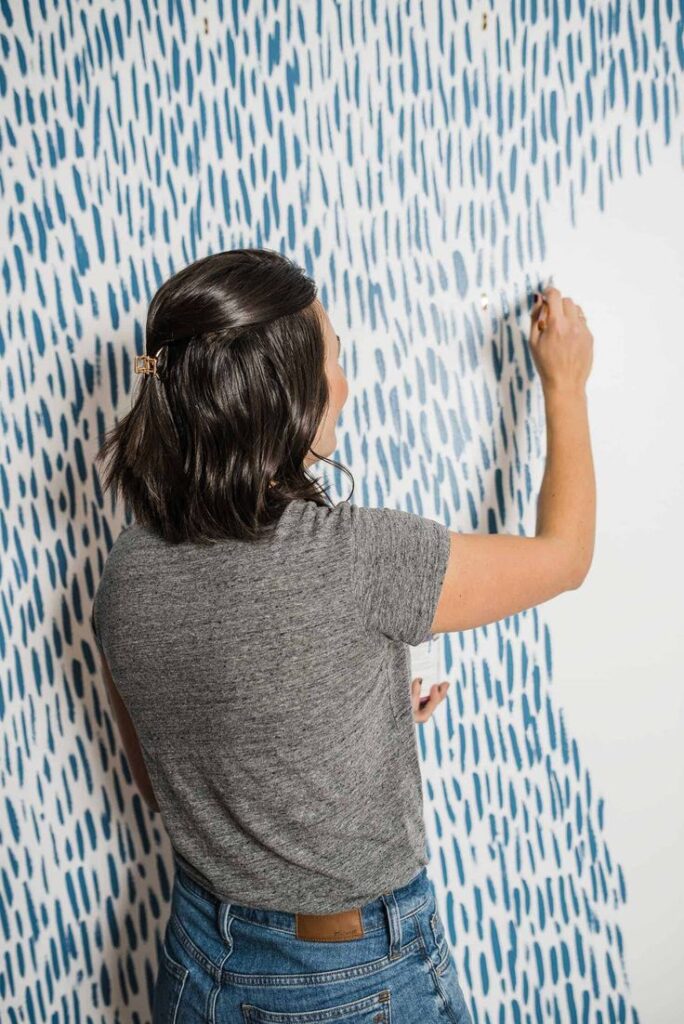
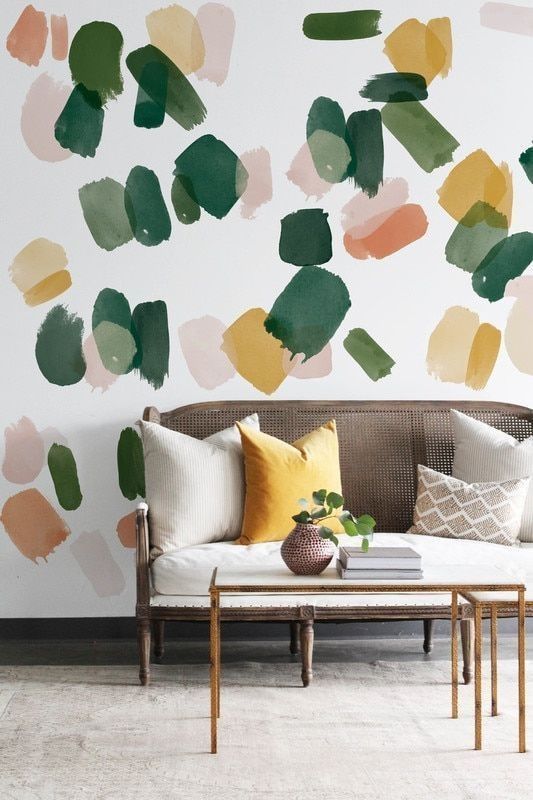
Creating an accent wall focuses on one wall to make it stand out. Popular options include using bold paint colors, wallpapers, or textured materials like wood panels or brick veneers. Choosing the right wall is important—it often works best behind a sofa or bed.
Tape can help make clean, sharp lines if painting geometric shapes or stripes. Peel-and-stick wallpaper is easy to apply and remove, making it great for renters. For wood or brick, lightweight panels reduce installation time. Using contrasting colors on the accent wall draws attention while keeping the rest of the room neutral.
Gallery Wall Arrangements
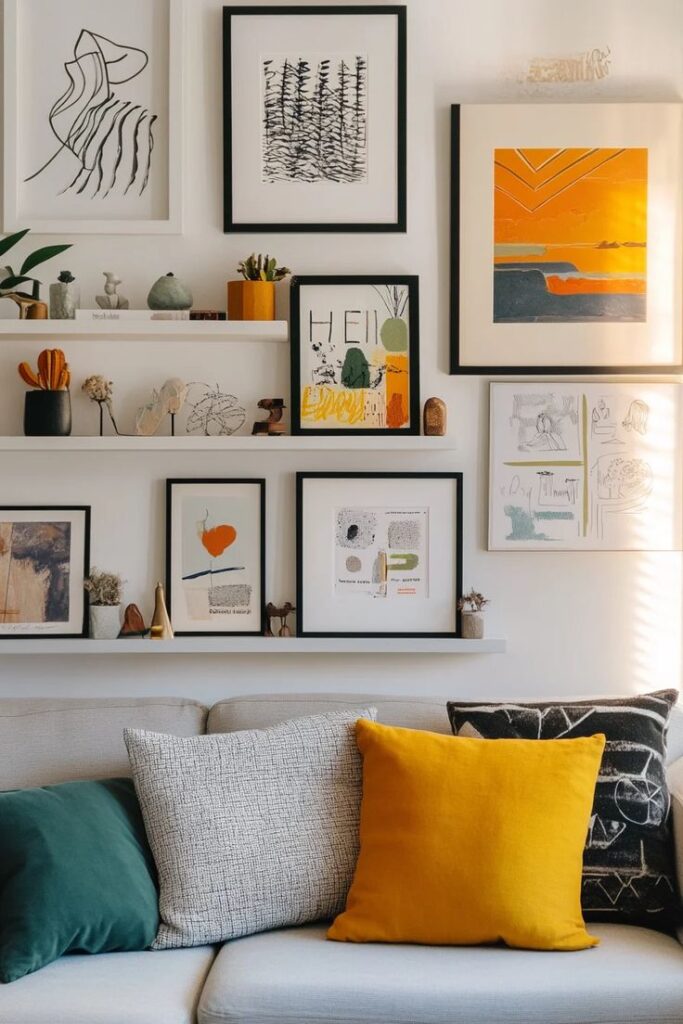
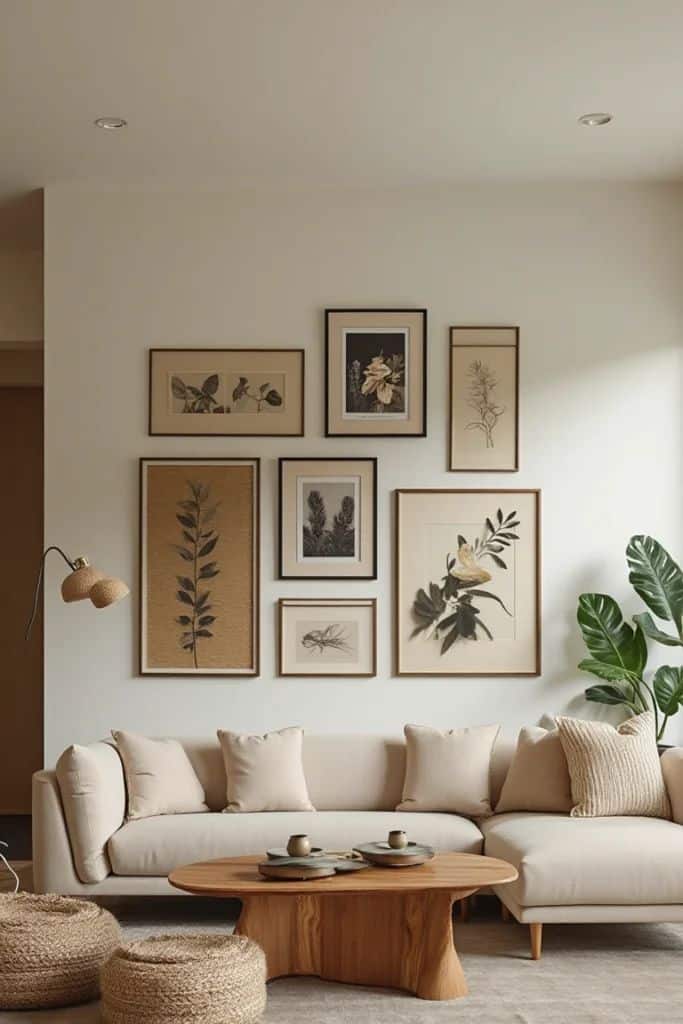
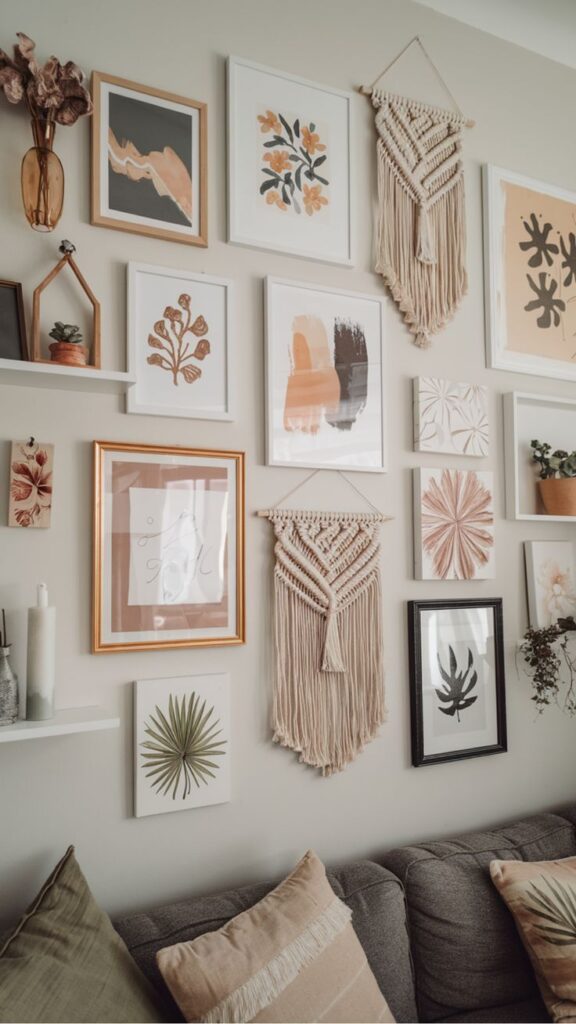
Gallery walls display a mix of framed photos, art, and objects in a grid or freeform layout. Start by gathering different sizes of frames and print personal photos or buy inexpensive art prints. Lay the arrangement on the floor first to experiment with spacing.
Use matching frames or mats to create unity. Hanging hooks or picture ledges allow for easy swapping of pieces. To balance the look, place larger frames at eye level and smaller ones around them. Group artwork by theme or color if possible.
Treat the arrangement as one composition instead of a set of unrelated frames. Start with the largest piece, keep the gaps consistent, and spread dark or visually heavy pieces across the group rather than bunching them on one side. Step back to check the room’s visual balance before making the final holes.
Painted Mural Hacks


Painting murals can brighten a wall with images or patterns without professional help. Use stencils or tape to outline shapes. Simple designs like large flowers, geometric patterns, or abstract shapes work best for beginners.
Start with light pencil sketches. Use acrylic paint and small brushes for detail. A roller covers bigger areas evenly. It is helpful to plan colors ahead—limit the palette to two or three shades.
For a quick mural, try sponge painting or using a projector to trace an image. This adds custom art with minimal skill needed.
Creative Furniture Makeovers
Transforming old furniture can change a room without buying new pieces. Simple changes like fixing, painting, or reupholstering can refresh a piece and add personality. These ideas help save money and reduce waste while making furniture look new.
Upcycling Old Furniture


Upcycling means giving old furniture a new purpose. For example, turning a wooden door into a table or using old drawers as shelves. It starts with cleaning and fixing broken parts like loose screws or chipped wood.
Sanding removes rough spots or old finishes. After that, applying a sealant or paint protects the surface. Adding new knobs, handles, or decorations can also update the look quickly.
Painting and Refinishing Tips


Painting furniture requires some prep. Start by cleaning the item well to remove dust and grease. Sand the surface lightly to help paint stick better.
Use a primer to create a smooth base. Choose paint made for furniture, like chalk paint for a matte look or latex for durability. Apply thin coats and let each dry before adding another.
To protect the paint, finish with a clear sealer or wax. This helps prevent scratches and water damage.
Easy Upholstery Projects
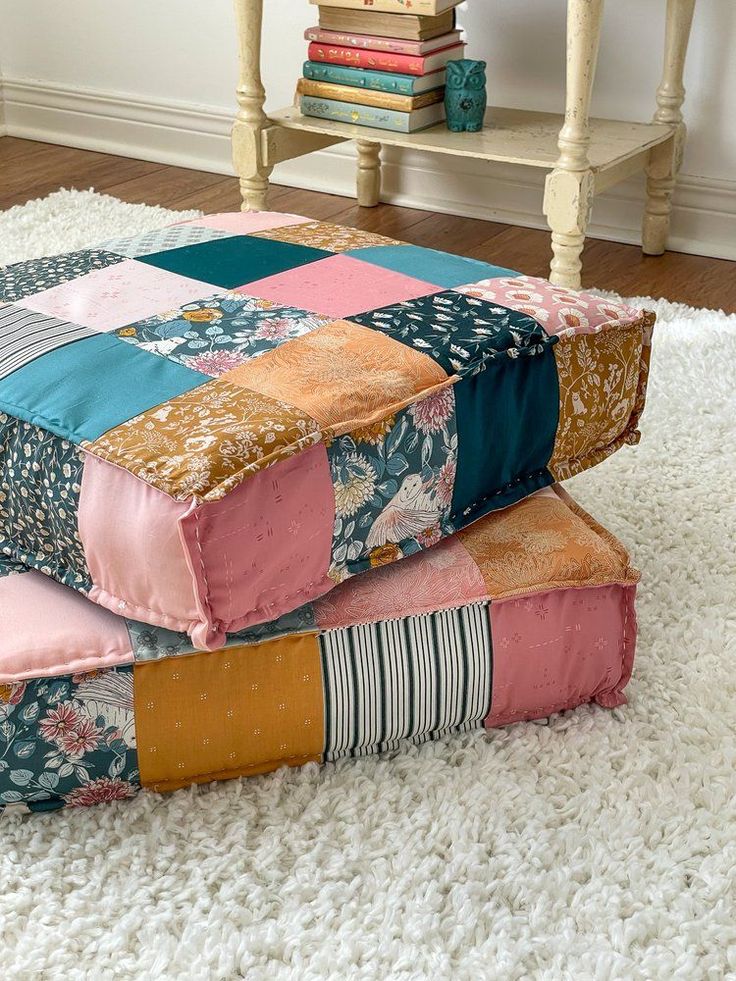
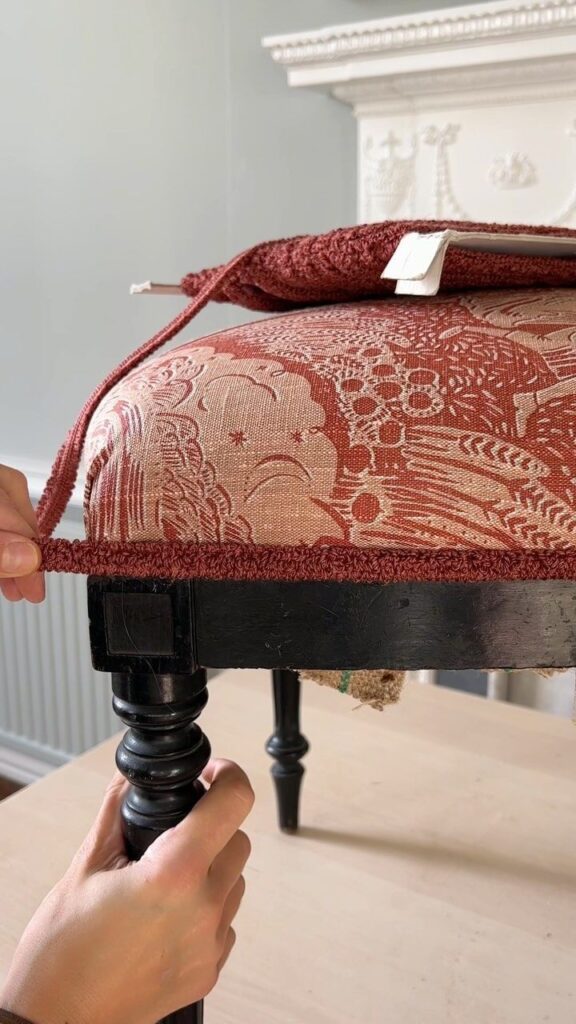
Reupholstering old chairs or stools can change their style completely. Begin by removing the old fabric and checking the padding. Replace worn foam with new cushioning if needed.
Cut new fabric slightly larger than the seat. Use a staple gun to attach the fabric tightly on the bottom or back side. Smooth out wrinkles as you go.
Simple patterns like stripes or solids work best for beginners. Adding decorative trims or buttons can give an extra touch without much skill.
Budget-Friendly Room Accents
Small touches can change the look of a room without spending much money. Items like pillows, vases, and candle holders can add personality and style while staying affordable. These accents can be personalized or made from items found around the house.
Handmade Throw Pillows


Creating throw pillows is a simple way to add color and texture. Using inexpensive fabric, such as old t-shirts or curtains, can save money. Basic sewing skills or even fabric glue works for assembling pillows.
Adding buttons, patches, or fabric paint can customize the pillow’s design. Pillow stuffing can come from old cushions or polyester fiberfill found in craft stores. Changing pillow covers with seasons or moods is easy and budget-friendly.
Decorative Vases and Bowls


Glass jars, old bottles, or thrift store finds can become unique vases or bowls. Cleaning and painting these containers with spray paint or acrylic can give them a fresh look.
Using natural materials like twine or stones glued around the item adds texture. Bowls can double as catch-alls for keys or change, making them both decorative and functional.
| Item | Material Ideas | Decoration Tips |
|---|---|---|
| Vases | Glass jars, bottles | Spray paint, twine wrap |
| Bowls | Ceramic, thrift finds | Stones, paint, or decals |
Repurposed Candle Holders


Old candle holders can gain new life with a cleaned surface and a finish rated for the material. Keep fabric, paper, twine, dried plants, and ordinary paint away from an open flame; use a battery-operated LED when decoration reaches the rim.
Using jars or glasses as candle holders with sand or pebbles to hold candles steady works well. Adding small mirrors or metallic foil inside can reflect light better. Repurposed holders save money by using what’s already available.
Lighting Hacks for Home Decor
Lighting can change the feel of a room quickly and affordably. Using simple materials, anyone can create unique lights that add charm and warmth to their space.
DIY String Lights

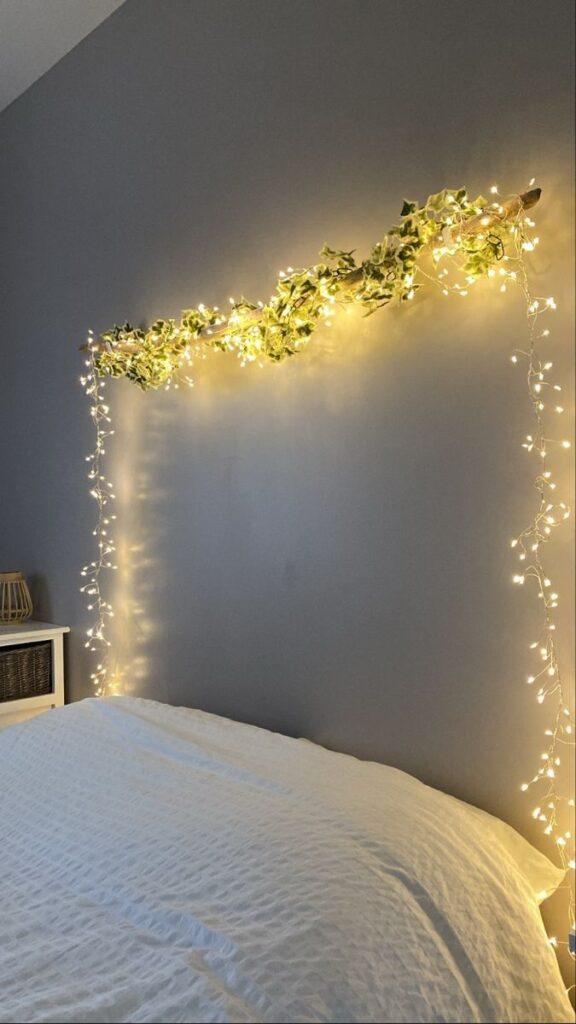
String lights are easy to customize and work well in many rooms. Start by buying plain white or clear LED string lights. Then, add small decorations like paper cutouts, fabric flowers, or colorful beads. This personalizes the lights to fit the room’s style.
For safety, use LED bulbs since they stay cool and save energy. Hang the string lights around windows, over shelves, or along mirrors for soft, cozy illumination. Battery-operated sets are a good choice when outlets aren’t nearby.
Personalized Lampshades


A plain lampshade can look fresh with a few simple edits. Use fabric paint or markers to create patterns or designs that match the room’s color scheme. Another option is to glue ribbon, lace, or small craft paper shapes on the lampshade’s surface.
Make sure the materials are fire-safe and do not block the light too much. Changing lampshades is an easy way to update lighting without spending much money or needing special tools.
Mason Jar Lanterns

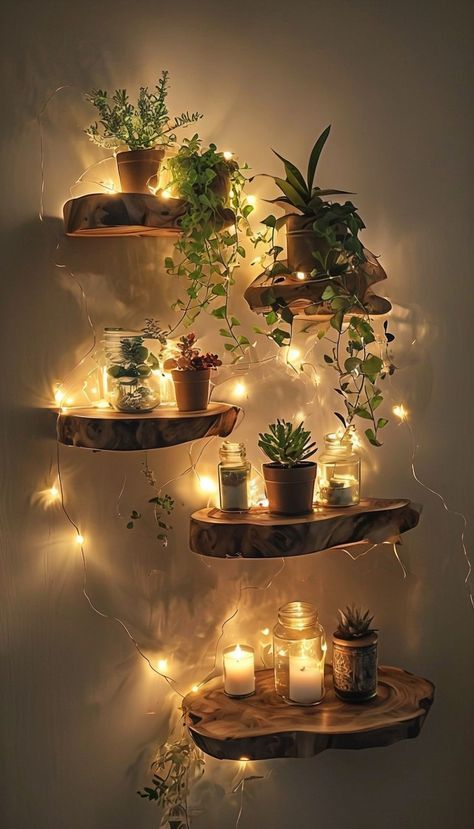
Mason jars turn into simple lanterns with just a few supplies. Place a battery-powered LED tea light inside the jar, then add frosted spray paint or a ribbon around the lid. Keep the light source removable so you can replace the battery without damaging the finish.
These lanterns work well on tables, windowsills, or covered porches. The diffused light suits rustic or vintage rooms without the heat and open-flame risk of a candle inside a decorated jar.
Organization and Storage Solutions
Good organization helps keep a home neat and easy to navigate. Using smart storage methods can save space and make items more accessible.
Wall-Mounted Shelves


Wall-mounted shelves add storage without taking up floor space. They are perfect for holding books, plants, or small décor items. Shelves can be made of wood, metal, or floating boards to match the home’s style.
Installing shelves at eye level makes items easy to reach. Shelves with brackets provide extra strength for heavier objects. Using multiple smaller shelves in a pattern can create a visually interesting display while organizing items effectively.
Decorative Storage Baskets
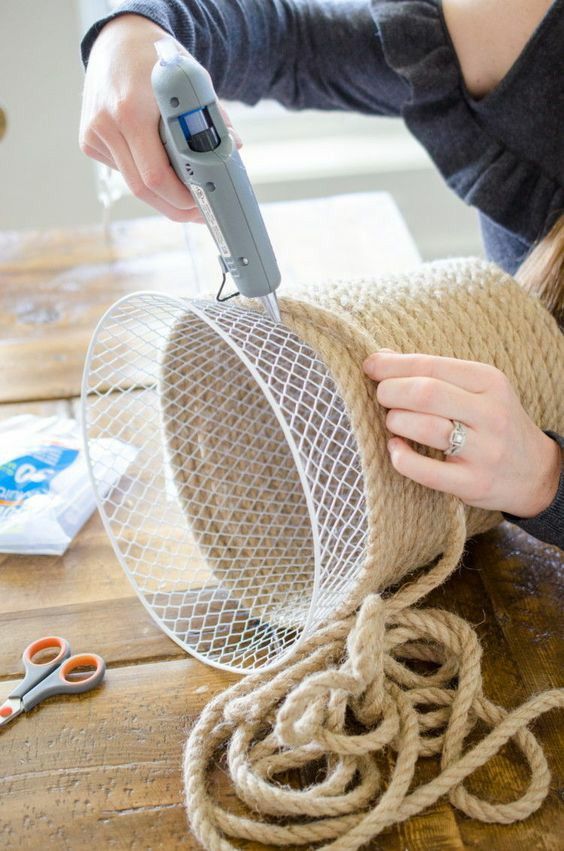
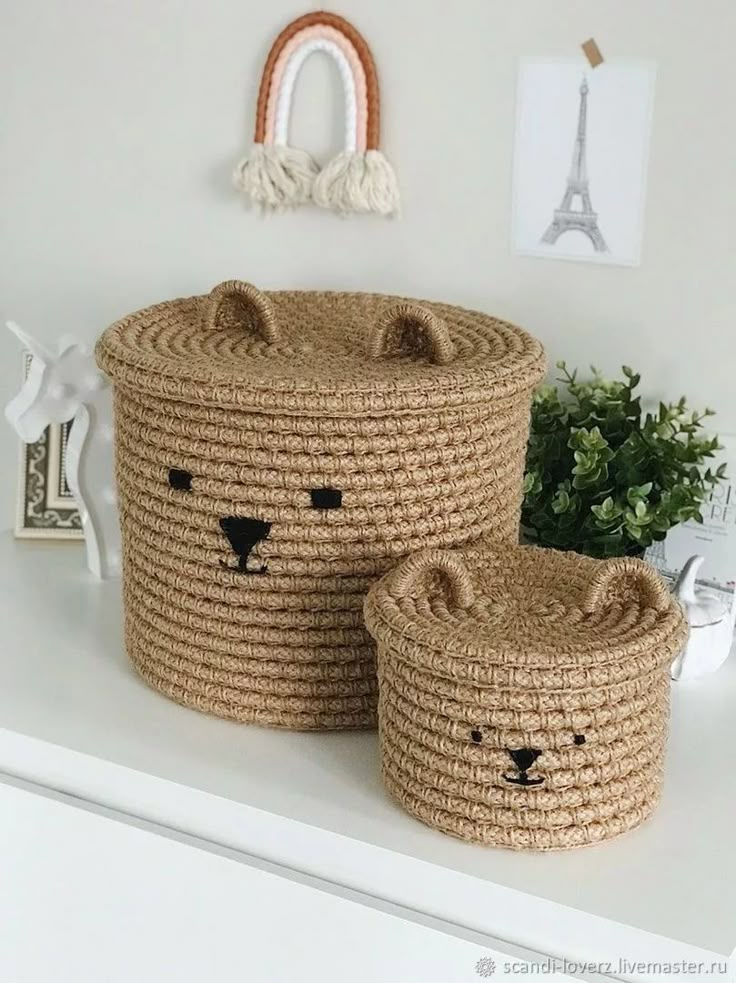
Decorative storage baskets combine style and function. They are great for storing blankets, toys, or magazines. Baskets made from natural materials like wicker add a warm, rustic feel to any room.
Baskets with handles make it easy to move items around. Choosing different sizes and shapes helps store various items in a tidy way. Placing baskets under tables or in closet corners maximizes storage without cluttering space.
Seasonal DIY Home Decor
Seasonal decor changes can refresh a home quickly and affordably. Simple projects like centerpieces, wreaths, and table settings give a room a holiday or seasonal feel without much effort. Each element uses easy-to-find materials and fits different styles.
Festive Centerpiece Ideas
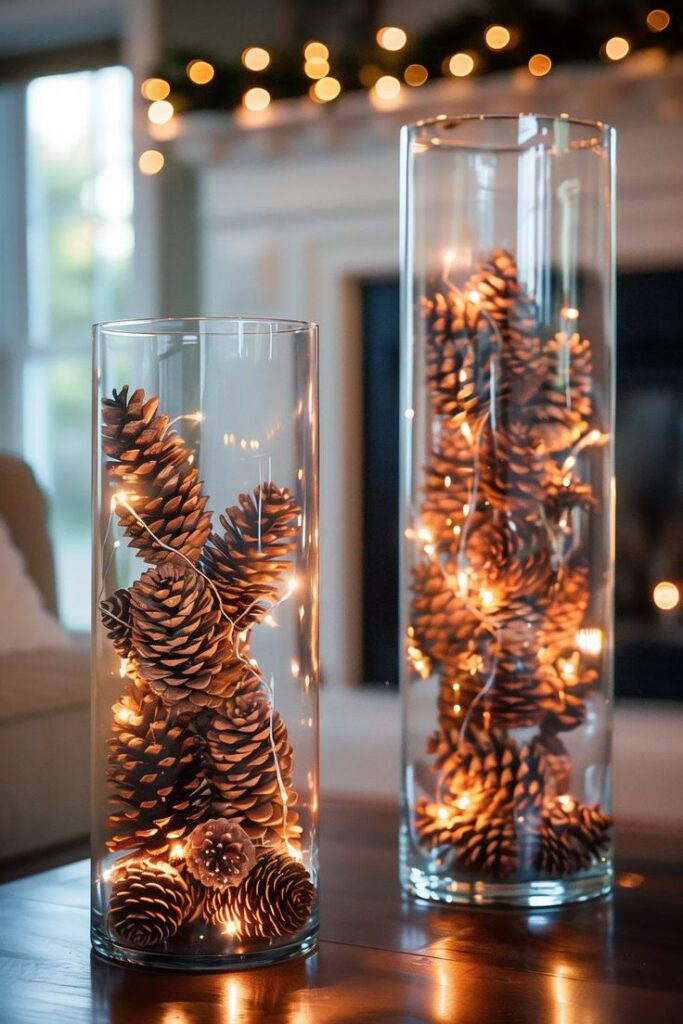
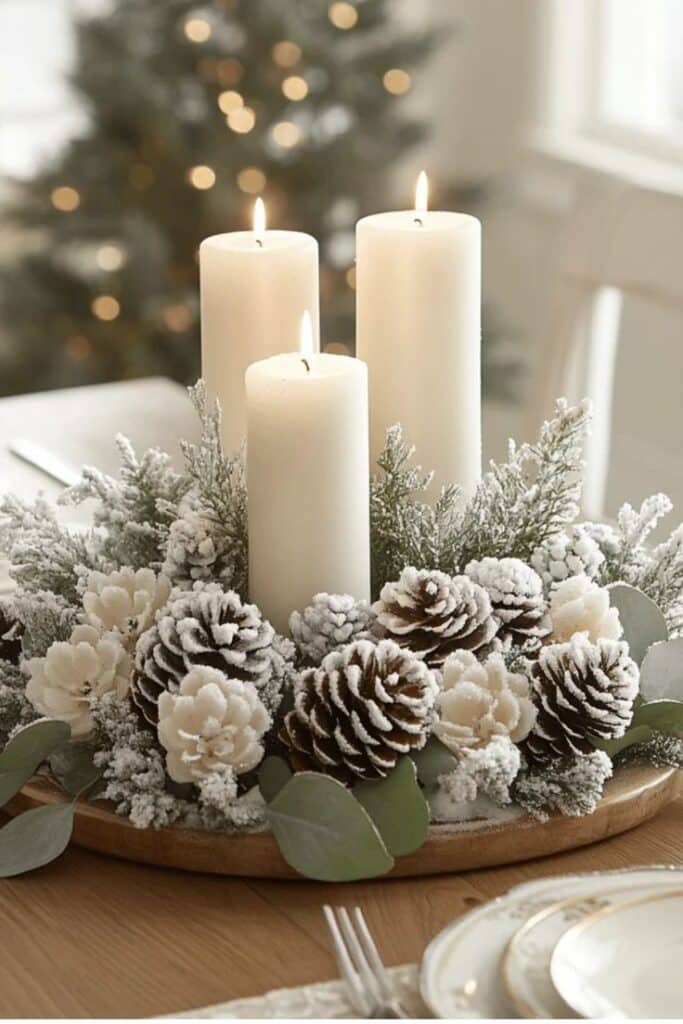
A festive centerpiece should stand out without cluttering the table. Using natural items like pinecones, dried oranges, or sprigs of evergreen creates a warm, seasonal look. These can be placed in clear glass bowls or shallow wooden trays for a simple, rustic style.
Candles add a cozy touch. Choose unscented tealights or pillar candles to avoid overpowering smells. Arrange the candles safely, surrounded by faux snow or berries for color.
For a modern look, use metallic spray paint on small branches or pinecones. Combine these with white flowers and greenery in a clear vase. This mix adds shine but keeps the arrangement neat.
Holiday Wreath Creations
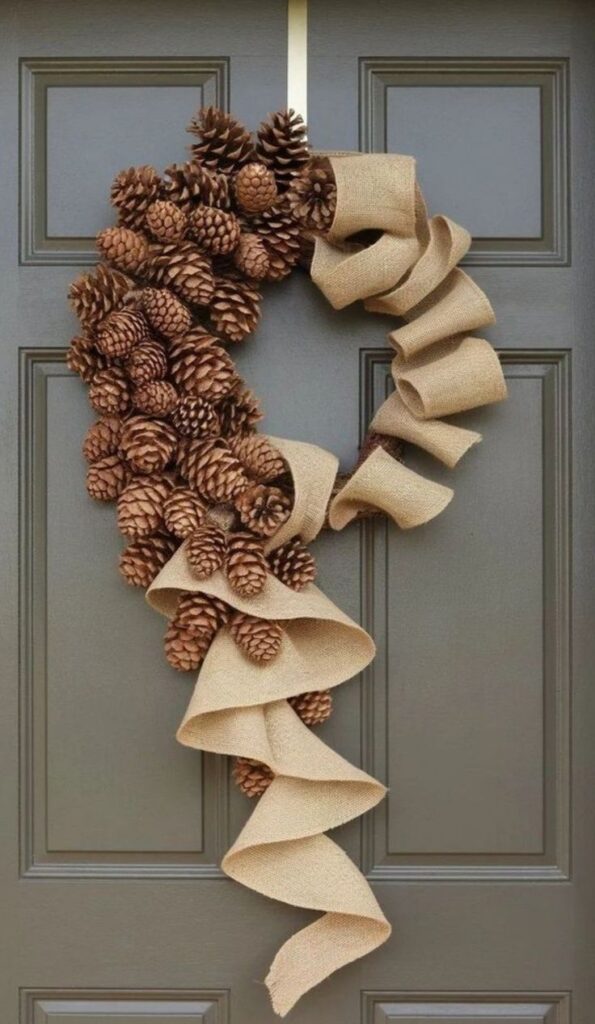
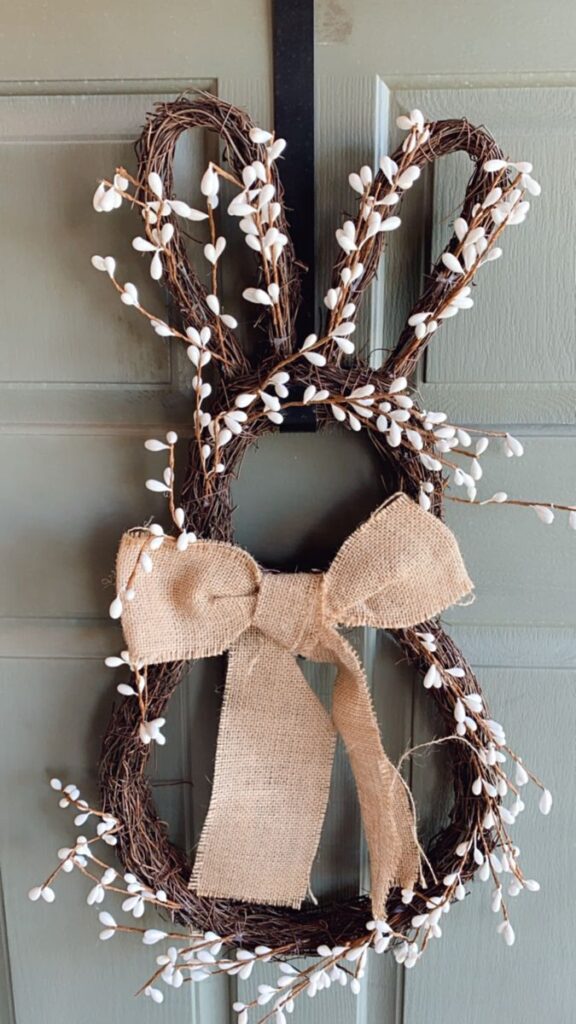
A holiday wreath grabs attention at doors or walls. Start with a wreath base made of wire or foam. Gather materials such as evergreen branches, holly, ribbons, and small ornaments.
Attach items securely using hot glue or floral wire. Layer different textures to add depth. For example, add pinecones then weave in a red ribbon.
Color choices matter. Traditional green, red, and gold fit Christmas, while oranges and browns work well for fall. A wreath can also use artificial flowers for durability.
Wreaths don’t have to be round. Square or heart shapes offer a unique twist and fit different spaces better.
Seasonal Table Settings

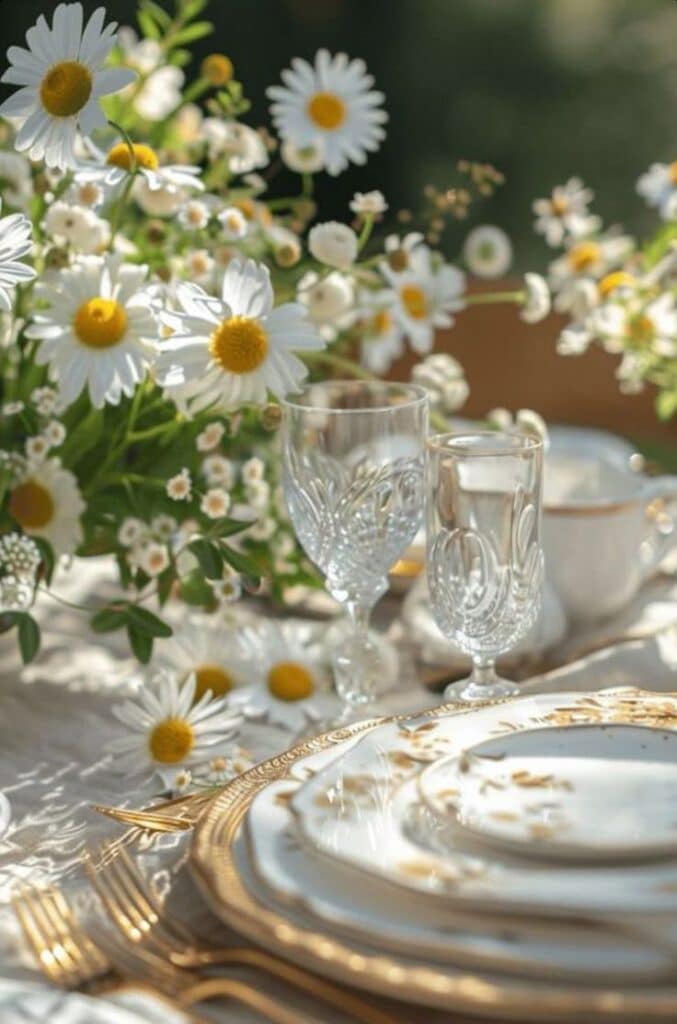
Table settings set the mood for meals without extra cost. Use cloth napkins in seasonal colors like deep red or burnt orange. Tie them with twine or thin ribbon for a simple bow.
Placemats made from natural materials like burlap or woven straw add warmth and texture. Add small seasonal decorations to each plate, such as a cinnamon stick or mini pinecone.
Use clear glassware to keep the table looking light. Centerpieces or candle holders should not block guests’ view. Small items grouped on a runner give a clean, festive look.
Changing just a few elements lets the table reflect the current season or holiday easily.
Textiles and Soft Furnishing Upgrades
Updating textiles is a quick way to refresh a room. Small changes to curtains, drapes, and rugs can make a big impact without spending much money.
DIY Curtains and Drapes

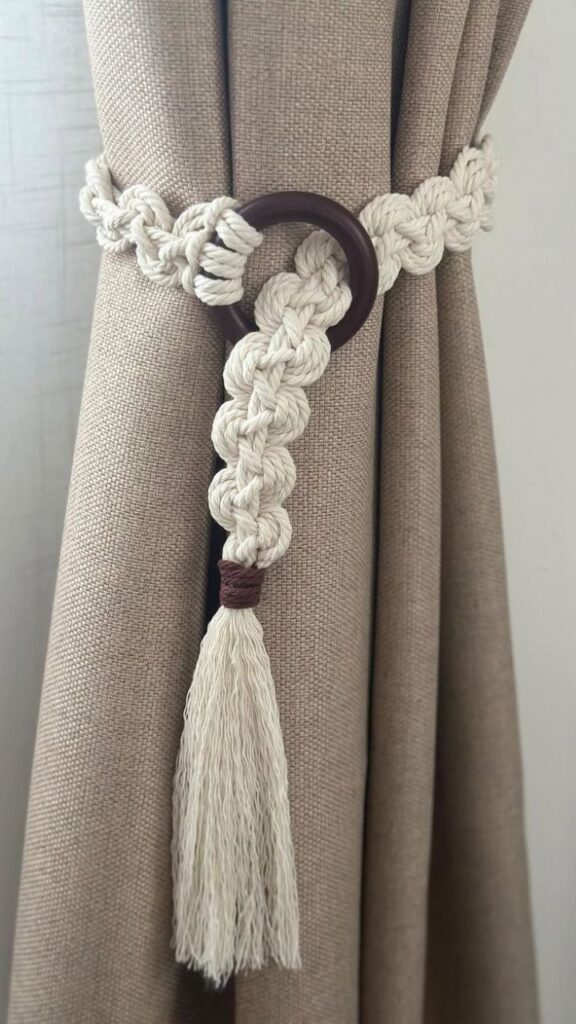
Making curtains at home can save money and add a custom look. Start by choosing fabric that matches the room’s style and color palette. Cotton and linen are good choices because they hang well and are easy to work with.
Measure the window carefully. Add extra length for hems and curtain rod pockets. Use fabric tape or a sewing machine to hem edges neatly. If sewing is not an option, iron-on hem tape works well.
Adding curtain rings or grommets makes hanging easier and gives a polished finish. Consider using a double rod for layering sheer curtains underneath heavier drapes. This adds depth and controls light better.
Simple Rug Makeovers
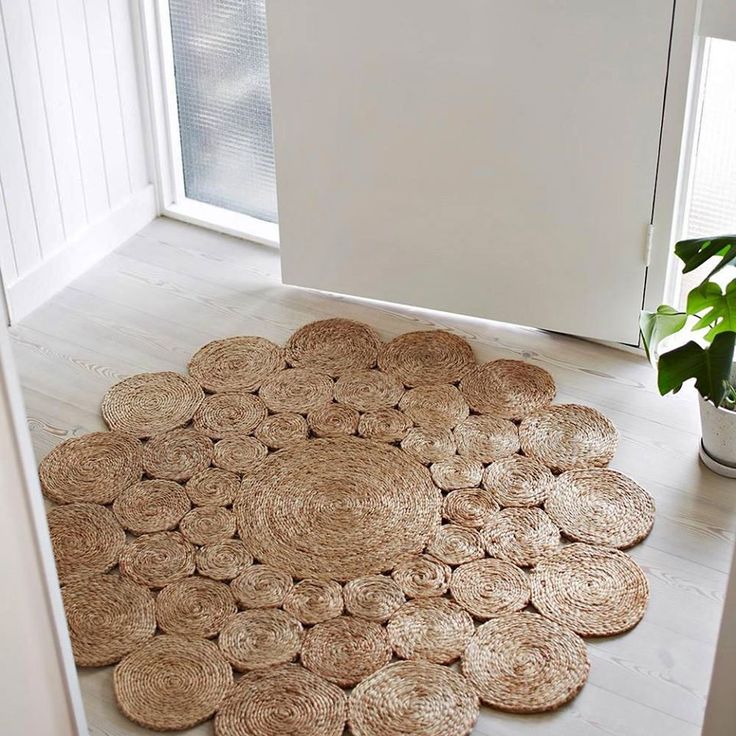
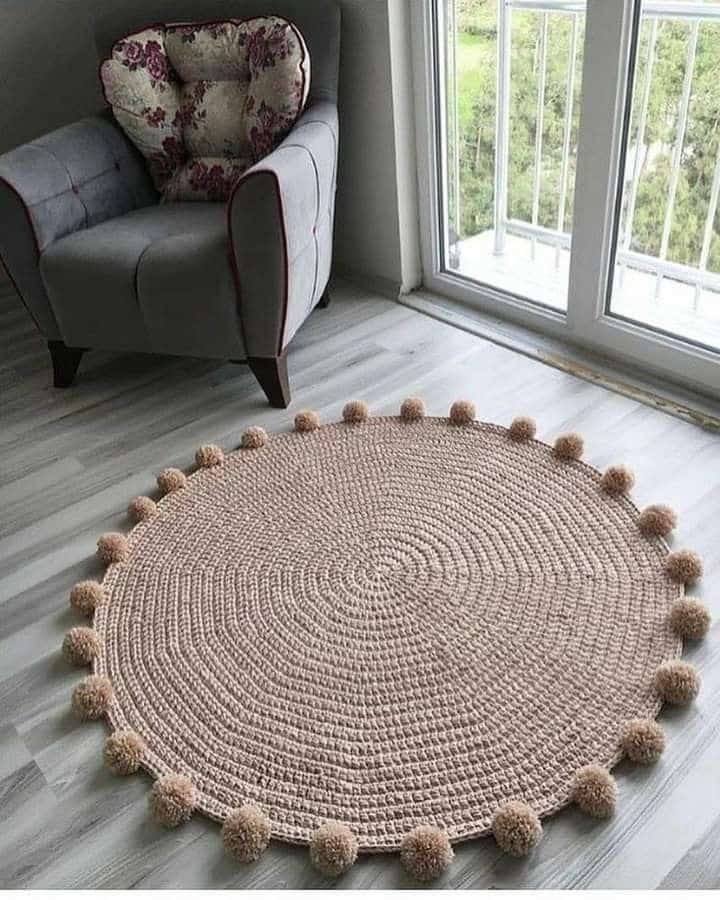
Old rugs can look new with a few quick updates. For small rugs, cleaning them thoroughly can restore color and texture. Use a vacuum and spot cleaner for stains.
To add style, try painting patterns with fabric or acrylic paint. Geometric shapes or stripes are easy to create with painter’s tape. Let paint dry fully before use.
Another option is using lace or fabric glue to add trim or fringe to edges. This changes the rug’s look and hides worn corners. For bigger rugs, rotating them regularly avoids uneven wear and fading.
| Tip | Benefit |
|---|---|
| Paint patterns | Custom look |
| Add fringe | Hides wear; adds texture |
| Clean regularly | Restores color and freshness |
Green Decor With Plants
Using plants in home decor can bring life and color to any space. Simple ideas for planters and smart ways to save room with vertical gardens help add style and greenery without clutter.
Creative Planter Ideas
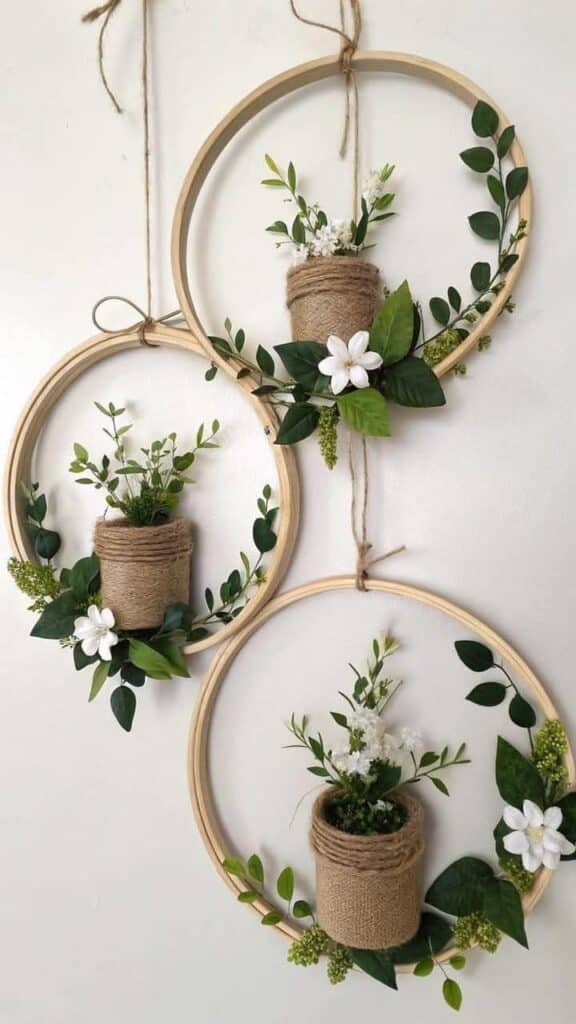
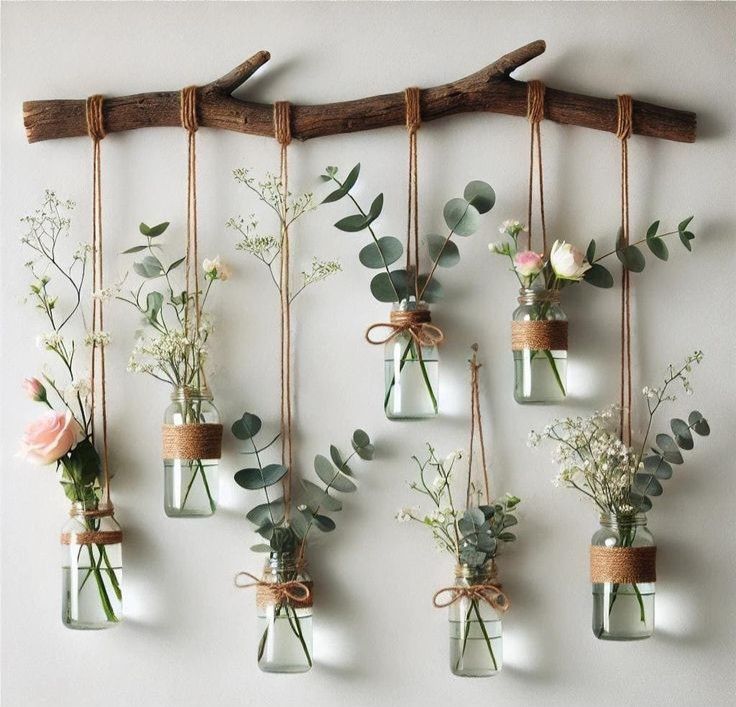
Planters don’t have to be plain pots. Using items like old tea cups, mason jars, or repurposed wooden crates can create unique containers. Painting or decorating these with patterns or colors adds personality.
For drainage, drilling holes or adding small layers of rocks helps keep plants healthy. Grouping different sized planters together creates visual interest. Mixing materials such as metal, clay, and fabric gives texture variety to a room.
Vertical Garden Hacks
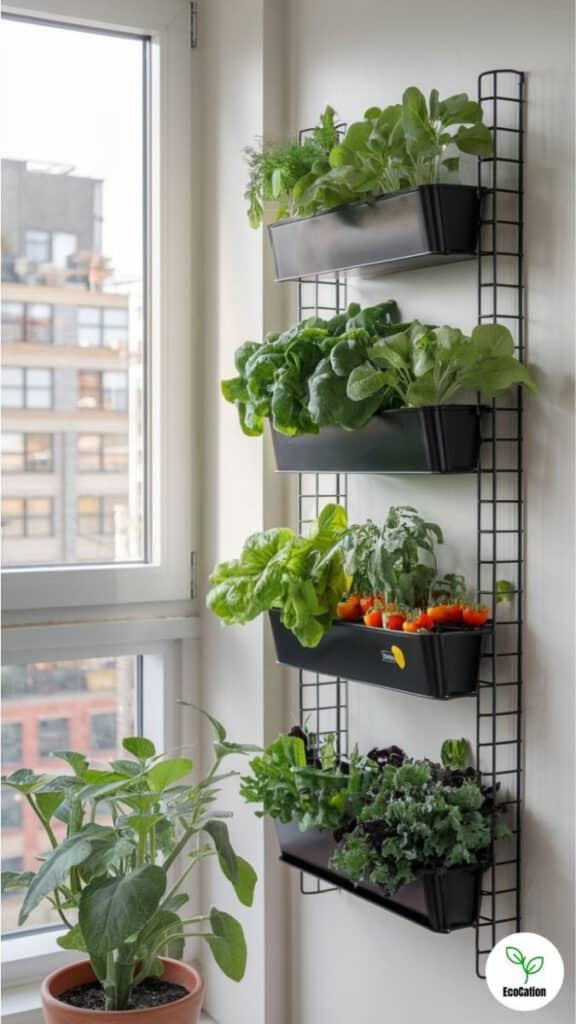

Vertical gardens use wall space to grow plants, saving floor area. They work well in small rooms or apartments. Hanging pockets made from felt or canvas can hold multiple plants and are easy to install on walls.
Another option is using old pallets or shelves as plant holders. Ensuring plants get enough light is key, so placing vertical gardens near windows improves growth. Vertical gardens add greenery without taking up much room.
Personalized Decorative Touches

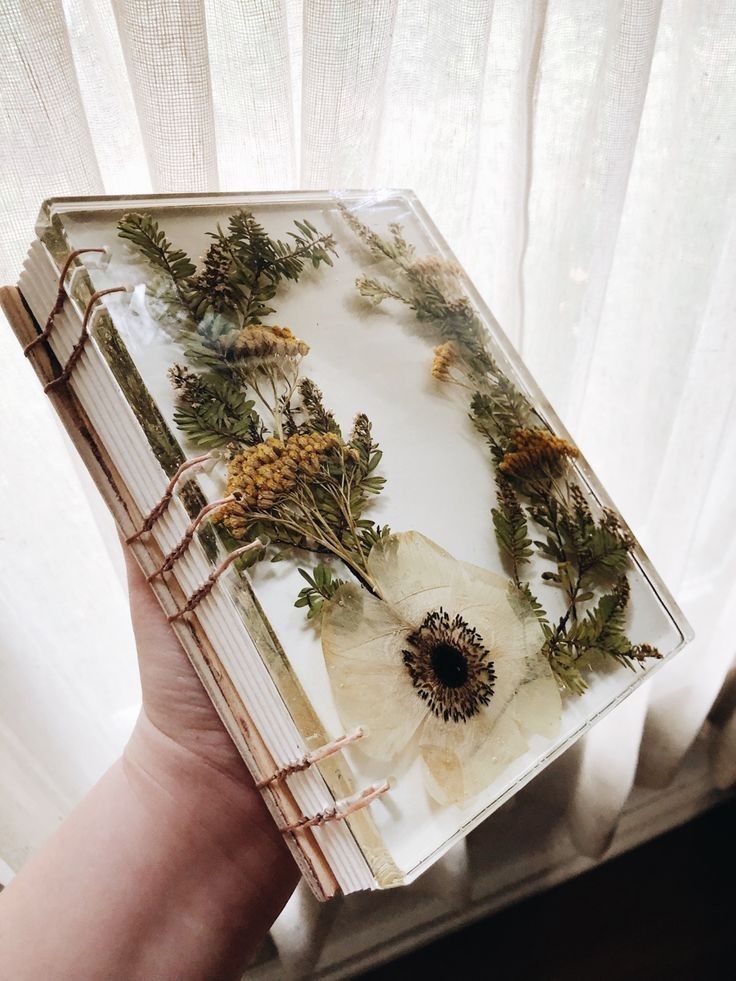
Adding personalized touches makes a home feel unique and welcoming. People can use simple items like photo frames, artwork, or handmade decorations to reflect their style.
One easy idea is to create custom wall art. They can print favorite quotes or photos and frame them. Another option is to paint small designs on plain cushions or vases. These small changes can brighten a room instantly.
Using labels or tags on storage boxes is another practical way to add personality. It helps keep things organized and shows a creative side at the same time.
Tips for personalized decor:
- Use favorite colors to match the room’s theme
- Include items with personal meaning, like souvenirs or gifts
- Mix textures, such as wood and fabric, for a balanced look
People can also make their own candles or potpourri with preferred scents. This adds a cozy, inviting feeling and makes spaces smell nice.
Simple handmade items can be affordable too. It does not require much skill or expensive tools. Just a bit of time and creativity can go a long way.
Related pallet seating: For budget rooms, an indoor pallet sofa idea can become the anchor piece when the cushions, wall color, and lighting are kept simple.
Common DIY home decor mistakes
- Starting without a measured layout. An idea that looks balanced in a close-up photo may be too small or too crowded for your wall.
- Skipping surface preparation. Paint and adhesive fail early on dusty, greasy, glossy, or loose surfaces.
- Using too many finishes. Limit the project to two or three colors or materials, then repeat one existing finish from the room.
- Ignoring visual weight. Spread dark colors, large frames, and bulky objects across a composition instead of loading one side.
- Choosing fixings by appearance. Shelves, mirrors, planters, and frames need hardware suited to both the wall and the finished load.
- Mixing decoration with heat or mains electricity. Keep flammable materials away from bulbs and flames, use LED lights where possible, and leave wiring changes to a qualified person.
A finished project should solve the original problem and still leave the room easy to use. Stop when the focal point is clear; another color, frame, or accessory is not automatically an improvement.
- 270shares
- Facebook0
- Pinterest267
- Twitter3
- Reddit0