A house can look polished in a listing photo and still be awkward to live in. A camera interrupts the view of the front door. New paving stops short of the route people actually walk. The thermostat works only through an account nobody else can open. A useful home design and ownership checklist asks three questions: how the place works today, how much care it needs, and whether someone else could take it over without guessing.
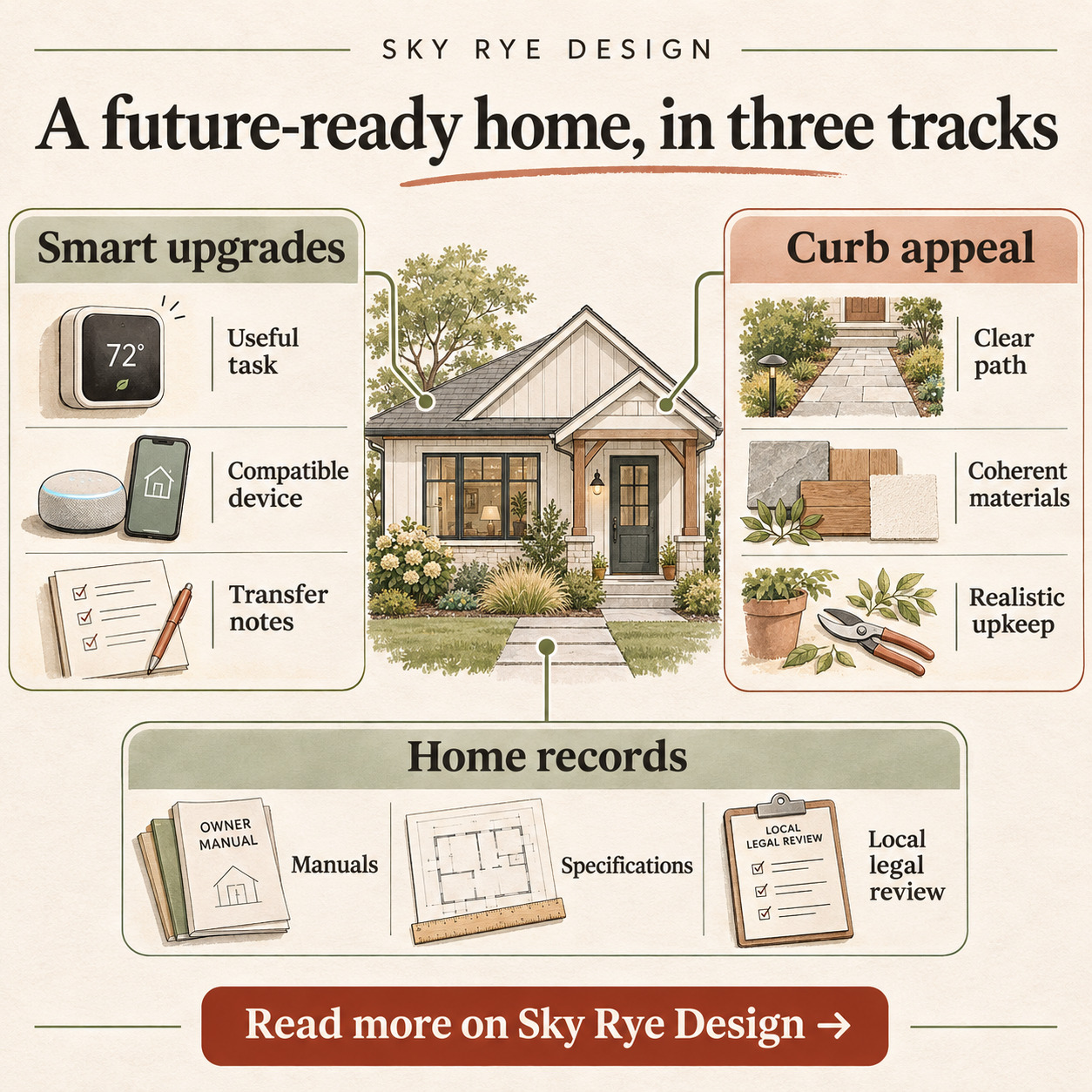
The work falls into three tracks. Choose connected technology for a real task. Make the exterior attractive and easy to maintain. Keep records that explain what has changed. Estate planning sits beside that third track, but it needs advice from a professional who knows your location and circumstances. None of this guarantees a higher sale price. It does make a house easier to understand, use and care for, which is a good aim whether you sell next year or never.
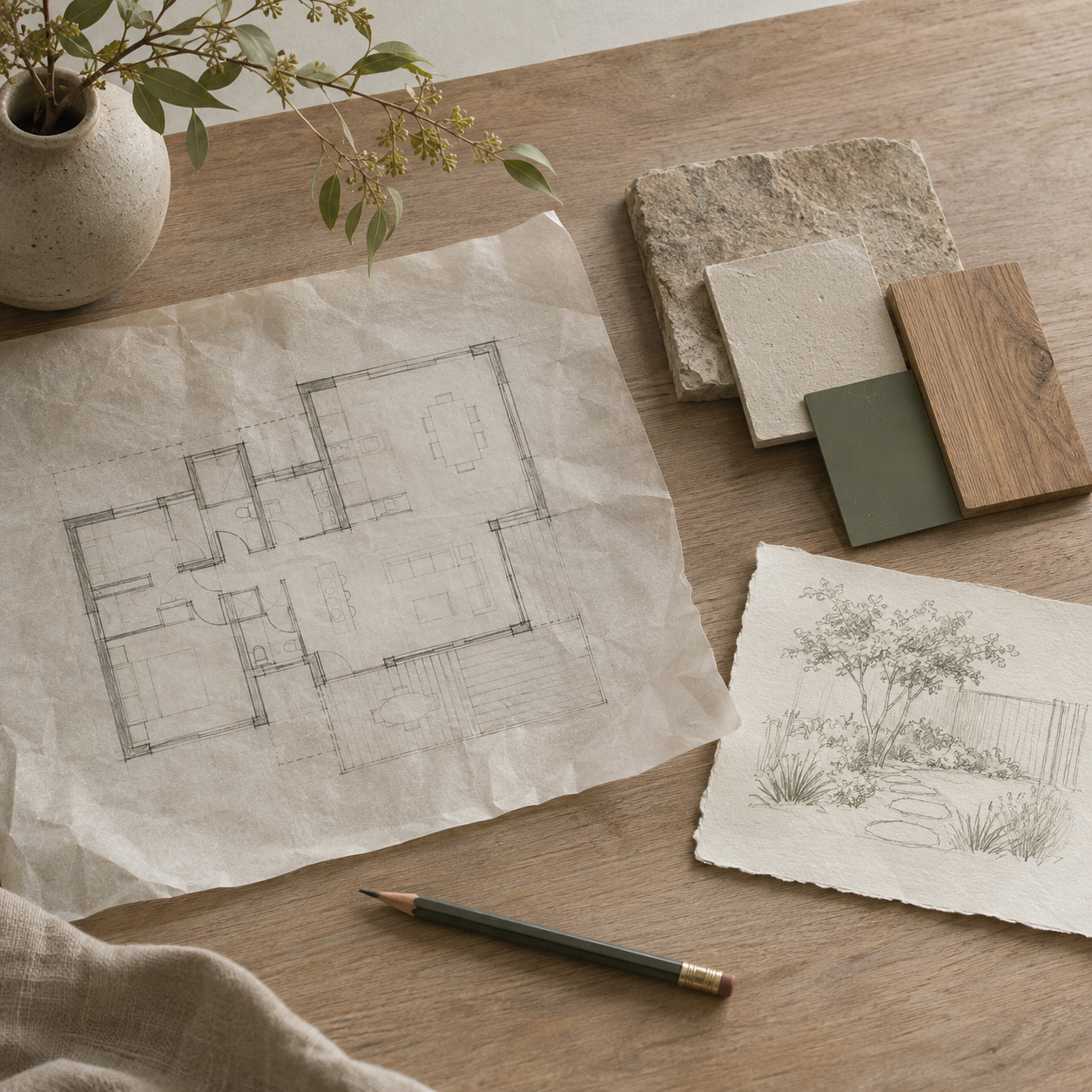
Start with a plan the next owner could understand
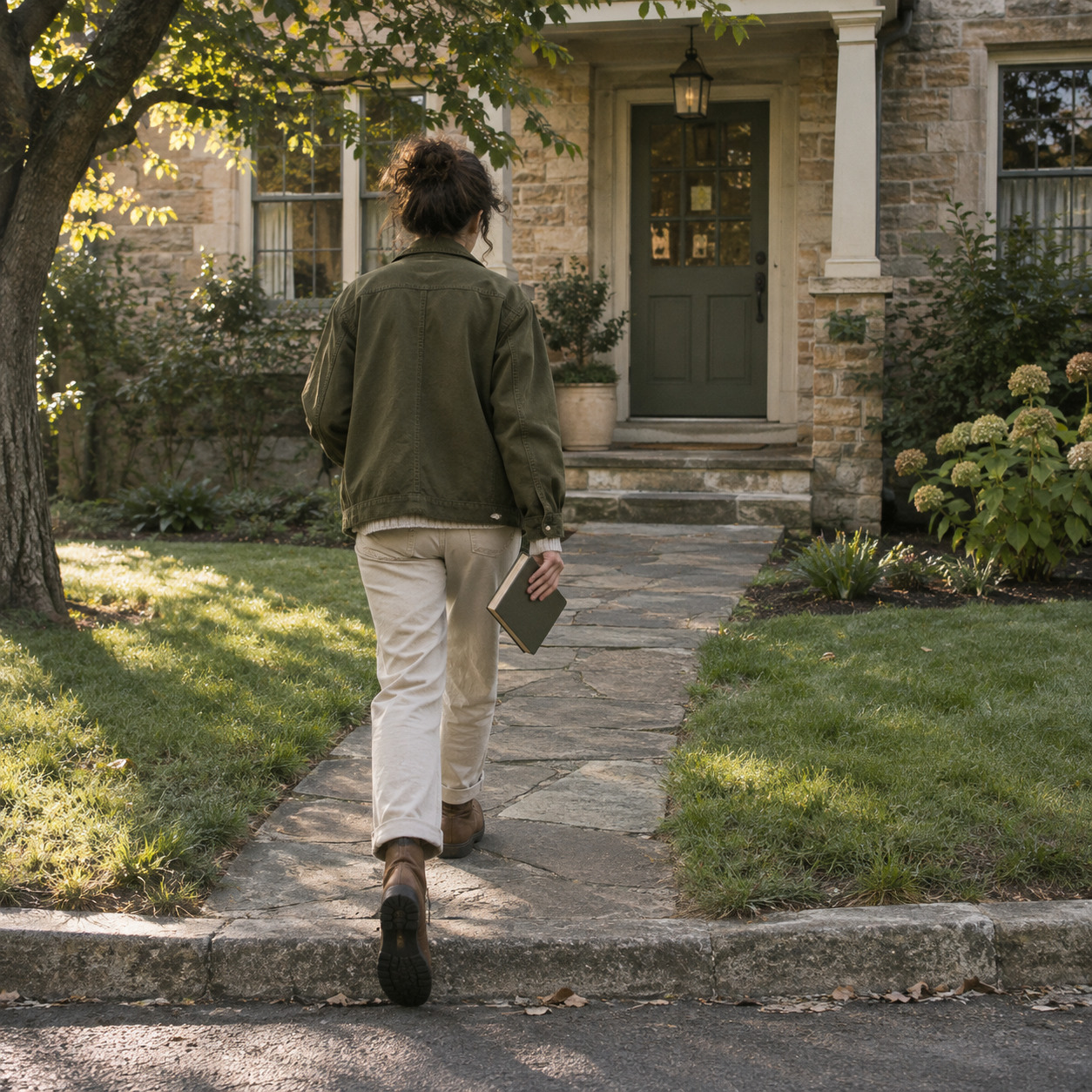
Before you buy a device or a tray of plants, walk the property as if you were seeing it for the first time. Where does your eye land from the street? Which route do you take from the parking space to the door? Could you find the light switch, the heating control and the water shutoff without help? Photograph the awkward spots, then write a short list of changes that would fix them.
For each proposed upgrade, note four things: the daily problem it solves, what it does to the look of the room or garden, the upkeep it needs, and what a future owner would have to know. This guards against a common mistake, which is spending on features that photograph well but leave behind a tangle of apps, cables or chores. If resale projects are your main concern, our guide to broader home-value ideas covers that separate question.
| Upgrade | Design check | Ownership check |
|---|---|---|
| Connected thermostat | Does the unit and wall plate suit the room's finishes? | Can a new owner operate and reset it? |
| Entry lighting | Does it light the path without glare in the eyes? | Are the circuit and timer documented? |
| Planting | Does it frame the facade at mature size? | Is the watering and pruning plan realistic? |
| New paving | Does it follow the route people really use? | Are material and installer records saved? |
Do the unglamorous work first. Repair a broken path, poor drainage or exposed wiring before you add decorative layers on top. A new planter beside a cracked step only draws attention to the step.
Make smart upgrades feel built into the design
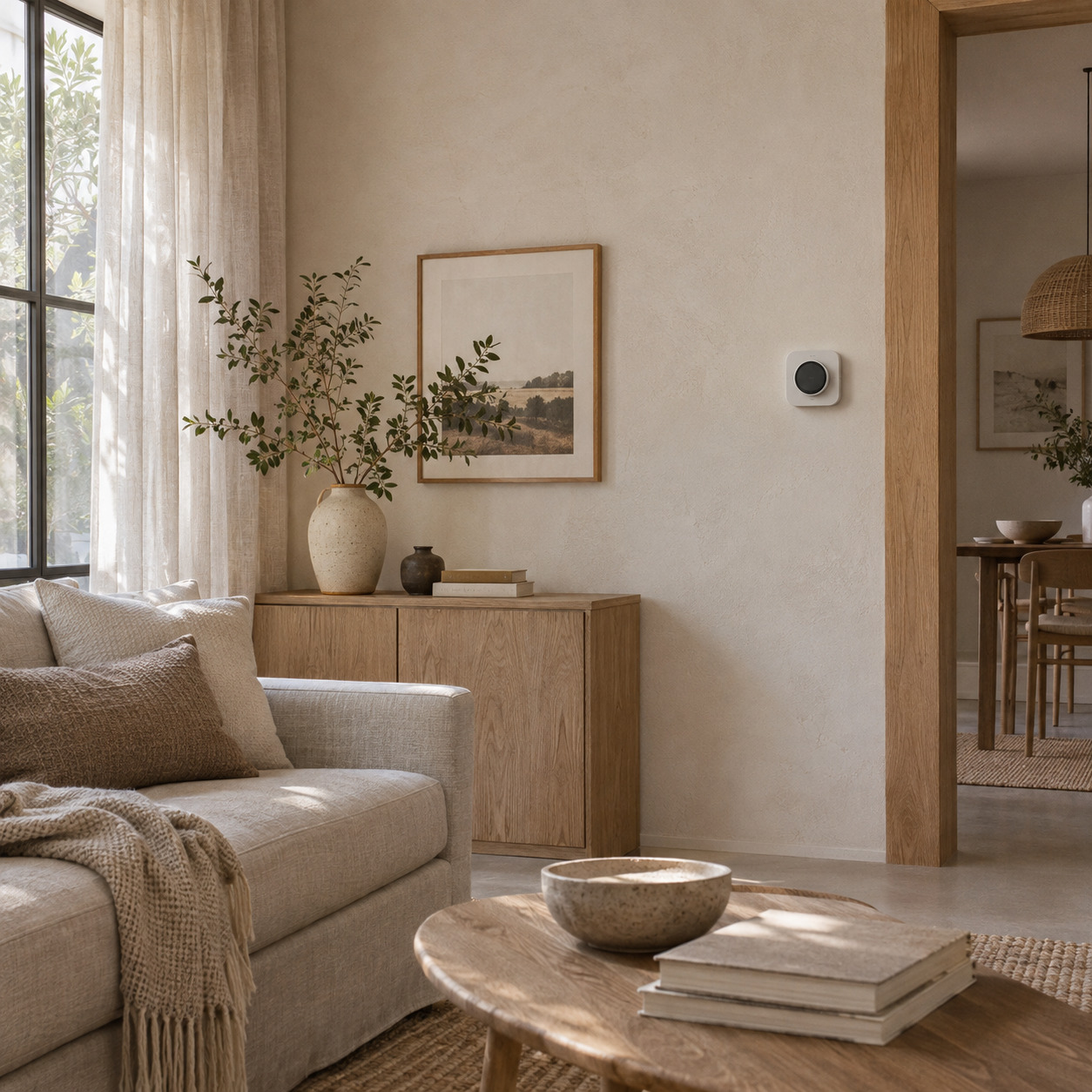
The best connected feature disappears when you don't need it and is obvious when you do. That might be a thermostat in a sensible spot, entry lighting controlled from the switch people already reach for, or a camera placed so the front door still reads as the front door.
Choose one useful task before buying a device
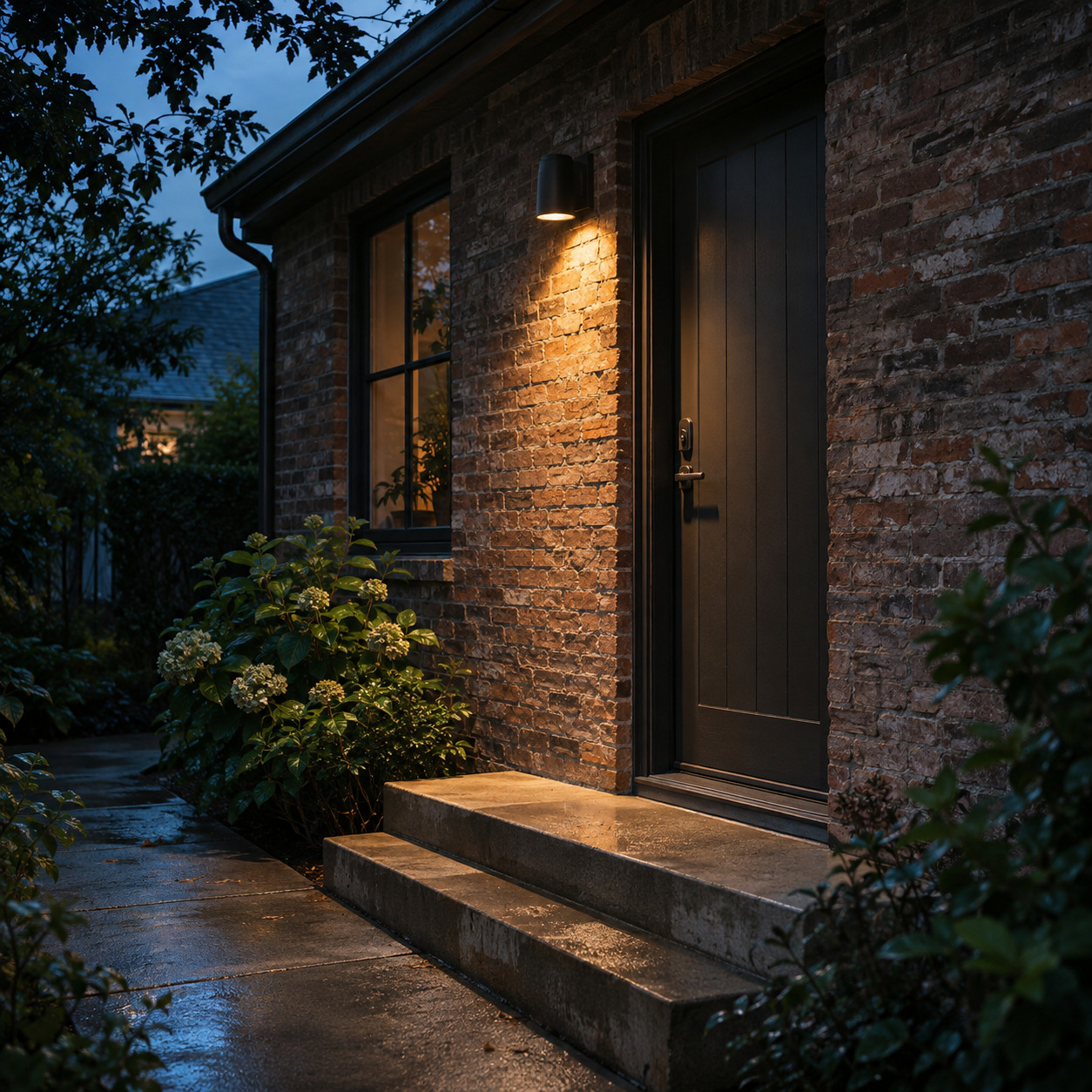
You may see claims that 89.5% of United States households have at least one smart-home device. Even if a figure like that holds up, it can't tell you whether another device belongs in your house. Start instead with a recurring annoyance: coming home to a dark entrance, heating rooms nobody uses, or wondering whether the garage door is still open. Choose a product only once you can describe its job in one sentence.
Then check the physical and technical fit. A smart thermostat has to work with the existing heating and cooling equipment, and ENERGY STAR's buying guidance flags compatibility and a dependable Wi-Fi connection as things to confirm. Think about where it sits on the wall, how it meets the paint or wallpaper around it, and whether someone can use it without a phone. If turning on one light takes several accounts and a subscription, the simpler upgrade is often the better one.
Keep hardware, controls and records coherent
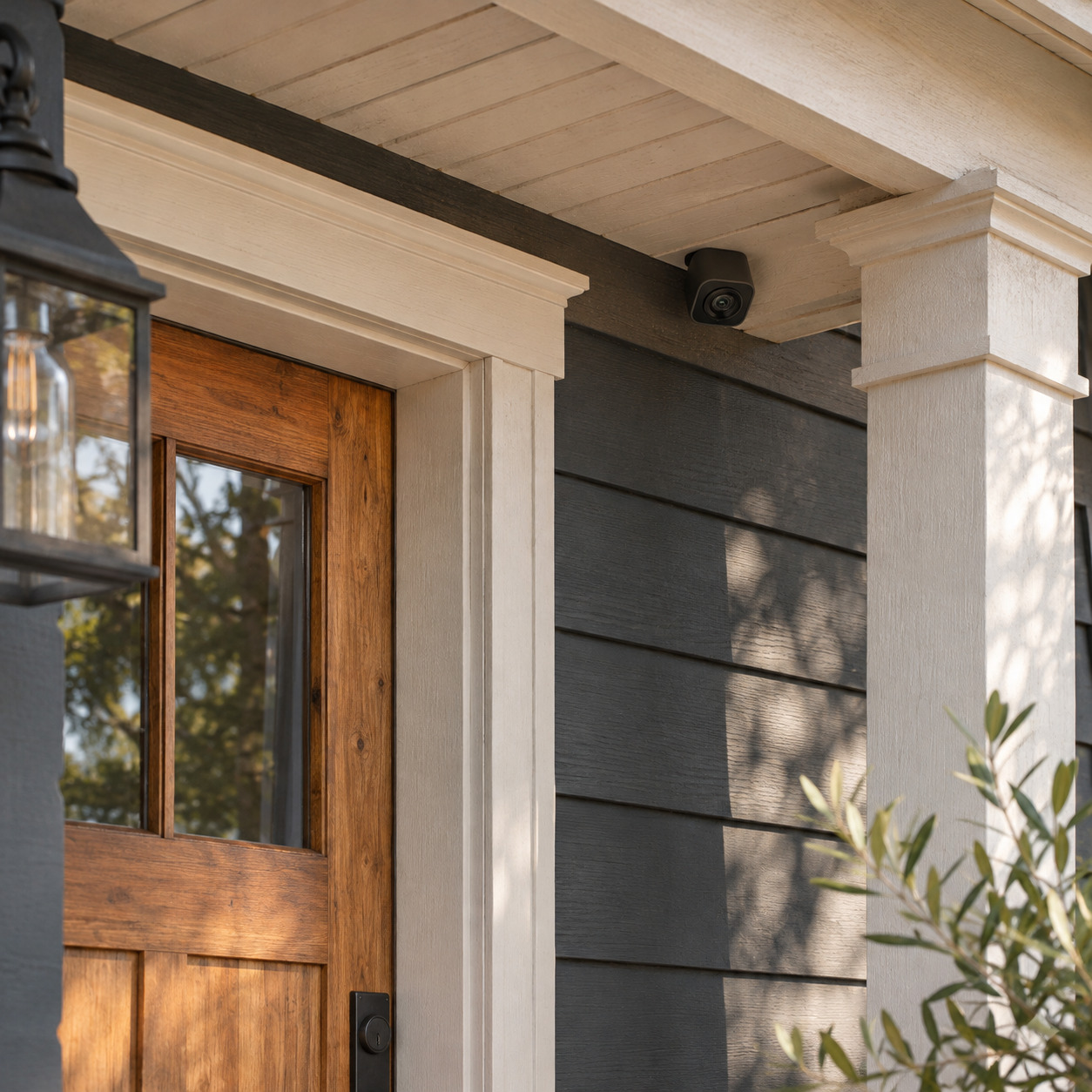
Sketch every visible device on a rough floor plan before installation. One black camera on a pale porch can become the strongest shape on the whole facade, so choose a finish close to the trim or mount it where the eaves already create shadow. Group switches and keypads where hands naturally go, keep plates in one finish and size throughout a room, and route cables through walls or neat channels rather than across them. Anything that calls for professional installation should go to an electrician or qualified installer. The deeper question of where routers and wiring belong is covered in planning the home's digital infrastructure.
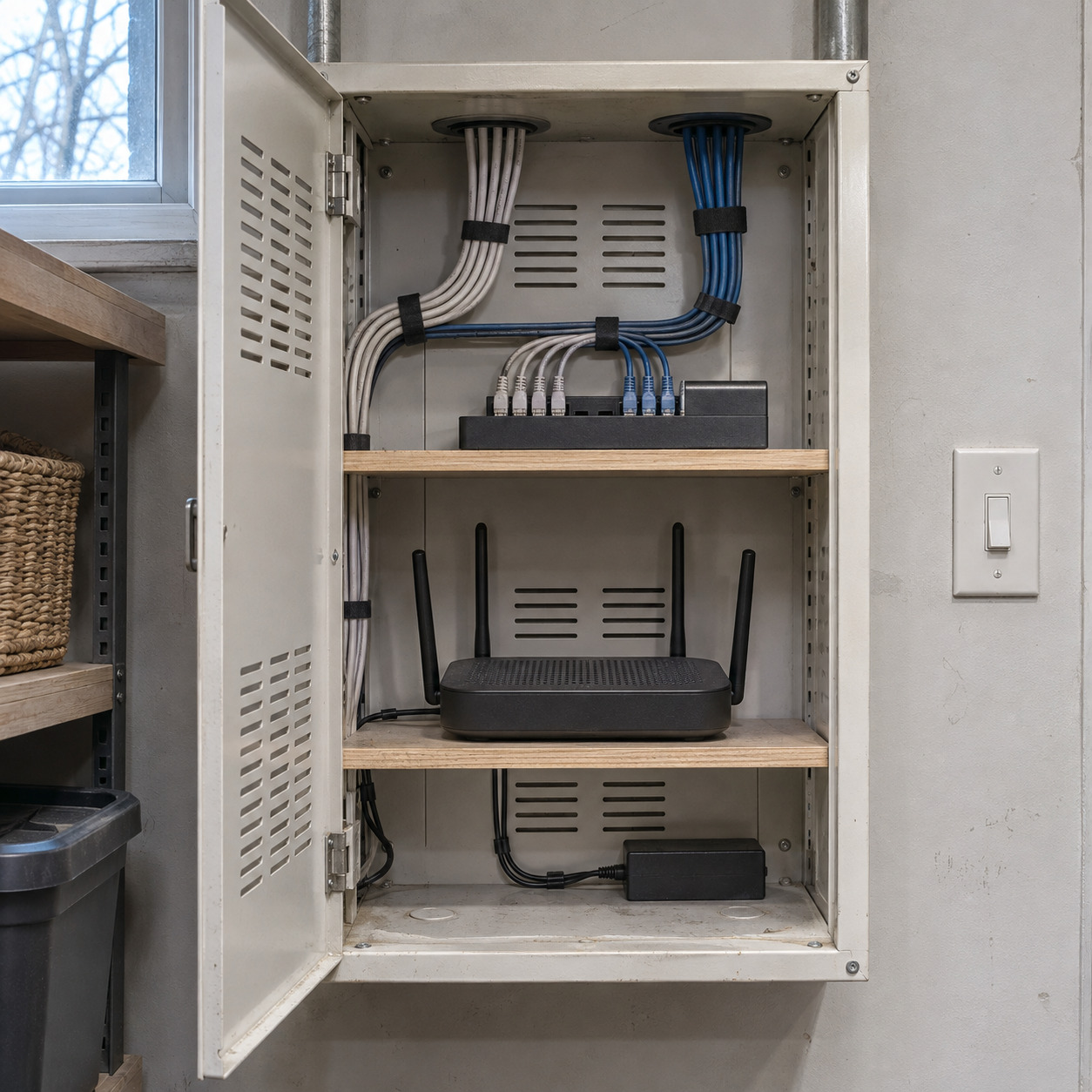
Keep a short device register: model, install date, manual, warranty, installer, the circuit it uses, and the steps to reset or transfer it. Leave personal passwords out of it. Before any handover, remove your personal data and follow each manufacturer's transfer process. A feature only helps the next person if they can identify it and run it without calling you.
Shape curb appeal around routes and maintenance
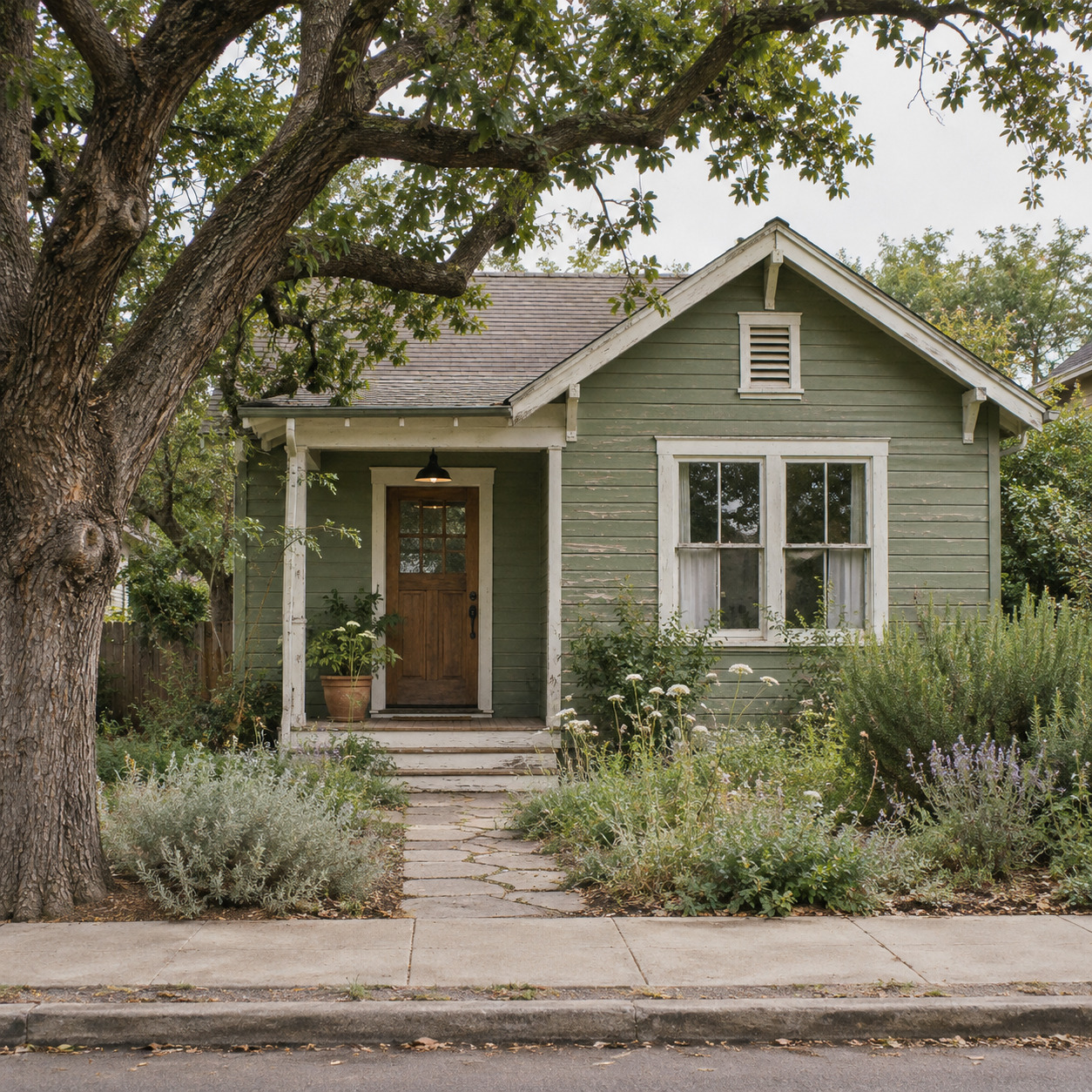
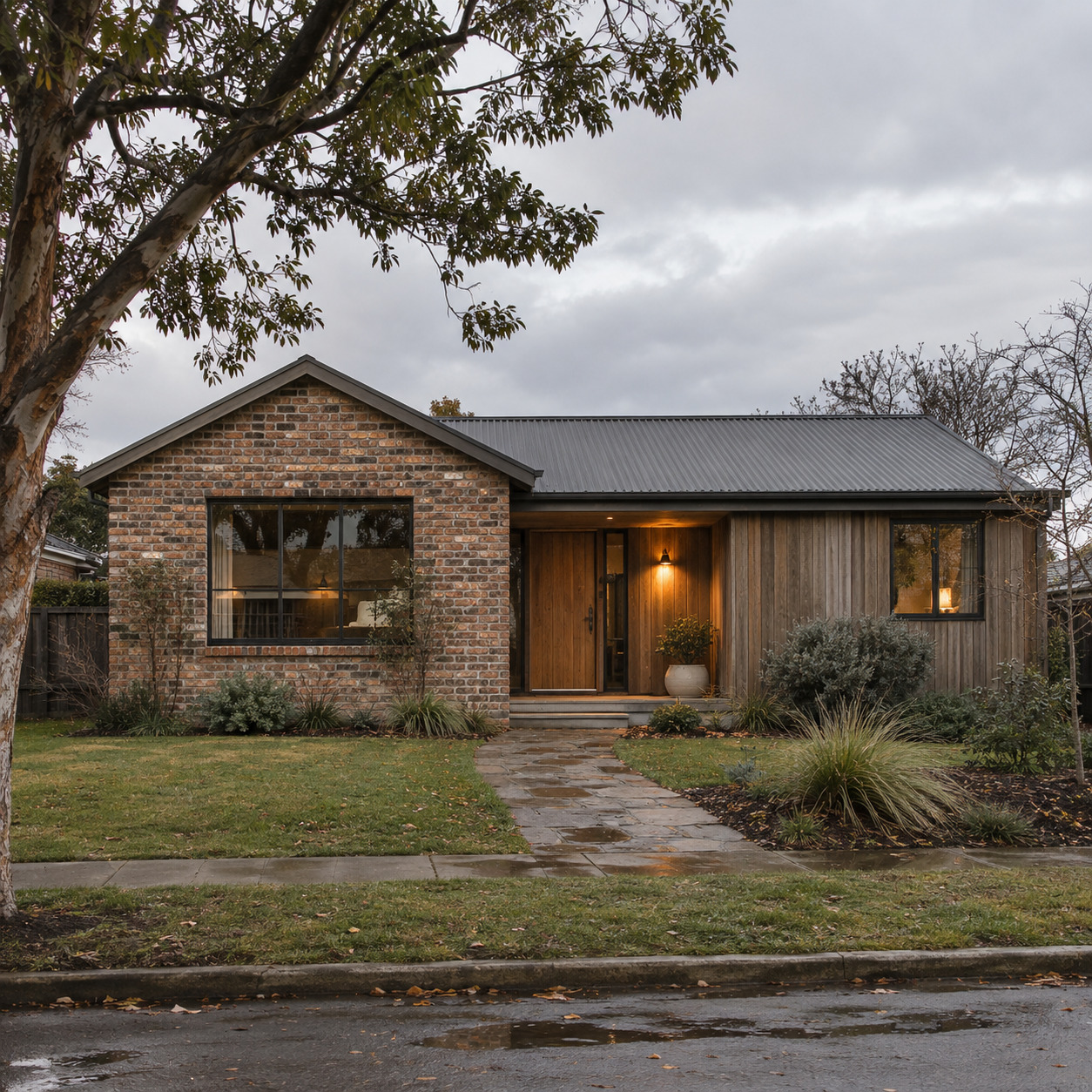
Stand across the street and squint at the house. Ignore the flowers for a moment. Look at the big shapes: roofline, facade, front door, paths, trees, and the dark masses under shrubs. The exterior changes that matter most usually clarify one of those shapes or make the entrance easier to find.
Draw the view from the street
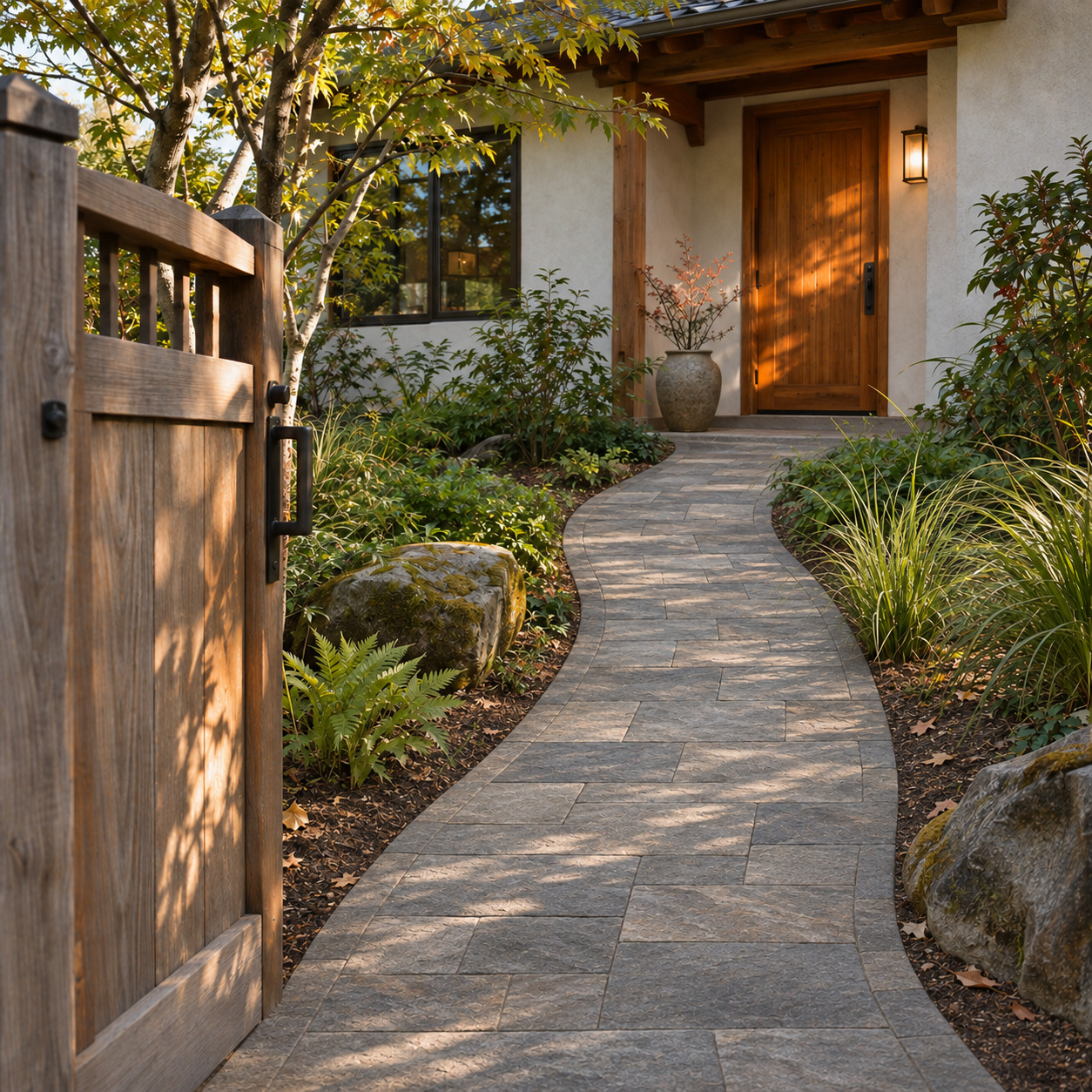
On a printed photo, trace the route from arrival to the door. It should be obvious in daylight and after dark. A continuous walking surface, a door that isn't hidden behind planting, and low, shielded lights aimed at the path do more for the approach than several spotlights washing the walls. Next, repeat one or two materials or colors from the facade in the path edging, planters or porch details, so the house and garden read as one composition. These facade examples show how a small change to an entry, trim color or planting mass can shift the whole front view.
You may also read that landscaped homes sell for 5% to 12% more than similar homes without landscaping. Treat any broad percentage as a reason to look at local comparable sales, not as a return you can count on. A clear, usable entrance is worth planning even if selling is years away.
Choose planting and materials someone can maintain
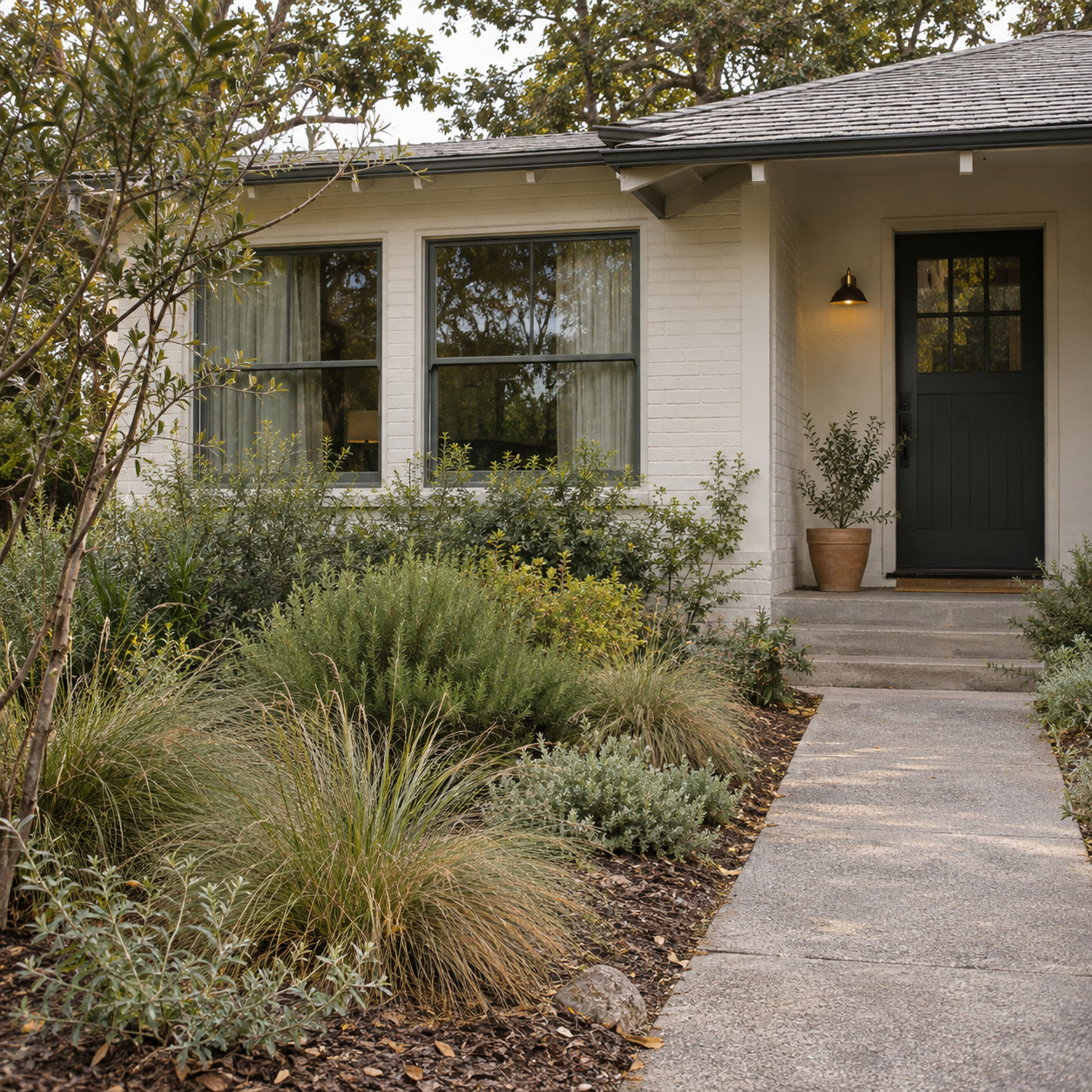
Measure each bed and check sun, soil and drainage before choosing plants. A shrub that looks tidy in a nursery pot can swallow a window once it matures. The University of Minnesota Extension advises allowing for the mature size of trees and shrubs when placing them. Keep sightlines open at doors, cameras and path junctions, and pick plants that suit your climate and the hours you can honestly give them.
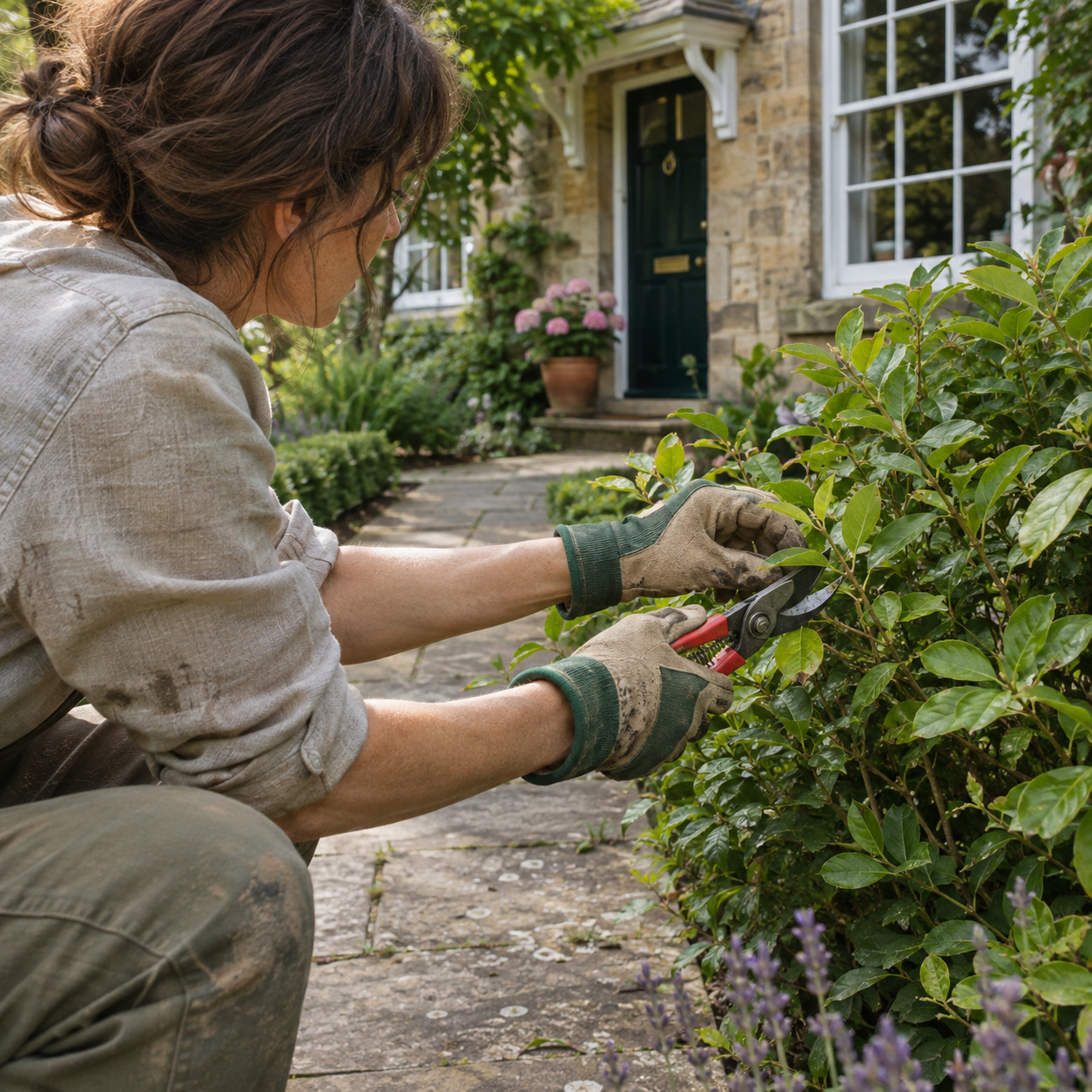
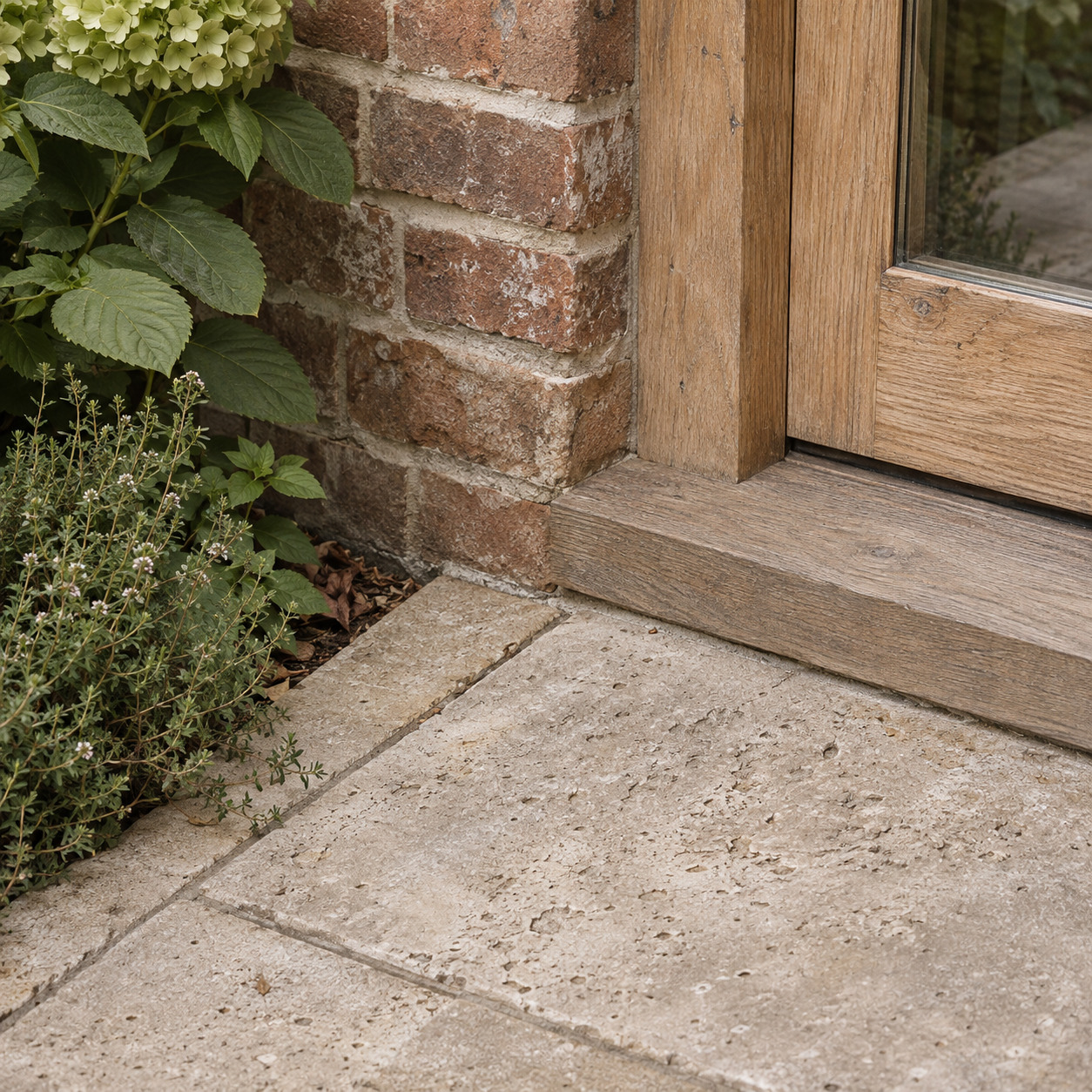
Treat the main walking route and a secondary garden path as different things. The route to the door needs a firm, even surface that works in rain and with a stroller or shopping bags; a gravel path through the beds can be looser. Favor materials a future owner can patch with products that are easy to source. For more detailed planning of beds and paths, low-maintenance landscape design is the next guide to read. Write down plant names, irrigation settings and seasonal tasks in plain language. A garden that only looks good while one person tends it every weekend is a fragile asset.
Keep the home's paper trail as carefully as its finishes
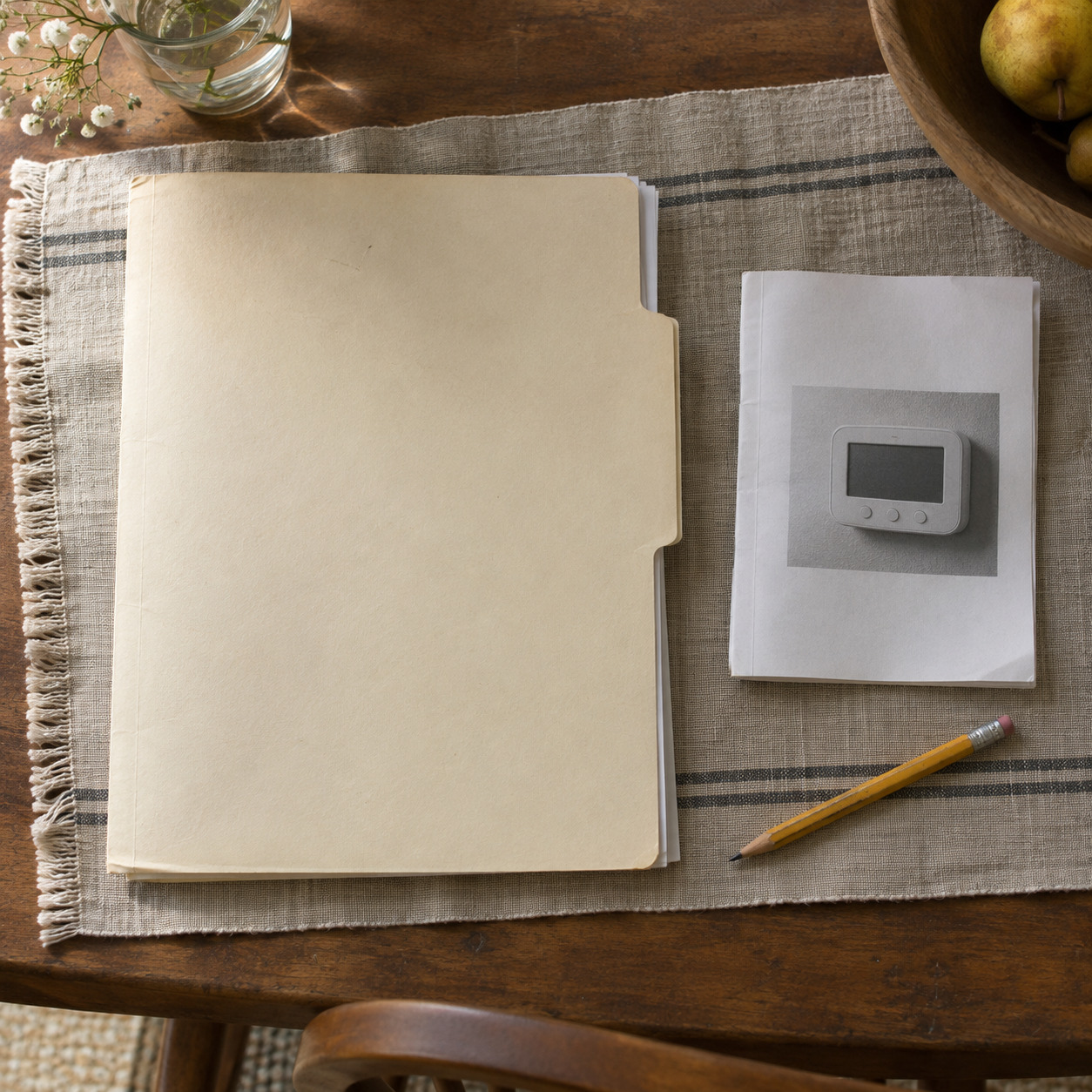
A new owner inherits the building and a set of unanswered questions. What's behind that wall? Who installed the lighting? Which tree needs pruning, and when? Where's the warranty? A slim, accurate record answers these far better than a thick folder of outdated brochures.
Make an ownership folder
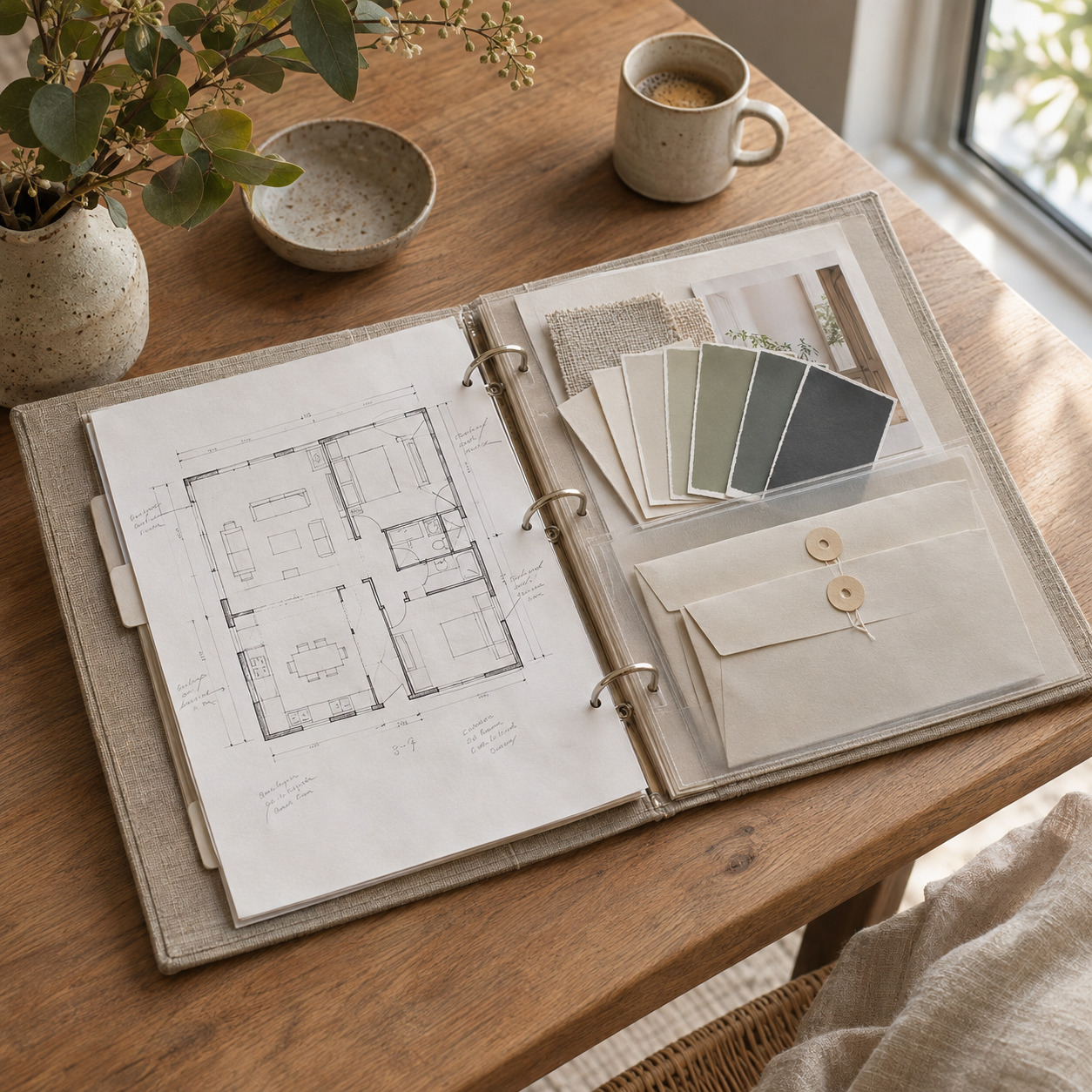
Store a current floor plan if you have one, permits where they apply, receipts, warranties, paint colors and paving specifications, appliance manuals and installer contacts. Add dated photos taken before walls are closed or planting fills in; they show where pipes, cables and drains actually run. Keep a one-page maintenance calendar covering filters, irrigation, gutters and drainage, and exterior finishes. Hold a secure digital copy plus a simple printed index, so the information survives a lost account.
For connected devices, describe what each one does and how to reset or transfer it. Keep credentials in a secure password manager with a sensible access arrangement, not printed in the house folder. That split protects your privacy while keeping the building usable.
Discuss estate documents with a local professional
Ownership has a legal side as well. Published lists of five key documents in estate planning can help you prepare questions for a local estate attorney, but which documents you need, and what they do, depends on your jurisdiction and circumstances. This article isn't legal advice. The American Bar Association recommends reviewing estate arrangements when circumstances change and discussing unclear documents with an attorney.
Keep the two kinds of paperwork separate. The design and maintenance folder explains the building. A properly prepared legal plan deals with ownership and authority. Both need updating. Set a reminder to revisit the folder after major work, and the legal arrangements after major life changes. Don't wait until a move is close to discover that a device account, warranty or set of property instructions belongs to someone you can no longer reach.
Put the three tracks into one practical checklist

Use this sequence when deciding what to tackle next:
- Photograph the approach, entrance, main rooms and garden from where people actually stand.
- List the everyday friction: poor lighting, confusing controls, awkward paths and planting that takes too long to maintain.
- Rank each fix by usefulness, visual impact, upkeep, and how easily someone else could understand it.
- Confirm equipment compatibility, site conditions, permits and professional installation needs before buying.
- Hold one palette of finishes and hardware across rooms and the exterior.
- Save manuals, specifications, receipts, plant names and maintenance notes as each project finishes.
- Ask a qualified local professional about ownership and estate questions, and keep that advice separate from design decisions.
If your household's needs are likely to change, designing for changing household needs pairs well with this ownership-focused checklist.
FAQ
Which smart-home upgrade should come first?
The one that removes a problem you hit every day. Entry lighting usually matters more than a voice-controlled appliance if you come home after dark. Check compatibility, make sure there's a manual fallback, and record the reset and transfer steps before adding anything else.
Does landscaping always raise a home's resale price?
No single percentage applies to every property. Local market conditions, build quality and upkeep all shape how buyers see an exterior. Start with a clear entrance, planting suited to the site, and paths that work in wet and dark conditions. Ask a local agent about comparable homes before spending purely for resale.
What should be in a home handover folder?
Current manuals, warranties, permits where applicable, installer contacts, finishes and materials, plant names, irrigation settings, a simple maintenance schedule, and a device register with use and reset steps but no personal passwords. Update it after each change rather than assembling it the week before a sale.
Can a home improvement checklist replace estate planning?
No. A design checklist explains the house and its upkeep. Questions about title, inheritance and decision-making authority need advice for your jurisdiction, so take your current arrangements and property information to a local estate attorney.
Final takeaway
Start with one visible annoyance and one missing record. Fix the path to the door or simplify the lighting, then write down what you changed. Repeat that pairing, a design fix followed by a note, and the house gradually becomes one that looks considered, works without a long explanation, and stays manageable when life or ownership changes.
- 0shares
- Facebook0
- Pinterest0
- Twitter0
- Reddit0