A few years back I priced out three garage floor quotes for a friend’s project, all for the same square footage. The range ran from $900 to $6,400. The materials weren’t wildly different. The difference was design: one contractor was selling gray paint on concrete, and the other was selling a seamless metallic pour that looked like something out of a boutique showroom. That gap is the whole business.
I’ve spent enough time around automotive paint booths and product mockups (the first Ukrainian EV concept I worked on lived or died on surface continuity) to recognize when a price tag reflects real skill rather than just labor hours. Epoxy floor design works the same way. Profitability doesn’t come from mixing resin faster than the next guy. It comes from positioning the work as architectural finishing, not floor coating with a fancier name.
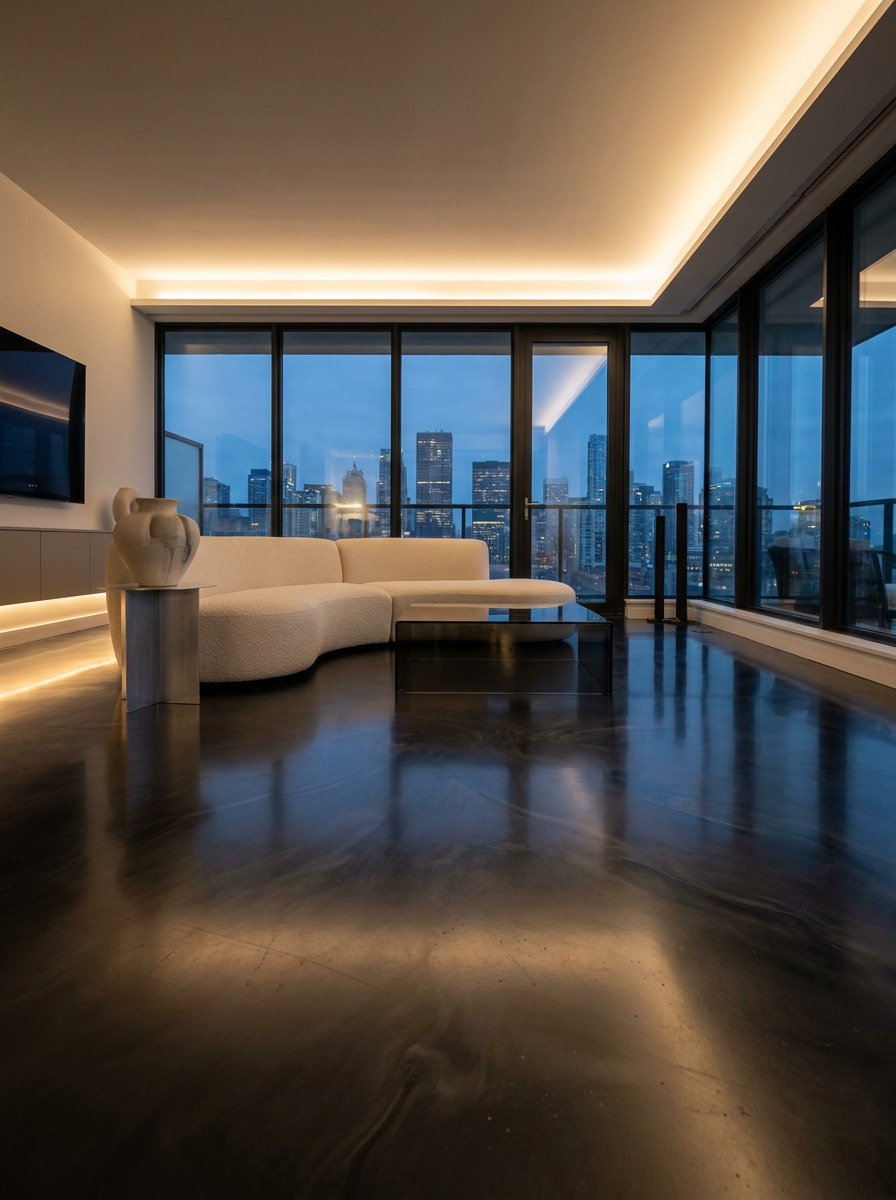
If you’re building a venture around this, here’s the shift that matters: stop thinking about square-foot pricing and start thinking about spatial transformation. Custom color integration, metallic pours, and a structured way of running the business are what separate a $3-a-square-foot contractor from a $12-a-square-foot design studio.
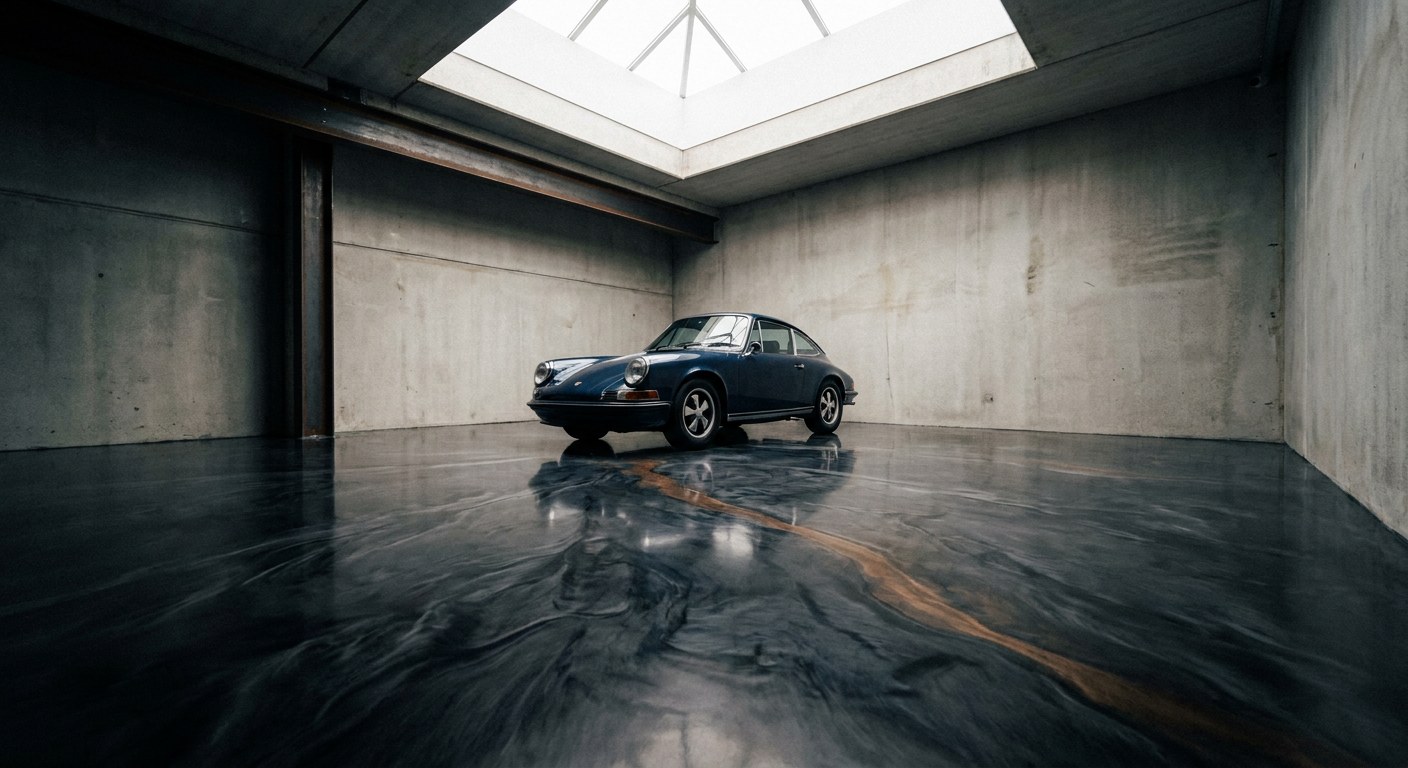
That’s the framing I want to walk through here, not “how to mix resin” (your supplier will teach you that in an afternoon), but how the design side of the work turns into a business that’s still standing past year two.
Why decorative epoxy floor design drives higher margins
Ask any epoxy installer why the phone keeps ringing and you’ll get some version of the same answer: people are done with plain concrete, and the alternatives (tile with dirty grout lines, hardwood that swells, carpet that traps dust) feel dated in modern spaces.
Demand breaks into three distinct tiers, each with its own profit margin profile:
- Residential upgrade market: Garages turned into home gyms, basements fitted out as entertainment rooms, and modern kitchens seeking seamless, easy-to-clean surfaces. Homeowners aren’t looking for commercial durability alone; they want a floor that looks like it belongs in an architecture digest spread.
- Commercial and retail spaces: Boutique shops, cafes, fitness studios, and auto showrooms where the floor is part of the brand experience. A seamless floor makes a small retail footprint feel larger and cleaner.
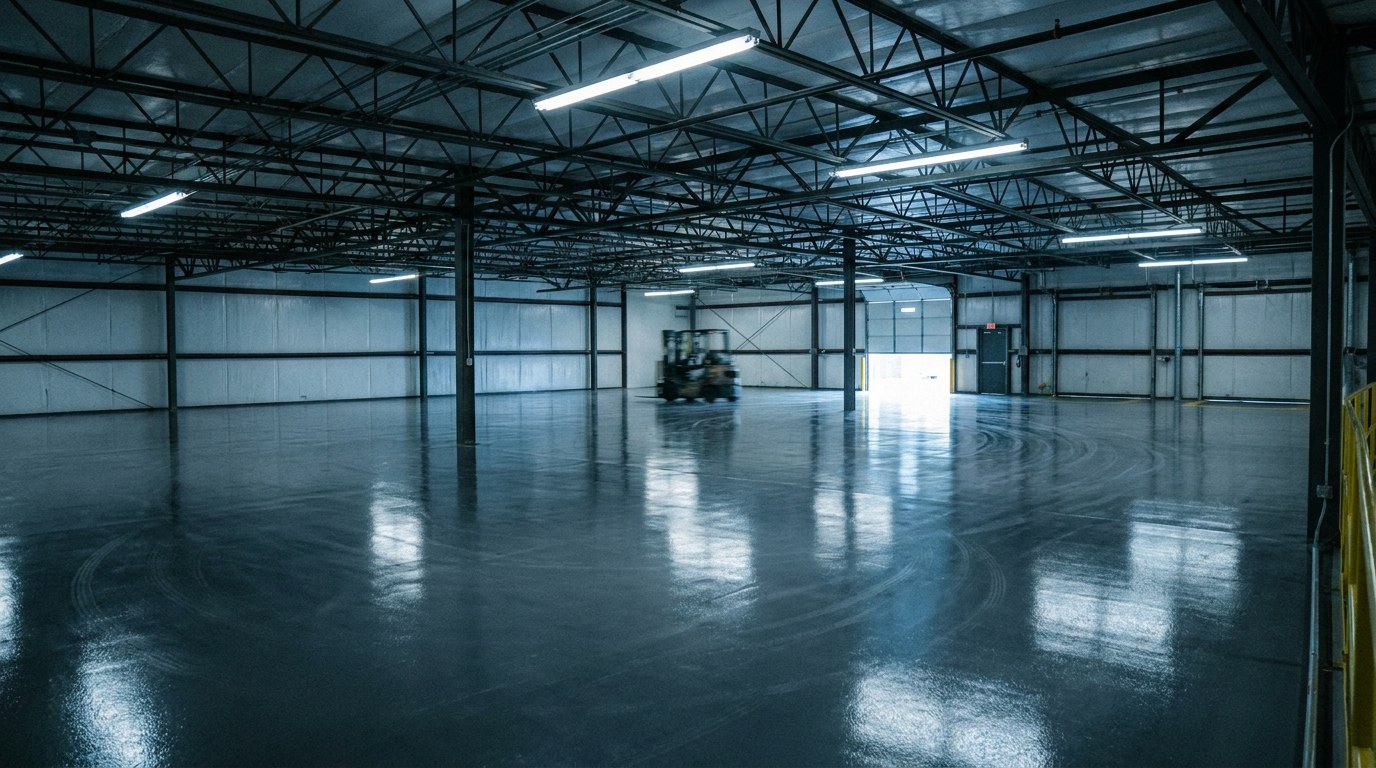
- Industrial and specialized environments: Warehouses, labs, and commercial kitchens where chemical resistance and slip resistance aren’t optional, but where aesthetic standards are rising. Even light industrial clients prefer light-reflecting, clean finishes over dark gray slabs.

The business opportunity lives in the gap between basic utility coating and custom surface design. A standard two-coat gray epoxy job might yield a 20-30% gross margin after labor and materials. A custom metallic or multi-tone quartz pour on the same square footage often yields 55-70% gross margins because the client is buying an aesthetic result, not a chemical product.
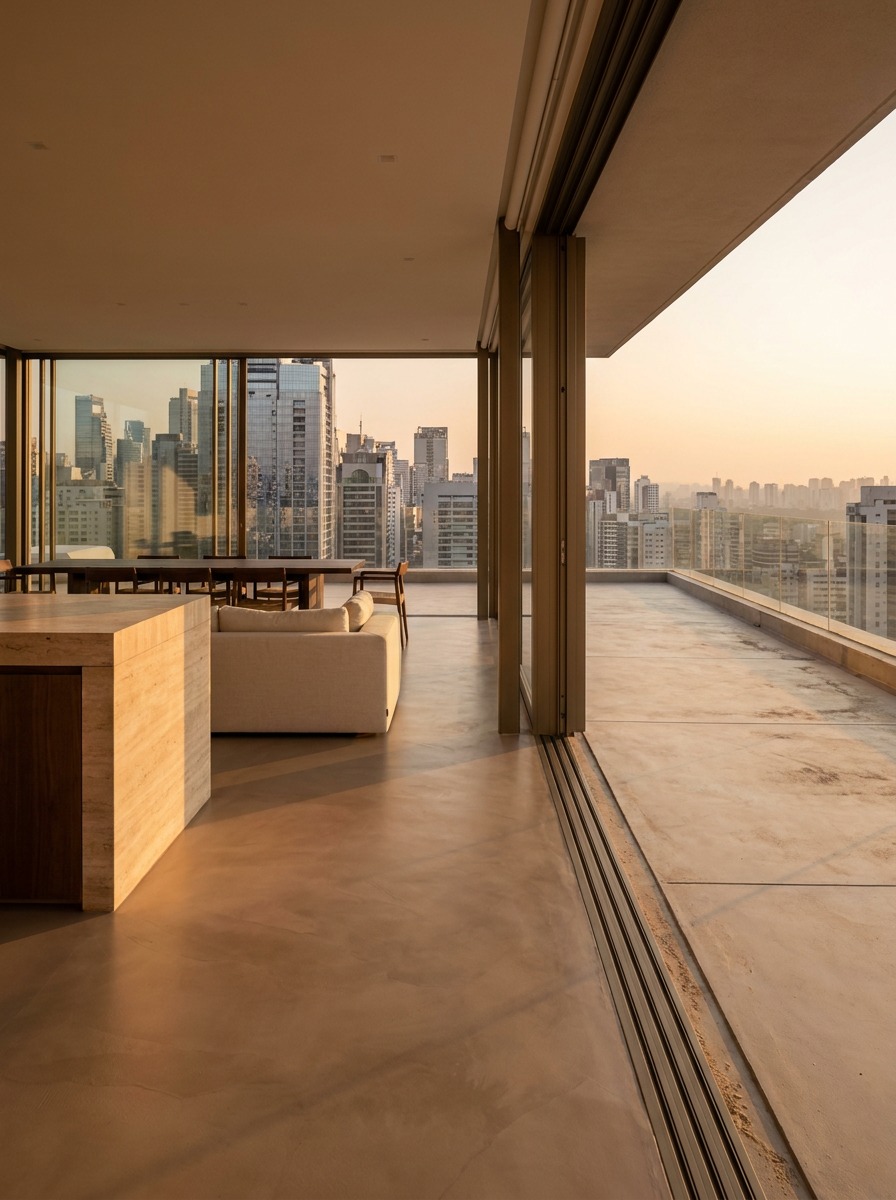
Mastering core aesthetic options: metallic, flake, and quartz
Your design menu defines your brand position. Offering too many options confuses clients; offering too few makes you look like a painter who bought a bucket of resin. Focus on three proven core design systems:
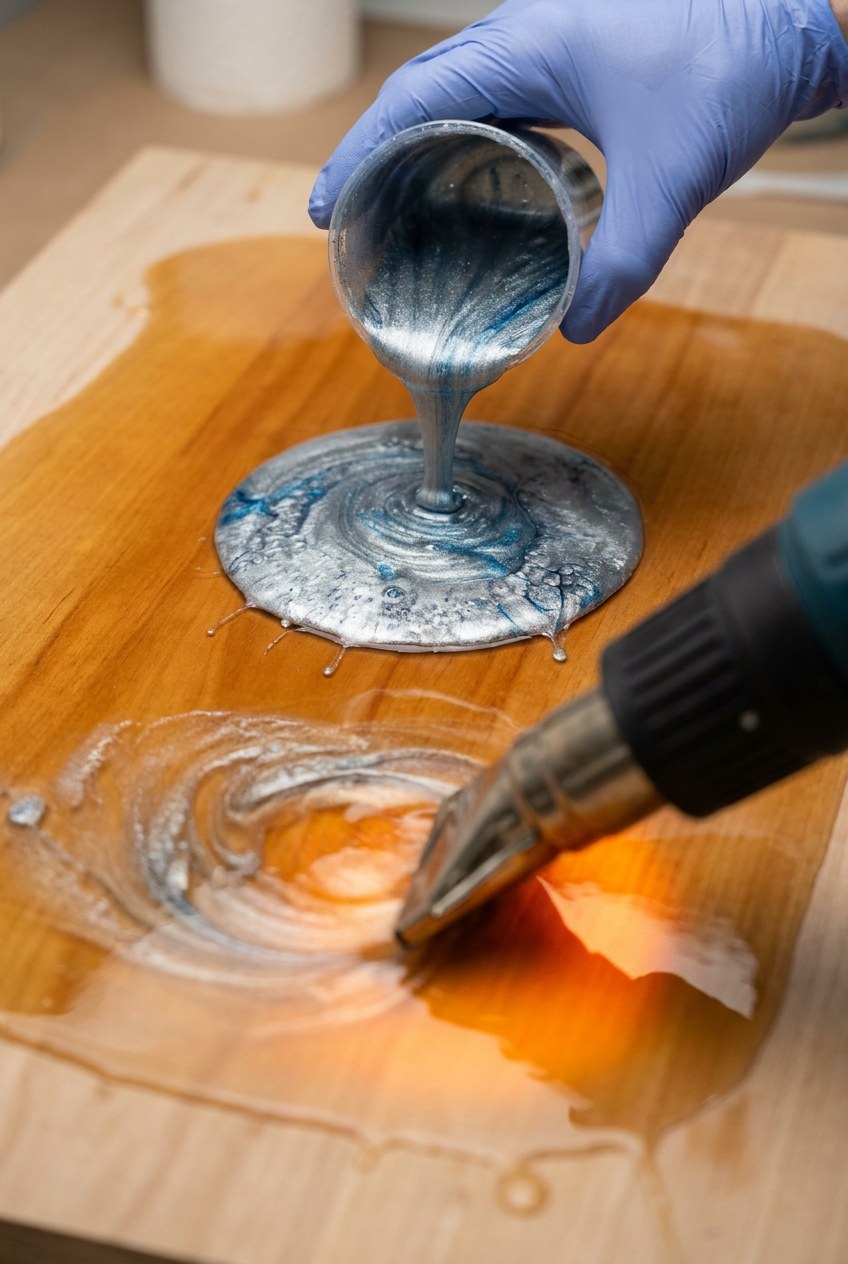
Metallic epoxy floors
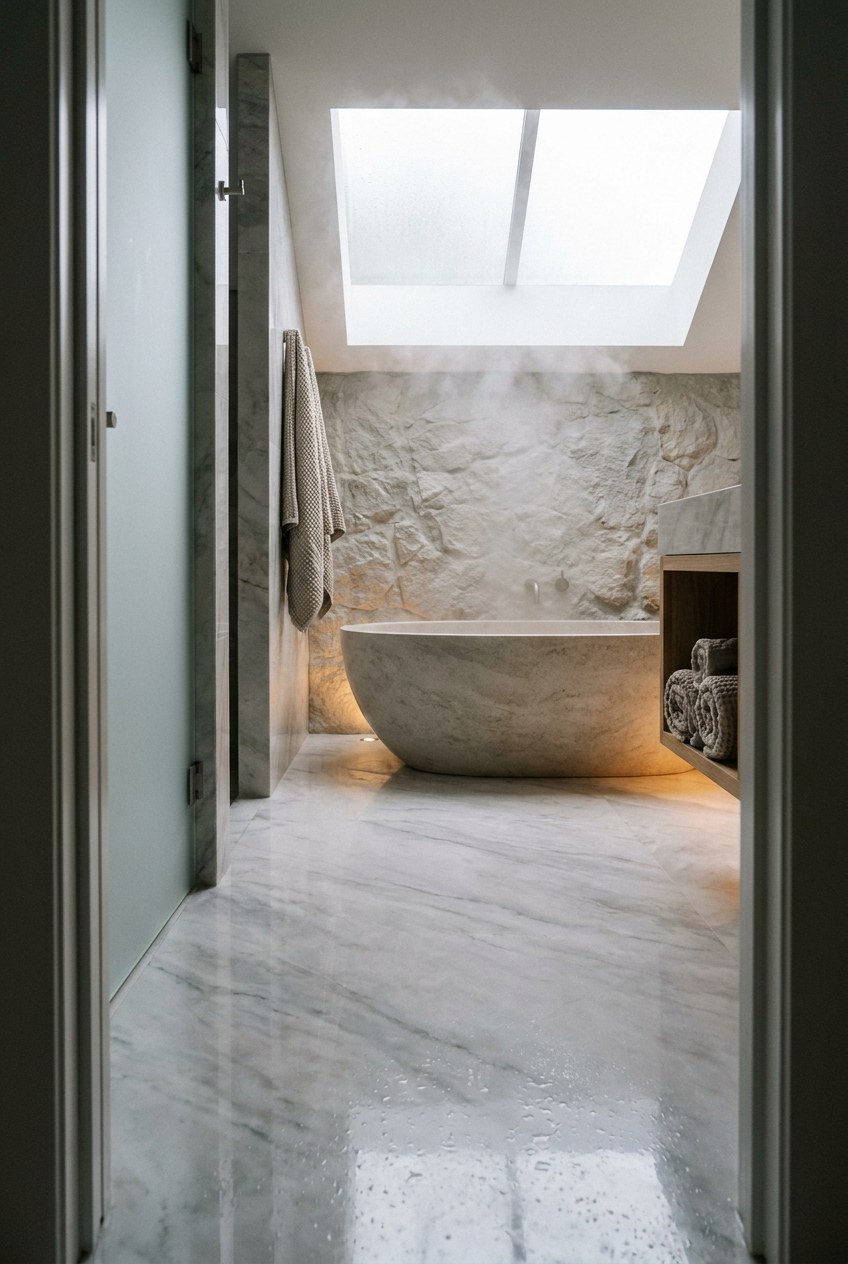
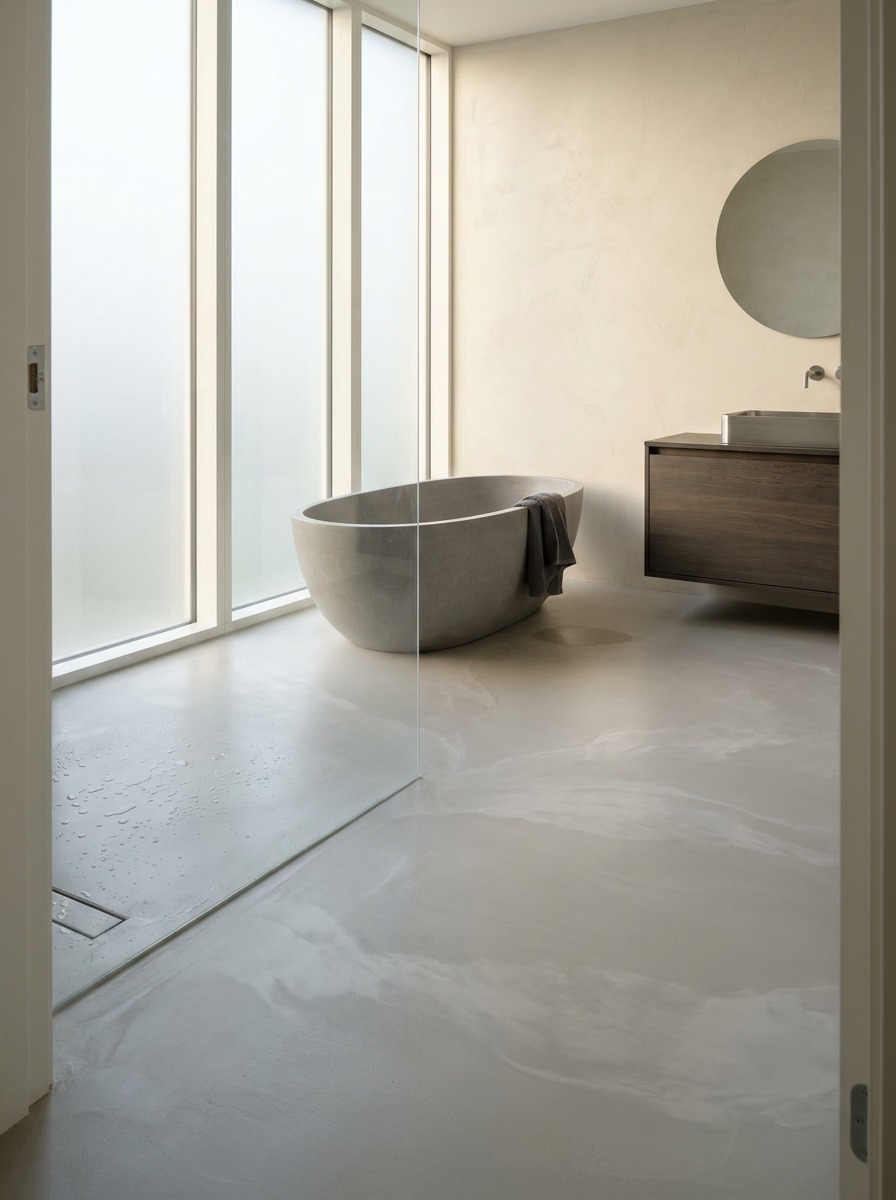
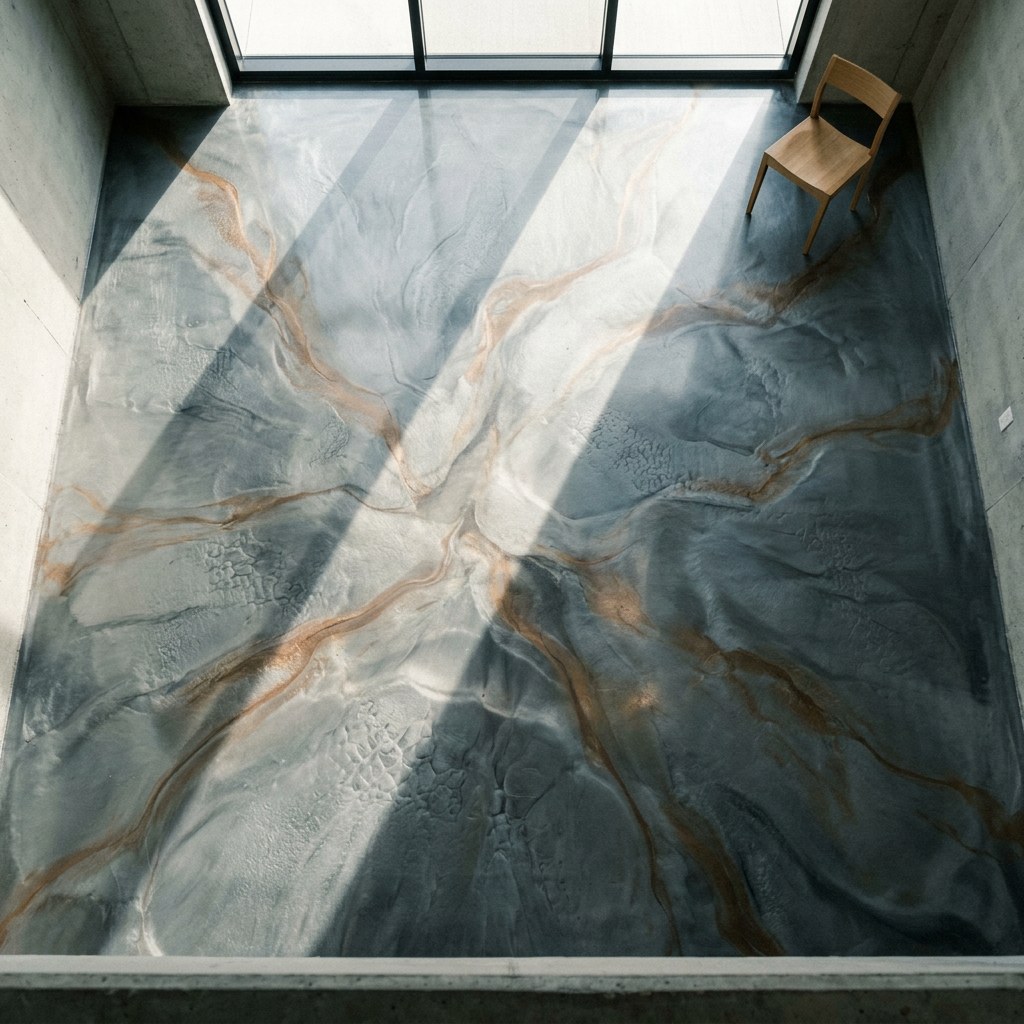
This is your high-margin flagship. Metallic pigments suspended in clear epoxy create a 3D, liquid-lava or marble effect that is impossible to replicate with any other flooring material. No two pours are identical, which gives the work genuine artistic value.
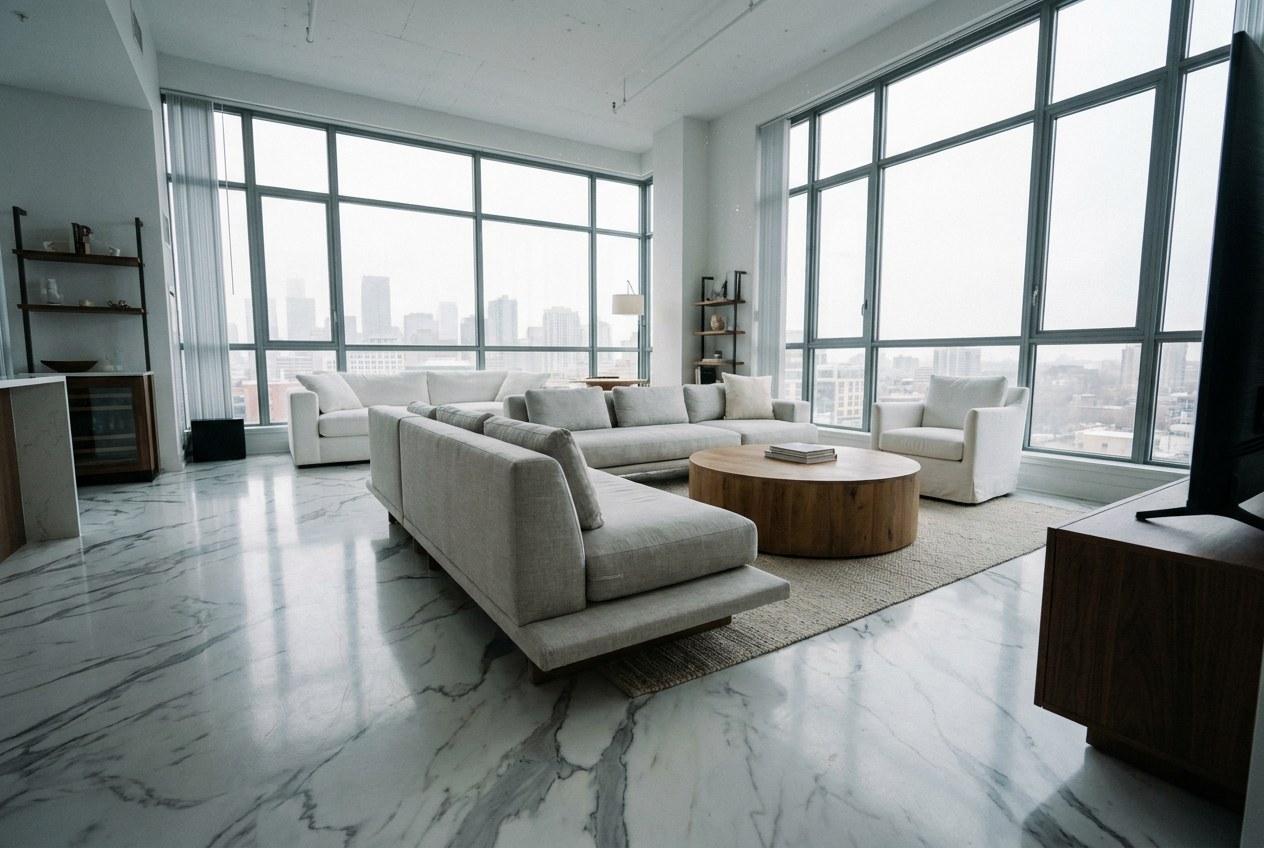
Design tip: Keep the palette disciplined. Two complementary tones (e.g., charcoal with a silver vein, or warm copper with a bronze accent) look architectural. Mixing four or five bright colors ends up looking like a melted crayon box. Simplicity is what sells high-end residential work.
Decorative flake systems
Vinyl flakes broadcast to full refusal into a colored base coat create a terrazzo-like texture that hides floor imperfections, resists slips, and stands up to heavy vehicular traffic. This is the staple for garage floors, commercial hallways, and high-foot-traffic retail.
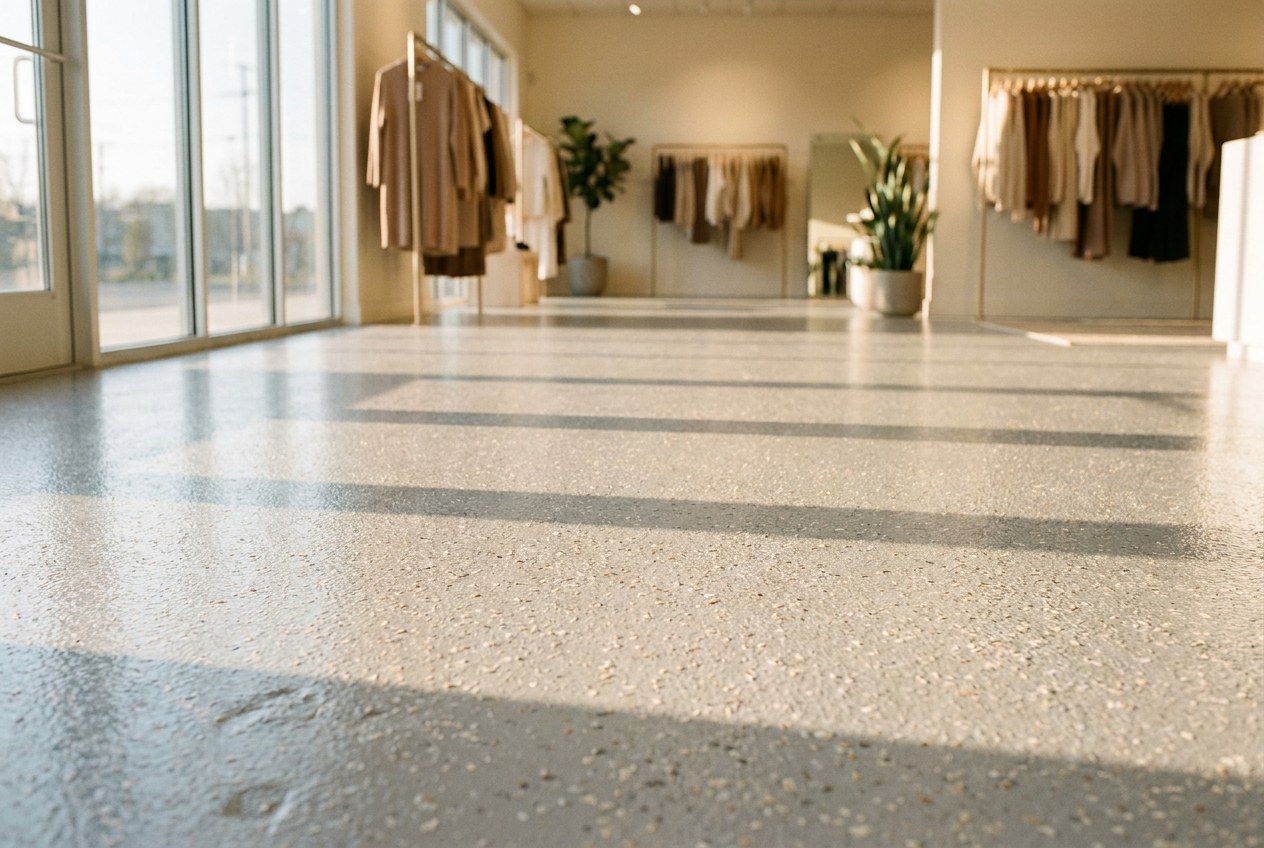
Design tip: Offer custom flake blends rather than standard off-the-shelf bags. A custom blend containing 70% neutral grays with 20% white and 10% black creates a subtle granite look that appeals to commercial architects and homeowners alike.
Quartz broadcast systems
Colored quartz sand broadcast into clear or tinted binder yields an extremely tough, anti-slip surface ideal for pool decks, commercial kitchens, and wet areas.
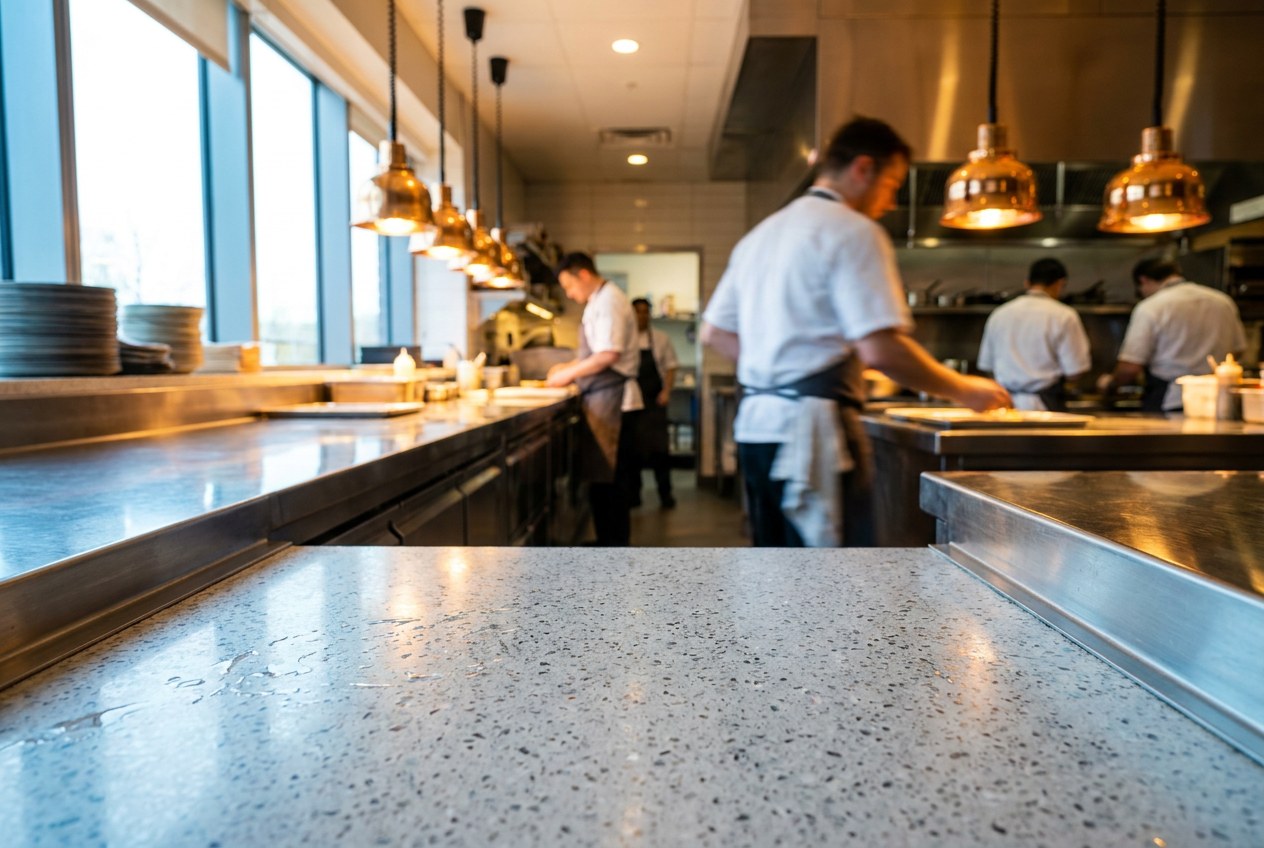
Design tip: Use quartz for spaces where safety and texture matter more than mirror-gloss reflection. Positioning quartz as the “industrial luxury” option opens up healthcare, hospitality, and outdoor dining projects.
Site preparation and technical foundation
Here is an uncomfortable truth about the epoxy business: 90% of floor failures happen because of what was done (or skipped) before a single drop of resin was mixed. If the slab isn’t prepared correctly, the most beautiful metallic pour in the world will delaminate in six months. This is exactly the kind of operational detail that separates contractors who survive their first year from those who don’t, and it’s worth mapping out before you take on paying clients — this epoxy floor coating business startup toolkit walks through the planning side of it.
Moisture testing and surface profile
Concrete looks dry on the surface, but moisture vapor moving up from the ground will create hydrostatic pressure that pops epoxy off the slab. Always run a Calcium Chloride test (ASTM F1869) or relative humidity probe test (ASTM F2170) before bidding.
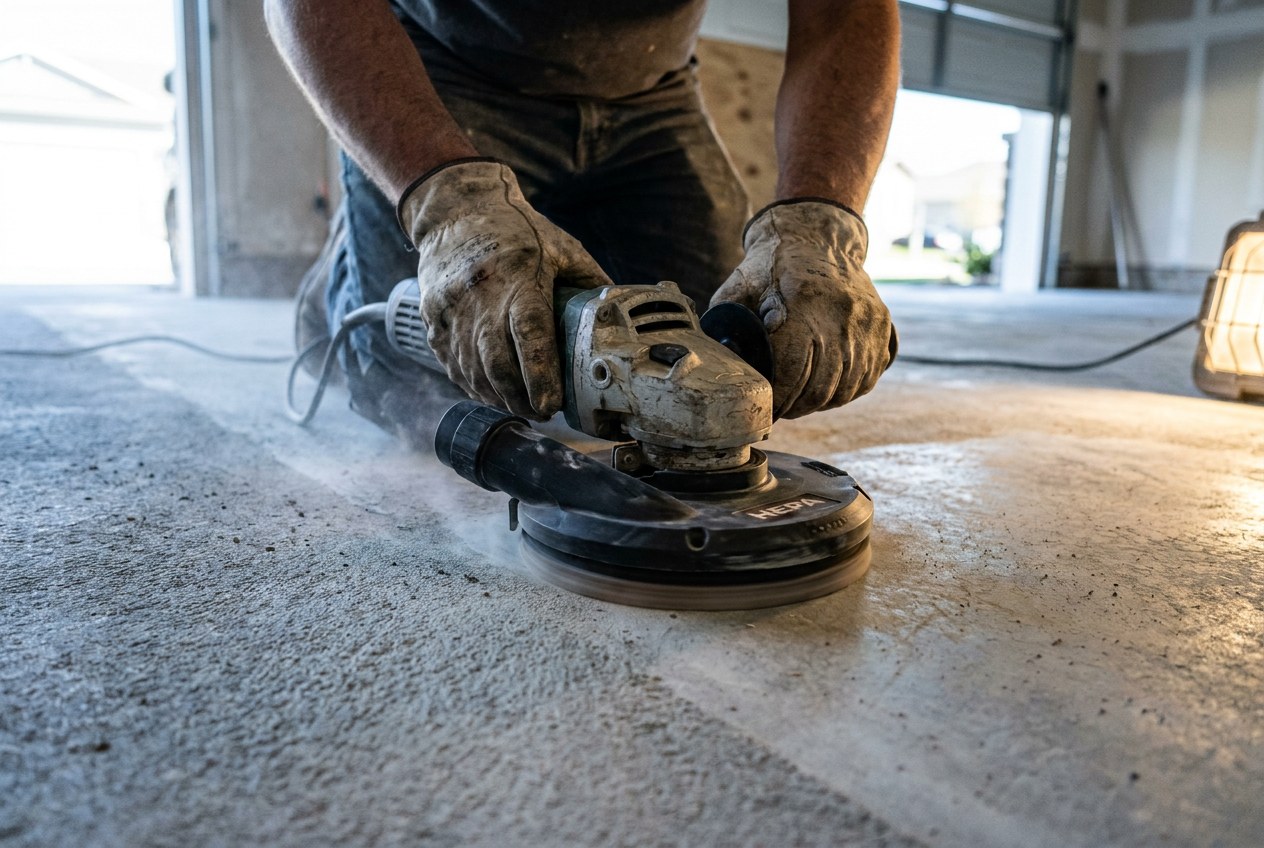
Mechanical surface preparation is non-negotiable. Acid washing is a shortcut that leads to field callbacks; mechanical diamond grinding or shot blasting creates a Concrete Surface Profile (CSP) of 2-3, giving the epoxy a porous, mechanical anchor to grip onto.
Topcoat selection for longevity
Epoxy alone is strong, but it amber/yellows under UV exposure and scratches under abrasive traffic. A professional design studio always completes the system with a high-performance topcoat:
- Polyurethane: Excellent scratch resistance and chemical durability; ideal for commercial interiors and light industrial spaces.
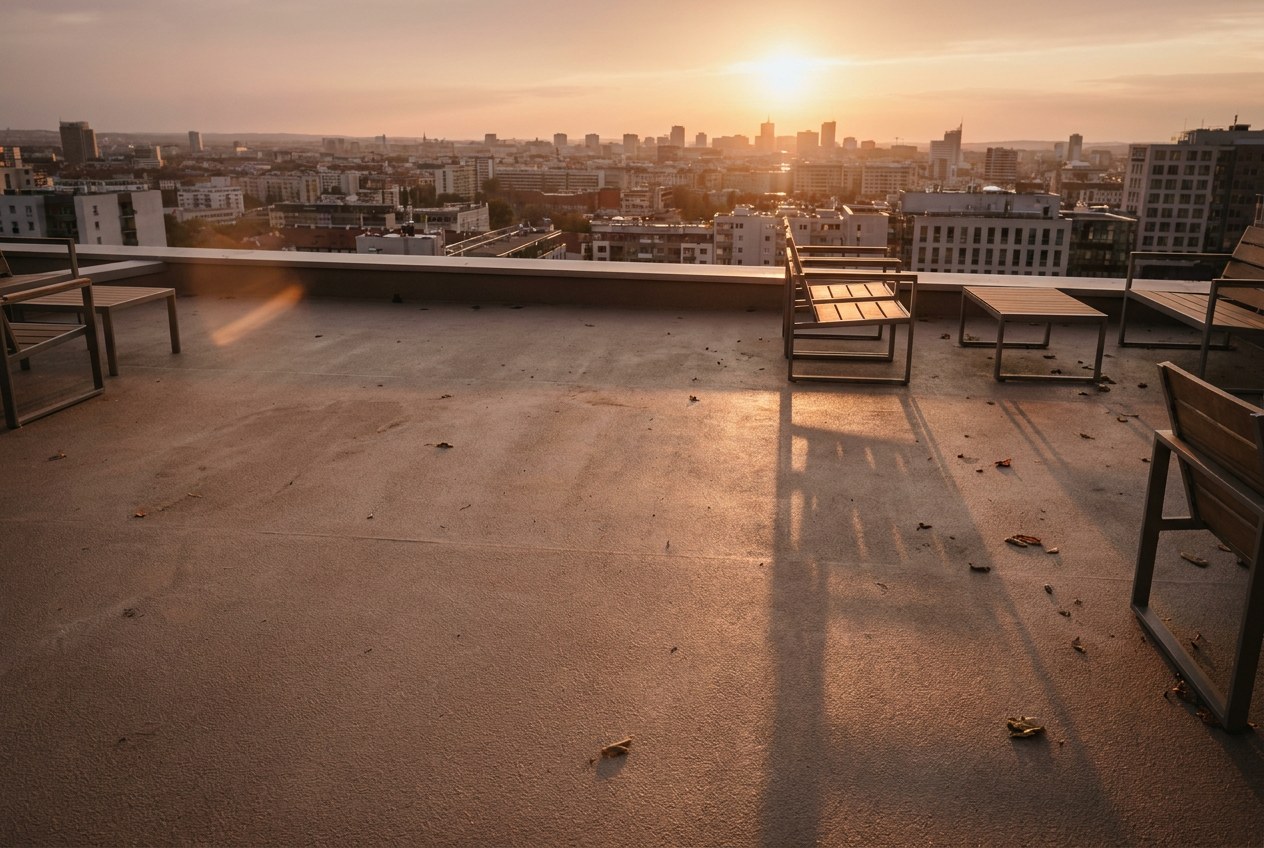
- Polyaspartic: Fast-curing (walkable in hours, vehicular traffic in 24 hours), non-yellowing UV stability, and high gloss. Essential for outdoor decks, sunny garages, and commercial jobs with tight downtime windows.
Operational execution and project planning
Turning custom epoxy floor design into a repeatable, profitable business requires tight control over job site variables, material yield, and timing.
Factoring in material yield and pot life
Two operational mistakes drain profitability fastest in decorative flooring:
- Underestimating floor porosity: A porous, unsealed slab will drink up your expensive primer or base coat, throwing off your material estimates by 20-30%. Always budget a dedicated concrete prime coat.
- Mismanaging pot life: Once 100% solids epoxy is mixed, exothermic reaction starts immediately. In warm ambient conditions (above 85°F / 29°C), pot life shrinks from 30 minutes to under 12 minutes. Pouring mixed batch out onto the floor in ribbons immediately slows down heat build-up and preserves working time.
Job site execution: climate control, workflow, and topcoats
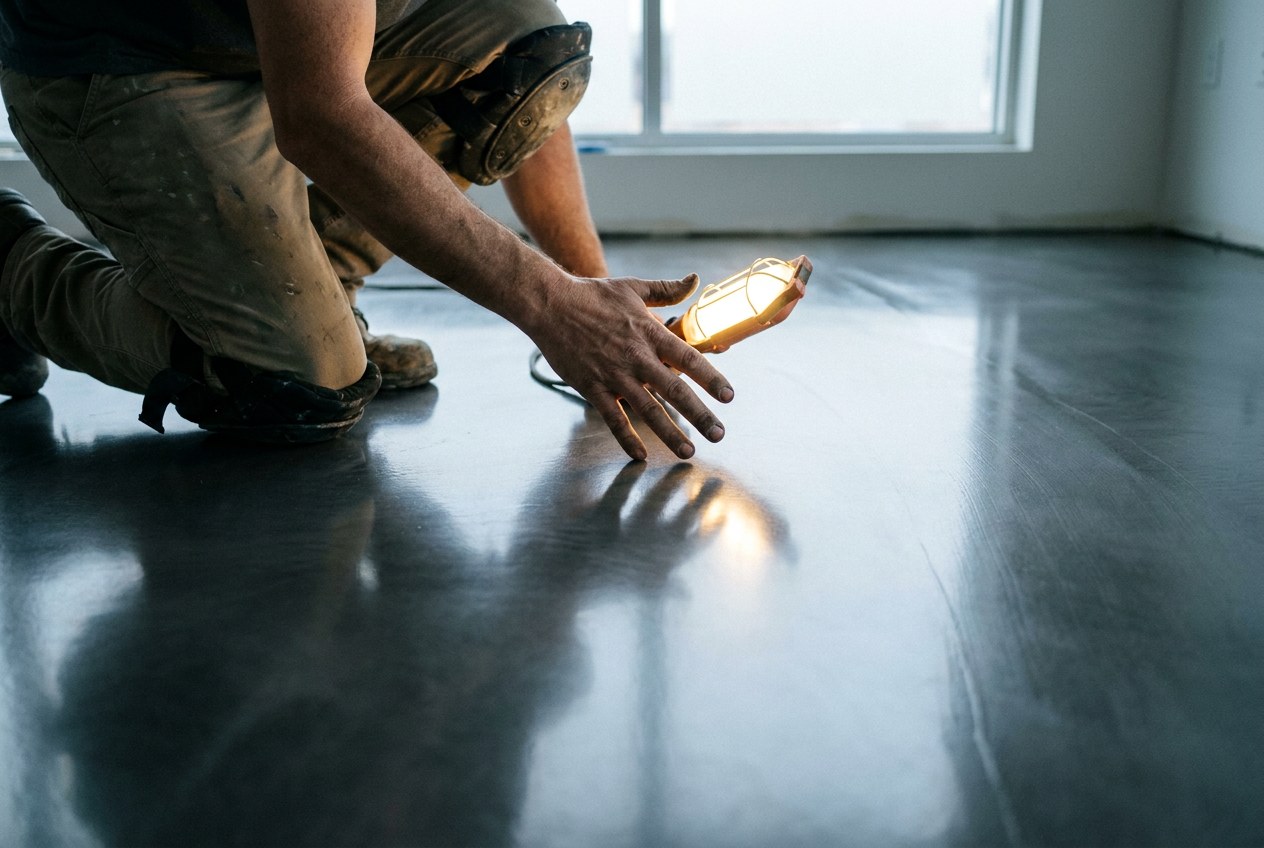
Maintain strict ambient and slab temperature control during application and cure. High humidity causes amine blush (a greasy wax-like film that ruins topcoat adhesion), while cold slabs cause pinholing and extended tack-free times that let airborne dust ruin a mirror finish.
Sales, client trust, and presentation
Clients struggle to imagine what a fluid, custom resin pour will look like on a 1,000 sq ft slab. Closing high-value design projects requires bridging that imagination gap.
Physical sample boards
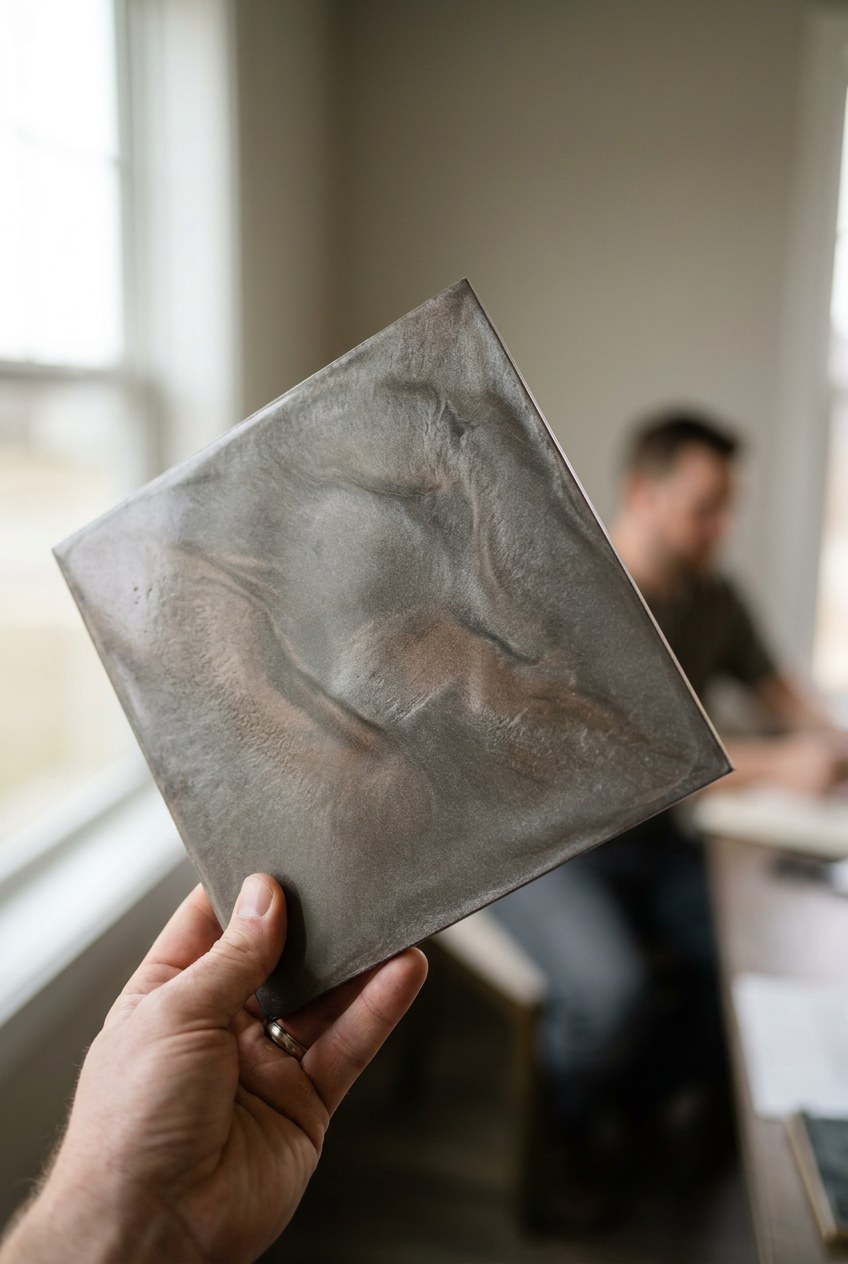
Never rely solely on digital photos or catalog swatches. Create a physical library of 12×12 inch sample boards on fiber cement backer board featuring your exact metallic, flake, and quartz finishes. Letting a client hold a heavy, glass-smooth sample board instantly communicates product quality and justifies premium pricing.
Building a sustainable epoxy flooring venture
A profitable decorative flooring business isn’t built on low prices; it’s built on surface craftsmanship, technical precision, and clear design communication. When you combine rigorous mechanical surface preparation with sophisticated aesthetic palettes and reliable polyaspartic topcoats, you step out of commodity contracting and into architectural design finishing.
- 21shares
- Facebook0
- Pinterest21
- Twitter0
- Reddit0