Clients come to me with the Lovesac question more than you’d expect. Not because they’re necessarily committed to the brand, but because ‘modular sofa’ and ‘Lovesac’ have become almost synonymous in the same way ‘vacuum cleaner’ became ‘Hoover’ in certain markets. They want modularity. They’ve seen the Sactional system. They want to know if it’s right for their room.
It usually isn’t. Not because Lovesac is a bad sofa, it is not. It’s because the question isn’t ‘is Lovesac good?’ The question is ‘does Lovesac fit this room, this layout, this visual direction?’ And that’s a spatial question before it’s a brand question.
- Why Lovesac alternatives are really a design question
- What makes a modular sofa work in a real living room
- The 6 Lovesac alternatives
- How to choose based on your room, not only the brand
- Frequently Asked Questions
- What is the best Lovesac alternative for design-conscious buyers?
- Is Lovesac worth the price?
- What makes a modular sofa work in a living room?
- Are modular sofas good for small living rooms?
- Can you move a modular sofa easily?
- What seat depth should I choose for a modular sofa?
- How does a modular sofa affect traffic flow in a living room?
Lovesac Sactionals have a specific character: deep seats, substantial visual weight, a system built around square-ish modules that fit together in grid configurations. That’s genuinely good for certain rooms and certain lifestyles. For rooms that need something more precise, more refined, more compact, or simply different in proportion, the alternatives below are worth looking at on the same terms: not what they cost, but how they work in a real living room.
Why Lovesac alternatives are really a design question
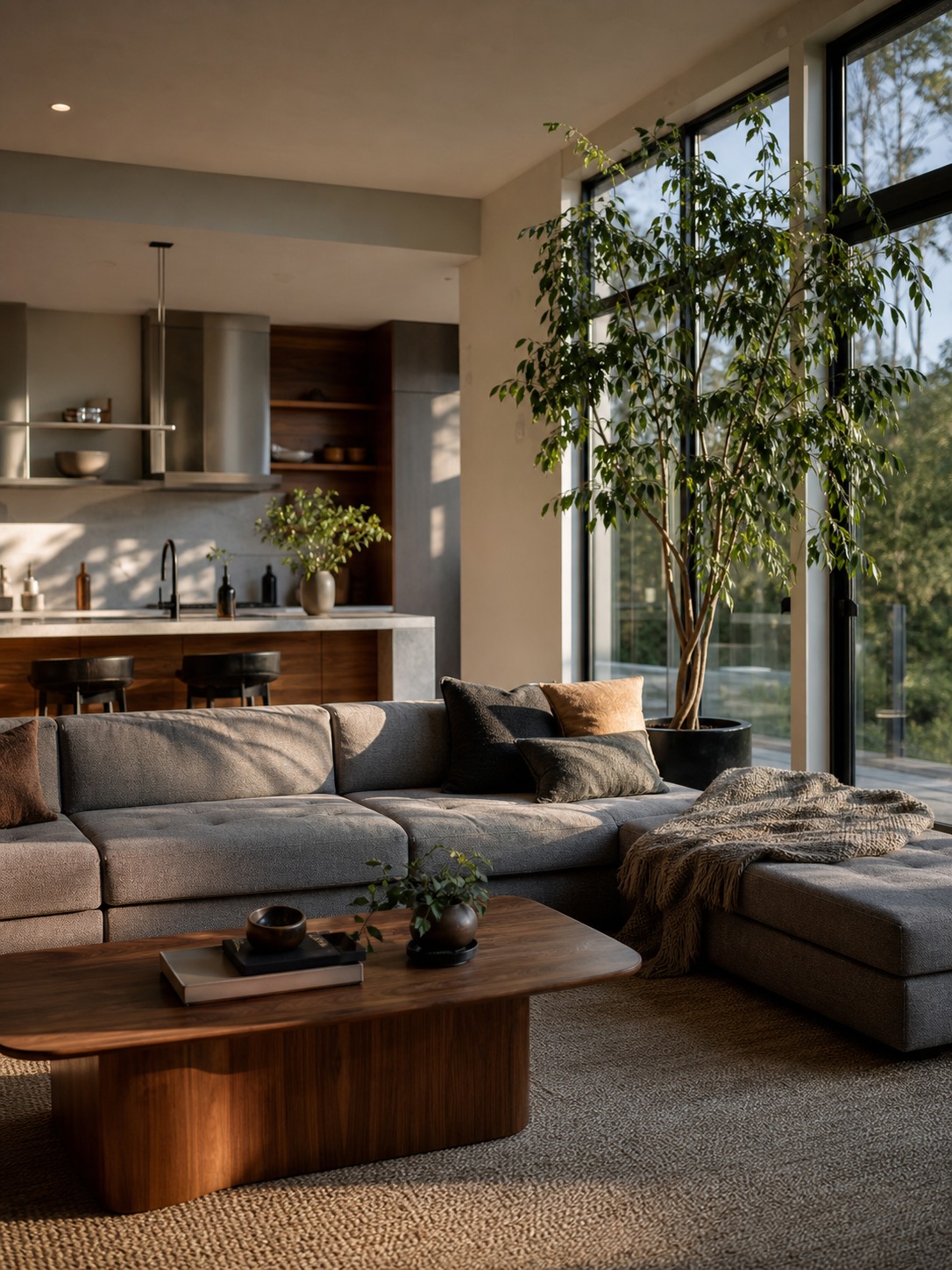
Modular sofa decisions are mostly discussed in terms of price and materials, which are real concerns. But the decision that determines whether a sofa actually works in a room is about scale, visual weight, and layout flexibility. A sofa that is built to the right specification but is too large for the room’s proportions fails as a design element even if it holds up for twenty years.
The Lovesac Sactional has a specific spatial character. The modules are roughly 28 inches deep (71cm) in the seat, which is deliberately generous for a lounging-oriented sofa. That depth suits large rooms with long sightlines. In a room under 4 meters wide, the same configuration can make the whole space feel consumed by the sofa.
The alternatives in this guide are chosen partly for their design flexibility, meaning the ability to configure and scale to rooms of different sizes, and partly for distinct visual characters that suit different interior directions. Not all of them are better than Lovesac. Some are simply different in ways that matter for specific rooms.
What makes a modular sofa work in a real living room
Before looking at specific brands, three variables are worth understanding because they determine the spatial outcome more than any material or price consideration.
Seat depth and what it says about the room
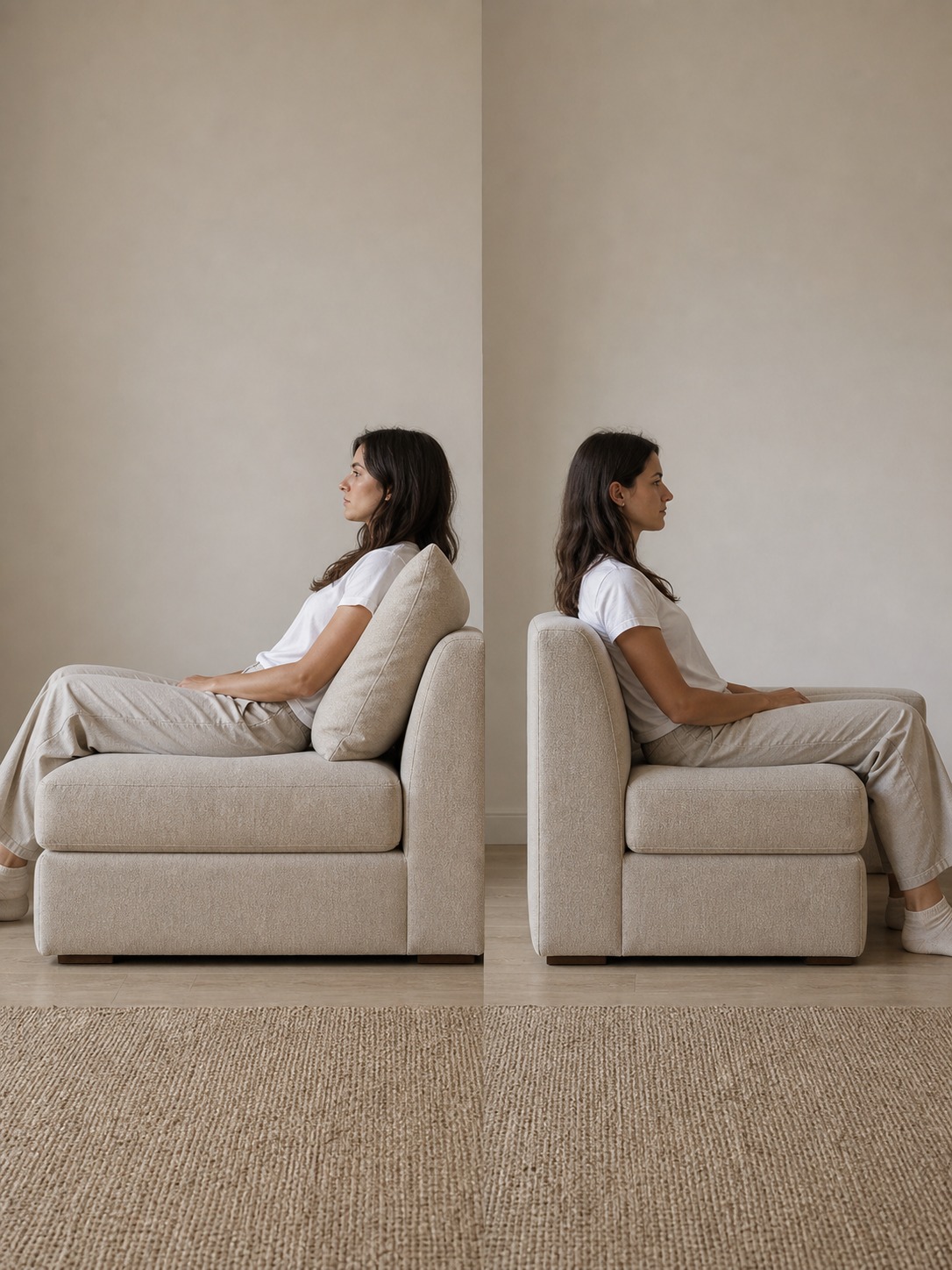
Seat depth is the front-to-back measurement of the sitting surface. Lovesac Sactionals run around 28 inches (71cm), which is deliberately deep for a lounging posture. A depth of 21 to 22 inches (53 to 56cm) is more versatile: it works for upright sitting and relaxed sitting, and it reads as a lighter, more composed piece in a room photograph. Very deep sofas can be difficult to get out of comfortably for shorter adults and older people, which is a functional consideration separate from aesthetics.
Deeper seats push the back cushion further from the viewer and make the whole sofa look lower and more casual from across the room. This suits relaxed family rooms and media rooms. It works less well in rooms that need to do multiple jobs, where the sofa needs to read as composed rather than sprawling.
Arm style and visual weight
Arm style is one of the most underestimated factors in how a modular sofa reads in a room. High arms close the sofa visually, which makes individual seats feel more defined and reduces the sofa’s apparent horizontal span. Low arms or track arms open the silhouette, which makes the sofa look lighter from across the room. For open-plan spaces, lower arm profiles work better because they don’t interrupt the visual flow between zones. For defined sitting rooms, higher arms add a sense of enclosure.
Lovesac Sactionals use a fairly high, boxy arm. This contributes to their substantial visual weight. Alternatives with lower arm profiles read as less dominant in the room, which is useful when the sofa shares the space with other strong visual elements.
Corner modules and walkway clearance
The corner module or chaise extension determines how much floor area the sofa occupies and how much walkway is left around it. The minimum comfortable walkway beside a piece of furniture is 90cm (about 35 inches). Below that, movement feels cramped. In rooms under 4 meters across, this means a corner configuration with a large chaise often leaves insufficient circulation space on at least one side.
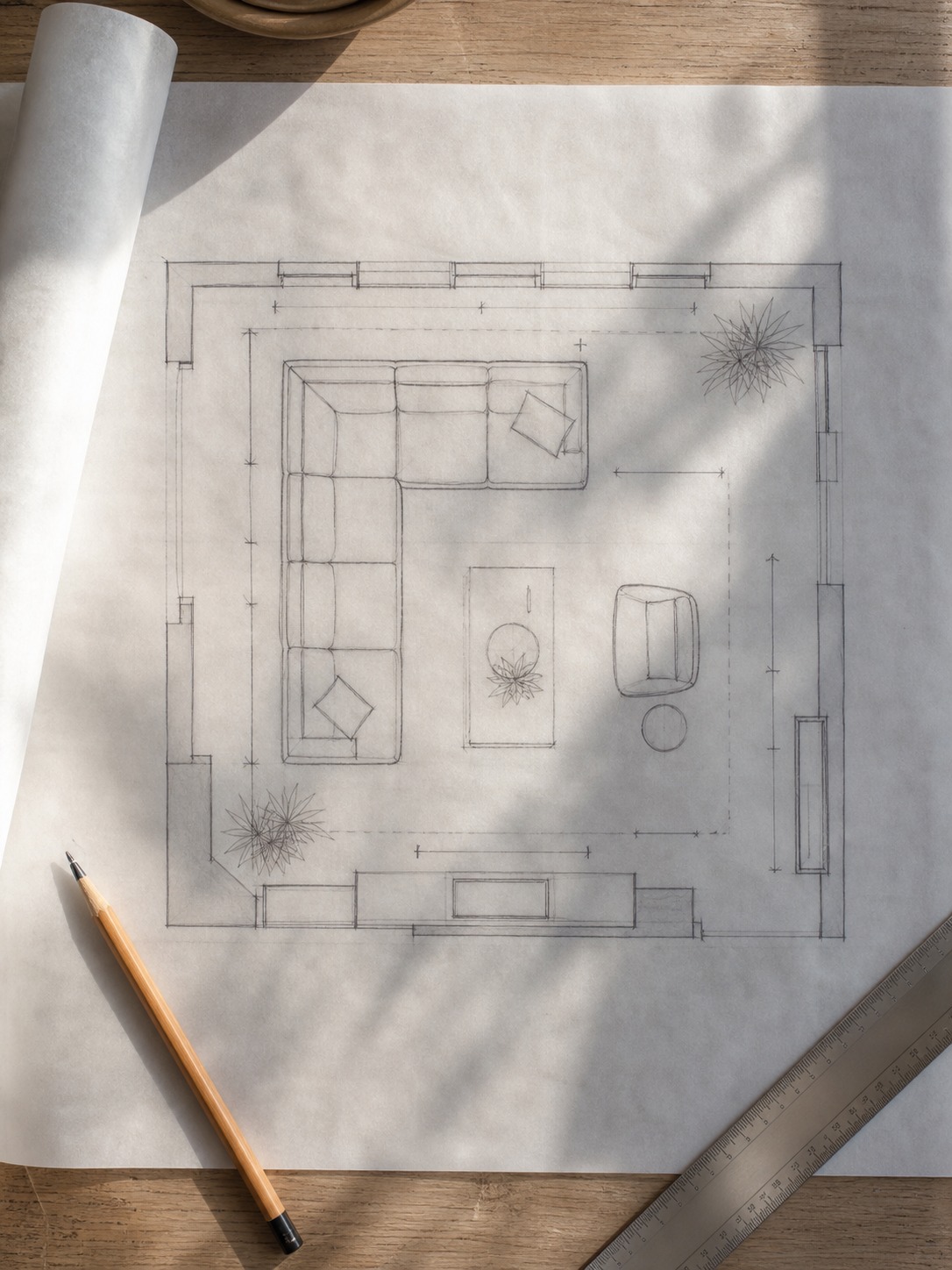
The practical step is to draw the sofa footprint to scale on the floor plan before ordering. Many buyers skip this. The ones who don’t skip it either confirm that the configuration fits or catch the problem before delivery.
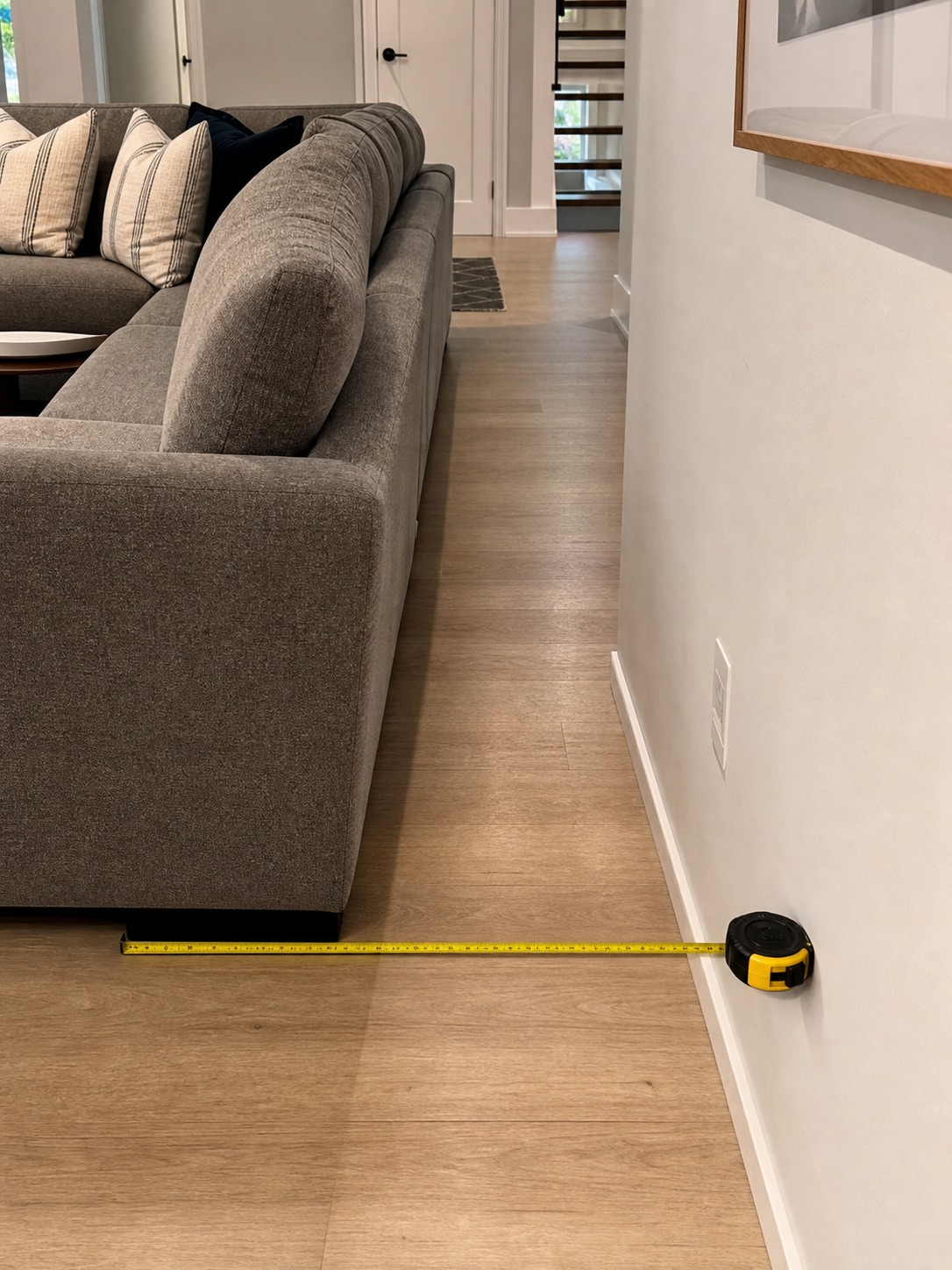
Before ordering any modular sofa: tape out the footprint on your actual floor using painter’s tape. Include the chaise extension and the arm projections. Walk the paths around it. The tape test takes twenty minutes and prevents the most common and most expensive furniture mistake in residential interiors.
The 6 Lovesac alternatives
The brands below are organized by the type of living room they suit best, not by price or overall ranking. Each solves the modular sofa problem differently.
#1 DreamSofa — best for rooms that need precise sizing
Custom dimensions | Modular sectional | Made in USA
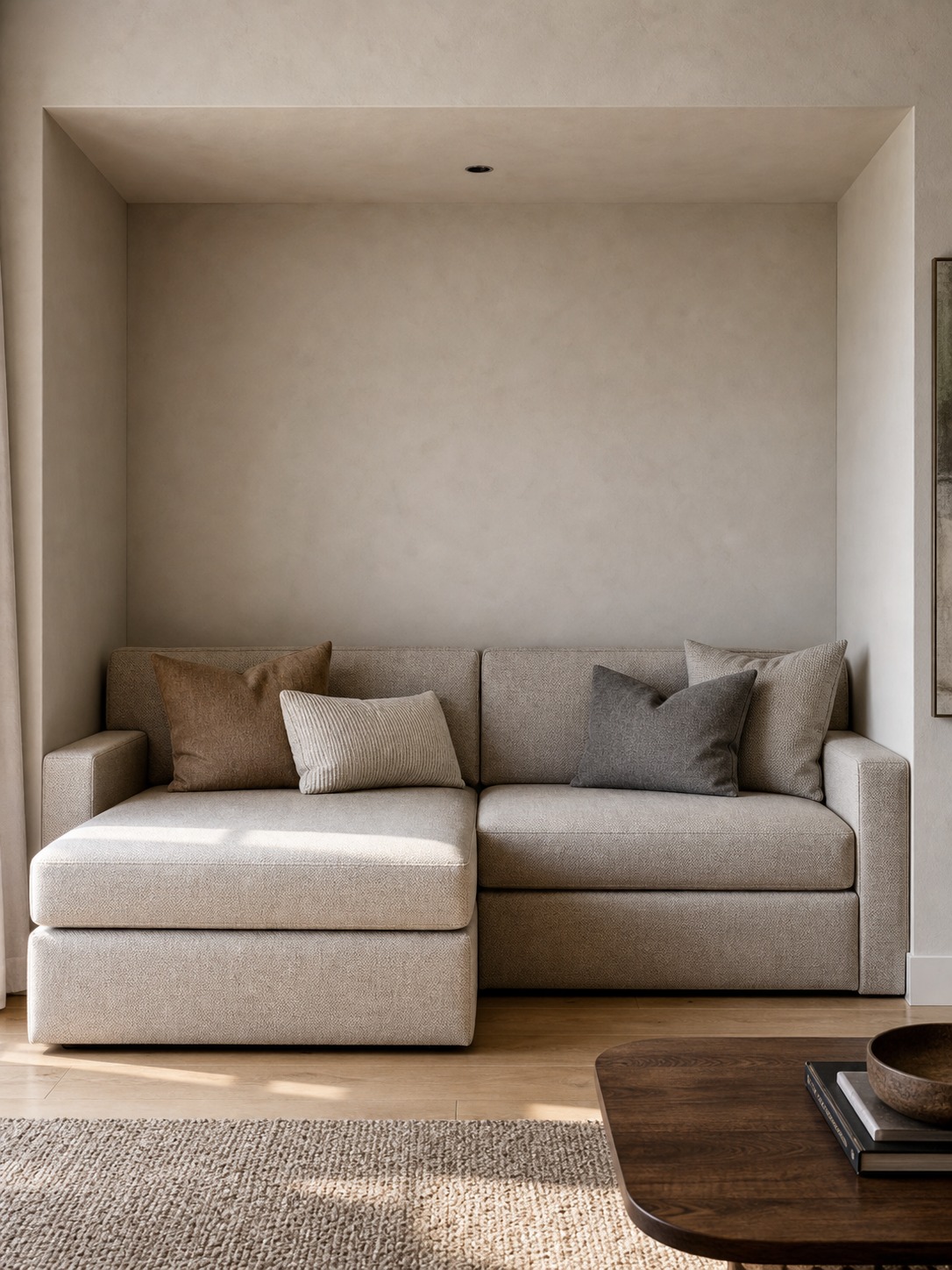
The specific design advantage here is FlexForm sizing: modules can be specified to the inch rather than chosen from a fixed set of standard dimensions. For rooms with an unusual wall length, an alcove, or a floor plan where standard module sizing produces an awkward gap or overhang, this solves a problem that no other brand on this list addresses.
The DreamModular system builds reconfigurable sectionals from individual modules that can be rearranged as room layouts change. The visual character leans contemporary without being stark: clean lines, moderate arm profiles, and upholstery that holds its shape because of the spring-based seat construction rather than foam alone.
📌 Design note: Works well in rooms where the sofa needs to fit a specific architectural boundary, such as an alcove, a wall between two doorways, or a room where the standard L-shape leaves a disproportionate gap to an adjacent wall.
DreamSofa’s DreamModular™ system also includes a cover swap program, meaning fabric updates don’t require a new sofa. For rooms where the design direction is likely to evolve over several years, this changes the long-term calculation significantly.
#2 Albany Park — best for relaxed family layouts
Deep seat | Washable covers | Casual aesthetic
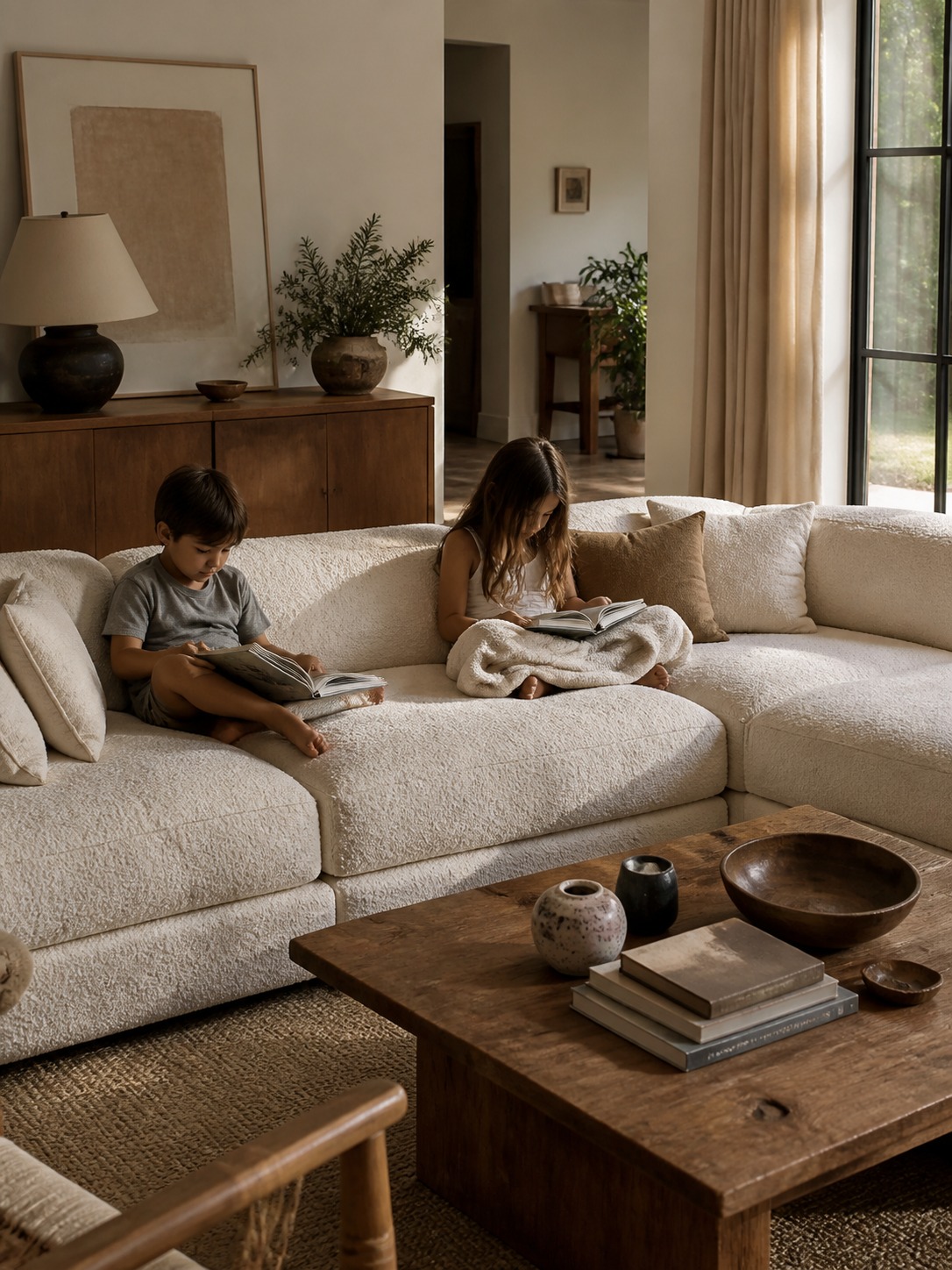
Albany Park Kova is the closest thing to a Lovesac alternative in terms of feel and lifestyle orientation. The seats run deep, the covers are washable and removable, and the overall character is casual, comfortable, and forgiving of the kind of use that comes with children, pets, and genuinely inhabited rooms.
The aesthetic is softer and more rounded than Lovesac, which reads as warmer in a room but also less graphic. For a family room where the priority is comfort and ease of maintenance, Albany Park delivers at a price point noticeably below comparable Lovesac configurations.
📌 Design note: Best in rooms with a relaxed, casual direction. Less suited to interiors that need the sofa to read as polished or composed from a distance.
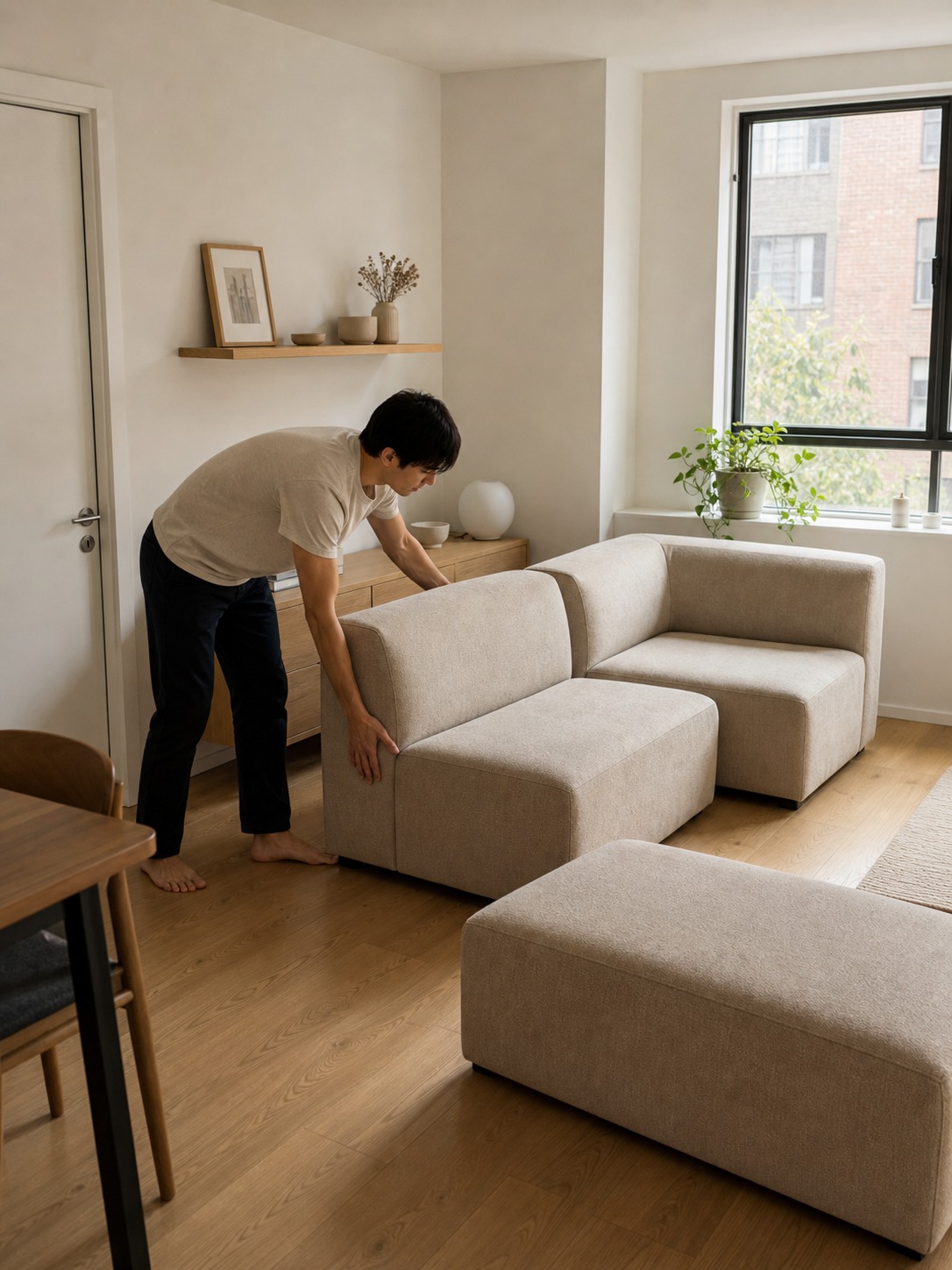
#3 Burrow — best for apartments and changing layouts
Tool-free assembly | Compact | Rental-friendly
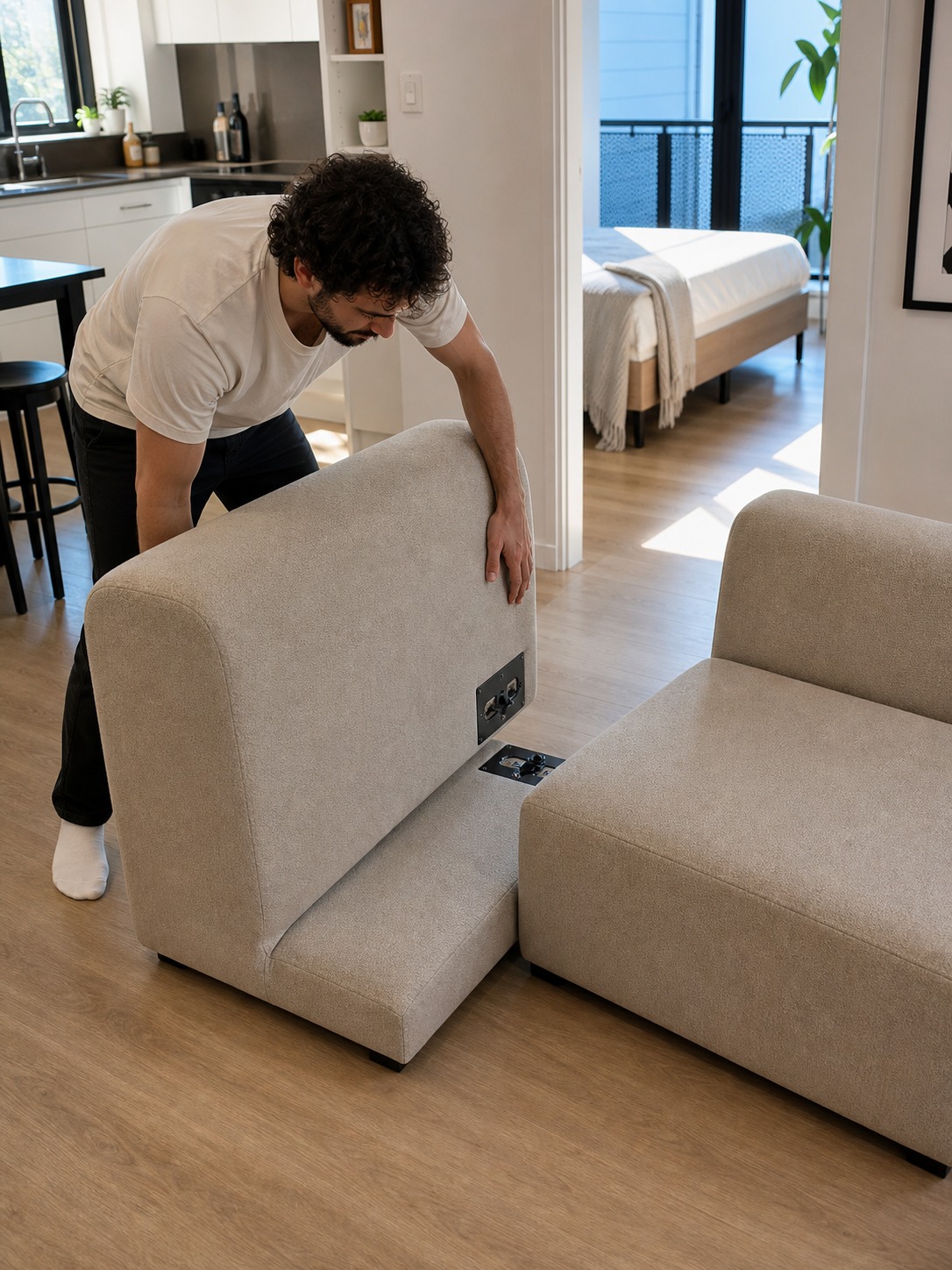
Burrow defining feature is assembly: modules click together without tools and disassemble just as easily. For renters who move frequently, or for buyers who expect the sofa to need to navigate tight staircases, elevator lobbies, and doorways that standard furniture cannot pass through, this is a genuine practical advantage.
The design character is clean and mid-century-adjacent, which suits apartment living and contemporary interiors without being strongly directional. Module options cover two-seat, three-seat, and sectional configurations, with compact proportions that work in rooms where a full-depth sofa would dominate.
📌 Design note: Proportions are more compact than most modular sofas. Works well in rooms under 20 square meters where scale control matters more than depth of seat.
#4 Castlery — best for a polished modern room
Refined proportions | Contemporary silhouette | Mid-range price
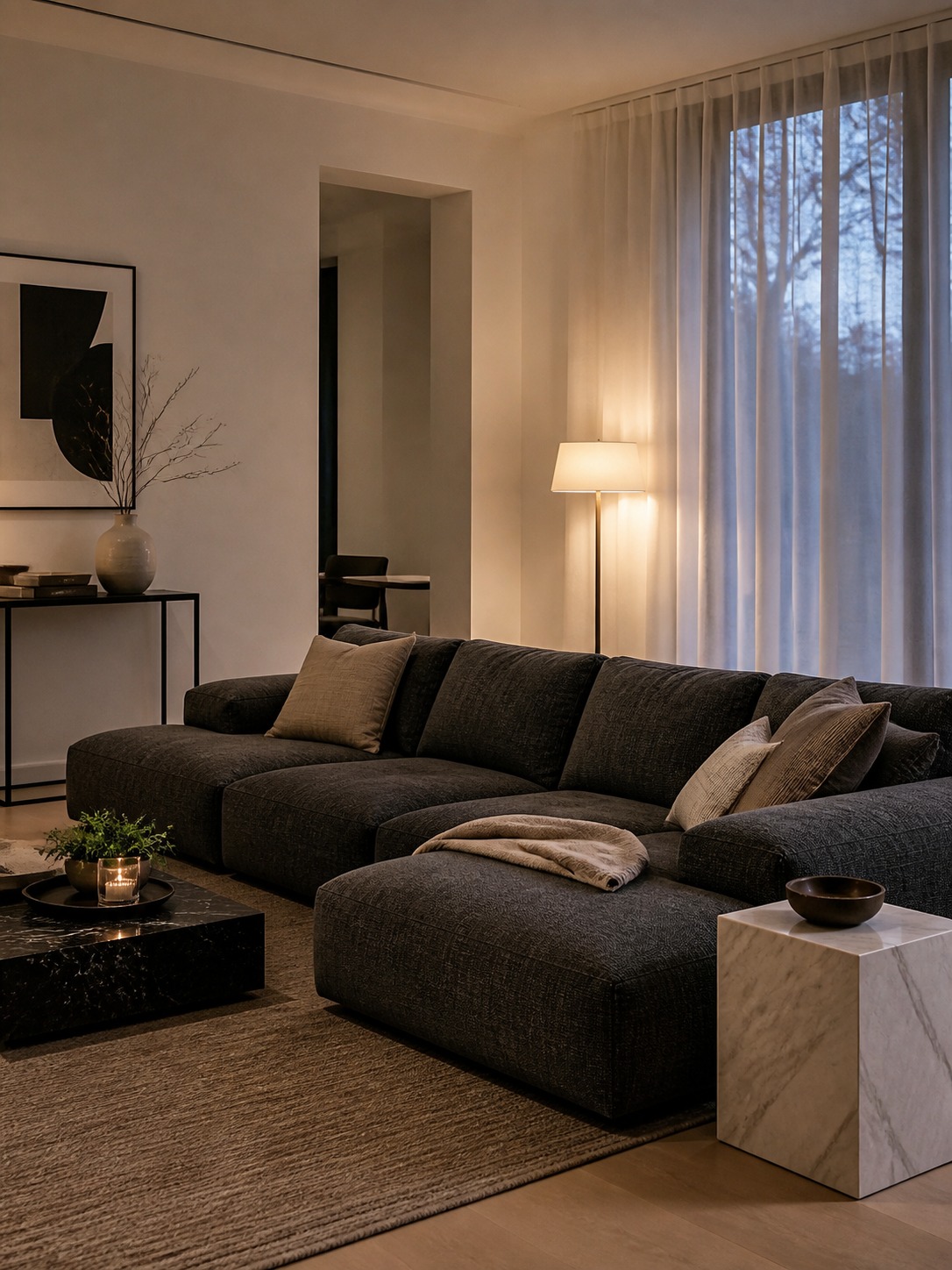
Castlery occupies the space between budget modular and premium custom: cleaner silhouettes than mass-market brands, more refined fabric options, and tighter proportional control than the casual alternatives. Their sectional range has lower arm profiles and cleaner module transitions than Albany Park or Lovesac, which reads as more contemporary in a room that has other strong design elements.
For a living room with quality rugs, considered art, and good lighting, a sofa with Castlery’s visual character complements the other elements rather than dominating them. The sofa is present but not the only conversation in the room.
📌 Design note: Suits rooms with a clear interior direction already established. Less well-suited to rooms where the sofa needs to set the tone on its own.
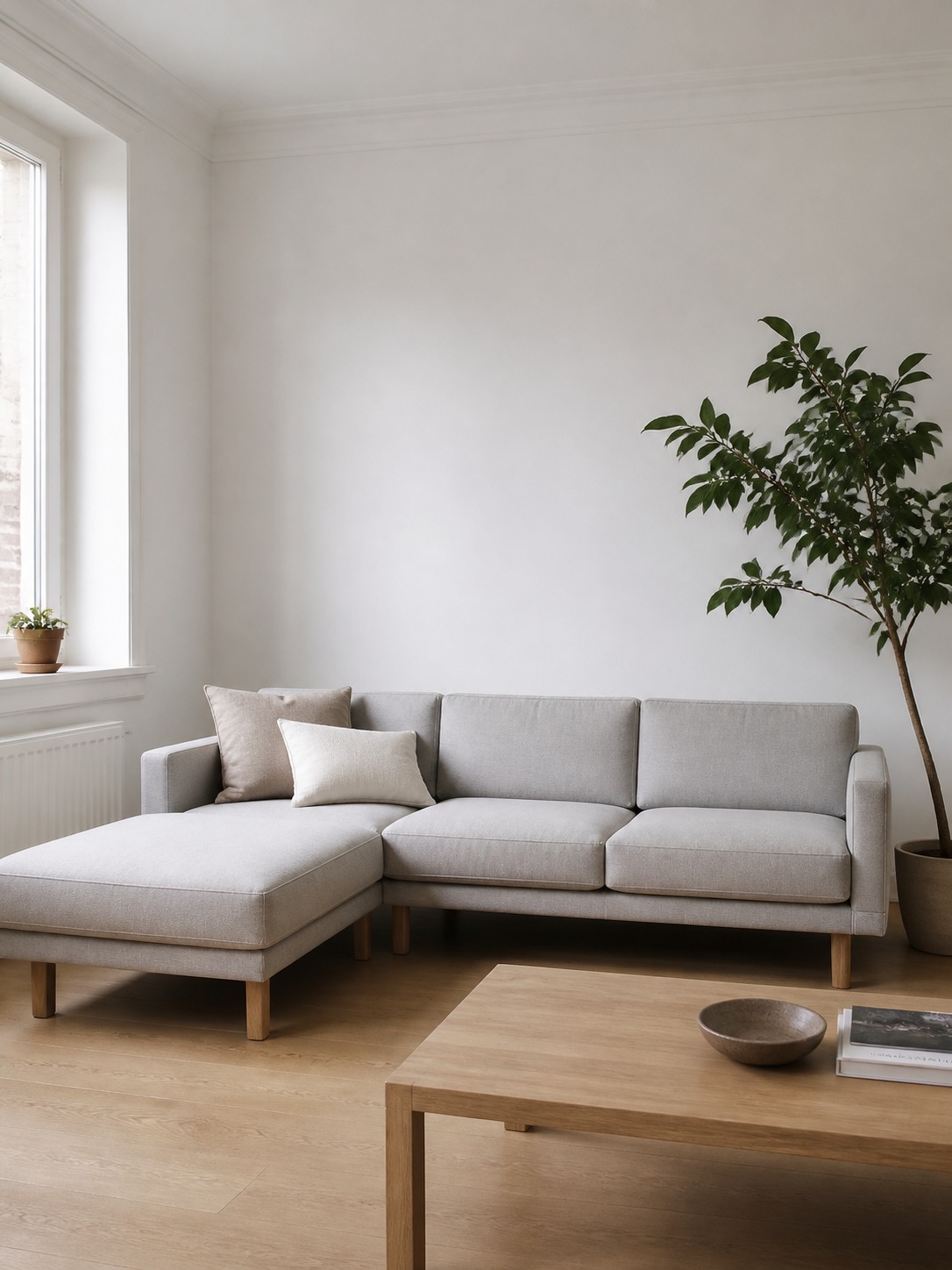
#5 Floyd — best for minimalist modular planning
Minimal aesthetic | Visible legs | Simple module system
Floyd’s sofa system uses a visible leg structure that lifts the seat off the floor, which makes the sofa read as lighter and more spatial than sofas with skirted or grounded profiles. In a room with a pale floor, visible legs create a visual gap between the sofa and the floor surface, reducing the sofa’s apparent mass.
The minimalist visual language suits Scandinavian-influenced interiors, white or pale rooms, and any space where the goal is to have the sofa present without it taking over. The module system is simple and honest about its construction, which suits the aesthetic.
📌 Design note: Particularly effective in rooms with pale or natural floors where the sofa leg gap reads well. Less effective in darker or more traditional interiors.
#6 Cozey — best for easy room reconfiguration
Reconfigurable | Compact modules | Good for smaller spaces
Cozey’s module system is designed for maximum flexibility with a minimum of friction. Modules connect and disconnect easily, covers are removable, and the range includes configurations suitable for small apartments and rooms where the layout changes seasonally or with household composition.
The aesthetic is somewhere between casual and contemporary, with rounded arm profiles and a warmer feel than Floyd or Burrow. For buyers who expect to move, change the room’s configuration, or add modules over time as their space or household changes, Cozey is a practical choice.
📌 Design note: Best choice for renters or buyers in a period of life where spatial flexibility is genuinely valuable. Less suitable for permanently settled rooms where configuration stability is the priority.
How to choose based on your room, not only the brand
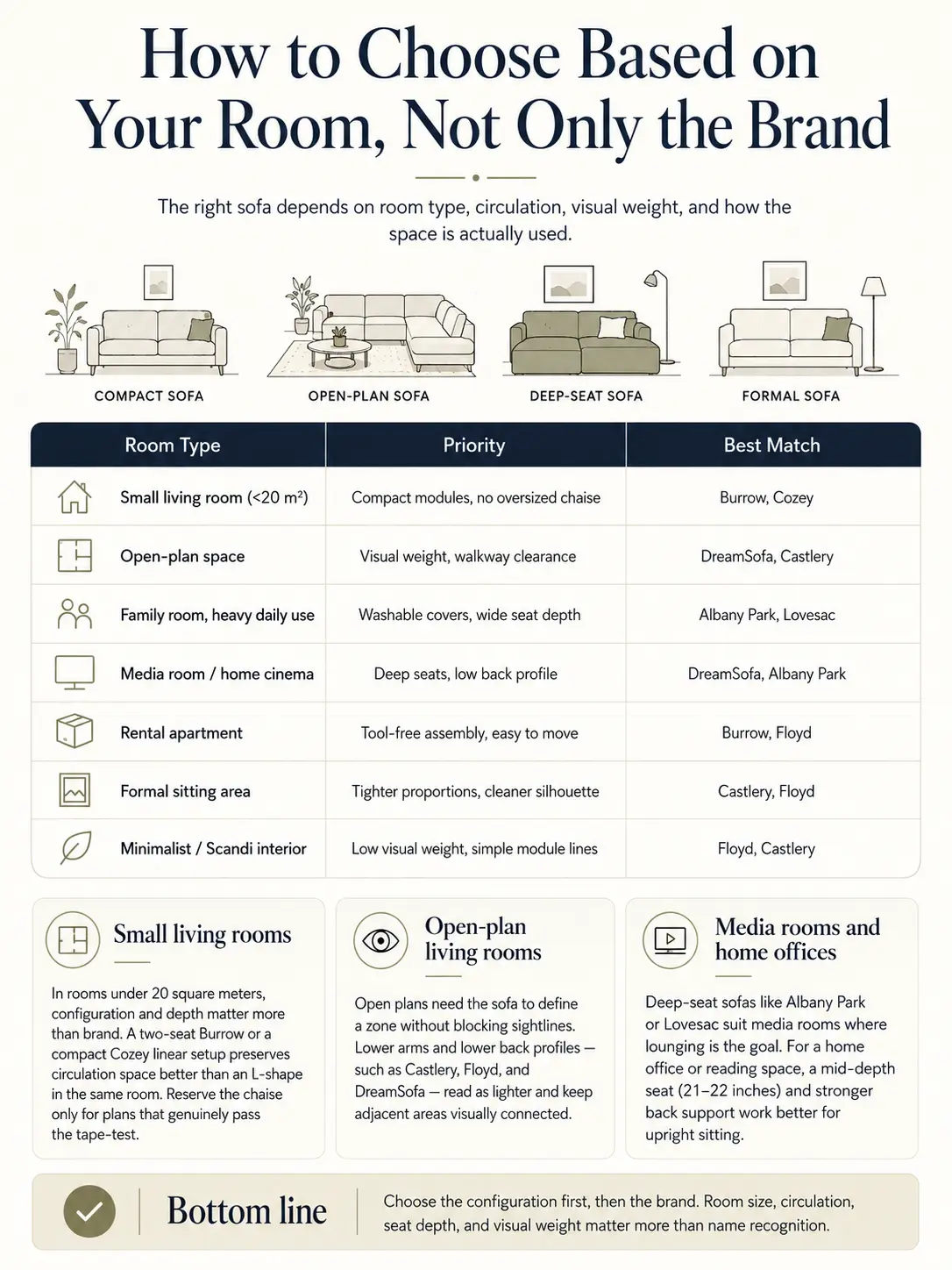
The right choice depends on the room type, the way the space is used, and what you need the sofa to do visually and functionally. The table below maps room types to the alternatives that suit them best.
| Room Type | Priority | Best Match |
|---|---|---|
| Small living room (<20 m²) | Compact modules, no oversized chaise | Burrow, Cozey |
| Open-plan space | Visual weight, walkway clearance | DreamSofa, Castlery |
| Family room, heavy daily use | Washable covers, wide seat depth | Albany Park, Lovesac |
| Media room / home cinema | Deep seats, low back profile | DreamSofa, Albany Park |
| Rental apartment | Tool-free assembly, easy to move | Burrow, Floyd |
| Formal sitting area | Tighter proportions, cleaner silhouette | Castlery, Floyd |
| Minimalist / Scandi interior | Low visual weight, simple module lines | Floyd, Castlery |
Small living rooms
In rooms under 20 square meters, the most critical variable is not which brand but which configuration at what depth. A two-seat Burrow or a compact Cozey linear configuration leaves more circulation space than any L-shape in the same room. Reserve the L-shape for rooms where the plan genuinely accommodates it after the tape-test.
Open-plan living rooms
Open-plan spaces need the sofa to define a zone without closing it off. Lower arm profiles (Castlery, Floyd, DreamSofa) read as more spatially open from adjacent zones than high-arm configurations. The back height also matters: a sofa whose back height interrupts the sightline across the space reads as a division. A lower back height maintains visual continuity.
Media rooms and home offices
Deep-seat configurations (Albany Park, Lovesac) work well in media rooms where a lounging posture is the primary use. For a home office with a sofa that needs to work for both reading and sitting upright, a mid-depth seat (21 to 22 inches) and a higher back support (above shoulder height) works better.
The chaise direction decision: which end the chaise falls on is usually determined by the room’s traffic pattern, not preference. The chaise should face toward the secondary entry point of the room, so it doesn’t block the main circulation path. In most living rooms, this means the chaise faces toward the door that is used least, leaving the primary entrance clear.
Frequently Asked Questions
What is the best Lovesac alternative for design-conscious buyers?
For rooms where exact fit and spatial precision matter, DreamSofa offers the most design-specific approach: made-to-measure module sizing that accommodates precise floor plan requirements. For a more relaxed, family-centered room, Albany Park’s Kova offers Lovesac-adjacent comfort and washability at a lower price. Burrow is the strongest choice for apartment living and changing layouts.
Is Lovesac worth the price?
Lovesac Sactionals are durable and genuinely modular, with washable covers and a lifetime warranty on the frame. For buyers who want exactly the Lovesac aesthetic and are comfortable with its module sizing, it can be worth the price. For buyers who want modularity but would prefer a custom fit, different proportions, or a different visual character, the alternatives in this guide are worth comparing before committing.
What makes a modular sofa work in a living room?
The three variables that most affect how a modular sofa functions in a real living room are seat depth (deeper seats read as more casual; 21 to 22 inches is a versatile middle ground), arm height (high arms reduce visual openness; low or track arms keep the composition lighter), and corner module size (oversized corner pieces dominate smaller rooms). The room’s traffic pattern determines where the chaise falls and where the configuration breaks for walkways.
Are modular sofas good for small living rooms?
Modular sofas can work well in small living rooms if the module scale is appropriate. The common mistake is choosing a configuration whose total footprint leaves inadequate walkway clearance. In a room under 20 square meters, that usually means a two or three-seat linear configuration rather than a full L-shape, or choosing a brand with compact module options like Burrow or Cozey.
Can you move a modular sofa easily?
It depends on the brand’s assembly system. Burrow is specifically designed for tool-free assembly and disassembly, making it the most portable option for renters. Floyd uses a similar approach. Most other modular brands are modular in the sense that you can add or remove pieces, but they are not necessarily designed to be disassembled and moved apartment to apartment without some effort.
What seat depth should I choose for a modular sofa?
A depth of 20 to 22 inches (51 to 56 cm) works for most proportions and suits both upright and relaxed sitting. Deeper seats (24 to 26 inches) feel more casual but can feel swallowing to shorter people. Shallower seats (18 to 20 inches) suit more formal sitting and work well where the sofa needs to look lighter. Lovesac Sactionals run deep, which contributes to their enveloping feel.
How does a modular sofa affect traffic flow in a living room?
The chaise or extended section typically projects furthest into the space and creates the tightest point between the sofa and an adjacent wall. Plan the configuration on paper first, drawing the footprint to scale on the floor plan and measuring the remaining walkway widths before ordering. A sofa that looks proportional in a photograph can leave inadequate circulation in the actual room.
For a more complete living-room composition, think about the wall behind the sectional too. This guide to wallpapered feature walls explains when texture, relief, or a quiet pattern is stronger than another painted surface.
For flexible seating, these modular living room design rules show how purpose and layout affect comfort.
- 70shares
- Facebook0
- Pinterest70
- Twitter0
- Reddit0