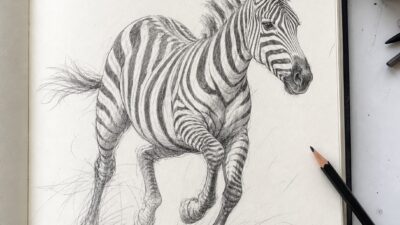
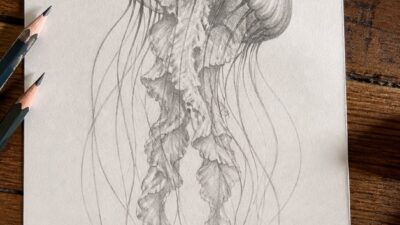
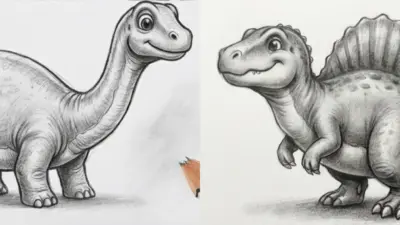
You can learn to draw animals by breaking the process into small, clear steps and practicing simple shapes until the whole form clicks. Start with basic shapes, build the animal’s structure, and add details and texture one step at a time to turn a sketch into a believable creature.
This post shows easy warm-ups, step-by-step guides for common animals, tips for fur, feathers, and scales, and ways to give your subjects life and motion. Follow the short exercises and examples to build confidence and finish pieces you’ll want to keep.
Getting Started With Animal Drawing
You will choose simple supplies, set a clean workspace, and learn to see animals as basic shapes. These steps help you draw with more confidence and make complex forms easier to manage.
Essential Drawing Materials
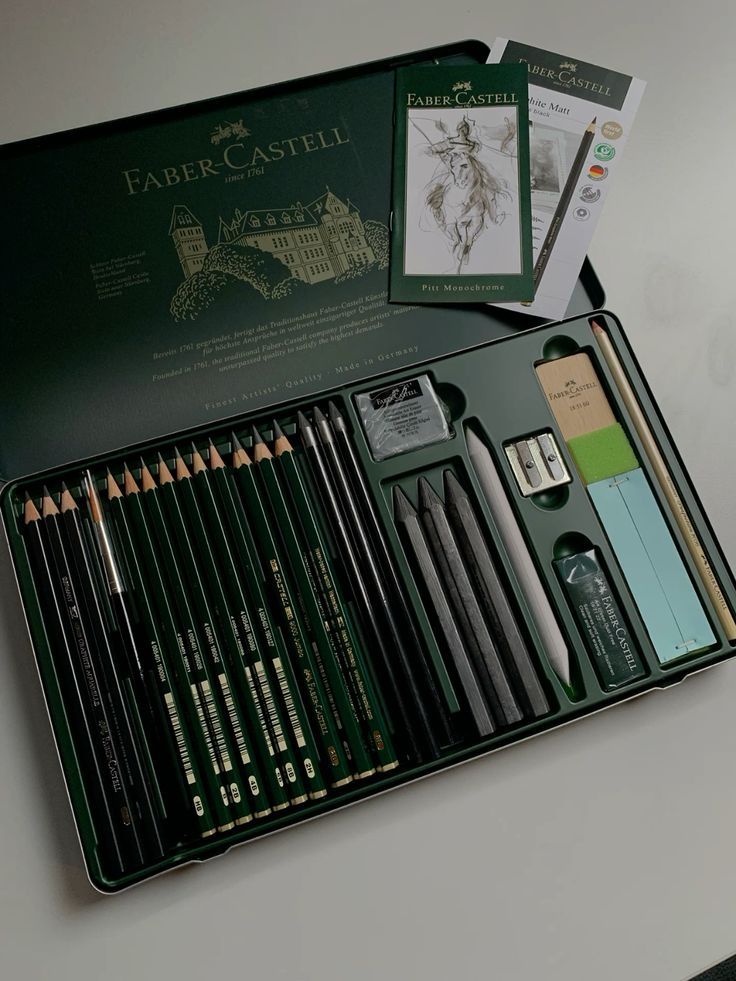
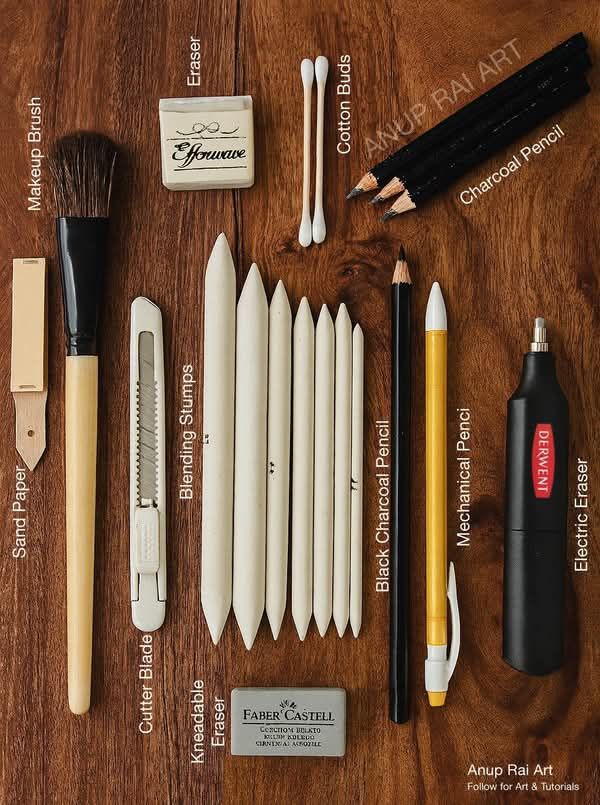
Start with a few reliable tools. Use an HB or 2B pencil for general sketching and a softer 4B for darker lines and shading. Bring an eraser (kneaded preferred) to lift marks without damaging paper, and a small sharpener to keep points precise.
Pick paper that fits your practice: a smooth sketchbook (70–120 gsm) for pencils, or heavier paper for ink and markers. Add a ruler to measure proportions and a blending stump or tissue for smooth shading. If you plan to ink, use fine-liners in 0.1–0.8 mm sizes.
Keep everything in a small kit or box so you can draw anywhere. Replace worn tools slowly; fresh pencils and clean erasers improve control and reduce frustration.
Setting Up Your Workspace
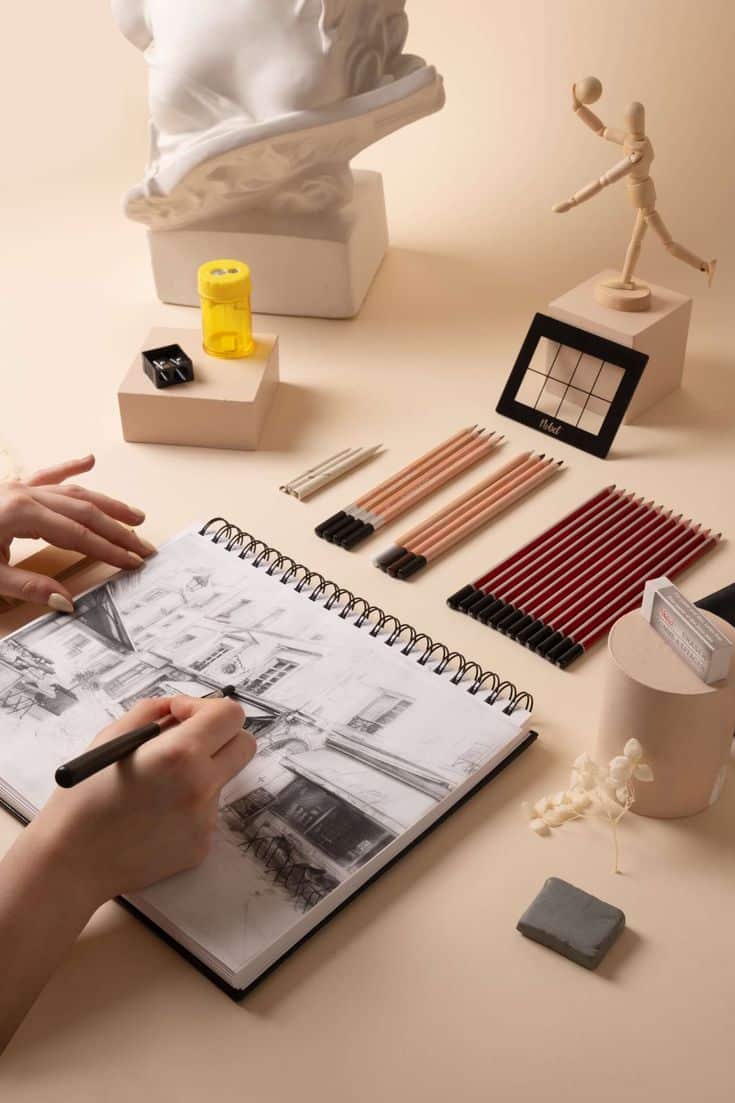
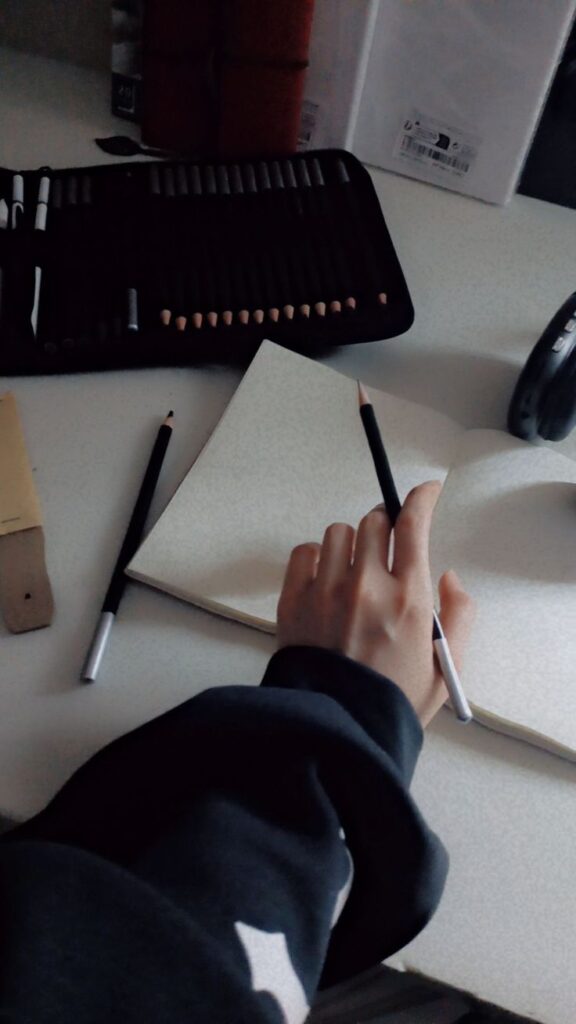
Find a flat surface with natural light from the side to avoid strong shadows on your paper. Sit with feet flat and the drawing surface at a comfortable height to prevent hunching. Use a chair with back support for longer sessions.
Organize tools within arm’s reach: pencils on the right if you’re right-handed, left if you’re left-handed. Keep a scrap sheet for testing marks and mixing values. Pin or tape reference photos at eye level so you don’t keep looking down.
Remove distractions: silence your phone, set a short timer for focused 20–30 minute practice blocks, and take brief breaks to rest your eyes and hands.
Understanding Basic Shapes
Break animals into simple shapes: circles for heads and joints, ovals for bodies, and cylinders for legs and necks. Sketch these lightly first to map proportions and pose. Use a light touch so you can erase and adjust easily.
Connect shapes with smooth lines to form the spine and limb flow. Check symmetry by measuring distances with your pencil or a ruler. Note where the head sits relative to the shoulders and where major joints bend.
Focus on one feature at a time: get the body’s main mass right, then add limbs, then details like ears and fur direction. This step-by-step build reduces mistakes and keeps your drawing organized.
Step-By-Step Guide To Drawing Animals
You will learn how to see animal shapes, build a simple skeleton, and place the key features that give each animal its character. The steps use basic shapes, clear measurements, and small details that bring the drawing to life.
Breaking Down Animal Anatomy
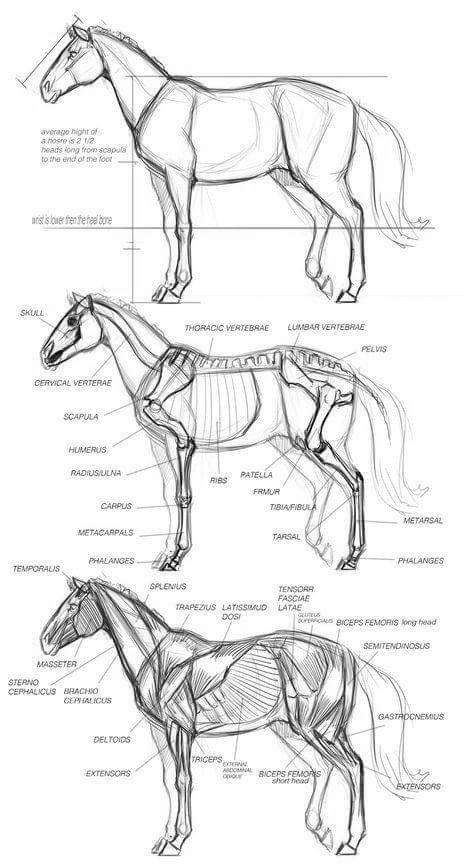
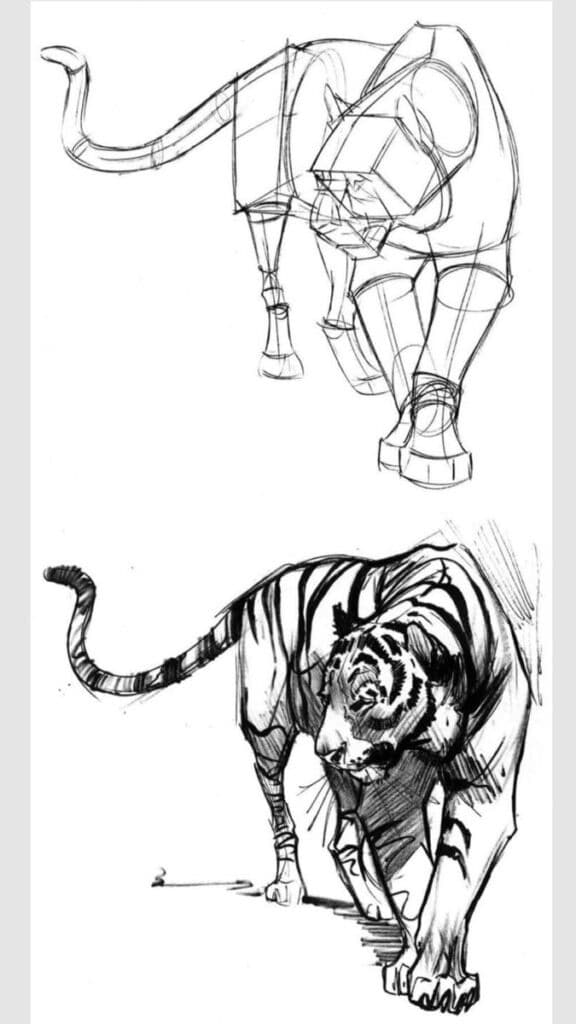
Start by studying the animal’s basic body parts: head, torso, legs, tail, and neck. Look for the largest shapes first. For example, a cat’s body is a rounded oval, the head a circle, and the hindquarters another oval. Note joint locations: shoulder, elbow, hip, and knee. These joints control posture and movement, so mark them lightly.
Pay attention to proportions. Measure head lengths across the body to keep size consistent. Count leg segments: upper leg, lower leg, and paw. For birds, find the wing base and tail length. Sketch muscle blocks roughly—this will help you place fur, feathers, or scales later.
Outlining the Main Structure
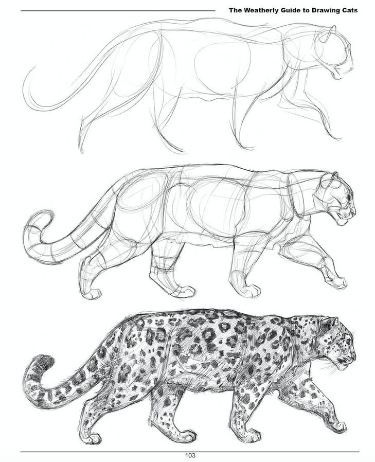
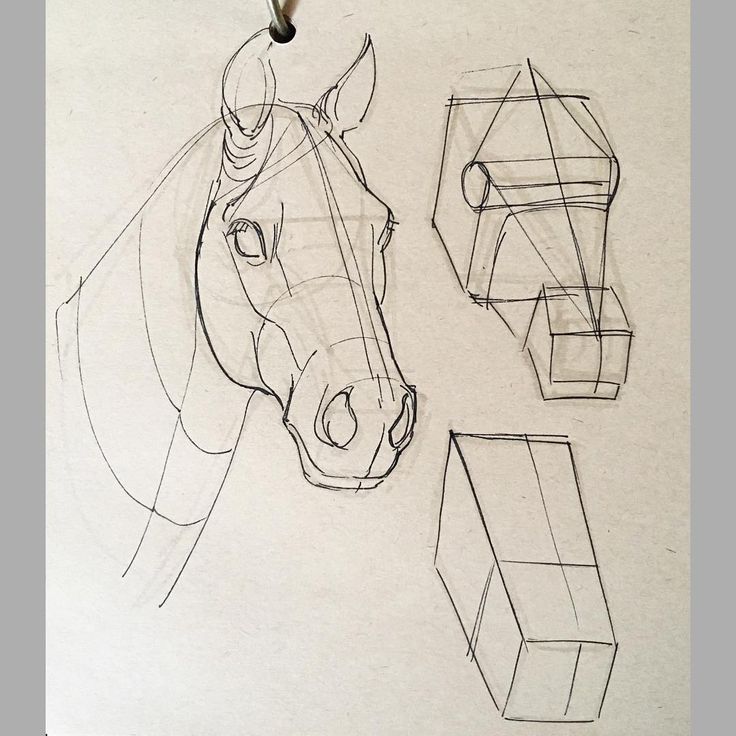
Use simple shapes to map the animal’s pose before adding detail. Draw circles for joints and connect them with straight or slightly curved lines for the spine and limbs. Keep lines light so you can erase and adjust.
Check symmetry and balance. If the weight shifts to one side, tilt the spine and hips accordingly. Use a quick gesture line to capture movement. For perspective, shorten limbs that point toward or away from you. When the rough outline looks right, refine the contours by turning the shapes into smooth outer lines.
Adding Key Features and Details
Work from large to small: refine body contours, then add eyes, ears, nose, and mouth. Place eyes on the head circle using the earlier proportion marks. For mammals, show fur direction with short strokes; for reptiles, use scale patterns; for birds, add feather groupings.
Focus on defining textures and important marks like stripes, spots, whiskers, or claws. Keep strokes confident and varied to suggest volume. Erase construction lines carefully, then darken the final lines. Add simple shading under the belly, behind the legs, and beneath the head to anchor the animal on the page.
How To Draw Popular Animals Step By Step
You will learn clear, focused steps for three common animals. Each part shows the main shapes, how to place features, and simple tips for texture and shading.
Drawing a Dog
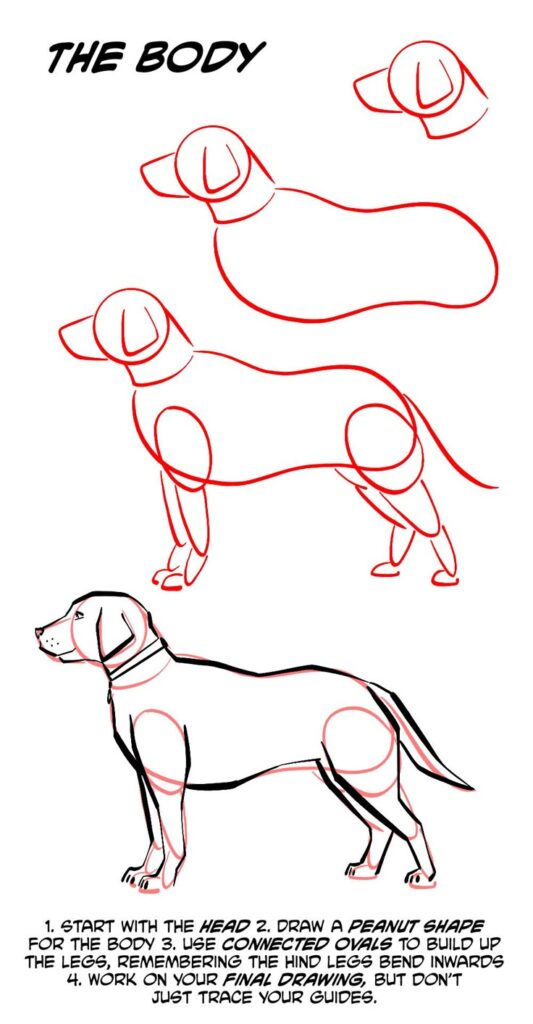
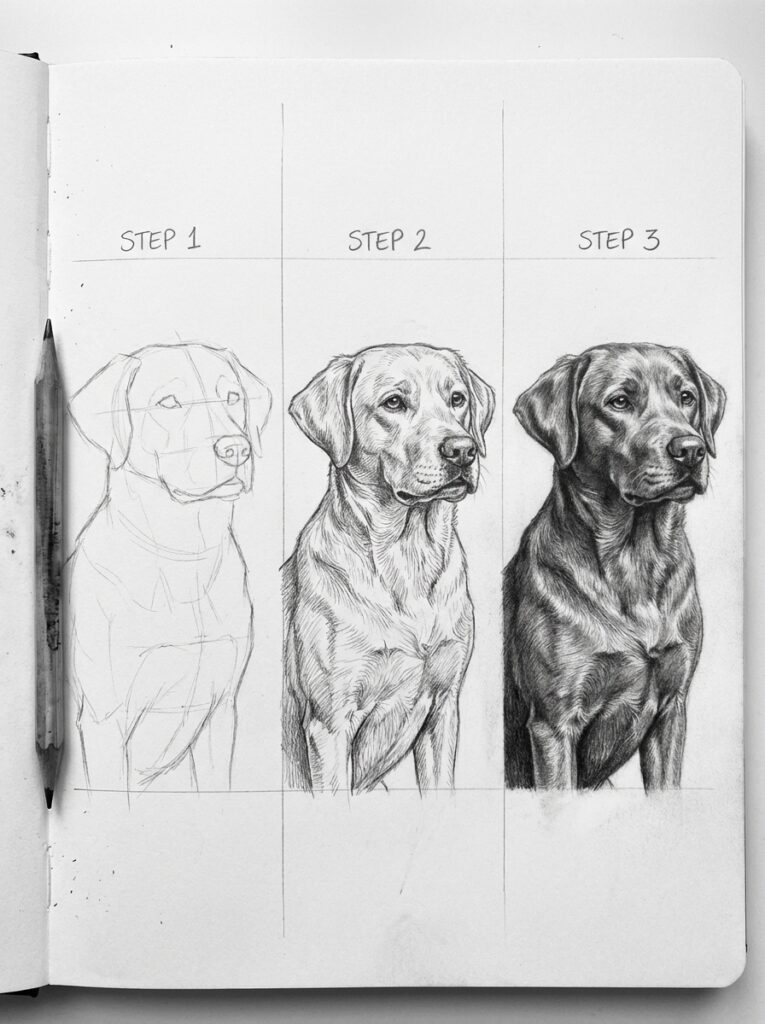
Start with basic shapes: draw a circle for the head and an oval for the body. Connect them with a short neck. Mark the centerline on the head to place the eyes and nose evenly.
Sketch the muzzle as a small, rounded rectangle that overlaps the head circle. Add two almond eyes on the centerline and a nose at the end of the muzzle. Draw floppy or pointy ears depending on the breed; place them where the head circle meets the top edge.
For legs, use straight lines with small ovals for paws. Hind legs bend more—sketch a larger thigh oval than a lower leg. Add a tail shape that matches the dog’s energy: curved for playful, straight for alert.
Refine by erasing guidelines and adding fur strokes along the body and ears. Shade under the belly, inside the ears, and along the muzzle to give volume. Use short, directional strokes for short fur and longer strokes for shaggy coats.
Sketching a Cat
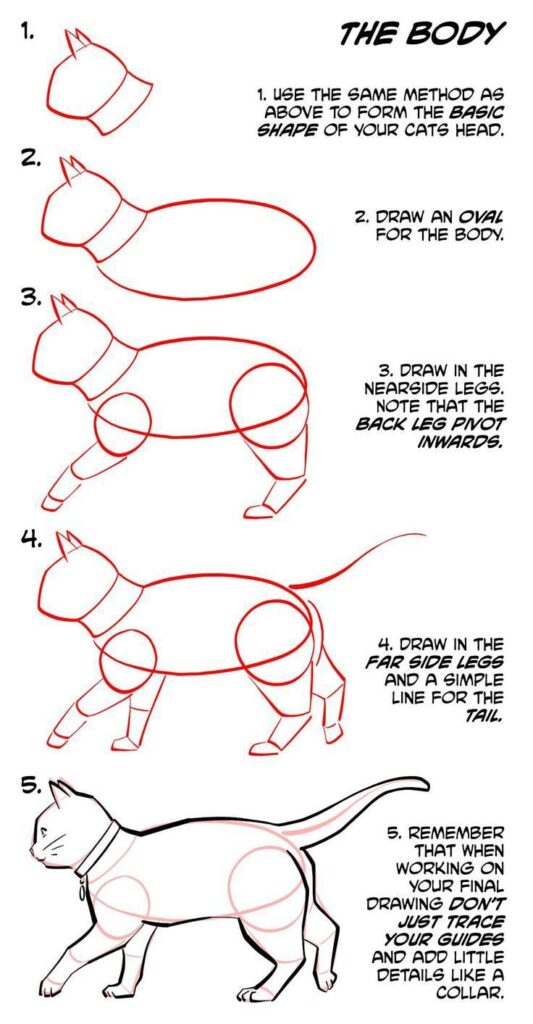
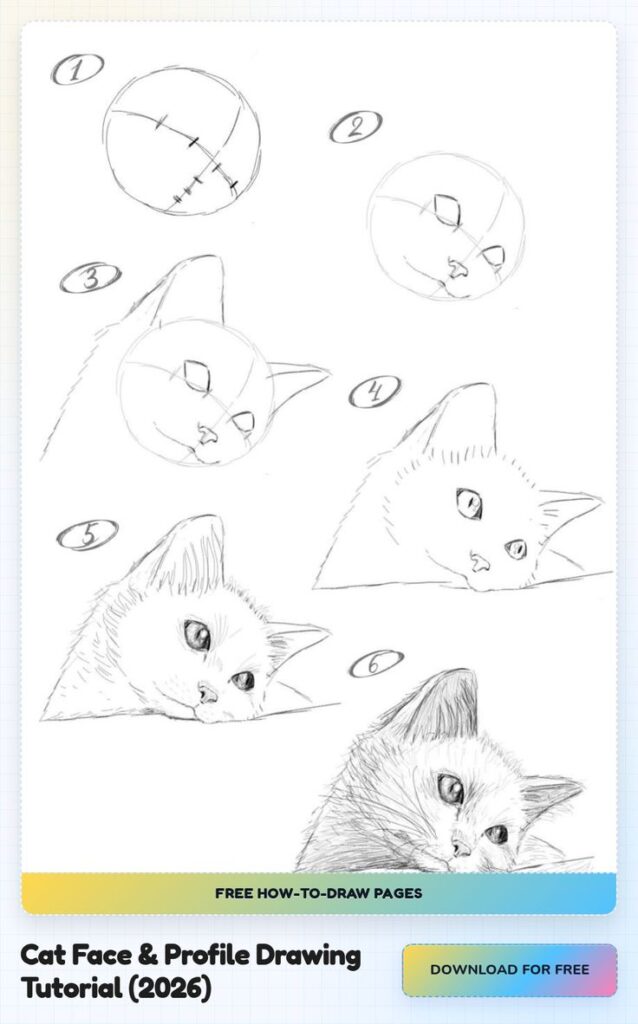
Begin with a small circle for the head and a larger oval slightly below for the body. Draw a light centerline on the head to align facial features precisely. Cats have a compact skull, so keep the muzzle short.
Place large, almond-shaped eyes high on the face and a small, triangular nose between them. Add a curved “W” for the mouth under the nose. Ears are tall and pointed—set them near the top corners of the head circle.
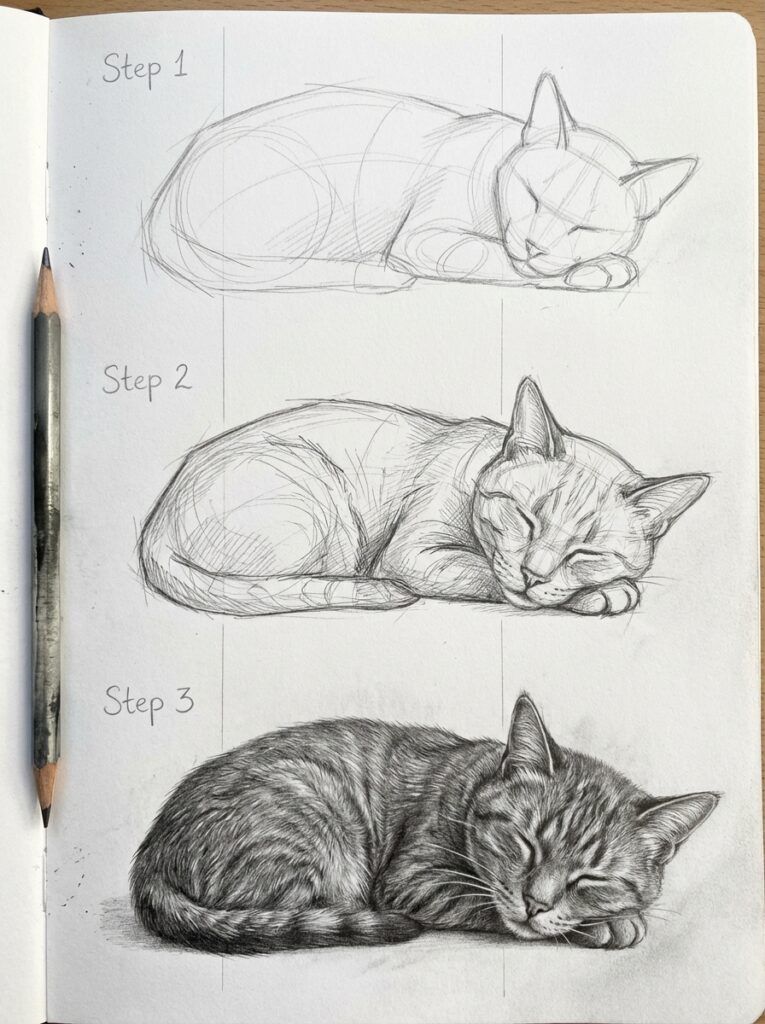
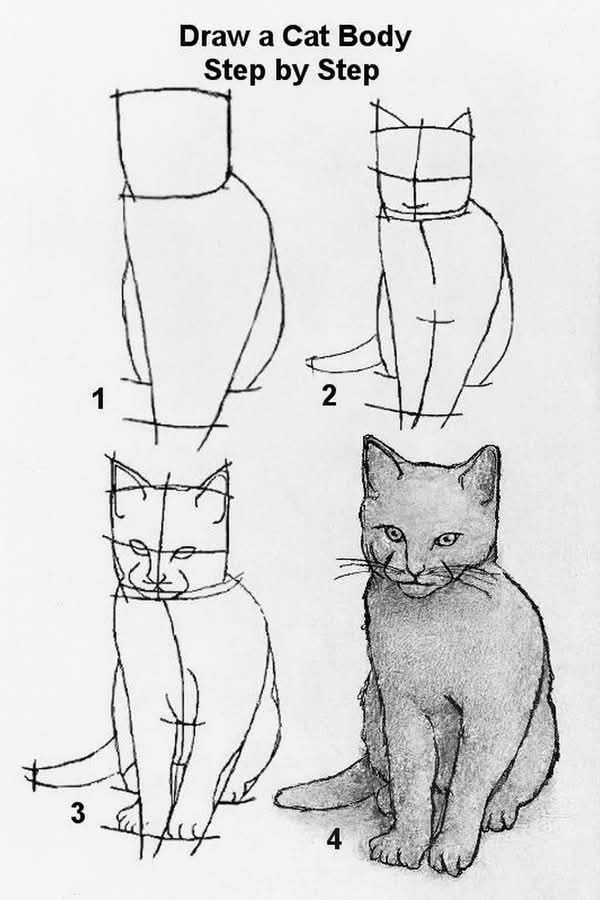
Legs are slender: sketch front legs as straight tubes and hind legs with a visible curve at the haunch. Draw paws with three small toe pads. Add a long, flexible tail; give it a gentle S-curve to show movement.
Finish by refining line weight—thin lines for whiskers, thicker lines for the back contour. Use short, soft strokes for fur, concentrating on the chest and tail. Shade lightly under the chin and belly to suggest depth.
Illustrating a Horse
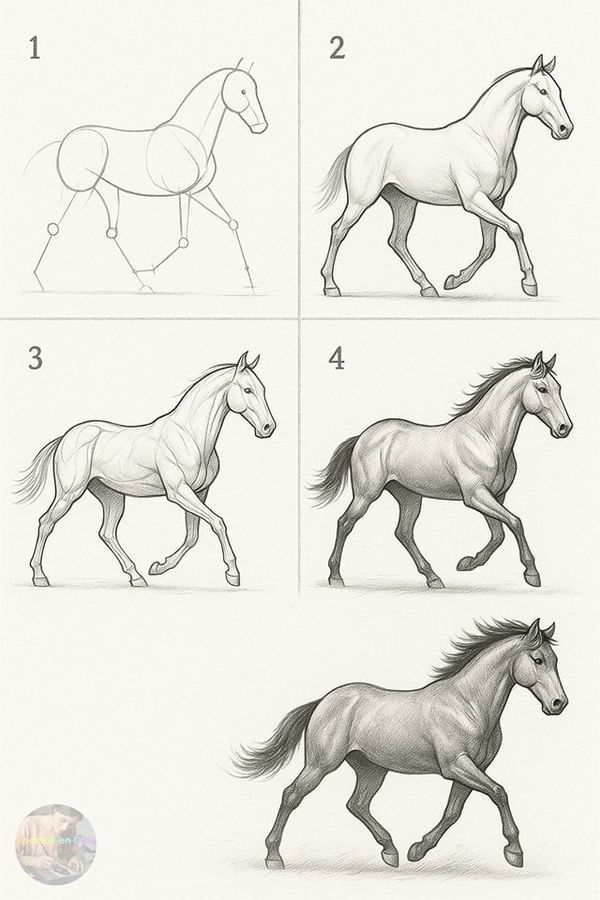
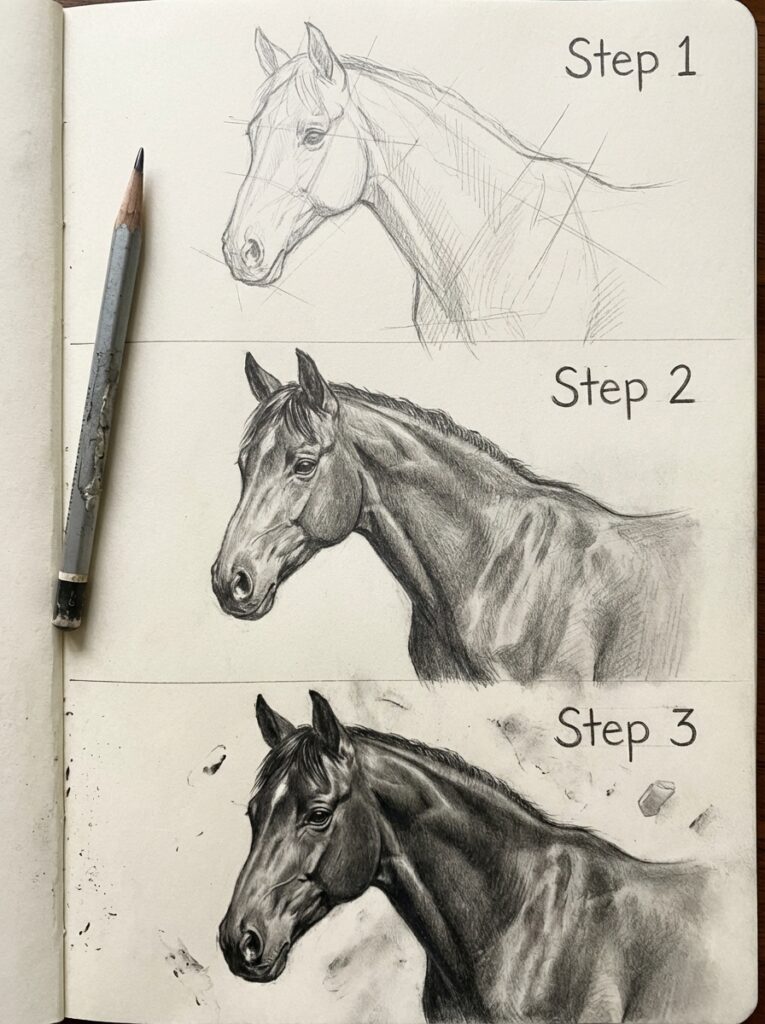
Start with larger shapes: a big oval for the barrel and a smaller circle for the chest, and set a head circle ahead of those. Use long, flowing lines to connect neck, back, and belly; horses have graceful, elongated forms.
Draw the head with a long, tapered muzzle. Place the eye on the side of the head about halfway back, and set small ears close together on top. Add nostrils near the end of the muzzle and a defined jawline.
Legs are long and straight with obvious knee and fetlock joints. Block them out with thin cylinders and small rectangles for hooves. The hindquarters should be rounded and muscular; sketch a strong croup and sloping hip.
Refine by adding mane and tail with long, flowing strokes. Indicate muscles with subtle shading along the neck, shoulder, and flank. Darken the hooves and shadow under the belly for weight and realism.
Drawing Wildlife And Exotic Creatures
Once the basic construction feels stable, try how to draw a falcon as a tighter wildlife exercise with a small head, deep chest, and crossed primary feathers.
Focus on big shapes first, then add defining details like mane, trunk folds, or patterns. Use light construction lines, check proportions, and build texture in small strokes.
Drawing a Lion
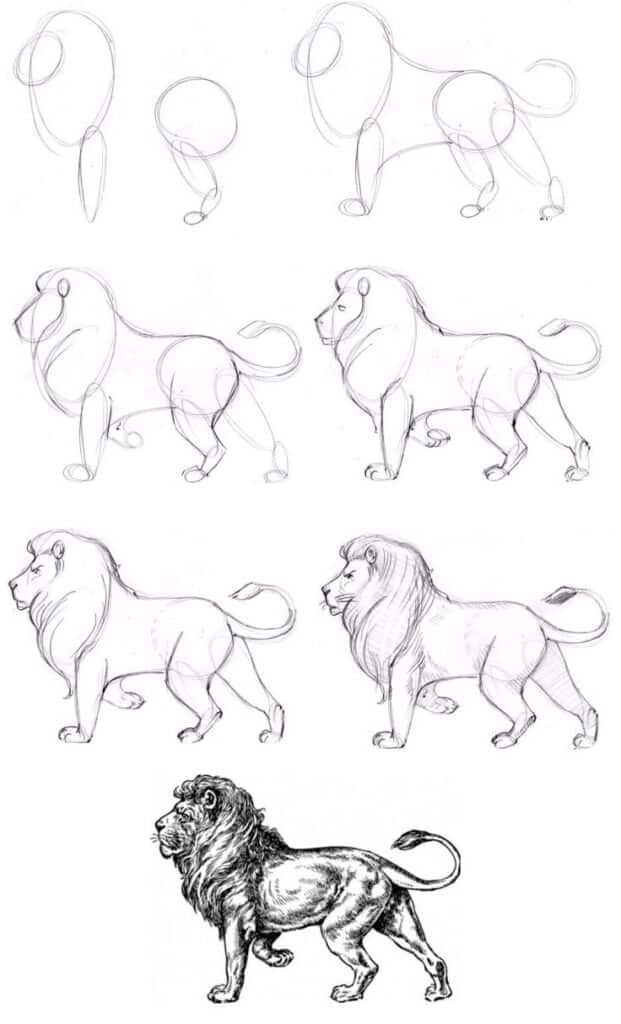
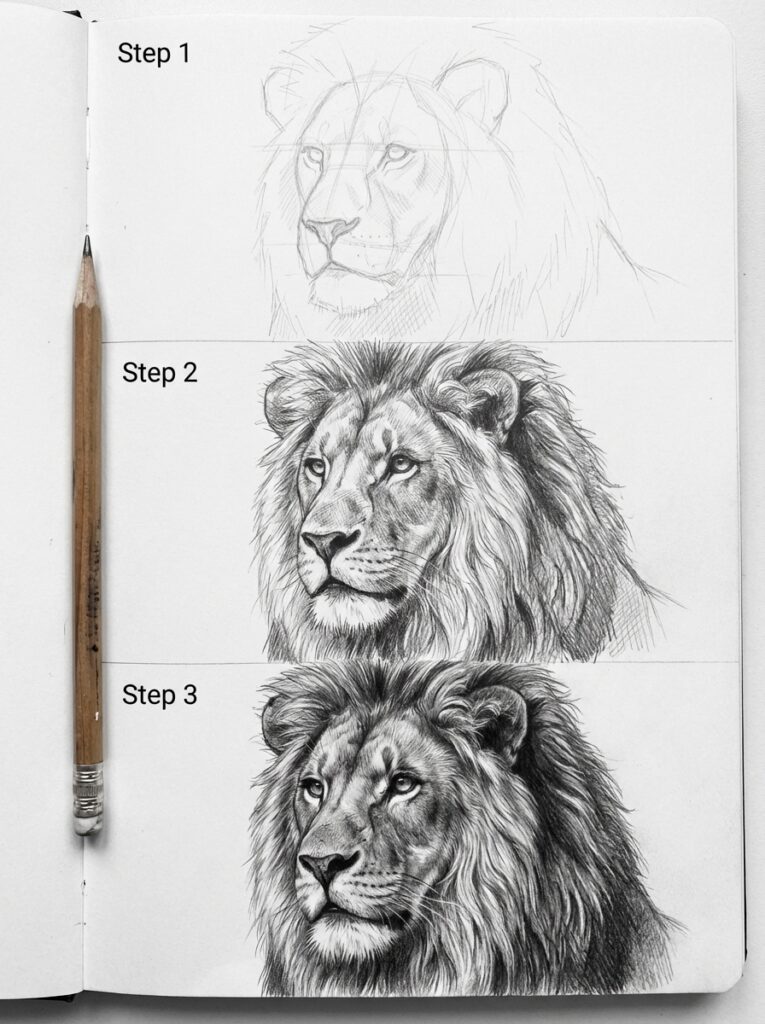
Start with a large oval for the body and a smaller circle for the head. Place a vertical center line and a horizontal eye line on the head circle to keep the face aligned. Sketch the jaw as a squared-off curve and add guide lines for the neck and shoulder mass.
Block in the limbs with cylinders and the paws with rounded rectangles. Keep the hind legs more muscular and the front legs straighter. Draw the tail as a long, flexible line and add a tuft at the tip.
For the mane, use short, curved strokes that follow the head and neck shape. Vary stroke length to show layered hair. Define the muzzle with a small triangle nose, a curved mouth line, and whisker dots. Shade lightly under the mane and belly to suggest volume.
Focus on eye placement and the brow ridge to capture expression. Erase unnecessary guide lines, then refine fur texture with controlled, short strokes around the face and mane.
Sketching an Elephant
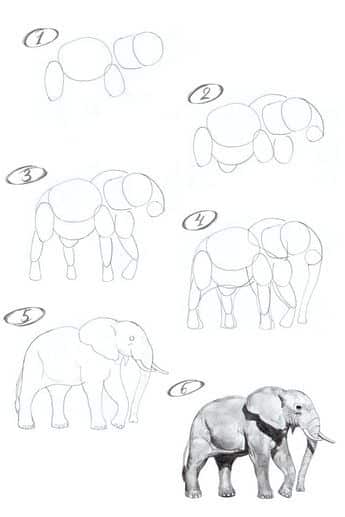
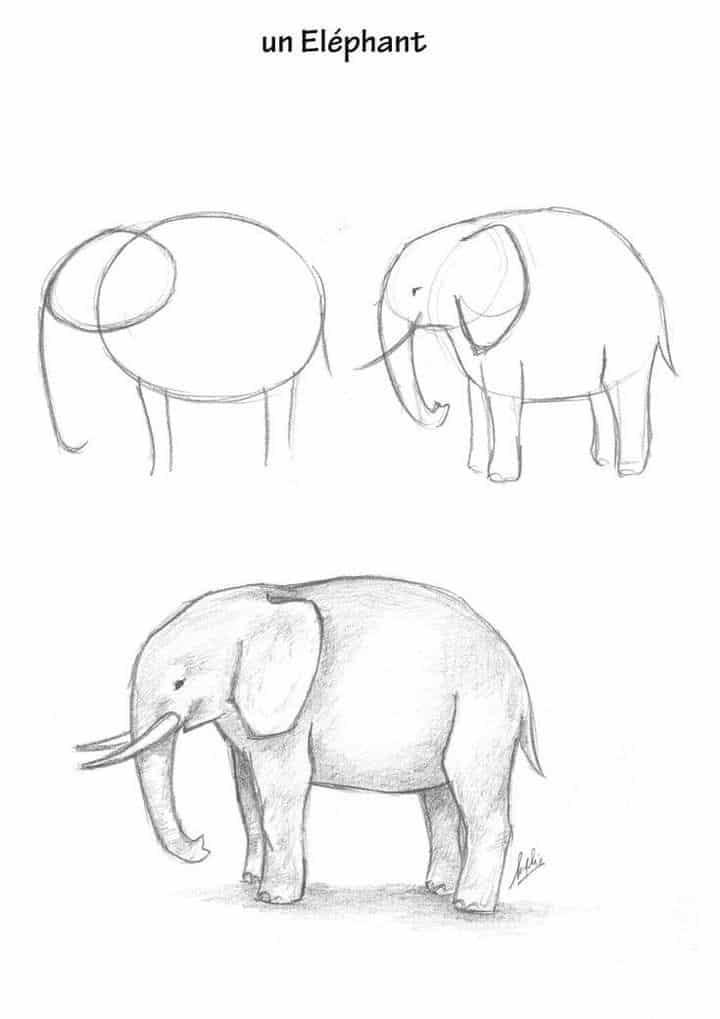
Begin with two overlapping ovals: a large one for the body and a smaller one for the head. Add a long curved line from the head oval for the trunk. Place the eyes high and small; this helps give the elephant its heavy, grounded look.
Map the legs as thick, column-like shapes with subtle knee bends. Draw the feet as flattened ovals with short toenails. Sketch large, fan-shaped ears attached behind the head; Asian elephants have smaller ears, while African elephants have larger, flared ears.
Detail the trunk with parallel lines to show sections and add the tip’s finger-like projections. Add folds and loose skin using short, curved lines across the neck, legs, and trunk. Use cross-hatching in deeper creases to create weight.
Keep shading soft; heavy contrast makes the skin look too rough. Add small, fine lines for skin texture rather than dense fur strokes.
Illustrating a Giraffe
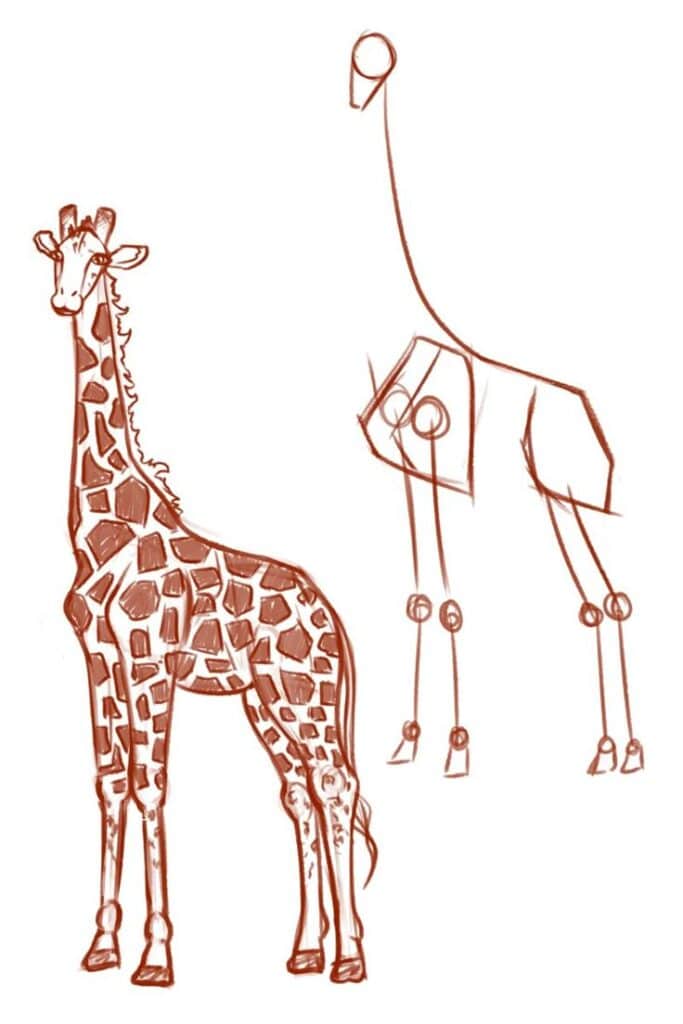
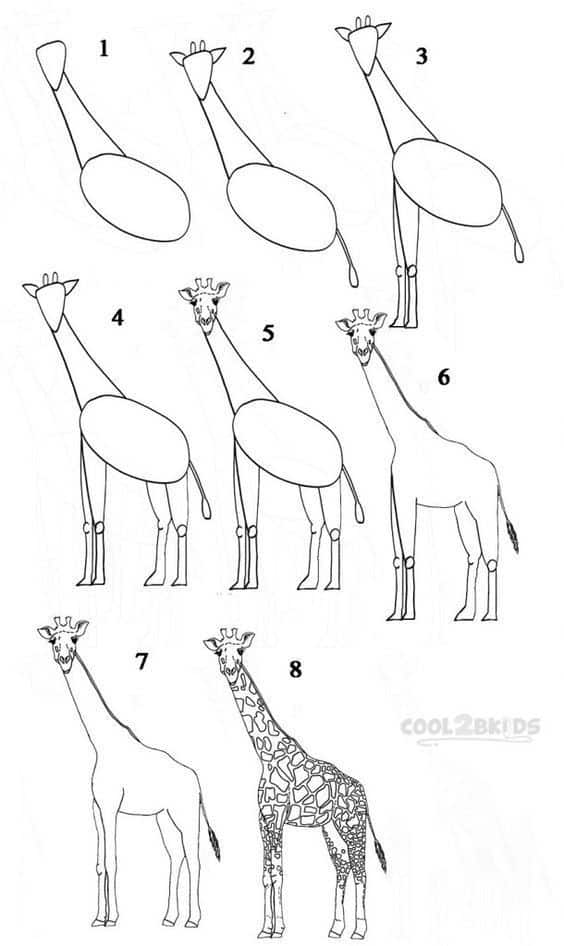
Start with a small head shape and a long S-curve for the neck to set the distinctive silhouette. Use a tall oval for the torso and long, straight cylinders for the legs. Place the hips slightly higher than the shoulders to reflect their sloping back.
Draw ossicones (horn-like projections) on the head and a short mane that runs down the neck. Make the muzzle narrow with large, expressive eyes set on the sides of the head. Keep the knees and ankles defined with slight bulges.
For the spots, map large, uneven patches across the body and neck. Various shapes and sizes; avoid perfect circles. Use darker tones inside patches and soften edges with short strokes so the pattern looks natural.
Add light shading under the belly and inside the legs. Use fine lines to show short fur on the face and mane. Keep proportions tall and lean to capture the giraffe’s graceful form.
Creating Realistic Animal Textures
Focus on small, repeated marks, the direction of growth, and how light hits the surface. Use varied pressure, layering, and reference photos to guide shape, density, and contrast.
Fur Techniques
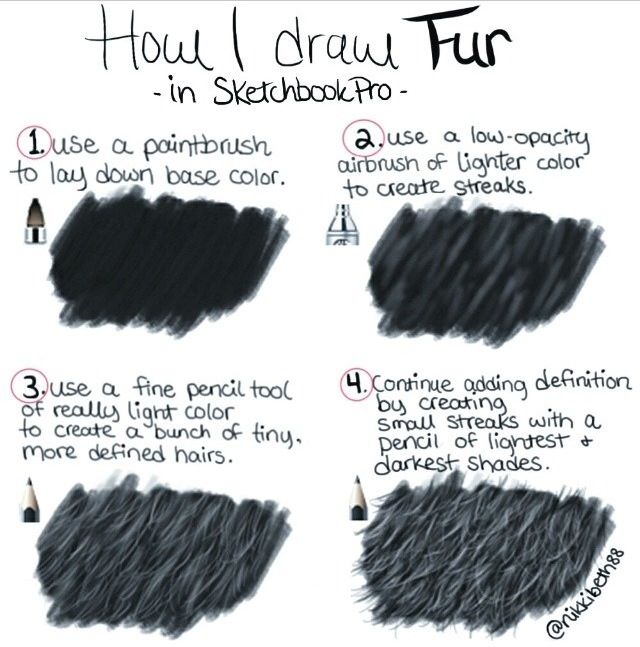
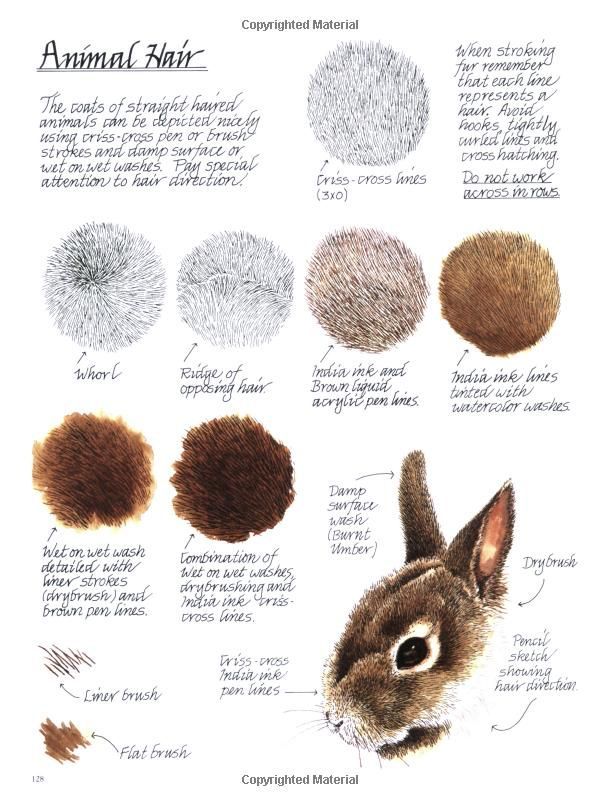
Start by observing hair direction and length on your reference. Sketch the main flow with long, light strokes to map fur groups. Work from the body outward — draw clumps rather than individual hairs to keep forms readable.
Use short, quick strokes for short fur and longer, slightly curved strokes for long fur. Vary pressure: light for soft undercoat, heavier for outer guard hairs, and darker areas. Layer strokes in at least three values: light midtone, darker shadows, and bright highlights. Blend sparingly with a stump or tissue to soften transitions, but keep some crisp edges for texture.
Add stray hairs along edges to break a solid silhouette. For patterned coats, mark the pattern boundaries first, then render fur direction inside each patch so patterns wrap naturally around muscles.
Scales and Patterns
Study the scale shape and how they overlap. Sketch the basic body plan, then map scale rows along curves and joints so they follow form. Use small, consistent shapes for fish or reptile scales; vary the size near the head or tail where scales change.
Shade each scale with a simple light-to-dark gradient to suggest curvature. For shiny scales, add a small bright highlight near the edge; for matte scales, keep contrast low. Build pattern contrast by changing scale tone, not outline thickness, so the pattern reads at a distance.
When drawing complex patterns (spots, stripes, labyrinths), break them into repeating units. Use a light grid or rhythm lines to keep spacing even. Erase or soften interior lines to avoid making scales look pasted on.
Feathers and Skin
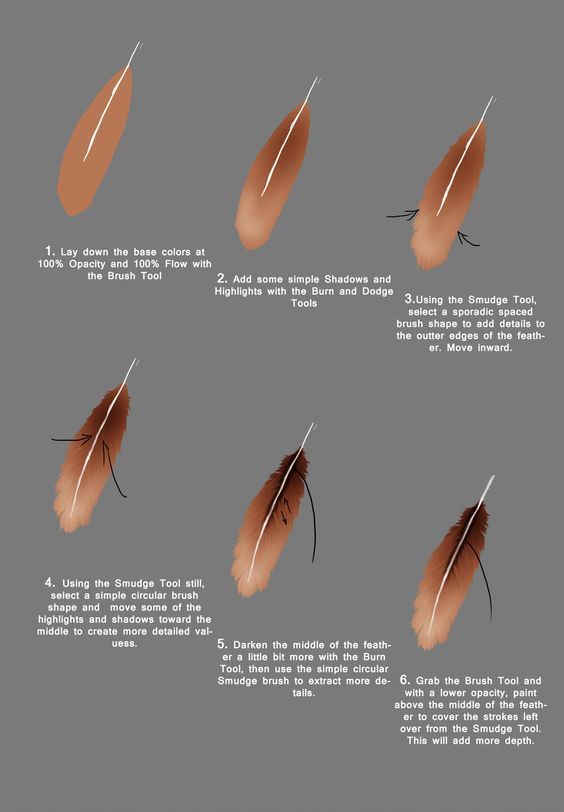
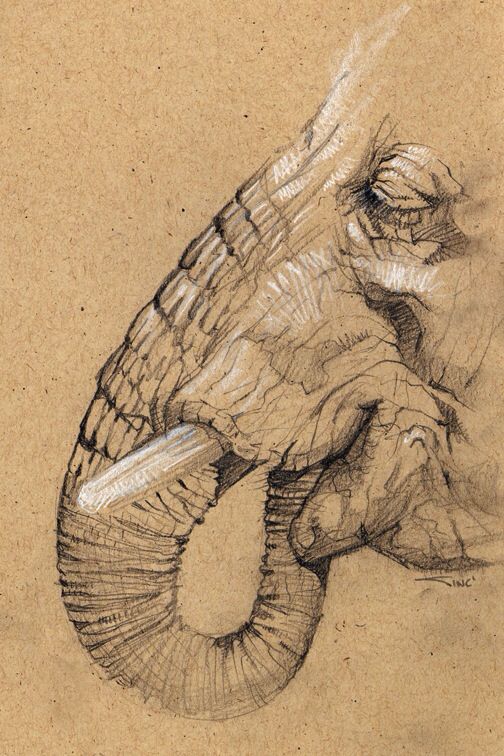
For feathers, start with feather groups: flight feathers, contour feathers, and down. Draw primary feather shafts and lay barbs outward in layered rows. Use long strokes for flight feathers and short, soft strokes for contour feathers closer to the body.
Shade feathers with attention to edges and overlap. Darken where feathers tuck under others and add thin highlights along vane edges to show glossy surfaces. For fluffy down, use loose, circular strokes and soft blending to imply volume.
For exposed skin, observe pores, wrinkles, and subtle value shifts. Use fine cross-hatching or stippling for rough textures like elephant or hippo skin. Smooth skin, like on amphibians, benefits from soft gradients and small wet highlights. Adjust stroke type and density to match the scale and scale of the animal you draw.
Adding Expression and Movement
Focus on the eyes, mouth, ear position, and body line to make your animal feel alive. Use simple marks and a clear center of action to show mood and motion.
Capturing Facial Expressions
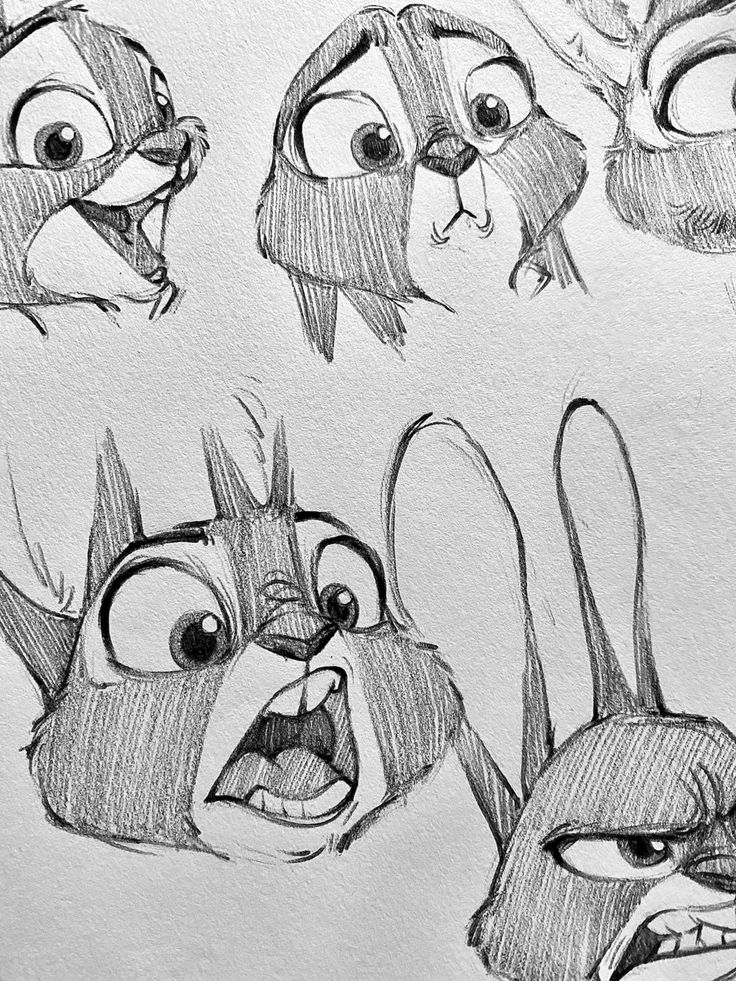
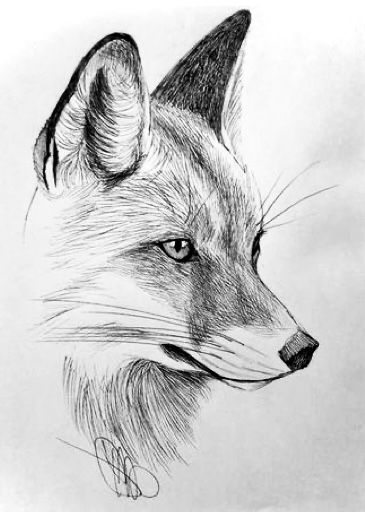
Start with the eyes — they tell most of the story. Change the size, tilt, and spacing of the eyes to show emotions: wide and round for surprise, half-closed for calm, or narrowed for anger. Add a small highlight to keep the eye lively.
Adjust the mouth and muzzle next. A curved line up at the corners suggests a relaxed or happy animal. A tight, straight line or a slight snarl shows tension. For many mammals, the shape of the whisker pads and the placement of the nose affect expression, so sketch them lightly and refine.
Don’t forget the ears and brow. Ears forward mean alert, flattened ears mean fear or aggression. Subtle brow lines over the eye can add worry or curiosity. Work in small, confident strokes — erase and test changes until the face reads clearly.
Drawing Animals in Action
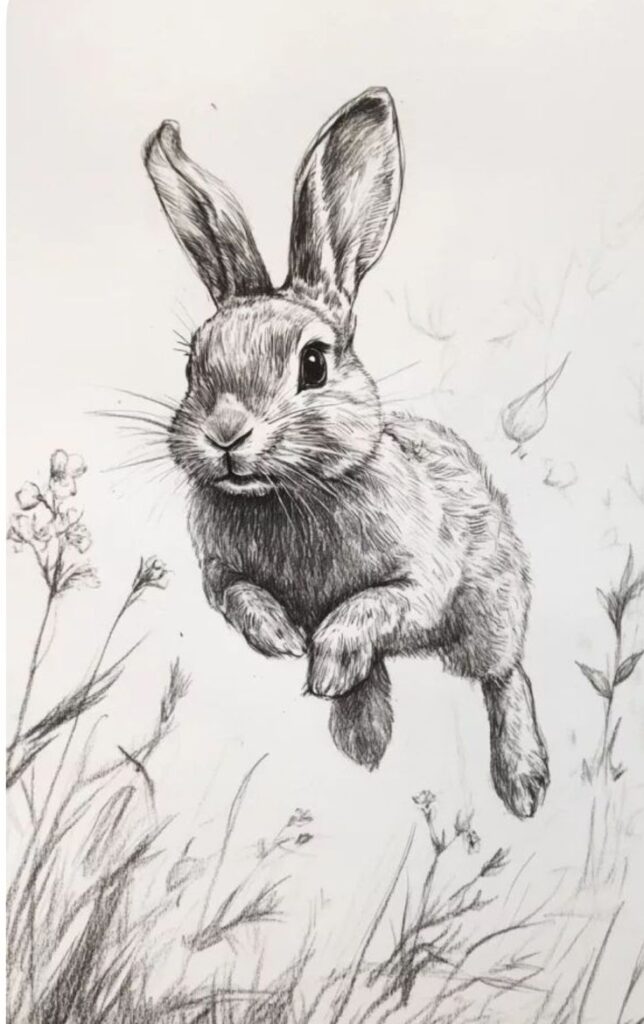
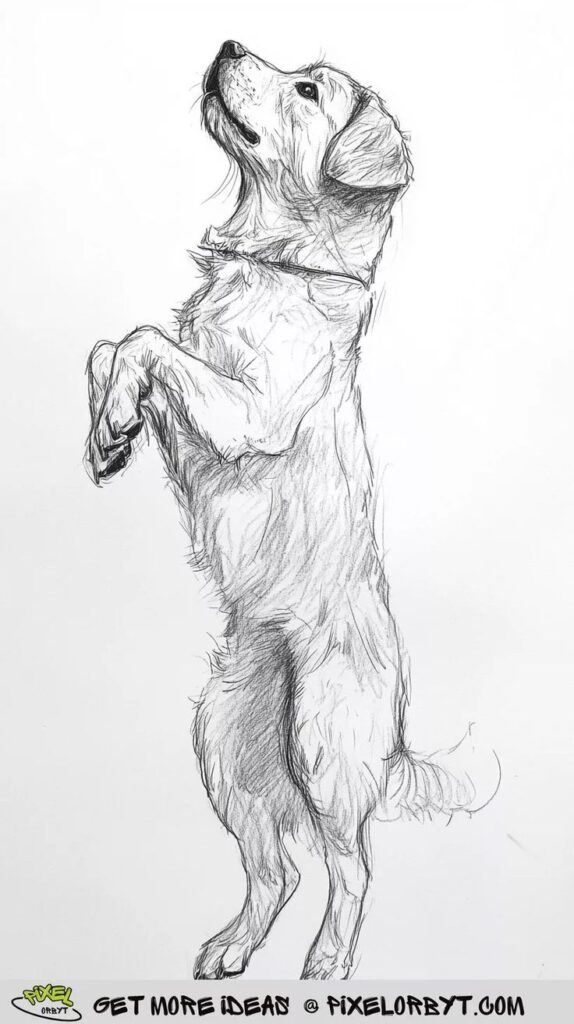
Find the main line of action first — a single curved or straight line that runs through the spine. This line sets the pose: a spring for a jump, a smooth S for a turn. Draw simple shapes (ovals and cylinders) for the head, ribcage, and hips positioned along that line.
Place the limbs using direction lines from the joints. Keep limb lengths consistent with the reference animal. Show weight by how the feet meet the ground: flattened pads and bent joints for impact, stretched limbs for speed.
Use overlapping shapes and motion lines sparingly to suggest fast movement. Add fur flow or feather direction to reinforce the motion. Finally, check the balance: the center of mass should fall over the support base unless the animal is clearly mid-air.
Finishing Touches and Coloring Tips
Focus on layers, light, and small marks that make fur, feathers, and features look real. Use soft shading, color layering, and targeted highlights to bring your animal drawing to life.
Shading for Depth
Start by deciding your light source and mark it lightly on the page. Shade opposite the light with soft pressure; increase pressure only where shadows are darkest, like under the belly, behind the legs, and inside the ears.
Use a range of pencils (2H to 6B) or a single pencil with varied pressure for smooth gradients. Blend with a stump or tissue to soften transitions, but keep some texture for fur or feathers by lifting small highlights with an eraser.
Add cross-contour shading to follow the animal’s form. Draw short, curved strokes along muscles and joints to show roundness. Check values by squinting—shadows should read darker than midtones and highlights should pop.
Using Color to Enhance Drawings
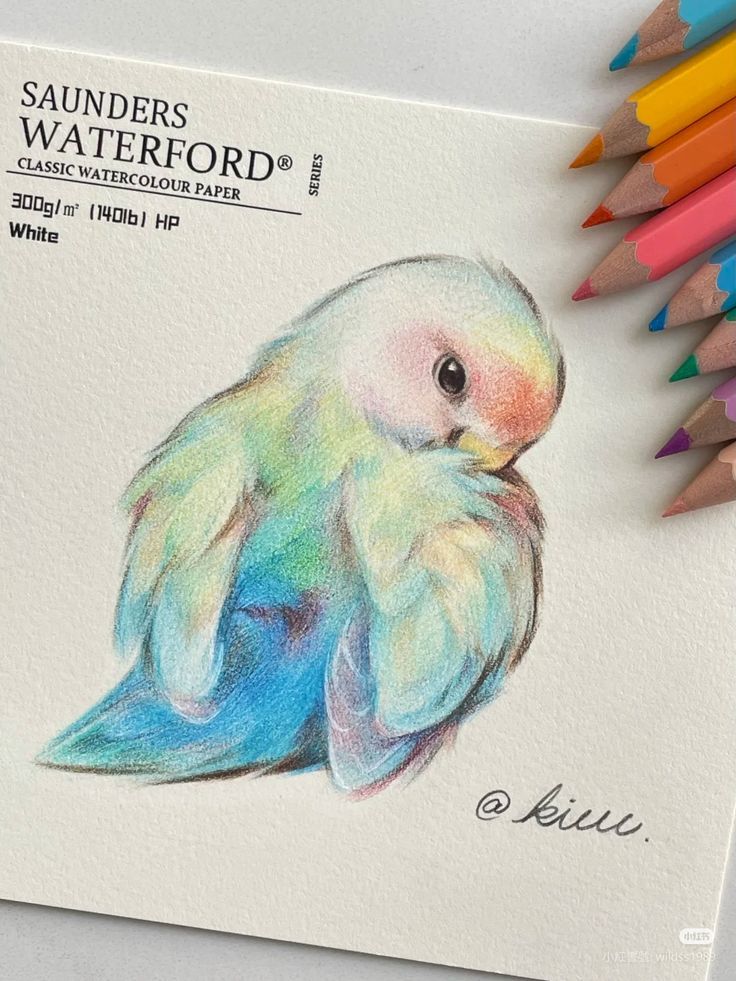
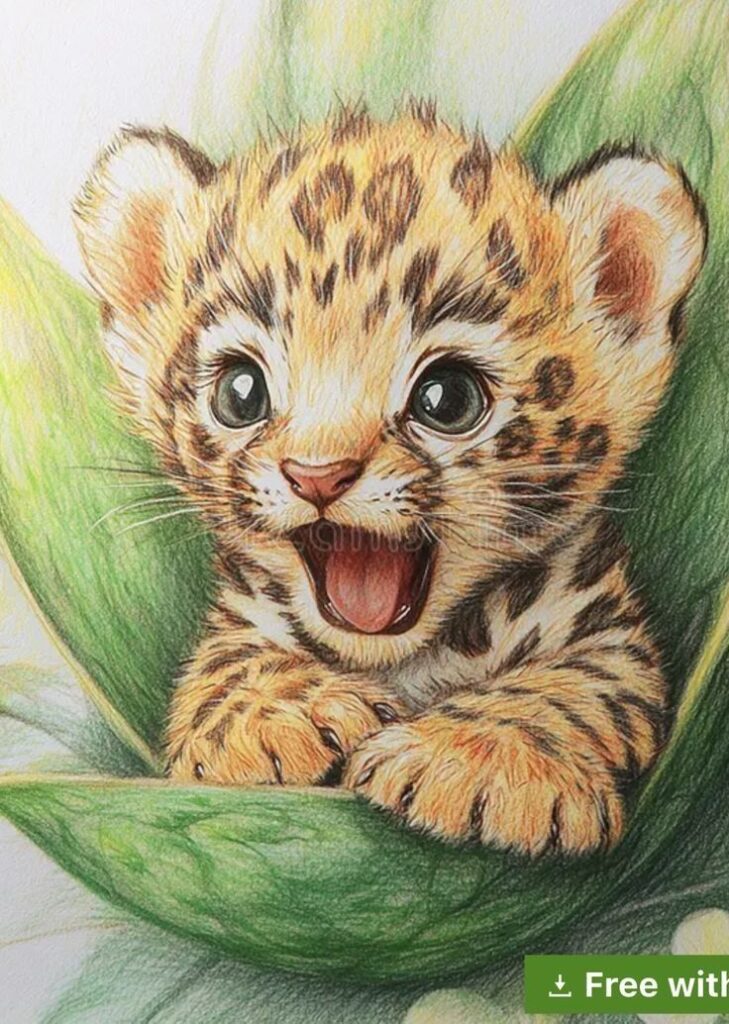
Choose a limited palette that matches the animal’s reference: one base, one midtone, and one accent per major area (fur, eyes, nose). Lay down light base layers first, using circular strokes to avoid banding. Build color slowly with light passes.
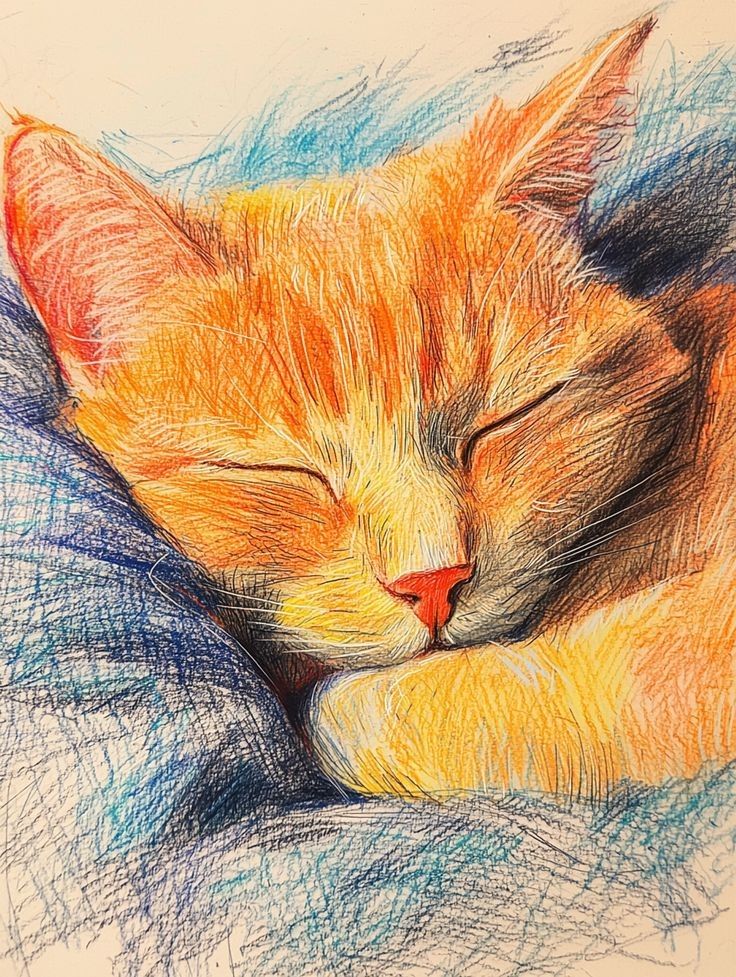
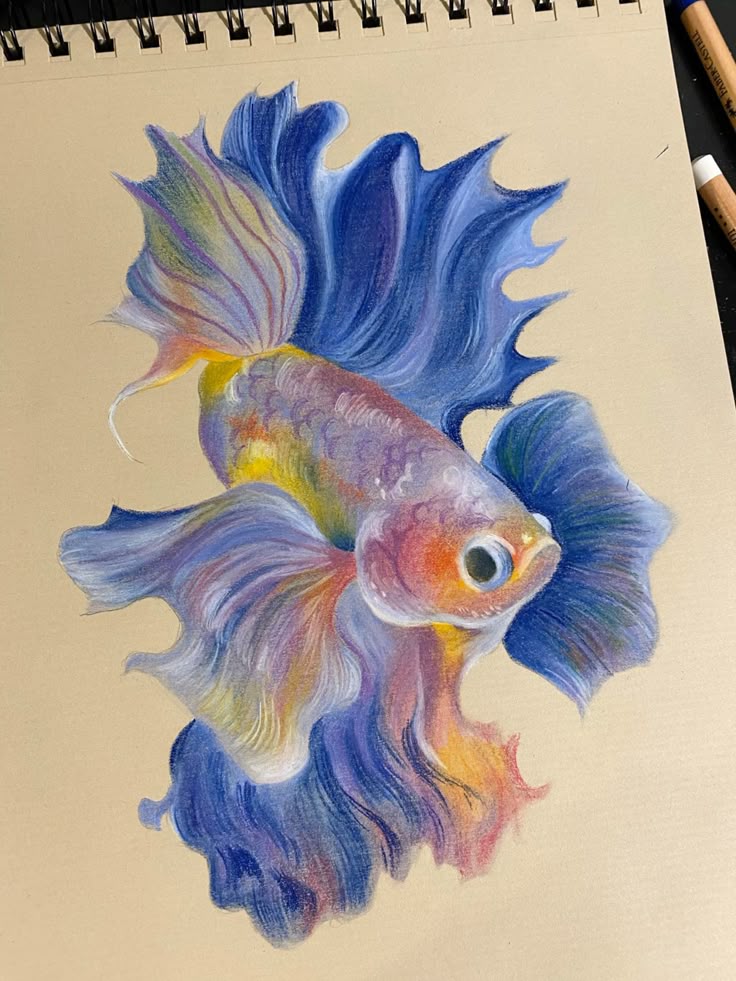
Mix colored pencils or layer water-soluble pencils with dry ones for richer blends. For realistic fur, add fine directional strokes with a sharp pencil over blended layers. Save highlights for last—use a white pencil or a kneaded eraser to lift tiny spots on the eye or wet nose.
Use complementary colors subtly to deepen shadows (e.g., a touch of blue in brown shadows). Keep color contrasts stronger near focal points, such as the face, and softer in background areas to guide the viewer’s eye.
What are the basic tools I need to start drawing animals?
Begin with an HB or 2B pencil for sketching, a softer 4B for shading, an eraser, a sharpener, suitable paper, a ruler, and optional blending tools like a stump or tissue.
How can I set up a good workspace for animal drawing?
Choose a flat surface with natural side light, sit comfortably with feet flat, organize your tools within reach, pin reference photos at eye level, and eliminate distractions for focused practice.
What is the best way to understand animal anatomy for drawing?
Break animals into simple shapes like circles, ovals, and cylinders, mark joint locations, measure proportions accurately, and build the structure step by step from the main mass to details.
How do I create realistic textures such as fur, scales, or feathers?
Observe the animal’s surface in your references, sketch the main flow with light strokes, layer strokes with varied pressure, and focus on the direction and density of growth to create convincing textures.
How can I add expression and movement to my animal drawings?
Focus on the eyes, mouth, ear placement, and body line to show mood and life, use a fluid line of action to suggest pose, and add details like fur flow and motion lines to capture movement.
For a smaller animal-study exercise, try how to draw insects after the larger animal forms. Insects train proportion, leg rhythm, and texture without needing a full-page composition.
Use a simple butterfly drawing as a quick confidence drill before moving into animals with more complex legs or fur.
- 16.3Kshares
- Facebook0
- Pinterest16.3K
- Twitter3
- Reddit0