To Draw Noses can feel tricky because their shape changes depending on the angle. Whether from the side or the front, learning how to break the nose into simple shapes makes it easier to capture its form. The key is to use basic guidelines and focus on the main parts like the bridge, nostrils, and tip.
When drawing from the front, artists often start with a circle and add vertical lines to place the bridge and nostrils. From the side, understanding the nose’s curves and how light falls on it helps give it depth. Practicing these angles helps anyone improve their drawing skills and create more realistic faces.
This guide will show how to approach both views with simple, clear steps anyone can follow. By mastering these basics, drawing noses becomes less confusing and more fun.
Understanding Nose Anatomy
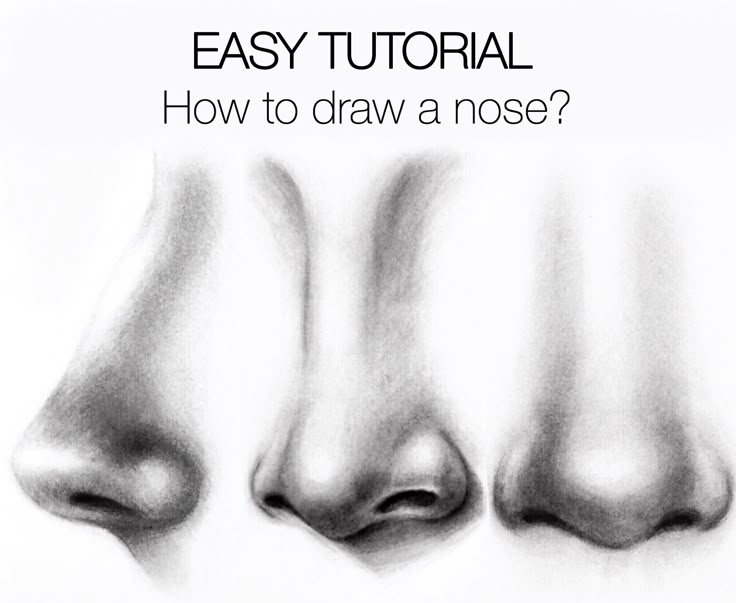
The nose has a unique shape created by its bones and soft tissues. Knowing its main parts helps when drawing from different angles. Paying attention to how light and shadow play on its surfaces also makes a drawing look more realistic.
Basic Nose Structure

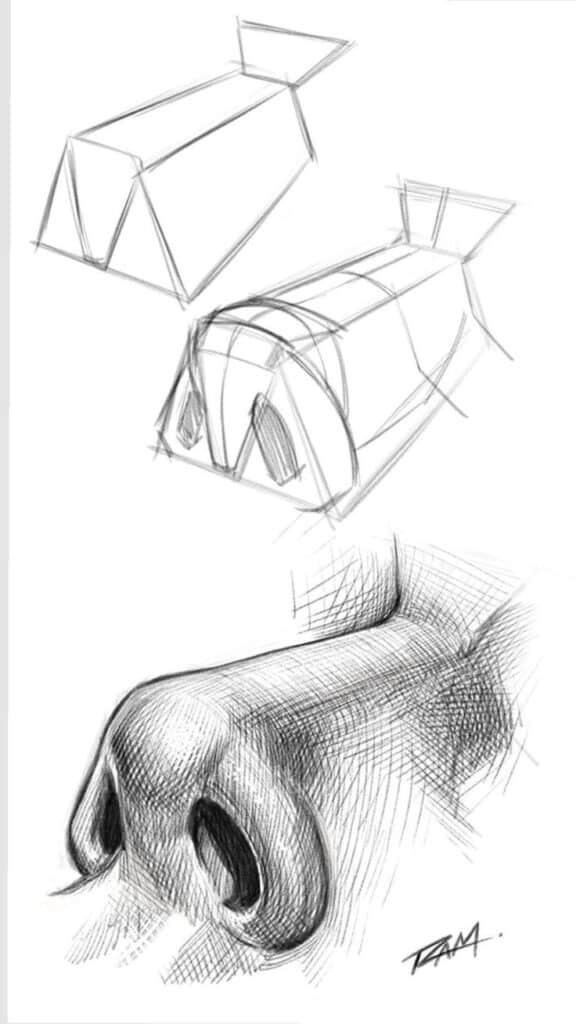
The nose consists of a bony bridge and soft cartilage. The bridge is the hard part near the eyes, while the tip is softer and more rounded. Cartilage shapes the nostrils and the sides.
Beneath the skin, the nose is made up of several planes or flat surfaces. These planes catch light differently, creating shadows and highlights. Recognizing these planes helps artists add depth to their drawings.
The nose’s shape changes with different face types, but the main structure stays consistent. Understanding this structure allows for easier adjustments when drawing noses of various sizes and styles.
Key Landmarks from the Side
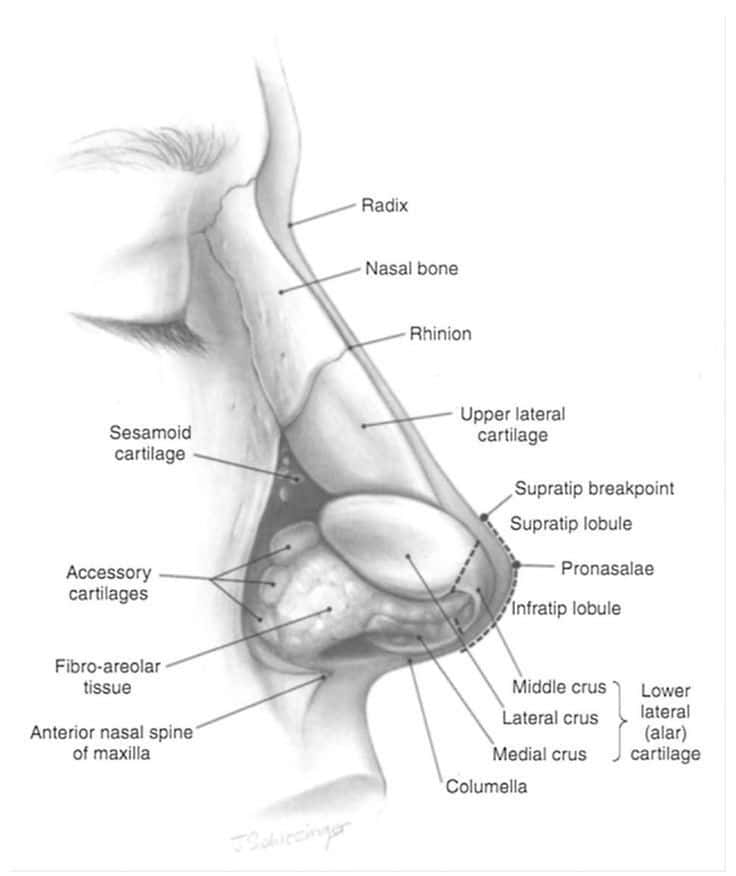
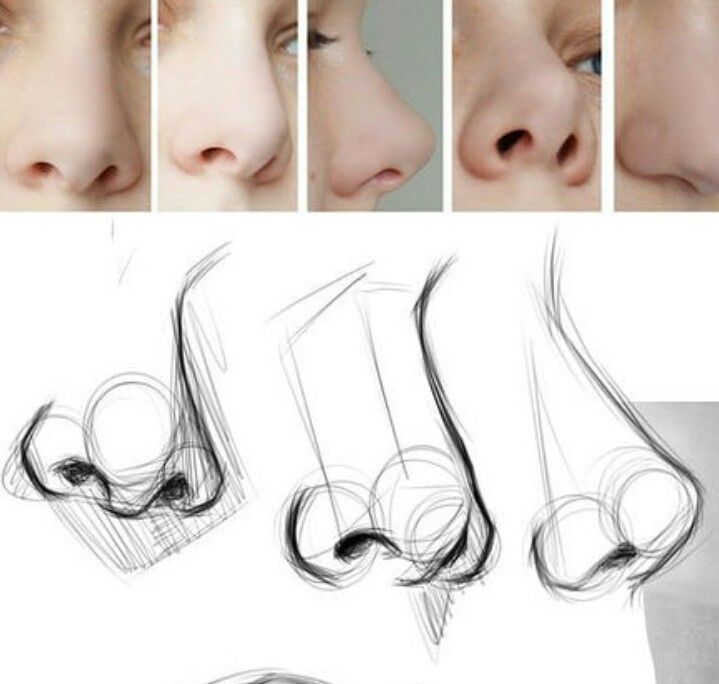
From the side, the nose shows a clear profile with a straight or curved bridge. The nasal bone forms the upper part, and it smoothly connects to the softer cartilage below.
Look for these parts:
- The bridge slopes down from near the forehead.
- The tip pokes out at the front and often has a slight roundness.
- The nostrils curve underneath, showing as oval openings.
- The columella is the small skin strip between the nostrils, visible from the side.
Shadows naturally fall under the tip and along the bottom edge. These shapes guide the drawing’s form and proportions.
Key Landmarks from the Front
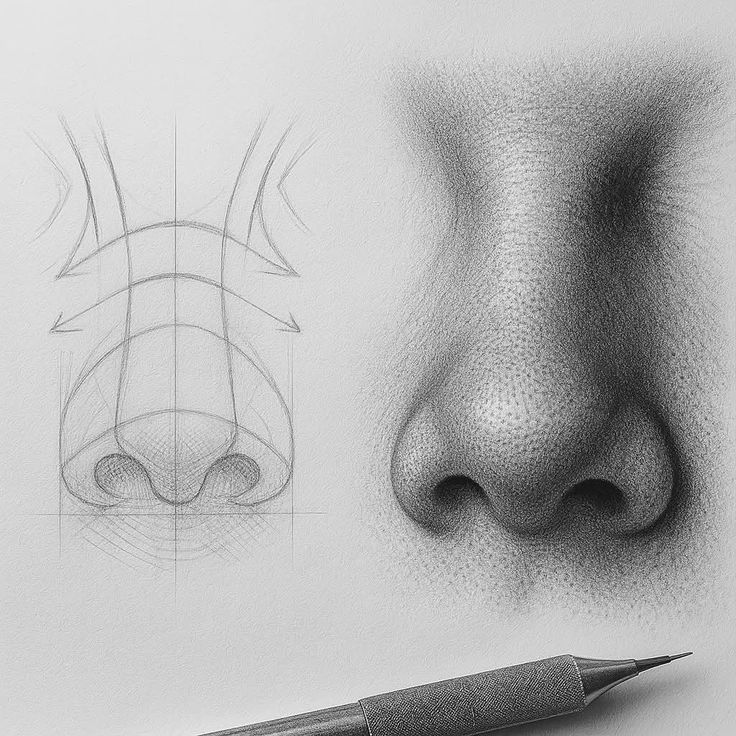
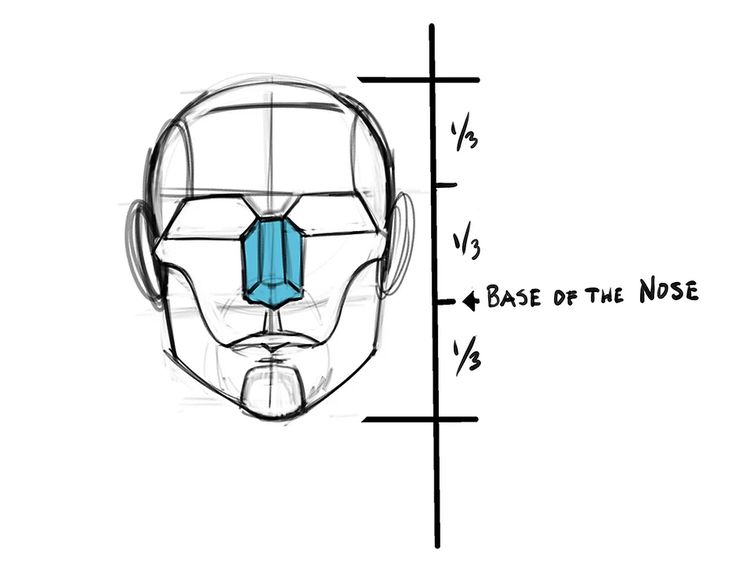
When viewed from the front, the nose looks more symmetrical but has subtle curves. The nose bridge runs down the center, often narrower at the top and wider near the nostrils.
Important points to recognize:
- The nostrils flare out on each side and are often rounded or oval.
- The alae are the fleshy sides of the nose, curving around the nostrils.
- The tip sits in the middle, sometimes rounded or pointed.
- Two small depression points called the nasal grooves run from the eyes to the nostrils.
Drawing these landmarks as simple shapes first helps keep the nose balanced and proportional from the front view.
Essential Drawing Tools
Using the right tools helps make drawing a nose from the side and front much easier. Choosing pencils with different hardness, the right paper texture, and good erasers can improve shading and details. Digital tools offer other options for those who prefer drawing on a screen.
Recommended Pencils and Papers

For sketching noses, pencils with varying hardness are best. Artists often use HB or 2B pencils for basic shapes because they create medium lines that aren’t too dark. For shading and adding depth, softer pencils like 4B or 6B work well since they make darker and smoother lines.
Paper matters, too. A smooth paper with little texture, like hot-pressed watercolor paper or smooth sketch pads, allows for better control when shading smaller details. Rough paper can be harder to work on for noses since it breaks up fine lines, making shading patchy.
Erasers and Blending Tools
A kneaded eraser is ideal because it lifts graphite gently without damaging the paper. Artists can shape it into points to erase small highlights on the nose, like light reflections on the nostrils or bridge.
Blending tools like tortillons (paper stumps) or soft brushes help smooth pencil strokes and create smooth shadows. Fingers can also work, but might add oils to the paper. Blending aids make the skin look soft and realistic.
Digital Drawing Options
Digital artists often use tablets with pressure-sensitive styluses to draw noses. Programs like Procreate or Adobe Photoshop let them use brushes that mimic pencil textures.
Digital tools allow for easy corrections, layering, and undoing mistakes. Pressure sensitivity helps vary line darkness for shading. Custom brushes can simulate blending and erasing effects without physical tools. This option offers flexibility but requires practice to master digital pencils and shading.
How To Draw a Nose from the Side
Drawing a nose from the side involves capturing its overall shape, outlining important features like the bridge and nostrils, and then adding shading to create depth. Each step builds on the last, helping the artist create a clear, realistic side profile.
Sketching the Overall Shape
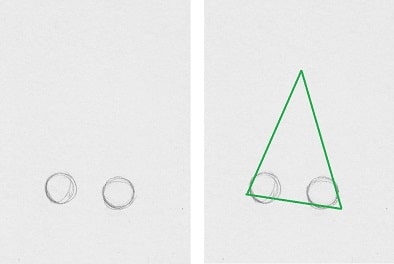
Start by lightly drawing a simple outline using basic shapes. A circle or oval can represent the tip of the nose, while a gentle curve or line extends backward to show the bridge. This establishes the nose’s size and angle on the face.
Keep the lines soft at first; this allows changes without harsh marks. The nose’s shape from the side is mostly triangular or slightly curved, depending on the individual. Using simple shapes helps maintain correct proportions before adding details.
Defining the Bridge and Nostrils
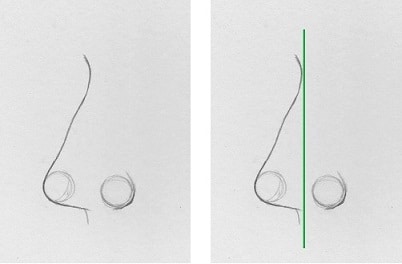
Next, add details that make the nose recognizable. The bridge is a straight or slightly curved line running from the brow to the tip. Mark this with a light but firm stroke.
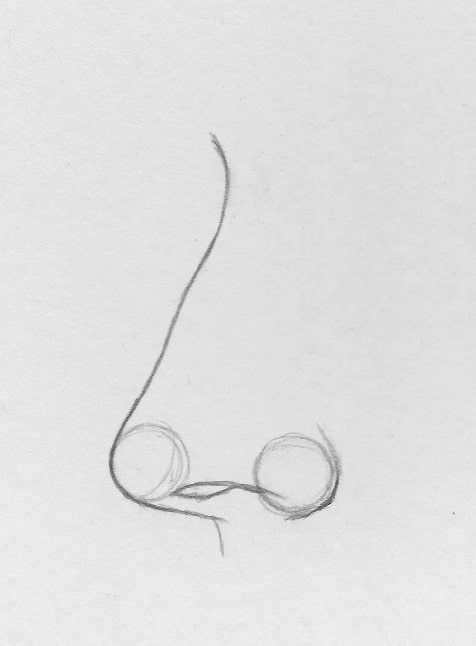
The nostril is best shown as a small, rounded shape near the bottom. It can look like a small circle or oval behind the tip. Drawing the nostril properly adds realism and shows how the nose connects to the face.
Shading for Depth
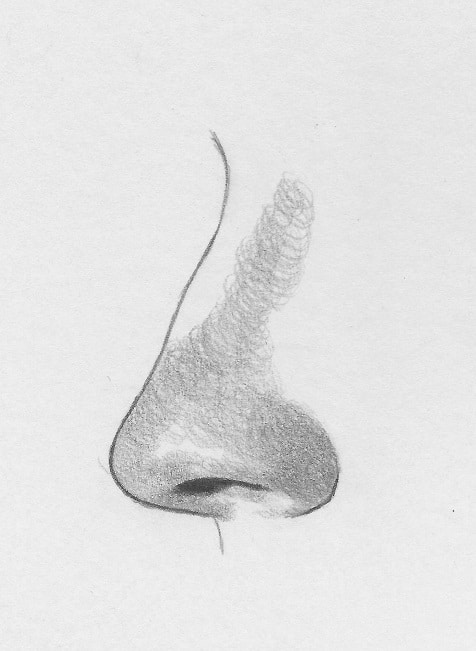

Shading brings the nose to life by showing light and shadow. Shade the bottom and side of the nostril to create a sense of depth. The bridge often catches light, so it should remain lighter, while the sides and beneath the tip require darker shades.
Use soft strokes and build up shading gradually. Pay attention to how light hits the nose in your reference or imagination. Proper shading shows the nose’s curves and makes it look three-dimensional.
How To Draw a Nose from the Front
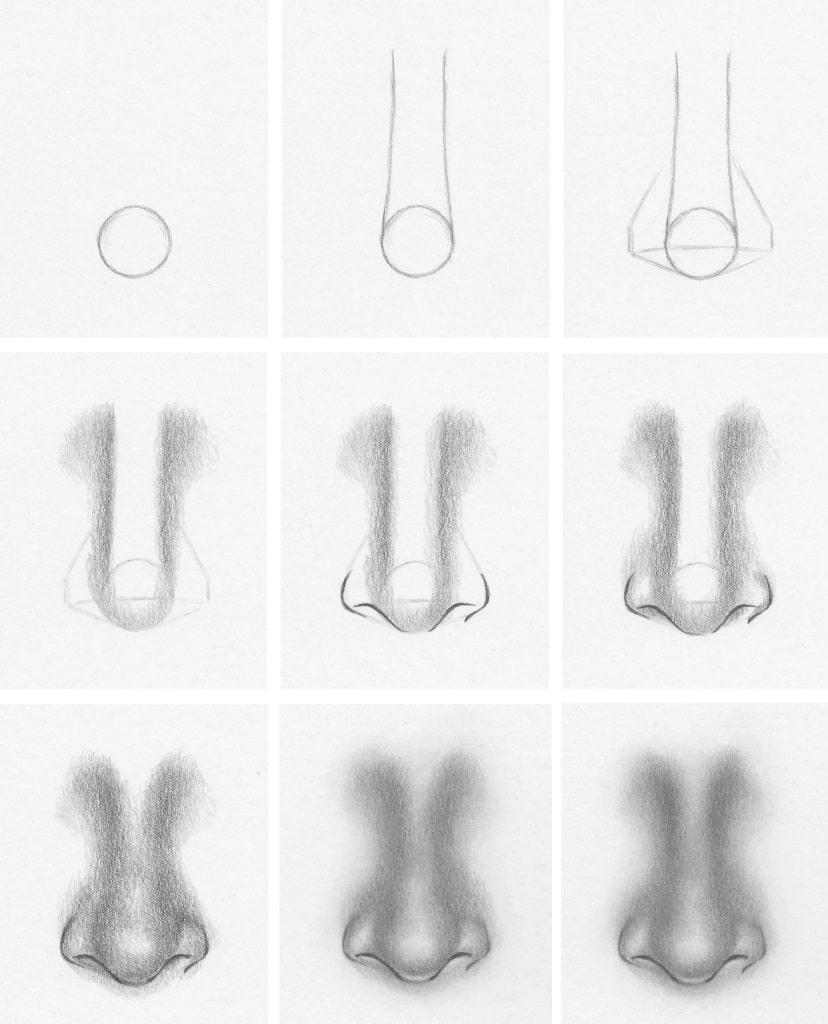
Drawing a nose straight on requires a clear sense of its basic shapes and where each part sits. The key is to start with simple guides for proportions, then focus on forming the tip and nostrils before adding the finishing touches with light and shadow.
Mapping Proportions
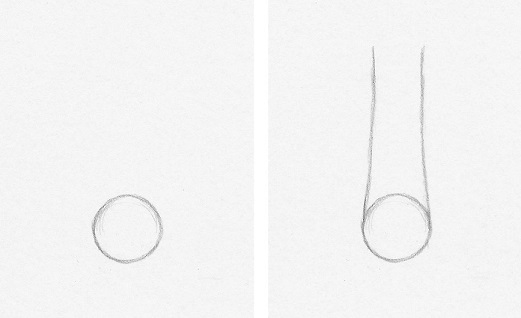
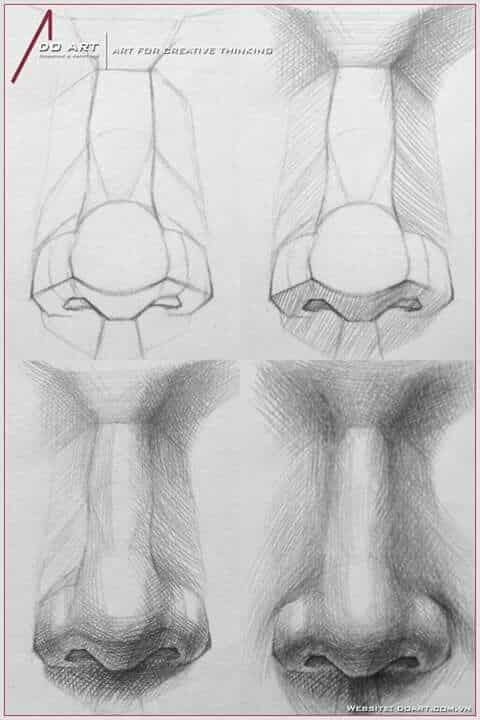
To begin, sketch a large circle in the center of the paper. This circle represents the main mass of the nose. Next, draw two vertical guideline lines inside the circle, slightly inward from its edges; these mark the edges of the nose bridge.
Below the circle, add a horizontal line where the bottom of the nose will rest. The distance between this line and the circle helps show where the nostrils will sit. Breaking the nose into these parts—bridge, tip, and nostrils—makes it easier to keep proportions balanced. This framework acts like a map before adding details.
Drawing the Tip and Nostrils

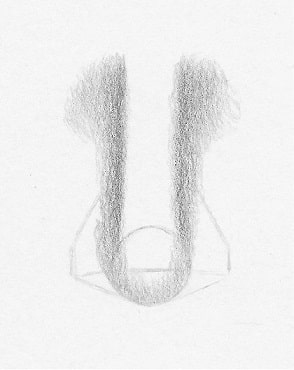

With the guidelines in place, focus on shaping the tip or ball of the nose at the bottom center of the circle. It should be round but not too large. On either side of the tip, sketch the nostrils as small, curved shapes that connect naturally to the base of the nose.
Make sure the nostrils are symmetrical, but avoid making them exactly the same; slight differences add realism. Use soft lines to form the outer edges so the nose looks gentle and natural. Avoid drawing nostrils as simple holes; give them subtle volume and shape.
Adding Highlights and Shadows
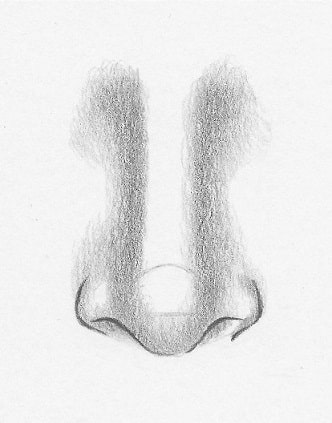
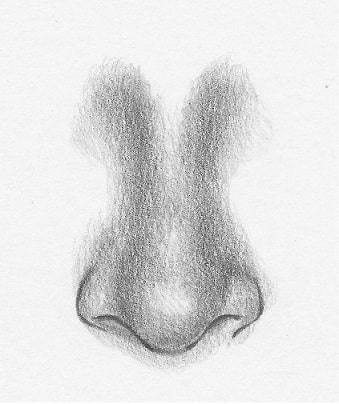

After the basic nose shape is drawn, shading brings it to life. Identify where the light hits the nose first—usually the tip and the bridge. Use light shading here to show highlights.
Add shadows under the nose tip and inside the nostrils. The sides of the nose also have soft shadows that define its shape and depth. Use smooth pencil strokes or gentle shading to avoid harsh lines. This contrast between light and shadow helps the nose appear three-dimensional and realistic.
Common Mistakes and How to Avoid Them
Many artists struggle with placing the nose’s parts correctly, handling shading well, and capturing the right angle. These issues can make a nose look unnatural or unbalanced. Paying attention to specific details helps create a more realistic nose from both the side and front views.
Misplacing Nose Features
One common error is putting the nostrils, bridge, or tip in the wrong spots. For example, nostrils are often drawn too large or too far apart, which can make the nose look cartoonish. The tip should align naturally with the rest of the face, not sticking out too much or appearing flat.
Using light guidelines helps find the right places early. Placing a circle or rectangle for the nose bridge and marking vertical lines for nostrils can keep features balanced. Artists should check proportions against the rest of the face, especially from the front and side views, to avoid mistakes.
Overblending or Underblending
Shading is key to giving a nose depth, but too much blending can make it look blurry and lose form. On the other hand, sharp or rough shading might look harsh and unrealistic. The right balance creates smooth transitions between light and shadow while keeping edges clear.
It helps to blend softly along rounded areas like the bridge and tip but keep sharper lines near the nostrils. Using different pencil grades or pressure lets an artist control light and shadow gently. Always step back and see if the shading supports the shape rather than hiding it.
Ignoring Perspective
Noses change appearance with different angles, but many artists forget this and draw the nose the same way every time. This causes an awkward or flat look, especially from the side or ¾ views. Perspective affects how much of the nostrils or bridge shows.
Understanding how the nose sits on the face helps. From the side, the bridge and tip are more prominent, and from the front, the nostrils and symmetry matter most. Sketching basic shapes in 3D, like cylinders or wedges, before details helps keep perspective accurate.
Tips for Developing Your Style
Developing a personal style in drawing requires practice and openness to new ideas. It helps to try out various methods and carefully observe real noses from different angles. Focus on what feels natural and improves the final look.
Experimenting with Different Techniques
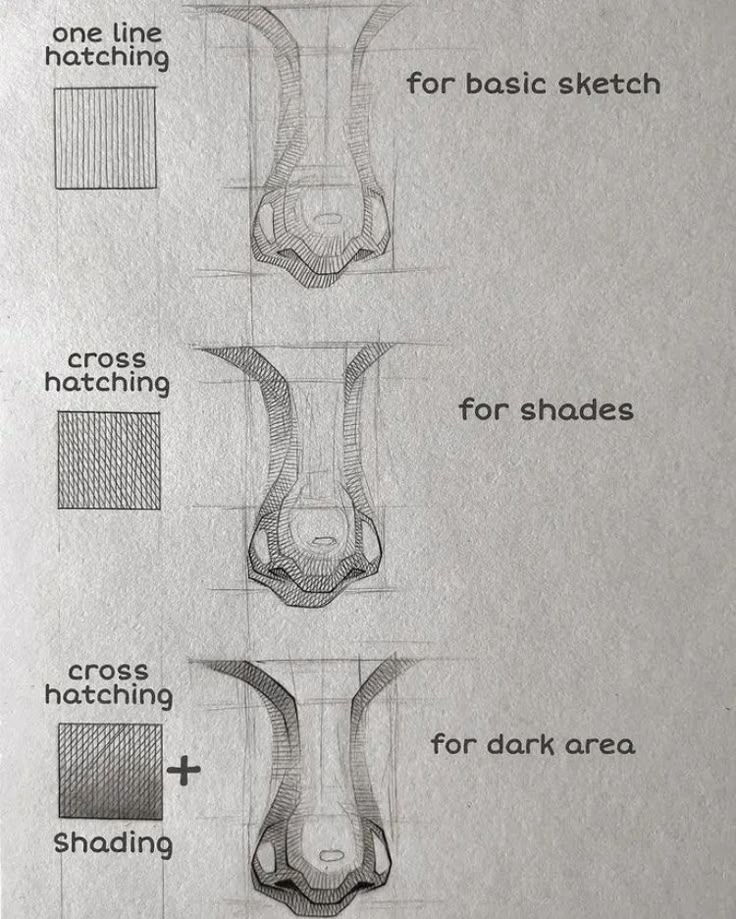
Trying different drawing tools and shading methods can change the way a nose looks on paper. Using pencils with varied hardness, like 2H for light lines and 6B for dark shading, allows more control over depth and texture.
Artists might explore hatching, cross-hatching, or smooth blending to see which suits their style best. Changing how shadows and highlights are applied can make a nose look either sharp or soft.
Playing with these techniques helps identify the approach that makes the drawing easier and more enjoyable. It also builds skills for capturing light and form in new ways.
Studying Reference Images
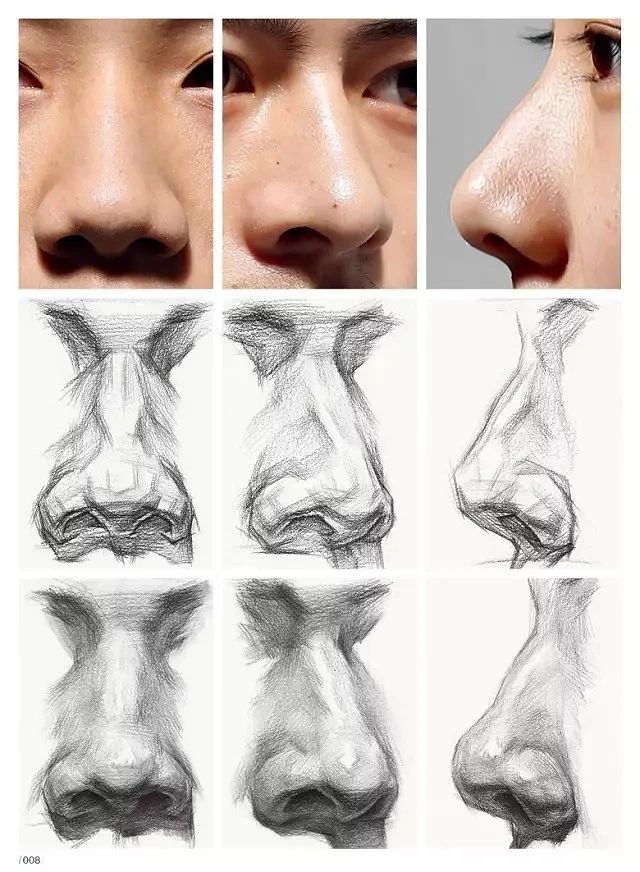
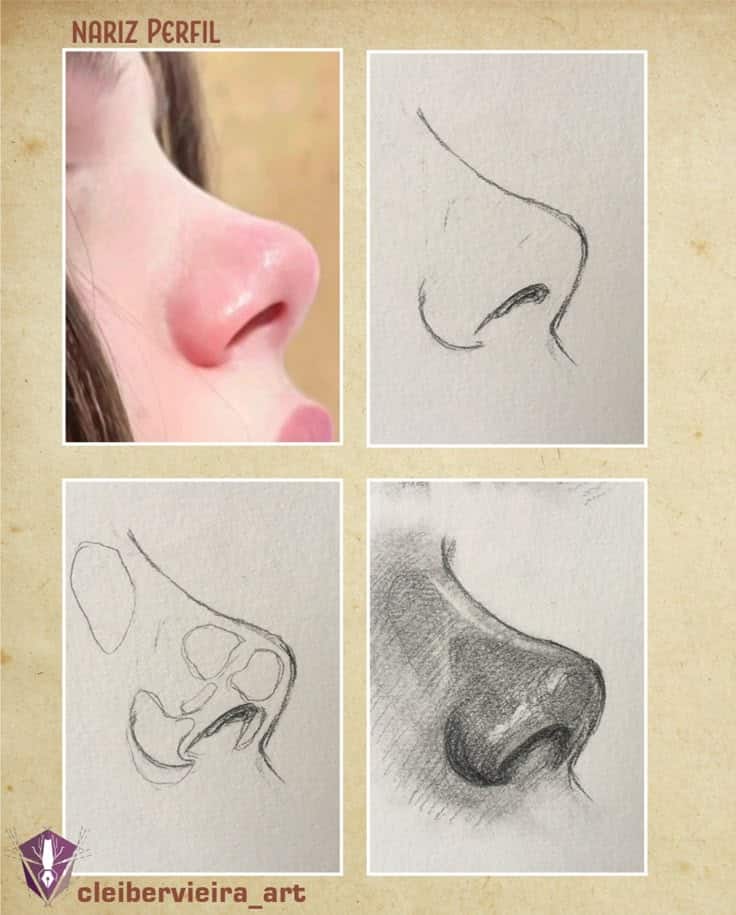
Looking closely at photos or real faces is key to understanding the nose’s shape from different views. Observing details, like how nostrils curve or how the bridge reflects light, trains the eye to notice subtle parts.
Comparing noses from various angles helps with accuracy. Sketching from references reveals patterns in nose shapes and shadows. This knowledge allows artists to add realism or stylize features confidently.
Using a mix of close-up photos and portraits gives a wider sense of how noses vary. It builds a solid foundation that supports creative exploration later on.
Practicing and Improving Nose Drawings
Regular practice helps artists build confidence and skill in drawing noses. It’s important to focus on both repetition and thoughtful review. Practicing with simple exercises and checking work carefully leads to steady improvement.
Daily Sketch Exercises
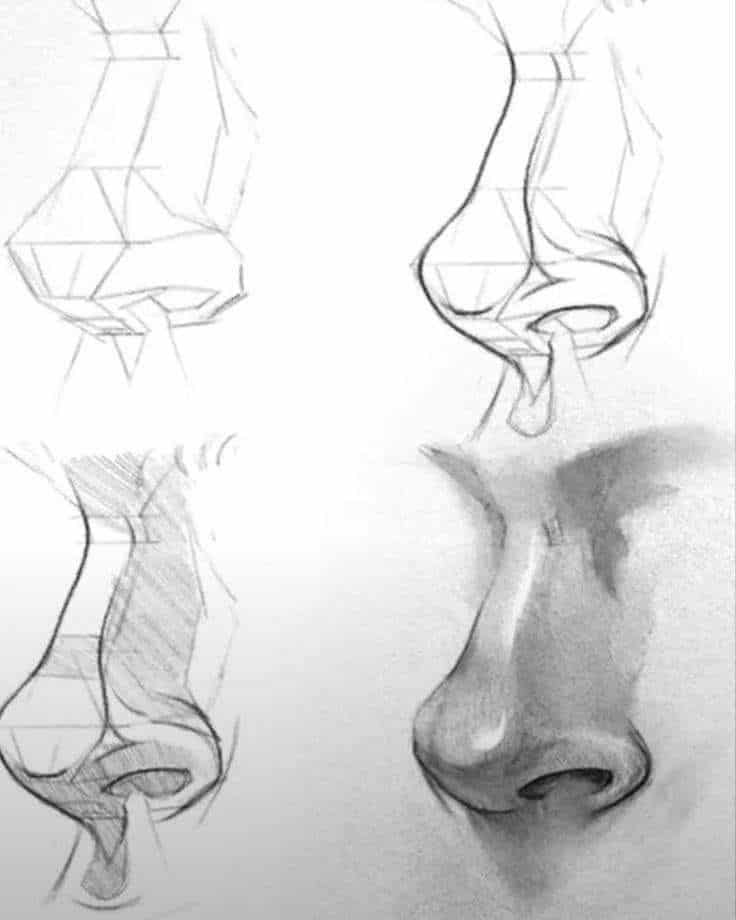
Daily sketch exercises help sharpen observation and hand control. An artist should spend 10 to 15 minutes each day drawing noses from different angles. Starting with basic shapes, like triangles and circles, makes it easier to understand the nose’s structure.
Trying quick sketches of noses from photos or real life forces the artist’s eye to notice subtle details. Using a pencil for light lines and adding shading slowly builds depth. Varying subjects—like noses with different shapes and sizes—can improve versatility.
Setting small goals, such as capturing nostril shape or shading the bridge, keeps practice focused and productive.
Evaluating Your Progress

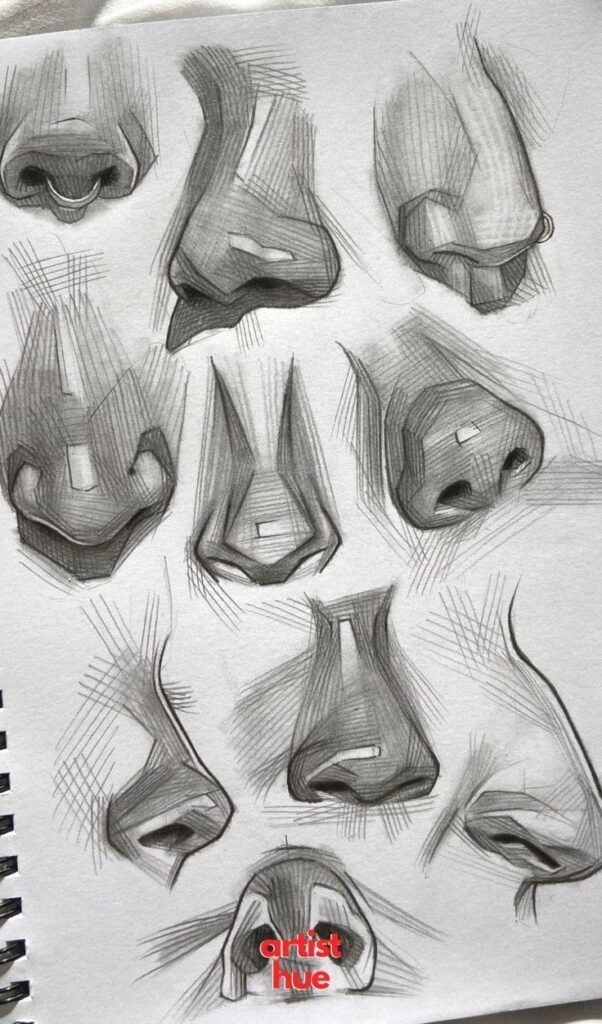
Evaluating drawings helps identify strengths and areas that need work. After a sketch session, an artist should compare their noses with reference images. Checking proportions, such as the nose width relative to the face, is crucial.
Looking at the balance between light and shadow reveals whether shading is realistic. Asking questions like “Does the nose look natural from the side?” or “Are the nostrils consistent?” guides improvement.
It can help to keep old sketches for comparison over time. Noticing growth in shape accuracy or shading skills boosts motivation and points out what to focus on next. Feedback from others, like teachers or peers, adds useful outside perspectives.
What are the key landmarks to focus on when drawing noses from the front and side?
From the front, focus on the symmetry of the nostrils, alae, and the bridge, while from the side, pay attention to the nasal bone, the shape of the tip, and the columella. Recognizing these landmarks helps with proportion and realism in your drawing.
What tools are best for drawing noses, both traditionally and digitally?
For traditional drawing, pencils of varying hardness like HB, 2B, 4B, and 6B, along with smooth paper and erasers like kneaded erasers, work well. Digital artists can use pressure-sensitive styluses and programs like Procreate or Photoshop, which offer brushes that mimic real pencils and tools for blending and erasing.
How do I add depth and realism to my nose sketches?
Adding depth involves shading different planes with soft transitions between light and shadow, emphasizing highlights on the bridge and tip, and deepening shadows under the nose and around the nostrils. Observing how light hits a nose in real life or references, helps create realistic shading.
How can I accurately draw a nose from different angles?
To accurately draw a nose from different angles, it helps to understand its basic structure, including the bridge, nostrils, and tip, and use simple guidelines. Practicing from references and breaking down the nose into simple shapes like circles and lines makes it easier to capture its form from any view.
What are common mistakes to avoid when drawing noses, and how can I improve?
Common mistakes include misplacing features, over- or under-blending shading, and ignoring perspective. To improve, use guidelines to keep features in correct proportions, practice blending techniques for smooth shading, and always consider the angle you’re drawing from to capture the nose’s shape accurately.
- 0shares
- Facebook0
- Pinterest0
- Twitter0