Designing a car’s interior is about much more than just looks. It combines comfort, style, and smart use of space to create a driving environment that feels personal and inviting. Good car interior design balances aesthetics with functionality to enhance the overall experience for drivers and passengers.
People can upgrade their interiors in many ways, like adding cozy seat covers, modern lighting, or sleek trims to brighten up dull surfaces. Many also choose sustainable materials and customizable features to match their style while being kind to the environment.
A well-designed car interior not only looks nice but also makes every ride more enjoyable by focusing on comfort and ease of use. It truly turns a simple trip into a more pleasant, relaxing journey.
Principles of Car Interior Design
Car interior design focuses on making the inside of a vehicle both useful and pleasant. It balances the fit of the space with how safe and easy it is to use. Attention is paid to how people interact with the interior, how comfortable they are, and how well the design protects them during travel.
Ergonomics and Comfort
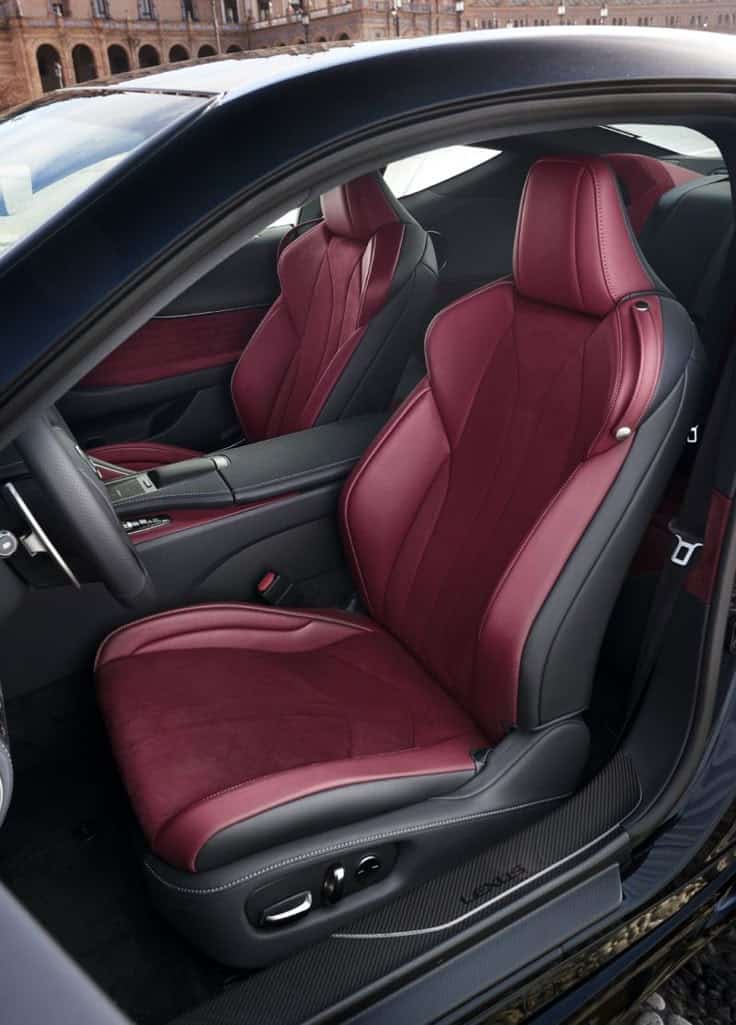
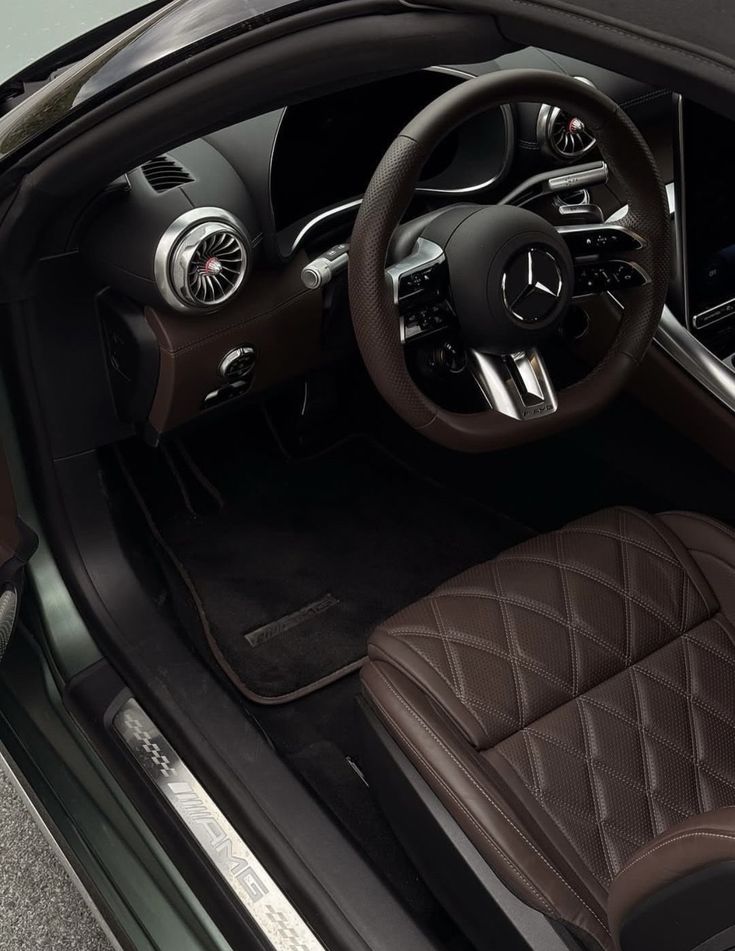
Ergonomics means designing the car’s interior so it matches the needs and body shape of the driver and passengers. Seats are shaped to support the back and reduce fatigue on long drives. Controls like the steering wheel, pedals, and buttons are placed so they are easy to reach without causing strain.
Materials play a big role in comfort. Soft touch surfaces, breathable fabrics, and adjustable climate controls help create a cozy space. Good ergonomics also includes reducing noise and vibrations, so the ride feels smoother. Comfort helps drivers stay focused, and passengers enjoy the trip.
User-Centered Design


User-centered design starts by thinking about who will use the car most. For example, family cars need easy-to-clean surfaces and plenty of storage, while sports cars focus on sporty, minimal layouts. Designers use feedback from users to shape the layout and features.
The goal is to make the interior fit specific needs. This includes intuitive controls, clear displays, and customizable settings. Technology like touchscreens and voice controls helps make interfaces easier to use. User-centered design ensures that every part of the interior serves a real purpose for its passengers.
Safety Considerations
Safety is key in car interior design. Seats must hold passengers securely during sudden stops or crashes. Airbags are placed in several spots, like the steering wheel and side panels, to protect occupants from impact.
Materials used inside must be fire-resistant and help minimize injury from sharp edges. Designers also make sure that controls do not distract the driver. Lighting is adjusted to avoid glare, and displays show important information clearly. Safety features work quietly in the background to keep everyone protected.
Key Interior Components
Car interiors include parts that affect comfort, safety, and usability every time someone drives. From controls within reach to seating comfort, each element plays a specific role in making the ride smooth and enjoyable.
Dashboard Layout


The dashboard is the main control center of a car’s interior. It holds important displays like the speedometer, fuel gauge, and warning lights. Modern dashboards often include digital screens that show navigation, audio controls, and vehicle status.
Design matters here for easy visibility and quick access. Controls should be clear and logically placed to reduce driver distraction. Materials used in the dashboard also affect the car’s feel — soft-touch plastics and leather improve comfort and style.
Effective dashboard design balances technology with simplicity. Buttons and knobs usually complement touchscreen features to keep everything easy to use while driving.
Seating Arrangements
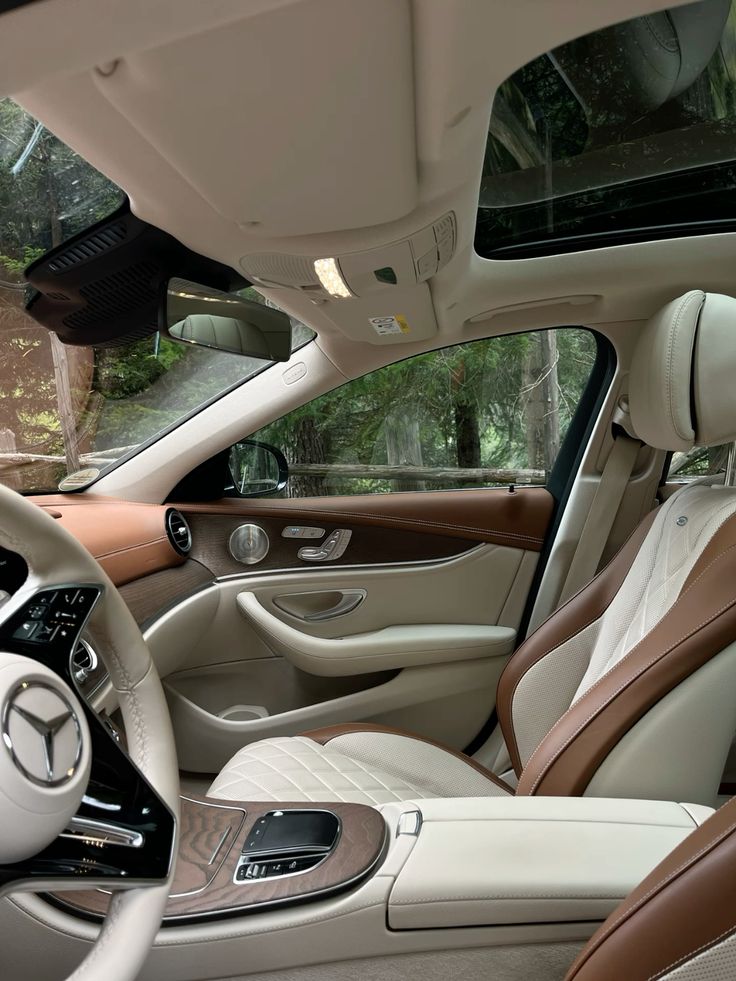
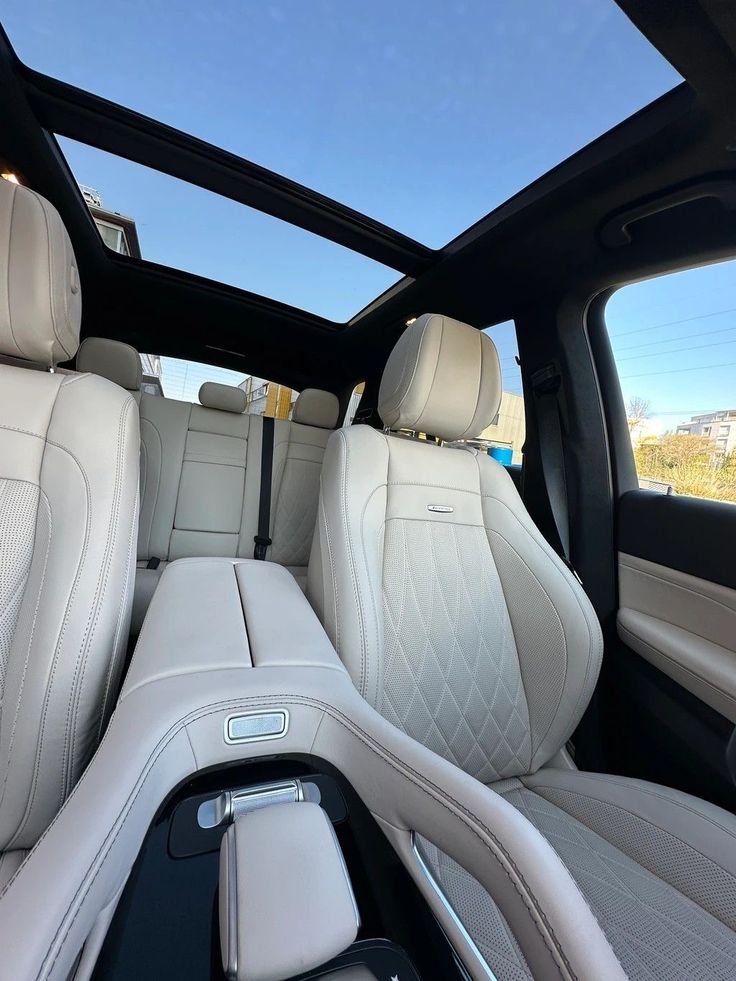
Seats are crucial for long drives and daily rides. Their shape, material, and adjustability can greatly affect driver and passenger comfort. Most cars offer front seats that can move forward, backward, and sometimes tilt or recline.
Materials range from cloth to leather, with leather often seen as more luxurious but also more expensive. Some seats include heating, cooling, or massaging functions for extra comfort.
Rear seating varies widely based on car size. Sedans may offer bench seats, while SUVs might have split-folding seats to expand cargo space. Good lumbar support and cushioning help reduce fatigue on longer trips.
Steering Wheel Design
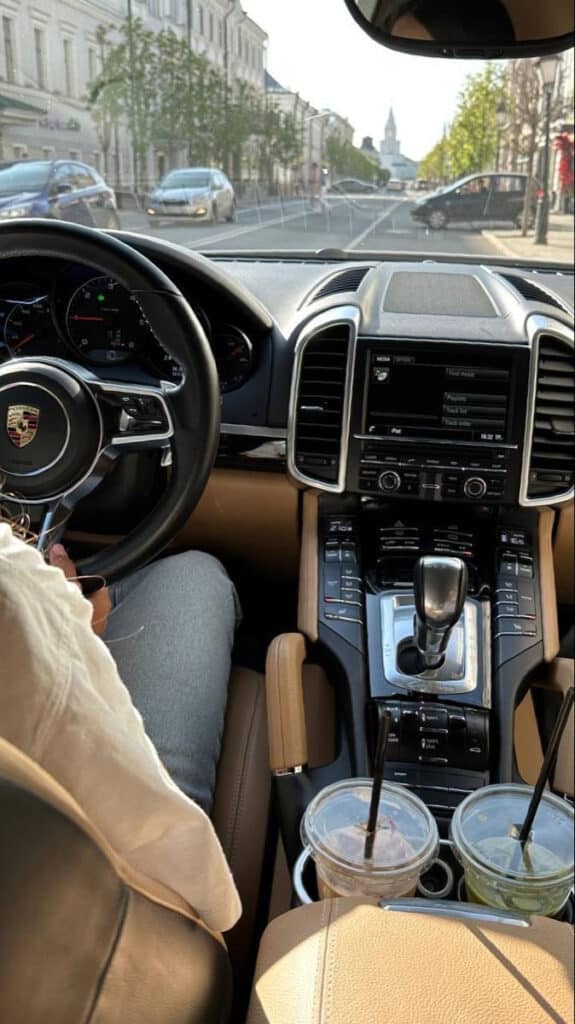

The steering wheel is more than a tool for turning; it also holds many controls within easy reach. Drivers often find audio, cruise control, and phone buttons right on the wheel.
Size and shape affect grip and control. Many modern cars feature leather-wrapped steering wheels with ergonomic grips to reduce hand strain. Some even have heating options for cold-weather comfort.
Adjustability is key. Drivers can usually tilt or telescope the steering wheel to fit their driving position. This helps improve both comfort and visibility of the dashboard.
Center Console Features
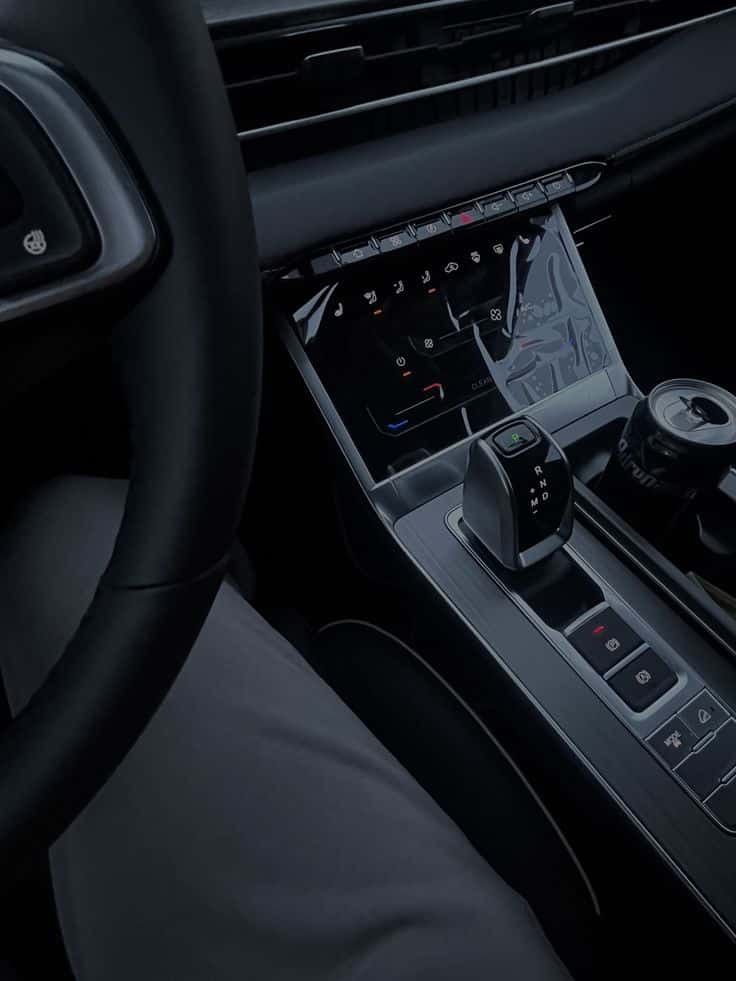
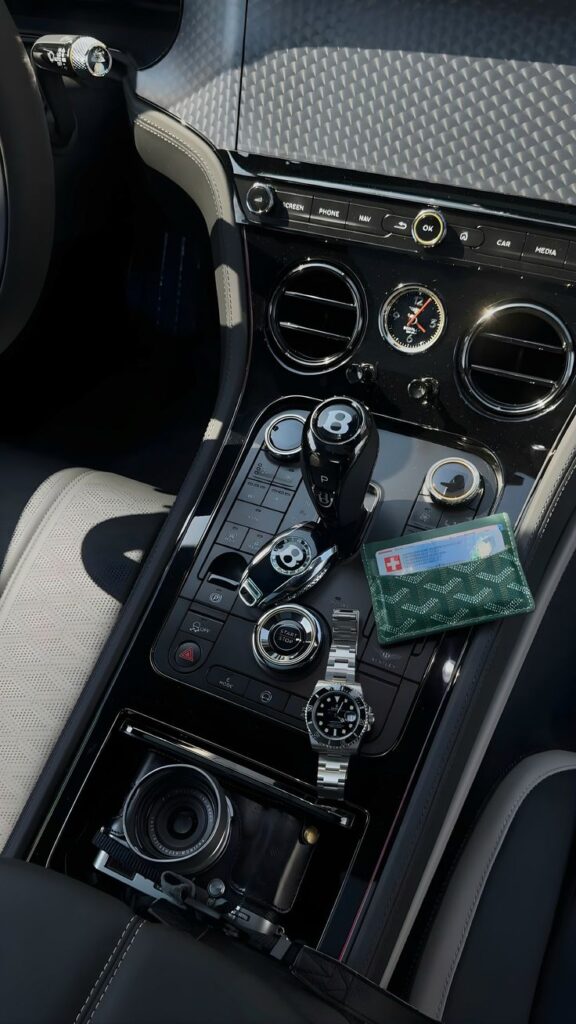
The center console sits between the driver and front passenger seats. It often hosts storage spaces, cup holders, and controls for climate or media systems. In newer cars, touchscreens or control dials manage audio, navigation, and connectivity.
A well-designed console offers easy access without clutter. Wireless charging pads and USB ports are common modern features. Storage compartments may include space for small items like phones or keys.
Climate control buttons usually appear here too, allowing adjustment of temperature and airflow for everyone in the front seats. Some cars have separate controls for driver and passenger zones, improving comfort on varied drives.
Choosing Materials and Finishes
Selecting the right materials and finishes shapes how a car’s interior looks and feels. Comfort, durability, and style all depend on these choices. Attention to texture and color helps create a space that suits everyday use and personal taste.
Upholstery Selection
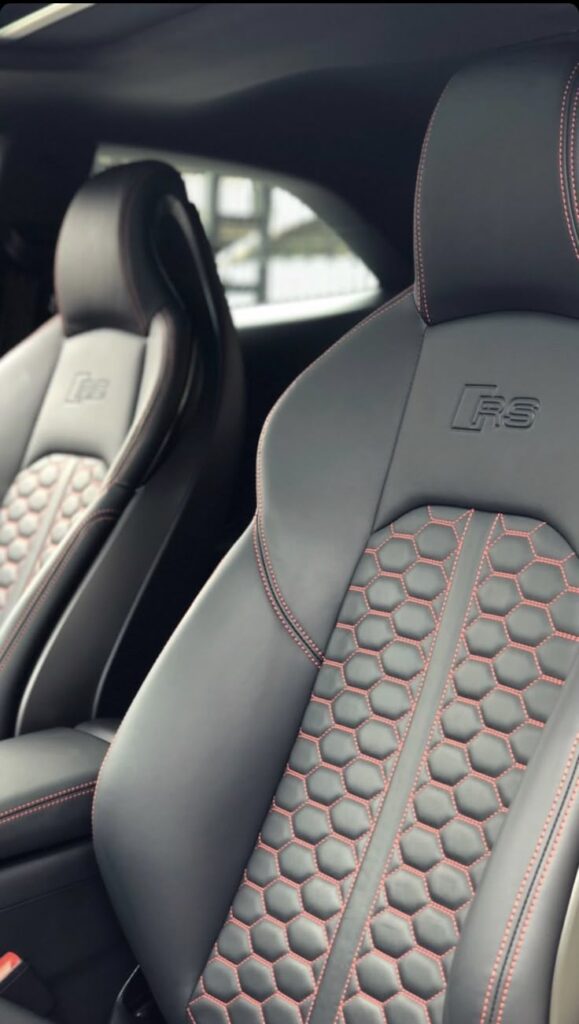

Upholstery plays a key role in comfort and durability. Fabric is common because it is soft, breathable, and offers many color options. It’s also easier on the budget and cooler in summer, but might stain more easily.
Leather gives a luxurious feel and is simple to clean, but it can get hot or cold depending on the weather. Synthetic leather offers a middle ground, combining style with easier maintenance.
Choosing upholstery depends on daily use and climate. Drivers often pick materials that match their lifestyle—families may prefer durable fabric, while those wanting a premium look lean toward leather or high-quality synthetics.
Trim and Accents
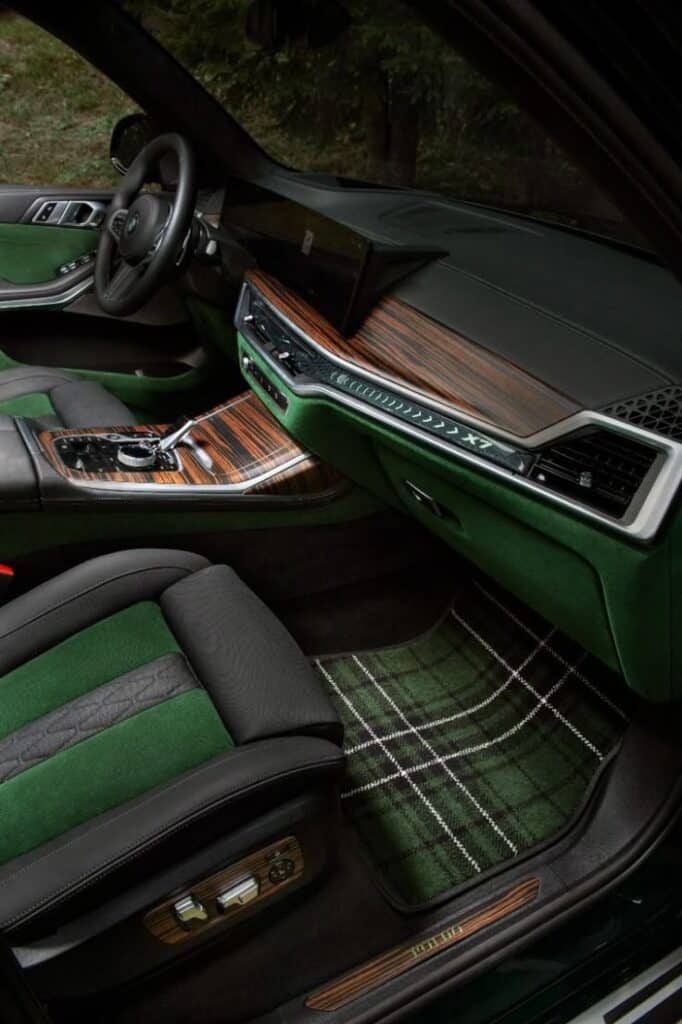
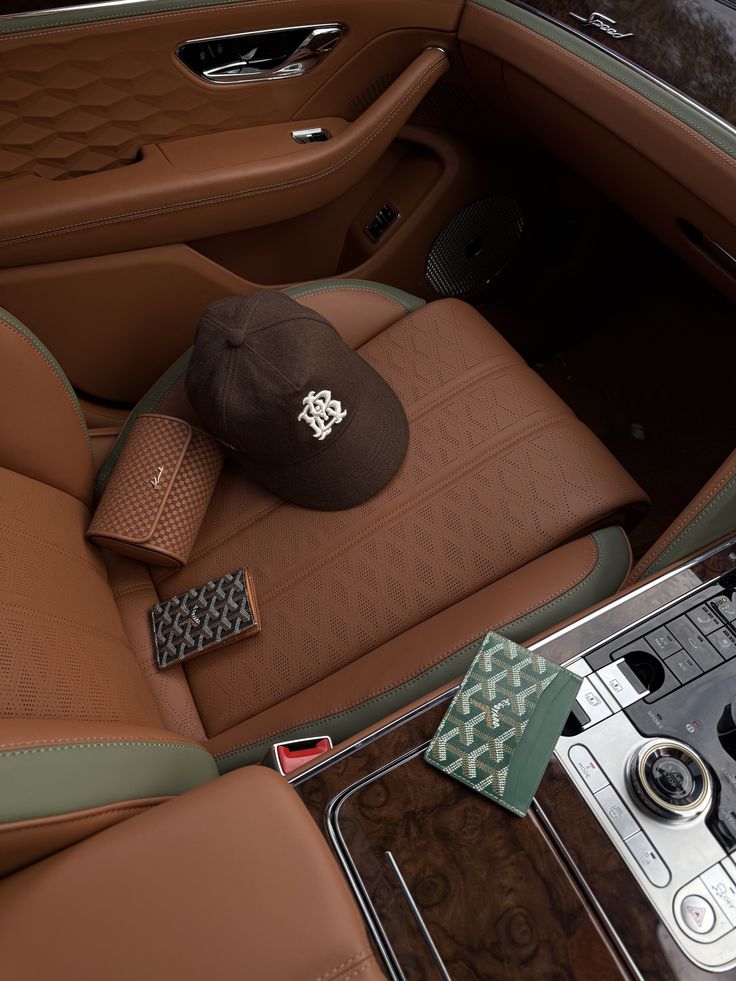
Trims and accents add personality and style to the interior. Common materials include plastic, wood, metal, and carbon fiber. Each offers a different look and feel.
Plastic is practical and easy to clean. It’s often used for dashboards and door panels.
Wood trims create warmth and classic elegance but might need careful maintenance.
Metal accents add a modern or sporty vibe with durability.
Choosing the right mix of trims can highlight color schemes and provide tactile contrast. It’s best to balance style with how often the car is used and how rough the interior might get over time.
Lighting Choices
Lighting affects both mood and functionality. Soft, warm LED lights create a cozy atmosphere inside the car. Bright white lights can improve visibility at night and highlight features like door handles and cup holders.
Ambient lighting allows customization of colors, helping personalize the space. It also improves comfort on long drives by reducing eye strain.
Drivers should consider ease of use and energy efficiency. LEDs are a popular choice because they last long and don’t add much power demand. Adjustable lighting levels provide control to match different driving situations.
Color Schemes and Styling
Choosing the right colors greatly affects the look and feel of a car’s interior. A good mix of hues can create balance, support brand identity, and allow for personal touches. These choices shape not only style but also mood and comfort inside the vehicle.
Creating Harmonious Palettes
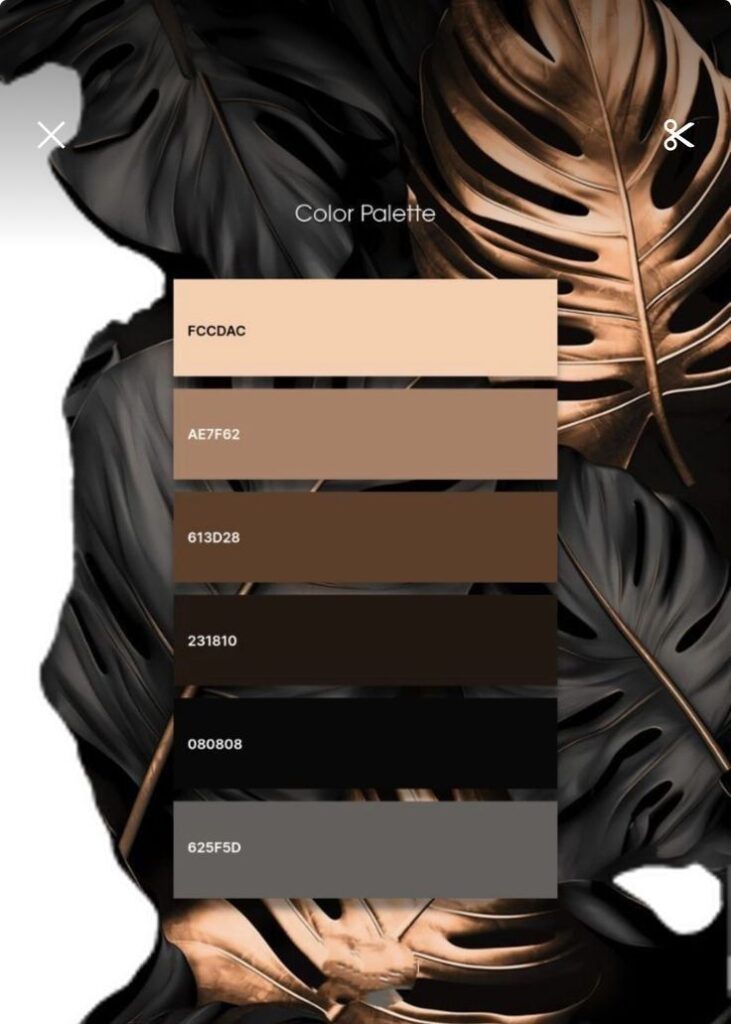
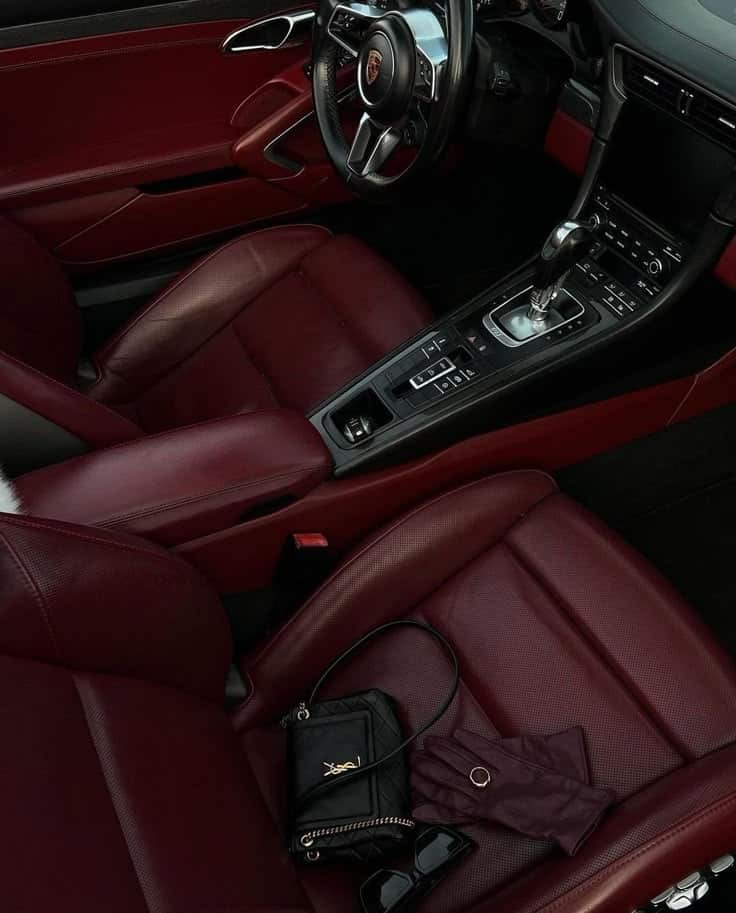
Harmonious color palettes combine shades that complement each other, making the interior feel balanced and inviting. Common pairings include black with tan or gray with cream. Neutral tones like beige, brown, and soft grays often work well because they blend easily with different designs and materials.
The choice depends on the mood the owner wants. For a calm, classic look, soft colors and simple patterns work best. For a sportier feel, bold contrasts like red and black or dark blue may be better. The materials—leather, fabric, or synthetic—also affect how colors appear and work together.
Visual Branding
Carmakers often use interior color schemes as part of their visual branding. Signature colors or specific styles can make a brand instantly recognizable. For example, some brands favor luxurious leather in deep shades, while others highlight modernity with sleek, light palettes.
Colors can also influence how drivers feel. Dark interiors may feel more formal and focused, while light interiors feel open and airy. Balance between style and functionality is key, ensuring things like visibility and comfort aren’t sacrificed for looks.
Personalization Options
Personalizing the car interior is popular today. Custom seat covers, floor mats, and trim pieces allow owners to add unique colors and textures. Options range from classic leather in many colors to fun materials like faux fur or vibrant fabric.
Mixing and matching these pieces can highlight or tone down the main palette. Even small changes like colored stitching or dashboard accents help make the space feel more like the owner’s own. This flexibility makes it easy to create a look that fits individual style and lifestyle.
Integration of Technology
Modern car interiors are now packed with digital features that make driving easier and more enjoyable. These technologies improve how drivers interact with their vehicles and bring more safety and convenience to every trip.
Infotainment Systems

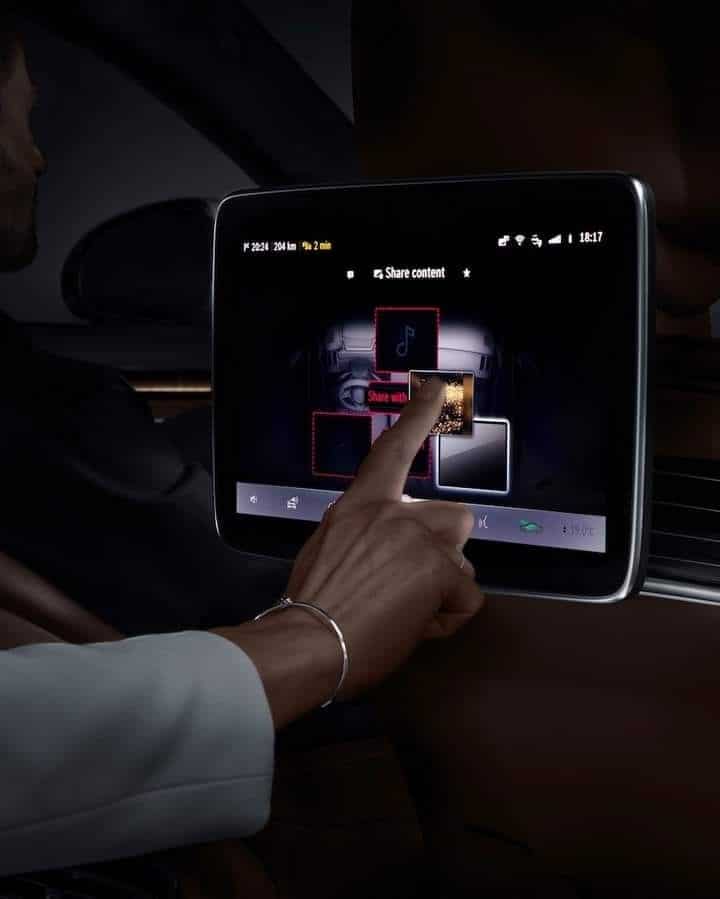
Infotainment systems combine entertainment, navigation, and communication tools in one place. They typically include touchscreen controls that let drivers access maps, music, phone calls, and apps without distraction.
Many new cars also support voice commands using digital assistants like Alexa or Google Assistant. This lets drivers control features hands-free, which helps keep their focus on the road.
Bluetooth and smartphone integration are common, allowing seamless connection with devices. Wireless charging pads and USB ports keep gadgets powered up during drives. These systems are designed with user-friendly menus and quick response times to reduce frustration.
Digital Displays

Digital displays are replacing traditional gauges with customizable screens that show speed, fuel, and other important information clearly. They adapt to what the driver needs to see most, such as navigation directions or safety alerts.
Some vehicles even offer head-up displays that project key data onto the windshield. This keeps vital information within the driver’s view, minimizing the need to look down.
Touch-sensitive panels are also part of the design, allowing quick access to climate controls and vehicle settings. These displays use sharp graphics and bright colors for easy readability in all lighting conditions.
Sustainability in Car Interiors
Sustainable car interiors focus on using better materials and methods to reduce harm to the environment. This means choosing natural, renewable, or recycled materials and finding ways to cut down on water and chemical use during production. These efforts aim to keep comfort and style while protecting the planet.
Eco-Friendly Materials
Carmakers are increasingly using materials like bamboo, cork, and recycled wood for interior parts. Bamboo is strong and fast-growing, making it a great green alternative to plastics or metal trims. Cork is lightweight, renewable, and harvested without damaging trees, which adds a natural look and texture.
Other popular choices include vegan leather made from plant waste like apple peels and ocean plastics recycled into trim pieces. These materials reduce reliance on animal products and synthetic plastics. Using these eco-friendly materials helps lower waste and carbon footprints without losing luxury or comfort inside the car.
Minimizing Environmental Impact
Reducing water and chemical use is key to creating greener interiors. Traditional leather tanning uses lots of water and harsh chemicals. Alternatives like bio-based coatings and vegetable-tanned leather cut down on pollution.
Manufacturers also design interiors to be durable and easy to recycle at the end of a vehicle’s life. This means using fewer harmful adhesives and combining parts for quick disassembly. These moves reduce resource use and waste, helping cars stay eco-friendly from start to finish.
Future Trends in Car Interior Design
Car interiors are changing fast with new technology and design ideas. Comfort, safety, and ease of use are all becoming more important. Materials are also becoming more eco-friendly. These changes make driving and riding more enjoyable and personalized.
Autonomous Vehicle Interiors
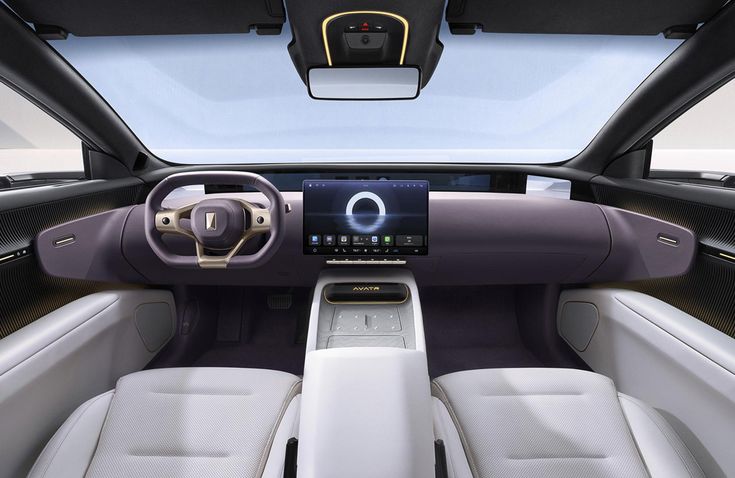
As self-driving cars become more common, interiors are designed around riding, not driving. Seats might face each other to encourage conversation. Tables or screens could be added for work or entertainment during trips.
Comfort is key, with features like adjustable lighting, temperature control, and noise reduction. The lack of a steering wheel or pedals opens up space for creative layouts. Safety systems focus on passenger protection in this new car setup.
Designers also use soft, sustainable materials to create a relaxing atmosphere. This helps passengers feel comfortable on longer trips, making car rides more like a lounge experience.
Smart Connectivity
Car interiors use smart technology to keep drivers and passengers connected. Touchscreens, voice commands, and wireless charging are common features. These systems link to smartphones, smart homes, and even traffic updates.
Personalization is growing. Drivers can save settings for seats, music, and climate that adjust automatically. Heads-up displays project important info directly in the driver’s line of sight, so they don’t need to look away from the road.
Another important feature is seamless integration with apps for maps, calls, and entertainment. This makes travel smoother and safer, while keeping everyone entertained and informed throughout the ride.
What are the main principles of car interior design?
The main principles of car interior design are balancing aesthetics with functionality to ensure comfort, safety, ease of use, and a pleasant environment for drivers and passengers.
How does ergonomics contribute to a better car interior?
Ergonomics in car interior design involves creating a space that fits the needs and body shapes of users, supporting comfort during long drives, and reducing strain from controls and materials.
Why is user-centered design important in cars?
User-centered design is important because it considers the specific needs of different users, making controls intuitive, displays clear, and features customizable, which enhances the driving experience.
What safety features are incorporated into car interior design?
Safety features in car interior design include secure seats, strategically placed airbags, fire-resistant materials, glare-free lighting, and controls designed to prevent driver distraction.
How do digital displays and infotainment systems improve the driving experience?
Digital displays and infotainment systems improve the driving experience by providing clear, customizable information, seamless connectivity, voice control, and easy access to navigation, music, and communication tools.
- 1.5Kshares
- Facebook0
- Pinterest1.5K
- Twitter0
- Reddit0