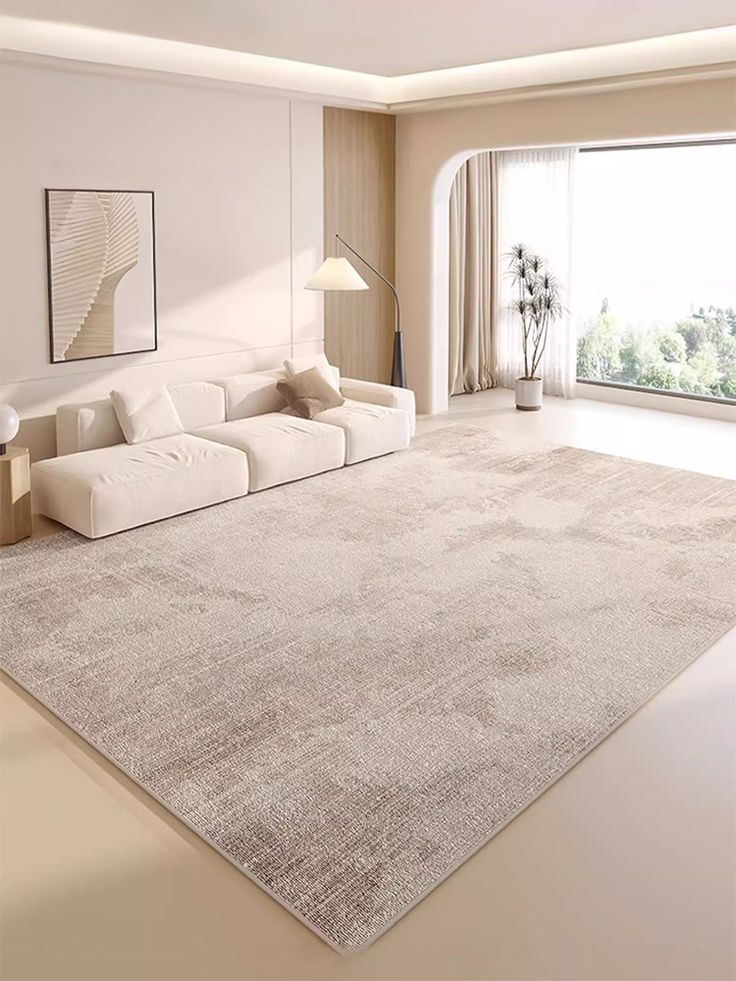
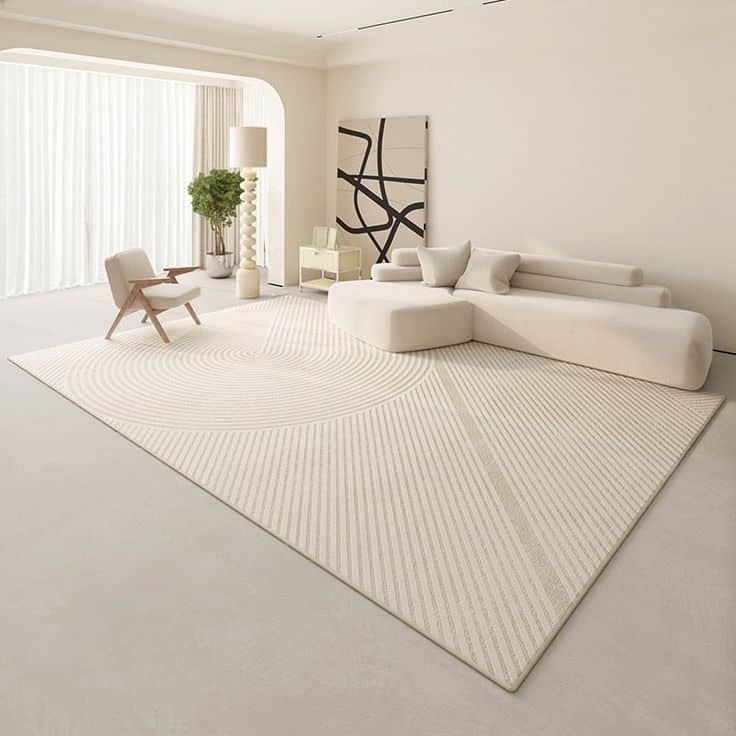
Carpet for living room comfort is about more than choosing a soft surface. The right carpet should fit the way the room is used: low, dense pile for busy family spaces, softer cut pile for quiet seating areas, and a color that works with daylight, furniture, and the mess level of real life.
This guide focuses on modern carpet choices that improve warmth, sound, texture, and style without making cleaning harder than it needs to be.
How to choose carpet for living room comfort
Start with traffic, then choose the look. A living room used every day needs a durable carpet with good fiber recovery, a stain-resistant finish, and a pile height that will not crush quickly under sofas, tables, and foot paths. If the room is mainly for reading or evening TV, you can go softer and plusher. For style, test carpet samples beside the sofa fabric, wall color, and curtains in morning and evening light before you commit.
Key takeaways
- Choose living room carpet by traffic first, then by color, pile, and softness.
- Durable carpet matters most in family rooms, stairs, hallways, and pet-friendly spaces.
- Modern carpets can add warmth, reduce noise, and make open rooms feel more finished.
- Low-pile, stain-resistant, and washable-adjacent routines make carpet easier to live with.
- Natural fiber and recycled options can support a healthier, more considered interior.
What makes carpet a good living room choice?
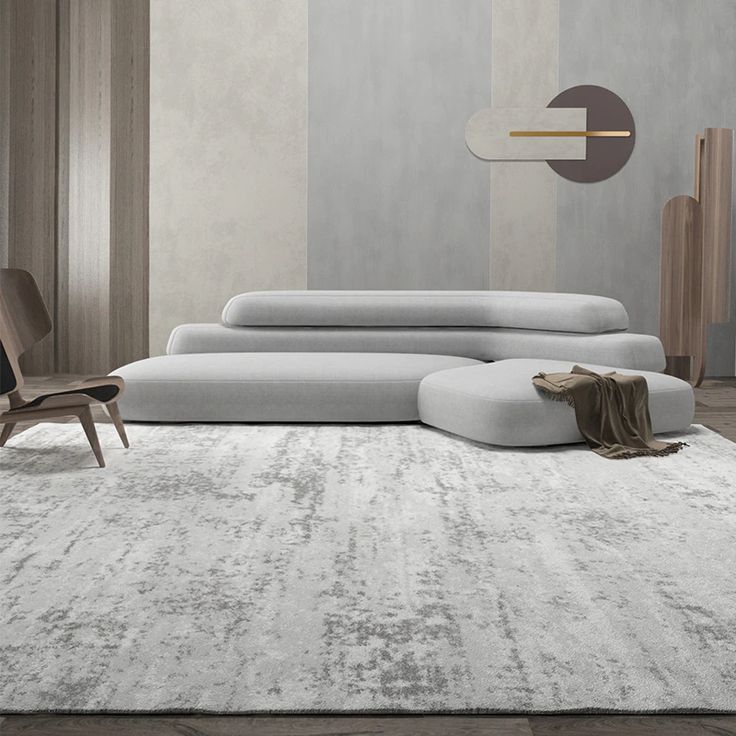
Carpet is still popular because it changes how a room feels the second you walk in. It softens sound, warms up hard-edged furniture, and gives a living room a more settled foundation. For wall-to-wall projects, professional carpet installation can also prevent ripples, loose edges, and awkward seams that make even a good carpet look tired. The best carpet choices balance comfort with practical details: fiber, backing, pile height, color, and how often the room needs cleaning.
Modern carpet materials and features
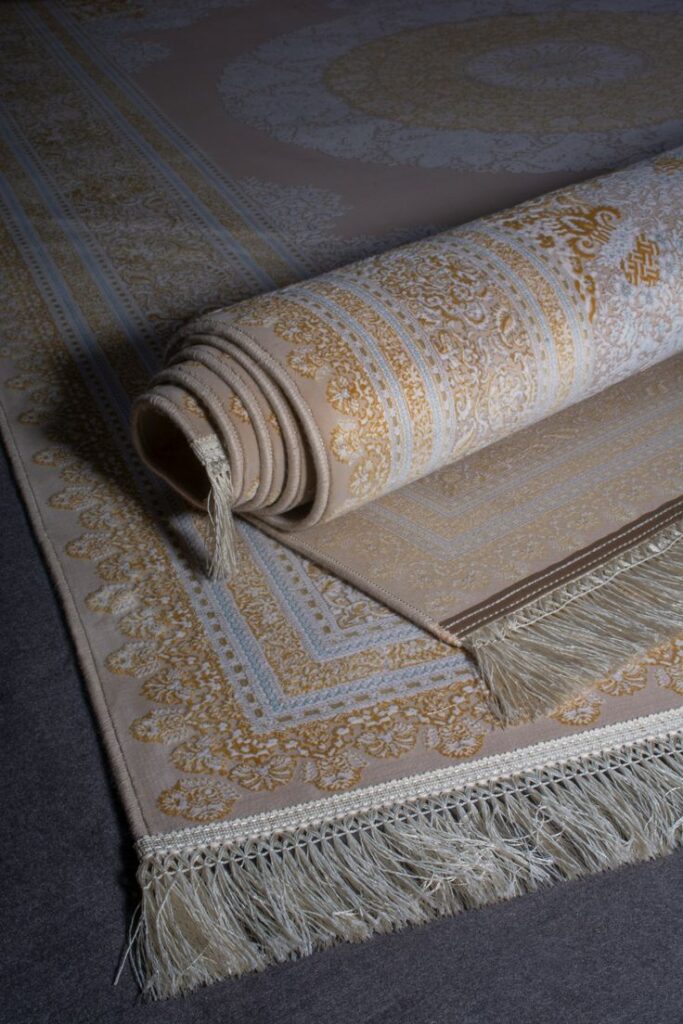
Modern carpet is much more varied than the old beige roll many people imagine. Solution-dyed nylon, polyester, triexta, wool, and blended fibers all behave differently under foot traffic. Some resist stains better, some hold texture longer, and some feel warmer and more natural in a quiet room. If you are choosing carpet for living room use, ask how the fiber handles crushing, fading, moisture, and spot cleaning before you fall for the color.
Backing, density, and finish matter as much as surface softness. A dense carpet with a moderate pile can feel comfortable without showing every footstep. Loop and patterned textures hide wear better in busy zones, while plush cut pile works best where the room is calmer. I would rather see a slightly firmer carpet that keeps its shape than an overly soft one that mats down within a year.
How to match carpet to your lifestyle
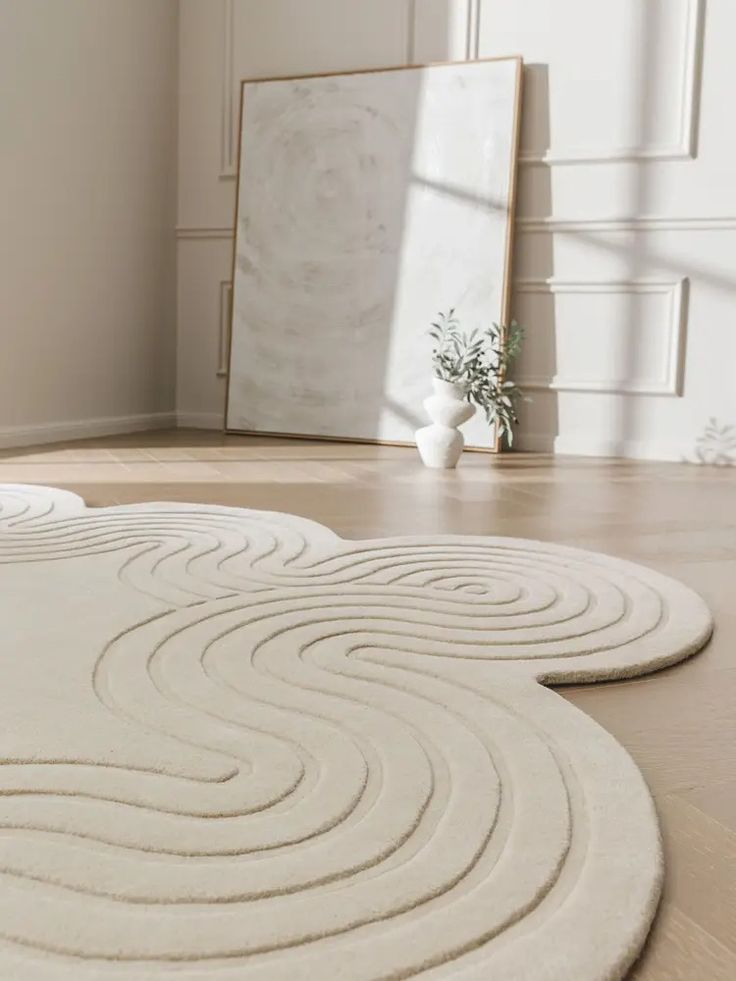
Match the carpet to the household before matching it to a mood board. Homes with children, pets, or constant guests usually need durable carpet, stain resistance, and a forgiving pattern. A low or medium pile is easier to vacuum and less likely to trap crumbs. In a bedroom or formal sitting area, a softer pile can make more sense because the traffic is lighter.
For stairs, hallways, and the main path through a living room, look for strong fiber recovery and a tight construction. For bedrooms and reading corners, softness can take priority. Mixing carpet types across the home is not a compromise; it is often the smartest way to get comfort where you want it and durability where you need it.
Carpet type quick comparison
| Carpet choice | Best room use | What to watch |
|---|---|---|
| Low-pile nylon | Busy living rooms, stairs, family rooms | Can feel firmer than plush carpet |
| Textured polyester | Comfort-focused rooms with moderate traffic | Needs regular vacuuming to keep the pile lifted |
| Wool carpet | Bedrooms, lounges, natural interiors | Costs more and needs fiber-safe cleaning |
| Loop or patterned carpet | High-traffic areas and homes with pets | Some loops can snag, so check pet claws and furniture feet |
Color and texture for modern carpets in the living room
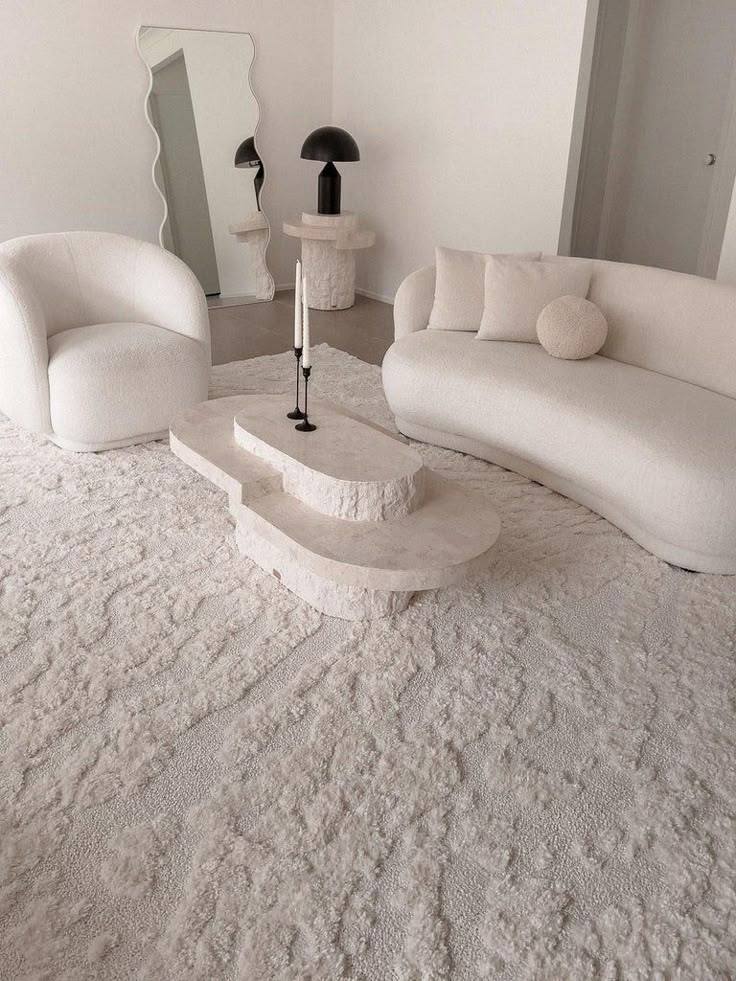
Carpet has a strong effect on interior design because it covers so much visual area. Pale warm neutrals can make a small room feel wider, while charcoal, olive, rust, or patterned carpet can make a large living room feel more grounded. Texture changes the mood too: loop pile reads casual and practical, plush pile feels softer and more polished, and carved or geometric patterns add movement without another piece of furniture.
Allergies, VOCs, and indoor air quality

Carpet can hold dust, pollen, and pet dander, so the maintenance plan matters. Low-pile styles are usually easier to keep clean than thick shag or deep plush. If indoor air quality is a concern, look for low-emission products and check certification programs such as Green Label Plus. The EPA indoor air quality guidance is also useful when you are comparing flooring, ventilation, and cleaning habits together.
Carpet care and maintenance essentials
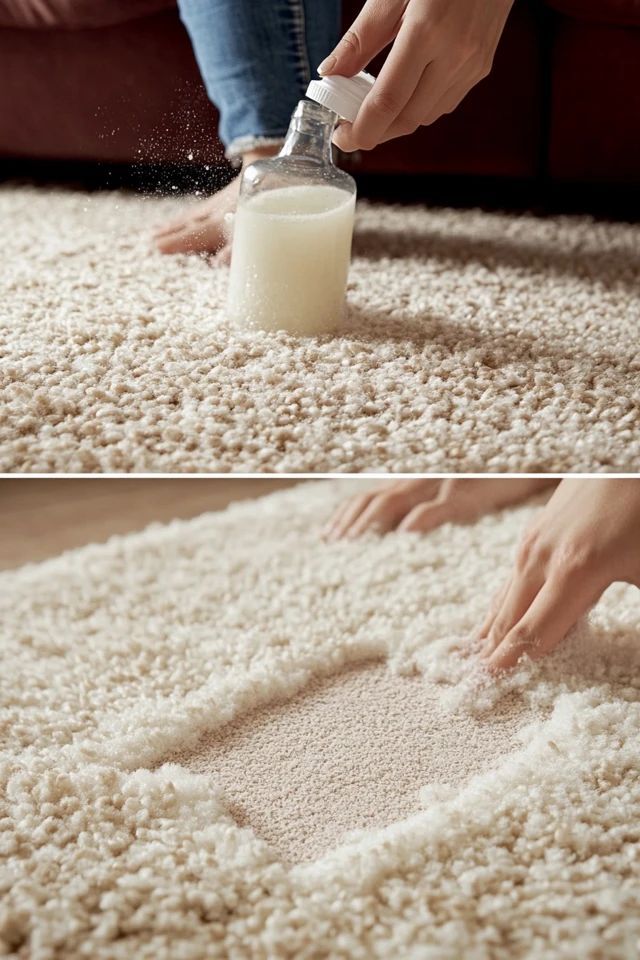
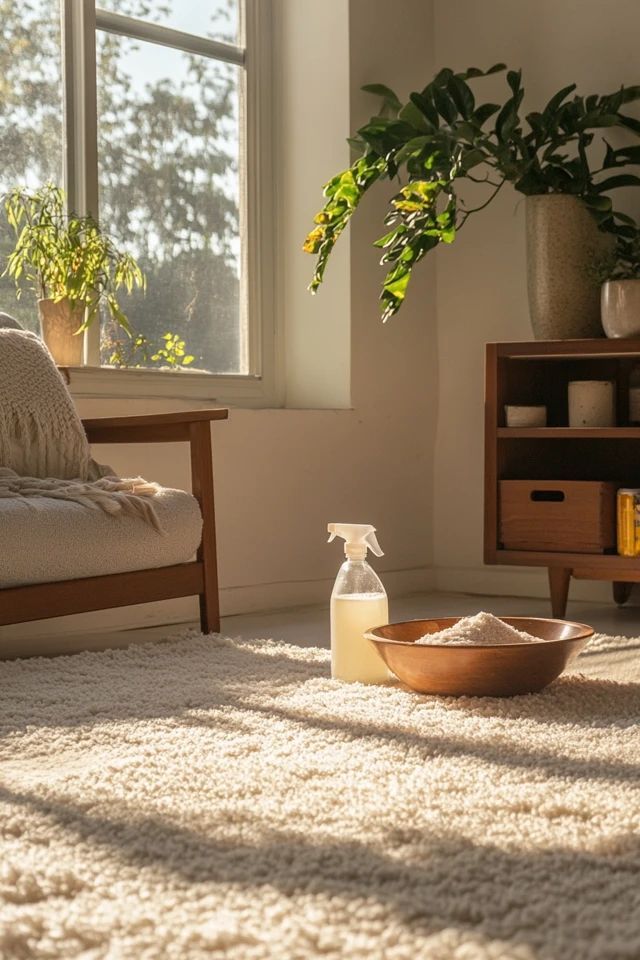
Good carpet care starts with prevention. Vacuum high-traffic lanes before grit gets pushed into the pile, and blot spills instead of rubbing them deeper. Use a cleaner that matches the fiber type, especially on wool or specialty carpets. A small test in a hidden corner is boring advice, but it saves a lot of regret.
Deep cleaning helps restore compressed areas and remove residue that normal vacuuming leaves behind. Professional hot-water extraction or dry encapsulation can be useful once or twice a year, depending on traffic, pets, and allergies. Door mats, shoe-free habits, and rotating furniture also help a living room carpet wear more evenly.
Eco-friendly and sustainable carpet options
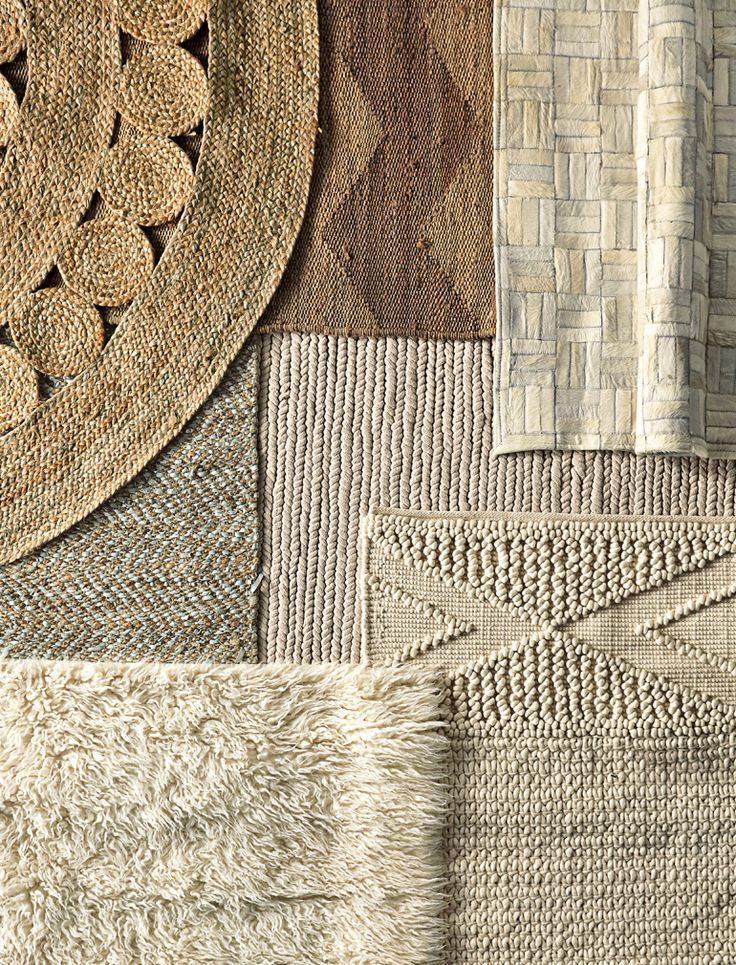
Eco-friendly carpet options include wool, recycled PET, plant-based fibers, and carpets designed for take-back or recycling programs. Natural fiber carpet can feel beautiful, but it still needs the right room: wool handles many homes well, while sisal and jute can be less forgiving with moisture and stains.
When sustainability matters, check the whole product rather than one label on the tag. Fiber, backing, adhesive, stain treatment, emissions, and end-of-life recycling all affect the footprint. A durable carpet that lasts longer can be the greener choice compared with a delicate option that needs replacing early.
Professional carpet installation matters

A premium carpet reaches its potential only when it is installed well. Accurate measuring, seam placement, stretching, underlay choice, and edge finishing all affect comfort and lifespan. Poor installation can cause ripples, early wear, and trip hazards. If you are investing in a high-end or wall-to-wall carpet, skilled installation protects the look as much as the material itself.
Carpet for living room FAQ
Q: What is the best carpet for living room comfort?
A: The best carpet for living room comfort is usually a medium-density carpet that balances softness with recovery. Nylon and triexta are strong choices for busy rooms, while wool feels warmer and more natural in quieter spaces. Test samples under natural and evening light, then press the pile with your hand to see how quickly it springs back.
Q: Are modern carpets good for high-traffic areas?
A: Yes, modern carpets can work well in high-traffic areas if you choose the right construction. Look for dense pile, good twist, stain resistance, and a fiber known for durability. Low-pile or patterned carpet usually hides wear better than very plush carpet, especially in family rooms, stairs, and hallways.
Q: What carpet color makes a living room feel bigger?
A: Light warm neutrals, soft greige, pale taupe, and gentle gray can make a living room feel bigger because they reflect more light and keep the floor visually quiet. Avoid a carpet that is much darker than every other surface in a small room unless you want a deliberately cozy, grounded effect.
Q: Which carpet is easiest to clean with pets or kids?
A: The easiest carpet for pets or kids is usually low to medium pile with stain-resistant fiber and a subtle pattern. Dense nylon, triexta, and some solution-dyed polyester carpets clean more easily than deep plush styles. Choose a color that hides small crumbs and pet hair between vacuuming sessions.
Q: Can carpet affect indoor air quality?
A: Carpet can affect indoor air quality if dust, dander, or cleaning residue builds up in the pile. Low-pile carpet, regular vacuuming with a HEPA filter, good ventilation, and low-emission products all help. If someone at home is sensitive, avoid very deep pile and check product certifications before buying.
Q: How often should living room carpet be professionally cleaned?
A: Most living room carpet benefits from professional cleaning about once a year. Homes with pets, children, allergies, or heavy foot traffic may need it every six to nine months. The goal is not only stain removal; cleaning also lifts residue and grit that slowly wears down the fibers.
Related carpet and living room guides
- types of carpet guide
- natural fiber carpet options
- carpet tiles vs traditional carpet
- why rugs and carpets change a home
- carpet cleaning safety guide
- carpet runners for high-traffic areas
- natural fiber rugs guide
- layering area rugs
- rug sets the tone for a room
- living room interior design ideas
Choose the carpet that solves the room you actually have: traffic first, comfort second, style third. When those three agree, the living room feels warmer, quieter, and easier to use every day.
- 58shares
- Facebook0
- Pinterest58
- Twitter0
- Reddit0